
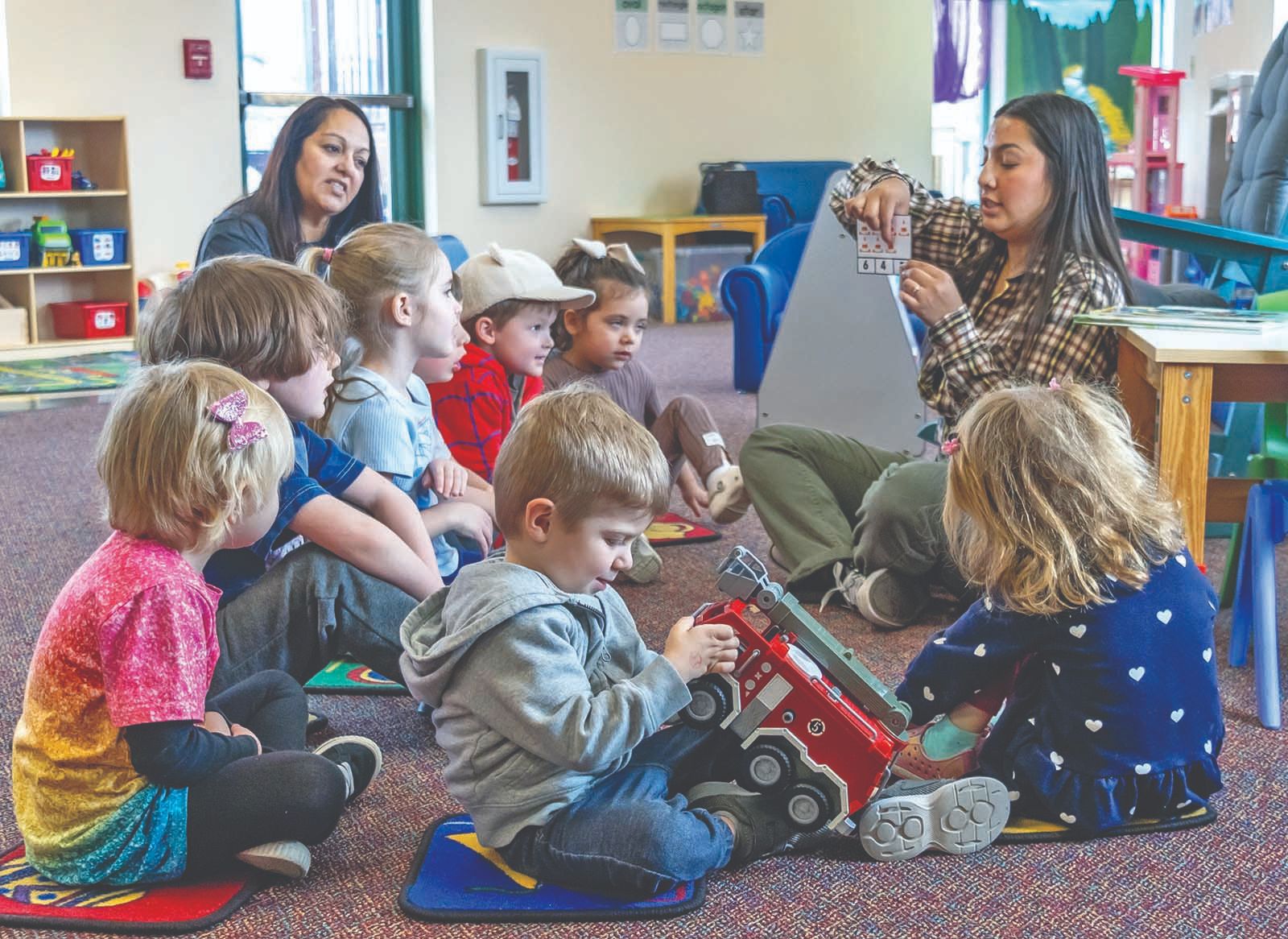
Nurturing Parental and Community Support for Child Development, Parental support and community engagement stand at the heart of every child’s educational journey. Furthermore, decades of research consistently demonstrate that children flourish academically, socially, and emotionally when the adults around them—parents, teachers, and neighbors alike—work together toward a shared vision of growth. In this article, we explore why nurturing parental and community support matters, how schools and families can collaborate more effectively, and what strategies produce lasting educational outcomes for children of all backgrounds.
The Foundation: Why Parental Support Matters
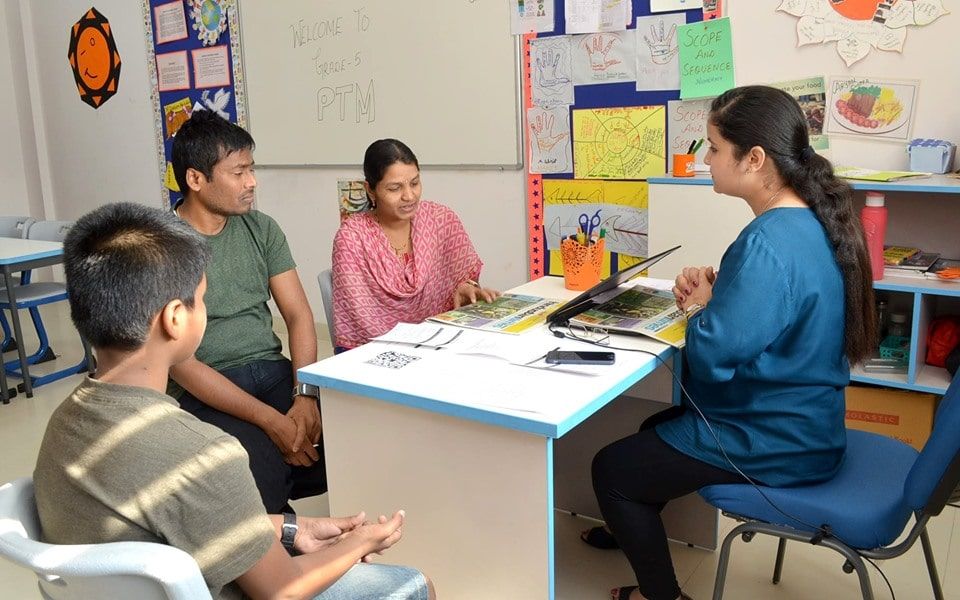
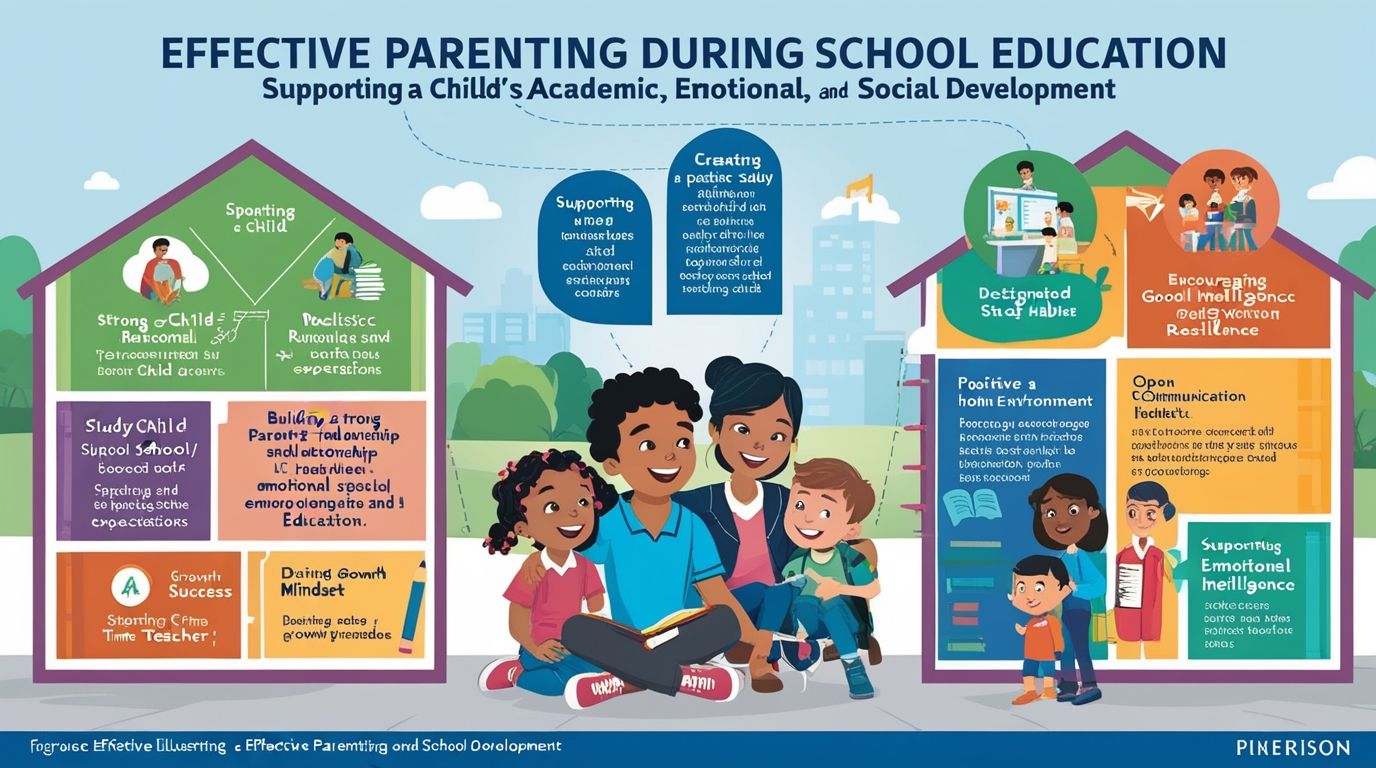
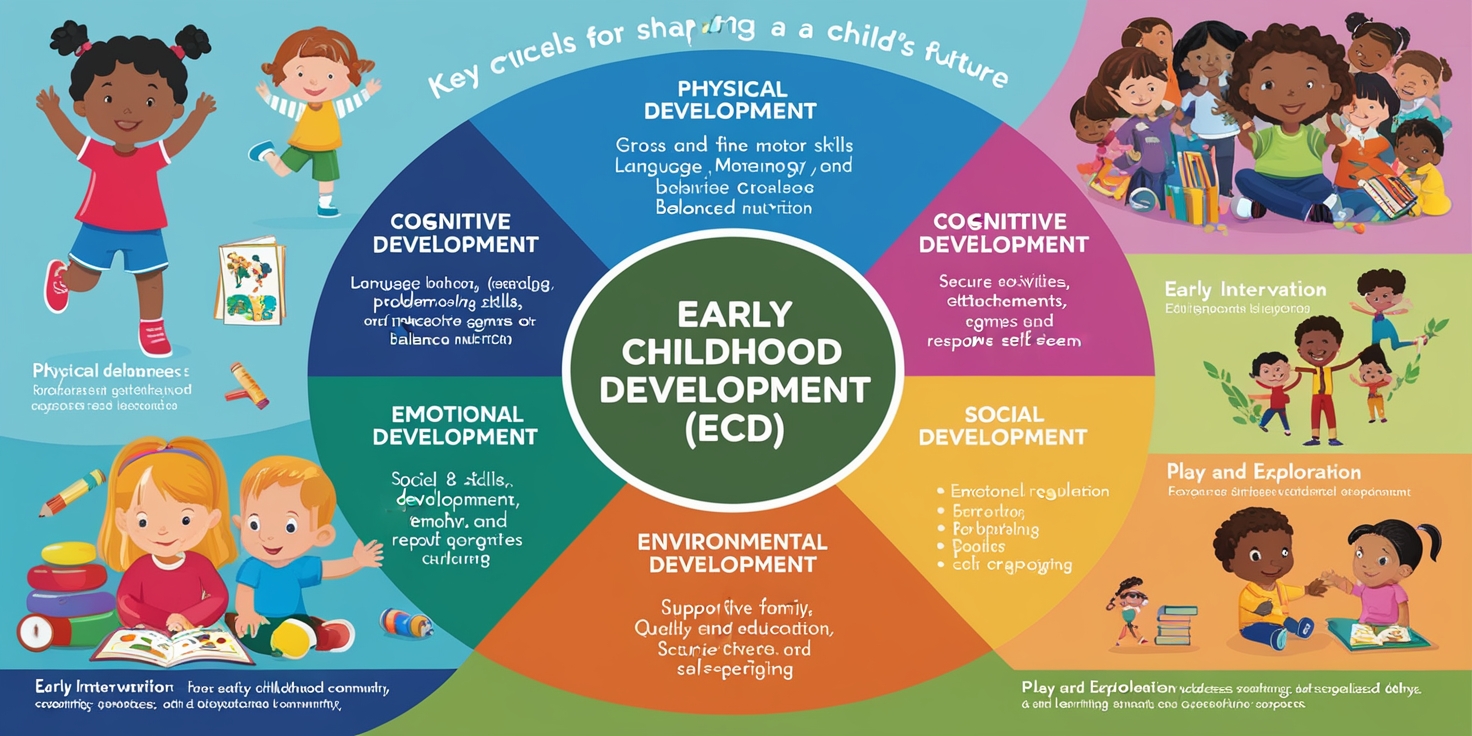
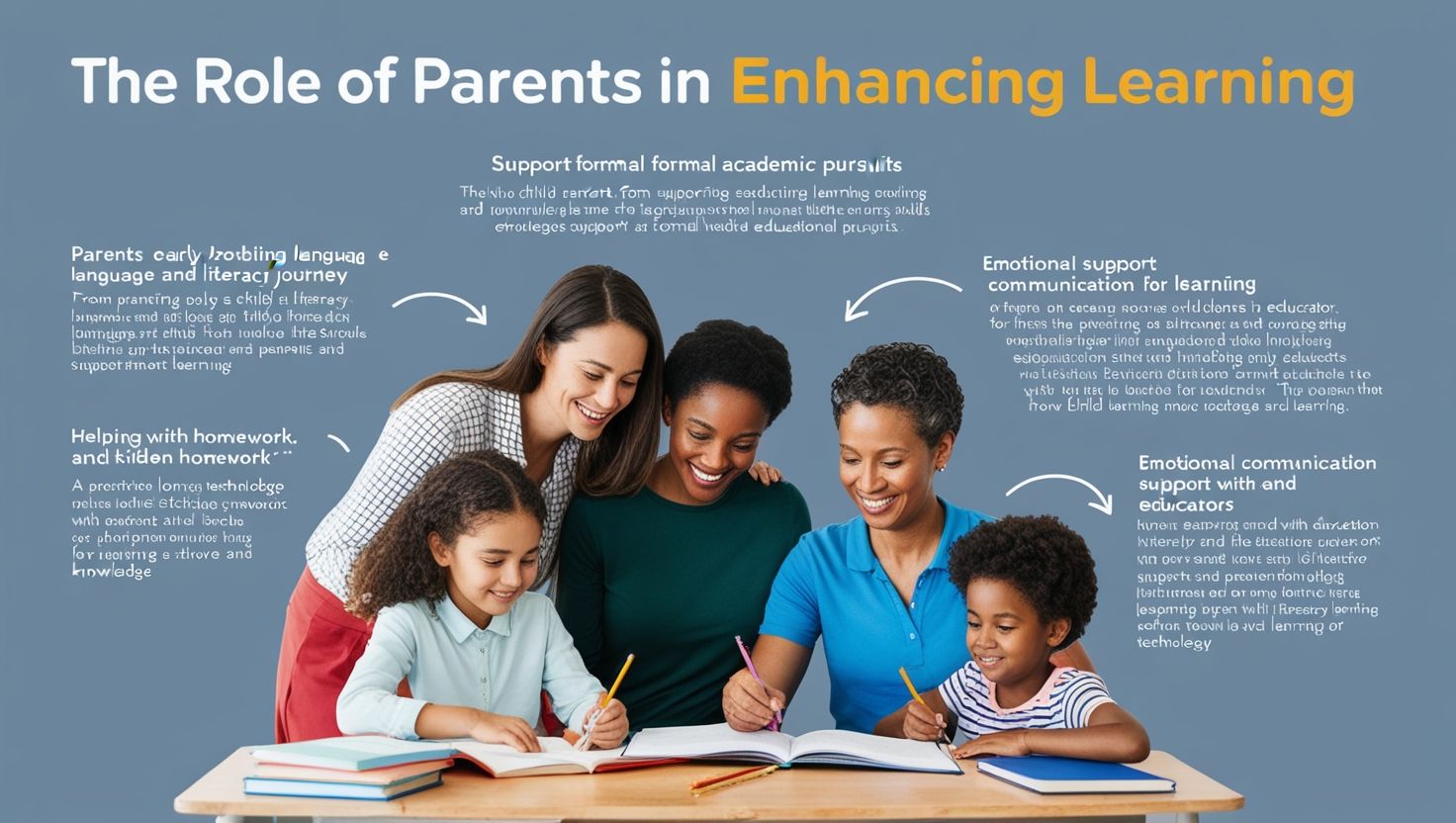
Parental involvement is widely recognized as one of the strongest predictors of a child’s academic success. Indeed, children whose parents actively participate in their learning tend to demonstrate higher grades, improved attendance, and stronger self-esteem. Moreover, this involvement is not limited to formal settings like report card meetings; it also includes everyday moments such as reading together, discussing schoolwork at the dinner table, and modeling positive attitudes toward learning.
In addition, emotional support from parents helps children build resilience. When a child knows that home is a safe space to discuss struggles—whether academic or social—they are more likely to develop healthy coping mechanisms. Consequently, this emotional groundwork translates into better classroom behavior and a greater willingness to take on challenges. As such, schools that actively invite parents into the educational process, rather than treating them as passive bystanders, tend to see measurably better outcomes for their students.
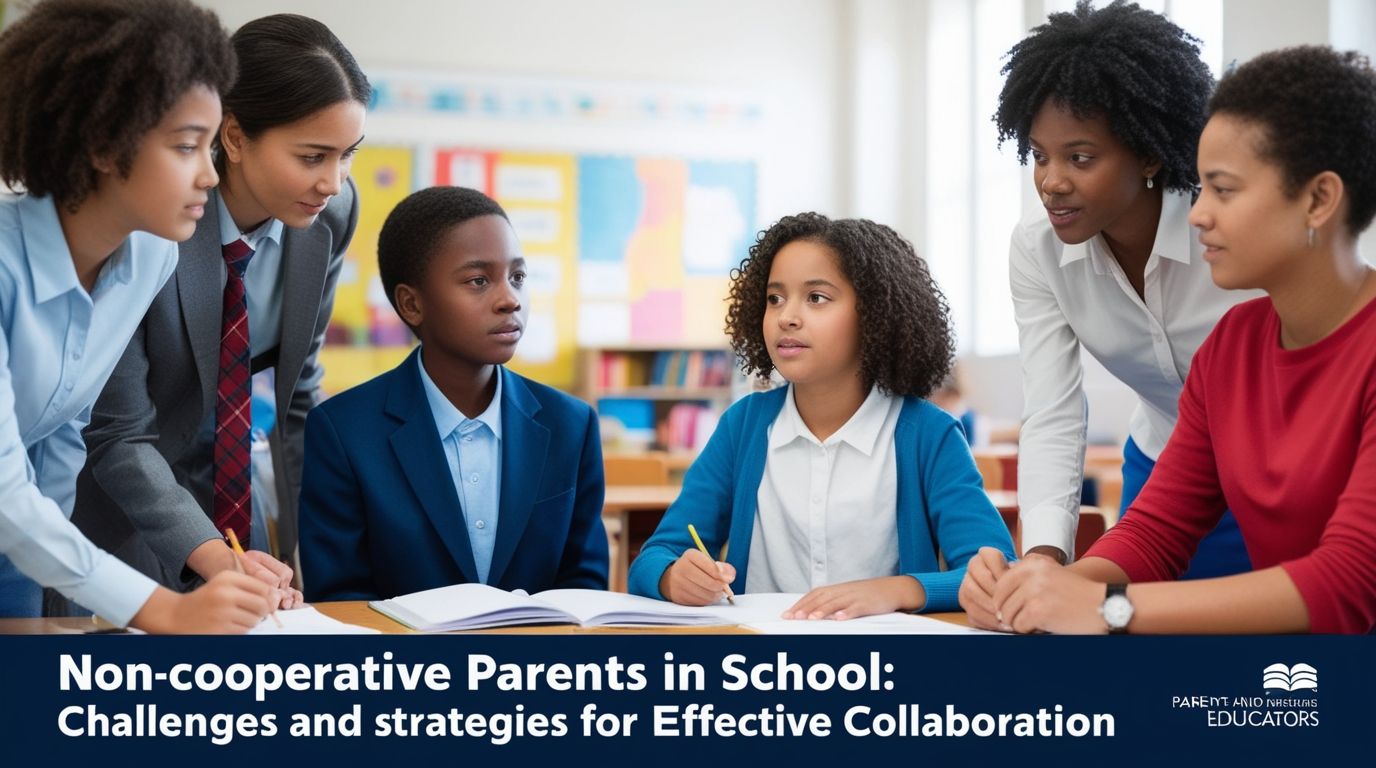
Notably, family engagement does not require a particular level of income or education. Rather, it is rooted in consistent, intentional presence: asking about a child’s day, attending school events when possible, and communicating regularly with teachers. Therefore, schools should design outreach efforts that are accessible to all families, regardless of their circumstances, so that no parent feels excluded from their child’s growth.
The Wider Circle: The Role of Community Engagement
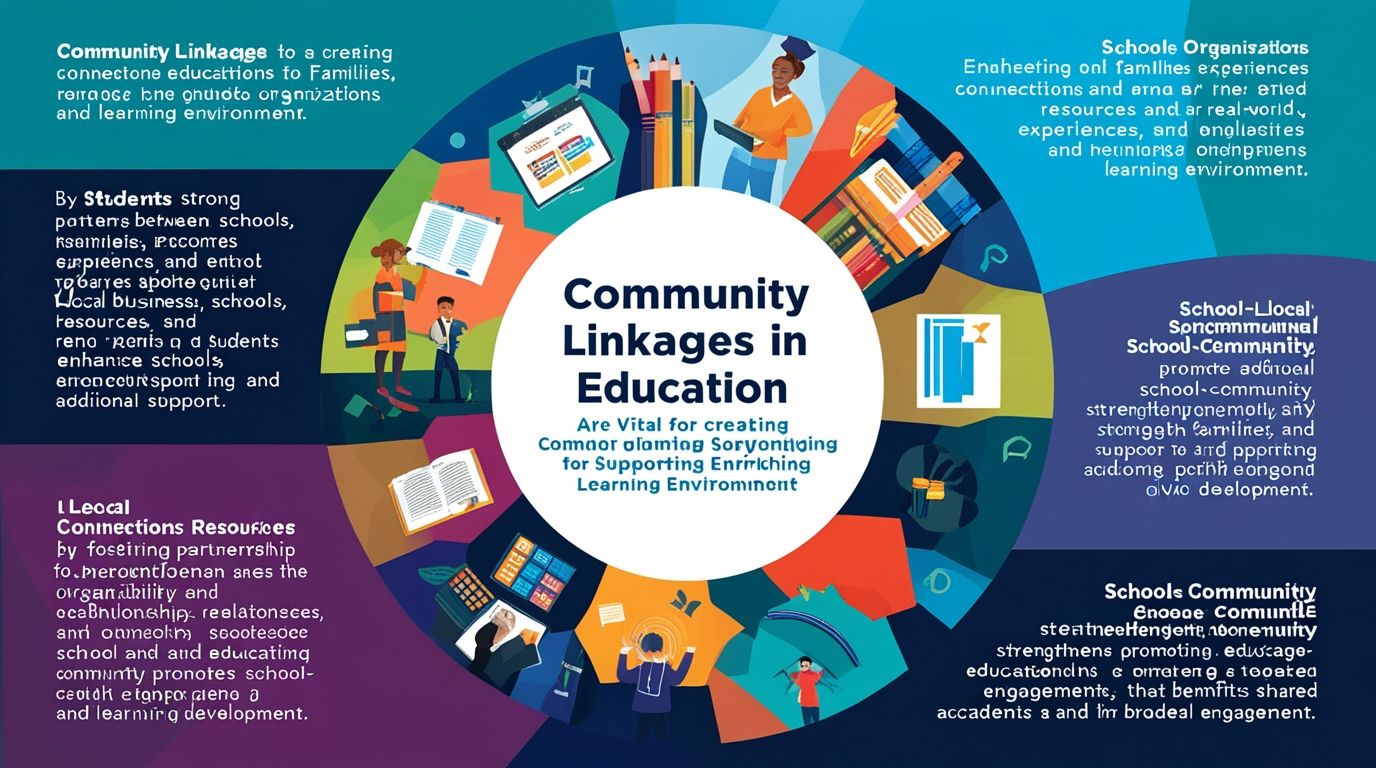
While parents form the innermost circle of support, community engagement extends that circle outward. Neighbors, local businesses, faith organizations, and civic groups all play a role in shaping the environment in which children grow. For example, community mentorship programs pair young people with trusted adults who can offer guidance beyond what busy parents or overextended teachers can provide alone.
Similarly, community partnerships with schools often bring valuable resources—tutoring programs, after-school activities, and access to technology—that individual families might not otherwise afford. On the other hand, communities lacking these support structures frequently see children falling behind, not due to a lack of potential, but due to a lack of social capital and available opportunity. This disparity highlights why community-based support systems are not a luxury but a necessity for equitable education.
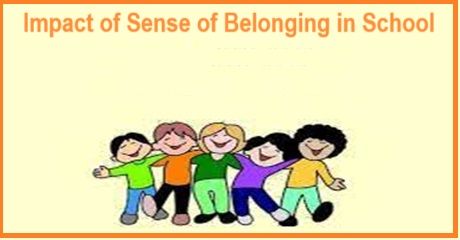
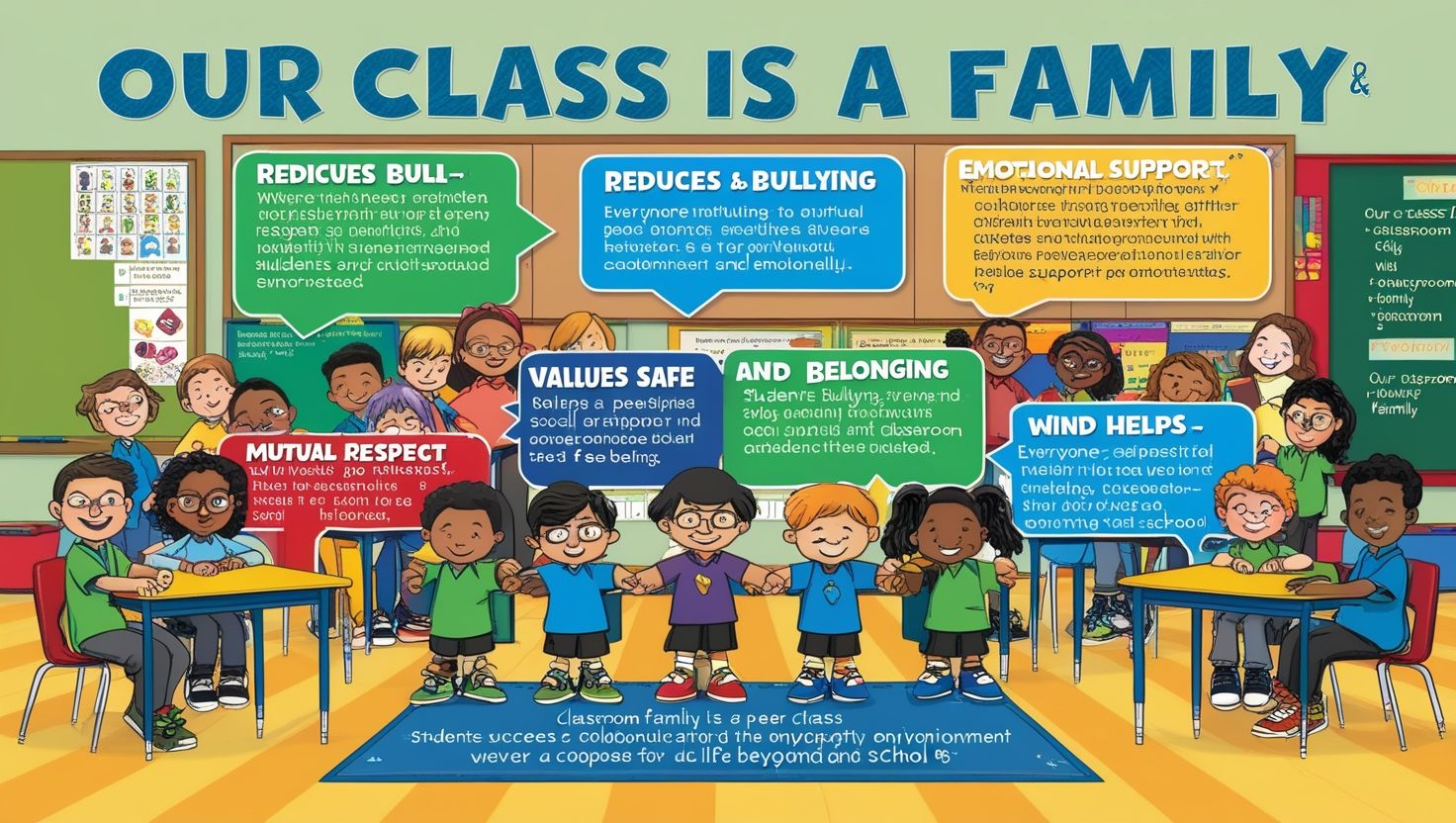
Furthermore, community involvement fosters a sense of belonging. When children see adults beyond their immediate family investing time and resources in their success, they internalize the message that they matter to the wider world. This sense of collective responsibility strengthens social-emotional development and reduces feelings of isolation, particularly among children from underserved neighborhoods.
Building Effective School-Community Partnerships
Establishing strong school-community partnerships requires intentional planning rather than sporadic goodwill. To begin with, schools must identify local organizations willing to collaborate—libraries, health clinics, recreation centers, and businesses—and formalize these relationships through clear agreements and shared goals. As a result, resources such as tutoring, mental health services, and extracurricular programming become more accessible to students who need them most.
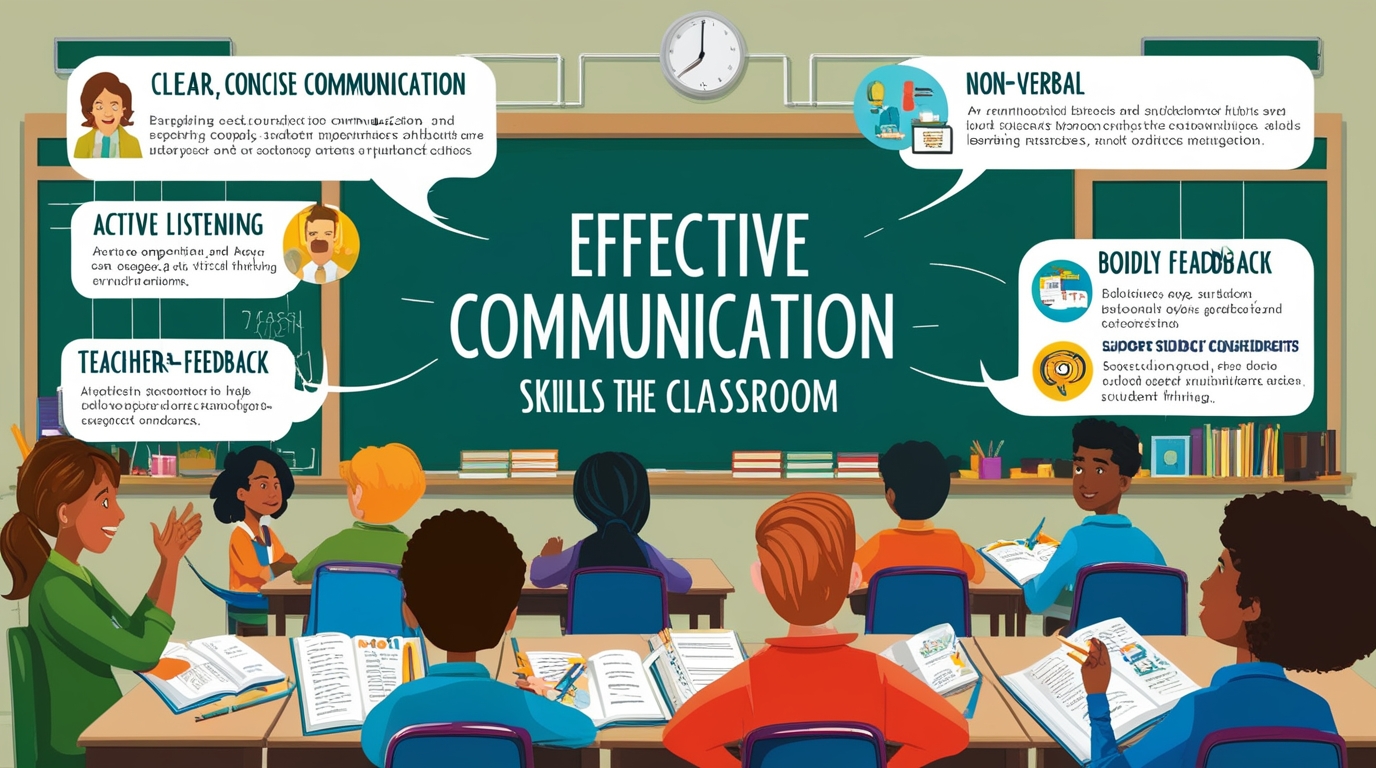
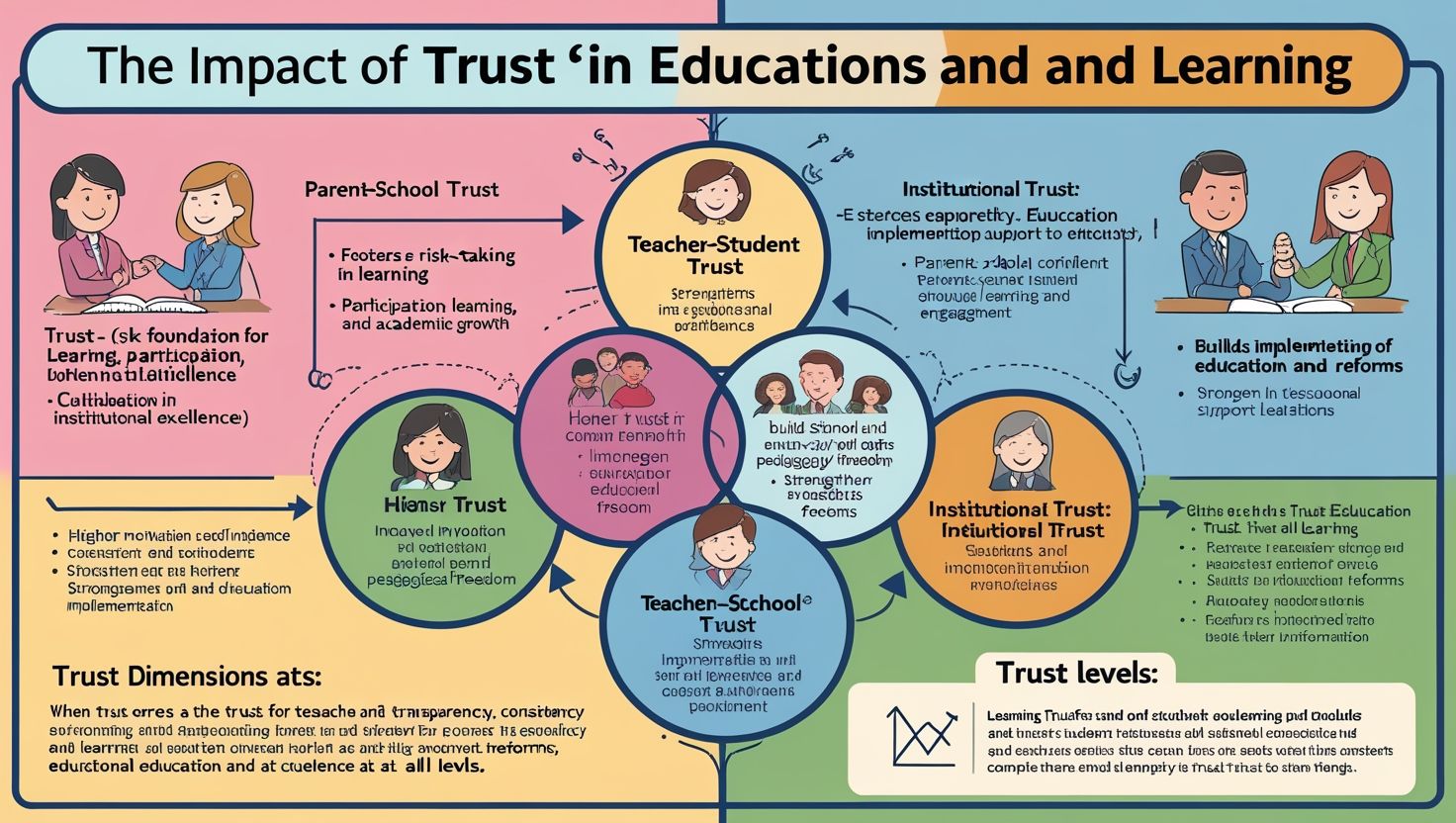
Equally important is communication. Schools that maintain open channels with families—through newsletters, apps, or community liaisons—create trust and transparency. Consequently, parents feel more comfortable reaching out when challenges arise, rather than waiting until problems escalate. In this respect, two-way communication is far more effective than one-directional announcements, since it invites dialogue and collaborative problem-solving.
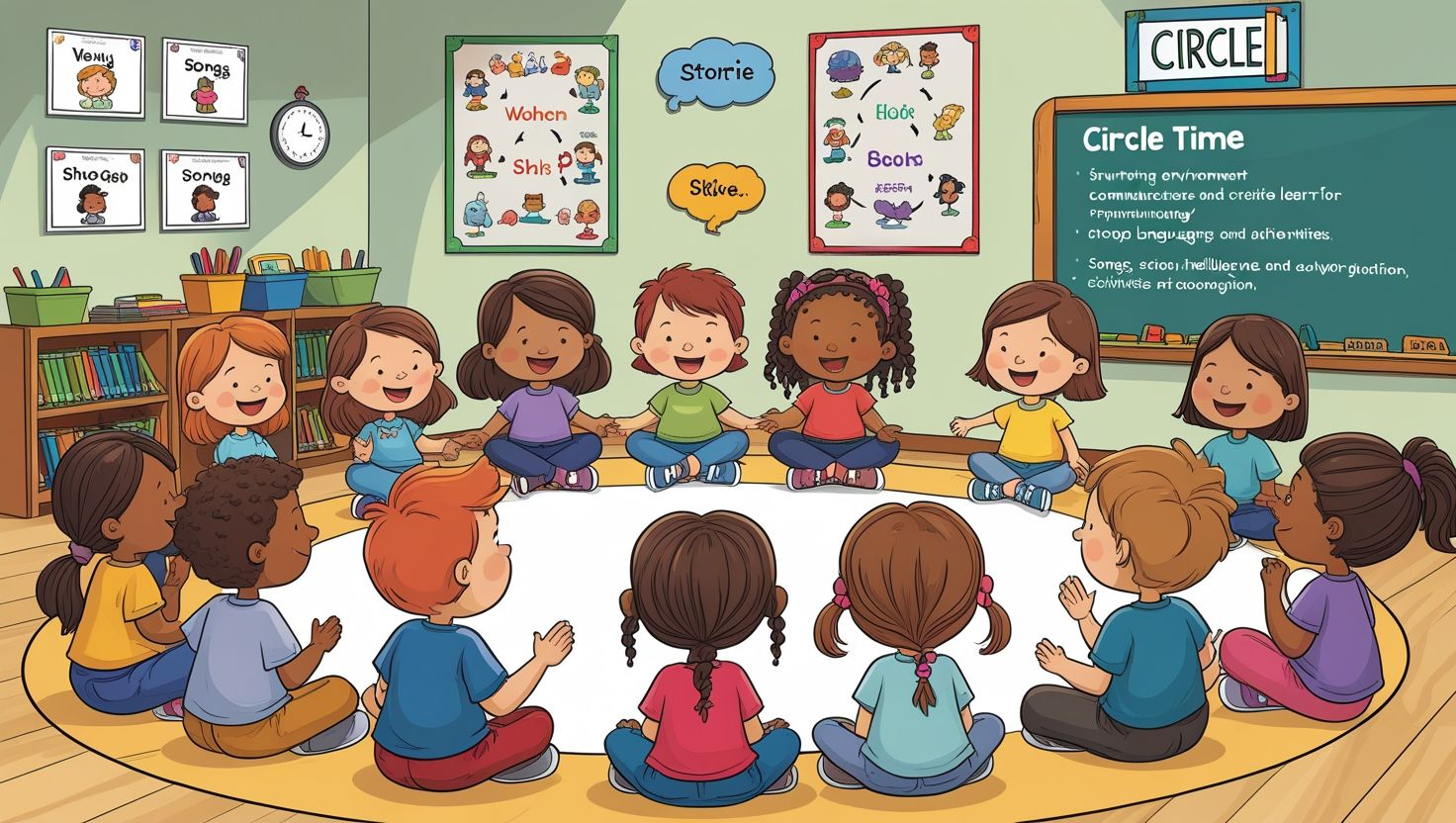
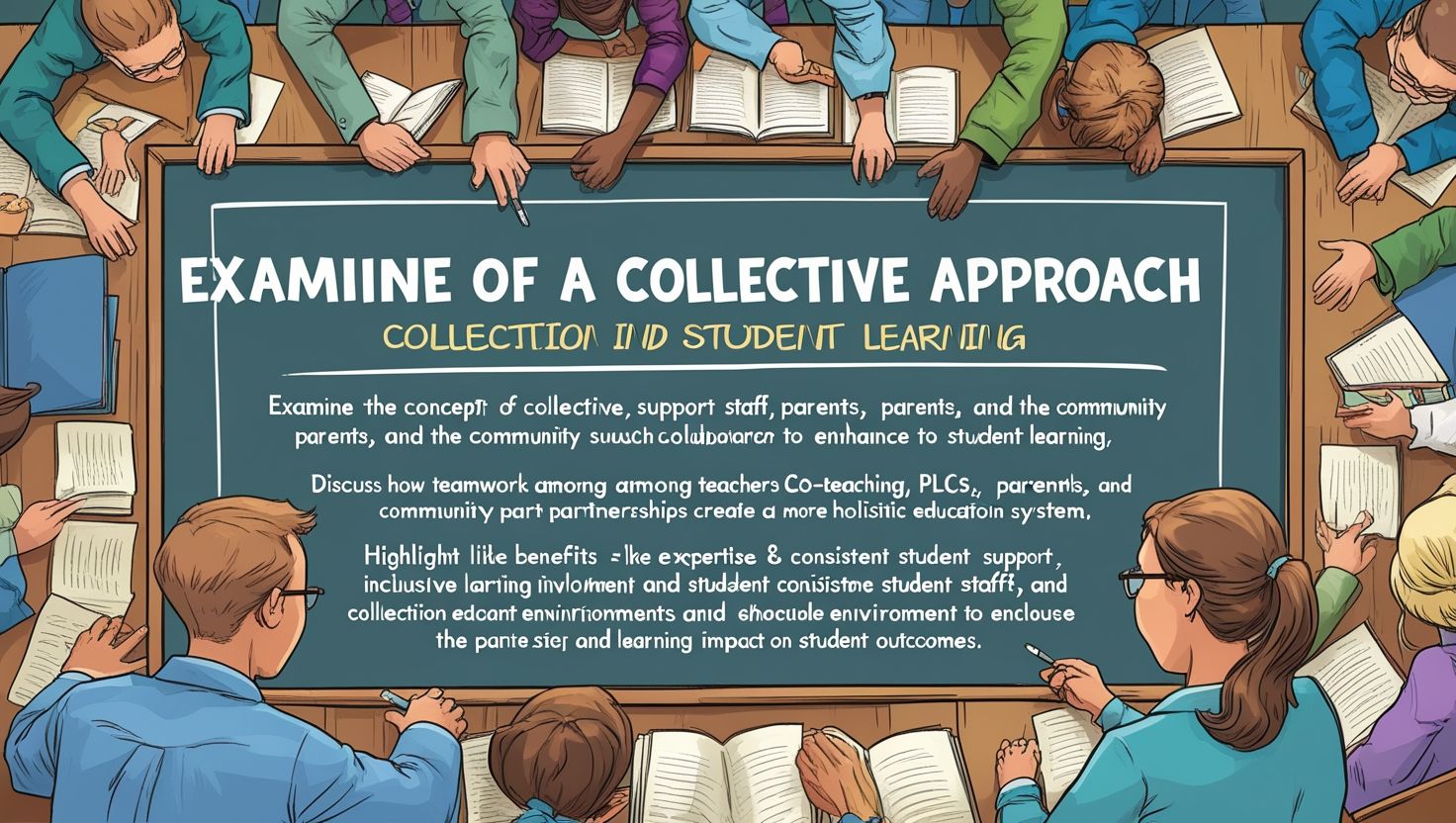
Additionally, schools can host community events such as cultural fairs, volunteer days, or family literacy nights. These gatherings serve dual purposes: they strengthen relationships between families and educators, and they showcase the diversity and strengths within a community. Over time, such events cultivate a culture of belonging that benefits both students and the adults who support them.
Strategies for Nurturing Involvement
Several evidence-based strategies can help schools and communities nurture deeper involvement:
- Flexible engagement opportunities — Offering meetings and events at varied times accommodates working parents and caregivers with different schedules.
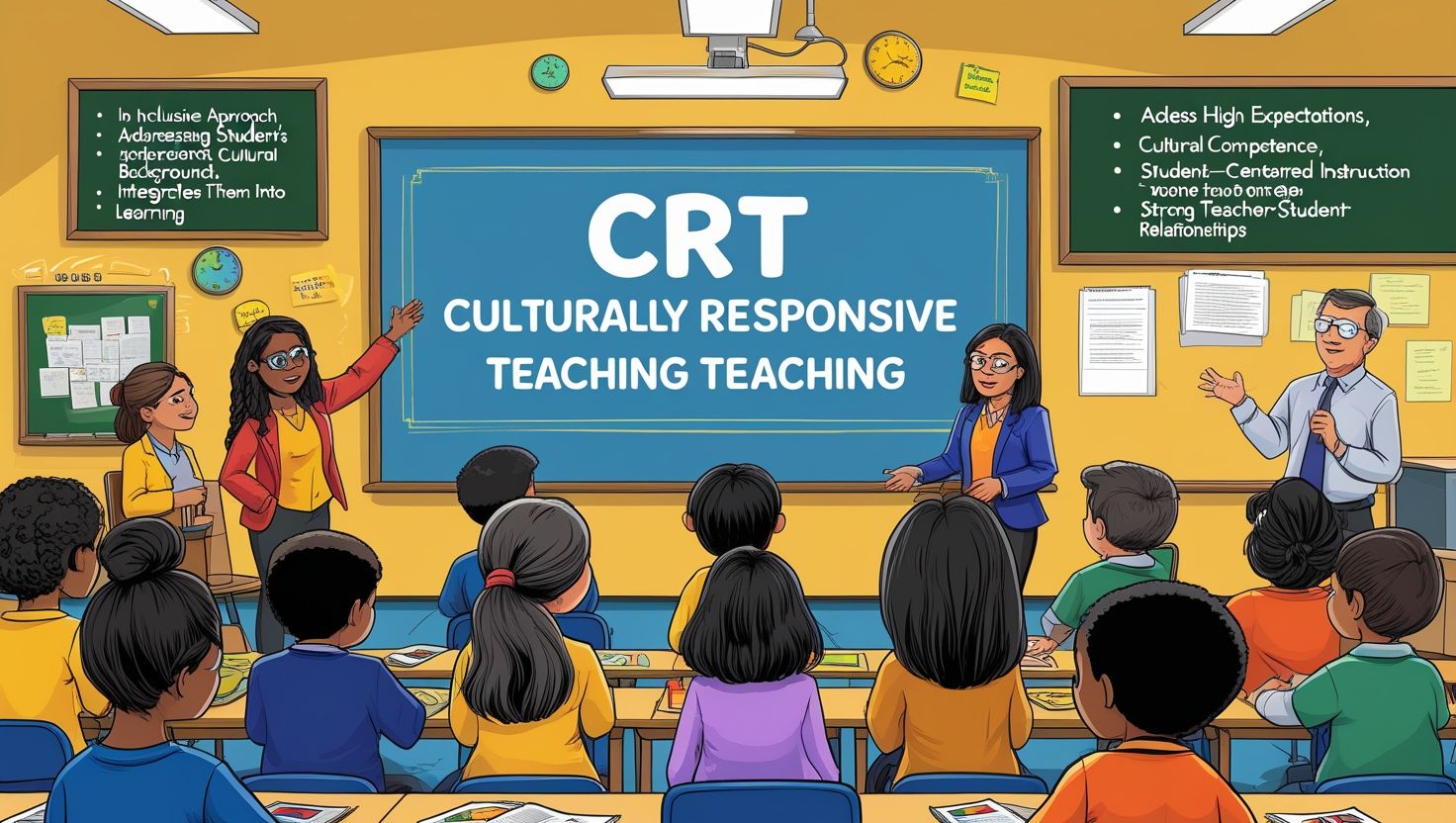
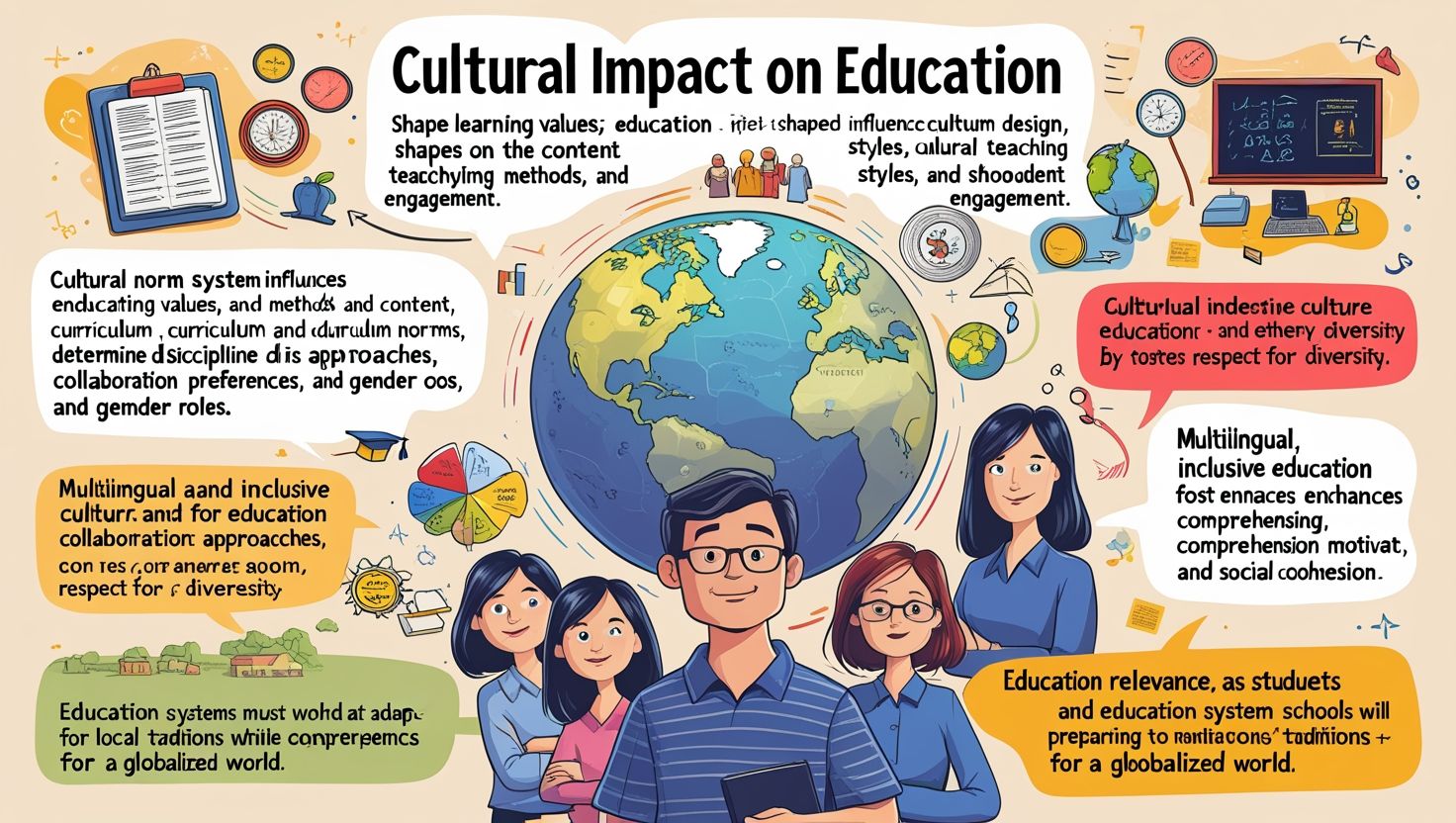
- Culturally responsive outreach — Communicating in families’ home languages and respecting cultural traditions increases participation among diverse populations.
- Volunteer and mentorship programs — Structured opportunities for community members to engage directly with students build lasting relationships.
- Digital communication tools — Apps and online platforms make it easier for busy parents to stay updated on assignments, events, and their child’s progress.
- Parent leadership roles — Inviting parents to serve on school boards or advisory committees ensures their voices shape policy, not just participate in it.
Undoubtedly, these strategies work best when implemented together rather than in isolation. For instance, a school might combine flexible scheduling with culturally responsive communication to reach families who previously felt disconnected from the educational process. In turn, this comprehensive approach fosters sustainable engagement rather than one-off participation.
Overcoming Barriers to Involvement
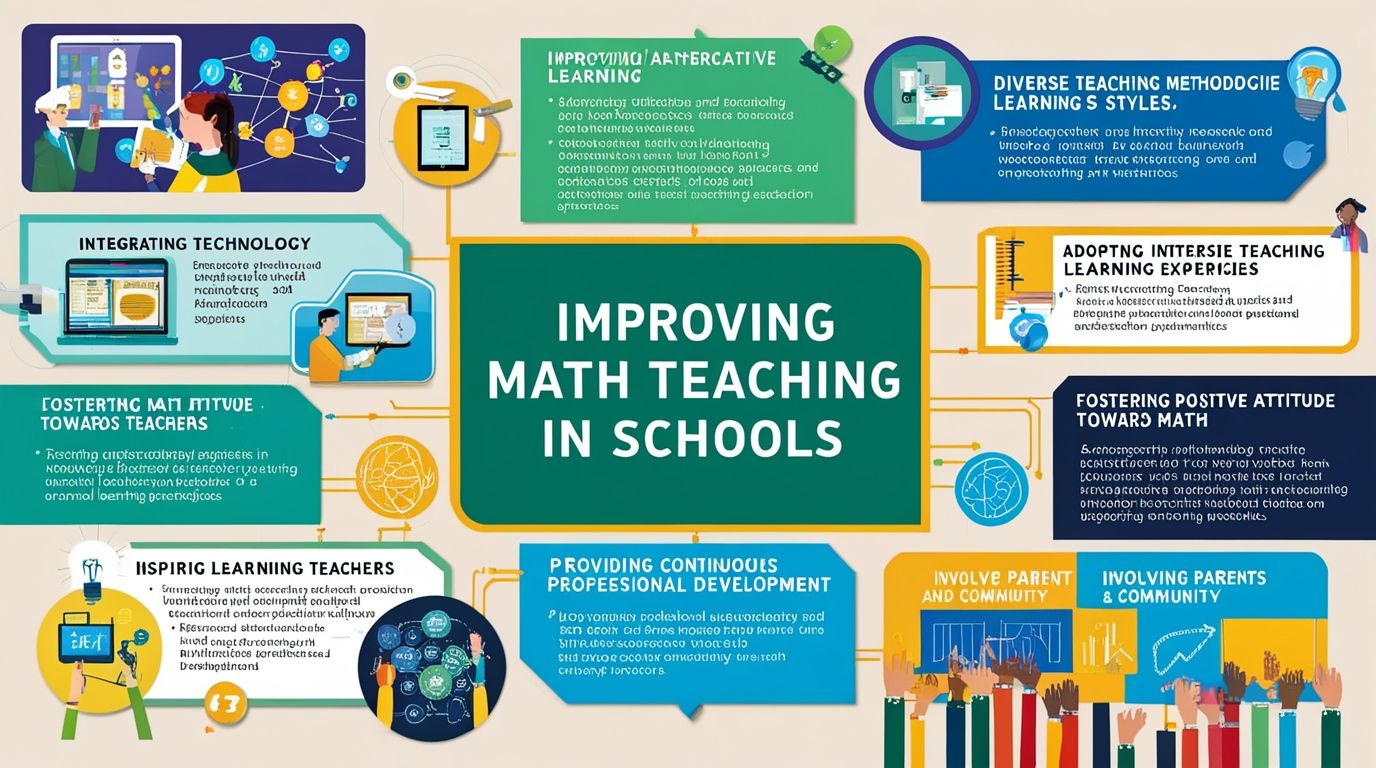
Despite best intentions, many families face real barriers to involvement: demanding work schedules, transportation challenges, language differences, or previous negative experiences with schools. Nevertheless, these obstacles are not insurmountable. Schools can address transportation issues by offering virtual meeting options, while language barriers can be mitigated through interpreters and translated materials.
Moreover, some parents may feel intimidated by academic settings, particularly if their own school experiences were difficult. In such cases, building trust becomes paramount. Teachers and administrators who approach families with empathy—rather than judgment—create an environment where parents feel welcomed rather than scrutinized. As a result, even hesitant families gradually become more engaged over time.
Community organizations can also help bridge these gaps. Local nonprofits, for example, often have established trust within specific neighborhoods and can serve as intermediaries between schools and families who might otherwise remain disconnected. Therefore, forming alliances with these organizations should be a priority for any school seeking to expand its outreach efforts.
The Long-Term Impact on Child Development
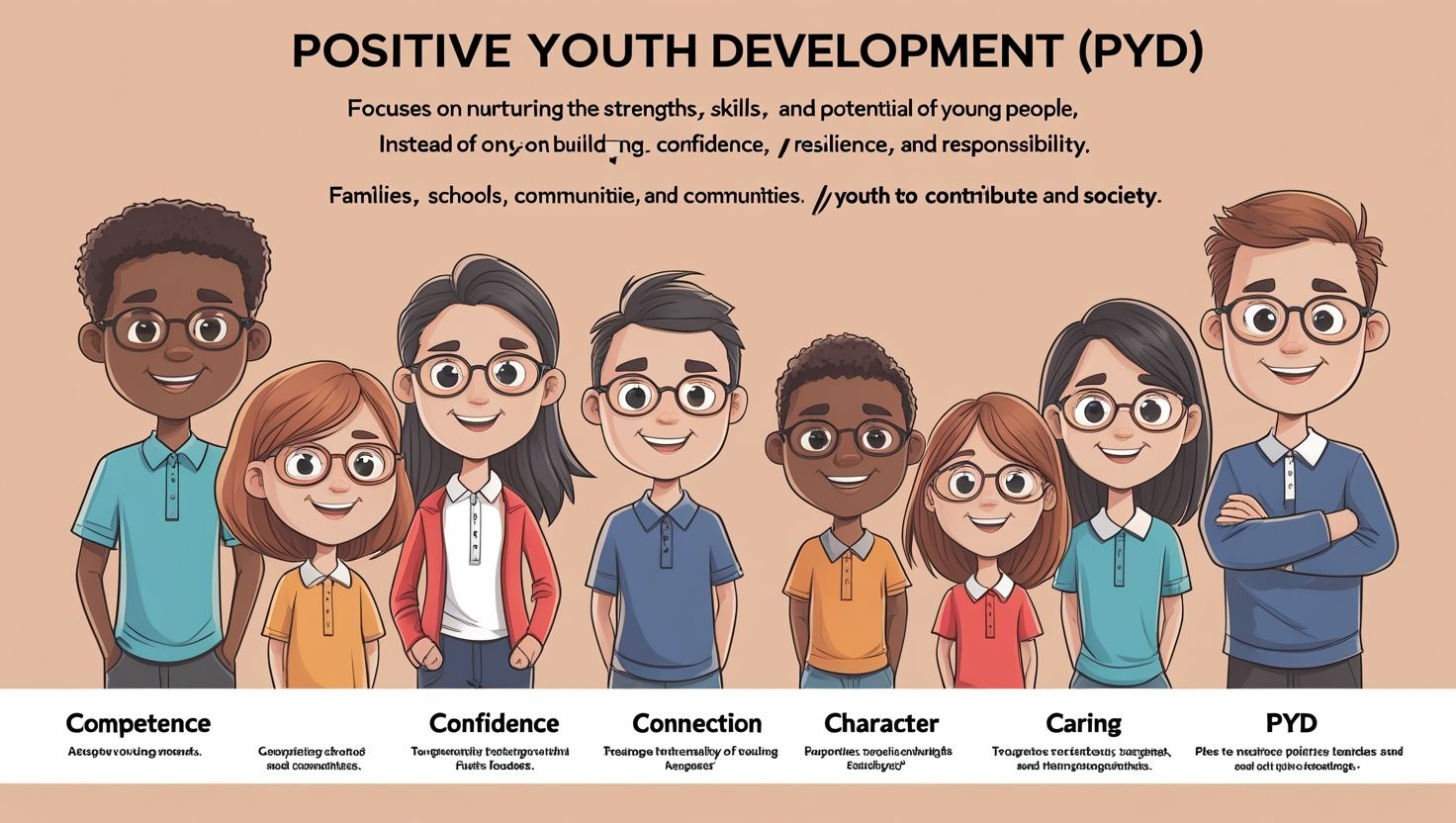
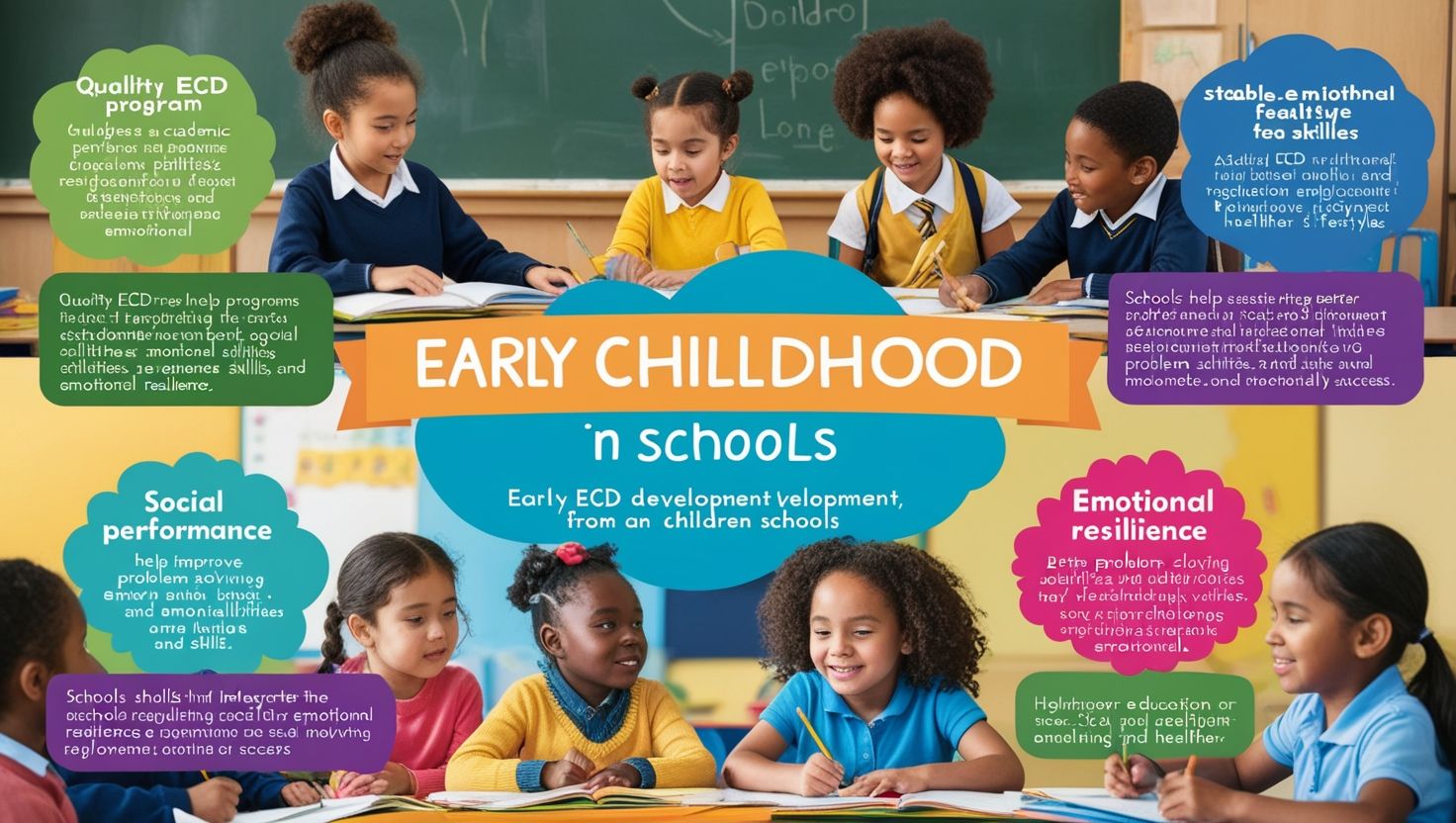
The benefits of nurturing parental and community support extend far beyond a single school year. Longitudinal studies show that children who grow up with consistent support networks are more likely to graduate high school, pursue higher education, and develop strong interpersonal skills. In contrast, children who lack these networks often face greater risks of disengagement, behavioral challenges, and diminished academic performance.
Furthermore, the skills children learn through supportive relationships—communication, empathy, collaboration—carry into adulthood, shaping their future roles as parents, employees, and community members themselves. In this way, investment in parental and community support creates a positive cycle that benefits not just individual children, but entire communities over generations.
Conclusion
In summary, nurturing parental and community support is not a peripheral concern but a central pillar of effective education. Parents provide the emotional and academic foundation children need to thrive, while communities extend that support through mentorship, resources, and a shared sense of belonging. To this end, schools must actively cultivate partnerships with both families and community organizations, ensuring that every child—regardless of background—has access to a network of caring adults invested in their success. Ultimately, when parents, educators, and communities unite around a common purpose, children are empowered to reach their fullest potential.
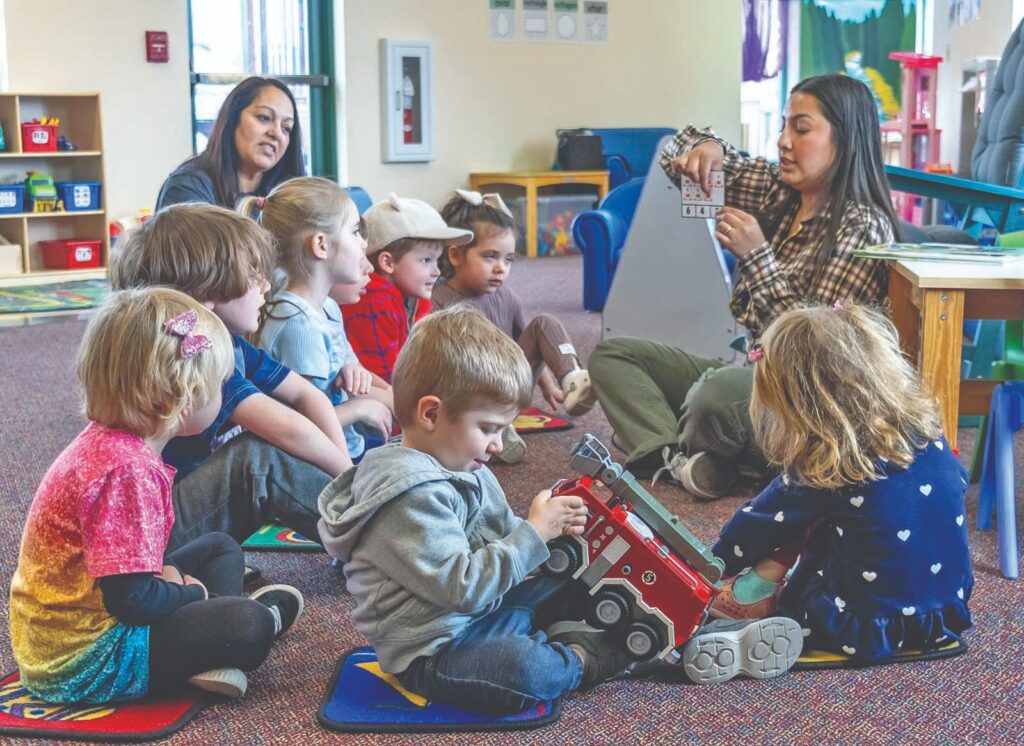
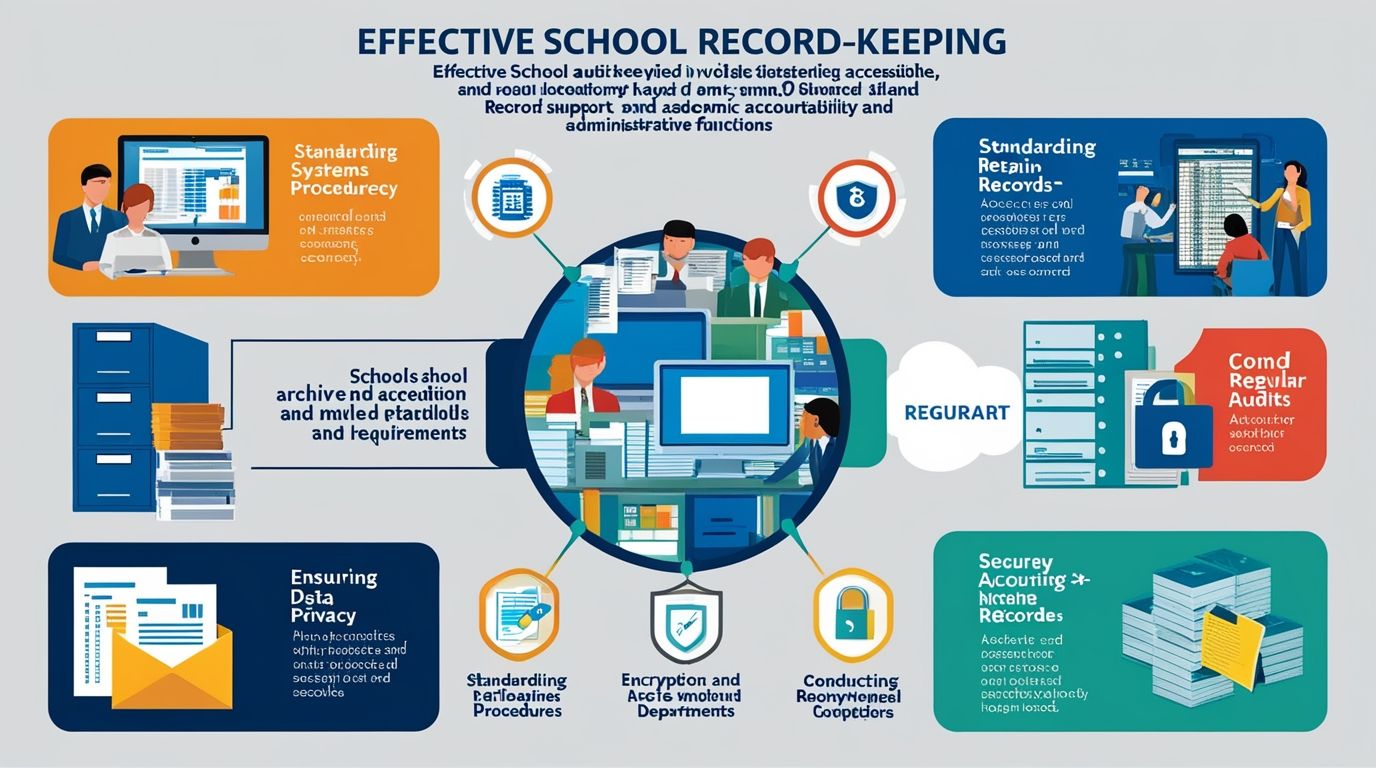
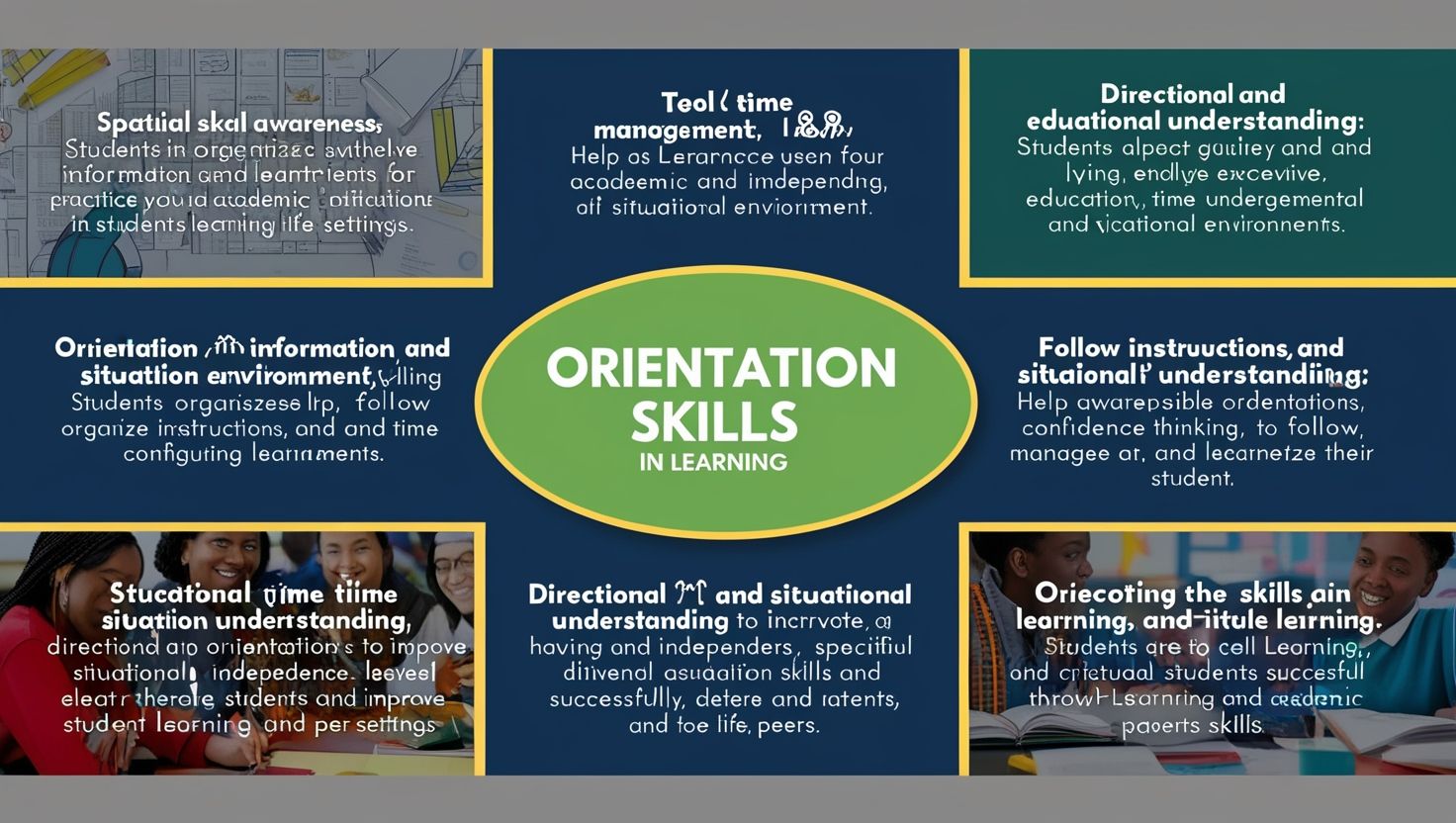
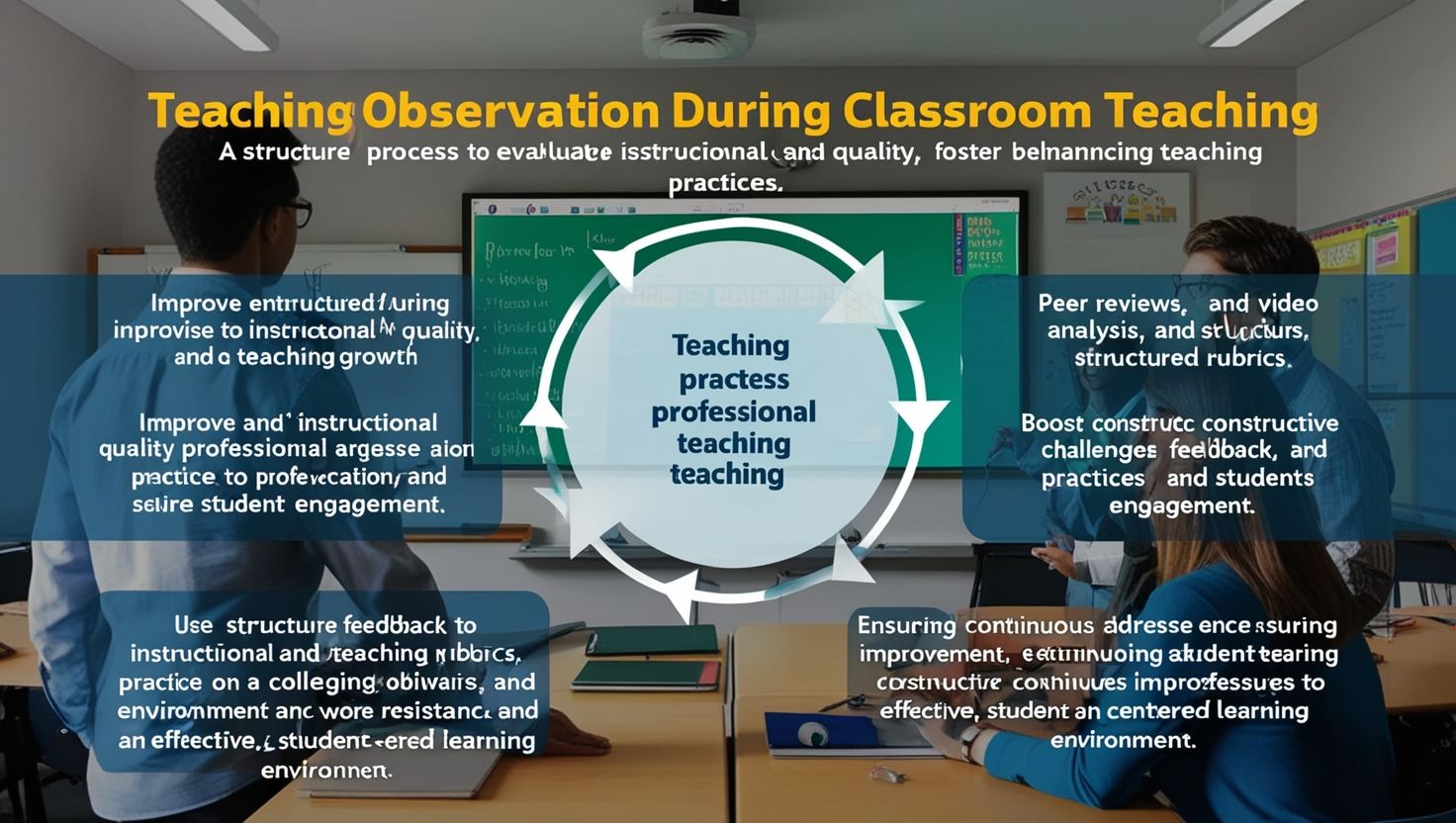
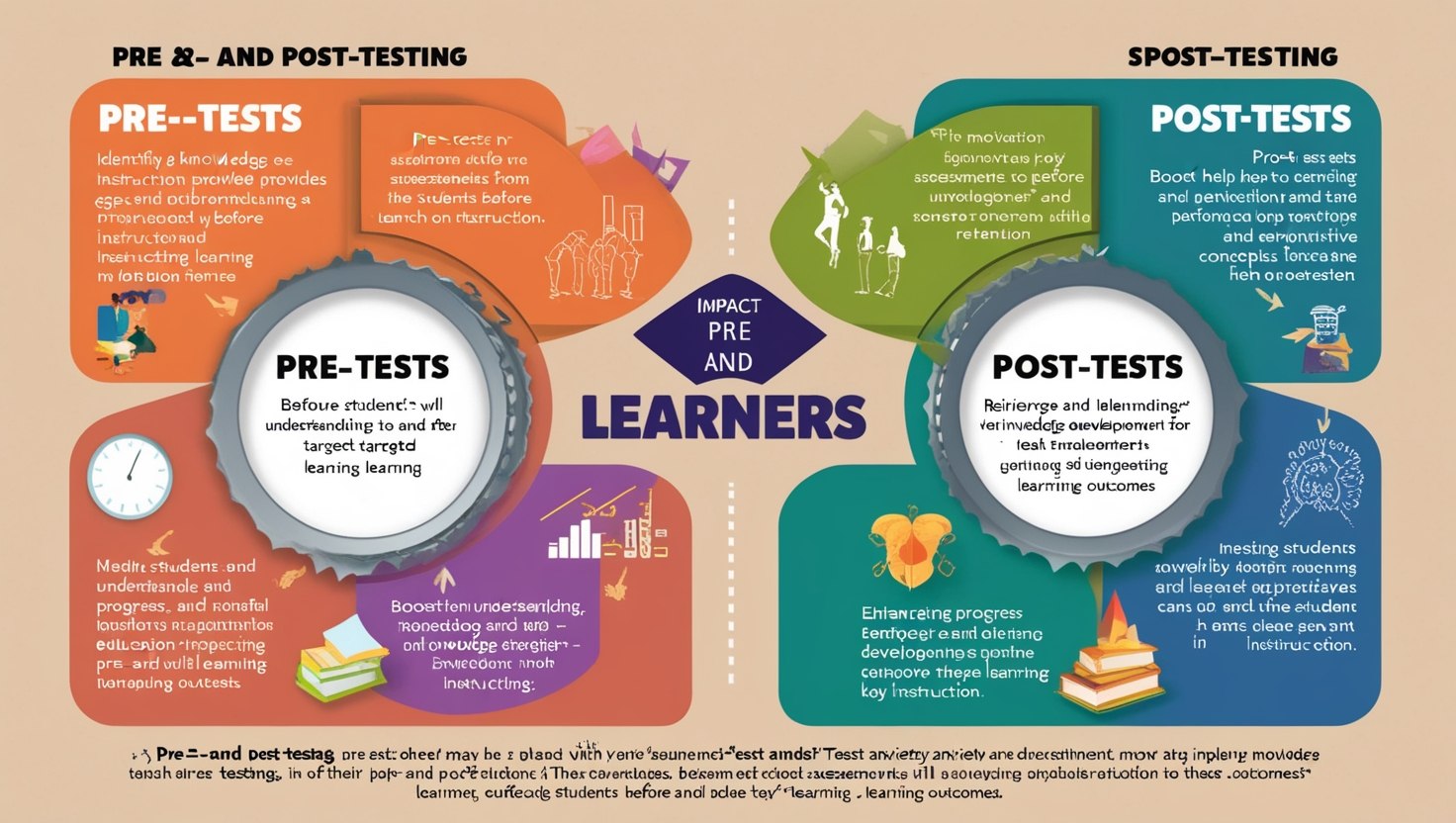
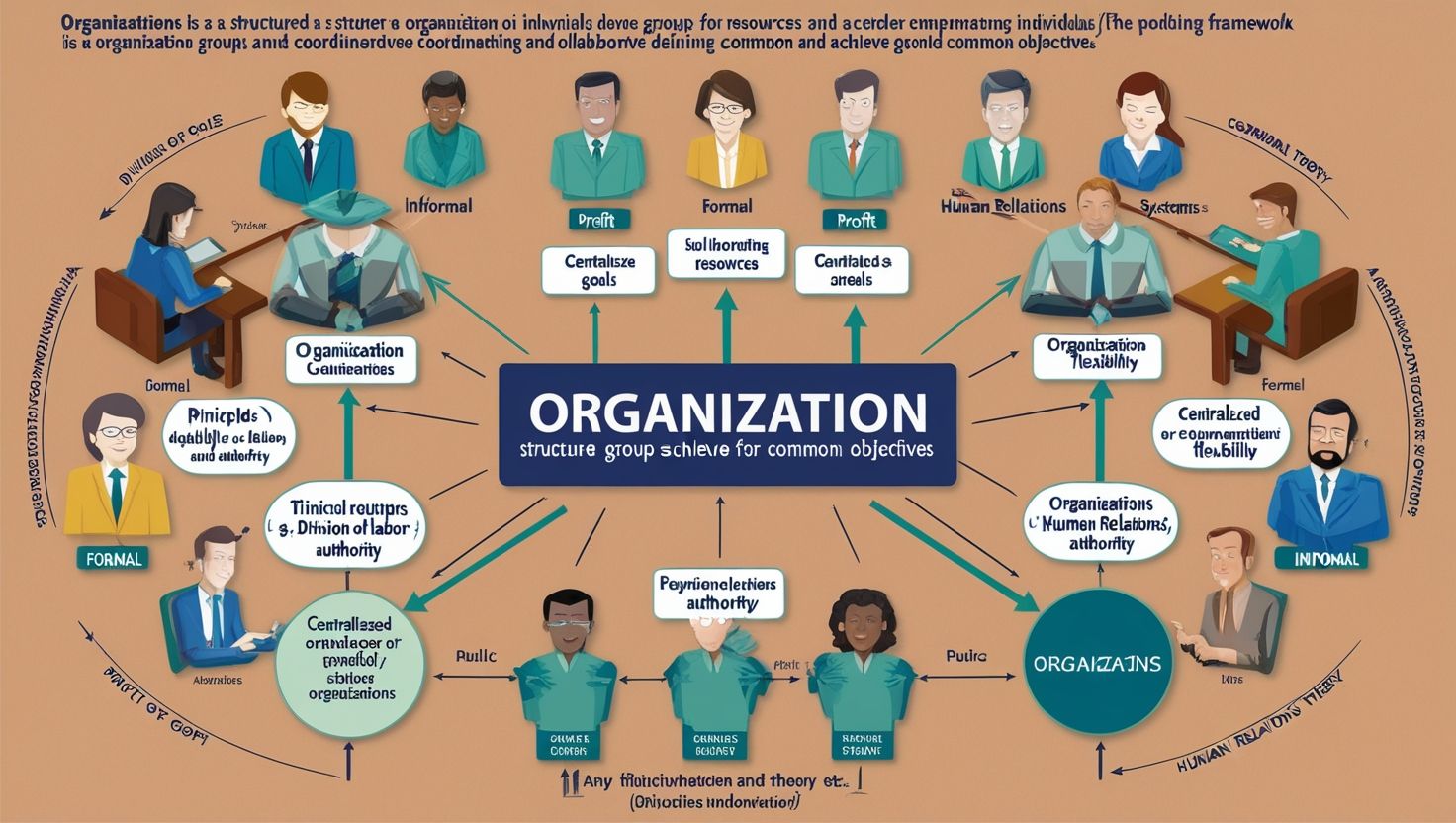
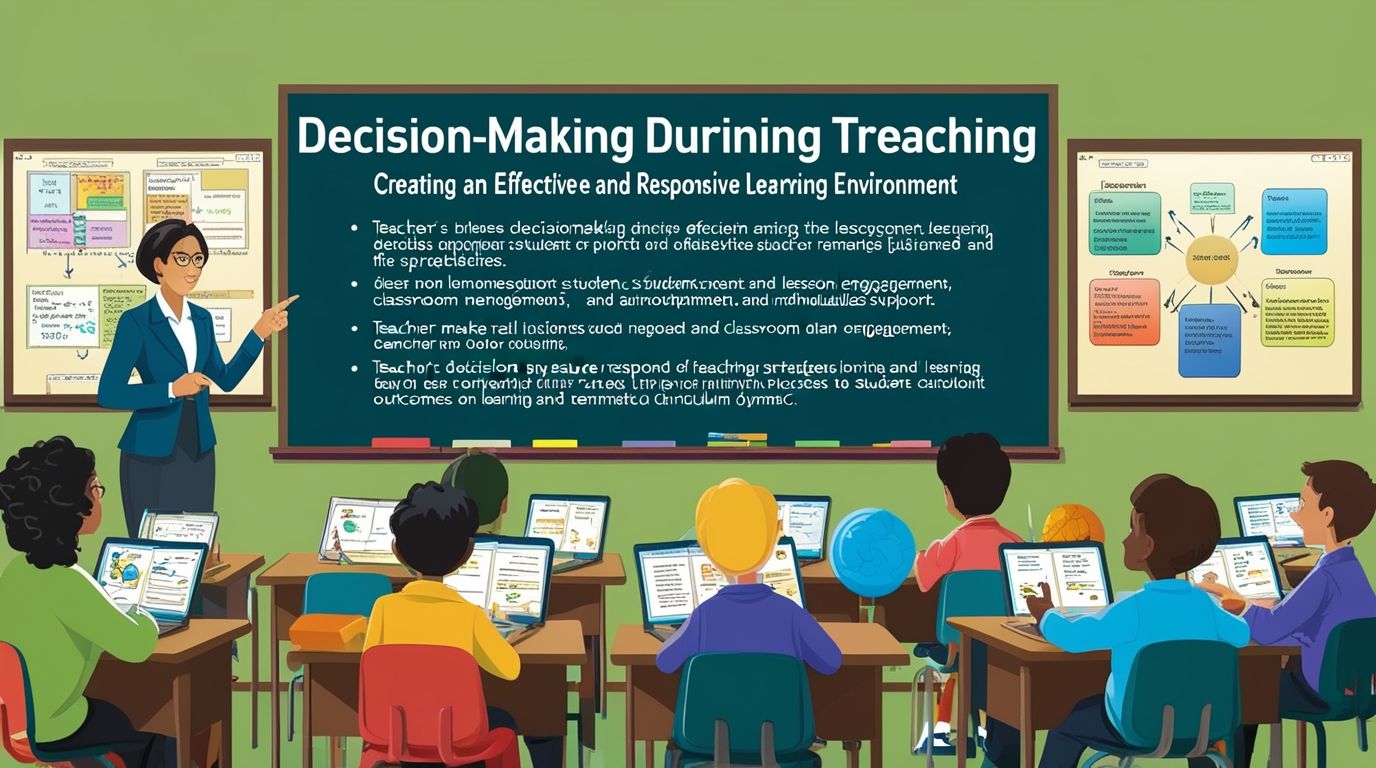
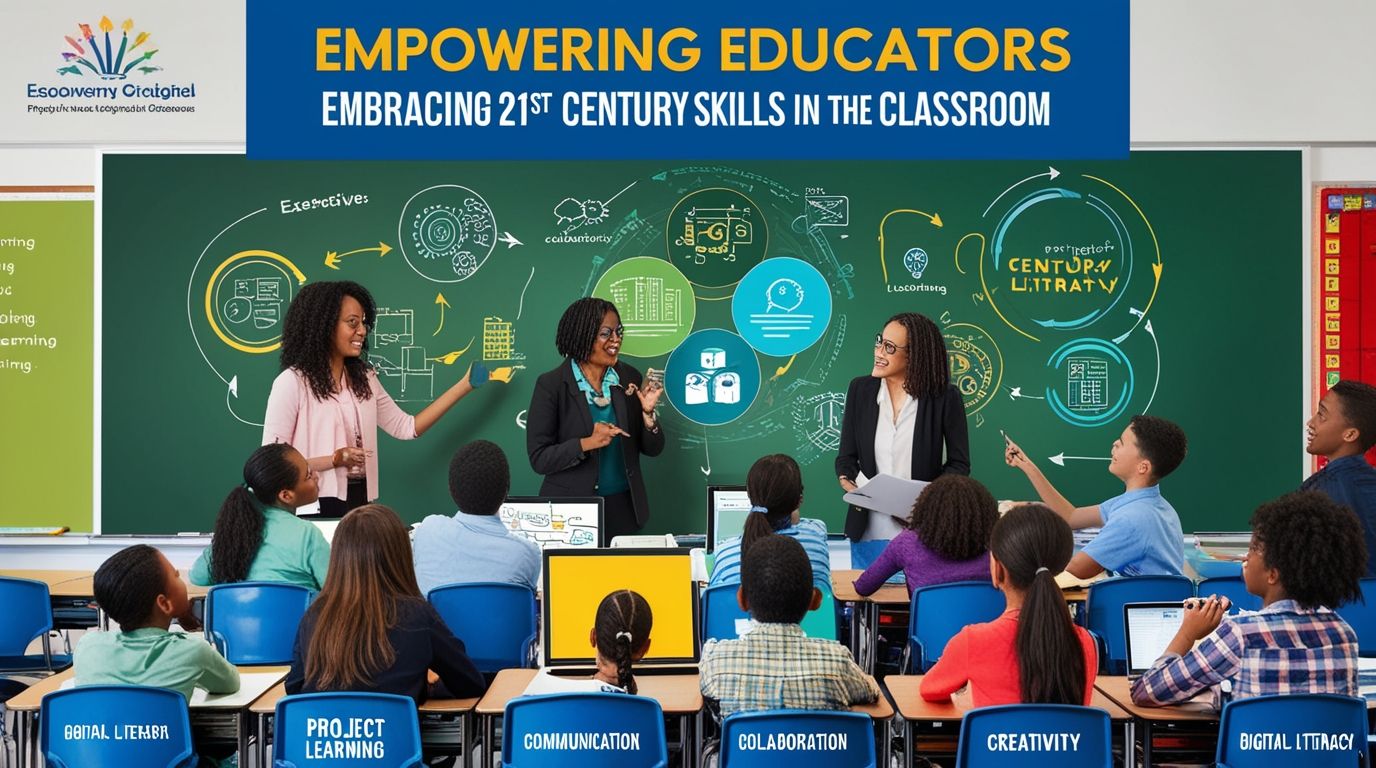
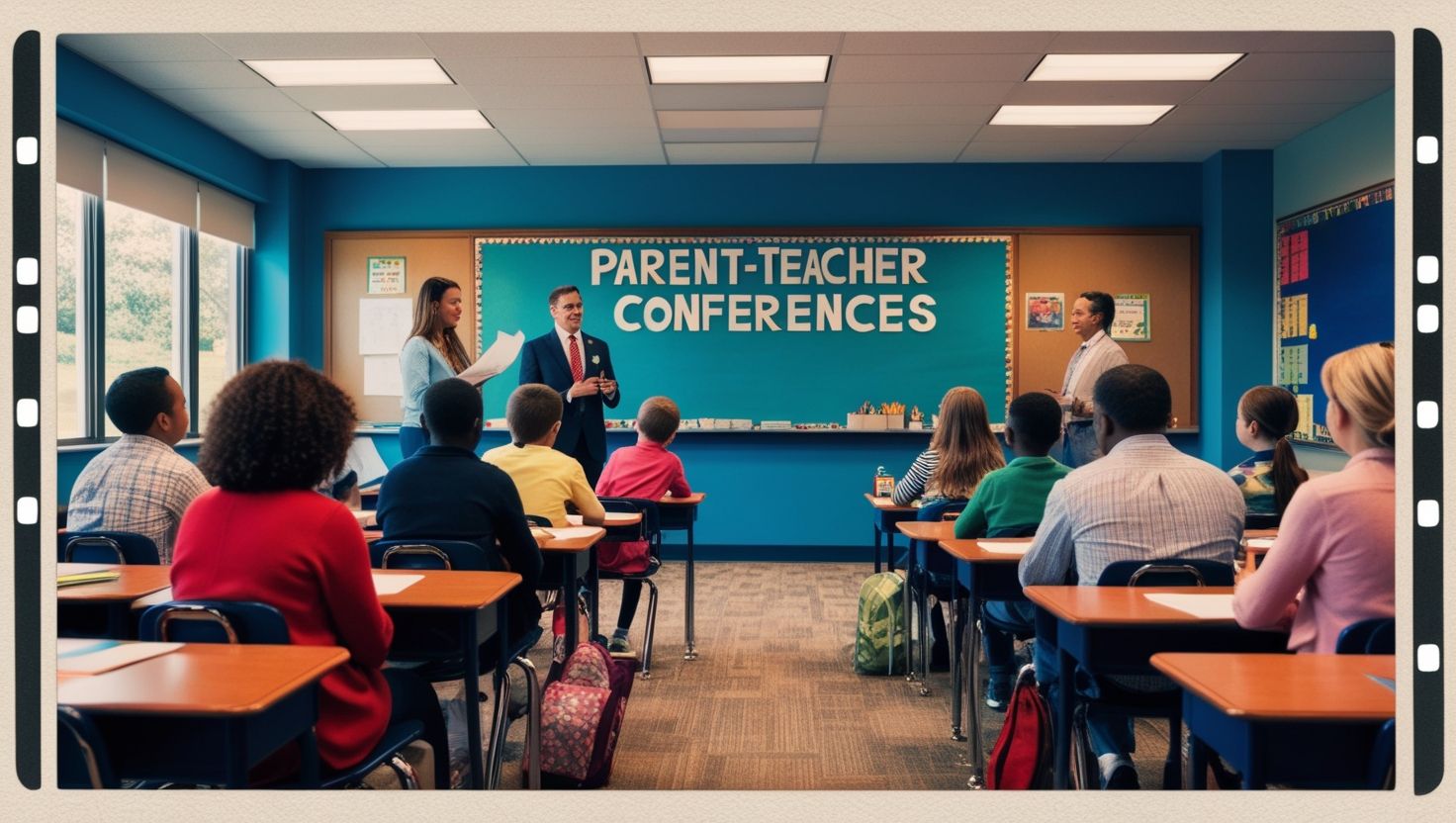
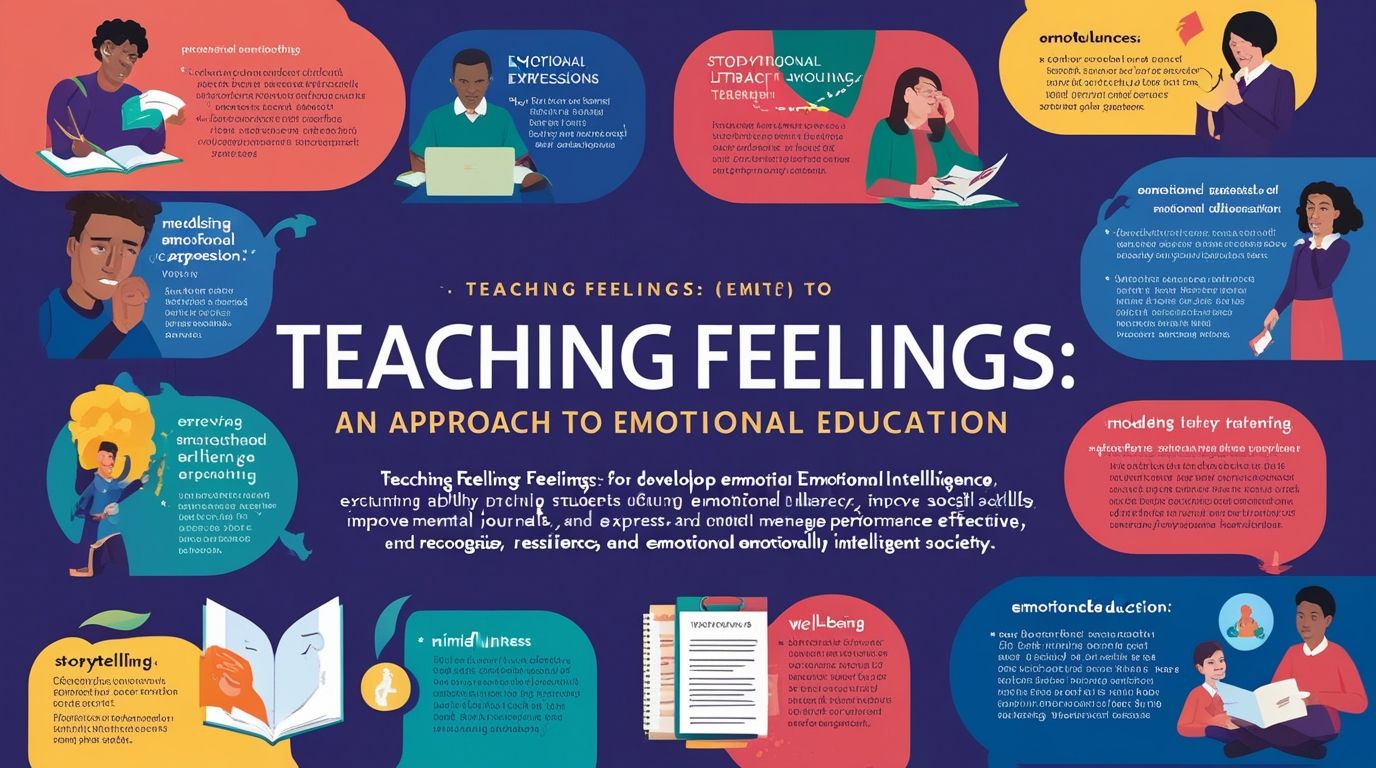
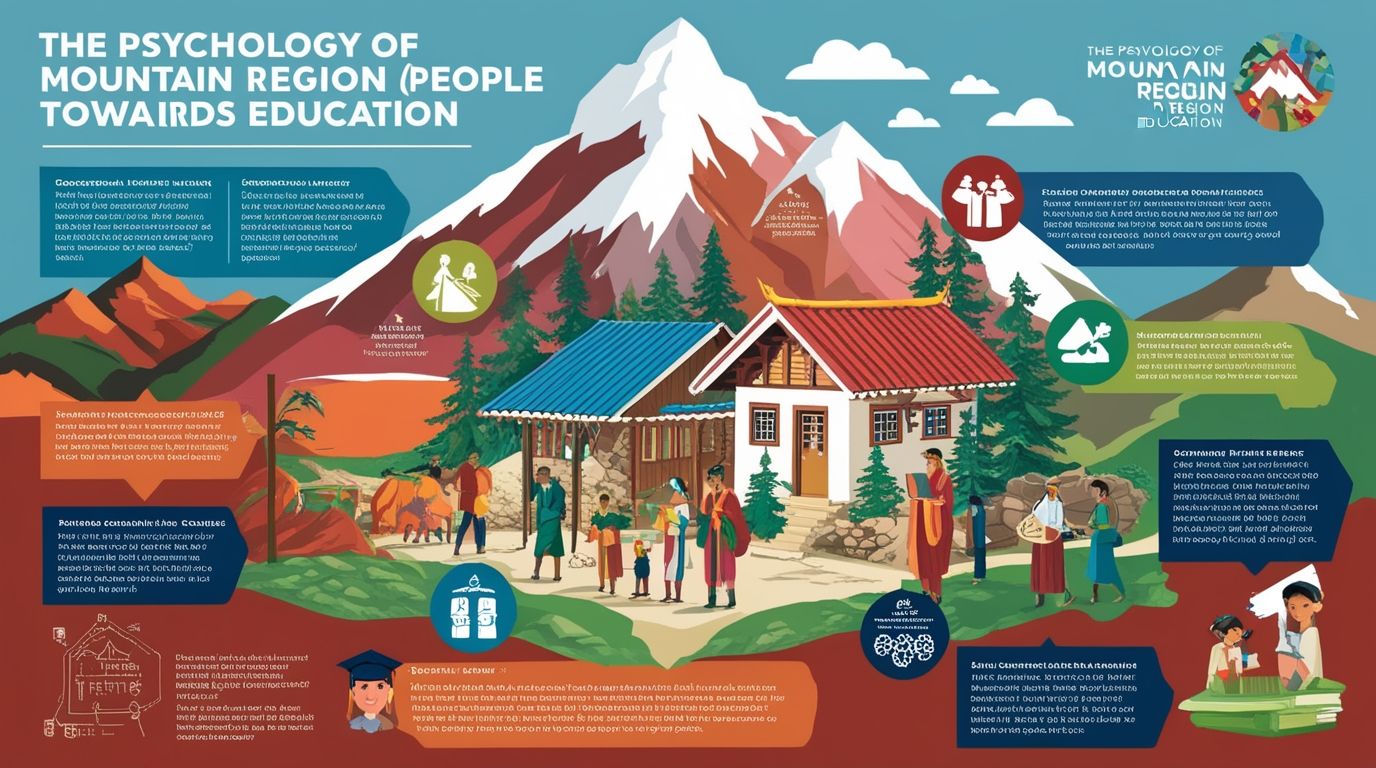
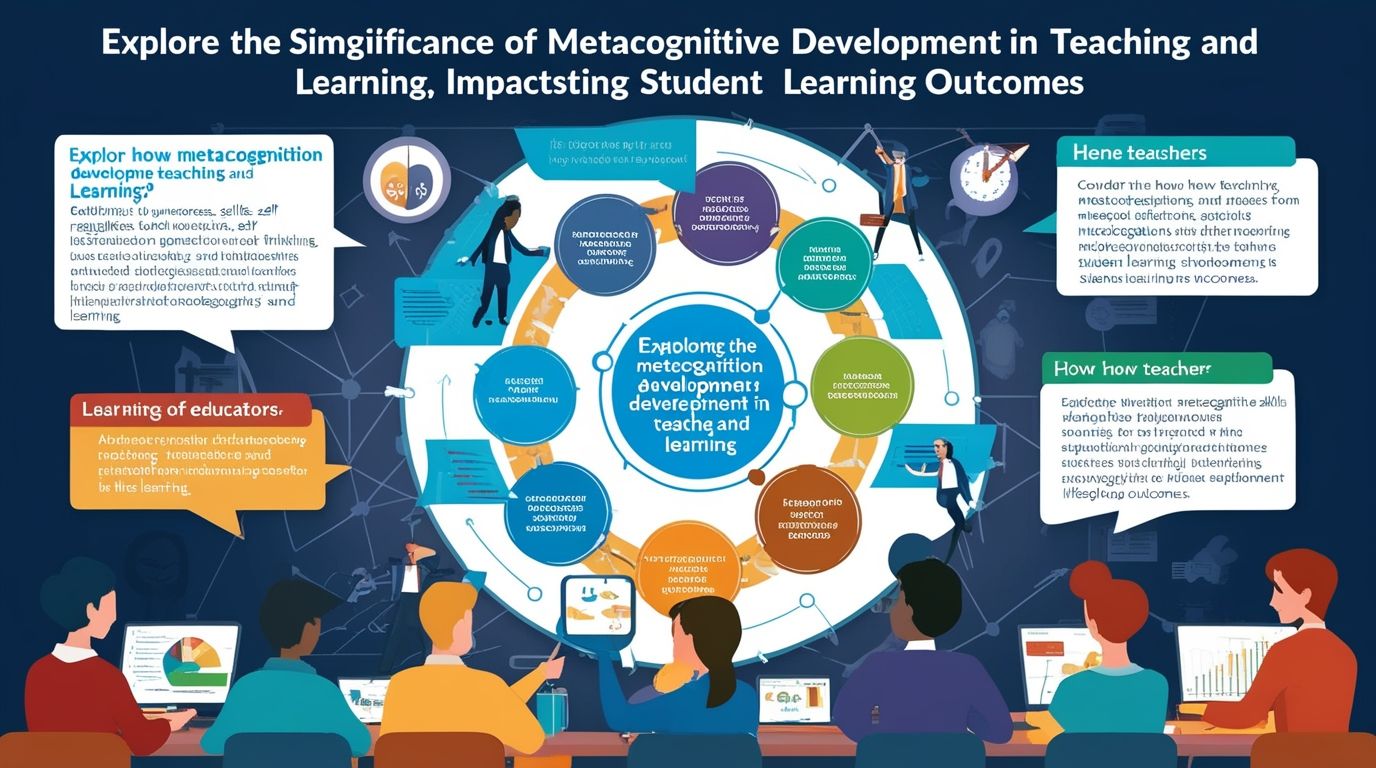
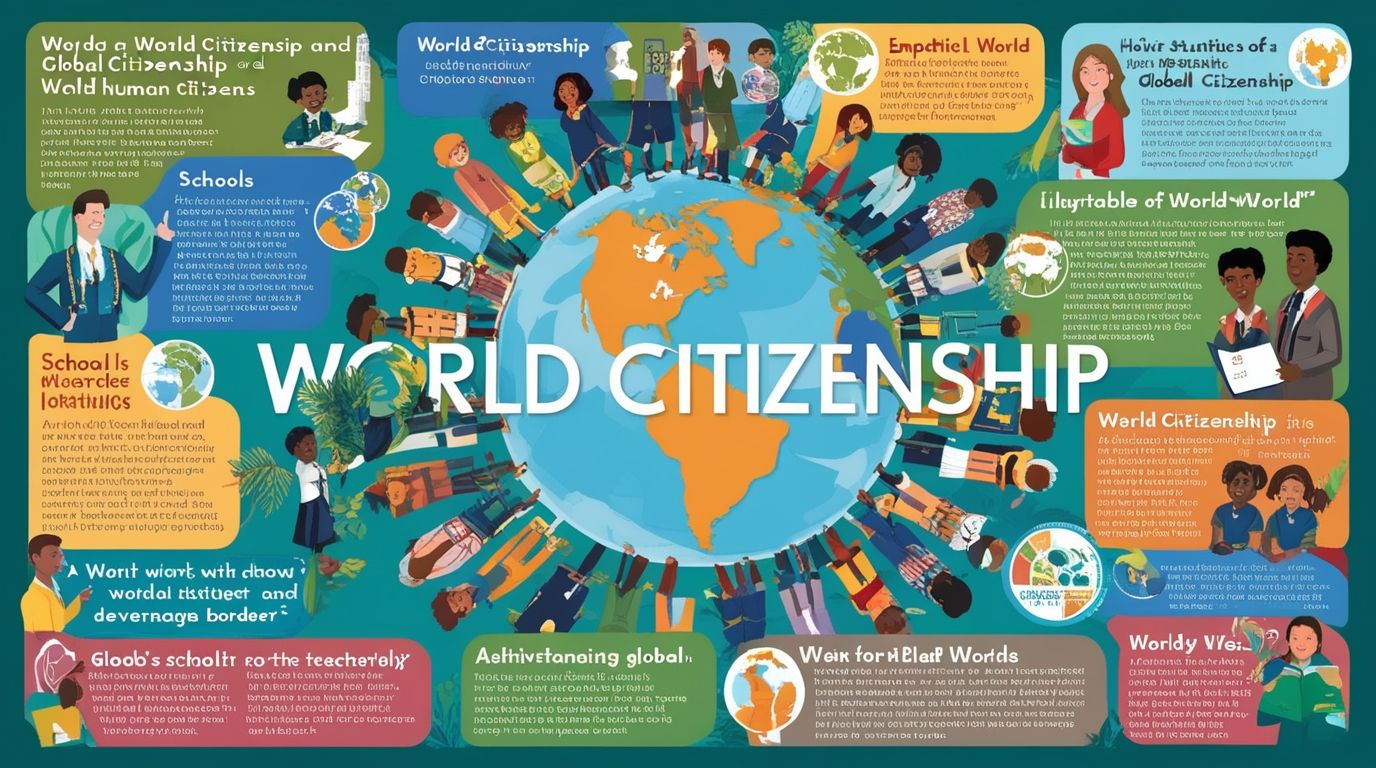
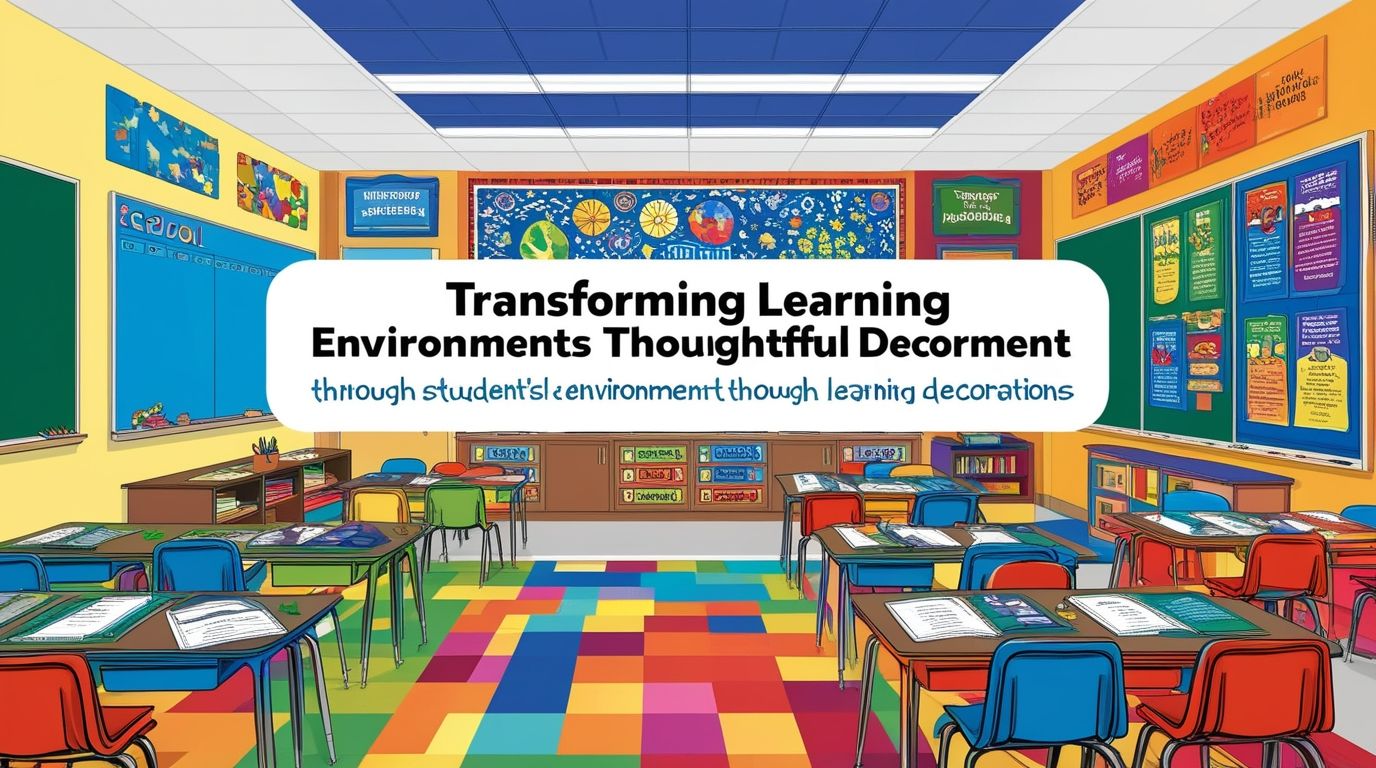
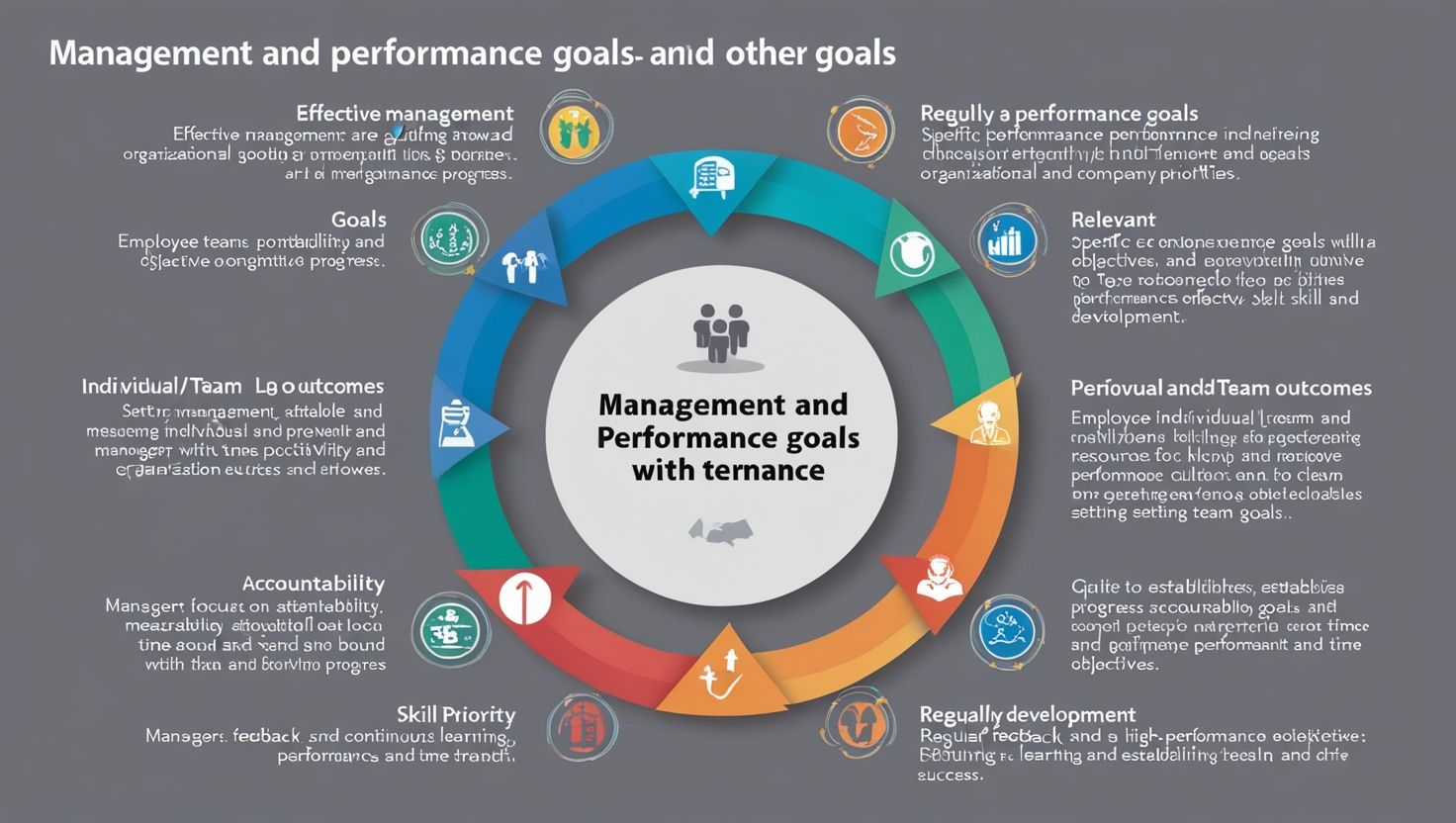
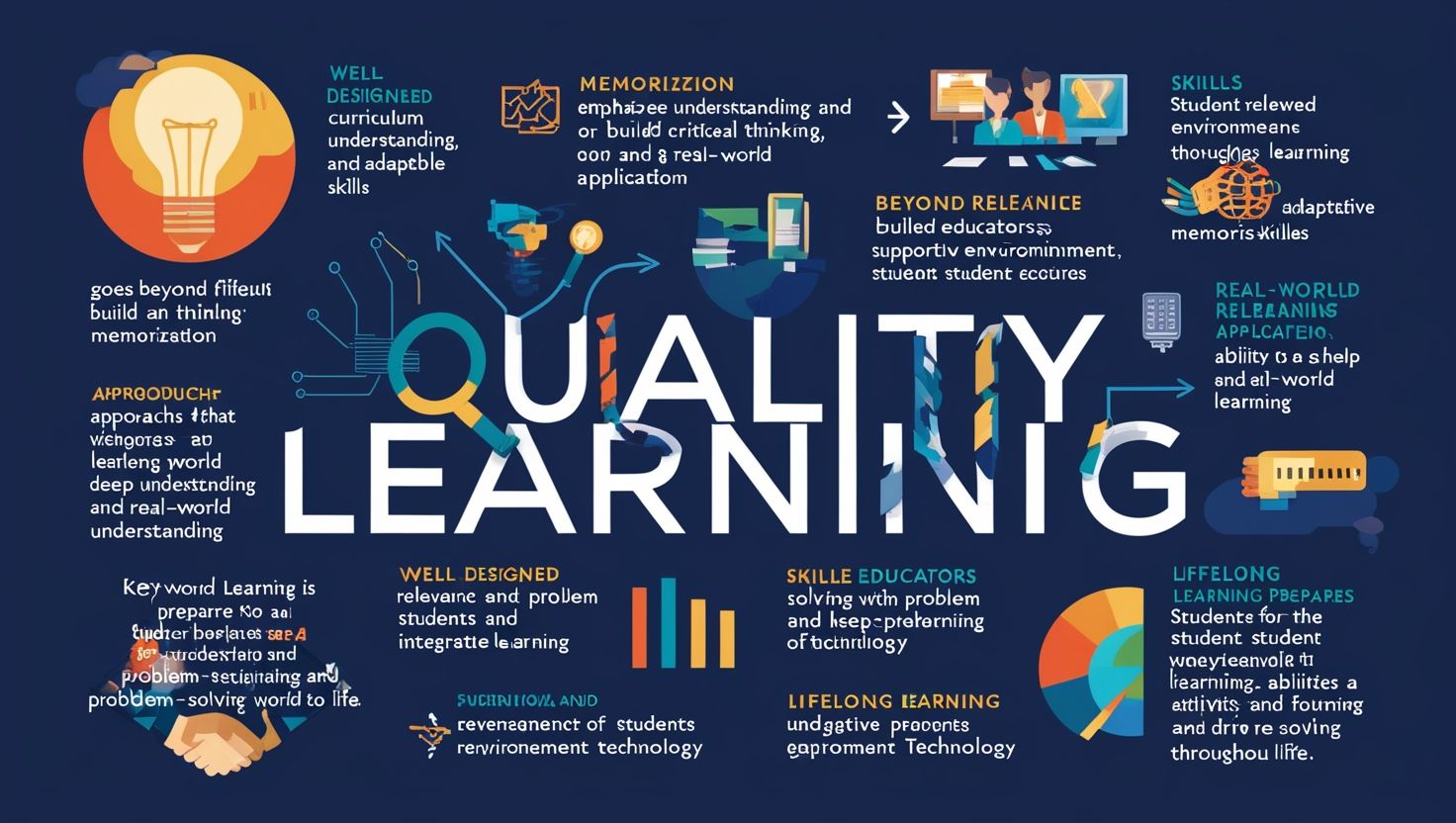
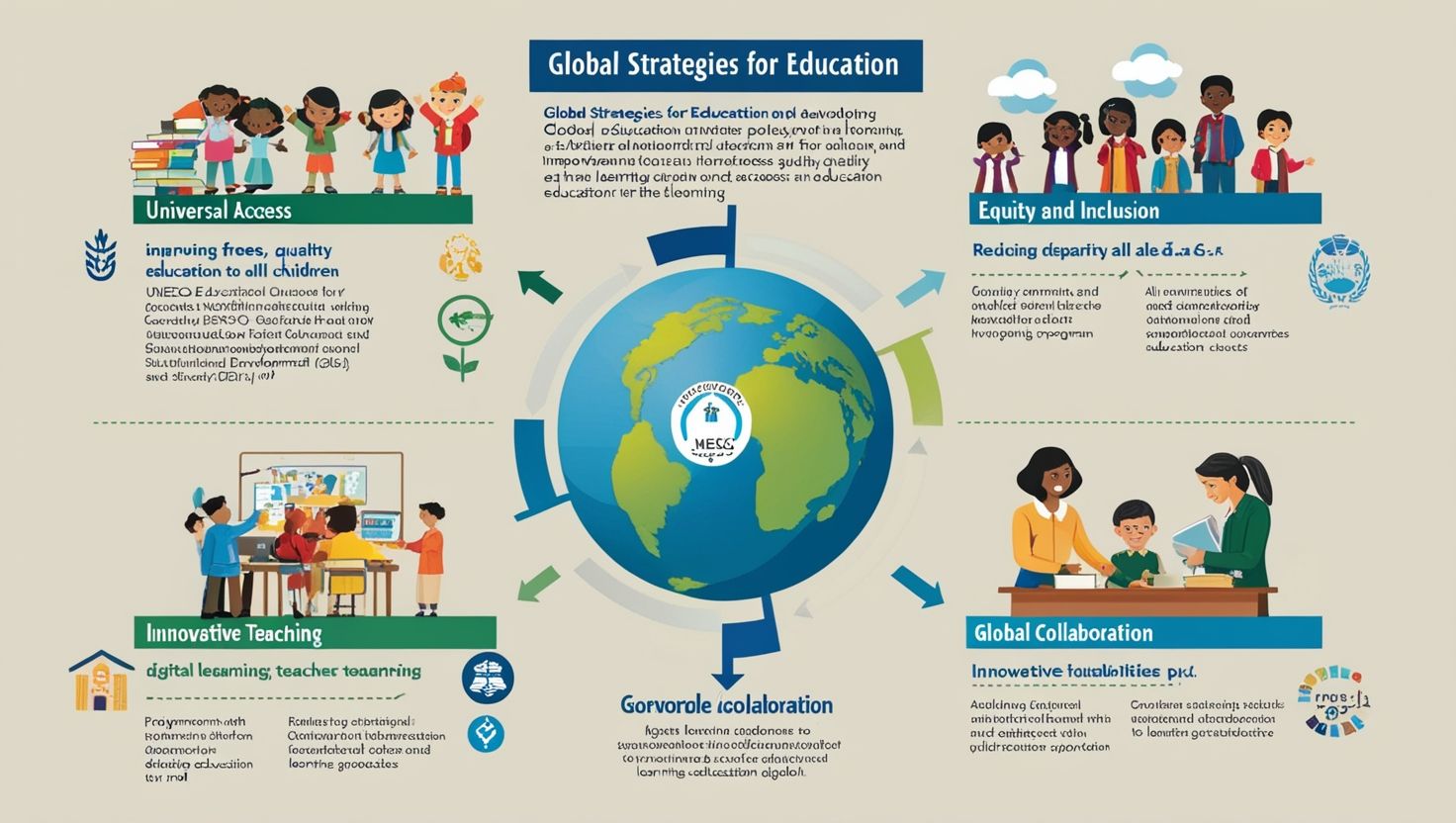
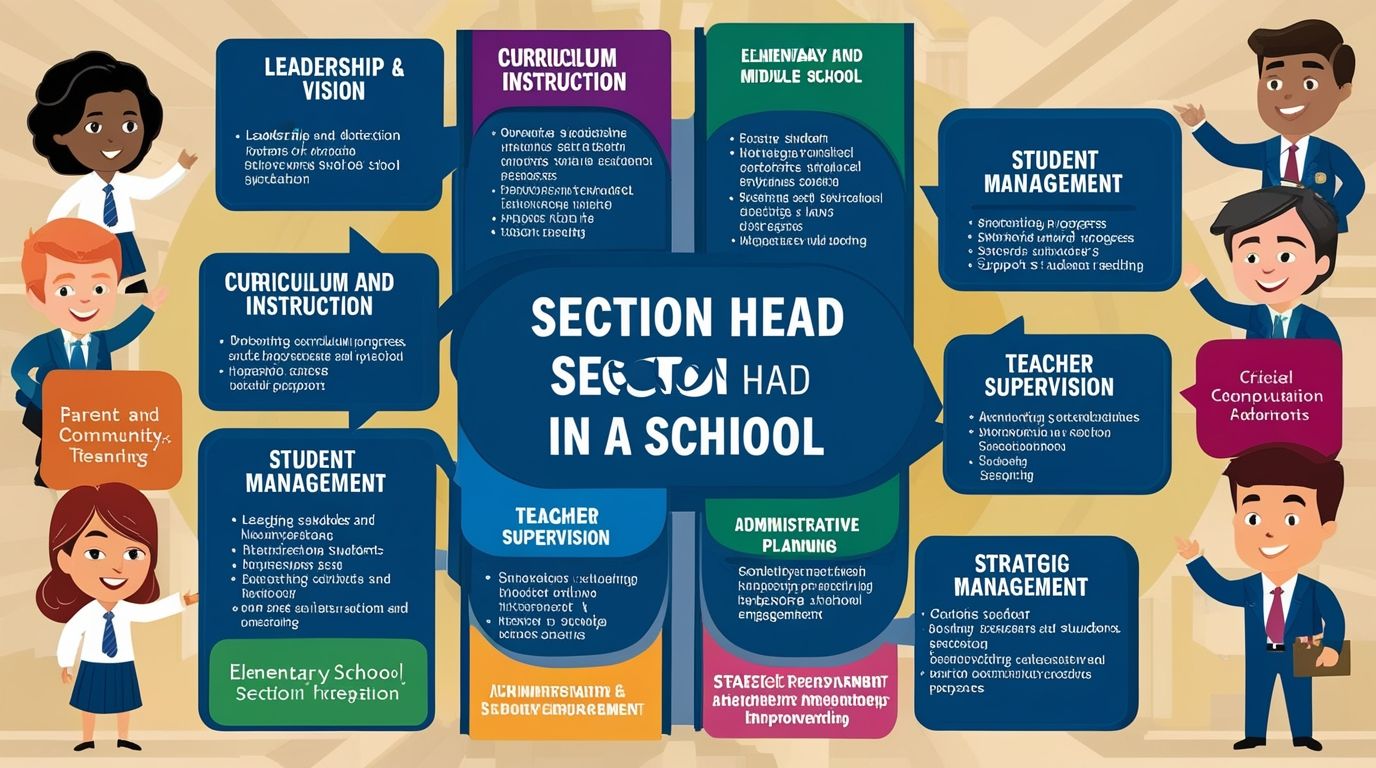
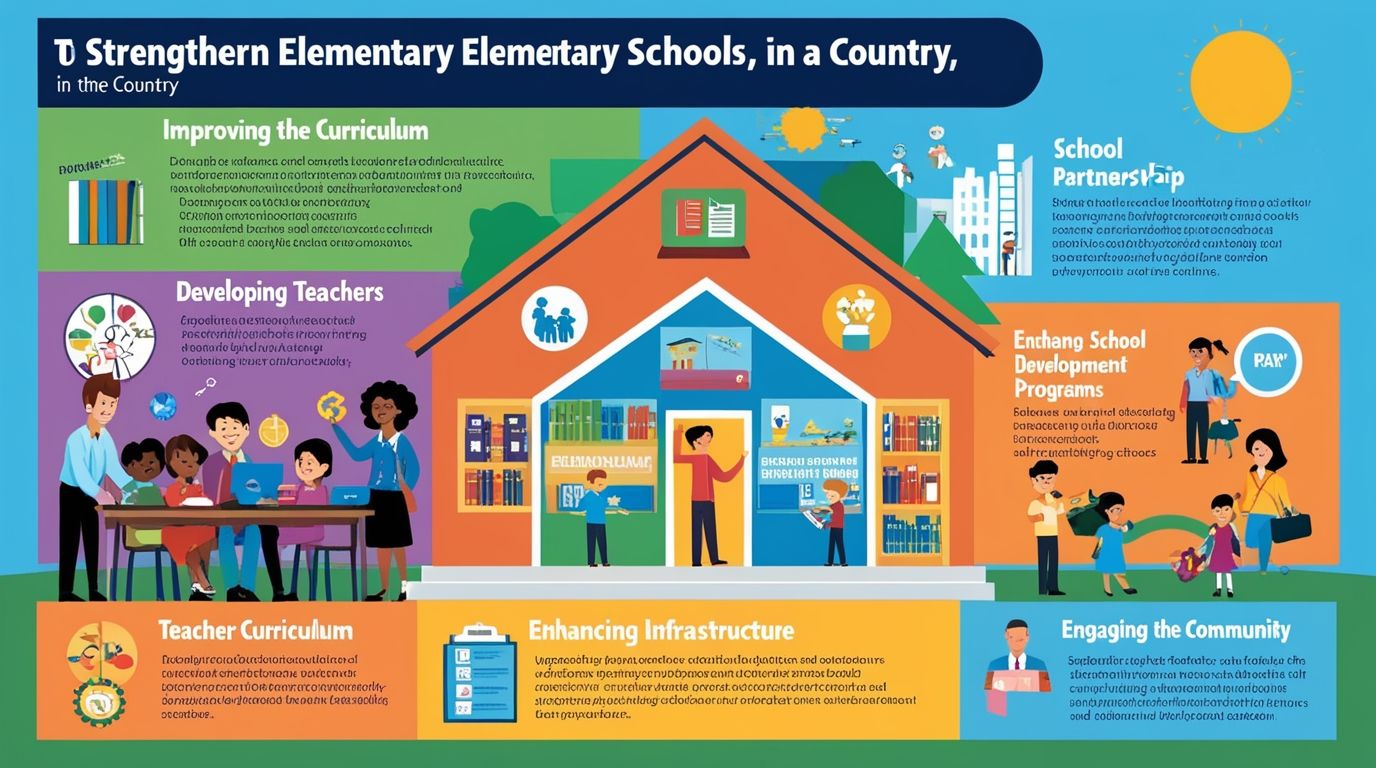
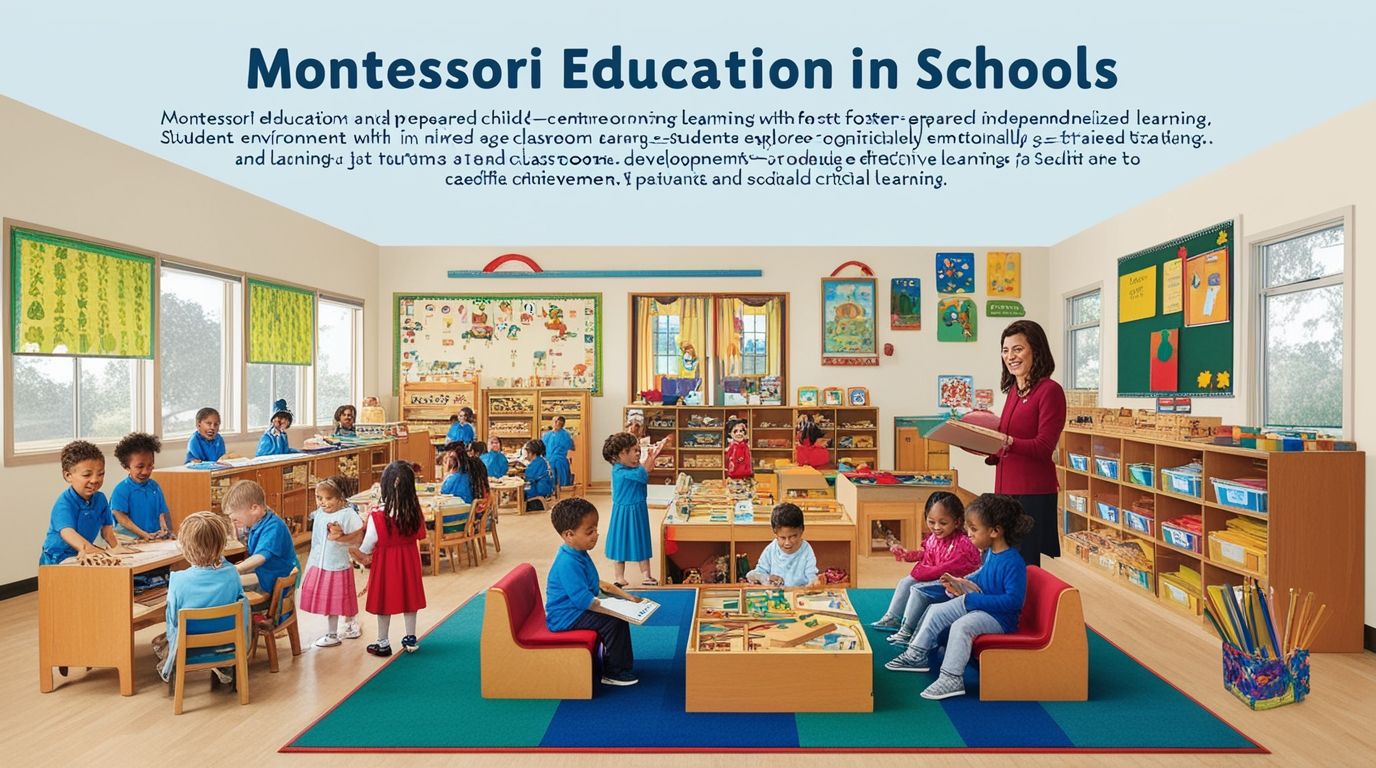
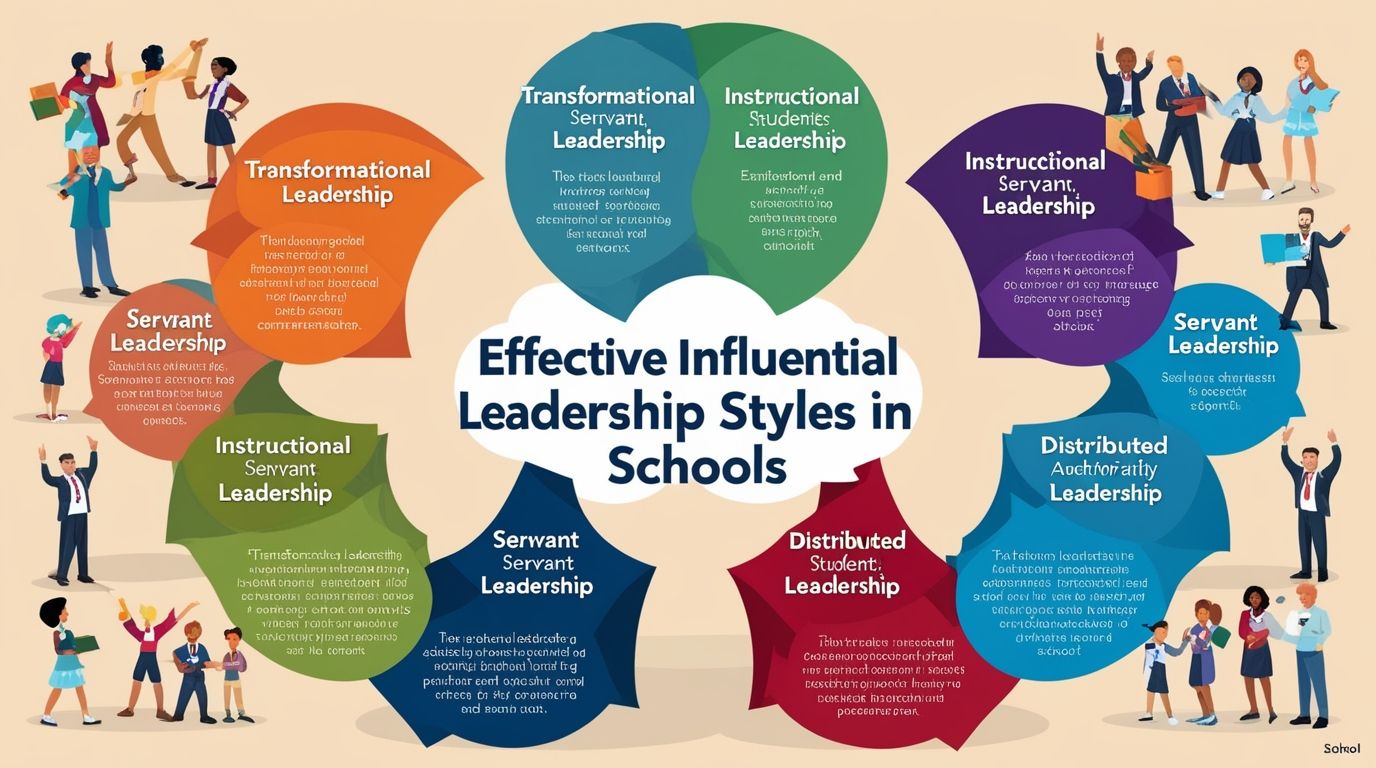
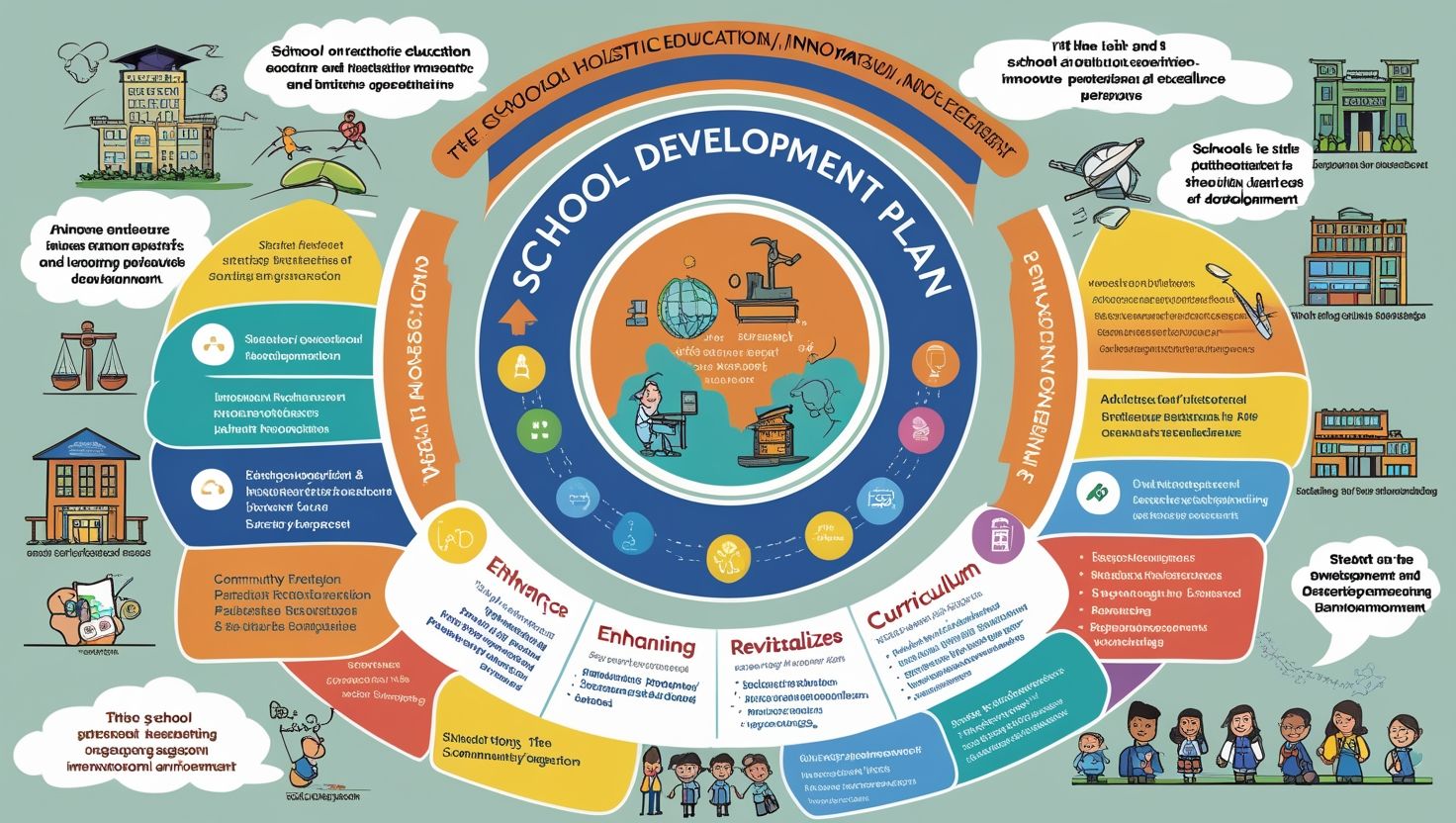
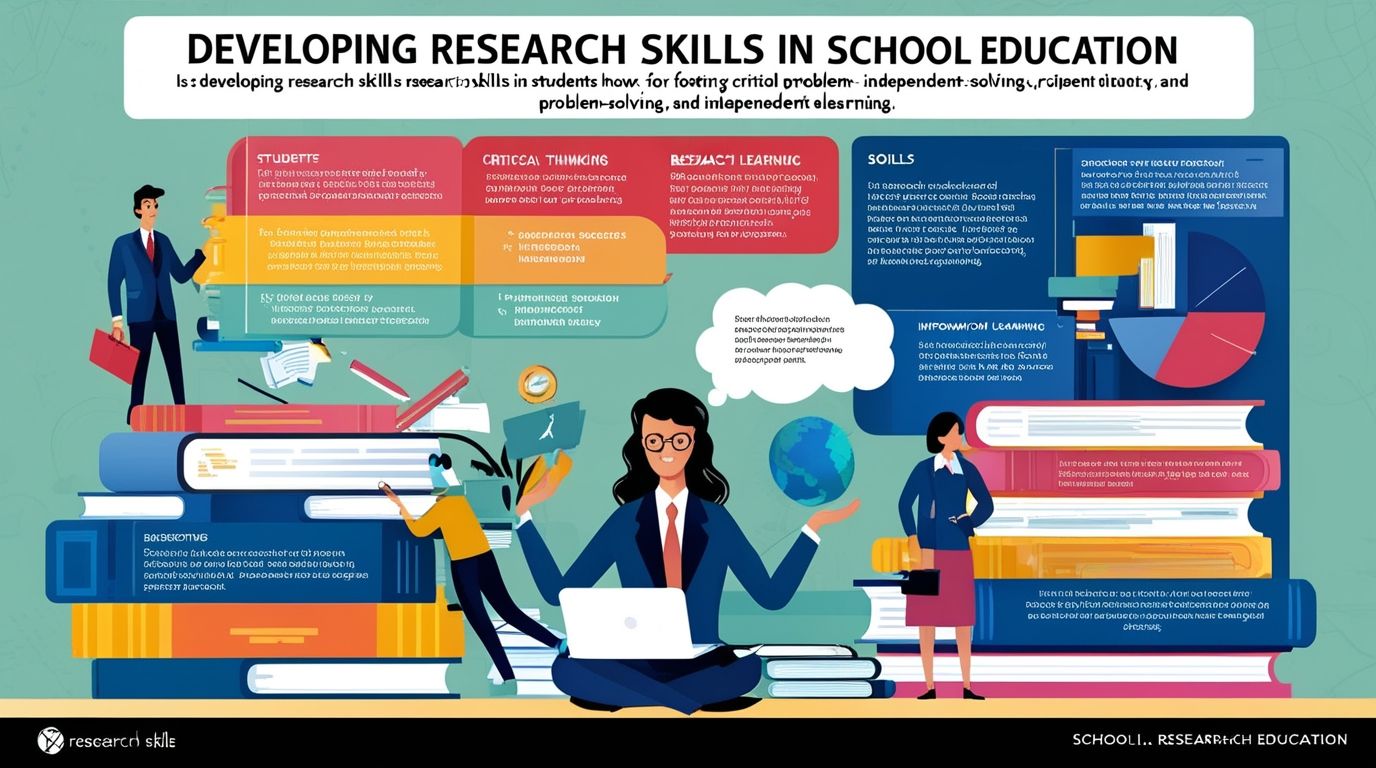
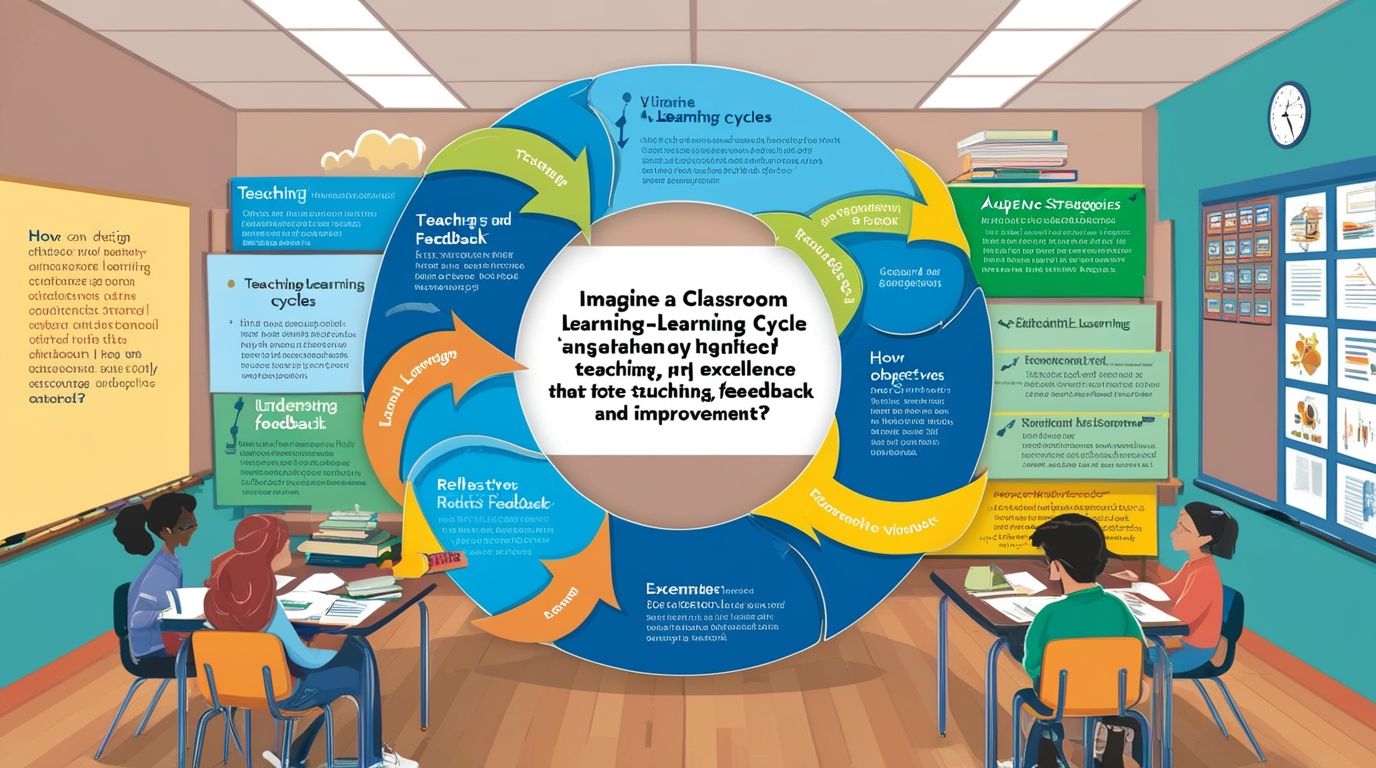
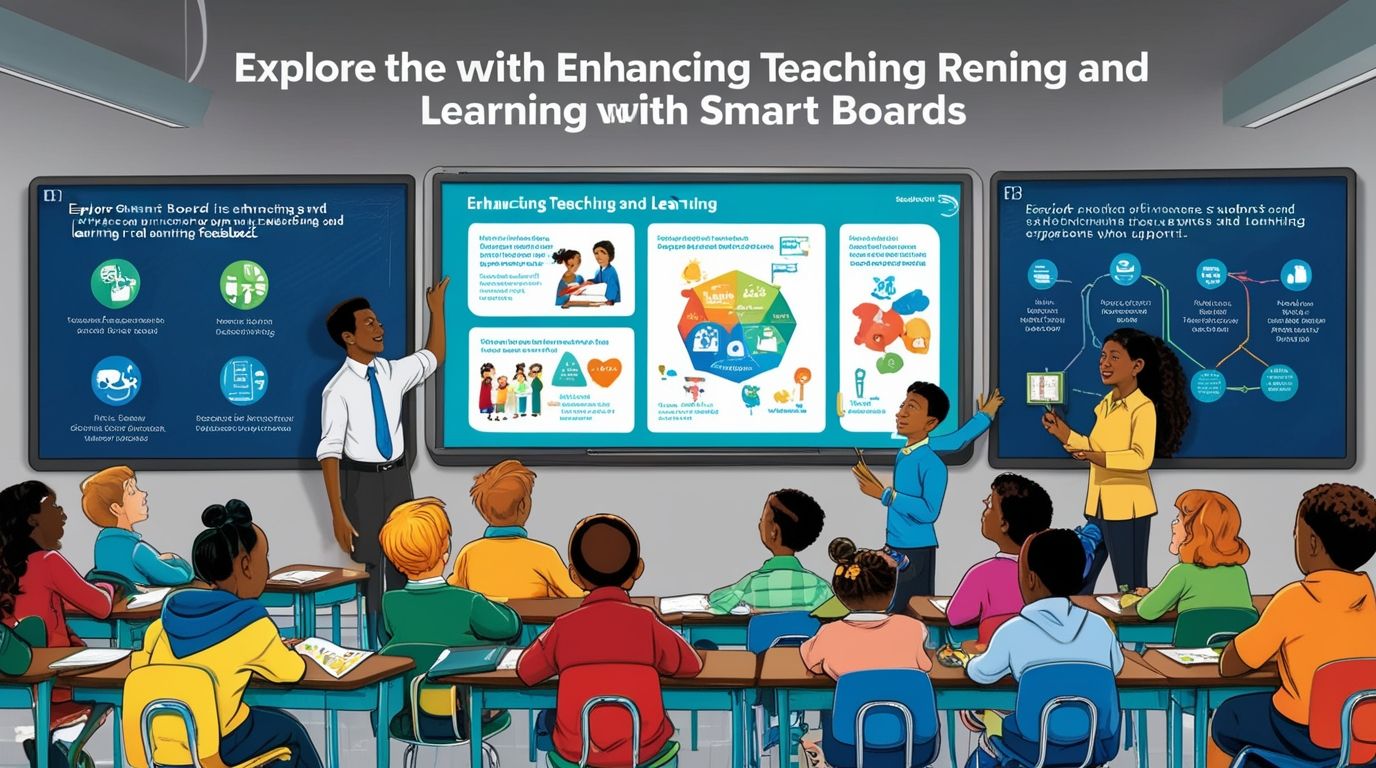
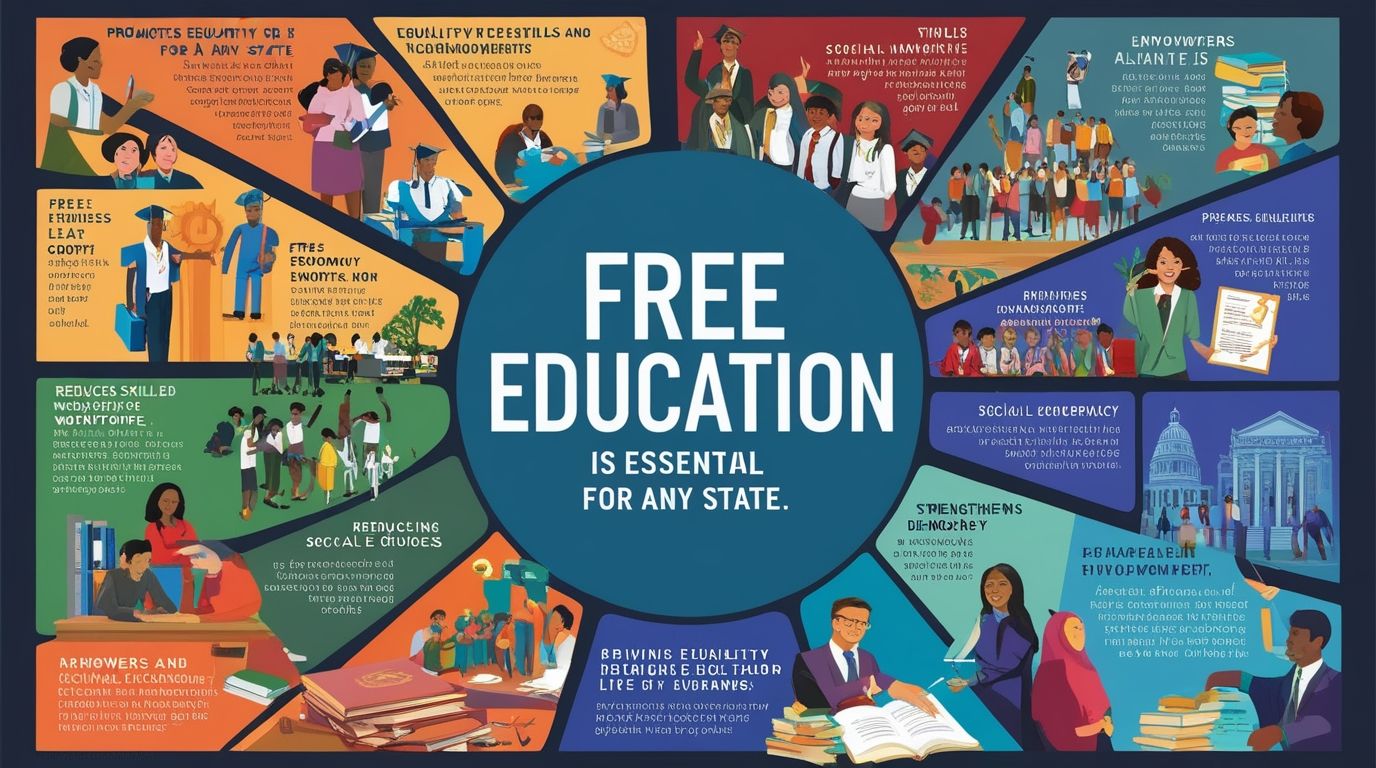
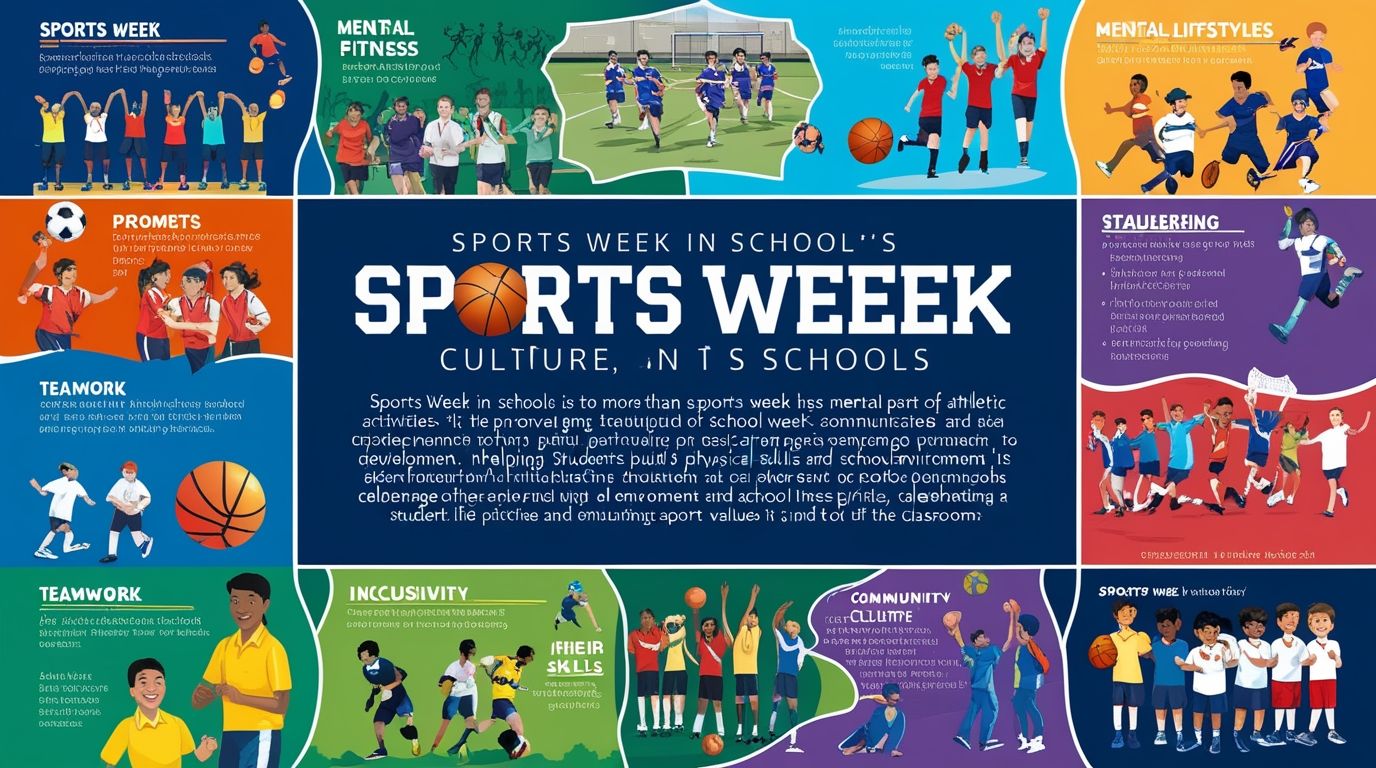
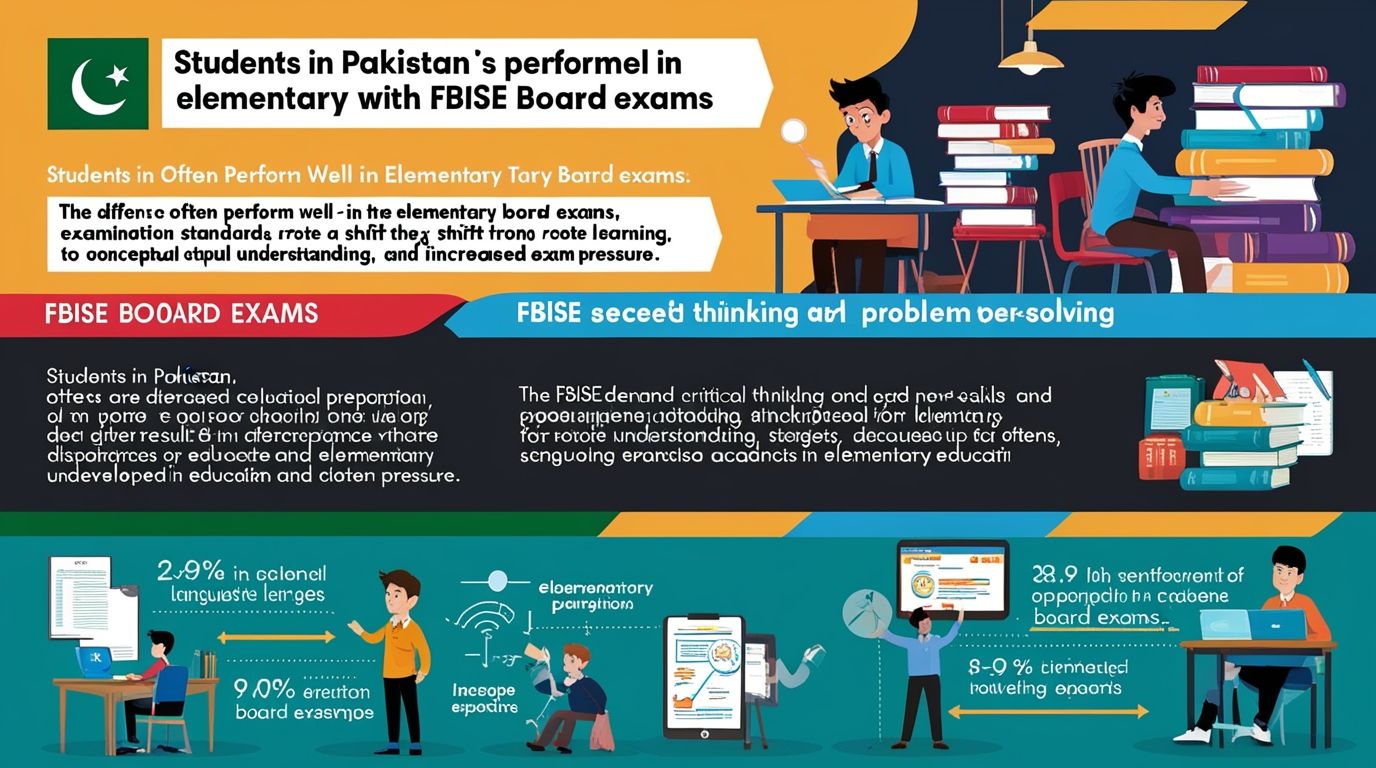
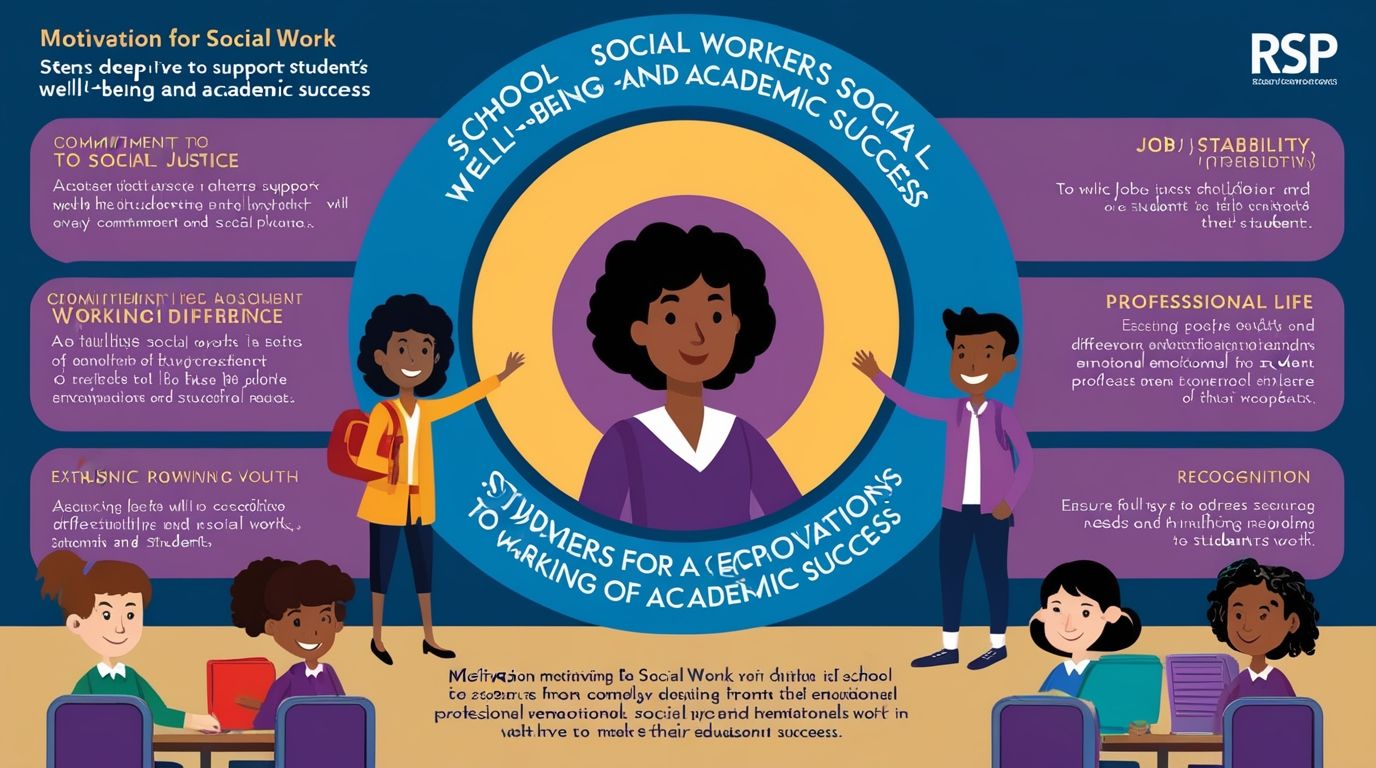
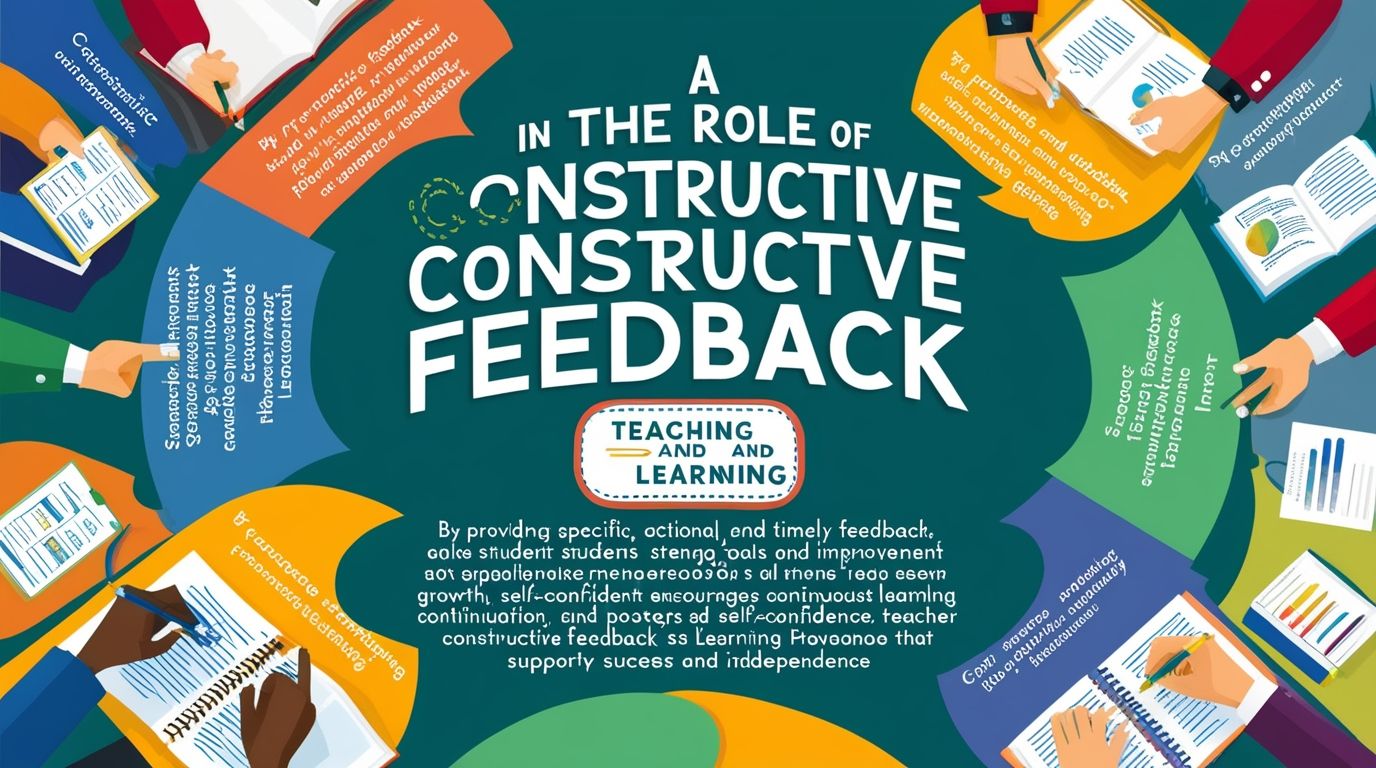
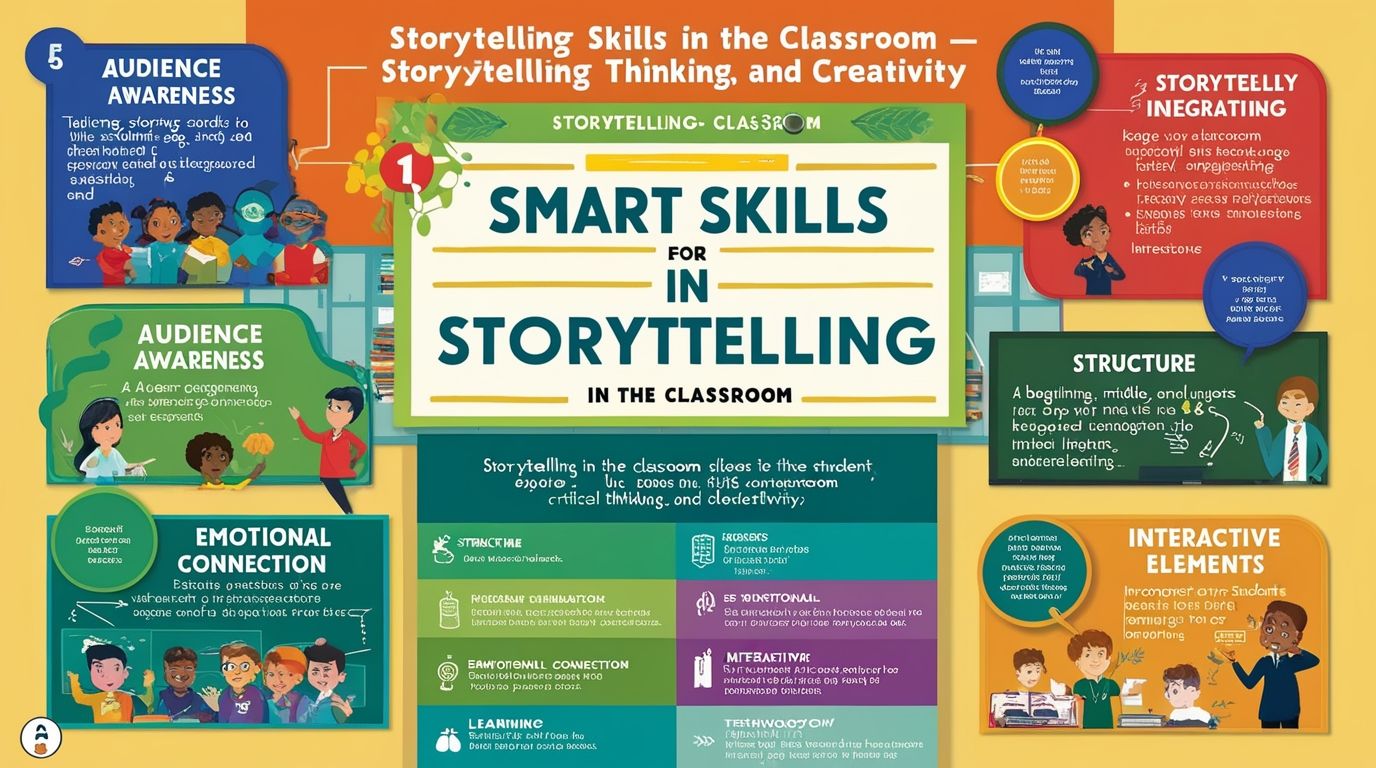
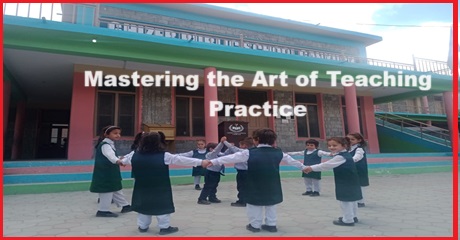
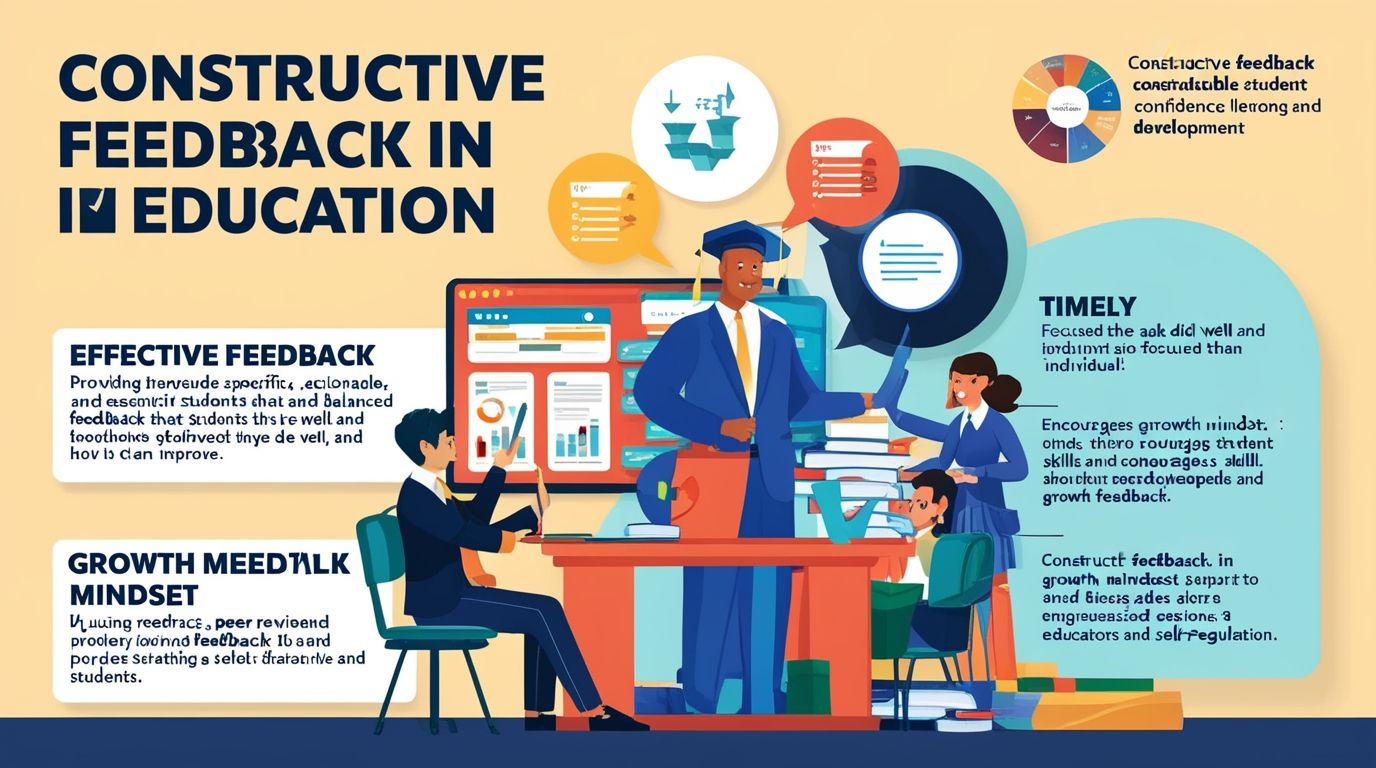
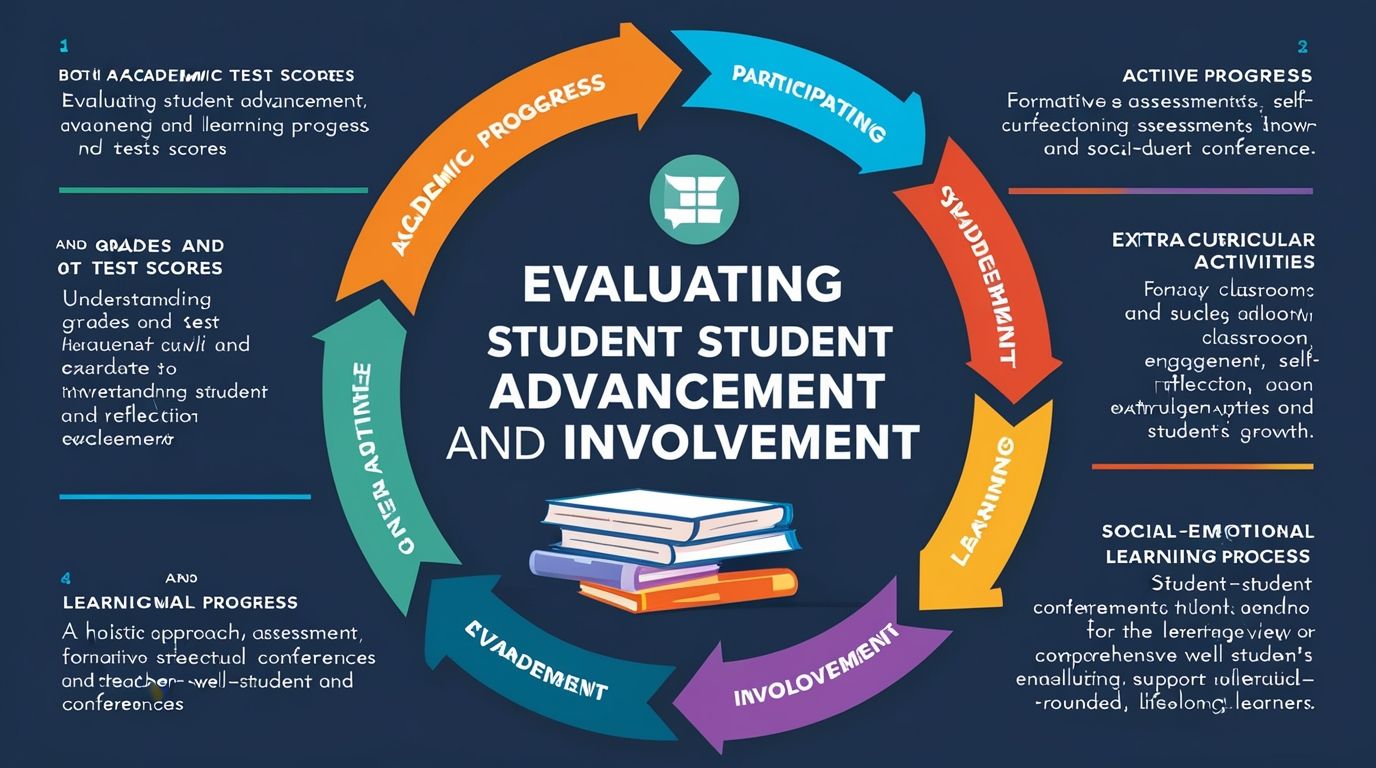
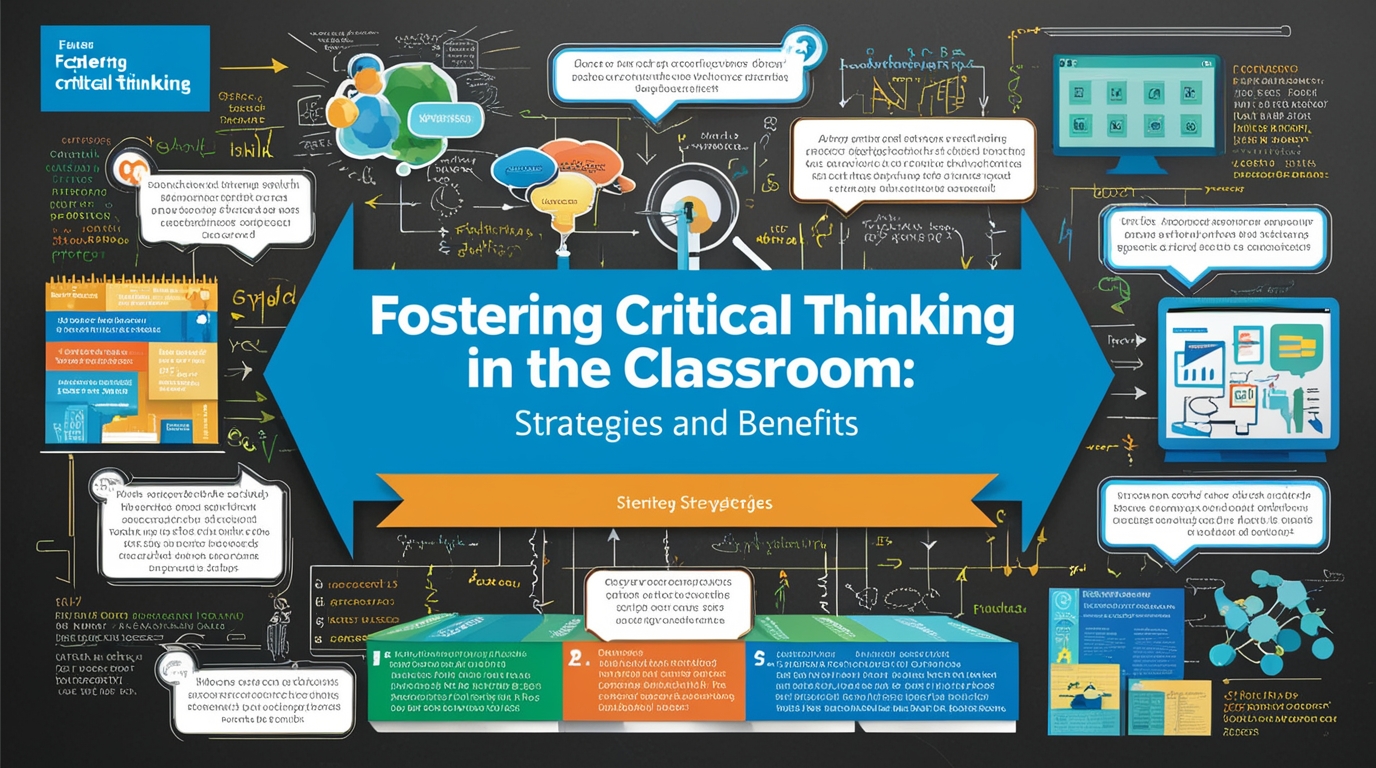
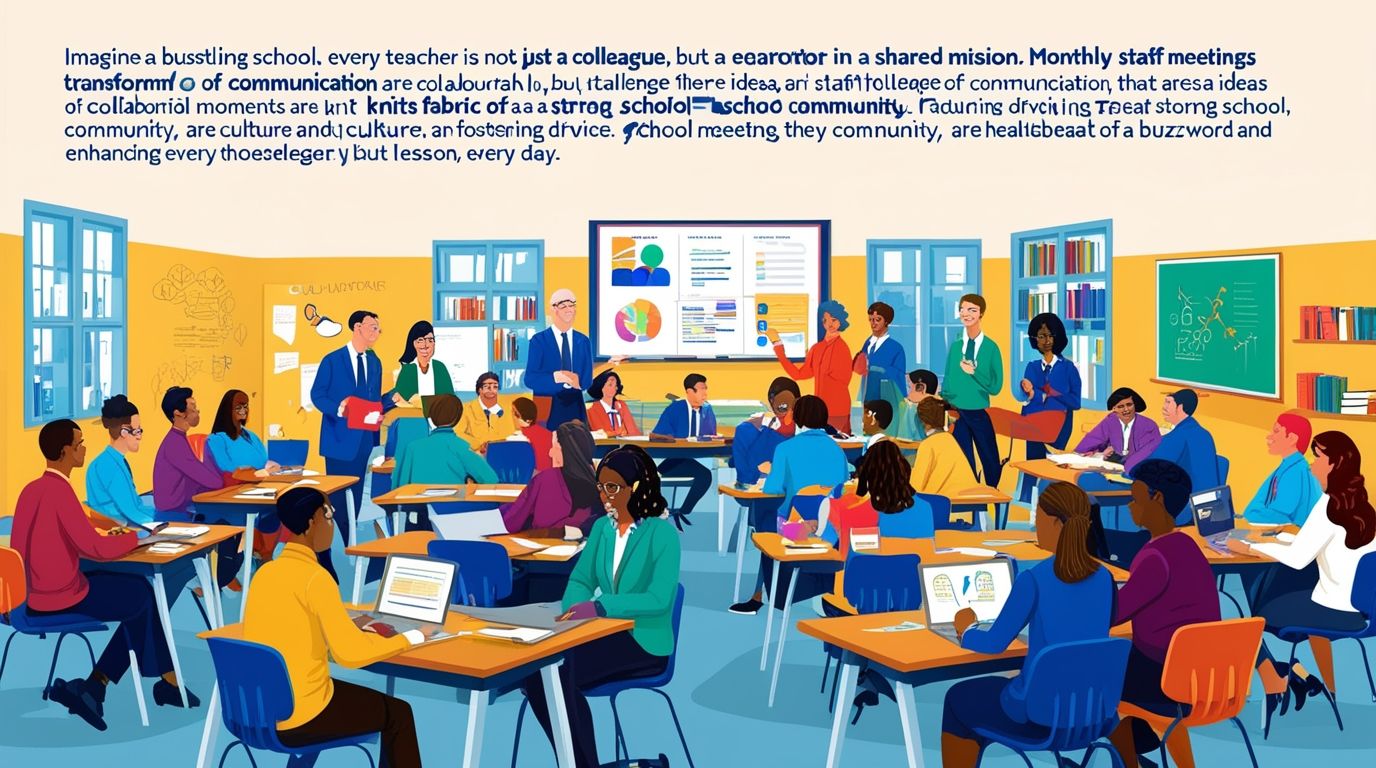
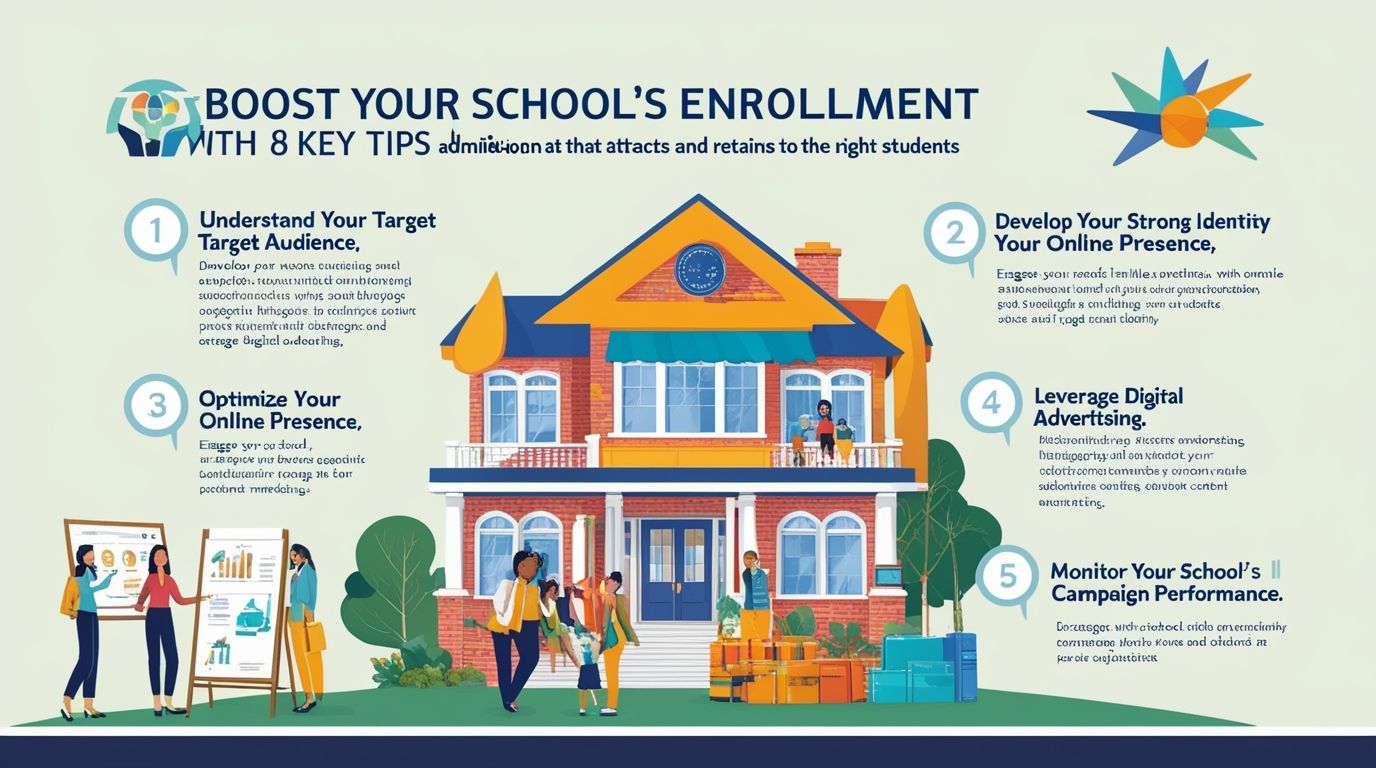
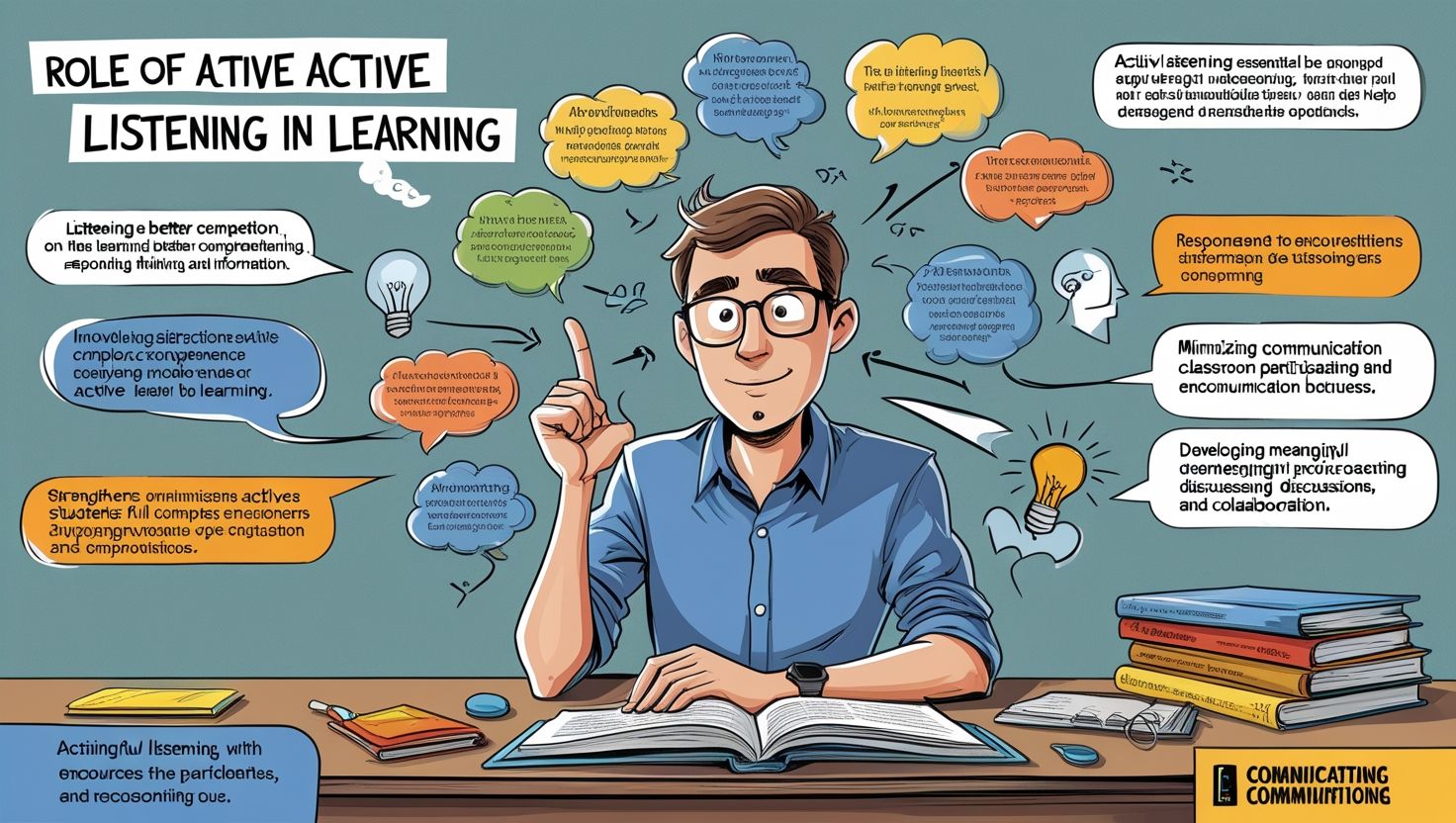
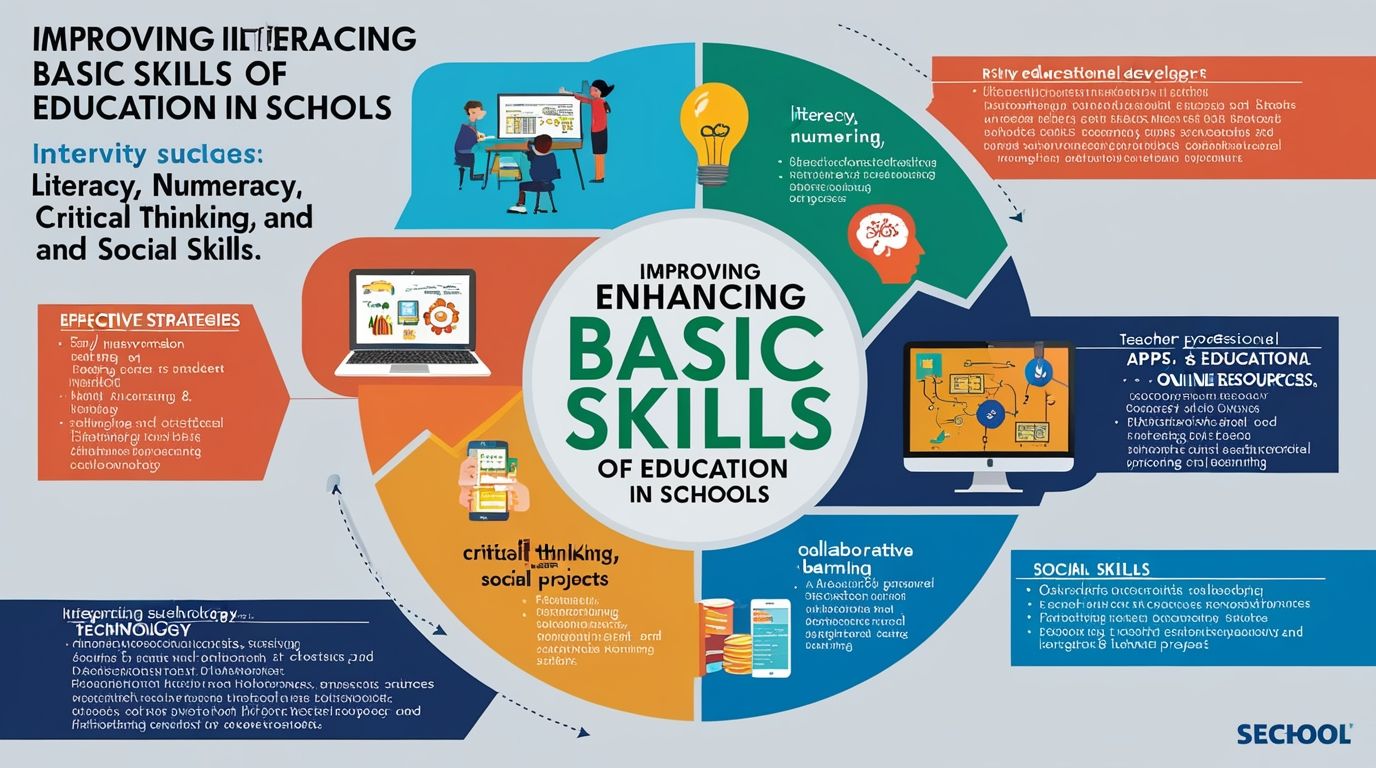
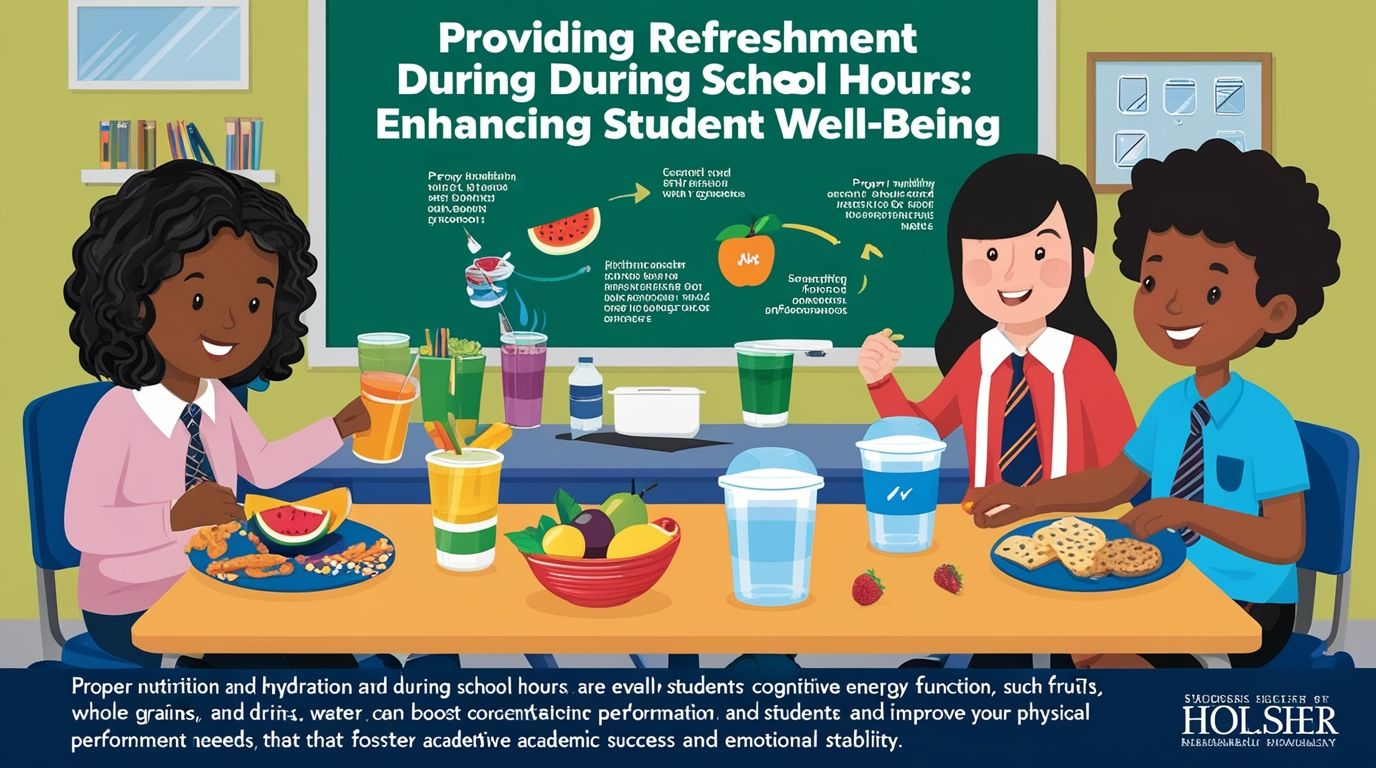
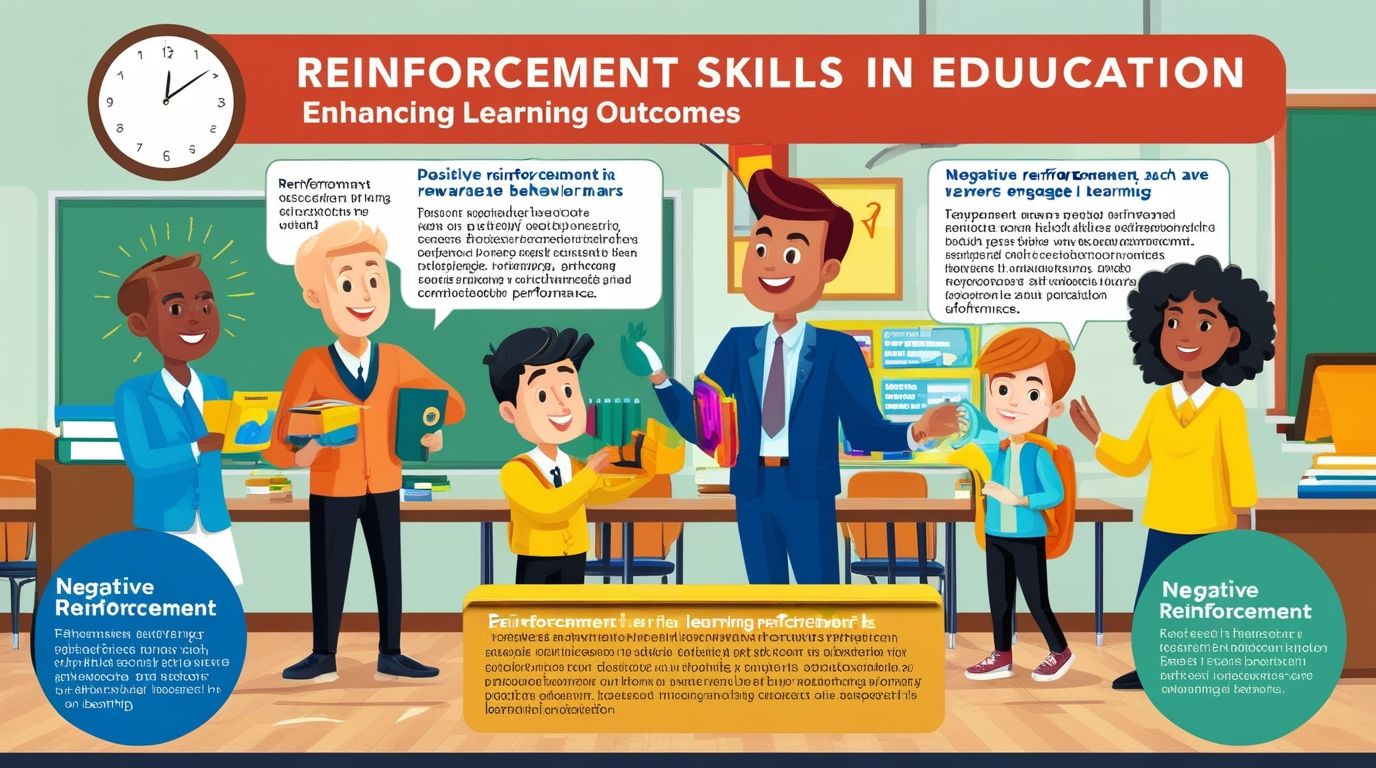
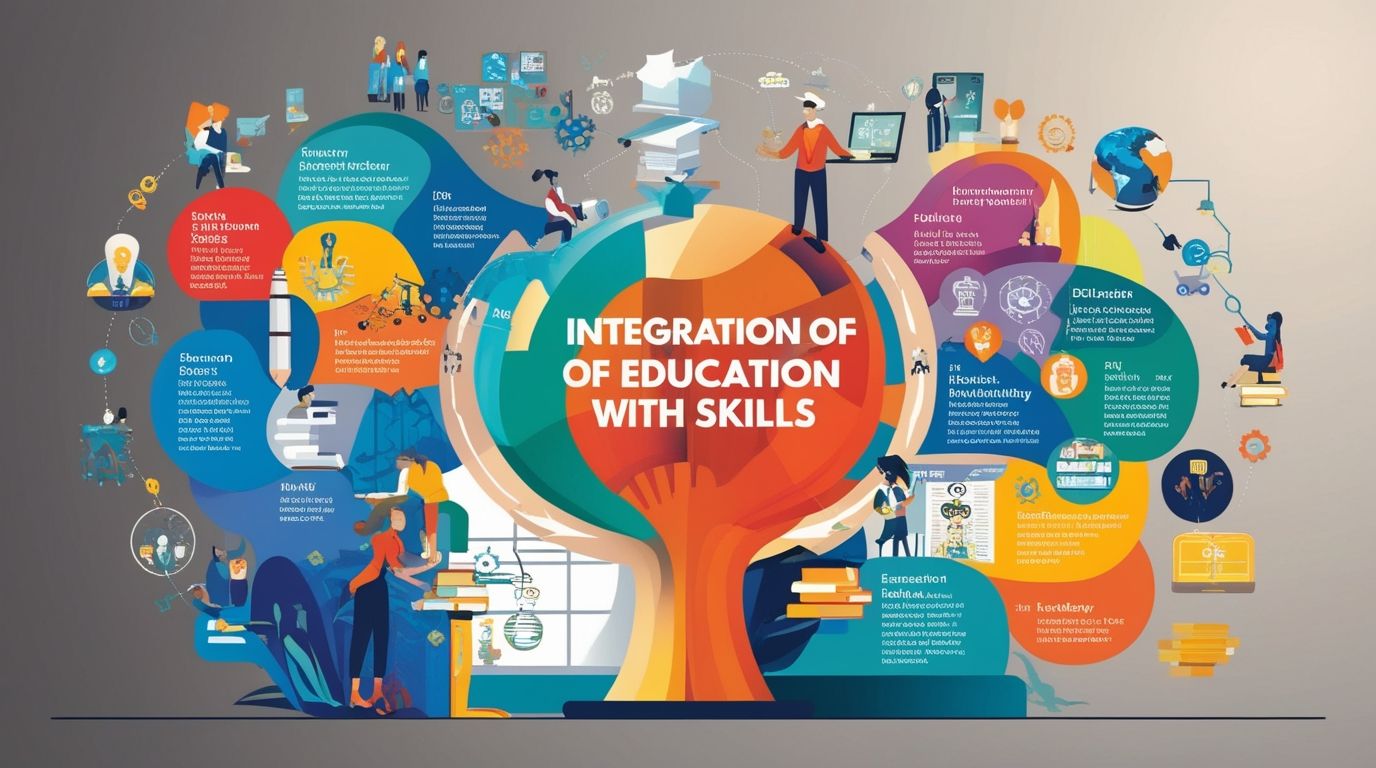
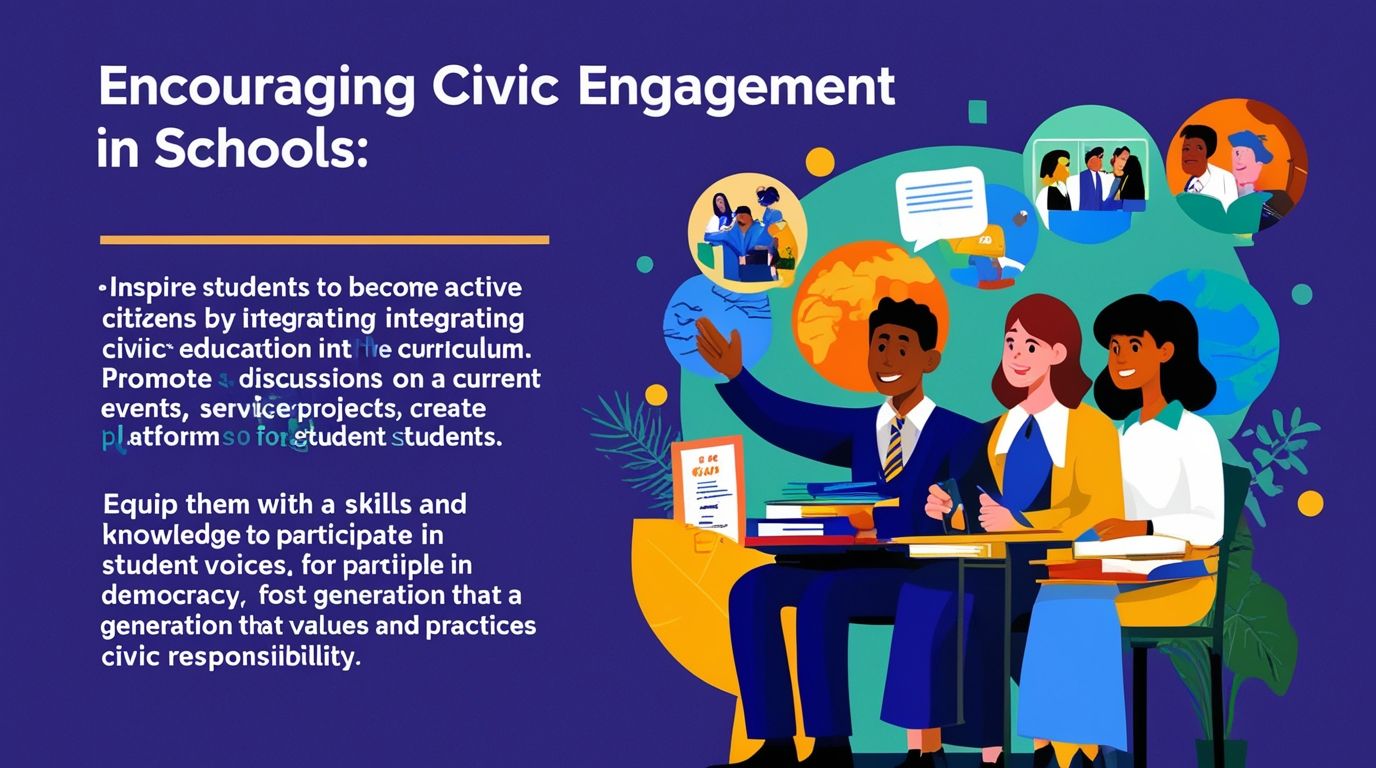
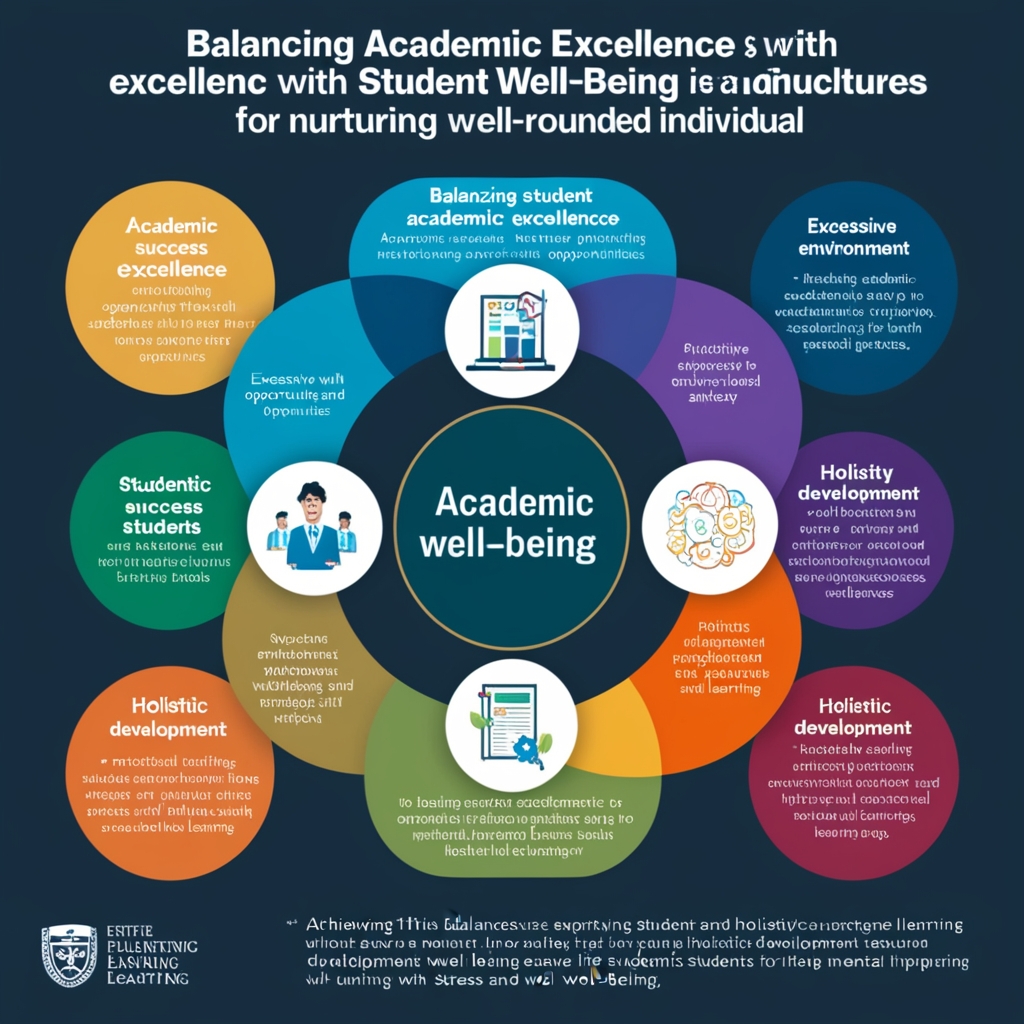
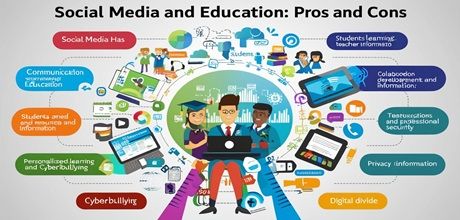
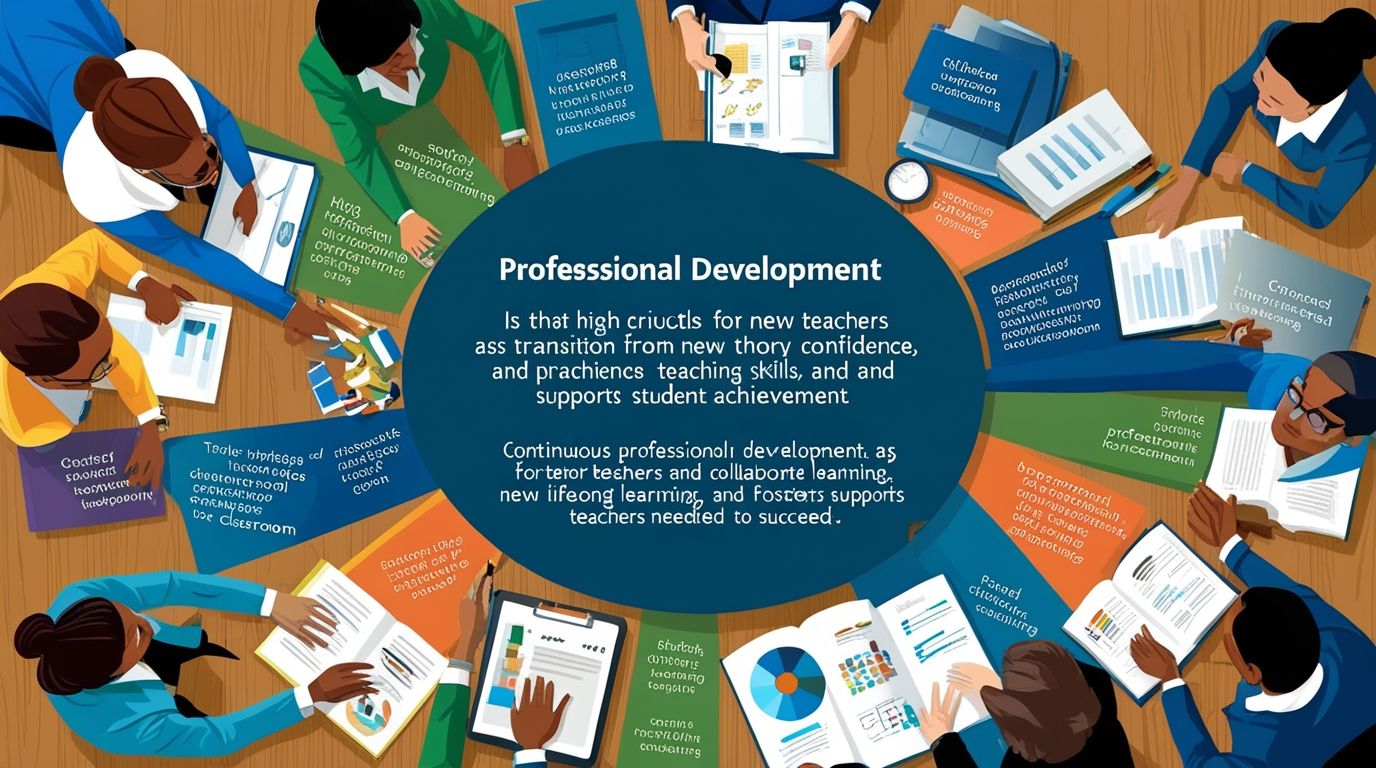
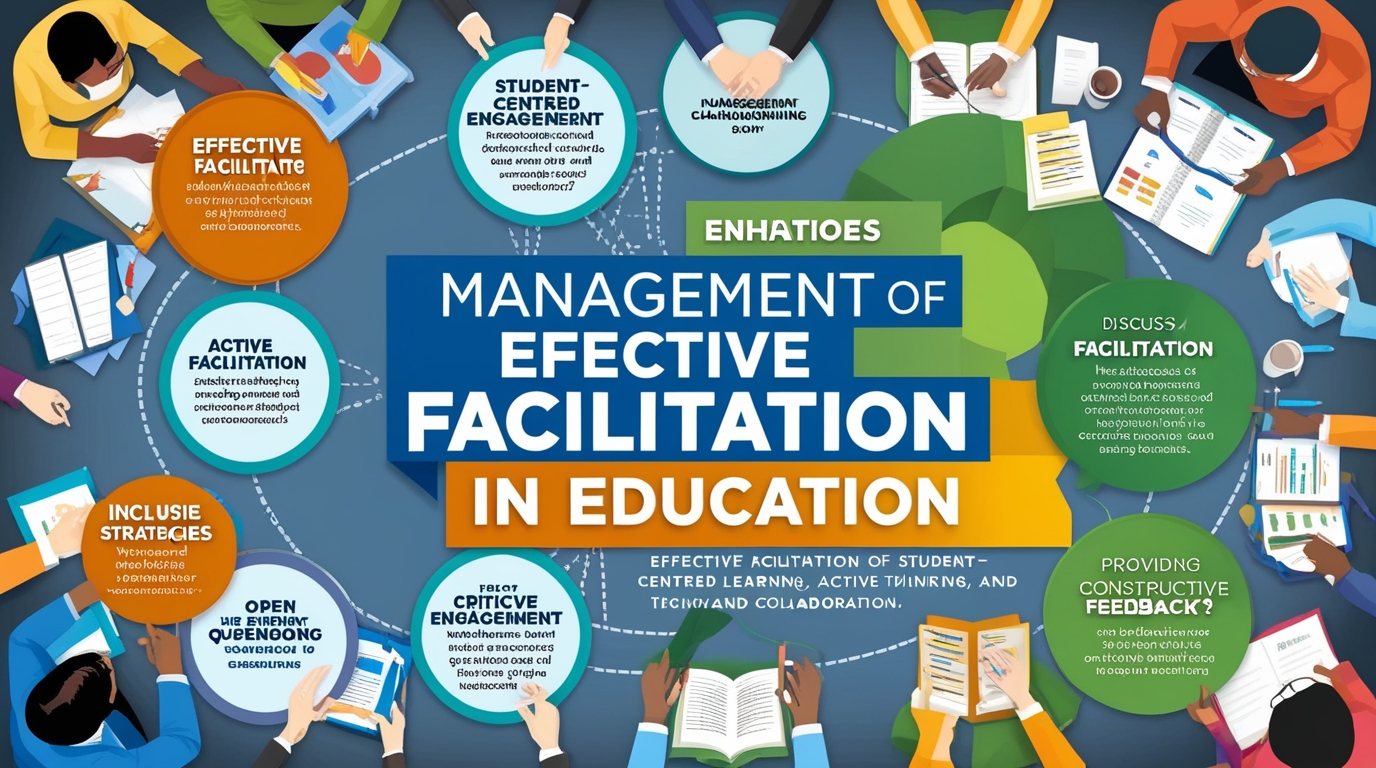
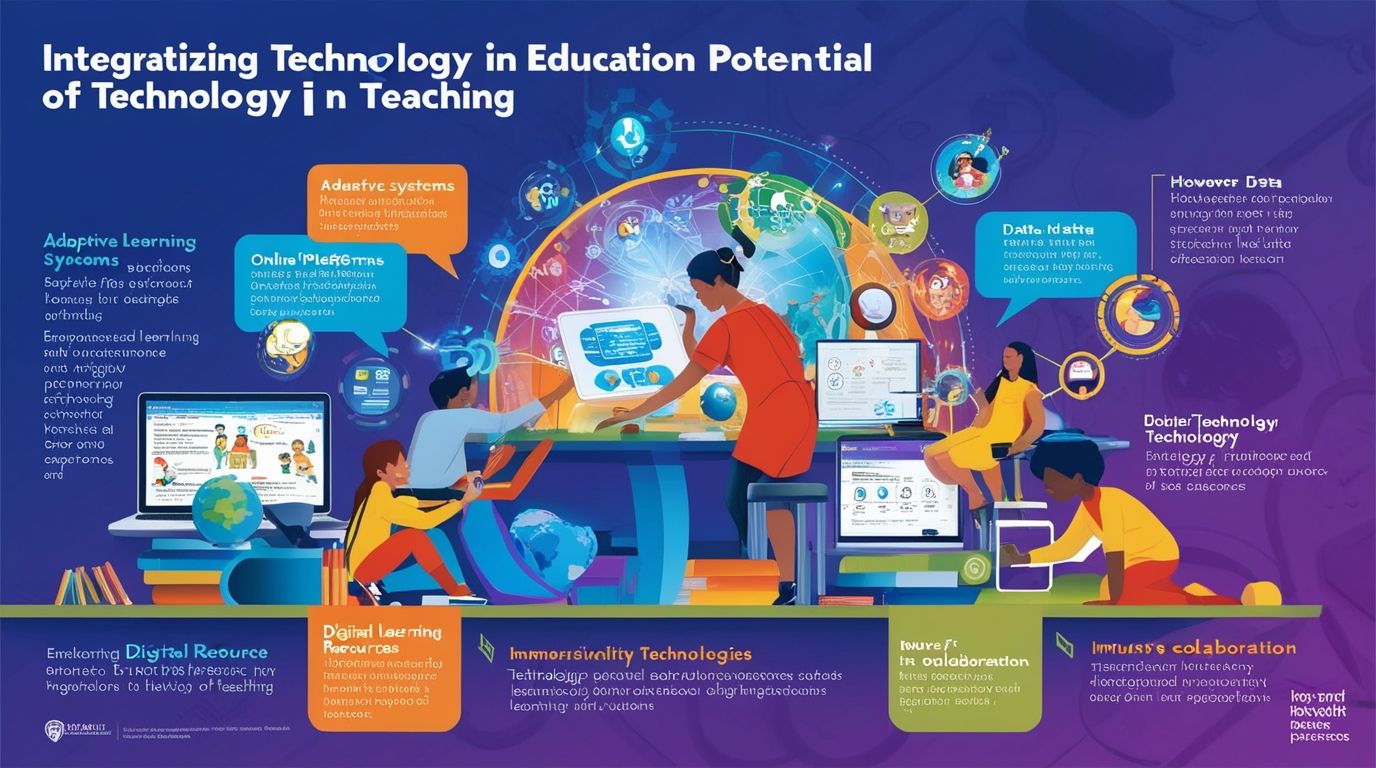
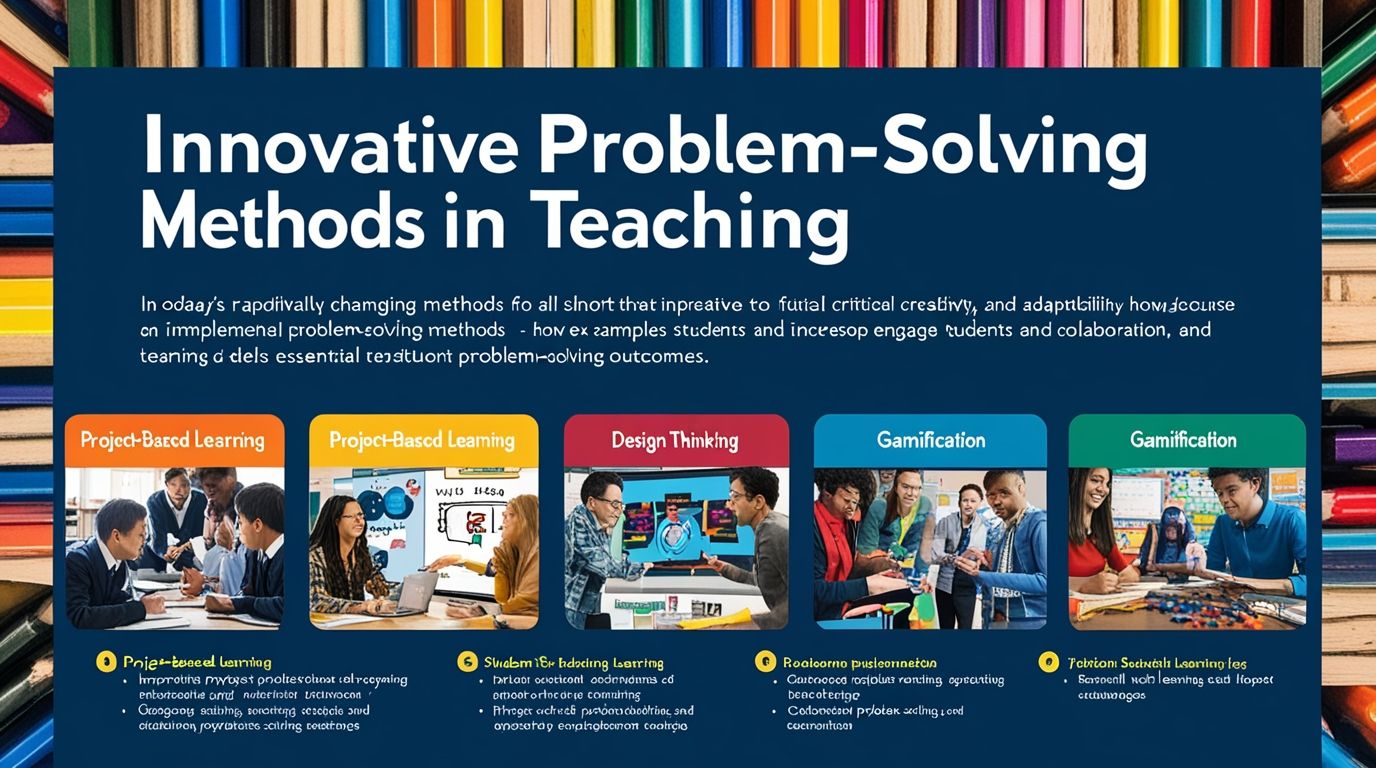
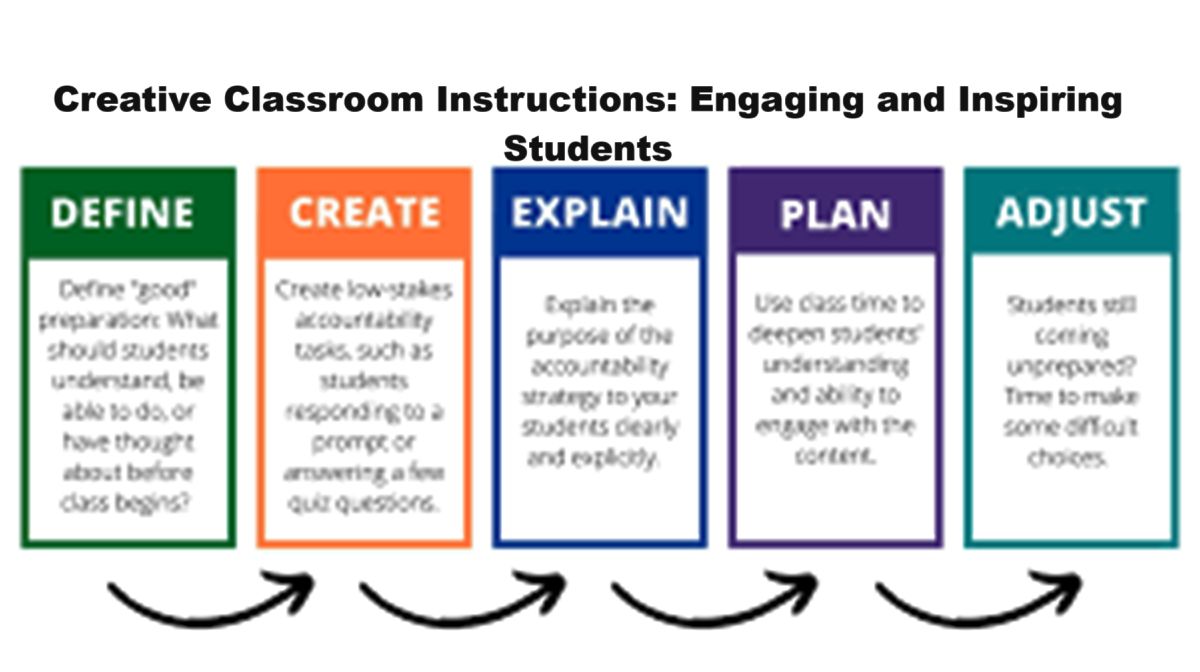
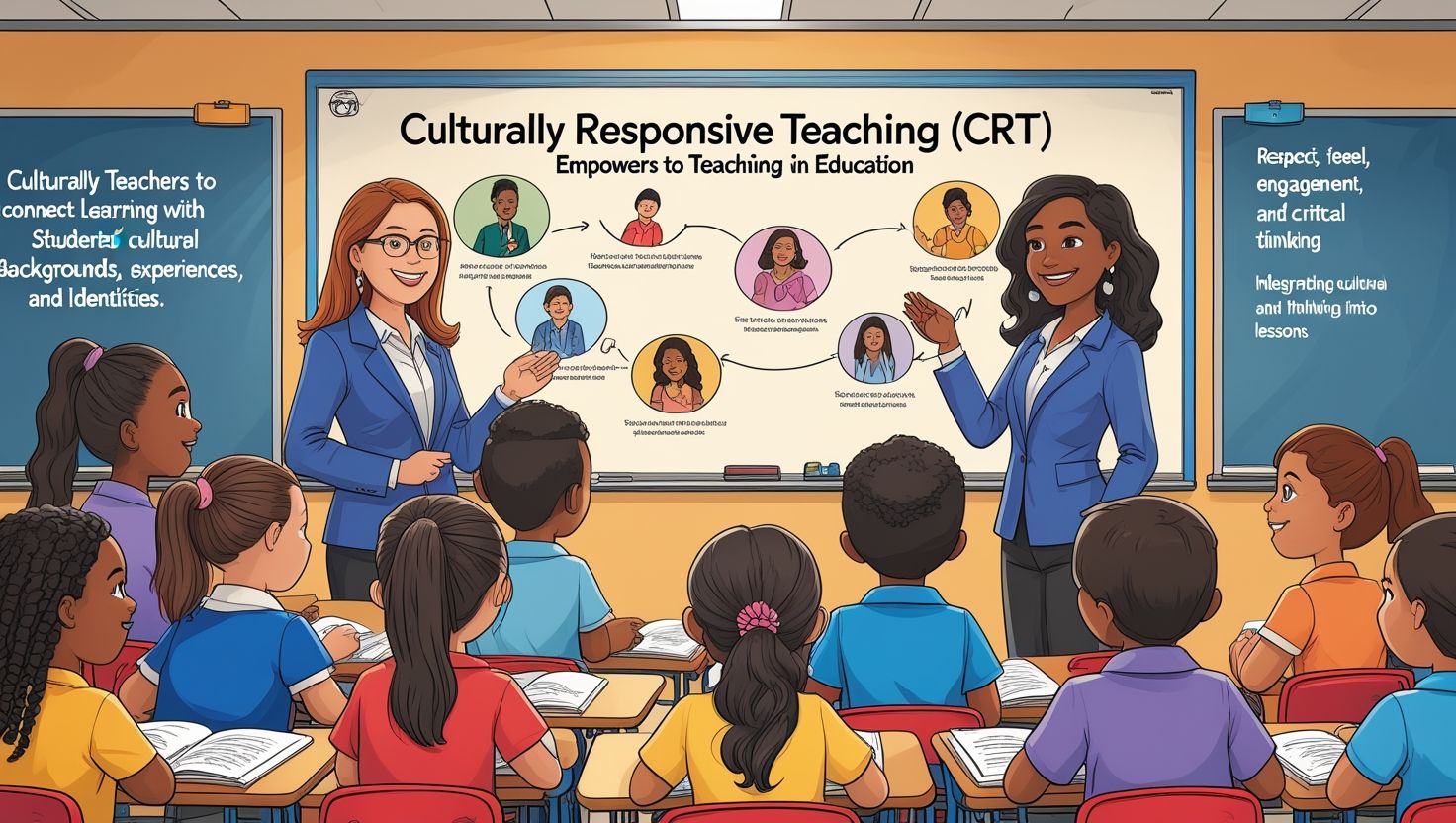
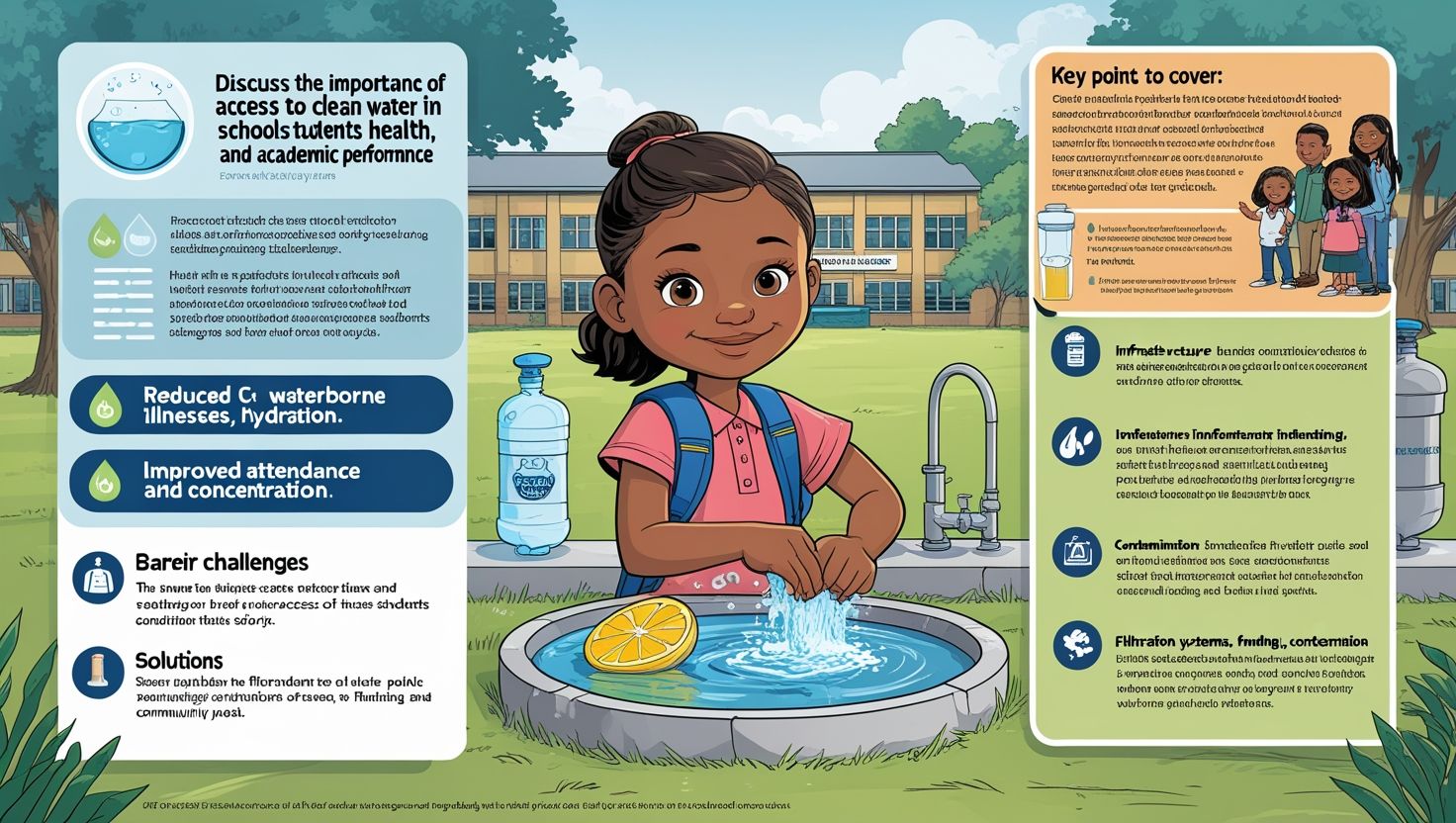
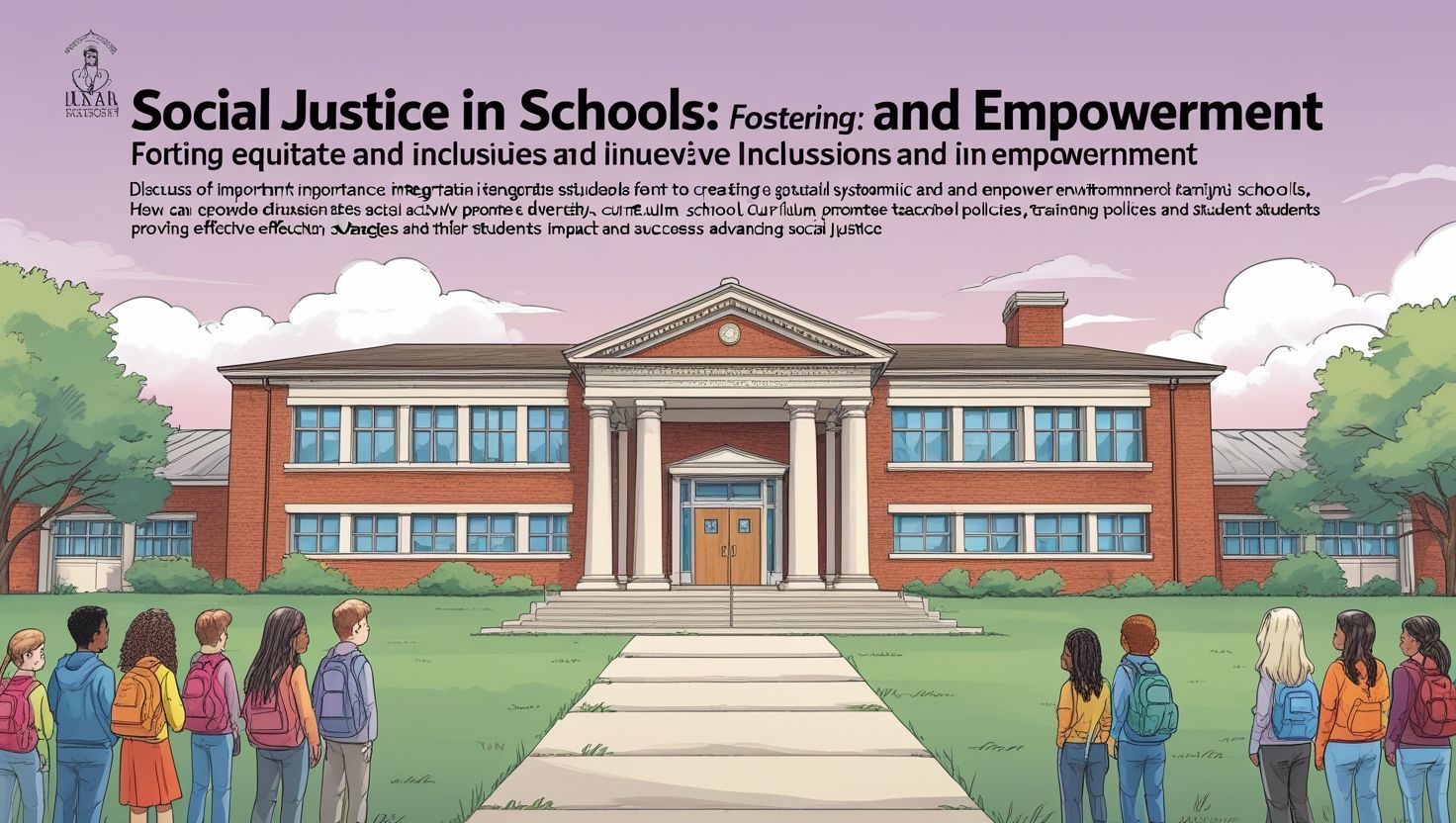
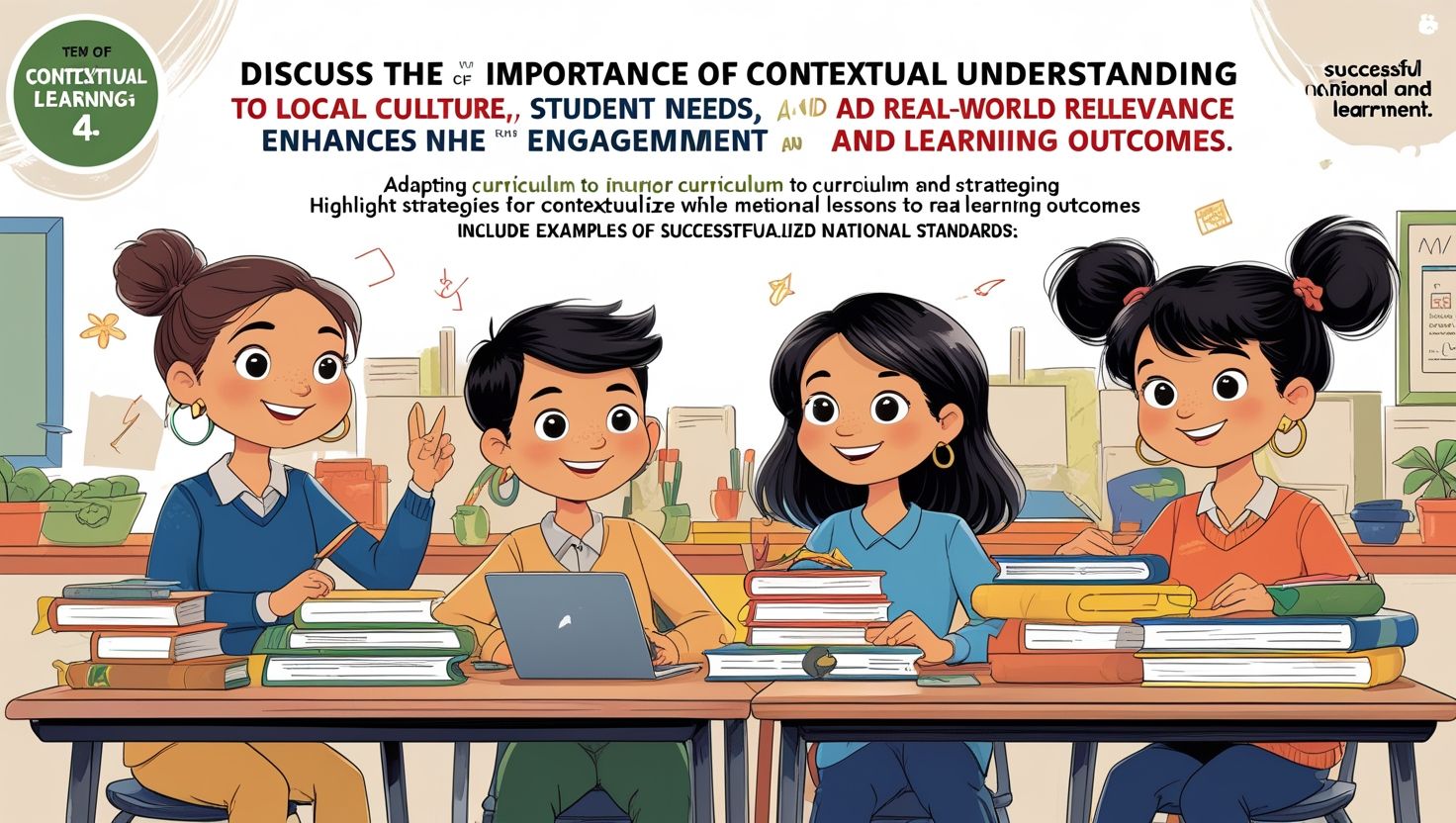
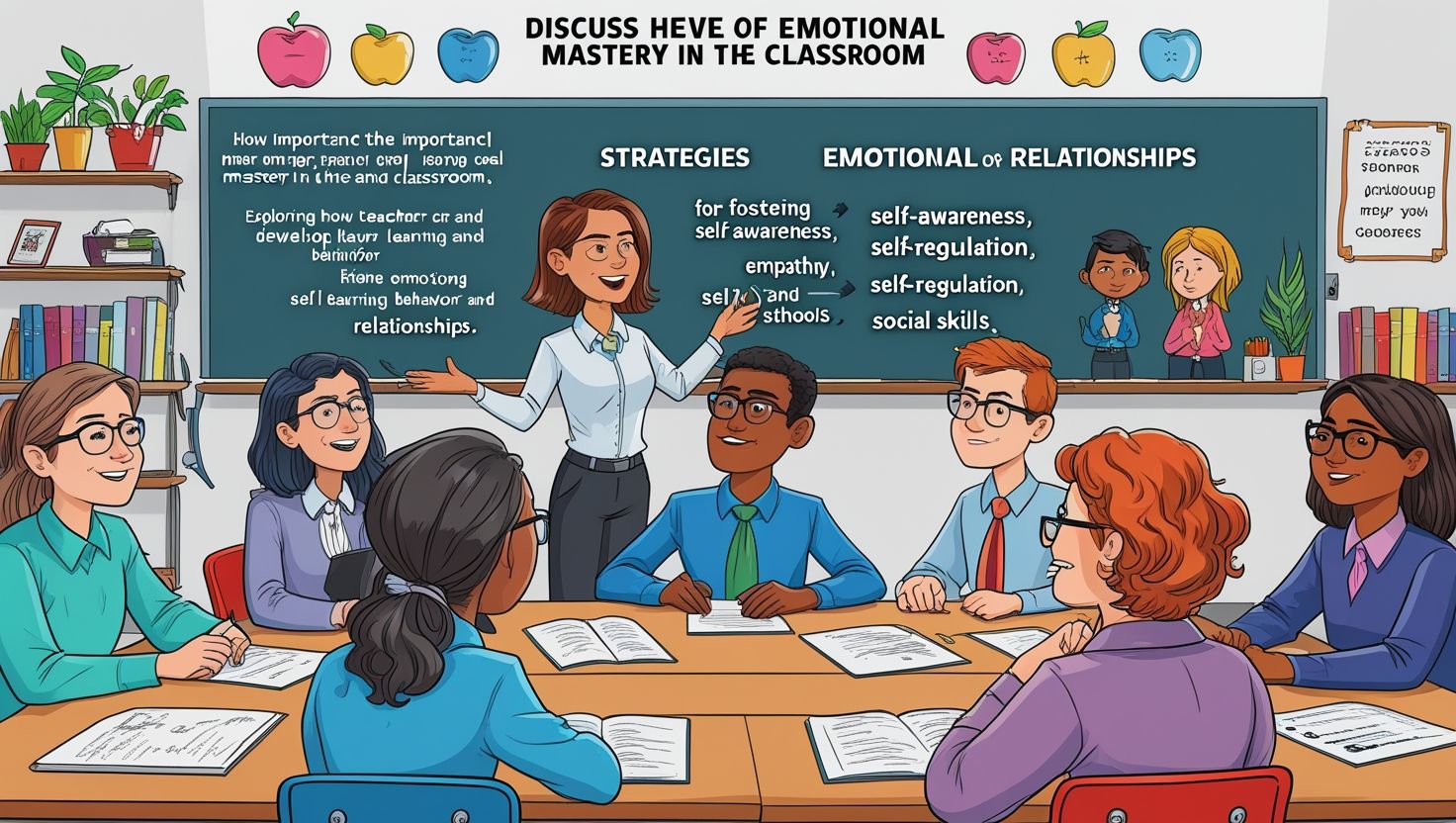
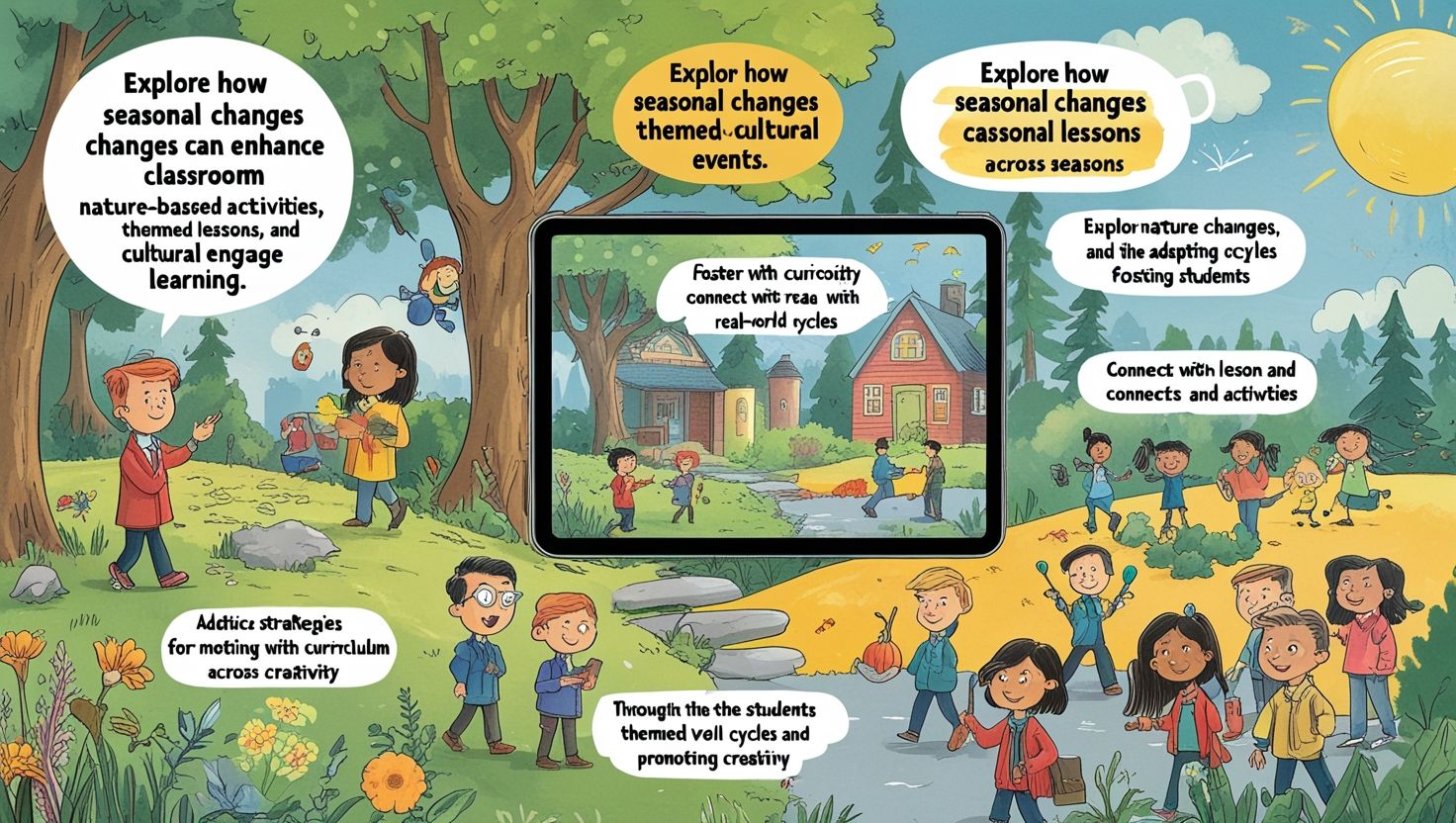
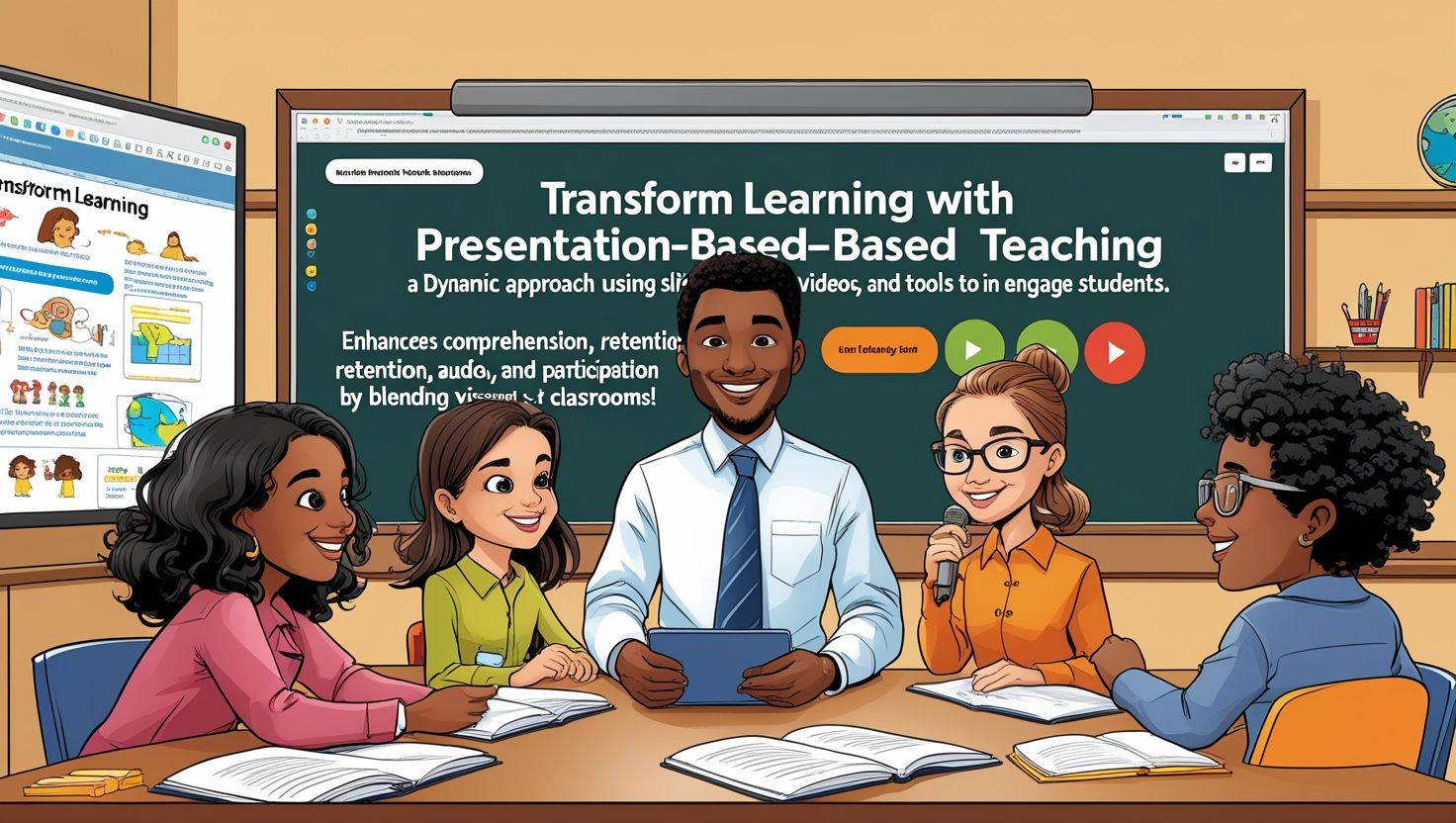
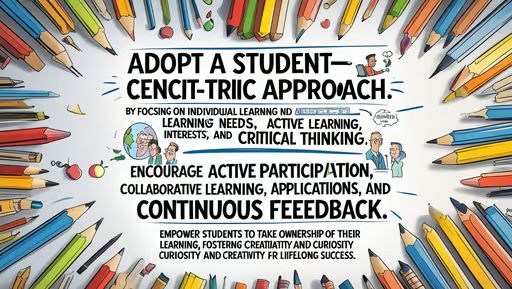
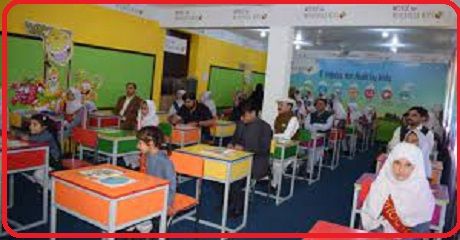
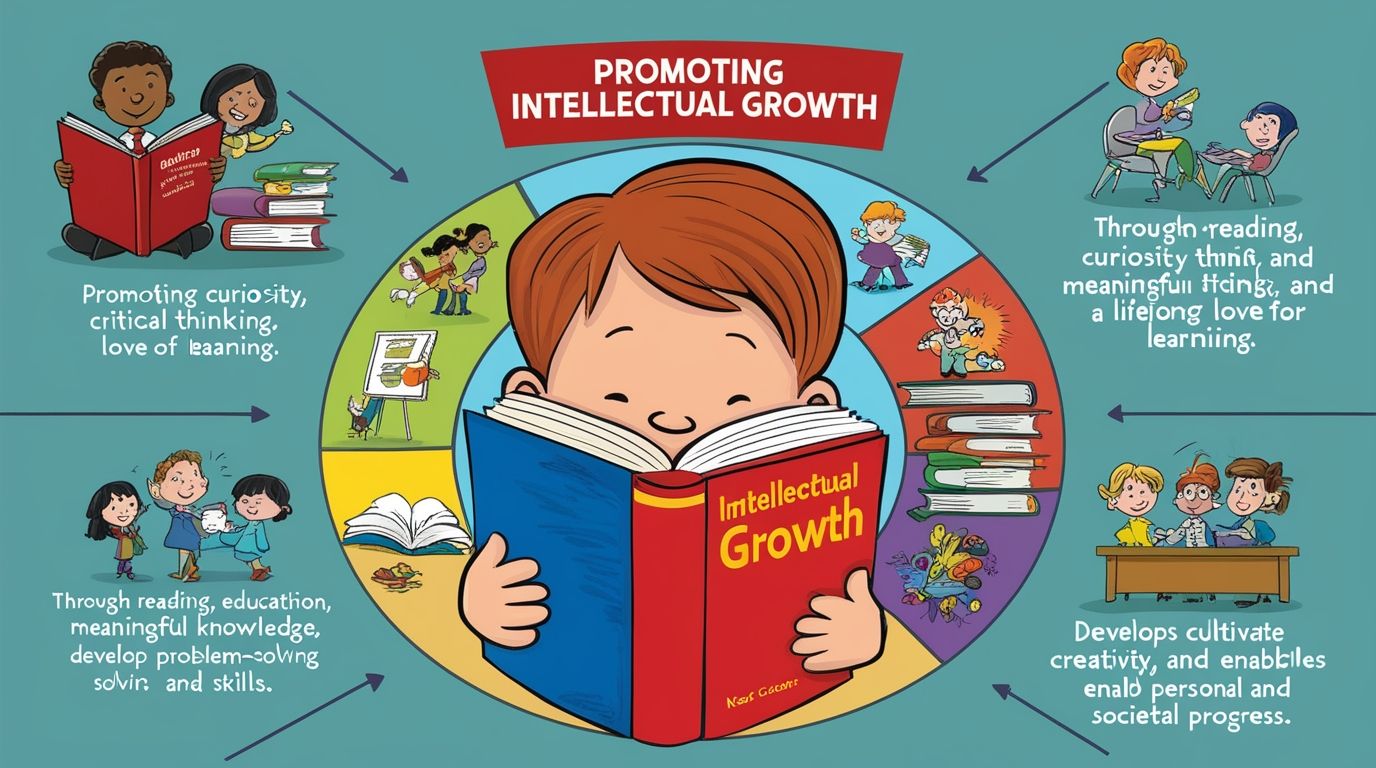
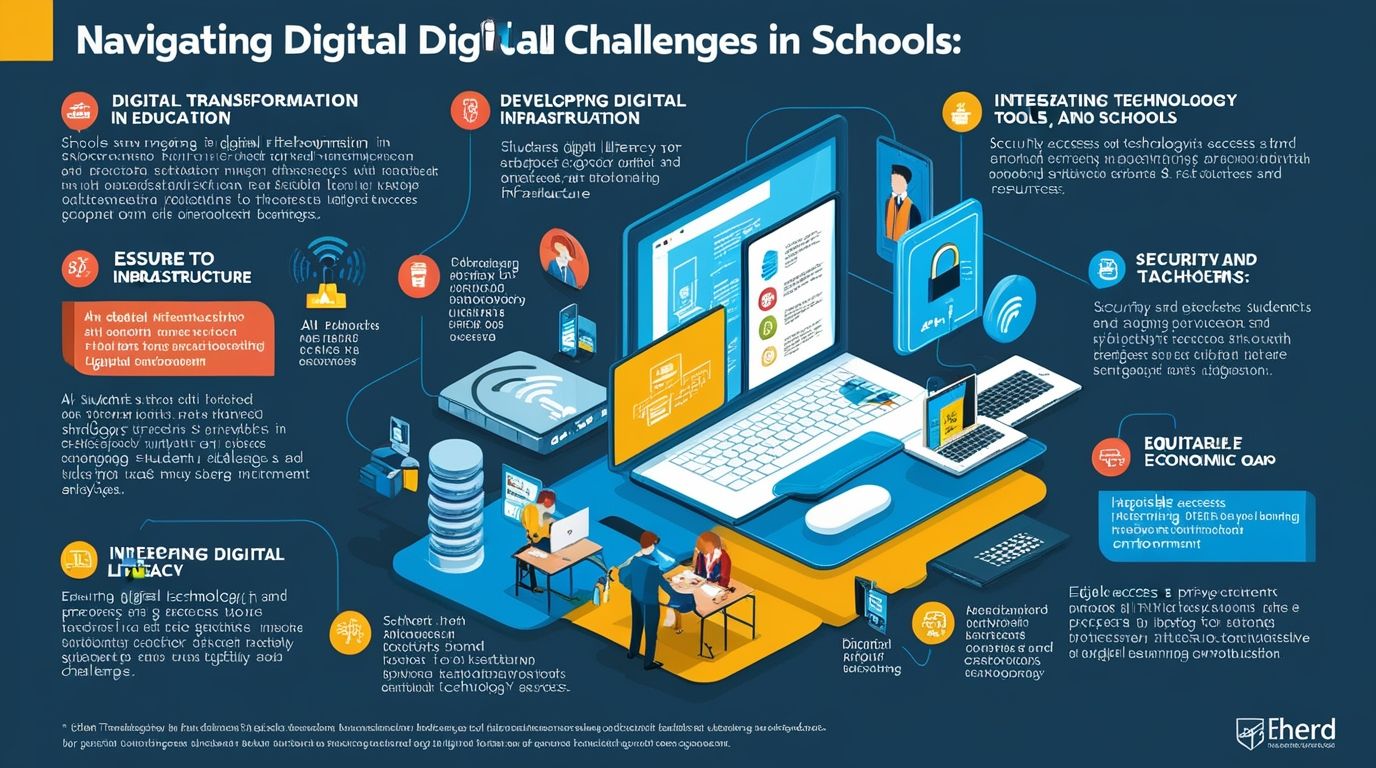
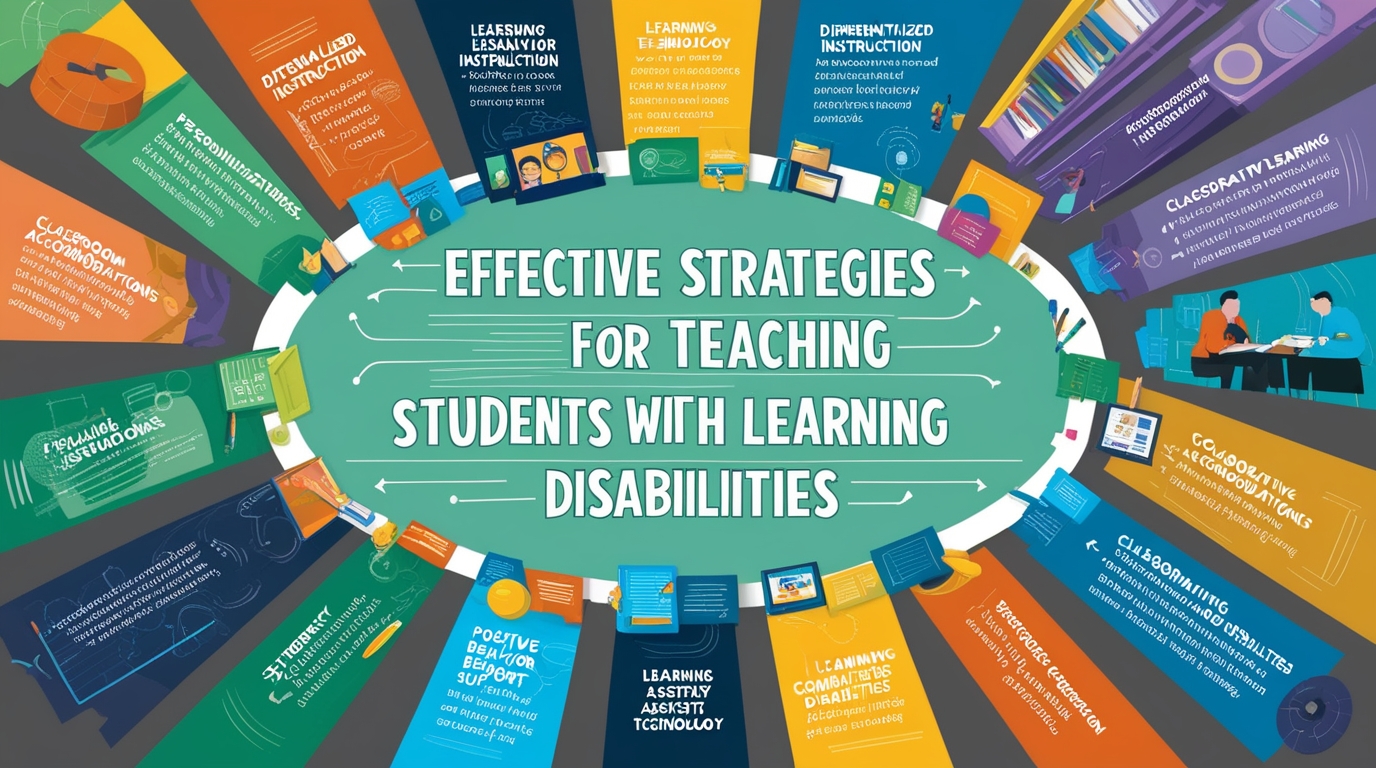
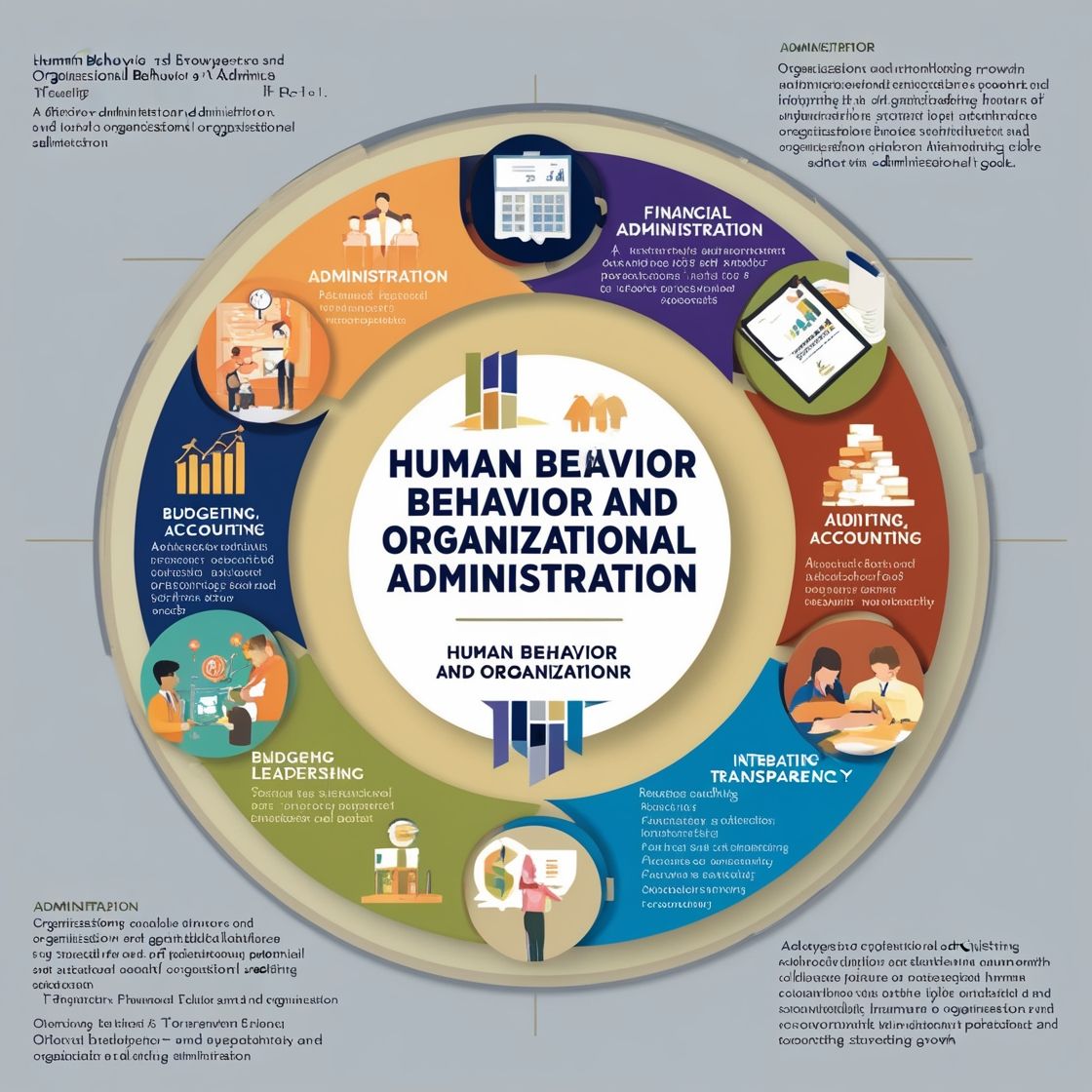
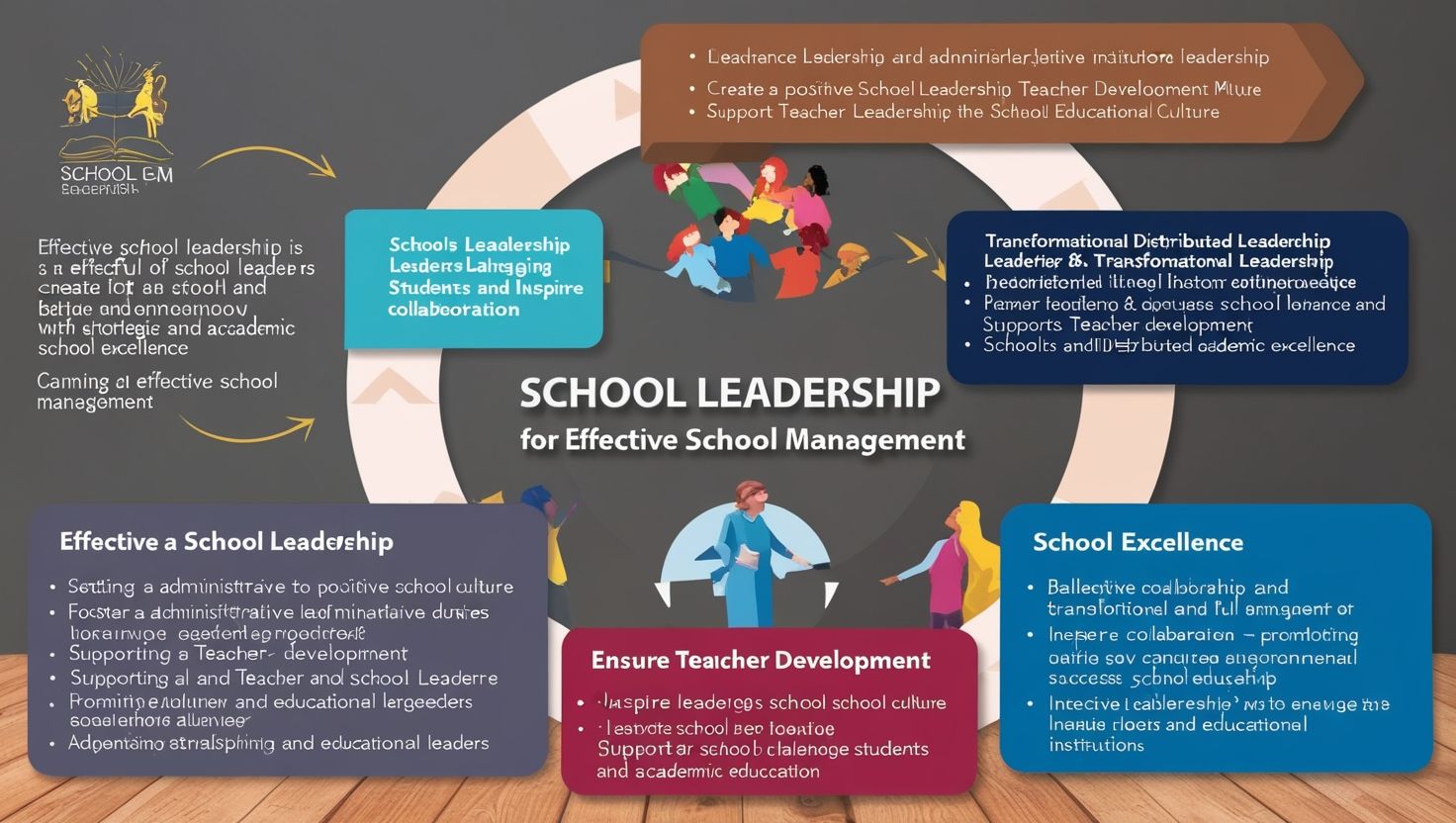
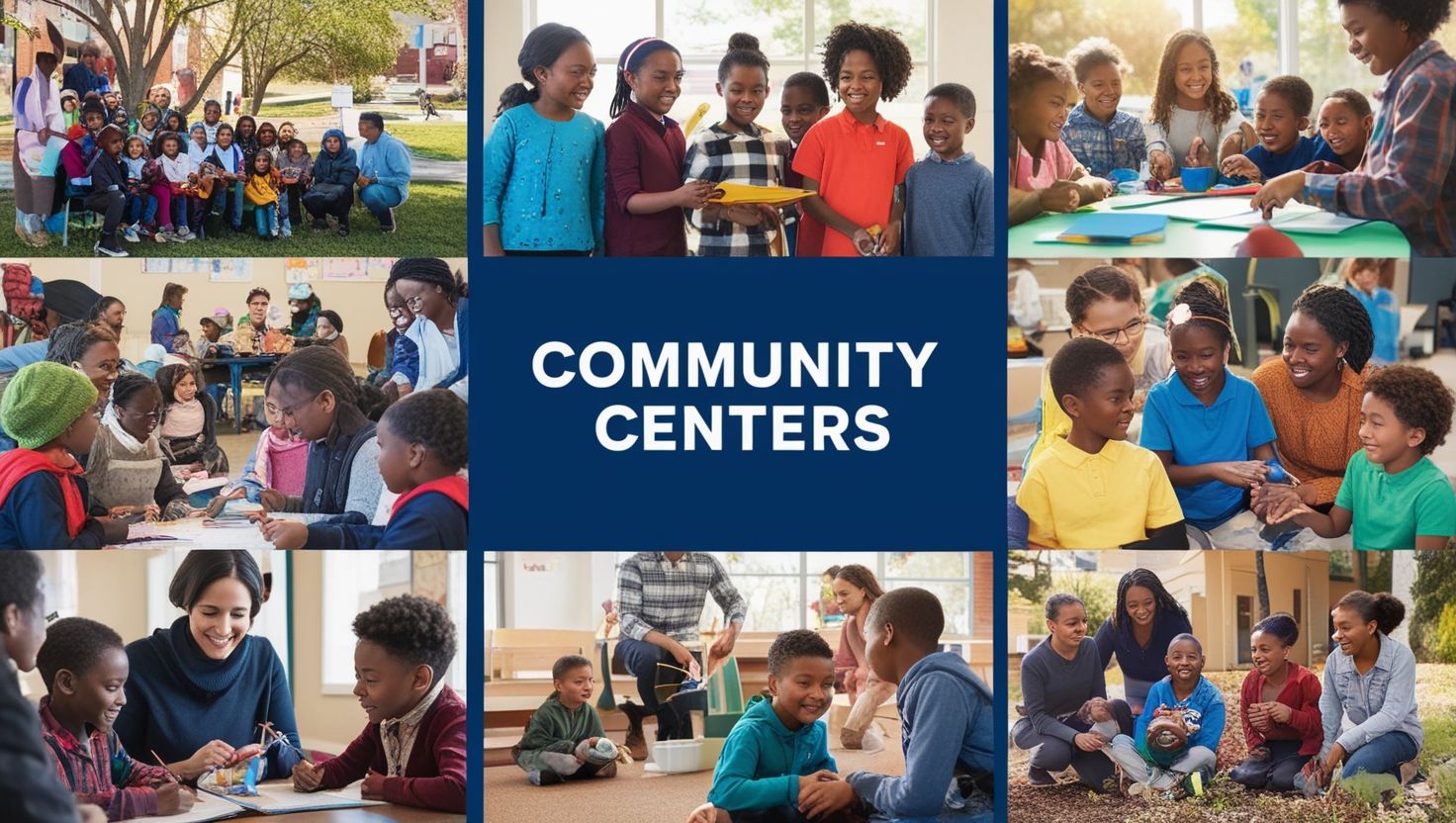
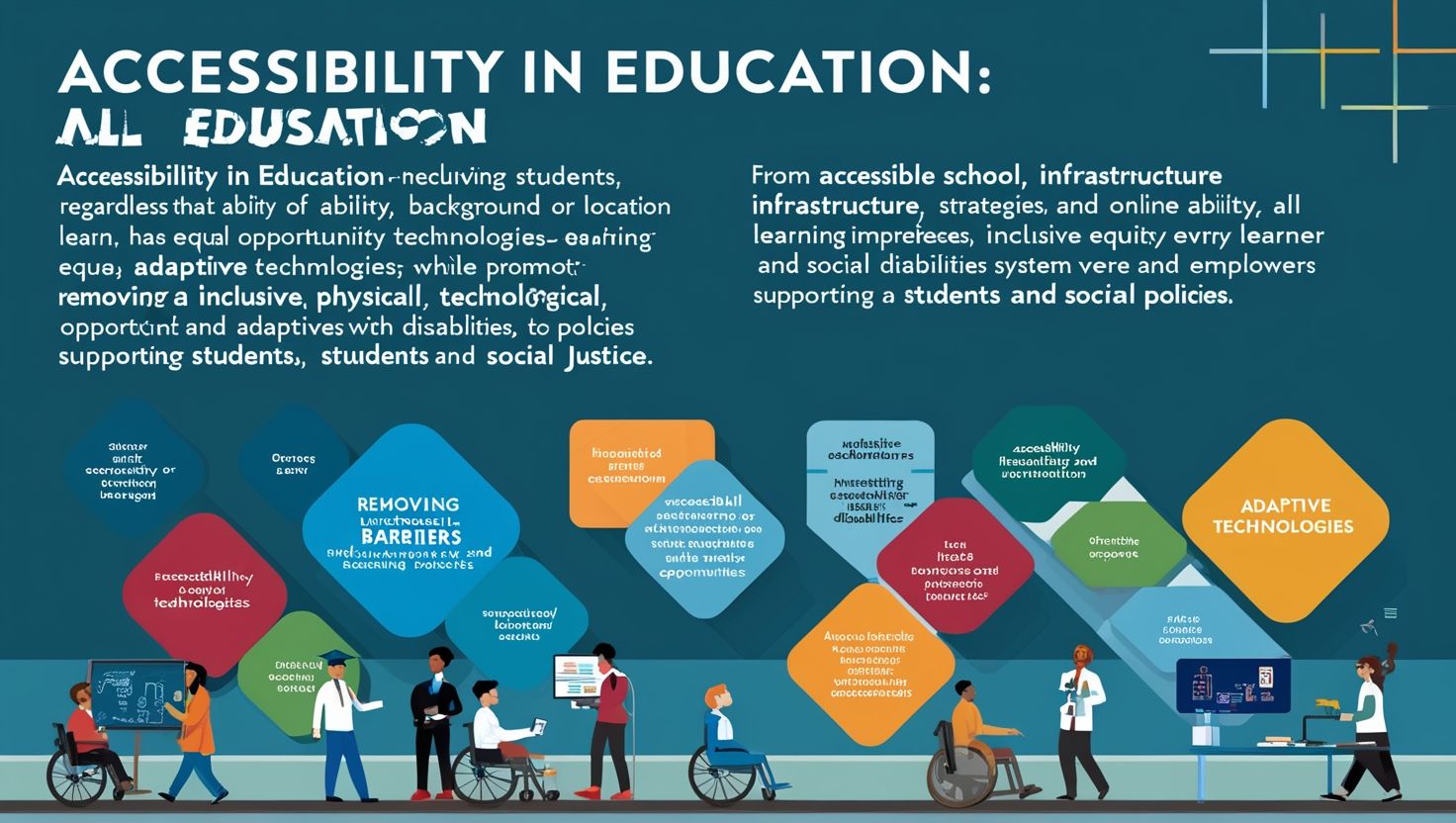
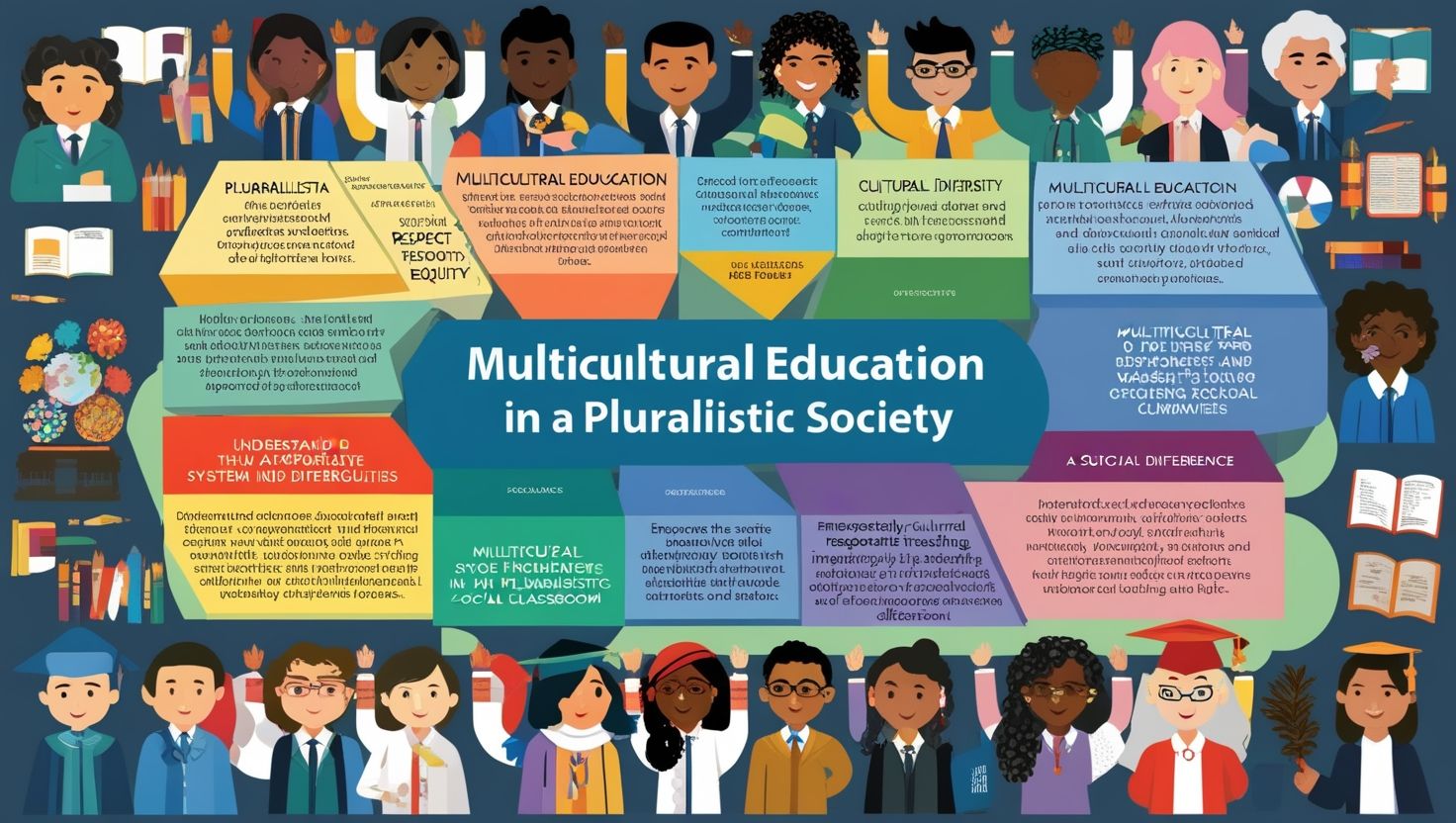
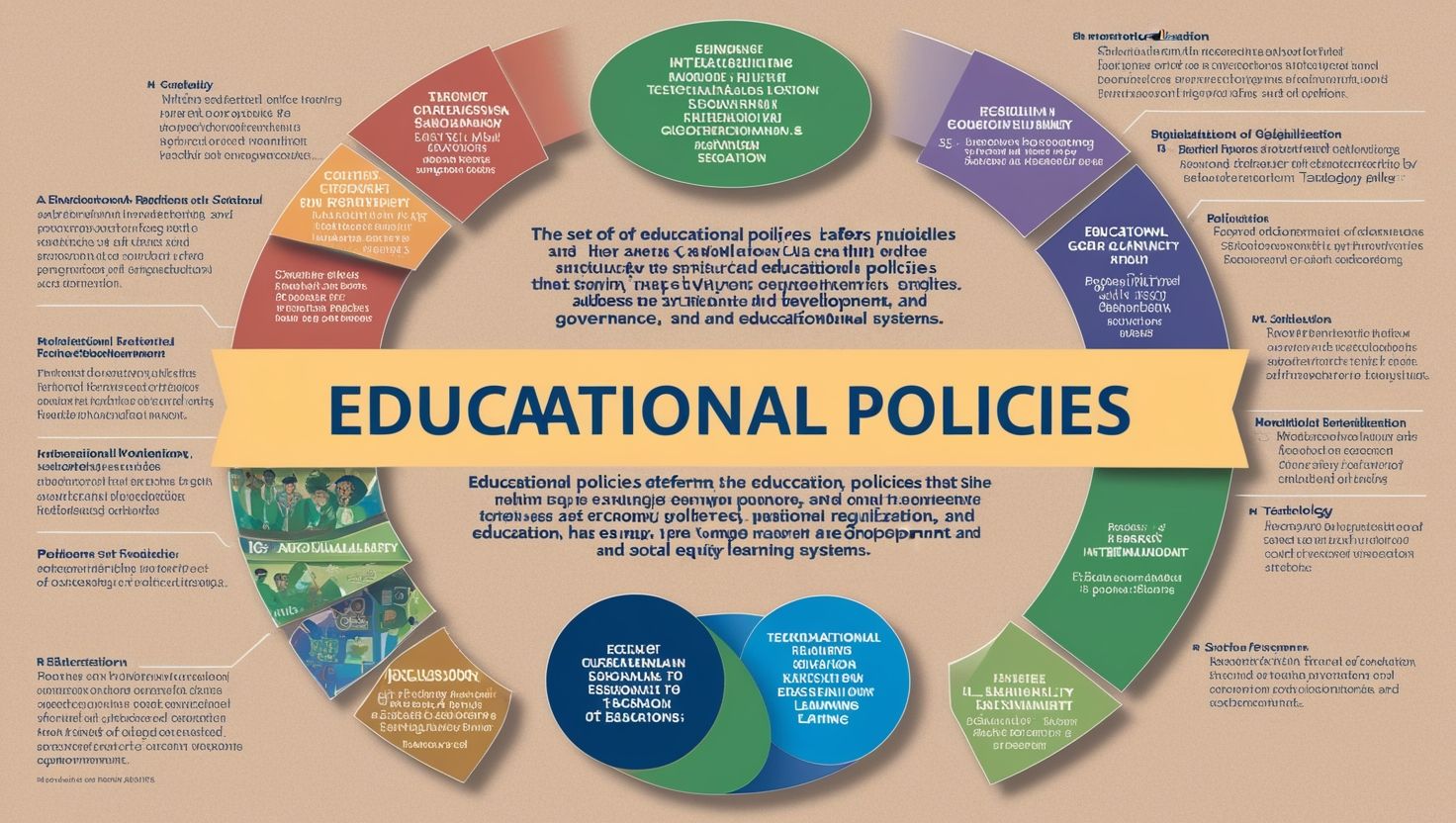
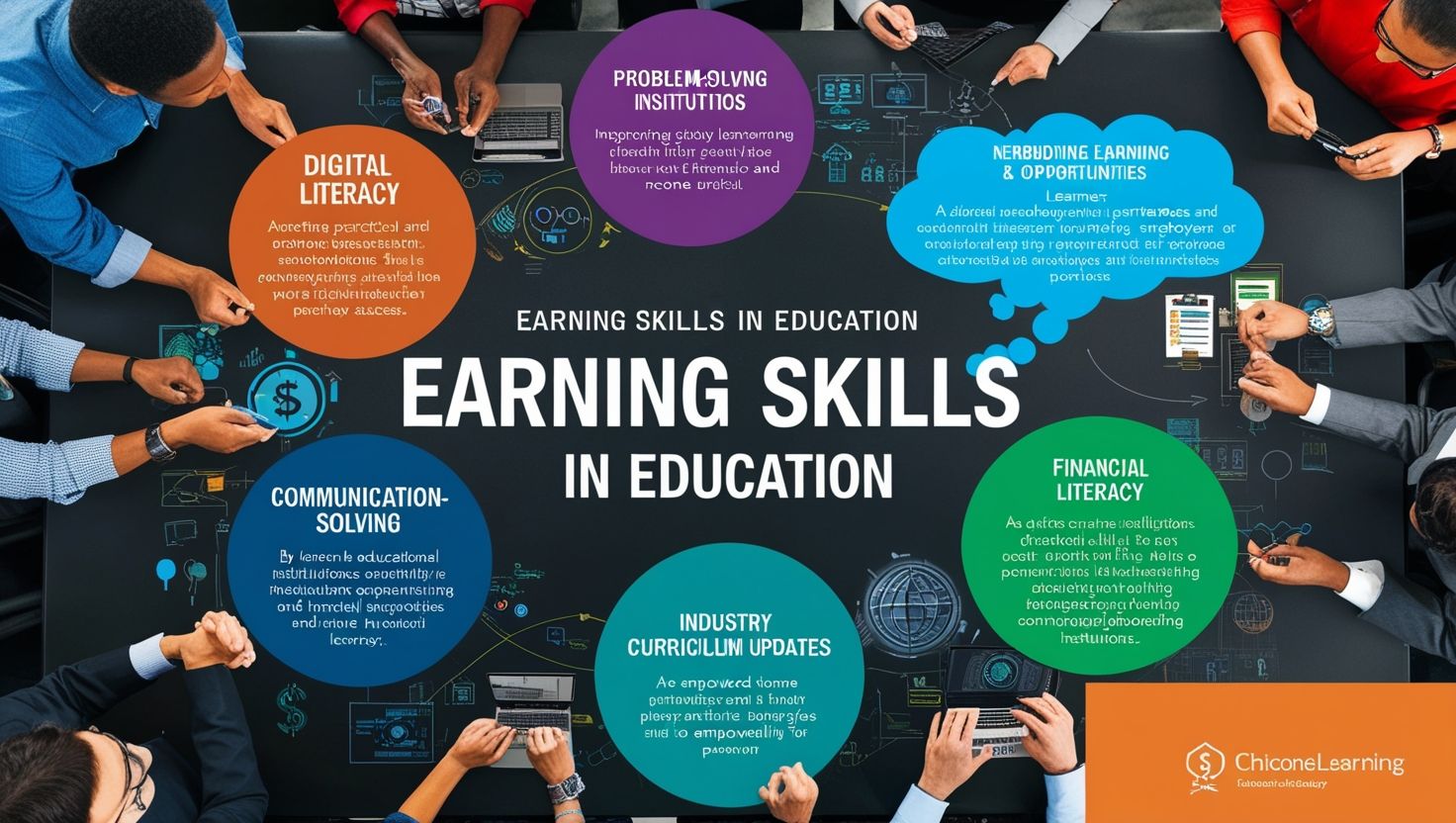
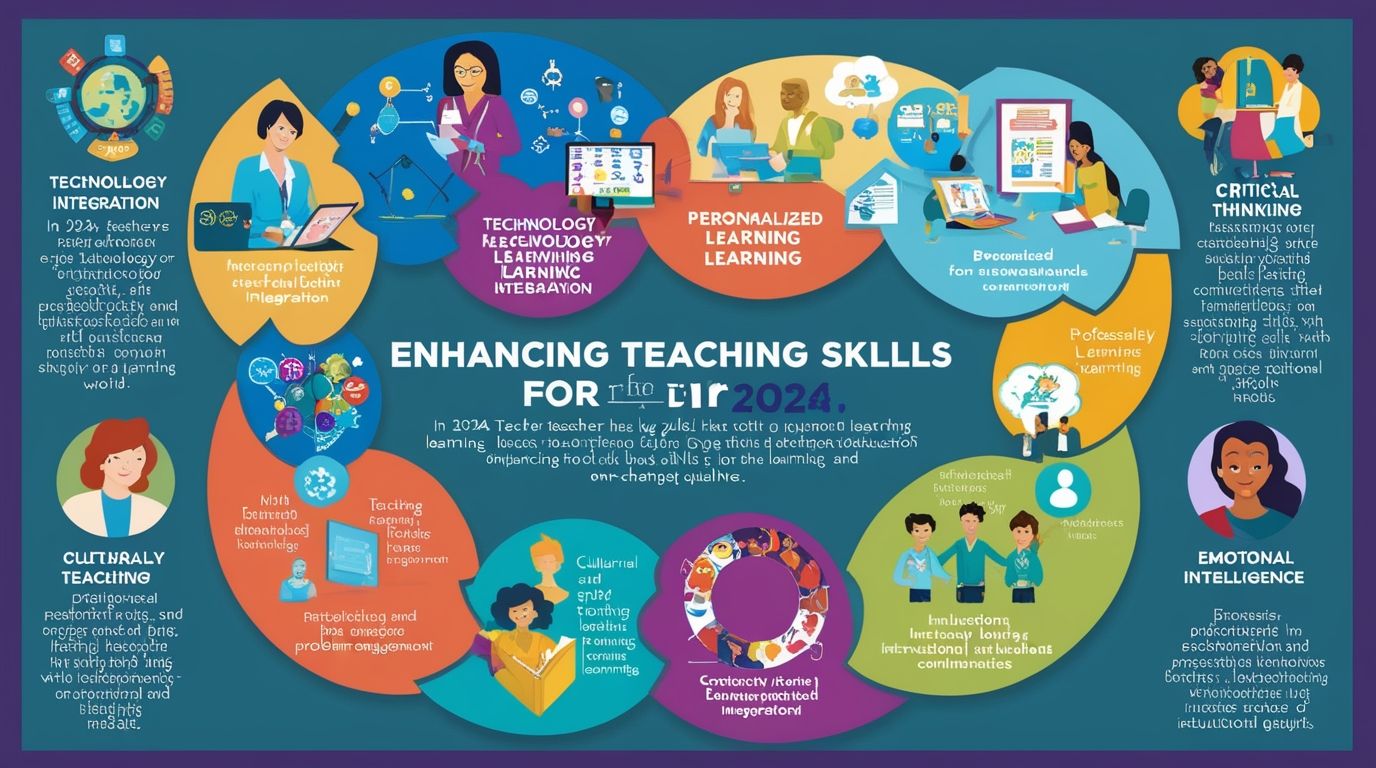
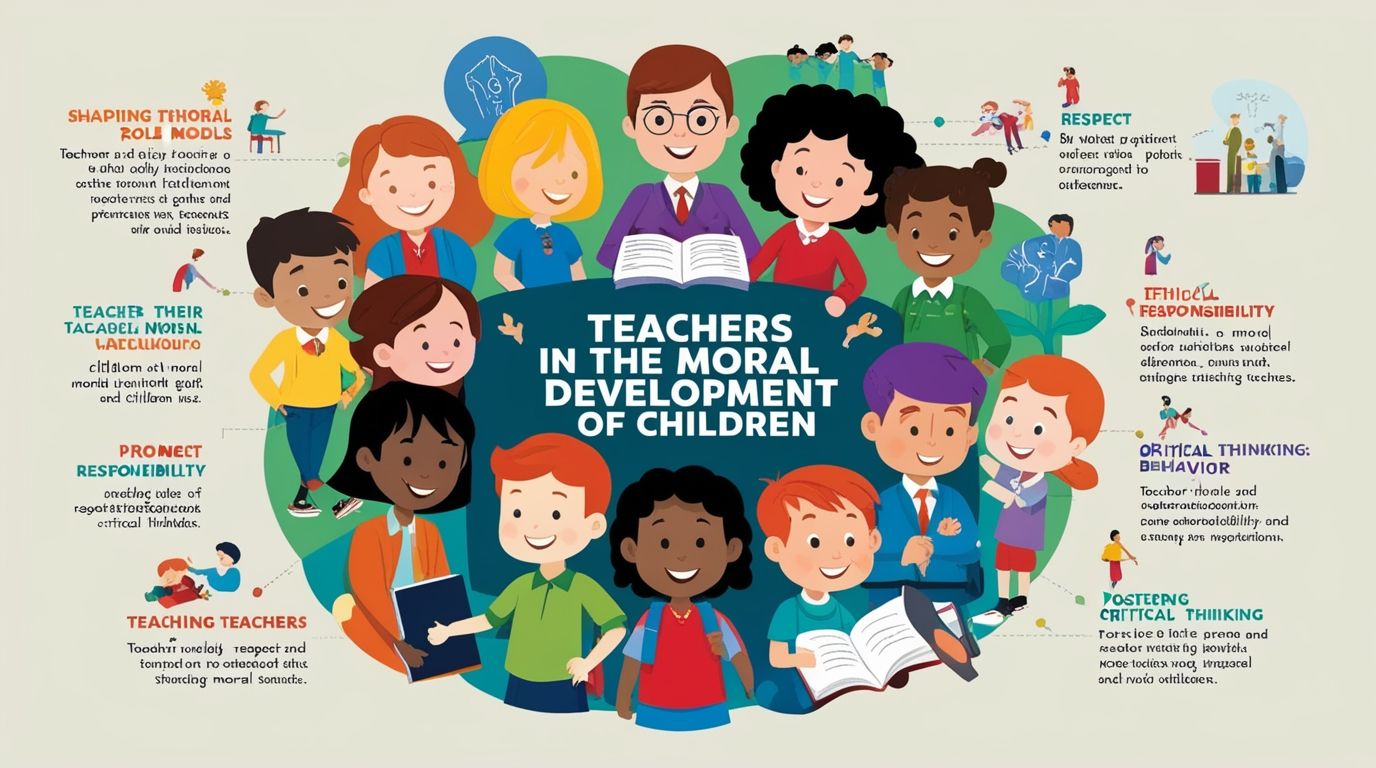
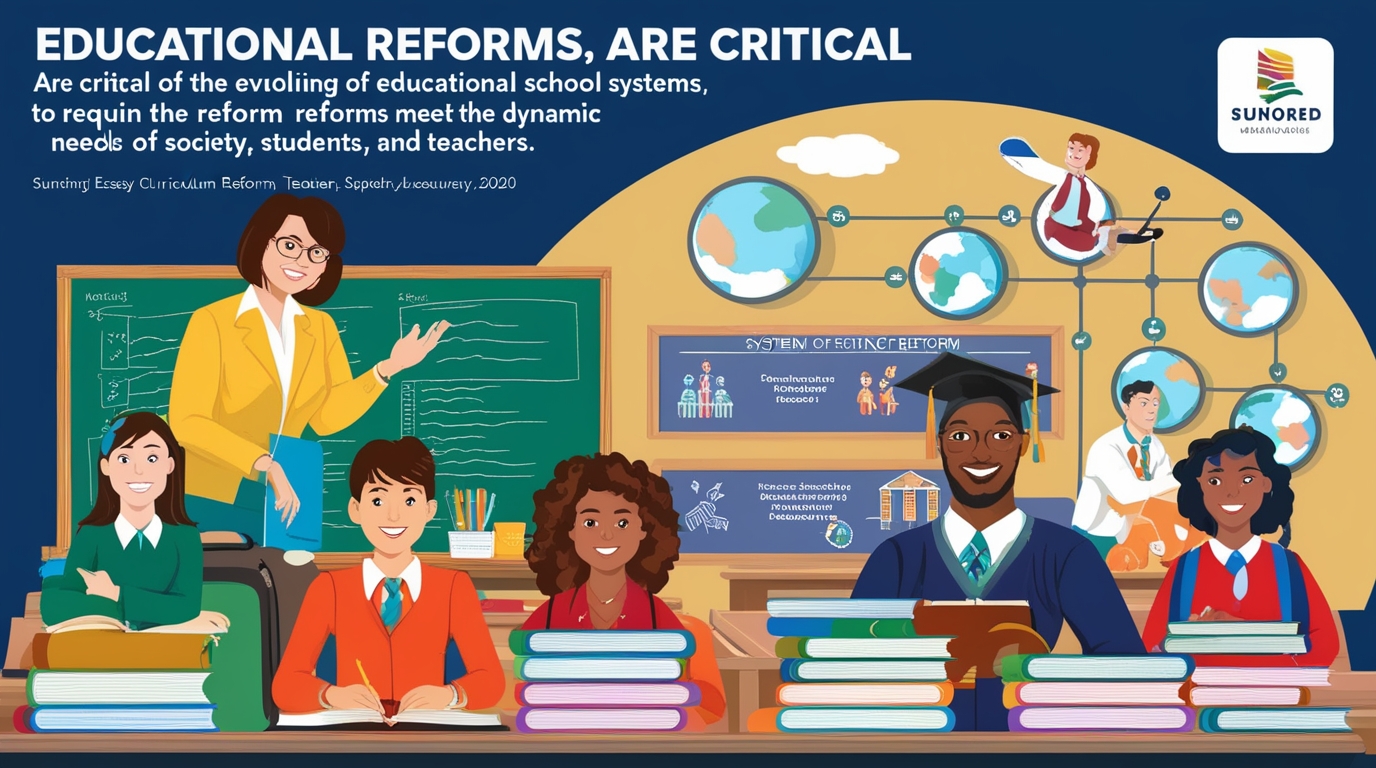
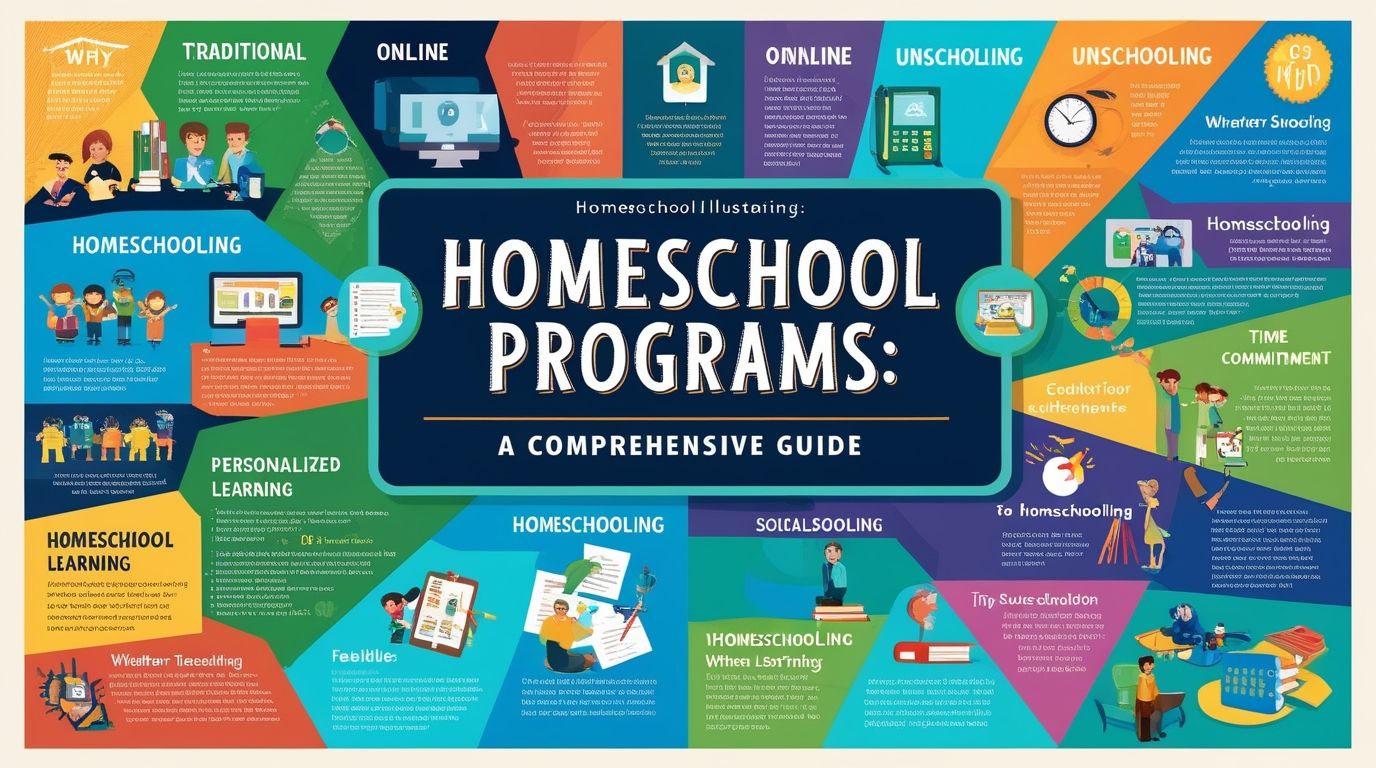
Note: Image placeholders correspond to the four visuals shown alongside this article — a parent-teacher meeting, a parent reading with a child, community volunteers with children, and a neighborhood community learning activity.












































































































































































































































Had a bit of trouble with other sites but the login process here is a breeze. Everything works perfectly on my mobile phone. Check out smjililogin if you want a hassle free start.