Introduction
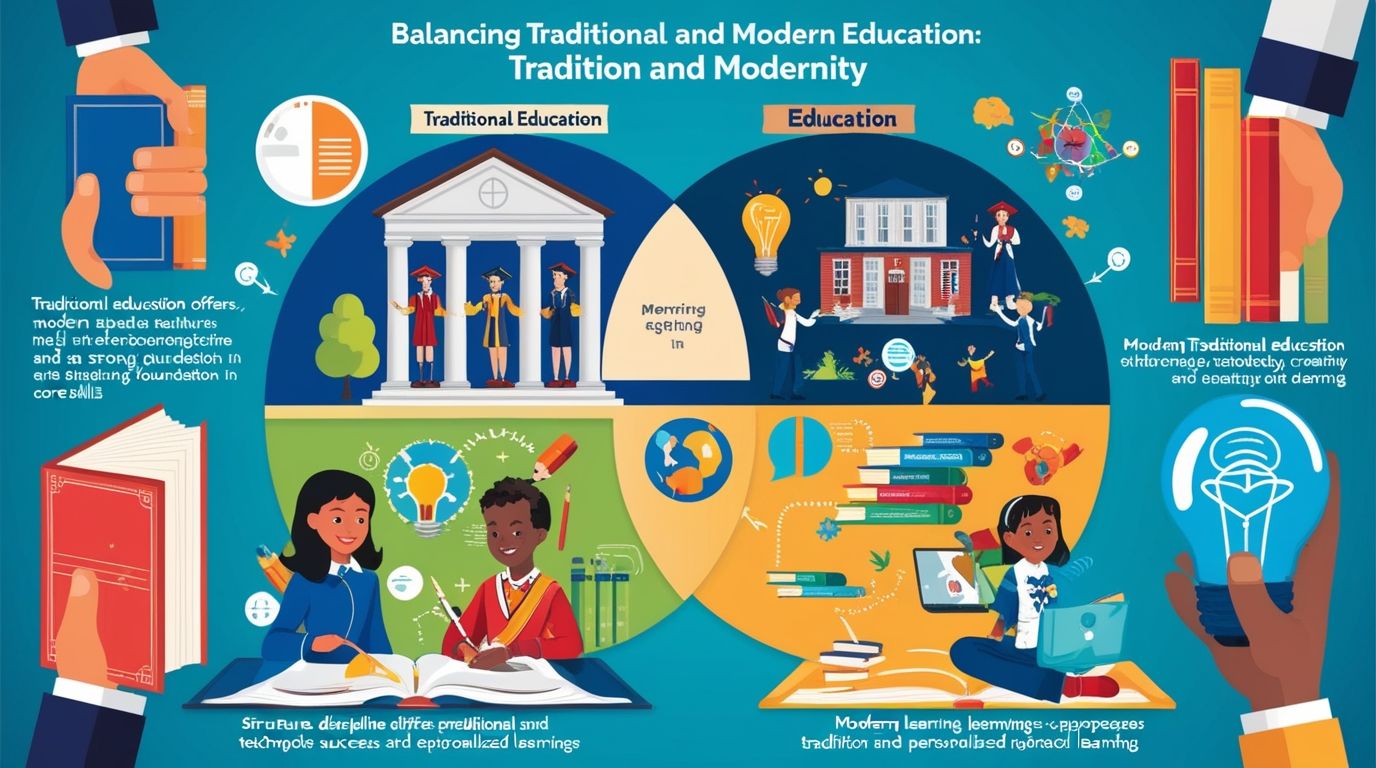
Online and Offline Learning Horizons in a School, Education systems across the world are undergoing a significant transformation as schools navigate between traditional offline learning and rapidly expanding online environments. The concept of learning horizons refers to the scope, reach, and possibilities through which students acquire knowledge, skills, and values. In a school context, these horizons are no longer confined to classroom walls but extend into digital spaces that enable continuous engagement. The integration of both online and offline learning is not merely a technological shift but a pedagogical evolution. Schools are now responsible for designing learning ecosystems that combine physical interaction with digital flexibility. This dual approach helps in addressing diverse learner needs, fostering inclusivity, and preparing students for a dynamic global future.
Conceptual Foundations of Offline Learning
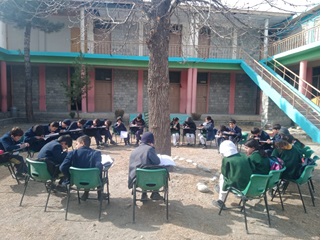
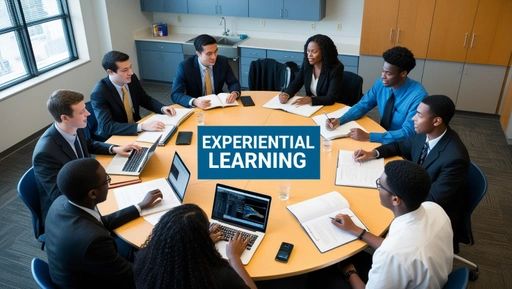
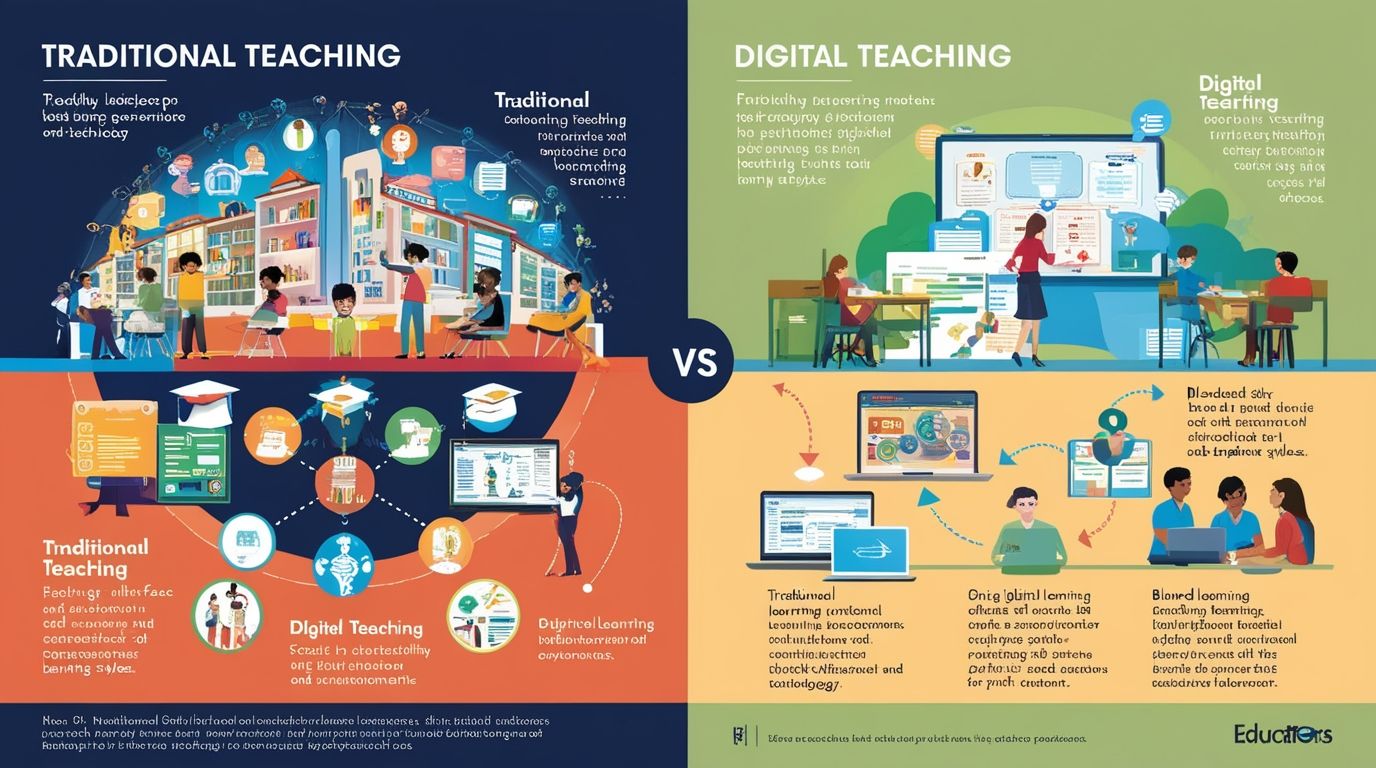
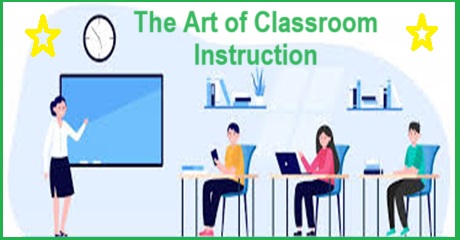
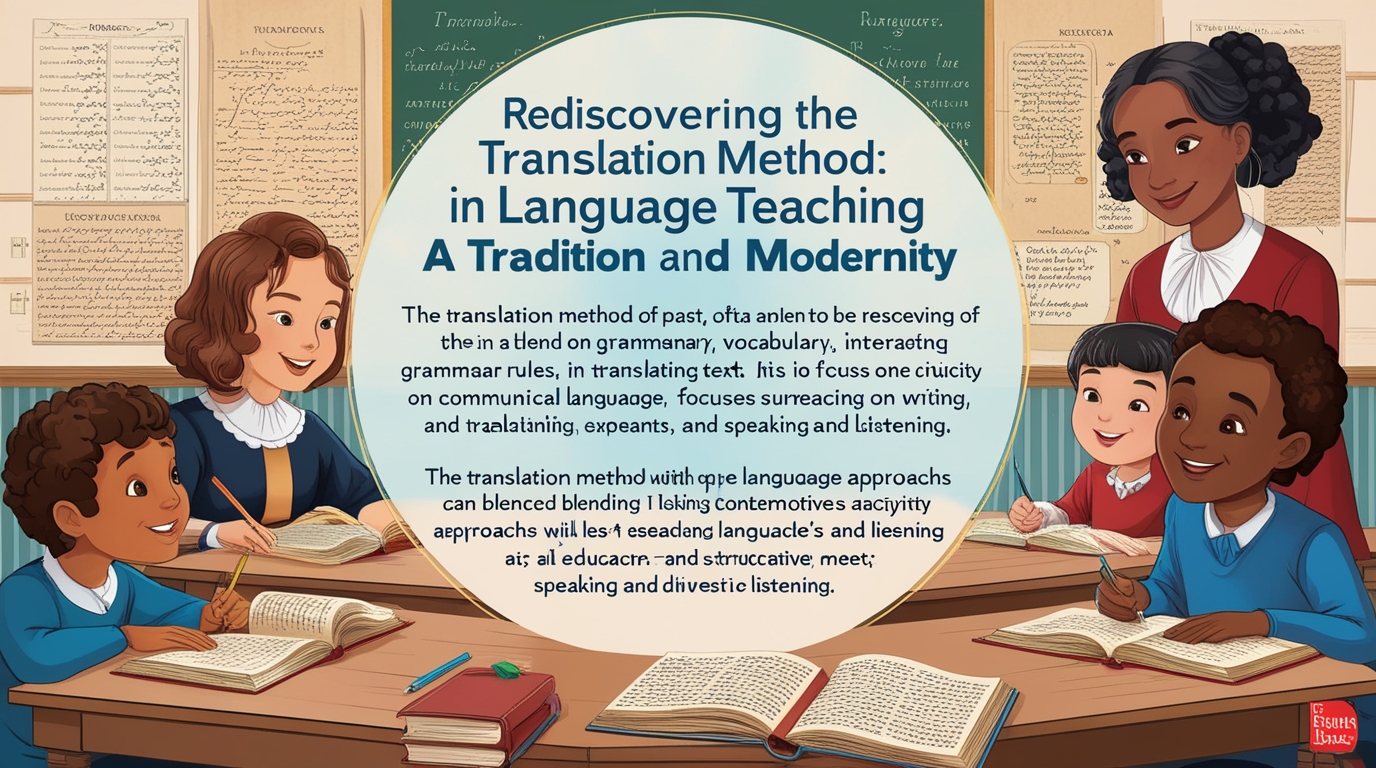
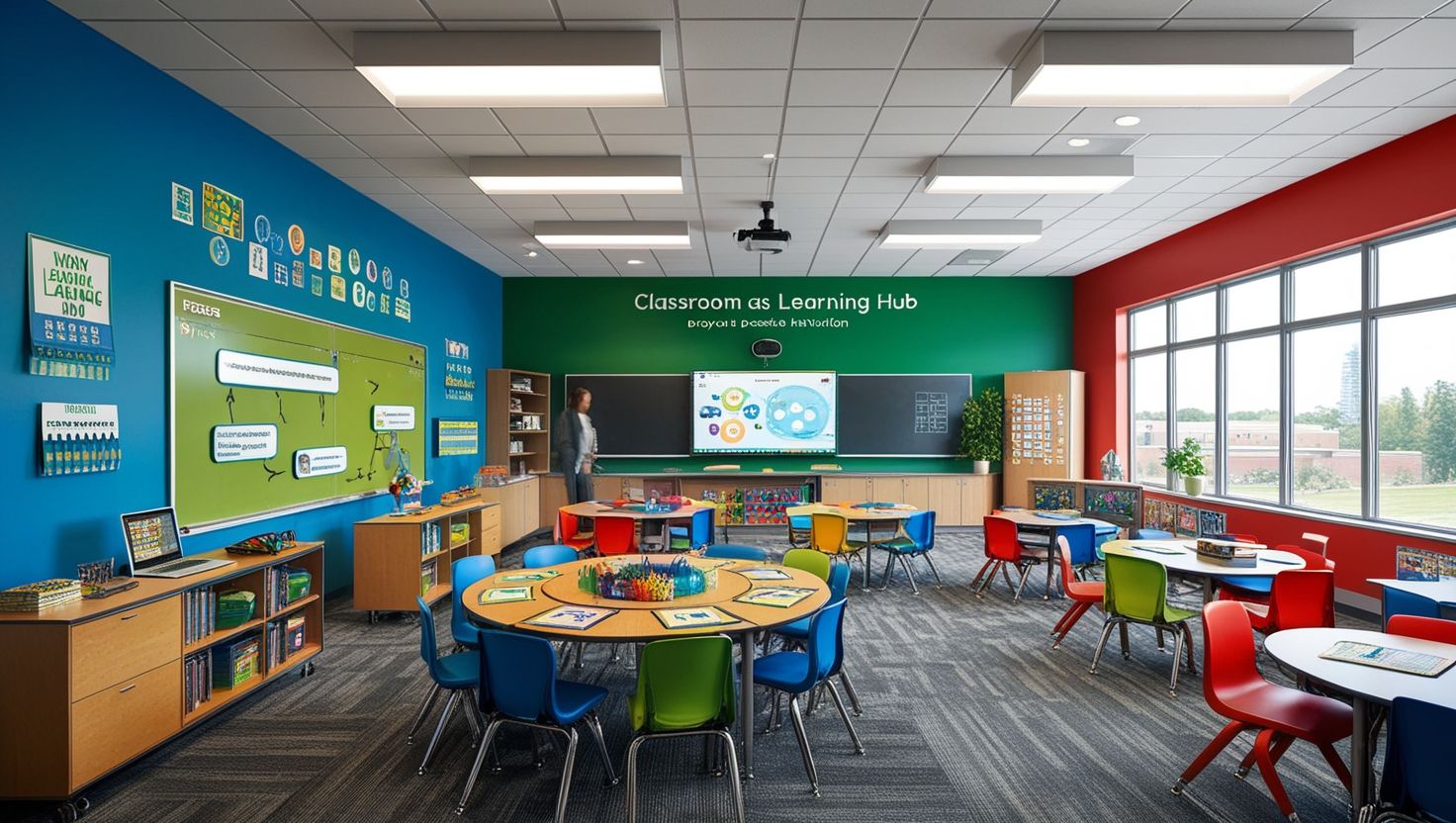
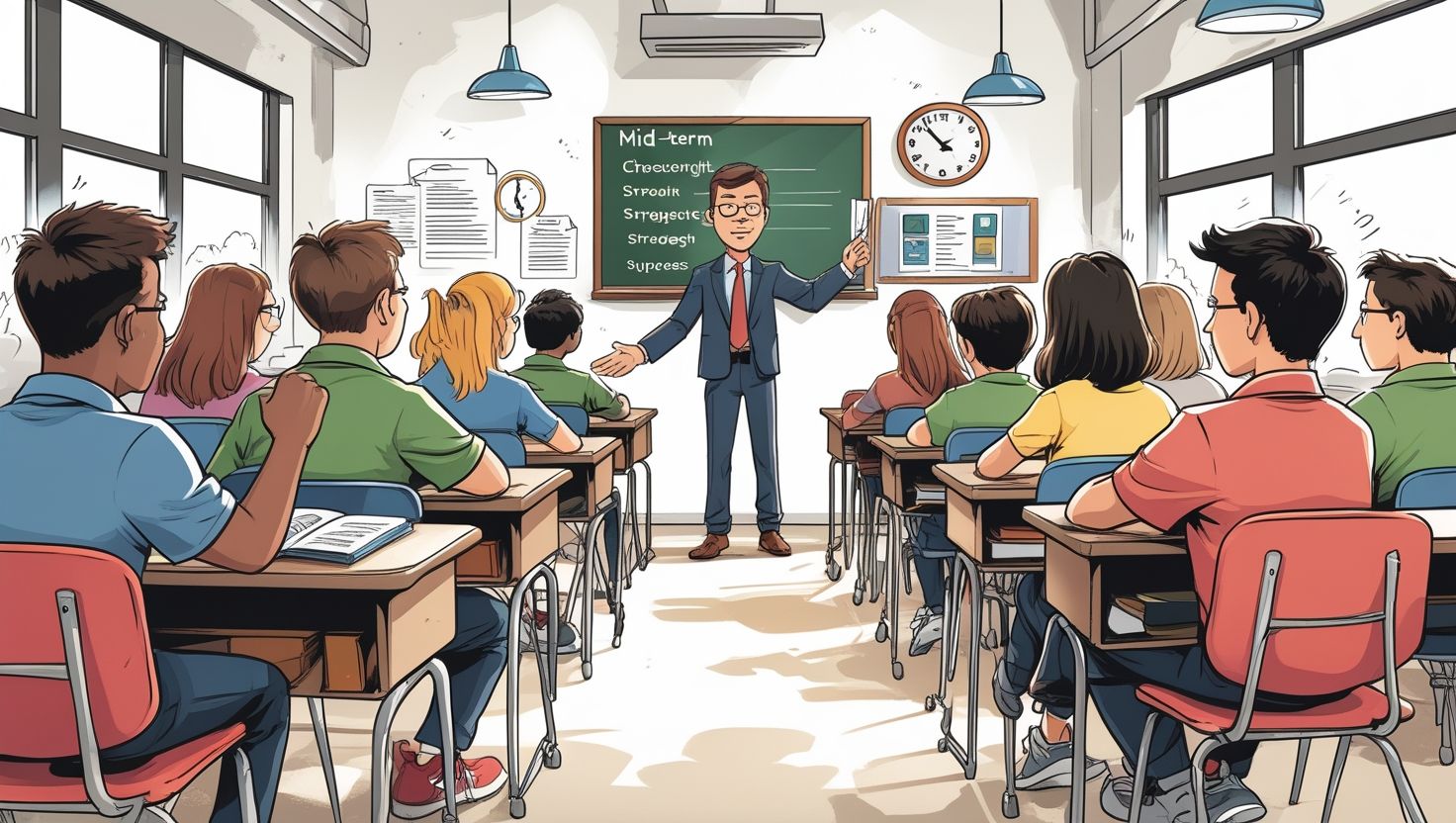
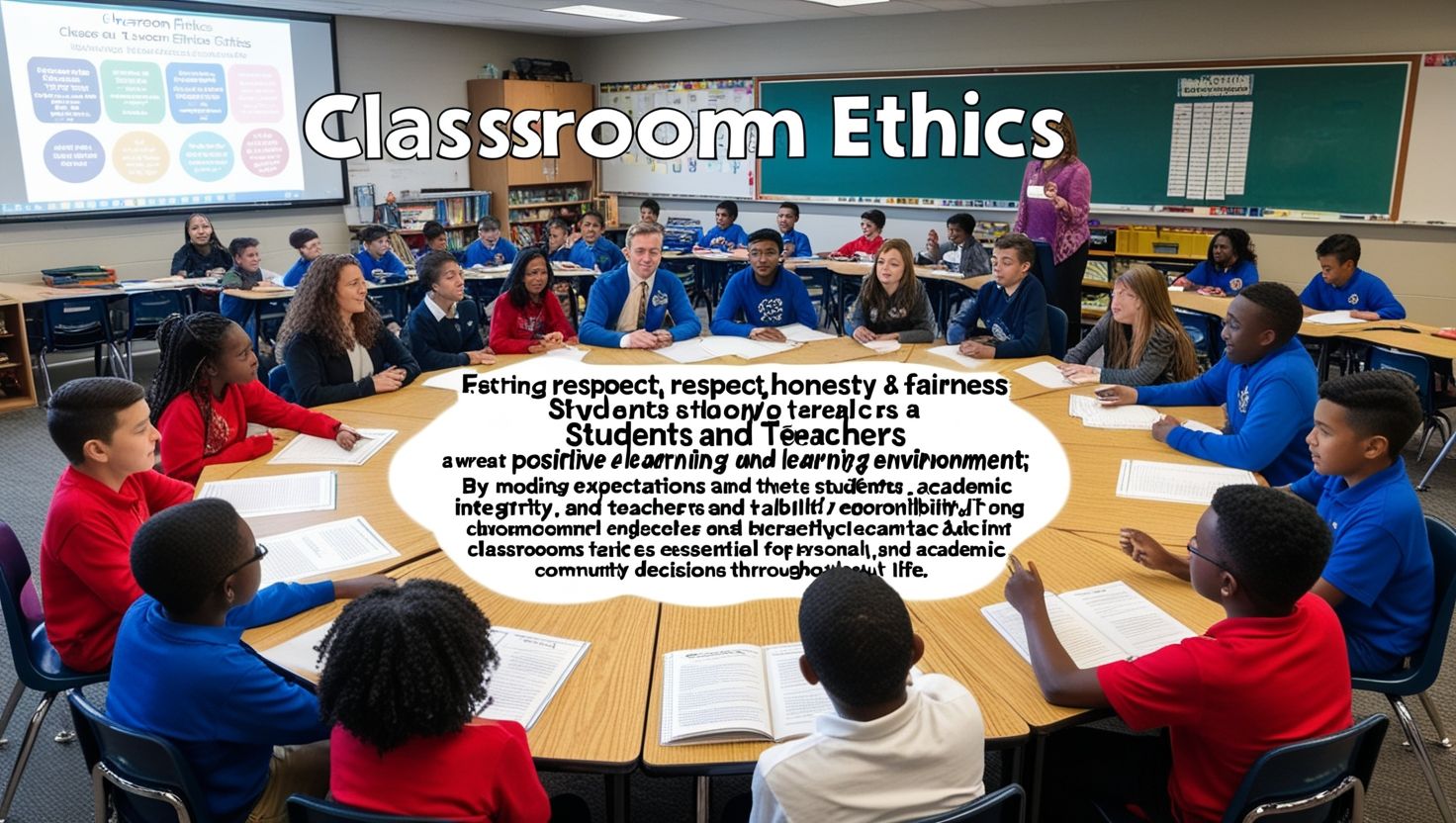
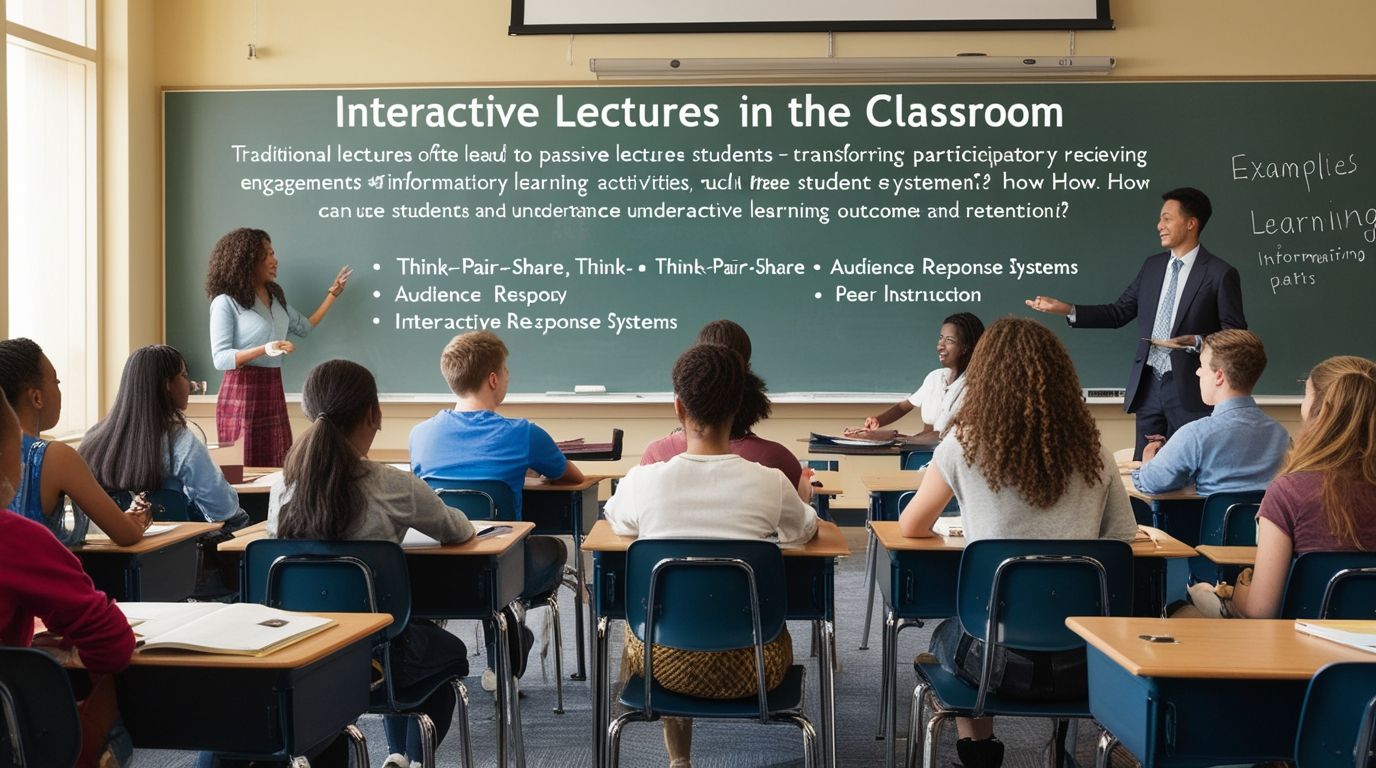
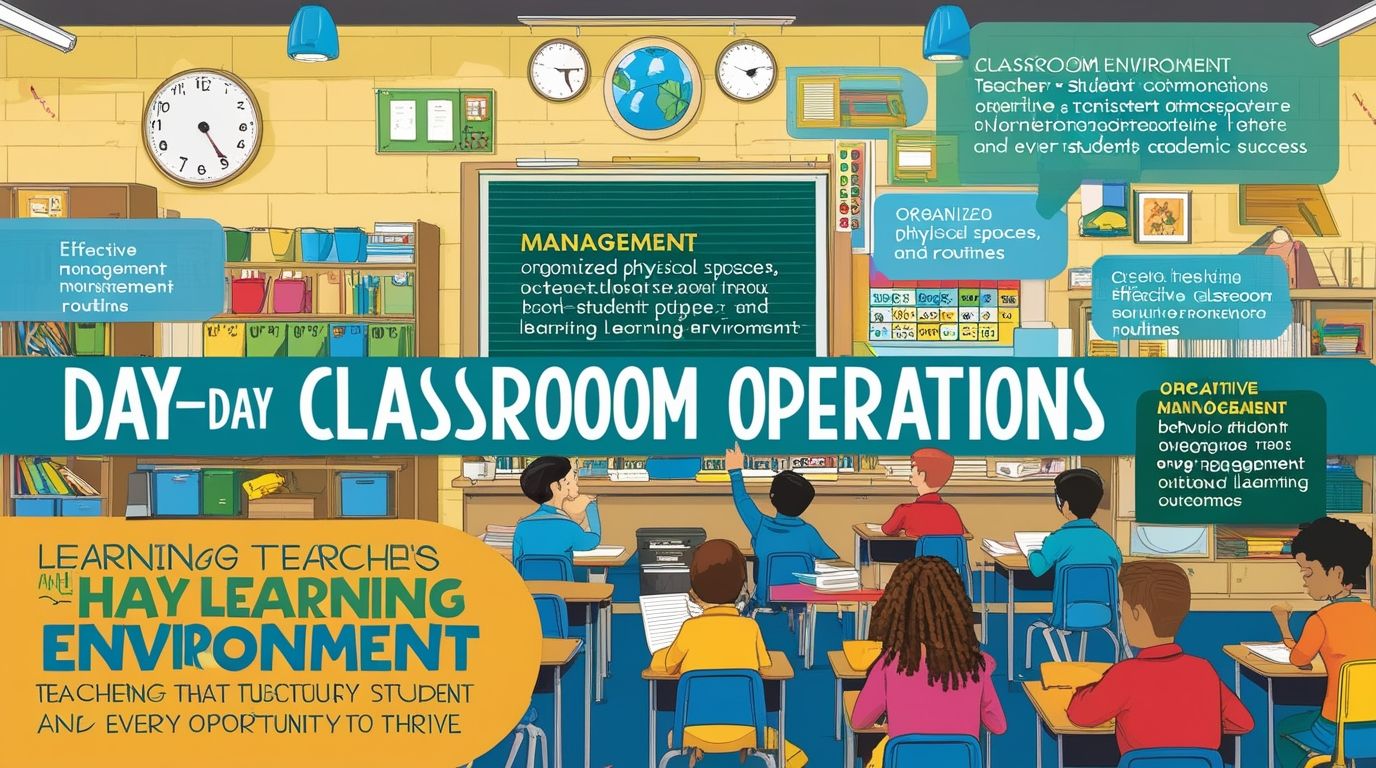
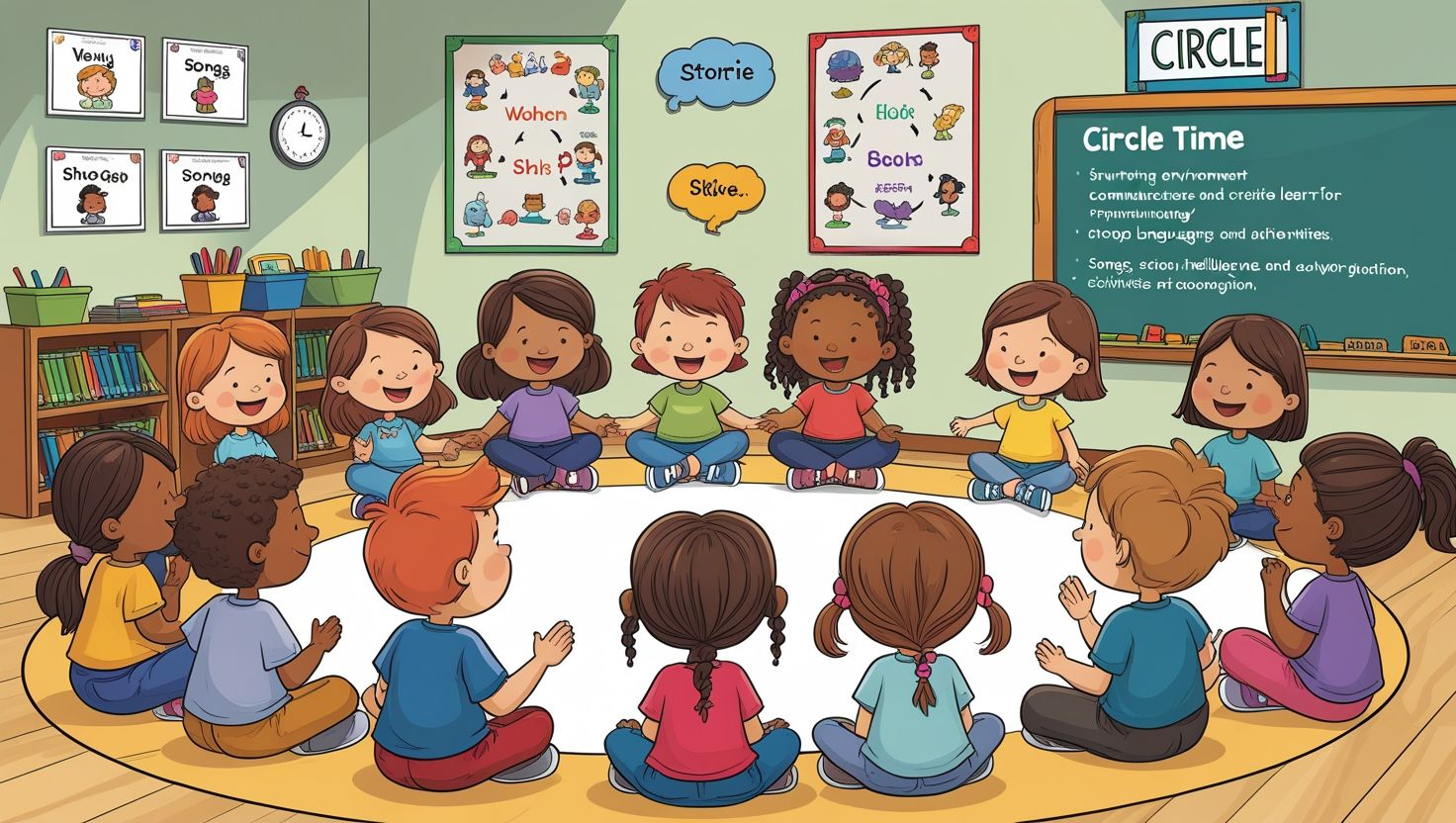
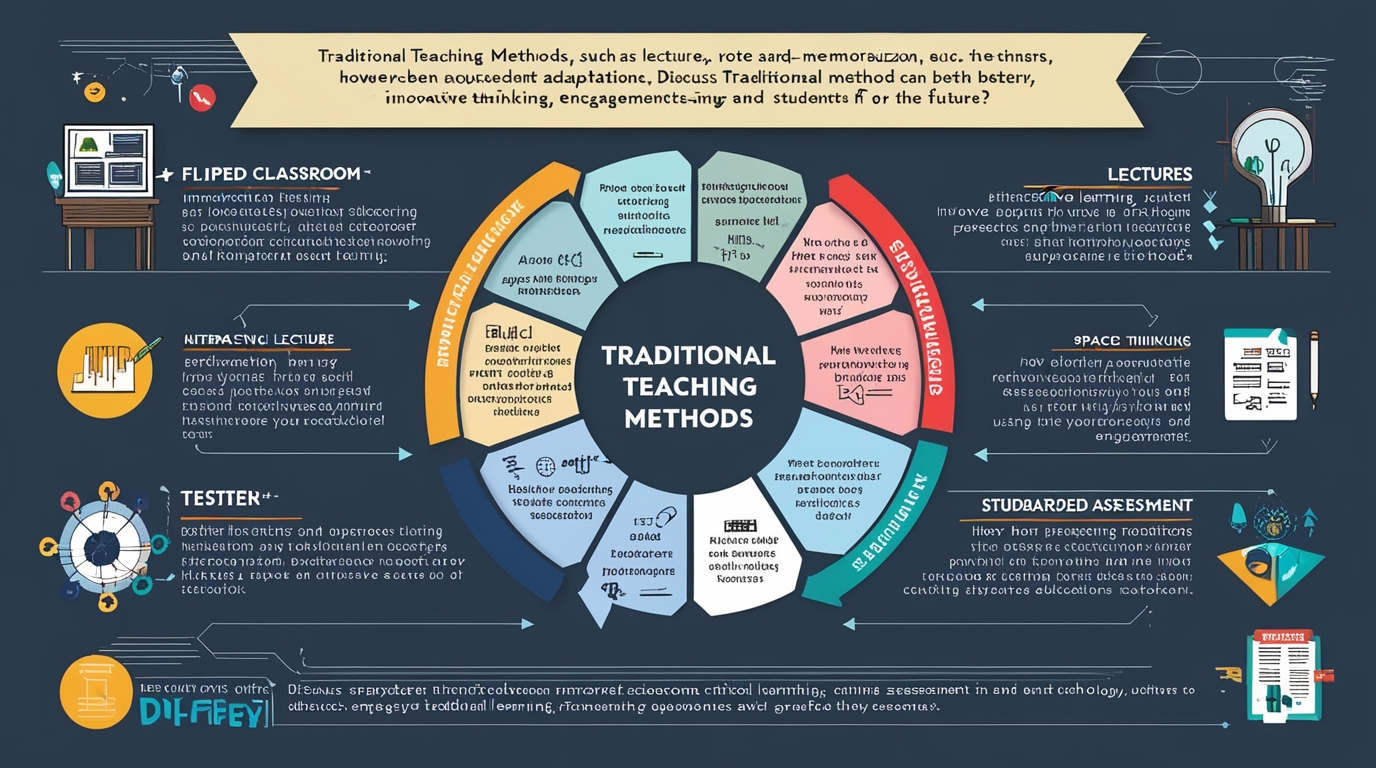
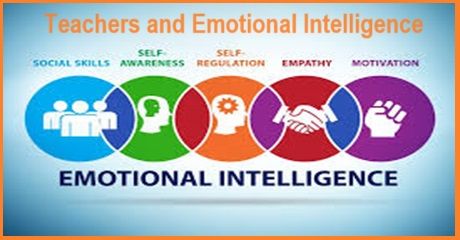
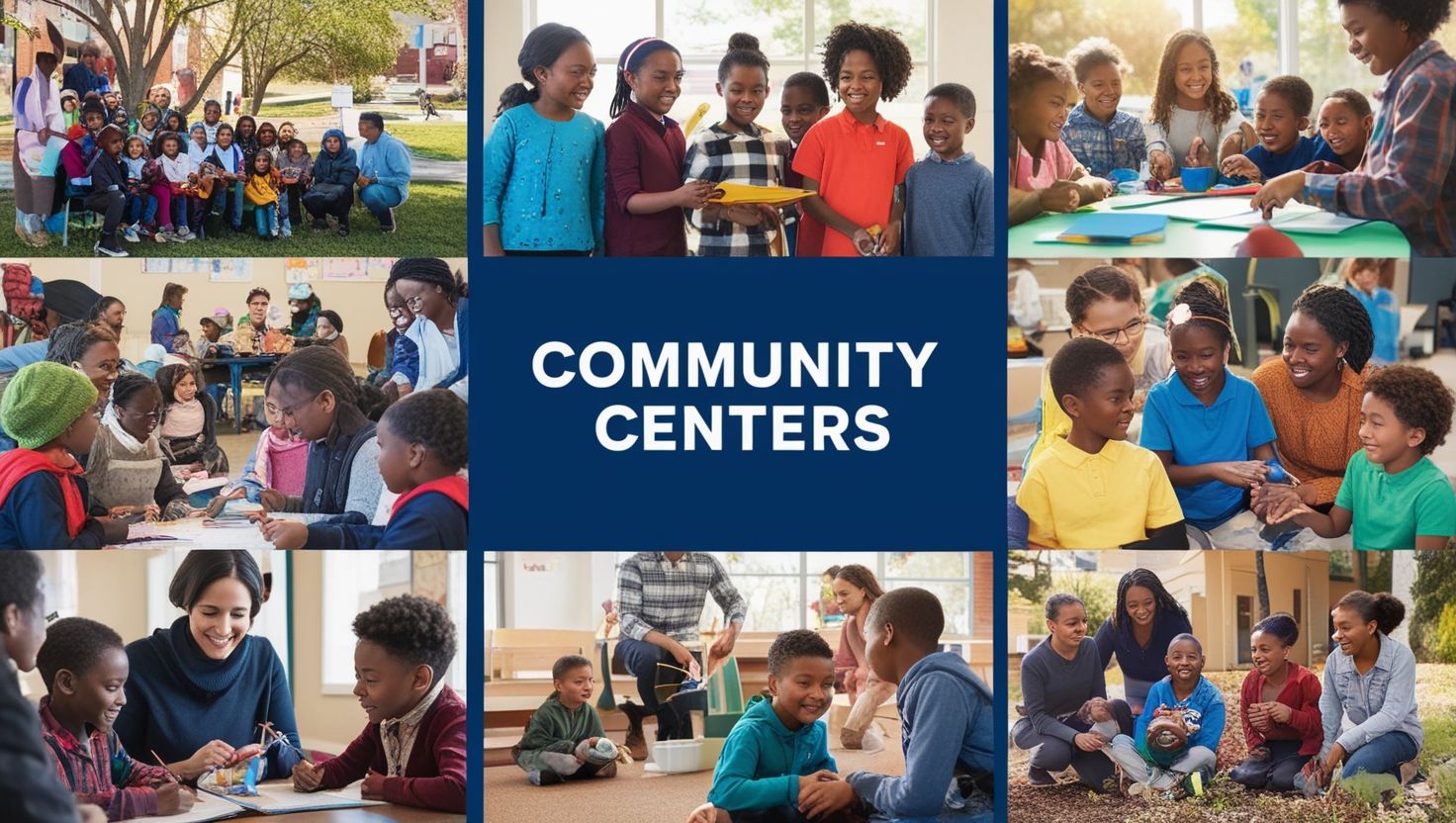
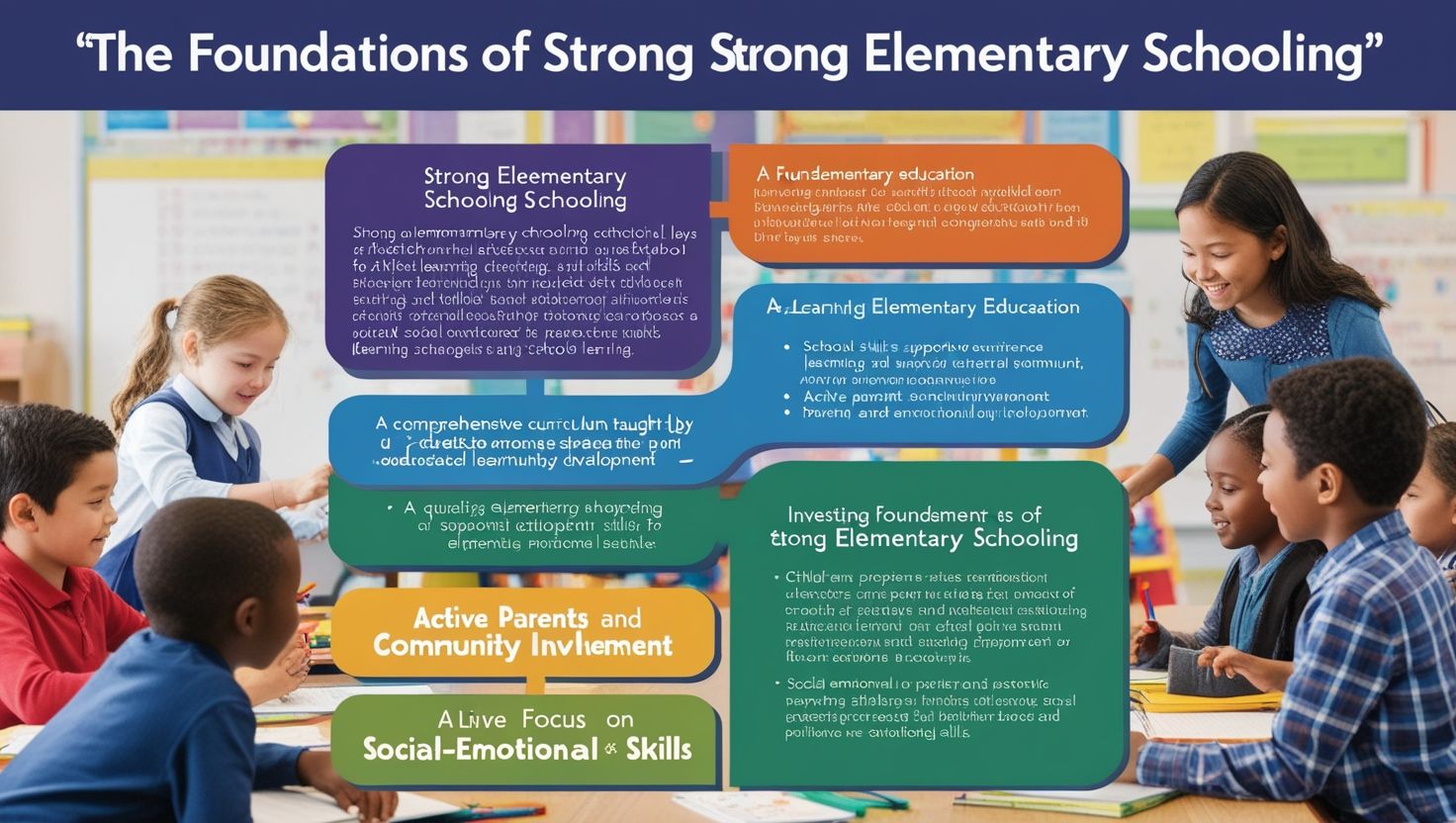
Offline learning has long been the cornerstone of formal education, rooted in face-to-face interaction, structured schedules, and physical resources. It provides a tangible environment where students engage directly with teachers and peers, promoting socialization and immediate feedback. Classroom-based learning fosters discipline, collaboration, and emotional intelligence through real-time human interaction. Teachers can observe non-verbal cues, adjust instruction dynamically, and create a supportive atmosphere. Additionally, offline learning supports experiential activities such as laboratory work, group discussions, and physical education. Despite advancements in technology, the foundational role of offline learning remains critical in shaping holistic development, particularly in early and middle school years where interpersonal skills are essential.
Emergence of Online Learning in Schools
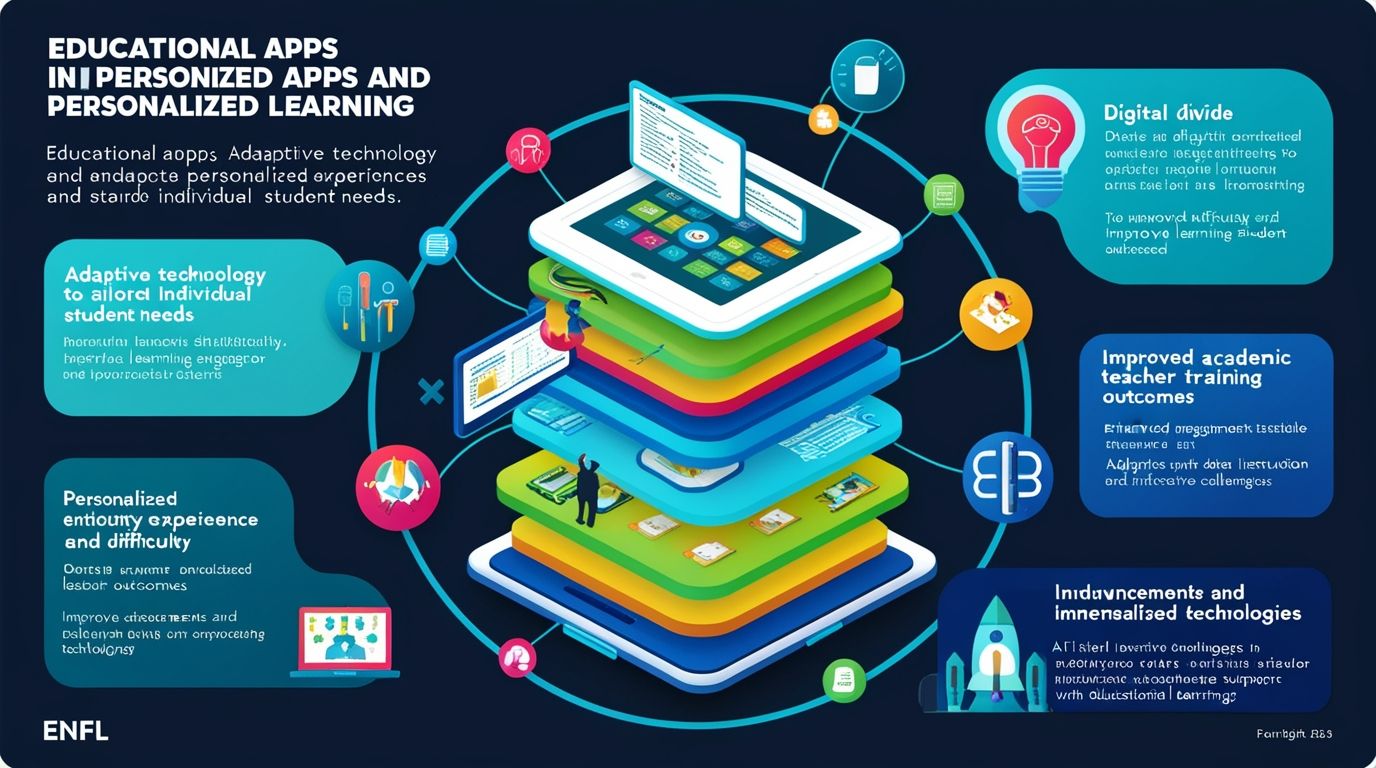
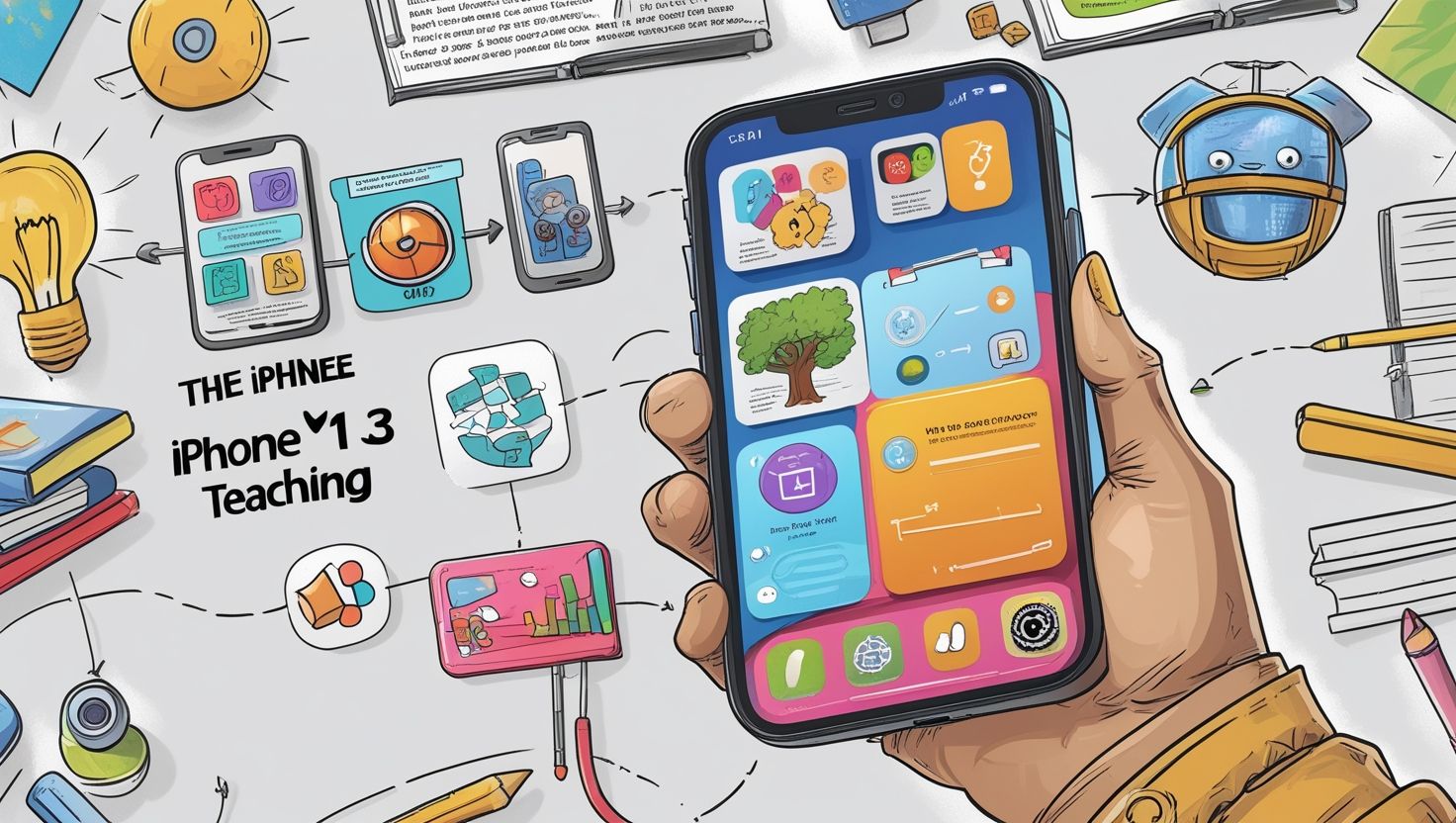
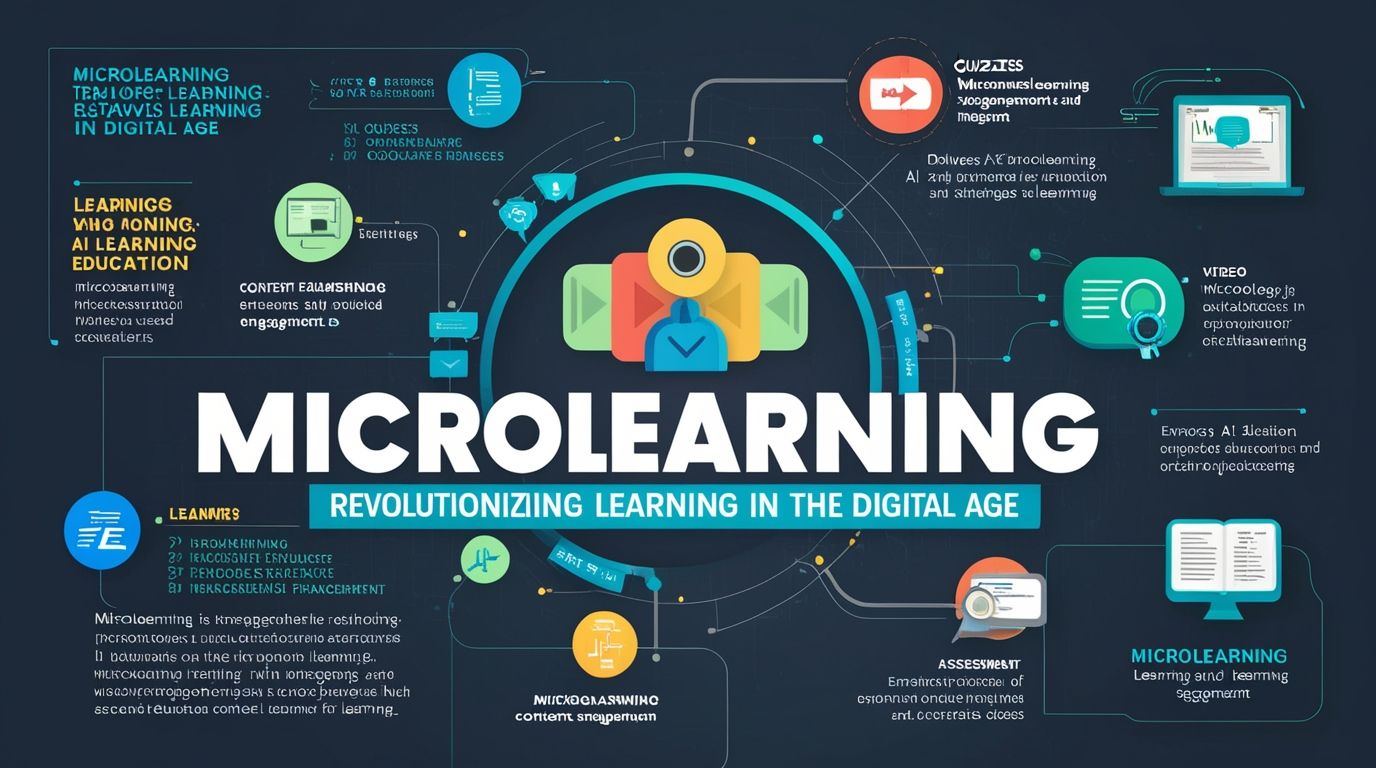
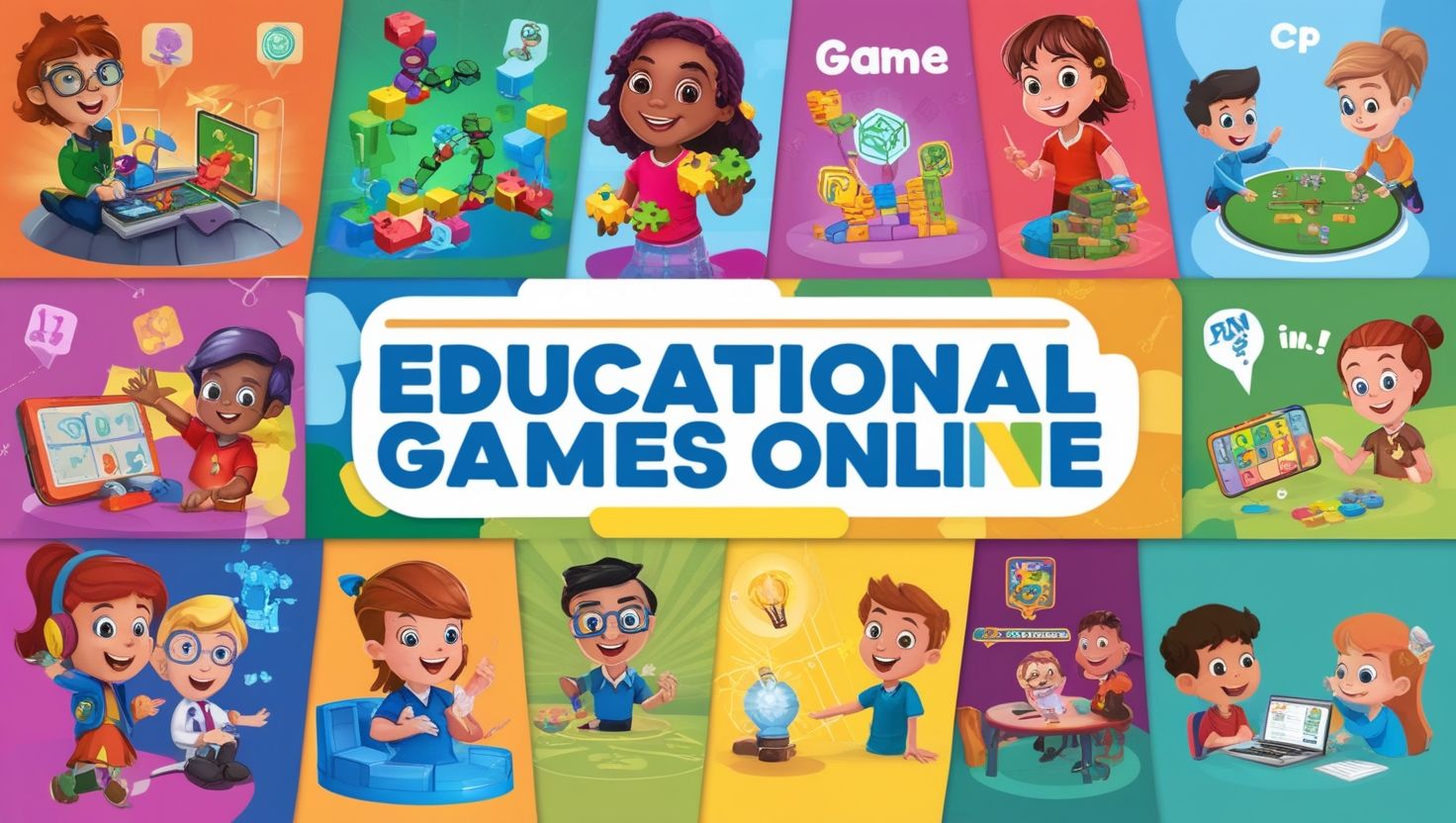
Online learning has emerged as a powerful complement to traditional education, driven by advancements in digital technologies and global connectivity. It offers flexibility in time, pace, and access, enabling students to learn beyond geographical limitations. Schools have increasingly adopted digital platforms, virtual classrooms, and learning management systems to deliver content efficiently. Online learning supports multimedia resources such as videos, simulations, and interactive assessments that enhance understanding. It also encourages self-directed learning, allowing students to take ownership of their educational journey. However, the transition requires careful planning to ensure accessibility, digital literacy, and engagement. Schools must develop strategies that integrate online tools without compromising educational quality.
Blended Learning as a Strategic Approach
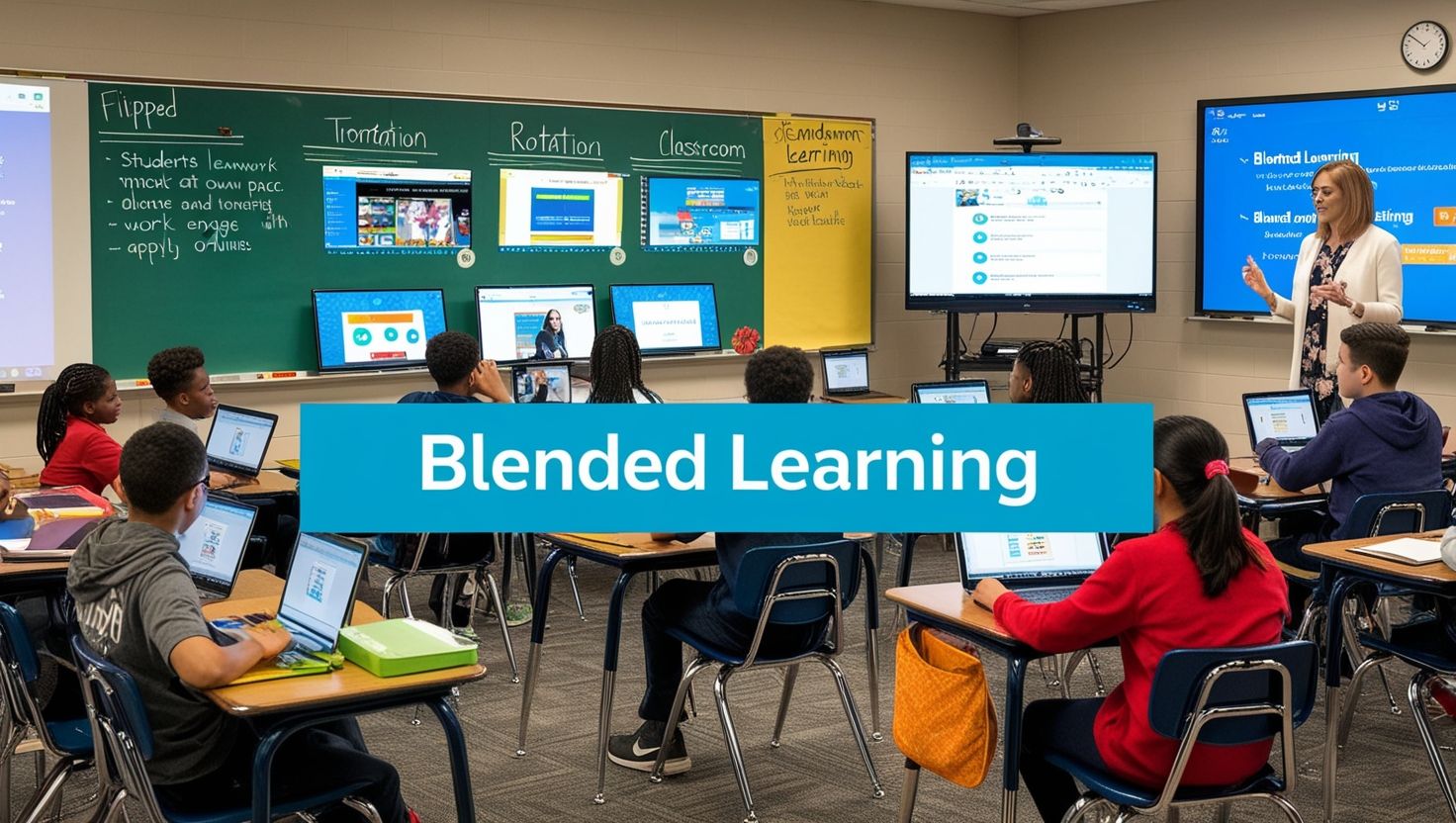
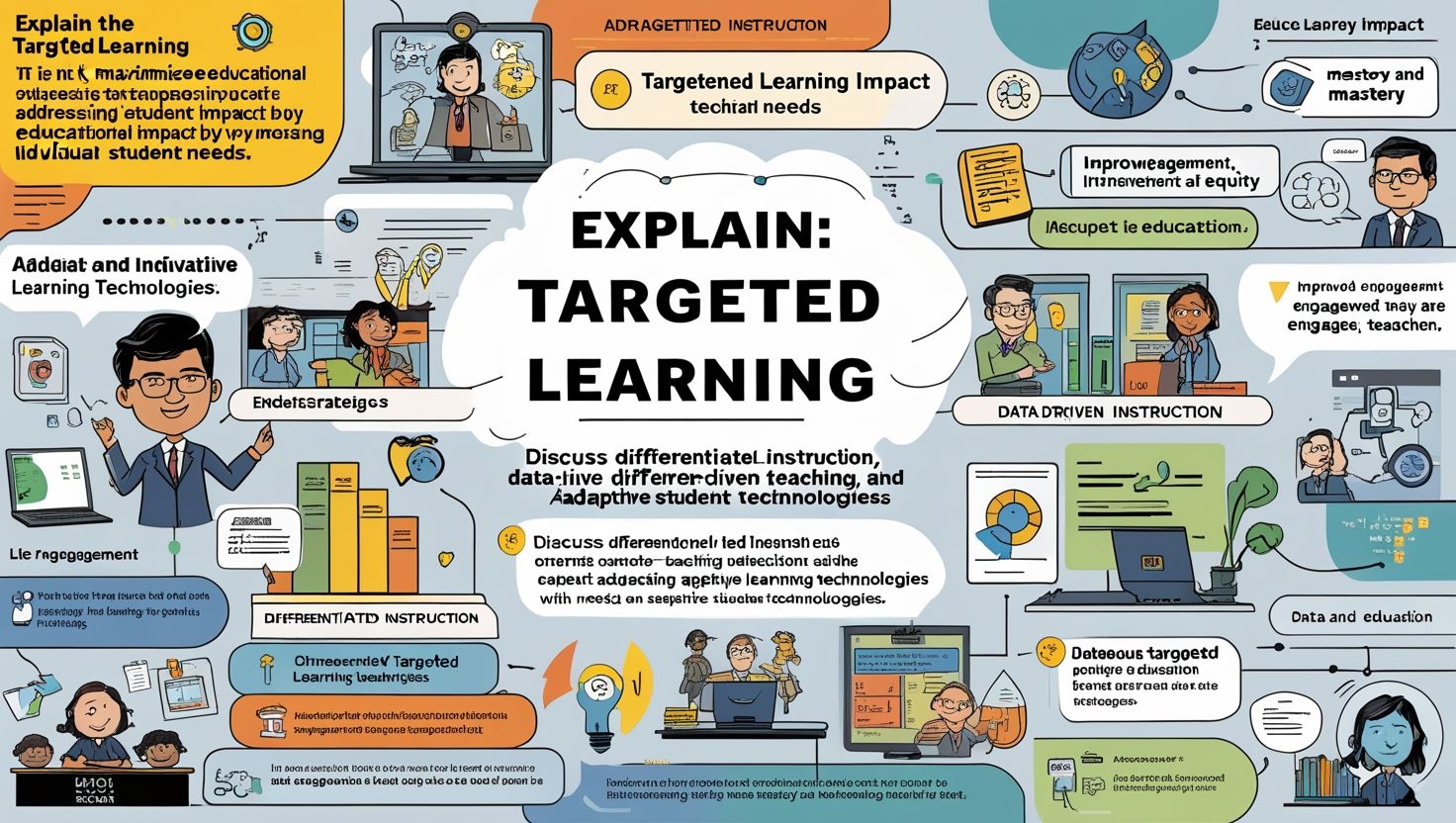
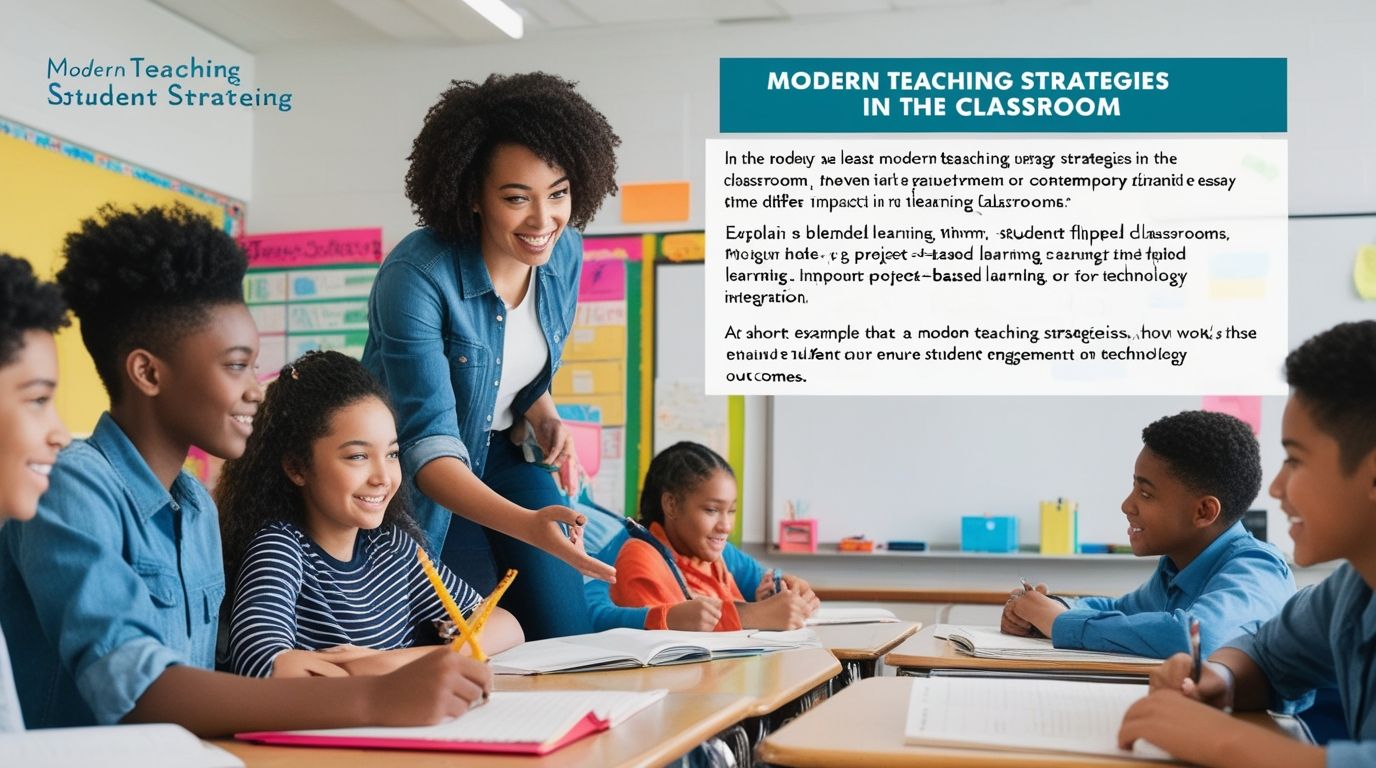
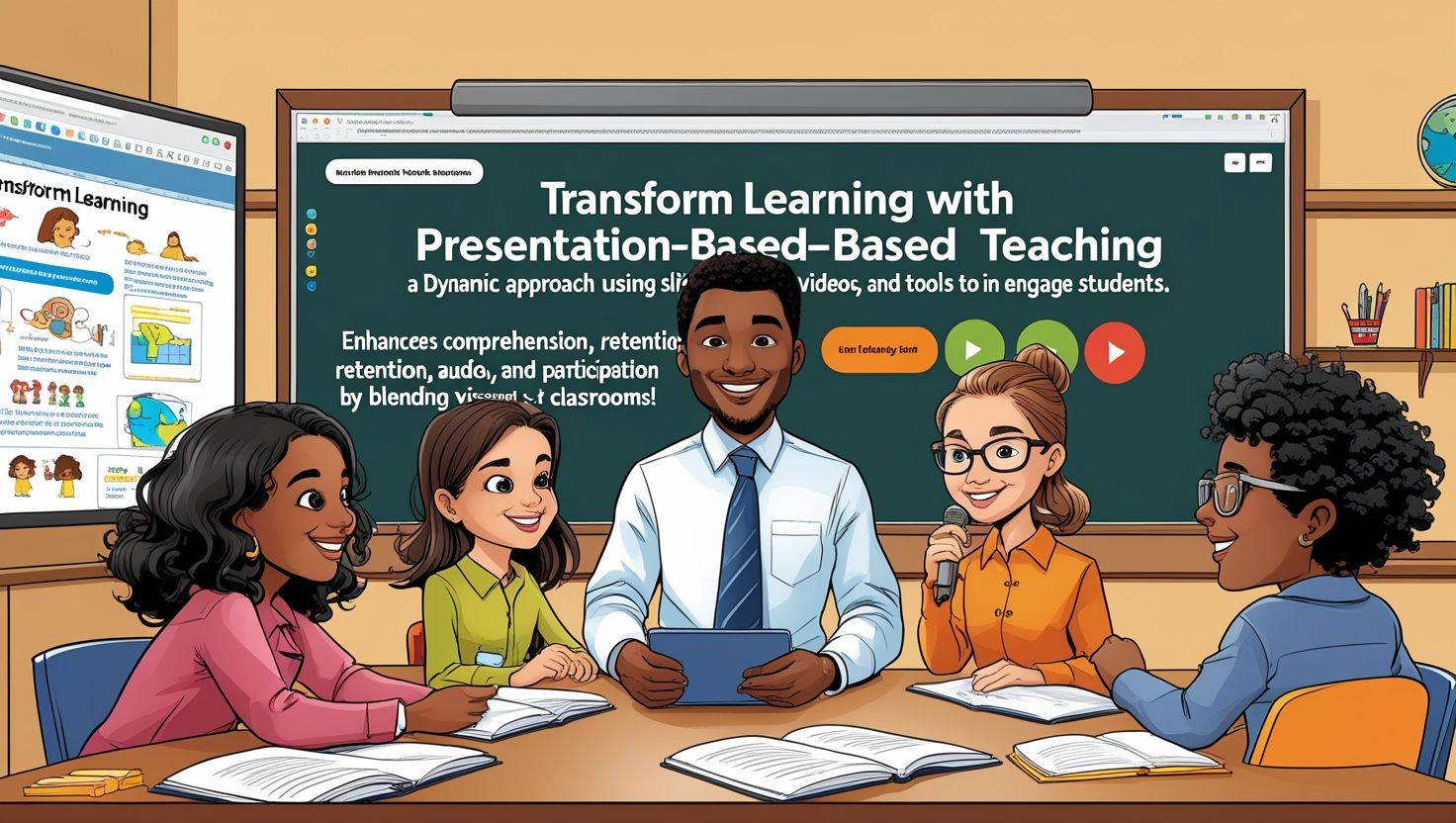
Blended learning represents a strategic integration of online and offline modalities, creating a balanced and adaptive learning environment. This approach combines the strengths of face-to-face instruction with digital resources to enhance educational outcomes. In a blended model, teachers can use classroom time for discussion, problem-solving, and application, while online platforms provide content delivery and practice opportunities. This method promotes active learning and allows for differentiated instruction tailored to individual student needs. Blended learning also supports continuity during disruptions, such as pandemics or natural disasters. Schools adopting this approach must ensure alignment between online and offline components to maintain coherence and effectiveness in teaching and learning processes.
Pedagogical Implications for Teachers
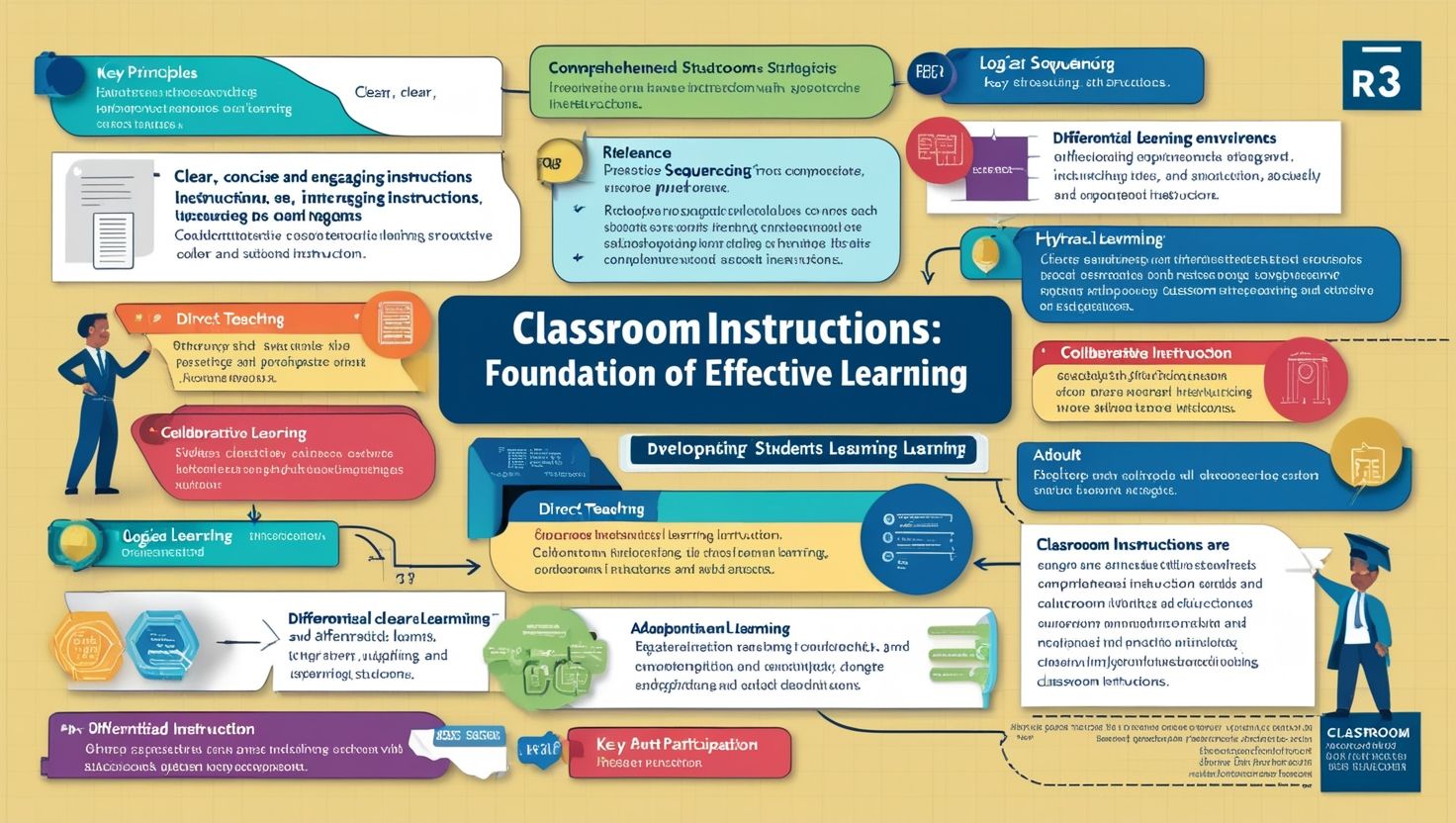
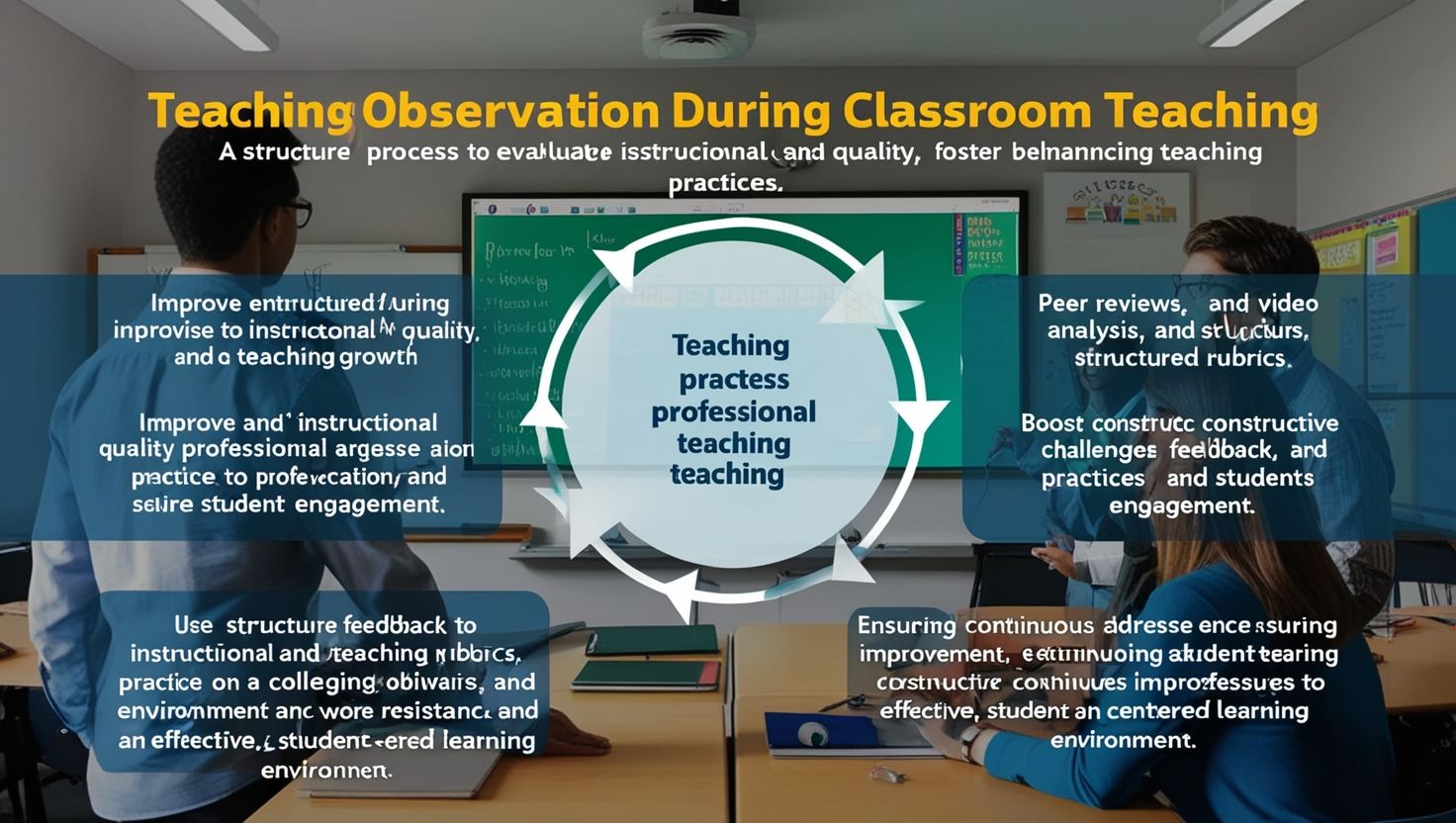
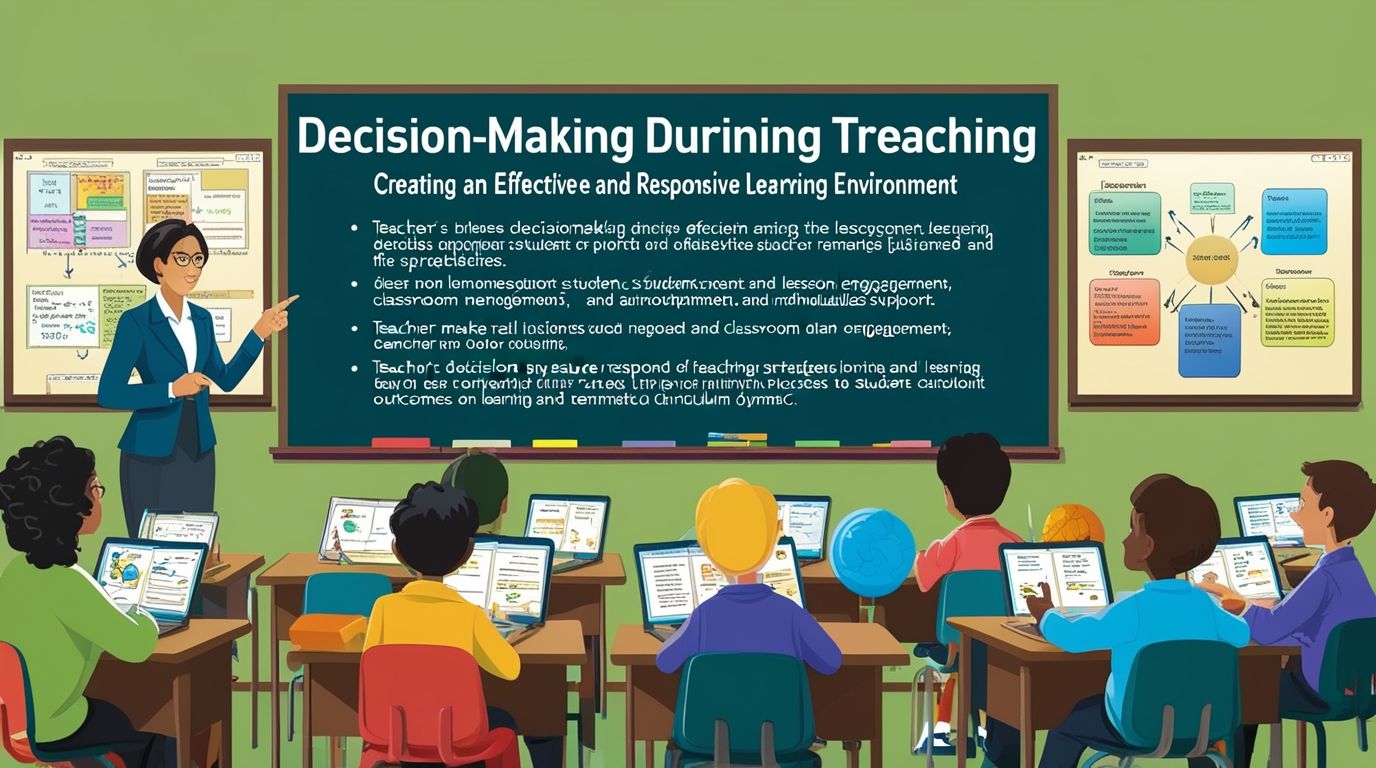
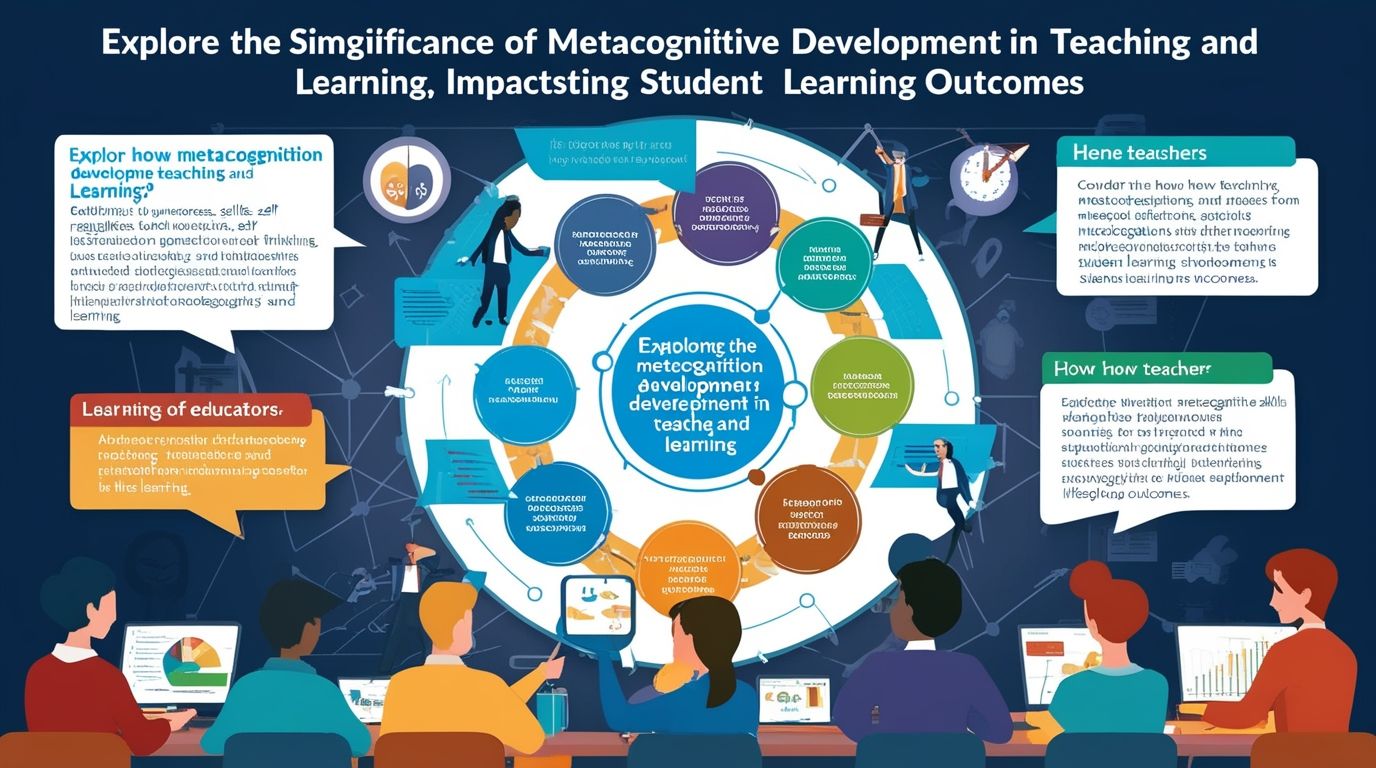
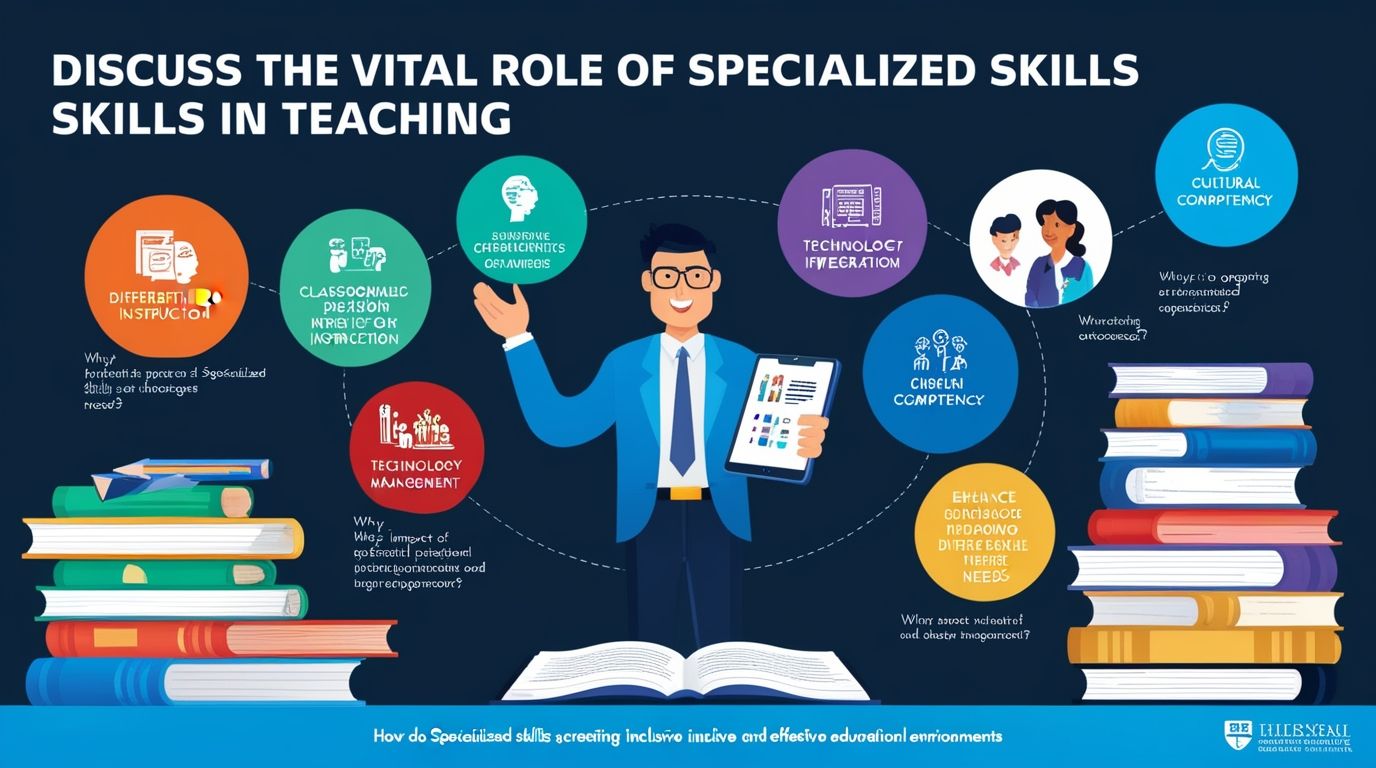
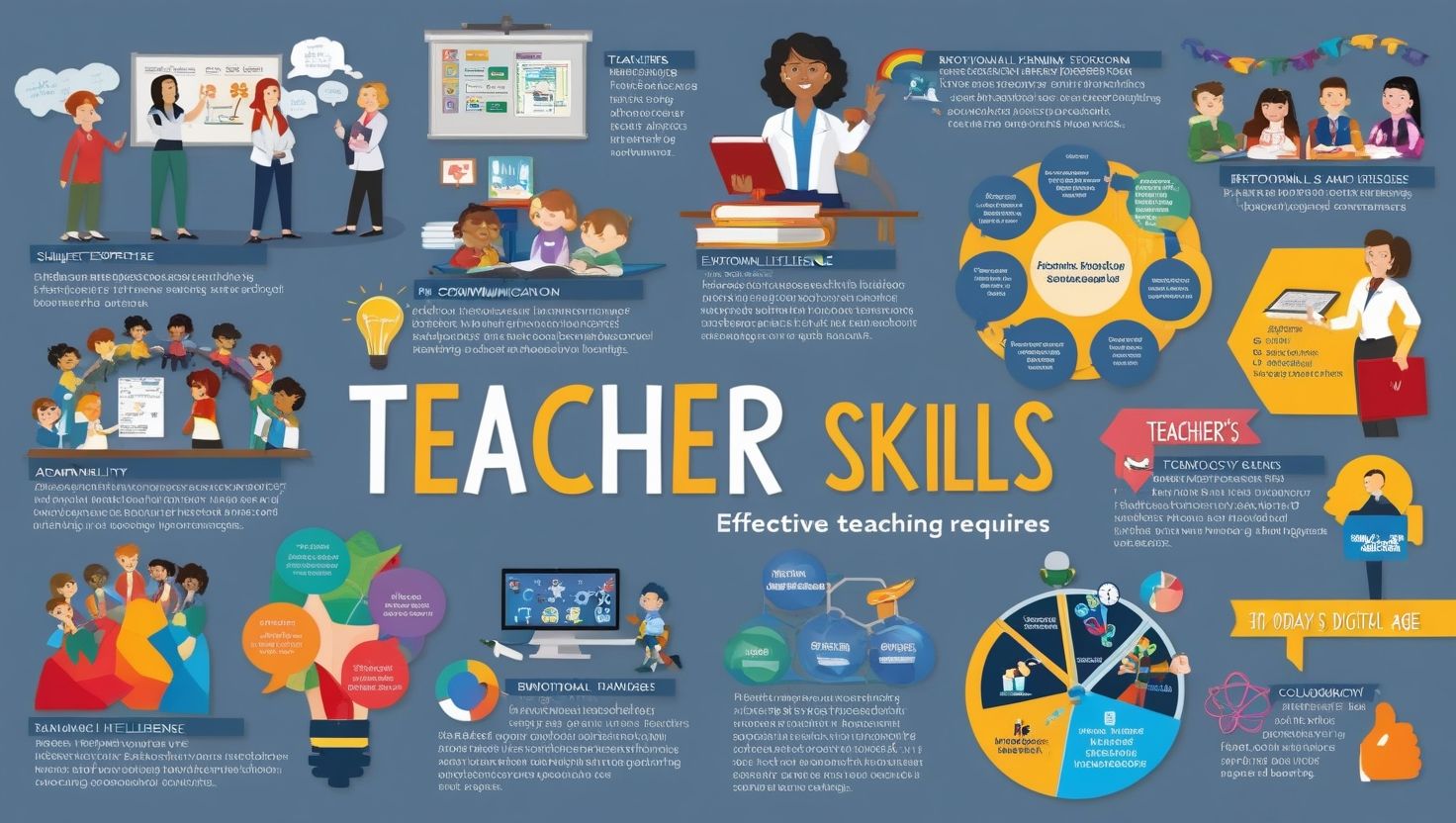
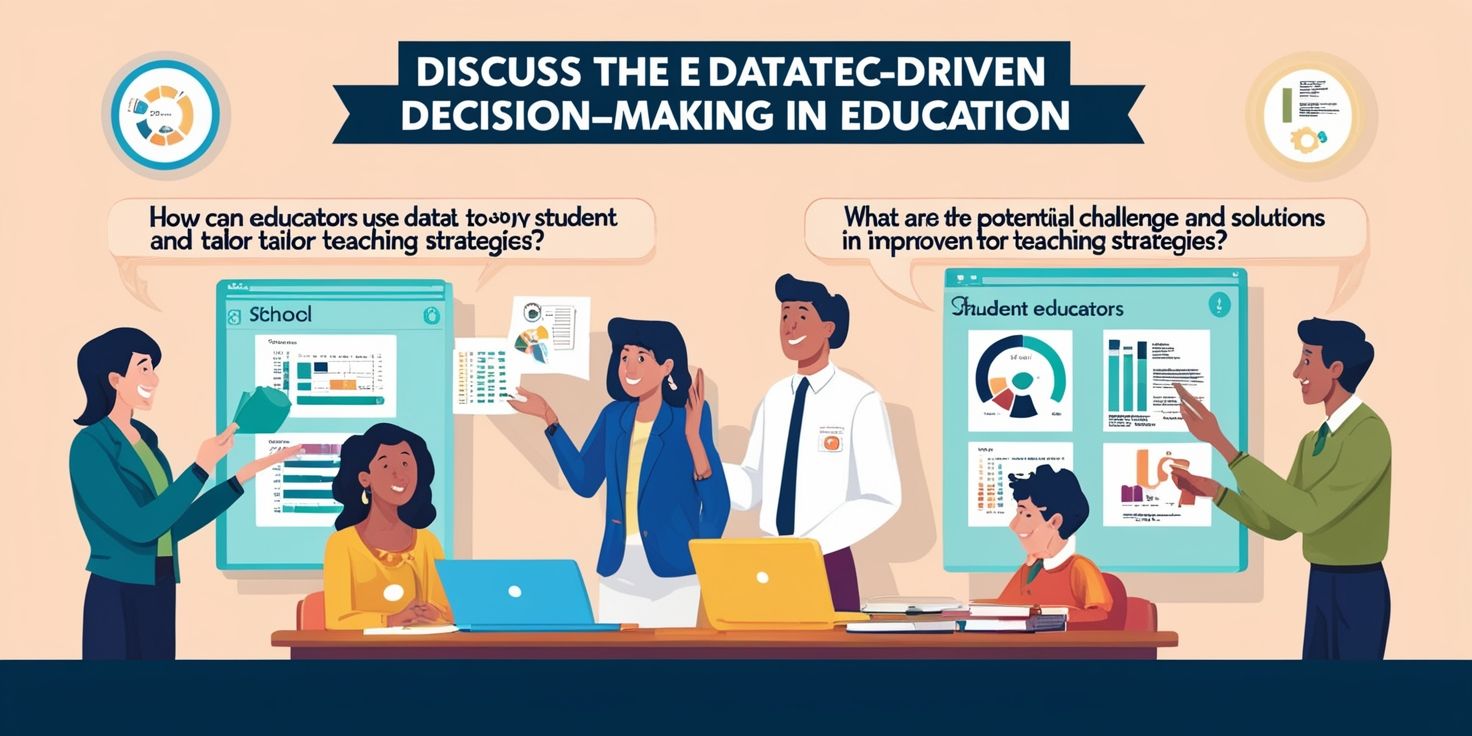
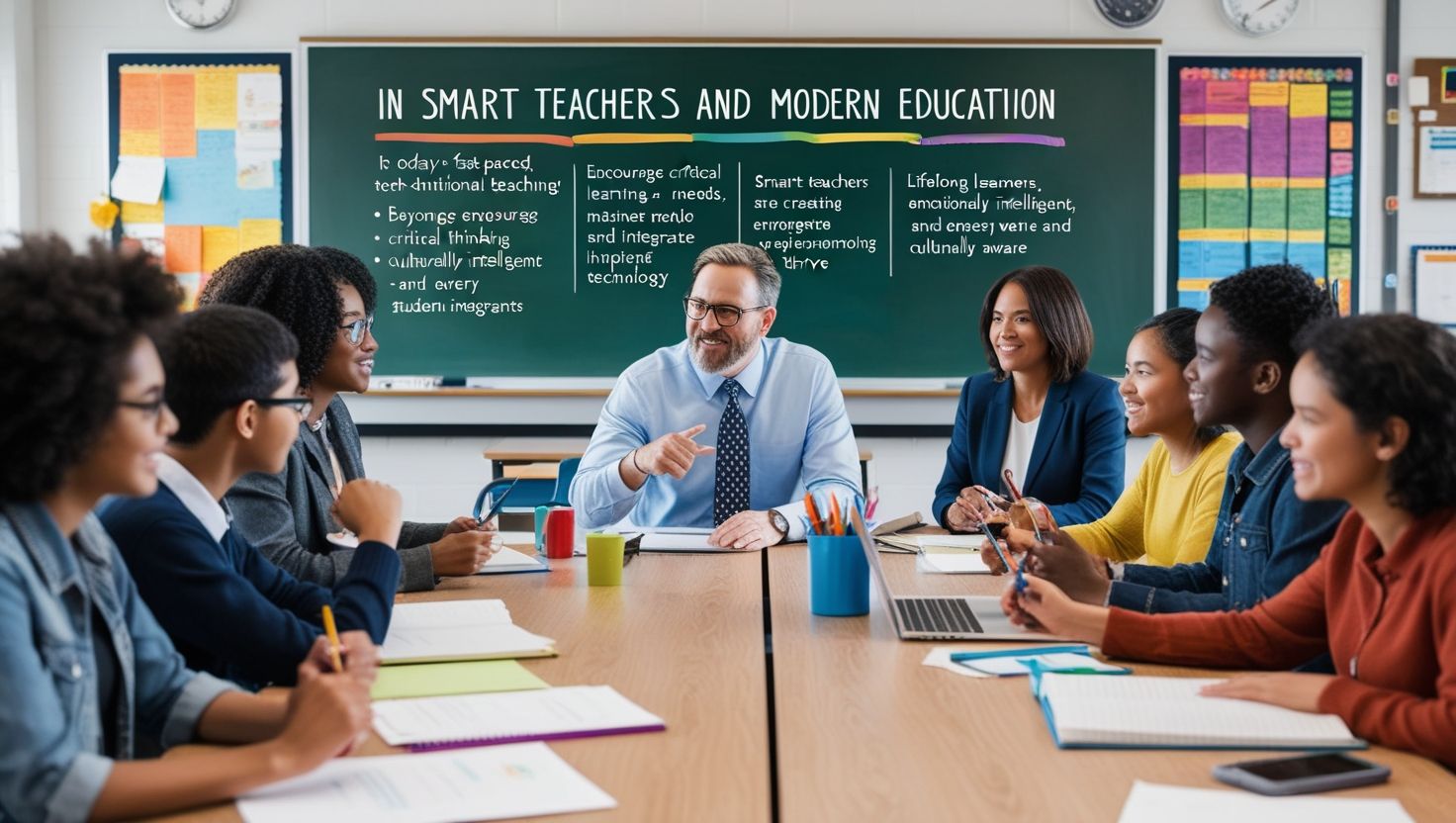
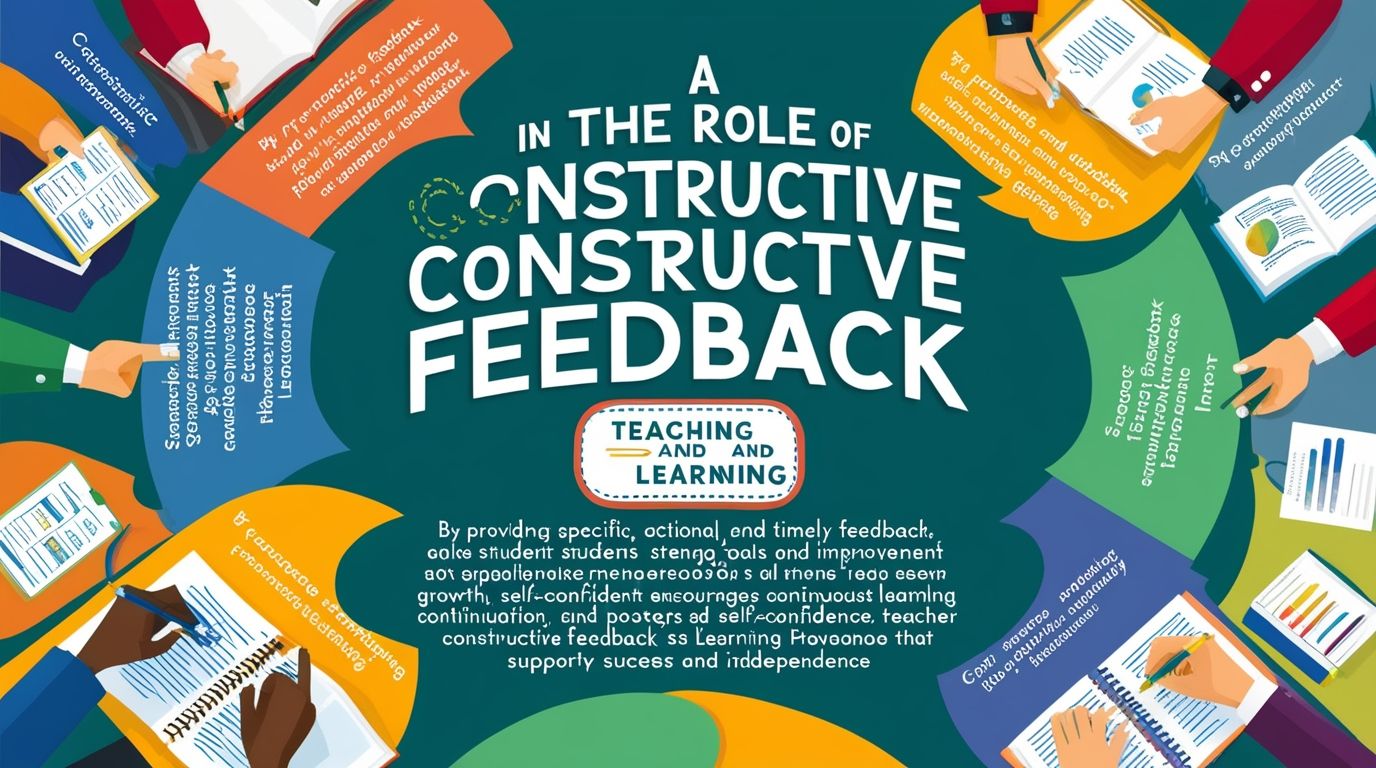
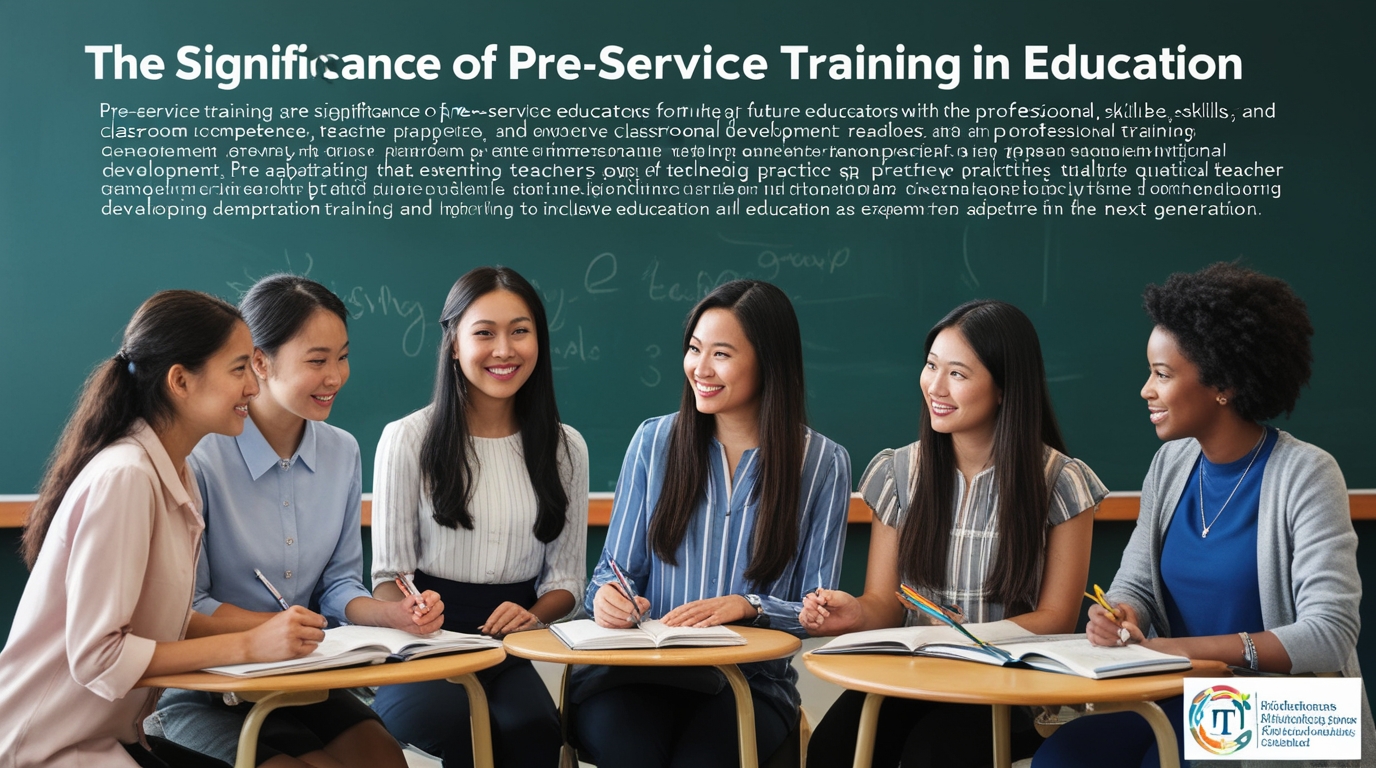
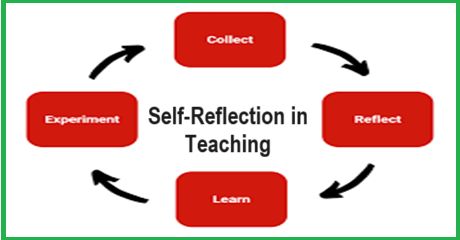
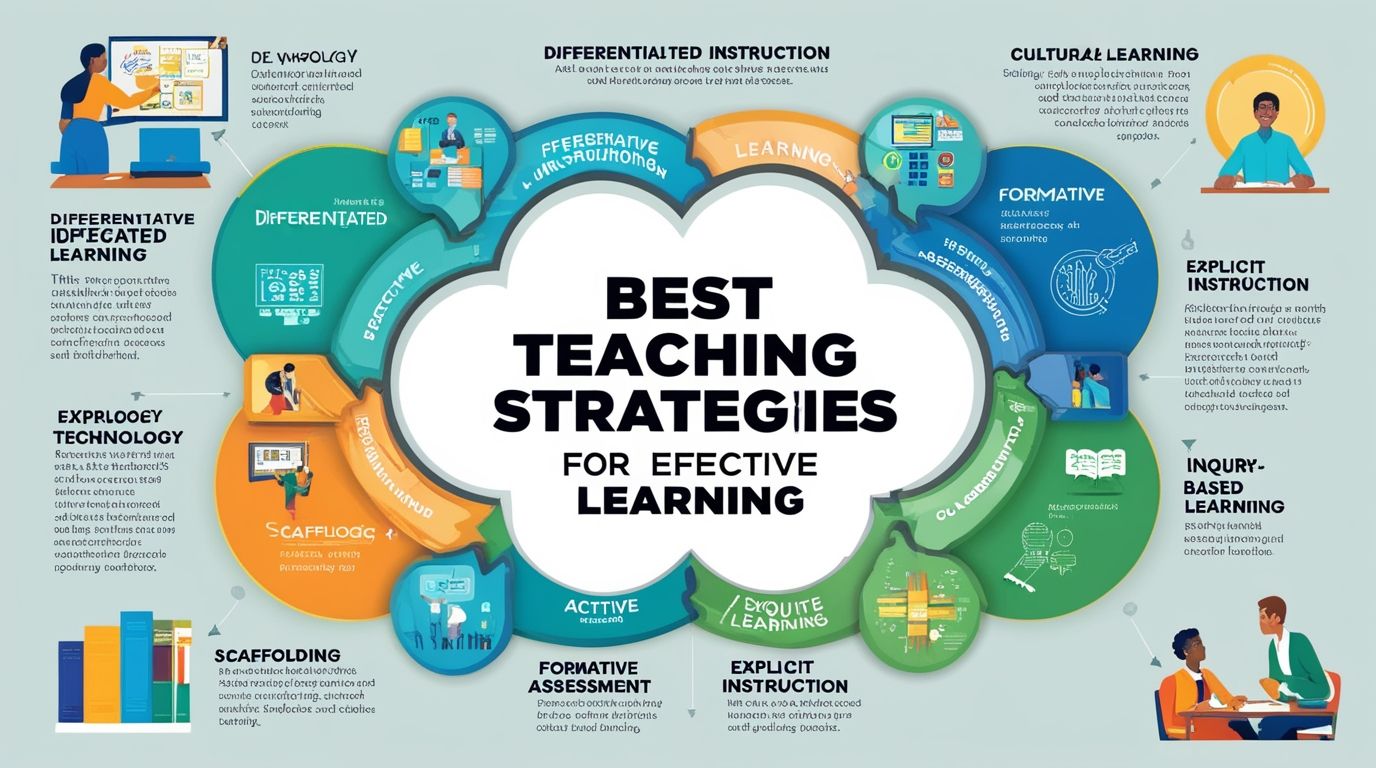
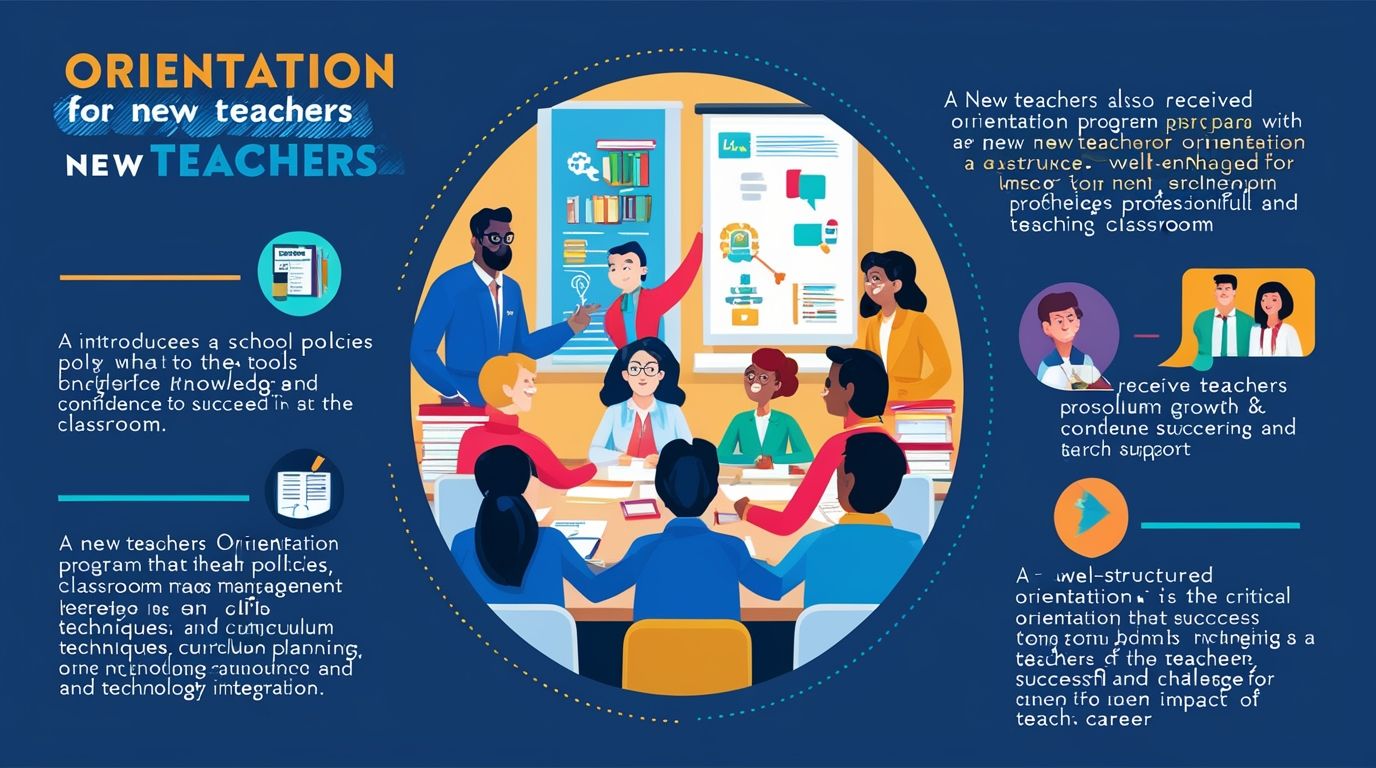
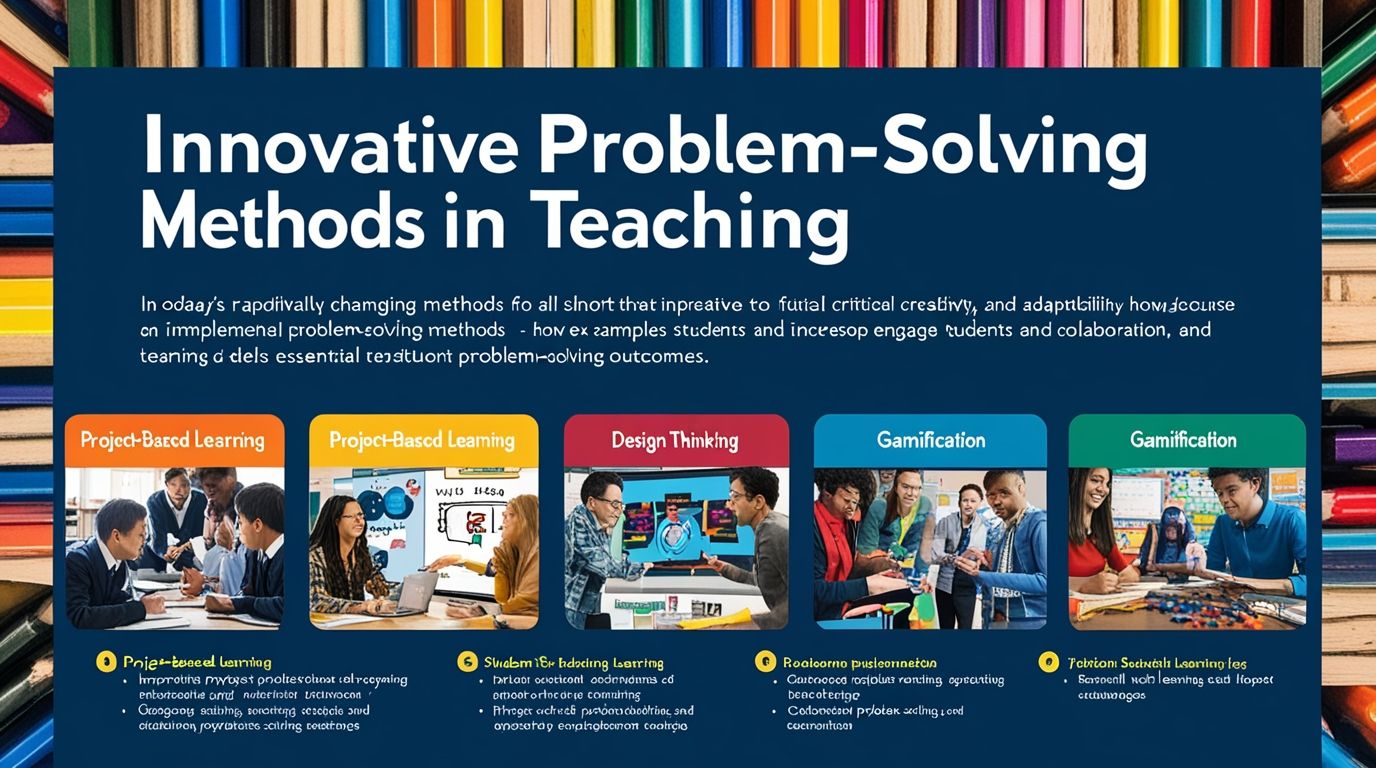
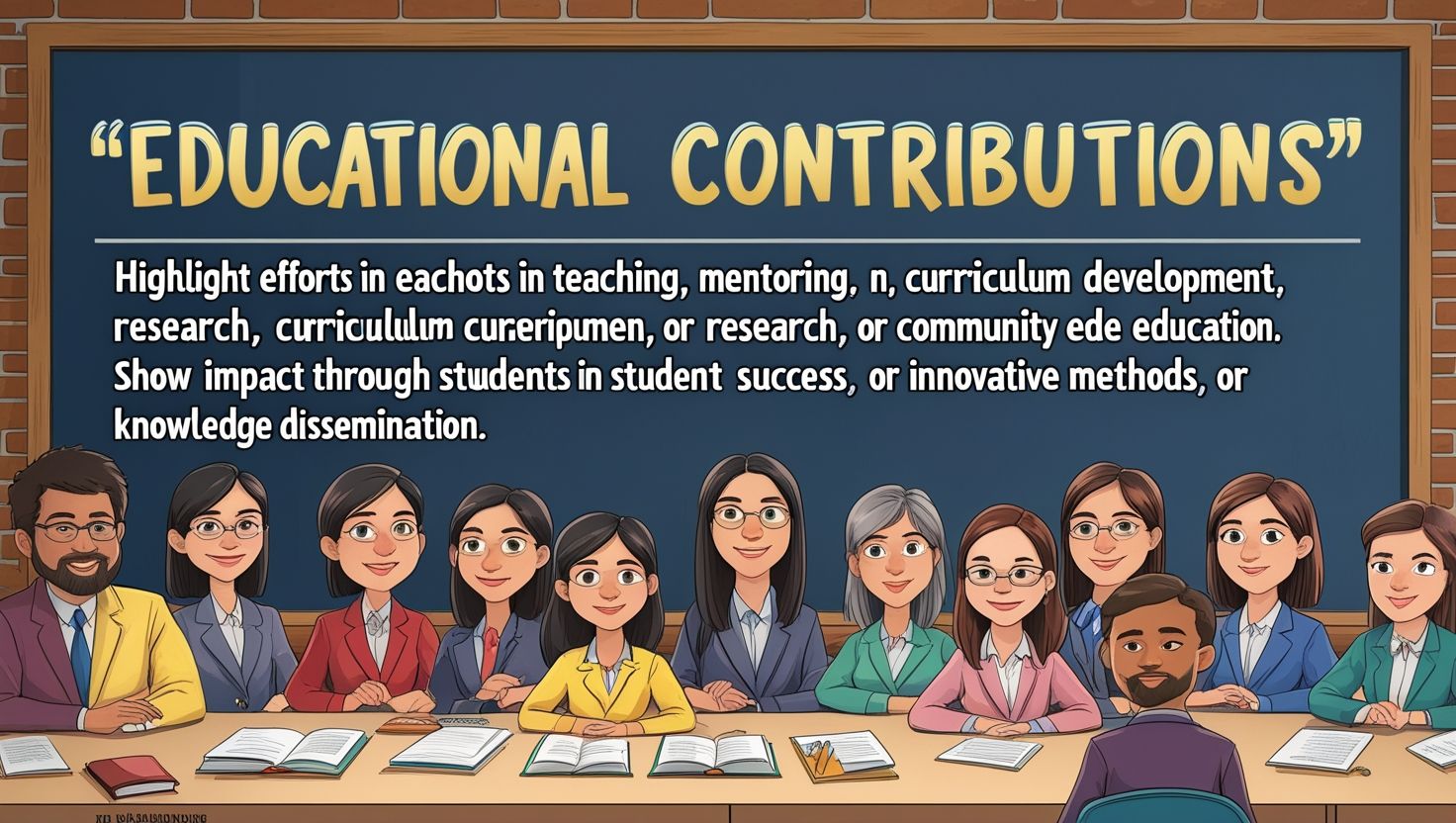
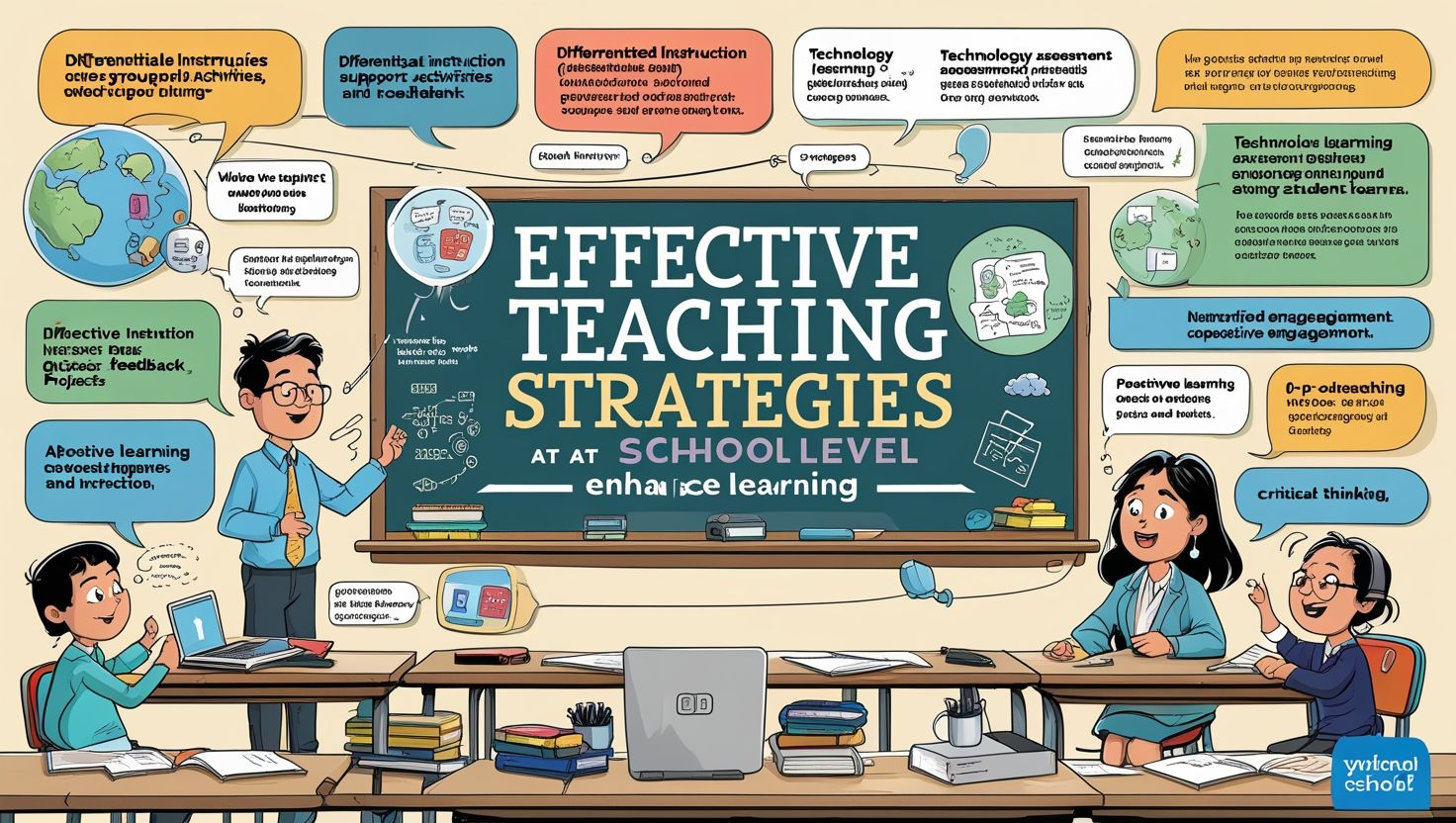
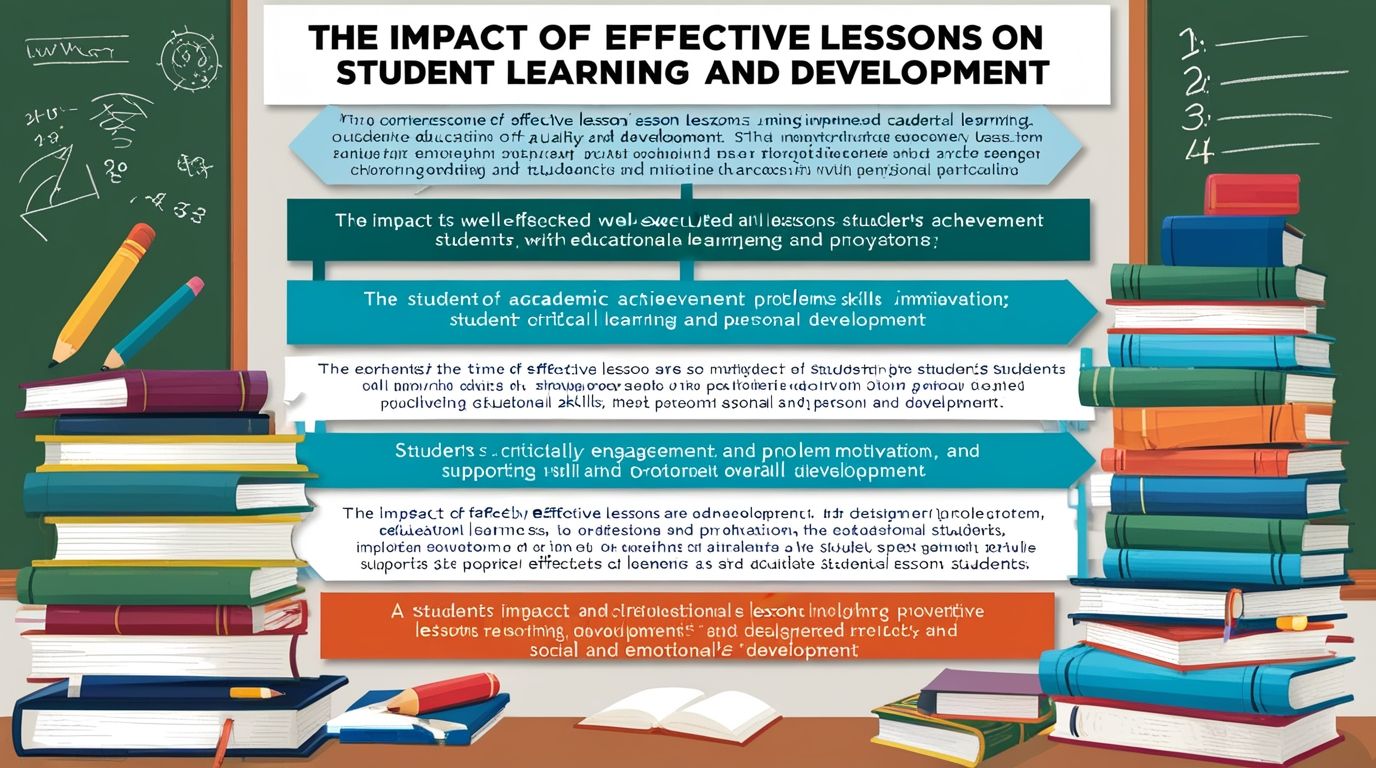
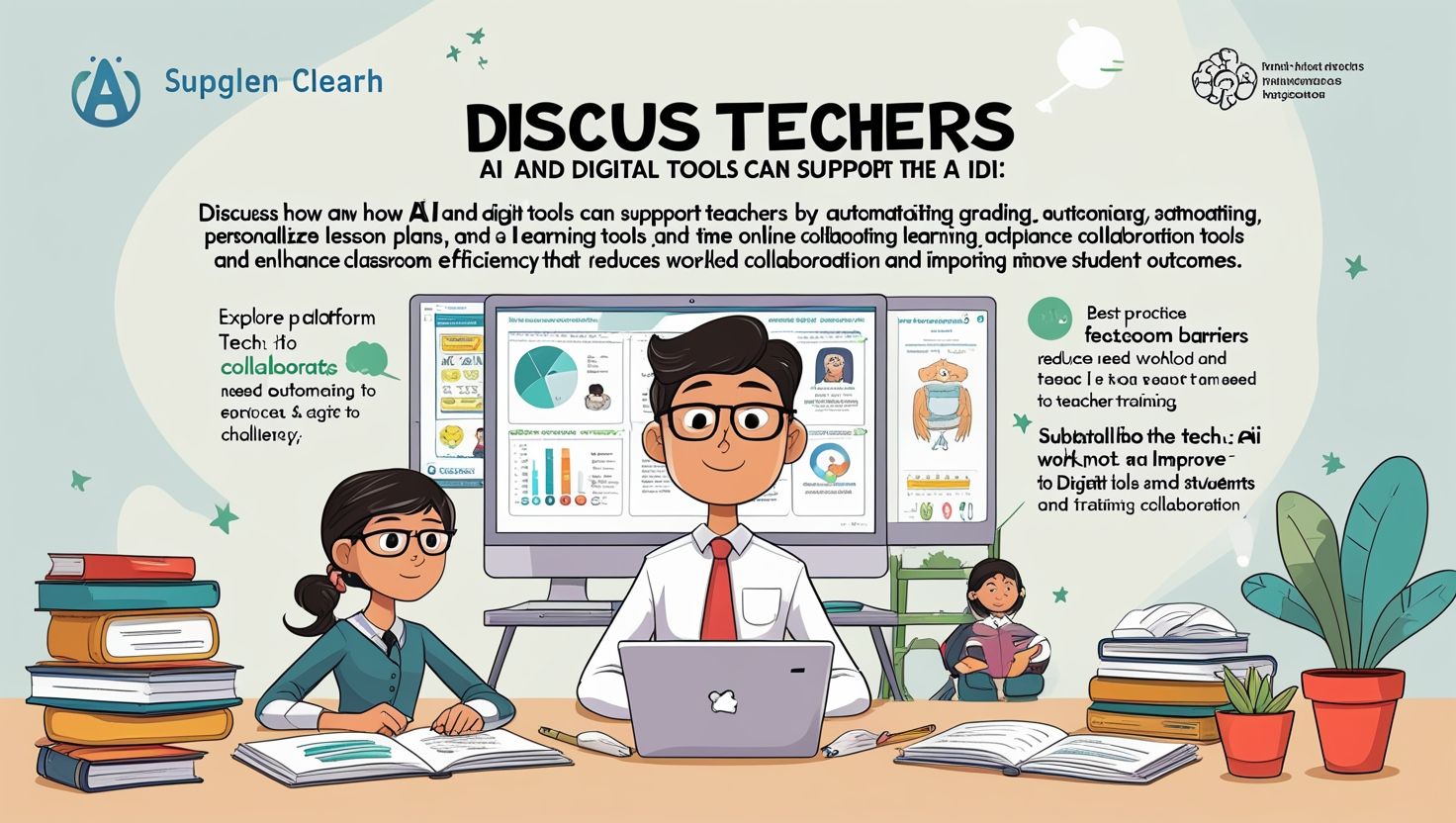
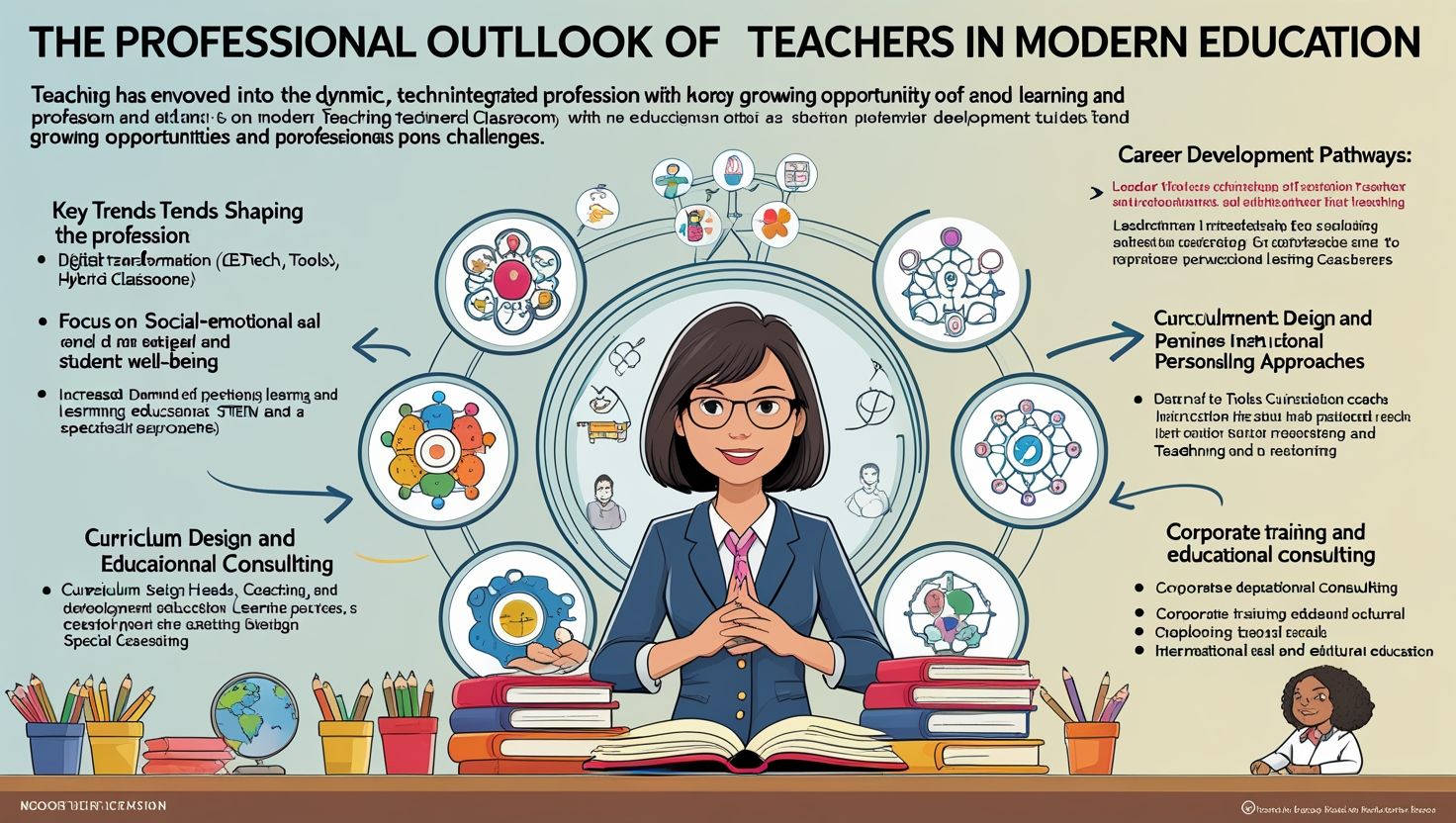
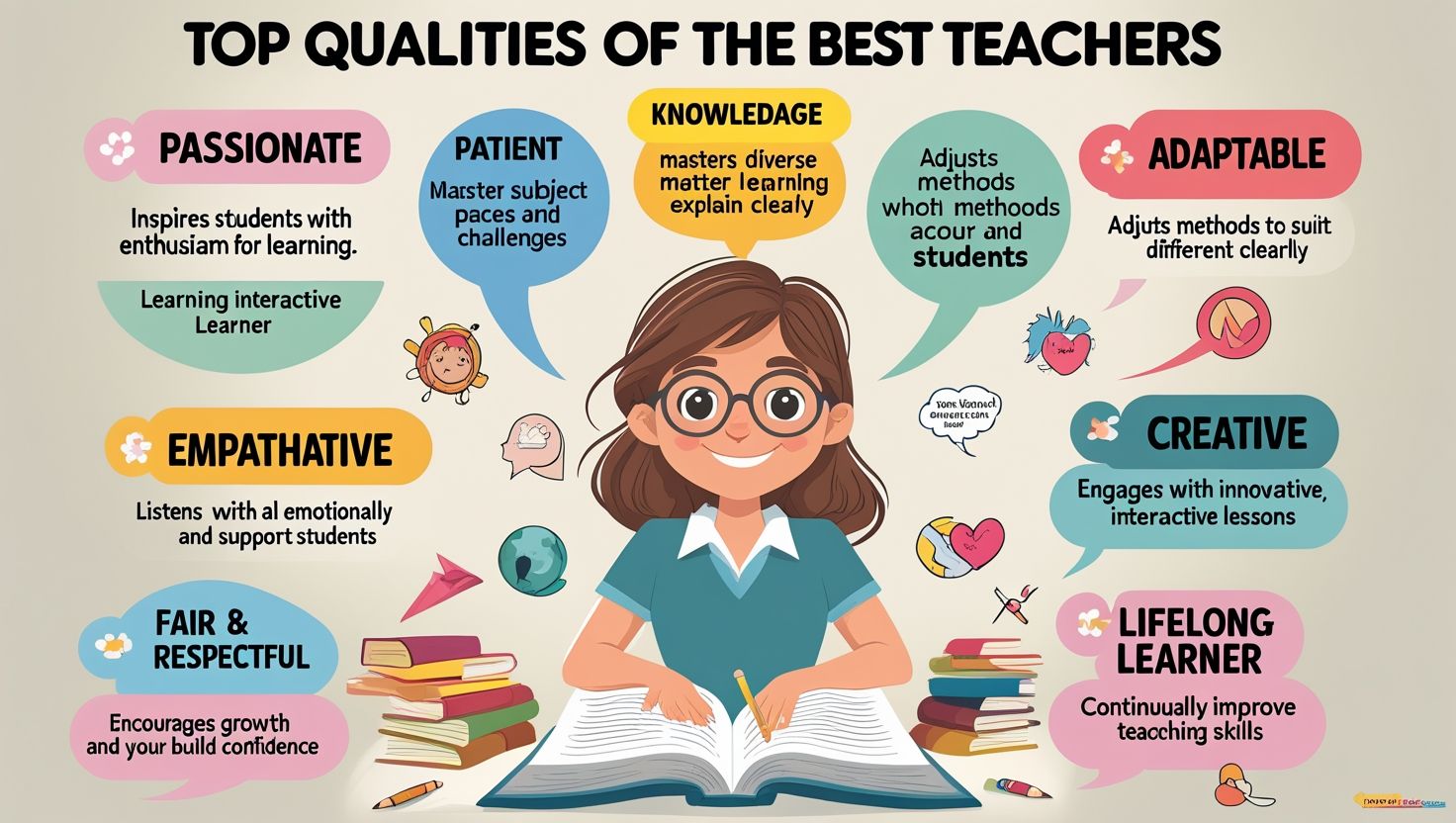
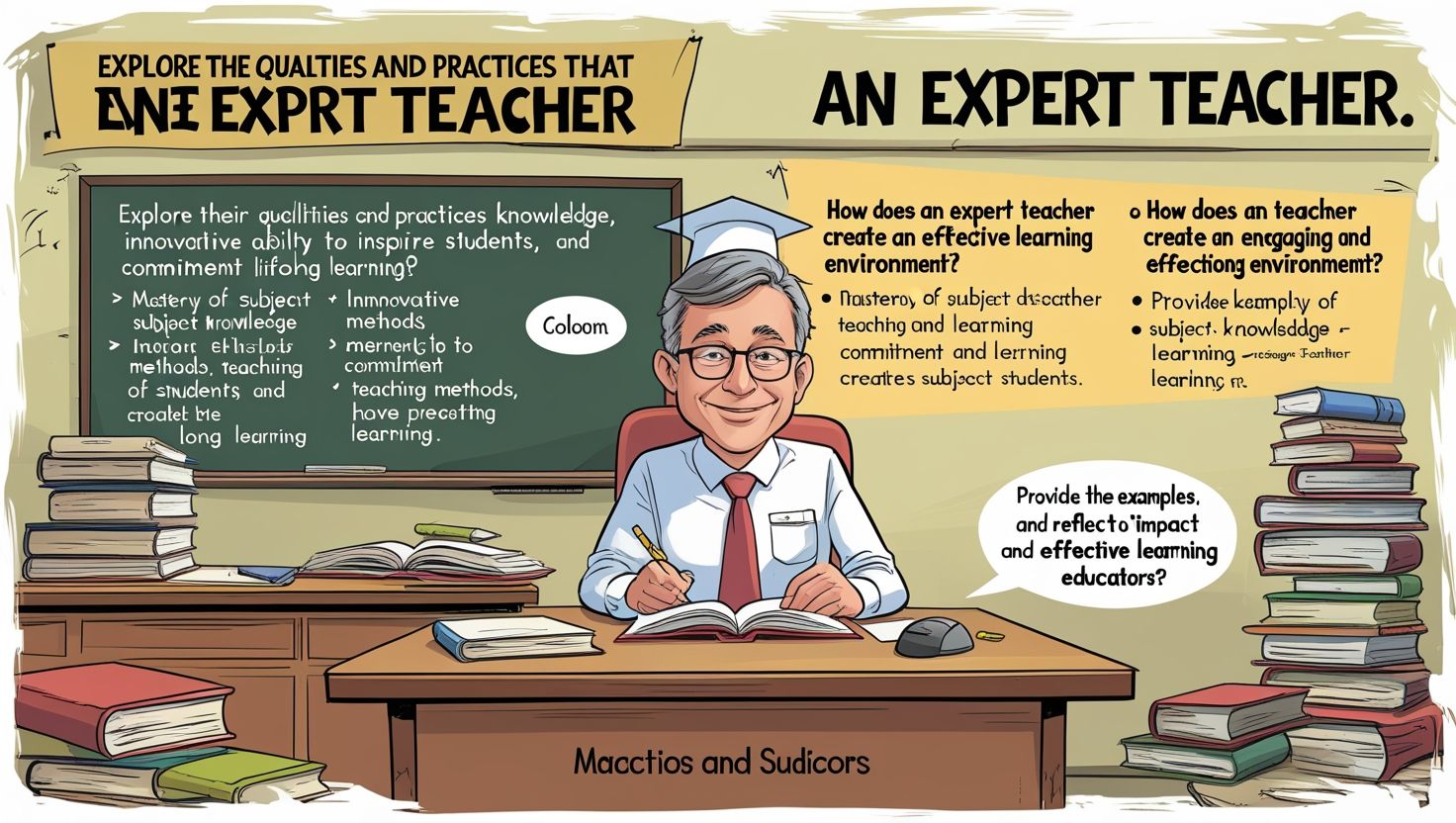
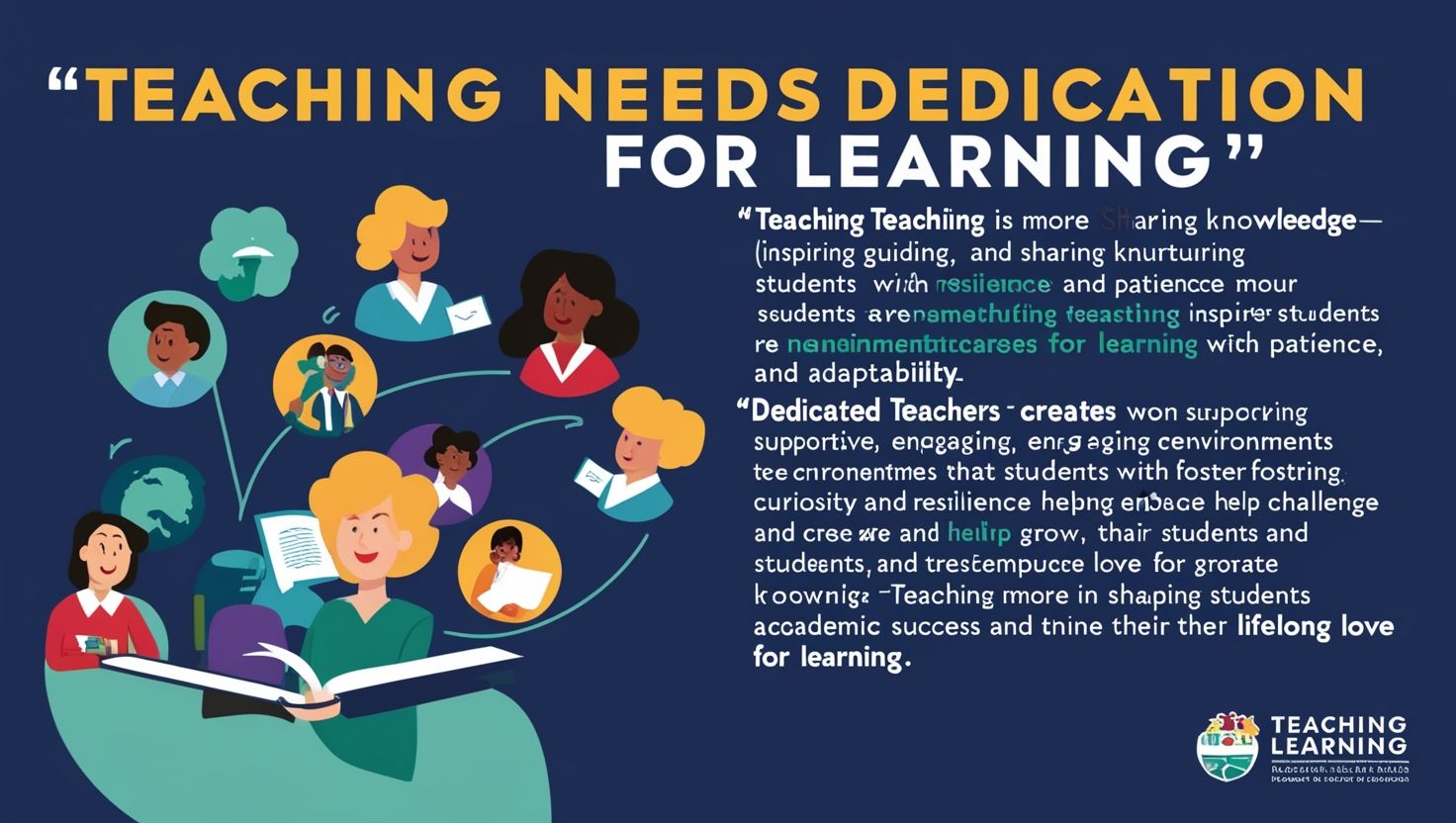
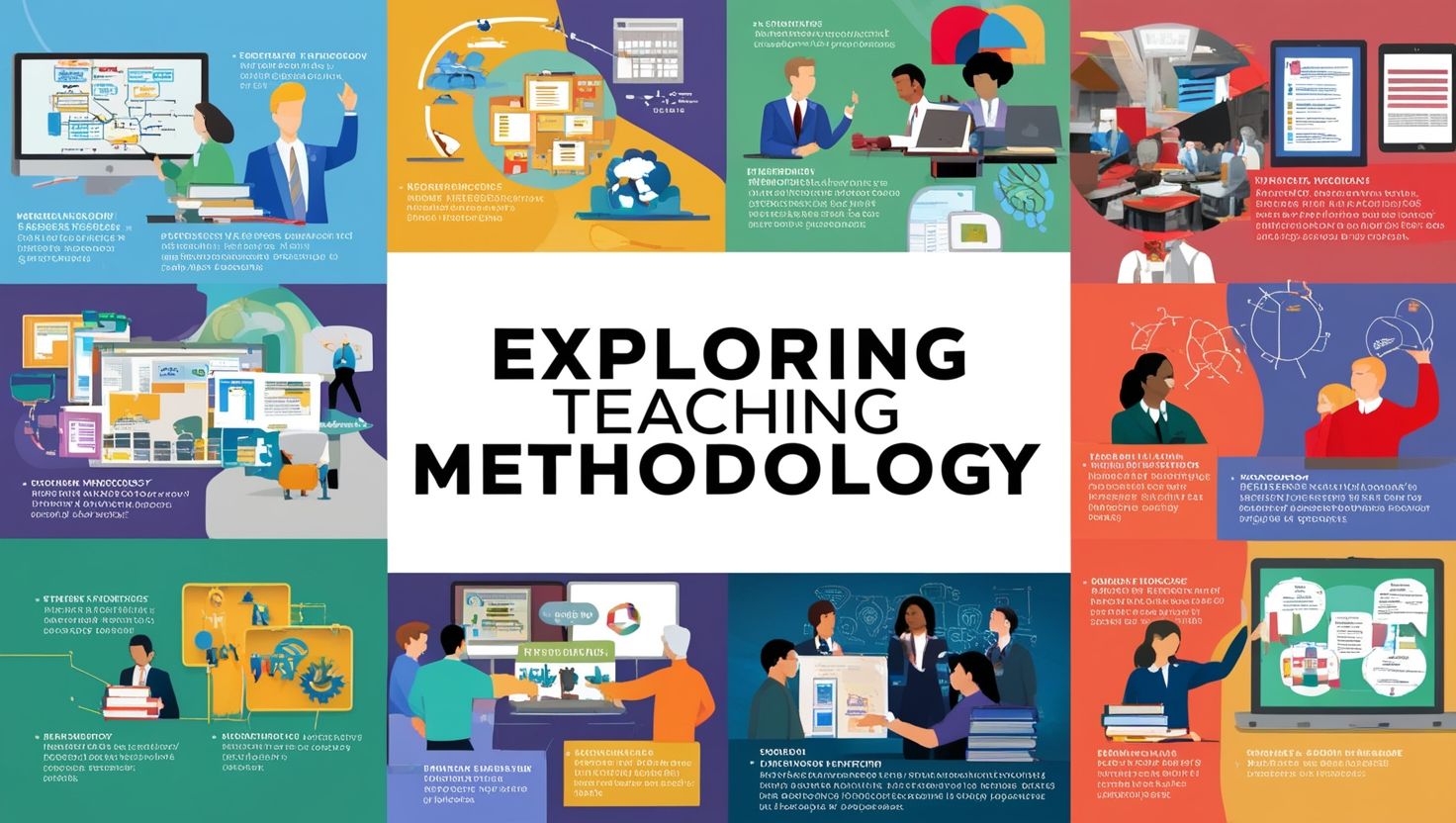
The shift toward integrated learning horizons requires teachers to adopt new pedagogical practices and roles. Educators are no longer just content deliverers but facilitators, mentors, and designers of learning experiences. They must develop competencies in digital tools, instructional design, and data-driven decision-making. Teachers need to create engaging online content, manage virtual classrooms, and provide timely feedback. Simultaneously, they must maintain strong interpersonal connections during offline interactions. Professional development programs are essential to equip teachers with these skills. Schools should support collaborative learning among educators to share best practices and innovations. Effective pedagogy in this dual environment enhances student engagement and improves learning outcomes.
Student Engagement and Motivation
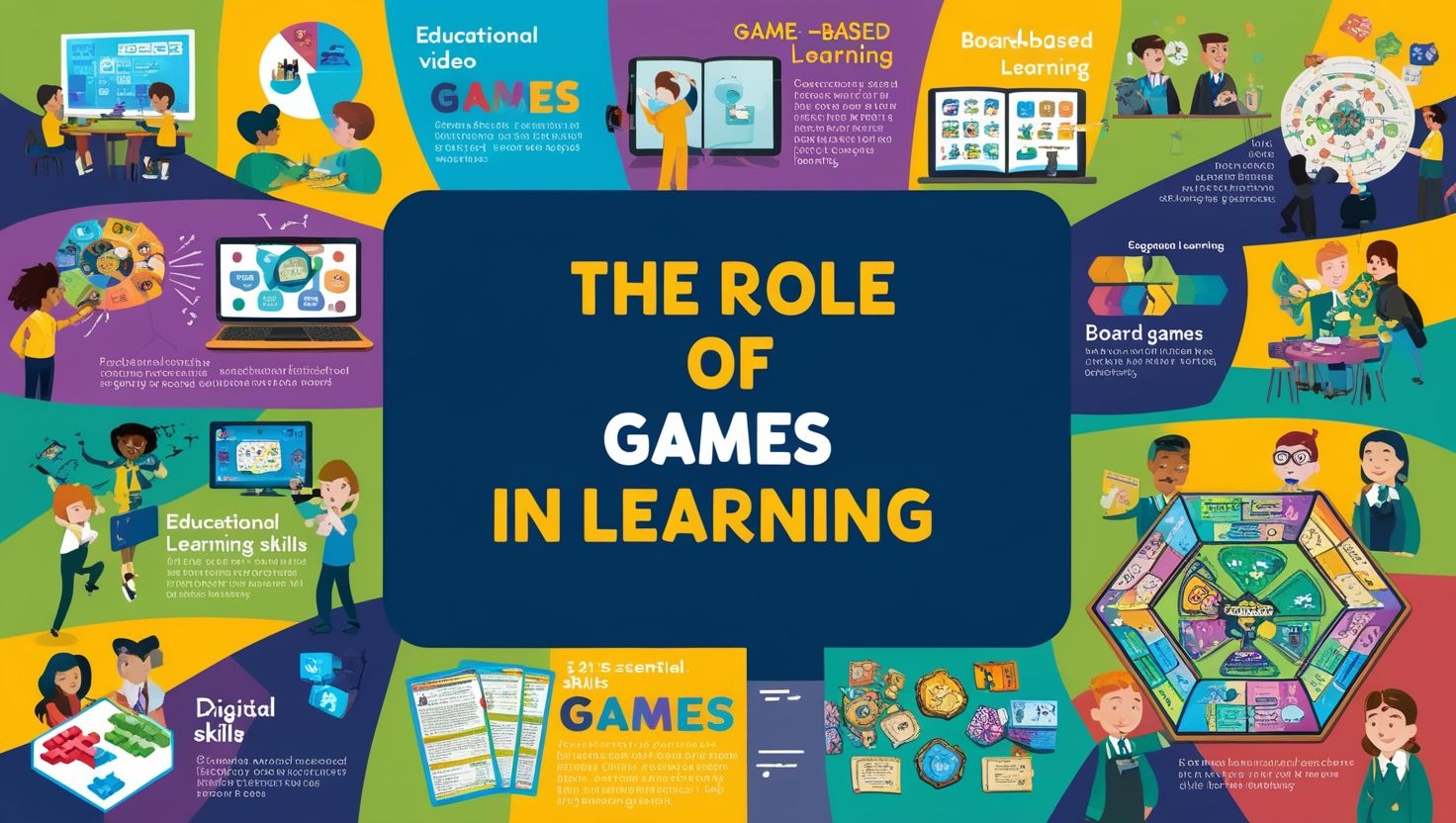
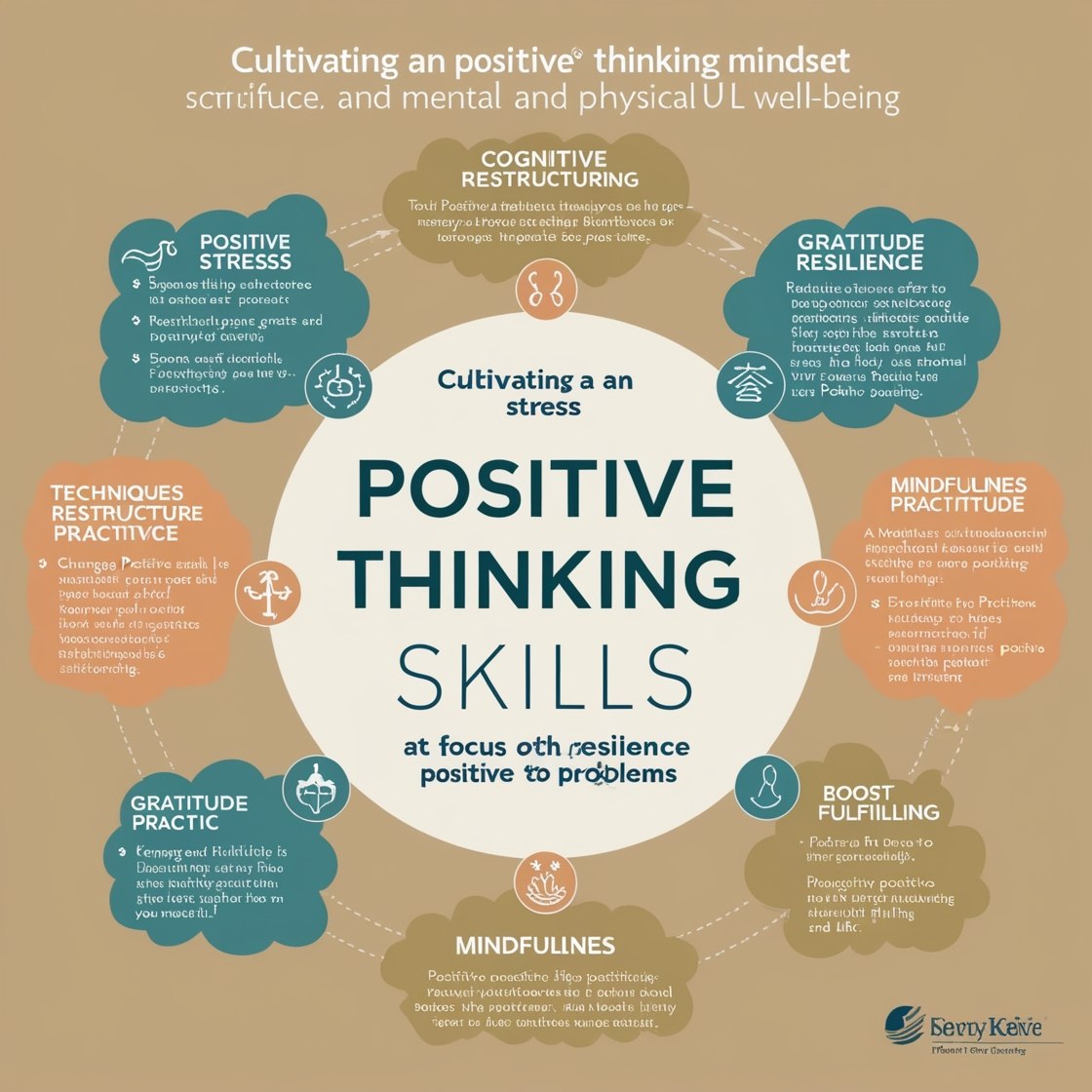
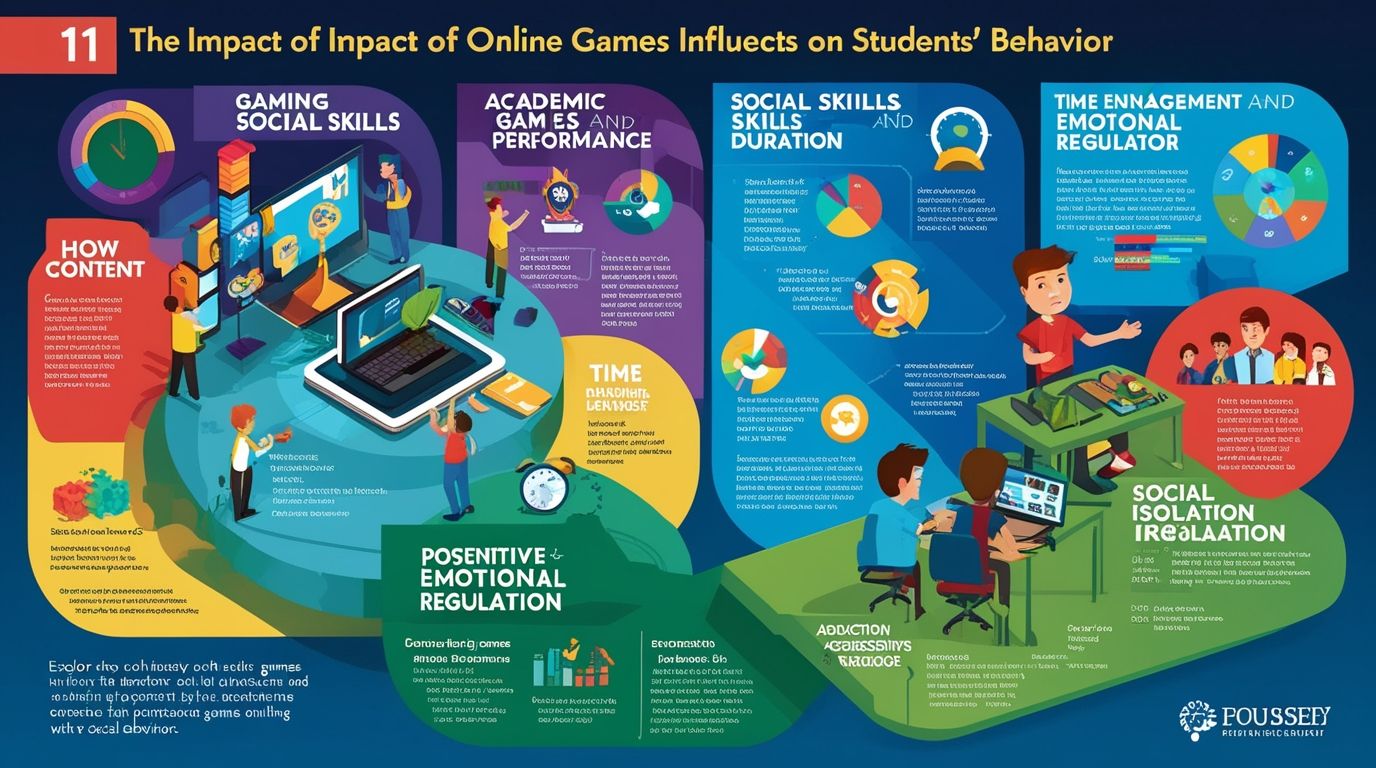
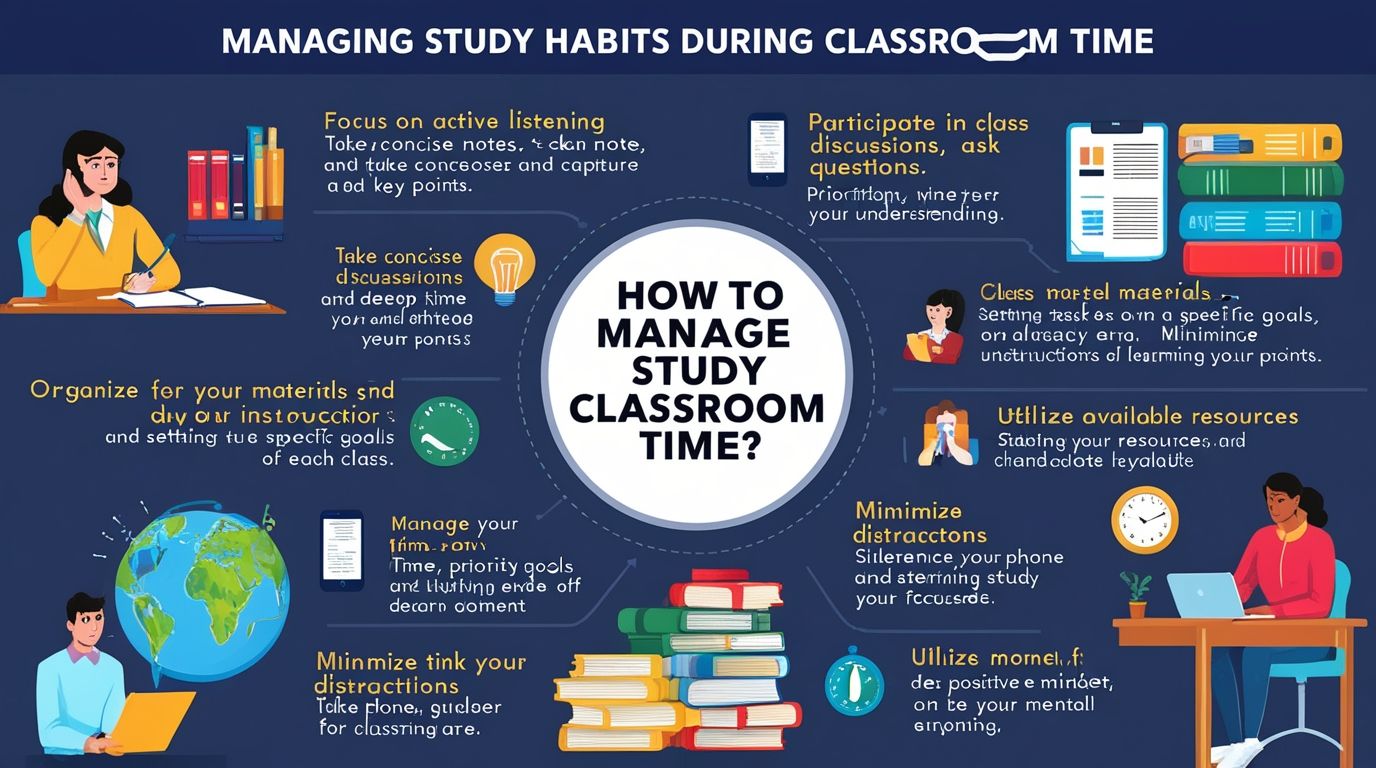
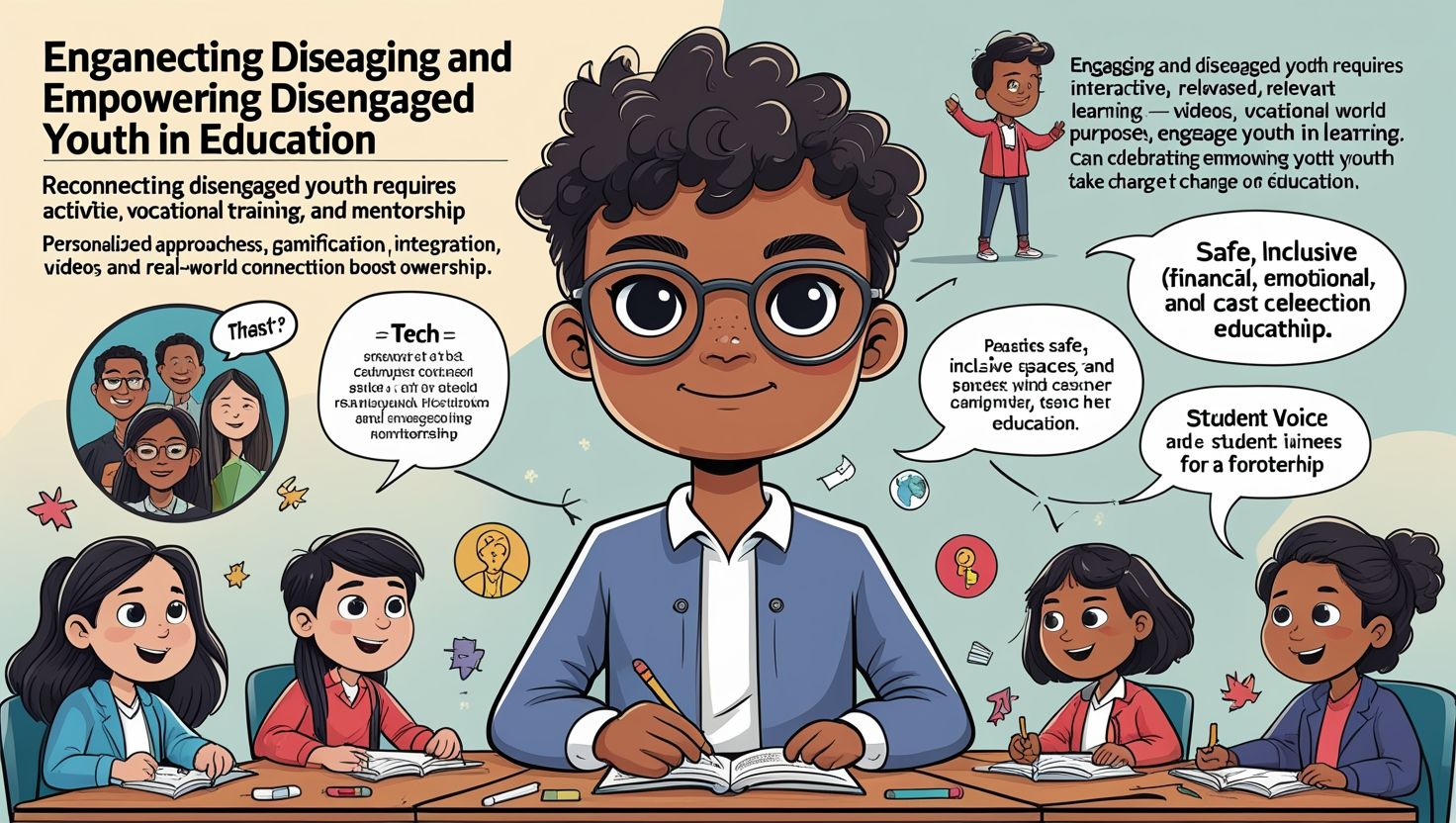
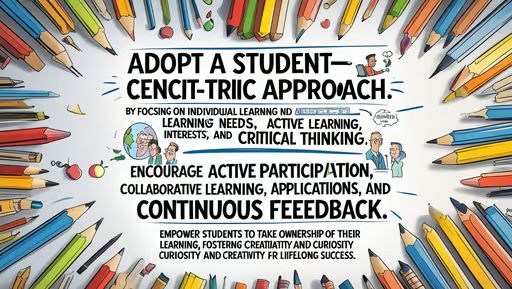
Student engagement is a critical factor in the success of both online and offline learning environments. Offline settings naturally support engagement through direct interaction, structured routines, and immediate accountability. In contrast, online learning requires deliberate strategies to maintain motivation, such as interactive content, gamification, and regular feedback. Students must develop self-regulation skills to manage their time and responsibilities in digital environments. Schools should foster intrinsic motivation by connecting learning to real-life contexts and student interests. A balanced approach that leverages the strengths of both modalities can sustain engagement. Teachers play a key role in creating meaningful learning experiences that encourage active participation and curiosity.
Equity and Accessibility Challenges
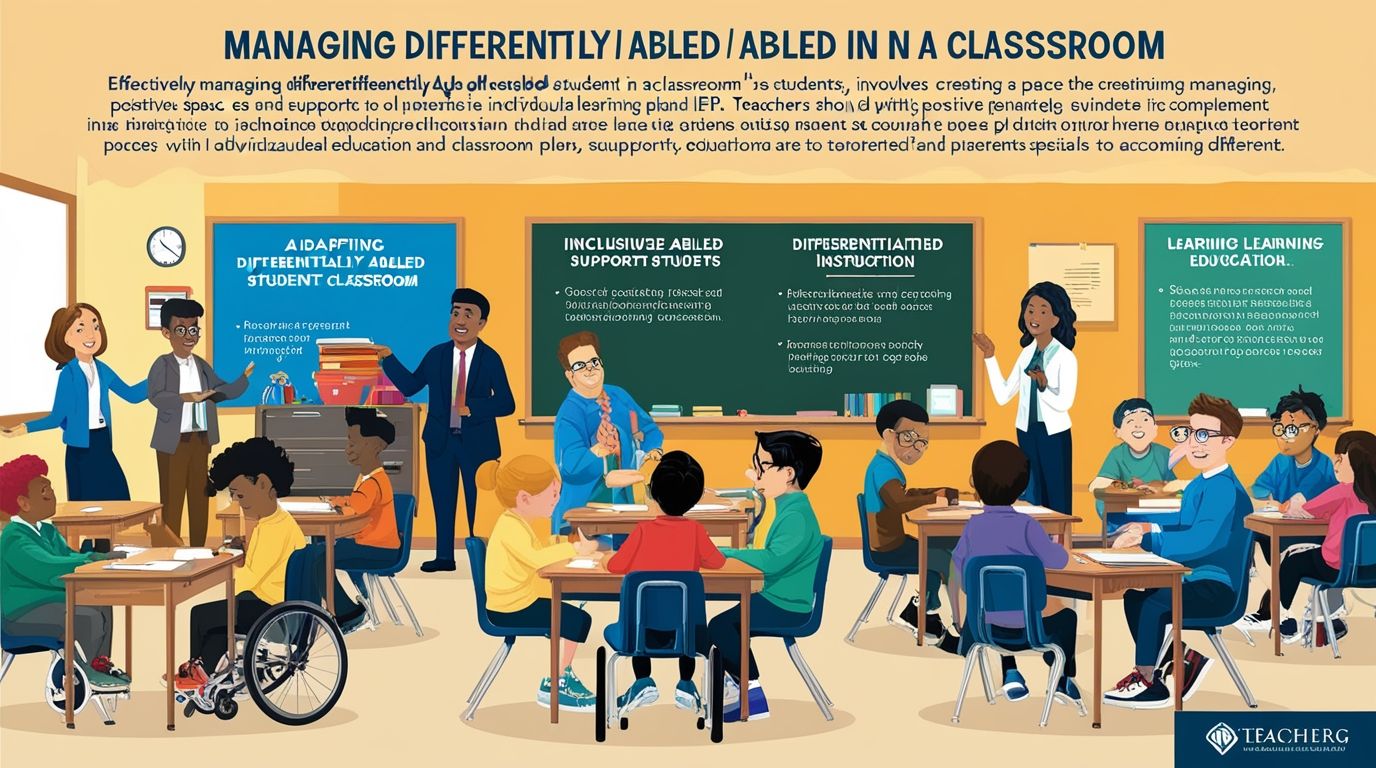
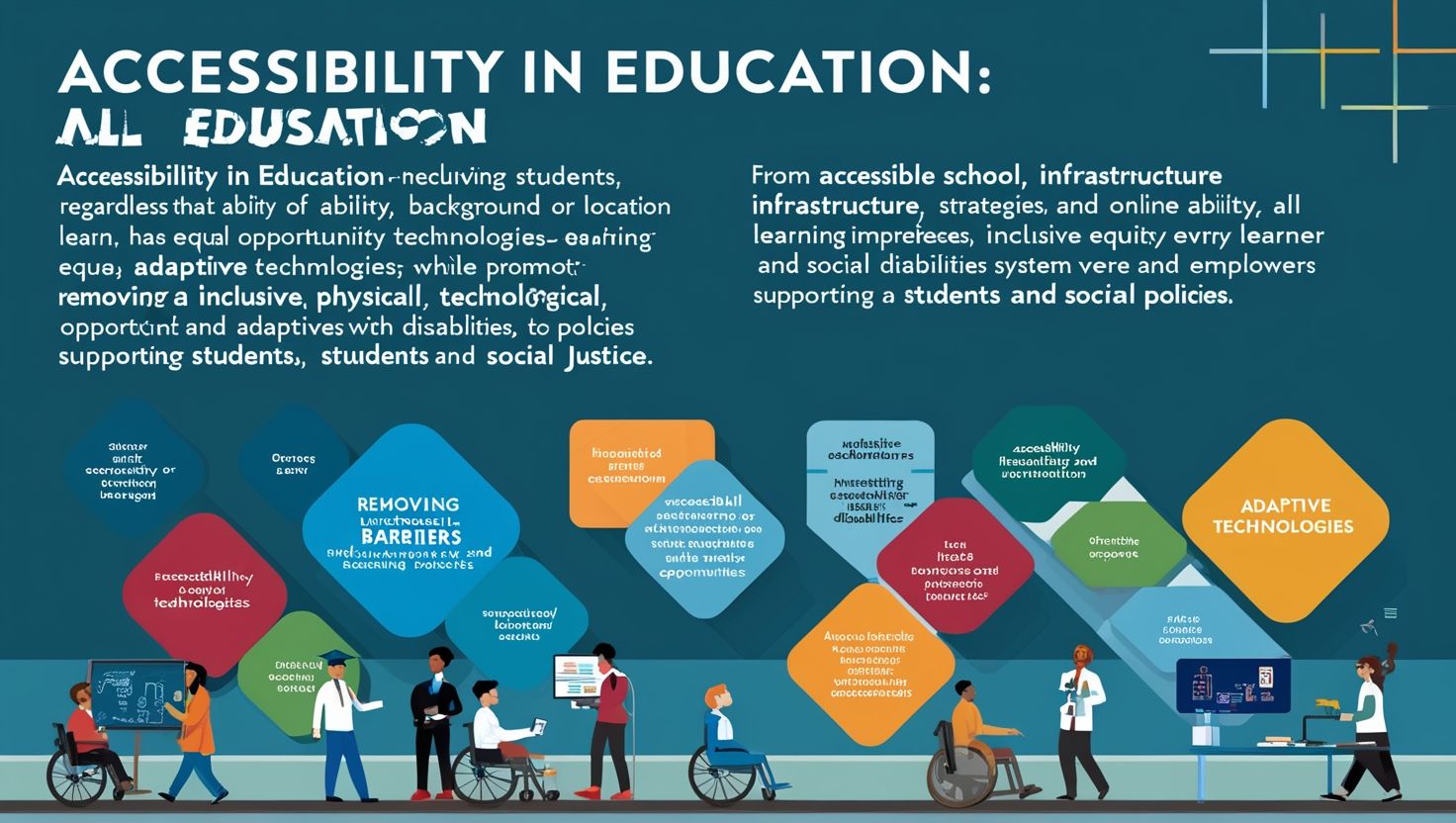
One of the significant challenges in integrating online learning is ensuring equity and accessibility for all students. Not all learners have equal access to digital devices, reliable internet, or supportive home environments. This digital divide can exacerbate existing educational inequalities. Schools must implement inclusive policies that provide necessary resources and support systems for disadvantaged students. Offline learning remains essential in bridging these gaps, offering a stable and equitable environment for all learners. Additionally, educational content must be designed to accommodate diverse learning needs, including students with disabilities. Addressing these challenges requires collaboration between schools, governments, and communities to ensure that every student benefits from expanded learning horizons.
Assessment in Dual Learning Environments
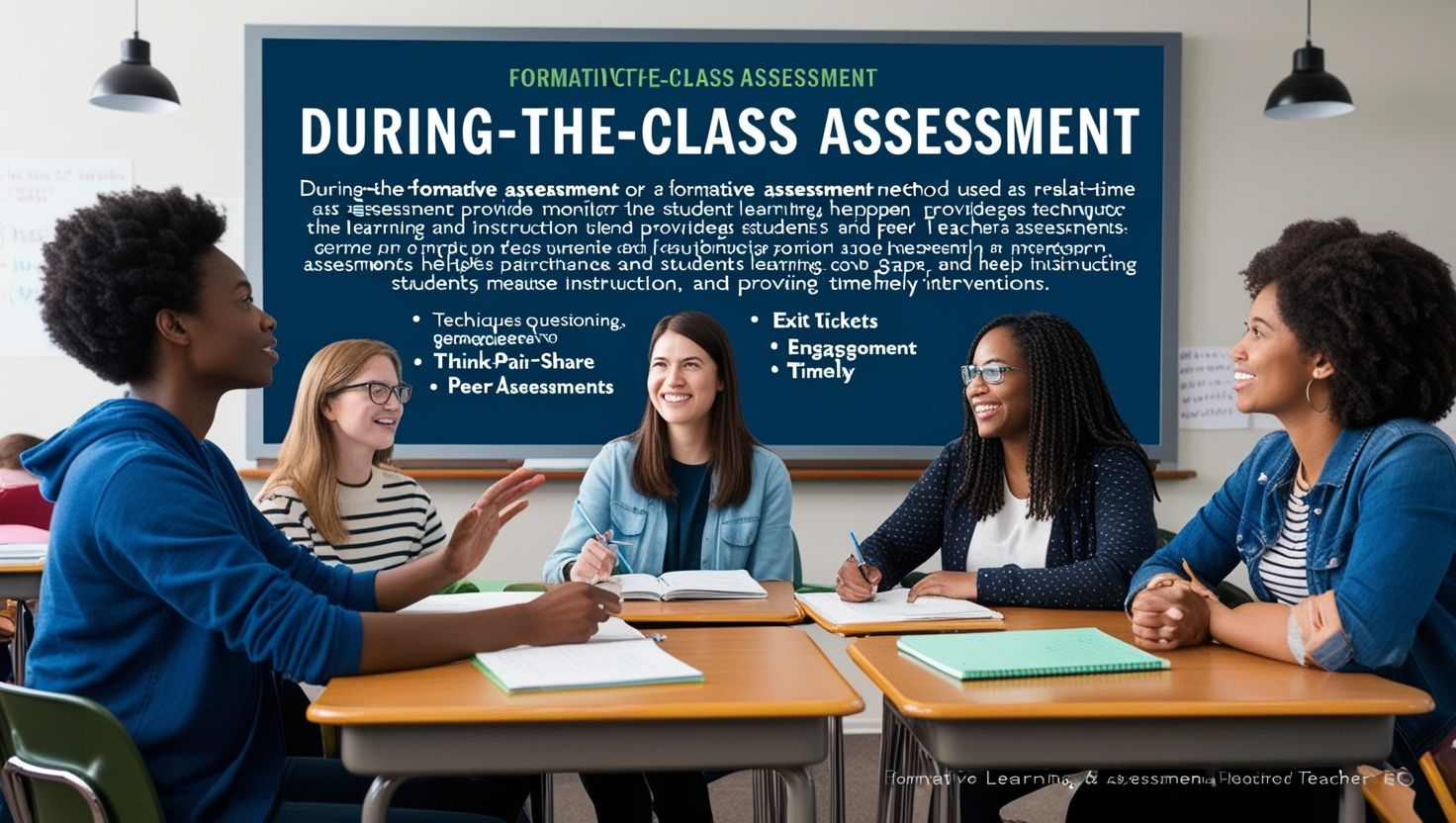
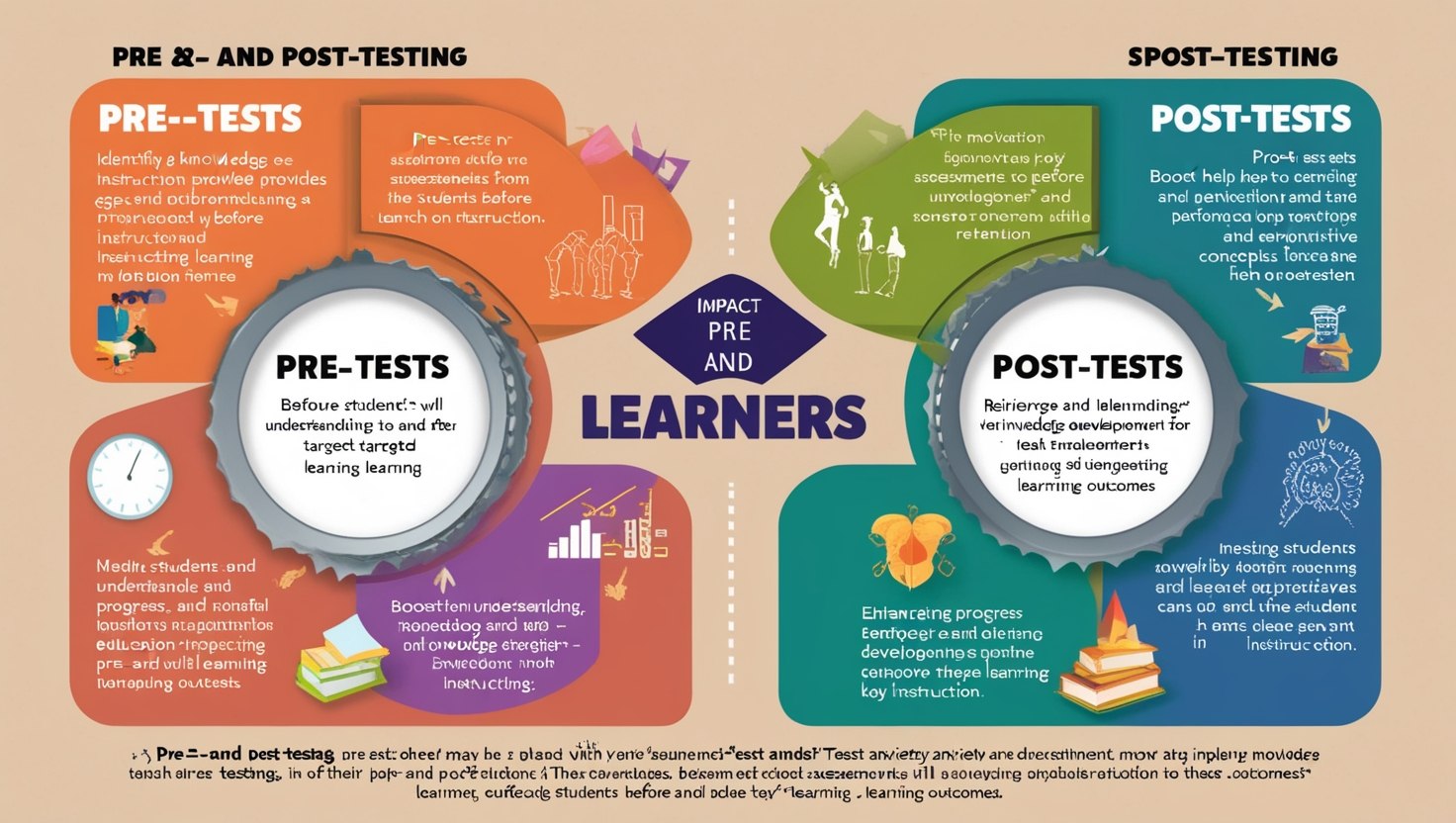
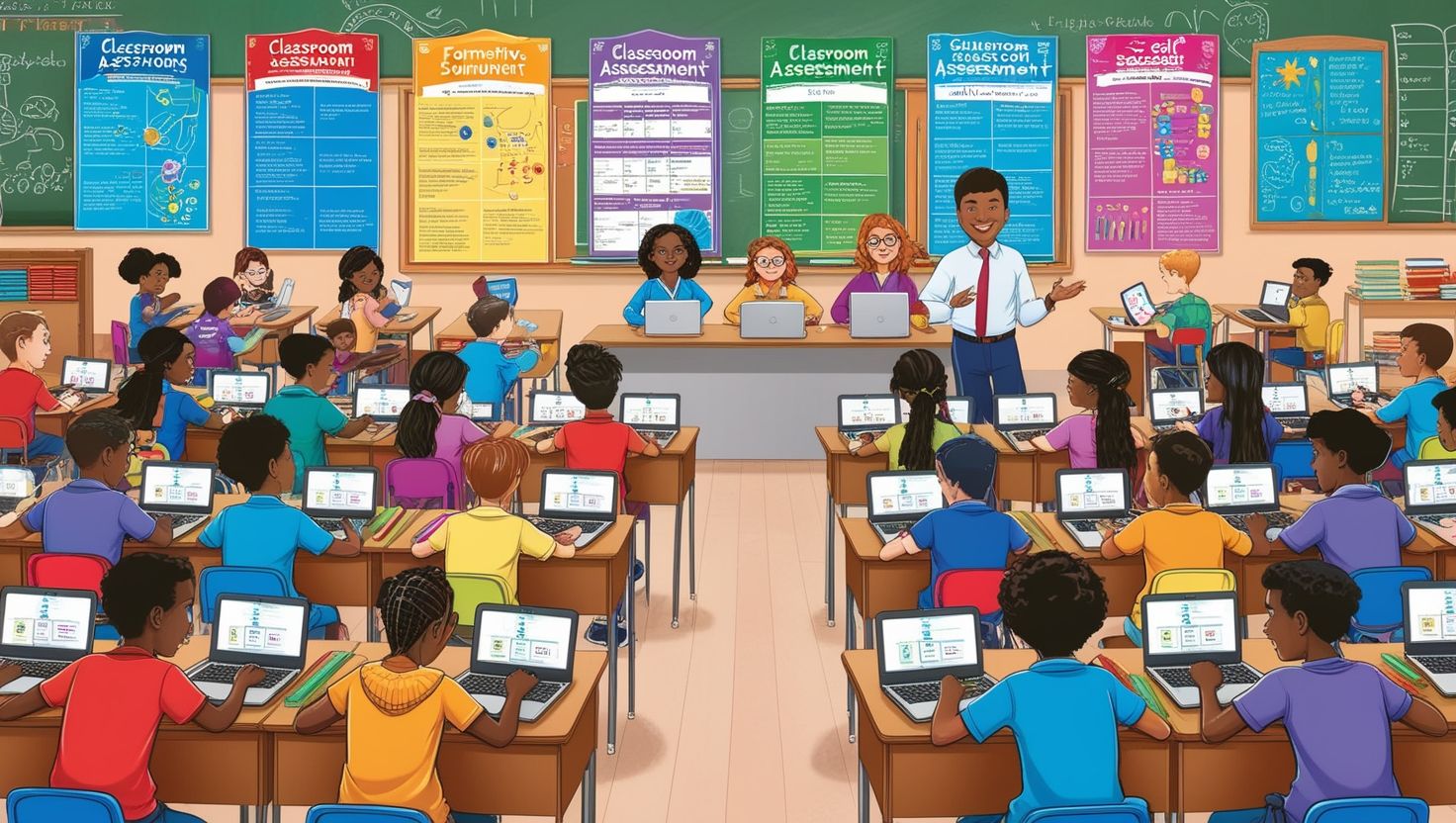
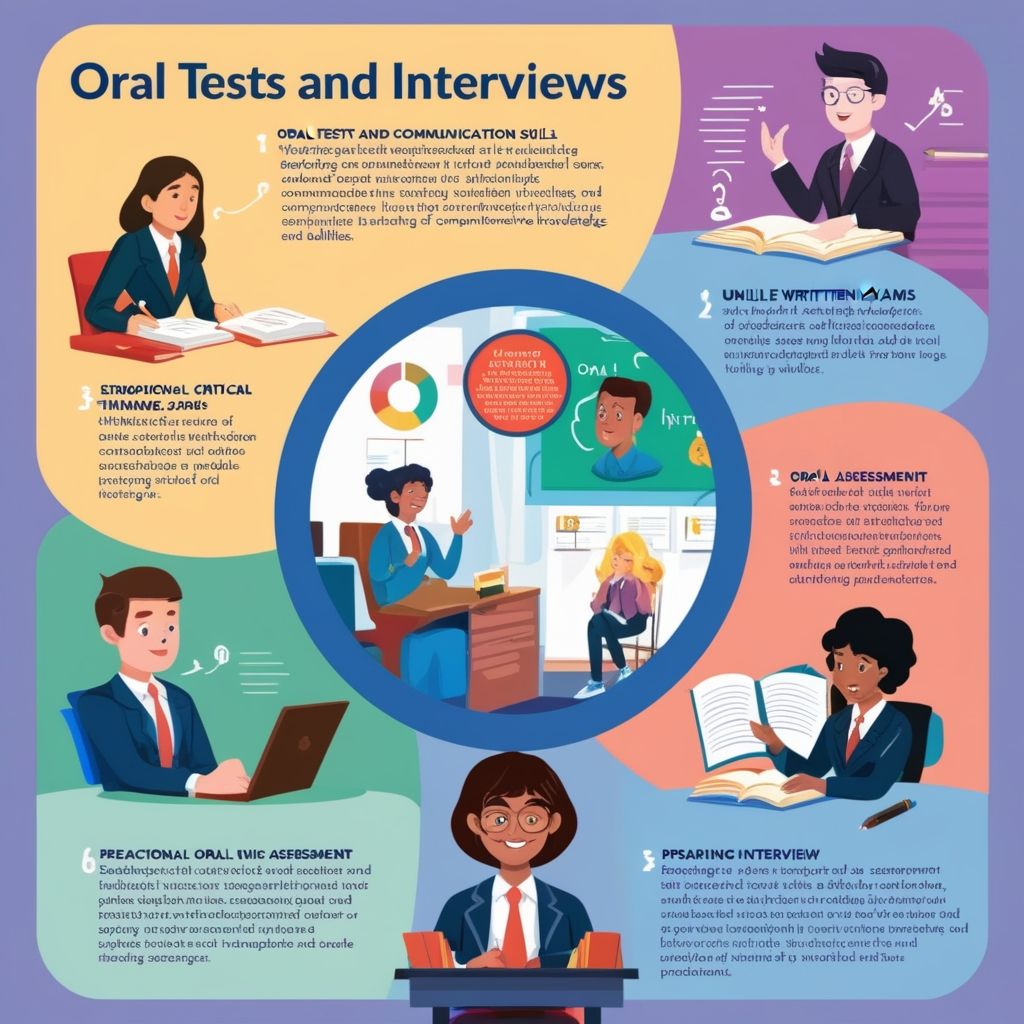
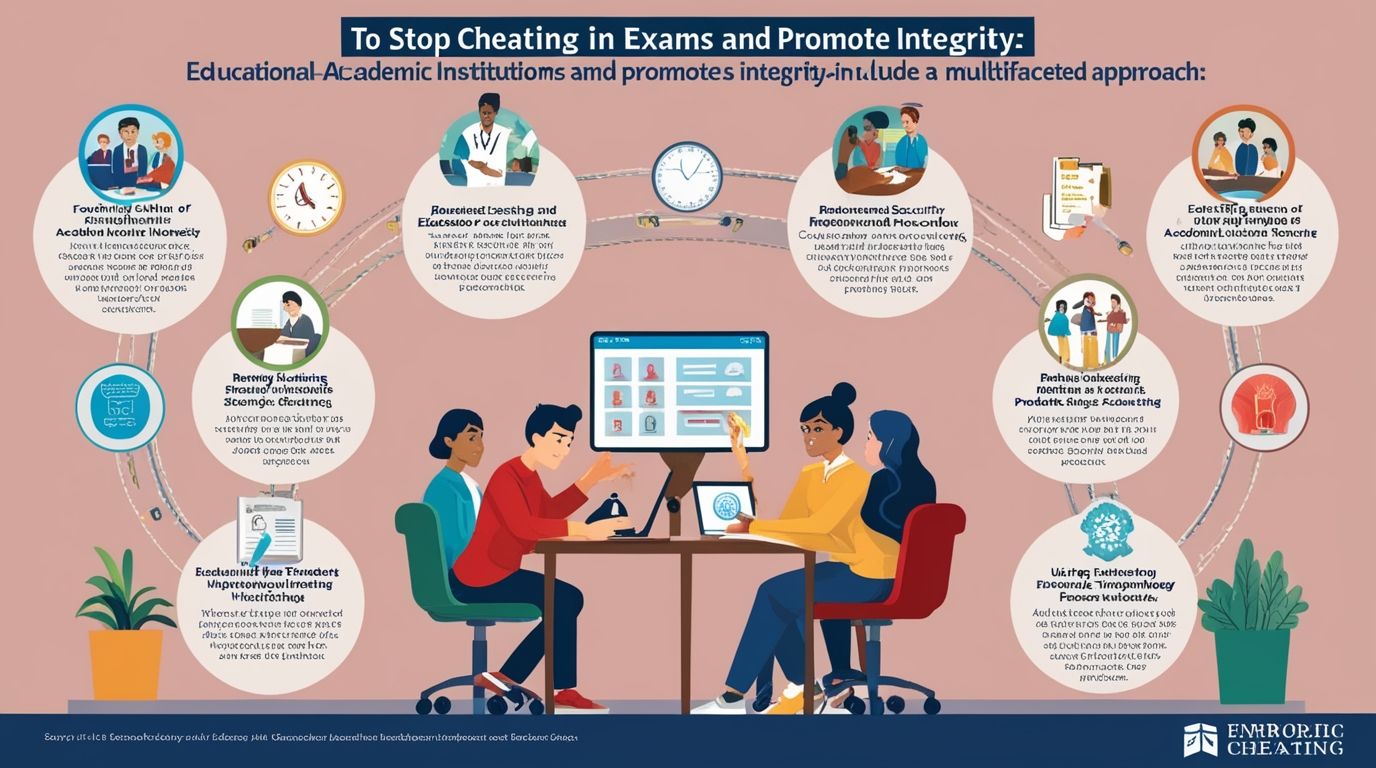
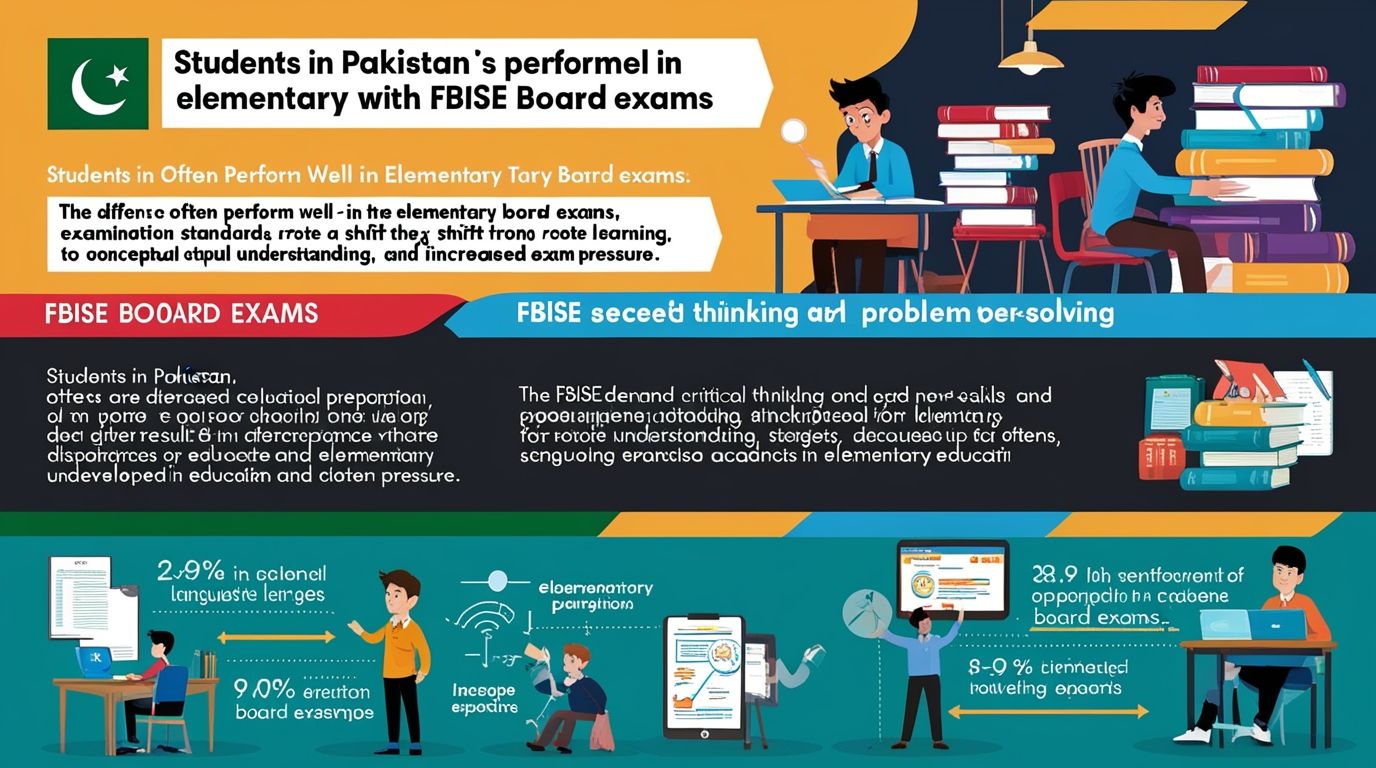
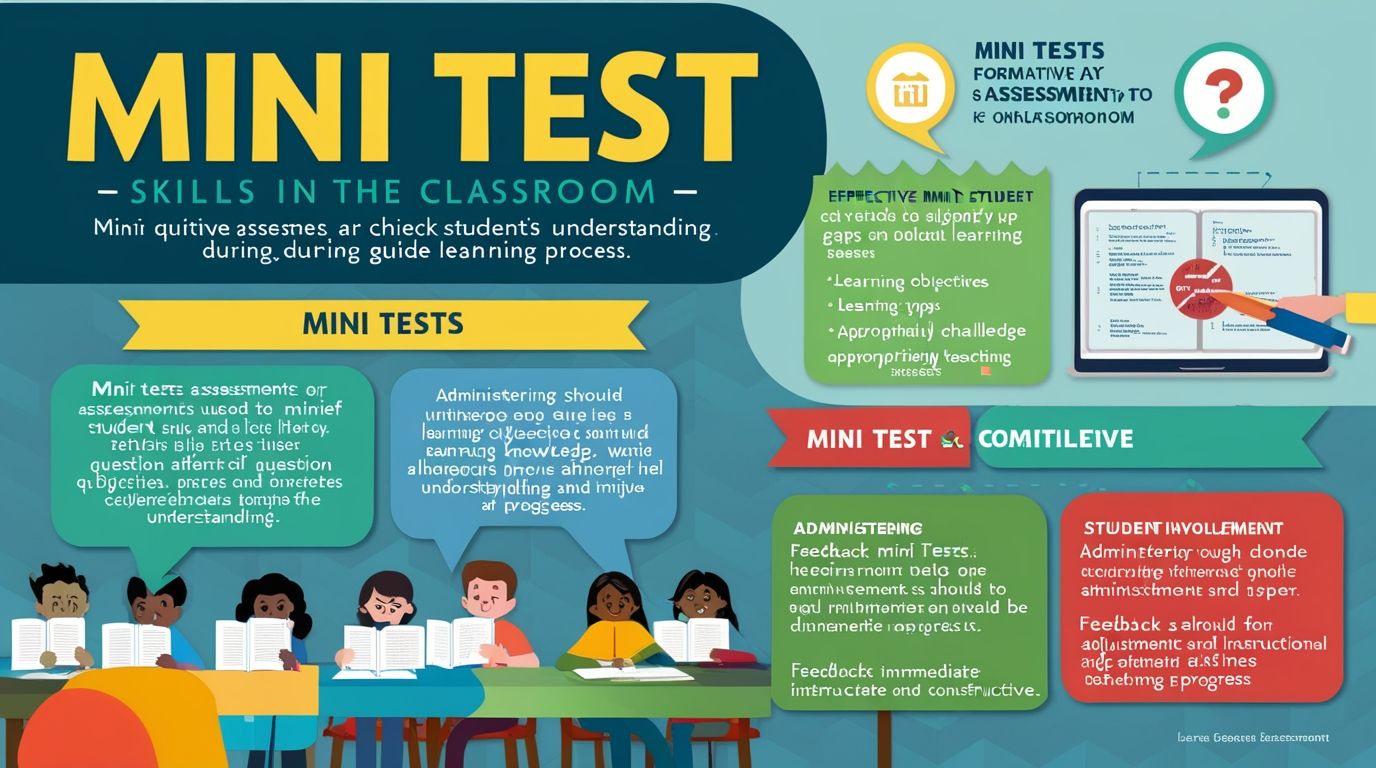
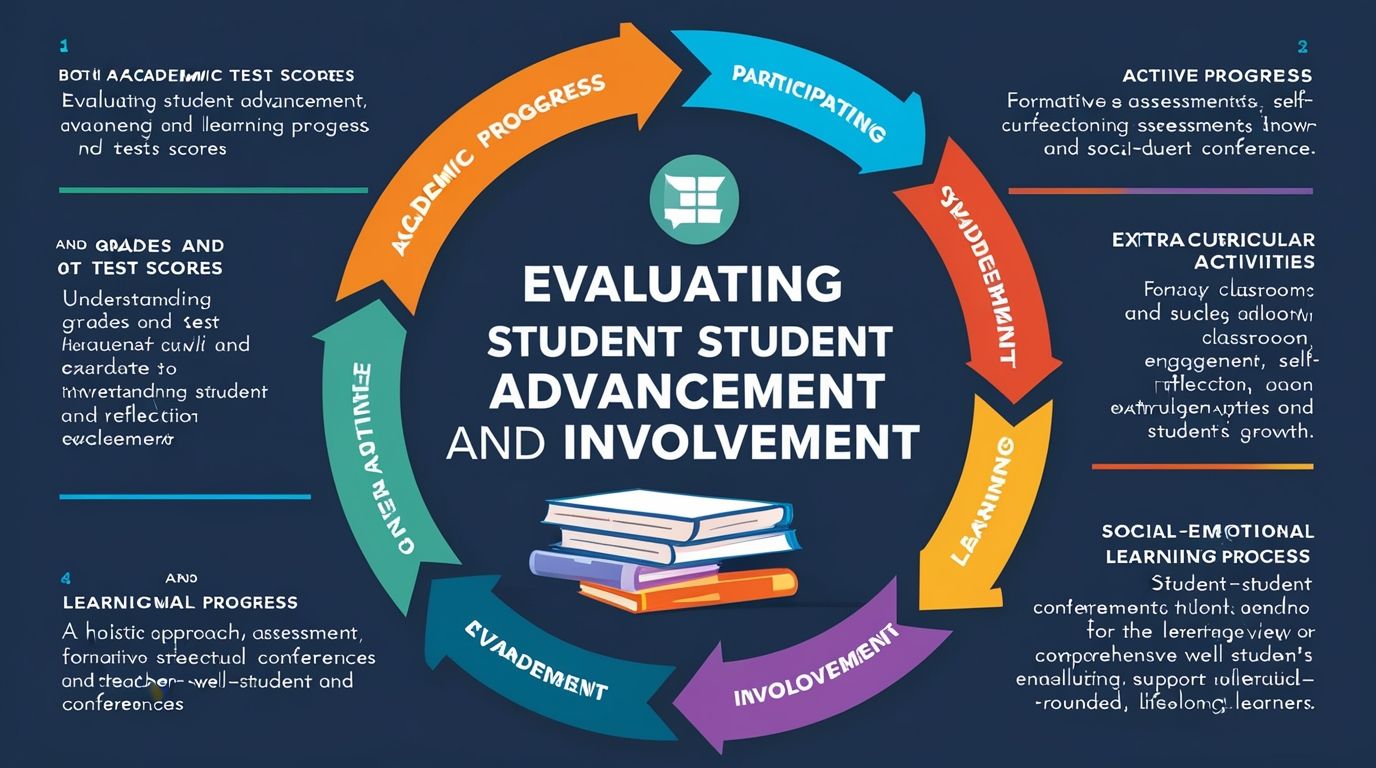
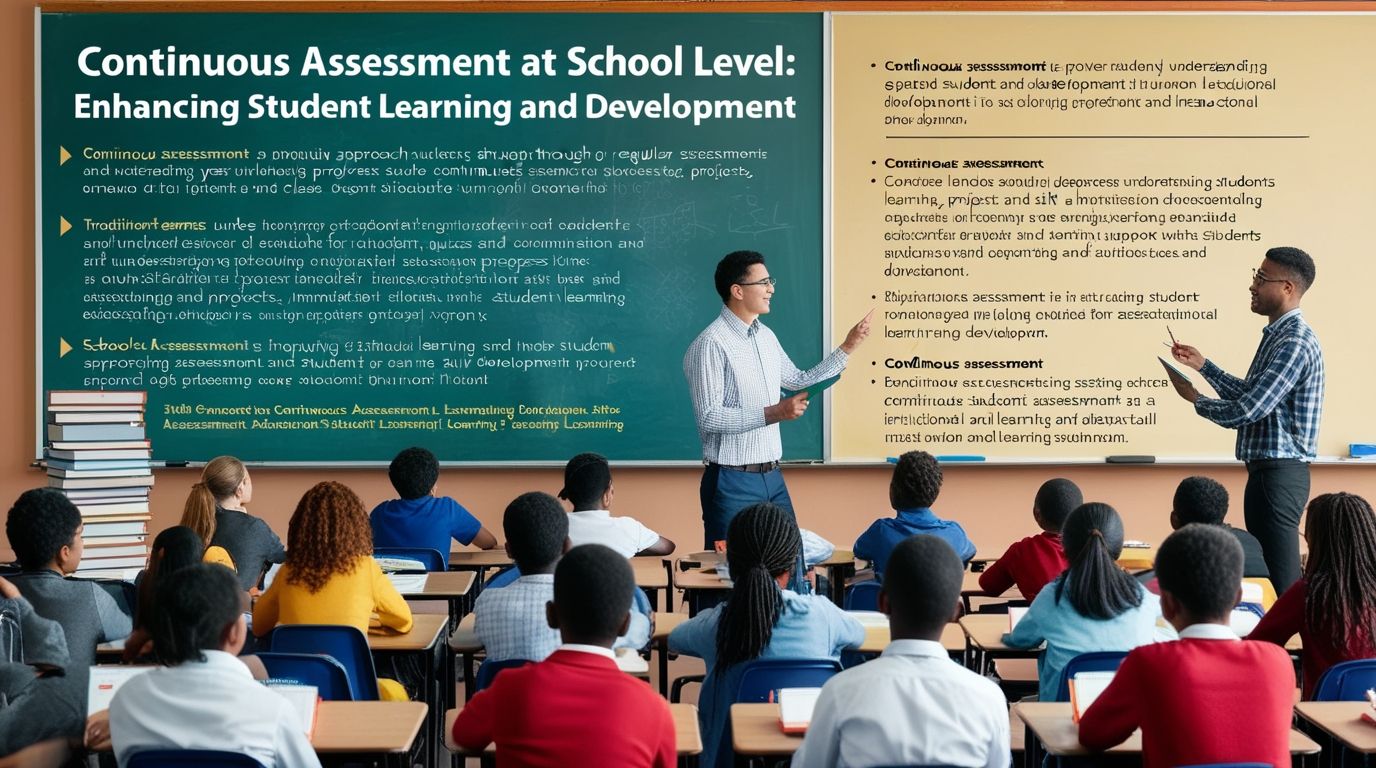
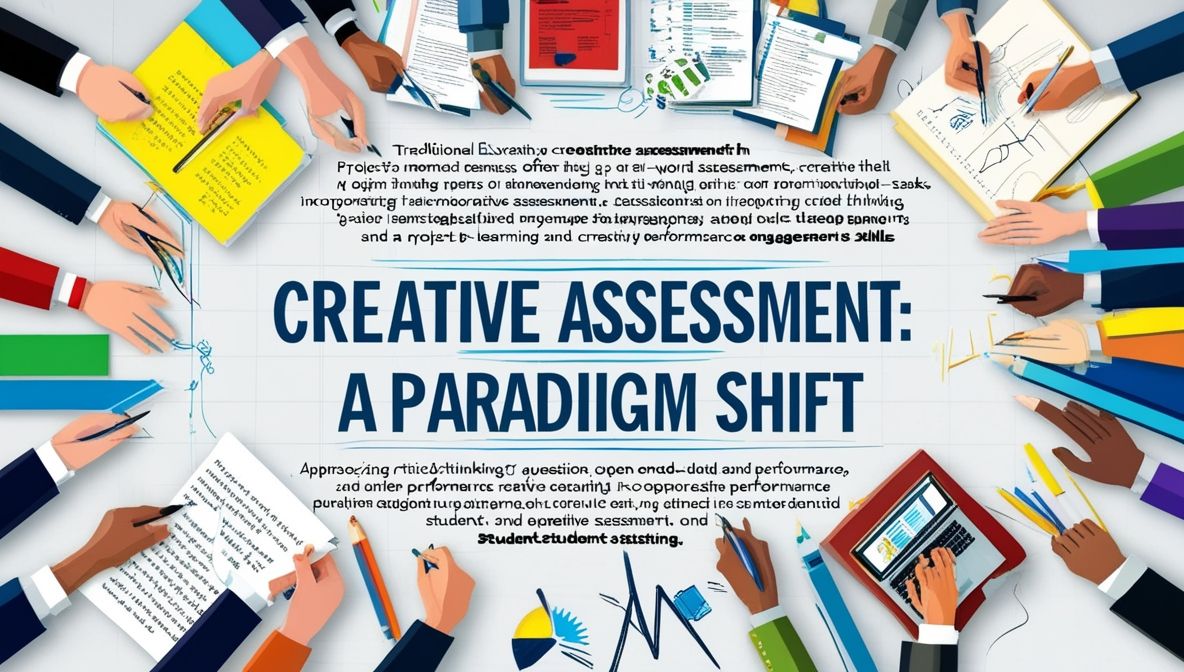
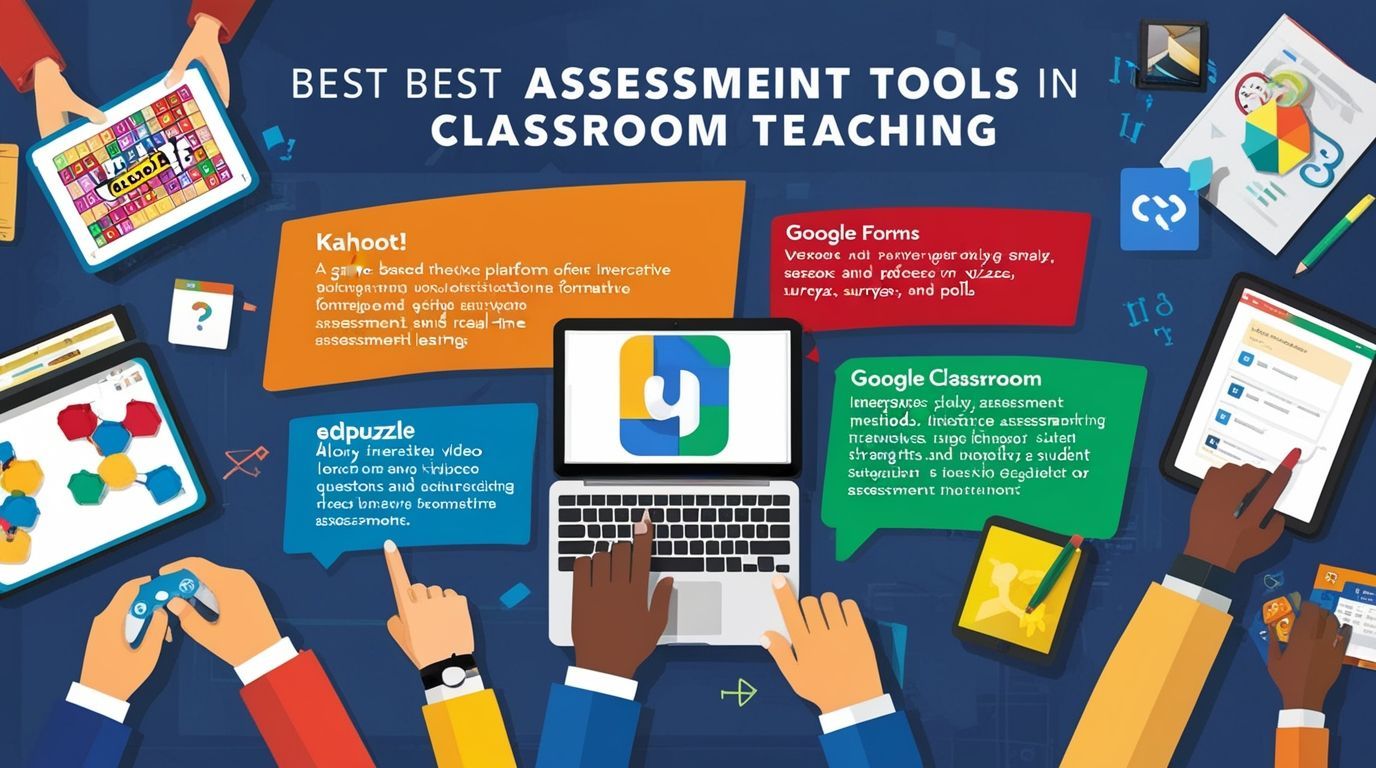
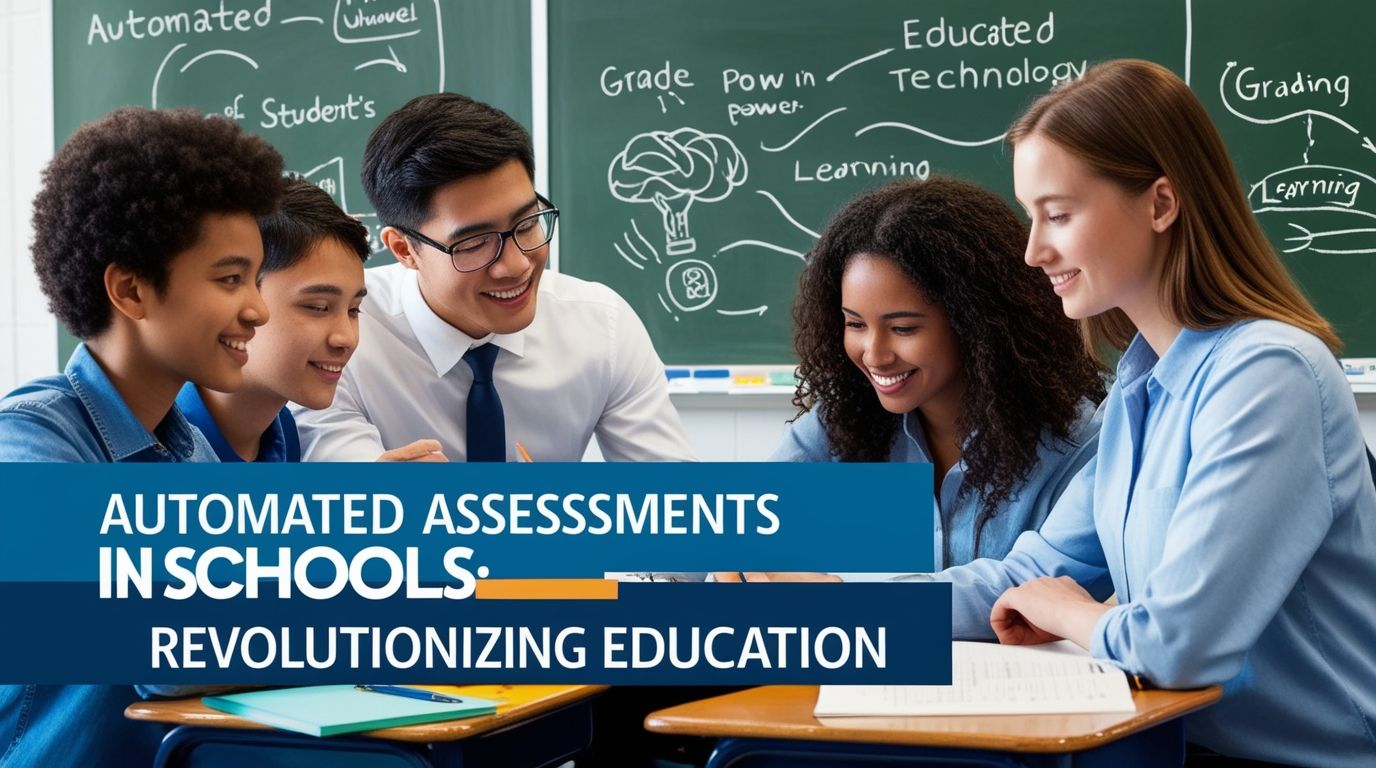
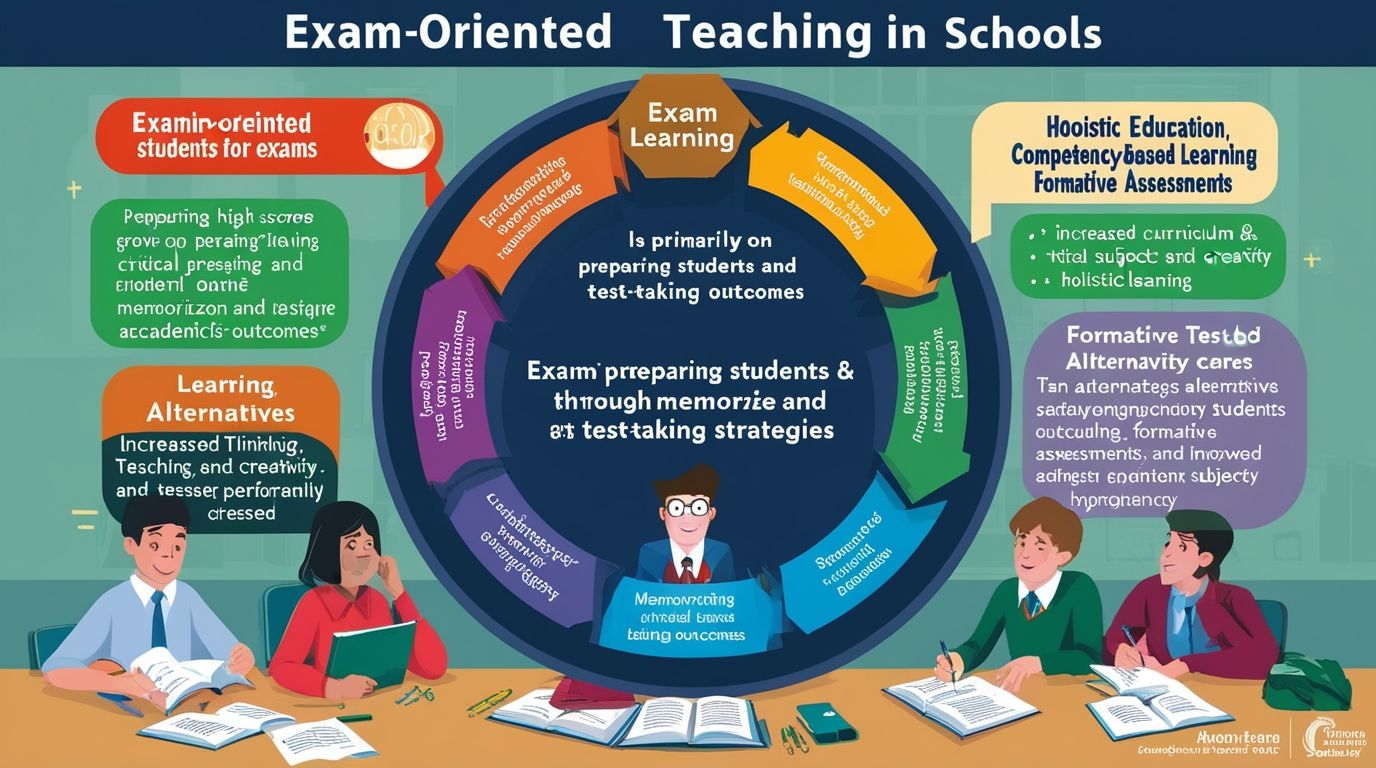
Assessment practices must evolve to align with both online and offline learning contexts. Traditional assessments, such as written exams and classroom tests, are complemented by digital assessments that provide instant feedback and analytics. Online tools enable formative assessments through quizzes, assignments, and interactive tasks, allowing teachers to monitor progress continuously. Offline assessments, on the other hand, provide opportunities for in-depth evaluation of critical thinking and practical skills. A balanced assessment strategy incorporates both approaches to ensure comprehensive evaluation. Schools must ensure academic integrity in online assessments while promoting authentic learning. Effective assessment practices support personalized learning and guide instructional improvements.
Role of Technology Infrastructure
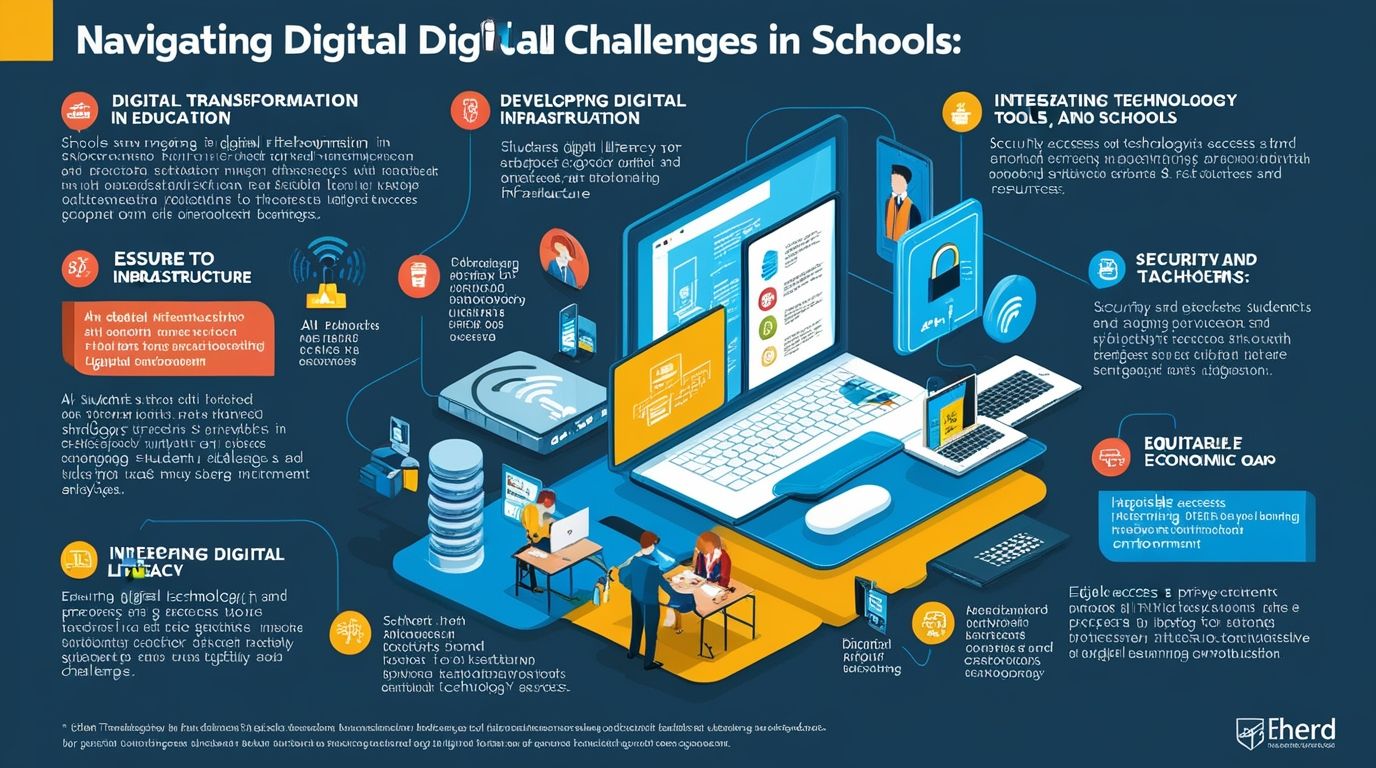
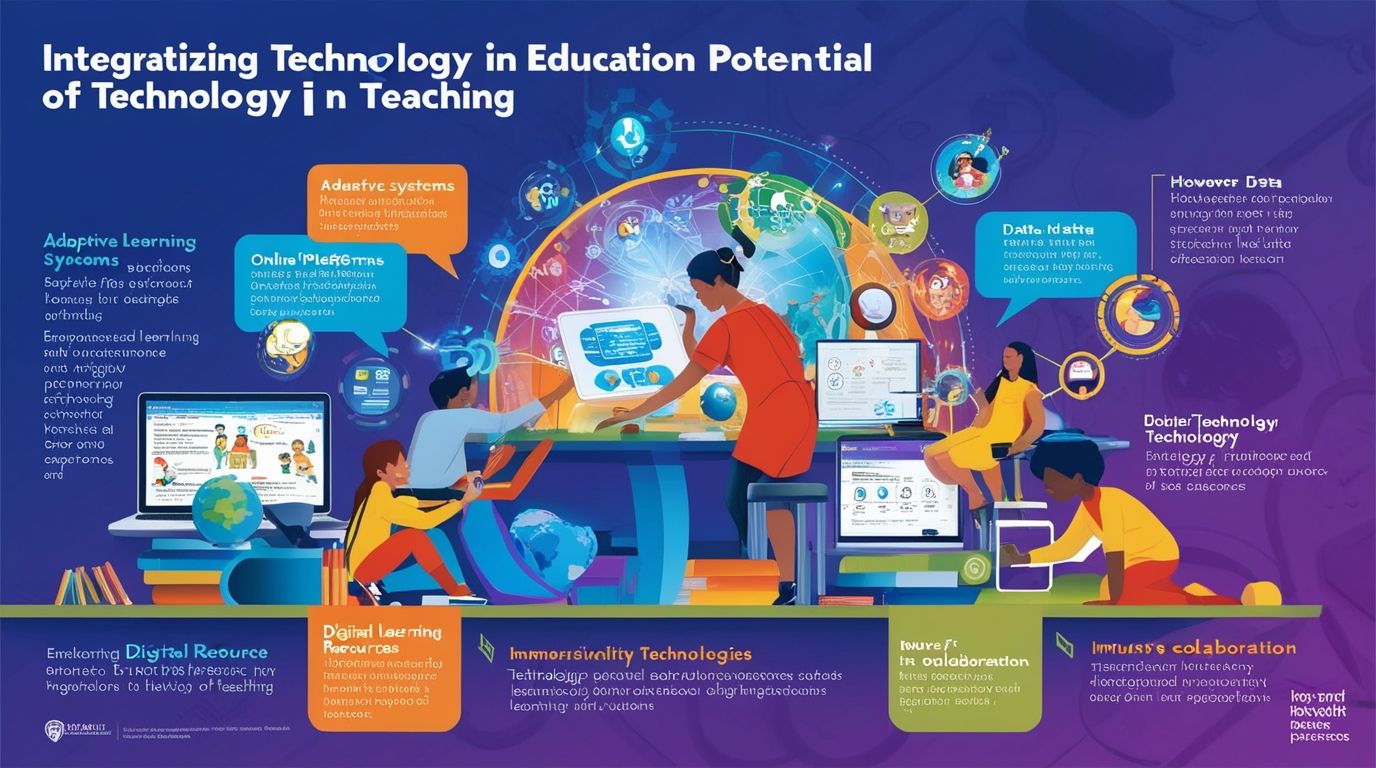
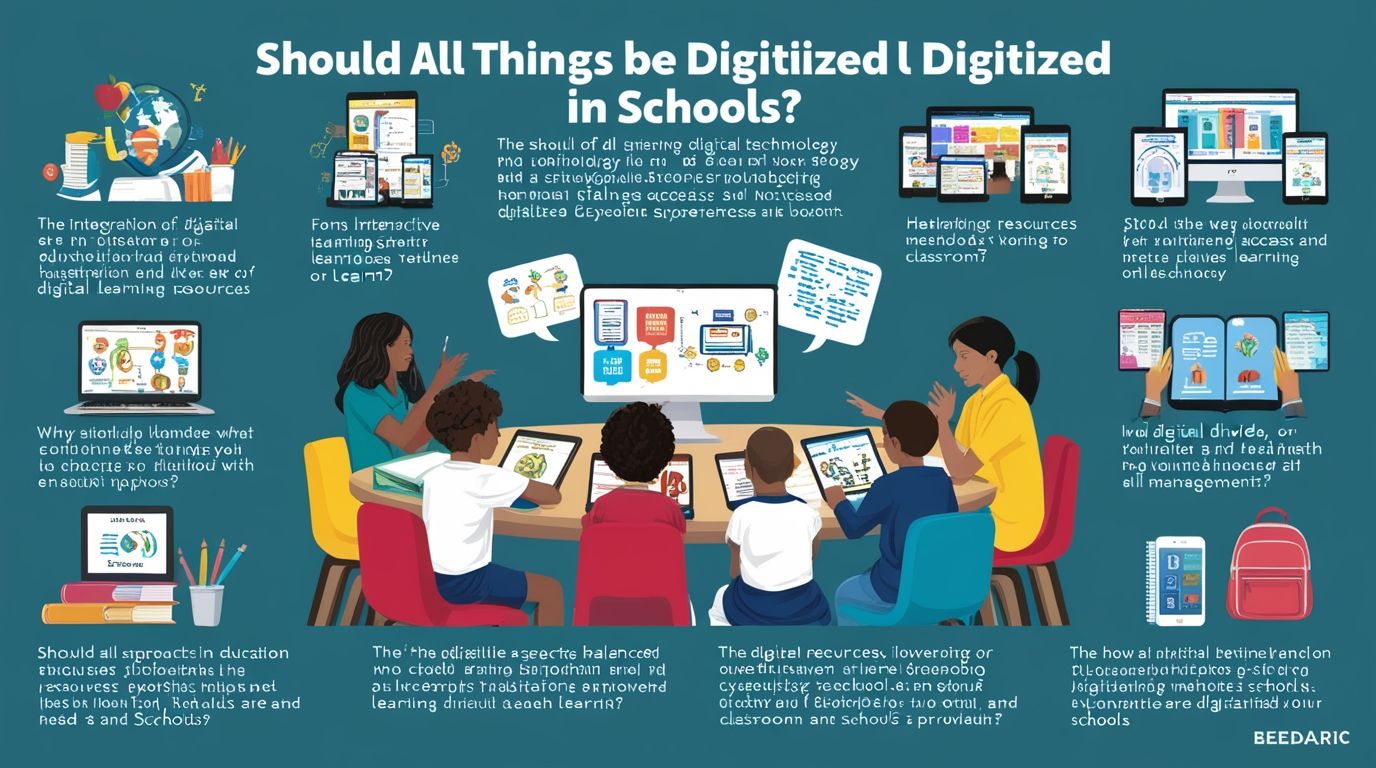
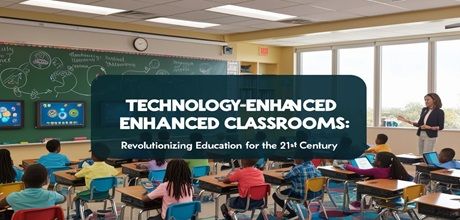
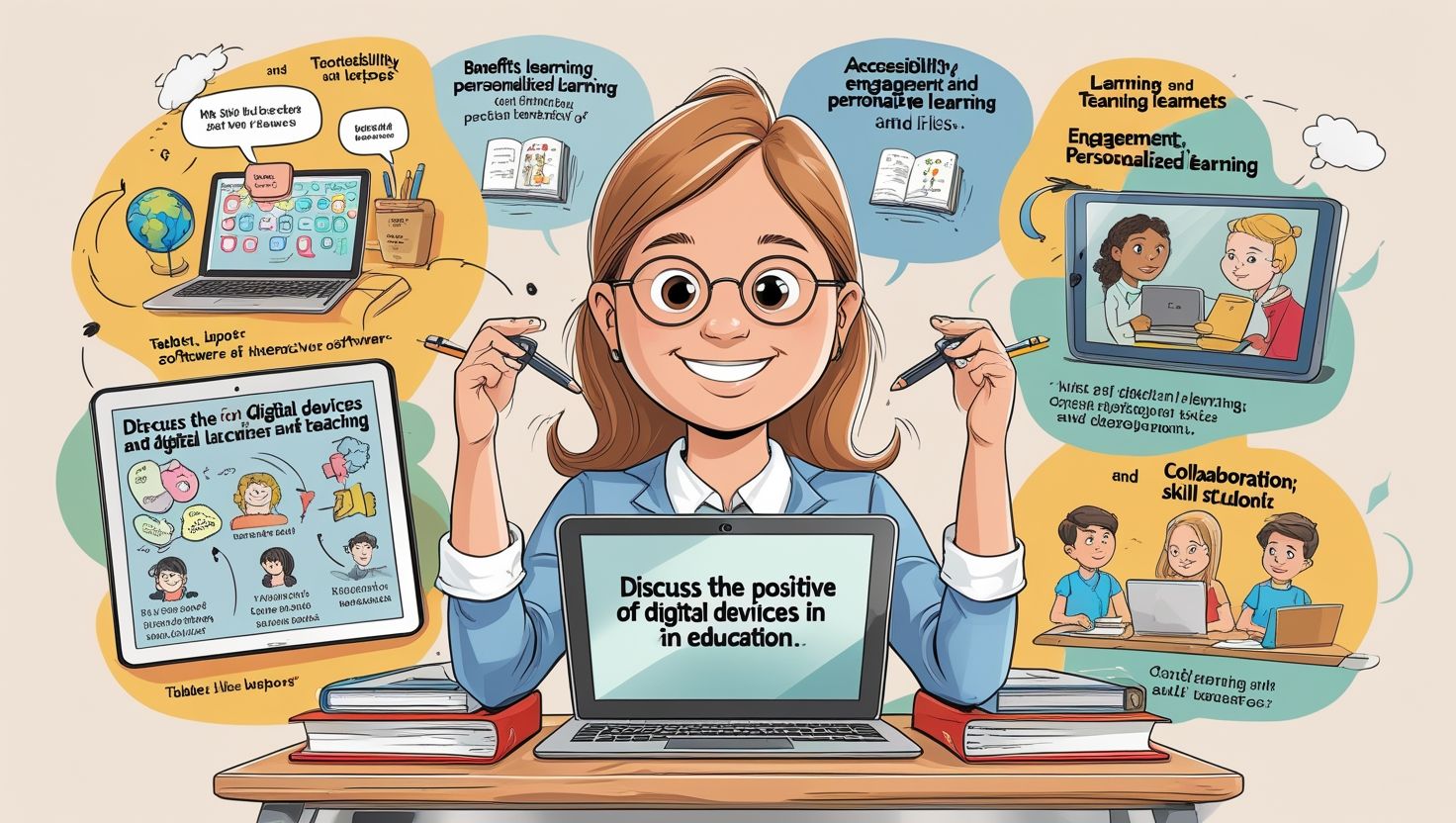
Robust technology infrastructure is essential for the successful implementation of online learning in schools. This includes reliable internet connectivity, digital devices, and secure platforms for content delivery and communication. Schools must invest in infrastructure that supports seamless integration of technology into teaching and learning processes. Technical support and maintenance are also critical to ensure uninterrupted access. Additionally, cybersecurity measures must be in place to protect student data and privacy. Infrastructure development should be accompanied by training for both teachers and students to maximize the potential of digital tools. A well-established technological foundation enhances the effectiveness of blended learning environments.
Parental Involvement and Support
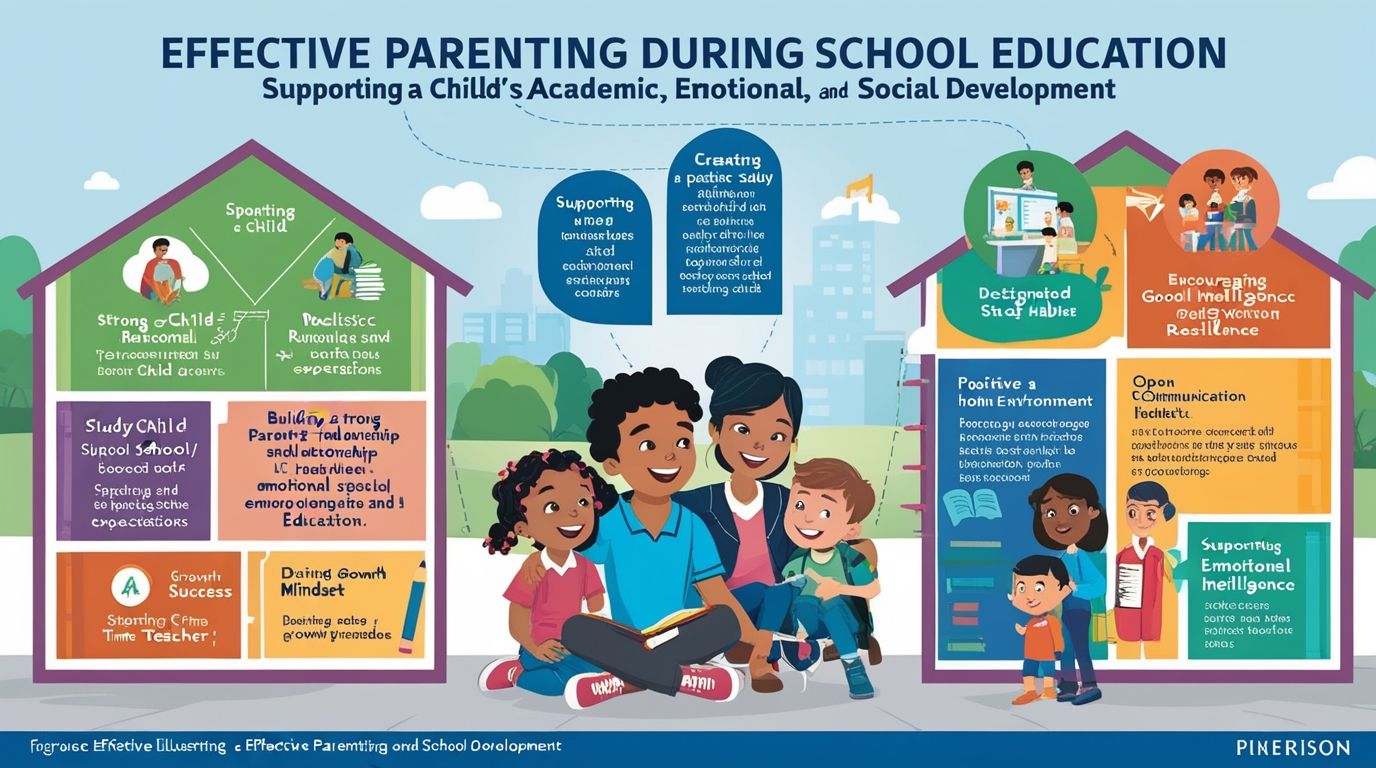
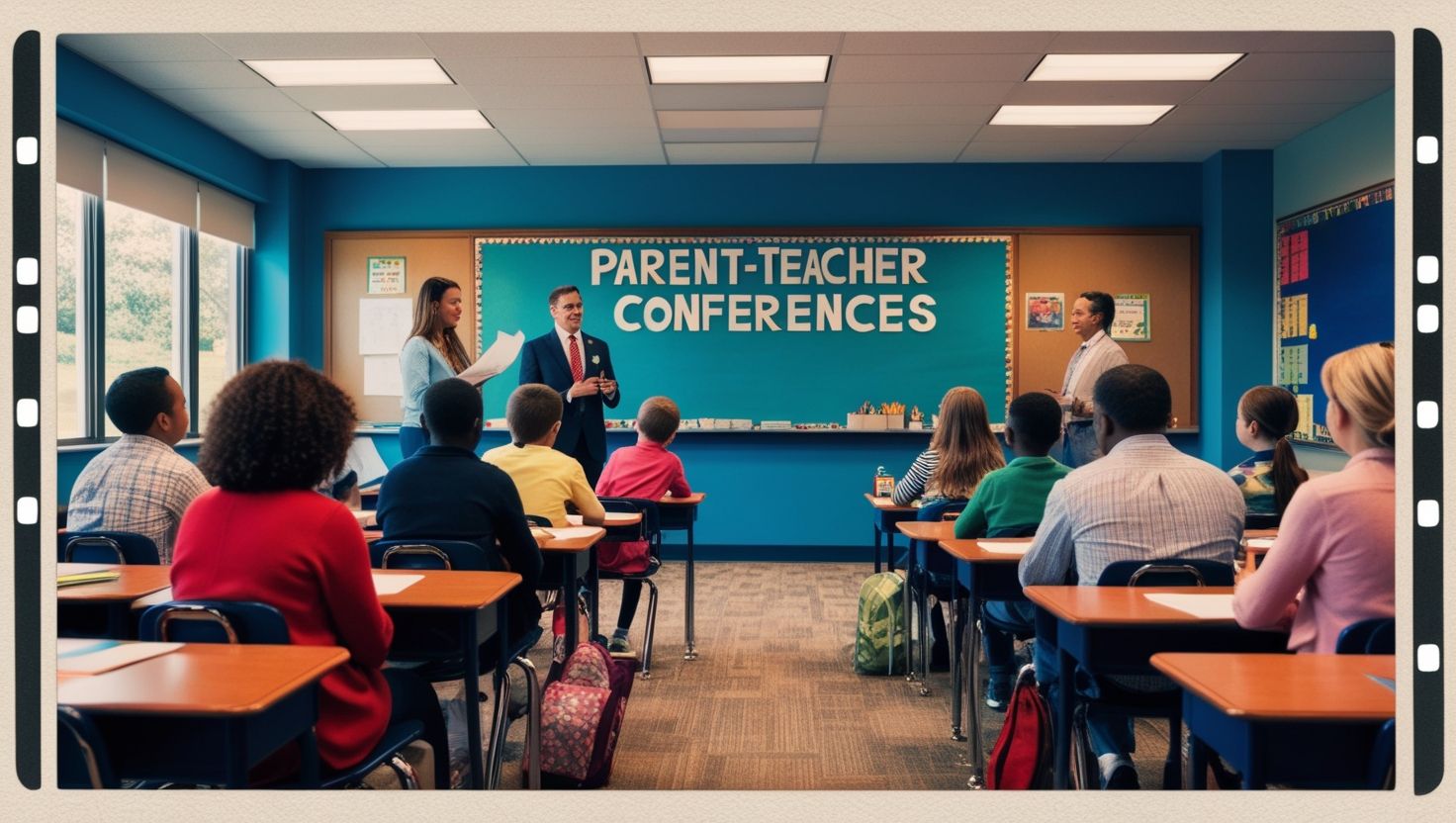
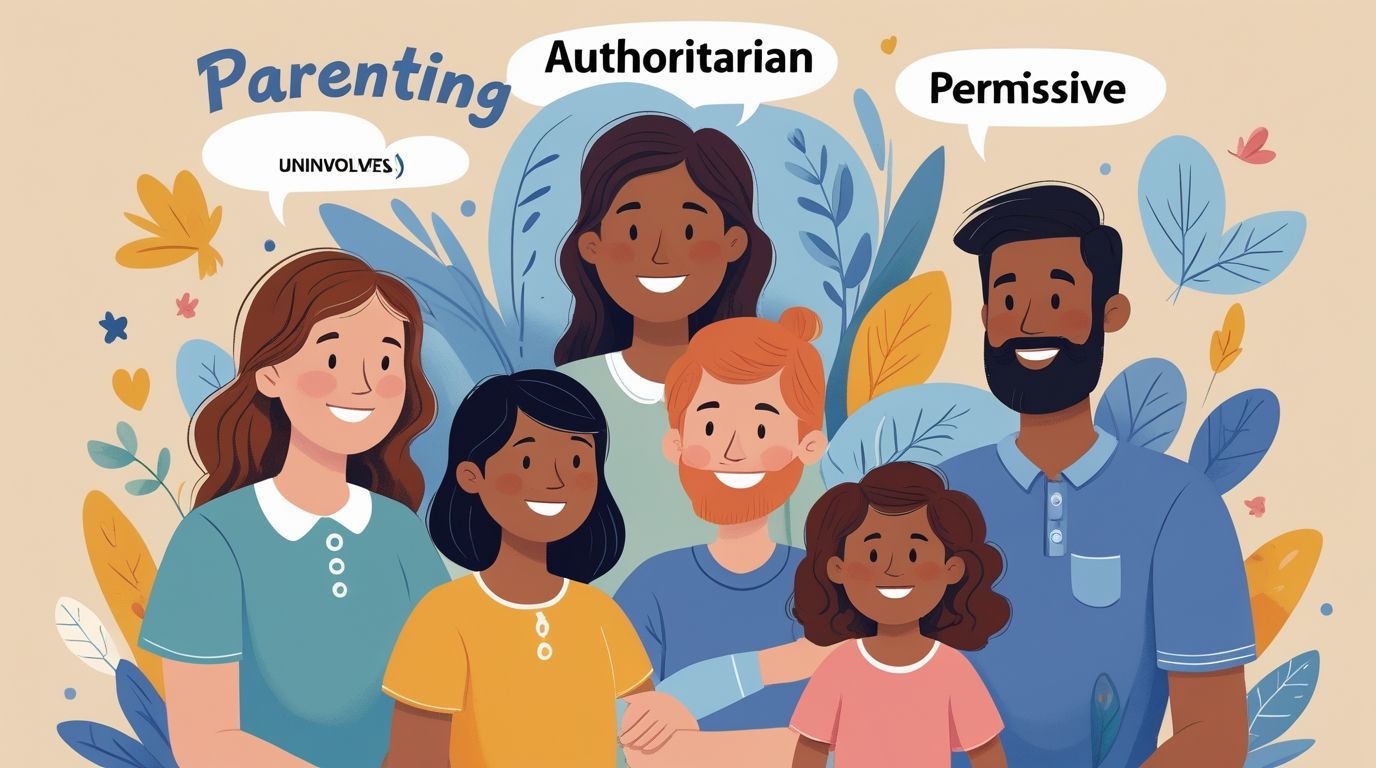
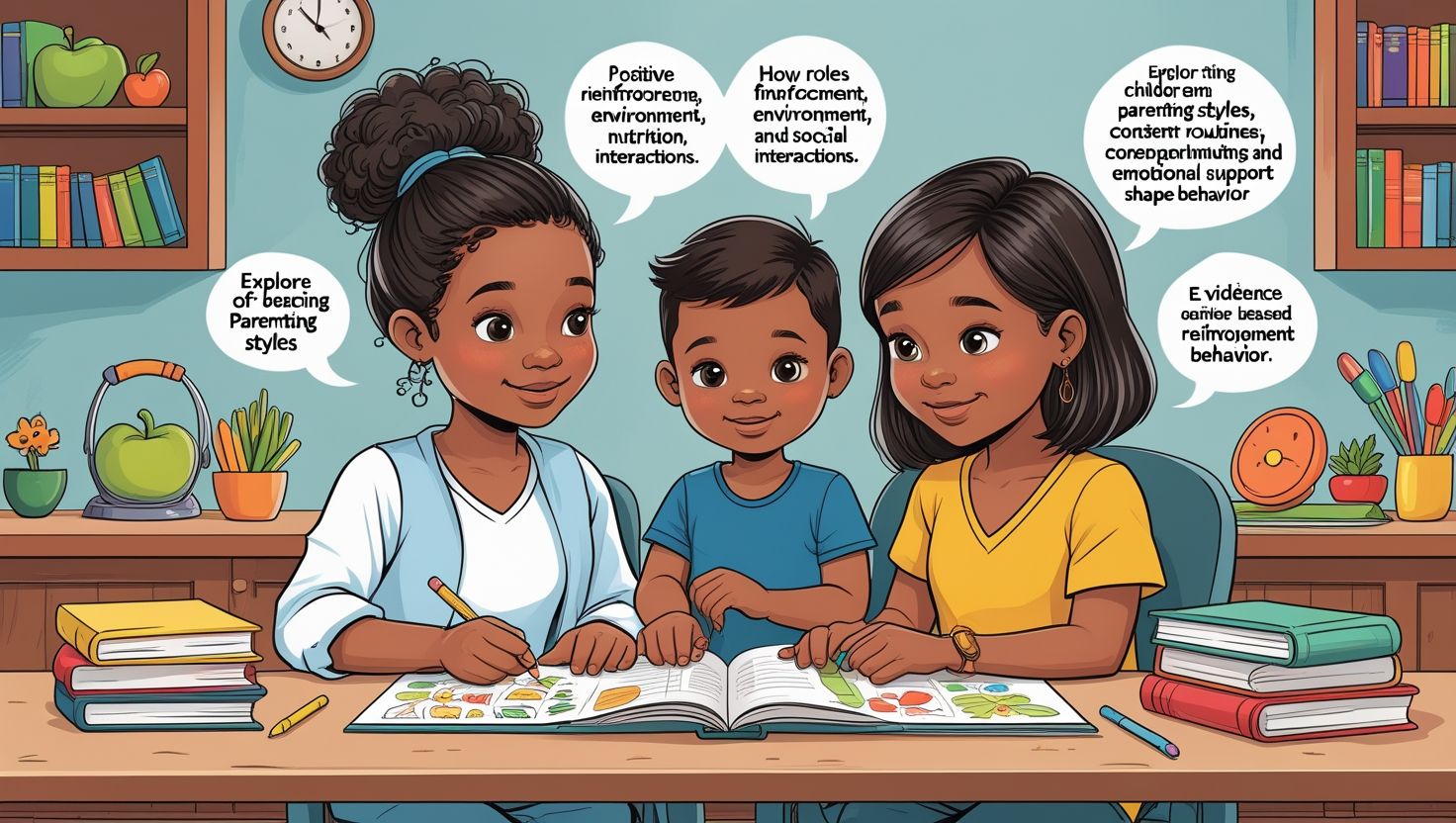
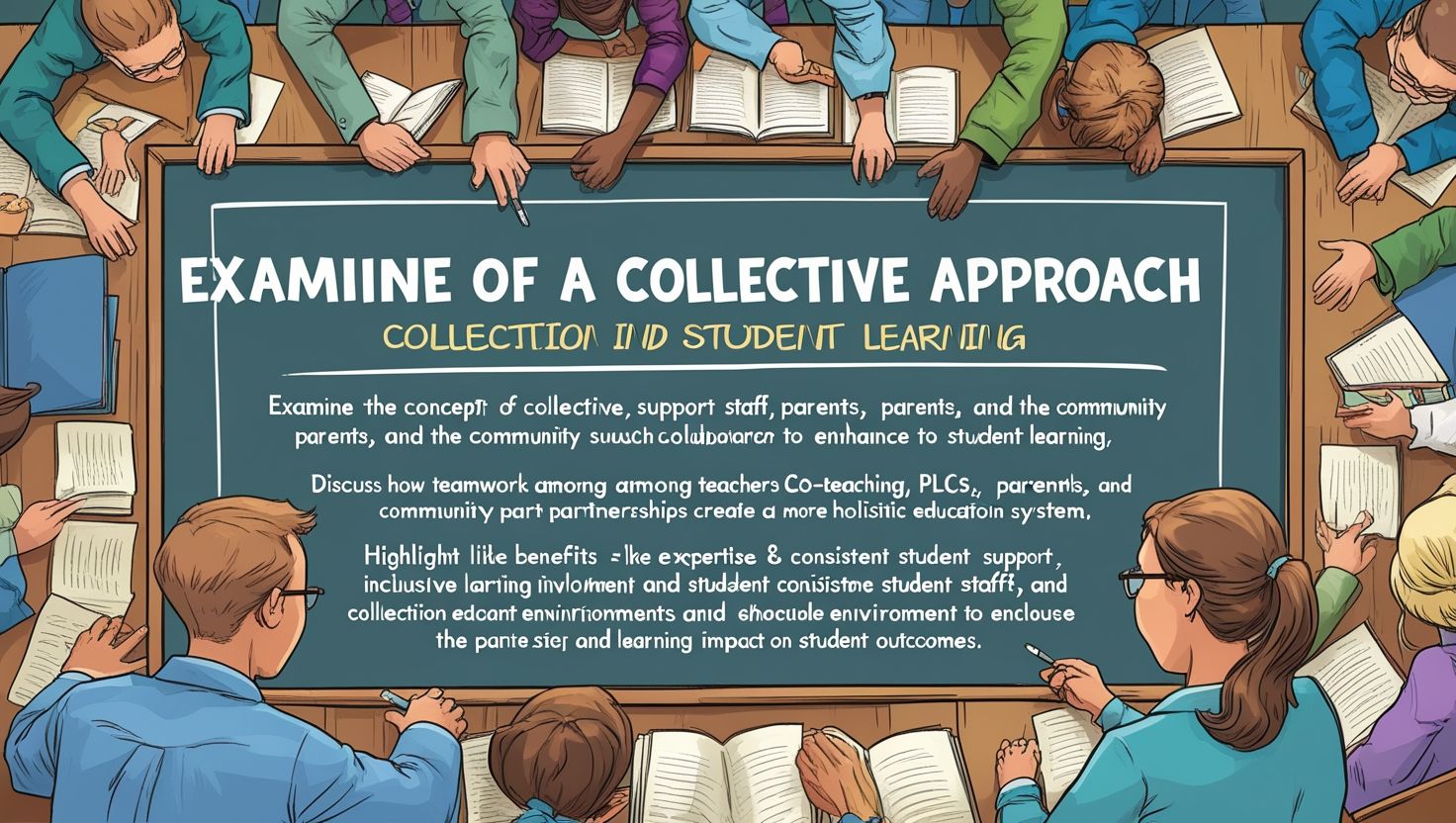
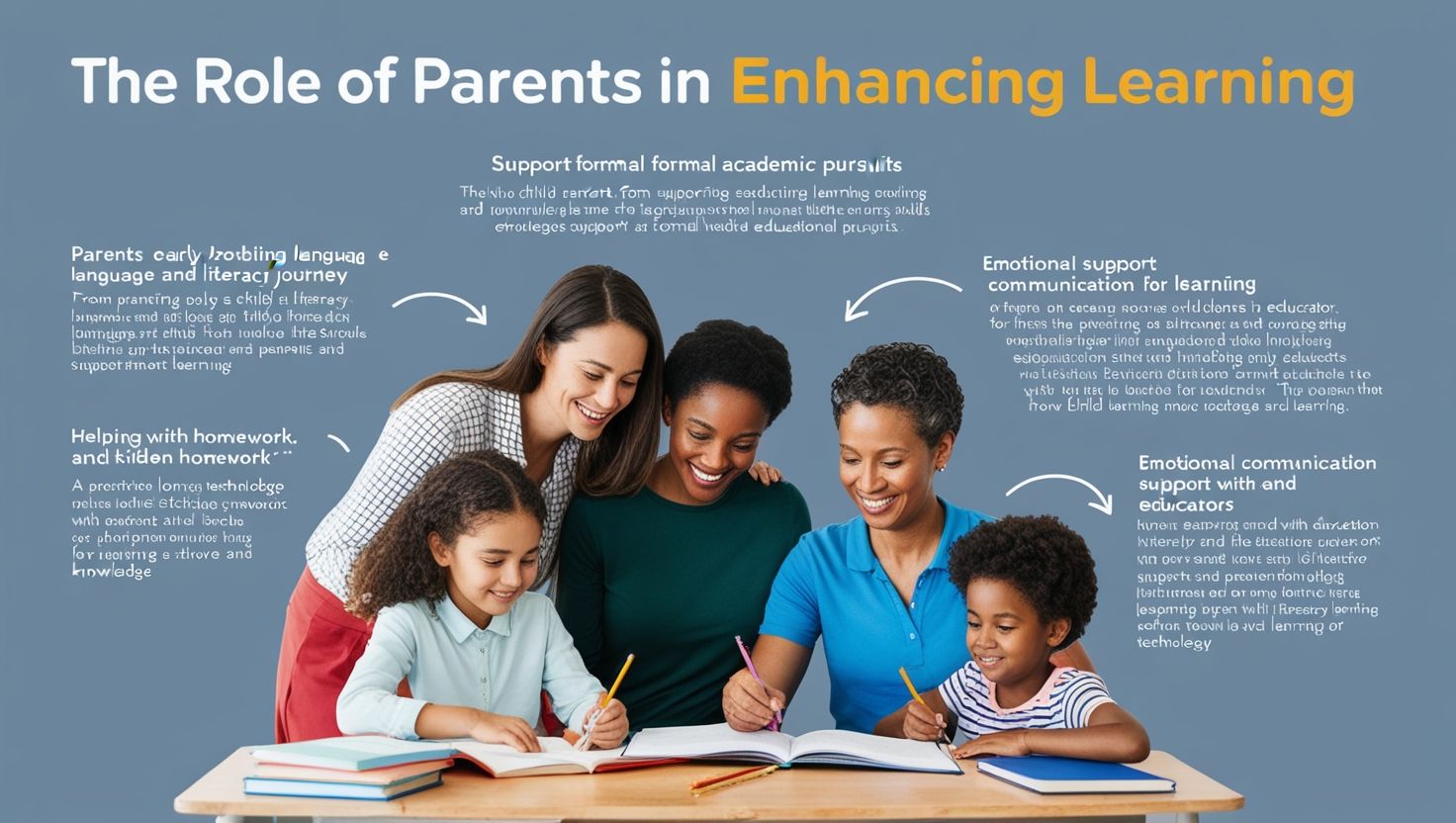
Parental involvement plays a crucial role in supporting both online and offline learning. In offline settings, parents contribute by reinforcing discipline, monitoring progress, and engaging with school activities. In online learning, their role becomes even more significant as they help manage learning environments at home. Parents must be aware of digital platforms, schedules, and expectations to support their children effectively. Schools should establish strong communication channels with parents, providing guidance and resources. Collaborative partnerships between schools and families enhance student success. Encouraging parental engagement ensures that students receive consistent support across both learning environments.
Development of 21st Century Skills
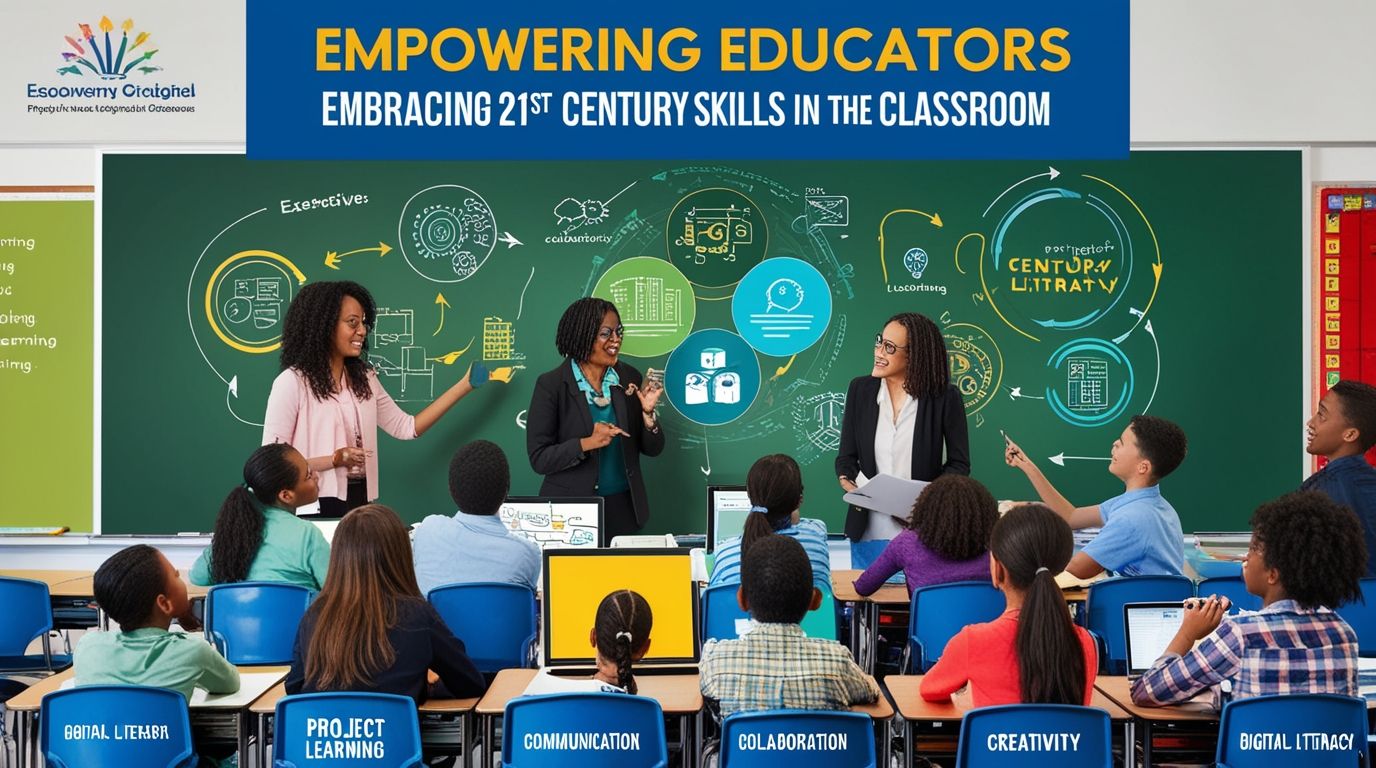
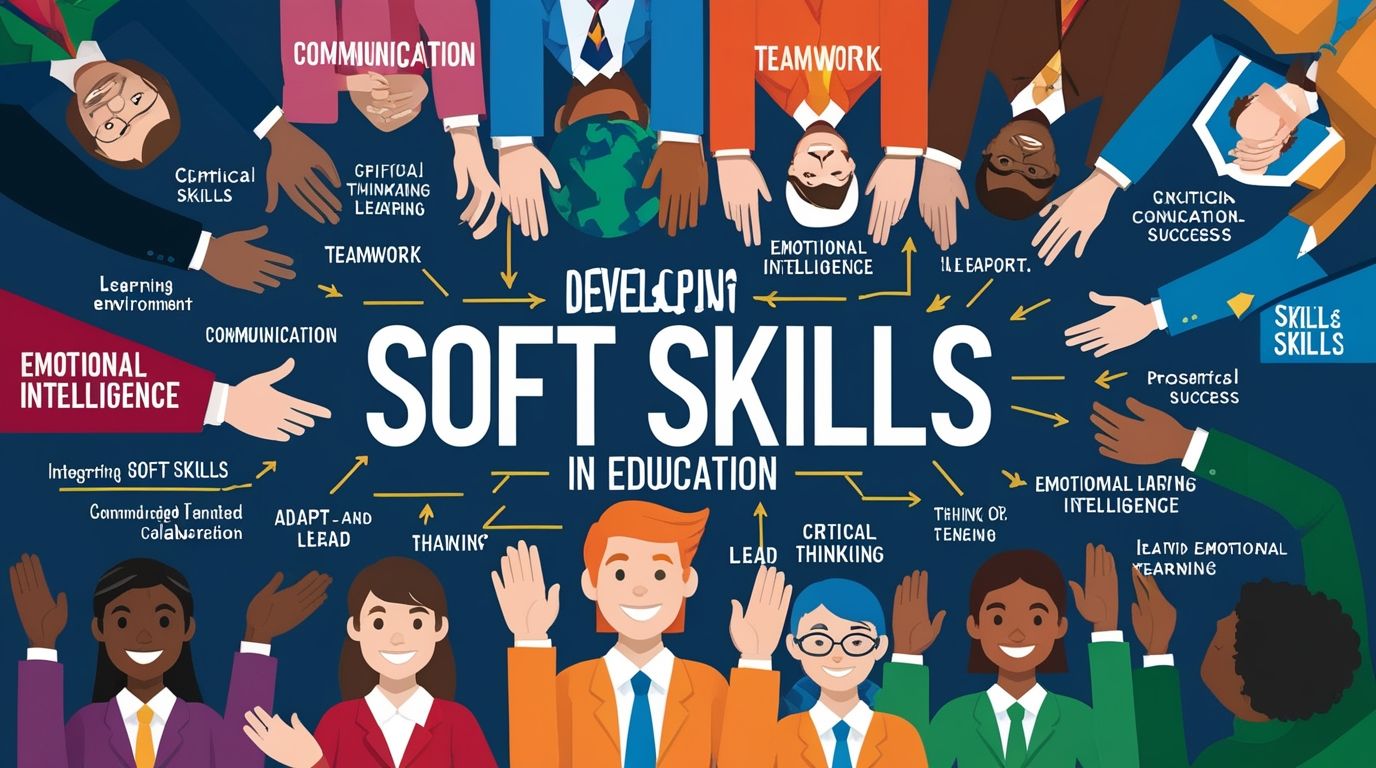
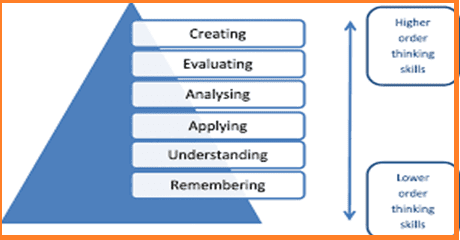
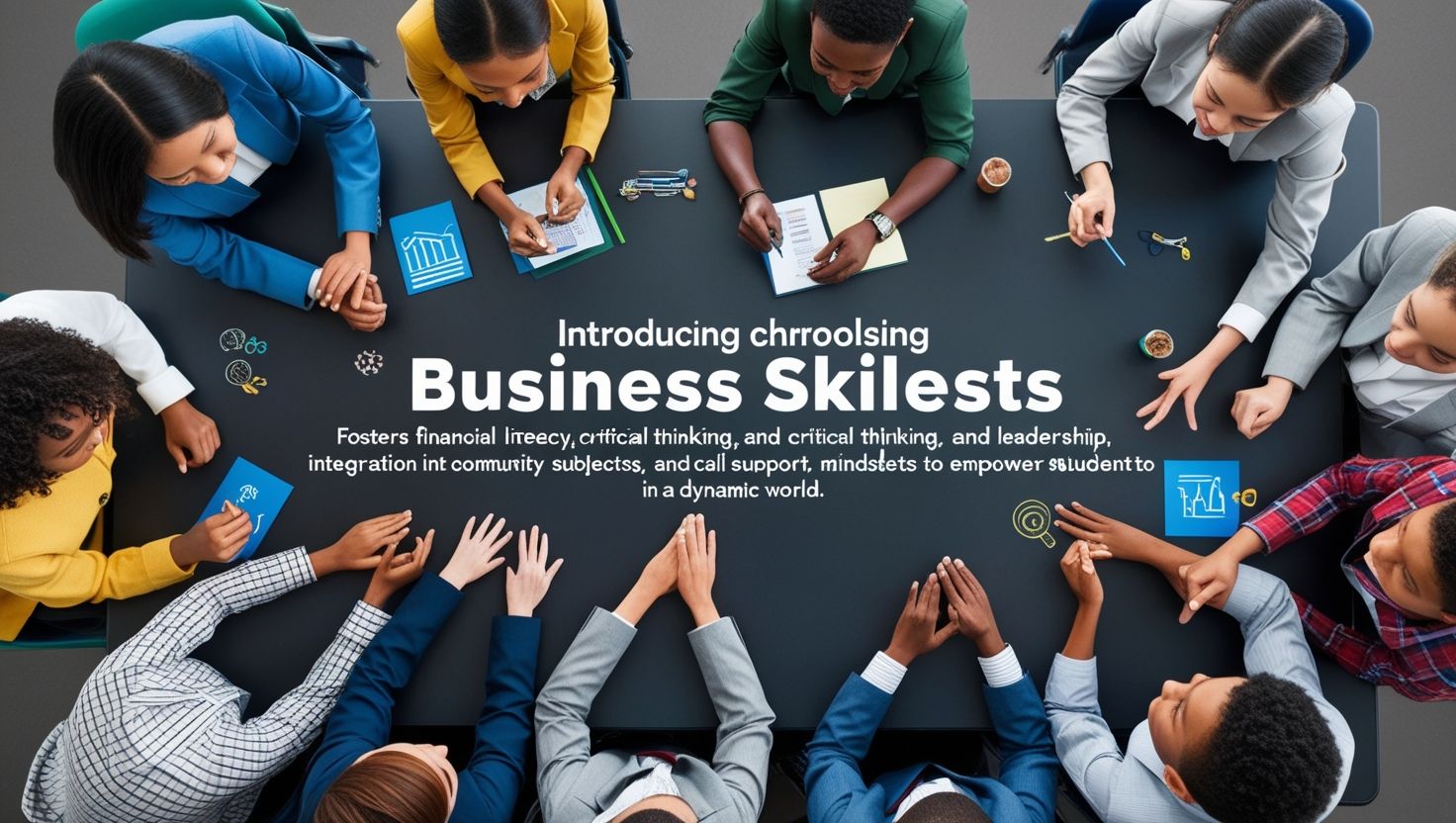
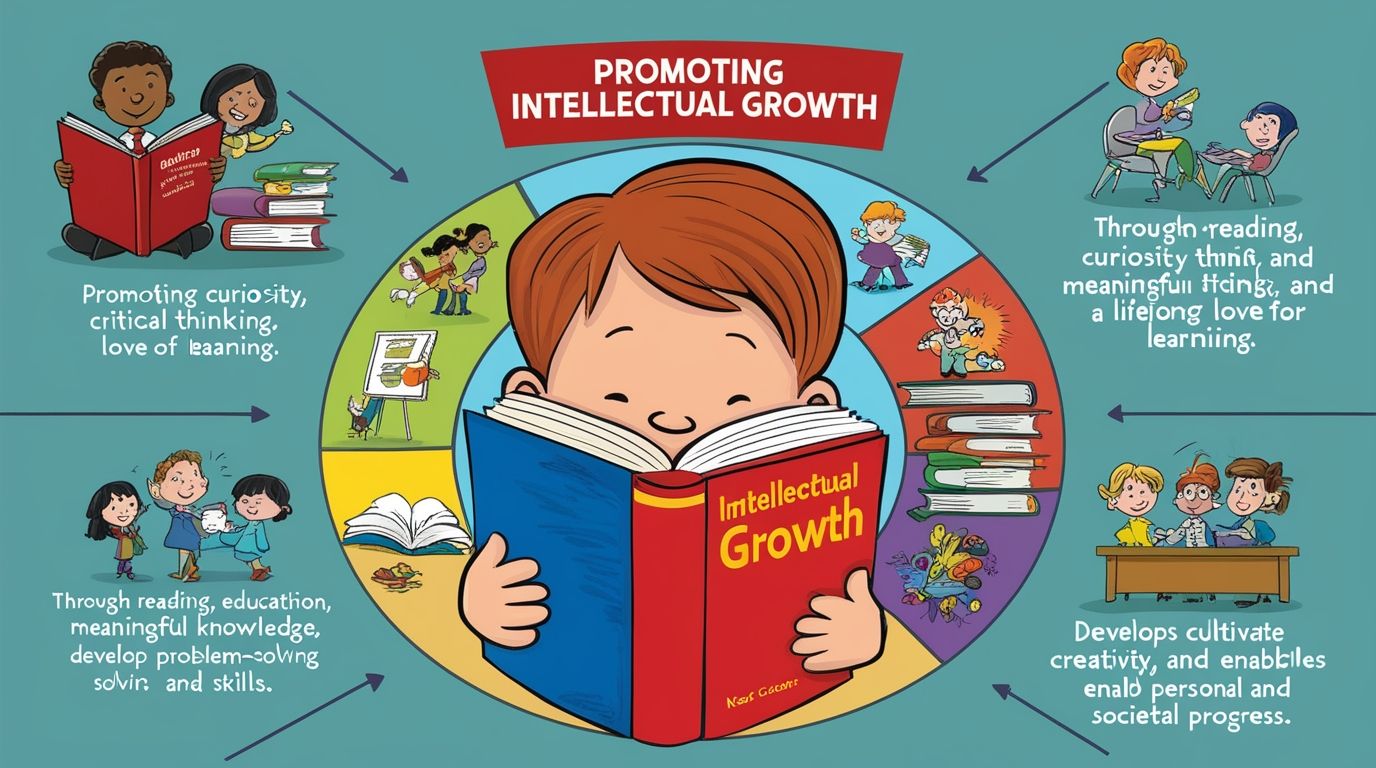
The integration of online and offline learning horizons contributes significantly to the development of 21st century skills. These include critical thinking, creativity, collaboration, communication, and digital literacy. Offline learning supports interpersonal skills and teamwork, while online platforms enhance technological proficiency and independent learning. Students learn to navigate digital resources, evaluate information, and communicate effectively in virtual environments. Schools must design curricula that intentionally develop these competencies. Preparing students with these skills is essential for success in higher education and the workforce. A holistic approach ensures that learners are equipped to adapt to evolving societal and technological demands.
Leadership and School Management
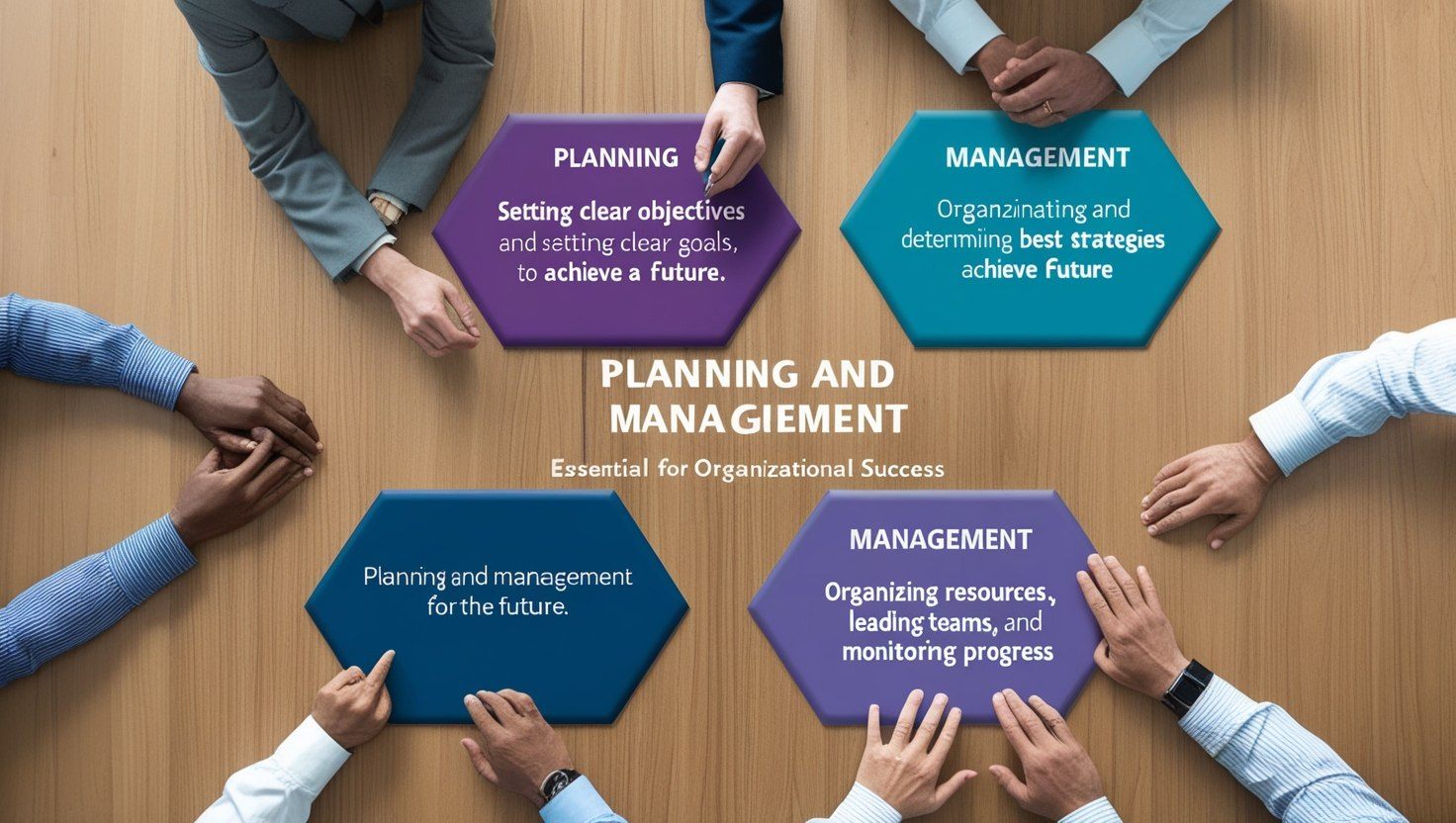
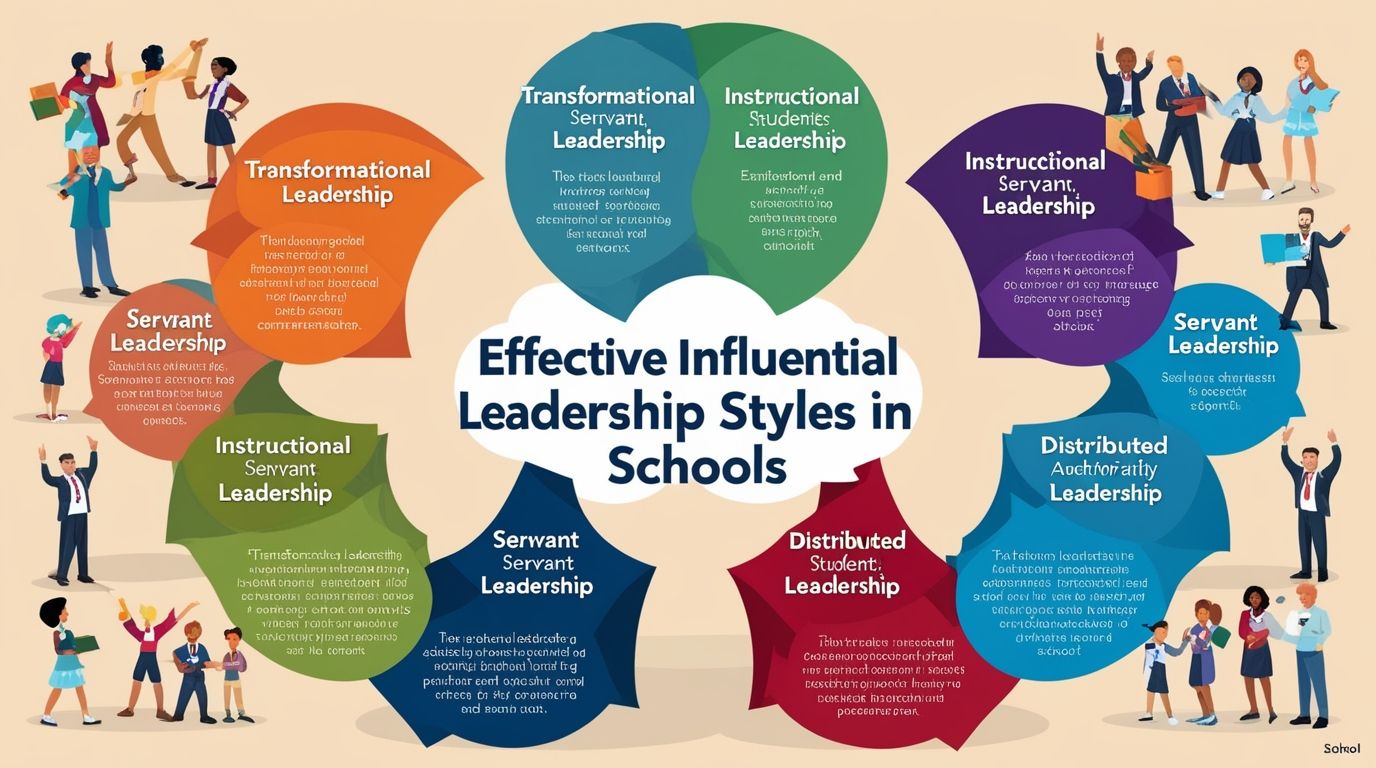
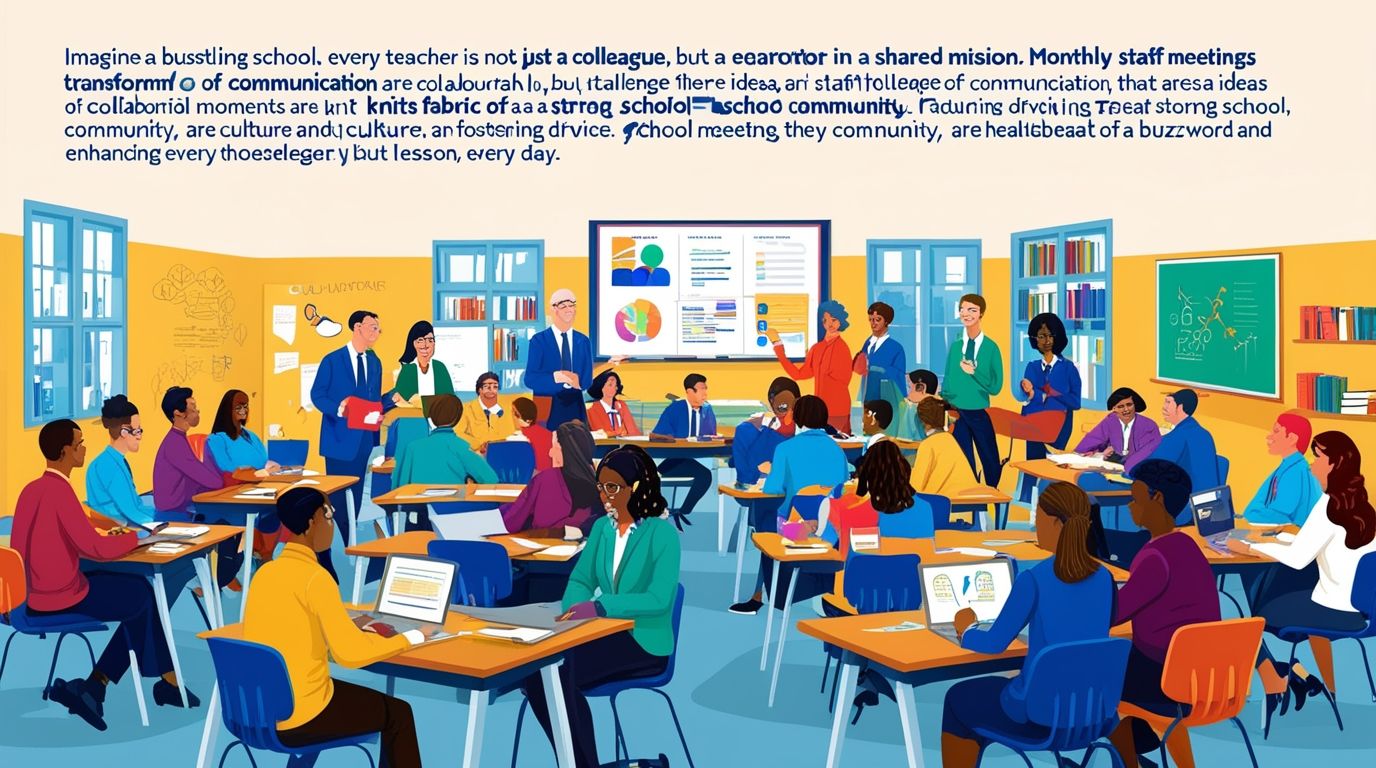
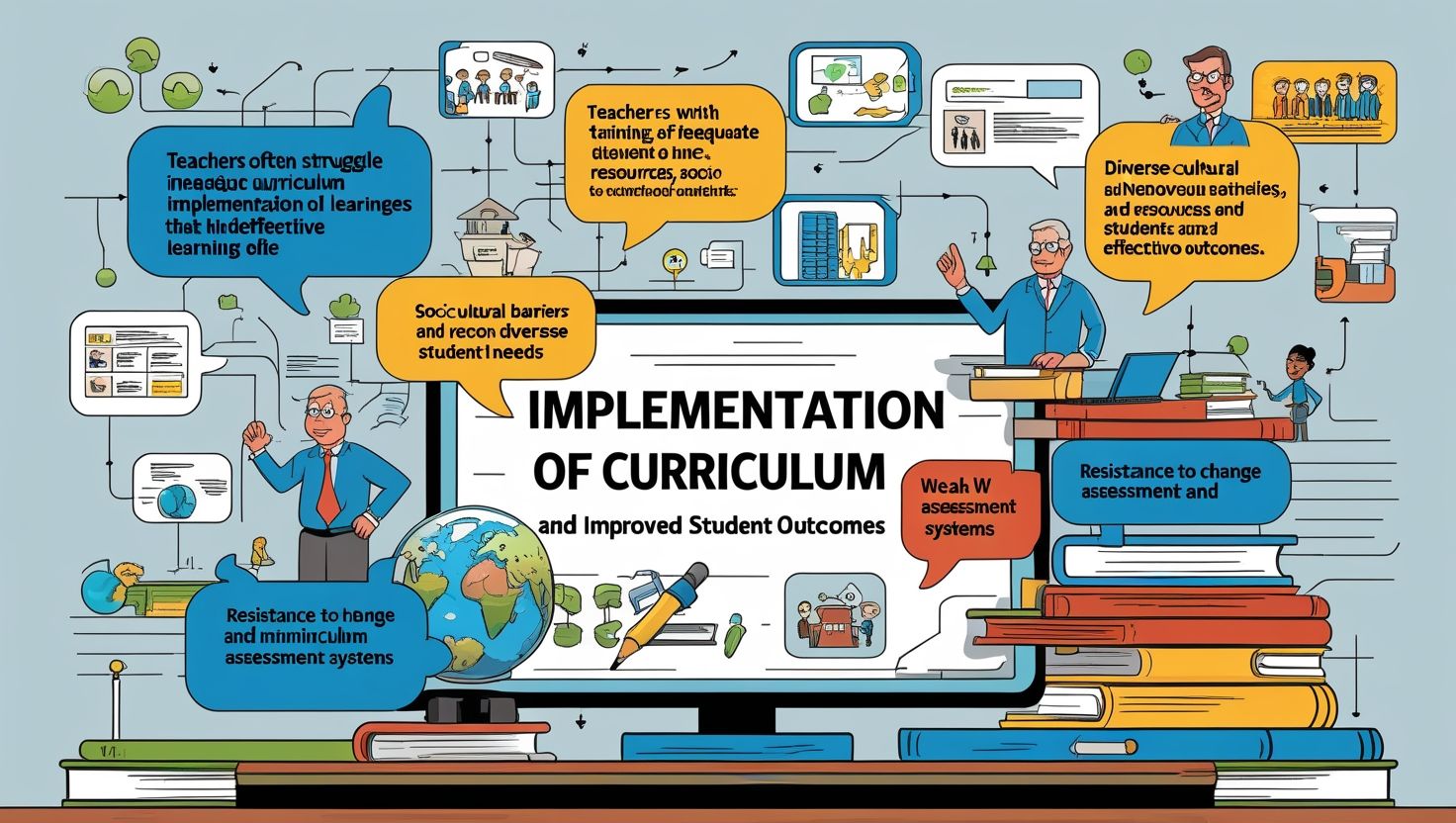
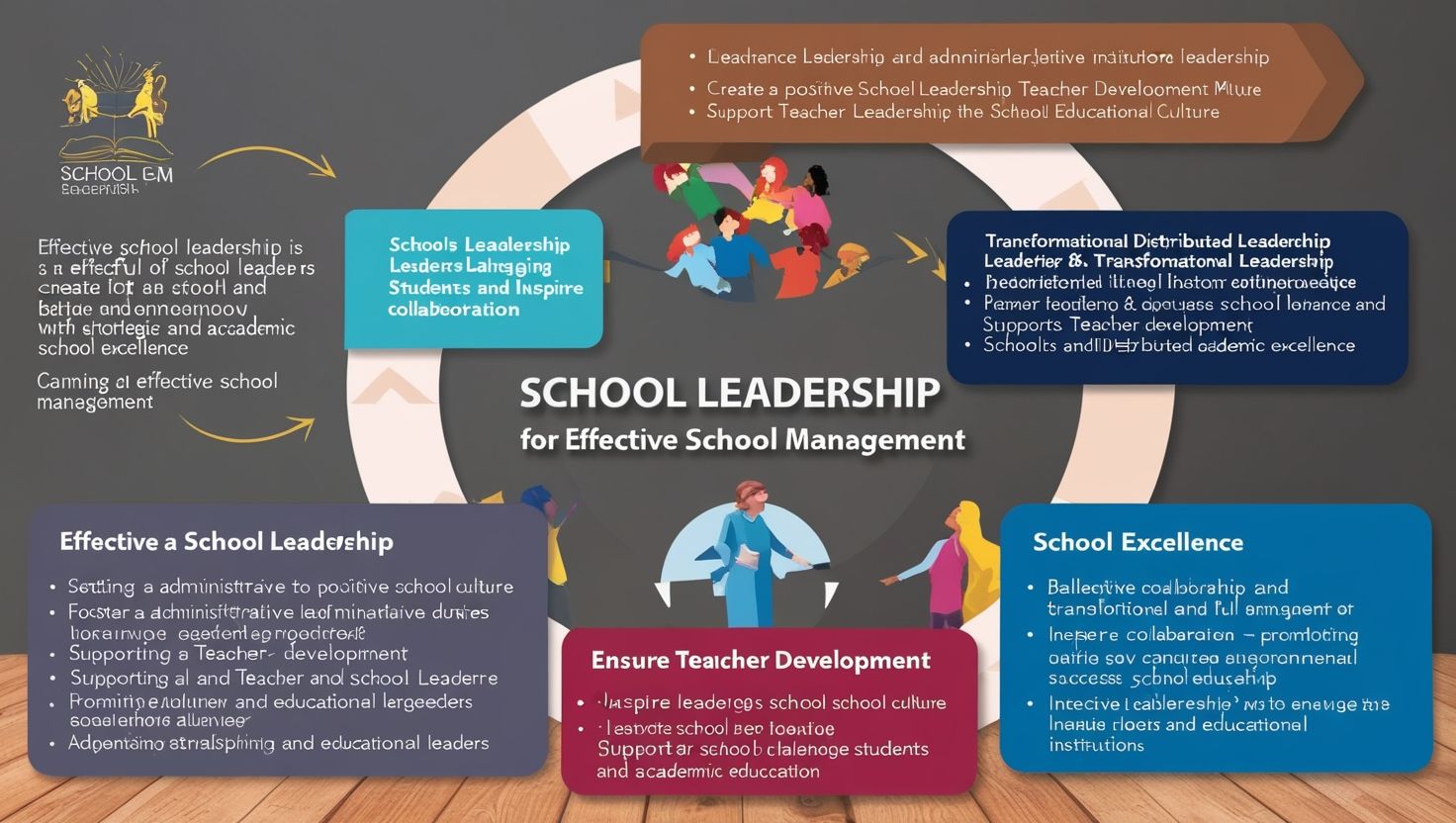
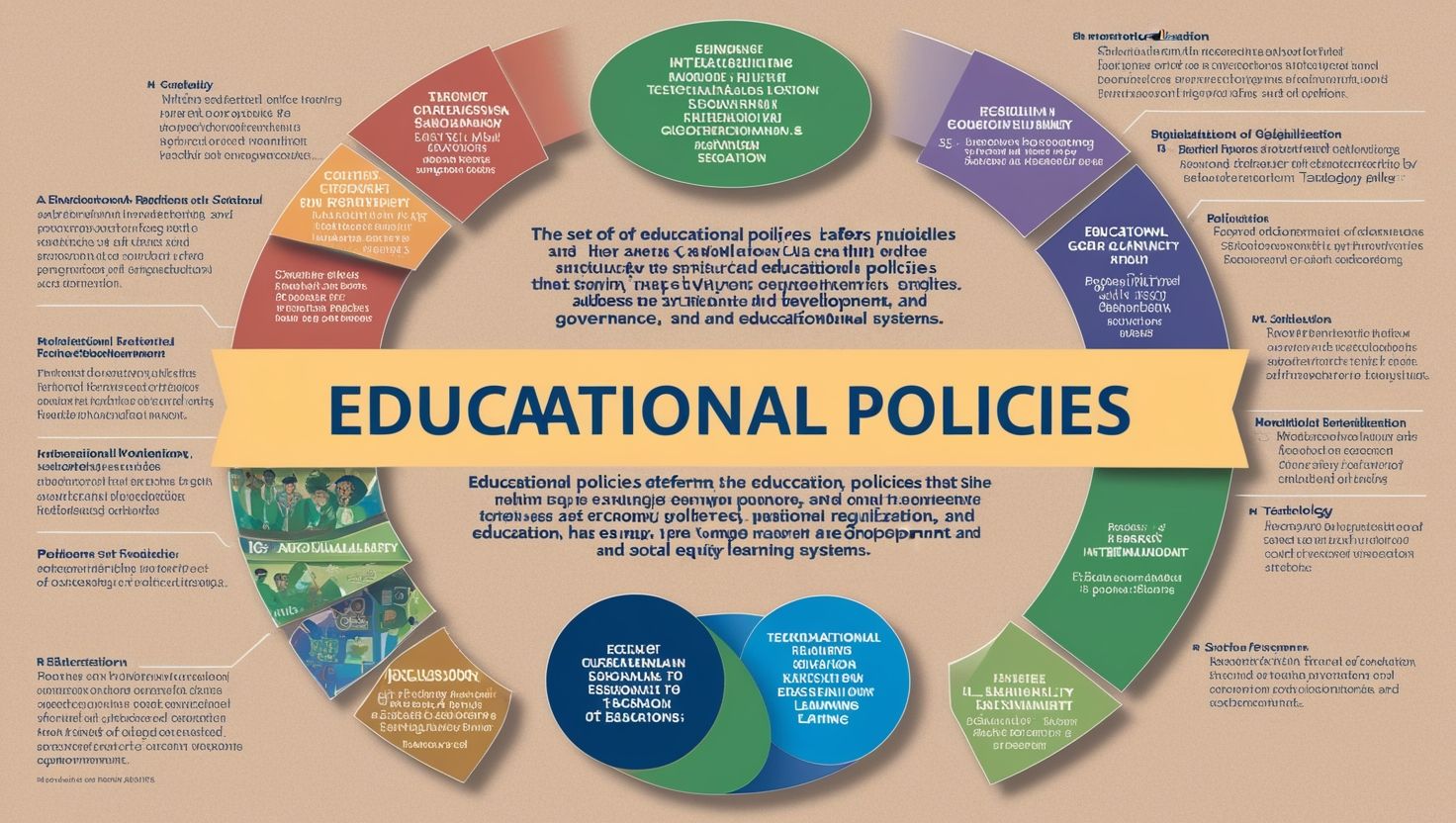
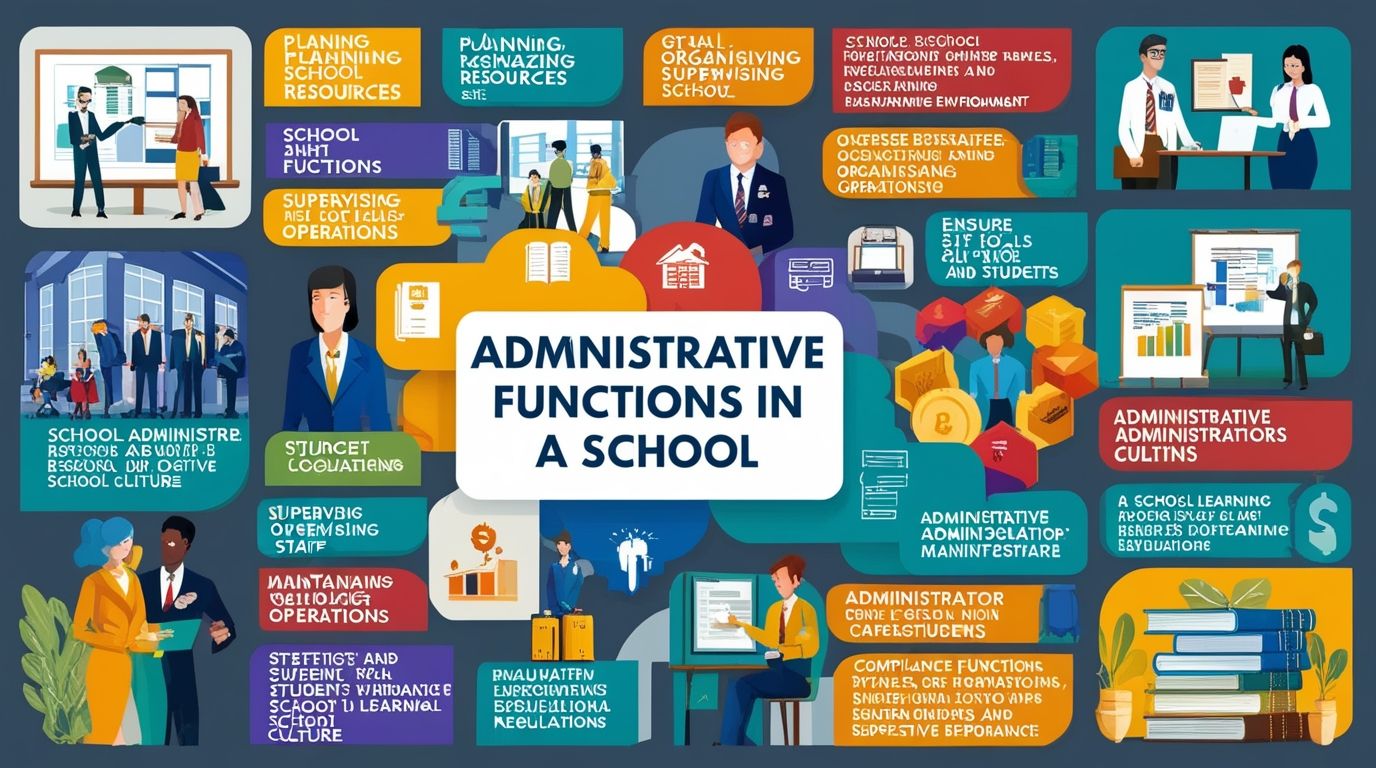
Effective leadership is vital in managing the transition toward integrated learning horizons. School leaders must develop clear visions, policies, and strategies that support both online and offline education. They are responsible for resource allocation, teacher training, and monitoring implementation. Leadership should foster a culture of innovation, collaboration, and continuous improvement. Decision-making should be informed by data and feedback from stakeholders. School management must also address challenges such as resistance to change and technological limitations. Strong leadership ensures that the integration of learning modalities is sustainable and aligned with educational goals. It creates an environment where both teachers and students can thrive.
Future Directions of Learning Horizons
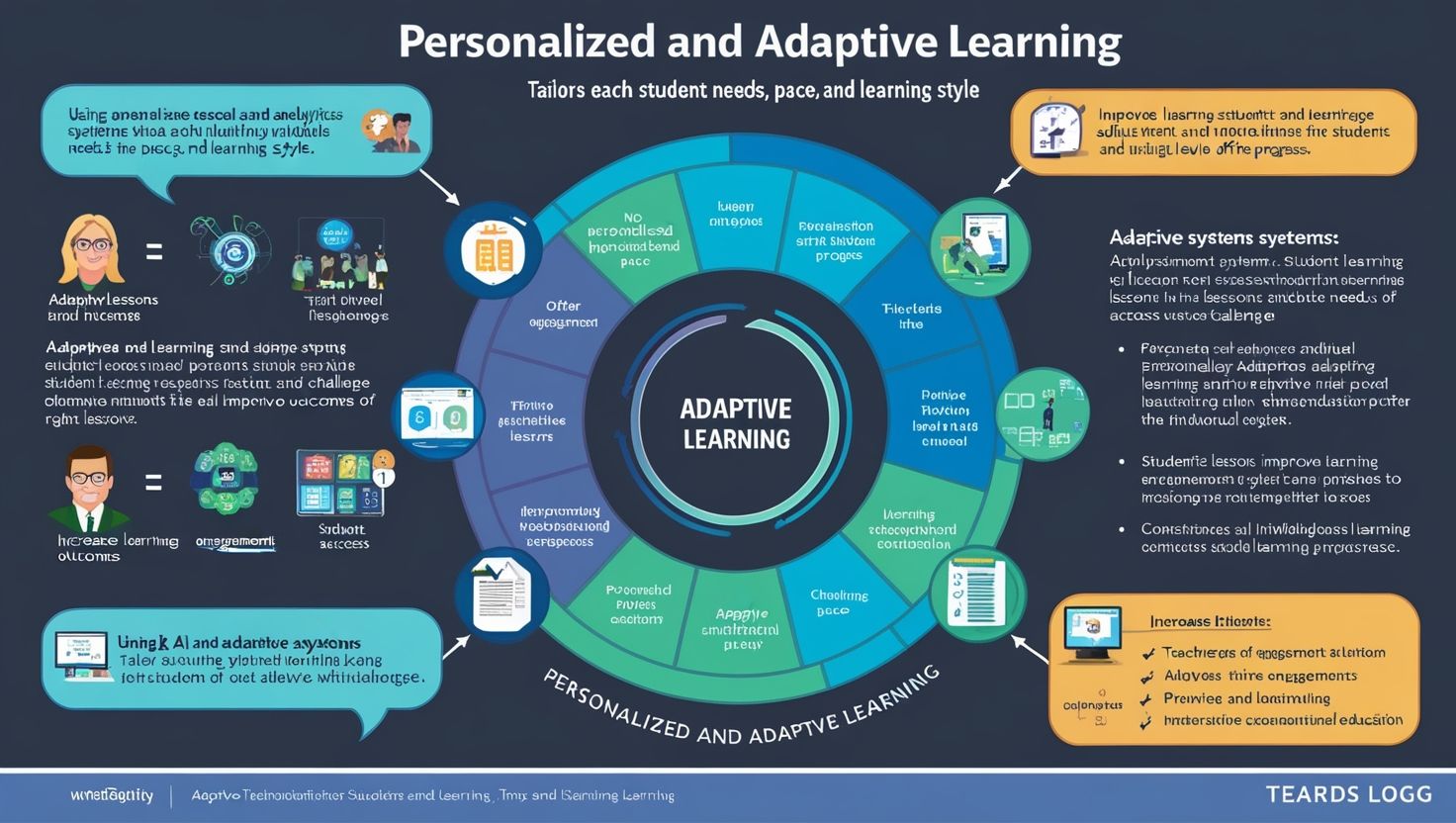
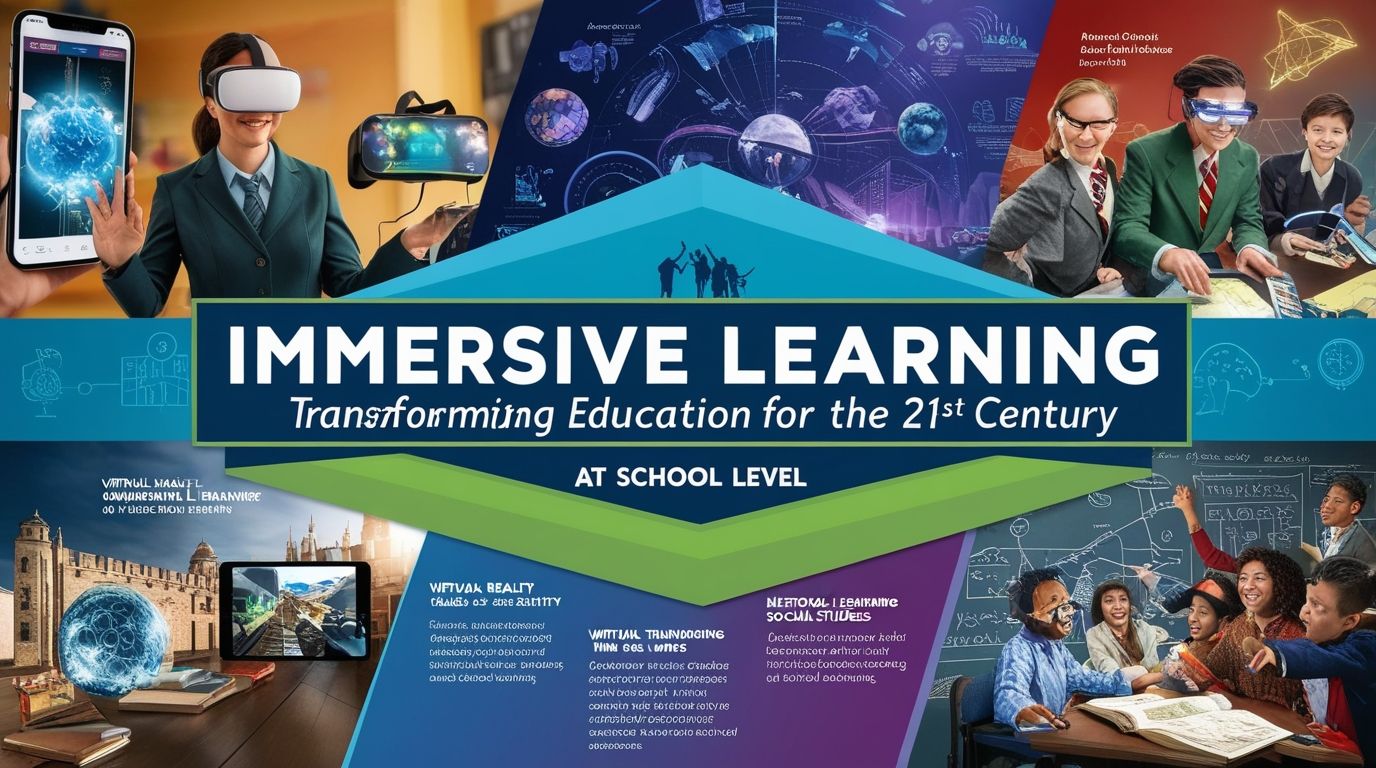
The future of education lies in the seamless integration of online and offline learning environments. Emerging technologies such as artificial intelligence, virtual reality, and adaptive learning systems will further expand learning horizons. Schools must remain adaptable and open to innovation while maintaining core educational values. Continuous research and evaluation are necessary to identify effective practices and address challenges. The focus should remain on student-centered learning, ensuring that all innovations enhance educational quality. As learning environments evolve, schools will play a crucial role in shaping responsible, informed, and capable individuals. The balance between digital advancement and human interaction will define the future of education.
Conclusion
Online and offline learning horizons in schools represent a comprehensive approach to modern education. Each modality offers unique advantages that, when integrated effectively, create a rich and dynamic learning experience. Offline learning provides structure, social interaction, and foundational development, while online learning offers flexibility, accessibility, and innovation. The challenge lies in balancing these approaches to meet diverse student needs. Schools must invest in infrastructure, teacher training, and inclusive policies to ensure success. By embracing both learning horizons, educational institutions can prepare students for a complex and interconnected world. The future of schooling depends on thoughtful integration, continuous improvement, and a commitment to holistic development.