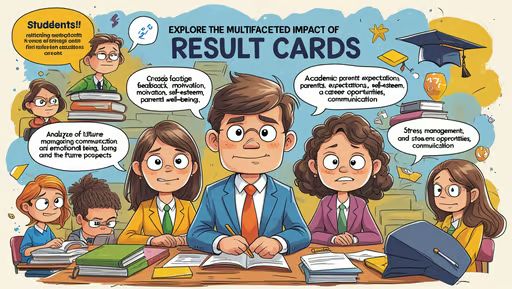
Introduction
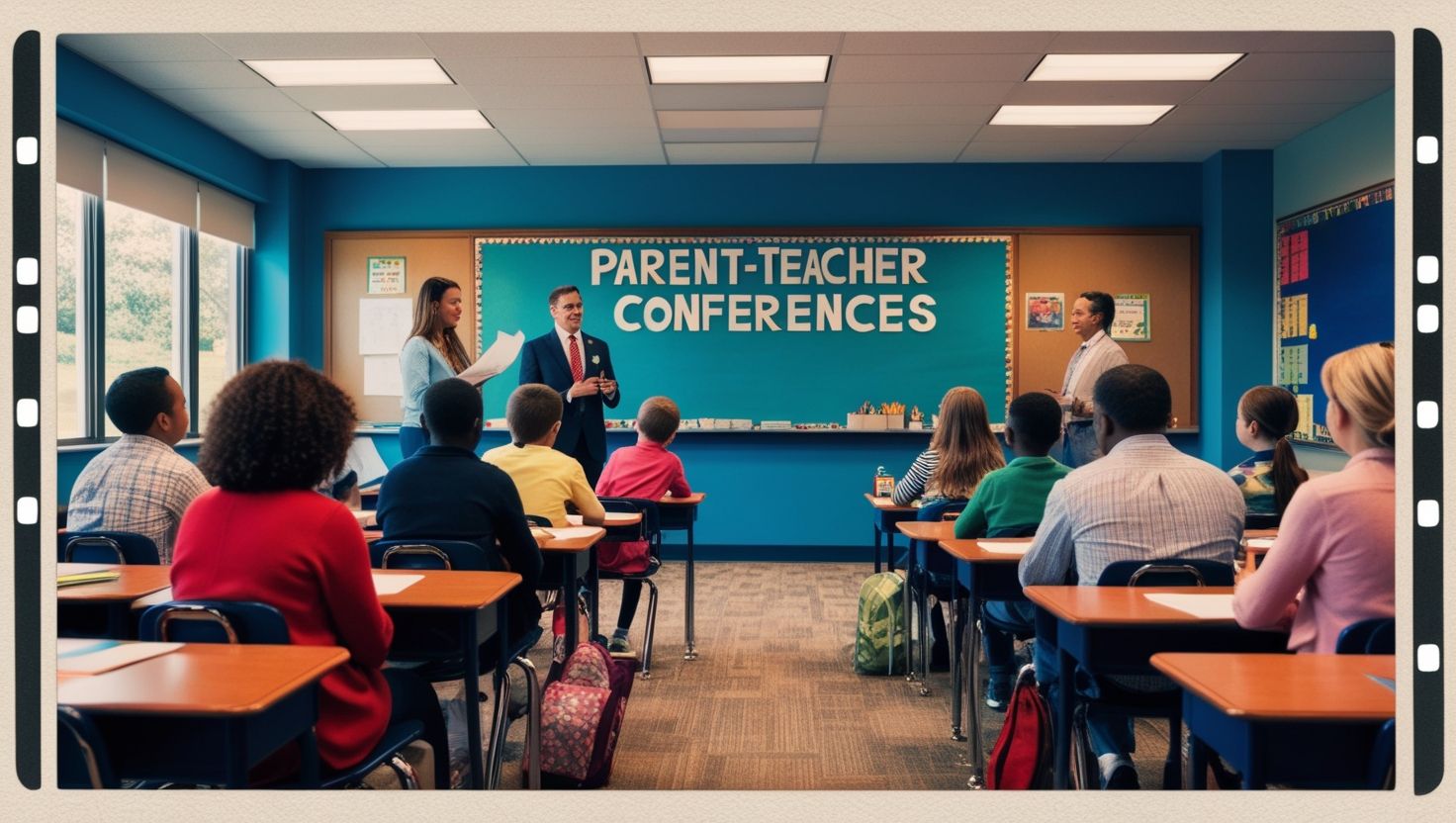
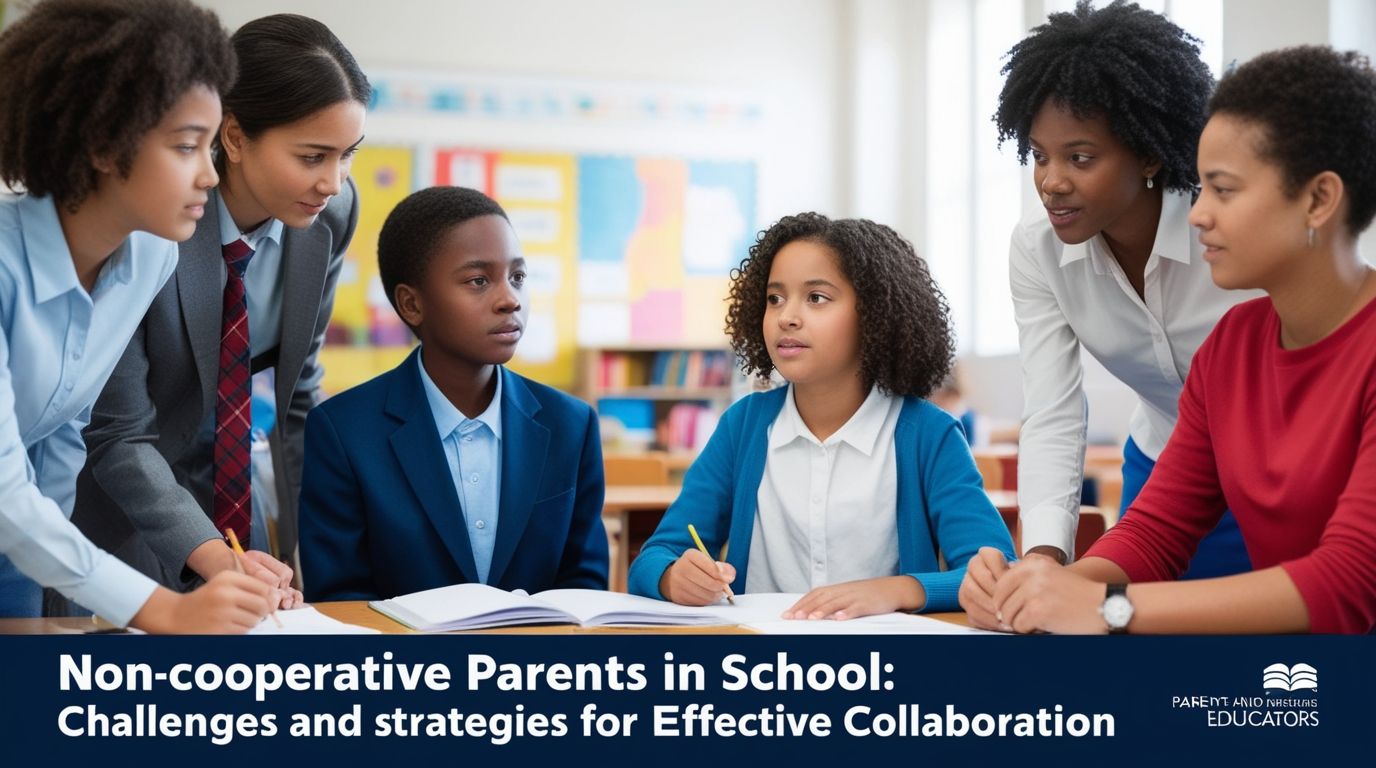
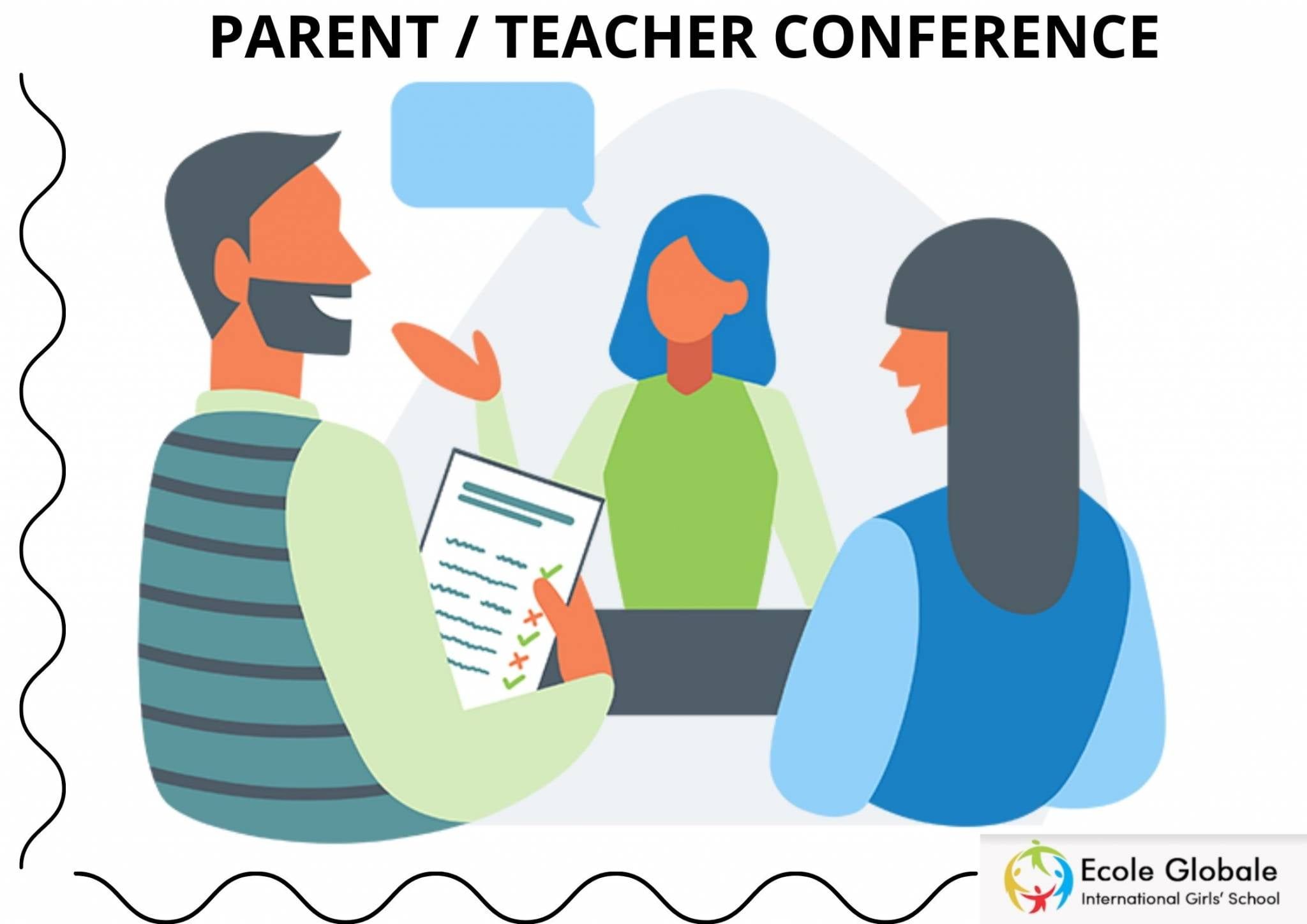
Parents Conference at School: Building Stronger Bridges Between Home and Classroom, Parents conferences at school stand among the most significant rituals in modern education. Indeed, they represent far more than a routine calendar item; rather, they function as a structured meeting point where teacher-parent communication, student progress, and academic accountability converge. Consequently, understanding the purpose, structure, and long-term value of these meetings is essential for educators, parents, and policymakers alike. In this article, we will explore the historical background, pedagogical significance, practical benefits, and evolving formats of the parent-teacher conference, while also addressing common challenges and offering evidence-based recommendations for improvement.
Furthermore, as education systems worldwide increasingly emphasize holistic child development, the role of parental involvement has become a central research theme. Therefore, this discussion is not merely descriptive; it is also analytical, drawing upon established educational theory to explain why these conferences matter so profoundly.
The Historical Context of Parent-Teacher Meetings
To begin with, the concept of parents conference at school did not emerge overnight. Historically, formal school-home communication was minimal, often limited to report cards or brief notes. However, as educational psychology advanced throughout the twentieth century, researchers began to recognize that family engagement directly influences academic achievement. As a result, schools gradually institutionalized structured meetings, transforming what was once an informal exchange into a systematic educational practice.
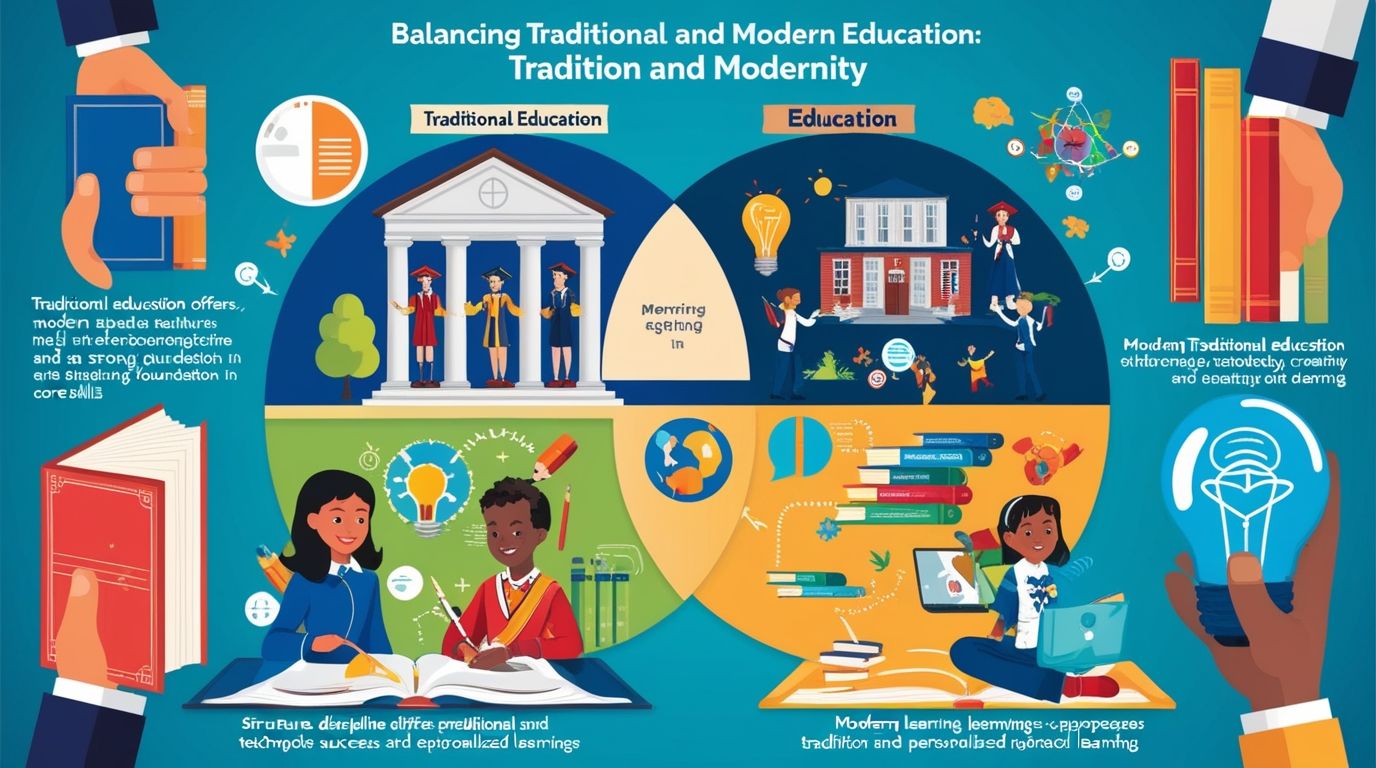
Moreover, the shift was not purely administrative. Instead, it reflected a broader philosophical change: education came to be viewed as a collaborative process between school and family, rather than a task confined solely to the classroom. Subsequently, this collaborative model laid the groundwork for the modern parent-teacher conference, which now serves multiple pedagogical, social, and emotional functions.
Defining the Purpose of a Parents Conference
At its core, a parents conference is designed to achieve several interconnected goals. First and foremost, it provides an opportunity for open dialogue regarding a child’s academic performance. Additionally, it allows teachers to share observations about behavioral patterns, social development, and classroom engagement that may not be visible to parents at home.
Equally important, these conferences allow parents to contribute valuable context. For instance, a child’s home environment, emotional state, or personal circumstances often shape classroom behavior in ways that teachers alone cannot fully perceive. Thus, the bidirectional exchange of information becomes a defining feature of an effective conference.
In addition, parents conferences serve a preventive function. Specifically, by identifying learning difficulties or emotional concerns early, educators and families can intervene before problems escalate. Consequently, early identification often translates into better long-term outcomes, both academically and psychologically.
The Educational Value of Parental Involvement
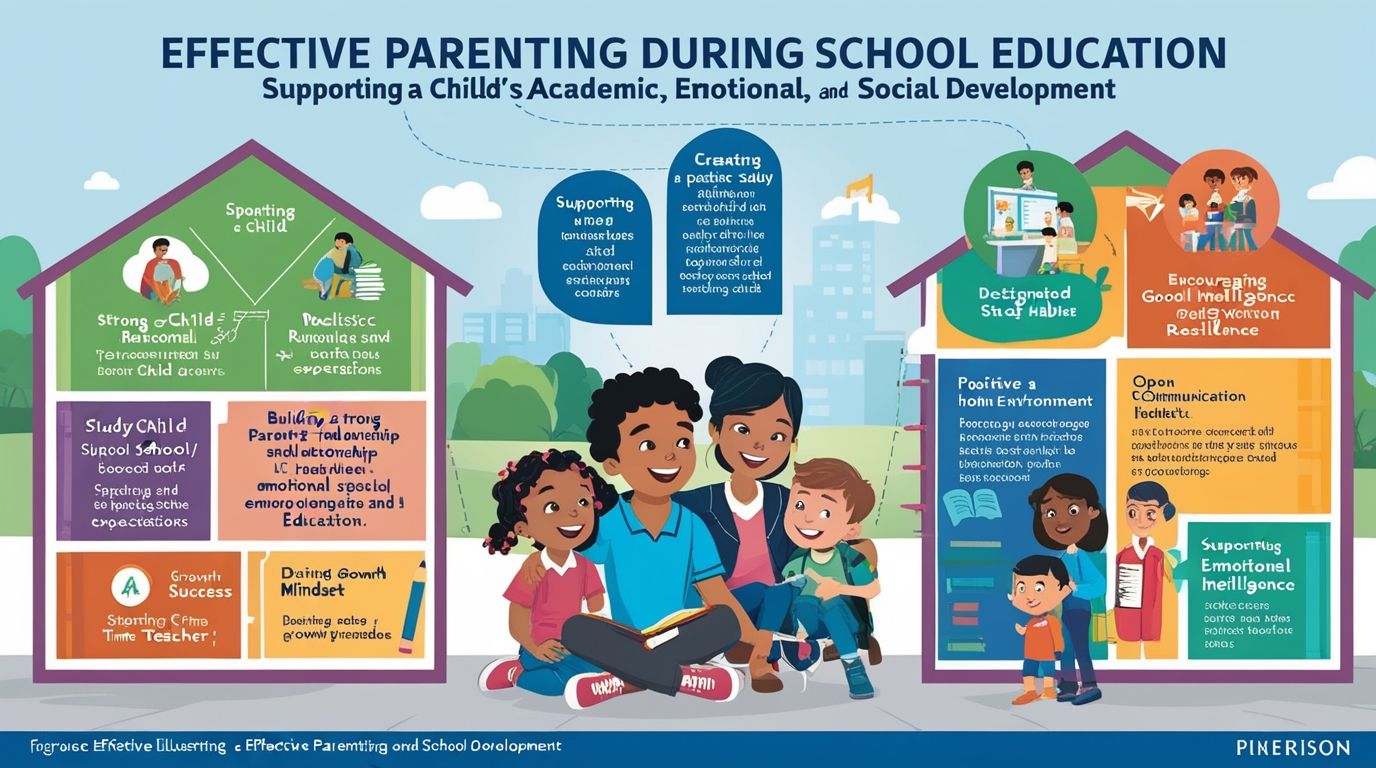
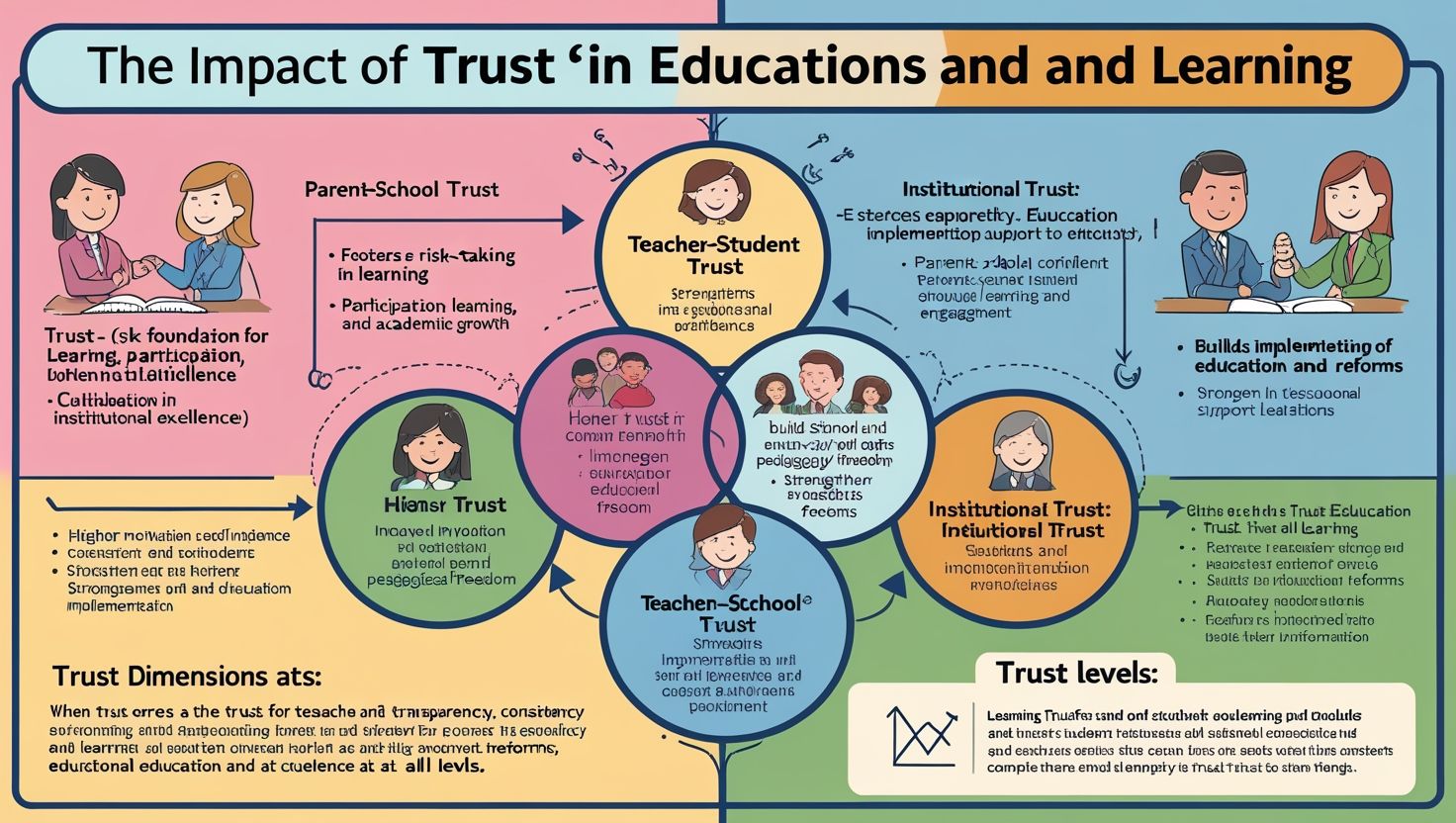
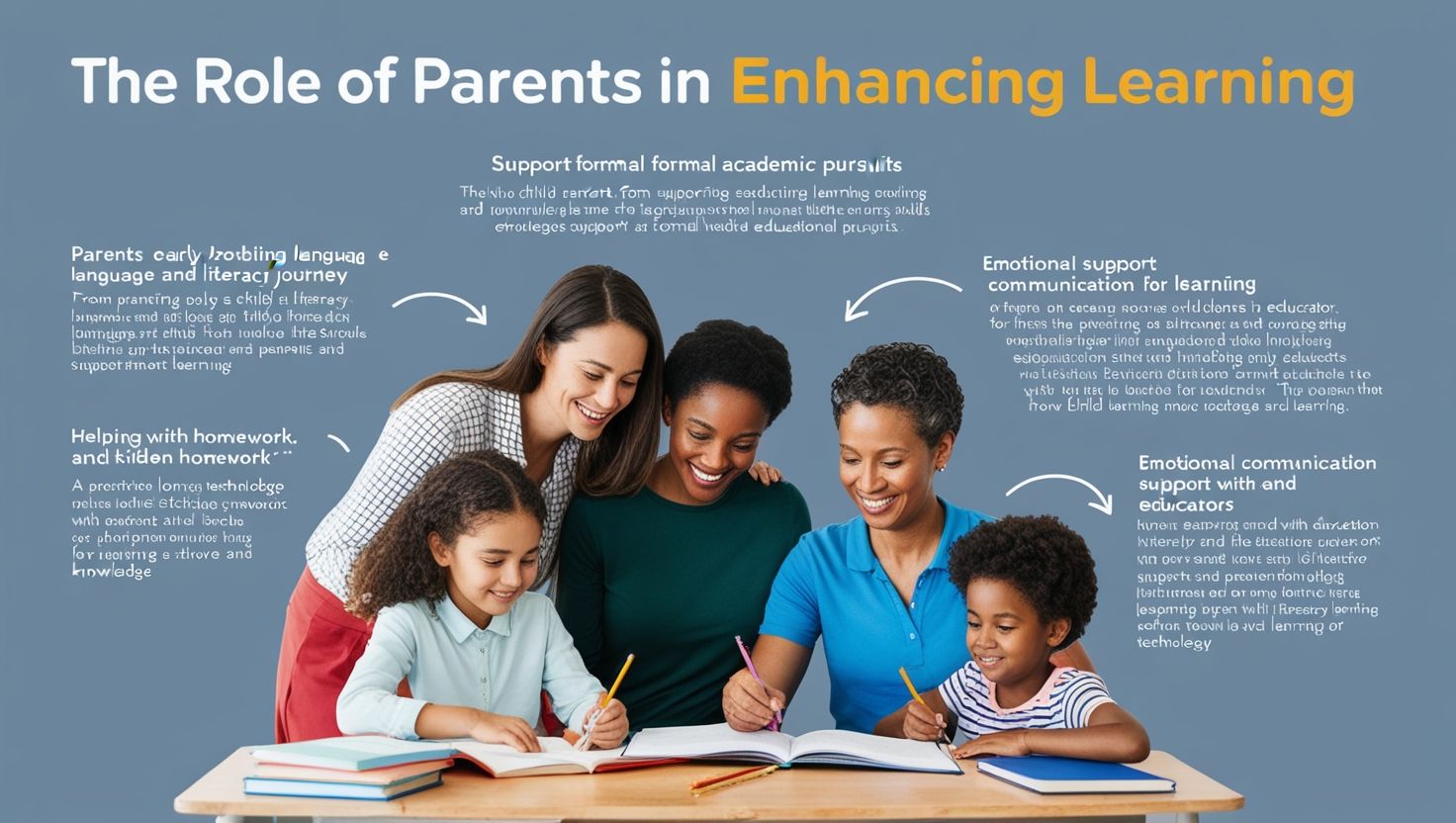
Numerous studies in educational psychology confirm that parental involvement correlates strongly with improved student outcomes. Specifically, children whose parents actively participate in school-related activities tend to demonstrate higher motivation levels, better attendance records, and stronger academic resilience. Therefore, the parents conference functions as a critical touchpoint for reinforcing this involvement.
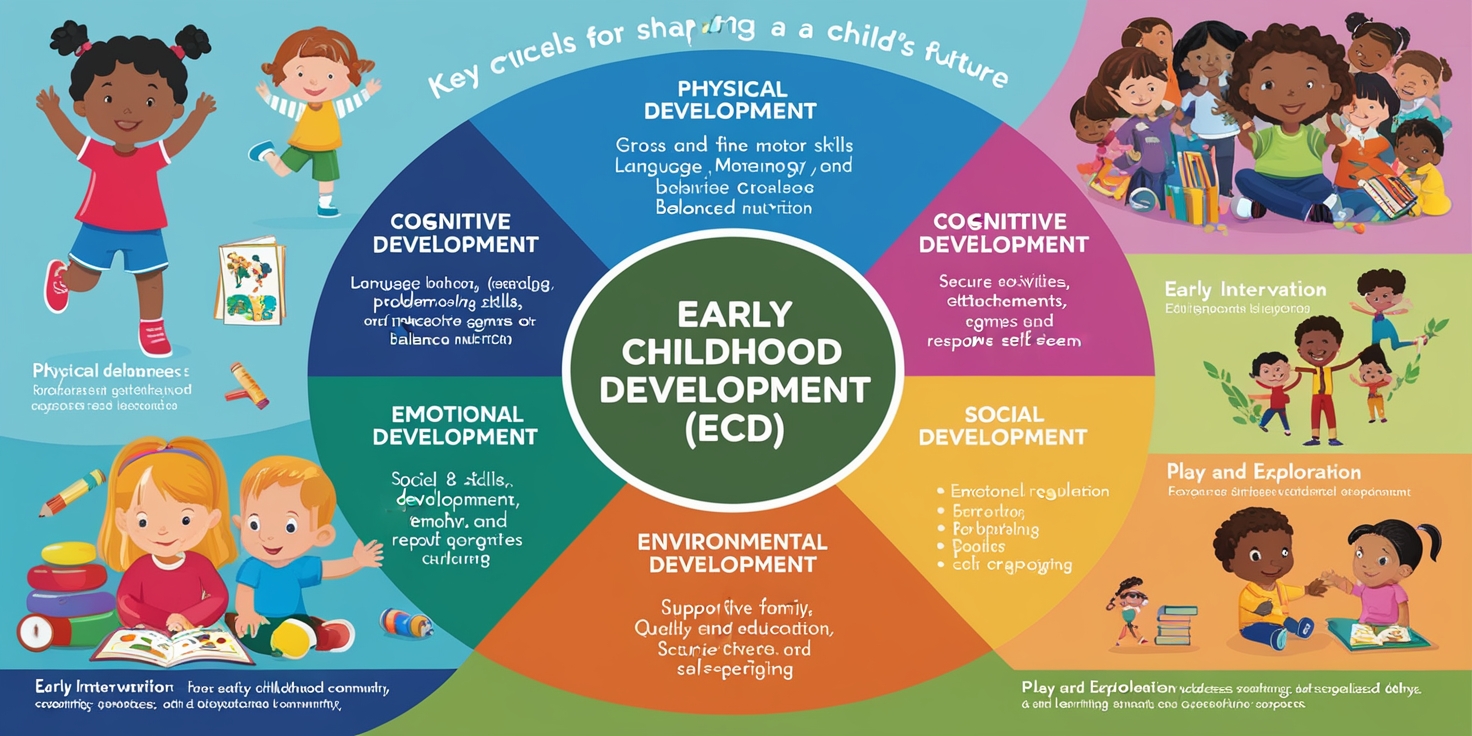
Meanwhile, it is worth noting that involvement is not limited to academic monitoring alone. Rather, it extends to emotional support, encouragement, and the reinforcement of positive study habits at home. Accordingly, when parents and teachers align their expectations, students receive consistent guidance across both environments, which significantly reduces confusion and behavioral inconsistency.
Furthermore, this alignment fosters a sense of accountability. When students understand that their parents and teachers communicate regularly, they often become more conscientious about completing assignments and maintaining classroom discipline. In this way, the conference indirectly shapes student behavior even outside the meeting itself.

Structuring an Effective Parents Conference
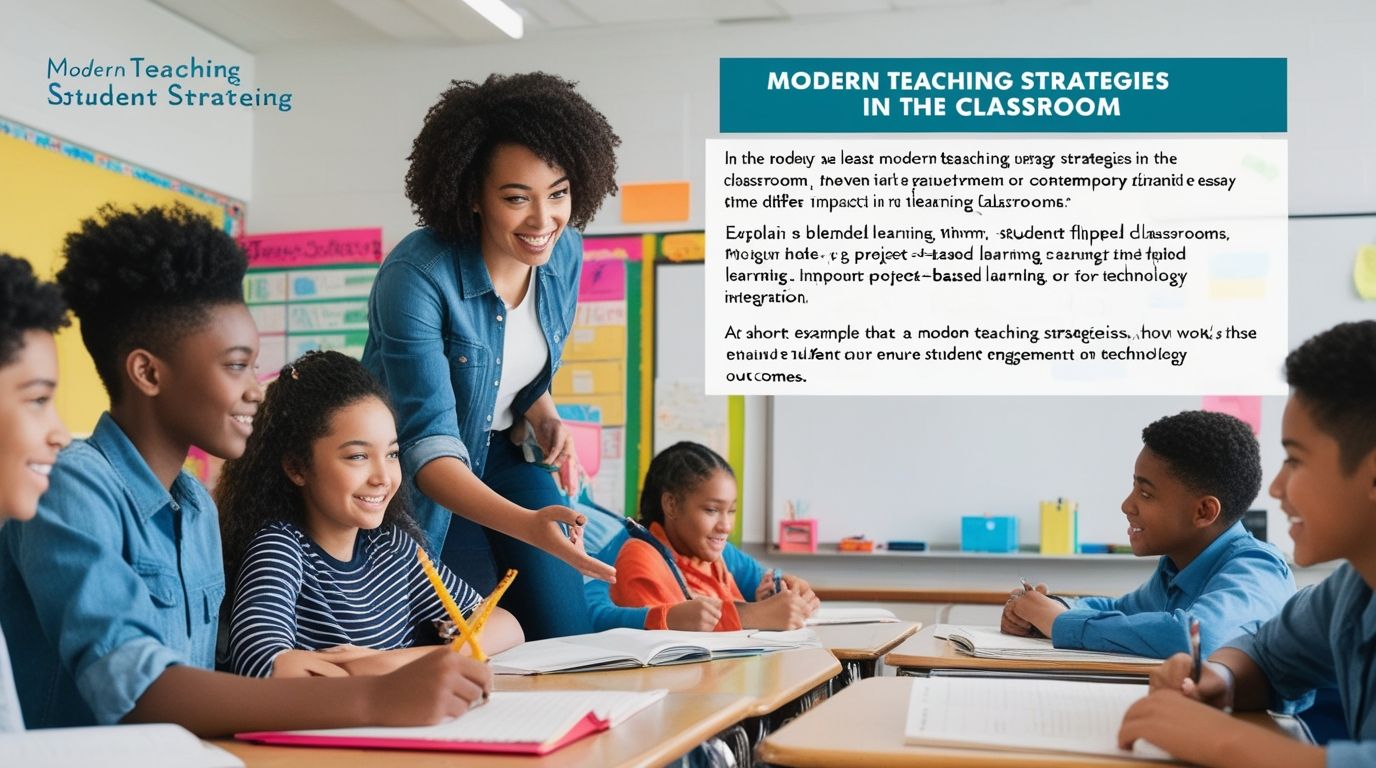
Although the format of a parents conference at school varies across institutions, certain structural elements consistently improve effectiveness. To begin with, preparation is essential. Teachers should compile relevant data, including grades, attendance records, and behavioral notes, well in advance. Similarly, parents benefit from preparing questions or concerns beforehand, ensuring that the limited meeting time is used efficiently.
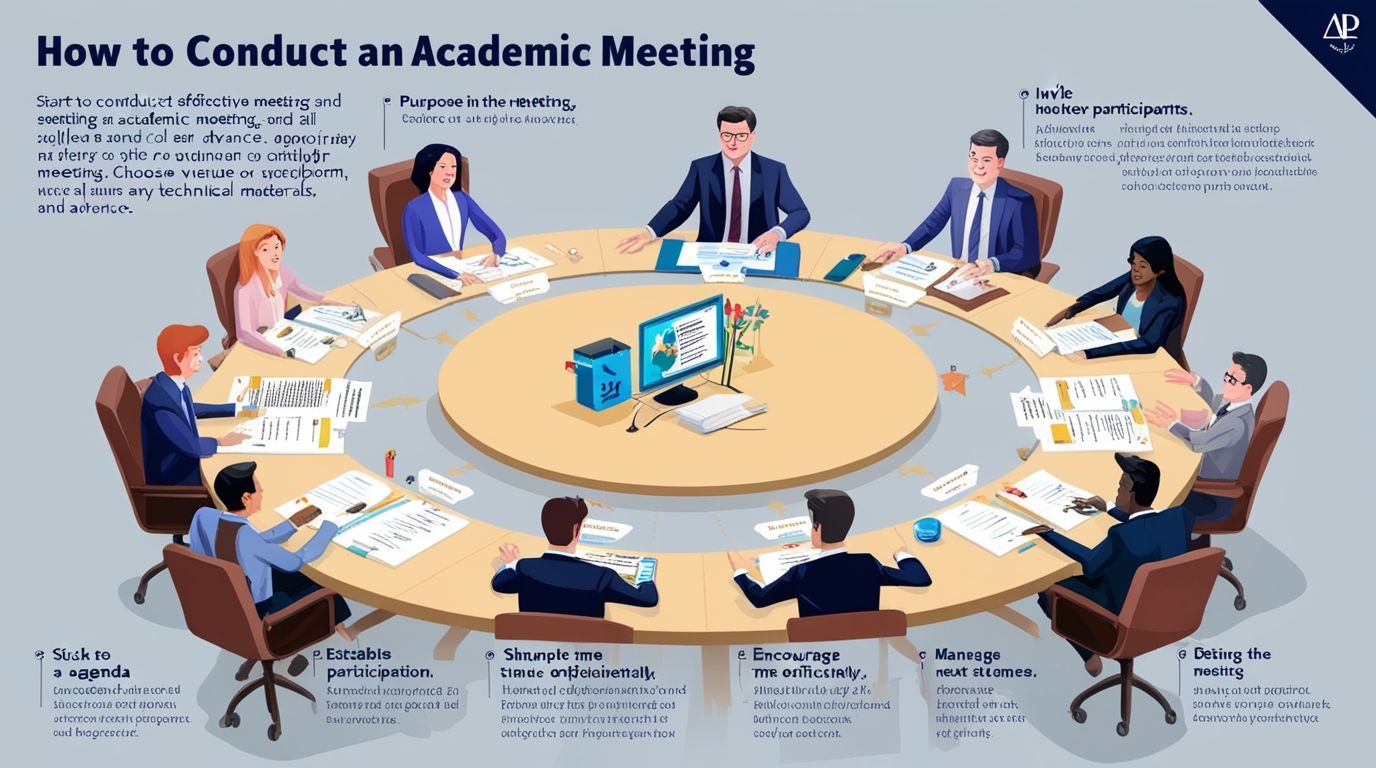
Next, the conversation itself should follow a balanced structure. Typically, this includes:
- Opening remarks that establish a positive, welcoming tone
- Academic performance review, highlighting both strengths and areas for improvement
- Behavioral and social observations, discussed constructively
- Goal-setting, where both parties agree on actionable next steps
- Closing summary, reinforcing key takeaways and follow-up plans
As a result, this structured approach prevents the conversation from becoming disorganized or overly negative. Instead, it ensures a solution-oriented dialogue that leaves both parents and teachers with clear expectations.
Challenges Commonly Encountered
Despite their evident benefits, parent-teacher conferences are not without challenges. For example, scheduling conflicts frequently prevent working parents from attending in person. Consequently, many schools have begun offering virtual conferences or flexible time slots to accommodate diverse family situations.
In addition, language barriers can significantly hinder communication, particularly in multicultural or immigrant communities. Therefore, schools increasingly employ interpreters or multilingual materials to ensure that all families, regardless of linguistic background, can participate meaningfully.
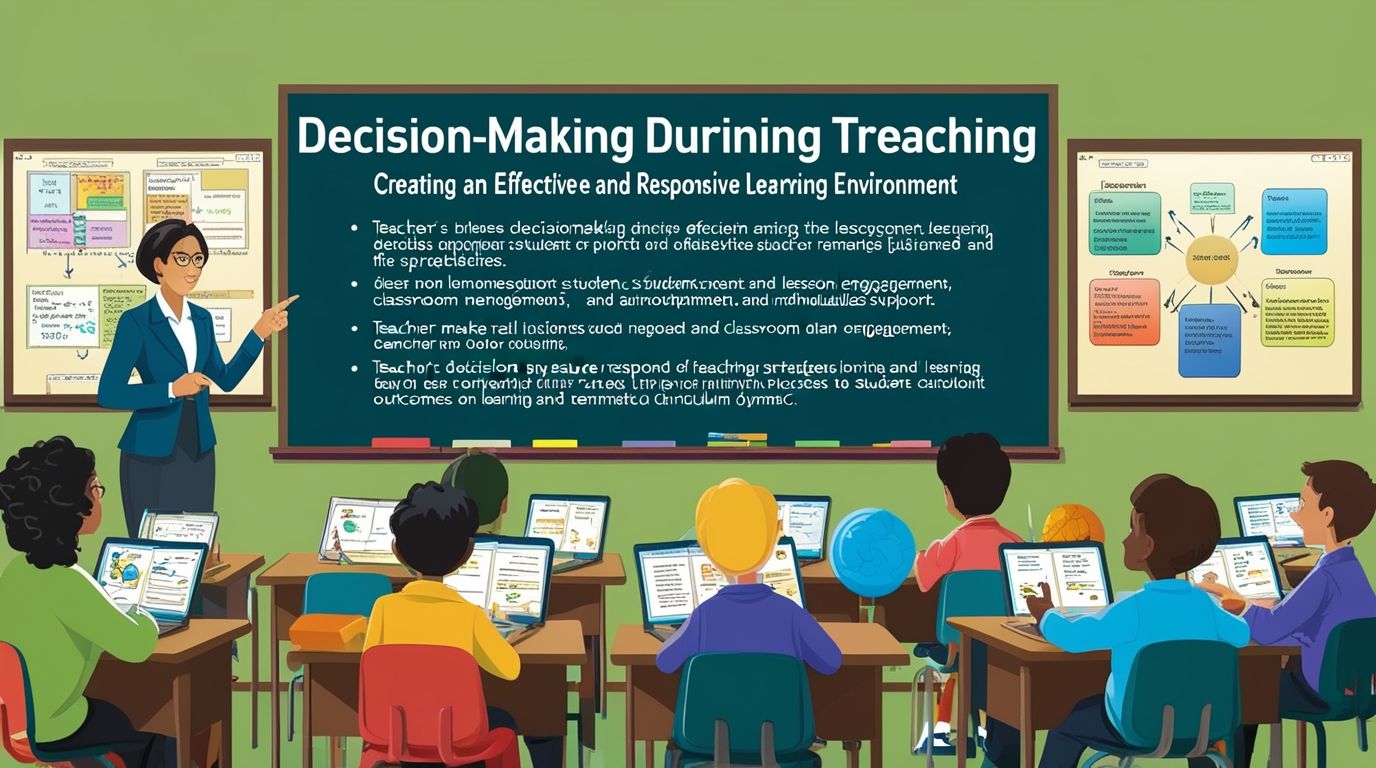
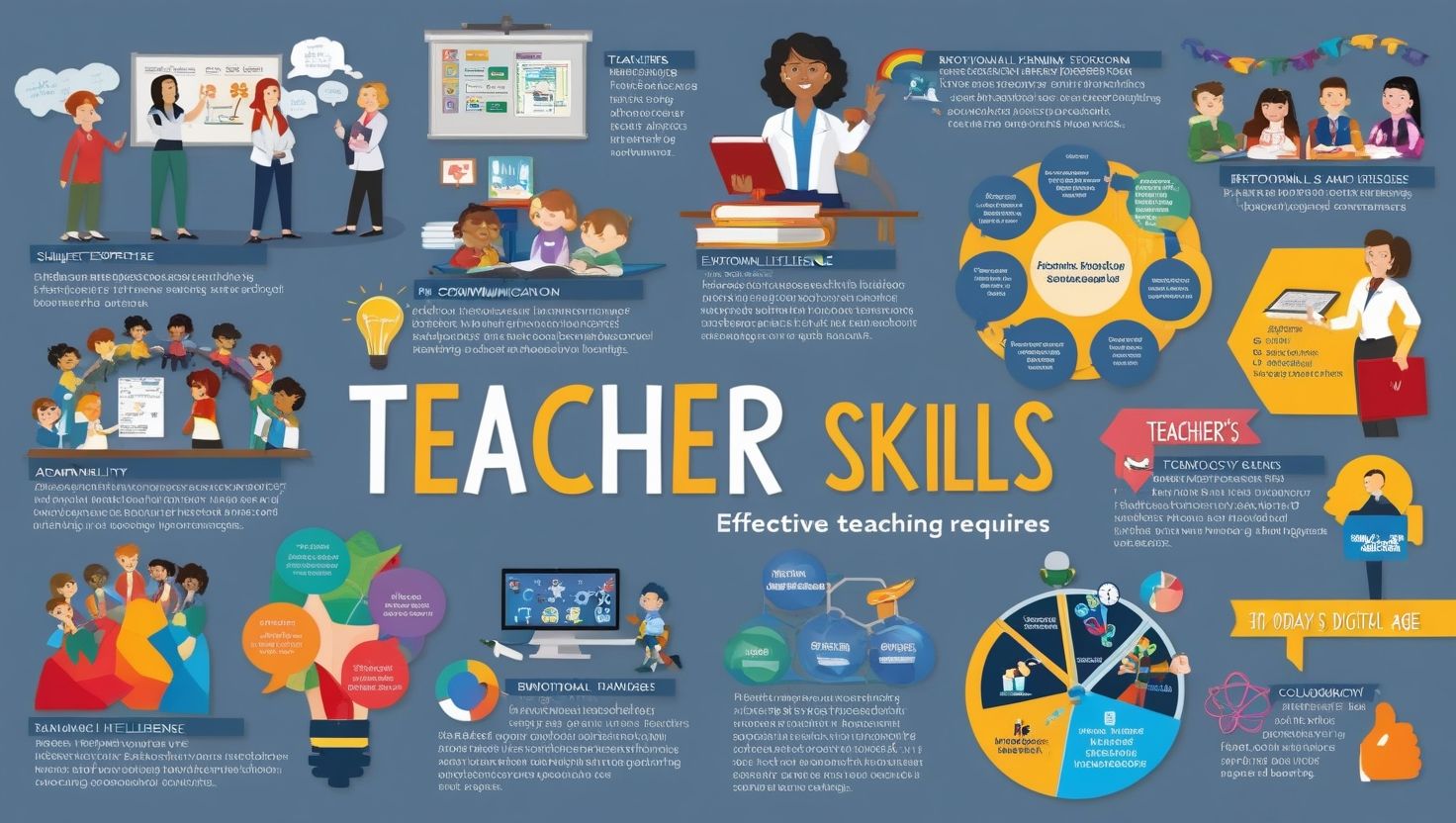
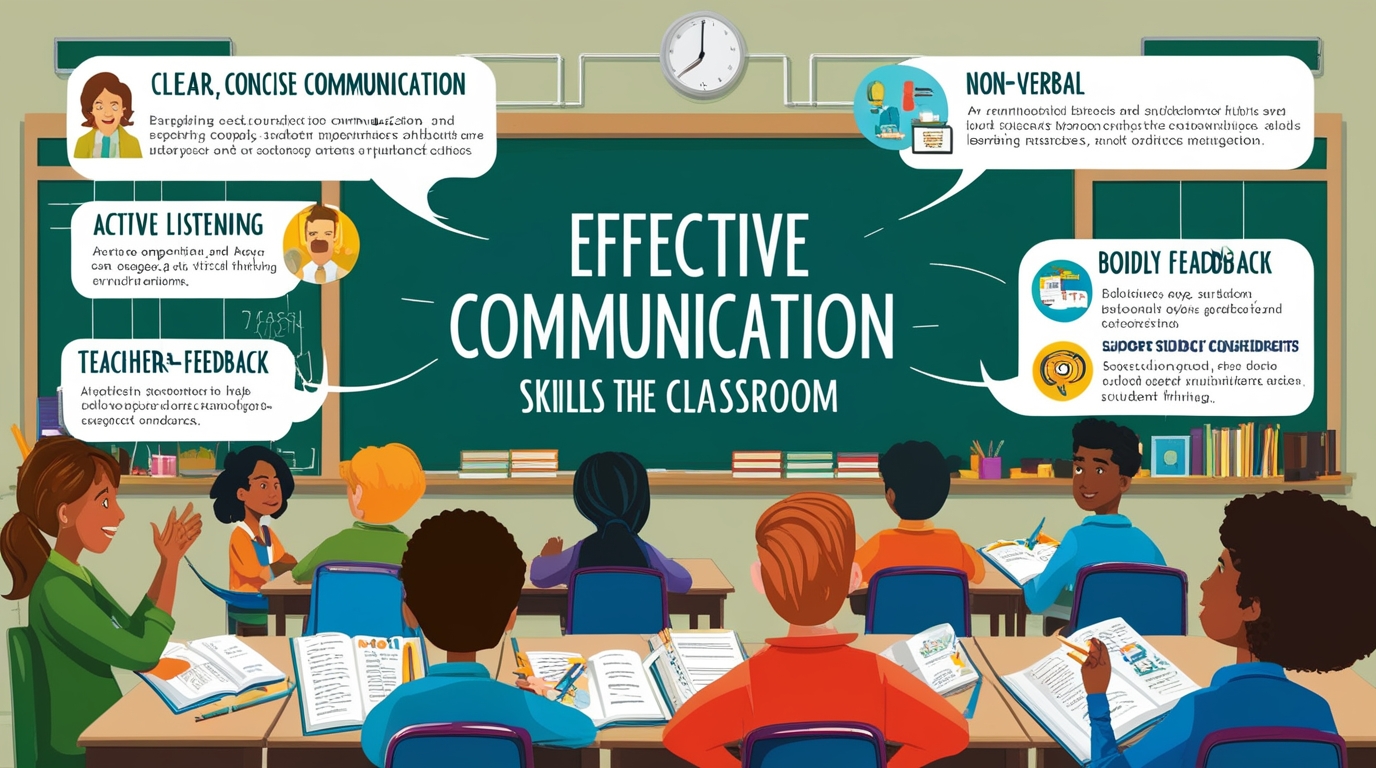
Moreover, emotional tension sometimes arises when discussing a child’s shortcomings. Since parents may feel defensive or anxious, teachers must approach such conversations with empathy and tact. Otherwise, the conference risks becoming confrontational rather than constructive. Consequently, training educators in communication skills and conflict resolution has become an important component of professional development programs.
The Role of Technology in Modern Conferences
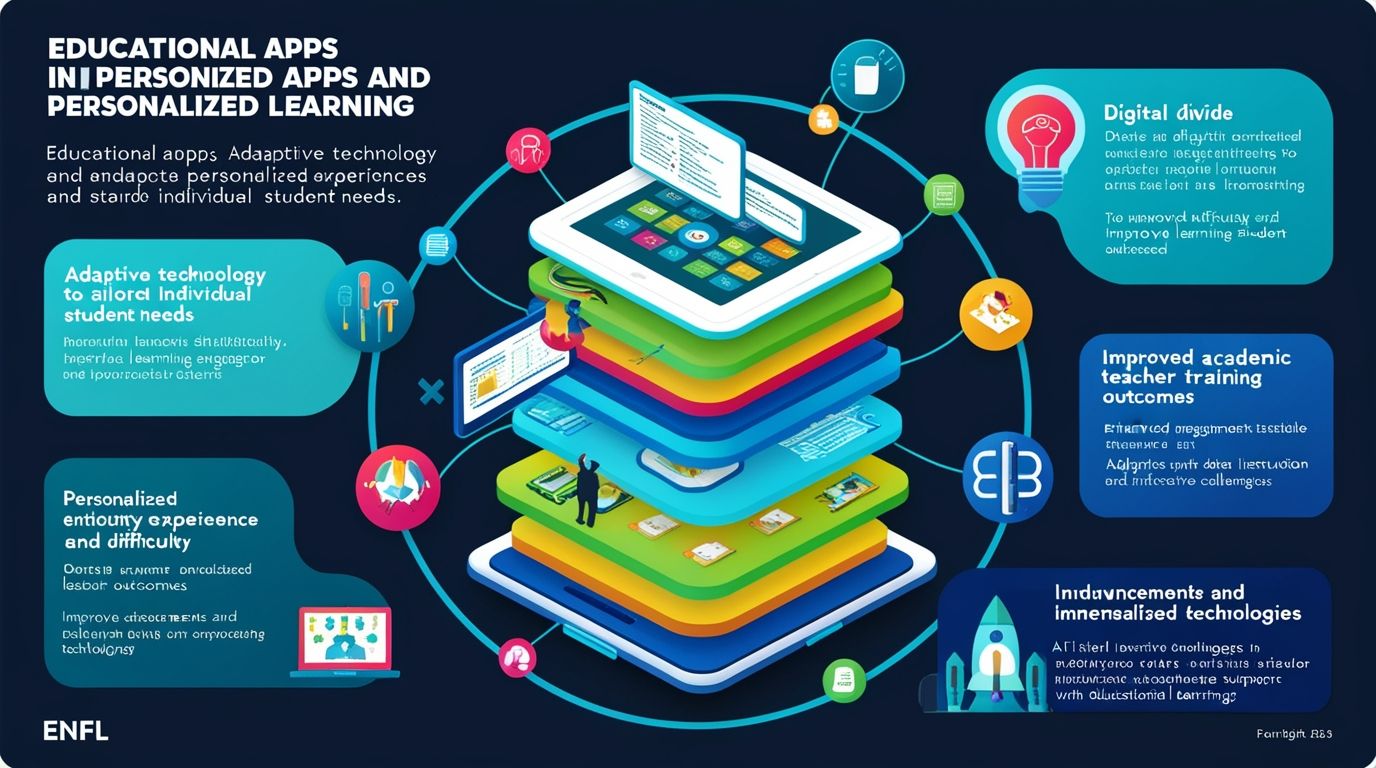
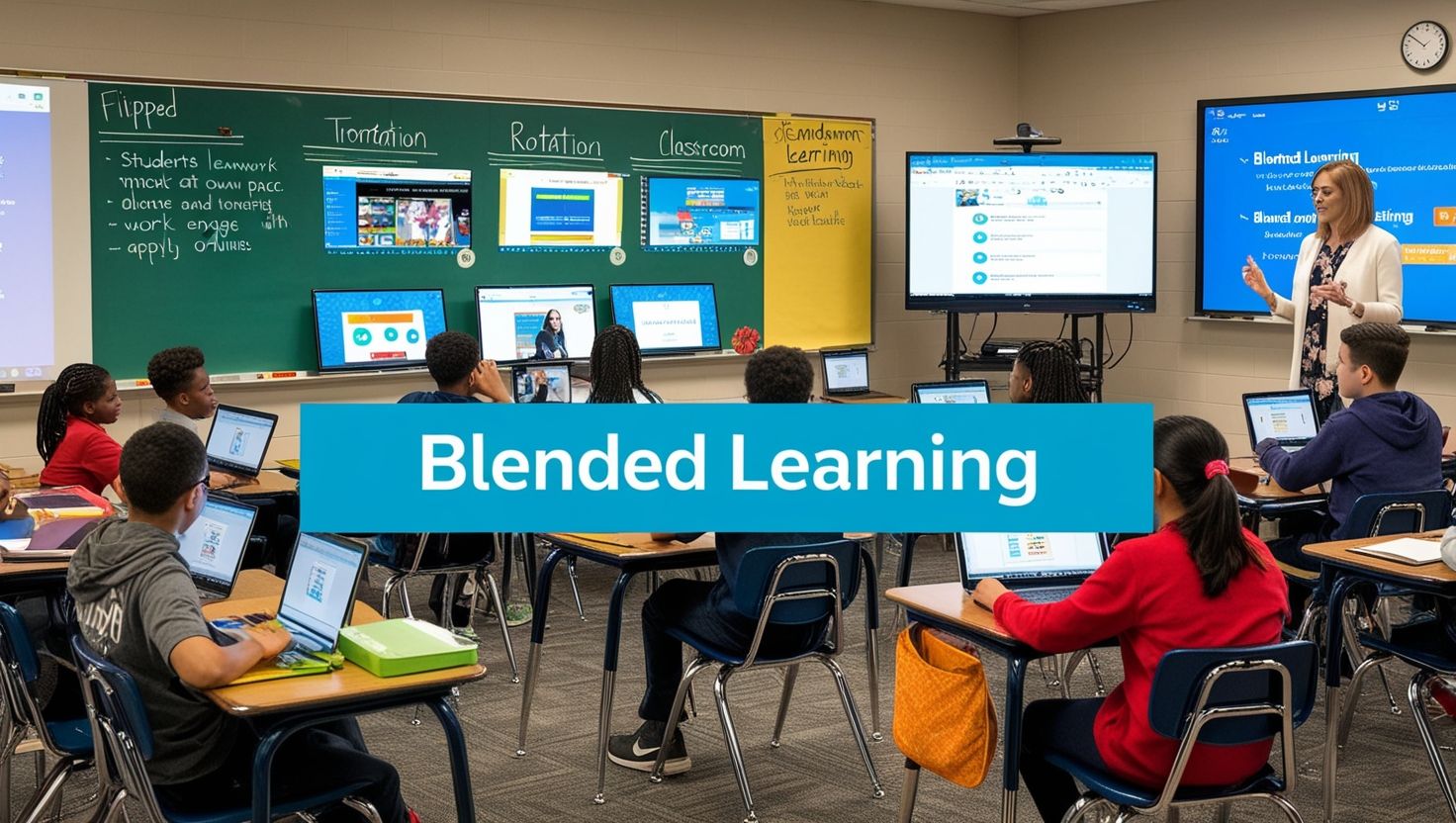
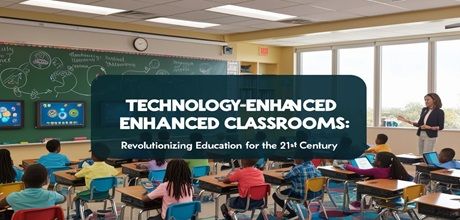
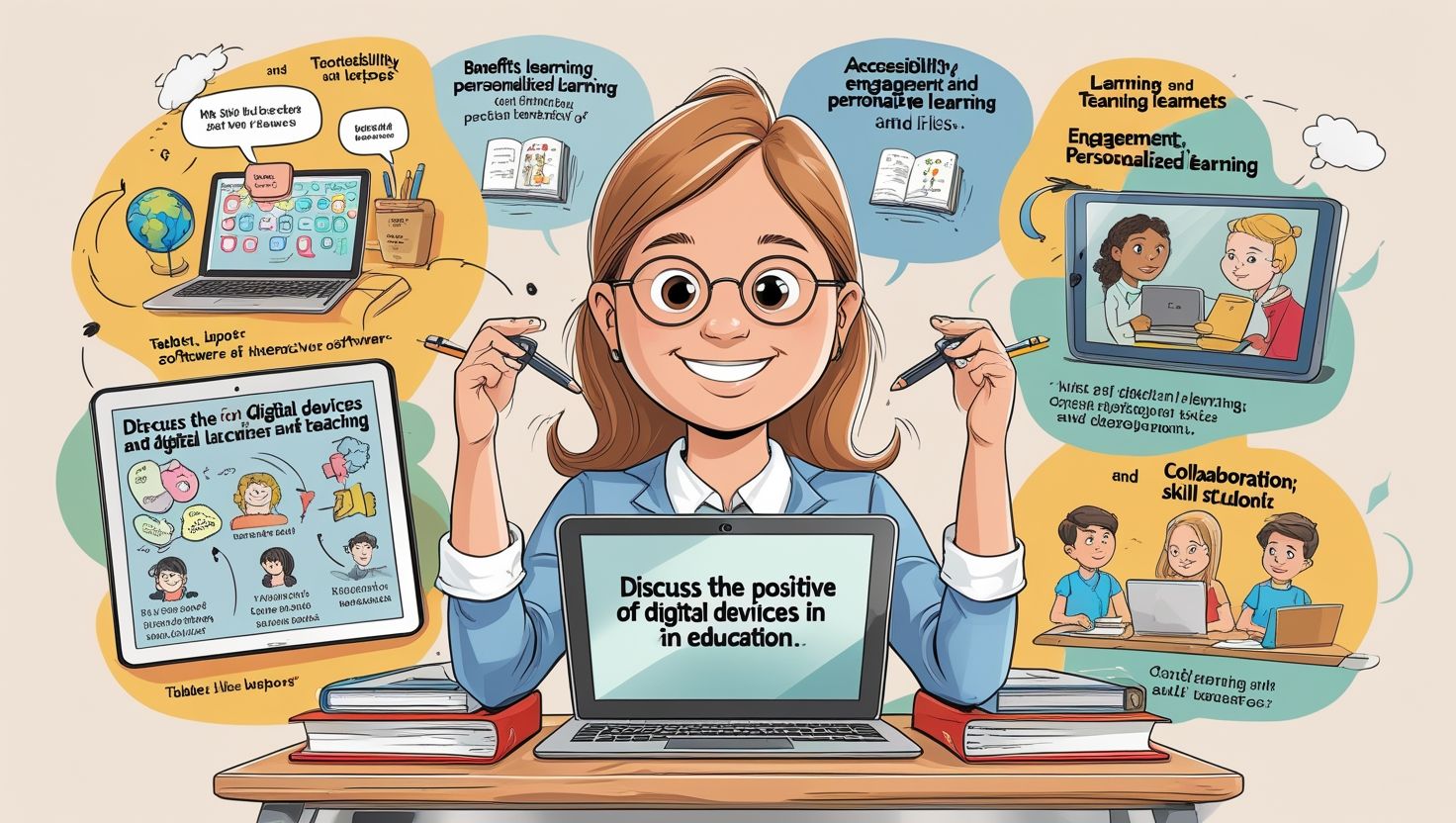
Interestingly, technology has reshaped how parents conferences are conducted. Nowadays, video-conferencing tools, digital scheduling platforms, and online progress-tracking systems allow for more flexible and accessible communication. As a result, parents who previously struggled to attend due to work commitments or geographic distance can now participate remotely.
Nevertheless, technology also introduces new challenges, such as unequal access to digital devices or reliable internet connections. Therefore, schools must carefully balance technological innovation with equitable access, ensuring that no family is excluded due to socioeconomic limitations.
Additionally, digital platforms enable continuous communication beyond the scheduled conference itself. For instance, many schools now use apps that allow ongoing updates on grades, assignments, and behavior, thereby transforming the conference from an isolated event into part of a broader, year-round communication strategy.
Emotional and Psychological Dimensions
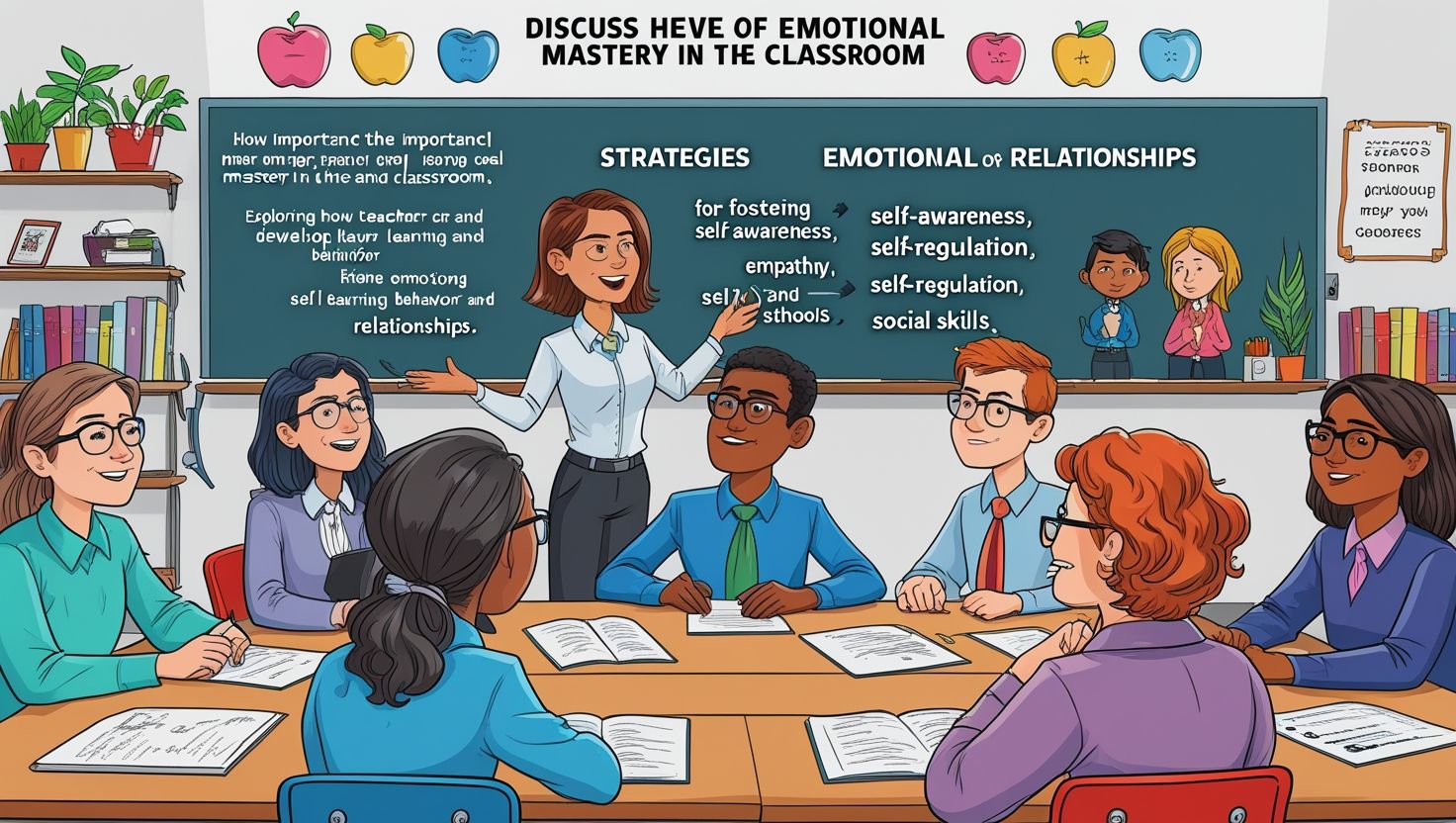
Beyond academics, parents conferences at school carry significant emotional weight. For children, knowing that their parents and teachers are actively engaged often fosters a sense of security and belonging. Conversely, when children perceive a disconnect between home and school, they may experience confusion, anxiety, or diminished motivation.
Similarly, for parents, these meetings can evoke a range of emotions, from pride to concern. Therefore, teachers must navigate these emotional dynamics sensitively, offering feedback that is both honest and encouraging. Ultimately, this delicate balance—between honesty and empathy—determines whether the conference leaves parents feeling empowered or discouraged.
Best Practices for Teachers and Parents
To maximize the effectiveness of a parents conference, several best practices are widely recommended by educational experts:
- Prepare in advance, gathering relevant academic and behavioral data
- Maintain a positive tone, even when discussing challenges
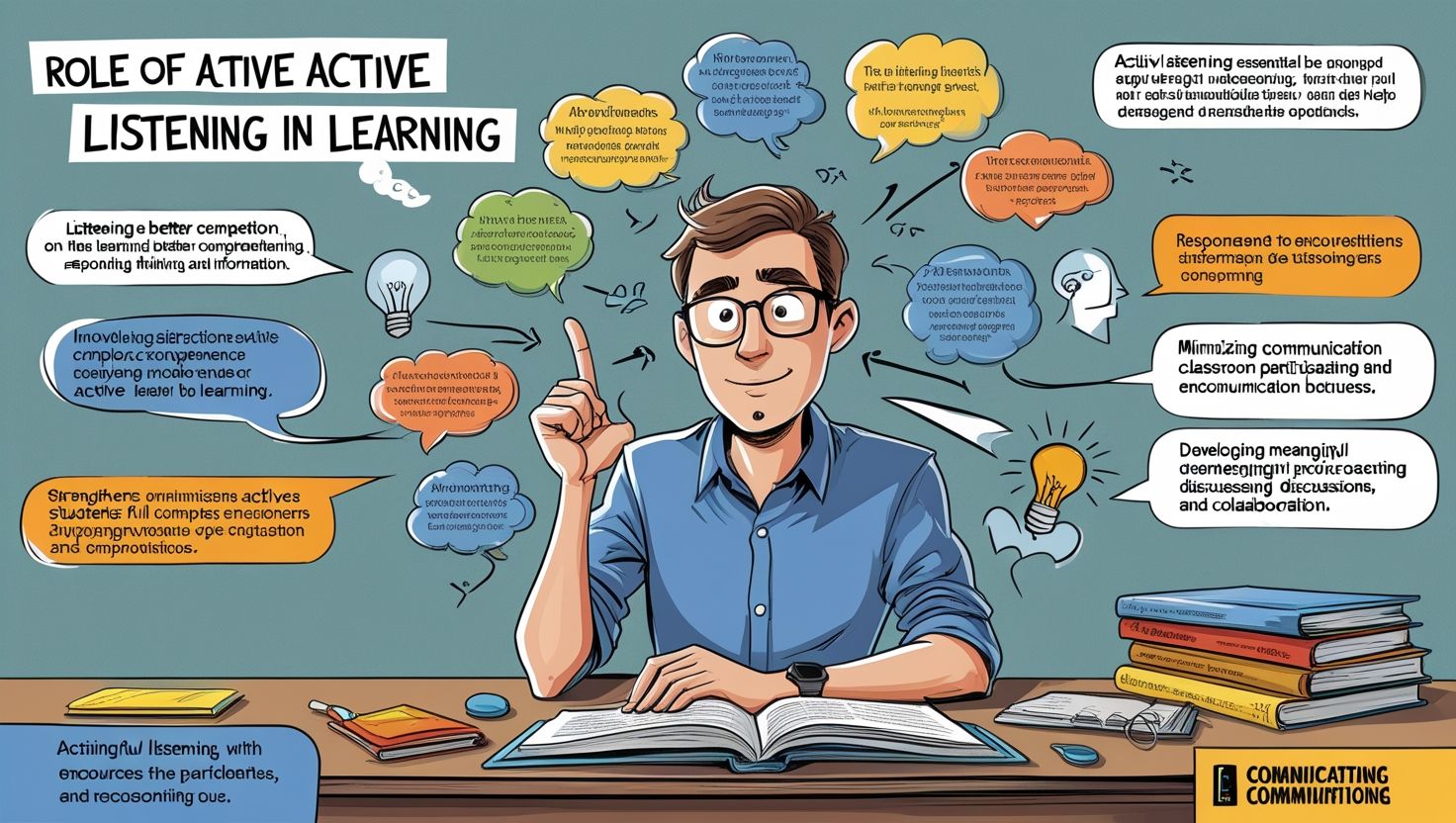
- Listen actively, allowing parents to share insights about the child’s home life
- Set specific, measurable goals rather than vague suggestions
- Follow up consistently, ensuring accountability after the meeting concludes
Similarly, parents are encouraged to approach the conference with curiosity rather than defensiveness. By asking open-ended questions and remaining receptive to feedback, they can transform the meeting into a genuinely collaborative experience rather than a one-sided evaluation.
Looking Ahead: The Future of Parents Conferences
Looking forward, parents conferences at school are likely to become even more personalized and data-driven. As educational technology advances, real-time analytics may soon allow teachers to present detailed, individualized reports during each meeting. Consequently, conferences could evolve from general progress reviews into highly targeted discussions centered on specific learning objectives.
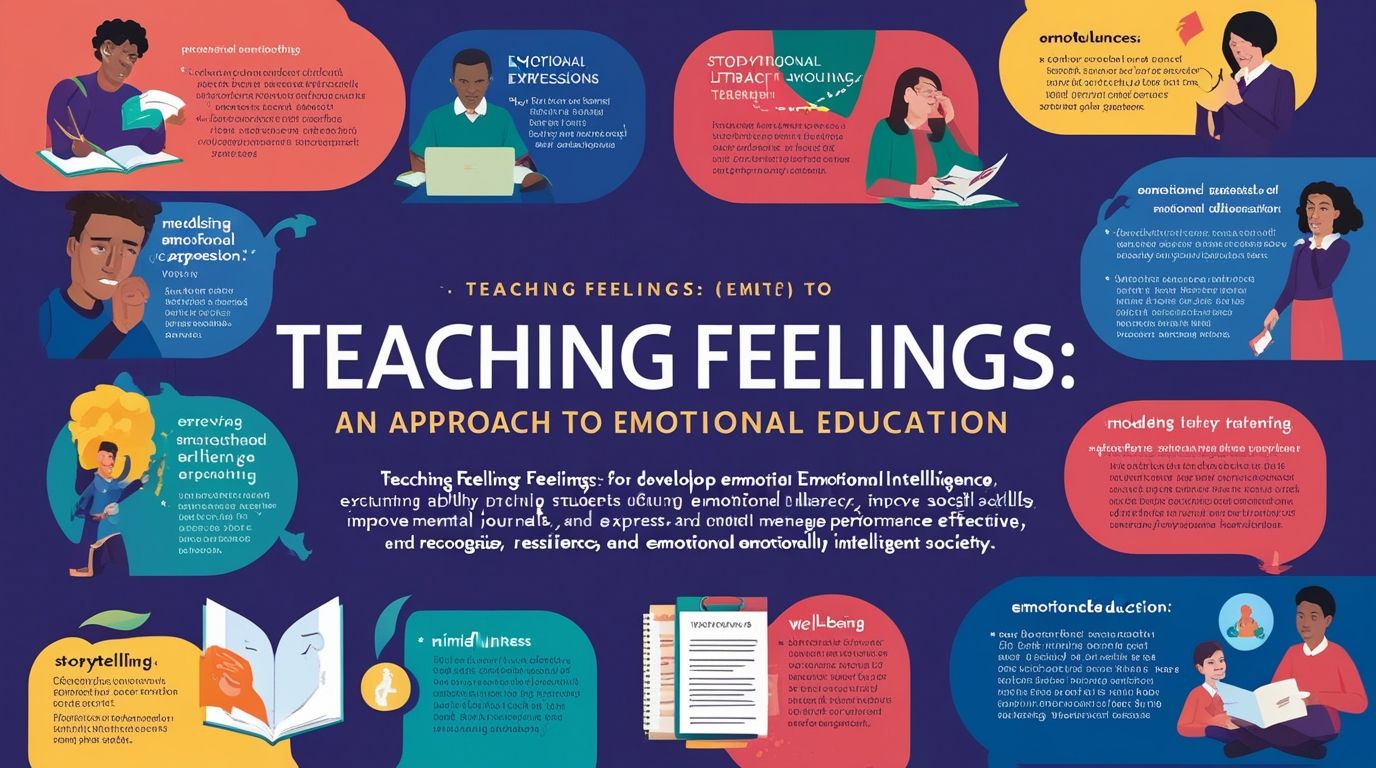
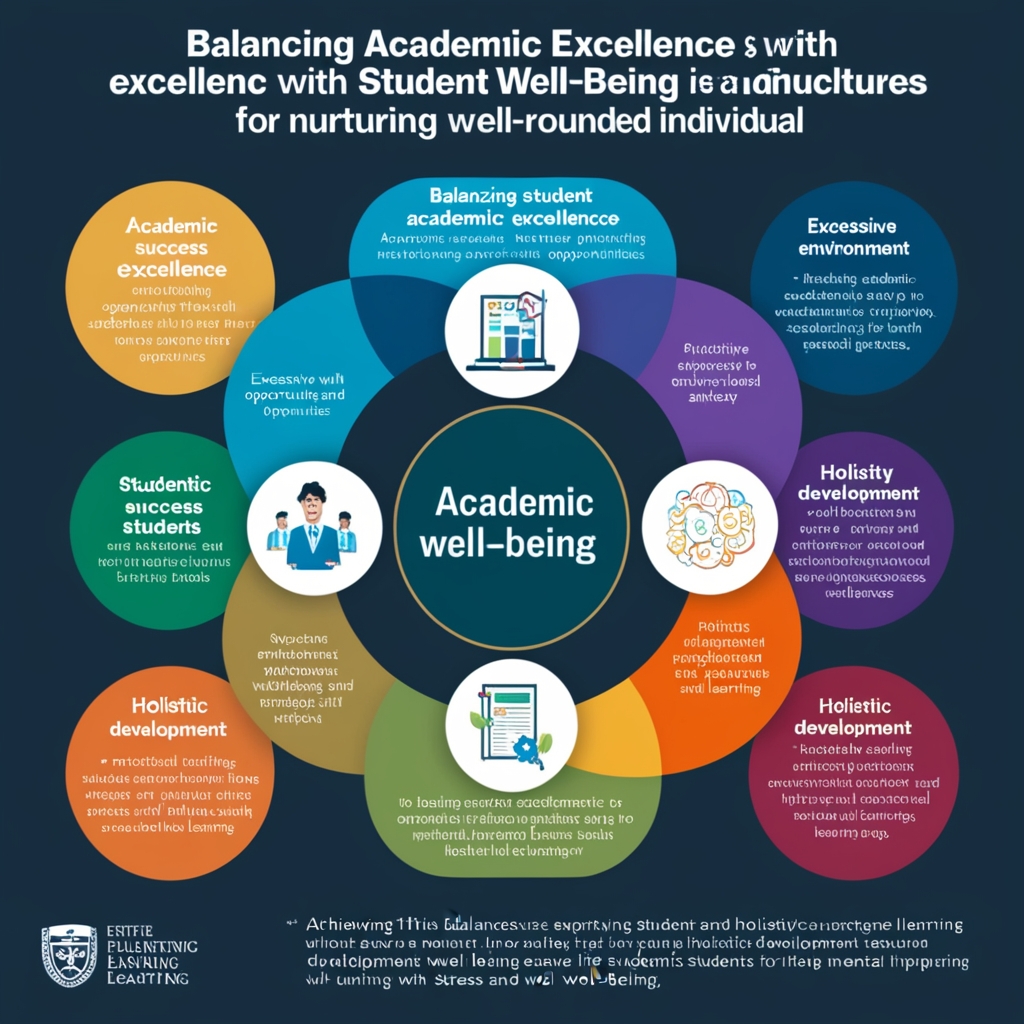
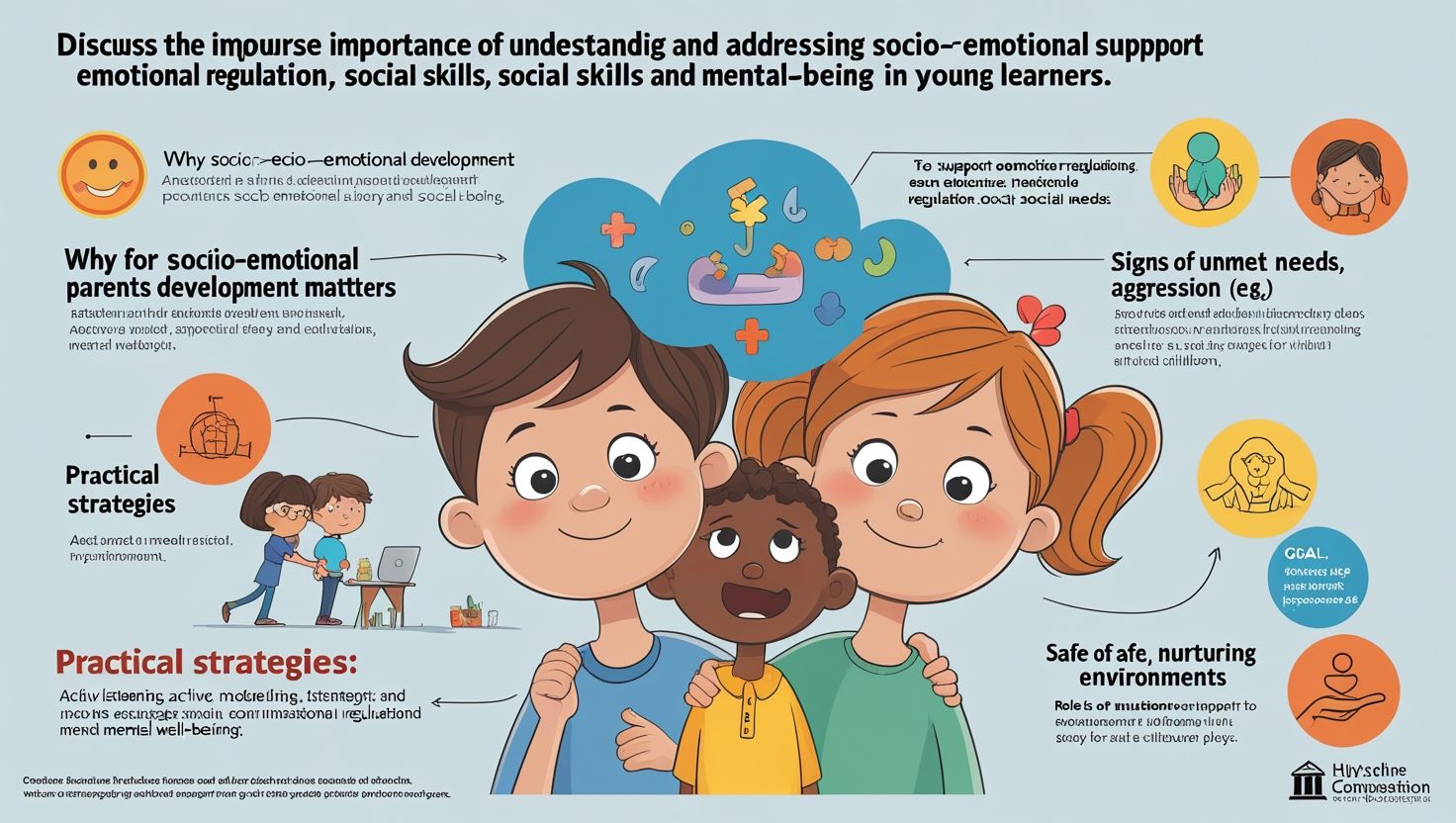
Moreover, as awareness of mental health and socio-emotional learning continues to grow, future conferences may increasingly address emotional wellbeing alongside academic performance. Thus, the scope of these meetings will likely expand, reflecting a more comprehensive understanding of what it means to support a child’s overall development.
Conclusion
In summary, the parents conference at school remains a cornerstone of effective education, bridging the gap between classroom instruction and home support. Through structured dialogue, mutual respect, and shared accountability, these meetings empower both teachers and parents to collaboratively guide a child’s academic and personal growth. As educational practices continue to evolve, embracing technology, inclusivity, and emotional awareness will be essential to ensuring that parent-teacher conferences remain relevant, effective, and genuinely beneficial for every student.
Keywords: parents conference, parent-teacher conference, parental involvement, academic achievement, school communication, family engagement, student progress, educational psychology