Abstract
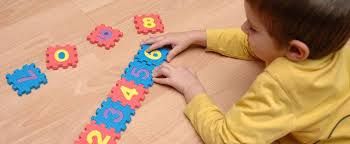
Promoting Numeracy Skills Through Play, Numeracy is a fundamental skill that enables individuals to understand, interpret, and use mathematical concepts in daily life. In early childhood and primary education, the development of numeracy skills lays the foundation for future academic achievement and problem-solving abilities. Traditional approaches to mathematics instruction often rely heavily on direct teaching and repetitive exercises, which may limit children’s engagement and motivation. In contrast, play-based learning offers meaningful opportunities for children to explore mathematical concepts in natural and enjoyable contexts.
Through games, puzzles, role-play, construction activities, and digital play, children develop essential numeracy competencies such as counting, measuring, comparing, estimating, classifying, and problem-solving. This article examines the theoretical foundations of play-based learning, explores the relationship between play and numeracy development, discusses effective strategies for promoting numeracy through play, and highlights the role of teachers and parents in supporting mathematical learning experiences. The article concludes that play-based approaches significantly enhance children’s numeracy skills while fostering positive attitudes toward mathematics.
Introduction
Numeracy is recognized worldwide as a critical component of educational development and lifelong learning. It encompasses more than the ability to perform arithmetic calculations; it includes understanding mathematical concepts, reasoning logically, interpreting data, and applying mathematical knowledge to real-life situations. Strong numeracy skills contribute to academic success, career opportunities, financial literacy, and informed decision-making.
Research has consistently demonstrated that early mathematical experiences influence later achievement in mathematics and related disciplines (Duncan et al., 2007). Consequently, educators seek instructional methods that effectively engage children in meaningful mathematical learning. Among these approaches, play-based learning has emerged as a powerful pedagogical strategy.
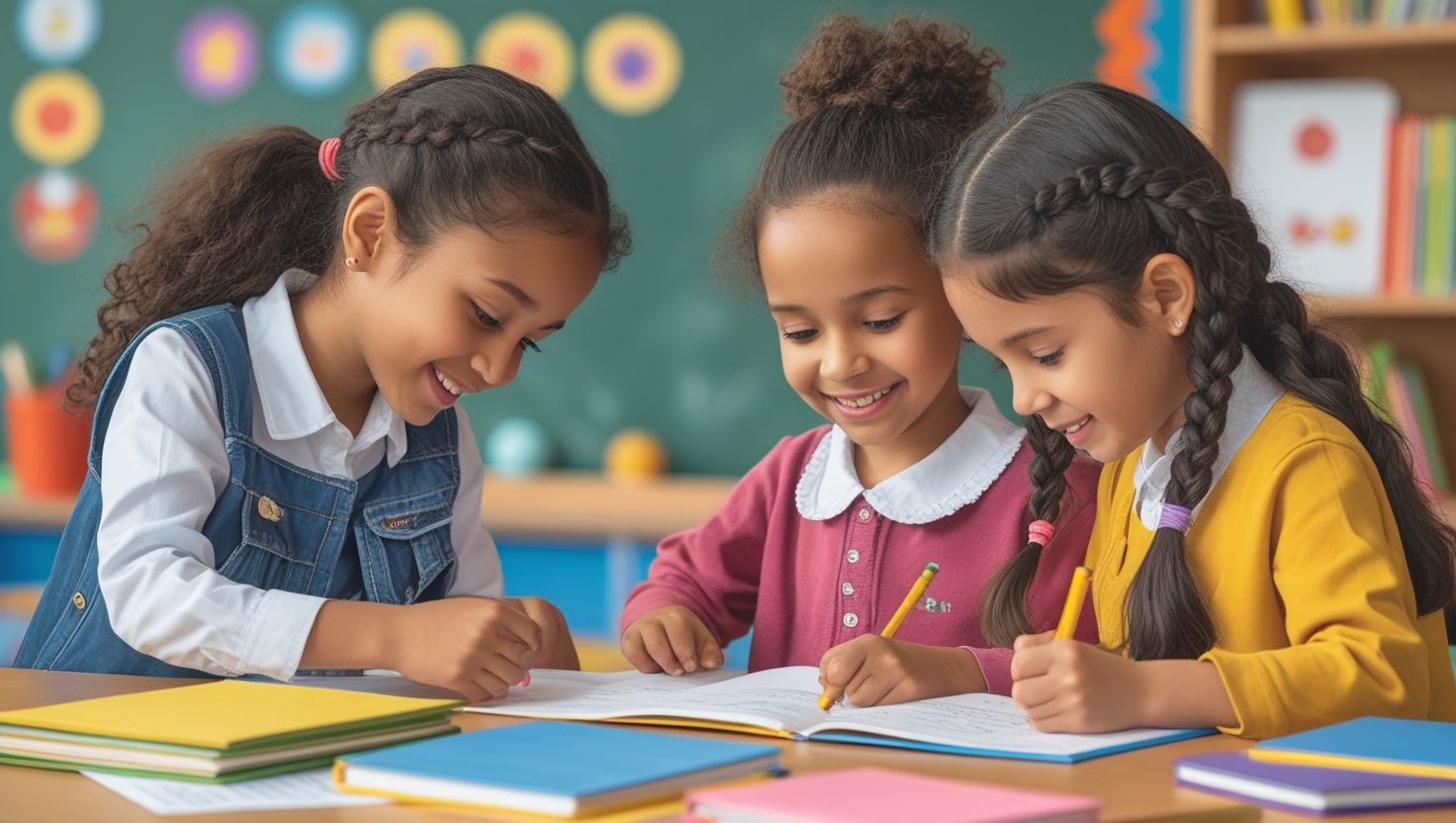
Play is a natural and essential part of childhood. Through play, children explore their environment, experiment with ideas, solve problems, and develop social and cognitive skills. When integrated into educational settings, play provides authentic opportunities for children to encounter mathematical concepts in meaningful contexts. Children counting objects during games, measuring ingredients in pretend cooking activities, or constructing structures with blocks are actively developing numeracy skills while enjoying the learning process.
This article explores how play can be used to promote numeracy development and examines strategies for integrating play-based learning into mathematics education.
Theoretical Foundations of Play-Based Learning
Several educational theories support the use of play as a medium for learning.
Piaget’s Cognitive Development Theory
Jean Piaget (1952) argued that children construct knowledge through active interaction with their environment. According to Piaget, learning occurs when children manipulate objects, experiment with ideas, and discover relationships independently. Play enables children to engage in hands-on exploration that supports the development of mathematical concepts such as number, quantity, classification, and spatial reasoning.
Vygotsky’s Sociocultural Theory
Lev Vygotsky (1978) emphasized the importance of social interaction in learning. He introduced the concept of the Zone of Proximal Development (ZPD), which describes the gap between what a child can accomplish independently and what can be achieved with guidance. During play, children collaborate, communicate, and negotiate with peers and adults, creating opportunities for scaffolding mathematical understanding.
Bruner’s Discovery Learning Theory
Jerome Bruner (1966) advocated discovery learning, where learners actively construct knowledge through exploration and inquiry. Play-based environments encourage children to investigate mathematical relationships, test hypotheses, and develop problem-solving skills through experimentation.
Constructivist Perspectives
Constructivist approaches view learning as an active process of knowledge construction. Play provides authentic experiences that enable children to connect new mathematical concepts with prior knowledge, leading to deeper understanding and retention.
Understanding Numeracy Skills
Numeracy refers to the ability to use mathematical knowledge effectively in everyday situations. Key components of numeracy include:
- Number recognition and counting
- Understanding quantity and magnitude
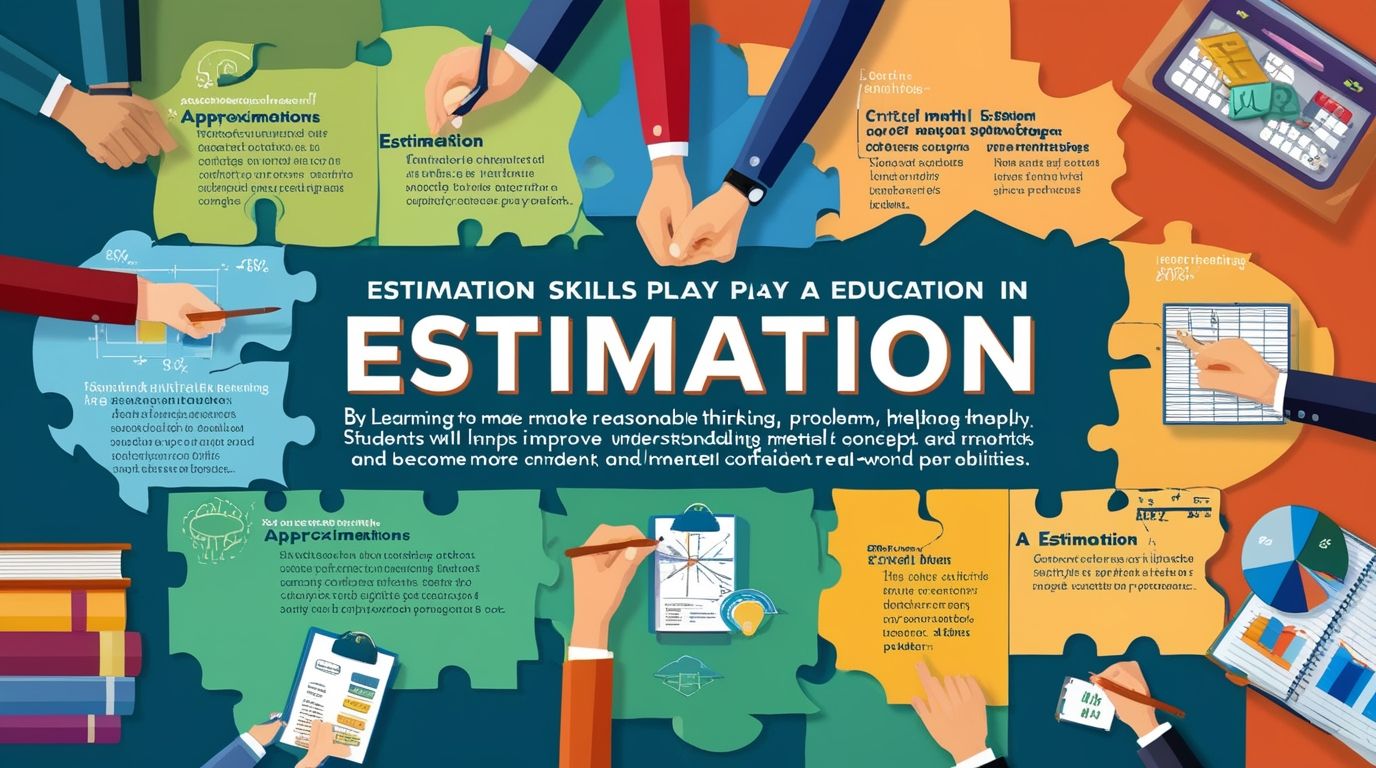
- Measurement and estimation
- Pattern recognition
- Spatial awareness
- Classification and sorting
- Data interpretation
- Problem-solving and reasoning
Developing these skills during early childhood creates a strong foundation for future mathematical learning. Play offers numerous opportunities to practice and strengthen these competencies in engaging ways.
The Relationship Between Play and Numeracy Development
Play naturally incorporates mathematical thinking. Children encounter numerical and spatial concepts in many forms of play without necessarily recognizing them as mathematics.
Counting and Number Sense
Games involving dice, cards, or board movement encourage counting and number recognition. Children learn one-to-one correspondence, sequencing, and quantity relationships through repeated exposure during play.
For example, when children move pieces in a board game according to the number shown on a die, they practice counting, number recognition, and numerical reasoning.
Pattern Recognition
Pattern recognition is a foundational mathematical skill. Through activities such as bead threading, block arrangements, and rhythmic games, children learn to identify, create, and extend patterns.
Recognizing patterns supports later learning in algebraic thinking and problem-solving.
Measurement Concepts
Play activities frequently involve measurement. Children compare lengths of objects, estimate quantities, measure ingredients, and evaluate distances during play scenarios.
For instance, sand and water play encourage children to explore volume, capacity, and comparison concepts.
Spatial Reasoning
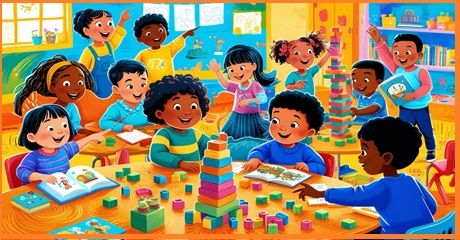
Construction activities using blocks, puzzles, and building materials promote spatial awareness and geometric understanding. Children learn about shape, position, direction, symmetry, and balance while constructing structures.
Research suggests that strong spatial reasoning skills are associated with later achievement in mathematics and science.
Problem-Solving Skills
Play presents challenges that require planning, decision-making, and reasoning. Whether solving a puzzle, building a stable tower, or navigating a game, children engage in mathematical problem-solving processes.
These experiences help develop persistence, critical thinking, and logical reasoning.
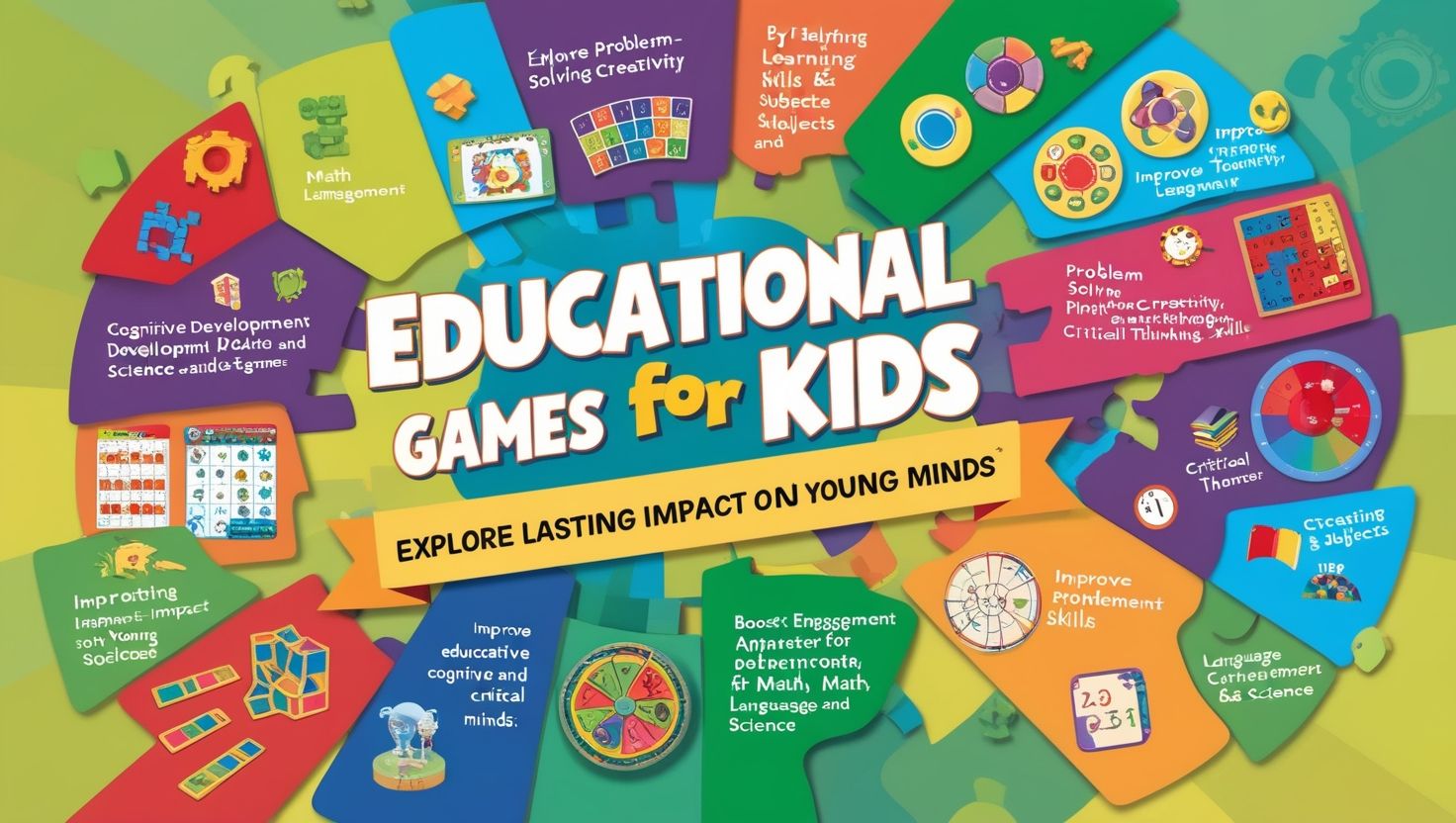
Types of Play That Promote Numeracy
Block Play
Block play is one of the most effective methods for supporting mathematical learning. Children use blocks to explore:
- Counting
- Geometry
- Measurement
- Symmetry
- Spatial relationships
Building structures encourages experimentation with balance, proportion, and shape.
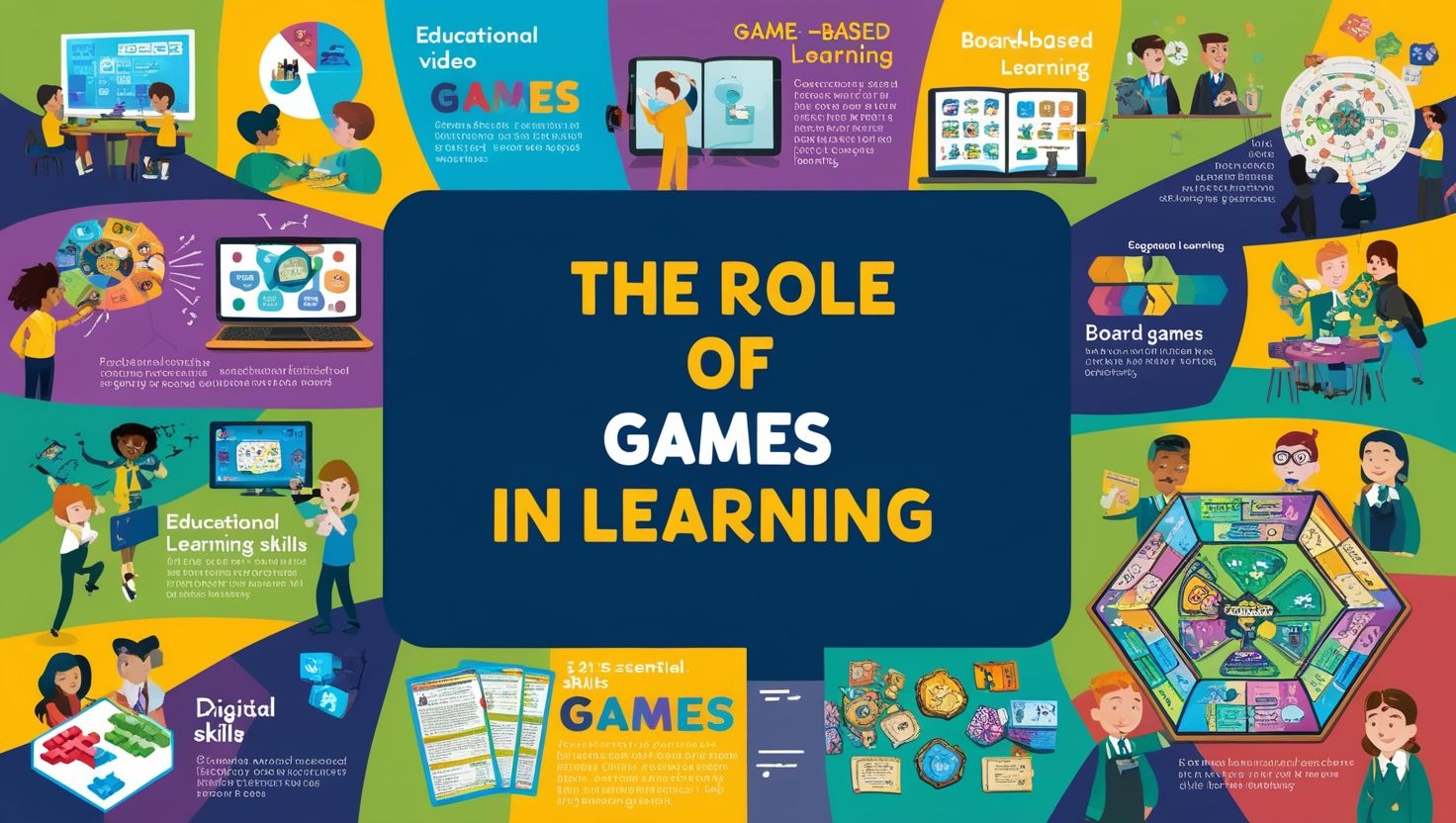
Board Games
Board games provide opportunities for:
- Counting
- Number recognition
- Strategic thinking
- Probability understanding
Simple games can significantly improve children’s numerical knowledge and counting skills.
Puzzle Activities
Puzzles support:
- Spatial reasoning
- Shape recognition
- Pattern identification
- Logical thinking
Children develop perseverance and problem-solving abilities while completing puzzles.
Dramatic and Role Play
Pretend play settings such as shops, restaurants, and banks create authentic mathematical experiences. Children practice:
- Counting money
- Measuring ingredients
- Comparing prices
- Recording quantities
These activities connect mathematics to real-world situations.
Outdoor Play
Outdoor environments provide opportunities for:
- Measuring distances
- Counting objects
- Sorting natural materials
- Identifying patterns
Physical movement combined with mathematical tasks enhances engagement and understanding.
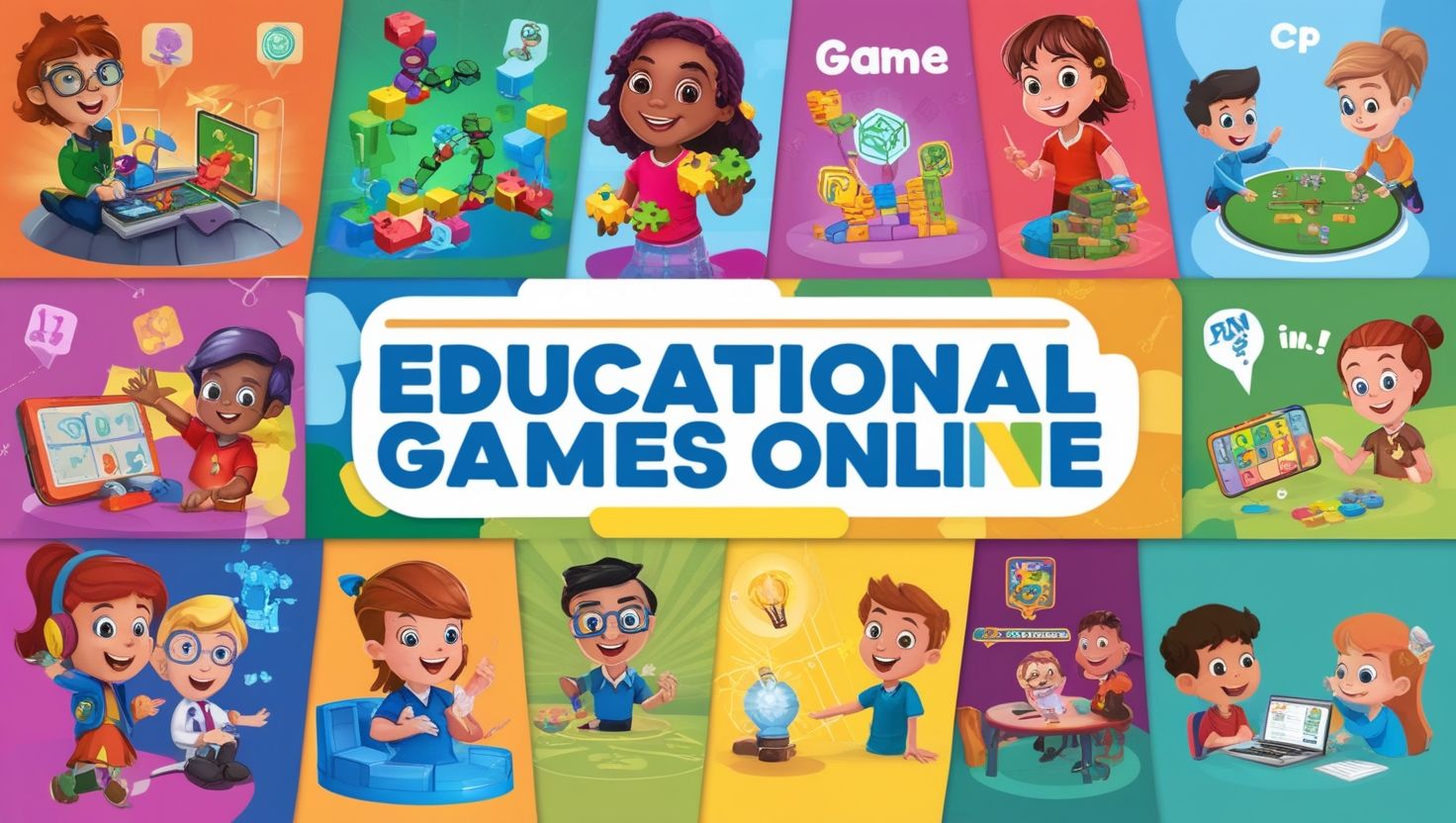
Digital Play
Educational technology can support numeracy development through interactive games and simulations. High-quality digital tools offer immediate feedback and adaptive challenges that strengthen mathematical skills.
However, digital play should complement rather than replace hands-on experiences.
Strategies for Integrating Numeracy into Play
Creating a Mathematics-Rich Environment
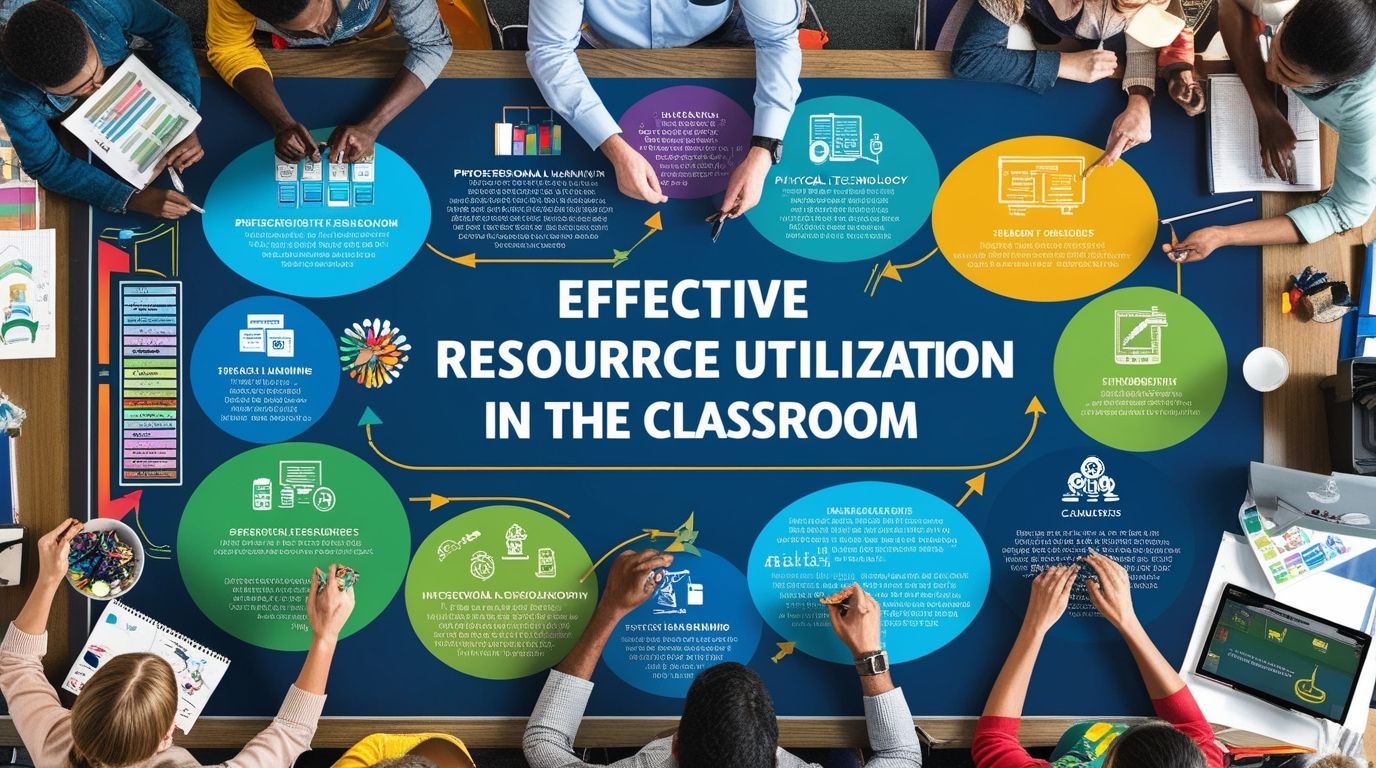
Teachers should provide resources that encourage mathematical exploration, including:
- Counting materials
- Measuring tools
- Pattern blocks
- Number charts
- Construction materials
Visible mathematical representations help children connect play experiences with mathematical concepts.
Using Mathematical Language
Adults play a crucial role in modeling mathematical vocabulary. During play, teachers can introduce terms such as:
- More and less
- Longer and shorter
- Heavier and lighter
- Bigger and smaller
- Before and after
Consistent use of mathematical language supports conceptual understanding.
Asking Open-Ended Questions
Effective questioning encourages mathematical thinking. Examples include:
- How many blocks did you use?
- What happens if we add another block?
- Which container holds more water?
- How can we make this pattern continue?
Such questions stimulate reasoning and reflection.
Encouraging Exploration
Children should be given opportunities to experiment, make mistakes, and discover mathematical relationships independently. Guided exploration promotes deeper understanding than direct instruction alone.
Linking Play to Everyday Life
Connecting mathematical concepts to daily experiences enhances relevance and retention. Activities such as cooking, shopping, gardening, and organizing materials provide authentic contexts for numeracy development.
The Role of Teachers
Teachers serve as facilitators of play-based numeracy learning. Their responsibilities include:
Planning Purposeful Play
Effective play-based learning requires intentional planning. Teachers should design activities that align with mathematical learning objectives while preserving the spontaneity and enjoyment of play.
Observing and Assessing Learning
Observation enables teachers to identify children’s mathematical understanding and developmental needs. Assessment can occur through anecdotal records, photographs, conversations, and work samples.
Providing Scaffolding
Teachers can extend children’s mathematical thinking by offering prompts, questions, and challenges that encourage deeper exploration.
Supporting Inclusive Learning
Play-based approaches accommodate diverse learning styles and abilities, making mathematics accessible to all learners.
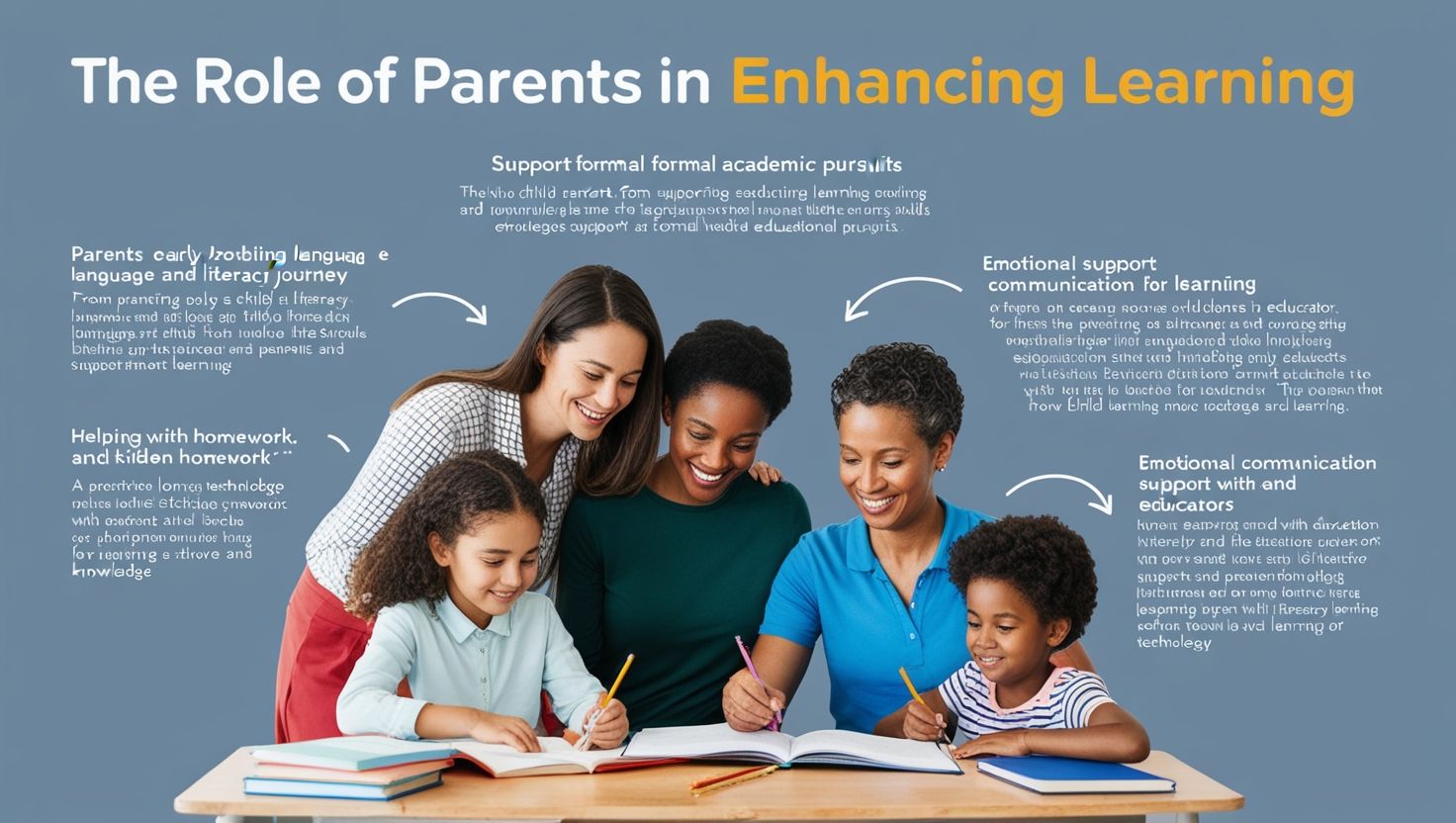
The Role of Parents and Families
Families play an essential role in developing numeracy skills. Everyday home activities provide valuable opportunities for mathematical learning.
Examples include:
- Counting household objects
- Measuring ingredients during cooking
- Comparing prices while shopping
- Playing board games
- Sorting laundry by color or size
Parents who engage children in mathematical conversations contribute significantly to numeracy development.
Benefits of Promoting Numeracy Through Play
Enhanced Engagement
Children are naturally motivated to participate in play activities, leading to increased attention and persistence.
Positive Attitudes Toward Mathematics
Play reduces anxiety and helps children develop confidence in their mathematical abilities.
Improved Conceptual Understanding
Hands-on experiences promote deeper comprehension of mathematical concepts.
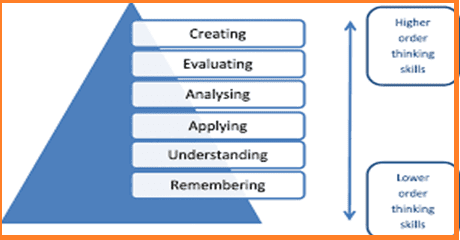
Development of Higher-Order Thinking Skills
Play encourages analysis, reasoning, creativity, and problem-solving.
Social and Emotional Development
Collaborative play supports communication, cooperation, and self-regulation while reinforcing mathematical learning.
Challenges and Considerations
Despite its benefits, implementing play-based numeracy approaches may present challenges.
Curriculum Pressures
Teachers may feel pressure to prioritize formal instruction over play due to assessment requirements.
Misconceptions About Play
Some stakeholders may view play as less educational than traditional teaching methods.
Resource Limitations
Effective play environments require appropriate materials and adequate space.
Teacher Preparation
Successful implementation depends on teachers’ understanding of both mathematics and play-based pedagogy.
Professional development can help educators address these challenges and maximize learning outcomes.
Conclusion
Promoting numeracy skills through play represents an effective and developmentally appropriate approach to mathematics education. Play creates engaging, meaningful, and authentic contexts in which children can explore mathematical concepts, develop problem-solving abilities, and build positive attitudes toward learning. Theoretical perspectives from Piaget, Vygotsky, and Bruner provide strong support for the integration of play into educational practice. Through activities such as block play, board games, puzzles, dramatic play, outdoor exploration, and digital learning, children acquire essential numeracy competencies that form the foundation for future academic success. Teachers and families play critical roles in creating supportive environments that encourage mathematical exploration and discovery. As educational systems continue to emphasize foundational skills, play-based learning should remain a central strategy for promoting numeracy development and fostering lifelong mathematical confidence.
References
Bruner, J. S. (1966). Toward a Theory of Instruction. Harvard University Press.
Duncan, G. J., Dowsett, C. J., Claessens, A., Magnuson, K., Huston, A. C., Klebanov, P., Pagani, L. S., Feinstein, L., Engel, M., Brooks-Gunn, J., Sexton, H., Duckworth, K., & Japel, C. (2007). School readiness and later achievement. Developmental Psychology, 43(6), 1428–1446.
Fisher, K. R., Hirsh-Pasek, K., Golinkoff, R. M., Singer, D. G., & Berk, L. E. (2011). Playing around in school: Implications for learning and educational policy. In A. D. Pellegrini (Ed.), The Oxford Handbook of the Development of Play (pp. 341–360). Oxford University Press.
Ginsburg, H. P., Lee, J. S., & Boyd, J. S. (2008). Mathematics education for young children: What it is and how to promote it. Social Policy Report, 22(1), 3–24.
National Association for the Education of Young Children (NAEYC). (2020). Developmentally Appropriate Practice Position Statement. Washington, DC: NAEYC.
Piaget, J. (1952). The Origins of Intelligence in Children. International Universities Press.
Sarama, J., & Clements, D. H. (2009). Early Childhood Mathematics Education Research: Learning Trajectories for Young Children. Routledge.
Seo, K. H., & Ginsburg, H. P. (2004). What is developmentally appropriate in early childhood mathematics education? Lessons from New Research. National Association for the Education of Young Children.
Vygotsky, L. S. (1978). Mind in Society: The Development of Higher Psychological Processes. Harvard University Press.
Wortham, S. C. (2018). Early Childhood Curriculum: Developmental Bases for Learning and Teaching (7th ed.). Pearson.