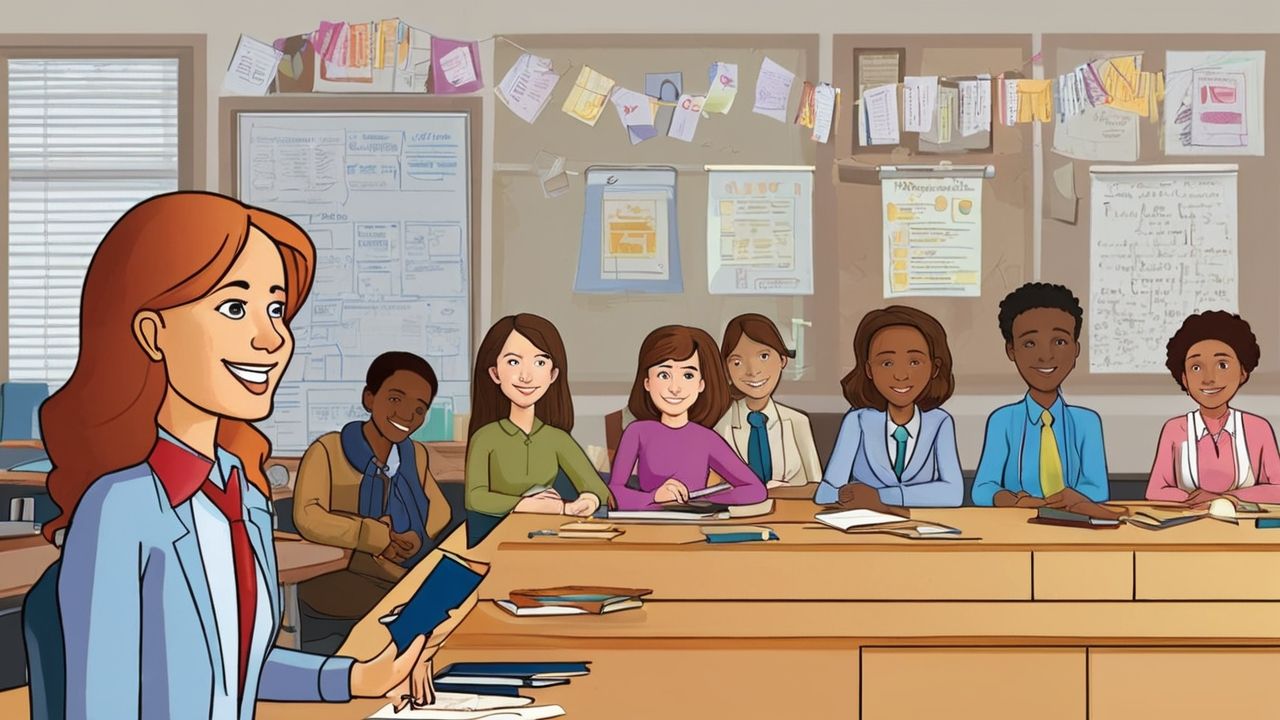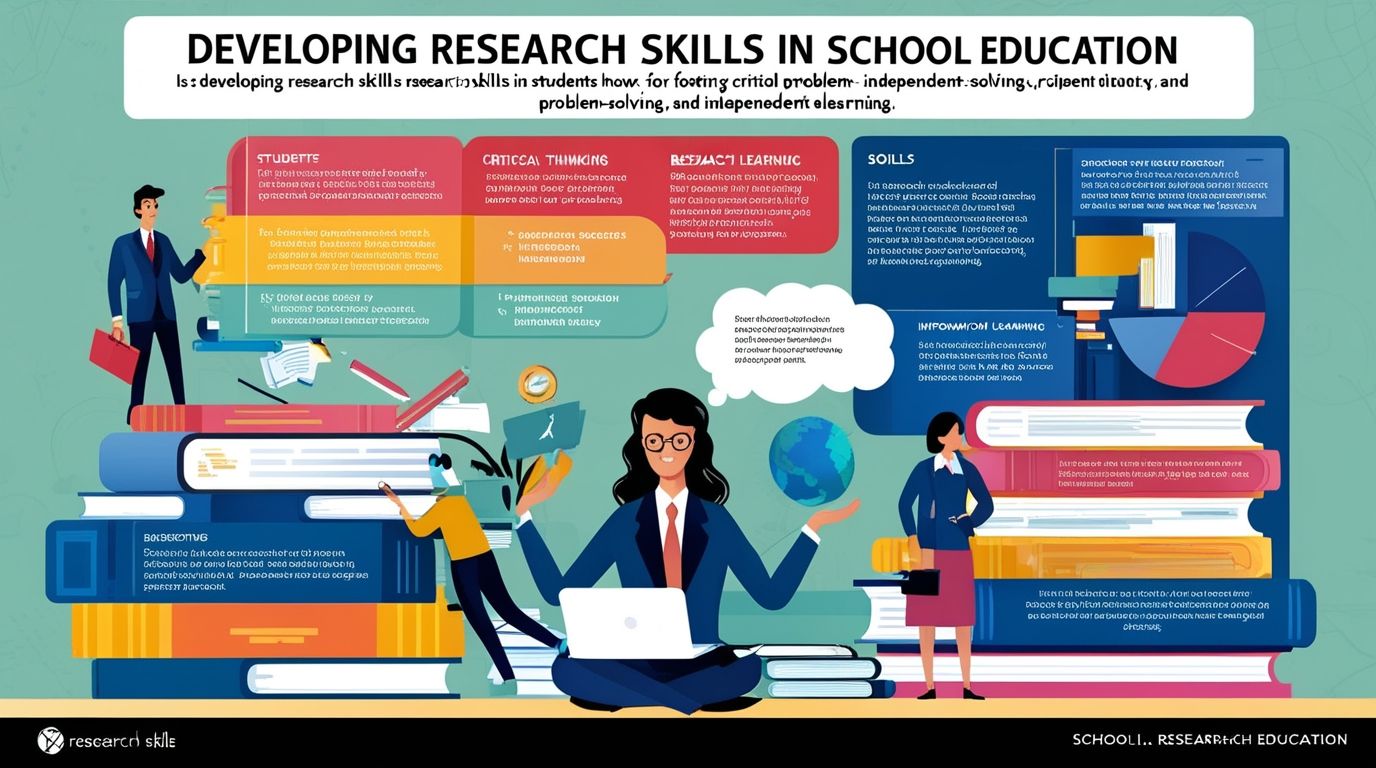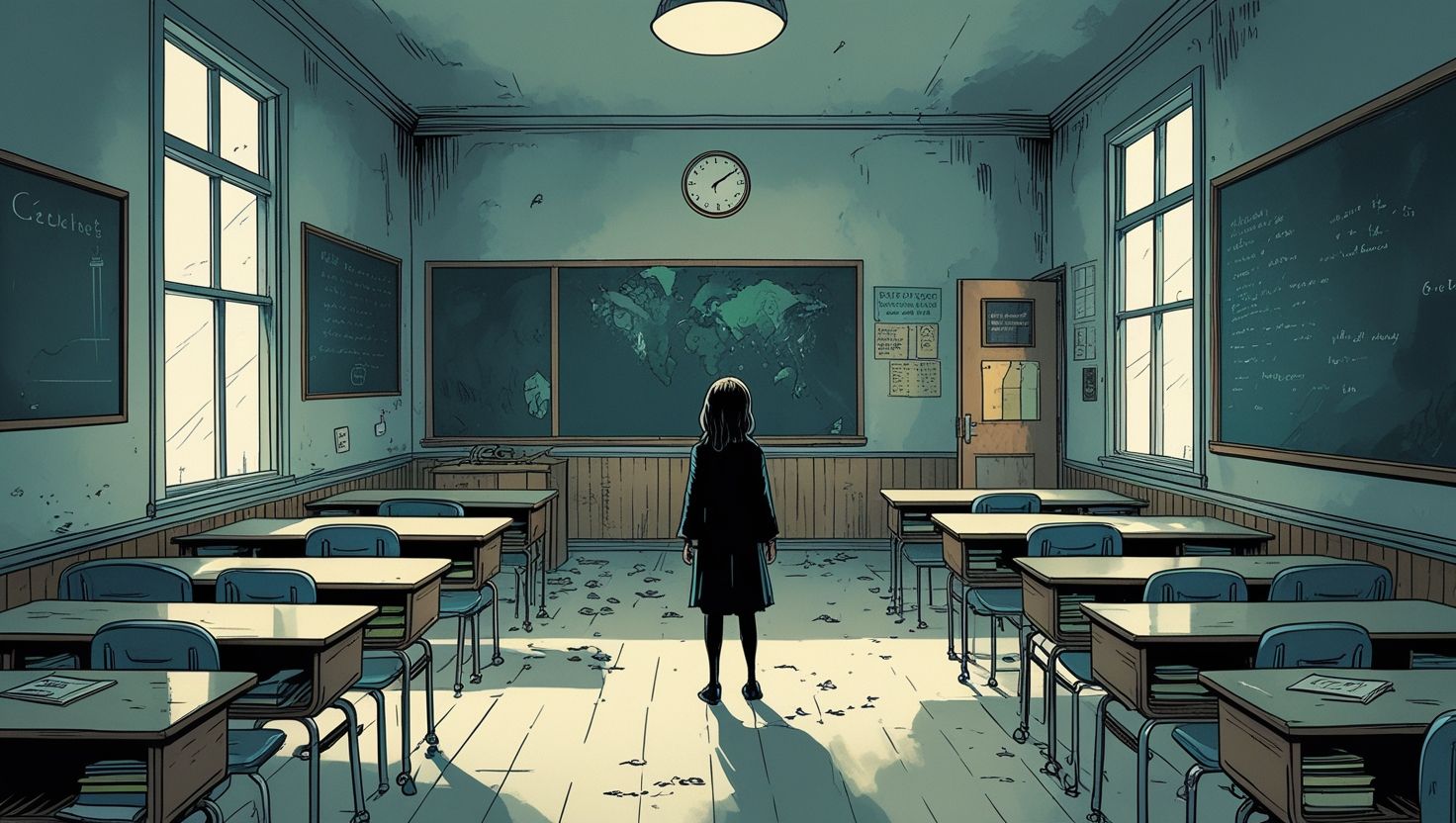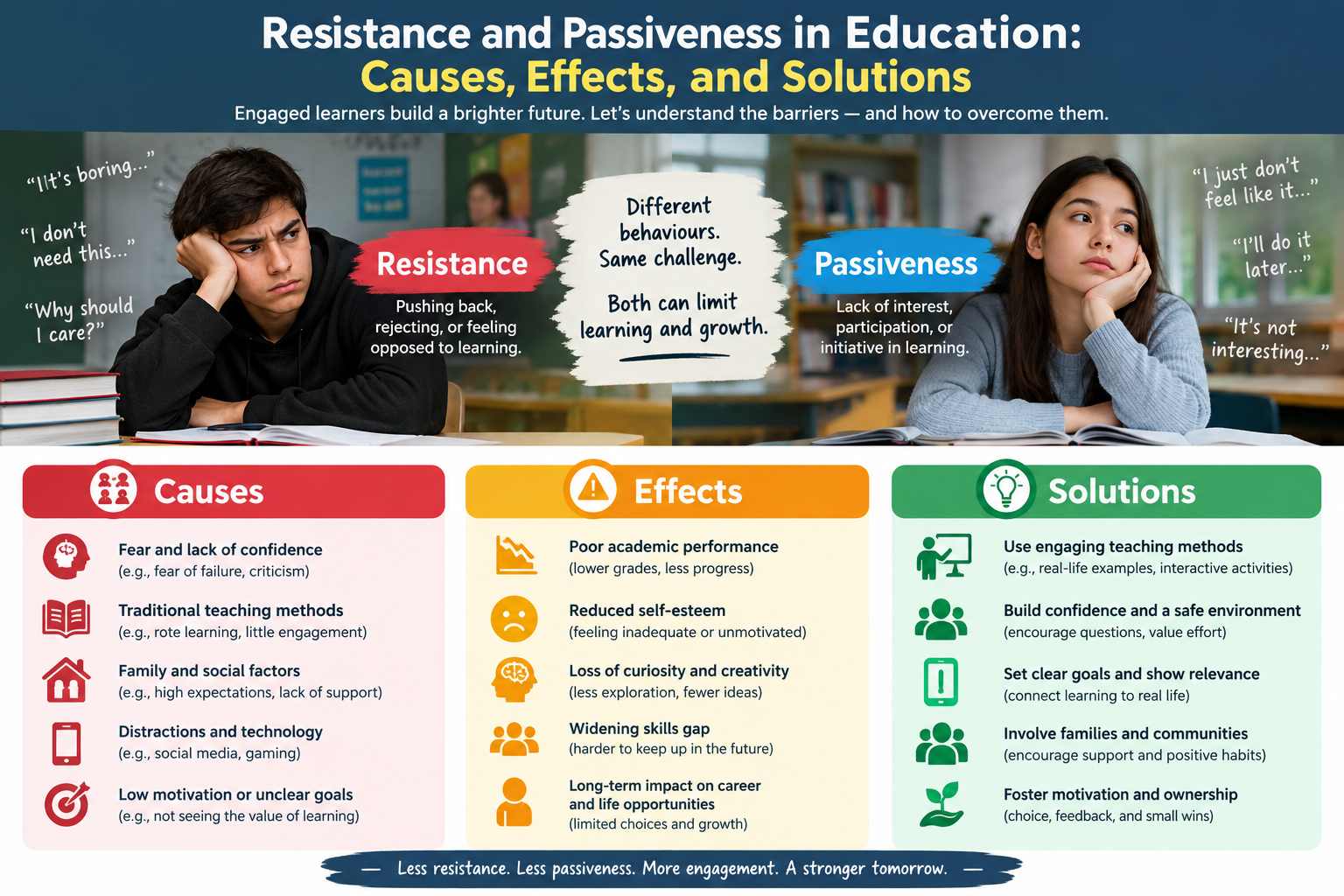
Resistance and Passiveness in Education: Causes, Effects, and Solutions, Walk into almost any classroom and you will see two quiet problems. Some students push back against lessons, rules, or teachers. Others sit silently, copy notes, and wait for the bell. Both behaviors drain learning, and both deserve close attention from teachers, parents, and school leaders.
Resistance and passiveness in education shape how much students learn, how they feel about school, and how far they go in life. This article explains what these behaviors look like, why they appear, what they cost, and how educators can turn them into student engagement. You will find practical steps you can apply this week.
What Is Resistance in Education?
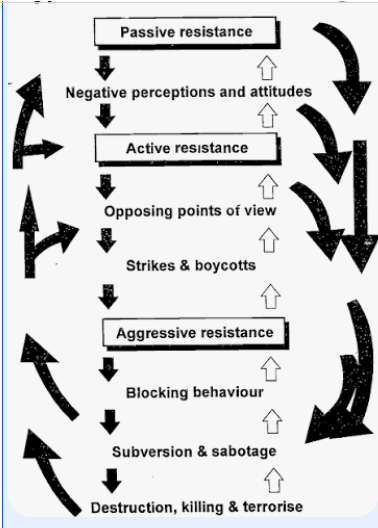
Resistance in education describes any active or visible opposition to learning tasks, teachers, or school structures. Researchers often call it student resistance. It ranges from small acts to open conflict.
Common signs include:
- Arguing with instructions or refusing to start work
- Skipping assignments or arriving late on purpose
- Talking over the teacher or distracting classmates
- Questioning the purpose of every task
- Using phones or other devices to avoid the lesson
Many adults read this behavior as disrespect. In reality, student resistance often sends a message. A student who says “Why do we need this?” may feel the lesson has no connection to real life. A student who refuses a test may fear failure. When teachers listen to the message, they can solve the problem instead of fighting the symptom.
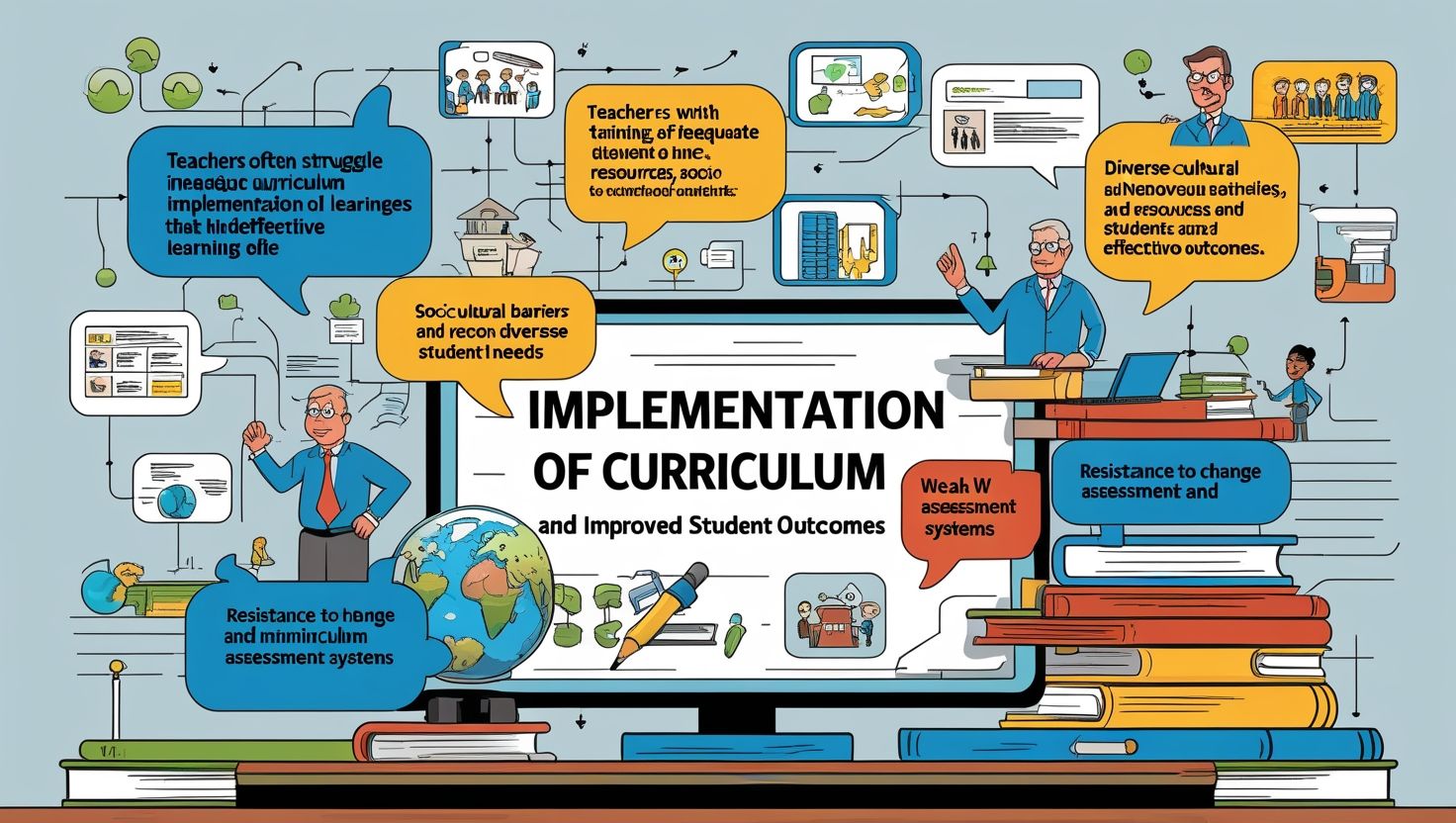
Resistance also appears among teachers and schools. Educators may resist new curricula, new technology, or new assessment rules, especially when leaders announce changes without explaining the reasons. Resistance to change in education slows reform as much as student defiance slows a single class.
What Is Passiveness in Education?
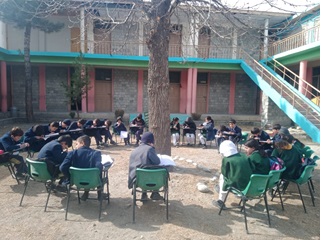
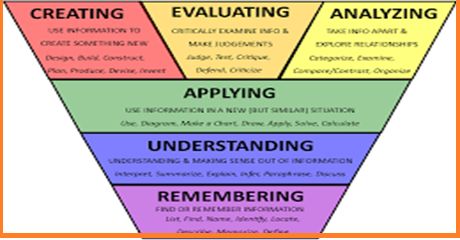
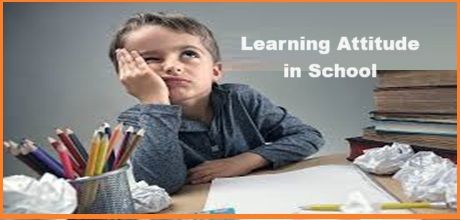
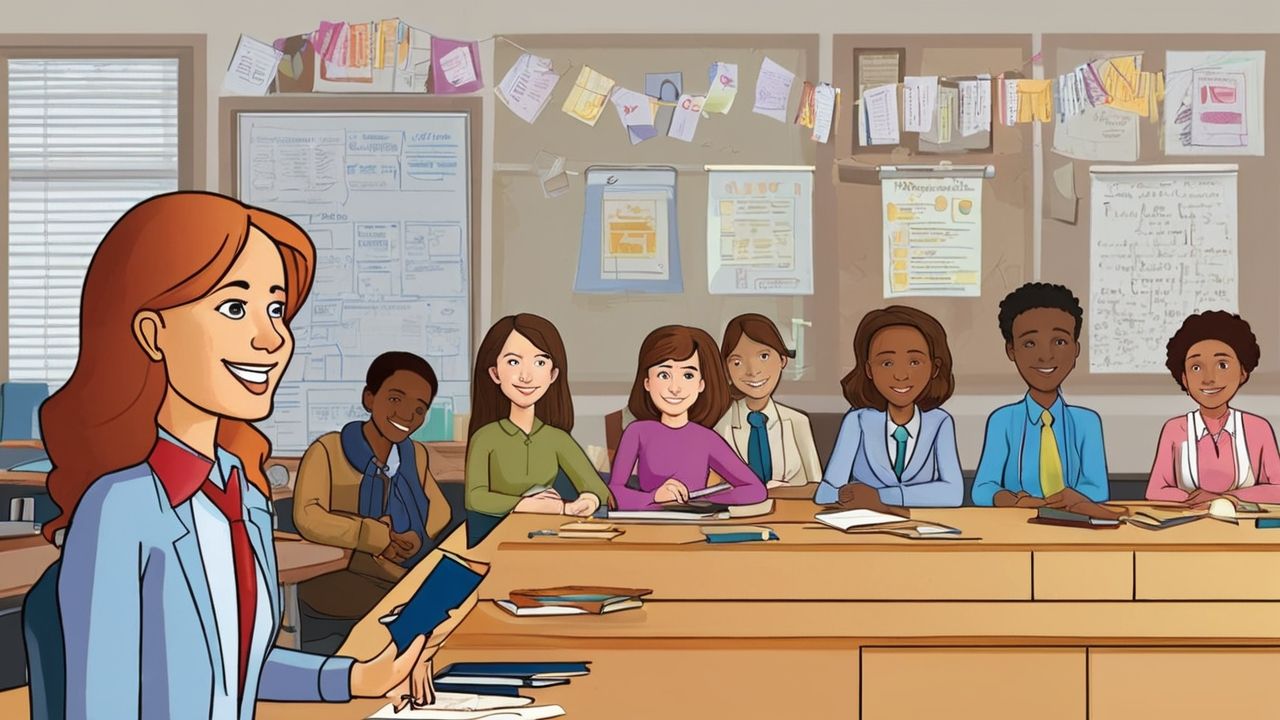
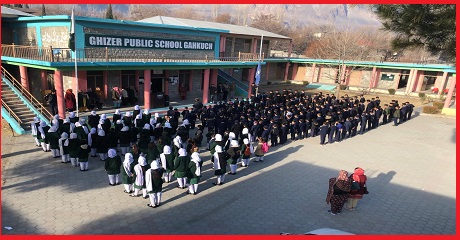
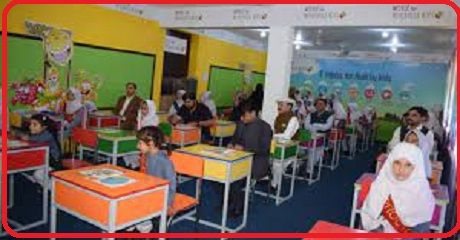
Passiveness in education looks calmer, but it hurts just as much. Passive students follow the rules and stay quiet. They rarely ask questions, share ideas, or take risks. They absorb information the way a sponge absorbs water and release it on exam day.
This pattern is known as passive learning. The teacher talks, the students listen, and the exchange moves in one direction. Typical features include:
- Long lectures with little discussion
- Memorization of facts without application
- Students who wait for answers instead of searching for them
- Low classroom participation, even among capable learners
- Dependence on the teacher for every next step
Passive students rarely cause trouble, so schools often overlook them. Teachers praise their good behavior and miss their lack of curiosity. Over time, these students learn that school rewards compliance, not thinking.
Resistance vs. Passiveness: Two Sides of Disengagement
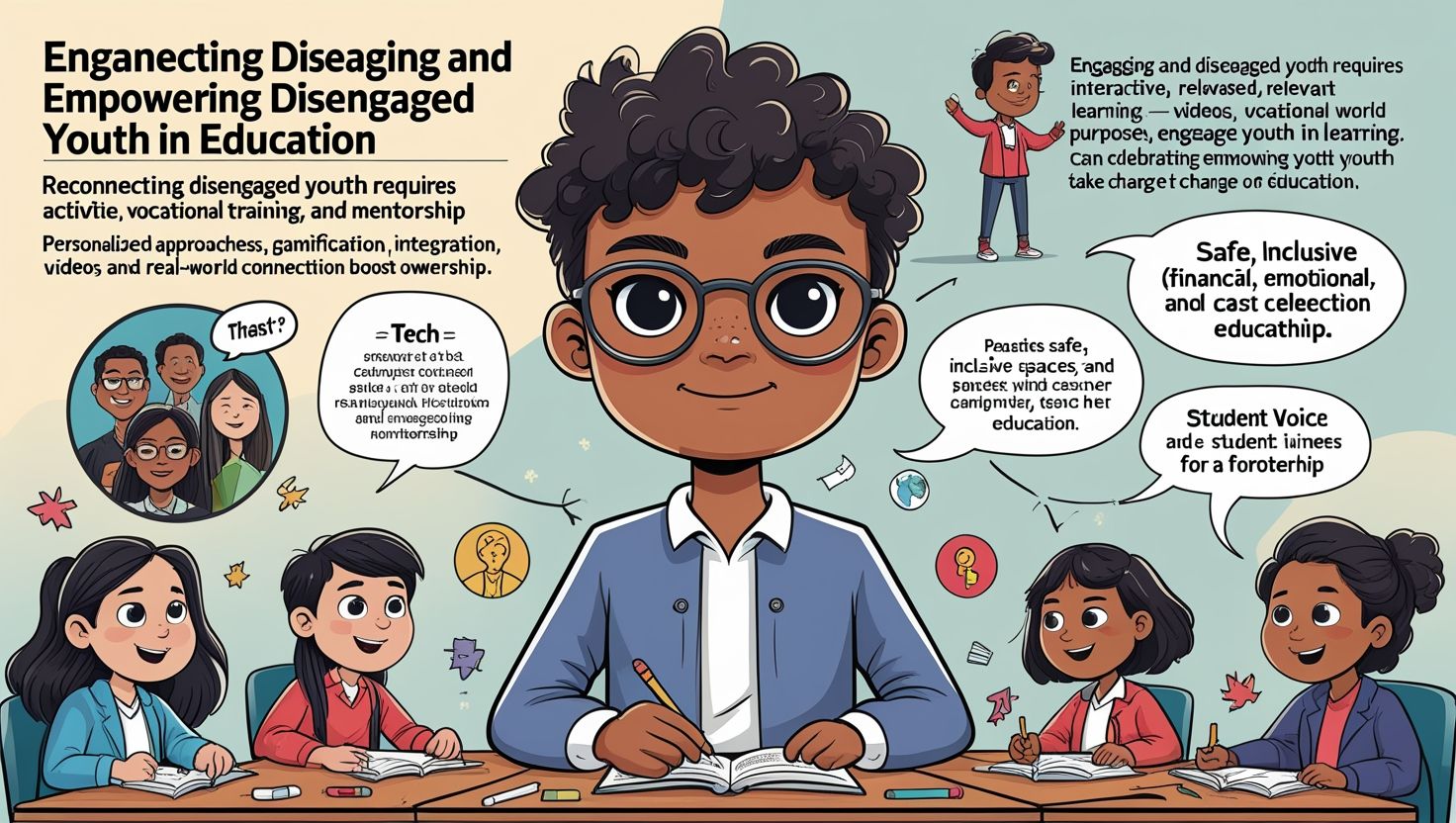
Resistance and passiveness look opposite, yet they share a root: student disengagement. Disengaged students do not invest effort, attention, or emotion in learning. One group shows it loudly. The other shows it silently.
Educational researchers describe engagement in three parts: behavioral (effort and participation), emotional (interest and belonging), and cognitive (deep thinking and self-regulation). Resistant students usually lose emotional engagement first. Passive students often keep behavioral engagement but lose cognitive engagement. Both groups need teachers to rebuild what they have lost.
A single student can switch between the two. A child who resists in math class may sit passively in history. Context matters, so educators should look at patterns across subjects, days, and settings before they label a learner.
Main Causes of Resistance and Passiveness in Education
1. Teaching Methods That Ignore the Learner
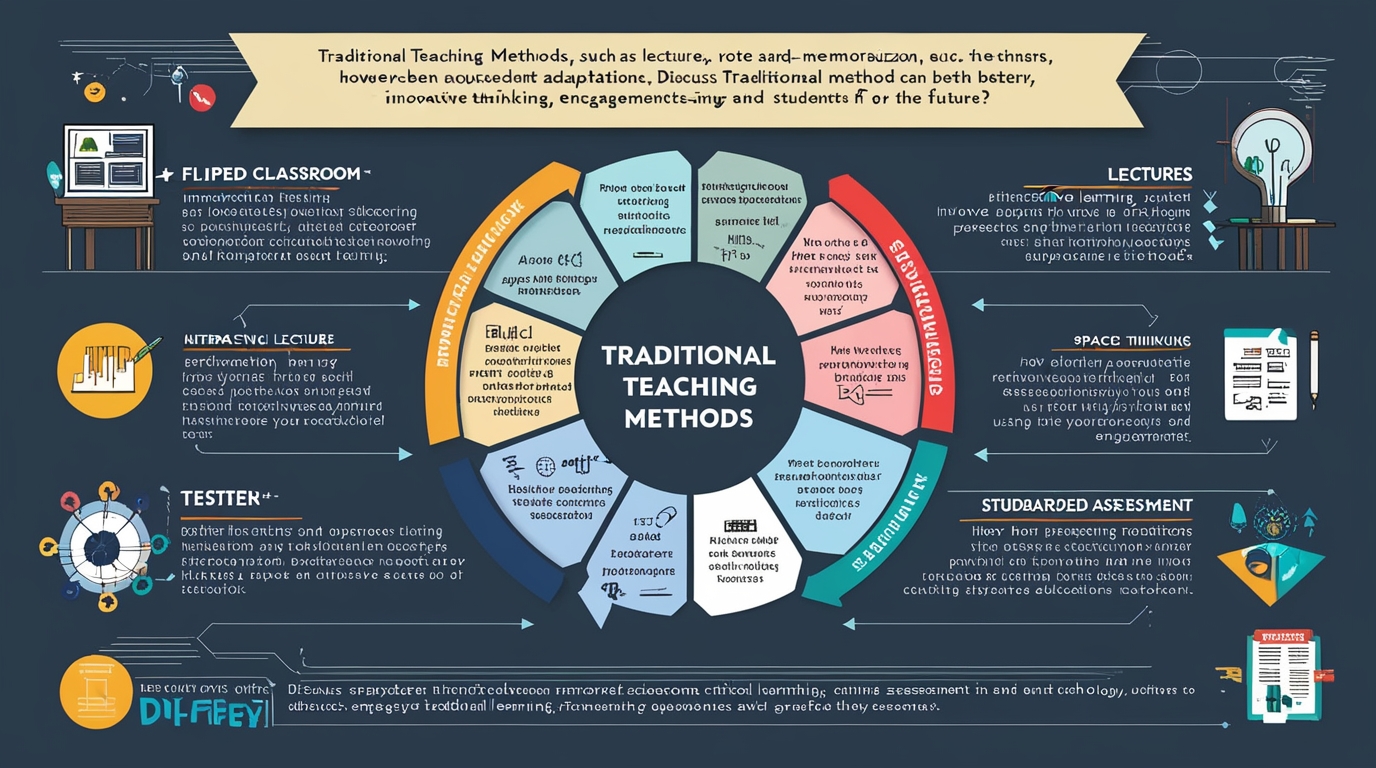
Lecture-heavy instruction encourages passive learning. When students never practice, discuss, or create, they have no reason to stay mentally active. Traditional models treat students as containers for information, and students respond by acting like containers.
2. Lack of Relevance
Students resist content that feels disconnected from their lives, goals, or culture. A lesson on fractions without any real-world context feels pointless to a ten-year-old. Teenagers ask the same question about literature, algebra, and history. Without a clear answer, motivation fades.
3. Fear of Failure and Judgment
Many students stay silent because they fear embarrassment. A wrong answer in front of peers can sting for days. Strict grading cultures make the fear stronger. Students decide that silence is safer than risk, so passiveness in education becomes a survival strategy.
4. Low Motivation and Weak Self-Belief
Students who believe they cannot succeed stop trying. Psychologists link this pattern to low academic motivation and low self-efficacy. Repeated poor grades, harsh feedback, or comparison with classmates deepen the belief. Resistance then shields the student’s pride: “I do not care” hurts less than “I cannot do it.”
5. Teacher-Student Relationships
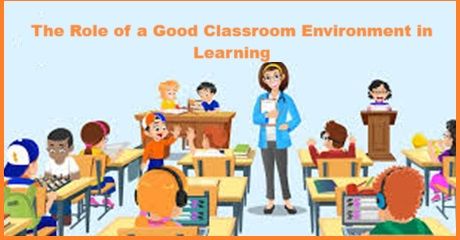
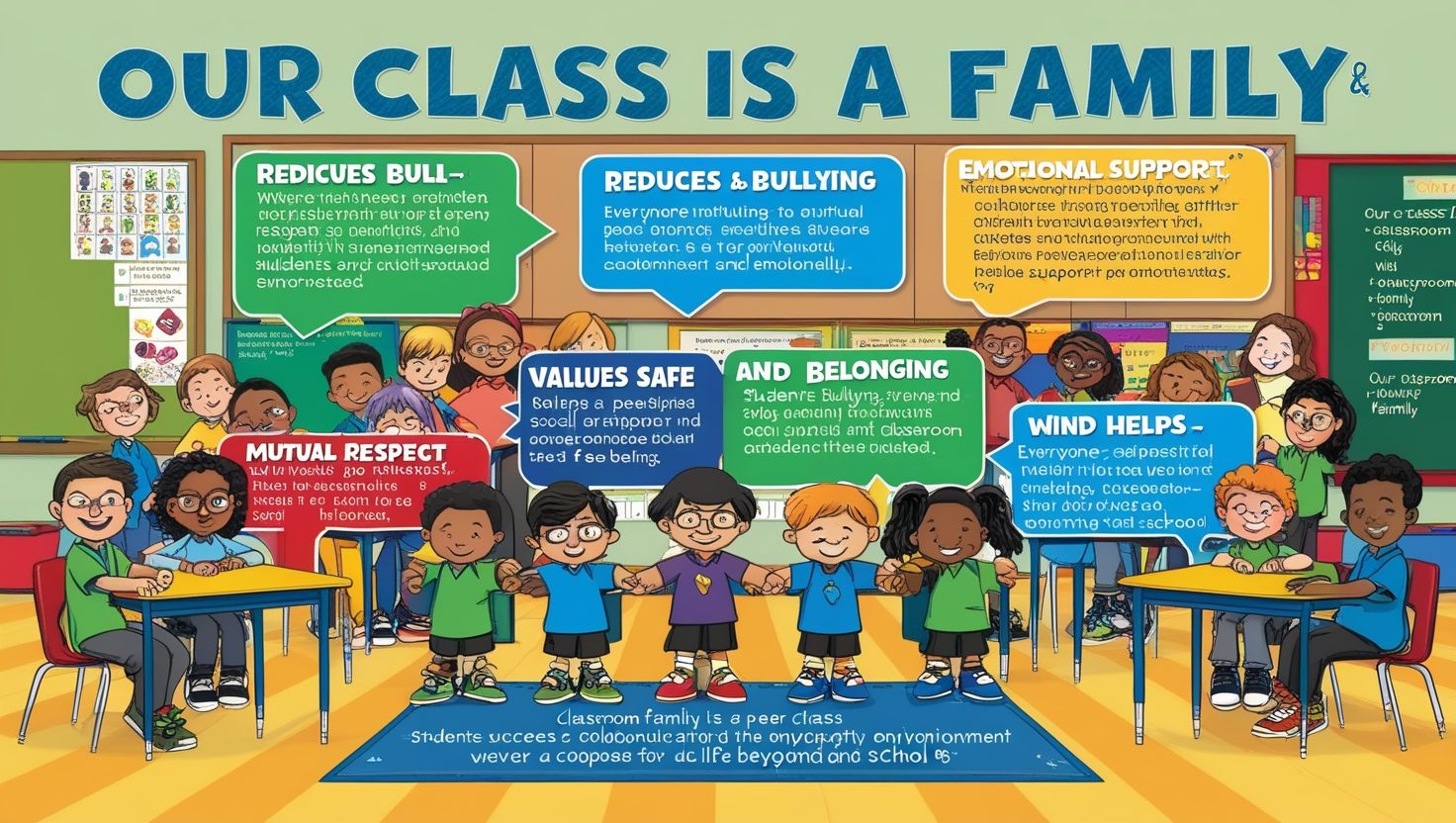
Students work harder for teachers they trust. Cold, sarcastic, or controlling teachers trigger both resistance and withdrawal. Warm, respectful teachers build safety, and safety invites participation.
6. Home and Social Factors
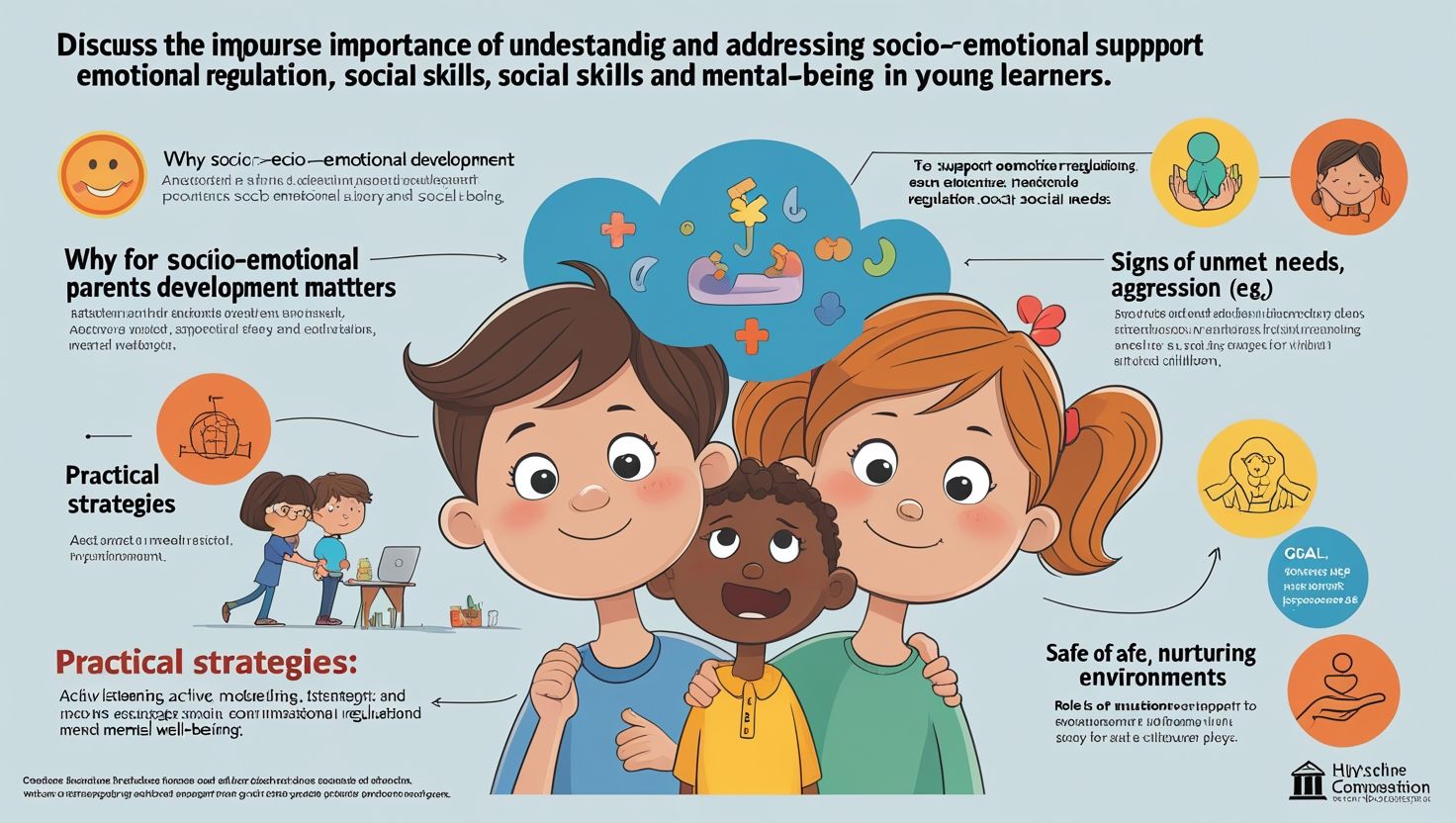
Stress at home, poverty, bullying, language barriers, and health problems all reduce a student’s energy for school. A tired or anxious child cannot focus on a worksheet. Schools that ignore these pressures misread exhaustion as laziness.
7. Rigid School Systems
High-stakes testing, crowded classrooms, and fixed schedules leave teachers little room for creative methods. Students sense the pressure. They learn to chase scores rather than understanding, and the cycle of passive learning continues.
The Effects on Students, Teachers, and Schools
Unchecked resistance and passiveness carry real costs.
For students, the effects include lower grades, weak critical thinking, poor communication skills, and a growing dislike of learning. Passive learners struggle later in college and at work, where employers expect initiative and problem-solving. Resistant learners risk suspension, dropout, and damaged self-image.
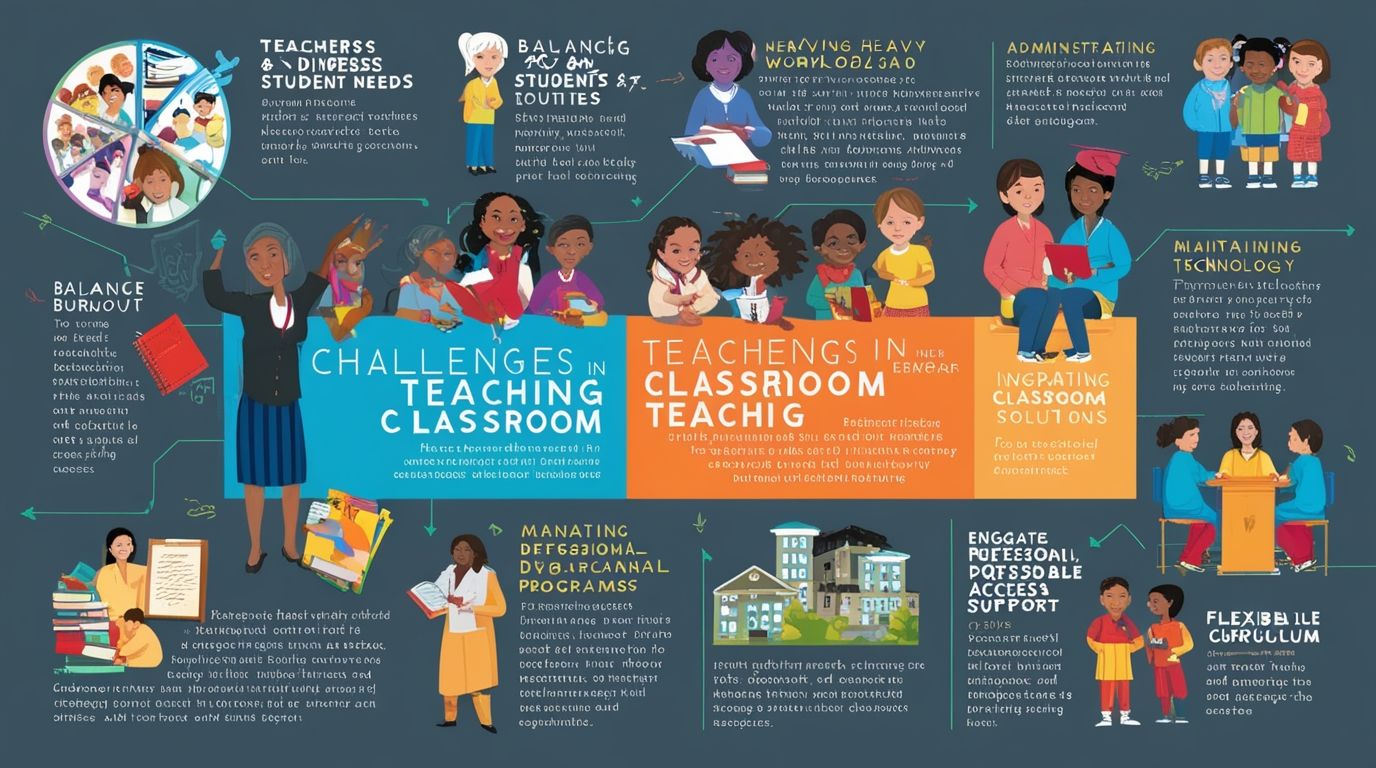
For teachers, constant pushback and silence cause frustration and burnout. A teacher who faces blank faces every day starts to doubt their own skill. Disruptive behavior also steals time from every other child in the room.
For schools and society, widespread student disengagement lowers achievement, raises dropout rates, and wastes public investment. Communities then face a workforce short on creativity, adaptability, and civic participation.
The damage stays hidden for years. A passive student may graduate with decent grades and still lack the ability to think independently. Schools measure what is easy to count and miss what matters most.
How to Overcome Resistance and Passiveness: Proven Strategies
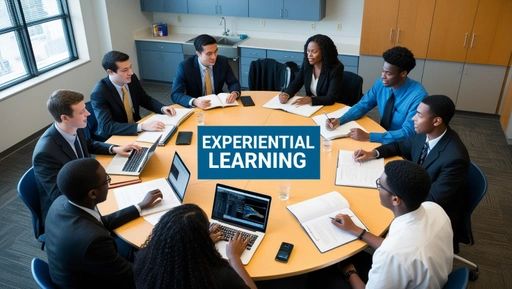
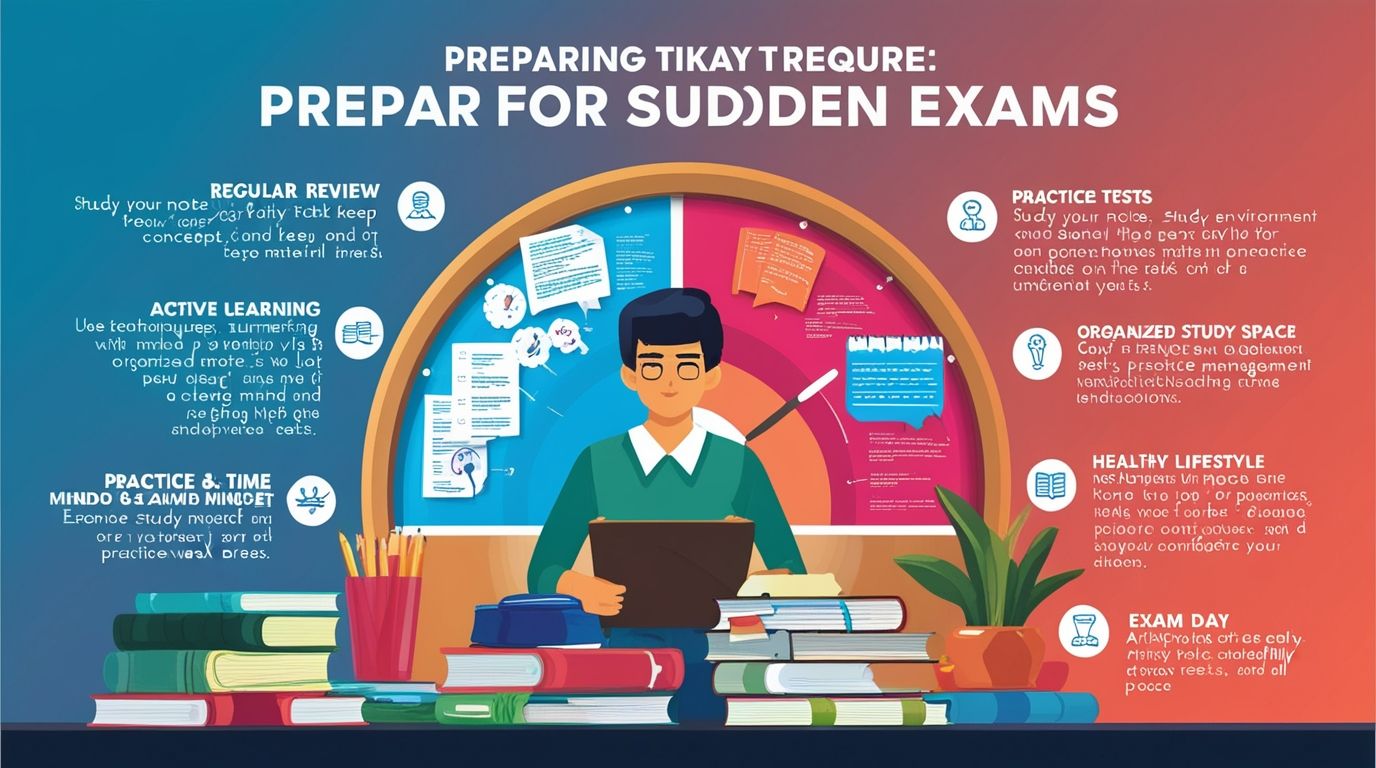
The good news: educators can reverse both patterns. A large body of research supports active learning as the most reliable fix. One major analysis of 225 studies found that students in traditional lecture classes were 1.5 times more likely to fail than students in active-learning classes. The strategies below build on that evidence.
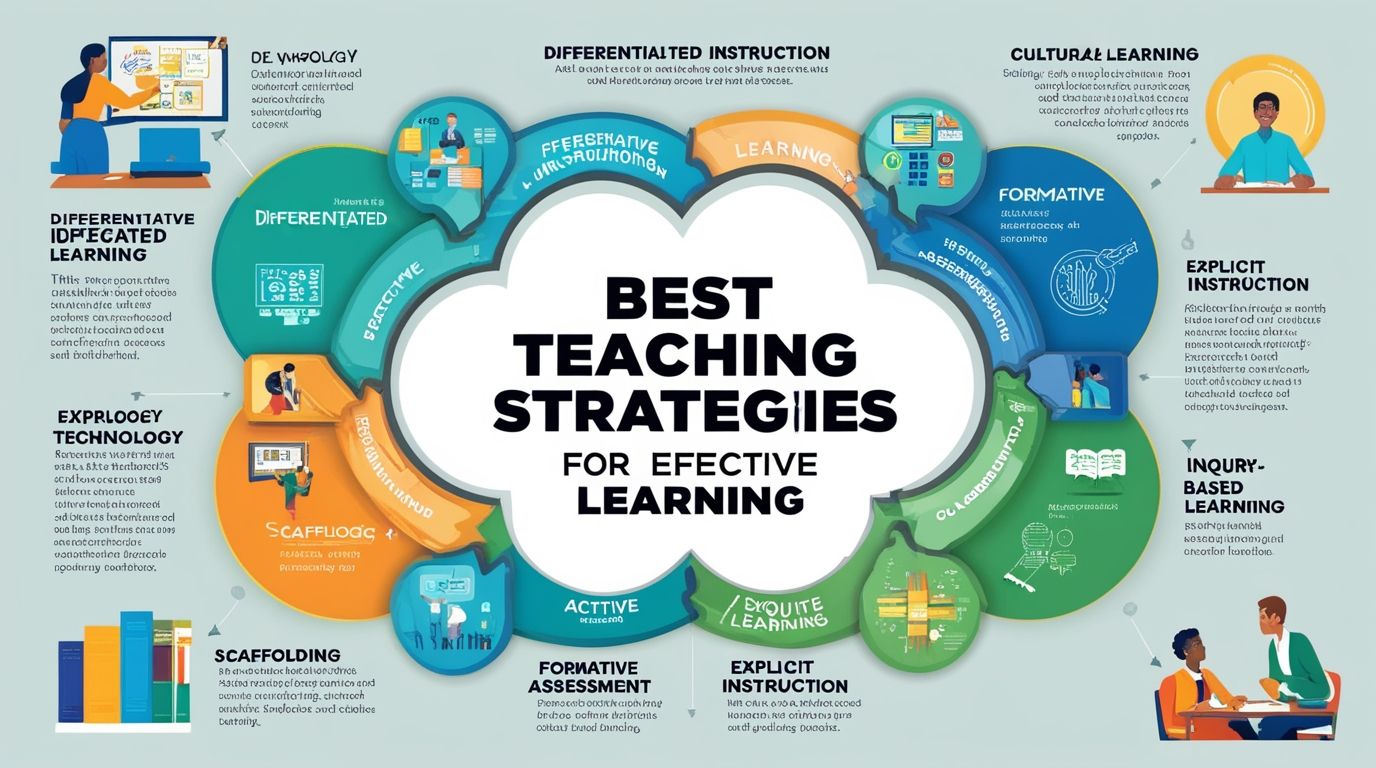
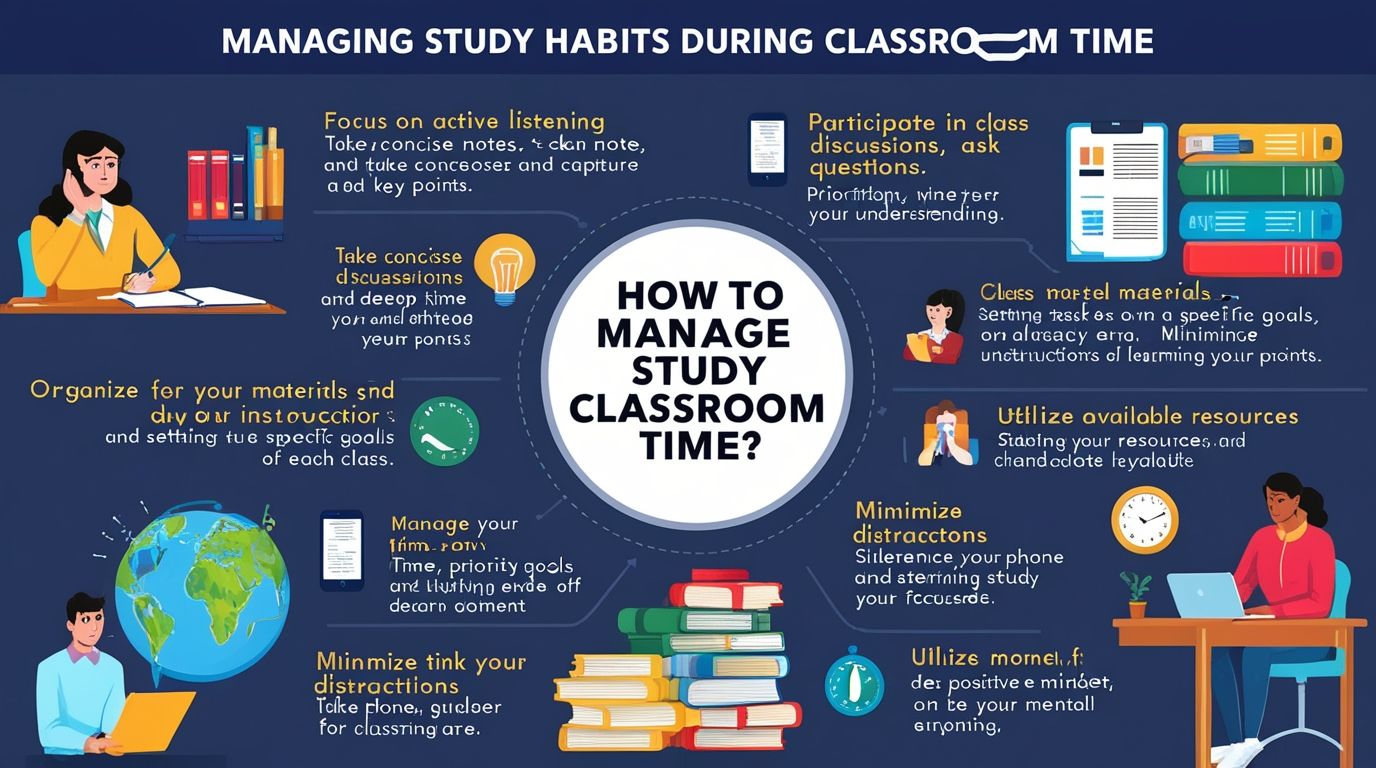
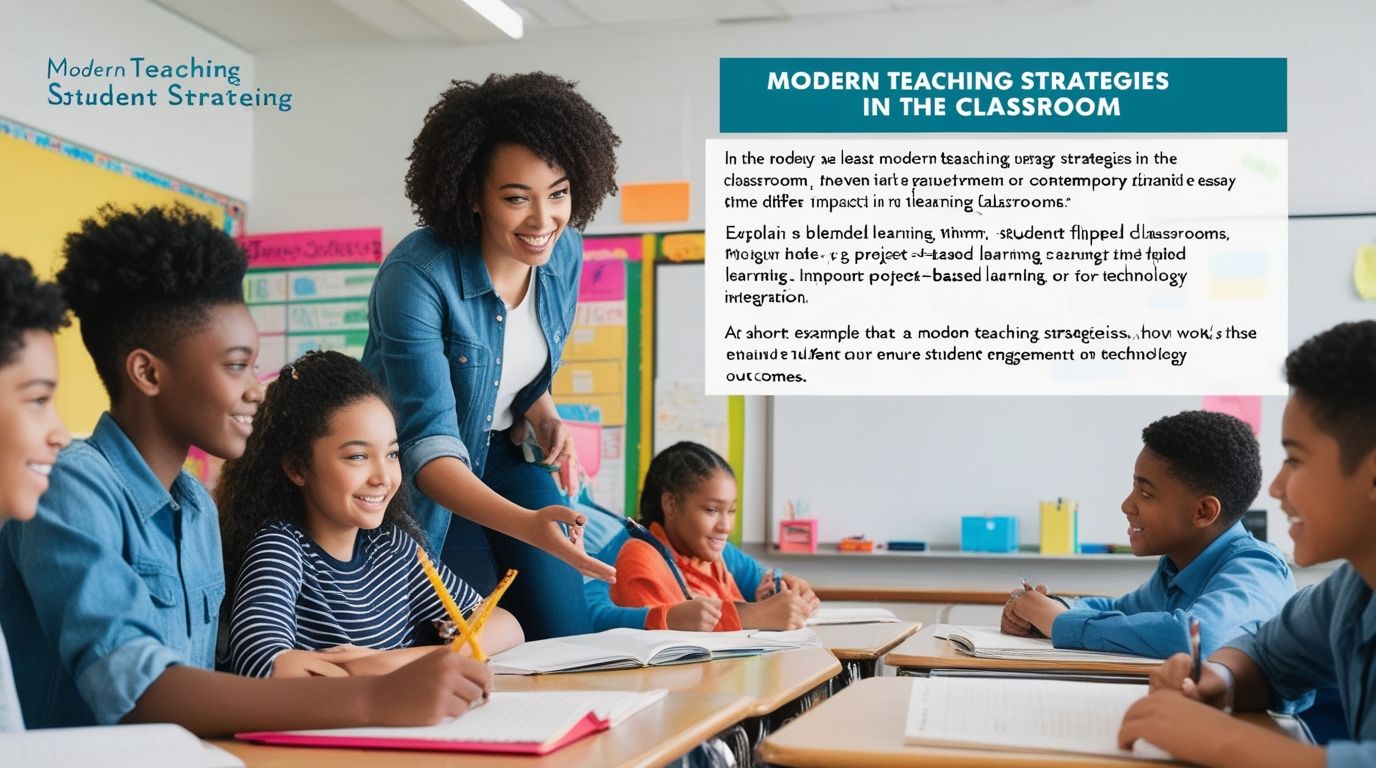
Use Active Learning Methods
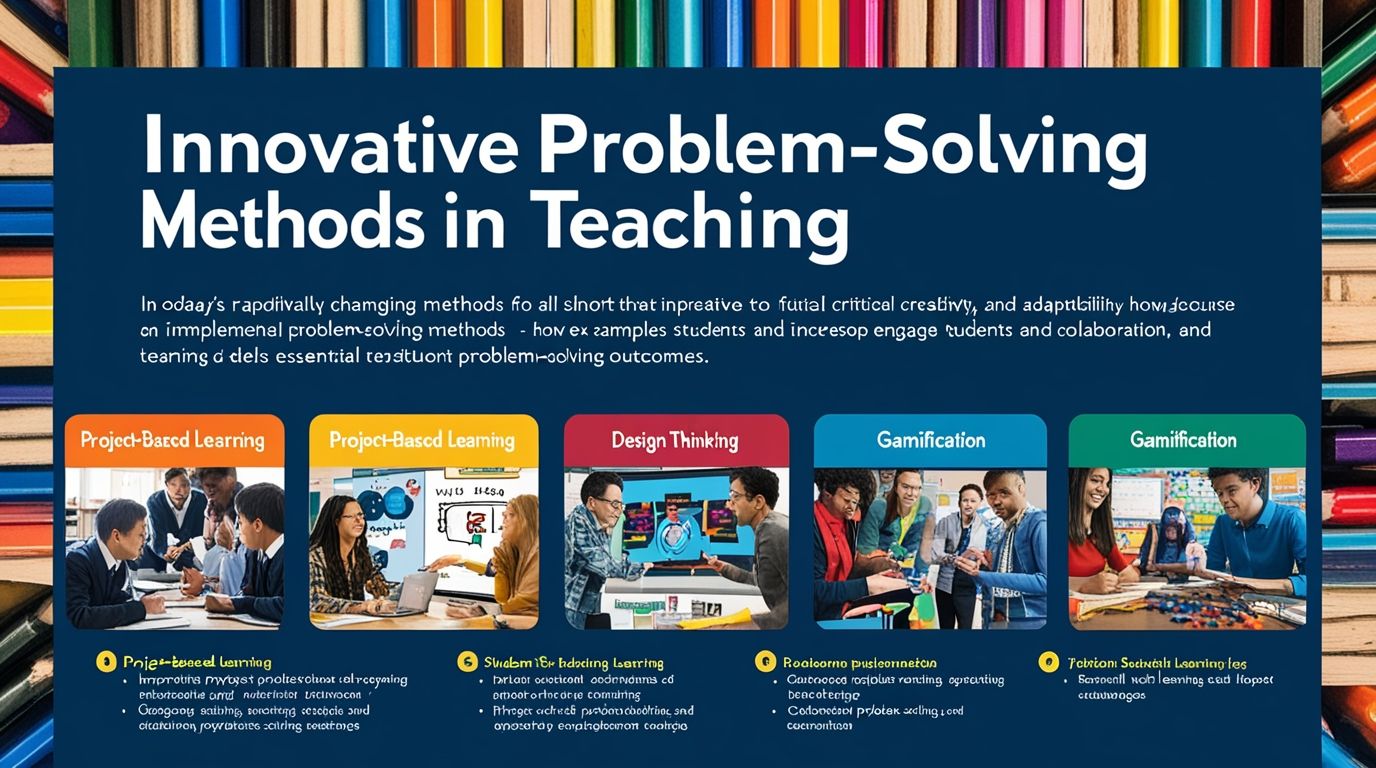
Replace some lecture time with tasks that make students think and speak. Try:
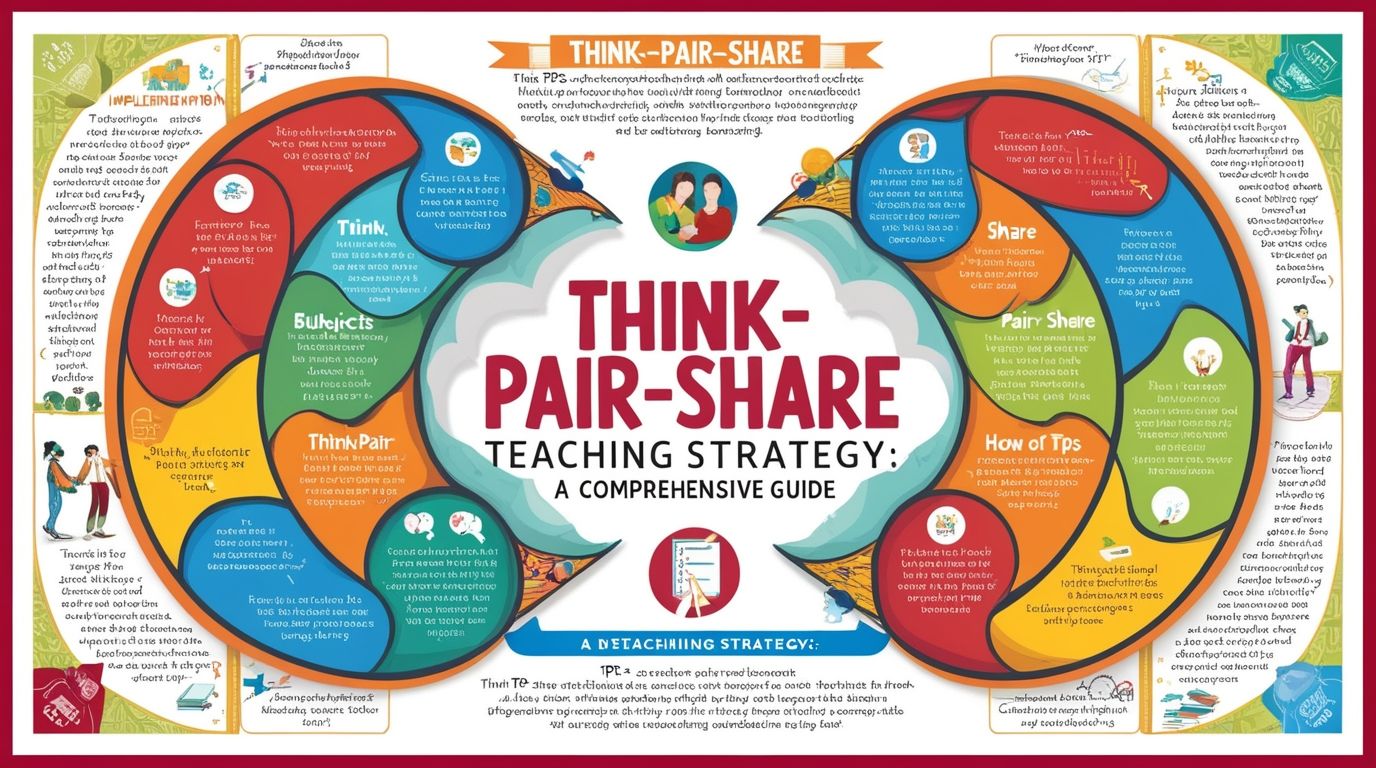
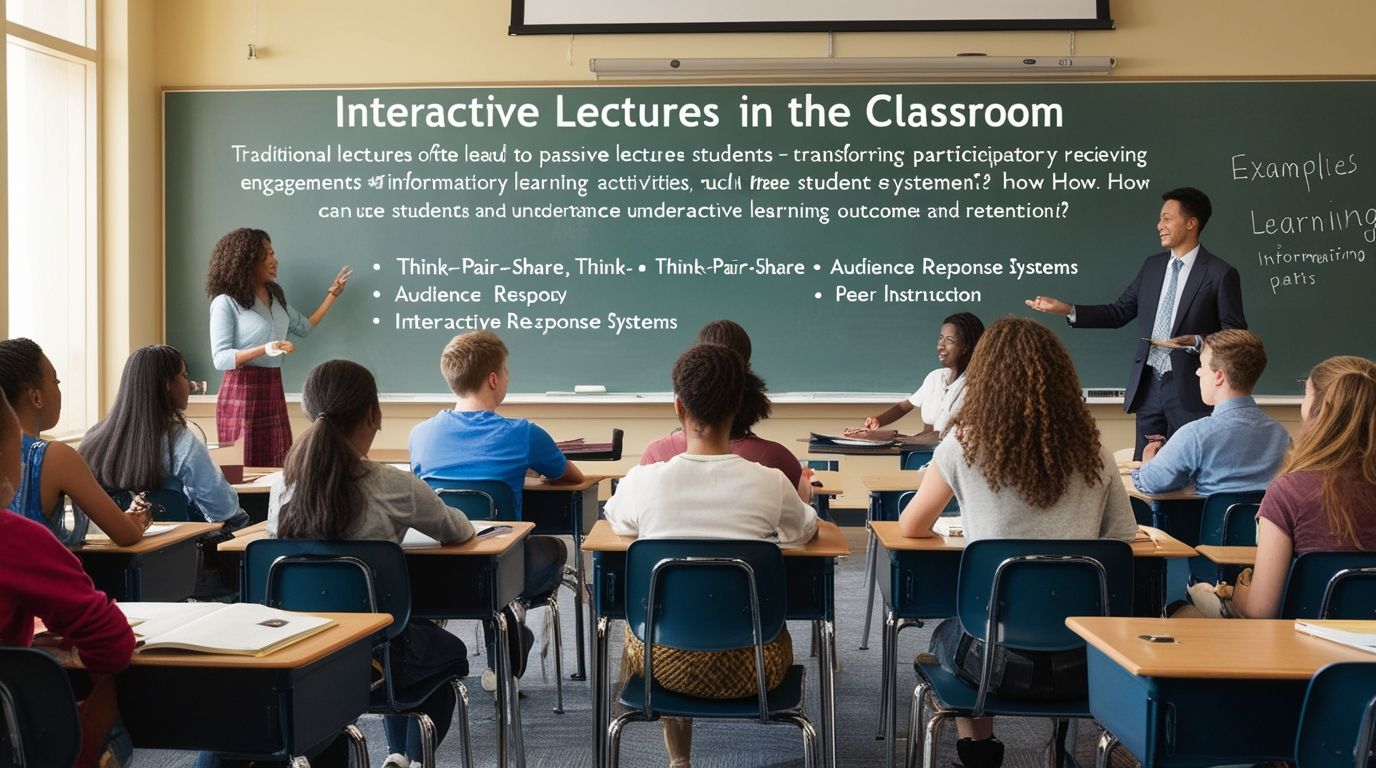
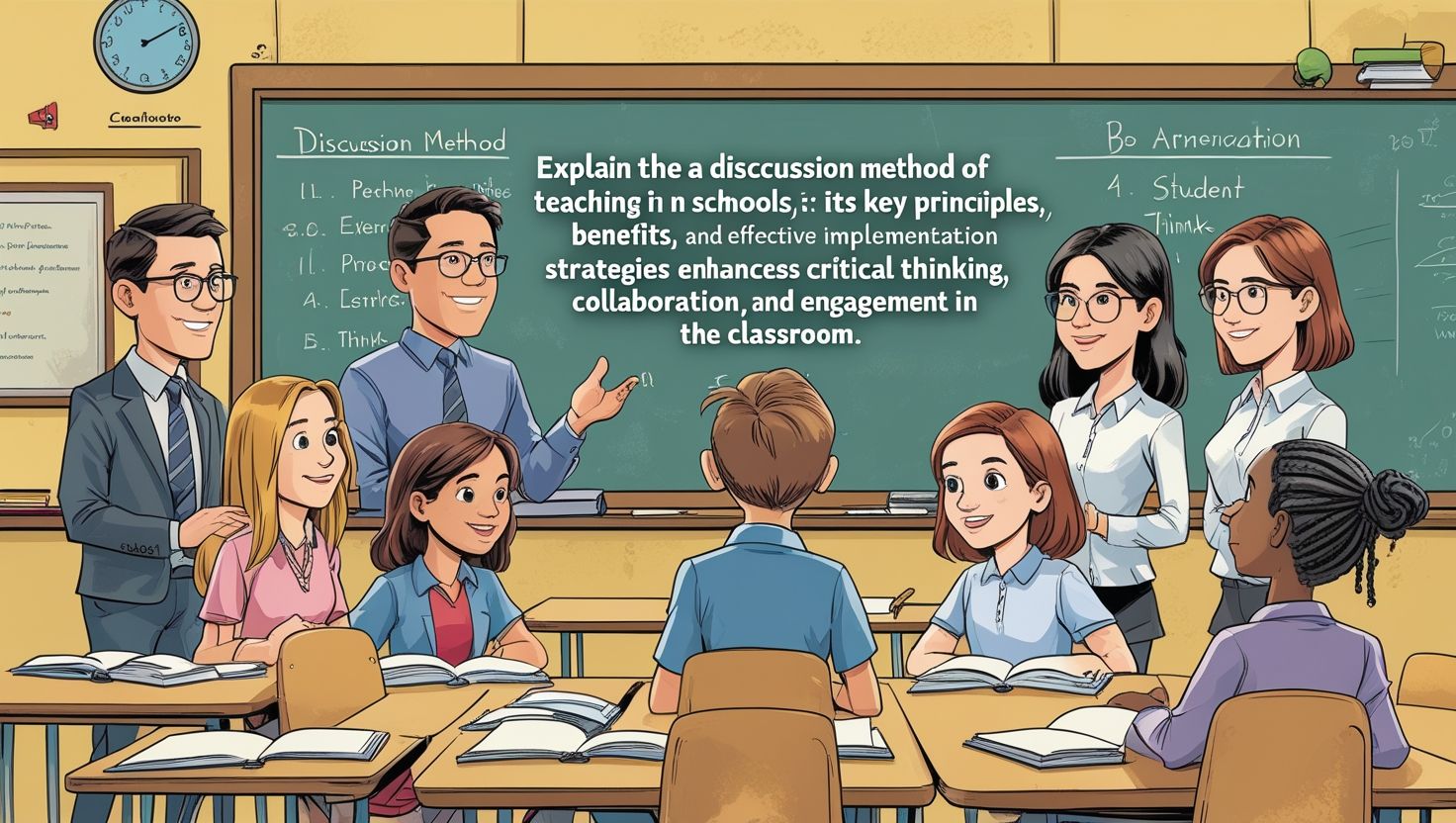
- Think-pair-share: Students consider a question alone, discuss with a partner, then share with the class.
- Problem-based learning: Students solve realistic problems instead of memorizing solutions.
- Group projects: Teams divide roles and present results.
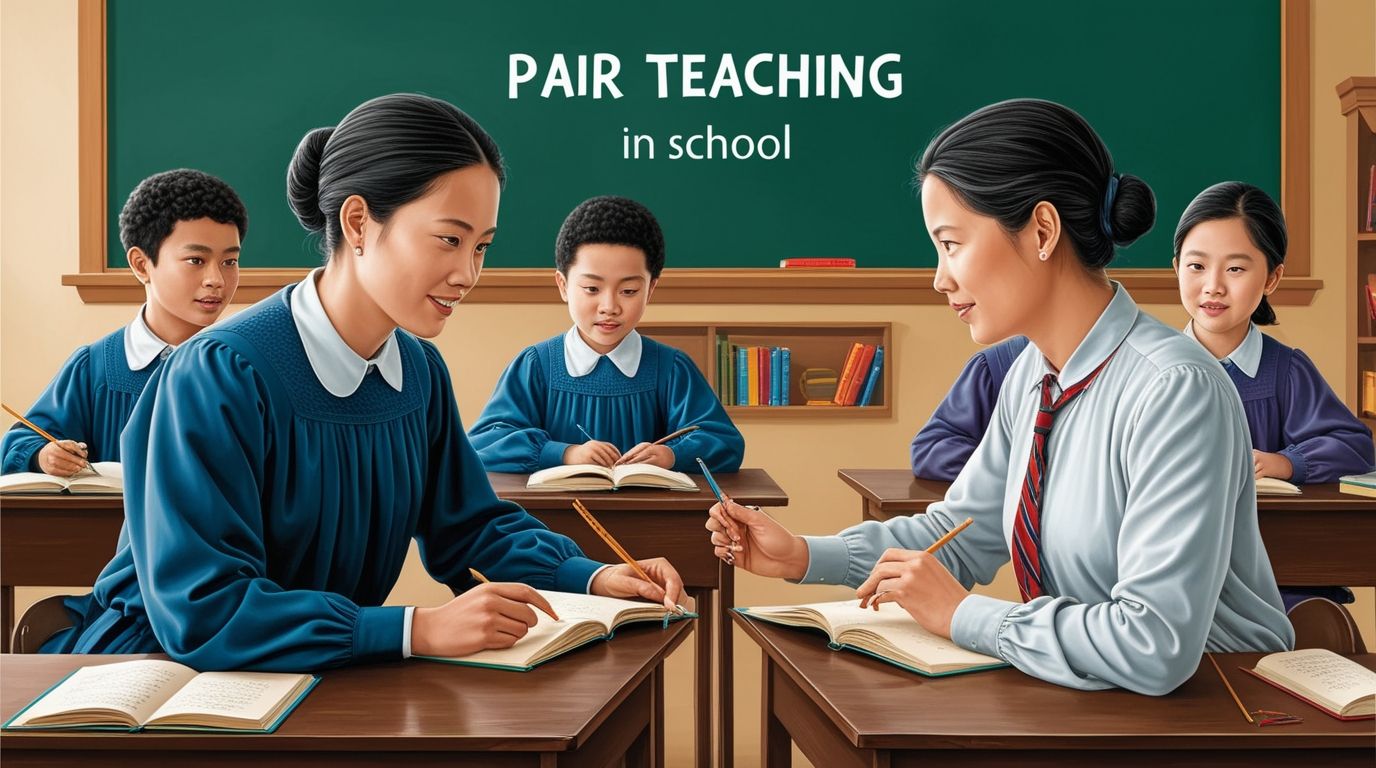
- Peer teaching: Students explain a concept to classmates, which deepens their own understanding.
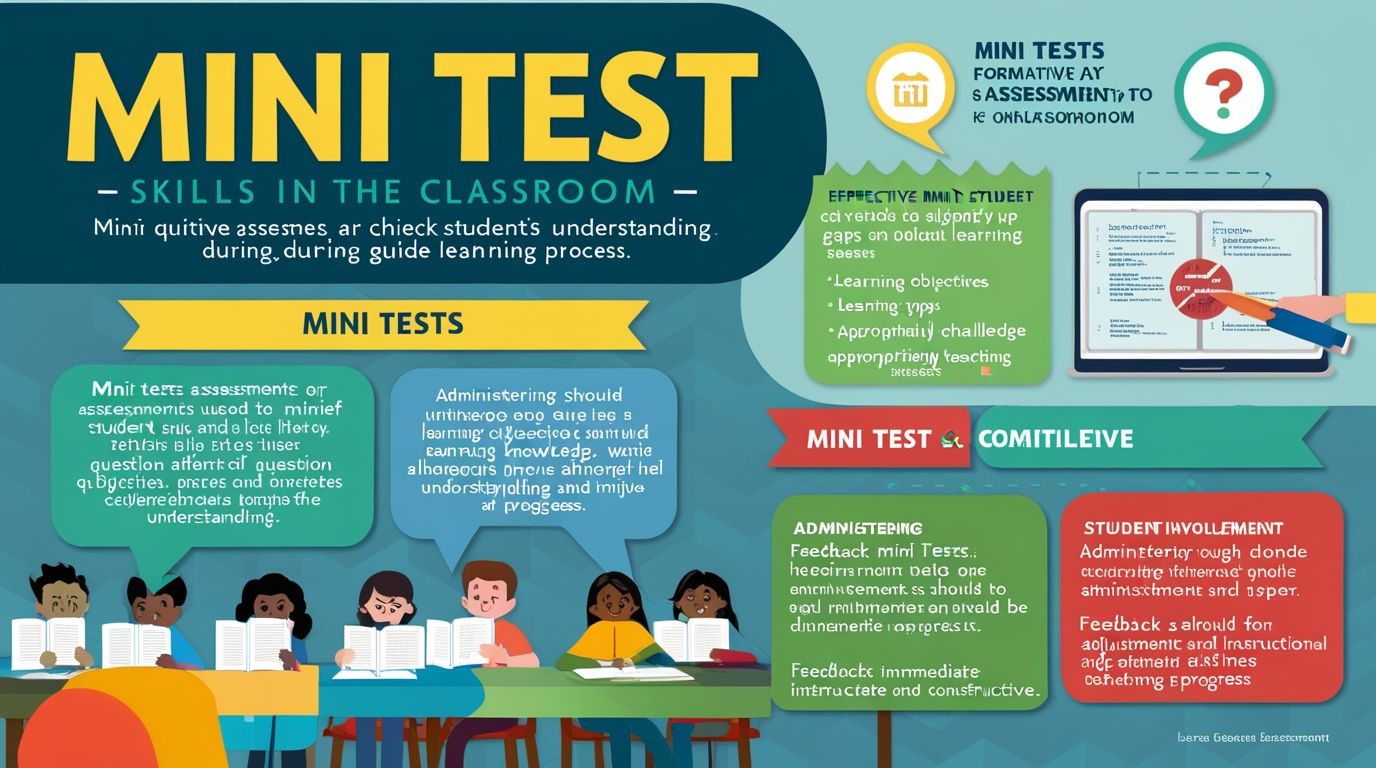
- Short quizzes and polls: Frequent low-stakes checks keep everyone alert.
Even ten minutes of activity in a fifty-minute lesson changes the energy of the room.
Connect Lessons to Real Life
Begin each topic with a question students care about. Link math to budgets and sports statistics. Link science to health and climate. Link history to current events. When students see purpose, resistance softens.
Build Psychological Safety
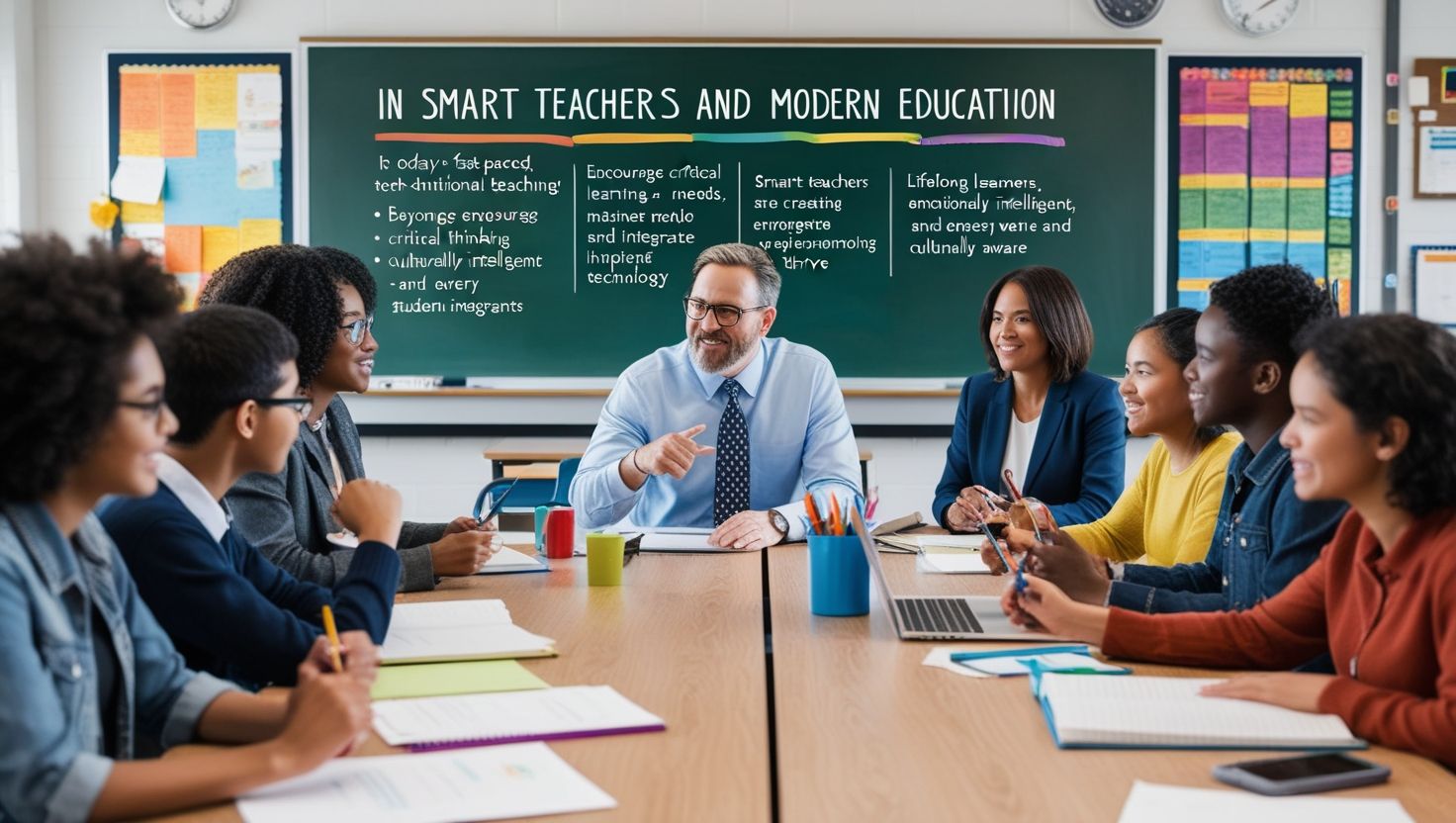
Tell students that mistakes are part of learning. Praise effort and strategy, not only correct answers. Respond to wrong answers with curiosity: “What led you to that idea?” Avoid public shaming. Small-group discussion also gives quiet students a safer place to speak before they face the whole class.
Offer Choice and Voice
Students resist control and embrace ownership. Let them choose reading topics, project formats, or the order of tasks. Invite feedback on the course through short surveys. Choice boosts intrinsic motivation, the drive that comes from within, and it lowers power struggles.
Strengthen Relationships
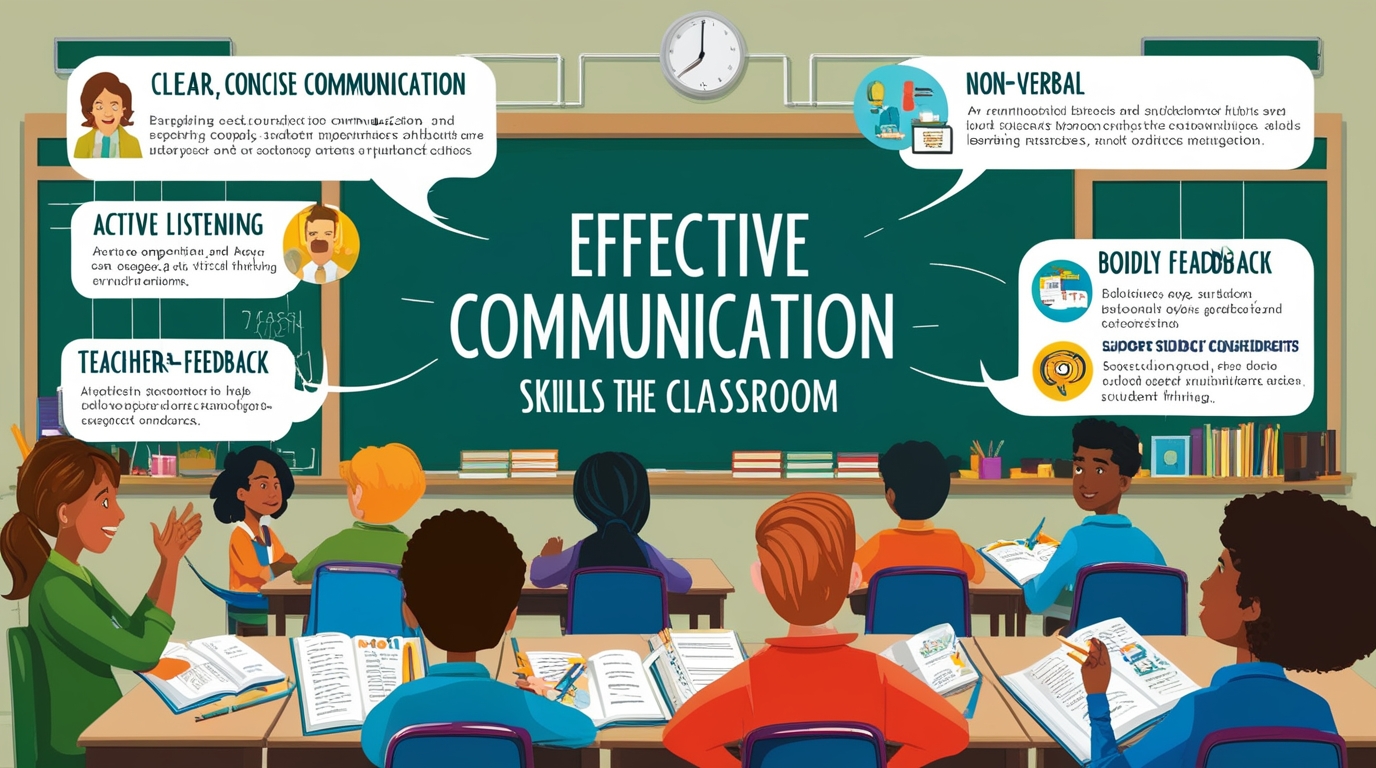
Learn names quickly. Greet students at the door. Ask about their interests. Hold brief private conversations with resistant students and listen without arguing. Many conflicts end when a student feels heard.
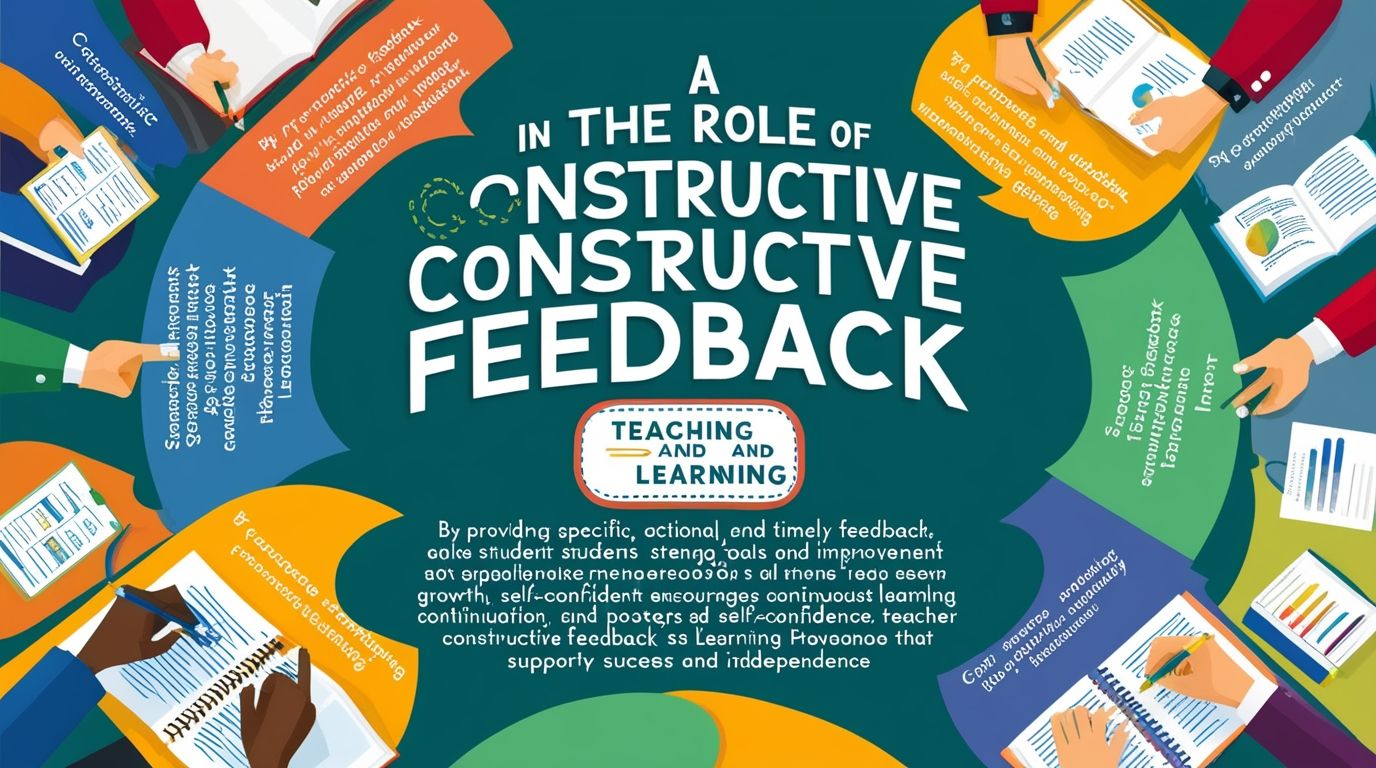
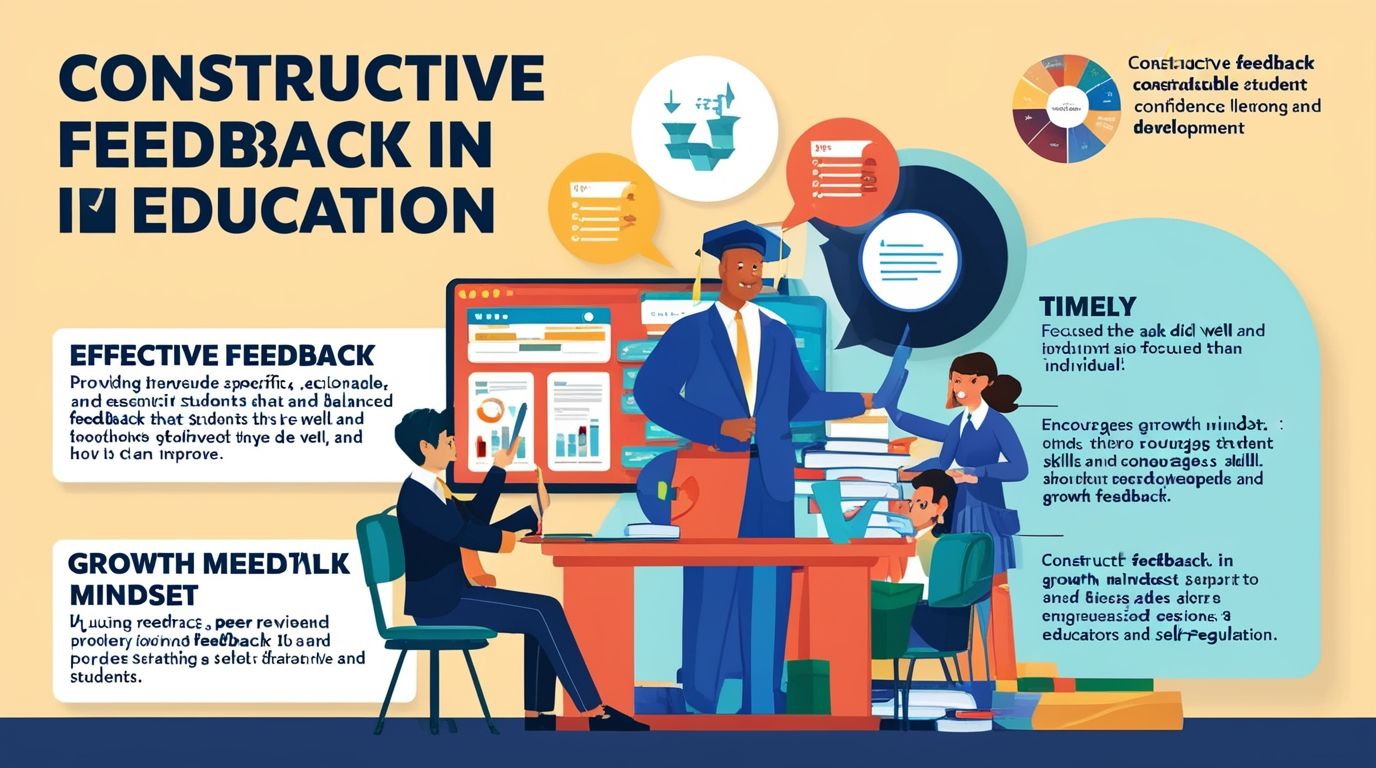
Give Clear, Constructive Feedback
Vague comments such as “Try harder” do not help. Name one strength, one gap, and one next step. Students who see a path forward keep trying.
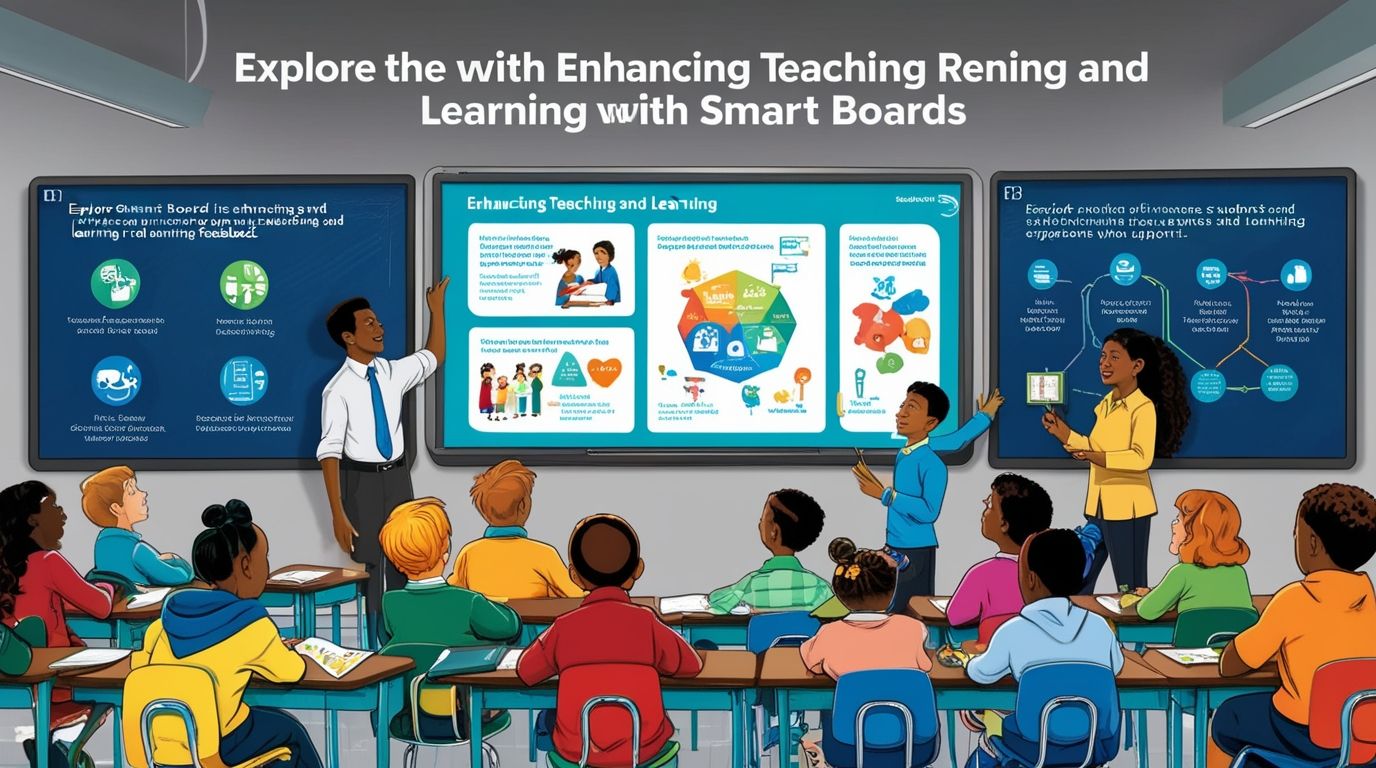
Use Technology With Purpose
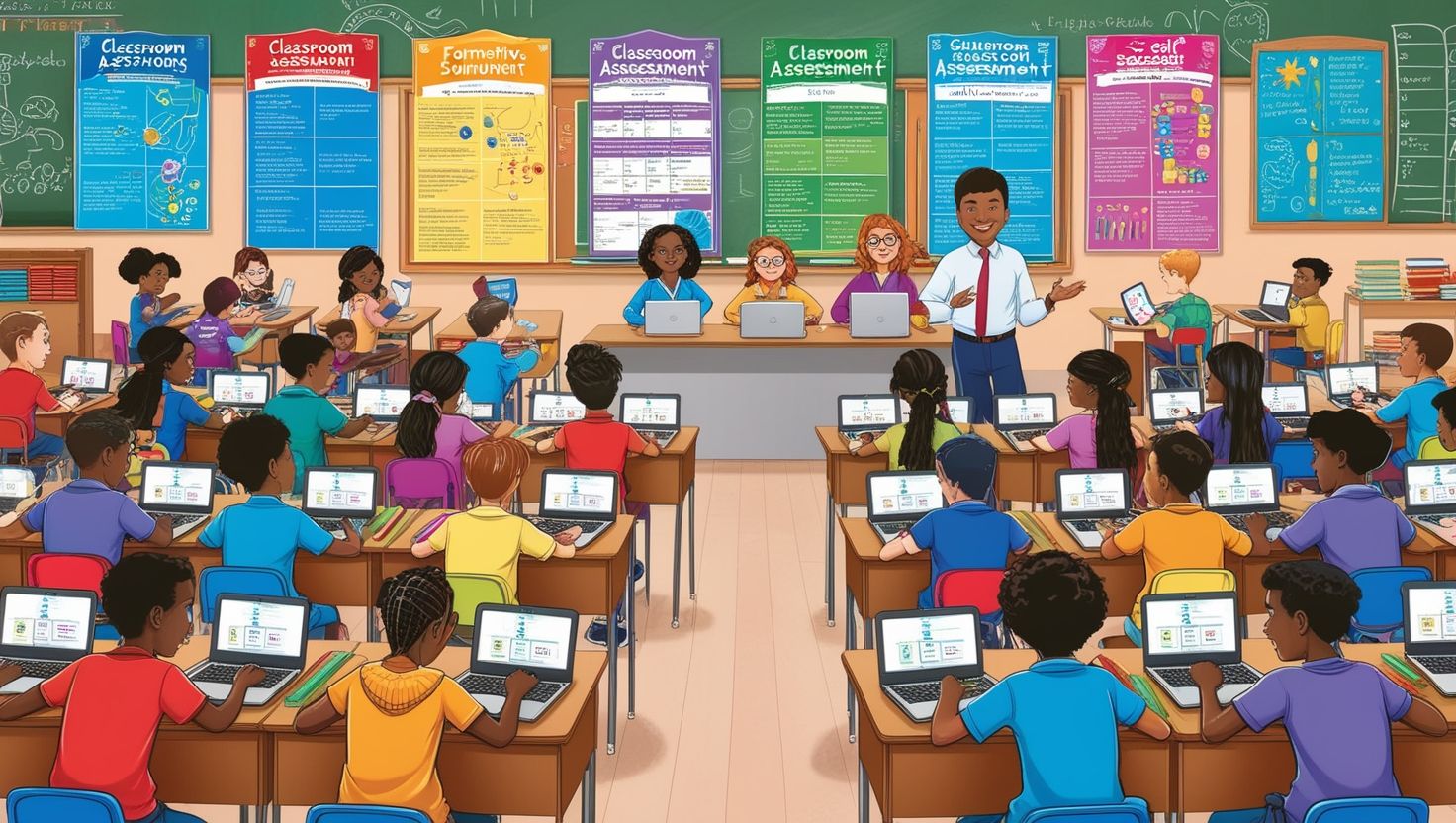
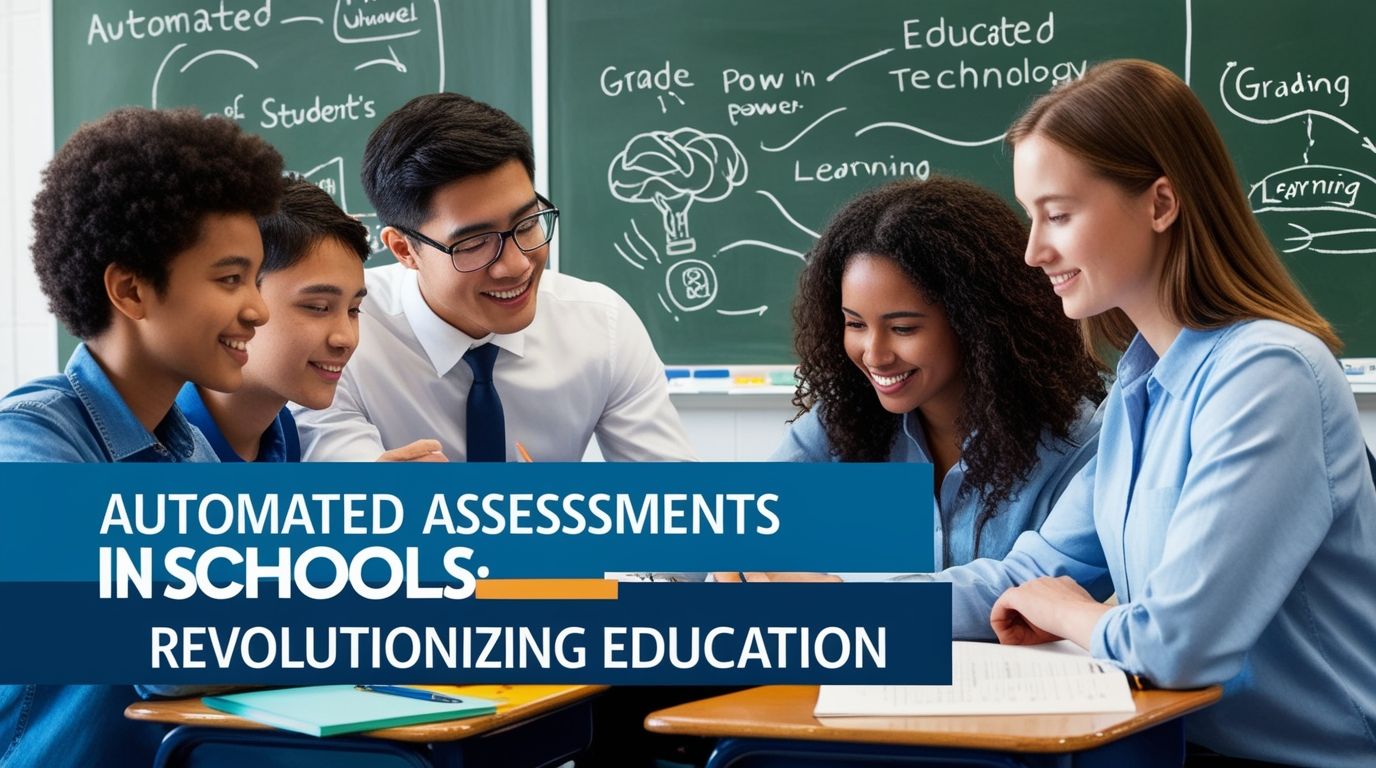
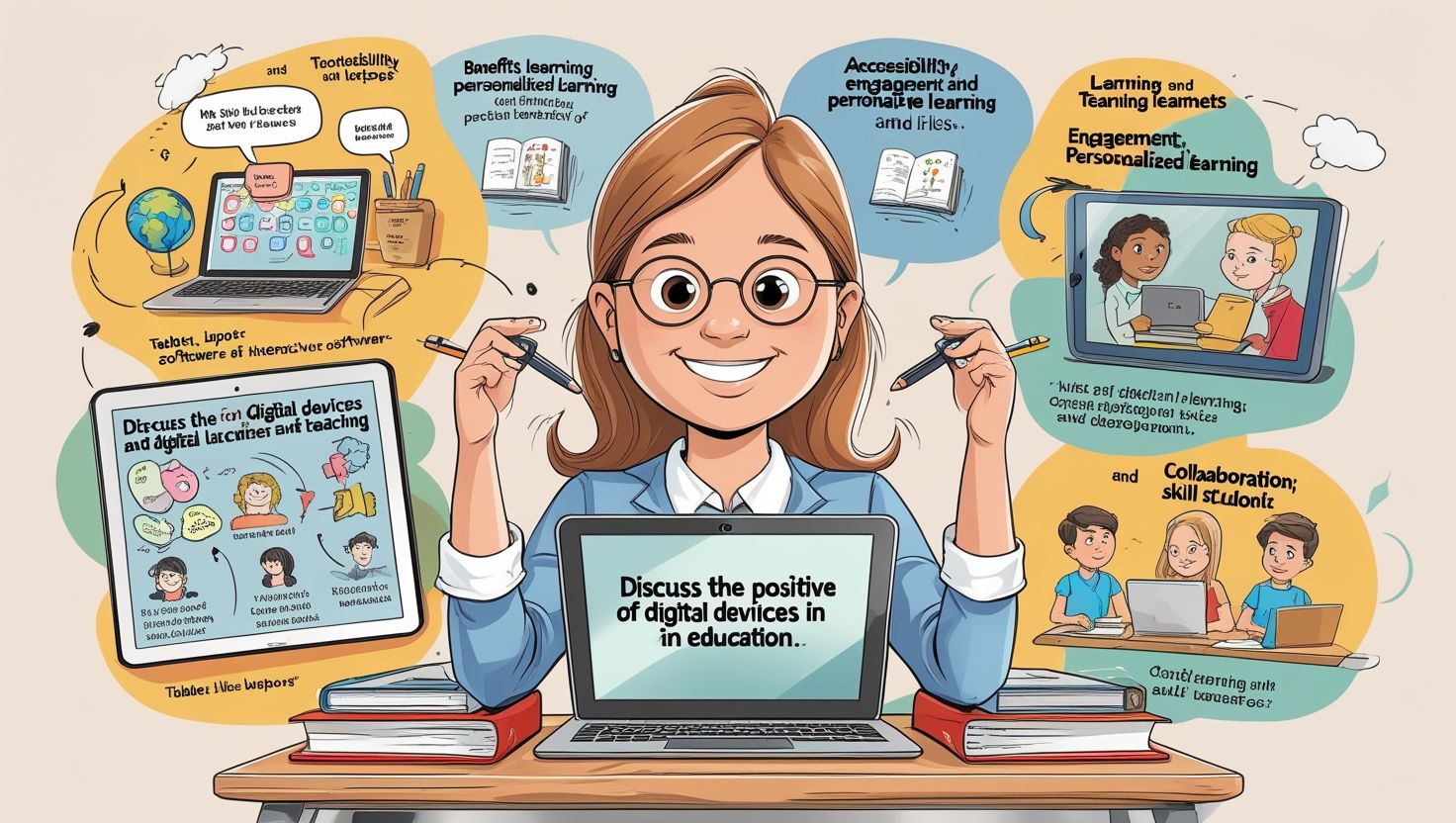
Digital tools help when they invite interaction: collaborative documents, discussion boards, simulations, and quiz platforms. They hurt when they replace a lecture with a video and nothing else. Choose tools that require students to create, not only to watch.
Teach Self-Regulation and Growth Mindset
Show students how to set goals, plan time, and reflect on mistakes. Teach the idea that ability grows with practice. Students who hold a growth mindset treat difficulty as a challenge, not a verdict.
The Role of Schools, Parents, and Leaders
Teachers cannot solve resistance and passiveness in education alone.
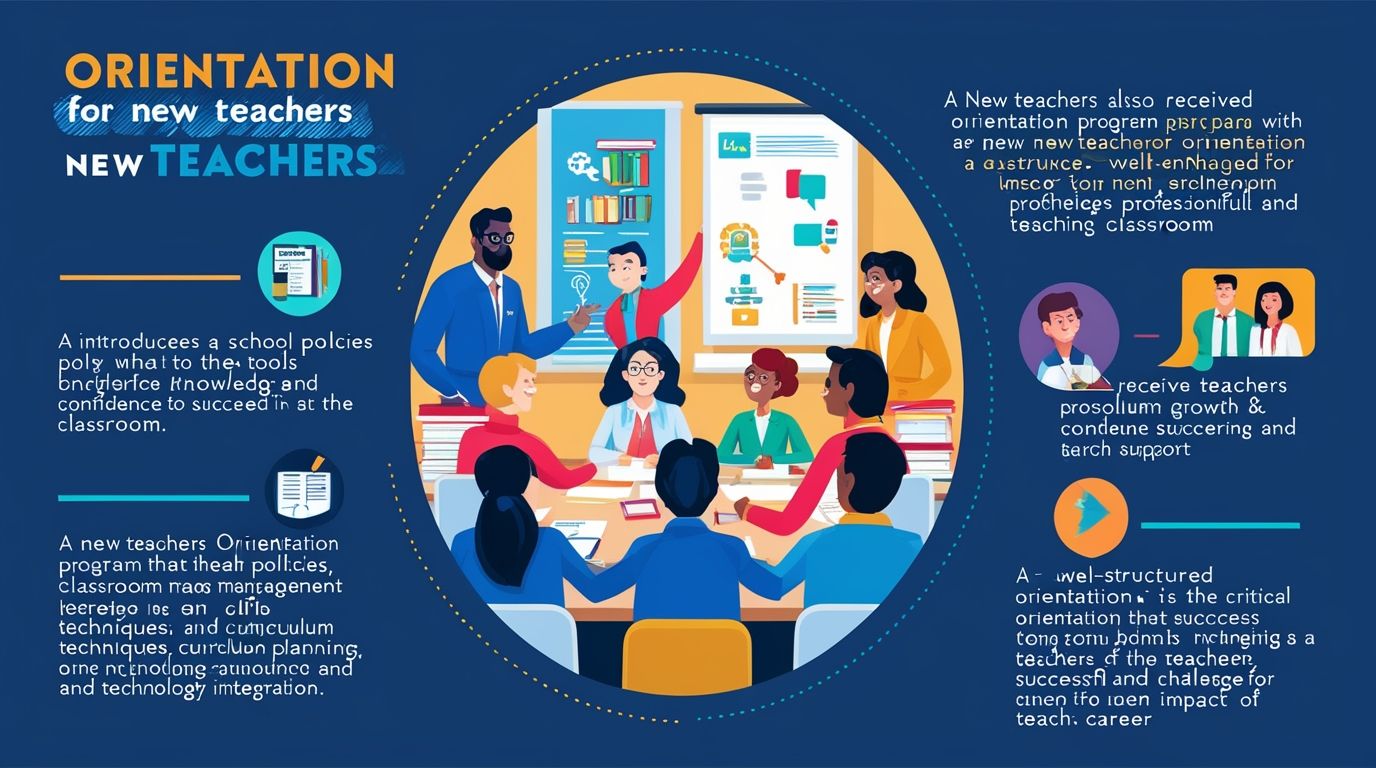
School leaders can reduce class sizes where possible, give teachers time to plan, and train staff in active-learning methods. They should explain the reasons behind new policies and involve teachers in decisions, which reduces resistance to change in education.
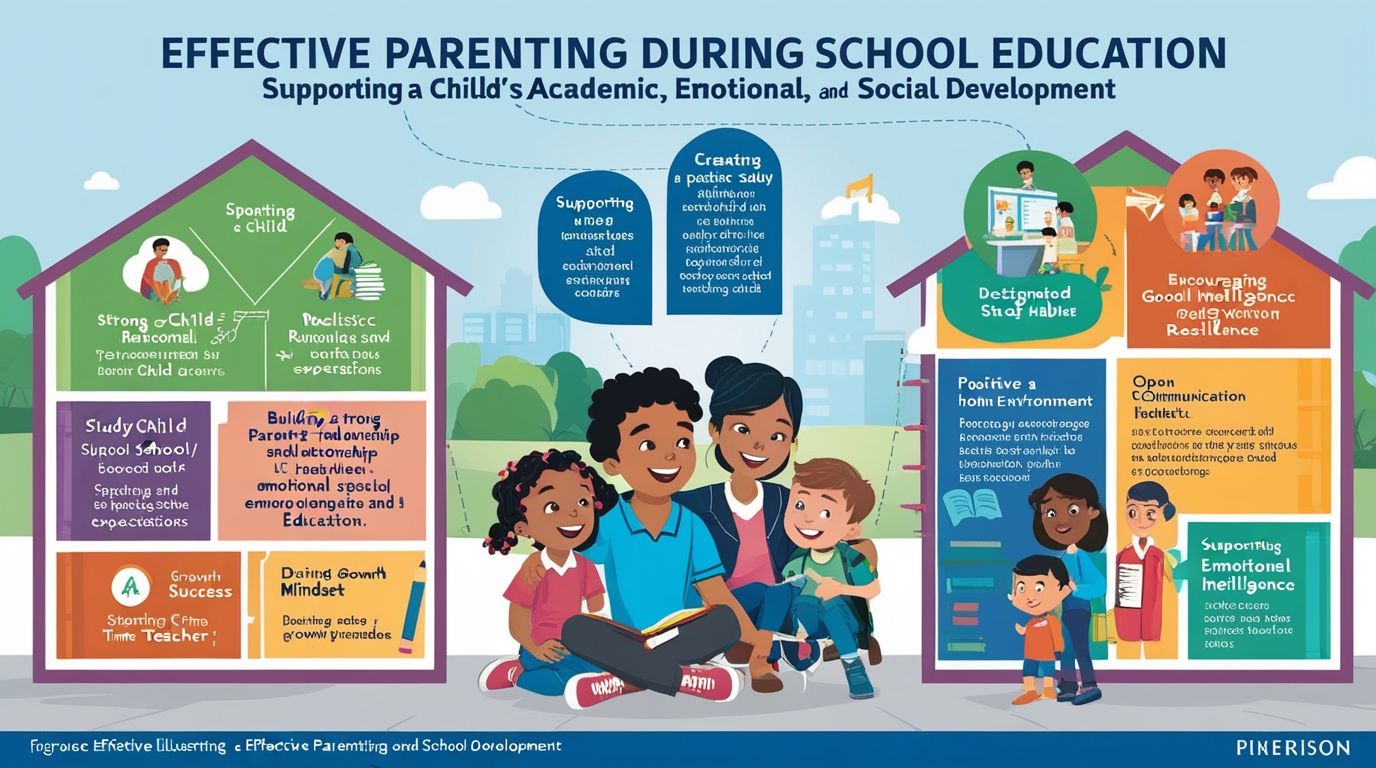
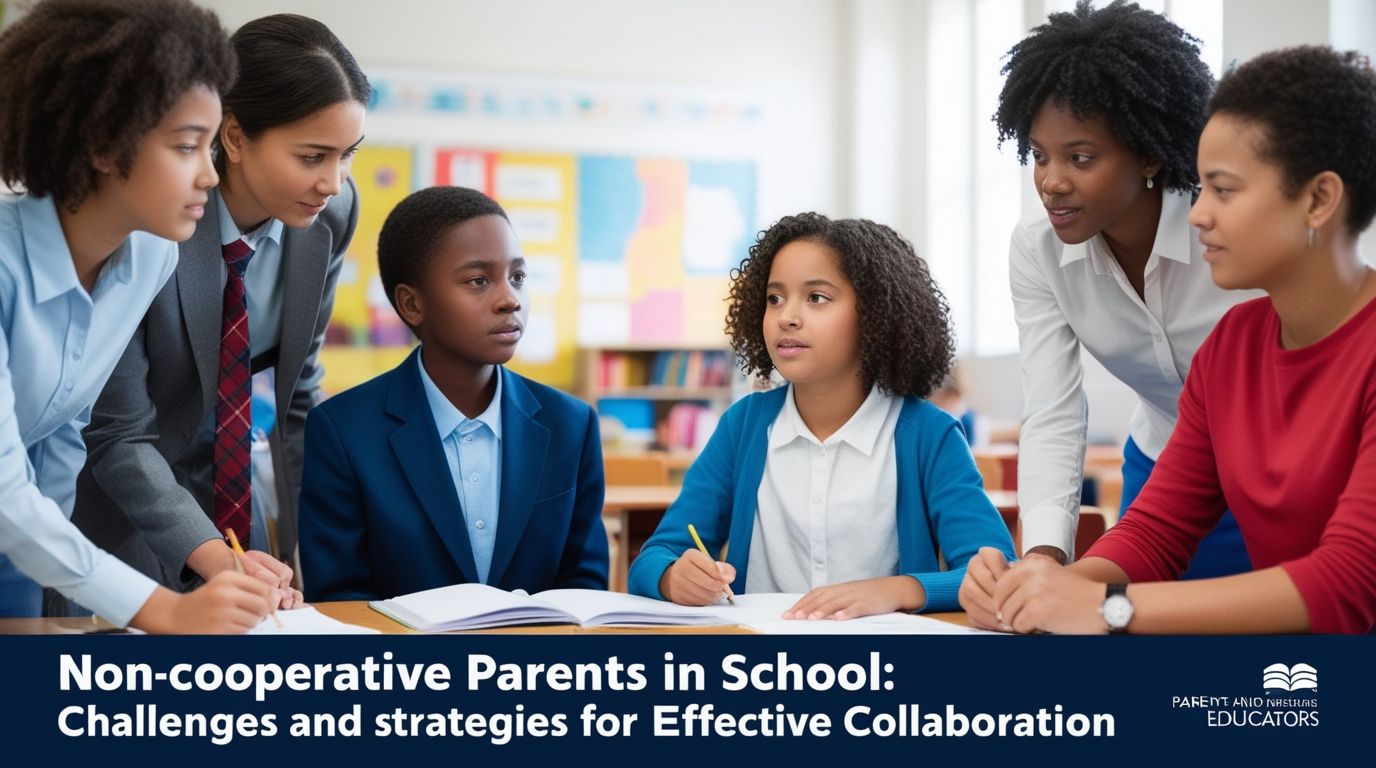
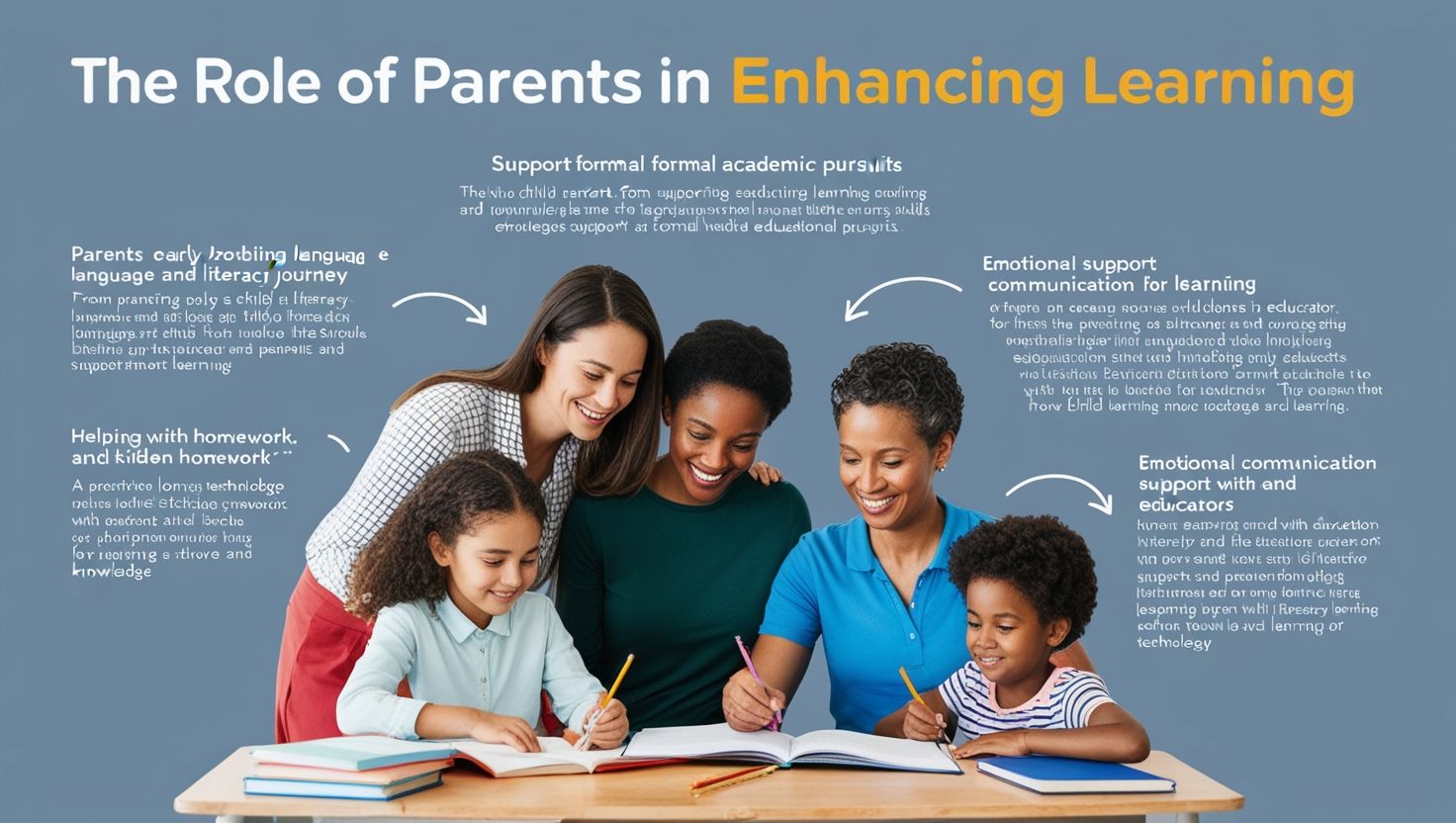
Parents can support learning by showing interest in schoolwork, asking open questions (“What did you wonder about today?”), and keeping steady routines for sleep and study. They should talk with teachers early when problems appear.
Counselors and support staff can identify anxiety, learning differences, and family stress that drive disengagement. Early support often prevents bigger problems later.
Signs of Progress to Watch For
Change takes weeks, not days. Look for these signals:
- More students volunteer answers or ask questions
- Fewer arguments over assignments
- Students complete work with less reminding
- Discussions last longer and show deeper thinking
- Students describe lessons as interesting or useful
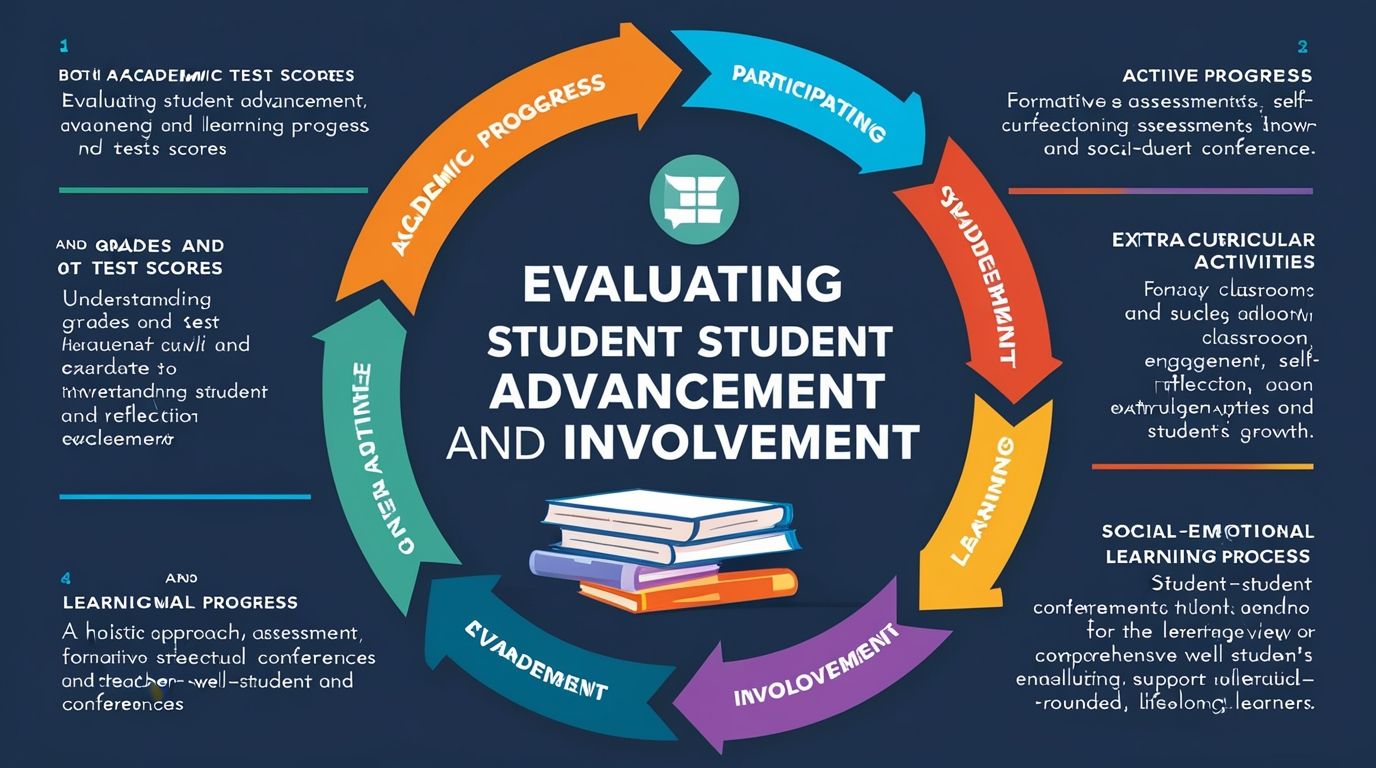
Track these signs in a simple notebook or checklist. Small wins confirm that your approach works and show where to adjust.
Conclusion
Resistance and passiveness in education are two faces of the same challenge: students who have stopped investing in their own learning. Resistance announces itself with noise. Passiveness hides behind good behavior. Both signal unmet needs, such as relevance, safety, trust, and a sense of competence.
Educators hold powerful tools to respond. Active learning, real-world connections, supportive relationships, student choice, and honest feedback turn spectators into participants. Schools and families strengthen the effort when they share the goal.
Start small. Pick one strategy, try it for two weeks, and watch how your students respond. Every engaged learner you create builds a classroom, and a community, that thinks for itself.
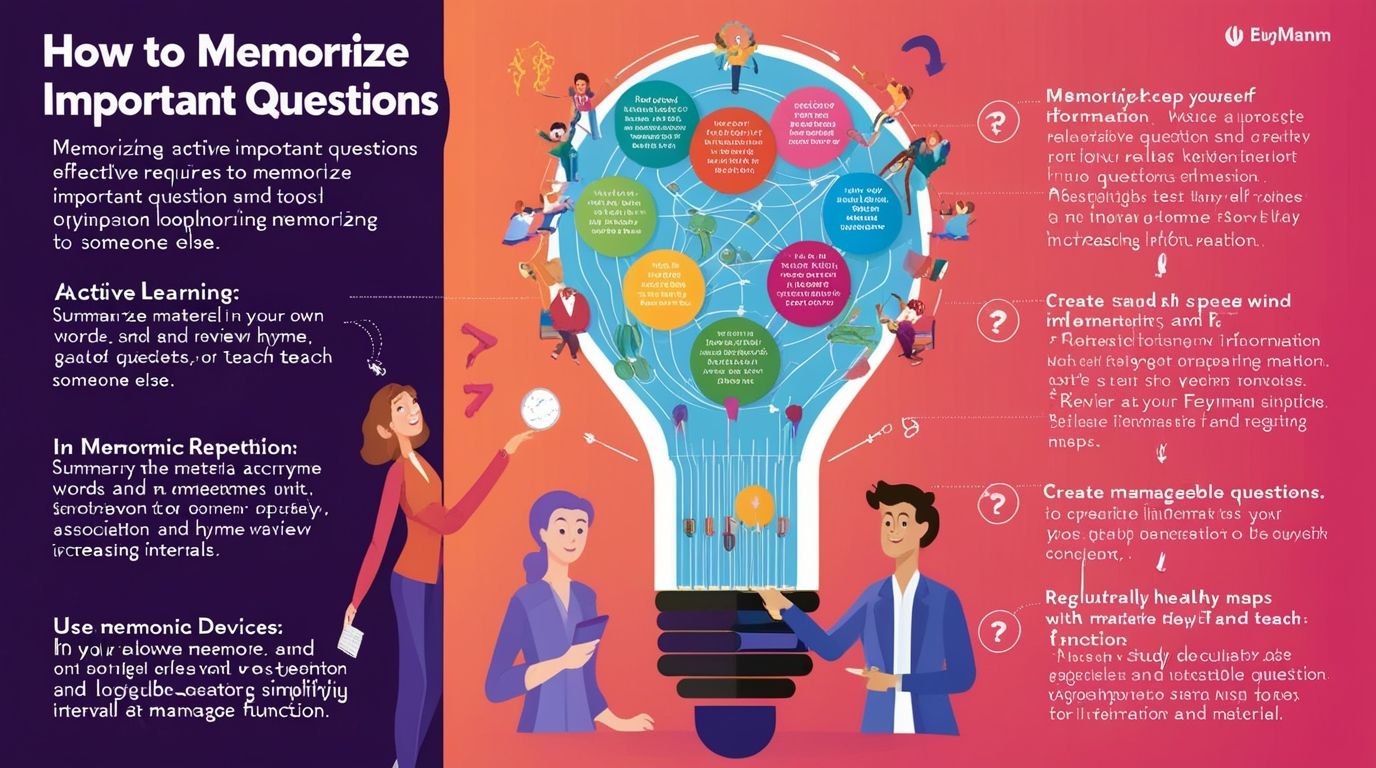
Frequently Asked Questions (FAQs)
1. What is the difference between resistance and passiveness in education?
Resistance is active opposition: arguing, refusing work, or disrupting class. Passiveness is quiet withdrawal: students comply but rarely think, ask, or contribute. Both reflect student disengagement, and both respond to teaching that builds relevance, safety, and ownership.
2. How can teachers reduce passive learning in the classroom?
Teachers can add active learning techniques such as think-pair-share, group problem-solving, peer teaching, and frequent low-stakes quizzes. They can also ask open-ended questions, wait for answers, and praise effort. Even short activities every lesson raise classroom participation over time.
3. Why do some students resist learning even when they are capable?
Capable students may resist because they find the work boring, irrelevant, or too risky for their self-image. Some feel disrespected or powerless. Others face stress outside school. A private, respectful conversation usually reveals the cause and points to a fix.
References
- Freeman, S., Eddy, S. L., McDonough, M., Smith, M. K., Okoroafor, N., Jordt, H., & Wenderoth, M. P. (2014). Active learning increases student performance in science, engineering, and mathematics. Proceedings of the National Academy of Sciences, 111(23), 8410–8415.
- Fredricks, J. A., Blumenfeld, P. C., & Paris, A. H. (2004). School engagement: Potential of the concept, state of the evidence. Review of Educational Research, 74(1), 59–109