Introduction
Teacher Training Reforms and Classroom Effectiveness, Education systems across the globe are undergoing significant transformation in response to evolving societal, technological, and economic demands. At the heart of these changes lies a critical factor: the quality of teachers. Research consistently shows that teacher effectiveness is one of the most influential in-school determinants of student achievement. However, traditional models of teacher preparation and professional development have often failed to equip educators with the competencies required for modern classrooms. This has led to an urgent call for comprehensive teacher training reforms that directly enhance classroom effectiveness.
Teacher training reforms are not merely structural adjustments in curriculum or certification processes; they represent a paradigm shift in how educators are prepared, supported, and continuously developed. This article explores the relationship between teacher training reforms and classroom effectiveness, examining key reform strategies, their impact on teaching practices, and the broader implications for educational systems.
The Need for Teacher Training Reforms
Changing Educational Landscape
The 21st-century classroom is markedly different from its predecessors. Students today are digital natives, exposed to vast amounts of information and diverse perspectives. Classrooms are increasingly inclusive, with learners from varied cultural, linguistic, and socio-economic backgrounds. Additionally, there is a growing emphasis on skills such as critical thinking, creativity, collaboration, and digital literacy.
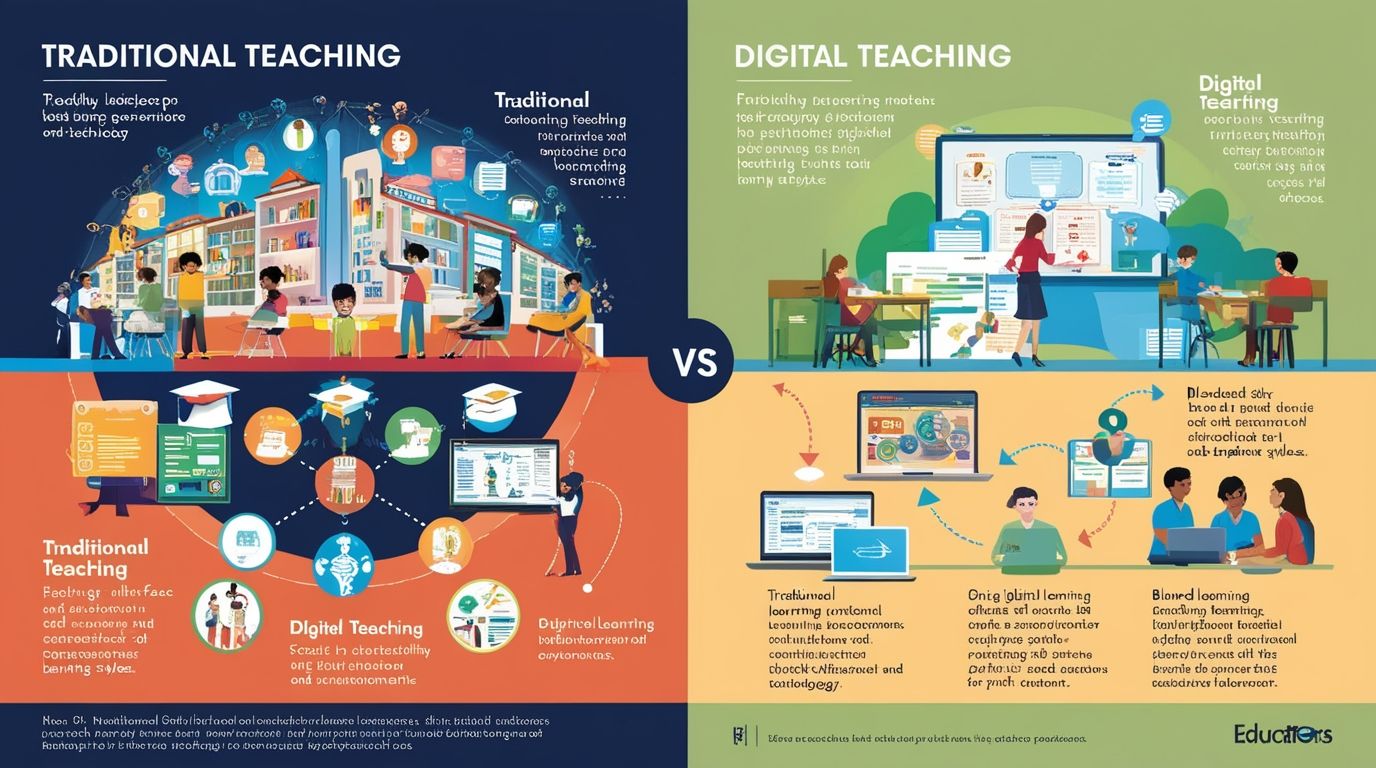
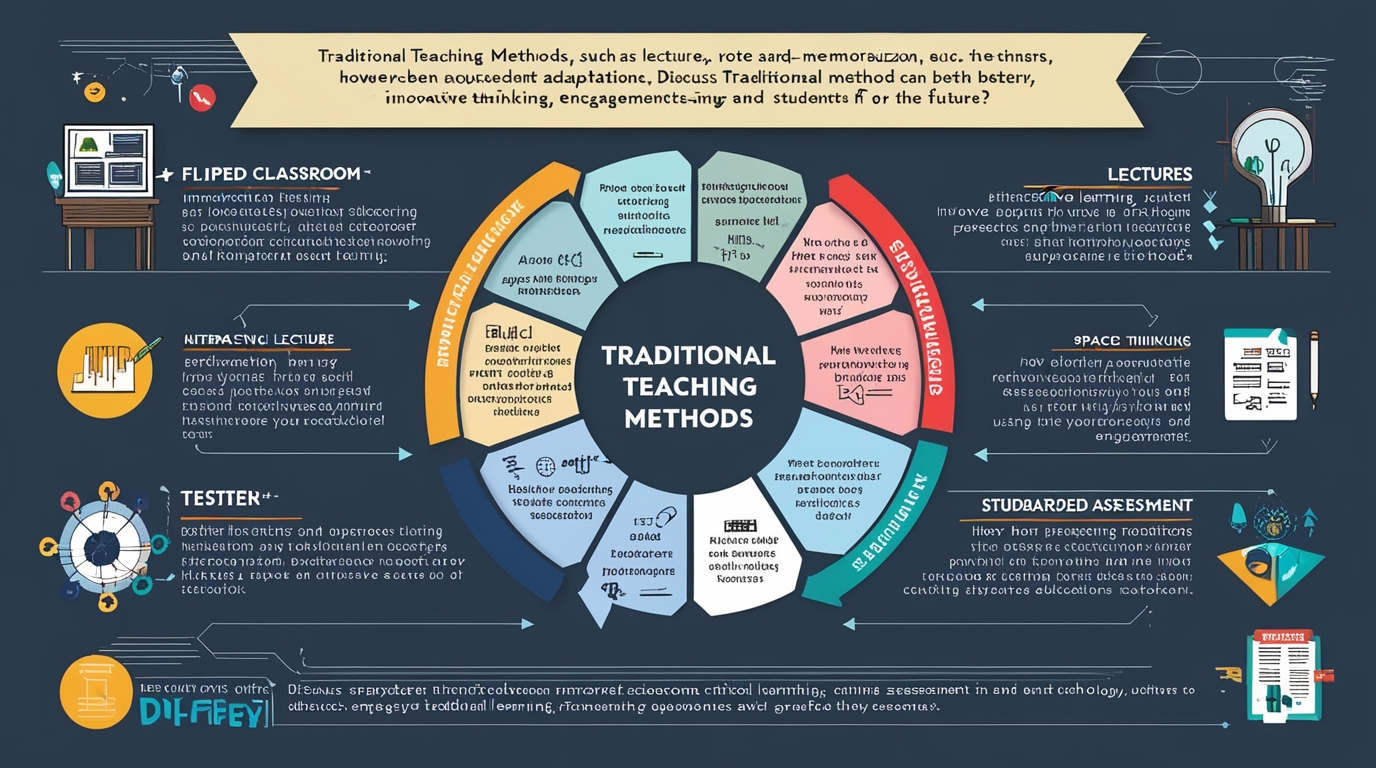
Traditional teacher training programs, often rooted in lecture-based instruction and theoretical frameworks, are insufficient to address these complexities. Teachers require practical, adaptable, and evidence-based training that prepares them for real-world classroom challenges.
Gaps in Traditional Training Models
Several shortcomings in conventional teacher training have prompted reforms:
- Theory-Practice Disconnect: Many programs emphasize educational theory without adequate classroom application.
- Limited Practical Exposure: Insufficient teaching practice before entering the profession.
- Lack of Continuous Development: Minimal support for in-service teachers to upgrade skills.
- One-Size-Fits-All Approach: Training programs often ignore contextual and local needs.
Addressing these gaps is essential for improving classroom effectiveness.
Key Components of Teacher Training Reforms
1. Practice-Oriented Training
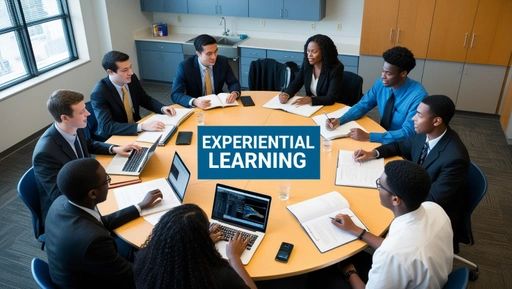
Modern reforms emphasize experiential learning, where teacher candidates engage in real classroom environments early and consistently.
- Extended teaching practicums
- Classroom simulations
- Mentorship under experienced teachers
This approach ensures that teachers develop practical skills such as classroom management, lesson planning, and student engagement.
2. Competency-Based Frameworks
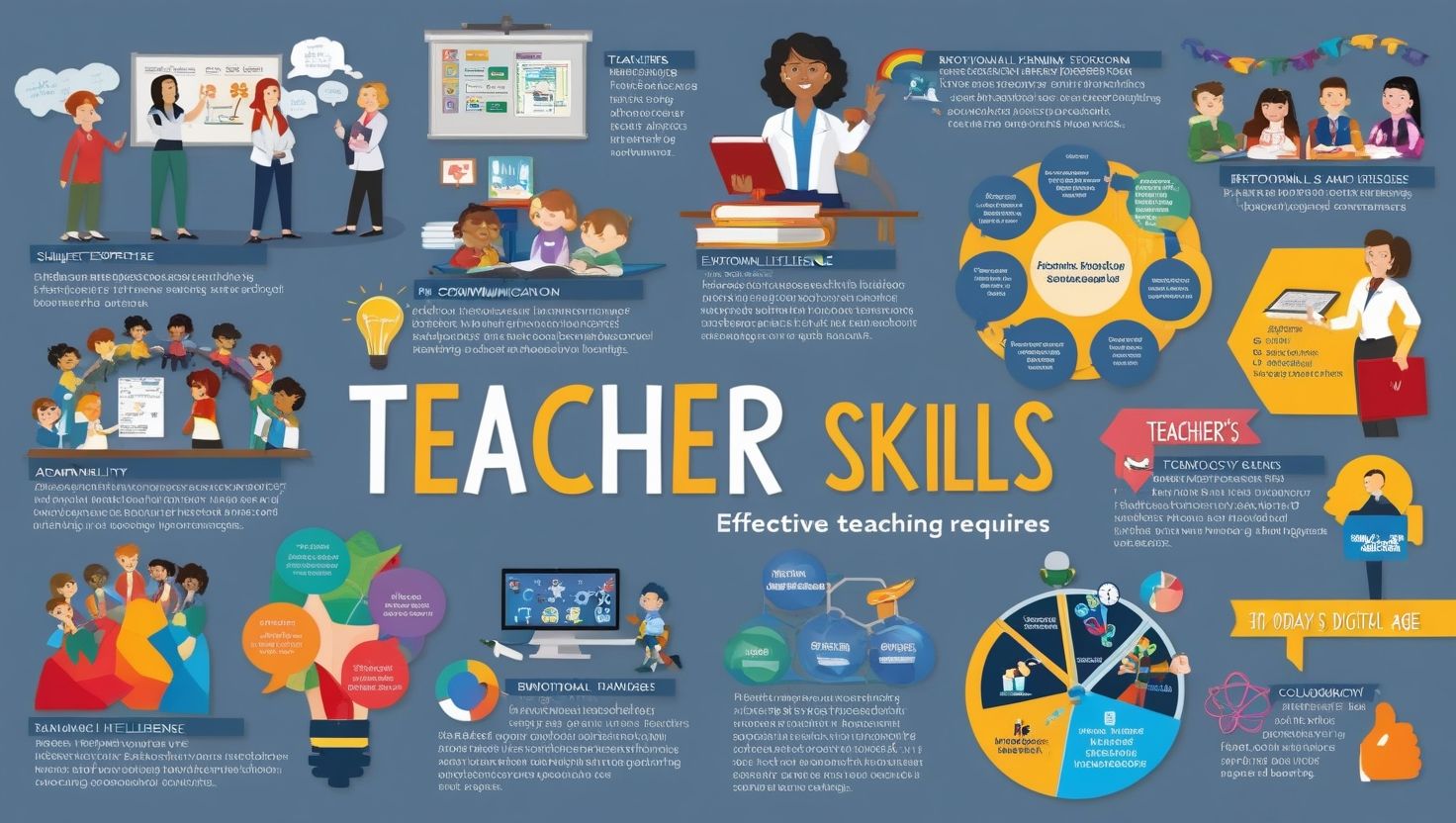
Reformed training programs focus on measurable competencies rather than theoretical knowledge alone. These competencies include:
- Pedagogical skills
- Subject content mastery
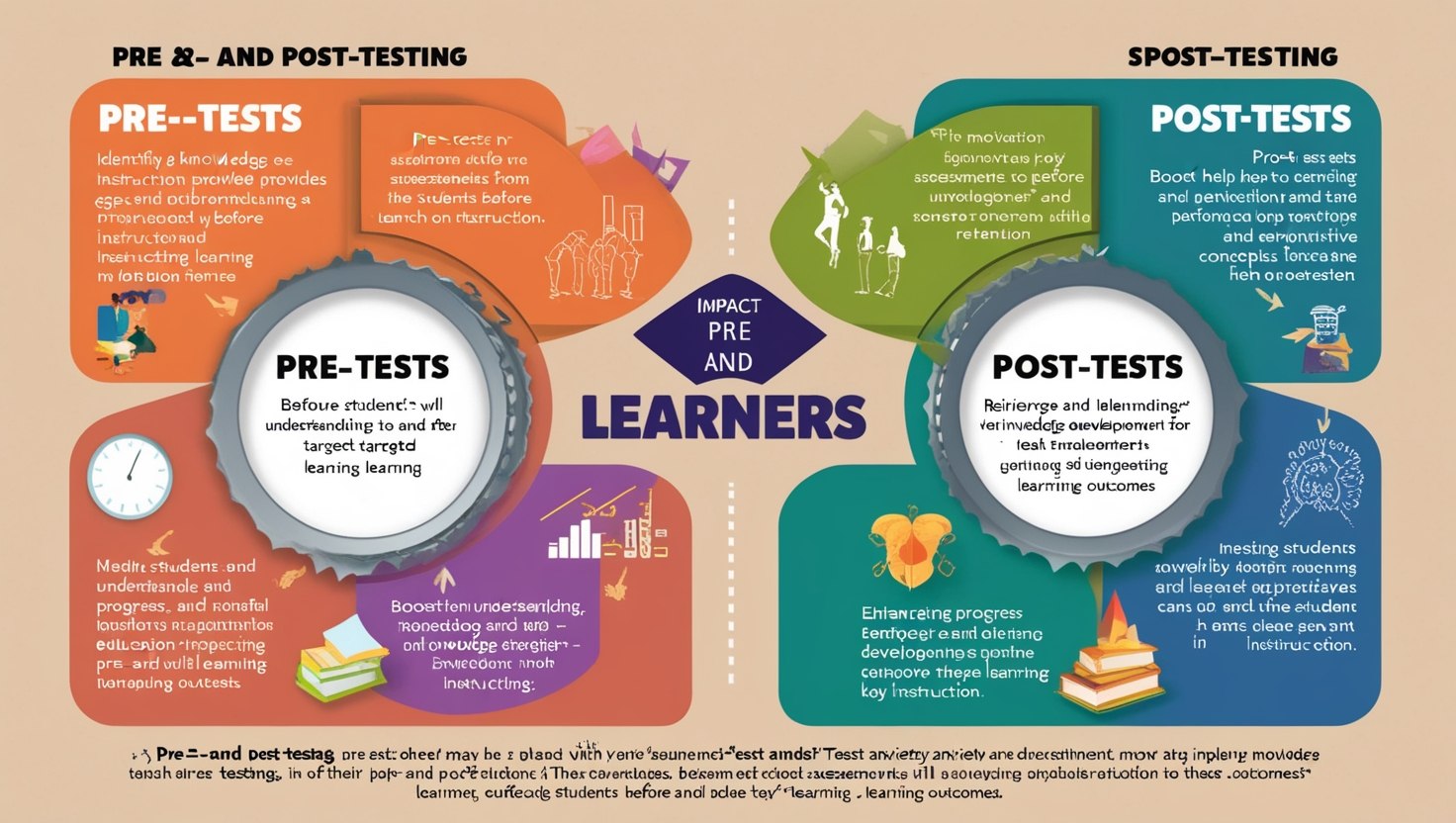
- Assessment literacy
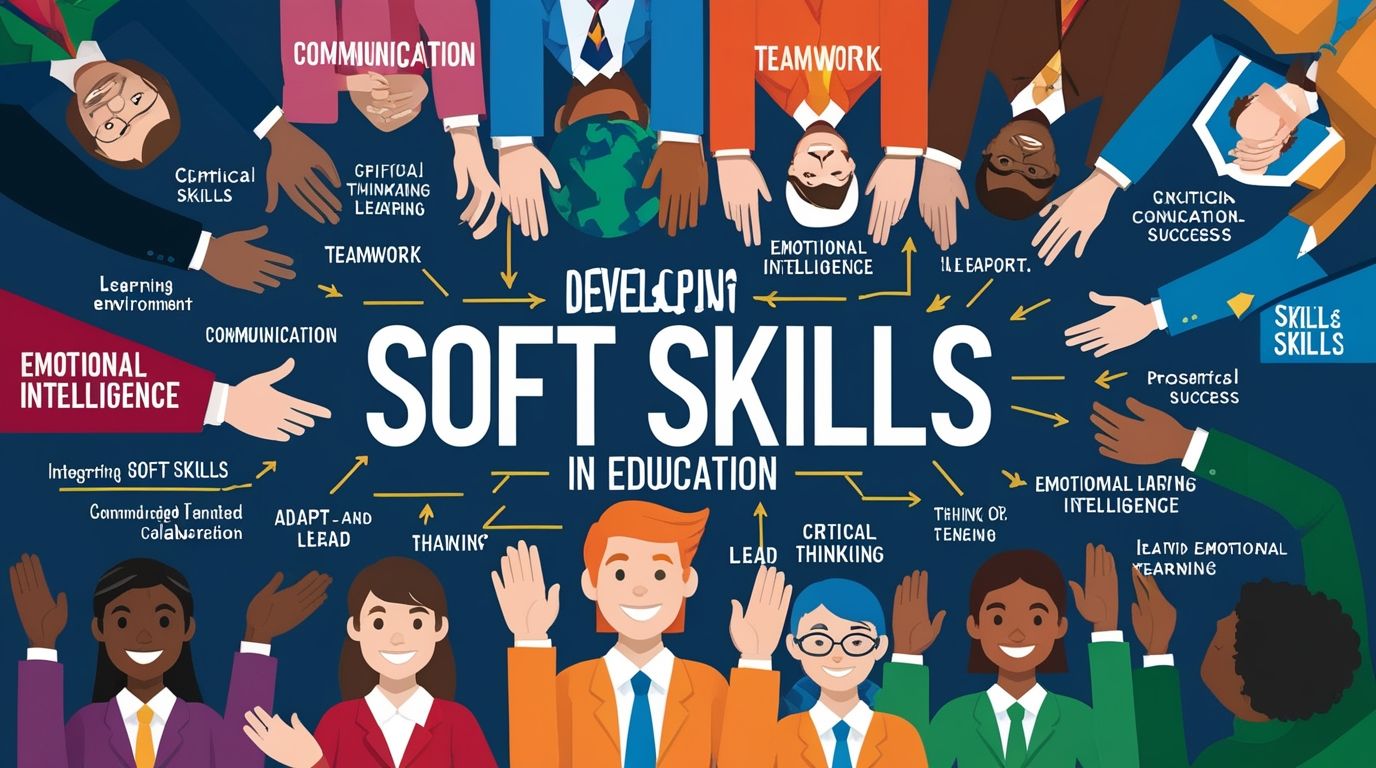
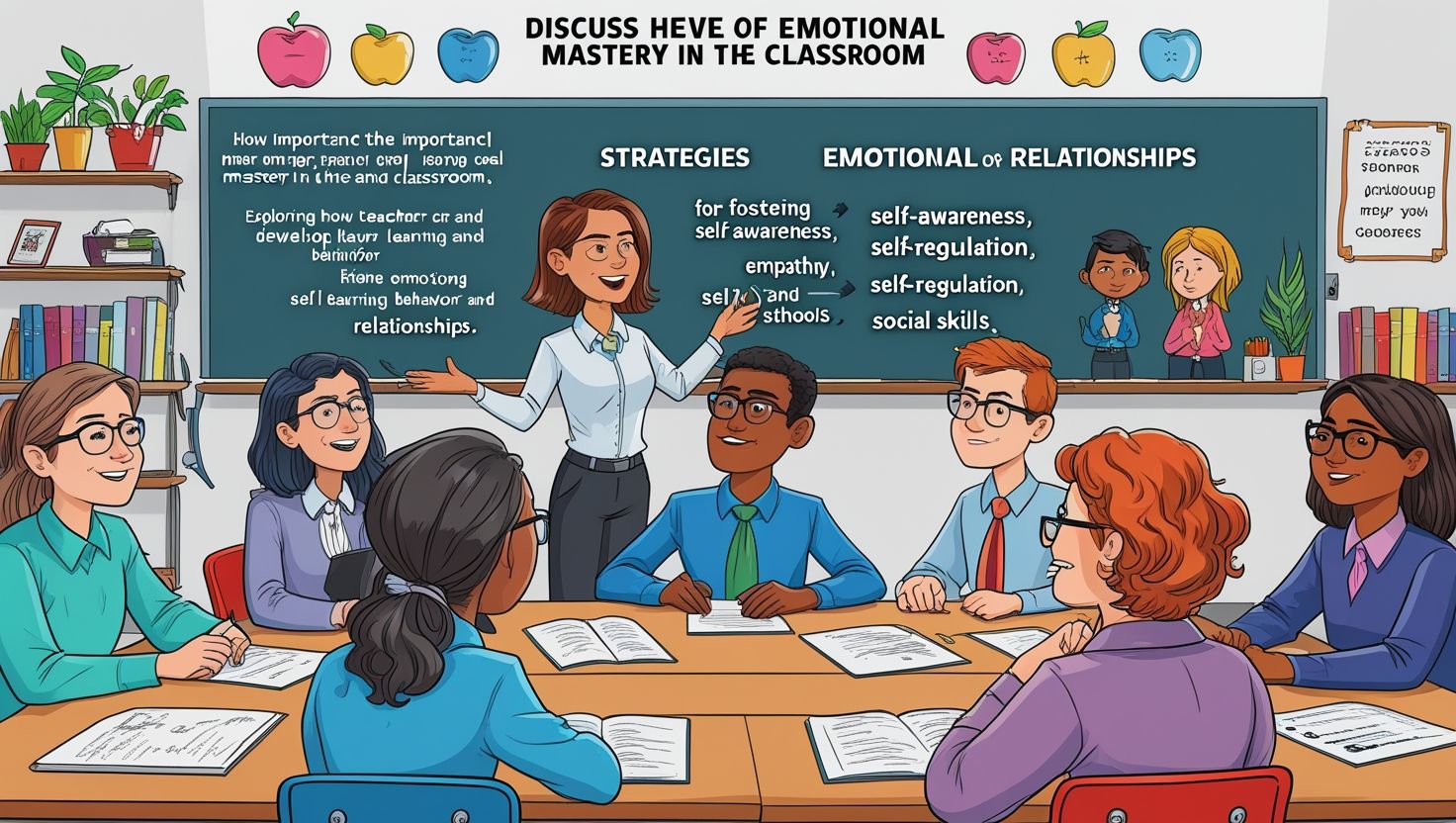
- Emotional intelligence
Competency-based training ensures that teachers meet clear performance standards before certification.
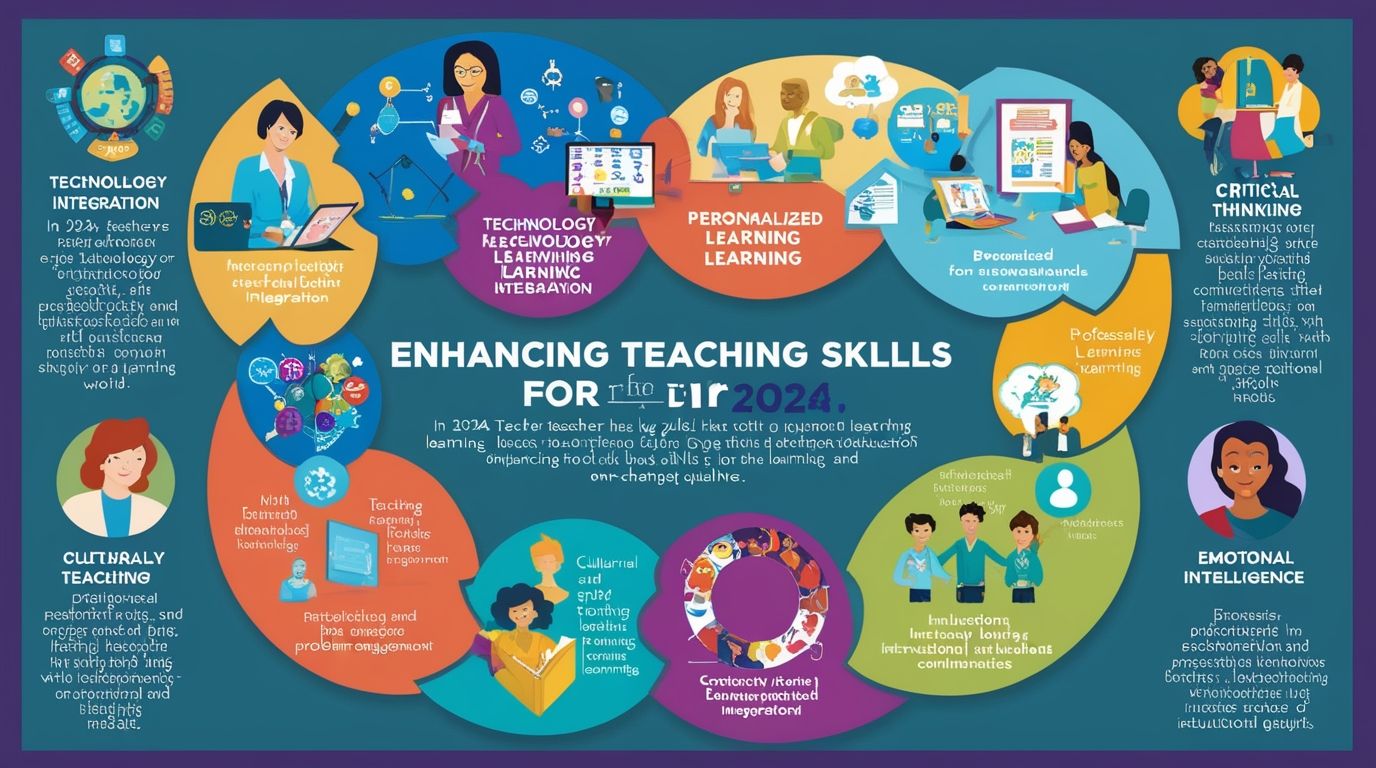
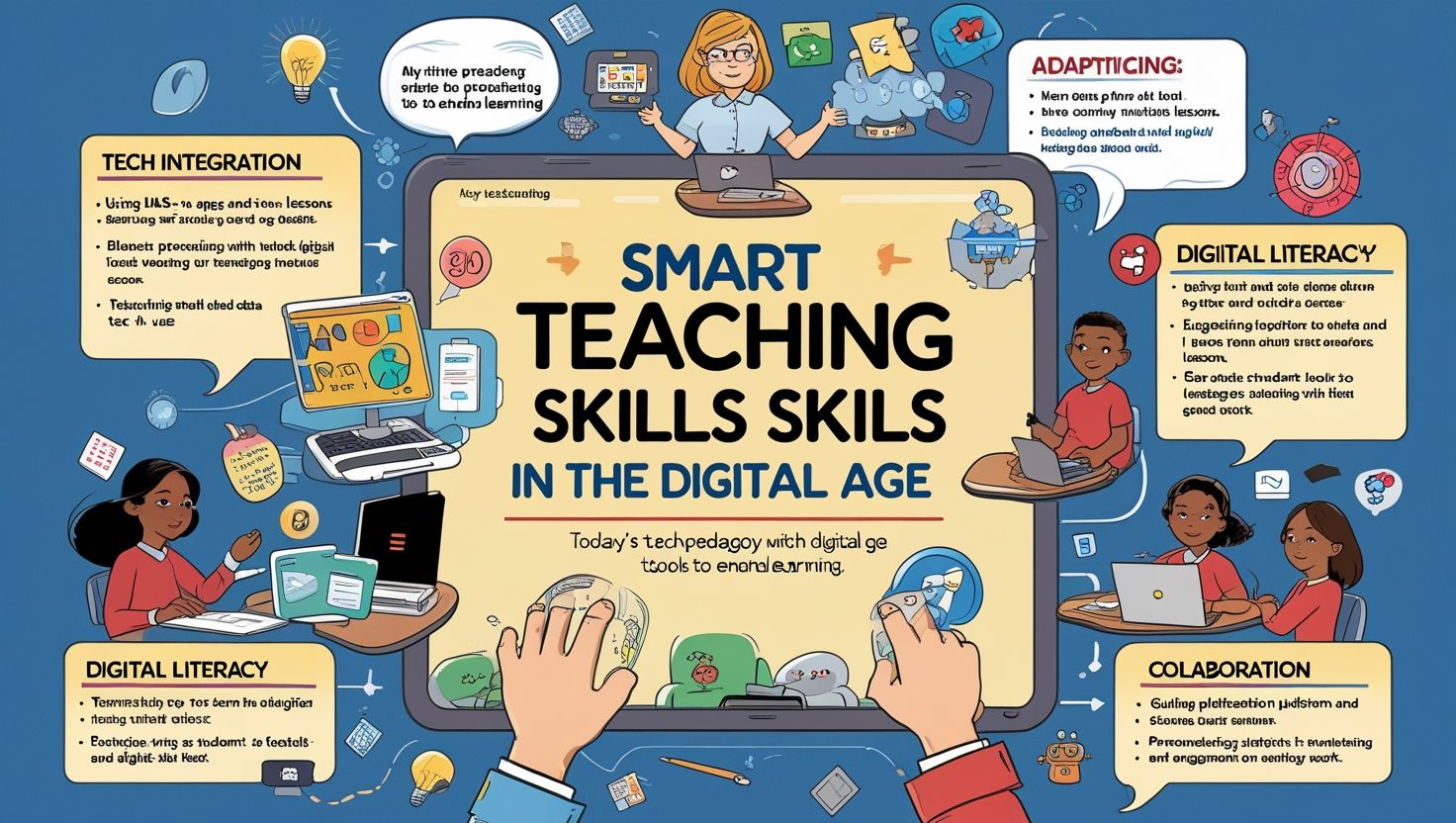
3. Integration of Technology
Digital tools are now integral to teaching and learning. Teacher training reforms incorporate:
- Use of educational technology (EdTech)
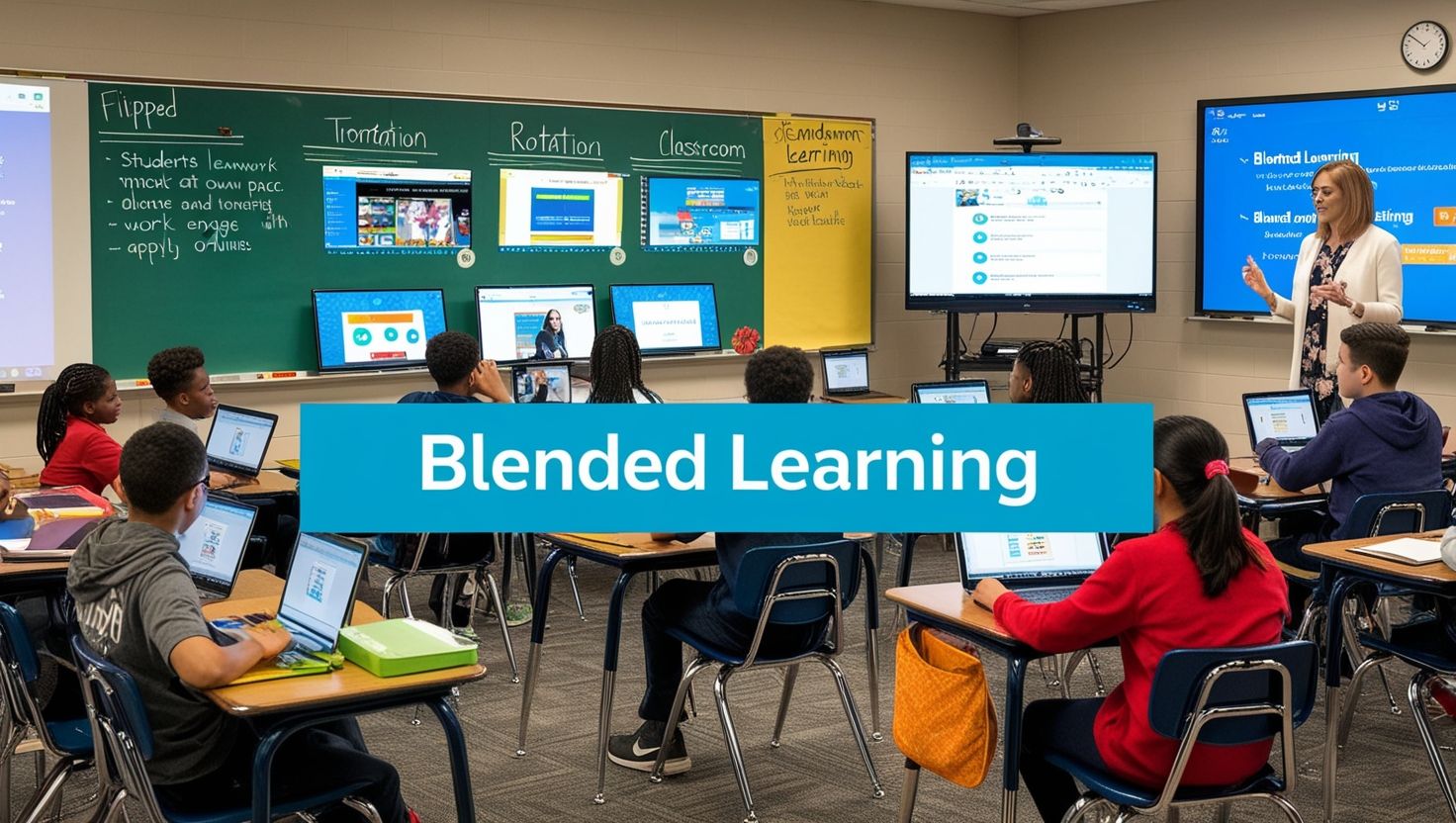
- Online and blended teaching methods
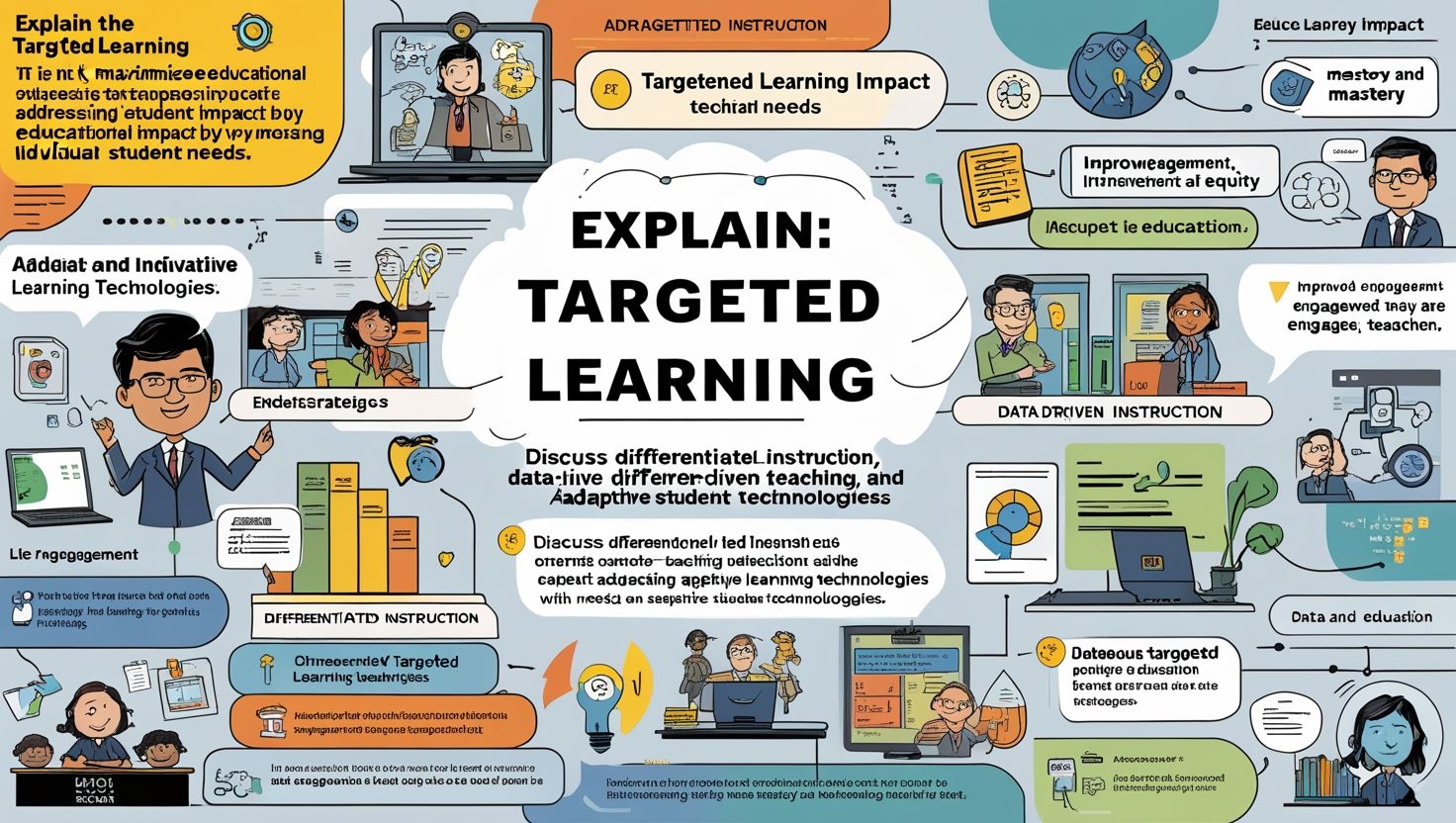
- Data-driven instruction
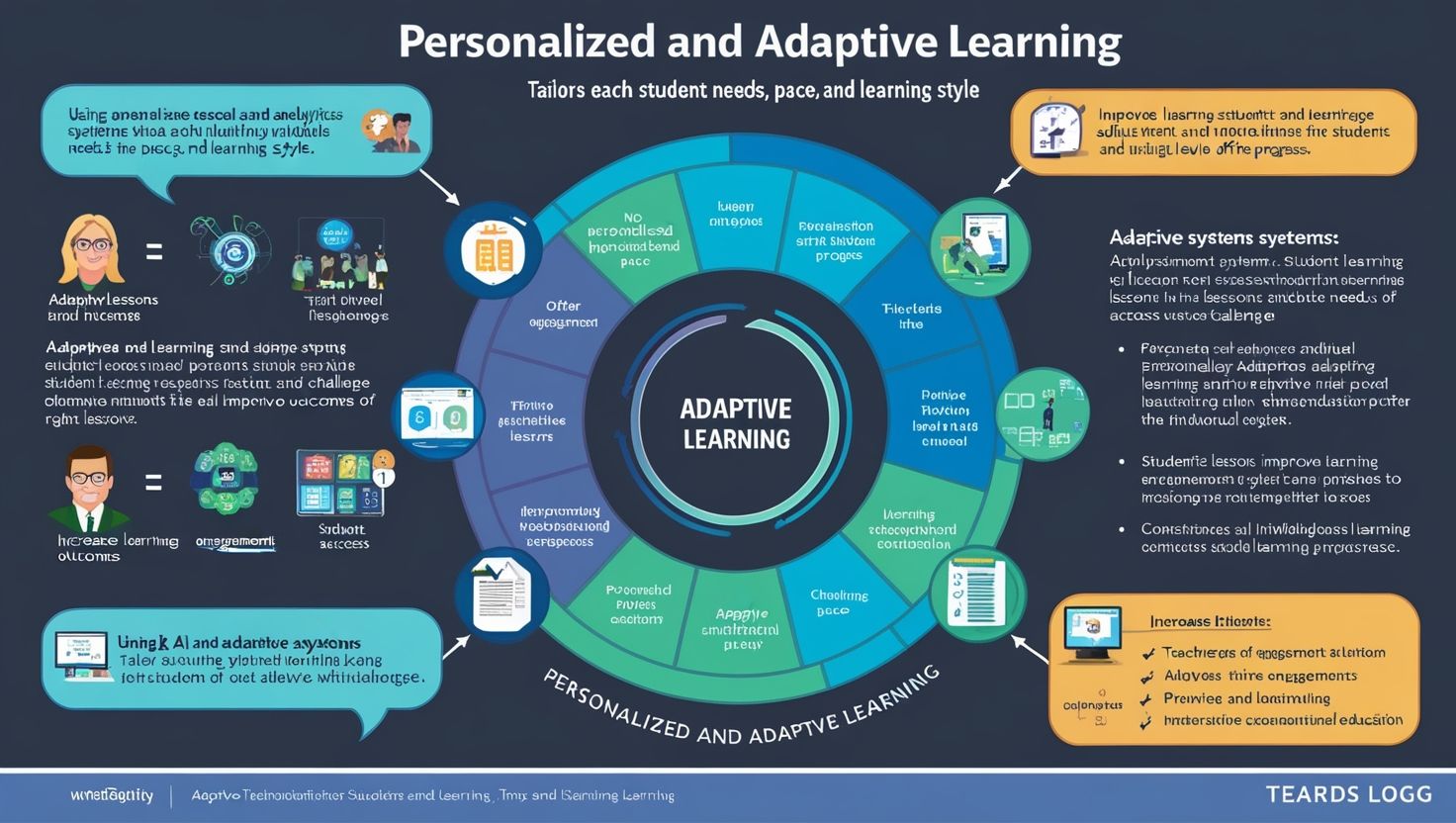
Teachers trained in technology integration are better equipped to enhance student engagement and personalize learning experiences.
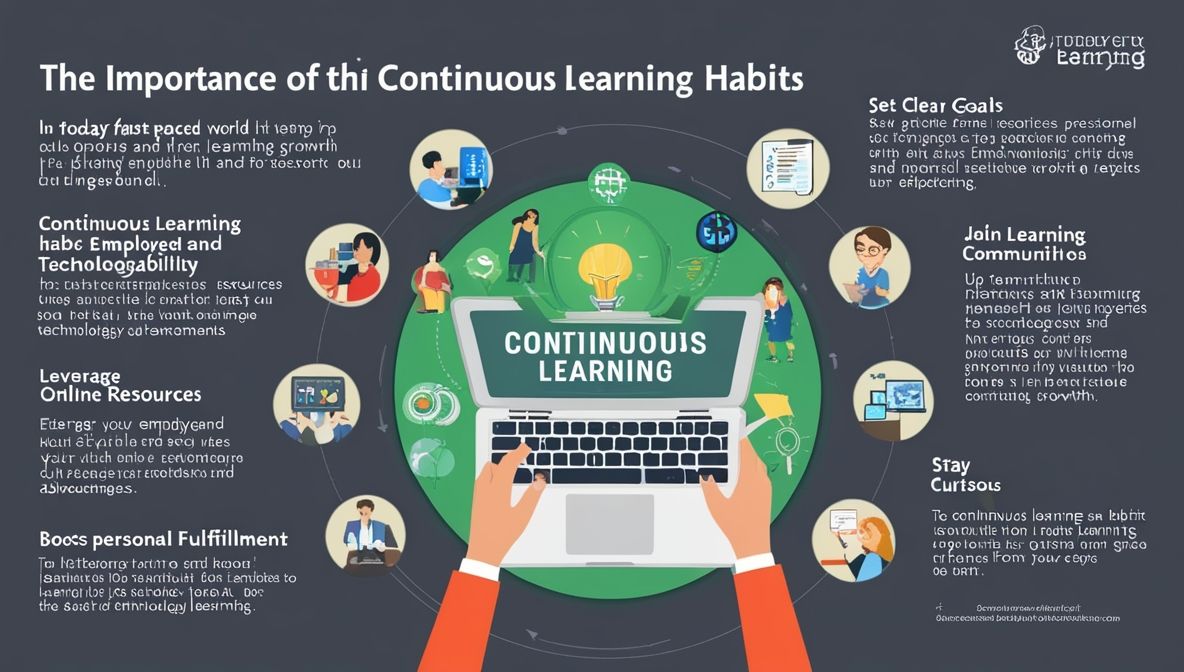
4. Continuous Professional Development (CPD)
Effective reforms recognize that teacher learning does not end with initial certification. Continuous professional development includes:
- Workshops and training sessions
- Peer collaboration and learning communities
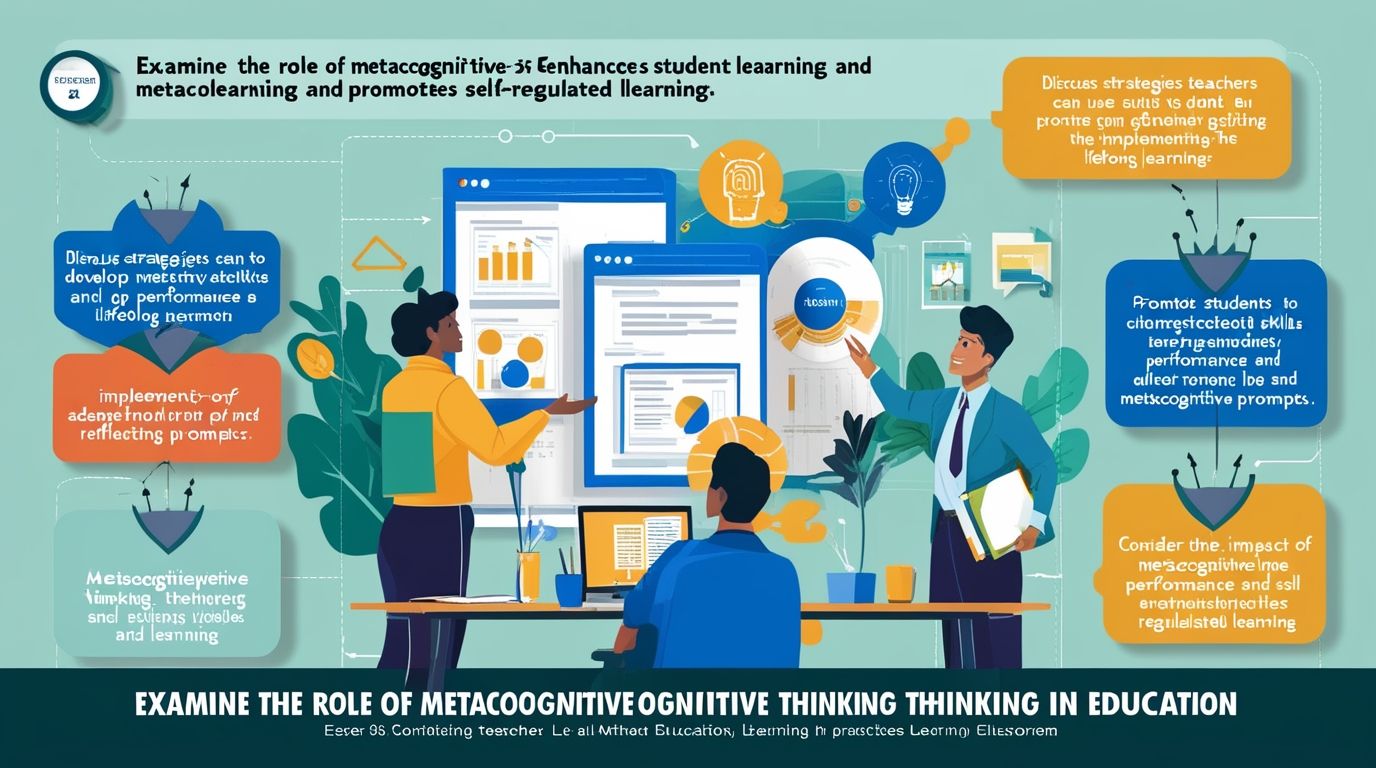
- Reflective practice and self-assessment
CPD ensures that teachers remain updated with evolving pedagogical practices.
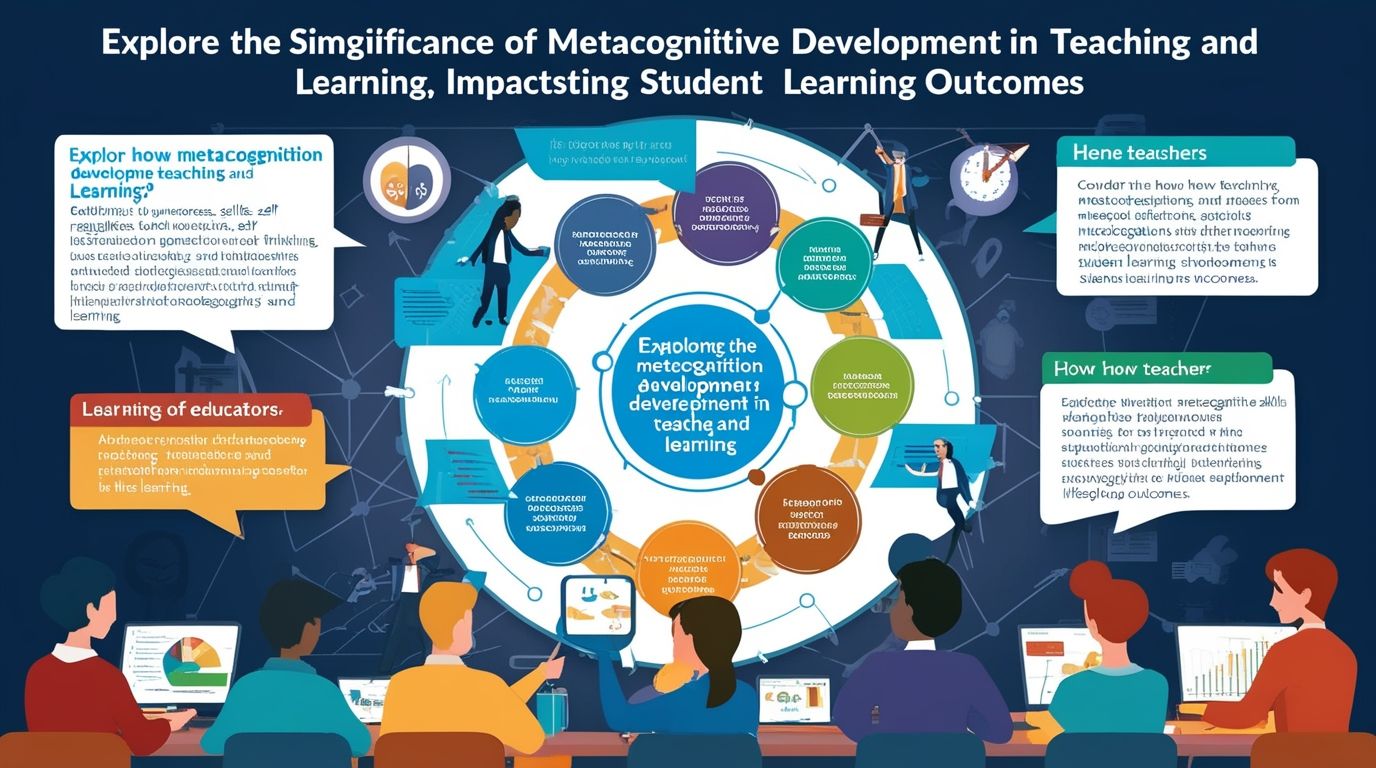
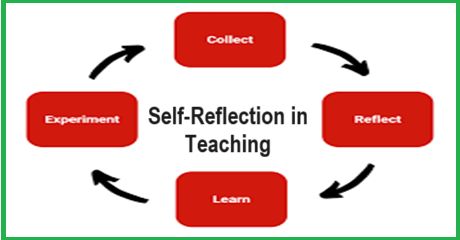
5. Reflective and Inquiry-Based Practice
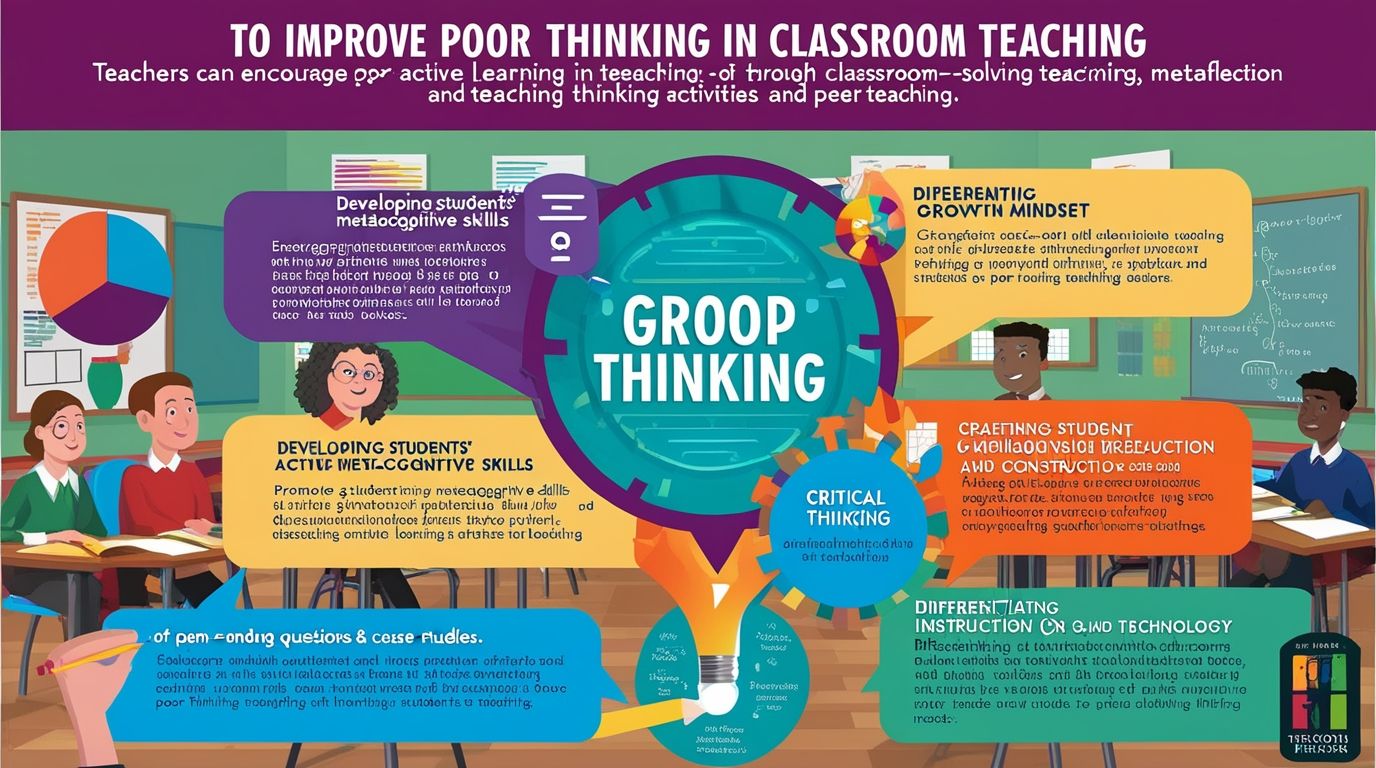
Teachers are encouraged to become reflective practitioners who analyze their teaching methods and student outcomes.
- Action research in classrooms
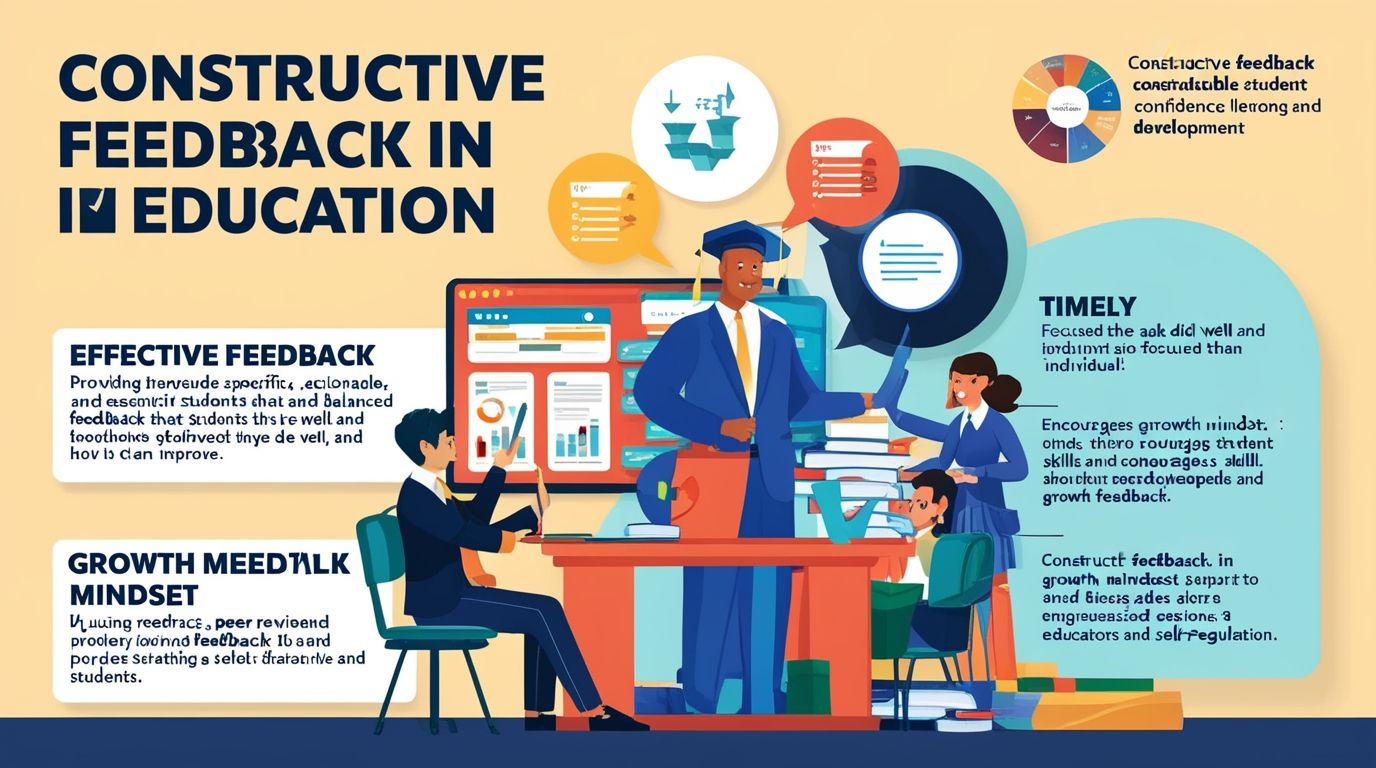
- Feedback mechanisms
- Professional learning journals
This fosters a culture of continuous improvement.
6. Contextualized Training
Training programs are increasingly tailored to local contexts, considering:
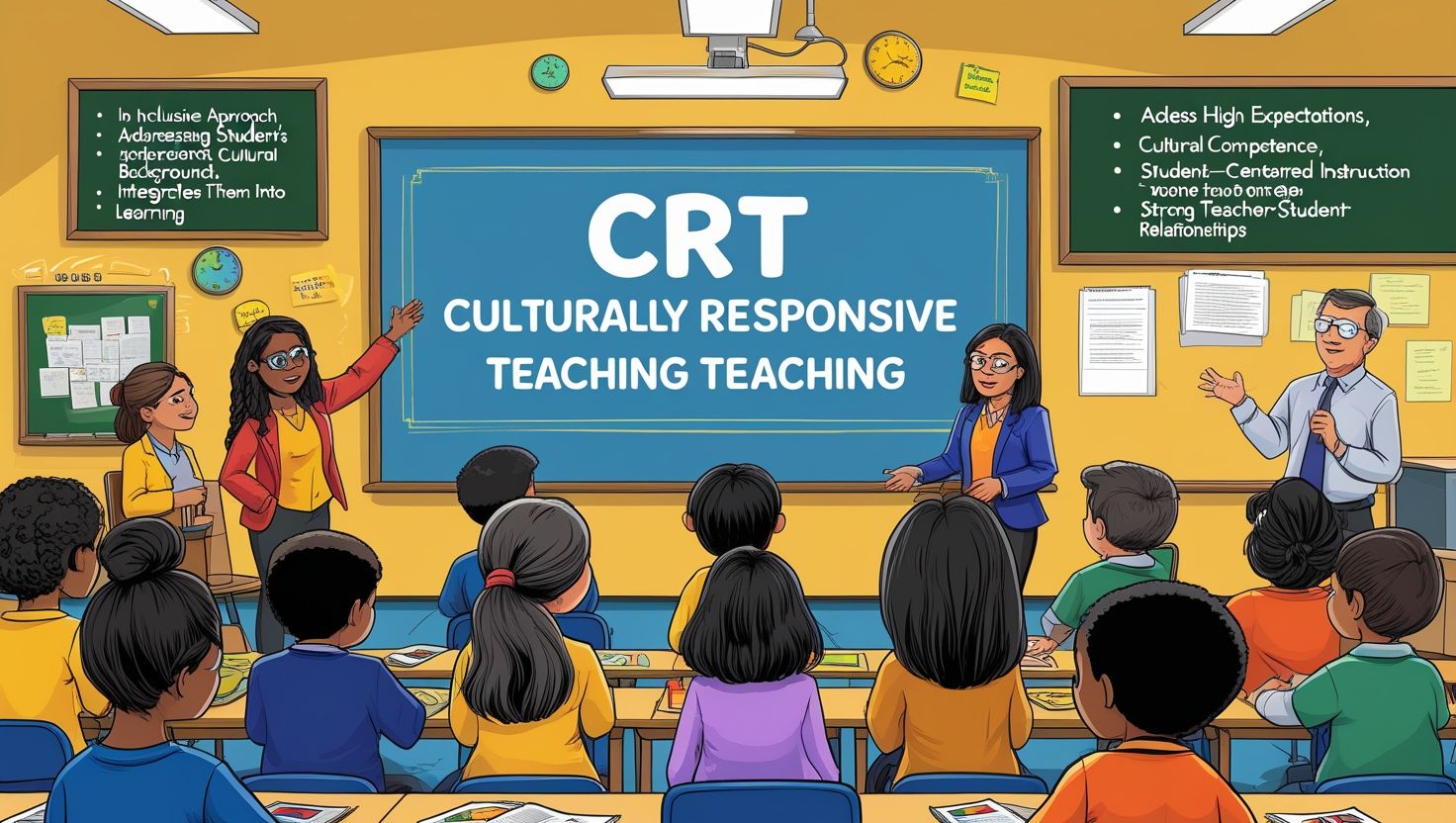
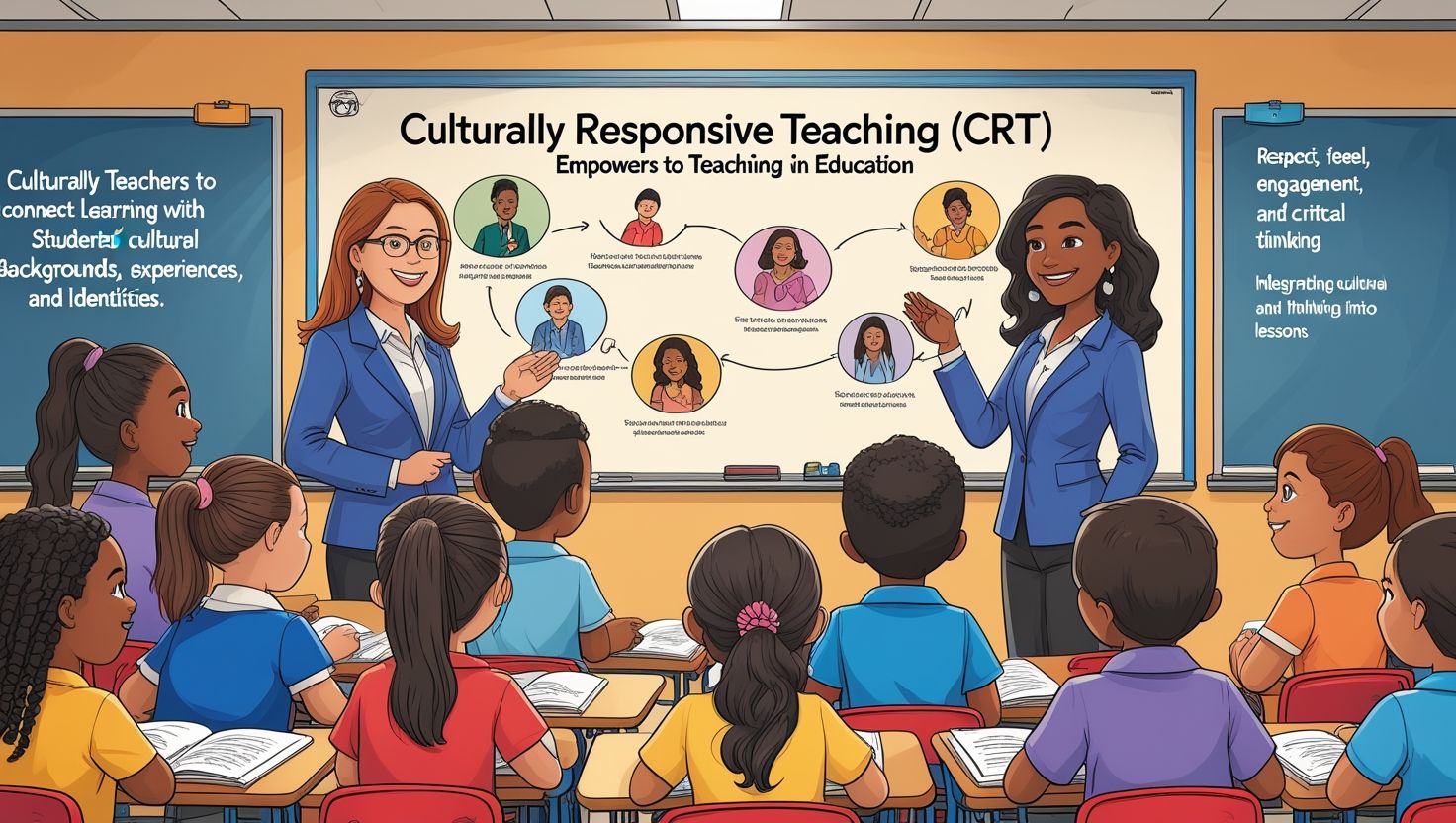
- Cultural diversity
- Language needs
- Community expectations
Contextual relevance enhances the applicability of training in real classroom settings.
Impact of Teacher Training Reforms on Classroom Effectiveness
Improved Instructional Practices
Teachers who undergo reformed training programs demonstrate:
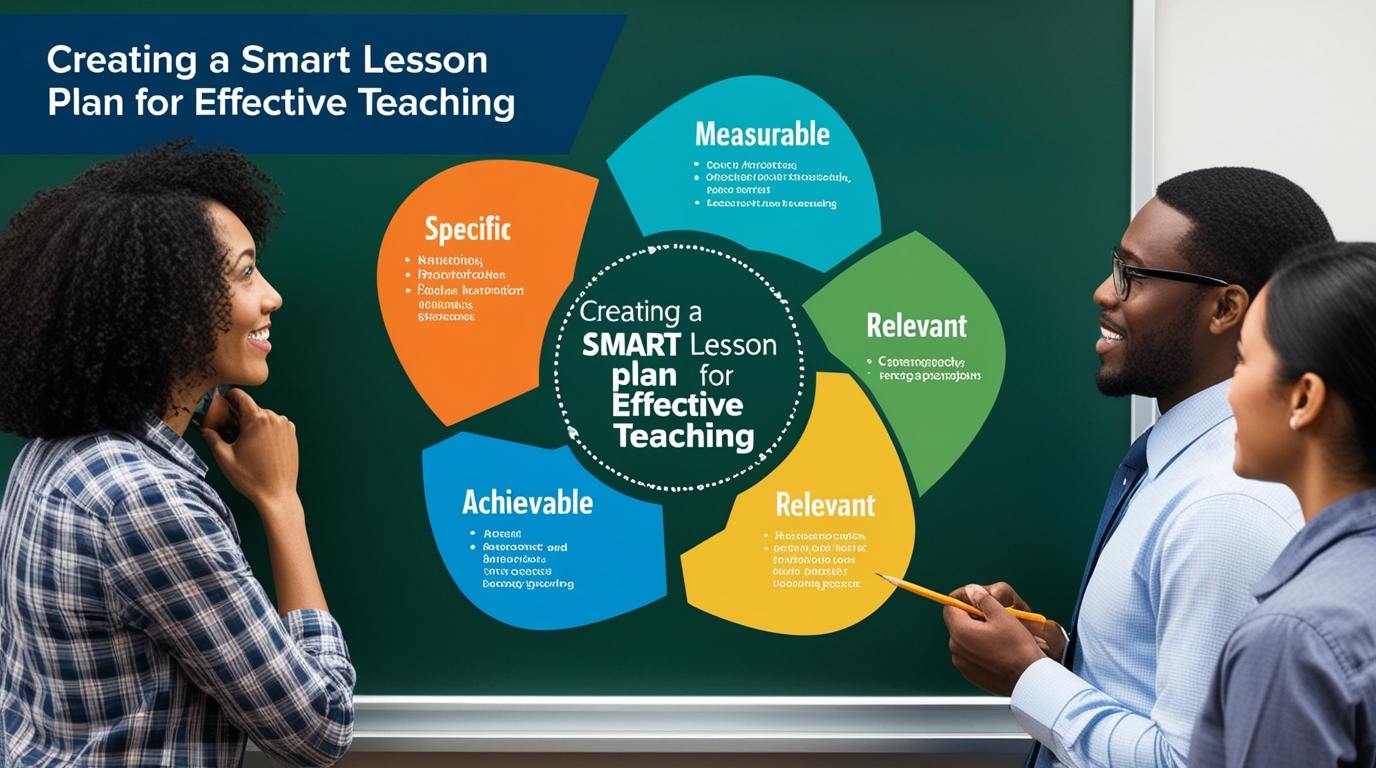
- Better lesson planning aligned with learning objectives
- Use of diverse teaching strategies
- Enhanced ability to differentiate instruction
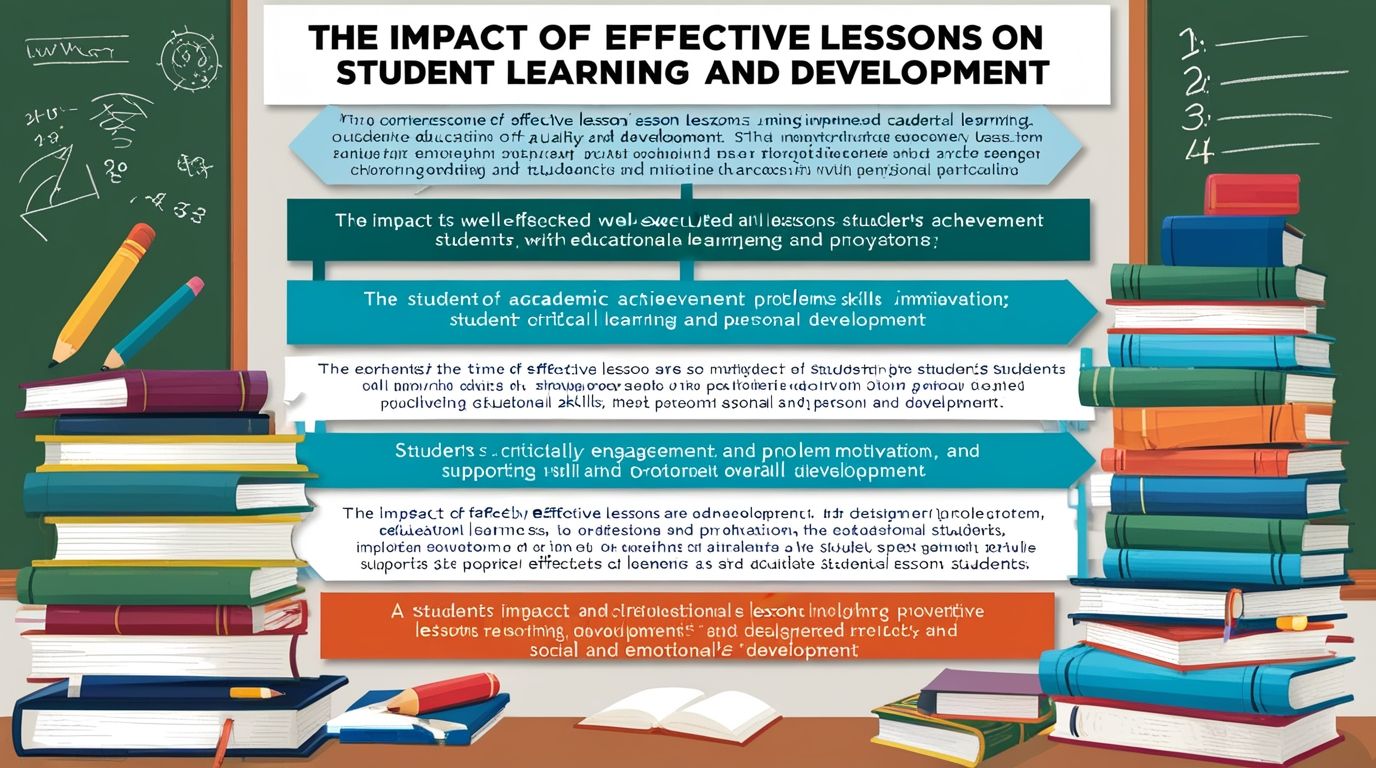
These practices lead to more effective knowledge delivery and improved student comprehension.
Enhanced Student Engagement
Modern training equips teachers with strategies to actively involve students in the learning process:
- Interactive teaching methods
- Collaborative learning activities
- Use of multimedia resources
Engaged students are more motivated and achieve better academic outcomes.
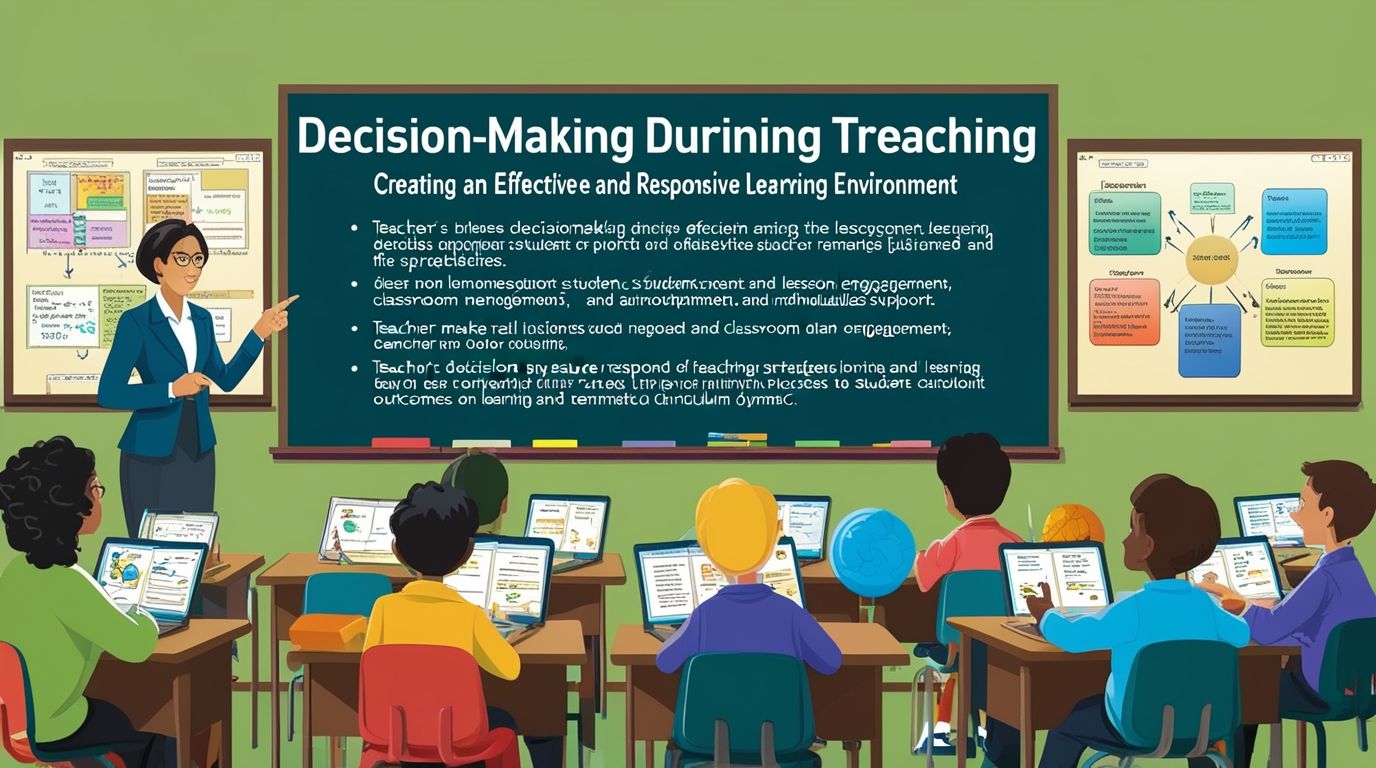
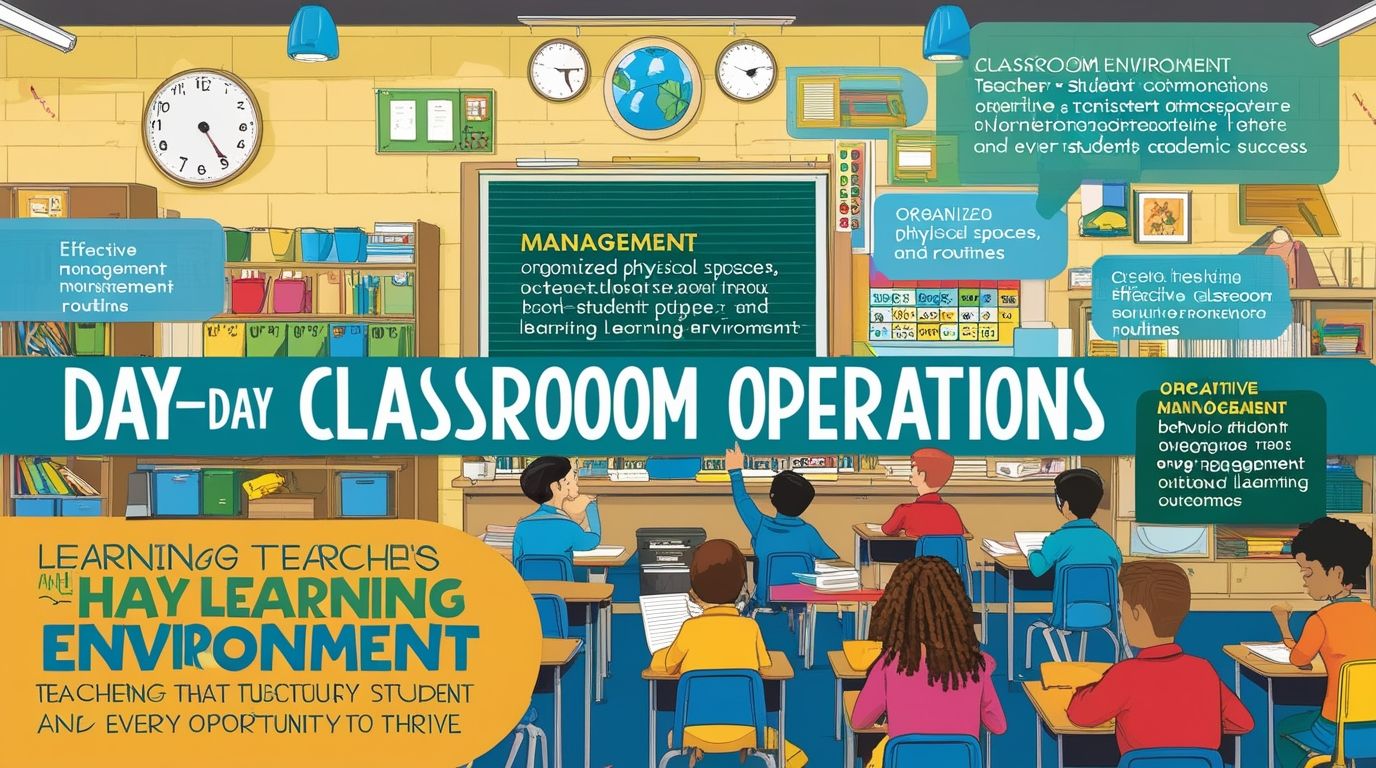
Effective Classroom Management
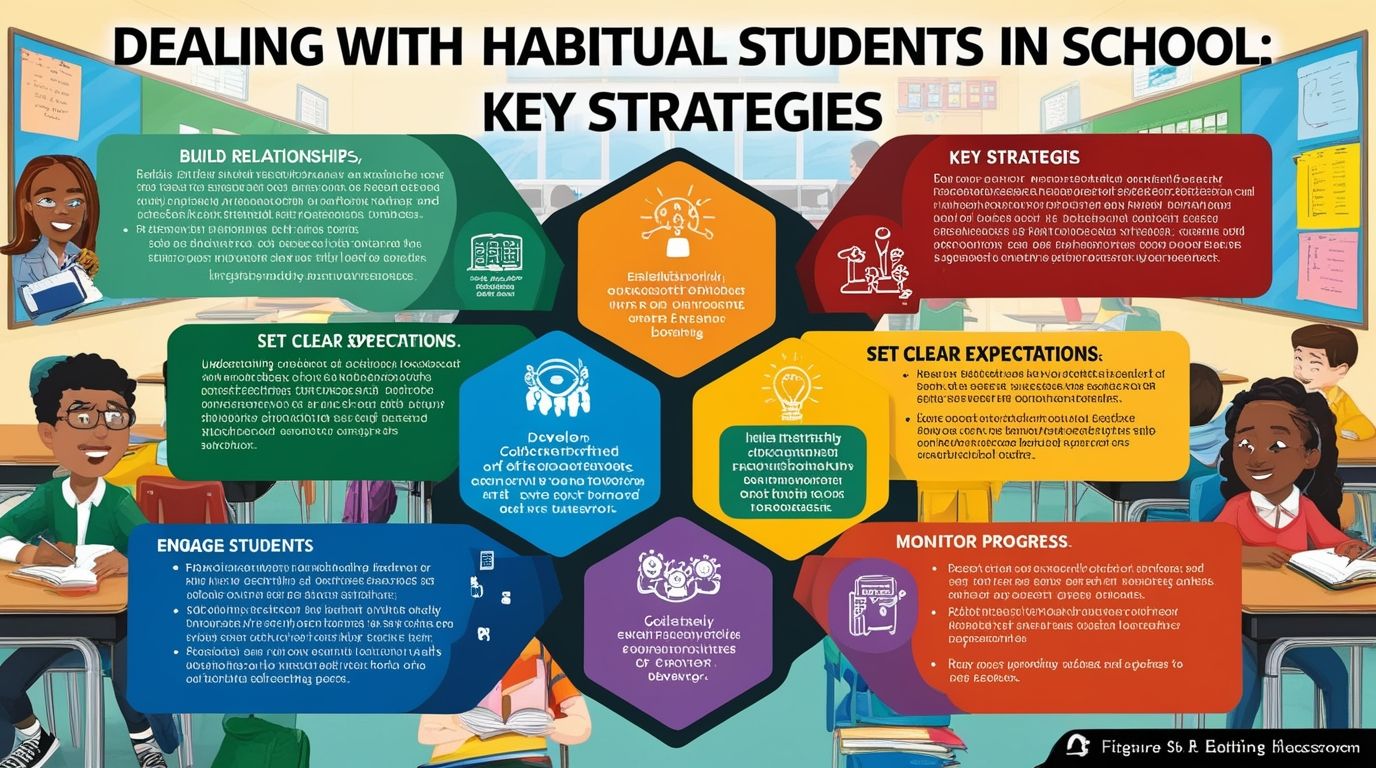
Classroom management is a critical aspect of teaching effectiveness. Reformed training provides teachers with:
- Strategies for maintaining discipline
- Techniques for creating a positive learning environment
- Skills to address behavioral challenges
A well-managed classroom fosters better learning conditions.
Data-Driven Decision Making
Teachers trained in assessment literacy can:
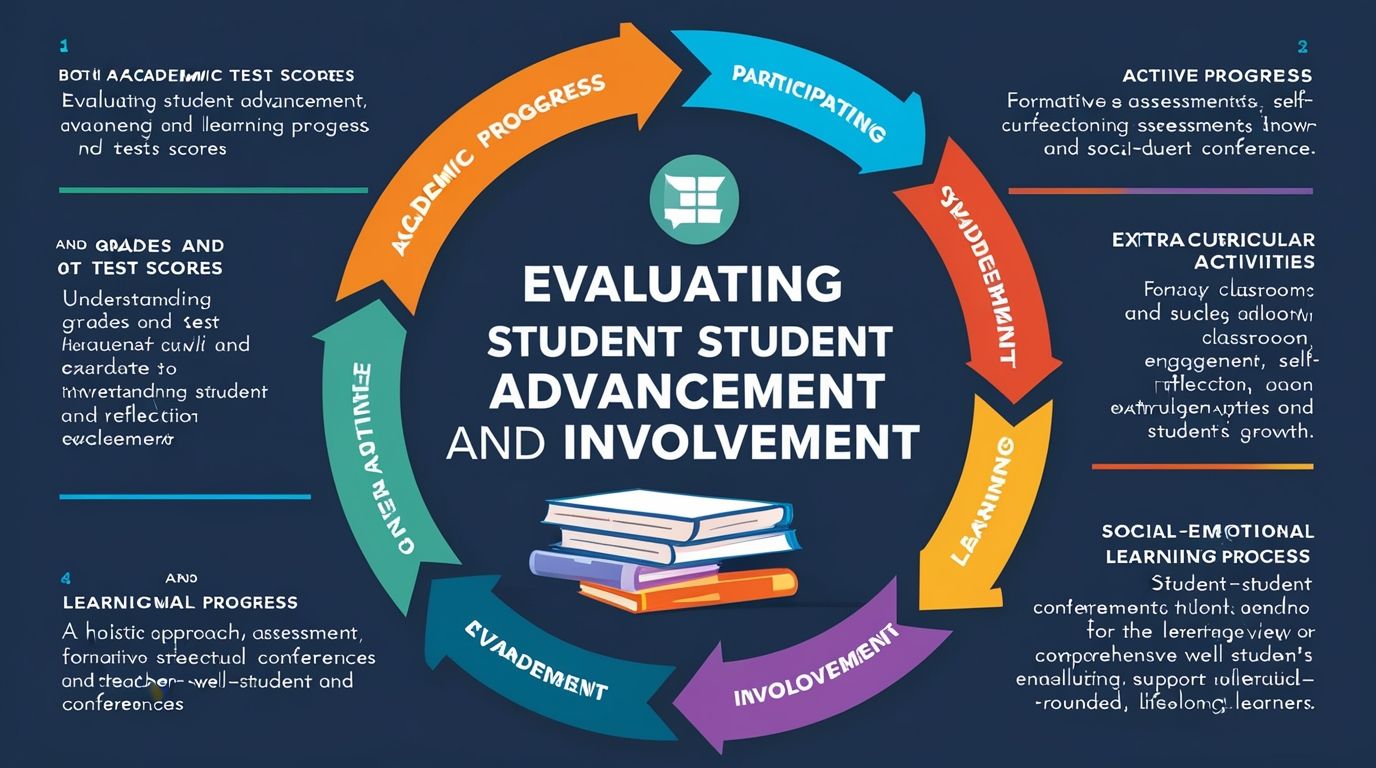
- Analyze student performance data
- Identify learning gaps
- Adjust teaching strategies accordingly
This leads to more targeted and effective instruction.
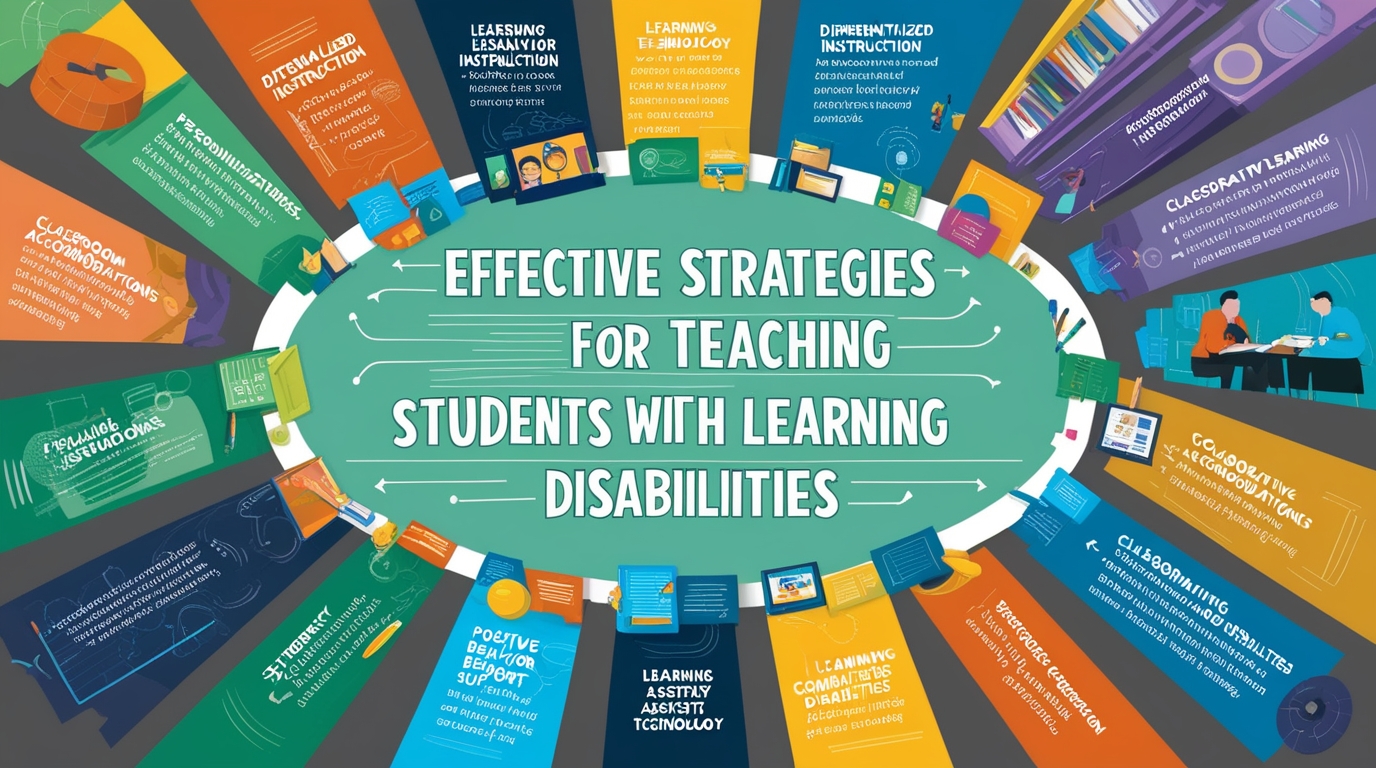
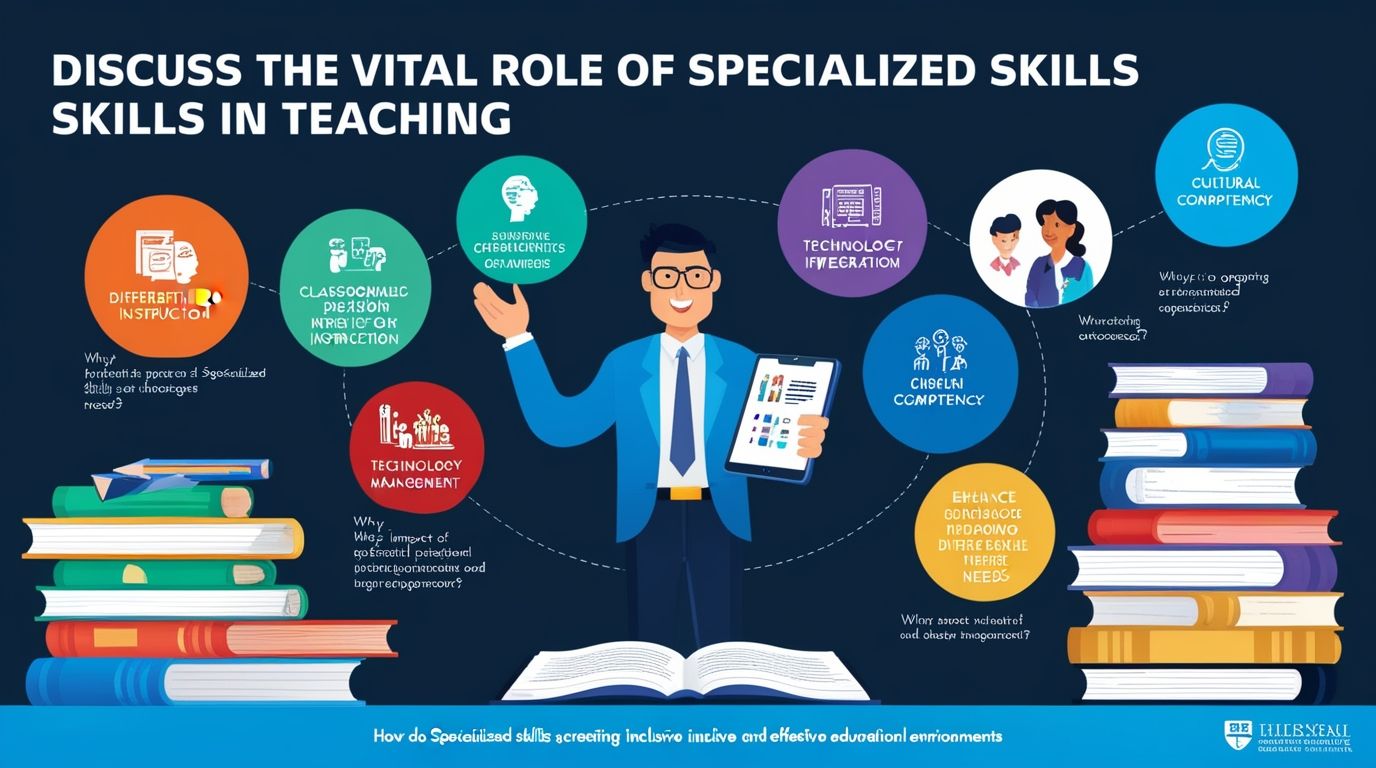
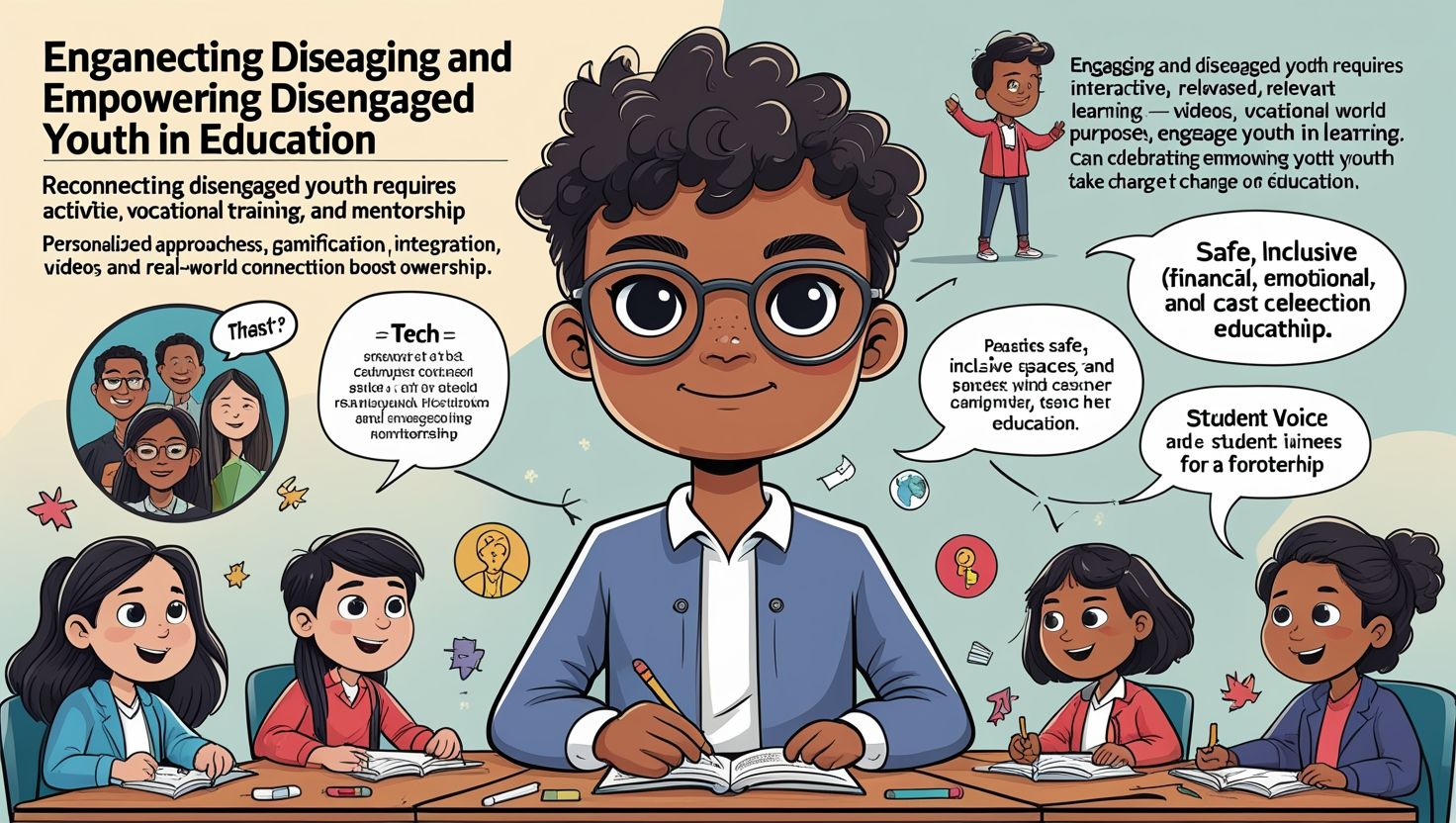
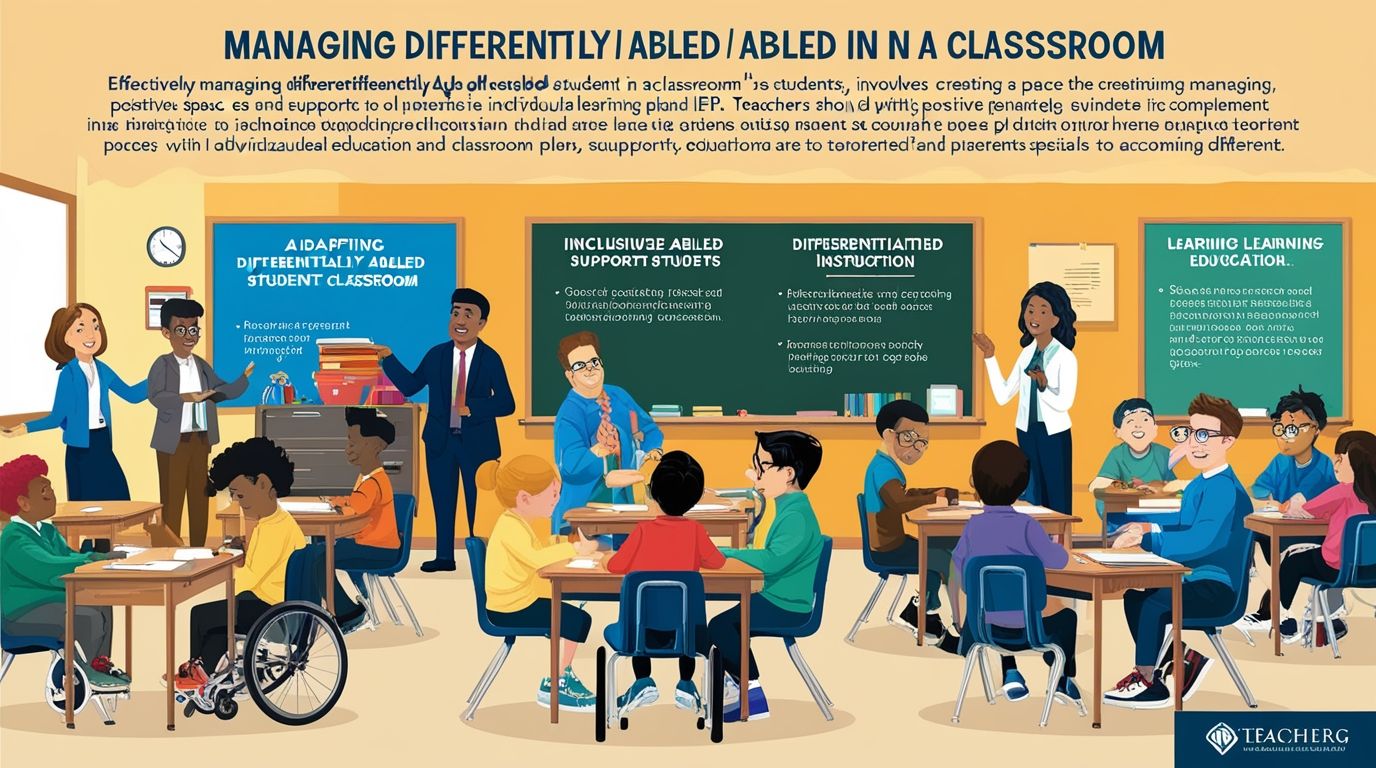
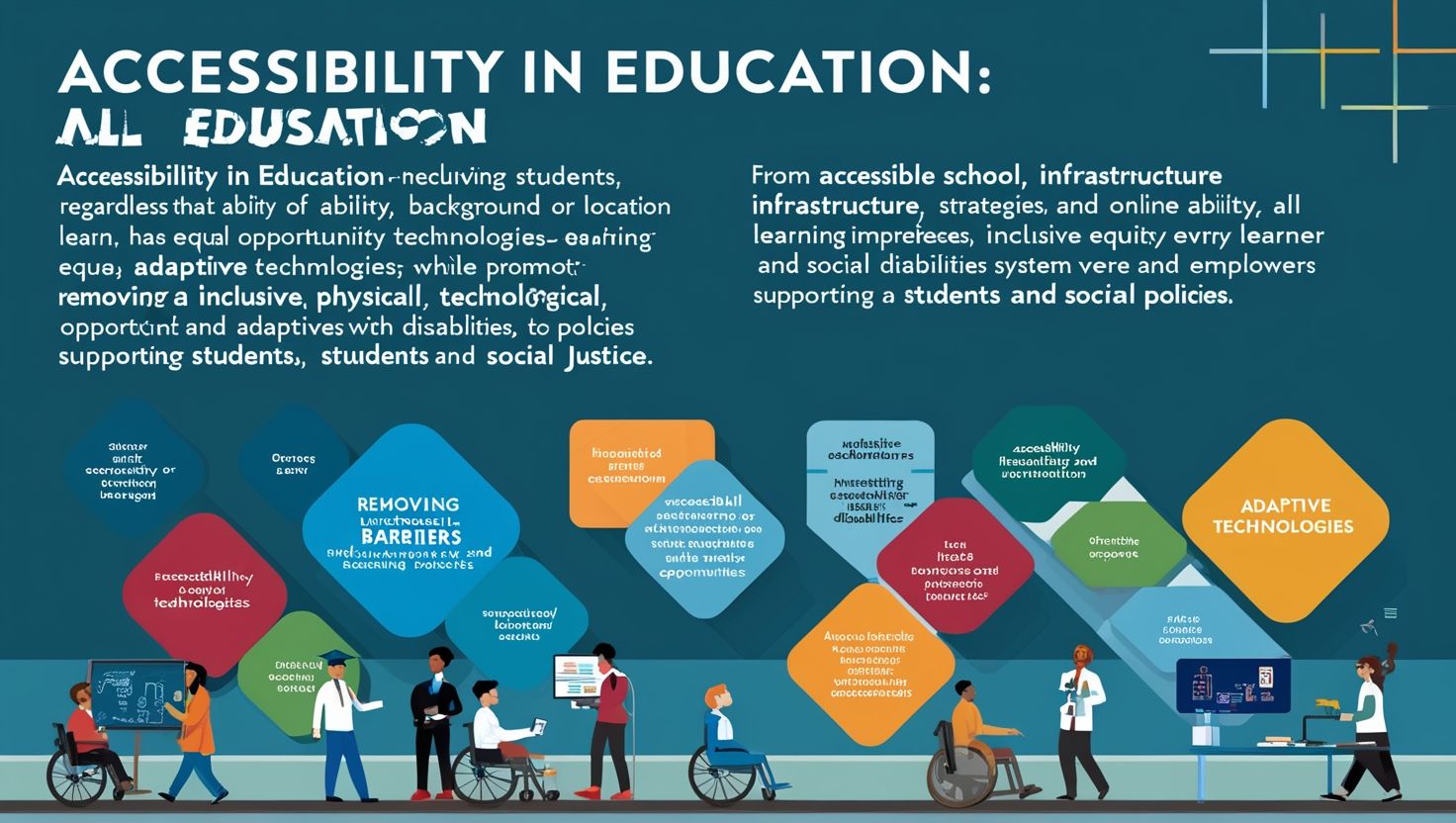
Inclusivity and Equity
Reformed teacher training emphasizes inclusive education, enabling teachers to:
- Address diverse learning needs
- Support students with disabilities
- Promote equity in classroom participation
Inclusive classrooms improve outcomes for all learners.
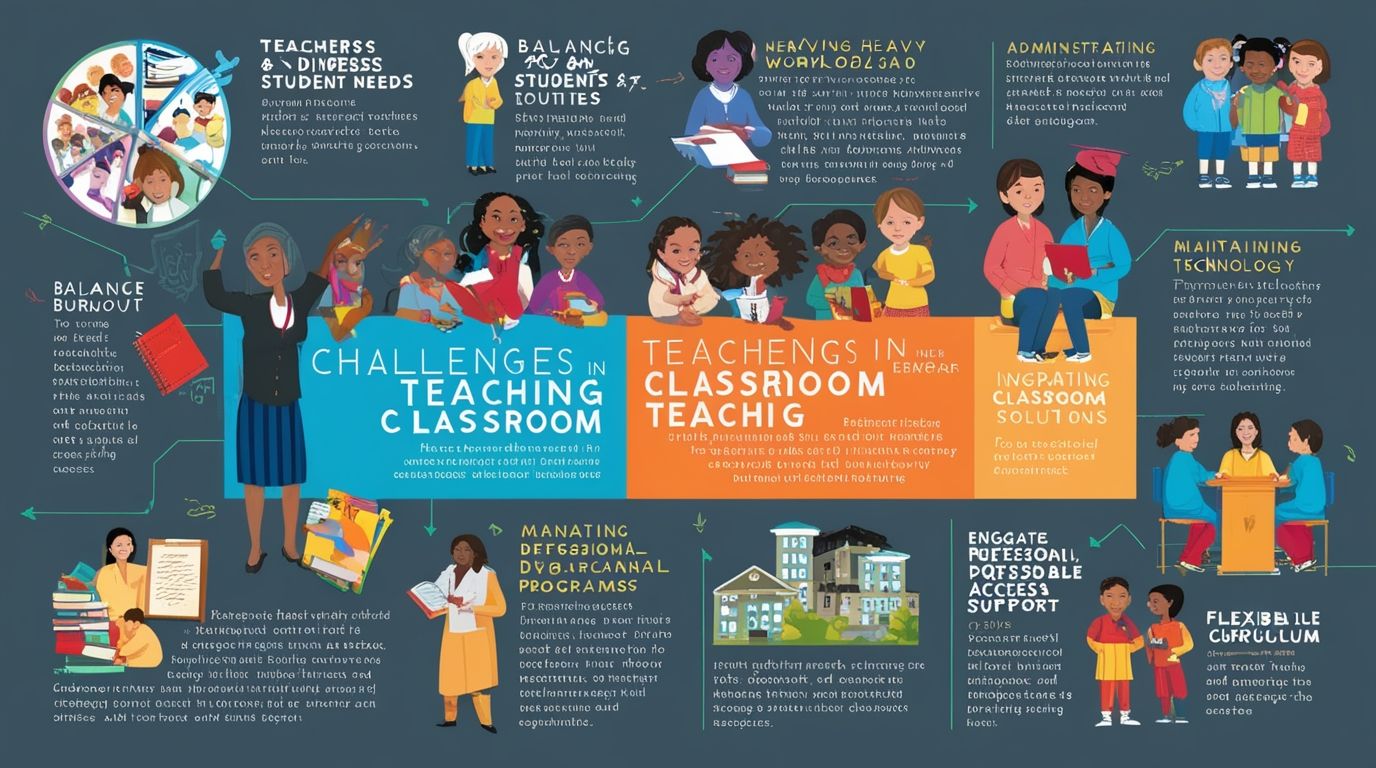
Challenges in Implementing Teacher Training Reforms
Resource Constraints
Many education systems face limitations in funding, infrastructure, and human resources, which hinder the implementation of reforms.
Resistance to Change
Teachers and institutions accustomed to traditional methods may resist new approaches, especially when reforms require significant adjustments.
Quality Assurance
Ensuring consistency and quality across training programs is a major challenge, particularly in decentralized systems.
Policy and Governance Issues
Effective reforms require strong policy support, coordination, and accountability mechanisms, which are often lacking.
Strategies for Successful Implementation
Strong Policy Frameworks
Governments must establish clear policies that support teacher training reforms, including:
- Standards for teacher education programs
- Accreditation and monitoring systems
- Incentives for professional development
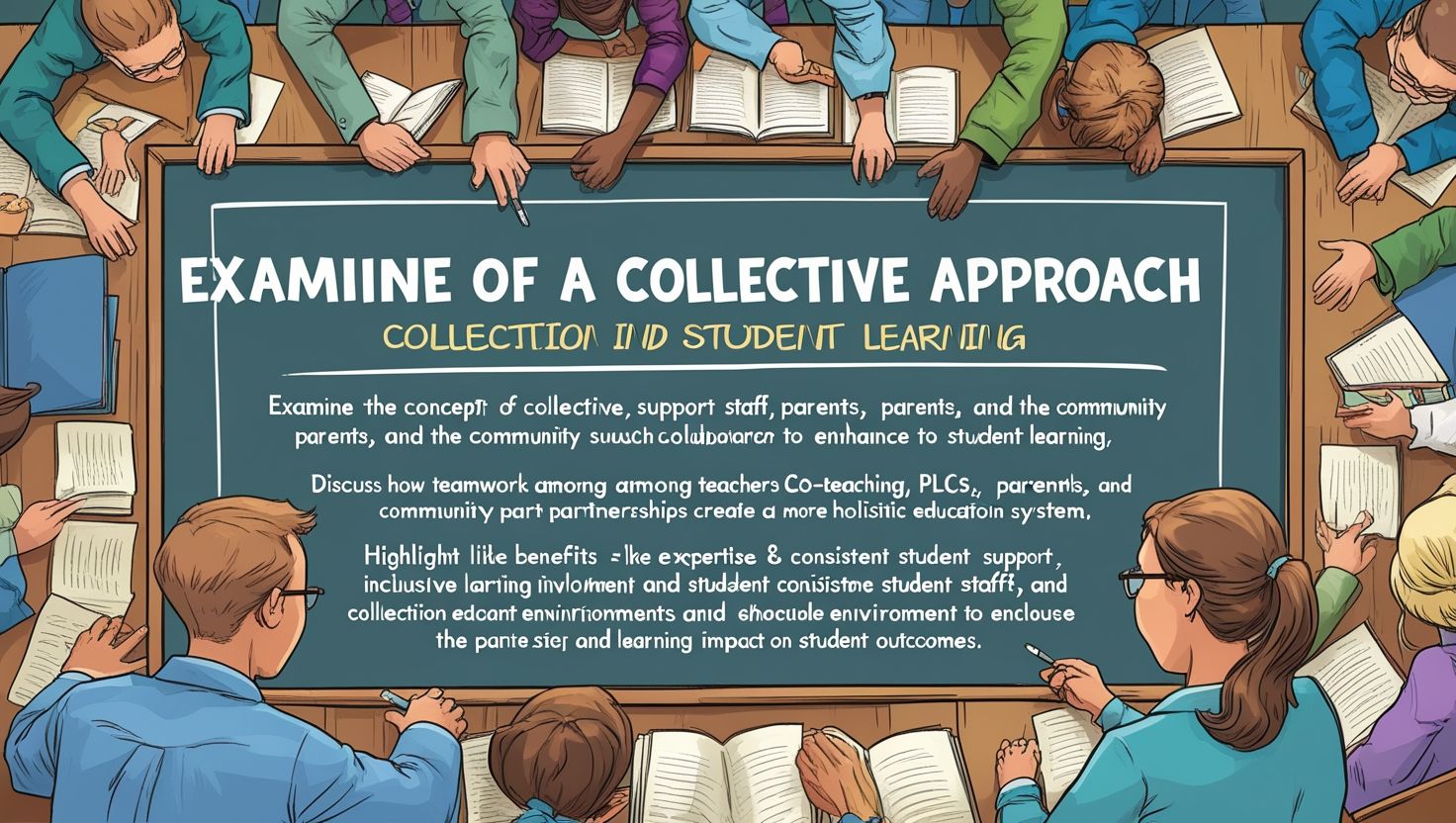
Collaboration and Partnerships
Partnerships between:
- Universities
- Schools
- Educational organizations
can enhance the quality and relevance of training programs.
Investment in Infrastructure
Adequate funding is essential for:
- Training facilities
- Technology integration
- Professional development programs
Teacher Involvement
Teachers should be actively involved in the design and implementation of reforms to ensure practicality and acceptance.
Monitoring and Evaluation
Regular assessment of training programs helps identify strengths and areas for improvement.
Case Perspectives and Global Trends
Countries that have successfully implemented teacher training reforms share common features:
- Rigorous selection processes for teacher candidates
- Strong emphasis on practical training
- Continuous professional development systems
- High societal respect for the teaching profession
Global trends indicate a shift towards:
- Personalized teacher learning pathways
- Integration of artificial intelligence in training
- Focus on socio-emotional learning
These trends highlight the evolving nature of teacher education.
Implications for Educational Leadership
Educational leaders, including principals and policymakers, play a crucial role in translating training reforms into classroom effectiveness.
Instructional Leadership
Leaders must:
- Support teachers in implementing new strategies
- Provide constructive feedback
- Foster a culture of learning and innovation
Capacity Building
Schools should function as learning organizations where teachers continuously develop their skills.
Accountability and Support
Balancing accountability with support is essential to ensure that teachers are both responsible and empowered.
Future Directions
Teacher training reforms must continue to evolve in response to emerging challenges and opportunities.
Emphasis on Lifelong Learning
Teachers must be prepared for continuous adaptation in a rapidly changing world.
Integration of Research and Practice
Bridging the gap between educational research and classroom practice will enhance teaching effectiveness.
Focus on Holistic Education
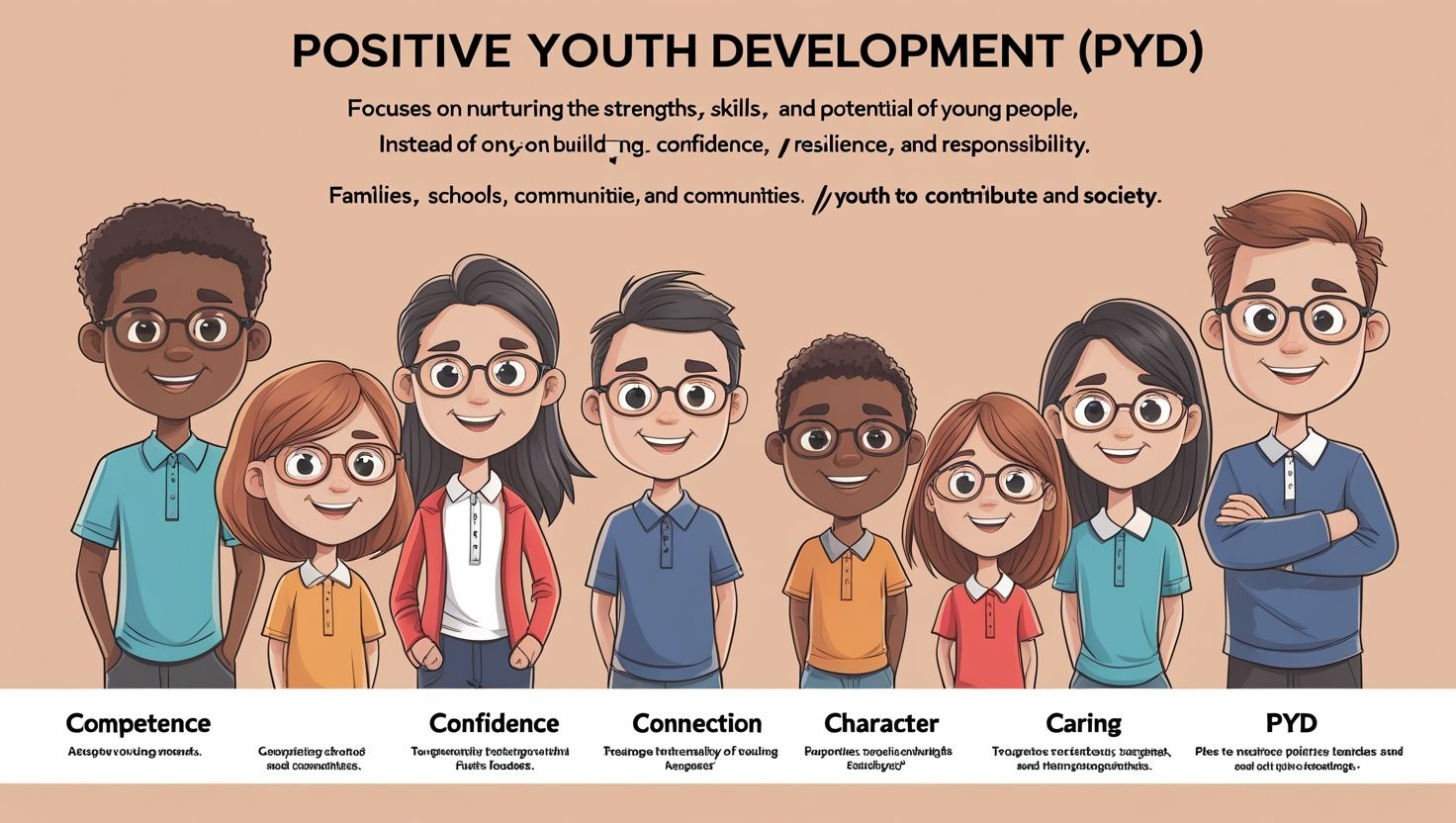
Training programs should prepare teachers to develop not only academic skills but also values, ethics, and emotional intelligence in students.
Conclusion
Teacher training reforms are fundamental to improving classroom effectiveness and, by extension, student learning outcomes. By shifting from traditional, theory-heavy models to practice-oriented, competency-based, and continuous development frameworks, education systems can better prepare teachers for the complexities of modern classrooms.
The success of these reforms depends on a combination of strong policy support, adequate resources, stakeholder collaboration, and a commitment to continuous improvement. Ultimately, investing in teacher training is an investment in the future of education and society as a whole.
Effective teachers create effective classrooms, and effective classrooms build capable, informed, and responsible generations. Therefore, teacher training reforms must remain a top priority for all education systems striving for excellence.