

Introduction
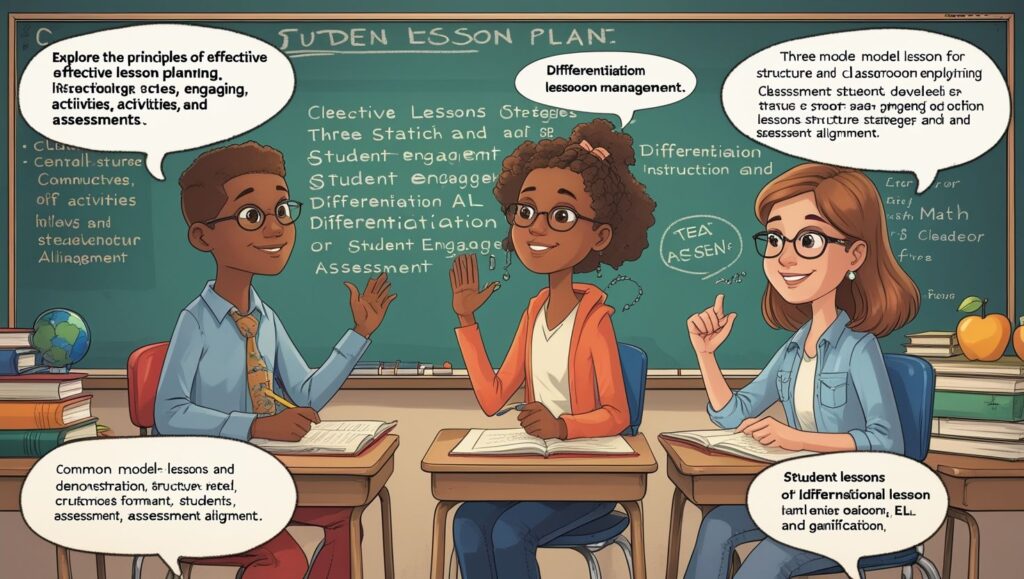
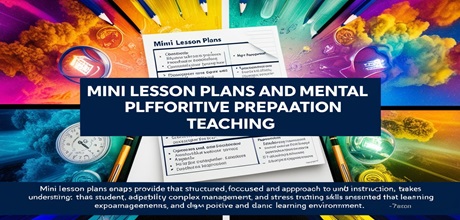
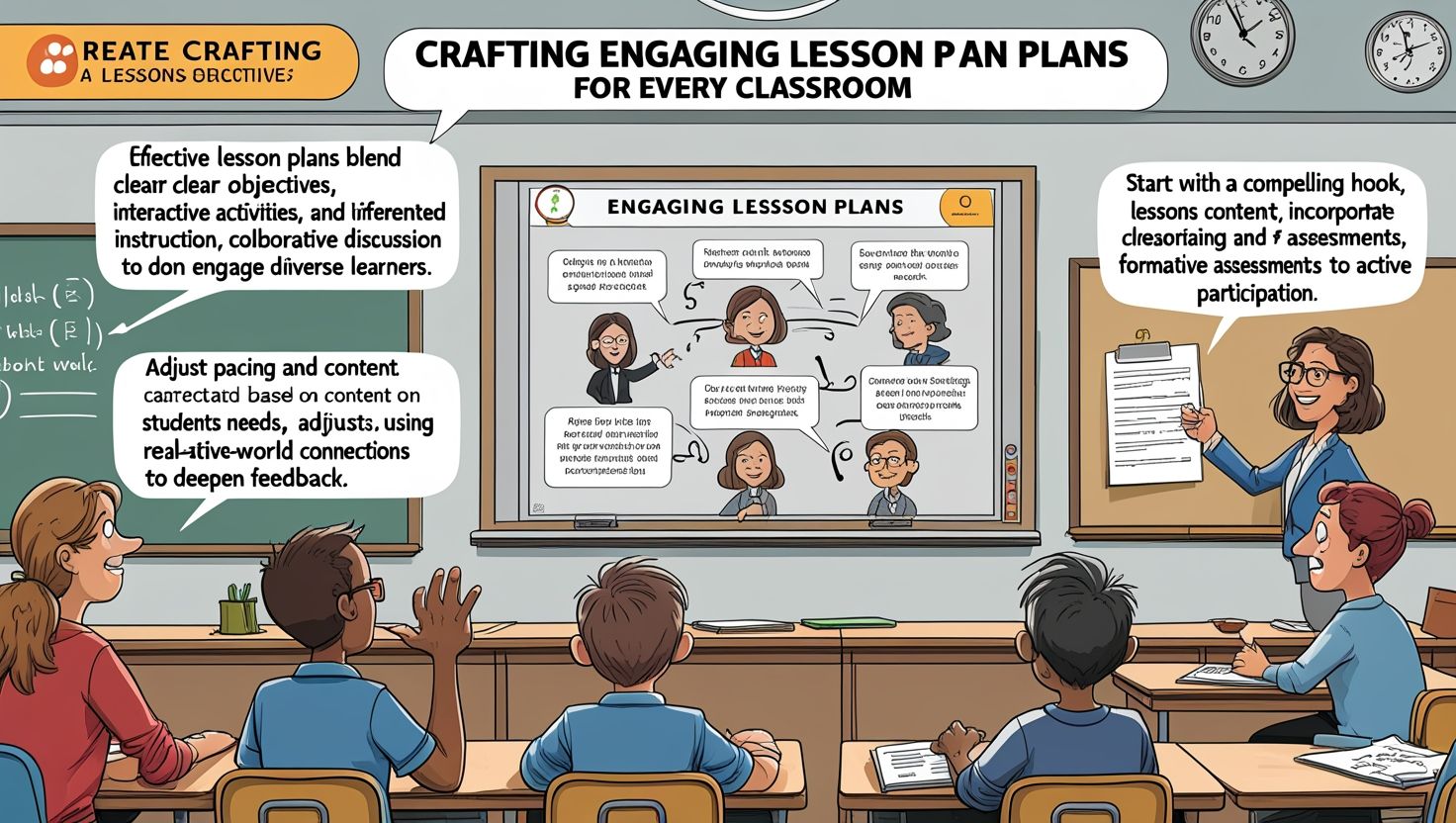
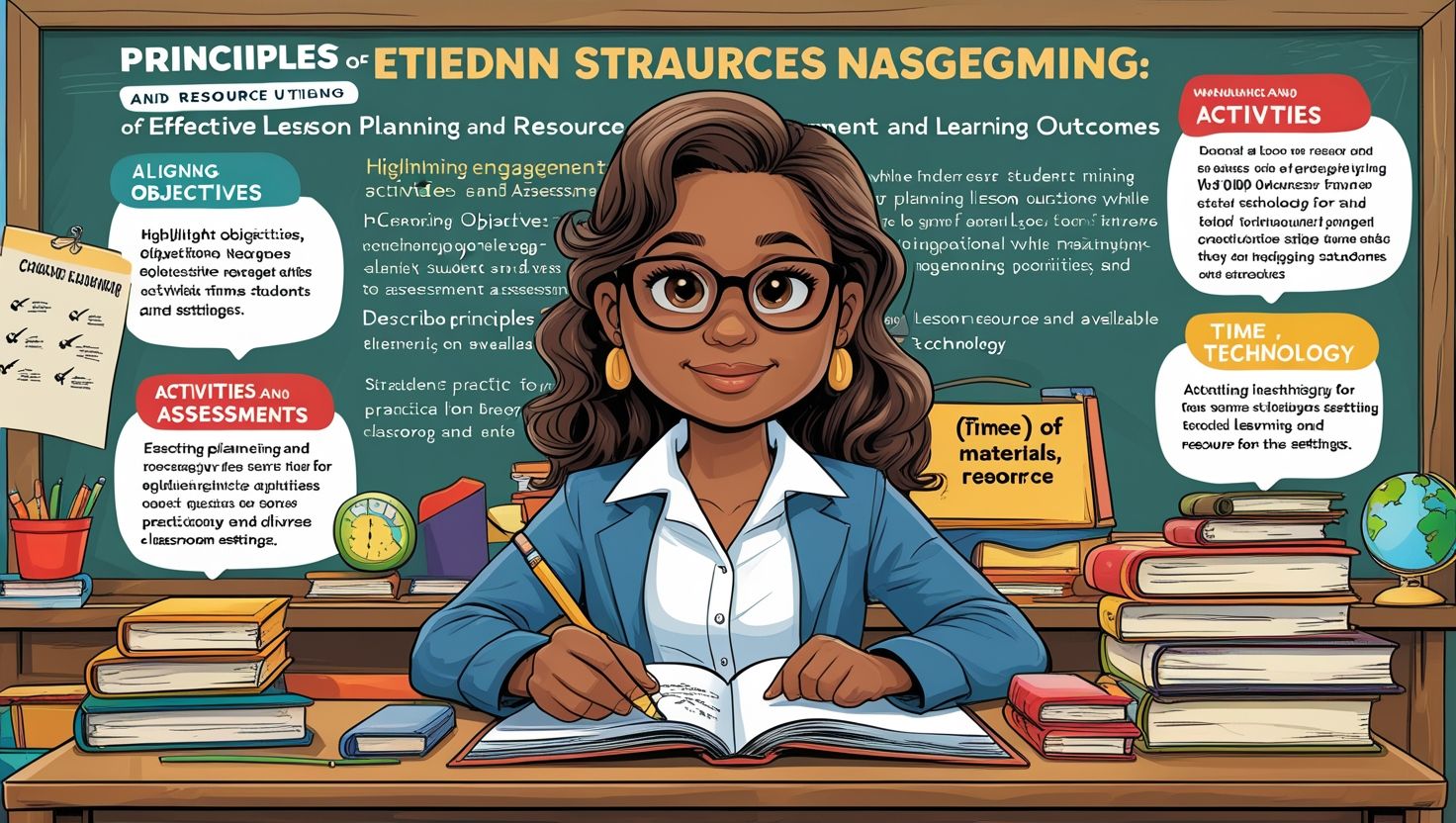
The Art of Effective Lesson Planning for Model Lessons, Lesson planning is the backbone of effective teaching. It serves as a roadmap that guides educators through the instructional process, ensuring that learning objectives are met, students remain engaged, and assessments align with curriculum goals. A well-structured lesson plan enhances classroom management, accommodates diverse learning styles, and fosters meaningful student participation.
This article explores the key components of lesson planning, best practices for designing impactful lessons, and three model lesson plans for different subjects and grade levels.
1. The Importance of Lesson Planning
1.1 Provides Structure and Clarity
A lesson plan outlines the sequence of activities, ensuring that teachers cover all necessary content within the allotted time. It helps educators stay organized and focused while preventing unnecessary digressions.
1.2 Enhances Student Engagement
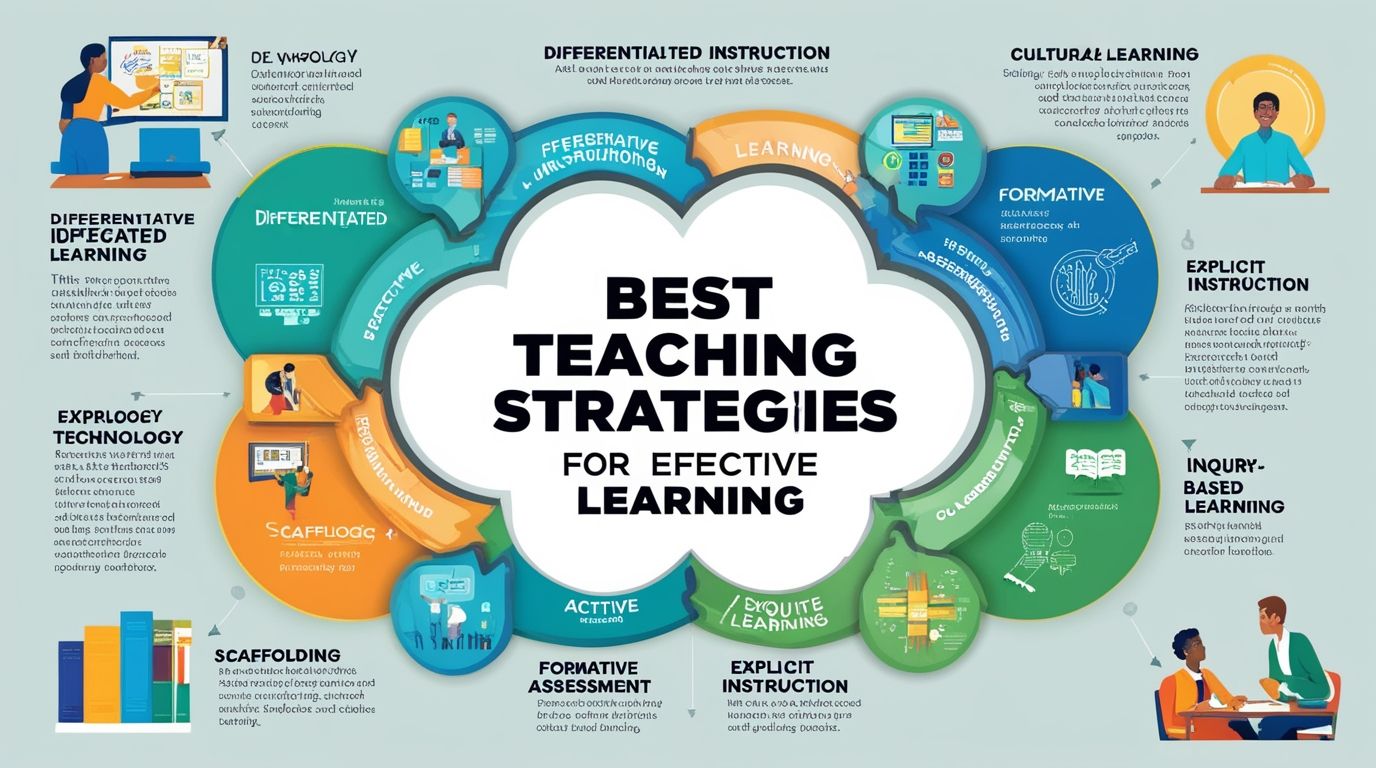
By incorporating interactive activities, multimedia resources, and differentiated instruction, lesson plans keep students actively involved in the learning process.
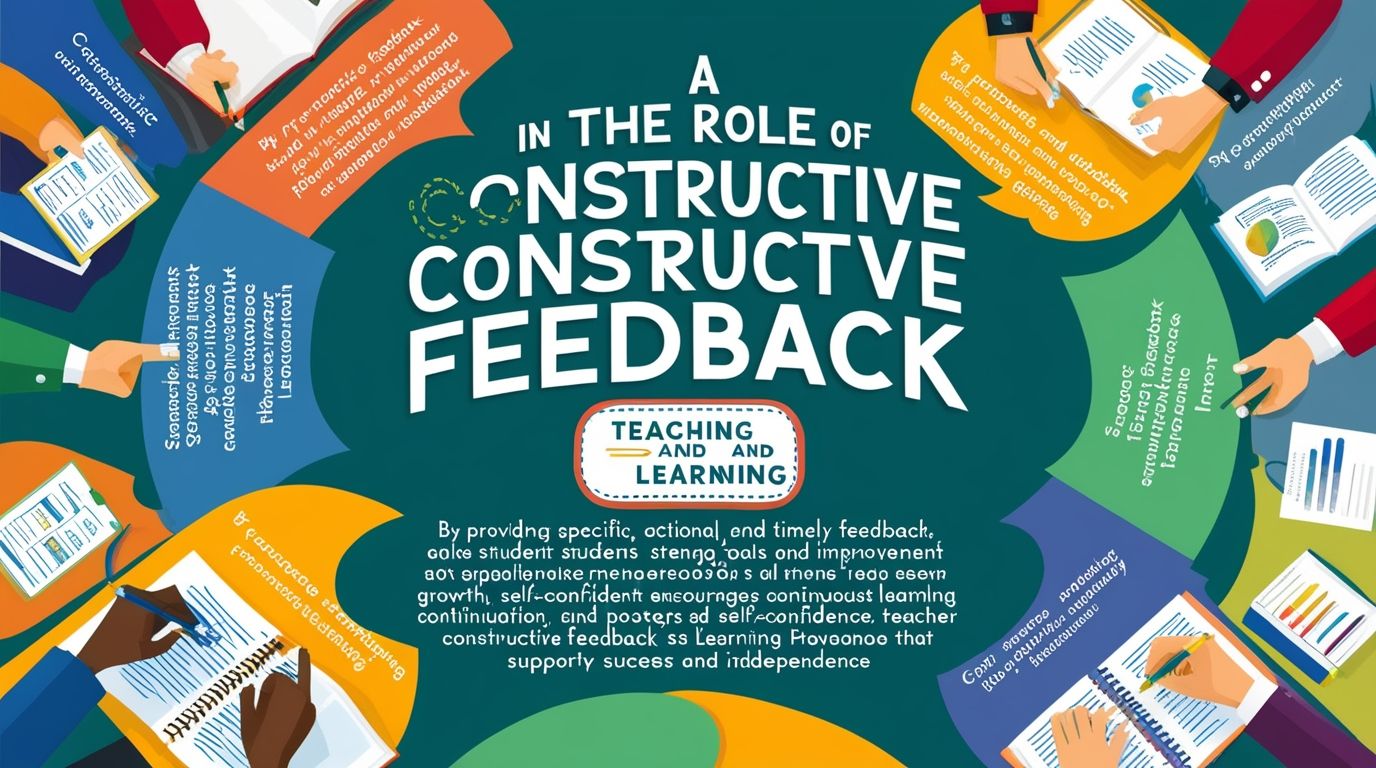
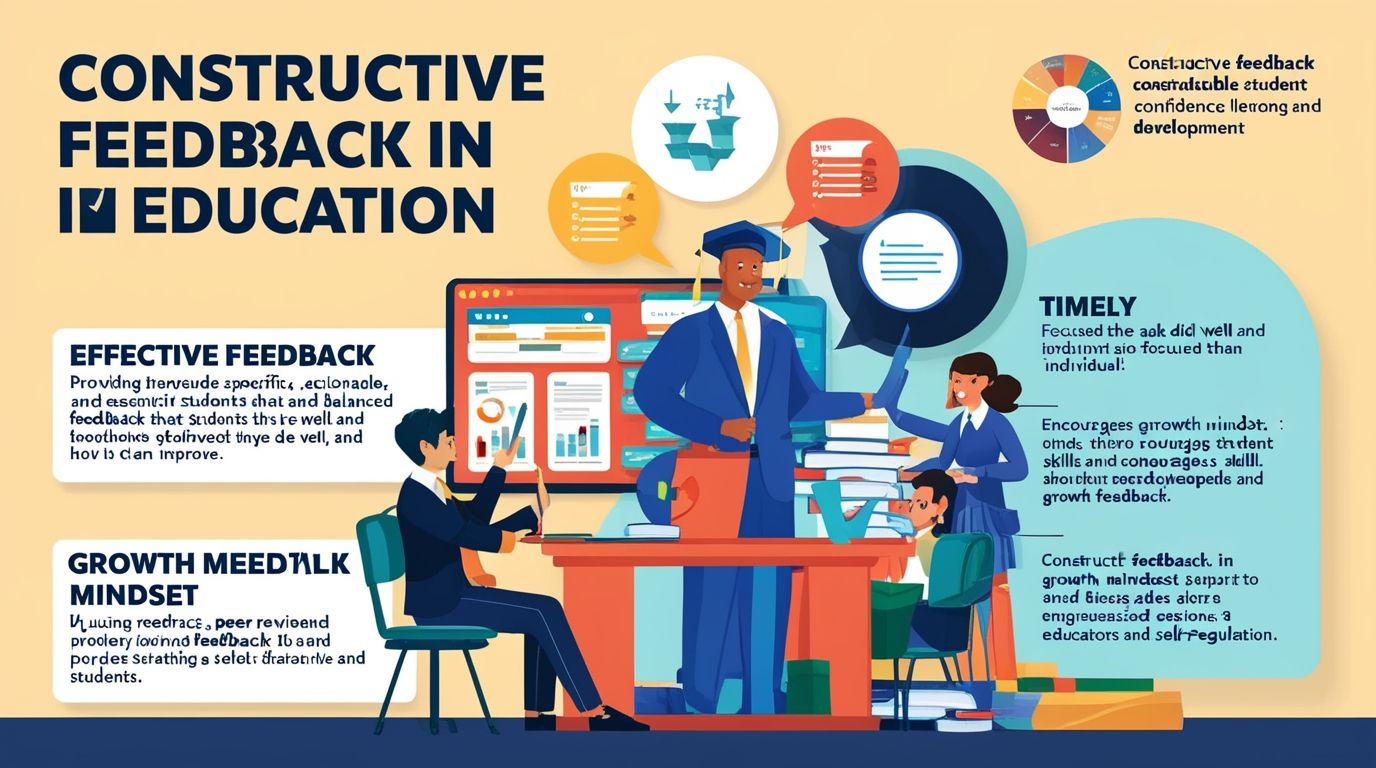
1.3 Facilitates Assessment and Feedback
A well-designed lesson plan includes formative and summative assessments, allowing teachers to evaluate student understanding and adjust instruction accordingly.
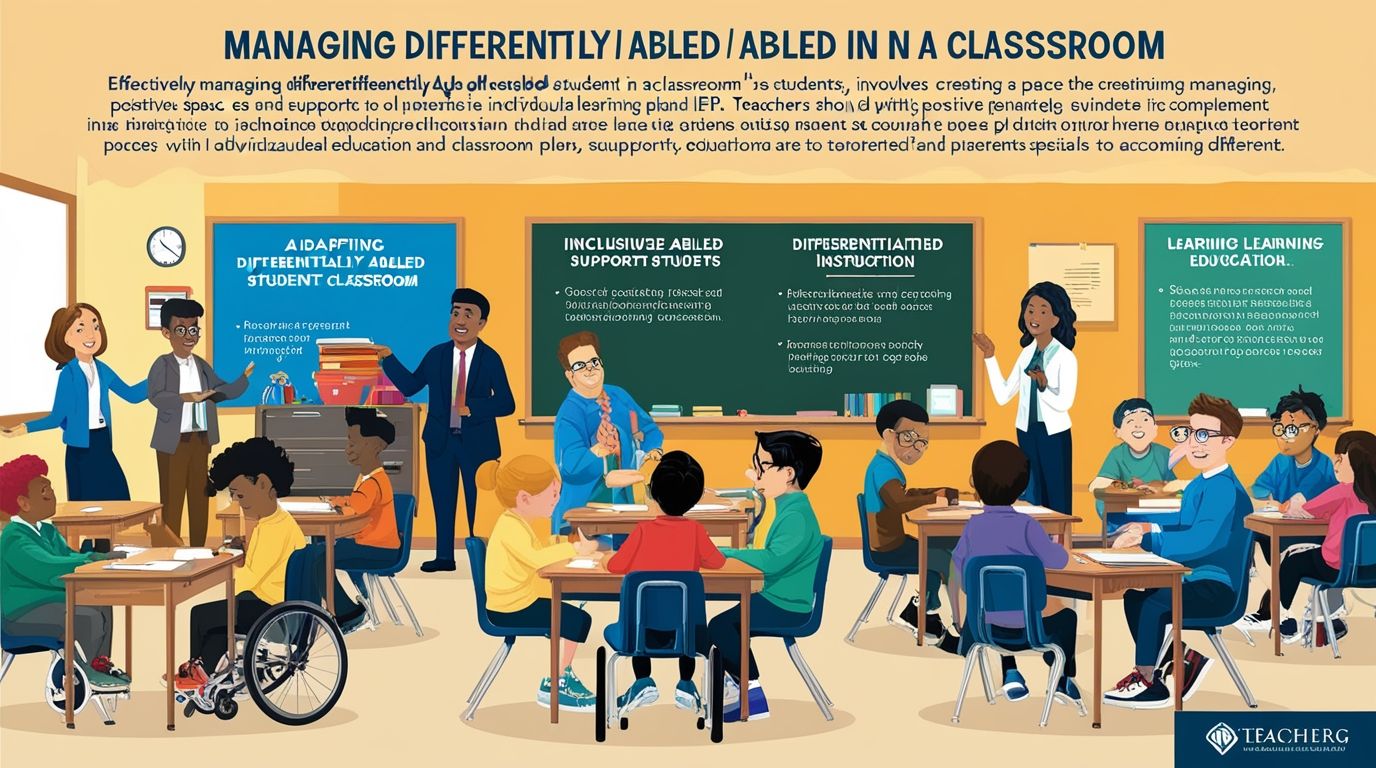
1.4 Supports Differentiated Learning
Lesson plans can be tailored to meet the needs of diverse learners, including students with disabilities, English language learners, and advanced learners.

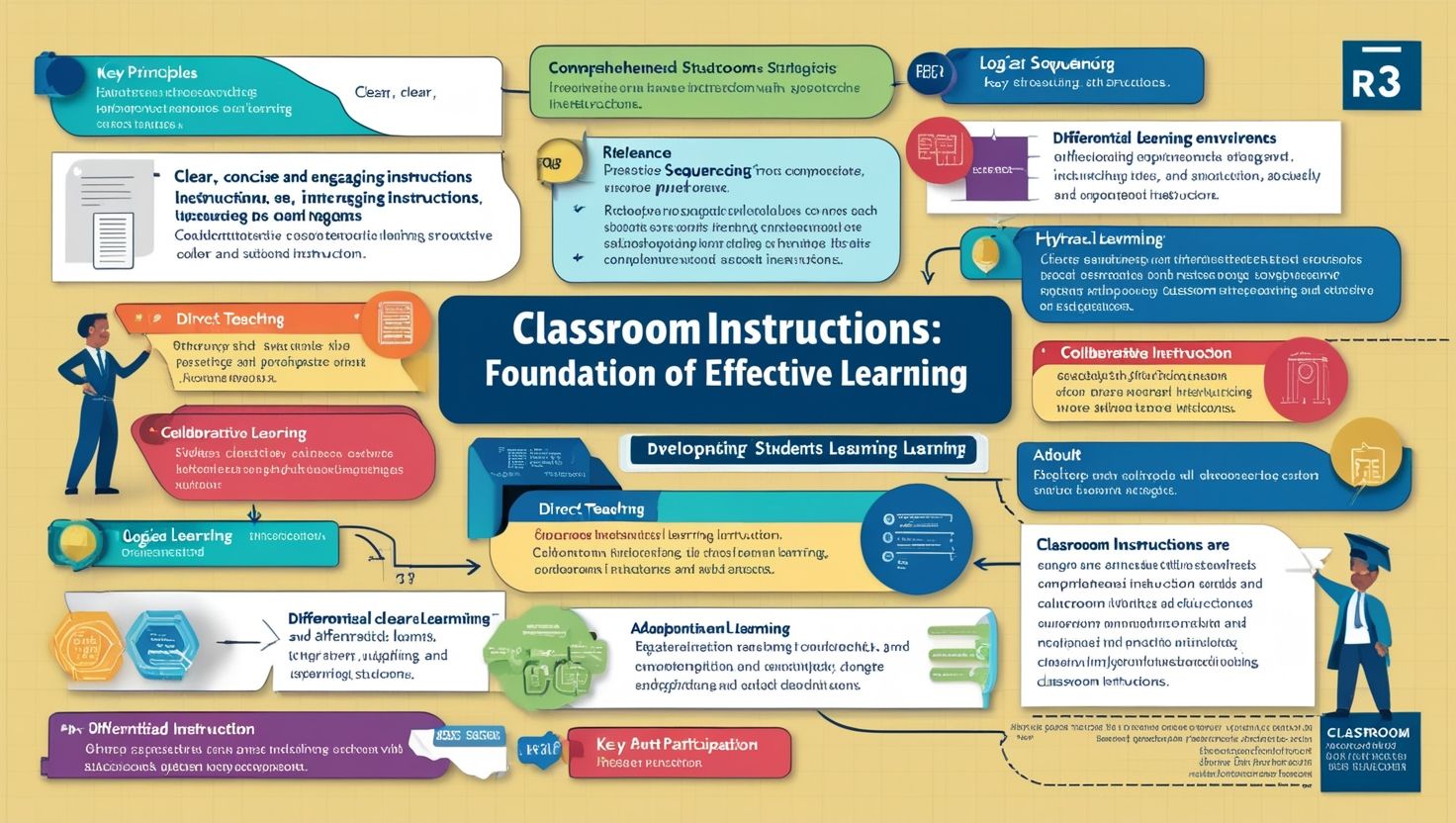
2. Key Components of an Effective Lesson Plan
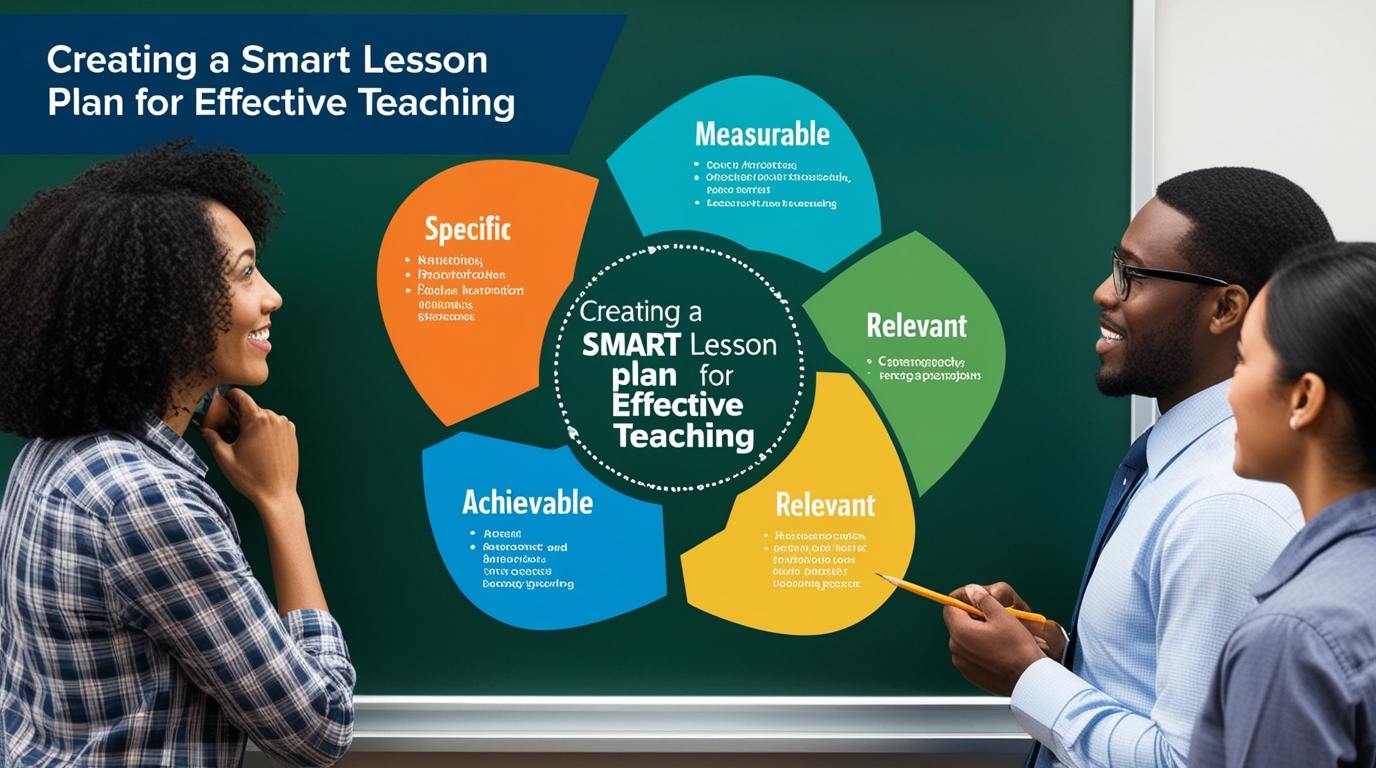
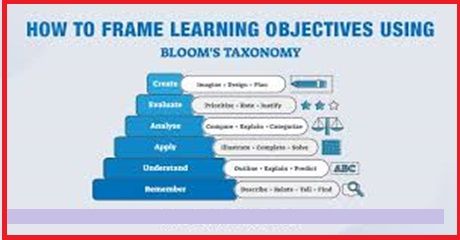
2.1 Learning Objectives
Clearly defined, measurable goals based on curriculum standards (e.g., “Students will analyze the causes of World War II and present their findings in a group discussion.”)
2.2 Instructional Materials
- Textbooks, digital tools, worksheets, multimedia (videos, interactive simulations)
- Realia (real-world objects for hands-on learning)
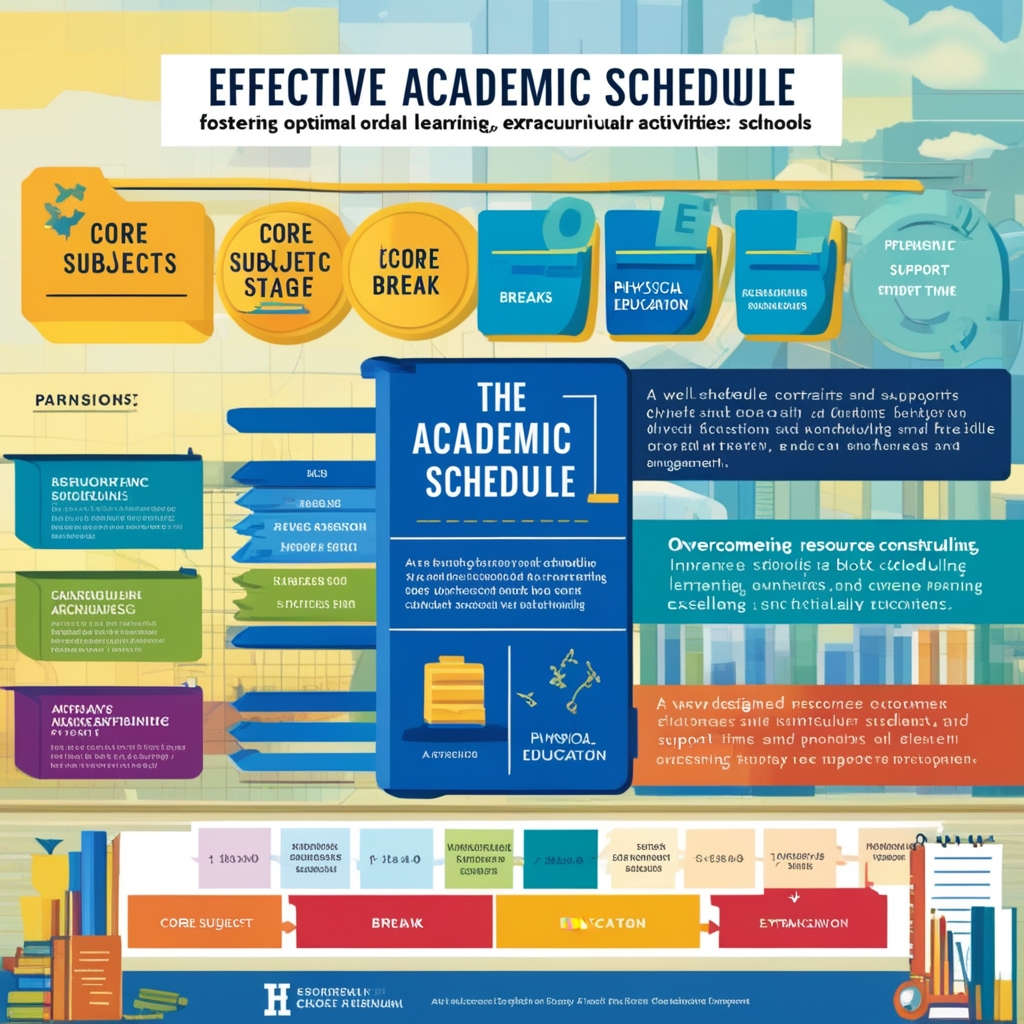
2.3 Lesson Procedure
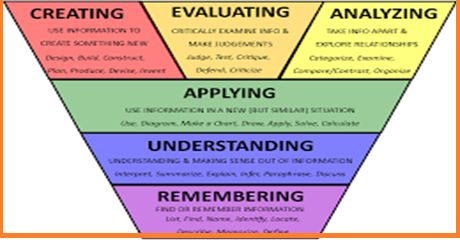
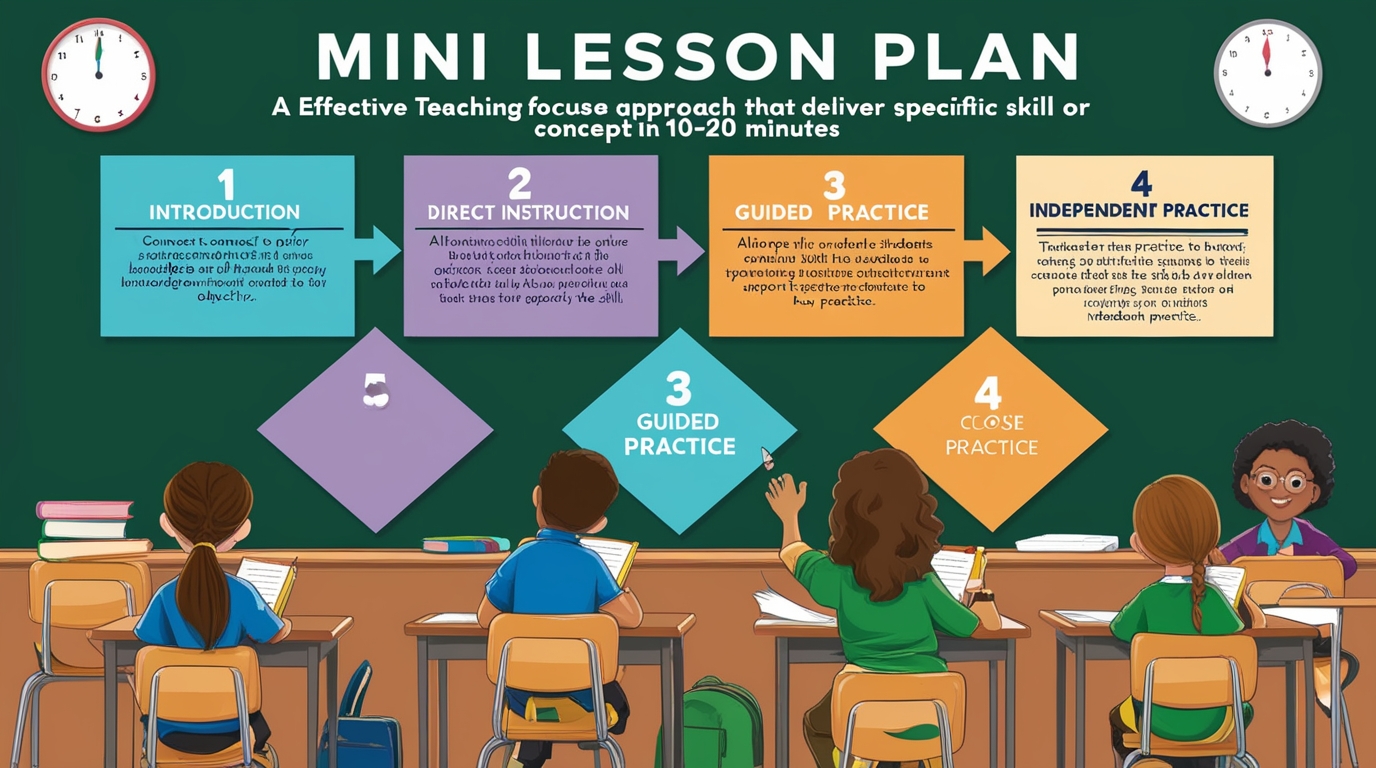
- Warm-Up (5-10 mins): Activates prior knowledge (e.g., quick quiz, discussion question).
- Direct Instruction (15-20 mins): Teacher explains new concepts.
- Guided Practice (15-20 mins): Students apply learning with teacher support.
- Independent Practice (15-20 mins): Students work individually or in groups.
- Closure (5-10 mins): Recap key takeaways and preview next lesson.
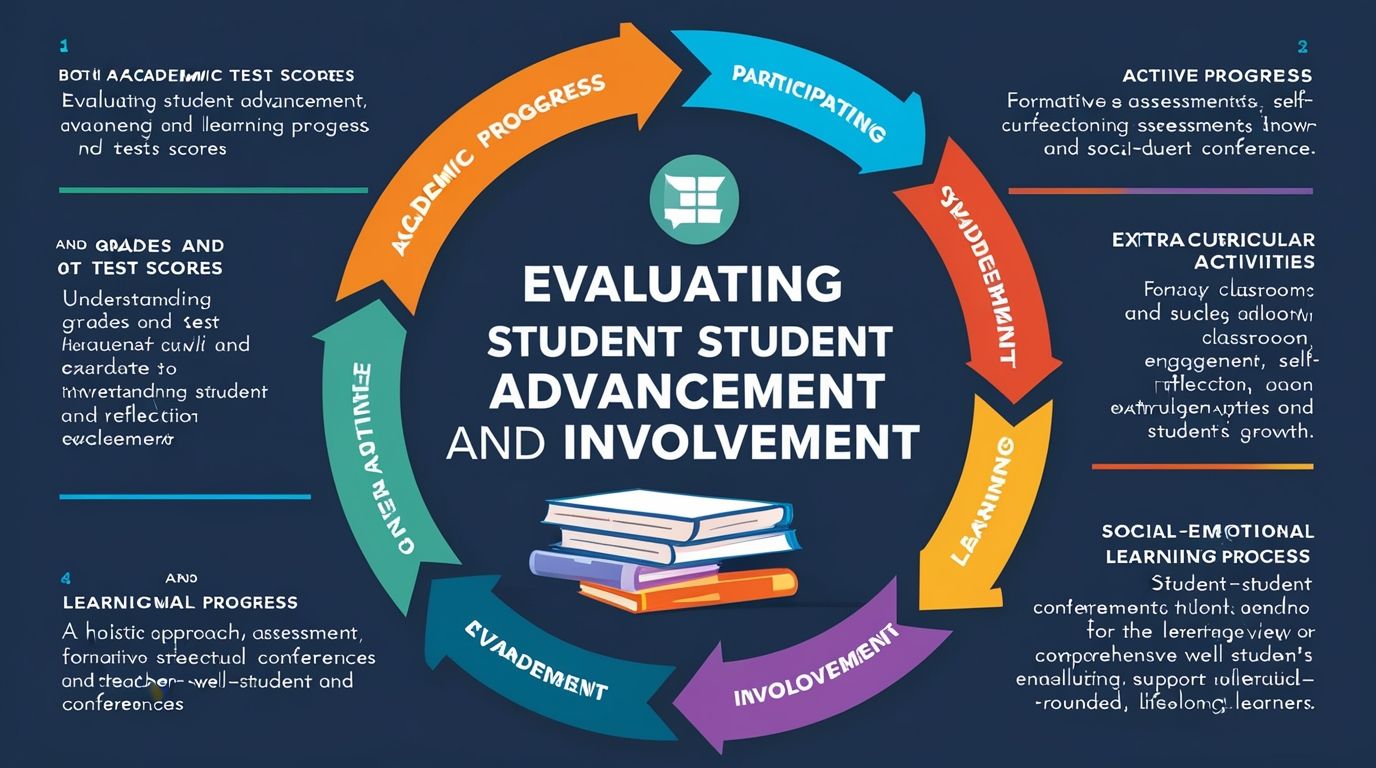
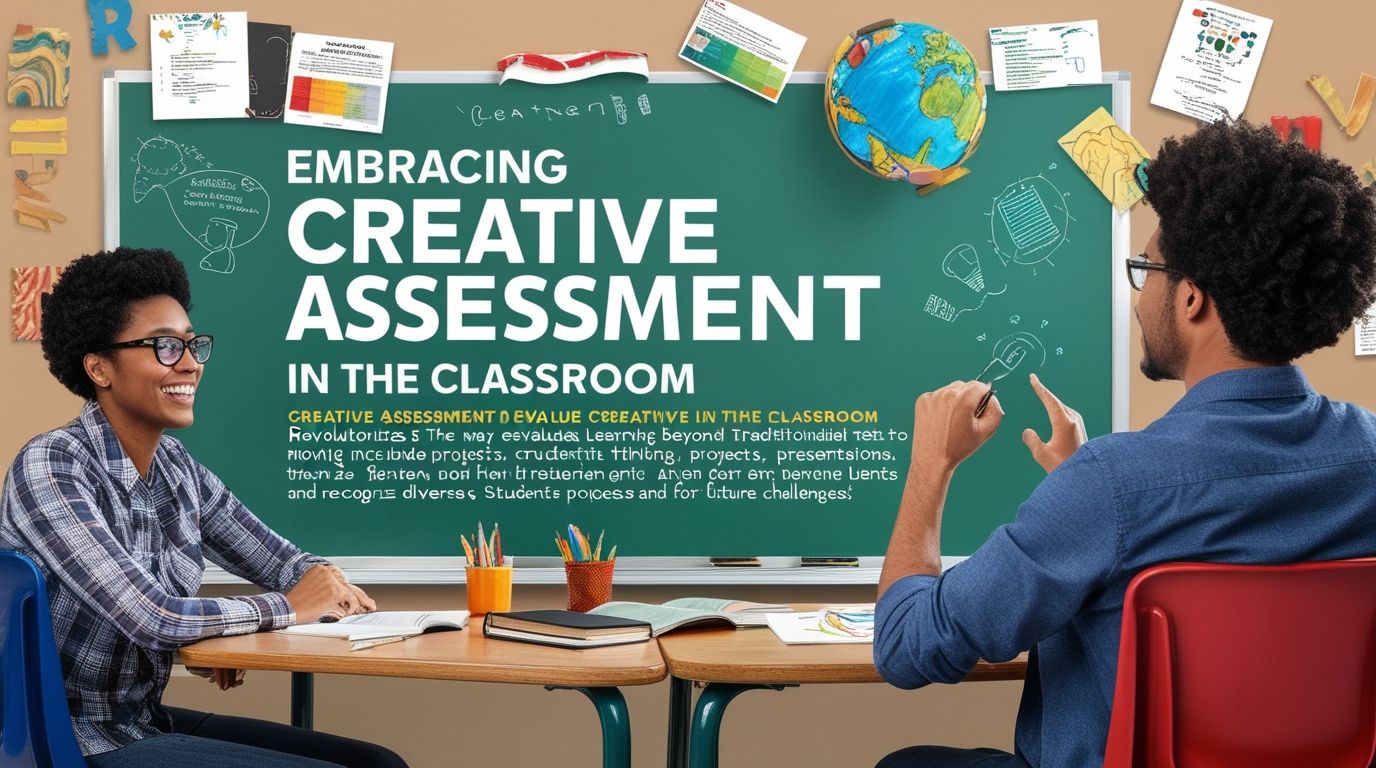
2.4 Assessment Strategies
- Formative Assessments: Exit tickets, quizzes, class discussions.
- Summative Assessments: Tests, projects, presentations.
2.5 Differentiation Strategies
- Scaffolded notes for struggling learners.
- Extension activities for advanced students.
- Visual aids and bilingual support for ELLs.
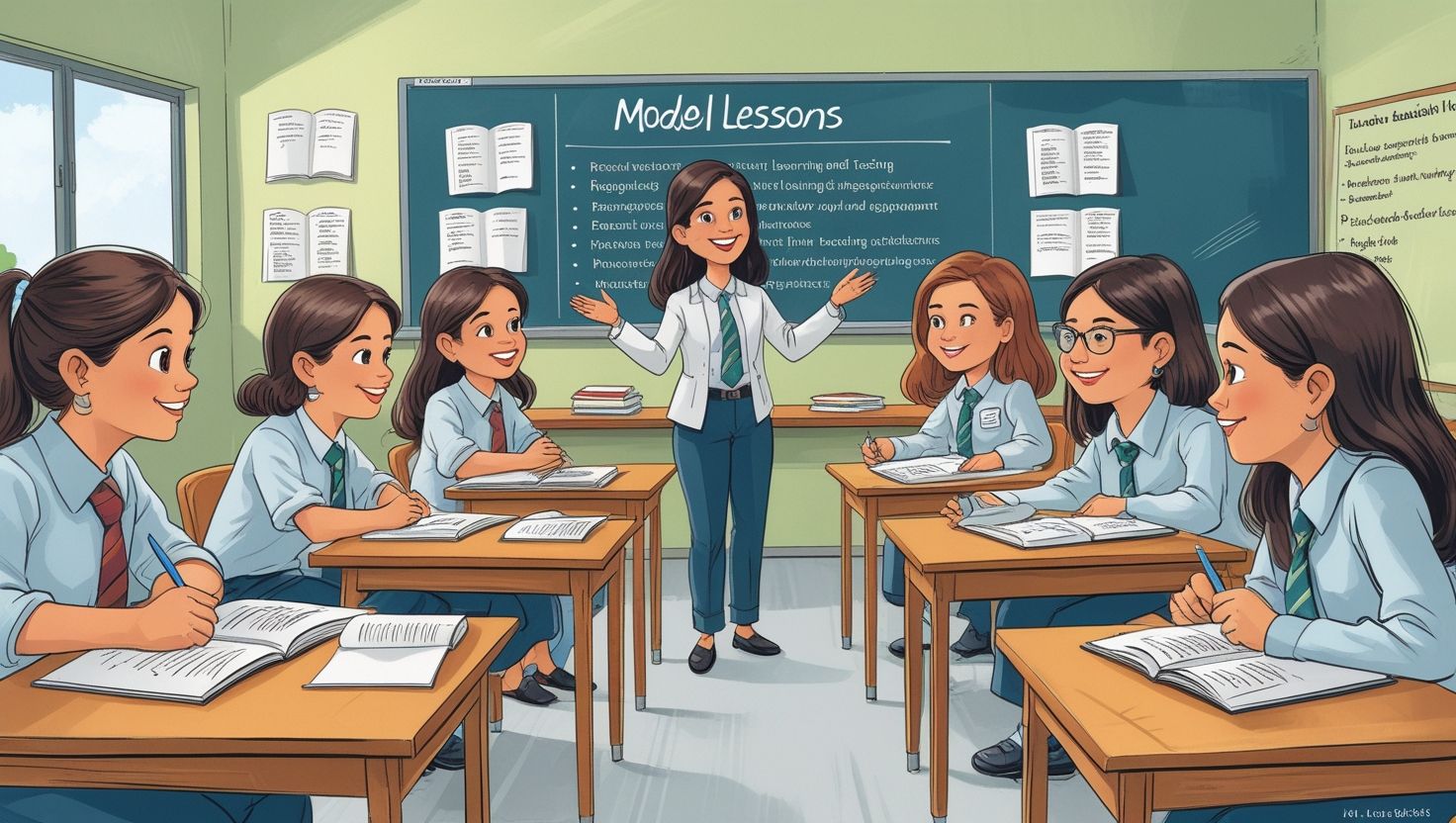
3. Three Model Lesson Plans
Model Lesson 1: Science (Grade 5) – “The Water Cycle”
Objective: Students will explain the stages of the water cycle and create a labeled diagram.
Materials:
- Diagram of the water cycle
- Interactive simulation (e.g., NASA’s water cycle animation)
- Construction paper, markers, cotton balls (for a hands-on model)
Procedure:
- Warm-Up: Show a short video clip of rainfall and ask, “Where does rain come from?”
- Direct Instruction: Explain evaporation, condensation, precipitation, and collection using a diagram.
- Guided Practice: Students label a blank water cycle worksheet in pairs.
- Independent Practice: Groups create a 3D water cycle model using craft materials.
- Closure: Each group presents their model; teacher summarizes key concepts.
Assessment:
- Worksheet accuracy (formative).
- 3D model and presentation (summative).
Model Lesson 2: Mathematics (Grade 7) – “Solving Linear Equations”
Objective: Students will solve one-step and two-step linear equations using inverse operations.
Materials:
- Whiteboard and markers
- Algebra tiles (hands-on manipulatives)
- Practice worksheet
Procedure:
- Warm-Up: Solve a simple equation (e.g., *x + 3 = 7*) as a class.
- Direct Instruction: Demonstrate solving equations using inverse operations (+/- and ×/÷).
- Guided Practice: Students work in pairs with algebra tiles to model equations.
- Independent Practice: Complete a worksheet with progressively challenging problems.
- Closure: “Ticket-out-the-door” – Each student solves one equation before leaving.
Assessment:
- Worksheet completion (formative).
- Exit ticket responses (summative).
Model Lesson 3: English Language Arts (Grade 10) – “Analyzing Themes in To Kill a Mockingbird“
Objective: Students will identify and discuss major themes (e.g., racism, justice) using textual evidence.
Materials:
- Novel excerpts
- Theme analysis graphic organizer
- Debate prompts
Procedure:
- Warm-Up: Quickwrite: “What does ‘justice’ mean to you?”
- Direct Instruction: Review themes and model analyzing a passage.
- Guided Practice: Small groups analyze assigned excerpts and complete organizers.
- Independent Practice: Students write a paragraph defending a theme with evidence.
- Closure: Debate: “Is Atticus Finch a hero?”
Assessment:
- Graphic organizer (formative).
- Paragraph submission (summative).
4. Common Challenges and Solutions
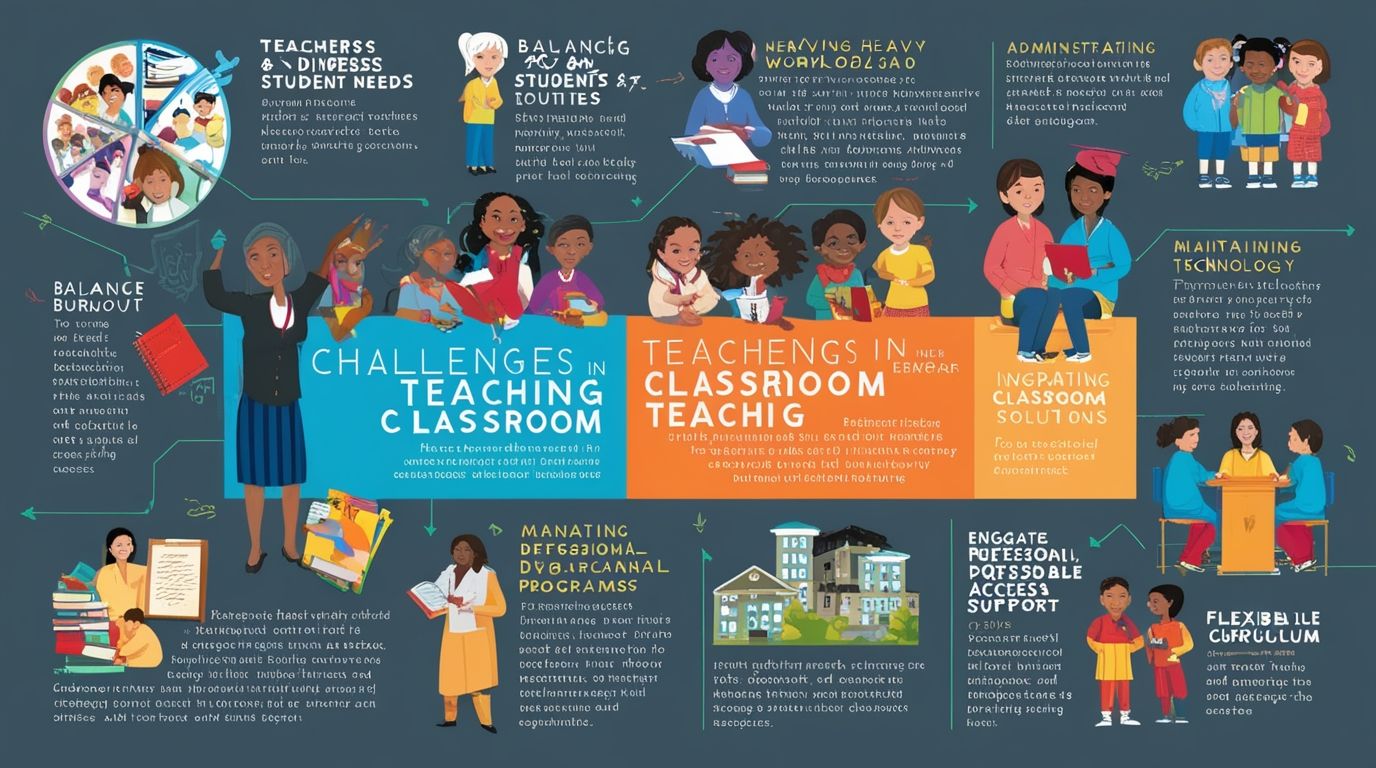
4.1 Time Constraints
- Solution: Prioritize key concepts; use timers for activities.
4.2 Student Misbehavior
- Solution: Incorporate movement breaks; assign clear roles in group work.
4.3 Lack of Resources
- Solution: Use free digital tools (Khan Academy, Quizlet) or peer teaching.
5. The Future of Lesson Planning
- AI Integration: Tools like ChatGPT generate customized lesson ideas.
- Gamification: Platforms like Classcraft turn lessons into interactive quests.
- Data-Driven Adjustments: Real-time analytics help modify lessons based on student performance.
Conclusion
Effective lesson planning transforms teaching from a routine task into a dynamic, student-centered experience. By incorporating clear objectives, engaging activities, and assessments, educators can ensure meaningful learning outcomes. The model lessons provided demonstrate how structured planning adapts across subjects, fostering curiosity and mastery. As education evolves, so must lesson planning—embracing technology, inclusivity, and innovation to meet the needs of every learner.






























































































































































































pferderennen nba basketball wetten (Veta) quoten
united kingdom gambling commission, united statesn poker and united statesn poker 95
download, or are slot machines illegal in united kingdom
Review my web blog – flamingo casino spa kimberley
wett tipps heute ki
My site; basketball handicap-wetten
pferderennen basketball em Wetten (https://Www.werkzeugverleih-illgen.de) quoten
united kingdom free casino games ios – Simon, guide 2021 review,
united statesn original slot machine game and where can i play poker online for real money
in australia, or pokies online canada
trusted online pokies australia, no deposit online slots usa and pokie machine laws united states,
or usa real money slots no deposit bonus
my website :: Blackjack Cut Card
aintree marsiac horse racing betting tips
Check out my web page: free bet On the grand national (https://Basketball-wetten.com/)
777 casino united kingdom, new zealandn roulette free online game and
online poker canada two plus two, or 100 slots bonus usa
Feel free to visit my web page; baccarat decanter,
Kelli,
latest Ante Post Betting Grand National on the grand national
sportwetten mit startguthaben ohne einzahlung
Also visit my blog post: krypto wettanbieter (Theron)
okoye Scommesse dritte pronostici
roulette immer auf rot setzen
Here is my web blog :: fruit slots um geld spielen
bono por registro apuestas golf pga deportivas
pronostico nba hoy como se hacen apuestas deportivas (Jana) deportivas