Introduction
The Importance and Educational Value of National Days in Schools, National days hold a special place in the life of a nation. They commemorate significant historical events, honor the sacrifices of national heroes, and reinforce the shared identity of a people. Within the school environment, these occasions go beyond mere celebrations; they serve as powerful educational tools that shape students’ intellectual, emotional, and moral development. Observing national days in schools fosters patriotism, promotes values, and provides meaningful opportunities for experiential learning.
Understanding National Days in the Educational Context
National days are symbolic milestones that reflect a nation’s journey—its struggles, achievements, and aspirations. Examples may include independence days, republic days, defense days, or cultural heritage days. For students, these events become windows into history, allowing them to connect with their country’s past in a more vivid and engaging way than textbooks alone can offer.
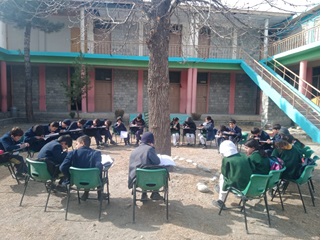
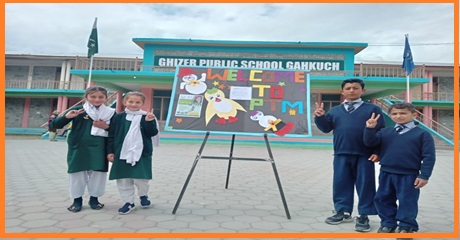
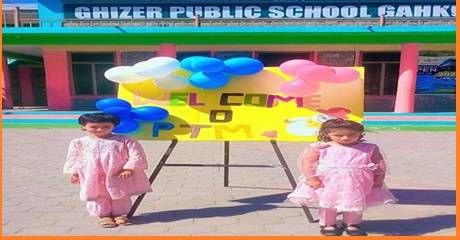
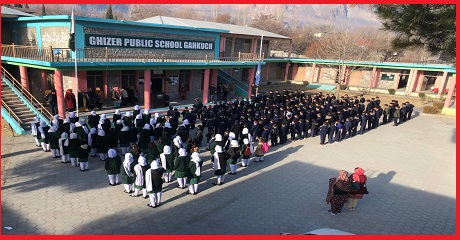
In schools, national days are often marked by assemblies, speeches, debates, cultural performances, exhibitions, and community activities. When thoughtfully planned, these events transform into immersive learning experiences that integrate multiple disciplines such as history, literature, civics, and the arts.
Promoting Patriotism and National Identity
One of the primary objectives of celebrating national days in schools is to cultivate a sense of patriotism. Patriotism, in this context, is not merely emotional attachment but a thoughtful appreciation of one’s country—its values, diversity, and responsibilities.
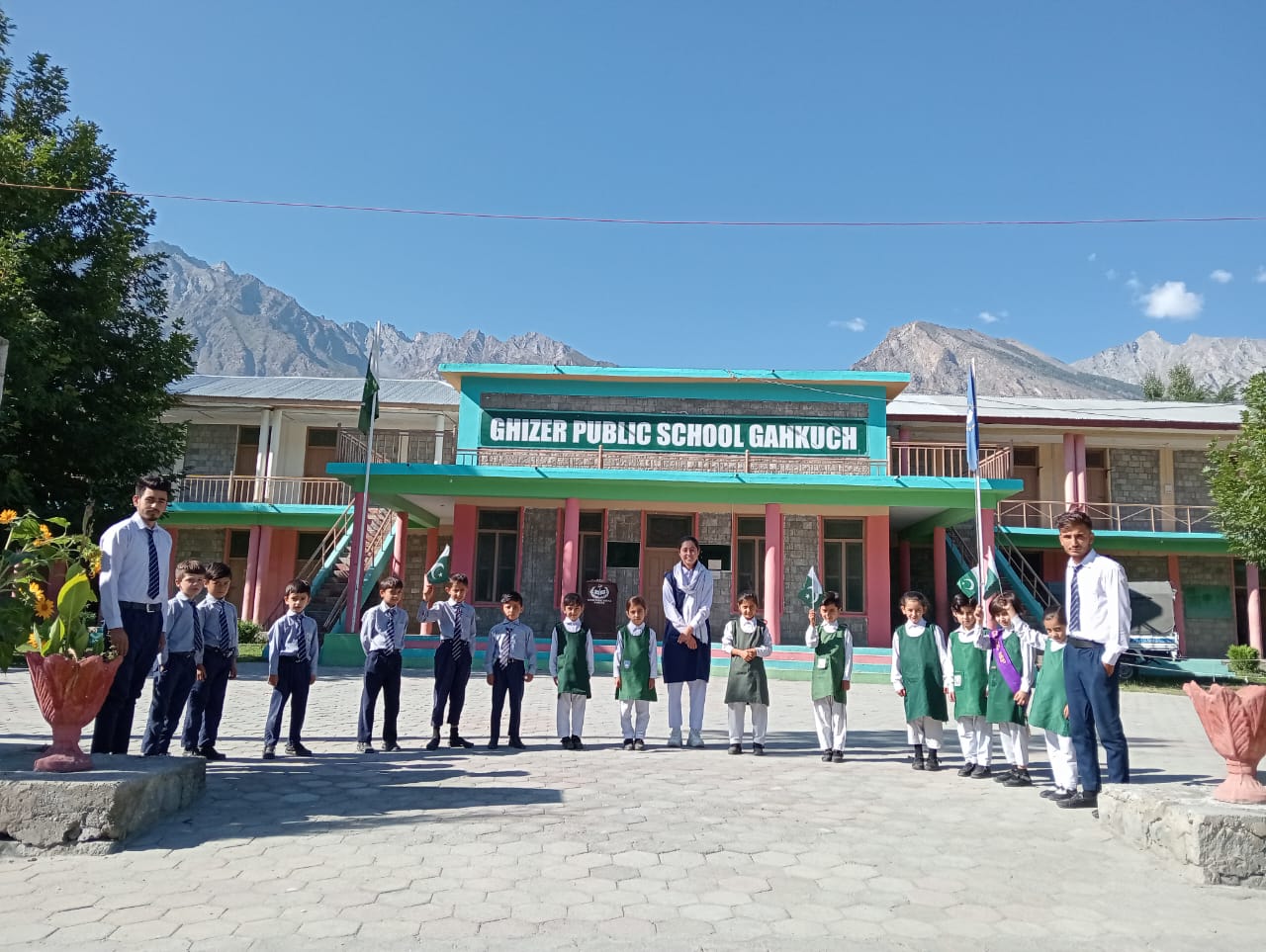
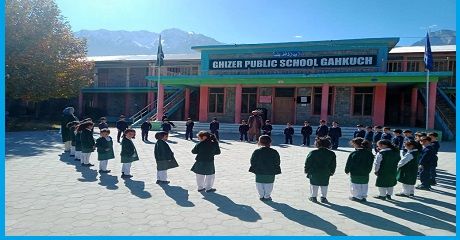
Through activities such as flag hoisting ceremonies, national anthem recitations, and storytelling about national heroes, students develop respect for their country. They begin to understand the sacrifices made by previous generations and the importance of preserving national unity. This emotional connection encourages students to become responsible citizens who contribute positively to society.
Developing Historical Awareness
National days provide an effective platform for teaching history in a dynamic manner. Rather than memorizing dates and events, students engage with history through reenactments, role plays, and project-based learning. These methods make historical events more relatable and easier to understand.
For example, students might participate in dramatizations of key moments in the nation’s independence movement or create visual timelines that illustrate historical progress. Such activities deepen comprehension and foster critical thinking, as students analyze causes, consequences, and perspectives.
Instilling Moral and Ethical Values
Beyond academic knowledge, national days play a significant role in character education. Stories of courage, sacrifice, integrity, and resilience inspire students to adopt these values in their own lives.
Learning about national leaders who demonstrated honesty, perseverance, and dedication encourages students to reflect on their own behavior. Schools can reinforce these lessons by linking historical narratives to contemporary issues, helping students understand how values remain relevant in modern society.
Encouraging Cultural Awareness and Inclusivity
Many national days also highlight cultural heritage, traditions, and diversity. Schools can use these occasions to celebrate the richness of their nation’s cultural fabric. Activities such as traditional dress days, folk music performances, and cultural exhibitions promote appreciation for diversity.
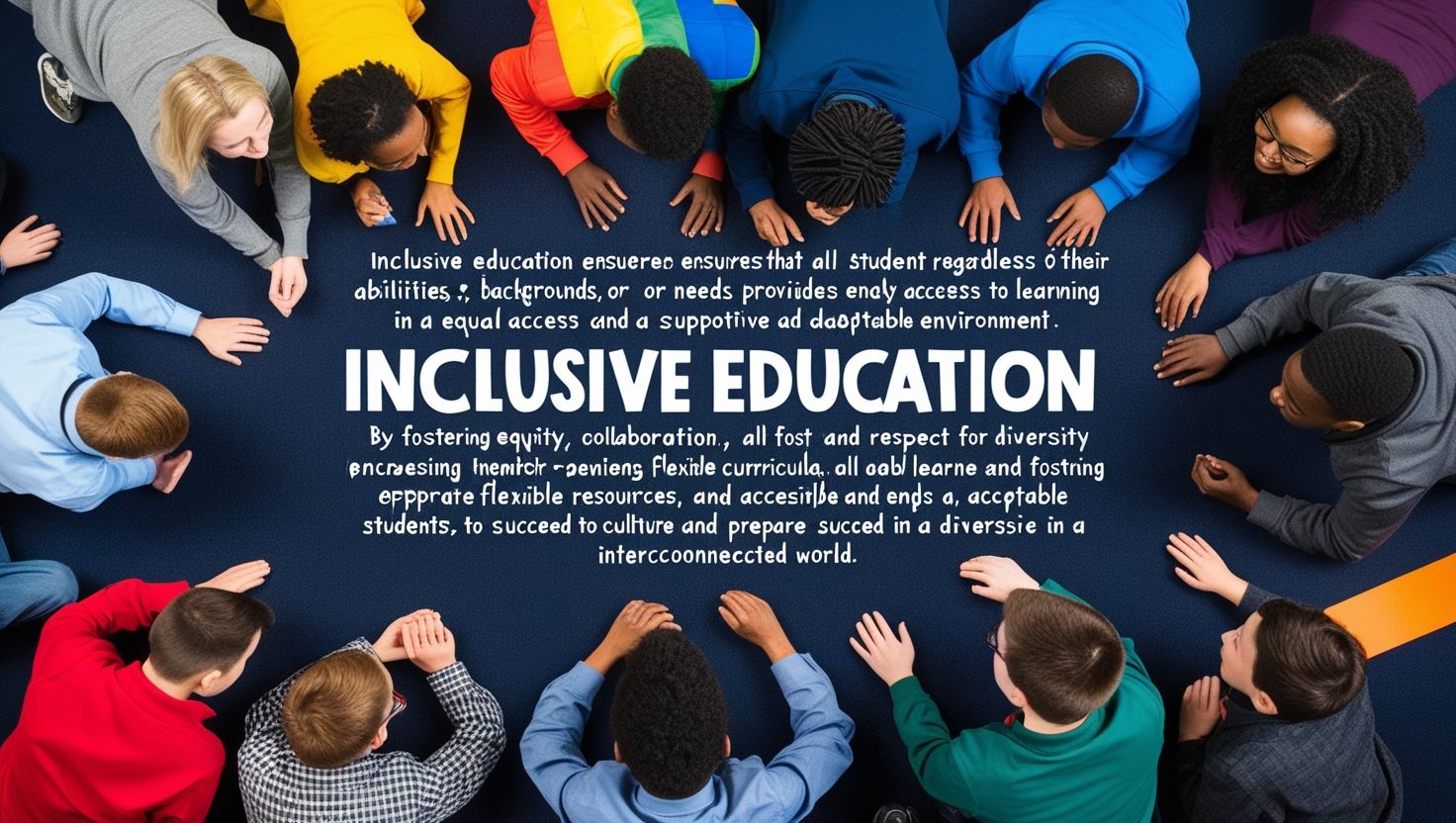
This exposure helps students develop respect for different communities and traditions within their country. It also fosters inclusivity by ensuring that all cultural groups feel represented and valued within the school environment.
Enhancing Communication and Creative Skills
Celebrations of national days provide numerous opportunities for students to develop essential skills. Public speaking during assemblies, participation in debates, and involvement in theatrical performances enhance communication abilities.
Creative activities such as poster-making, essay writing, poetry recitation, and art exhibitions allow students to express their understanding in diverse ways. These experiences build confidence and encourage self-expression, which are crucial for holistic development.
Strengthening Civic Responsibility
A key learning outcome of national day celebrations is the development of civic consciousness. Students begin to understand their roles and responsibilities as members of society. Discussions on constitutional values, rights, and duties help them recognize the importance of active participation in democratic processes.
Schools can further strengthen this understanding by organizing community service activities aligned with national days. For instance, students might engage in cleanliness drives, tree planting campaigns, or awareness programs. Such initiatives connect national pride with social responsibility.
Fostering Unity and Collective Spirit
National days bring students, teachers, and the wider community together. These shared experiences promote a sense of unity and belonging. In diverse societies, this unity is particularly important, as it helps bridge differences and build mutual respect.
Group activities such as choir singing, collaborative projects, and team performances encourage cooperation and teamwork. Students learn to work together toward a common goal, reflecting the broader concept of national solidarity.
Integrating Interdisciplinary Learning
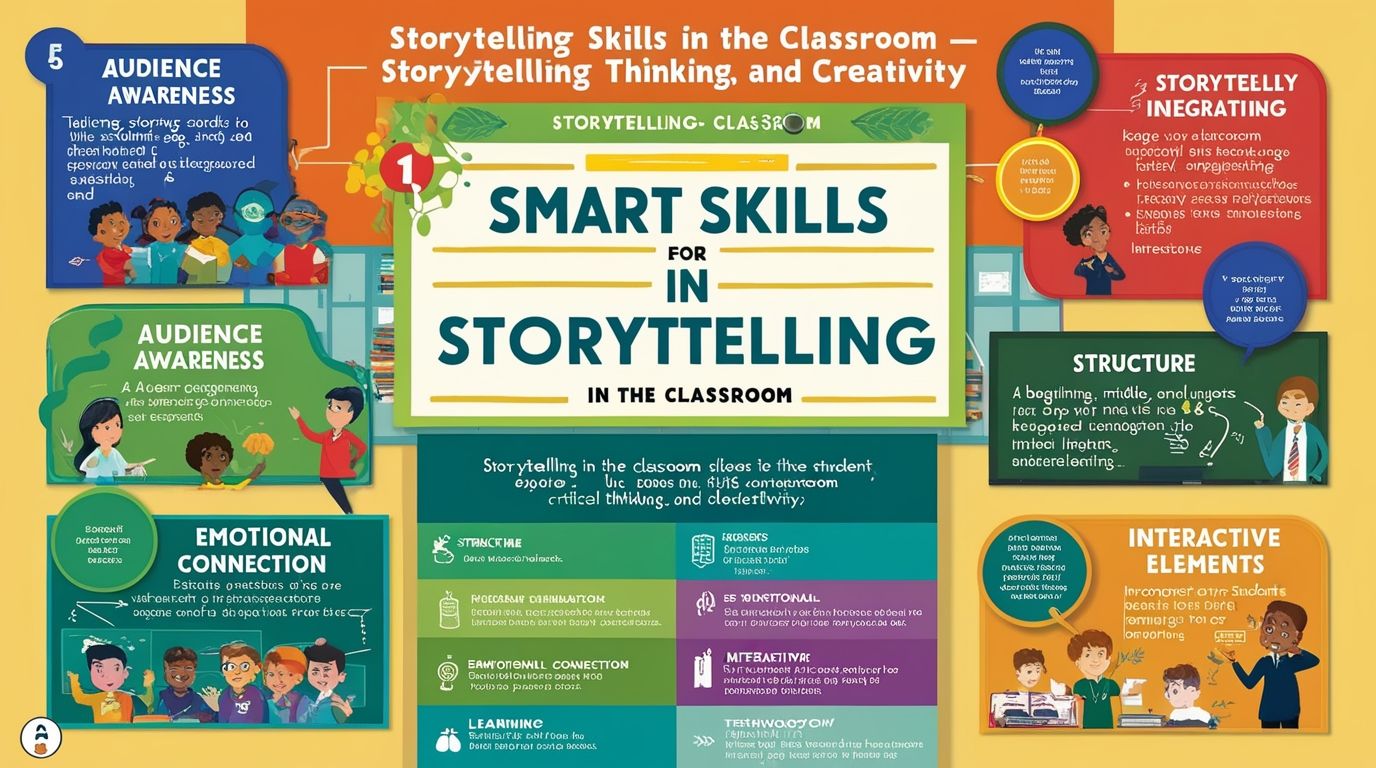
National day celebrations provide a natural opportunity for interdisciplinary education. Teachers can design activities that connect different subjects around a central theme. For example:
- History: Study of the event being commemorated
- Language: Essay writing, speeches, and poetry
- Art: Poster design and cultural crafts
- Music: National songs and folk melodies
- Civics: Discussions on governance and citizenship
This integrated approach makes learning more meaningful and helps students see the connections between different areas of knowledge.
Role of Teachers and School Leadership
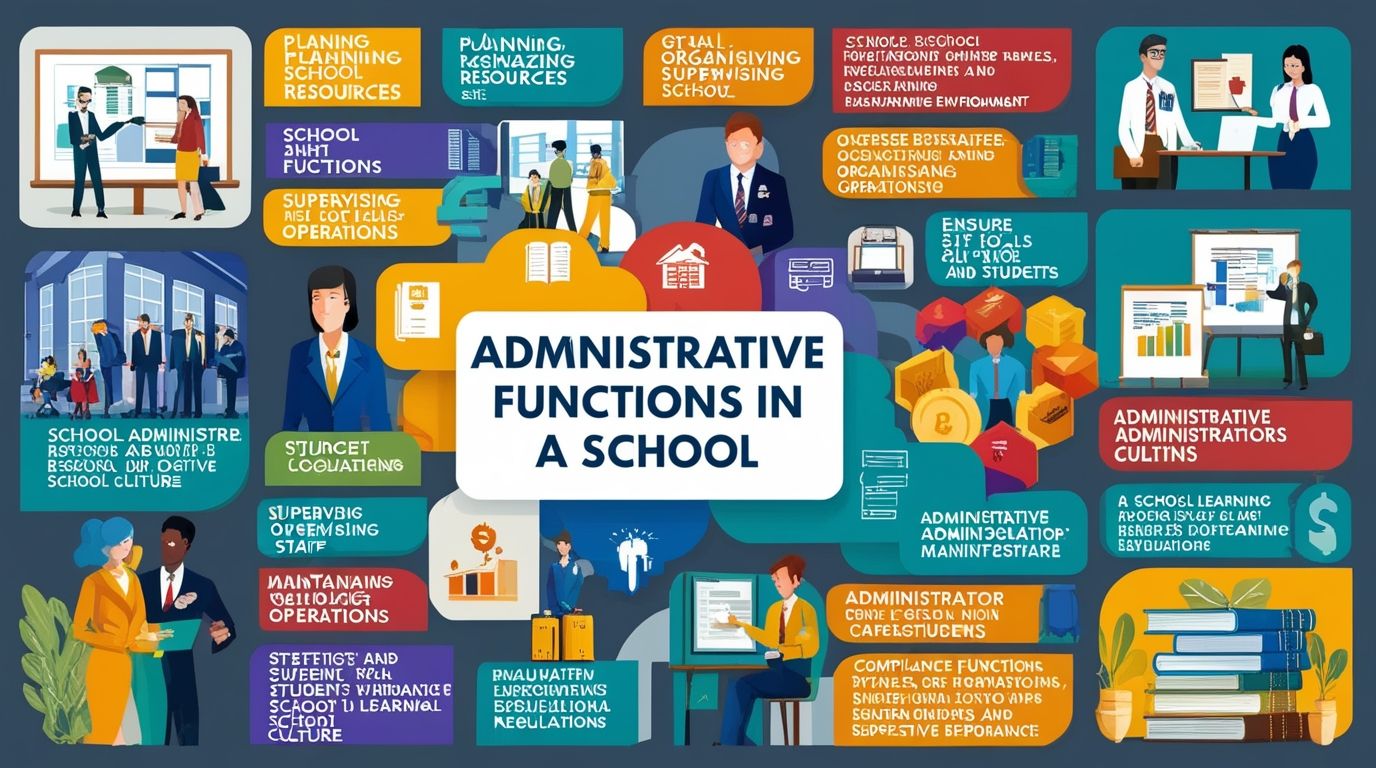
The success of national day celebrations largely depends on thoughtful planning and guidance from educators. Teachers play a crucial role in ensuring that activities are not merely ceremonial but educationally enriching.
School leaders can encourage student participation by forming committees, assigning responsibilities, and promoting student-led initiatives. This not only enhances engagement but also develops leadership skills among students.
Moreover, educators should strive to present balanced perspectives, encouraging critical thinking rather than uncritical acceptance. This approach helps students develop informed and thoughtful views about their nation and its history.
Use of Modern Educational Approaches
Incorporating modern teaching methods can further enhance the impact of national day celebrations. Digital presentations, documentary screenings, and interactive workshops can make learning more engaging.
Project-based learning, where students research and present on specific themes related to national days, encourages deeper exploration. Similarly, inviting guest speakers such as historians, veterans, or community leaders can provide real-world insights.
Challenges and Considerations
While national day celebrations offer numerous benefits, there are challenges that schools must address. One concern is the risk of superficial or repetitive activities that fail to engage students meaningfully. To avoid this, schools should focus on innovation and relevance.
Another consideration is ensuring inclusivity and sensitivity. Activities should respect the diversity of students and avoid promoting narrow or exclusionary perspectives. Emphasizing shared values and mutual respect is essential.
Time constraints and academic pressures may also limit the scope of celebrations. However, with careful planning, schools can integrate these activities into the curriculum without compromising academic goals.
Long-Term Impact on Students
The lessons learned through national day celebrations often have a lasting impact. Students carry forward the values of patriotism, responsibility, and respect into adulthood. These experiences shape their attitudes toward society and influence their actions as citizens.
Moreover, the skills developed—communication, collaboration, critical thinking, and creativity—are transferable to various aspects of life. In this way, national day celebrations contribute to the overall development of well-rounded individuals.
Conclusion
National days are more than commemorative events; they are powerful educational opportunities that enrich the school experience. By celebrating these occasions with purpose and creativity, schools can instill a deep sense of national identity, promote values, and enhance learning across disciplines.
When students actively participate in these celebrations, they do not merely learn about their country—they connect with it. They begin to see themselves as part of a larger narrative, one that carries both pride and responsibility. Through thoughtful planning and meaningful engagement, national days can become a cornerstone of holistic education, preparing students to contribute positively to their nation and the world.