

1. Introduction
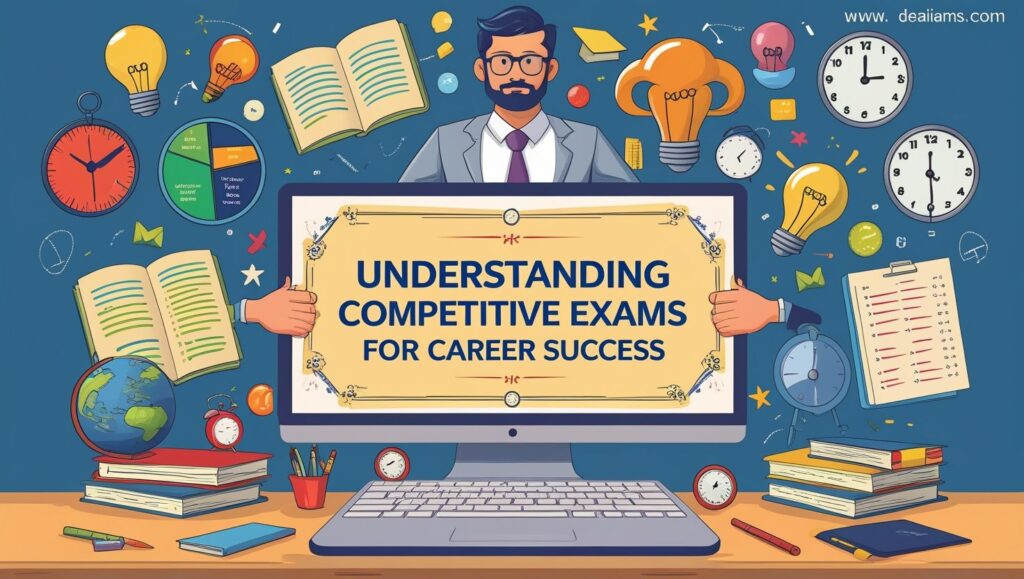
Understanding Competitive Exams for Career Success, Competitive exams are standardized tests used to select candidates for educational institutions, government jobs, and private sector opportunities. These exams assess candidates based on merit, ensuring equal opportunity regardless of background. From university entrance tests like SAT, GRE, and CAT to job recruitment exams like CSS, UPSC, and IELTS for international placement, competitive exams form the foundation of academic and professional progression. They are designed to filter out the most capable individuals in a transparent, objective manner. In many countries, these exams determine the fate of millions of students and job seekers.
With rising competition and limited opportunities, preparing for competitive exams has become an essential milestone. These assessments test a range of abilities including quantitative aptitude, reasoning, general knowledge, and subject-specific skills. They serve as a bridge between education and employment, offering individuals a structured path to fulfill their career goals. Understanding their structure, purpose, and preparation strategies is crucial to navigating the competitive world effectively.
2. History and Evolution of Competitive Exams
The origin of competitive exams can be traced back to ancient China, where the Imperial Examination System was established during the Han Dynasty. This system was designed to select candidates for government service based on merit rather than aristocratic lineage. Inspired by this model, European countries and eventually British India introduced similar systems. In India, the Indian Civil Services Examination began during British rule and evolved into the current UPSC system.
Similarly, in the United States, the Pendleton Civil Service Reform Act of 1883 mandated that government jobs be awarded based on merit through competitive exams. Over the decades, these examinations expanded into various sectors such as medicine, engineering, law, and the military. With advancements in technology, online exams and computer-based testing have become prevalent, making assessment more accessible and efficient. The evolution of these exams reflects societal changes in valuing skills, knowledge, and equal opportunities, creating a fair selection process based on performance.
3. Types of Competitive Exams
Competitive exams can be categorized based on purpose and audience. Academic entrance exams such as SAT, ACT, GRE, GATE, JEE, NEET, and CAT are designed for admission to undergraduate and postgraduate programs. Professional qualification exams like CA, CPA, Bar exams, and Medical Licensing Exams assess readiness for practicing professions. Civil service exams (e.g., UPSC, CSS, IAS, PCS) are conducted to recruit government officials. Public sector and banking exams like IBPS, SBI PO, and Railway Recruitment Board hire employees for national organizations.
Language proficiency exams, such as IELTS, TOEFL, and Duolingo, are essential for international education and migration. Military and police recruitment exams assess physical and cognitive skills. Each type has unique patterns and focuses but shares the aim of objectively evaluating skills and knowledge. Understanding the type of exam helps in choosing the right preparation strategy and career path. With proper planning, candidates can navigate these varied formats and gain access to their desired academic or professional fields.
4. Importance of Competitive Exams in Career Building
Competitive exams act as gateways to prestigious institutions and rewarding careers. They offer a merit-based platform where individuals can prove their capabilities, regardless of social or economic background. Cracking these exams can lead to admission in top universities, selection in coveted government services, or entry into high-paying private sector jobs. They ensure that recruitment or admission is fair and transparent, reducing bias and corruption. Moreover, preparing for competitive exams cultivates critical thinking, time management, discipline, and resilience. These qualities are essential for success not just in exams but throughout life.
Competitive exams also boost a candidate’s confidence by validating their academic or professional competencies. In many developing nations, passing a major competitive exam can elevate an entire family’s economic status. Thus, these exams hold both personal and societal significance. They are essential tools for upward mobility and national development by ensuring the right talent is placed in appropriate roles.
5. Structure and Pattern of Competitive Exams
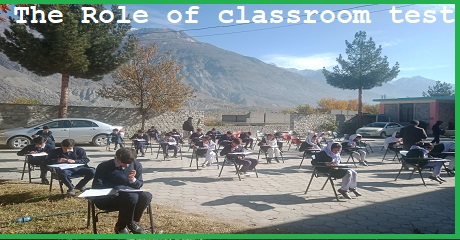
Most competitive exams follow a standardized structure to ensure fairness and comprehensive evaluation. Typically, these exams include multiple-choice questions (MCQs) to test conceptual clarity and quick thinking. Some exams also feature subjective or descriptive sections to evaluate writing and analytical skills. Sections are often divided into areas such as Quantitative Aptitude, Logical Reasoning, General Knowledge, English Language, and Subject-specific Questions.
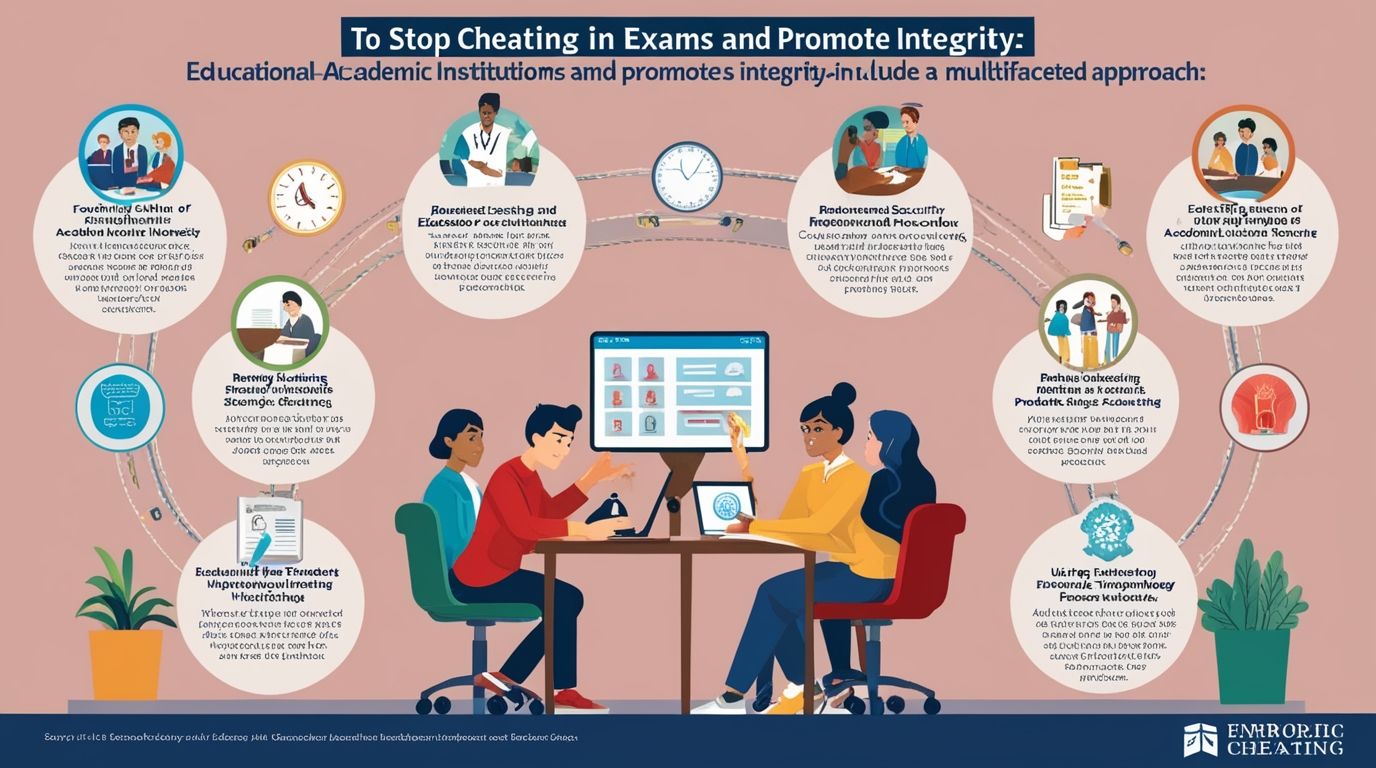
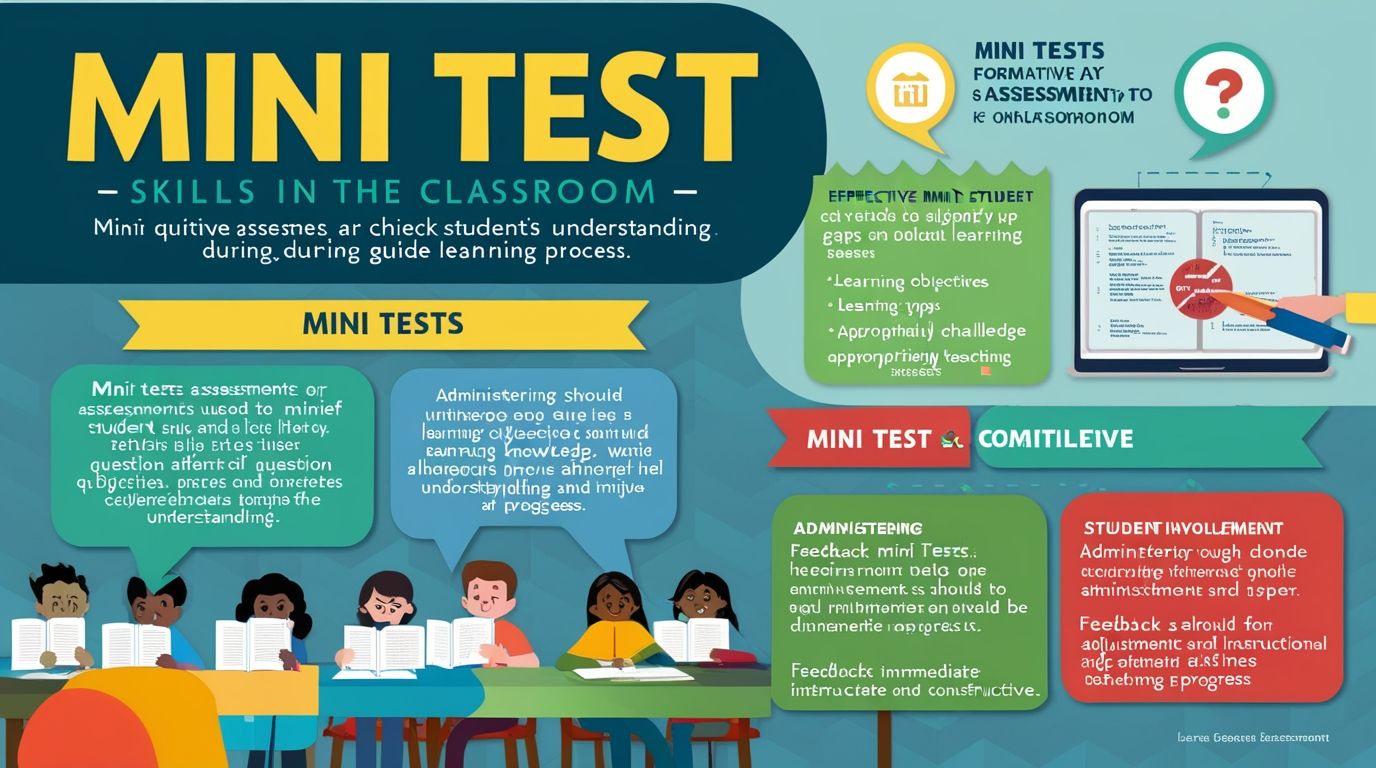
Negative marking for wrong answers is common in many exams to discourage guessing. Time-bound constraints test the candidate’s ability to prioritize and manage pressure. Some exams include preliminary and main stages, followed by interviews or group discussions for final selection (e.g., UPSC, CSS). Recent trends also incorporate computer-based formats with instant scoring systems, enhancing speed and accuracy. Understanding the pattern—duration, syllabus, marking scheme, and format—is essential to build an effective study plan. Regular practice of mock tests and previous year papers helps adapt to the pattern and boosts performance on the actual exam day.
6. Psychological Pressure and Stress Management
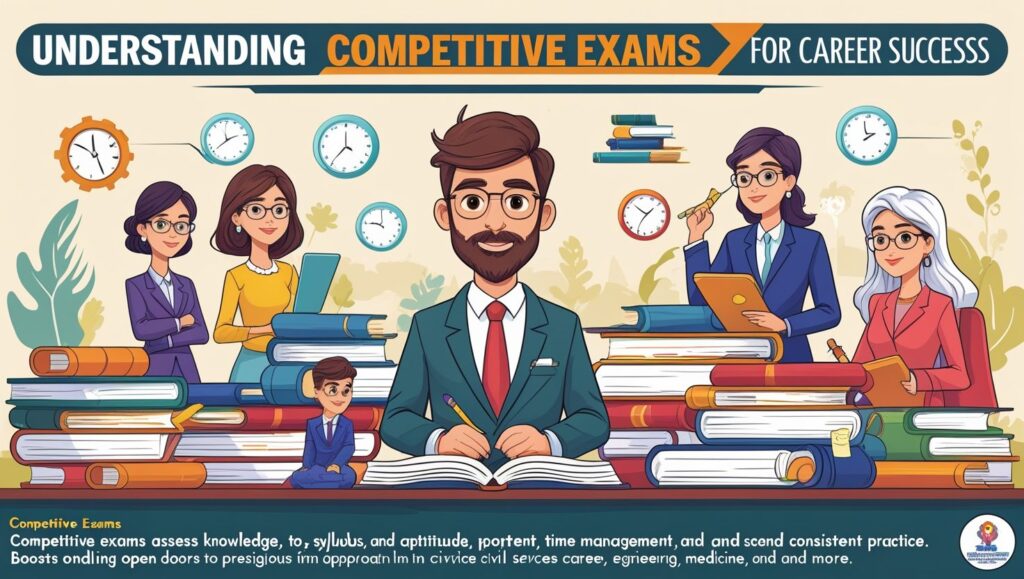
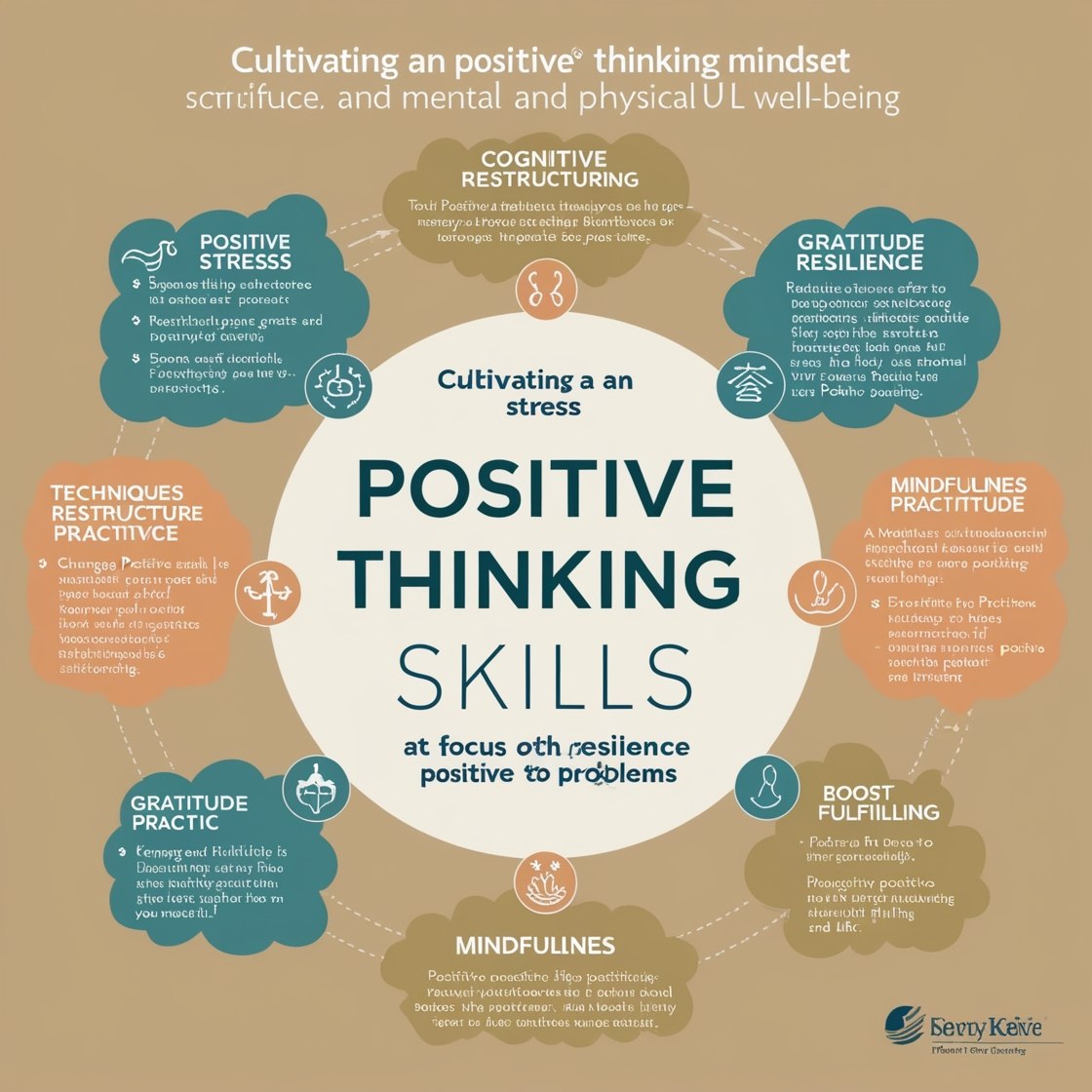
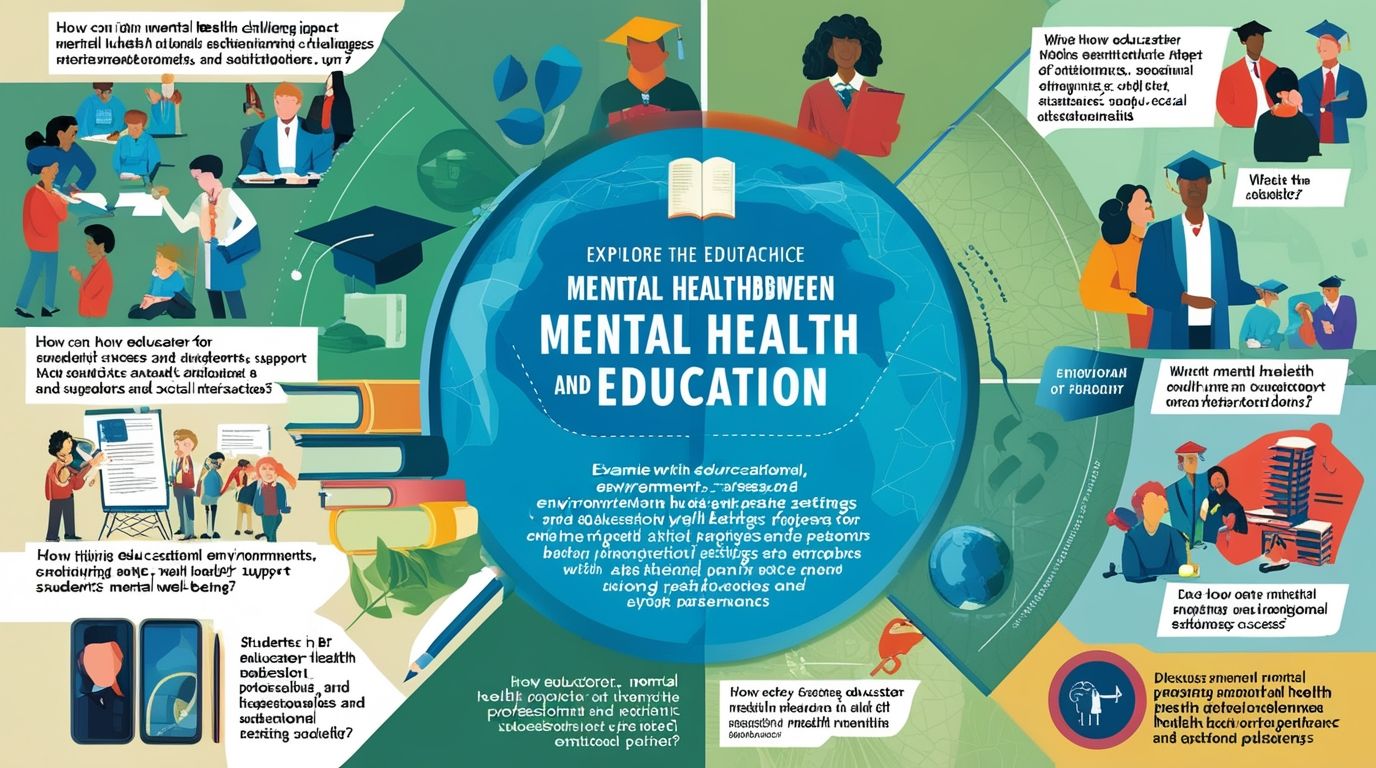
The pressure to perform well in competitive exams often leads to stress, anxiety, and mental exhaustion. The stakes are high, and with millions competing for limited seats or jobs, candidates feel an immense burden to succeed. Stress can negatively affect concentration, memory retention, and performance. Common symptoms include insomnia, irritability, lack of motivation, and even depression. Effective stress management strategies are crucial. This includes structured time management, regular breaks, physical activity, and mindfulness techniques like yoga and meditation. Support from family and peers also plays a significant role in maintaining mental well-being.
Avoiding comparisons with others and focusing on personal progress can reduce anxiety. Professional counseling and mental health apps can be beneficial when stress becomes overwhelming. In recent years, educational institutions and coaching centers have begun integrating wellness practices into preparation routines. Ultimately, managing stress effectively improves not only exam performance but also long-term personal and academic development.
7. Role of Coaching Centers and Online Platforms
Coaching centers and online platforms have become integral to competitive exam preparation. Traditional coaching institutes offer structured curriculums, expert guidance, and peer interaction. Renowned centers like Allen, Aakash, and FIITJEE in India or Kaplan and Princeton Review globally provide training for exams like JEE, NEET, GRE, and GMAT. However, the high costs of such institutions may limit access for many. Online platforms such as Unacademy, Coursera, Khan Academy, Byju’s, Udemy, and EdX offer flexible, affordable learning options.
They provide recorded lectures, live sessions, practice tests, and doubt-clearing forums. Personalized learning through artificial intelligence and adaptive assessments is becoming more common. Mobile apps have made exam preparation accessible to students from remote or economically weaker backgrounds. While coaching can enhance learning, it is not a substitute for self-discipline and consistent effort. Students must evaluate their learning style and choose resources accordingly to maximize their potential in competitive exams.
8. Time Management and Study Planning
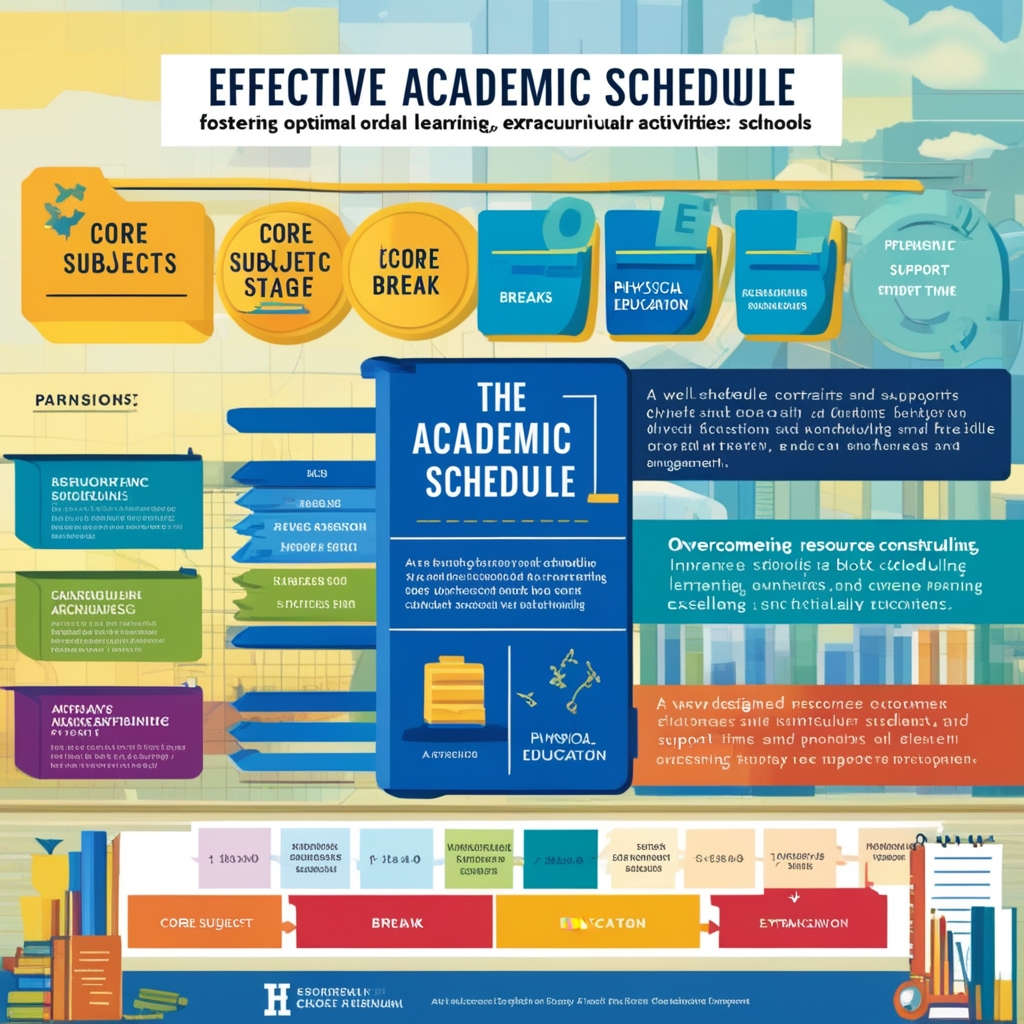
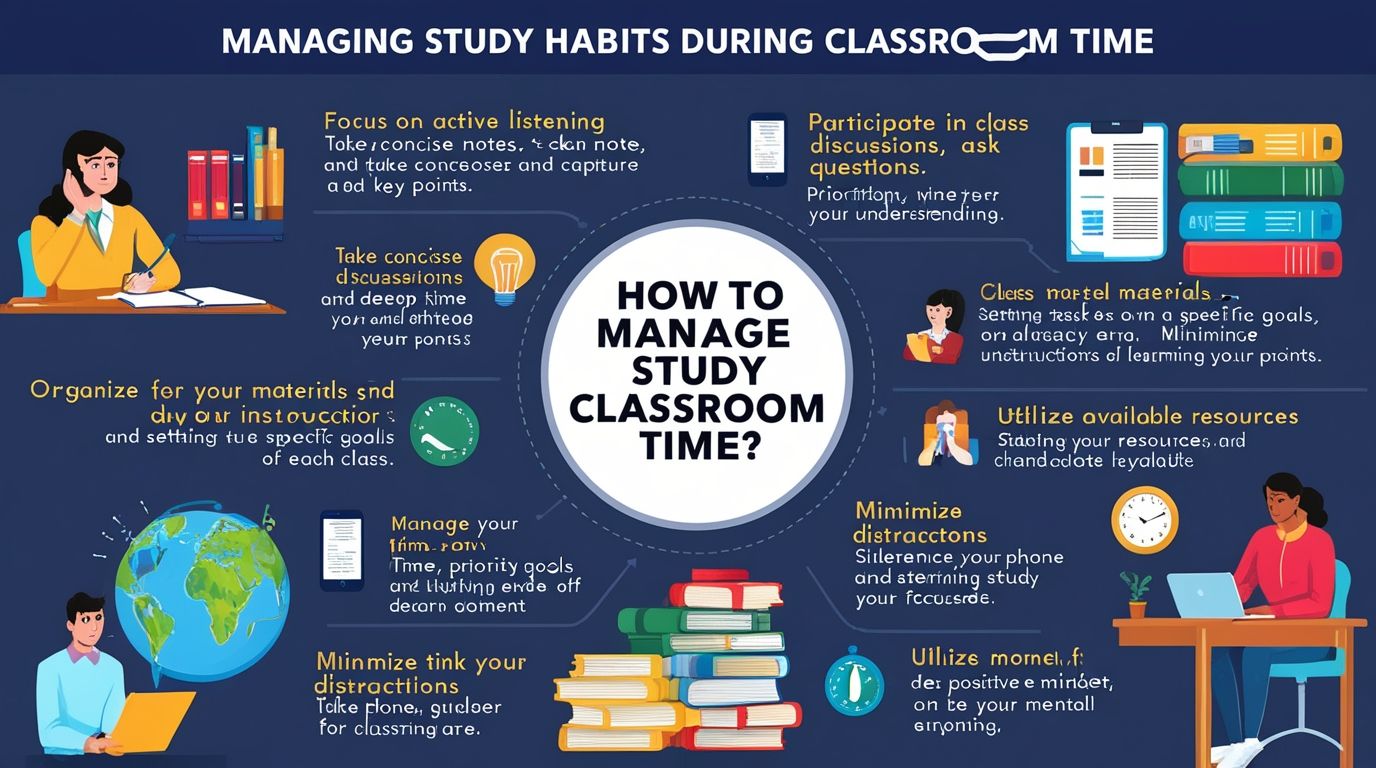
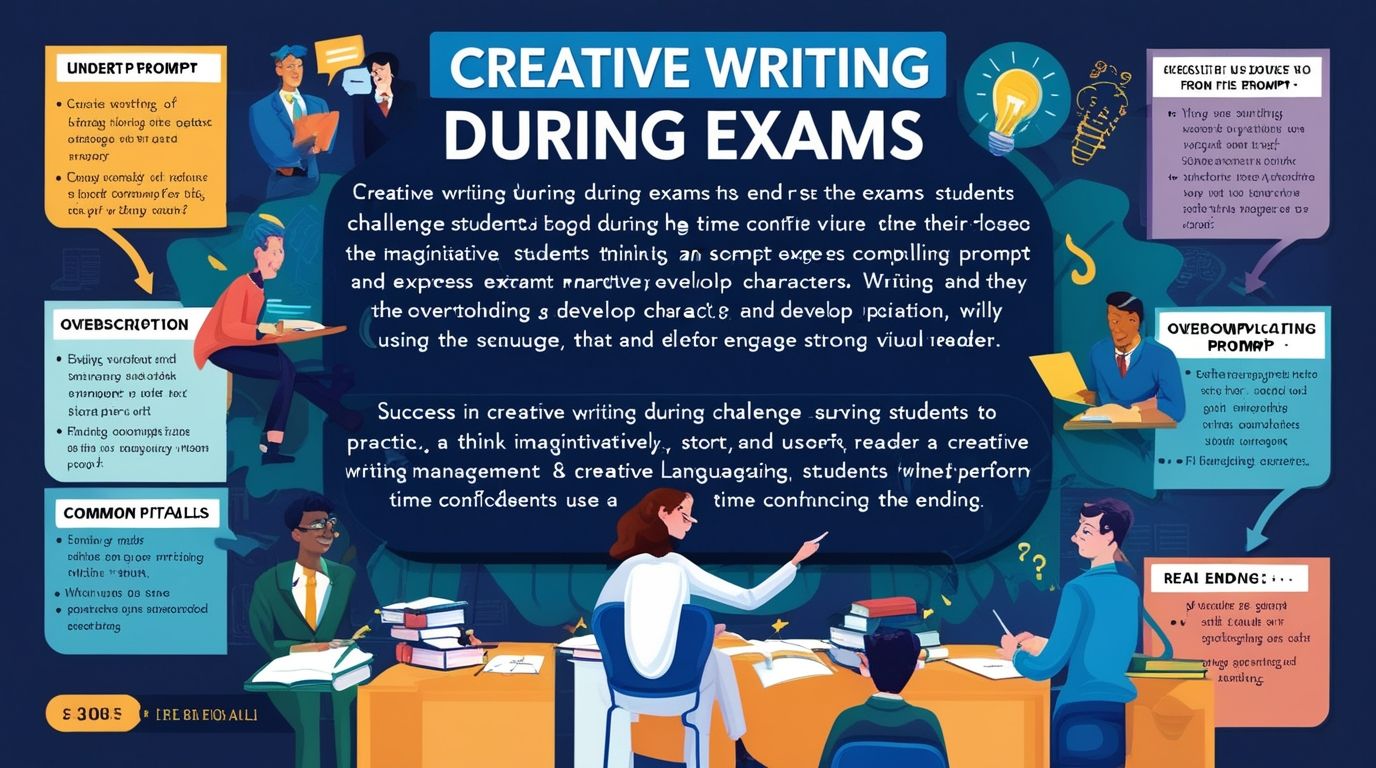
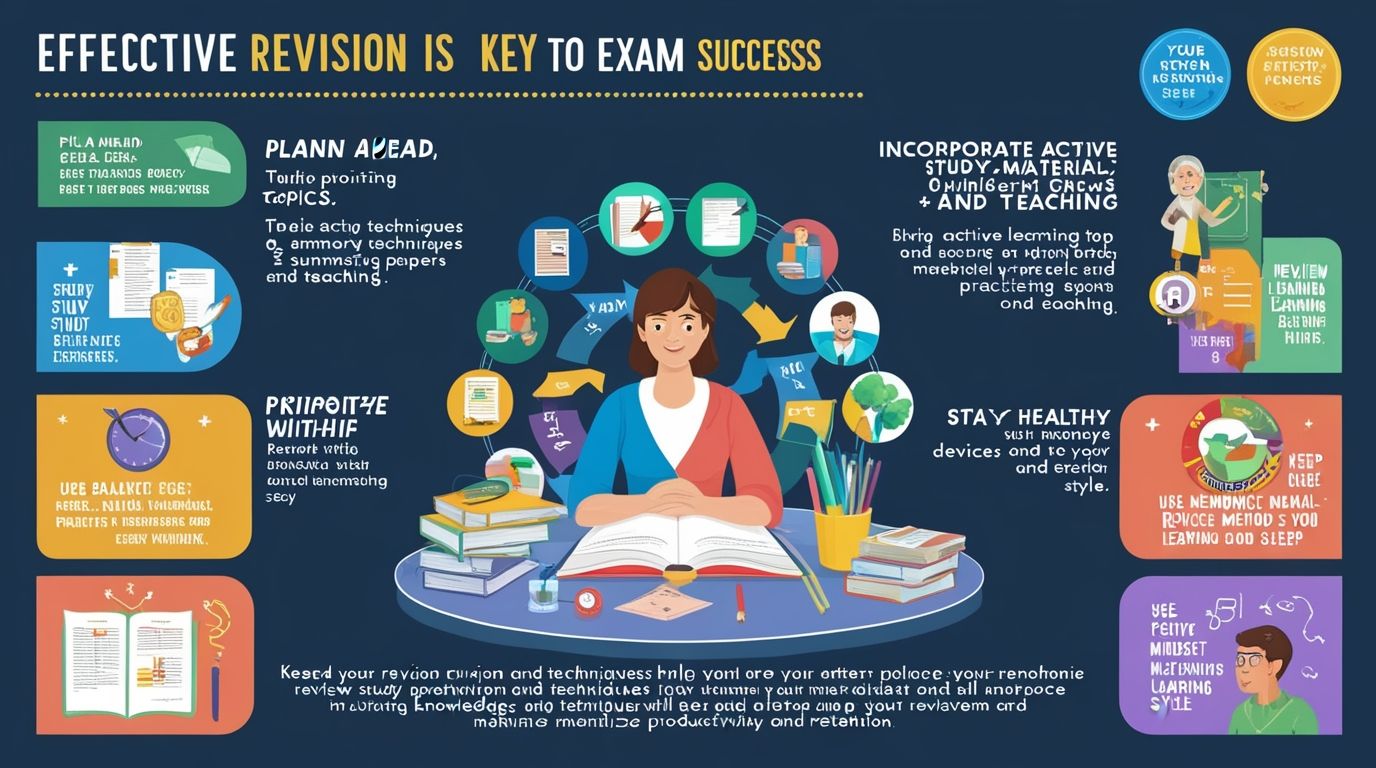
Effective time management is the cornerstone of success in competitive exams. With vast syllabi and limited preparation time, students must create realistic study plans. A successful study schedule includes goal setting, topic prioritization, and strategic revision cycles. The Pomodoro Technique, where a candidate studies for 25 minutes followed by a 5-minute break, is widely recommended to improve focus. Weekly and monthly planners help track progress and identify weak areas.
Allocating fixed time slots for each subject ensures balanced coverage. Regular mock tests and performance analysis help fine-tune the strategy. It’s equally important to set aside time for relaxation, hobbies, and physical fitness to avoid burnout. Digital tools like Notion, Google Calendar, and Trello assist in organizing schedules. Flexibility is essential—plans should be adaptable based on performance and changing priorities. Ultimately, disciplined time management enables effective preparation and instills habits that are valuable in future academic and professional endeavors.
9. Challenges Faced by Candidates
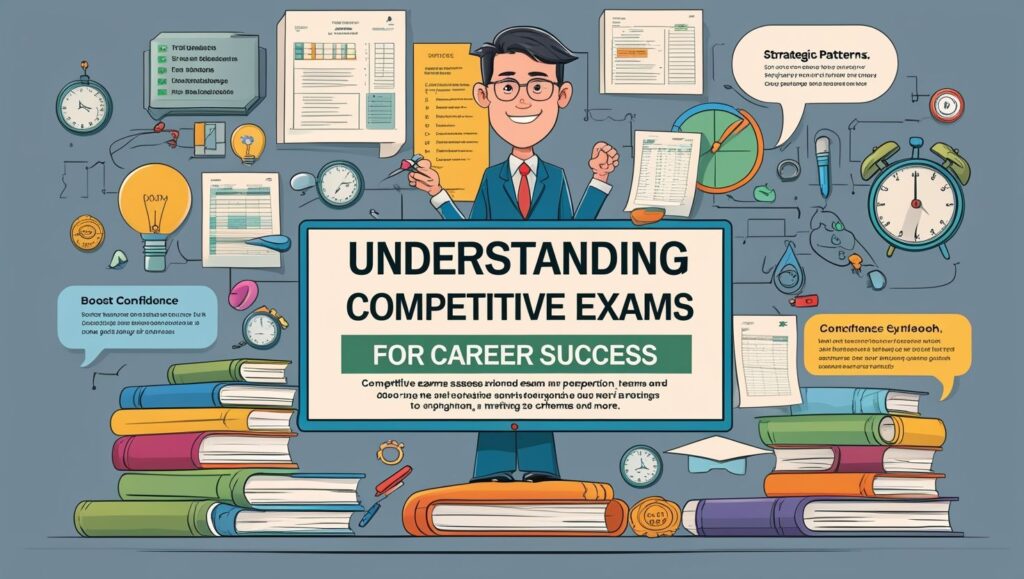
Candidates preparing for competitive exams often encounter multiple challenges. The first is information overload, with a vast array of books, coaching materials, and online resources. Choosing the right material can be confusing. Secondly, economic constraints can limit access to quality coaching or internet resources. Digital divide in rural and underprivileged areas remains a major hurdle. Third, peer pressure and parental expectations add psychological strain. Students may also suffer from health issues due to long study hours and sedentary lifestyle.
Lack of proper guidance and mentorship is another common issue, especially for first-generation learners. Language barriers, particularly in regions where exams are conducted in English, can also hinder performance. Technical issues during online exams and changing exam patterns further add to the stress. Overcoming these challenges requires a combination of personal resilience, support systems, and public policy reforms to make exams more equitable and accessible for all.
10. The Role of Government and Educational Institutions
Governments and educational institutions play a pivotal role in shaping and regulating competitive exams. Ministries of Education and examination boards such as UPSC, NTS, ETS, and CBSE are responsible for framing syllabi, conducting exams, and ensuring fairness. They set eligibility criteria, reservation policies, and oversee the logistics of large-scale testing. Governments also run public coaching programs, such as Super 30 and free IAS coaching schemes for marginalized communities.
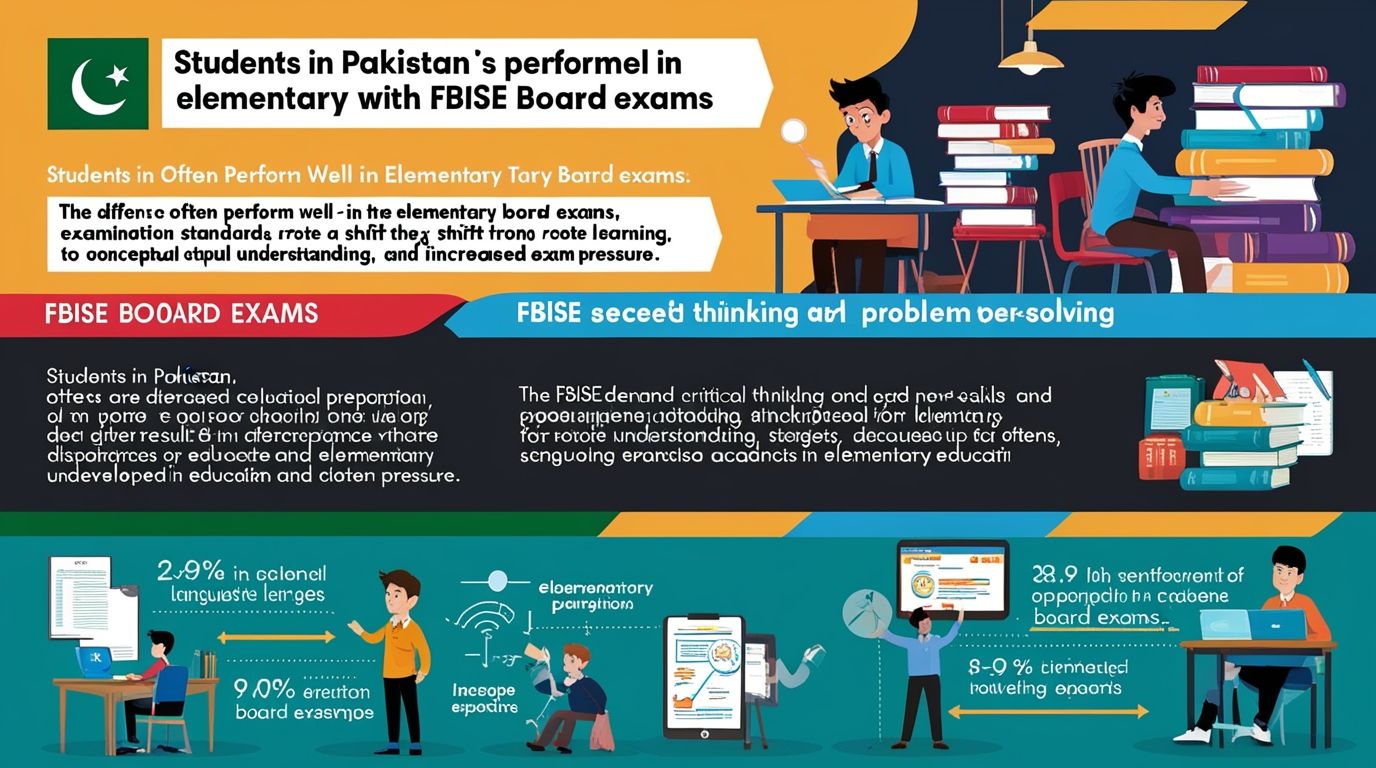
Educational institutions partner with testing agencies to conduct entrance exams like SAT, ACT, or GATE. Moreover, reforms in examination systems—like the National Education Policy (NEP) in India—emphasize critical thinking and reduce rote learning. Scholarships, fellowships, and financial aid are provided to support meritorious candidates. Regular updates in syllabus and exam structure align the tests with global standards. With digital infrastructure development, many exams are now conducted online, improving efficiency. Ultimately, transparent and equitable policies ensure that competitive exams remain reliable tools for talent selection.
11. Gender and Regional Disparities in Competitive Exams
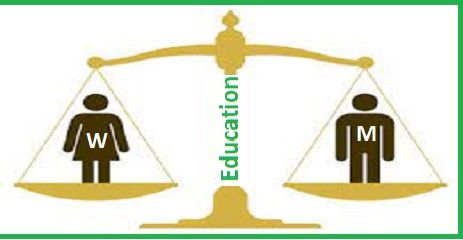
While competitive exams are designed to be merit-based, gender and regional disparities persist. Girls often face challenges like early marriage, limited mobility, and lack of encouragement in conservative communities, reducing their participation. In rural areas, poor internet access, lack of coaching facilities, and economic hardships create a wide performance gap compared to urban counterparts. States or regions with better educational infrastructure produce more successful candidates.
Language barriers also affect performance, especially when exams are conducted in languages unfamiliar to candidates from tribal or non-Hindi backgrounds. Though policies like reservation for women, state quotas, and free coaching for others aim to bridge this gap, more inclusive approaches are needed. Digital inclusion, gender-sensitive policies, and regional coaching hubs can reduce inequalities. Encouraging family and community support, along with government interventions, can ensure equal opportunity for all regardless of gender or location, truly upholding the spirit of competitive exams.
12. Technology in Competitive Exams
Technology has revolutionized how competitive exams are prepared for, conducted, and assessed. Computer-based testing (CBT) is now common in exams like GRE, TOEFL, and GATE, offering real-time results, greater accuracy, and reduced malpractices. Online exam portals allow for easy registration, admit card download, and result declaration. EdTech platforms use AI to provide personalized learning paths, track performance, and suggest improvements. Students can attend live classes, solve mock tests, and interact with peers and mentors across geographies.
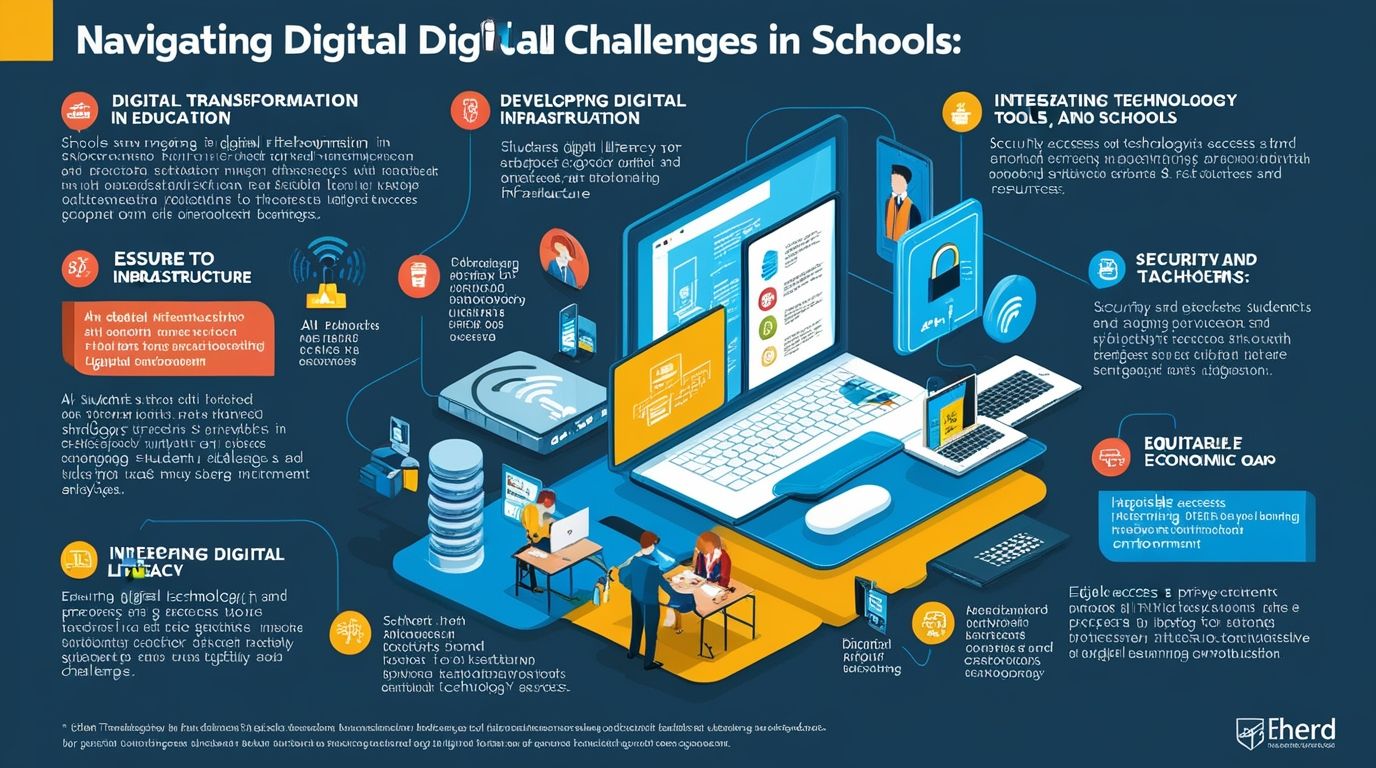
Apps like Testbook, Toppr, and Gradeup have transformed smartphones into mini-classrooms. Proctoring technologies ensure exam integrity even in remote, unsupervised environments. Meanwhile, data analytics help examination bodies identify patterns, improve fairness, and streamline the selection process. However, the digital divide and cybersecurity risks must be addressed. Integrating technology responsibly can democratize exam preparation and ensure efficient, transparent evaluation systems that are accessible to all.
13. Success Stories and Role Models
Success stories of individuals from underprivileged backgrounds cracking top competitive exams serve as powerful motivation. Examples like Ira Singhal (UPSC topper), Anand Kumar’s Super 30 students, or Kalpana Kumari (NEET topper) demonstrate that determination and the right guidance can break barriers. These achievers often overcome poverty, discrimination, and limited resources through hard work and perseverance. Their journeys are shared widely in books, documentaries, and interviews, inspiring millions.
Government and private agencies now actively highlight such stories to encourage diversity in exam participation. Success stories also reveal the importance of mentorship, peer support, and time management. Role models create a ripple effect, motivating others from similar backgrounds to dream big. They also often return to society as mentors, educators, or policymakers, enhancing collective progress. Celebrating these journeys reinforces the belief that competitive exams, though challenging, can transform lives and create inclusive success.
14. Future of Competitive Exams
The future of competitive exams is likely to be shaped by digital transformation, artificial intelligence, and global standardization. Paper-based exams will increasingly be replaced by adaptive testing, where the difficulty adjusts to the candidate’s responses. Blockchain technology may be used for tamper-proof certification and result authentication. Cross-border recognition of test scores (e.g., SAT, IELTS) will increase, allowing international mobility. There will be greater focus on skills-based assessment over rote memorization. Remote proctored exams will become mainstream, especially post-COVID. Governments may introduce national-level common entrance tests to reduce student burden.
Personalized learning powered by AI tutors will replace traditional coaching. Exams may also evolve to assess emotional intelligence, creativity, and practical problem-solving skills. Data-driven reforms will make tests more inclusive, reducing bias and increasing accessibility. However, issues like data privacy, cheating prevention, and equitable access must be addressed. A blended, inclusive, and tech-driven future holds promise for the next generation of aspirants.
15. Conclusion
Competitive exams play a pivotal role in shaping educational and career trajectories worldwide. They embody the principles of meritocracy, transparency, and equal opportunity, offering aspirants a platform to showcase their capabilities. Despite the intense competition and associated pressures, these exams help cultivate resilience, focus, and intellectual rigor. While challenges such as regional disparities, psychological stress, and access inequalities exist, evolving technology and policy reforms are paving the way for more equitable systems.
The stories of success against odds highlight that with the right mindset, preparation, and support, one can excel in any field. In the 21st century, competitive exams are not merely hurdles but opportunities for growth, learning, and social transformation. As we look to the future, it is vital to ensure that these exams continue to evolve, remain fair, and adapt to the needs of an increasingly global and diverse population. The journey of cracking a competitive exam is not just a test of knowledge, but of character, persistence, and vision.














































































































































































































































UpvoteRocket is an automated vote delivery service for game server toplist websites. Buy votes for 25+ supported ranking sites including XtremeTop100, GTop100, TopG, MMtop200 and more. Real mobile proxy IPs, pay per vote, instant campaign setup.
Definitely imagine that that you said. Your favorite reason seemed to be at the web the easiest factor to have in mind of. I say to you, I certainly get annoyed at the same time as other people think about worries that they just don’t recognize about. You controlled to hit the nail upon the highest and also defined out the entire thing with no need side effect , folks can take a signal. Will probably be again to get more. Thank you
References:
Hot bet casino login ice casino pl
References:
Online Casino 2026 Little Creek Casino Slots
Outstanding post however , I was wanting to know if you could write a litte more on this subject? I’d be very grateful if you could elaborate a little bit more. Cheers!
Usually I don’t learn post on blogs, but I would like to say that this write-up very pressured me to check out and do so! Your writing style has been surprised me. Thanks, very nice article.
You need to participate in a contest for the most effective blogs on the web. I’ll recommend this website!
I don?t even know how I ended up here, but I thought this post was good. I do not know who you are but definitely you’re going to a famous blogger if you are not already 😉 Cheers!
Hi, Neat post. There is a problem with your website in internet explorer, would test this? IE still is the market leader and a good portion of people will miss your magnificent writing due to this problem.
Do you have a spam issue on this blog; I also am a blogger, and I was wondering your situation; many of us have developed some nice methods and we are looking to swap strategies with other folks, why not shoot me an email if interested.