Introduction
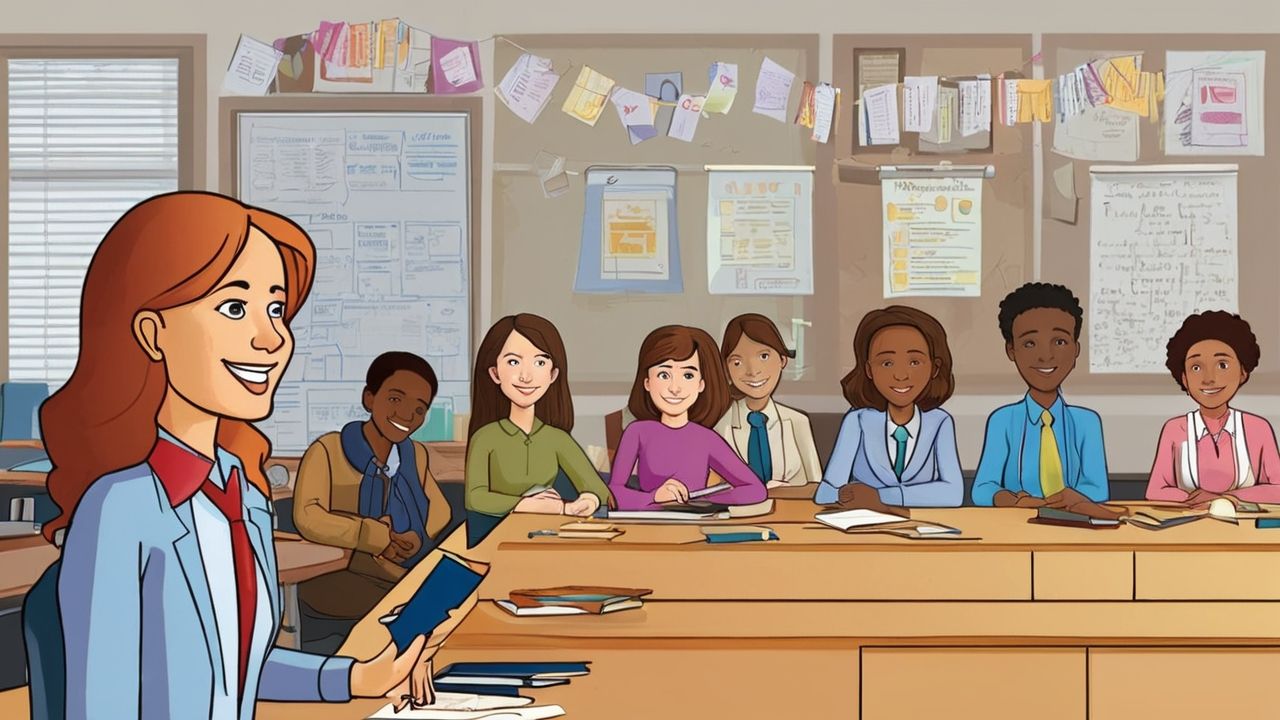
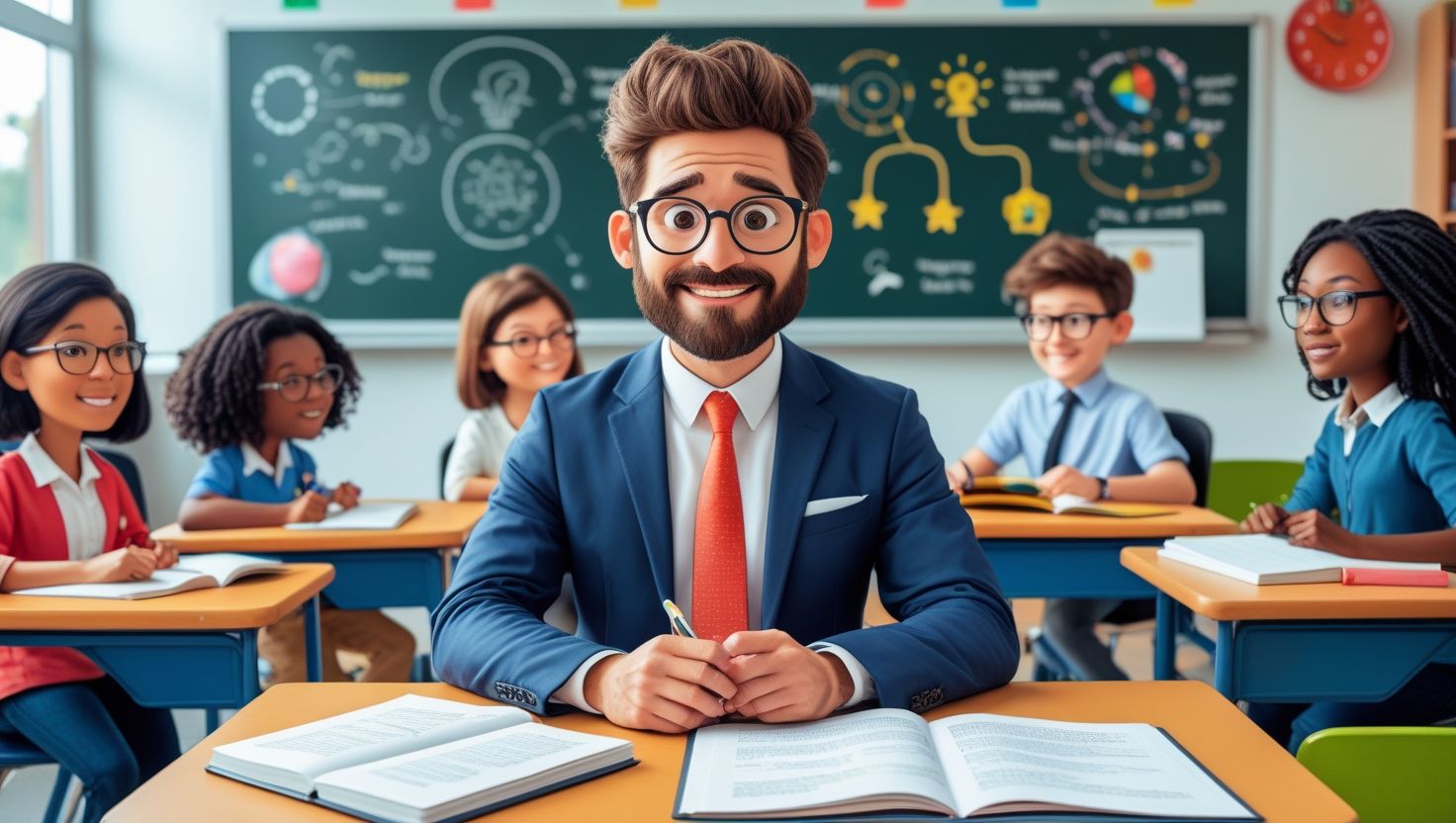
Generation Gap Impact on Education and Learning, The generation gap is a social phenomenon that refers to differences in attitudes, values, beliefs, behaviors, and experiences among people of different age groups. In the context of education and learning, these differences can significantly influence teaching methods, learning preferences, communication styles, and classroom relationships. As societies continue to evolve through technological advancement, globalization, and cultural change, the impact of generation gap on education has become increasingly important.
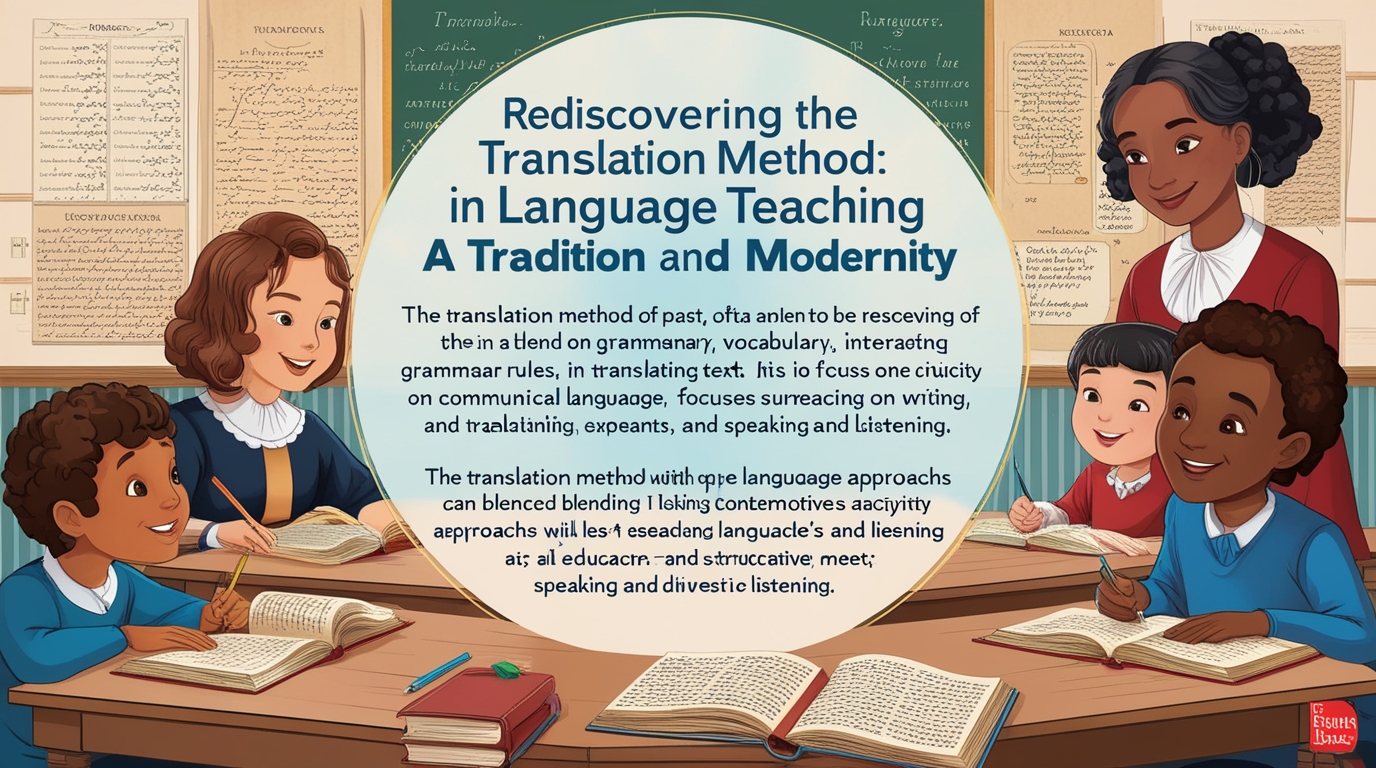
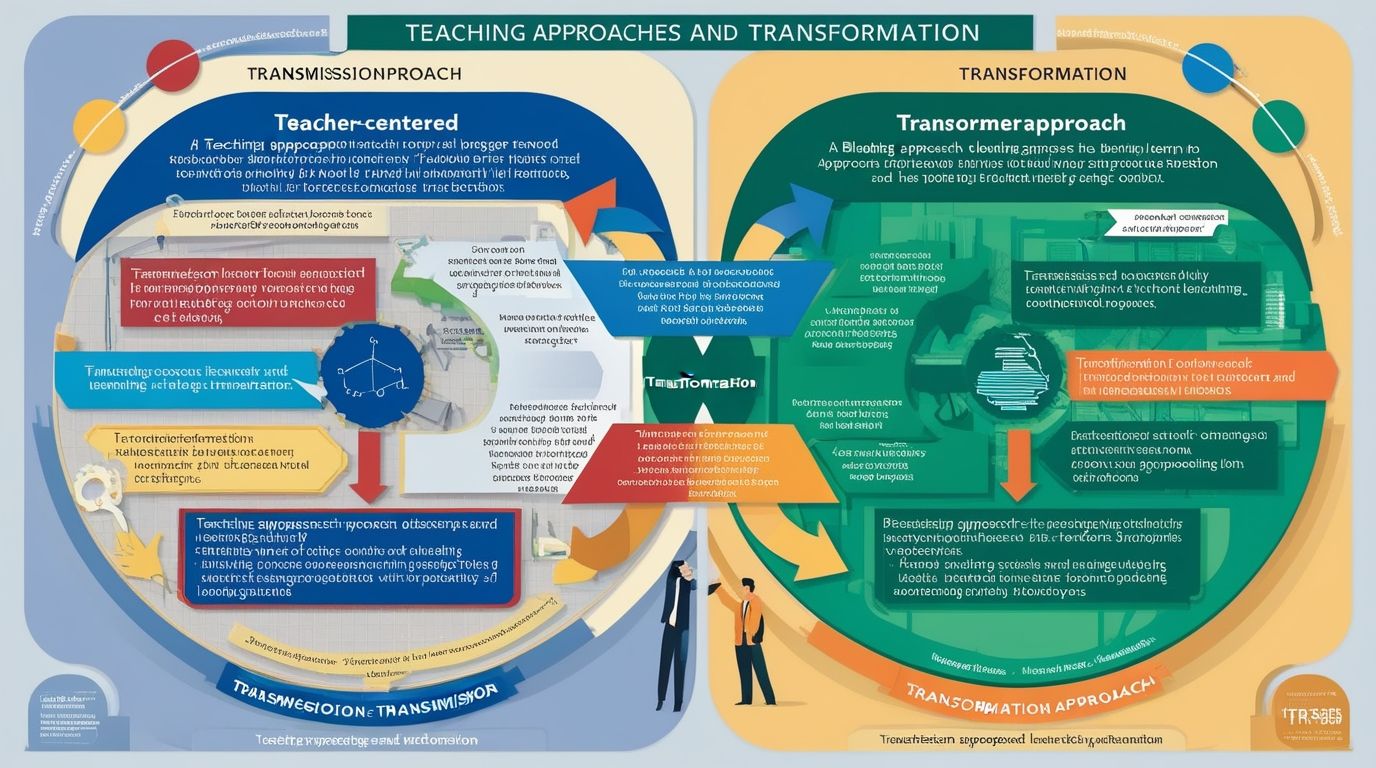
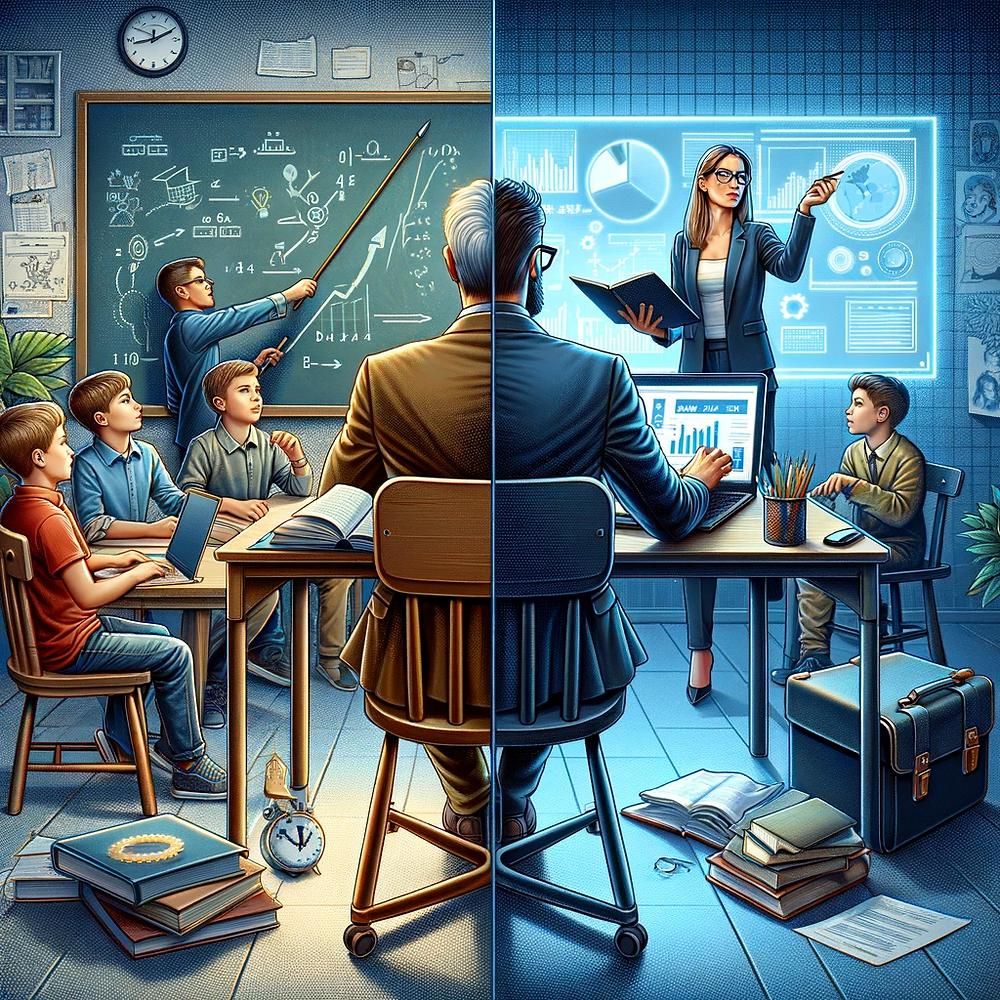
Traditionally, education relied heavily on teacher-centered approaches, printed textbooks, memorization, and discipline-based instruction. However, contemporary learners, especially those belonging to Generation Z and Generation Alpha, often prefer interactive, technology-driven, collaborative, and personalized learning experiences. Consequently, educators from older generations may encounter challenges in adapting to these new expectations. At the same time, younger learners may struggle to appreciate traditional teaching practices that emphasize patience, reflection, and long-term learning.
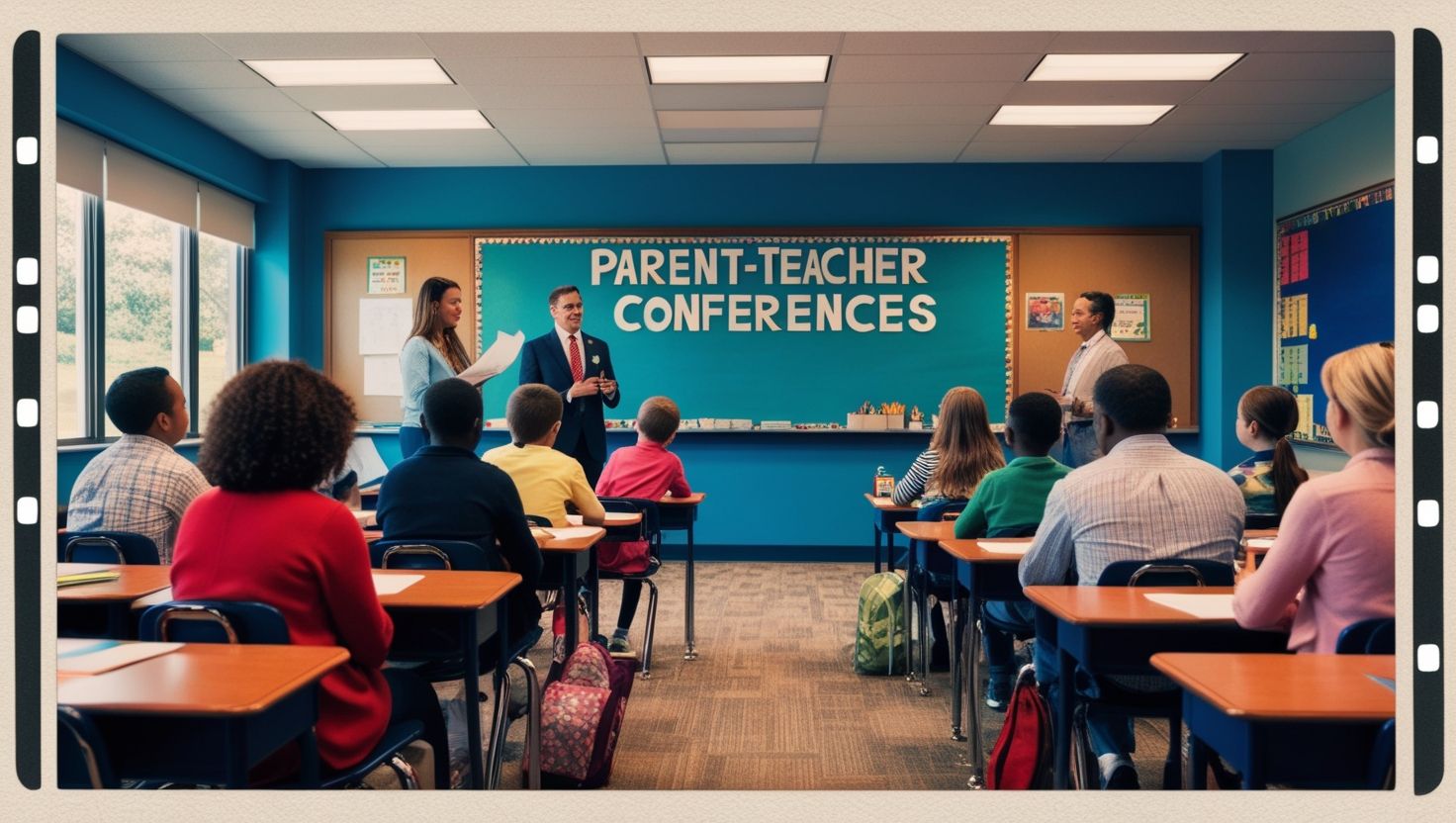
Moreover, the generation gap does not only affect the relationship between teachers and students. It also shapes parental involvement, educational policy, curriculum design, and the overall learning environment. Therefore, understanding this phenomenon is essential for creating inclusive educational systems that bridge differences rather than deepen them. This article examines the generation gap impact on education and learning, highlighting both its challenges and opportunities.
Understanding the Generation Gap
A generation gap arises when individuals from different age groups possess distinct worldviews shaped by the historical, social, technological, and economic conditions of their formative years. For example, Baby Boomers grew up during a period of post-war reconstruction and economic growth, while Millennials experienced rapid digital transformation and globalization. Similarly, Generation Z has been raised in an era dominated by smartphones, social media, and instant access to information.
As a result, each generation develops unique attitudes toward education and learning. Older generations may value discipline, respect for authority, and structured learning. In contrast, younger generations may prioritize creativity, flexibility, collaboration, and digital literacy. These differences can create misunderstandings in educational settings if not properly managed.
Furthermore, the generation gap is not inherently negative. In fact, it can serve as a source of diversity, innovation, and mutual learning. When educators and learners recognize the strengths of different generations, they can create a more balanced and enriched educational experience. Therefore, understanding the characteristics of various generations is the first step toward addressing the challenges associated with the generation gap.
Impact on Teaching Methods
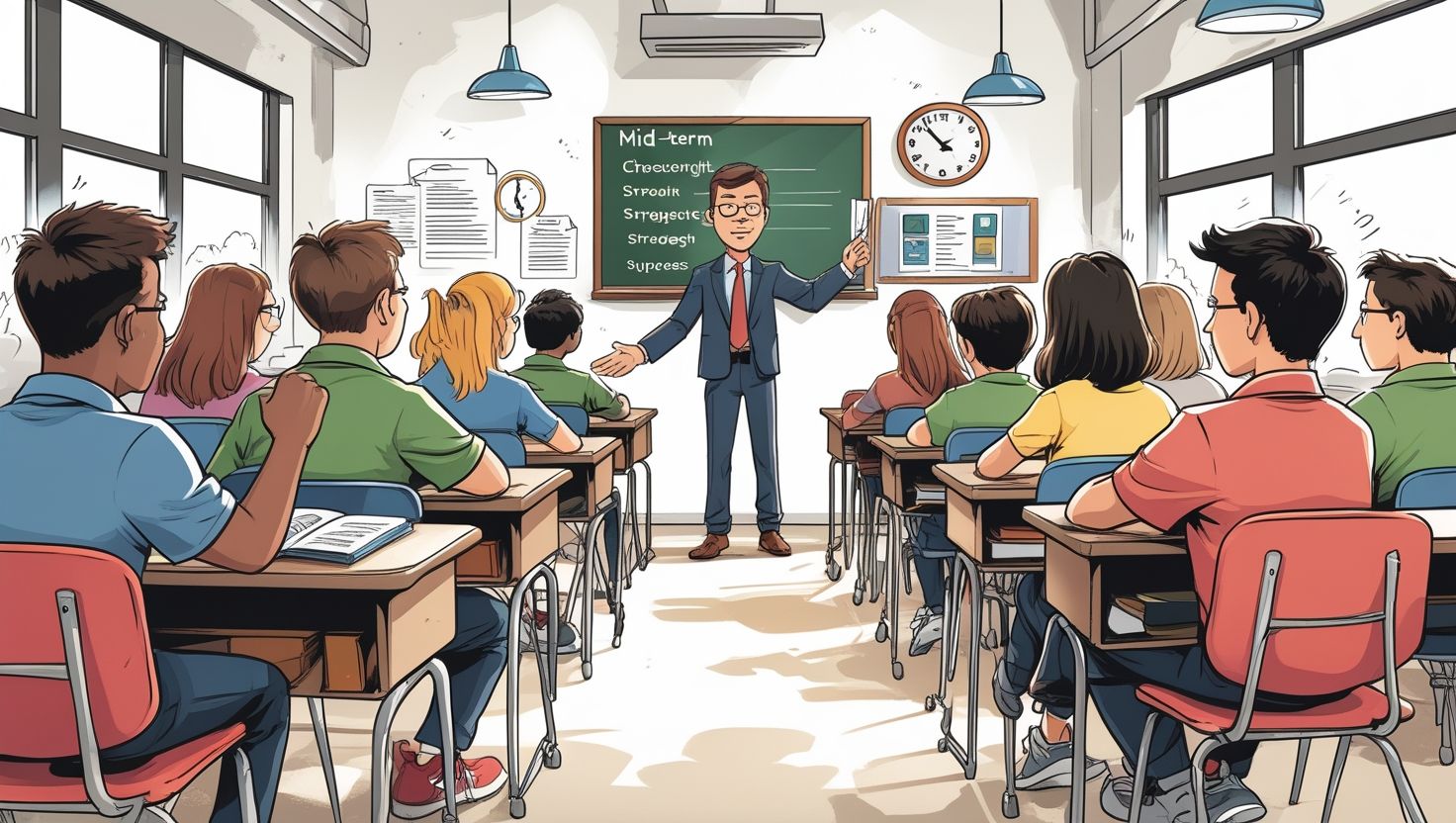
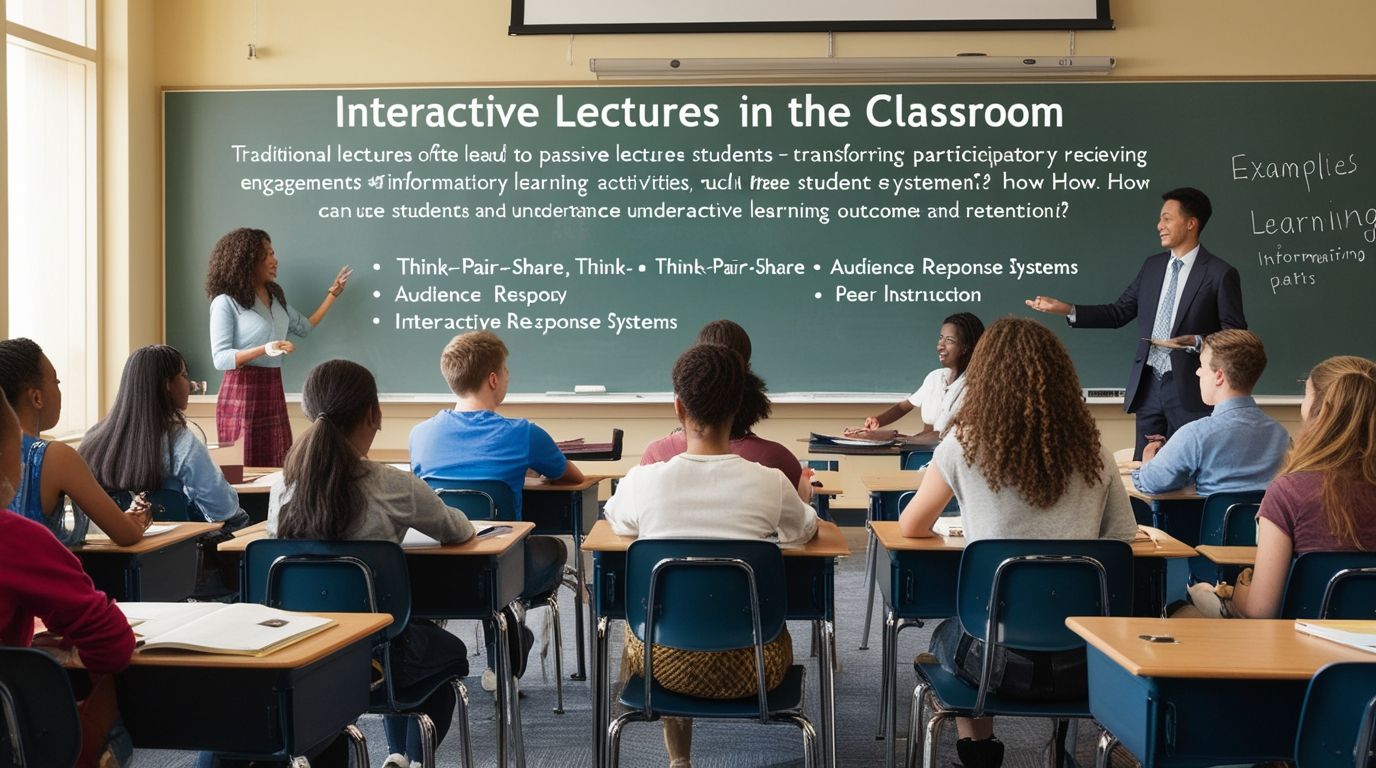
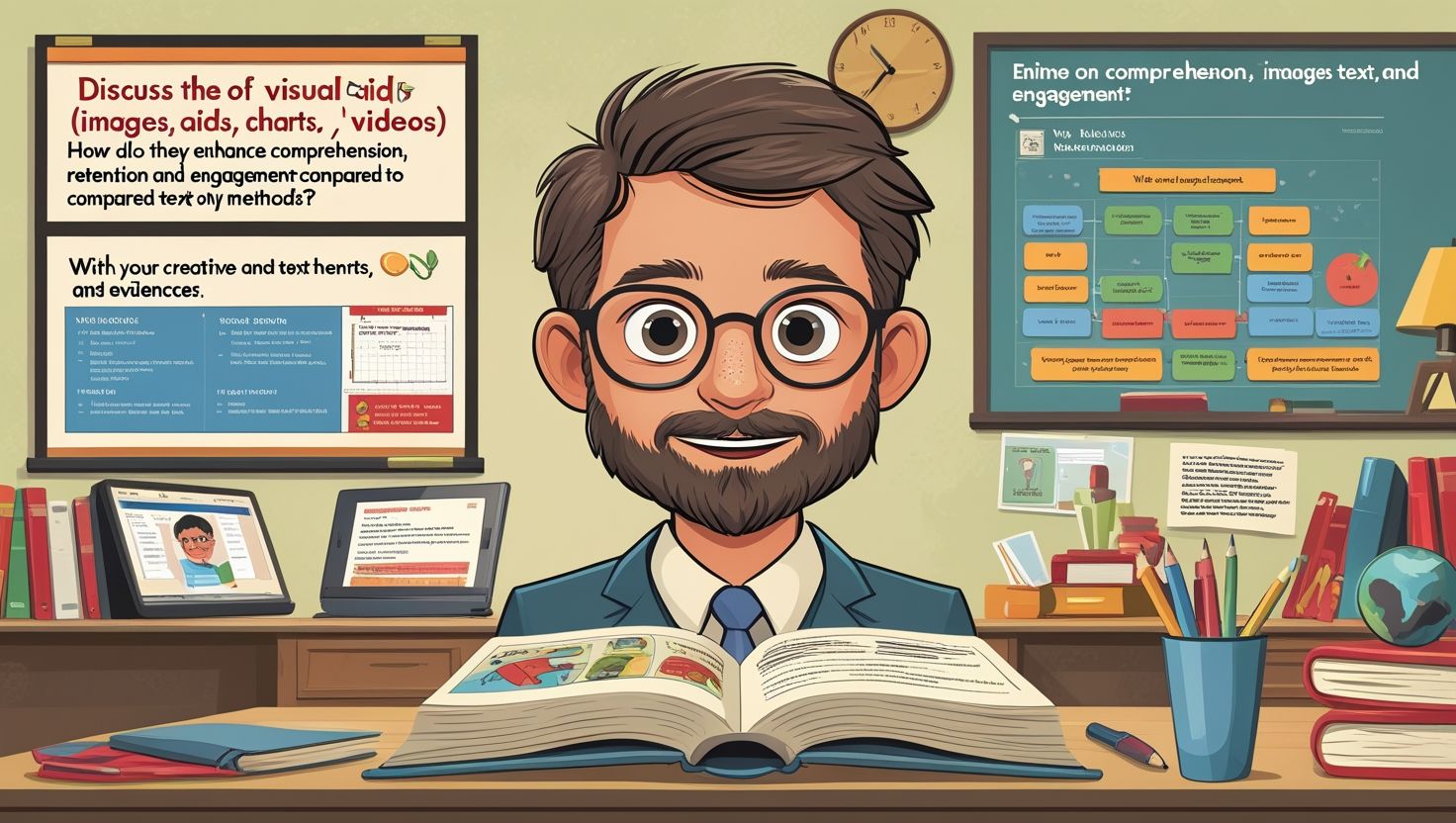
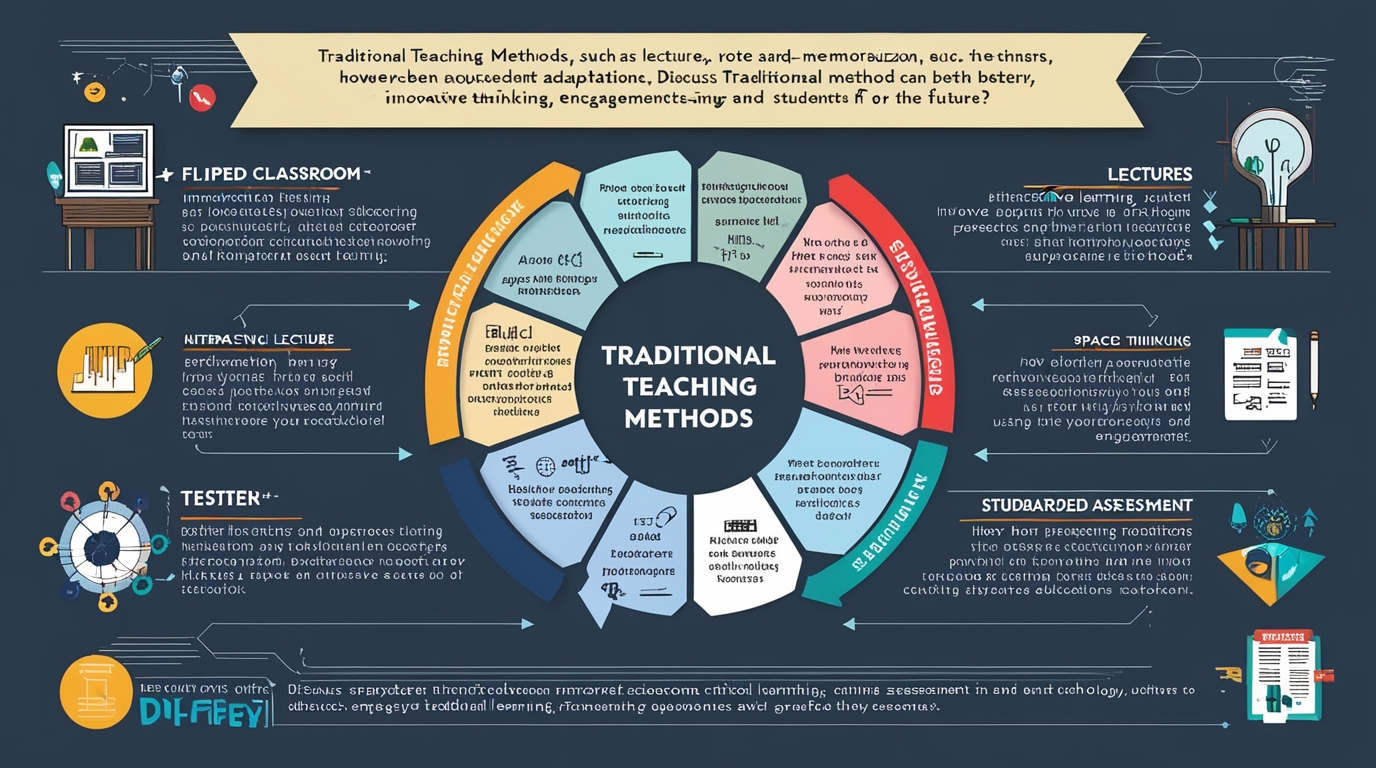
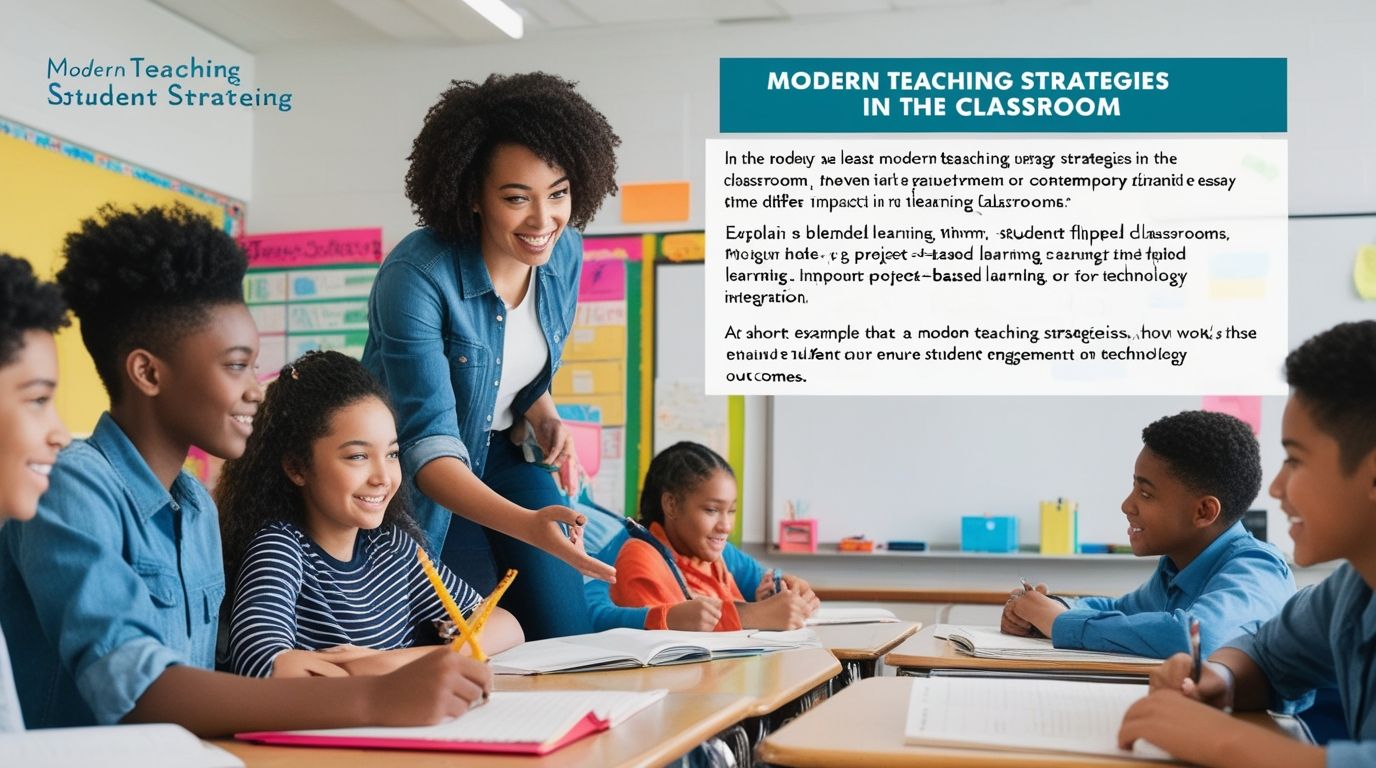
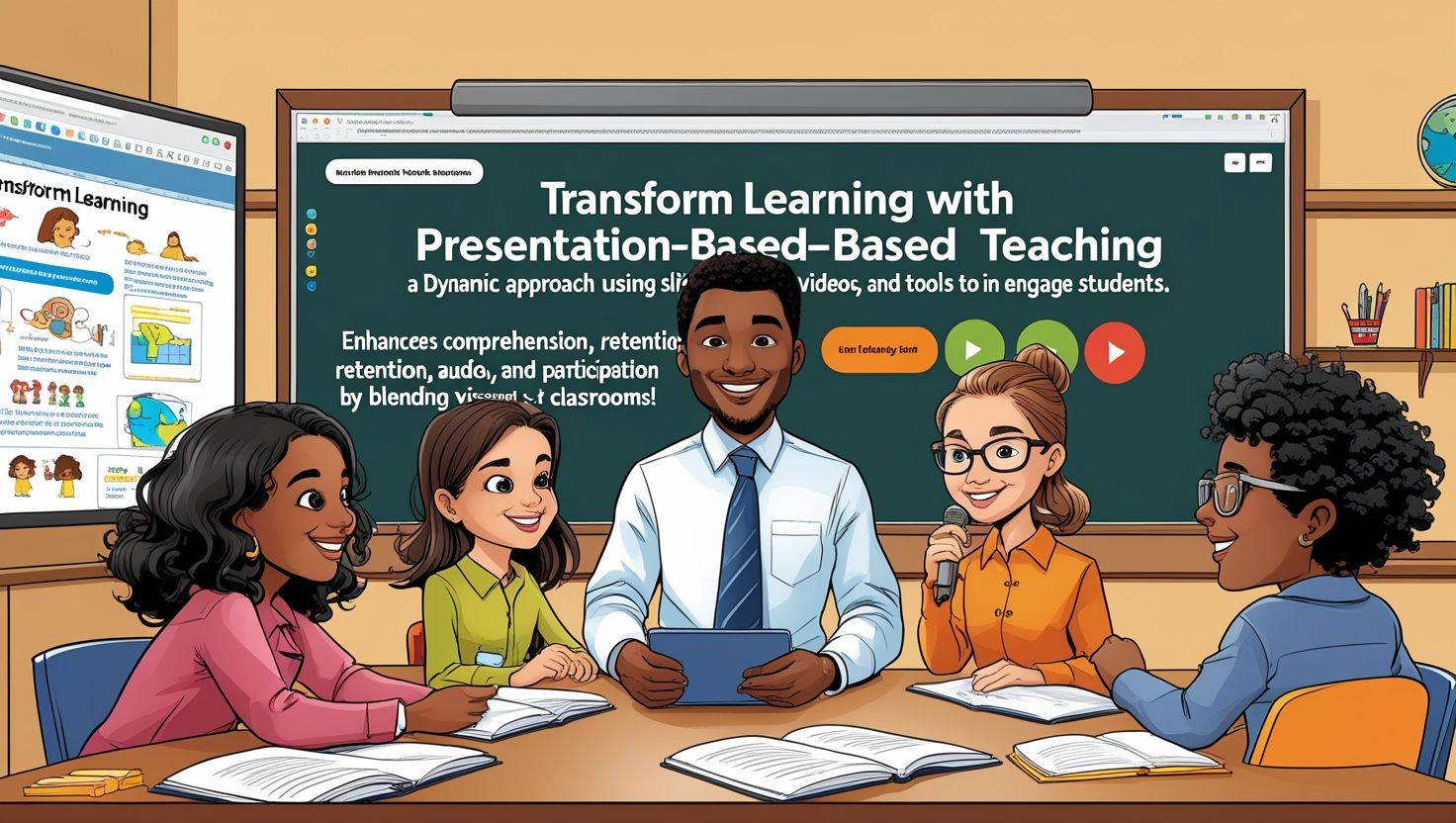
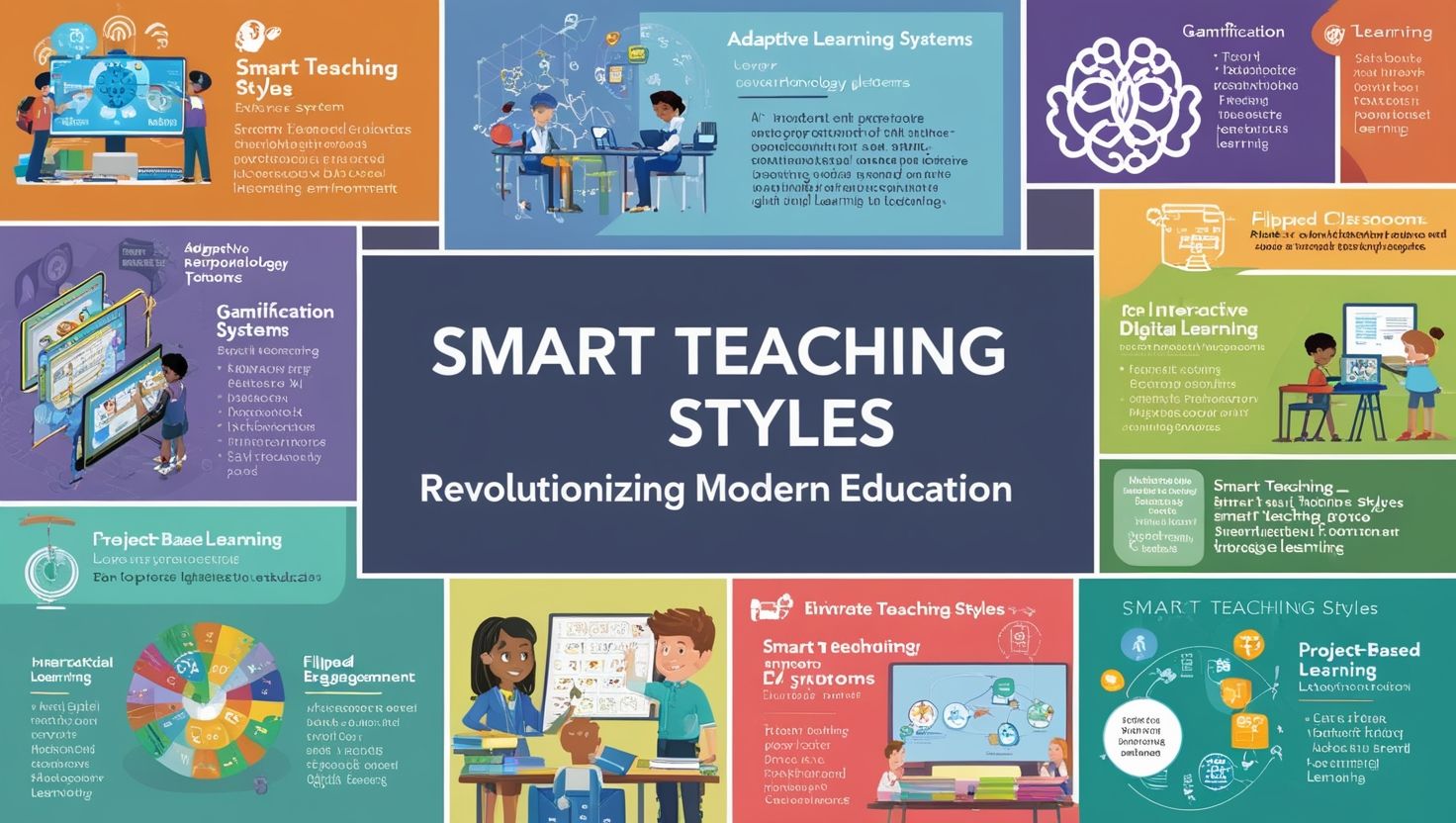
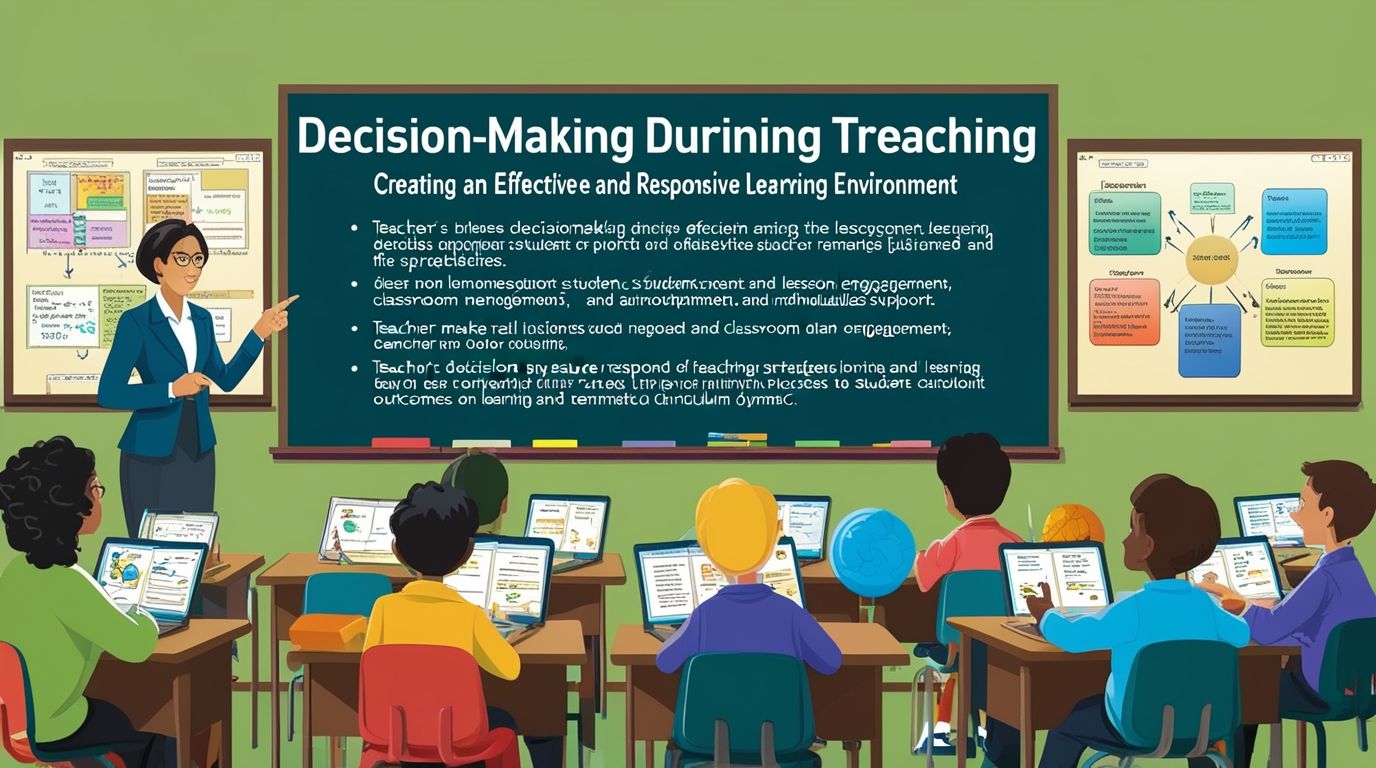
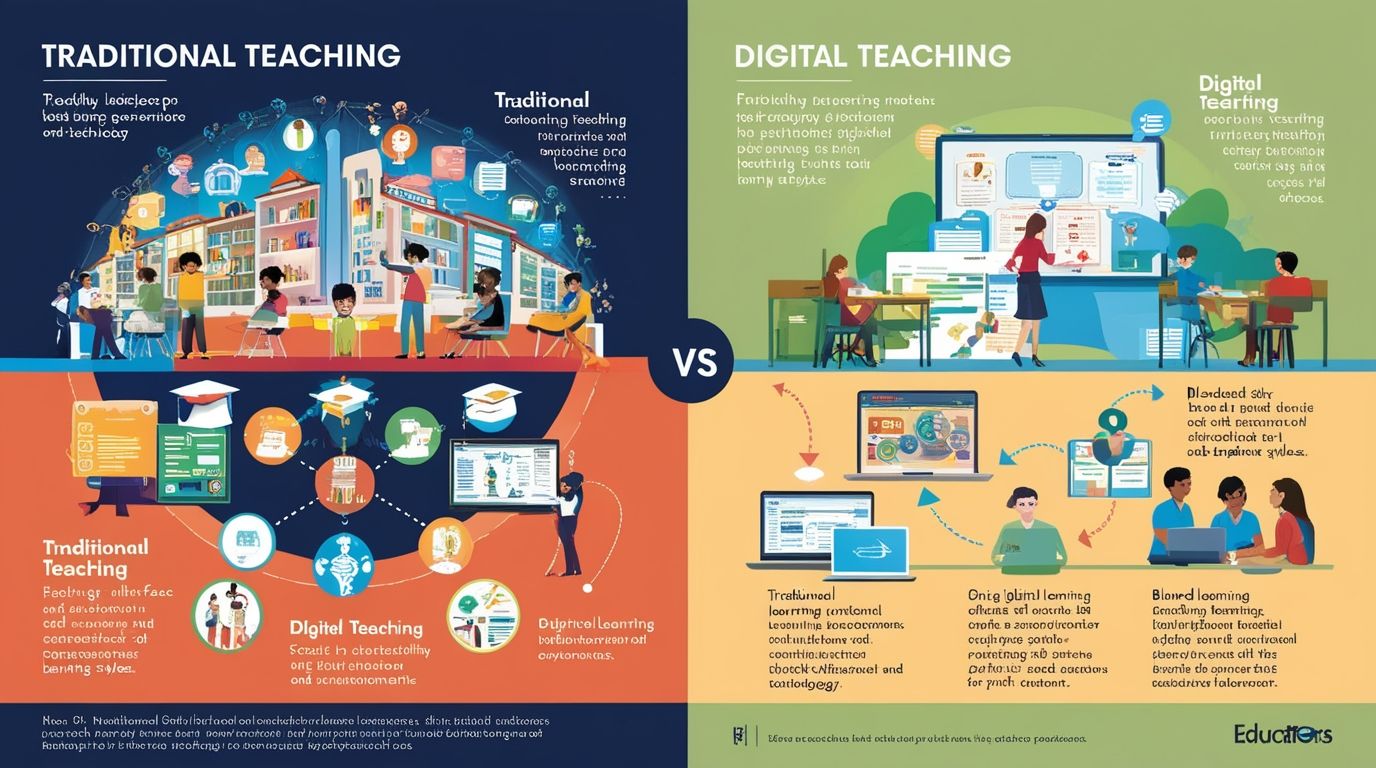
One of the most visible effects of the generation gap is its influence on teaching methods. Traditionally, teachers relied on lectures, textbooks, and standardized assessments as primary instructional tools. However, younger learners often respond more positively to interactive and technology-enhanced approaches.
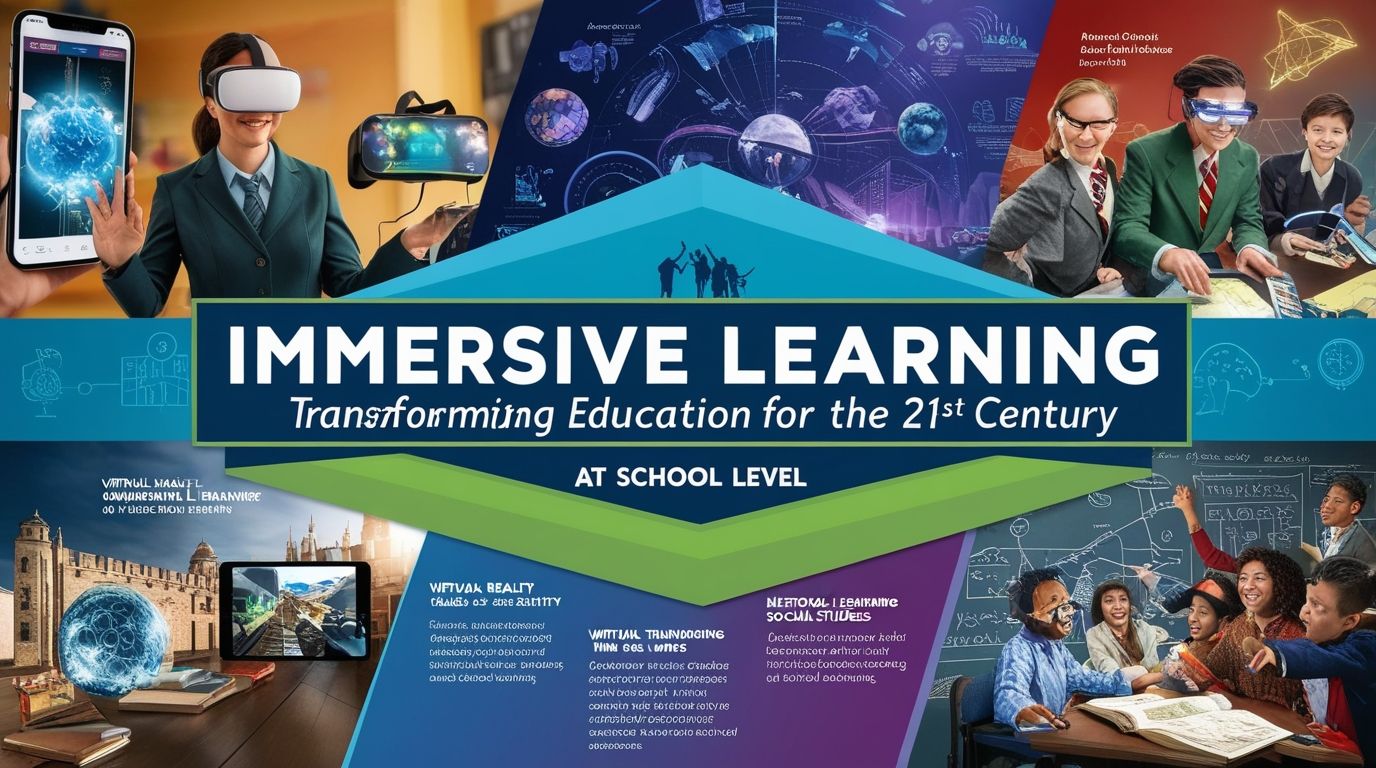
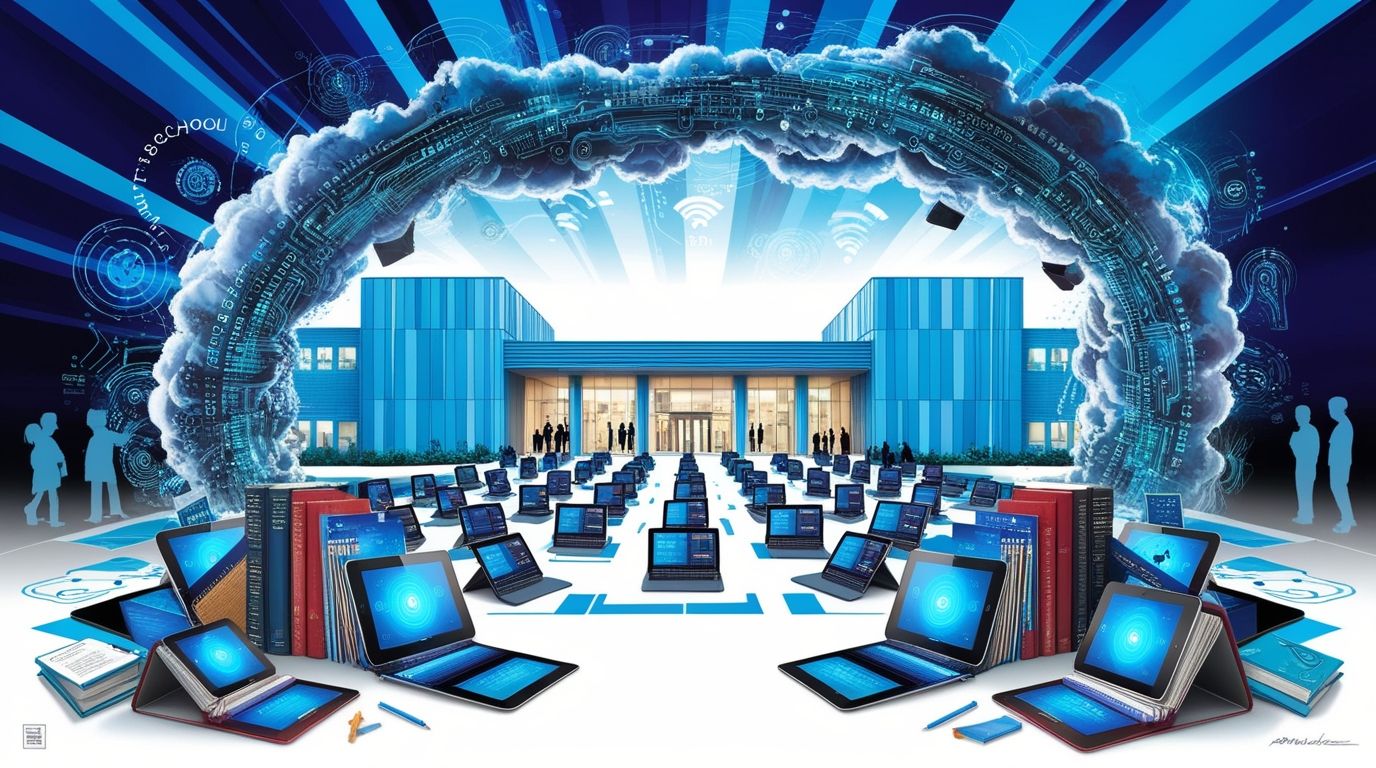
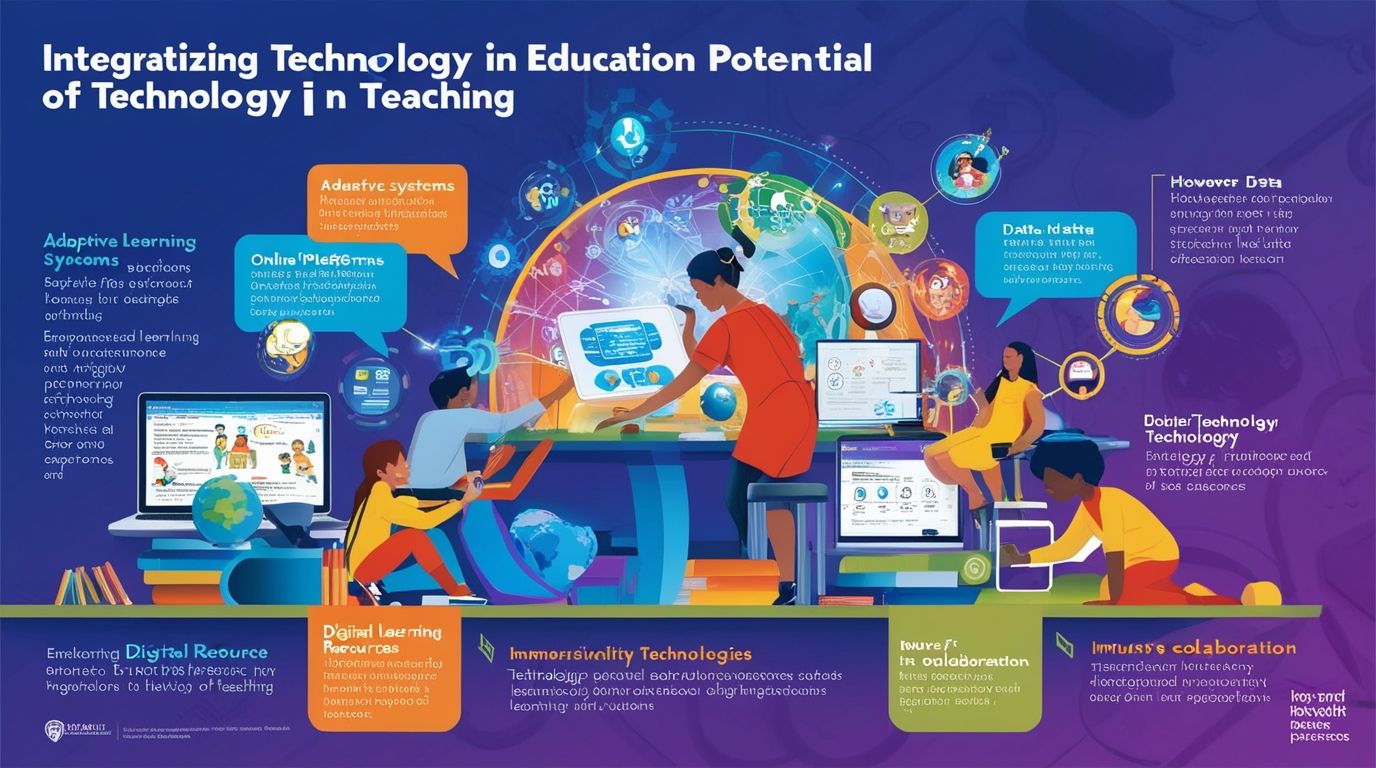
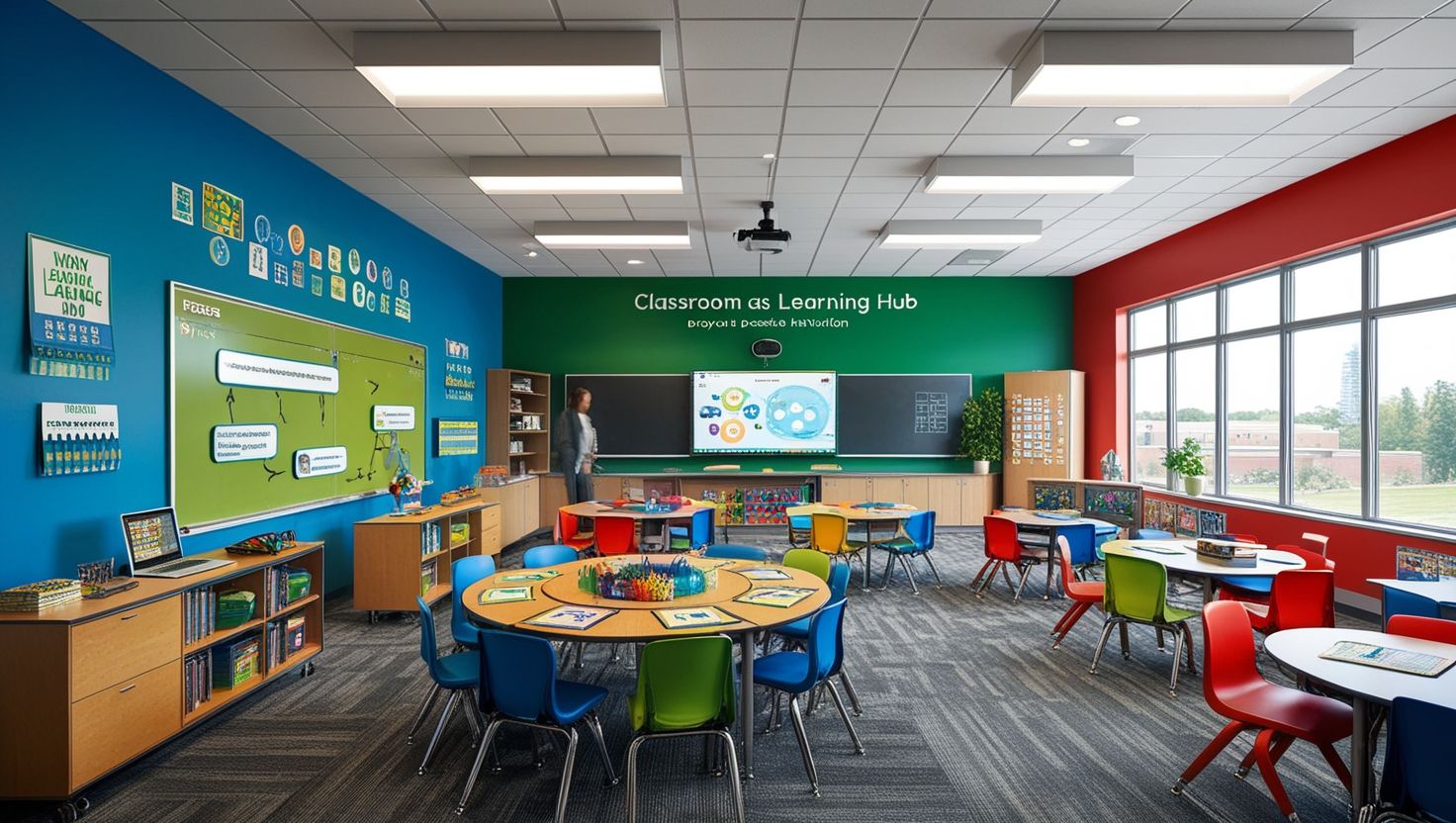
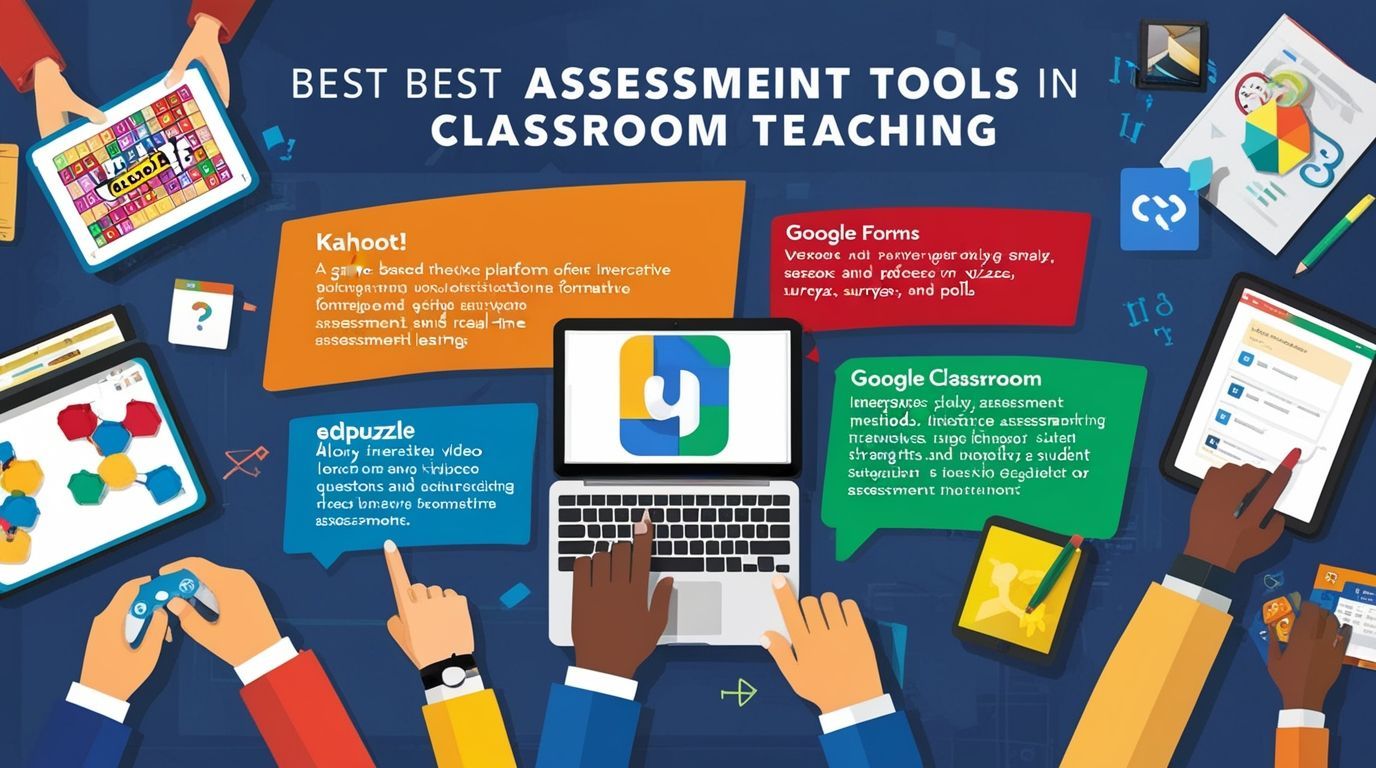
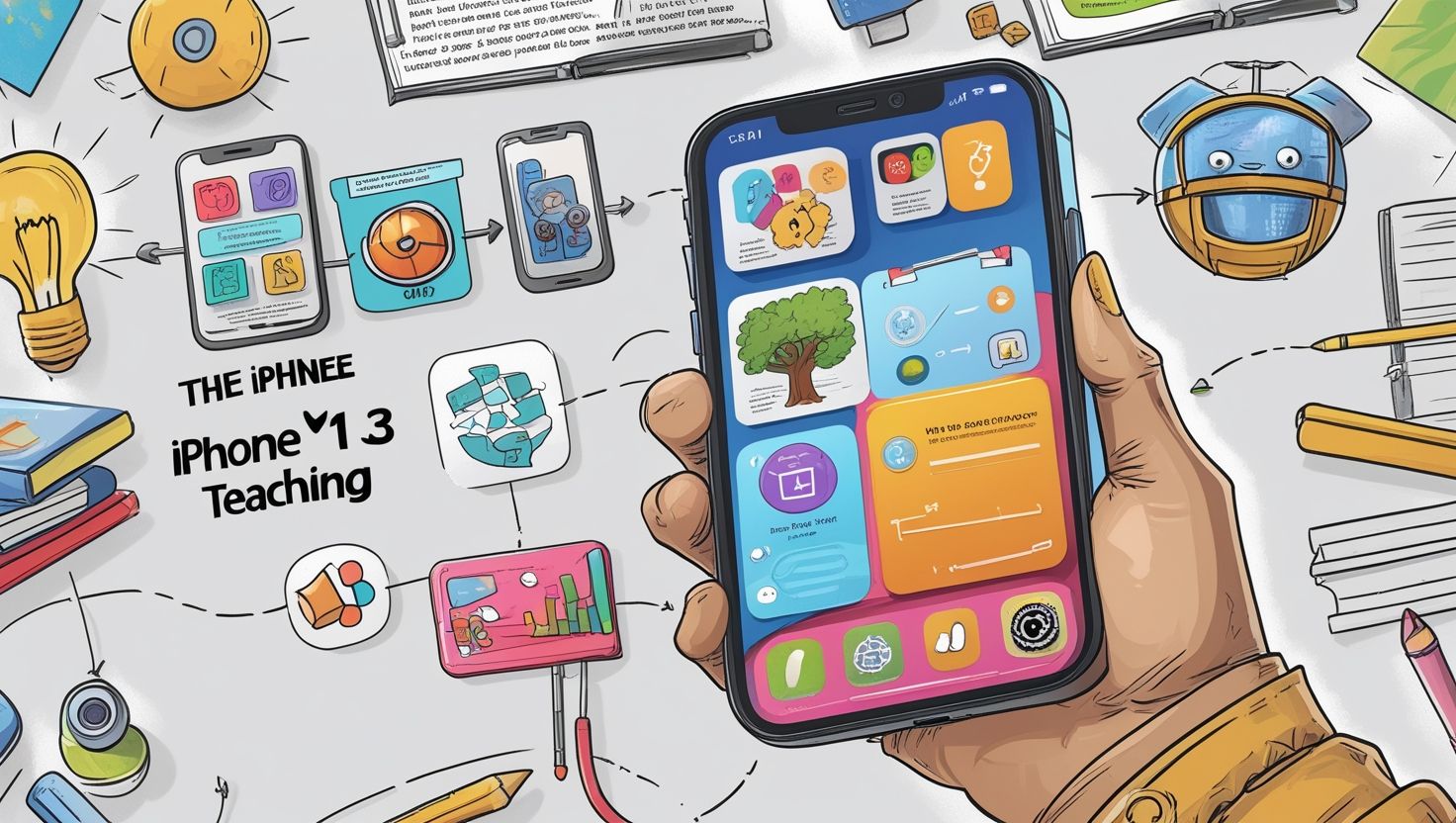
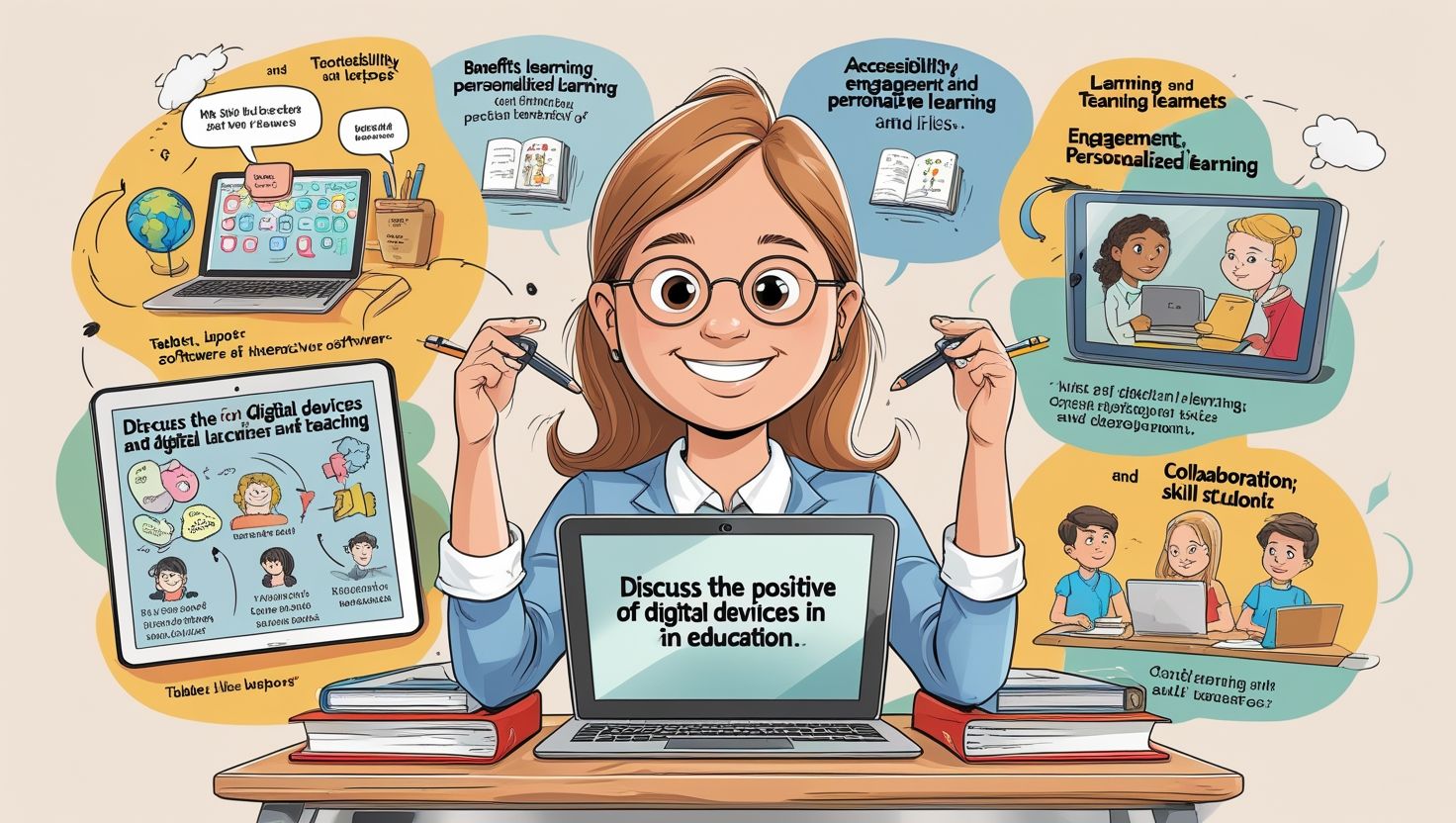
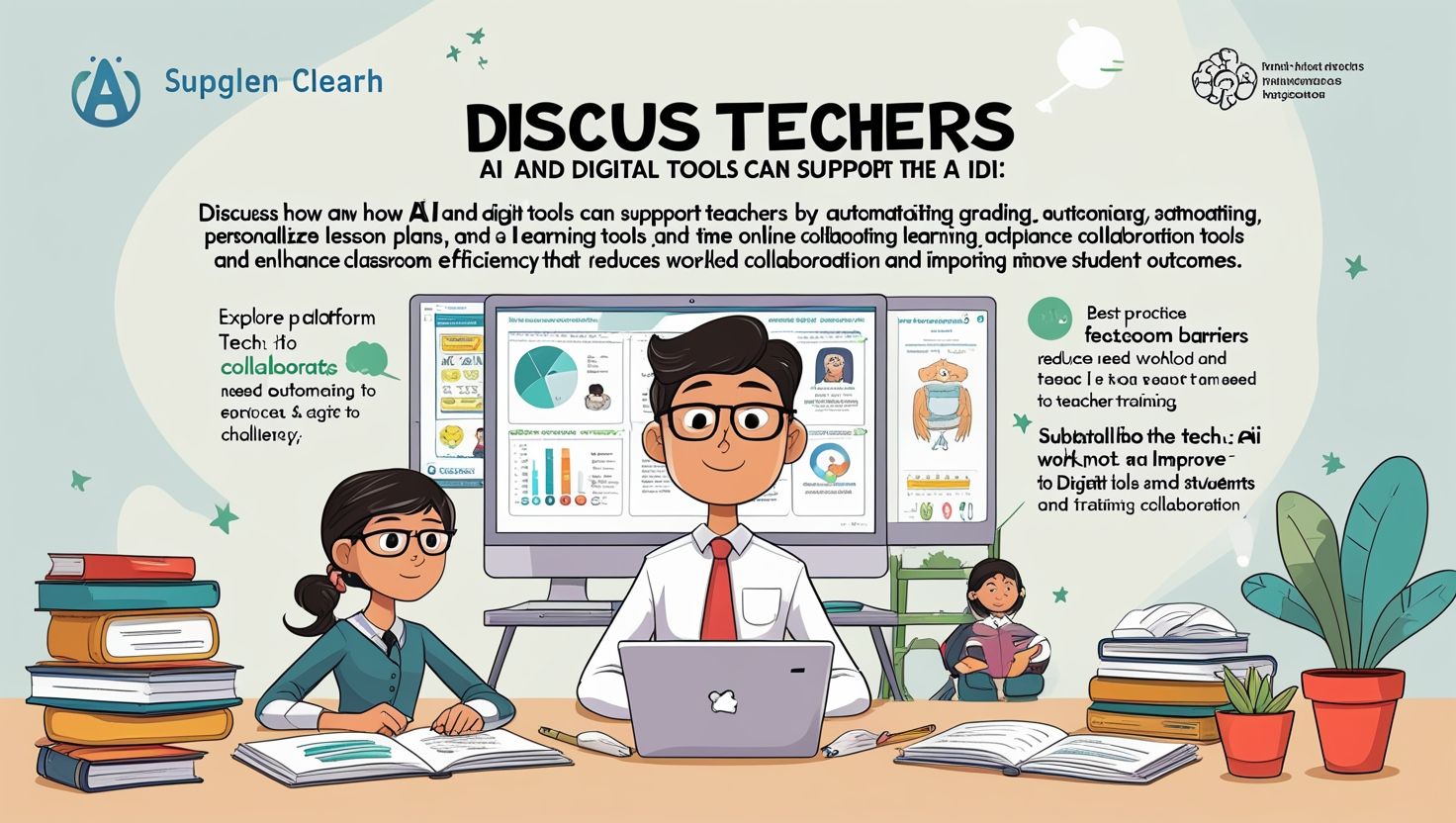
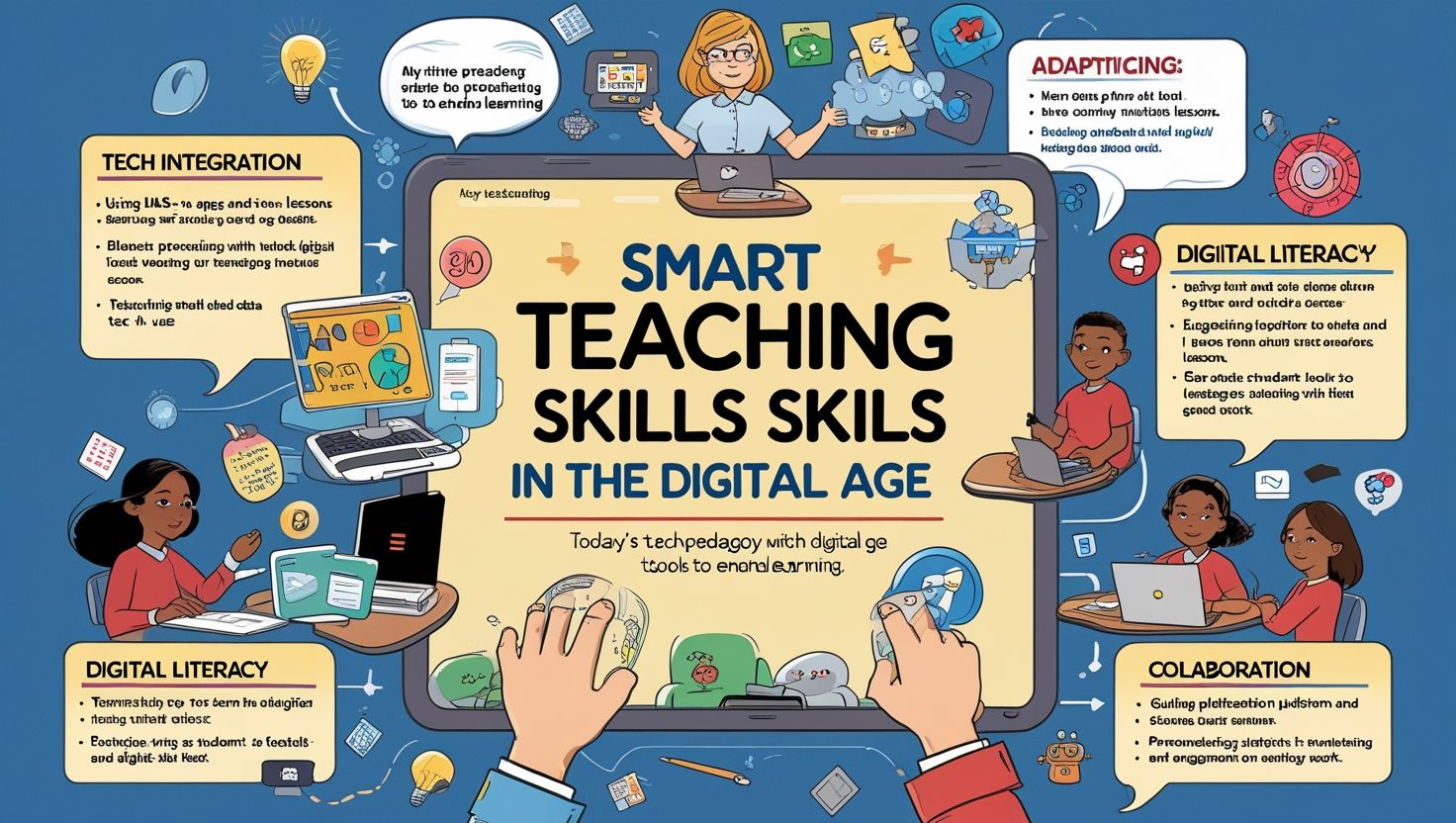
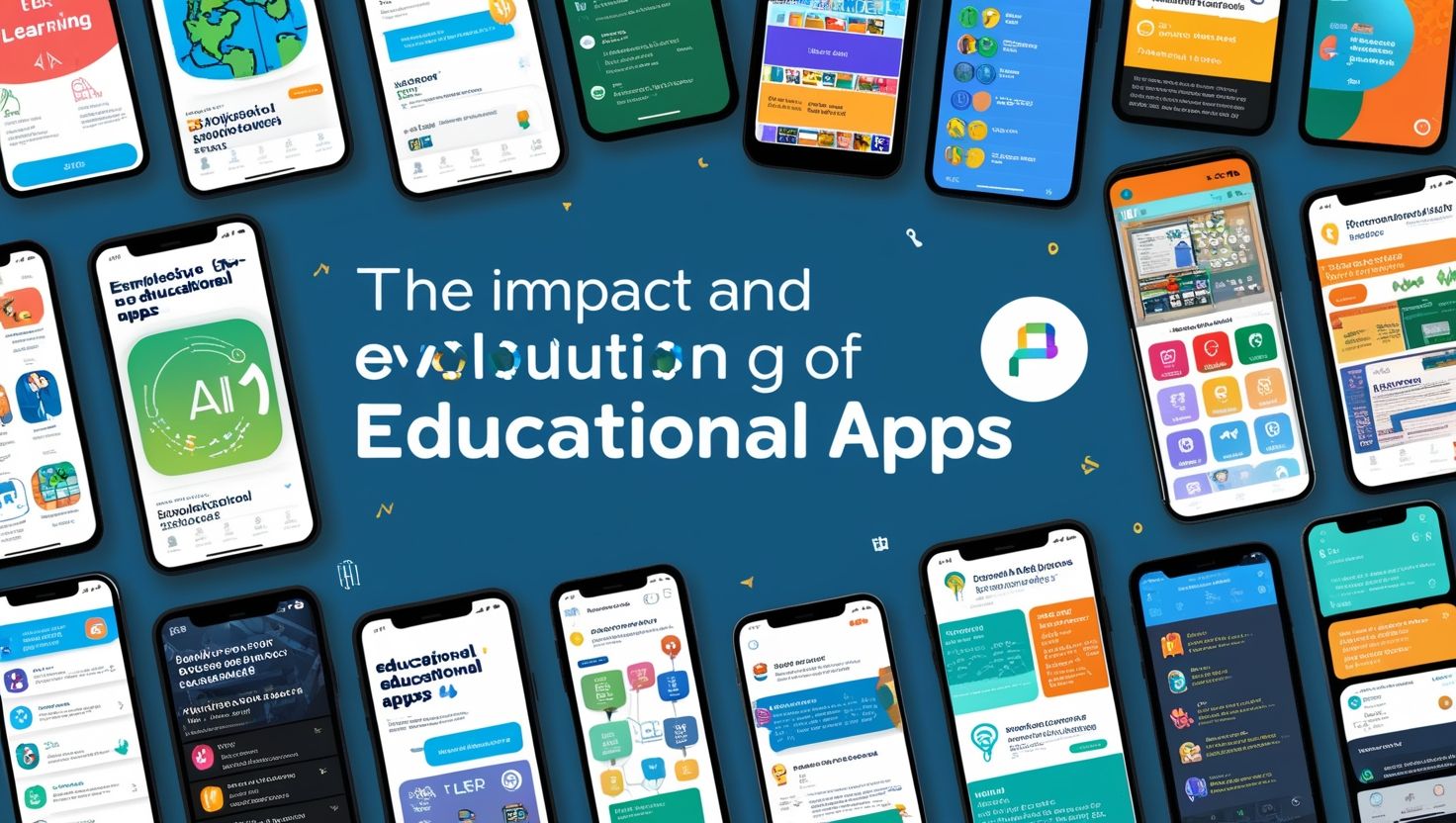
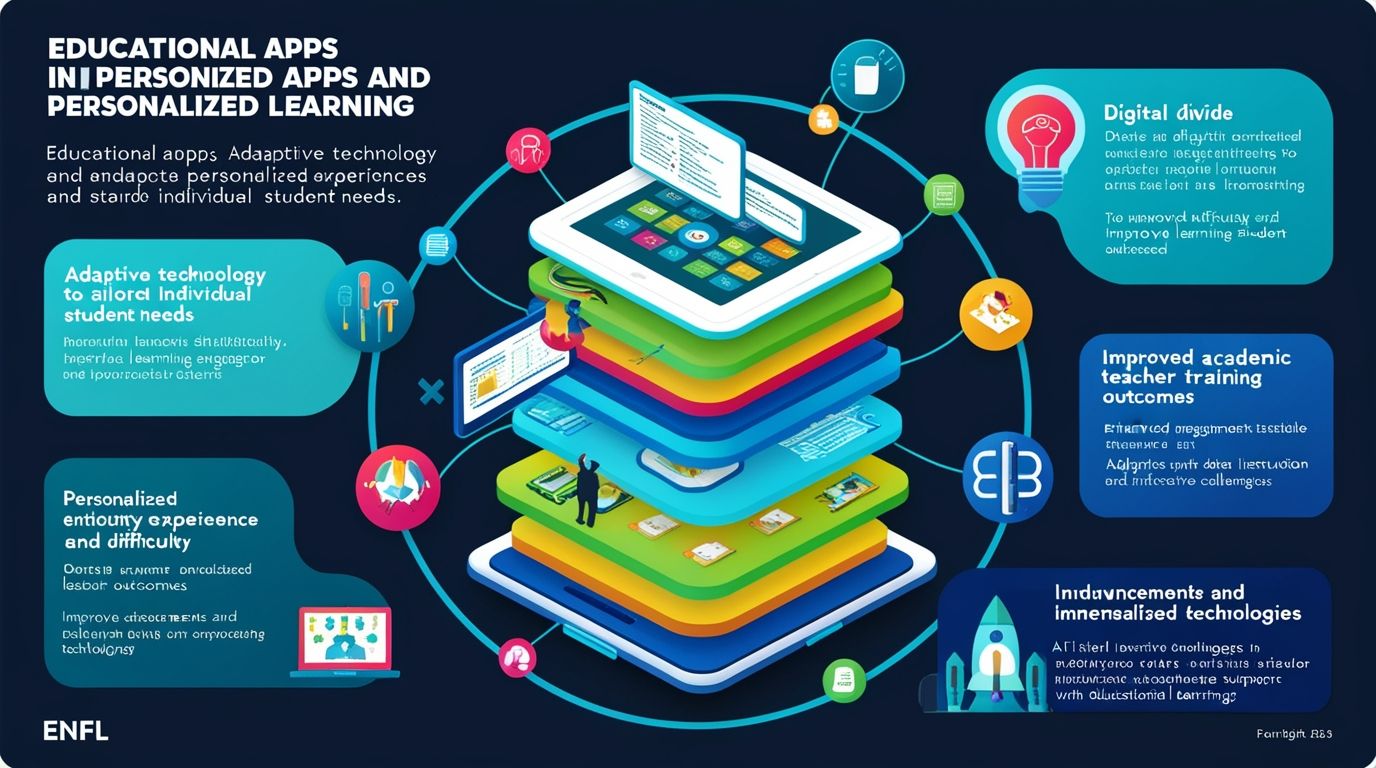
For instance, digital learning tools such as online platforms, educational apps, virtual simulations, and multimedia resources have transformed the learning process. Students today are accustomed to accessing information quickly and engaging with content through visual and interactive formats. Consequently, teachers who continue to rely solely on traditional methods may find it difficult to maintain student engagement.
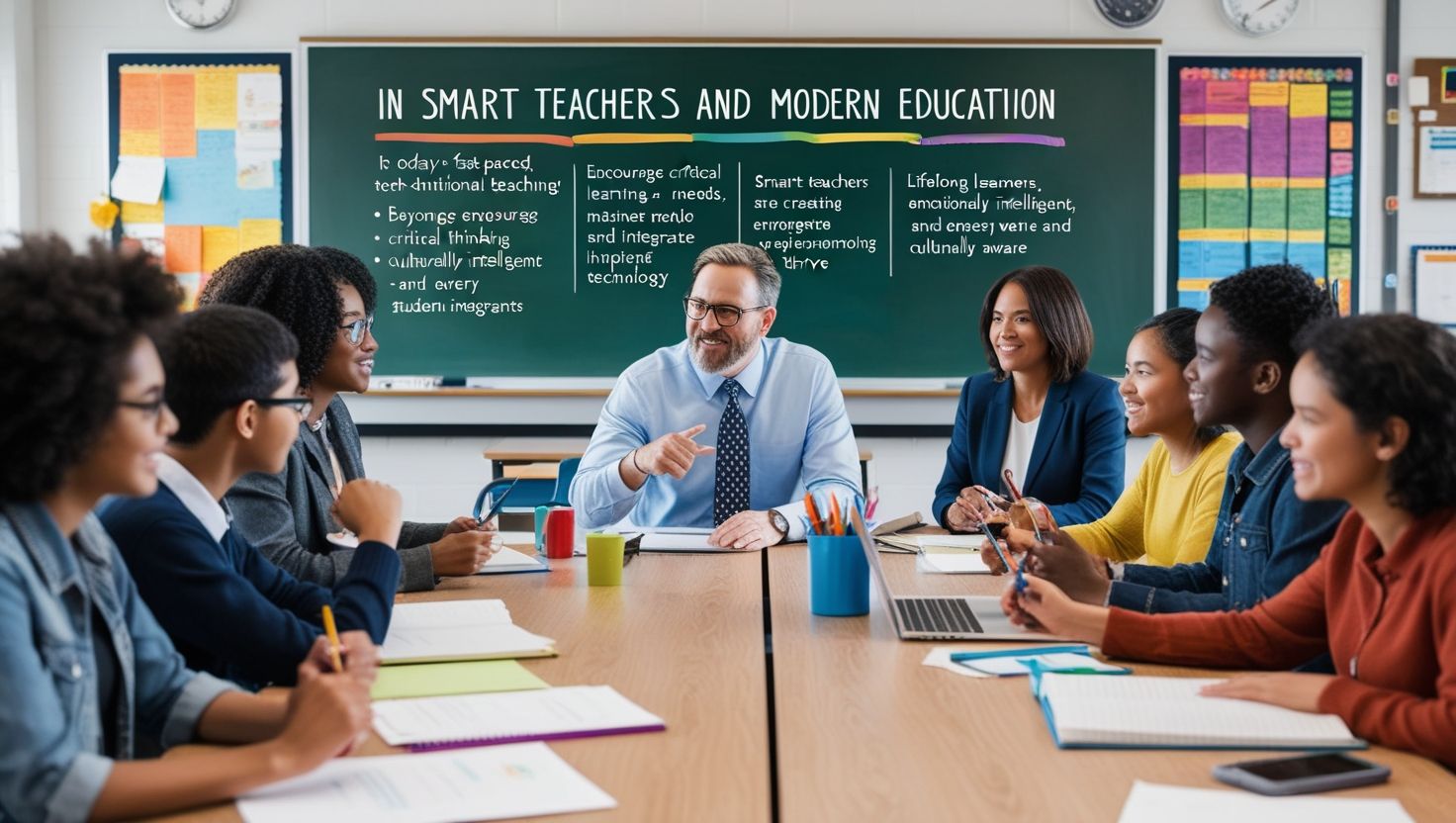
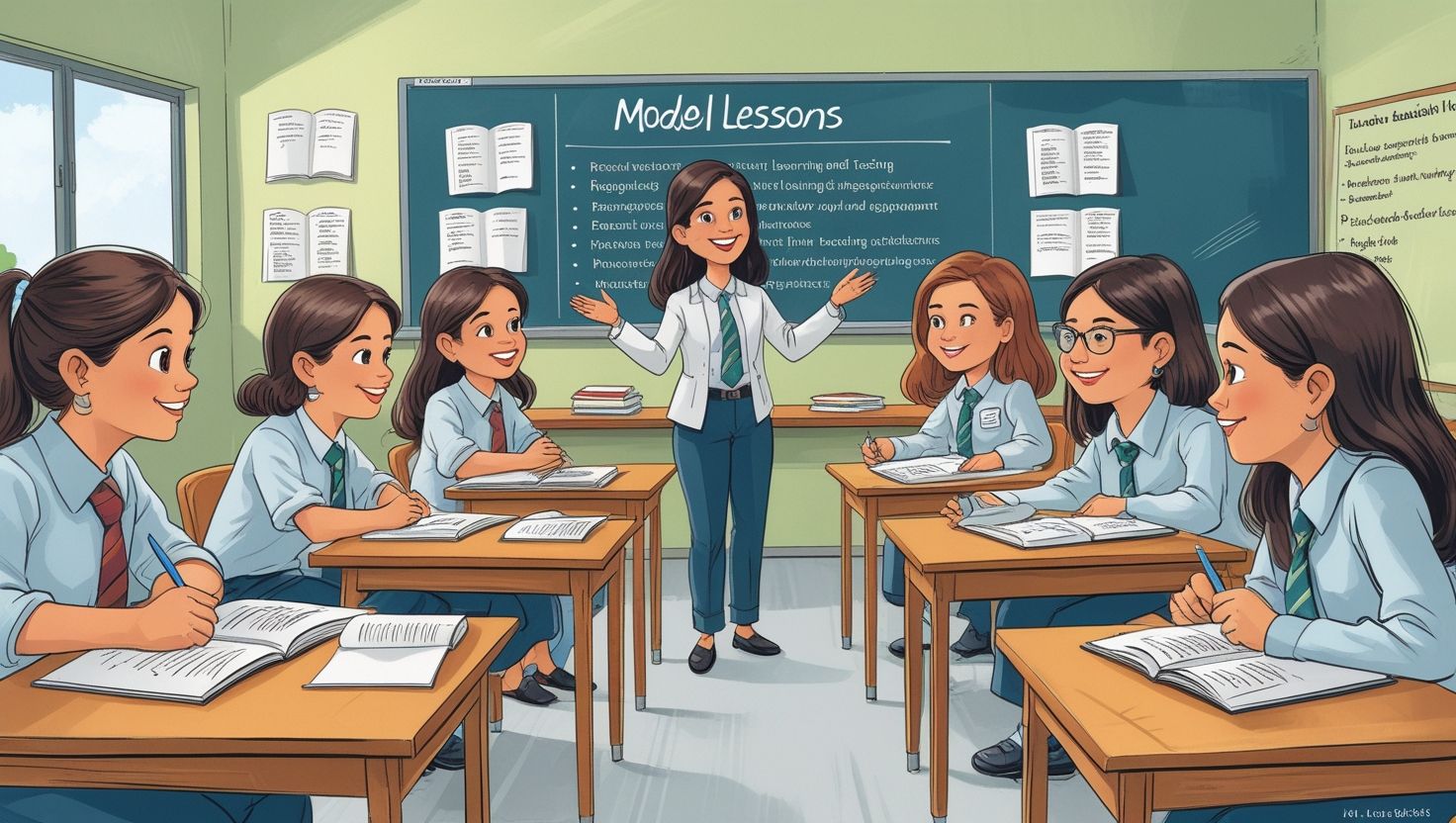
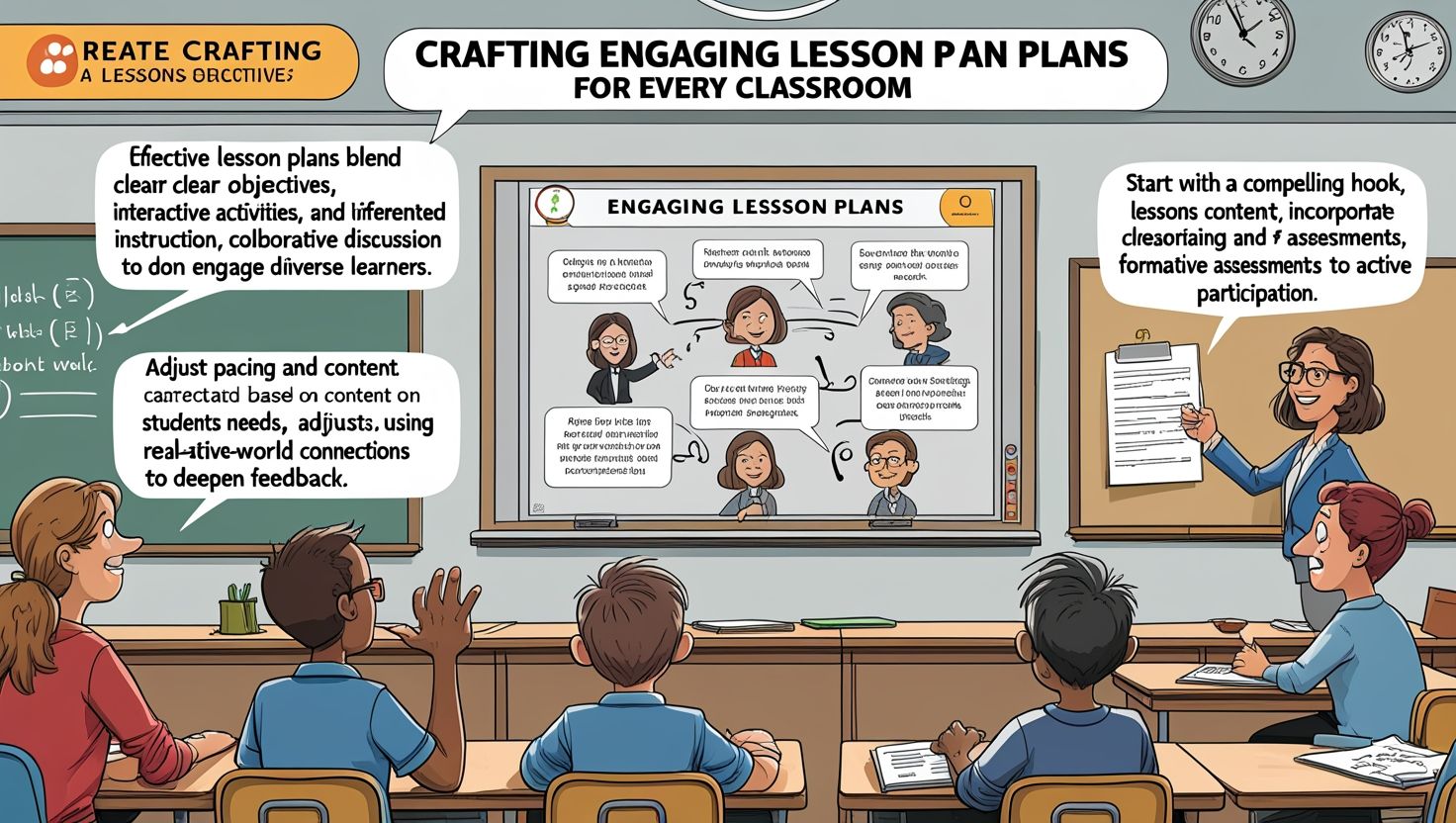
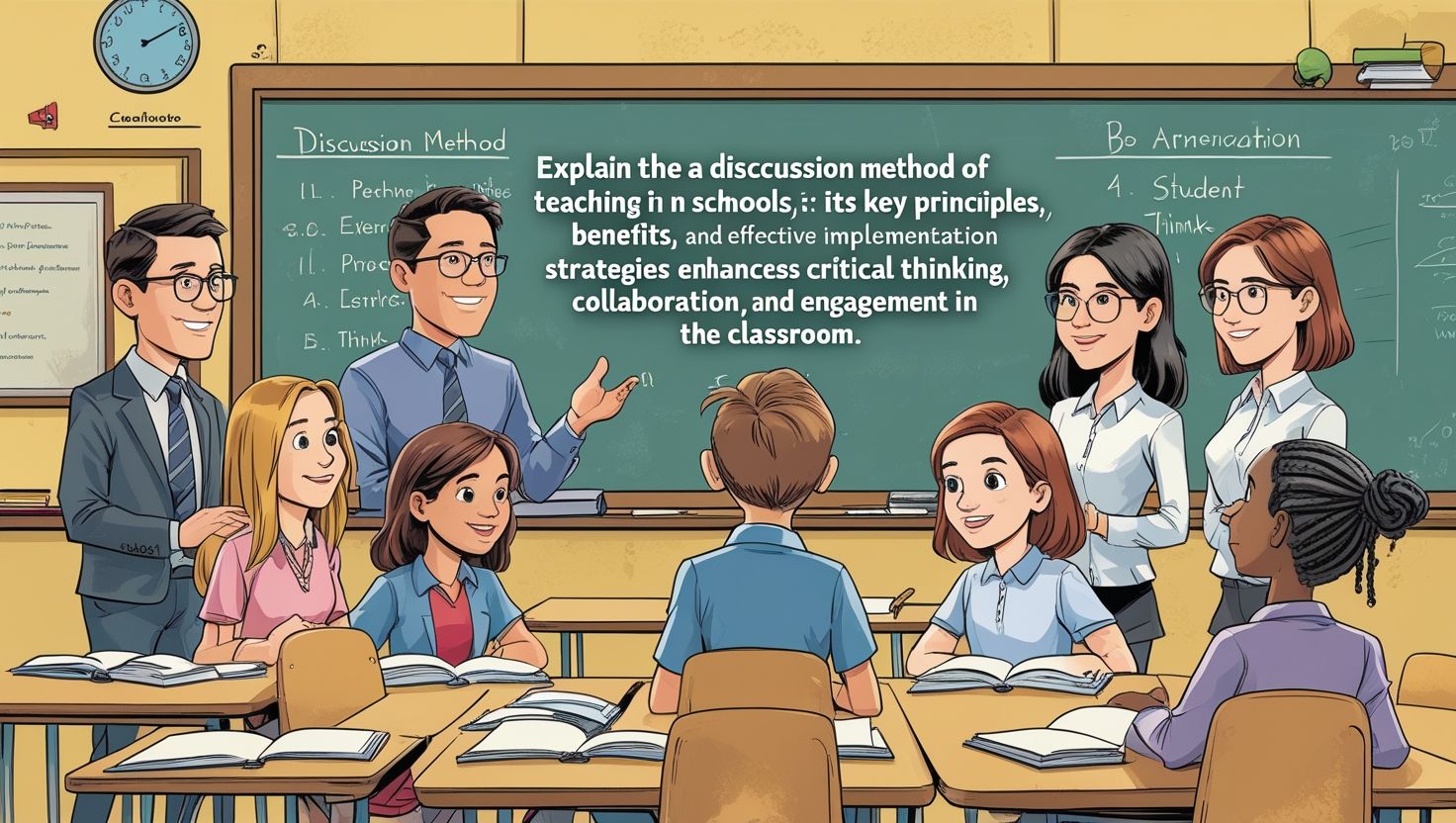
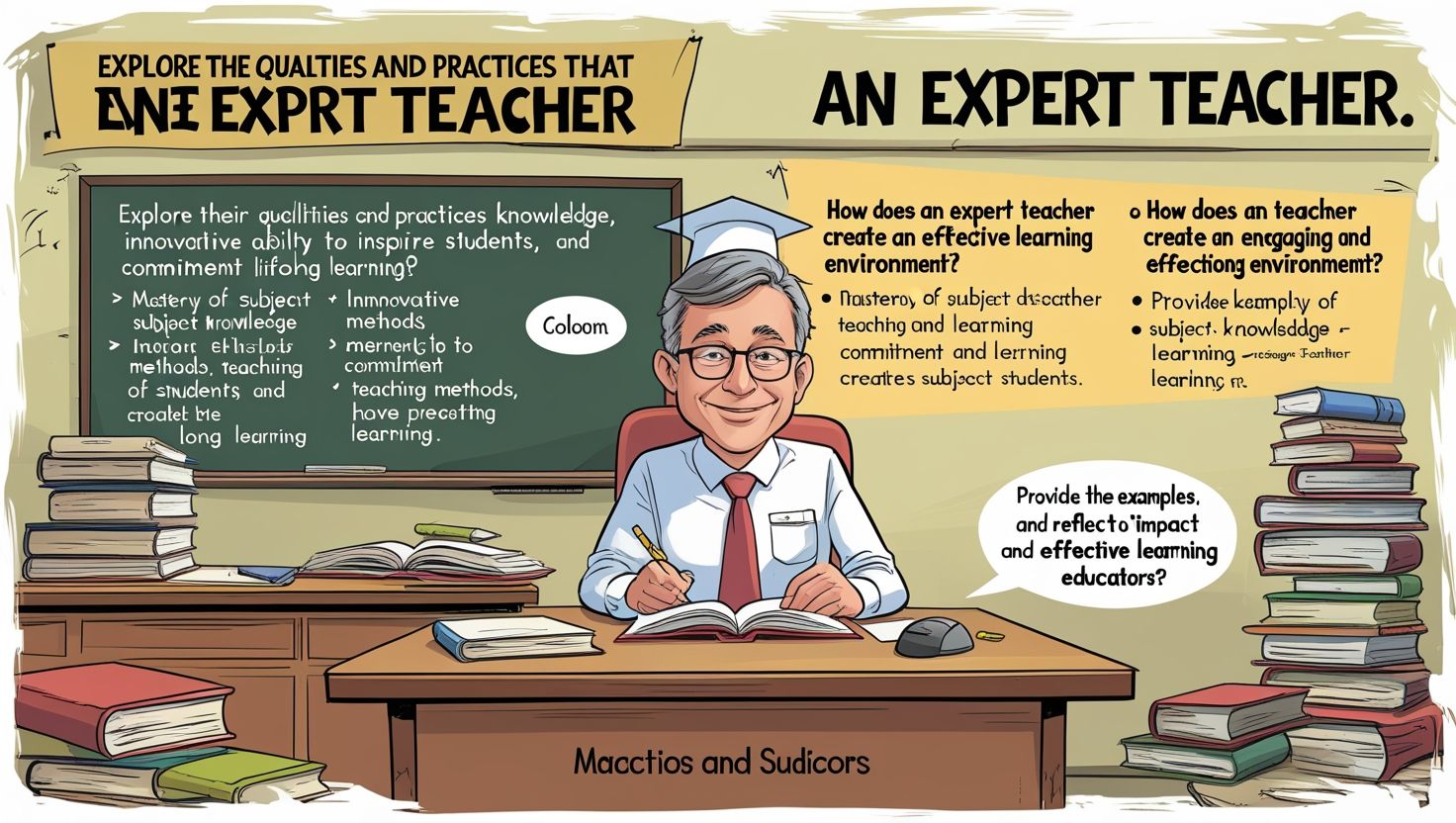
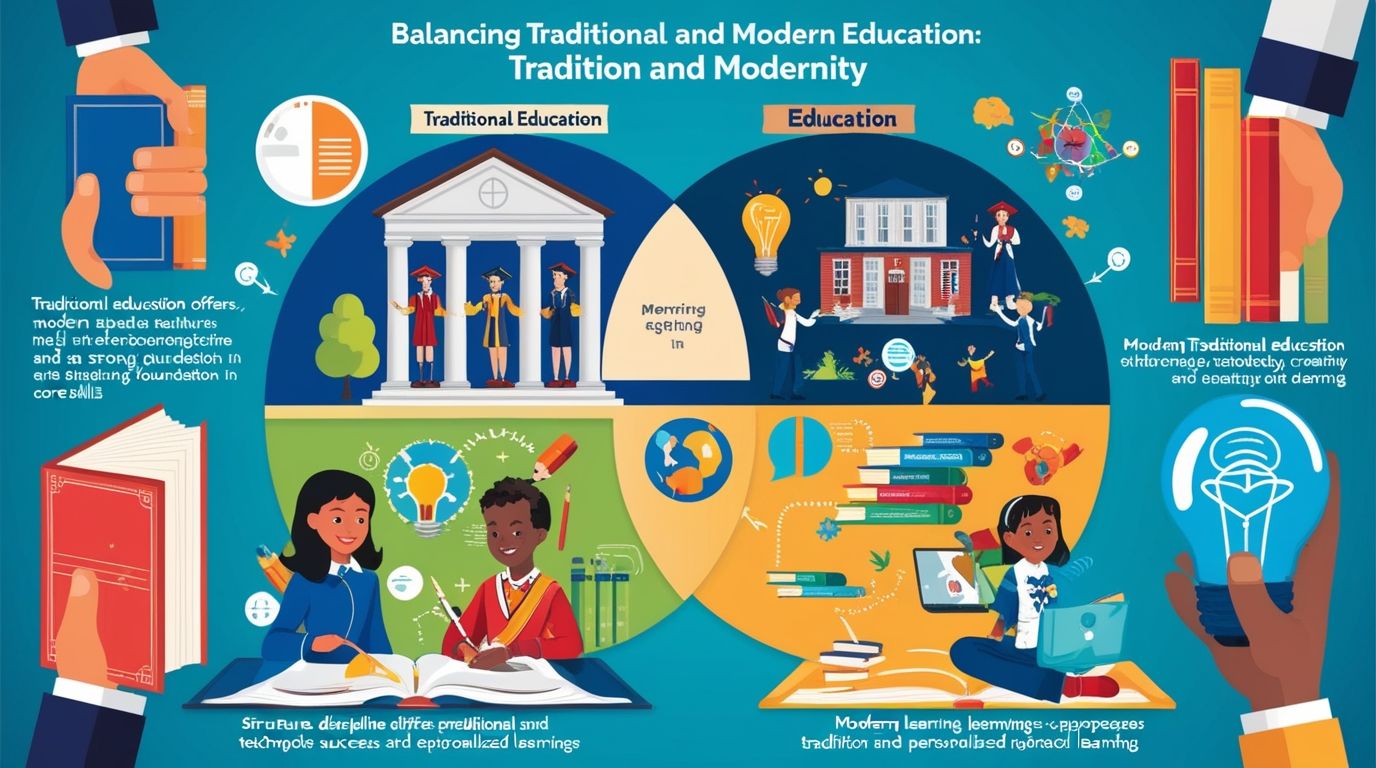
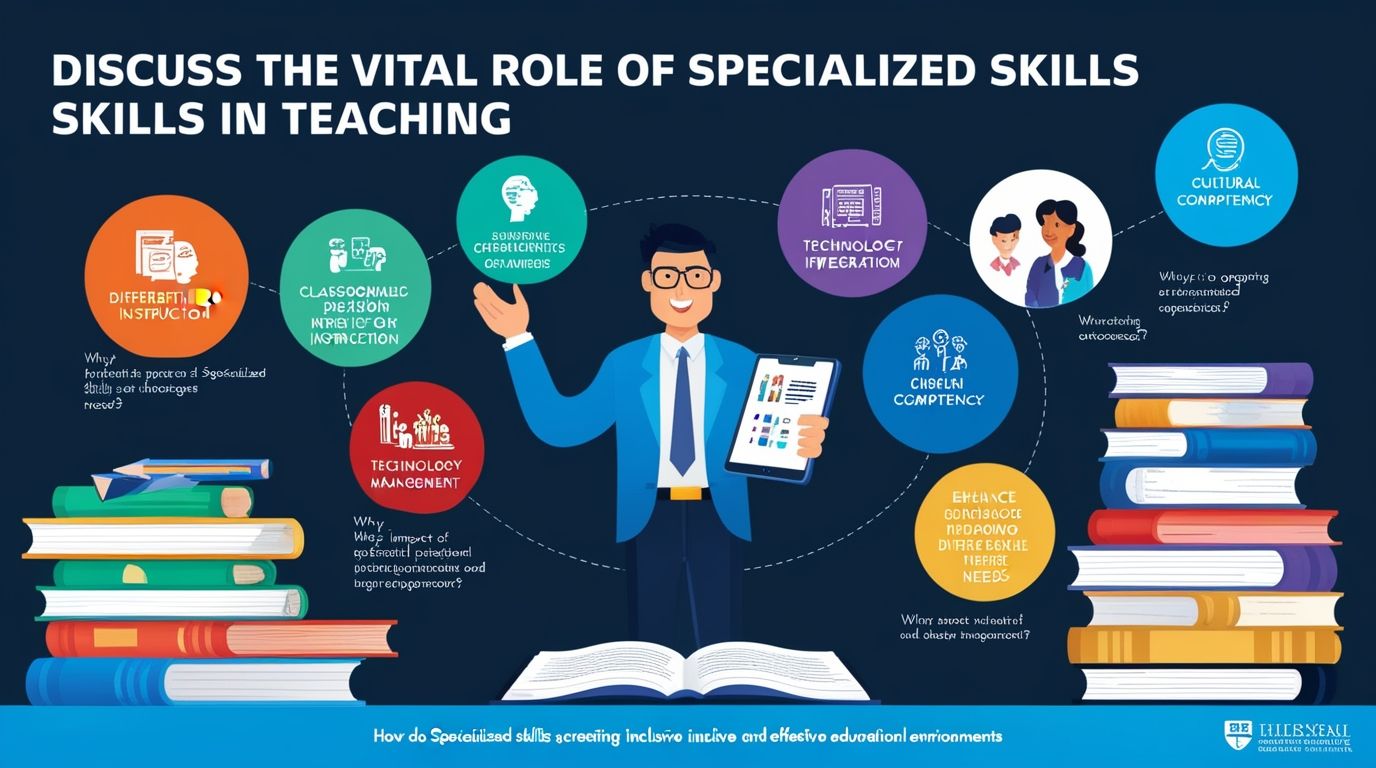
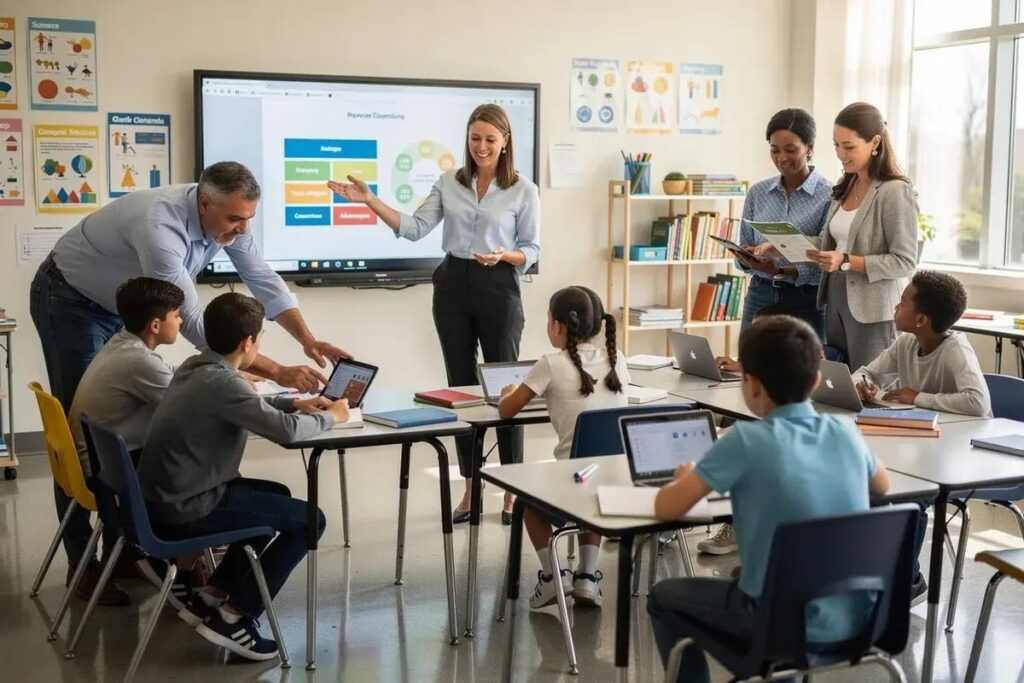
On the other hand, experienced educators possess valuable pedagogical knowledge, classroom management skills, and subject expertise. Therefore, the challenge is not to replace traditional teaching methods entirely but to integrate them with modern approaches. For example, a teacher can combine lectures with multimedia presentations, group discussions, and project-based activities to accommodate diverse learning preferences.
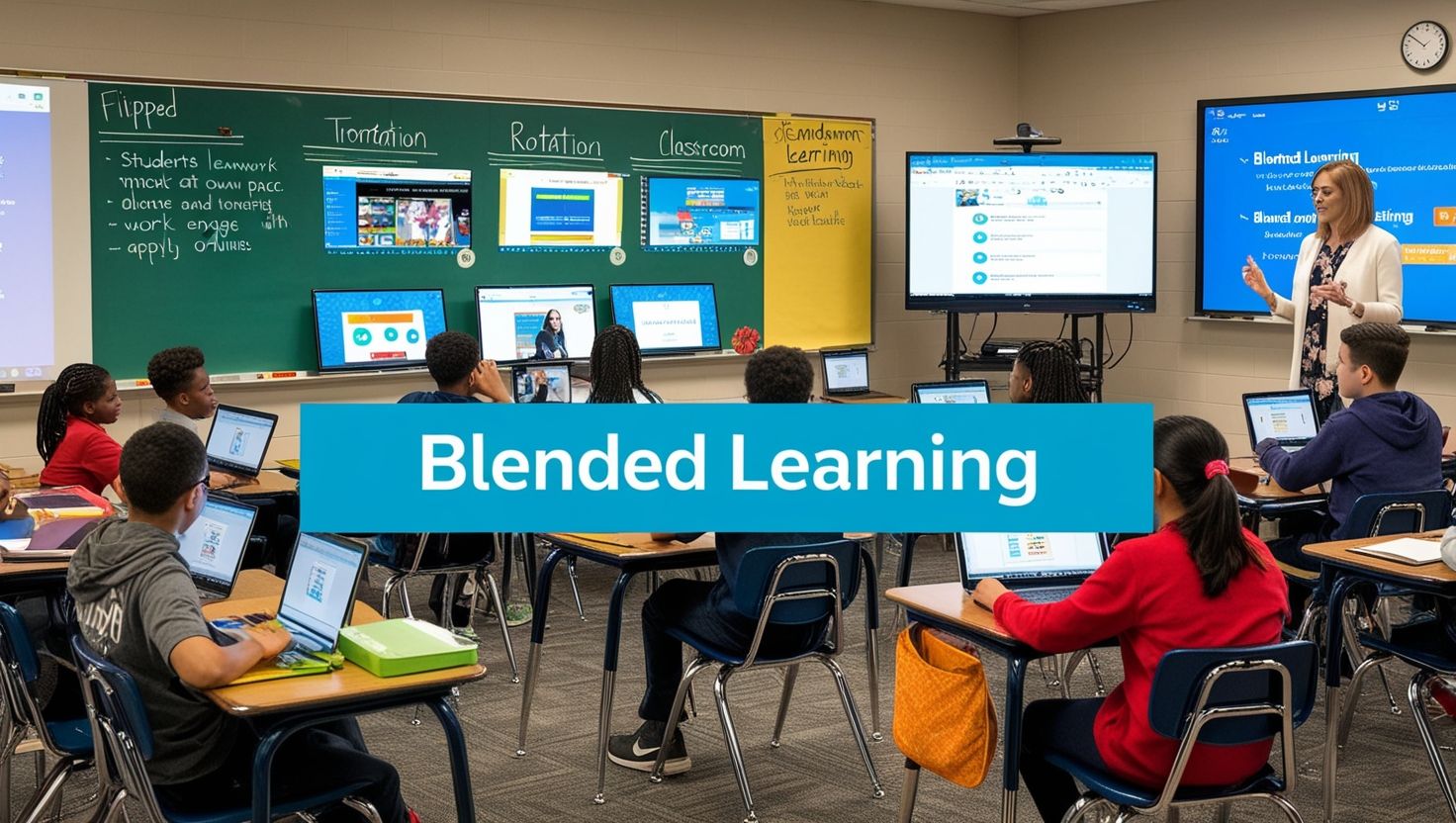
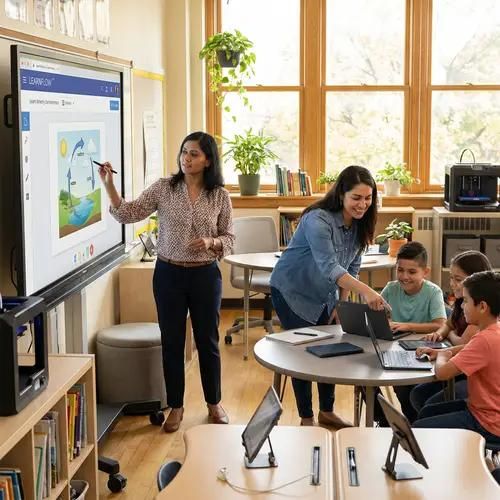
Additionally, blended learning has emerged as an effective strategy for bridging the generation gap. By combining face-to-face instruction with online learning, educators can provide flexibility while maintaining personal interaction. This approach allows teachers to preserve the strengths of traditional education while embracing the advantages of digital technology.
Influence on Student Learning Styles
The generation gap also affects student learning styles. Older educational models often emphasized passive learning, where students listened to lectures, memorized information, and reproduced knowledge in examinations. However, contemporary learners tend to prefer active participation, collaboration, and experiential learning.
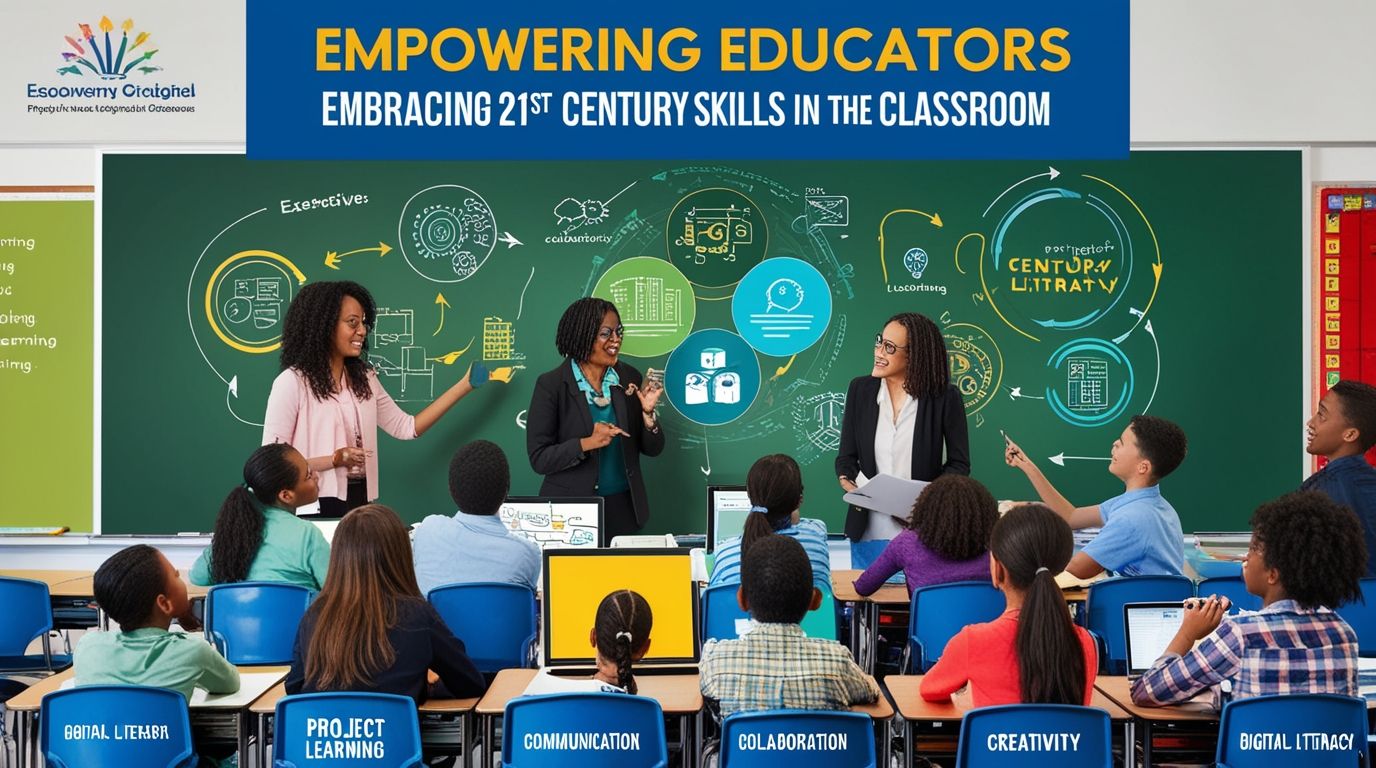
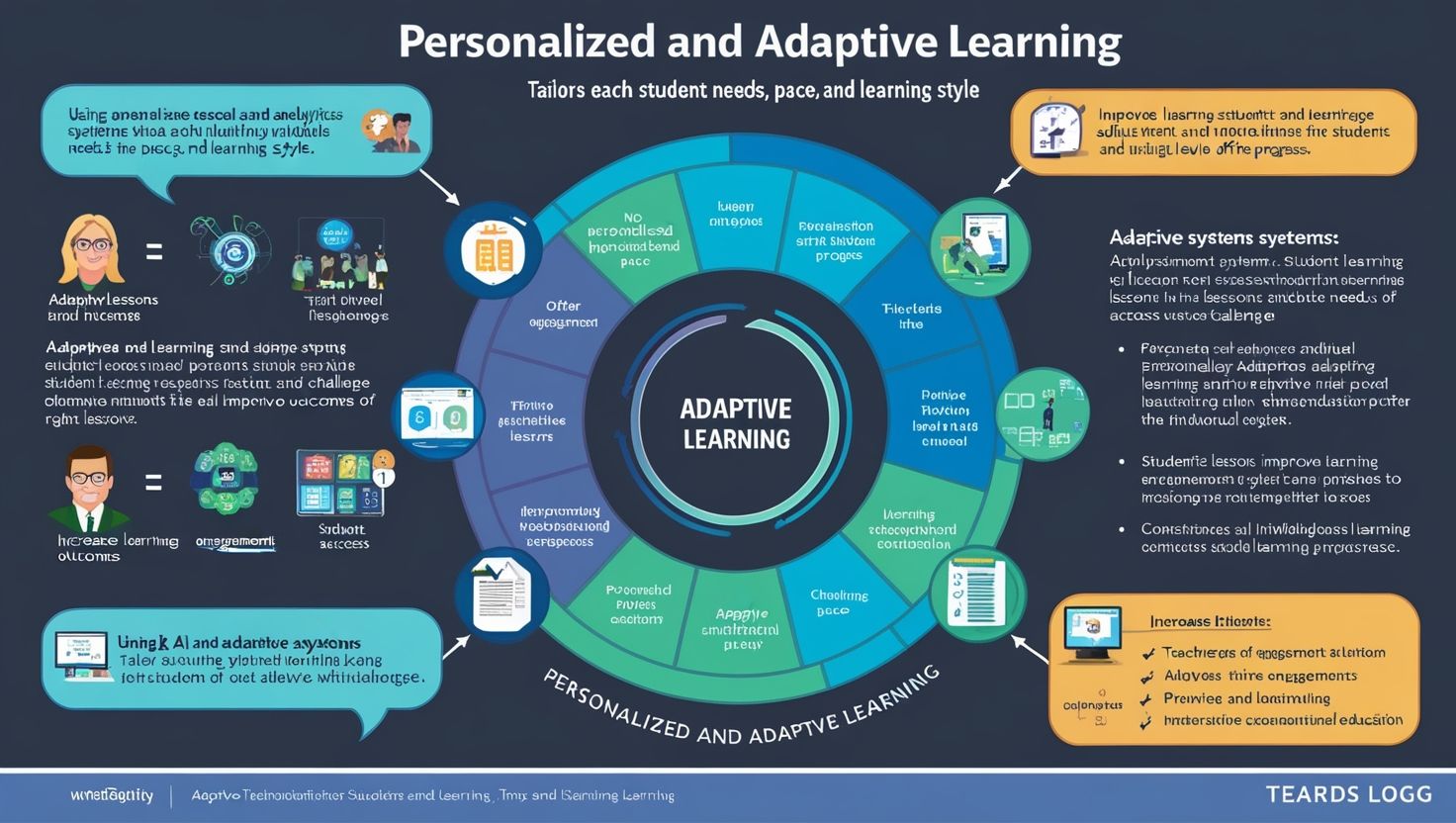
For example, Generation Z learners are often described as digital natives who are comfortable using technology for communication, research, and entertainment. As a result, they may prefer learning activities that involve videos, simulations, online discussions, and interactive quizzes. Moreover, these learners often seek immediate feedback and personalized learning experiences.
Nevertheless, it is important to recognize that not all students within a generation share identical learning preferences. Individual differences such as personality, cultural background, socioeconomic status, and prior educational experiences also influence learning styles. Therefore, educators should avoid making broad assumptions about students based solely on their age group.
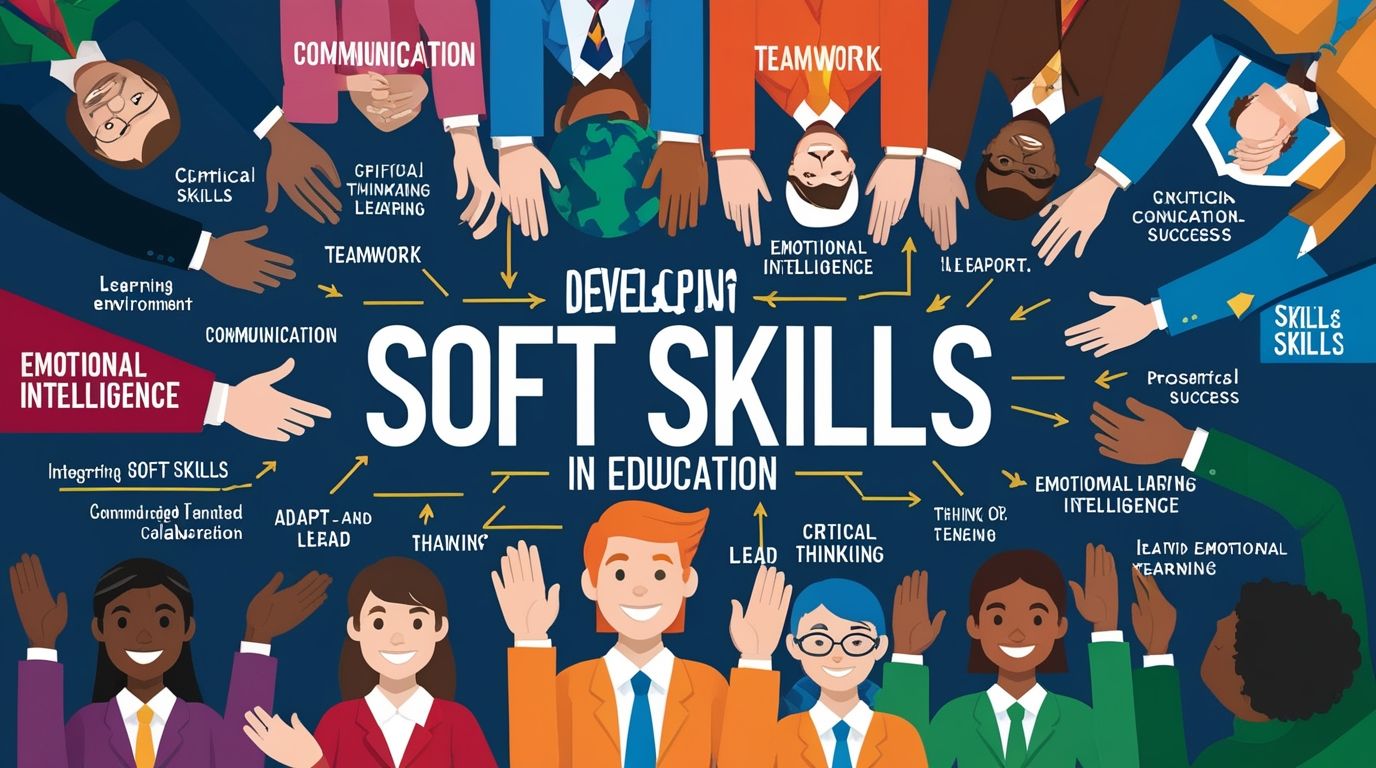
Furthermore, the generation gap can create challenges when teachers and students have different expectations regarding the learning process. For instance, students may expect collaborative and flexible learning environments, while teachers may emphasize discipline and structured instruction. Consequently, effective communication and mutual understanding are essential for aligning expectations and promoting successful learning outcomes.
Communication Challenges in Education
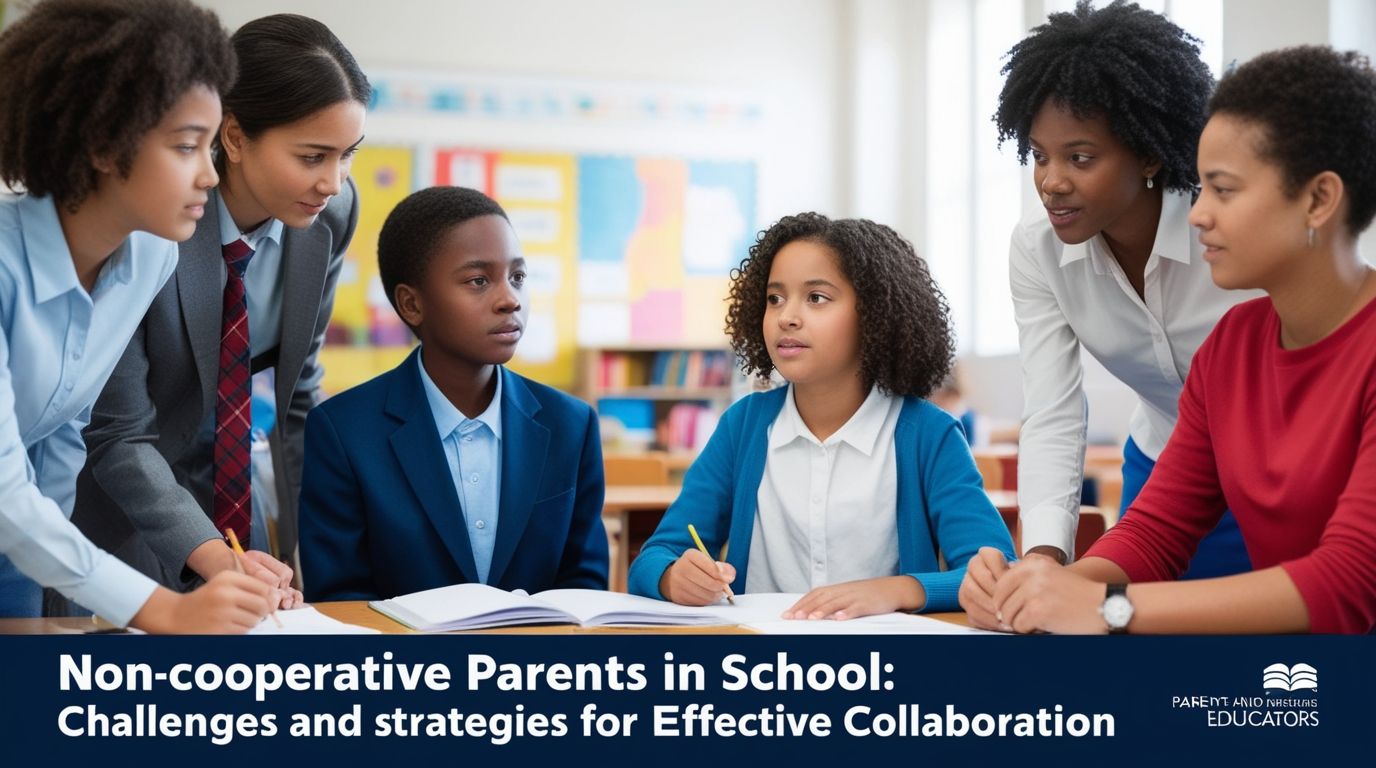
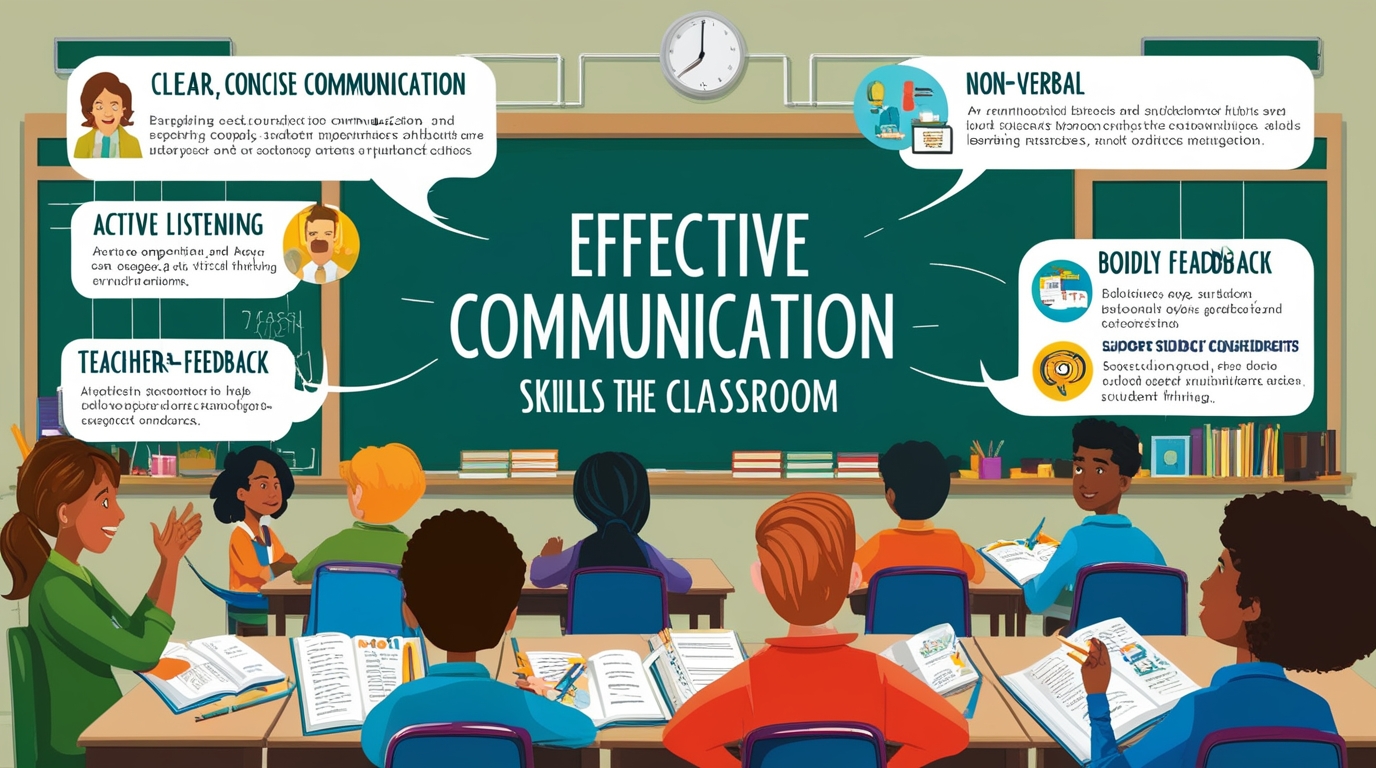
Effective communication is fundamental to the educational process. However, the generation gap can create barriers to communication between teachers, students, and parents. These barriers often arise from differences in language use, communication preferences, and cultural references.
For instance, younger generations frequently use digital communication platforms such as social media, messaging apps, and online forums. In contrast, older educators may prefer face-to-face discussions, formal written communication, and traditional classroom interactions. Consequently, misunderstandings may occur when communication styles are not aligned.
Moreover, the use of technology in communication can influence classroom dynamics. While digital tools can facilitate collaboration and information sharing, excessive reliance on technology may reduce opportunities for meaningful interpersonal interaction. Therefore, educators must strike a balance between digital communication and personal engagement.
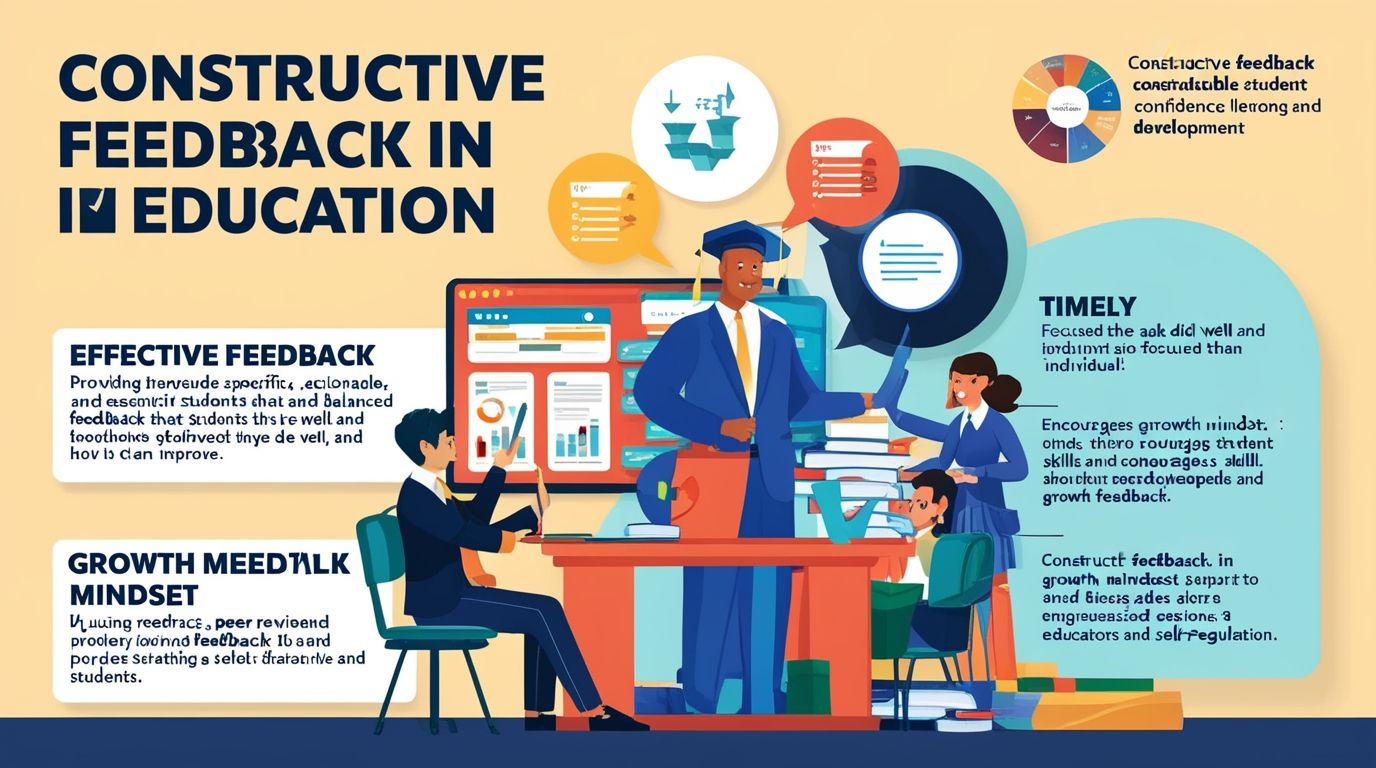
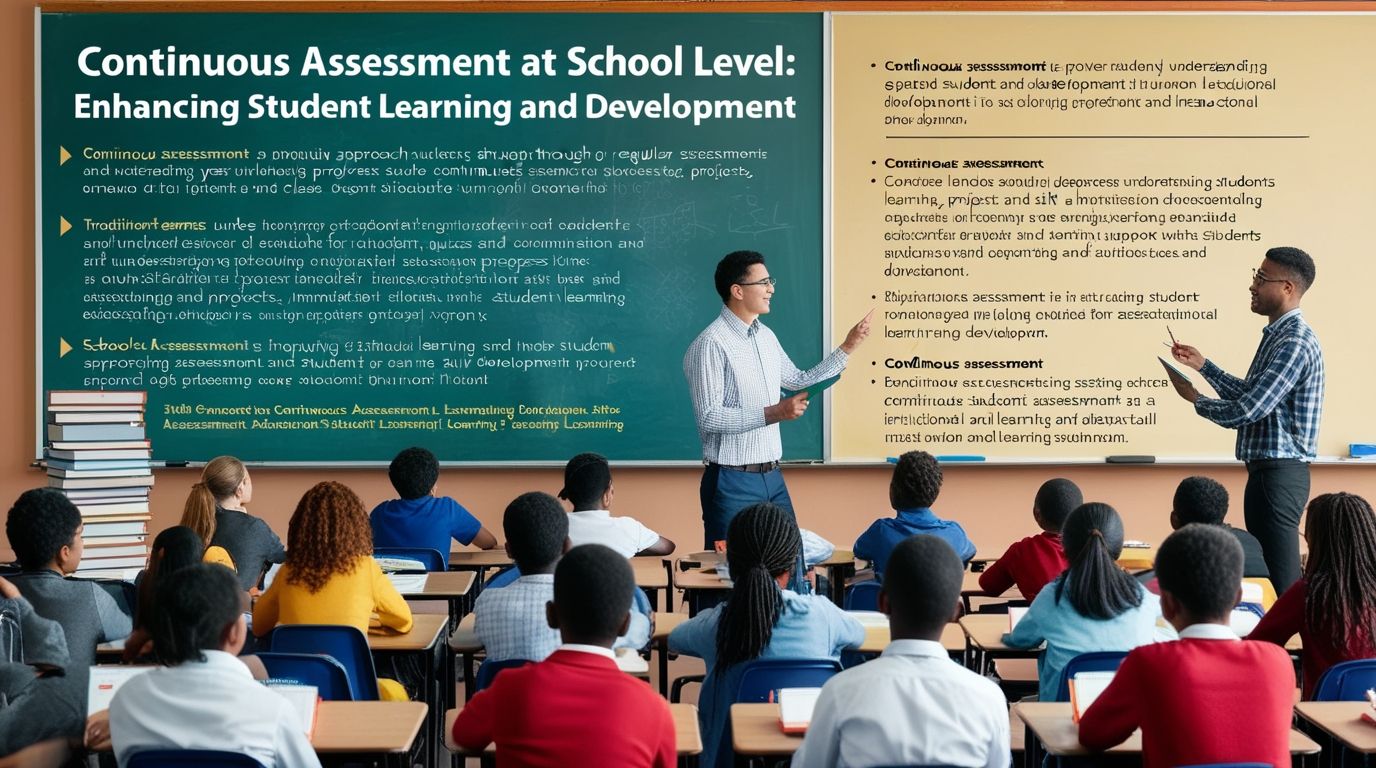
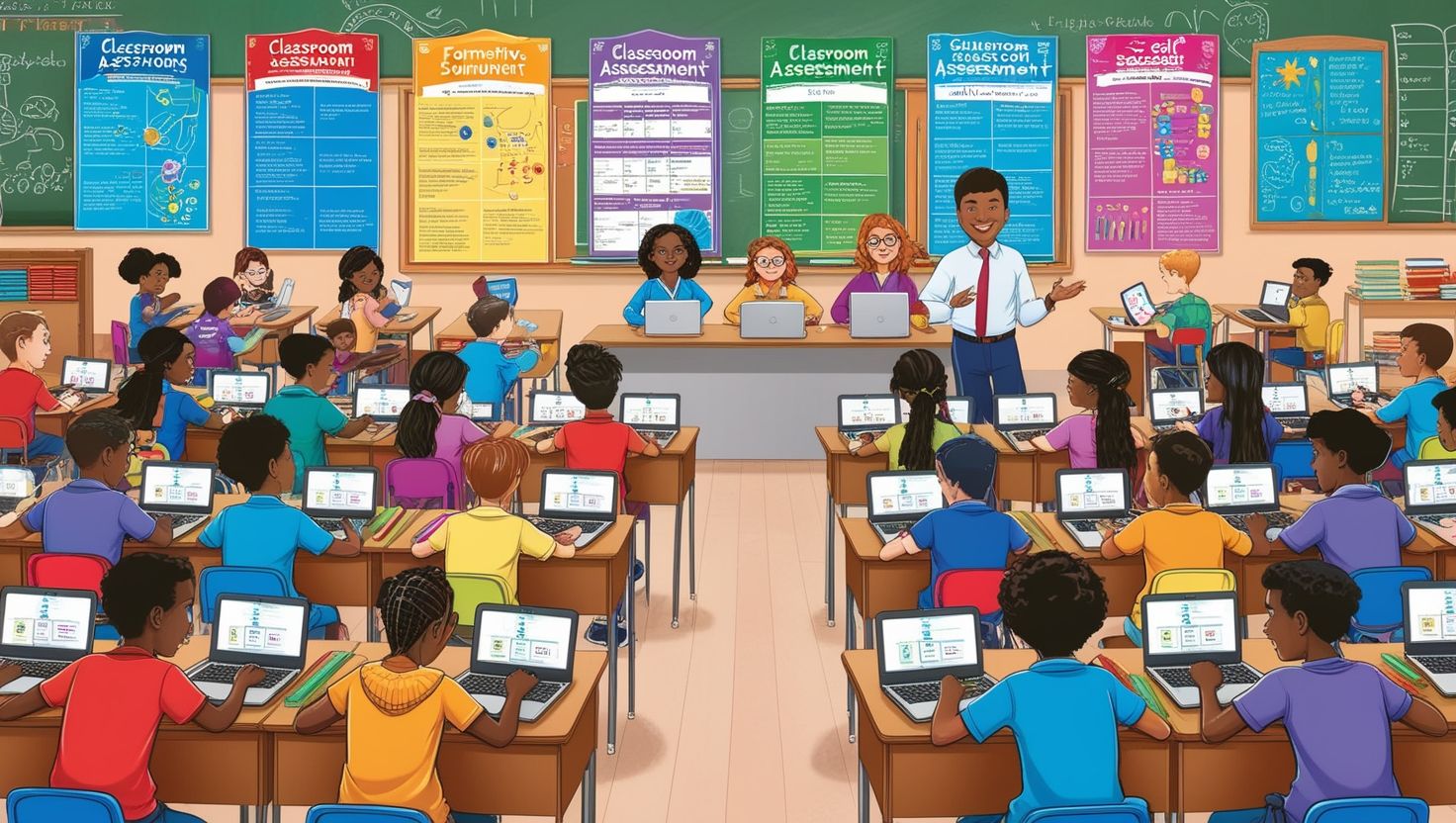
Additionally, the generation gap can affect the way feedback is given and received. Younger learners often expect immediate and constructive feedback, whereas older educational models may involve delayed evaluation through formal assessments. To address this challenge, educators can adopt continuous assessment practices that provide timely feedback while maintaining academic rigor.
Technology and the Generation Gap
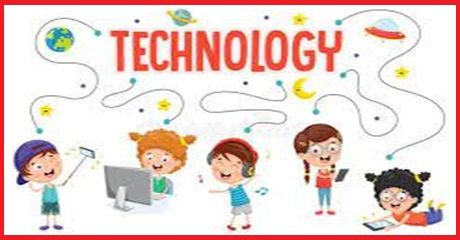
Technology is perhaps the most significant factor contributing to the generation gap in education. The rapid development of digital tools has transformed the way knowledge is accessed, shared, and applied. Consequently, differences in technological proficiency between generations can influence both teaching and learning.
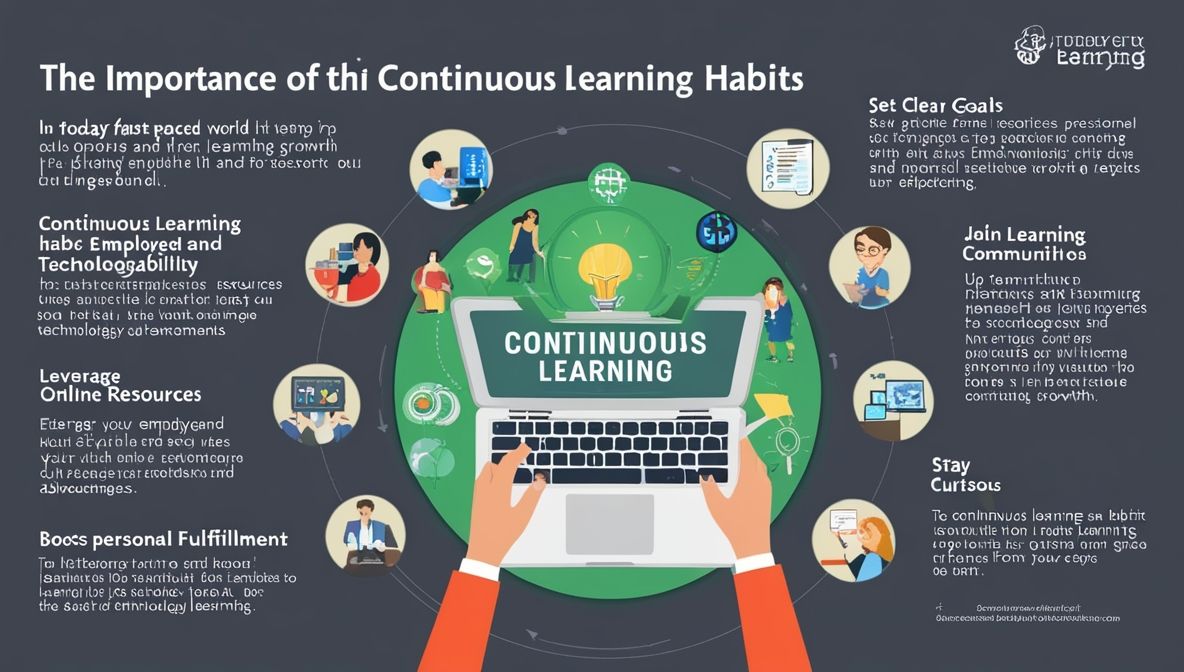
Older educators may face challenges in adapting to new technologies, particularly if they did not grow up with digital devices. However, many experienced teachers have successfully embraced technology through professional development and continuous learning. Their willingness to adapt demonstrates that the generation gap can be reduced through training and support.
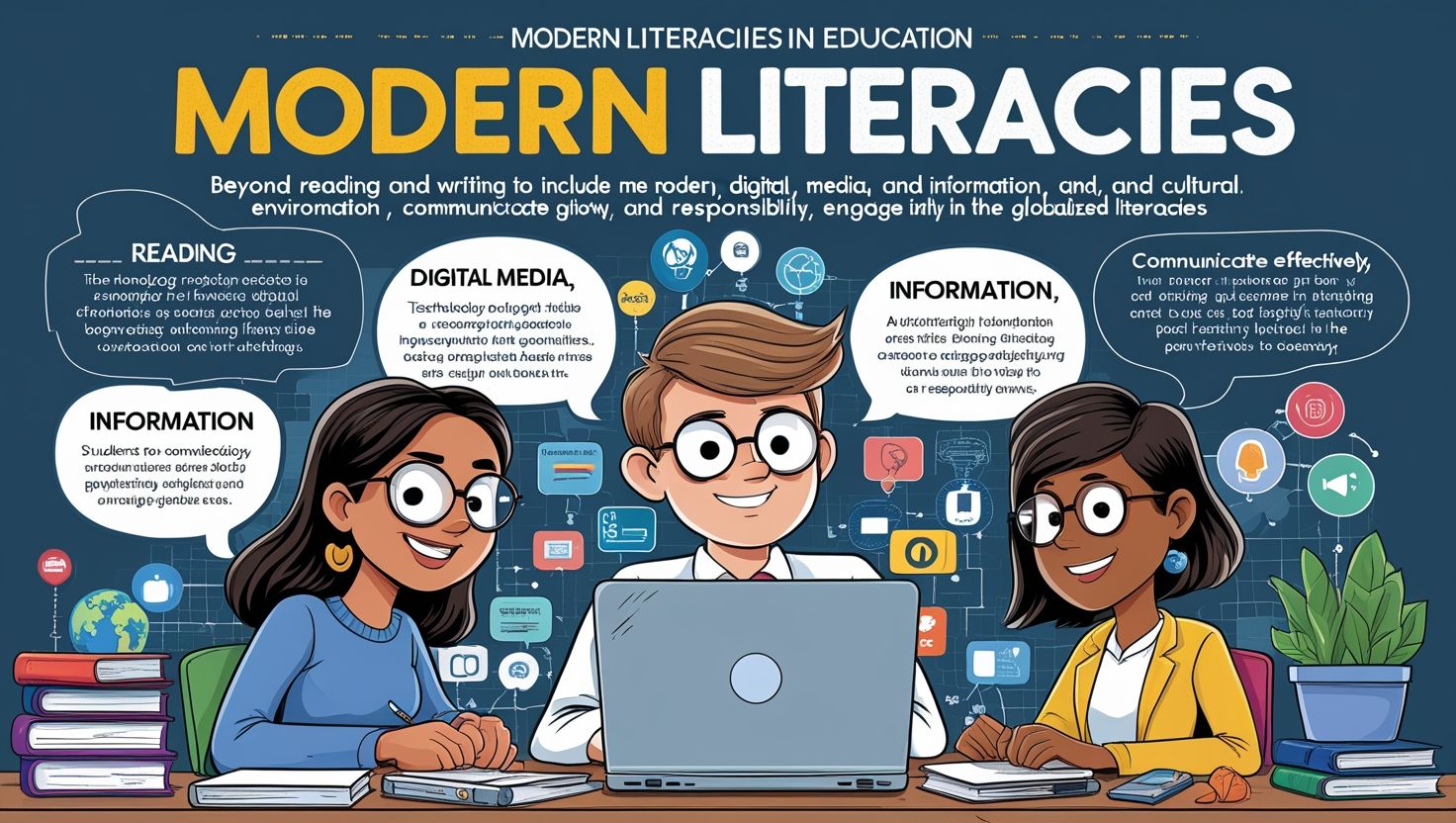
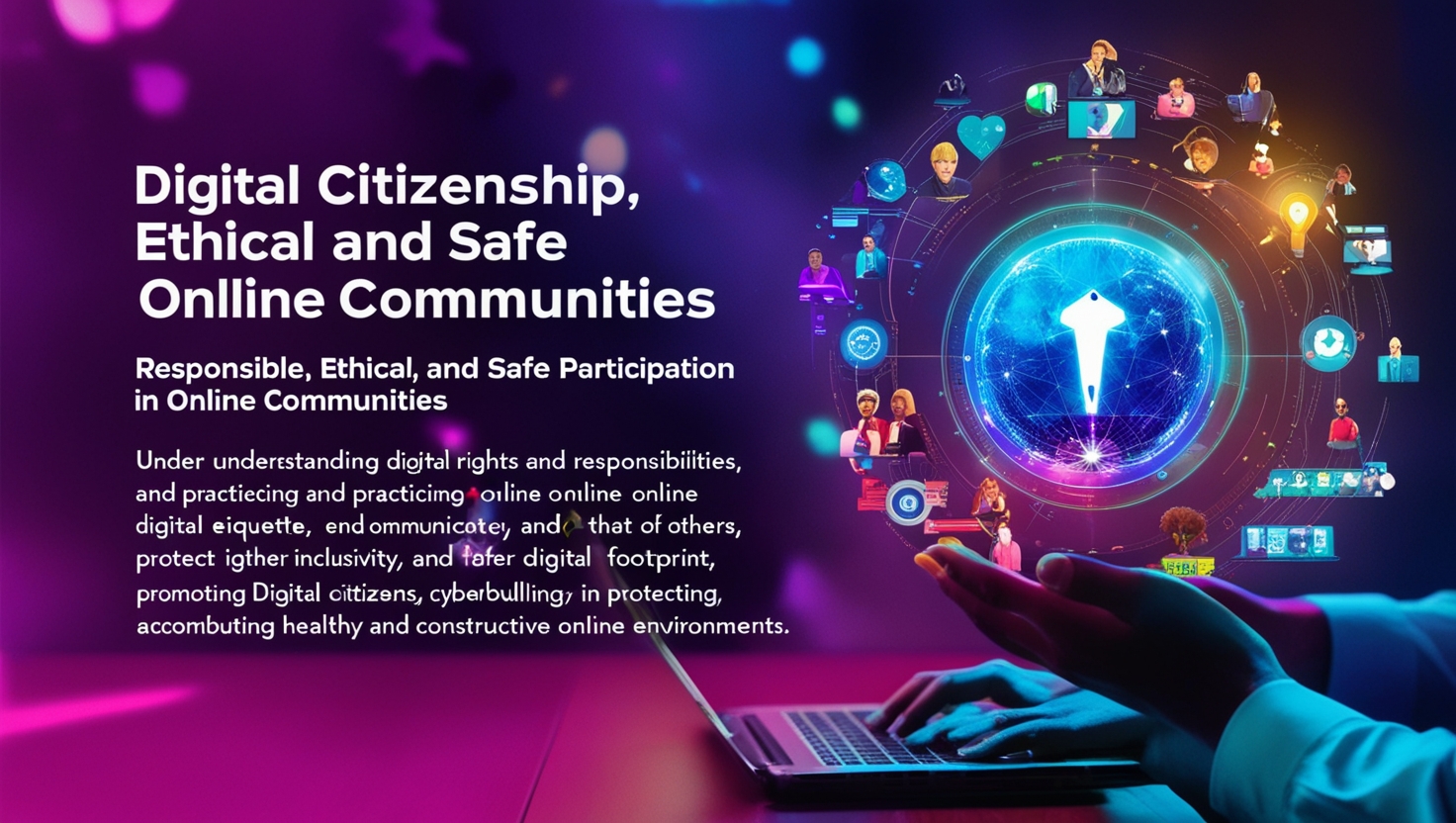
At the same time, younger learners may possess advanced technical skills but lack critical evaluation skills. For example, students may access vast amounts of information online without assessing the credibility of sources. Therefore, educators play a crucial role in teaching digital literacy, including information evaluation, online ethics, and responsible technology use.
Furthermore, technology can serve as a bridge between generations when used collaboratively. For instance, teachers and students can engage in joint projects that combine traditional knowledge with digital innovation. Such activities promote mutual respect and demonstrate that both generations have valuable contributions to make.
Impact on Teacher-Student Relationships
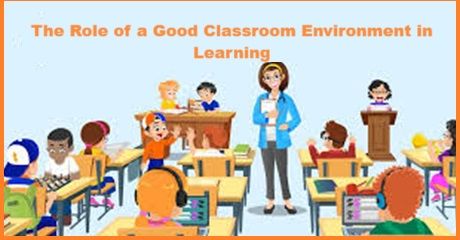
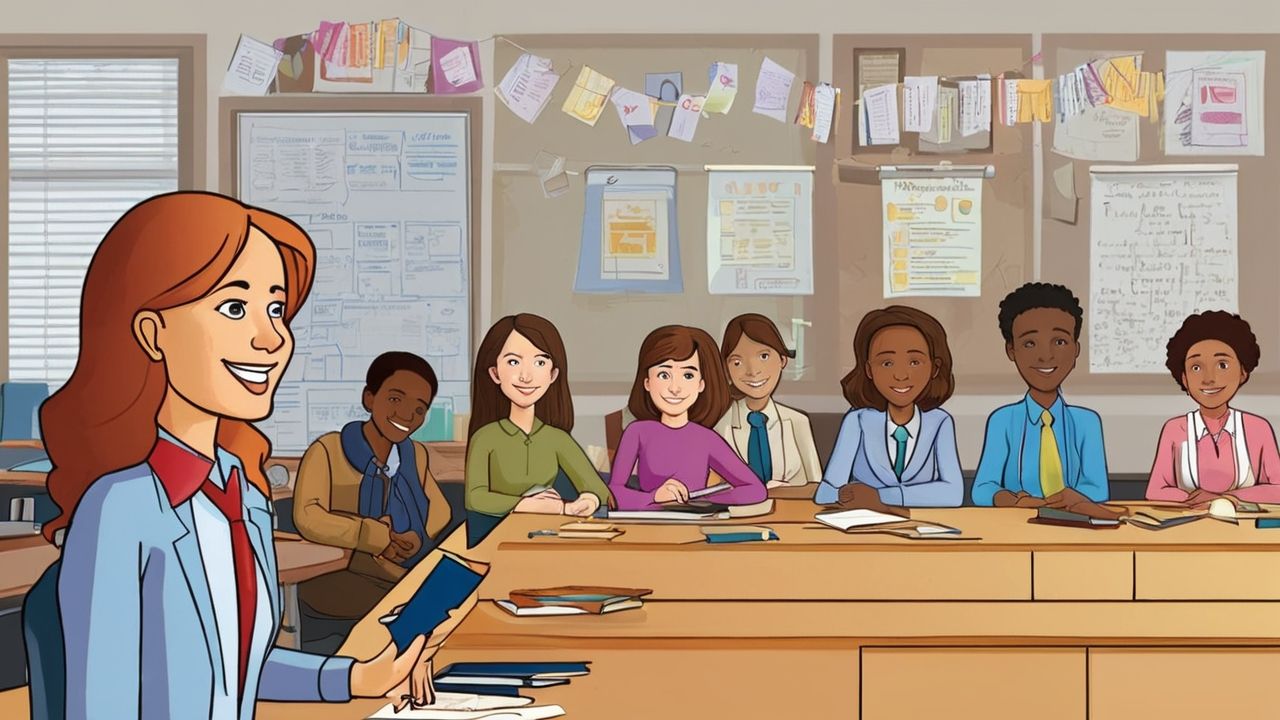
The generation gap can also influence teacher-student relationships. Positive relationships are essential for creating a supportive learning environment, fostering motivation, and promoting academic success. However, differences in values, expectations, and communication styles may create tension between teachers and students.
For example, older educators may expect students to demonstrate respect through formal behavior, punctuality, and adherence to classroom rules. In contrast, younger learners may value informal interaction, open discussion, and collaborative decision-making. Consequently, conflicts may arise when these expectations are not clearly communicated.
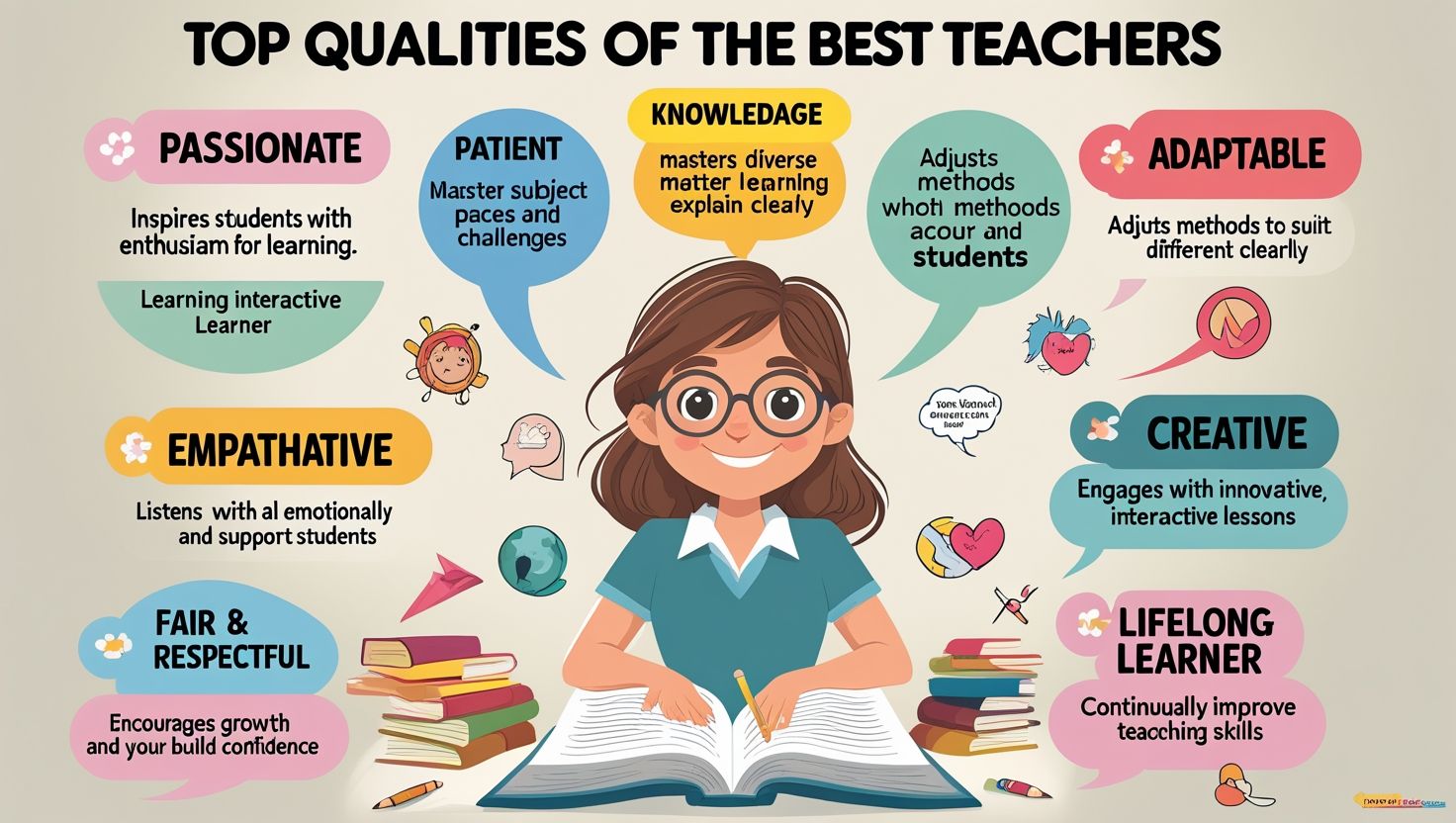
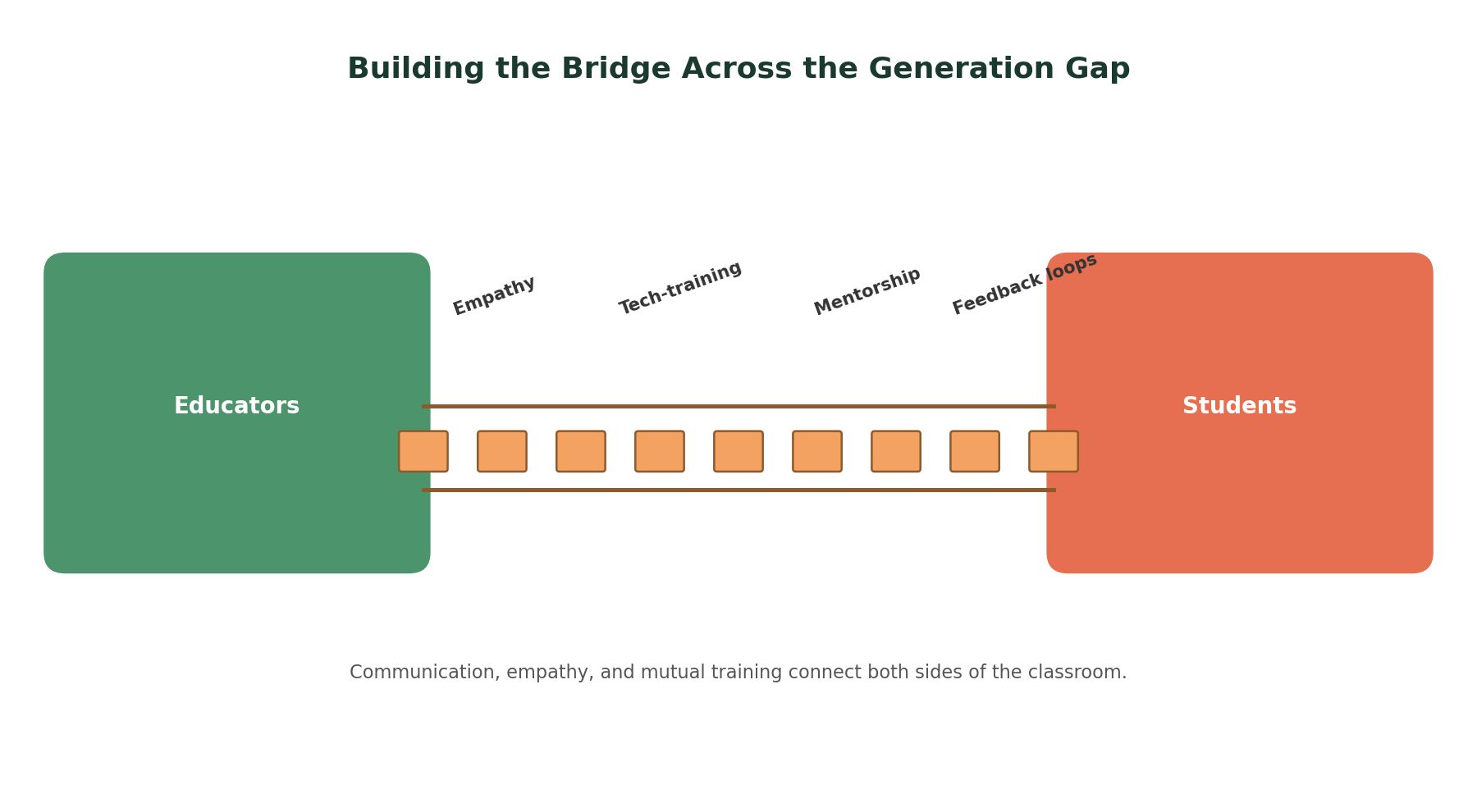
Nevertheless, strong teacher-student relationships can be developed when both parties demonstrate empathy and adaptability. Teachers who show interest in students’ perspectives and learning preferences are more likely to gain their trust and engagement. Similarly, students who appreciate the experience and expertise of their teachers are more likely to respect classroom guidance.
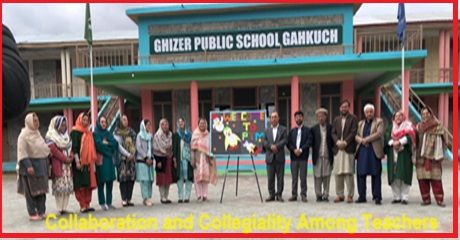
Moreover, mentorship can play a significant role in bridging the generation gap. Experienced educators can provide guidance, wisdom, and professional insight, while younger learners can offer fresh perspectives and technological knowledge. This reciprocal exchange strengthens relationships and enhances the overall educational experience.
Positive Contributions of the Generation Gap
Although the generation gap presents challenges, it also offers several positive contributions to education and learning. One major benefit is the diversity of perspectives that different generations bring to the educational environment. This diversity can enrich classroom discussions, encourage critical thinking, and promote creativity.
For instance, older generations often contribute experience, discipline, and historical knowledge, while younger generations bring innovation, adaptability, and technological expertise. When these strengths are combined, educational institutions can develop more comprehensive and balanced learning approaches.
Additionally, the generation gap can stimulate educational reform. As younger learners express new needs and expectations, educators and policymakers are encouraged to reconsider traditional practices and adopt more effective strategies. Consequently, education systems become more responsive to societal changes and technological advancements.
Furthermore, intergenerational learning can promote social cohesion and mutual respect. When individuals from different generations collaborate in educational settings, they gain a deeper understanding of each other’s experiences and values. This understanding reduces stereotypes and fosters a culture of inclusivity.
Strategies for Bridging the Generation Gap
To minimize the negative effects of the generation gap and maximize its benefits, educational institutions can implement several strategies:
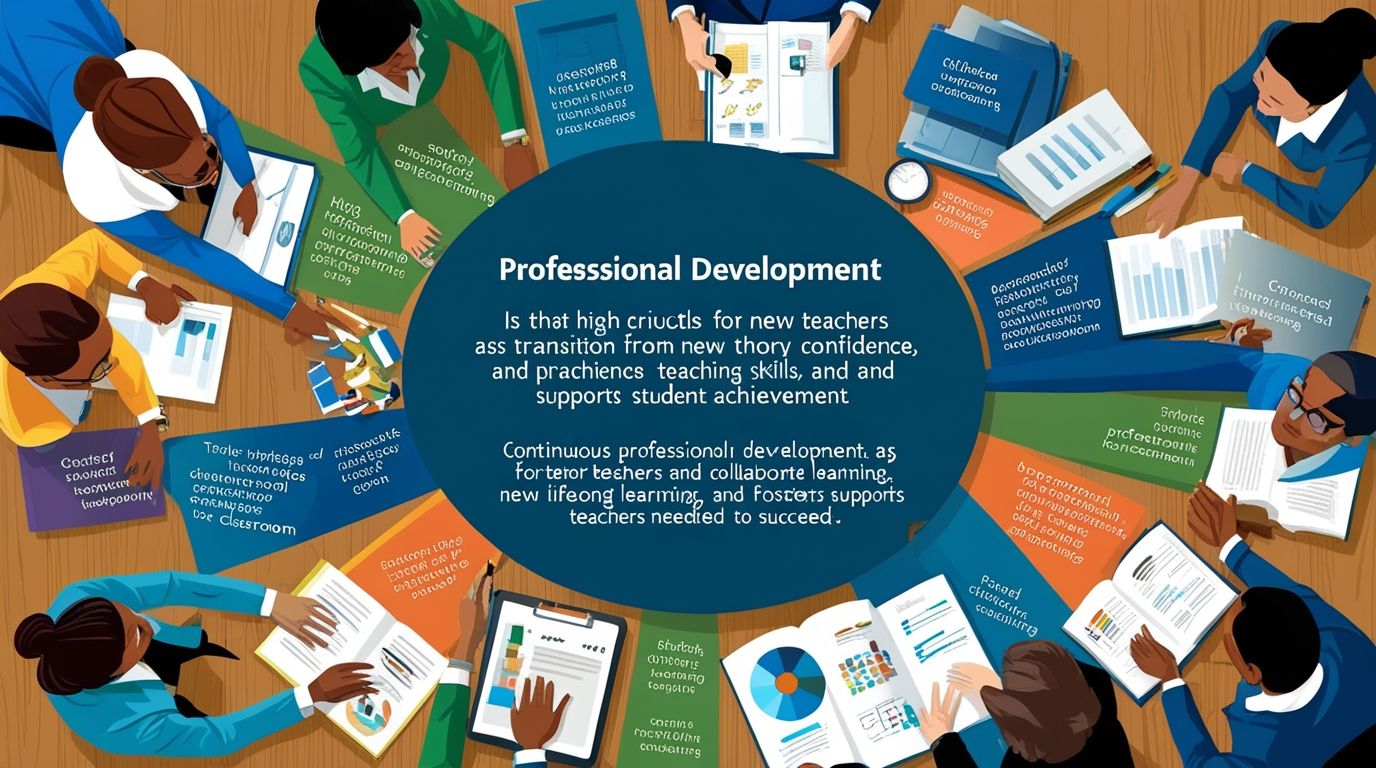
- Professional development for educators: Teachers should receive training in digital tools, innovative teaching methods, and strategies for engaging diverse learners.
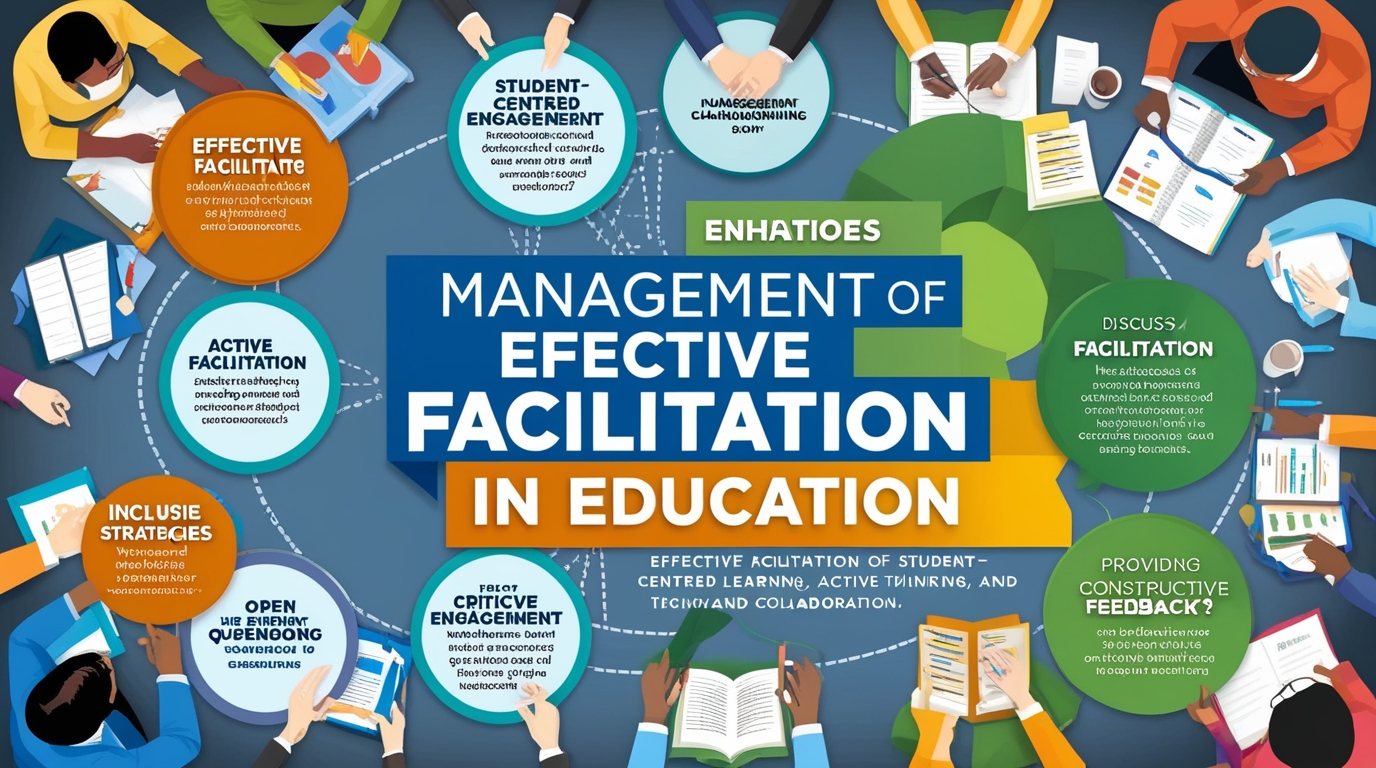
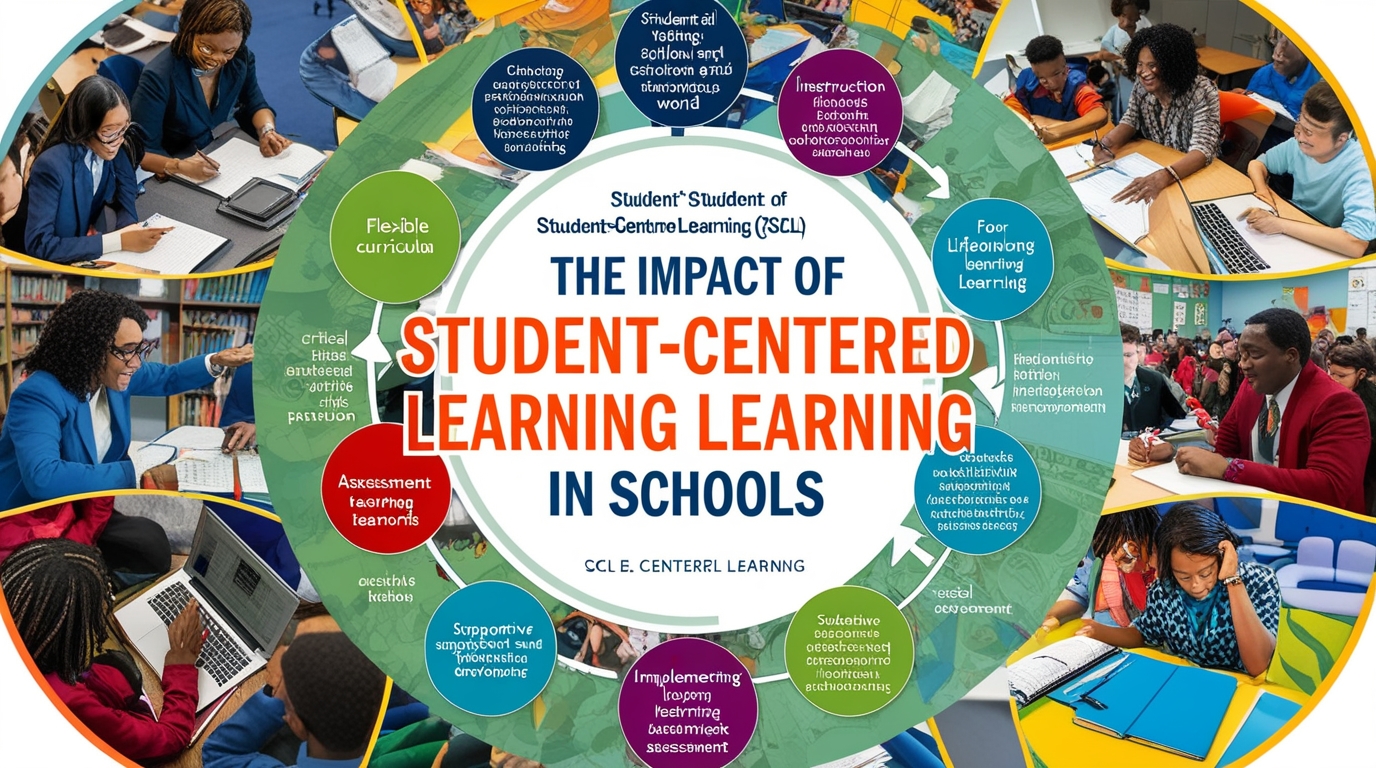
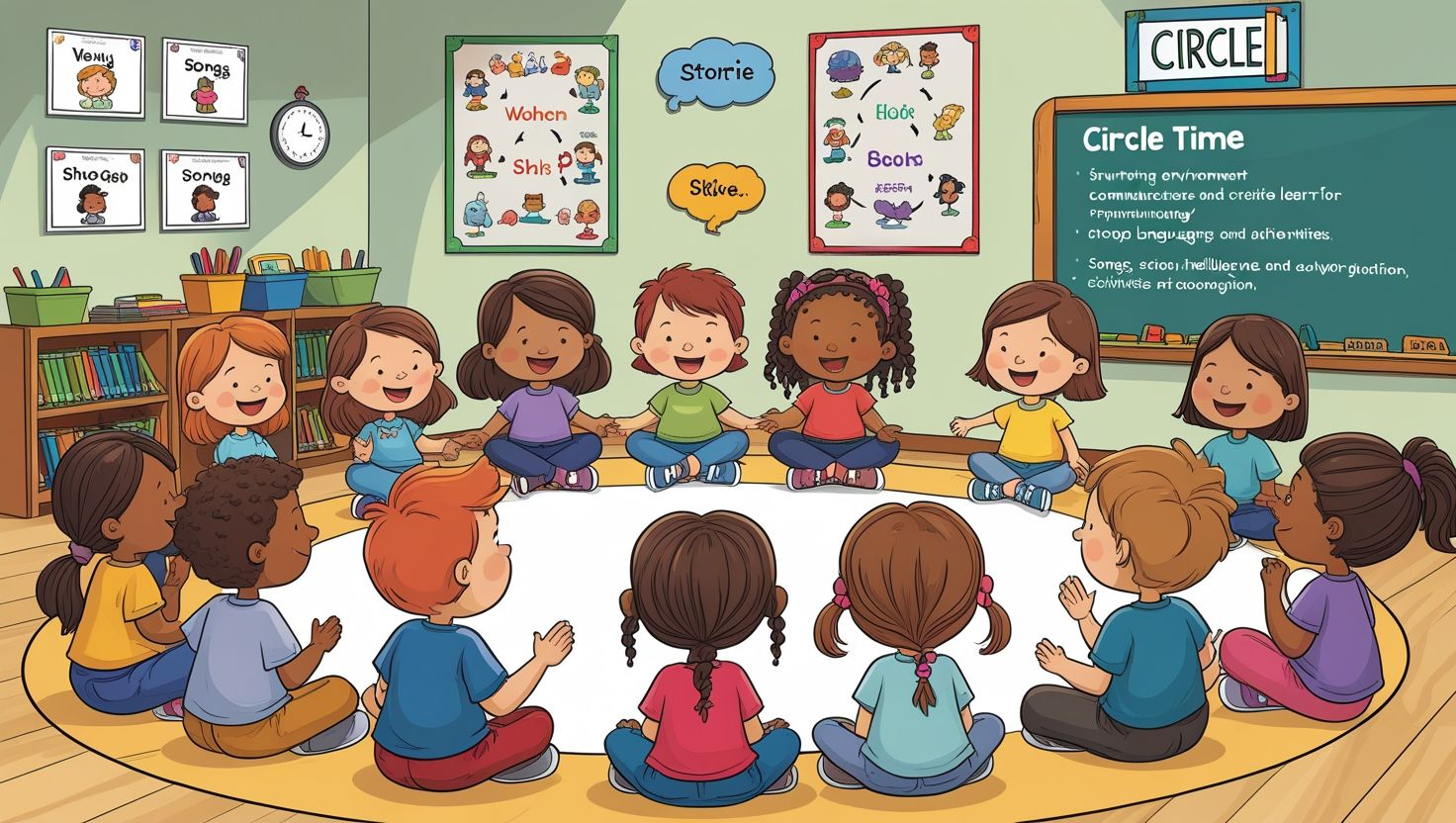
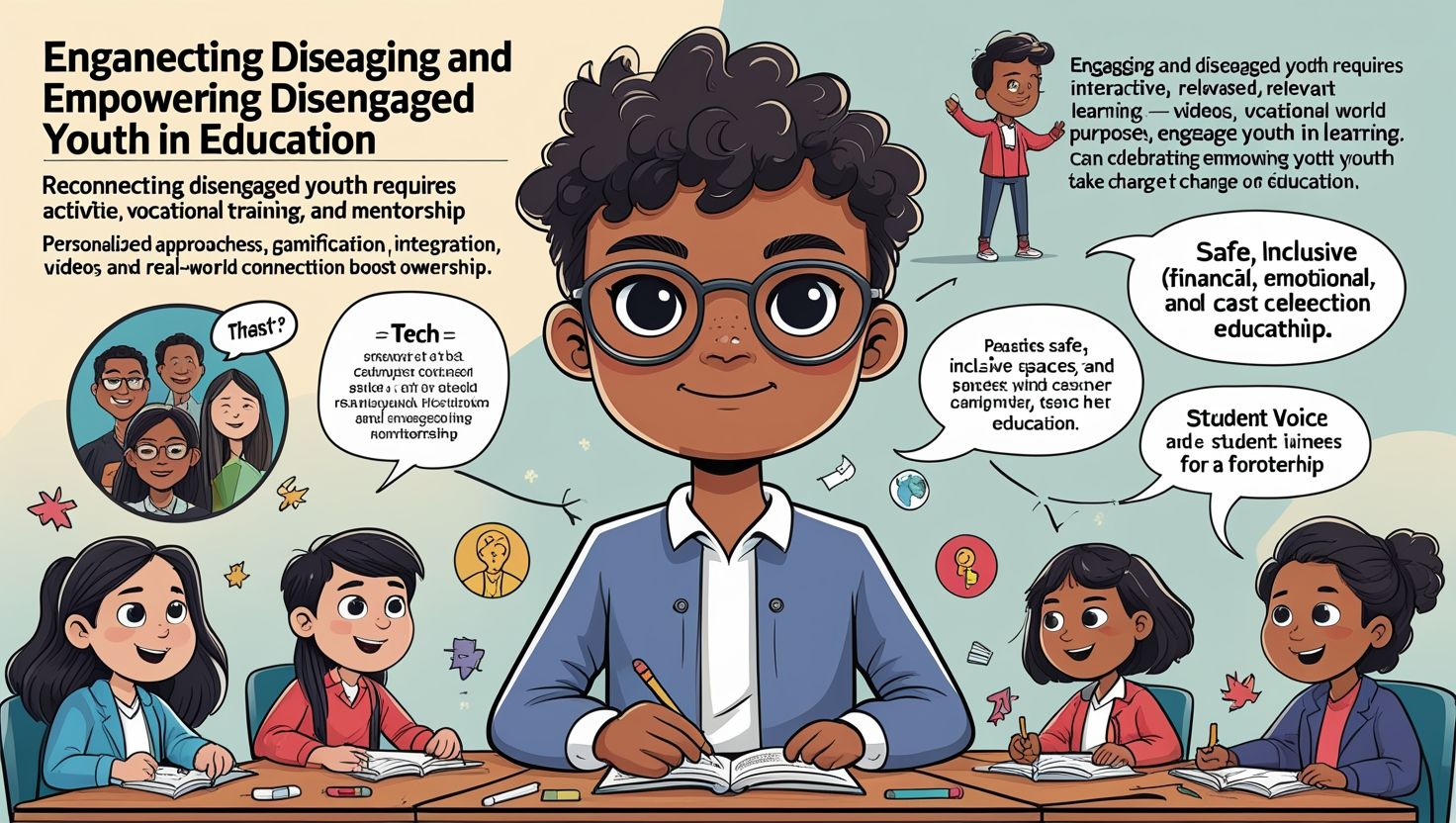
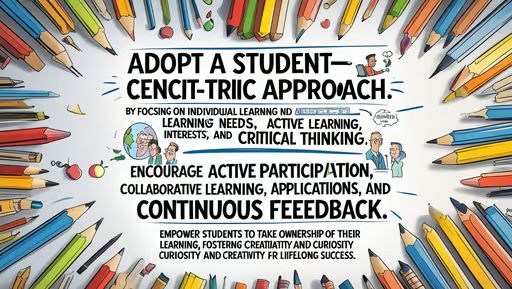
- Student-centered learning: Instruction should be designed to accommodate different learning styles, encourage active participation, and promote critical thinking.
- Effective communication: Teachers, students, and parents should establish clear communication channels that respect both traditional and modern communication preferences.
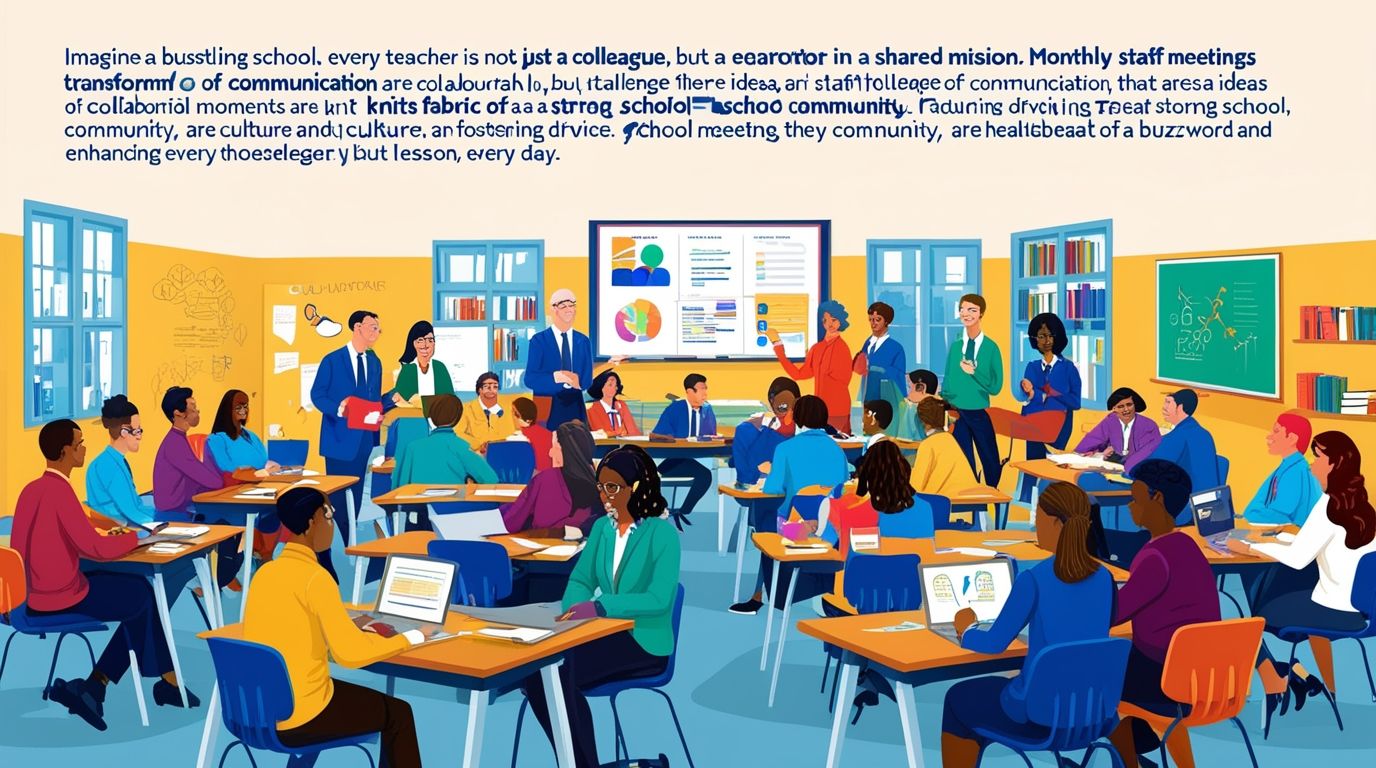
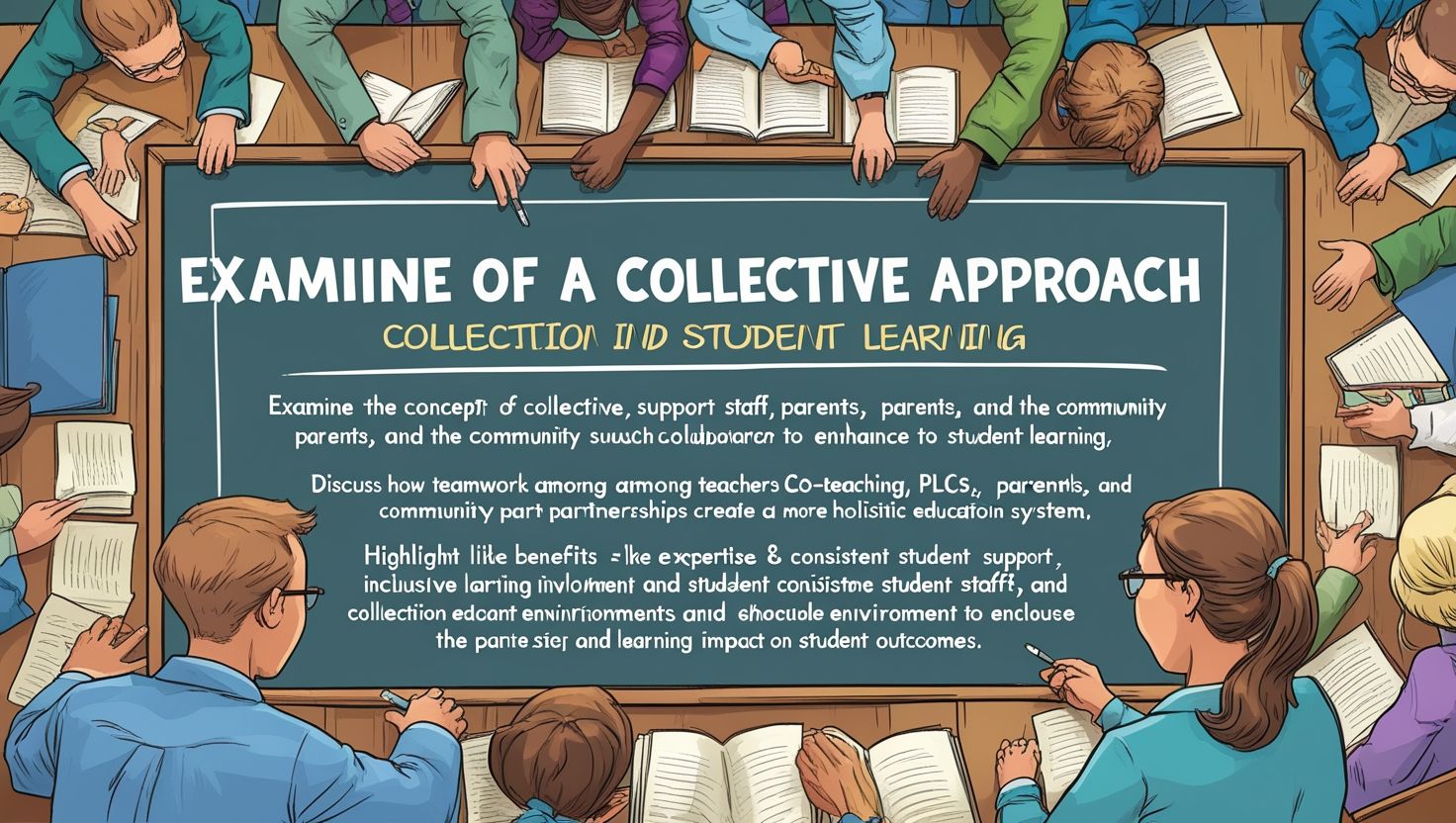
- Intergenerational collaboration: Schools can create opportunities for students and teachers from different generations to work together on projects, discussions, and community activities.
- Balanced use of technology: Technology should be integrated thoughtfully into education, ensuring that it enhances learning without replacing meaningful human interaction.
- Promotion of mutual respect: Educational institutions should foster a culture where the experiences and perspectives of all generations are valued.
By implementing these strategies, schools and universities can create learning environments that are both innovative and respectful of traditional educational values.
Conclusion
In conclusion, the generation gap has a profound impact on education and learning. It influences teaching methods, student learning styles, communication patterns, technology use, and teacher-student relationships. While these differences can create challenges, they also provide opportunities for innovation, diversity, and mutual learning.
Importantly, the generation gap should not be viewed solely as a barrier. Instead, it can be recognized as a valuable source of varied experiences and perspectives that enrich the educational process. By embracing both traditional wisdom and modern innovation, educators can develop more inclusive and effective learning environments.
Furthermore, bridging the generation gap requires continuous adaptation, open communication, and mutual respect. Teachers must be willing to learn from younger generations, while students should appreciate the experience and guidance of older educators. Through collaboration and understanding, educational institutions can transform generational differences into strengths that support academic success and lifelong learning.
Ultimately, addressing the impact of generation gap on education and learning is essential for preparing learners to thrive in a rapidly changing world. By fostering intergenerational understanding and integrating diverse teaching and learning approaches, education systems can promote not only academic achievement but also social harmony and personal growth.