Introduction
Historic Trilateral Summit: US, China and Russia Leaders Meet on Global Peace, The leaders of the three most powerful countries on Earth sat at one table on November 19, 2026. Chinese President Xi Jinping, Russian President Vladimir Putin and US President Donald Trump held the first trilateral summit of their careers in Shenzhen, China. The talks centered on global peace, and they ended with a joint peace declaration. The meeting was the first trilateral gathering of these three leaders. cgtn
The meeting matters because these three countries hold the world’s largest nuclear arsenals, command huge economies and shape the decisions of the United Nations Security Council. When they talk, markets, militaries and diplomats everywhere pay attention. This article explains what happened, what the declaration says, how observers reacted and what the summit could mean for the world order.
What Happened at the Shenzhen Trilateral Summit
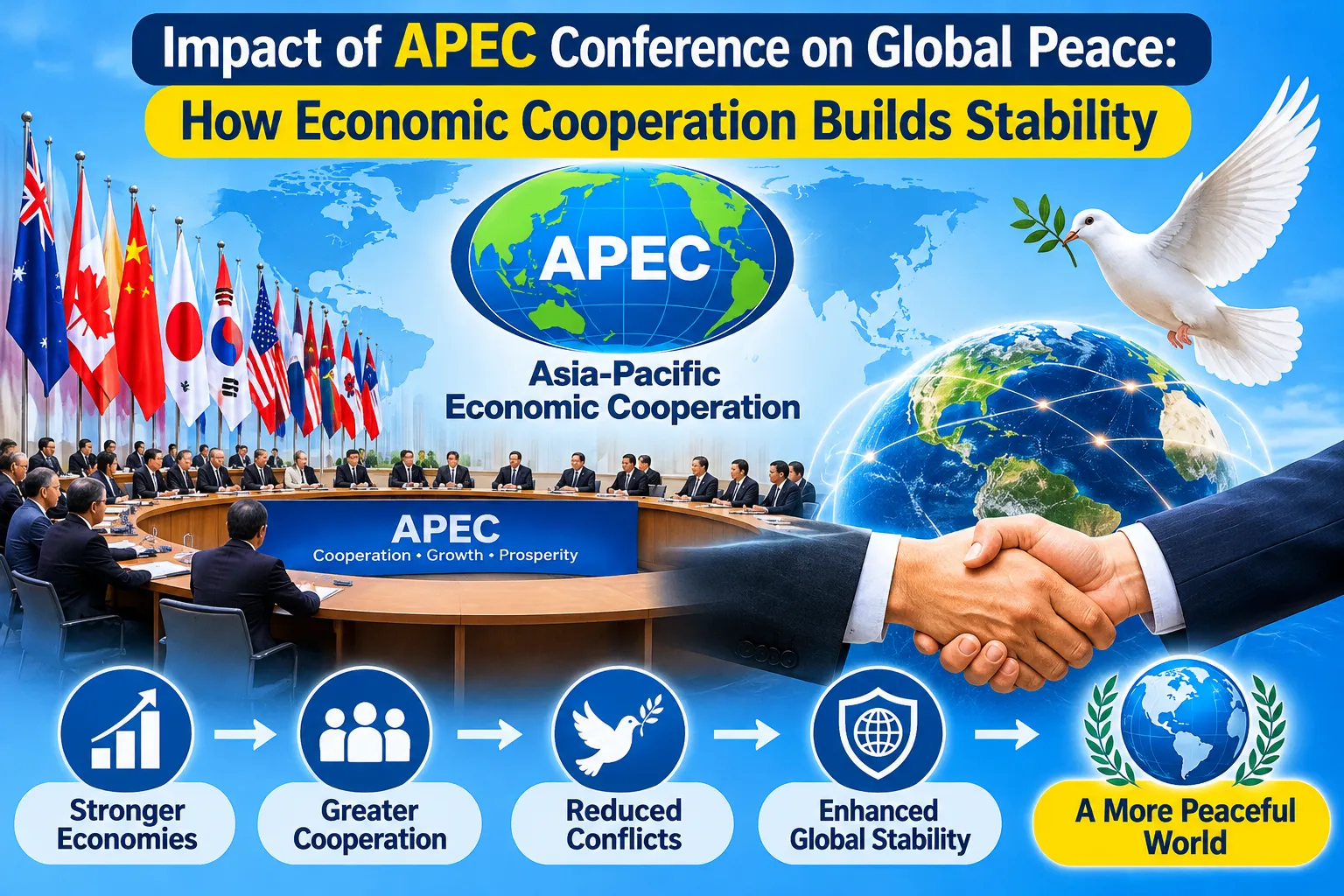
The leaders met at Kylin Villa in Shenzhen, on the sidelines of the Asia-Pacific Economic Cooperation (APEC) Leaders’ Summit. Photographers captured the three presidents arriving together for the meeting. The White House confirmed the plan about a week earlier, and sources said the three governments spent weeks negotiating the agenda and protocol. taipeitimesscmp
Beijing set the tone before the talks began. Chinese officials said the leaders would discuss “world peace” during the summit. A Chinese Foreign Ministry spokesperson also said the leaders would hold an in-depth exchange on key issues of global peace. Chinese officials described the meeting as groundbreaking and said it could support strategic stability among major powers. gulf-times
The talks ended the same day. Trump left Shenzhen shortly after the summit finished. The short schedule suggests the leaders planned a focused discussion rather than a long negotiation. koreaherald
Why the US, China and Russia Meeting Matters
A three-way meeting at the leader level has no clear precedent. Presidents of the United States and Russia have met many times, and so have the presidents of the United States and China. Russia and China have built a close partnership over the past decade. Until Shenzhen, though, the three leaders had never shared one table.
Several reasons make this meeting significant.
Nuclear weapons. Washington, Moscow and Beijing control or influence the biggest nuclear stockpiles. Any real progress on nuclear risk reduction has to include all three. Two-way talks leave a gap that three-way talks can begin to close.
The Security Council. All three countries hold permanent seats and veto power. When they disagree, the Council stalls on wars and crises. When they find common ground, even narrow common ground, the Council can act.
The global economy. Trade disputes, export controls and sanctions have disrupted supply chains for years. A calmer relationship among the three would lower risk for businesses, farmers and families worldwide.
Symbolism. A senior Russian lawmaker said the summit reflects a multipolar world in which no single power can solve every global challenge alone. Whether or not you share that view, the image of the three leaders together sends a message that rivals can still talk. asianews
What the Peace Declaration Says
The three countries released a joint peace declaration after the talks. Chinese state media and the Kremlin published the text first, while the White House had released nothing at that point. The declaration covers several themes. koreaherald
Strategic Stability and International Security
The leaders said they held an in-depth exchange of views on the international situation and committed to upholding strategic stability and international security. The language stays broad. It sets a direction rather than a detailed plan, which is typical for a first meeting. koreaherald
Energy Supply
The three countries plan to increase the production and supply of refined petroleum products and stressed the importance of a stable energy flow. Energy prices touch every household. A pledge to protect supply could ease pressure on fuel costs, although the declaration gives no figures or timelines. koreaherald
Nuclear Risk Reduction
The leaders agreed to engage in dialogue on reducing nuclear risks and preventing nuclear proliferation. This is arguably the most important line in the text. A dialogue is not a treaty, but it opens a channel at a time when formal arms-control structures have weakened. koreaherald
International Institutions and State Immunity
The declaration criticized the International Criminal Court and similar bodies, saying they must not abuse their jurisdiction. It also stressed state consent, respect for the immunity of state officials, and a commitment to United Nations reform. Legal experts will debate these passages closely. Supporters argue they protect sovereignty and diplomatic channels. Critics worry they could weaken accountability for serious crimes. koreaheraldkoreaherald
How Leaders and Observers Reacted
Xi Jinping spoke warmly about the meeting. He said the three countries share a common perspective on safeguarding world peace and predicted that the seeds sown at the meeting would grow and bear fruit. Chinese state media quoted him calling the meeting positive, constructive and fruitful. surinametimeskoreaherald
Russian officials struck a similar note before the summit. Kremlin spokesman Dmitry Peskov called a meeting of the three countries extremely significant and added that the vision for a global order is that nobody imposes their will on others. That comment hints at Moscow’s long-standing preference for a multipolar system. adn
Analysts offered a mix of optimism and caution. One commentary asked whether the summit could become a first step toward a “concert of powers” and argued that the meeting was worth holding even without concrete results. The historical reference points to the nineteenth-century Concert of Europe, when major powers managed disputes through regular consultation. Skeptics reply that today’s rivalries run deeper and that a declaration costs little compared with a binding agreement. responsiblestatecraft
The Challenges Ahead
A strong photograph and a warm statement do not end wars or reverse arms races. Several obstacles stand between the declaration and lasting global peace.
Different definitions of peace. Each country brings its own priorities. Washington stresses deterrence and alliances. Beijing stresses sovereignty and non-interference. Moscow stresses security guarantees and a multipolar order. The same word can mean three different things.
Active conflicts. Wars and crises continue in several regions. A declaration does not stop fighting. The leaders will need to turn principles into specific steps, such as ceasefire talks, humanitarian access and verification.
Trade and technology competition. Observers expected discussions to touch on trade, technology and artificial intelligence amid ongoing US-China economic tensions. These tensions will not disappear after one meeting. Export controls, tariffs and chip restrictions still divide Washington and Beijing. dailypioneer
Trust. Verification and transparency decide whether nuclear dialogue succeeds. Without trust, each side suspects the others of using talks to gain an edge.
Domestic politics. Each leader answers to political audiences at home. Hard-liners in every capital may resist compromise, and a single crisis can erase goodwill overnight.
What the Summit Means for Ordinary People
Most people will never read a joint declaration, yet its effects can reach them in practical ways.
Energy bills. A stable supply of refined petroleum products can calm fuel prices. Lower transport costs ripple through food, goods and travel.
Business confidence. Companies plan investment years ahead. Signs of cooperation among the three largest powers can encourage hiring, trade and long-term contracts. A breakdown does the opposite.
Security. Any step that lowers the risk of nuclear miscalculation benefits everyone. The danger rarely comes from a deliberate decision. It comes from misunderstanding, accidents and bad information during a crisis. Open channels reduce that danger.
Smaller countries. Nations such as Pakistan, which sits between several of these powers’ spheres of influence, gain from a calmer great-power climate. Regional disputes become easier to manage when the biggest players do not back opposite sides.
What to Watch Next
Follow-up actions will show whether the trilateral summit was a turning point or a one-time event. Watch for these signals:
- Working-level talks. Do diplomats and military experts begin regular nuclear risk-reduction meetings?
- A US statement. Does the White House publish its own account and confirm the declaration’s text and commitments?
- Energy announcements. Do any of the three governments announce concrete production or supply measures?
- Another summit. Do the leaders schedule a second meeting, and does it include a firm agenda?
- UN reform proposals. Do the three countries present joint ideas for reforming the United Nations?
- Behavior during crises. When the next flashpoint arrives, do the three countries consult each other or return to open confrontation?
The answers will arrive over months, not days. Readers should treat early commentary, including enthusiastic statements from official media, as preliminary.
Conclusion
The Shenzhen meeting put the leaders of the United States, China and Russia in one room for the first time to discuss global peace. The resulting peace declaration offers broad commitments on strategic stability, energy supply, nuclear risk reduction and the reform of international institutions. It contains few numbers, deadlines or enforcement tools, and it includes controversial language on international courts.
Even so, the summit has value. Regular dialogue among rivals lowers the odds of catastrophic error, and a shared document gives diplomats something to build on. The real test begins now. If the three governments follow words with working groups, verified steps and consistent behavior, the Shenzhen meeting may earn its place in history. If they do not, it will join the long list of summits remembered for photographs rather than results.
Frequently Asked Questions (FAQs)
1. Where and when did the US, China and Russia leaders meet?
The leaders met in Shenzhen, China, on November 19, 2026, at Kylin Villa on the sidelines of the APEC Leaders’ Summit. It was the first trilateral meeting of Xi Jinping, Vladimir Putin and Donald Trump.
2. What did the leaders agree on in the peace declaration?
The declaration commits the three countries to uphold strategic stability and international security, to raise refined petroleum production and supply, to start dialogue on reducing nuclear risks and preventing proliferation, and to pursue United Nations reform. It also warns international courts not to abuse their jurisdiction.
3. Does the declaration guarantee global peace?
No. The declaration sets out principles and intentions, not binding treaty obligations. Its impact depends on follow-up talks, concrete actions and how the three governments behave during future crises.
References
- Korea Herald / AFP. “China, US, Russia leaders issue ‘peace declaration’ after summit.” November 19, 2026. https://www.koreaherald.com/article/10943254
- CGTN. “Xi, Putin and Trump: What to expect from historic trilateral meeting.” November 18, 2026. https://news.cgtn.com/news/2026-11-18/Xi-Putin-and-Trump-What-to-expect-from-historic-trilateral-meeting-1Satv5TGiKk/p.html