Introduction
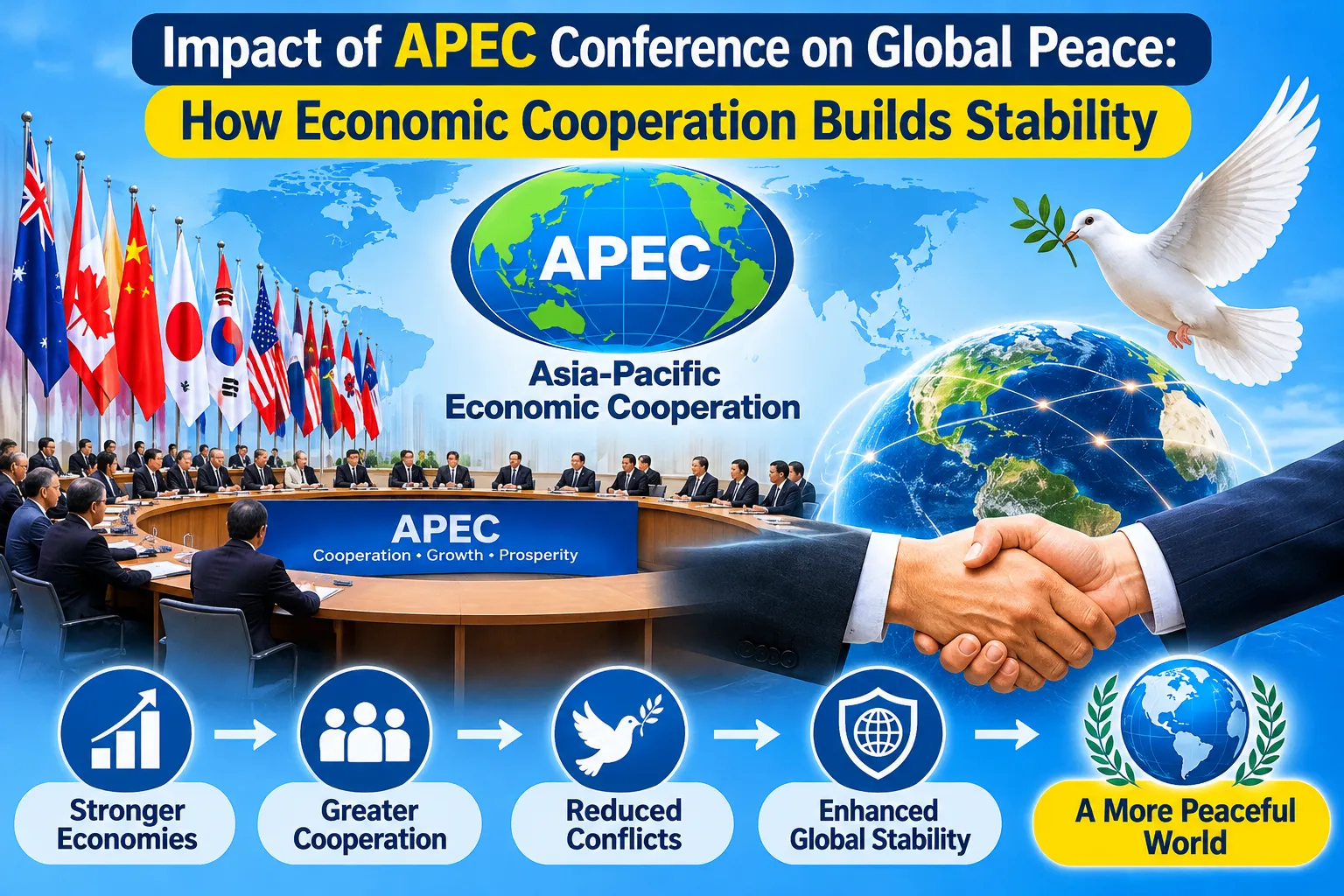
Impact of APEC Conference on Global Peace: How Economic Cooperation Builds Stability, Every November, leaders from 21 economies gather around one table to talk about tariffs, supply chains and digital growth. The agenda looks economic, yet the impact of APEC conference on global peace reaches far beyond trade numbers. When presidents, prime ministers and ministers meet face to face every year, they lower tensions, build personal trust and create habits of cooperation that no single treaty can produce.
This article explains how the APEC conference supports global peace, which historic moments proved its value, what the 2026 meeting in Shenzhen adds, and where the forum still falls short.
What Is the APEC Conference?
Asia-Pacific Economic Cooperation (APEC) began in 1989 in Canberra with twelve members. Today it includes 21 member economies that span the Pacific Rim, from Canada and the United States to China, Japan, Indonesia, Australia, Chile and Peru. Together these economies produce roughly 60 percent of world GDP and account for nearly half of global trade.
APEC works differently from the United Nations or NATO. It makes decisions by consensus, it uses the word “economies” instead of “countries,” and its commitments are voluntary. That flexible design lets rivals sit together without the pressure of binding votes. The APEC Economic Leaders’ Meeting forms the centerpiece of the year. Senior officials, ministers and business leaders prepare the ground for months, and the leaders then agree on a joint declaration.
The forum rests on one simple idea: economies that trade, invest and build together have more to lose from conflict than economies that stand apart.
Why Economic Cooperation Supports Global Peace
Scholars call the idea “commercial peace.” Countries that depend on each other for markets, technology and jobs think twice before they escalate a dispute. The APEC conference puts that theory into practice in three ways.
1. It Creates Shared Interests
When member economies cut tariffs, simplify customs and align standards, they weave their businesses together. A manufacturer in Vietnam, a port operator in Chile and a software firm in Singapore all gain from smooth trade routes. Governments protect what their citizens earn, so shared prosperity becomes a quiet guardian of regional stability.
2. It Builds Predictable Rules
Uncertainty fuels conflict. APEC promotes transparent trade rules, open investment and good regulatory practice, which give governments and companies confidence about the future. Predictable rules reduce the chance that a trade quarrel grows into a political crisis.
3. It Keeps Channels Open
Political relationships rise and fall. A standing forum that meets every year guarantees that leaders can talk even when other channels freeze. That constant access matters most during crises, when silence breeds misunderstanding.
Sideline Diplomacy: Where Peace Is Quietly Made
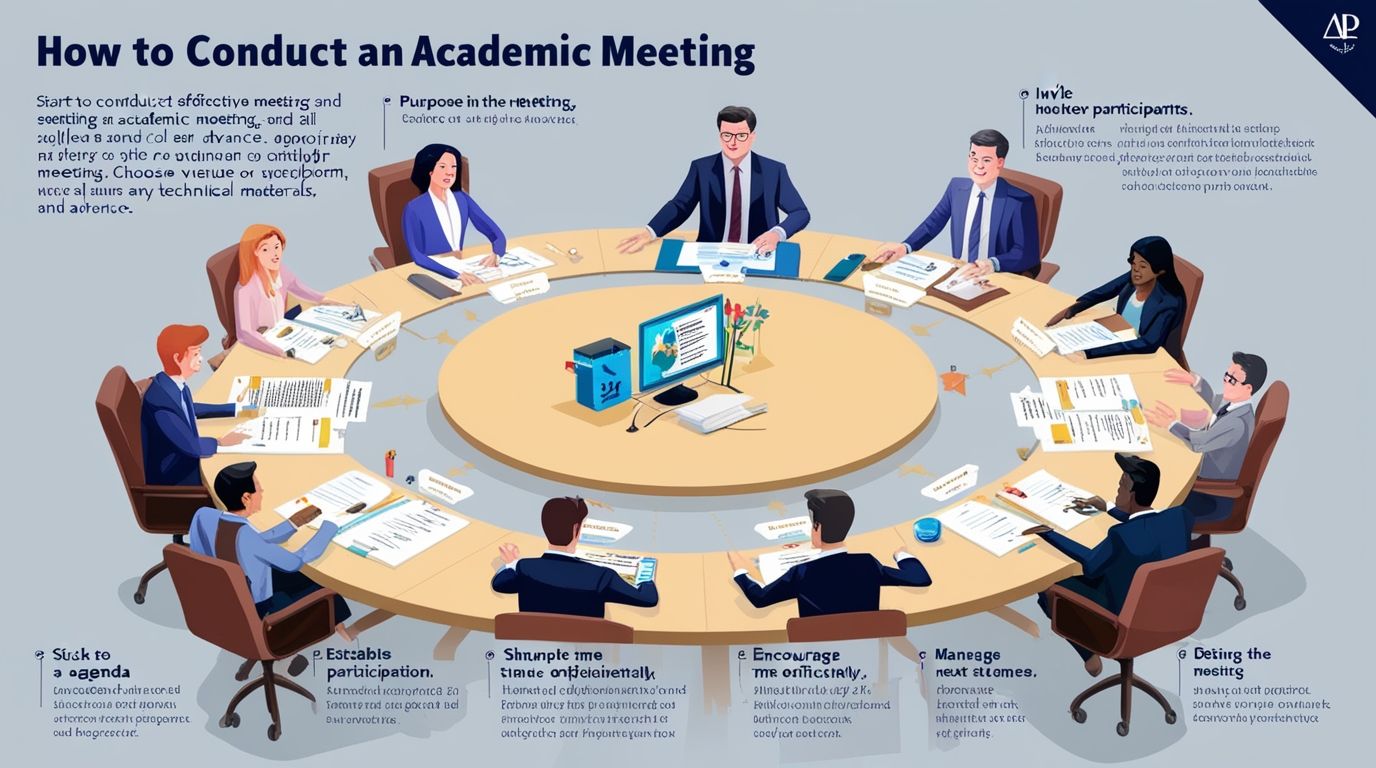
Many observers judge a summit by its final statement. Diplomats judge it by the meetings that happen in the corridors. At every APEC Economic Leaders’ Meeting, leaders hold dozens of bilateral talks that would take months to arrange through normal channels.
These sideline meetings serve peace diplomacy in practical ways:
- Leaders of rival powers exchange views directly and clarify red lines.
- Officials launch working groups on sensitive issues such as maritime safety, fisheries and cyber security.
- Neighbors with historical grievances take small first steps toward reconciliation.
- Smaller economies gain a rare chance to speak with the largest powers on equal footing.
The handshake itself carries meaning. When two leaders who rarely speak share a photo, their governments, militaries and citizens read the signal and adjust their expectations.
Historic Moments That Shaped Regional Peace
The record shows how the APEC conference has influenced security as well as commerce.
Shanghai, 2001. Leaders met weeks after the September 11 attacks. They issued a strong statement against terrorism and committed to protect trade and travel from security threats. The forum proved that an economic body can respond to a global shock and keep members united.
Bangkok, 2003. Members approved the Secure Trade in the APEC Region (STAR) initiative, which strengthened port, air and cargo security. Economic cooperation and security cooperation merged into one practical program.
Beijing, 2014. The summit produced a widely noted meeting between the leaders of China and Japan after years of cold relations. The two sides agreed on a four-point understanding that included crisis management mechanisms for disputed waters. Analysts still cite it as proof that a multilateral setting can open doors that bilateral diplomacy keeps shut.
Papua New Guinea, 2018. The leaders failed to issue a joint communique for the first time in APEC history because of trade disagreements between major powers. The episode showed the forum’s limits, and it also showed how seriously members treat consensus. Dialogue continued, and the group returned to joint statements in later years.
San Francisco, 2023 and Gyeongju, 2025. The leaders of the United States and China used APEC season to hold high-level talks that steadied a tense relationship. The Gyeongju meeting in South Korea adopted a declaration and an artificial intelligence initiative, which extended cooperation into new fields.
Each example points the same way. APEC rarely solves a conflict alone, but it gives governments a stage, a deadline and a reason to talk.
APEC 2026 in Shenzhen: A Fresh Test for Cooperation
China hosts the 33rd APEC Economic Leaders’ Meeting in Shenzhen in November 2026 under the theme “Building an Asia-Pacific Community to Prosper Together.” It marks the first time in 12 years that China has hosted the leaders’ meeting, after Shanghai in 2001 and Beijing in 2014.
The host named three priorities: openness, innovation and cooperation. It also organized the agenda around four pillars: trade, connectivity, innovation and development. Officials said the goal was a Shenzhen Declaration that sets a roadmap toward an Asia-Pacific community.
The reported results already show how the forum links prosperity and stability:
- Member economies reached consensus on the Leaders’ Declaration.
- Leaders adopted outcome documents on trade digitalisation, the digital economy, emerging technologies and connectivity.
- The APEC CEO Summit drew more than 2,000 business and political representatives and released the Shenzhen initiative, the first outcome document in the summit’s 30-year history that took the form of an initiative.
These outcomes matter for peace because they commit governments to rules for new technologies, where mistrust grows fastest. Shared standards for digital trade and emerging technology reduce the risk that a technology race turns into a security race.
The meeting also happens in a tense world. Supply chain disruption, tariff disputes and regional security concerns weigh on every delegation. A successful declaration signals that the 21 economies still prefer cooperation to confrontation.
How APEC Strengthens Trust Beyond Trade
Connectivity and Infrastructure
Roads, ports, digital networks and energy grids link communities across borders. When economies plan these projects together, they create mutual dependence and common maintenance duties. People who cross borders for work, study and tourism also build personal ties that diplomats cannot replace.
Digital Cooperation
Cyber conflict now ranks among the top threats to international security. APEC’s work on the digital economy, data privacy and trusted technology gives members a neutral place to agree on norms. Clear norms lower the odds of accidents and misreadings.
Inclusive Development
Inequality drives instability. APEC programs support small businesses, women entrepreneurs and rural communities, which helps leaders deliver visible gains to ordinary people. Citizens who feel included support stable governments and peaceful foreign policies.
Disaster Response and Health
Earthquakes, typhoons and pandemics ignore borders. When members coordinate relief, share health data and plan emergency supplies together, they practice cooperation under pressure. Joint response builds goodwill that carries into political talks.
Limits and Criticism
A fair assessment must admit what APEC cannot do. The forum has no enforcement power, so a member can ignore a commitment without penalty. It avoids formal security issues, which limits its role in military disputes. Critics also argue that its declarations often use vague language, and that big powers dominate the agenda.
Political rivalry sometimes blocks progress, as the 2018 communique failure showed. A forum that runs on consensus can stall when two large members disagree.
These limits do not cancel APEC’s value. They define its role. The forum acts as a stabilizer, not a peacekeeper. It lowers the temperature, widens the space for talks and gives governments a reason to protect their economic ties.
The Future: What Would Strengthen APEC’s Peace Role?
Experts suggest several steps that would raise the forum’s contribution to global peace:
- Make commitments measurable. Clear targets and public progress reports would turn promises into results.
- Include more voices. Business groups, youth, civil society and small economies add fresh ideas and broaden ownership.
- Prepare for new risks. Artificial intelligence, climate stress and cyber threats demand shared rules before crises arrive.
- Protect dialogue. Members should keep talking during disputes, because the habit of meeting serves peace more than any single text.
The progress toward the Free Trade Area of the Asia-Pacific (FTAAP) offers one long-term path. A deeper regional market would raise the cost of conflict even higher.
Conclusion
The impact of APEC conference on global peace comes from patient, practical work. The forum links 21 economies through trade, investment and technology. It gives leaders a yearly stage for private talks, and it turns shared prosperity into shared responsibility. History shows moments when APEC calmed fears, from the counter-terrorism pledges of 2001 to the diplomatic openings of 2014.
The Shenzhen meeting continues that story. A consensus declaration and new outcomes on digital trade, emerging technologies and connectivity show that members still invest in cooperation. Peace does not arrive through a single summit, but a forum that keeps rivals talking and trading makes conflict less likely and regional stability more durable.
Frequently Asked Questions (FAQs)
1. What is the main purpose of the APEC conference?
The APEC conference promotes free and open trade, investment and economic cooperation among 21 Asia-Pacific economies. Its annual leaders’ meeting sets direction on trade, digital growth, connectivity and inclusive development.
2. How does APEC contribute to global peace if it is an economic forum?
APEC builds economic interdependence, which raises the cost of conflict. It also offers leaders a regular meeting place where they hold private talks, ease tensions and agree on rules for sensitive areas such as cyber security and emerging technology.
3. Can APEC solve military or territorial disputes?
No. APEC has no enforcement power and avoids formal security negotiations. It supports peace indirectly by keeping communication open, building trust and strengthening the economic ties that make armed conflict less attractive.
References
- Asia-Pacific Economic Cooperation (APEC). “China Unveils APEC 2026 Theme and Priorities in Shenzhen.” APEC Secretariat, 12 December 2025. https://www.apec.org/press/news-releases/2025/china-unveils-apec-2026-theme-and-priorities-in-shenzhen
- Hong Kong SAR Government. “CE joins APEC leaders’ meeting.” GovHK News, 19 November 2026. https://www.news.gov.hk/eng/2026/11/20261119/20261119_165142_423.htm