Introduction
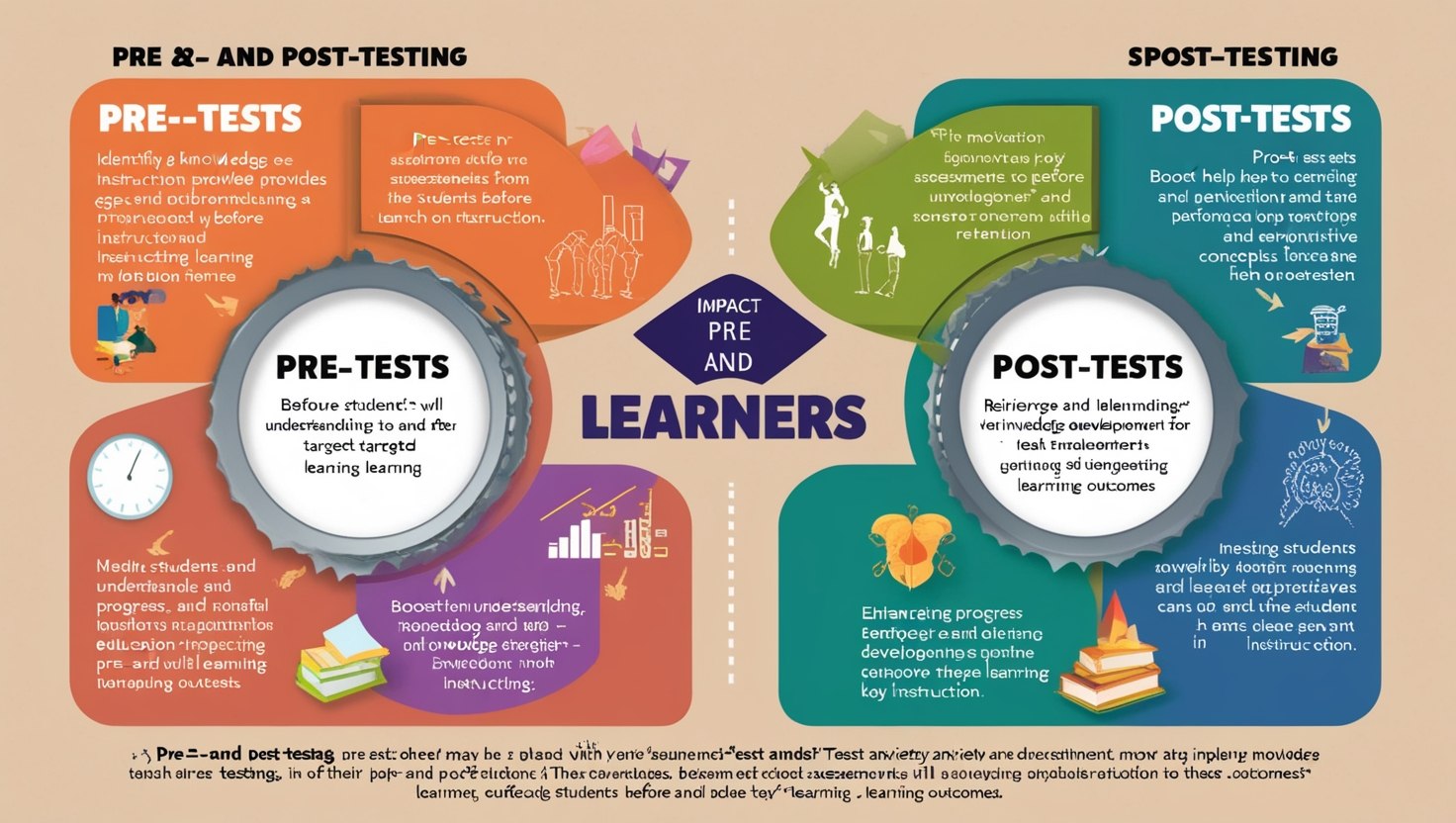
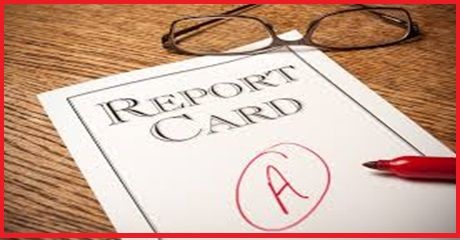
How Mid-Term Exams Shape Student Progress in School Education, Every school year follows a rhythm, and the mid-term exam sits at its center. Teachers write the papers, students prepare for weeks, and parents wait for the results. Yet the real value of mid-term exams reaches far beyond a single grade on a report card. These tests measure how much students have learned in the first half of a course, and they guide what happens in the second half.
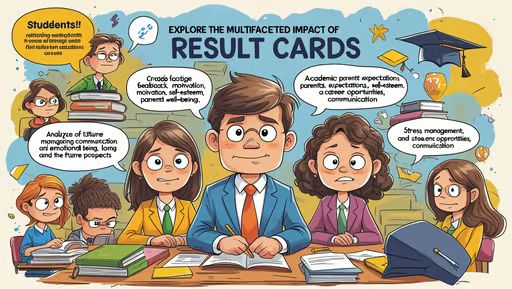
Schools that design mid-term exams with care boost student progress and strengthen school education as a whole. Schools that treat them as a simple ranking tool create stress and shallow learning. This article explains how mid-term assessment affects academic performance, motivation, and long-term learning outcomes. It also offers practical steps that teachers, parents, and students can use to turn exam season into real growth.
What Are Mid-Term Exams?
Mid-term exams are formal assessments that schools hold at the halfway point of a term or academic year. They cover the topics taught since the start of the course. Most schools schedule them in October or November for the autumn term, or in February and March for the spring term.
A mid-term exam differs from a weekly quiz and from a final exam. A quiz checks a small piece of content. A final exam closes a course and often decides promotion to the next grade. The mid-term exam sits between the two. It checks a large section of content, yet it leaves time for teachers and students to act on the results.
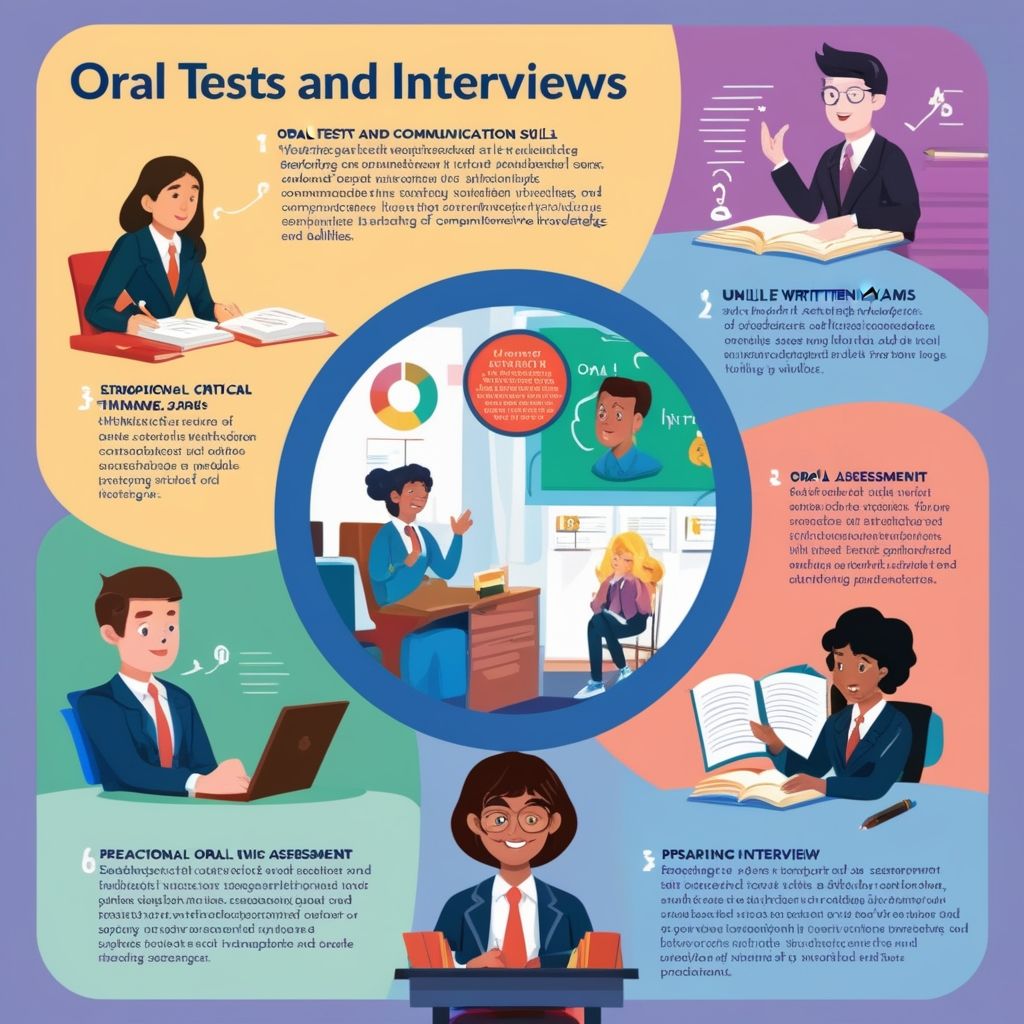
Formats vary by school and subject. Some schools use written papers with short answers and essays. Others add practical tests, oral exams, or project presentations. Whatever the format, the purpose stays the same: to show how well students understand the material so far.
Why Schools Use Mid-Term Exams
Schools run mid-term exams for several reasons, and each one connects to student progress.
Progress tracking. The exam gives a clear snapshot of where each student stands. Teachers compare results across classes and across years to spot trends.
Accountability. Mid-term results show school leaders whether the curriculum works. A class that scores low on one topic tells the department to review its teaching methods.
Communication. Parents get hard evidence of how their child performs. This information supports honest conversations at home and at parent-teacher meetings.
Preparation. The exam rehearses the pressure and format of the final exam. Students who sit a mid-term learn how to manage time, read questions carefully, and recover from a bad paper.
The Positive Impact of Mid-Term Exams on Student Progress
Research and classroom experience point to several clear benefits when schools use mid-term exams well.
1. Stronger memory and deeper understanding
Cognitive scientists call the act of recalling information “retrieval practice,” and they have shown that it beats passive rereading. In a well-known 2006 study, Roediger and Karpicke found that students who took a memory test remembered more a week later than students who simply restudied the material. A mid-term exam forces students to pull knowledge from memory, and that effort strengthens it. Students who prepare seriously for mid-term exams often keep concepts longer and apply them more flexibly in the second half of the course.
2. Early detection of learning gaps
A gap in understanding grows quietly. A student who misses the basics of fractions in October struggles with algebra in March. The mid-term exam exposes these gaps while time remains to fix them. Teachers read the results, group students by need, and reteach the weak topics. Without that checkpoint, many gaps stay hidden until the final exam, when nothing can change.
3. Clear goals and better motivation
Students work harder when they know a date and a target. The mid-term exam gives them both. Many students set personal goals, such as raising a maths score by ten points, and they follow a study plan to reach it. Success on the exam builds confidence. Even a disappointing result motivates students when teachers frame it as a roadmap rather than a verdict.
4. Better study habits
Preparing for a large exam teaches skills that last a lifetime. Students learn to plan revision schedules, break big topics into small pieces, summarize notes, and test themselves. Those habits improve academic performance across every subject and prepare students for college and professional exams.
5. Useful feedback for teachers
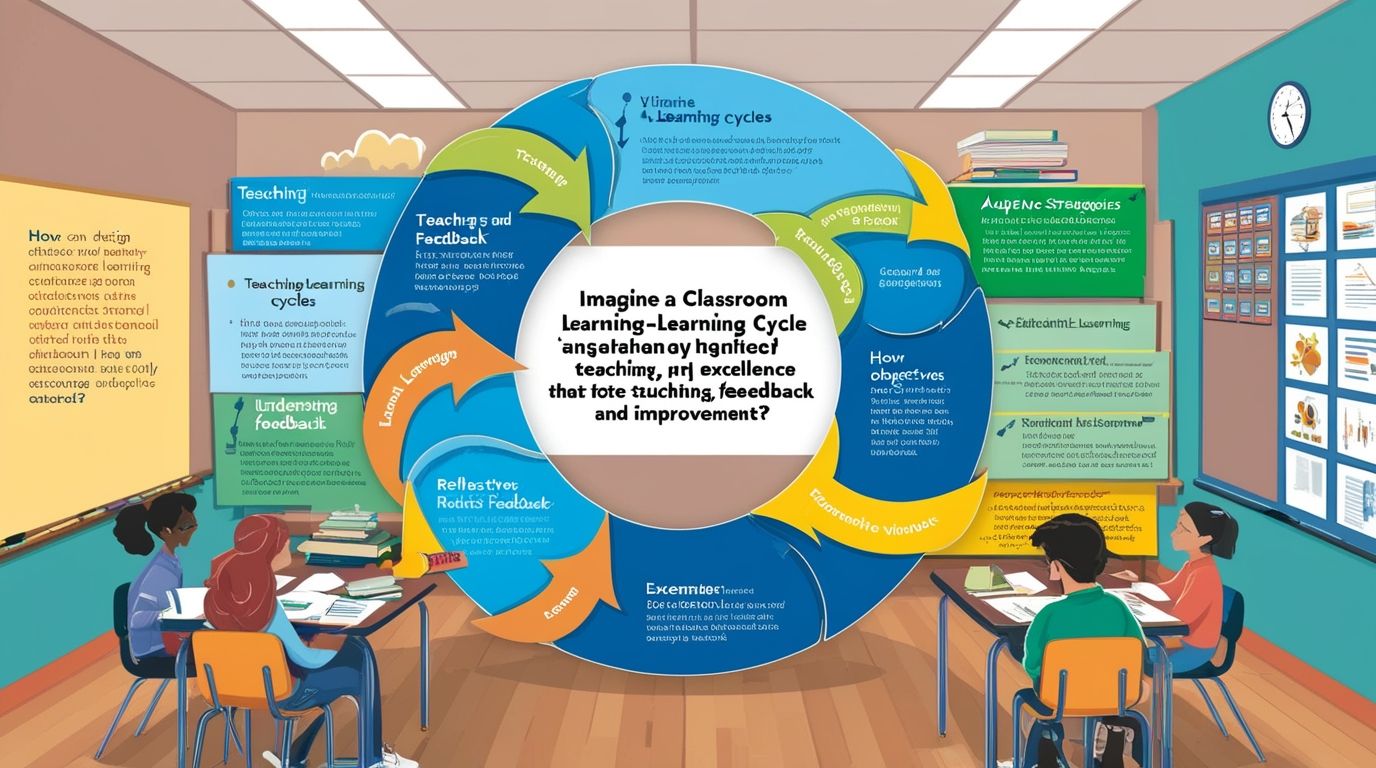
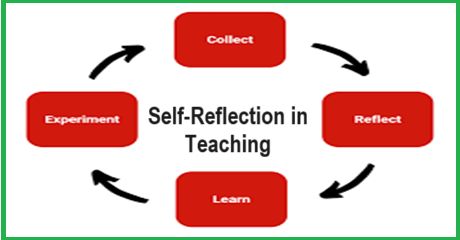
Mid-term results act like a mirror for teachers. If most of a class fails the same question, the problem lies in the lesson, not in the students. Teachers adjust pacing, add examples, and try new activities. This cycle of teaching, testing, and adjusting sits at the heart of effective school education.
6. Evidence for formative decisions
Black and Wiliam reviewed hundreds of studies in 1998 and concluded that formative assessment, which means assessment that guides further learning, raises standards substantially. A mid-term exam becomes formative when teachers use the results to shape instruction instead of simply recording a grade. The difference between the two uses decides whether the exam helps or harms progress.
The Negative Impact of Mid-Term Exams
Mid-term exams carry risks, and honest discussion must include them. Schools that ignore these risks lose much of the exam’s value.
Exam stress and anxiety
Many students feel intense pressure before and during exams. Some lose sleep, skip meals, or suffer headaches. Severe exam stress damages concentration and memory, which lowers the very performance the test tries to measure. Students with test anxiety often know the material yet freeze on the day.
Teaching to the test
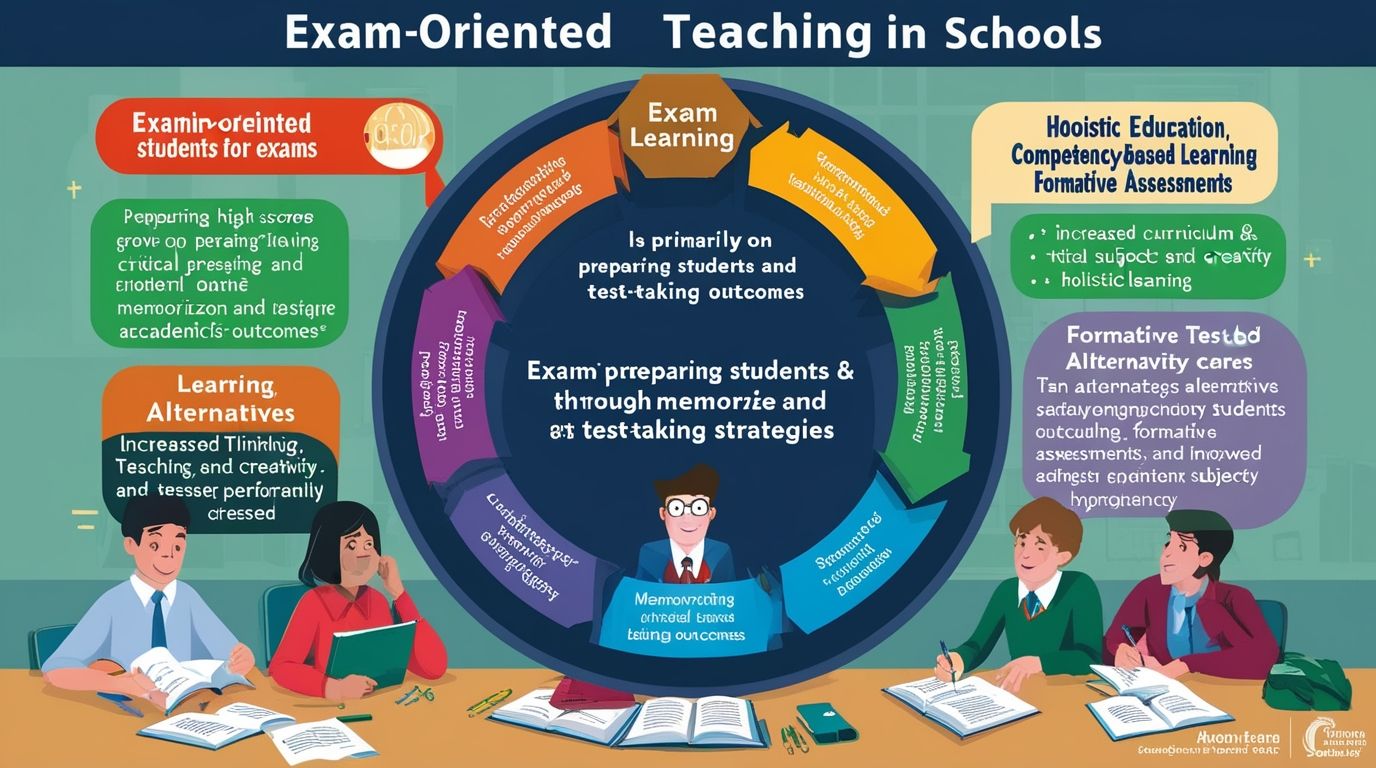
When results carry high stakes, teachers feel pressure to focus on exam topics and exam styles. Lessons narrow to what the paper will ask. Creativity, discussion, and curiosity shrink. Students may score well and still lack deep understanding.
Cramming and surface learning
Students who cram the night before may pass the test, but they forget most of the content within days. This pattern produces good marks without lasting learning outcomes. Schools see the effect when the same concepts return in the final exam and students seem to meet them for the first time.
Labeling and comparison
Rankings and public score lists hurt confidence. A student who sees the label “weak” often accepts it and stops trying. Comparing students with each other also ignores personal growth. A student who improves from 40 to 60 percent has made great progress, even if the class average sits at 75.
Unequal starting points
Students do not enter exams on equal terms. Some have quiet study rooms, private tutors, and strong support at home. Others share crowded spaces, work part-time, or lack books. A single exam can reflect these differences more than it reflects ability.
How Teachers Can Maximize the Benefits
Teachers hold the strongest influence over whether mid-term exams help students grow. The following practices make a real difference.
Align the exam with the curriculum. Test what you taught, and test it in the way you taught it. Include a mix of recall, application, and reasoning questions so the paper measures real understanding.
Return results quickly. Feedback loses power with time. Students who receive marked papers within a week still remember their thinking and can learn from their errors.
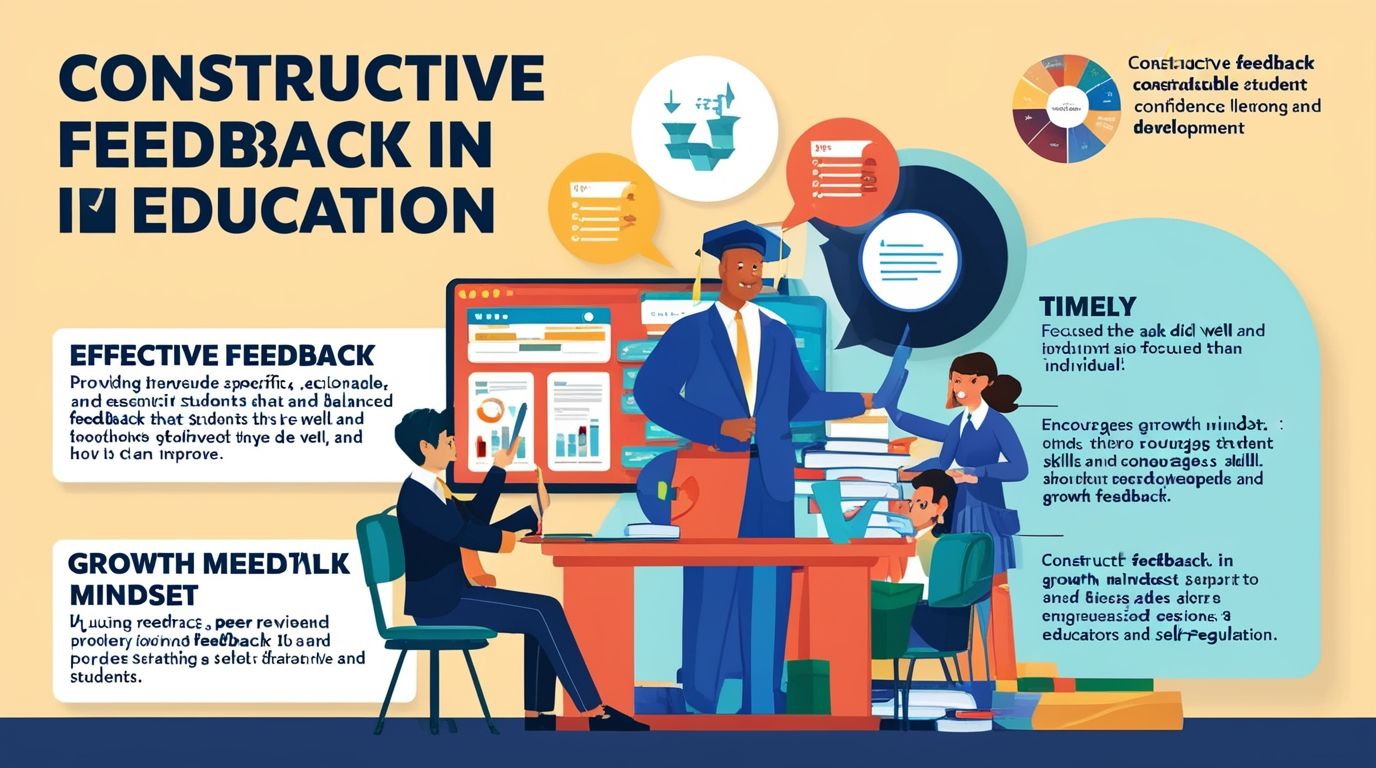
Give specific feedback. A mark of 62 percent tells a student little. A comment such as “You solve equations well but lose marks when you skip steps” gives a clear path forward. Research on student feedback shows that comments focused on the task improve learning more than grades alone.
Review the paper in class. Walk through common mistakes and model strong answers. This session often teaches more than a full week of new content.
Analyze the data. Sort questions by topic and look for patterns. If thirty percent of students missed the same question, plan a reteaching lesson.
Offer a second chance. Allow students to correct their mistakes and earn back some marks. This approach rewards learning from failure and reduces fear.
How Parents Can Support Student Progress
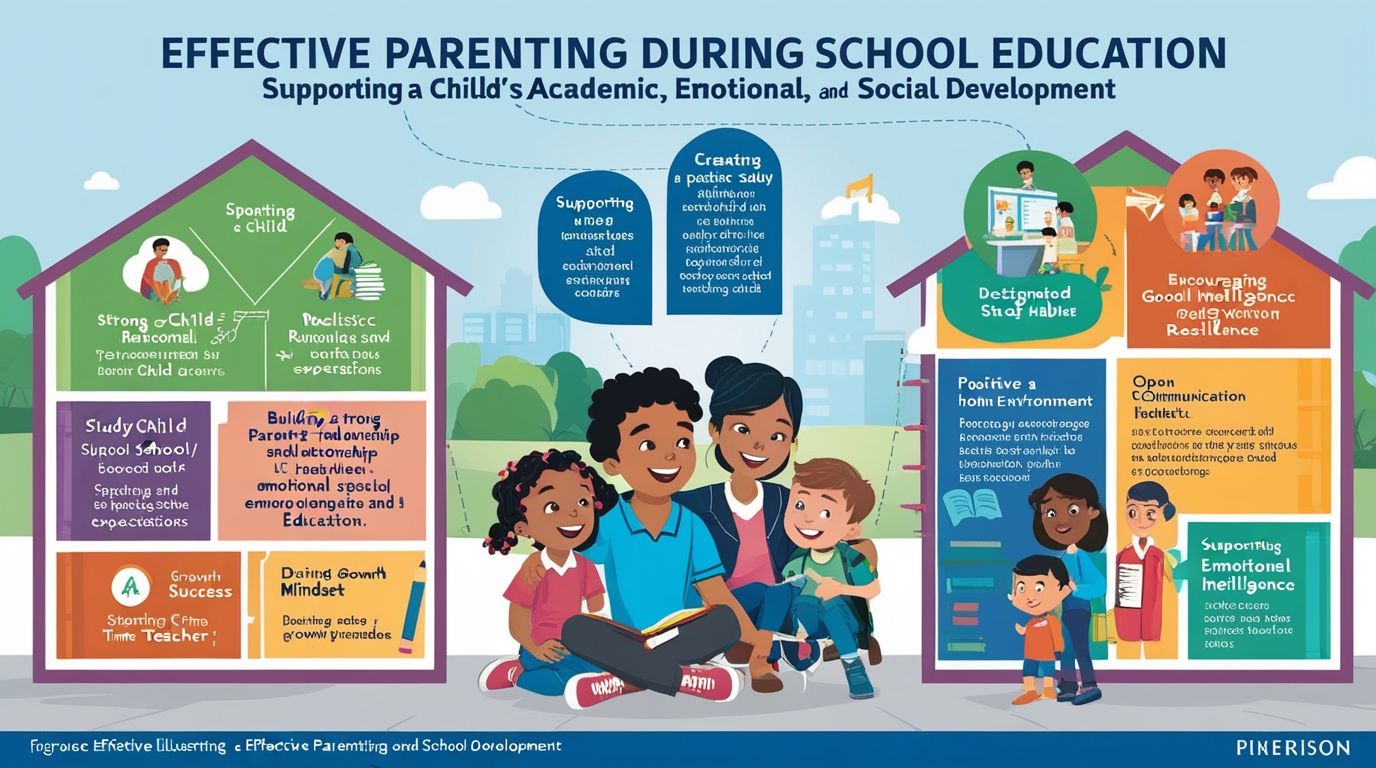
Parents shape how children feel about exams. Calm and consistent support helps far more than pressure.
- Create a good study space. Provide a quiet table, good light, and a regular schedule.
- Protect sleep and nutrition. Tired and hungry students perform poorly. Aim for eight to ten hours of sleep for school-age children.
- Talk about effort, not only marks. Praise the hard work, the planning, and the improvement.
- Stay calm after results. Ask your child what went well and what they want to change. Avoid comparing them with siblings or classmates.
- Contact the school early. If your child struggles, ask the teacher for extra help before the final exam approaches.
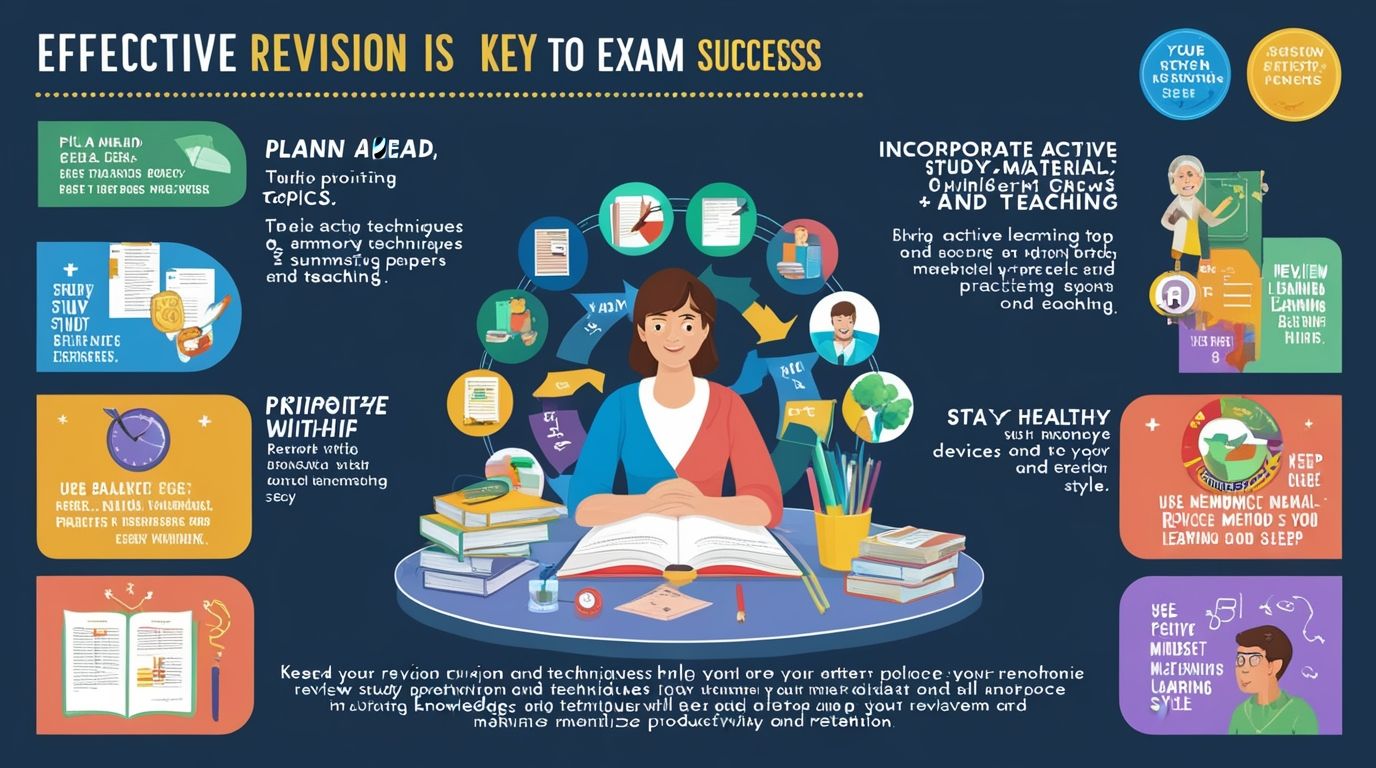
Smart Strategies for Students
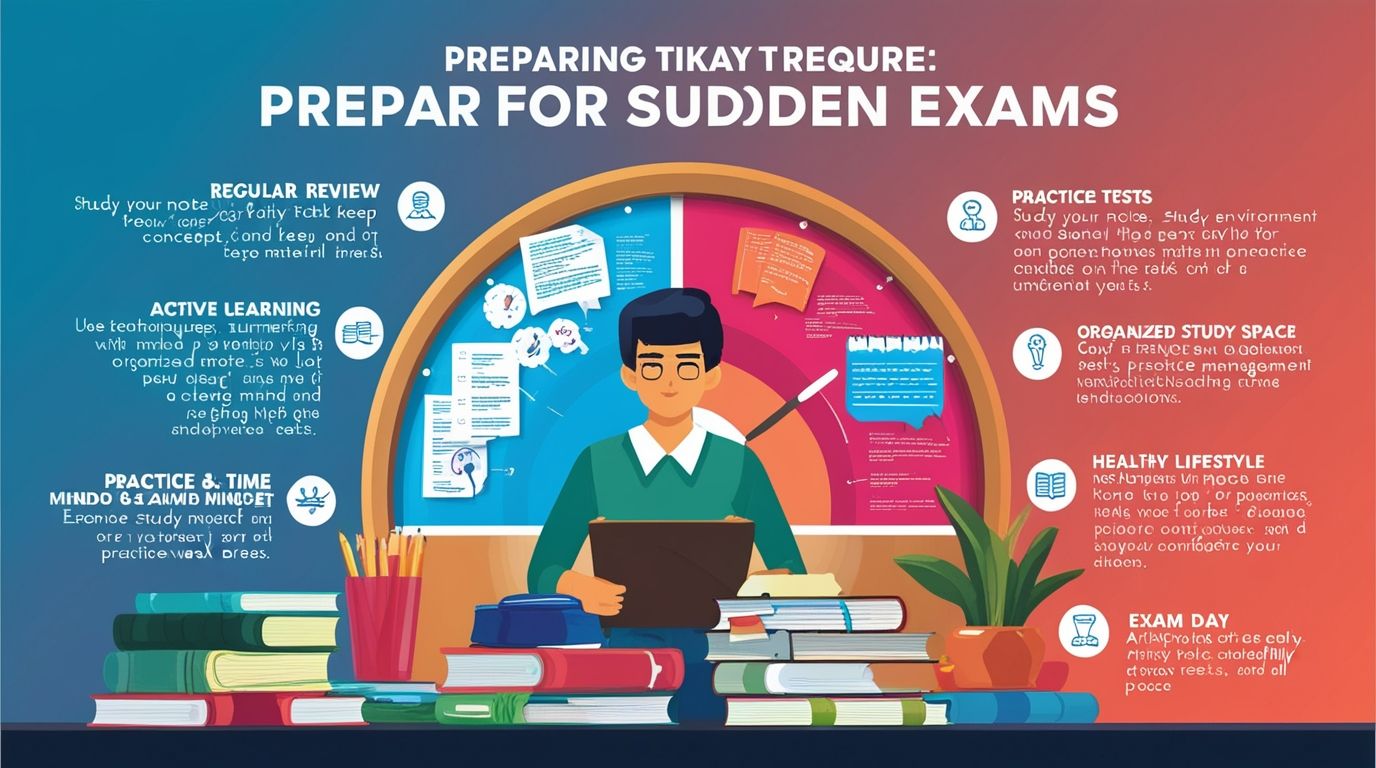
Students who understand how to use mid-term exams gain the most from them. These strategies work across subjects and age groups.
- Start early. Begin revision two to three weeks ahead and spread topics across several days.
- Practice retrieval. Close the book and write down everything you remember. Use flashcards and past papers.
- Space your study. Review each topic several times over many days rather than once for many hours.
- Ask questions. Visit your teacher when a topic confuses you. Confusion is normal, and fixing it early saves time.
- Manage stress. Take short breaks, walk outside, breathe slowly, and talk with a friend or family member.
- Review your paper. Write a list of your errors and sort them into three groups: careless mistakes, knowledge gaps, and time problems. Then make a plan for each group.
Building a Healthier Assessment Culture in Schools
School leaders can reshape the way their communities view exams. A few policy choices create a big change.
Schools can lower the stakes of the mid-term by weighting it modestly in final grades. They can combine exams with projects, presentations, and classroom participation so that no single test defines a student. They can train teachers in assessment design and data use. They can also provide counseling and study-skills workshops before each exam season.
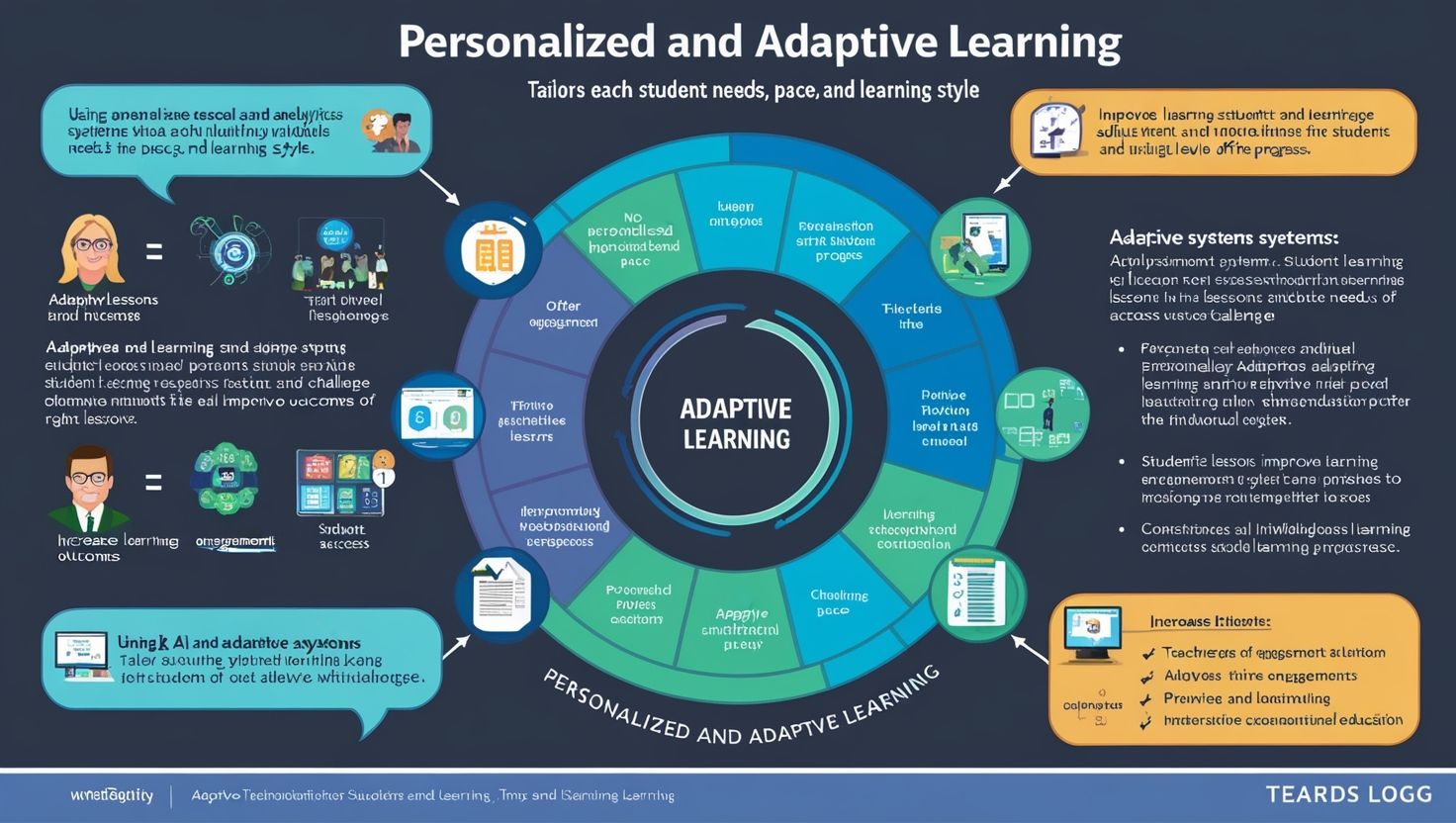
Technology helps as well. Digital platforms track each student’s results across the year, which makes growth easy to see. Adaptive quizzes give instant feedback and practice on weak topics. Schools that adopt these tools must protect student privacy and make sure every child has access to a device.
Above all, schools should communicate a simple message: an exam measures learning at one moment, and it does not measure a child’s worth.
Conclusion
Mid-term exams hold real power over student progress. They strengthen memory, reveal learning gaps, build study habits, and give teachers vital information. They can also create anxiety, narrow teaching, and label children unfairly. The outcome depends on how schools, teachers, parents, and students choose to use them.
When the exam leads to quick feedback, targeted teaching, and personal goals, it becomes a tool for growth. When it ends with a grade filed in a drawer, it wastes its potential. Schools that treat mid-term exams as the middle of a learning journey, and not as a verdict, give every student a better chance to succeed in school education and beyond.
Frequently Asked Questions (FAQs)
1. Do mid-term exams really improve student performance?
Yes, they can. Testing students on material helps them remember it longer, and the results show teachers where to focus the second half of the course. The improvement depends on follow-up. Students who receive clear feedback and act on it usually score higher on final exams than students who only see a grade.
2. How can students reduce stress before mid-term exams?
Students can start revision early, break topics into small daily goals, and sleep well. Short breaks, light exercise, and slow breathing calm the body. Practicing with past papers also helps because familiar questions feel less frightening. Students who feel overwhelmed should talk to a teacher, parent, or school counselor.
3. What should parents do after a child receives poor mid-term results?
Parents should stay calm and listen first. Ask your child what happened, and review the marked paper together to find the cause: a knowledge gap, a time problem, or stress. Then meet the teacher, agree on a simple improvement plan, and celebrate small gains. Remember that a mid-term result shows a starting point for the second half of the year, not the final outcome.
References
- Black, P., & Wiliam, D. (1998). Inside the black box: Raising standards through classroom assessment. Phi Delta Kappan, 80(2), 139–148.
- Roediger, H. L., & Karpicke, J. D. (2006). Test-enhanced learning: Taking memory tests improves long-term retention. Psychological Science, 17(3), 249–255.