
1. Introduction
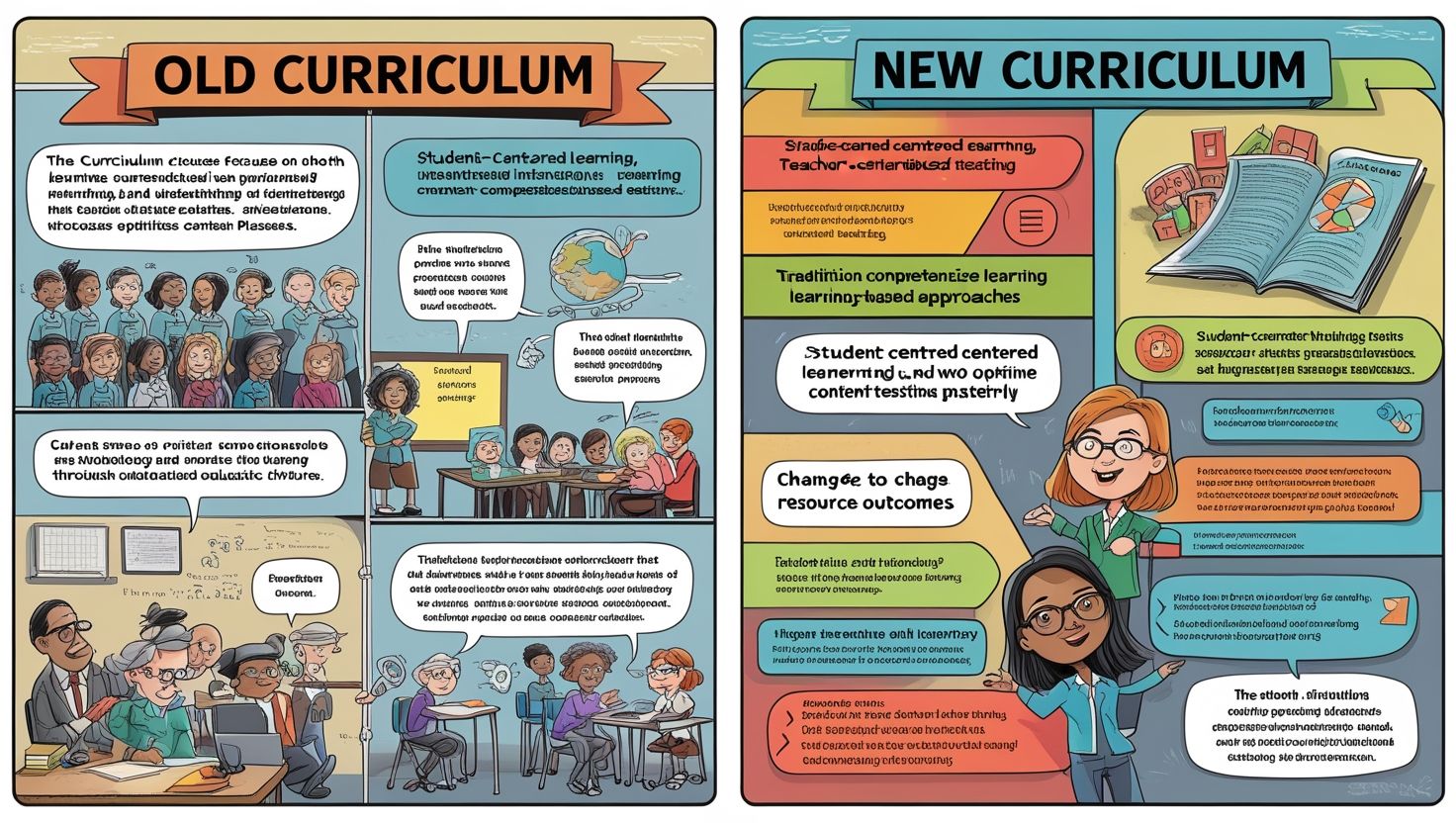
Curriculum is a core pillar of education. It shapes what students learn and how they learn it. Traditionally, curriculum meant a fixed set of subjects. Over time, however, this definition has evolved. Today, curriculum includes content, teaching methods, assessments, and student outcomes. Moreover, it also reflects the values of society. Consequently, understanding curriculum requires studying both past and present practices.
Although the old curriculum focused more on content delivery, the new curriculum promotes active learning. Earlier, students were passive listeners. But now, they are active participants. Furthermore, technology has reshaped how knowledge is delivered. Teachers are no longer the sole source of information.
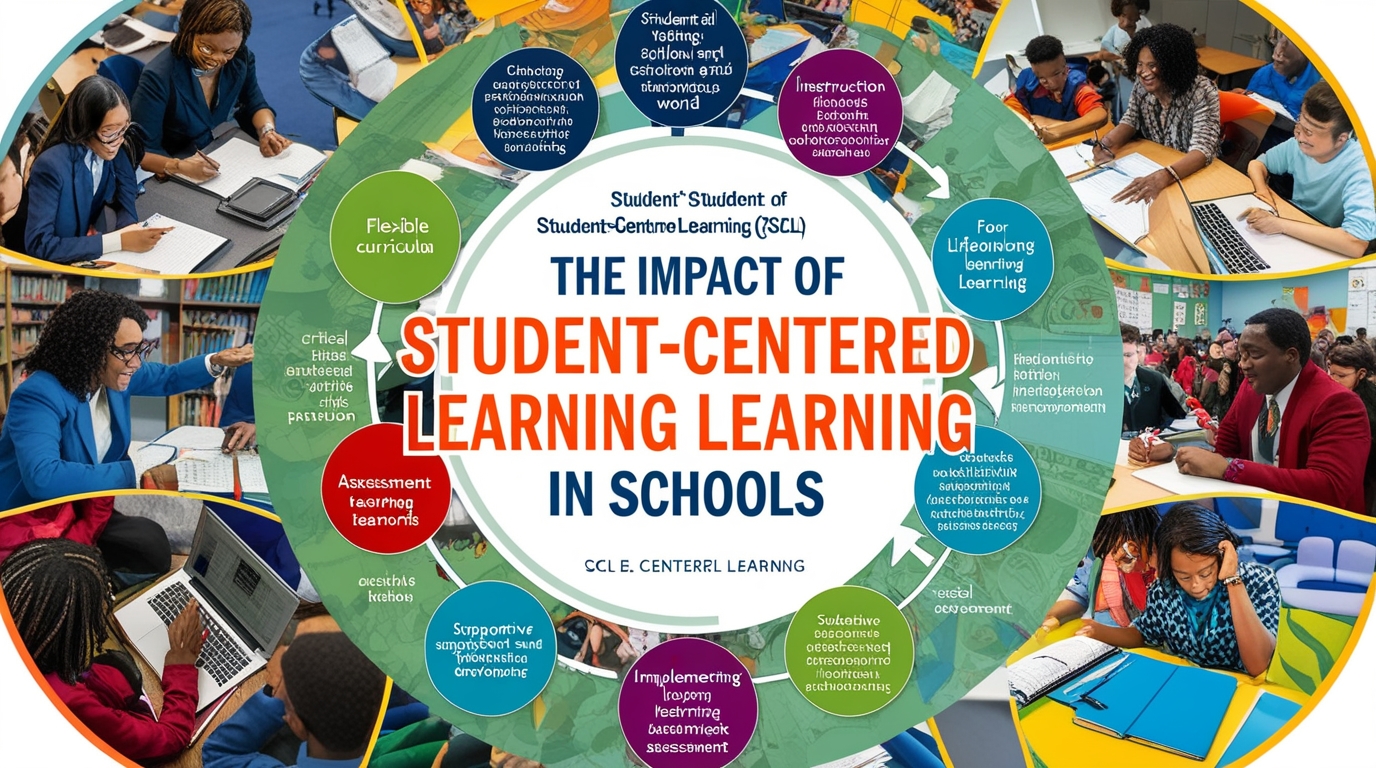
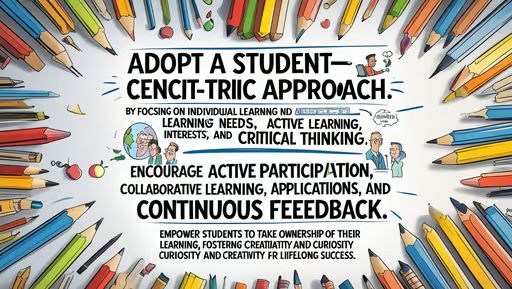
Additionally, the shift from teacher-centered to student-centered approaches is noteworthy. It reflects the changing needs of learners. Not only does this improve engagement, but it also encourages critical thinking. Therefore, studying both old and new curriculum concepts is essential. It helps educators make informed decisions.
In conclusion, curriculum is not just about textbooks. Instead, it is a living framework. It evolves with time. Hence, to improve education, we must compare its old and new models. This comparison reveals strengths, weaknesses, and opportunities for progress.
2. The Foundation of the Old Curriculum
The old curriculum concept was rooted in stability and order. It emphasized tradition over innovation. Knowledge was seen as fixed and absolute. Therefore, memorization was often the primary method of learning. Students were expected to absorb facts rather than question them.
Moreover, the teacher held all authority in the classroom. Lessons followed a strict structure. Syllabi were rigid and not easily altered. Subjects such as reading, writing, arithmetic, and history were emphasized. Arts, sports, and creativity had a lesser role.
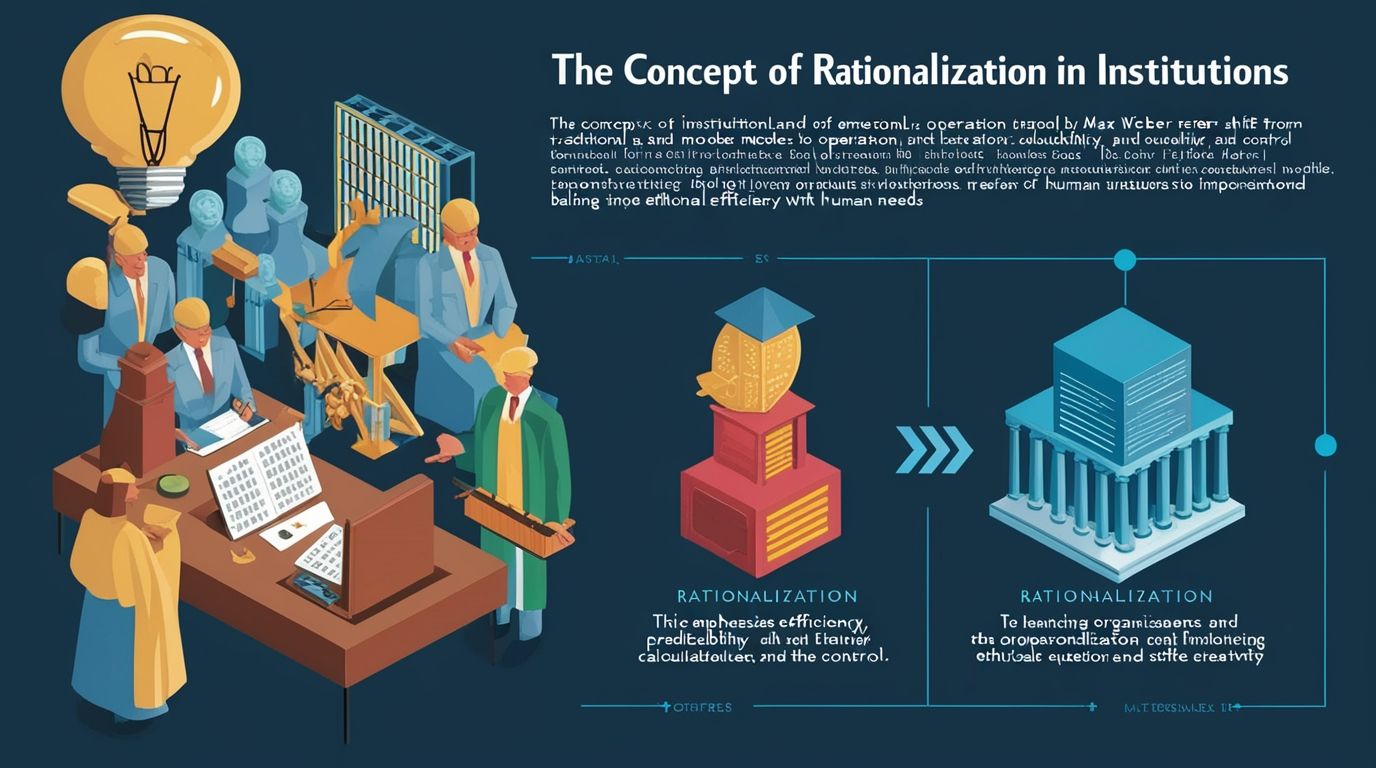
Additionally, the old curriculum aligned closely with industrial-era needs. During that time, the goal was to prepare students for standardized jobs. Thus, skills like discipline, punctuality, and obedience were prioritized. These values matched the workforce requirements of that era.
Despite its limitations, the old curriculum provided a sense of clarity. Everyone knew what to expect. Content was standardized across schools. However, this standardization often overlooked individual learning styles. It also ignored diverse cultural and social contexts.
In short, the old curriculum was simple, structured, and teacher-driven. It focused more on what was taught than how it was learned. Consequently, while it created order, it lacked flexibility and innovation. This made change necessary in the years to come.
3. Core Features of the New Curriculum
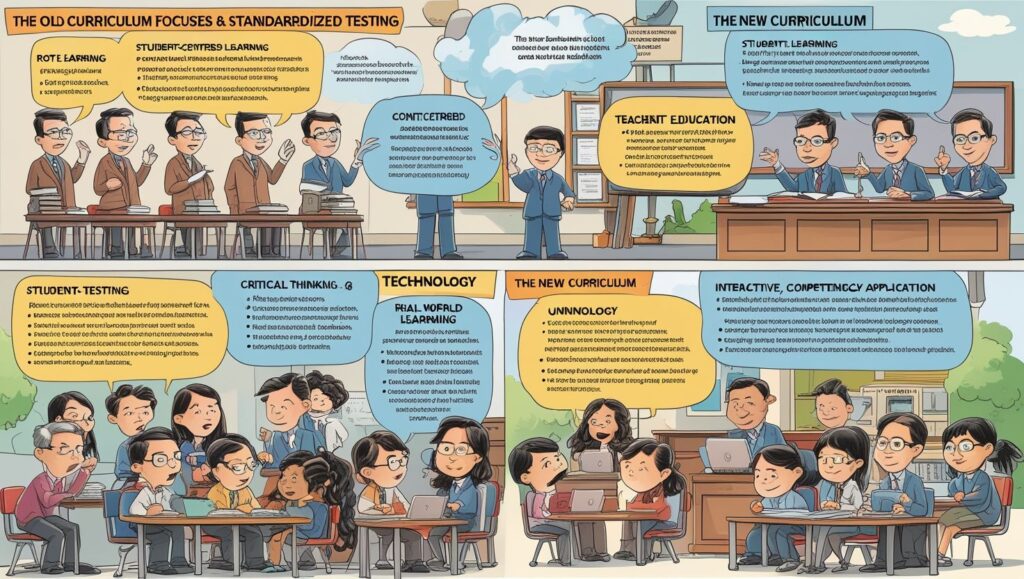
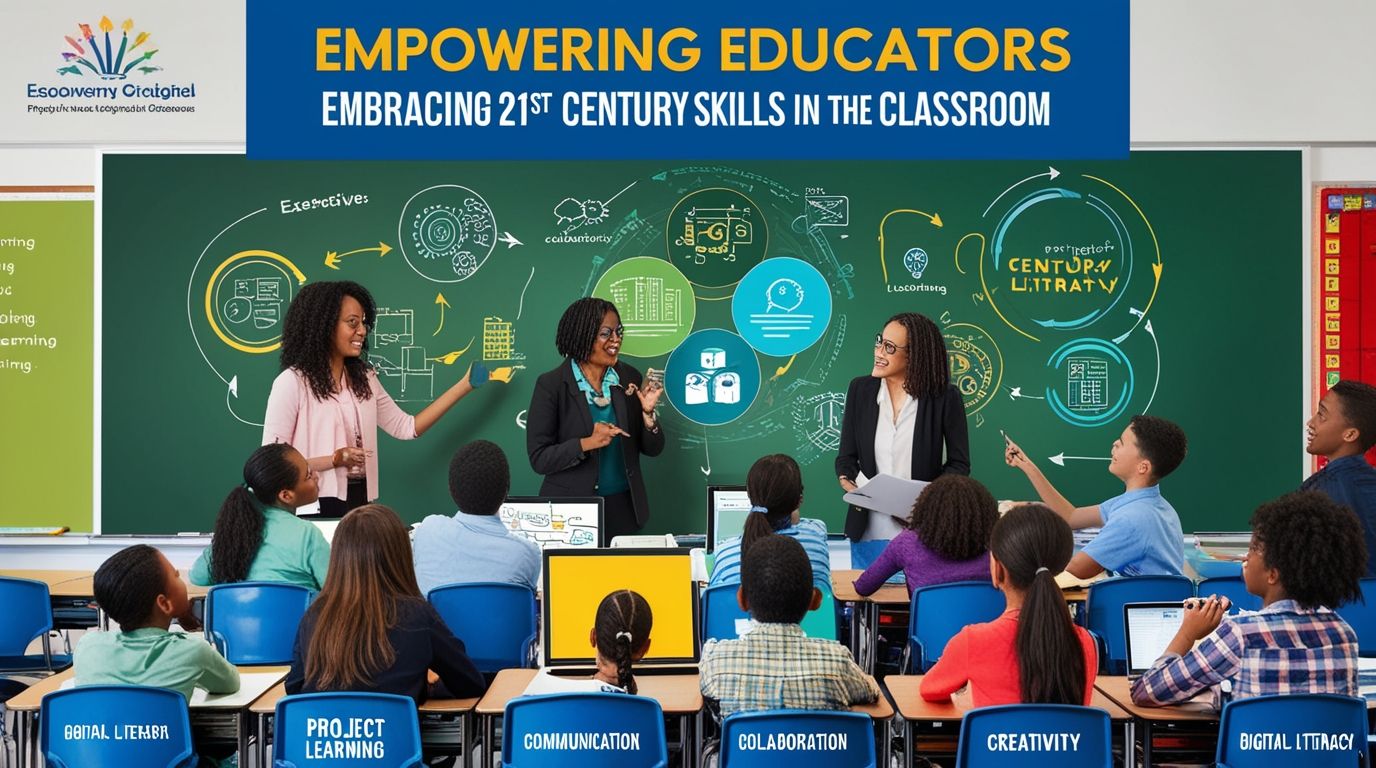
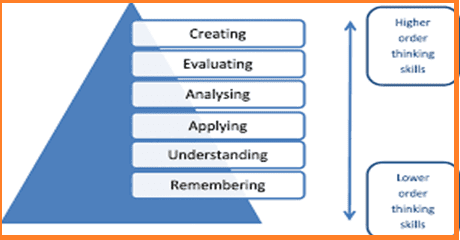
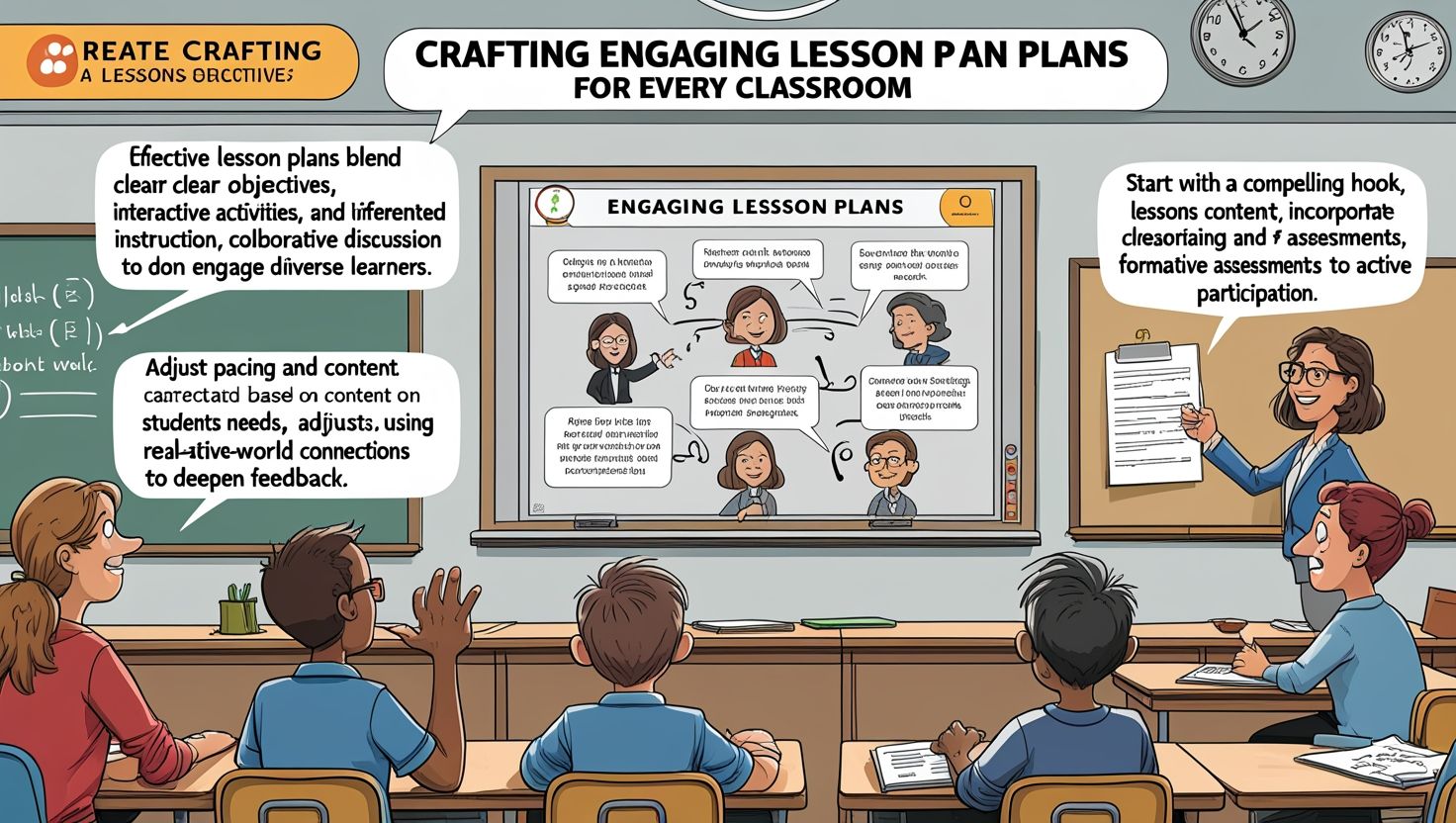
The new curriculum is dynamic and student-centered. Unlike the old model, it values creativity, collaboration, and critical thinking. It encourages learners to explore, analyze, and question. Therefore, learning becomes an active process. One major shift is toward flexibility. The new curriculum allows adaptation to different needs. It recognizes that students learn at different paces. Also, it respects cultural, regional, and linguistic diversity. Teachers are given room to innovate in lesson planning.
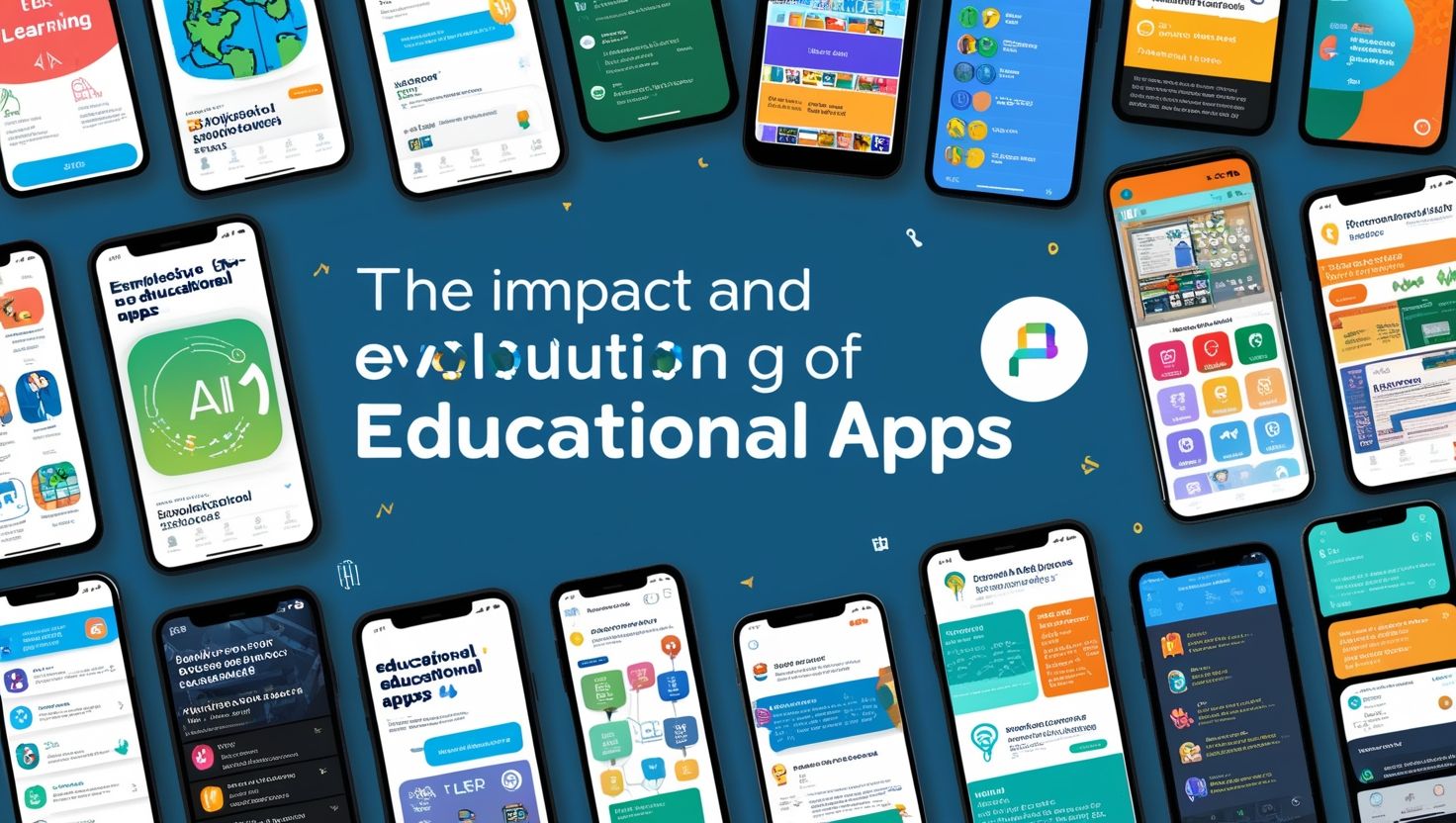
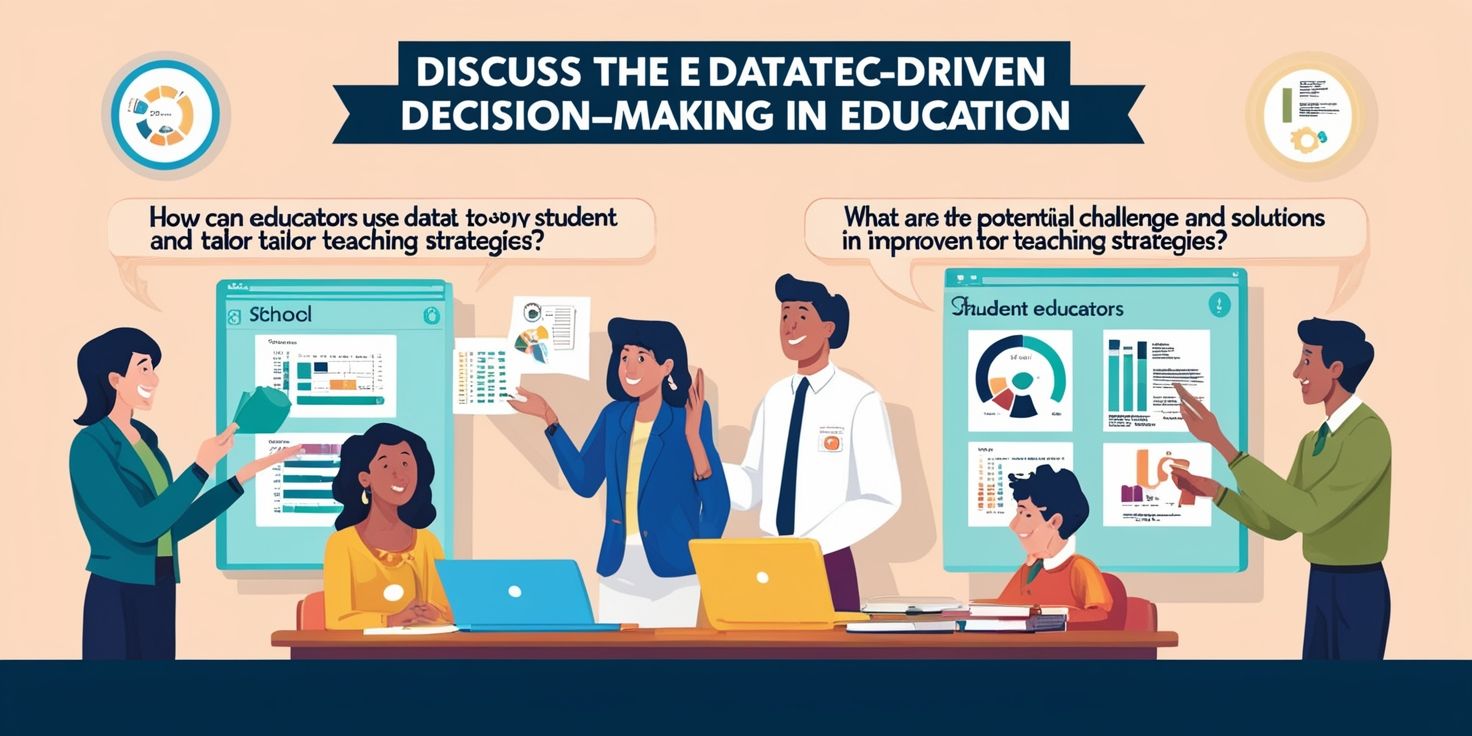
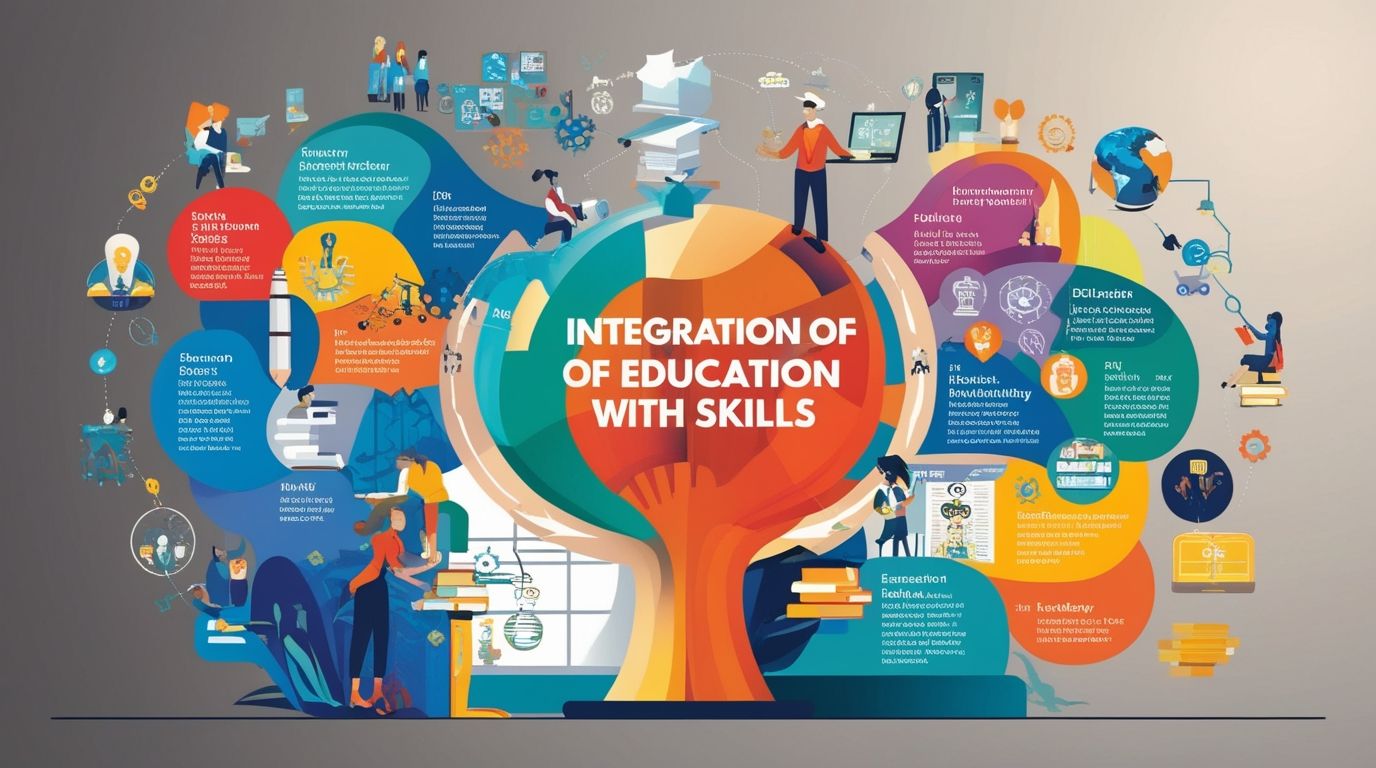
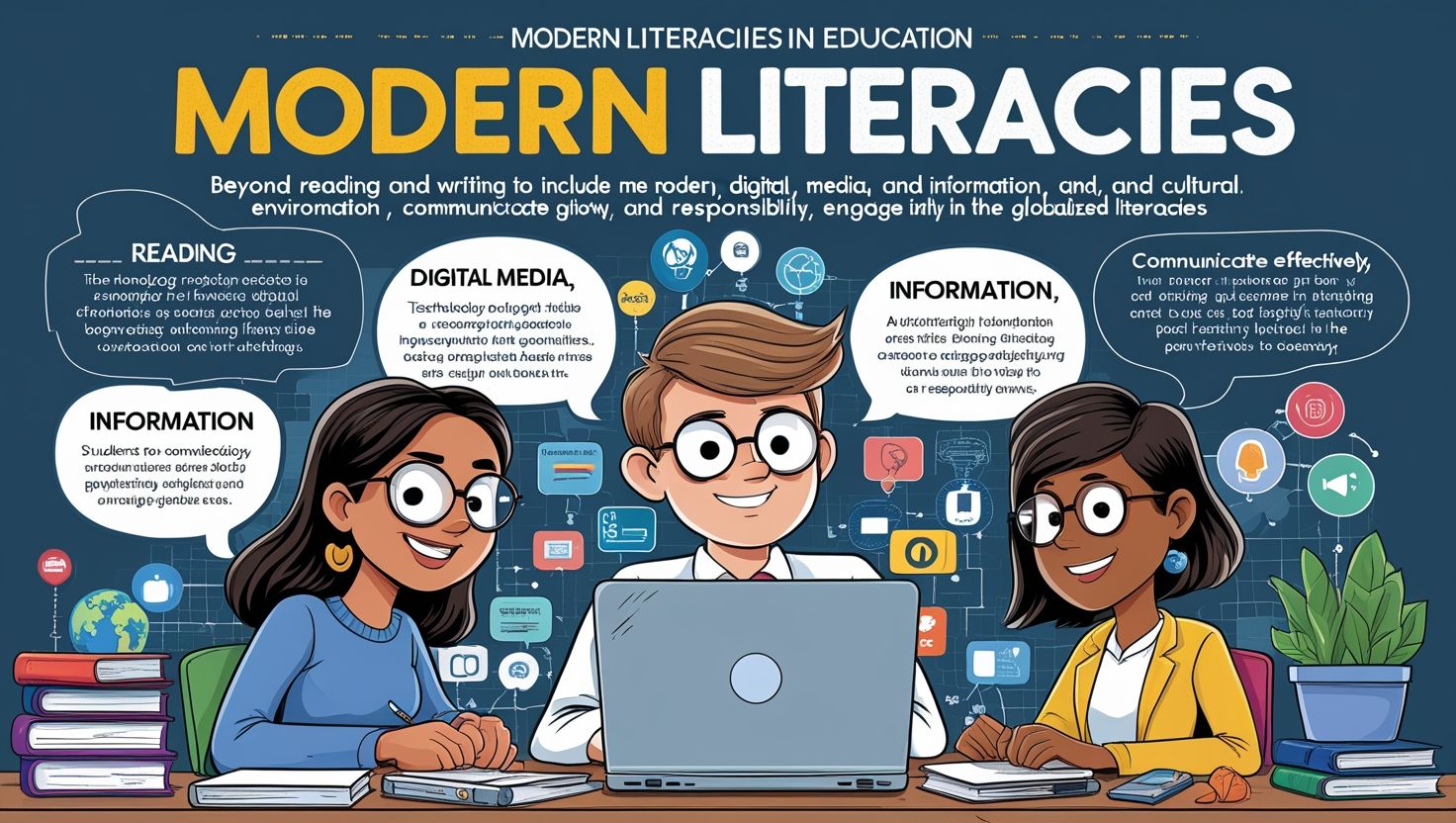
Another important aspect is interdisciplinary learning. Subjects are no longer isolated. Instead, they are integrated for deeper understanding. For example, environmental science may combine biology, chemistry, and geography. This helps students see real-world connections. Moreover, technology plays a vital role. Digital tools are widely used. Online assessments, multimedia lessons, and educational apps enhance learning. Consequently, students can access global knowledge.
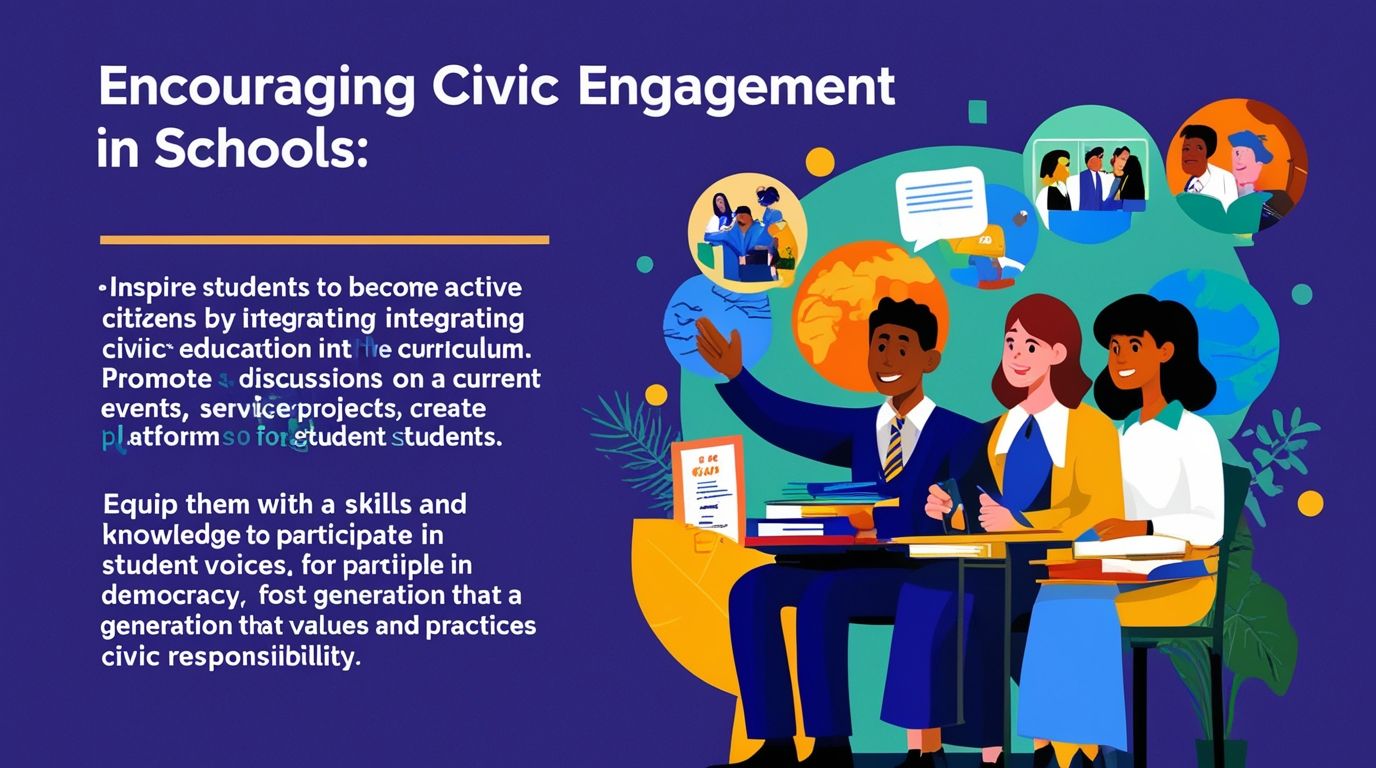
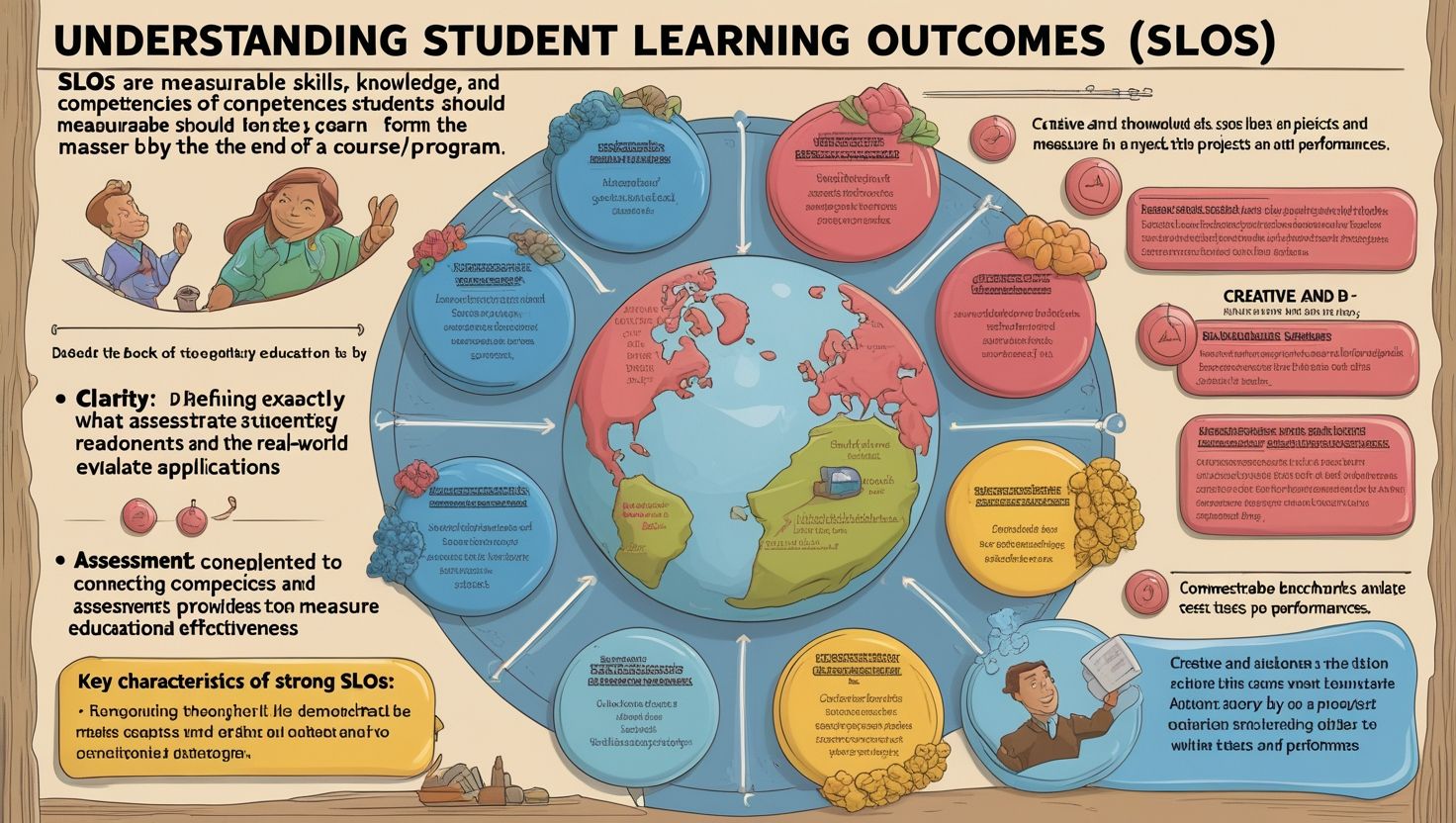
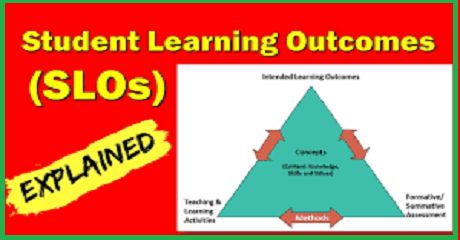
Importantly, the new curriculum also promotes values like empathy, social justice, and civic responsibility. These were often absent in older models. Additionally, learning outcomes are defined not only by grades but by skills and attitudes. To sum up, the new curriculum is adaptive, inclusive, and forward-thinking. It aims to prepare learners not just for jobs but for life. Thus, it represents a significant improvement over older practices.
4. Pedagogical Approaches Then and Now
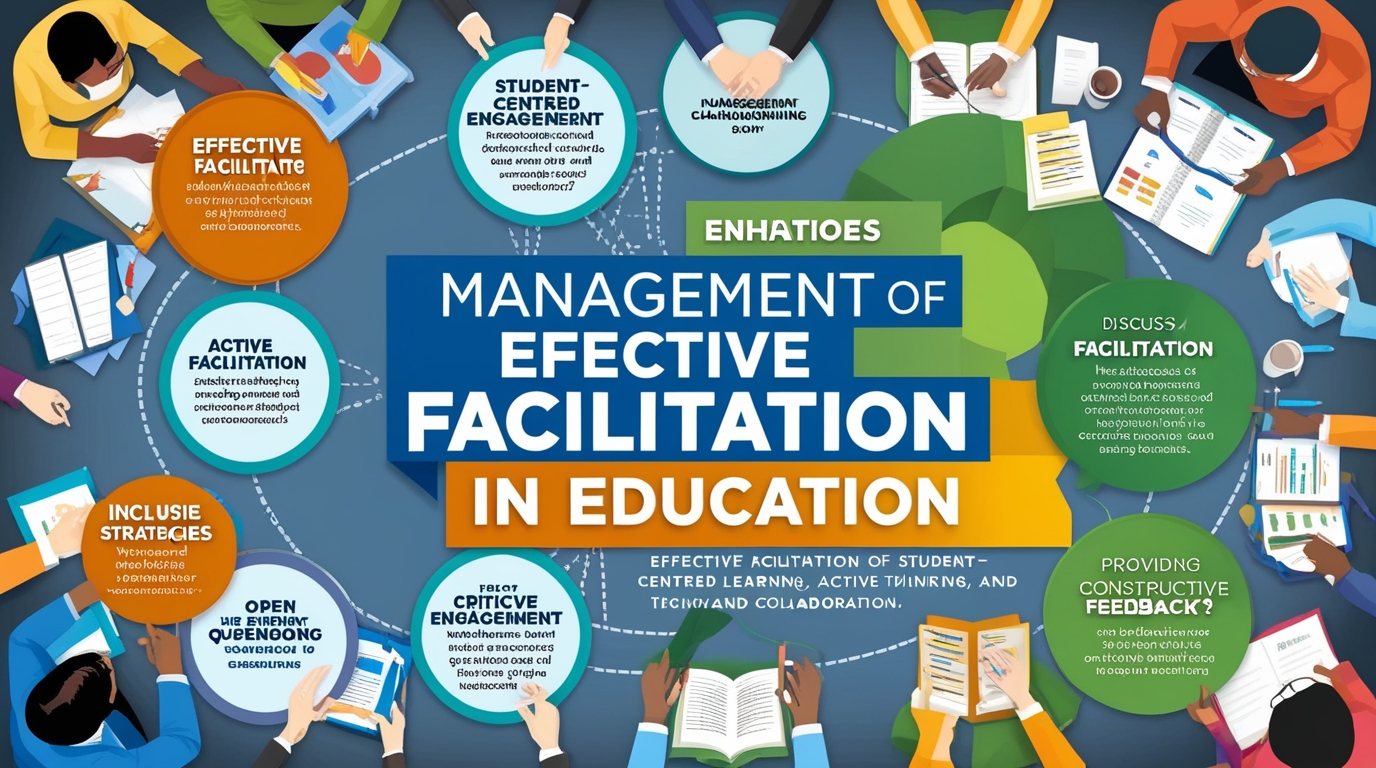
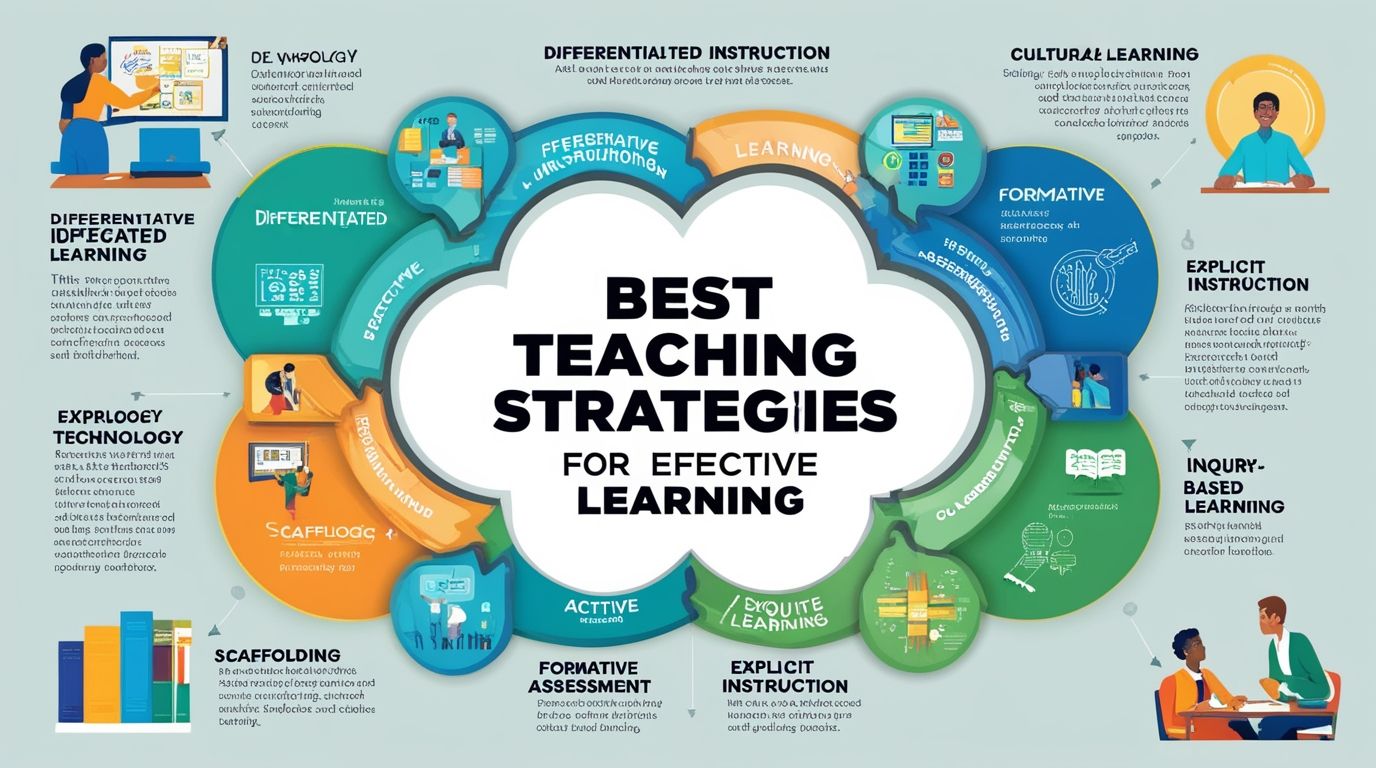
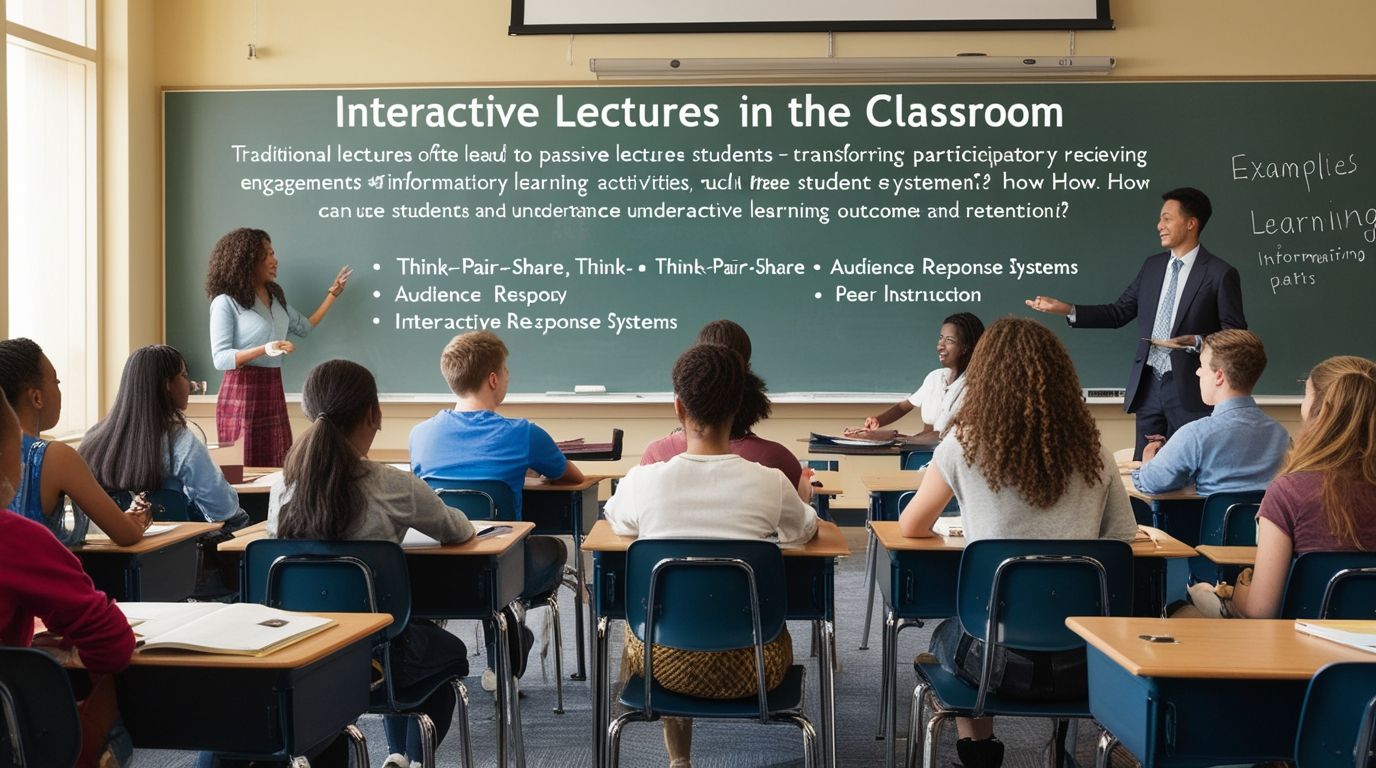
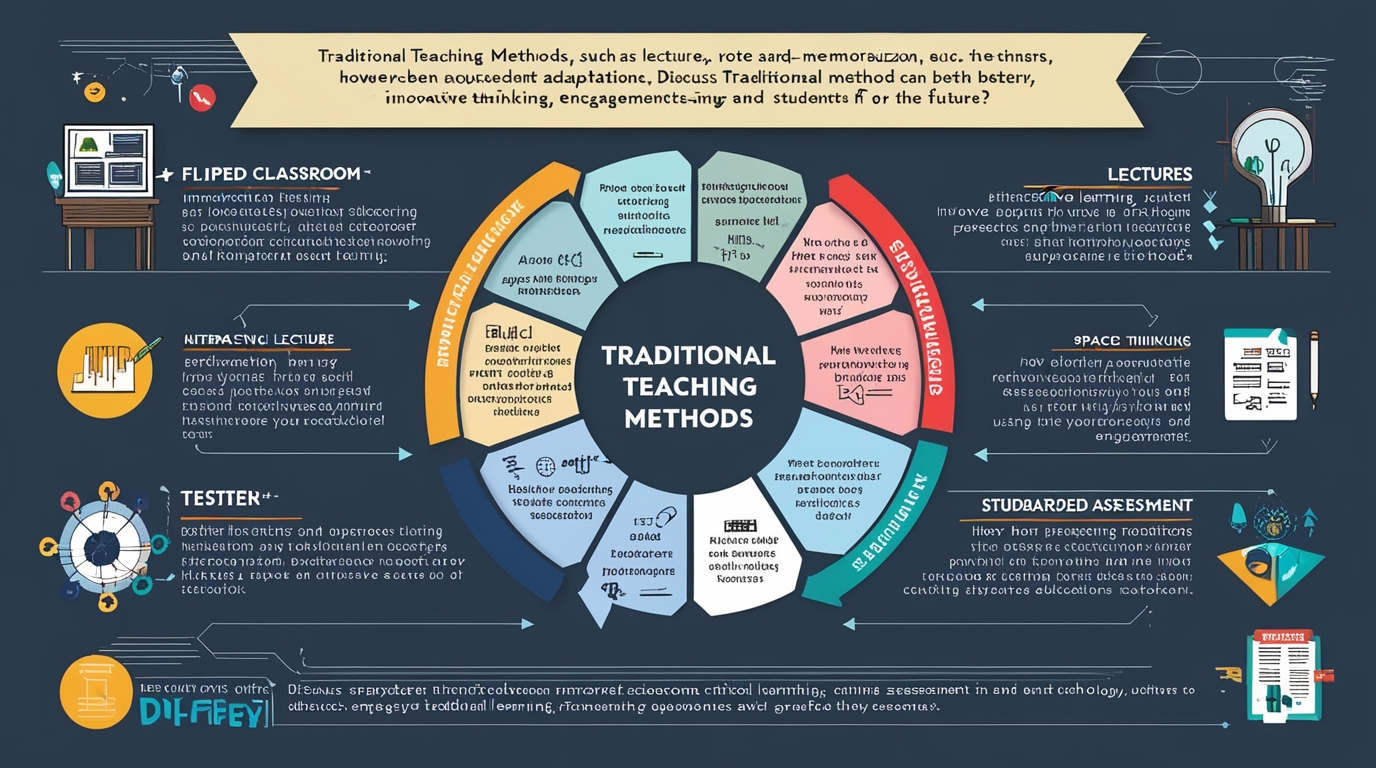
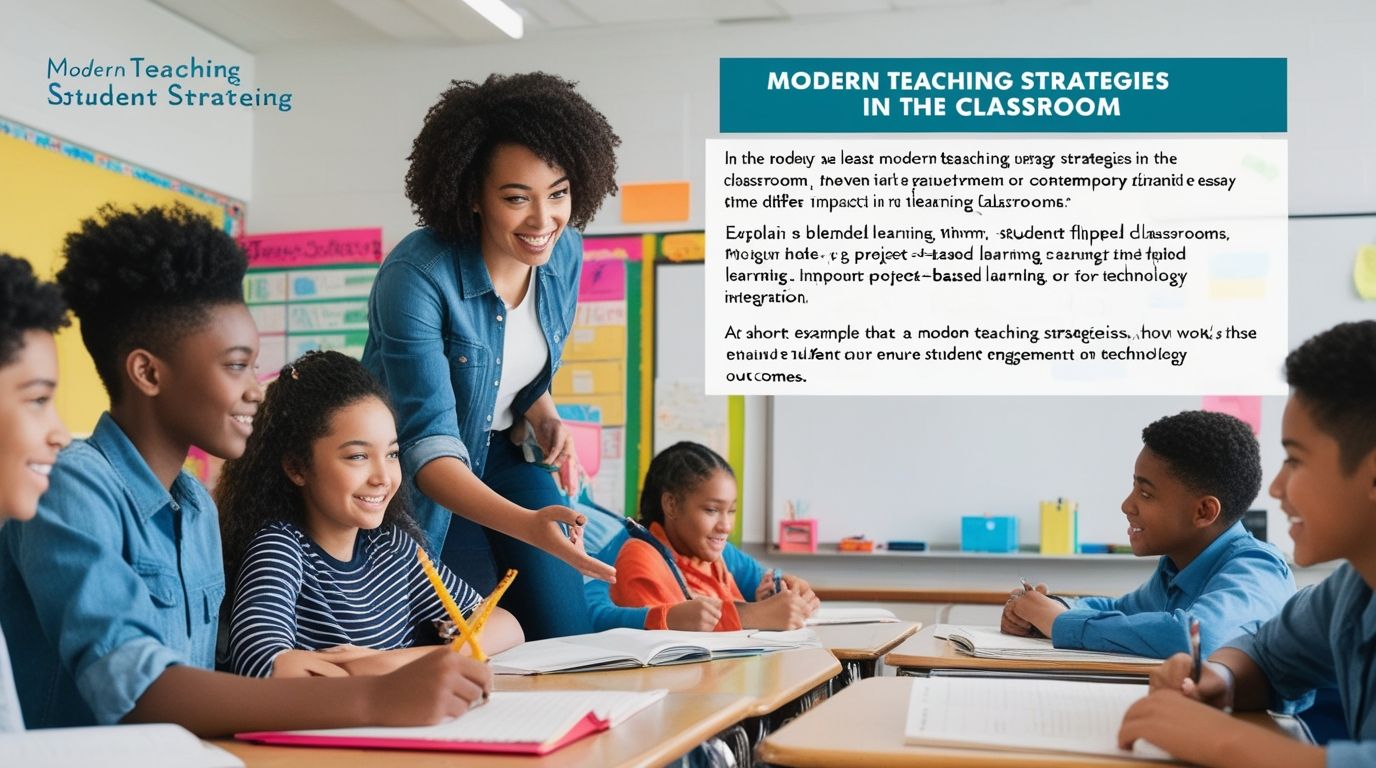
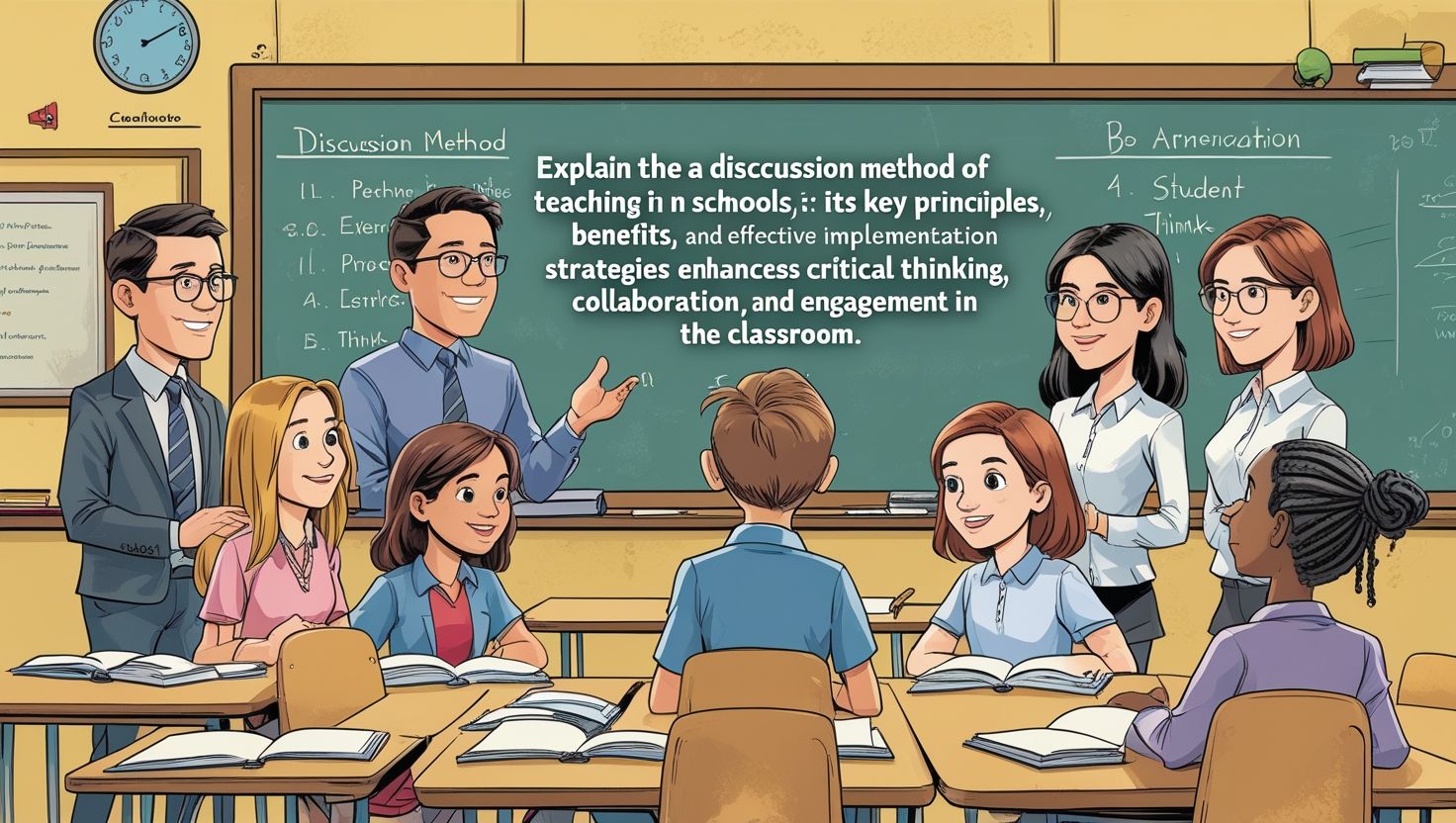
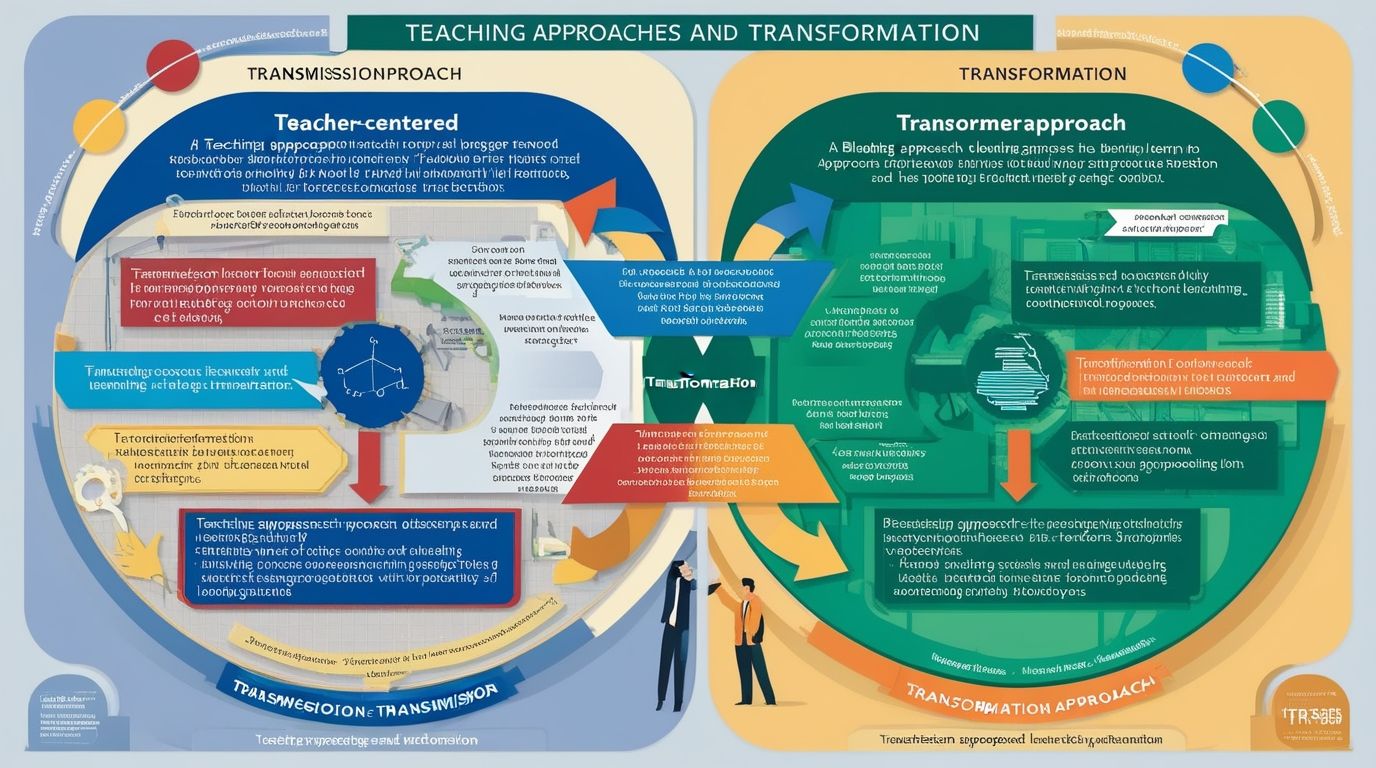
Pedagogy has changed drastically over time. In older systems, teaching was one-directional. The teacher spoke, and students listened. Questions were rare, and discussions were limited. Repetition and drills were the main strategies used. Today, pedagogy is interactive and inclusive. Teachers act more like facilitators. They guide students to explore and learn independently. Furthermore, project-based learning and collaborative work are encouraged. These methods build communication and problem-solving skills.
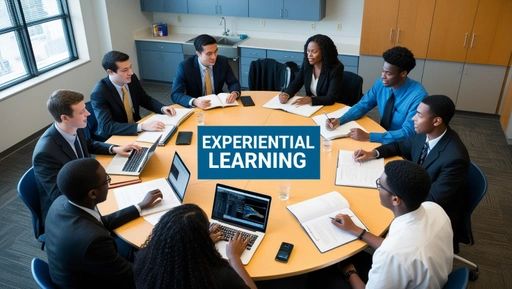
Earlier, learning happened mostly inside classrooms. Field trips and hands-on experiences were uncommon. However, modern pedagogy emphasizes experiential learning. Students learn by doing, not just by hearing. Also, assessments have evolved. Previously, only written exams mattered. Now, teachers use diverse tools—presentations, portfolios, and peer reviews. Consequently, assessment focuses on understanding, not memorization.
Moreover, the old methods rarely adjusted for different learners. Today’s pedagogical models embrace inclusive education. Visual, auditory, and kinesthetic learners are all considered. Teachers adapt their methods accordingly. In essence, pedagogy is no longer about control but collaboration. While the old system favored uniformity, the new one celebrates diversity. Clearly, these pedagogical shifts enrich the learning experience for every student.
5. Role of Teachers in Old and New Curriculum
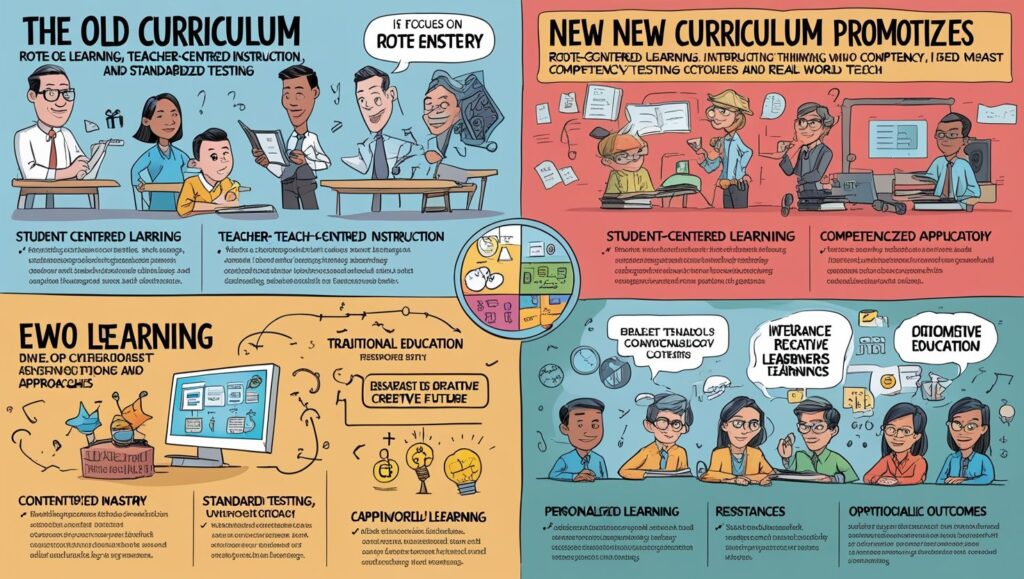
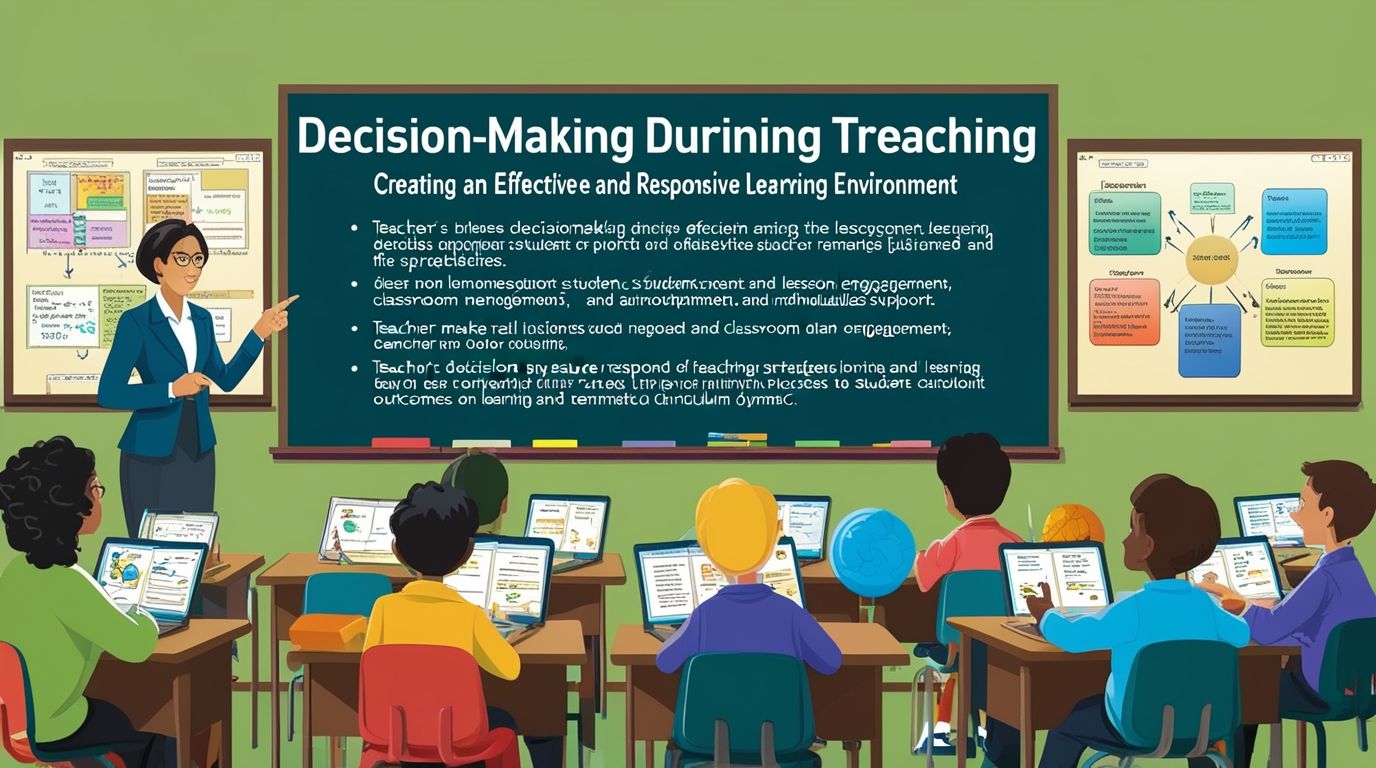
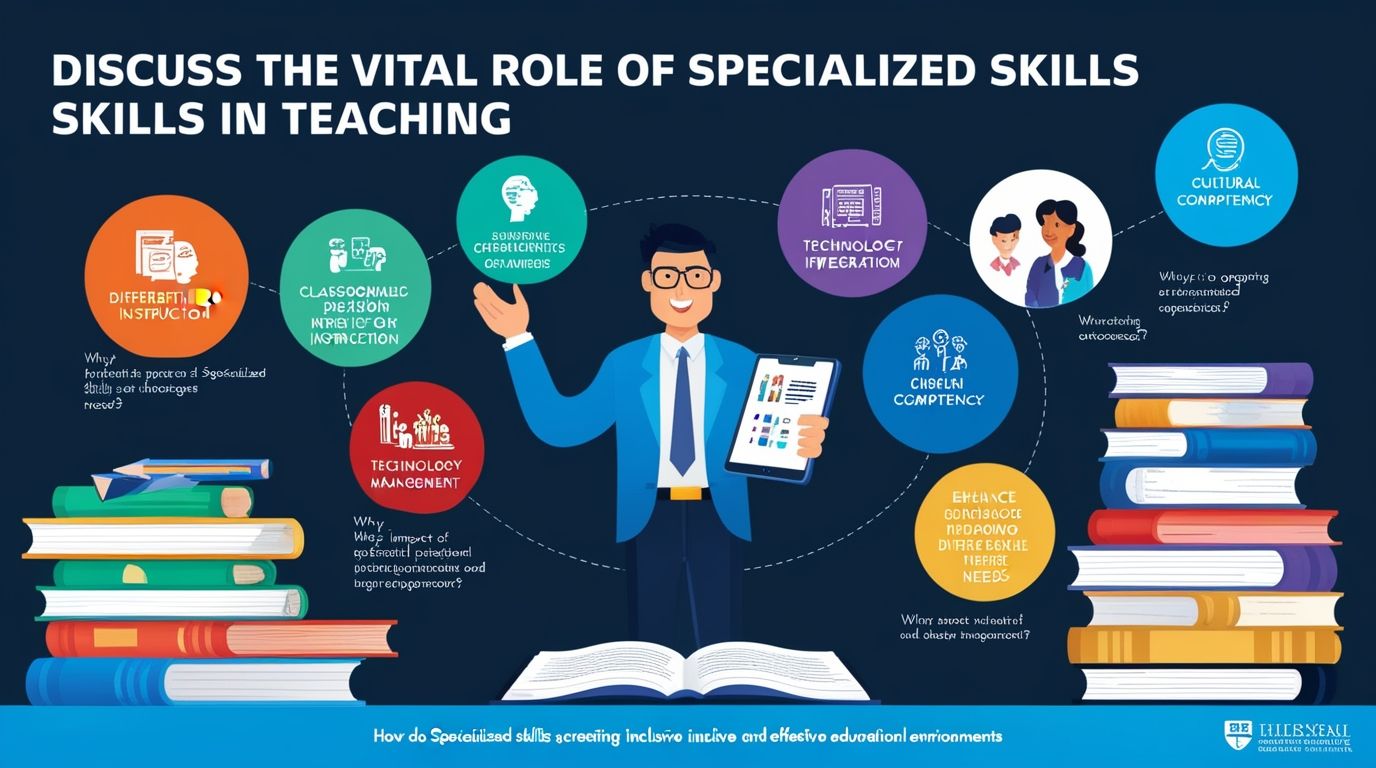
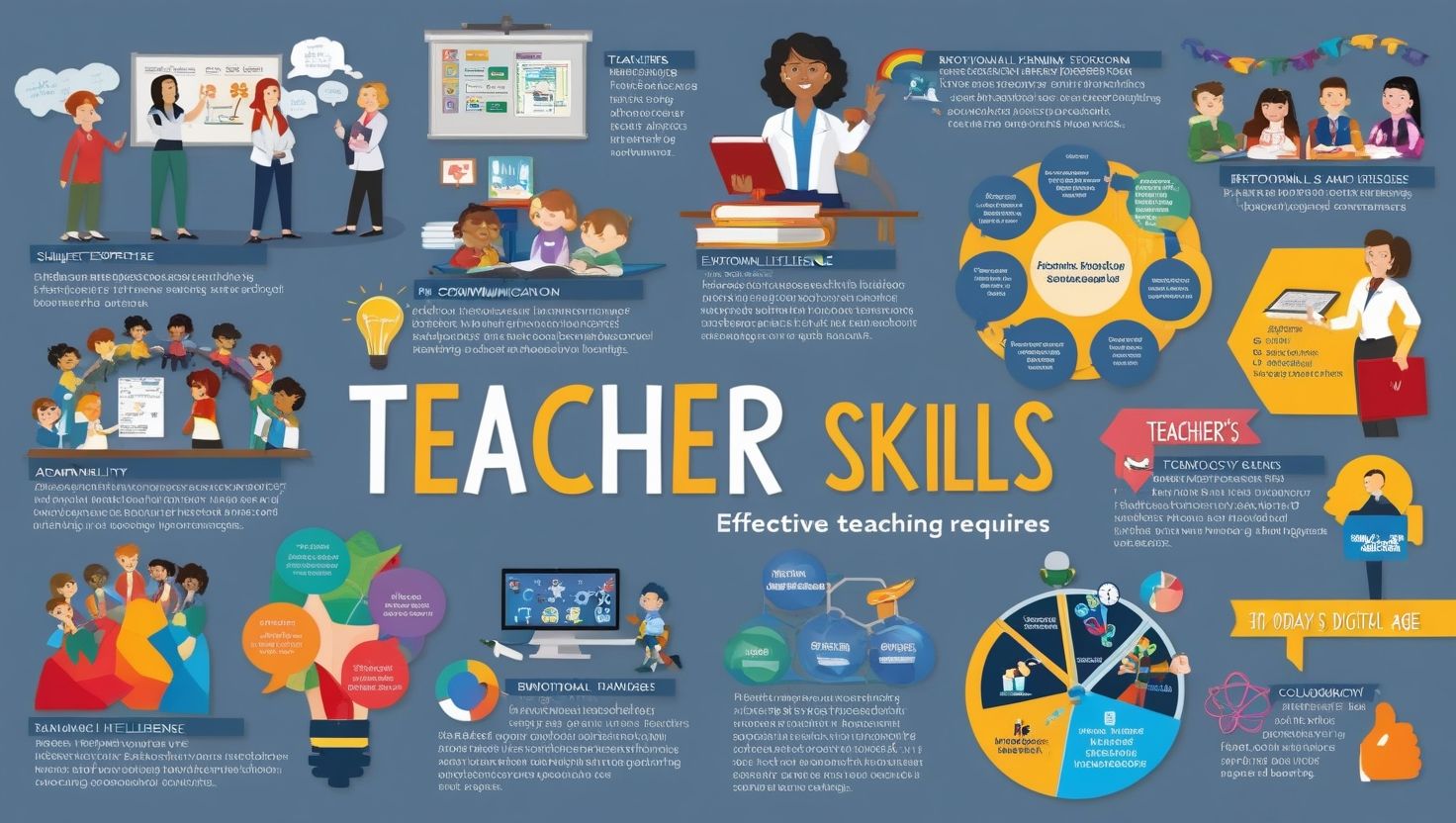
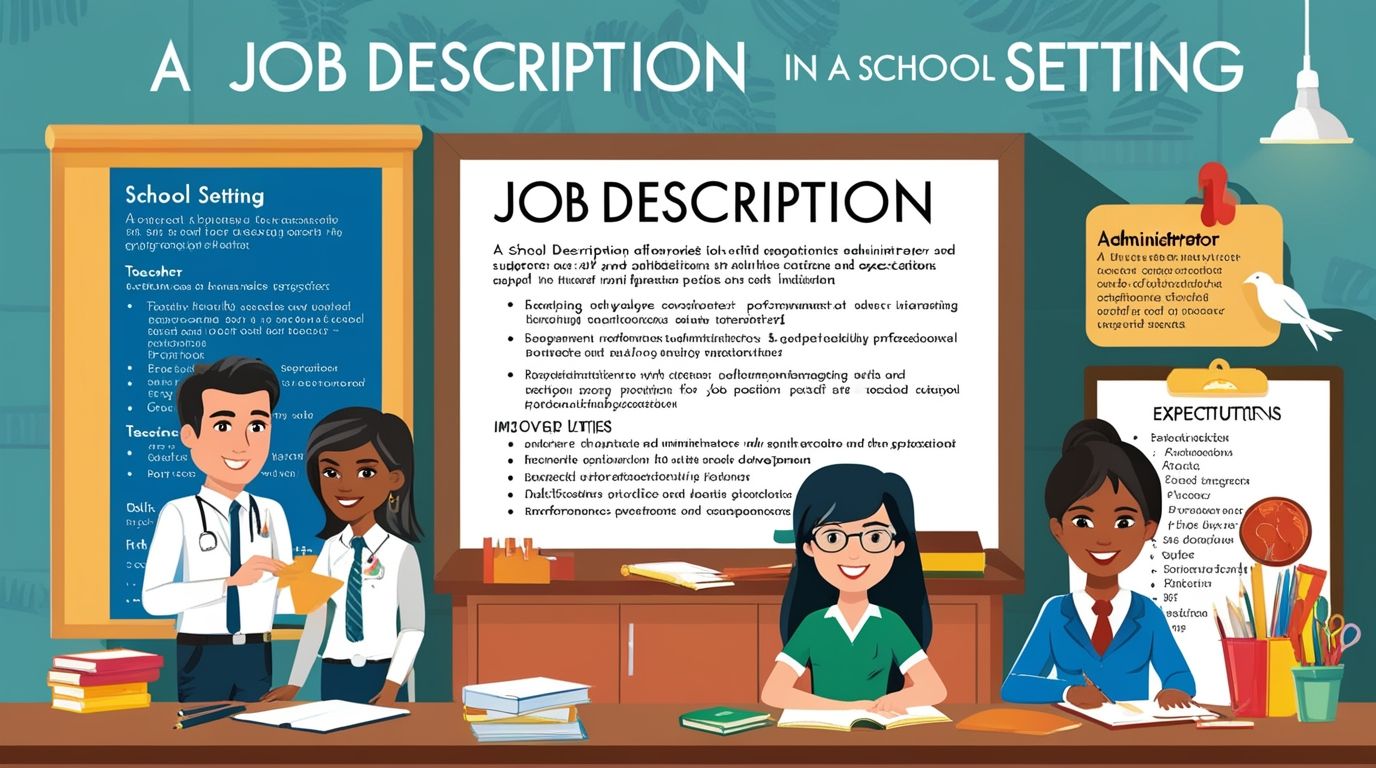
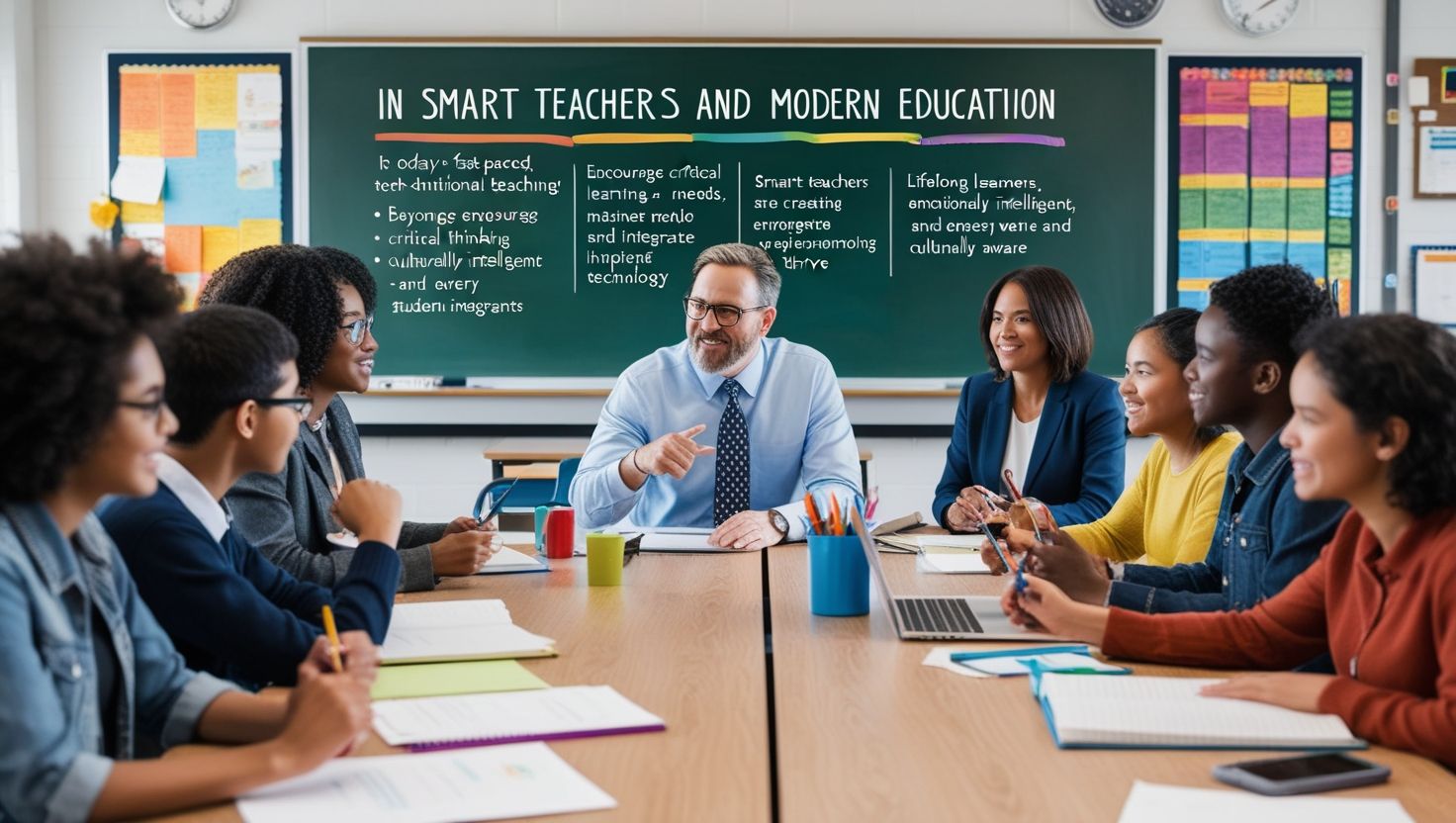
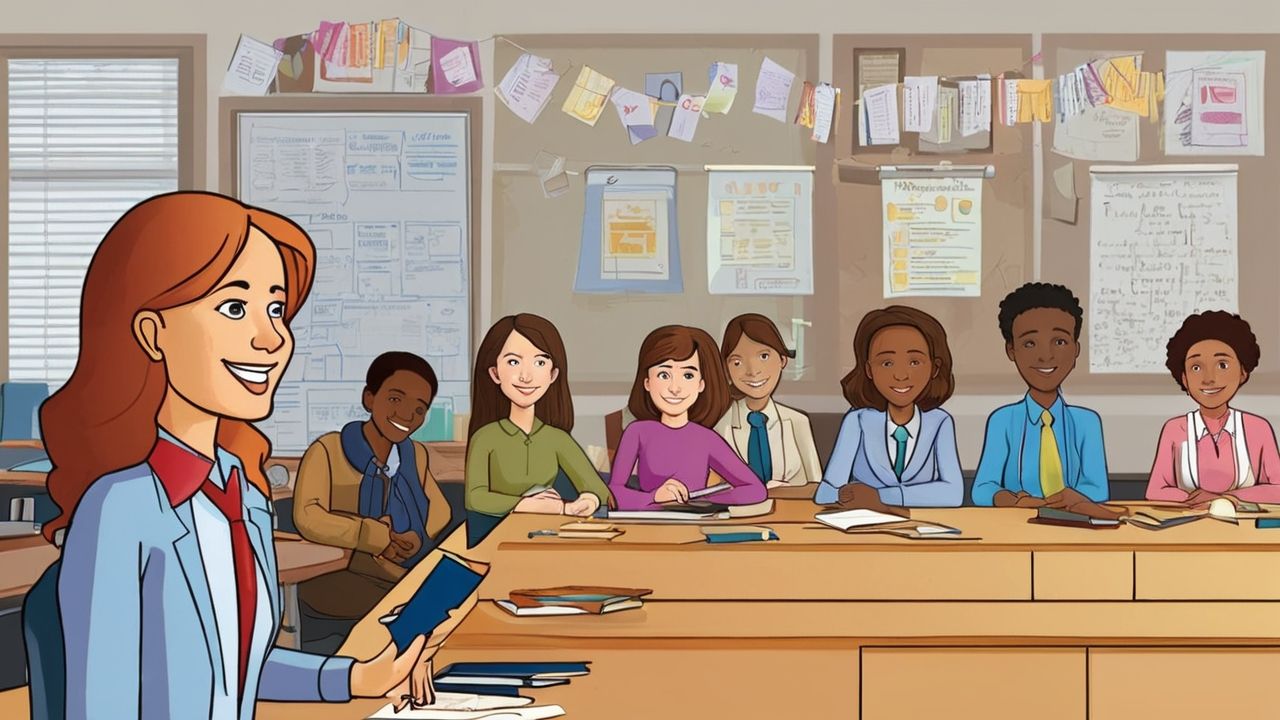
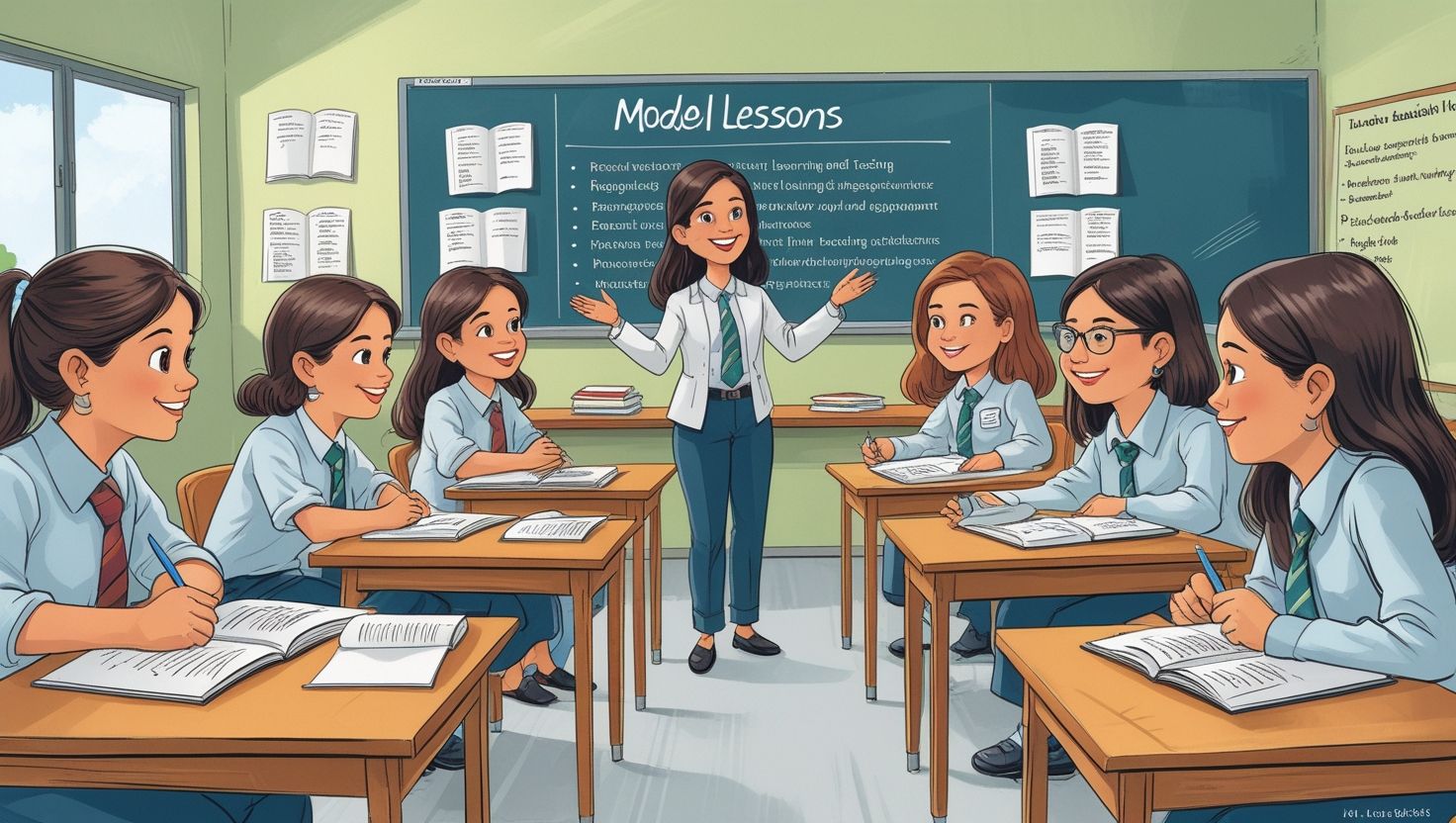
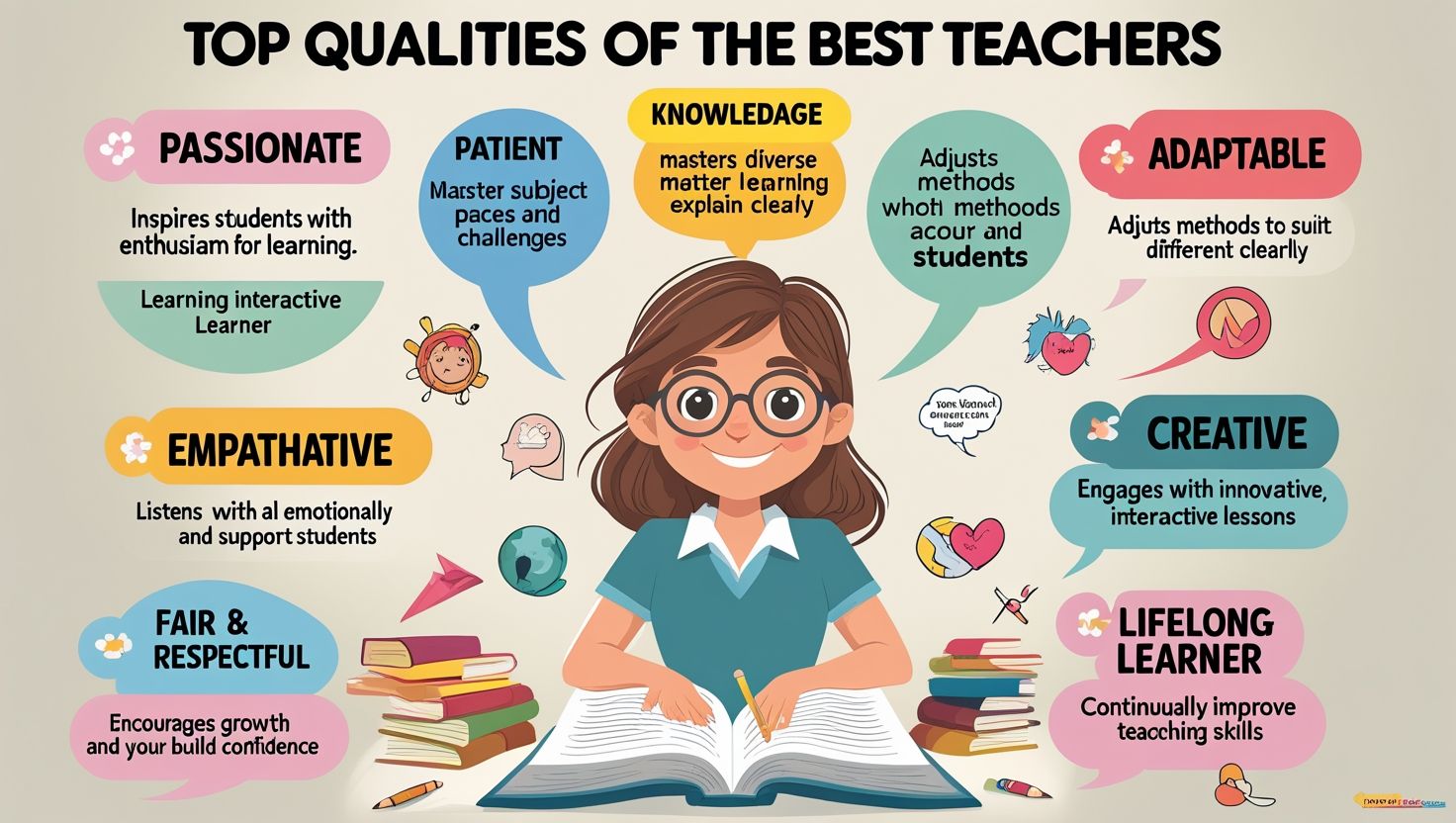
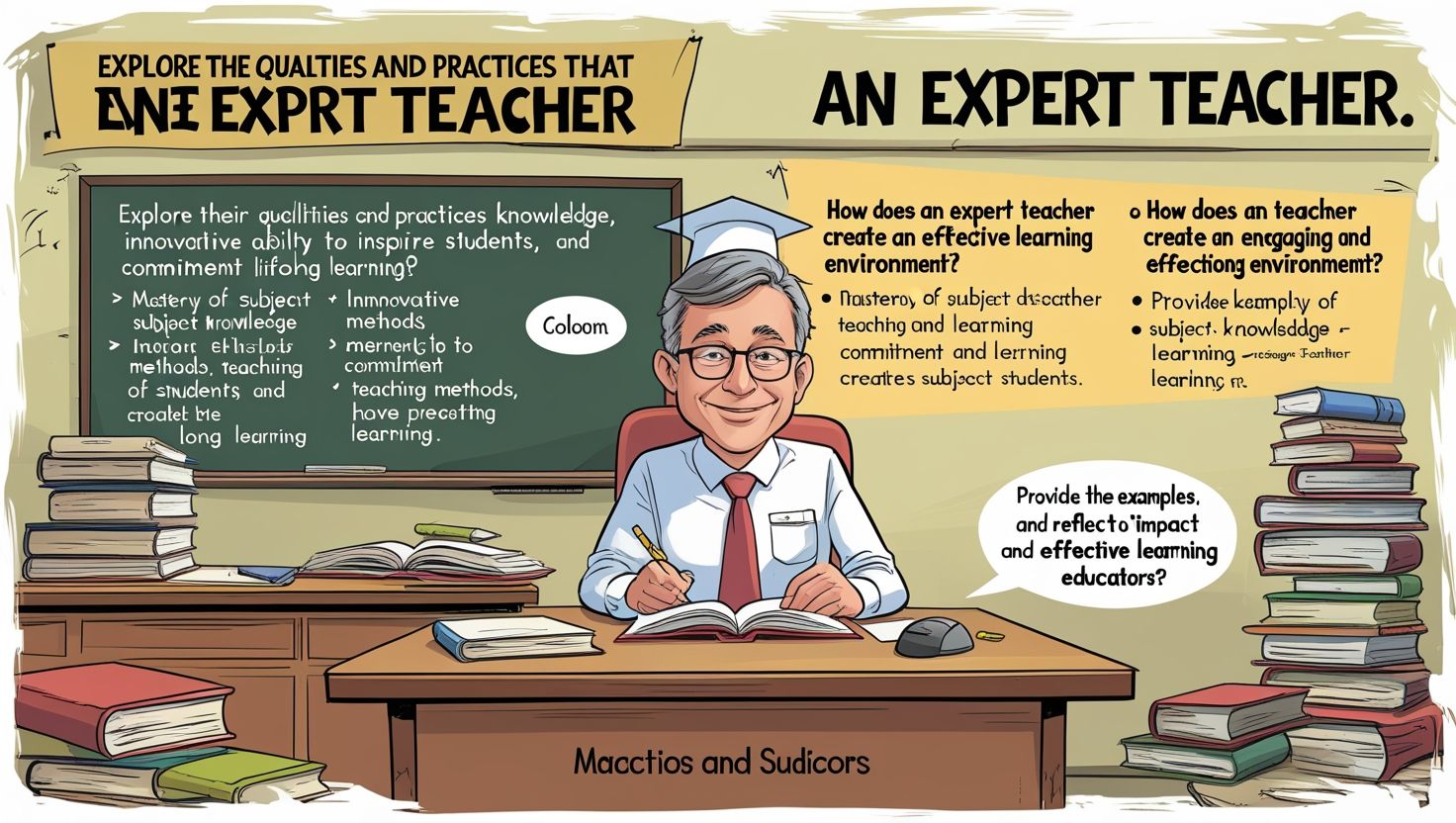
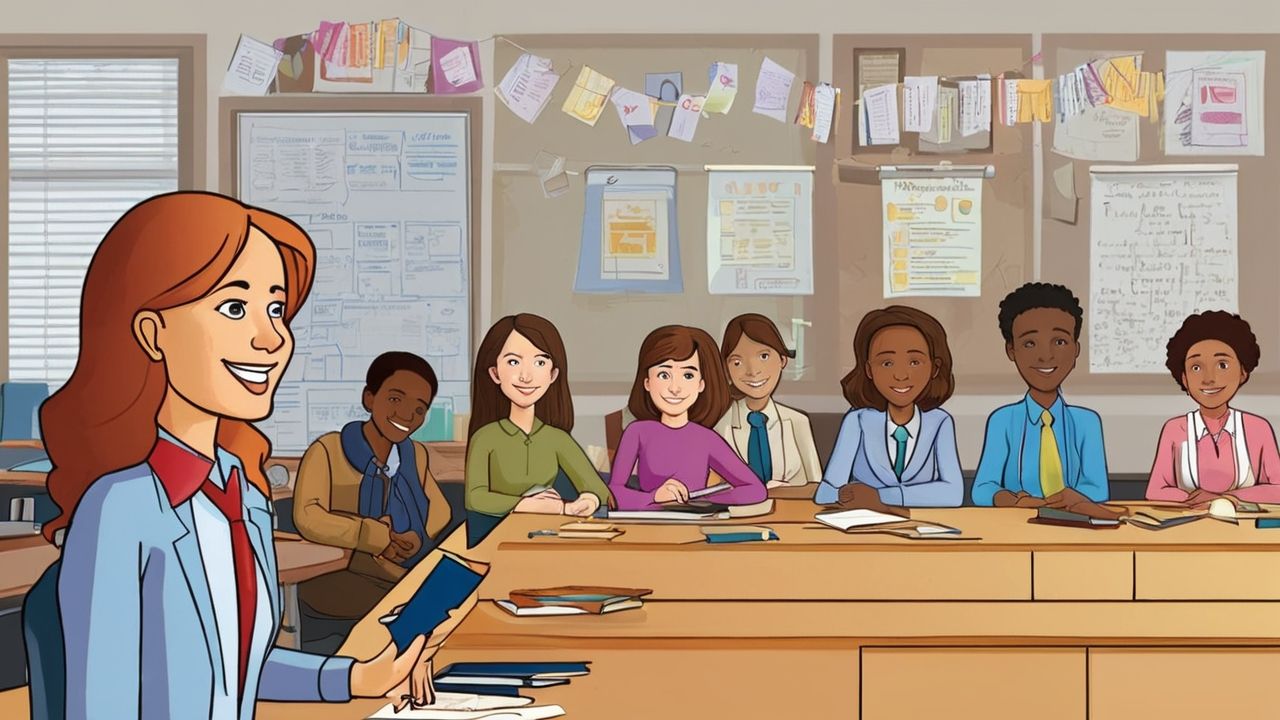
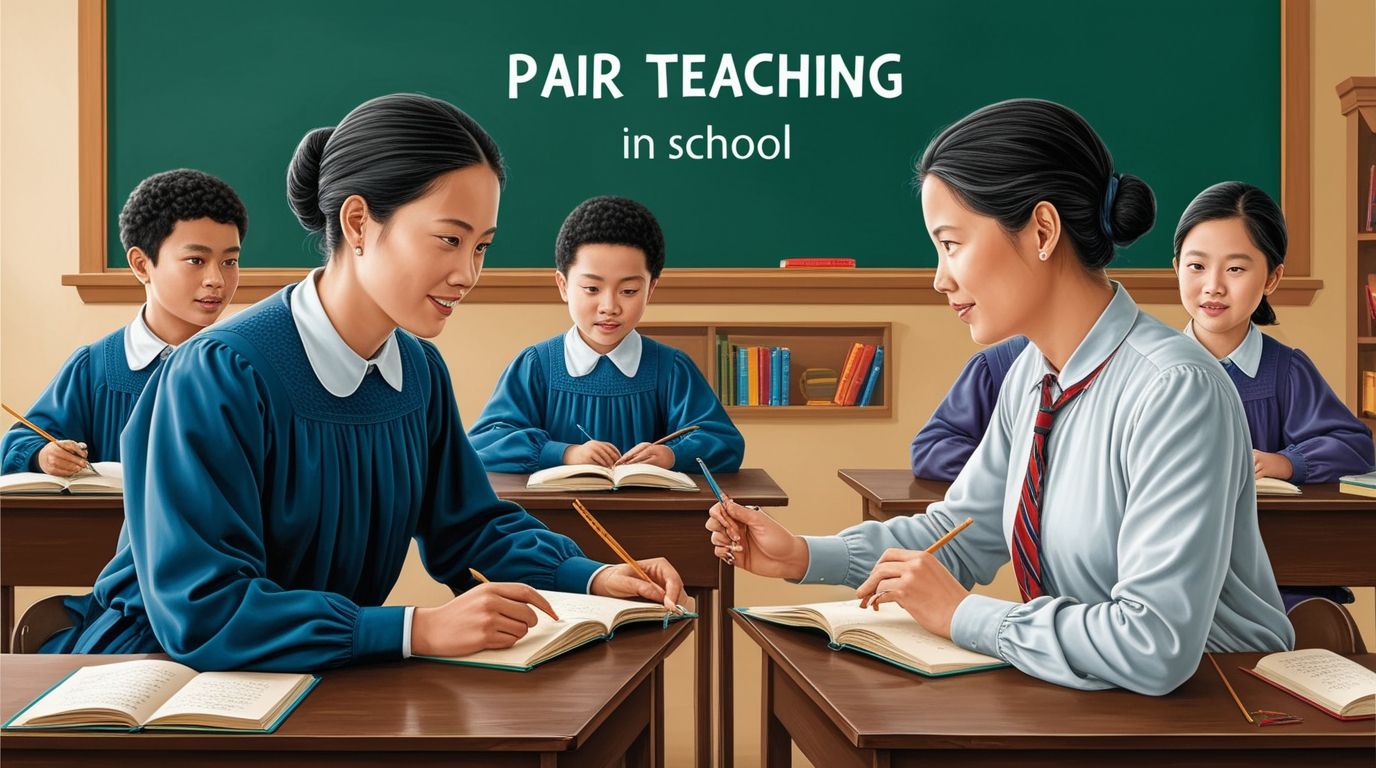
The teacher’s role has transformed significantly. In the old curriculum, the teacher was an authority figure. They delivered lectures, assigned homework, and evaluated tests. Students rarely interacted with them beyond academic tasks. Now, the teacher’s role is multifaceted. They are mentors, facilitators, and co-learners. They create a supportive environment for inquiry and exploration. Moreover, teachers today encourage questions and dialogue. This was seldom practiced in the past.
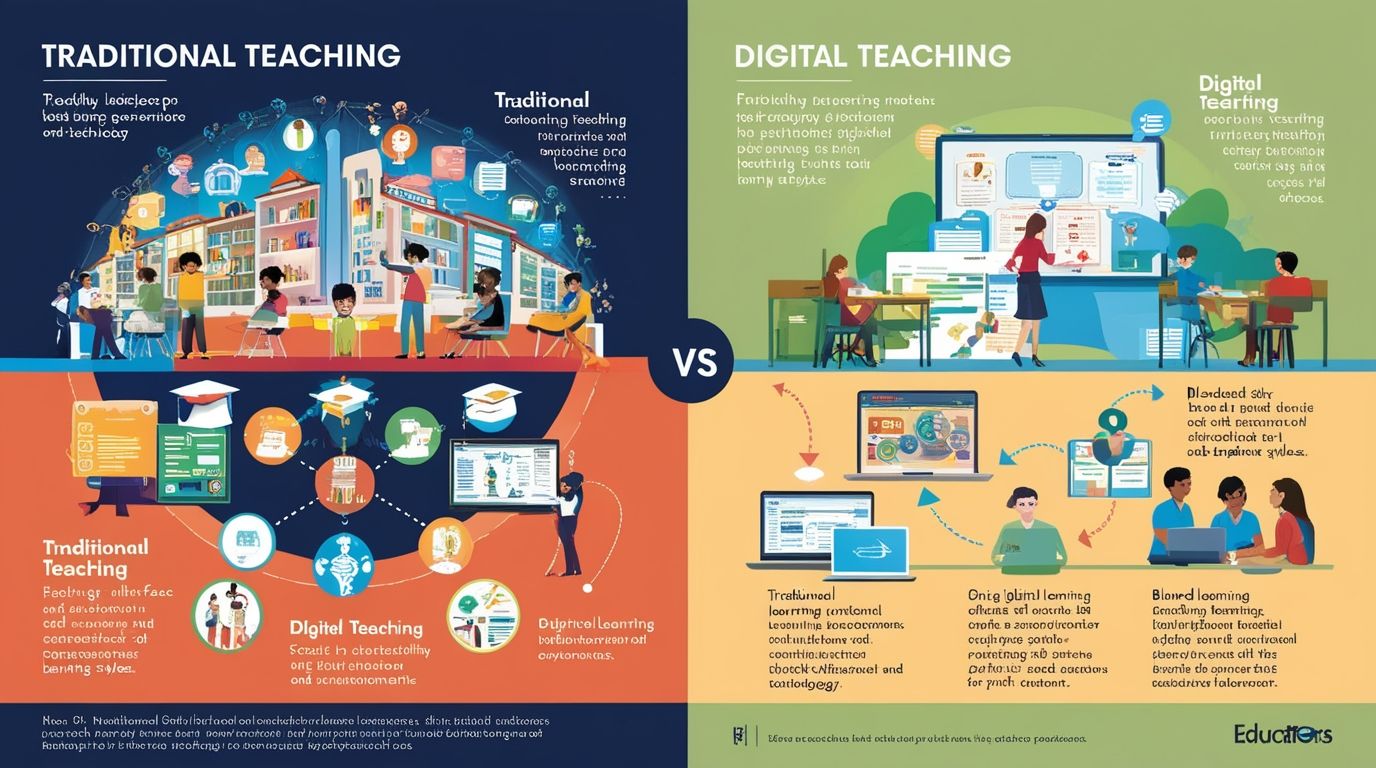
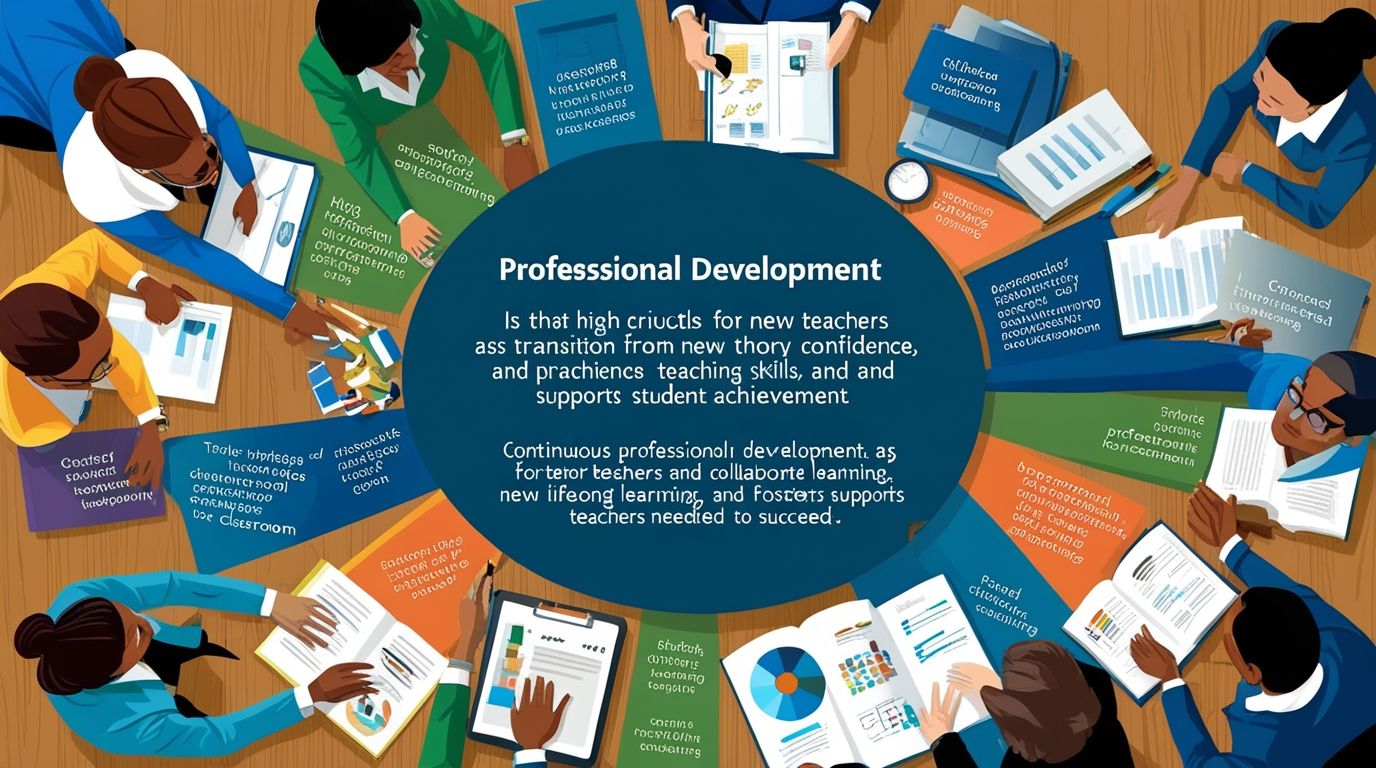
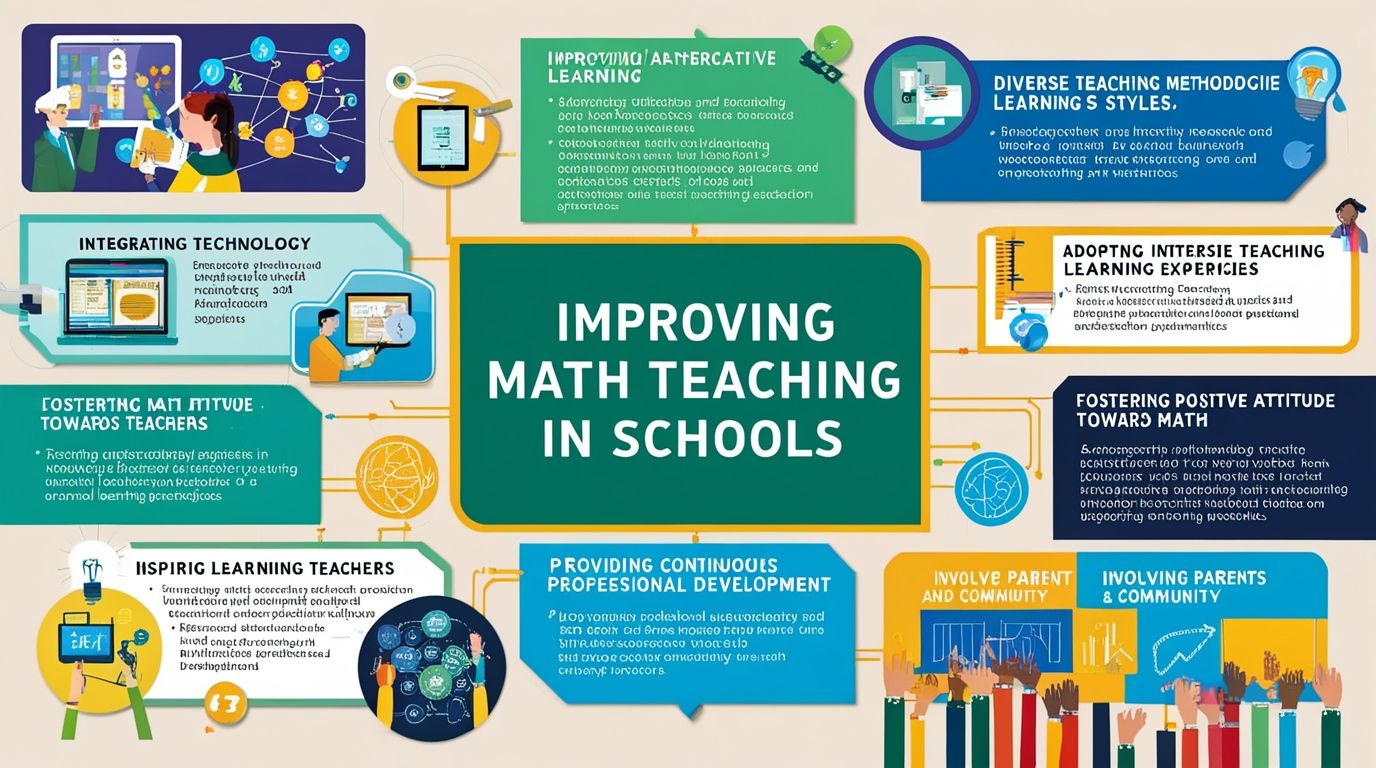
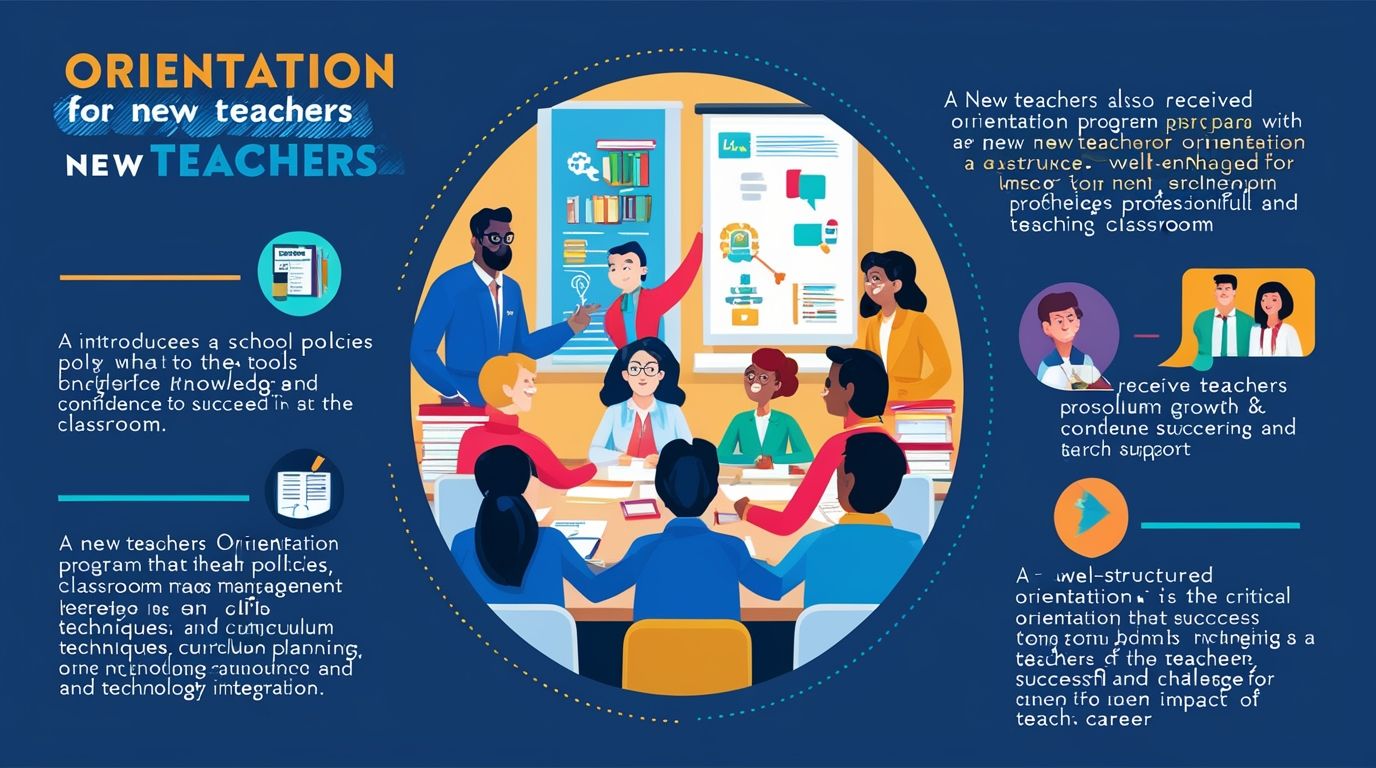
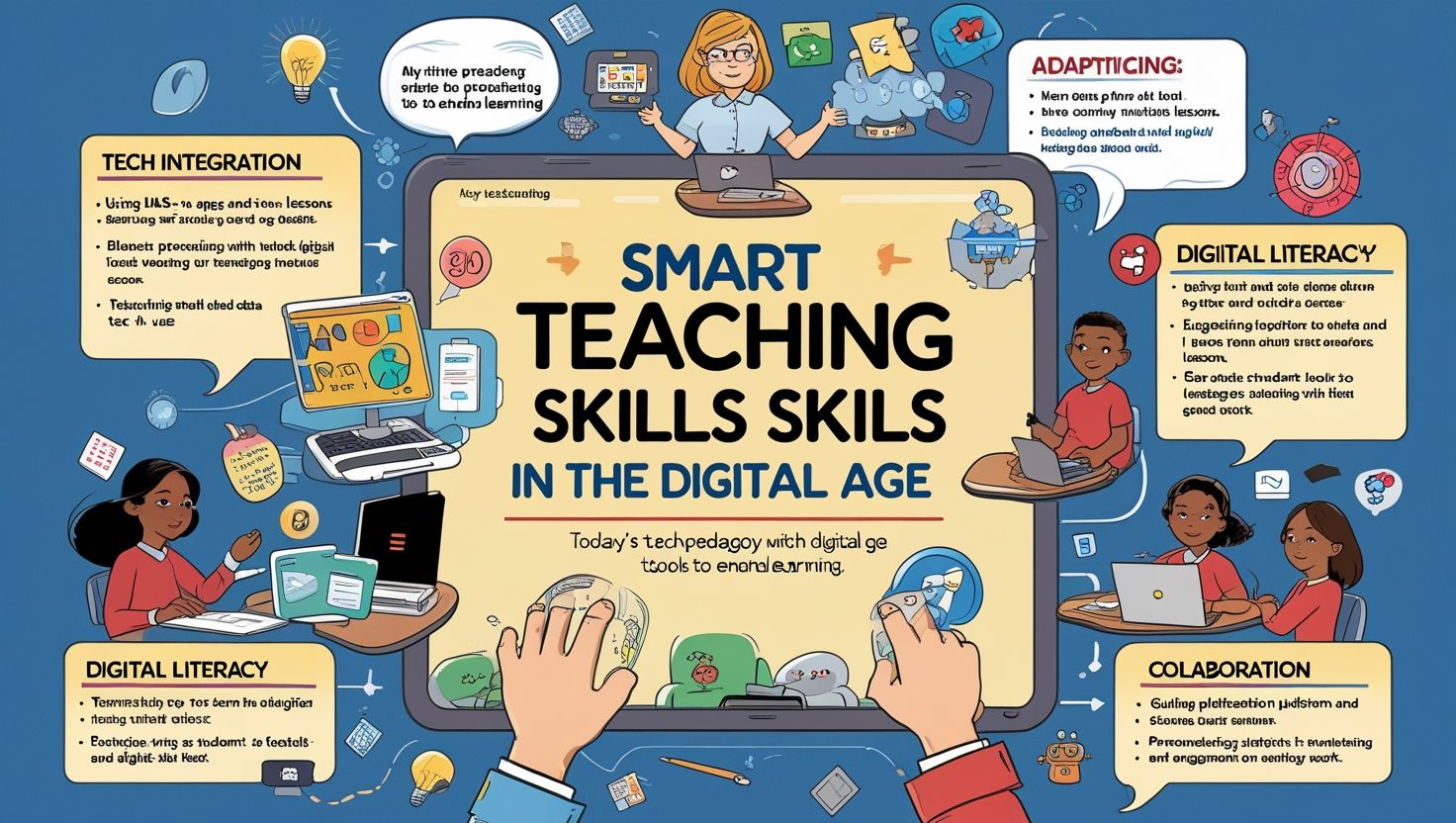
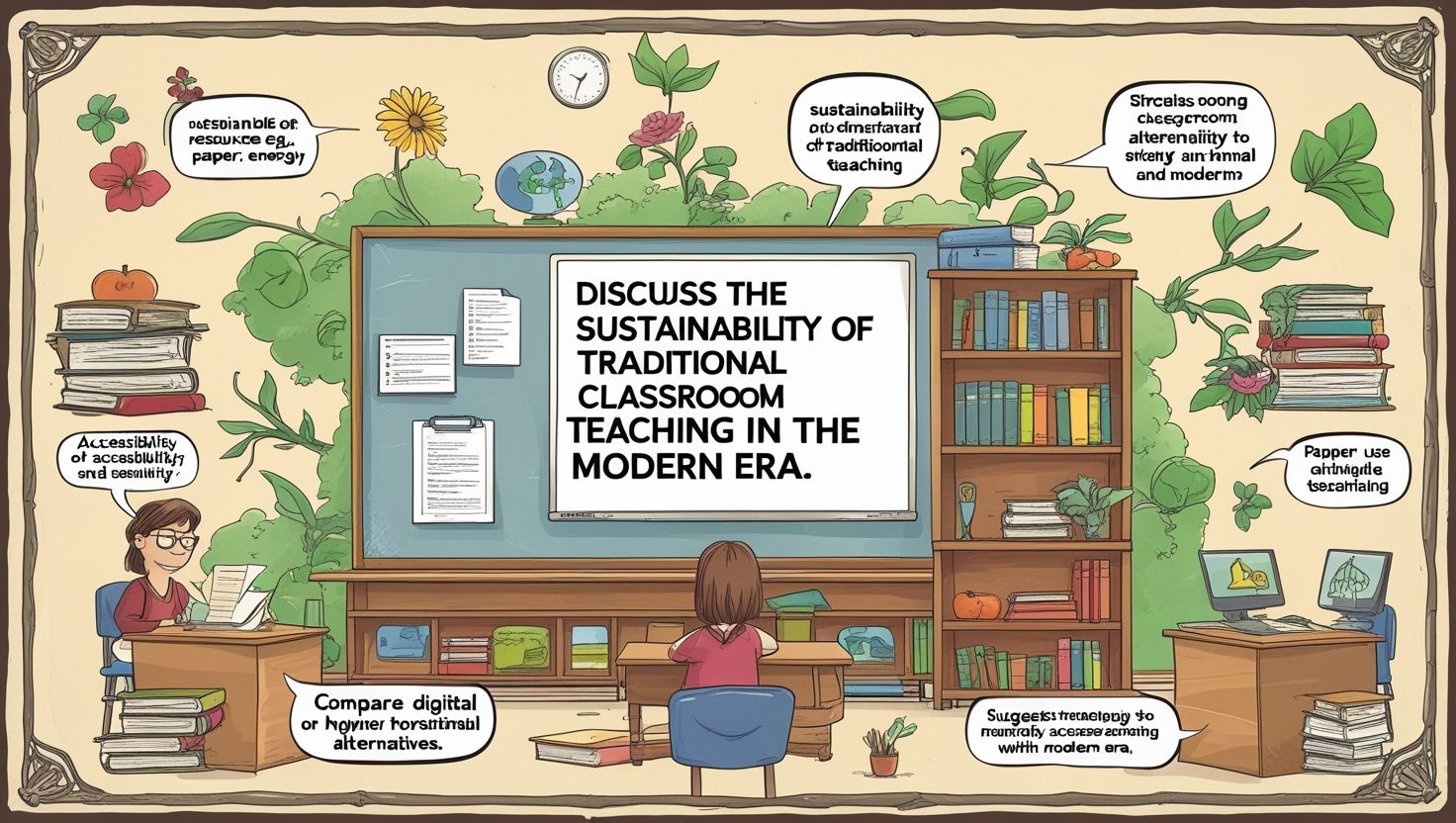
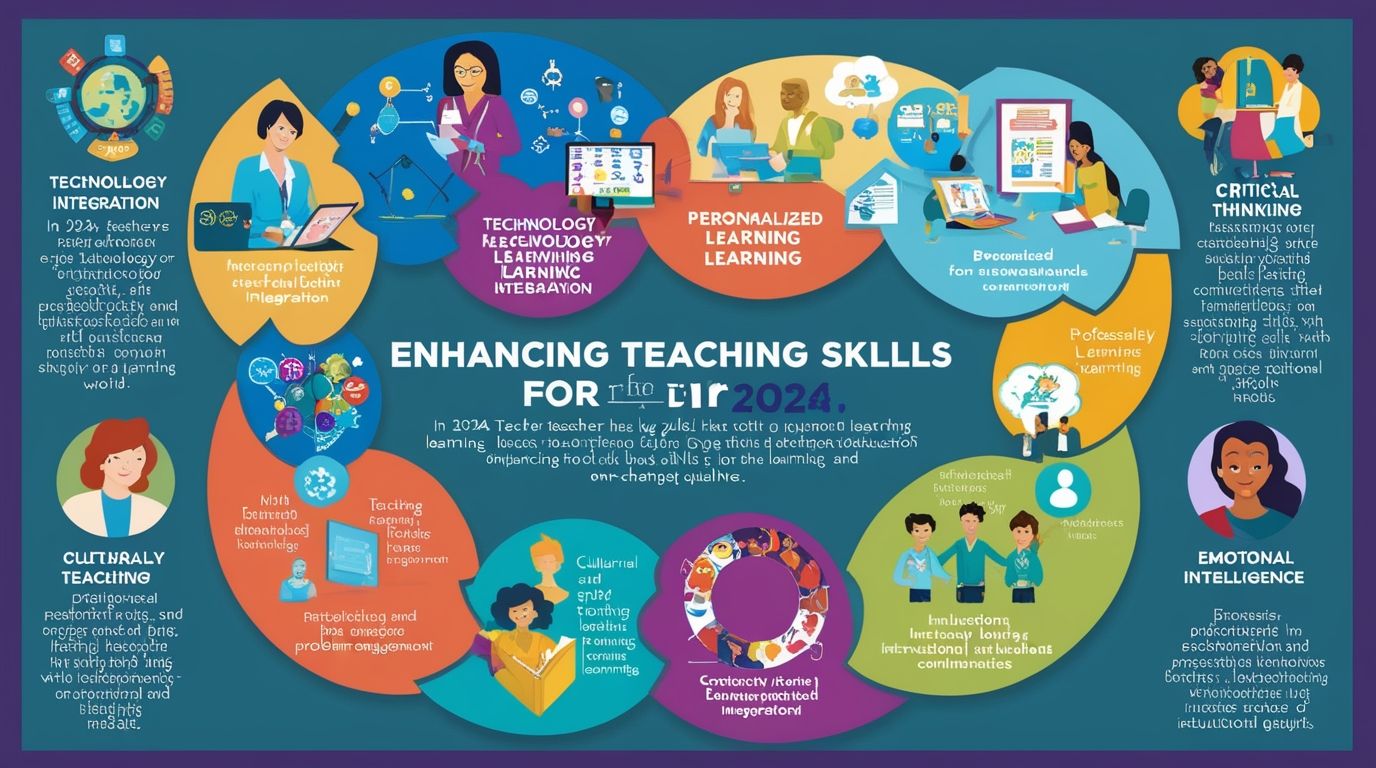
Additionally, old systems offered limited training to teachers. Professional development was not a priority. Today, ongoing training is essential. Workshops, online courses, and peer learning sessions are common. As a result, teachers remain updated with new practices. Furthermore, modern teachers use digital tools. They create multimedia content and manage virtual classrooms. This adds variety and engagement. In contrast, old curricula depended solely on textbooks and blackboards.
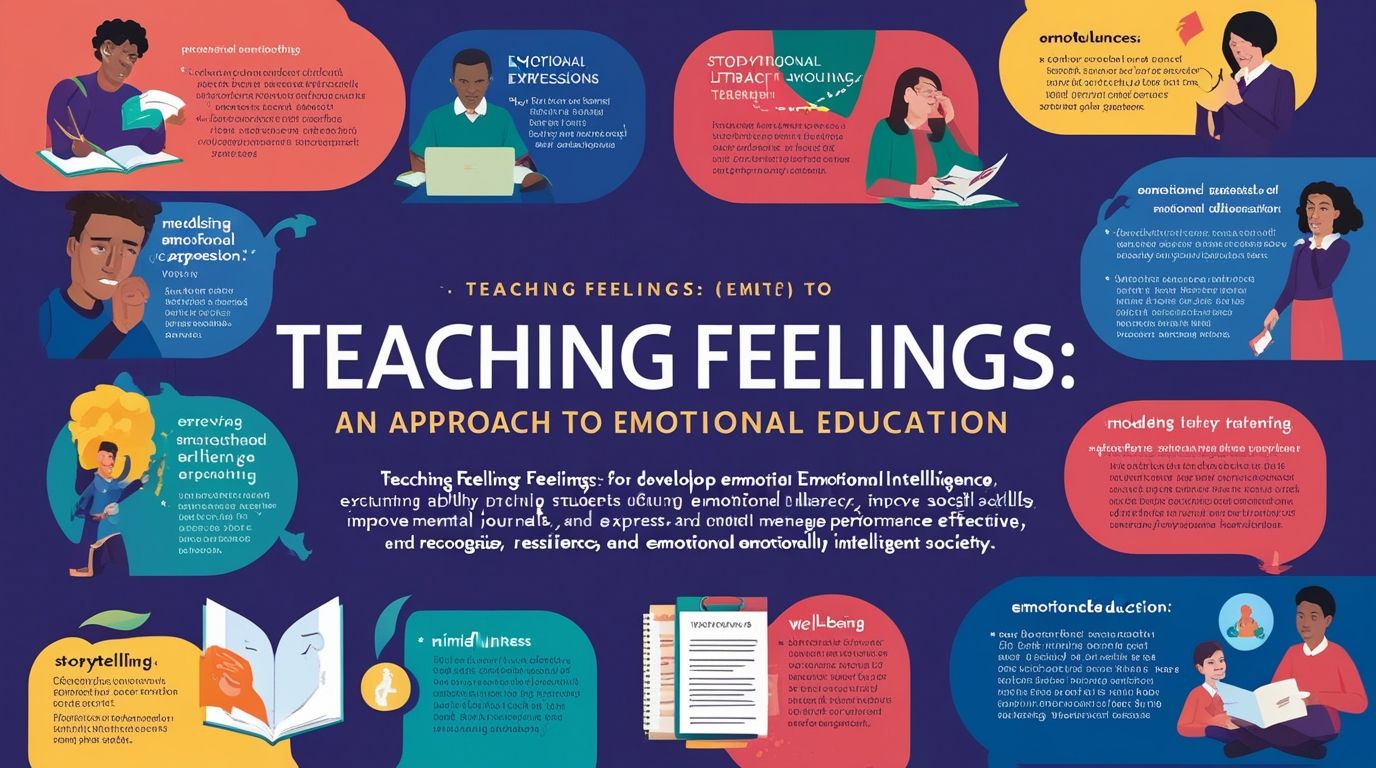
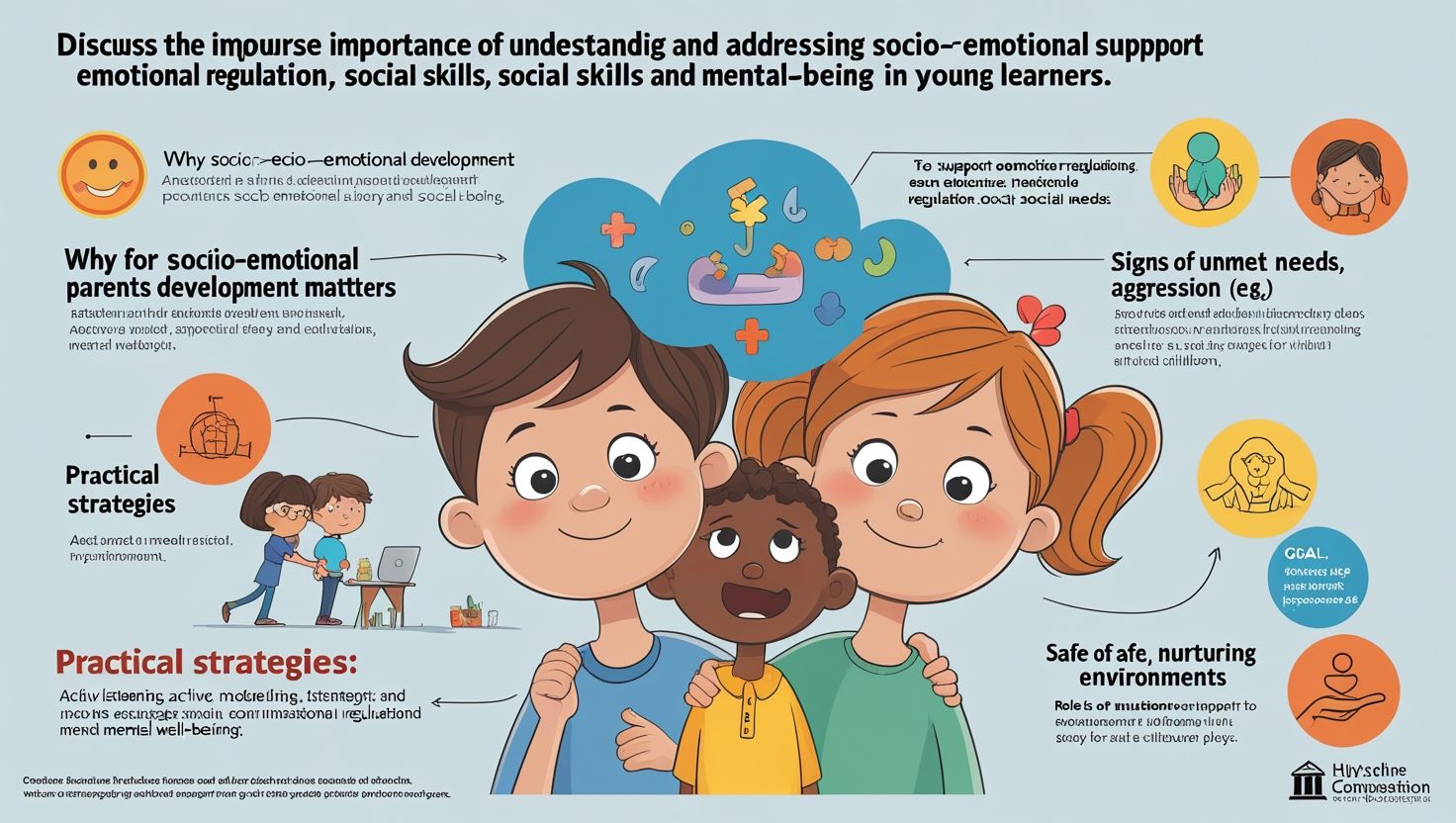
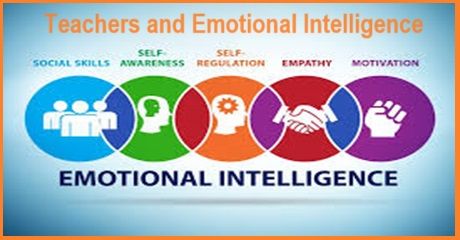
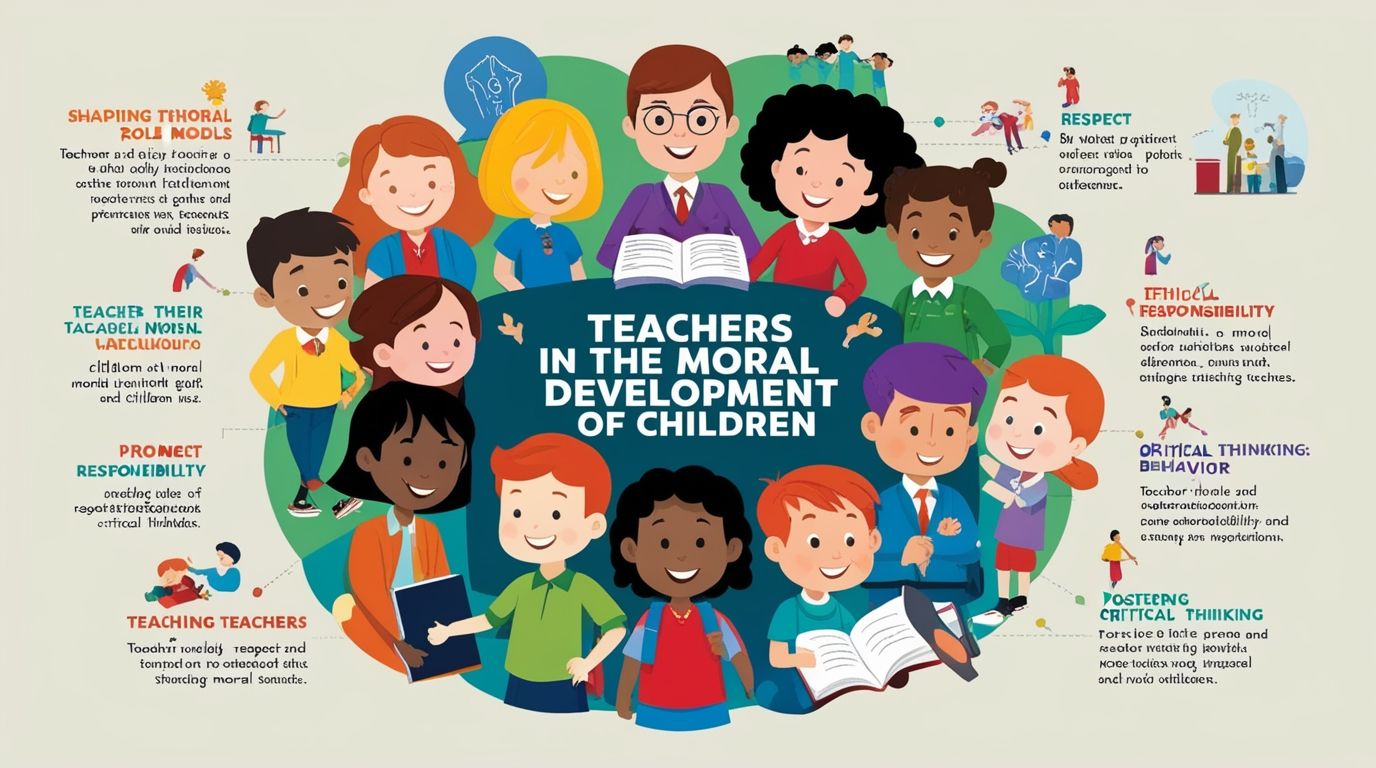
Most importantly, today’s teachers promote holistic development. They focus on emotional intelligence, ethics, and life skills. Not just academic success. Thus, the teacher’s role has become broader and more impactful. To conclude, the shift in the teacher’s role mirrors the evolution in curriculum. From controlling to collaborating, from instructing to inspiring—teachers are now at the heart of educational transformation.
6. Curriculum Objectives: Old vs. New
Objectives are the heart of any curriculum. In the old model, objectives were mostly academic. The aim was to pass exams and secure jobs. Hence, skills like memorization and calculation were prioritized. In contrast, the new curriculum emphasizes life readiness. Objectives now include communication, teamwork, and creativity. Students are prepared for global citizenship, not just local employment.
Earlier, objectives were narrow and subject-specific. Now, they are broad and interconnected. For instance, a language lesson may also build social skills. Additionally, environmental and ethical concerns are embedded in many subjects. Moreover, older objectives focused on conformity. Everyone was expected to perform in the same way. However, new objectives respect individual differences. They allow multiple ways to achieve the same learning goal.
Importantly, the new curriculum aligns with 21st-century challenges. It aims to prepare students for rapid technological changes and global issues. This is a major leap from the traditional focus on routine jobs. In short, while old objectives were simpler, they were limited. The new objectives are complex but more meaningful. They aim to develop not just workers, but thinkers, leaders, and responsible citizens.
7. Subject Content and Its Transformation
The content of subjects has also seen a big shift. Old curricula focused on facts and rigid structures. History was about dates. Science was about formulas. Language was about grammar. Creativity was often ignored. Now, subject content is more flexible and engaging. Students study concepts rather than just facts. They learn to apply knowledge in real-life situations. For example, math is taught with practical examples like budgeting or planning.
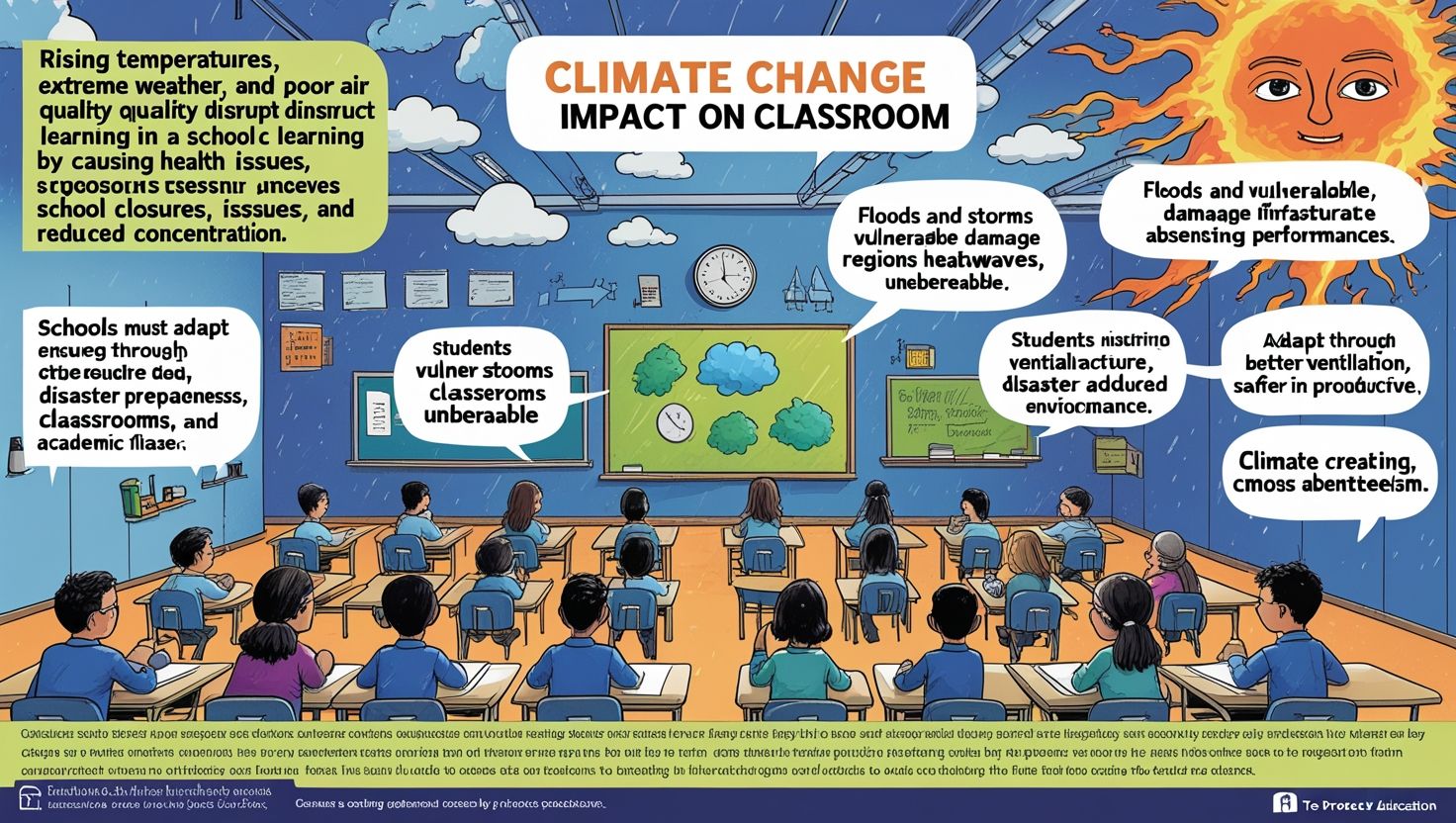
Moreover, new subjects have been introduced. Topics like coding, climate change, and mental health are now included. These are highly relevant today. Meanwhile, older content that lacked relevance is often revised or removed. Also, the integration of technology has enriched subject content. Videos, simulations, and online labs provide interactive learning. This was unimaginable in older times.
Additionally, content now includes global perspectives. Students learn about diverse cultures and world issues. This builds tolerance and critical thinking. In summary, subject content is no longer about rote learning. It is about meaningful understanding. The change is necessary and timely. Clearly, the transformation of content supports a more informed and capable generation.
8. Student Engagement Then and Now
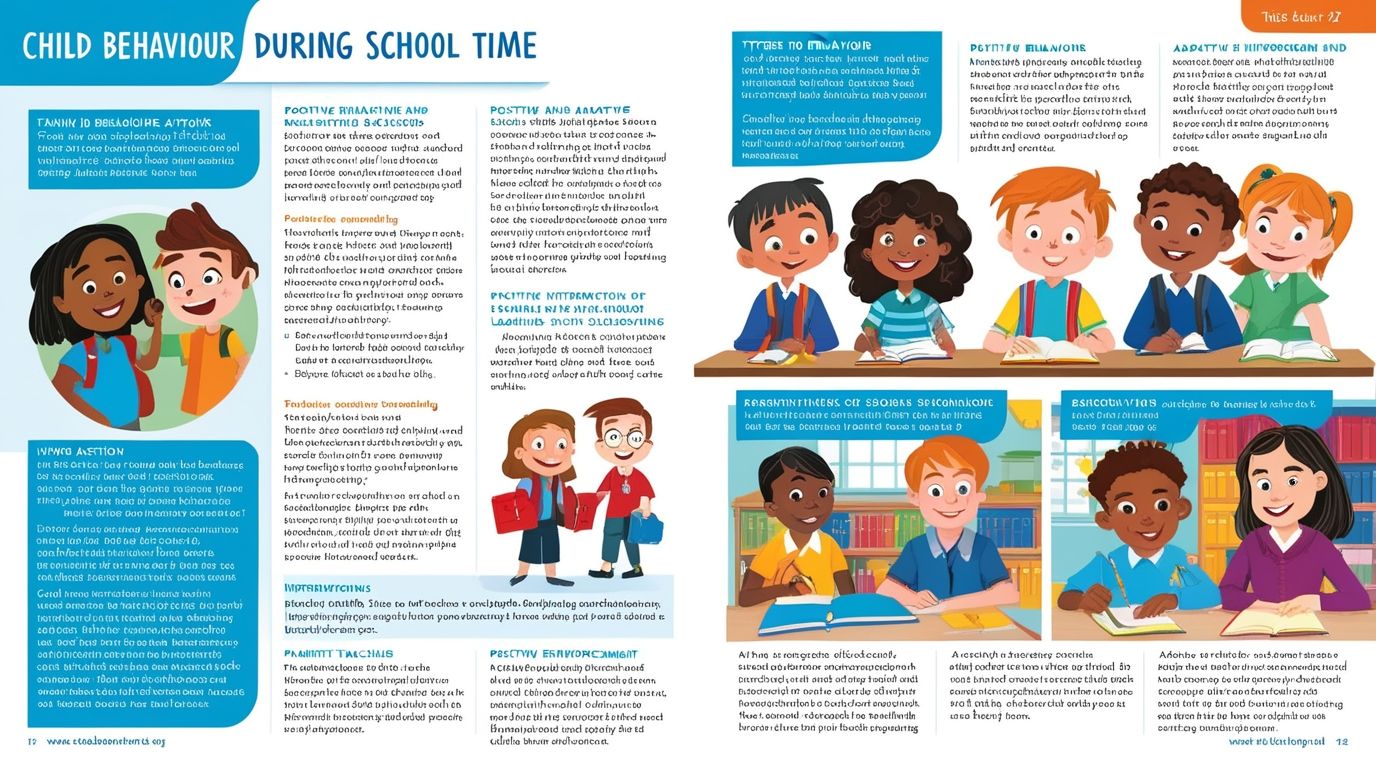
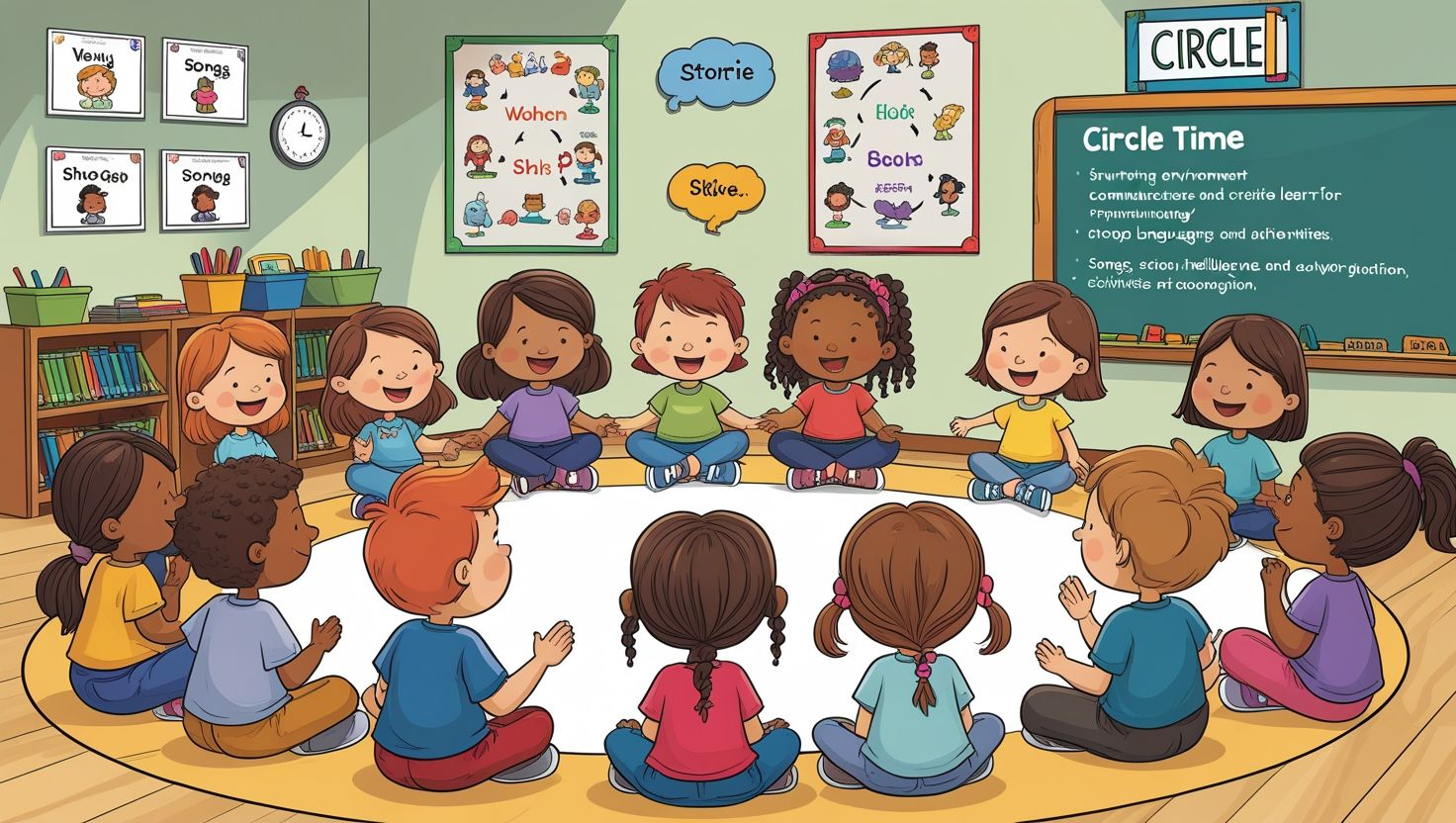
Student engagement has grown significantly. In the past, engagement was passive. Students sat silently, copied notes, and followed instructions. If they spoke, it was often to answer questions—never to question. Today, engagement is active. Students work in groups, ask questions, and share opinions. Furthermore, activities like debates, role-plays, and projects are common. These help students learn by doing.
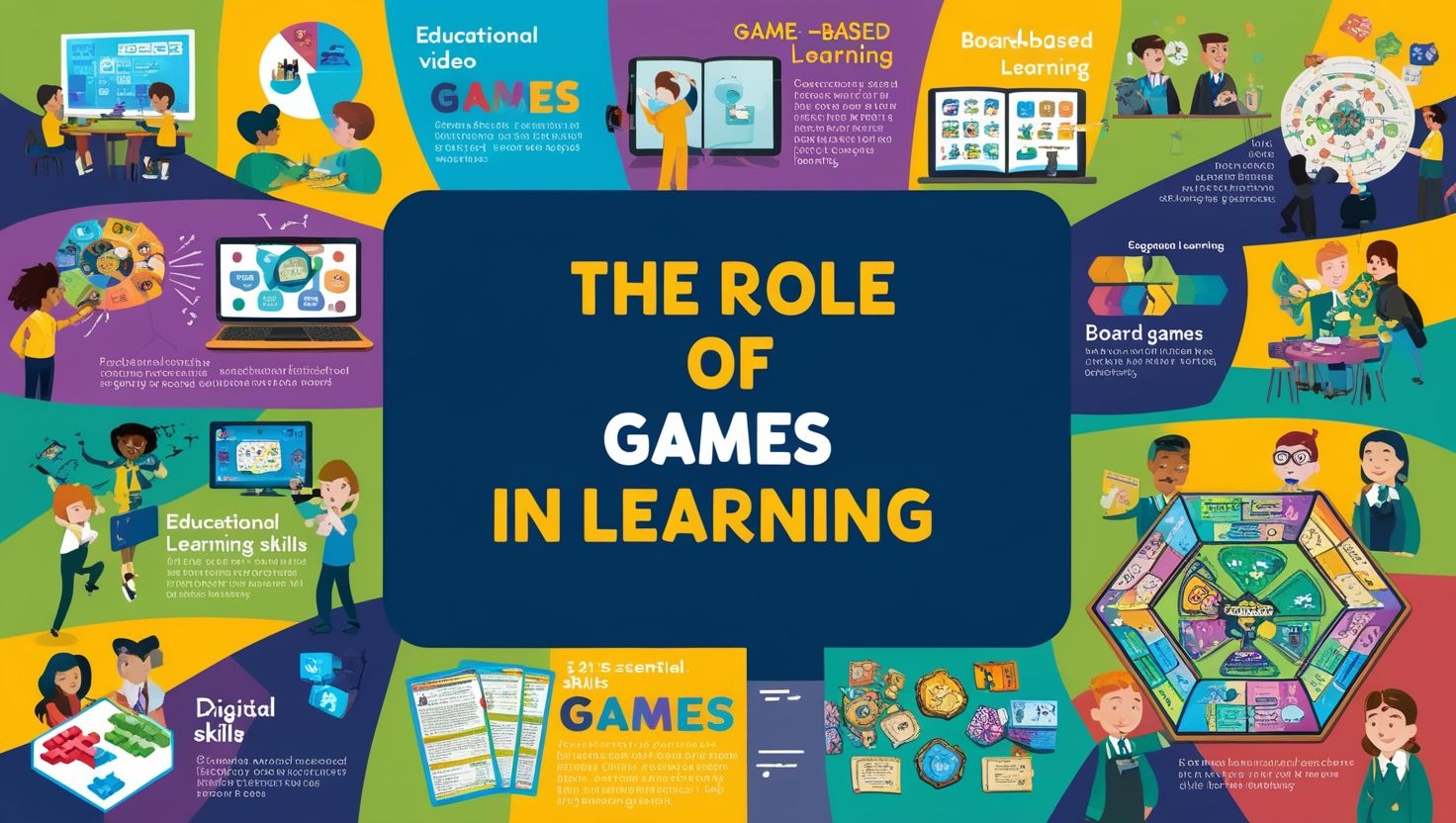
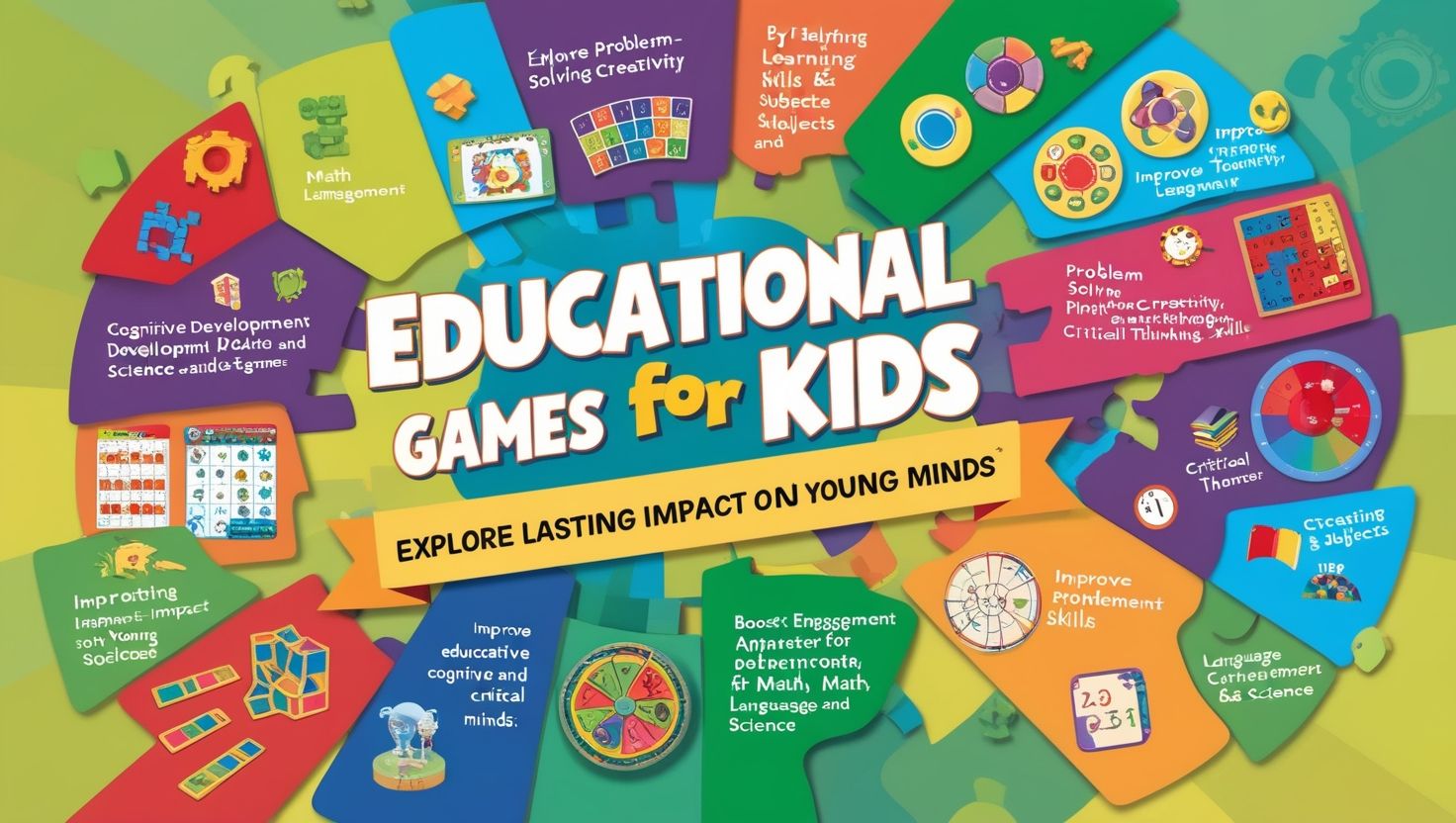
Previously, failure to engage was blamed on the student. Now, it is seen as a problem with teaching methods. Therefore, teachers use different strategies to keep students involved. Digital tools also play a role. Interactive games, quizzes, and videos hold student interest. In contrast, old systems offered only chalk and board.
Importantly, new curricula value student voice. Learners give feedback on lessons and contribute ideas. This boosts confidence and ownership of learning. To sum up, engagement has shifted from obedience to participation. This is a major gain. Because when students are engaged, they learn more and enjoy learning. Clearly, modern strategies are better suited to today’s learners.
9. Assessment and Evaluation Differences
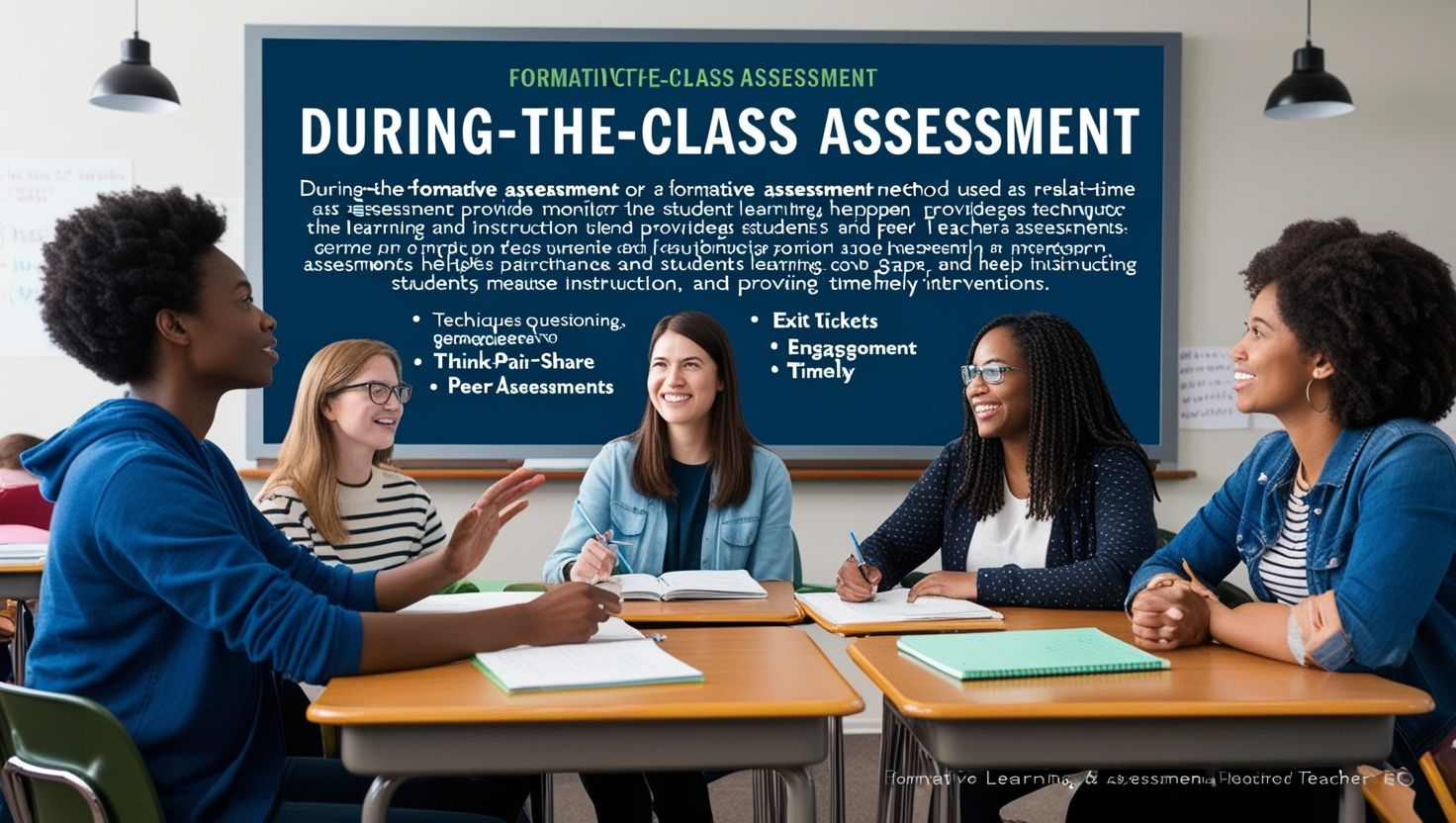
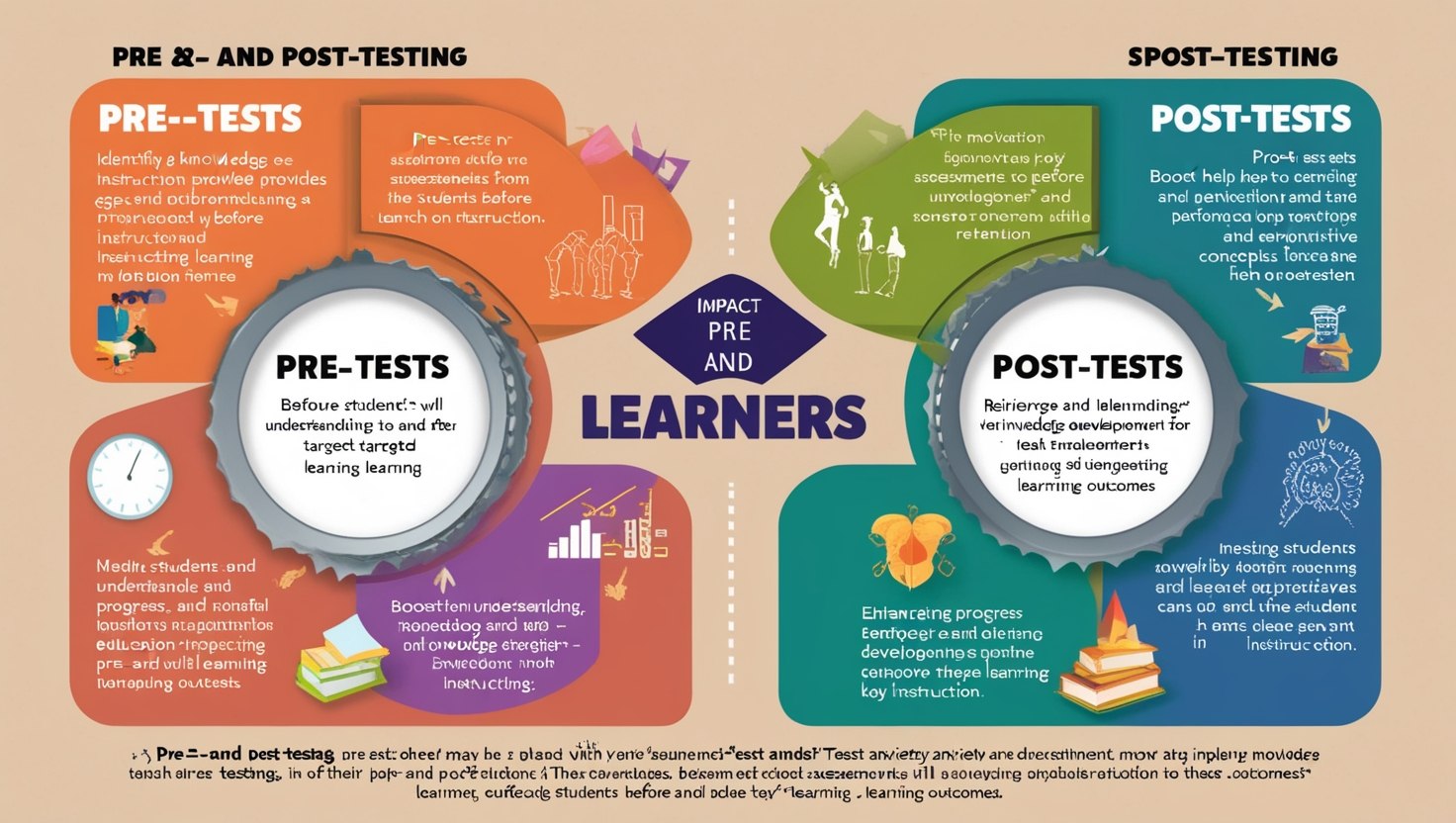
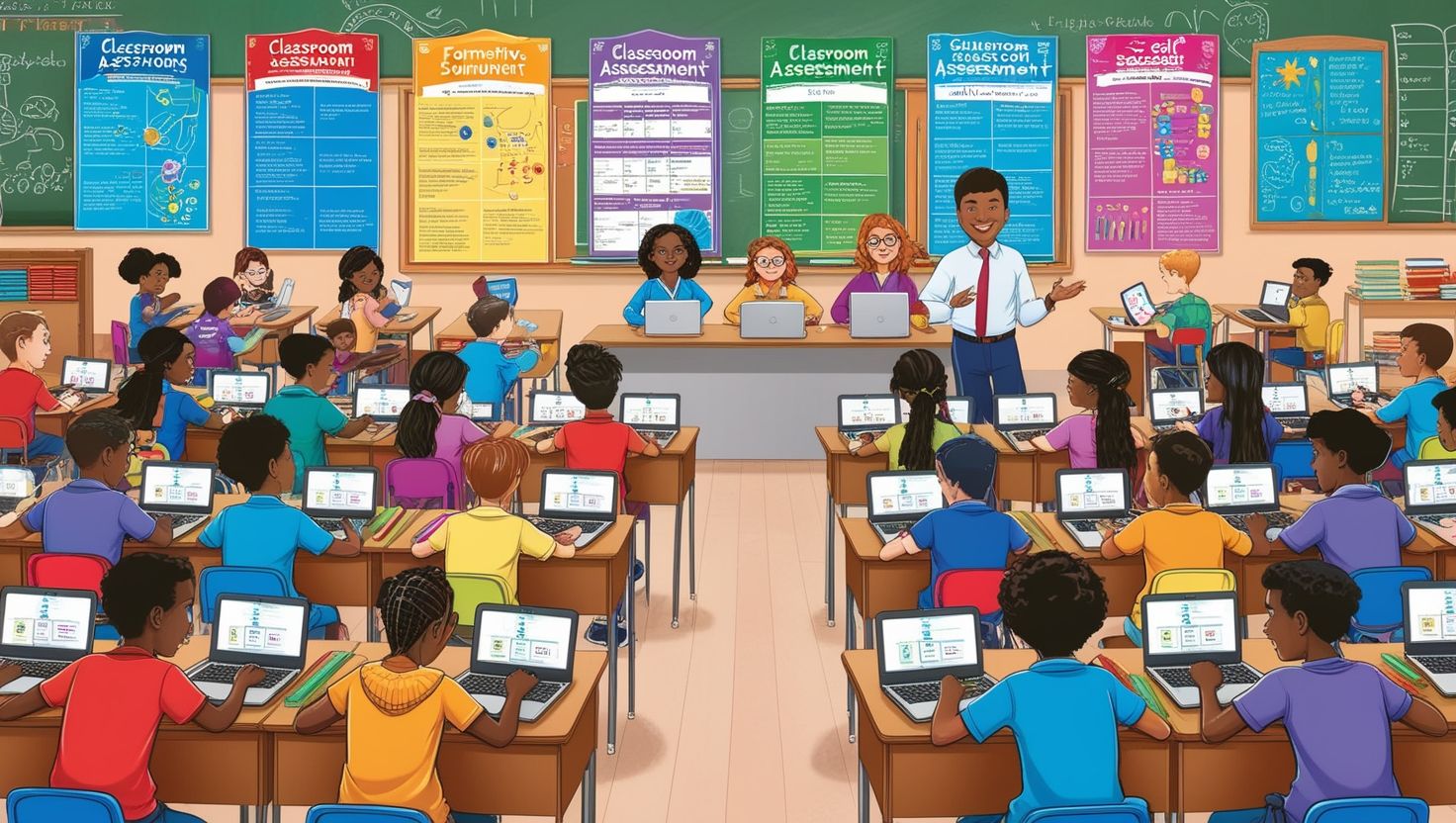
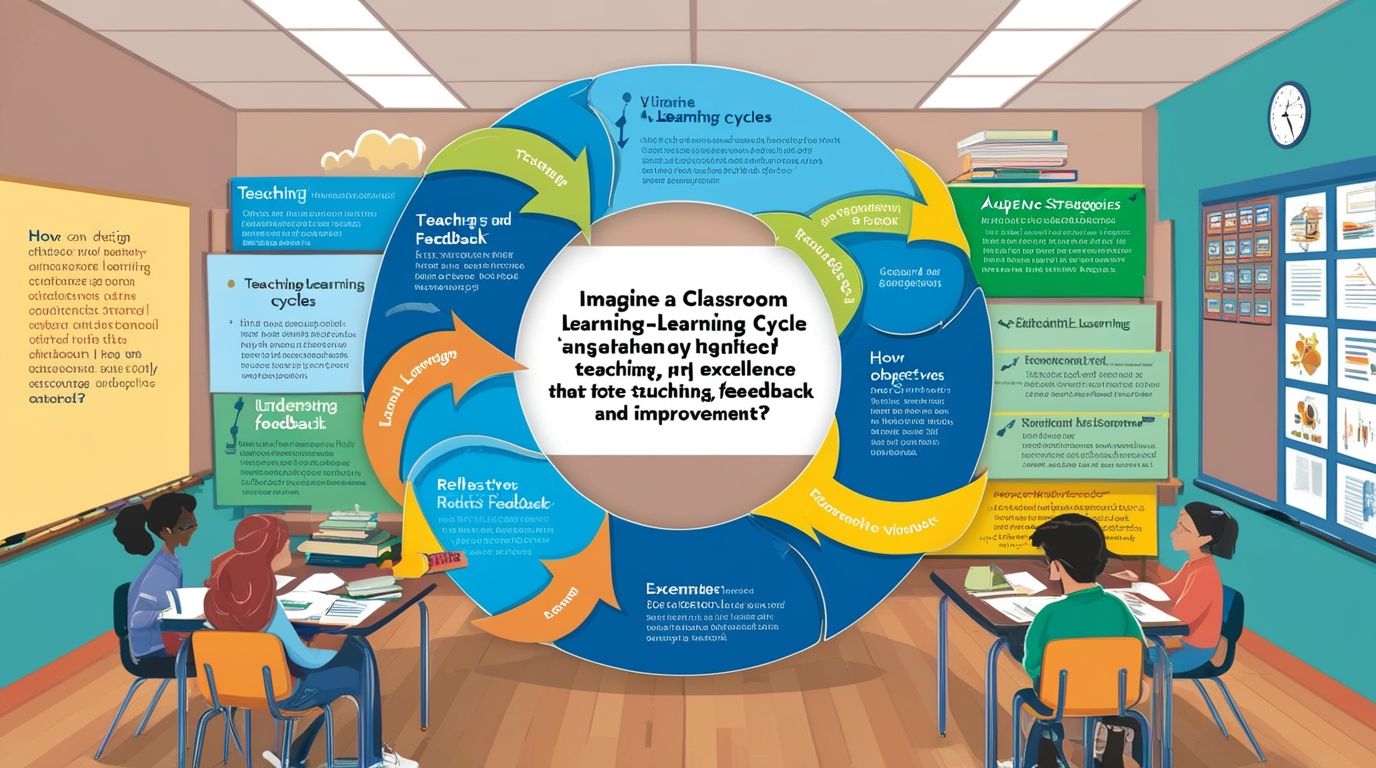
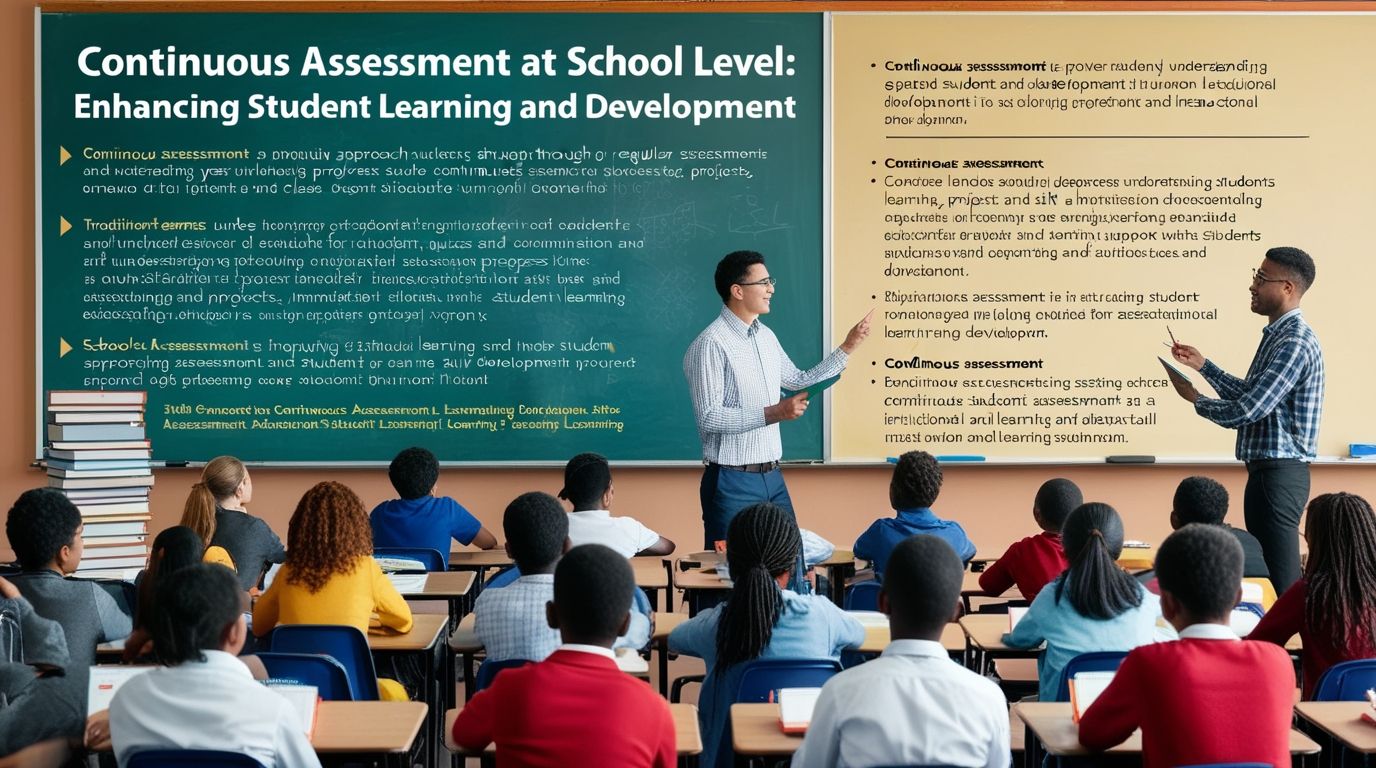
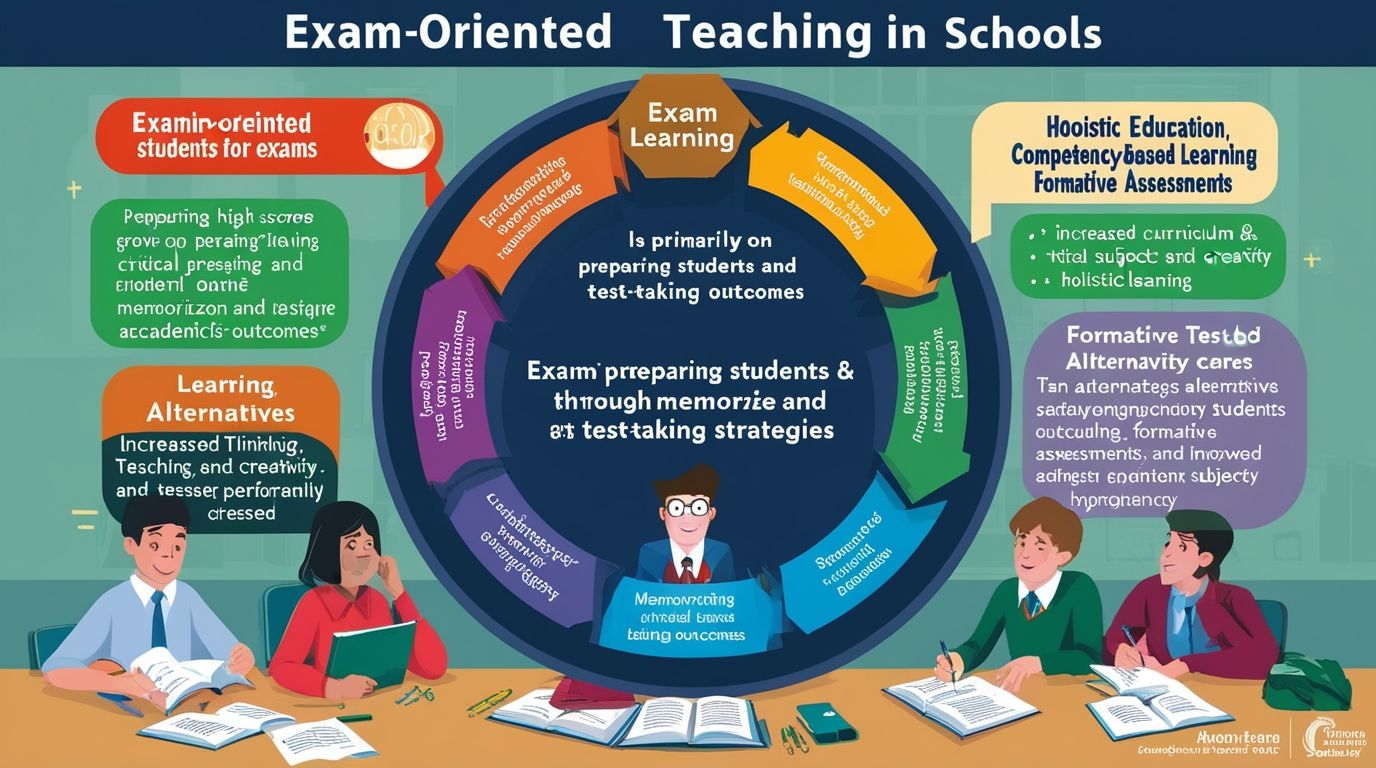
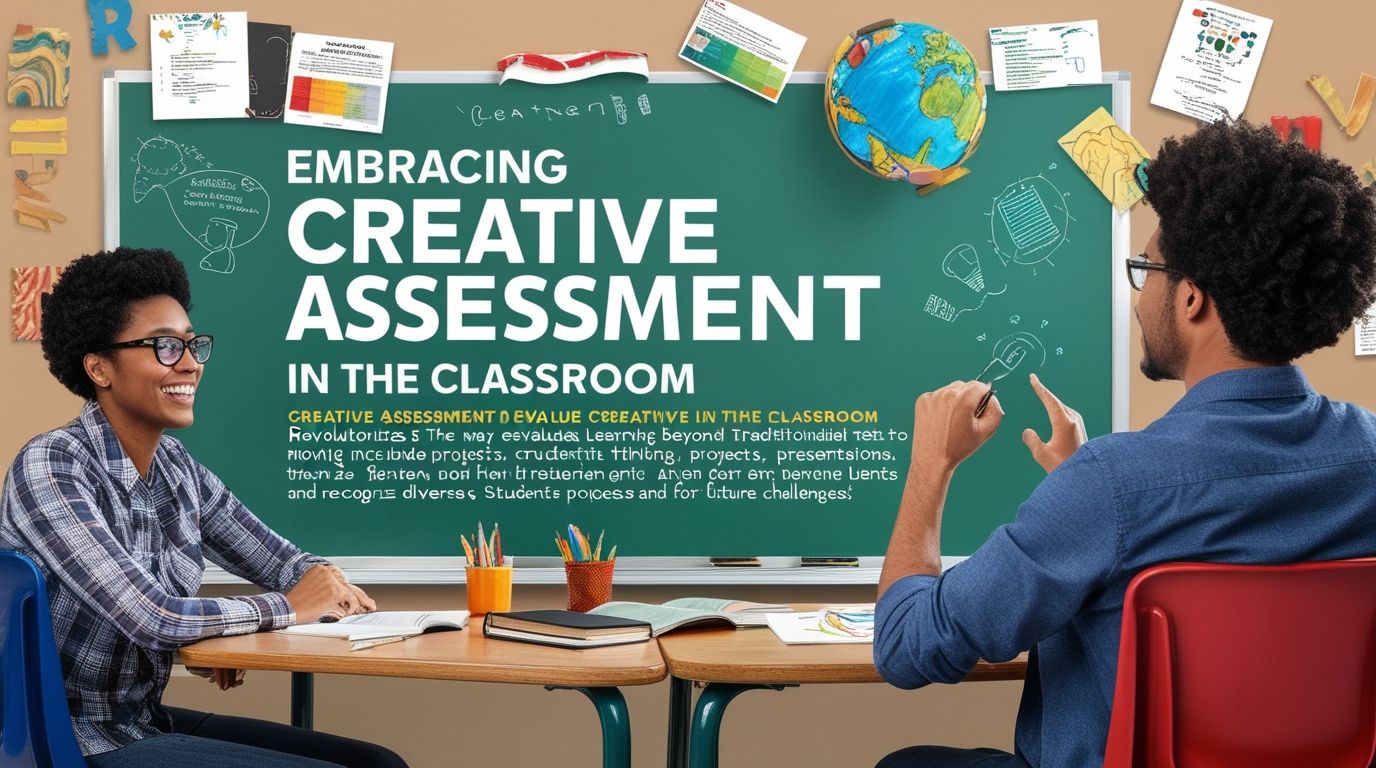
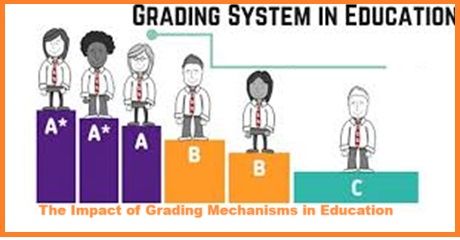
Assessment methods have undergone major changes. Earlier, evaluation meant written exams. These tested memory rather than understanding. High scores did not always reflect deep learning. Now, assessment is more comprehensive. Teachers use quizzes, discussions, projects, and peer reviews. Each student is assessed in multiple ways.
Also, old methods relied on summative assessments. These occurred at the end of the term. However, new models focus on formative assessment. It happens continuously. Feedback is given during the learning process. Furthermore, earlier assessments were stressful. Students feared exams and punishment. Today, evaluations are more supportive. They aim to guide improvement. Importantly, the new system values individual progress. Every student’s learning journey is considered. In contrast, old systems compared students against each other.
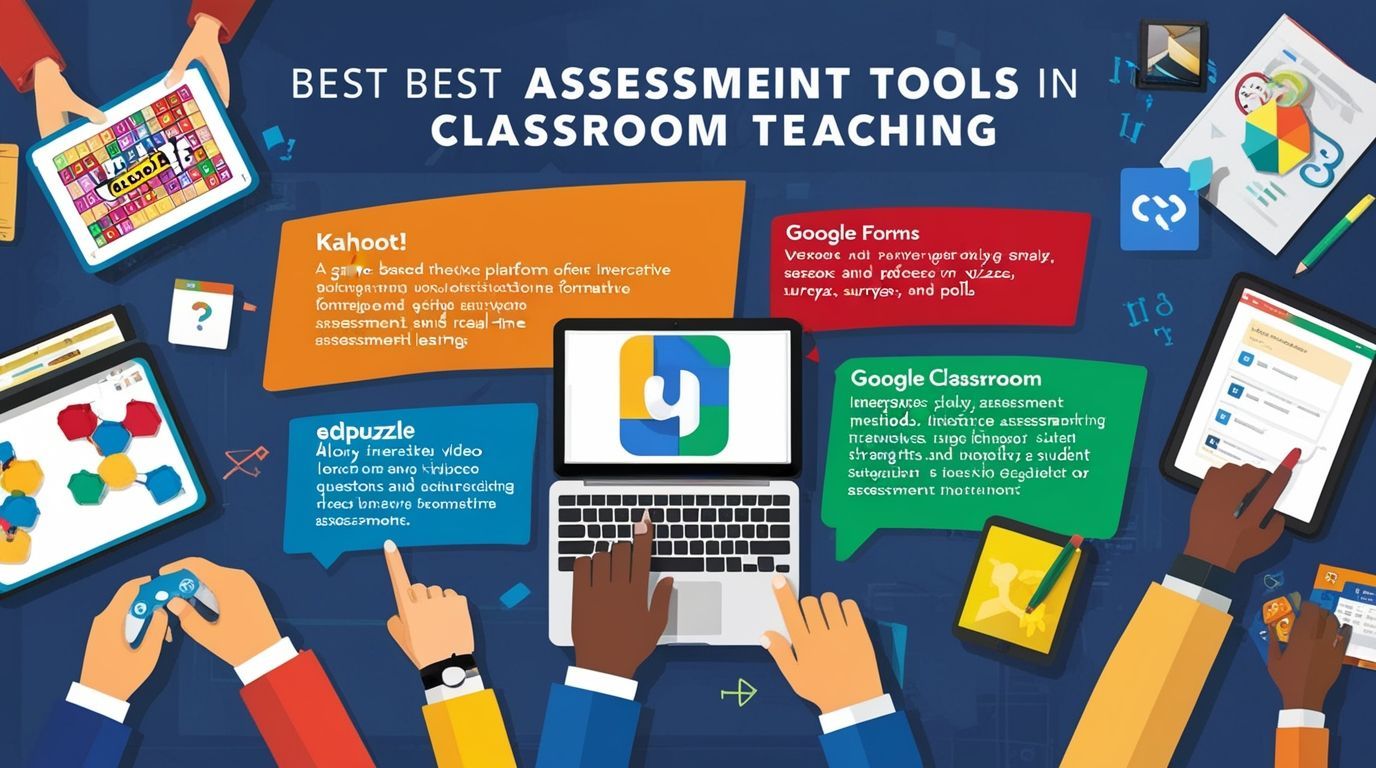
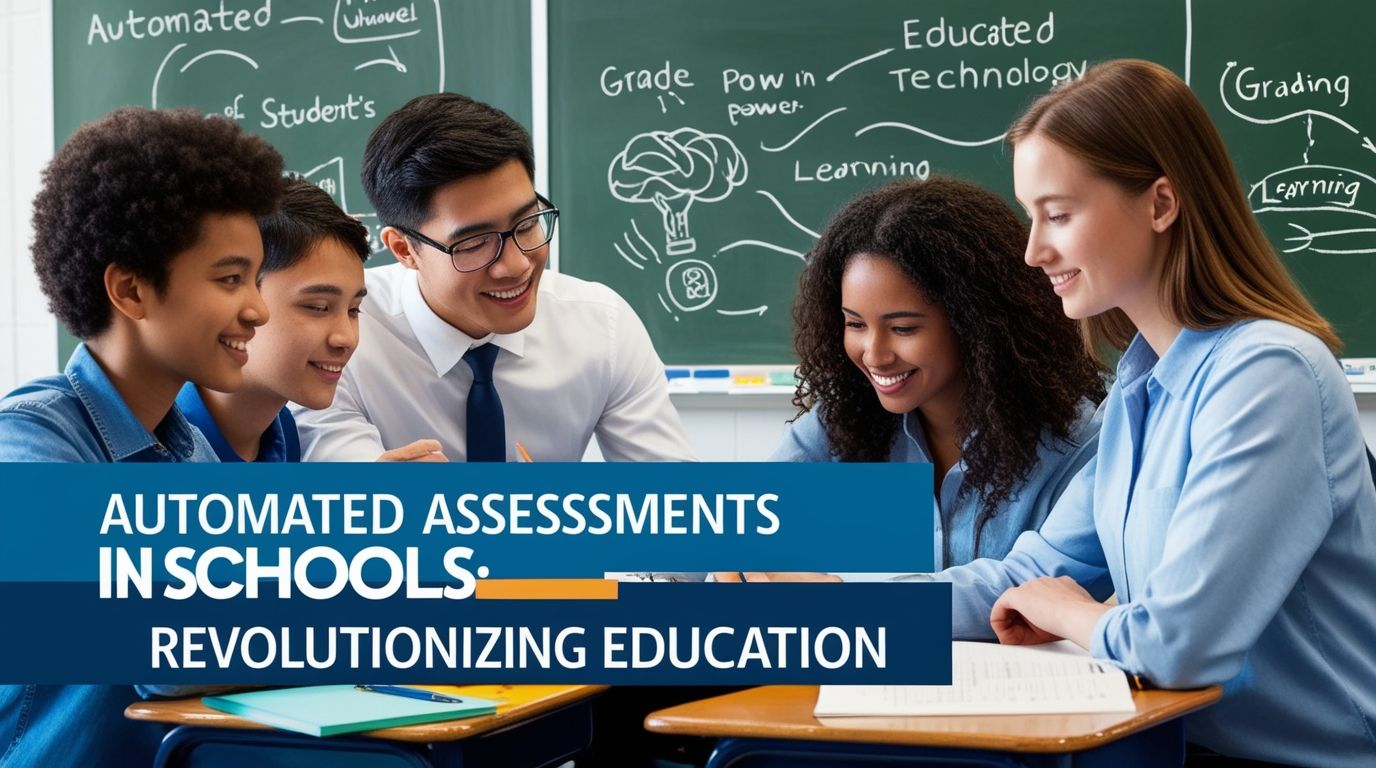
Additionally, digital platforms now offer real-time assessment tools. Teachers can instantly see what students know and where they need help. In brief, assessment has moved from judgment to development. It has become more flexible, fair, and meaningful. This change benefits both learners and teachers.
10. Use of Technology in Curriculum
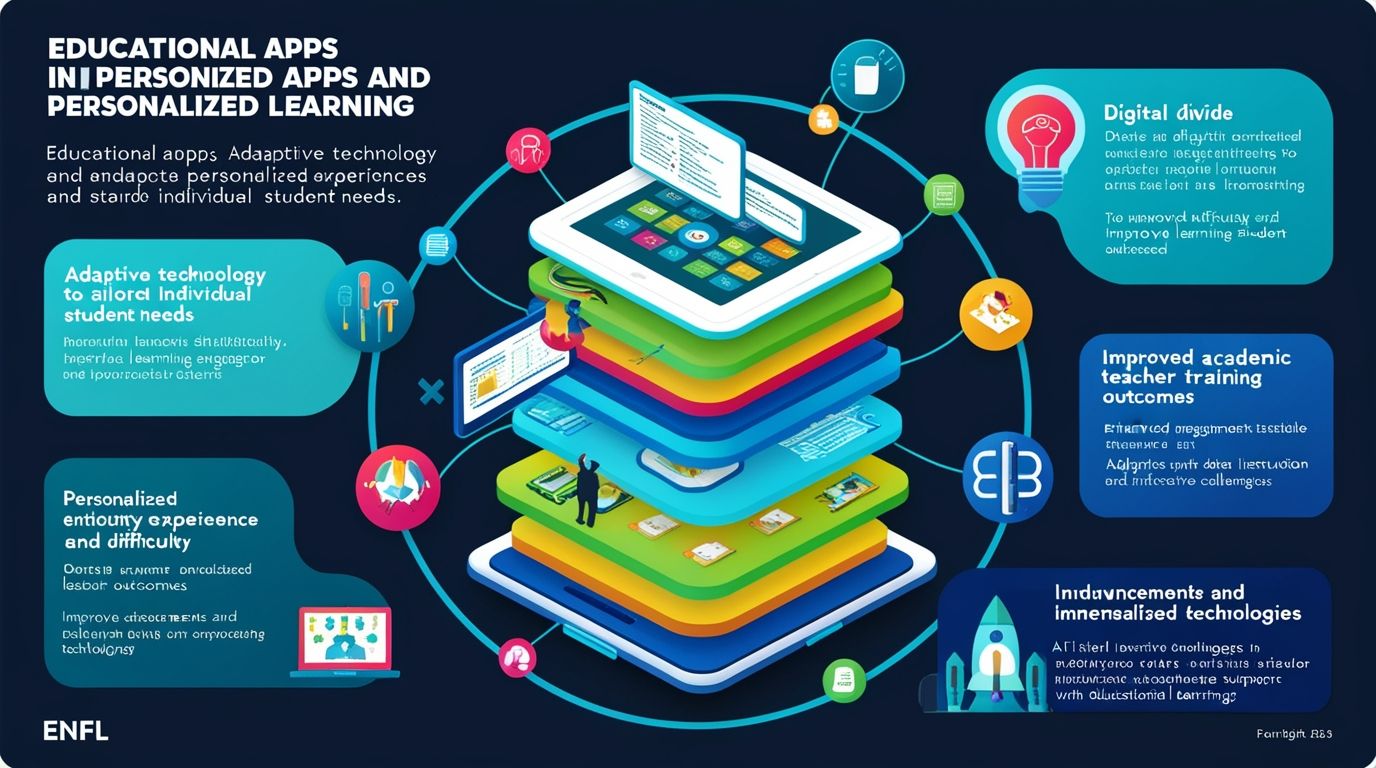
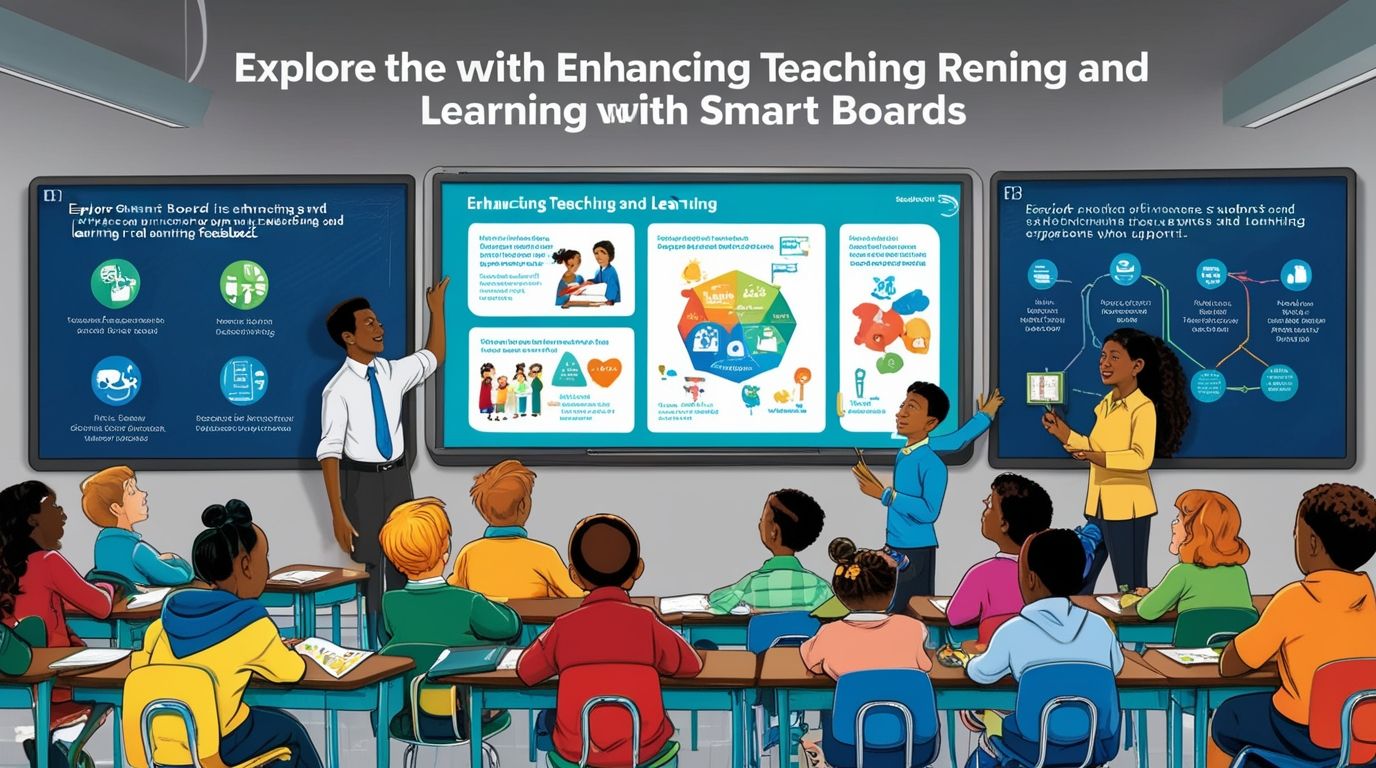
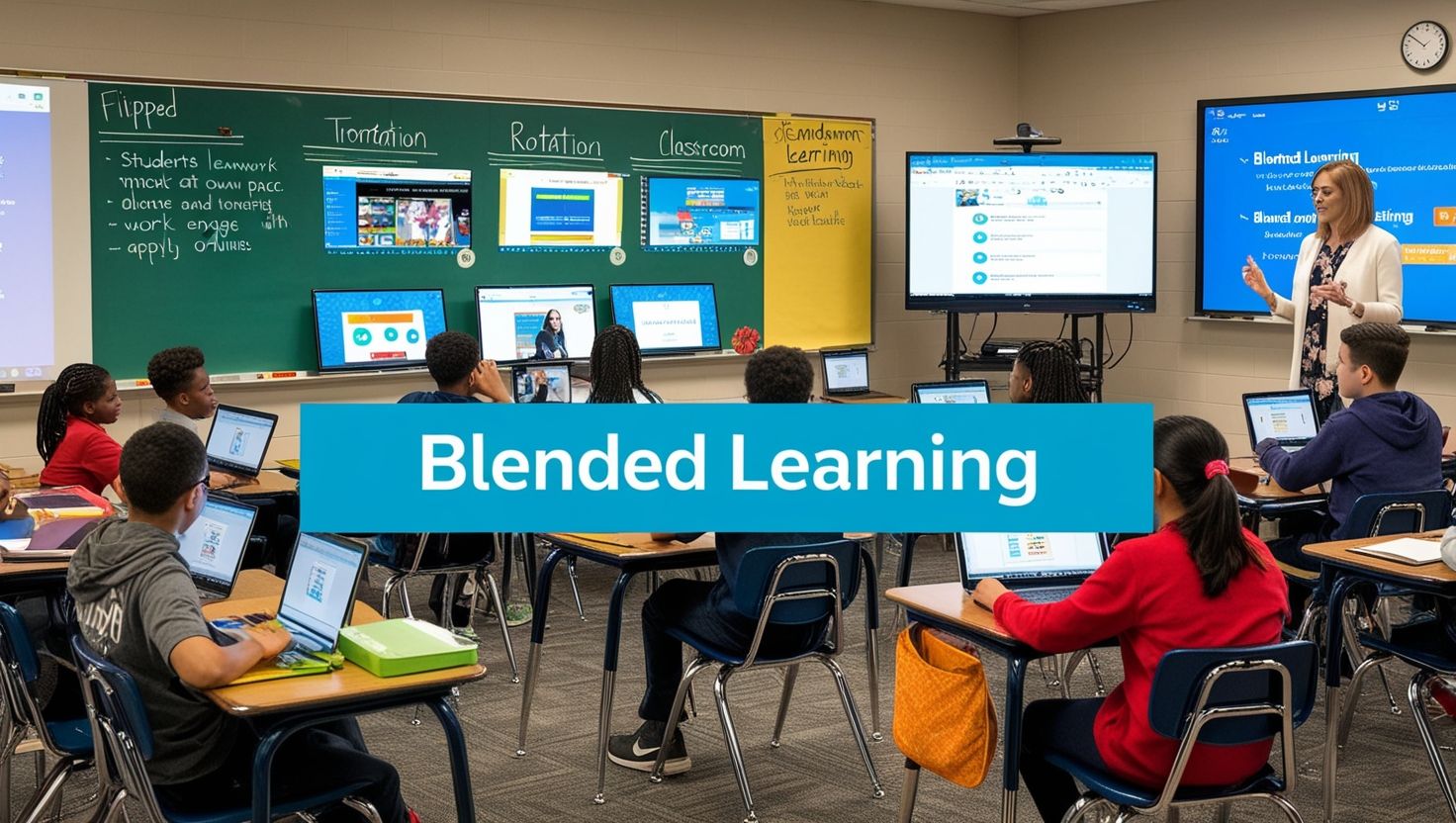
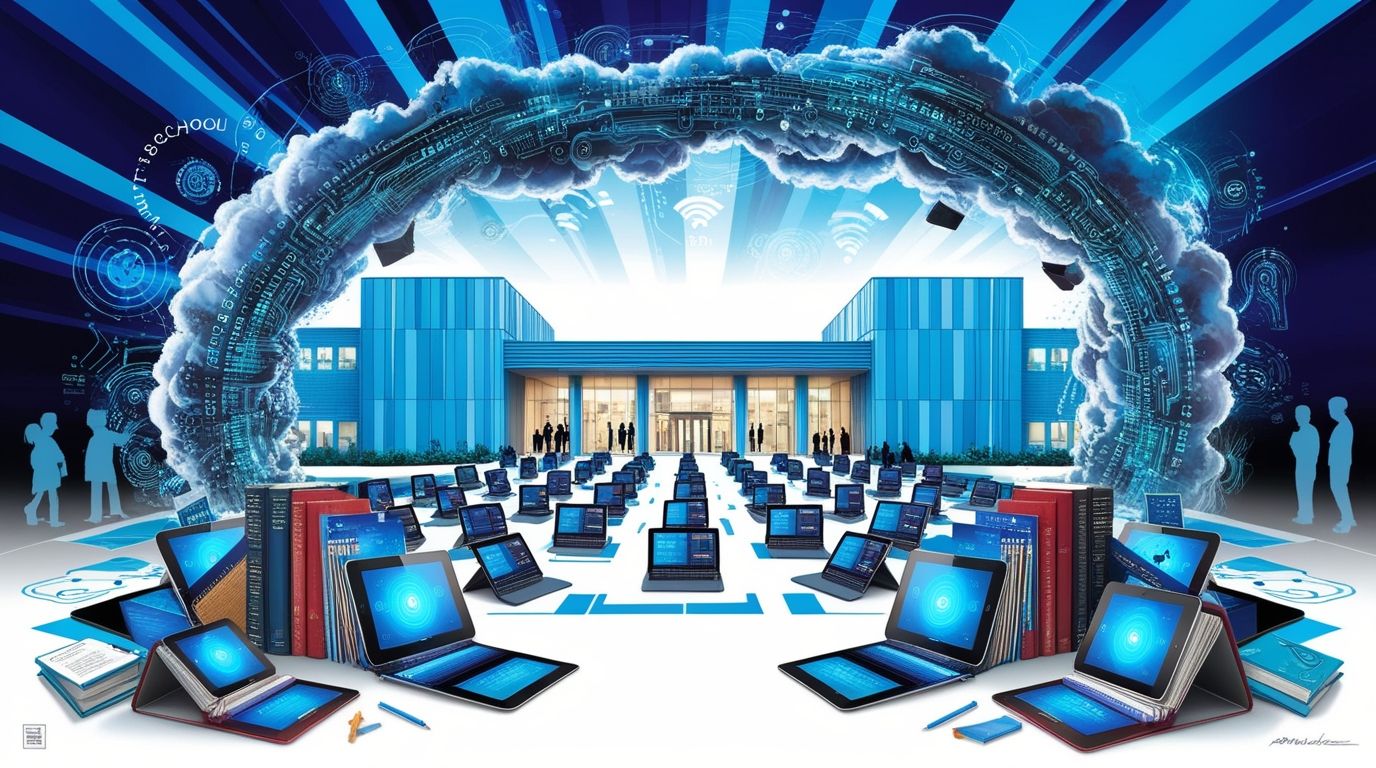
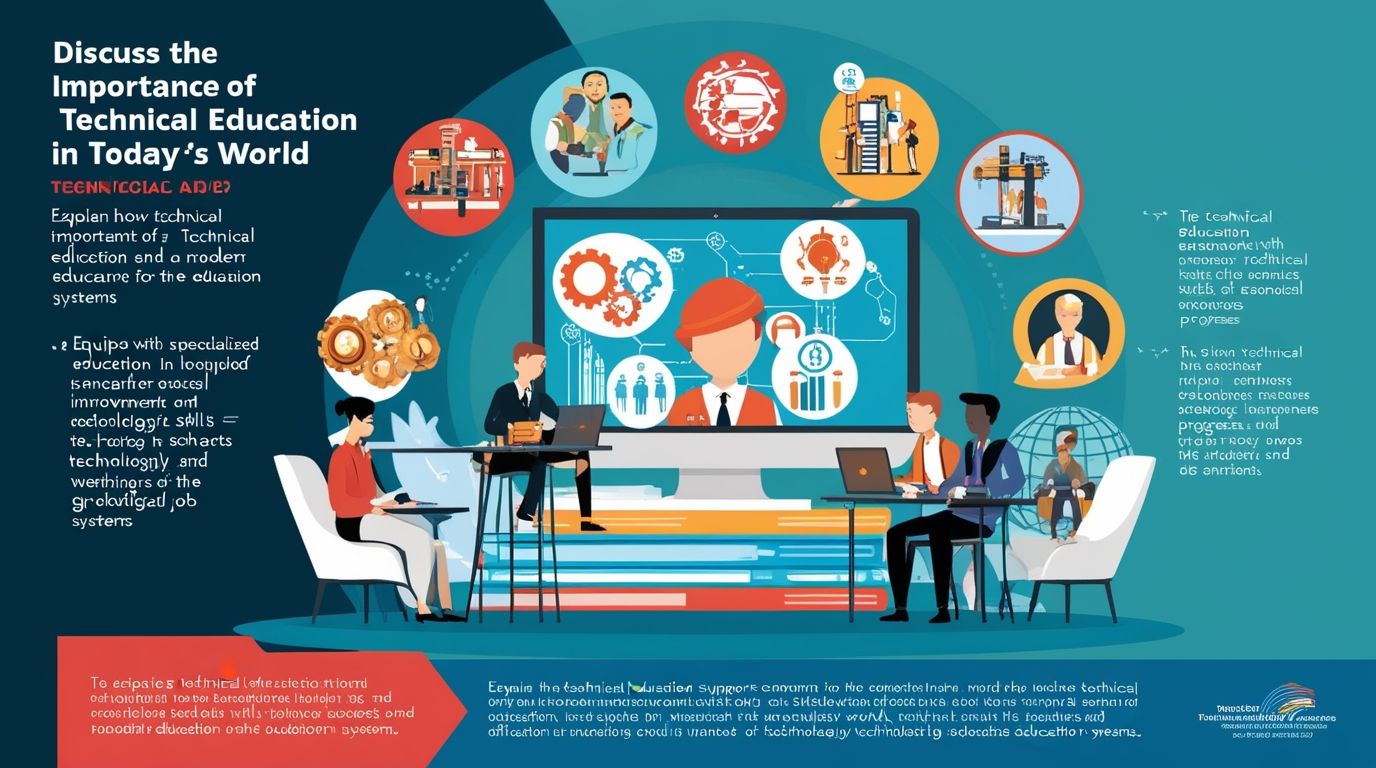
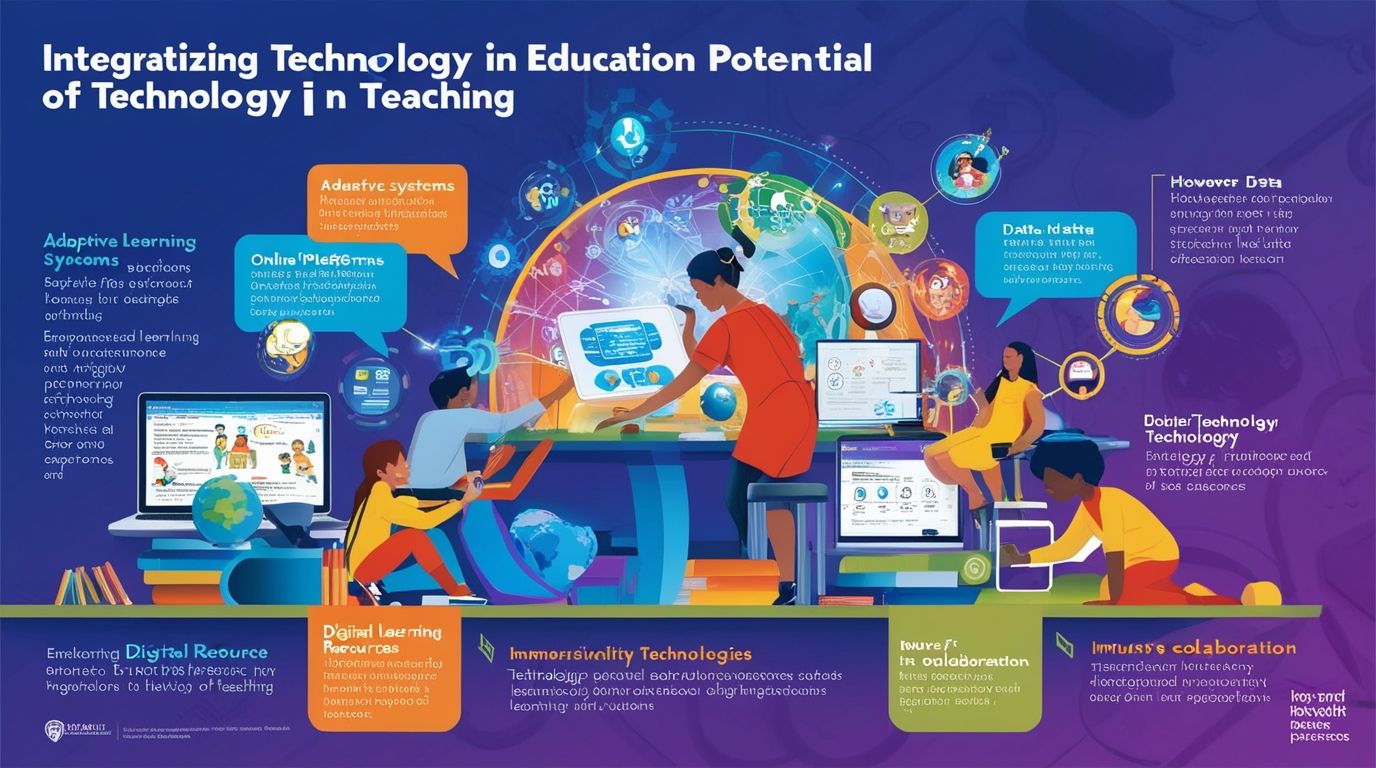
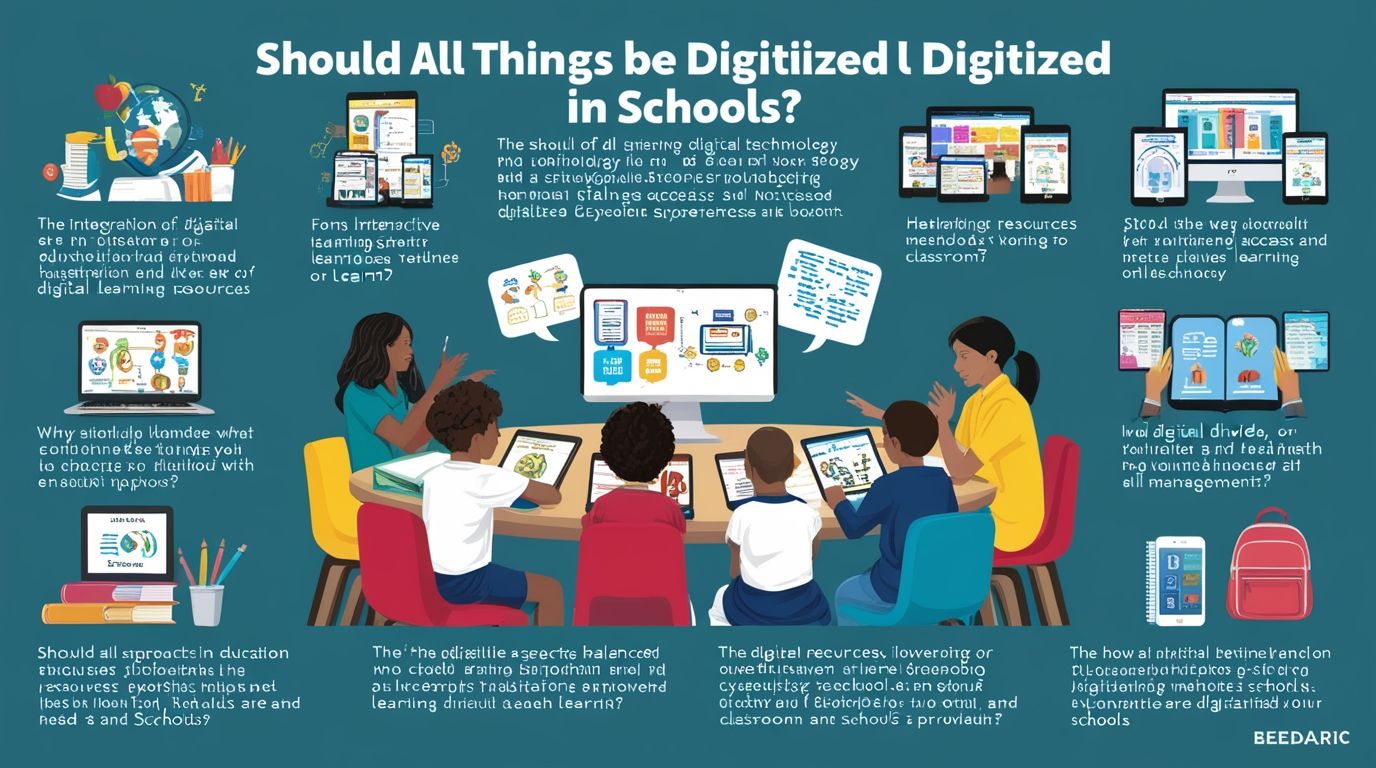
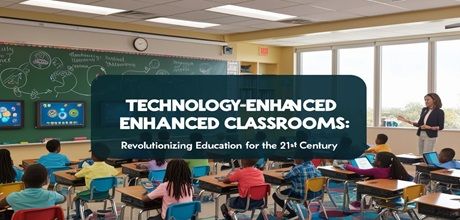
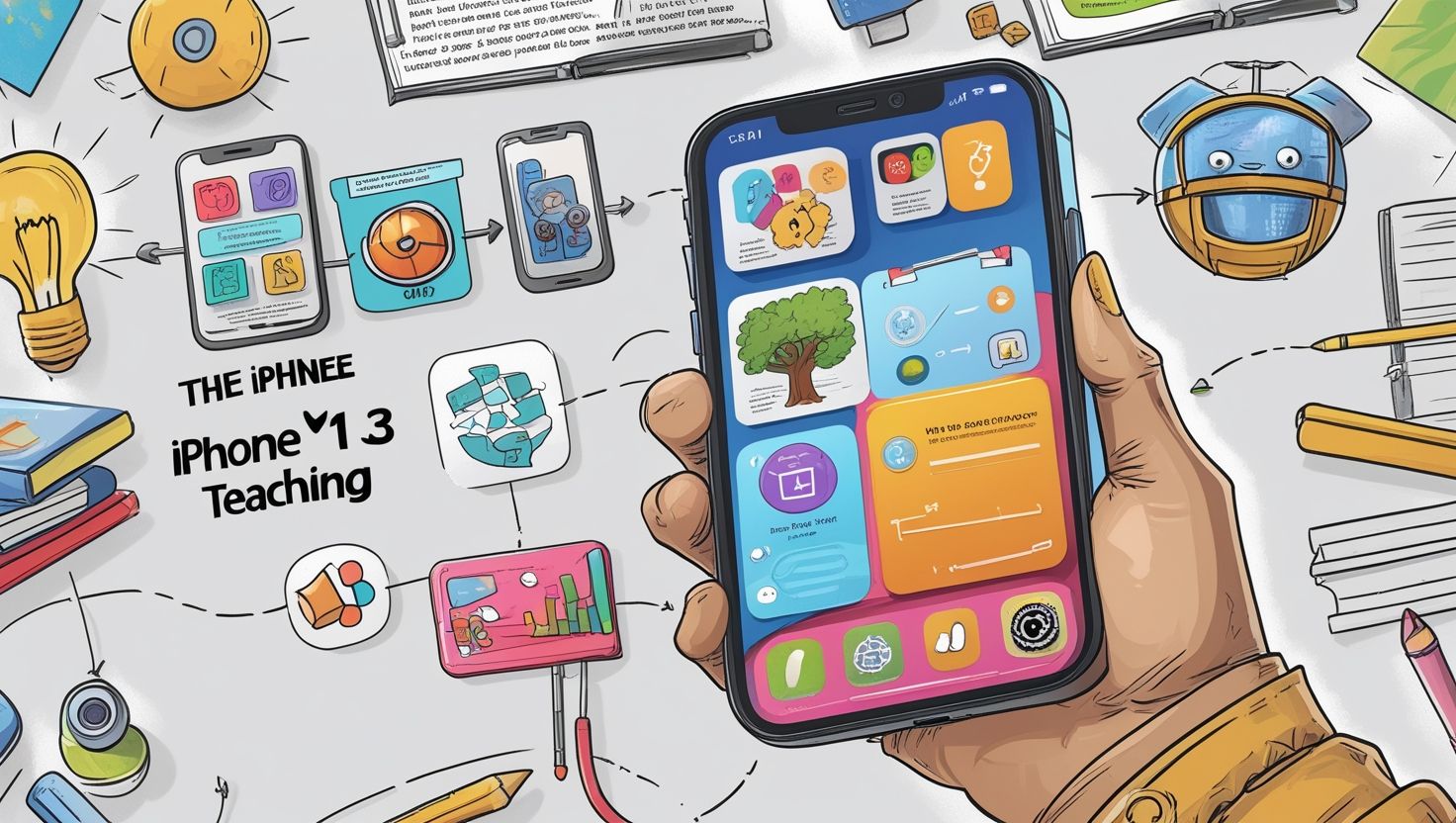
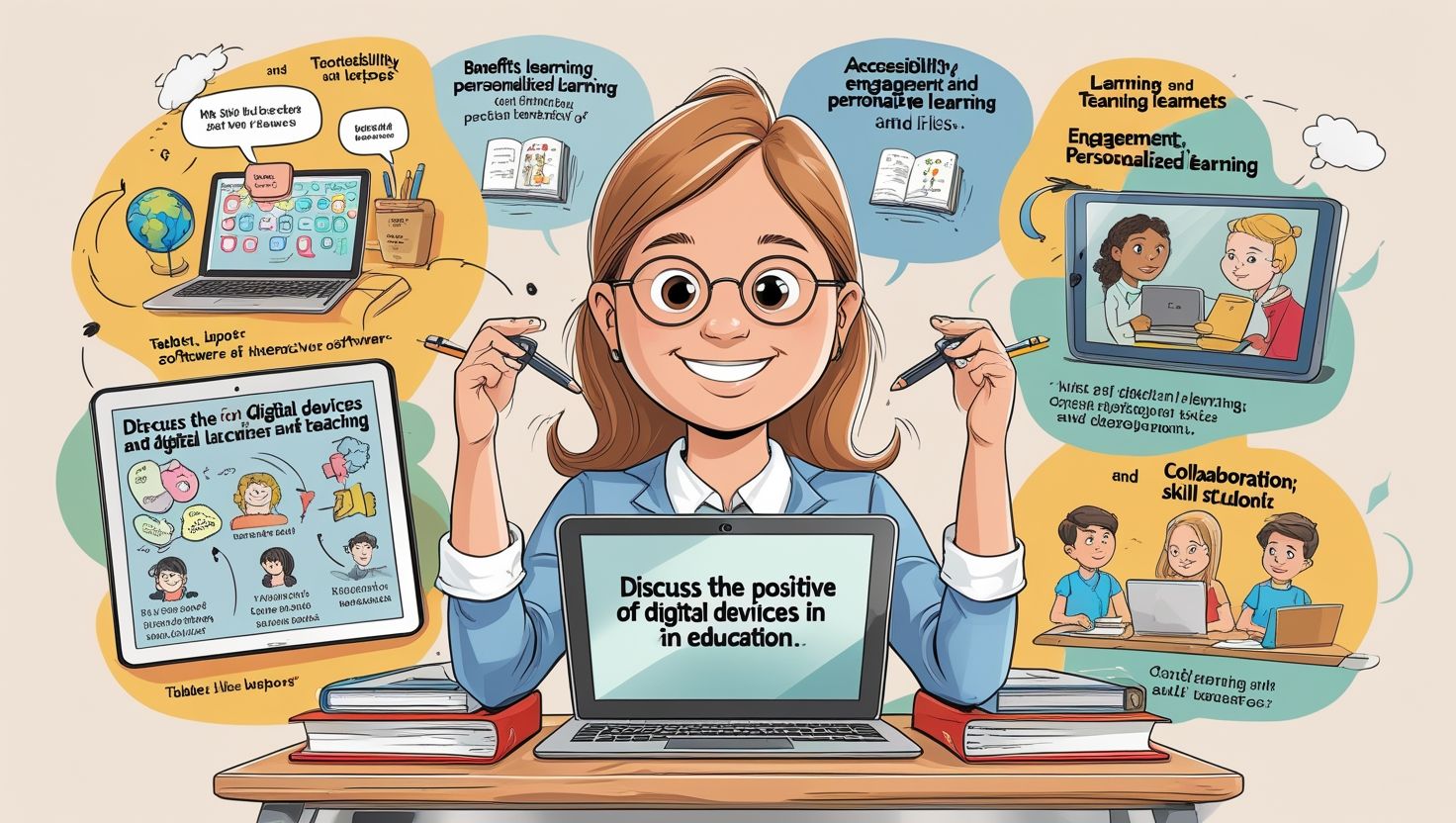
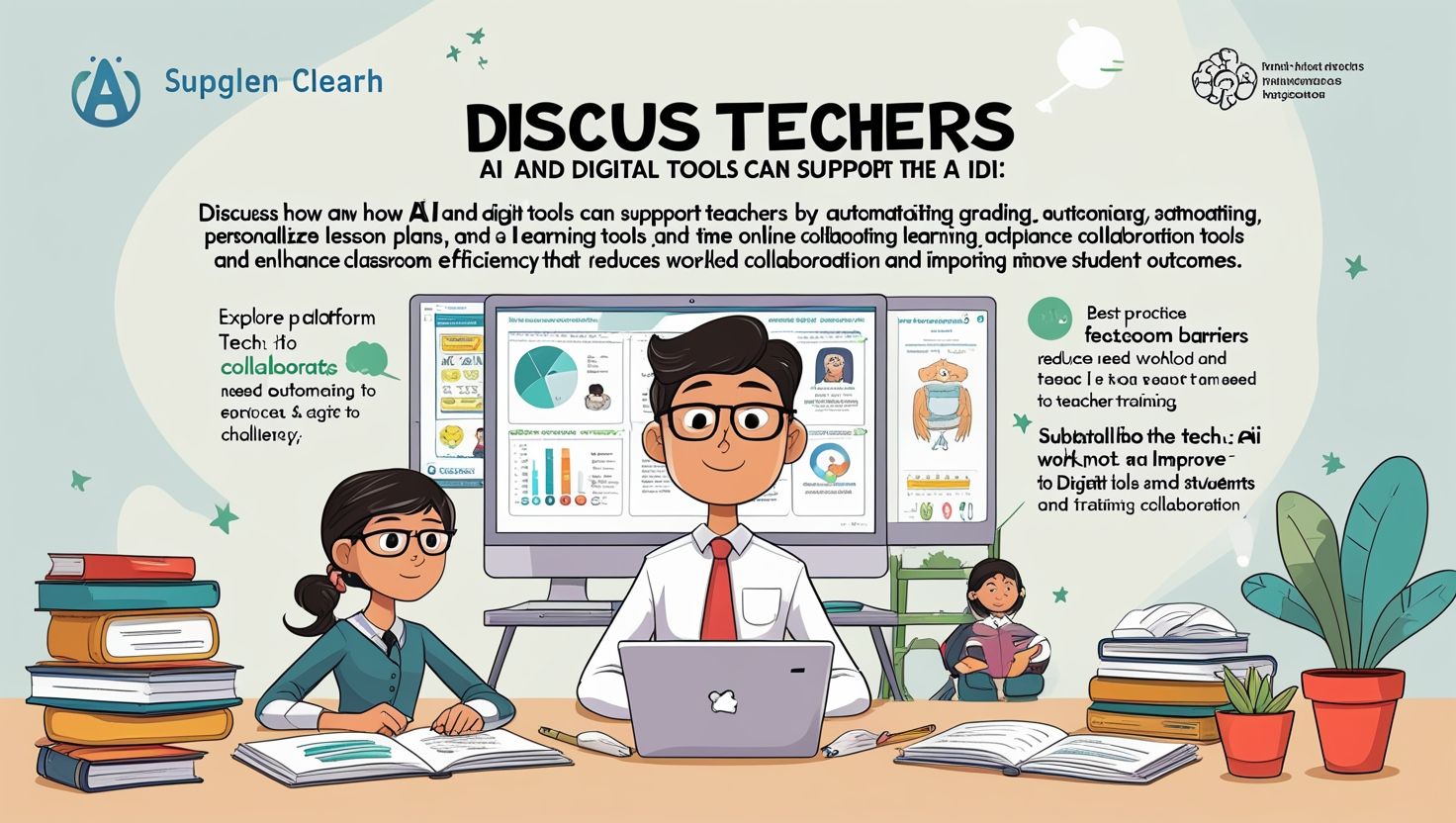
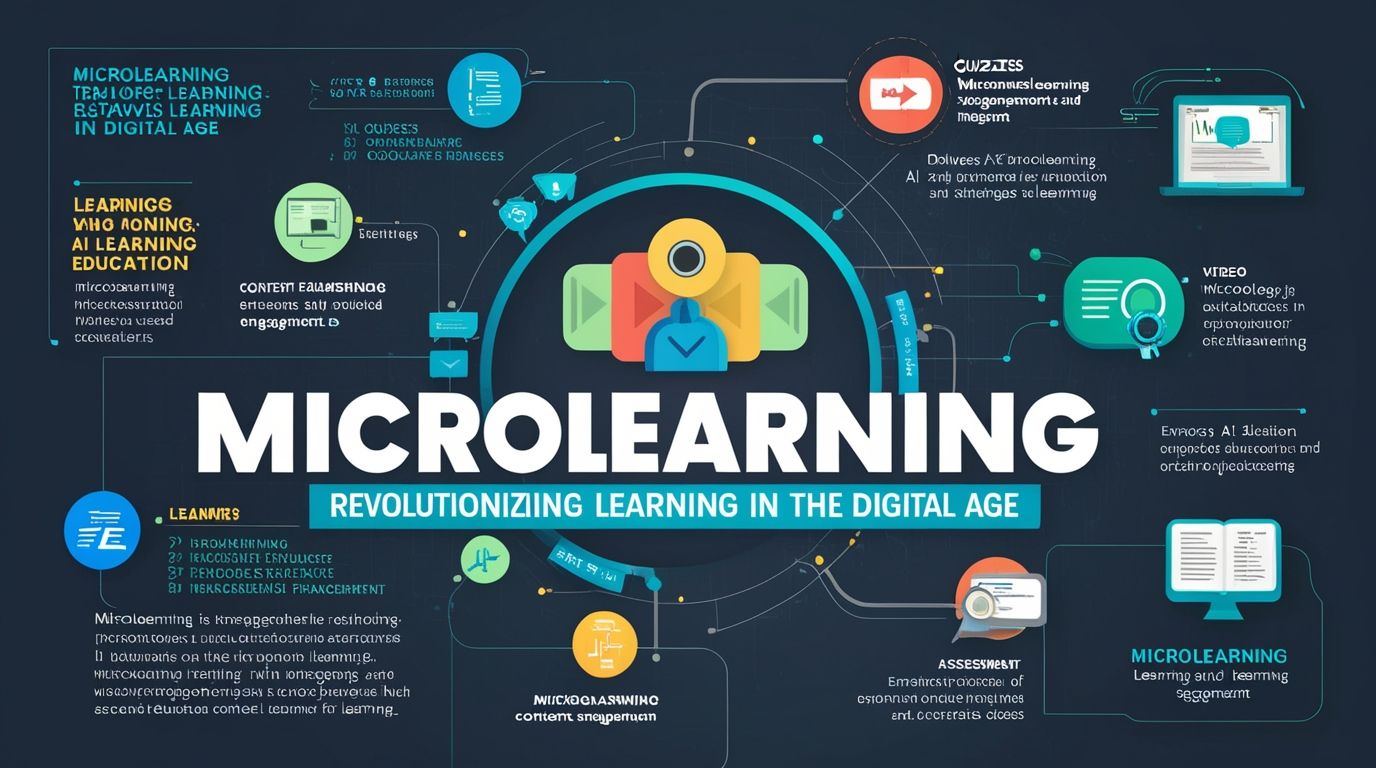
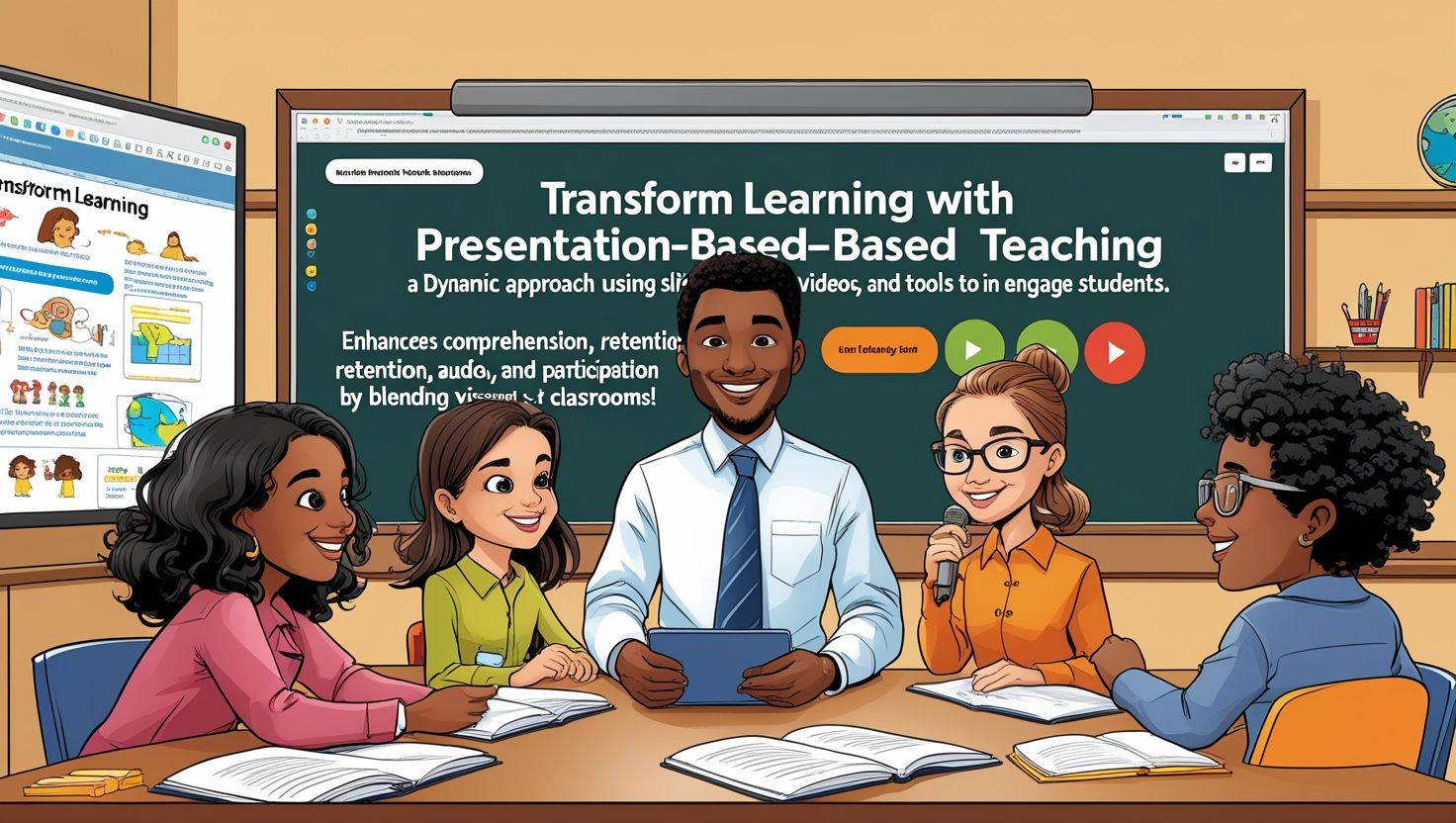
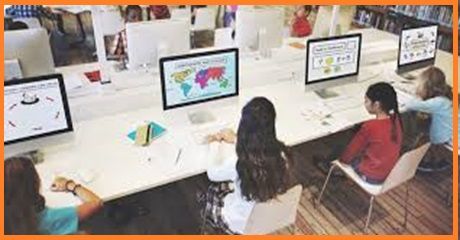
Technology has revolutionized education. In old curricula, technology was barely present. Teaching tools were limited to chalkboards, books, and printed materials. Today, classrooms are equipped with computers, smart boards, and internet access. Students use tablets and smartphones to learn. Educational software provides personalized content.
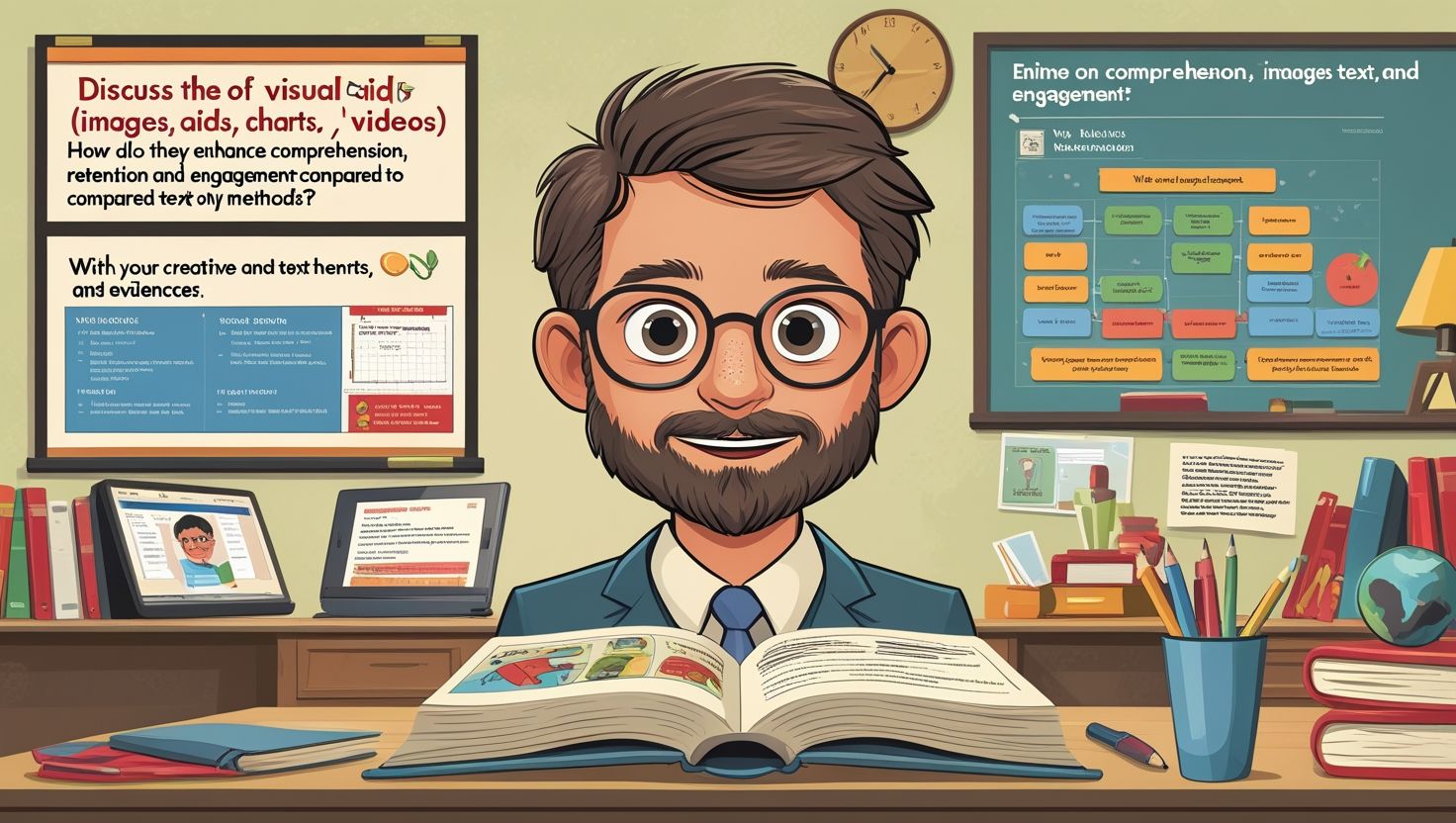
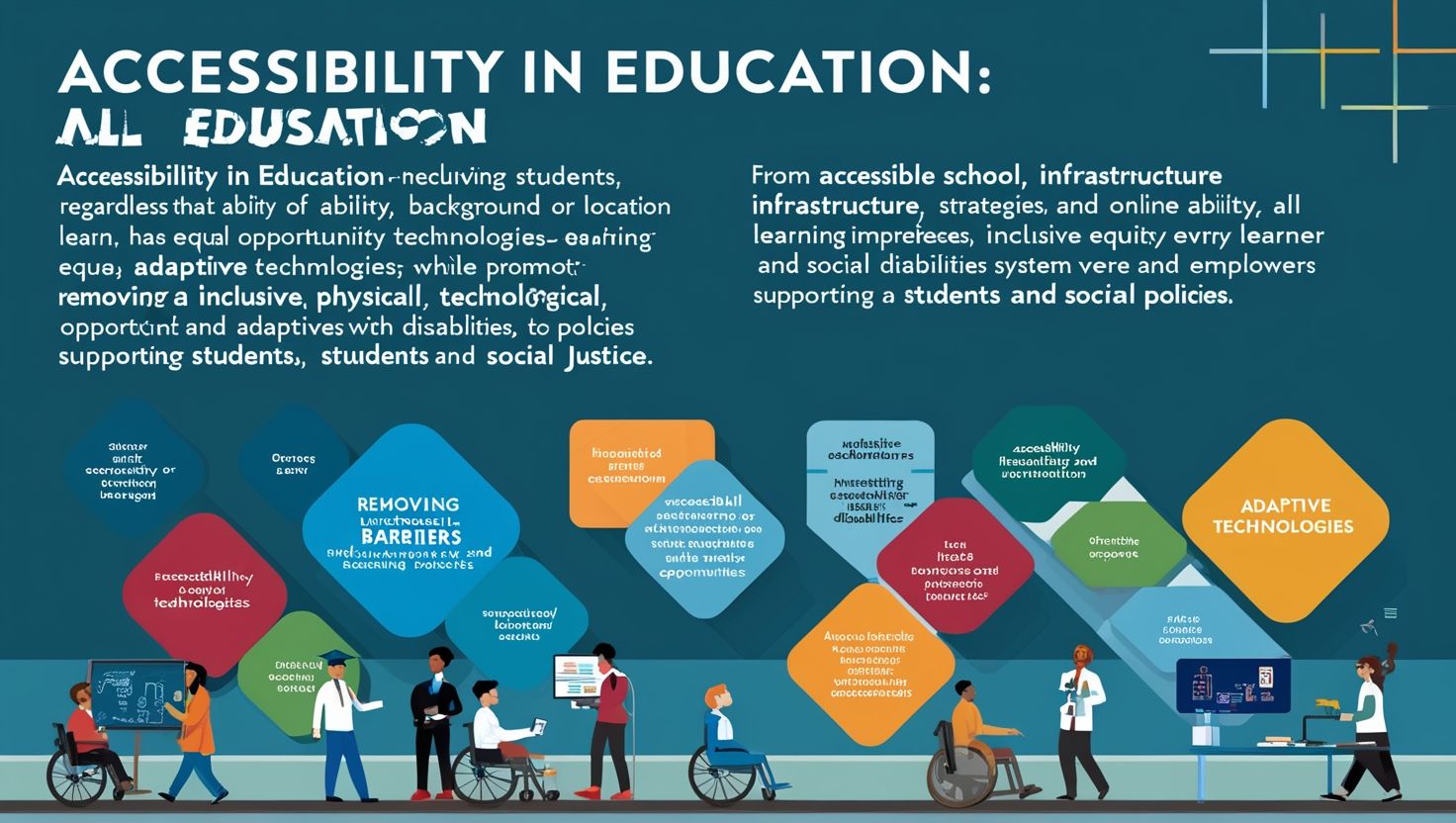
Moreover, online platforms offer thousands of courses. Students can now learn from global experts. Teachers use video lessons, animations, and virtual labs. This makes learning more visual and engaging. Importantly, technology supports students with disabilities. Text-to-speech tools, audio lessons, and interactive games enhance accessibility.
In assessment too, technology plays a key role. Online quizzes provide instant feedback. Teachers can track performance easily. Also, during emergencies like pandemics, online learning became essential. This was not possible under the old curriculum. Clearly, technology expands the curriculum beyond the classroom. It makes learning anytime and anywhere possible. While challenges remain, its benefits are undeniable. Thus, modern education without technology is incomplete. It supports every aspect of the new curriculum effectively.
11. Inclusive and Global Perspectives
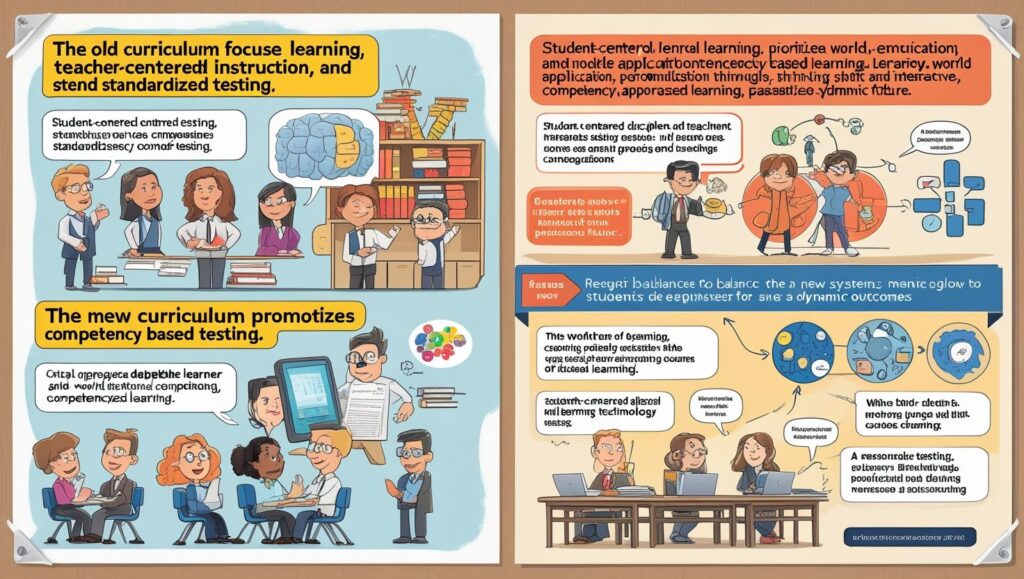
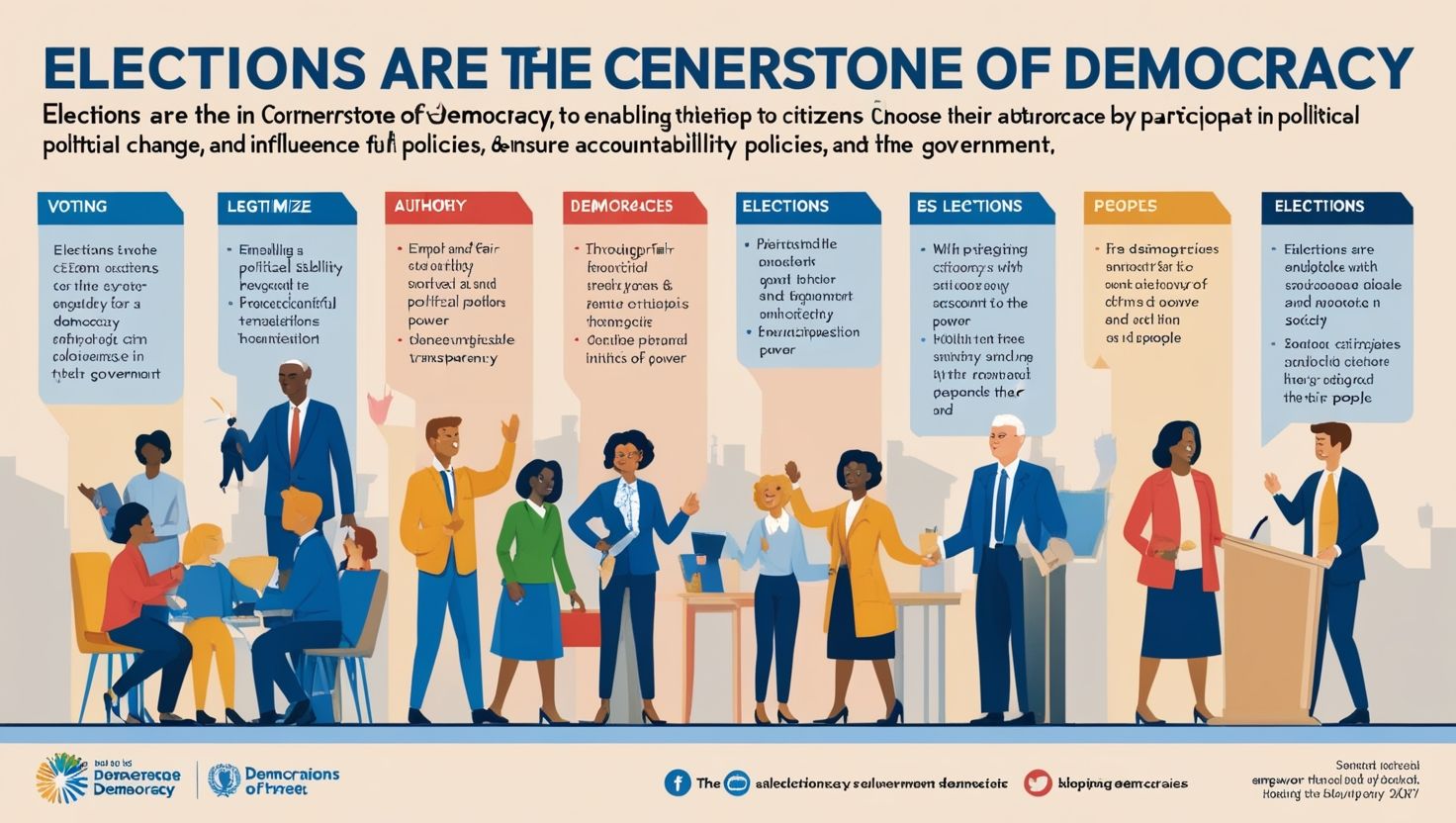
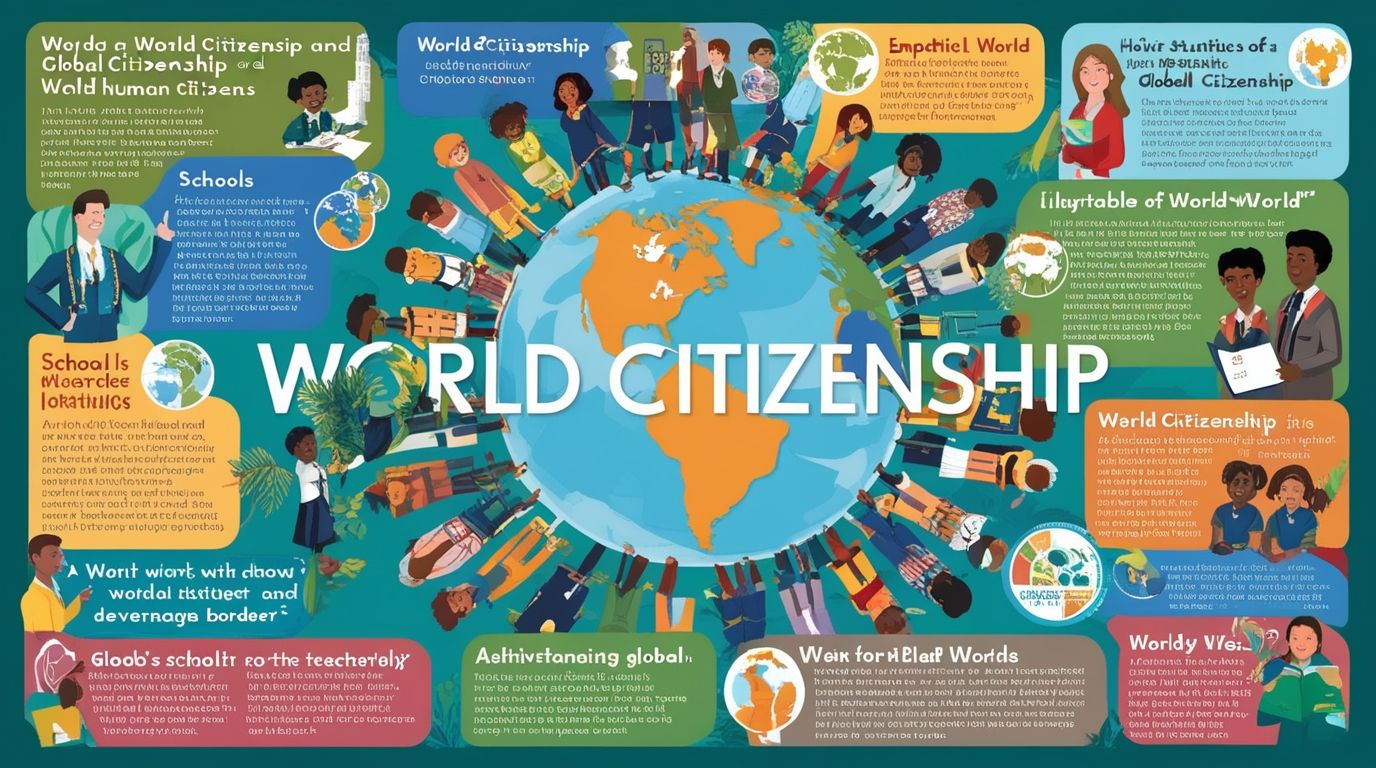
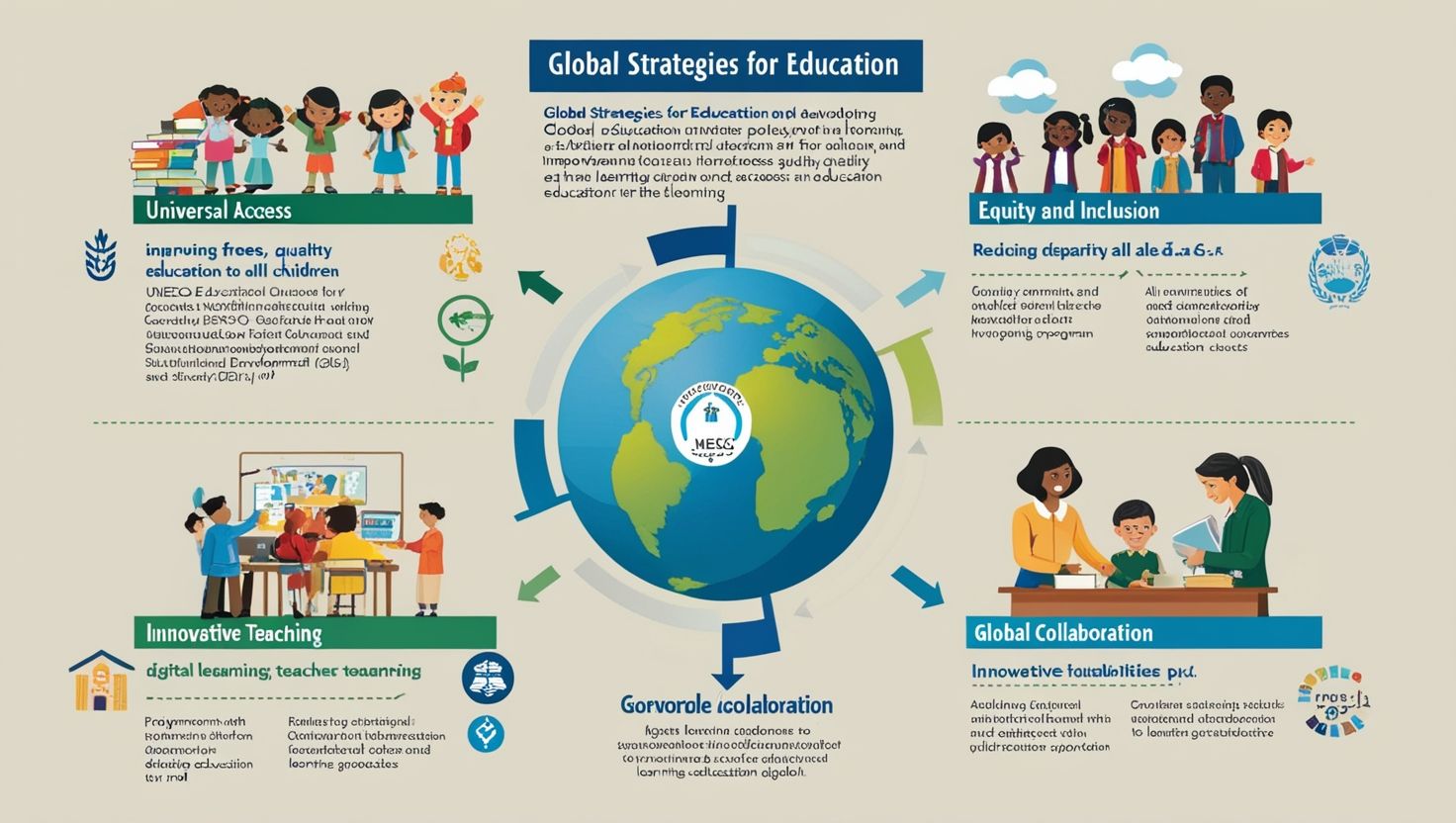
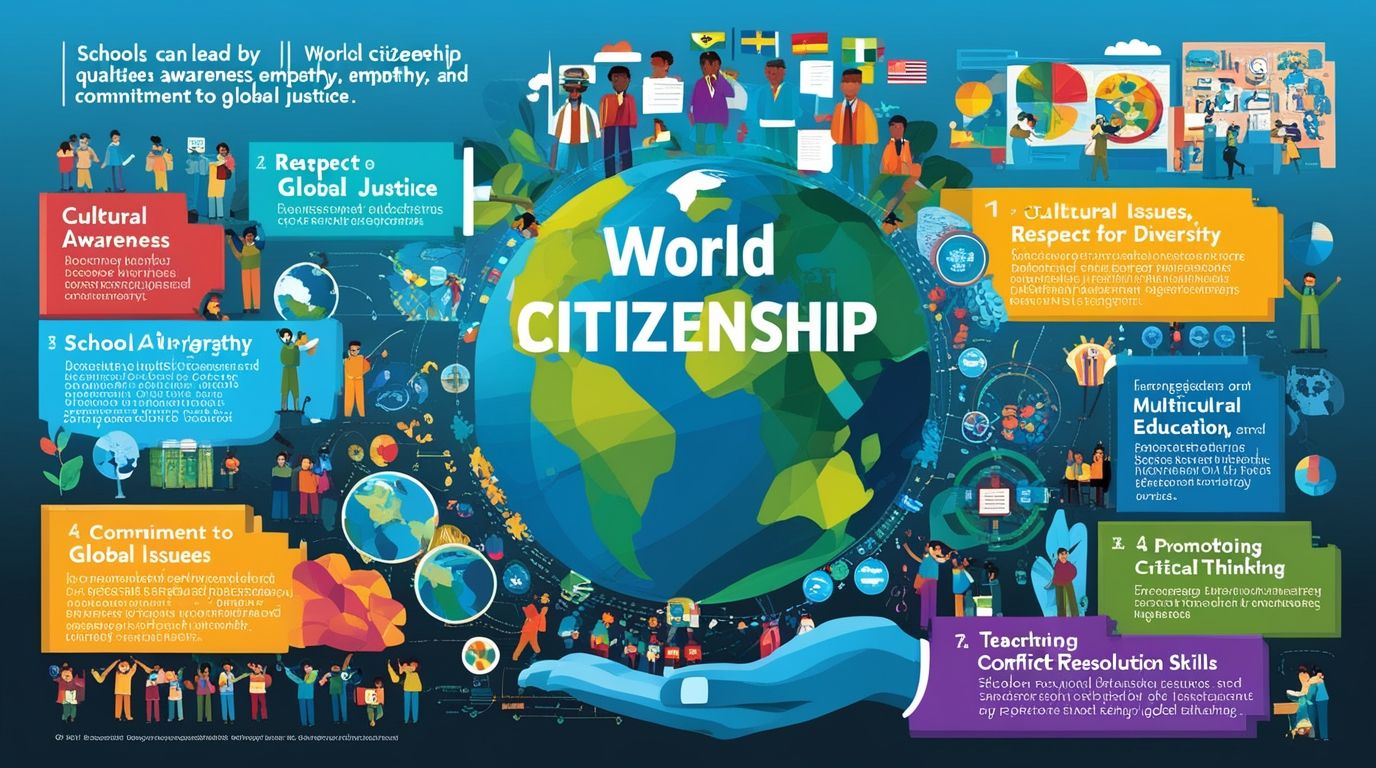
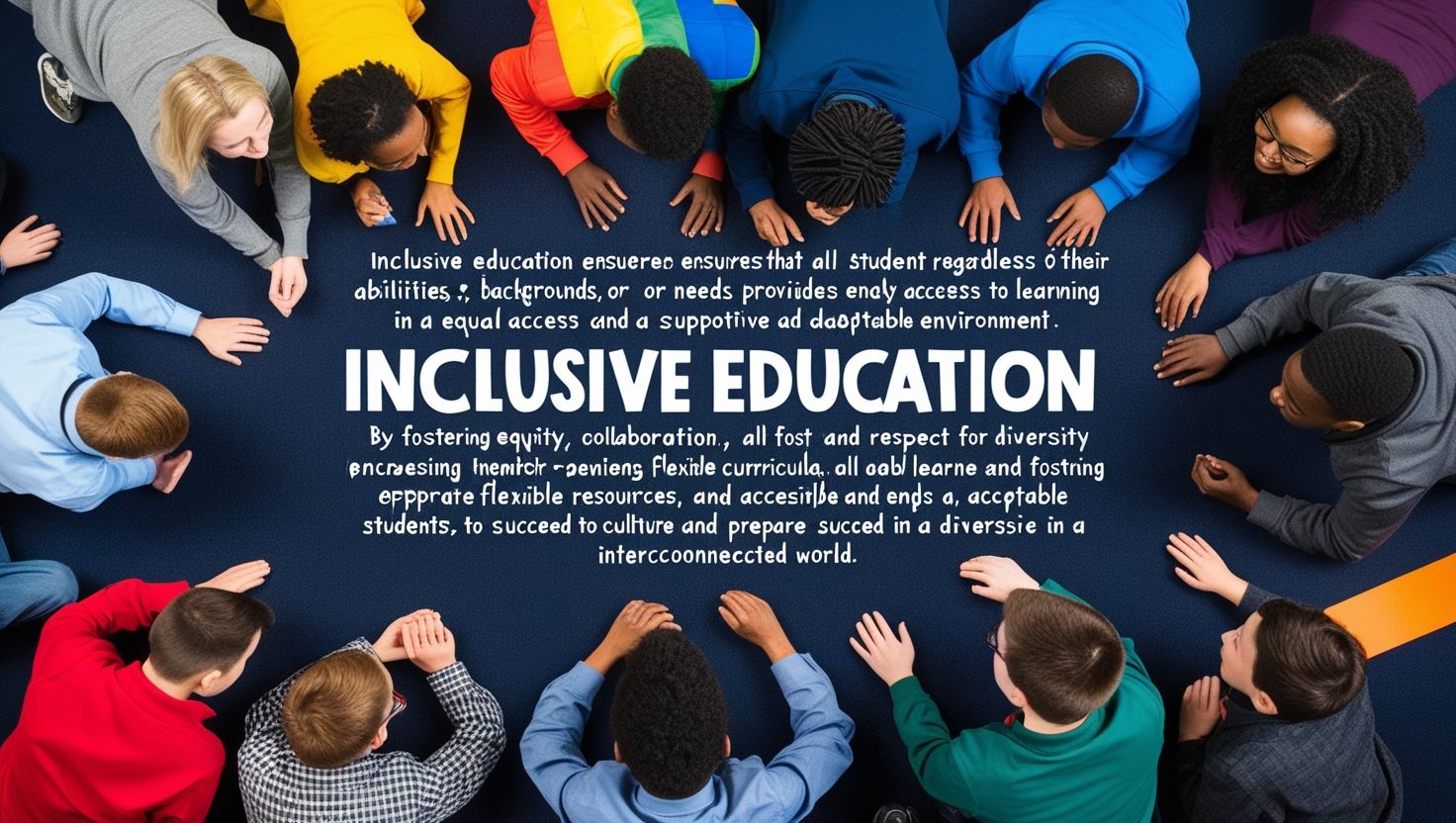
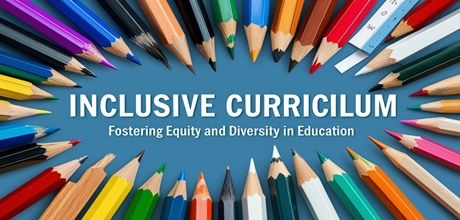
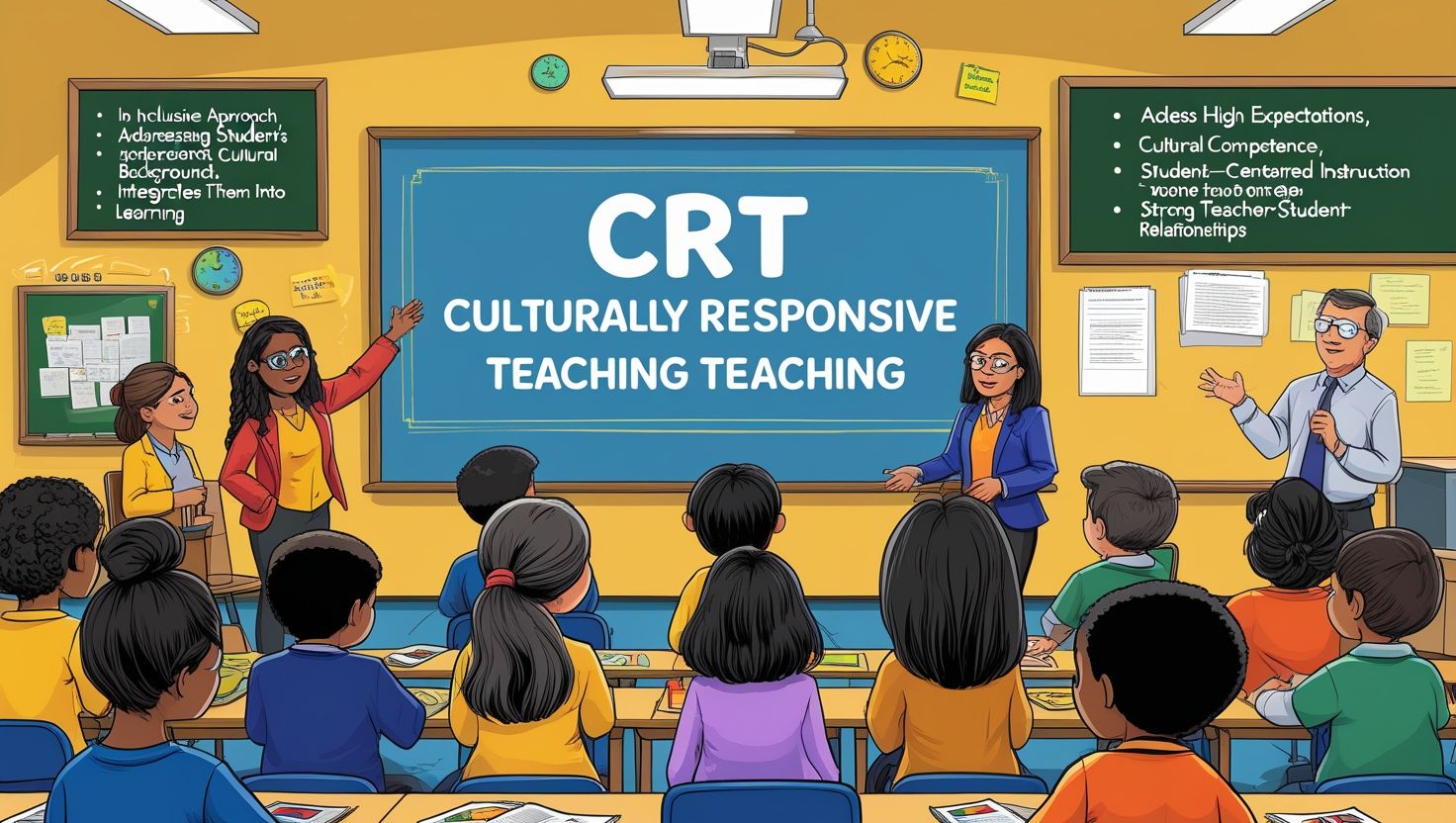
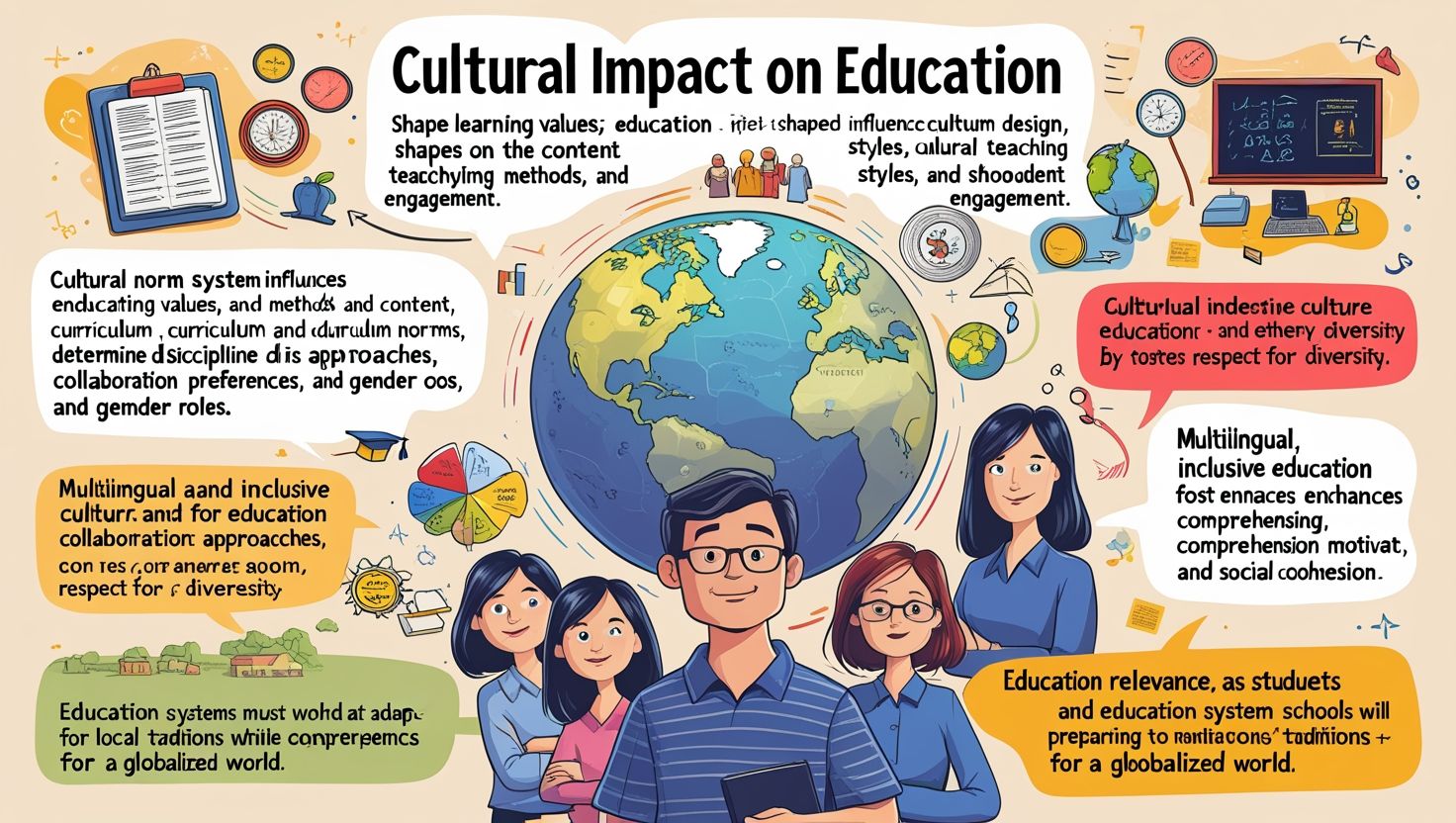
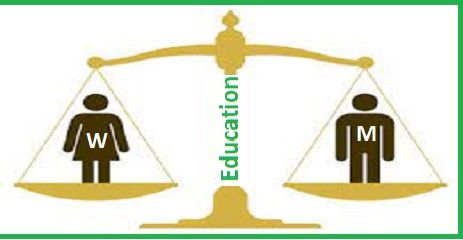
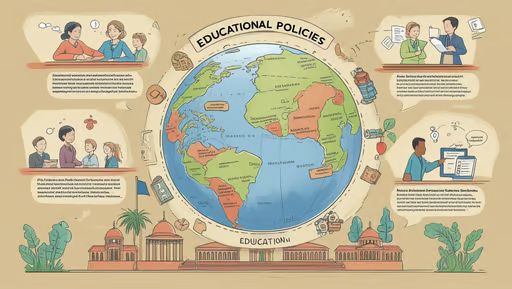
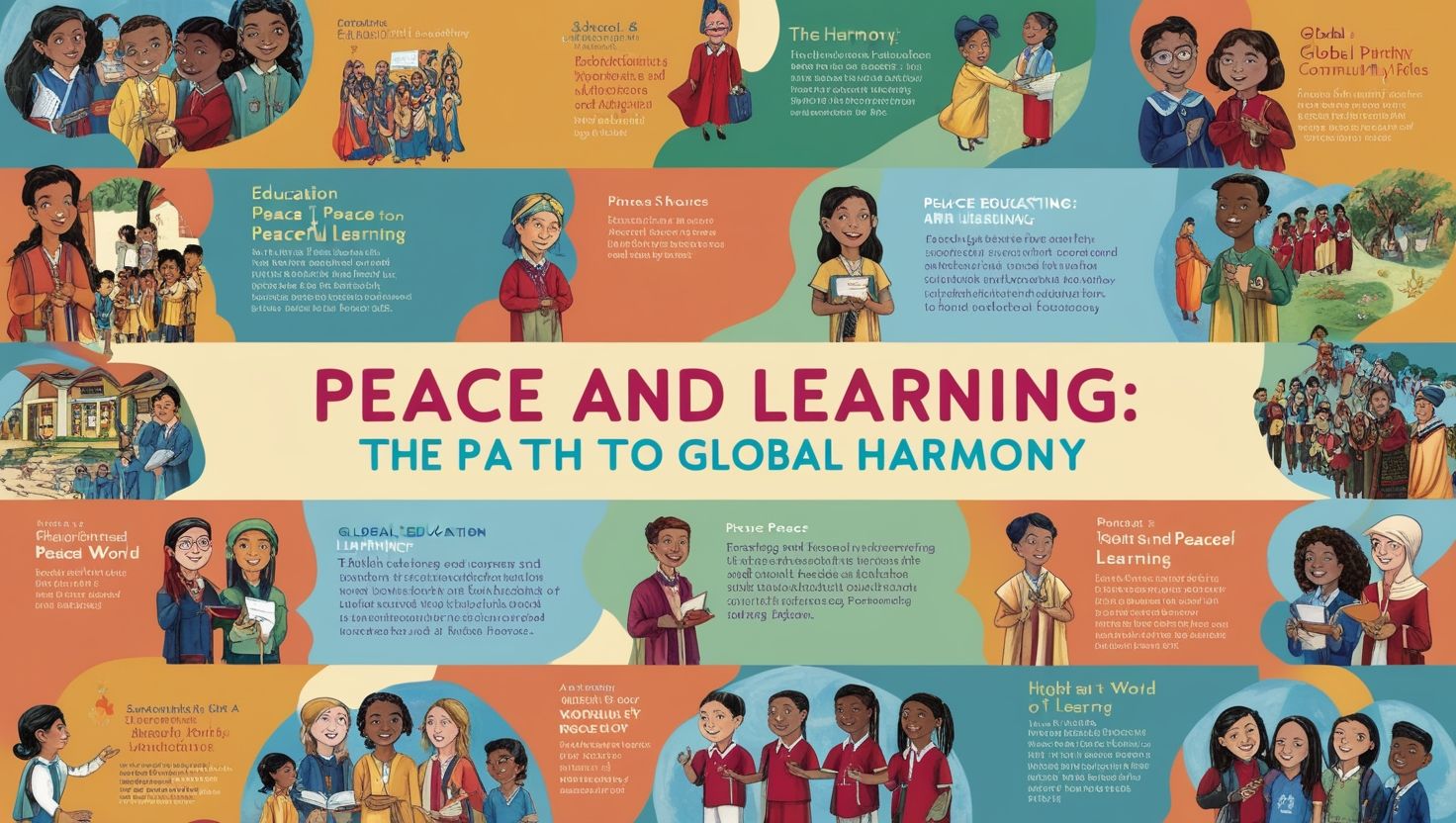
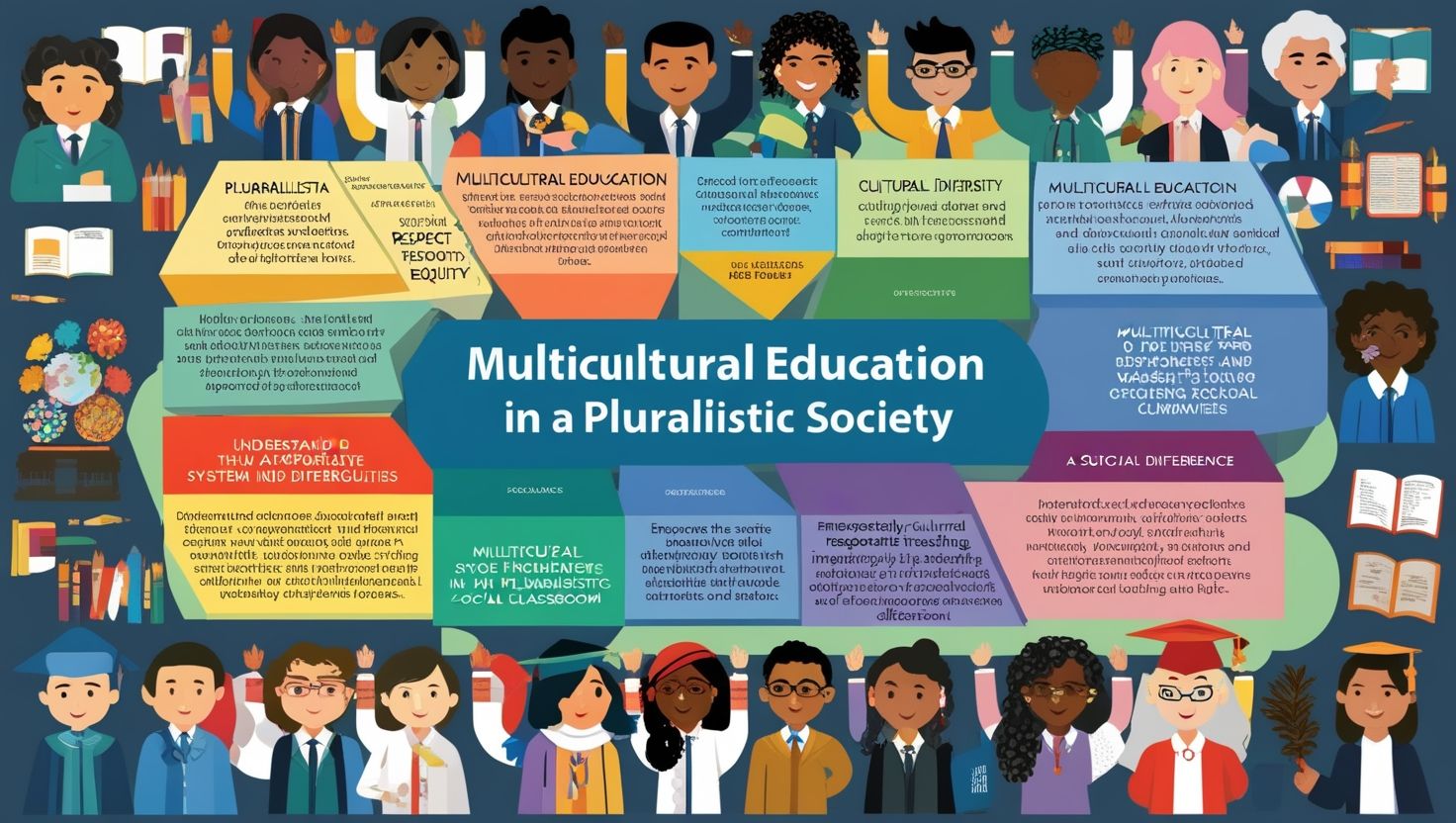
Old curricula often excluded diverse voices. Textbooks were narrow in scope. They mainly reflected dominant cultures. Minority groups and global issues received little attention. Now, inclusivity is a key goal. The new curriculum highlights different cultures, genders, and abilities. It teaches respect and empathy. Students study global problems like climate change, inequality, and migration.
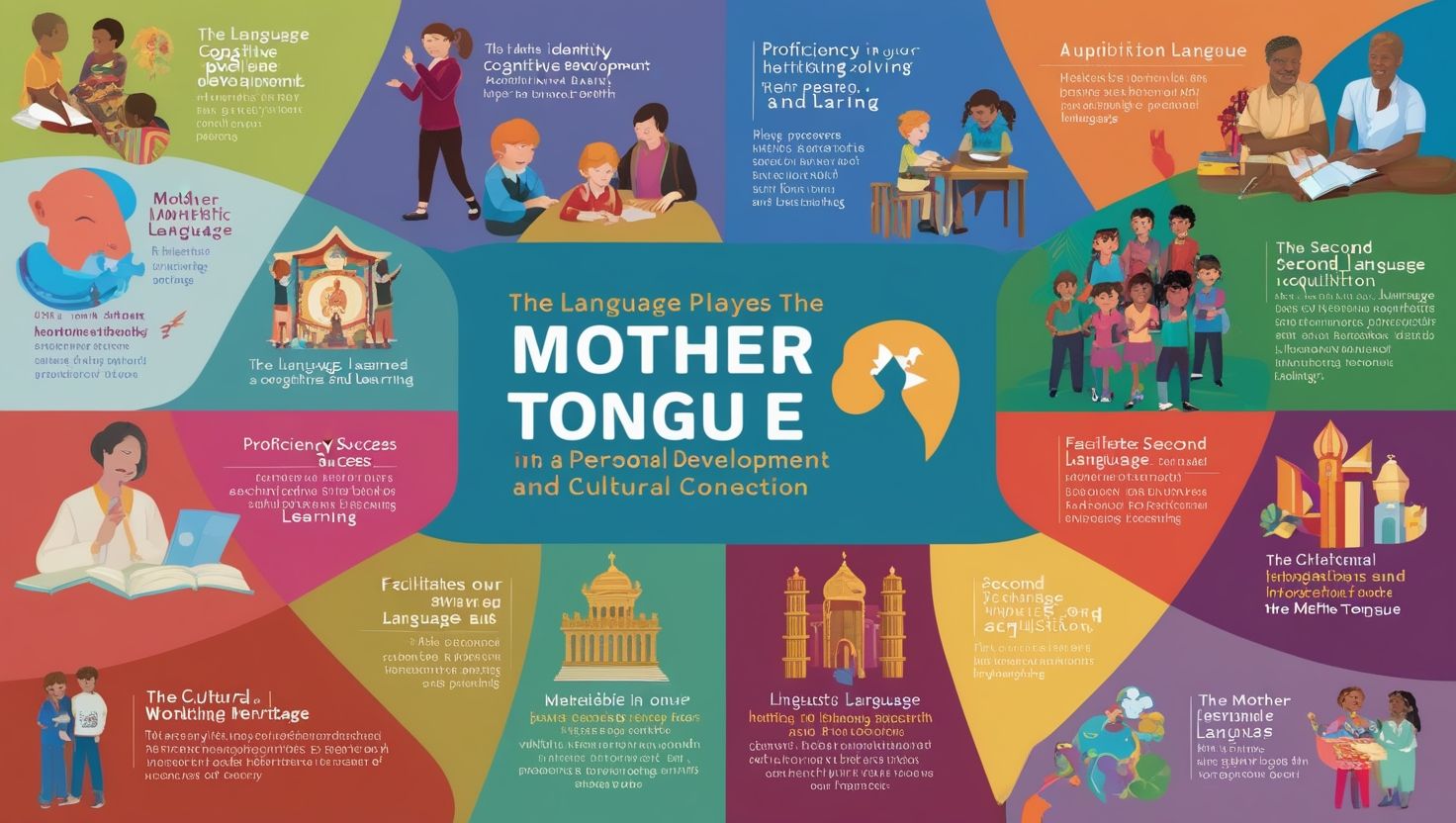
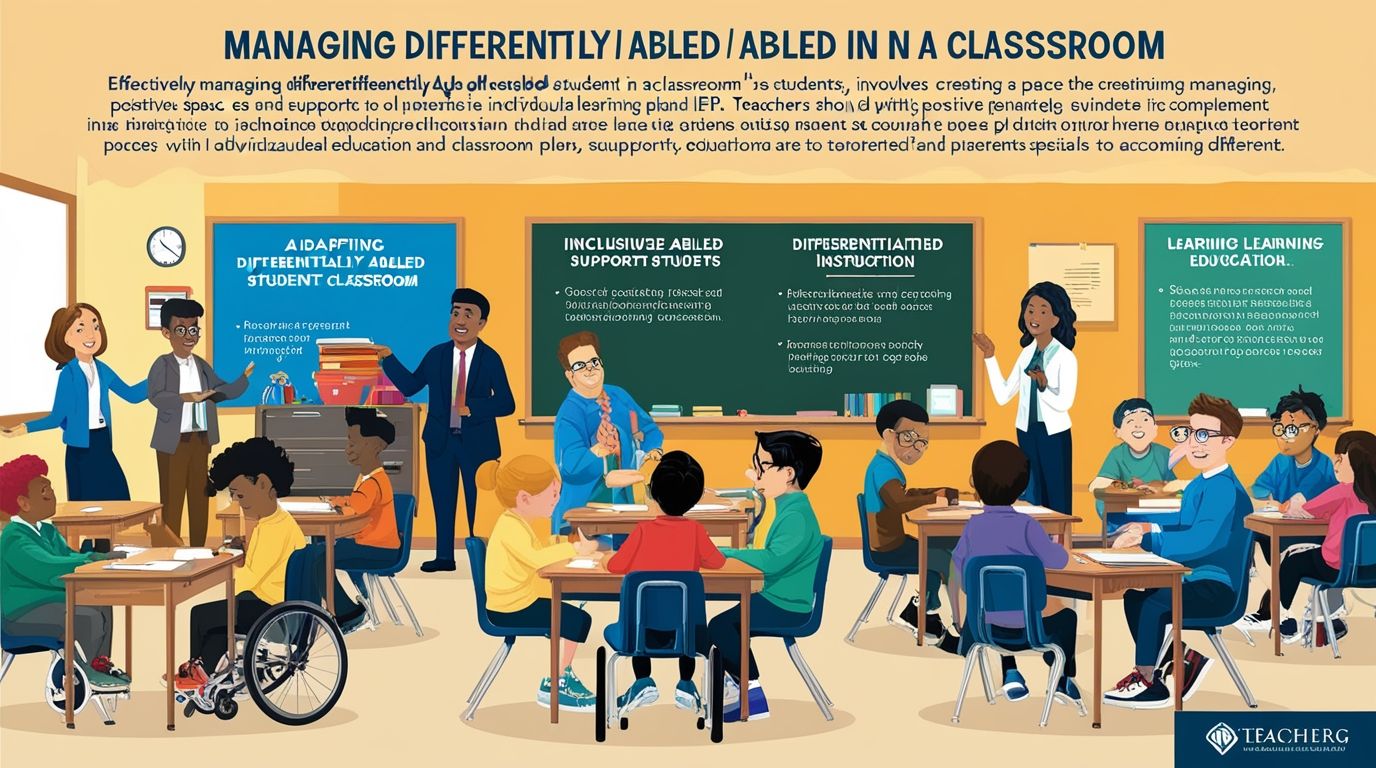
Also, modern content avoids stereotypes. It portrays people accurately and respectfully. This helps build tolerance and understanding. Inclusion also means supporting all types of learners. Students with disabilities receive extra help. Language learners get customized support.
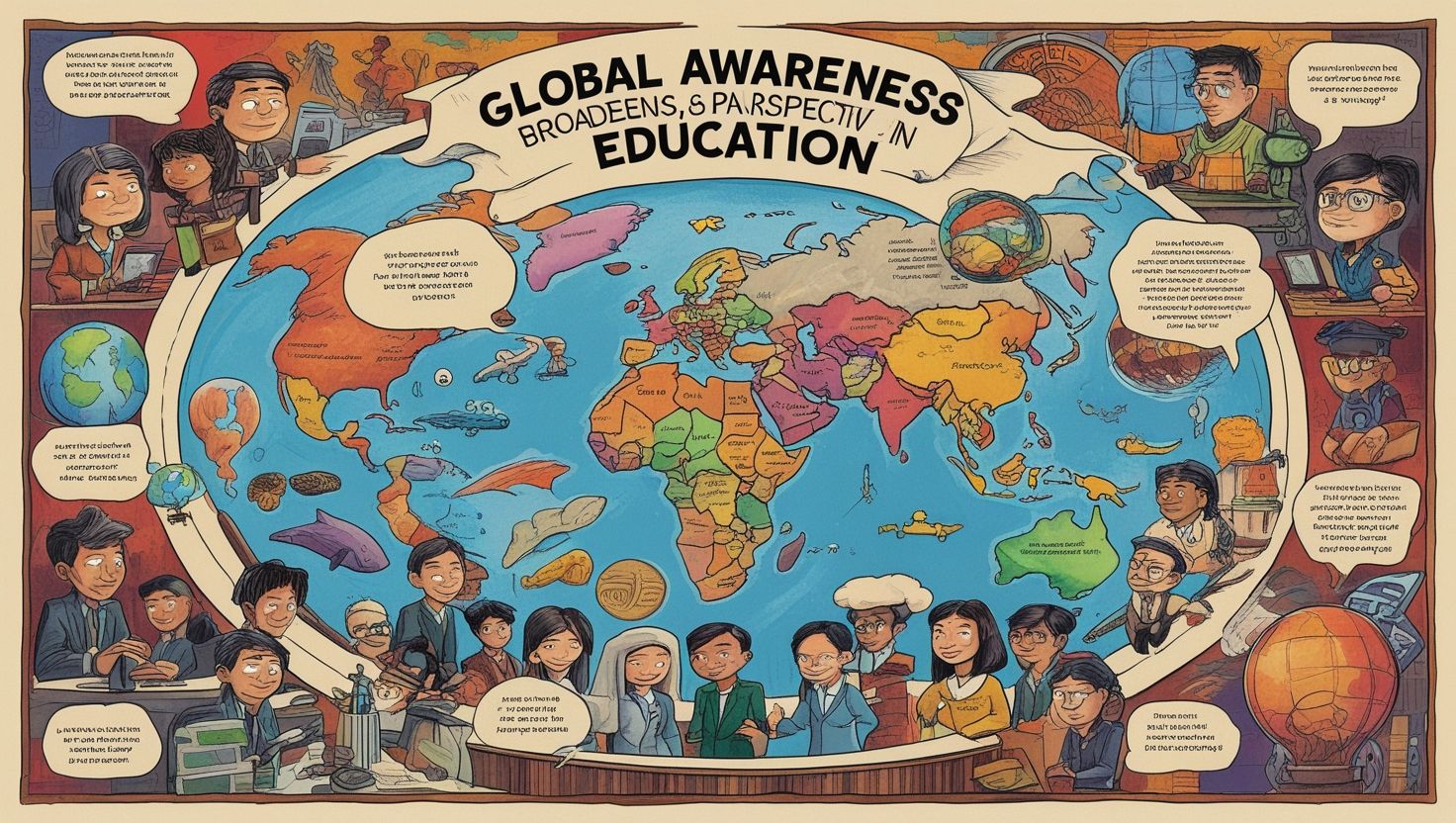
Furthermore, teachers are trained to handle diverse classrooms. Activities are designed to include everyone. Global perspectives connect students with the world. They understand how actions in one place affect others. This awareness creates responsible global citizens. In short, the new curriculum is more just, equal, and connected. It respects every learner. It also prepares students for a global future. Therefore, this shift is both necessary and positive.
12. Challenges in Transitioning
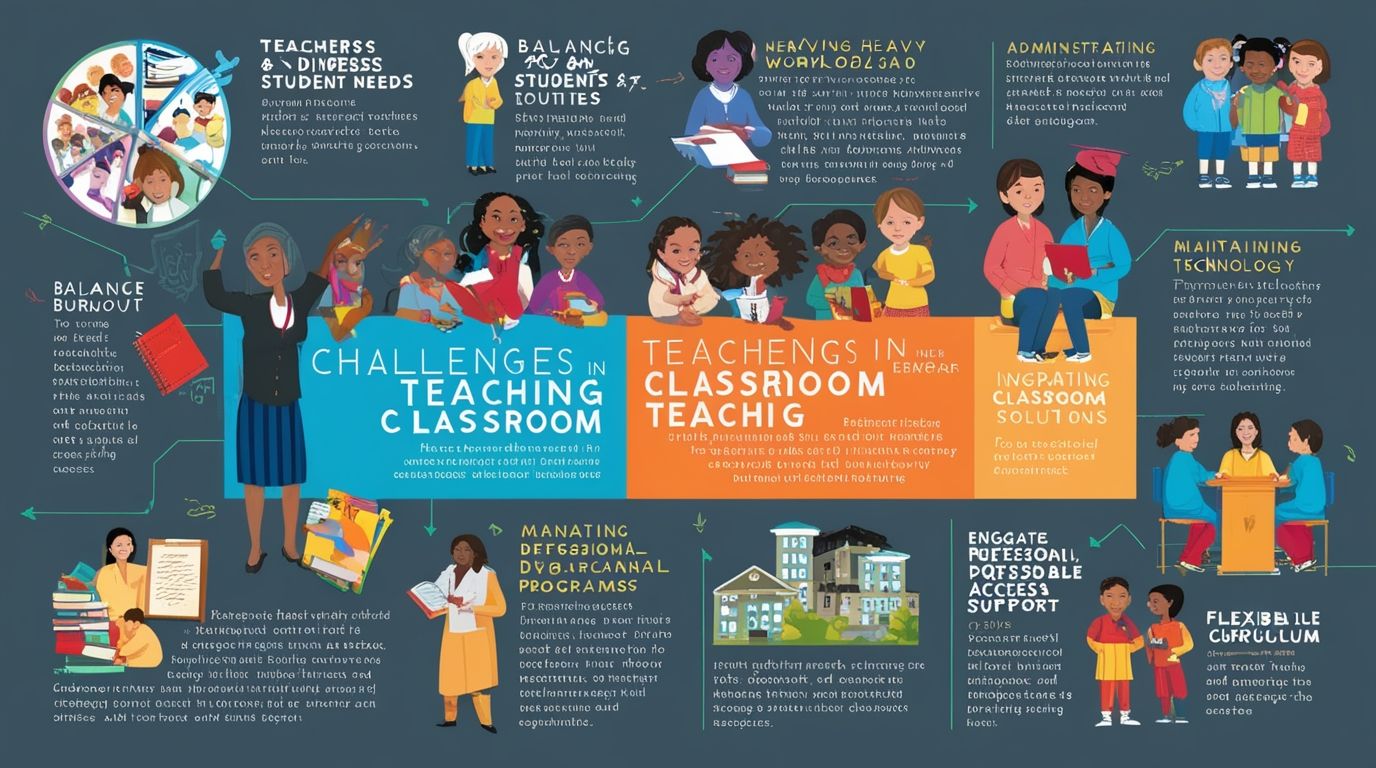
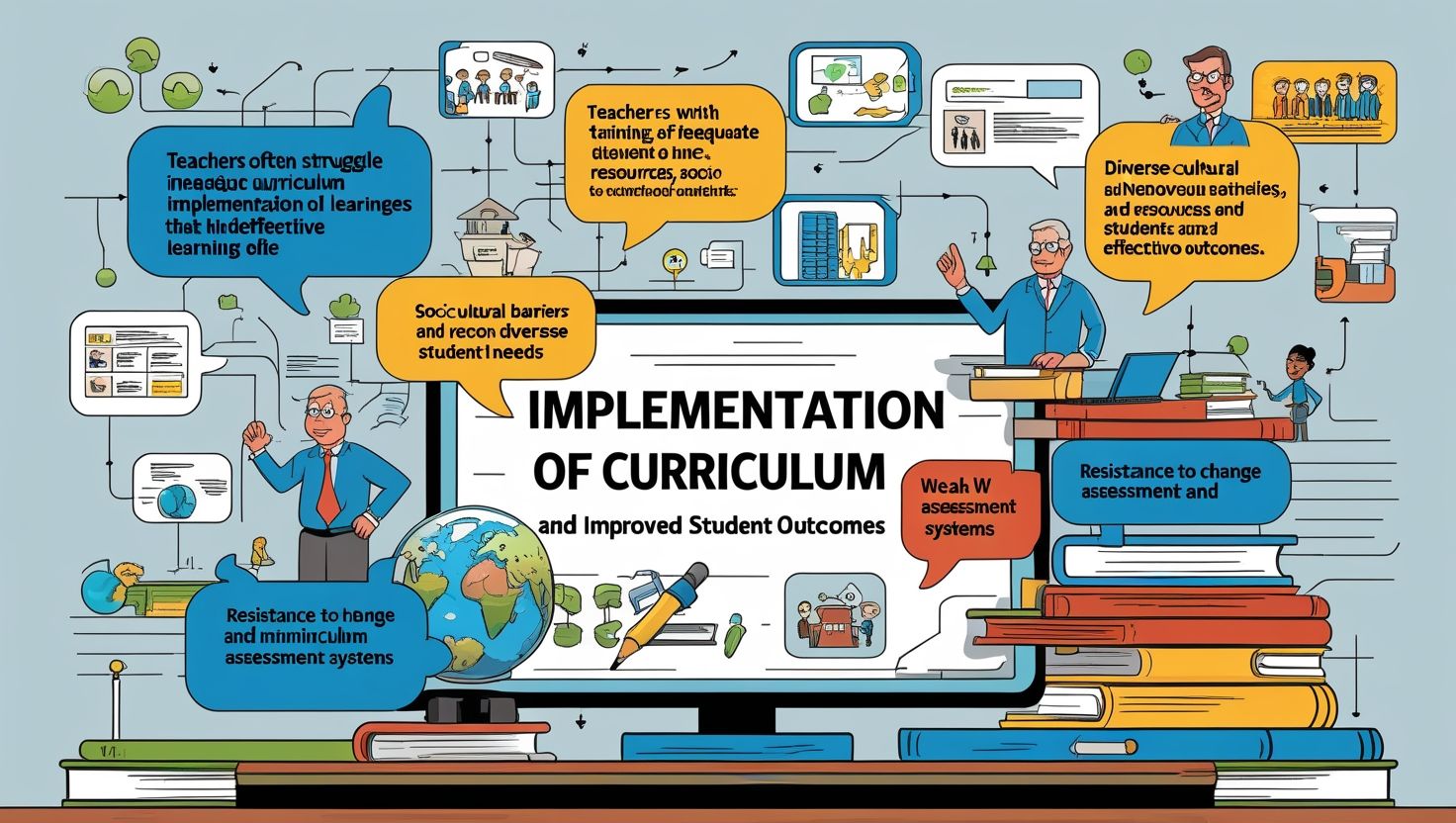
Moving from the old to the new curriculum is not easy. There are several challenges. Firstly, teachers need training. Many are used to old methods. Without support, change becomes difficult. Secondly, resources are a problem. New curricula often require digital tools. But not all schools can afford them.
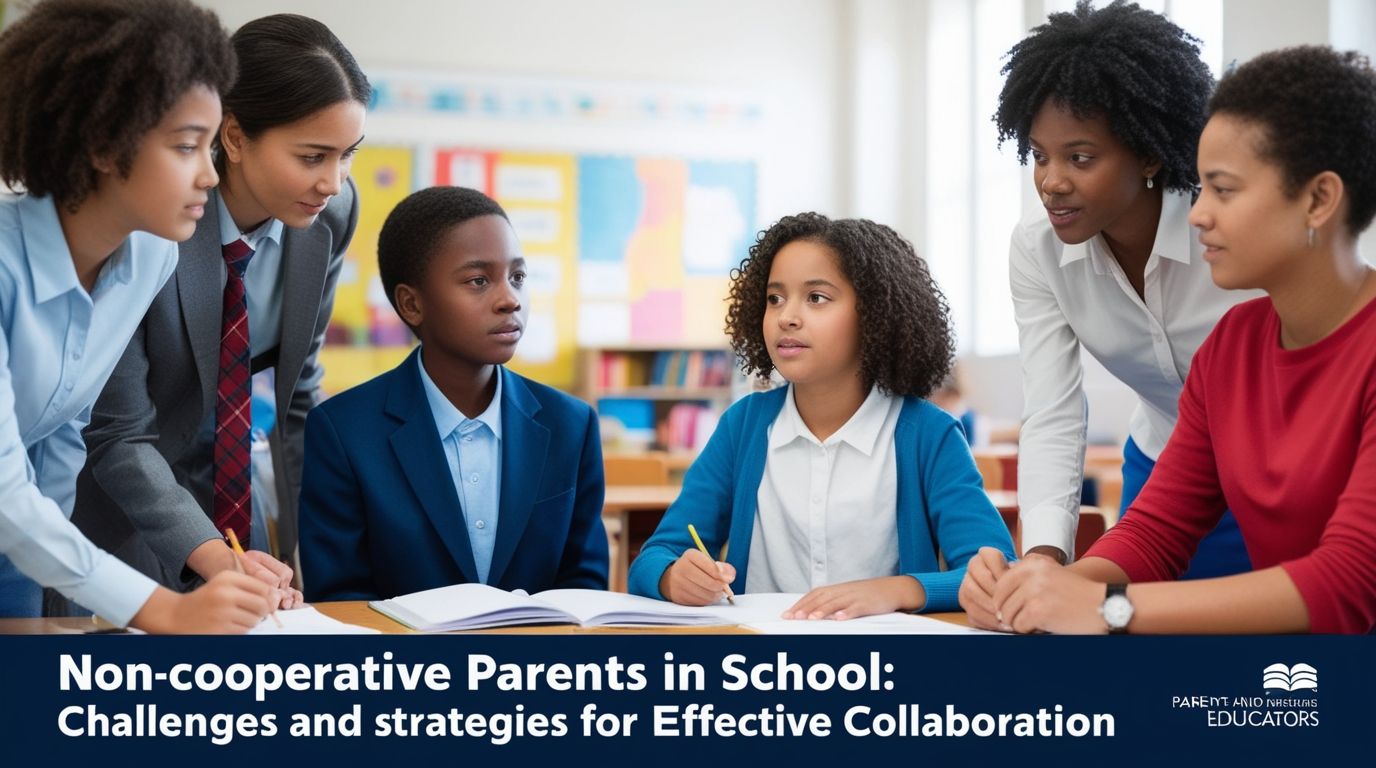
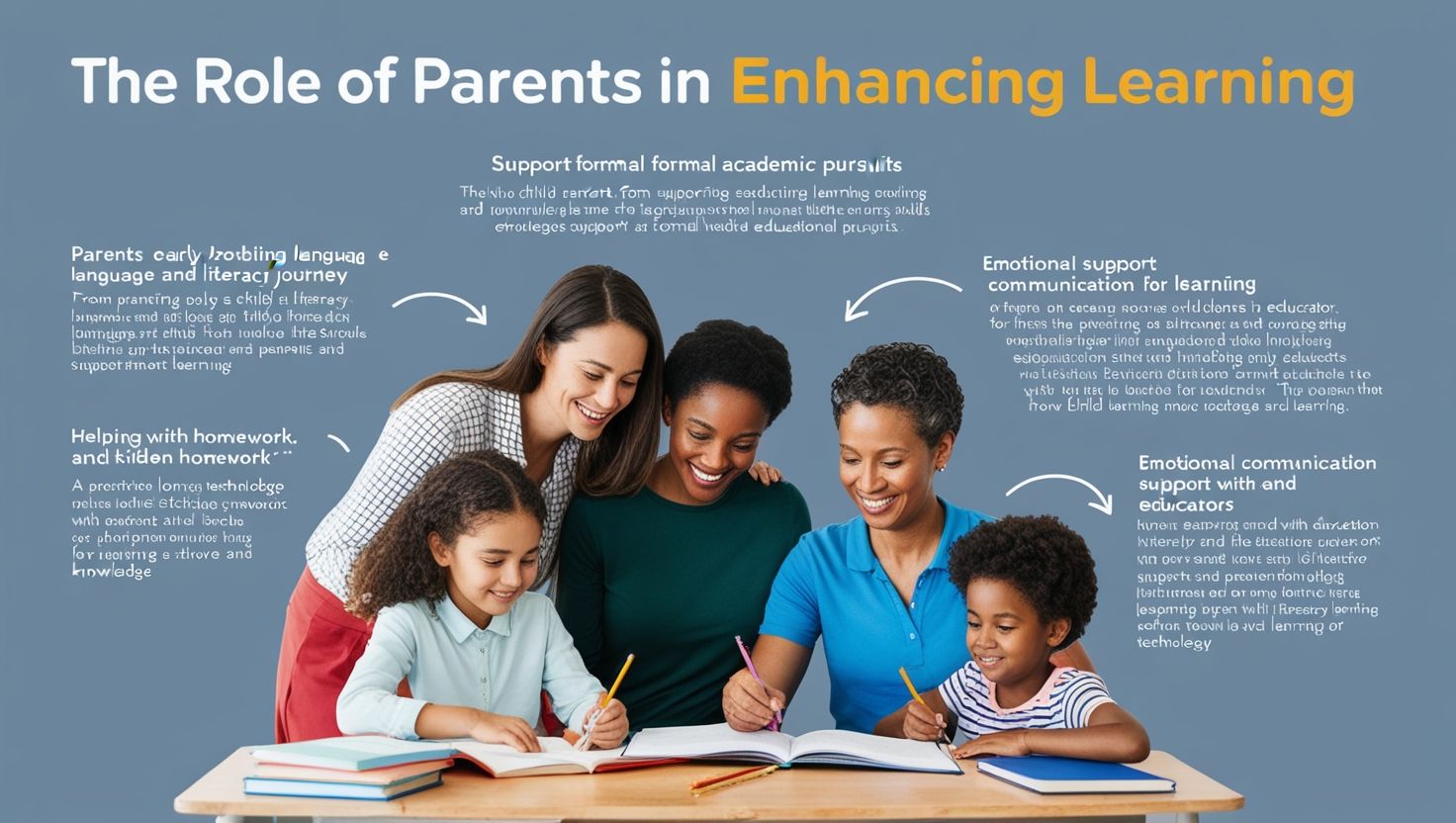
Also, parents may resist change. They are familiar with the old system. Convincing them takes time. Moreover, creating inclusive content is hard. It must suit different languages, cultures, and abilities. Additionally, assessments must be redesigned. This takes effort and planning.
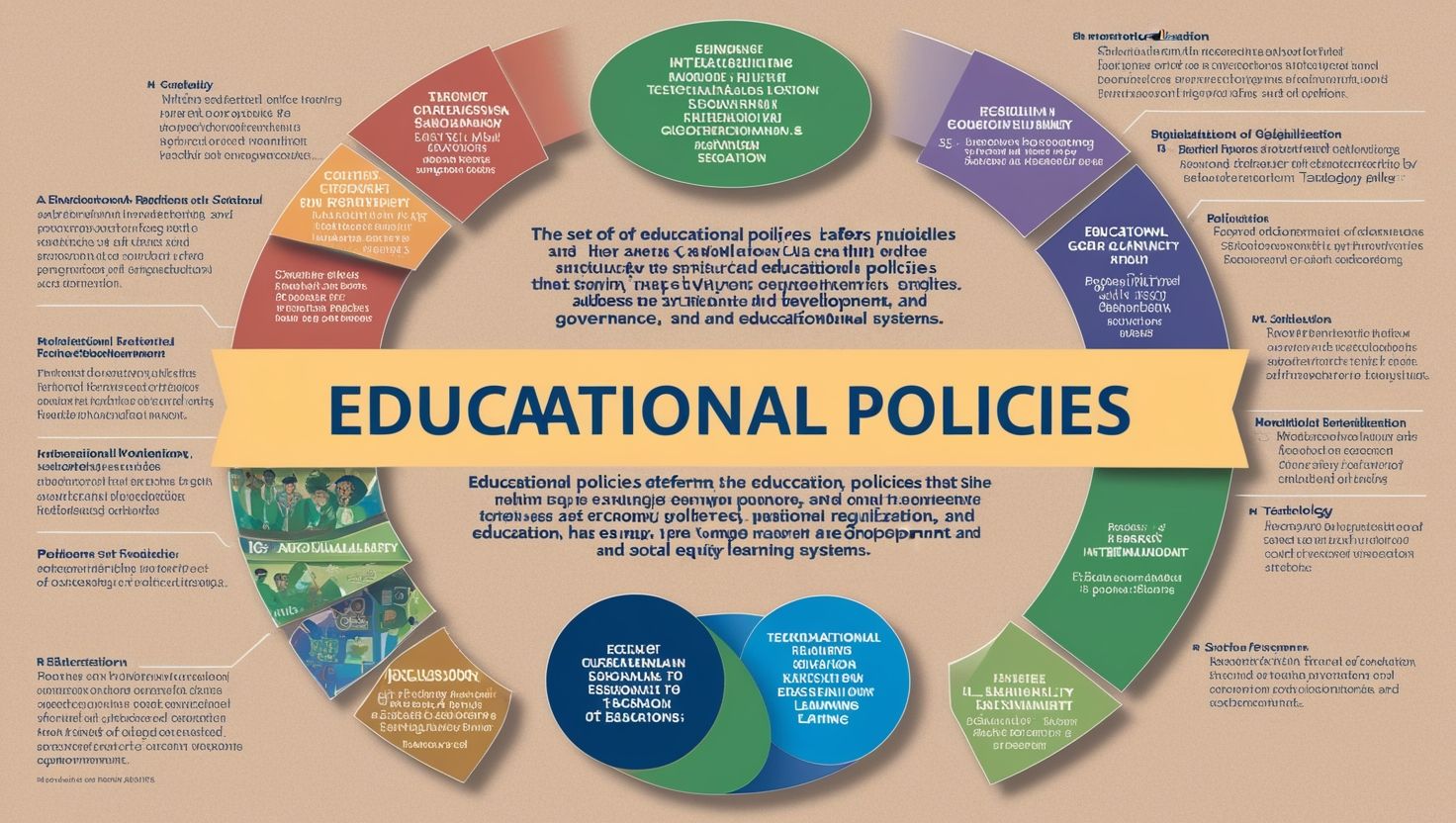
Despite these hurdles, progress is possible. With training, investment, and commitment, schools can make the shift. Importantly, policy support is essential. Governments must guide and fund the transition. In conclusion, while the path is challenging, it is worth taking. The future of education depends on it.
13. Conclusion: Bridging the Past and the Future
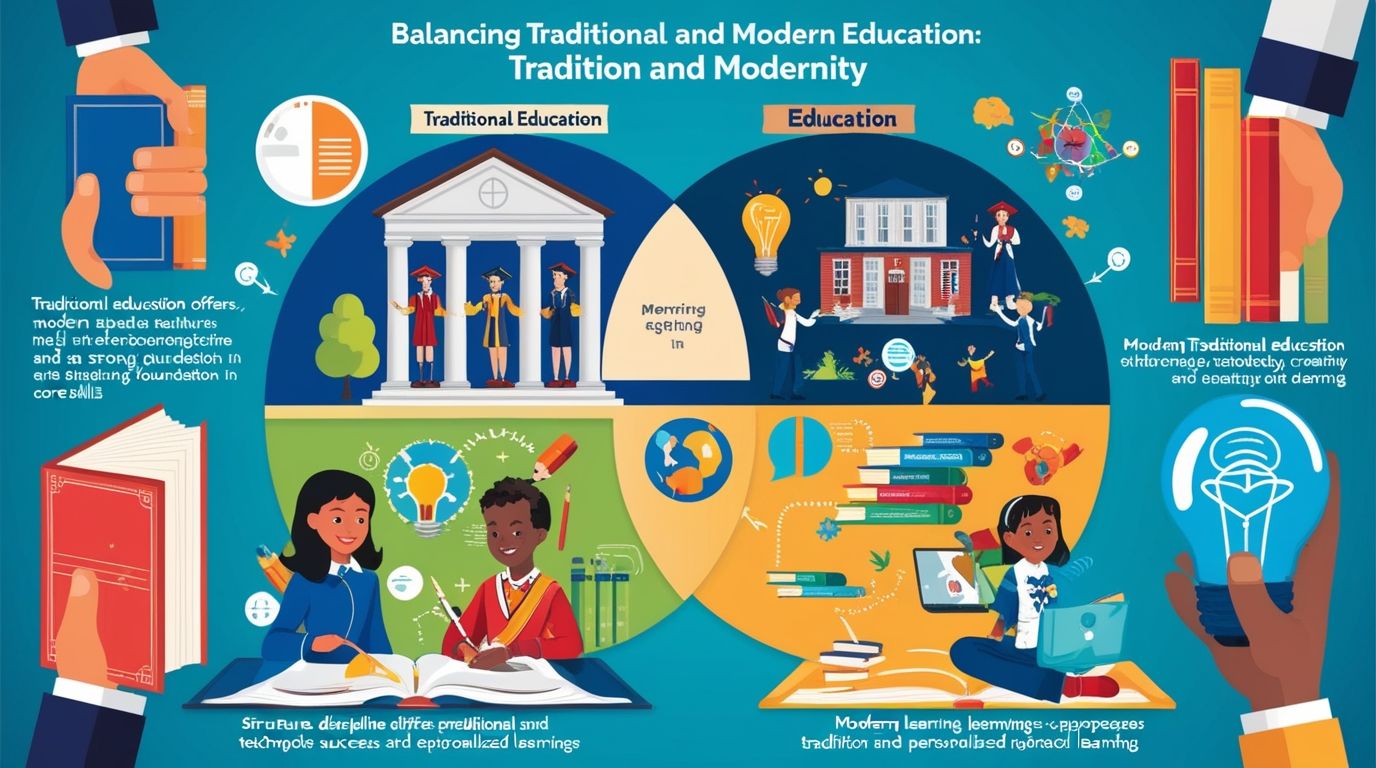
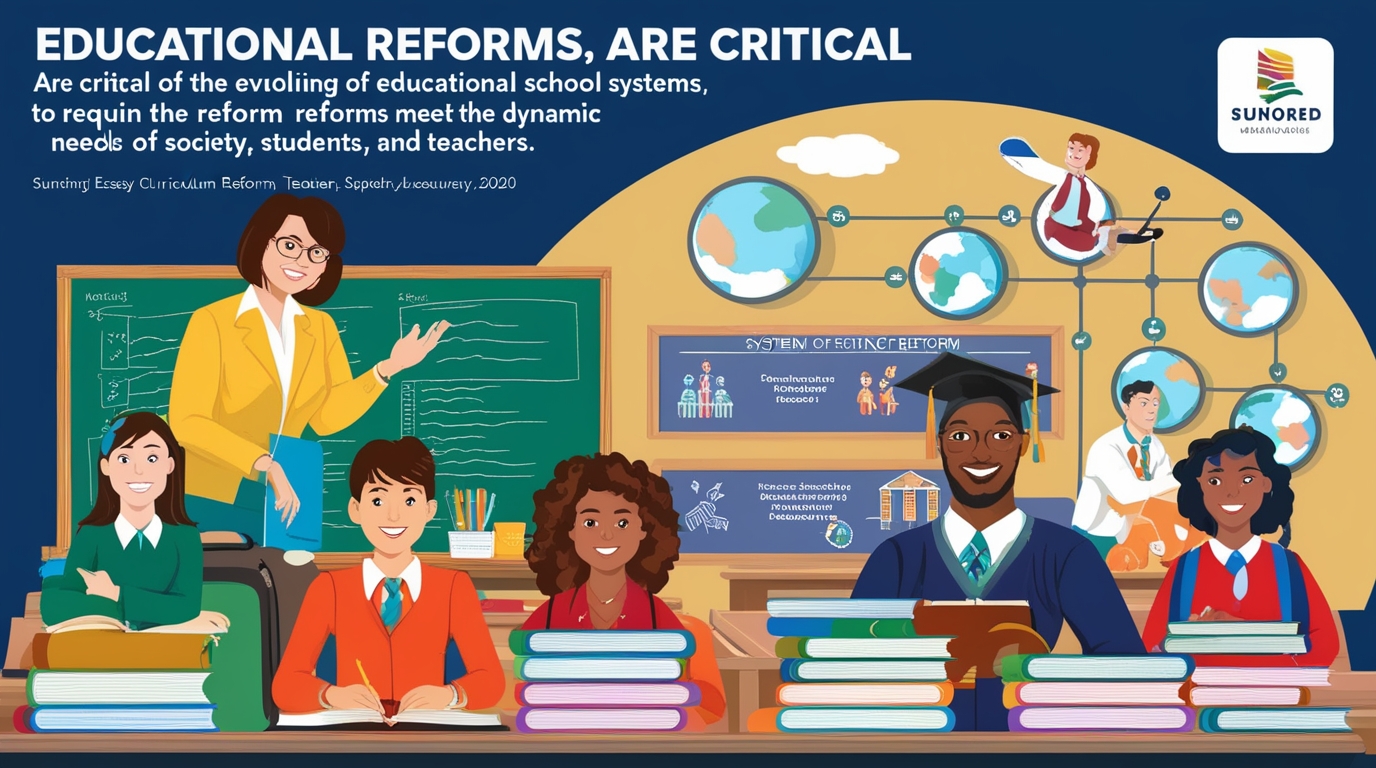
The old and new curriculum concepts reflect two different eras. While the old system provided structure and order, it lacked flexibility. The new system is dynamic and learner-centered. It prepares students for a changing world. However, the past still has lessons. Discipline, foundational knowledge, and strong values are important. These should not be discarded.
Therefore, the goal should be balance. Combine the strengths of both models. Create a curriculum that is structured yet flexible. Also, ongoing review is crucial. Curriculum must evolve with time. Regular feedback from teachers and students helps refine it. In the end, education is about empowering learners. It is about unlocking potential. Whether old or new, the curriculum must serve this purpose.
Hence, educators must remain open to change. Policymakers must support innovation. And society must value education as a force for progress. By learning from the past and embracing the future, we can build a curriculum that truly educates.






















































Your article helped me a lot, is there any more related content? Thanks!
Your point of view caught my eye and was very interesting. Thanks. I have a question for you.
vapour degreasing