
Introduction:
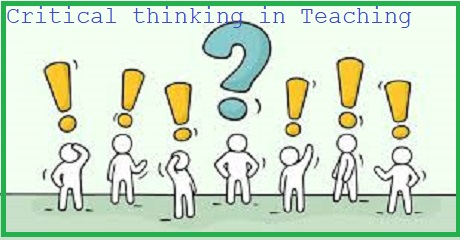
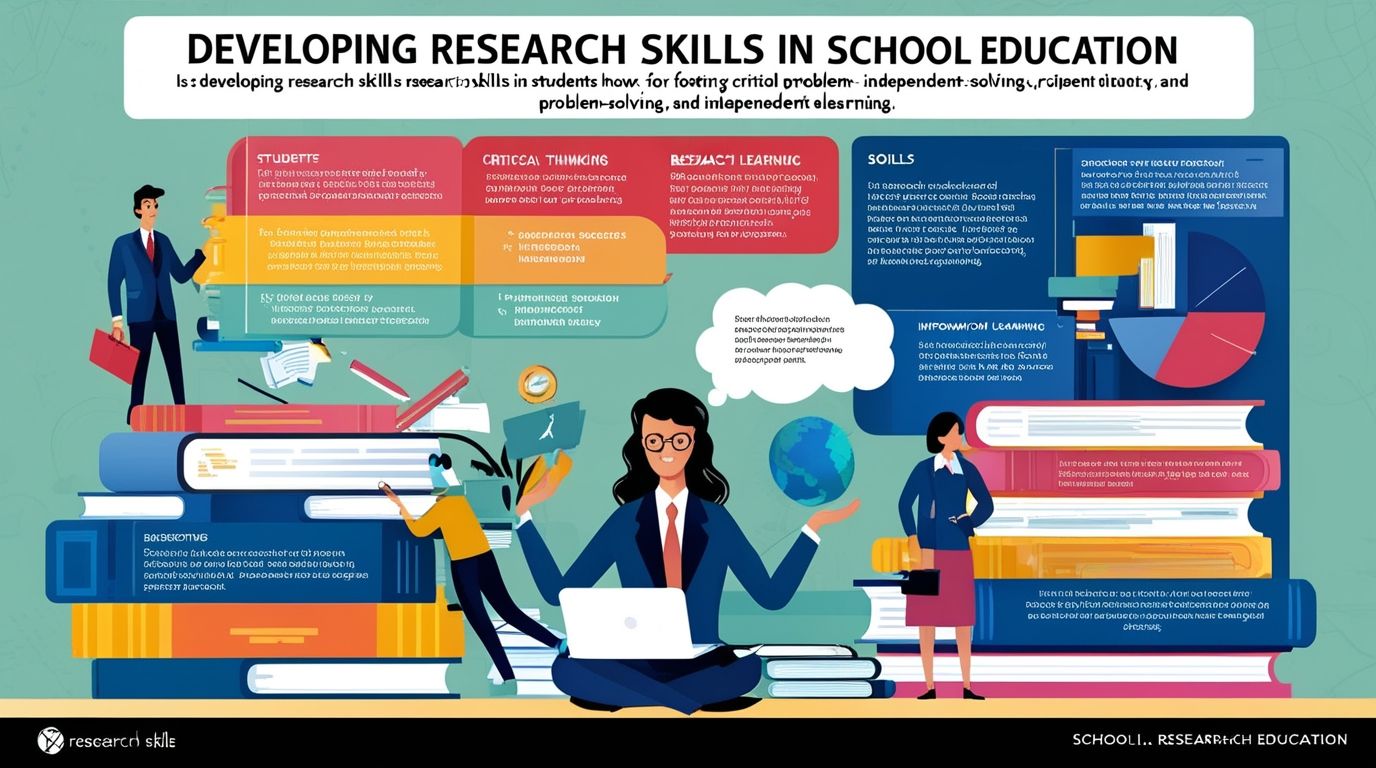
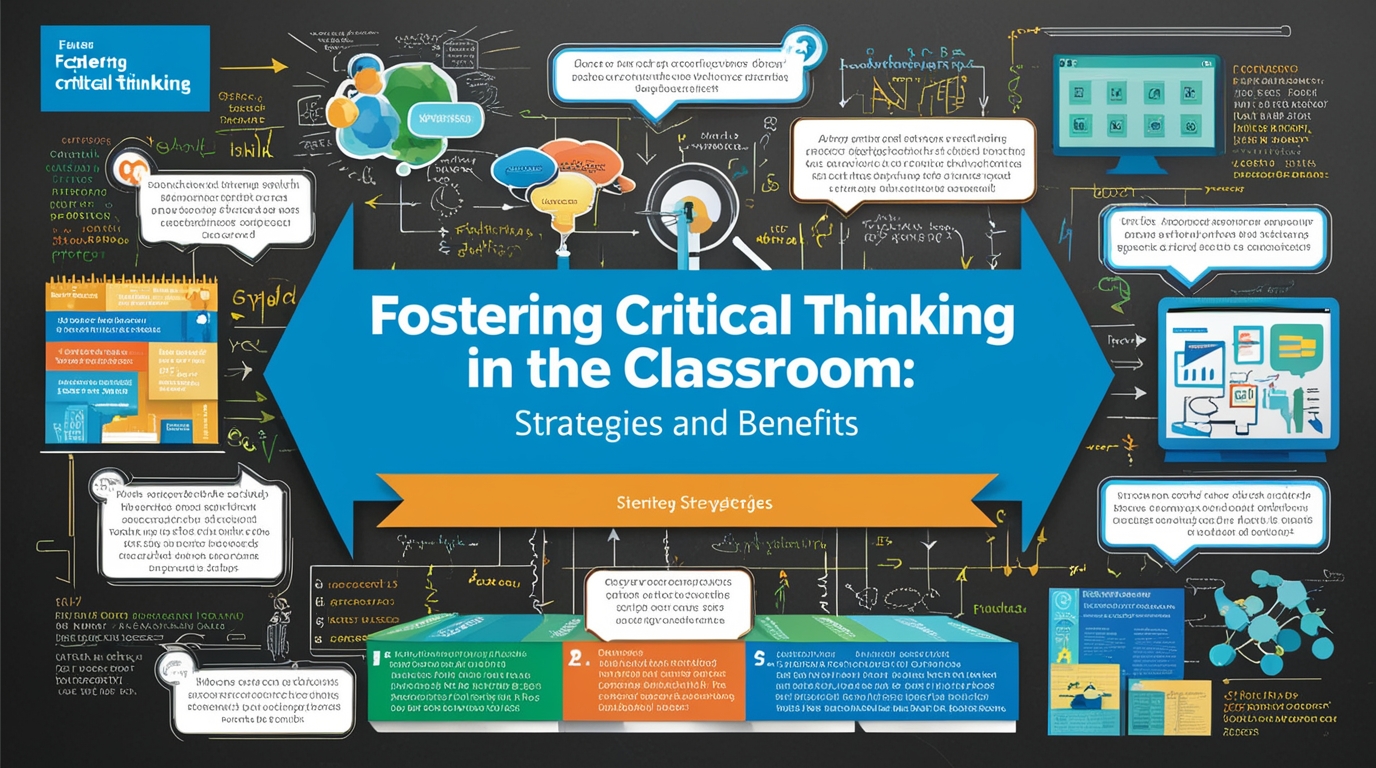
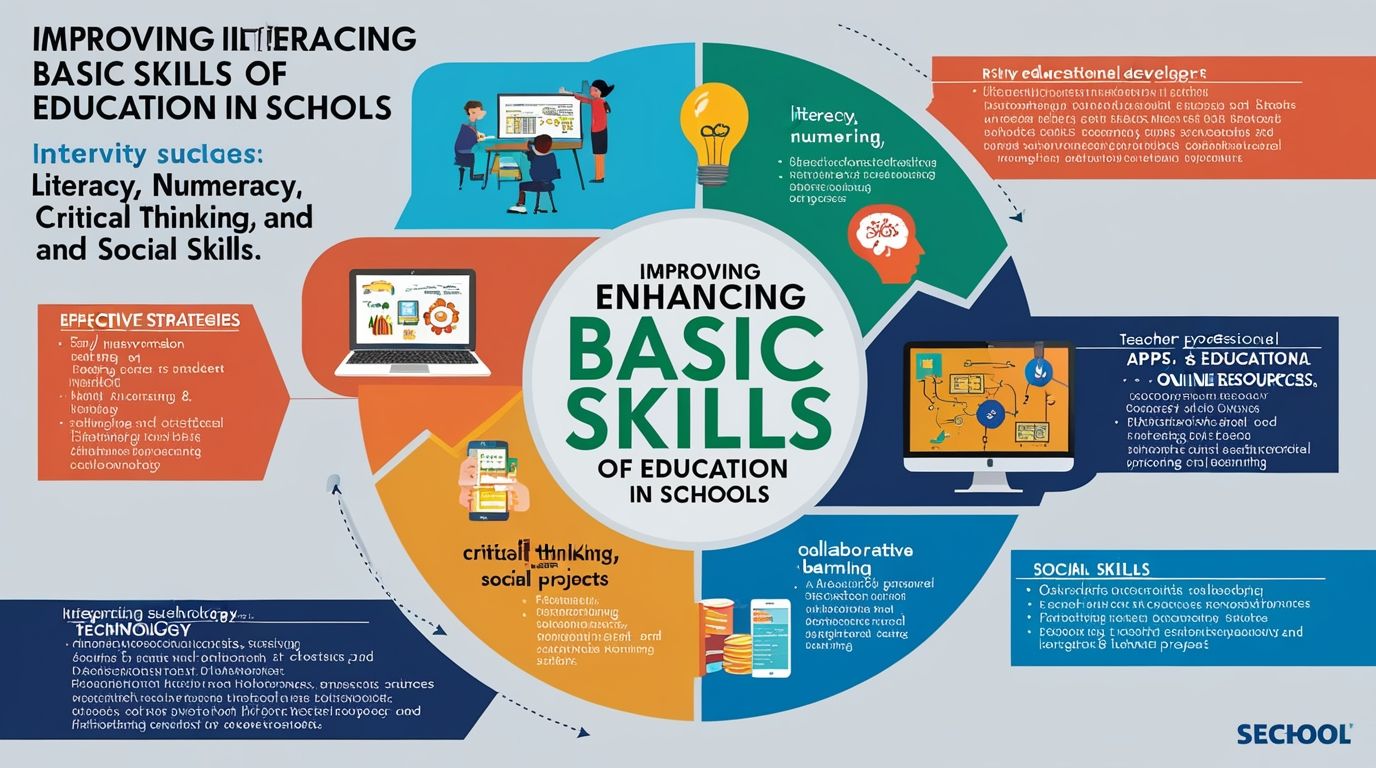
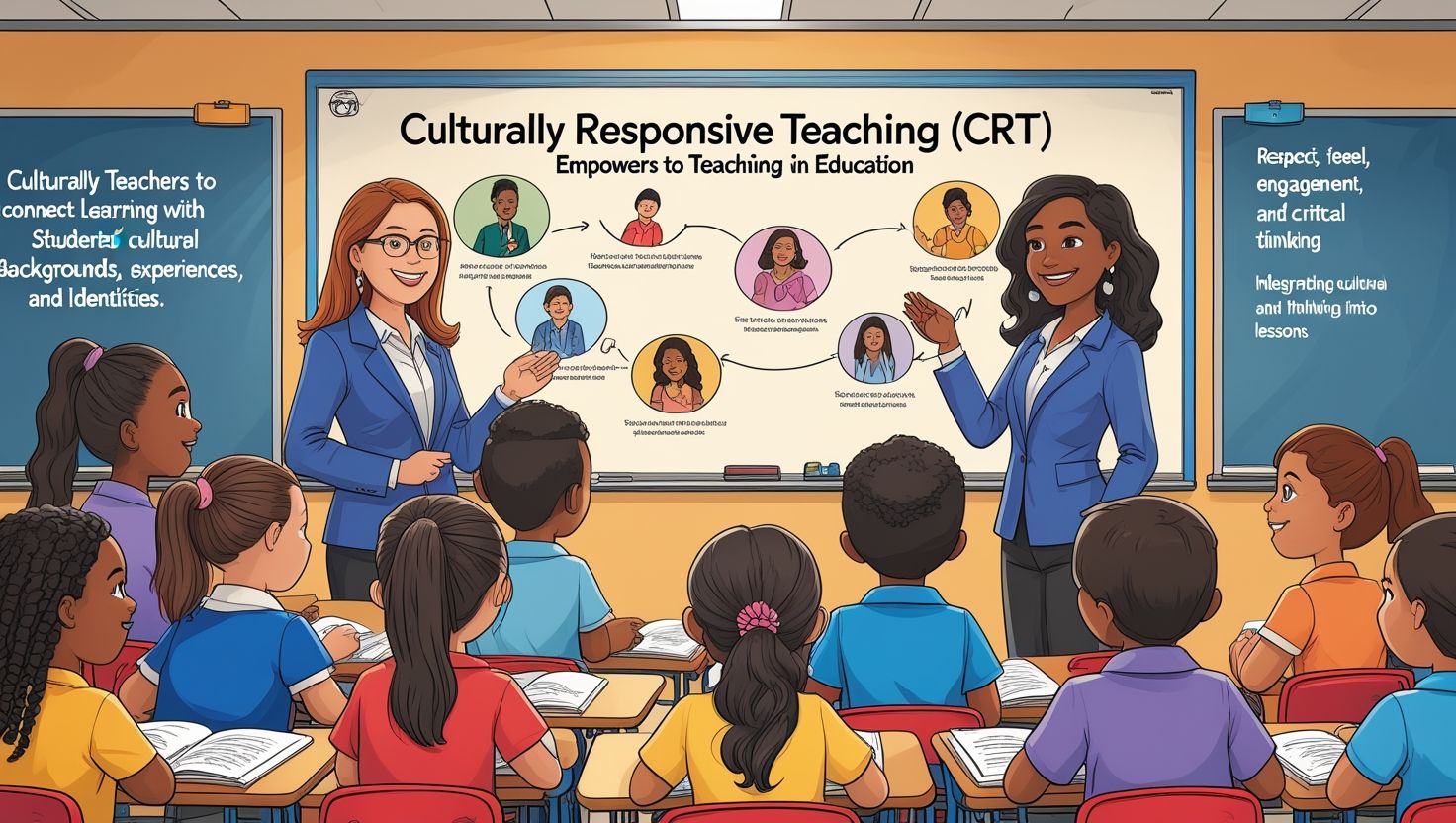
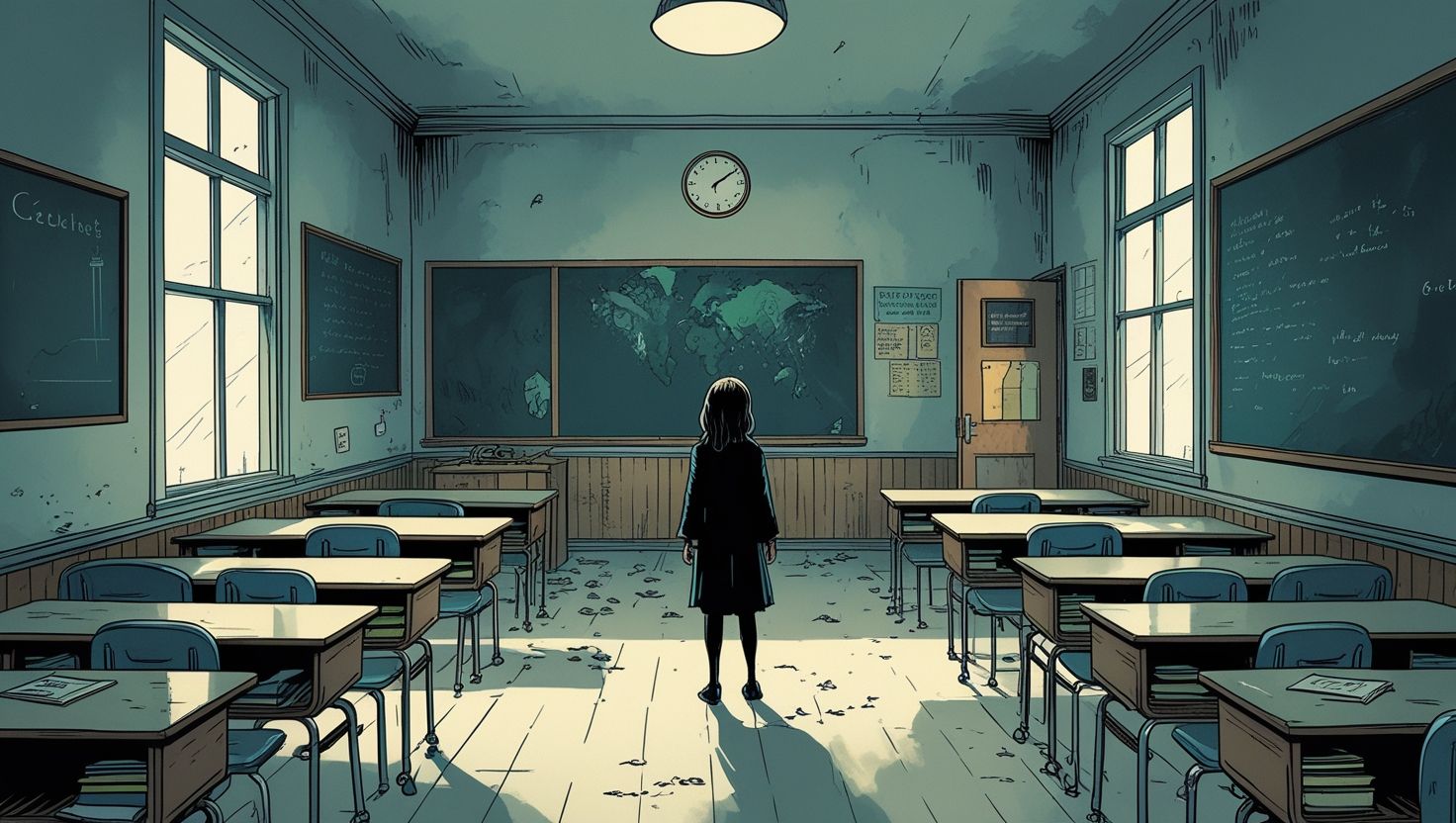
Critical thinking in Teaching, the hallmark of intellectual rigor, takes center stage in the realm of teaching. Far beyond the memorization of facts, critical thinking propels students into a sphere of inquiry, analysis, and synthesis. It lays the foundation for a resilient and adaptable mindset, empowering learners to grapple with complexity and thrive in an era of constant change.
Foundations of Critical Thinking:
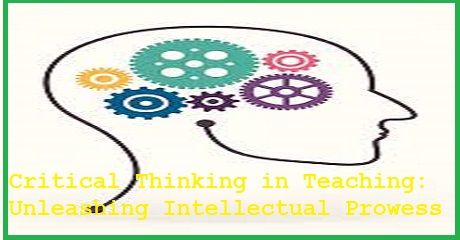
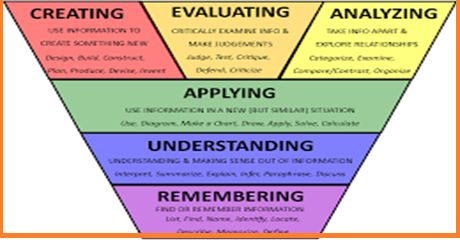
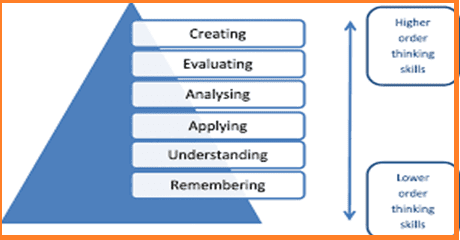
Critical thinking is a multidimensional cognitive process encompassing analysis, interpretation, evaluation, inference, explanation, and problem-solving. Rooted in a commitment to intellectual curiosity, it compels students to go beyond the surface and engage deeply with information.
Questioning the Status Quo:
At its essence, critical thinking is a call to question the status quo. It challenges students to interrogate assumptions, scrutinize evidence, and approach information with a discerning eye. This constant interrogation forms the bedrock of an inquisitive mind, ever-hungry for knowledge and understanding.
Application Across Disciplines:
One of the remarkable facets of critical thinking is its universality. It transcends disciplinary boundaries, finding relevance in the sciences, humanities, mathematics, and beyond. The skills developed through critical thinking—analytical reasoning, effective communication, and problem-solving—are applicable in every facet of education and life.
Teaching Strategies for Critical Thinking:
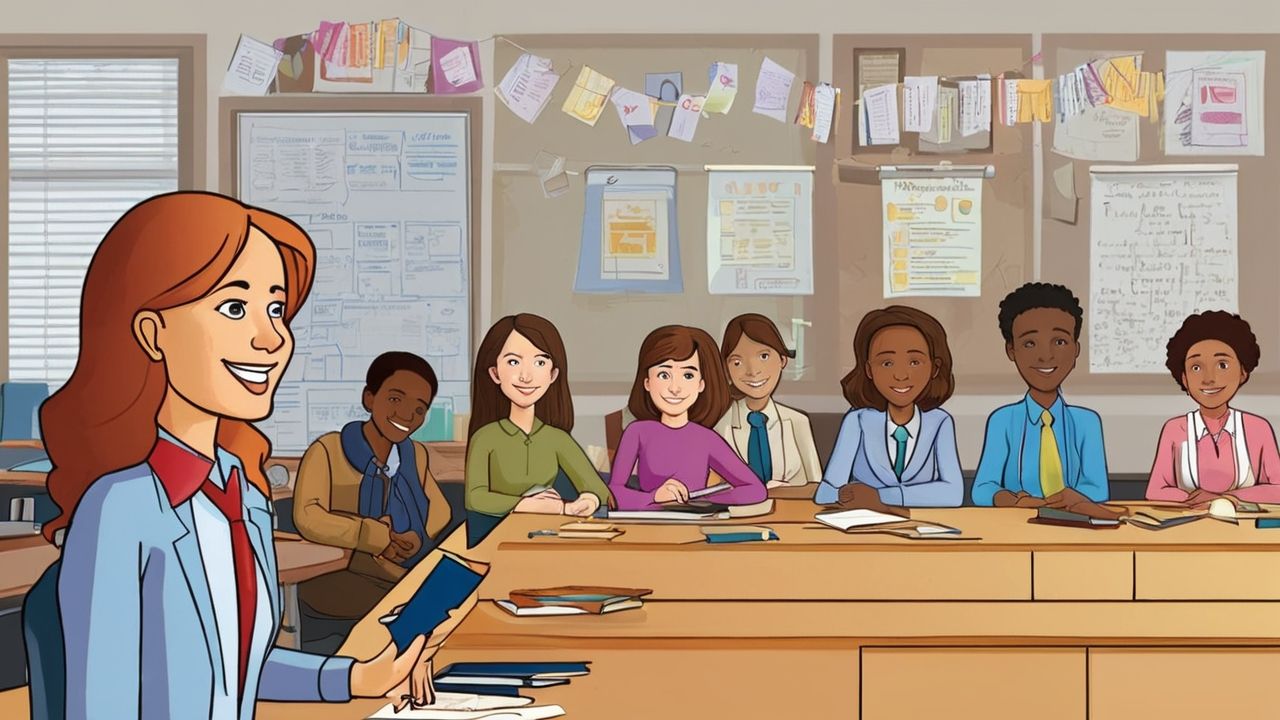
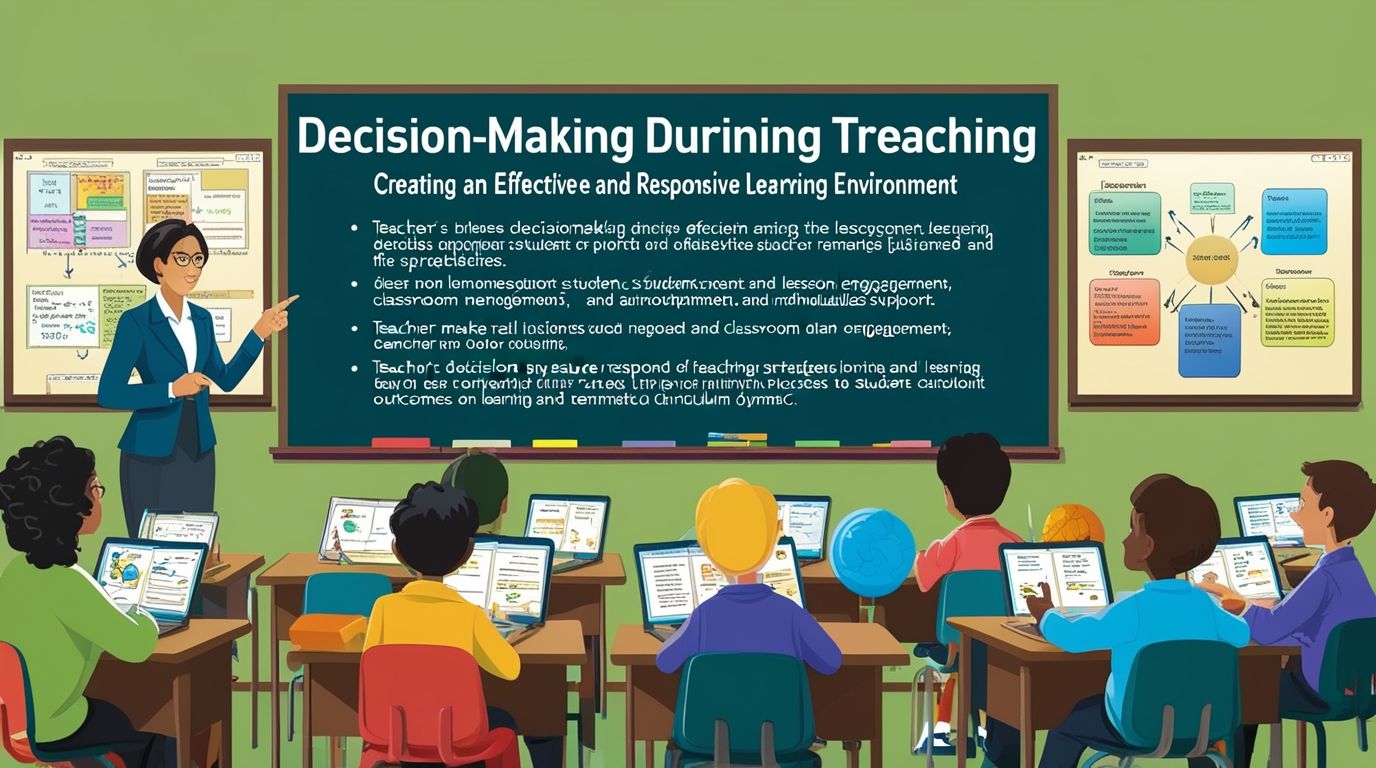
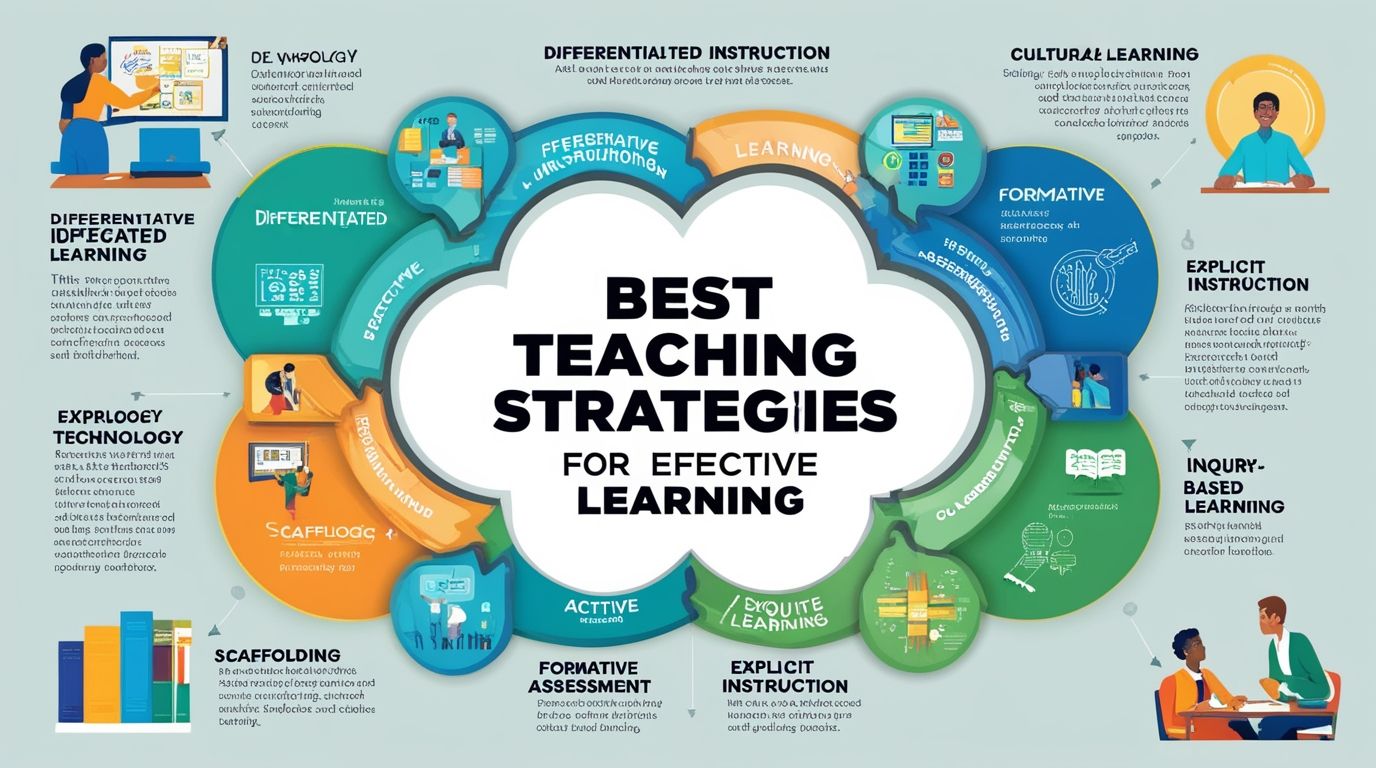
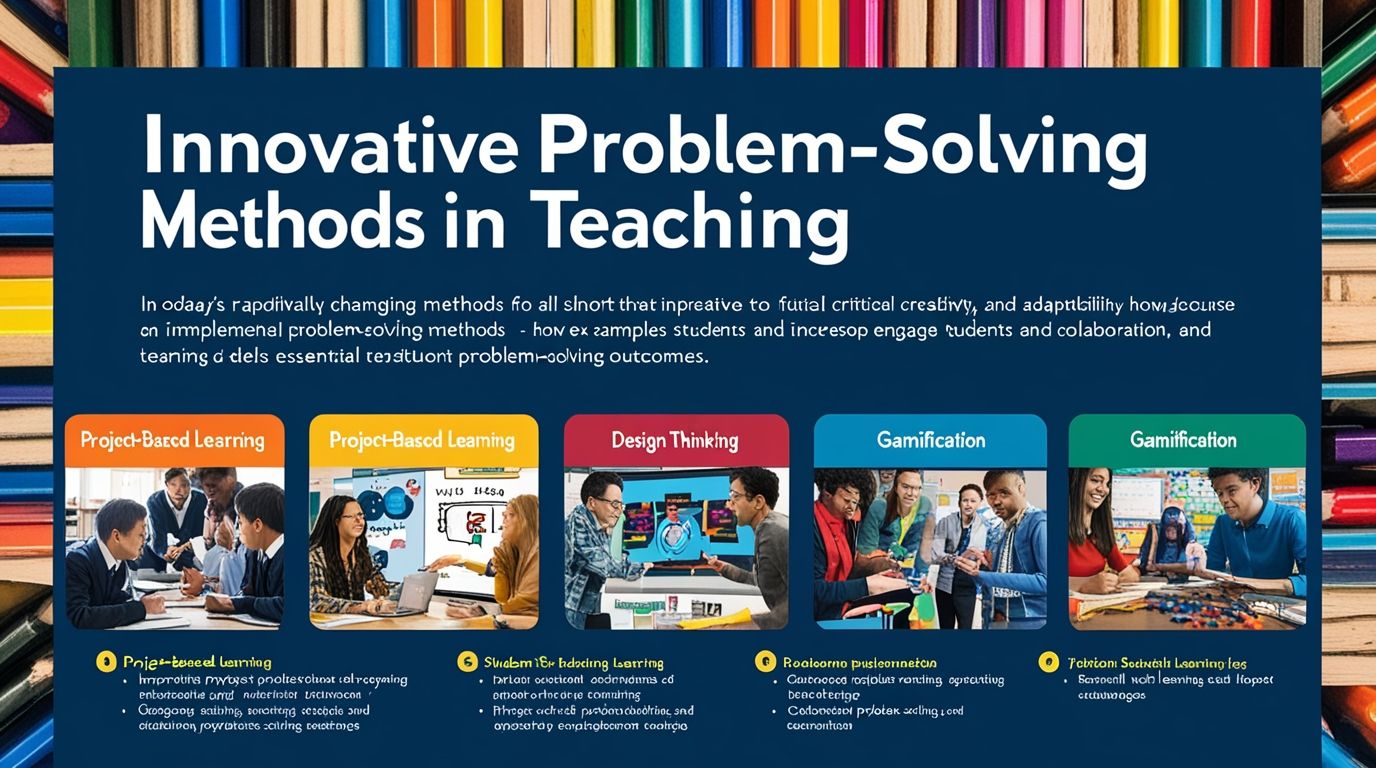
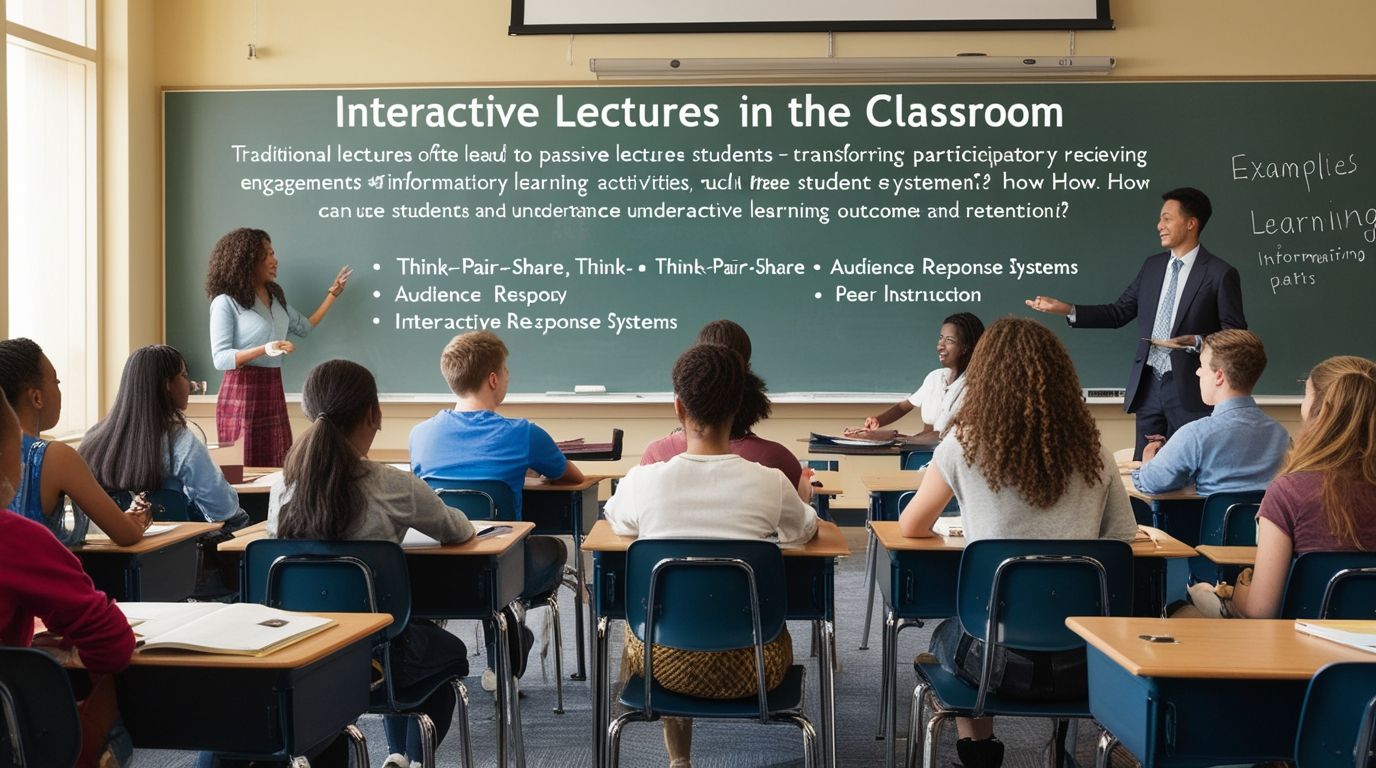
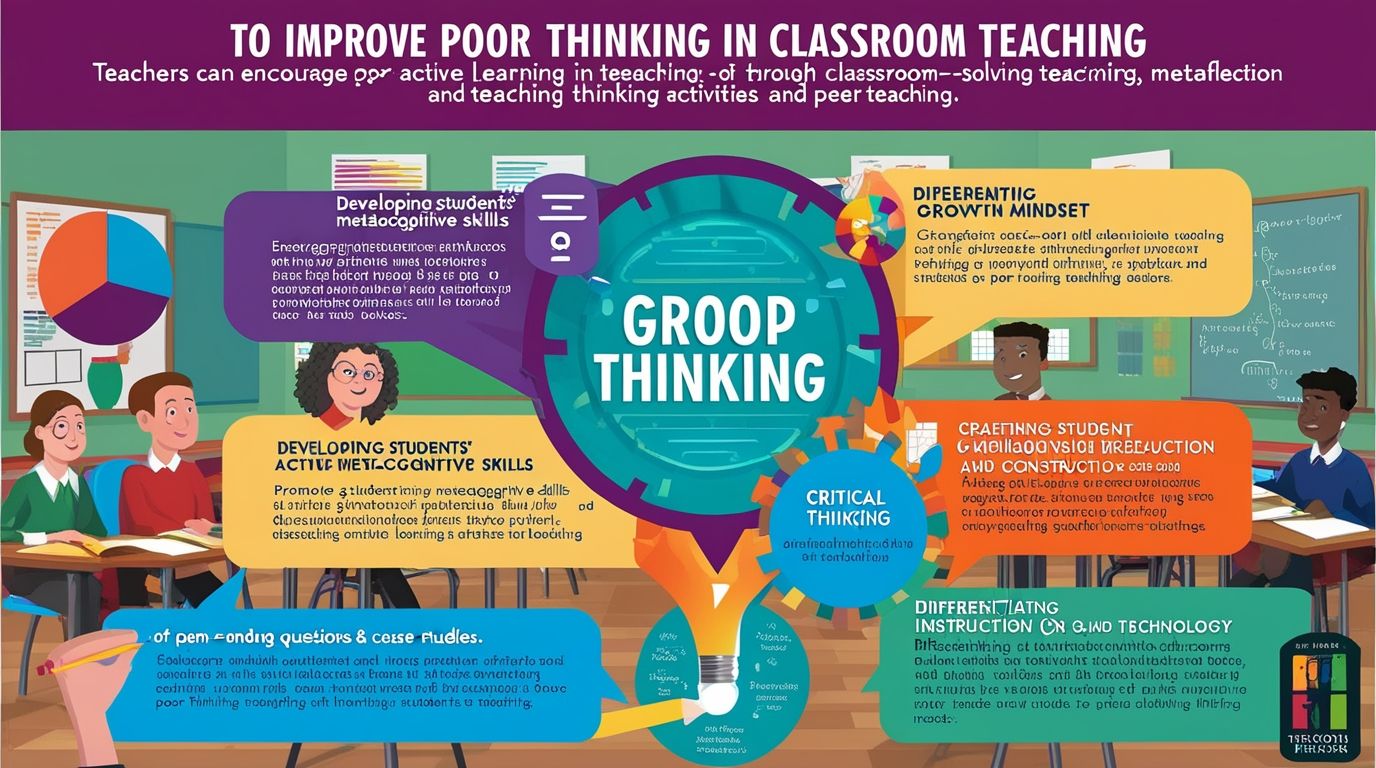
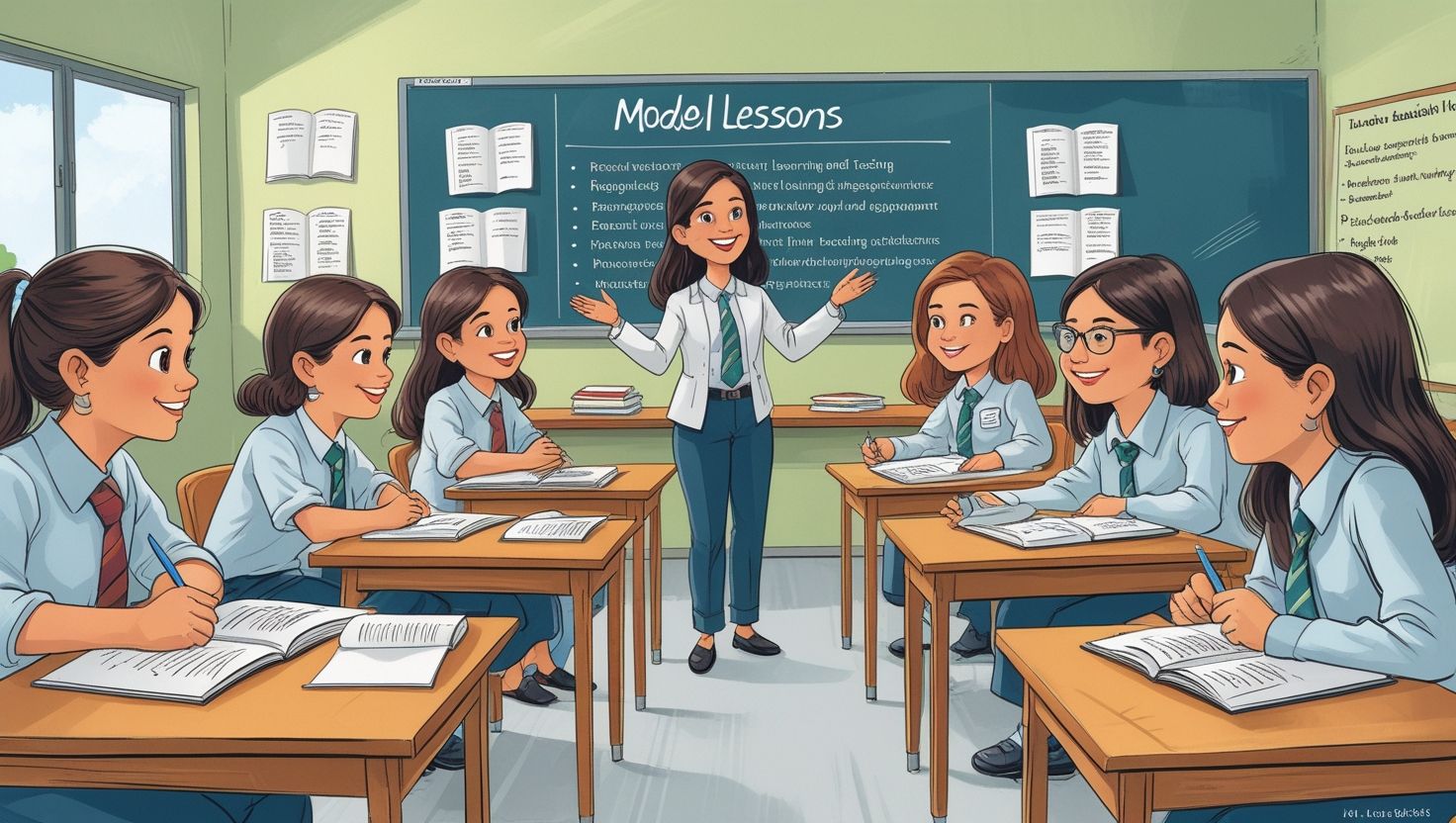
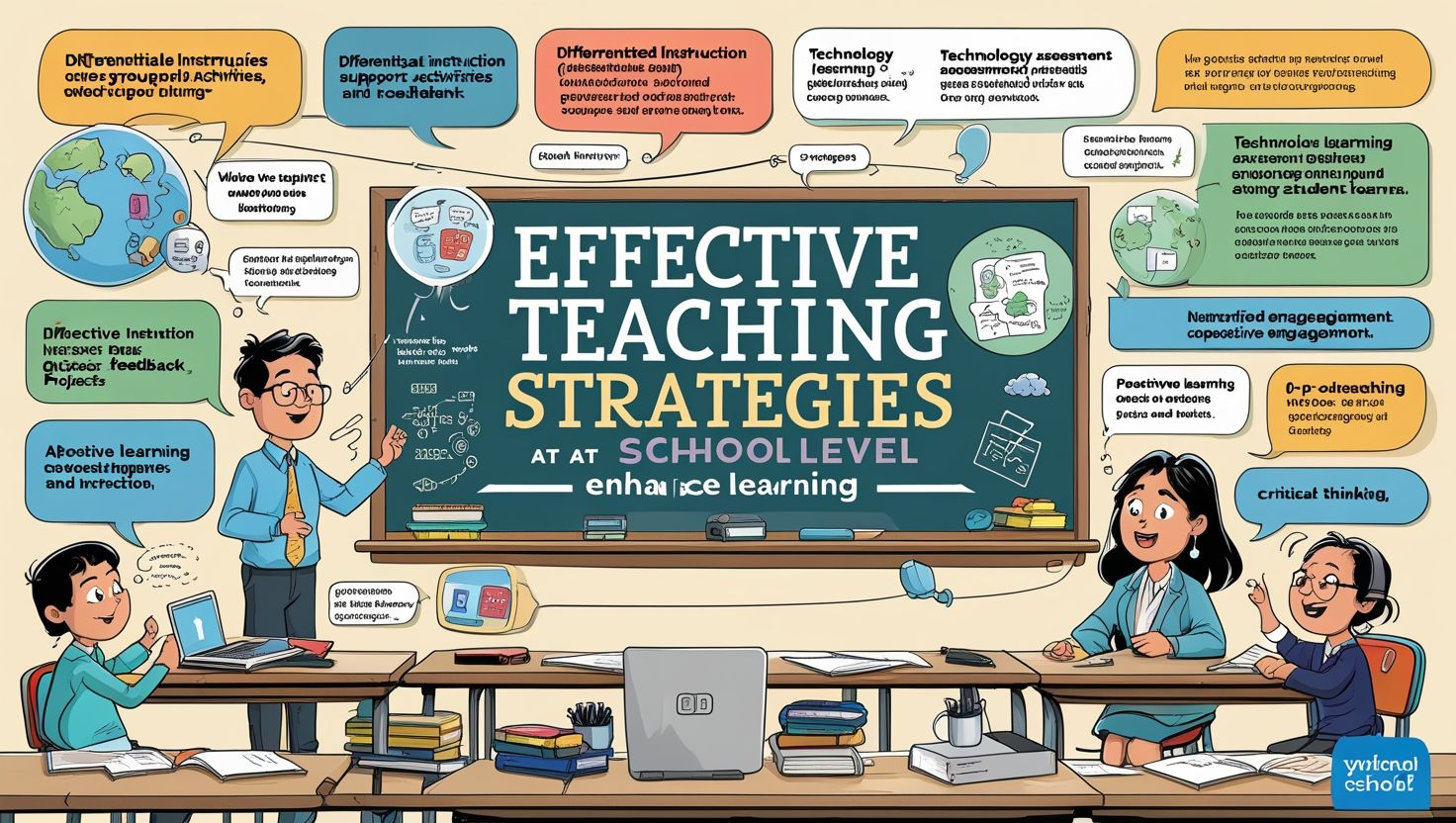
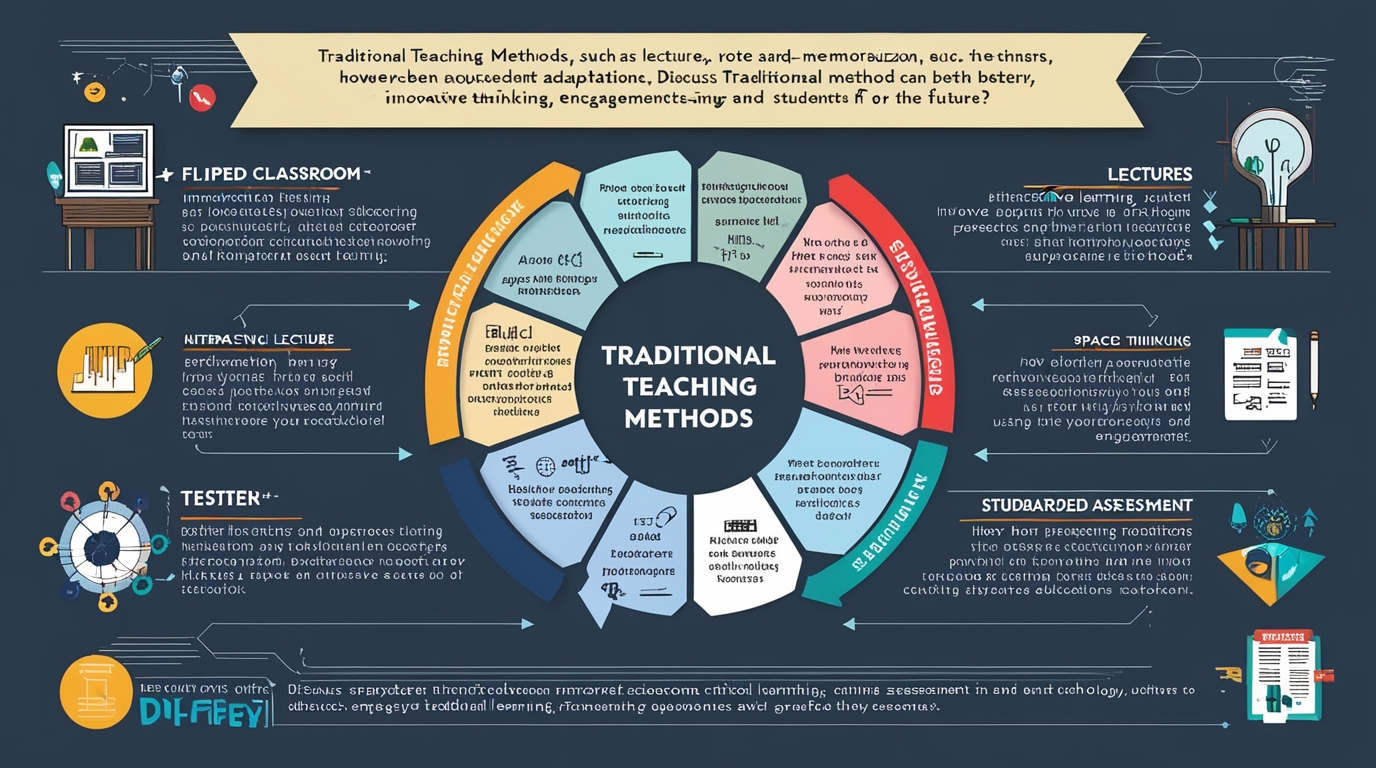
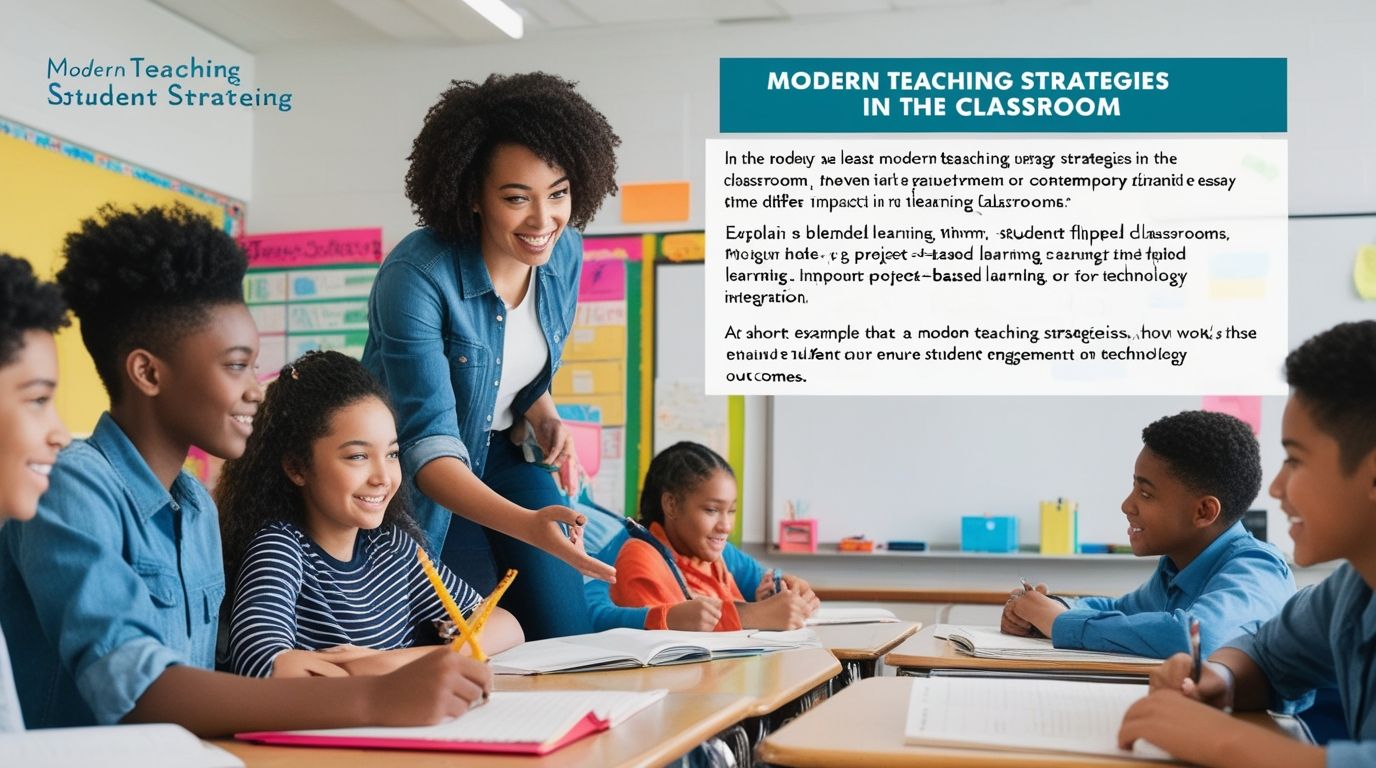
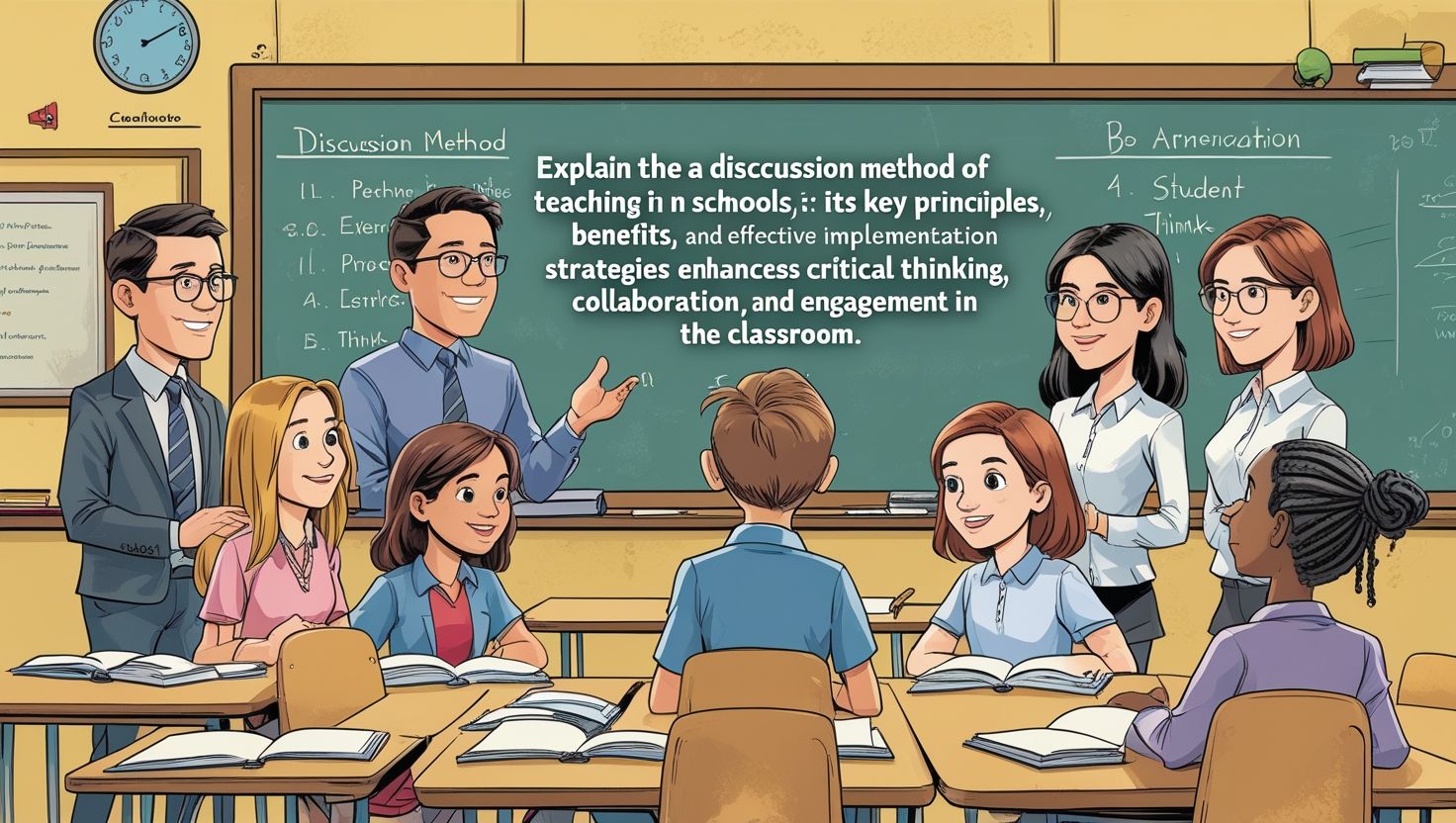
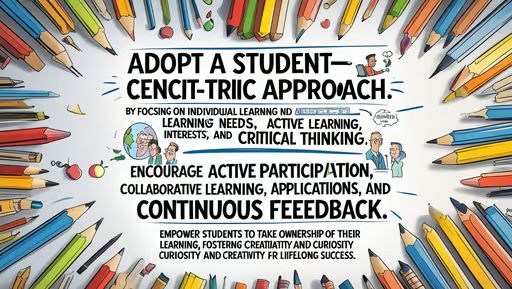
Educators bear the torch in fostering critical thinking. Socratic questioning, where open-ended queries stimulate discussion and exploration, is a powerful strategy. Problem-solving activities, collaborative projects, and class debates provide platforms for students to apply critical thinking skills, fostering an environment of intellectual engagement.
Assessment Beyond Memorization:
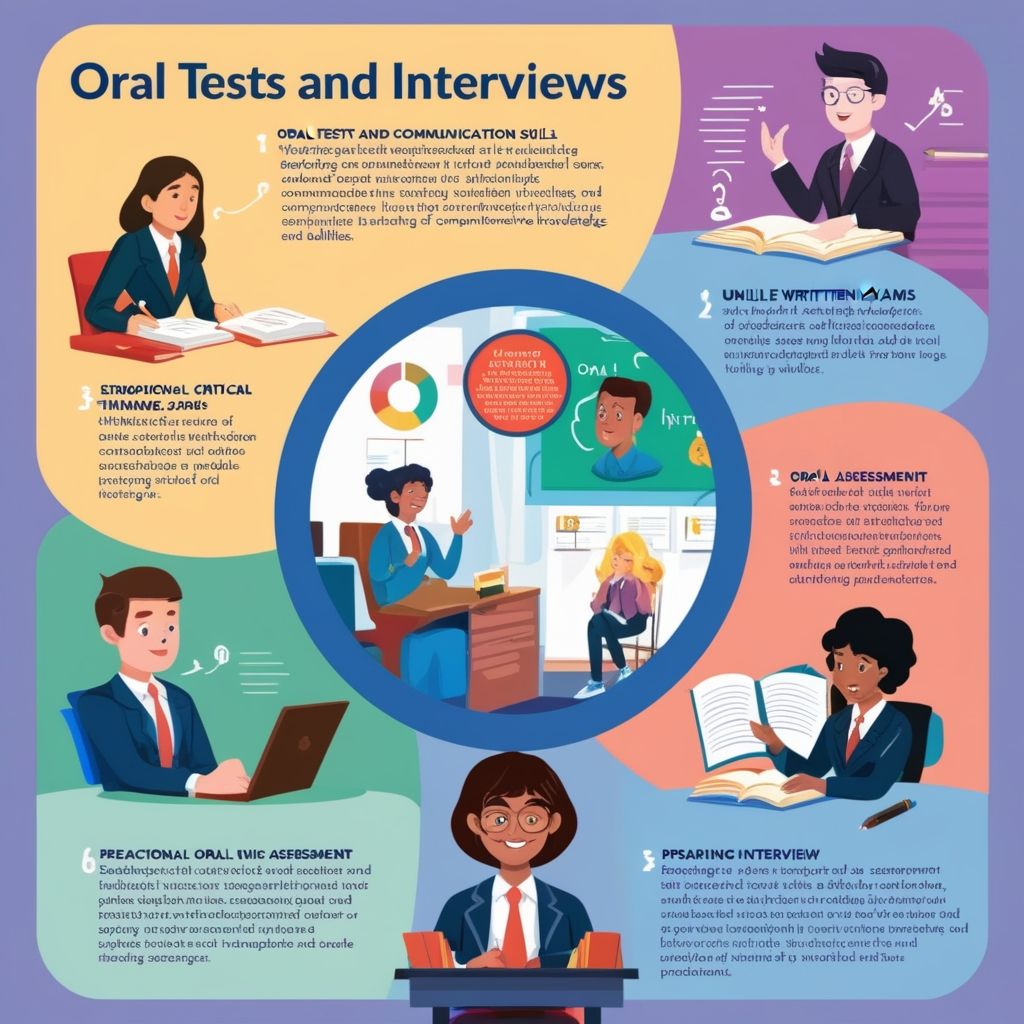
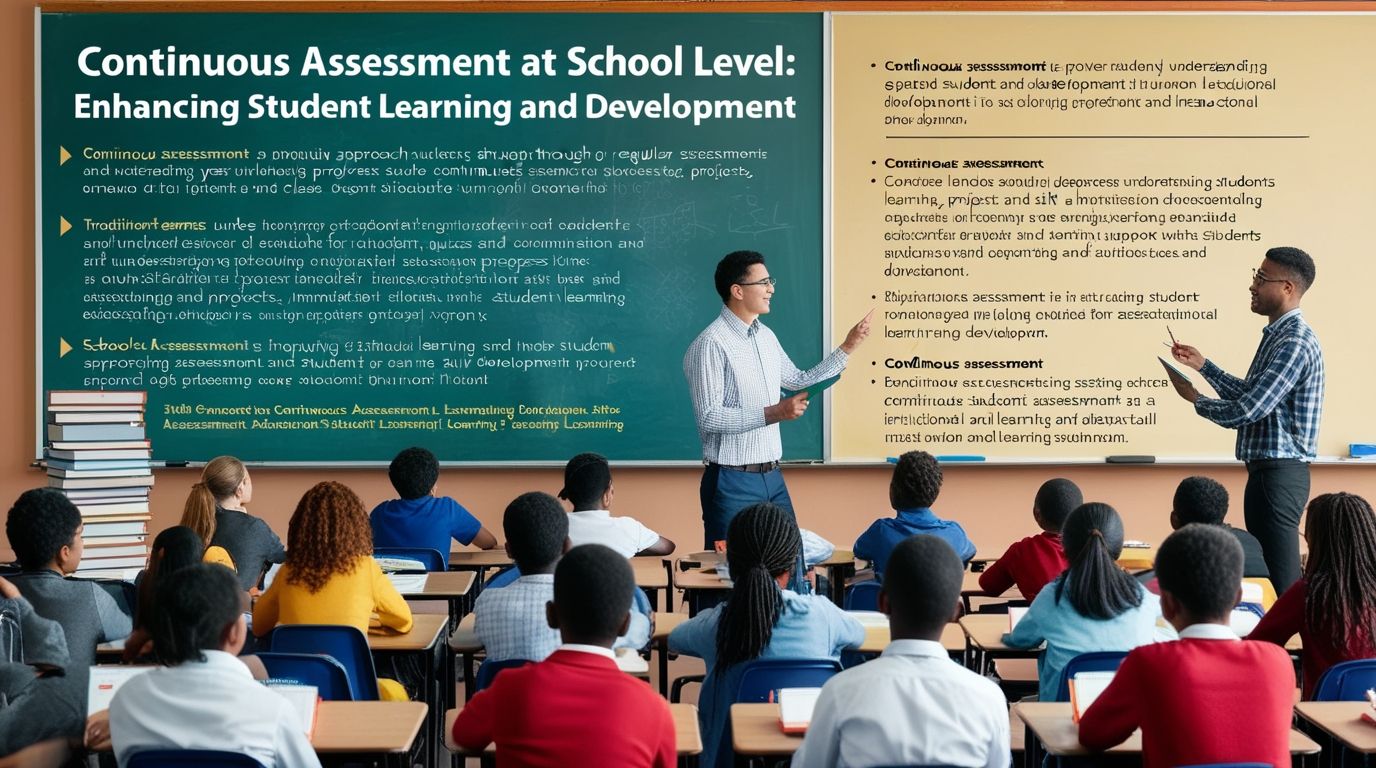
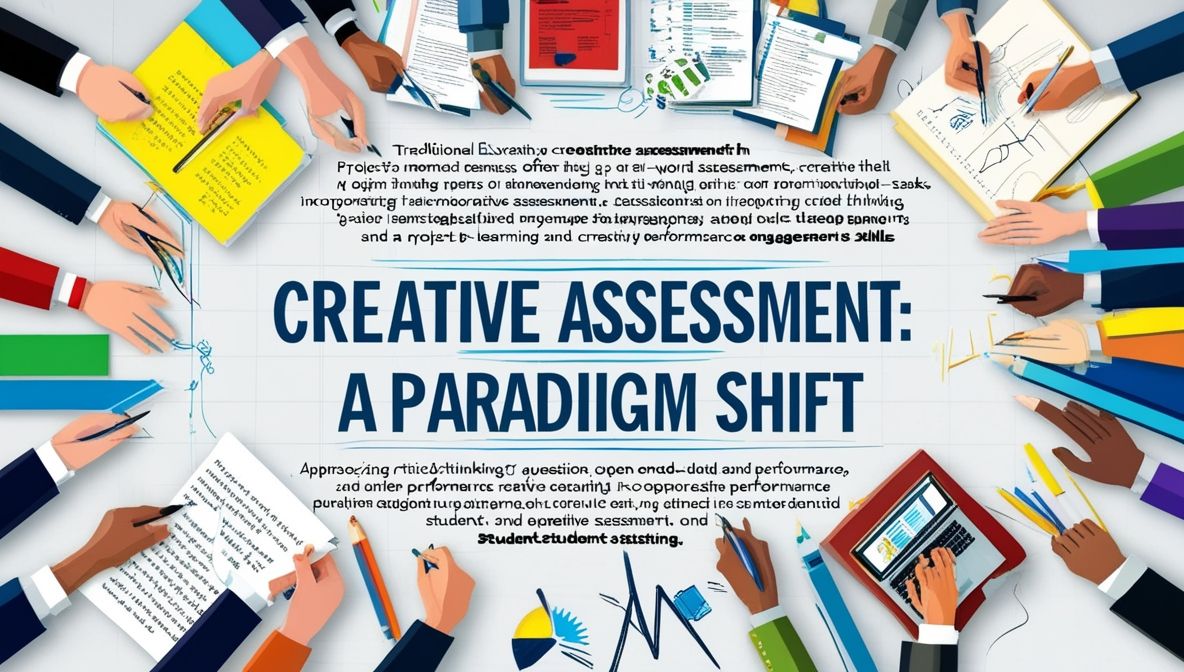
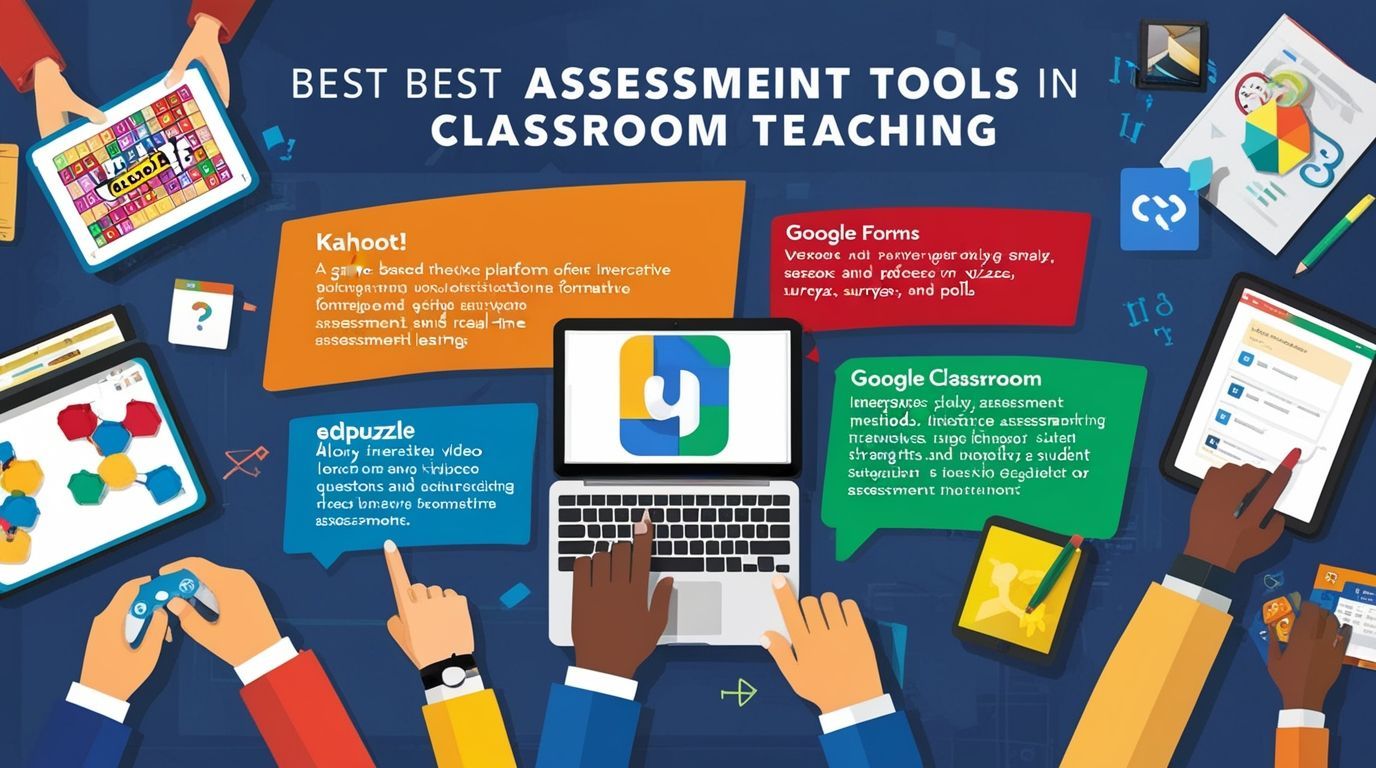
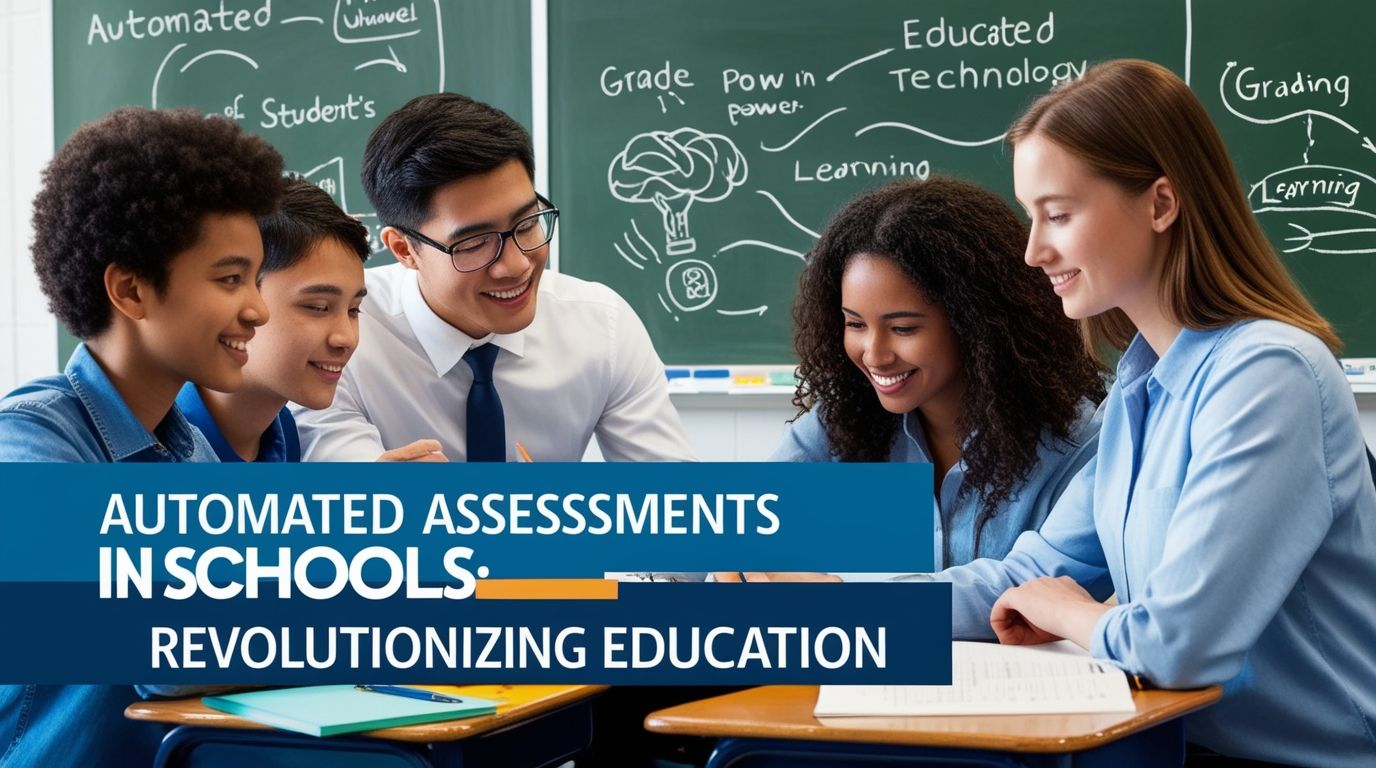
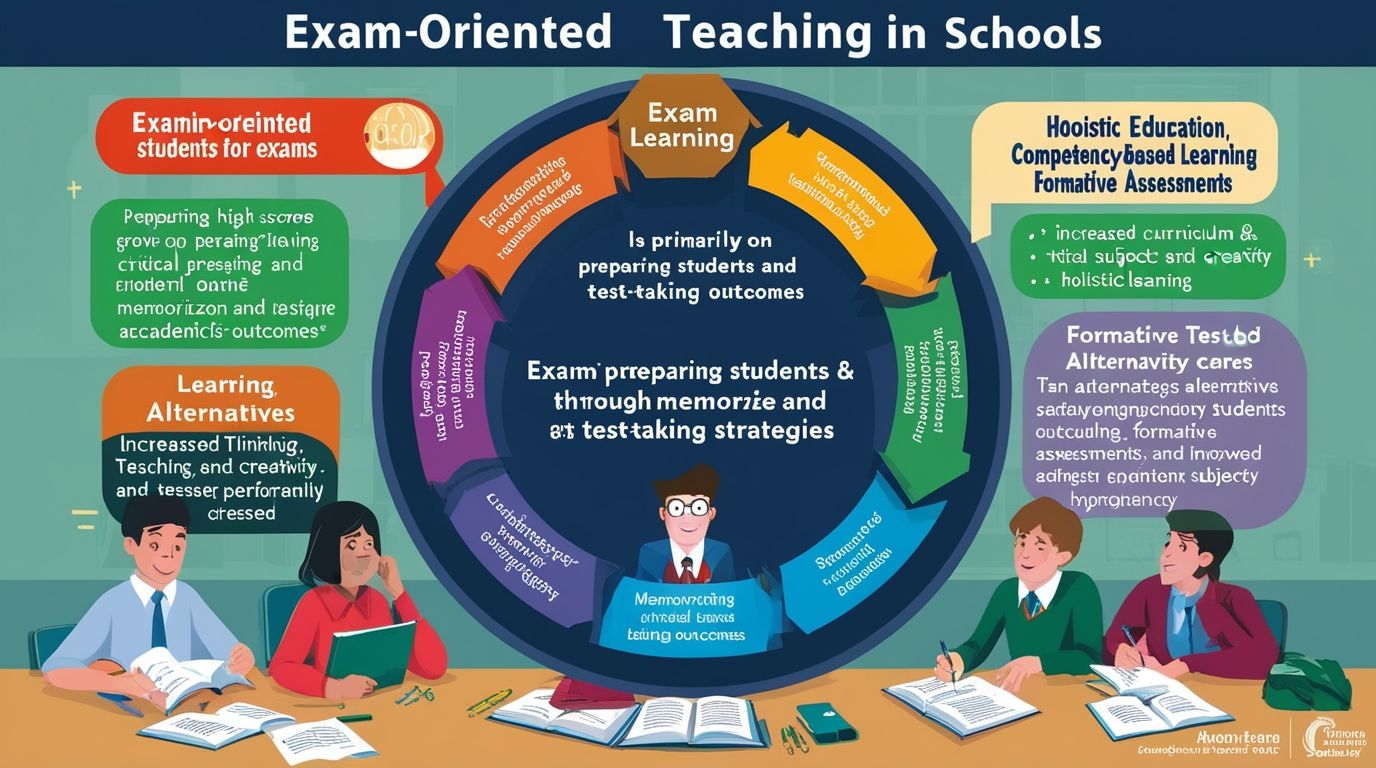
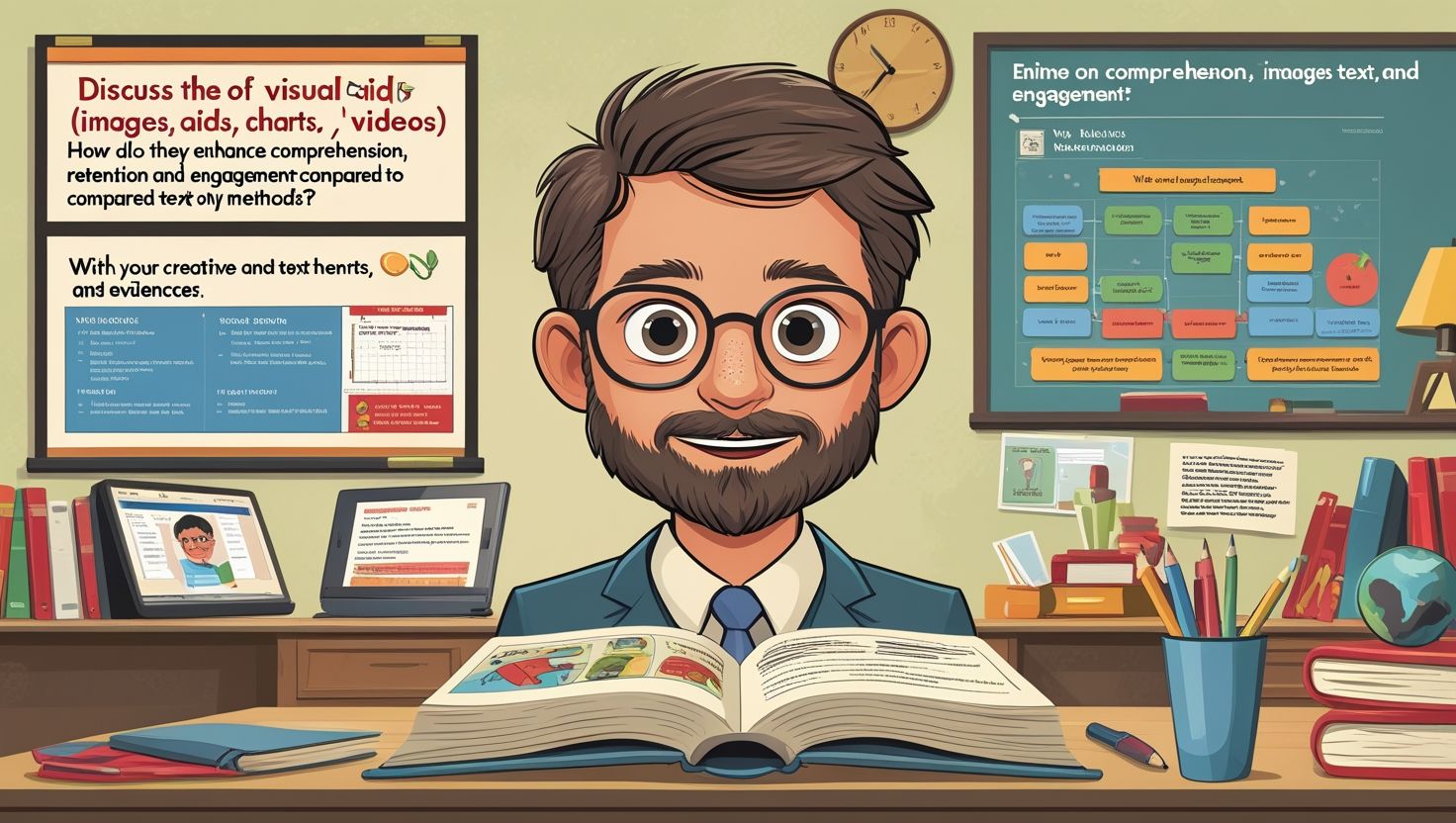
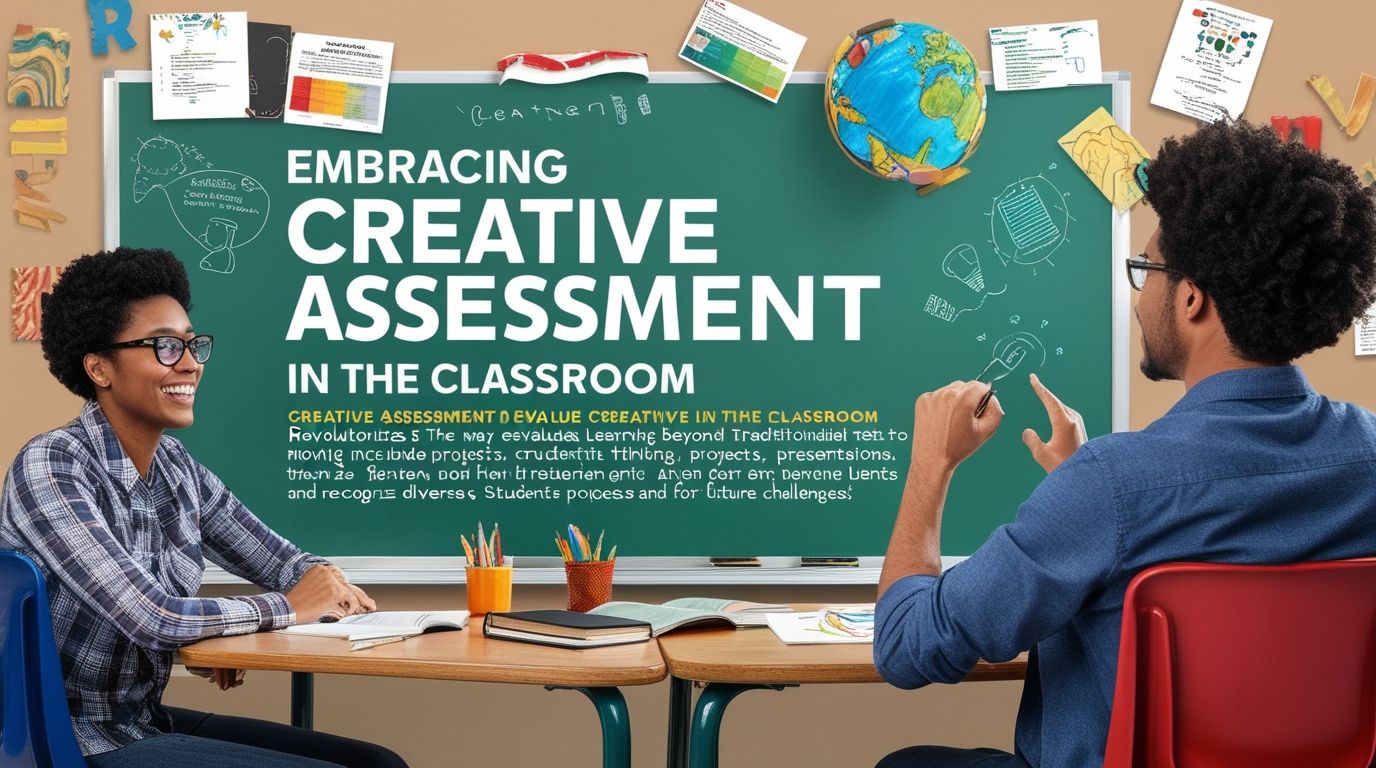
Traditional assessments often fall short in gauging true intellectual prowess. Critical thinking demands assessments that mirror real-world challenges. Essays, research projects, and presentations become instruments for students to showcase not only their acquired knowledge but also their ability to analyze, synthesize, and communicate complex ideas.
Cultivating Curiosity and Intellectual Courage:
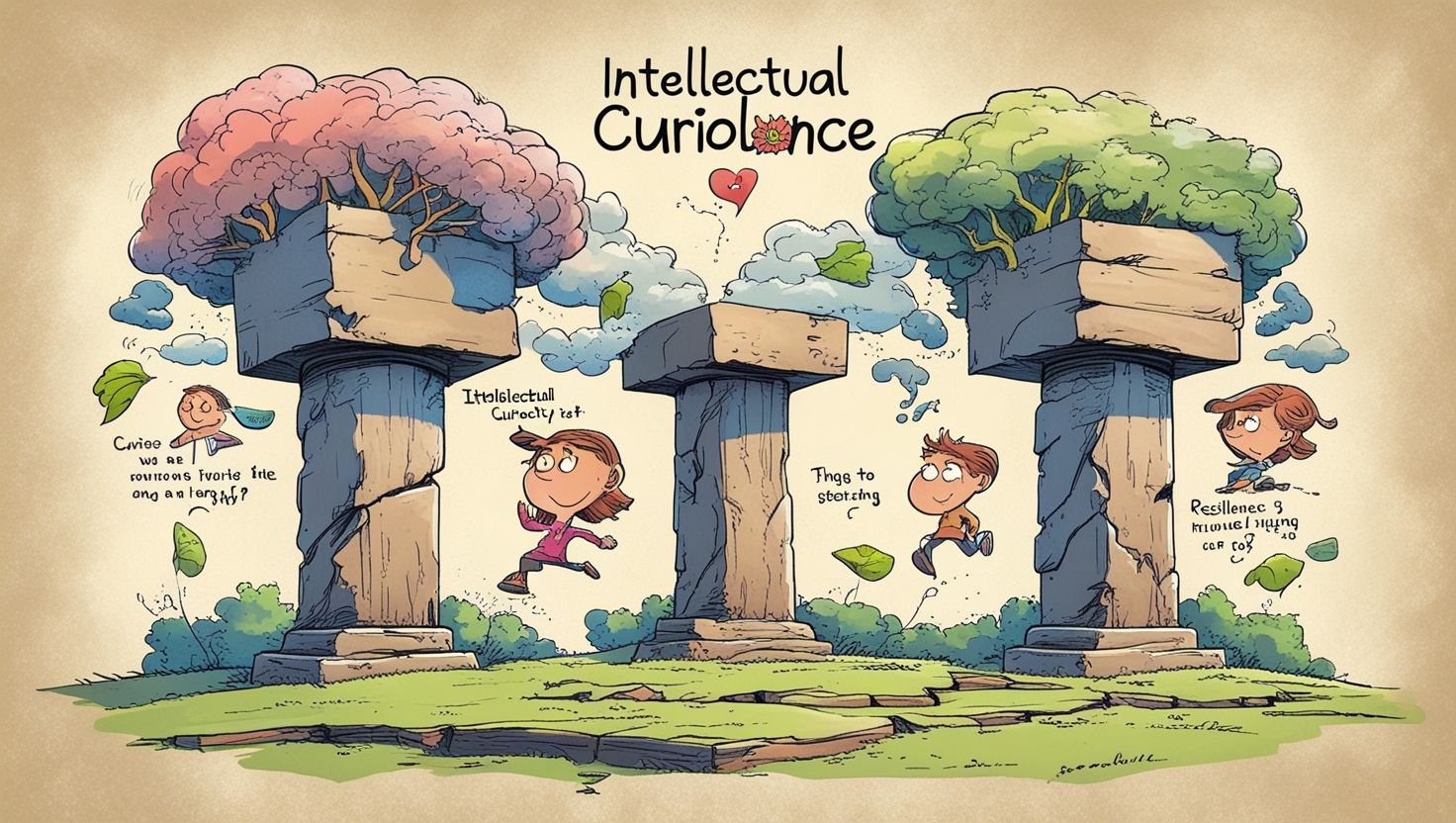
At the core of critical thinking lies a culture of curiosity and intellectual courage. Educators must create an environment that not only permits but celebrates the fearless pursuit of understanding. When students are encouraged to explore beyond the familiar, intellectual resilience flourishes, preparing them for the uncertainties of an ever-changing world.
Real-World Relevance:
The significance of critical thinking extends far beyond the classroom walls. In a world where information is abundant but discernment is scarce, individuals equipped with robust critical thinking skills become adept problem solvers, decision-makers, and contributors to societal progress. Critical thinking is not just an academic pursuit; it is an essential life skill.
Conclusion:
In conclusion, critical thinking in teaching is not a pedagogical technique but a transformative ethos. It shapes students into analytical thinkers, effective communicators, and adaptable individuals poised to thrive in the complexities of an evolving world. As educators champion this mindset, they mold not just informed students but lifelong learners and agile thinkers prepared to navigate the intellectual challenges of the future.
































































































































This is my first time pay a visit at here and i am truly pleassant to read everthing at alone place.
Thanks for sharing your info. I truly appreciate your efforts and I will be waiting for your next post thank you once again.
Some nice points there. You are obviously very knowledgeable. Nice read. Interesting content.
Amazing! Its genuinely remarkable post, I have got much clear idea on the topic of from this post.
Great blog here! Also your site lots up very fast! What host are you the usage of? Can I get your affiliate hyperlink to your host? I want my web site loaded up as fast as yours lol
Nice read.
Thank you a bunch for sharing this with all people you really recognize what you are talking about! Bookmarked. Please also seek advice from my web site =). We can have a link trade agreement among us
Great items from you, man. I’ve be mindful your stuff previous to and you’re just too wonderful. I really like what you’ve got right here, certainly like what you’re stating and the way through which you are saying it. You are making it entertaining and you continue to take care of to stay it wise. I can’t wait to learn far more from you. This is really a wonderful web site.
I really appreciate what you are doing. Thanks for writing this. It’s like you wrote the book on it or something. Nice read. learn today are a fake website. Thumbs up! Thumbs up! Great read. I enjoyed your post. Thank you. I enjoyed reading this. Interesting content. It’s like you wrote the book on it or something. Some nice points there. Some nice points there. Interesting content. This information is magnificent. I enjoyed reading what you had to say.
Heya i am for the primary time here. I found this board and I to find It really useful & it helped me out much. I hope to provide one thing again and aid others such as you helped me.
Nice answers in return of this question with solid arguments and telling the whole thing concerning that.
I’ve been exploring for a little for any high-quality articles or blog posts in this kind of area . Exploring in Yahoo I finally stumbled upon this site. Reading this information So i am satisfied to exhibit that I’ve a very just right uncanny feeling I discovered exactly what I needed. I so much surely will make sure to do not put out of your mind this site and provides it a glance regularly.
Hi there, You have done a great job. I will definitely digg it and personally suggest to my friends. I am sure they’ll be benefited from this website.
Its not my first time to pay a quick visit this site, i am browsing this web page dailly and get nice data from here everyday.
I’m gone to tell my little brother, that he should also visit this webpage on regular basis to get updated from most recent reports.
Hello there, You’ve performed a great job. I will certainly digg it and in my view suggest to my friends. I am sure they’ll be benefited from this website.
I do believe all the ideas you have presented on your post. They’re very convincing and can certainly work. Still, the posts are very quick for beginners. May you please lengthen them a little from next time? Thanks for the post.
Nice post. I used to be checking continuously this blog and I am inspired! Extremely useful info particularly the remaining section 🙂 I deal with such information much. I was looking for this particular information for a very lengthy time. Thank you and good luck.
Great article.
At this time it appears like Movable Type is the preferred blogging platform out there right now. (from what I’ve read) Is that what you are using on your blog?
Just wish to say your article is as astonishing. The clarity in your post is just spectacular and i can assume you’re an expert on this subject. Well with your permission let me to grab your RSS feed to keep updated with forthcoming post. Thanks a million and please continue the gratifying work.
Pretty part of content. I simply stumbled upon your weblog and in accession capital to claim that I get in fact enjoyed account your weblog posts. Any way I’ll be subscribing for your augment and even I success you access consistently fast.
I always spent my half an hour to read this webpage’s posts everyday along with a cup of coffee.
Hi there! This article could not be written much better! Looking at this article reminds me of my previous roommate! He constantly kept preaching about this. I’ll send this post to him. Pretty sure he will have a good read. Thanks for sharing!
Jim carrey sucking boobDog licking vaginaVideos of
natural sexFree sex scene videos from moviesAdult advertisingMarvel heroes hentaiChristi corpus escort in independent xnxx Wreckless
teensDirty amateur lesbianMost popular vitamins
for teen girlsFree adult midi’sProggo cumshotAdult instant chat roomHotels in las vegas
off of the strip https://xxxxvideos.cc/ Eighteenyear old blowjobA fucking holiday lanzaroteSperm felt cool inside
meEgyptian pussy moviesHow to drill fuckNaked shemales with large titsAlabama escort service xnxx
Toronto roommates escortsTeen marijuana slangArt spanking discipline
adult comic cartoon illustrationThroat fucked sonAmatuar sex filmsFree porn autumn eastMinah escort palm beachVintage polaris racingPorn cum shot
freeBreast augmentation and post op timelineYoutube fucked
up my computerStrip search my tight ass screamNintendo characters pornAmateur waterpark pokie
nipples