Introduction
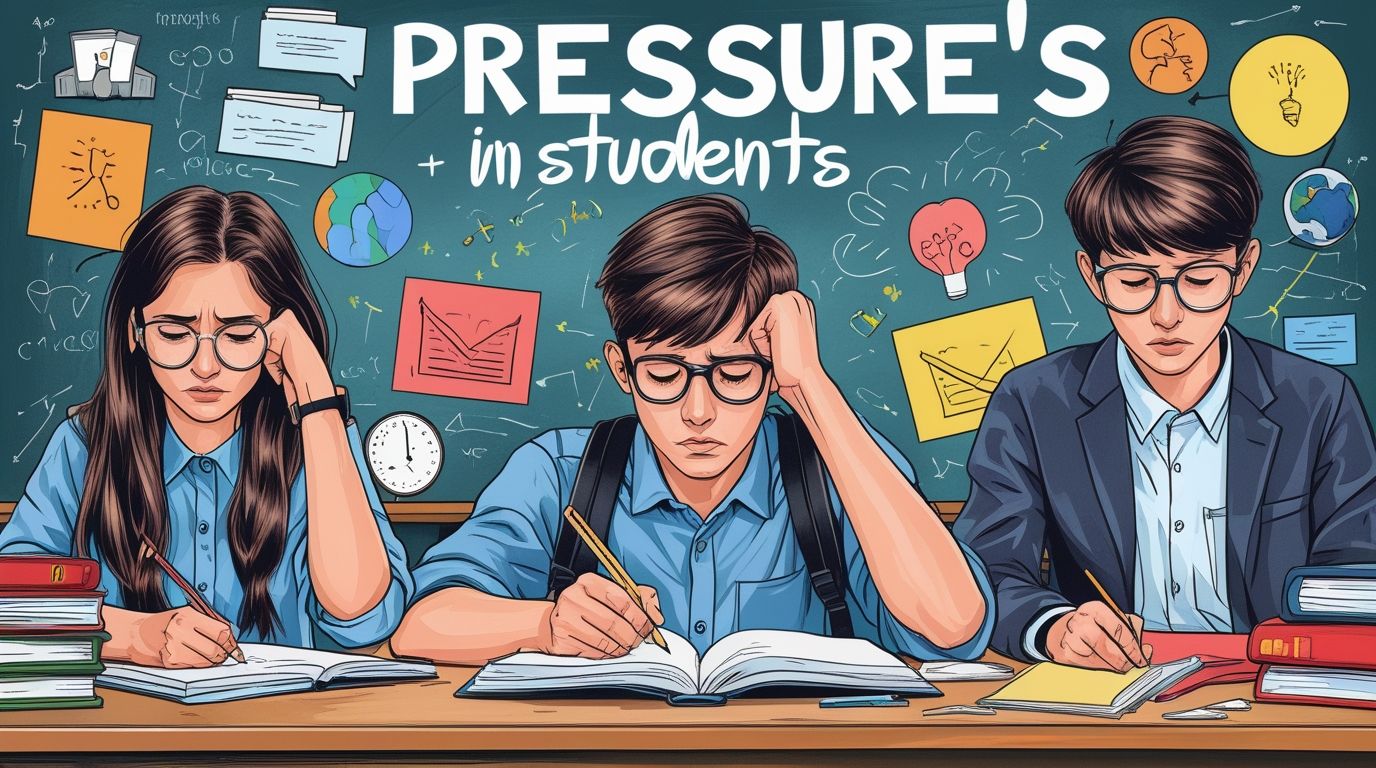
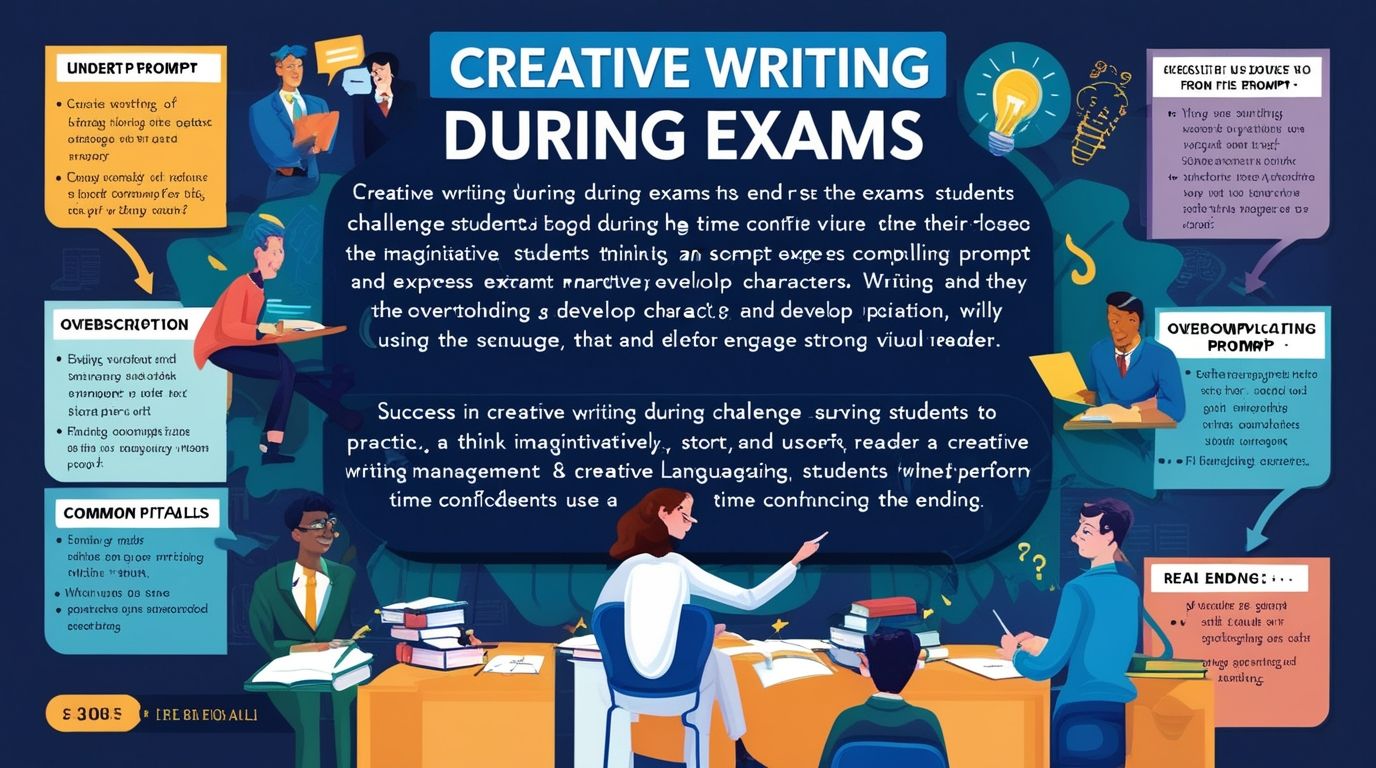
How to Solve Exam Papers Effectively: A Comprehensive Guide, Examinations are a central component of academic life, serving as a tool to evaluate students’ understanding, analytical ability, and application of knowledge. However, success in exams is not solely determined by what a student knows; it is equally dependent on how effectively they present their knowledge under time constraints. Mastering the art of solving exam papers requires a combination of preparation, strategy, time management, and psychological readiness. This article provides a comprehensive, structured guide to help students approach exam papers with confidence and precision.
1. Understanding the Nature of Examination Papers
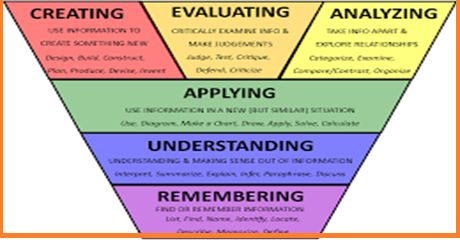
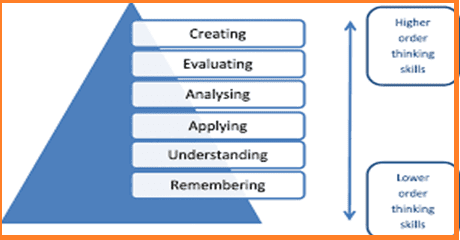
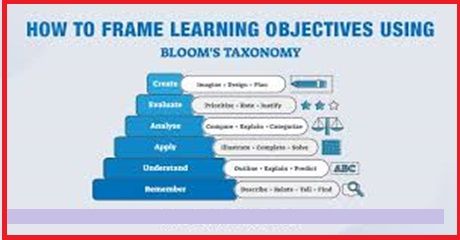
Before attempting to solve any exam paper, it is crucial to understand its structure and purpose. Examination papers are designed to test various cognitive levels, including recall, comprehension, application, analysis, and evaluation. Questions may be objective (multiple-choice, true/false), short-answer, or long-answer/essay-based.
Students must recognize that each type of question demands a different approach. Objective questions require accuracy and speed, while subjective questions require clarity, structure, and depth. Understanding the pattern of the exam—marks distribution, number of questions, and time allocation—is the first step toward effective solving.
2. Pre-Exam Preparation Strategies
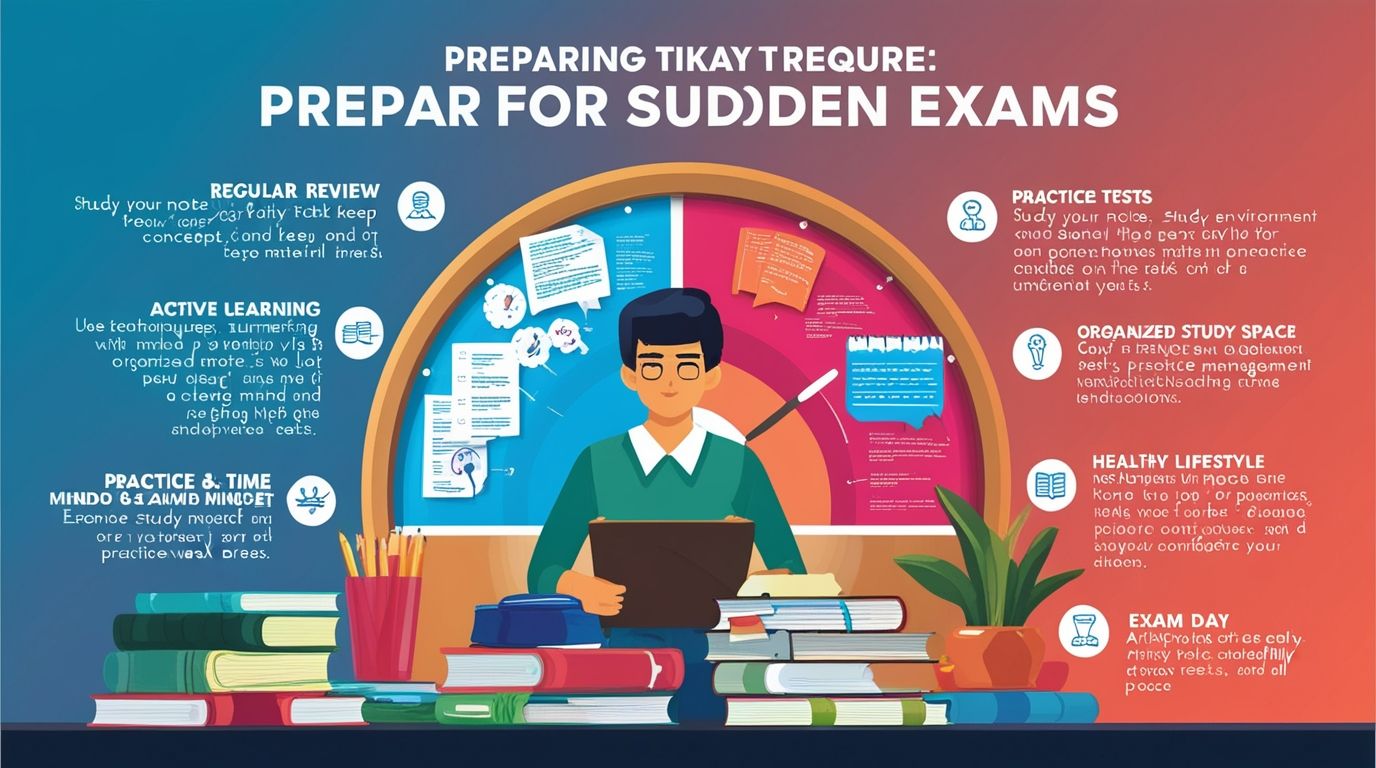
Effective exam performance begins long before entering the examination hall. Preparation should focus on conceptual clarity, regular revision, and practice.
a. Conceptual Understanding
Rote memorization is insufficient for most modern examinations. Students must develop a deep understanding of concepts so they can apply knowledge in unfamiliar contexts.
b. Practice with Past Papers
Solving previous years’ exam papers helps students become familiar with question patterns, commonly tested topics, and time constraints. It also builds confidence and reduces exam anxiety.
c. Time-Bound Practice
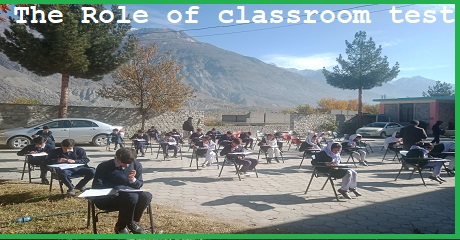
Students should simulate exam conditions by solving papers within the allotted time. This practice enhances speed, accuracy, and time management skills.
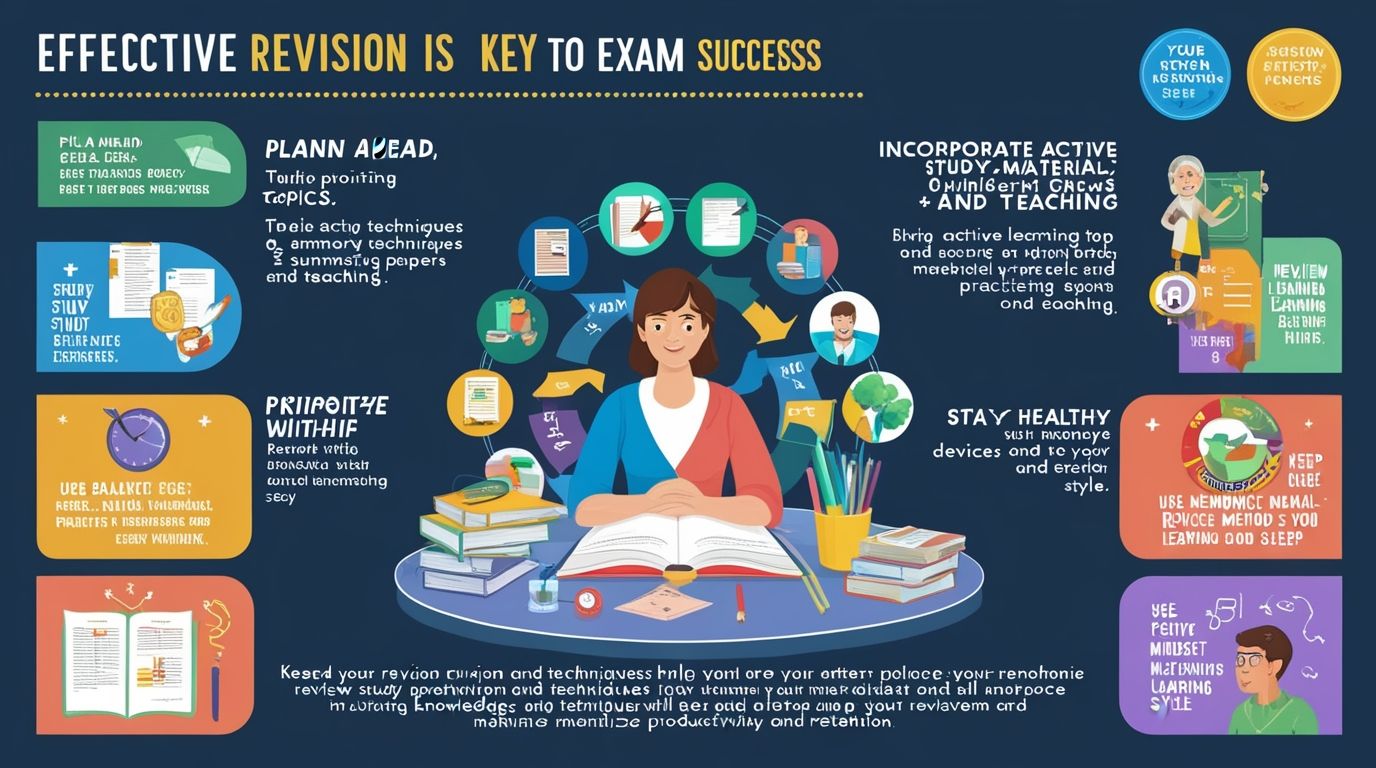
d. Revision Techniques
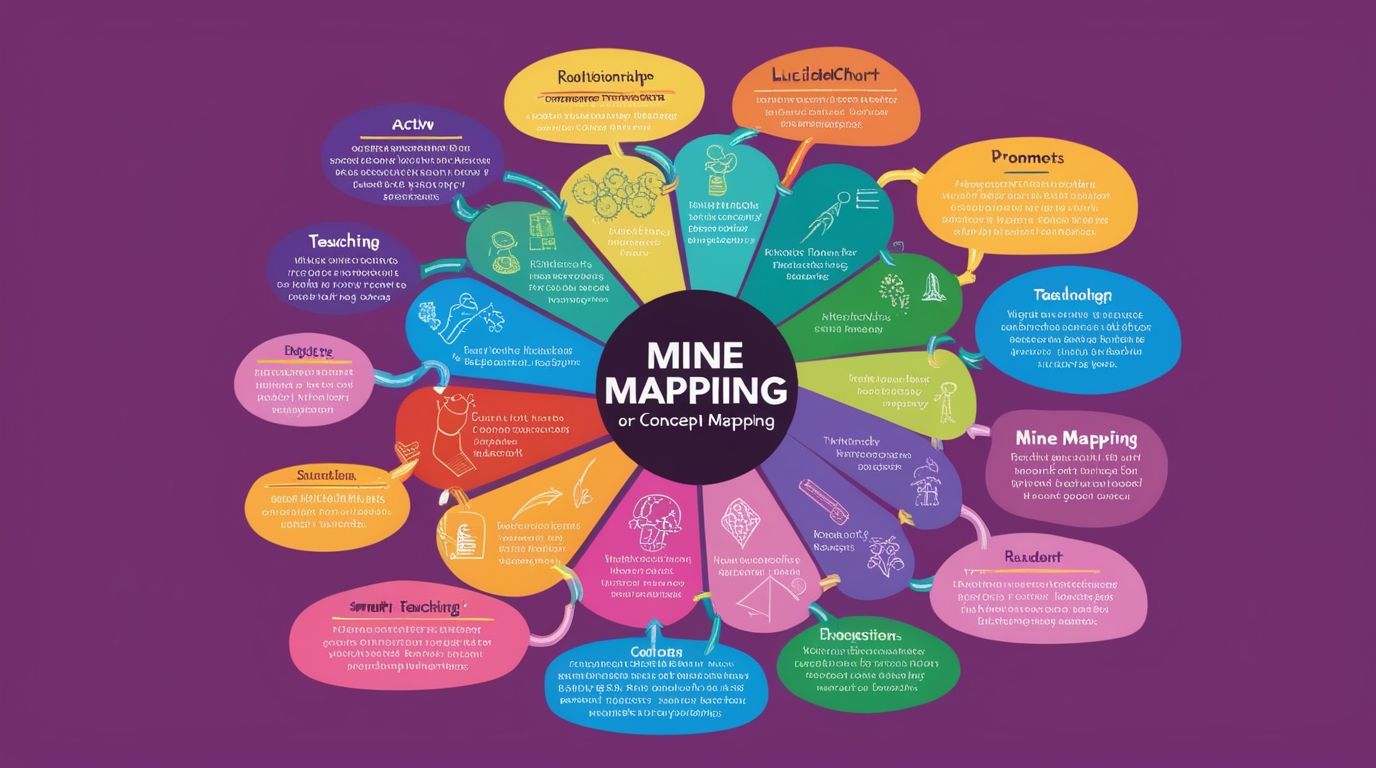
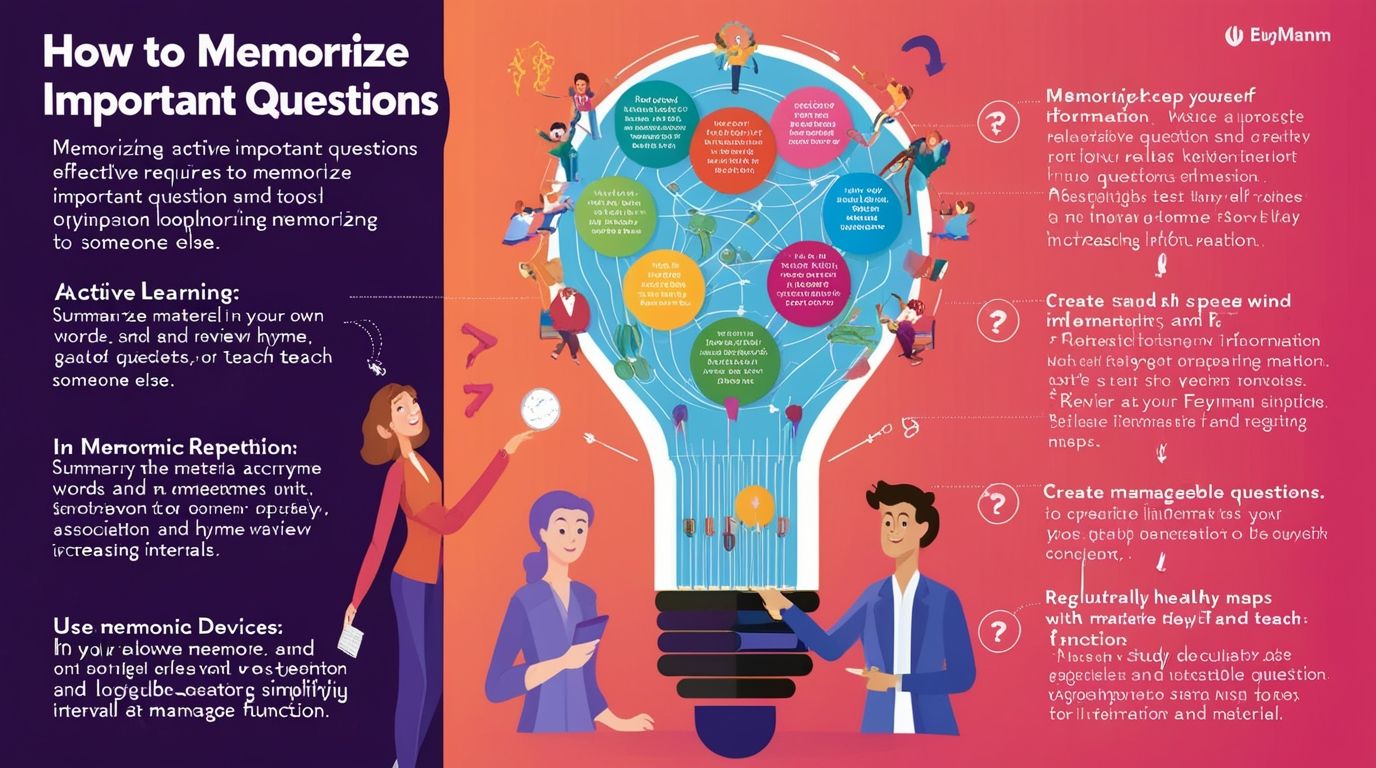
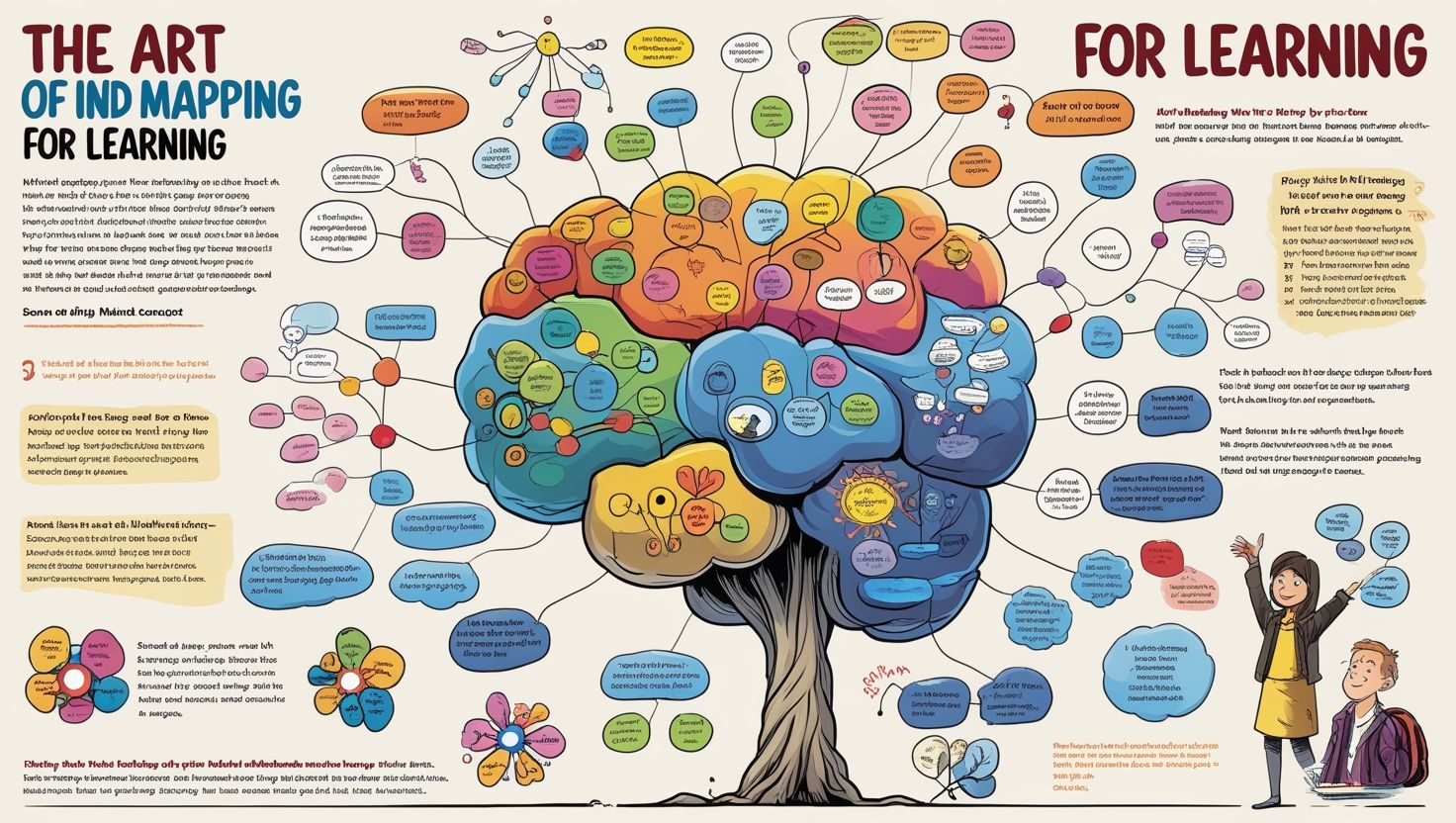
Effective revision strategies include summarizing notes, creating mind maps, and teaching concepts to peers. These techniques reinforce learning and improve retention.
3. Reading and Interpreting the Question Paper
The first few minutes of the exam are critical. Students should use this time wisely to read the entire question paper carefully.
a. Skimming the Paper
Quickly scan all questions to understand the overall structure and identify easier and more challenging sections.
b. Understanding Instructions
Pay close attention to instructions such as “attempt any five questions” or “all questions are compulsory.” Misreading instructions can lead to unnecessary mistakes.
c. Identifying Keywords
Words like “explain,” “describe,” “analyze,” “compare,” and “evaluate” indicate the depth of response required. For example:
- “Define” requires a brief, precise answer.
- “Explain” requires elaboration with examples.
- “Analyze” requires breaking down the concept into components.
4. Time Management During the Exam
Time management is one of the most critical skills in solving exam papers effectively.
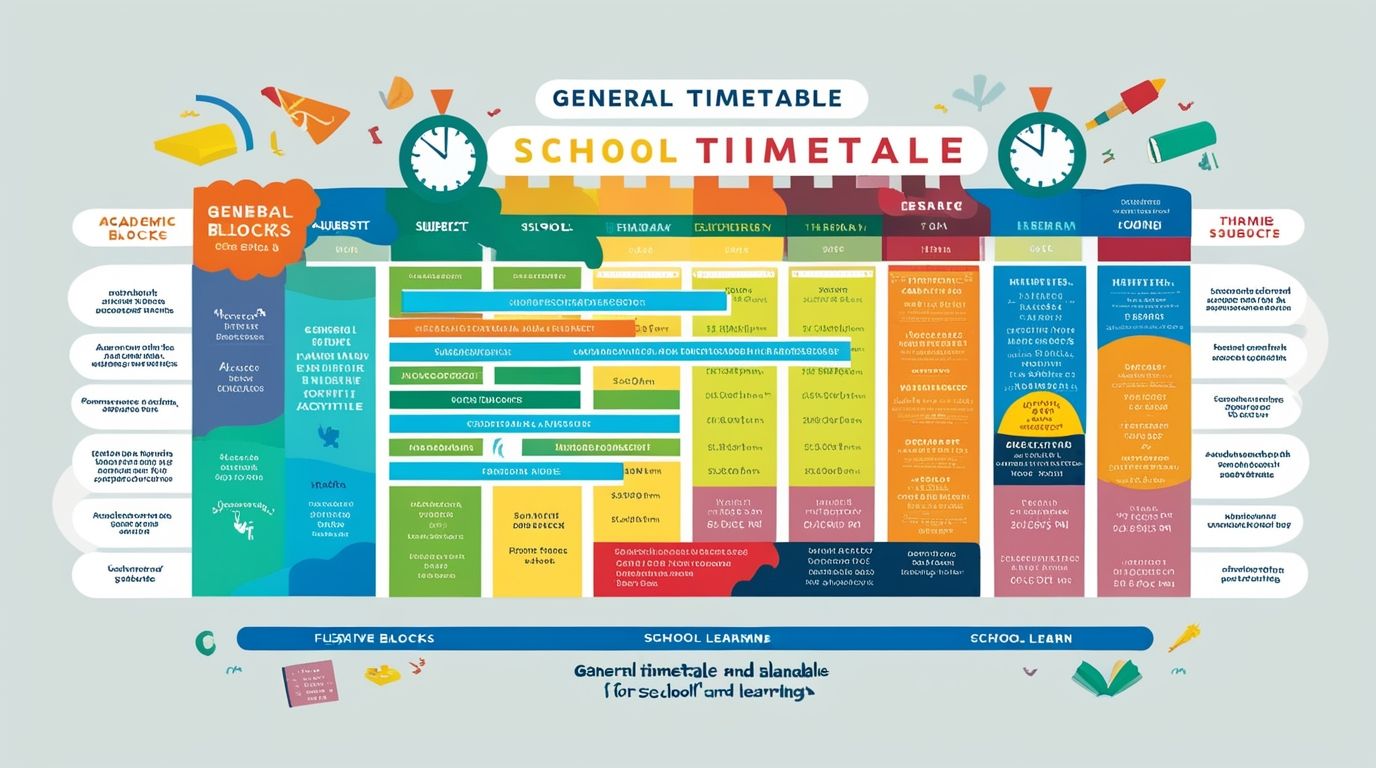
a. Allocating Time per Question
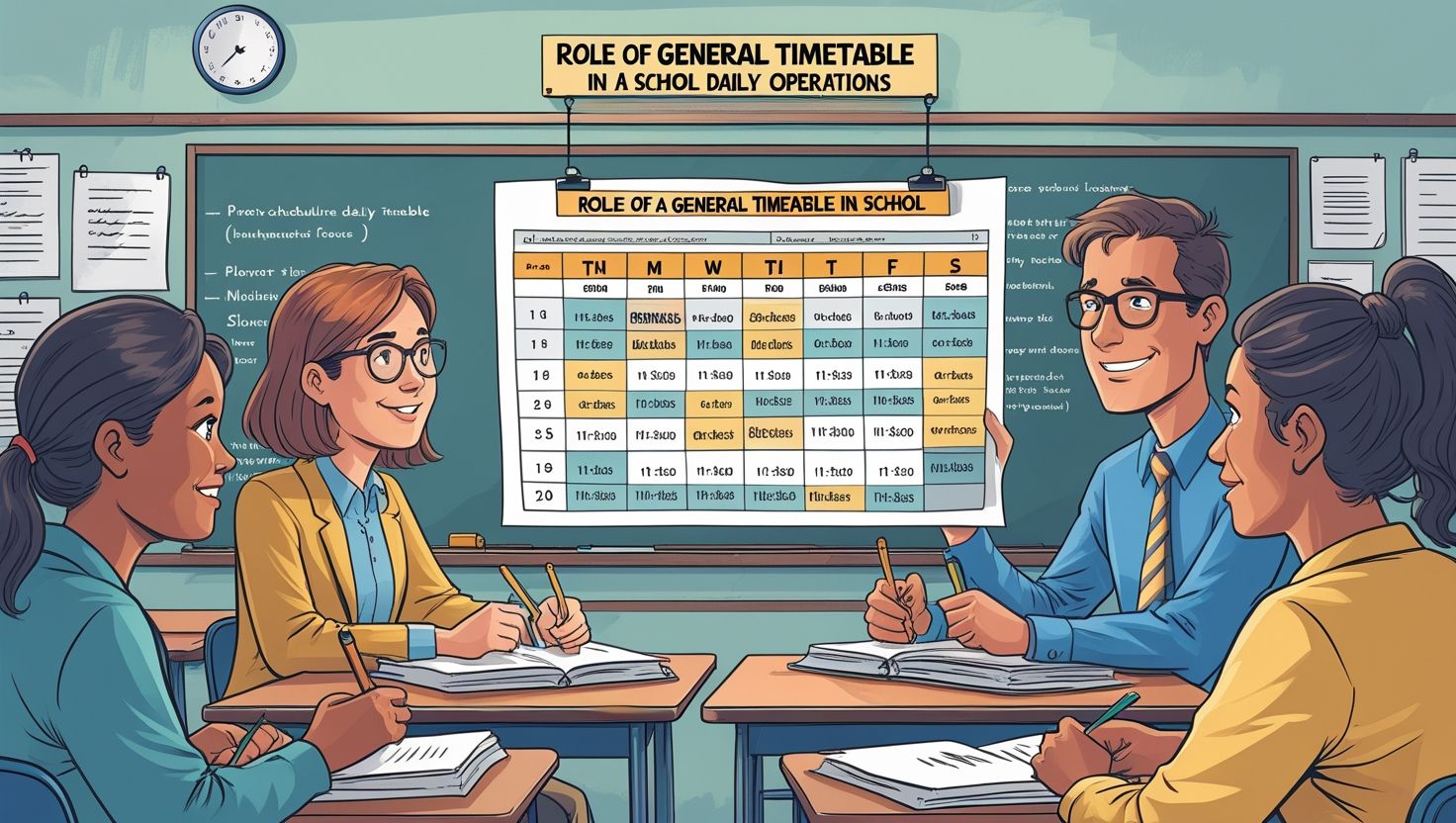
Divide the total exam time according to the marks assigned to each question. For example, if a question carries 10 marks, allocate proportionate time.
b. Following the Plan
Stick to the time plan as closely as possible. Avoid spending too much time on a single question, especially if it is difficult.
c. Leaving Space for Review
Reserve the last 10–15 minutes for revising answers, correcting mistakes, and completing unfinished responses.
5. Strategic Approach to Answering Questions
a. Start with Known Questions
Begin with questions you are confident about. This builds momentum and boosts confidence.
b. Maintain Logical Order
If the exam allows flexibility, arrange answers in a logical sequence. Clearly number each answer to avoid confusion.
c. Attempt All Required Questions
Ensure that you attempt the required number of questions. Unattempted questions result in lost marks.
6. Writing Effective Answers
The quality of answers significantly influences exam performance. Students should focus on clarity, structure, and relevance.
a. Structure of Answers
For long-answer questions, follow a clear structure:
- Introduction: Briefly introduce the topic.
- Body: Present key points with explanations, examples, or diagrams.
- Conclusion: Summarize the answer.
b. Clarity and Precision
Write clearly and avoid unnecessary information. Stick to the question’s requirements.
c. Use of Headings and Bullet Points
Organizing answers with headings and bullet points improves readability and helps examiners quickly identify key points.
d. Diagrams and Examples
Where applicable, include diagrams, charts, or examples to enhance understanding and earn additional marks.
7. Handling Different Types of Questions
a. Multiple-Choice Questions (MCQs)
- Read each question carefully.
- Eliminate incorrect options.
- Avoid overthinking.
b. Short-Answer Questions
- Be concise and to the point.
- Focus on key facts and definitions.
c. Essay-Type Questions
- Plan your answer before writing.
- Use structured paragraphs.
- Support arguments with examples and evidence.
8. Dealing with Difficult Questions
Encountering difficult questions is common. The key is to remain calm and strategic.
a. Do Not Panic
Stay composed and move to the next question if you are stuck.
b. Break Down the Question
Analyze the question into smaller parts and attempt to answer each component.
c. Use Partial Knowledge
Even if you do not know the complete answer, write what you know. Partial answers can still earn marks.
9. Importance of Presentation
Presentation plays a crucial role in how answers are evaluated.
a. Neatness and Legibility
Write neatly and ensure your handwriting is readable.
b. Proper Spacing
Leave adequate space between answers and sections.
c. Highlighting Key Points
Underline or highlight important terms to draw attention.
10. Revision and Final Review
The final minutes of the exam should be used effectively.
a. Checking for Errors
Review answers for spelling, grammatical, and factual errors.
b. Completing Incomplete Answers
Add missing points or examples where necessary.
c. Verifying Question Numbers
Ensure all answers are correctly numbered and correspond to the question paper.
11. Psychological Readiness and Confidence
A student’s mindset significantly affects exam performance.
a. Staying Calm
Practice relaxation techniques such as deep breathing to manage stress.
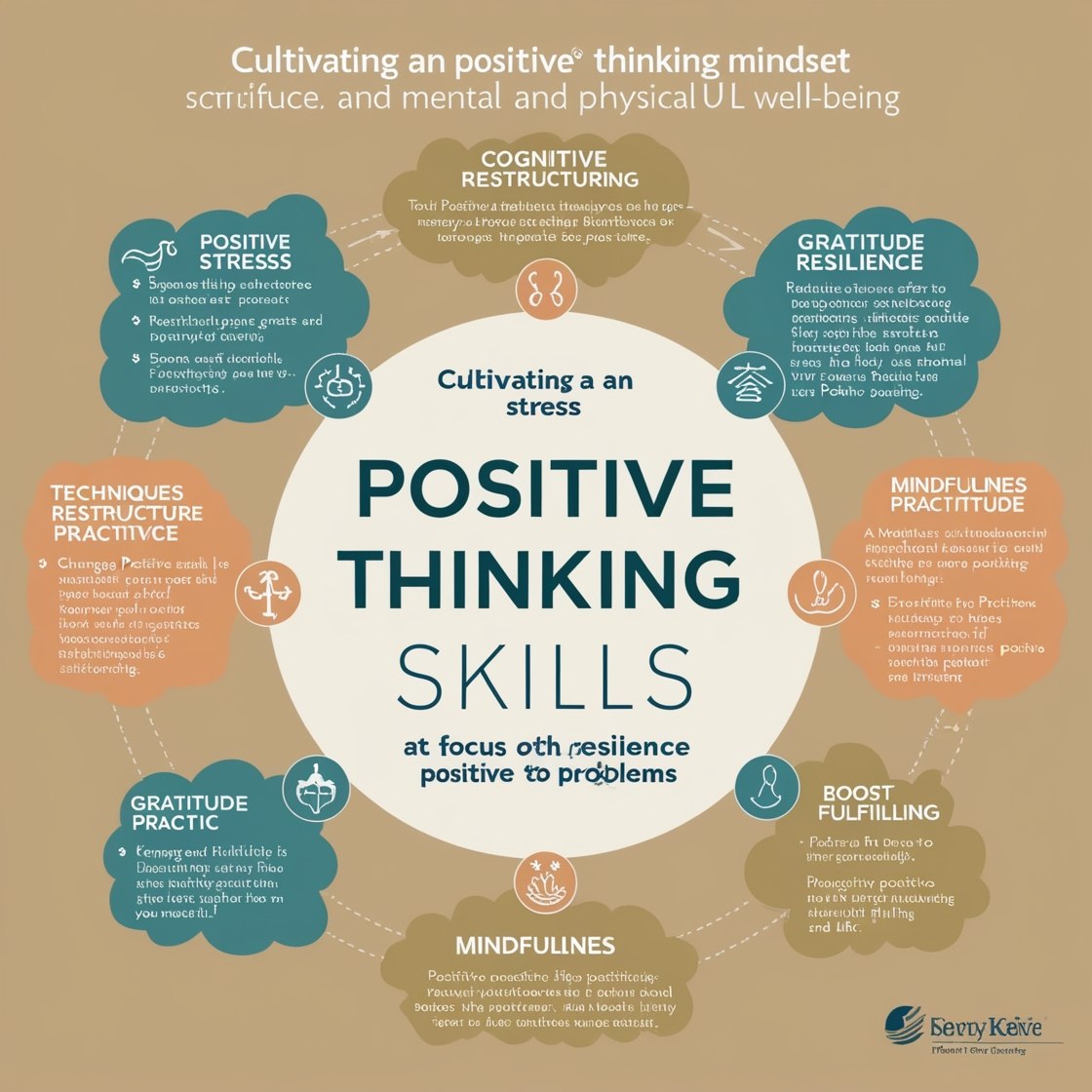
b. Positive Thinking
Maintain a positive attitude and विश्वास in your preparation.
c. Avoiding Comparison
Focus on your own performance rather than comparing yourself with others during the exam.
12. Common Mistakes to Avoid
Students often lose marks due to avoidable errors:
- Misreading questions
- Poor time management
- Writing irrelevant information
- Leaving questions unanswered
- Lack of revision
Being aware of these mistakes helps students avoid them.
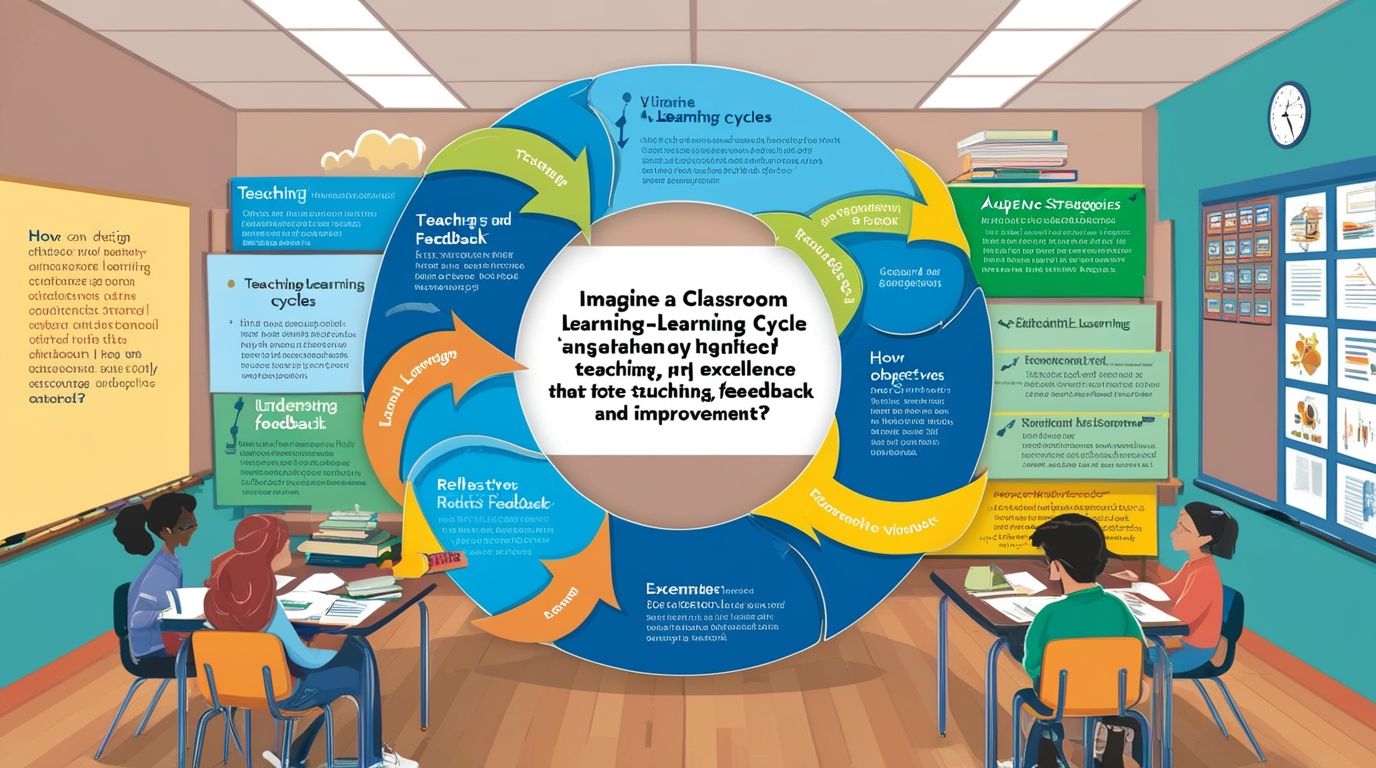
13. Role of Practice and Feedback
Continuous improvement is essential for mastering exam-solving skills.
a. Regular Practice
Frequent practice with different types of questions enhances adaptability.
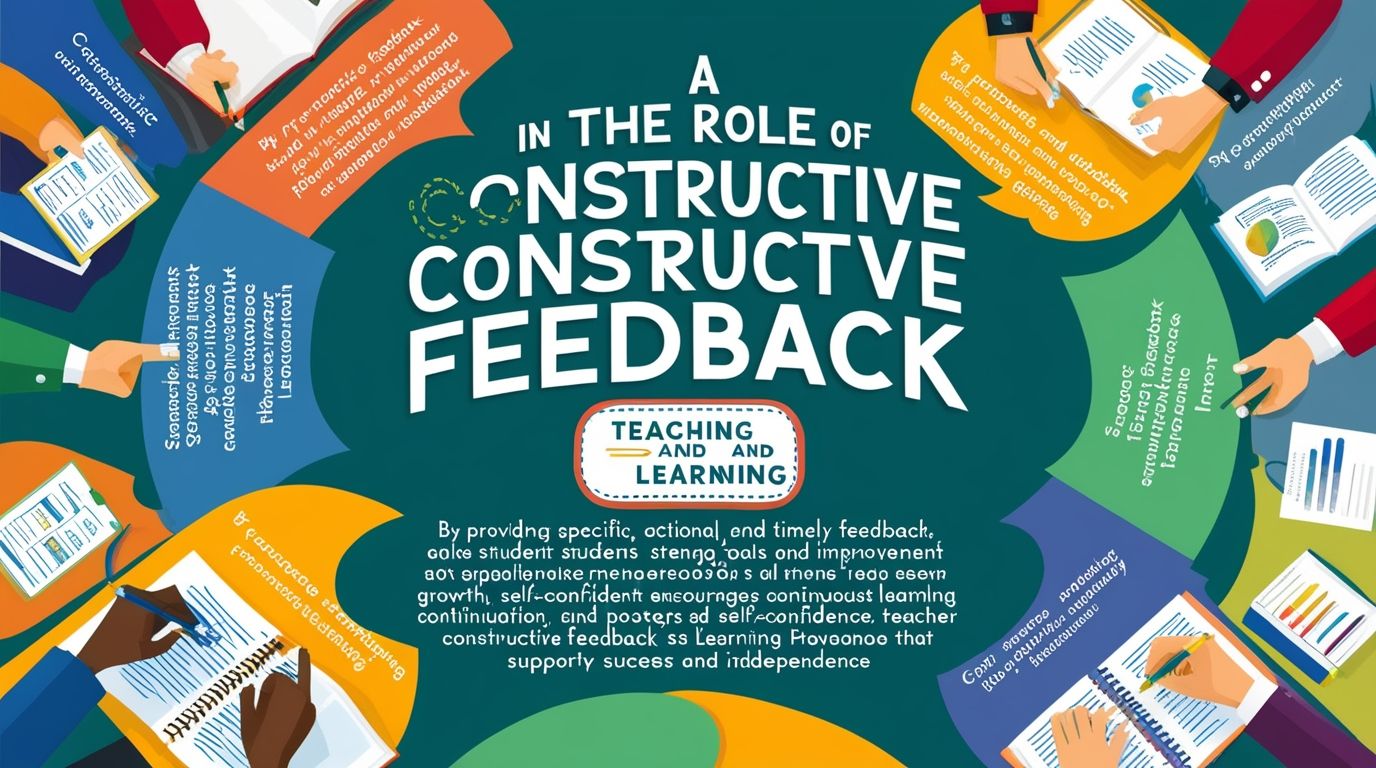
b. Seeking Feedback
Teachers’ feedback helps identify strengths and areas for improvement.
c. Self-Evaluation
Students should review their own performance to understand mistakes and refine strategies.
14. Integrating Technology in Exam Preparation
Modern tools can enhance exam readiness:
- Online quizzes and mock tests
- Educational apps for revision
- Digital flashcards and notes
These tools provide interactive and flexible learning opportunities.
15. Developing Lifelong Skills
The ability to solve exam papers effectively is not just about academic success; it also develops essential life skills:
- Critical thinking
- Time management
- Problem-solving
- Decision-making
These skills are valuable beyond the classroom and contribute to overall personal and professional development.
Conclusion
Solving exam papers effectively is both an art and a science. It requires a balanced combination of preparation, strategy, clarity, and confidence. Students must develop a systematic approach that includes understanding the exam format, managing time efficiently, writing structured answers, and maintaining a positive mindset.
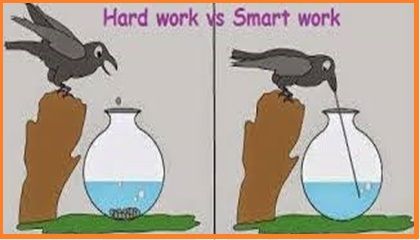
By practicing regularly, learning from mistakes, and applying the strategies outlined in this guide, students can significantly improve their exam performance. Ultimately, success in examinations is not just about hard work but also about working smartly and presenting knowledge effectively.
With the right approach, every student can transform exams from a source of stress into an opportunity to demonstrate their true potential.