
Abstract
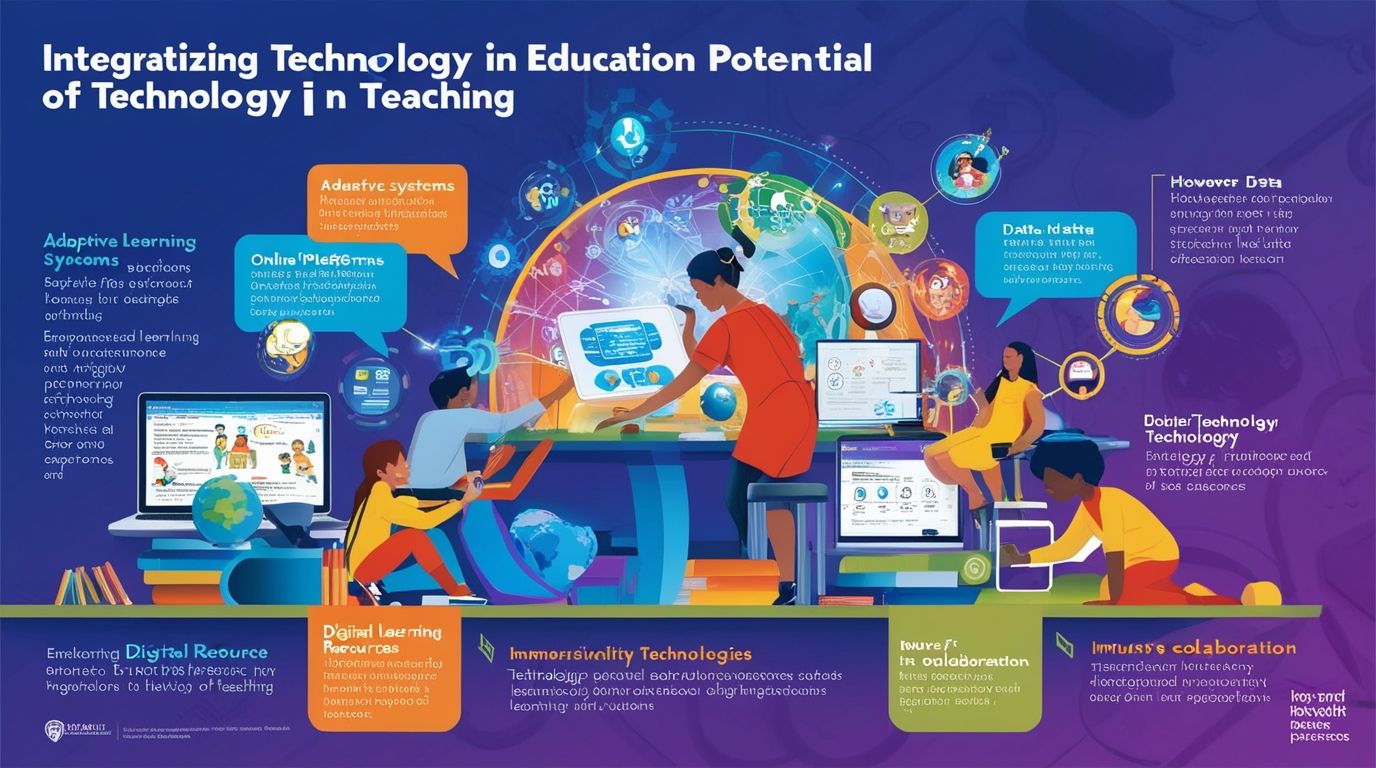
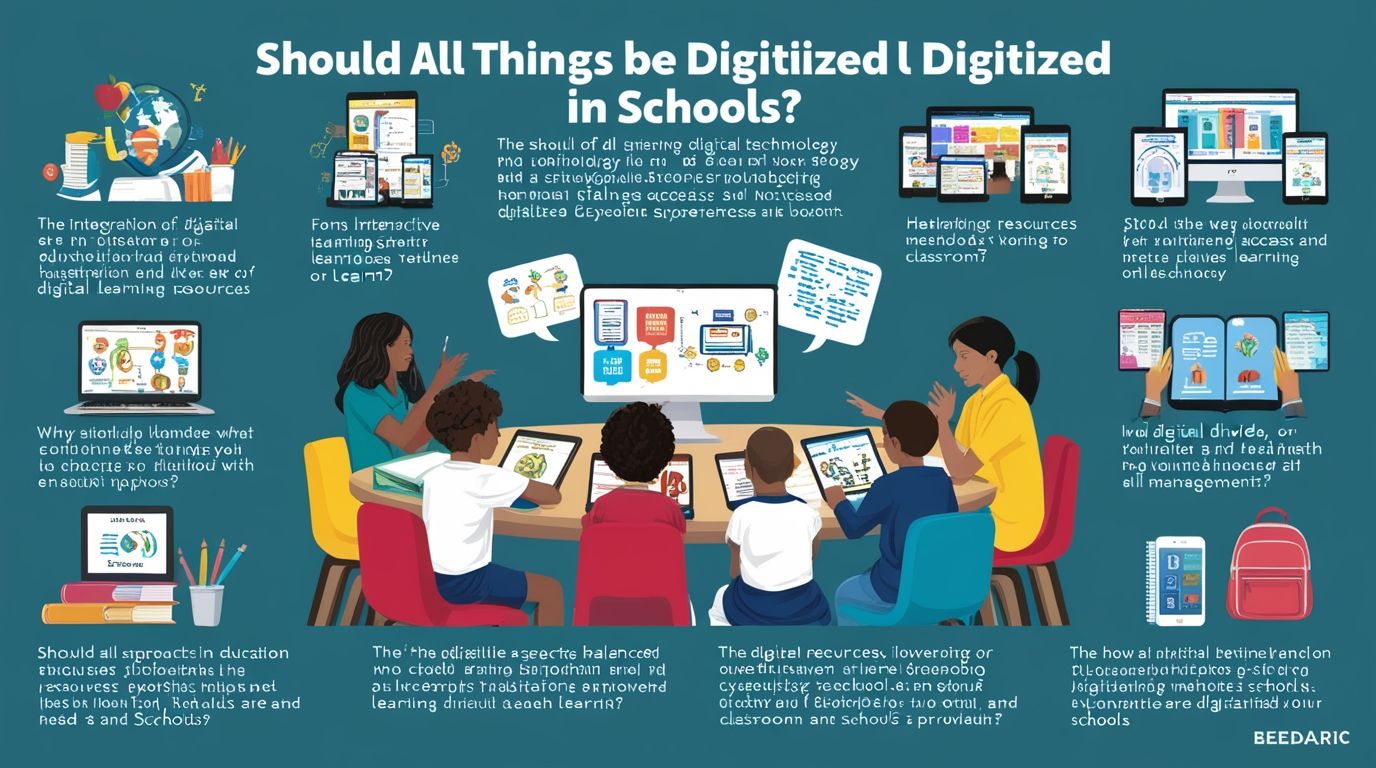
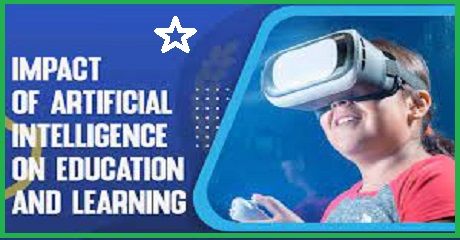
AI and Computer Skills in Schools, Artificial Intelligence (AI) and computer skills are rapidly transforming the educational landscape, redefining how knowledge is delivered, acquired, and applied in schools. The integration of AI technologies into education has introduced personalized learning systems, intelligent tutoring, and data-driven decision-making, significantly enhancing teaching and learning processes. At the same time, computer skills have become essential competencies for students to thrive in the digital age. This article explores the relationship between AI and computer skills in school education, highlighting their benefits, challenges, pedagogical implications, and future prospects. It argues that while AI has the potential to revolutionize education, its effective implementation depends on balanced integration, ethical considerations, and the development of strong digital literacy among students and educators.
1. Introduction
The 21st century has witnessed unprecedented technological advancements, with Artificial Intelligence emerging as a key driver of change across multiple sectors, including education. Schools are no longer limited to traditional teaching methods; instead, they are increasingly adopting AI-powered tools and computer-based learning systems to enhance educational outcomes.
AI refers to computational systems capable of performing tasks that typically require human intelligence, such as learning, reasoning, and problem-solving . In educational contexts, AI supports both teaching and administrative functions, enabling personalized instruction, automated assessment, and predictive analytics.
Simultaneously, computer skills—ranging from basic digital literacy to advanced programming—have become fundamental for students. These skills not only support academic success but also prepare learners for a technology-driven workforce. The integration of AI and computer skills in schools represents a paradigm shift toward more interactive, efficient, and learner-centered education.
2. Role of AI in School Education
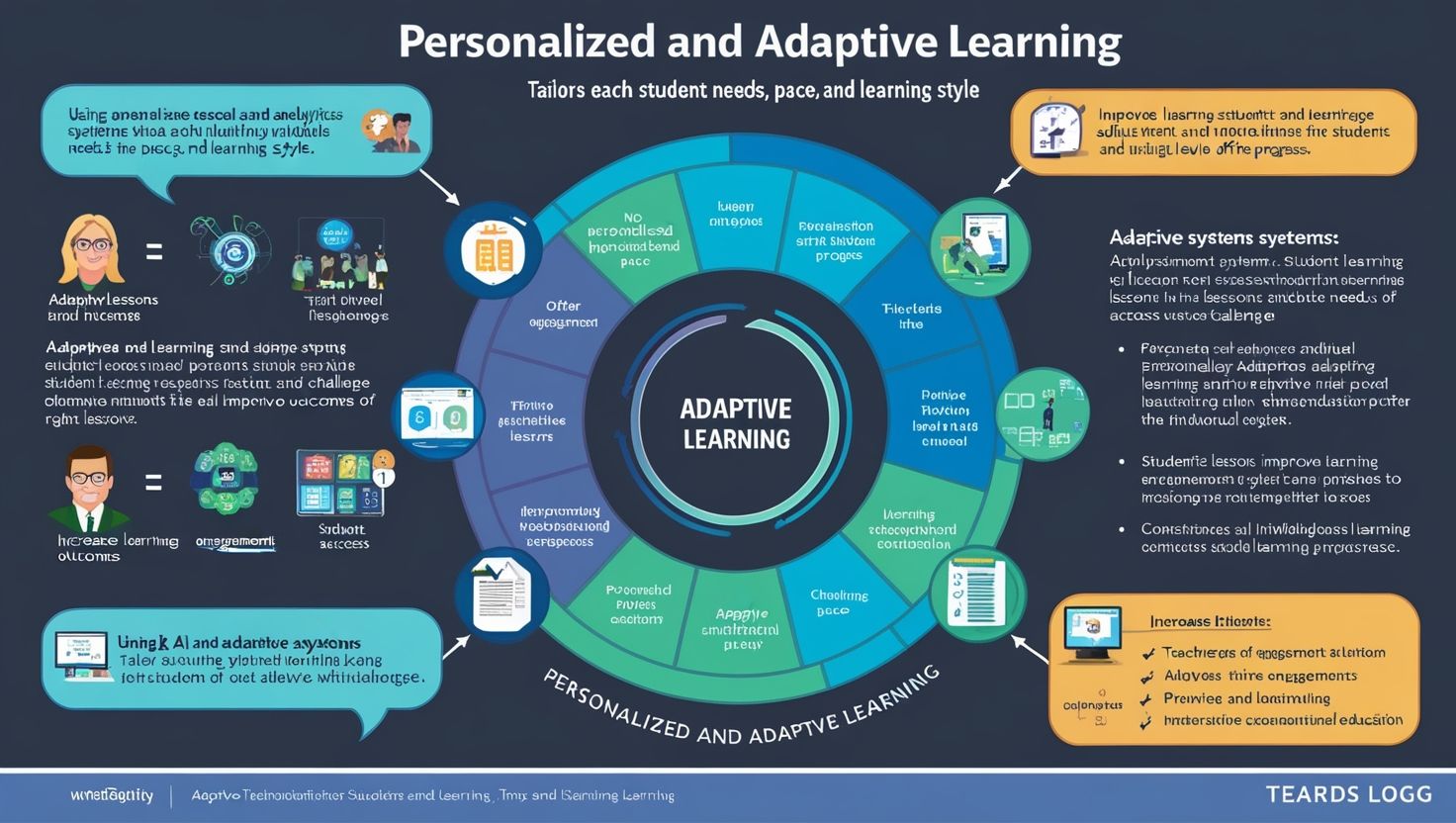
2.1 Personalized Learning
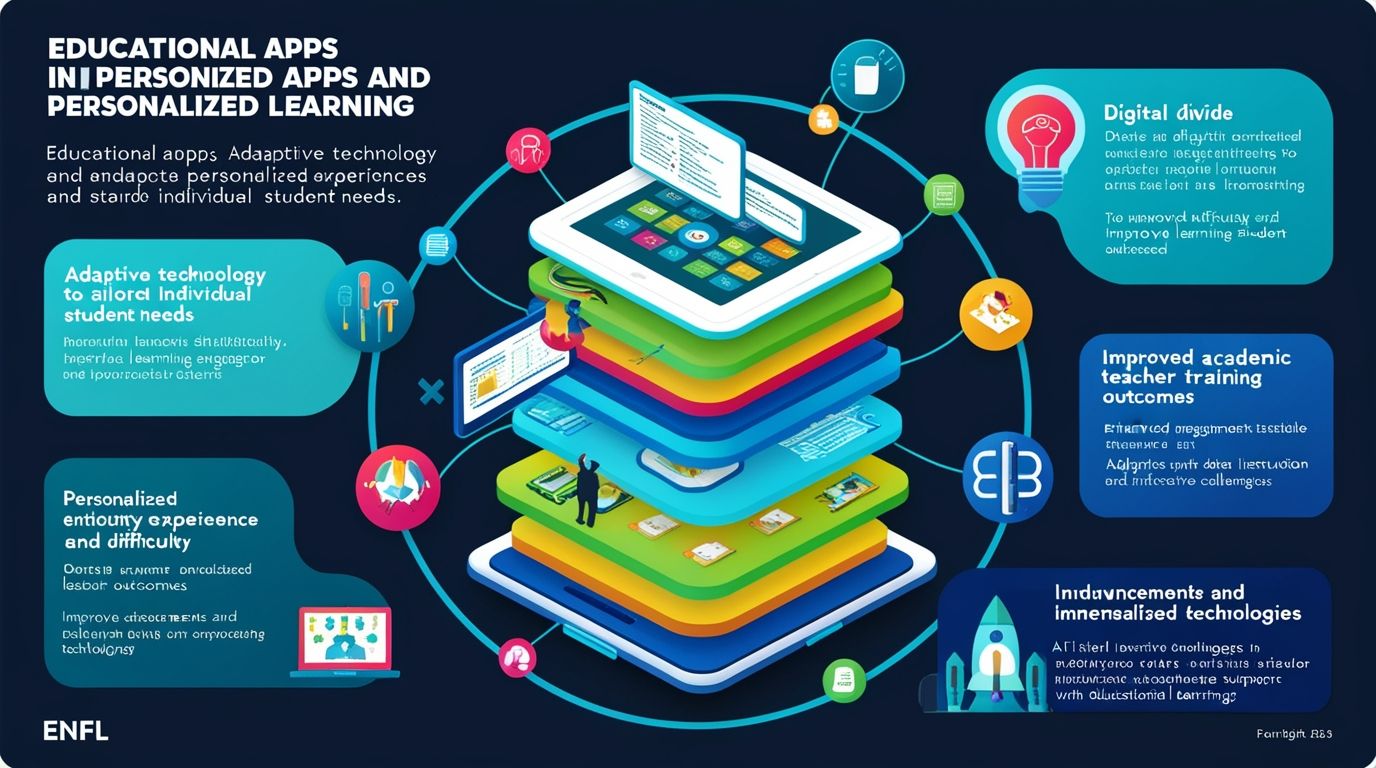
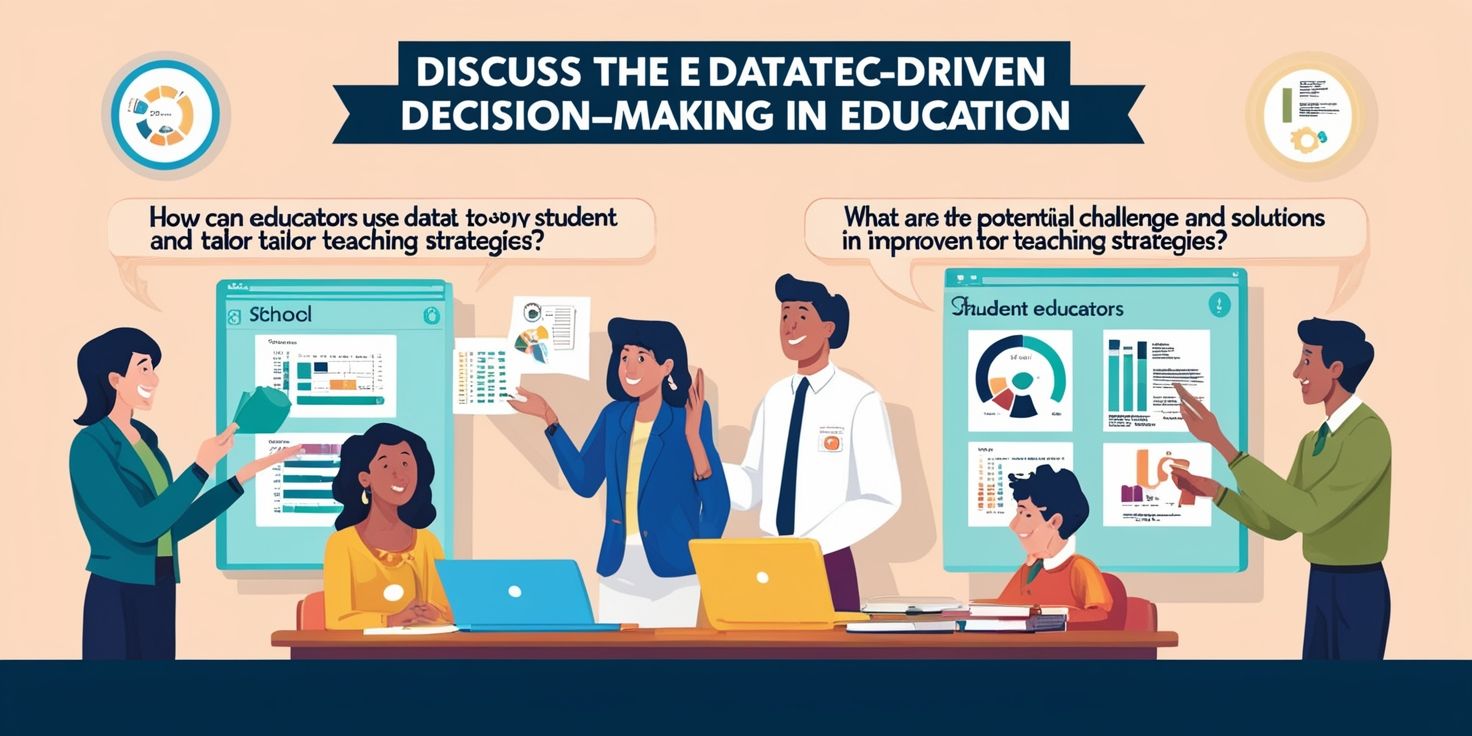
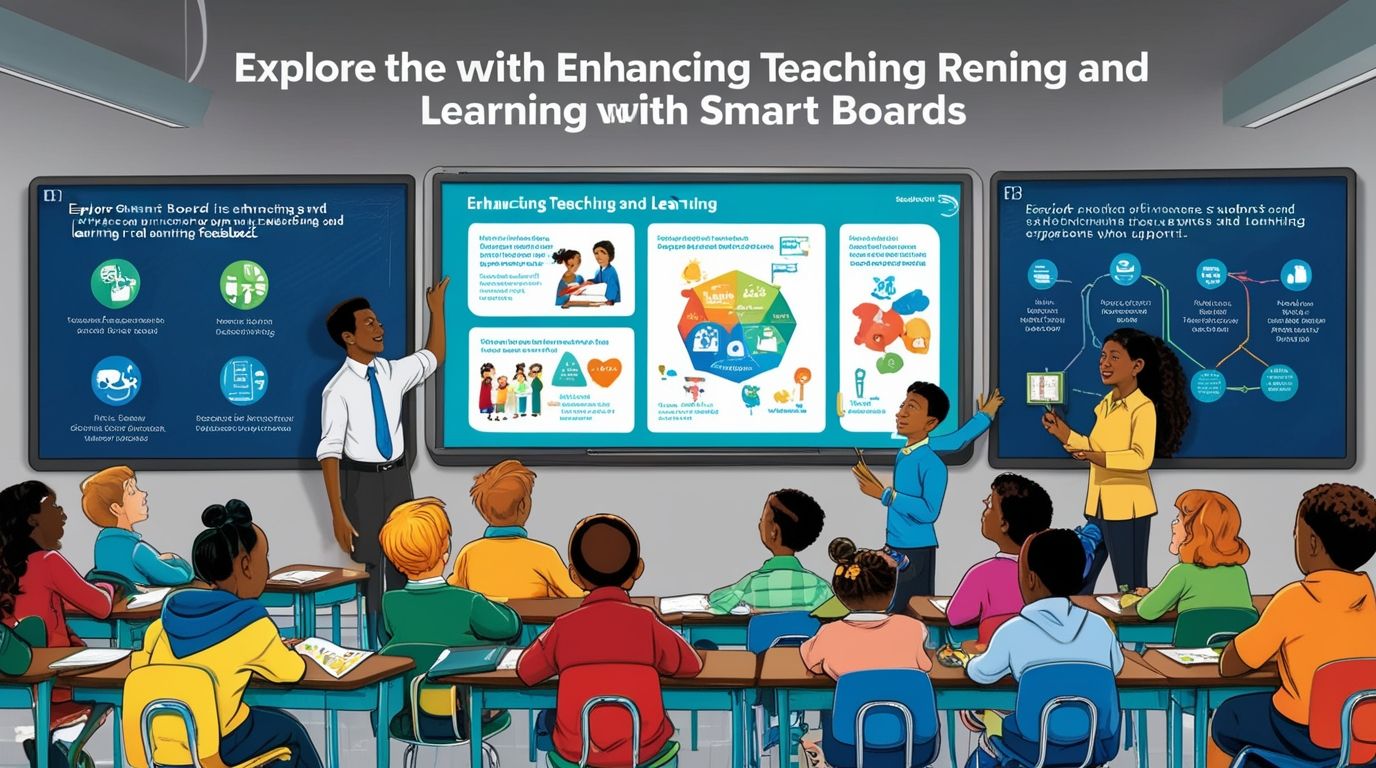
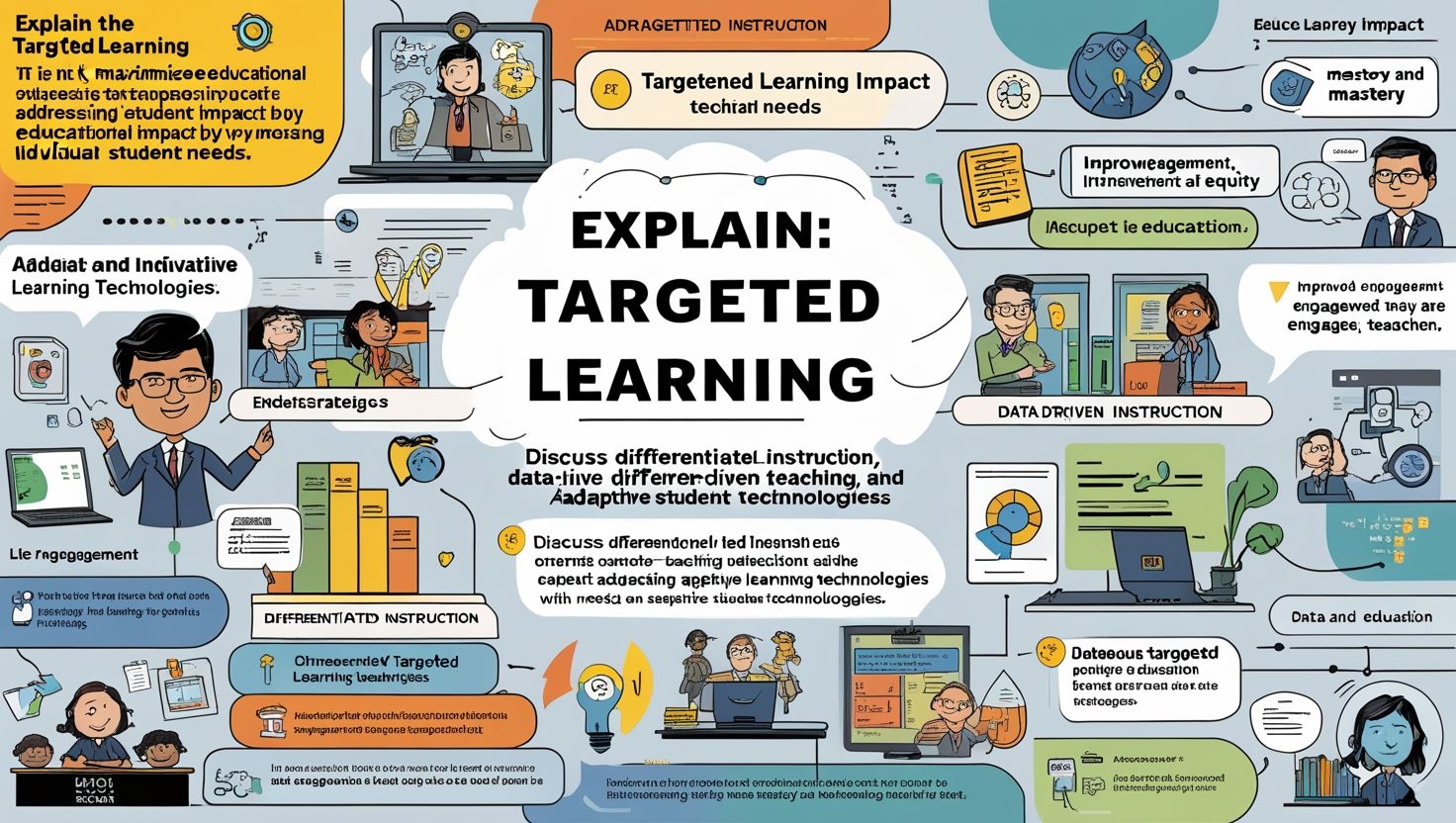
One of the most significant contributions of AI in education is personalized learning. AI systems analyze student data, including performance, learning pace, and preferences, to tailor educational content accordingly. This approach allows students to learn at their own pace and focus on areas requiring improvement.
Research shows that AI enables individualized feedback and adaptive learning paths, which improve student engagement and academic performance . Personalized learning also reduces the limitations of traditional “one-size-fits-all” teaching models.
2.2 Intelligent Tutoring Systems
AI-powered tutoring systems provide real-time assistance to students, functioning as virtual teachers. These systems can answer questions, explain concepts, and provide practice exercises.
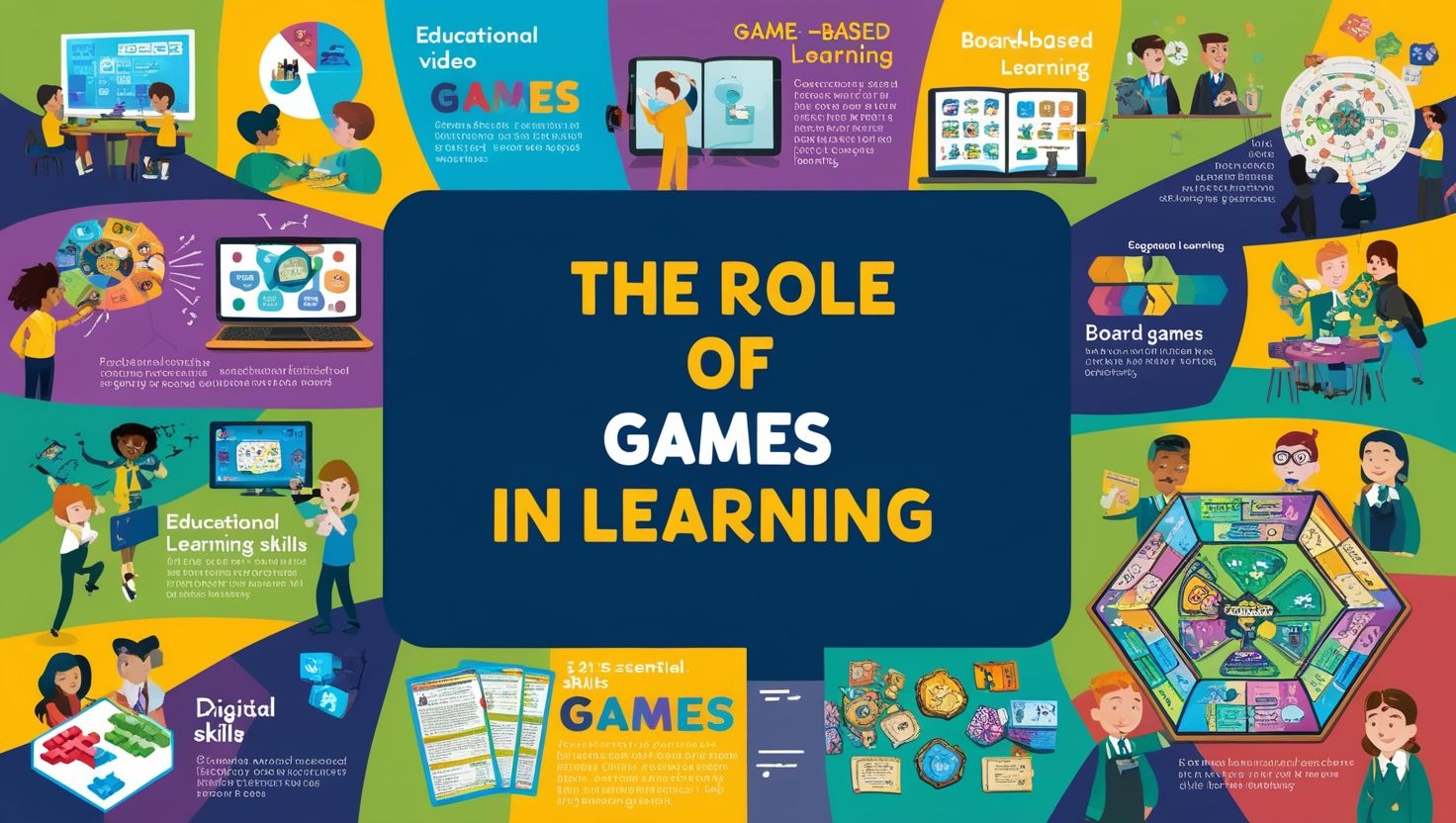
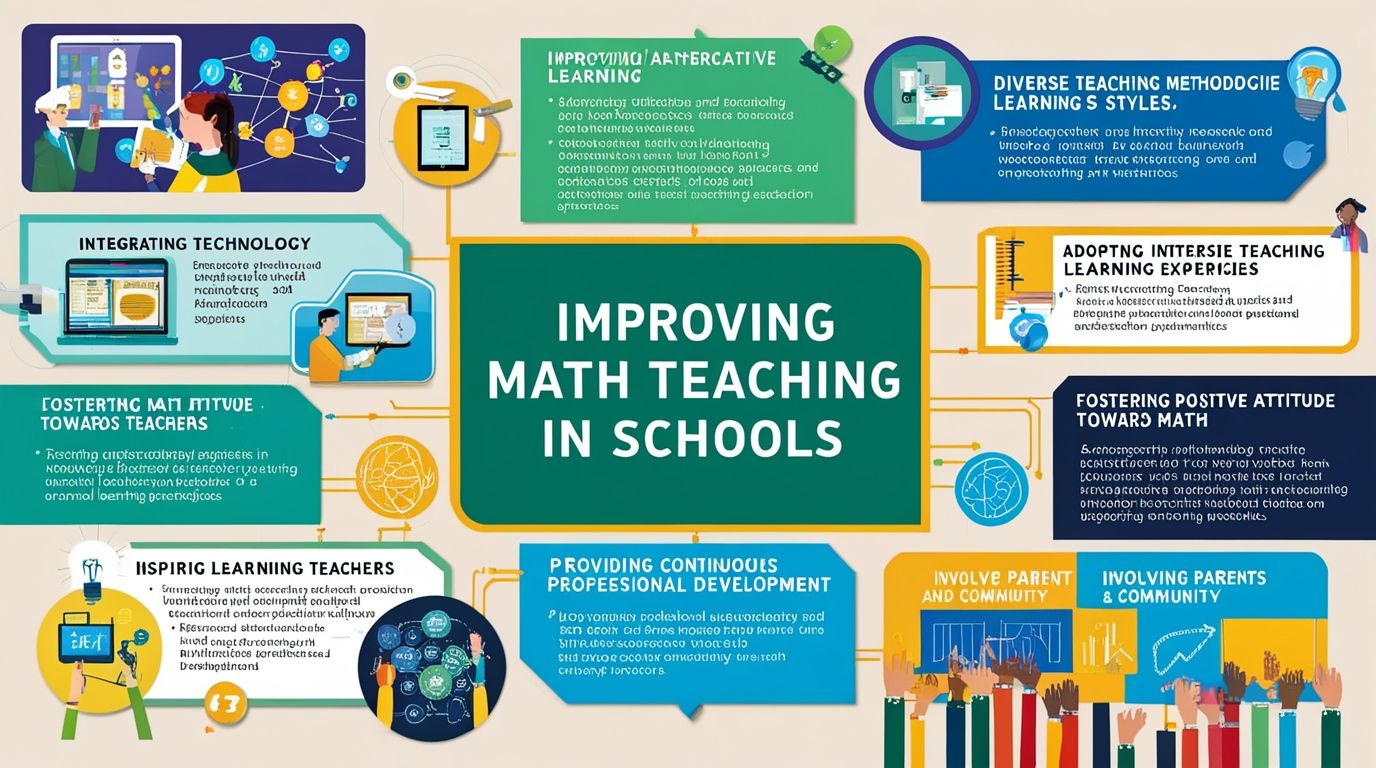
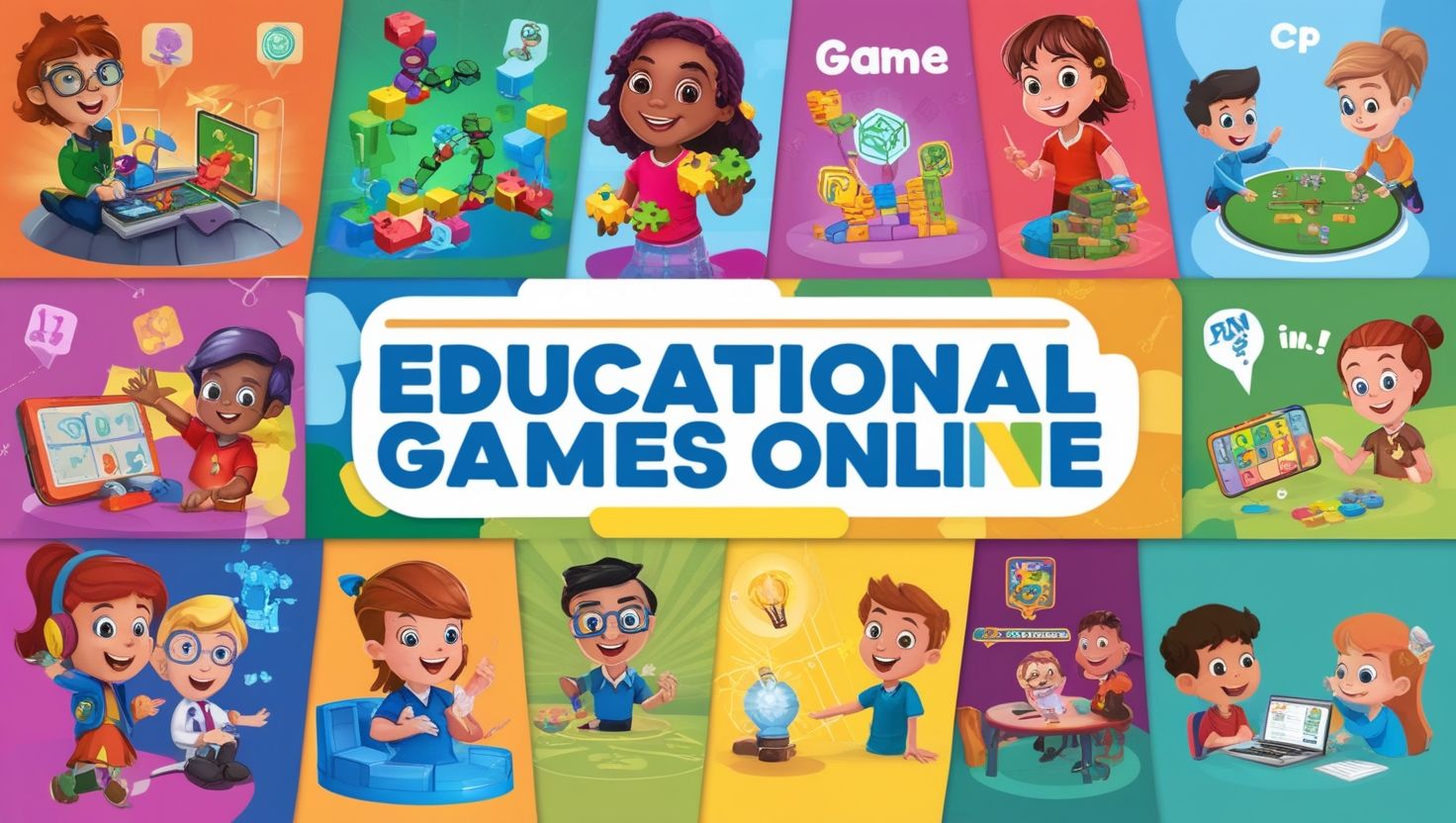
Such tools are particularly beneficial in subjects like mathematics and computer science, where students often require step-by-step guidance. AI-driven simulations and educational games further enhance understanding by making complex concepts interactive and engaging .
2.3 Automation of Administrative Tasks
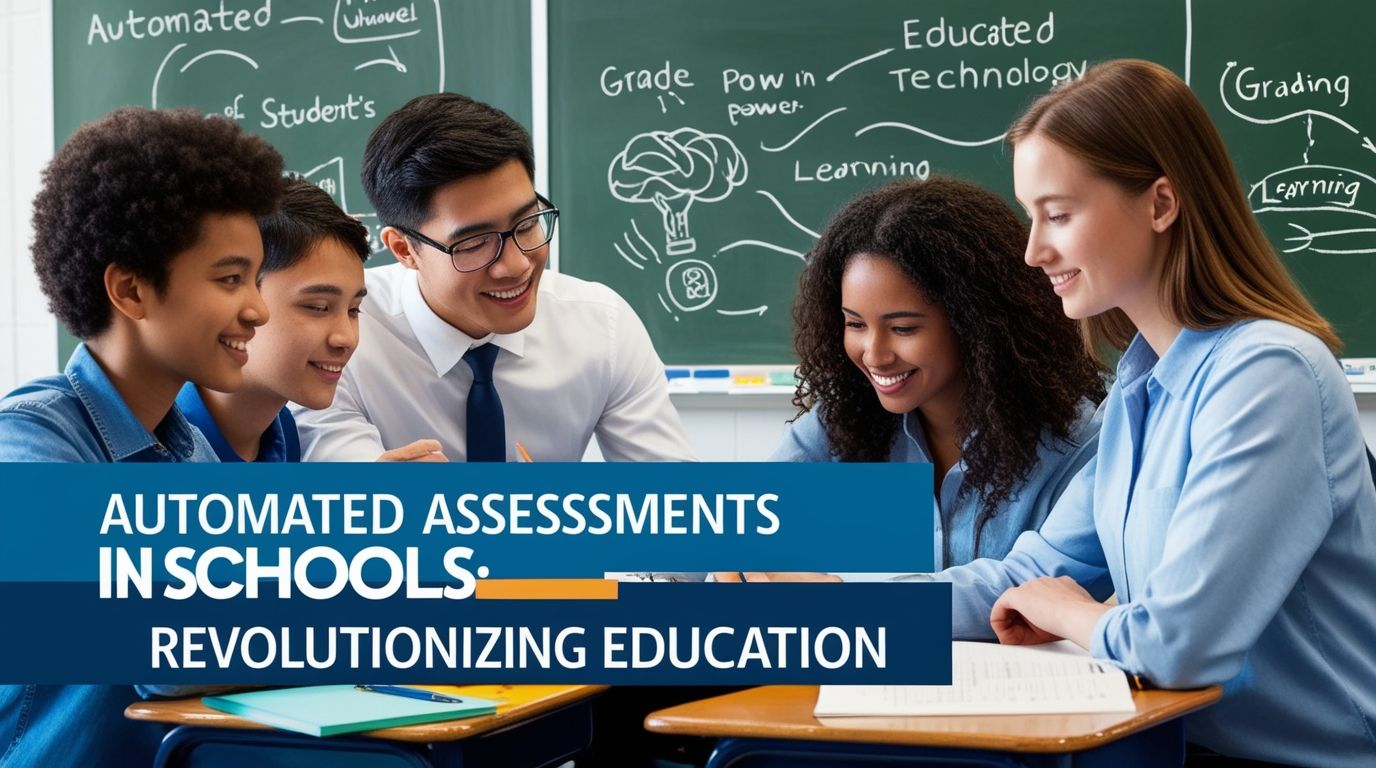
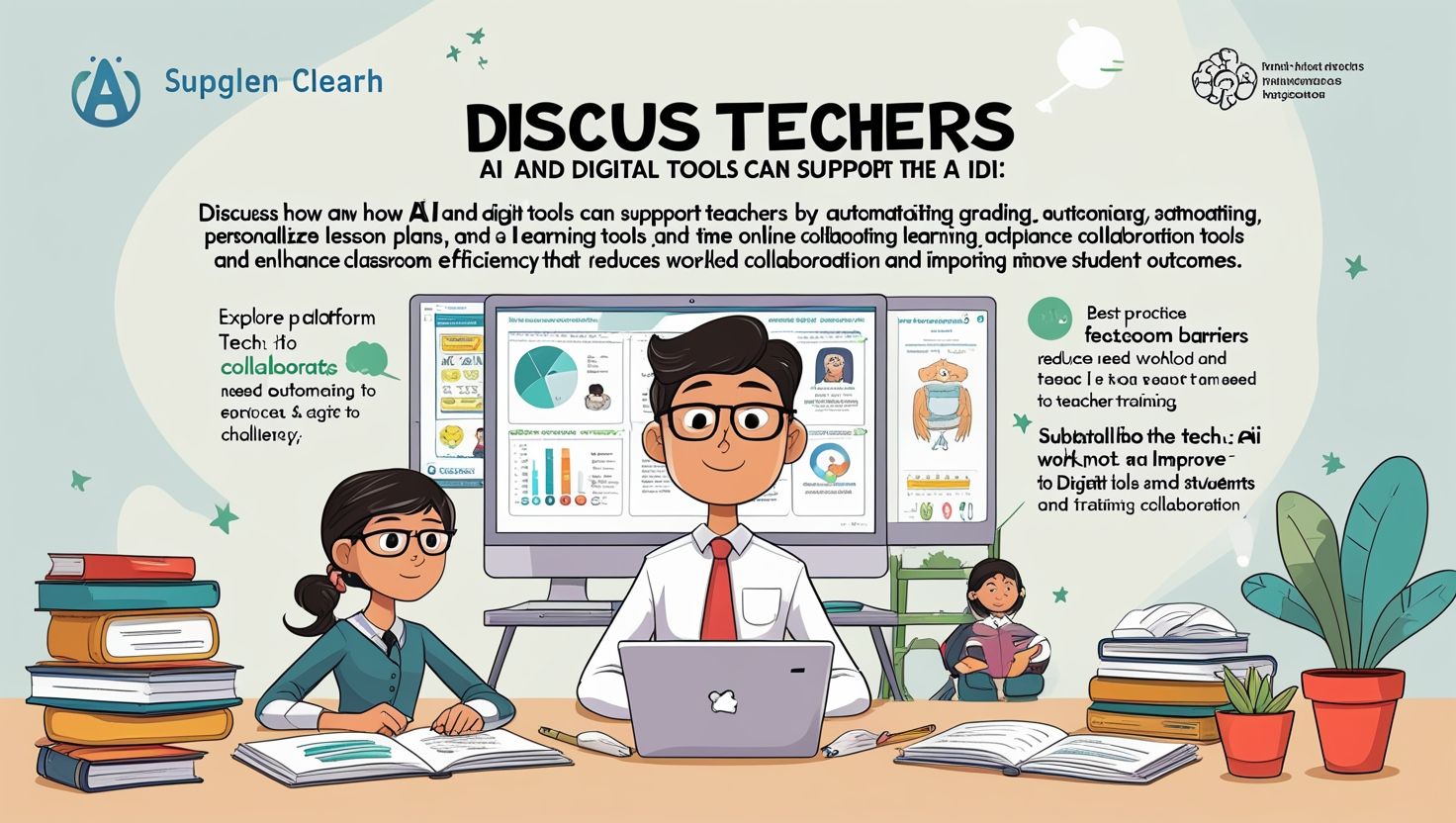
AI significantly reduces the administrative burden on teachers by automating tasks such as grading, attendance tracking, and scheduling. Automated grading systems provide quick and consistent feedback, allowing teachers to focus more on instructional activities.
This efficiency improves overall productivity in educational institutions and enhances the quality of teaching .
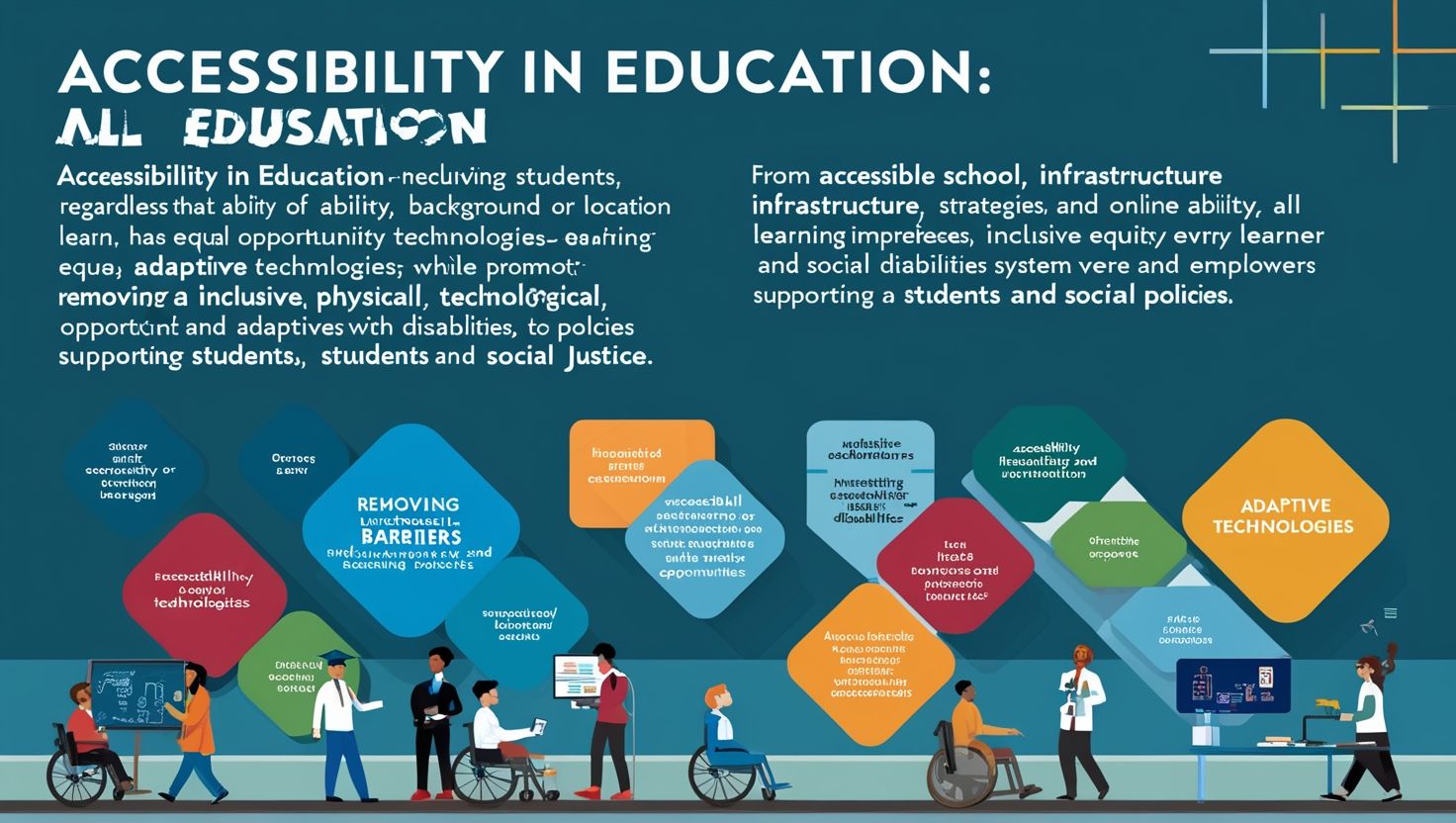
2.4 Enhancing Accessibility and Inclusion
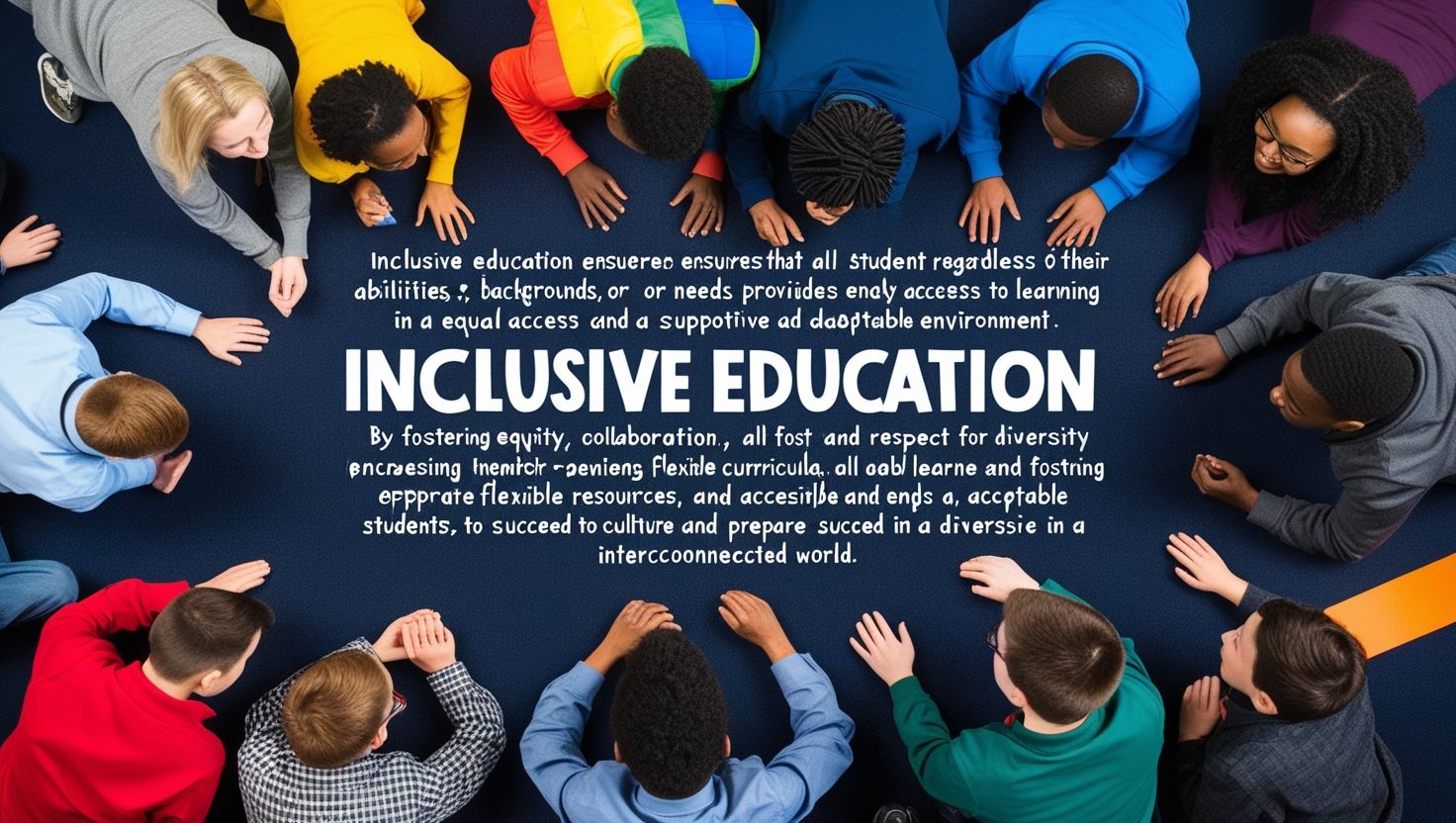
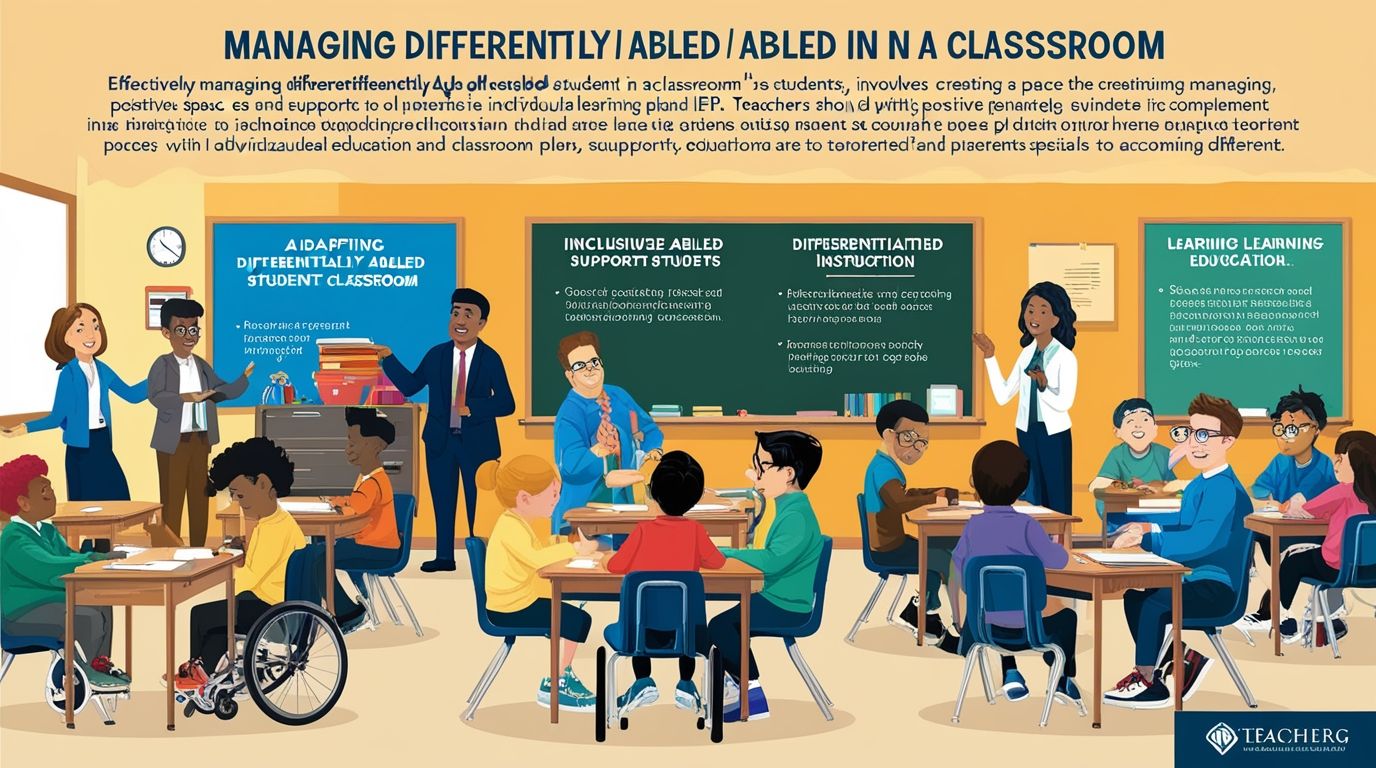
AI technologies promote inclusive education by supporting students with diverse needs. Tools such as speech recognition, text-to-speech, and language translation enable students with disabilities or language barriers to access education more effectively.
AI also facilitates remote learning, making education accessible to students in rural or underserved areas .
3. Importance of Computer Skills in Schools
3.1 Digital Literacy
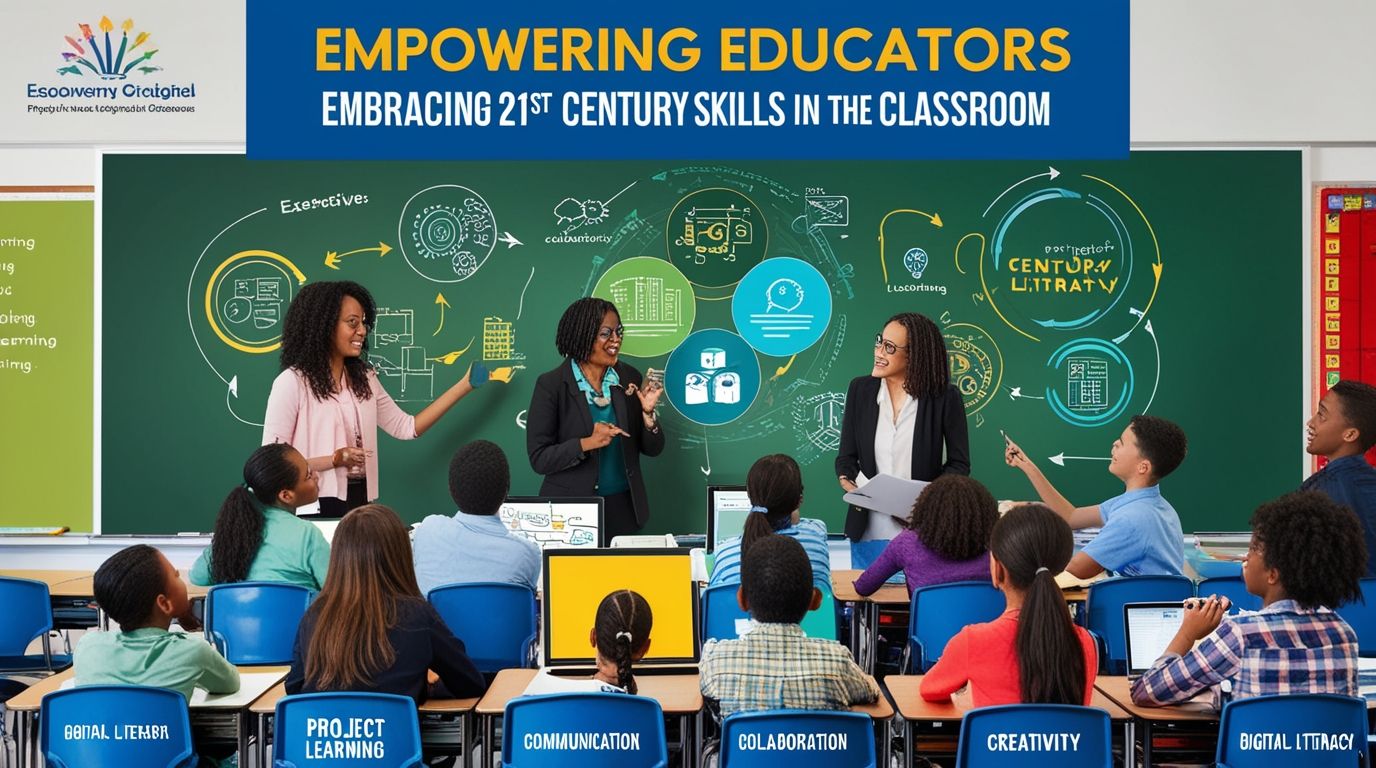
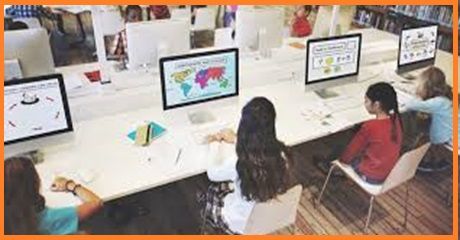
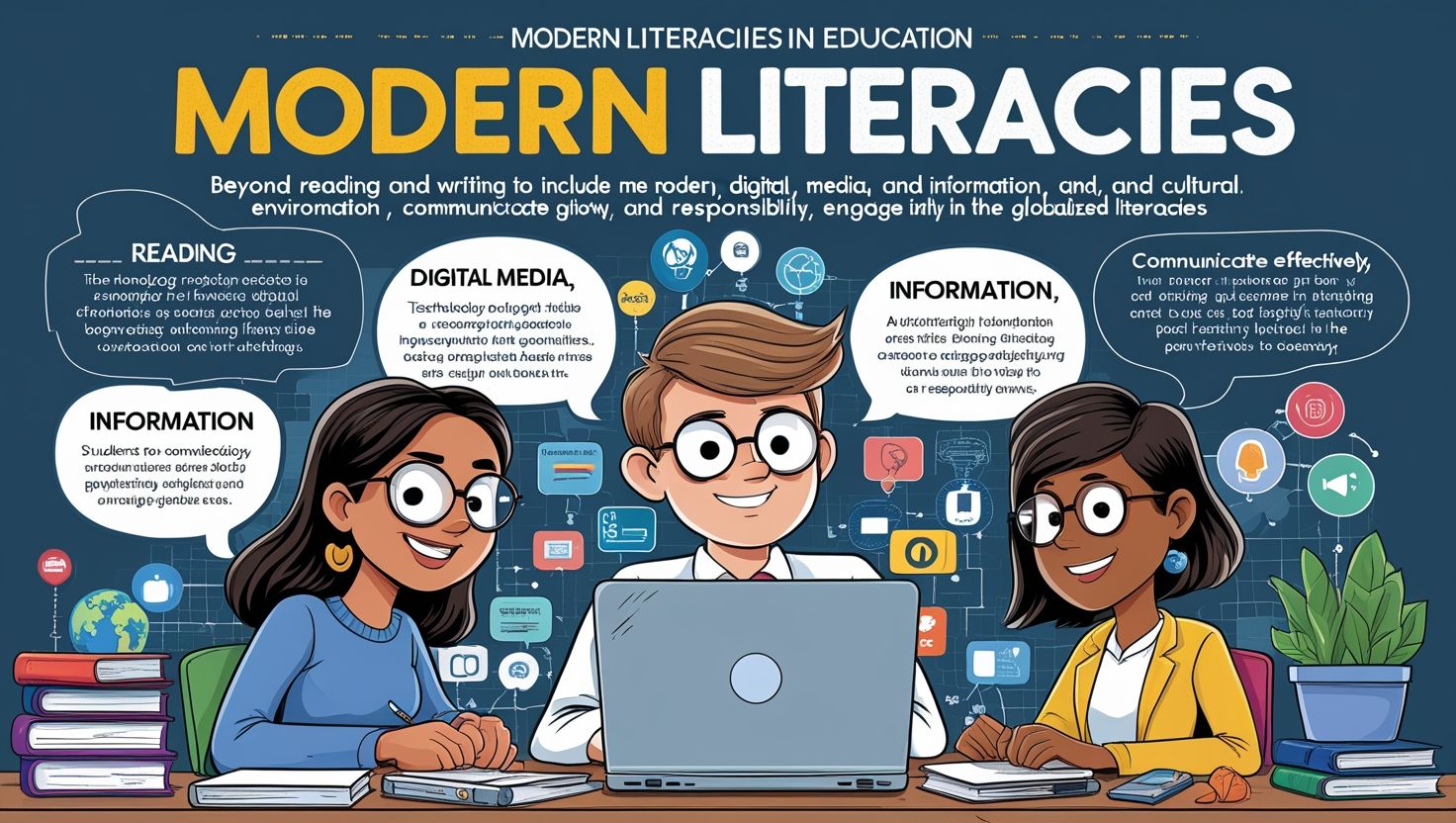
Digital literacy is the foundation of computer skills. It includes the ability to use computers, navigate the internet, and evaluate digital information critically. In the modern world, digital literacy is as essential as reading and writing.
Students equipped with digital literacy skills can access vast amounts of information, conduct research, and communicate effectively.
3.2 Programming and Computational Thinking
Programming skills and computational thinking are critical components of modern education. These skills enable students to understand how technology works and develop problem-solving abilities.
Computational thinking involves breaking down complex problems into manageable parts and designing logical solutions. AI integration further enhances these skills by providing interactive coding platforms and real-time feedback.
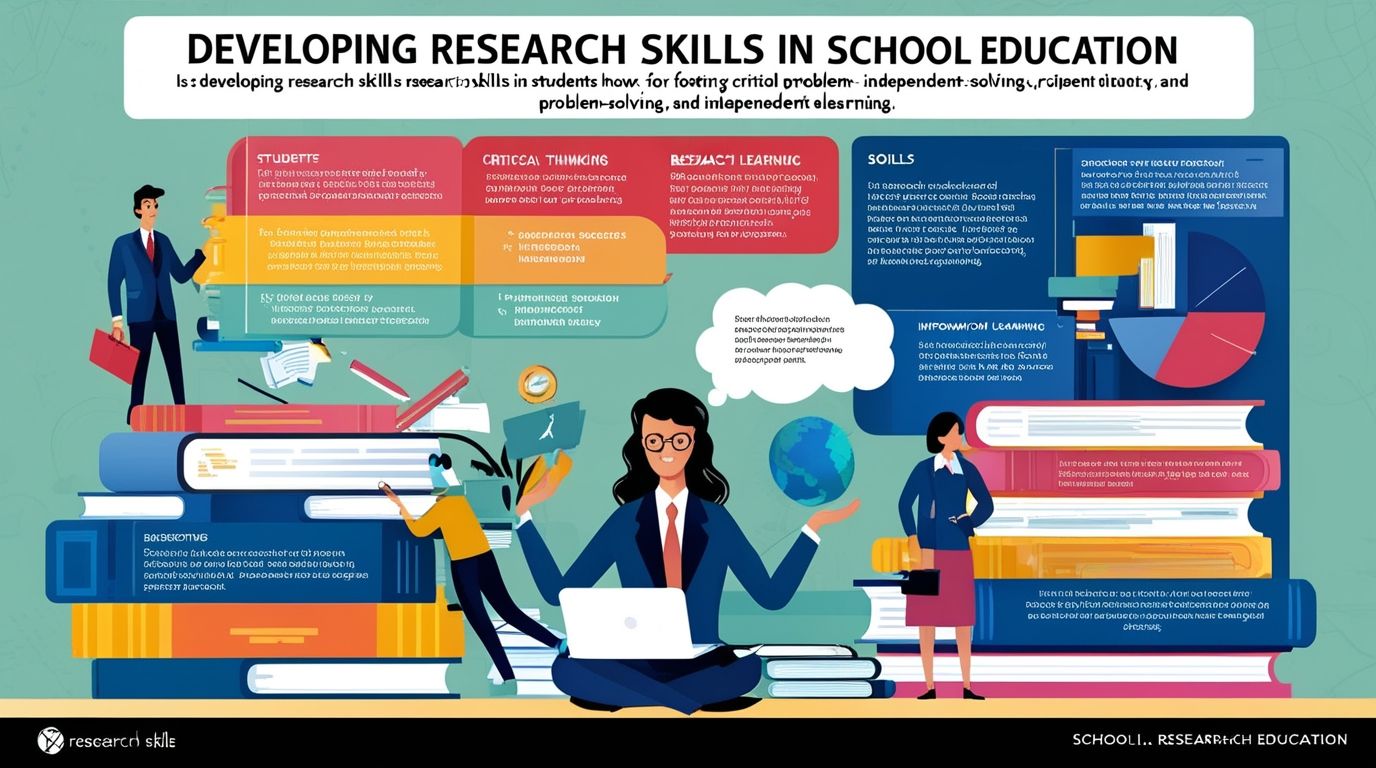
3.3 Data Analysis and Research Skills
AI tools enable students to analyze large datasets, conduct research, and generate insights efficiently. These skills are particularly important in scientific and academic research.
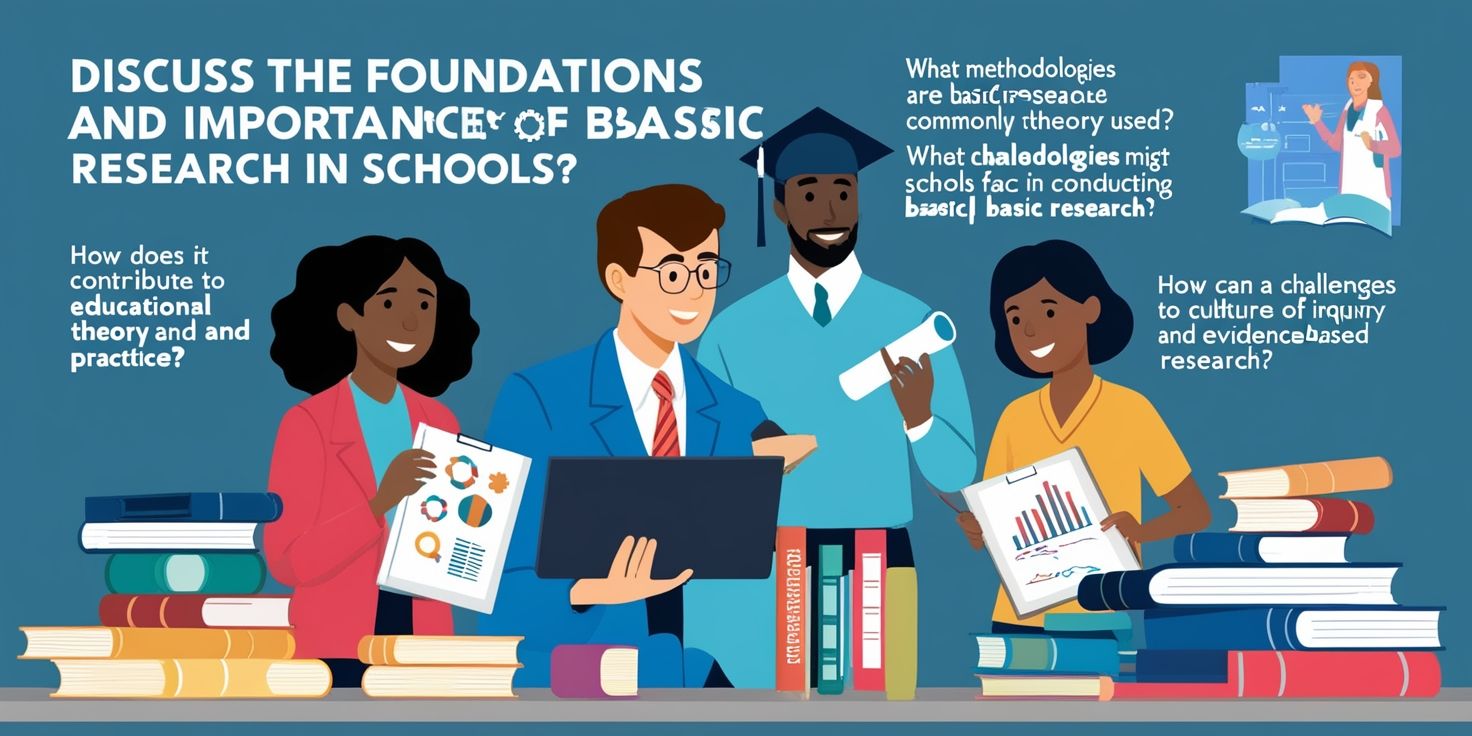
AI-assisted tools can help students with data visualization, statistical analysis, and academic writing, improving the quality and efficiency of research work .
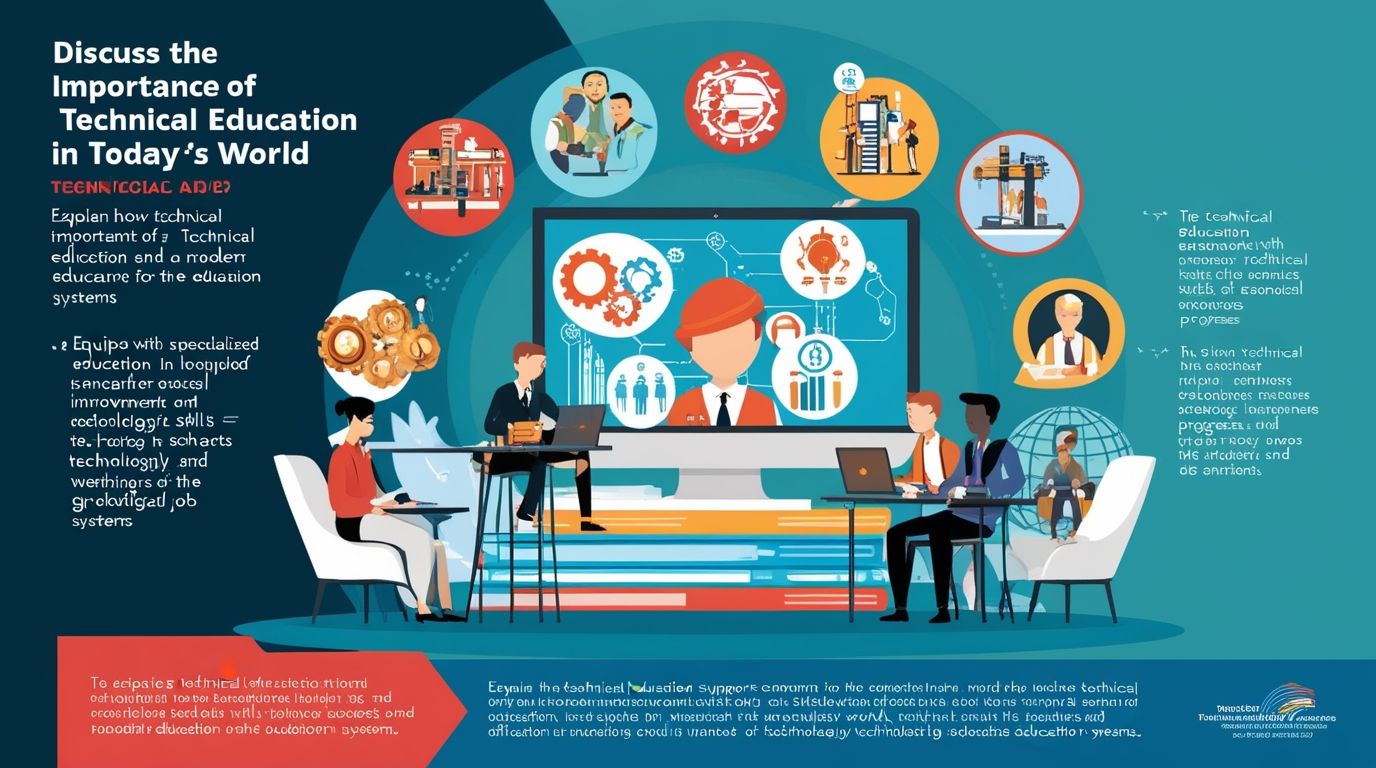
3.4 Preparation for Future Careers
The demand for digital and AI-related skills is increasing globally. Students with strong computer skills are better prepared for careers in fields such as software development, data science, and artificial intelligence.
Educational systems must therefore prioritize computer education to ensure students remain competitive in the global job market.
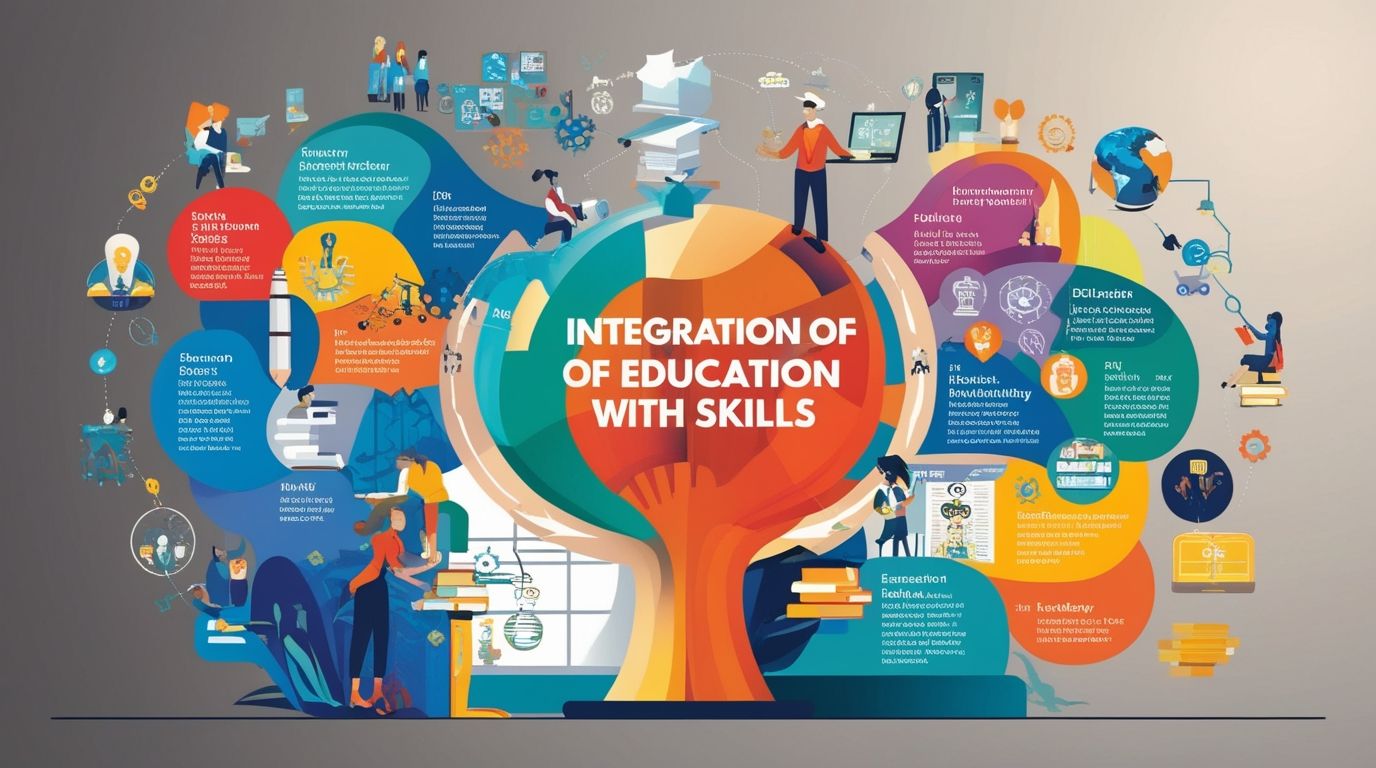
4. Integration of AI and Computer Skills
The integration of AI and computer skills in schools creates a synergistic effect, enhancing both teaching and learning processes.
4.1 AI as a Tool for Learning Computer Skills
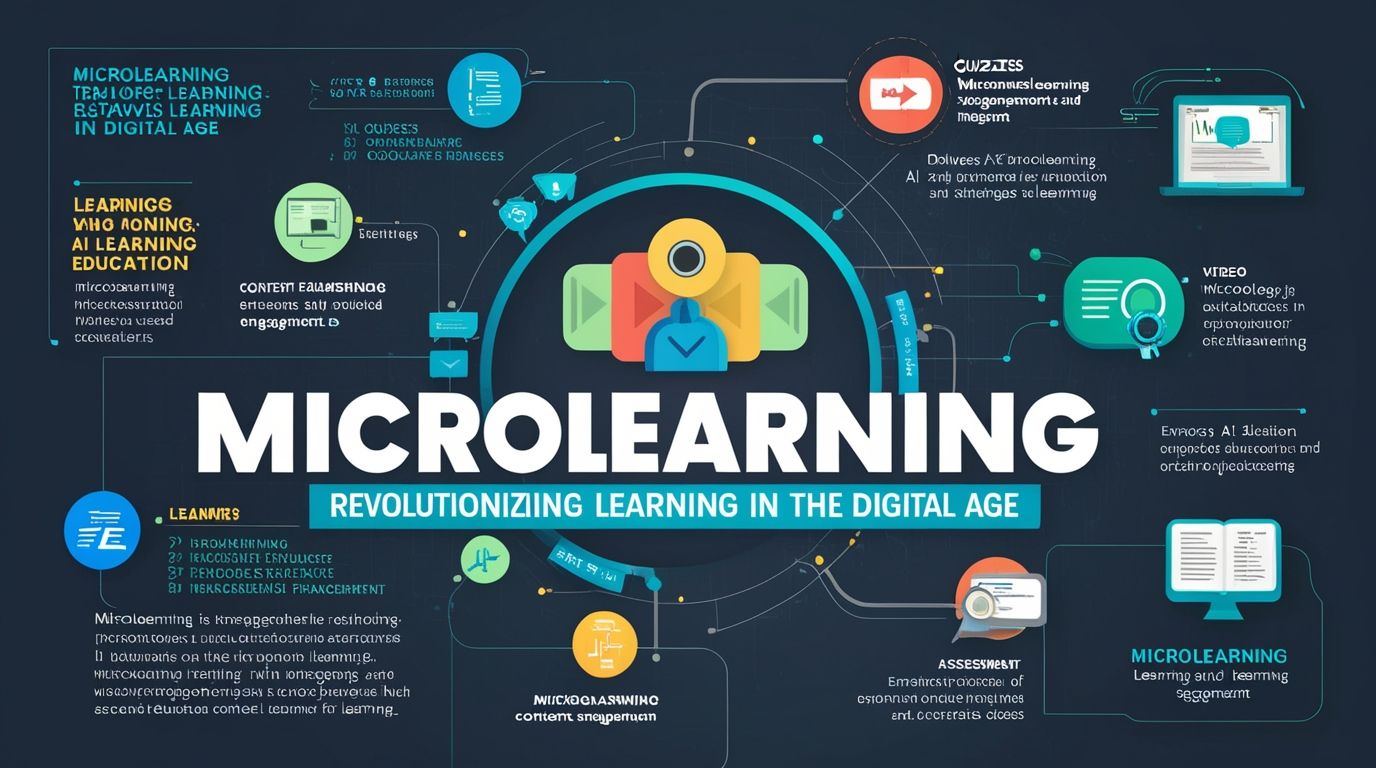
AI-based platforms provide interactive environments for learning programming and computer science concepts. These platforms offer real-time feedback, error detection, and personalized guidance, making learning more effective.
4.2 AI-Driven Curriculum Design
AI can analyze educational data to design curricula that meet students’ needs and align with industry demands. This ensures that students acquire relevant skills for future careers.
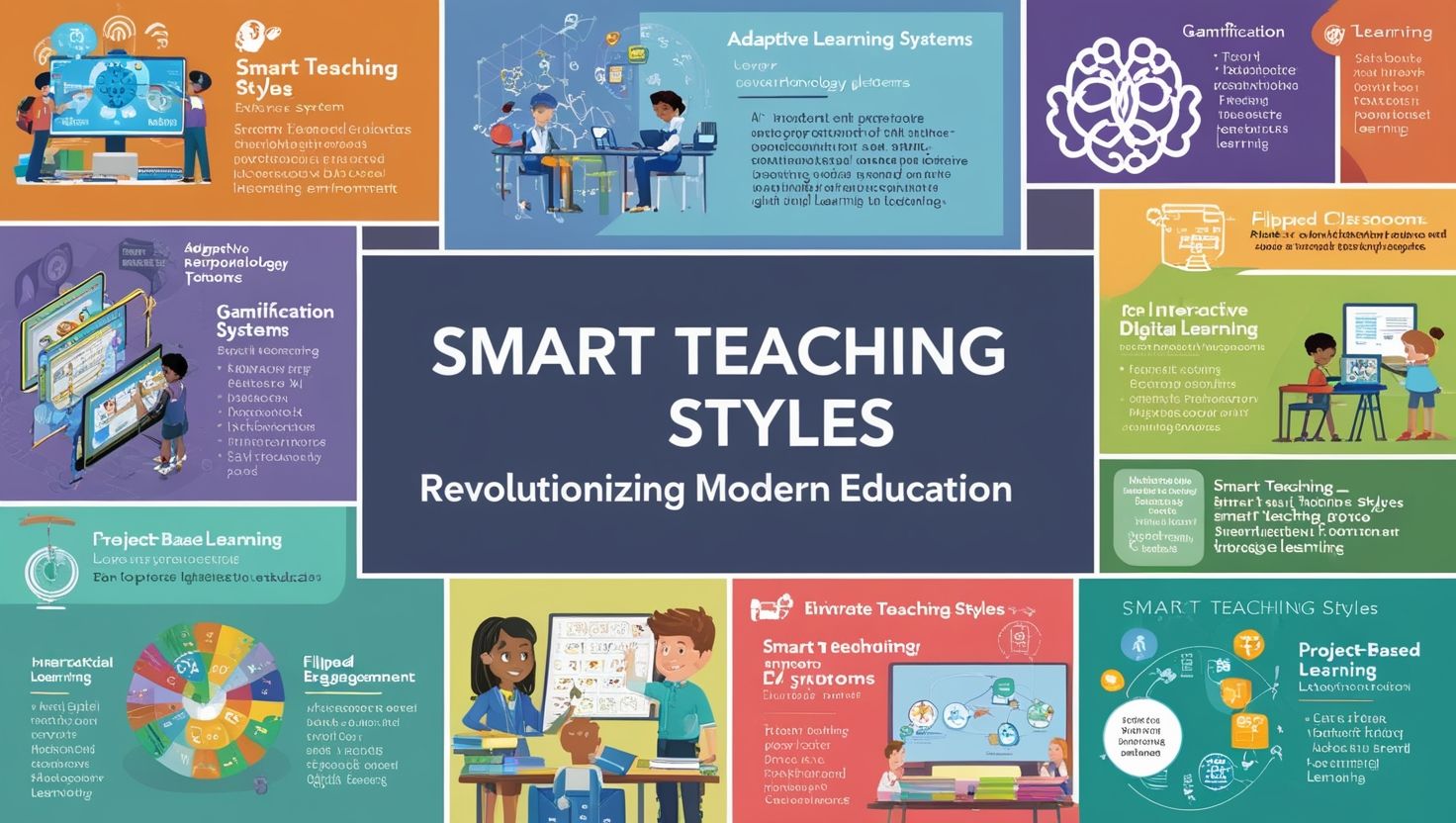
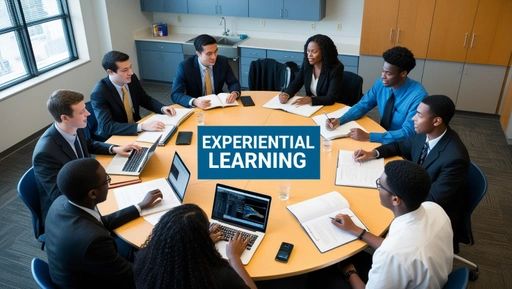
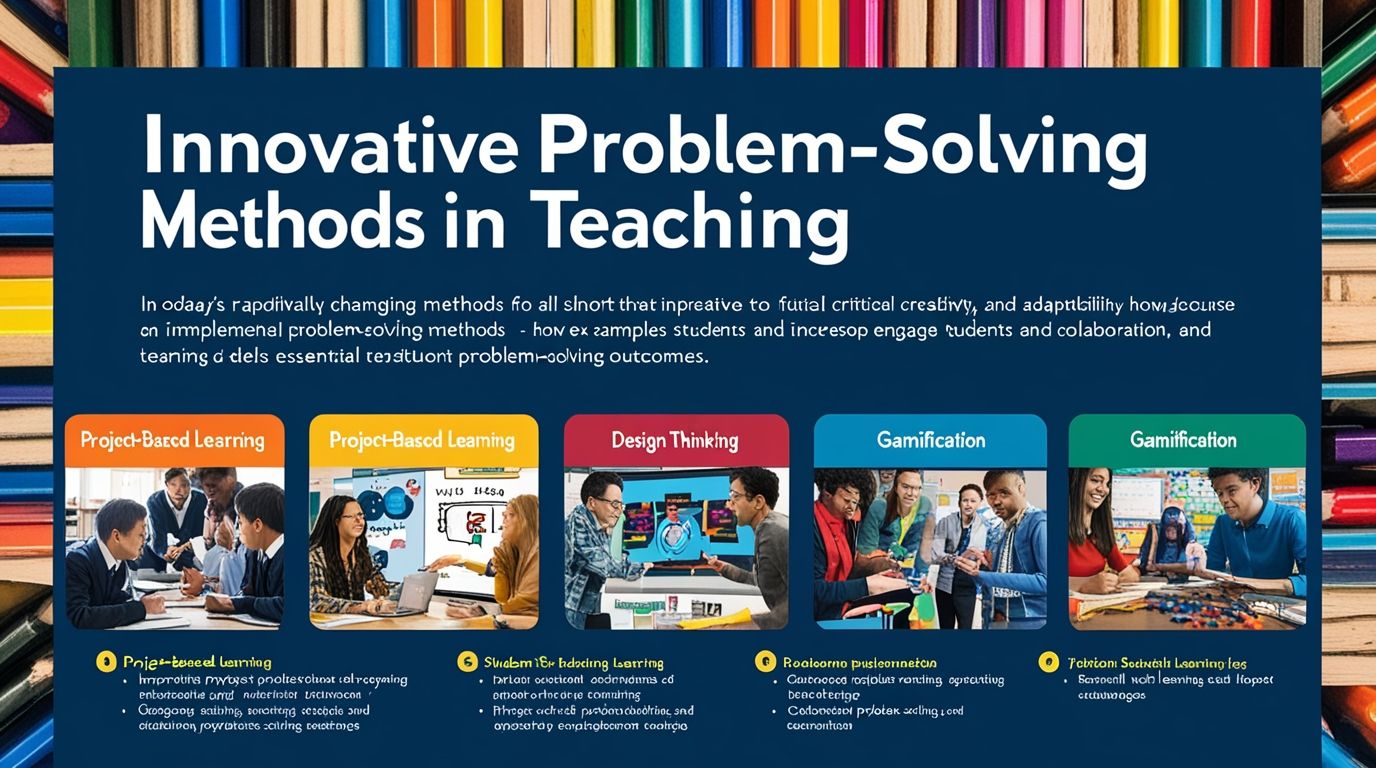
4.3 Project-Based Learning
AI tools support project-based learning by enabling students to work on real-world problems. For example, students can use AI to develop applications, analyze data, or create simulations.
This approach promotes critical thinking, creativity, and collaboration.
5. Challenges of AI and Computer Skills in Schools
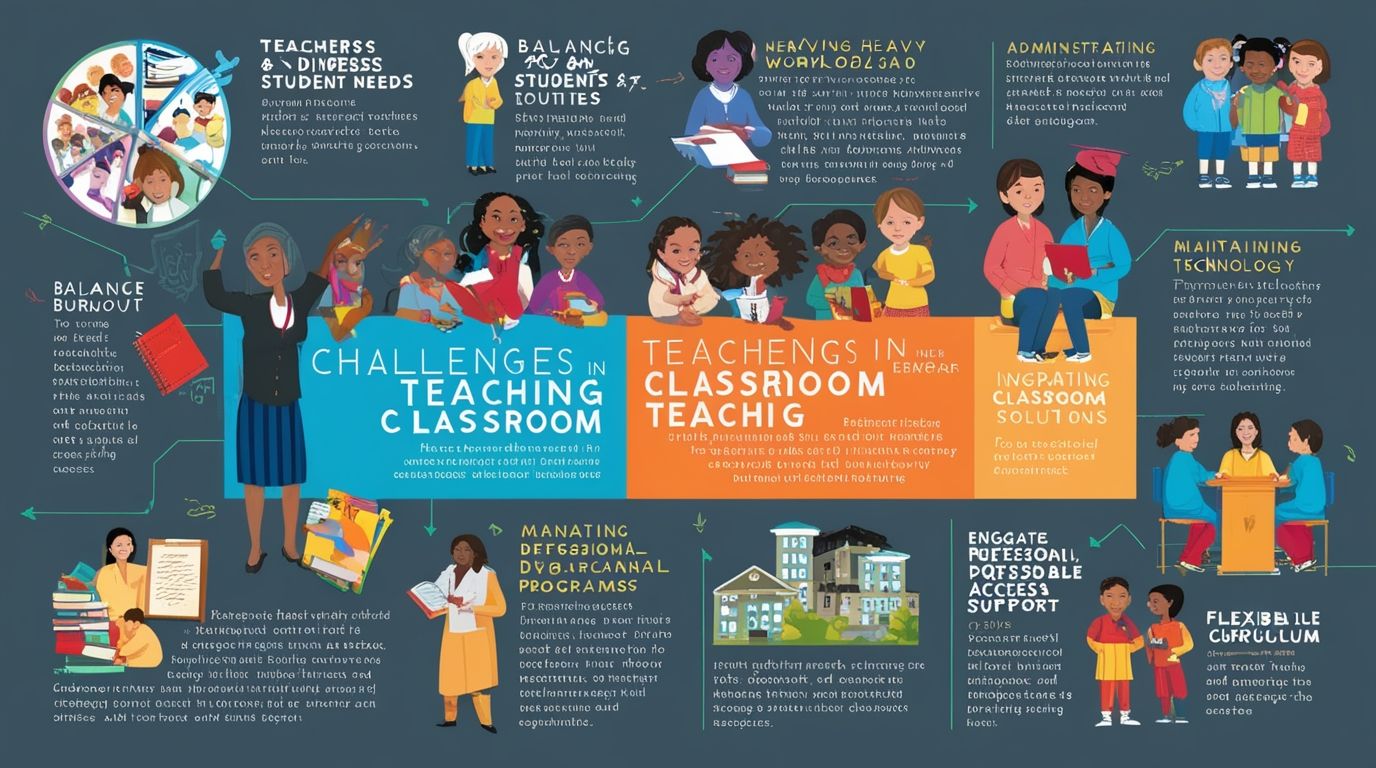
Despite its benefits, the integration of AI and computer skills in education presents several challenges.
5.1 Digital Divide
One of the major challenges is the digital divide, where students from disadvantaged backgrounds lack access to computers and internet connectivity. This creates inequality in educational opportunities.
5.2 Lack of Teacher Training
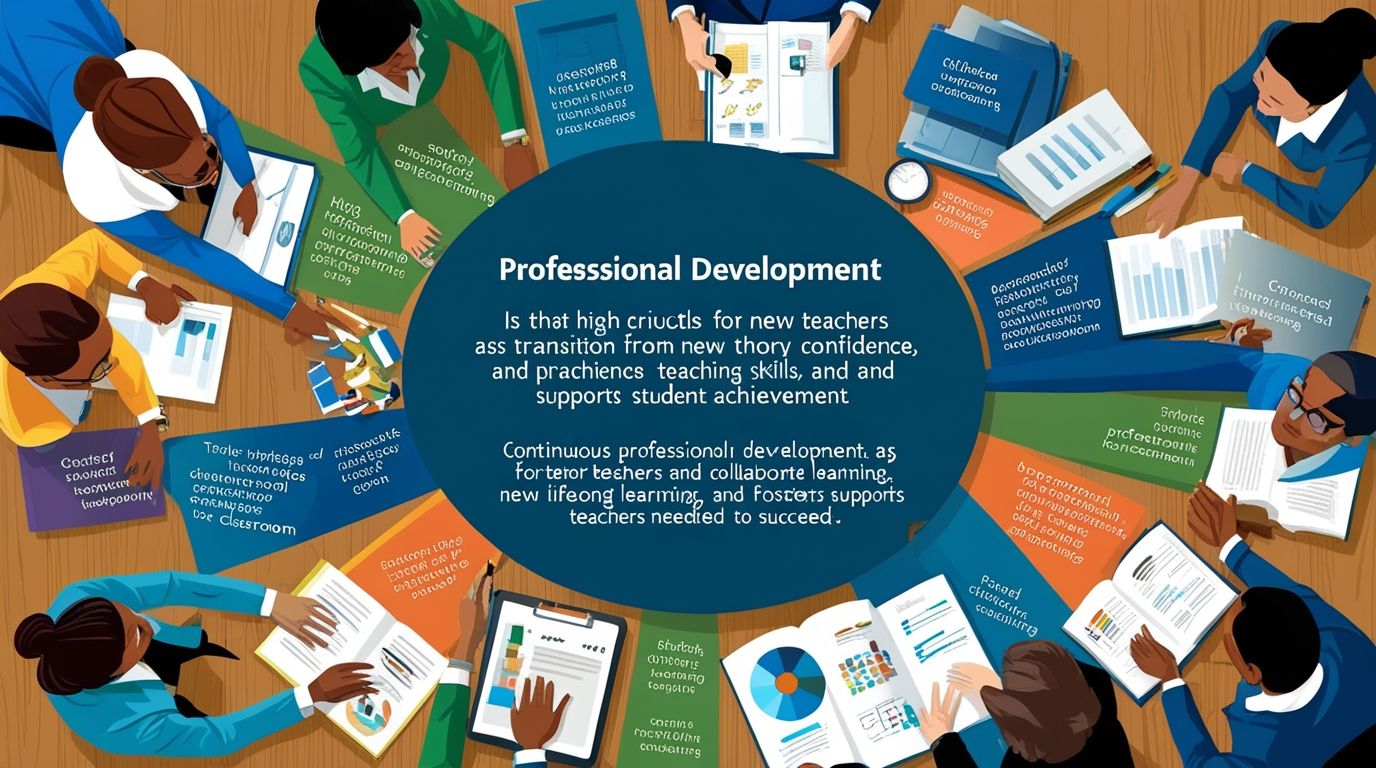
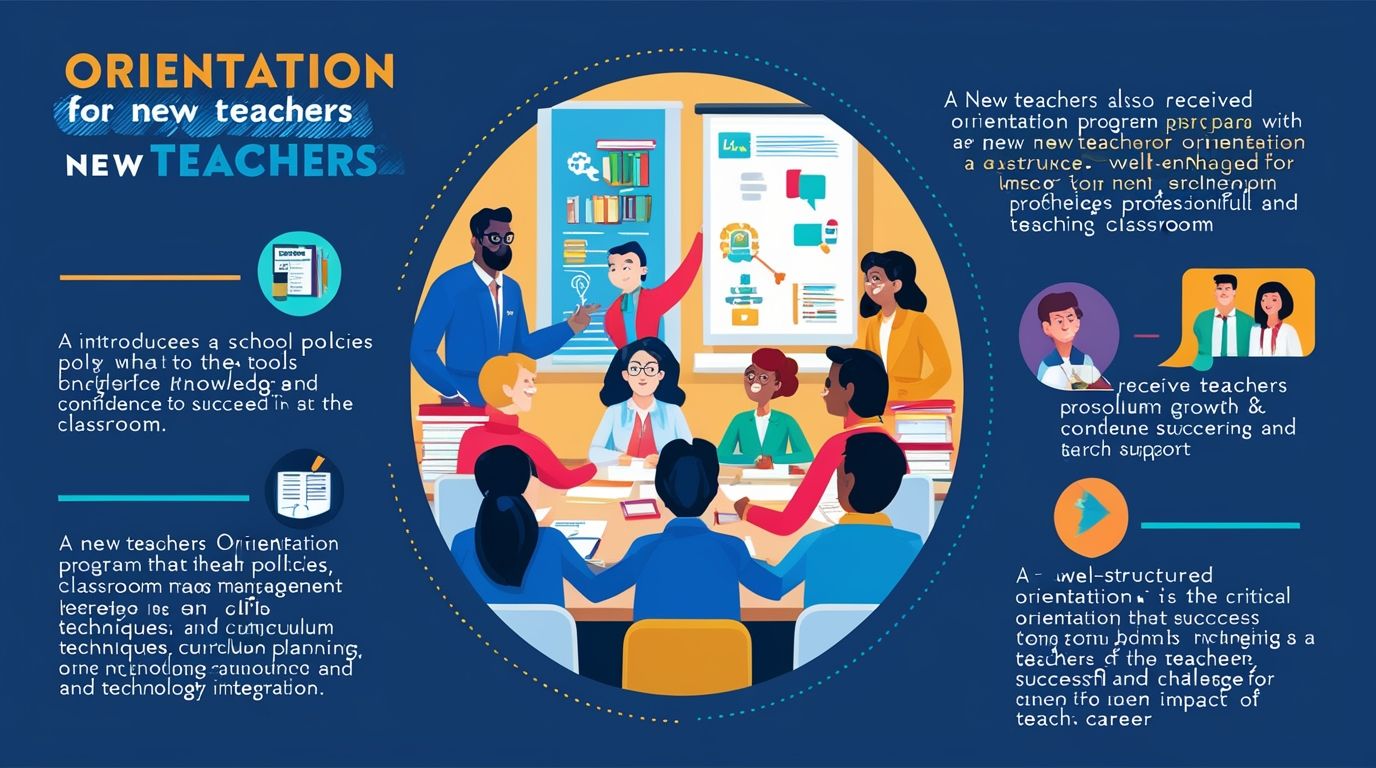
Teachers often lack the necessary training to effectively use AI tools in the classroom. Professional development programs are essential to equip educators with the required skills.
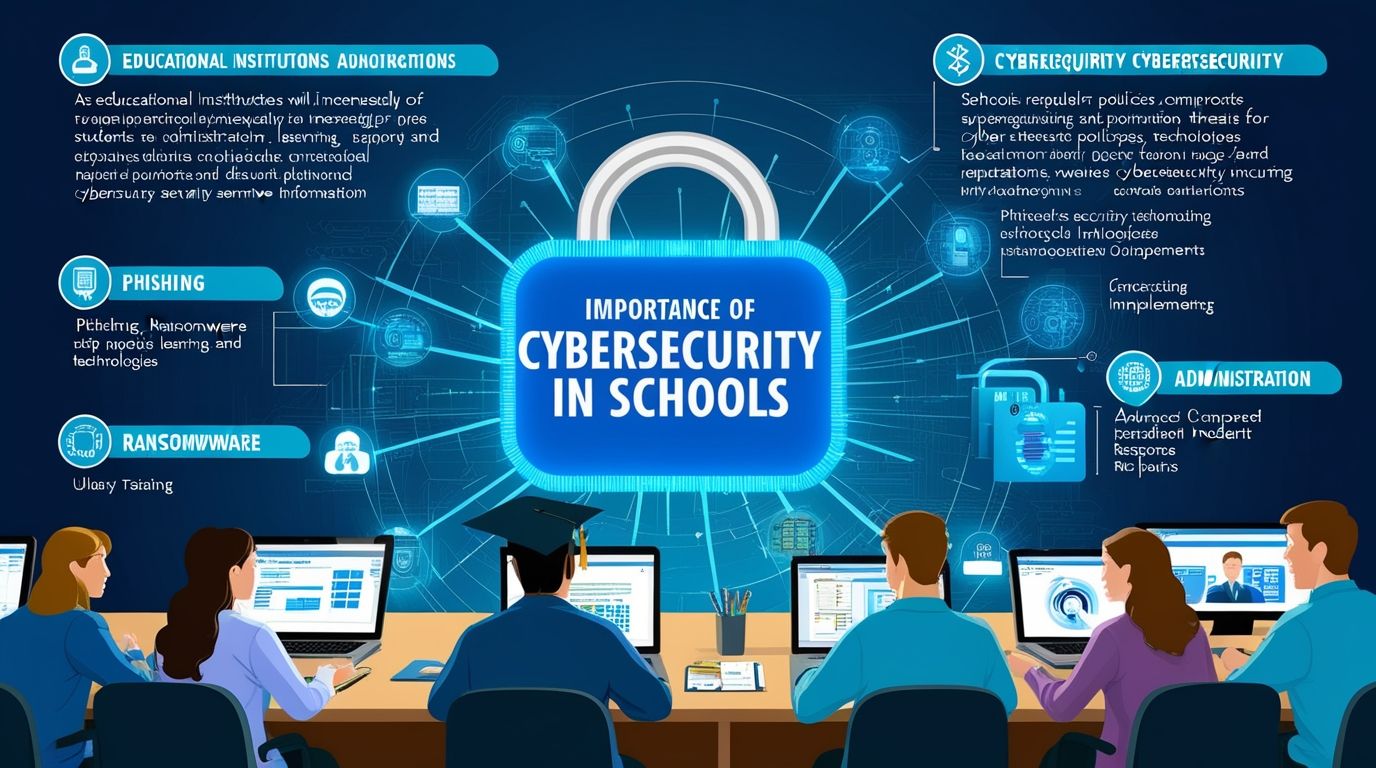
5.3 Ethical and Privacy Concerns
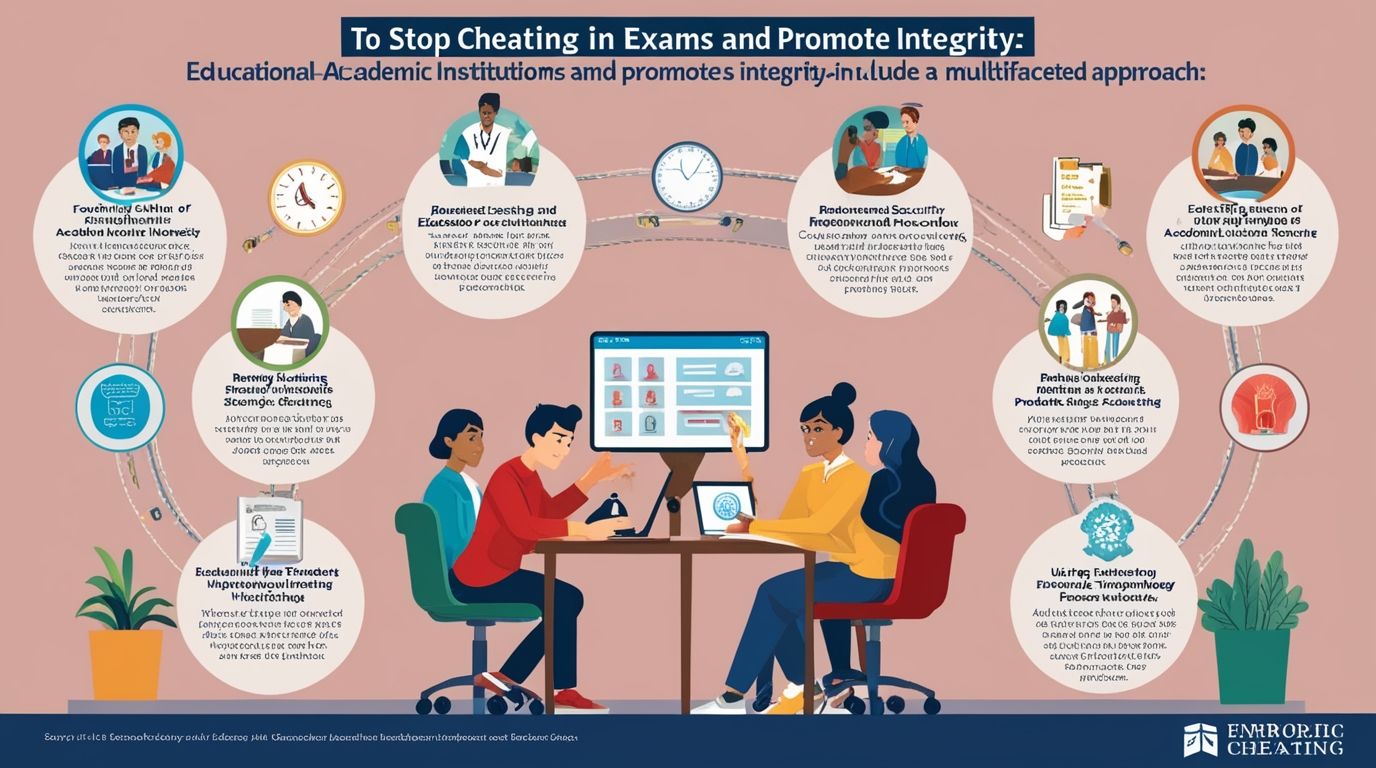
AI systems collect and analyze large amounts of student data, raising concerns about privacy and data security. Ensuring ethical use of AI is critical to protect students’ rights.
5.4 Over-Reliance on Technology
Excessive reliance on AI can negatively impact students’ critical thinking and problem-solving skills. Studies indicate that heavy dependence on AI tools may reduce creativity and independent learning .
5.5 Accuracy and Bias Issues
AI systems are not always accurate and may produce biased results. These limitations can affect the reliability of AI-generated content and assessments .
6. Pedagogical Implications
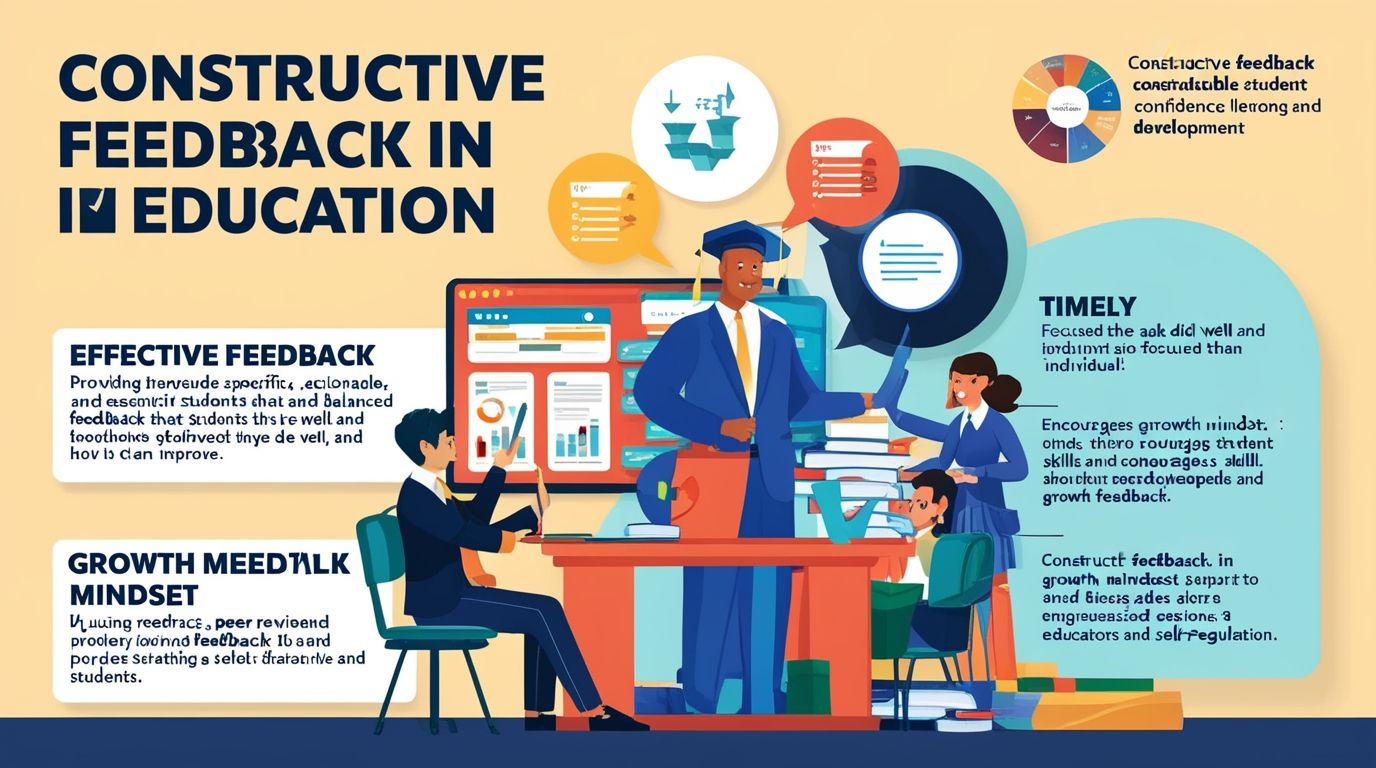
6.1 Shift from Teacher-Centered to Student-Centered Learning
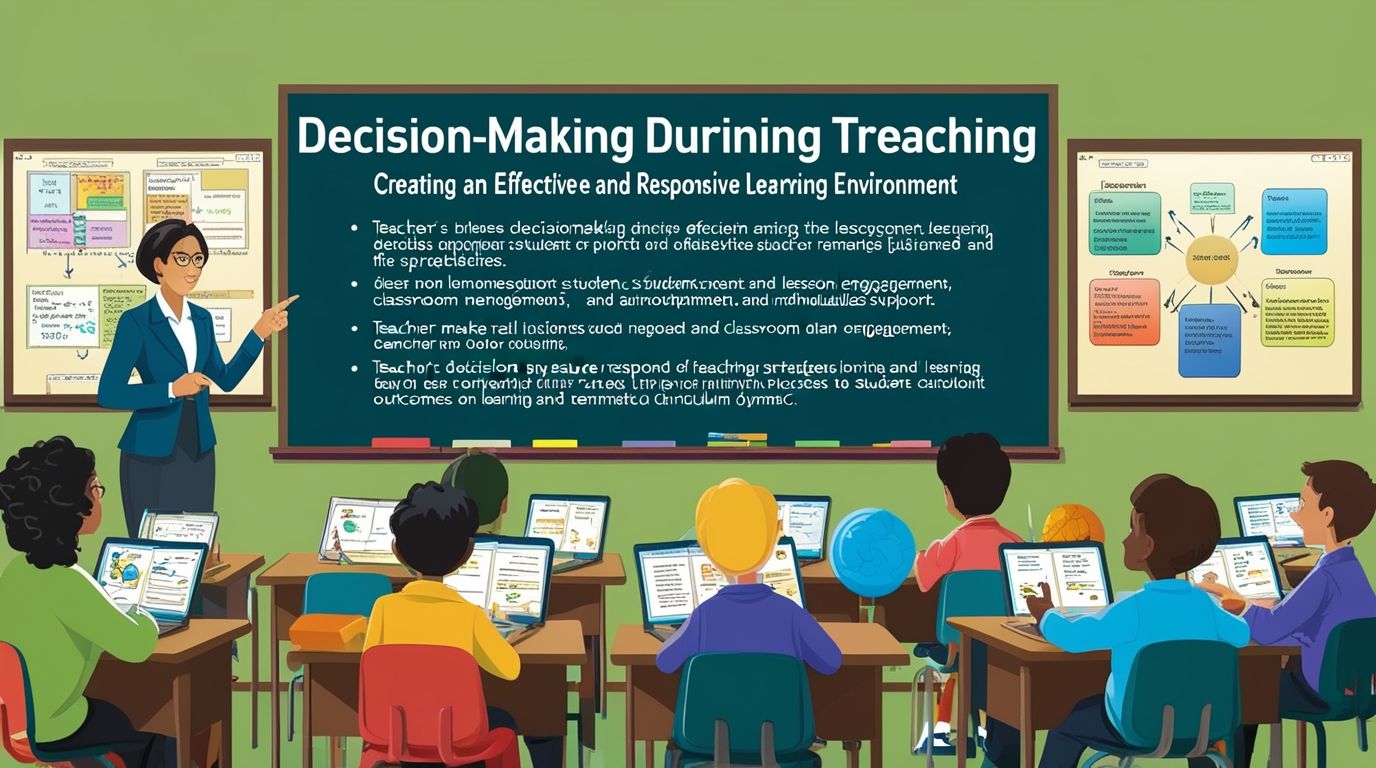
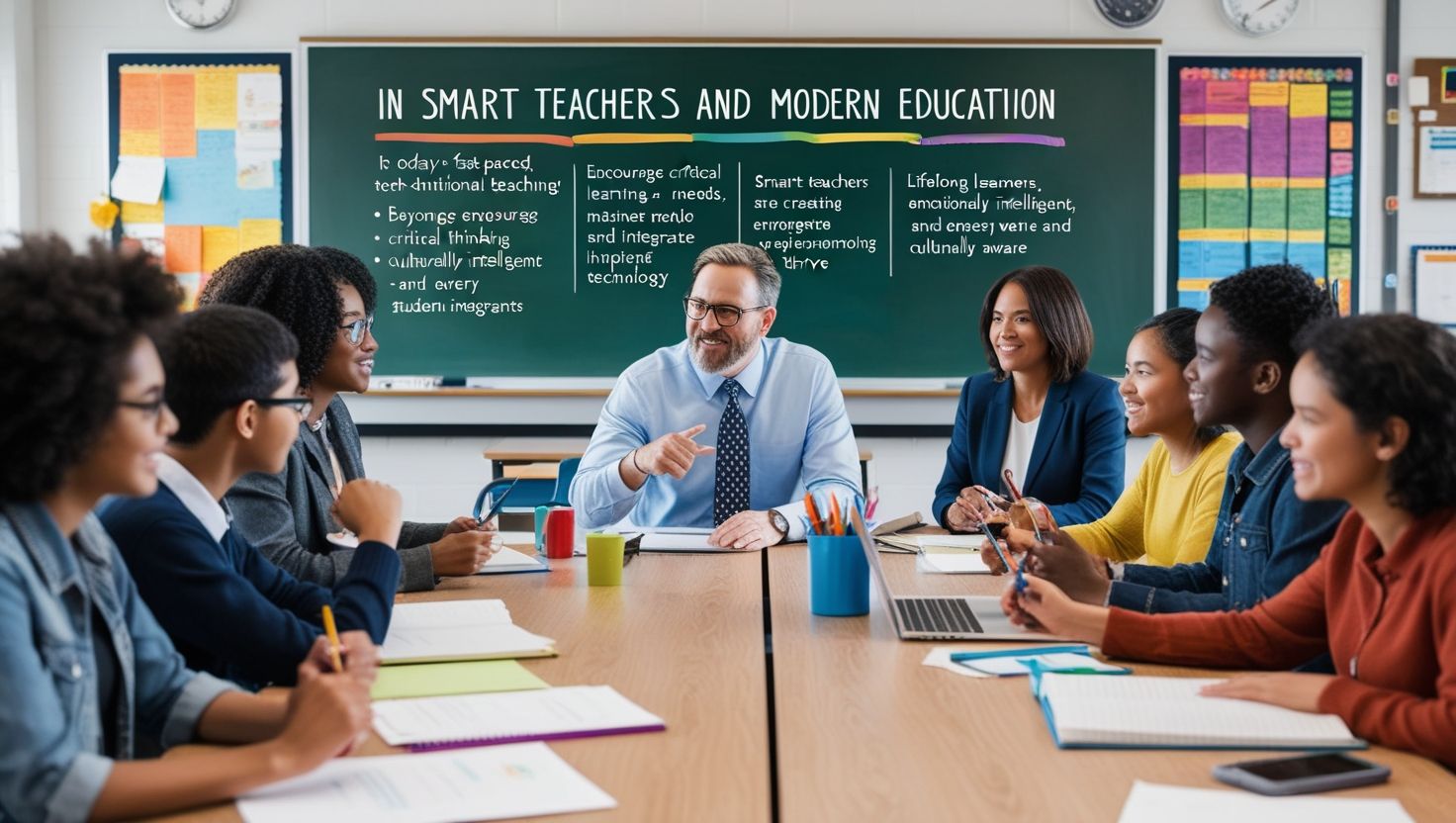
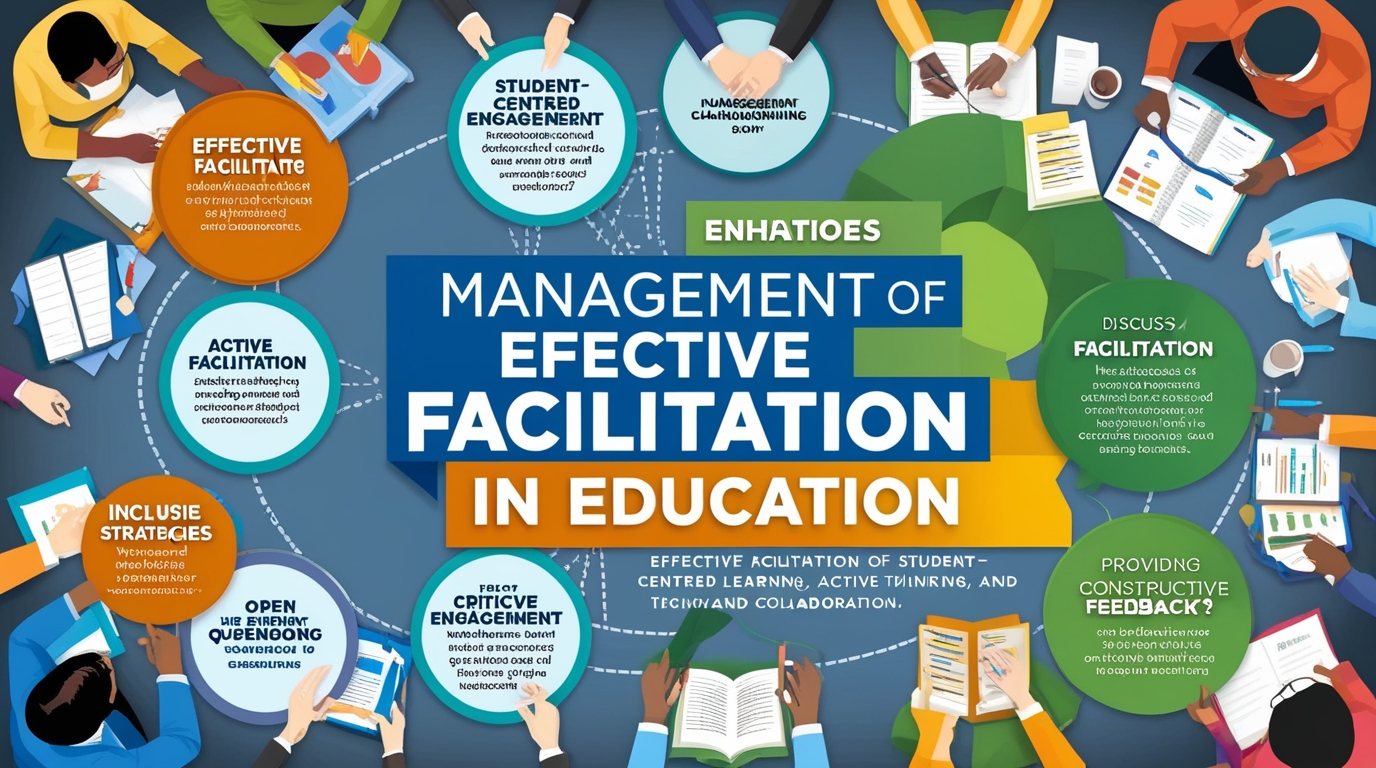
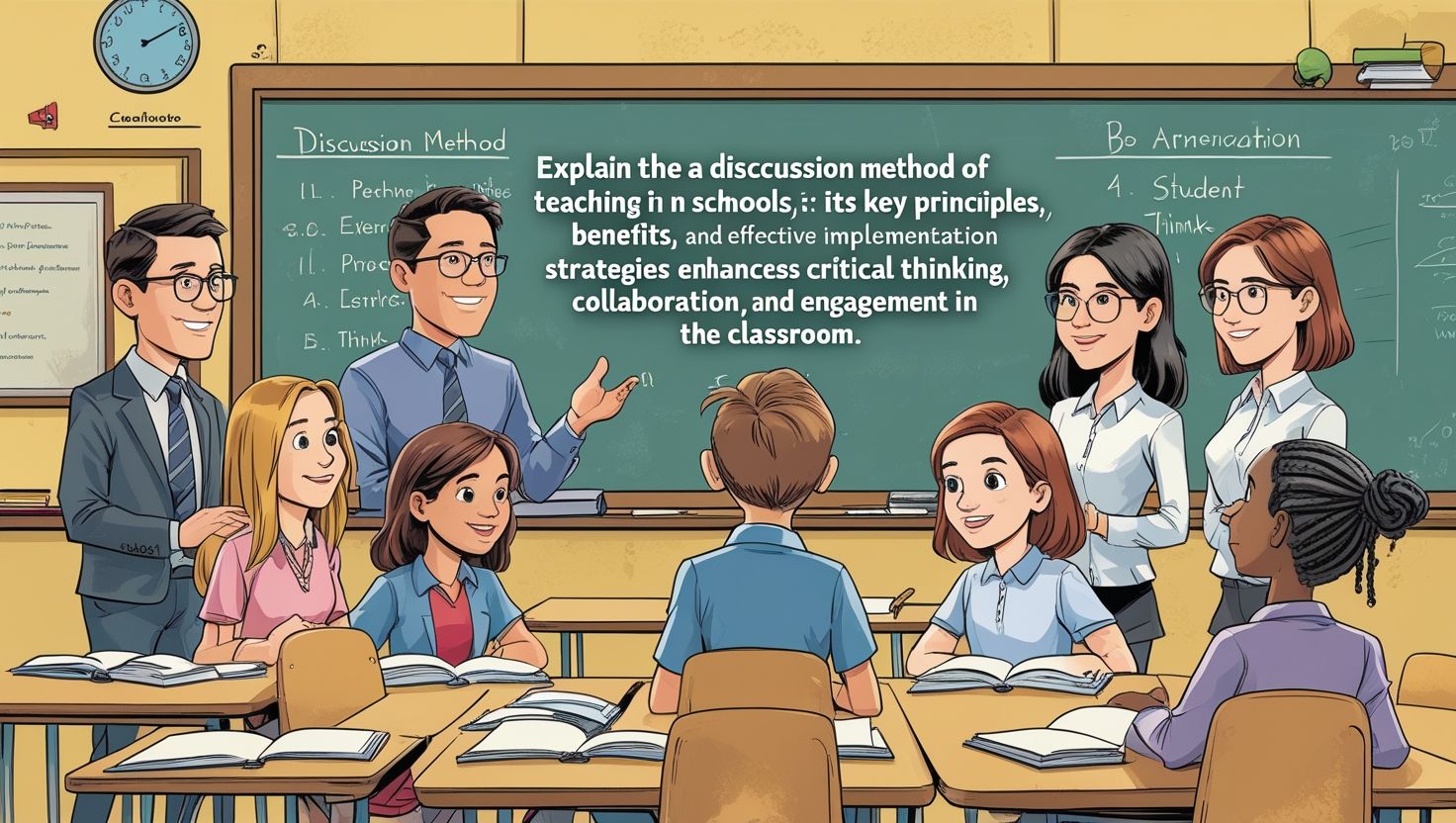
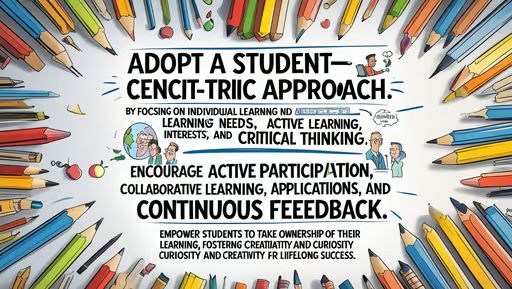
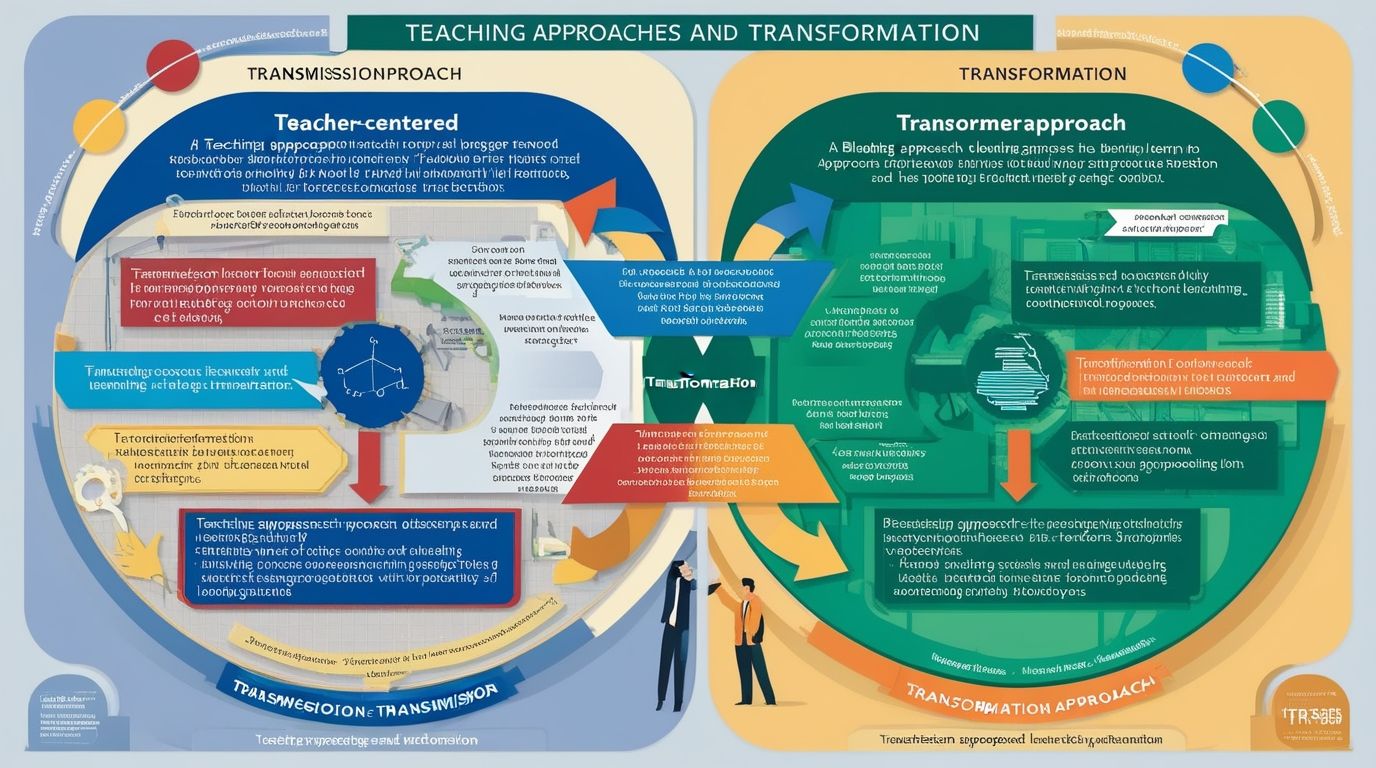
AI promotes a shift toward student-centered learning, where students actively participate in their learning process. Teachers act as facilitators rather than sole knowledge providers.
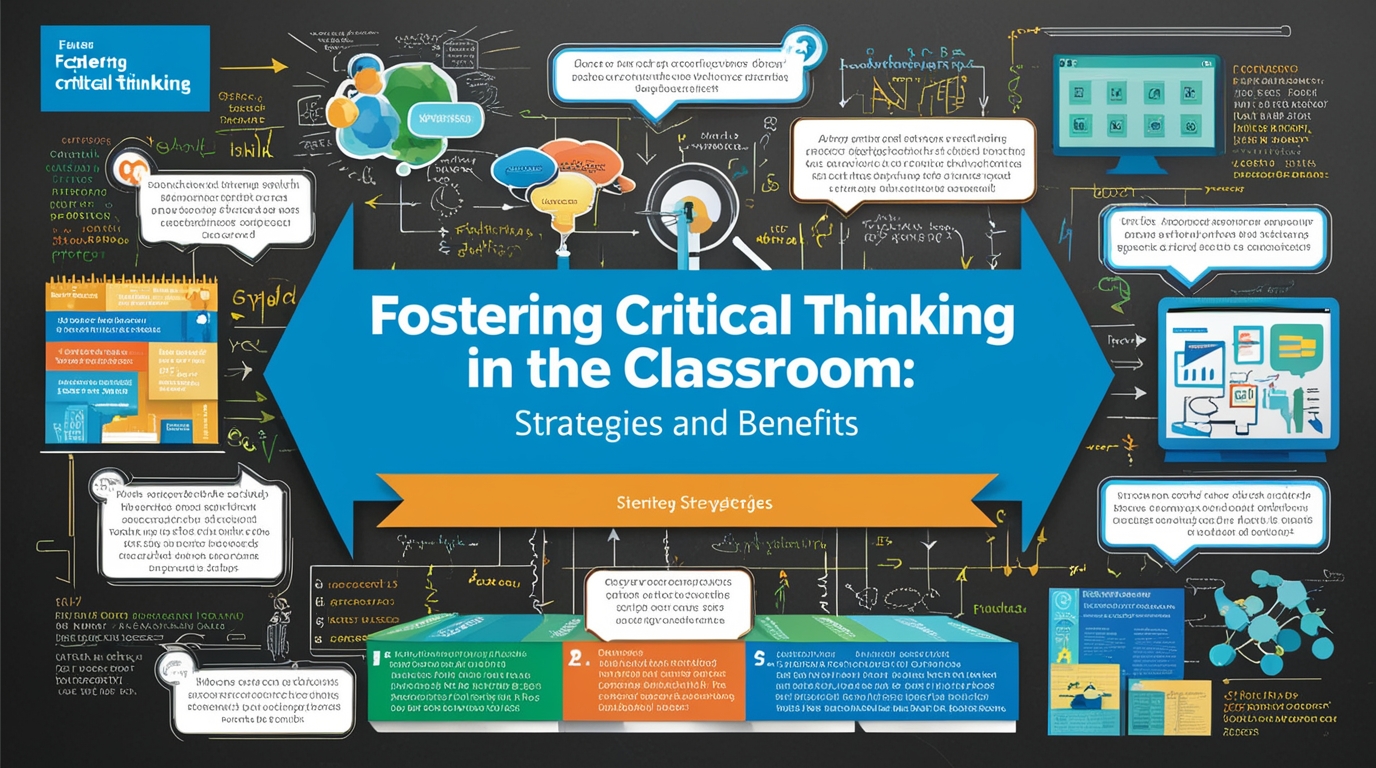
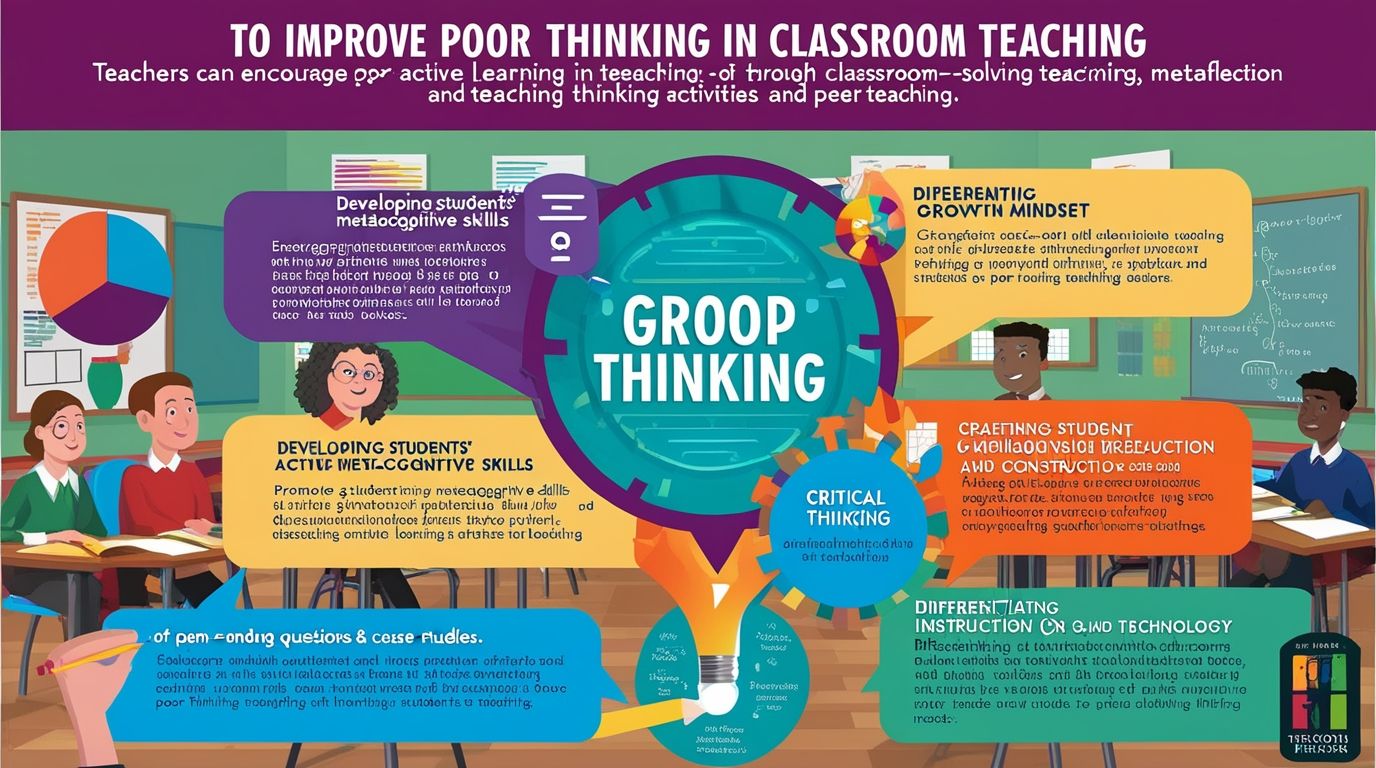
6.2 Development of Critical Thinking
While AI provides quick solutions, educators must ensure that students develop critical thinking skills. This can be achieved through problem-based learning and inquiry-based approaches.
6.3 Blended Learning Models
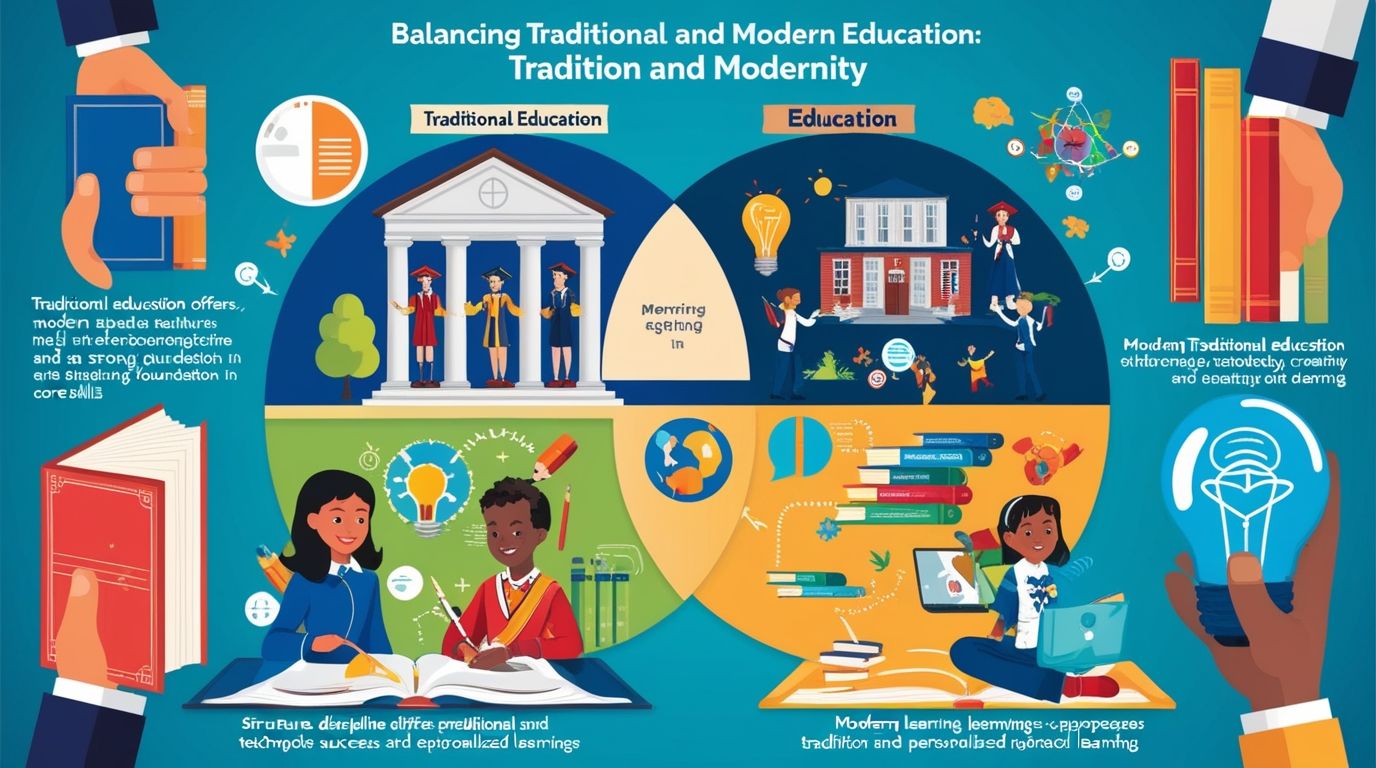
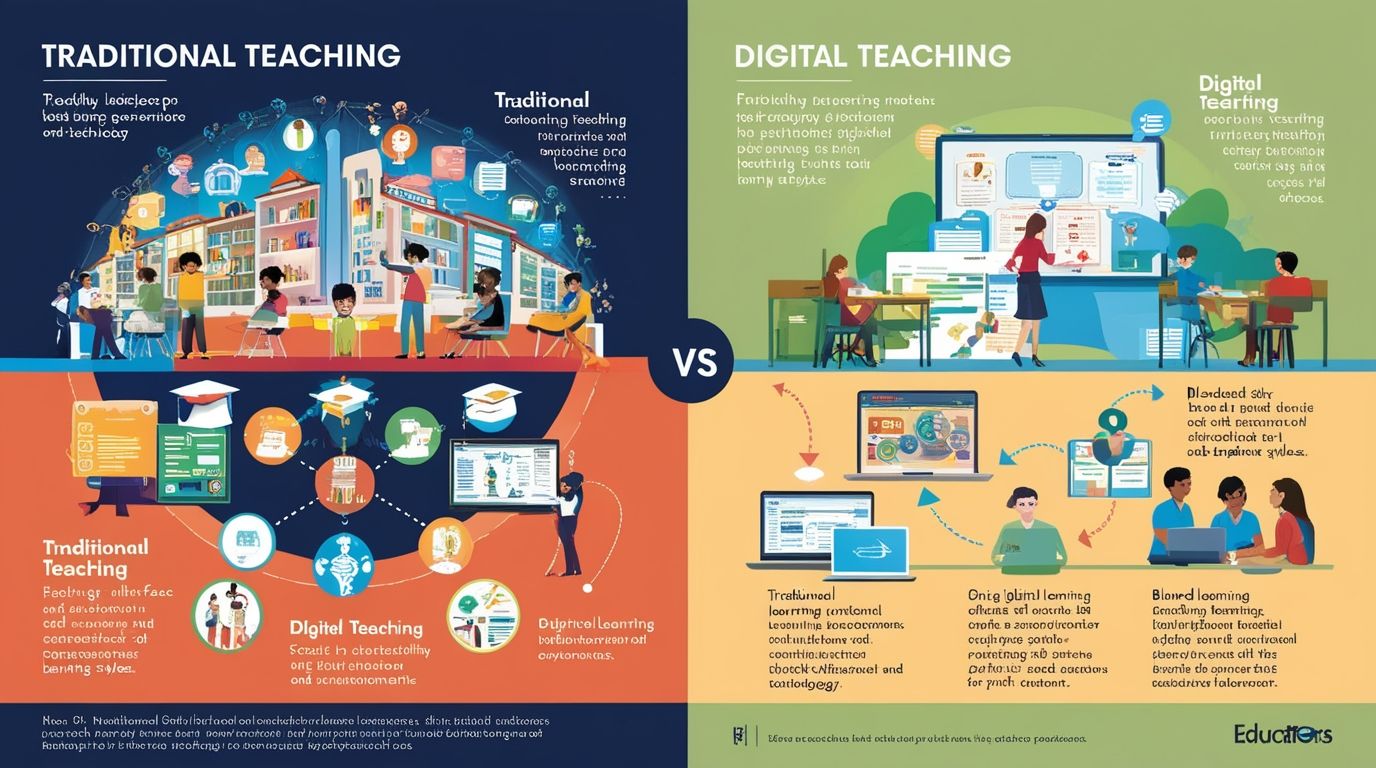
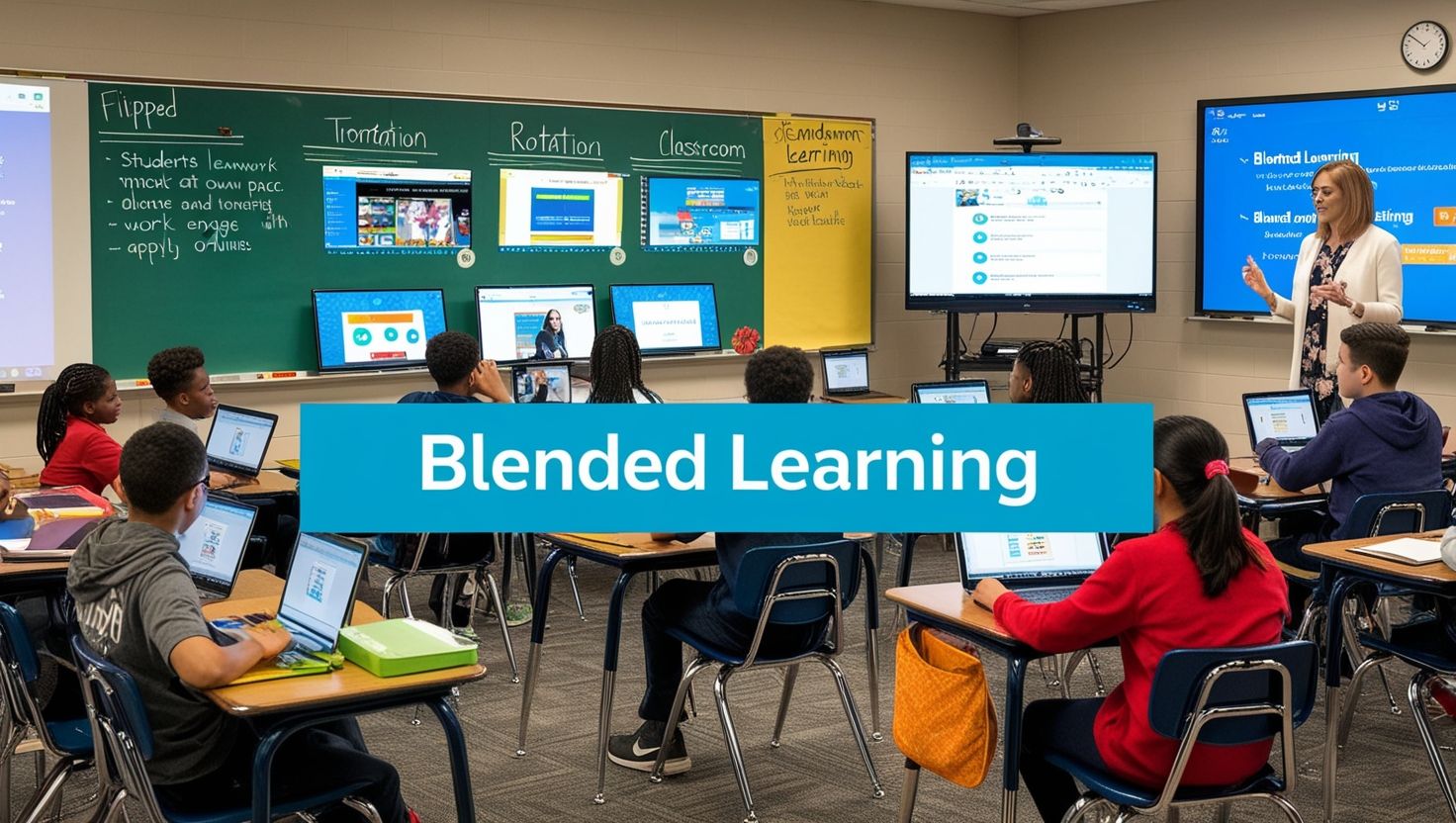
The integration of AI supports blended learning models, combining traditional classroom teaching with digital tools. This approach enhances flexibility and accessibility.
7. Future Prospects
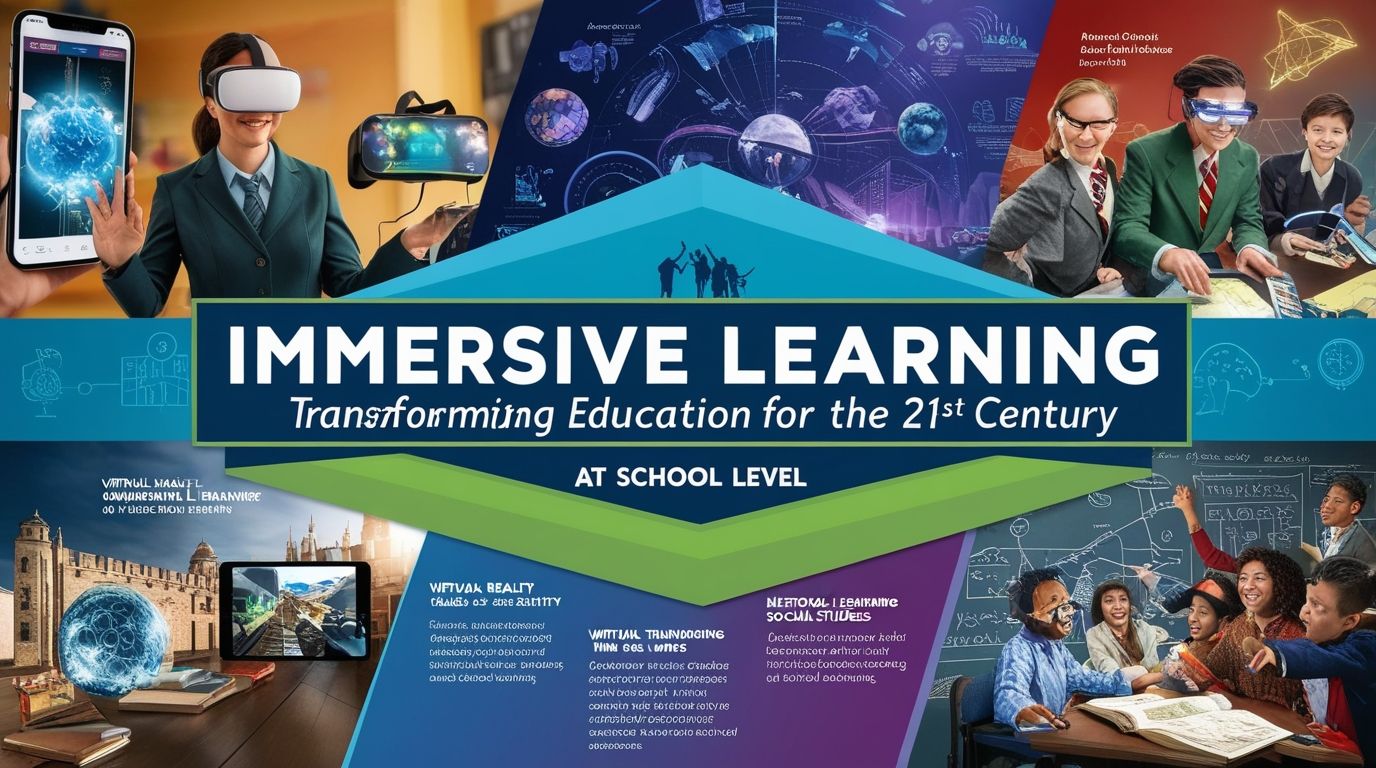
The future of AI and computer skills in schools is promising. Emerging technologies such as virtual reality, augmented reality, and advanced AI systems will further transform education.
AI is expected to:
- Provide more advanced personalized learning systems
- Enhance predictive analytics for student performance
- Support lifelong learning and continuous skill development
However, the success of these innovations depends on effective implementation, ethical considerations, and equitable access.
8. Recommendations
To maximize the benefits of AI and computer skills in schools, the following recommendations are proposed:
- Integrate AI into Curriculum: Schools should incorporate AI concepts and applications into their curricula.
- Enhance Teacher Training: Professional development programs should focus on AI and digital skills.
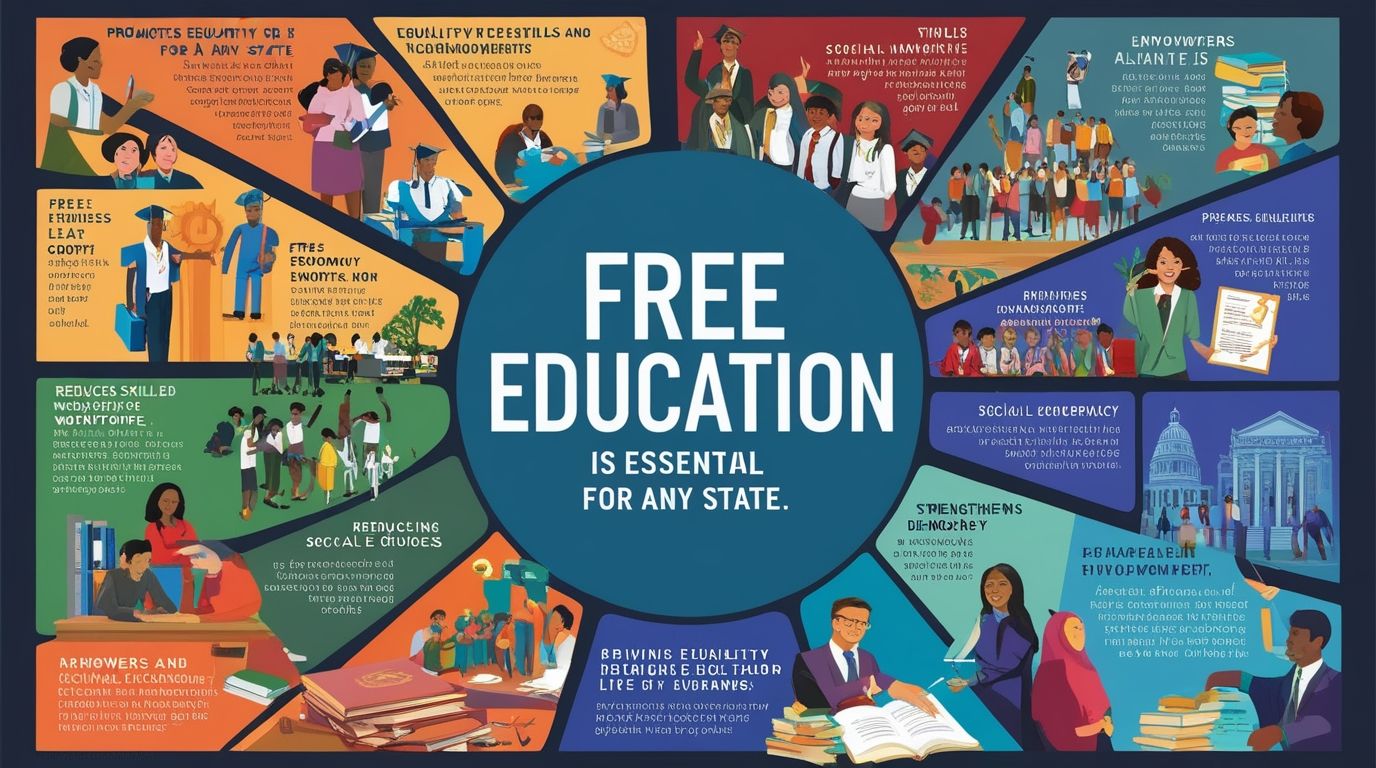
- Promote Digital Inclusion: Governments and institutions must ensure access to technology for all students.
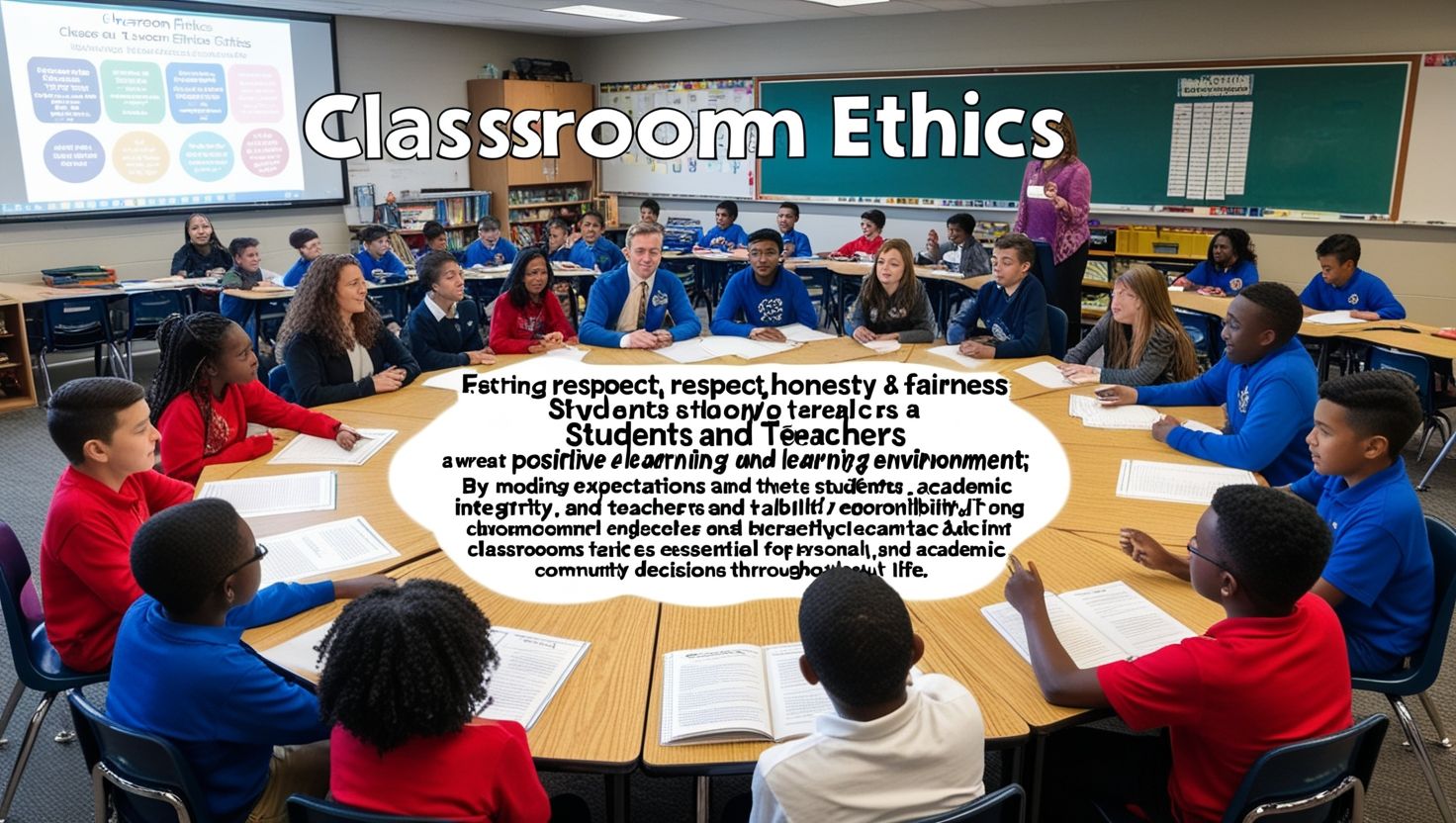
- Develop Ethical Guidelines: Clear policies should be established to address privacy and ethical concerns.
- Encourage Critical Thinking: Educational practices should emphasize analytical and problem-solving skills.
9. Conclusion
AI and computer skills are reshaping the future of education by introducing innovative teaching methods and enhancing learning experiences. While AI offers numerous benefits, including personalized learning, efficiency, and accessibility, it also presents challenges such as ethical concerns, digital inequality, and over-reliance on technology.
The successful integration of AI in schools requires a balanced approach that combines technological innovation with human-centered pedagogy. By developing strong computer skills and promoting responsible use of AI, educational institutions can prepare students for the demands of the digital age and foster a generation of critical thinkers, innovators, and lifelong learners.
References (Sample Academic Sources)
- AI in Education: Benefits and Challenges
- Systematic Review of AI in Computer Science Education
- AI and Educational Technology Research
- AI Definition and Educational Transformation
- Limitations of AI in Education
















































































































































References:
Casino Management Stellen jet casino freispiele ohne einzahlung
References:
Royal vegas flash casino https://adremcareers.com/employer/best-payid-casinos-in-australia-top-list-for-may-2026