Introduction
Designing Effective Lesson Plans for Low-Interest Teachers, Teaching is a profession that demands continuous enthusiasm, adaptability, and commitment. However, not all educators consistently demonstrate high levels of interest or motivation in their instructional practices. In many educational settings, low-interest teachers may struggle with engagement, innovation, and classroom effectiveness. Therefore, developing structured lesson plans specifically tailored to support and motivate such teachers becomes essential. Moreover, a well-designed lesson plan can serve as a guiding framework that reduces uncertainty and enhances teaching confidence. Consequently, teachers can transition from passive instruction to active facilitation. In addition, structured planning encourages accountability and clarity in instructional delivery. However, addressing low interest requires more than routine planning; it demands intentional strategies that foster engagement. Meanwhile, school leaders and instructional coaches play a vital role in supporting these efforts. As a result, teachers gradually develop renewed enthusiasm for their profession. Ultimately, creating lesson plans for low-interest teachers is not merely about content delivery but about transforming attitudes, practices, and outcomes in the classroom.
Understanding Low Teacher Interest: Causes and Implications
Low teacher interest often stems from a variety of personal and professional factors. These may include burnout, lack of professional development, insufficient support, or limited recognition. Moreover, monotonous routines and rigid curricula can diminish creativity and enthusiasm. Consequently, teachers may adopt minimal-effort approaches, focusing only on completing required tasks. In addition, external pressures such as administrative demands and large class sizes can contribute to disengagement. However, the implications extend beyond the teacher, affecting student motivation and learning outcomes. Meanwhile, disengaged teachers may unintentionally create uninspiring classroom environments. As a result, students may lose interest in learning. Therefore, identifying the root causes of low teacher interest is critical. Furthermore, addressing these issues requires a combination of institutional support and personal reflection. Ultimately, understanding these factors provides a foundation for designing effective lesson plans that can re-engage teachers and improve classroom dynamics.
Purpose of Structured Lesson Planning for Low-Interest Teachers
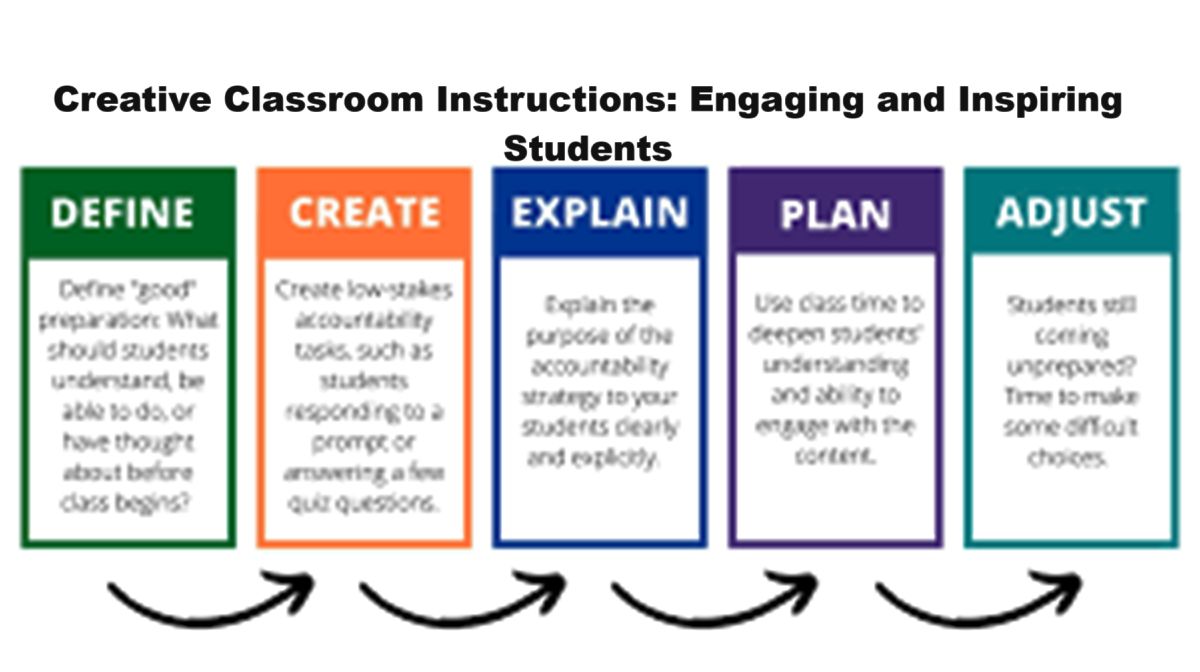
A structured lesson plan acts as a roadmap that guides teachers through the teaching process. For low-interest teachers, this structure provides clarity and reduces cognitive overload. Moreover, it minimizes the need for spontaneous decision-making, which can be overwhelming. Consequently, teachers can focus more on delivering content effectively. In addition, structured plans promote consistency and organization. However, traditional lesson plans may not be sufficient; they must include elements that actively engage teachers. Meanwhile, incorporating interactive components can stimulate interest. As a result, teachers become more involved in their instructional roles. Therefore, lesson planning should be viewed as a tool for professional growth. Furthermore, it can serve as a mechanism for self-reflection and improvement. Ultimately, a well-structured lesson plan empowers teachers to regain control and confidence in their teaching practices.
Key Components of an Engaging Lesson Plan
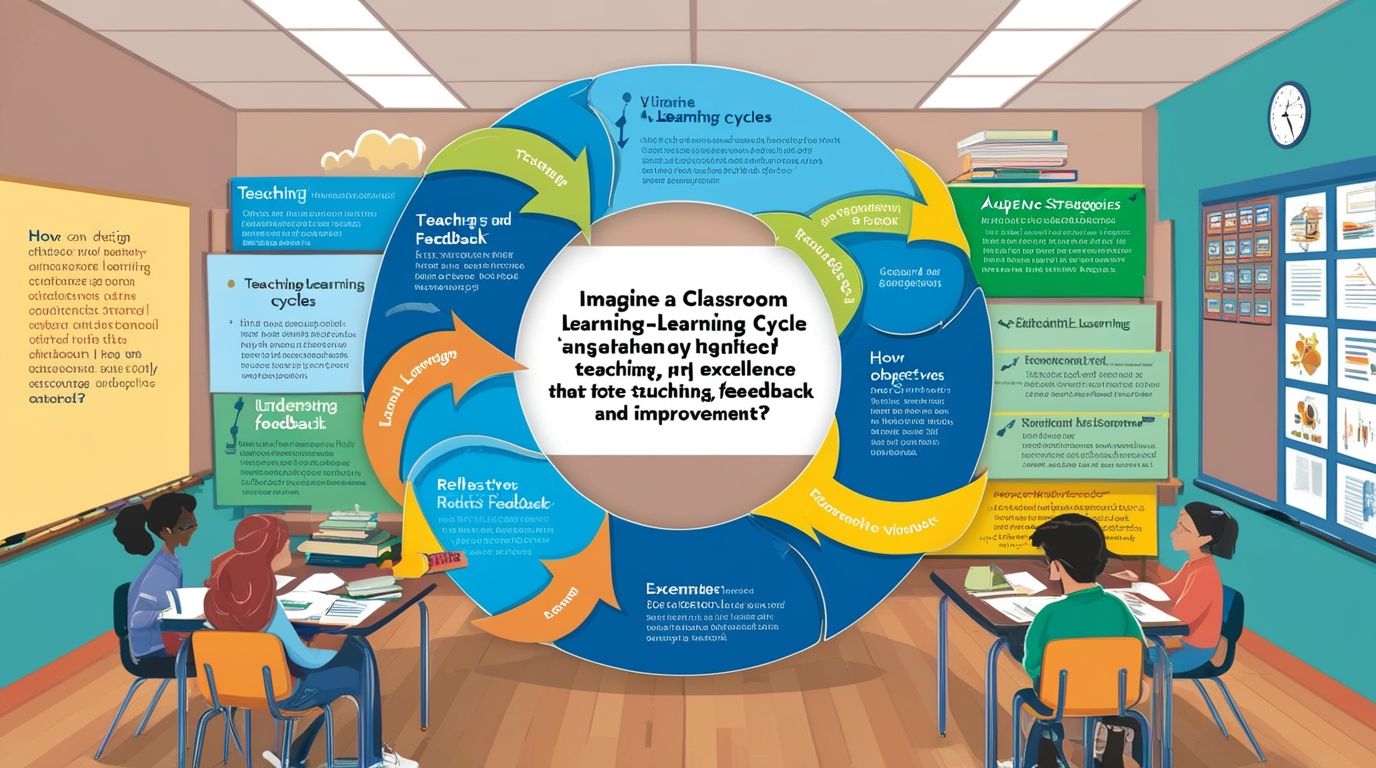
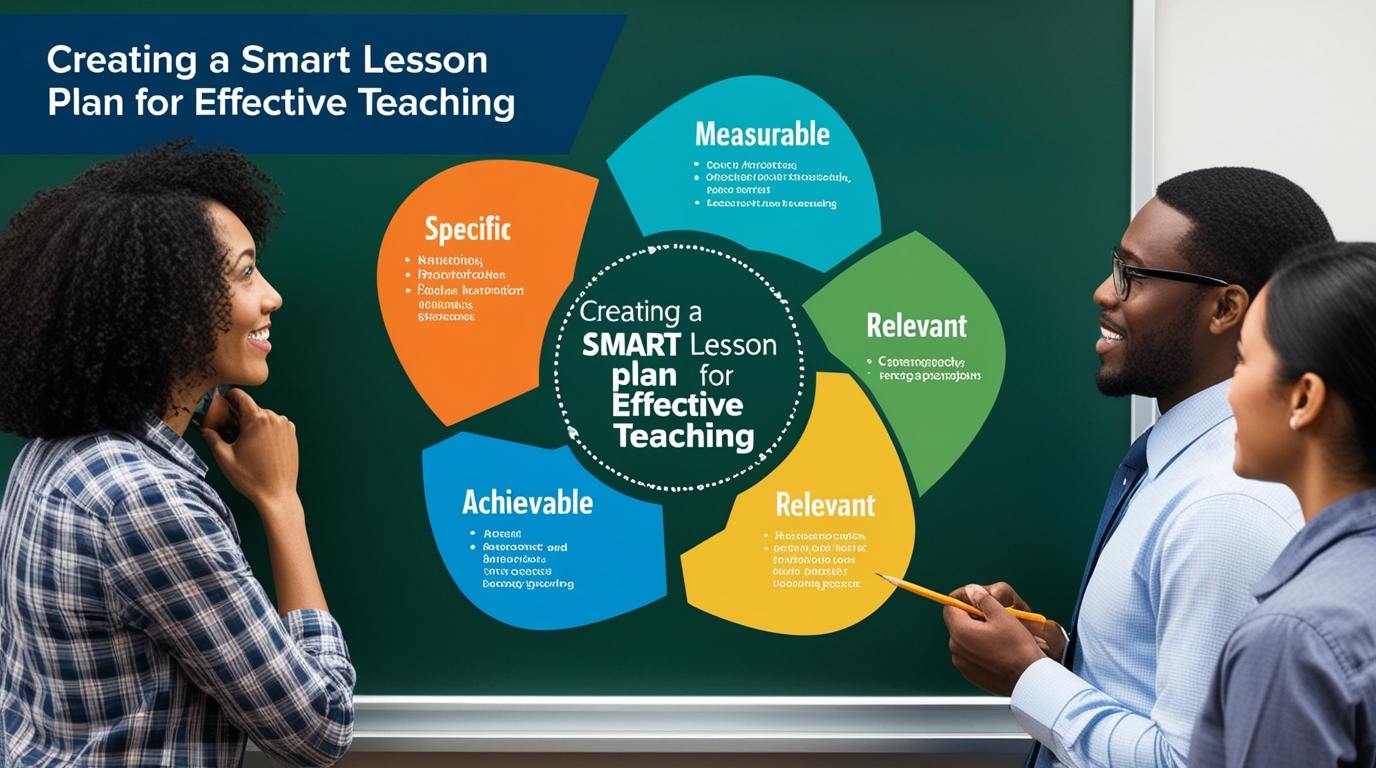
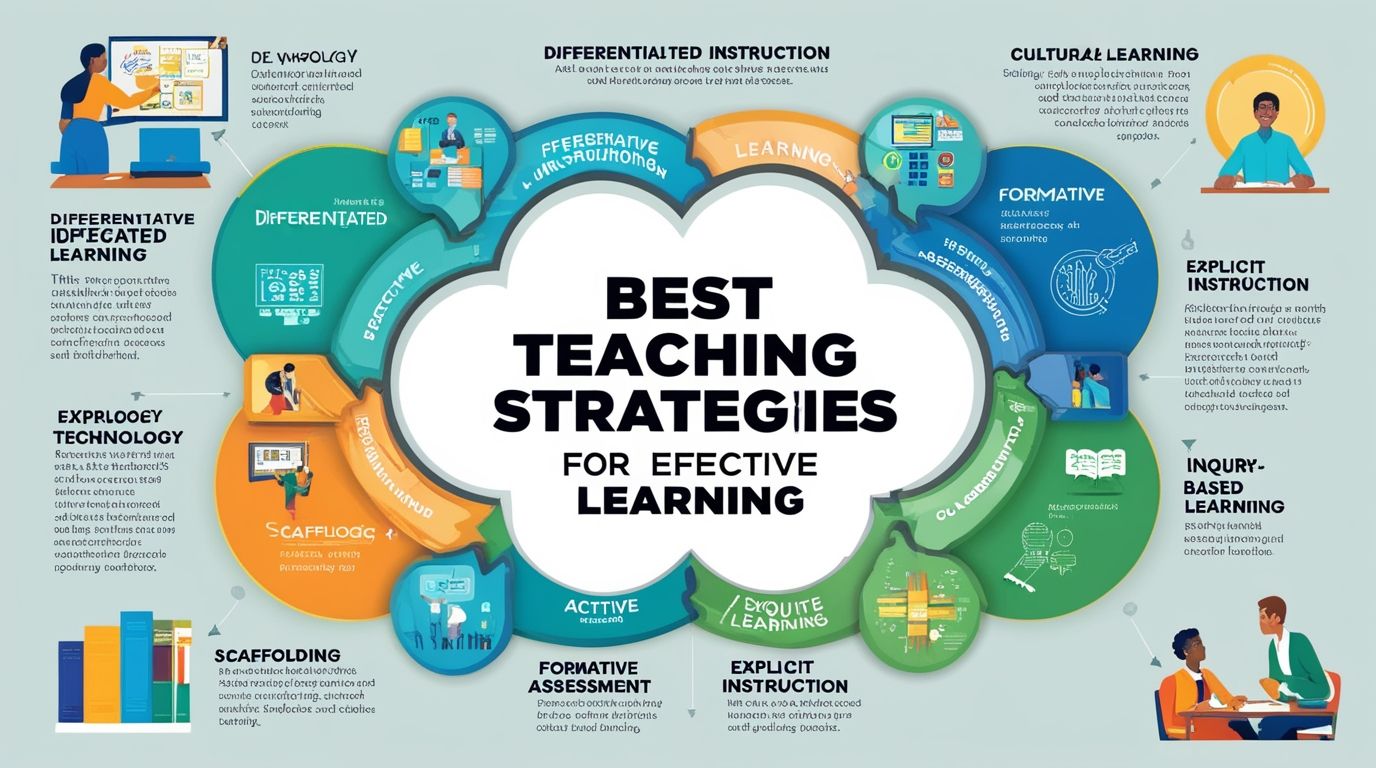
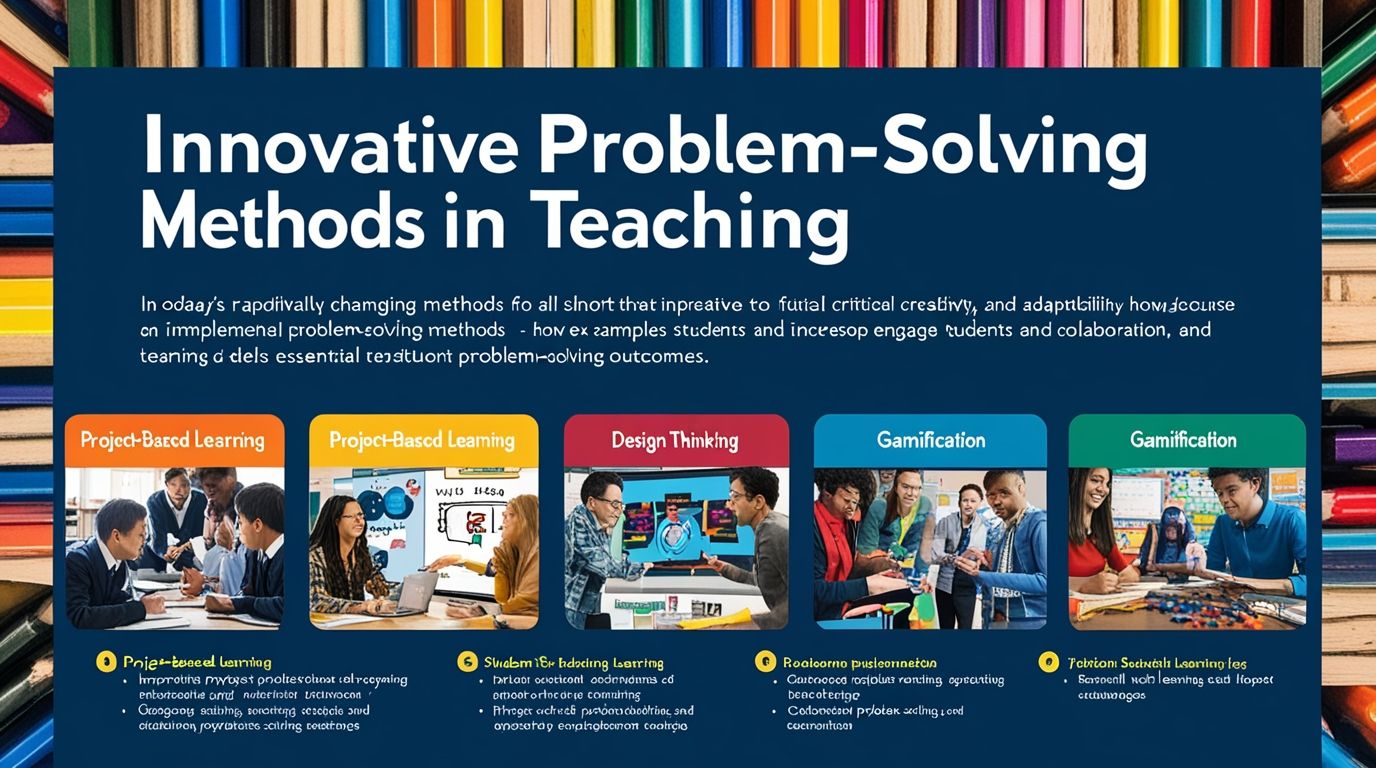
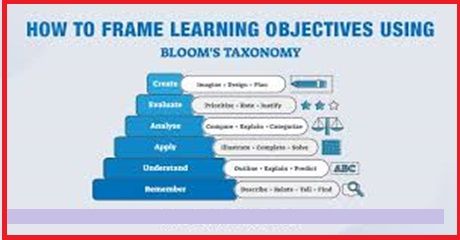
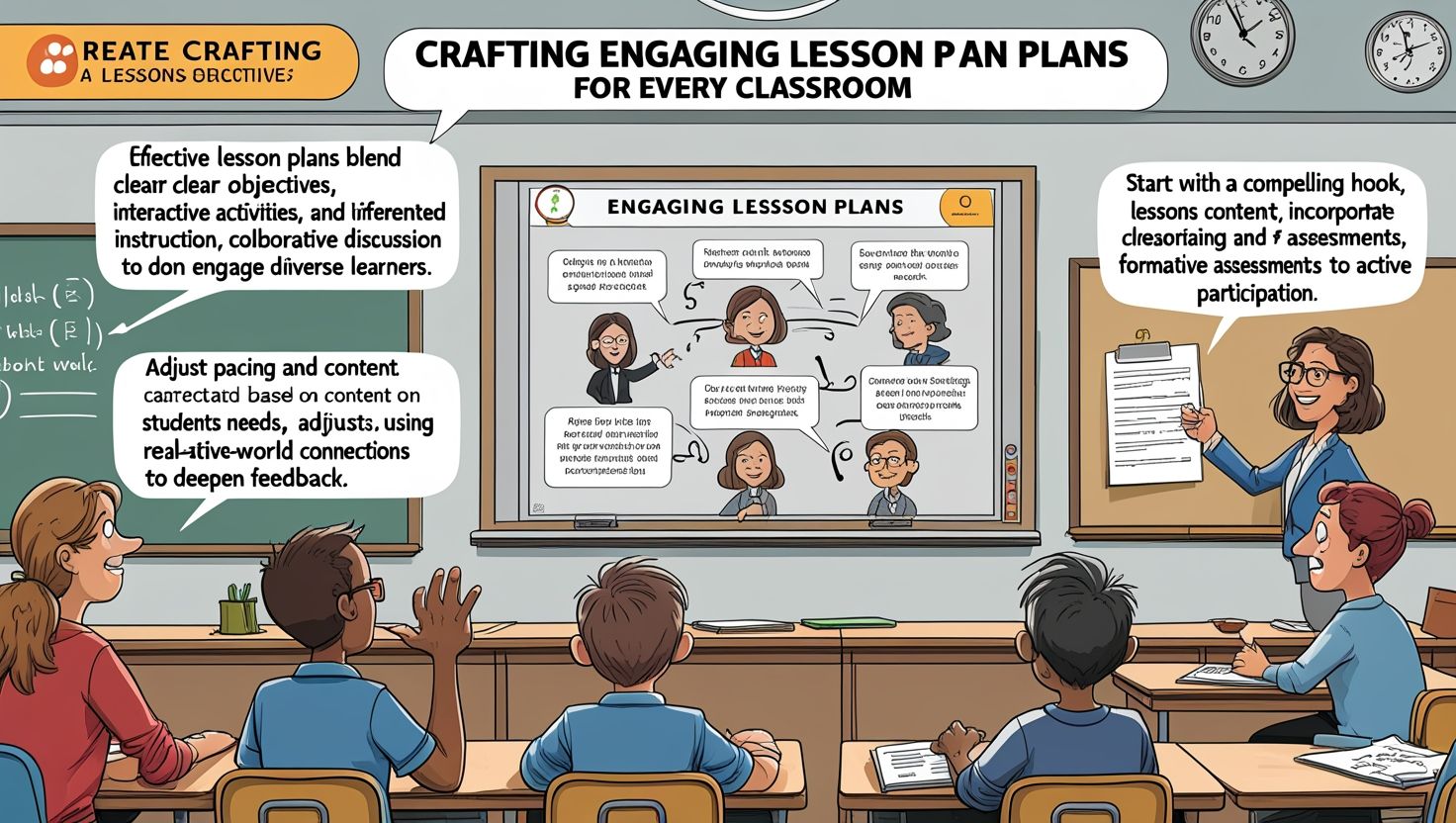
An effective lesson plan for low-interest teachers should include several essential components. First, clear learning objectives provide direction and purpose. Moreover, objectives should be specific, measurable, and achievable. Consequently, teachers can easily track progress. In addition, engaging instructional strategies are crucial. These may include group work, discussions, and hands-on activities. However, the selection of strategies should align with student needs. Meanwhile, incorporating multimedia resources can enhance engagement. As a result, lessons become more dynamic and interactive. Therefore, assessment methods should also be integrated into the plan. Furthermore, feedback mechanisms allow teachers to evaluate effectiveness. Ultimately, a comprehensive lesson plan ensures that all aspects of teaching are addressed systematically.
Incorporating Motivation Strategies into Lesson Planning
Motivation is a key factor in transforming low-interest teachers into active educators. Lesson plans should include strategies that inspire both teachers and students. For instance, setting achievable goals can create a sense of accomplishment. Moreover, recognizing small successes can boost confidence. Consequently, teachers become more invested in their work. In addition, incorporating choice and flexibility allows teachers to personalize their lessons. However, excessive freedom without guidance may lead to confusion. Meanwhile, structured flexibility ensures balance. As a result, teachers feel both supported and empowered. Therefore, motivation strategies should be embedded within the lesson plan. Furthermore, collaborative activities can foster a sense of community. Ultimately, motivated teachers are more likely to deliver engaging and effective lessons.
Sample Lesson Plan Framework for Low-Interest Teachers
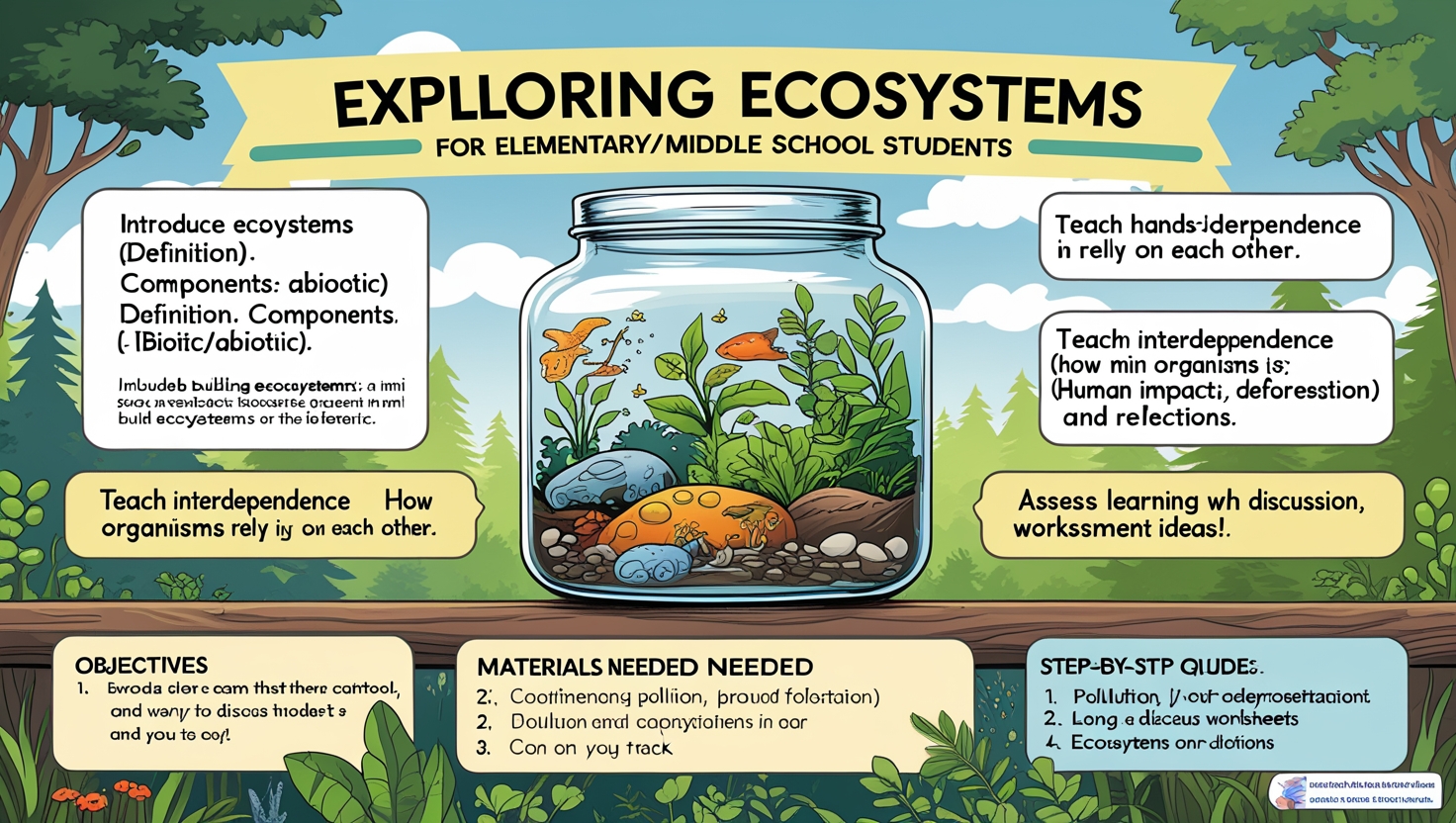
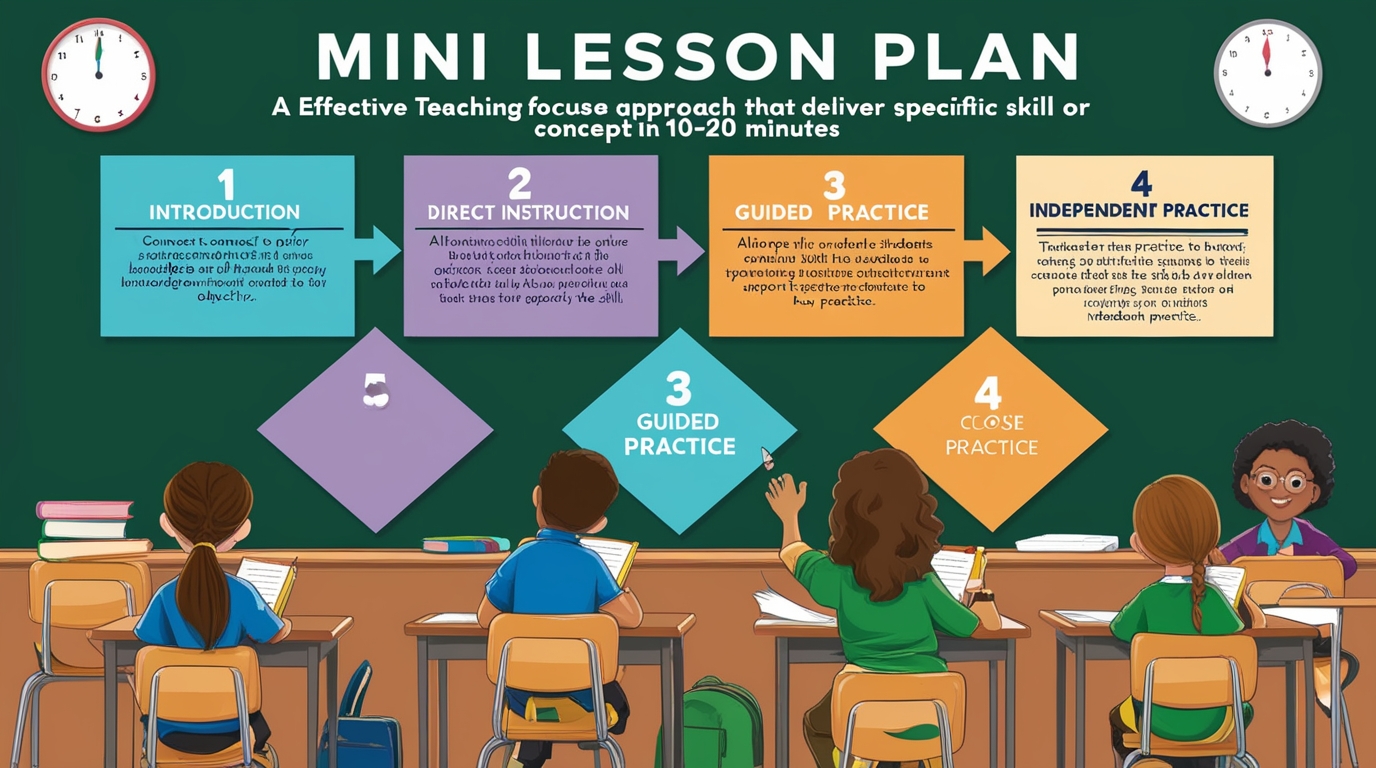
A practical lesson plan framework can provide a clear structure for teachers. The following model illustrates an example:
Lesson Title: Introduction to Environmental Conservation
Objective: Students will understand basic concepts of environmental conservation and identify practical ways to protect natural resources.
Introduction (10 minutes):
Begin with a short video or real-life scenario related to environmental issues. Moreover, ask simple questions to initiate discussion. Consequently, students become curious and engaged.
Main Activity (25 minutes):
Divide students into small groups and assign each group a specific environmental topic. In addition, provide guiding questions to support discussion. However, ensure that instructions are clear and concise. Meanwhile, the teacher facilitates rather than dominates the activity.
Practice (15 minutes):
Students create posters or presentations based on their discussions. As a result, they apply their understanding creatively.
Assessment (10 minutes):
Conduct a quick quiz or reflective activity. Therefore, teachers can evaluate student learning effectively.
Conclusion (5 minutes):
Summarize key points and connect them to real-life applications. Furthermore, encourage students to share their thoughts.
This framework emphasizes simplicity, engagement, and structure, making it suitable for teachers with low initial interest.
Role of School Leadership in Supporting Lesson Planning
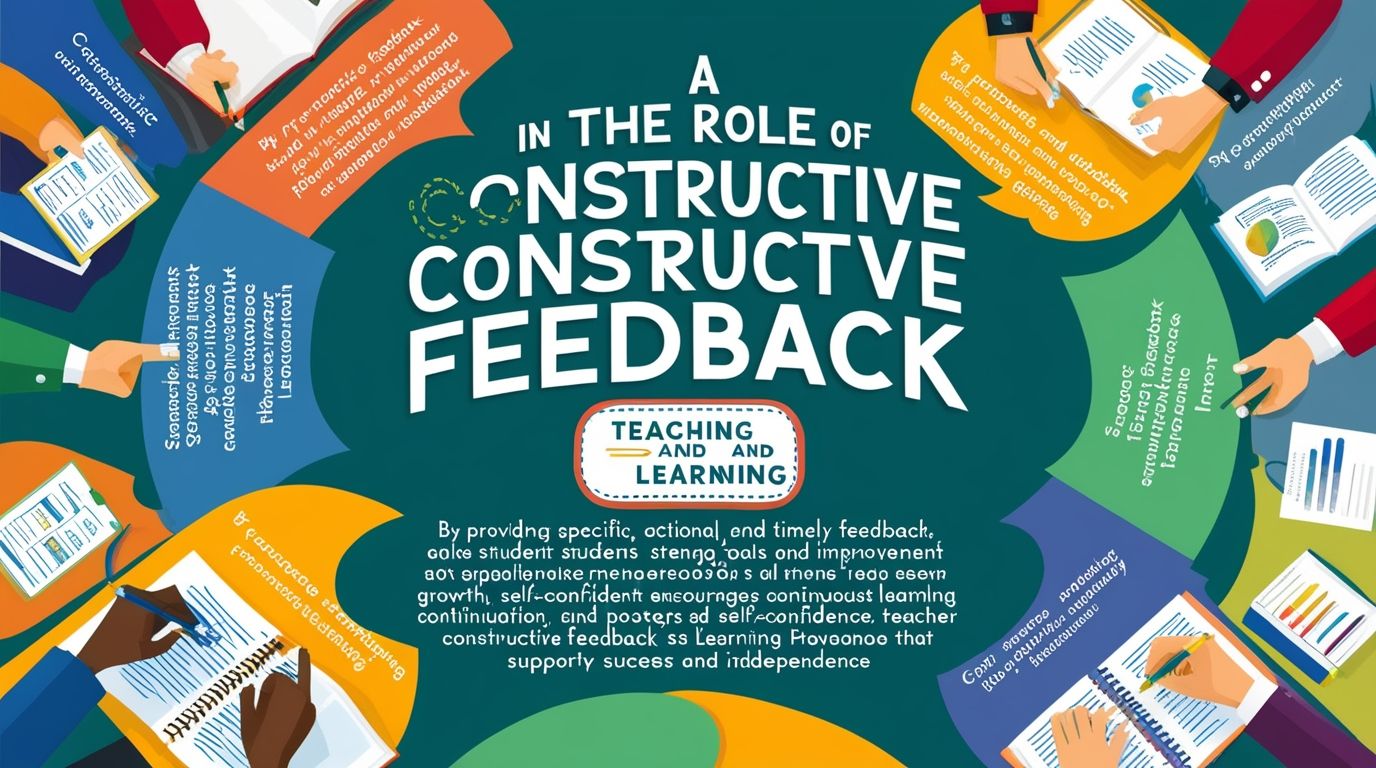
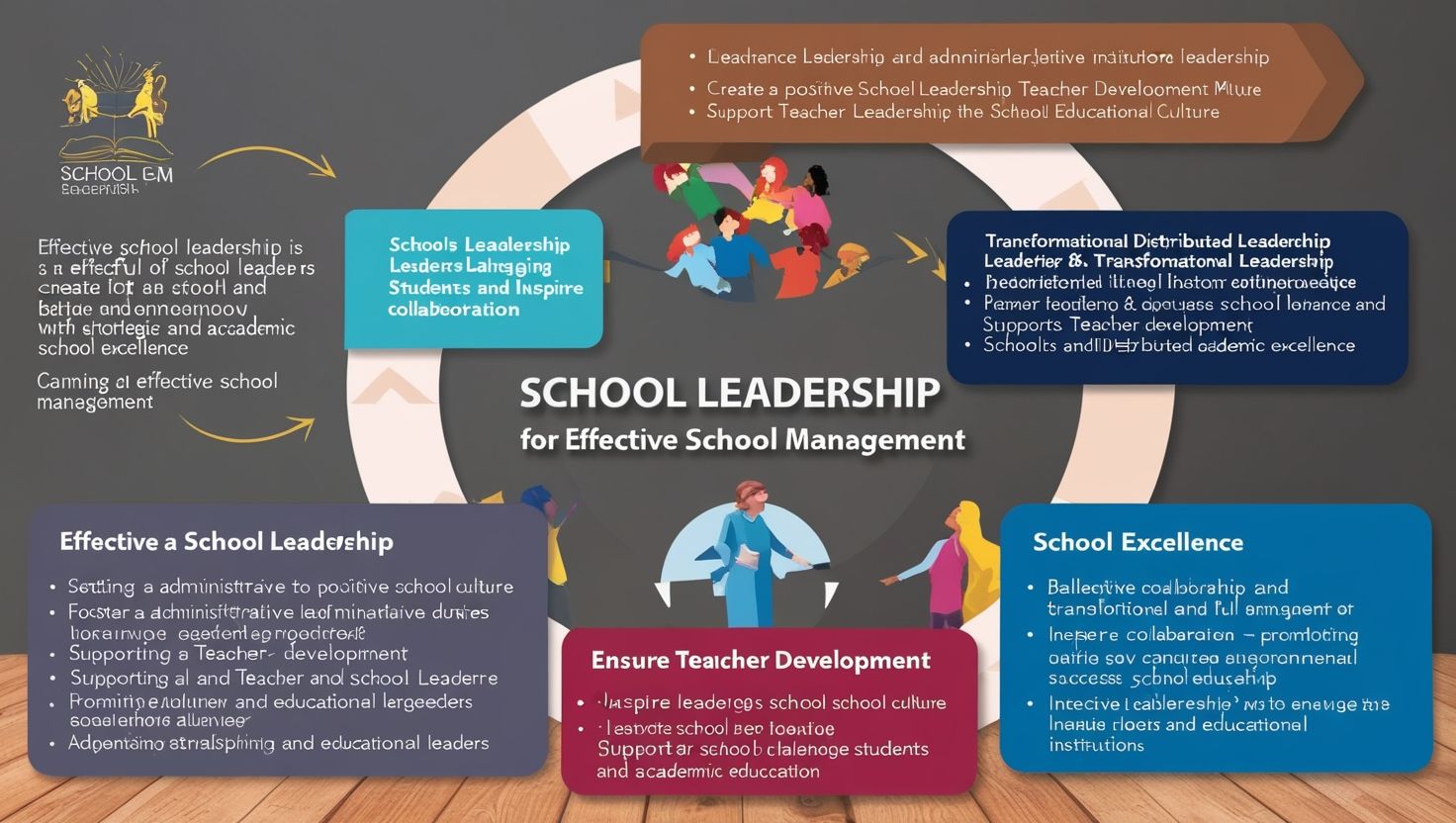
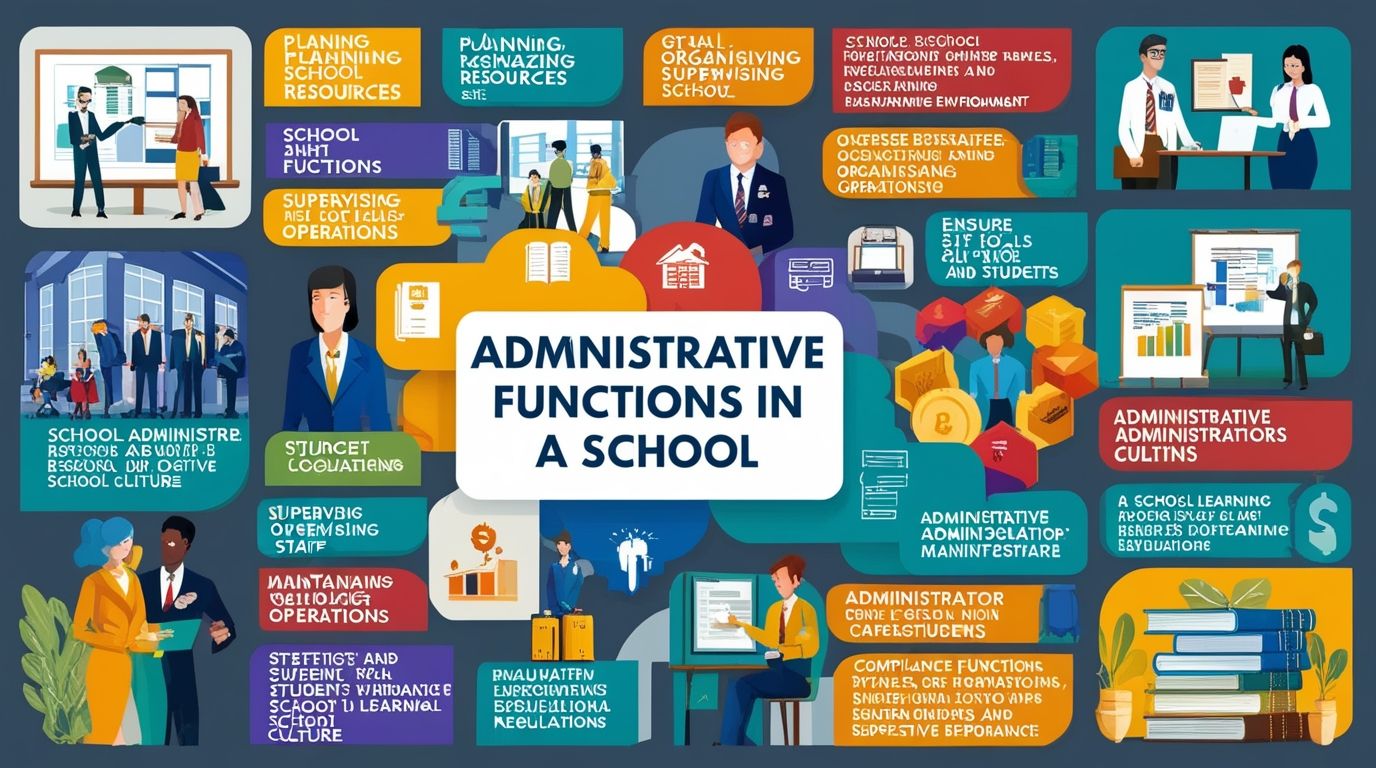
School leadership plays a crucial role in enhancing teacher engagement. Administrators and principals can provide resources, training, and encouragement. Moreover, regular feedback helps teachers improve their practices. Consequently, teachers feel supported and valued. In addition, professional development programs can introduce innovative teaching methods. However, these programs must be practical and relevant. Meanwhile, mentorship opportunities can foster collaboration. As a result, teachers learn from experienced colleagues. Therefore, leadership support is essential for successful implementation of lesson plans. Furthermore, a positive school culture promotes motivation. Ultimately, effective leadership can transform low-interest teachers into enthusiastic educators.
Professional Development and Continuous Improvement
Continuous professional development is vital for maintaining teacher interest. Workshops, seminars, and training sessions can introduce new ideas and techniques. Moreover, these opportunities encourage lifelong learning. Consequently, teachers stay updated with educational trends. In addition, reflective practices help identify areas for improvement. However, professional development should be ongoing rather than occasional. Meanwhile, peer collaboration can enhance learning experiences. As a result, teachers gain confidence and competence. Therefore, integrating professional development into lesson planning is essential. Furthermore, it supports sustainable growth. Ultimately, continuous improvement ensures long-term success in teaching.
Use of Technology to Enhance Lesson Planning
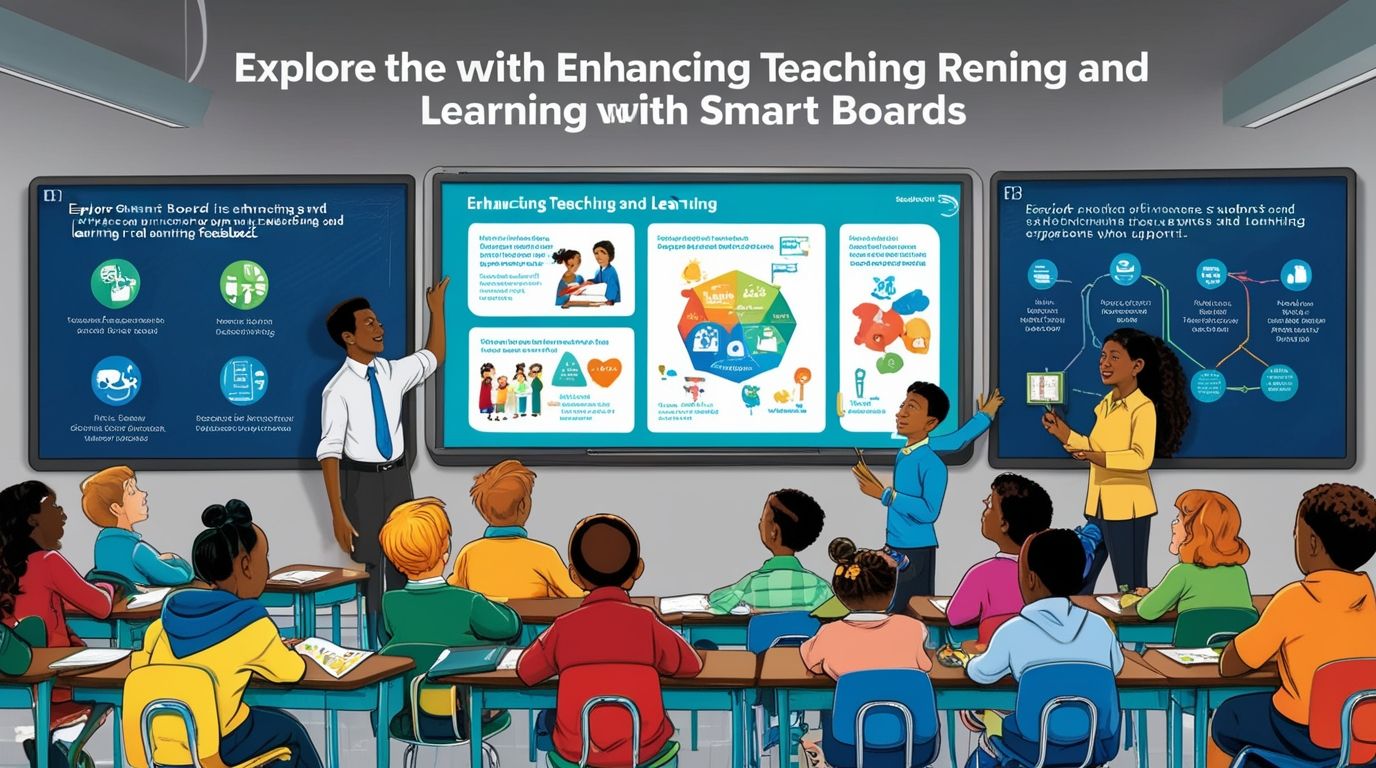
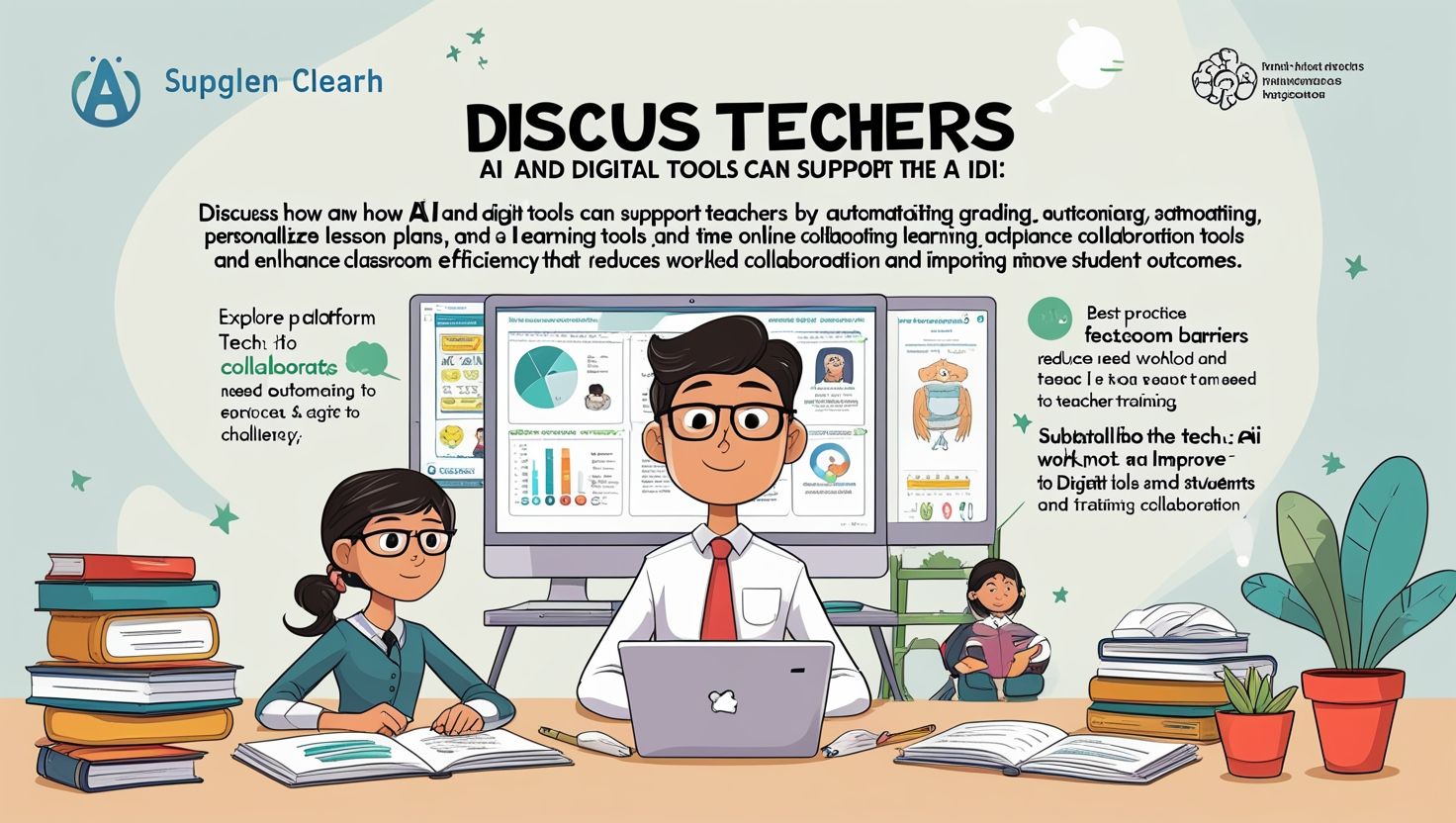
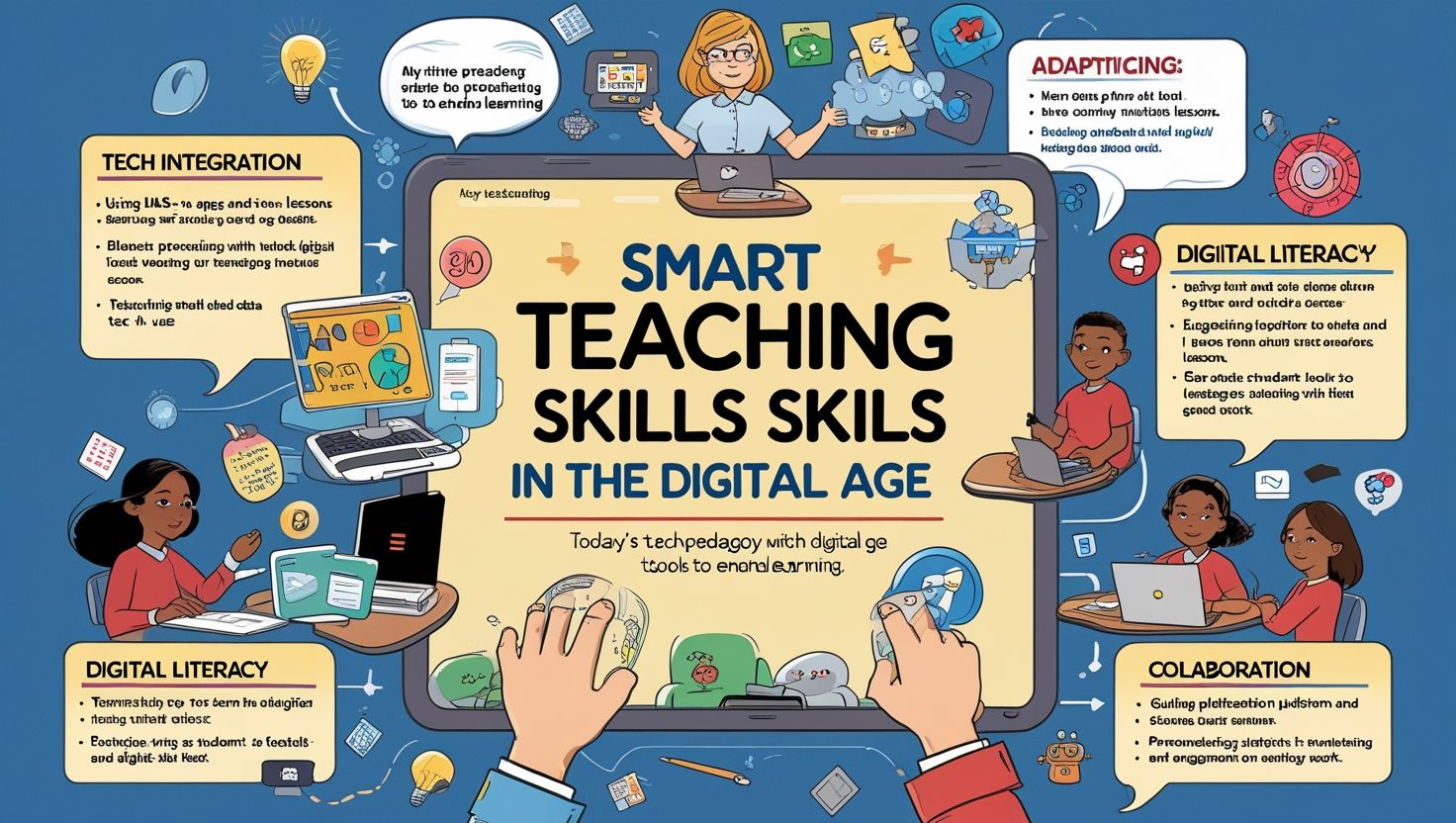
Technology can significantly enhance lesson planning and delivery. Digital tools such as presentations, videos, and interactive platforms make lessons more engaging. Moreover, technology supports diverse learning styles. Consequently, students benefit from varied instructional methods. In addition, online resources provide access to a wide range of materials. However, teachers must be trained to use these tools effectively. Meanwhile, integrating technology into lesson plans can reduce monotony. As a result, teachers become more interested in their work. Therefore, technology should be considered an essential component of modern lesson planning. Furthermore, it prepares students for digital environments. Ultimately, leveraging technology can transform traditional classrooms into interactive learning spaces.
Monitoring and Evaluation of Lesson Effectiveness
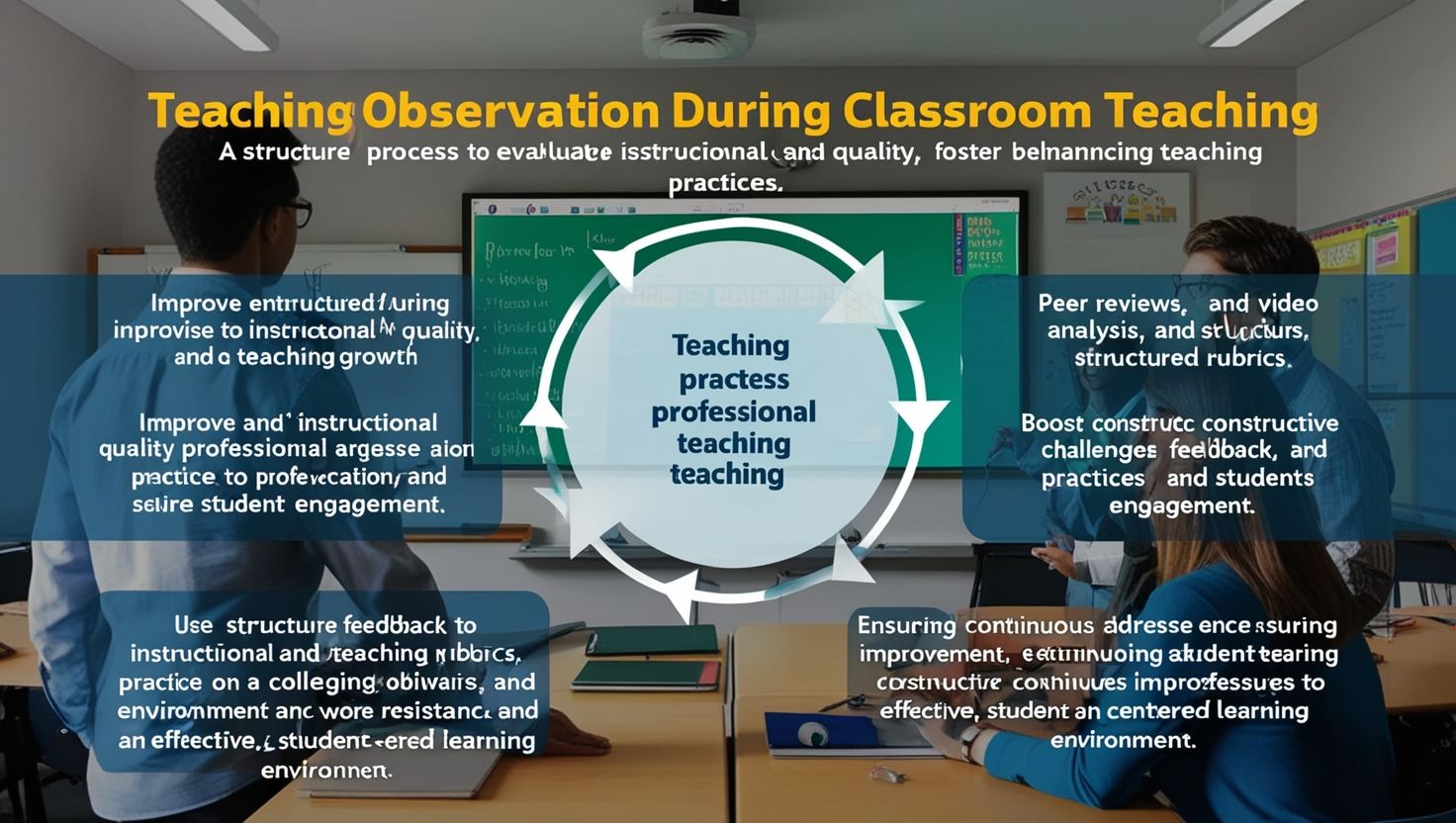
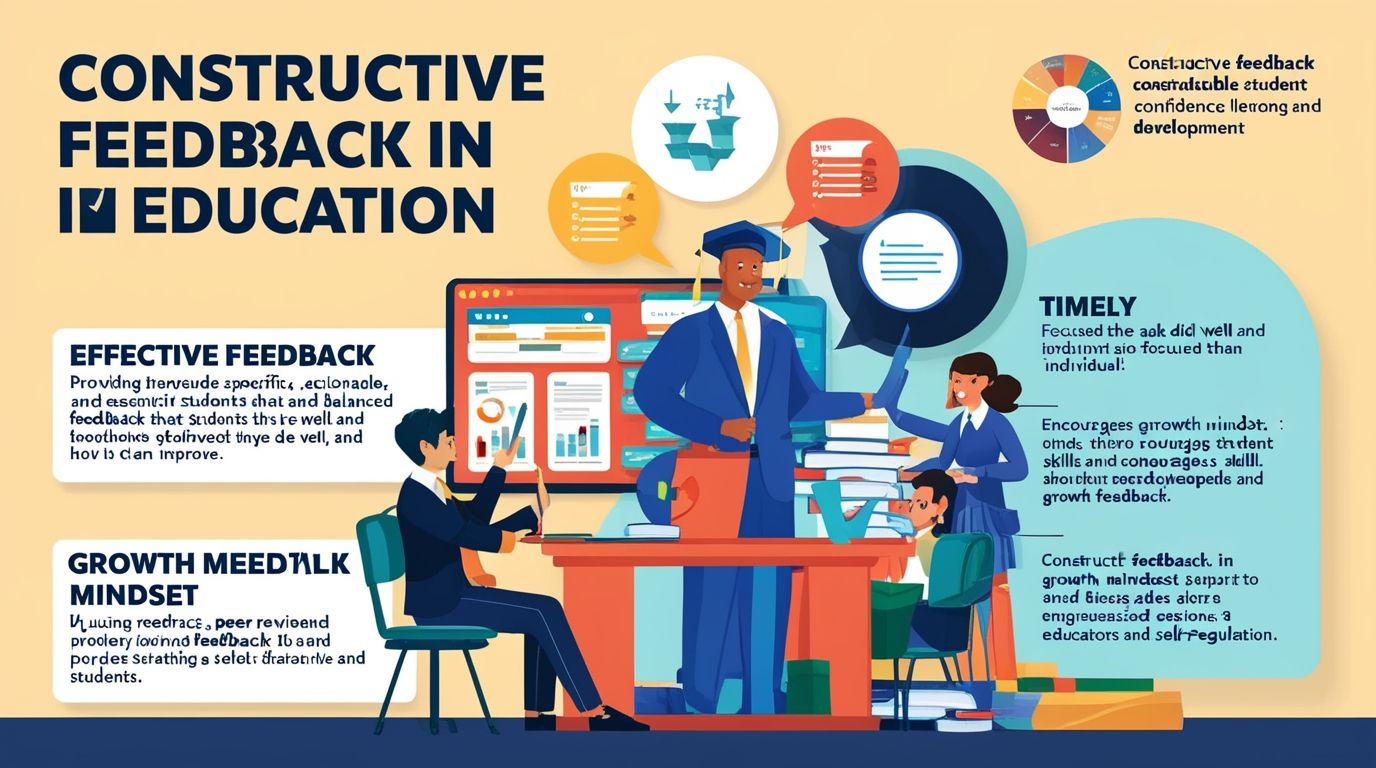
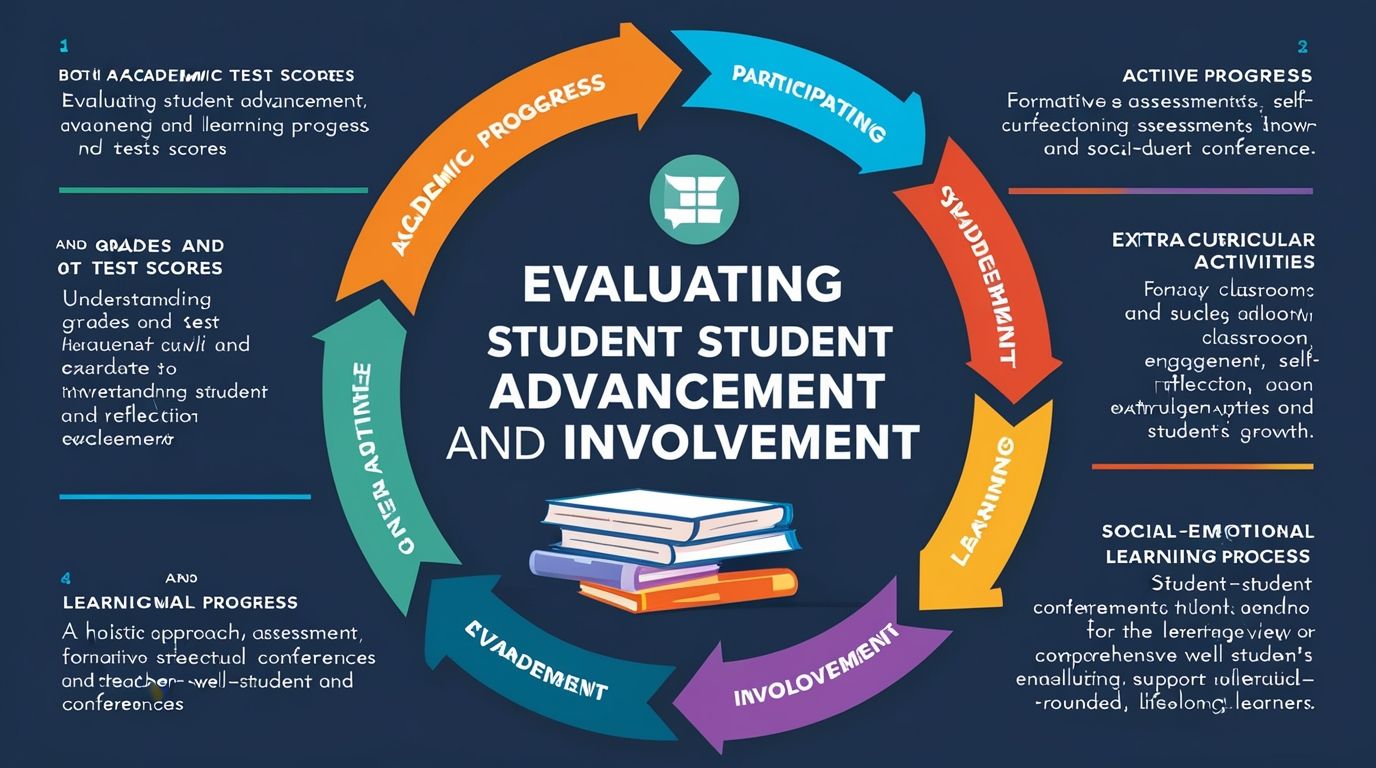
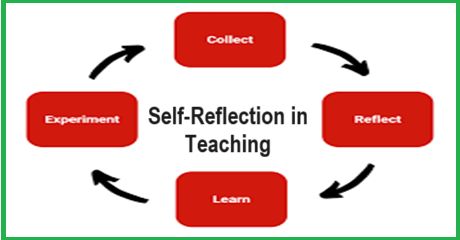
Evaluating the effectiveness of lesson plans is crucial for improvement. Teachers should regularly assess student performance and engagement. Moreover, feedback from students can provide valuable insights. Consequently, teachers can identify strengths and weaknesses. In addition, self-reflection helps in understanding teaching practices. However, evaluation should be constructive rather than critical. Meanwhile, data analysis can support decision-making. As a result, lesson plans can be refined over time. Therefore, monitoring and evaluation are integral to successful teaching. Furthermore, they ensure accountability. Ultimately, continuous assessment leads to better educational outcomes.
Addressing Challenges in Implementing Lesson Plans
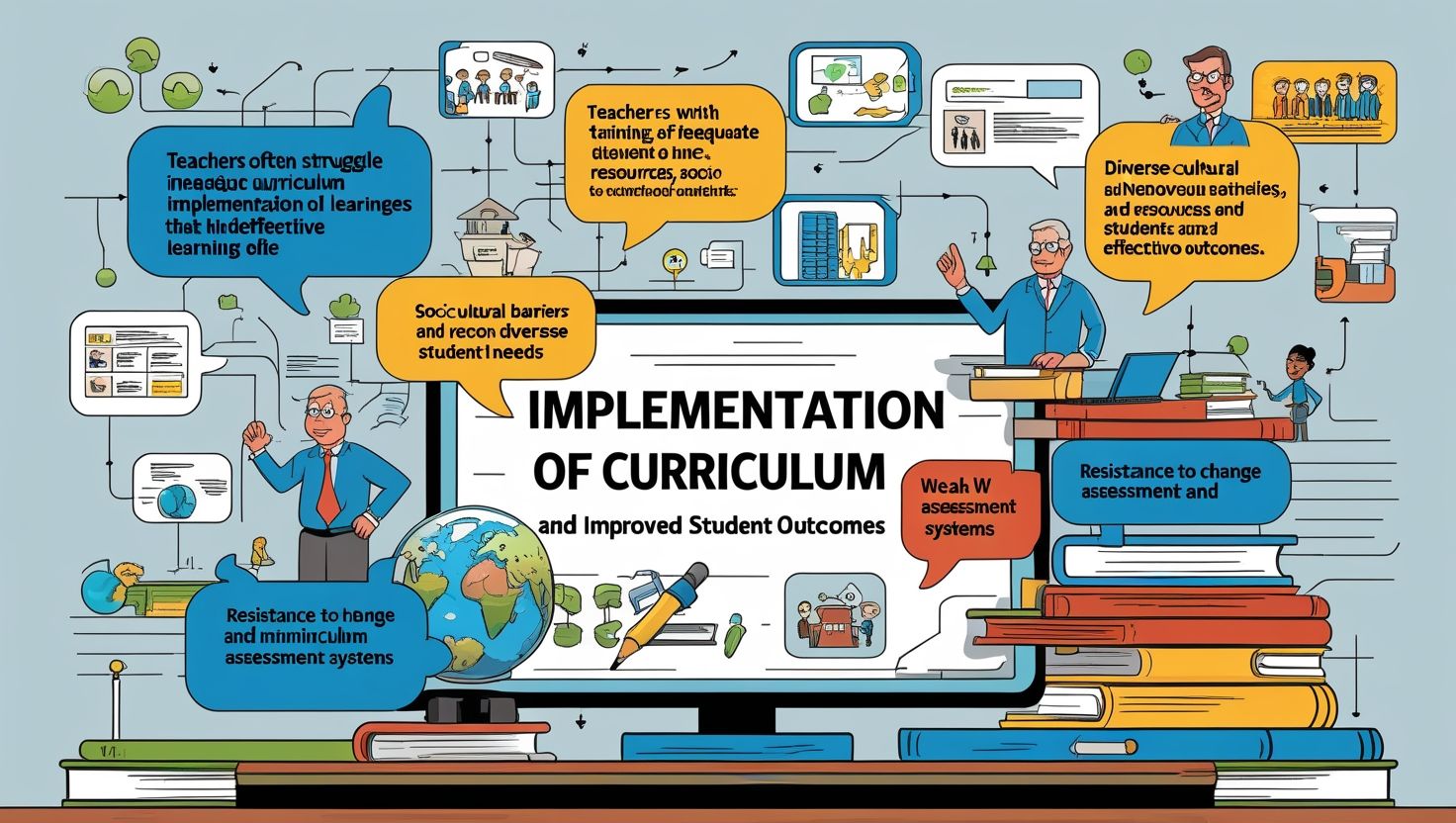
Implementing lesson plans for low-interest teachers may present challenges. These include resistance to change, lack of resources, and time constraints. Moreover, some teachers may feel overwhelmed by new approaches. Consequently, gradual implementation is recommended. In addition, providing clear guidelines can reduce confusion. However, ongoing support is essential. Meanwhile, collaboration among teachers can ease the transition. As a result, challenges become manageable. Therefore, addressing these issues proactively is important. Furthermore, flexibility allows adaptation to different contexts. Ultimately, overcoming challenges leads to successful lesson planning and improved teaching practices.
Building a Positive Teaching Mindset
A positive mindset is fundamental to effective teaching. Encouraging teachers to reflect on their purpose can reignite passion. Moreover, recognizing the impact of teaching on students’ lives can be motivating. Consequently, teachers develop a sense of responsibility. In addition, fostering a supportive environment enhances well-being. However, mindset change requires time and effort. Meanwhile, small achievements can build confidence. As a result, teachers gradually become more engaged. Therefore, mindset development should be integrated into professional growth. Furthermore, it complements lesson planning efforts. Ultimately, a positive mindset transforms teaching into a fulfilling experience.
Conclusion: Transforming Teaching Through Strategic Lesson Planning
Designing lesson plans for low-interest teachers is a strategic approach to improving educational quality. By addressing the root causes of disengagement and providing structured guidance, educators can enhance their effectiveness. Moreover, integrating motivation, technology, and professional development creates a comprehensive framework. Consequently, teachers become more confident and engaged. In addition, supportive leadership and continuous evaluation ensure sustainability. However, successful implementation requires commitment from all stakeholders. Meanwhile, gradual changes can lead to significant improvements. As a result, classrooms become more dynamic and productive. Therefore, investing in lesson planning is essential for educational success. Furthermore, it contributes to student achievement and overall institutional growth. Ultimately, transforming low-interest teachers into motivated educators is achievable through thoughtful planning, support, and continuous improvement.
References
Darling-Hammond, L. (2017). Effective Teacher Professional Development. Learning Policy Institute. Available at: https://learningpolicyinstitute.org
Hattie, J. (2009). Visible Learning: A Synthesis of Over 800 Meta-Analyses Relating to Achievement. Routledge.
OECD. (2019). Teaching and Learning International Survey (TALIS). Available at: https://www.oecd.org
UNESCO. (2020). Teacher Policy Development Guide. Available at: https://unesdoc.unesco.org
World Bank. (2021). Teachers and Teaching in a Changing World. Available at: https://www.worldbank.org