Introduction
Why Oil Is So Important in World Economics and Education, Oil has long been considered the lifeblood of the modern global economy. From powering industries and transportation systems to influencing geopolitics and educational priorities, its significance extends far beyond energy production. Understanding oil’s central role is essential not only for economists and policymakers but also for educators shaping future generations. This article explores the deep interconnection between oil, global economic systems, and the educational landscape, offering a comprehensive perspective on its enduring importance.
Historical Context of Oil in Economic Development
The importance of oil began to emerge prominently during the late 19th and early 20th centuries, particularly with the industrial revolution’s second phase. The transition from coal to oil revolutionized transportation, manufacturing, and military operations. The invention of the internal combustion engine made oil indispensable, giving rise to automobiles, aviation, and global trade networks.
By the mid-20th century, oil had become a strategic resource. Nations rich in oil reserves gained significant economic and political power, while oil-importing countries became dependent on stable supply chains. Events such as oil embargoes and price shocks demonstrated how deeply oil influences global economic stability.
Oil as a Foundation of Global Economics
3.1 Energy Supply and Industrial Growth
Oil remains one of the primary sources of energy worldwide. It fuels factories, powers machinery, and supports large-scale industrial production. Without oil, many sectors—such as manufacturing, logistics, and construction—would struggle to operate efficiently.
Industries rely on oil not only as fuel but also as a raw material. Petrochemicals derived from oil are used in plastics, fertilizers, pharmaceuticals, and countless everyday products. This makes oil a cornerstone of both primary and secondary economic activities.
3.2 Transportation and Global Trade
Oil powers nearly all forms of transportation, including cars, ships, airplanes, and trucks. Global trade depends heavily on these systems. Without affordable and reliable oil supplies, the cost of transporting goods would rise dramatically, leading to inflation and reduced economic growth.
Efficient transportation networks allow countries to specialize in production and participate in international trade, which is fundamental to modern economic systems.
3.3 Employment and Economic Stability
The oil industry generates millions of jobs worldwide, from extraction and refining to distribution and research. In many countries, especially those rich in oil reserves, the sector contributes significantly to GDP and government revenue.
Oil-exporting countries often rely on oil revenues to fund public services, infrastructure, and social programs. However, this dependency can also create economic vulnerability when oil prices fluctuate.
Oil and Geopolitics
Oil is not just an economic commodity; it is a powerful geopolitical tool. Control over oil resources can influence international relations, alliances, and conflicts. Countries with large oil reserves often hold strategic importance on the global stage.
Organizations and agreements among oil-producing nations play a critical role in regulating supply and stabilizing prices. These dynamics affect global markets and national economies alike.
Energy security has become a priority for many nations, leading to investments in alternative energy sources and diversification strategies. Nevertheless, oil continues to dominate the energy landscape.
Oil’s Influence on Education
5.1 Funding Education Systems
In many oil-rich countries, revenues from oil exports are used to finance education systems. Governments invest in building schools, universities, and research institutions. Scholarships and educational reforms are often funded through oil wealth.
This creates opportunities for citizens to access quality education and contributes to national development.
5.2 Shaping Curriculum and Research
The importance of oil has influenced academic disciplines and research priorities. Fields such as petroleum engineering, geology, environmental science, and energy economics have grown significantly.
Universities offer specialized programs to prepare students for careers in the energy sector. Research institutions focus on improving extraction technologies, refining processes, and sustainable alternatives.
5.3 Promoting Scientific and Technological Advancement
Oil-related industries drive innovation. Advances in drilling technology, materials science, and environmental management often originate from the need to improve efficiency and reduce environmental impact.
Educational institutions play a vital role in this process by training skilled professionals and conducting research that supports technological progress.
5.4 Encouraging Critical Thinking and Sustainability Awareness
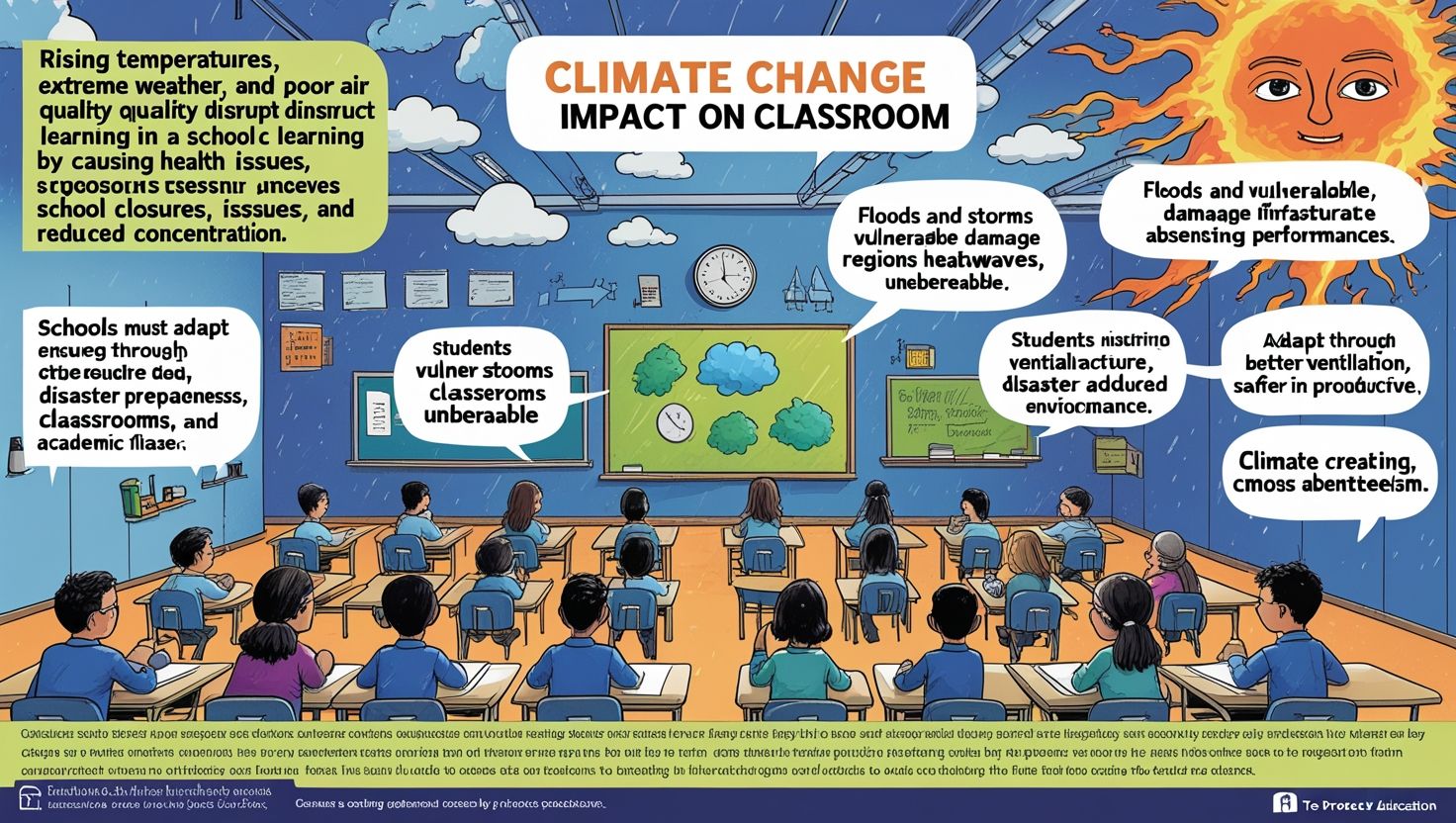
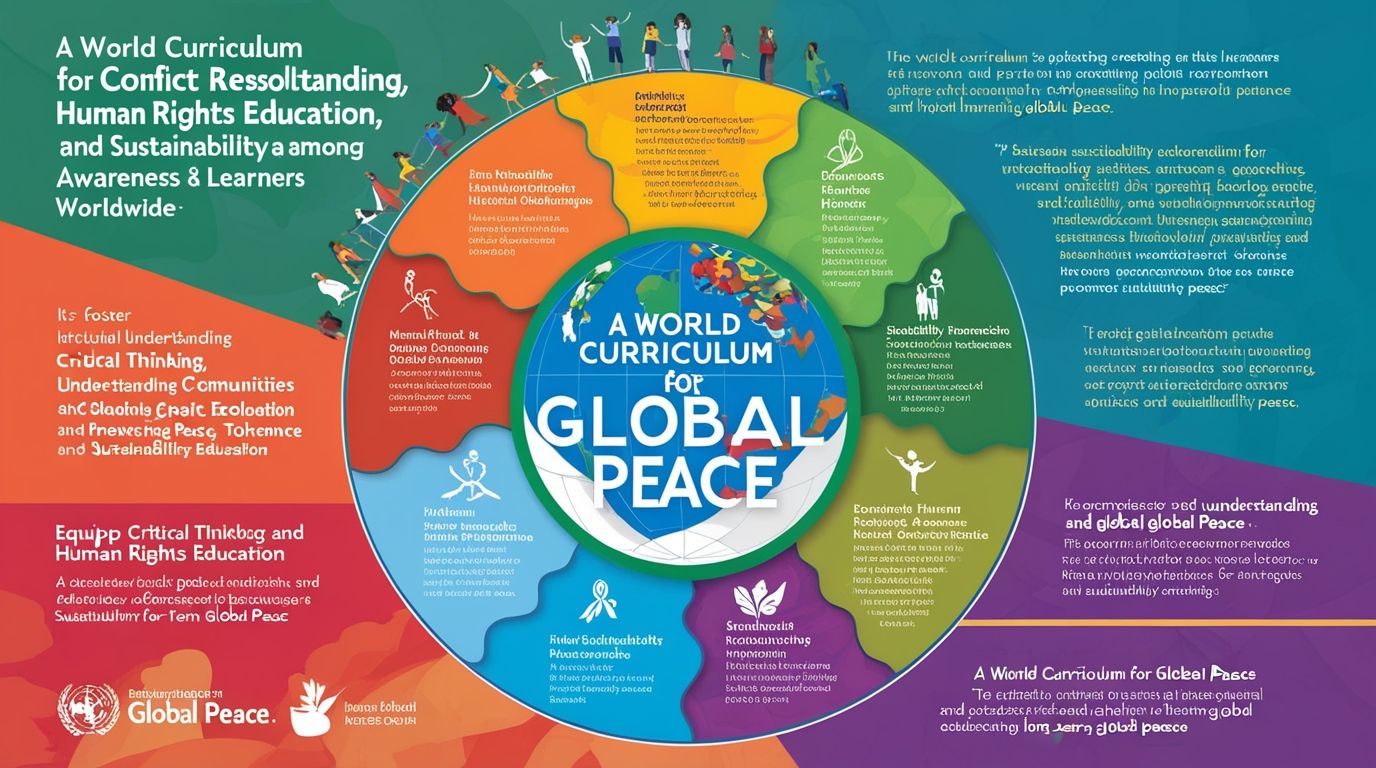
The global reliance on oil also raises important questions about sustainability, environmental protection, and energy transition. Education systems increasingly incorporate these topics into curricula to prepare students for future challenges.
Students learn about climate change, renewable energy, and responsible resource management, fostering a more informed and responsible generation.
Environmental Challenges and Educational Responsibility
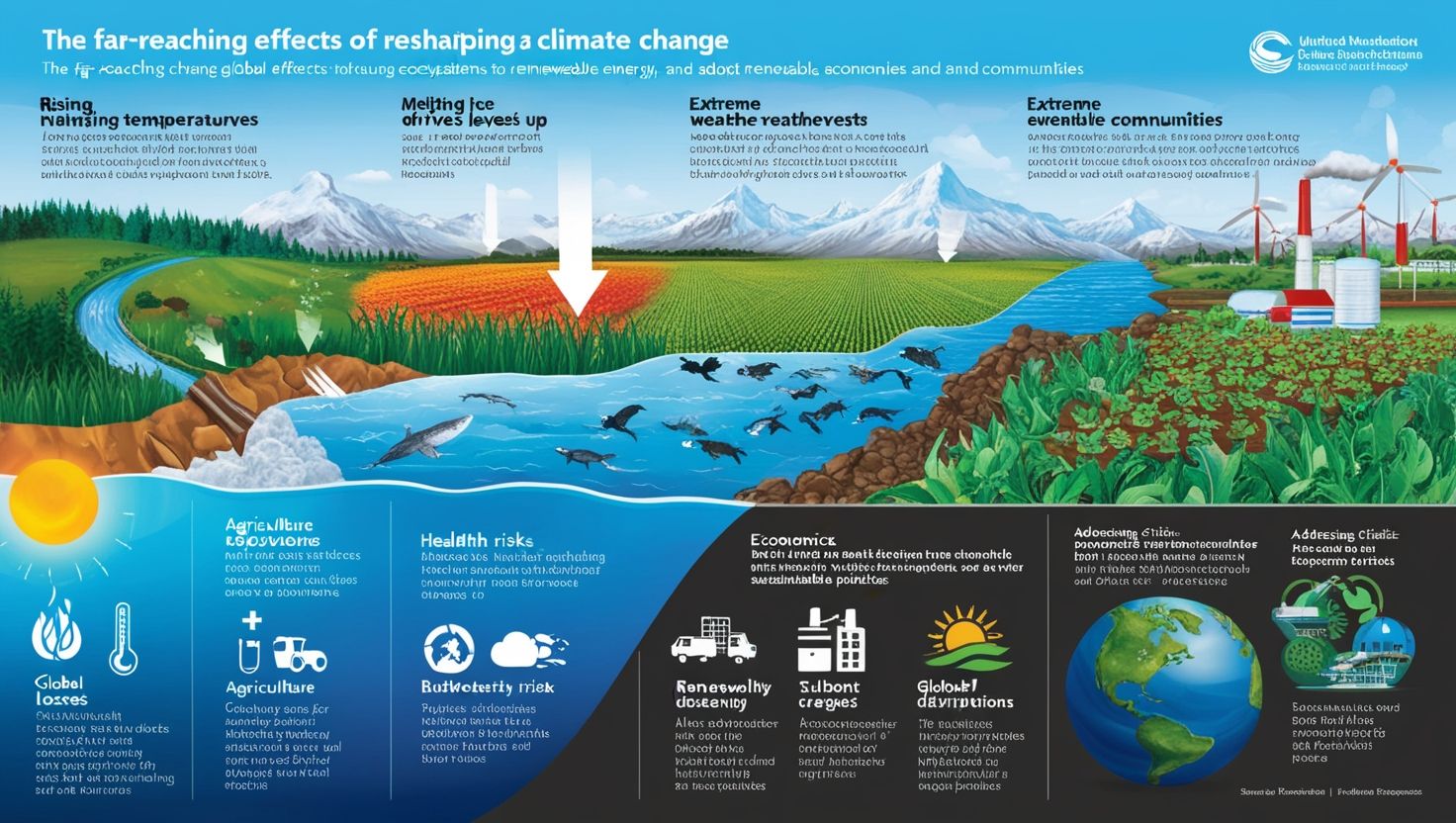
While oil has been a driver of economic growth, it also presents significant environmental challenges. Oil extraction, transportation, and consumption contribute to pollution, greenhouse gas emissions, and ecological damage.
Educational institutions have a responsibility to address these issues by:
- Promoting environmental awareness
- Encouraging research in renewable energy
- Developing sustainable practices
- Training professionals to minimize environmental impact
This dual role of oil—as both an economic asset and an environmental concern—makes it a critical subject in modern education.
Transition to Renewable Energy: A New Educational Imperative
The global shift toward renewable energy sources such as solar, wind, and hydropower is reshaping both economics and education. While oil remains dominant, its long-term sustainability is being questioned.
Educational systems must adapt by:
- Introducing interdisciplinary energy studies
- Encouraging innovation in clean technologies
- Preparing students for emerging green jobs
- Promoting policy and economic analysis related to energy transition
This transition does not diminish oil’s importance but rather highlights the need for balanced and forward-thinking approaches.
Oil in Developing Economies
In developing countries, oil can be both a blessing and a challenge. It provides revenue and development opportunities but can also lead to economic dependency and inequality.
Education plays a crucial role in ensuring that oil wealth is used effectively. By investing in human capital, countries can diversify their economies and reduce reliance on oil.
Educators and policymakers must work together to:
- Strengthen education systems
- Promote economic diversification
- Encourage entrepreneurship
- Build sustainable development strategies
The Future of Oil in Economics and Education
Despite growing interest in renewable energy, oil will likely remain a key component of the global economy for decades. Its influence on education will continue, particularly in fields related to energy, technology, and environmental science.
However, the focus is shifting toward sustainability and innovation. Future education systems must strike a balance between understanding traditional energy resources and exploring new alternatives.
Conclusion
Oil’s importance in world economics and education cannot be overstated. It fuels industries, drives global trade, shapes geopolitics, and supports educational development. At the same time, it presents environmental challenges that require thoughtful and informed solutions.
For educators, oil provides a powerful context for teaching economics, science, technology, and sustainability. It offers opportunities to inspire critical thinking, innovation, and responsible decision-making among students.
As the world moves toward a more sustainable future, the role of oil will evolve, but its impact on economic systems and educational priorities will remain significant. Understanding this complex relationship is essential for building a knowledgeable, skilled, and forward-looking global society.