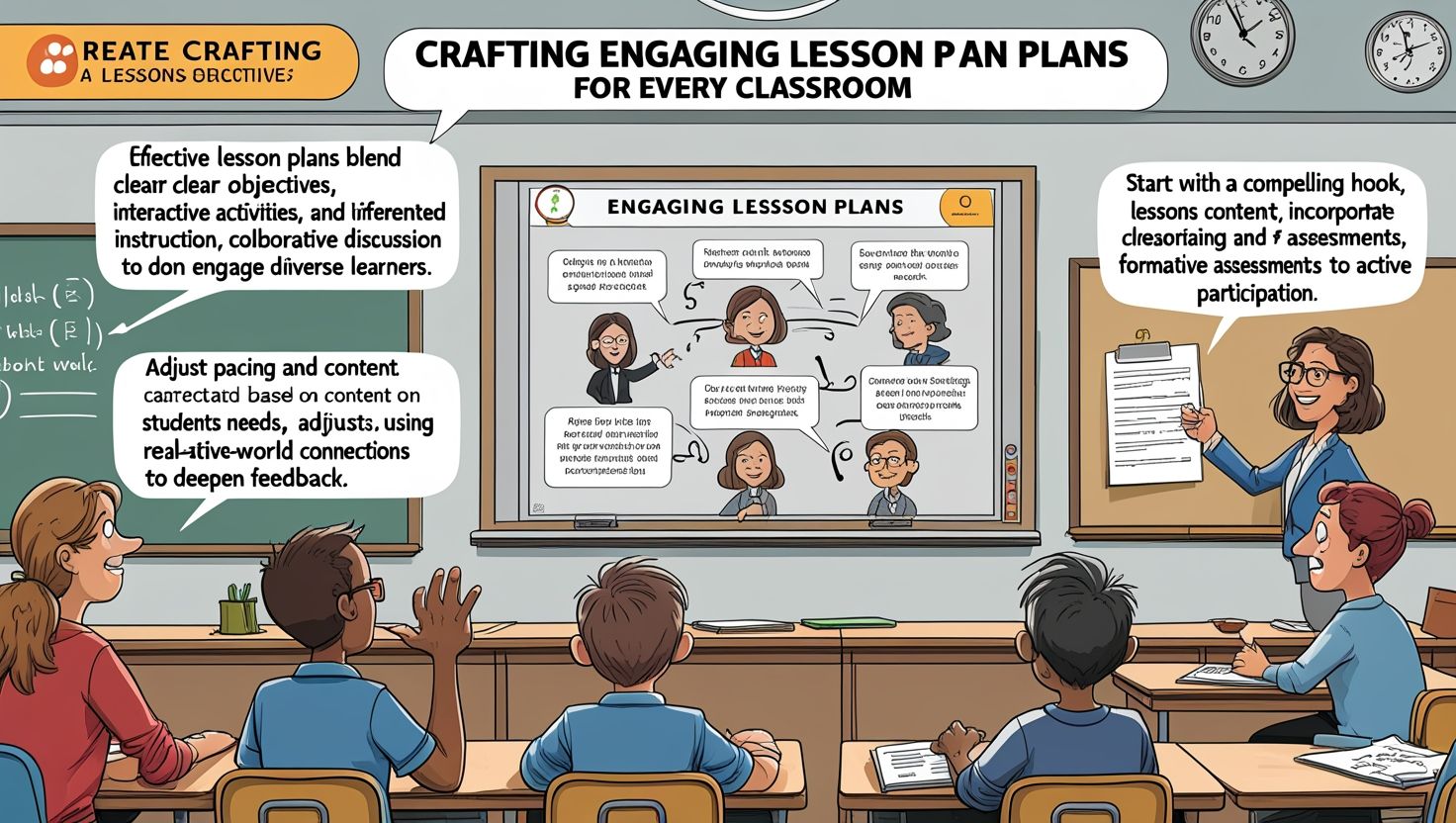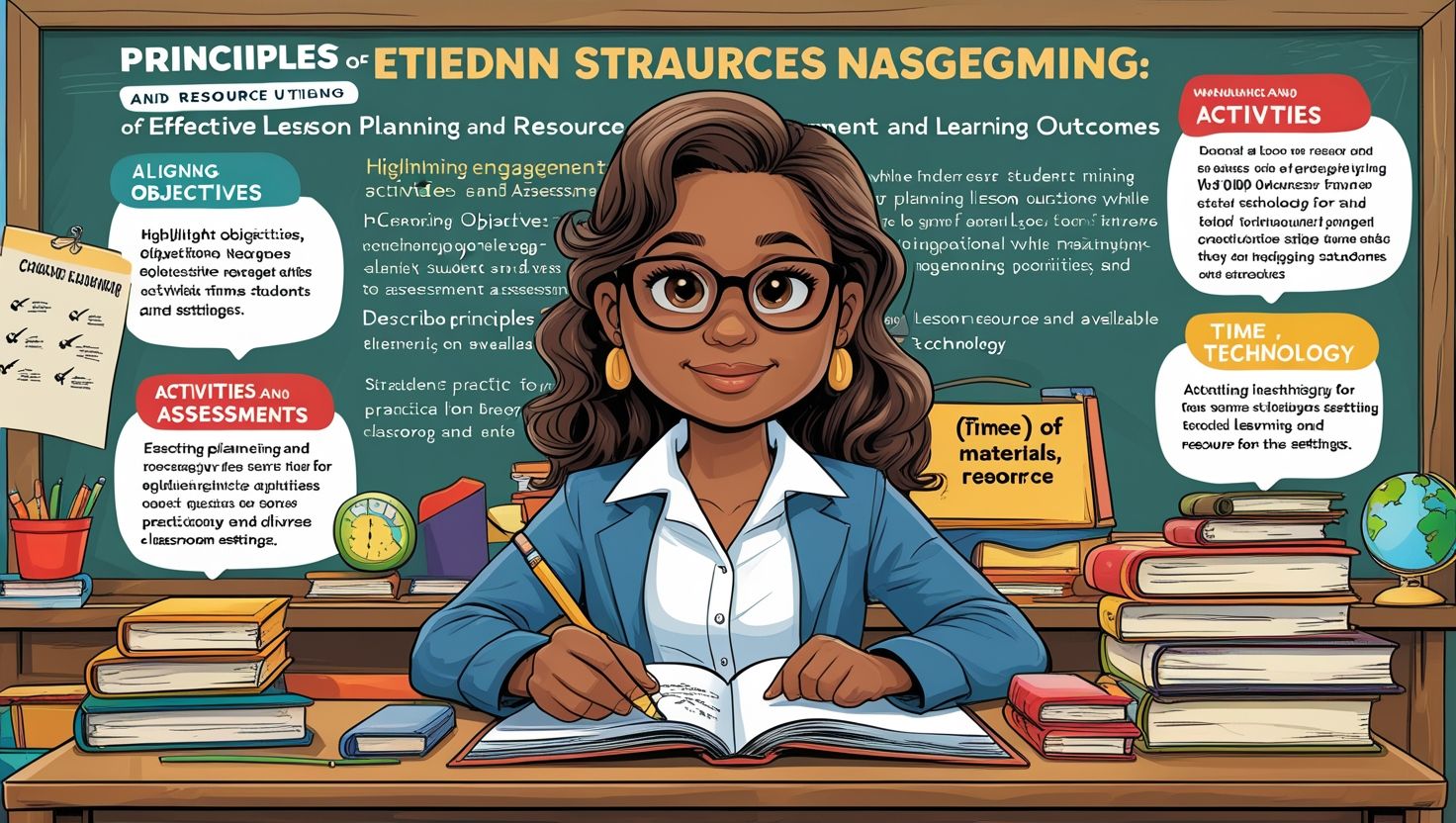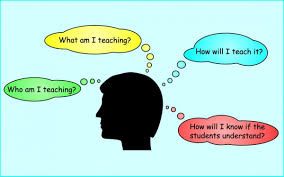
Lesson Plan Challenges for Teachers, Lesson planning remains one of the most demanding professional responsibilities faced by teachers across contemporary educational systems. Teachers are expected to prepare instructional objectives, align classroom activities with curriculum standards, integrate assessment strategies, and address diverse learner needs within limited preparation time. These expectations become increasingly difficult when schools introduce new policies, digital platforms, and competency based curricula without sufficient professional training. Many teachers also encounter pressure from administrators, parents, and examination systems that prioritize documentation rather than meaningful learning experiences.
Research on teacher preparation consistently demonstrates that weak institutional support, insufficient planning resources, and overloaded schedules reduce the quality of lesson design and classroom implementation. Effective lesson planning requires pedagogical knowledge, content mastery, technological competence, and awareness of students’ emotional and academic conditions. Therefore, understanding lesson planning challenges is essential for improving teacher effectiveness, educational quality, and sustainable professional development within modern schools across diverse global contexts.
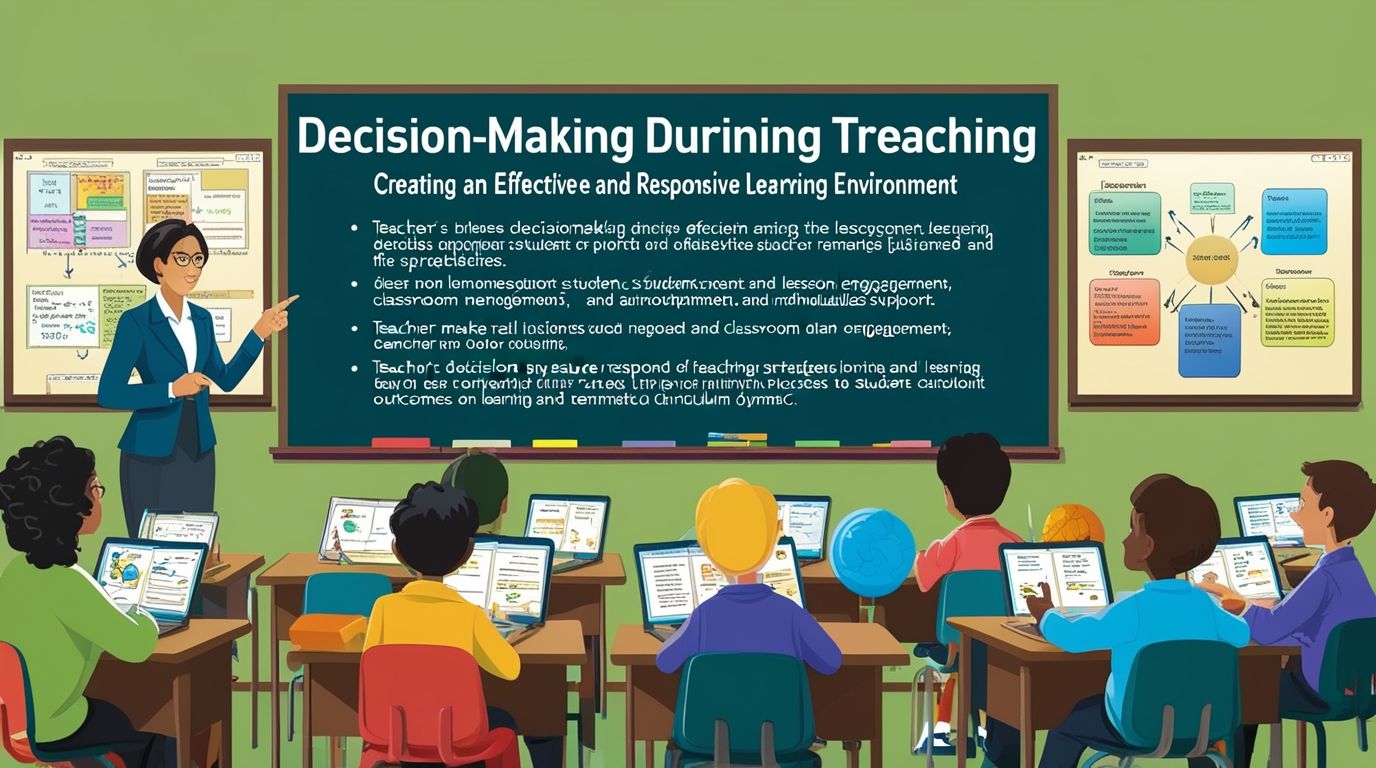
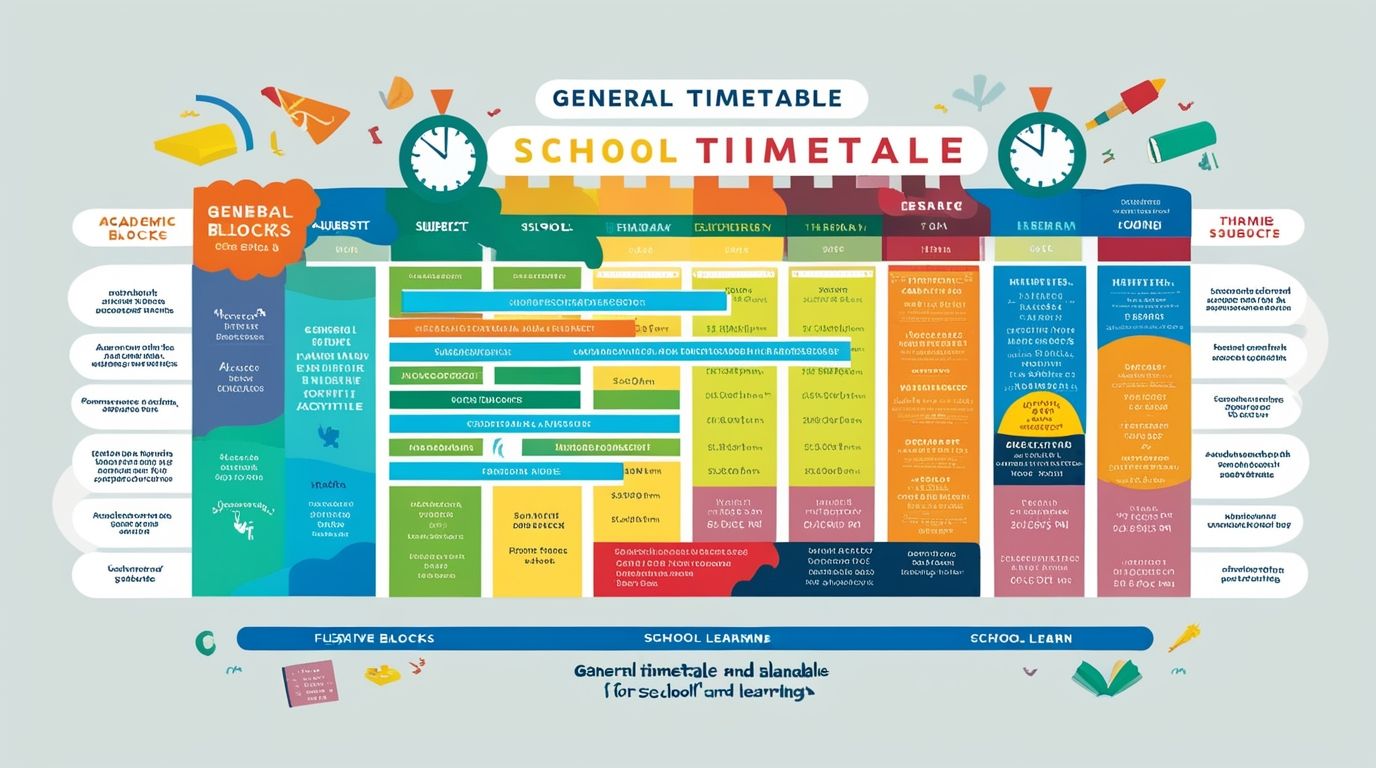
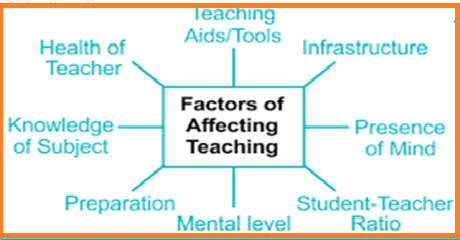
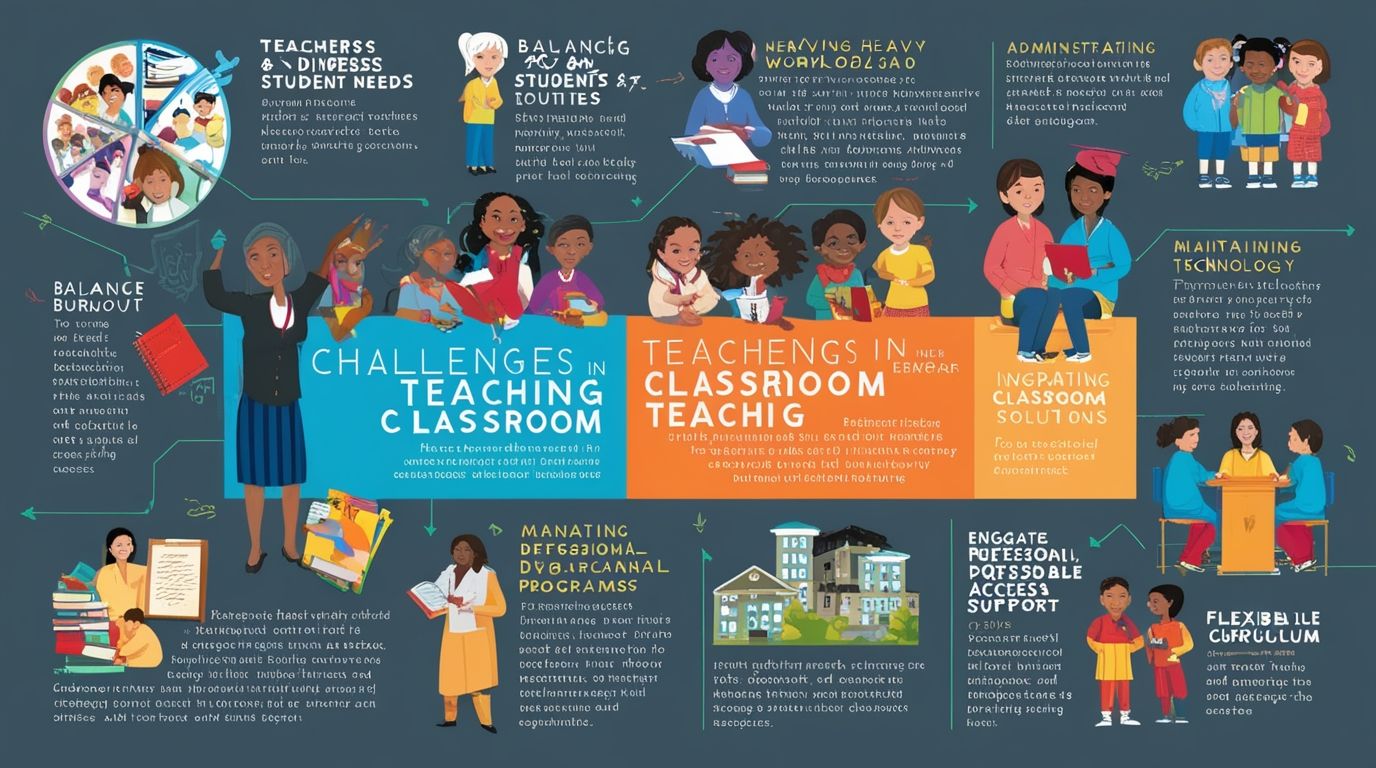
One major challenge teachers experience during lesson planning is inadequate time for preparation and reflection. Teachers manage multiple professional duties, including classroom teaching, assessment, student counseling, meetings, administrative documentation, and extracurricular supervision. These responsibilities reduce opportunities for designing thoughtful and engaging lessons that address learner diversity and curriculum expectations. In many schools, teachers are required to prepare detailed lesson plans daily, even when they teach several classes with different subjects or grade levels. Such demands often create professional exhaustion and reduce instructional creativity. Many educators eventually depend on repetitive teaching methods because they cannot revise plans according to students’ changing academic needs. Time pressure also discourages collaborative planning among colleagues, limiting professional dialogue and exchange of innovative ideas. Consequently, rushed lesson preparation weakens instructional quality, classroom engagement, and meaningful assessment practices, affecting both teacher confidence and student learning outcomes significantly.
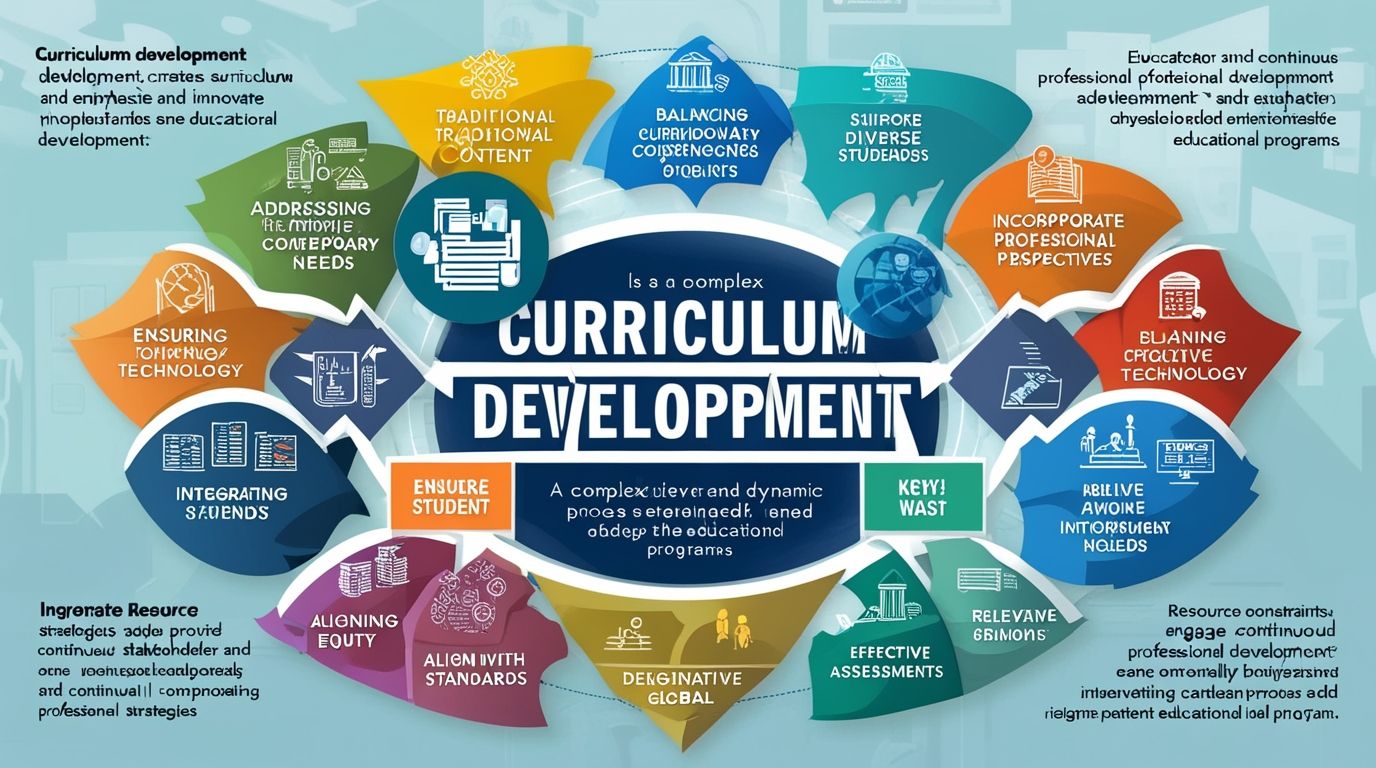
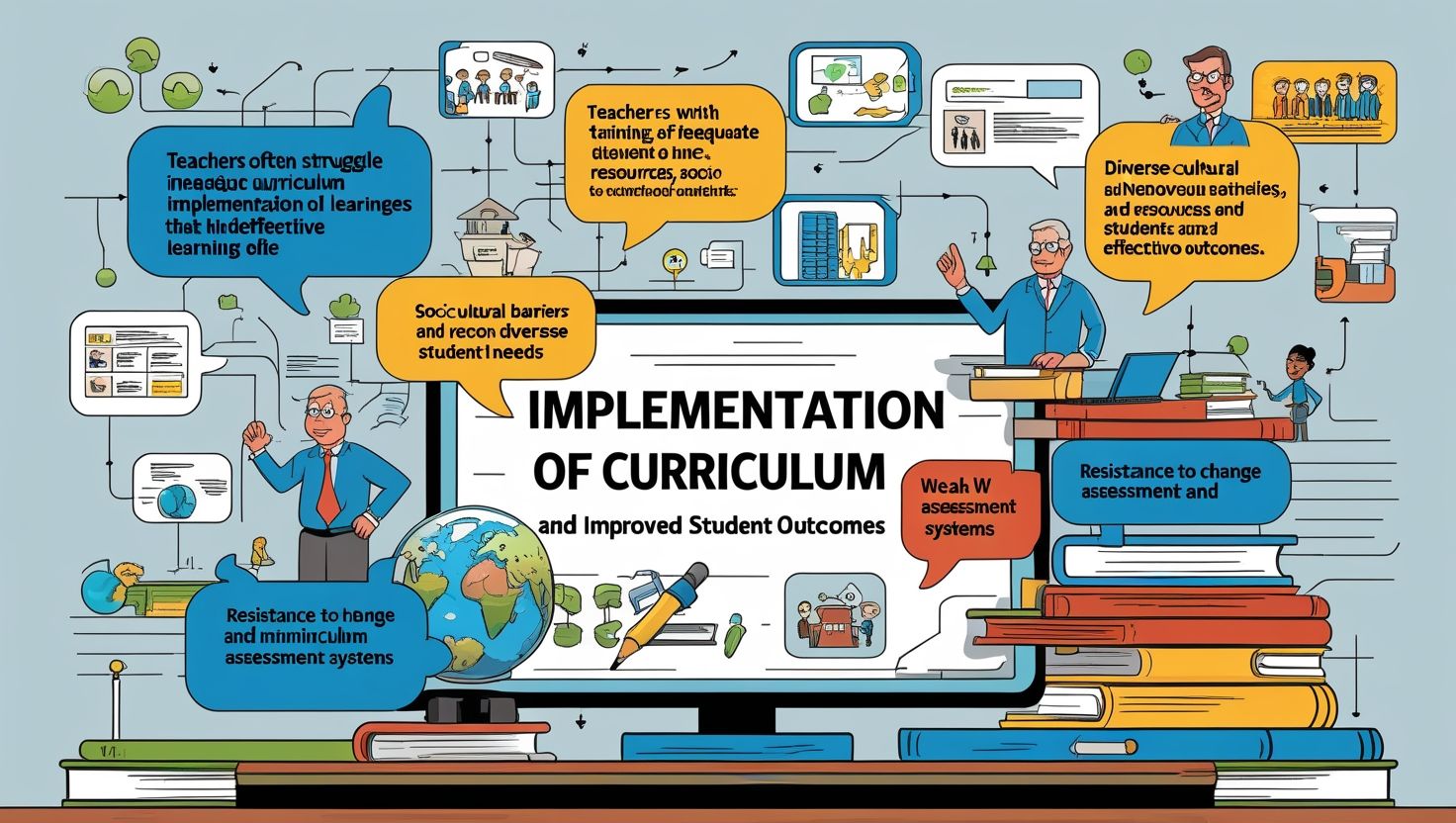
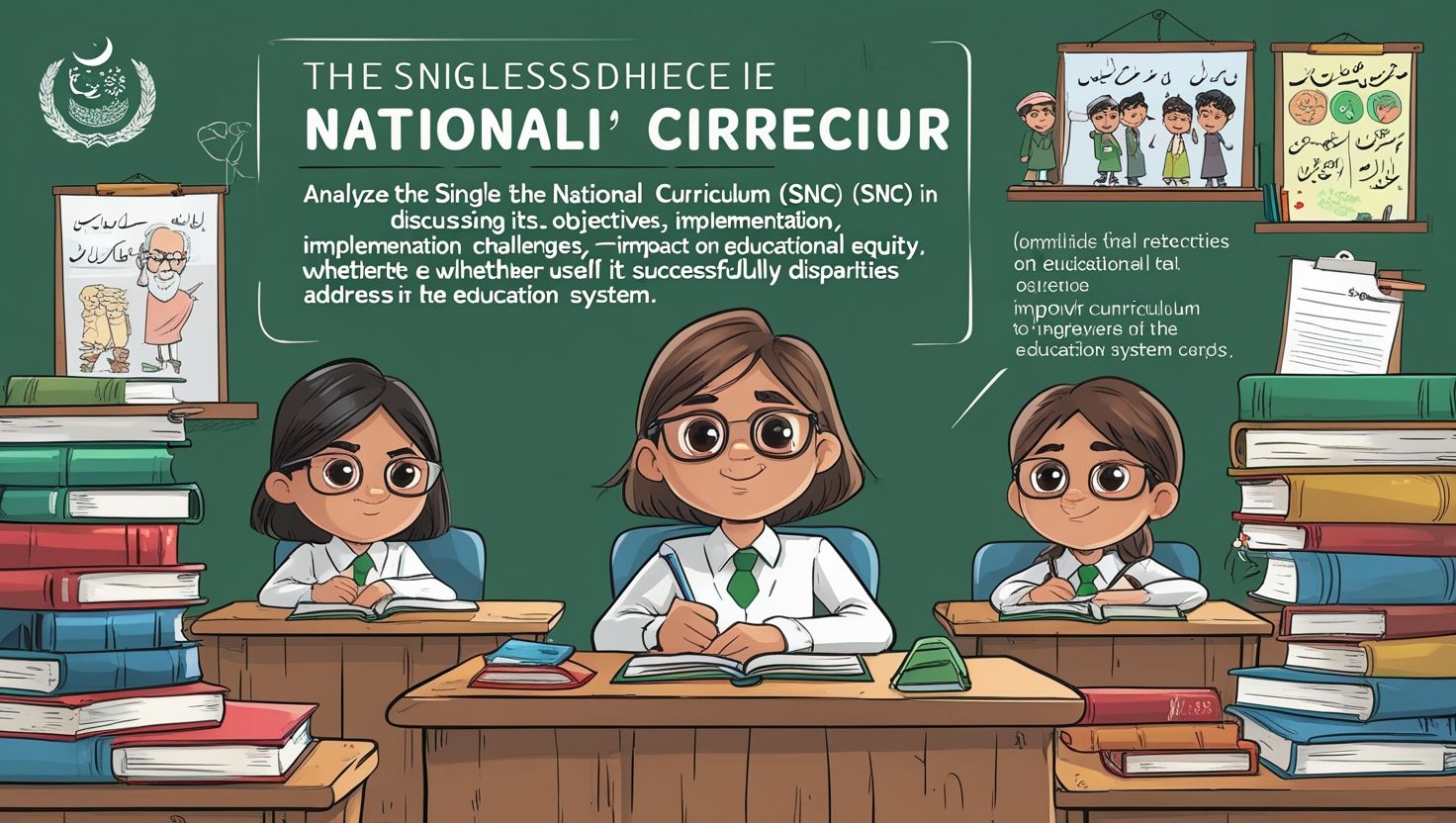
Another significant lesson planning challenge involves curriculum overload and continuous educational reforms within modern schooling systems. Governments and educational authorities frequently revise curriculum frameworks to improve educational standards, integrate technological competencies, and promote twenty first century skills among learners. Although reforms aim to strengthen educational quality, teachers often receive insufficient training regarding implementation procedures and instructional expectations. Many educators struggle to interpret curriculum objectives, learning outcomes, and competency indicators while simultaneously preparing classroom activities that satisfy institutional requirements. In some situations, curriculum documents contain complex language that confuses inexperienced teachers and reduces planning efficiency. Teachers also experience uncertainty when selecting suitable instructional strategies, learning materials, and classroom assessments aligned with revised standards. Frequent curriculum changes create professional instability because educators must repeatedly redesign teaching materials and classroom procedures. Consequently, curriculum overload and reform pressure contribute significantly to teacher stress, planning difficulties, and inconsistent instructional practices.
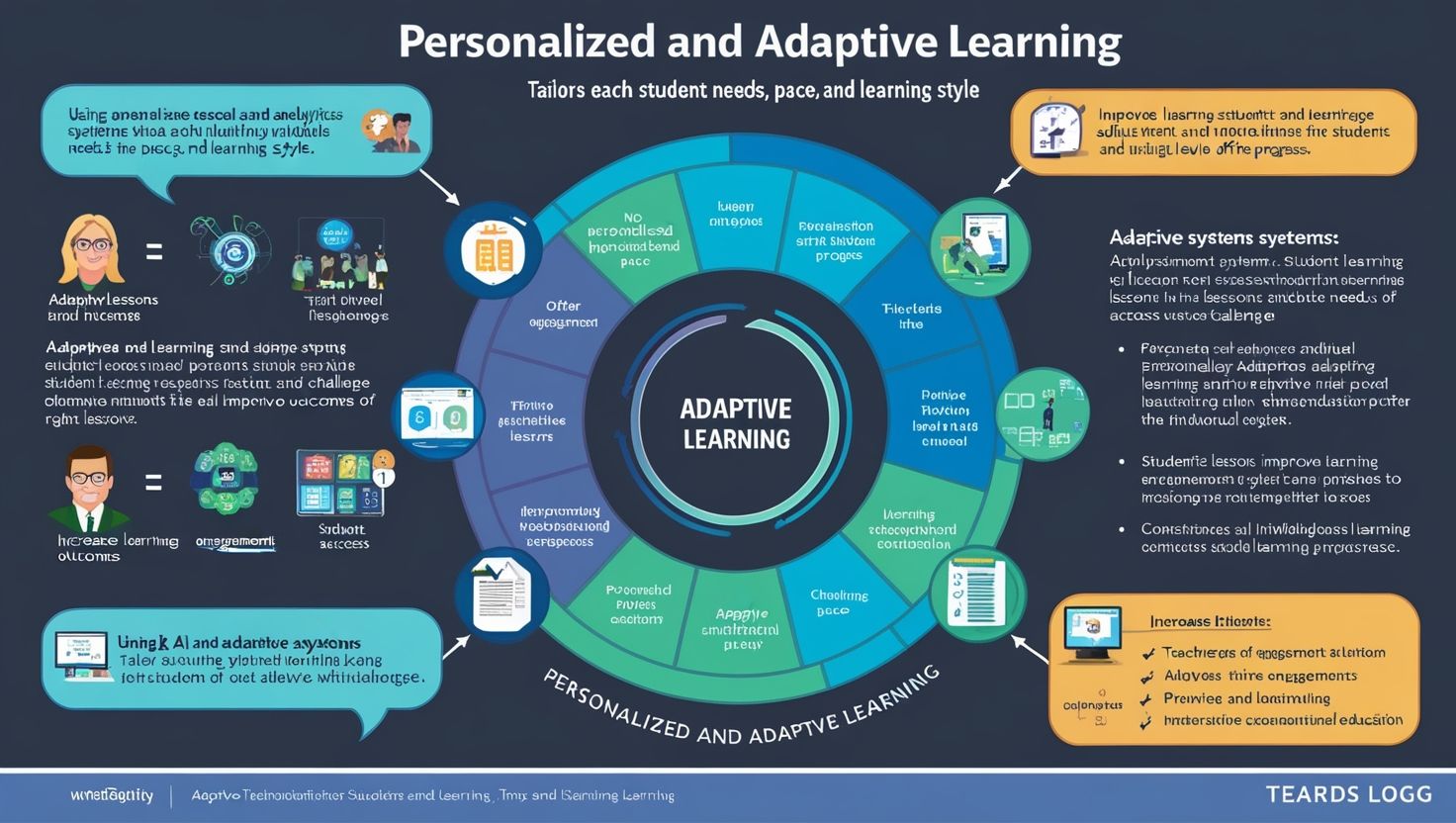
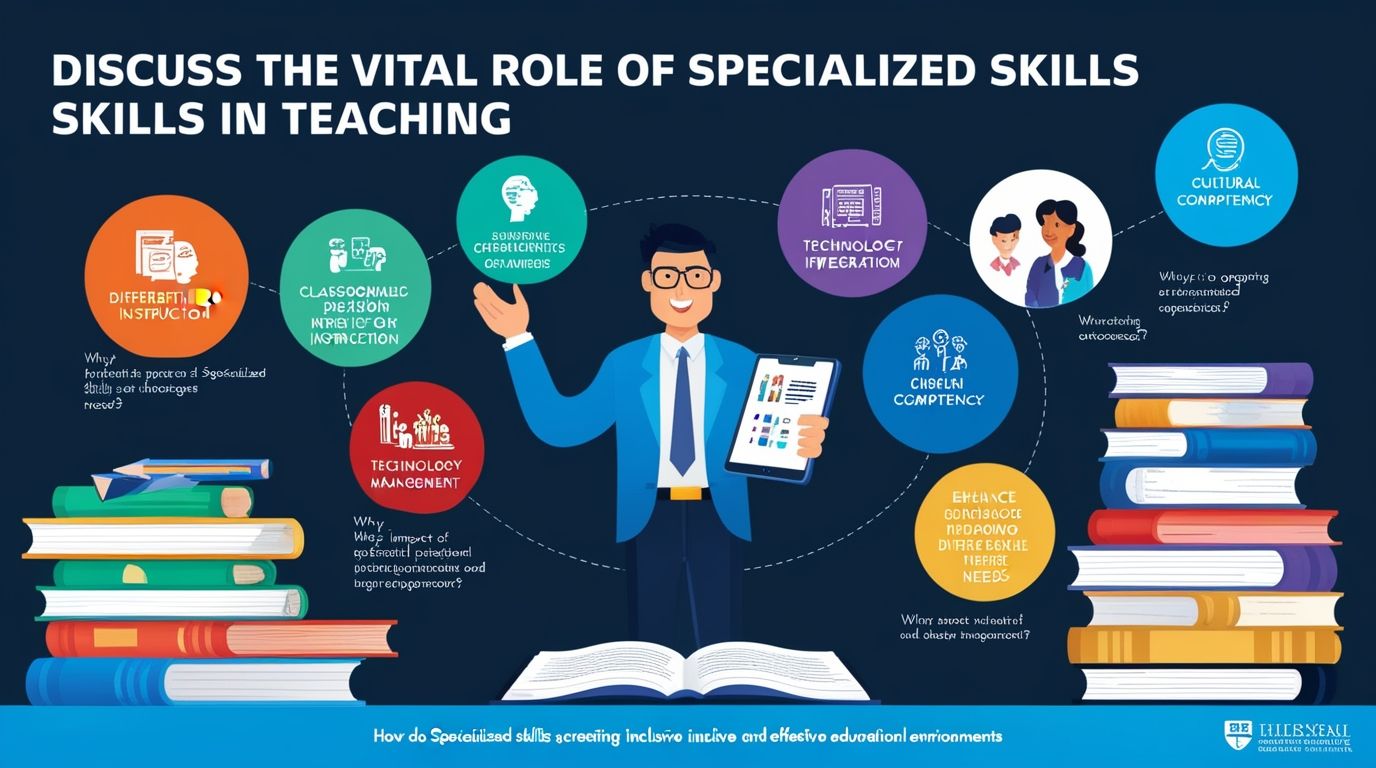
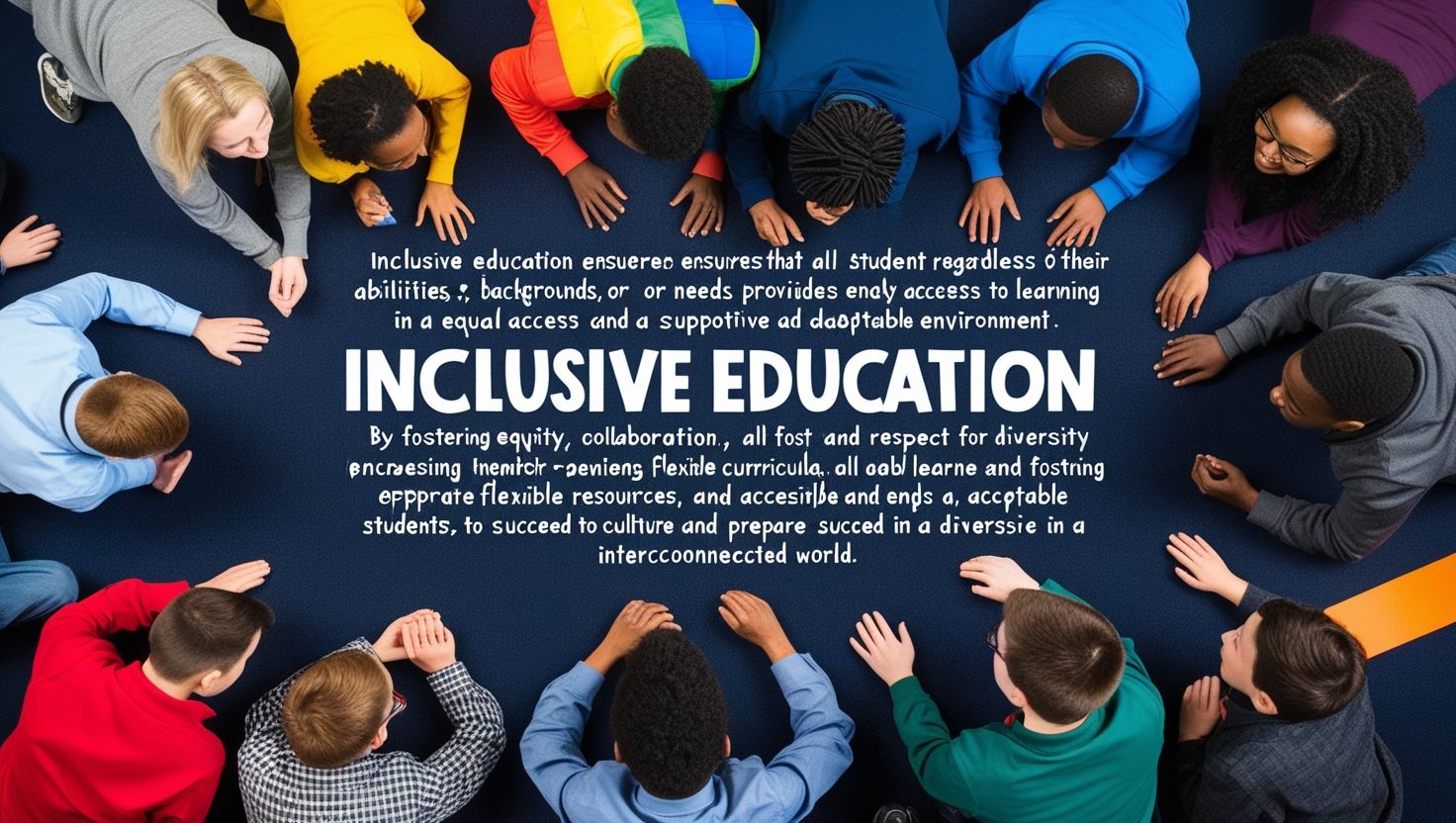
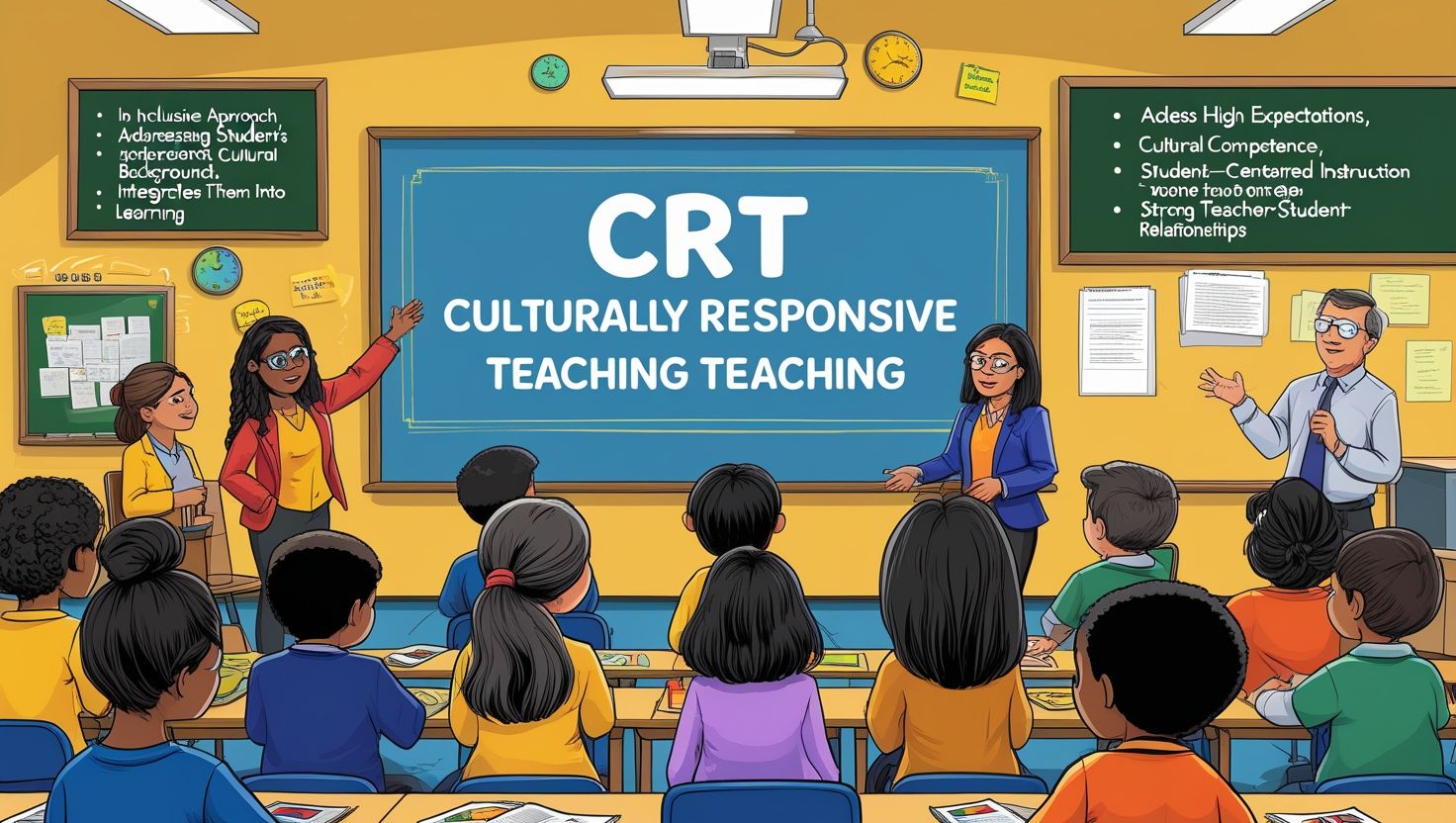
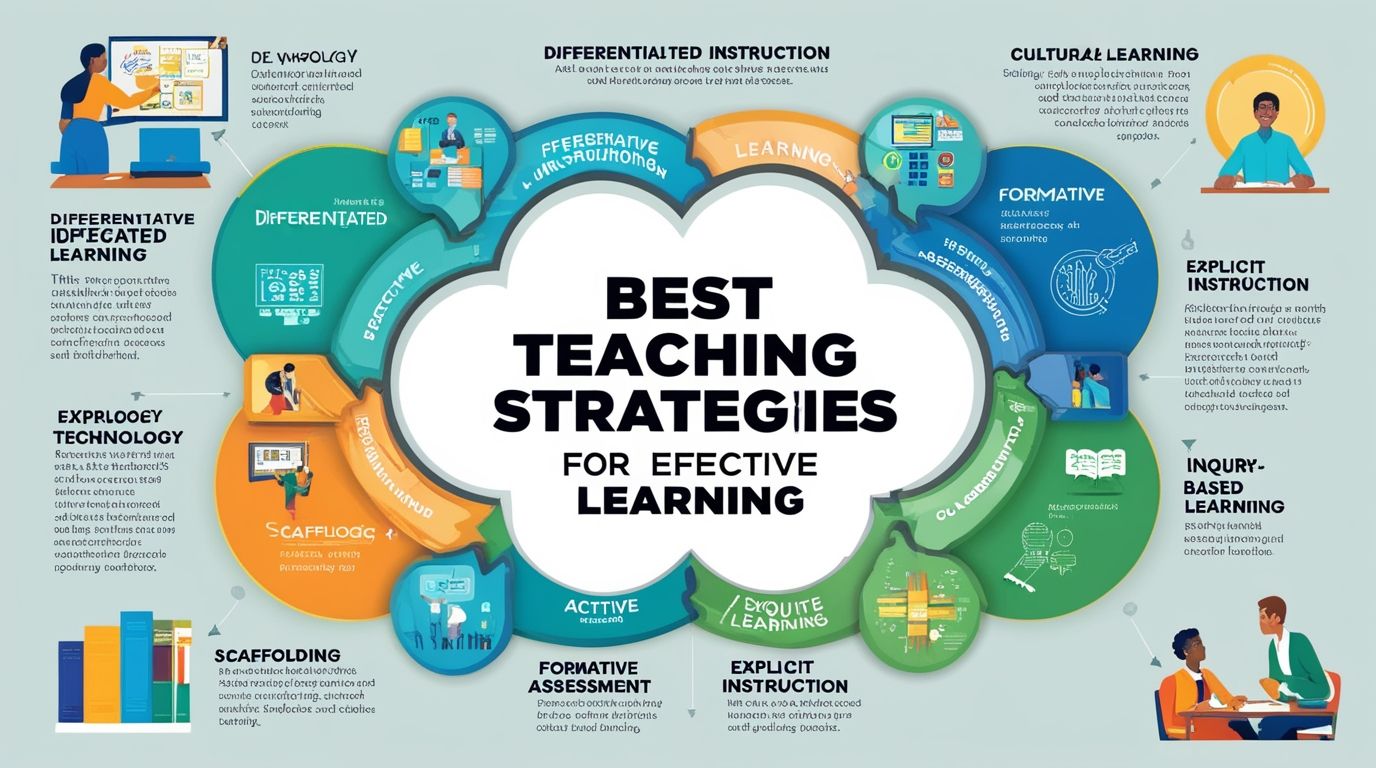
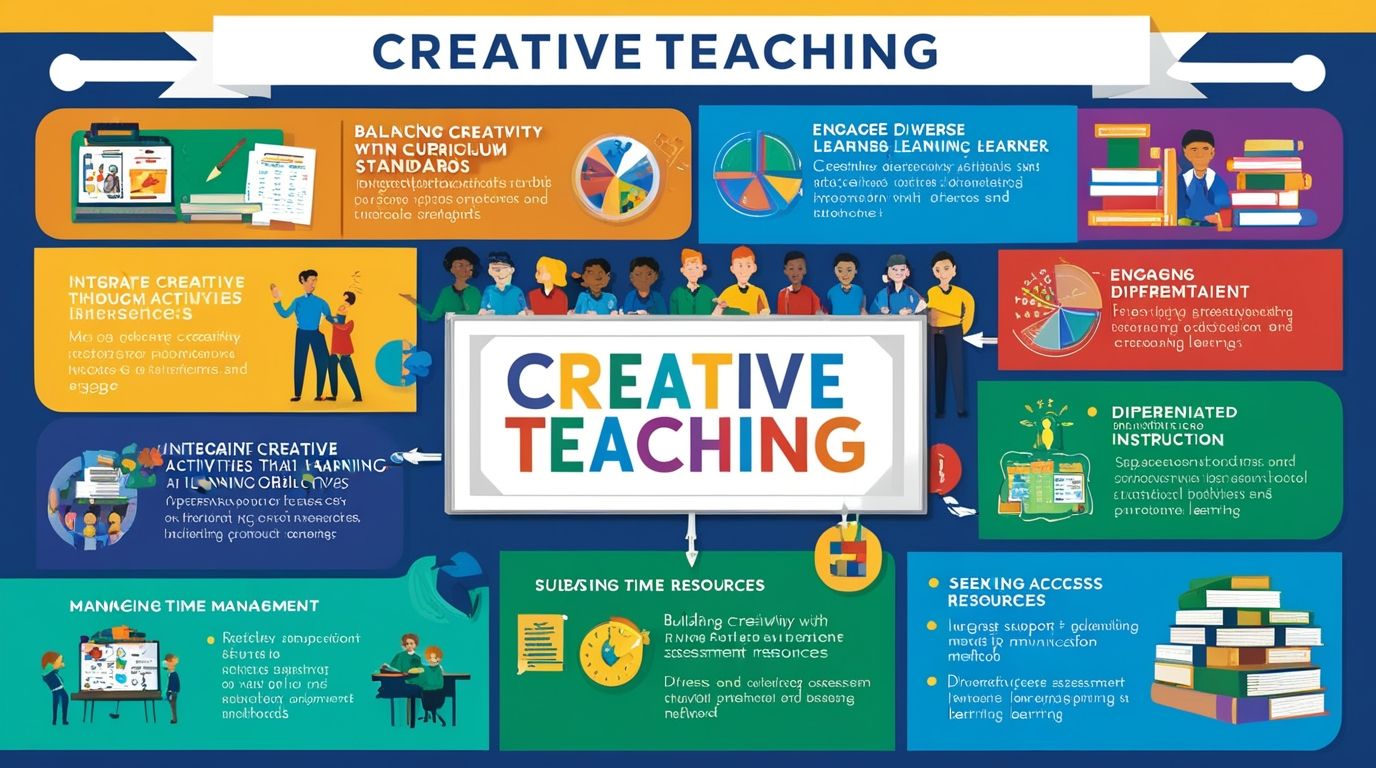
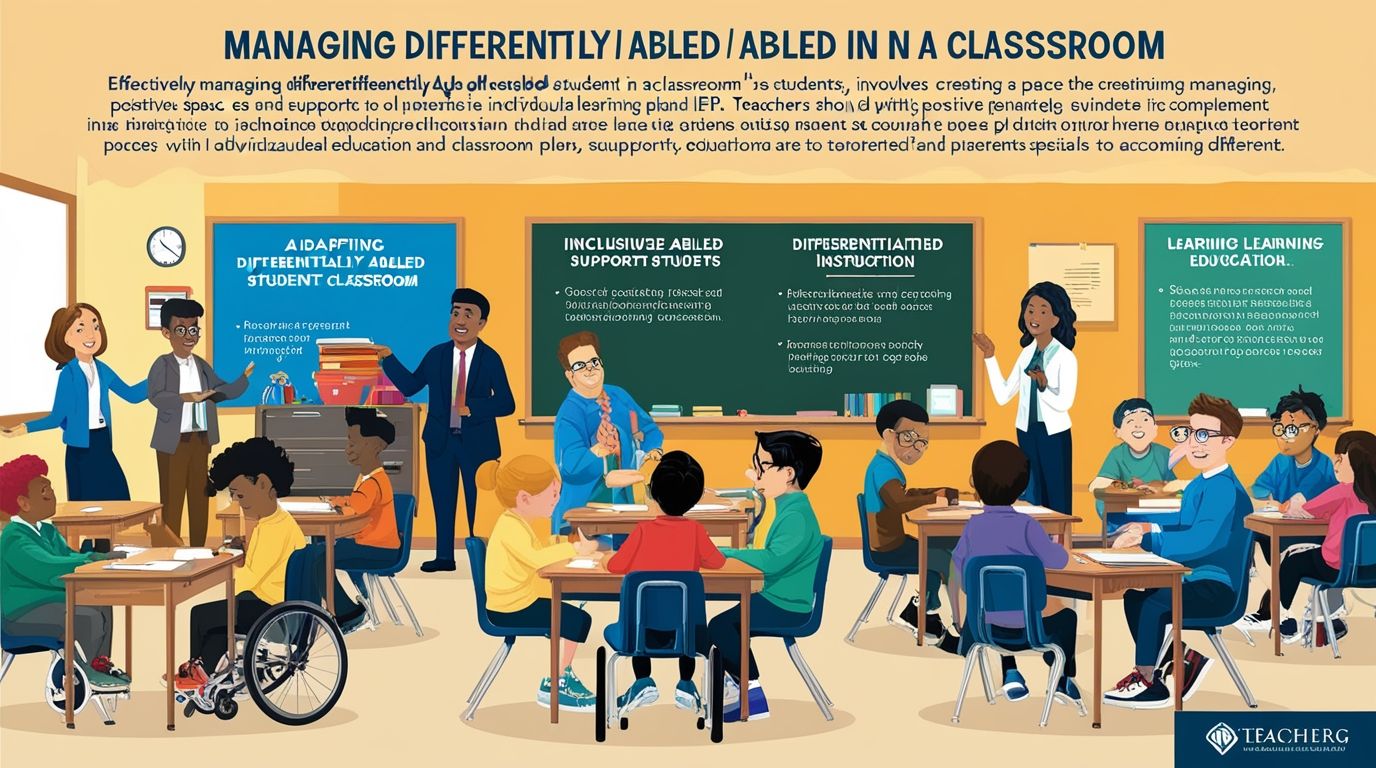
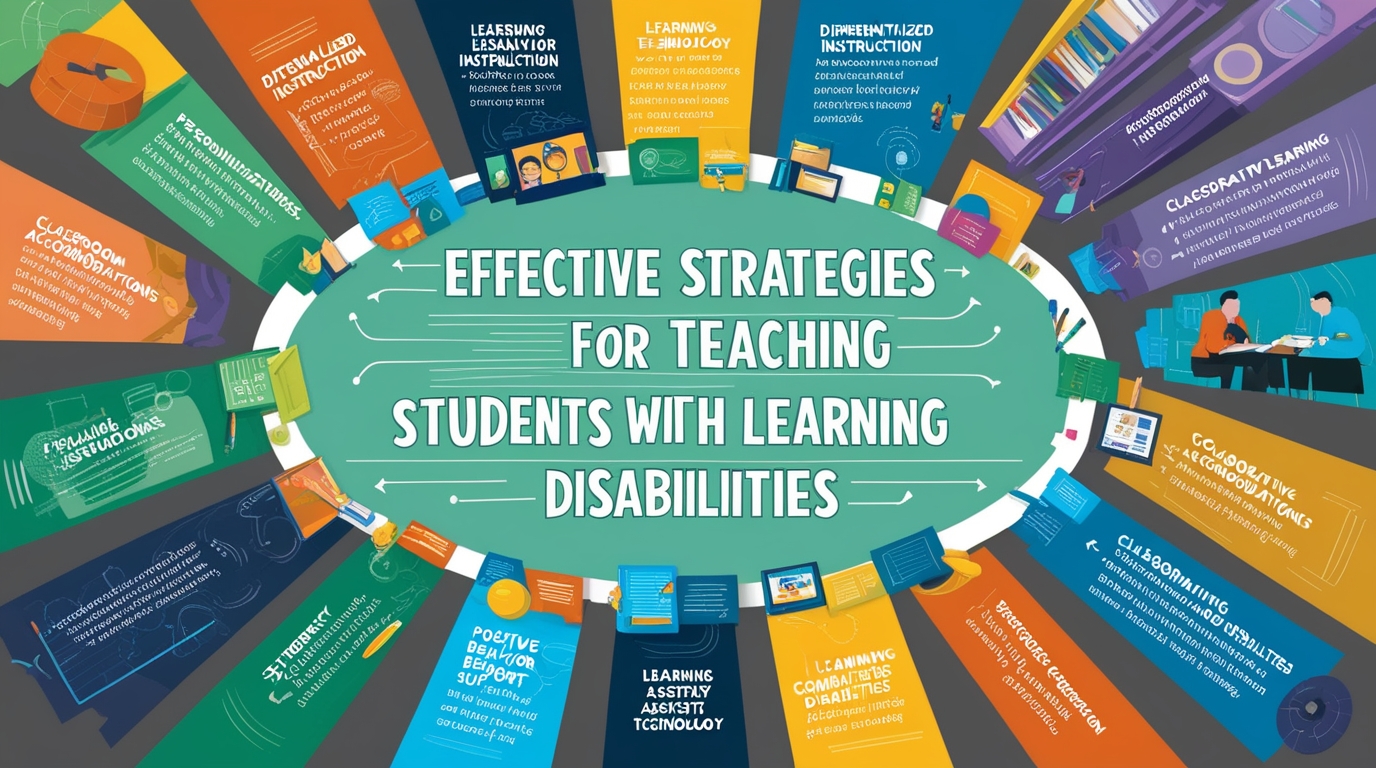
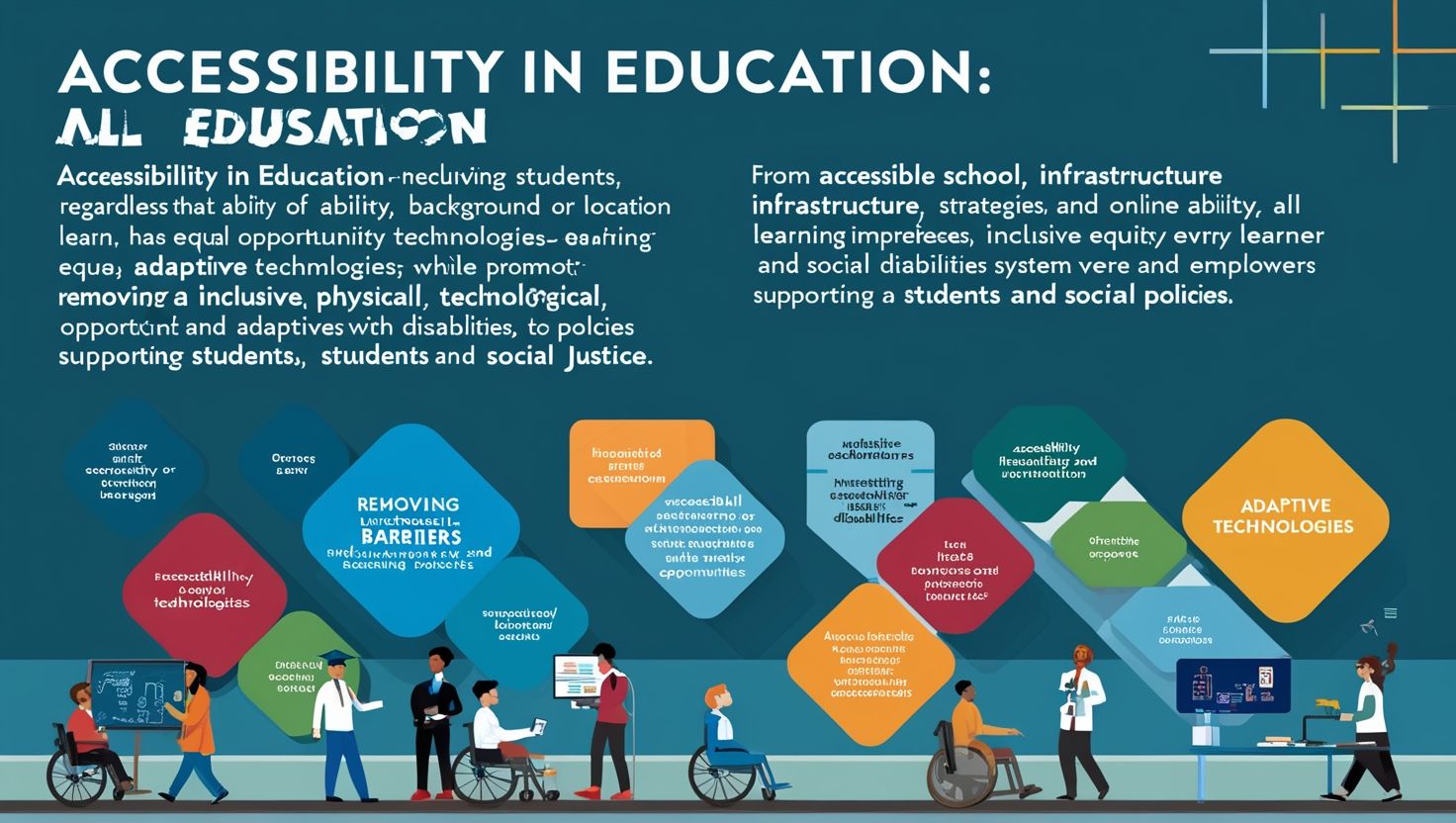
Diversity among learners presents another serious obstacle during lesson planning and instructional preparation. Contemporary classrooms include students with different academic abilities, learning preferences, cultural backgrounds, behavioral patterns, and emotional needs. Teachers are therefore expected to prepare inclusive lesson plans that accommodate every learner while maintaining curriculum standards and classroom discipline. Designing differentiated activities requires extensive understanding of child psychology, assessment methods, and instructional adaptation strategies. However, many schools provide limited professional development opportunities focused on inclusive education and differentiated instruction. Teachers frequently struggle to balance support for low performing students with enrichment opportunities for advanced learners. Additionally, overcrowded classrooms make individualized planning extremely difficult because teachers cannot realistically predict every learner’s response during lessons. The challenge becomes greater when classrooms include students with disabilities requiring specialized instructional materials or accommodations. As a result, learner diversity increases planning complexity and intensifies professional pressure experienced by teachers daily.
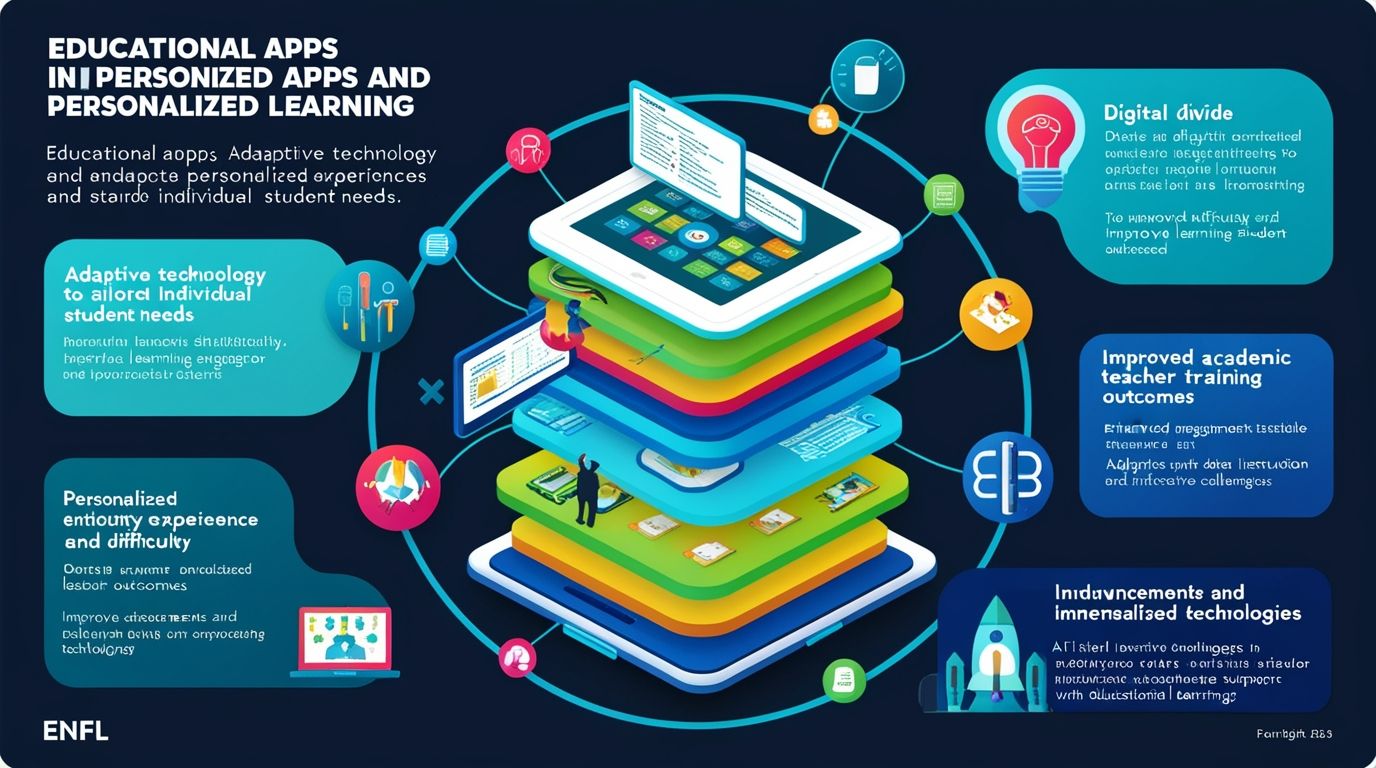
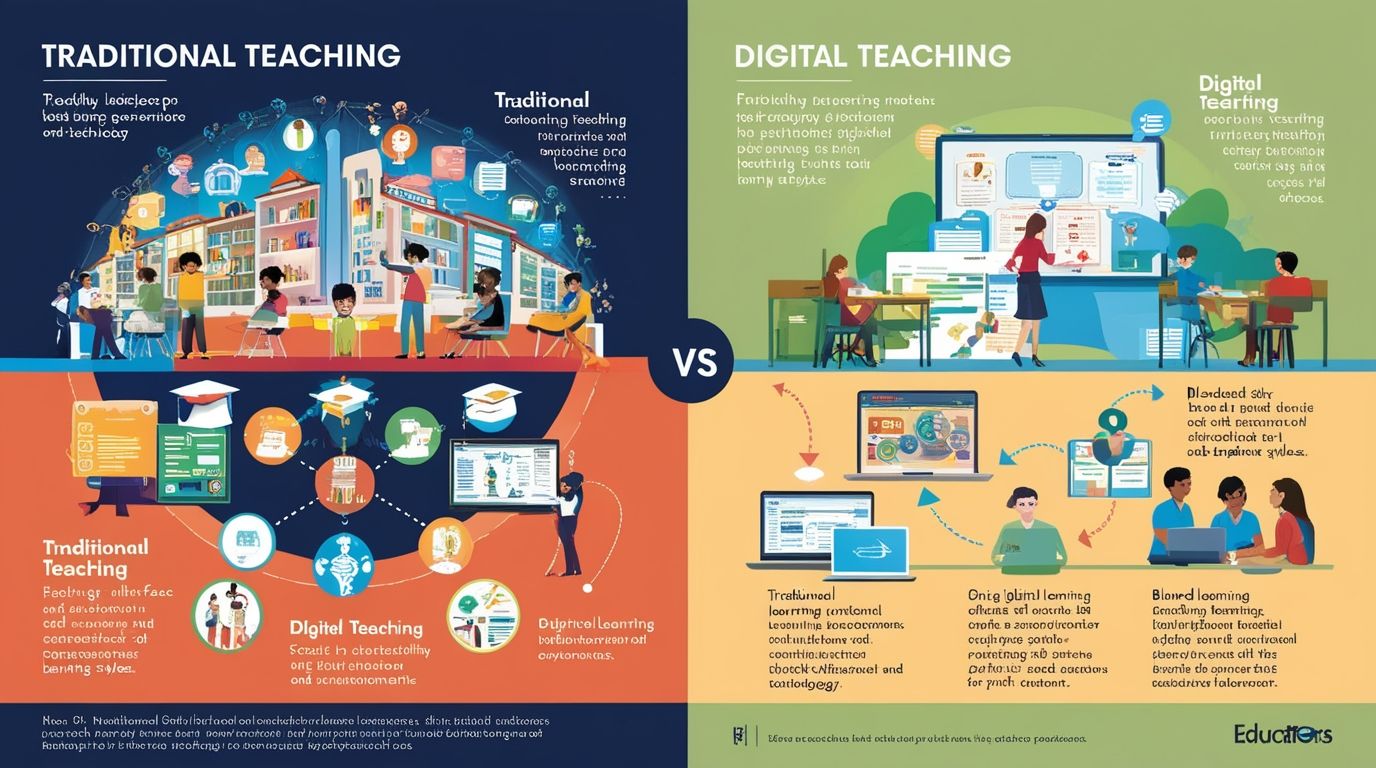
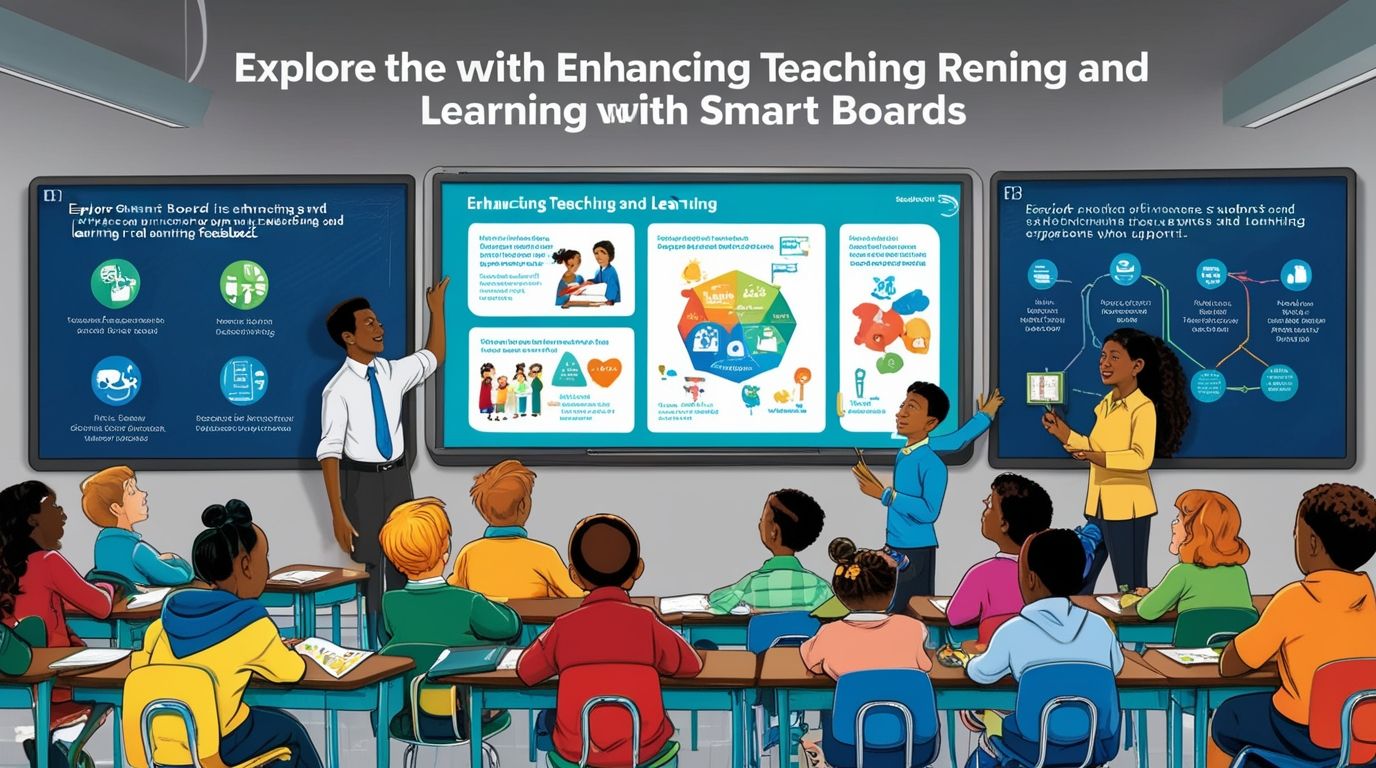
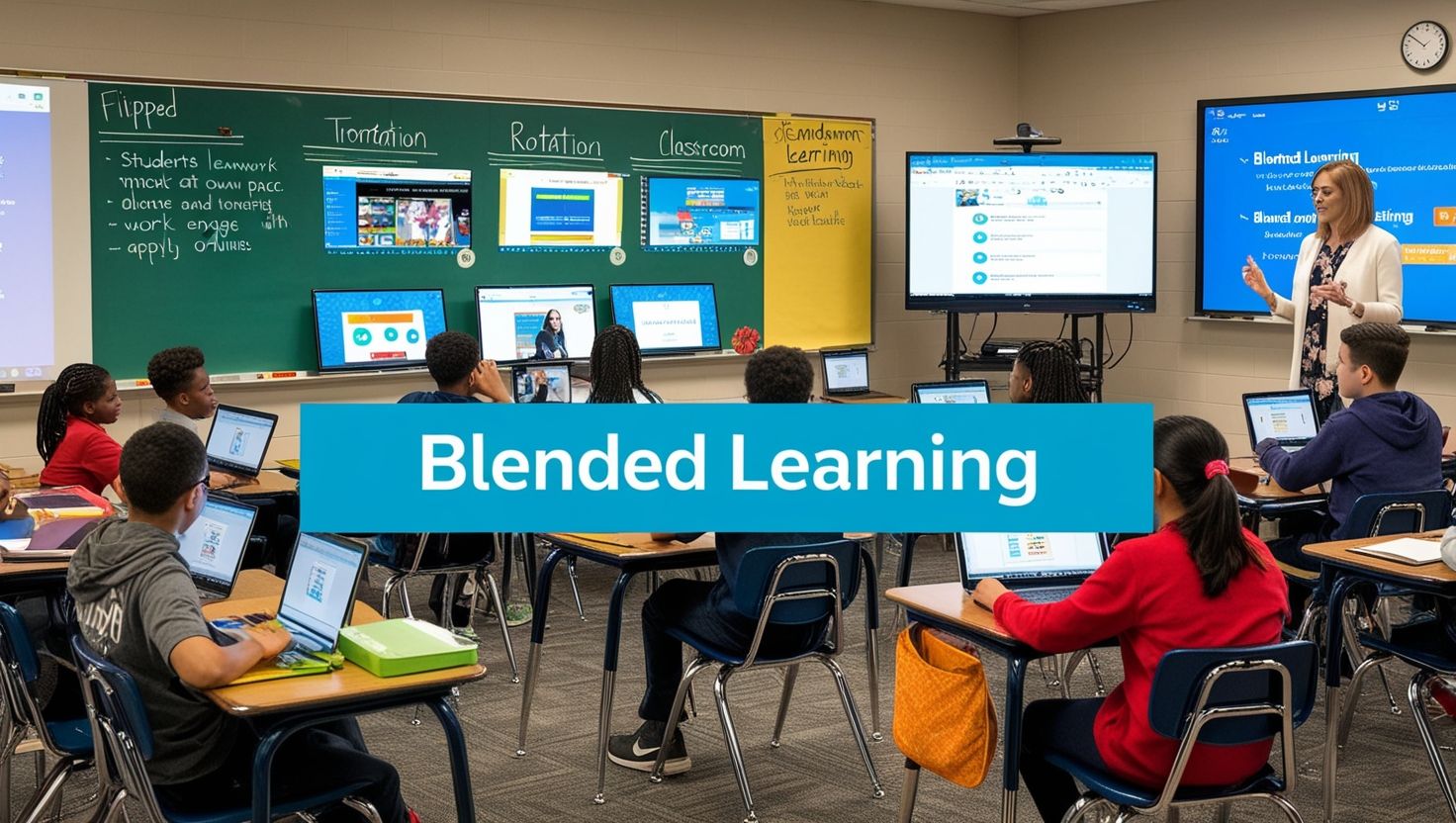
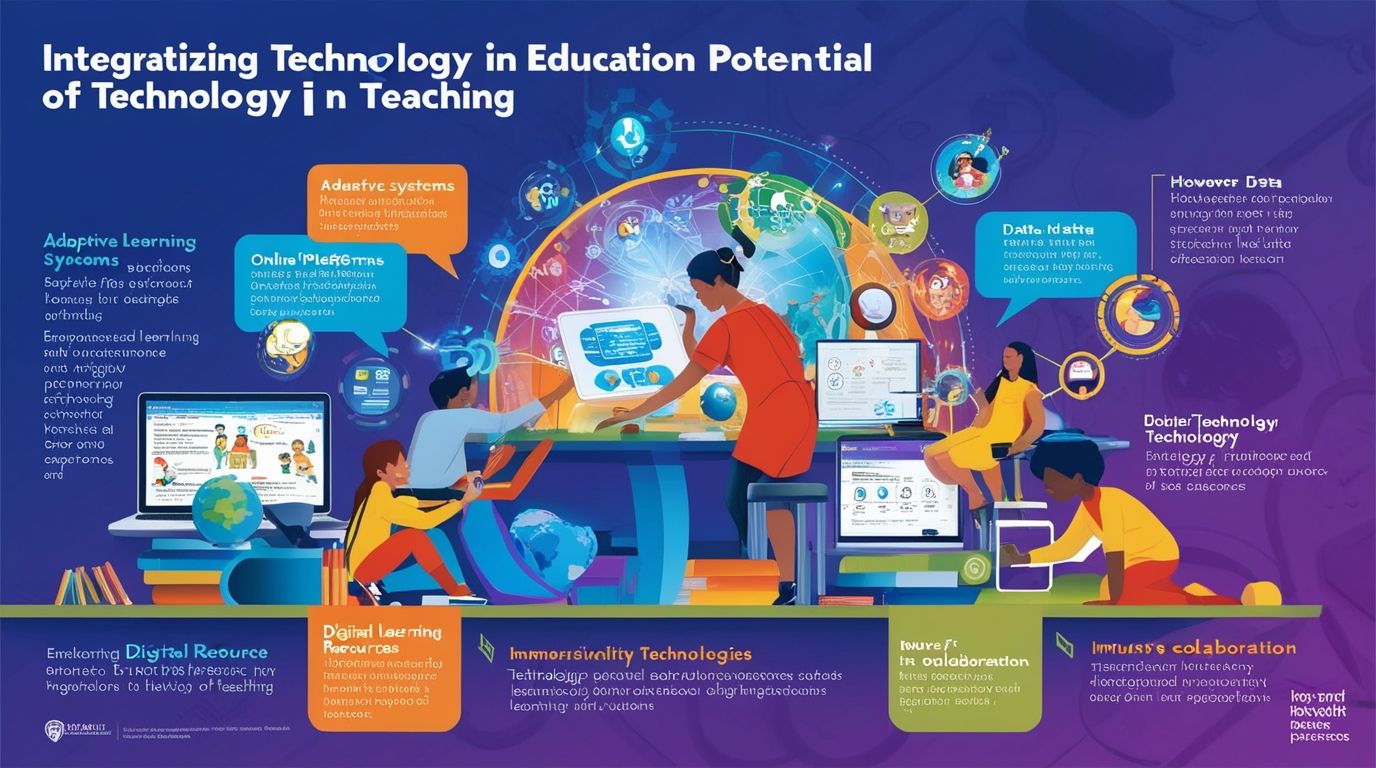
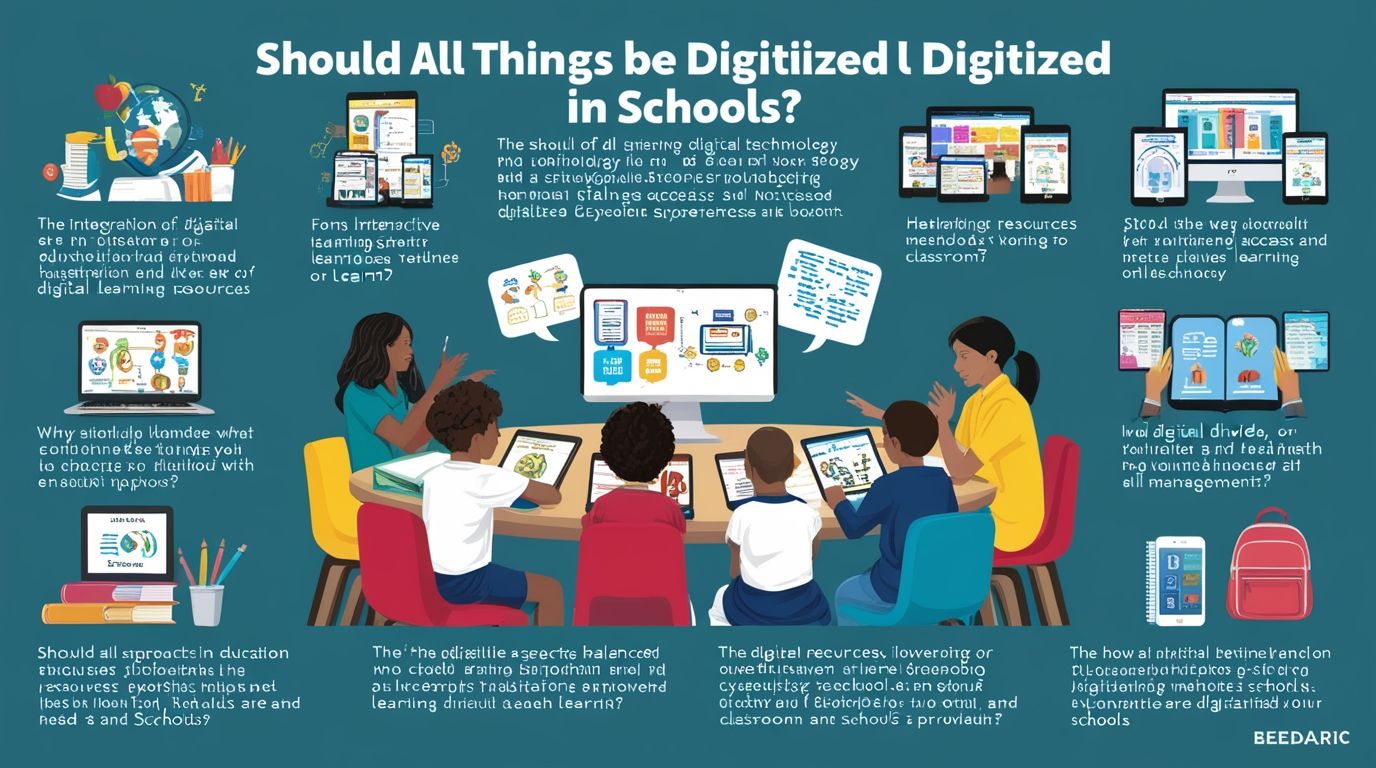
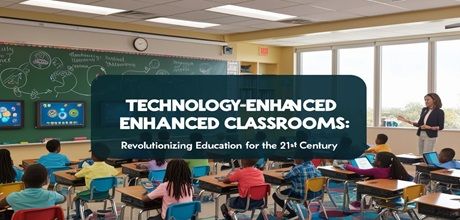
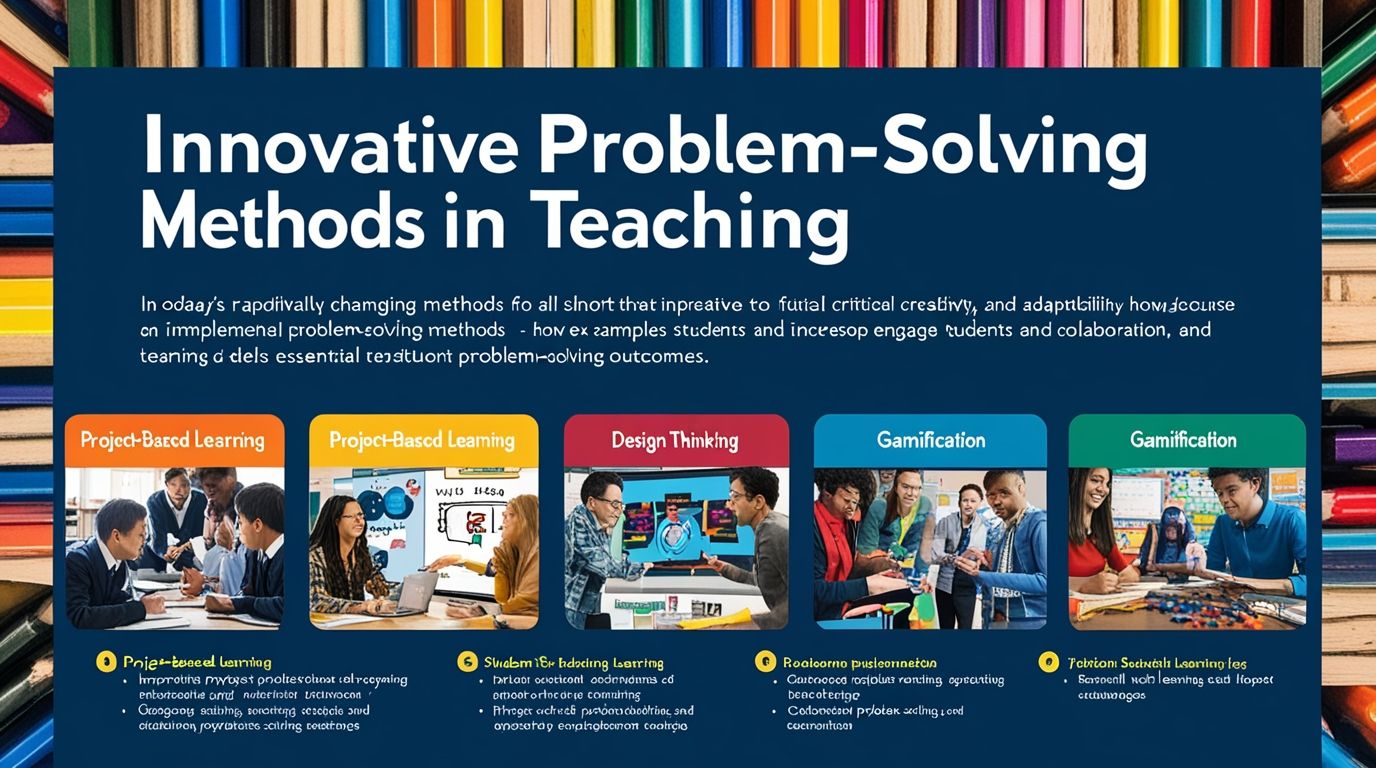
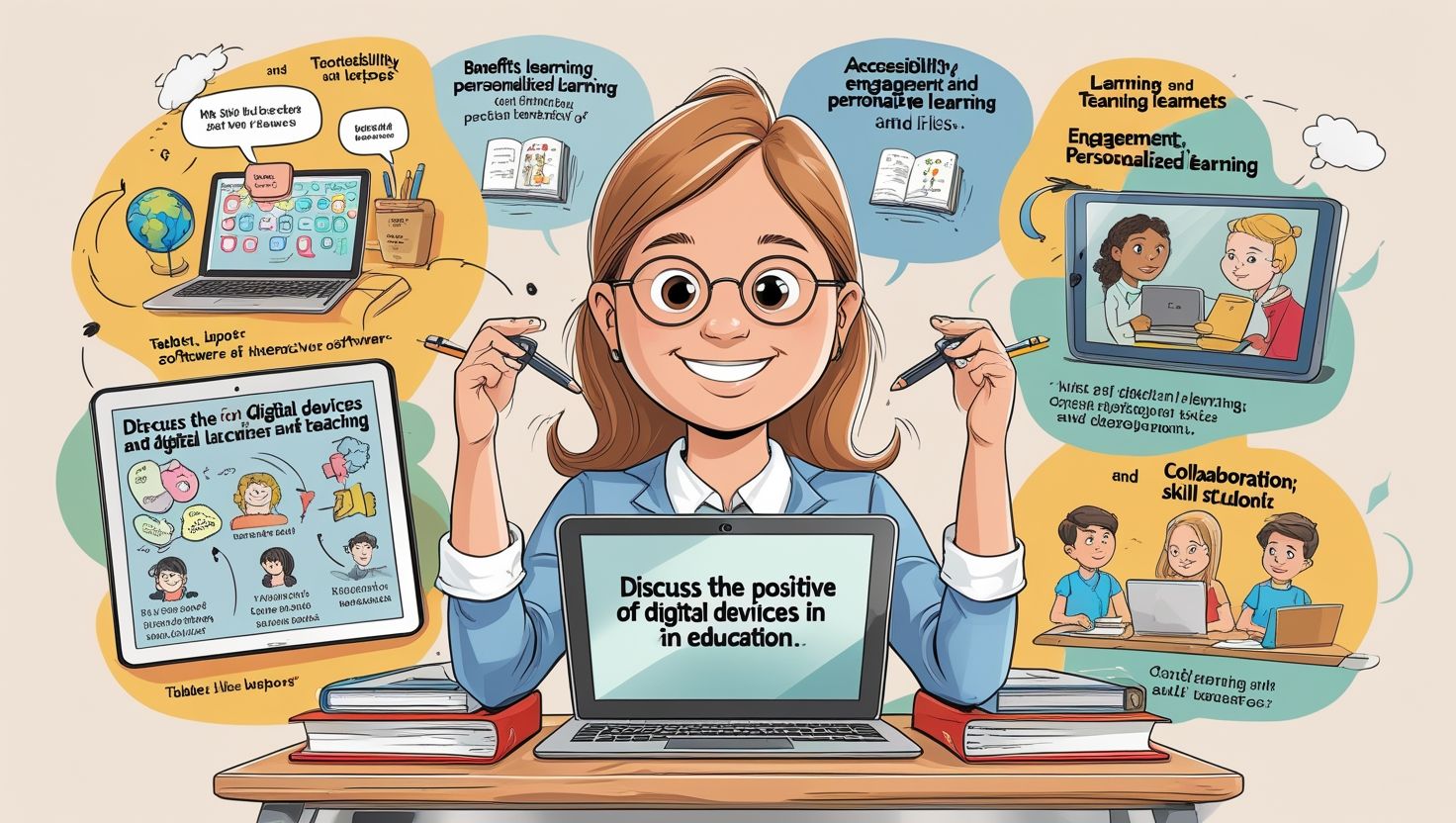
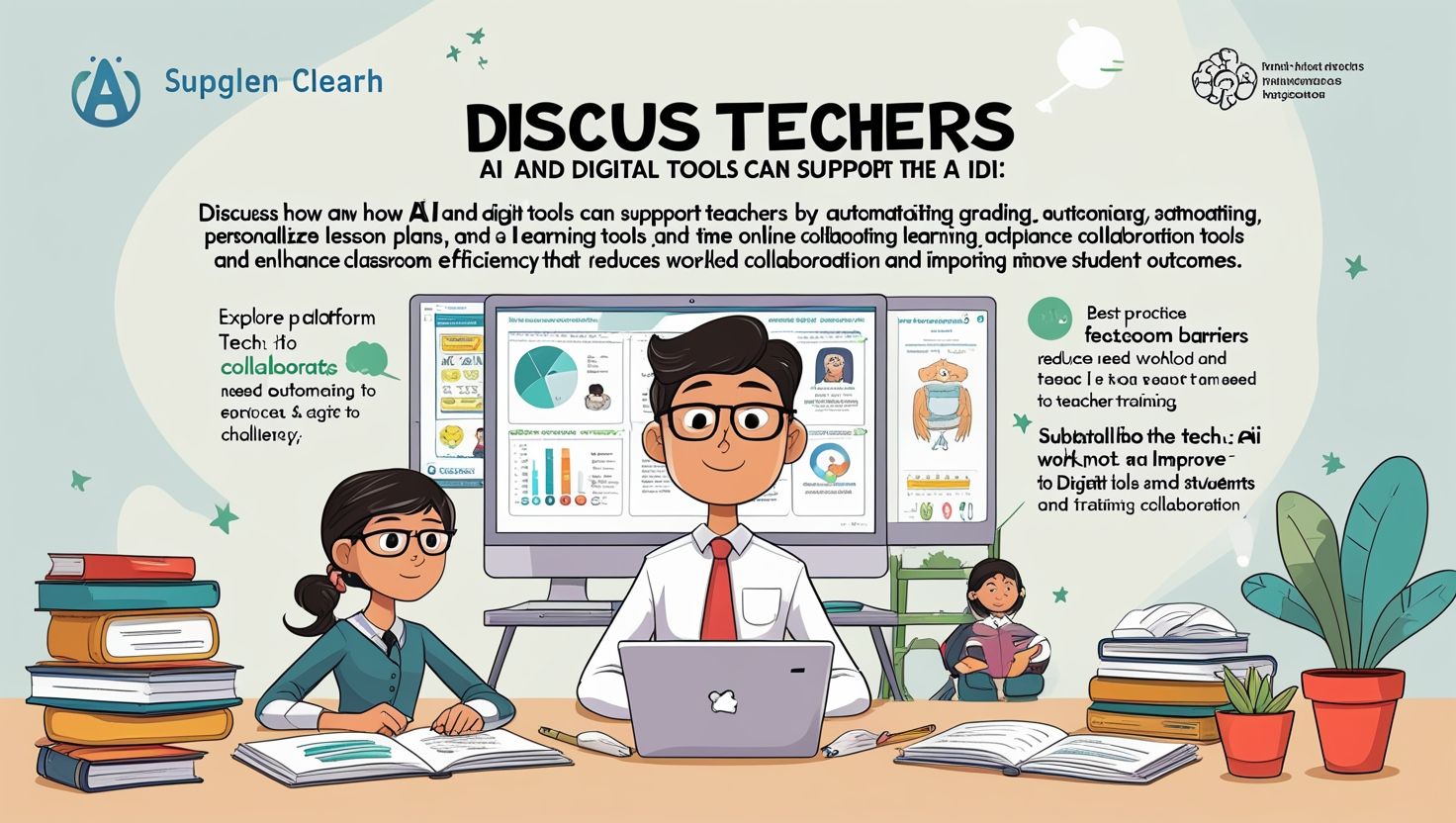
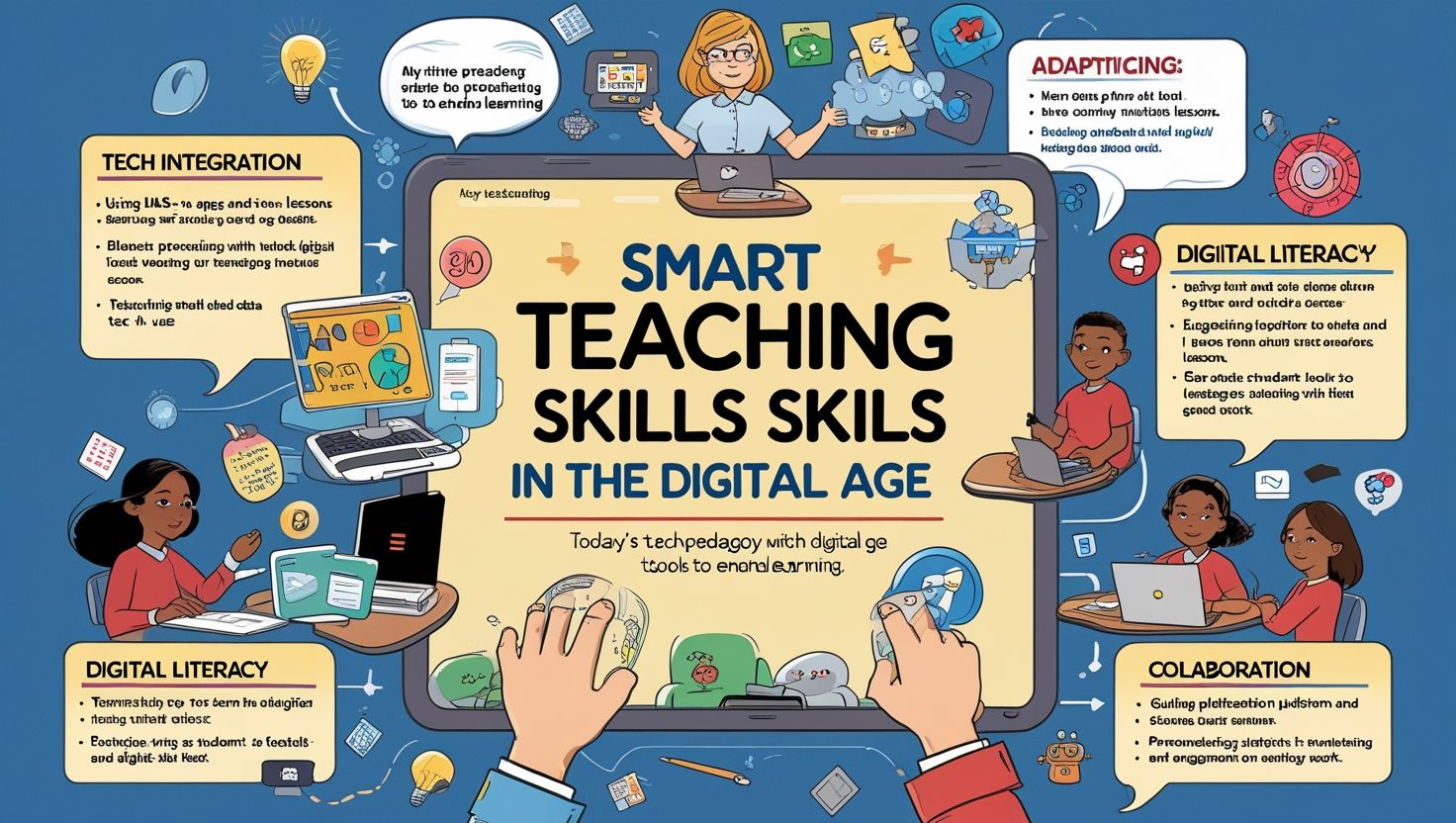
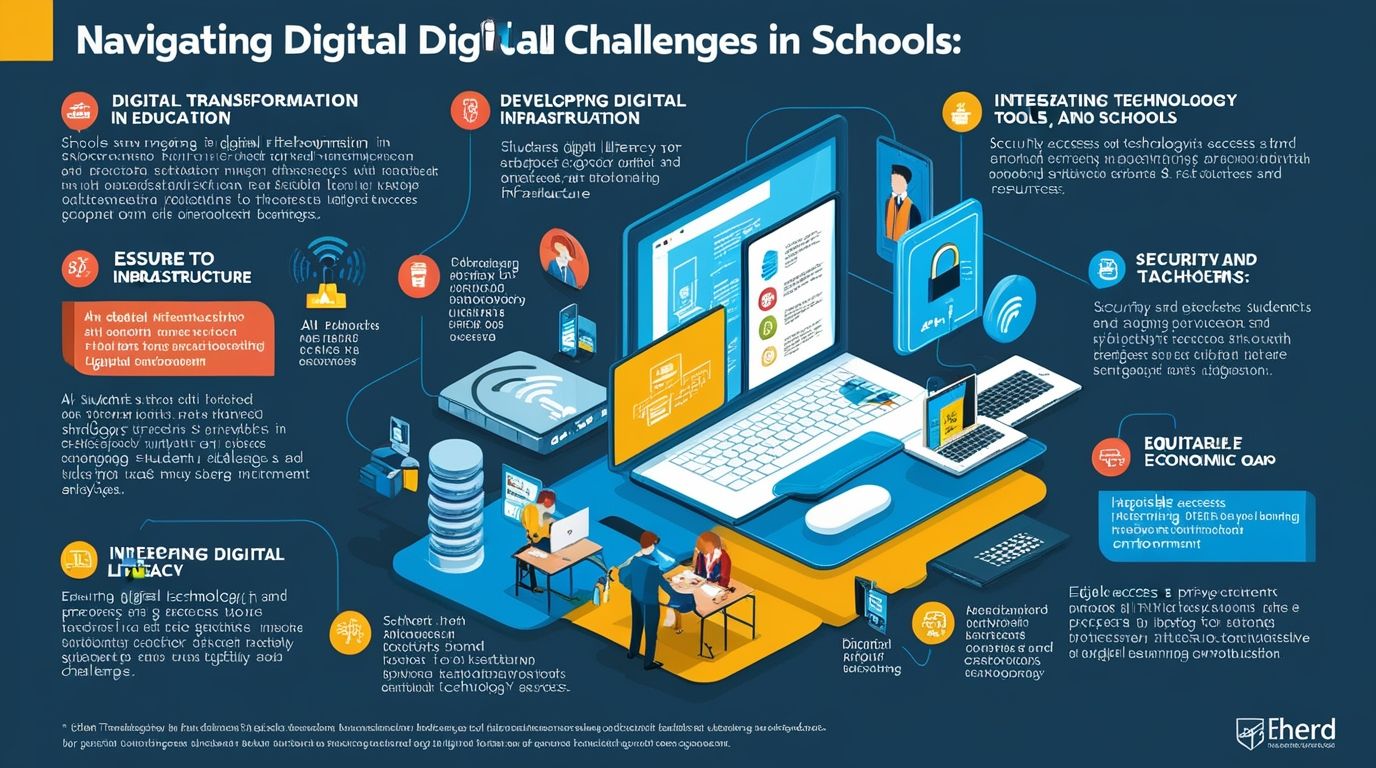
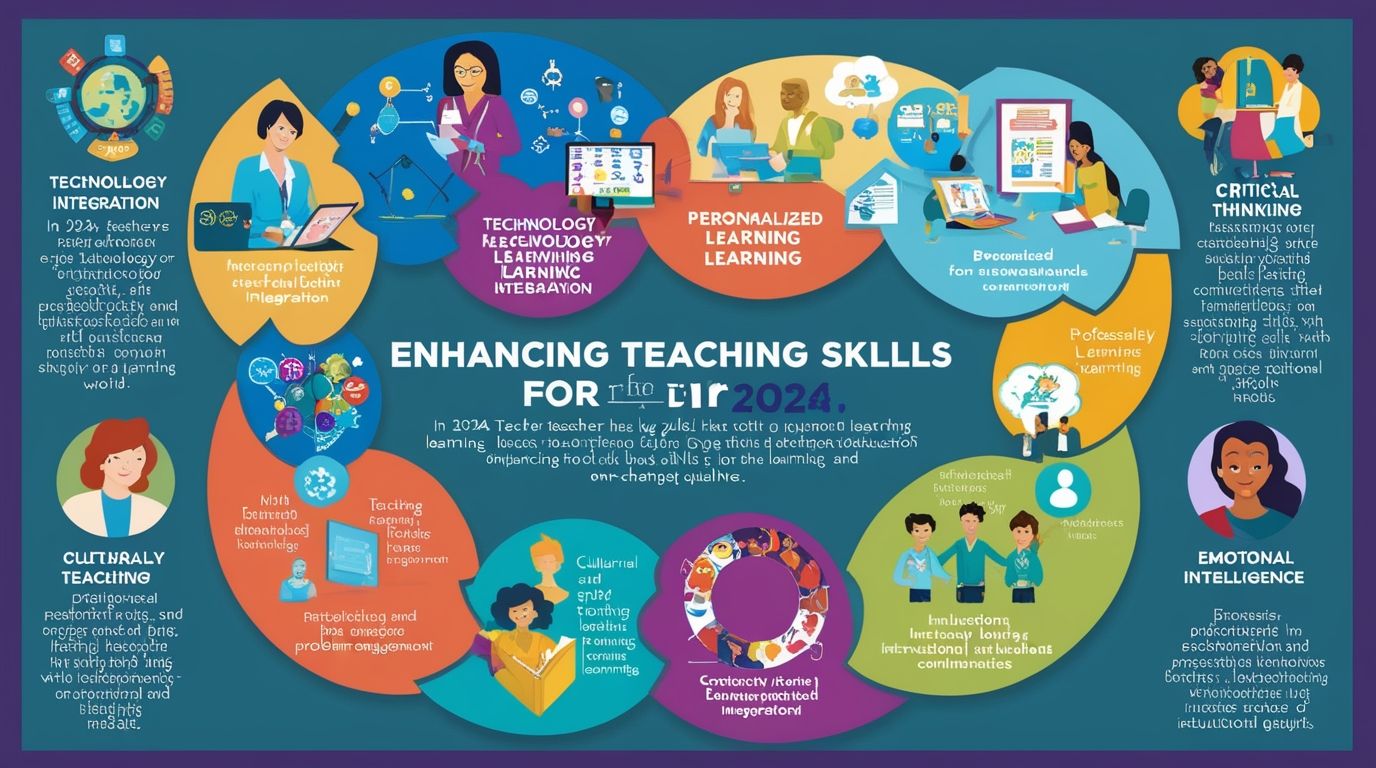
Technological integration has also transformed lesson planning into a more complicated professional responsibility for teachers worldwide. Educational institutions increasingly expect teachers to use digital tools, online resources, virtual learning platforms, and multimedia presentations during classroom instruction. Although technology offers opportunities for creativity and interactive learning, many educators experience difficulties selecting appropriate digital resources and integrating them effectively into lesson objectives. Teachers working in rural or underfunded schools often face limited internet access, insufficient technological infrastructure, and inadequate technical support.
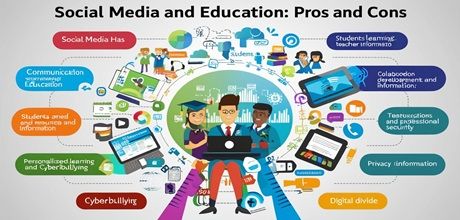
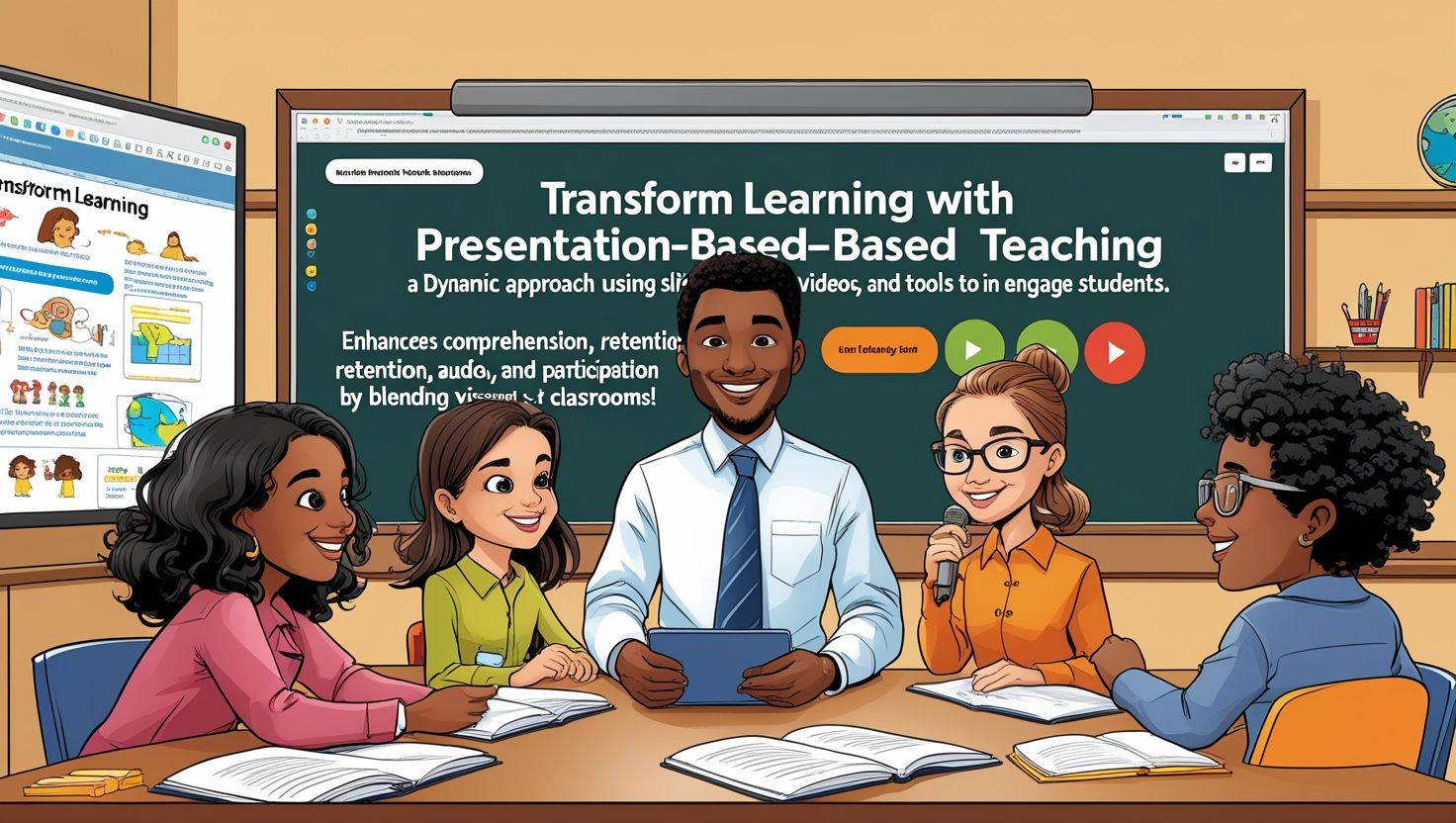
Some educators lack confidence in using educational software because they received minimal training during professional preparation programs. Furthermore, technology related lesson planning demands additional preparation time for creating presentations, searching online materials, and troubleshooting technical problems before instruction begins. Teachers may also struggle to maintain student attention when digital devices create distractions rather than meaningful engagement. Therefore, technological expectations continue increasing lesson planning difficulties for educators across different educational environments and teaching contexts.
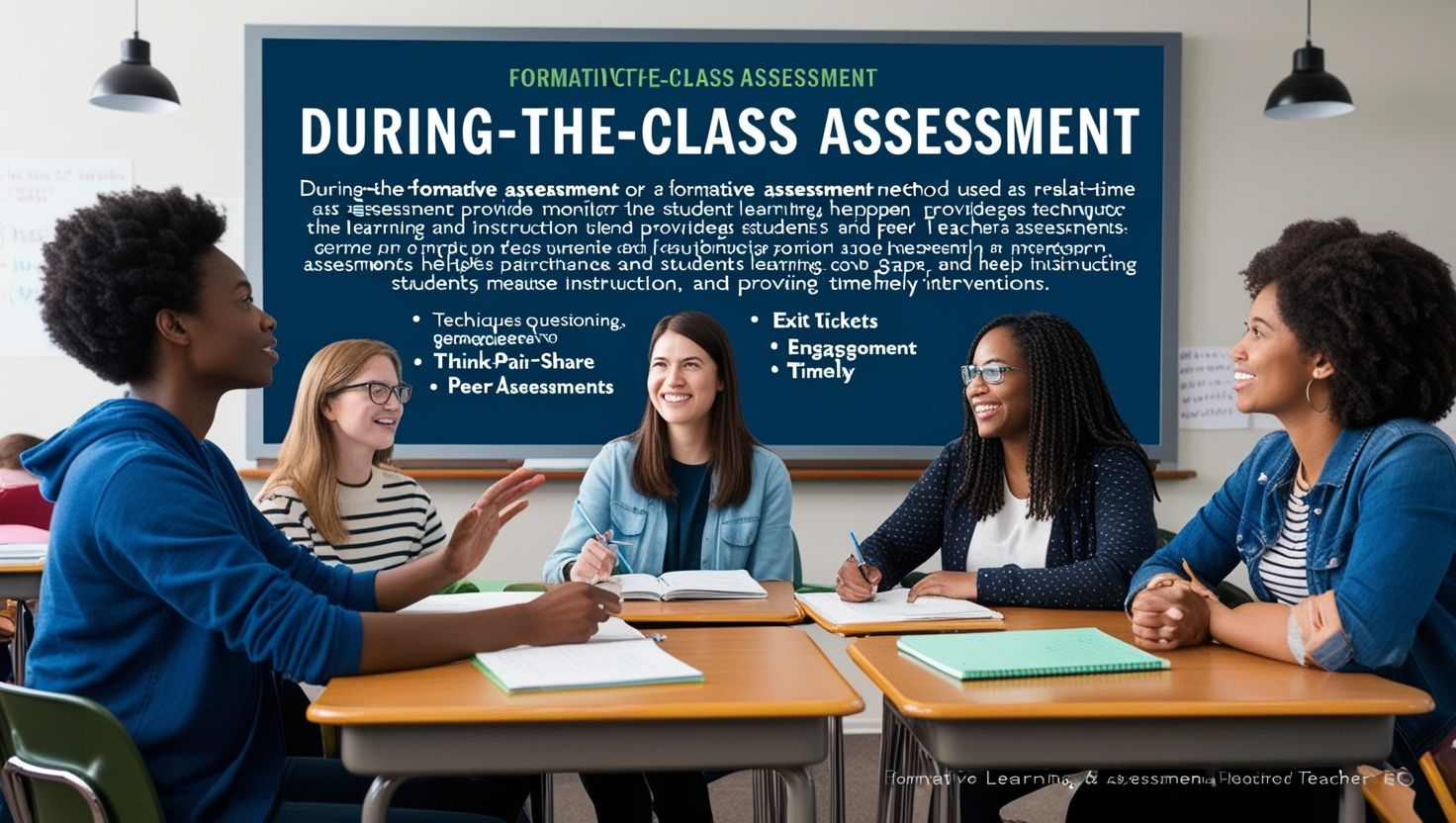
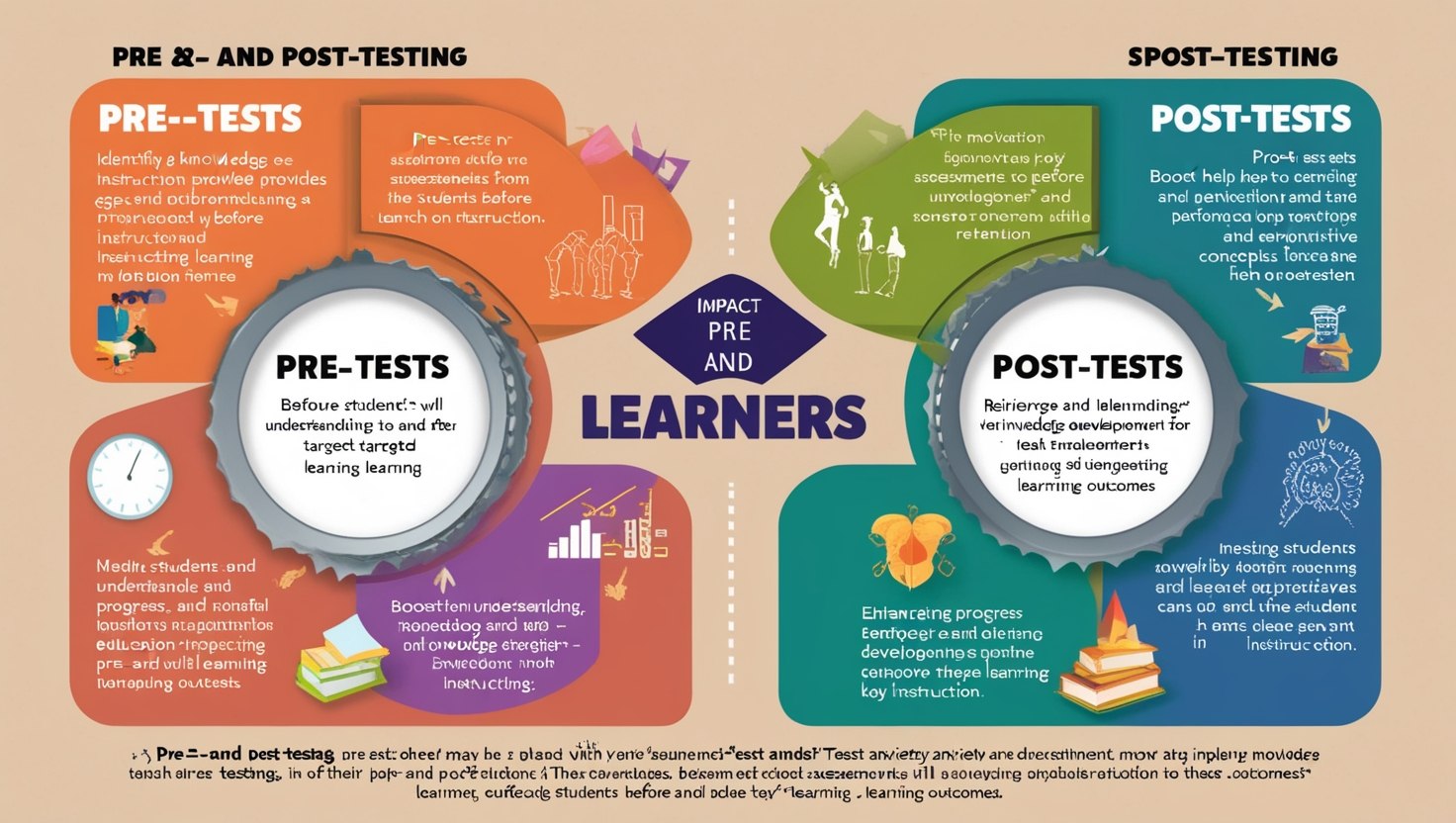
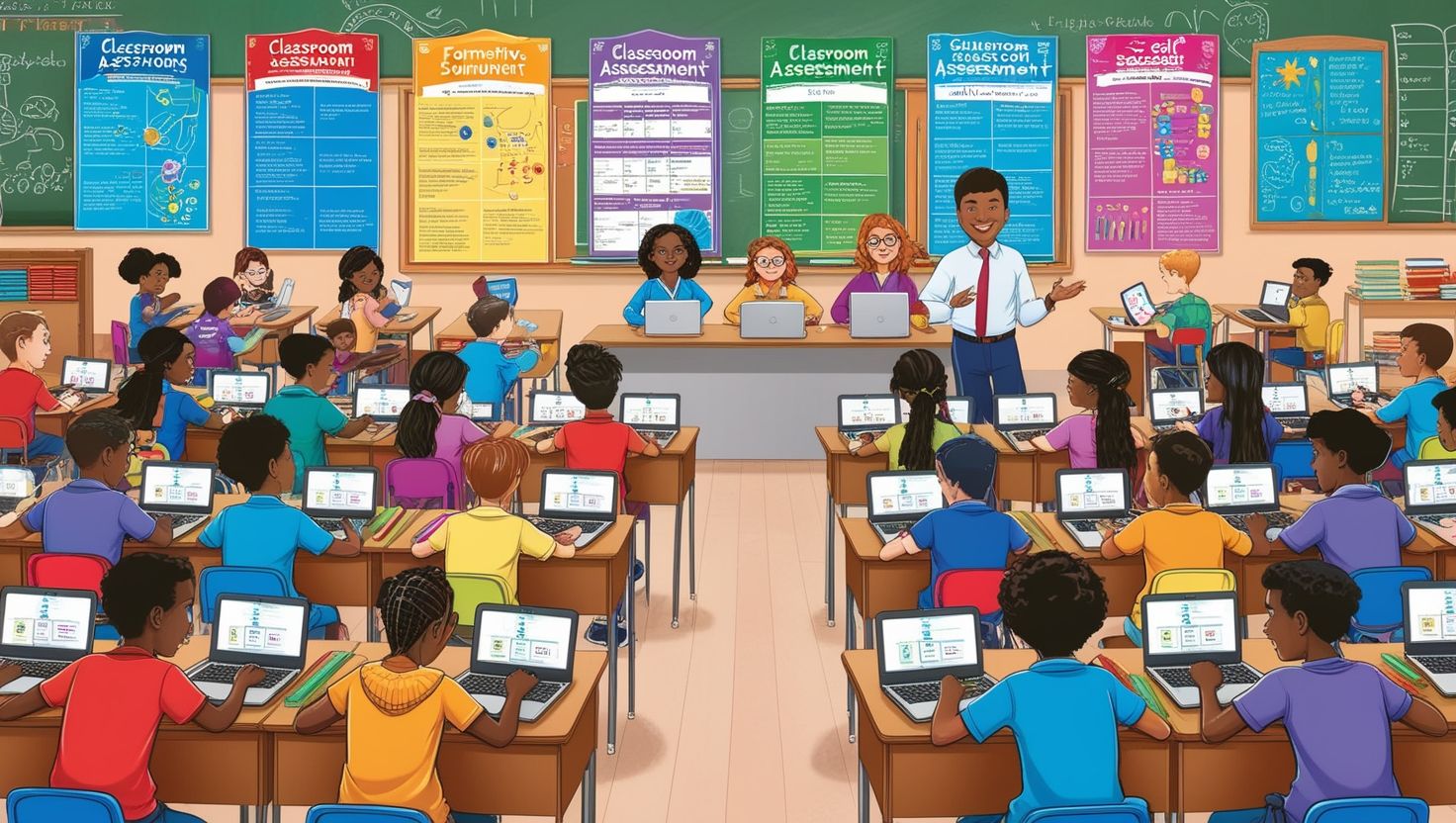
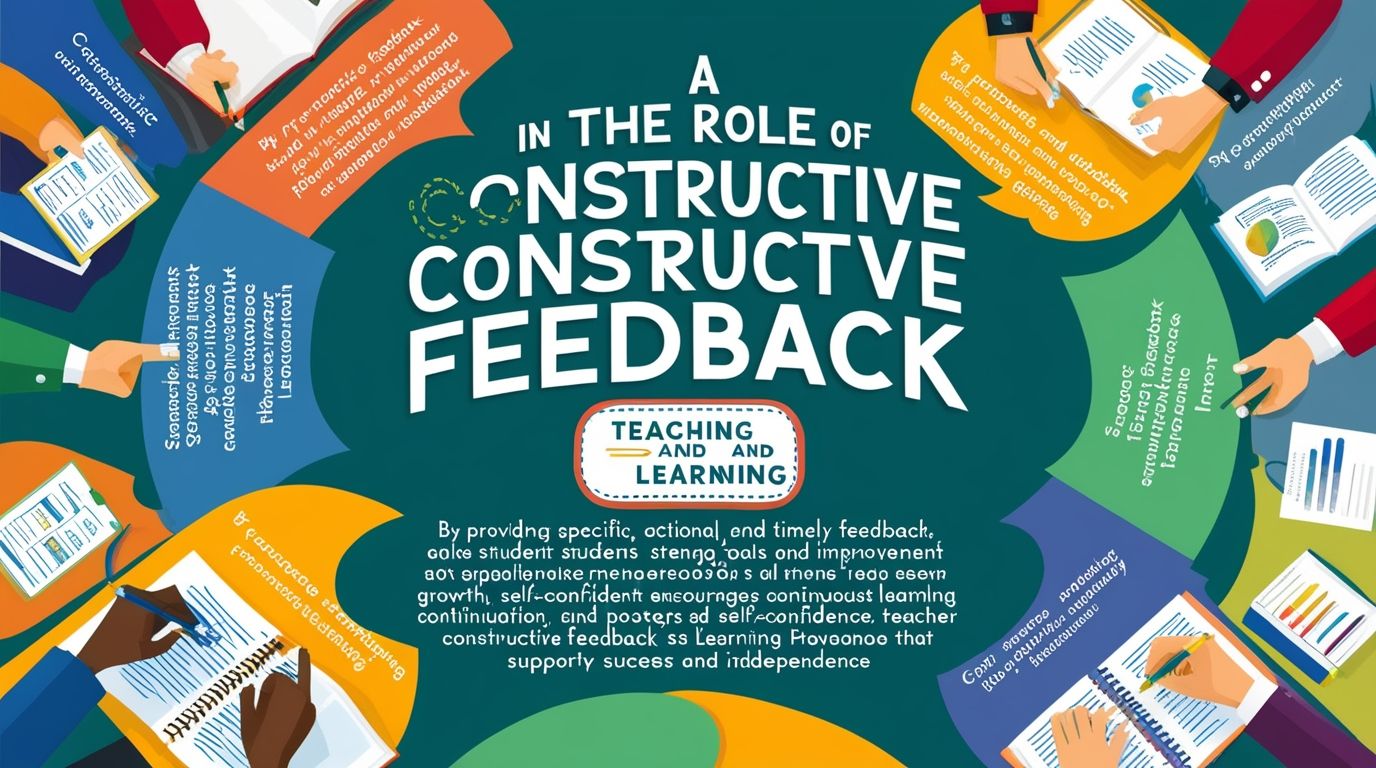
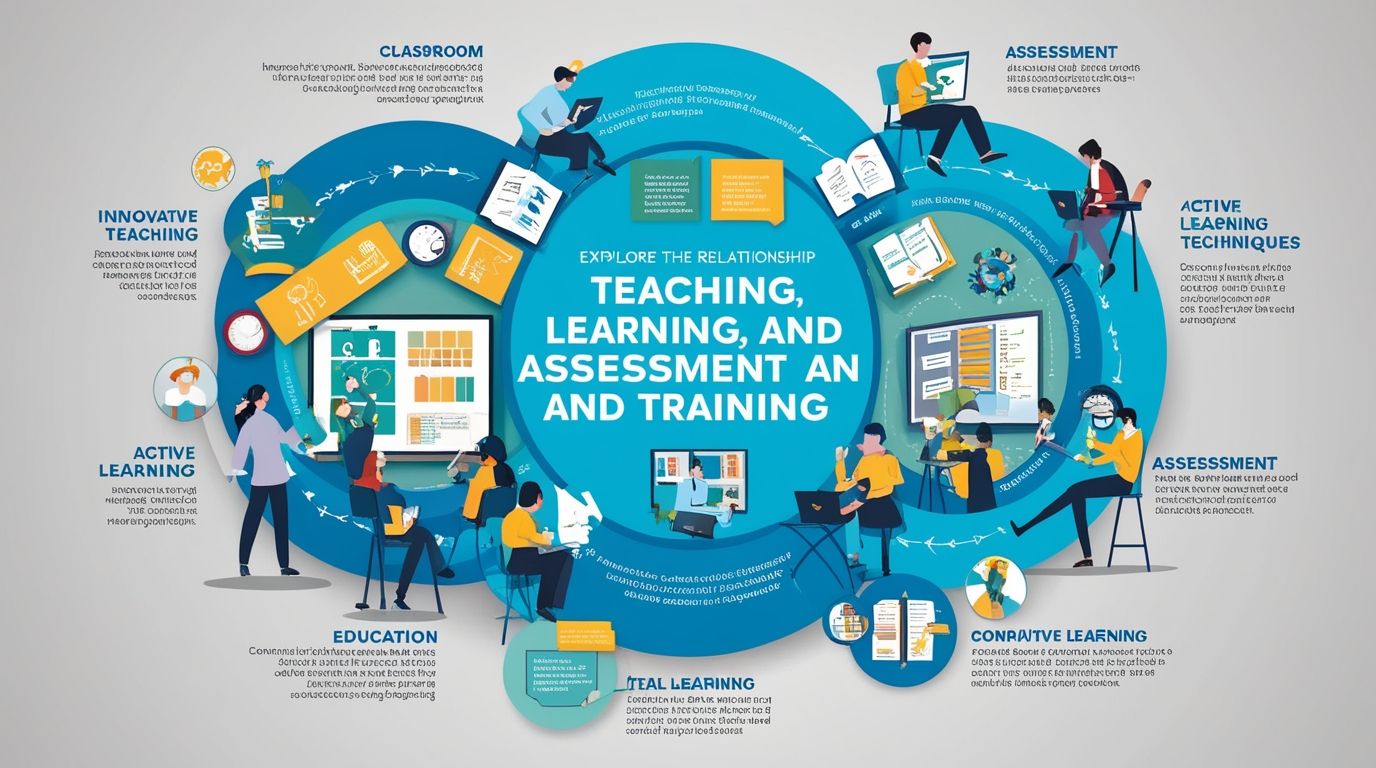
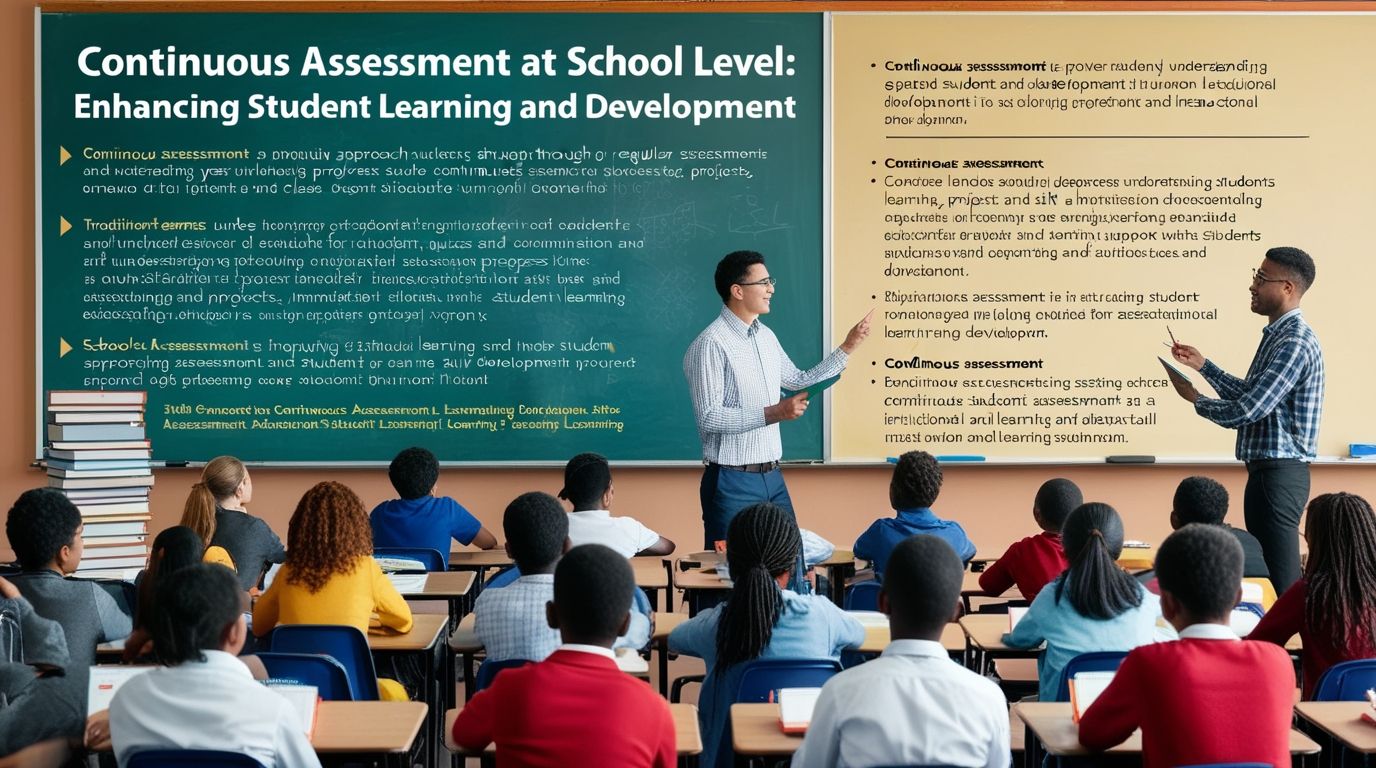
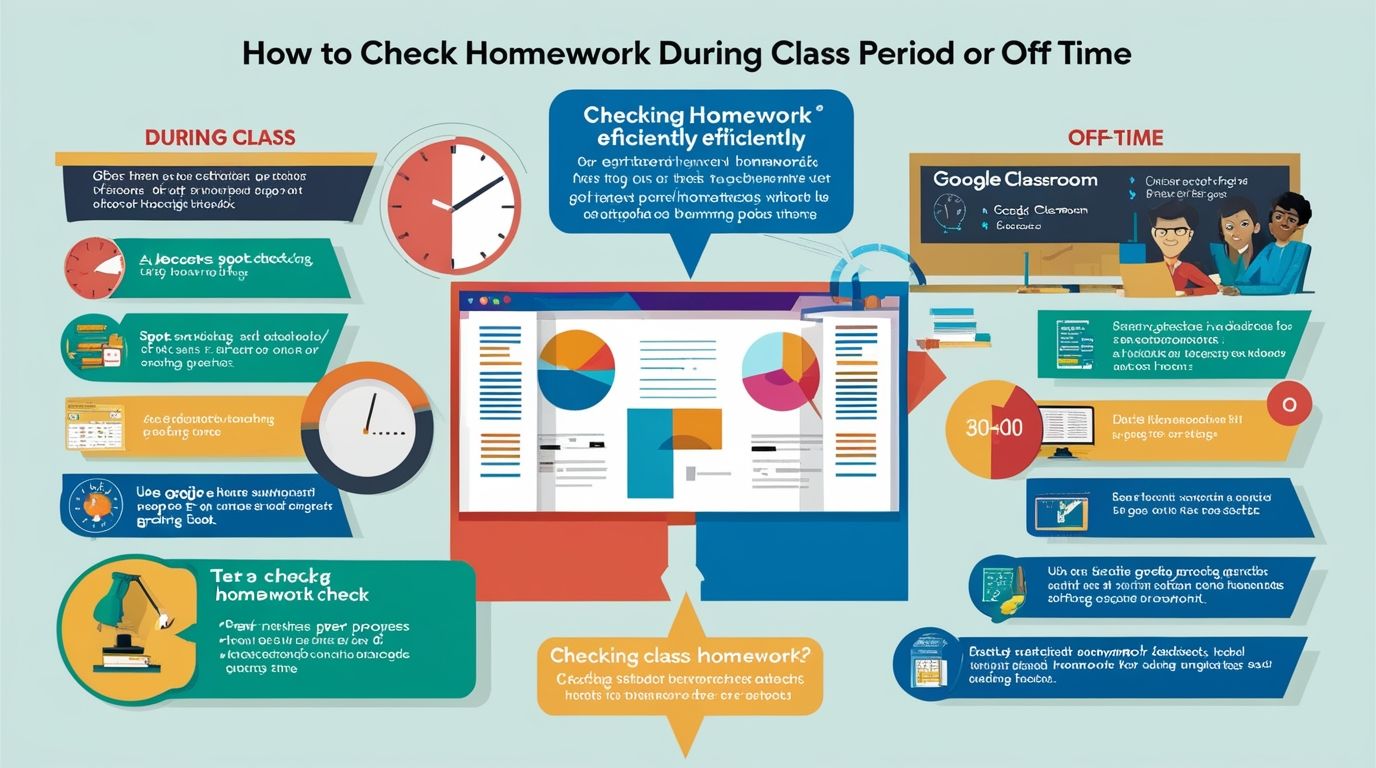
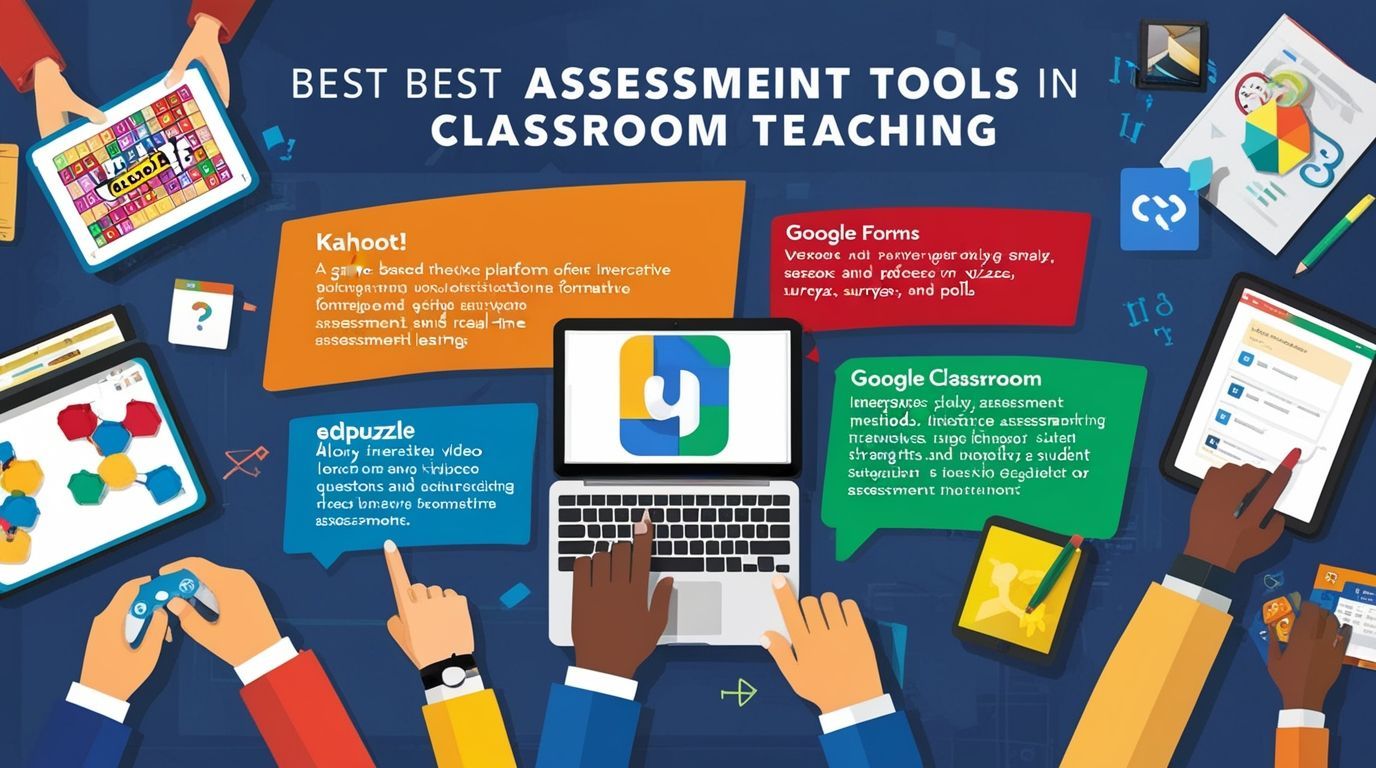
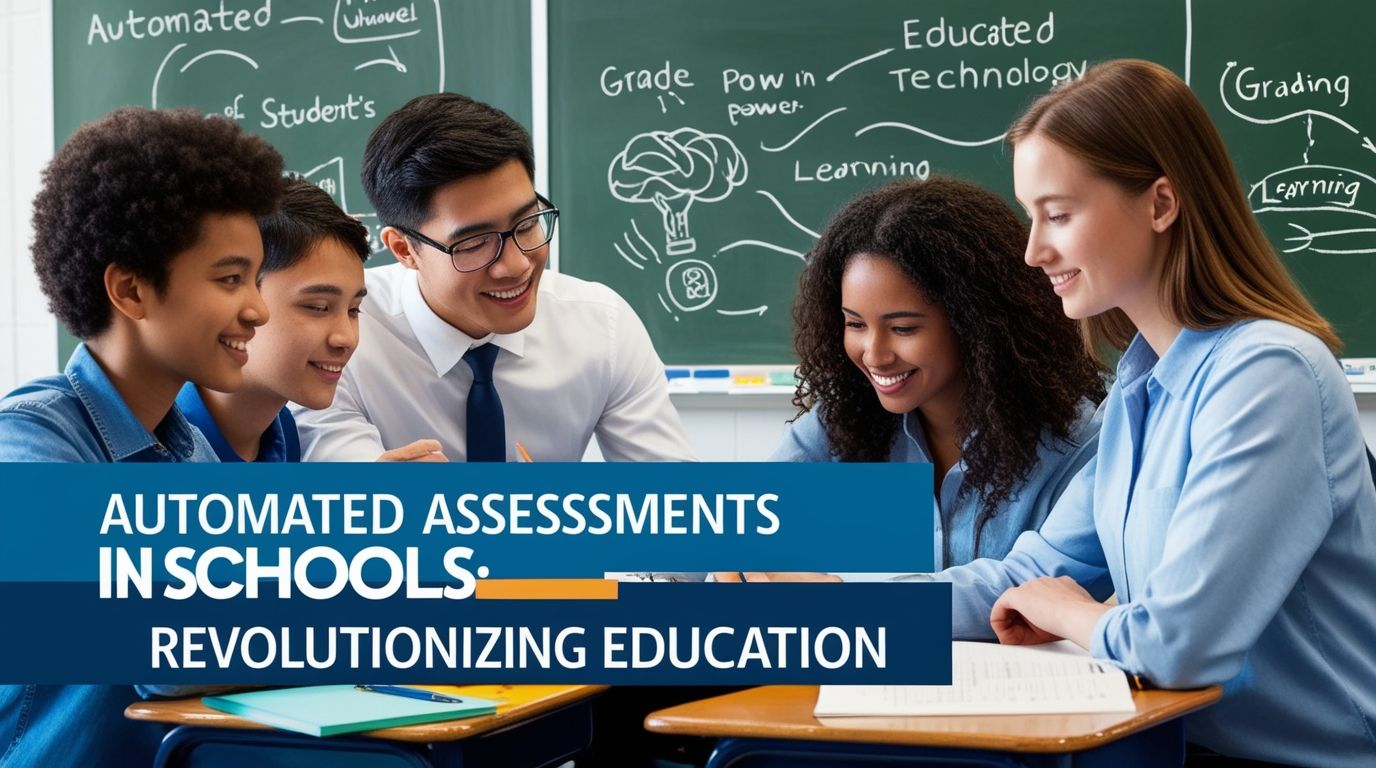
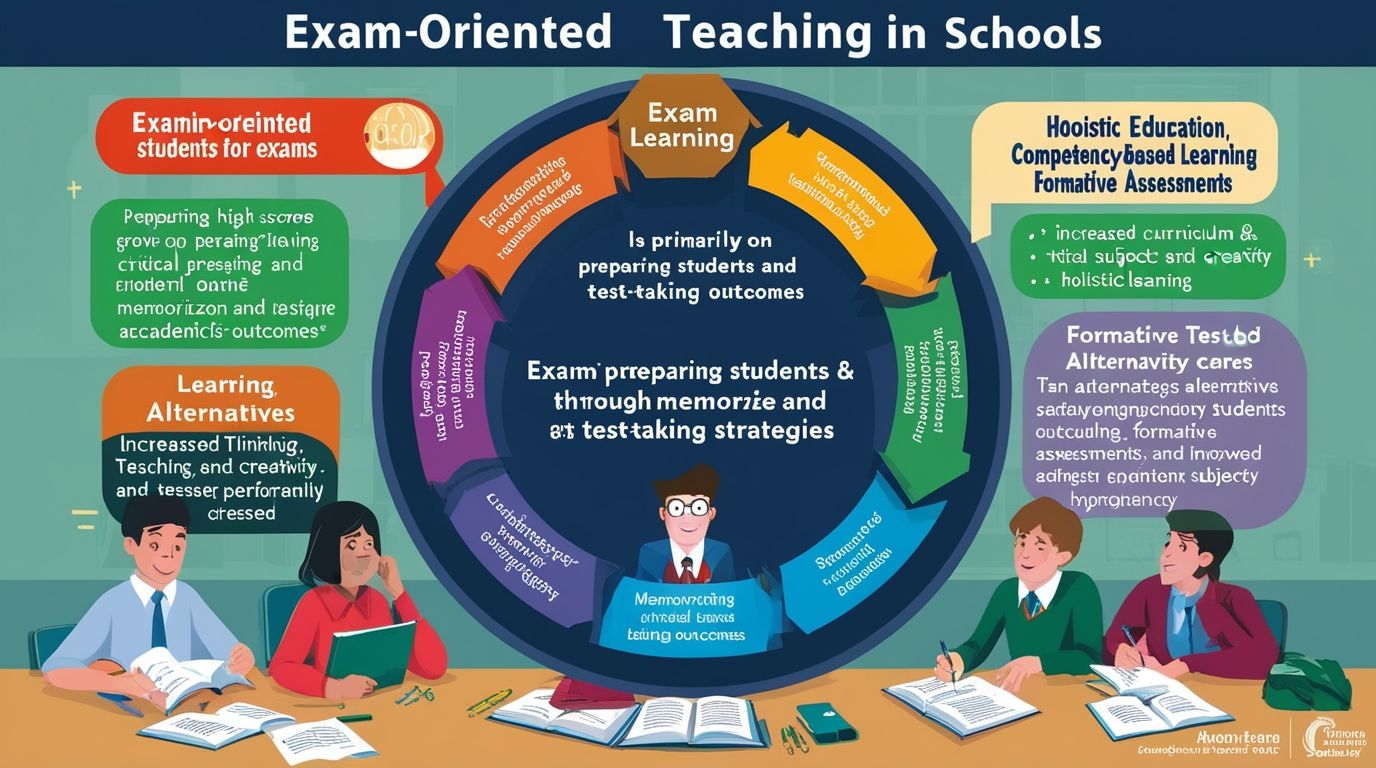
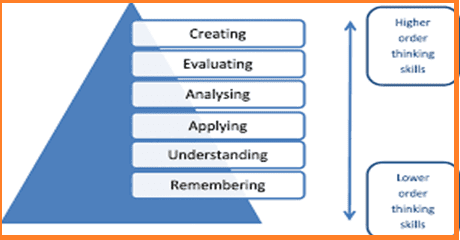
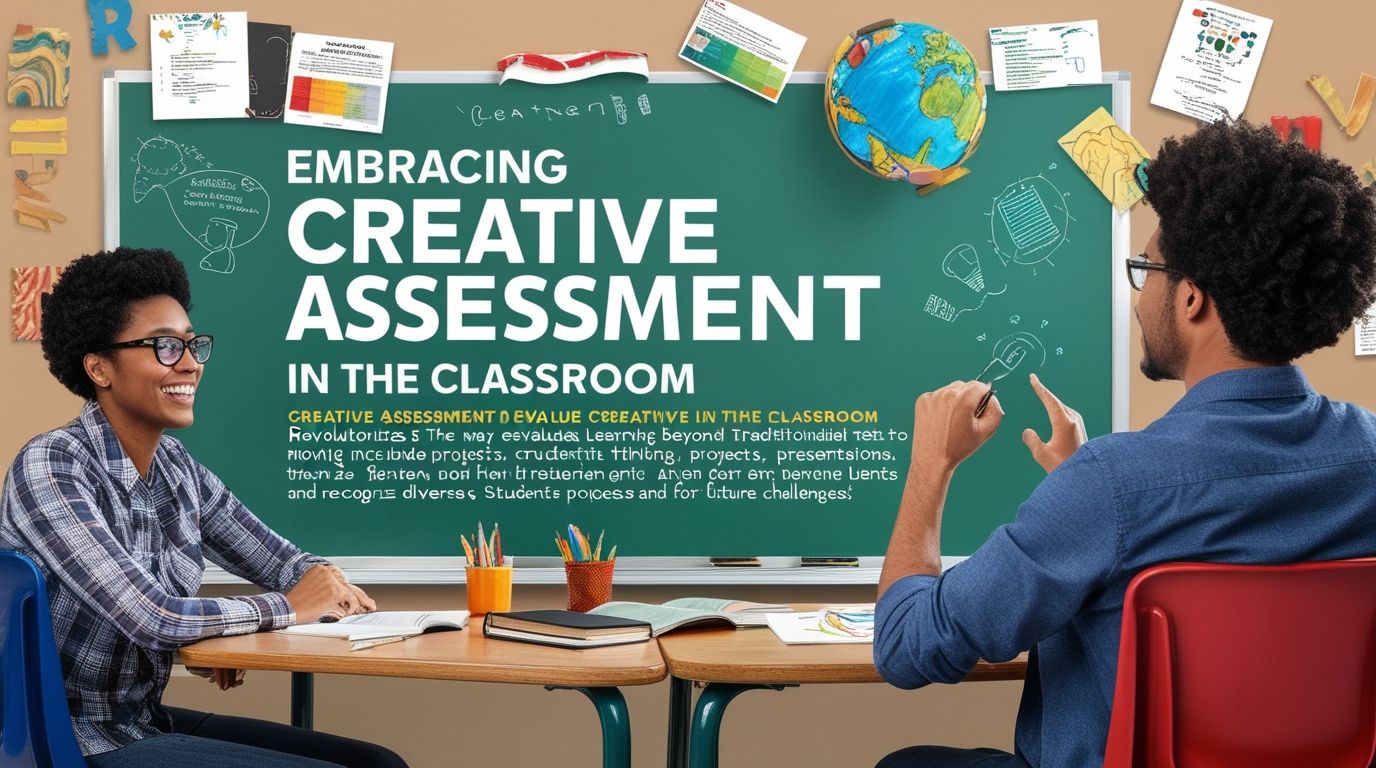
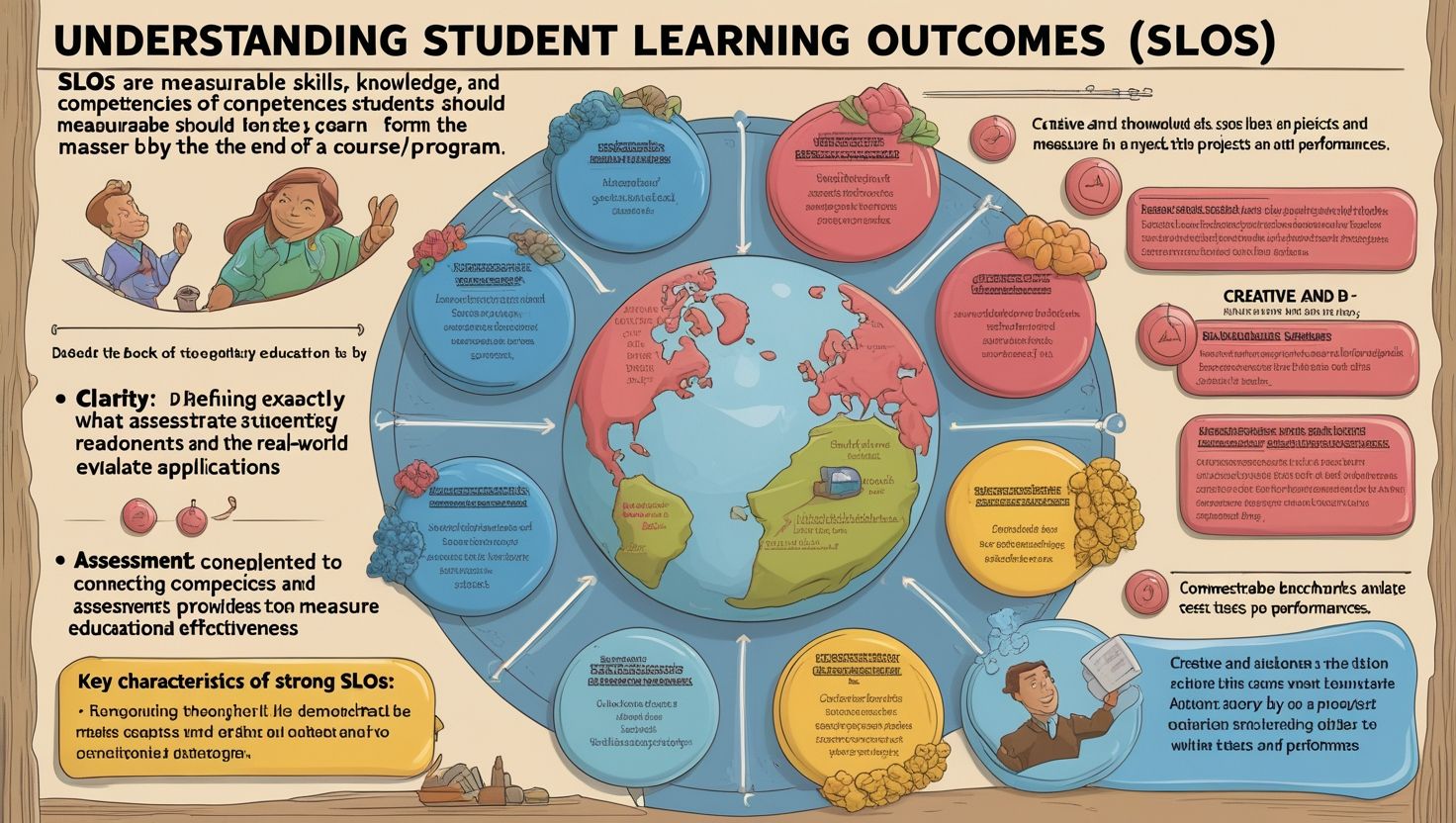
Assessment related responsibilities represent another challenge that strongly influences lesson planning quality and instructional effectiveness. Teachers must design assessments aligned with learning objectives, curriculum standards, and classroom activities while ensuring fairness and reliability for all students. Developing appropriate formative and summative assessments requires advanced understanding of educational measurement principles and evaluation strategies. Many educators find it difficult to create assessment tasks that accurately measure higher order thinking skills, creativity, and practical understanding. Teachers also struggle with balancing examination preparation against student centered learning experiences because educational systems frequently prioritize test performance over holistic development. In addition, grading large numbers of assignments consumes considerable time that could otherwise support reflective lesson planning and instructional improvement. Assessment policies may also change regularly, creating confusion regarding marking criteria and reporting procedures. Consequently, assessment related pressures complicate lesson planning processes and increase workload stress among teachers in different educational institutions worldwide.
Limited availability of teaching resources further complicates lesson planning processes for teachers in both developed and developing educational contexts. Effective lesson plans require textbooks, reference materials, visual aids, laboratory equipment, technological devices, and access to updated educational content. Unfortunately, many schools operate with inadequate funding and insufficient instructional materials, especially in rural or economically disadvantaged communities. Teachers working under such conditions often spend personal income purchasing classroom supplies and creating improvised teaching materials. Resource shortages make it difficult to design interactive lessons that promote active learning and student participation. Teachers may also experience frustration when curriculum expectations exceed available classroom facilities or institutional support. Furthermore, unequal resource distribution among schools contributes to educational inequality because some teachers can implement innovative lessons while others rely on traditional lecture methods. Therefore, insufficient educational resources significantly affect lesson planning quality, teacher motivation, and the overall effectiveness of classroom instruction within modern schools.
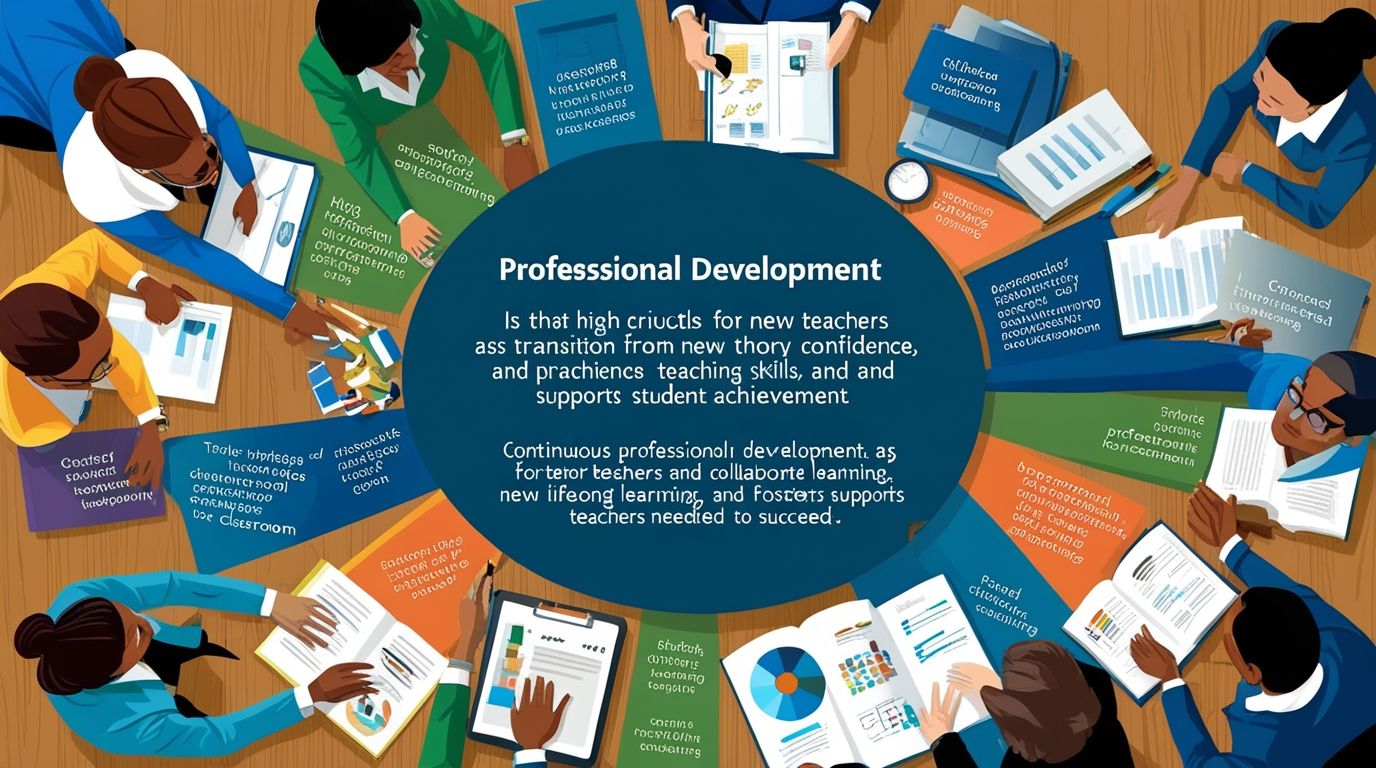
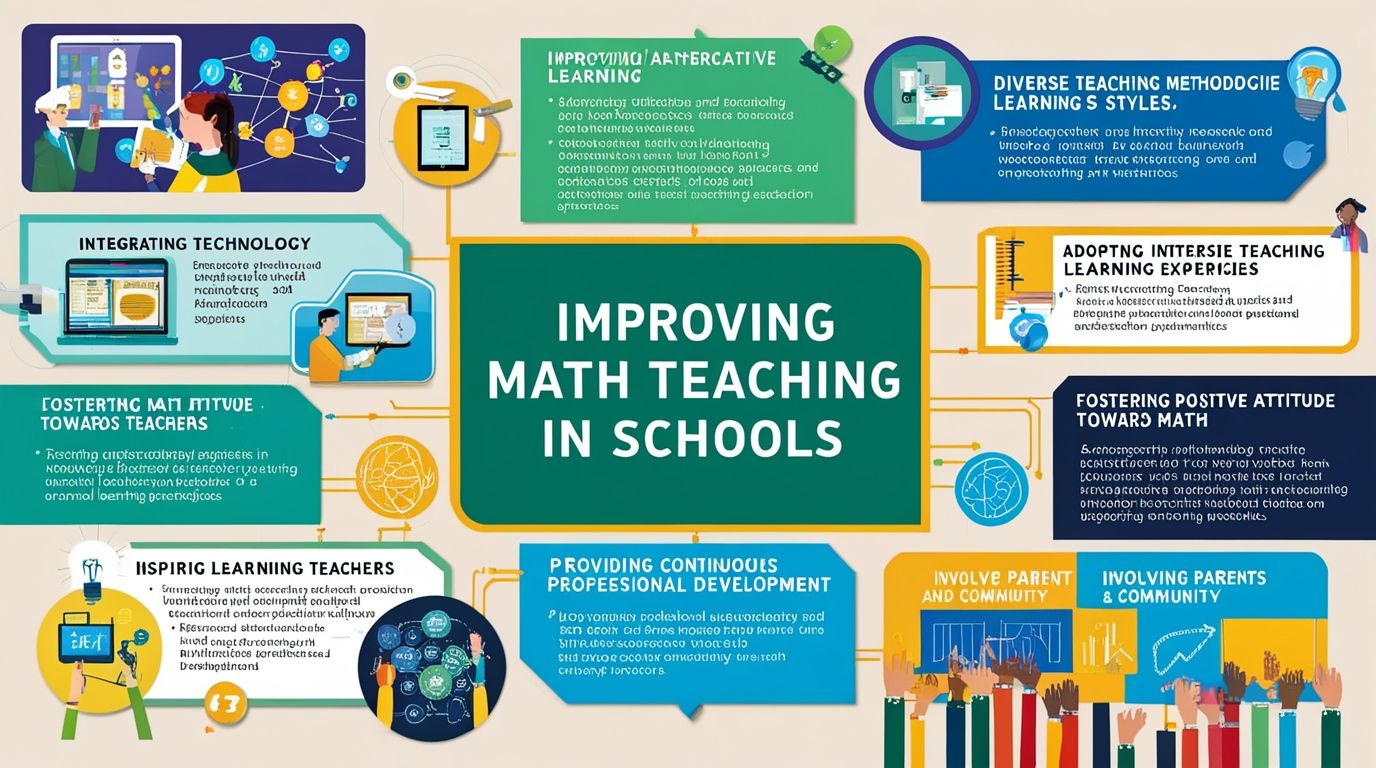
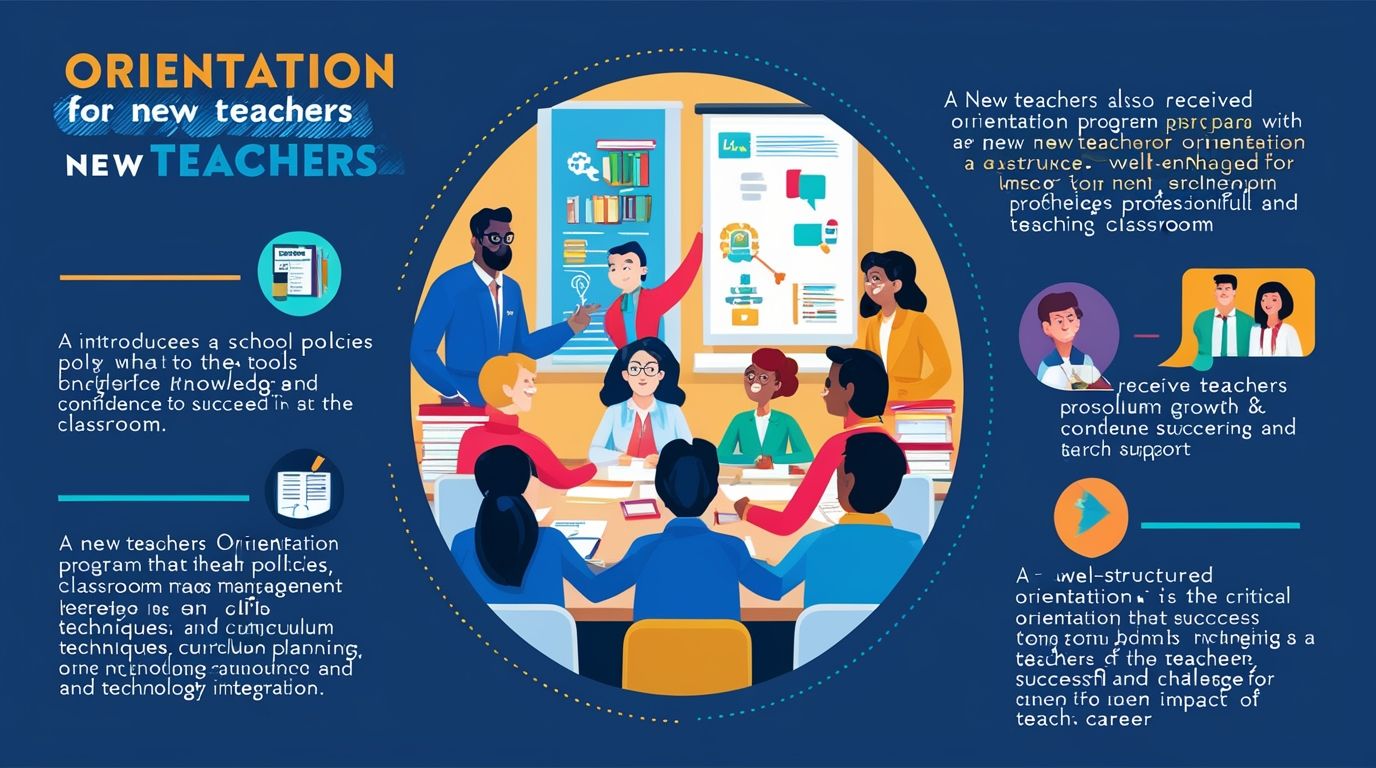
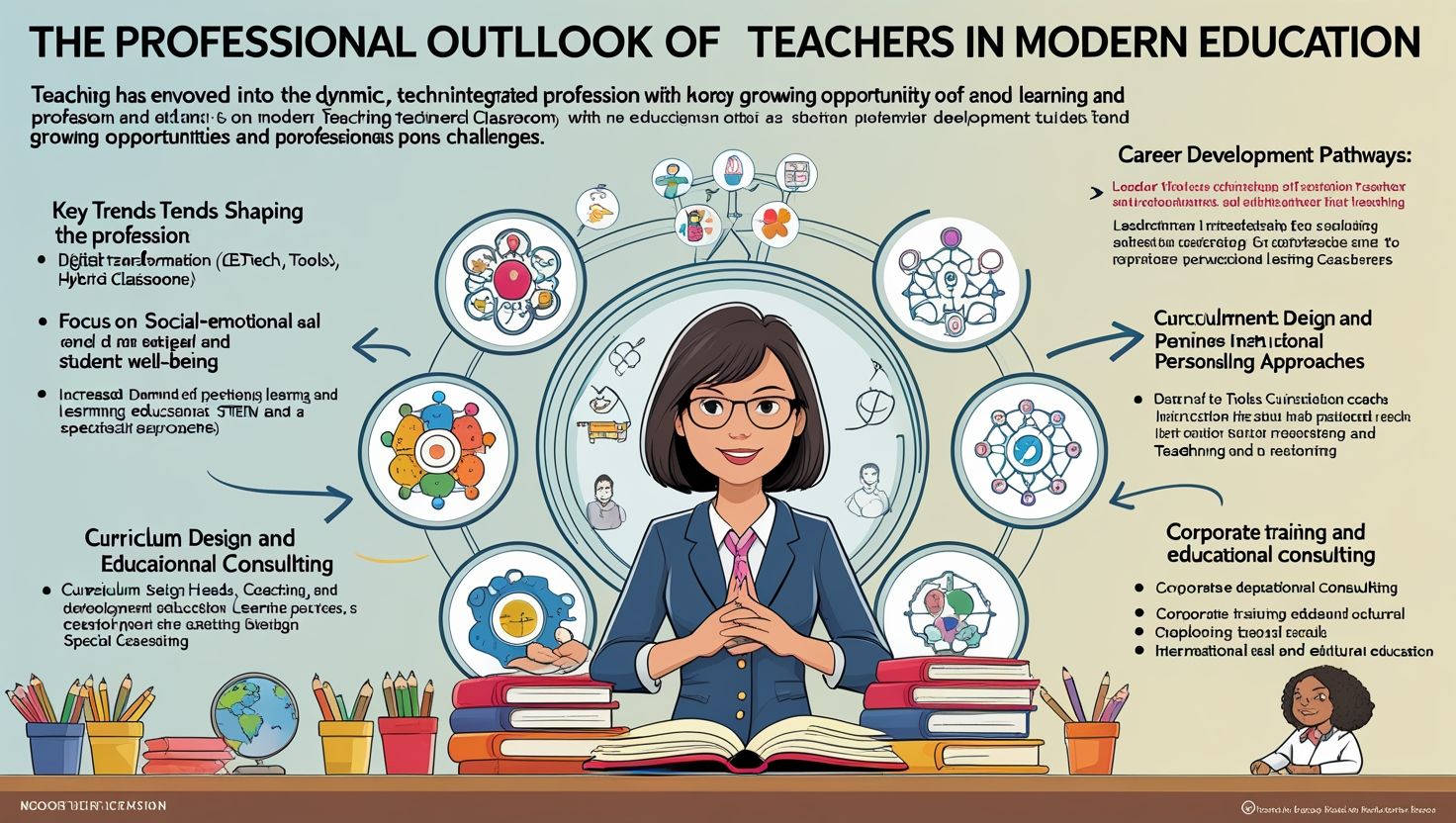
Professional training and teacher preparation programs also influence lesson planning effectiveness and instructional confidence. Many novice teachers enter classrooms without sufficient practical experience designing comprehensive lesson plans for real educational environments. Teacher education institutions sometimes emphasize theoretical knowledge more strongly than practical classroom application, leaving graduates unprepared for instructional realities. During teaching practice experiences, student teachers may receive inconsistent supervision and limited constructive feedback regarding planning techniques. Consequently, new educators often experience anxiety and uncertainty when organizing classroom activities, managing time, and selecting assessment strategies independently. Experienced teachers also require continuous professional development because educational practices, curriculum standards, and technological expectations evolve regularly. However, many institutions provide infrequent workshops that lack practical relevance or sustained mentoring opportunities. Without effective professional support, teachers struggle to improve instructional planning skills and adapt lessons according to learner needs. Therefore, inadequate professional preparation remains a central challenge influencing lesson planning quality worldwide.
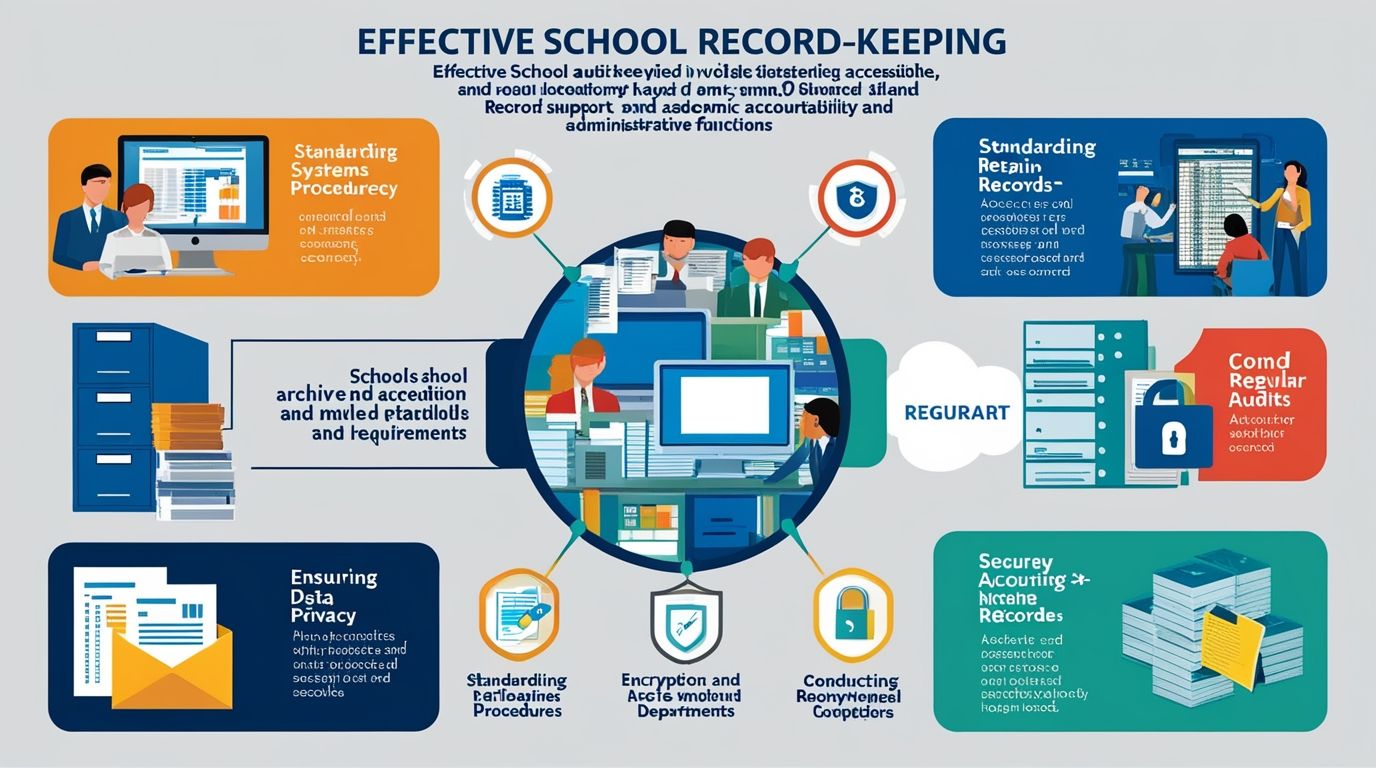
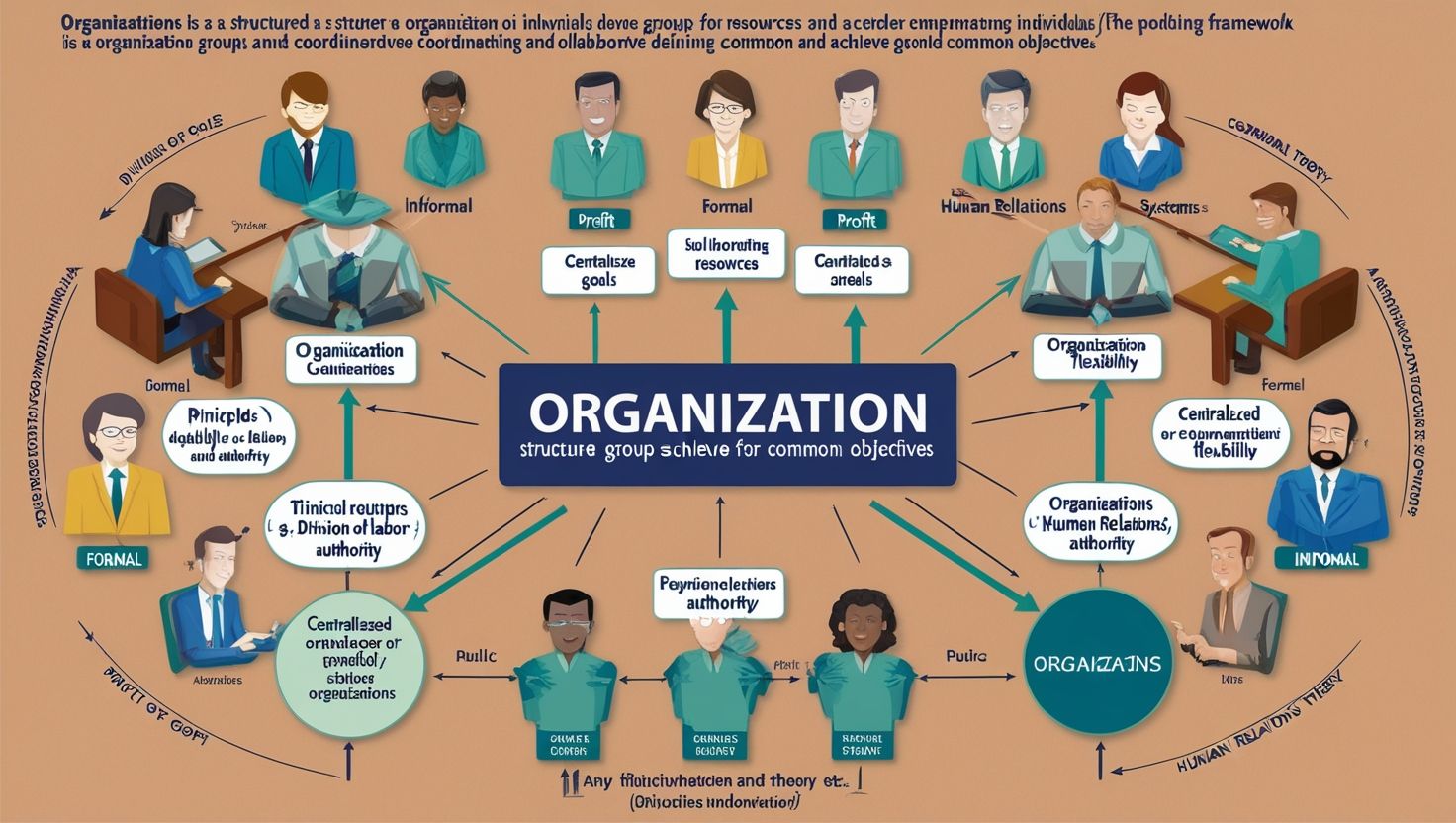
Administrative expectations and institutional accountability measures further intensify difficulties associated with lesson planning and classroom instruction. School administrators frequently require teachers to submit detailed planning documents containing objectives, methodologies, assessment procedures, and evidence of curriculum alignment. Although accountability systems aim to improve instructional quality, excessive documentation often transforms lesson planning into a bureaucratic task rather than a meaningful educational process. Teachers may prioritize formatting requirements and administrative compliance instead of focusing on student engagement and learning effectiveness. In some educational institutions, lesson plans are inspected regularly, creating anxiety among teachers who fear criticism from supervisors or evaluation teams. Additionally, institutional pressure to complete syllabi within fixed timelines discourages flexibility and responsive teaching practices. Teachers sometimes avoid innovative instructional approaches because experimentation may disrupt predetermined schedules or standardized expectations. Consequently, administrative demands increase professional stress and reduce opportunities for reflective, creative, and learner centered lesson planning within contemporary educational systems.
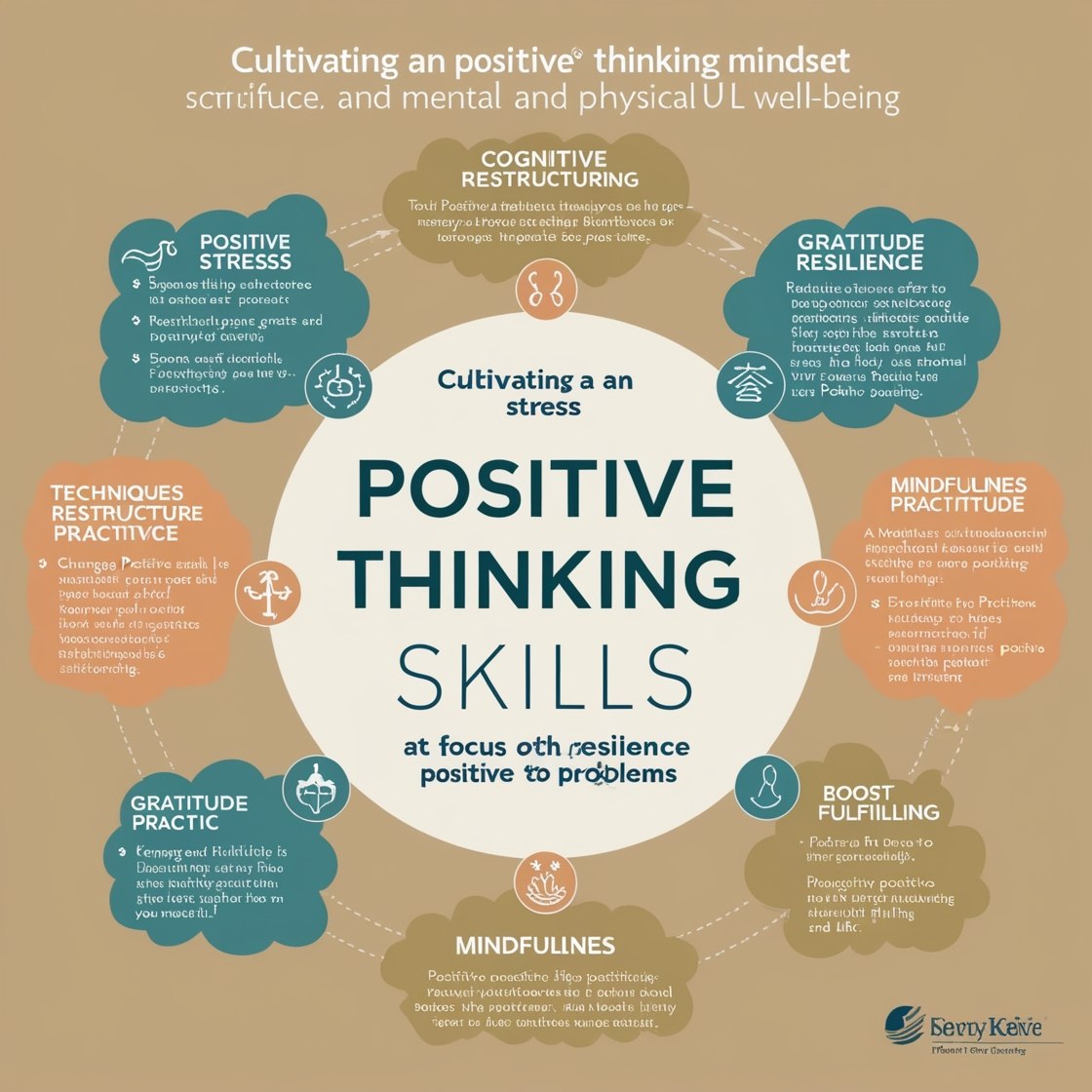
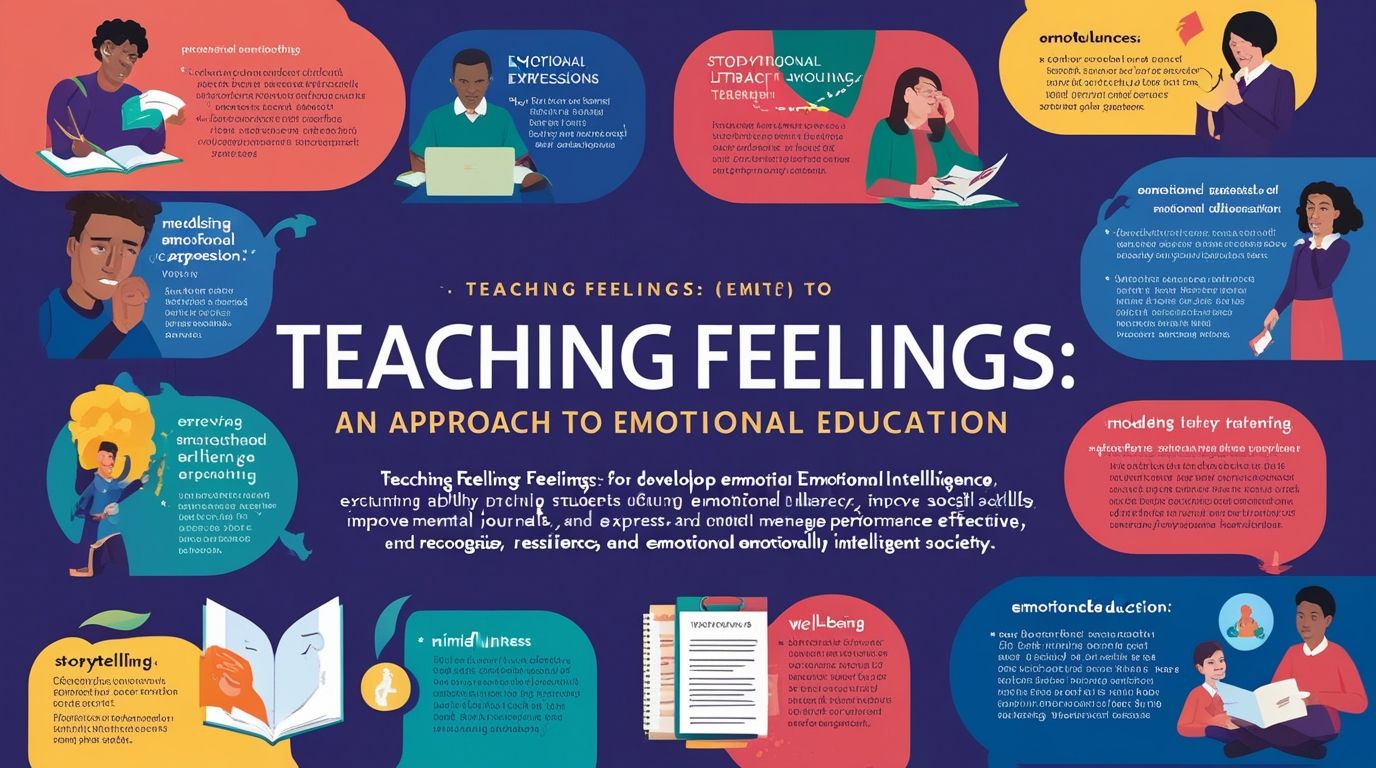
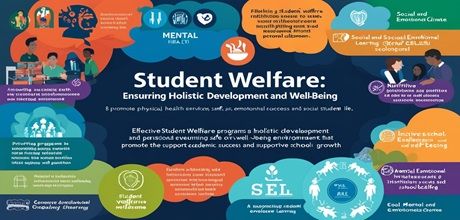
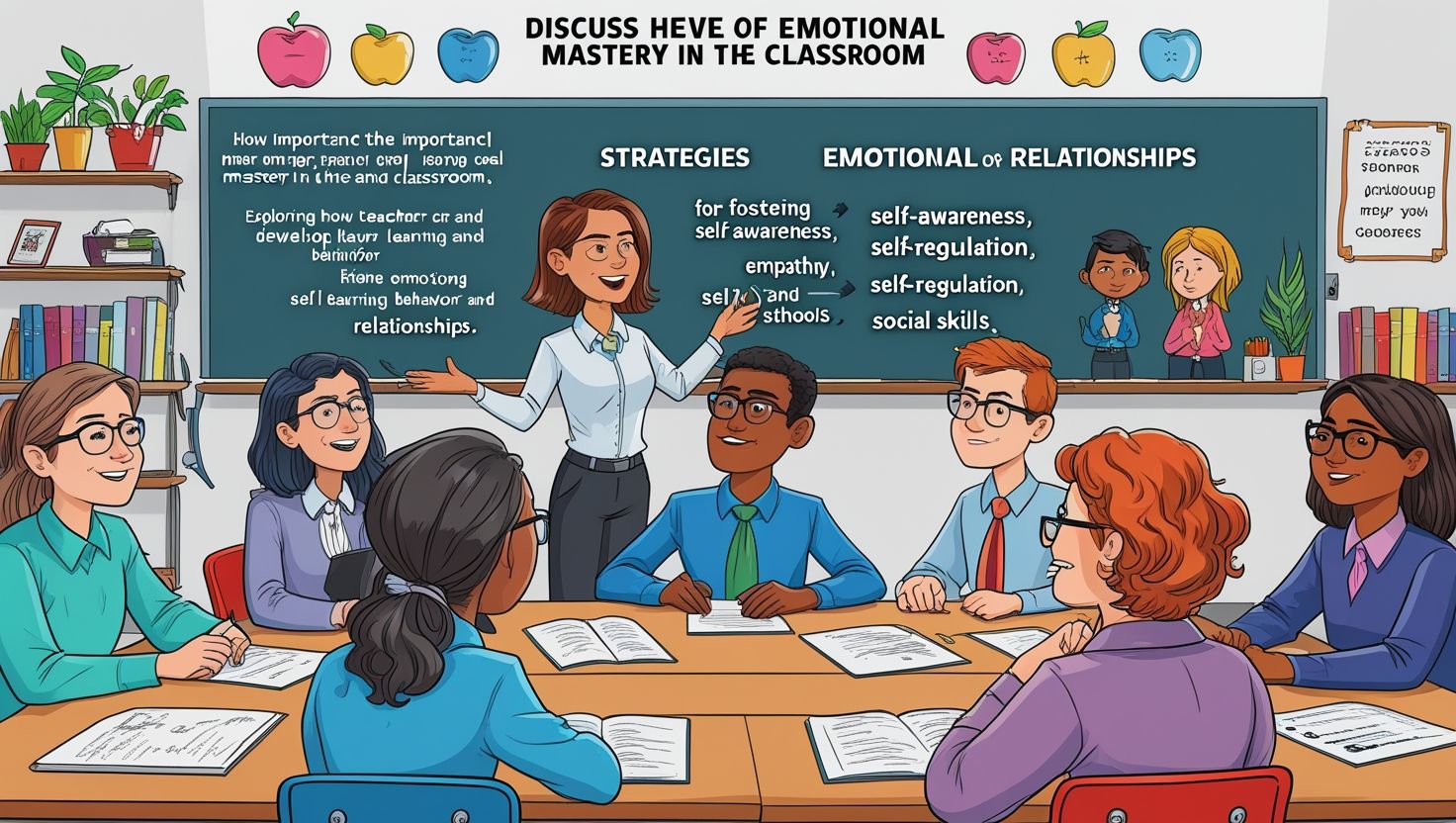
Emotional stress and teacher wellbeing also play critical roles in shaping lesson planning quality and classroom performance. Teaching is emotionally demanding because educators continuously manage student behavior, academic expectations, parental concerns, and institutional responsibilities. Persistent stress reduces concentration, creativity, and motivation required for designing meaningful learning experiences. Teachers experiencing burnout may prepare lessons mechanically without considering student engagement, differentiation, or reflective improvement strategies. Emotional exhaustion becomes particularly severe when educators work in challenging environments characterized by overcrowded classrooms, limited resources, and insufficient administrative support. Personal responsibilities outside school additionally affect teachers’ ability to dedicate time and energy toward effective planning. Research consistently demonstrates strong relationships between teacher wellbeing, instructional quality, and student achievement outcomes. Therefore, supporting teachers emotionally and professionally is essential for improving lesson planning practices. Educational institutions must recognize that teacher motivation, mental health, and professional satisfaction significantly influence classroom preparation and overall instructional effectiveness.
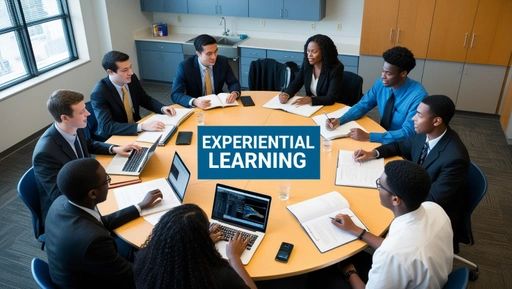
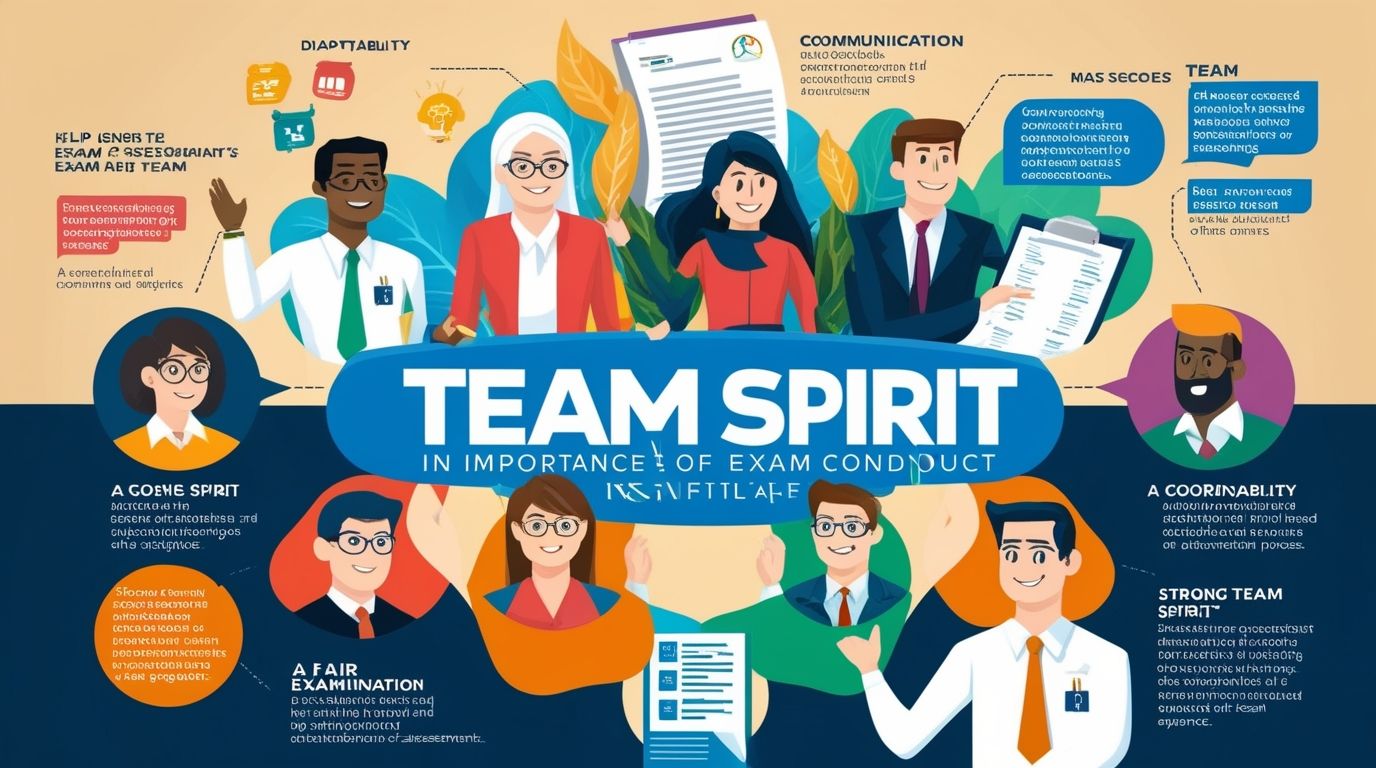
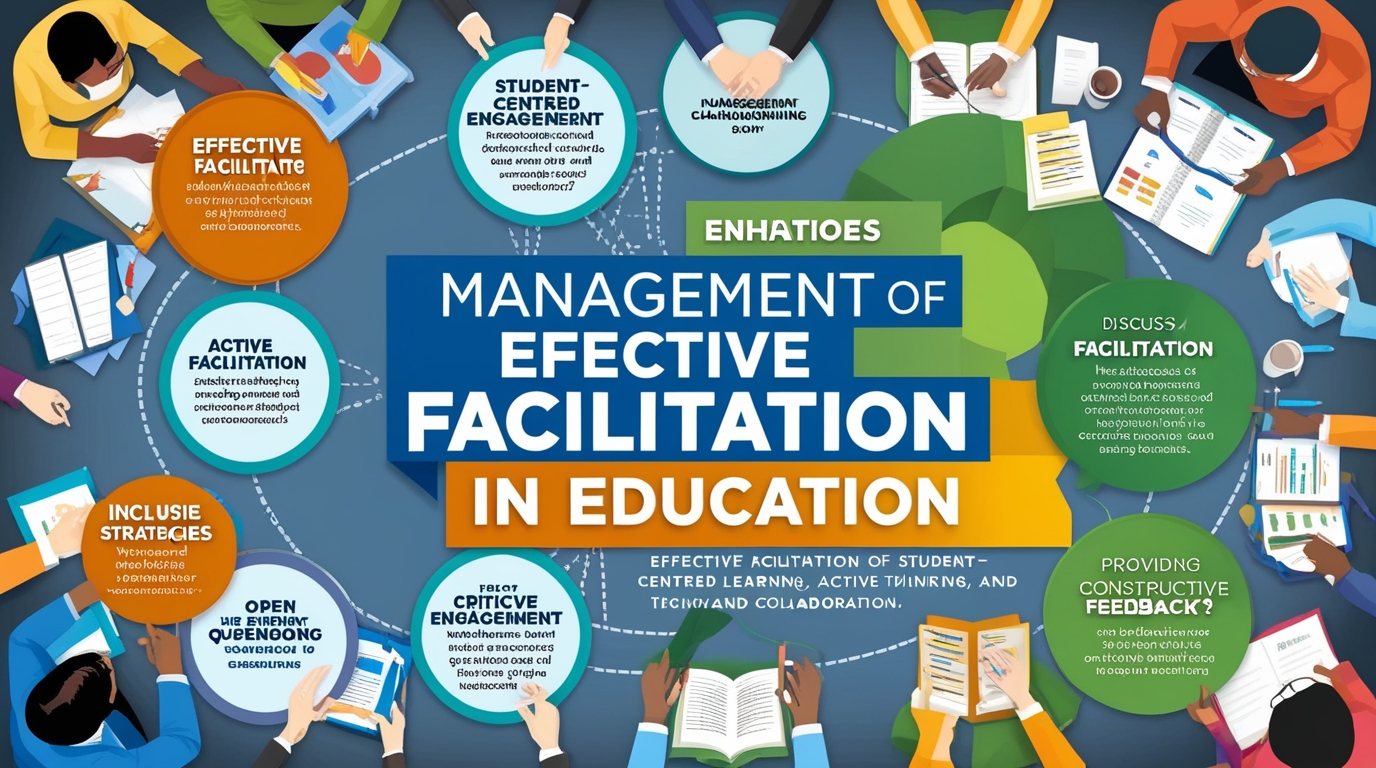
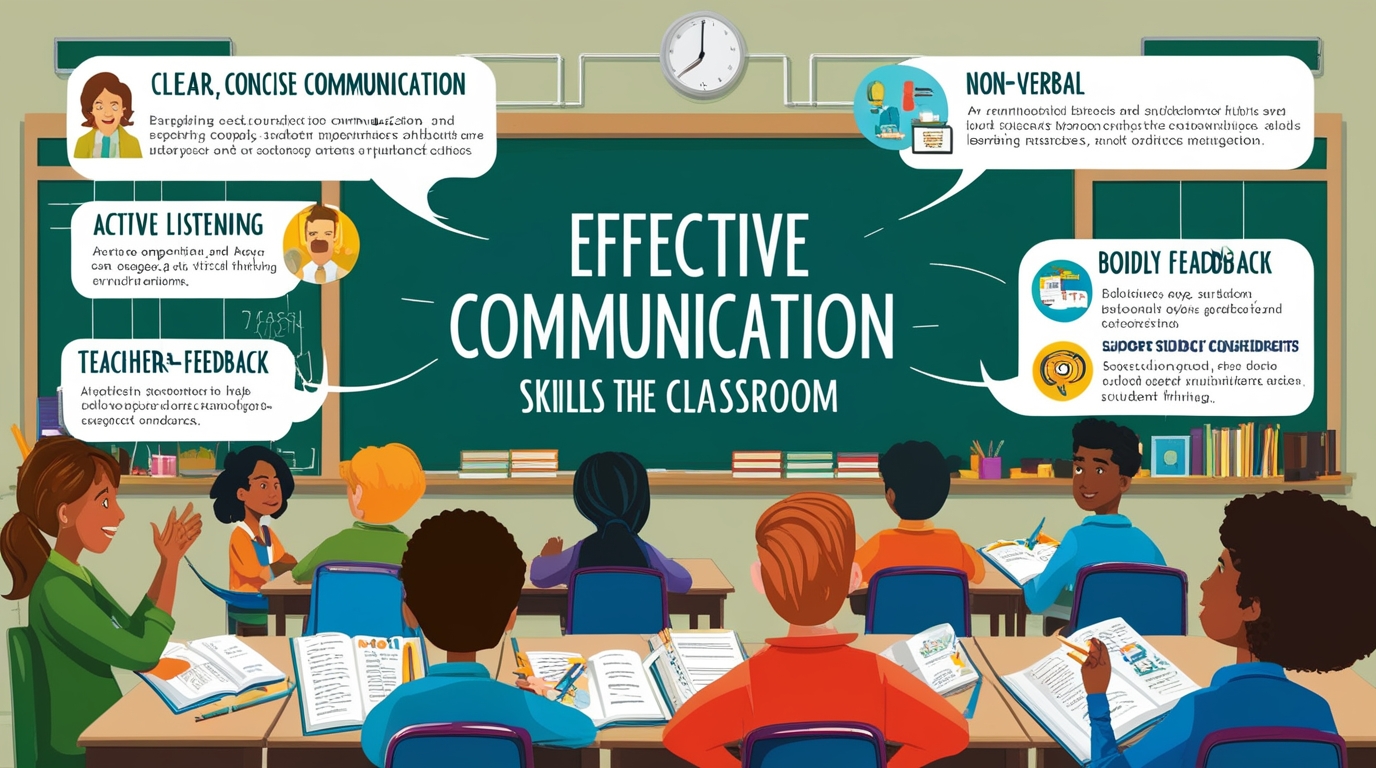
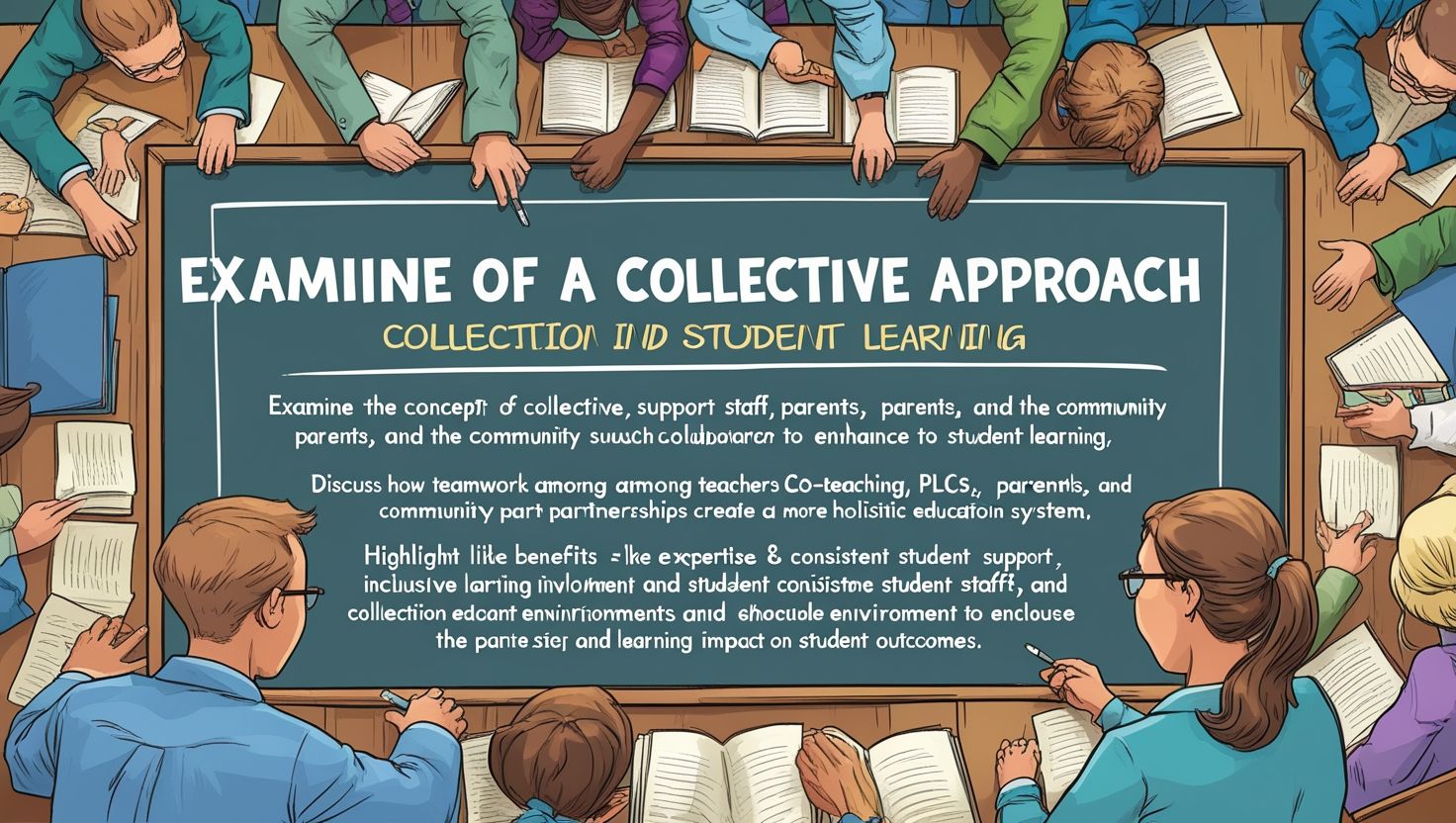
Collaboration among teachers can improve lesson planning quality, yet many schools experience barriers preventing effective professional cooperation. Collaborative planning allows educators to exchange instructional ideas, discuss learner challenges, share resources, and develop interdisciplinary teaching approaches. However, institutional schedules often provide limited time for professional interaction among teachers. In some schools, competitive workplace cultures discourage cooperation because teachers fear criticism or unequal workload distribution. Additionally, inexperienced teachers may hesitate to seek assistance from senior colleagues due to concerns regarding professional judgment or self confidence. Lack of structured professional learning communities further reduces opportunities for collaborative curriculum development and reflective discussion. Teachers working in isolated environments frequently repeat ineffective instructional strategies because they lack exposure to innovative classroom practices. Effective collaboration requires supportive leadership, scheduled planning sessions, and professional trust among educators. Therefore, insufficient collaborative opportunities remain a major challenge affecting lesson planning quality, creativity, and continuous professional growth within schools today.
In conclusion, lesson planning challenges reflect broader educational, institutional, technological, and emotional realities experienced by teachers throughout contemporary schooling systems. Teachers must balance curriculum expectations, learner diversity, assessment responsibilities, technological integration, administrative accountability, and personal wellbeing while preparing effective classroom instruction. These interconnected pressures often reduce instructional creativity, increase professional stress, and limit opportunities for reflective teaching practices. Addressing lesson planning difficulties requires comprehensive institutional support, including adequate professional training, collaborative planning opportunities, technological resources, and realistic administrative expectations. Educational leaders should recognize that effective lesson planning depends not only on teacher commitment but also on supportive school environments and sustainable educational policies. Governments and institutions must therefore invest in teacher development programs that strengthen pedagogical competence, emotional wellbeing, and instructional flexibility. By reducing lesson planning barriers, educational systems can improve classroom teaching quality, student engagement, professional satisfaction, and long term educational achievement for diverse learning communities.