Introduction
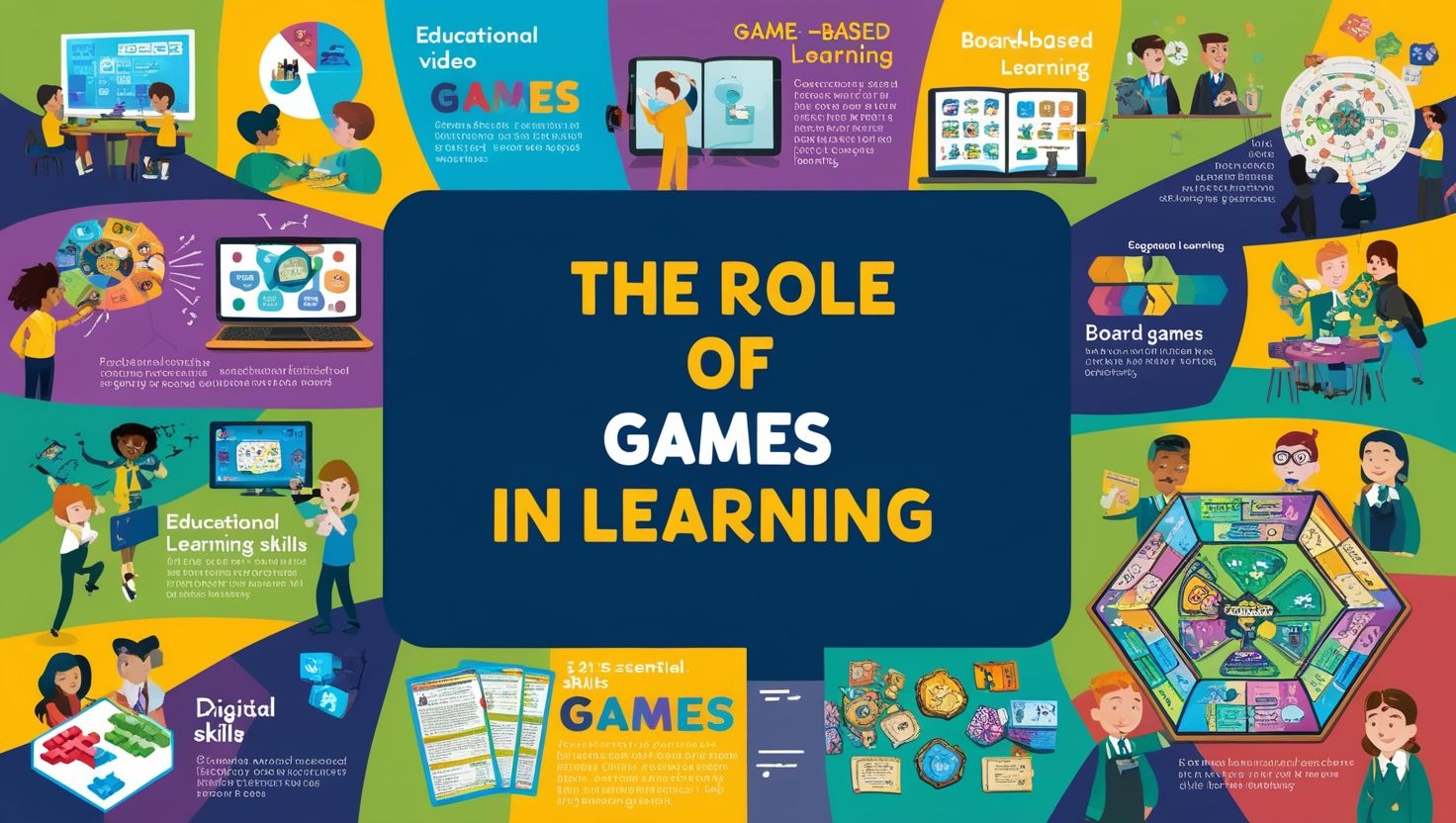
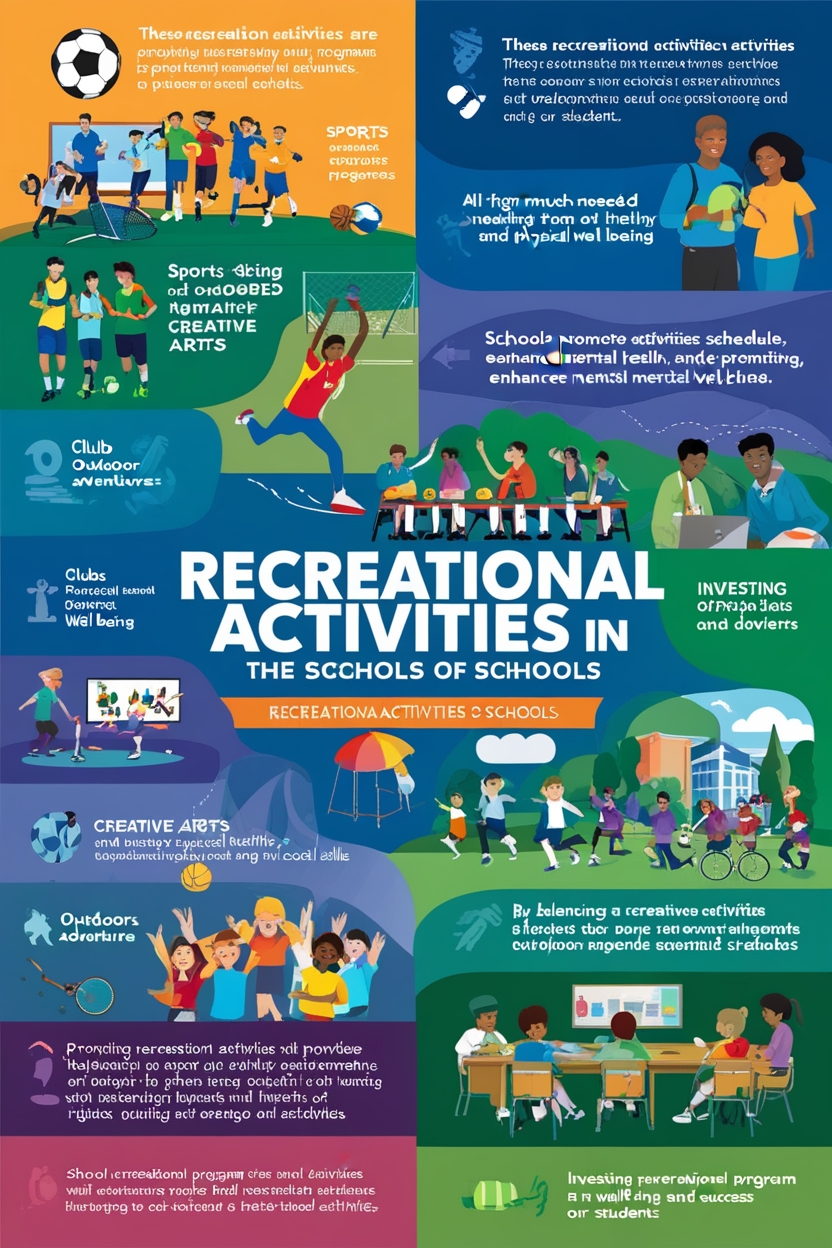
Game Day and Its Educational Value in Schools, Game Day in schools is often perceived as a break from routine academic work—a day filled with excitement, laughter, and physical activity. However, when examined through an educational lens, Game Day reveals itself as a deeply enriching experience that contributes significantly to students’ holistic development. It is not merely a recreational event; rather, it is a structured opportunity for learning that nurtures physical fitness, social skills, emotional intelligence, and cognitive growth.
In modern education systems that emphasize well-rounded development, Game Day plays a vital role. It complements classroom learning by providing experiential opportunities where students can apply life skills in real-world contexts. Schools that thoughtfully design and implement Game Day programs often witness improvements in student engagement, discipline, teamwork, and overall well-being.
Understanding Game Day in the School Context
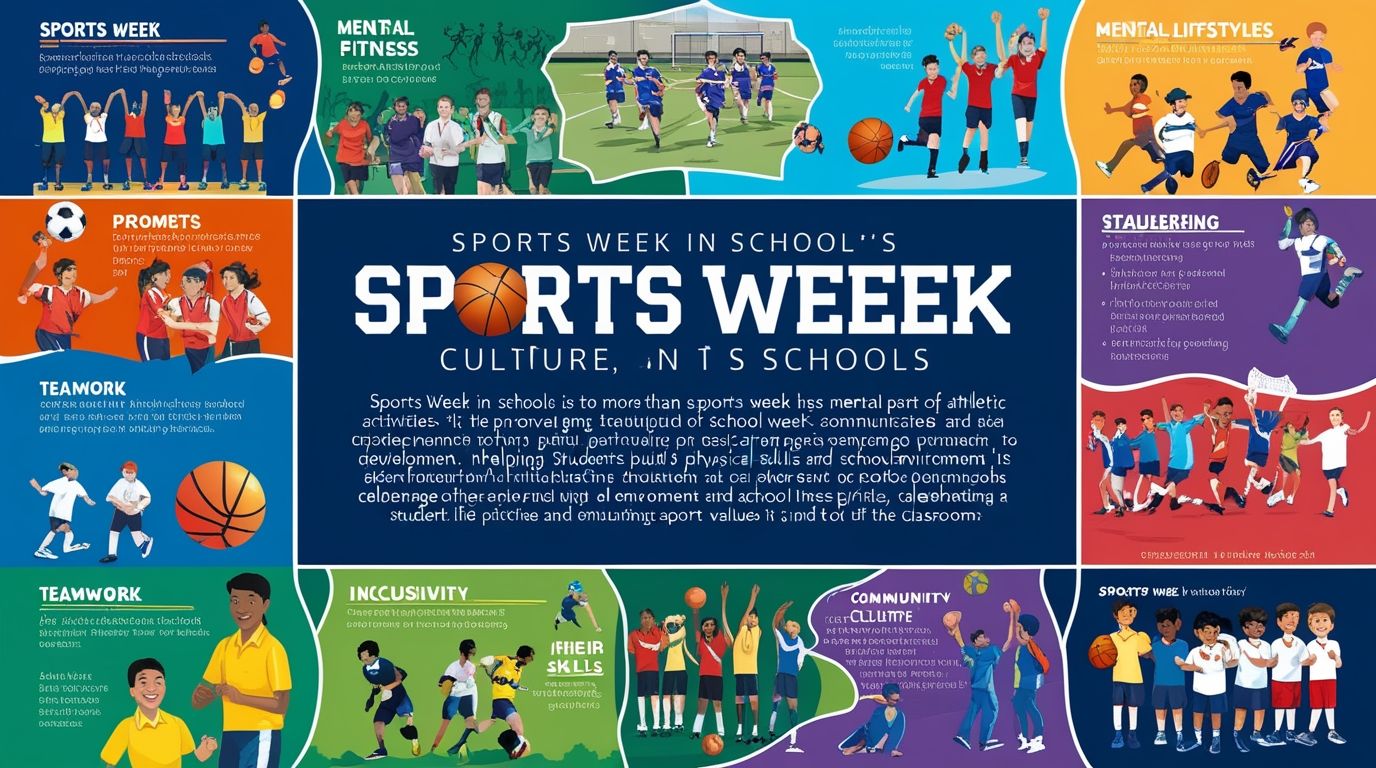
Game Day refers to a planned event or series of activities in which students participate in organized sports, physical challenges, and recreational games. These activities can range from traditional sports such as football, cricket, and athletics to fun-based games like relays, obstacle courses, and team-building exercises.
Unlike regular physical education classes, Game Day typically involves the entire school community. Students, teachers, and sometimes parents come together to celebrate physical activity and teamwork. The atmosphere is often festive, creating a sense of unity and shared purpose.
Importantly, Game Day is not solely about competition. While winning may be a motivating factor, the primary focus is on participation, learning, and personal growth. This distinction is essential in ensuring that all students, regardless of their athletic ability, feel included and valued.
Promoting Physical Health and Fitness
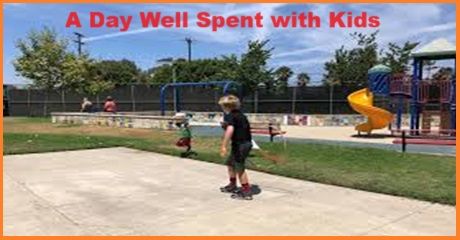
One of the most obvious benefits of Game Day is the promotion of physical health. In an era where sedentary lifestyles and excessive screen time are increasingly common, encouraging students to engage in physical activity is more important than ever.
Game Day provides an enjoyable platform for students to exercise without feeling the pressure of formal training. Activities such as running, jumping, and team sports improve cardiovascular health, muscle strength, coordination, and flexibility.
Moreover, regular participation in physical activities helps students develop healthy habits that can last a lifetime. When students associate exercise with enjoyment and social interaction, they are more likely to remain active beyond their school years.
Developing Teamwork and Collaboration
Game Day is a powerful setting for teaching teamwork. Many of the activities require students to work together toward a common goal, whether it is winning a match or completing a challenge.
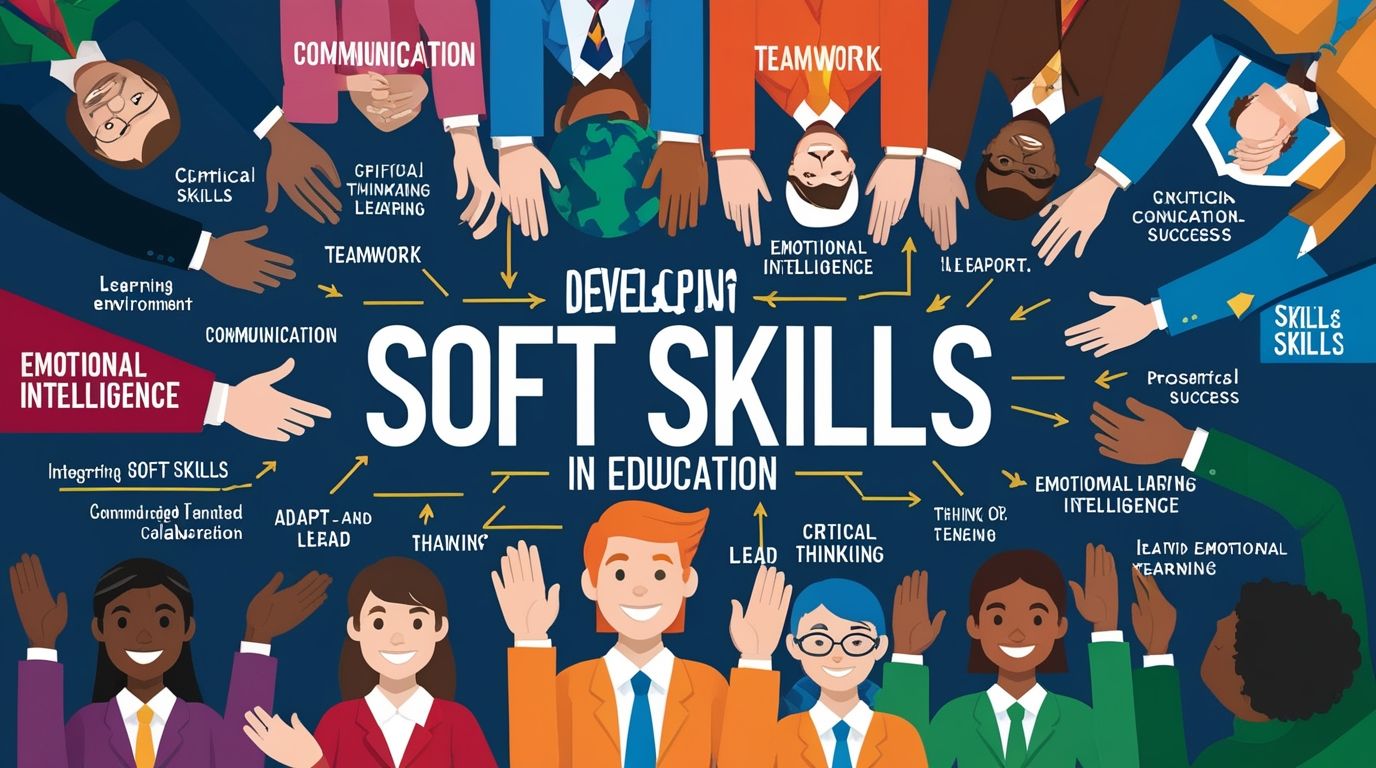
Through these experiences, students learn to communicate effectively, share responsibilities, and support one another. They begin to understand the importance of cooperation and the value of each team member’s contribution.
These lessons extend beyond the playground. In academic settings and future workplaces, the ability to collaborate is essential. Game Day provides a practical and engaging way to develop this critical skill.
Enhancing Leadership Skills
In addition to teamwork, Game Day offers opportunities for students to develop leadership abilities. Team captains, group leaders, and event coordinators take on responsibilities that require decision-making, organization, and problem-solving.
Students in leadership roles learn how to motivate others, manage conflicts, and make strategic decisions under pressure. These experiences build confidence and prepare students for future leadership positions.
Teachers can further enhance this aspect by rotating leadership roles, ensuring that a wide range of students have the opportunity to lead and learn.
Building Emotional Resilience
Participation in games naturally involves both success and failure. Students may experience the joy of winning as well as the disappointment of losing. These emotional experiences are valuable learning opportunities.
Game Day teaches students how to handle victory with humility and defeat with grace. They learn to cope with setbacks, manage frustration, and maintain a positive attitude. Over time, this builds emotional resilience—a key component of mental well-being.
By reflecting on their experiences, students can develop a growth mindset, understanding that effort and perseverance are more important than immediate success.
Encouraging Fair Play and Ethical Behavior
Sports and games are governed by rules, and adherence to these rules is essential for fair competition. Game Day provides a practical context for teaching values such as honesty, integrity, and respect.
Students learn to follow rules, respect referees and officials, and accept outcomes without dispute. They also learn to respect their opponents, recognizing that competition does not negate mutual respect.
These lessons in sportsmanship are fundamental to character development. They reinforce the idea that ethical behavior is important in all aspects of life.
Improving Social Interaction and Inclusion
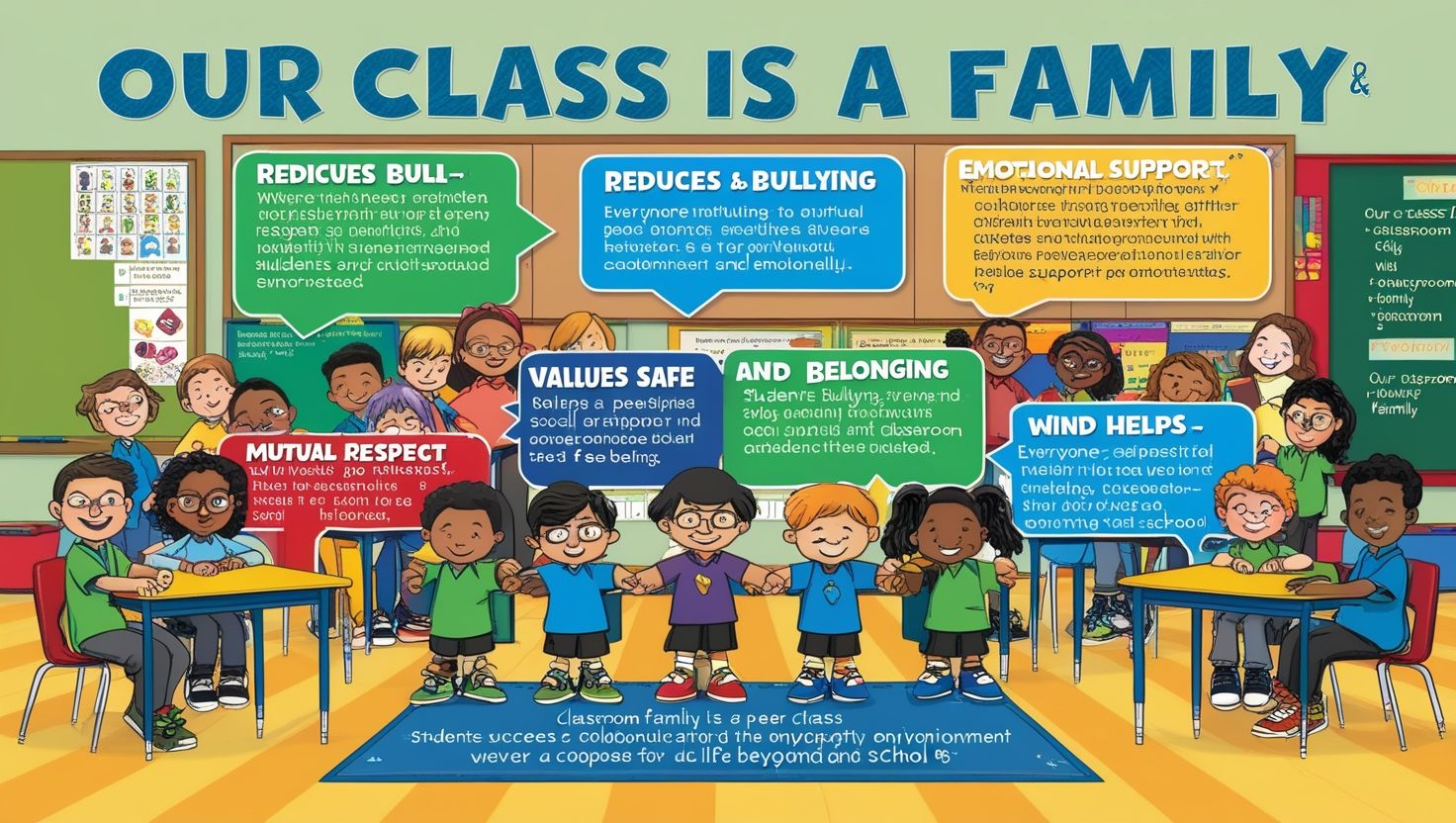
Game Day brings together students from different classes, age groups, and backgrounds. This interaction promotes social integration and helps build a sense of community within the school.
Students who may not interact regularly in the classroom have the opportunity to connect through shared activities. This can lead to new friendships and a more inclusive school environment.
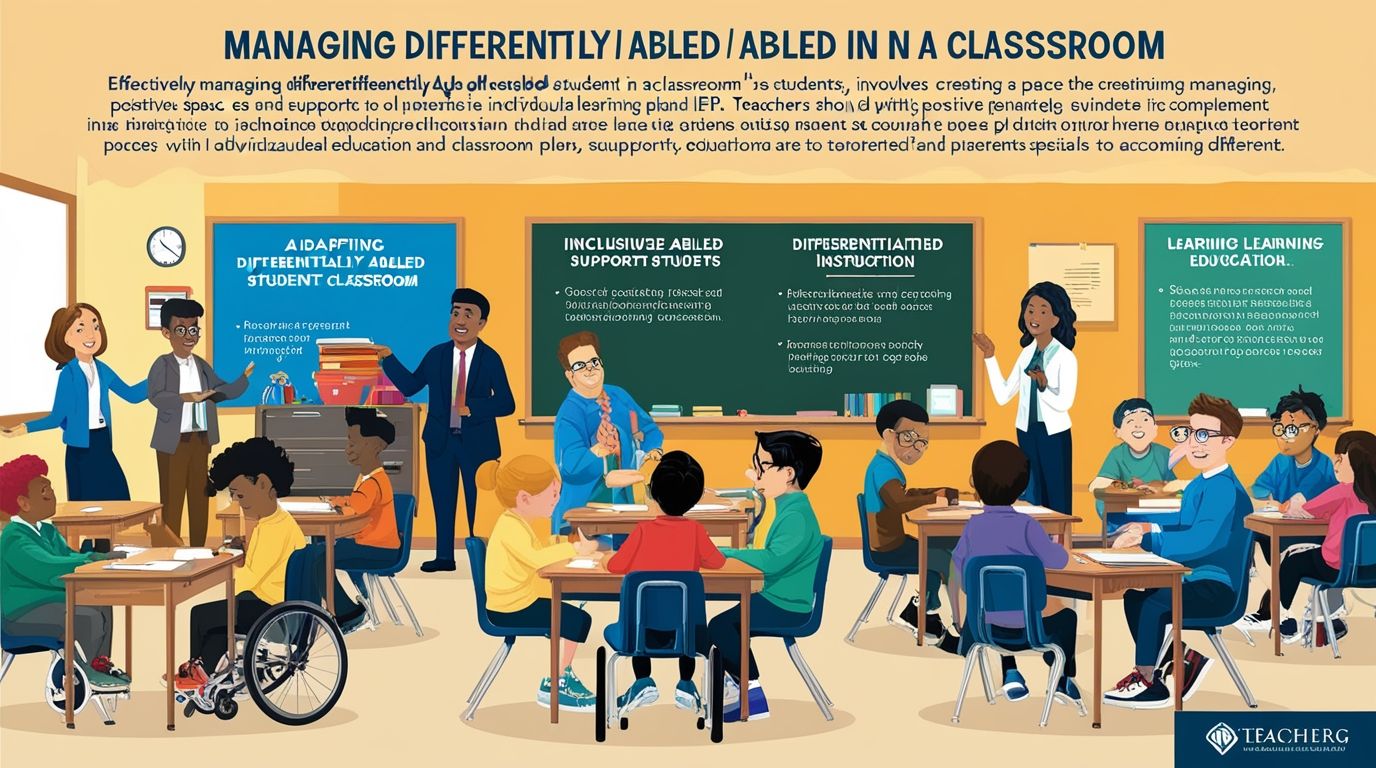
Inclusive planning is particularly important. Schools should ensure that activities cater to diverse abilities and interests, allowing every student to participate meaningfully. Modified games, non-competitive activities, and mixed-ability teams can help achieve this goal.
Enhancing Cognitive Skills Through Play
While games are primarily physical, they also involve significant cognitive engagement. Strategy-based games require planning, decision-making, and quick thinking. Even simple activities can enhance concentration, memory, and problem-solving skills.
For example, relay races require coordination and timing, while team sports involve strategic positioning and anticipation. These cognitive processes contribute to overall brain development.
Research in education has consistently shown that physical activity can improve academic performance by enhancing focus and reducing stress. Game Day, therefore, indirectly supports academic achievement.
Fostering Creativity and Innovation
Game Day is not limited to traditional sports. Creative games and challenges encourage students to think outside the box. Activities such as designing team strategies, inventing new games, or solving physical puzzles stimulate creativity.
Teachers can incorporate elements of innovation by allowing students to suggest and organize games. This not only increases engagement but also gives students a sense of ownership.
Creative expression through movement and play can be particularly beneficial for students who may not excel in conventional academic subjects.
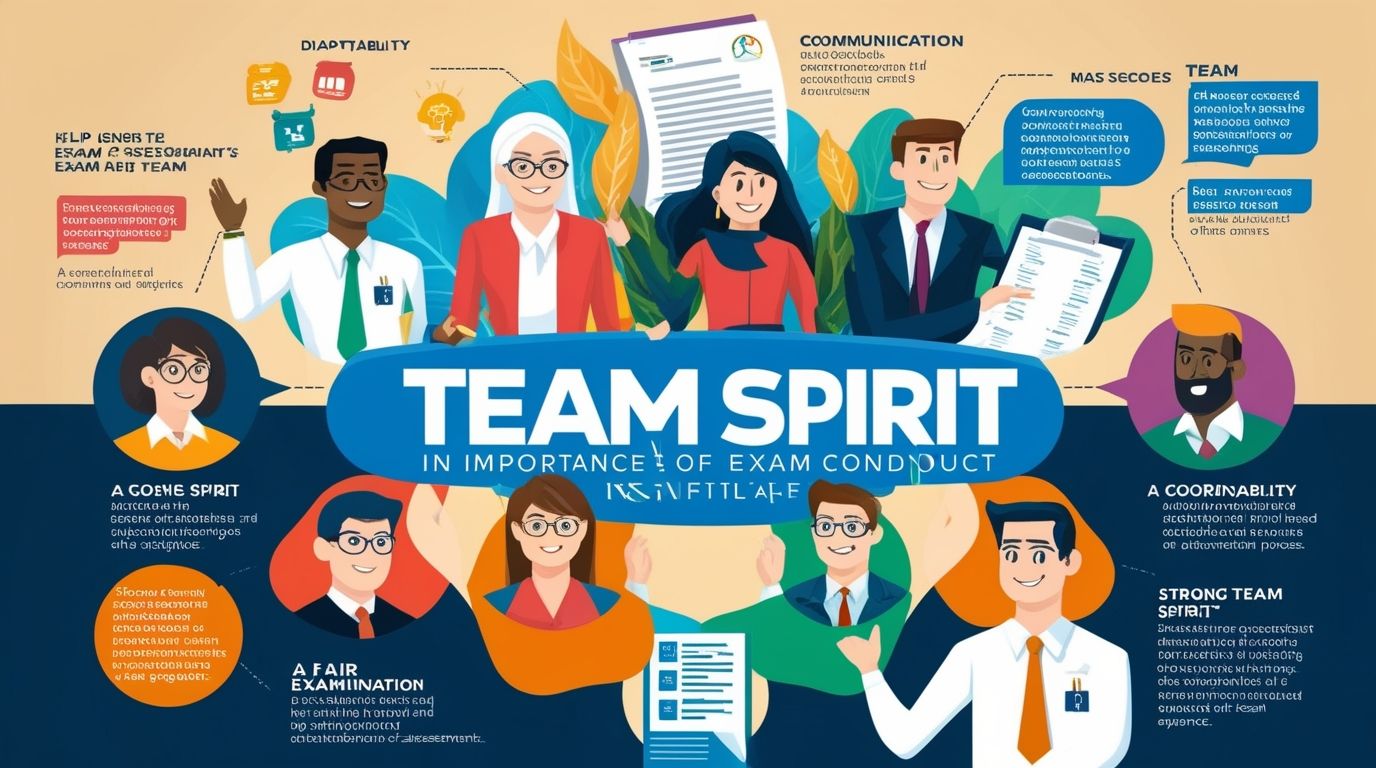
Strengthening School Culture and Spirit
A well-organized Game Day contributes to a positive school culture. It creates a sense of excitement and pride, strengthening the bond between students and the institution.
School spirit is often reflected in team colors, chants, and collective participation. These elements foster a sense of belonging and identity, which are important for student motivation and engagement.
When students feel connected to their school, they are more likely to participate actively in both academic and extracurricular activities.
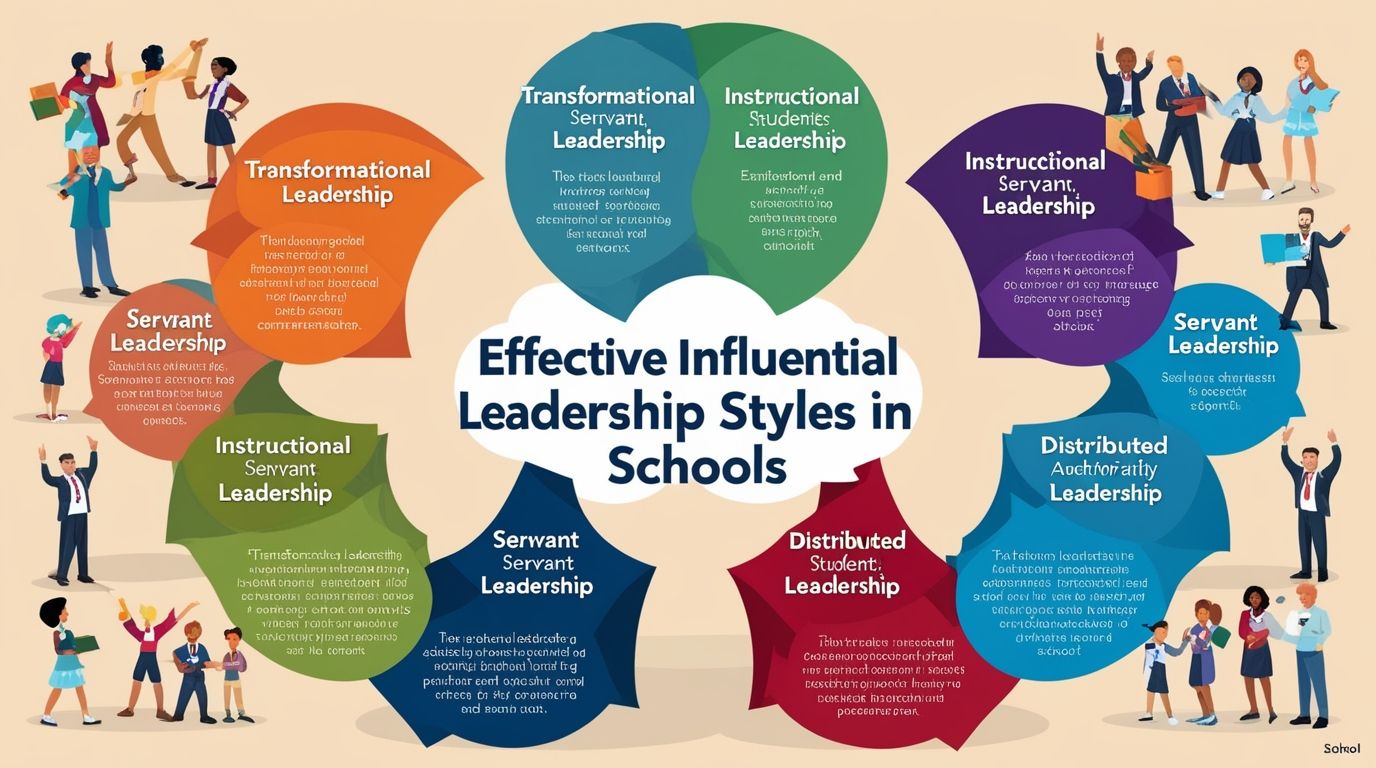
Role of Teachers and School Leadership
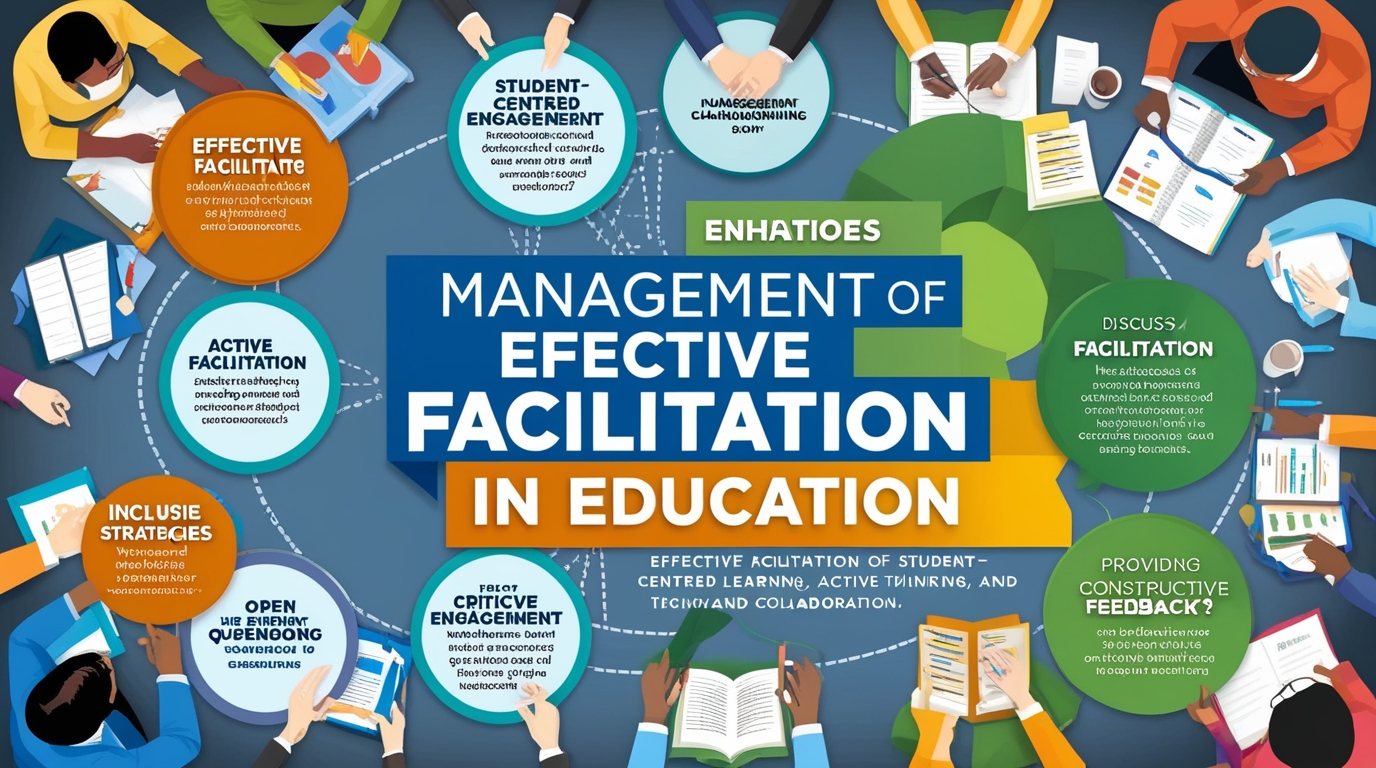
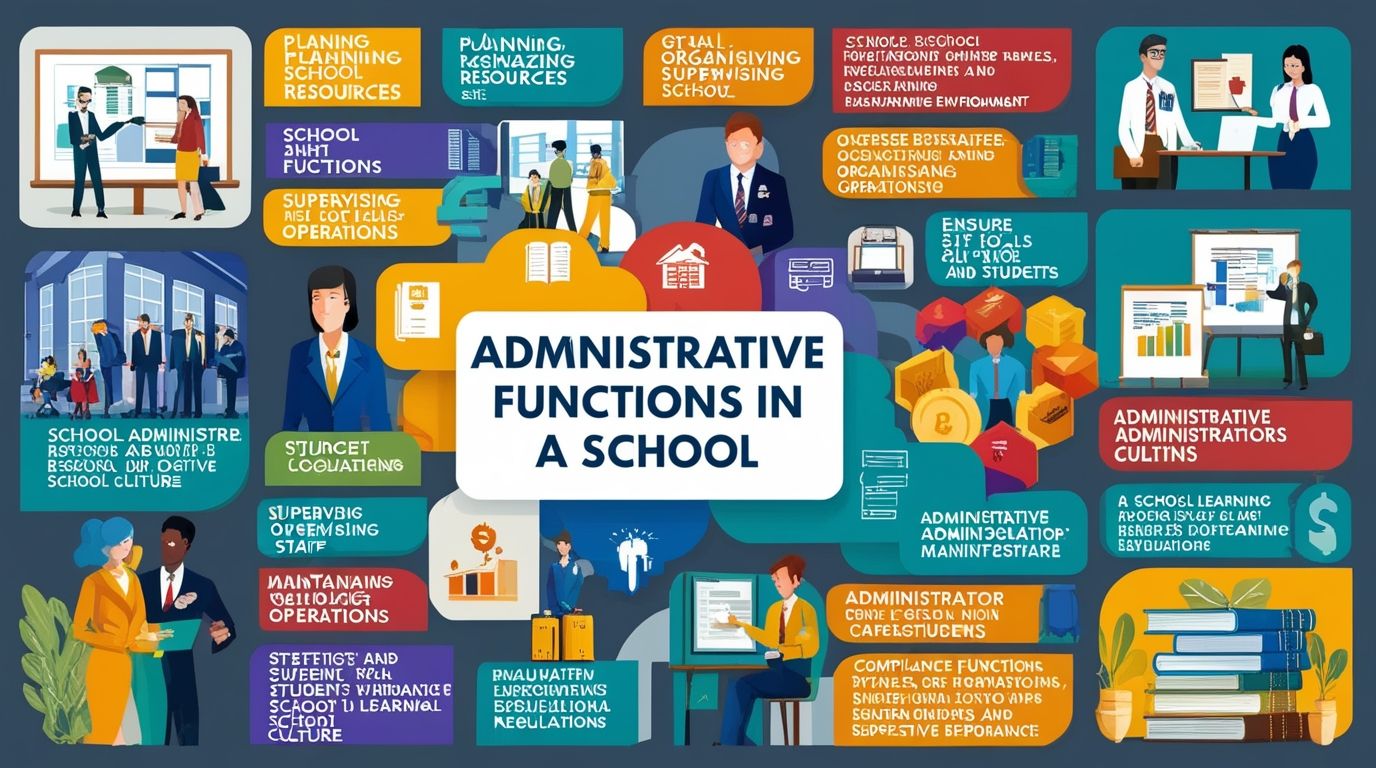
The success of Game Day depends largely on effective planning and management. Teachers play a crucial role in organizing activities, ensuring safety, and guiding student participation.
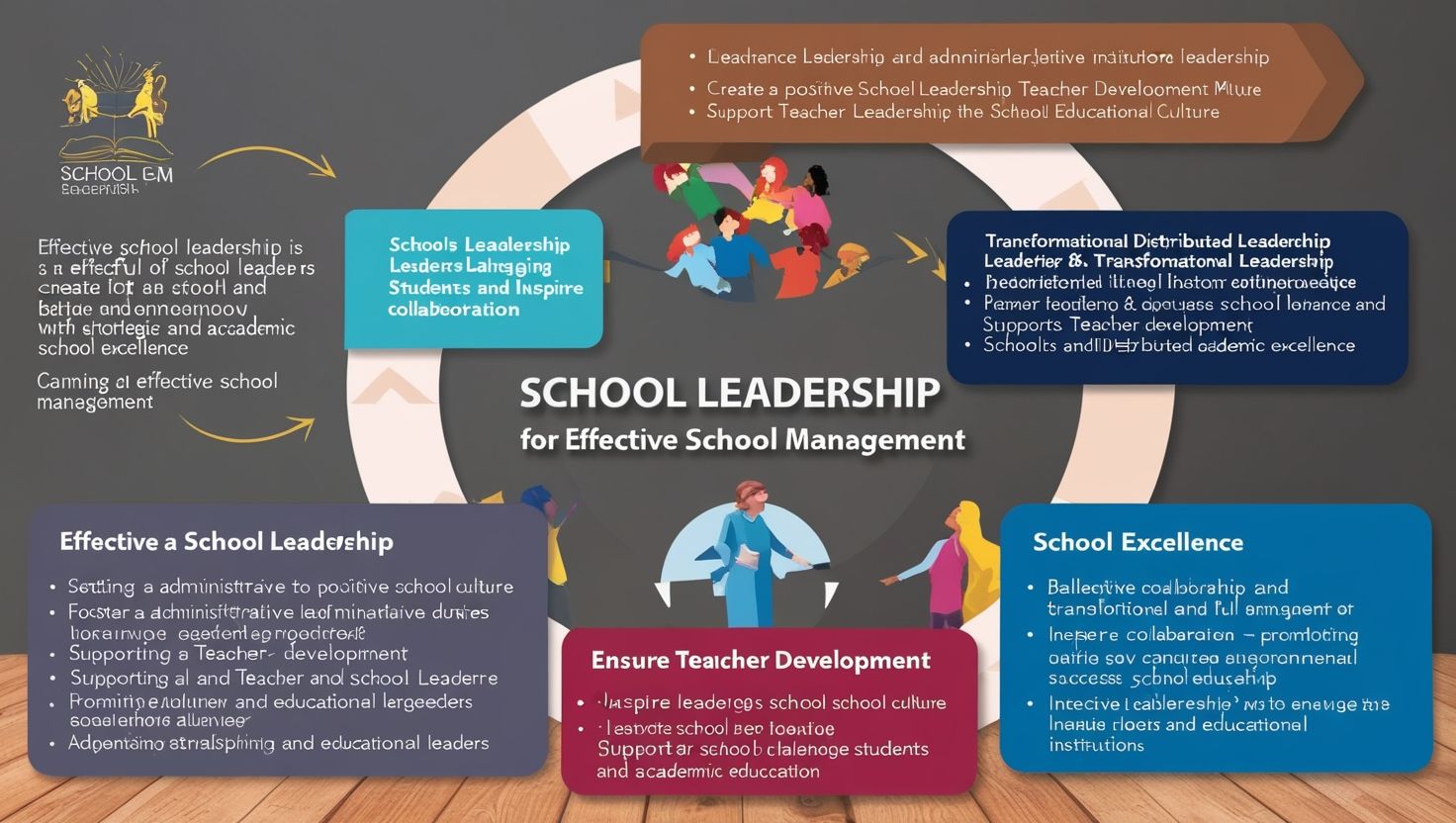
School leaders can support these efforts by allocating resources, encouraging staff collaboration, and promoting a culture that values physical education. Clear objectives should be established to ensure that Game Day aligns with educational goals.
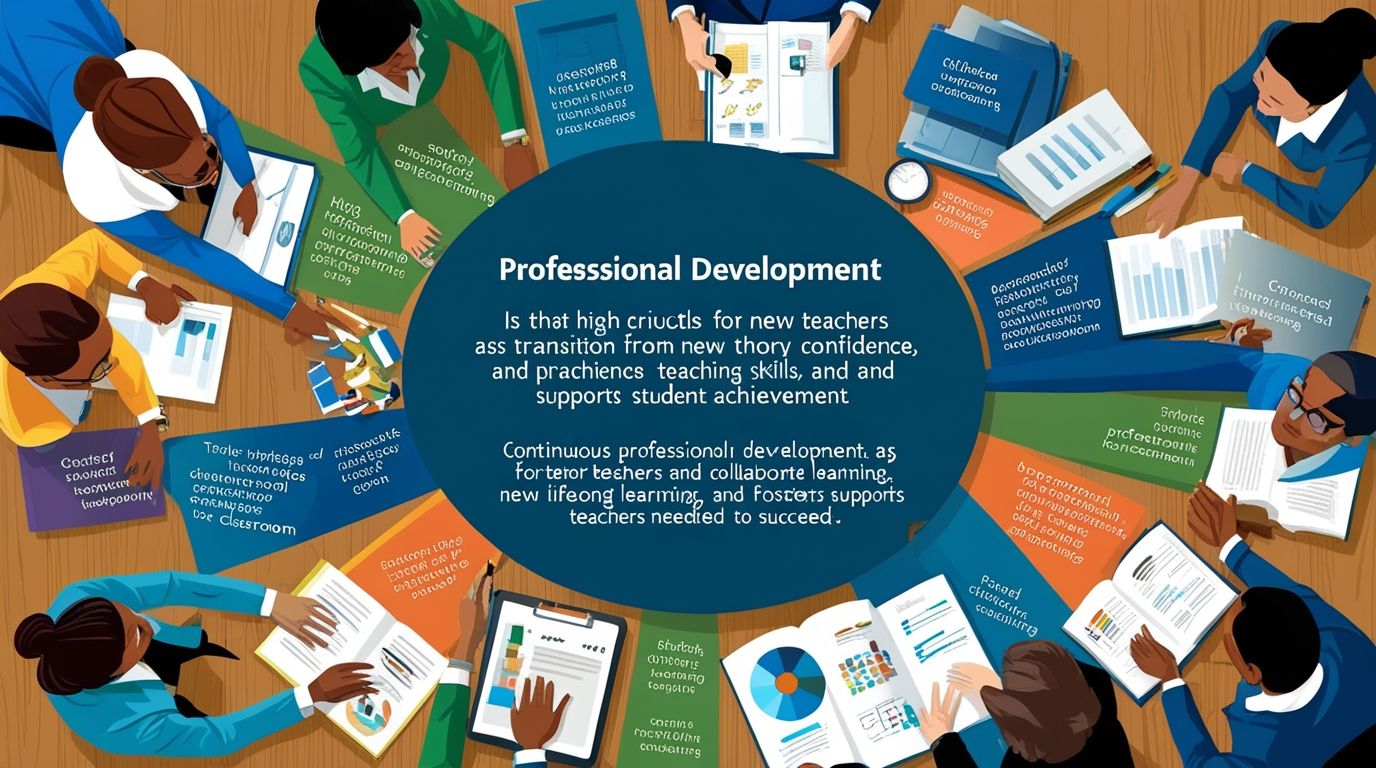
Professional development for teachers in areas such as sports management and inclusive practices can further enhance the quality of the event.
Ensuring Safety and Well-being
Safety is a critical consideration in any physical activity. Schools must take appropriate measures to minimize risks, including proper supervision, first aid availability, and safe equipment.
Students should be educated about warm-up exercises, hydration, and injury prevention. Clear instructions and rules should be communicated to avoid accidents.
A safe environment ensures that students can մասնակցা (typo? fix) → participate confidently and enjoy the activities without fear.
Integrating Game Day with Curriculum
Game Day can be effectively integrated into the broader curriculum. For example:
- Science: Understanding the human body and the effects of exercise
- Mathematics: Scoring systems, timing, and statistics
- Language: Writing reflections, reports, and speeches
- Social Studies: Exploring the cultural significance of sports
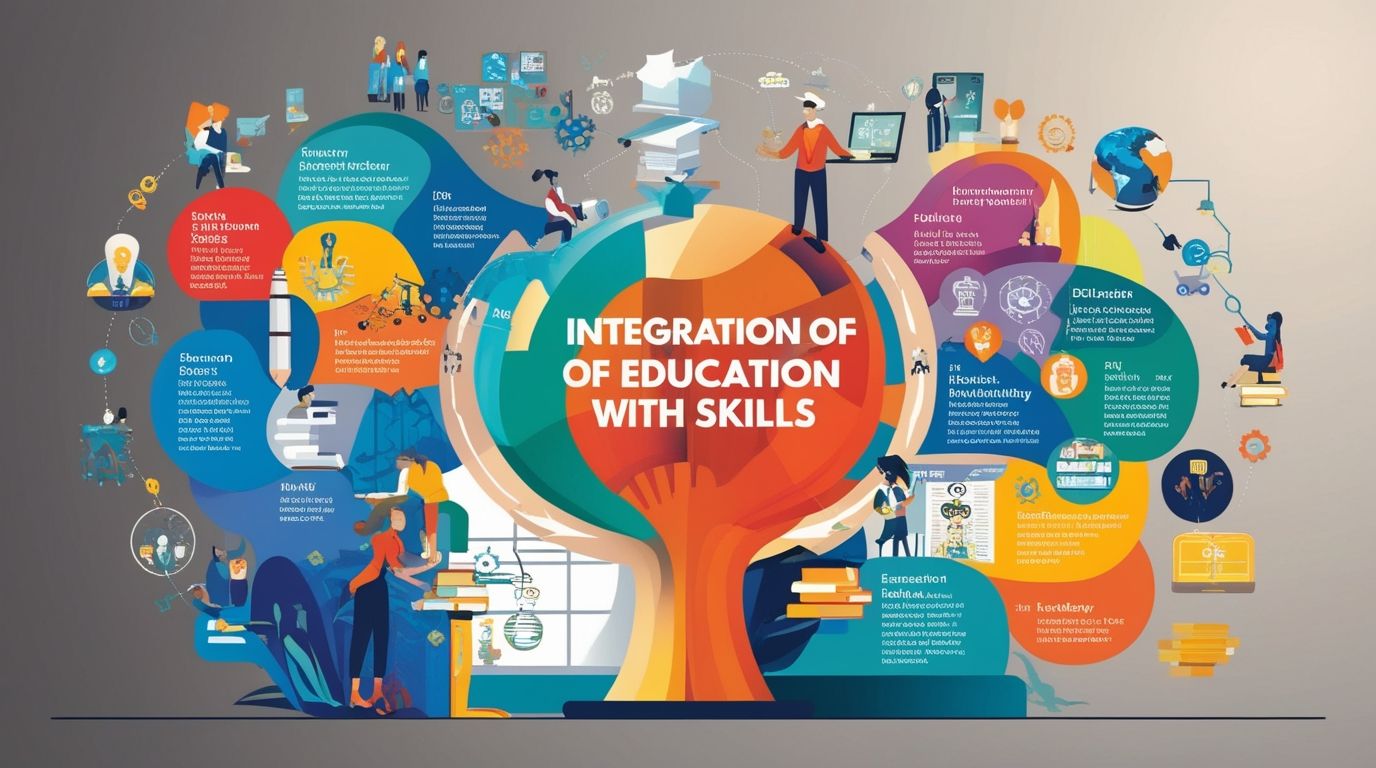
This interdisciplinary approach enhances the educational value of Game Day and reinforces learning across subjects.
Challenges and Solutions
Despite its benefits, organizing Game Day can present challenges. Limited resources, time constraints, and varying student abilities may pose difficulties.
To address these challenges, schools can adopt flexible planning strategies. Community involvement, such as inviting parents or local organizations, can provide additional support. Rotating activities and using simple, low-cost equipment can also make the event more accessible.
Ensuring inclusivity remains a priority. Schools should actively seek feedback from students to improve future events and address any concerns.
Long-Term Impact on Students
The experiences gained during Game Day often have lasting effects. Students develop a positive attitude toward physical activity, which contributes to lifelong health.
The skills learned—teamwork, leadership, resilience, and ethical behavior—are transferable to many areas of life. These competencies are essential for personal and professional success.
Moreover, the memories created during such events contribute to a positive school experience, which can influence students’ overall perception of education.
Conclusion
Game Day is far more than a day of play; it is a comprehensive educational experience that supports the development of the whole child. By promoting physical health, fostering social skills, and reinforcing values, it plays a crucial role in shaping well-rounded individuals.
When schools approach Game Day with clear objectives and thoughtful planning, it becomes a powerful tool for learning. It bridges the gap between theory and practice, allowing students to grow not only as learners but also as individuals.
Incorporating Game Day as a regular and meaningful part of the school calendar ensures that education extends beyond the classroom, preparing students for the challenges and opportunities of life with confidence, competence, and a spirit of collaboration.