Abstract
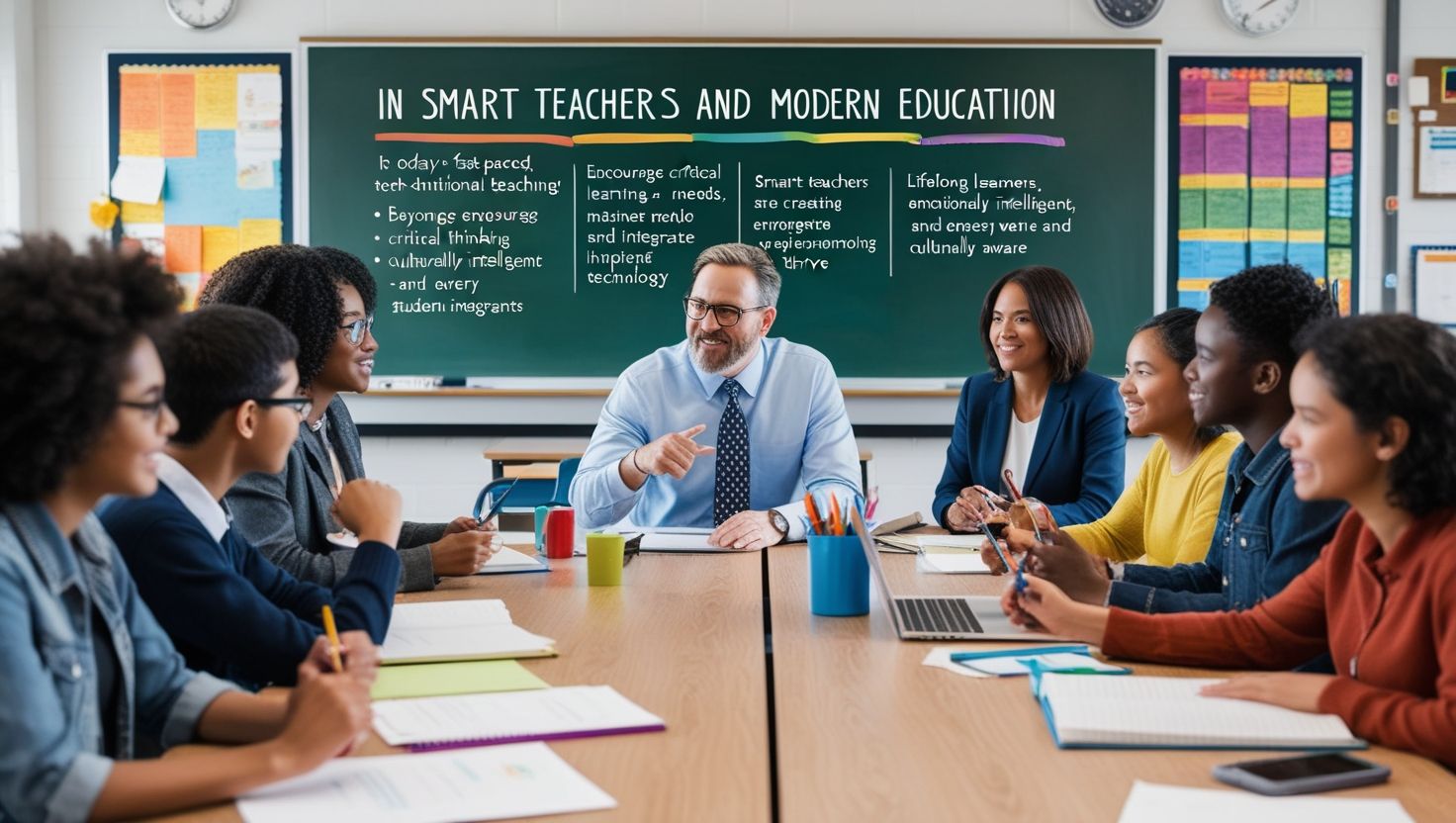
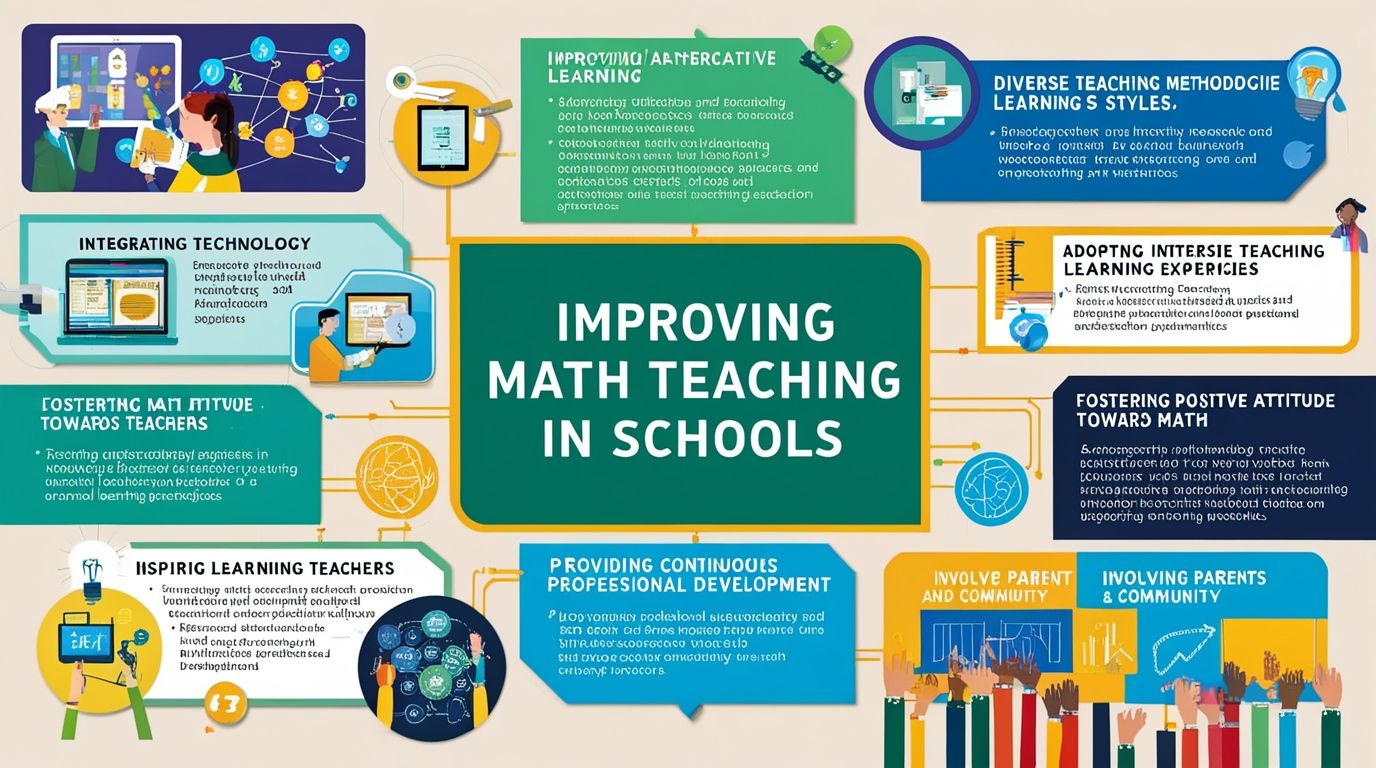
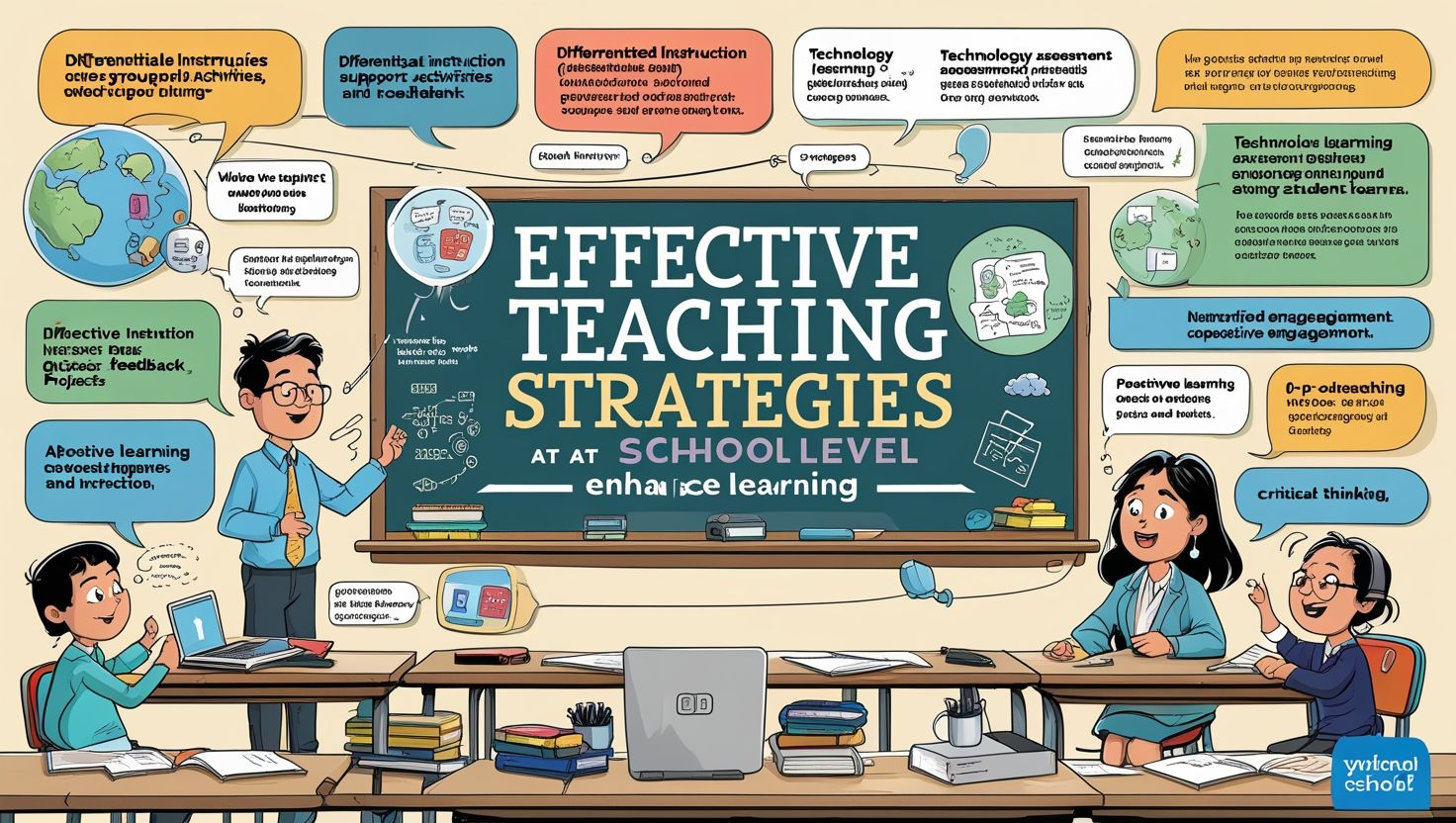
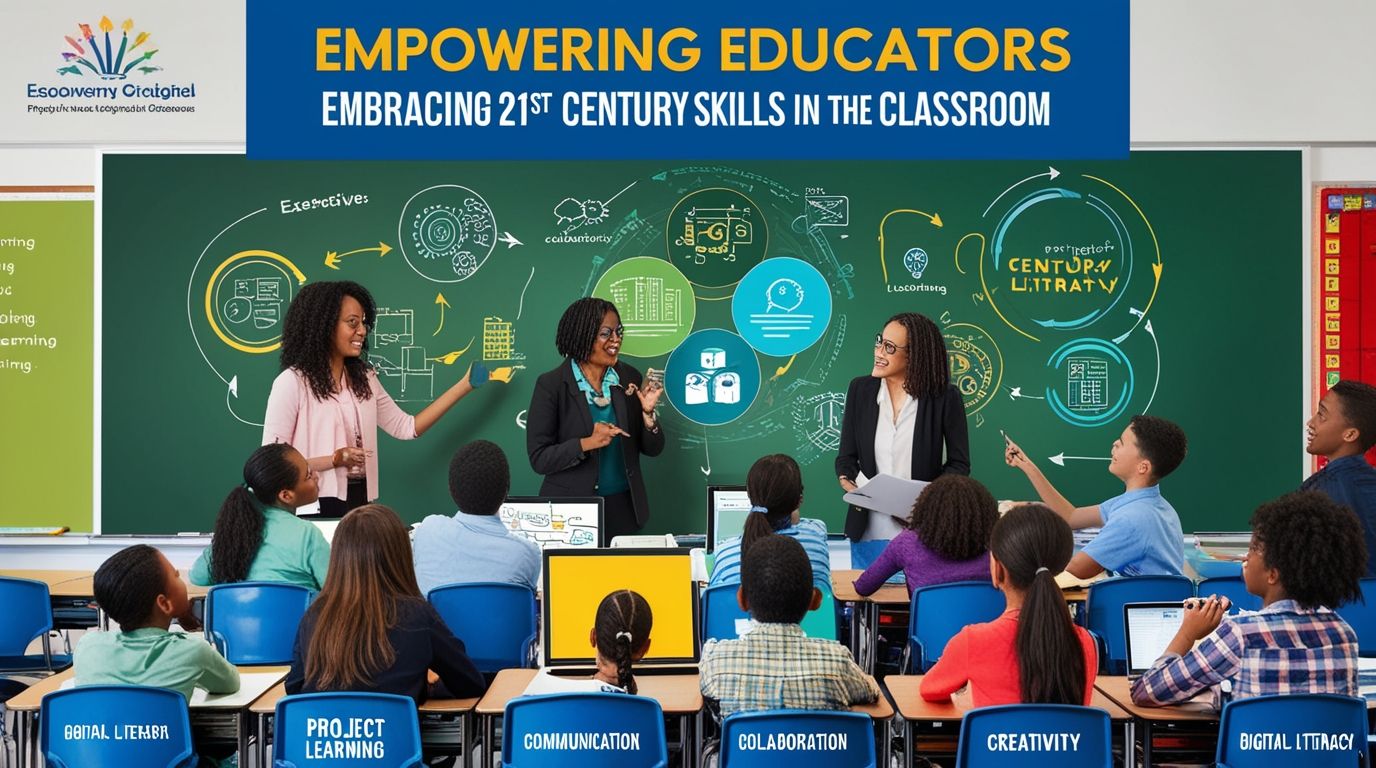
Latest Teaching Skills in Classrooms for 21st-Century Learners, The rapid transformation of education in the twenty-first century has significantly changed the role of teachers and the dynamics of classroom instruction. Modern classrooms are no longer centered solely on content delivery; instead, they emphasize learner engagement, critical thinking, collaboration, creativity, and digital competence.
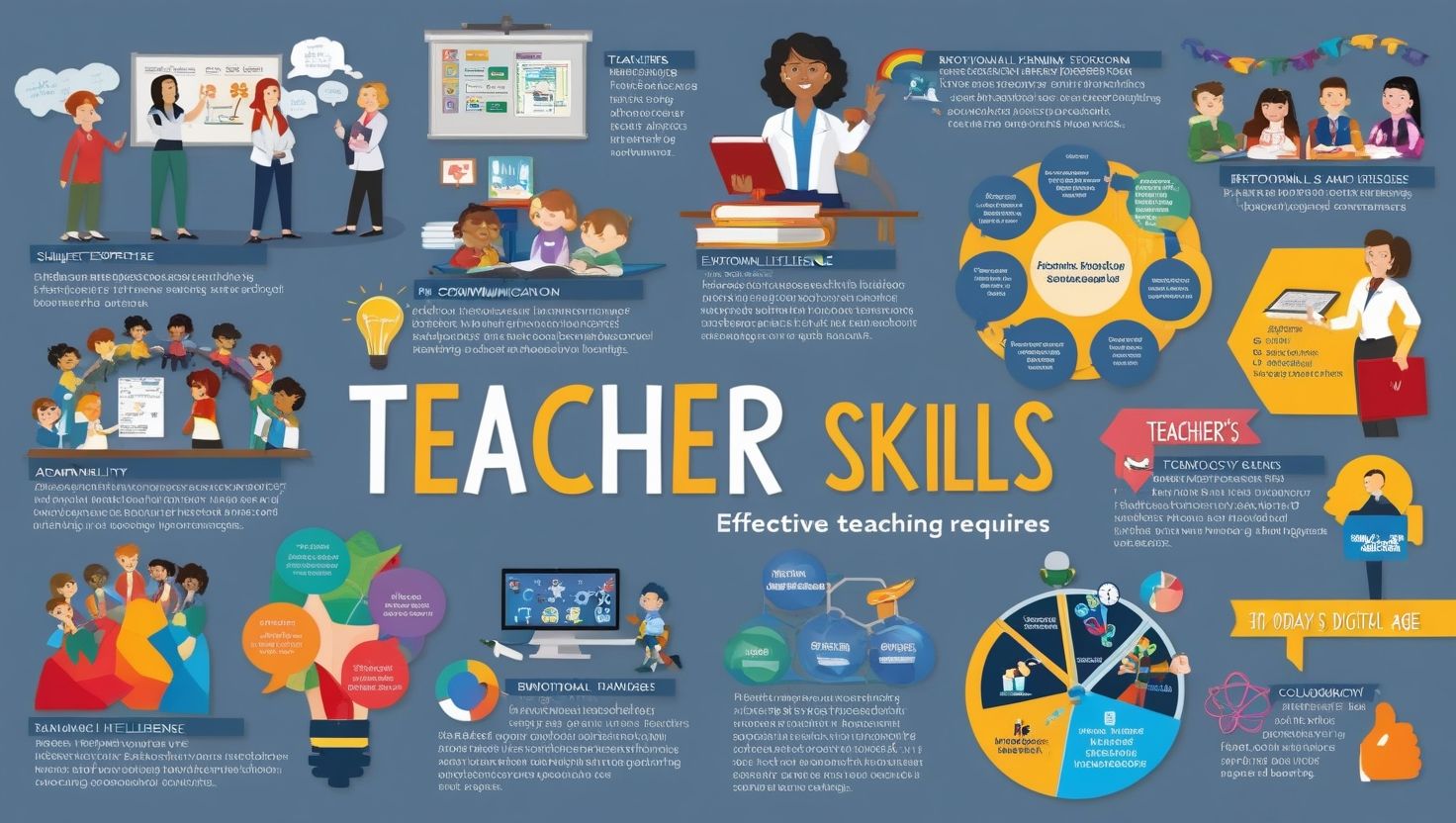
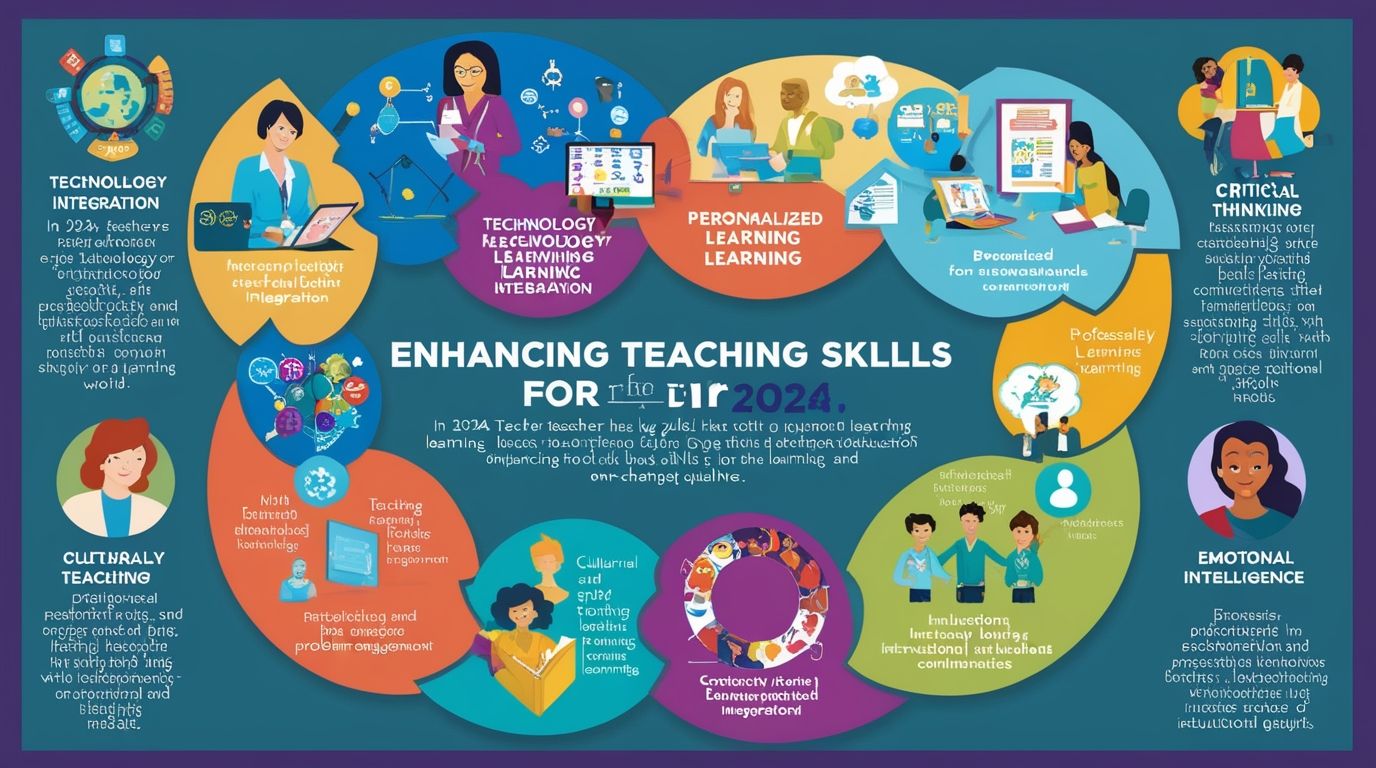
Teachers are expected to possess advanced pedagogical, technological, emotional, and managerial skills to address diverse learner needs in an increasingly interconnected world. This article explores the latest teaching skills required in contemporary classrooms, including digital literacy, differentiated instruction, collaborative learning facilitation, critical thinking development, emotional intelligence, assessment innovation, inclusive pedagogy, and classroom technology integration.
The discussion highlights how these competencies contribute to student-centered learning environments and educational excellence. The article also examines the challenges teachers face while adopting modern teaching practices and proposes strategies for professional development and institutional support. The study concludes that continuous teacher training and adaptive instructional approaches are essential for preparing learners for future societal and professional demands.
Keywords: Modern teaching, classroom innovation, digital pedagogy, student-centered learning, educational technology, teaching competencies.
Introduction
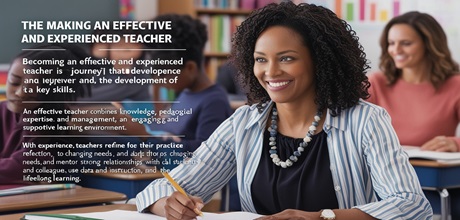
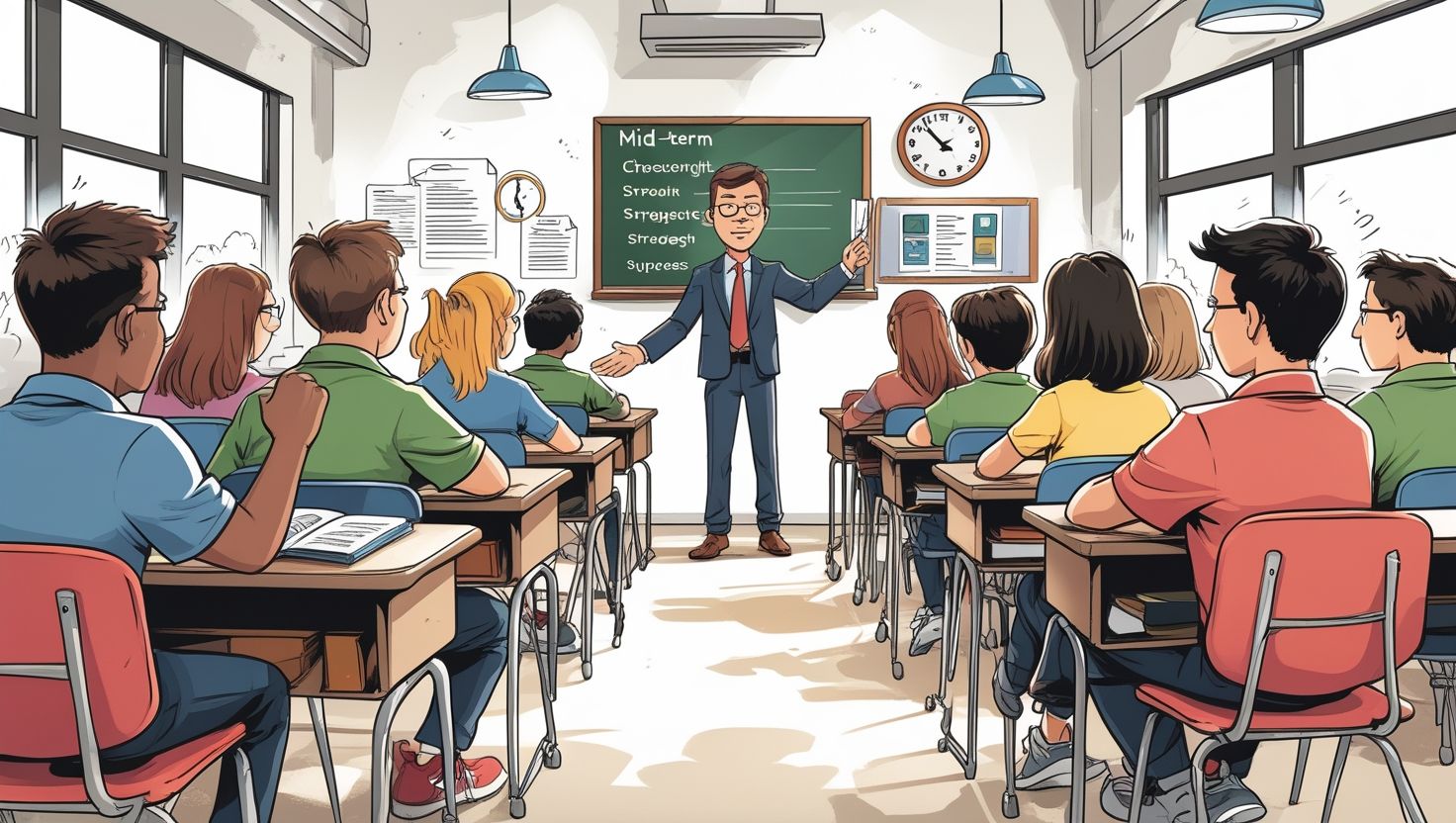
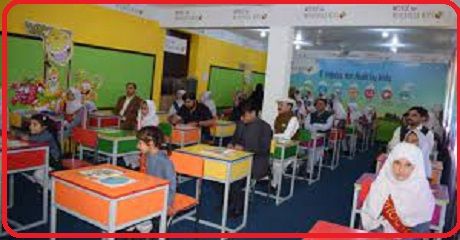
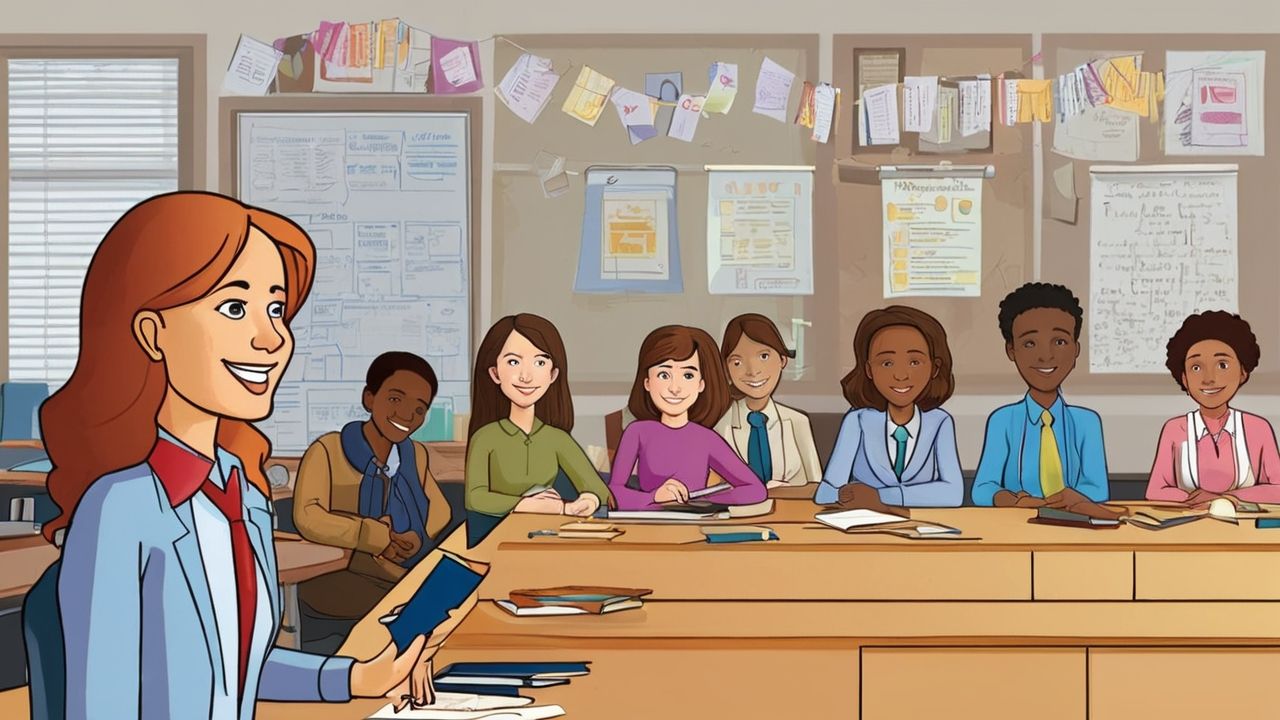
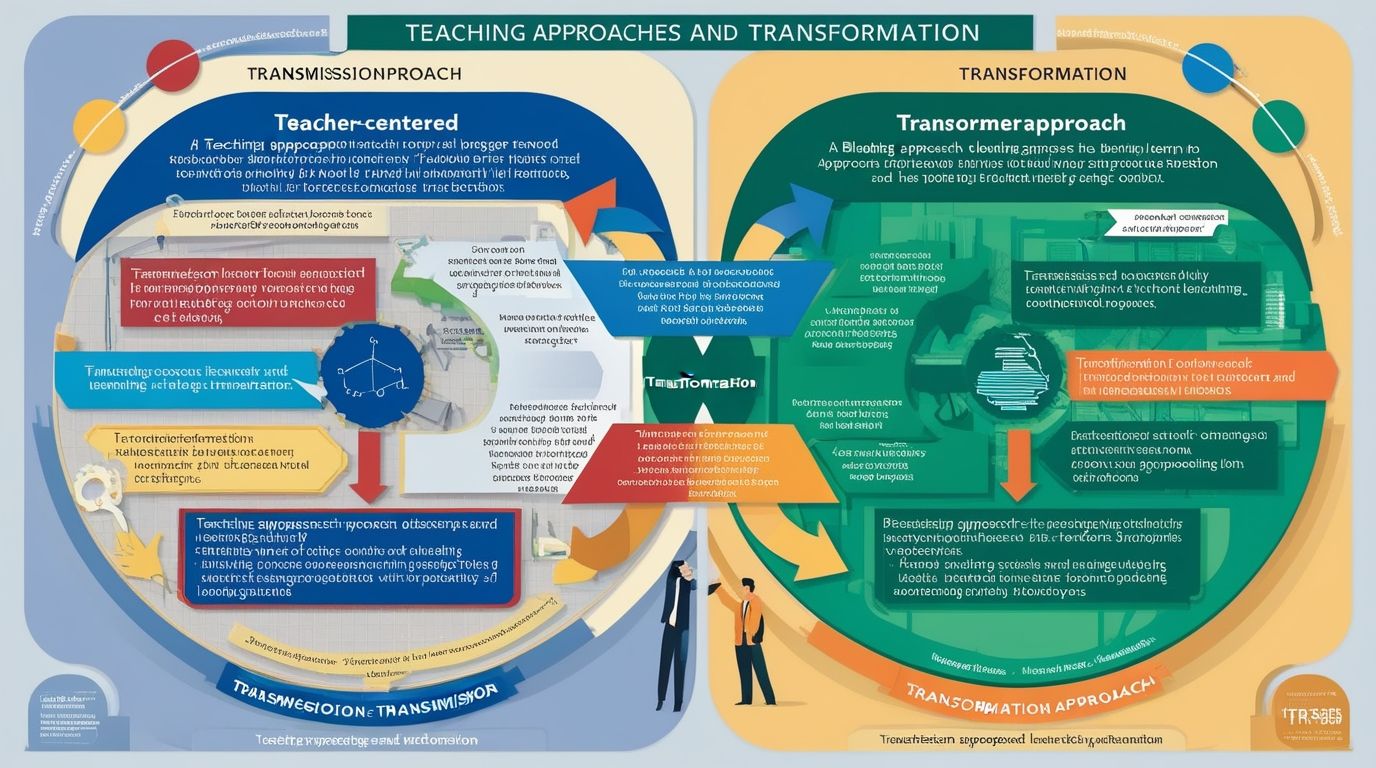
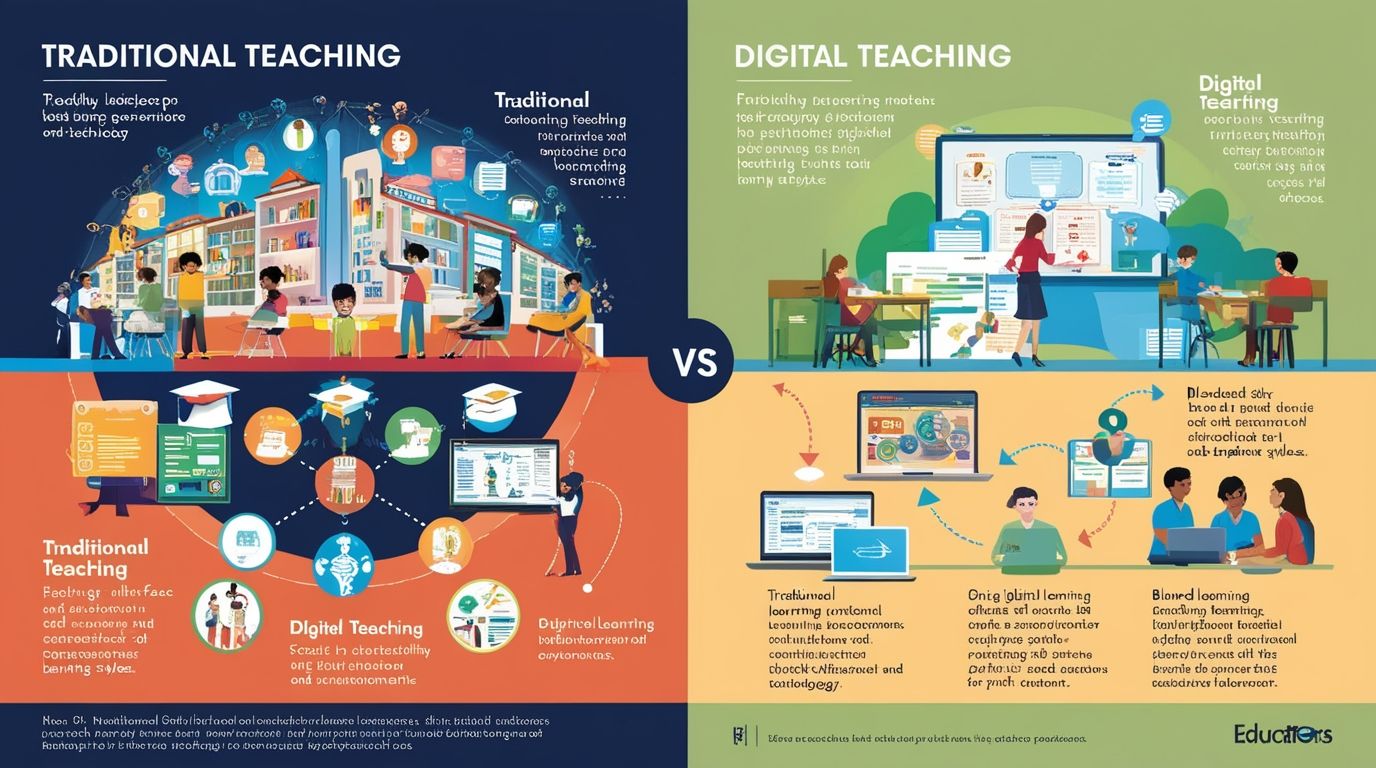
Education has undergone remarkable transformation during the last two decades due to globalization, technological advancement, artificial intelligence, and changing learner expectations. Traditional teacher-centered classrooms, where students passively received information, are gradually being replaced by interactive and learner-centered environments. In modern classrooms, teachers are facilitators, mentors, innovators, and guides who create meaningful learning experiences rather than merely transmitting knowledge.
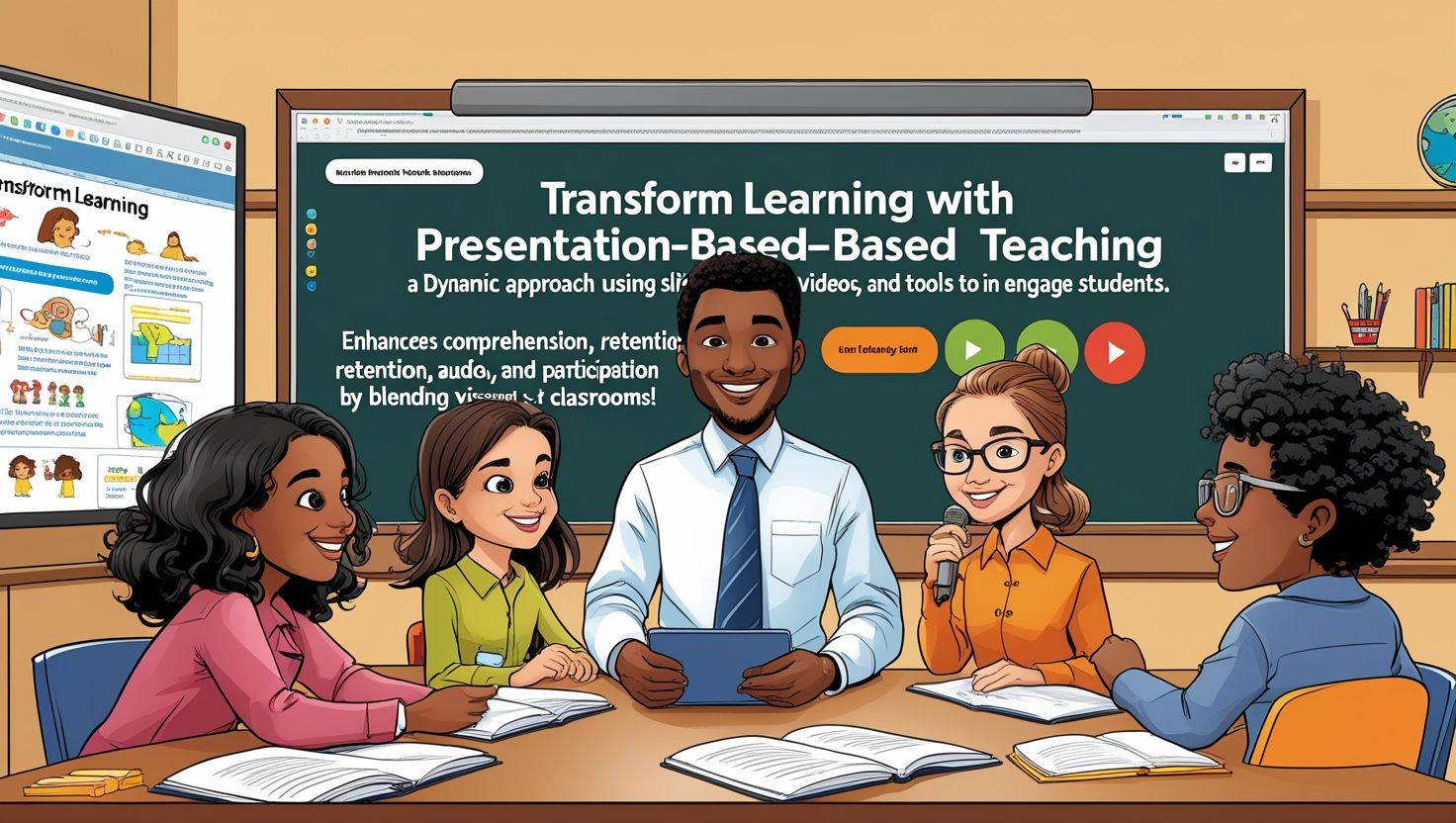
Latest Teaching Skills in Classrooms, The emergence of digital technologies, online learning platforms, and artificial intelligence tools has reshaped educational methodologies across the world. Students today belong to a generation that interacts continuously with digital media, collaborative networks, and instant information systems. Consequently, teachers must adapt their instructional methods to meet these evolving educational realities. Effective teaching now requires a combination of pedagogical expertise, technological competence, communication skills, emotional intelligence, and creativity.
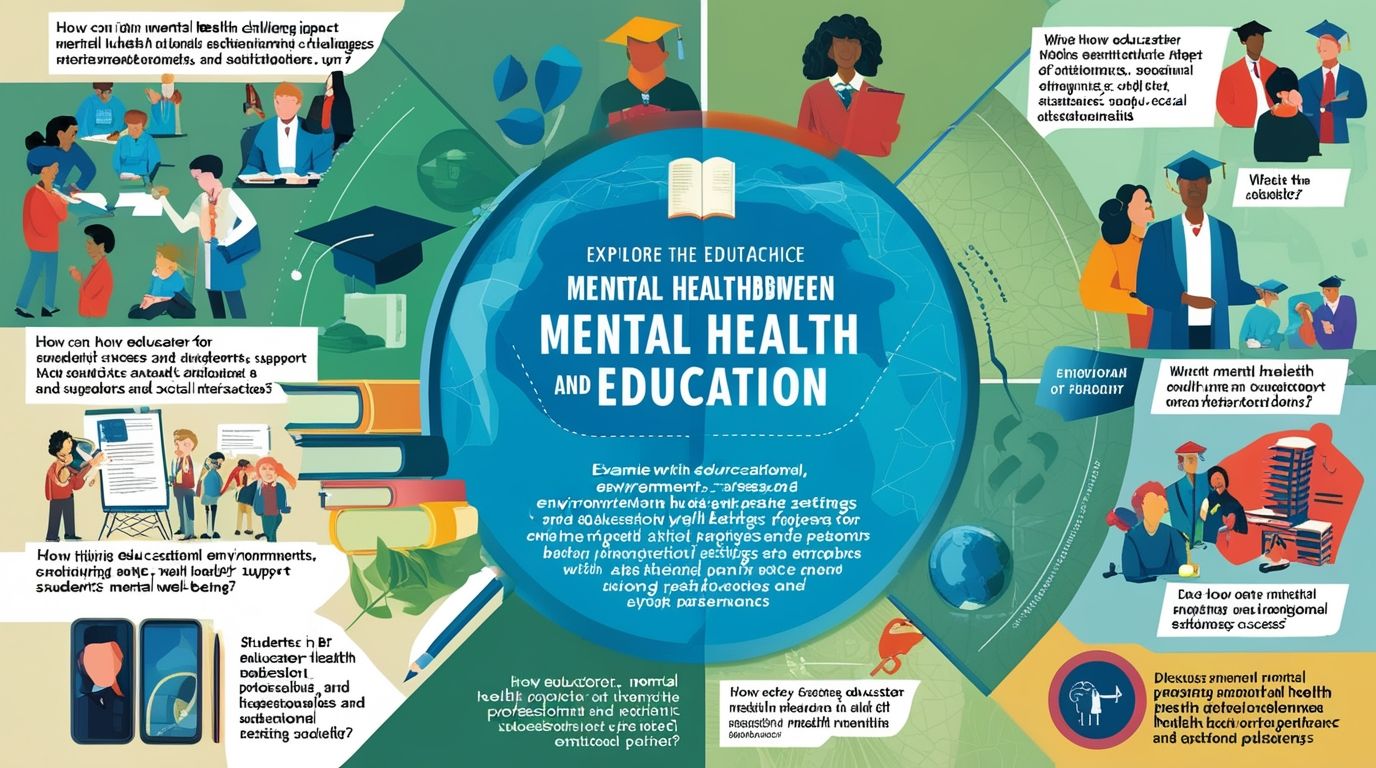
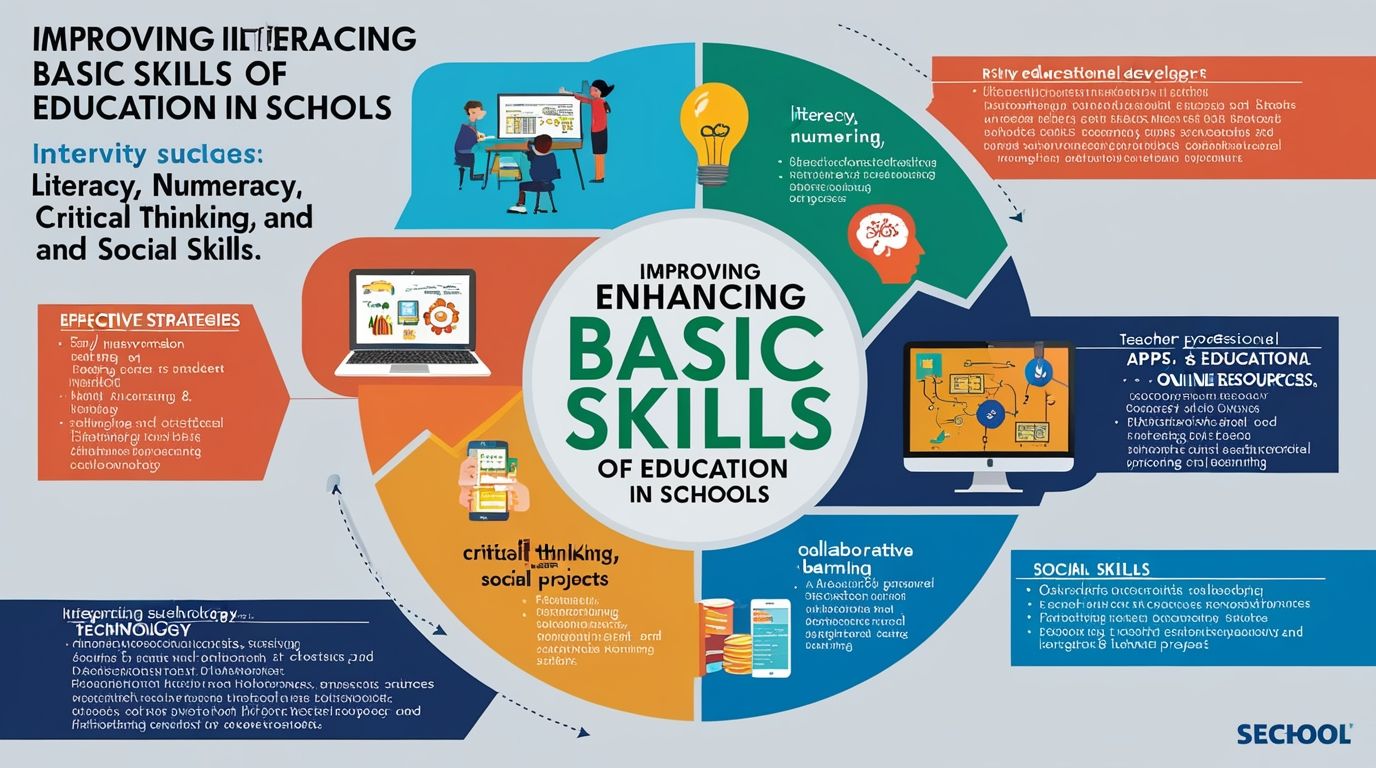
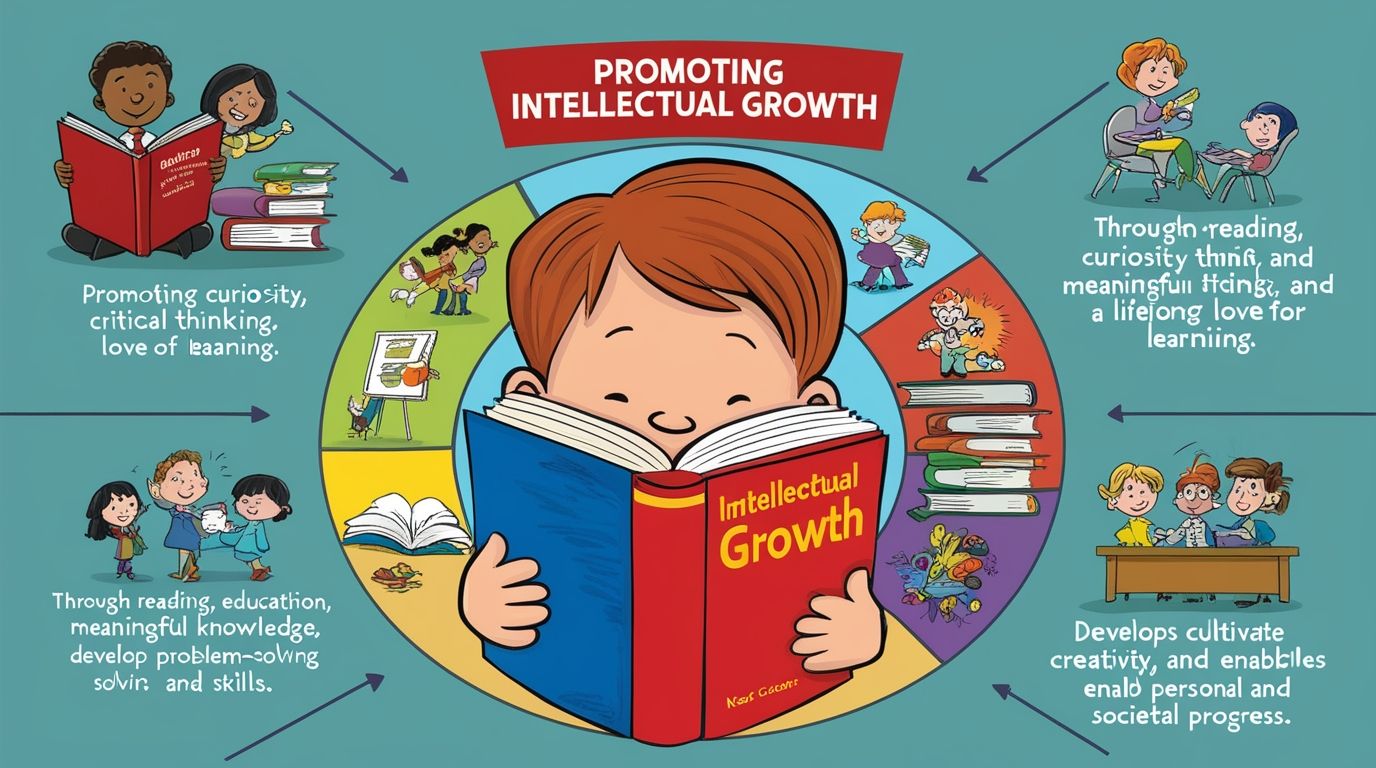
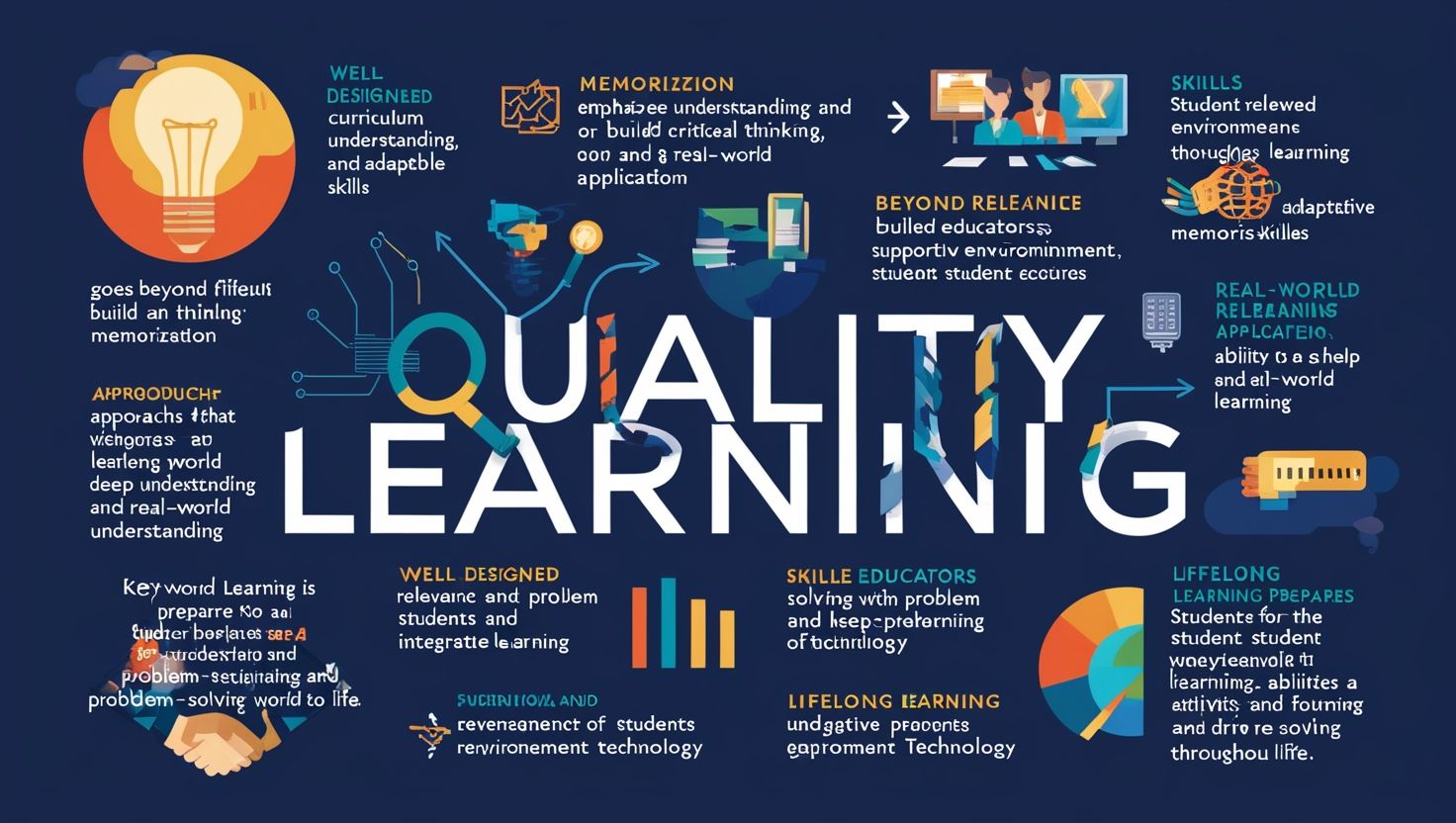
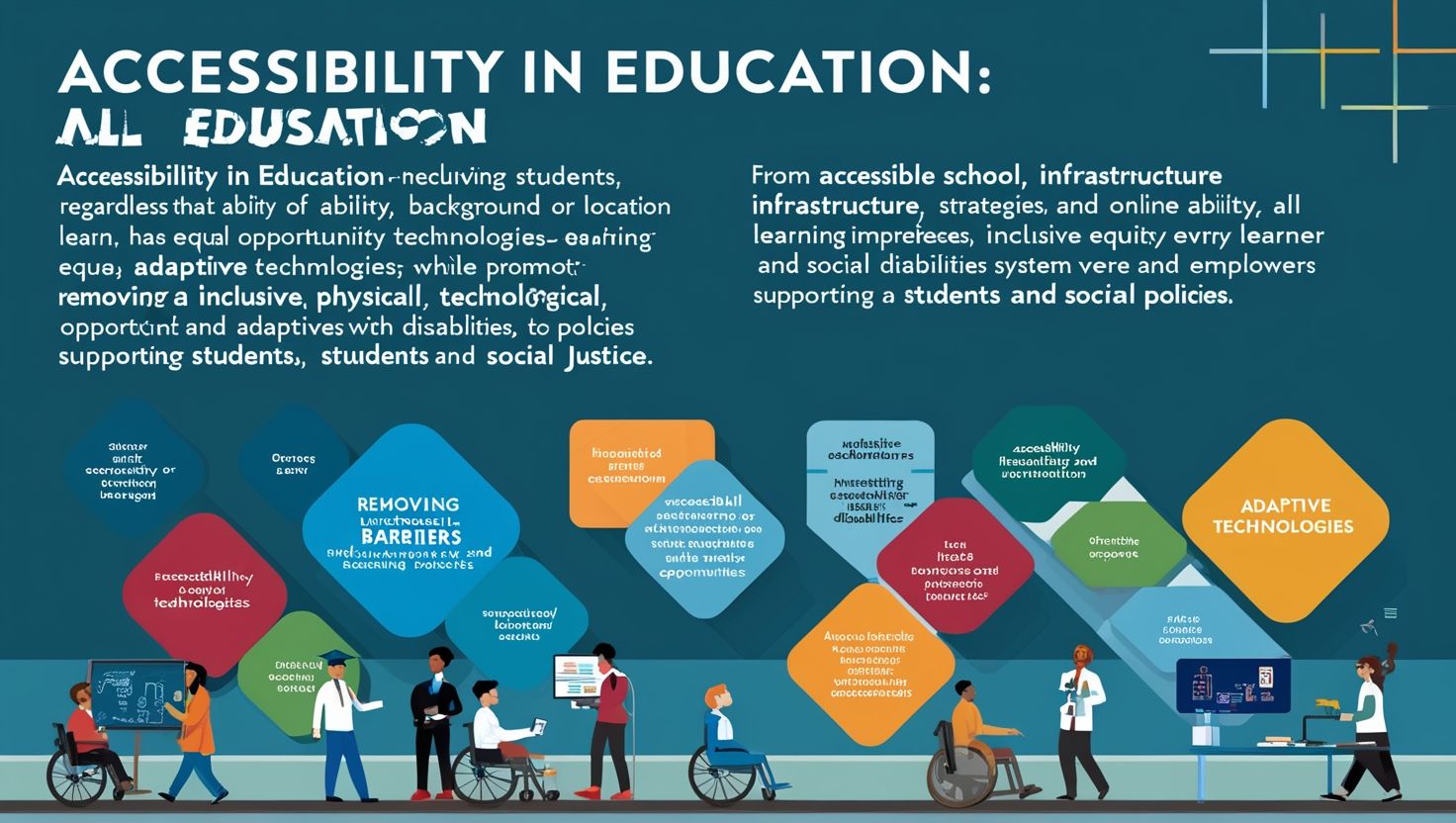
Latest teaching skills are not limited to the use of technology alone. They involve the ability to encourage critical thinking, problem-solving, collaboration, creativity, and lifelong learning habits among students. Modern educators must also address diversity, inclusion, mental health awareness, and personalized learning needs. Therefore, professional development and continuous learning have become indispensable for teachers.
This article critically examines the latest teaching skills necessary for modern classrooms and discusses their significance in enhancing educational quality and student achievement.
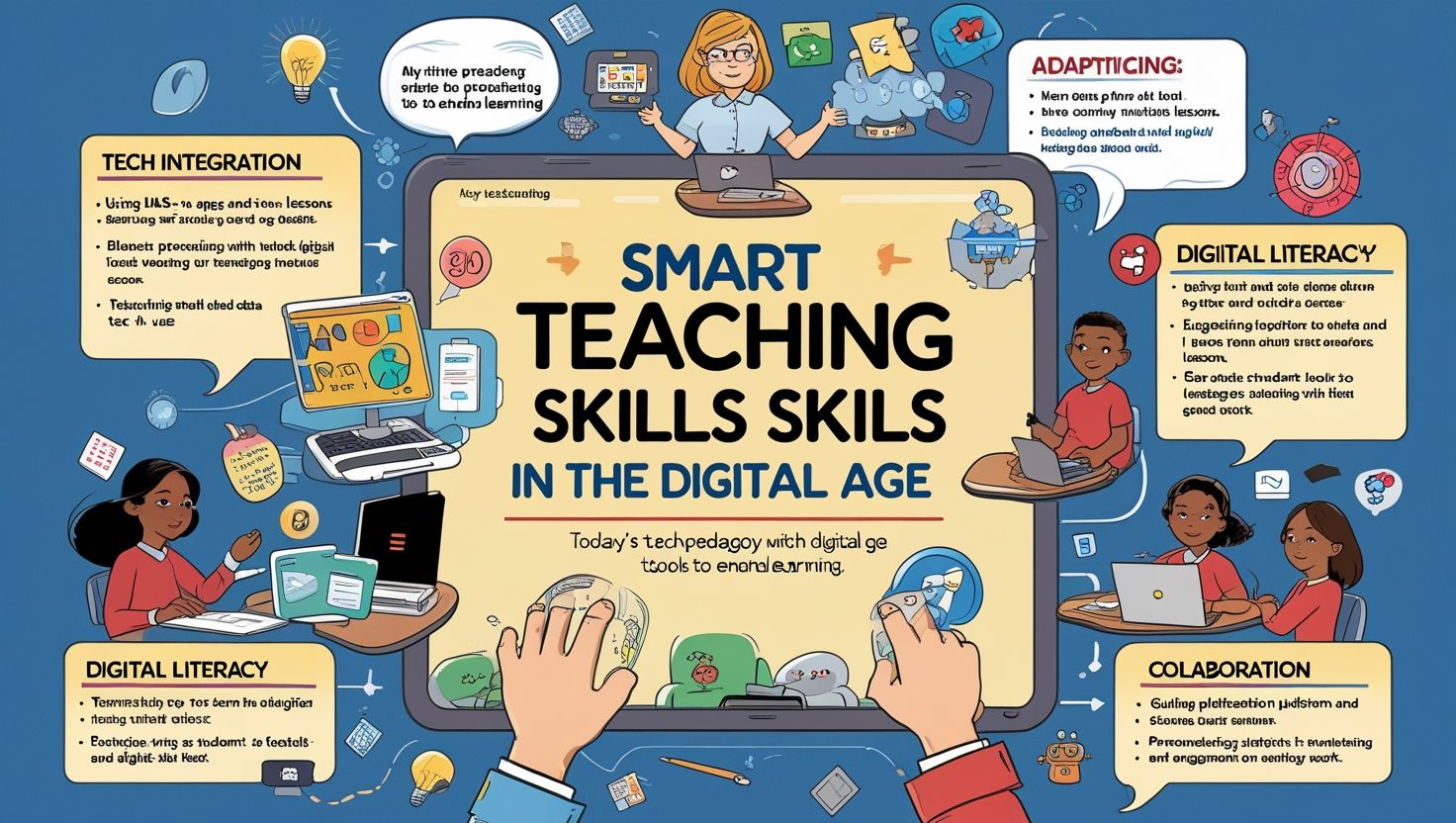
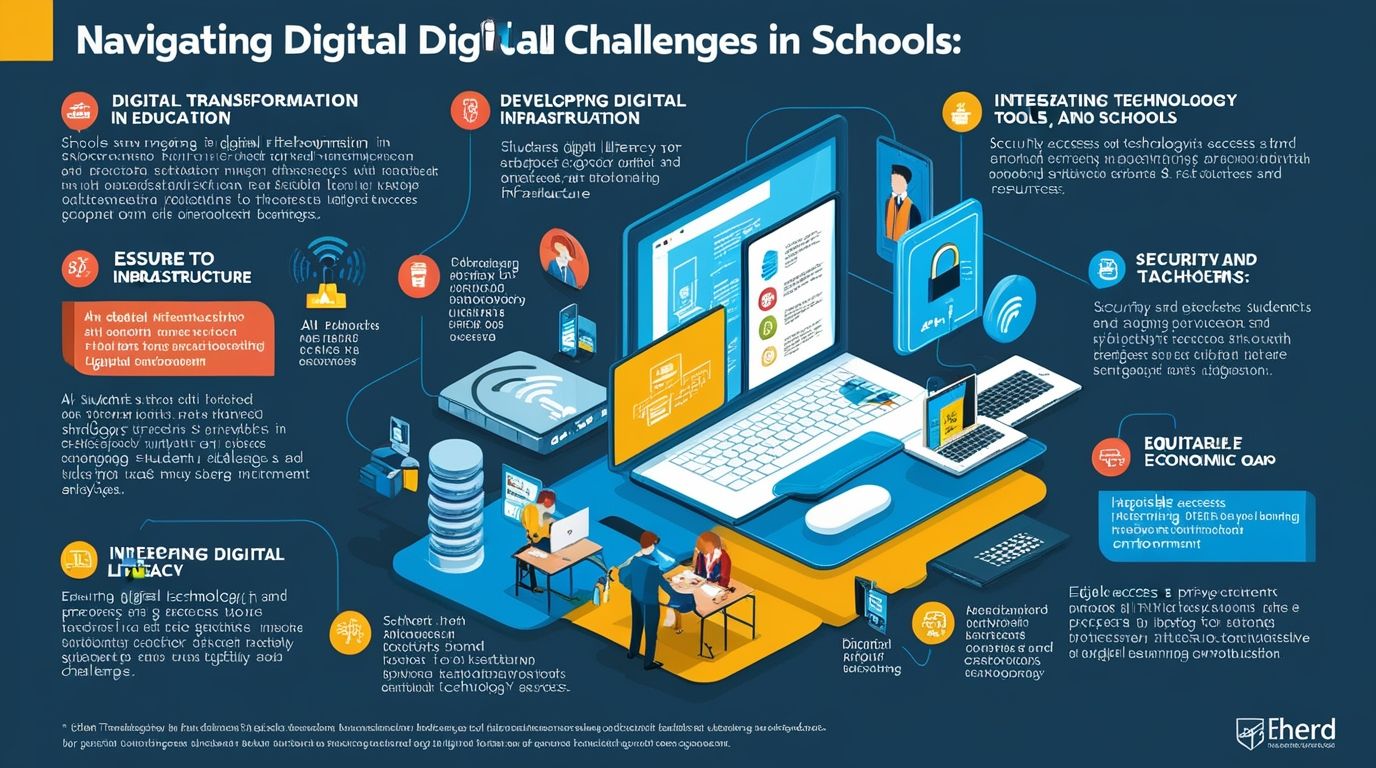
Digital Literacy and Technological Competence
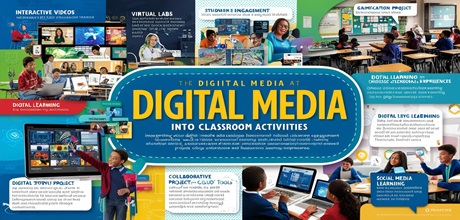
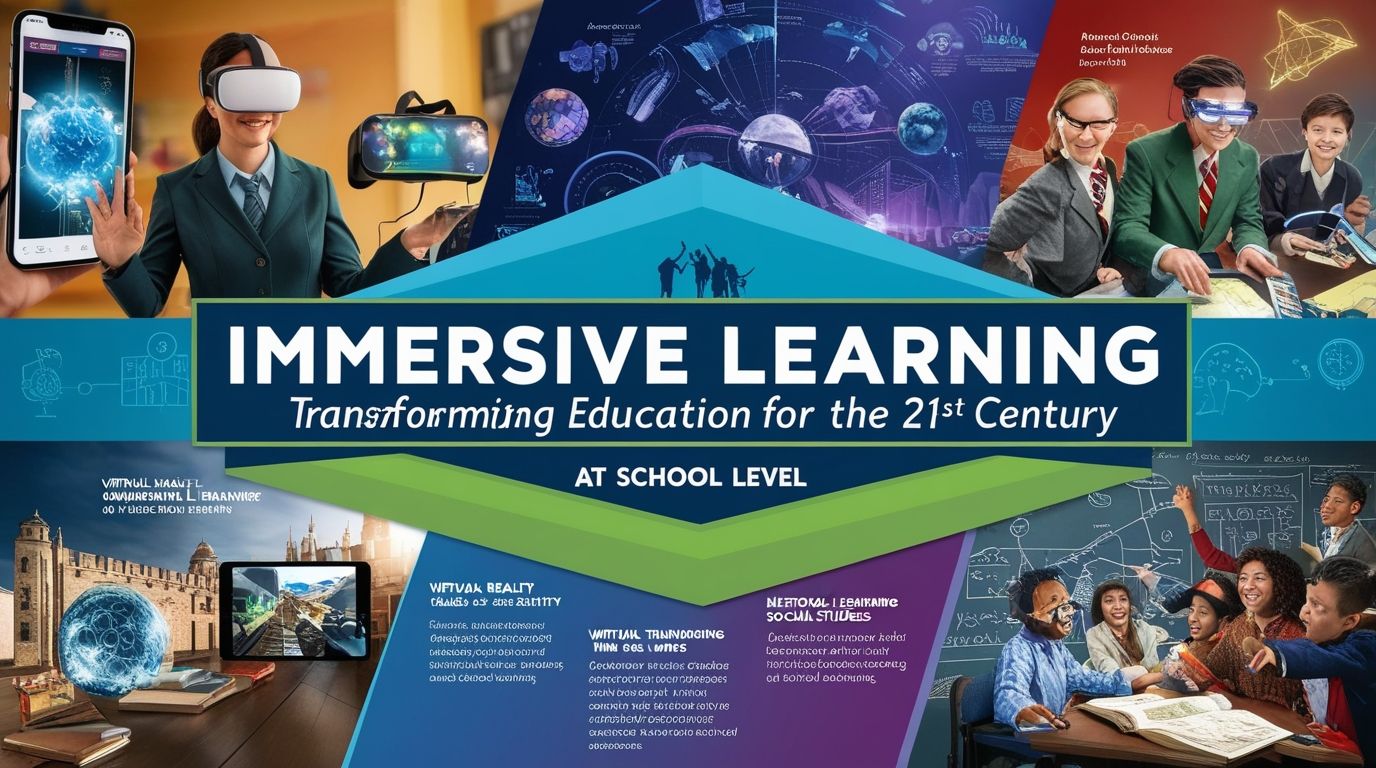
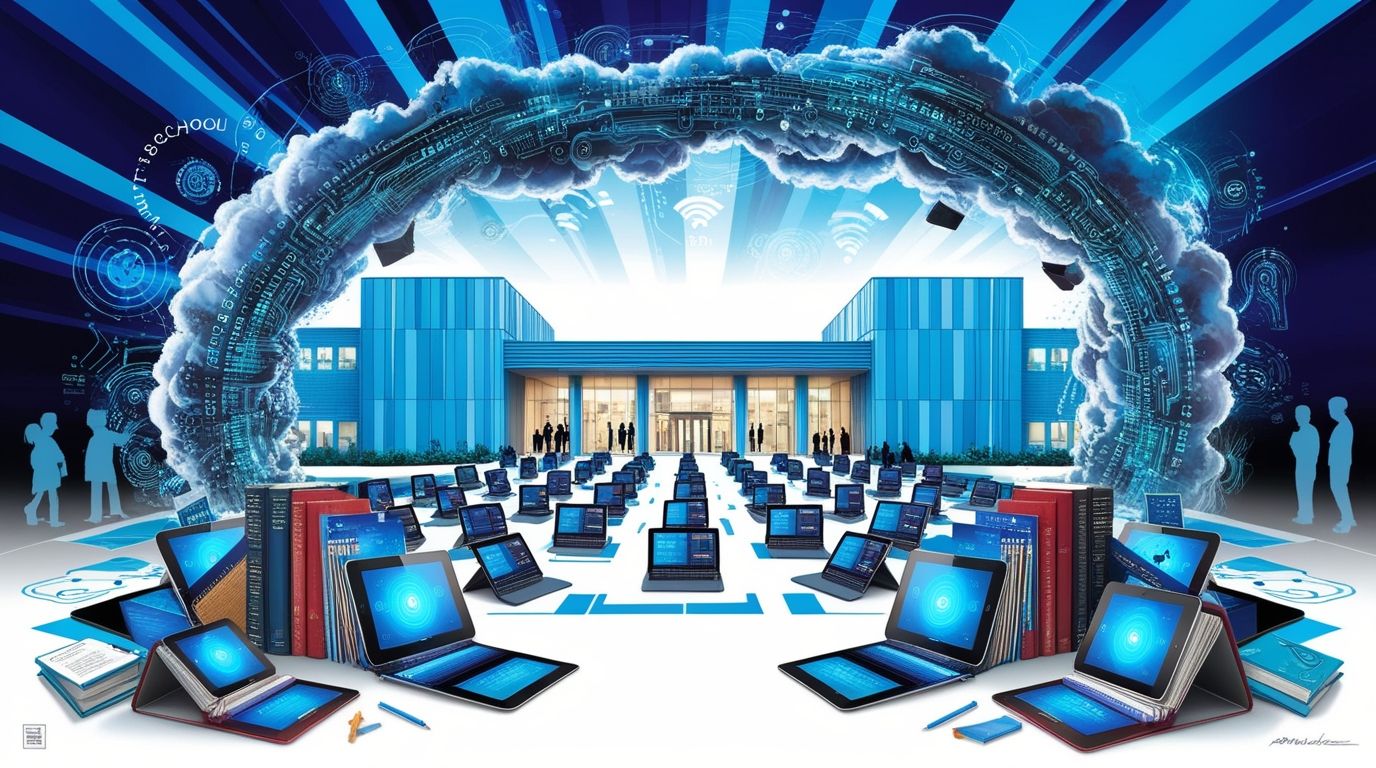
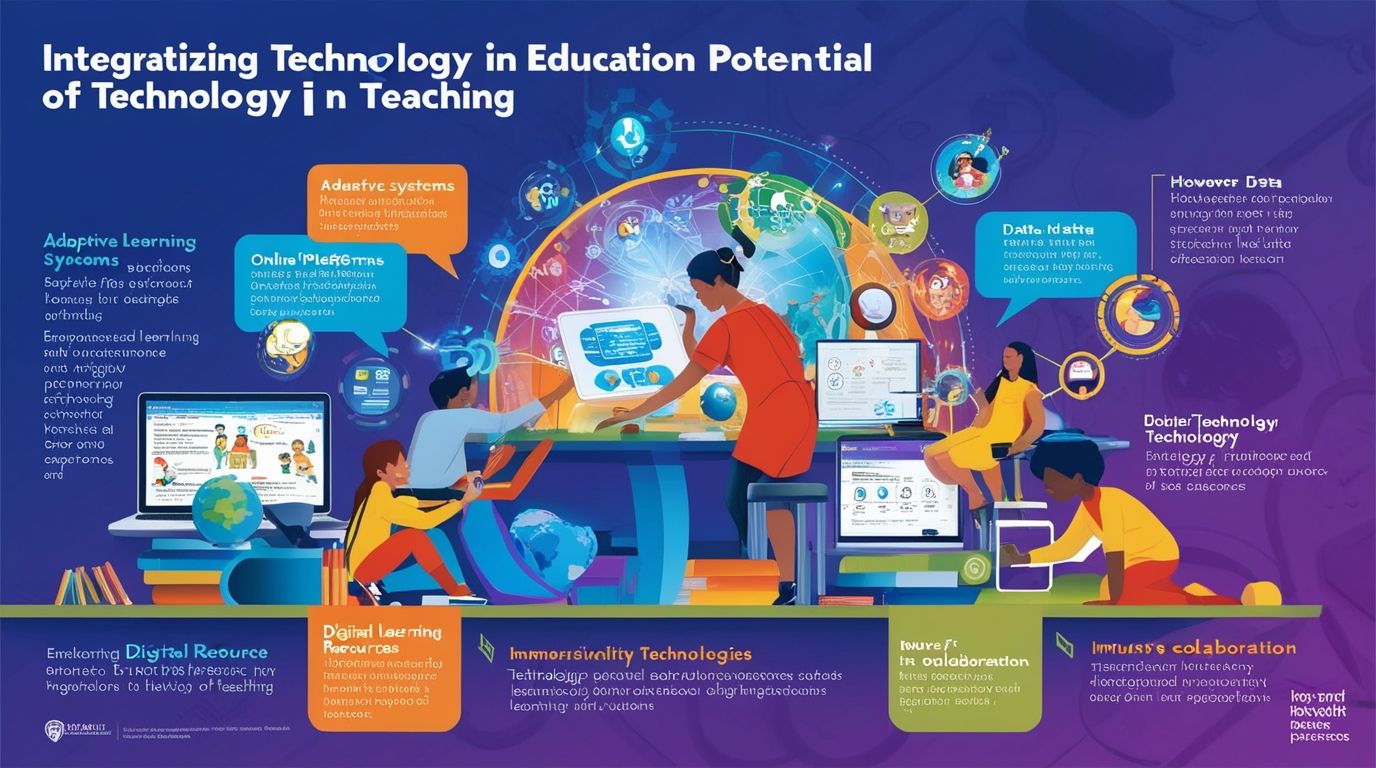
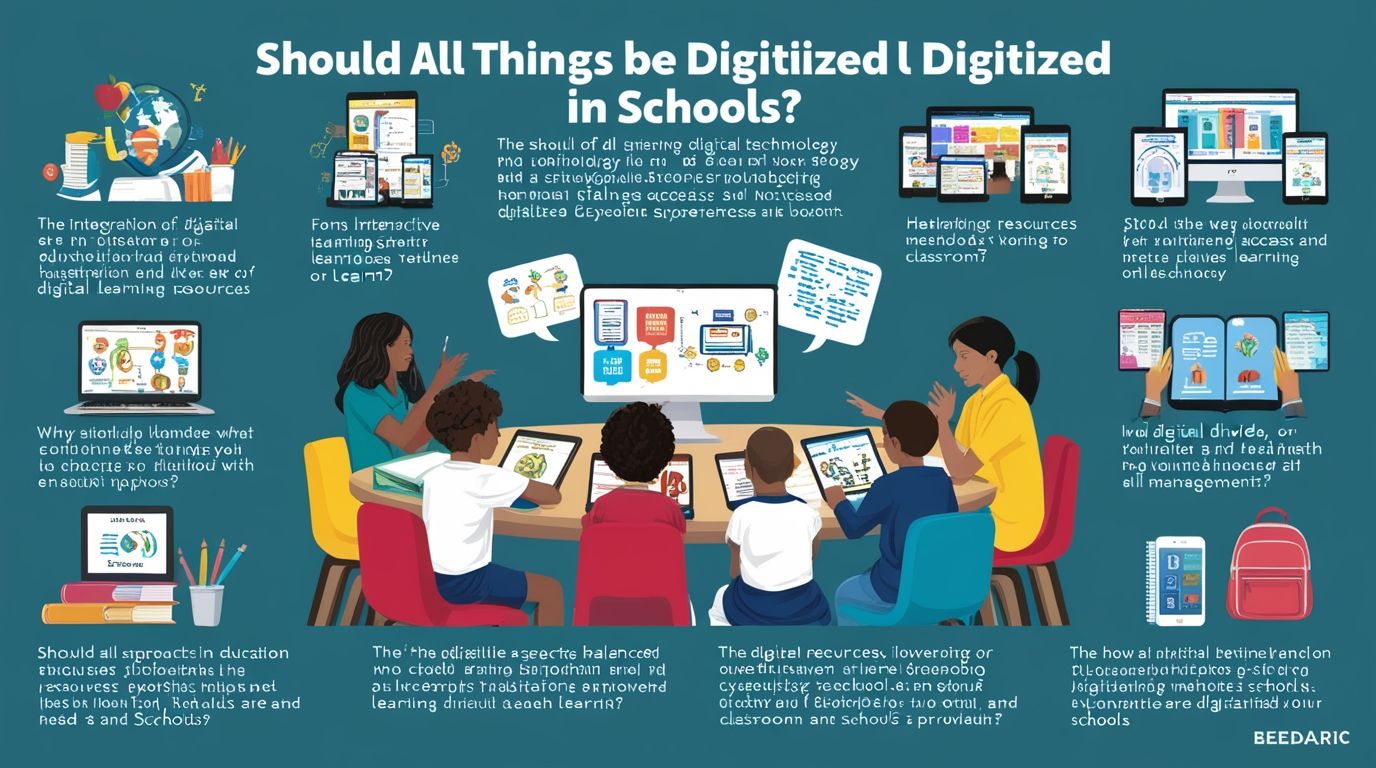
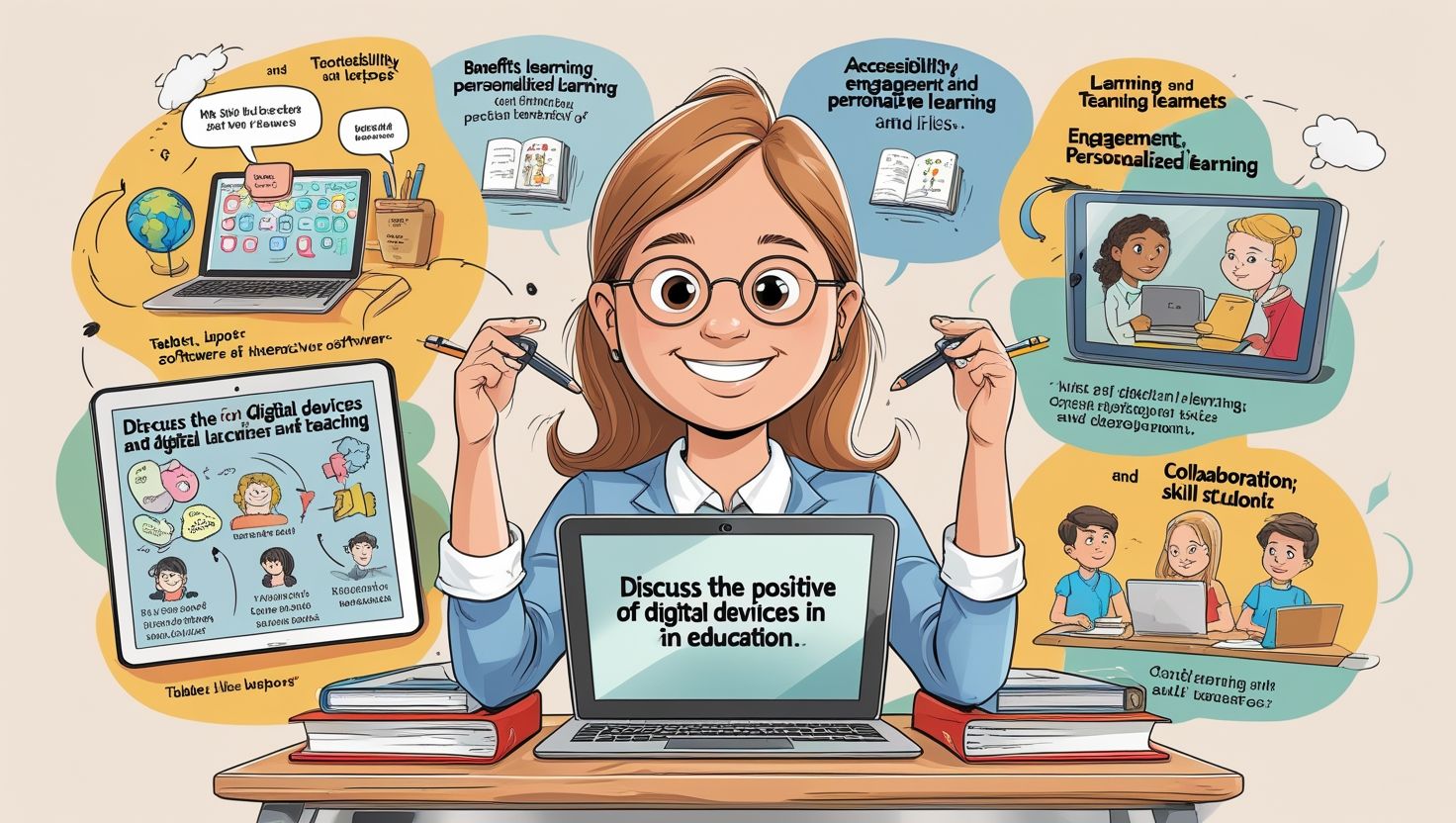
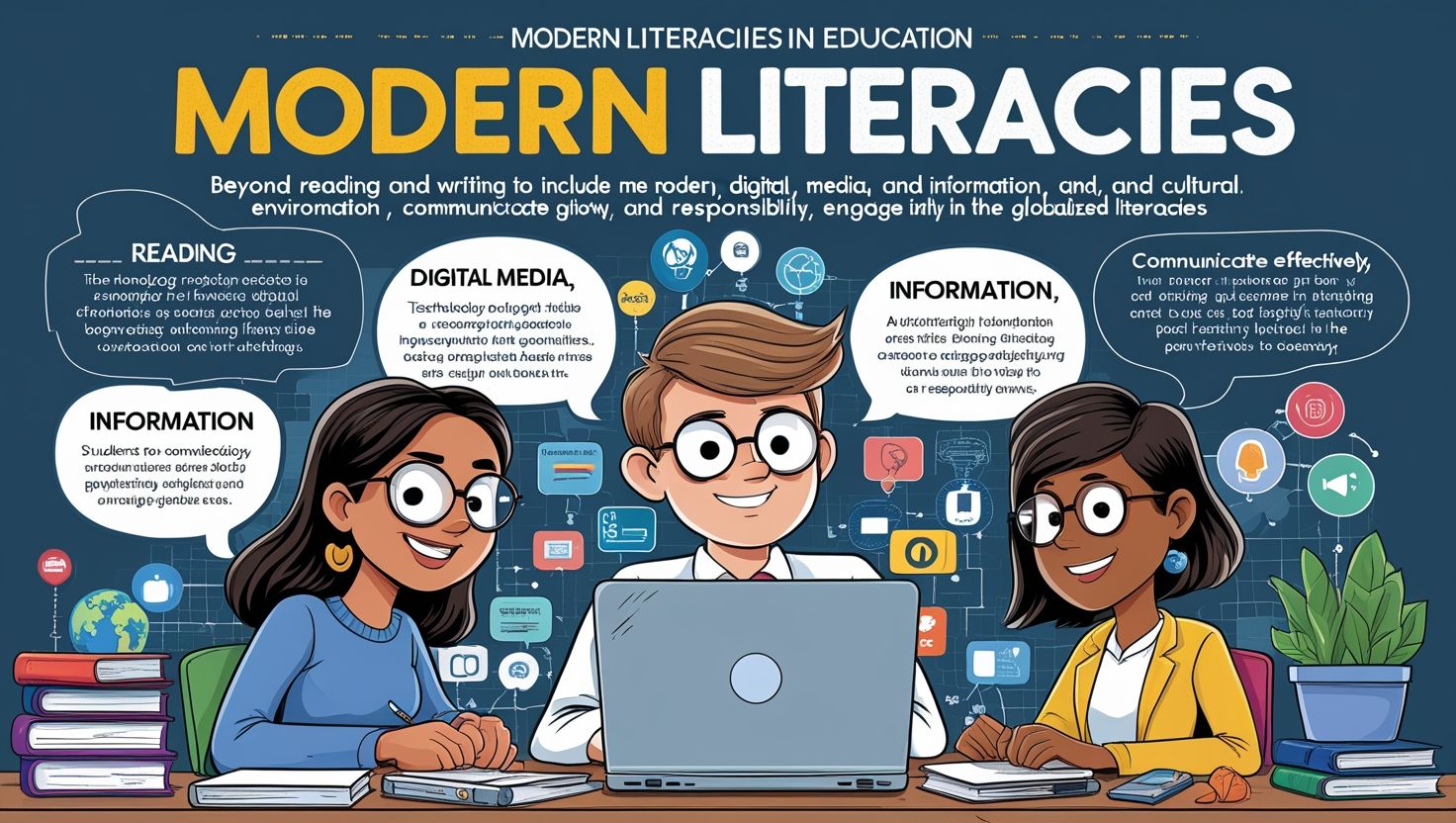
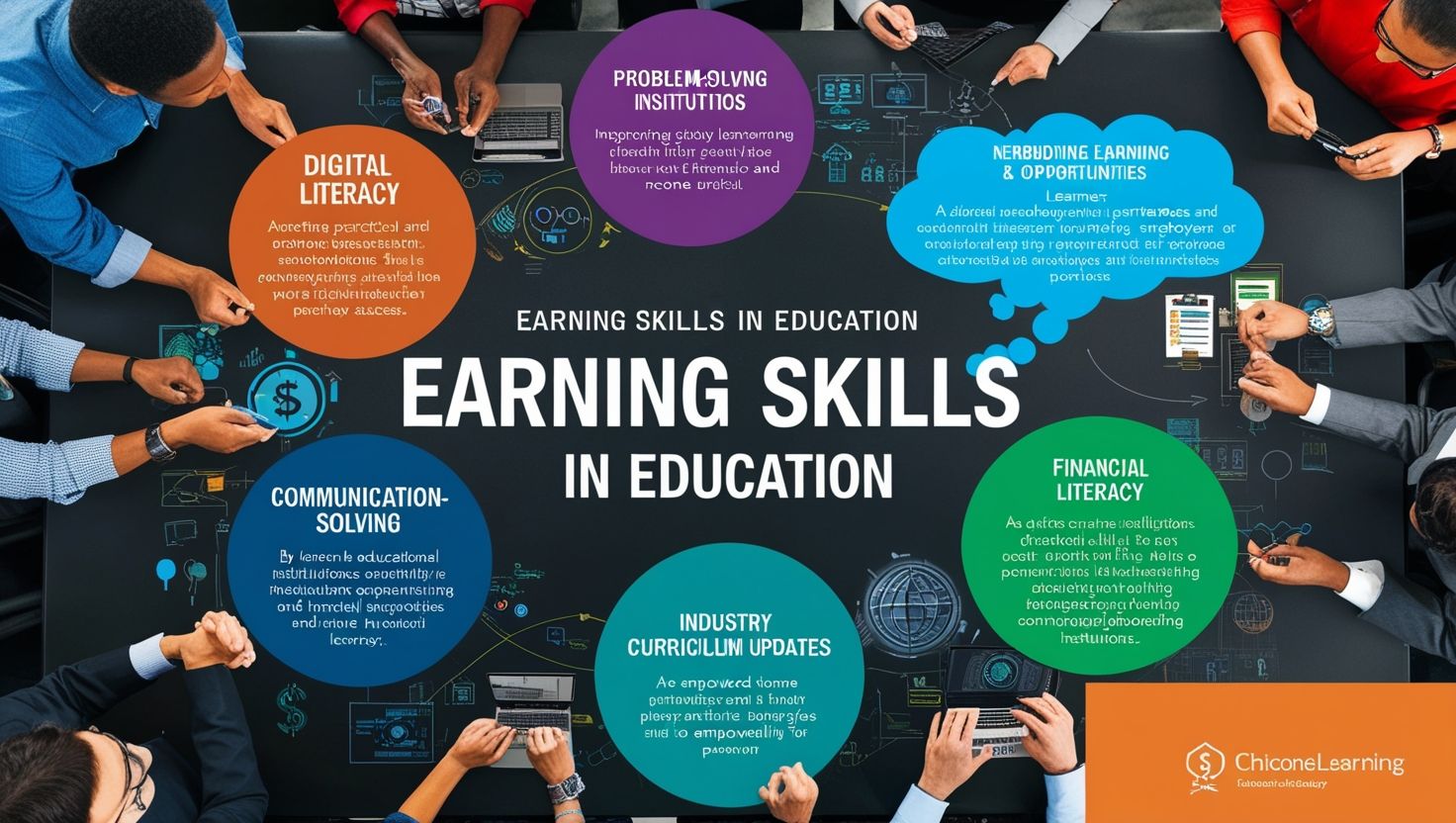
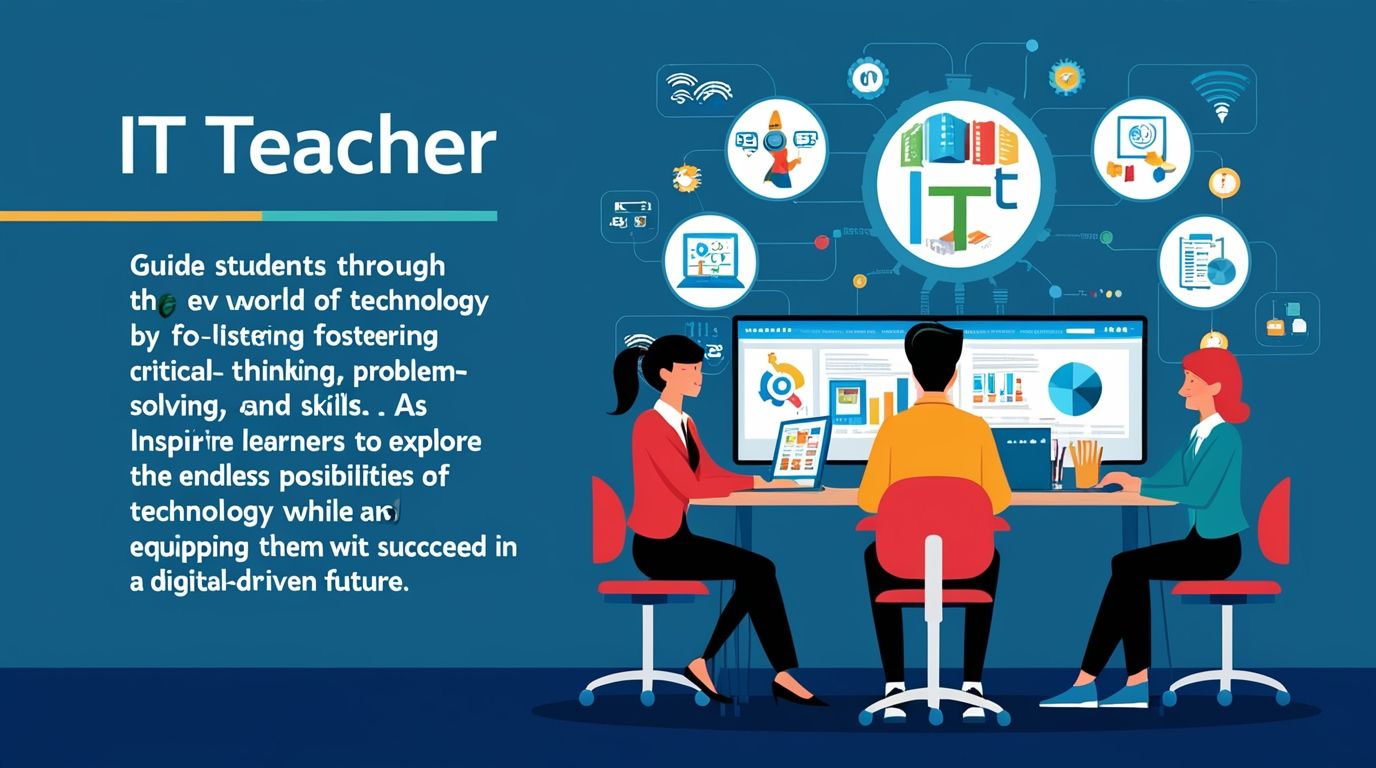
One of the most essential teaching skills in contemporary classrooms is digital literacy. Teachers are now expected to integrate technology effectively into instruction to improve learning outcomes and student engagement. Digital competence includes:
- Using interactive presentation tools
- Managing online learning platforms
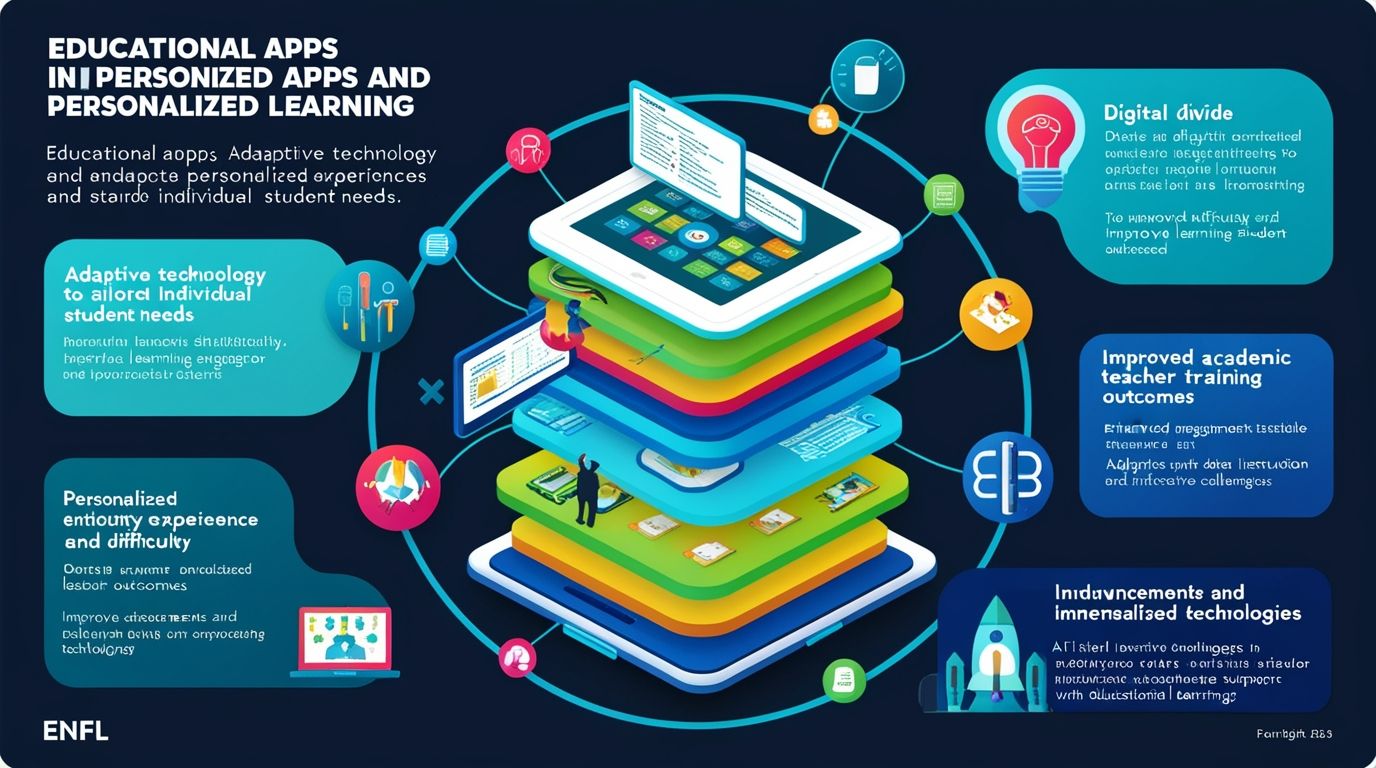
- Utilizing educational applications
- Conducting virtual classrooms
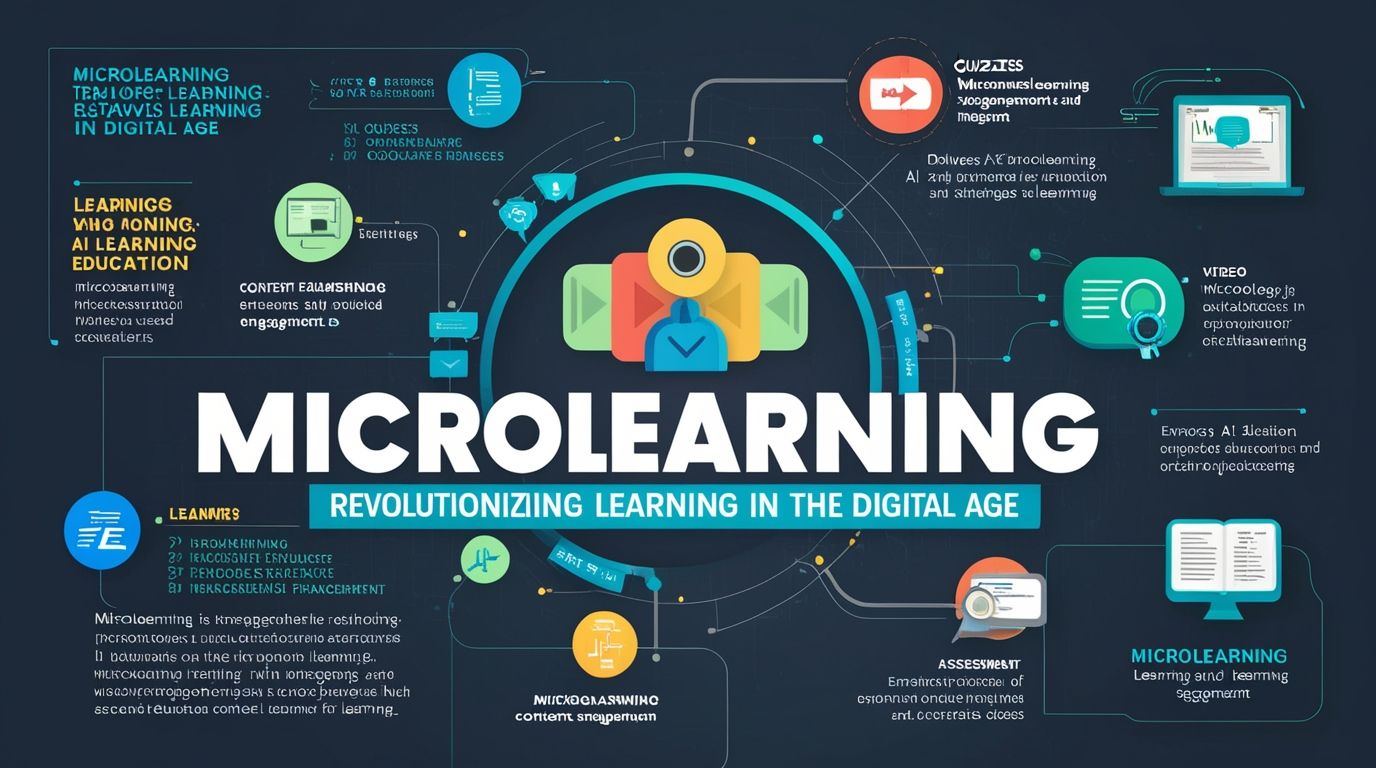
- Applying artificial intelligence tools in teaching
- Creating multimedia learning materials
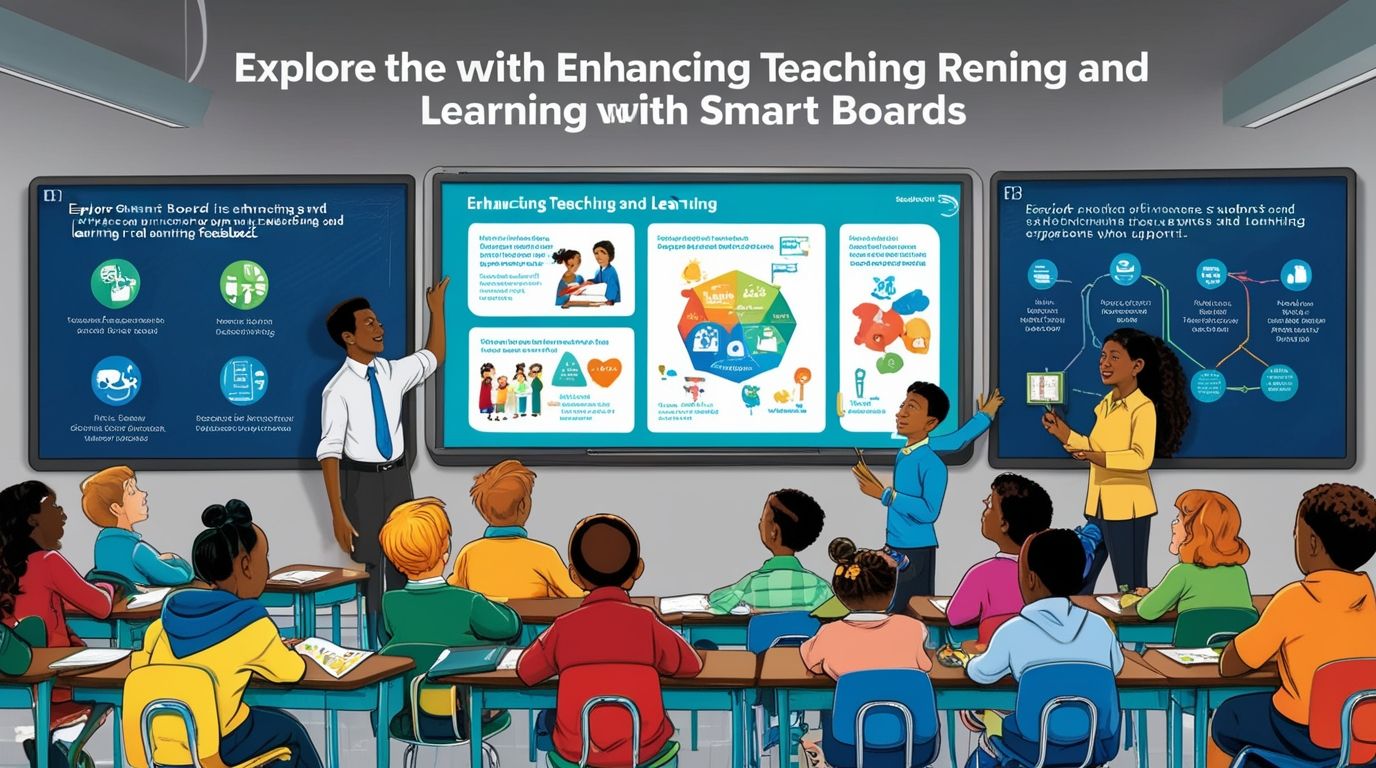
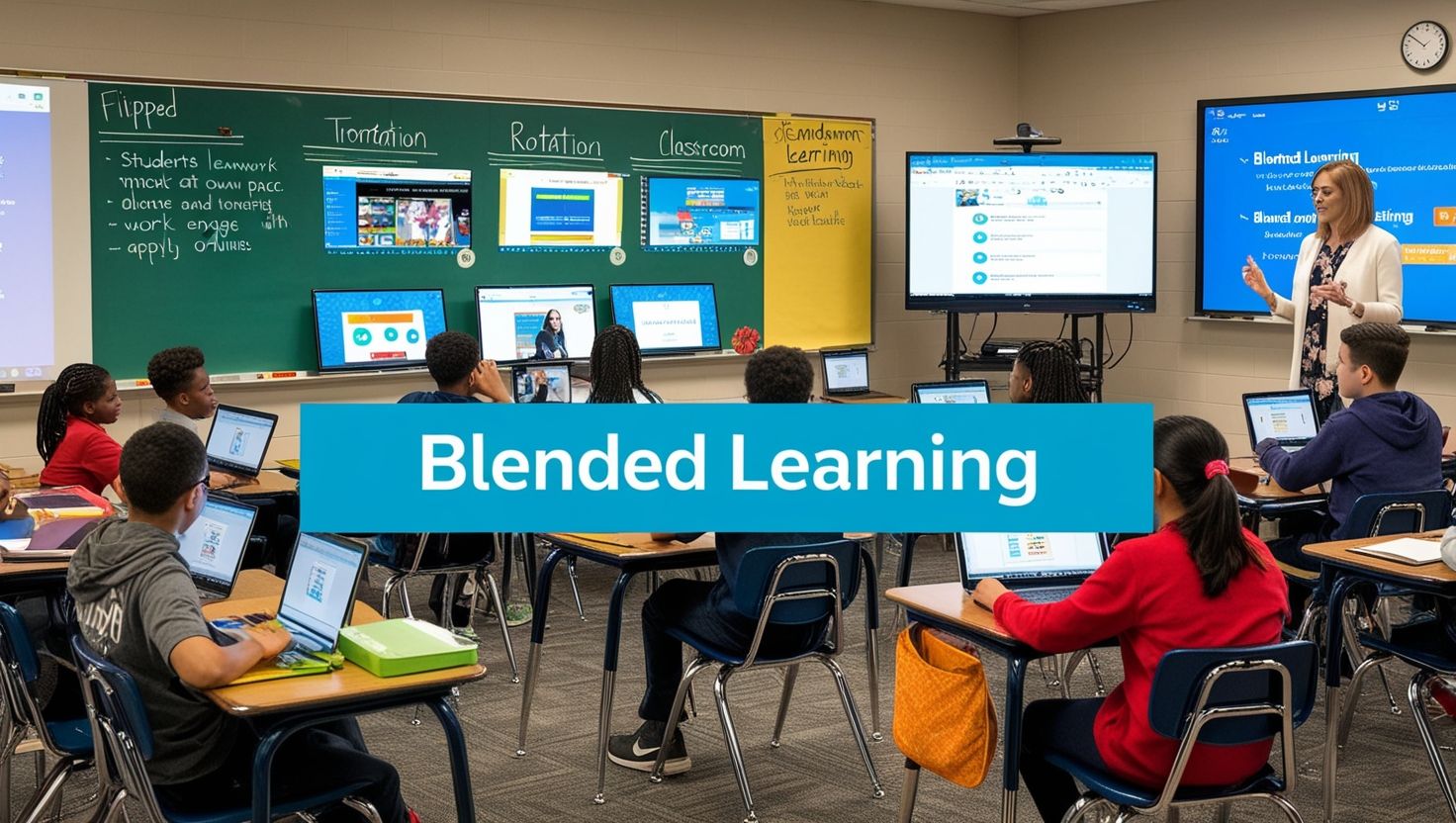
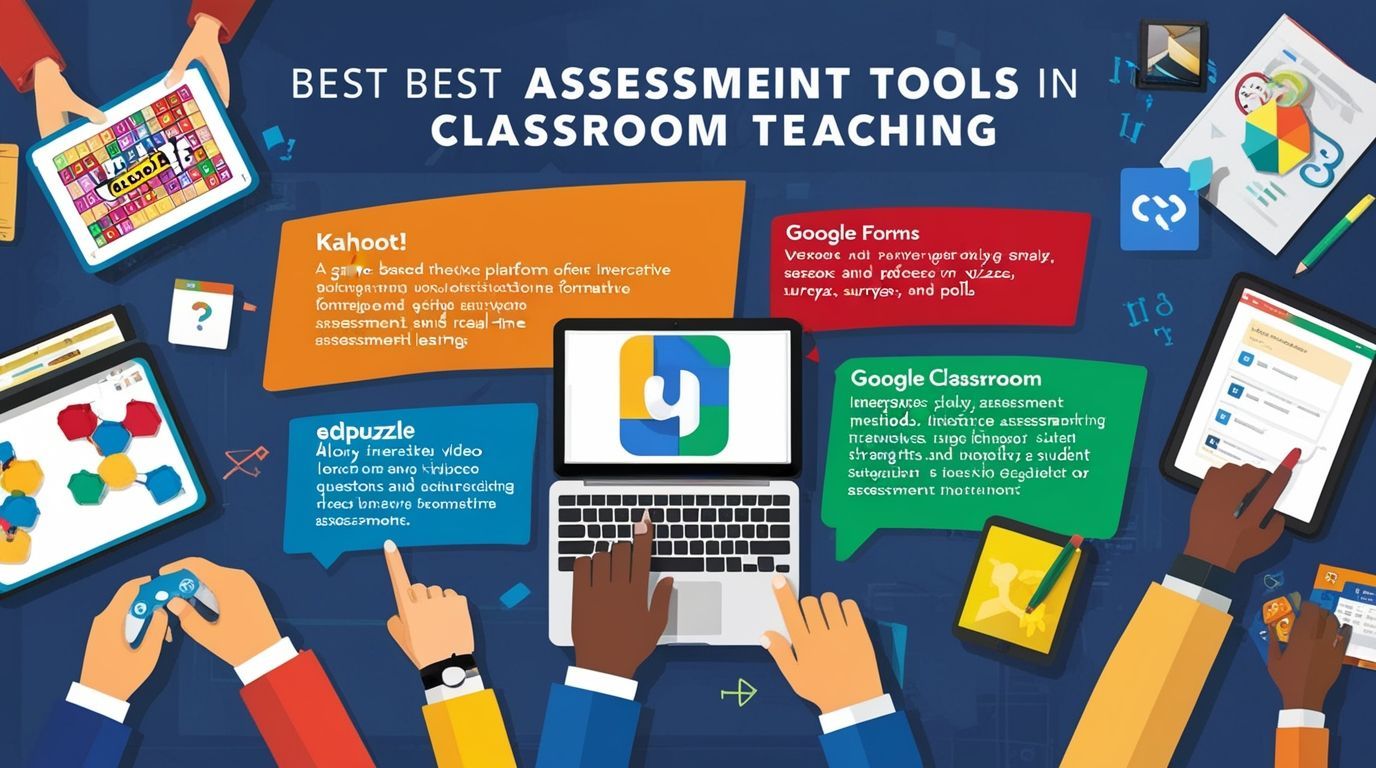
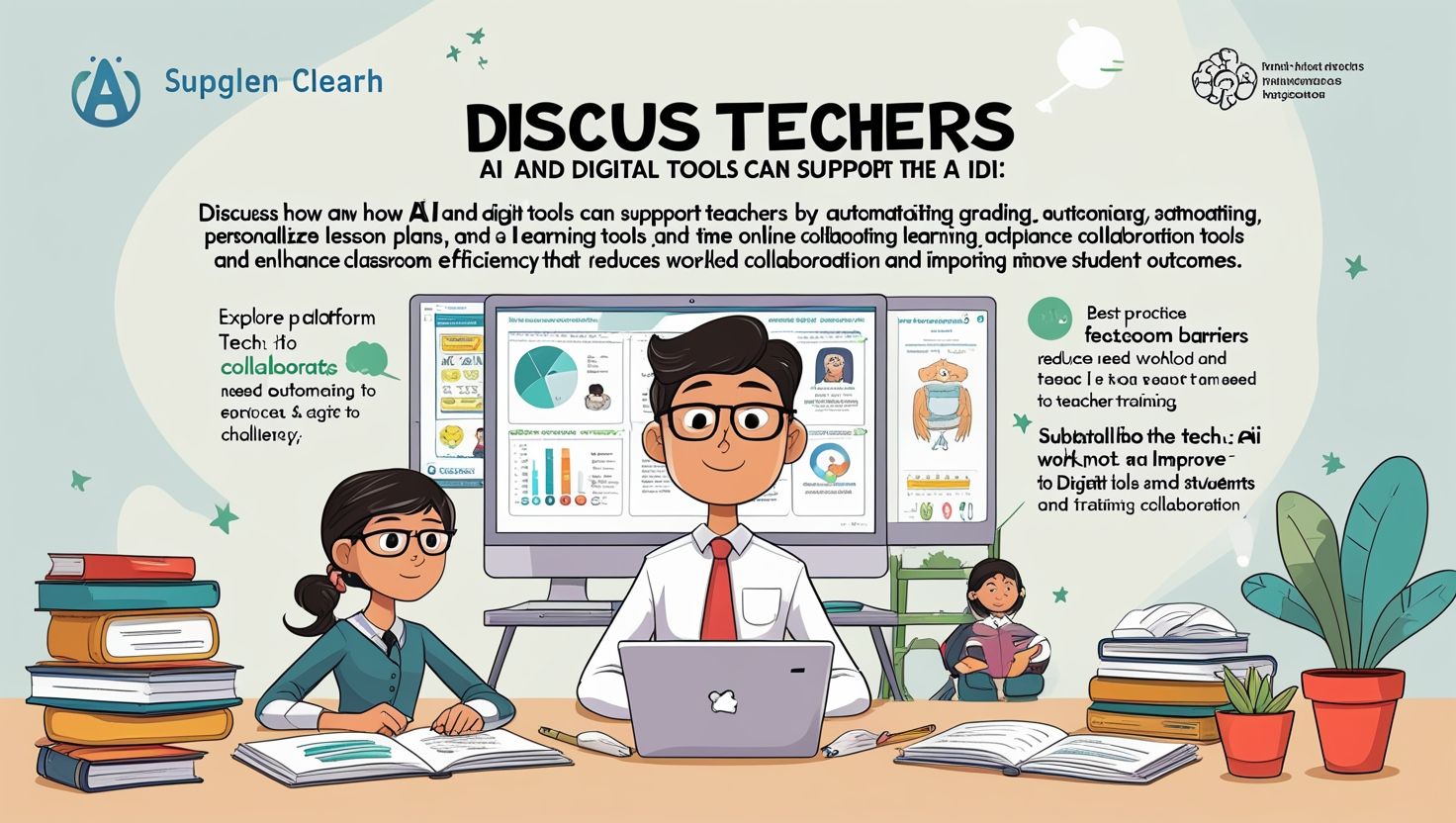
Teachers who possess strong digital skills can design engaging lessons using videos, simulations, animations, virtual laboratories, and collaborative digital platforms. Technology integration promotes active participation and helps students understand complex concepts more effectively. For example, learning management systems such as Google Classroom and Microsoft Teams enable teachers to organize lessons, distribute assignments, and provide feedback efficiently. Interactive tools like Kahoot, Quizizz, and Padlet encourage collaborative learning and student participation.
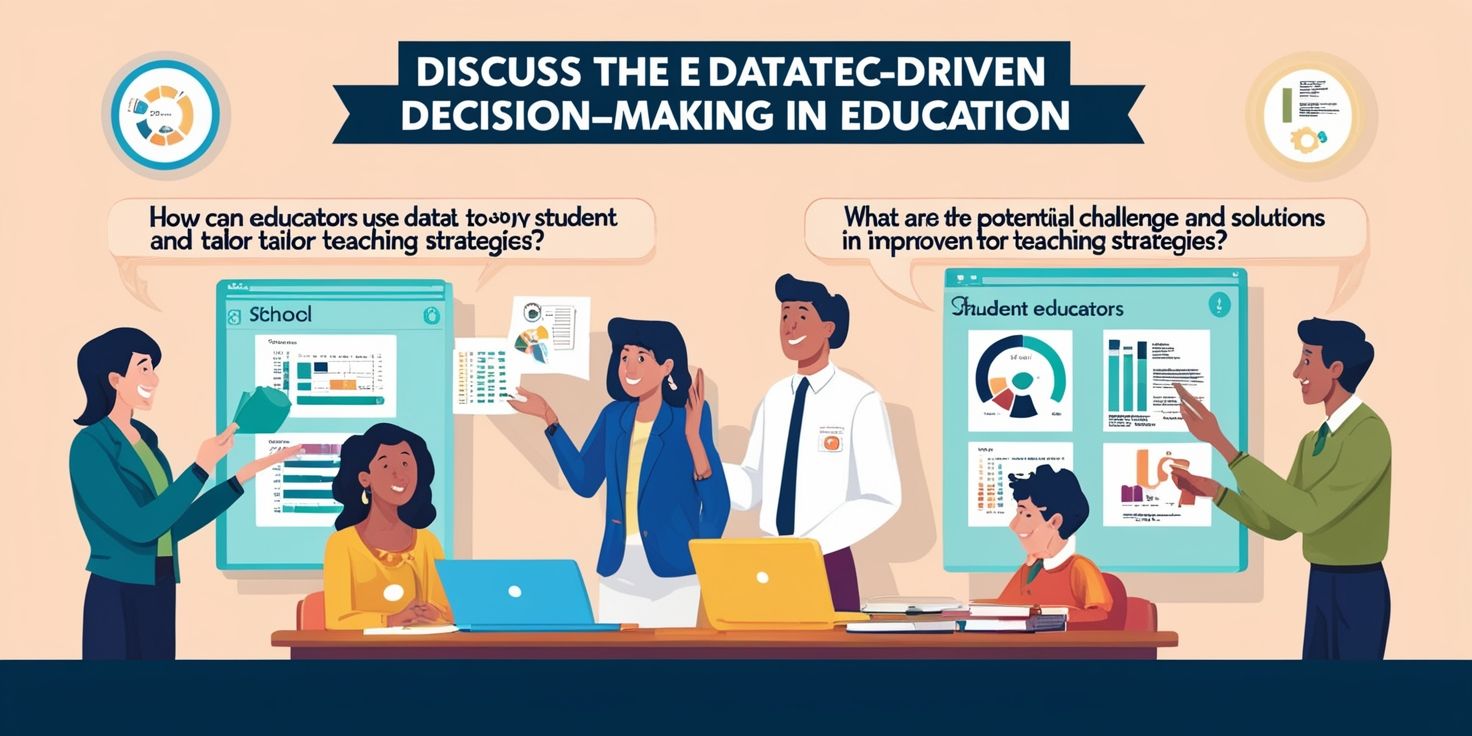
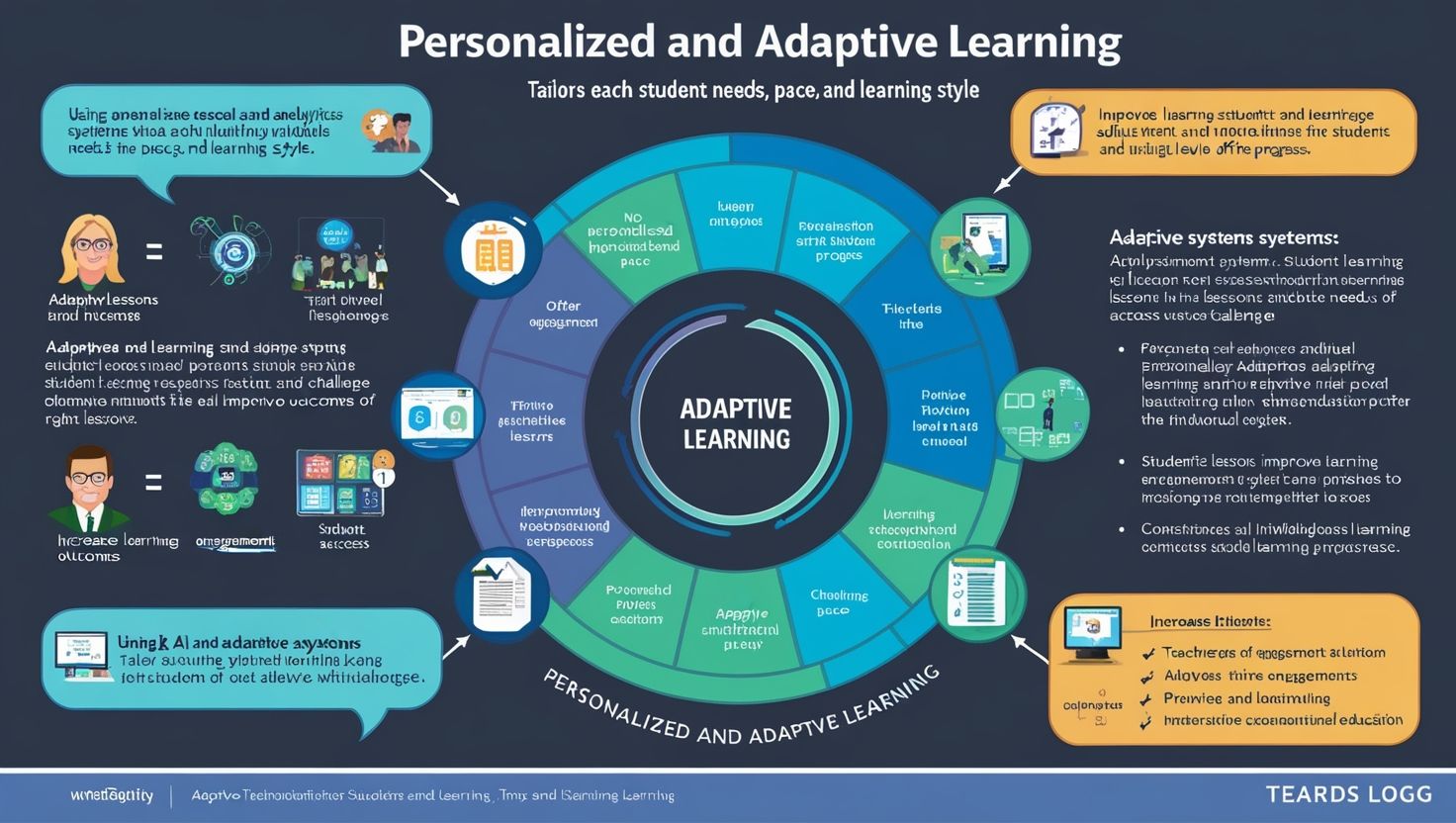
Latest Teaching Skills in Classrooms, Furthermore, artificial intelligence has introduced adaptive learning systems that personalize instruction according to student performance and learning pace. Teachers must therefore develop the ability to analyze educational data and use technological resources strategically. However, technology should support pedagogy rather than replace it. Effective teachers balance digital tools with human interaction, creativity, and ethical considerations.
Student-Centered Teaching Skills
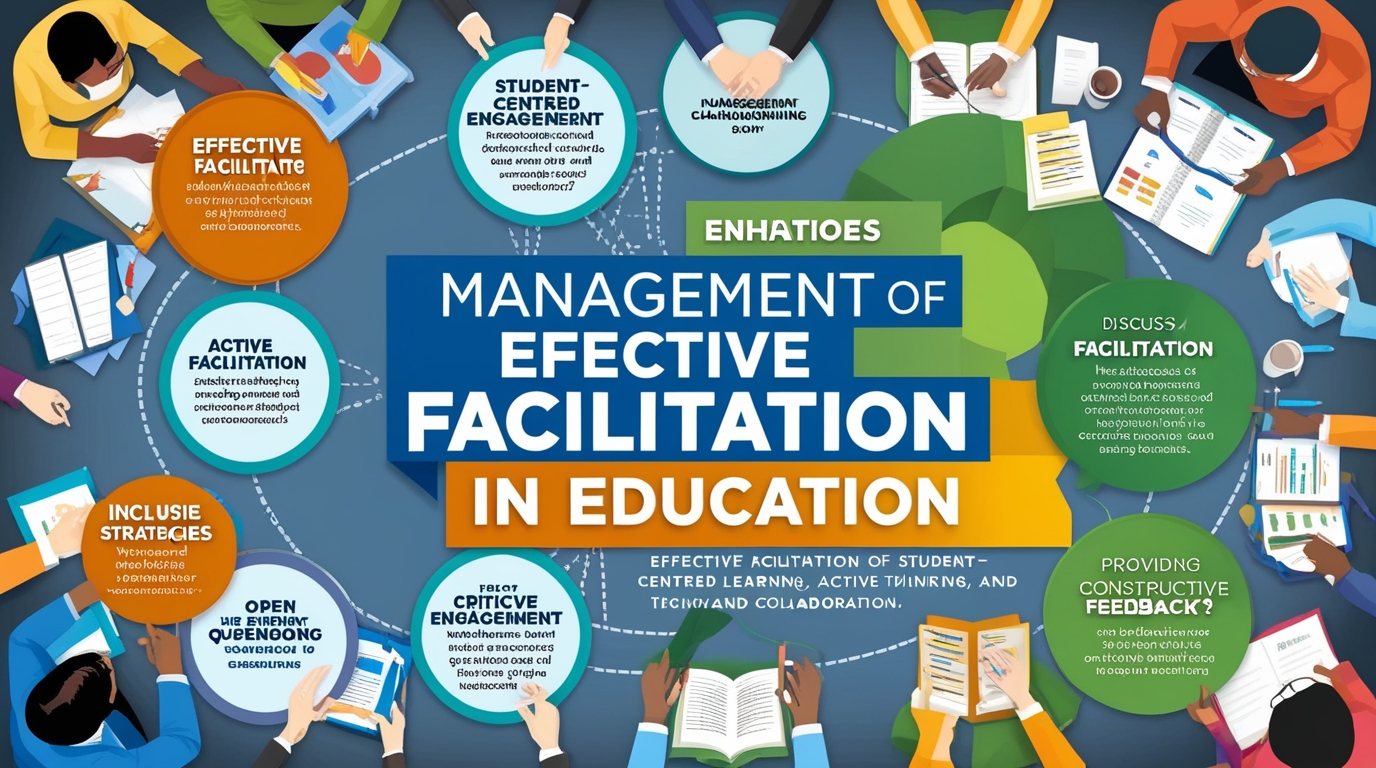
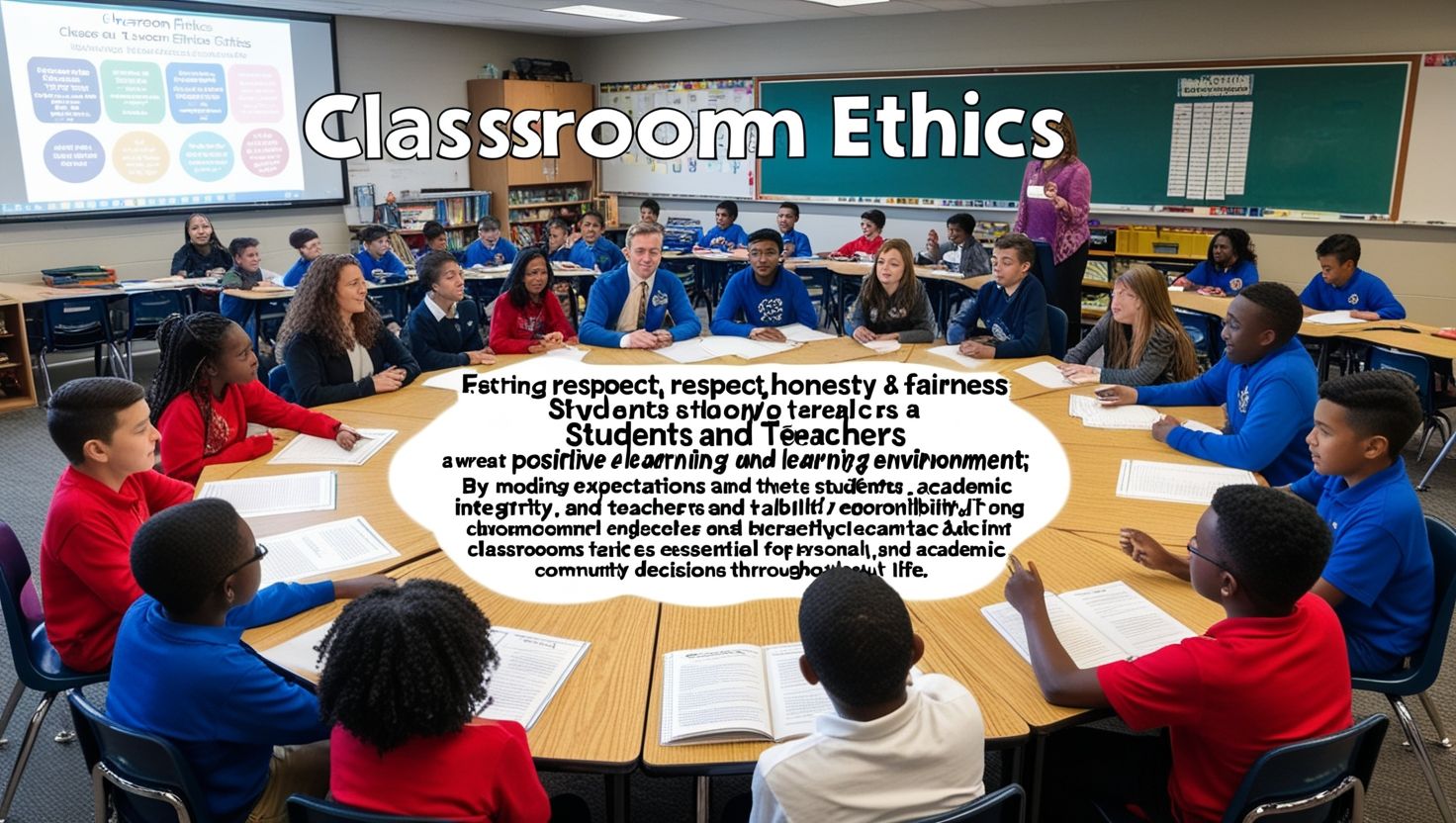
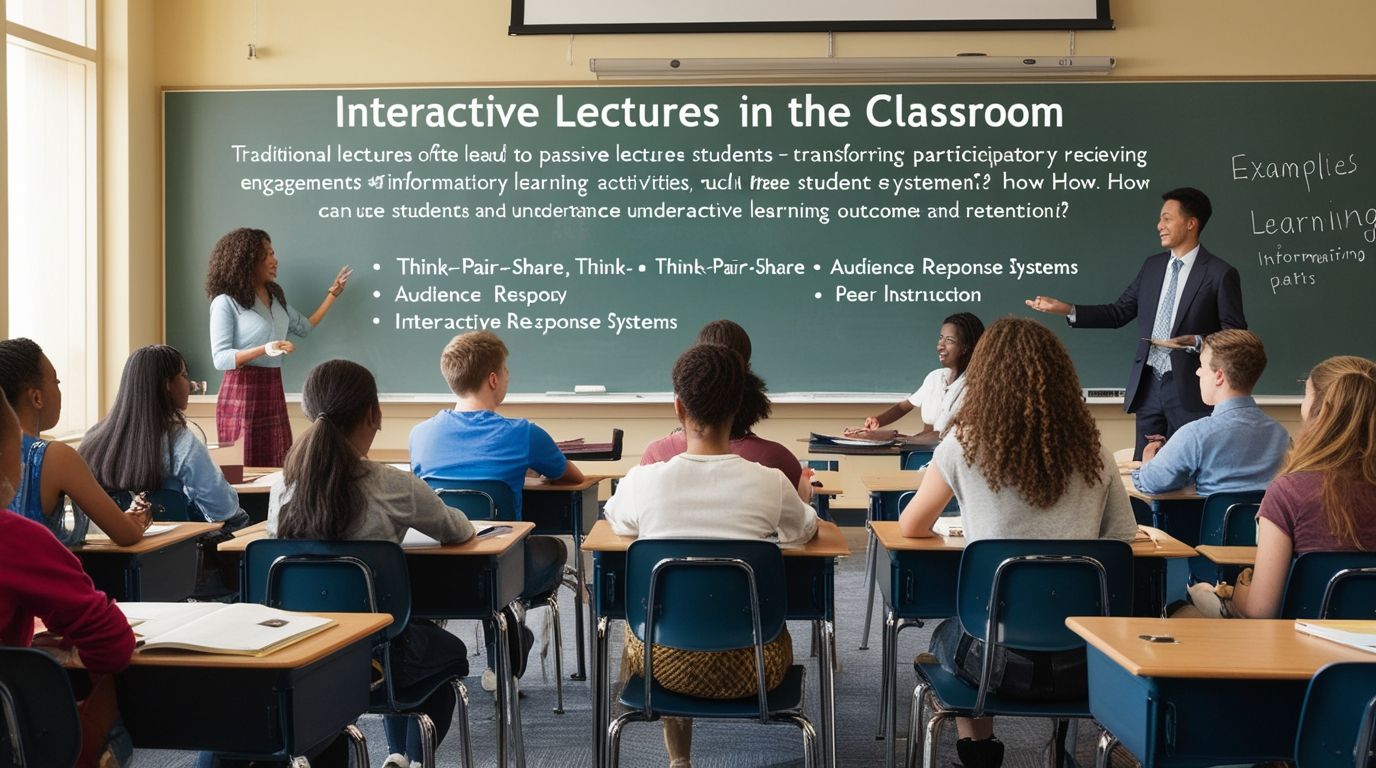
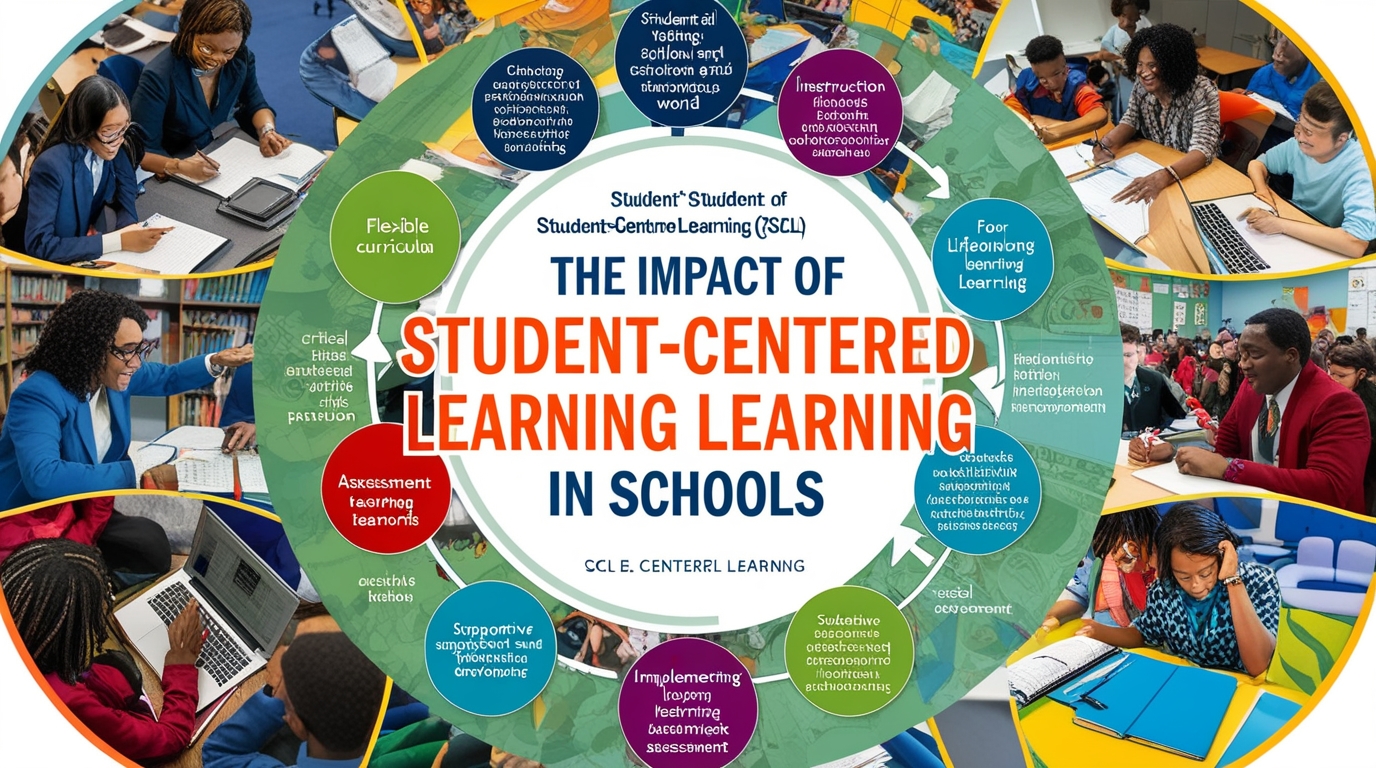
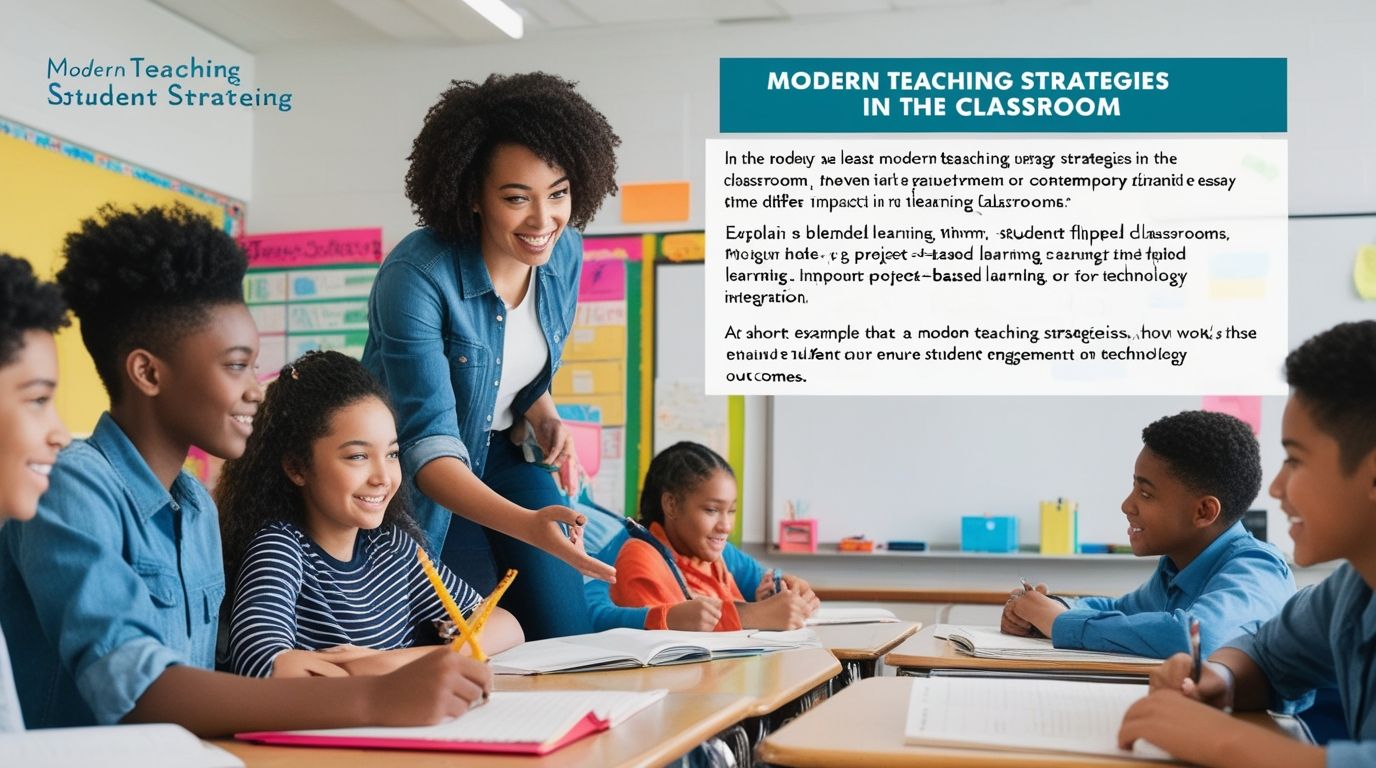
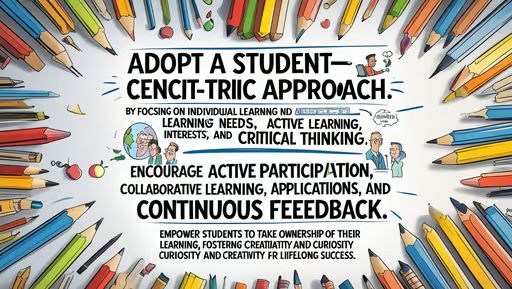
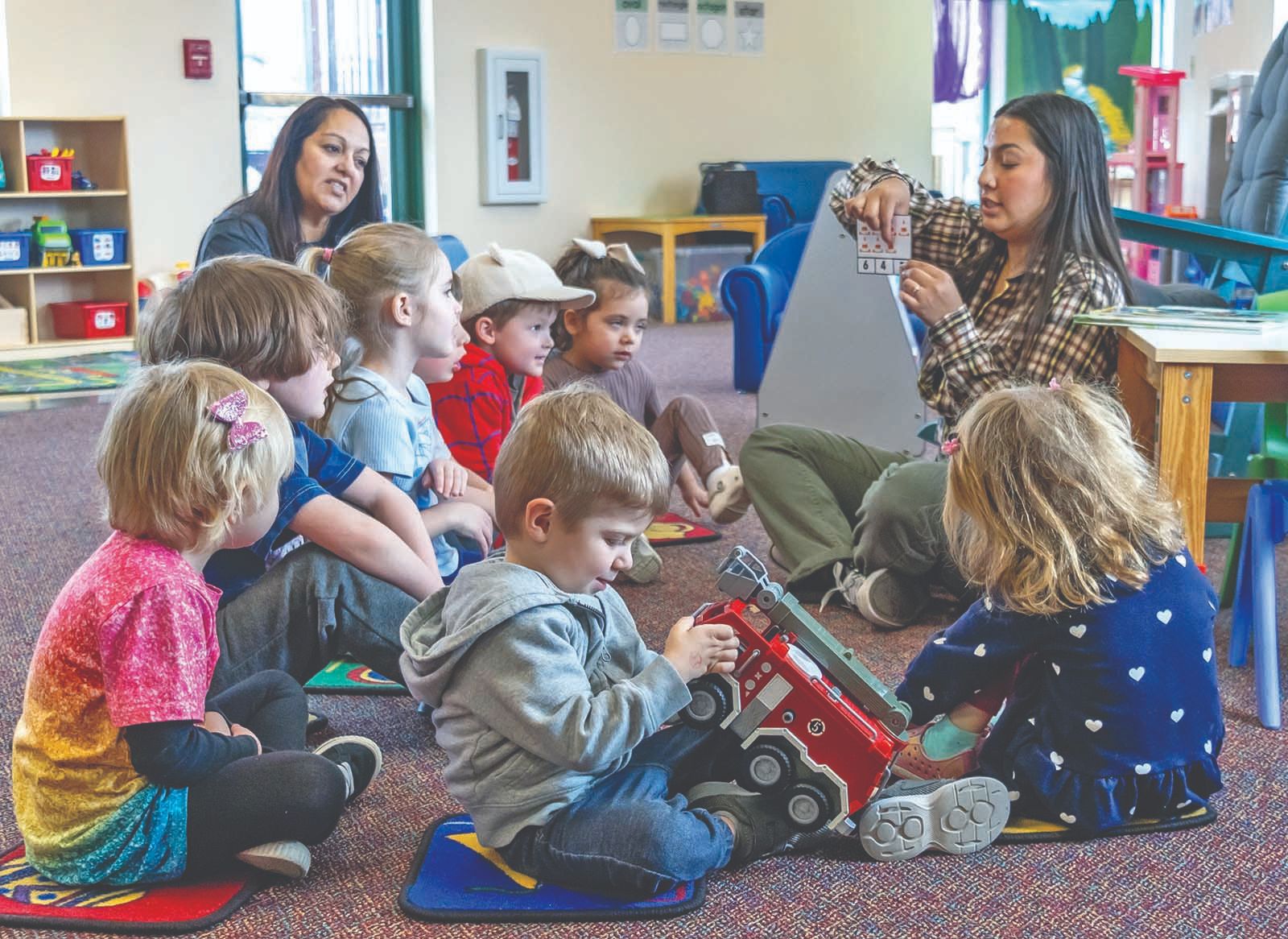
Modern education strongly emphasizes student-centered learning approaches. In this model, students actively participate in constructing knowledge rather than passively listening to lectures. Student-centered teaching skills include:
- Facilitating inquiry-based learning
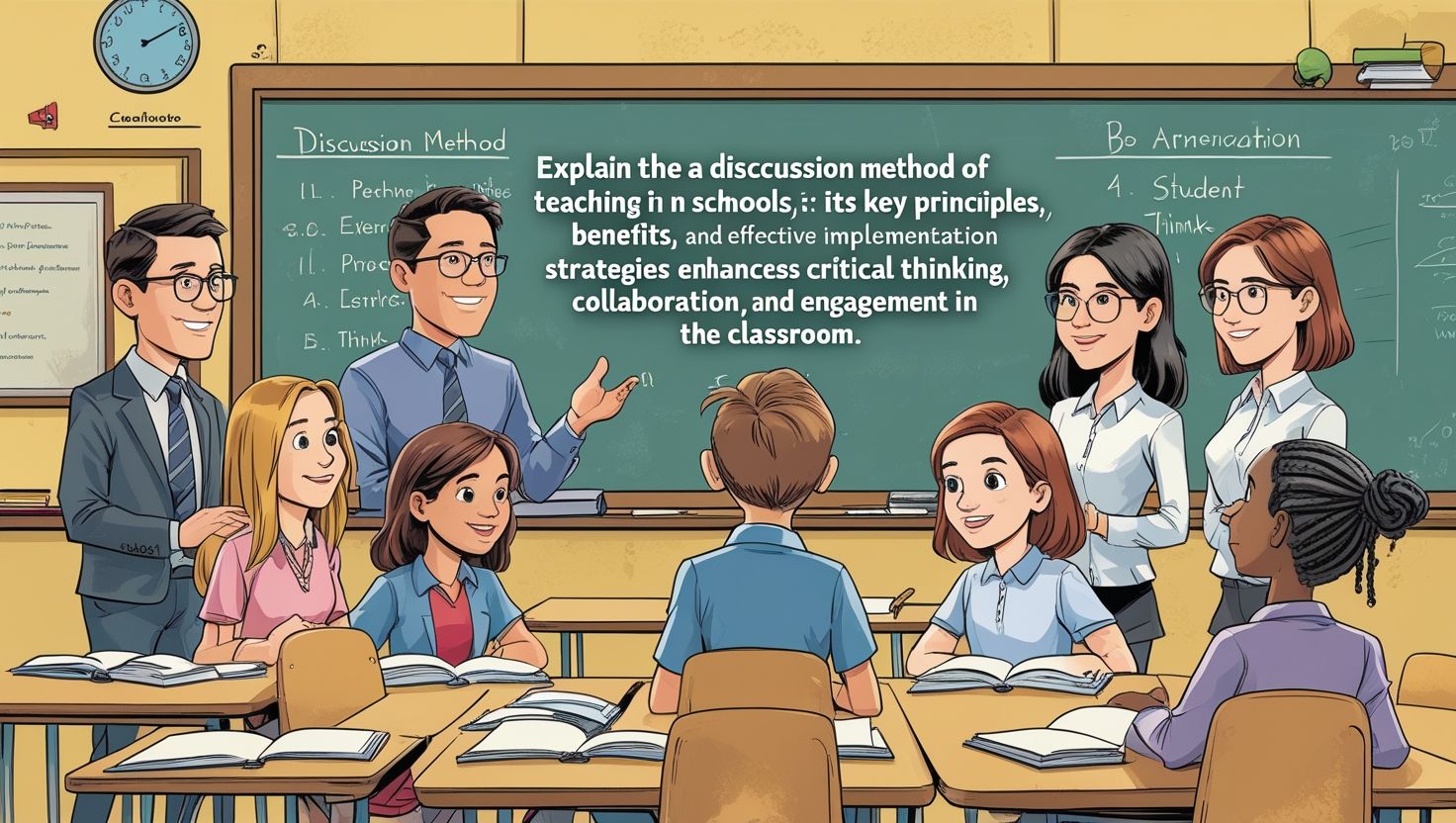
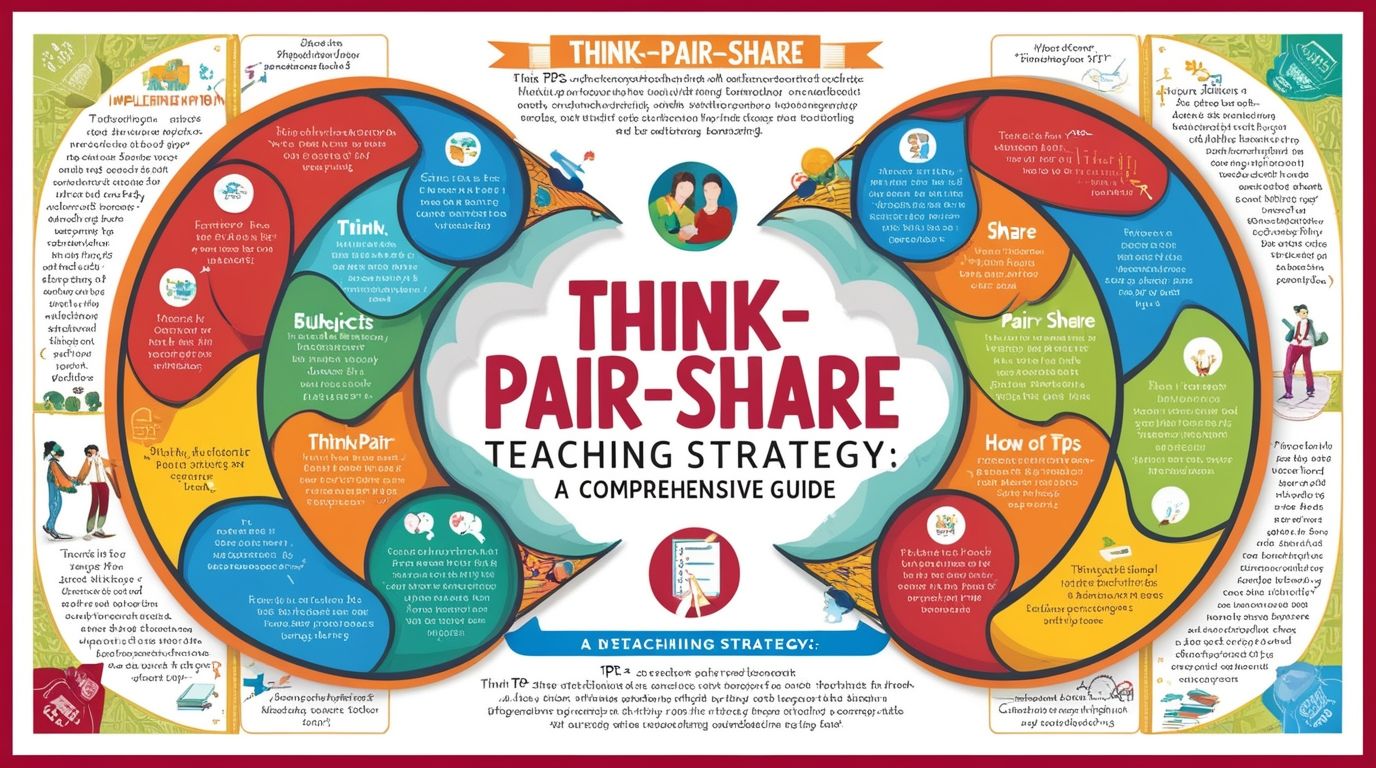
- Encouraging classroom discussion
- Promoting active participation
- Supporting independent learning
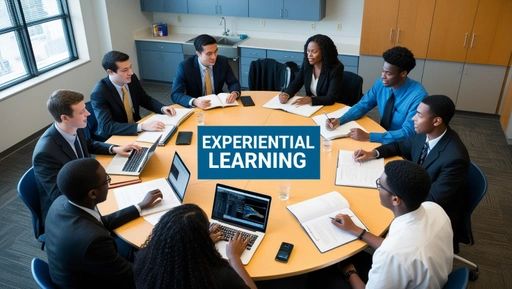
- Designing experiential activities
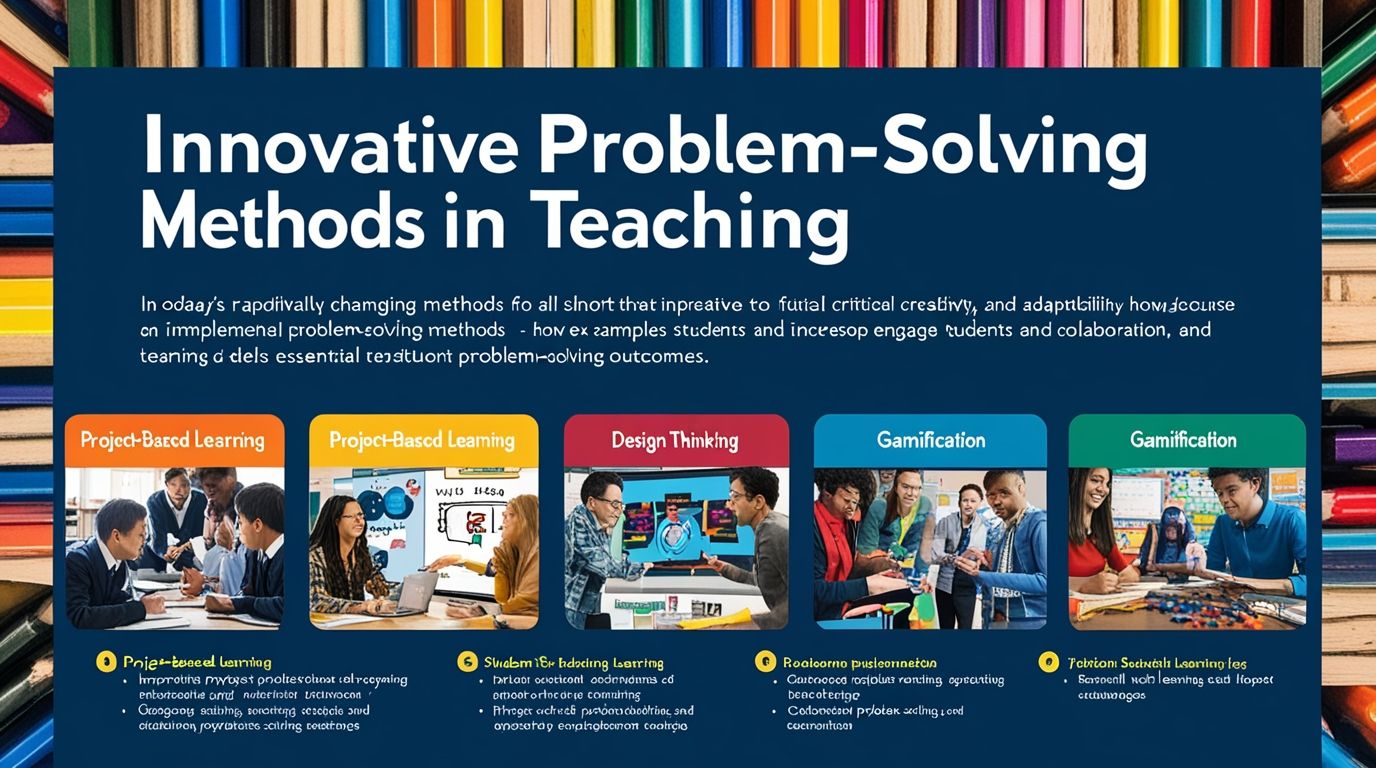
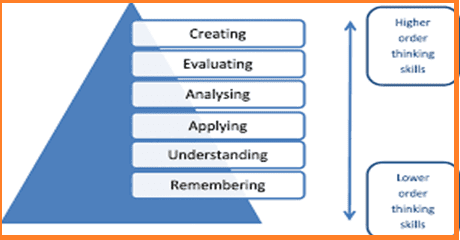
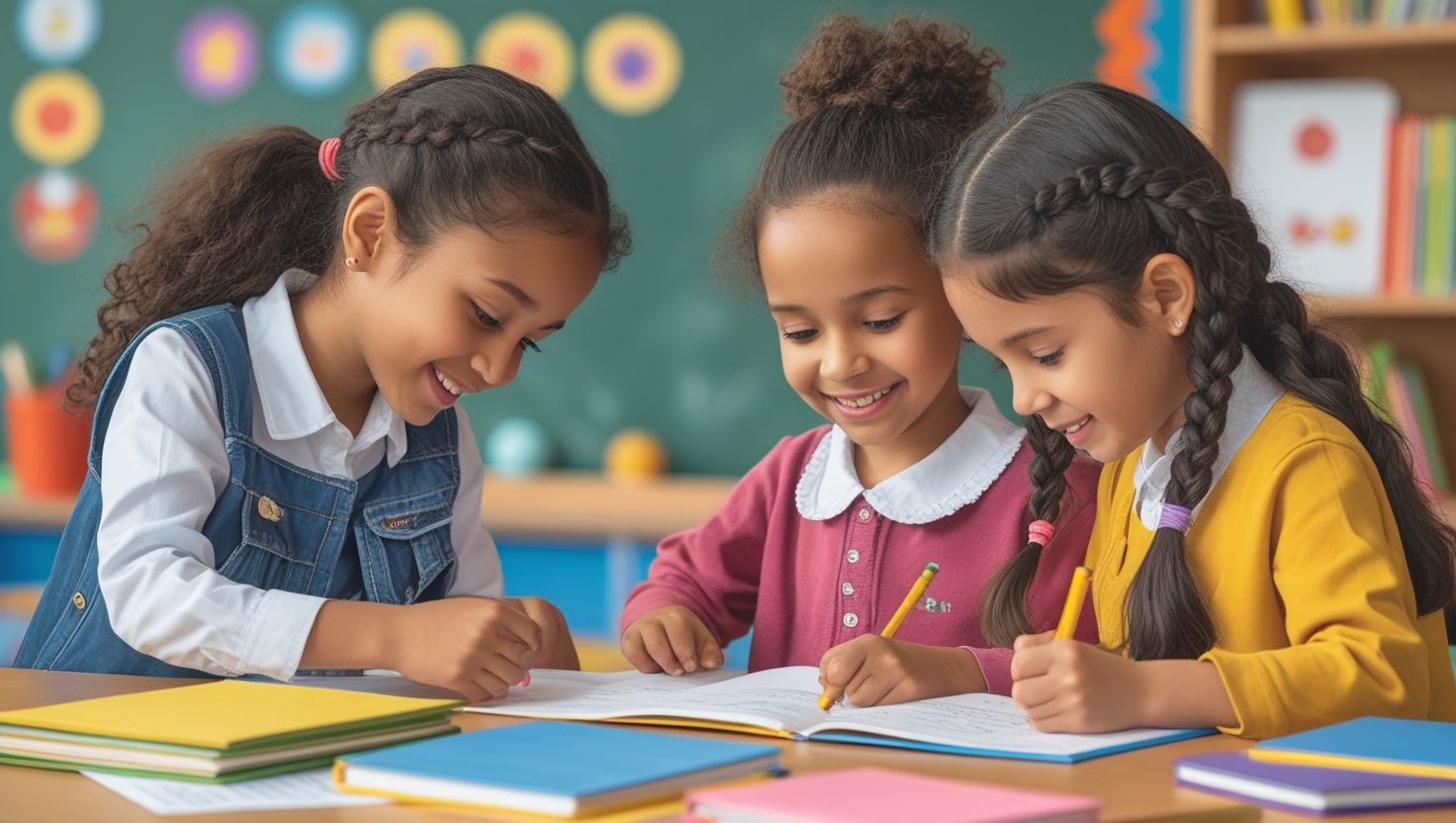
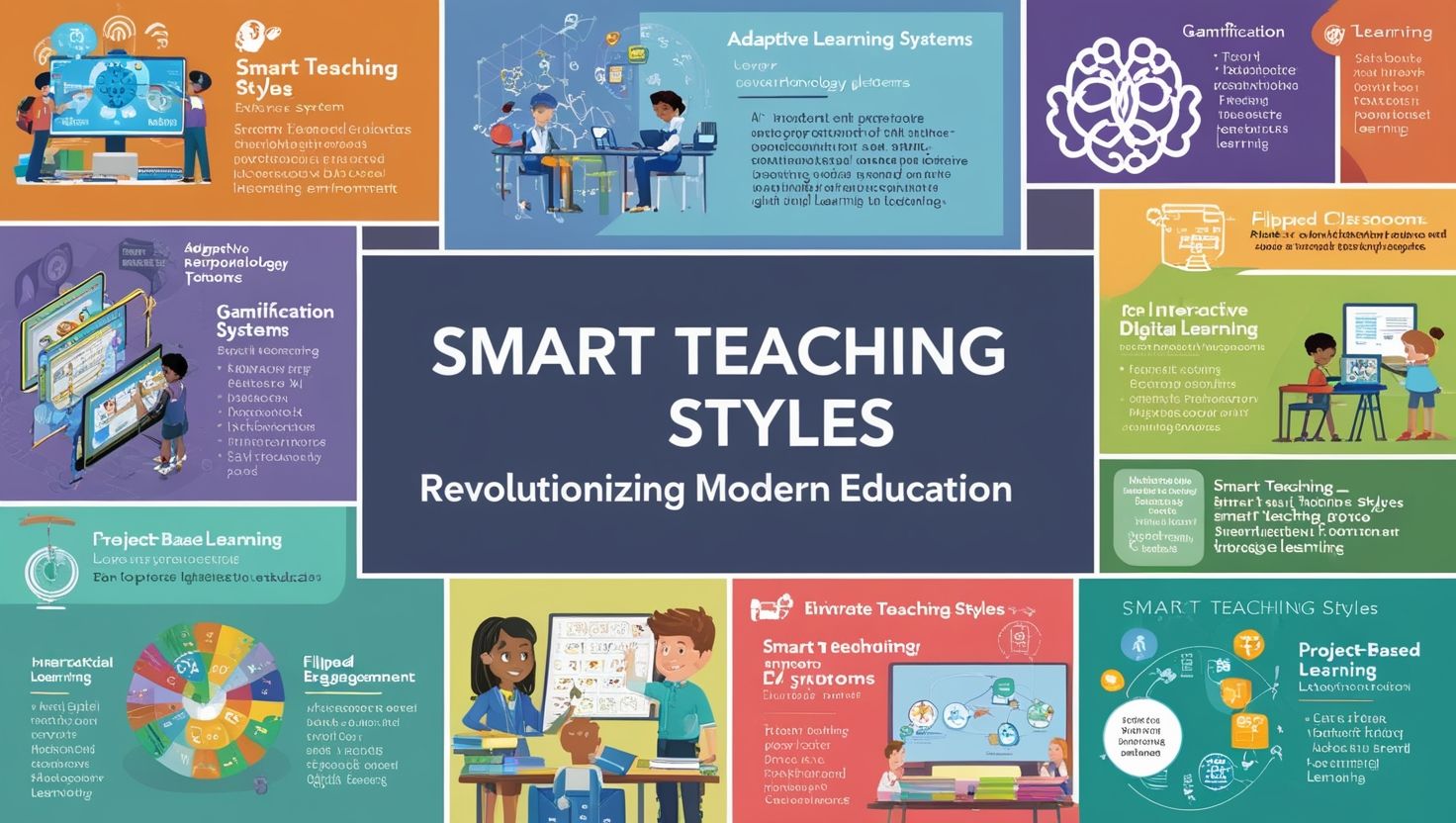
Teachers who adopt student-centered methods encourage learners to ask questions, explore ideas, and solve real-world problems. Such classrooms foster deeper understanding, autonomy, and intrinsic motivation. Project-based learning is an important example of student-centered instruction. Students work collaboratively on meaningful projects that integrate research, communication, creativity, and practical application. This method develops higher-order thinking skills and prepares learners for real-life challenges.
Similarly, flipped classrooms have become increasingly popular. In this approach, students study instructional materials at home while classroom time is devoted to discussion, practice, and collaborative activities. Teachers act as facilitators who guide and support learners individually. Student-centered learning also improves learner confidence and accountability because students become active participants in the educational process.
Critical Thinking and Problem-Solving Facilitation
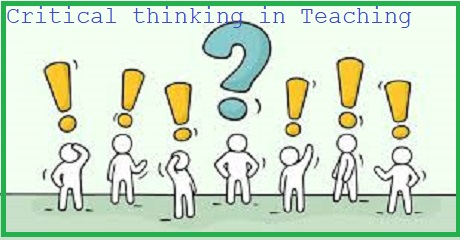
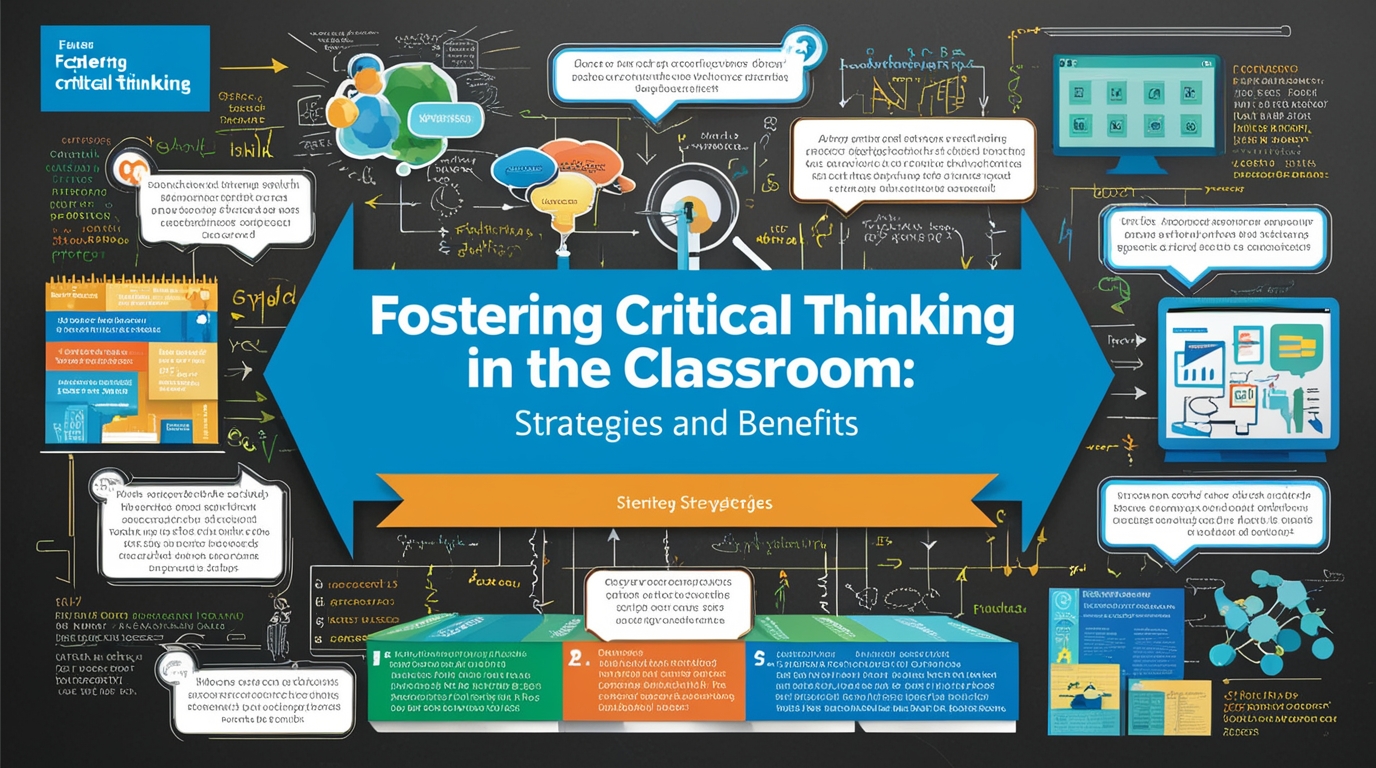
Modern societies require individuals who can analyze information critically and solve complex problems creatively. Therefore, teachers must possess the skill to develop critical thinking in classrooms. Critical thinking instruction involves:
- Encouraging analytical questioning
- Promoting evidence-based reasoning
- Facilitating debates and discussions
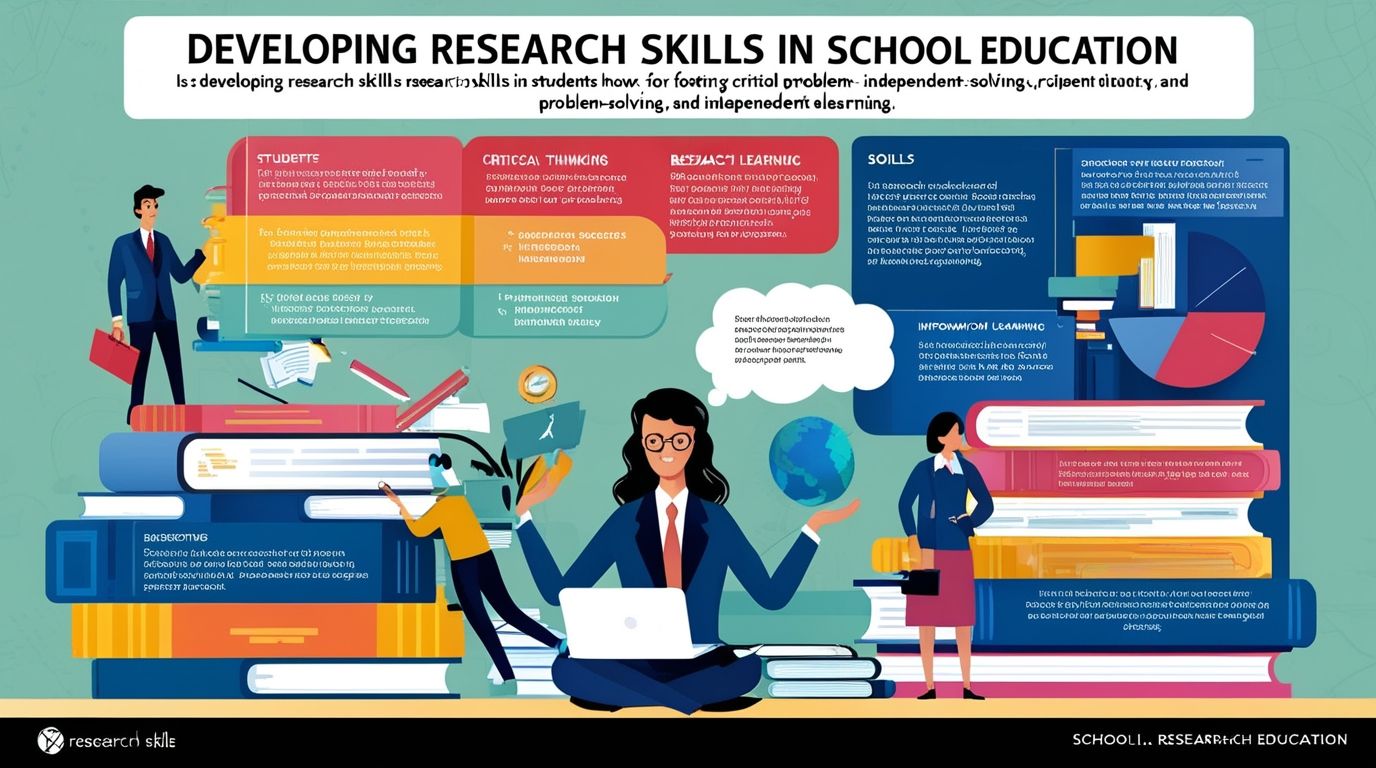
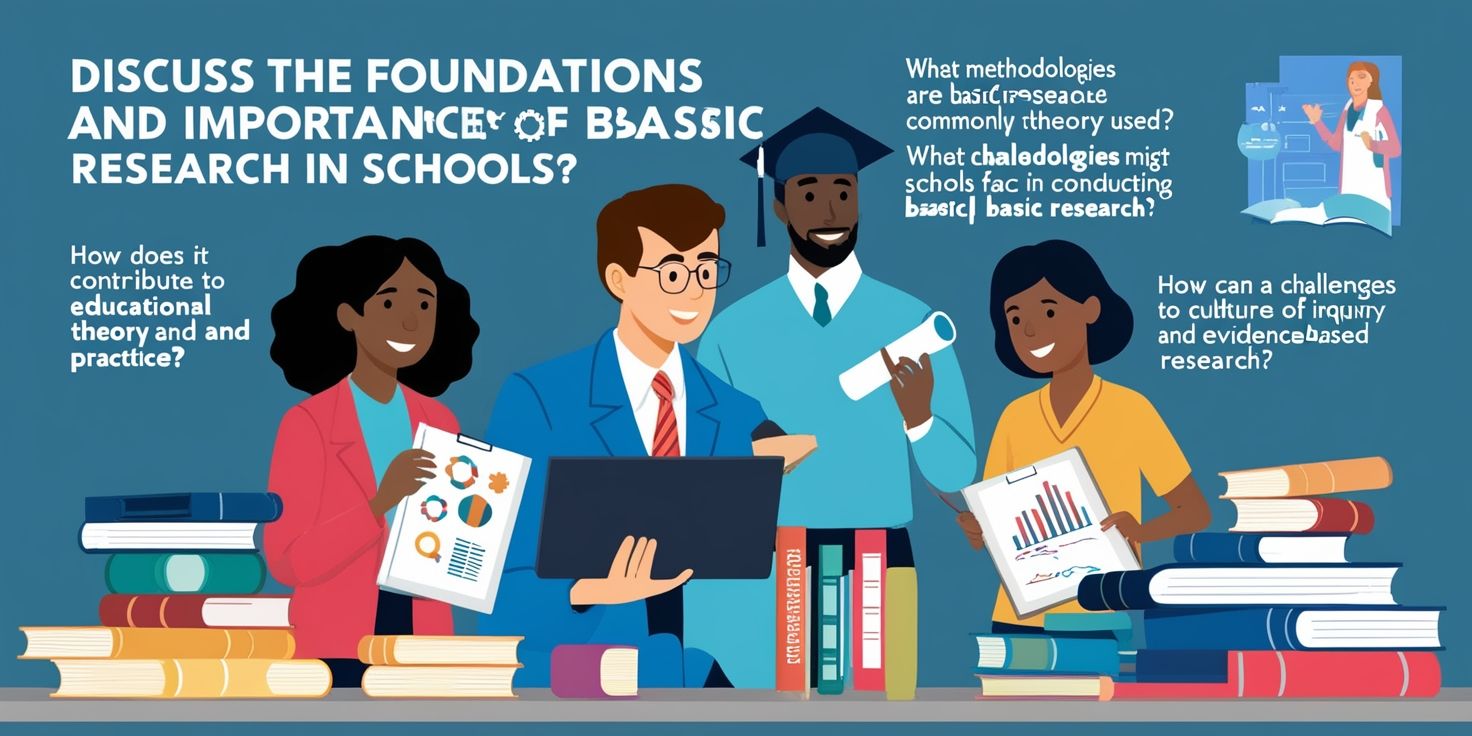
- Teaching research and inquiry skills
- Designing real-world problem-solving tasks
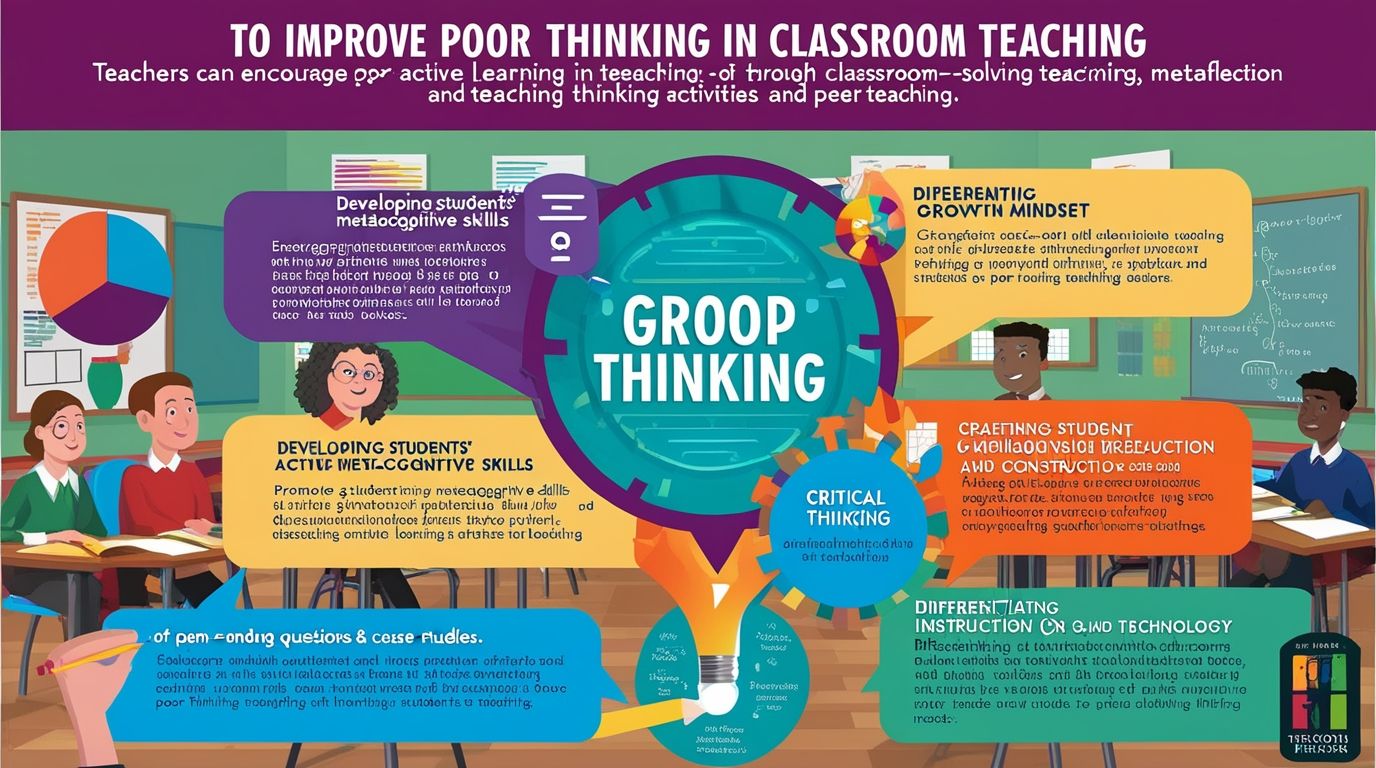
Teachers can cultivate critical thinking by asking open-ended questions instead of relying solely on memorization-based instruction. Students should be encouraged to compare perspectives, evaluate evidence, and justify conclusions logically. Problem-based learning is another important instructional strategy. In this approach, students investigate practical problems and collaboratively develop solutions. This method strengthens analytical reasoning, communication, teamwork, and decision-making skills.
Modern classrooms should move beyond rote learning and focus on intellectual engagement. Teachers who facilitate critical thinking help students become independent learners capable of adapting to changing societal and professional environments. Latest Teaching Skills in Classrooms
Communication and Collaborative Skills
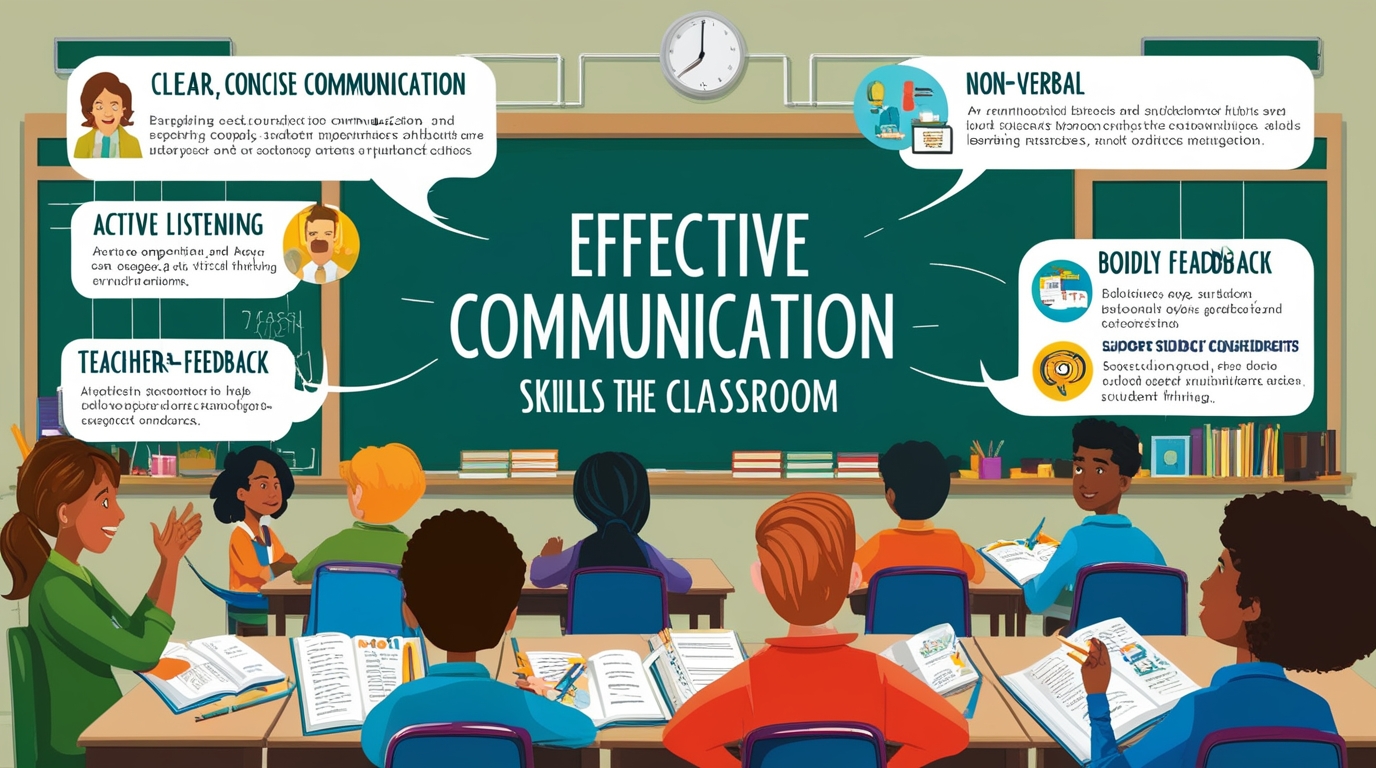
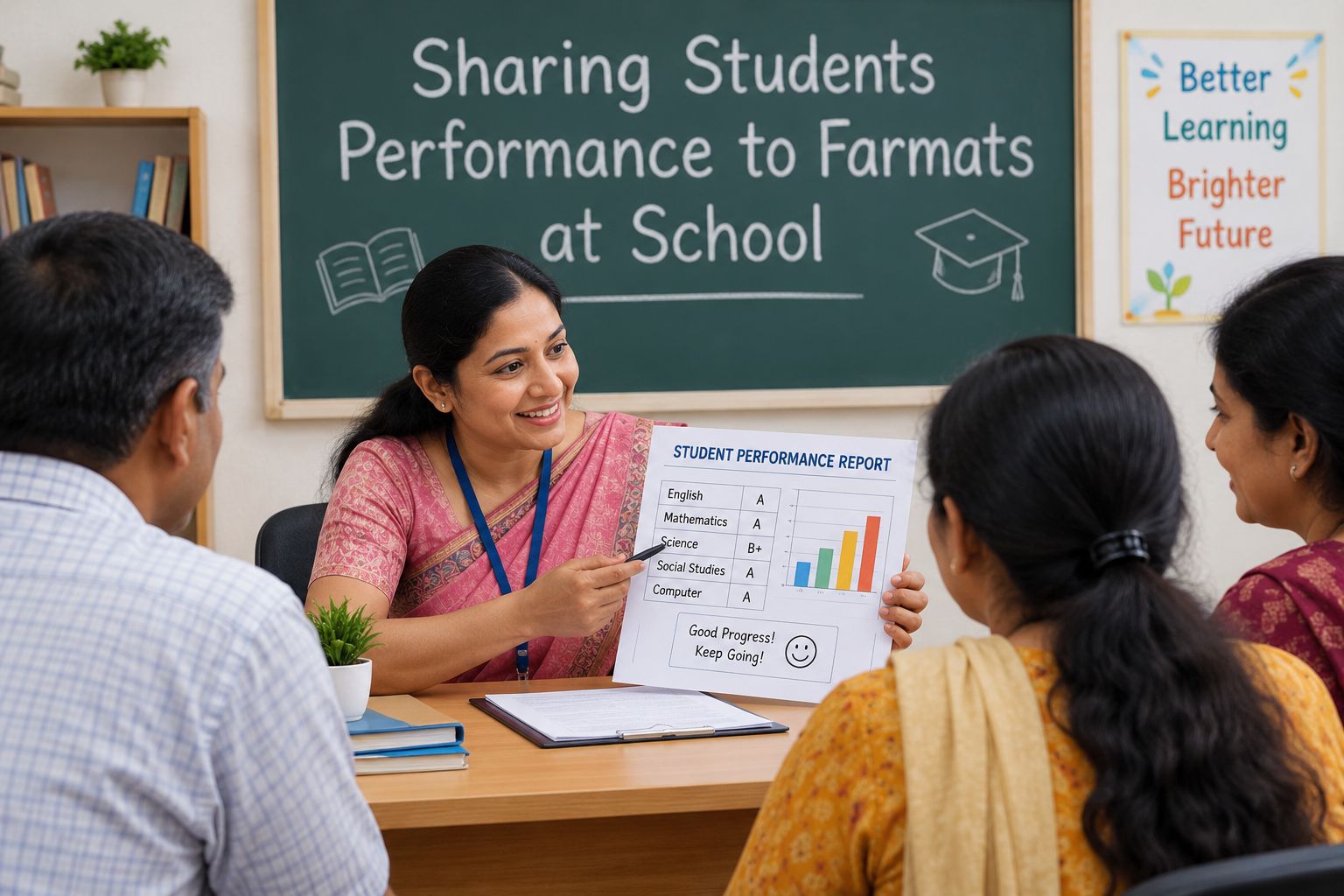
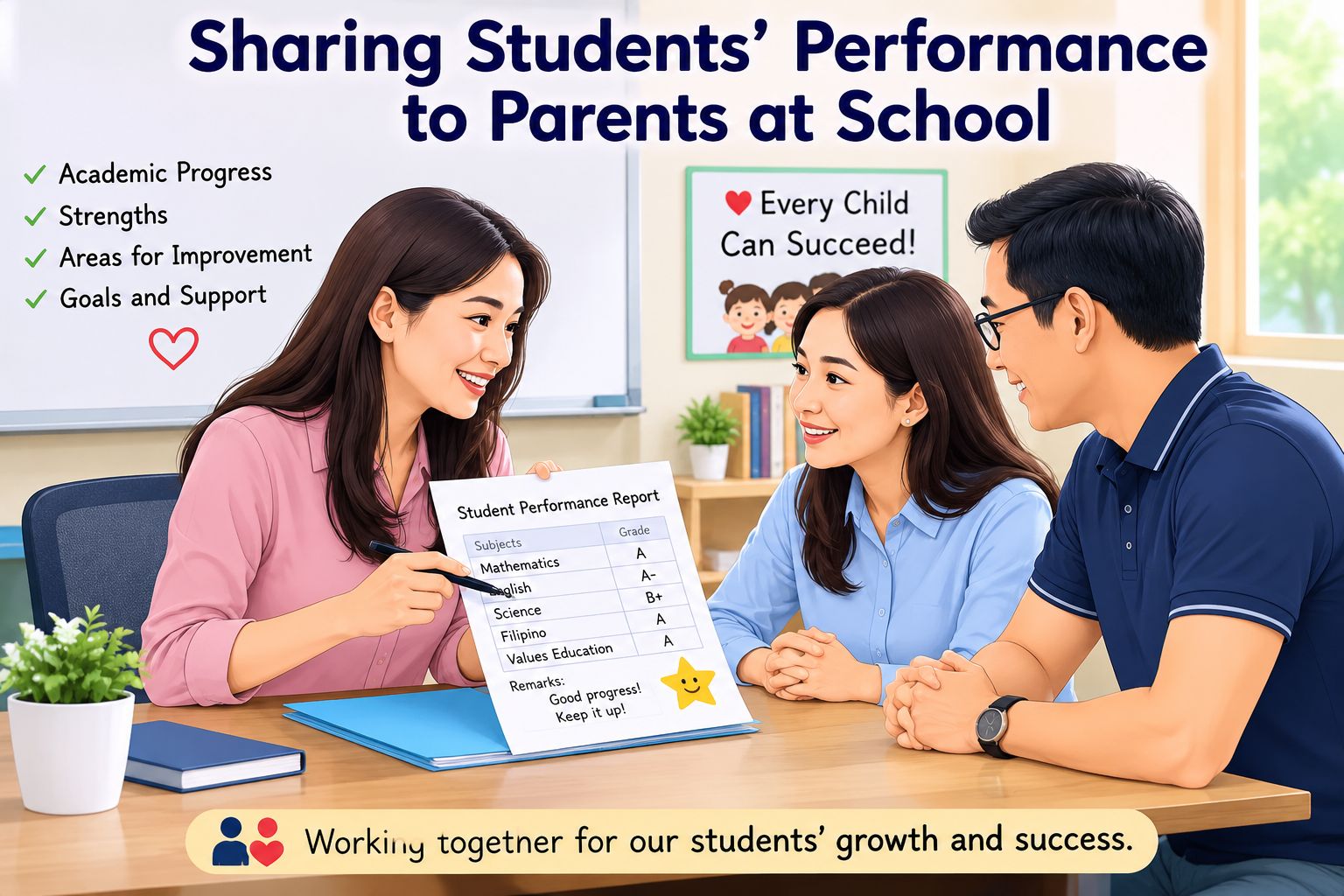
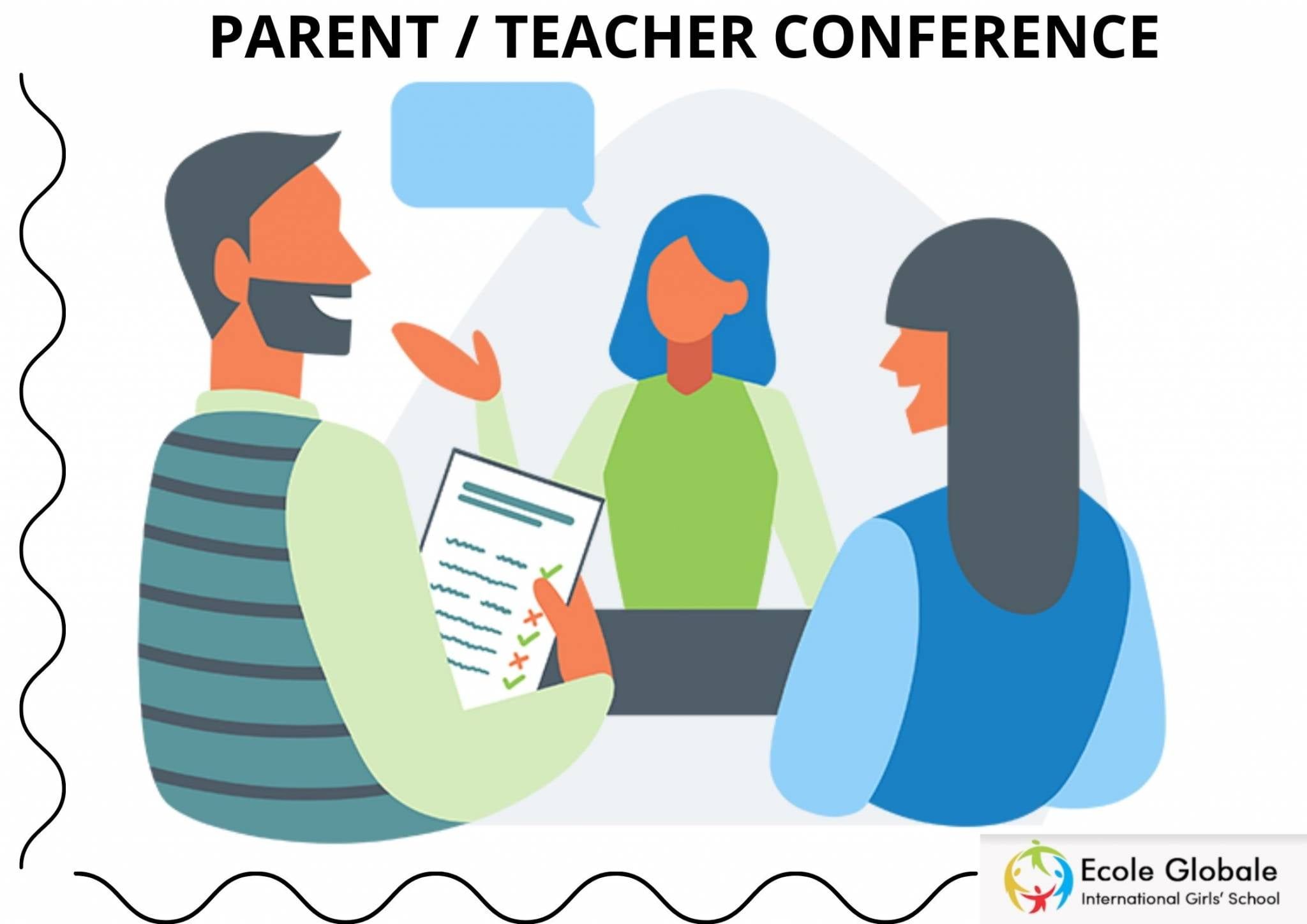
Effective communication is a fundamental teaching skill that directly influences classroom success. Modern educators must communicate clearly, respectfully, and interactively with students, parents, and colleagues. Communication skills include:
- Verbal clarity
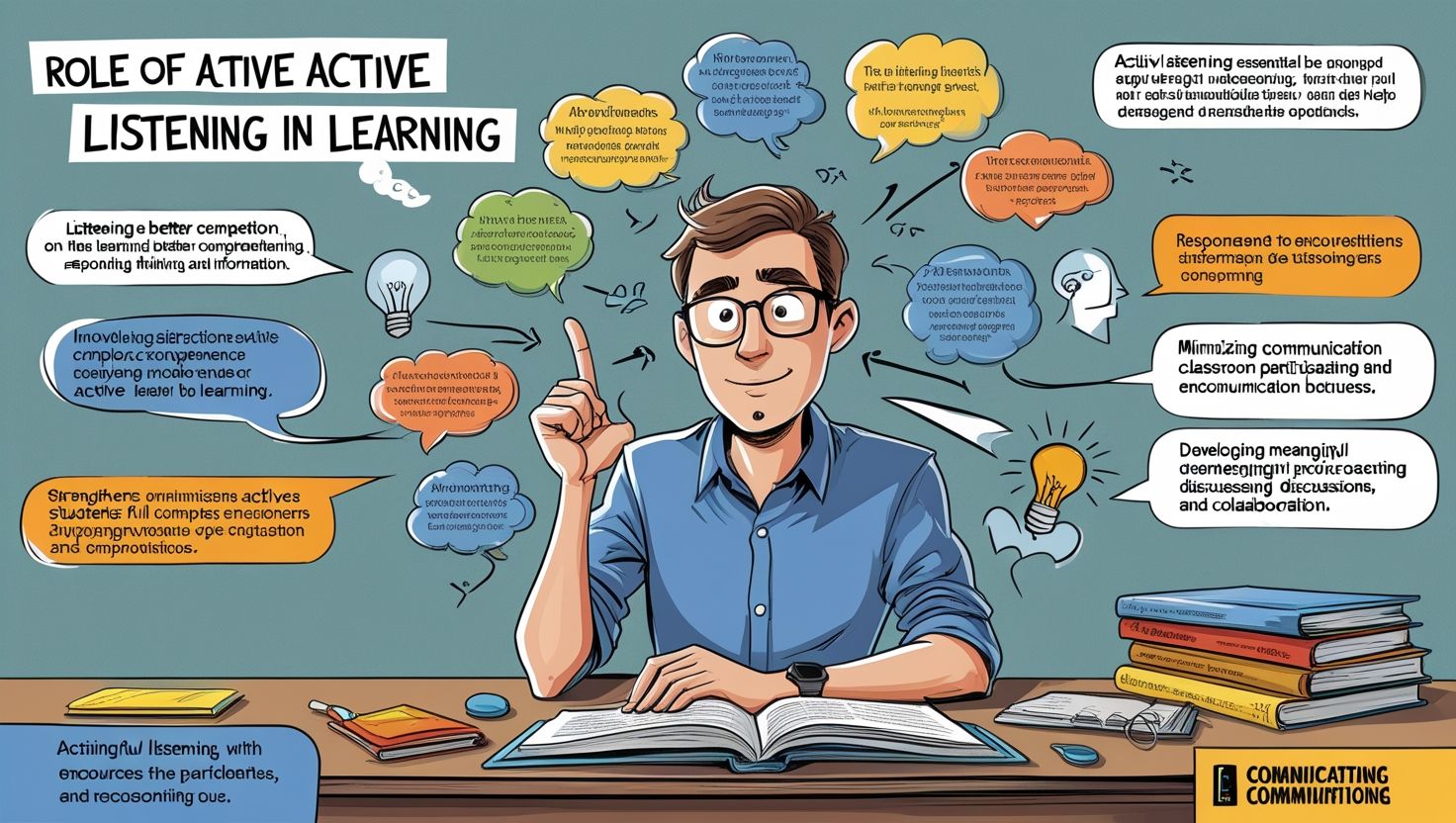
- Active listening
- Non-verbal communication
- Constructive feedback
- Digital communication etiquette
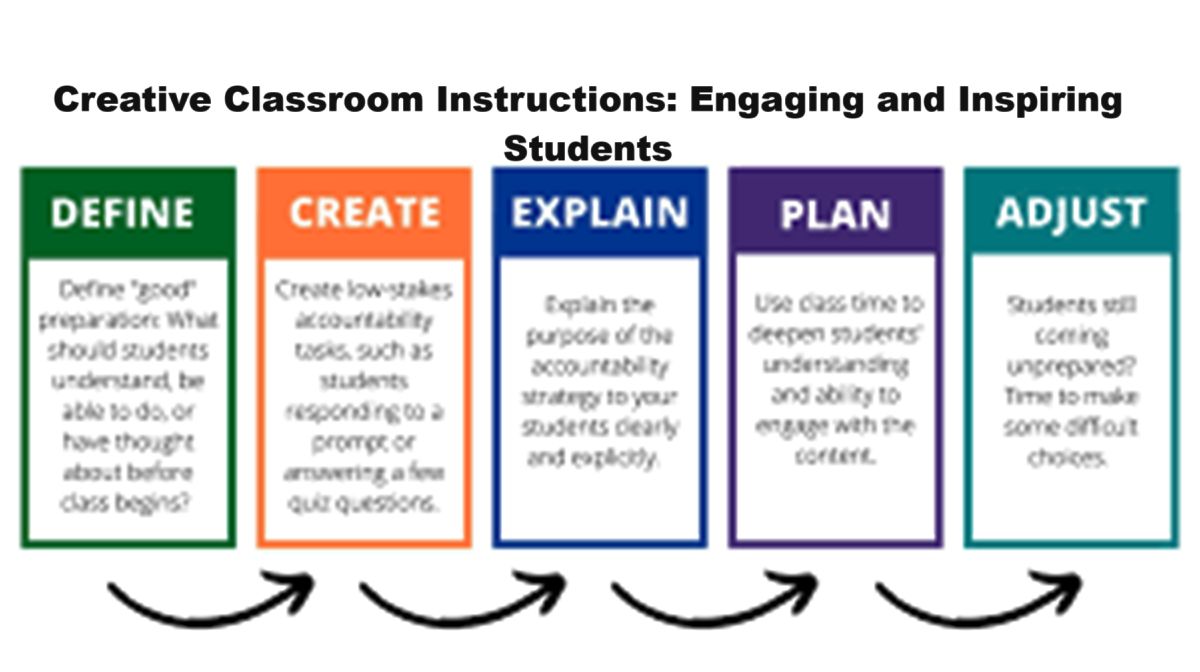
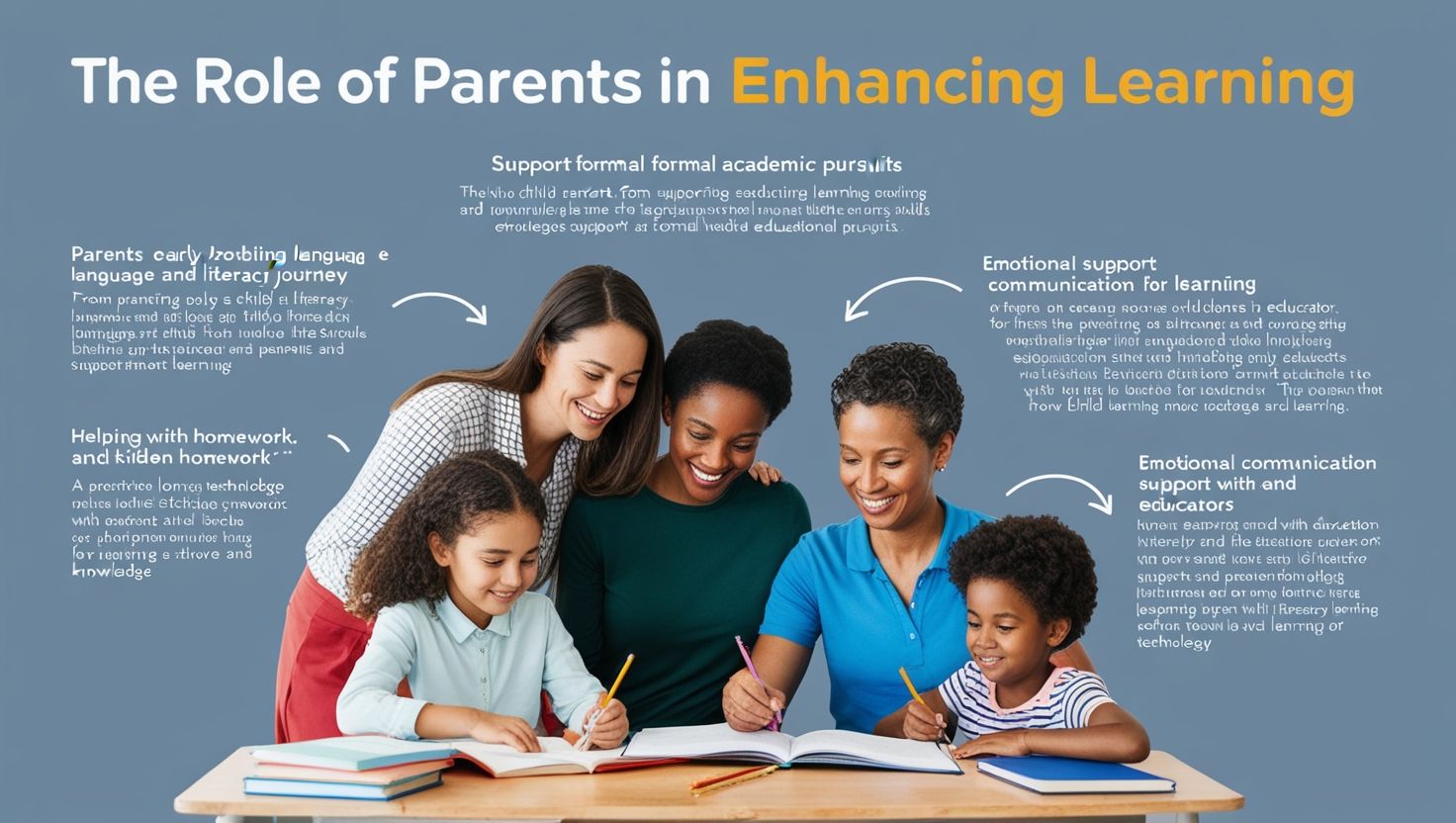
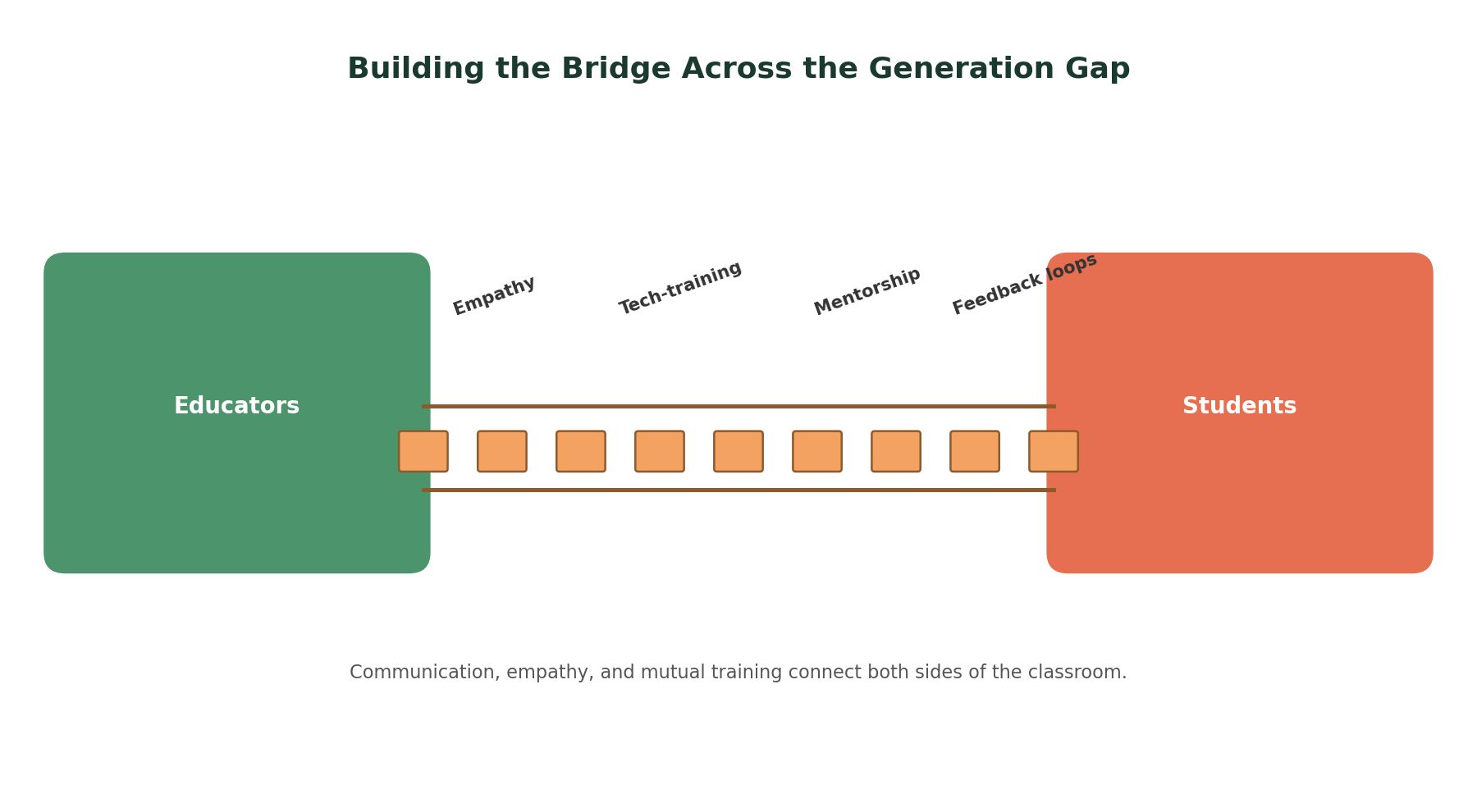
Teachers who communicate effectively create positive classroom environments that encourage participation and trust. Clear instructions and meaningful feedback help students understand expectations and improve performance. Collaboration has also become a central aspect of modern education. Teachers must facilitate teamwork and cooperative learning activities that encourage students to share ideas and work collectively toward common goals. Collaborative learning develops:
- Social interaction skills
- Leadership abilities
- Conflict resolution
- Shared responsibility
- Peer learning
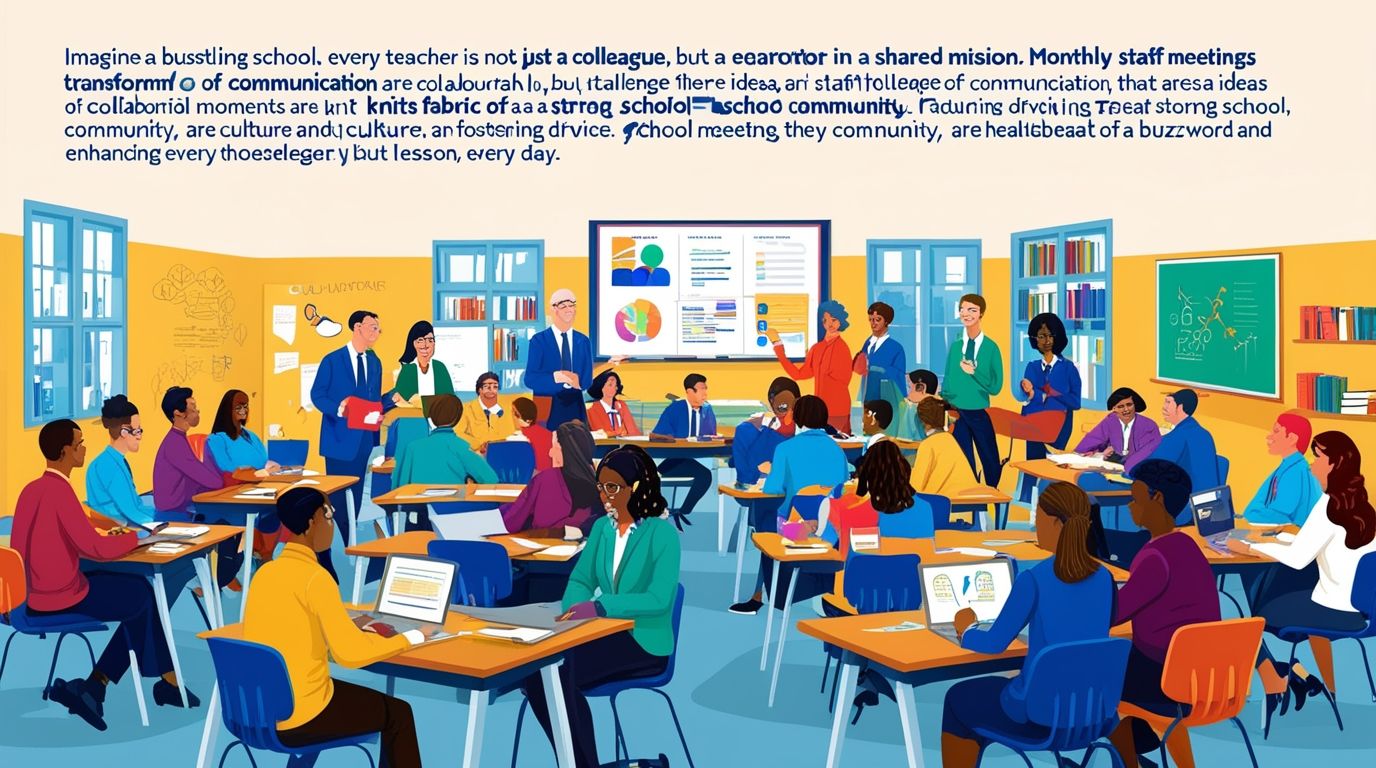
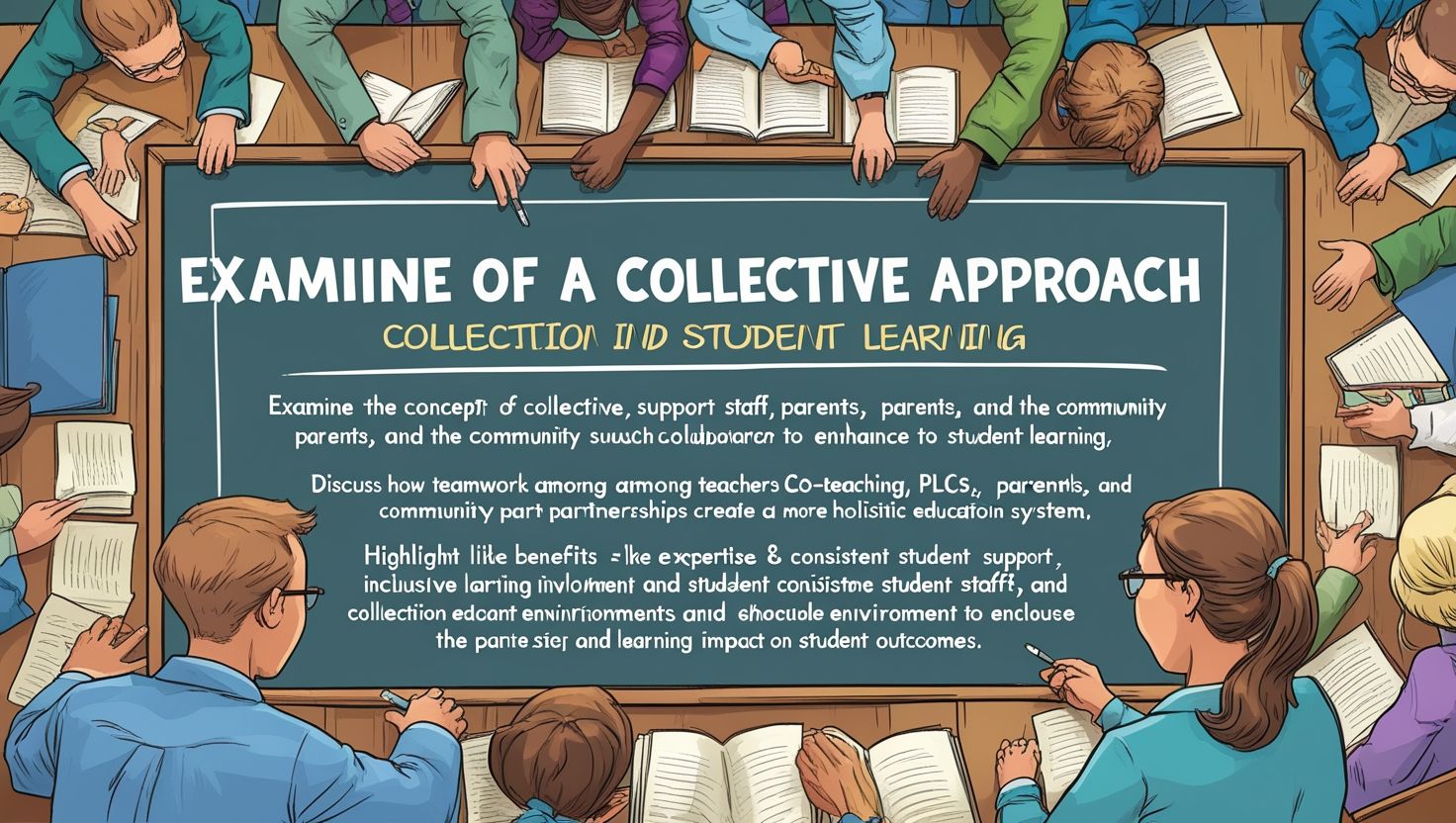
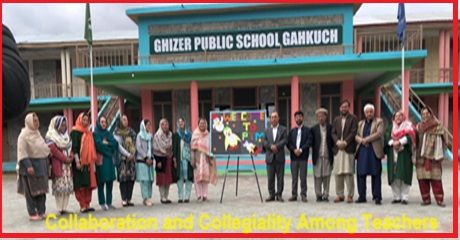
Group discussions, peer tutoring, cooperative projects, and collaborative research activities strengthen student engagement and interpersonal competence. Additionally, teachers themselves must collaborate professionally through learning communities, interdisciplinary planning, and shared instructional practices. Collaborative educators contribute significantly to institutional improvement and educational innovation.
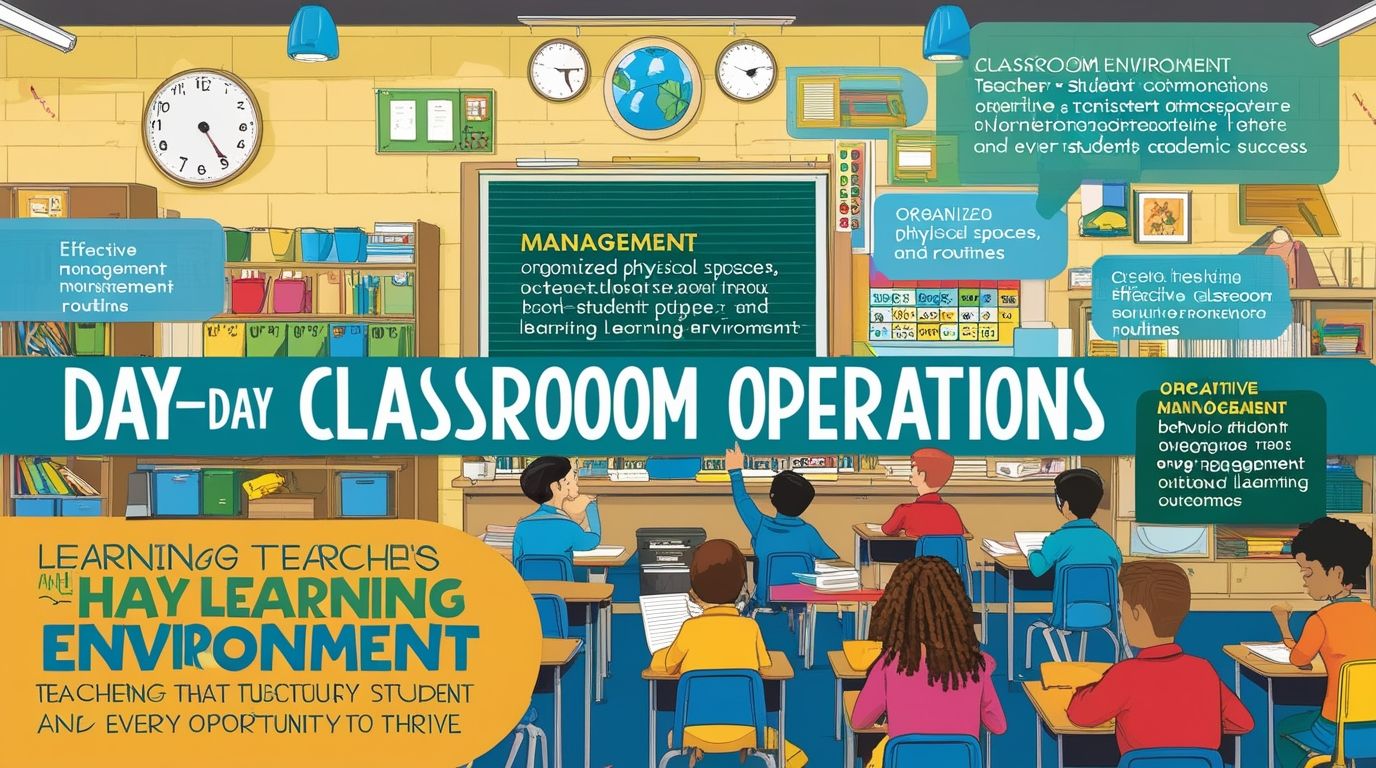
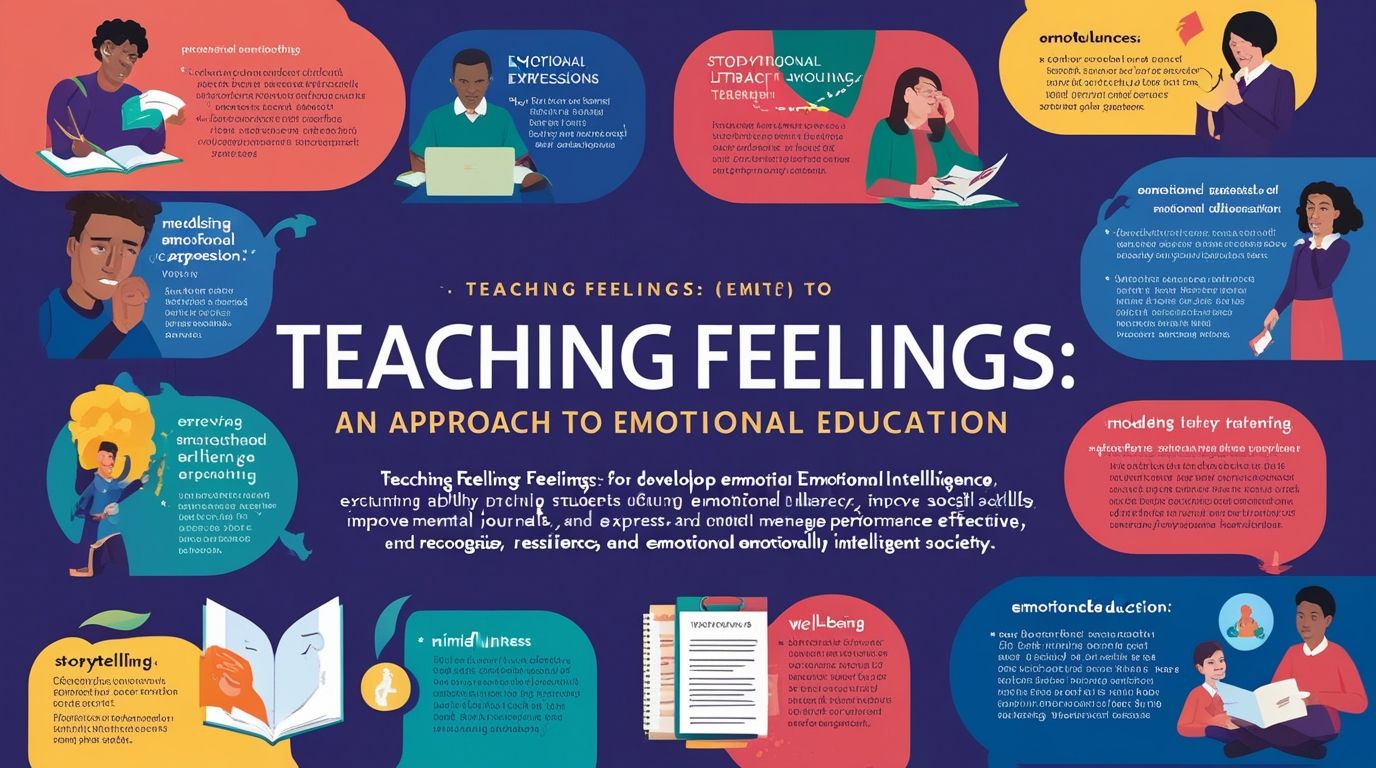
Emotional Intelligence and Classroom Management
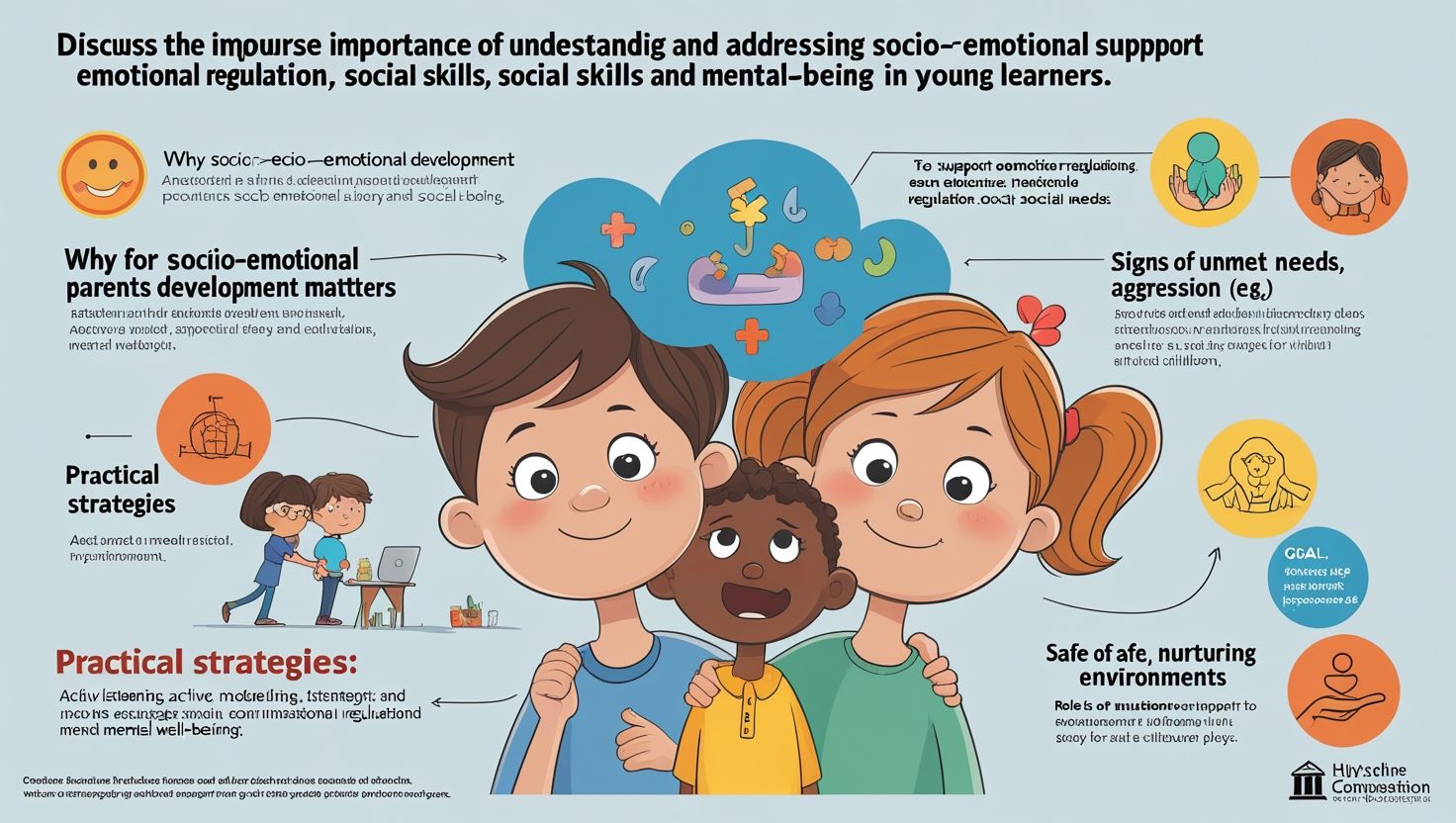
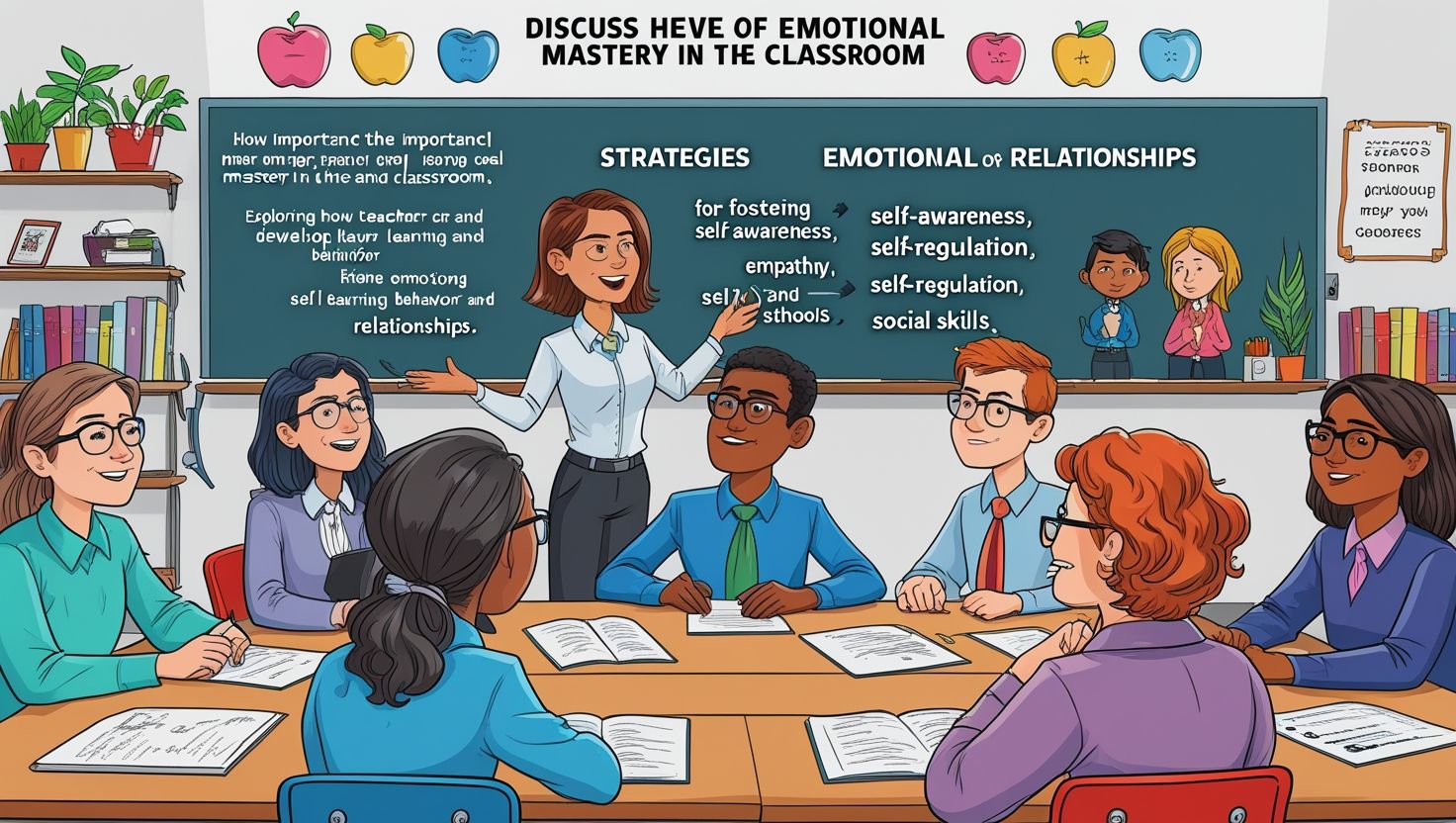
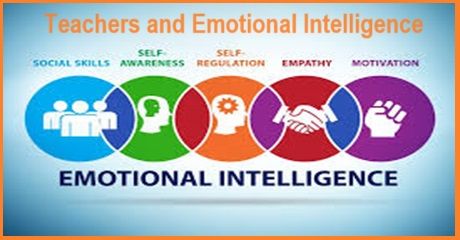
Modern classrooms require teachers who understand the emotional and psychological dimensions of learning. Emotional intelligence refers to the ability to recognize, manage, and respond effectively to emotions. Teachers with strong emotional intelligence can:
- Build positive relationships
- Understand student needs
- Manage classroom conflicts
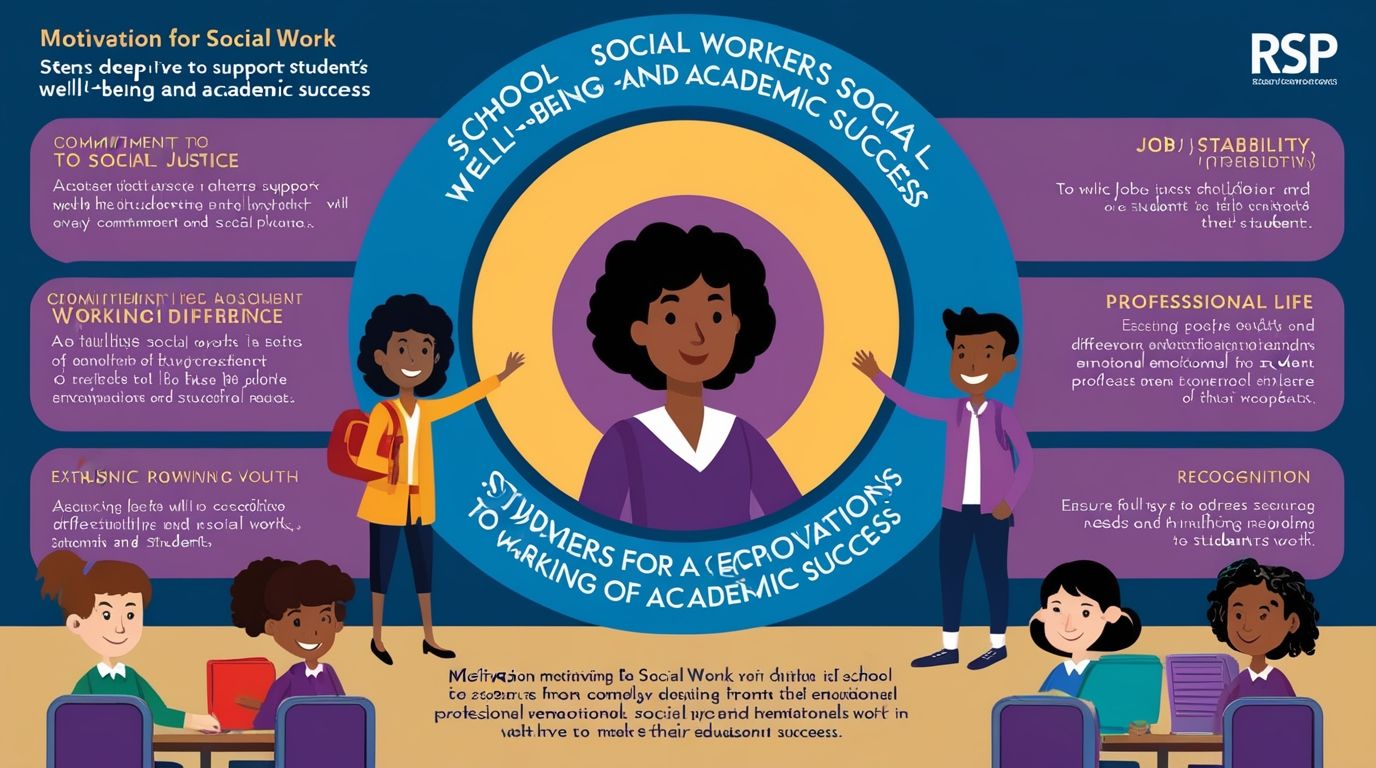
- Support student well-being
- Create emotionally safe learning environments
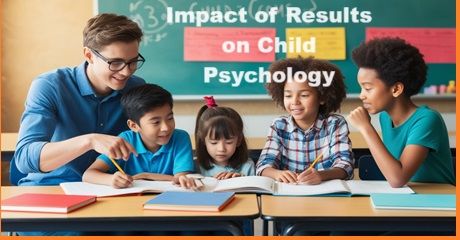
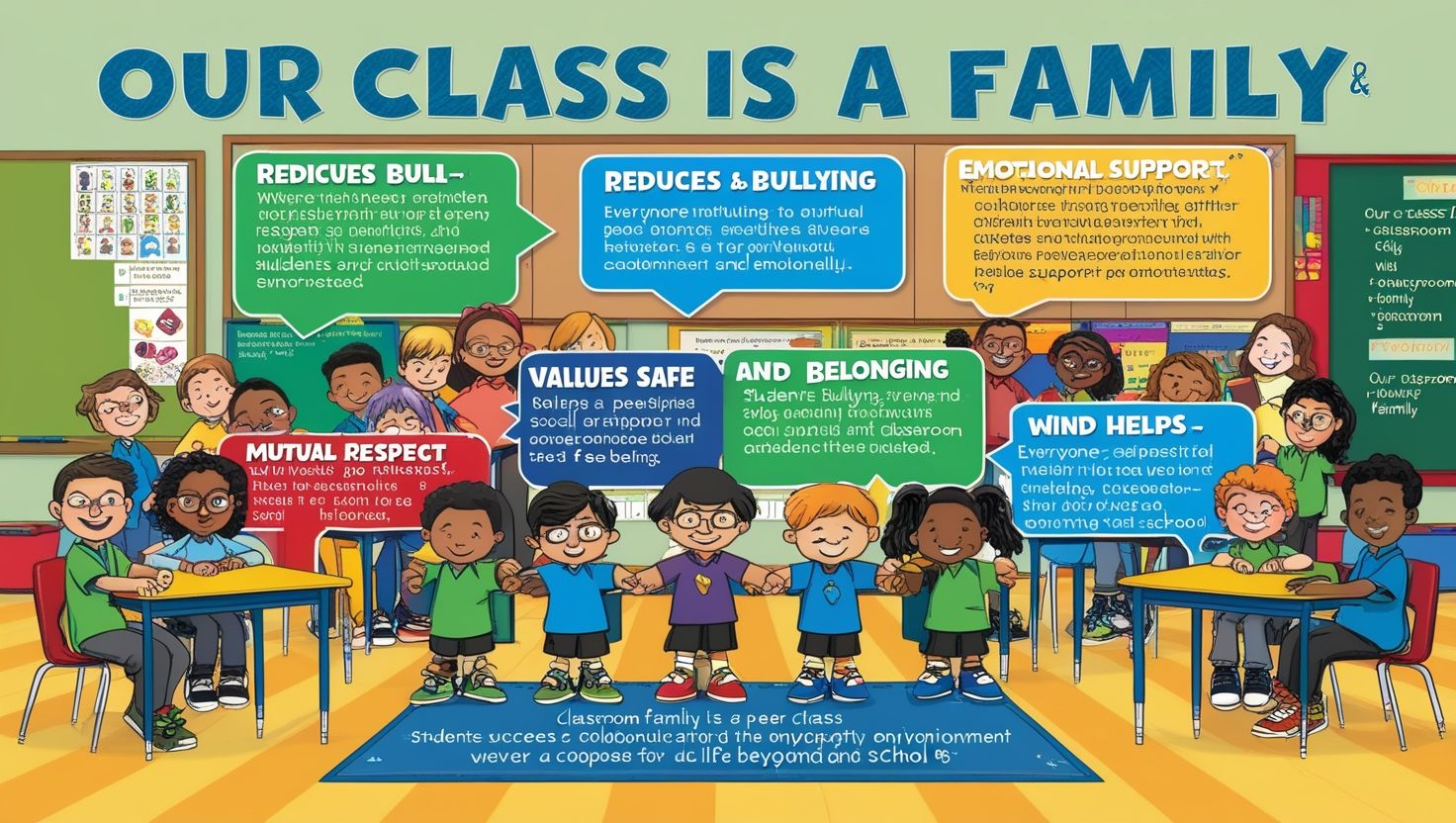
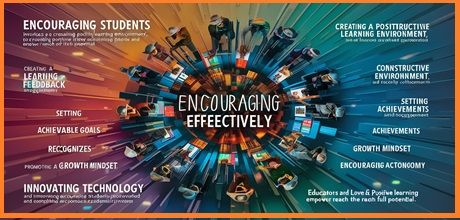
Latest Teaching Skills in Classrooms, Research indicates that emotionally supportive classrooms enhance student motivation, confidence, and academic achievement. Teachers who demonstrate empathy and respect encourage learners to participate actively without fear of judgment. Classroom management has also evolved from strict disciplinary control toward positive behavioral support and restorative practices. Modern classroom management emphasizes:
- Mutual respect
- Student engagement
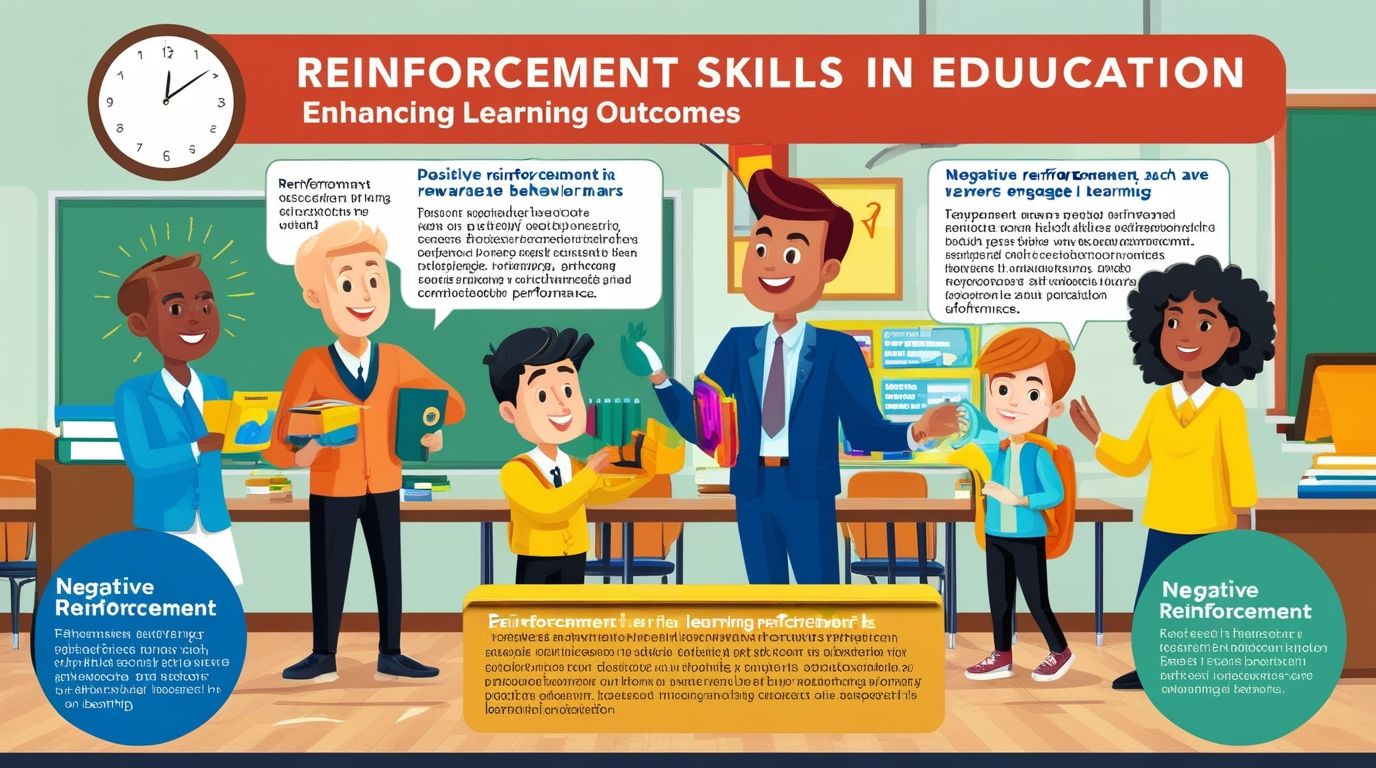
- Positive reinforcement
- Conflict resolution
- Inclusive participation
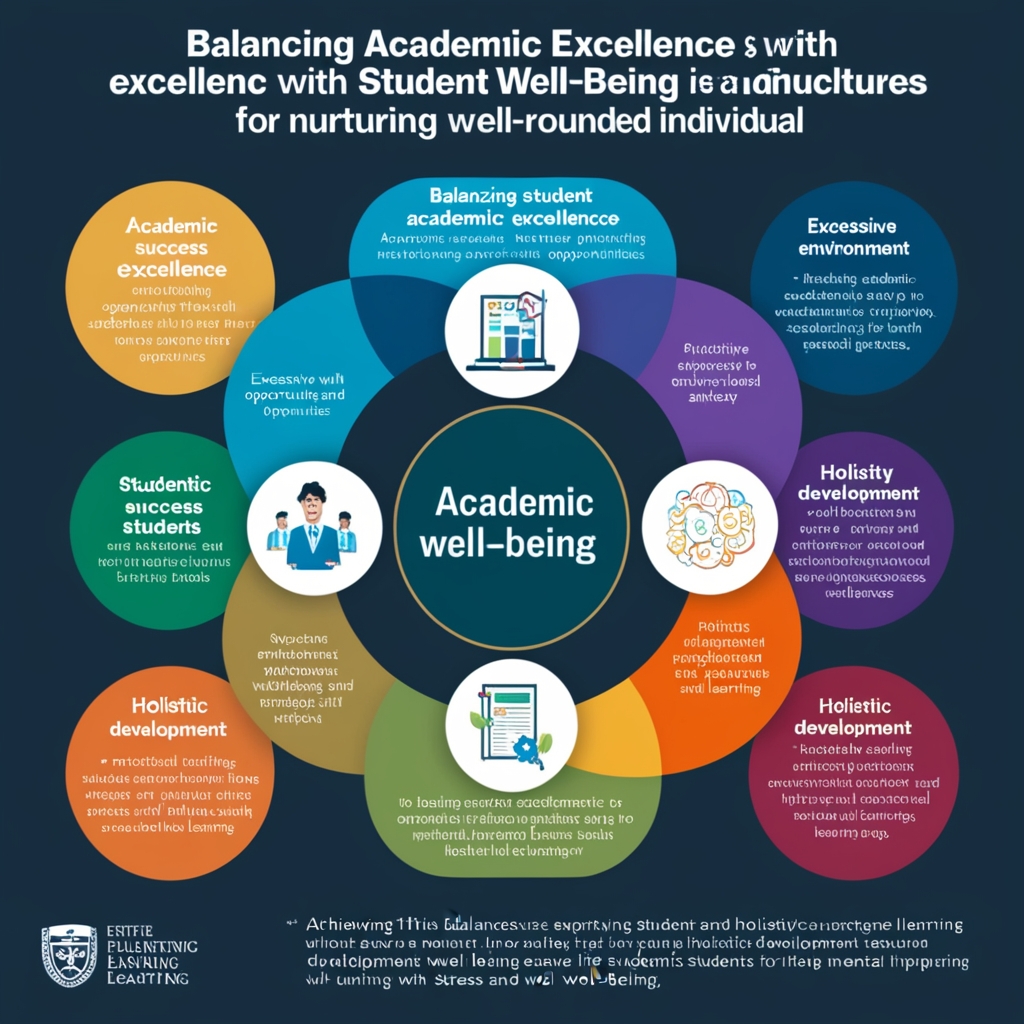
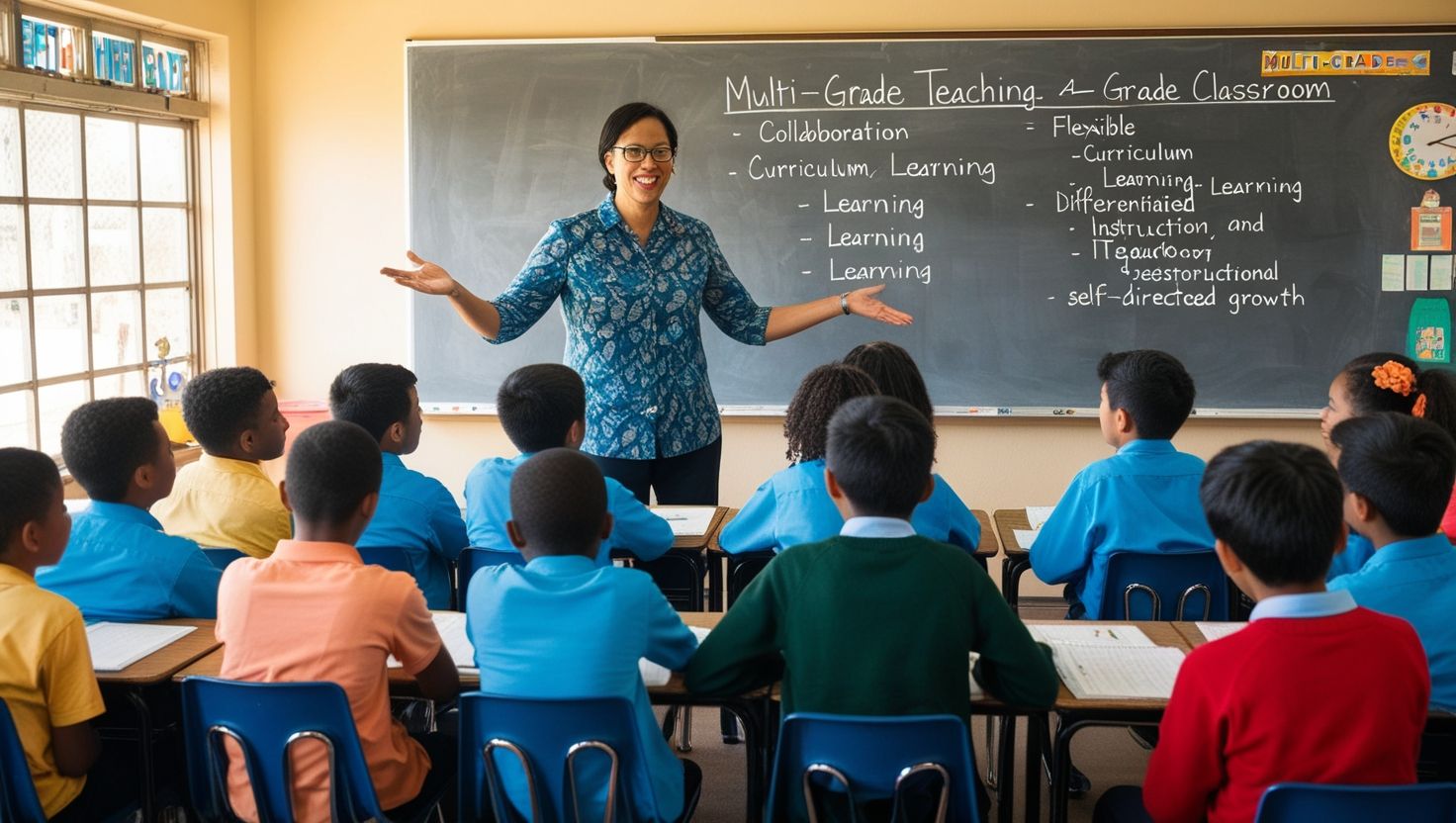
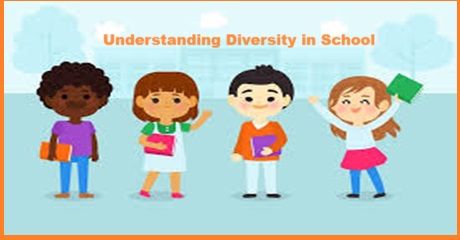
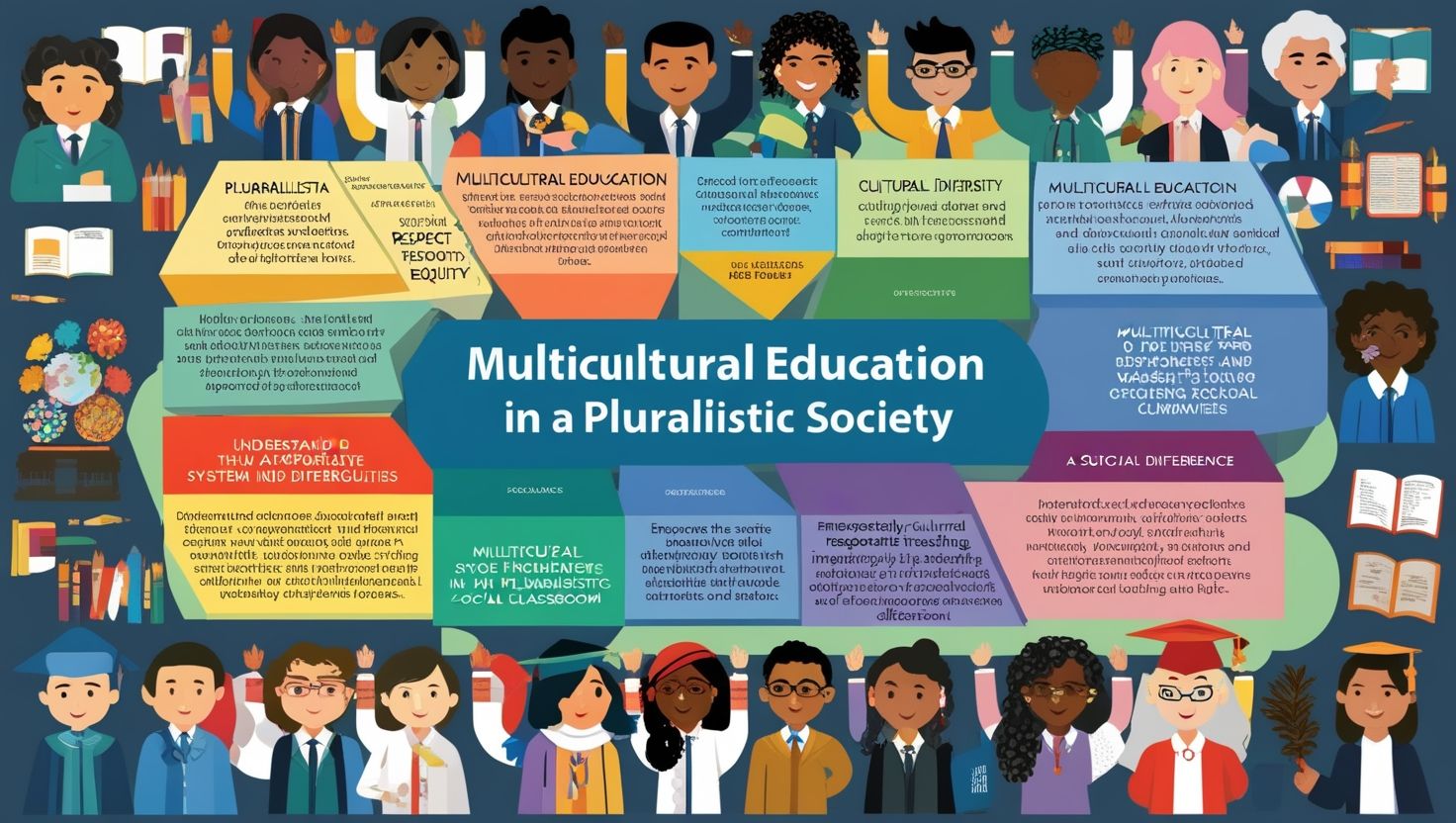
Teachers must manage diverse classrooms where students possess varying cultural backgrounds, learning styles, abilities, and emotional needs. Effective management strategies promote cooperation, responsibility, and academic focus. Moreover, awareness of student mental health has become increasingly important. Teachers should recognize signs of stress, anxiety, or emotional difficulties and provide appropriate support or referrals when necessary.
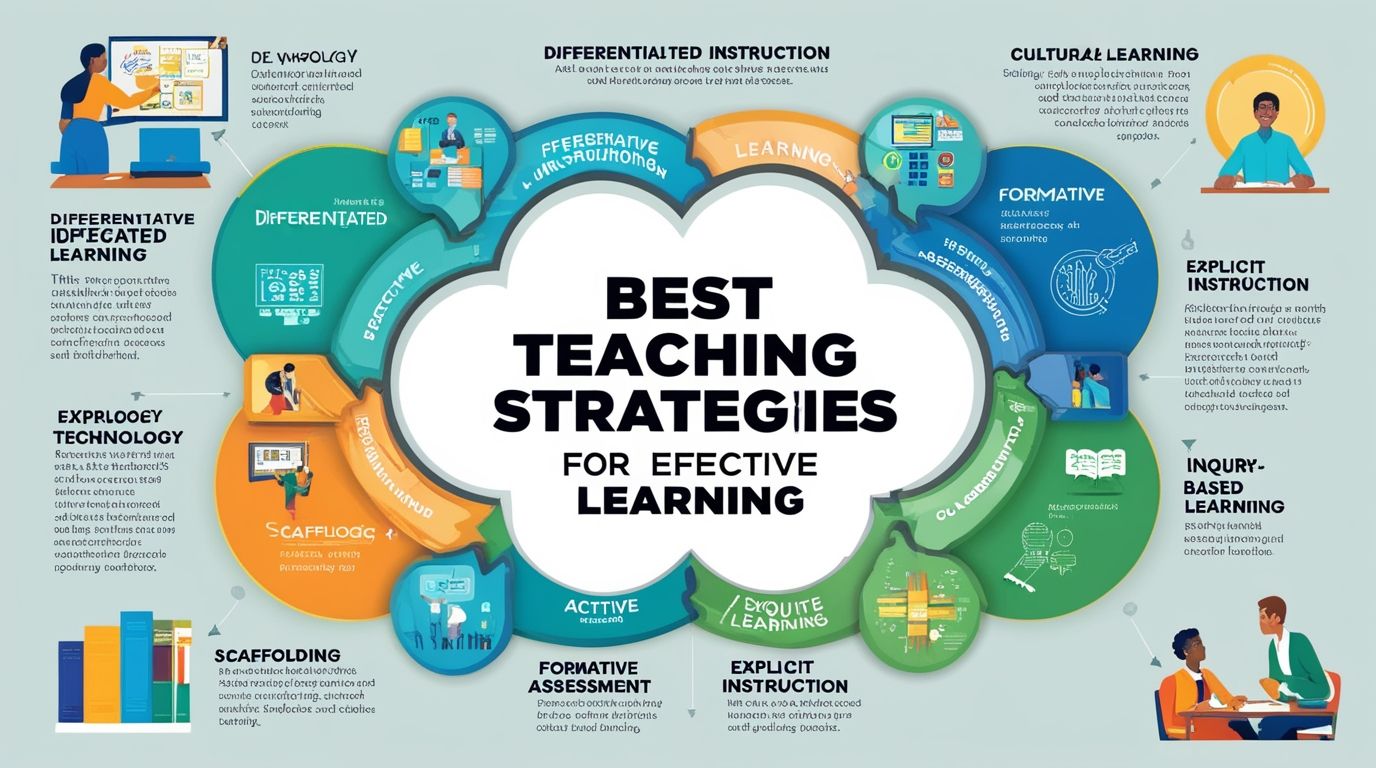
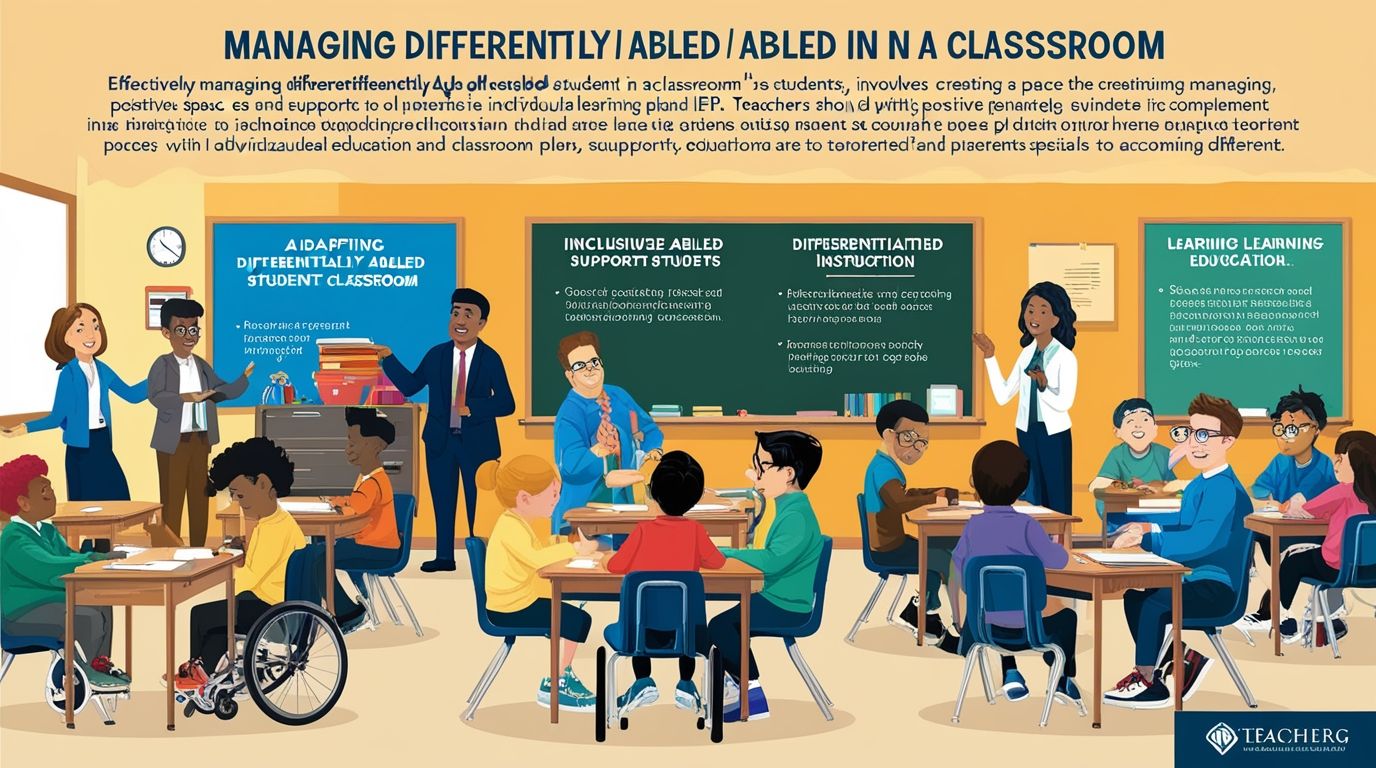
6. Inclusive and Differentiated Instruction
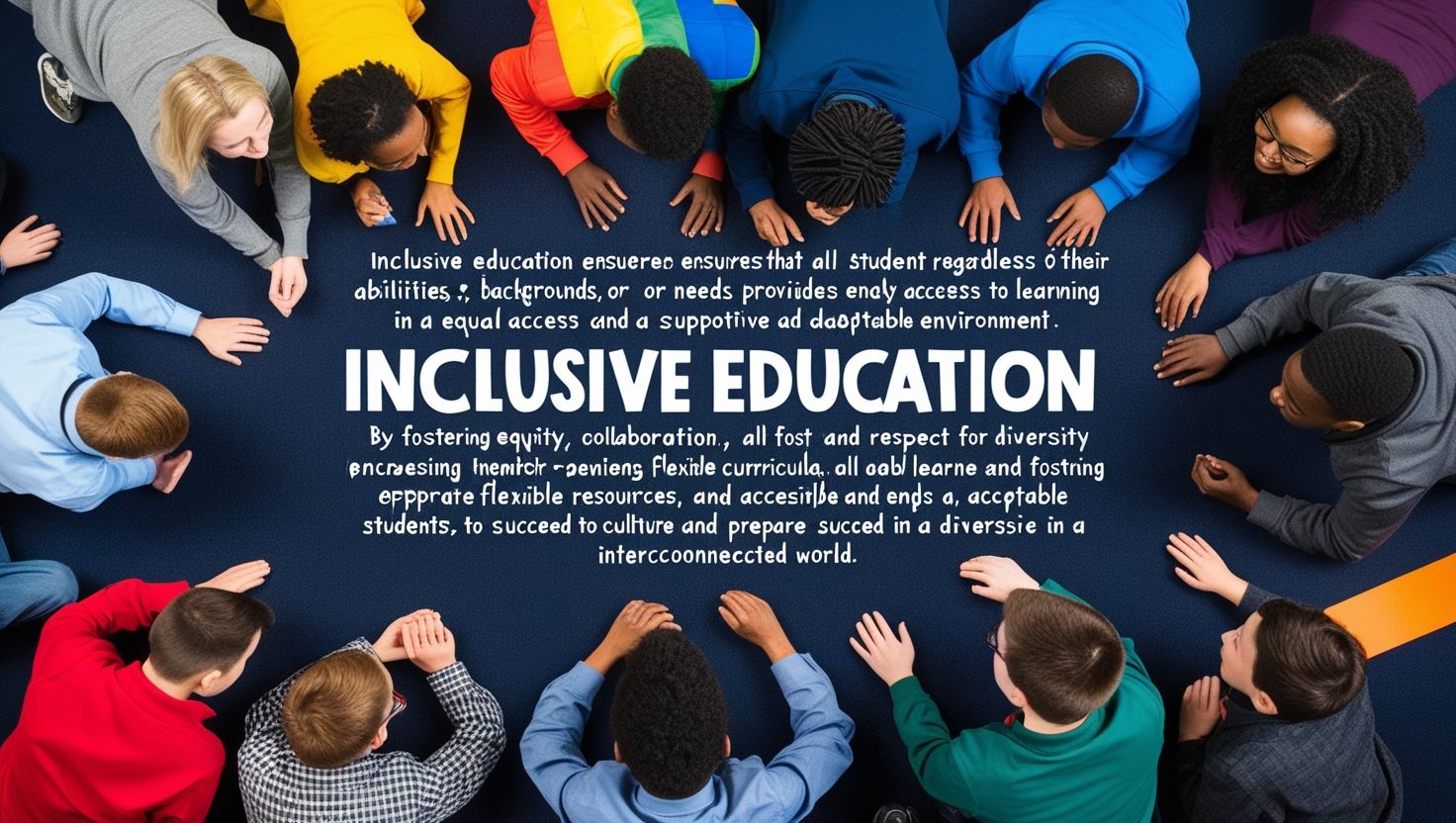
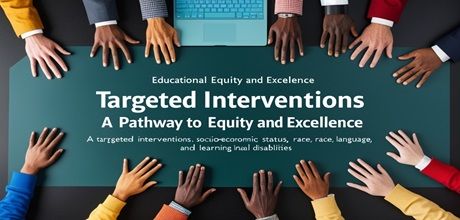
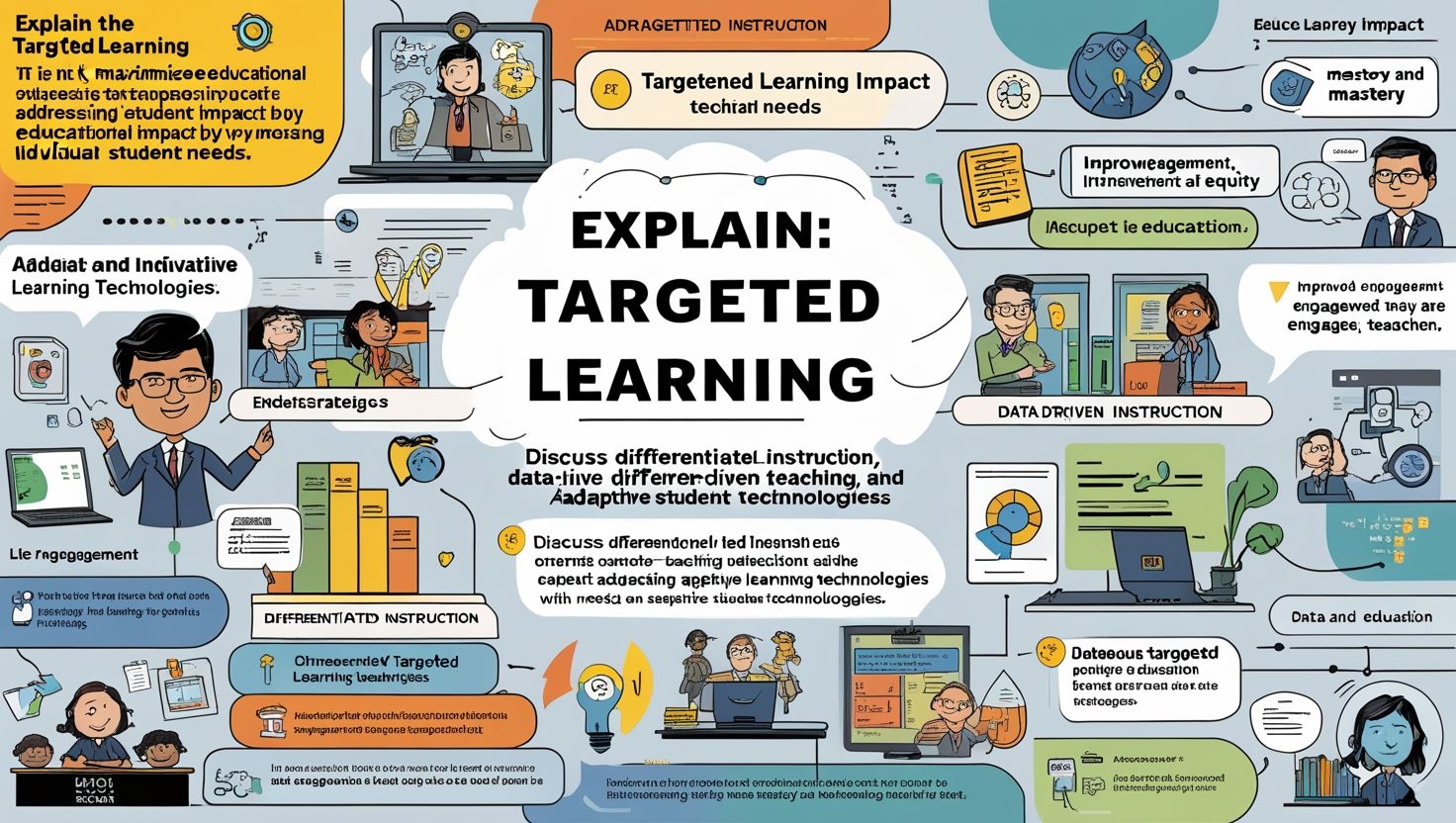
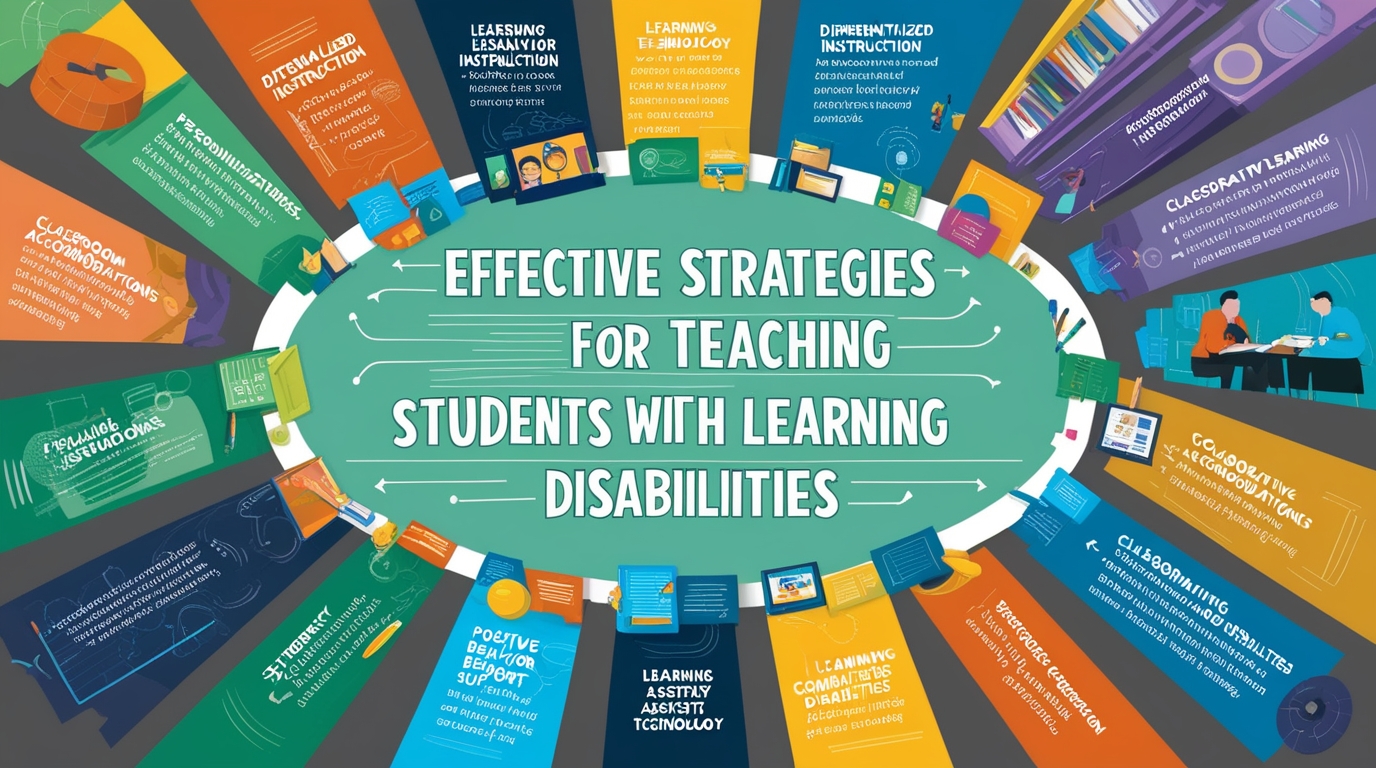
Inclusive education is a major priority in contemporary educational systems. Teachers must possess the ability to accommodate diverse learners, including students with disabilities, language differences, cultural diversity, and varying academic abilities. Differentiated instruction involves modifying:
- Content
- Teaching methods
- Learning activities
- Assessment strategies
- Classroom support systems
Modern teachers recognize that students learn differently. Some learners benefit from visual materials, while others respond better to auditory or kinesthetic approaches. Differentiated instruction ensures equitable learning opportunities for all students. Inclusive teaching practices include:
- Flexible grouping
- Personalized learning plans
- Universal Design for Learning (UDL)
- Assistive technologies
- Culturally responsive pedagogy
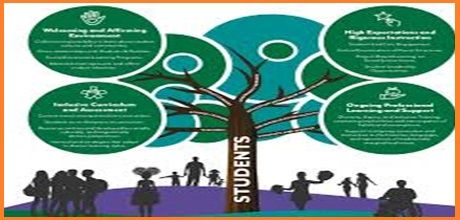
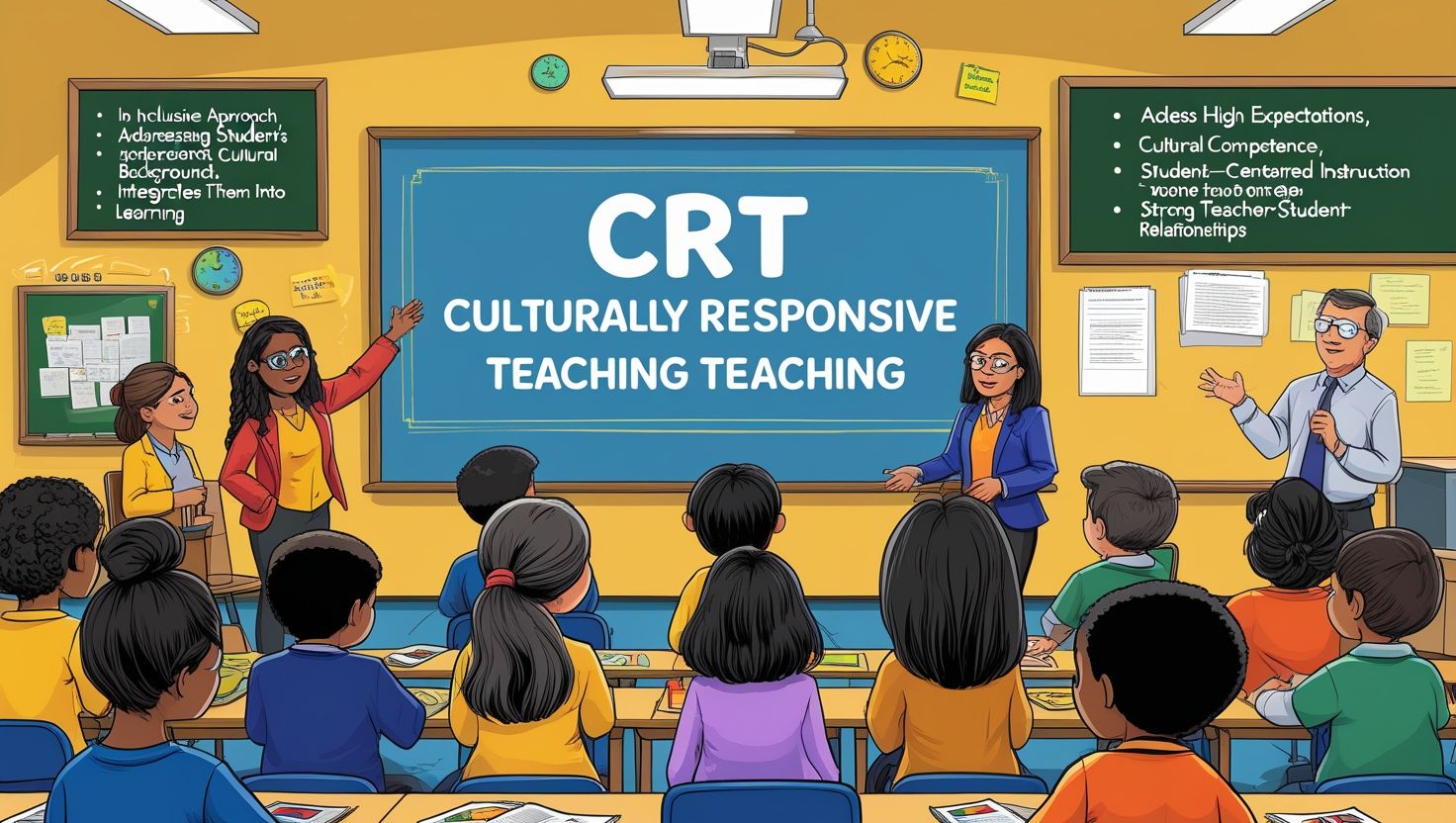
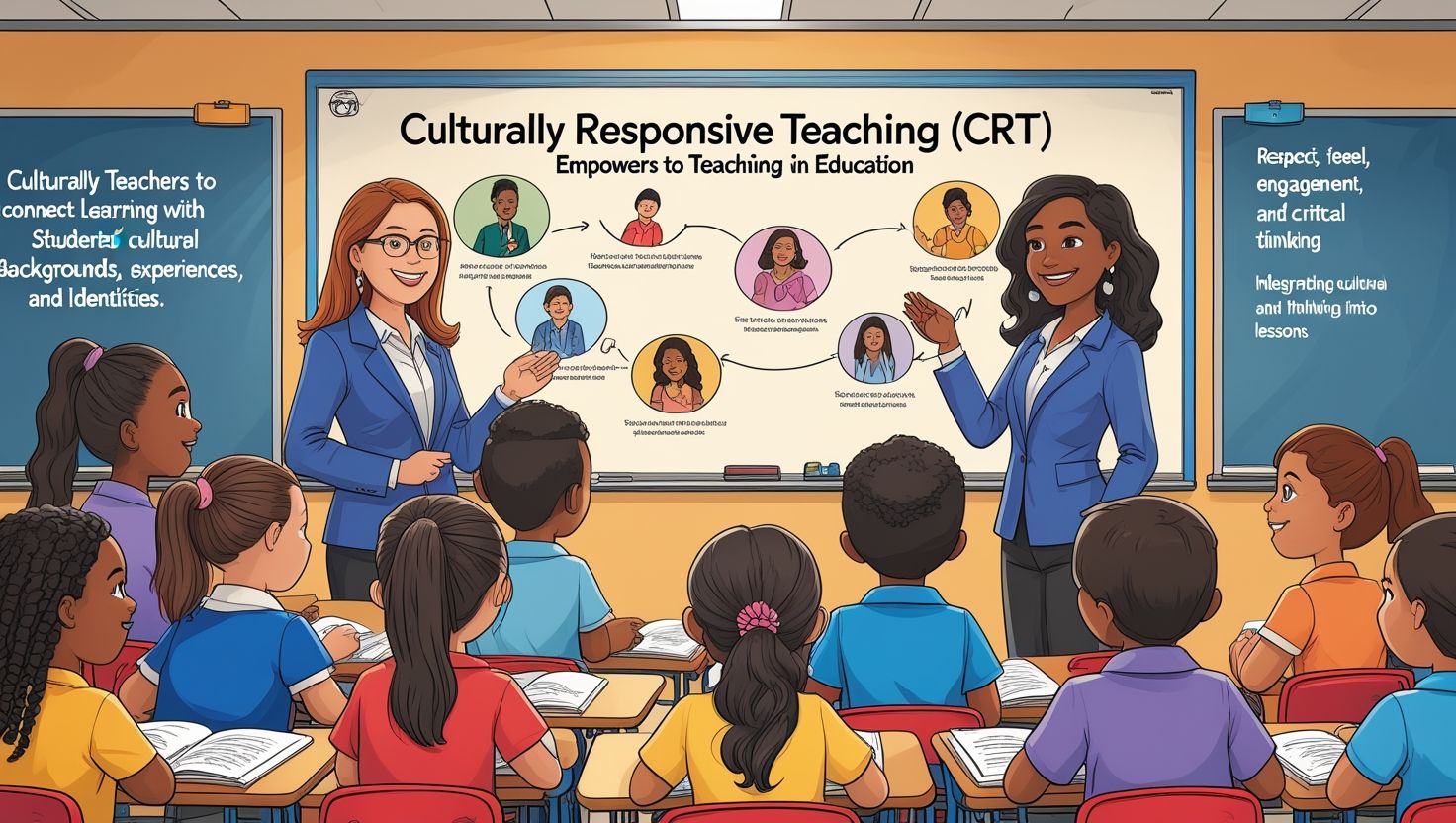
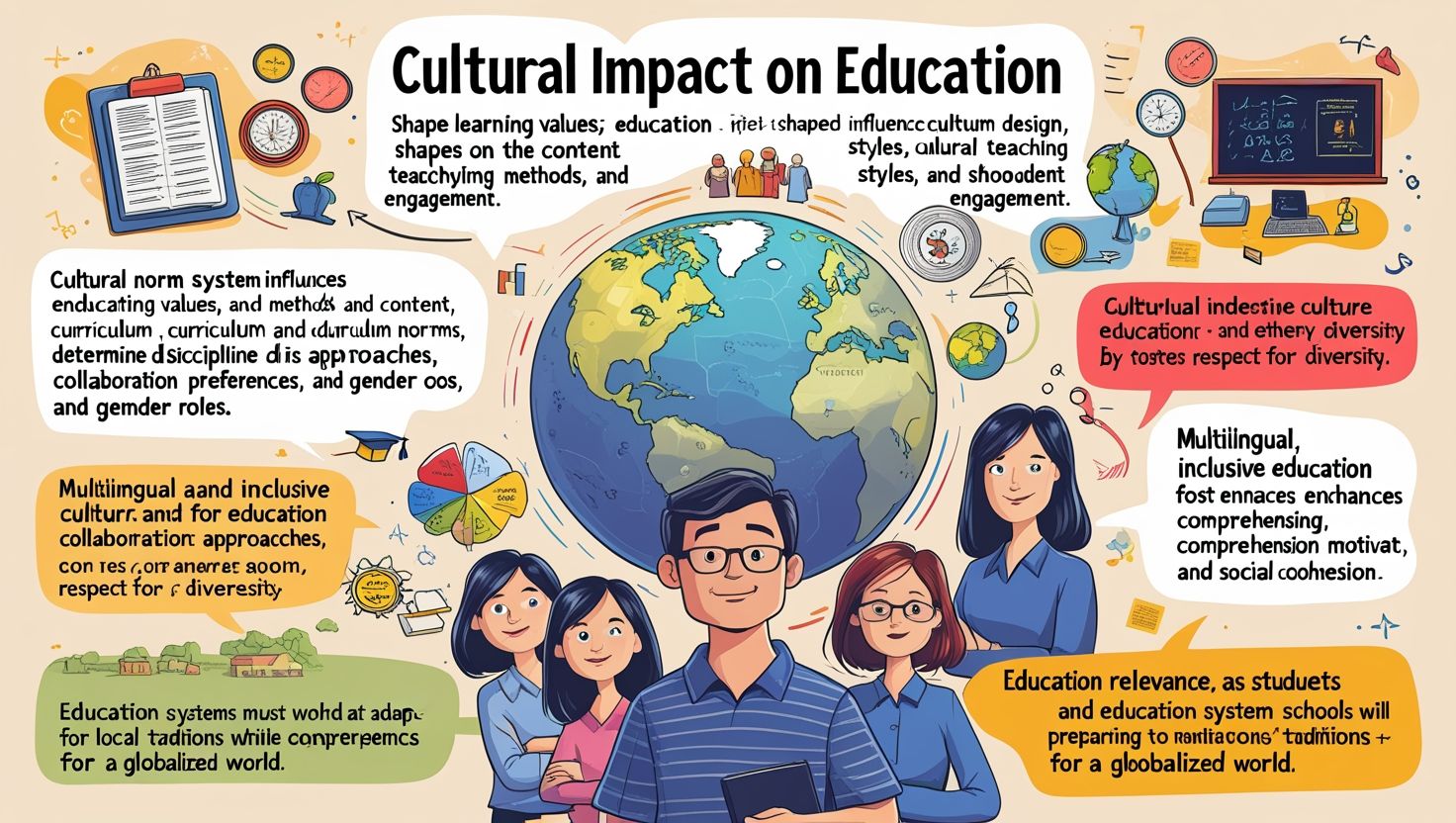
Teachers who apply inclusive strategies create classrooms where every student feels valued, respected, and capable of success. Furthermore, culturally responsive teaching acknowledges student backgrounds, languages, traditions, and experiences as valuable educational resources. Such practices strengthen learner identity and classroom engagement.
Creativity and Innovation in Teaching
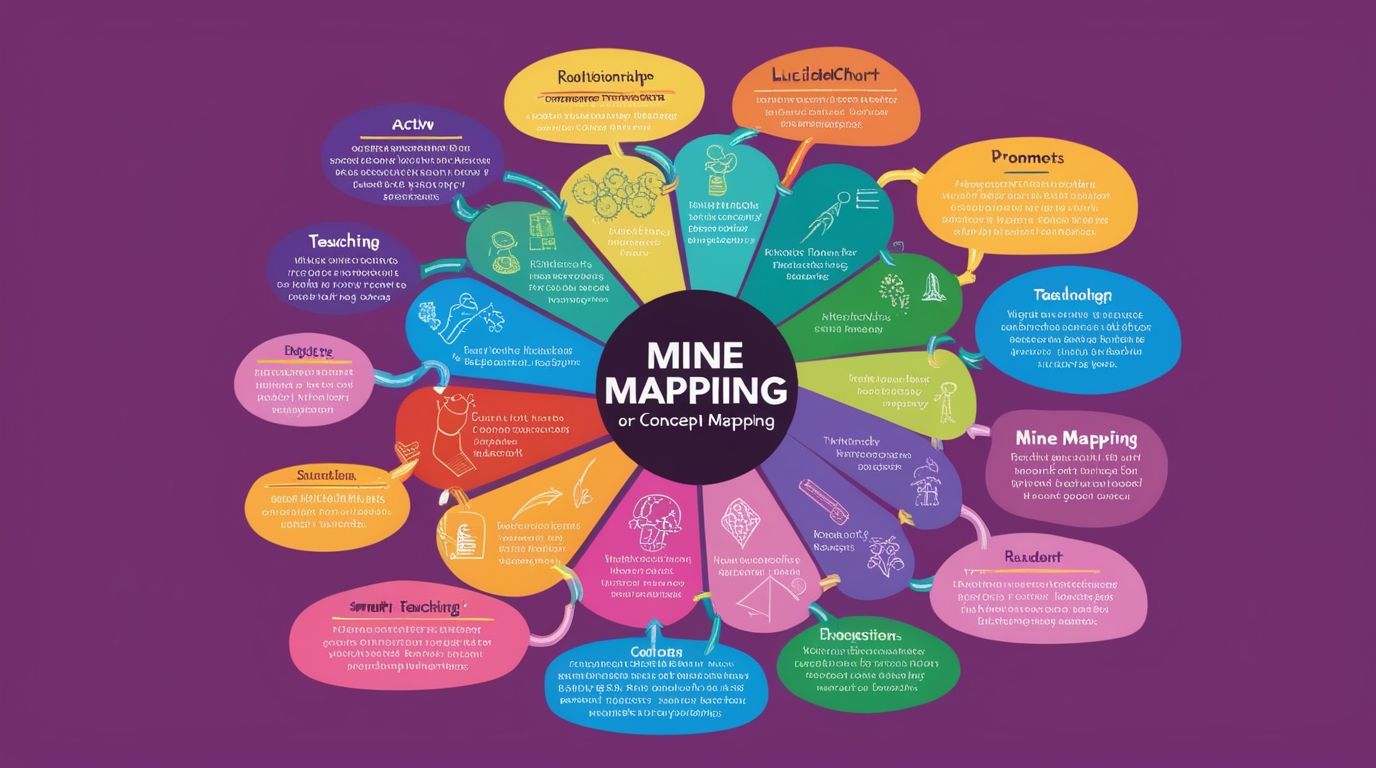
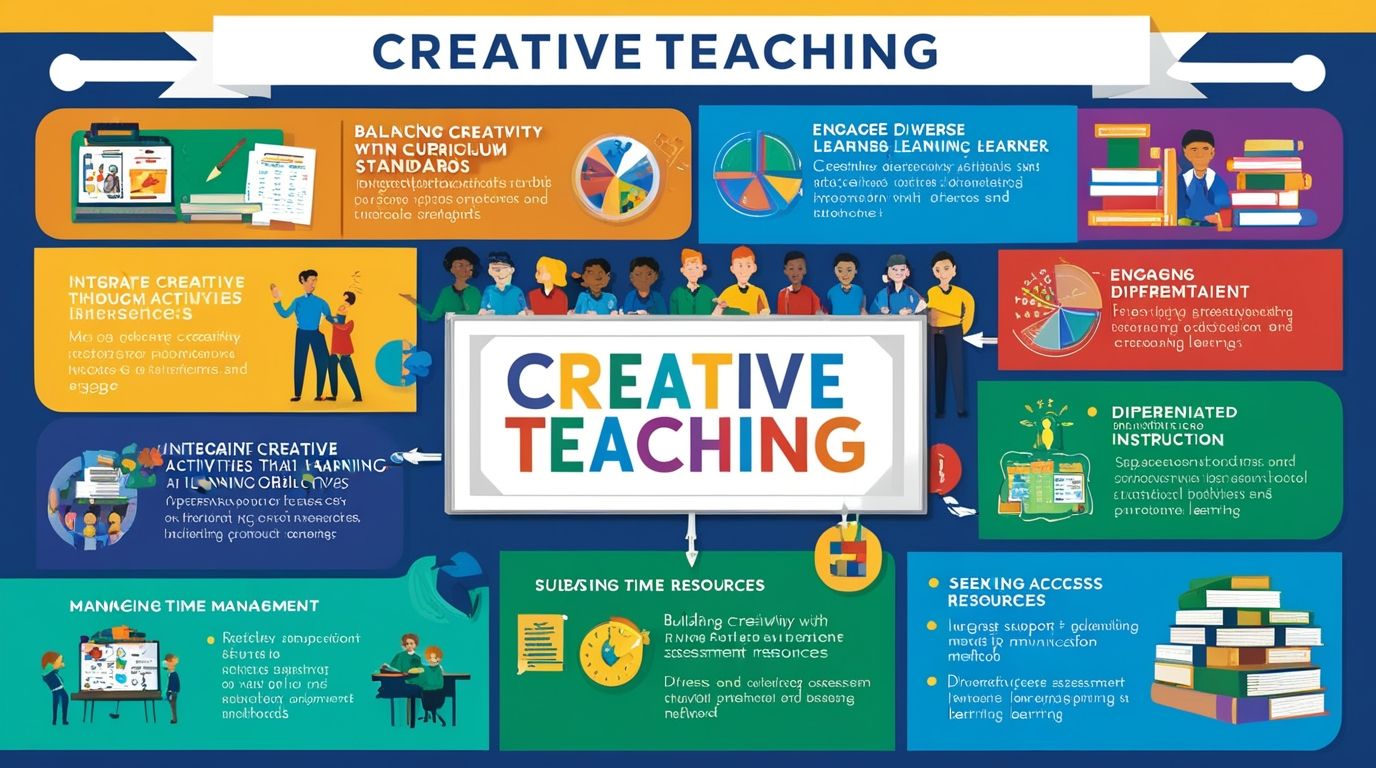
Creativity has become an essential teaching skill in modern education. Innovative teachers design engaging learning experiences that stimulate curiosity, imagination, and exploration. Creative teaching methods include:
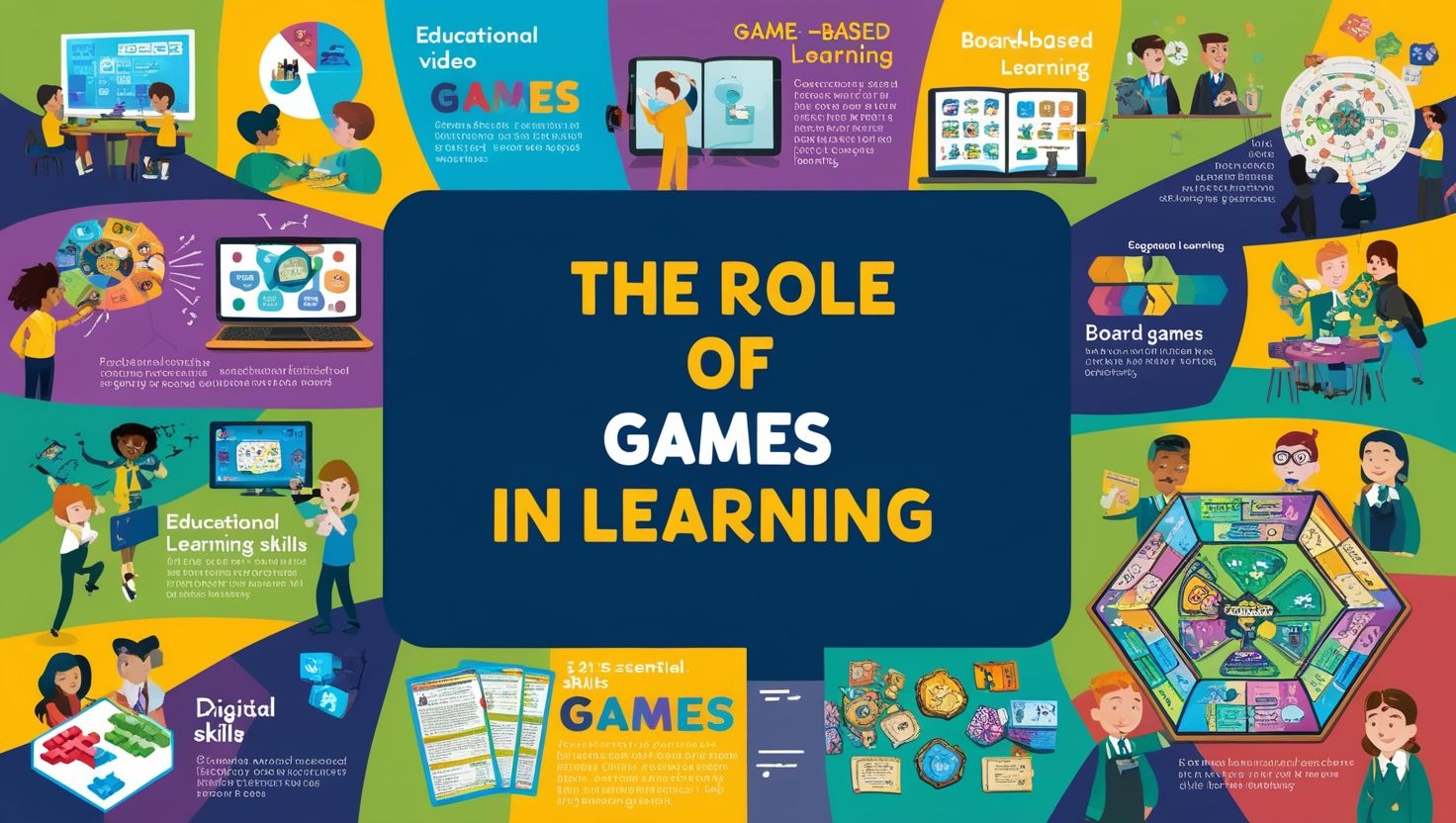
- Gamification
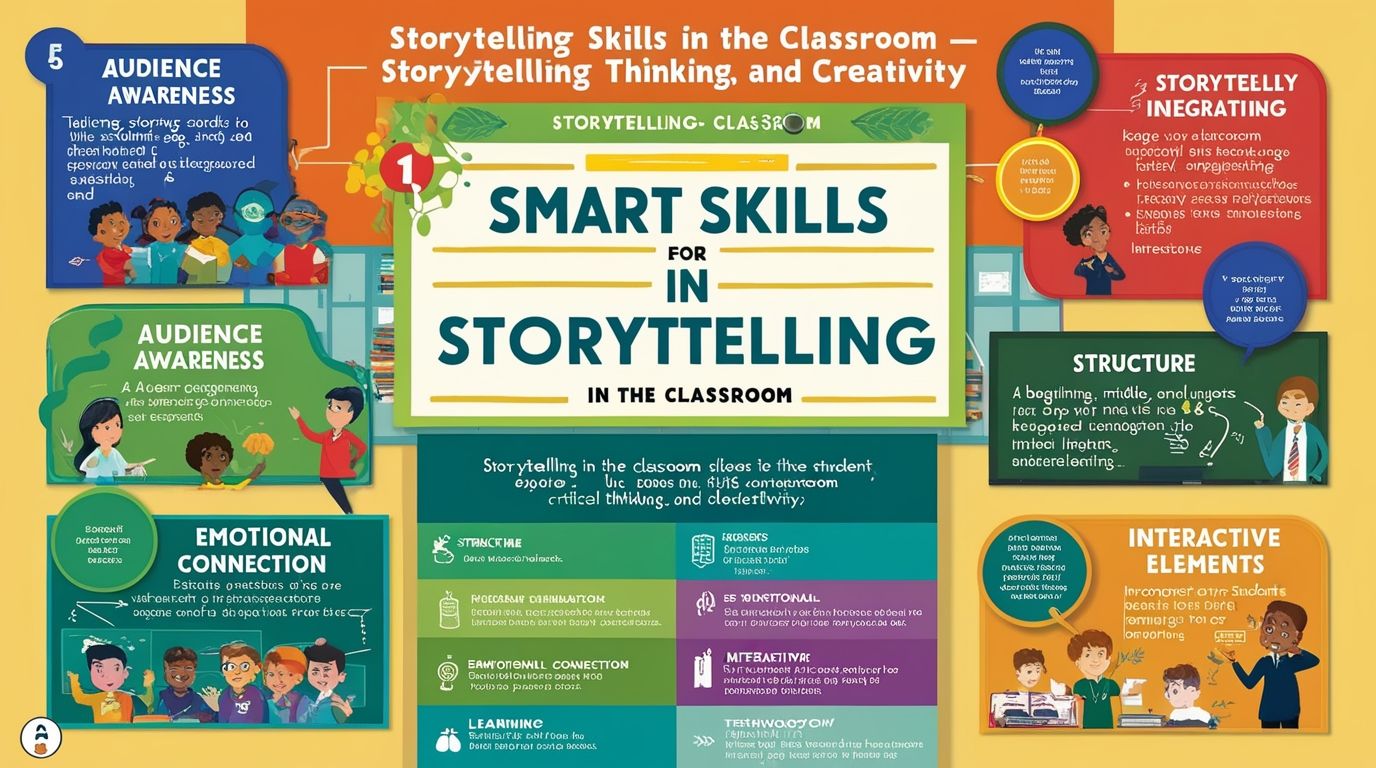
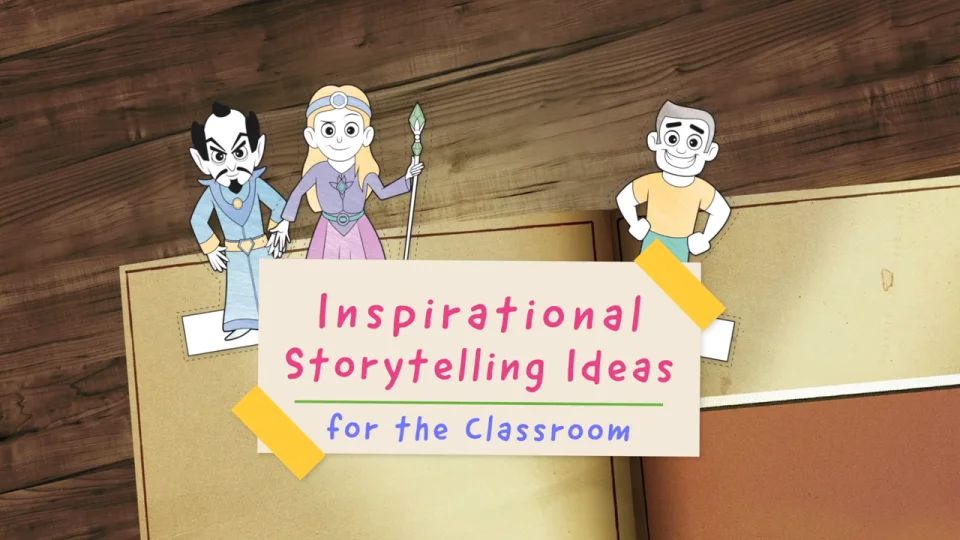
- Storytelling
- Simulation activities
- Design thinking
- Arts integration
- Experiential learning
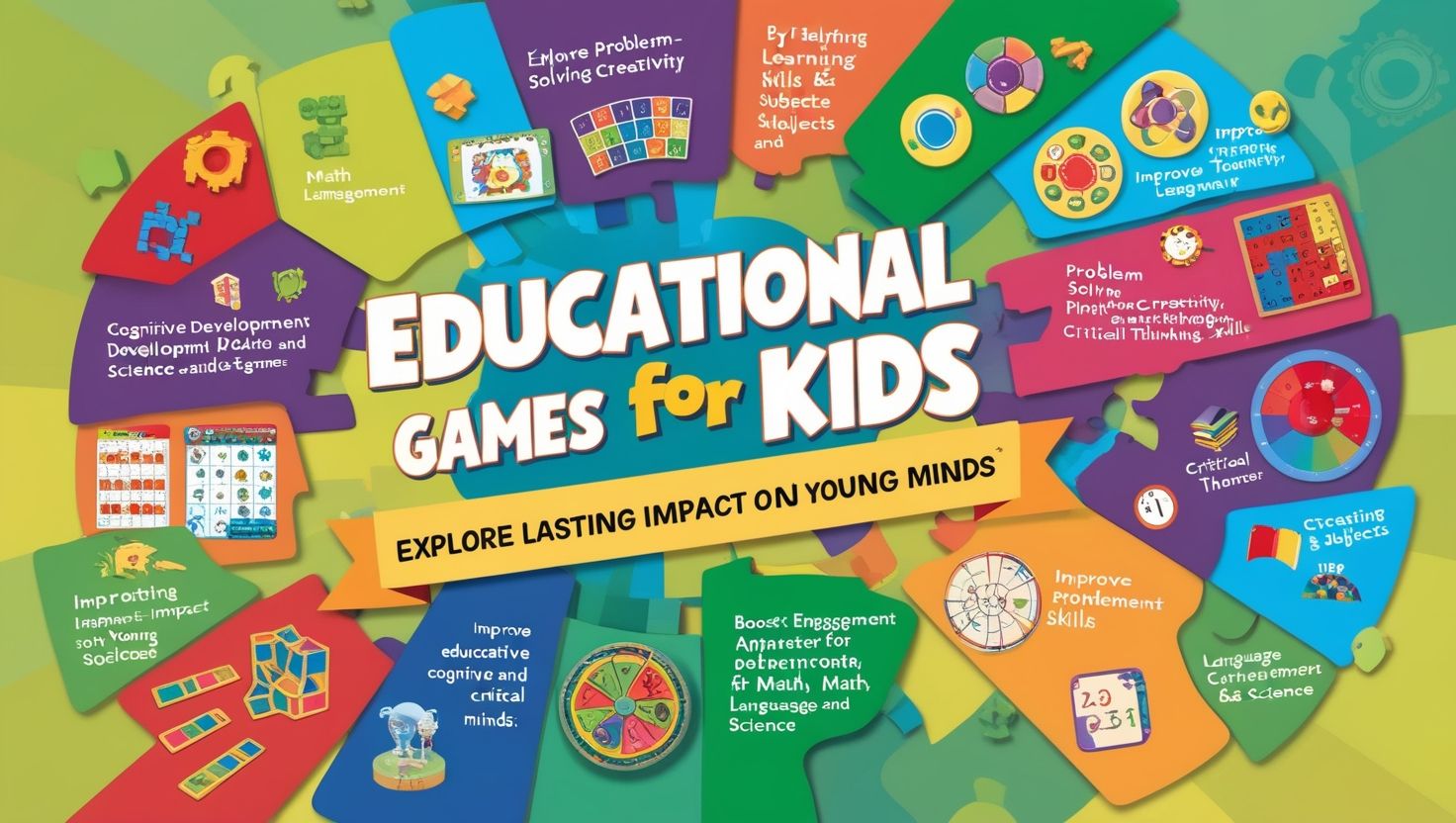
Gamified learning environments motivate students through challenges, rewards, and interactive participation. Educational games make learning enjoyable while reinforcing academic concepts. Similarly, storytelling helps students connect emotionally with subject matter, improving comprehension and retention. Teachers who use creative instructional strategies can transform ordinary lessons into memorable learning experiences.
Innovation also involves adapting teaching practices to emerging educational trends and technologies. Teachers should continuously experiment with new methods and reflect on instructional effectiveness. Creative classrooms encourage students to become innovators, inventors, and problem-solvers rather than passive recipients of information.
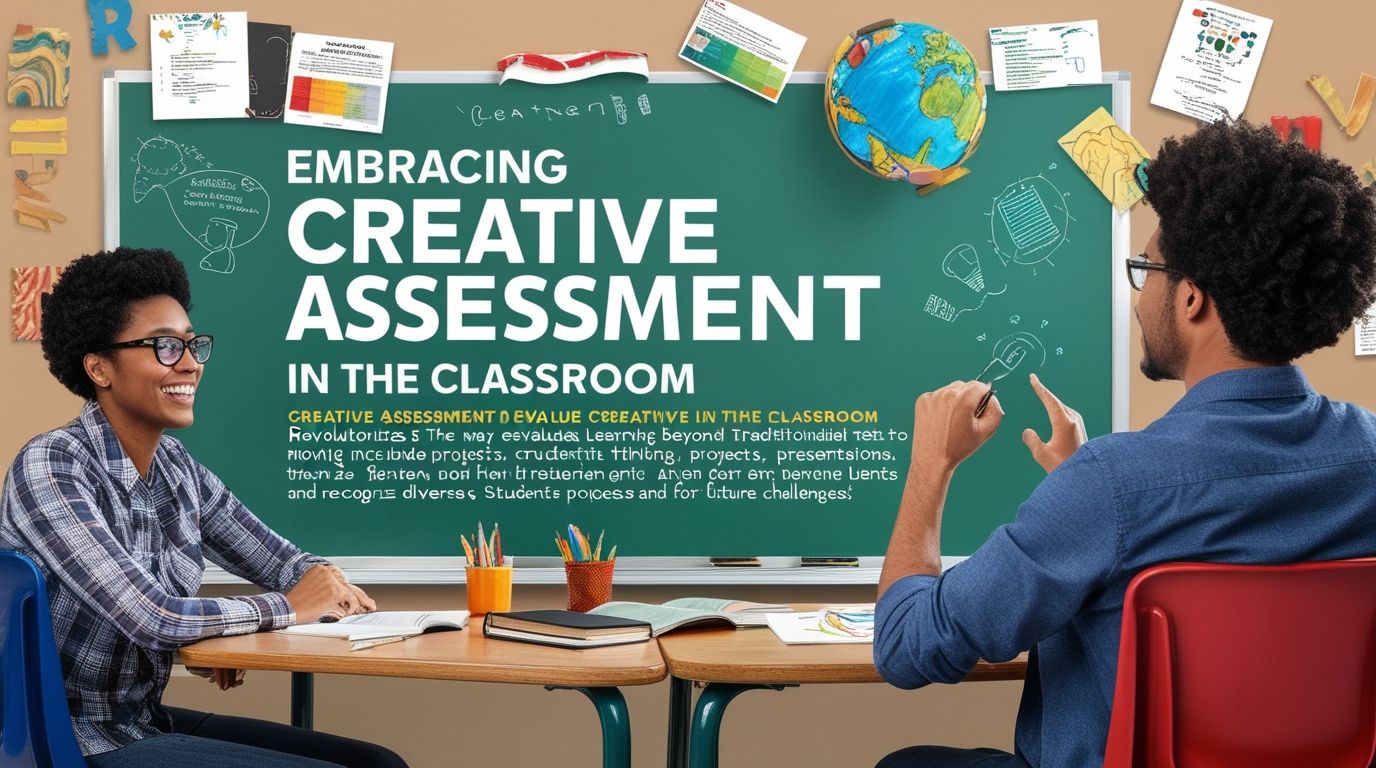
Assessment and Feedback Skills
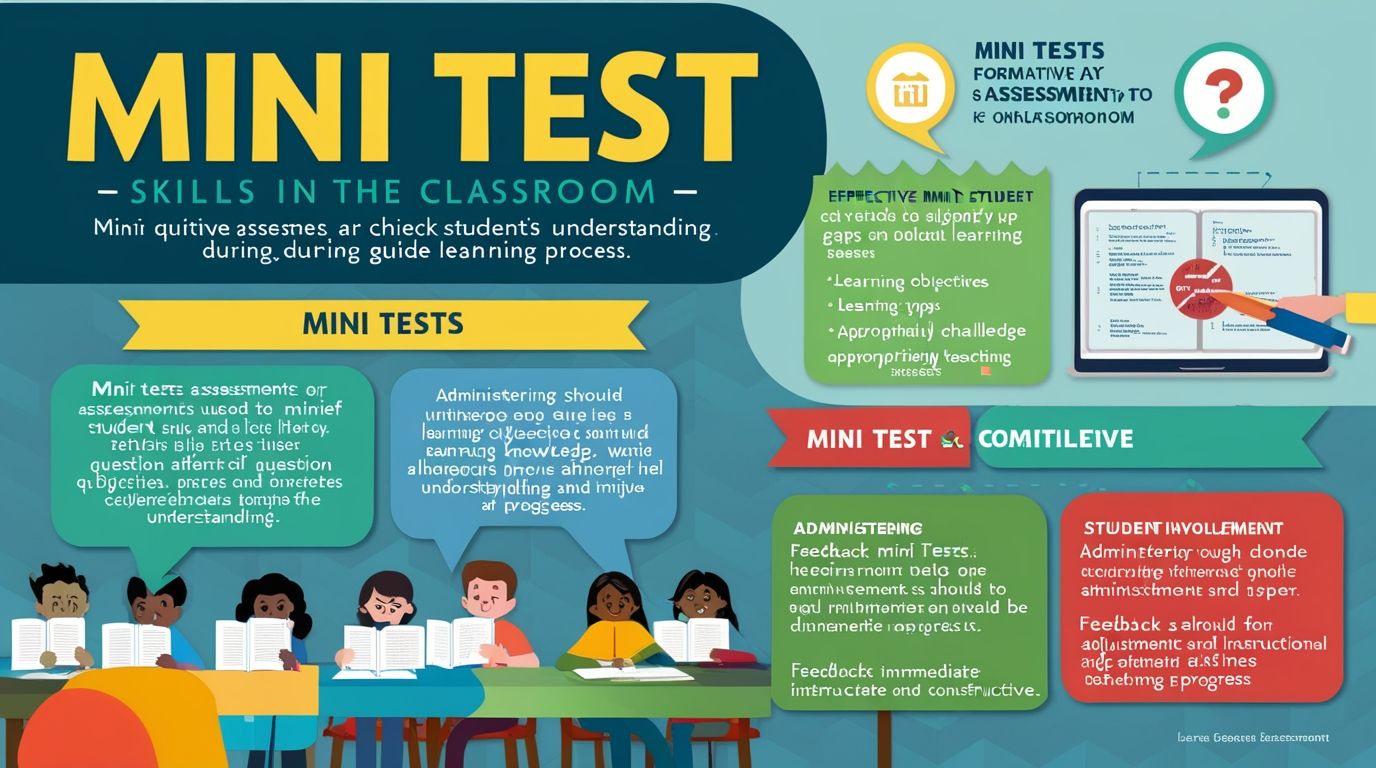
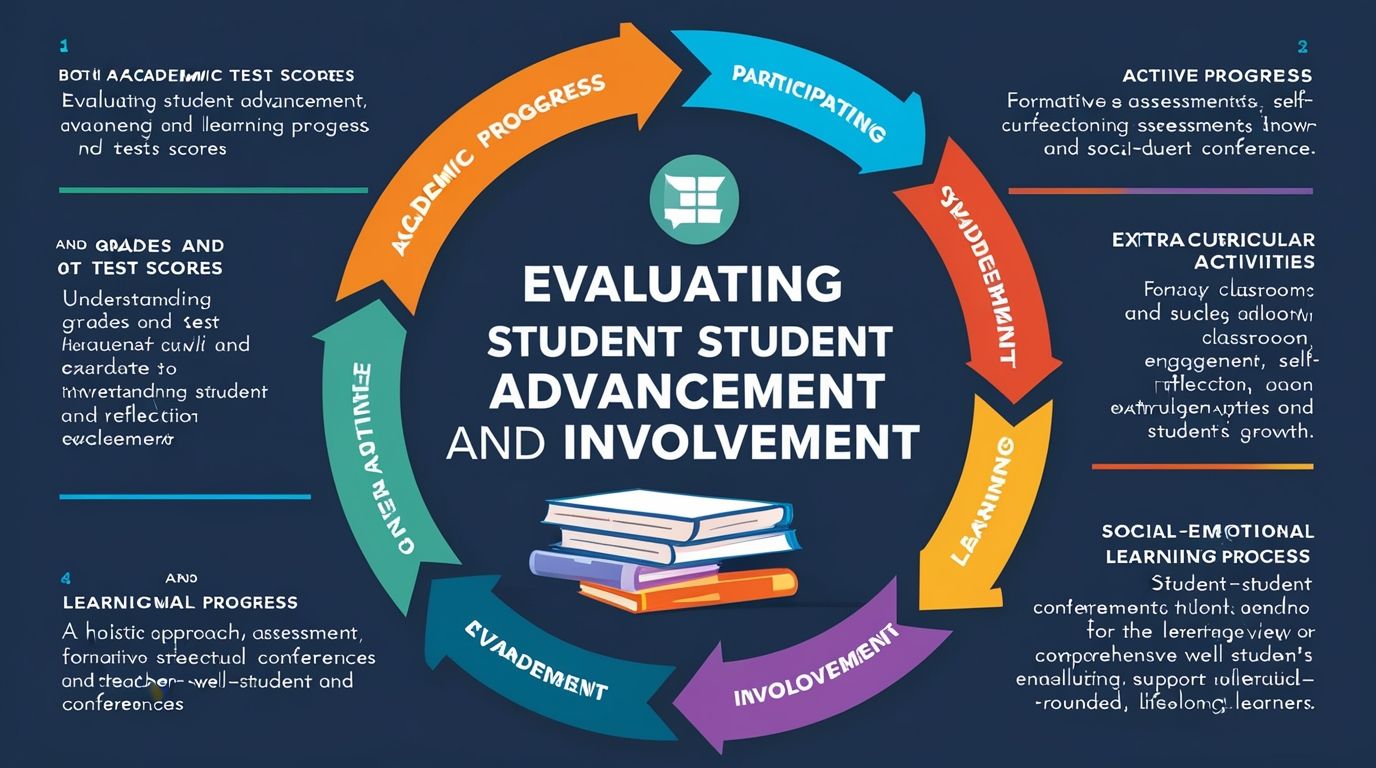
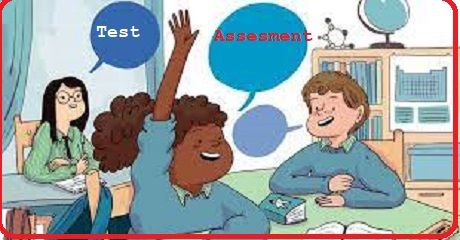
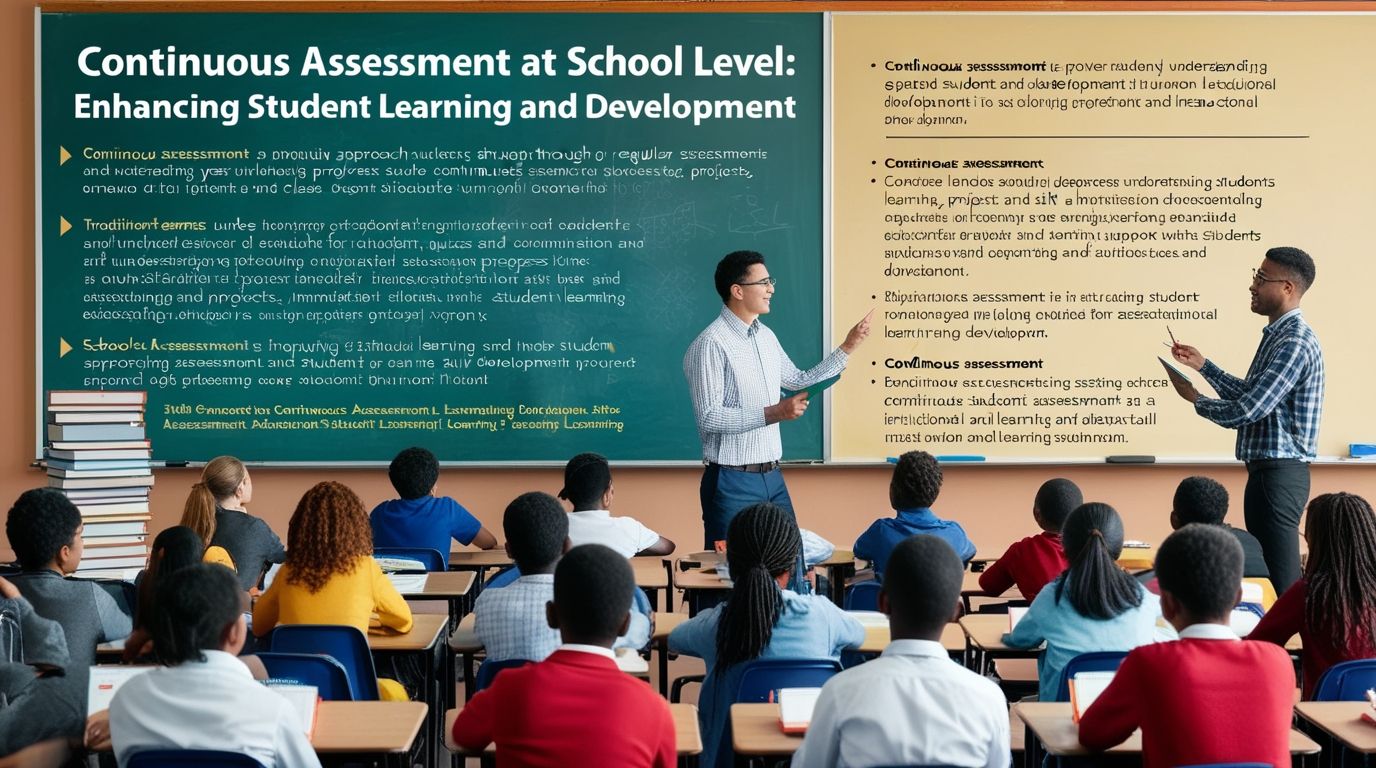
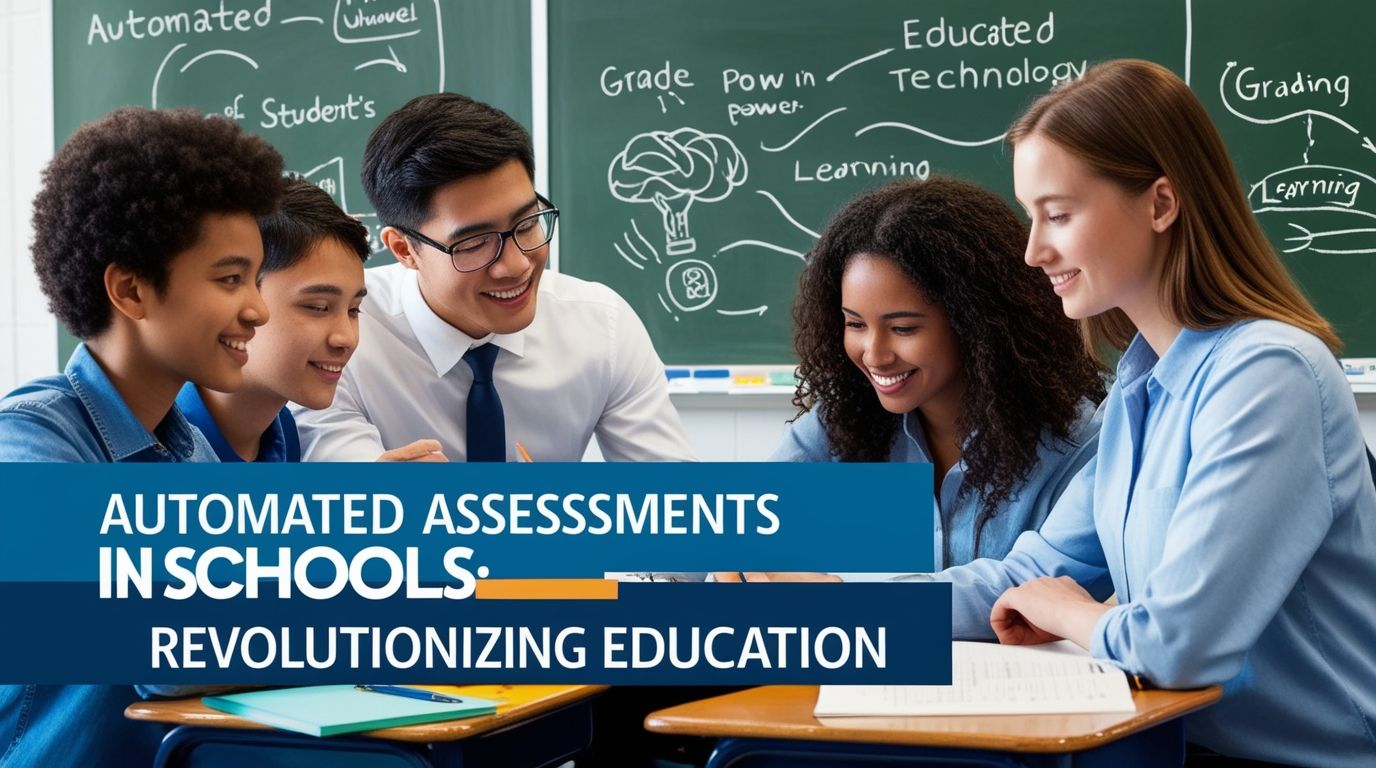
Assessment in modern classrooms extends beyond traditional examinations. Contemporary teaching emphasizes formative assessment, continuous feedback, and authentic evaluation methods. Modern assessment skills include:
- Designing performance-based tasks
- Conducting formative assessments
- Using digital assessment tools
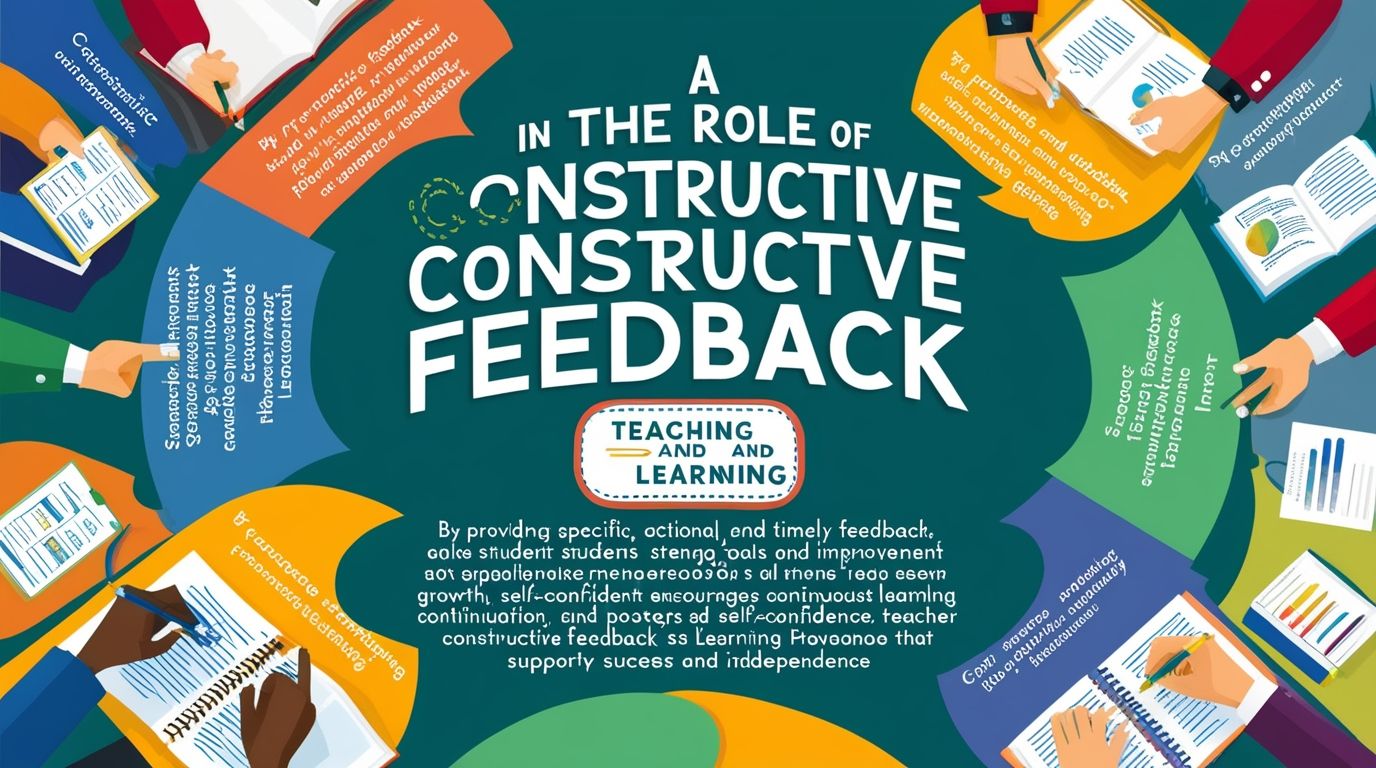
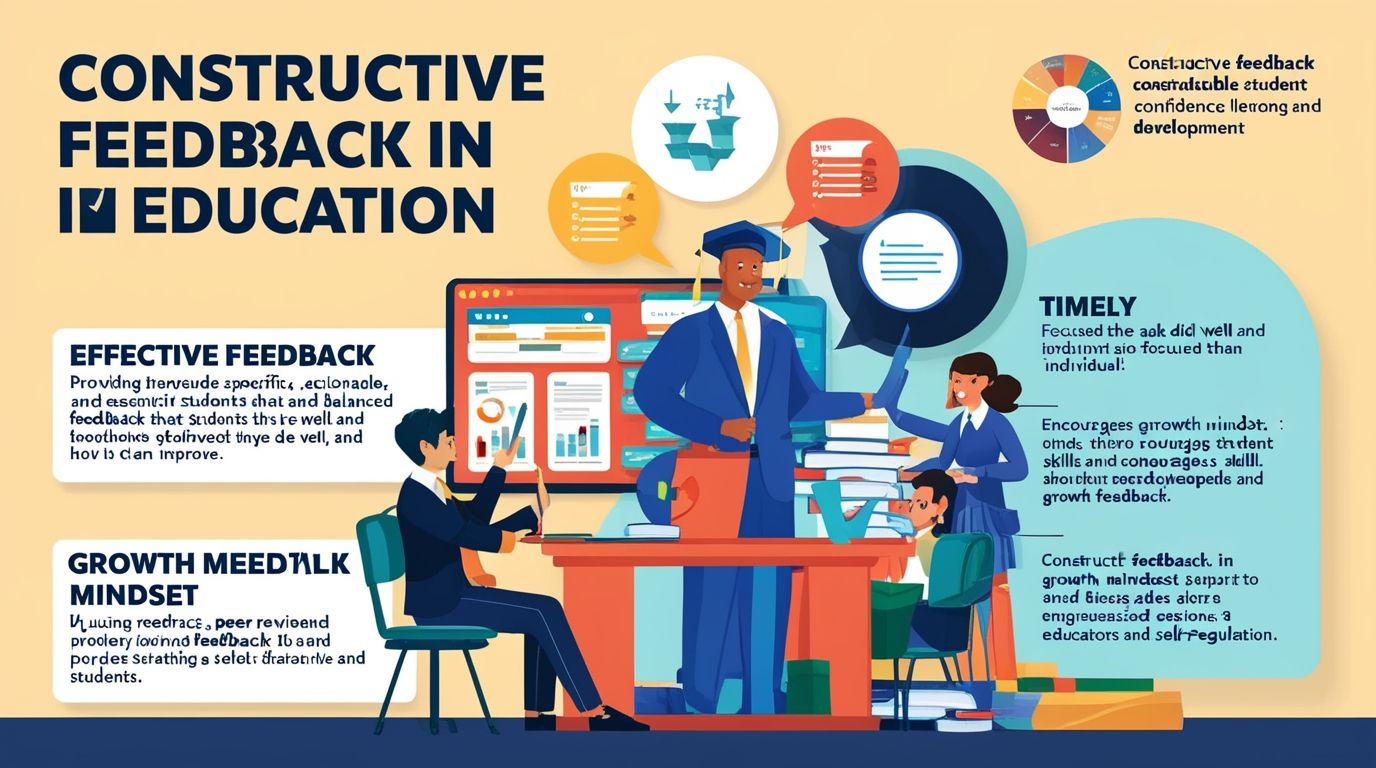
- Providing constructive feedback
- Analyzing student learning data
Teachers now use quizzes, portfolios, presentations, peer assessments, projects, and reflective journals to evaluate learning comprehensively.
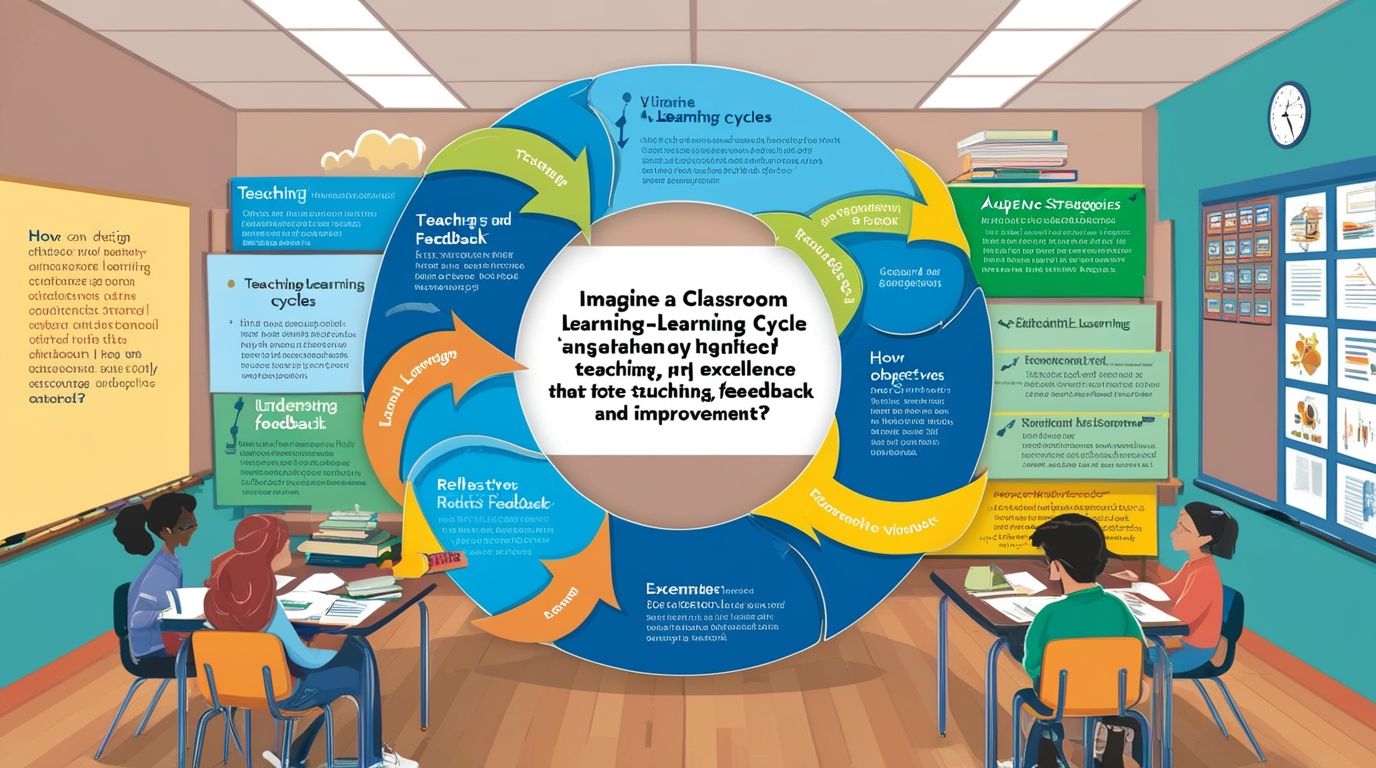
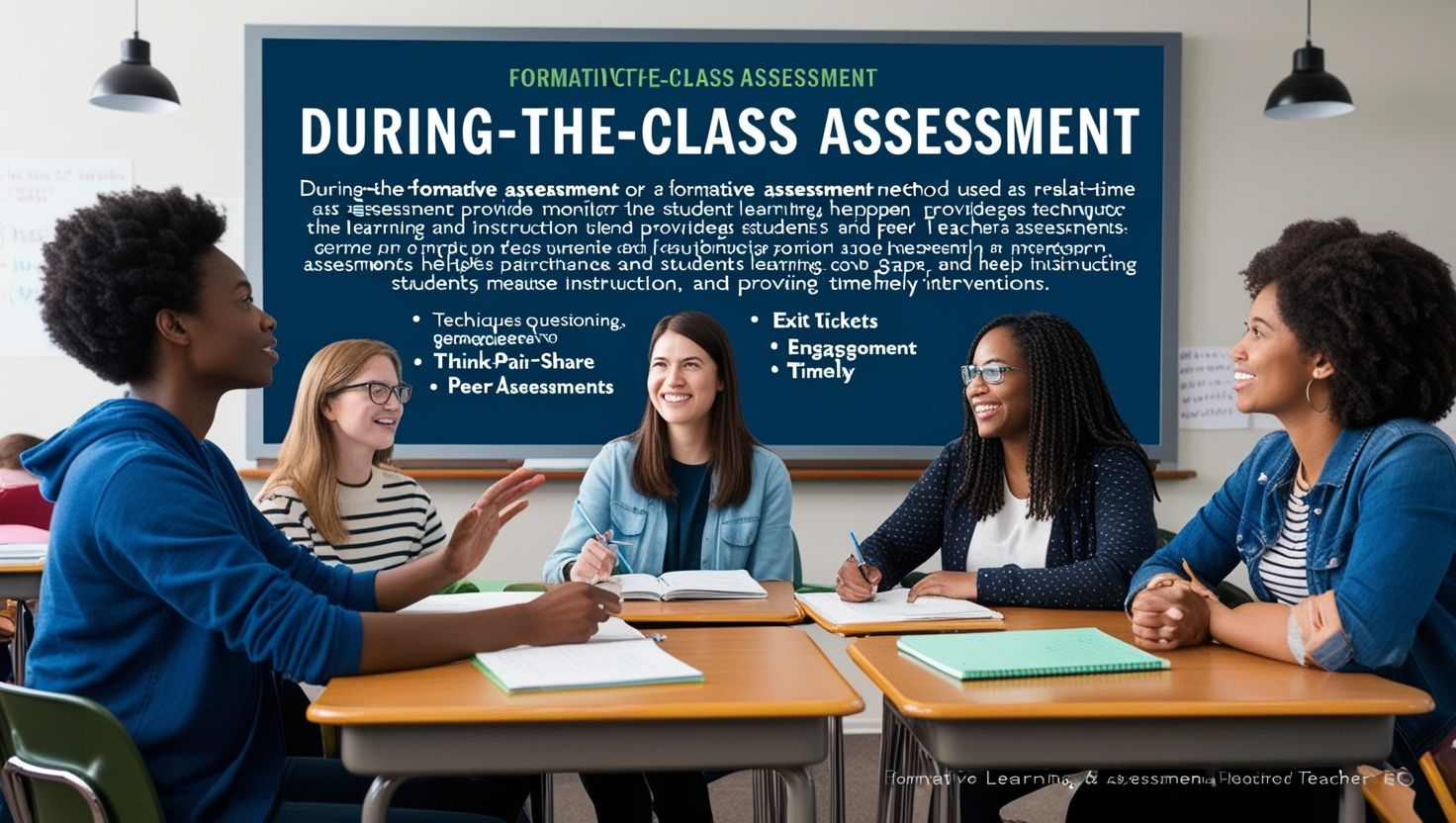
Formative assessment allows teachers to monitor student progress continuously and adjust instruction accordingly. Immediate feedback helps learners identify strengths and areas for improvement. Digital assessment platforms also provide real-time analytics that support personalized instruction and educational decision-making. Effective feedback should be:
- Timely
- Specific
- Encouraging
- Action-oriented
Assessment should support learning rather than merely measure performance. Modern teachers therefore use assessment as a tool for growth and improvement.
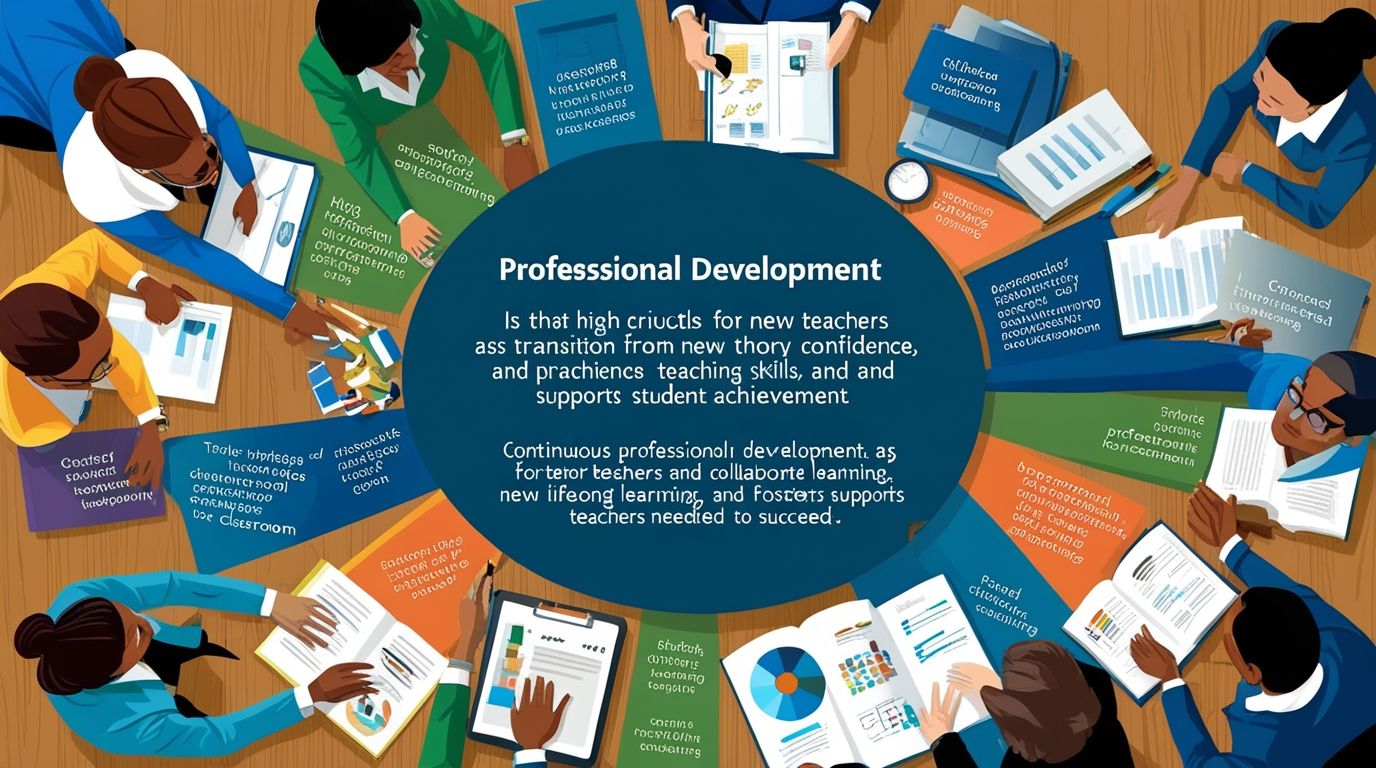
Lifelong Learning and Professional Development
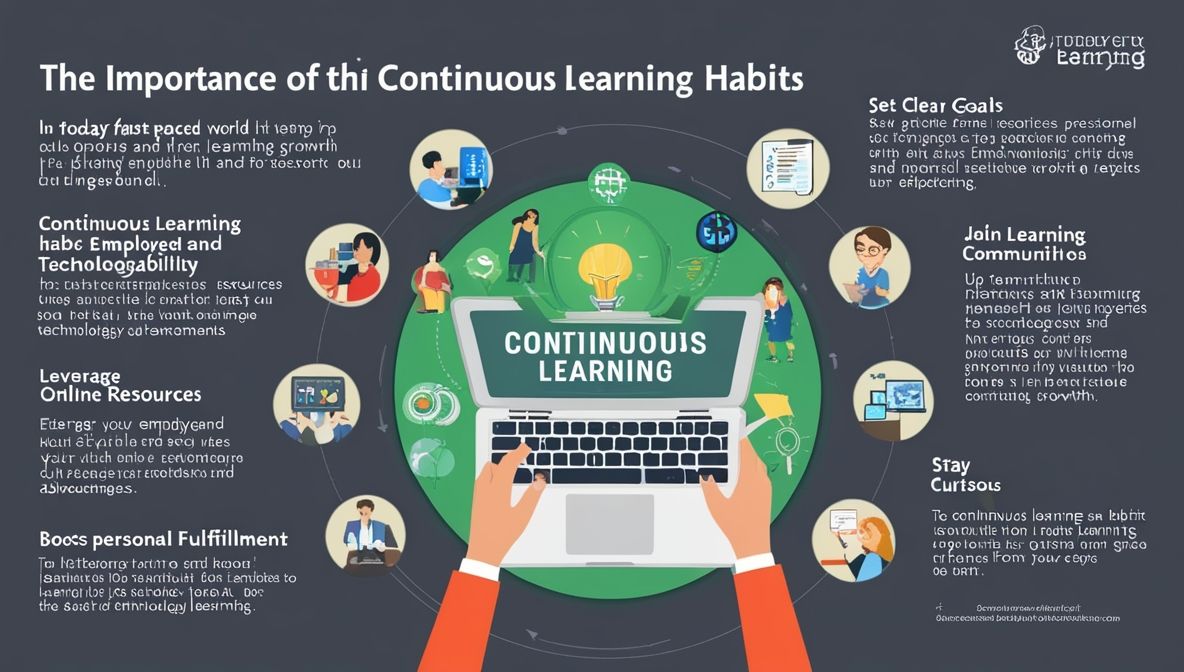
The rapidly changing educational landscape requires teachers to become lifelong learners. Professional competence cannot remain static because educational technologies, methodologies, and societal expectations continue to evolve. Modern teachers must engage in:
- Continuous professional development
- Educational research
- Reflective practice
- Skill enhancement workshops
- Professional learning communities
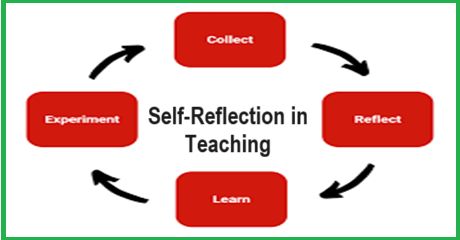
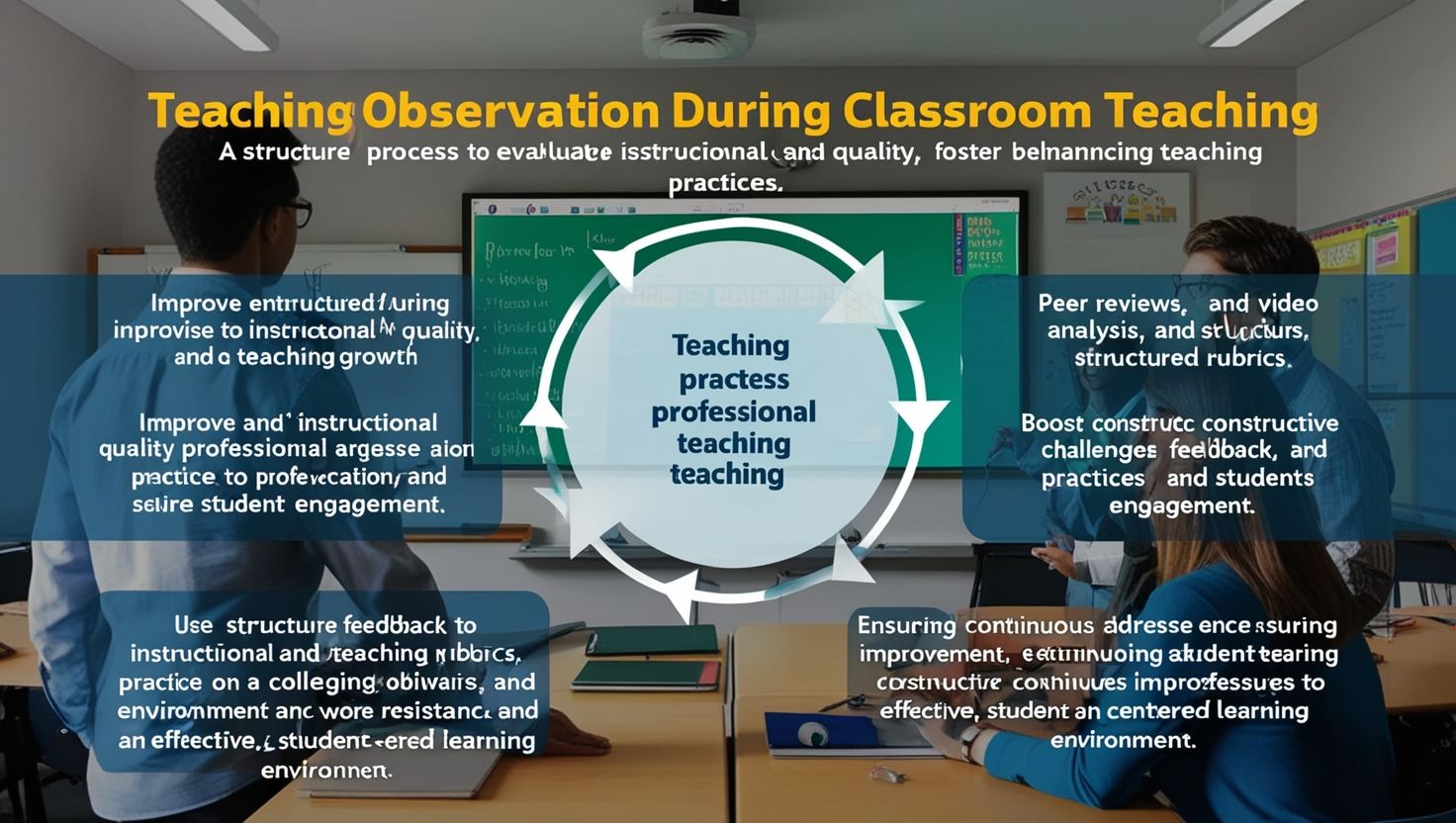
Reflective teaching helps educators evaluate instructional effectiveness and identify areas for improvement. Teachers who regularly analyze their classroom practices become more adaptive and innovative. Professional development programs should focus on:
- Digital pedagogy
- Inclusive education
- Educational leadership
- Artificial intelligence in education
- Mental health awareness
- Research-based instruction
Educational institutions must support teacher development through training opportunities, mentoring programs, and collaborative learning environments. Lifelong learning not only improves teacher effectiveness but also models intellectual curiosity and growth for students.
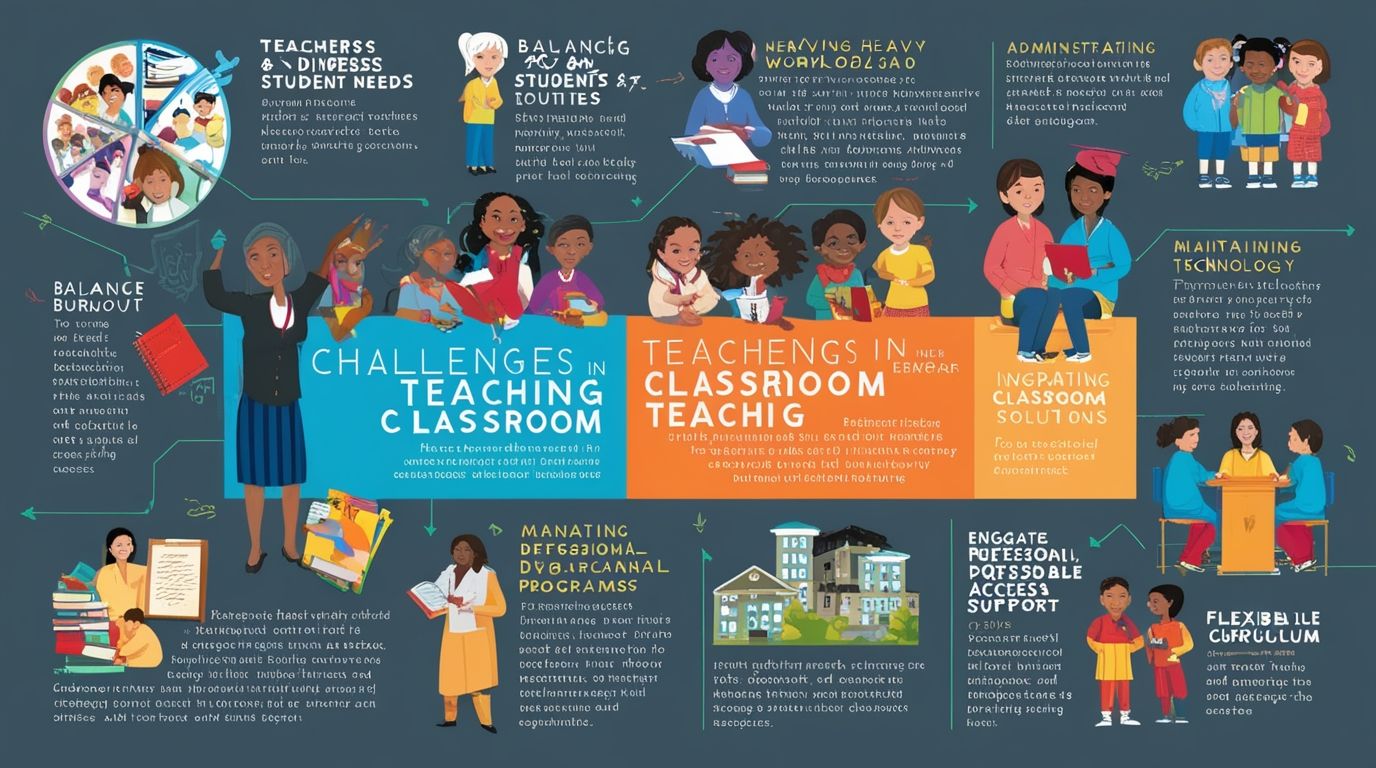
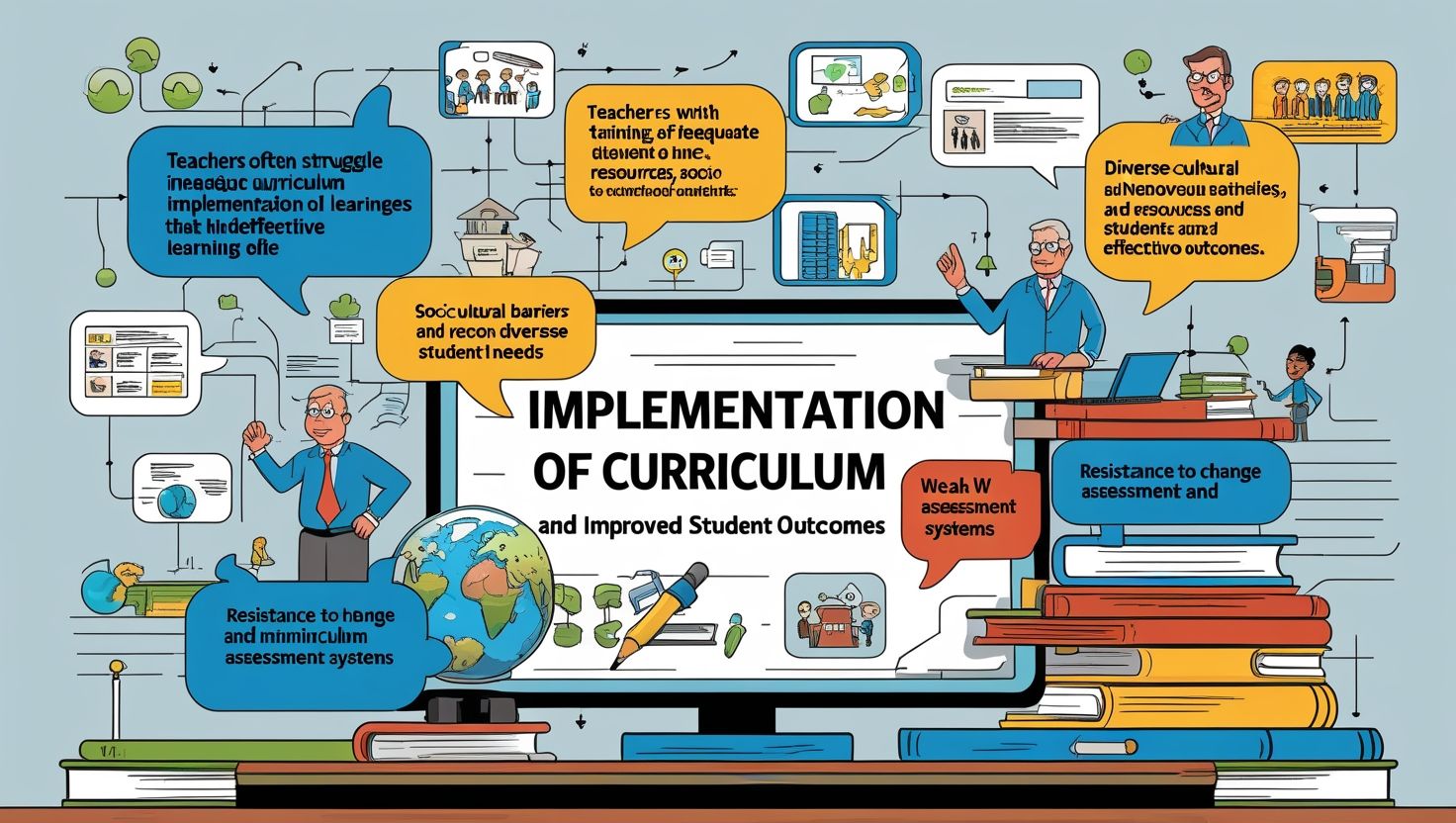
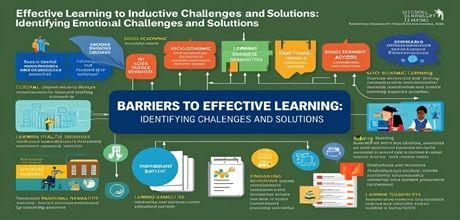
Challenges in Adopting Modern Teaching Skills
Despite the importance of modern teaching skills, several challenges hinder their implementation.
Common challenges include:
- Limited technological resources
- Inadequate teacher training
- Resistance to change
- Large classroom sizes
- Time constraints
- Insufficient institutional support
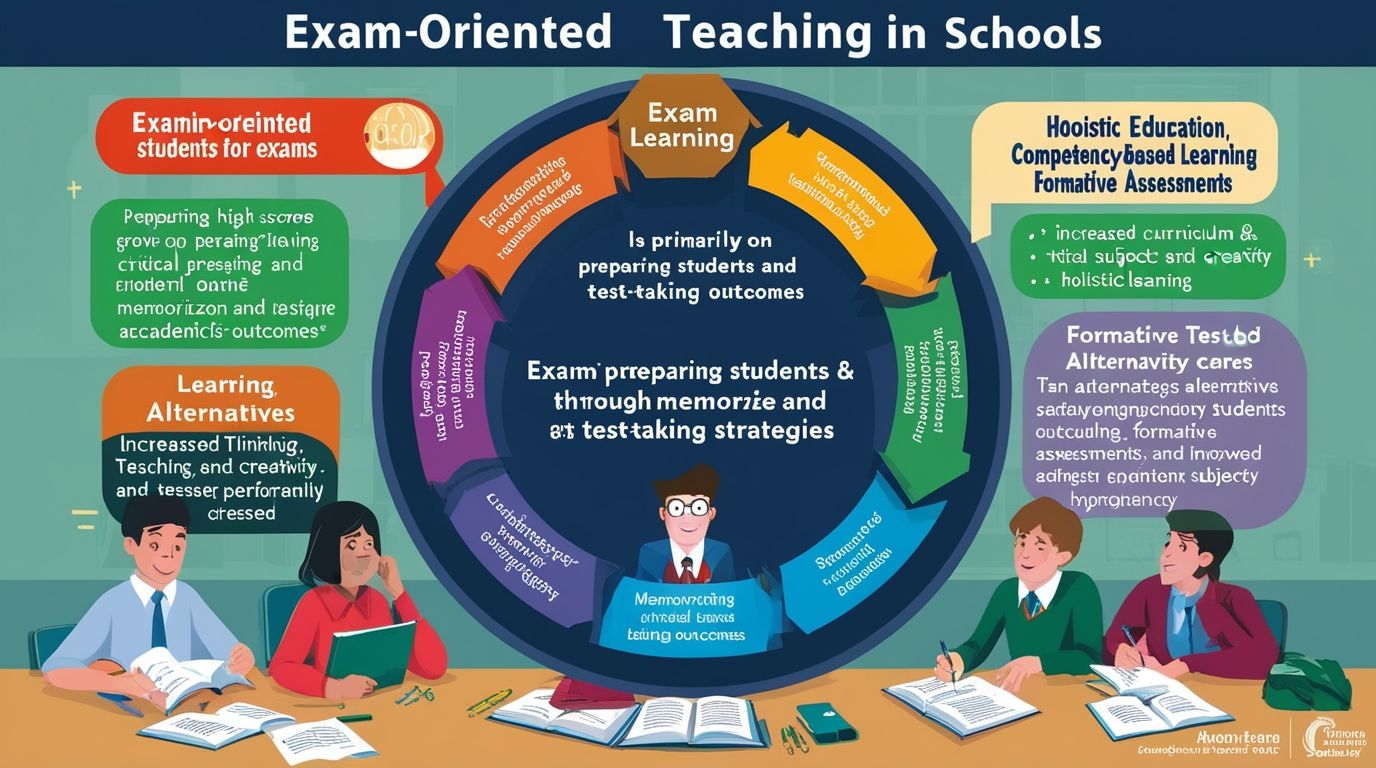
In many developing regions, schools lack internet connectivity, digital infrastructure, and instructional technologies. Teachers may also experience anxiety or uncertainty regarding new pedagogical approaches. Additionally, traditional examination systems often emphasize memorization rather than critical thinking and creativity, discouraging instructional innovation.
To overcome these challenges, governments and educational institutions must invest in teacher training, technological infrastructure, curriculum reform, and supportive leadership practices.
Conclusion
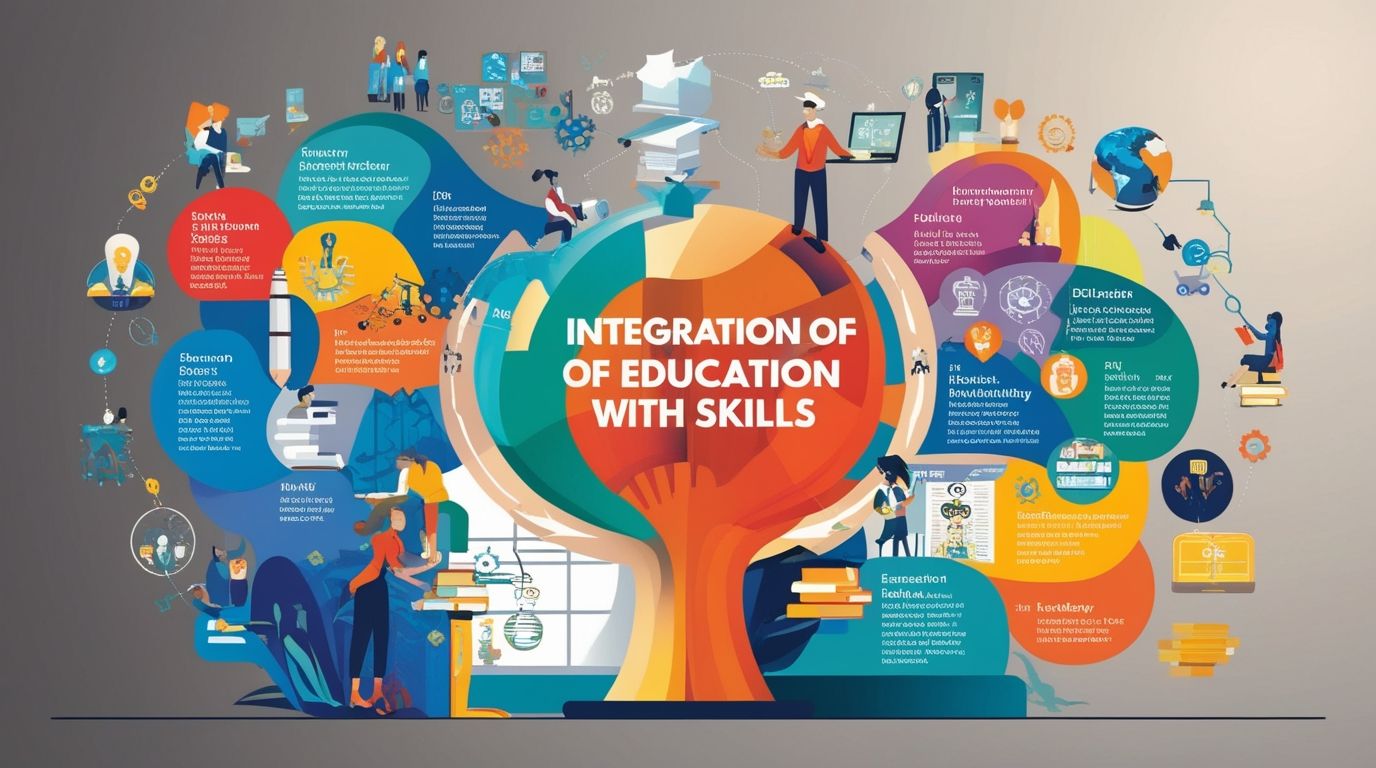
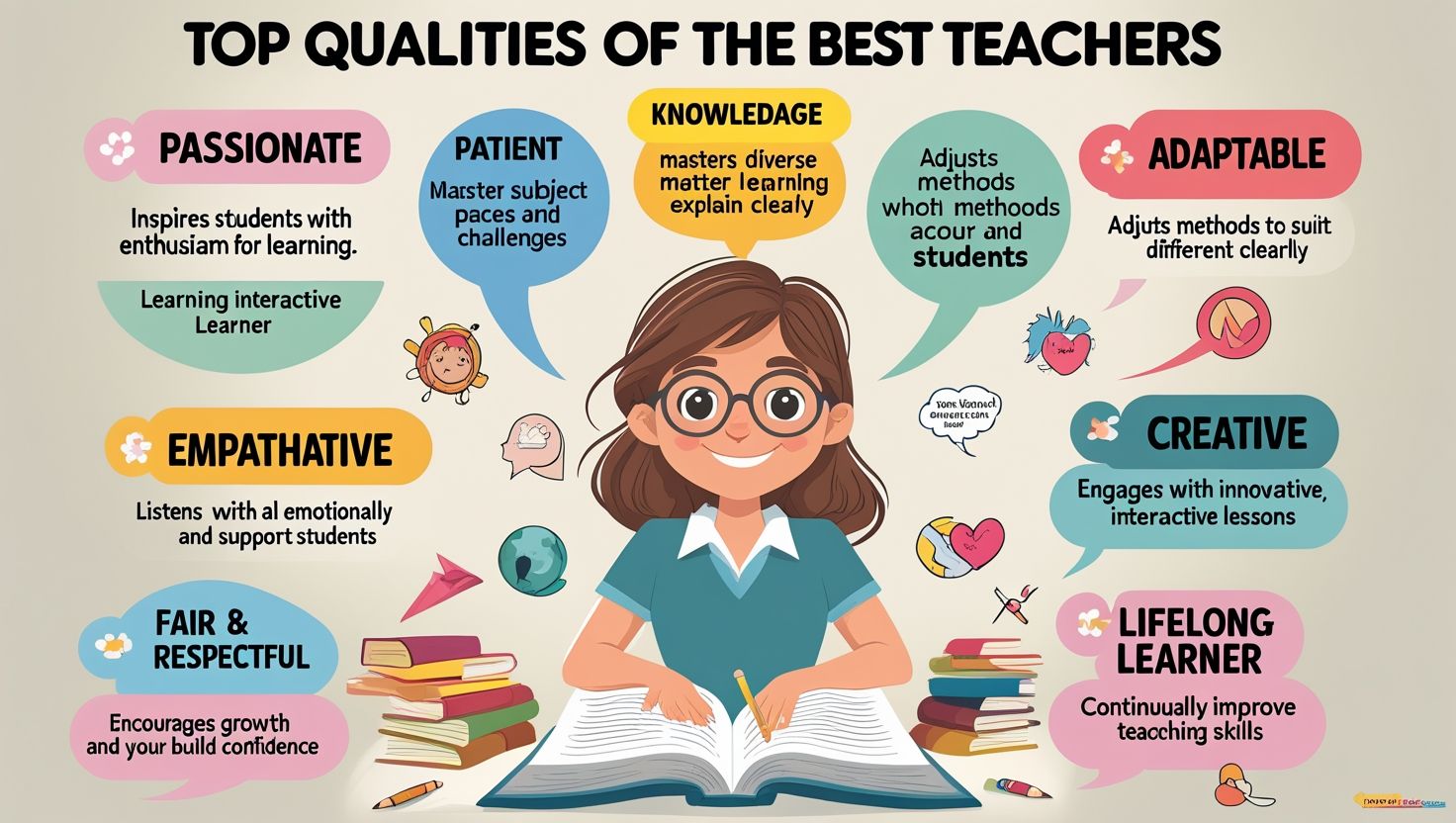
The modern classroom demands teachers who possess a diverse range of advanced teaching skills that extend far beyond traditional instruction. Digital literacy, student-centered pedagogy, critical thinking facilitation, emotional intelligence, inclusive teaching, creativity, collaboration, and innovative assessment practices are now essential competencies for effective educators.
These skills help create engaging, inclusive, and future-oriented learning environments that prepare students for complex societal and professional challenges. Modern teachers are facilitators of learning, mentors of personal growth, and architects of educational transformation.
However, successful implementation of these skills requires continuous professional development, institutional support, technological investment, and educational policy reform. Teachers must embrace lifelong learning and remain adaptable to changing educational realities.
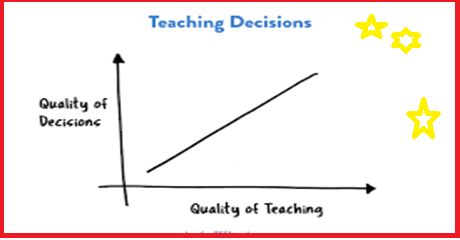
Ultimately, the quality of education depends significantly on the quality of teaching. By mastering the latest teaching skills, educators can inspire learners, promote innovation, and contribute meaningfully to the development of knowledgeable, ethical, and capable future generations.
References
- Fullan, M. The New Meaning of Educational Change. Teachers College Press, 2020.
- Hattie, J. Visible Learning for Teachers. Routledge, 2019.
- Tomlinson, C. A. How to Differentiate Instruction in Academically Diverse Classrooms. ASCD, 2021.
- Darling-Hammond, L. Powerful Teacher Education. Jossey-Bass, 2020.
- UNESCO. Technology in Education: A Tool on Whose Terms? UNESCO Global Education Monitoring Report, 2023.
- OECD. Future of Education and Skills 2030. OECD Publishing, 2022.
- Mishra, P., & Koehler, M. “Technological Pedagogical Content Knowledge (TPACK).” Teachers College Record, 2019.
- Brookfield, S. Teaching for Critical Thinking. Jossey-Bass, 2018.
- Goleman, D. Emotional Intelligence. Bantam Books, 2020 Edition.
- Freire, P. Pedagogy of the Oppressed. Continuum Publishing, Updated Edition.