
The Twin Pillars of Educational Transformation
PLP vs PLD in Education Personalizing Learning and Growth, Education in the twenty-first century increasingly shaped by approaches that value personalization, continuous improvement, and lifelong learning. Among the most influential concepts driving this transformation are Personal Learning Plans (PLP) and Professional Learning and Development (PLD). Although both frameworks focus on growth and improvement, they serve different stakeholders and purposes within the educational ecosystem.
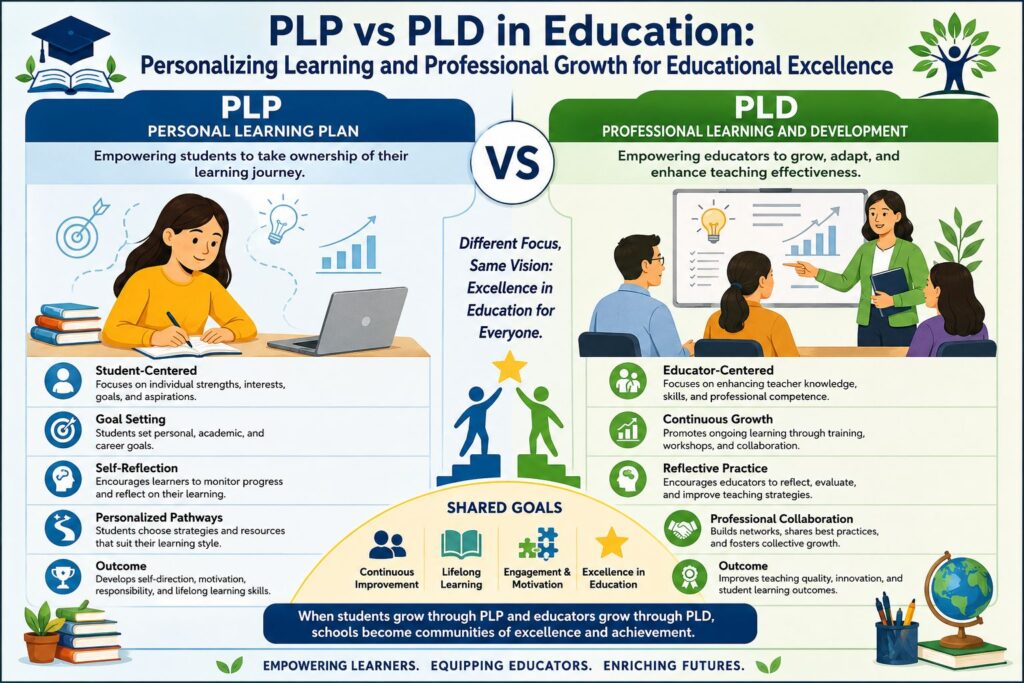
PLP is designed primarily for students, helping them take ownership of their learning journey through individualized goals and reflective practices. PLD, on the other hand, focuses on educators, equipping them with the knowledge, skills, and competencies required to enhance teaching effectiveness and student outcomes. Together, these approaches create a balanced educational environment where learners and educators grow simultaneously. Understanding the similarities and differences between PLP and PLD enables schools to develop coherent strategies that support academic excellence, innovation, and sustainable improvement across all levels of teaching and learning within educational communities.
Charting Individual Journeys: Understanding Personal Learning Plans
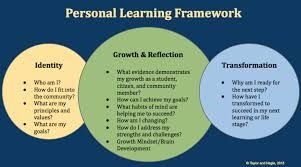
A Personal Learning Plan is a structured framework that enables students to identify their learning goals, strengths, interests, and future aspirations while creating pathways for achieving them. Rather than following a standardized route, learners engage in a personalized process that reflects their unique needs and ambitions. PLPs encourage students to become active participants in their education by setting measurable objectives, monitoring progress, and reflecting on achievements and challenges. Teachers provide guidance and support, helping students align their goals with curriculum expectations and future opportunities. This process fosters self-awareness, responsibility, and motivation, which are essential qualities for lifelong learning. As educational systems increasingly recognize learner diversity, PLPs have become valuable tools for promoting engagement and inclusion. By empowering students to make informed decisions about their learning experiences, Personal Learning Plans transform education from a teacher-directed activity into a collaborative journey of growth, discovery, and achievement.
Fueling Professional Excellence: Understanding Professional Learning and Development
Professional Learning and Development refers to the continuous process through which educators expand their expertise, improve instructional practices, and respond effectively to evolving educational demands. Unlike traditional professional development models that often consisted of isolated workshops, modern PLD emphasizes ongoing learning, collaboration, reflection, and application in authentic teaching contexts. Teachers engage in activities such as coaching, mentoring, action research, professional learning communities, conferences, and specialized training programs. These experiences help educators stay informed about emerging pedagogical theories, technological innovations, curriculum reforms, and evidence-based teaching strategies. Effective PLD supports professional growth while directly influencing student achievement and school improvement. It encourages educators to analyze their practices critically, identify areas for development, and implement meaningful changes. As educational challenges become increasingly complex, Professional Learning and Development provides the foundation for adaptability, innovation, and excellence, ensuring that teachers remain effective facilitators of learning in rapidly changing educational environments.
Different Destinations, Shared Aspirations
Although PLP and PLD share a commitment to growth and improvement, they differ significantly in focus, audience, and implementation. PLP is learner-centered and designed to support students in achieving personal educational goals. It emphasizes self-direction, reflection, and individualized learning pathways. In contrast, PLD educator-centered and aims to strengthen professional competence, instructional effectiveness, and leadership capacity. While PLP focuses on what students learn and how they progress, PLD concentrates on how educators enhance teaching quality and respond to learner needs. Another important distinction lies in accountability. Students are responsible for monitoring their progress within PLPs, whereas educators engage in PLD to improve their professional practice and contribute to institutional goals. Despite these differences, both frameworks promote continuous reflection, goal setting, and evidence-based improvement. Together, they create an interconnected system where empowered learners and highly skilled educators contribute to a culture of excellence and meaningful educational outcomes.
The Student at the Steering Wheel
One of the defining characteristics of a Personal Learning Plan is the emphasis on student agency. Through PLPs, learners become architects of their educational experiences rather than passive recipients of instruction. They identify interests, establish goals, evaluate progress, and make decisions about learning strategies. This process cultivates essential competencies such as self-management, critical thinking, resilience, and accountability. Students learn to recognize their strengths while addressing areas for improvement, developing confidence in their ability to succeed. The ownership fostered through PLPs often leads to increased engagement and motivation because learning becomes personally relevant and meaningful. Teachers support this journey by providing guidance, resources, and feedback without controlling every aspect of the process. As students develop greater autonomy, they become better prepared for higher education, employment, and lifelong learning. PLPs therefore serve as powerful mechanisms for nurturing independent, reflective, and self-directed learners capable of thriving in diverse environments.
The Teacher as a Lifelong Learner
Just as students benefit from personalized learning, educators thrive when they engage in continuous professional growth. Professional Learning and Development recognizes that effective teaching requires ongoing adaptation and improvement. Educational research, technological advancements, and societal changes continually reshape classroom expectations, making lifelong learning essential for educators. Through PLD, teachers refine instructional strategies, deepen subject knowledge, and explore innovative approaches to student engagement. Collaborative learning opportunities allow educators to share experiences, solve challenges collectively, and build professional networks that enhance practice. Reflective inquiry encourages teachers to evaluate the effectiveness of their methods and make informed adjustments. When educators embrace lifelong learning, they model the very behaviors they seek to cultivate in students. This commitment strengthens professional confidence and improves educational outcomes. Ultimately, PLD empowers teachers to remain responsive, creative, and effective, ensuring that their professional expertise evolves alongside the changing needs of learners and educational systems.
Reflection: The Common Thread Connecting Both Frameworks
Reflection serves as a central element in both PLP and PLD, making it one of the strongest connections between these two educational approaches. Within Personal Learning Plans, students regularly assess their progress, analyze achievements, identify obstacles, and adjust goals accordingly. This reflective practice promotes metacognition, helping learners understand how they learn and what strategies contribute to success. Similarly, Professional Learning and Development encourages educators to examine instructional practices, evaluate outcomes, and consider alternative approaches for improvement. Reflection transforms experiences into learning opportunities by encouraging thoughtful analysis and informed decision-making. It also fosters a growth mindset, where challenges viewed as opportunities for development rather than barriers to success. Schools that prioritize reflective practices create environments characterized by continuous learning and improvement. Whether undertaken by students or educators, reflection strengthens self-awareness, promotes accountability, and supports meaningful growth, making it a cornerstone of effective educational development.
Building Bridges Between Learning and Teaching
The relationship between PLP and PLD extends beyond their individual purposes because each influences the effectiveness of the other. Student learning needs identified through PLPs often highlight areas where teachers require additional professional learning. For example, if students struggle with critical thinking or digital literacy, educators may engage in targeted PLD to strengthen instructional strategies in those areas. Similarly, high-quality PLD equips teachers with the skills necessary to facilitate meaningful PLPs and support personalized learning. This reciprocal relationship creates a dynamic cycle of improvement where student needs inform professional growth, and enhanced teaching practices improve student outcomes. Educational leaders play a critical role in fostering these connections by aligning school improvement goals with both student and teacher development initiatives. When PLP and PLD are integrated effectively, schools create coherent systems that support continuous growth, strengthen educational quality, and promote success for all members of the learning community.
Leadership’s Role in Sustaining Growth Cultures
School leadership significantly influences the success of both Personal Learning Plans and Professional Learning and Development. Effective leaders establish a vision that values continuous improvement, collaboration, and learner-centered practices. They allocate resources, provide professional support, and create structures that encourage meaningful engagement with both frameworks. For students, leaders ensure that PLPs are integrated into educational planning and supported through mentoring and guidance systems. For educators, they facilitate access to high-quality PLD opportunities aligned with school priorities and individual needs. Strong leadership also promotes a culture of trust where experimentation, reflection, and innovation are encouraged. By modeling lifelong learning and supporting professional growth, leaders inspire commitment throughout the organization. Schools with visionary leadership are more likely to sustain successful PLP and PLD initiatives because they recognize that student achievement and professional excellence are interconnected. Leadership therefore acts as the catalyst that transforms educational aspirations into sustainable practices.
Technology as a Catalyst for Personal and Professional Growth
Technology has significantly expanded the possibilities for implementing both PLP and PLD in contemporary educational settings. Digital platforms enable students to create personalized learning portfolios, track progress, set goals, and access resources tailored to their individual needs. These tools enhance engagement and provide real-time feedback that supports continuous improvement. Similarly, technology transforms Professional Learning and Development by providing educators with access to online courses, webinars, virtual communities, and collaborative learning networks. Teachers can engage in professional learning regardless of geographical constraints, making high-quality development opportunities more accessible than ever before. Data analytics also support informed decision-making by identifying learning trends and areas requiring intervention. When used strategically, technology strengthens personalization, collaboration, and accountability across educational systems. By integrating digital tools into both PLP and PLD processes, schools can create more flexible, responsive, and effective learning environments that support growth for students and educators alike.
Creating Schools Where Everyone Learns
The ultimate goal of combining PLP and PLD is to create schools where learning is valued for everyone, not just students. In such environments, growth becomes a shared responsibility and a defining characteristic of the organizational culture. Students are encouraged to pursue meaningful goals and take ownership of their learning journeys, while educators continuously refine their professional practice through collaboration and reflection. This shared commitment to improvement fosters innovation, resilience, and collective efficacy. Learning becomes an ongoing process rather than a destination, shaping attitudes and behaviors throughout the school community. Schools that embrace both frameworks are better equipped to respond to change, address diverse learner needs, and achieve sustainable success. By recognizing the interconnected nature of student development and professional growth, educational institutions can build thriving learning communities that prepare individuals to succeed in an increasingly complex and dynamic world.
Conclusion: Two Frameworks, One Vision for Excellence
PLP and PLD represent distinct yet complementary approaches that contribute significantly to educational excellence. Personal Learning Plans empower students to take charge of their learning through goal setting, reflection, and personalized pathways. Professional Learning and Development equips educators with the expertise, knowledge, and confidence needed to deliver high-quality instruction and respond effectively to changing educational demands. While their audiences and objectives differ, both frameworks are grounded in principles of continuous improvement, lifelong learning, and reflective practice. Their combined impact creates educational environments where students and teachers grow together, supporting innovation, engagement, and achievement. As schools strive to meet the challenges of modern education, integrating PLP and PLD offers a powerful strategy for fostering sustainable improvement. Ultimately, these frameworks share a common vision: empowering individuals to reach their full potential while building stronger, more responsive, and more effective educational communities for future generations.