
Introduction
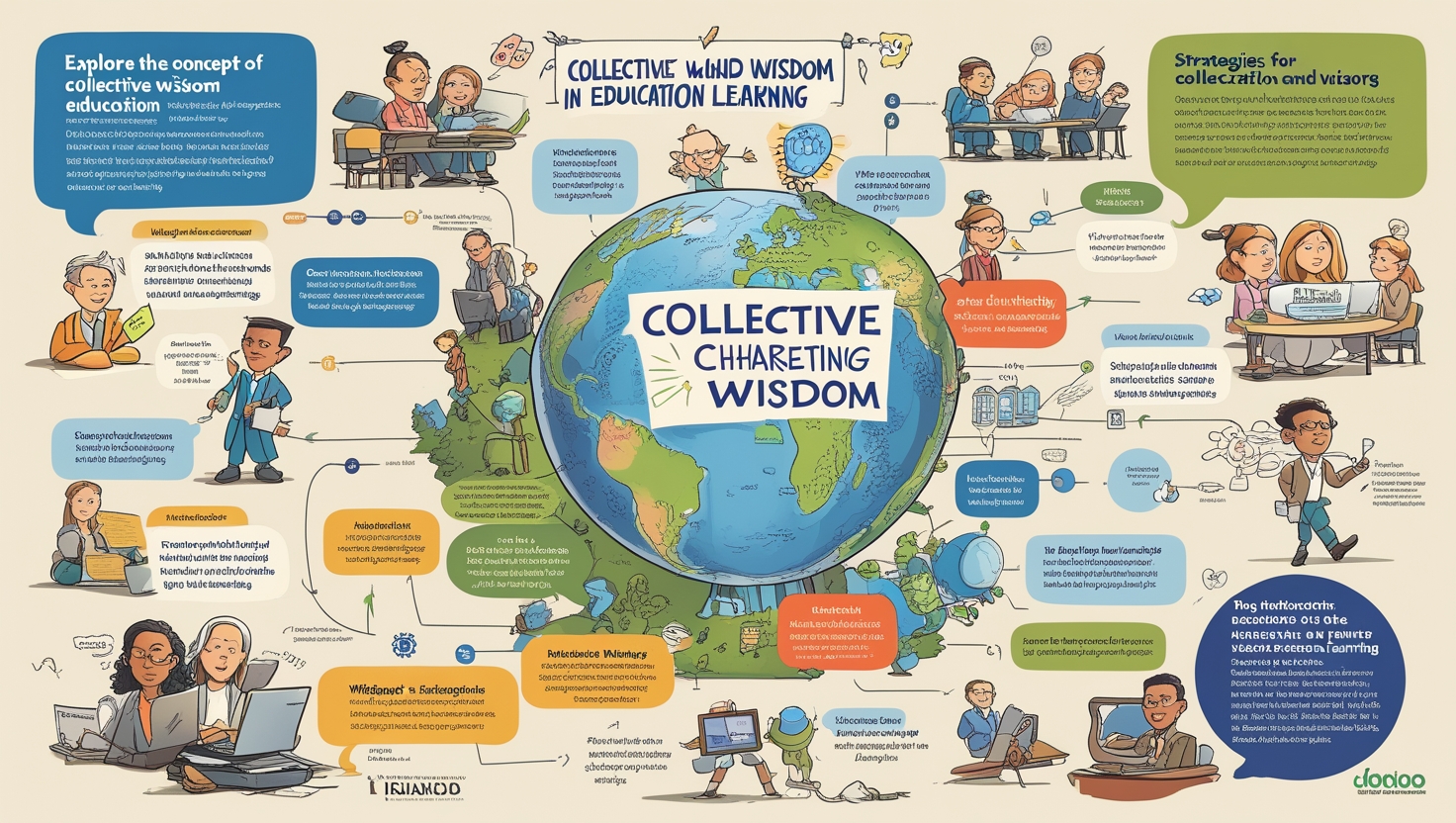
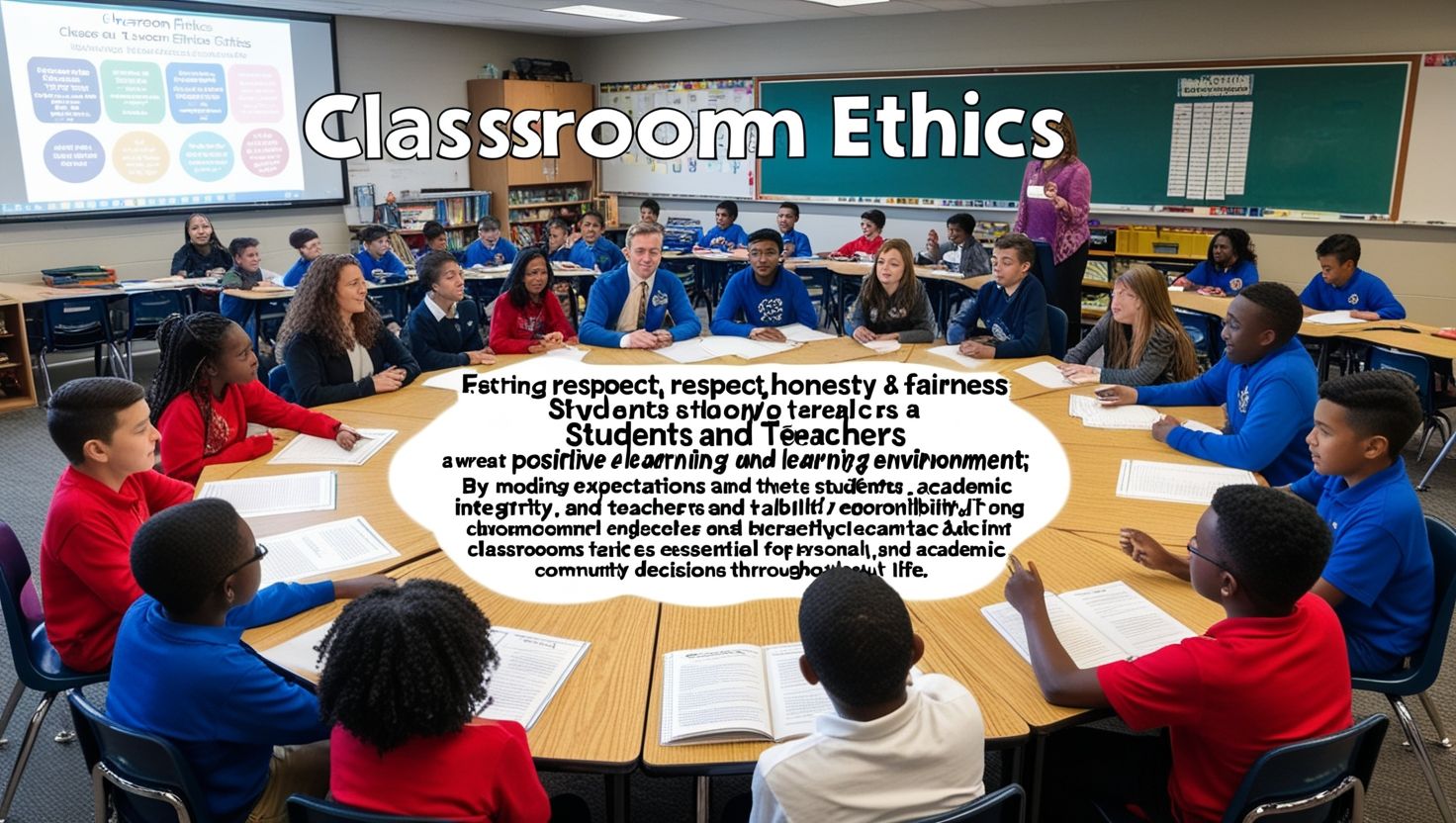
Collective Wisdom in Education Shared Knowledge for Learning, Education has always been a collaborative endeavor, shaped by the collective wisdom of teachers, students, communities, and cultures. Collective wisdom refers to the shared knowledge, experiences, and insights that emerge when individuals collaborate to solve problems, innovate, and improve learning outcomes. In the modern educational landscape, where information is abundant but fragmented, the concept of collective wisdom is more relevant than ever.
This article explores the role of collective wisdom in education, its historical roots, benefits, challenges, and strategies for fostering it in classrooms and institutions. By leveraging the wisdom of the group, educators can create more inclusive, dynamic, and effective learning environments.
Historical Roots of Collective Wisdom in Education
The idea of collective wisdom is not new. Ancient societies relied on communal knowledge to educate younger generations.
- Indigenous Education: Many indigenous cultures practiced oral traditions where elders passed down knowledge through storytelling, ensuring the preservation of wisdom across generations.
- Socratic Method: In ancient Greece, Socrates emphasized dialogue and collective reasoning, encouraging students to think critically through group discussions.
- Medieval Guilds: Apprenticeship models relied on the expertise of master craftsmen who taught skills through hands-on learning and mentorship.
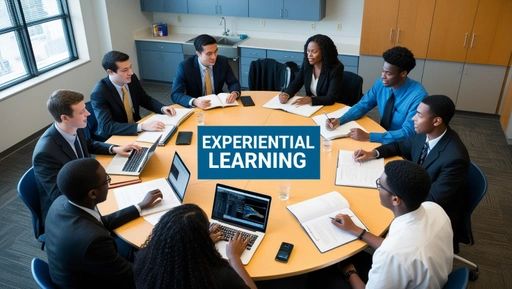
- Progressive Education Movement (19th-20th Century): Thinkers like John Dewey advocated for collaborative and experiential learning, emphasizing that knowledge grows through social interaction.
These historical examples highlight how education has always been a social process, enriched by the contributions of many rather than isolated individuals.
The Benefits of Collective Wisdom in Education
1. Enhanced Problem-Solving and Critical Thinking
When students and educators collaborate, they bring diverse perspectives that lead to more innovative solutions. Group discussions, peer reviews, and team projects encourage learners to analyze ideas critically and refine their understanding.
2. Democratization of Knowledge
Collective wisdom breaks down hierarchical barriers in education. Instead of relying solely on teachers as the sole source of knowledge, students contribute their insights, creating a more participatory learning environment.
3. Increased Engagement and Motivation
Learners are more engaged when they feel their voices matter. Collaborative learning fosters a sense of ownership and community, making education more meaningful.
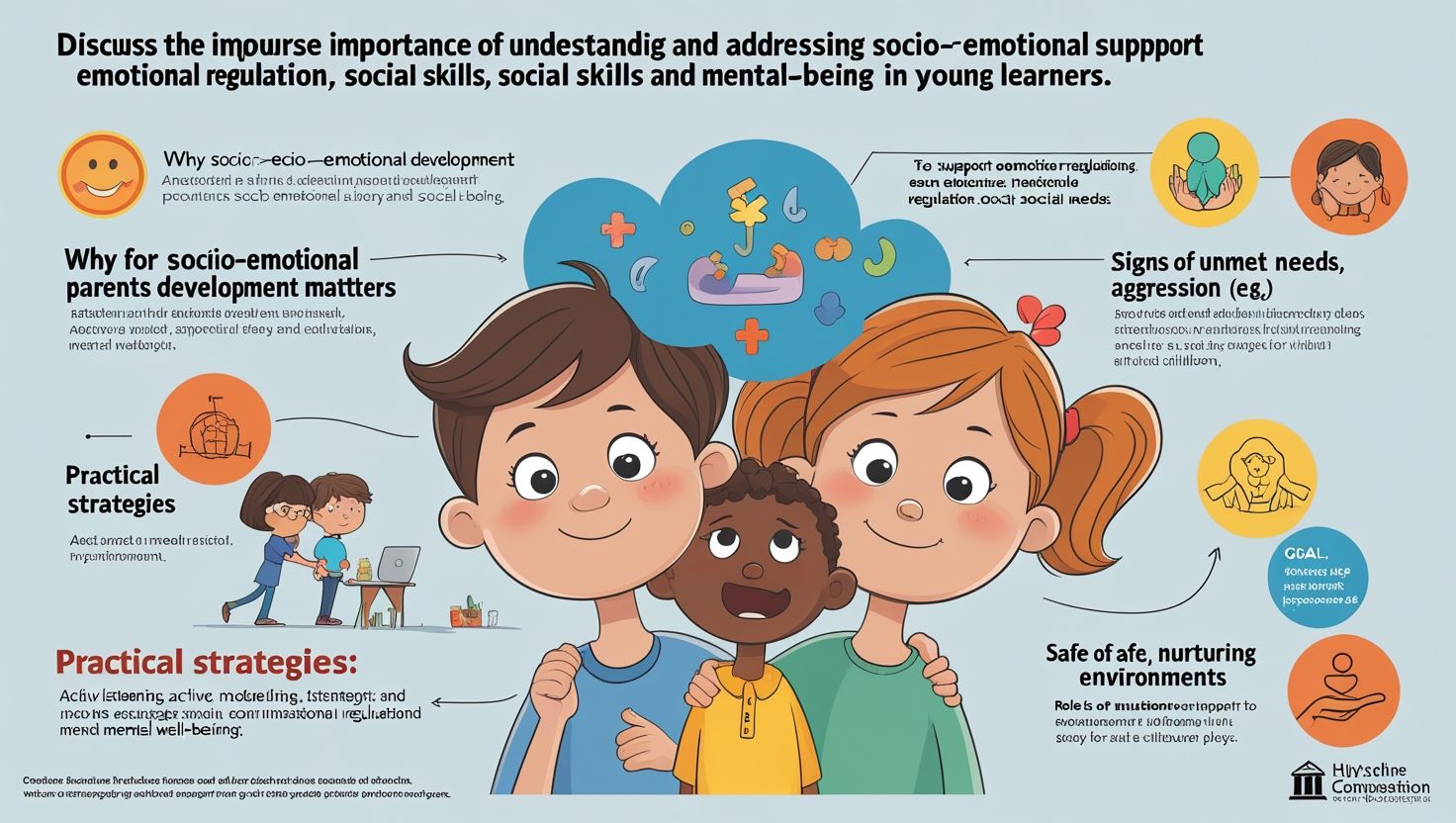
4. Development of Social and Emotional Skills
Working in groups helps students develop communication, empathy, and teamwork—skills essential for success beyond the classroom.
5. Adaptability in a Changing World
In an era of rapid technological and societal change, no single individual can possess all knowledge. Collective wisdom allows educational systems to adapt by pooling insights from diverse stakeholders.
Challenges to Implementing Collective Wisdom in Education
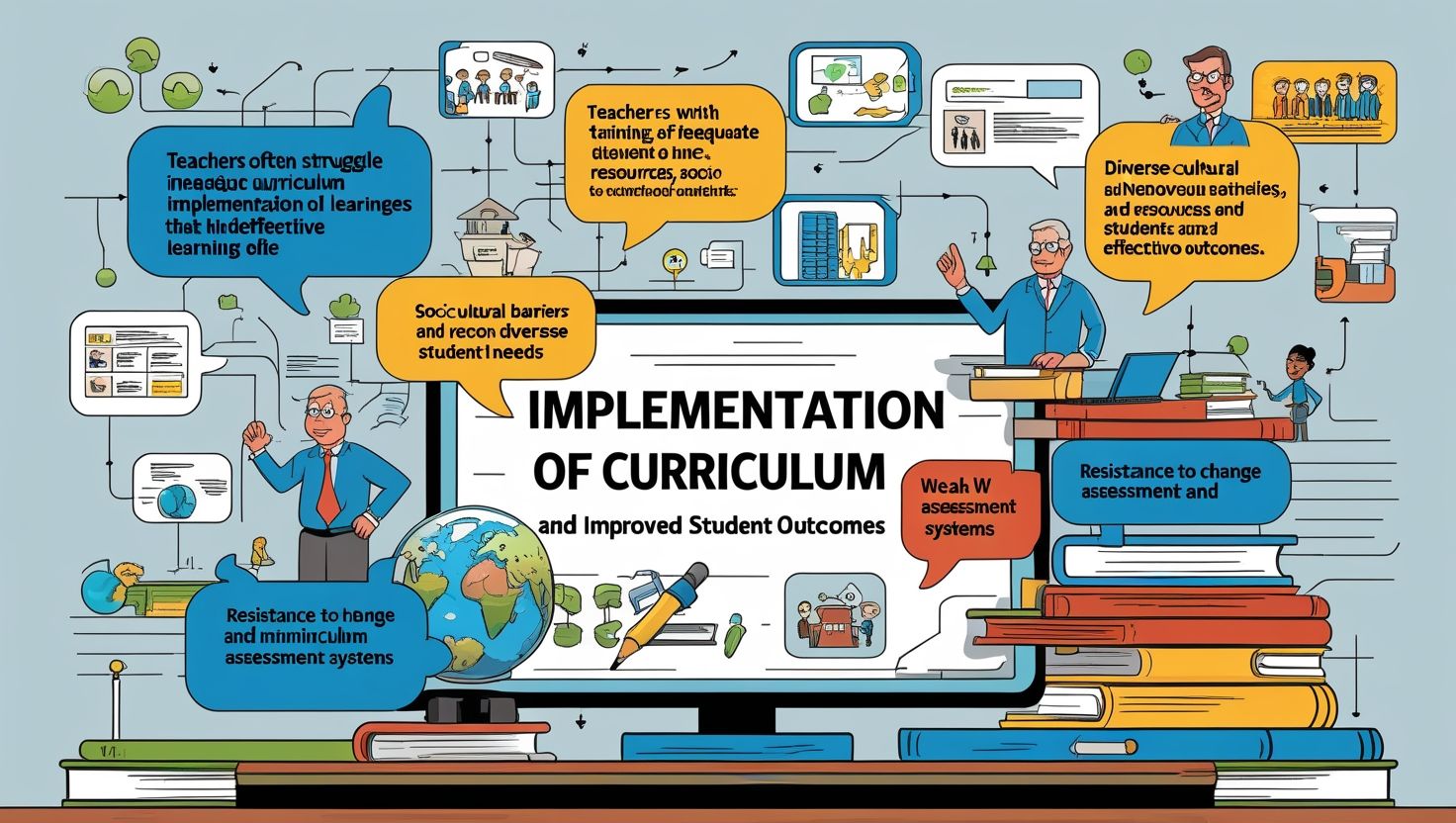
Despite its benefits, integrating collective wisdom into education is not without obstacles:
1. Resistance to Change
Traditional education systems often prioritize individual achievement over collaborative learning. Standardized testing and rigid curricula can discourage collective approaches.
2. Unequal Participation
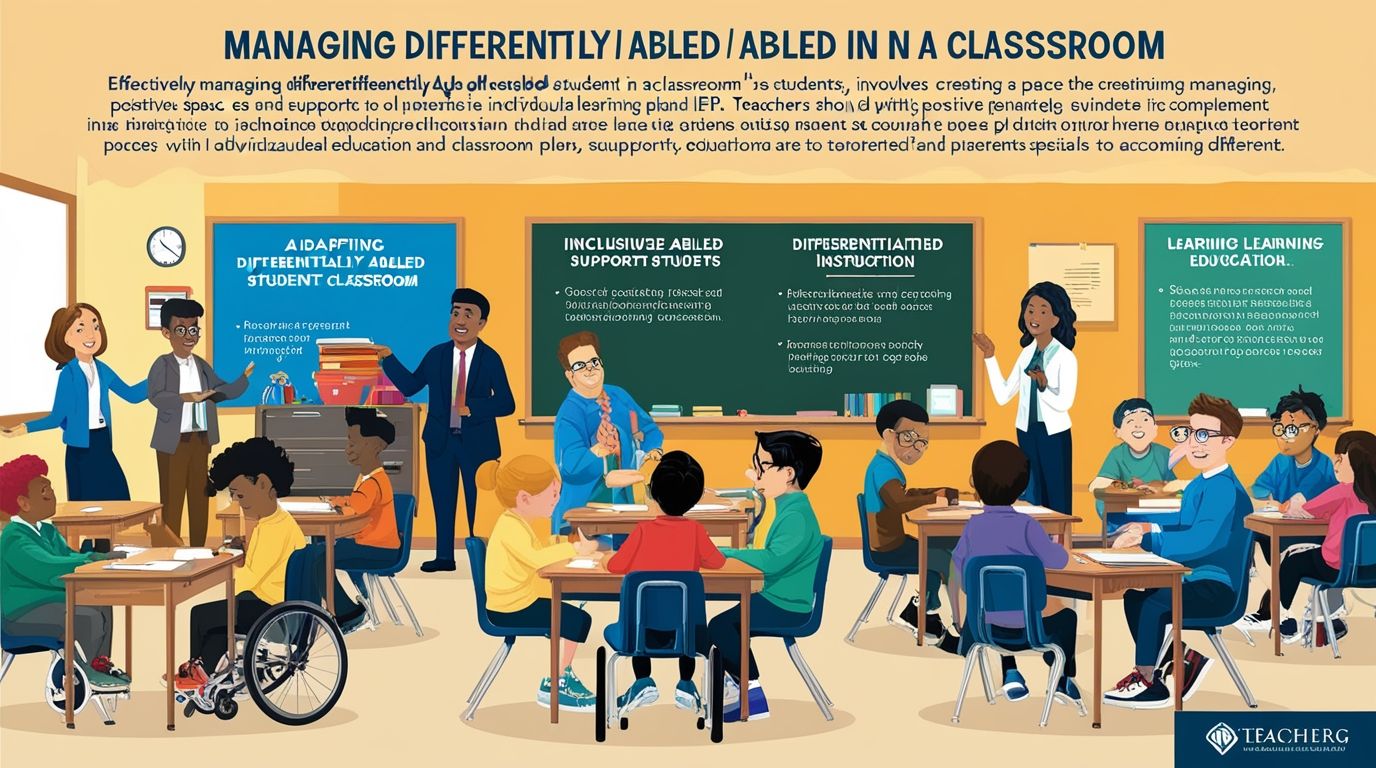
In group settings, dominant voices may overshadow quieter students, leading to unequal knowledge sharing. Educators must ensure inclusive participation.
3. Misinformation and Groupthink
Collective wisdom relies on diverse, well-informed contributions. However, groups can sometimes reinforce biases or spread misinformation if not guided properly.
4. Technological Barriers
While digital tools (like online forums and collaborative platforms) can enhance collective learning, not all students have equal access to technology.
5. Assessment Difficulties
Measuring individual contributions in group-based learning can be challenging, requiring innovative evaluation methods.
Strategies for Fostering Collective Wisdom in Education
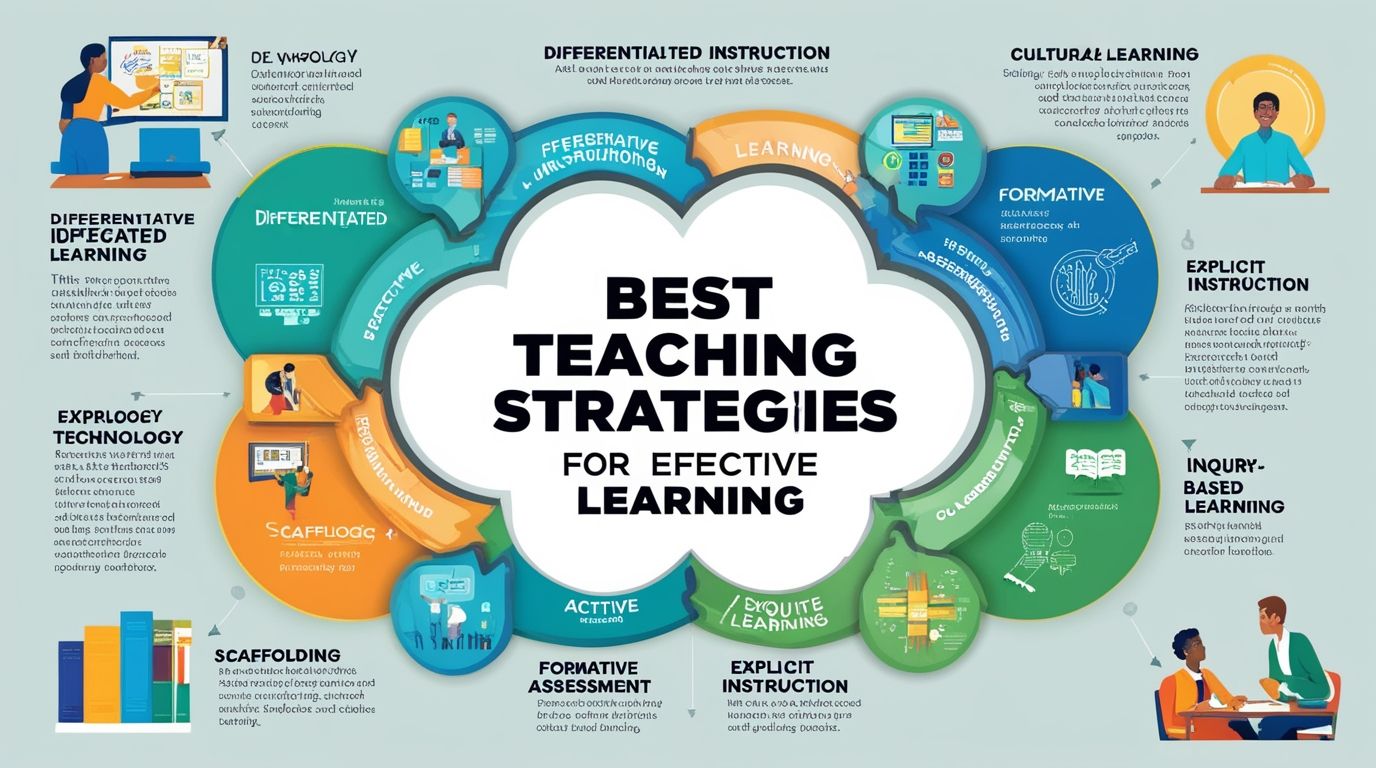
To harness collective wisdom effectively, educators and institutions can adopt the following strategies:
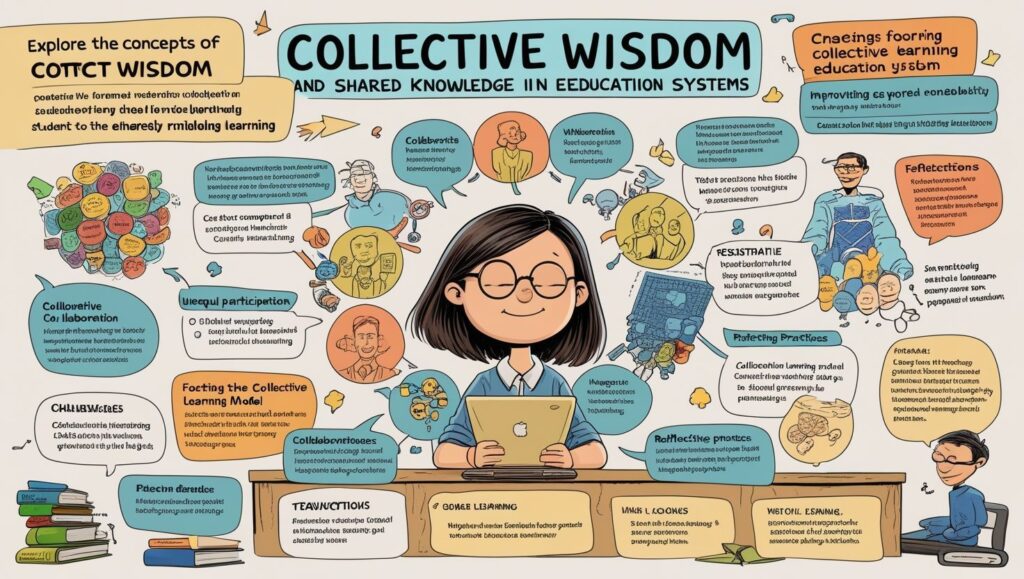
1. Collaborative Learning Models
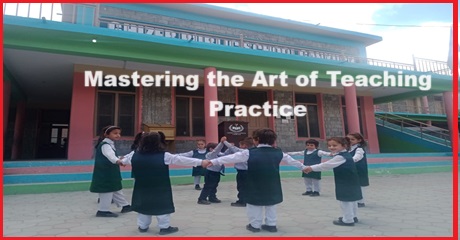
- Peer Learning: Encourage students to teach and learn from each other through study groups or peer tutoring.
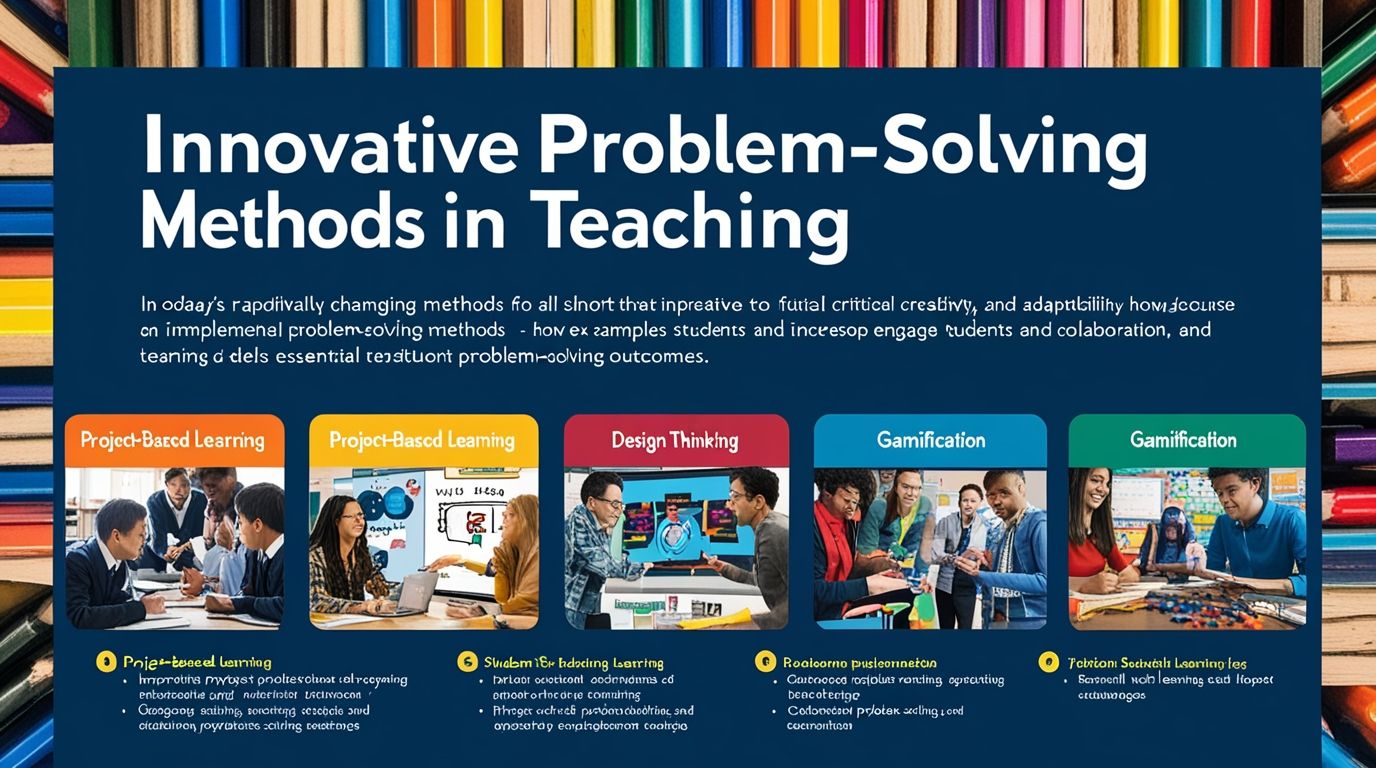
- Project-Based Learning (PBL): Assign group projects that require teamwork, research, and shared decision-making.
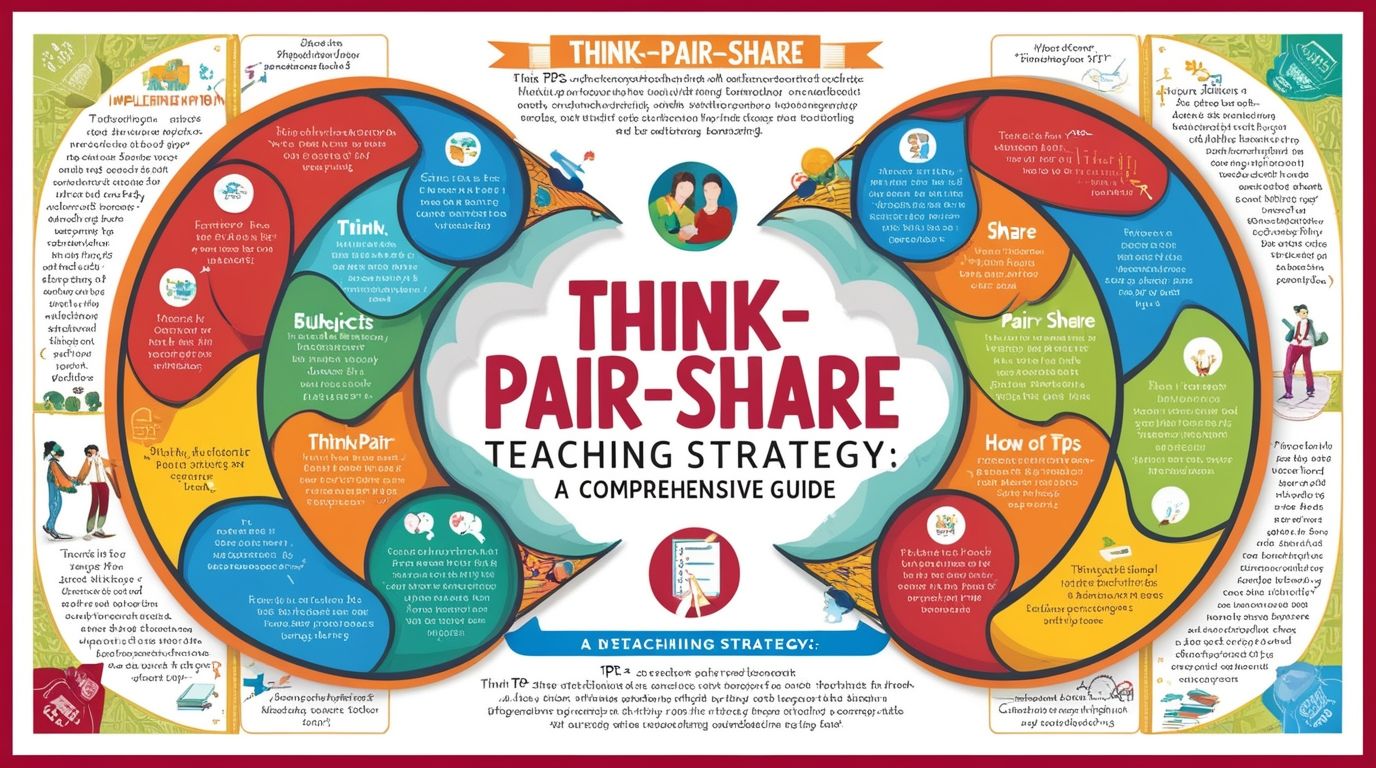
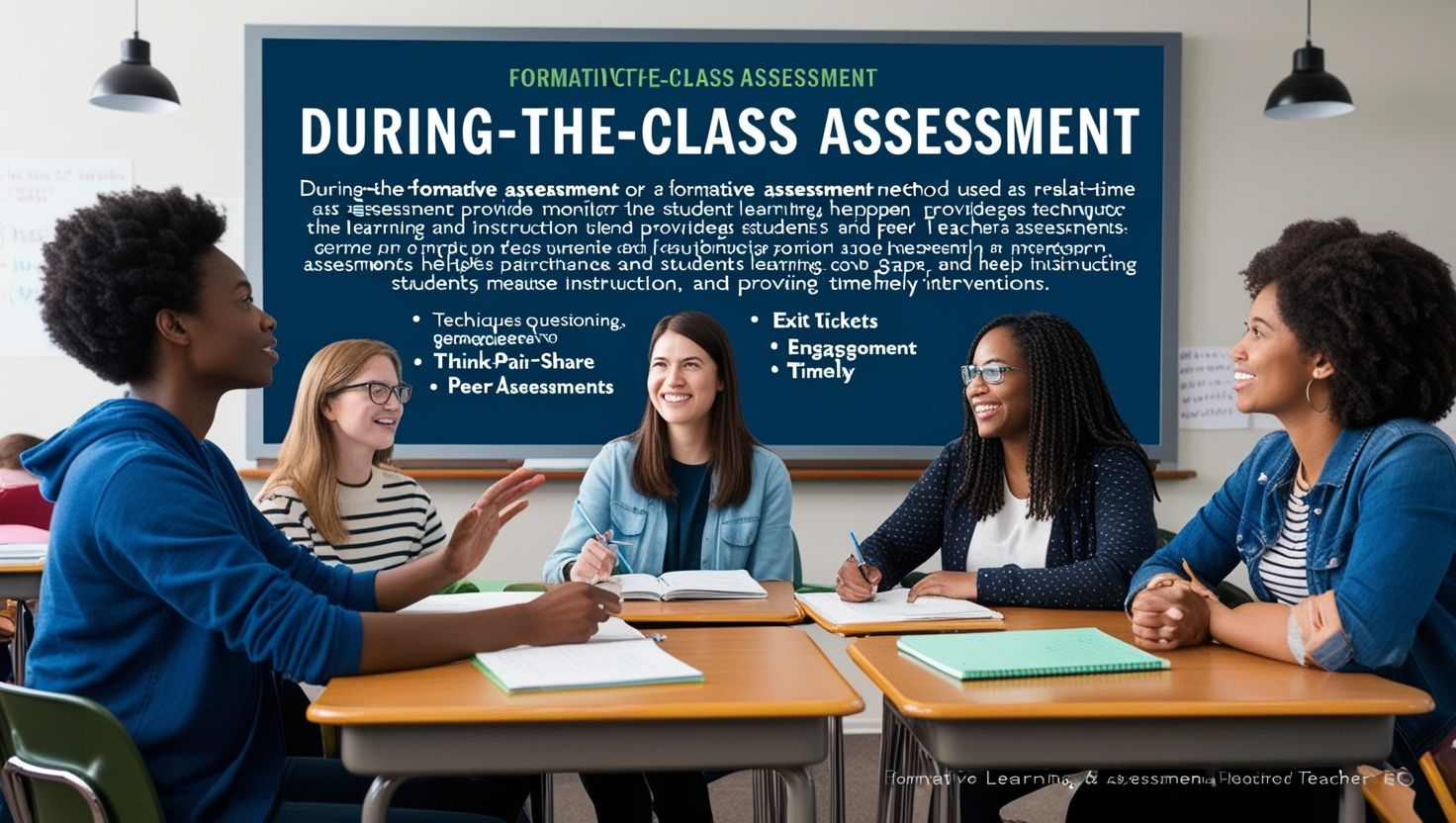
- Think-Pair-Share: A structured discussion technique where students think individually, discuss in pairs, and then share with the larger group.
2. Leveraging Technology
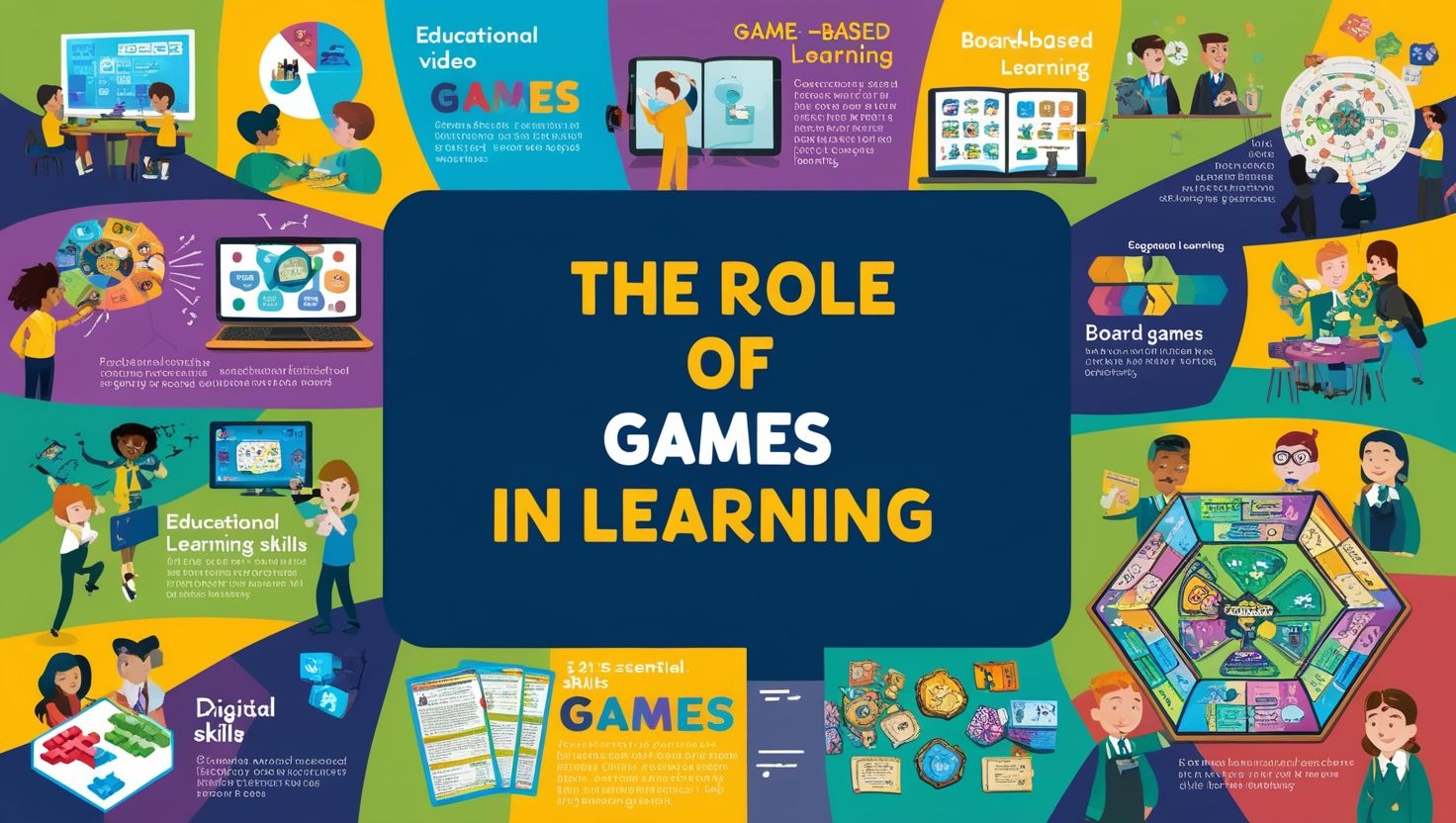
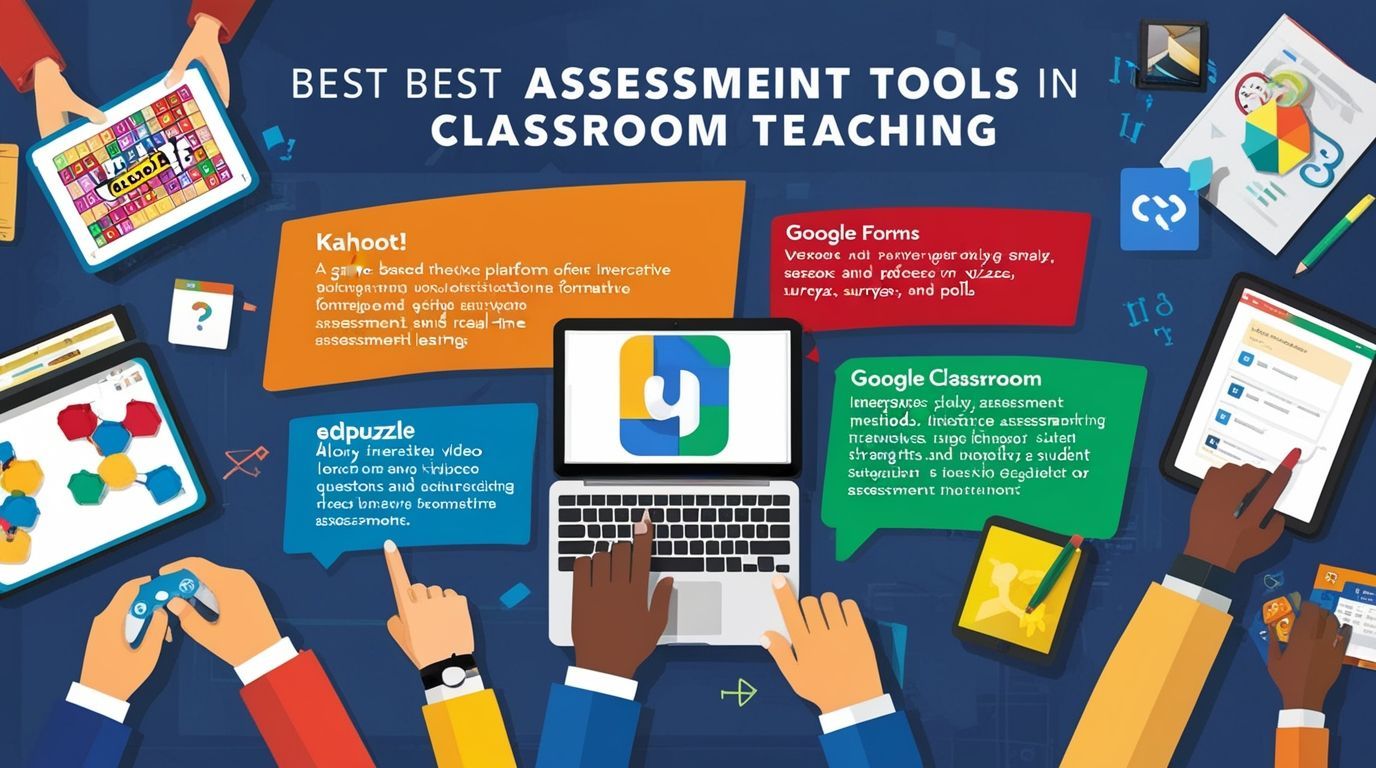
- Online Discussion Forums: Platforms like Google Classroom, Padlet, or Slack can facilitate knowledge exchange beyond classroom walls.
- Crowdsourcing Knowledge: Wikis, shared documents, and collaborative note-taking (e.g., Wikipedia-style class projects) allow students to build knowledge collectively.
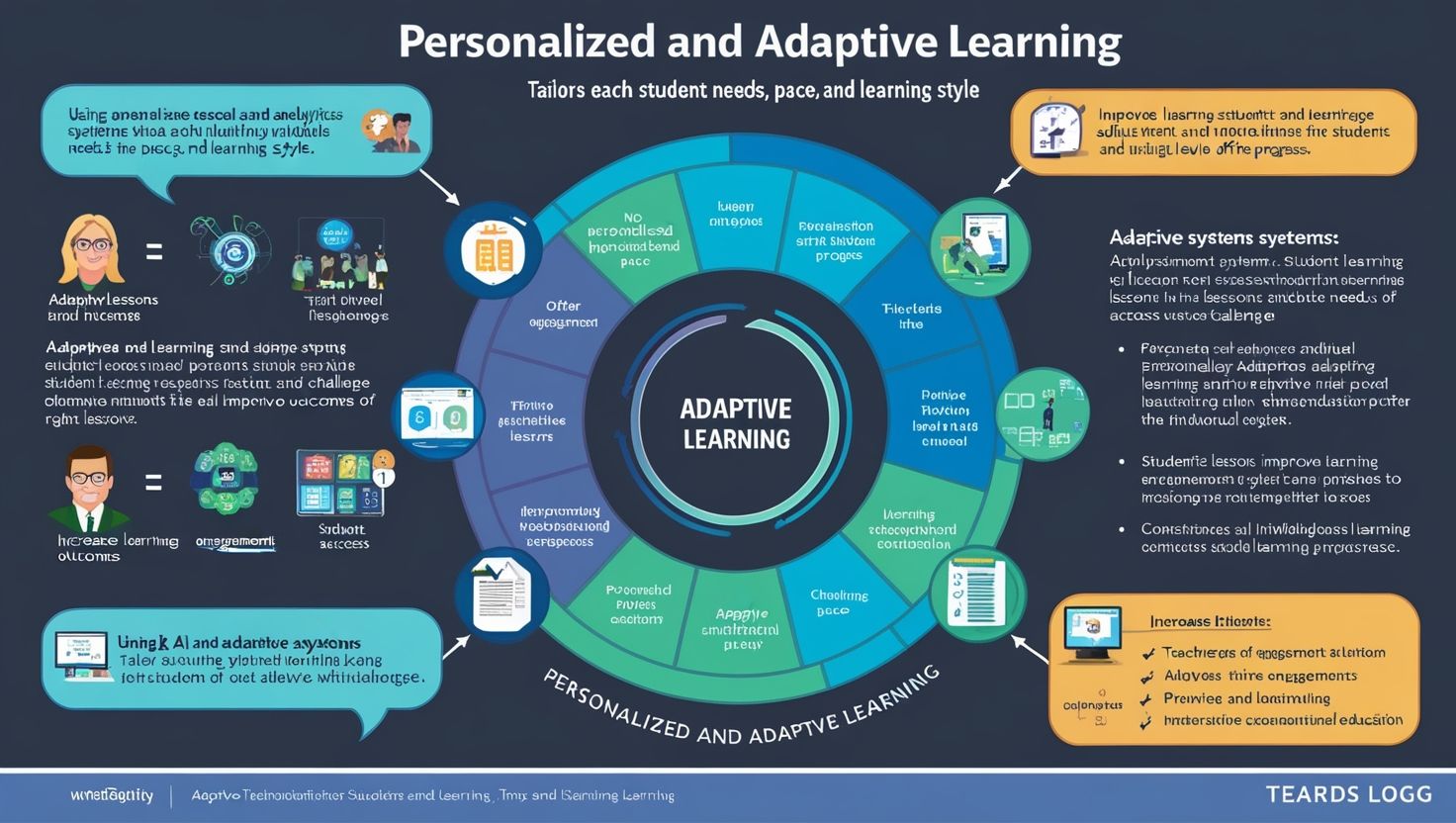
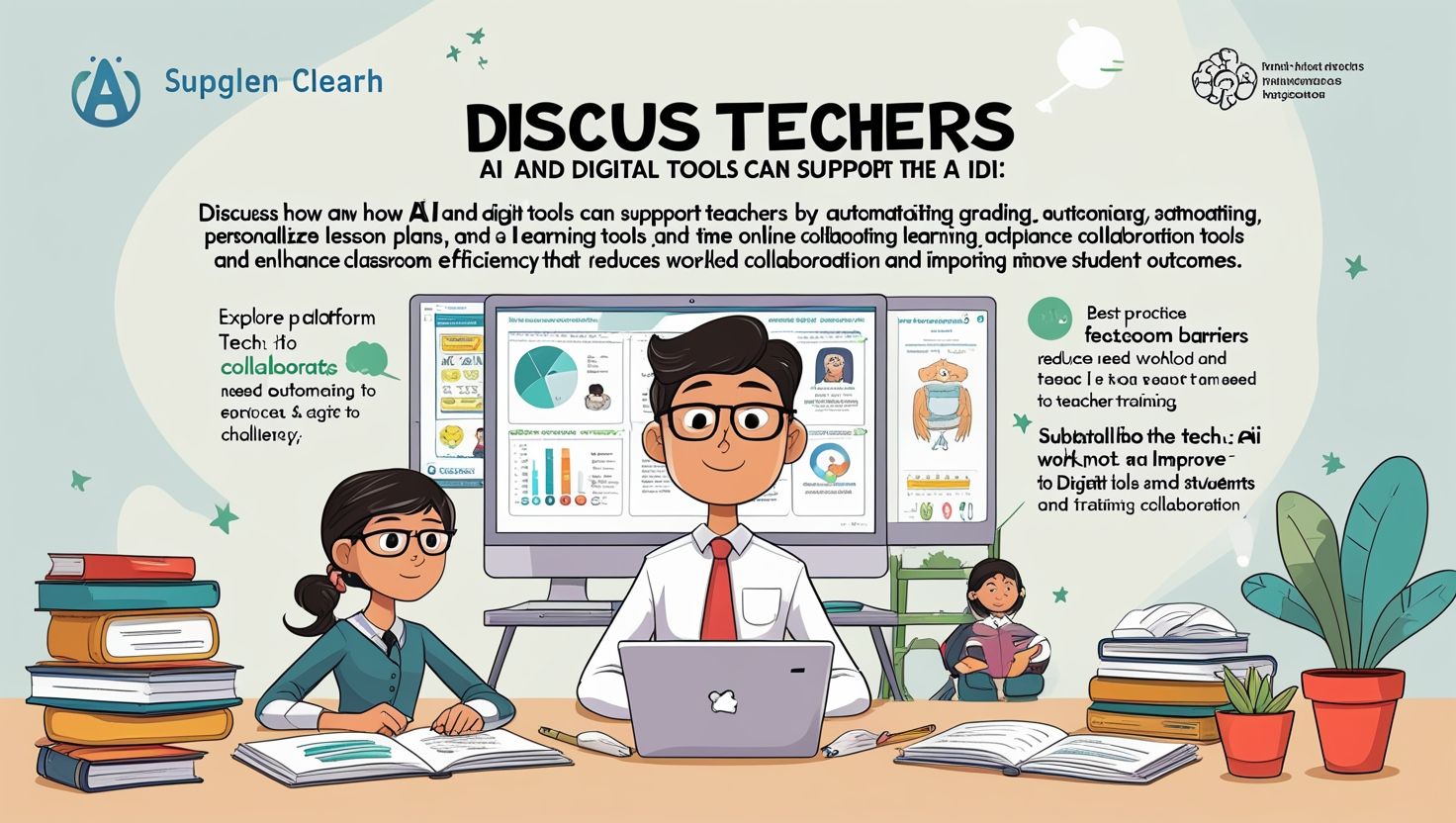
- AI and Learning Analytics: AI tools can analyze group interactions to identify knowledge gaps and suggest improvements.
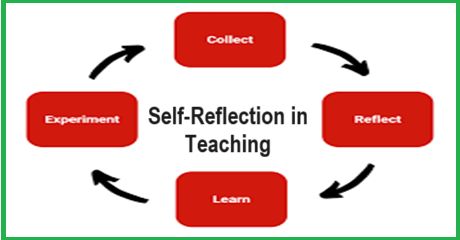
3. Encouraging Reflective Practices
- Group Reflection Sessions: After collaborative tasks, students can discuss what worked, what didn’t, and how to improve.
- Learning Journals: Students document their insights and share them with peers for feedback.
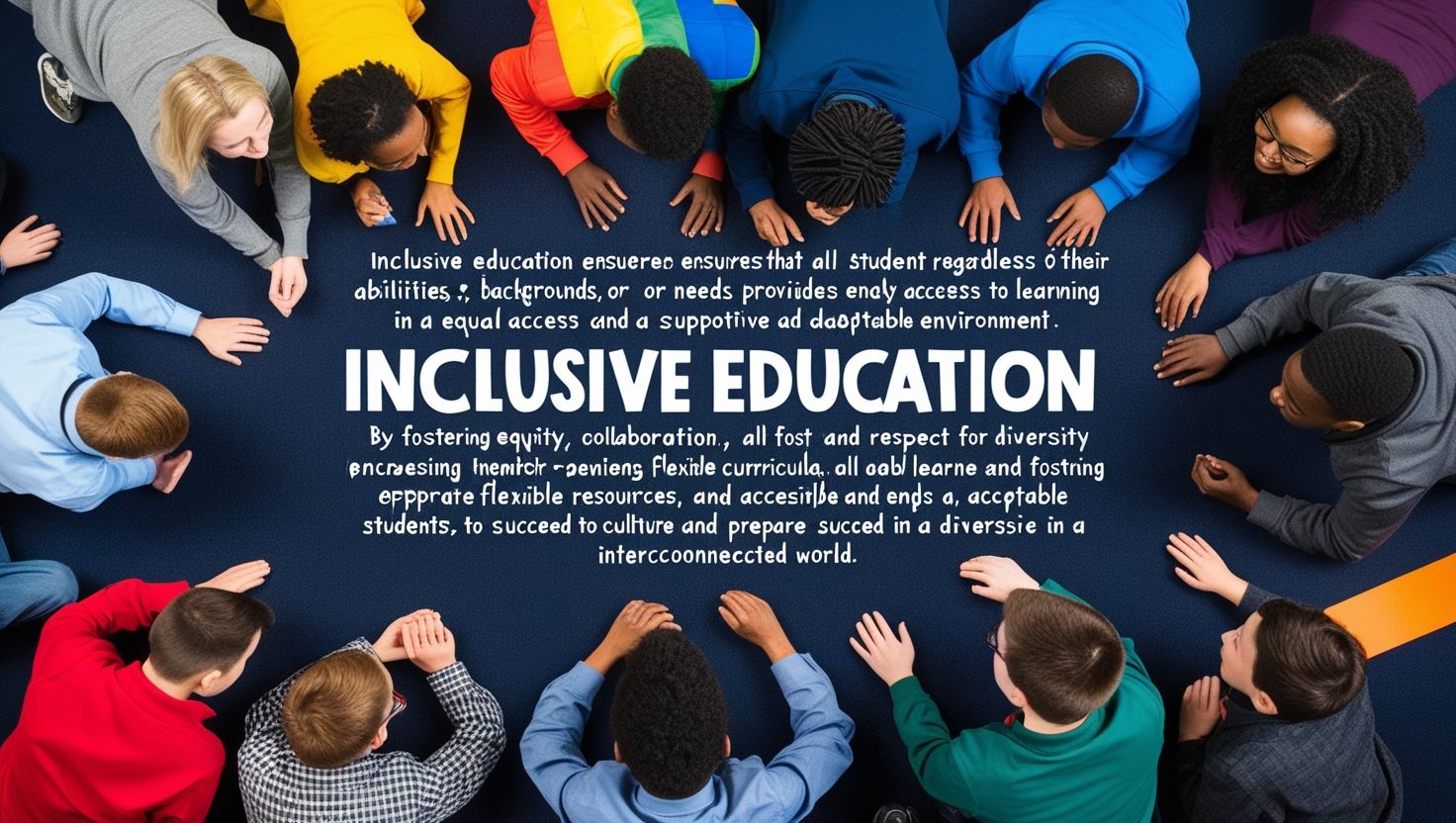
4. Building Inclusive Classrooms
- Structured Turn-Taking: Use techniques like “talking sticks” or timed contributions to ensure all voices are heard.
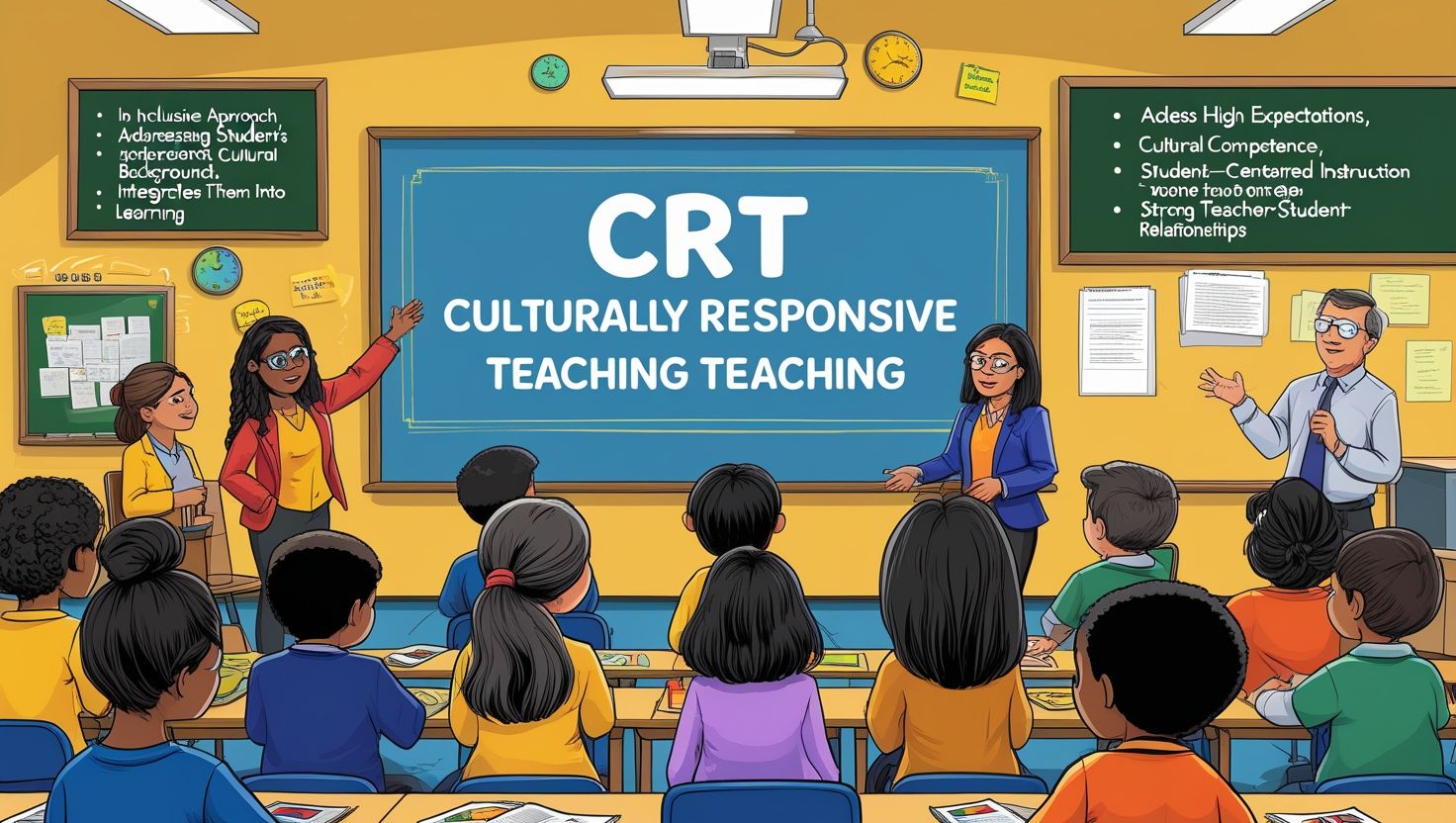
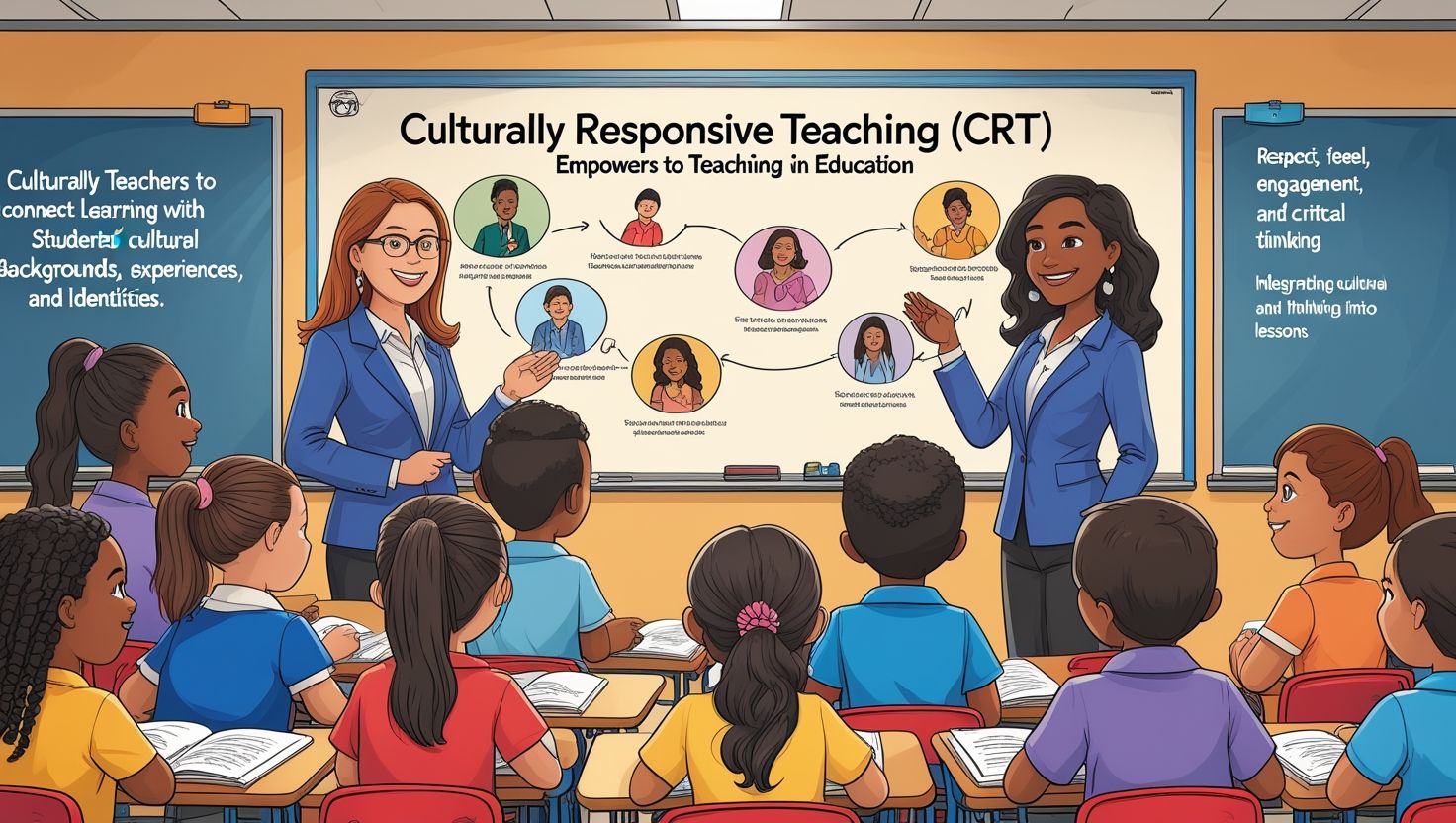
- Culturally Responsive Teaching: Acknowledge diverse backgrounds and encourage students to share their unique perspectives.
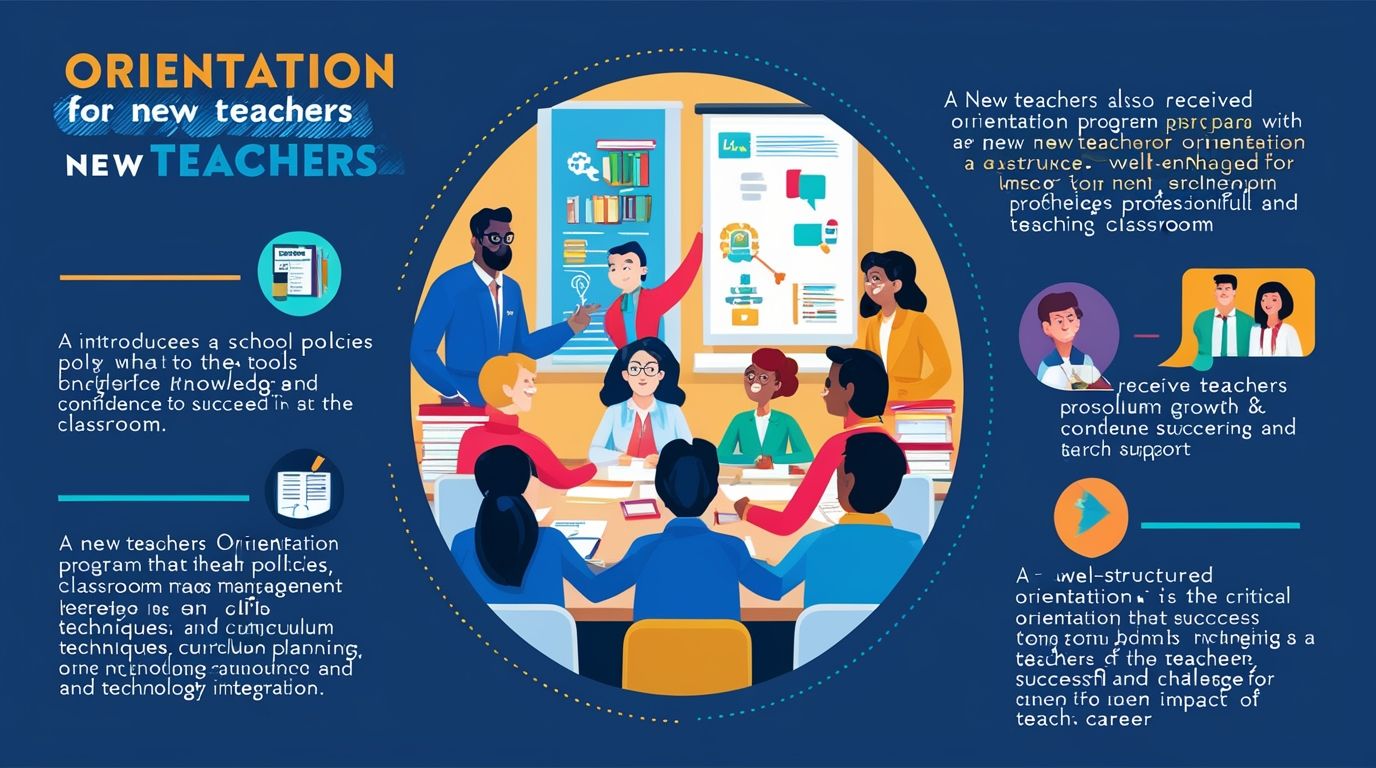
5. Professional Learning Communities (PLCs) for Educators
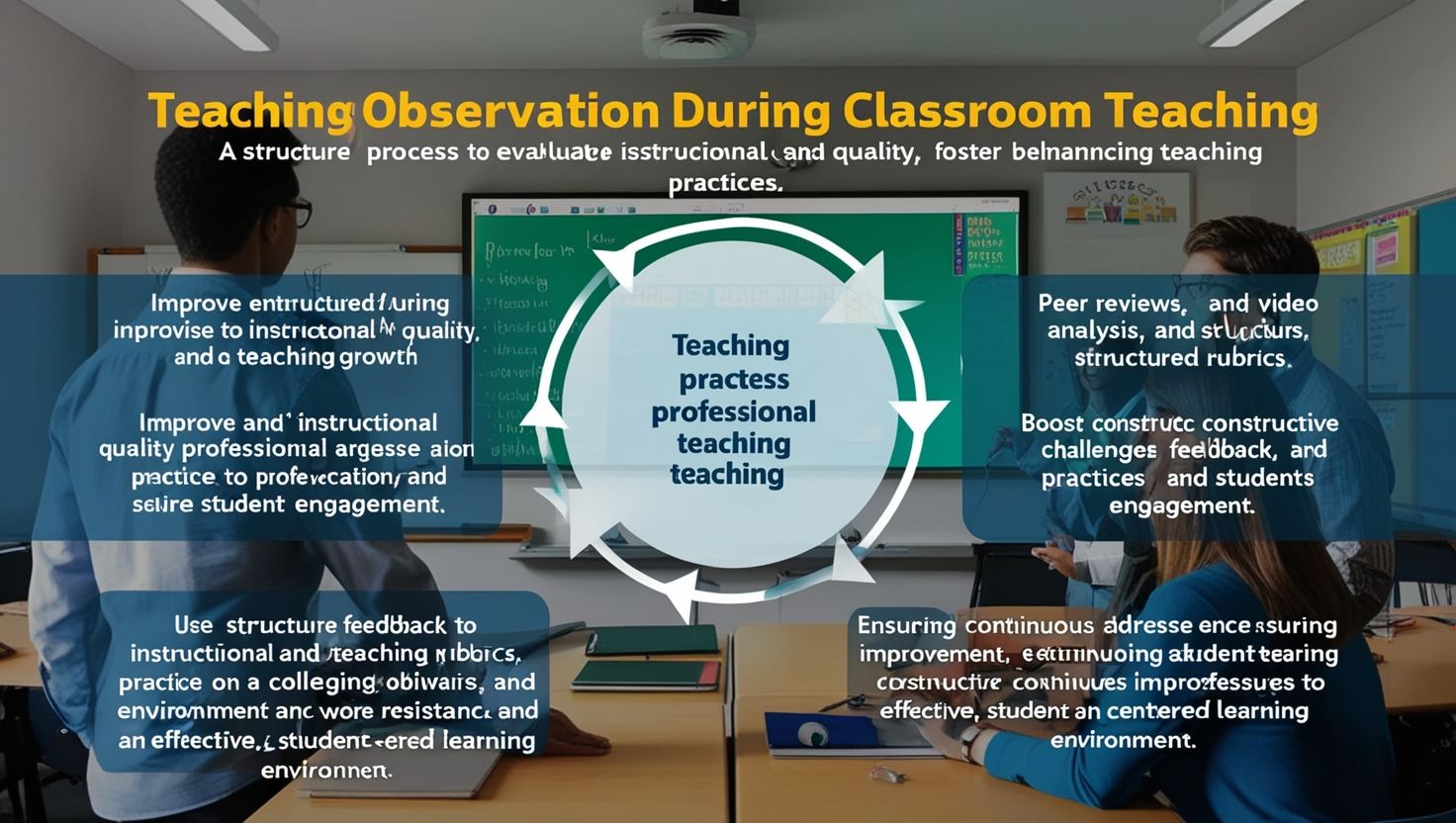
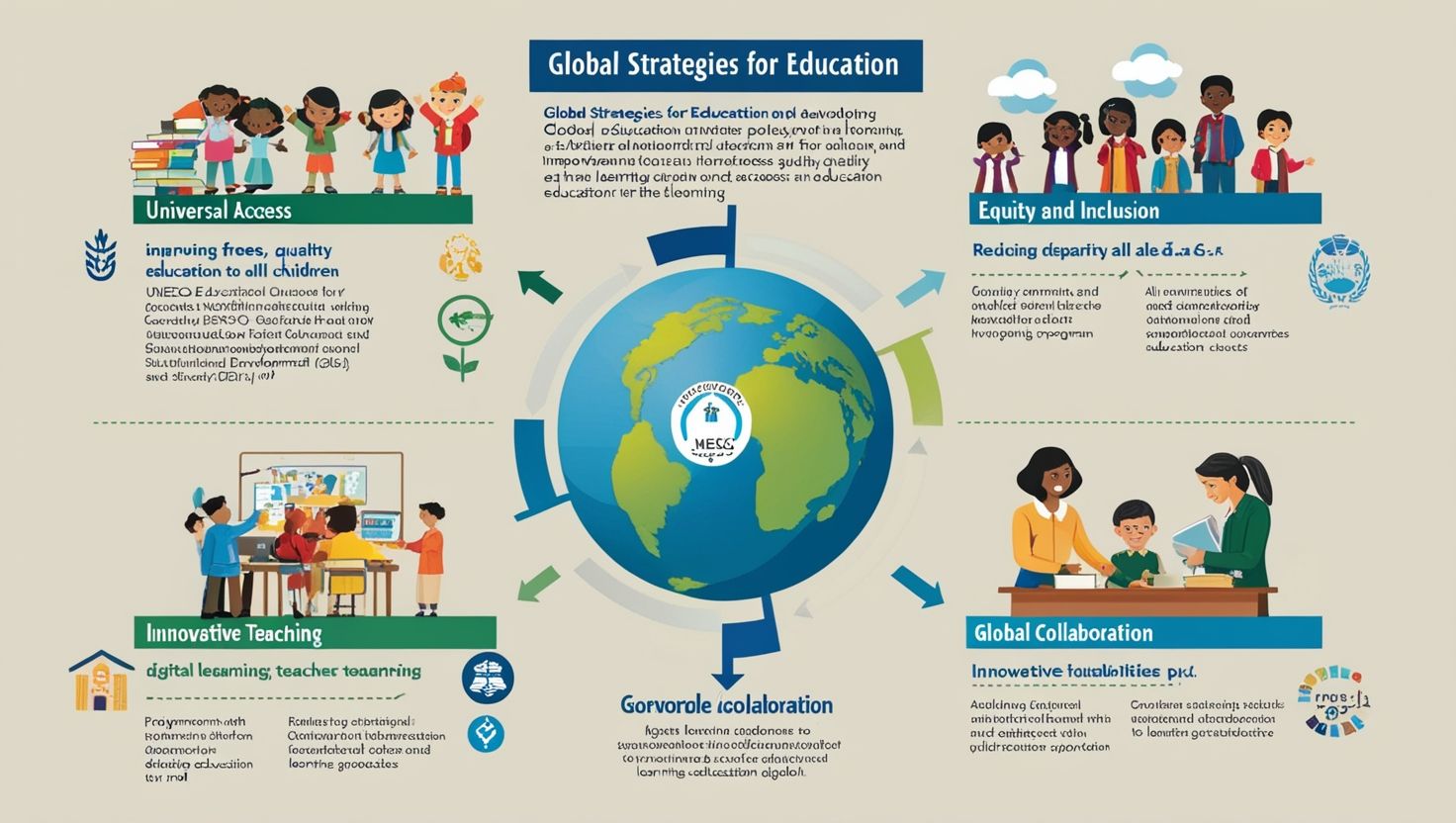
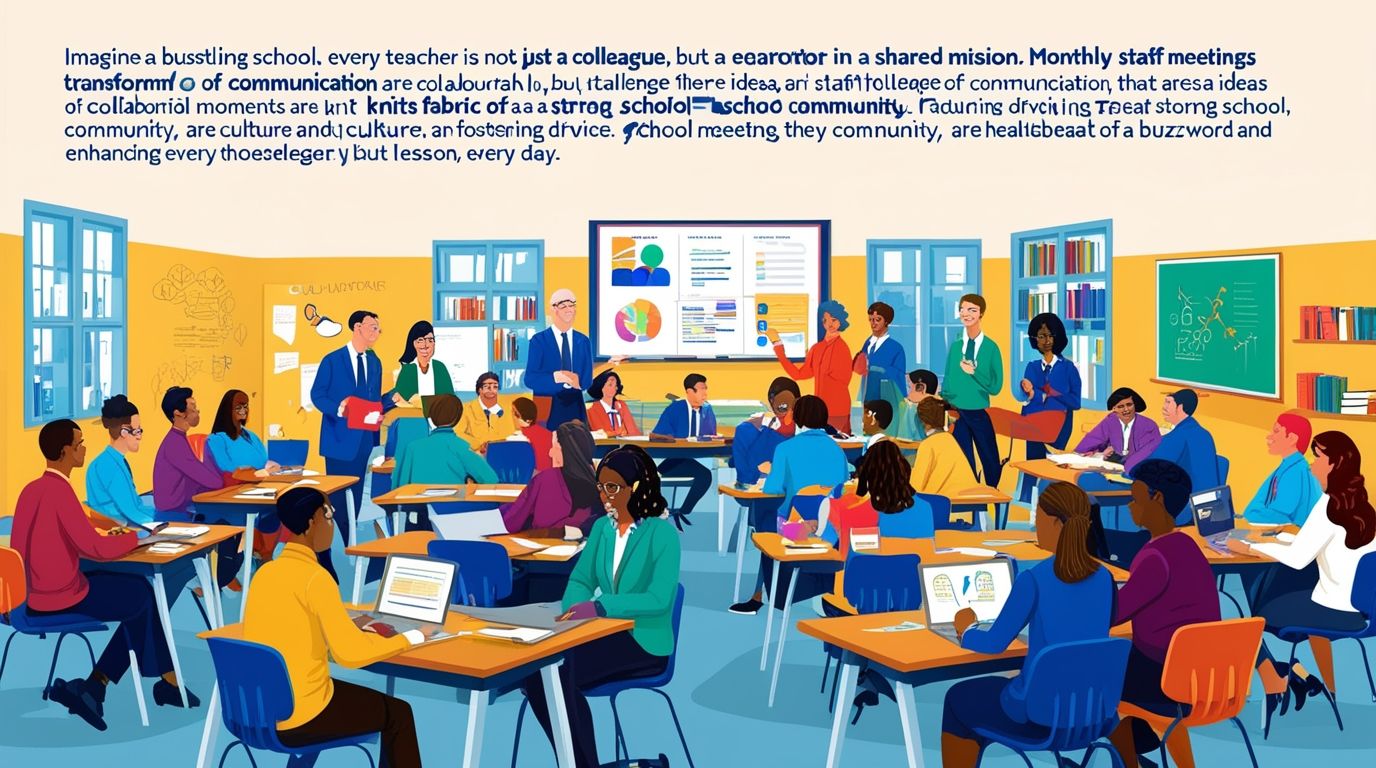
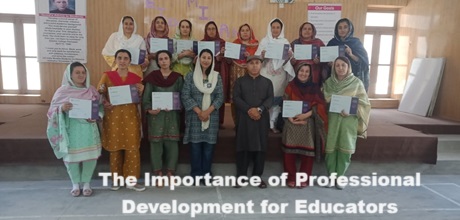
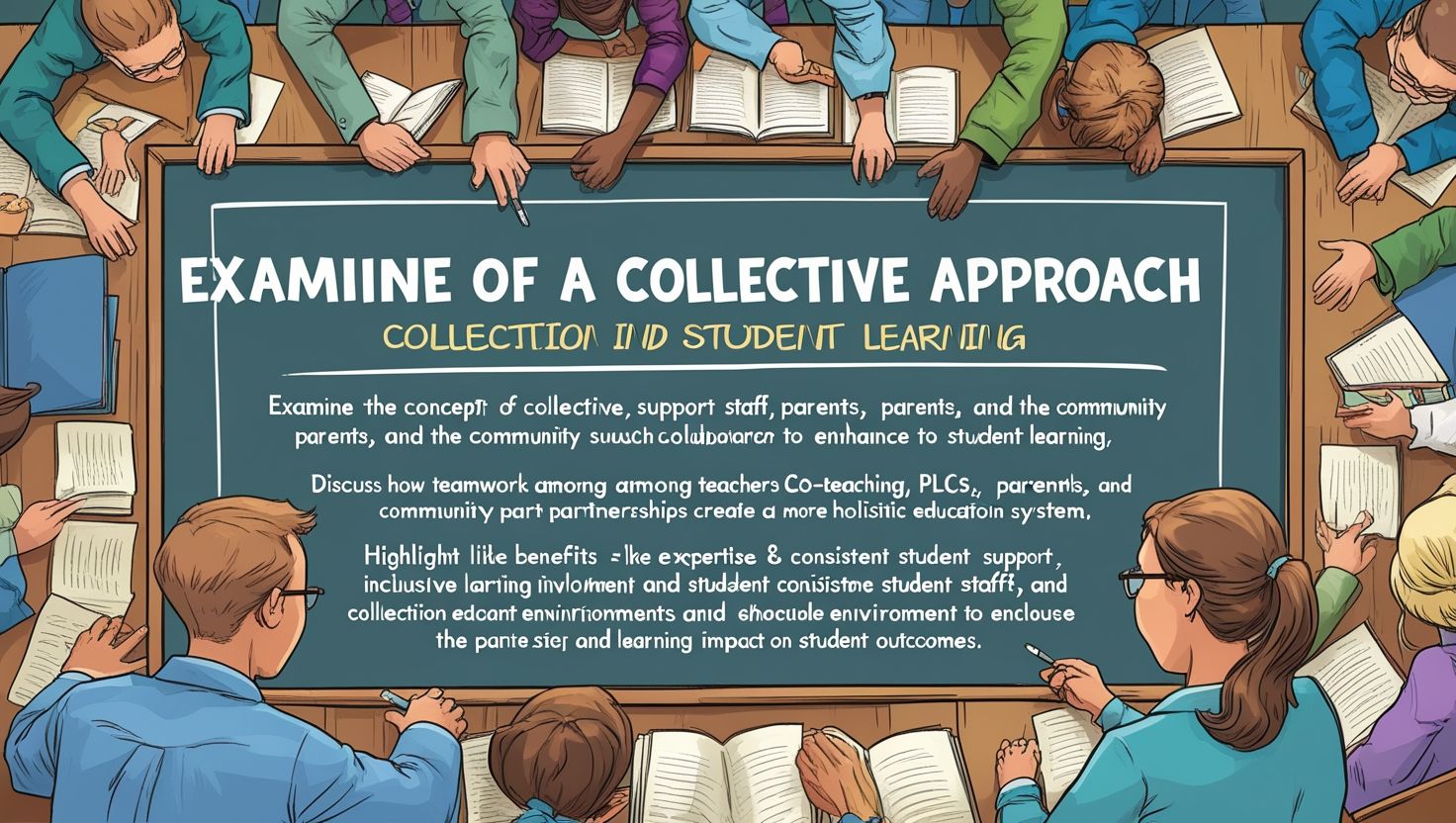
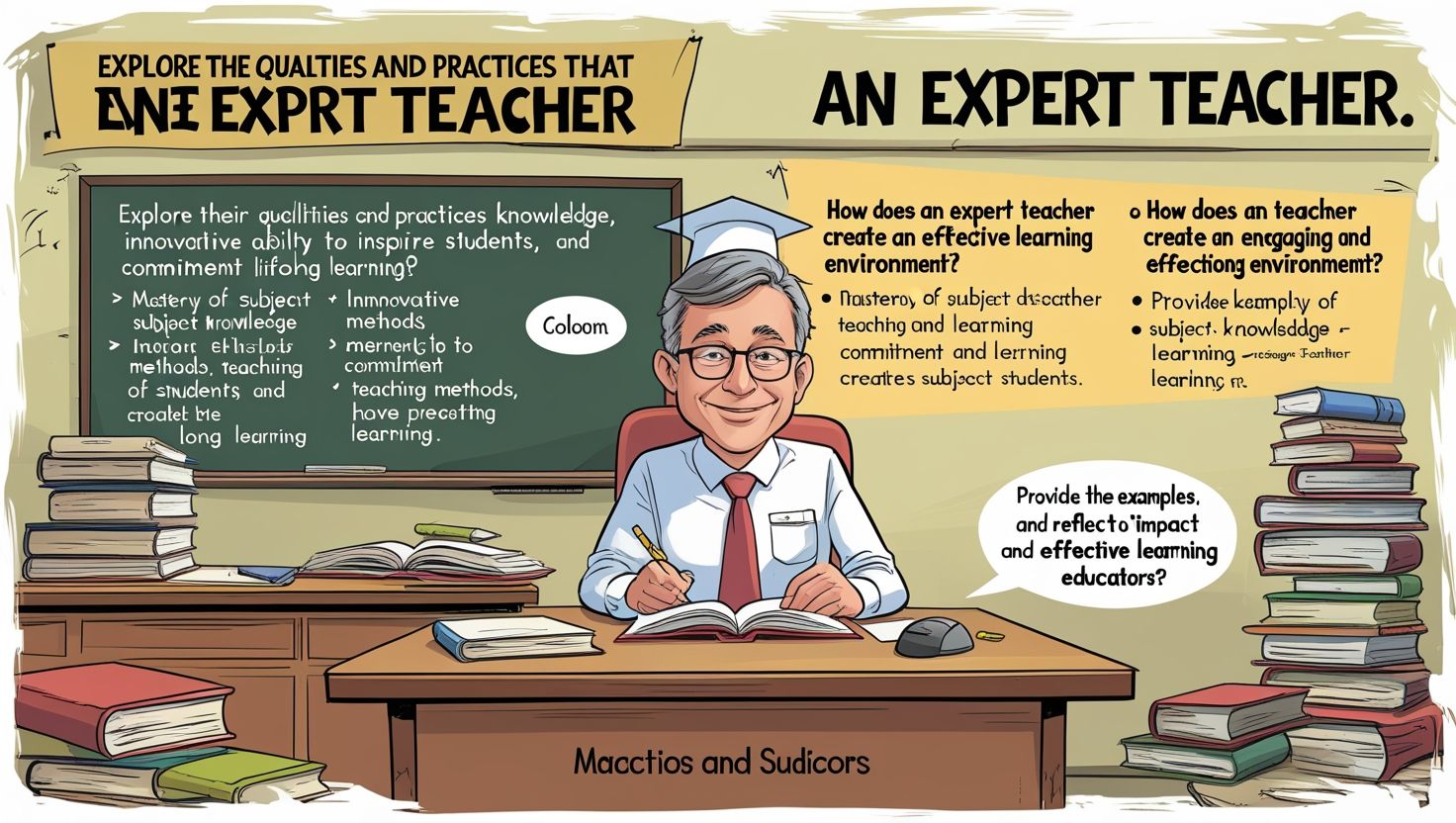
Teachers also benefit from collective wisdom. PLCs allow educators to share best practices, discuss challenges, and develop innovative teaching strategies together.
Case Studies: Collective Wisdom in Action
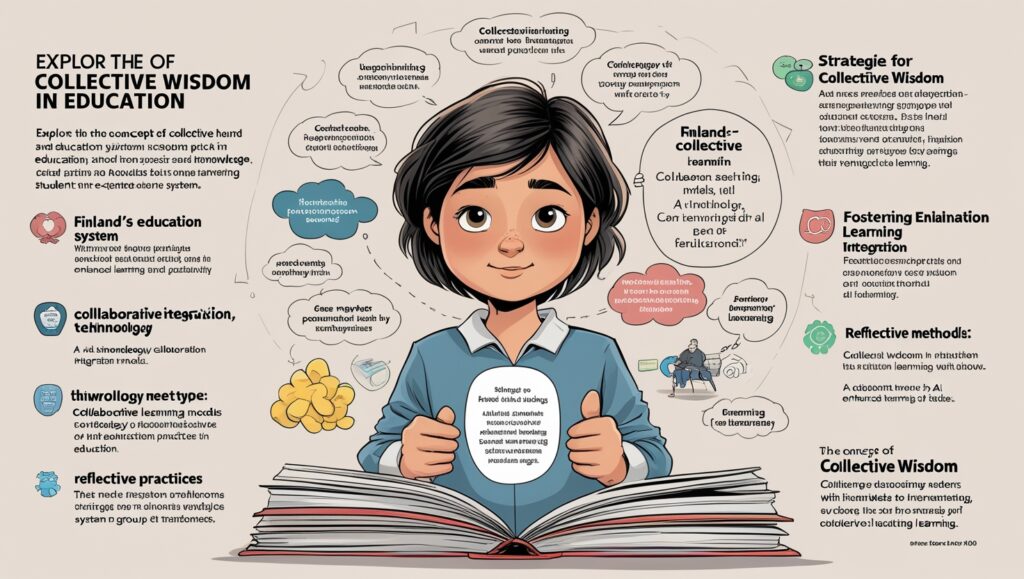
1. Finland’s Education System
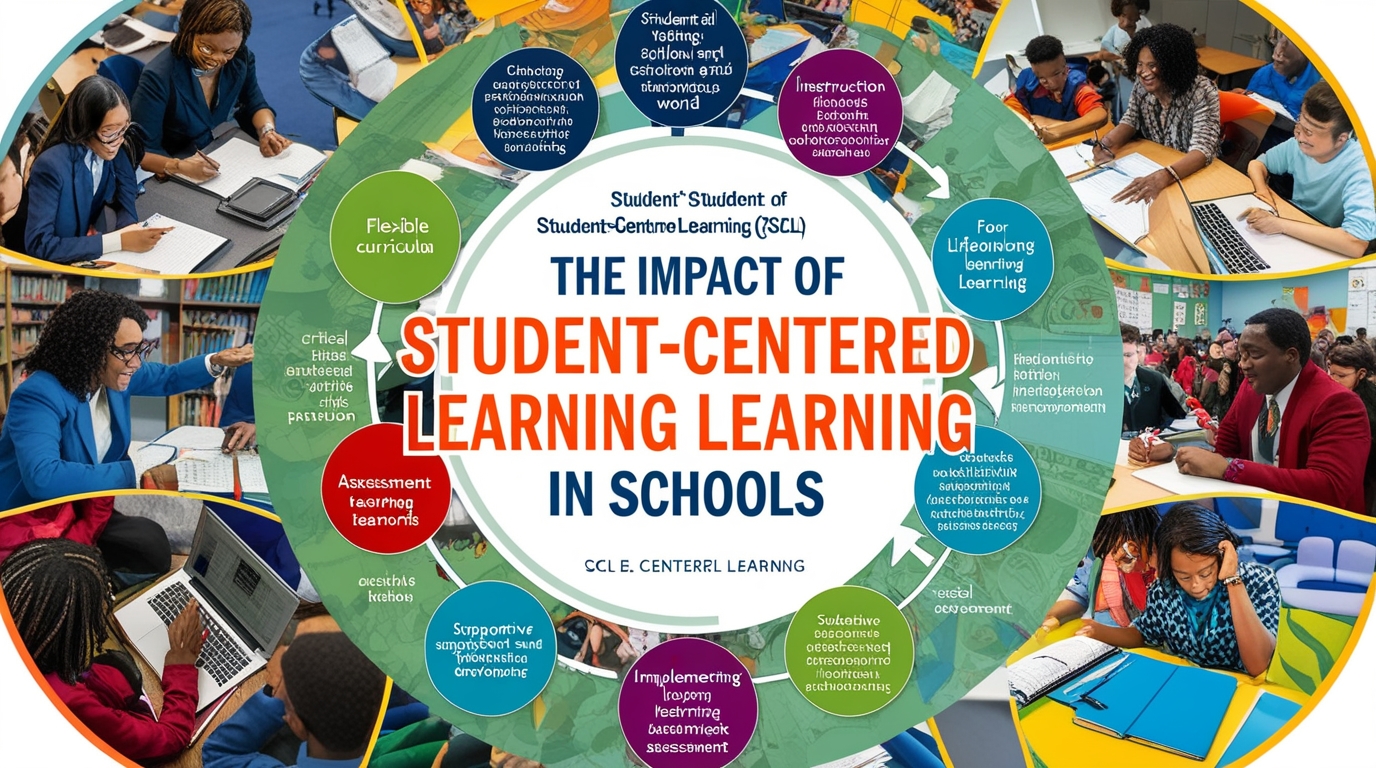
Finland’s success in education is partly due to its emphasis on collaboration over competition. Teachers work in teams, and students engage in group-based, student-centered learning rather than standardized testing.
2. Wikipedia in the Classroom
Some educators use Wikipedia editing as a teaching tool, where students contribute to public knowledge while learning research and writing skills.
3. Open-Source Learning (MIT OpenCourseWare)
Institutions like MIT share course materials online, allowing global learners and educators to contribute, adapt, and improve educational resources collectively.
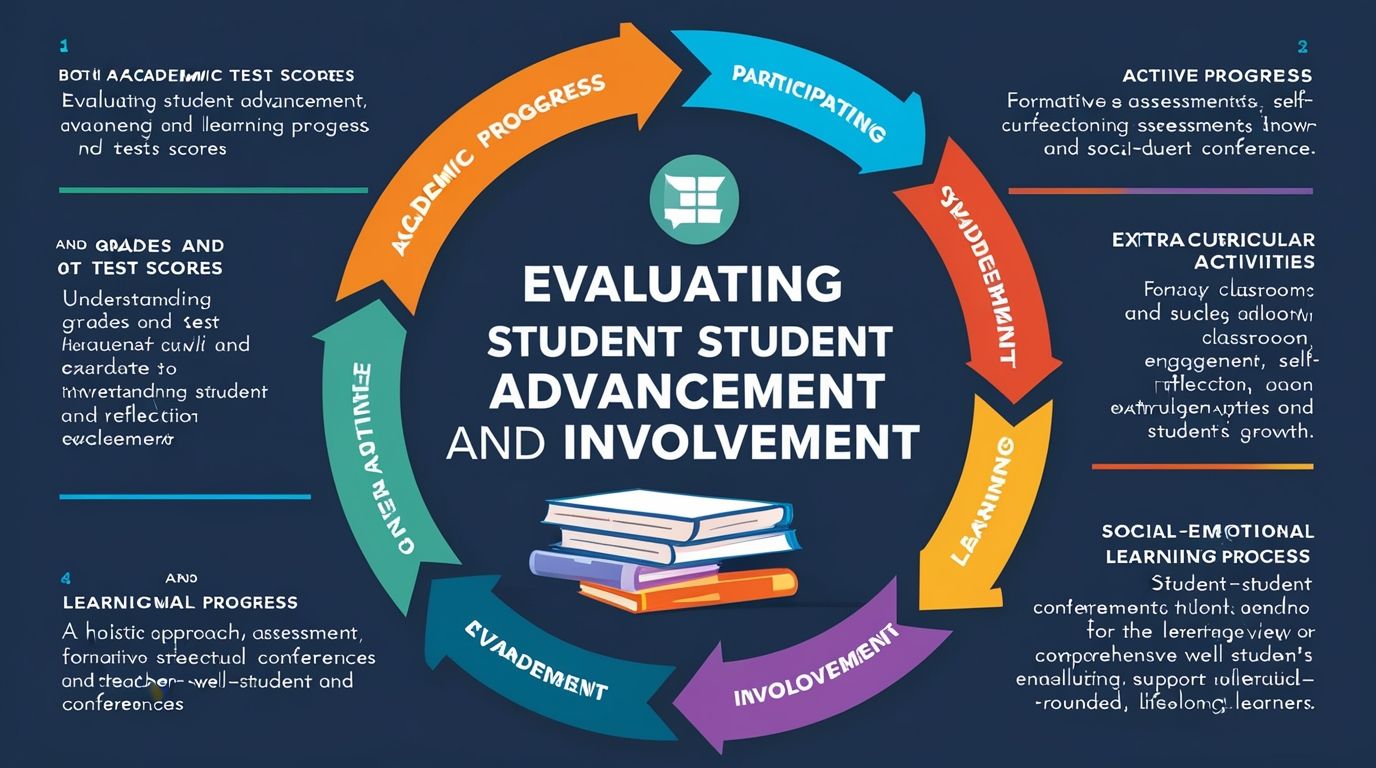
4. Student-Led Conferences
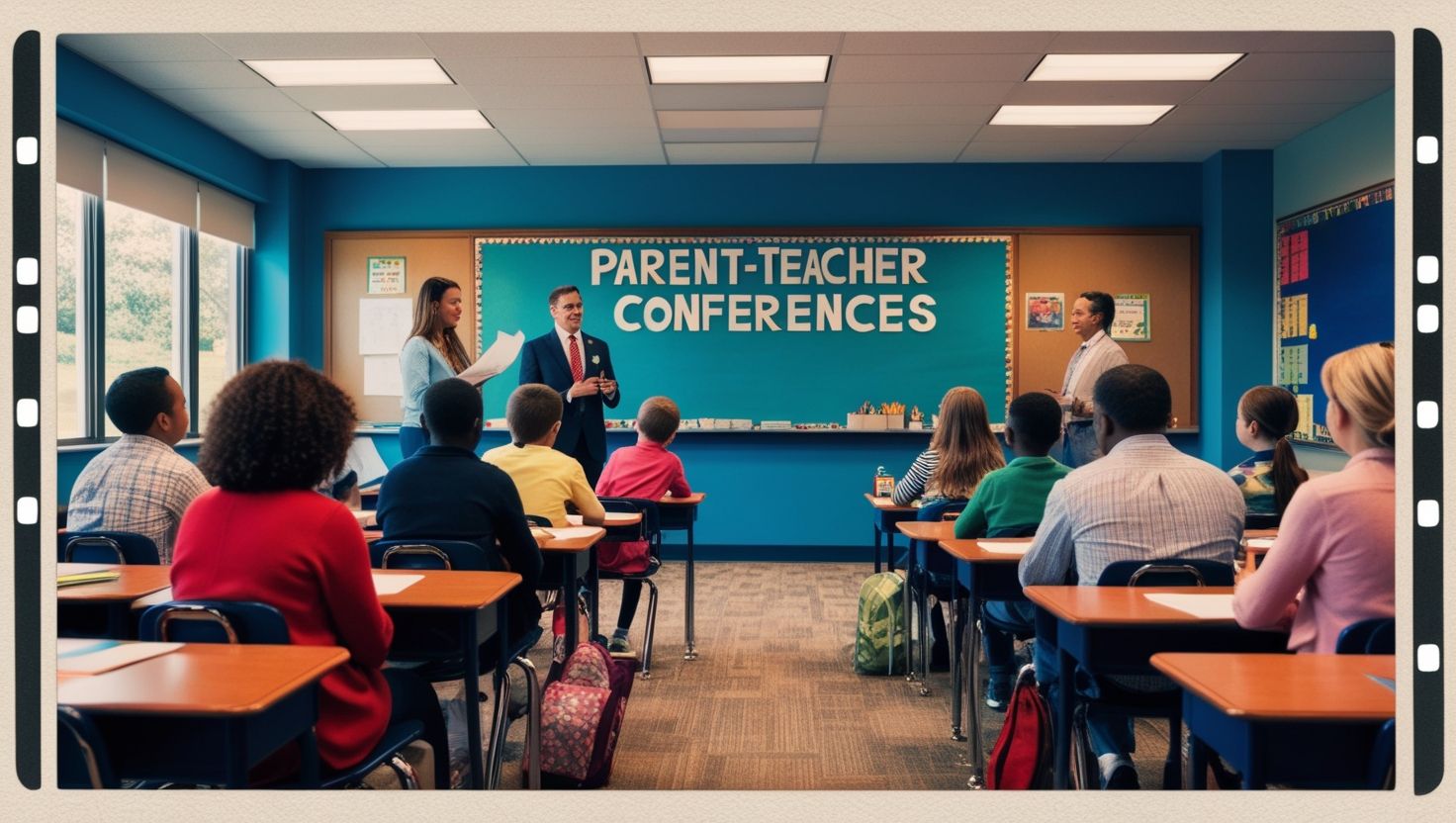
Instead of traditional parent-teacher meetings, some schools hold student-led conferences where learners present their progress, fostering accountability and shared ownership of learning.
The Future of Collective Wisdom in Education
As education evolves, collective wisdom will play an even greater role. Emerging trends include:
- Decentralized Learning Networks: Blockchain and decentralized platforms could enable peer-to-peer credentialing and knowledge validation.
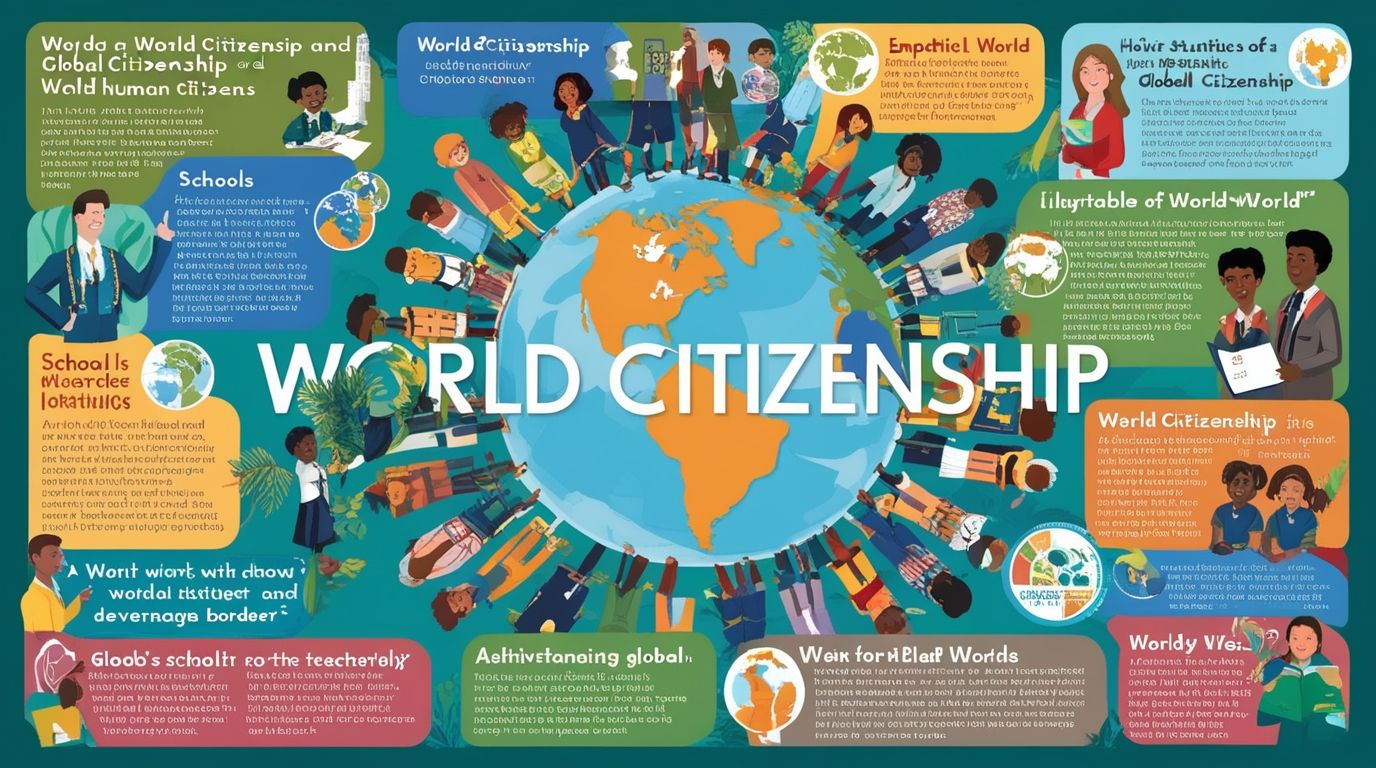
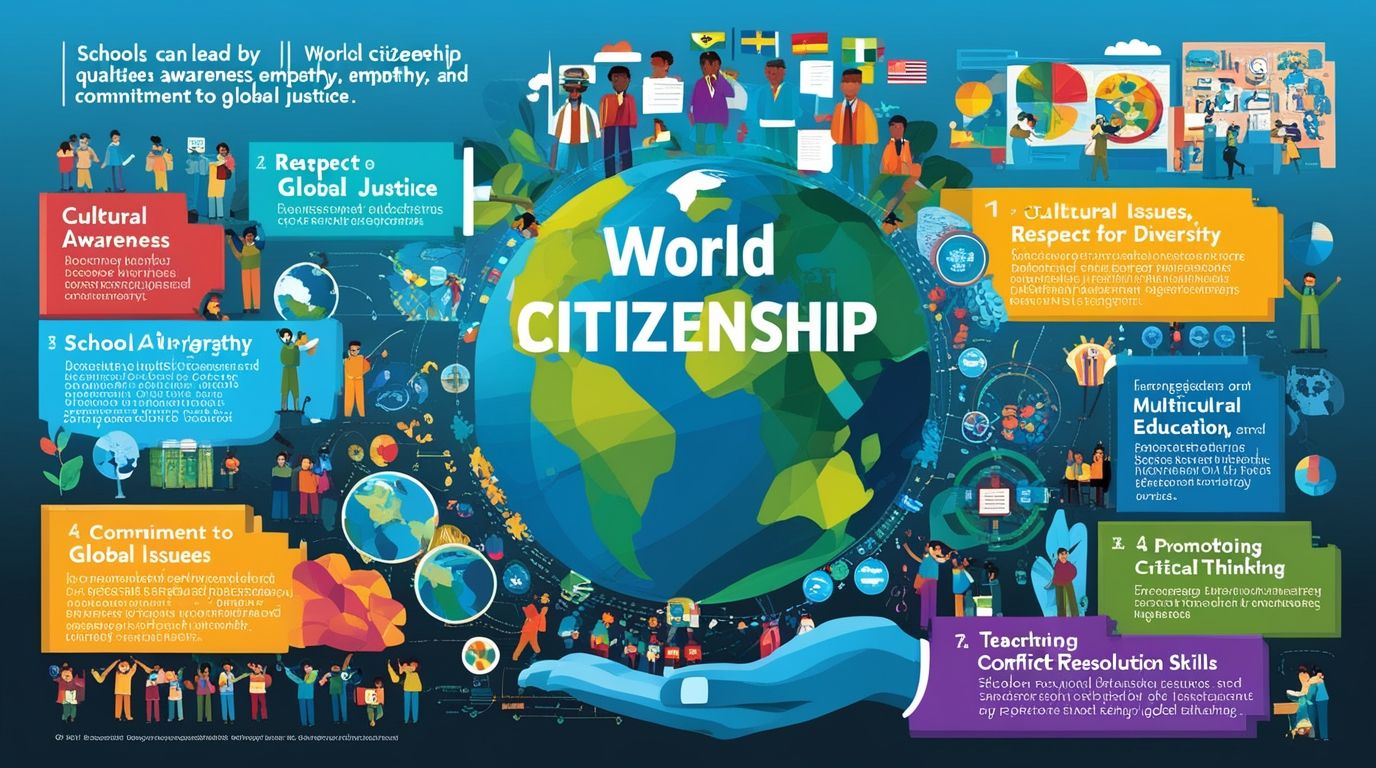
- Global Classroom Collaborations: Virtual exchange programs connect students worldwide, broadening perspectives.
- AI-Enhanced Collective Learning: AI could help synthesize group knowledge, identify trends, and personalize learning paths while maintaining human collaboration.
Conclusion
Collective wisdom transforms education from a top-down transmission of knowledge to a dynamic, participatory process. By valuing the contributions of all stakeholders—students, teachers, parents, and communities—we can create more resilient, inclusive, and innovative learning environments. While challenges exist, strategies like collaborative learning, technology integration, and reflective practices can help harness the power of collective wisdom. As education continues to evolve, embracing shared knowledge will be key to preparing learners for an interconnected and rapidly changing world.



















































































































































































































What a stuff of un-ambiguity and preserveness of precious familiarity regarding unexpected feelings.
whoah this weblog is magnificent i love studying your articles. Keep up the great work! You understand, lots of individuals are hunting round for this information, you could help them greatly.
This is one very informative blog. I like the way you write and I will bookmark your blog to my favorites.
Unquestionably believe that which you said. Your favorite reason seemed to be on the net the easiest thing to be aware of. I say to you, I certainly get annoyed while people consider worries that they plainly don’t know about. You managed to hit the nail on the head. Will probably be back to get more. Thanks
Fine way of explaining, and good post to obtain facts regarding my presentation focus, which i am going to convey in university.
I am lucky that I discovered this website , precisely the right info that I was searching for! .
You ma’am have a way with words. Thank you very much!
Right now it seems like WordPress is the best blogging platform available right now. (from what I’ve read) Is that what you’re using on your blog?
It’s awesome designed for me to have a website, which is beneficial in favor of my know-how. thanks admin
What’s Taking place i am new to this, I stumbled upon this I’ve discovered It absolutely useful and it has aided me out loads. I’m hoping to contribute & aid different customers like its aided me. Good job.
Hey there, You have performed an excellent job. I will certainly digg it and for my part recommend to my friends. I’m confident they will be benefited from this website.
Hey there, You have performed a great job. I’ll definitely digg it and for my part recommend to my friends. I am sure they will be benefited from this web site.
I really like your writing style, excellent info , thanks for putting up : D.
Hi there, You have done a great job. I’ll definitely digg it and in my view suggest to my friends. I am sure they will be benefited from this site.
Hi there, You’ve performed a great job. I’ll definitely digg it and individually suggest to my friends. I am confident they will be benefited from this website.
It’s the best time to make a few plans for the future and it is time to be happy. I’ve read this put up and if I may I want to suggest you some attention-grabbing issues or suggestions. Perhaps you could write next articles regarding this article. I desire to learn even more issues approximately it!
I’m not sure the place you’re getting your information, but good topic. I needs to spend a while studying much more or figuring out more. Thanks for excellent information I used to be searching for this info for my mission.
A thoughtful insight and ideas I will use on my blog. You’ve obviously spent some time on this. Congratulations
Hello there, You’ve done a great job. I will definitely digg it and personally suggest to my friends. I’m sure they’ll be benefited from this website.
This piece of writing is truly a fastidious one it assists new the web visitors, who are wishing for blogging.
Currently it sounds like Drupal is the best blogging platform available right now. (from what I’ve read) Is that what you’re using on your blog?
Just wish to say your article is as astonishing. The clearness in your post is simply spectacular and i could assume you’re an expert on this subject. Fine with your permission let me to grab your feed to keep updated with forthcoming post. Thanks a million and please keep up the gratifying work.
Simply wish to say your article is as astonishing. The clarity in your post is just nice and i could assume you’re an expert on this subject. Fine with your permission let me to grab your feed to keep updated with forthcoming post. Thanks a million and please continue the gratifying work.
This is really interesting, You’re a very skilled blogger. I have joined your feed and look forward to seeking more of your great post. Also, I’ve shared your web site in my social networks!
Oh my goodness! an amazing article. Great work.
I just added this to my favorites. I truly love reading your posts. Tyvm!
hi!,I like your writing very so much! proportion we communicate extra approximately your post on AOL? I need a specialist on this house to unravel my problem. Maybe that’s you! Having a look forward to peer you.
machine-à-sous-5-treasures
My site … strategies