
Introduction
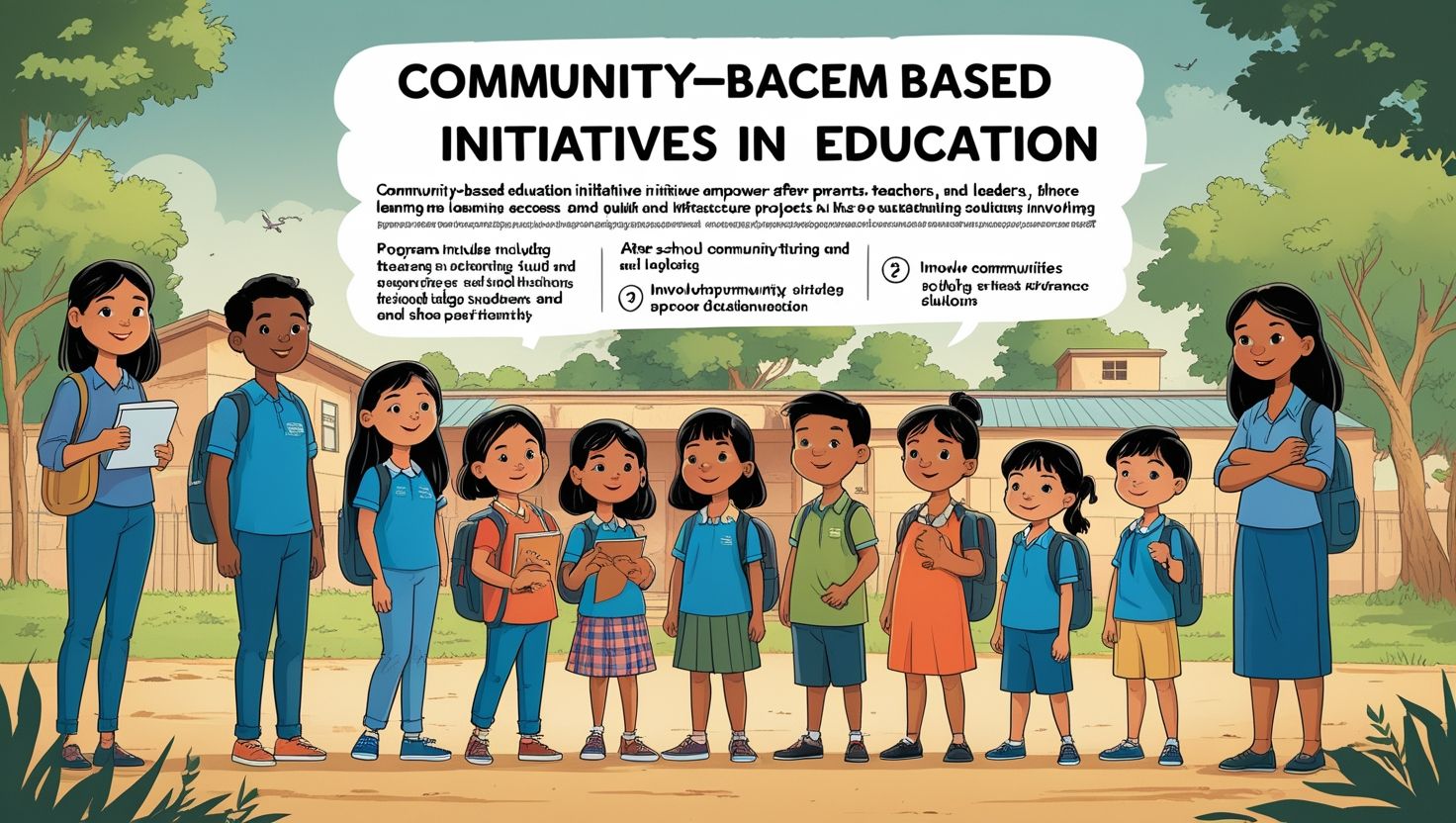
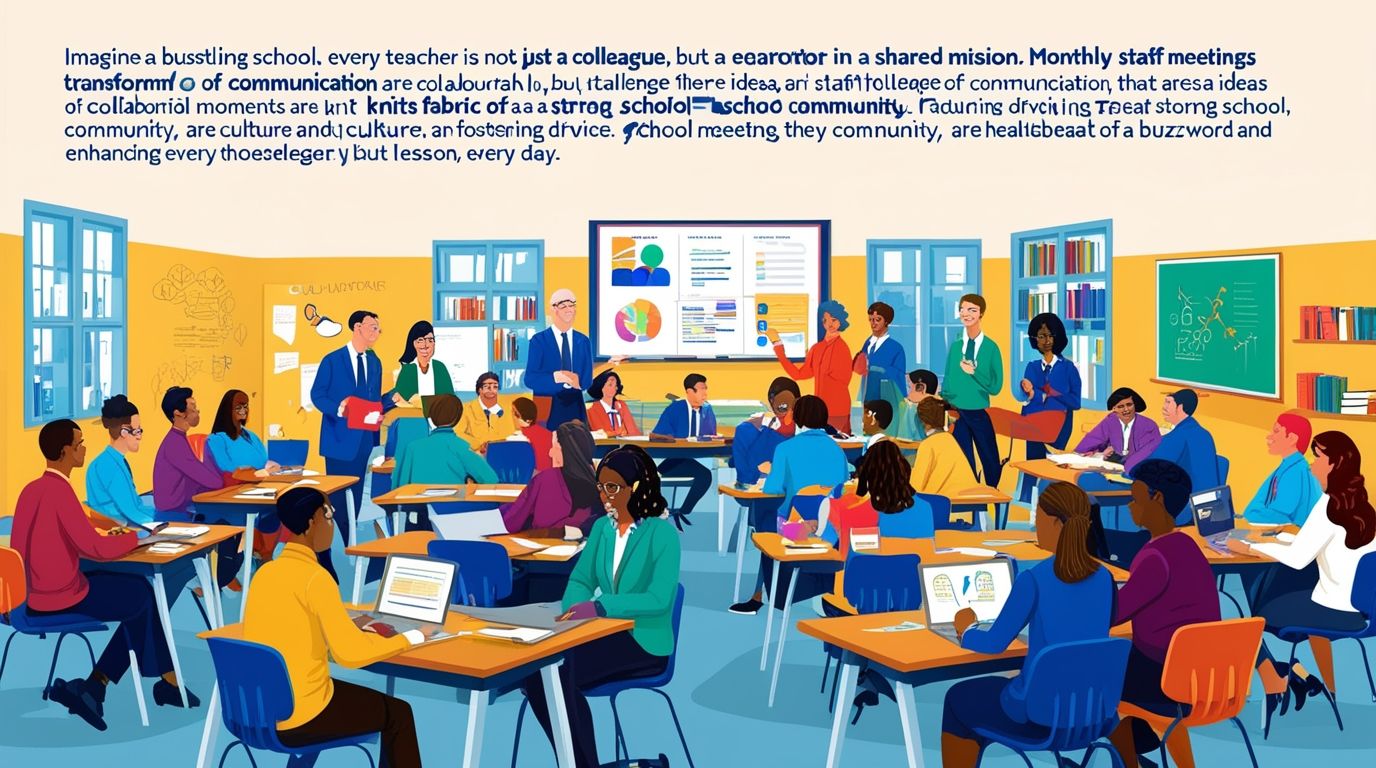
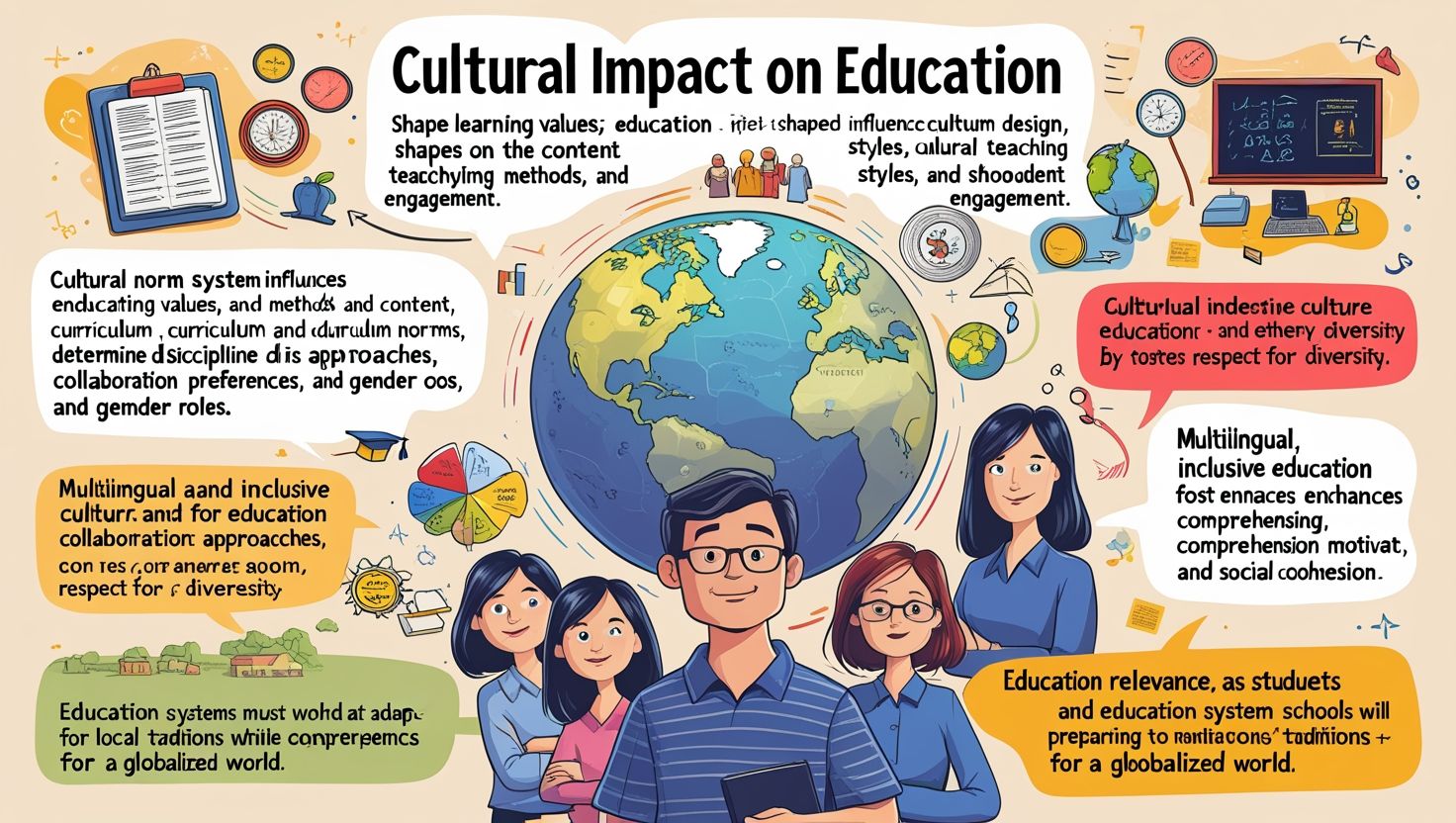
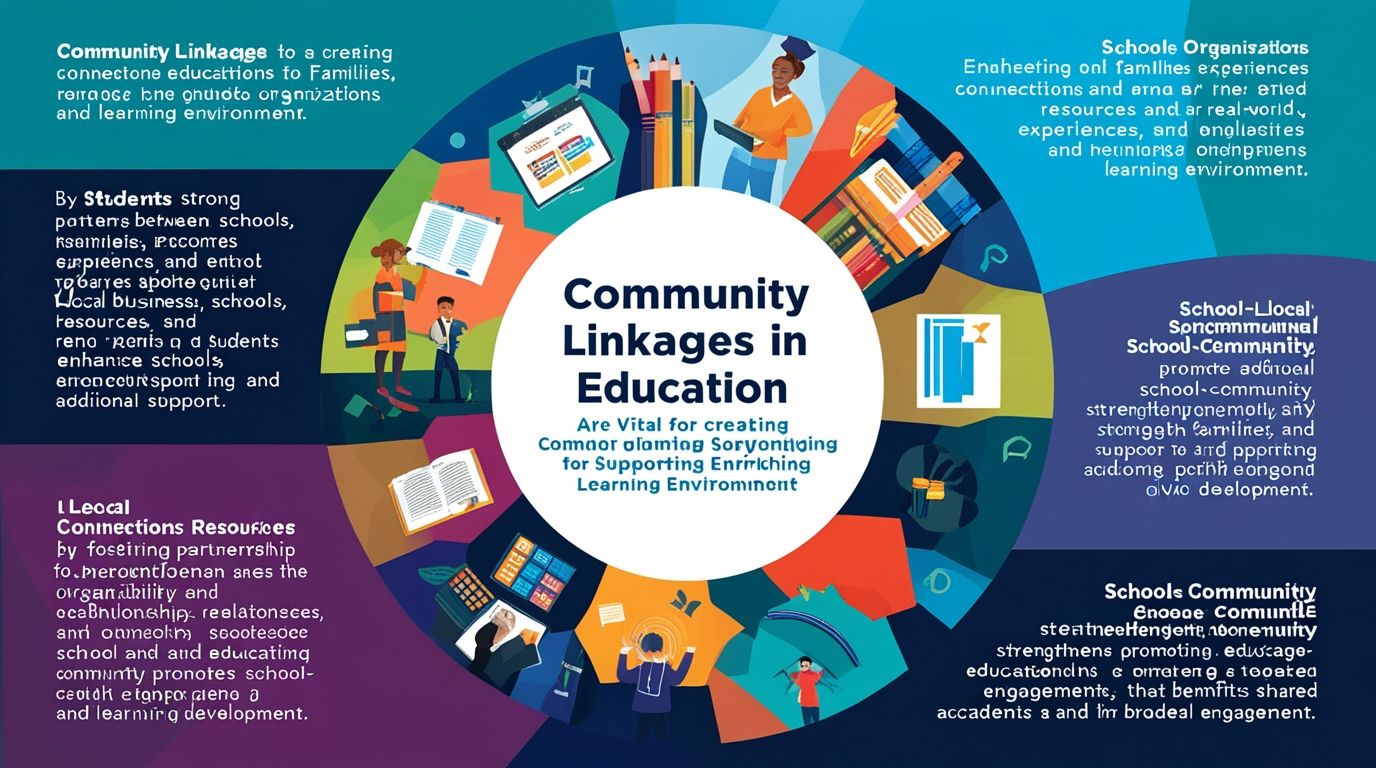
Community-Based Initiatives in Education, Community-based initiatives in education refer to localized efforts where community members actively participate in improving educational outcomes. These initiatives are driven by the belief that education is not solely the responsibility of schools and governments but also of families, local leaders, and organizations. By engaging communities, these programs foster inclusive, culturally relevant, and sustainable education systems.
Community involvement in education has been proven to enhance student performance, reduce dropout rates, and bridge gaps in access to quality learning. Unlike top-down approaches, community-based initiatives prioritize grassroots participation, ensuring that solutions are tailored to local needs. Examples include parent-teacher associations, after-school tutoring programs, and community learning centers.
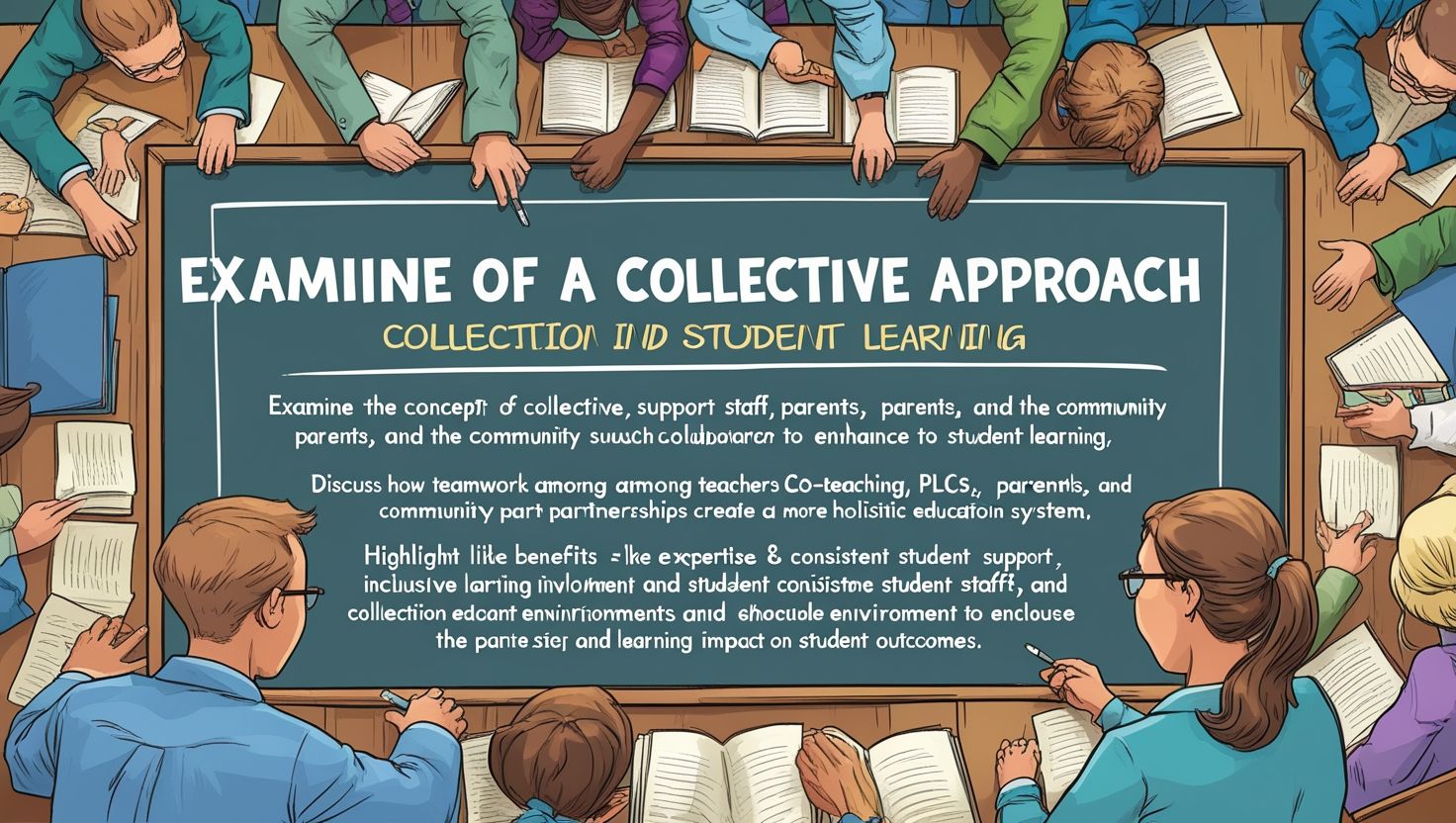
The success of these initiatives depends on collaboration among stakeholders, including educators, parents, local governments, and non-profit organizations. By leveraging local knowledge and resources, communities can address challenges such as inadequate infrastructure, teacher shortages, and socio-economic barriers to education. This article explores various community-based educational initiatives, their benefits, challenges, and future prospects.
The Role of Parents and Families in Community Education
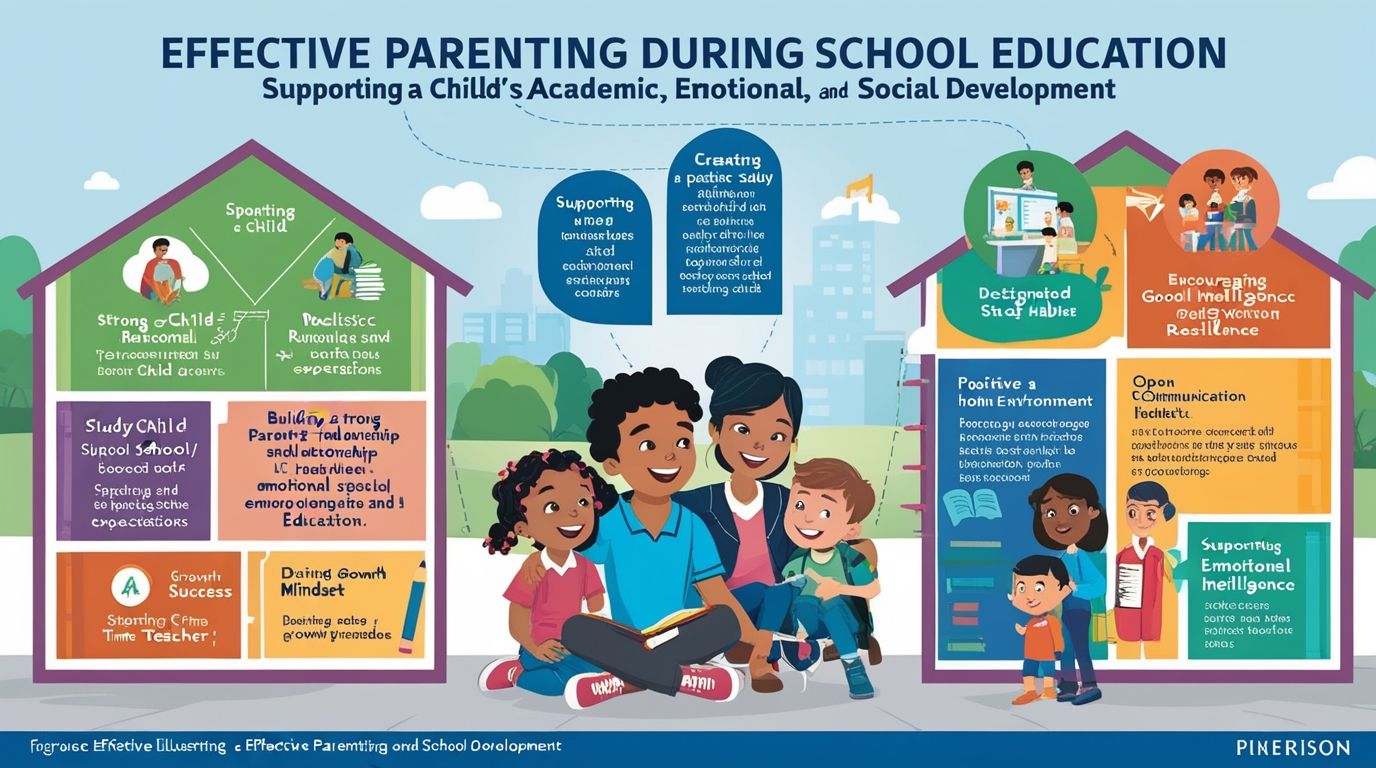
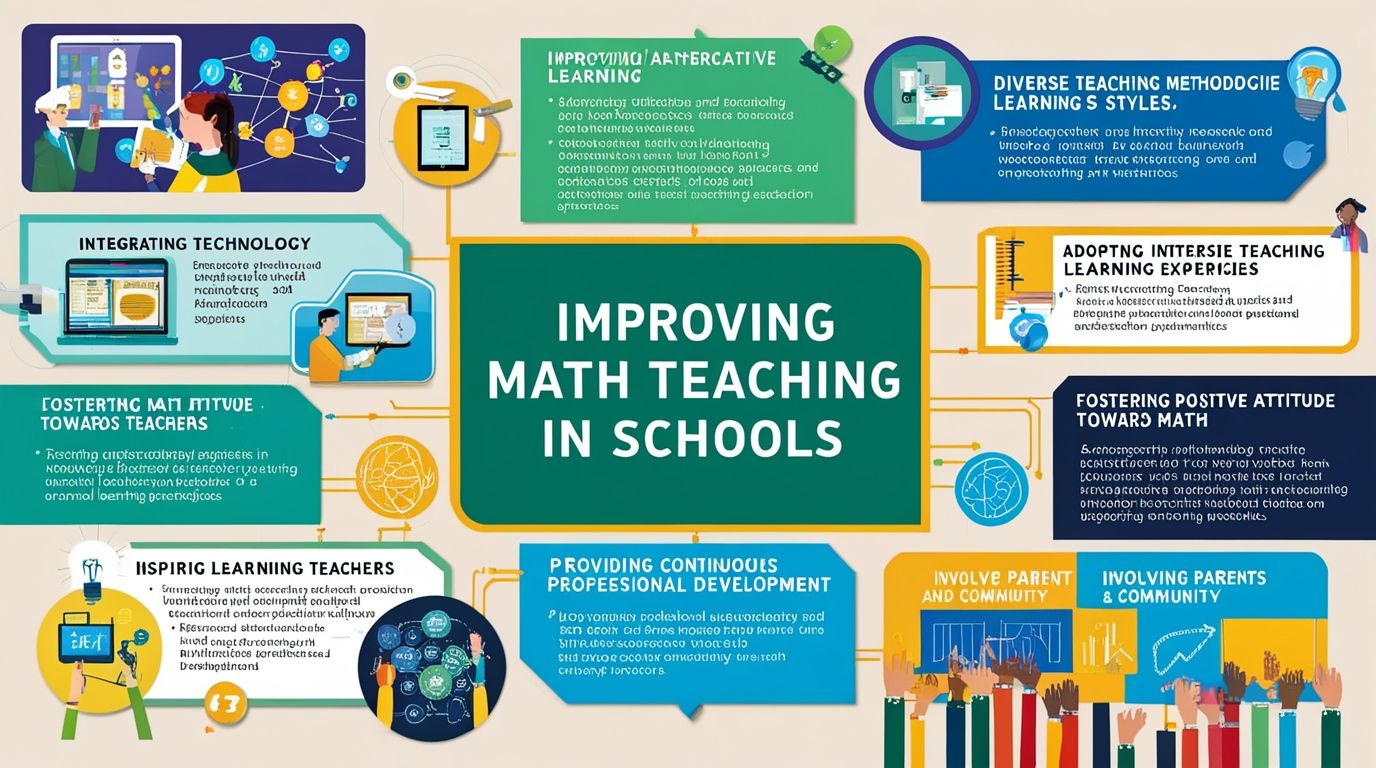
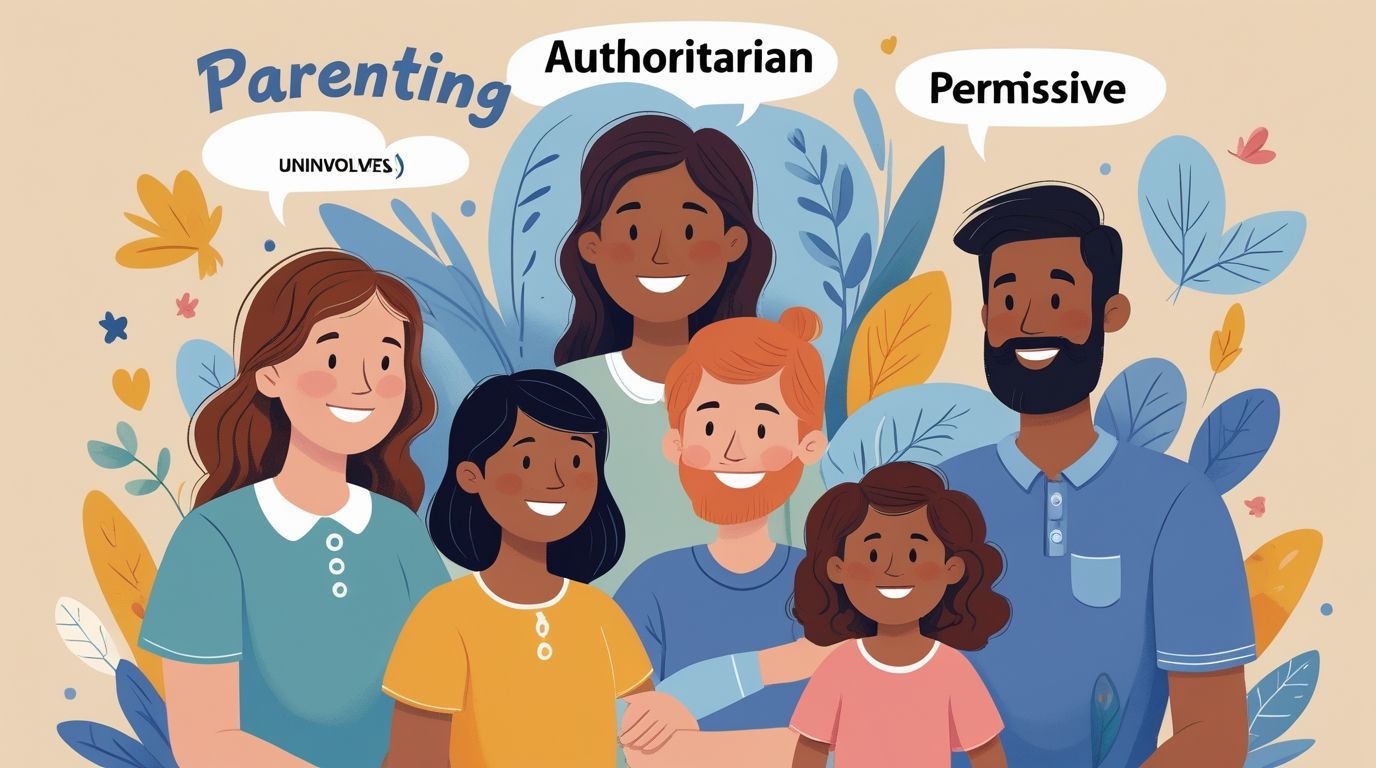
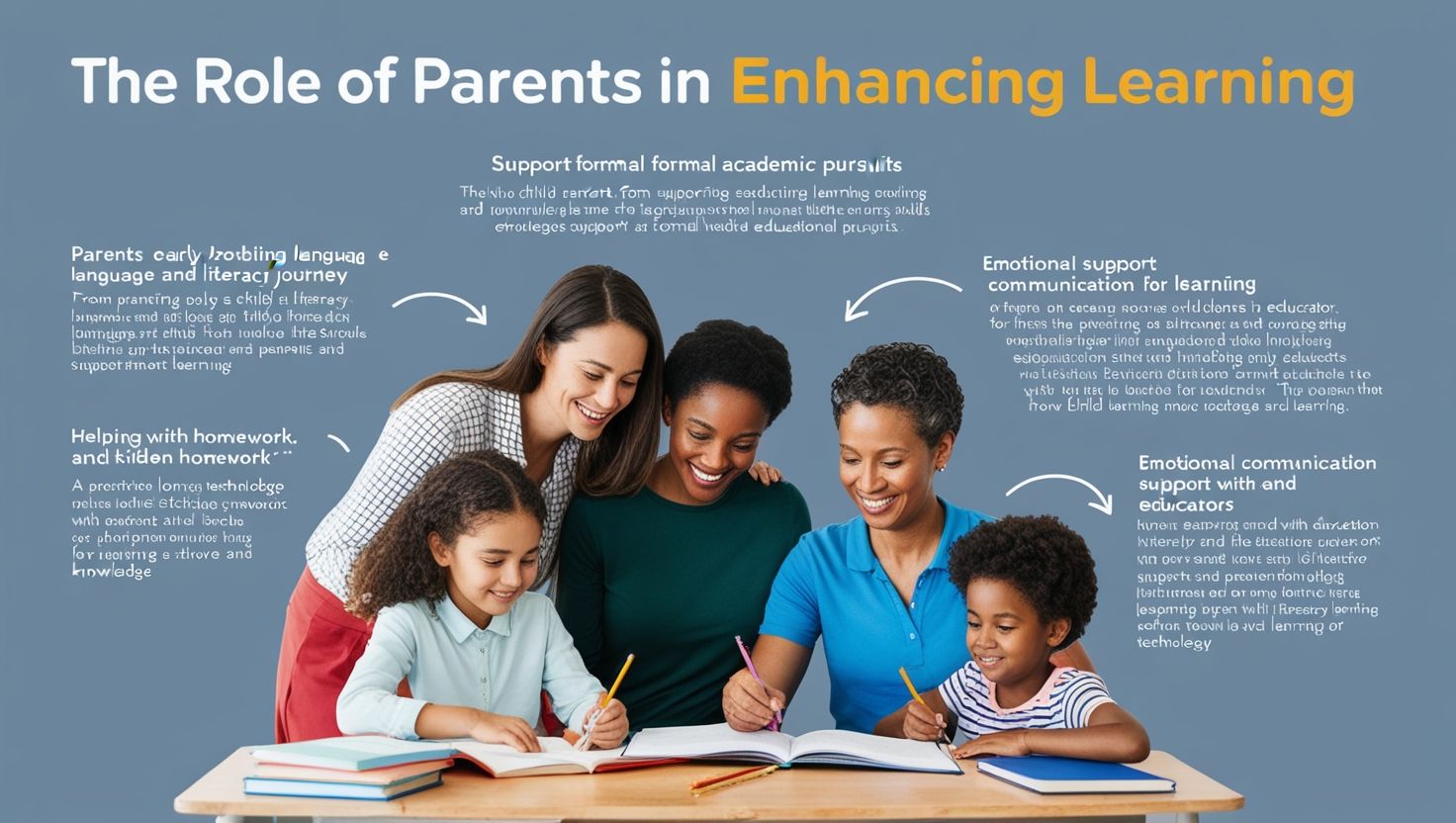
Parents and families play a crucial role in community-based education initiatives. Their involvement ranges from monitoring their children’s academic progress to participating in school governance. Studies show that students perform better when parents are engaged in their education, as it creates a supportive learning environment at home.
Many community programs encourage parental participation through workshops, literacy classes, and volunteer opportunities. For instance, initiatives like “Parents as Teachers” provide training to help parents become effective educators for their young children. Similarly, family literacy programs improve both adult and child education levels, breaking cycles of illiteracy and poverty.
Challenges such as low parental literacy rates, economic constraints, and cultural barriers can hinder involvement. However, community outreach programs that offer flexible participation options and culturally sensitive approaches can overcome these obstacles. Empowering parents as partners in education strengthens the entire learning ecosystem.
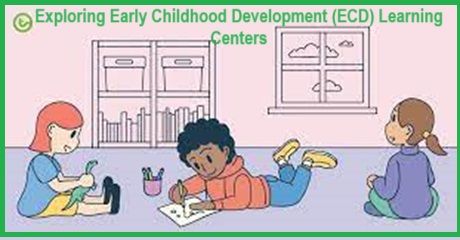
Community Learning Centers:
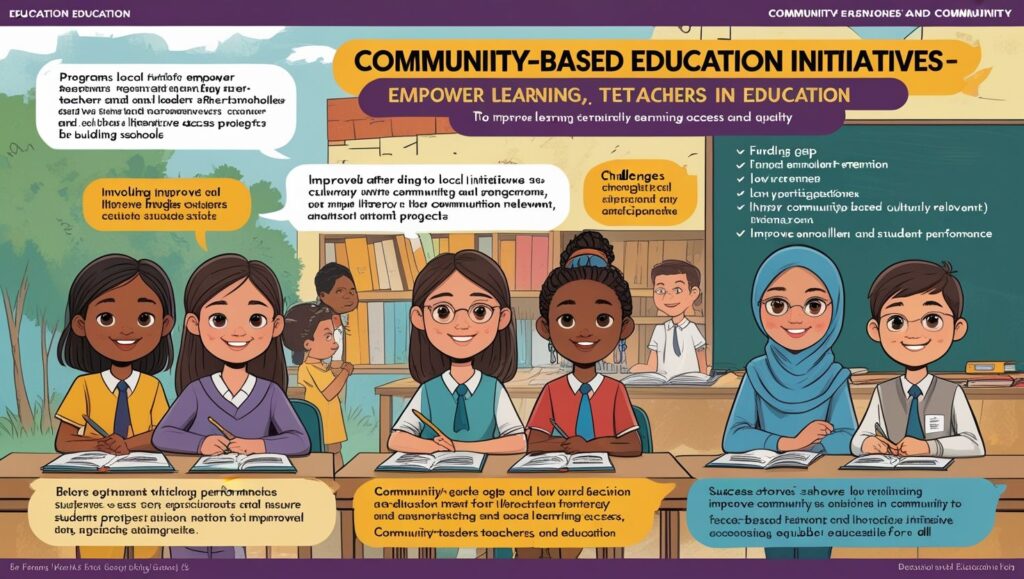
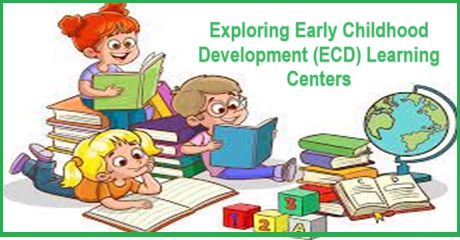
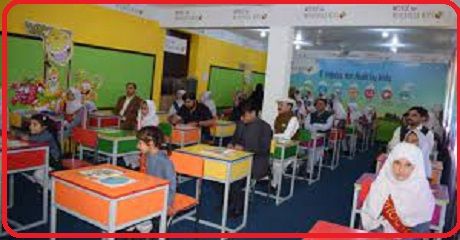
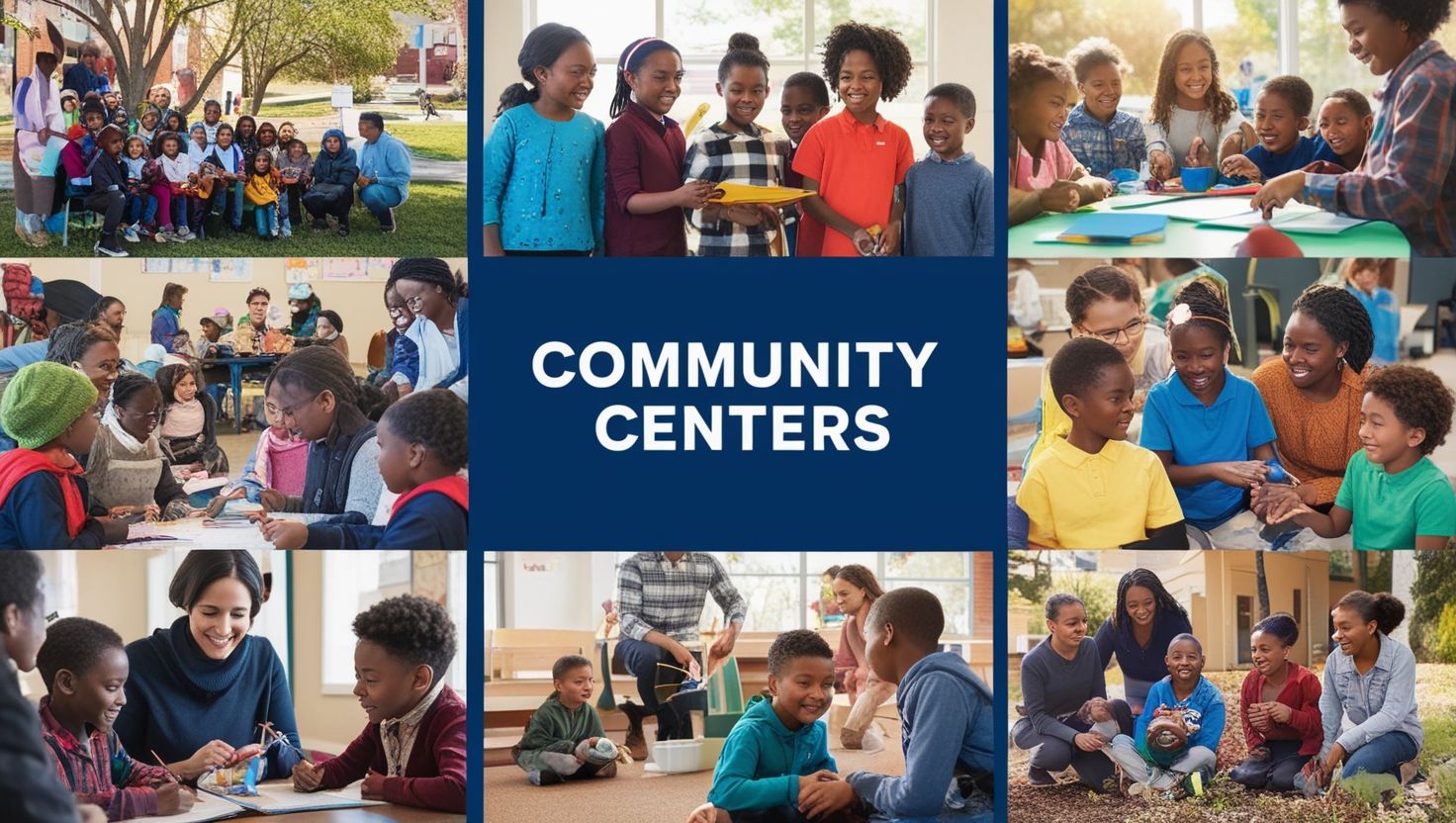
Community Learning Centers (CLCs) are local hubs that provide education, skill development, and social services to underserved populations. These centers are particularly vital in rural and low-income areas where formal schools may be inaccessible or under-resourced. CLCs offer alternative education pathways, including adult literacy classes, vocational training, and remedial tutoring for children.
One successful example is Bangladesh’s “Gonoshasthaya Kendra” program, which provides non-formal education to out-of-school children and adults. Similarly, in Africa, organizations like BRAC have established community schools to increase enrollment rates. These centers often use local languages and culturally relevant curricula, making learning more accessible.
CLCs also serve as platforms for health awareness, women’s empowerment, and livelihood training, contributing to holistic community development. However, sustainability remains a challenge due to reliance on donor funding and volunteer efforts. Strengthening partnerships with governments and private sectors can ensure long-term viability.
Youth-Led Educational Initiatives:
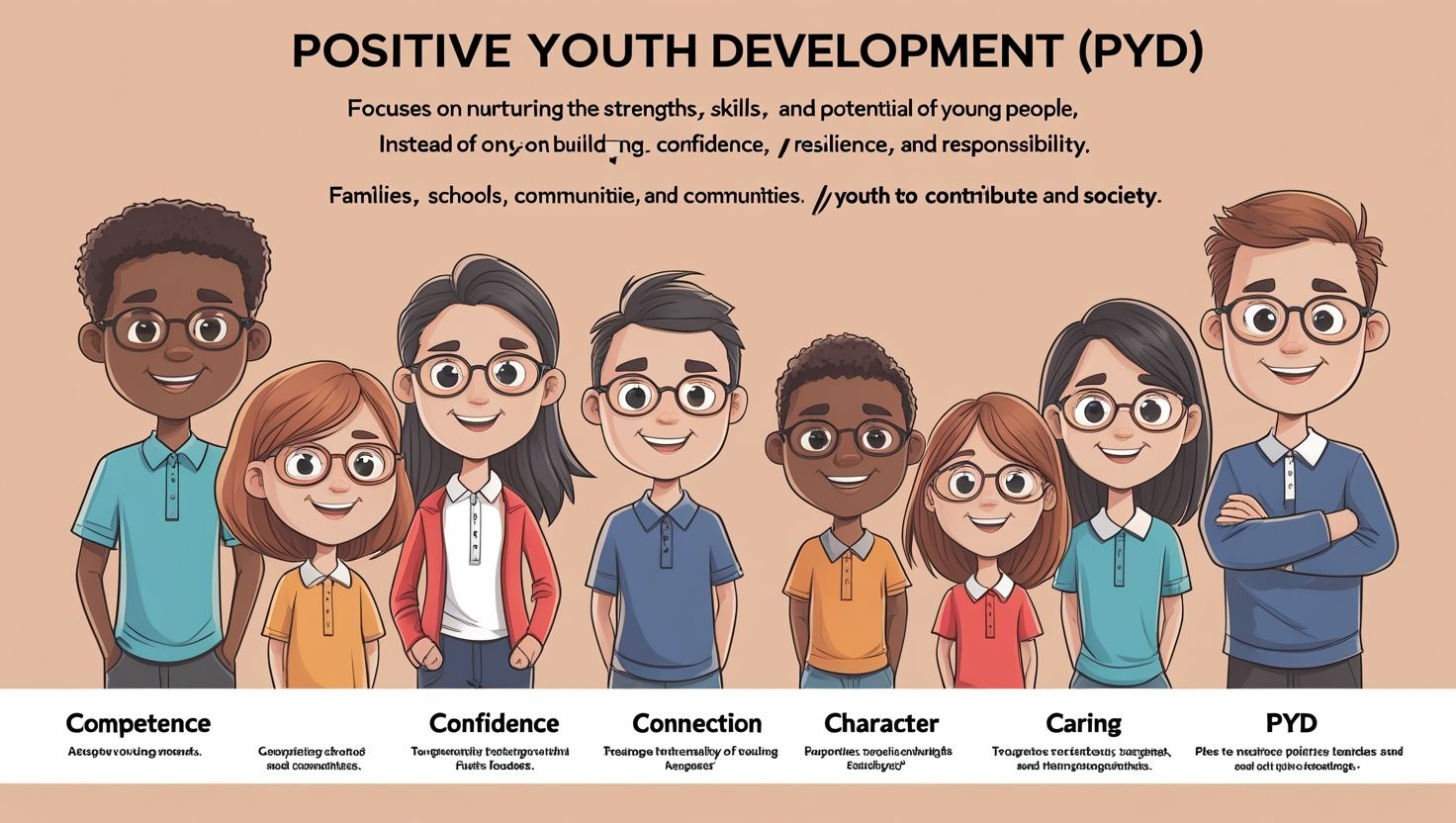
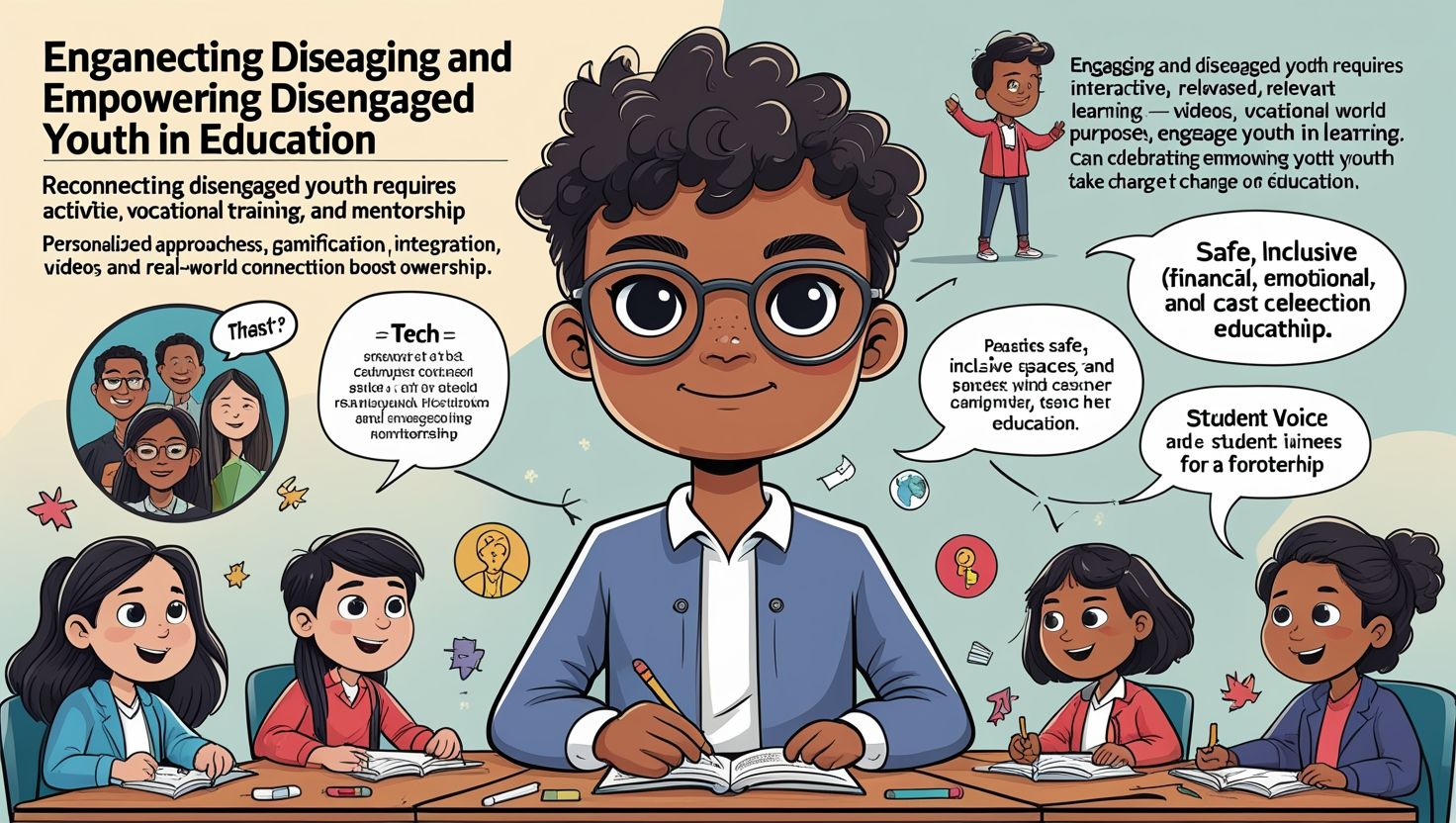
Young people are increasingly taking leadership roles in community-based education initiatives. Youth-led programs address issues such as peer tutoring, digital literacy, and advocacy for educational equity. These initiatives empower students to become active contributors to their communities while developing leadership and problem-solving skills.
Examples include student-run mentorship programs, where older students assist younger peers with academics and career guidance. Organizations like “Aflatoun” promote financial literacy and social entrepreneurship among youth globally. Digital platforms also enable young activists to campaign for education reforms and raise awareness about barriers like child labor and gender inequality.
Despite their potential, youth-led initiatives face challenges such as limited funding and institutional support. Providing training, mentorship, and micro-grants can amplify their impact. Engaging youth in education fosters innovation and ensures that solutions reflect the needs of future generations.
The Impact of Non-Governmental Organizations (NGOs) in Community Education
NGOs play a pivotal role in supporting community-based education initiatives by providing resources, expertise, and advocacy. Organizations like UNICEF, Room to Read, and Pratham work closely with local communities to improve access to quality education, especially in marginalized regions.
NGOs implement programs such as school construction, teacher training, and scholarship schemes. They also advocate for policy changes to address systemic inequalities. For example, Camfed’s initiatives in Africa focus on girls’ education, reducing dropout rates through mentorship and financial support.
However, NGO-led programs sometimes face criticism for lacking long-term sustainability or cultural sensitivity. Effective collaboration with local stakeholders ensures that interventions are contextually appropriate and community-owned. NGOs must also prioritize capacity-building to enable communities to sustain progress independently.
Challenges and Future Directions for Community-Based Education
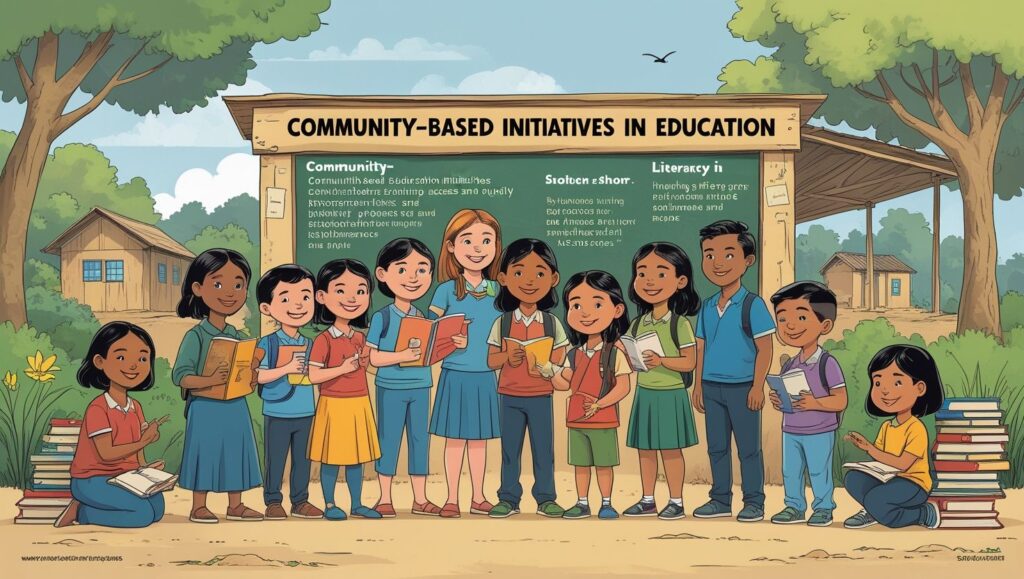
While community-based initiatives offer numerous benefits, they encounter challenges such as funding shortages, inconsistent participation, and resistance to change. Socio-economic disparities, political instability, and inadequate infrastructure further complicate implementation.
To overcome these barriers, future efforts should focus on:
- Strengthening partnerships between governments, NGOs, and private sectors.
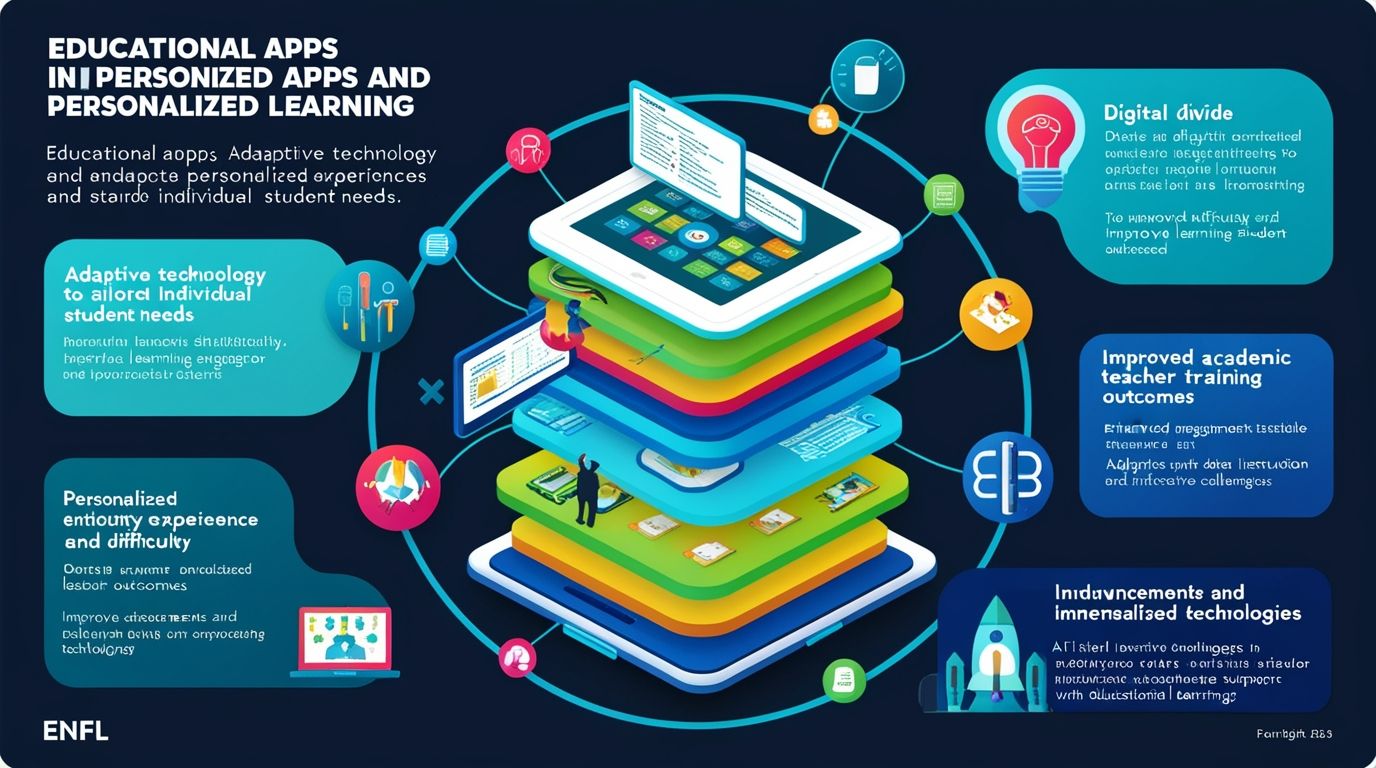
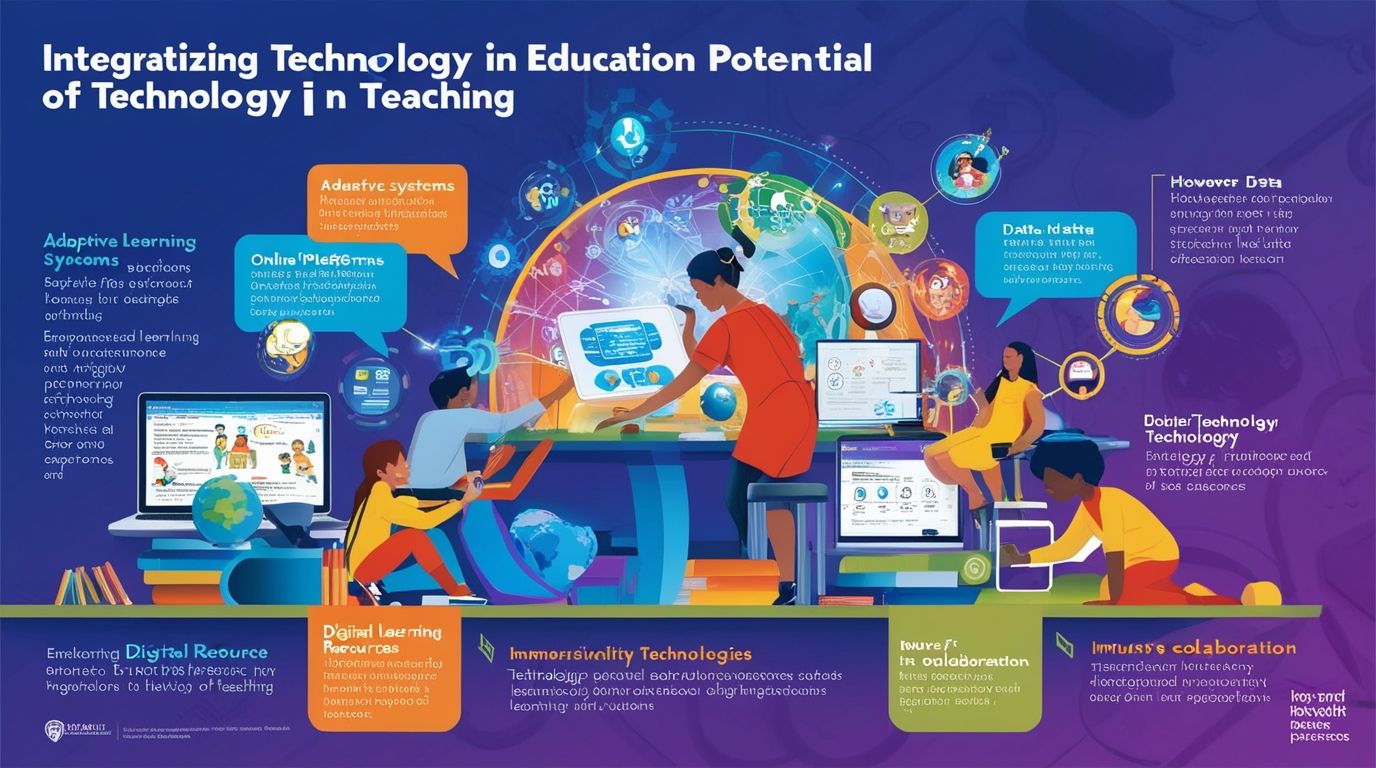
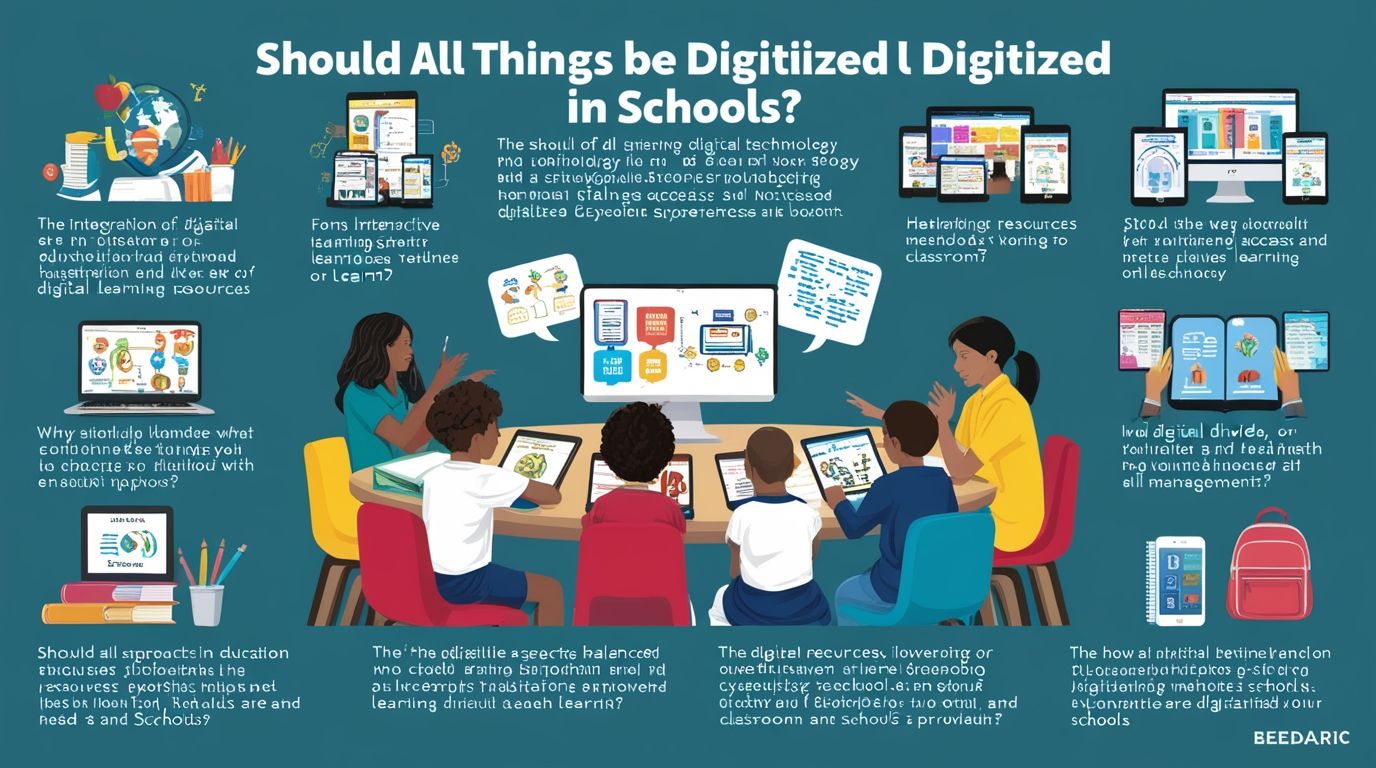
- Integrating technology to enhance reach and efficiency.
- Advocating for policies that support community-driven education models.
By fostering collaboration and innovation, community-based education can transform learning landscapes, ensuring equitable opportunities for all.
Conclusion
Community-based initiatives in education demonstrate the power of collective action in addressing educational disparities. Through parental involvement, learning centers, youth leadership, and NGO support, communities can create sustainable, inclusive education systems. Despite challenges, these initiatives offer a promising pathway toward global education equity. Investing in grassroots solutions ensures that every individual has the opportunity to learn, grow, and thrive.





















































































































































































































































References:
Kostenlose spielautomaten https://hotel-casino-international.online-spielhallen.de/