Introduction
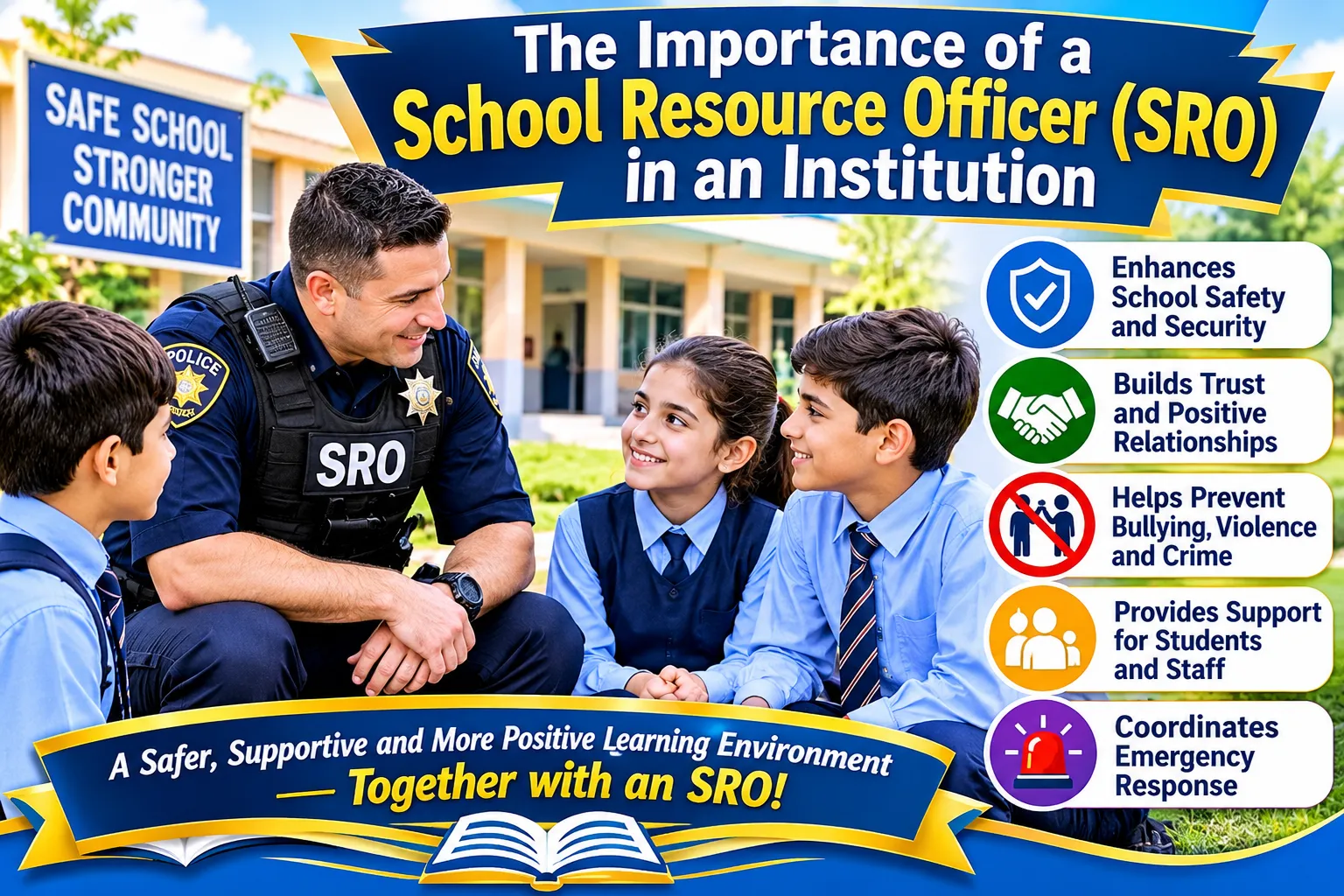
The Importance of a School Resource Officer (SRO) in an Institution, Every parent, teacher, and administrator shares one priority: keeping young people safe while they learn. A school resource officer (SRO) helps institutions meet that priority every day. Today’s campuses face complex challenges, including bullying, substance use, online threats, and emergencies that no one can predict. A trained SRO gives an institution a dedicated professional who prevents problems early, responds fast when trouble starts, and builds relationships that make the whole community stronger.
This article explains what an SRO does, why the role matters, and how institutions can build a program that works. Whether you lead a school, college, or training center, you will find practical guidance you can apply right away.
What Is a School Resource Officer?
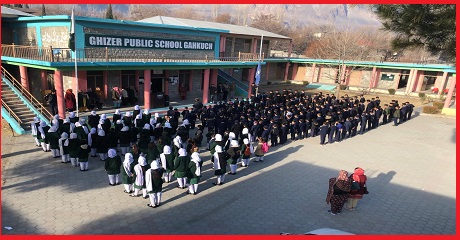
A school resource officer is a sworn law enforcement officer who works inside an educational institution. The officer partners with the administration and the local police department to keep the campus secure. Unlike a patrol officer who visits only during emergencies, an SRO becomes a familiar face. Students greet the officer in the hallway, teachers share concerns over coffee, and parents know exactly whom to call.
The SRO role differs from that of a security guard. A guard watches doors and monitors cameras. An SRO holds full police authority, completes specialized training, and takes on teaching and mentoring duties as well. That broader mission explains why many institutions consider the SRO a core part of their campus safety strategy.
The Three Roles of an SRO
Most professional guidance describes the SRO job through a three-part model. Each part supports the others.
1. Law Enforcement Officer
The SRO responds to criminal incidents, investigates threats, and enforces the law when necessary. The officer also serves as the direct link to the local police department, which speeds up the response to serious events. Good SROs use their enforcement powers sparingly. They resolve most issues through conversation, mediation, and referral to support services.
2. Educator
SROs teach. They deliver lessons on topics such as drug and alcohol prevention, internet safety, personal safety, and the legal consequences of risky choices. Students listen closely when a real officer explains how one bad decision can follow a person for years. These sessions turn abstract warnings into concrete knowledge.
3. Informal Counselor and Mentor
Students often approach the SRO with problems they hesitate to share with anyone else. The officer listens, offers guidance, and connects the student with a counselor or social worker when needed. This mentoring role gives the SRO a powerful influence on student well-being.
Why an SRO Matters: Key Benefits
Stronger School Safety and Emergency Preparedness
The most visible benefit of an SRO is a safer campus. The officer’s presence discourages misconduct, and the officer’s training allows a calm, confident response when something goes wrong. An SRO knows the building layout, the exits, the vulnerable spots, and the people on campus. That knowledge saves critical minutes in a crisis.
Emergency preparedness also improves with an SRO on staff. The officer helps the administration write crisis plans, schedules lockdown and evacuation drills, and trains staff on what to do during a threat. Teachers feel more confident when they have practiced the plan with a professional. Students learn to follow instructions without panic.
SROs also help institutions assess physical security. They walk the grounds, check entry points, and recommend improvements such as better lighting, controlled access, and clear visitor procedures. These small changes close gaps before anyone exploits them.
Prevention Before Punishment
The best safety strategy stops incidents before they happen. SROs spend their days among students, so they notice warning signs early: a sudden change in behavior, a threatening social media post, or a conflict that is heating up. The officer steps in with a conversation instead of a crisis. That approach protects the student at risk and the classmates around them.
This focus on violence prevention also reduces the burden on teachers. Educators can concentrate on instruction, knowing a trained professional handles safety concerns.
Building Trust Between Students and Law Enforcement
Many young people form their first impression of the police inside a school. A friendly, respectful SRO shapes that impression in a positive way. Students see an officer who attends games, eats lunch in the cafeteria, and helps with a flat tire in the parking lot. They learn that police officers are approachable people who care about the community.
This trust pays off in practical ways. Students who trust the SRO report threats, weapons, and bullying more willingly. A single tip from a student can prevent a serious incident, and students share tips only with adults they believe will protect them.
Reducing Bullying and Harassment
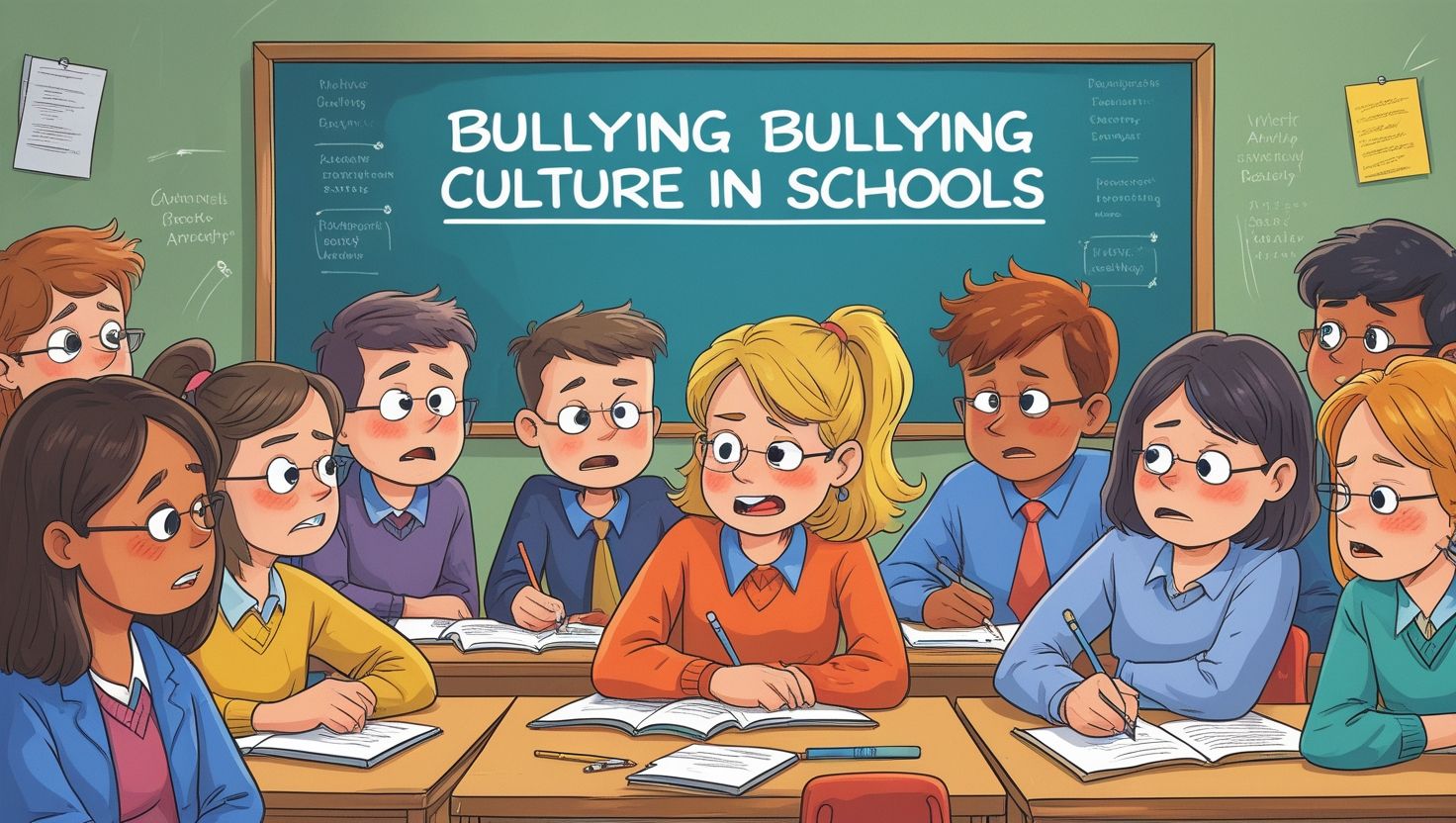
Bullying prevention ranks high among the daily responsibilities of an SRO. The officer works with counselors to identify patterns, support victims, and hold aggressors accountable in a fair and age-appropriate way. The officer also teaches students how bullying and cyberbullying can cross into harassment or criminal behavior.
SROs add something that other staff members cannot: legal authority combined with a caring presence. A student who sees that the school takes bullying seriously feels safer, and a student who bullies others understands that actions carry consequences.
Tackling Substance Abuse
Drugs, vaping, and alcohol remain real concerns for institutions of every size. An SRO educates students about the health and legal risks, works with administrators to enforce policies, and helps families find treatment resources. The officer’s approach often focuses on education and referral first, which gives students a chance to correct course before they face serious penalties.
Supporting Mental Health and Early Intervention
Student mental health affects safety, attendance, and academic success. SROs receive training to recognize signs of distress, and they know when to step aside and bring in a professional. The officer builds a bridge between the counseling office and the students who need help most.
When a student experiences a crisis, a trained SRO can de-escalate the situation, keep everyone calm, and connect the family with community services. This collaboration works best when the SRO, counselors, and administrators communicate openly and share a common plan.
Promoting Digital Safety
Threats no longer stay on the playground. Students face online predators, scams, sexting, and cyberbullying every day. An SRO explains online safety in plain language, shows students how to protect their privacy, and tells them where to turn when something goes wrong. Many officers also hold workshops for parents who want to understand the platforms their children use.
Strengthening Community Partnerships
An SRO connects the institution with the wider community. The officer coordinates with local police, fire departments, emergency services, and social agencies. Parents gain a reliable contact for safety questions. Neighborhood leaders see the institution as a partner. These relationships make the community more resilient, and they help the institution secure support during difficult times.
How an SRO Improves the Learning Environment
Students learn best when they feel safe. Anxiety about violence, bullying, or substance use pulls attention away from lessons. A visible and trusted SRO reduces that anxiety. Attendance improves when families believe the campus is secure. Teachers stay longer when they feel supported. Over time, a safer campus builds a stronger reputation, and that reputation attracts students, staff, and community investment.
A positive school climate does not happen by accident. It grows from consistent routines, respectful relationships, and clear expectations. The SRO contributes to all three by modeling respect, enforcing rules fairly, and showing students that adults listen to them.
Best Practices for an Effective SRO Program
Having an officer on campus does not guarantee success. The quality of the program determines the results. Institutions should follow these proven practices.
Select the right person. Choose an officer who enjoys working with young people, communicates well, and shows patience. Interest in the role matters more than seniority.
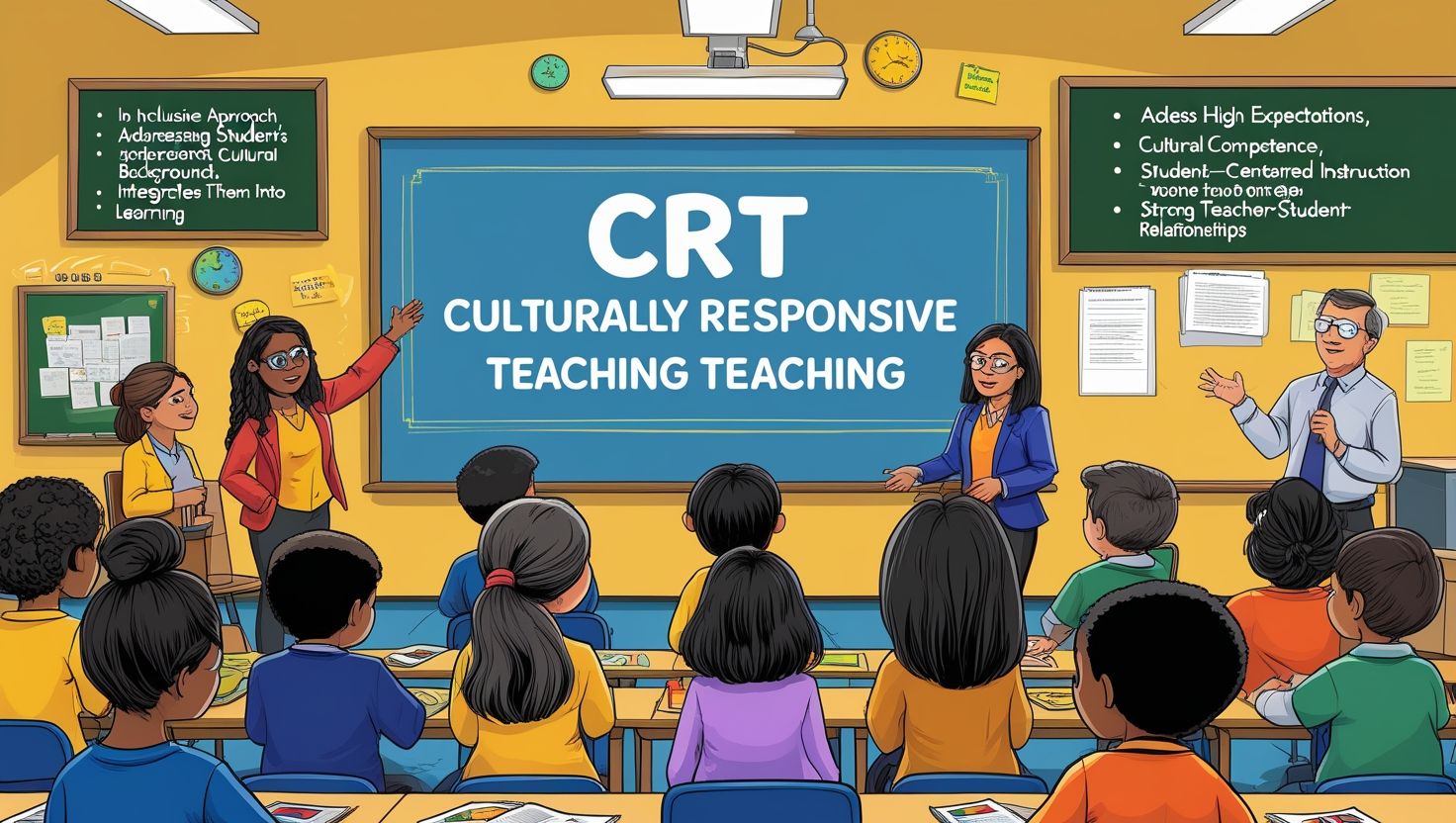
Provide specialized training. Strong programs require SROs to complete training in adolescent development, de-escalation, mental health awareness, cultural sensitivity, and the laws that apply to education. The National Association of School Resource Officers offers a widely recognized basic course for this purpose.
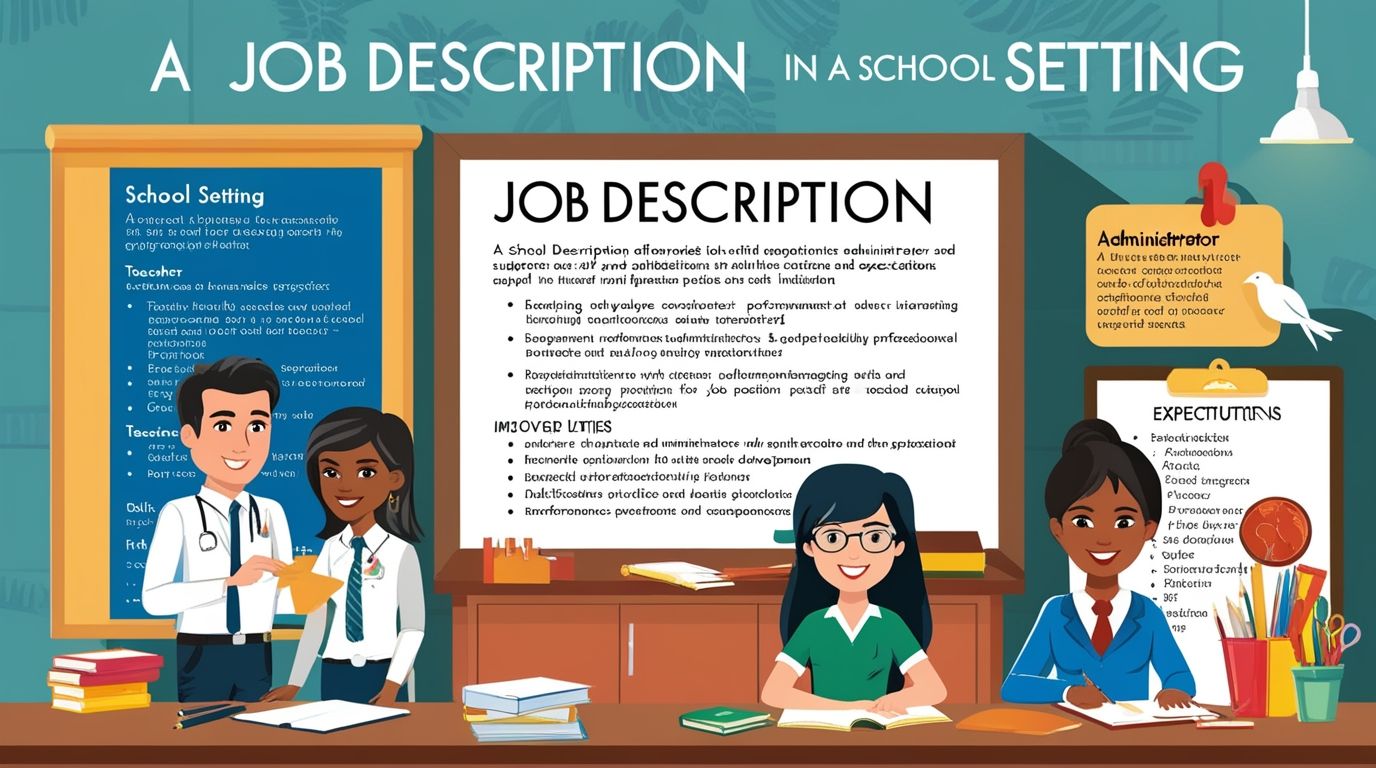
Define the role in writing. A formal agreement, often called a memorandum of understanding, spells out the duties of the SRO, the school, and the police department. It states that the SRO handles criminal matters and that educators handle routine discipline. This clarity protects students and prevents confusion.
Encourage collaboration. The SRO should meet regularly with administrators, counselors, teachers, and parents. Shared information leads to faster, wiser decisions.
Prioritize relationships. Officers should attend events, join clubs, coach teams, and take time to talk with students. Relationships create the trust that makes every other part of the job easier.
Measure results and listen to feedback. Institutions should track incidents, survey students and families, and adjust the program based on what they learn. Honest evaluation keeps the program accountable and effective.
Addressing Common Concerns
A balanced discussion must acknowledge that some people question the presence of police in educational settings. Critics worry that poorly trained officers may treat ordinary misbehavior as a crime, and they point out that such practices can harm students and damage trust. These concerns deserve serious attention.
The answer lies in careful design, not in dismissing the role. Clear written agreements, strong training, and regular review help ensure that SROs support students instead of punishing them. Institutions should keep discipline in the hands of educators, track outcomes for fairness, and remove officers who fail to meet professional standards. When an institution commits to these safeguards, the SRO becomes a positive force.
Is an SRO Right for Your Institution?
Every institution has unique needs. Leaders should begin by assessing their own risks, community expectations, and budget. They can then discuss options with local law enforcement, staff, students, and parents. A transparent process builds support and helps everyone understand the purpose of the program. If an institution decides to hire an SRO, it should commit to proper training, clear policies, and ongoing evaluation.
Conclusion
The importance of an SRO in an institution reaches far beyond security. A well-trained school resource officer protects students, teaches life-saving lessons, mentors young people, and connects the campus with the community. The officer prevents problems early, responds with skill when emergencies arise, and builds the trust that keeps students safe and engaged.
Success depends on thoughtful planning. Institutions that select the right officer, define the role clearly, and invest in training and collaboration give their students the best chance to learn in peace. If safety, trust, and student success rank high on your list of goals, a strong SRO program deserves a place in your plan.
Frequently Asked Questions (FAQs)
1. What does an SRO do in a school?
An SRO serves as a law enforcement officer, educator, and mentor. The officer protects the campus, responds to incidents, teaches lessons on safety and the law, and guides students who need support. The SRO also works with administrators and local police to plan for emergencies.
2. How is an SRO different from a security guard?
An SRO is a sworn police officer with arrest powers and specialized training in working with youth. A security guard is a private employee who monitors property and enforces basic rules. The SRO also teaches and mentors students, which most guards do not do.
3. Does an SRO make students safer?
A well-trained SRO strengthens safety by deterring misconduct, building trust, and responding quickly to emergencies. Results depend on the quality of the program. Clear roles, strong training, and close teamwork with educators produce the best outcomes.
References
- National Association of School Resource Officers (NASRO). About School-Based Law Enforcement and the Triad Model. https://www.nasro.org
- U.S. Department of Justice, Office of Community Oriented Policing Services (COPS Office). School Resource Officer Program. https://cops.usdoj.gov