Introduction
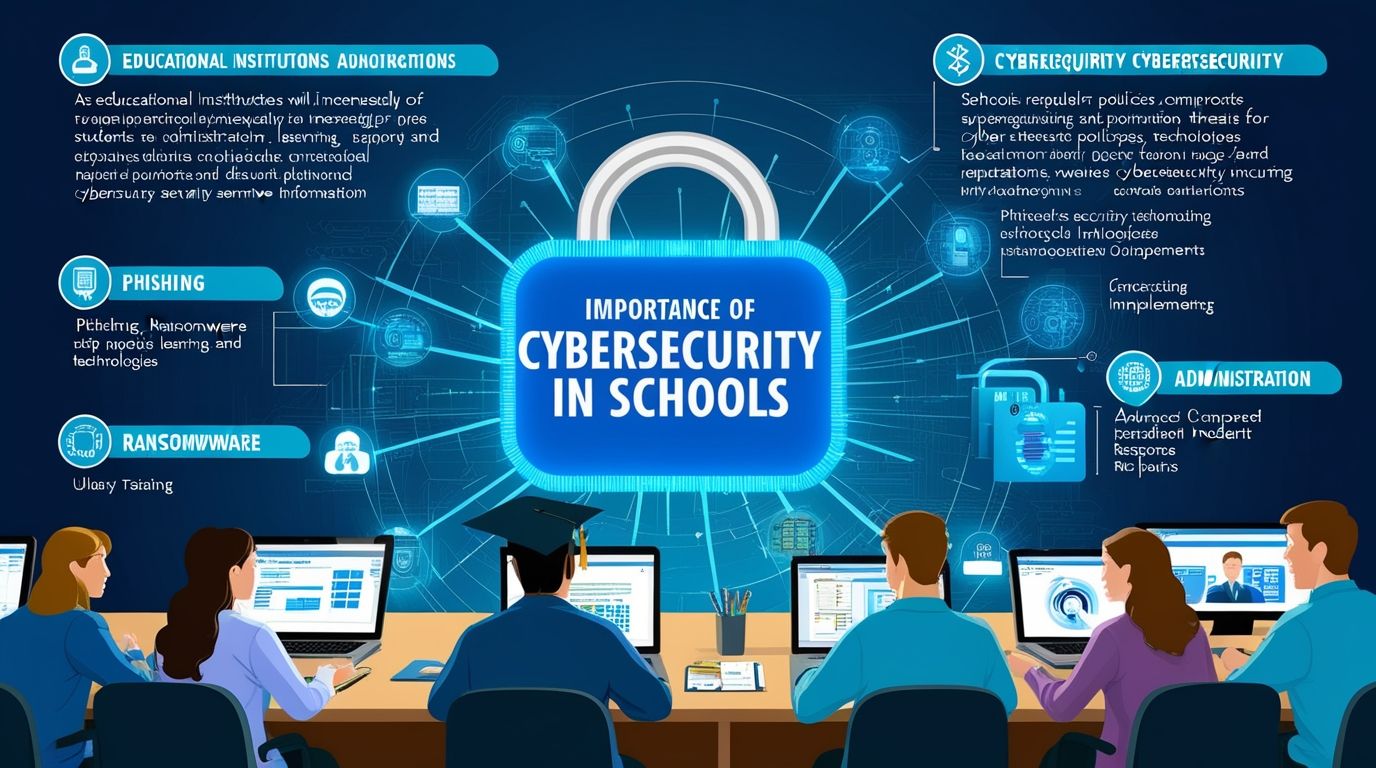
Digital Security Manners at School, The rapid growth of technology has transformed the way students learn, communicate, and access information. Computers, tablets, smartphones, and internet-connected devices have become an essential part of modern education. While these technologies offer tremendous opportunities for learning and collaboration, they also introduce various digital security risks. Cyberbullying, identity theft, online scams, data breaches, and malware attacks are some of the challenges students and educators face in the digital world.
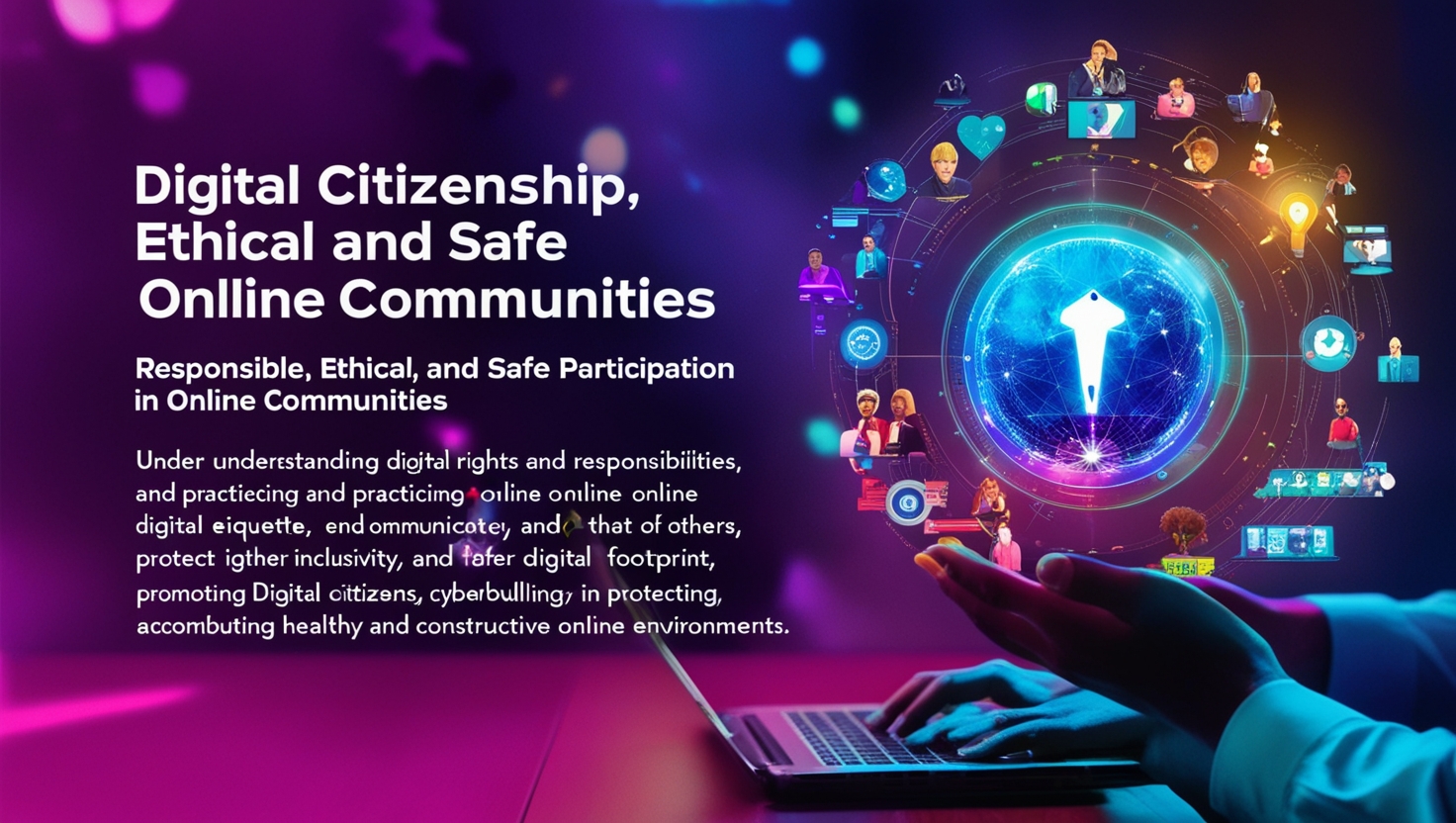
Digital security manners refer to the responsible, ethical, and safe behaviors that individuals should practice when using digital technologies. In schools, these manners help create a secure online environment where students can learn, communicate, and share information without exposing themselves or others to unnecessary risks. Developing good digital security habits is just as important as learning traditional manners such as respect, honesty, and responsibility.
This article explores the importance of digital security manners at school, common online threats, and practical guidelines that students, teachers, and school communities should follow to ensure a safe and productive digital learning environment.
Understanding Digital Security
Digital security involves protecting devices, networks, personal information, and online activities from unauthorized access, misuse, or cyber threats. It includes practices such as creating strong passwords, protecting personal data, avoiding suspicious links, and maintaining secure communication.
In a school setting, digital security is essential because students often use online platforms for assignments, examinations, research, communication, and collaboration. A single careless action, such as sharing a password or clicking on a harmful link, can compromise sensitive information and affect many users.
Digital security is not only a technical issue but also a behavioral one. Students and staff must understand how their actions influence the safety of digital systems. Good digital security manners help prevent accidents, protect privacy, and promote responsible technology use.
Importance of Digital Security Manners at School
Protecting Personal Information
Students frequently share information online through educational platforms, emails, and social media. Personal details such as names, addresses, phone numbers, photographs, and academic records can be valuable targets for cybercriminals. Practicing digital security manners helps students safeguard this information and prevent misuse.
Ensuring Safe Learning Environments
Schools increasingly rely on digital tools for teaching and learning. Secure online behavior ensures that educational resources remain available and protected from cyber threats. A safe digital environment allows students to focus on learning without fear of harassment or security breaches.
Preventing Cyberbullying
Cyberbullying has become a major concern in educational institutions. Responsible online behavior, respectful communication, and awareness of digital consequences can help reduce incidents of online harassment. Digital security manners encourage students to treat others with respect in both physical and virtual environments.
Building Responsible Digital Citizens
Students today are future professionals and leaders who will continue using technology throughout their lives. Learning digital security manners at school helps them develop responsible habits that extend beyond the classroom and into their personal and professional lives.
Protecting School Resources
Schools store valuable information, including student records, examination materials, financial data, and staff information. Security-conscious behavior helps protect these resources from unauthorized access, theft, or damage.
Common Digital Threats in Schools
Phishing Attacks
Phishing involves fraudulent emails, messages, or websites designed to trick users into revealing passwords or personal information. Students may receive fake messages claiming to be from teachers, school administrators, or educational platforms.
Malware and Viruses
Malware includes harmful software that can damage devices, steal information, or disrupt systems. Downloading files from unknown sources or clicking suspicious links can infect school computers and personal devices.
Identity Theft
Cybercriminals may steal personal information to impersonate individuals online. Students who share excessive personal information are particularly vulnerable to identity theft.
Cyberbullying
Cyberbullying occurs when individuals use digital technologies to harass, threaten, or embarrass others. Social media platforms, messaging applications, and online forums are common venues for such behavior.
Data Breaches
Unauthorized access to school databases or online accounts can expose sensitive information. Weak passwords and poor security practices often contribute to data breaches.
Online Scams
Scammers frequently target young internet users with fake contests, offers, or requests for personal information. Students must learn to recognize and avoid these deceptive tactics.
Essential Digital Security Manners for Students
Use Strong Passwords
One of the most important digital security habits is creating strong passwords. Students should use passwords that combine uppercase and lowercase letters, numbers, and special characters. Passwords should be unique for each account and never shared with friends.
For example, a password such as “School2024” is much weaker than a complex combination like “L@rnSafe#2024.”
Keep Passwords Private
Students should never share passwords, even with close friends. Sharing login credentials increases the risk of unauthorized access and potential misuse of accounts.
Log Out After Use
When using shared computers in libraries, laboratories, or classrooms, students should always log out of their accounts after completing their work. This simple practice helps prevent unauthorized access.
Protect Personal Information
Students should avoid sharing personal details online unless necessary and approved by parents or school authorities. Information such as home addresses, phone numbers, and passwords should remain private.
Think Before Posting
Anything shared online can potentially remain accessible for years. Students should carefully consider the consequences before posting comments, photographs, videos, or personal opinions.
Verify Sources
Not all information available online is accurate or trustworthy. Students should learn to evaluate sources critically and rely on credible websites for academic research.
Avoid Suspicious Links
Students should exercise caution when receiving unexpected emails, messages, or links. If a message appears suspicious, they should verify its authenticity before clicking.
Update Devices Regularly
Software updates often include important security improvements. Students should ensure that their devices, applications, and operating systems are updated regularly.
Use Secure Networks
Whenever possible, students should connect to trusted and secure Wi-Fi networks. Public or unsecured networks can expose sensitive information to cybercriminals.
Report Security Concerns
If students encounter suspicious activity, cyberbullying, or potential security threats, they should promptly report the issue to teachers, parents, or school administrators.
Digital Security Manners for Teachers
Teachers play a crucial role in promoting digital security awareness among students.
Lead by Example
Teachers should model responsible online behavior by following security best practices themselves. Students often learn by observing adult behavior.
Protect Student Information
Confidential student records and academic information should be stored securely. Teachers should avoid sharing sensitive information through unsecured channels.
Educate Students About Online Risks
Regular discussions about cybersecurity can help students understand common threats and appropriate responses. Digital literacy should be integrated into educational activities whenever possible.
Use Secure Educational Platforms
Teachers should select reputable educational tools and platforms that prioritize user privacy and security.
Encourage Responsible Communication
Classroom discussions about respectful online interactions can help reduce cyberbullying and promote positive digital citizenship.
Digital Security Manners for School Administrators
School administrators are responsible for creating policies and systems that support digital security.
Establish Clear Policies
Schools should develop clear guidelines regarding acceptable technology use, password management, online behavior, and data protection.
Conduct Security Training
Regular training sessions for students, teachers, and staff can improve awareness of cybersecurity risks and best practices.
Implement Technical Safeguards
Firewalls, antivirus software, content filtering systems, and secure networks help protect school infrastructure from cyber threats.
Monitor and Respond to Incidents
Schools should have procedures for reporting, investigating, and addressing security incidents promptly and effectively.
Promote a Culture of Responsibility
Digital security should be viewed as a shared responsibility involving students, teachers, administrators, and parents.
Responsible Social Media Use
Social media platforms are popular among students but can also present significant security challenges.
Students should:
- Use privacy settings to control who can view their content.
- Avoid accepting friend requests from strangers.
- Think carefully before sharing personal information.
- Refrain from posting harmful or offensive content.
- Report inappropriate behavior when encountered.
Responsible social media use helps protect both individual users and the broader school community.
Preventing Cyberbullying Through Good Digital Manners
Cyberbullying can have serious emotional, psychological, and academic consequences. Good digital manners contribute significantly to preventing such behavior.
Students should:
- Treat others with respect online.
- Avoid spreading rumors or sharing embarrassing content.
- Consider the impact of their words before posting.
- Support peers who experience online harassment.
- Report cyberbullying incidents to trusted adults.
Creating a respectful digital culture helps foster positive relationships and safer learning environments.
The Role of Parents in Digital Security
Parents play a vital role in reinforcing digital security manners outside school.
They can:
- Discuss online safety regularly with their children.
- Monitor internet usage appropriately.
- Encourage open communication about online experiences.
- Help children understand privacy settings and security tools.
- Set reasonable guidelines for technology use.
Collaboration between schools and families strengthens students’ digital safety awareness.
Benefits of Practicing Digital Security Manners
Adopting good digital security habits provides numerous advantages:
Enhanced Privacy
Students can better protect personal information from unauthorized access and misuse.
Improved Academic Performance
Secure and distraction-free online environments allow students to focus on learning activities.
Increased Confidence
Knowledge of digital safety practices helps students navigate online spaces with confidence.
Reduced Risk of Cybercrime
Following security guidelines minimizes exposure to scams, malware, and identity theft.
Stronger School Communities
Respectful and responsible online behavior promotes trust, collaboration, and positive relationships.
Challenges in Promoting Digital Security
Despite its importance, promoting digital security manners can be challenging.
Rapid Technological Changes
Technology evolves quickly, requiring continuous updates to security knowledge and practices.
Lack of Awareness
Many students and even adults may underestimate cybersecurity risks or fail to recognize threats.
Peer Pressure
Students may feel pressured to share personal information or participate in risky online activities.
Increased Device Usage
As digital devices become more common, opportunities for security breaches also increase.
Addressing these challenges requires ongoing education, awareness campaigns, and collaboration among all stakeholders.
Building a Secure Digital Future
Schools have a responsibility to prepare students for a world where digital technology plays an increasingly important role. Digital security education should not be limited to technical skills; it should also emphasize ethics, responsibility, and respect.
By teaching students how to protect their information, recognize threats, communicate respectfully, and use technology responsibly, schools help develop informed and capable digital citizens. These skills are essential for success in higher education, the workplace, and everyday life.
A secure digital future depends on collective efforts from students, teachers, administrators, parents, and technology providers. Together, they can create learning environments where innovation and security go hand in hand.
Conclusion
Digital security manners at school are fundamental to creating safe, respectful, and productive learning environments. As technology becomes increasingly integrated into education, students must learn how to protect themselves and others from digital threats. Good practices such as using strong passwords, protecting personal information, avoiding suspicious links, respecting others online, and reporting security concerns contribute significantly to online safety.
Teachers, administrators, and parents also play crucial roles in fostering a culture of cybersecurity awareness and responsible technology use. By working together, schools can empower students with the knowledge and skills necessary to navigate the digital world safely and confidently.
Ultimately, digital security manners are not merely technical guidelines; they are essential life skills that promote responsibility, respect, and protection in an interconnected world. Developing these habits today will help students become secure, ethical, and informed digital citizens of tomorrow.