
Introduction
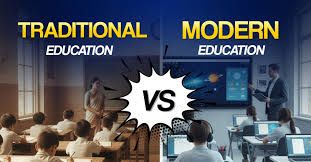
Education plays a vital role in shaping the future of every child. The early years of life are especially important because they influence a child’s overall growth and development. Two major approaches to education are Early Childhood Development (ECD) education and traditional education. While both aim to support learning, they differ in their methods, priorities, and expected outcomes.
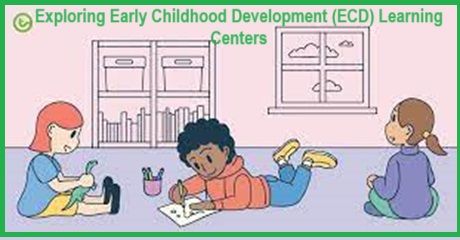
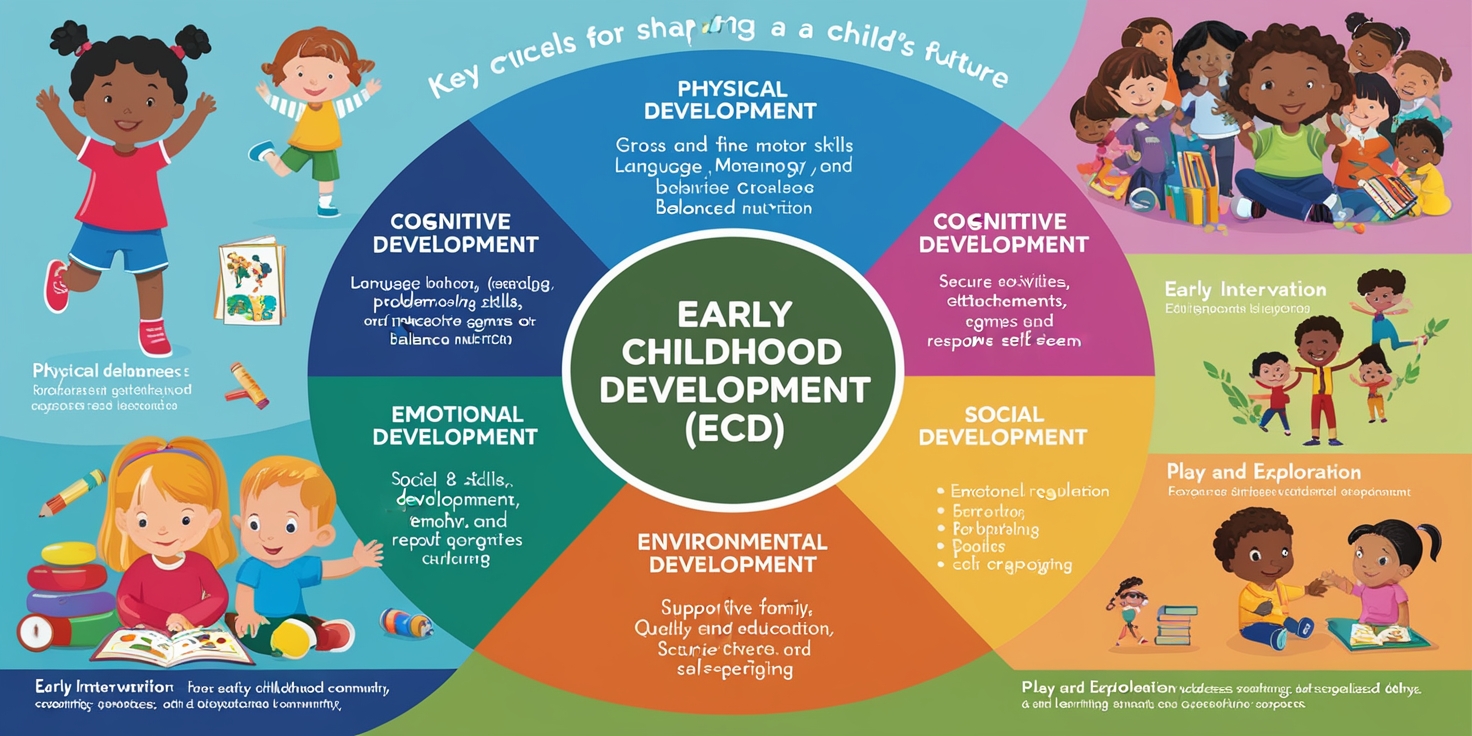
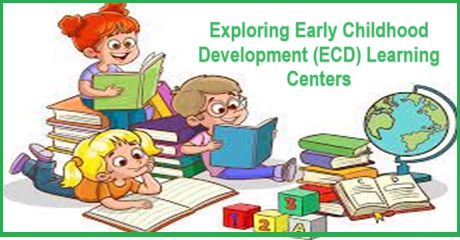
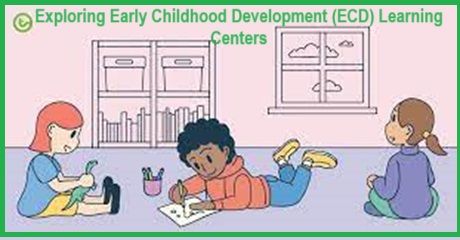
Early Childhood Development (ECD) focuses on children from birth to approximately eight years of age. It recognizes that young children learn differently from older learners. ECD promotes the development of the whole child. It supports cognitive, social, emotional, physical, and language development. The approach is child-centered and designed according to children’s developmental needs.
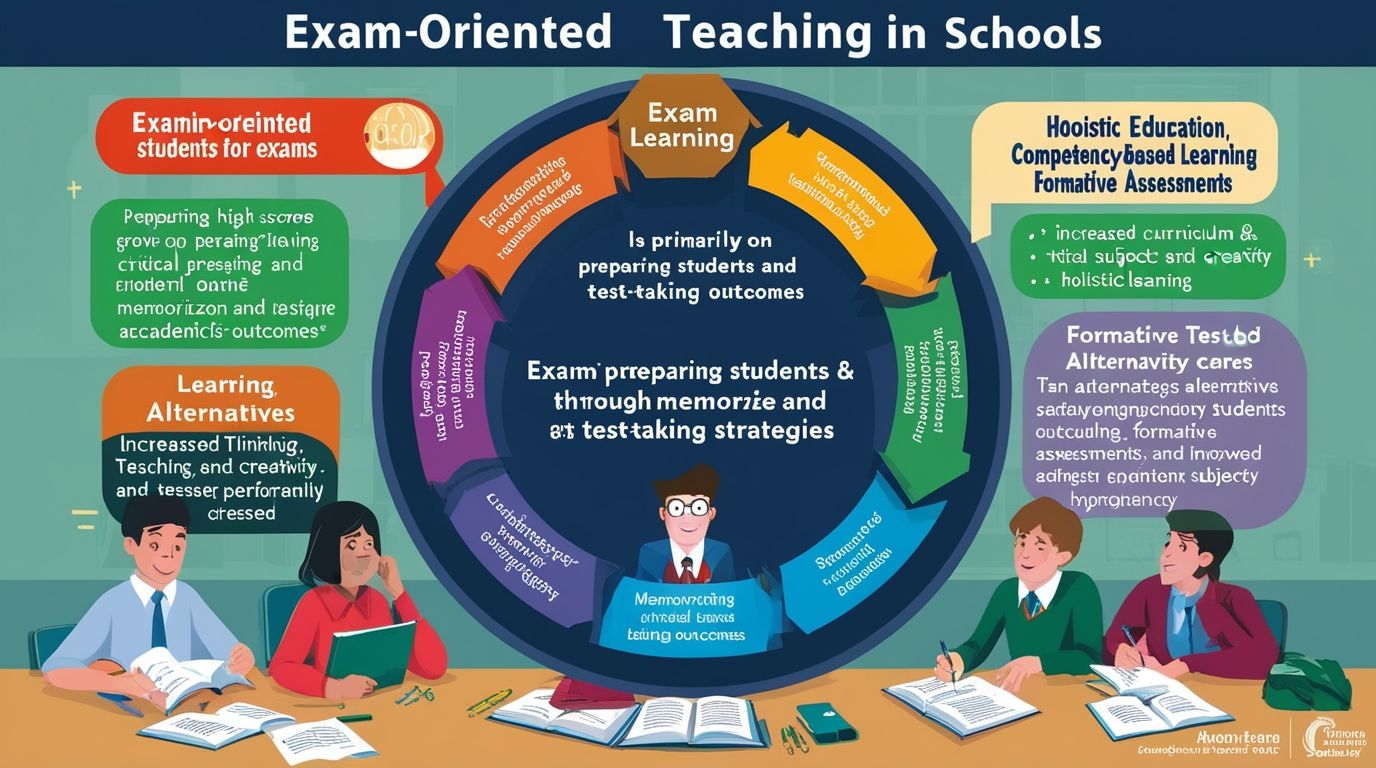
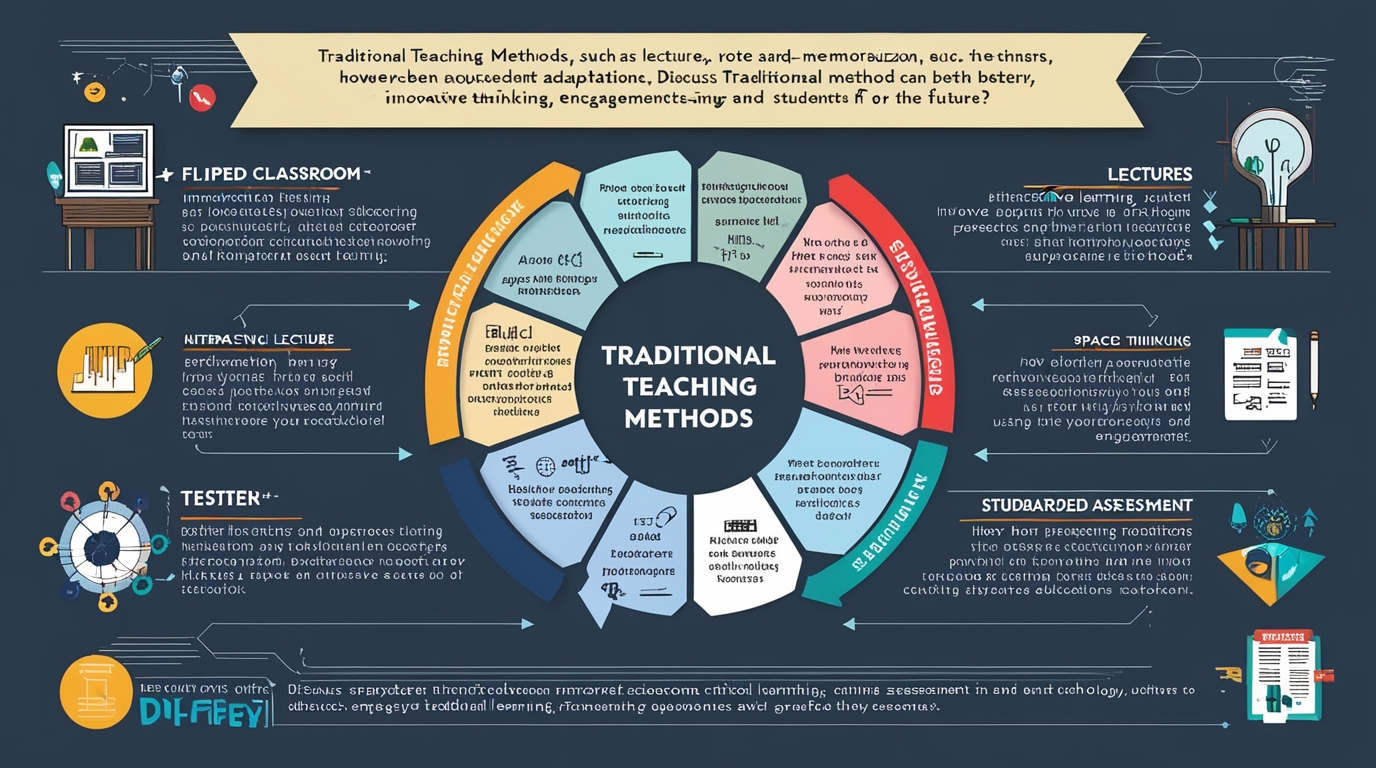
Traditional education is generally more structured and formal. It focuses mainly on academic learning and subject knowledge. Teachers often lead classroom activities, and students are expected to follow instructions and complete assigned tasks. Assessment is usually based on tests, examinations, and measurable academic performance.
Both approaches contribute to children’s education. However, they serve different purposes during different stages of development. Understanding their differences helps educators, parents, and policymakers make informed decisions about children’s learning experiences.
Understanding Early Childhood Development Education
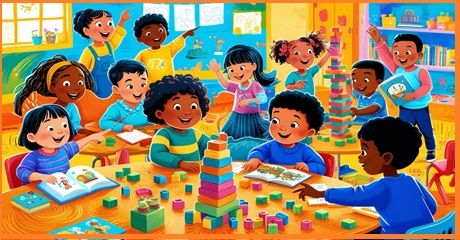
Early Childhood Development education is based on the belief that children learn best through active participation. Young children are naturally curious. They explore their environment through play, observation, and interaction.
ECD programs create opportunities for children to discover new ideas and skills. Learning activities are designed to be enjoyable and meaningful. Children are encouraged to ask questions, solve problems, and express their thoughts freely.
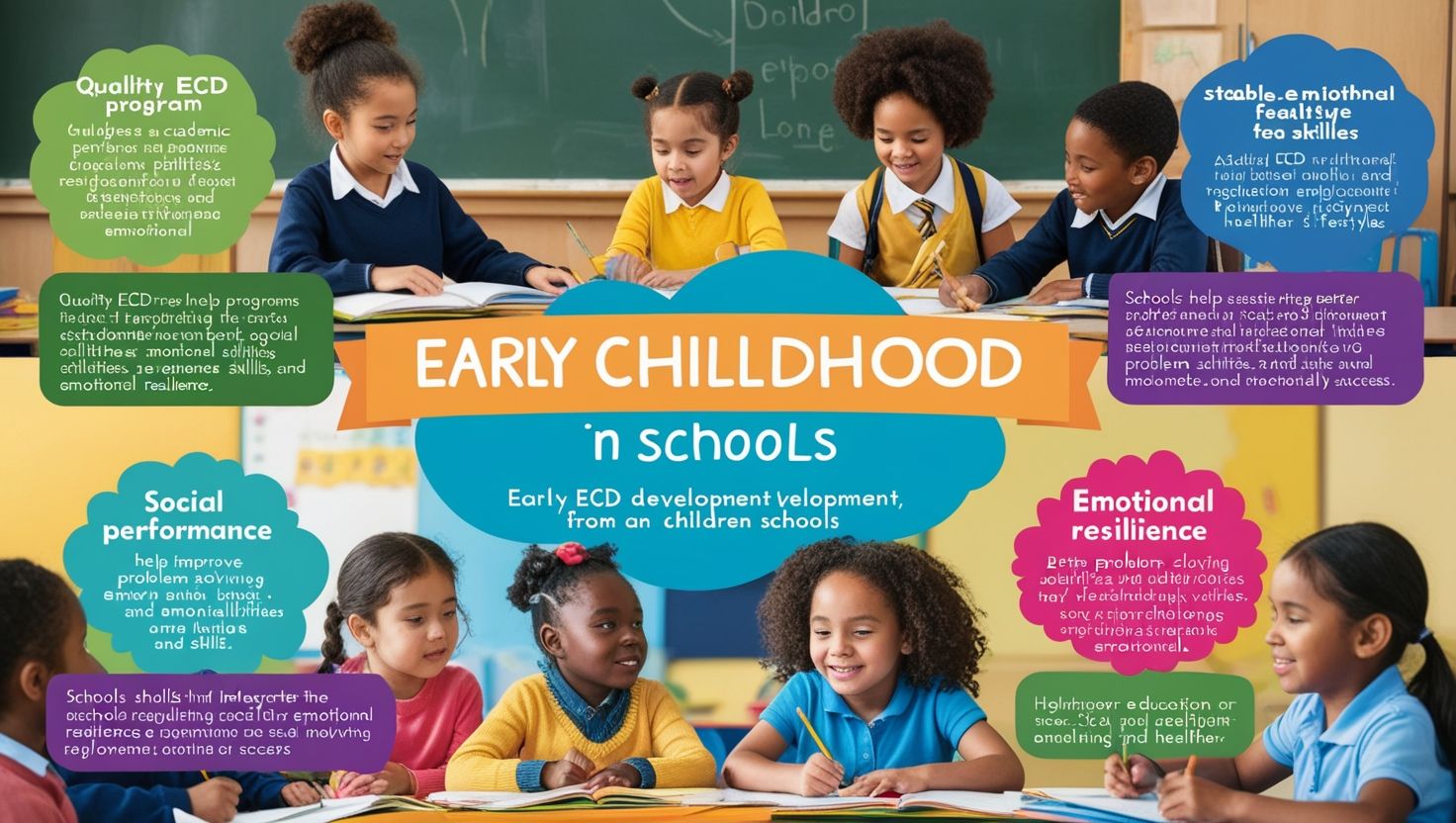
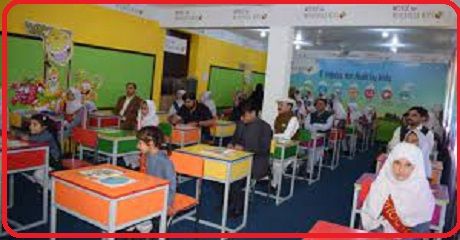
In ECD classrooms, learning does not focus only on academic subjects. Equal importance is given to social skills, emotional well-being, communication, creativity, and physical development. Teachers help children develop confidence and independence. They support children in building positive relationships with others.
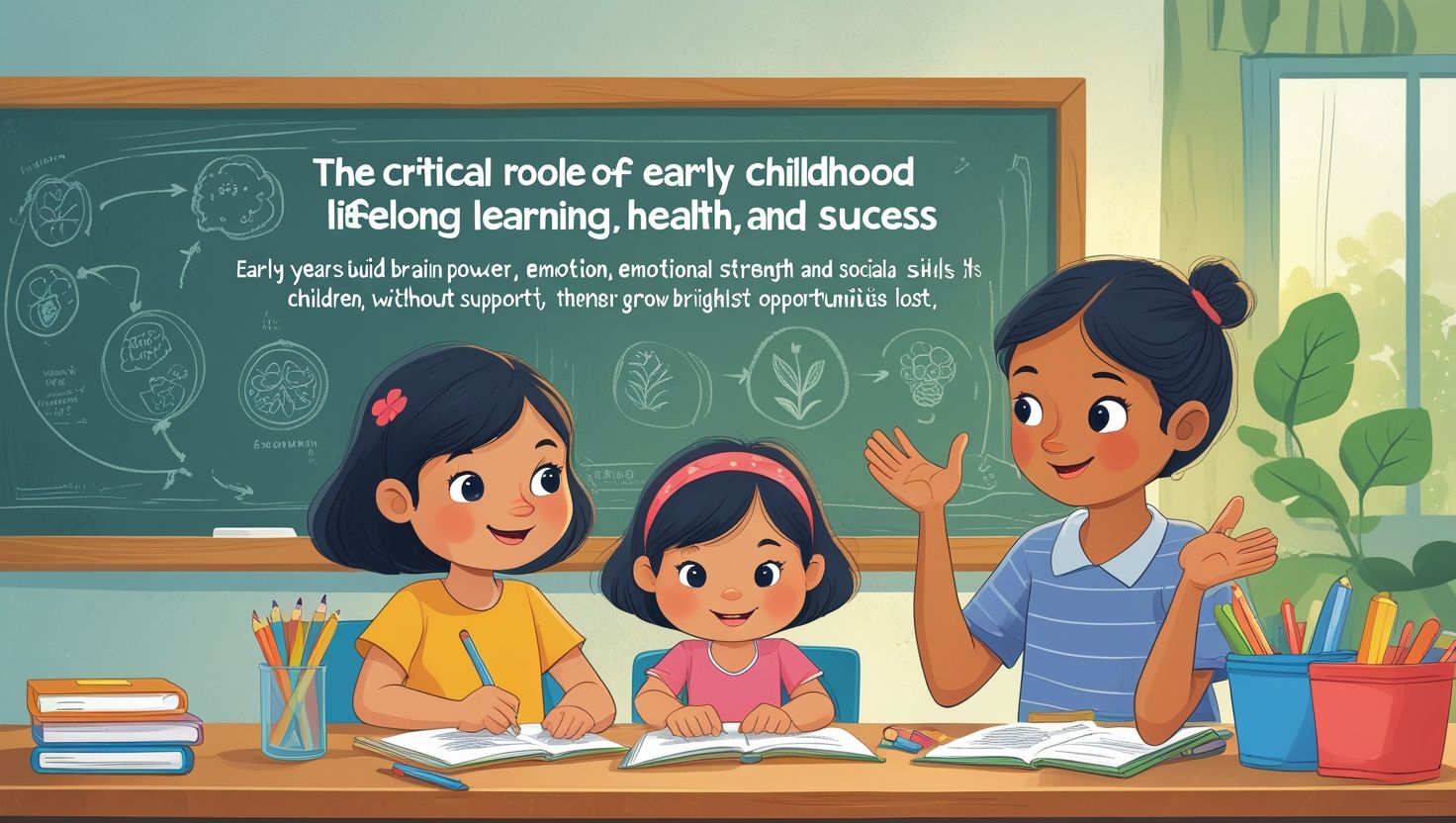
Research shows that the first years of life are critical for brain development. During this period, children develop the foundations for future learning. Positive experiences during early childhood contribute to better educational outcomes later in life.
ECD programs recognize that every child develops at a unique pace. Teachers observe children’s interests and abilities. They then plan activities that match individual developmental needs. This approach ensures that learning remains relevant and effective.
Key Characteristics of ECD Education
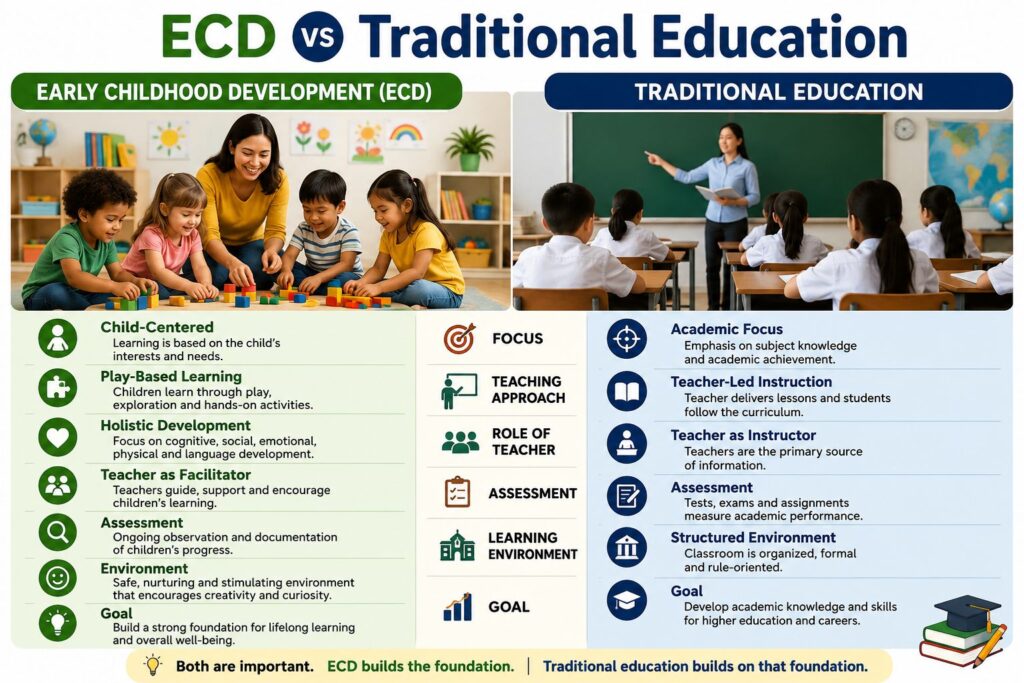
Several characteristics distinguish ECD from traditional education.
Child-Centered Learning
ECD places children at the center of the learning process. Activities are designed around children’s interests, abilities, and developmental stages. Teachers encourage children to participate actively rather than simply receiving information.
Play-Based Learning
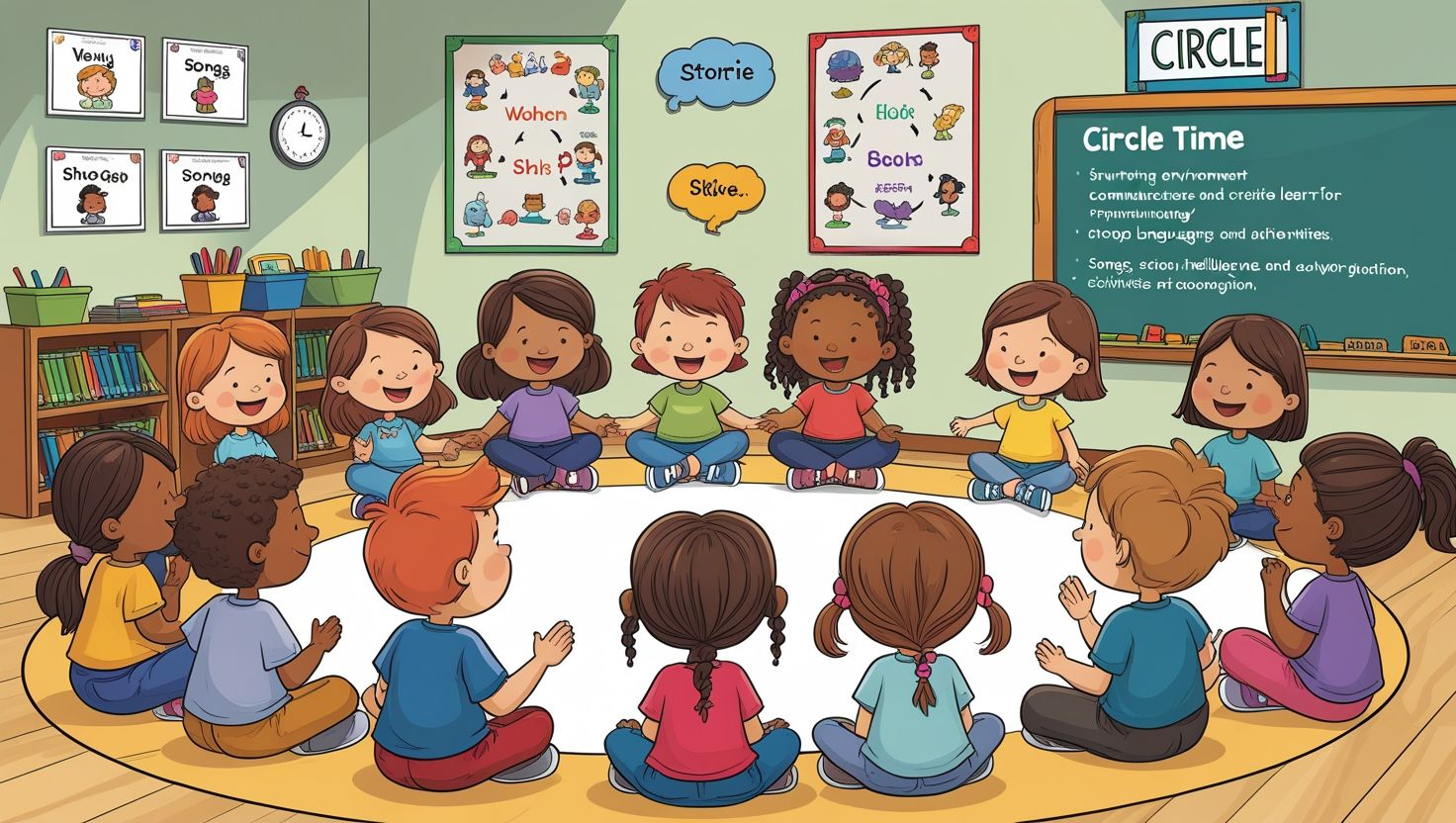
Play is a major component of ECD. Children learn through games, role play, storytelling, music, art, and exploration. Play helps children develop cognitive, social, emotional, and physical skills simultaneously.
Holistic Development
ECD focuses on the complete development of the child. It supports intellectual growth as well as emotional, social, language, and physical development. Learning is viewed as a connected process rather than a collection of separate subjects.
Active Exploration
Children learn by interacting with materials, people, and their environment. They investigate, experiment, and discover concepts through hands-on experiences. This approach strengthens understanding and retention.
Positive Relationships
Strong relationships between teachers, children, and families are central to ECD. Supportive interactions help children feel safe, valued, and confident. These positive relationships contribute to healthy development.
Developmentally Appropriate Practices
ECD activities are designed according to children’s age and developmental levels. Expectations are realistic and achievable. Learning experiences match children’s abilities and interests.
Benefits of Early Childhood Development Education
Quality ECD programs provide numerous benefits that extend throughout life.
Improved School Readiness
Children who attend ECD programs often enter primary school with stronger foundational skills. They are better prepared to follow instructions, communicate effectively, and participate in classroom activities.
Better Language Development
ECD programs provide rich language experiences. Children engage in conversations, storytelling, songs, and discussions. These activities strengthen vocabulary, listening, and communication skills.
Enhanced Social Skills
Children learn how to cooperate, share, and resolve conflicts. They develop empathy and respect for others. These skills help them build positive relationships throughout life.
Stronger Emotional Development
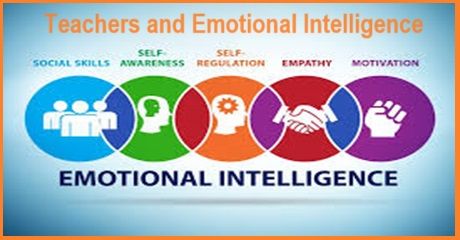
ECD helps children recognize and manage their emotions. They learn self-confidence, resilience, and self-regulation. Emotional competence supports both academic and personal success.
Cognitive Growth
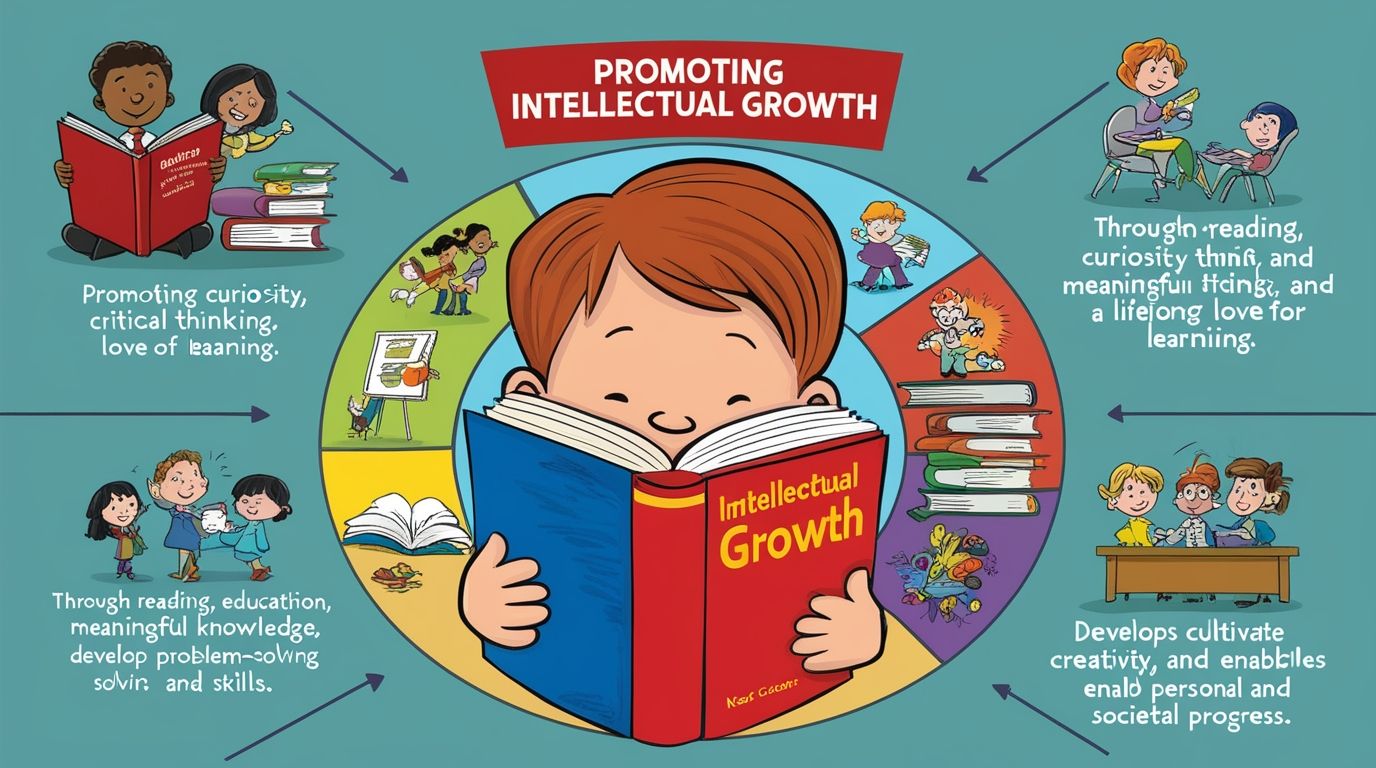
Problem-solving activities, creative play, and exploration stimulate intellectual development. Children develop critical thinking and reasoning skills that support future learning.
Increased Motivation to Learn
Positive early learning experiences create enthusiasm for education. Children develop curiosity and a love for learning that often continues throughout their educational journey.
Long-Term Educational Success
Research indicates that children who participate in quality ECD programs often achieve higher academic performance. They are more likely to complete school and pursue further education.
Understanding Traditional Education
Traditional education has been the dominant model in many education systems for centuries. It follows a structured framework designed to deliver academic knowledge efficiently.
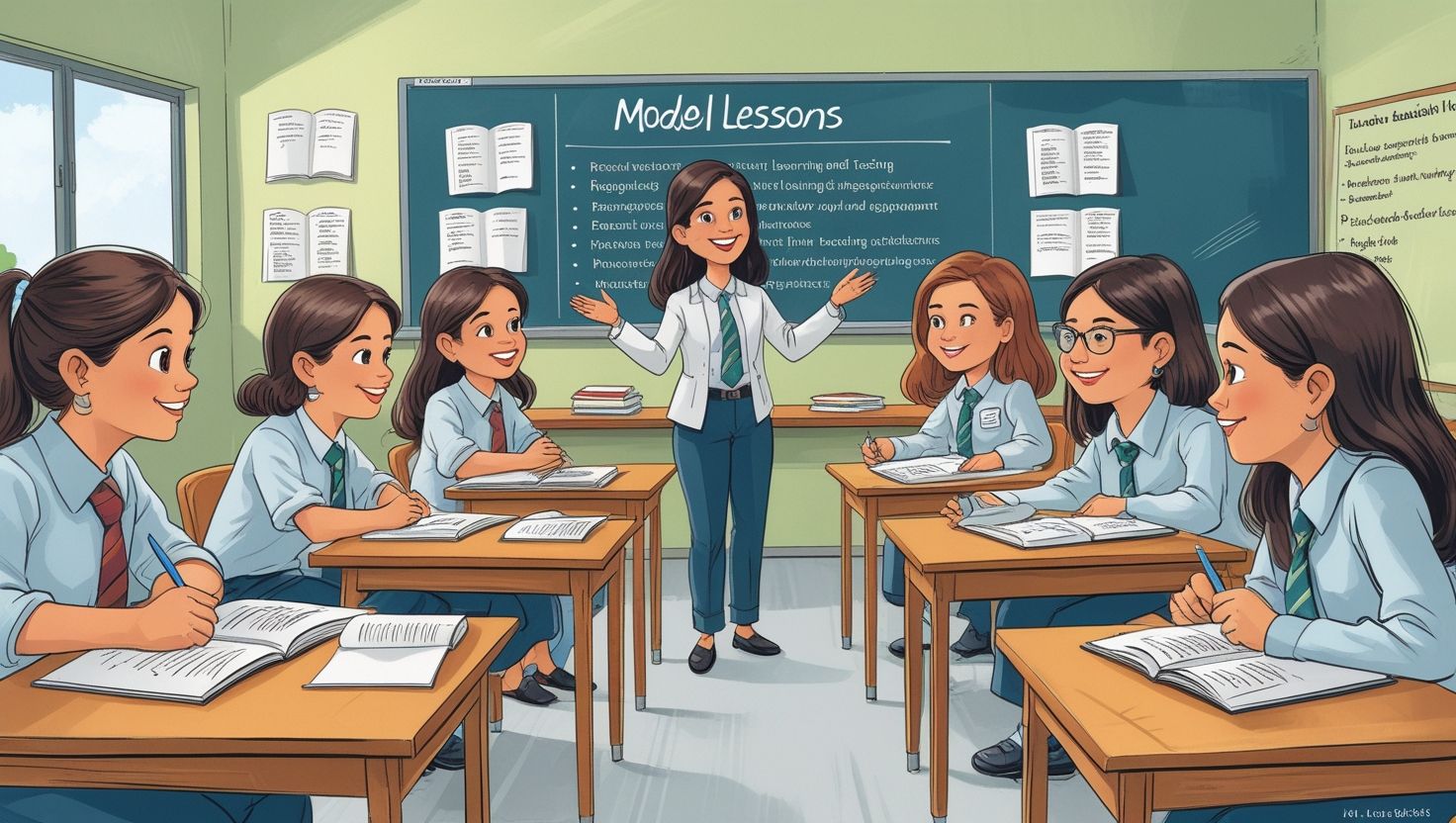
In traditional classrooms, teachers are typically the primary source of information. Lessons are planned according to a fixed curriculum. Students receive instruction, complete assignments, and demonstrate learning through assessments.
Traditional education emphasizes academic subjects such as mathematics, science, language, and social studies. Learning objectives are often standardized to ensure consistency across schools and regions.
The approach values discipline, organization, and academic achievement. Students are expected to follow classroom rules and meet established performance standards.
Traditional education has contributed significantly to literacy, scientific advancement, and workforce preparation. It provides systematic instruction that helps students acquire essential knowledge and skills.
Key Characteristics of Traditional Education
Several features define traditional education systems.
Teacher-Led Instruction
Teachers direct most classroom activities. They explain concepts, provide information, and guide learning. Students generally follow instructions and complete assigned tasks.
Structured Curriculum
Learning follows a predetermined curriculum. Subjects are organized into specific topics and lessons. Educational objectives are clearly defined.
Academic Focus
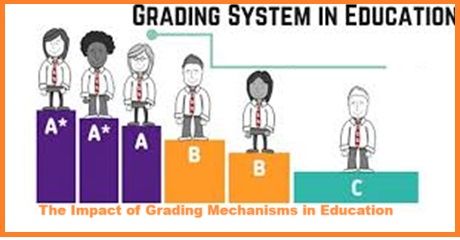
Traditional education prioritizes subject knowledge and academic achievement. Success is often measured through grades and examination results.
Standardized Assessment
Students’ learning is evaluated through tests, quizzes, assignments, and examinations. Assessment focuses on measuring academic performance and knowledge acquisition.
Classroom Discipline
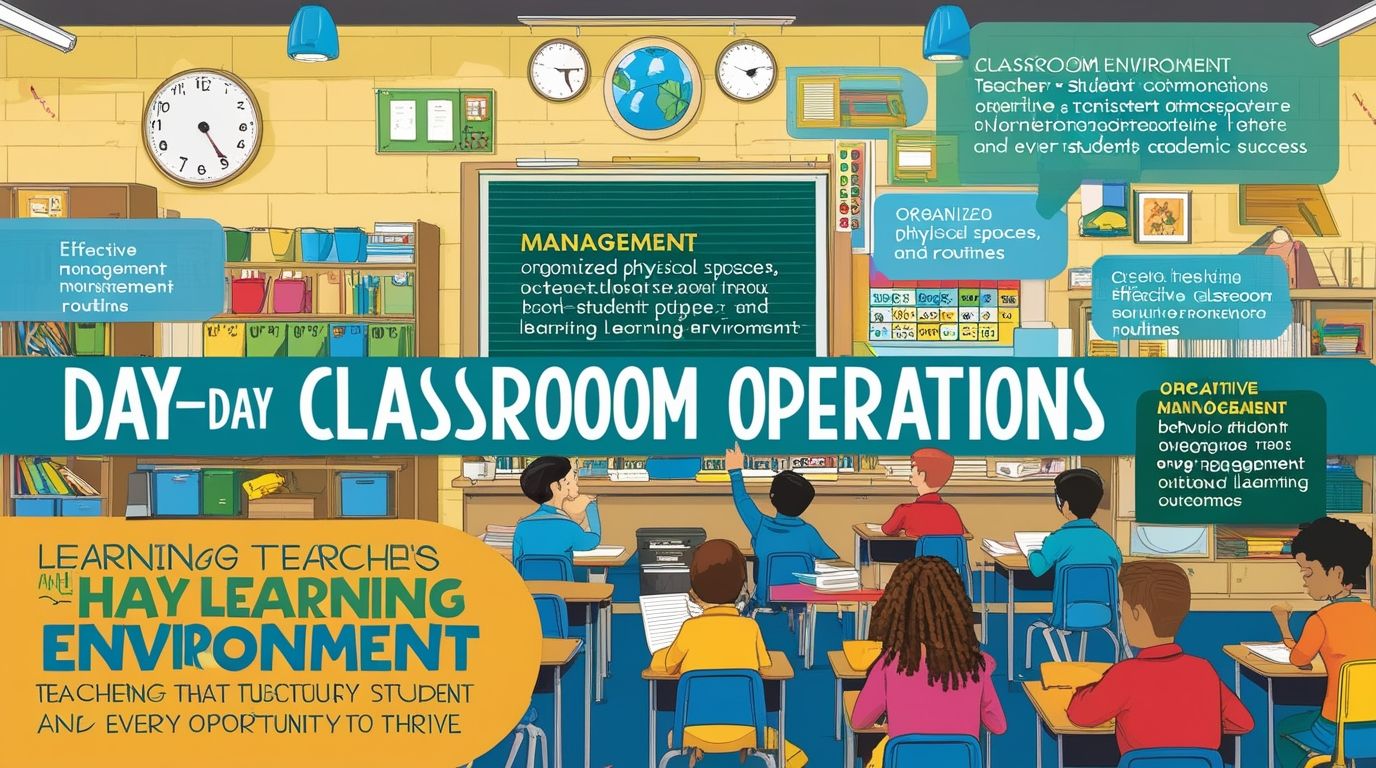
Classroom management is an important component of traditional education. Rules and routines help maintain order and support instruction.
Uniform Learning Expectations
Students are generally expected to achieve similar learning outcomes within a specific timeframe. Curriculum standards guide instruction and assessment.
Strengths of Traditional Education
Traditional education offers several important advantages.
Organized Learning Environment
A structured classroom helps maintain focus and consistency. Clear expectations provide stability for students and teachers.
Efficient Knowledge Delivery
Teachers can present large amounts of information to many students simultaneously. This approach supports curriculum coverage and content mastery.
Academic Preparation
Traditional education develops literacy, numeracy, and subject-specific knowledge. These skills are essential for higher education and professional careers.
Assessment and Accountability
Regular assessments help monitor progress. Teachers can identify strengths and areas requiring improvement.
Development of Study Skills
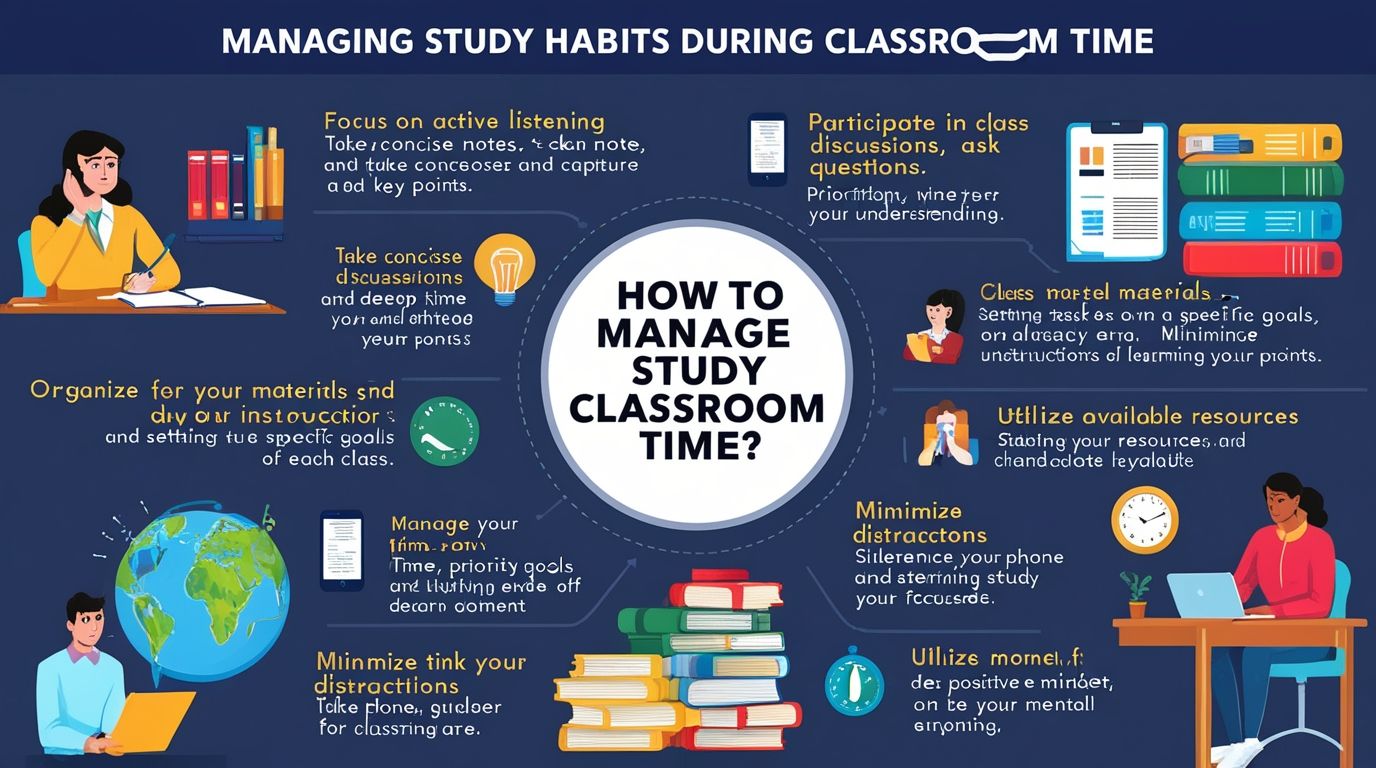
Students learn organization, time management, note-taking, and examination techniques. These skills support lifelong learning.
Preparation for Advanced Education
Traditional education establishes the academic foundations needed for secondary and higher education. Students gain knowledge and skills necessary for future studies.
Limitations of Traditional Education
Despite its strengths, traditional education also has limitations, especially for younger children.
Limited Individualization
Large classrooms and standardized curricula may not always address individual learning needs. Some children may require different approaches or additional support.
Reduced Opportunities for Creativity
Heavy emphasis on academic content can sometimes limit creative expression. Children may have fewer opportunities to explore ideas independently.
Passive Learning Experiences
Students may spend considerable time listening rather than actively participating. This can reduce engagement and motivation for some learners.
Less Focus on Social and Emotional Development
Academic achievement often receives greater attention than emotional well-being. Social skills and emotional growth may not be emphasized sufficiently.
Pressure from Assessments
Frequent testing can create stress and anxiety. Some students may focus on achieving grades rather than developing a genuine understanding of concepts.
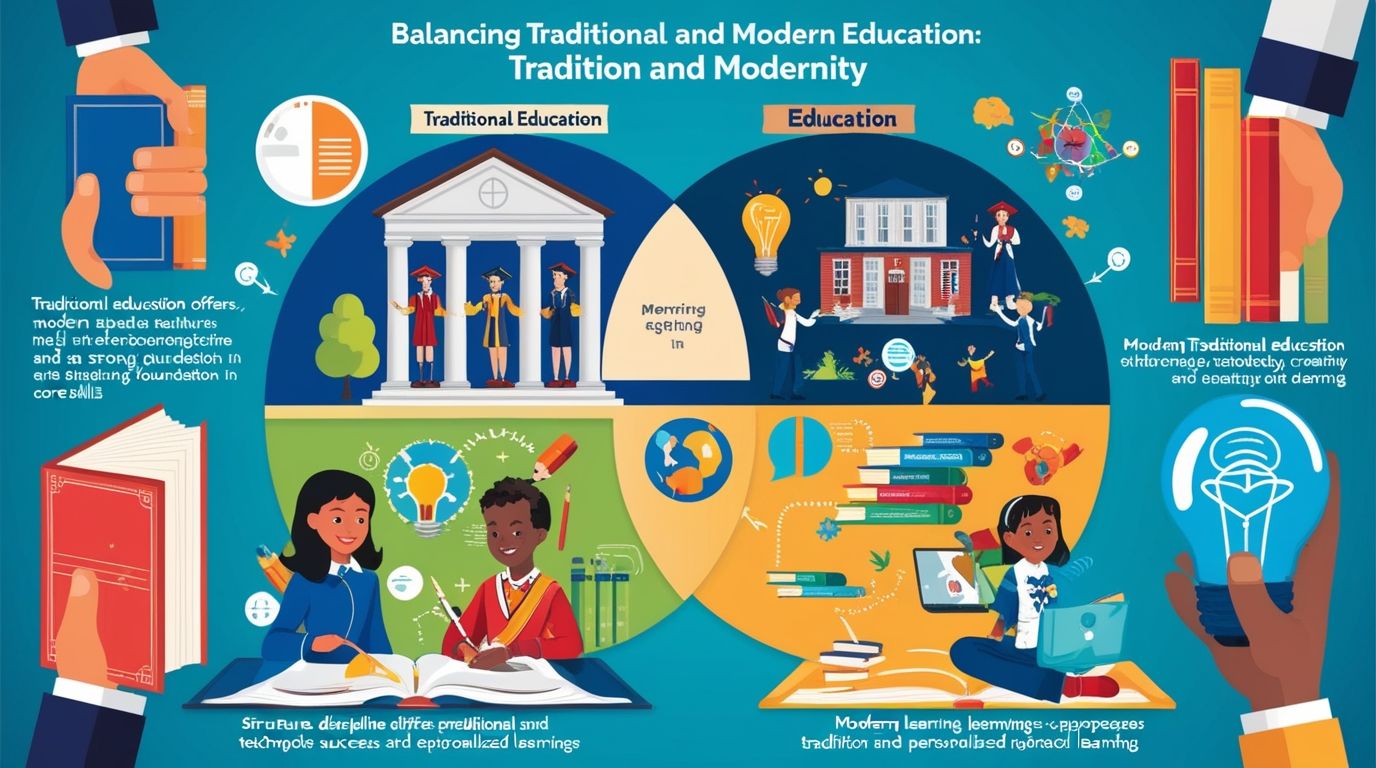
Major Differences Between ECD and Traditional Education
ECD and traditional education differ in several important ways.
Purpose of Learning
ECD focuses on overall child development. Traditional education focuses more heavily on academic achievement and knowledge acquisition.
Teaching Approach
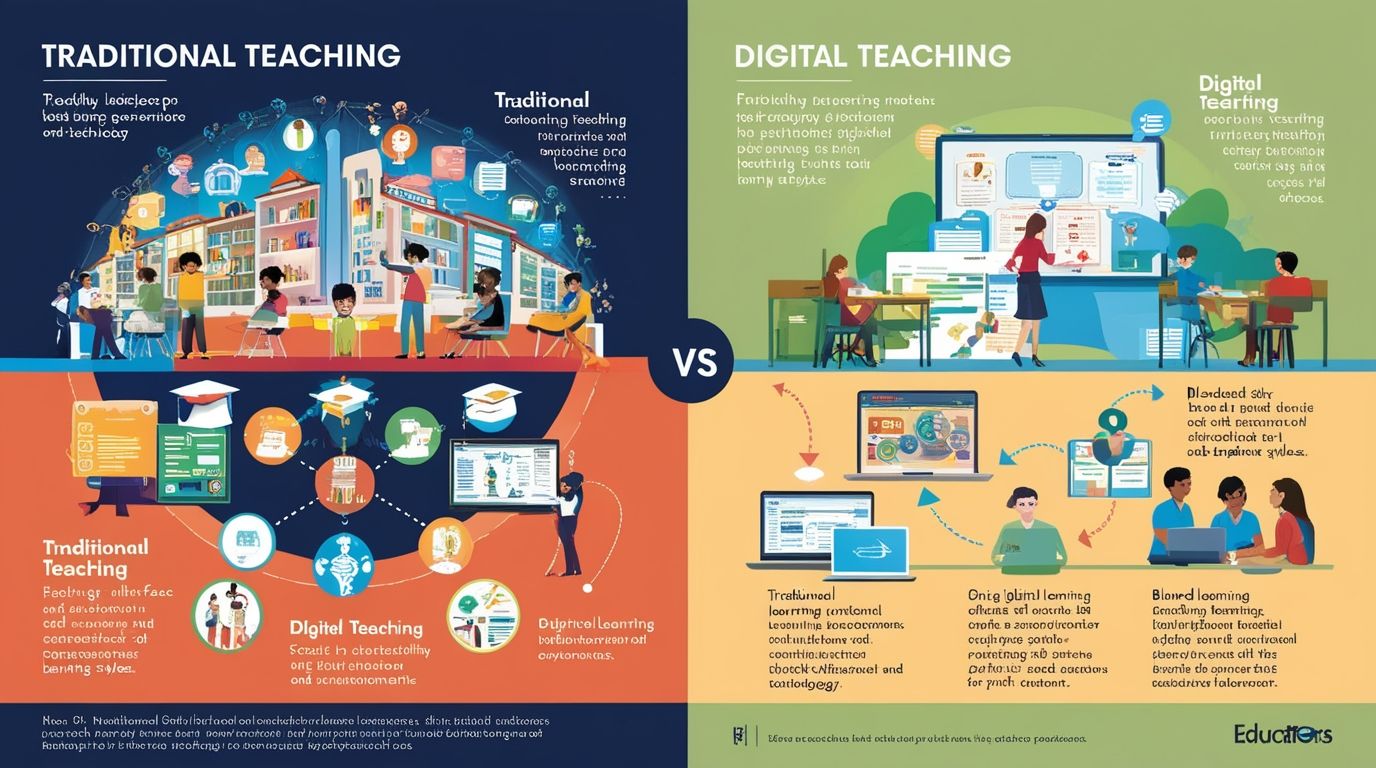
ECD uses child-centered and play-based methods. Traditional education relies more on teacher-directed instruction.
Role of the Teacher
In ECD, teachers act as facilitators and guides. In traditional education, teachers often serve as instructors and information providers.
Learning Environment
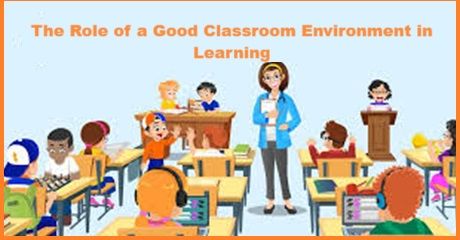
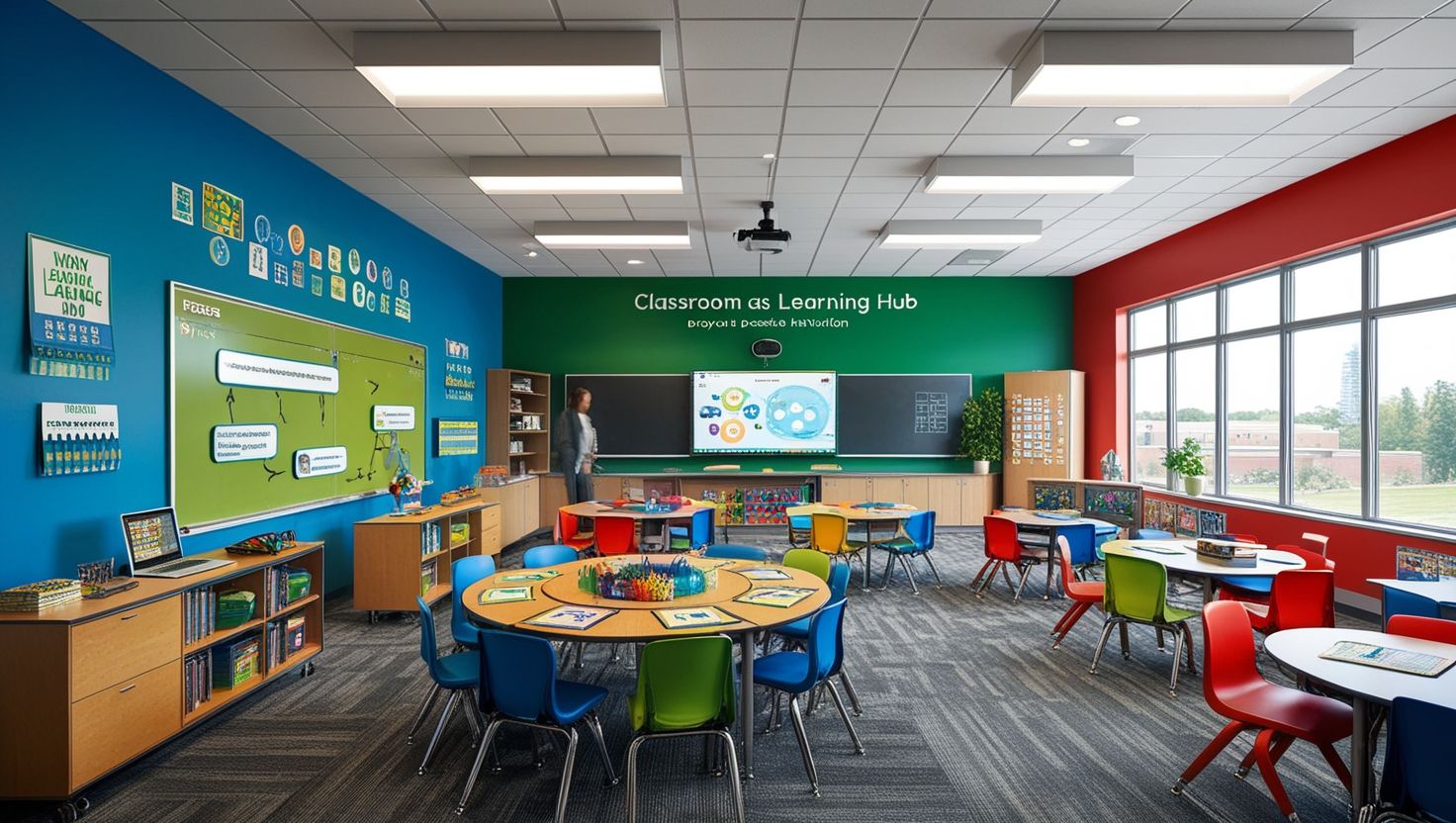
ECD environments encourage exploration and creativity. Traditional classrooms emphasize structure and curriculum delivery.
Assessment Methods
ECD relies heavily on observation and developmental monitoring. Traditional education commonly uses tests, assignments, and examinations.
Focus Areas
ECD addresses cognitive, social, emotional, physical, and language development. Traditional education primarily emphasizes academic subjects and performance.
Student Participation
ECD encourages active involvement and discovery. Traditional education may involve more listening, observing, and responding to teacher instructions.
Why ECD Is Important Before Formal Schooling
Children who enter school without quality early learning experiences may face several challenges. They may struggle with communication, social interaction, attention, and classroom routines.
ECD helps children develop readiness skills needed for successful participation in formal education. They learn how to cooperate, follow instructions, manage emotions, and solve problems.
Strong early experiences support smoother transitions into primary school. Children become more confident and adaptable learners.
ECD also helps reduce educational inequalities. Children from disadvantaged backgrounds benefit significantly from access to quality early learning opportunities.
By investing in early childhood development, societies can improve educational outcomes and create greater opportunities for future success.
Integrating ECD Principles into Traditional Education
Many educators now recognize the value of combining ECD principles with traditional education practices.
Primary schools can incorporate play-based activities, collaborative learning, and child-centered approaches. Teachers can provide opportunities for creativity, exploration, and problem-solving alongside academic instruction.
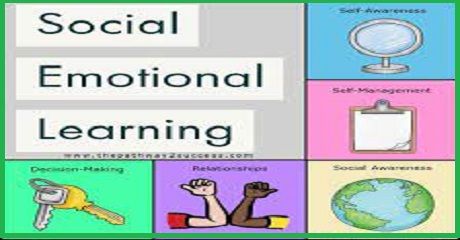
Social and emotional learning can be integrated into classroom activities. Positive relationships and supportive environments can enhance student engagement and well-being.
Developmentally appropriate teaching strategies help ensure that learning remains meaningful and accessible. This balanced approach supports both academic achievement and personal growth.
Educational systems that successfully integrate ECD principles often achieve stronger outcomes for students. Children become more motivated, confident, and capable learners.
Global Recognition of ECD
Around the world, governments and educational organizations are investing in ECD programs. International research consistently highlights the long-term benefits of early childhood education.
Countries that prioritize ECD often experience improved educational achievement, higher graduation rates, and stronger workforce development. Investments in early childhood programs generate significant social and economic returns.
Organizations such as UNESCO and UNICEF advocate for quality early childhood education as a fundamental right for all children.
Global efforts continue to expand access to high-quality ECD services. These initiatives recognize that early learning is essential for sustainable development and social progress.
Conclusion
Early Childhood Development education and traditional education both play important roles in children’s learning journeys. However, they serve different purposes and address different developmental needs.
ECD focuses on nurturing the whole child. It supports cognitive, social, emotional, physical, and language development through child-centered and play-based learning experiences. These early experiences build strong foundations for future success.
Traditional education provides structured academic instruction. It develops subject knowledge, literacy, numeracy, and advanced learning skills. Its organized approach prepares students for higher education and professional careers.
In today’s educational landscape, ECD is increasingly viewed as the foundation of effective education rather than an alternative to traditional schooling. The strongest educational systems combine nurturing early learning experiences with gradually introduced academic instruction.
Such integration promotes children’s well-being while preparing them for future educational challenges. It strengthens school readiness, improves academic performance, and supports lifelong learning.
The discussion is not about choosing ECD over traditional education. Instead, it is about recognizing that quality early childhood experiences create the strongest platform for future achievement. When children receive appropriate developmental support during their early years, they are more likely to become confident learners, responsible citizens, and productive members of society. Investing in ECD therefore represents an investment in human development, educational success, and the future prosperity of communities and nations.
















































































































Nice read. You are a very persuasive writer. Hey, that sure is a smart way of thinking about it. Some nice points there. Black Hat. This is an excellent, an eye-opener for sure! You are obviously very knowledgeable. You are obviously very knowledgeable. This information is magnificent. You are obviously very knowledgeable. Great post! Hey, that sure is a smart way of wording it. It’s like you wrote the book on it or something. I really like your article. Nice read. Great post! You’ve made my day! Thx again.
Clip ấu dâm trẻ em vị thành niên nam nữ dưới 15 tuổi. Full phim sex trẻ em không che siêu nứng. Xem ngay!
ylb7cy
Mình đánh giá cao việc nhà cái C168 hỗ trợ nạp tiền qua USDT rất bảo mật và còn được cộng thêm 0.6% ưu đãi không giới hạn cho mỗi lượt giao dịch. Tốc độ nạp rút tại C168.COM sòng phẳng, tuy nhiên cá cược luôn tiềm ẩn rủi ro may rủi nên mọi người cần tỉnh táo và hãy luôn biết điểm dừng đúng lúc.
This is an excellent, an eye-opener for sure!
yac3o7
I enjoyed your post. Thank you.
gd00a7
mtf5lt
You appear to know a lot about this.