Introduction
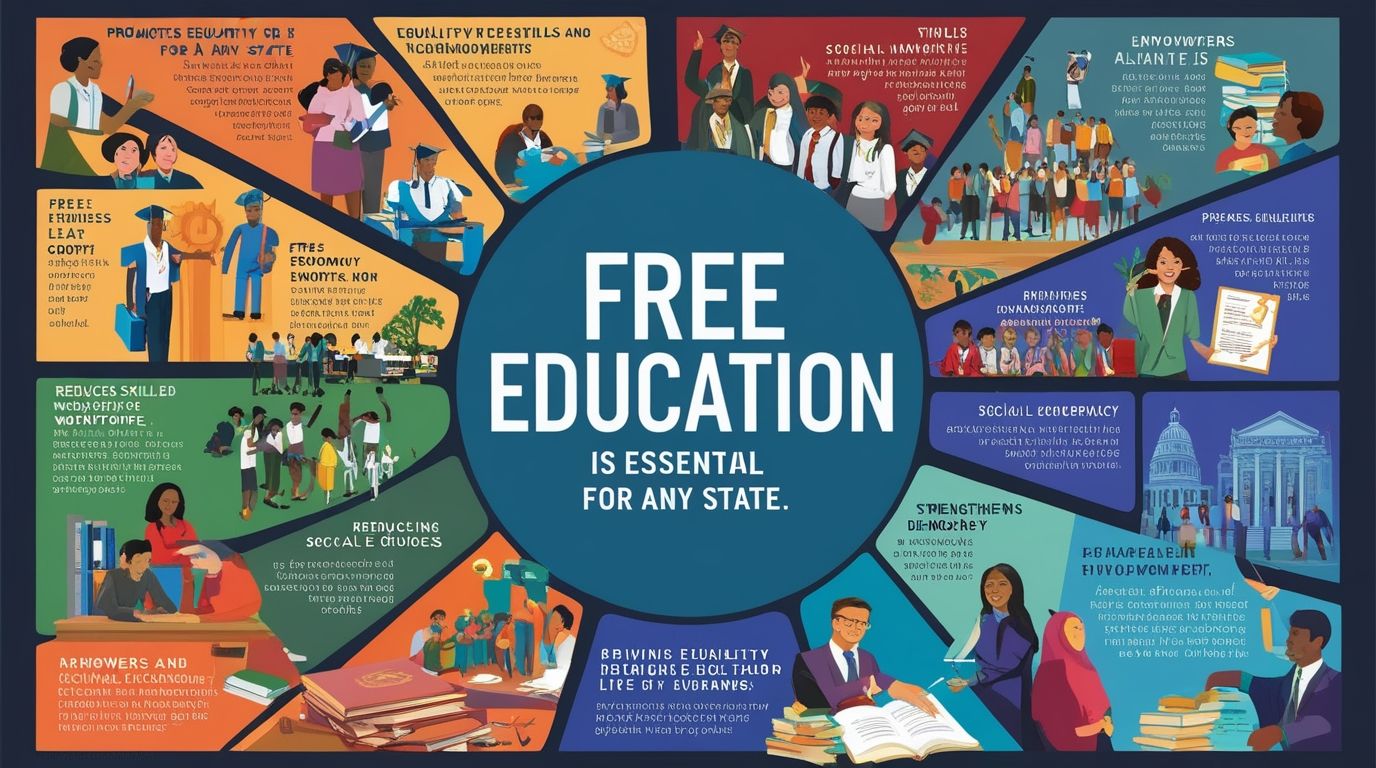
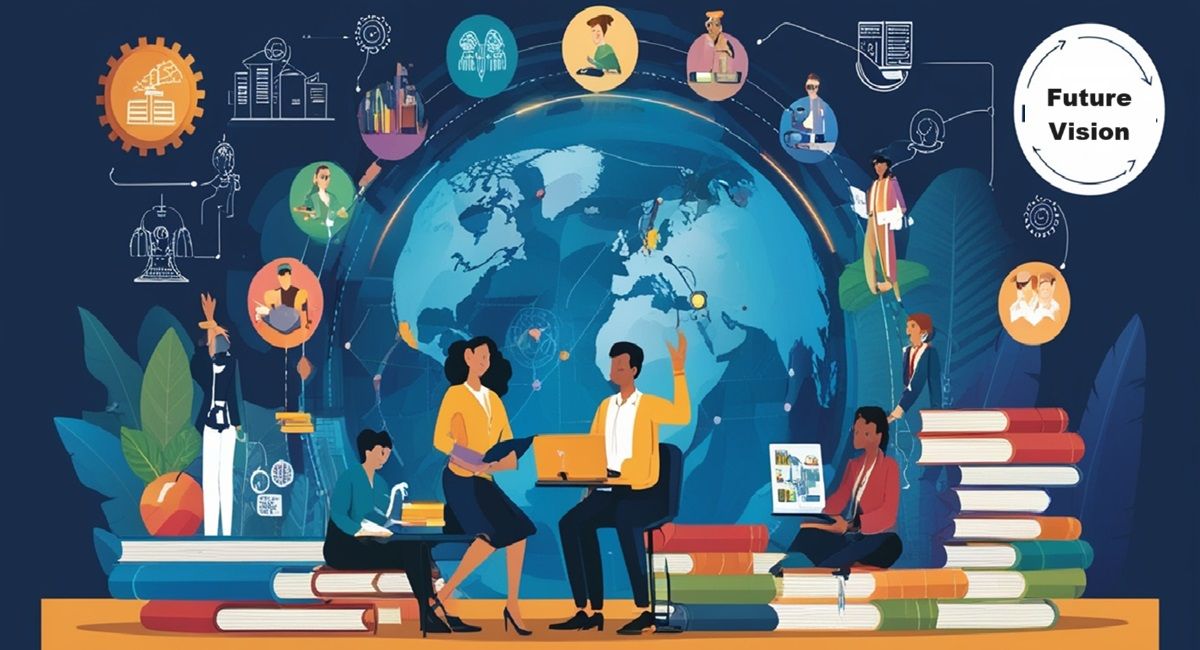
Education Support for Resilience in Lives, Education is one of the most powerful instruments for transforming individuals, communities, and nations. Beyond imparting knowledge and developing skills, education equips people with the capacity to face life’s uncertainties, recover from adversity, and adapt to changing circumstances. This capacity is known as resilience. In an increasingly complex world characterized by economic instability, climate change, technological disruption, pandemics, conflicts, and social inequalities, resilience has become an essential life competency. Educational institutions therefore have a responsibility not only to develop academic excellence but also to nurture resilient individuals capable of overcoming challenges while contributing positively to society.
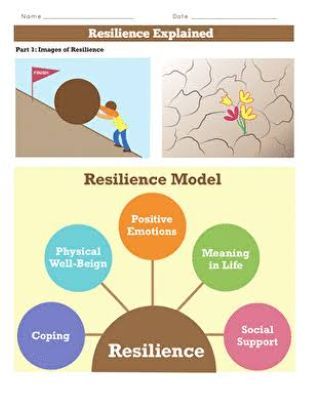
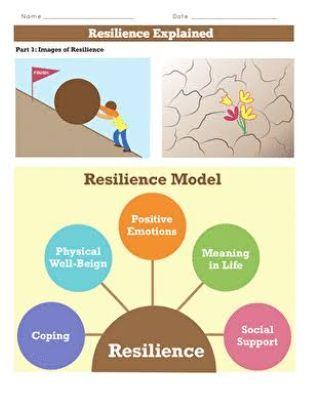
Resilience refers to the ability to adapt successfully to difficult situations, recover from setbacks, and continue pursuing meaningful goals despite obstacles. It is not an innate trait that some individuals possess while others do not. Rather, resilience is a dynamic process that develops through supportive relationships, positive learning experiences, effective coping strategies, and opportunities for personal growth. Education plays a central role in fostering these protective factors by creating environments where learners feel safe, valued, and empowered.
This article explores the relationship between education and resilience, examines the role of educational institutions in promoting resilience, discusses strategies for building resilience among learners, and highlights the importance of collaboration among educators, families, communities, and policymakers.
Understanding Resilience
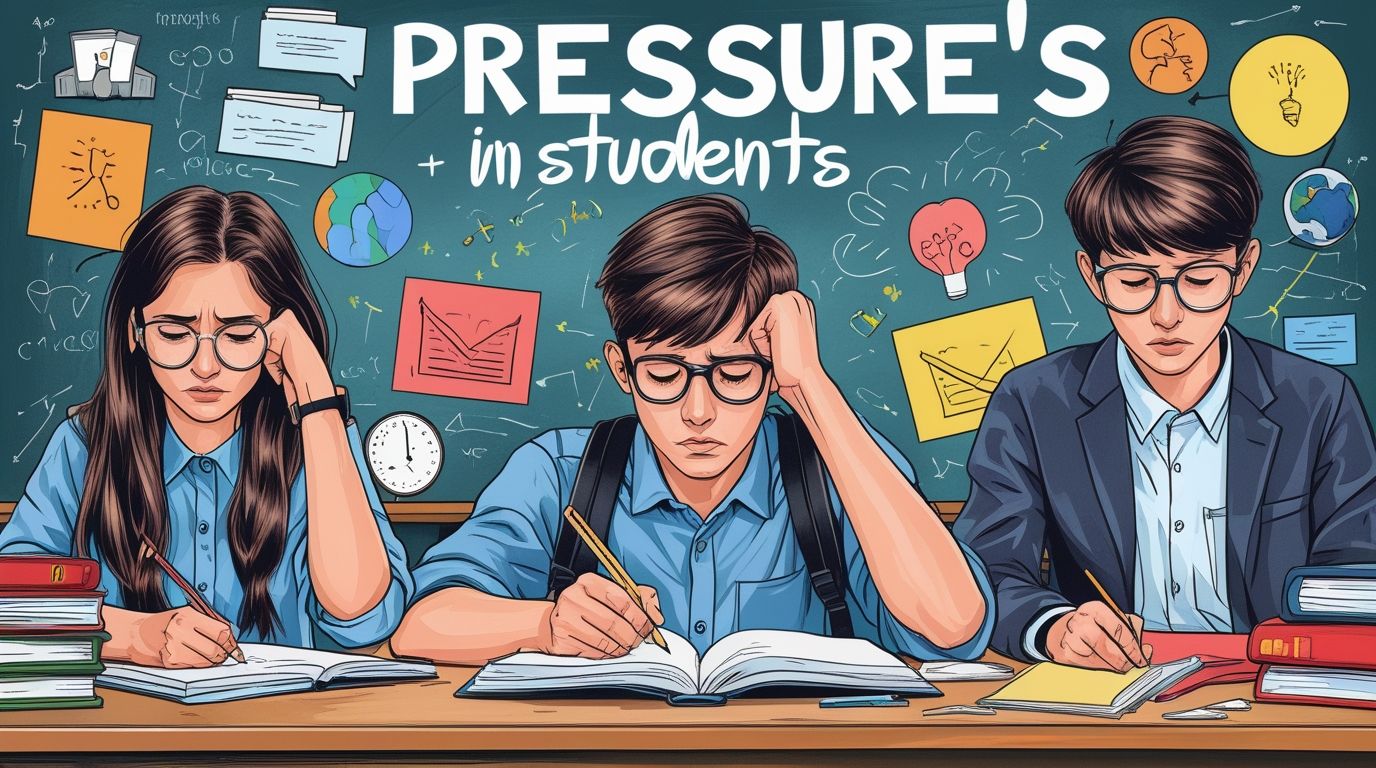
Resilience is commonly defined as the capacity to withstand, adapt to, and recover from adversity. Individuals experience numerous challenges throughout life, including academic pressure, financial hardship, family problems, illness, natural disasters, discrimination, and personal loss. While these experiences may temporarily disrupt emotional well-being, resilient individuals develop effective coping mechanisms that enable them to recover and continue progressing. Resilience involves several interconnected dimensions:
- Emotional resilience enables individuals to regulate emotions during stressful situations.
- Cognitive resilience promotes positive thinking, problem-solving, and adaptability.
- Social resilience encourages healthy relationships and supportive networks.
- Physical resilience emphasizes maintaining health and well-being.
- Moral resilience supports ethical decision-making even under pressure.
Education contributes to all these dimensions by fostering knowledge, values, attitudes, and practical skills that help individuals navigate life’s complexities.
Why Education Matters for Resilience
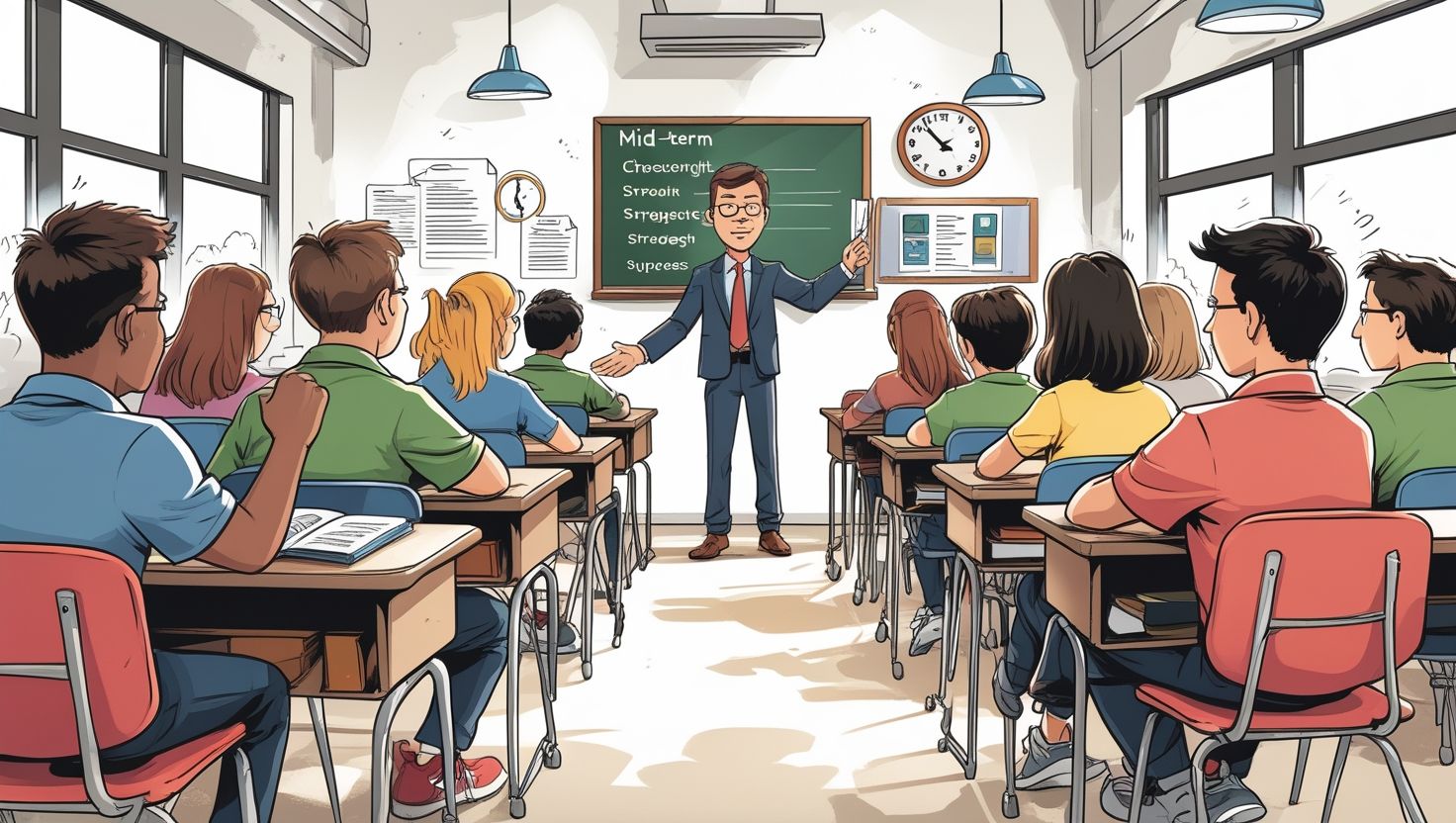
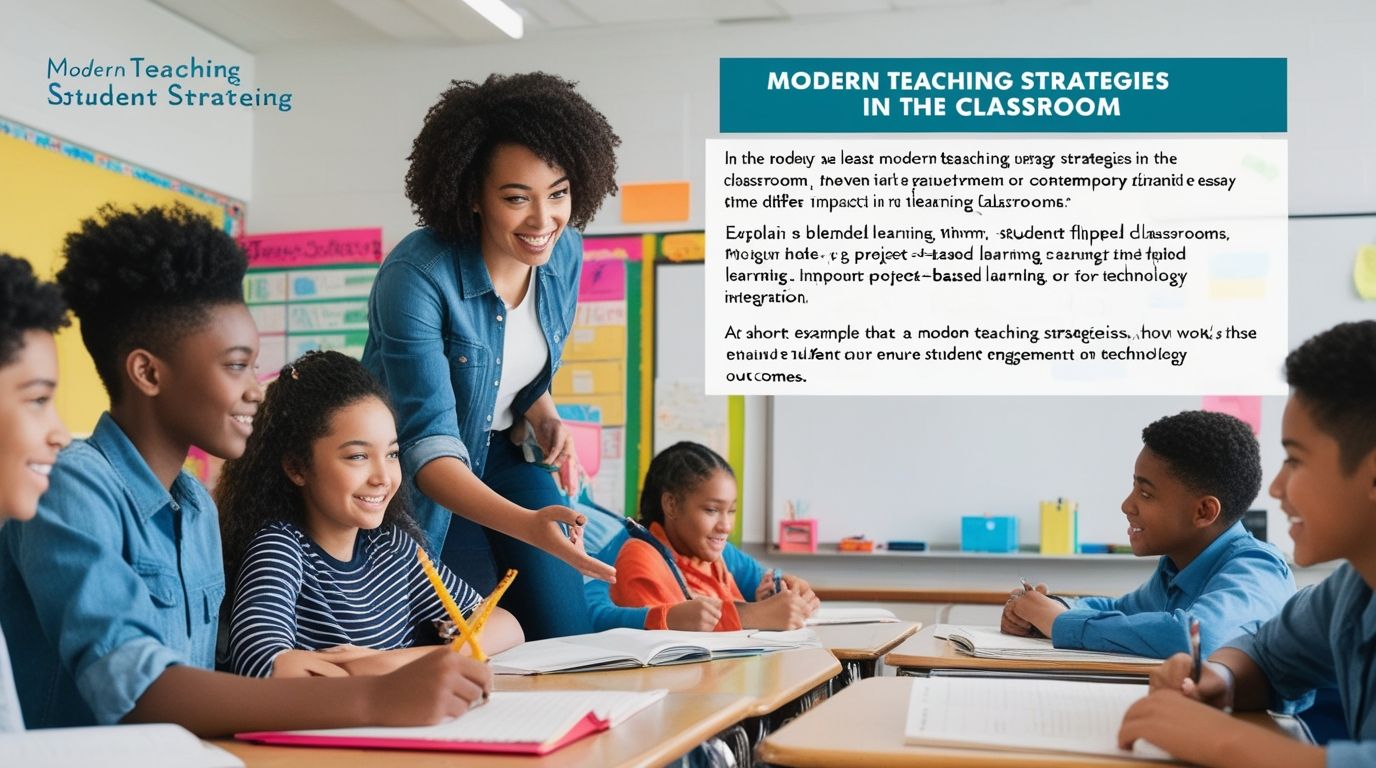
Education extends beyond academic achievement. It shapes attitudes, behaviors, and character. Schools, colleges, and universities provide structured environments where learners acquire competencies essential for lifelong resilience.
Developing Critical Thinking
Education encourages learners to analyze situations objectively rather than react emotionally. Critical thinking enables individuals to evaluate problems, identify possible solutions, and make informed decisions. During times of crisis, critical thinkers are less likely to panic because they can assess evidence, weigh alternatives, and respond rationally.
Building Self-Confidence
Achievement in learning builds self-efficacy—the belief that one can successfully complete tasks and overcome challenges. Students who experience success through effort develop confidence in their abilities, making them more resilient when encountering future setbacks.
Promoting Emotional Intelligence
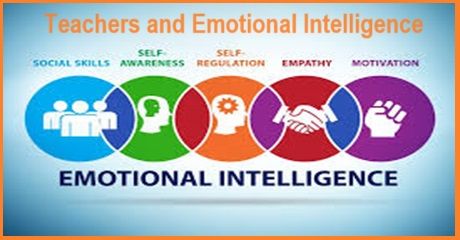
Educational environments increasingly emphasize emotional intelligence, including self-awareness, empathy, emotional regulation, and interpersonal skills. Students who understand their emotions are better equipped to manage stress, resolve conflicts, and maintain positive relationships.
Encouraging Adaptability
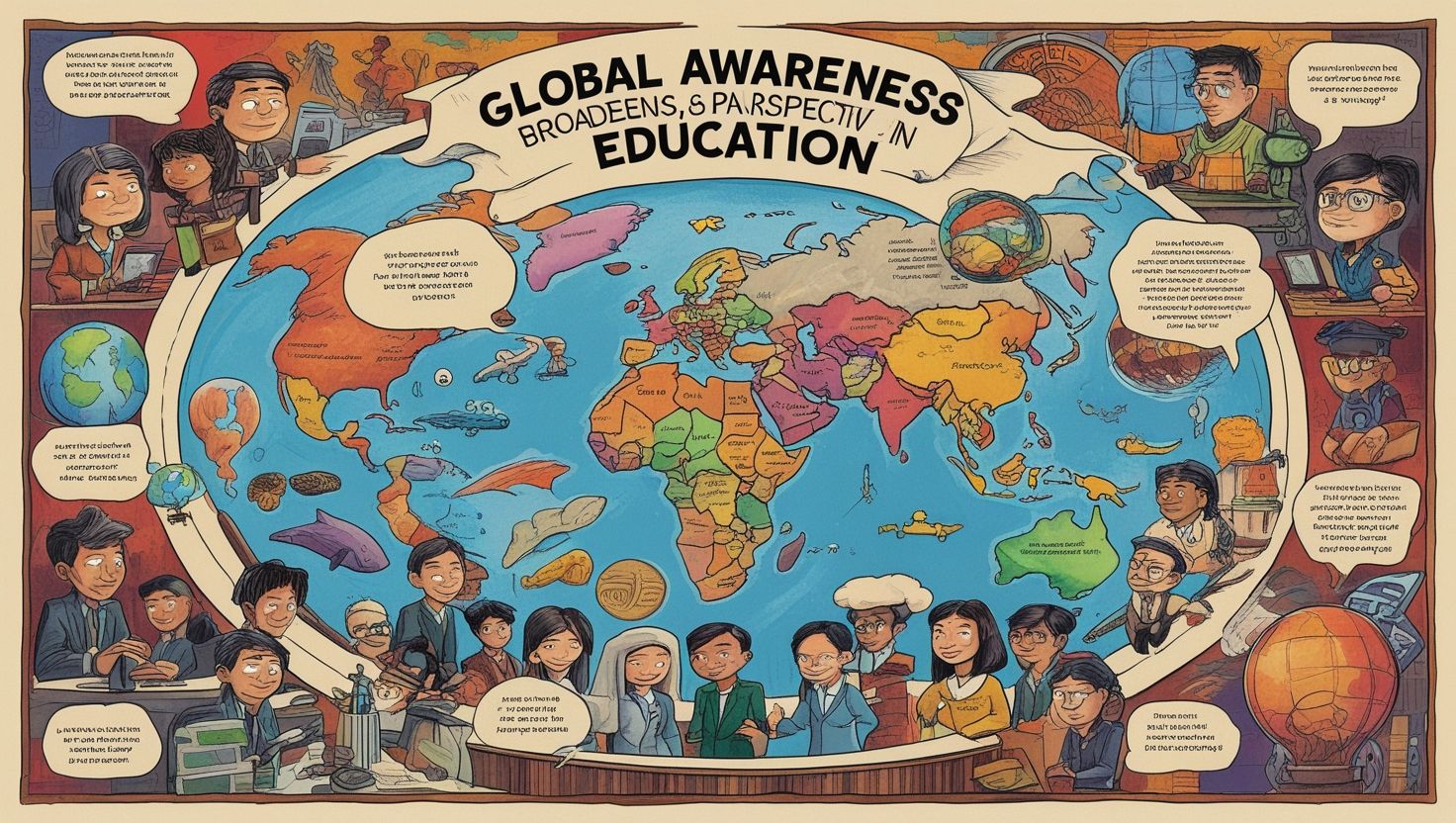
Modern education exposes learners to diverse perspectives, technologies, and cultures. This broad exposure strengthens adaptability, enabling individuals to embrace change rather than fear it.
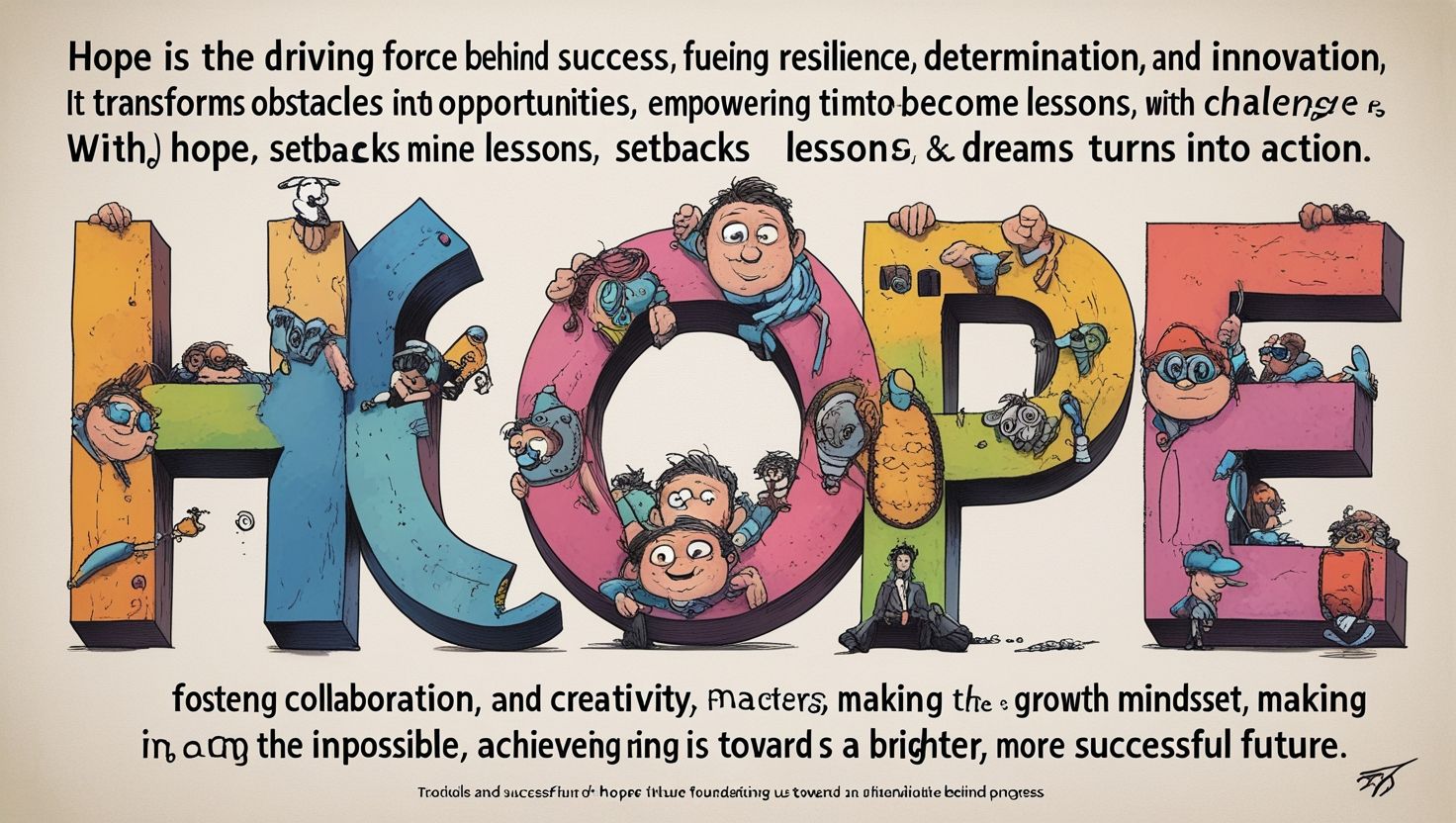
Strengthening Hope and Purpose
Education inspires learners to set meaningful goals and envision brighter futures. Hope serves as a protective factor during difficult times, motivating individuals to persist despite temporary failures.
The Role of Schools in Building Resilience
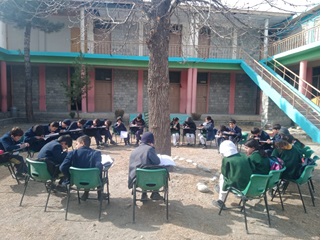
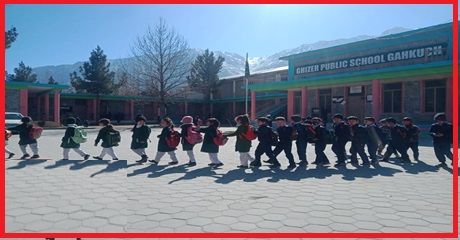
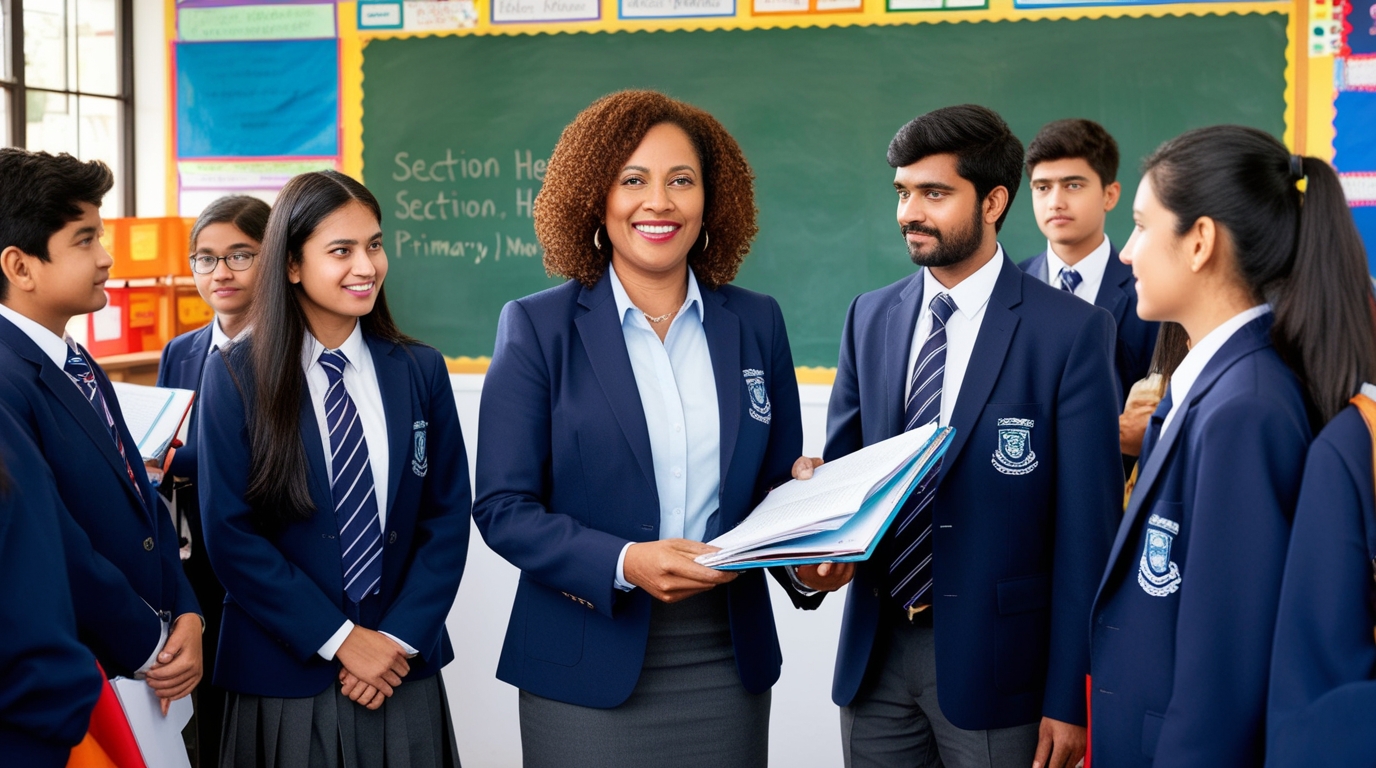
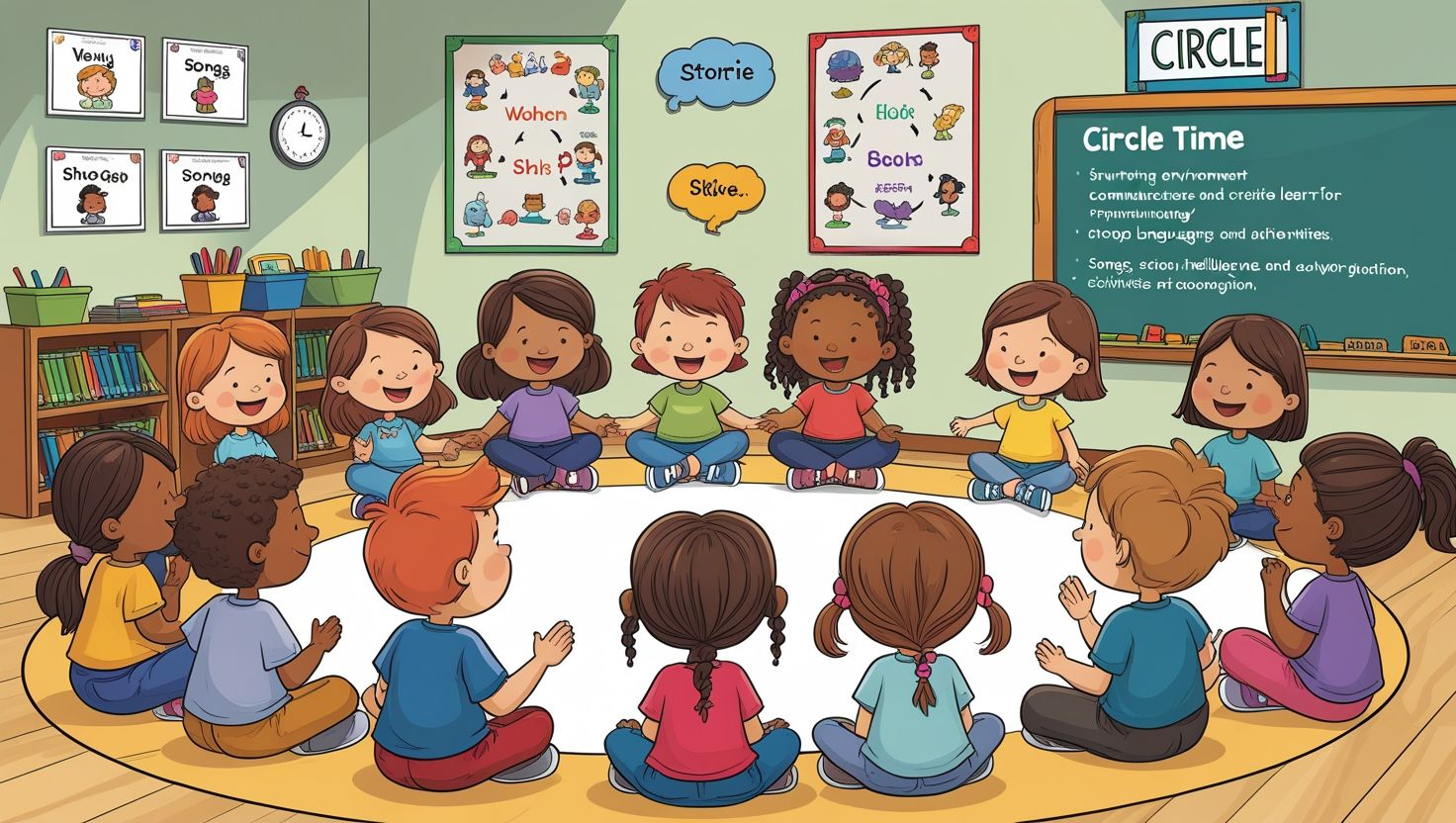
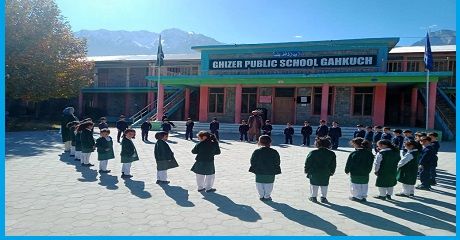
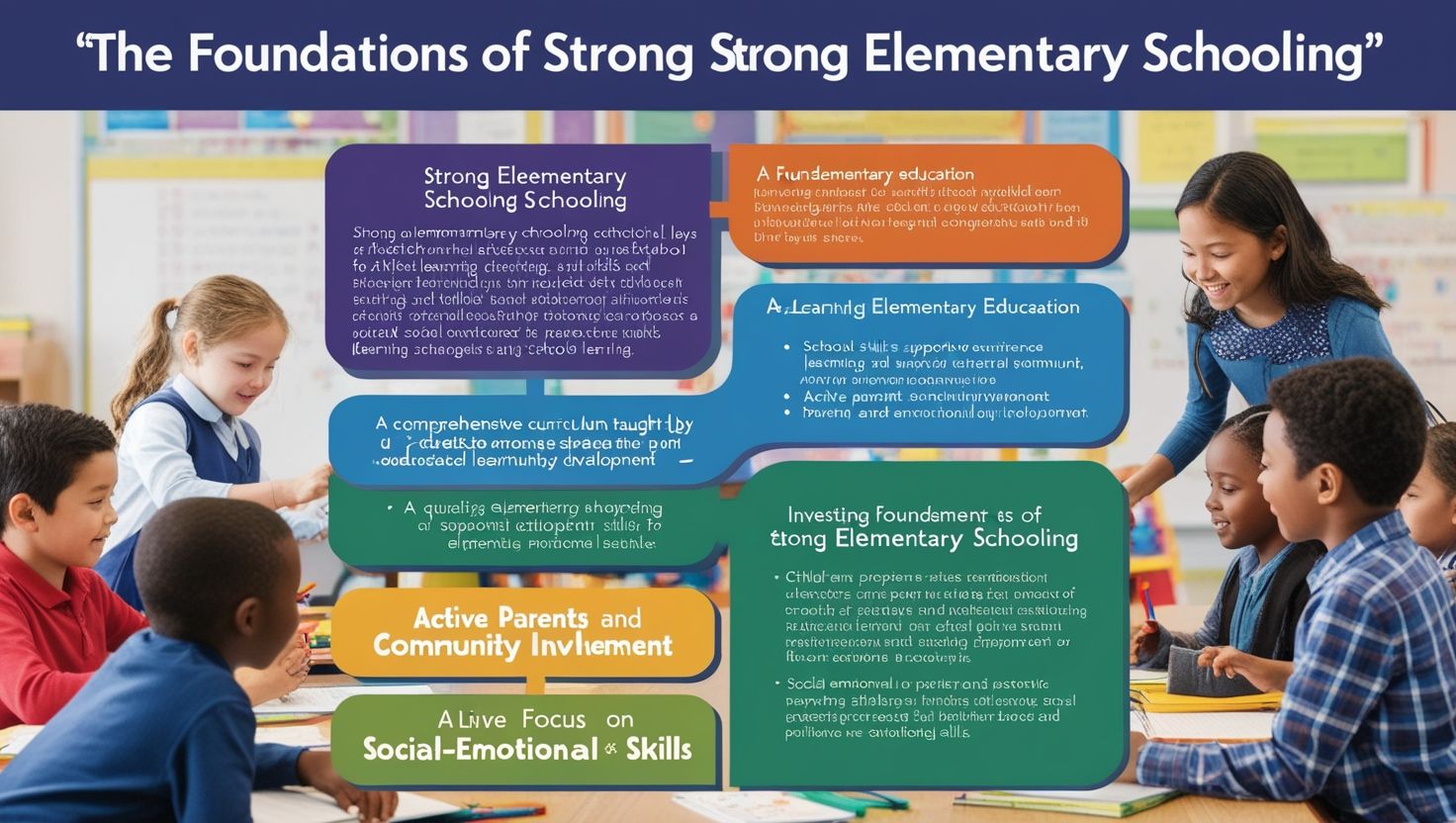
Schools serve as important settings for resilience development because children spend a significant portion of their lives within educational environments.
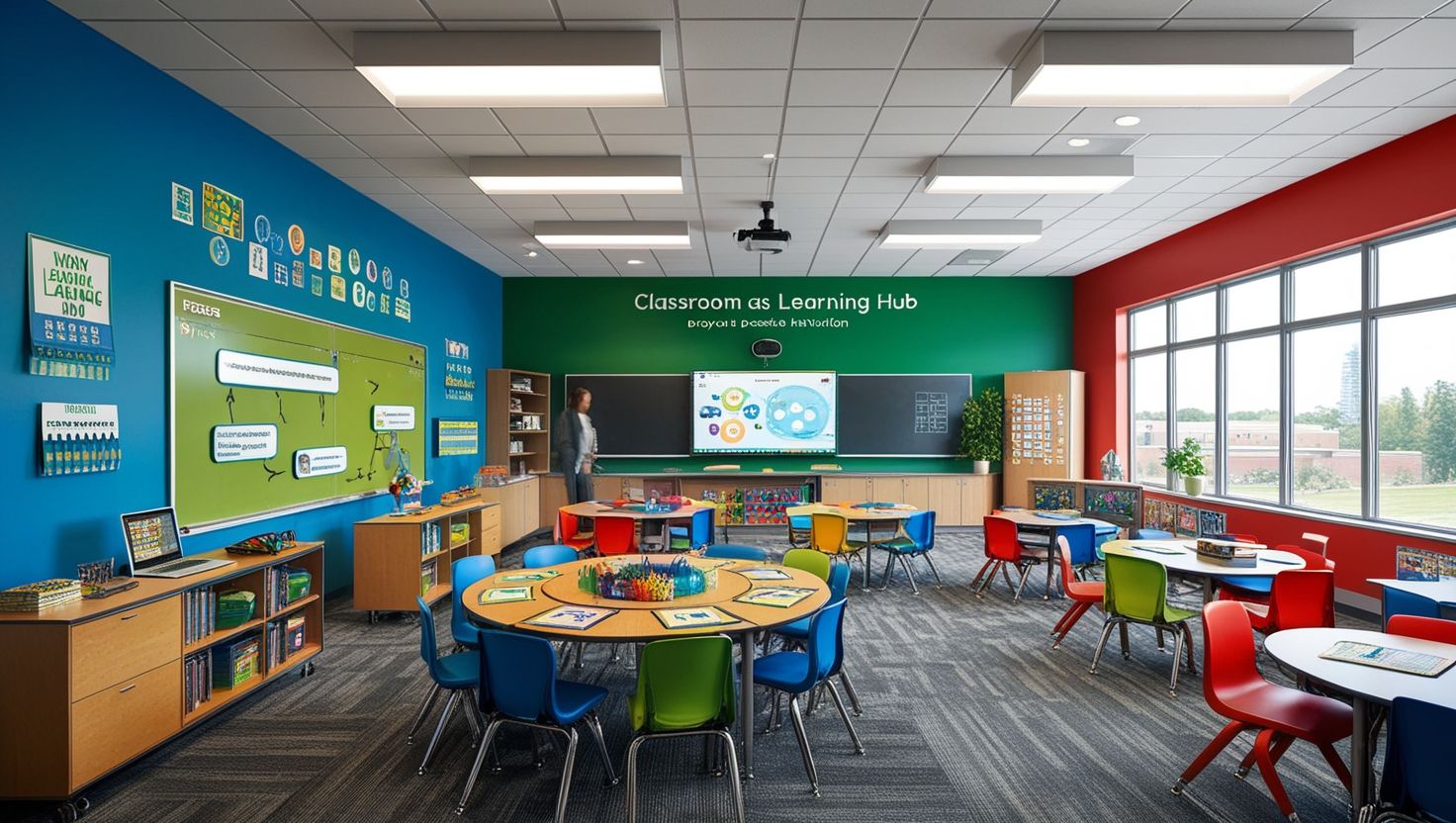
Creating Safe Learning Environments
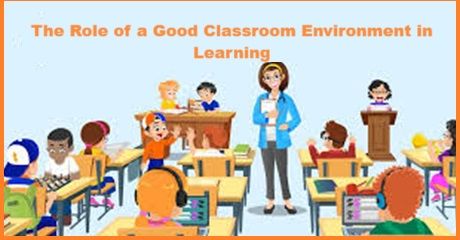
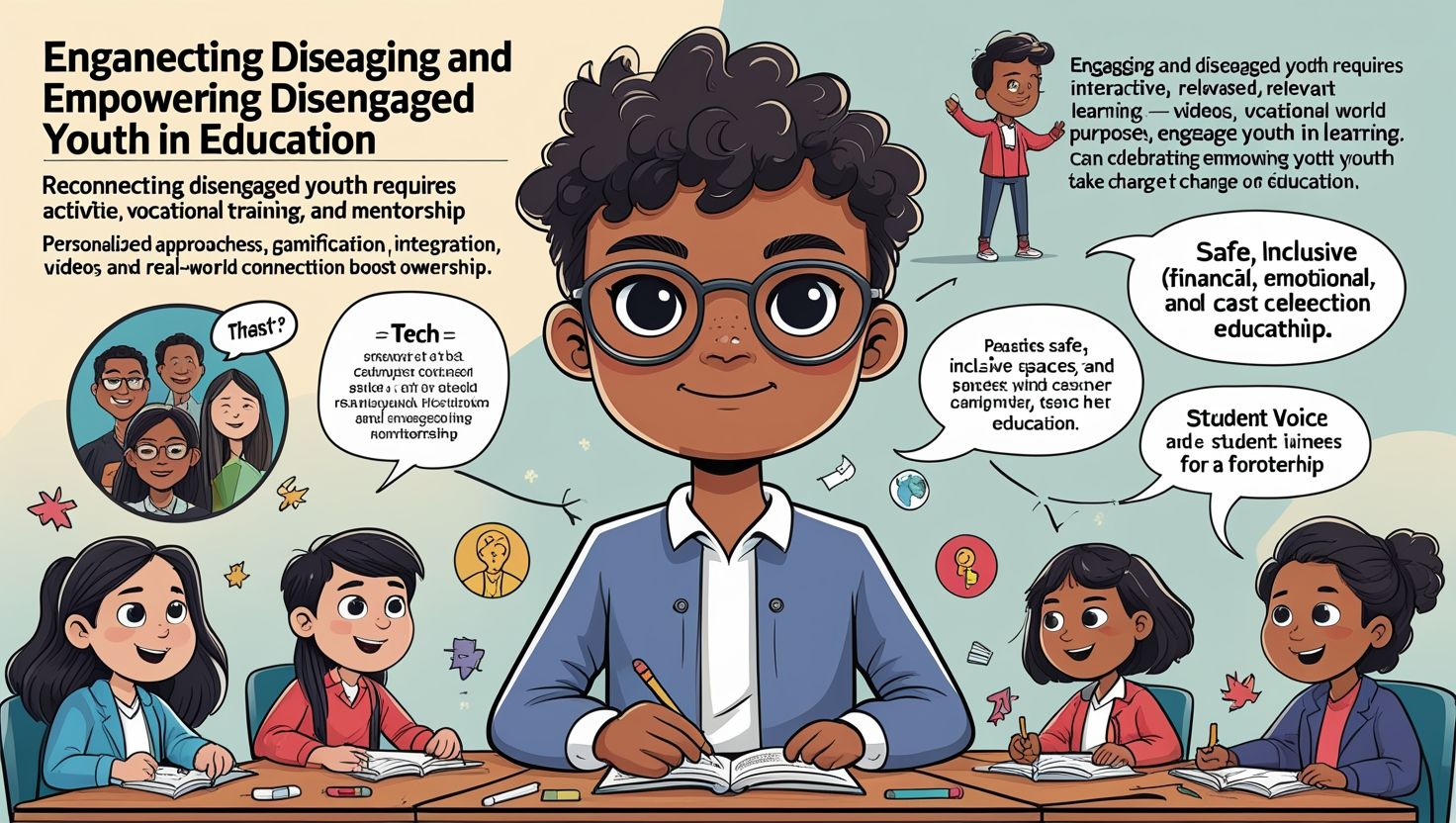
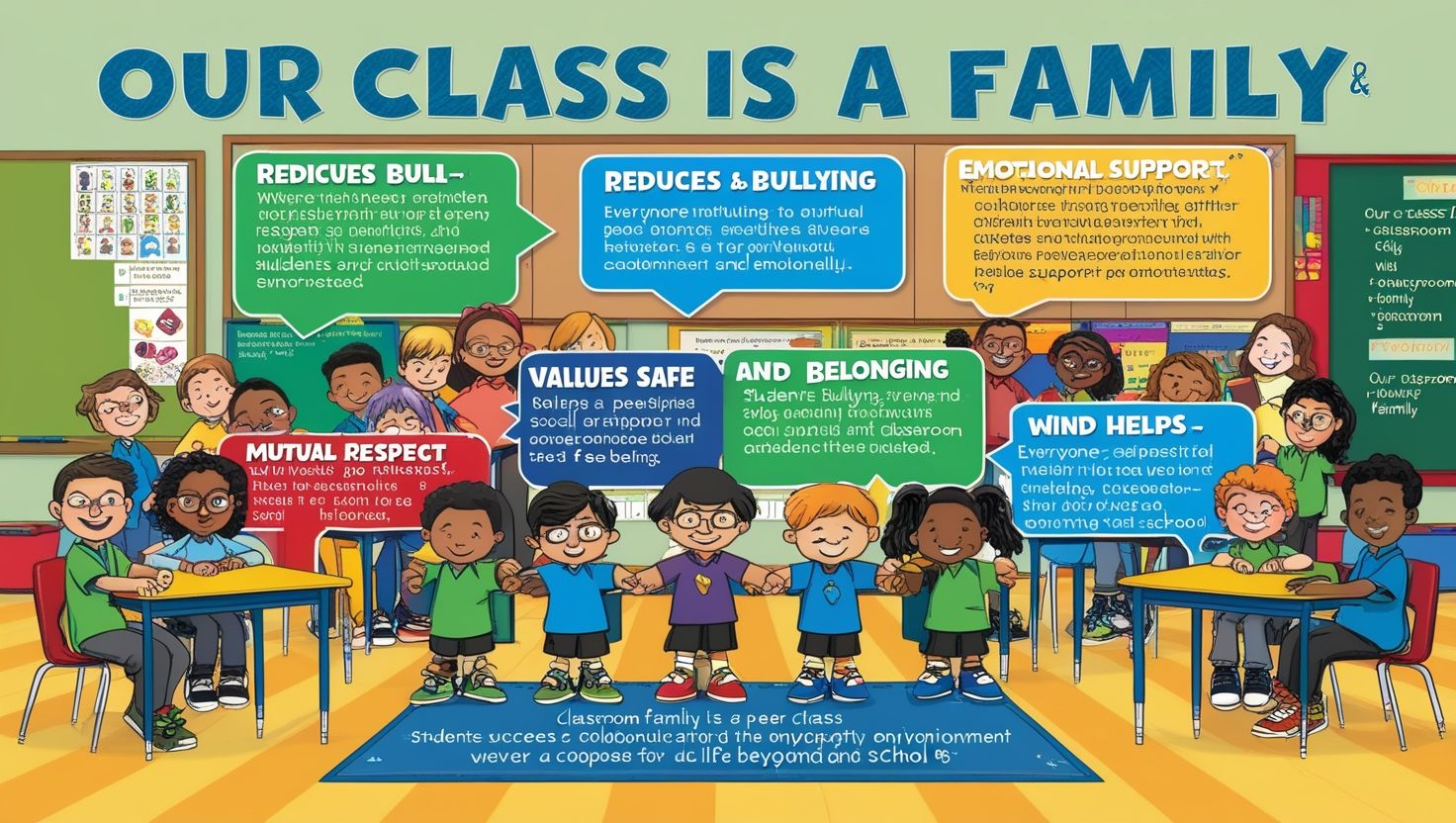
Students thrive when schools provide physical safety, emotional security, and psychological support. Respectful classroom cultures reduce anxiety and encourage learners to take academic risks without fear of humiliation.
Safe schools emphasize:
- Positive teacher-student relationships
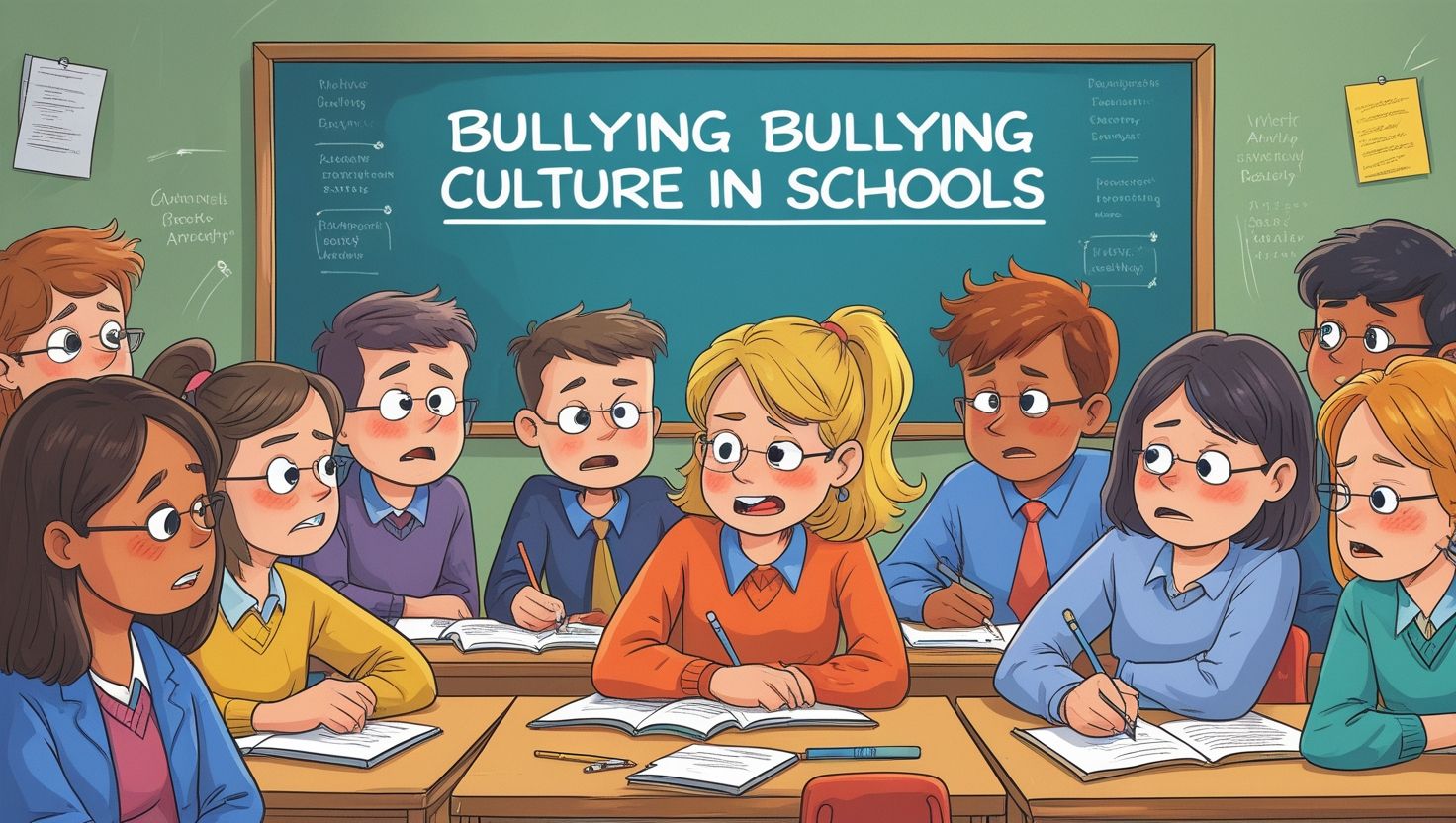
- Anti-bullying policies
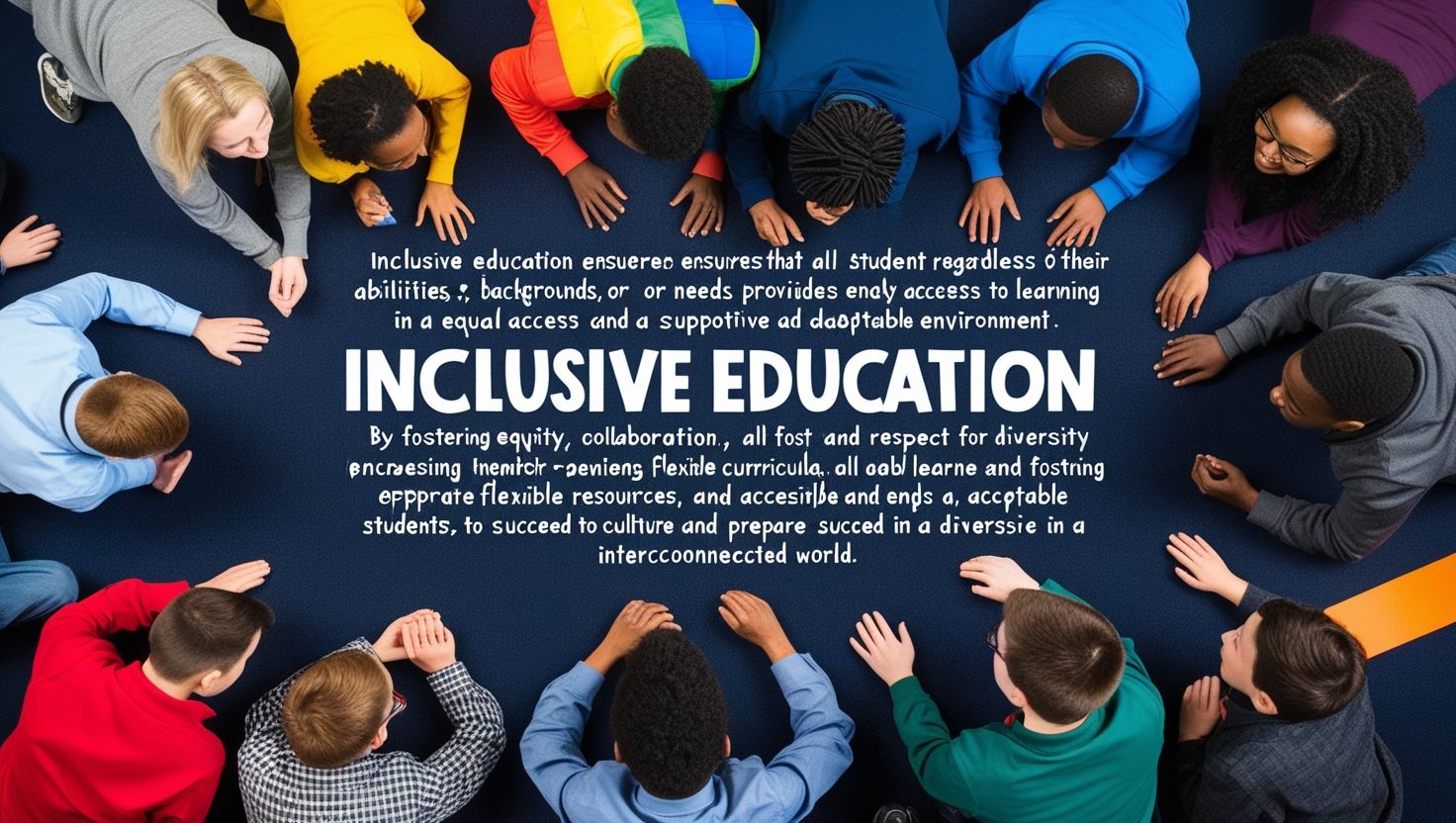
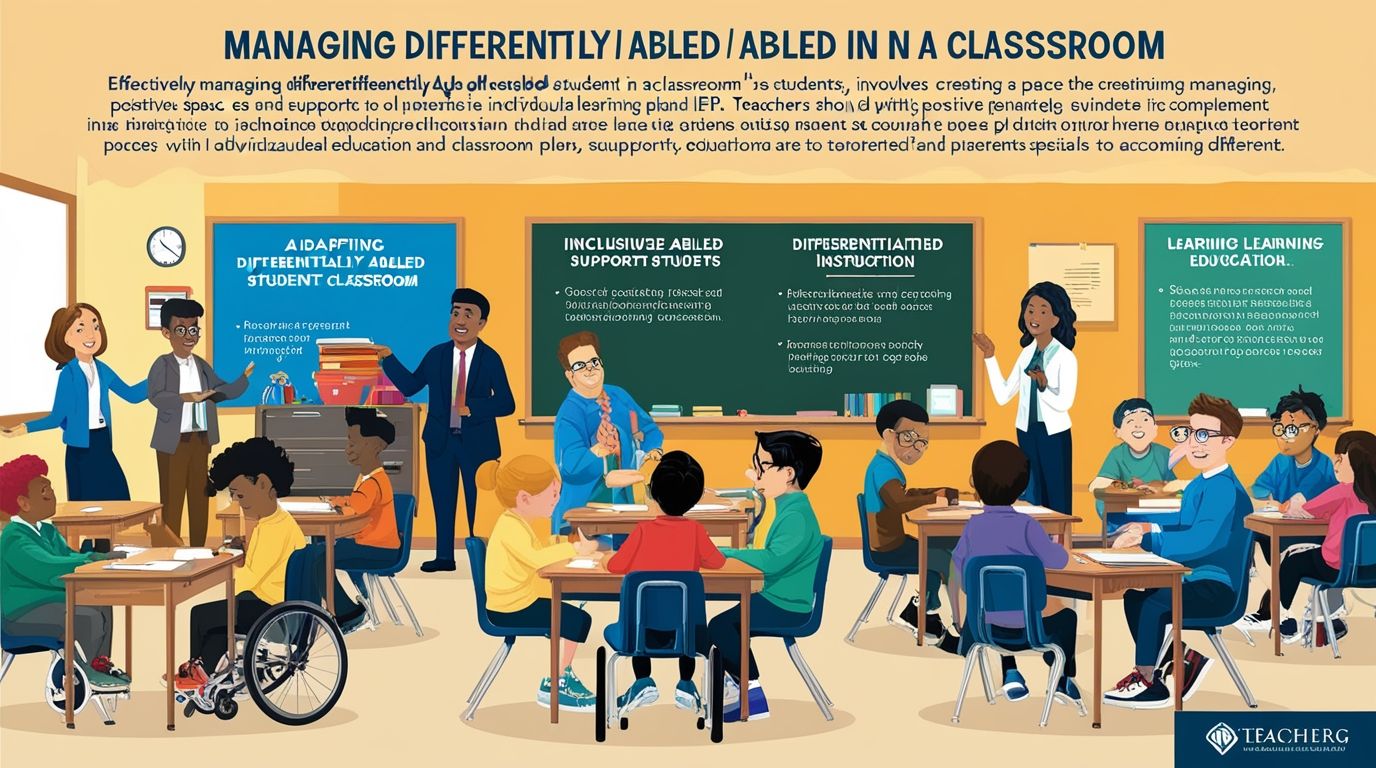
- Inclusive classrooms
- Emotional support services
- Fair disciplinary practices
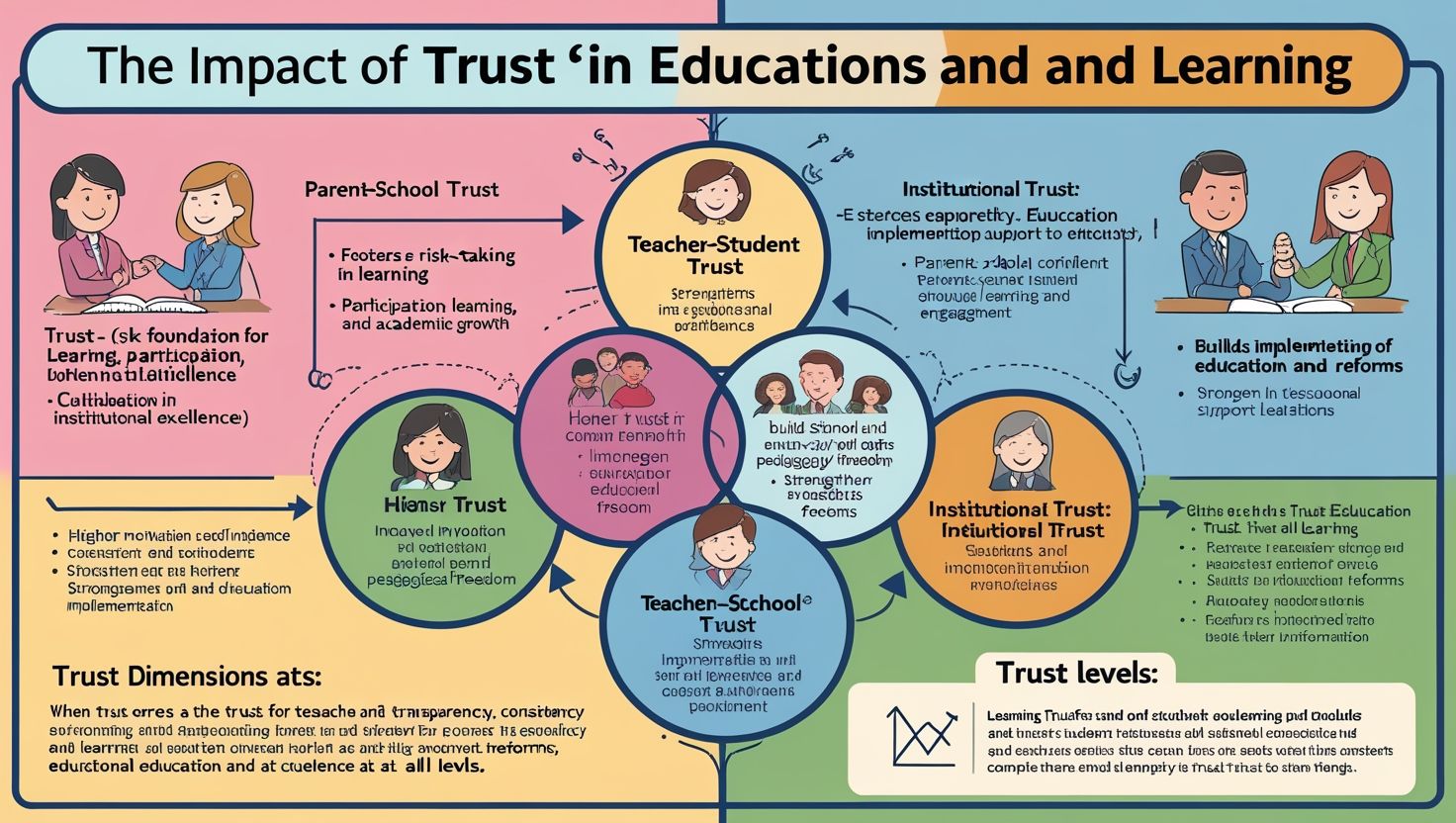
Such environments foster trust, which is fundamental for resilience.
Positive Teacher Relationships
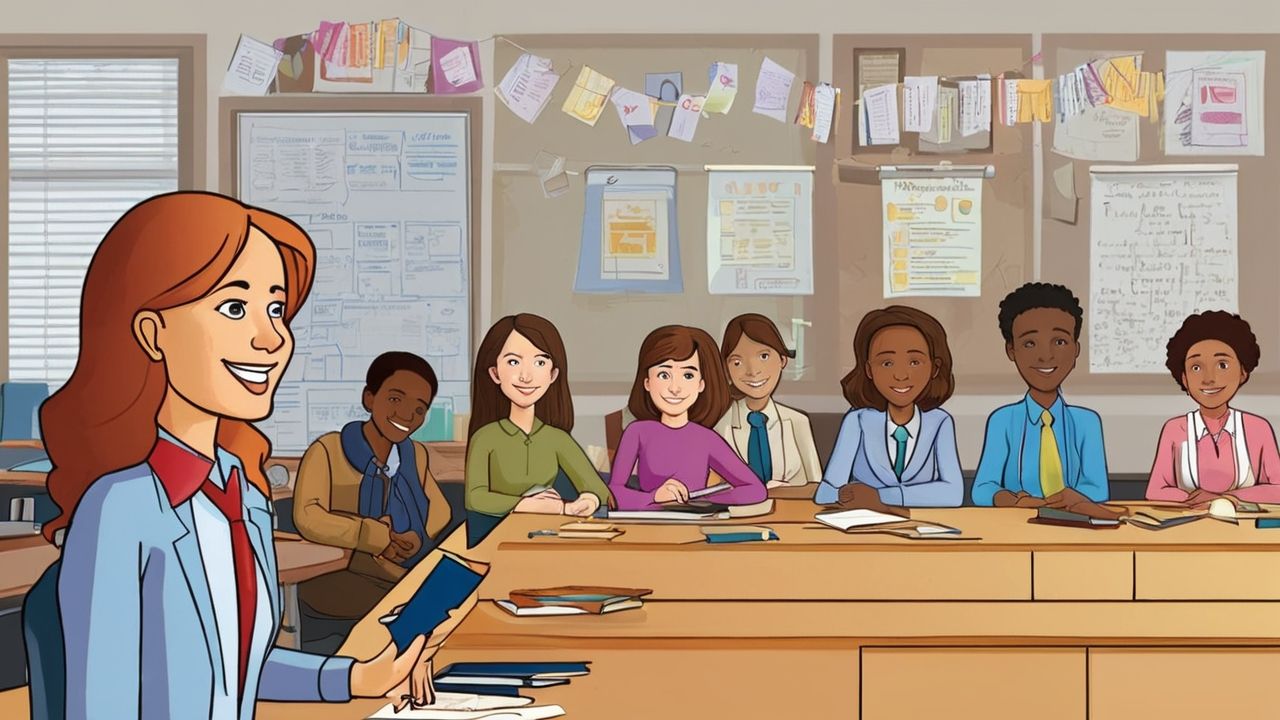
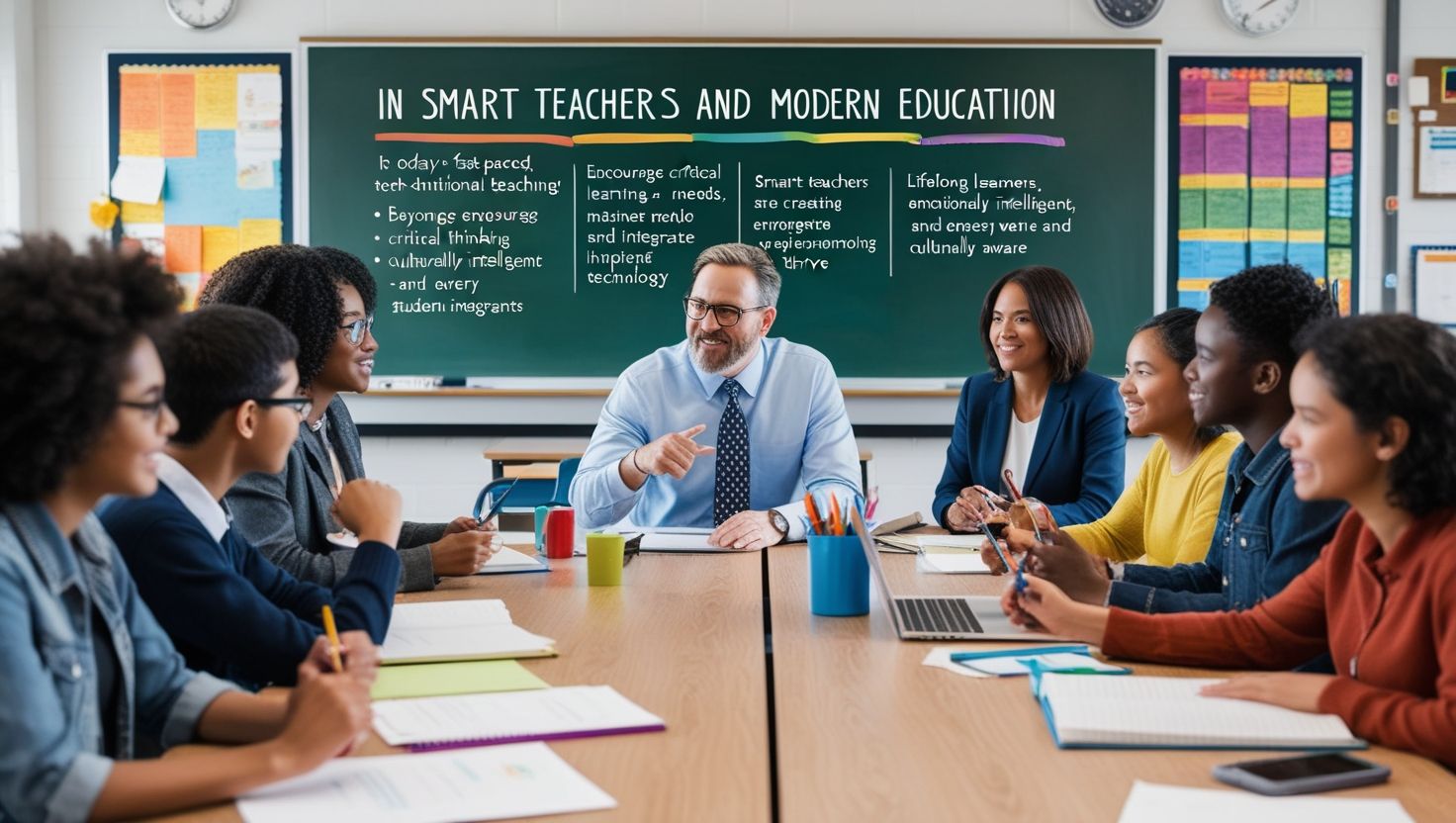
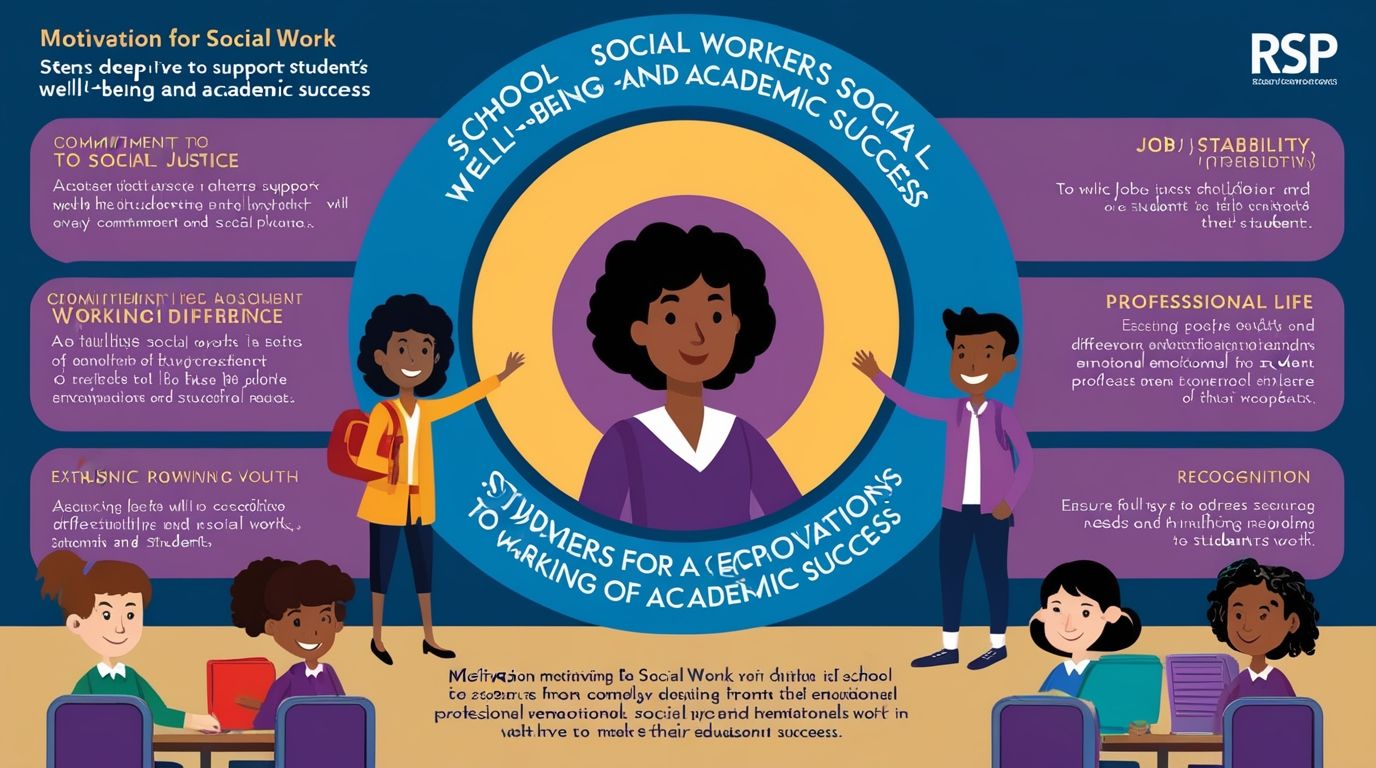
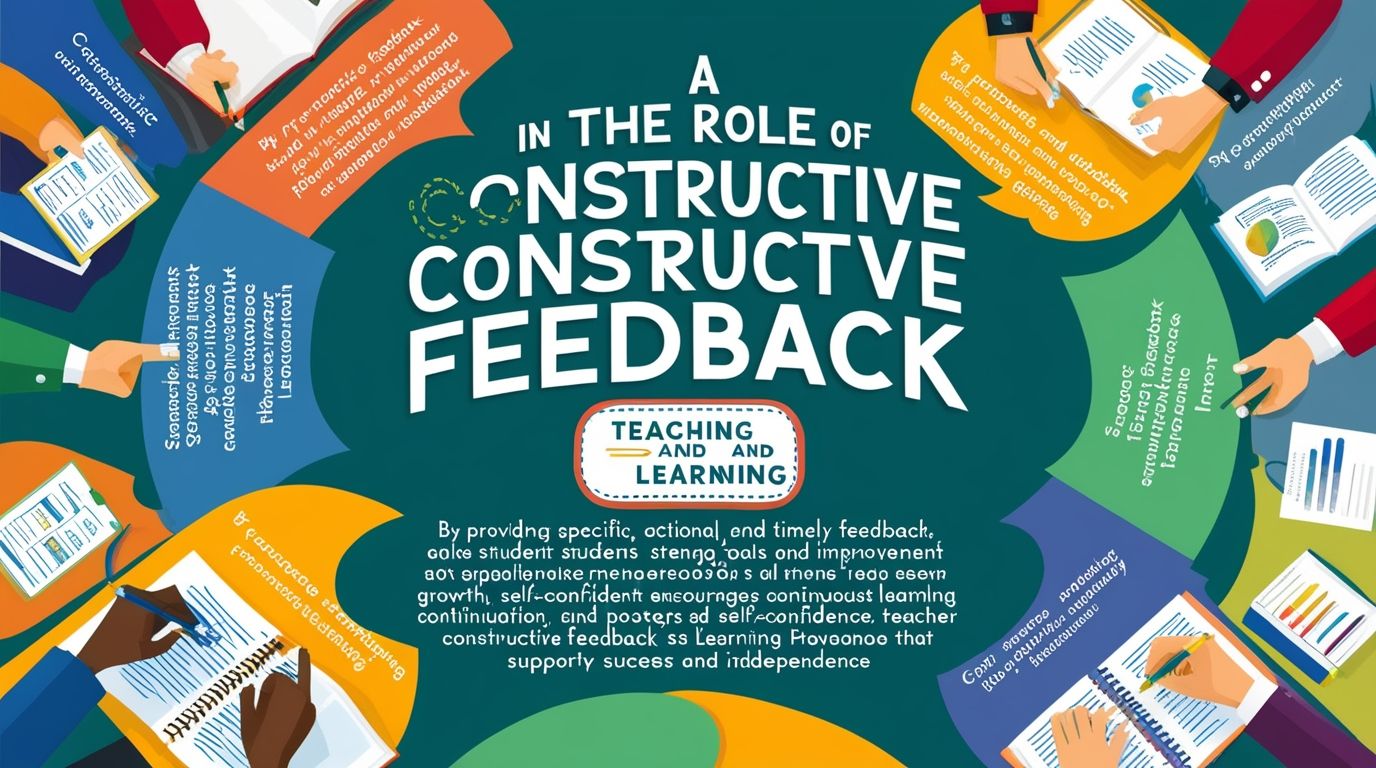
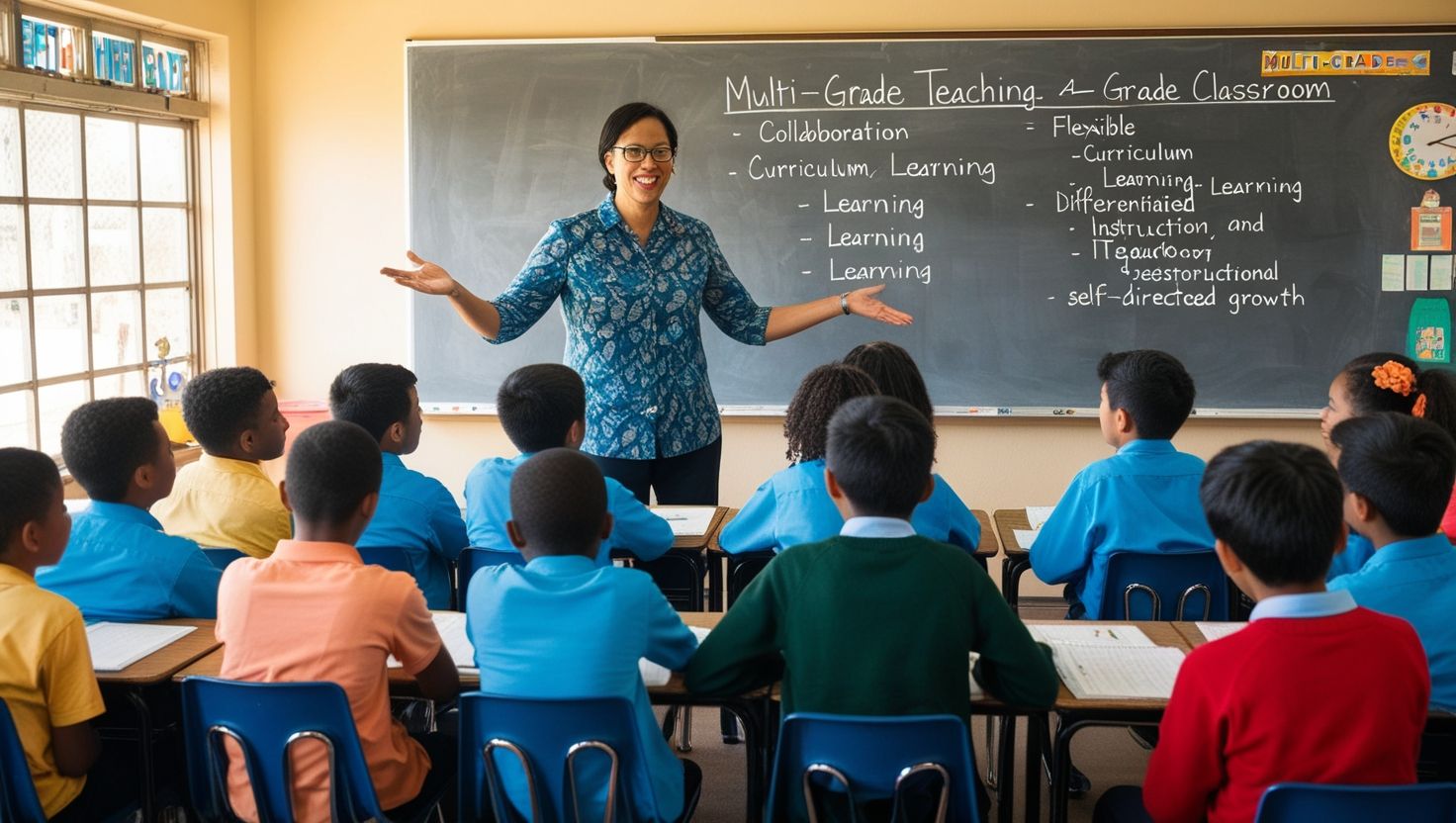
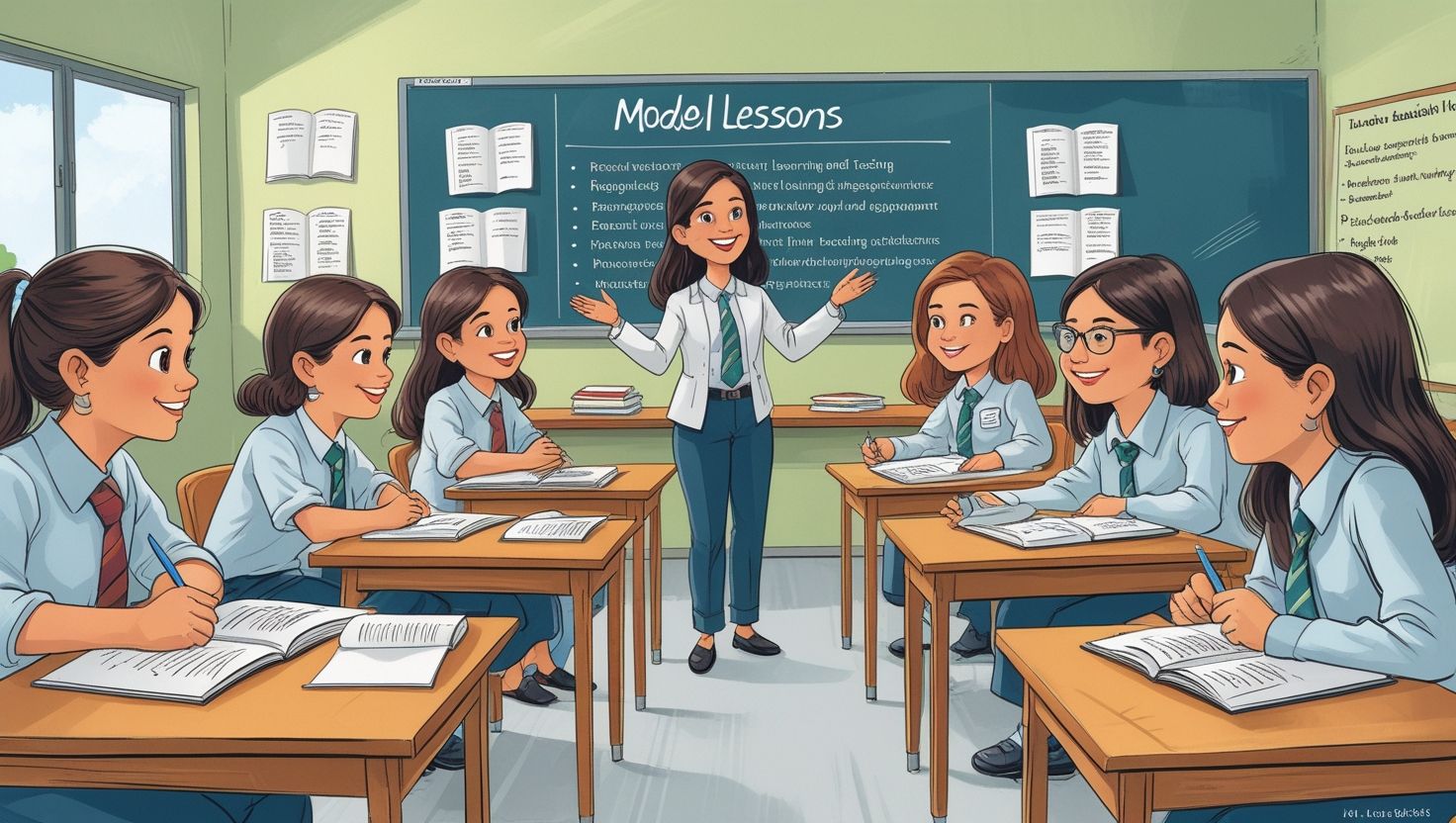
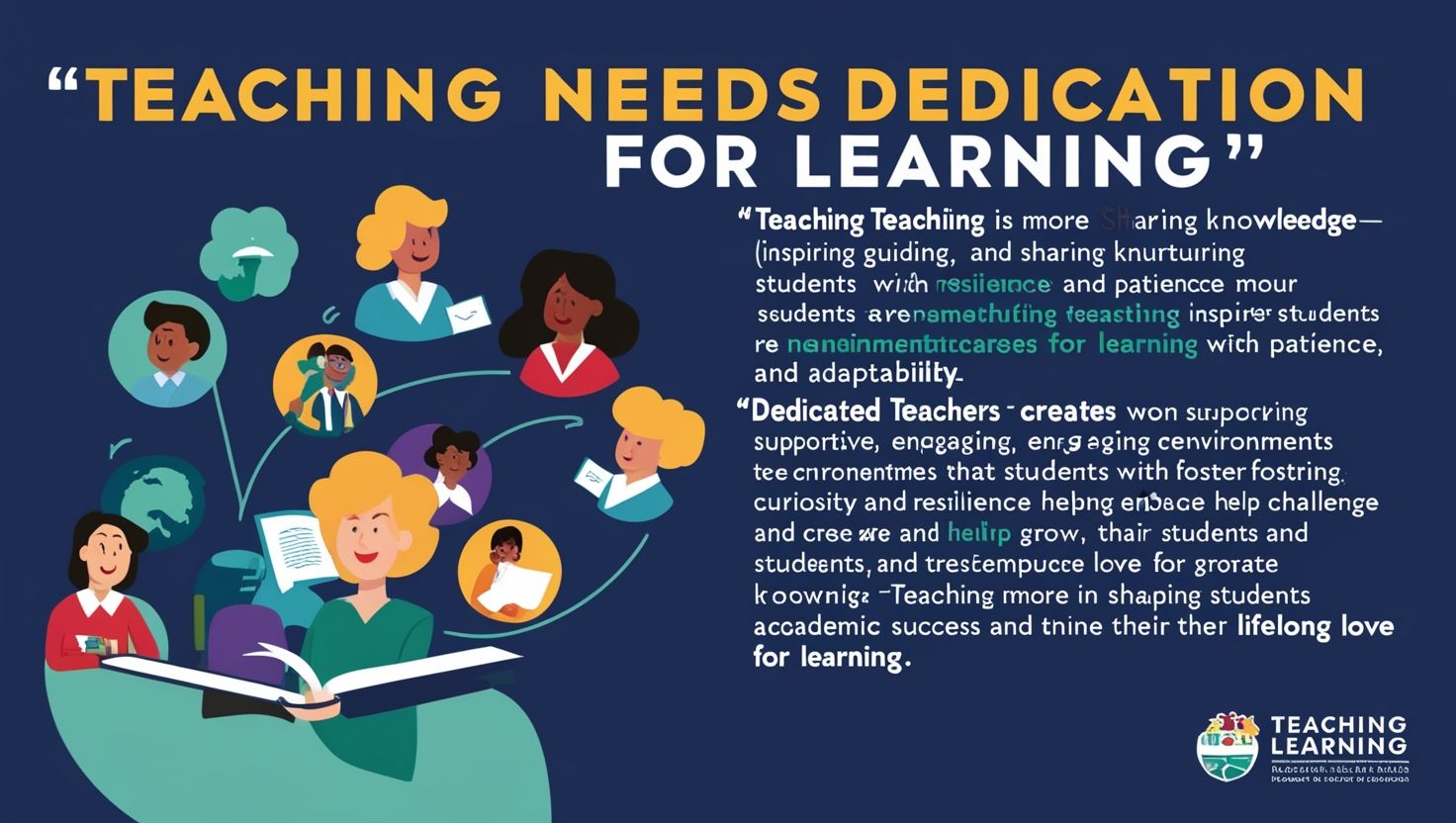
Teachers often become significant protective figures in students’ lives. A caring teacher who believes in a student’s potential can profoundly influence resilience. Encouragement, constructive feedback, patience, and empathy help students develop confidence and perseverance.
Research consistently demonstrates that strong teacher-student relationships contribute to higher academic achievement, improved emotional well-being, and greater resilience.
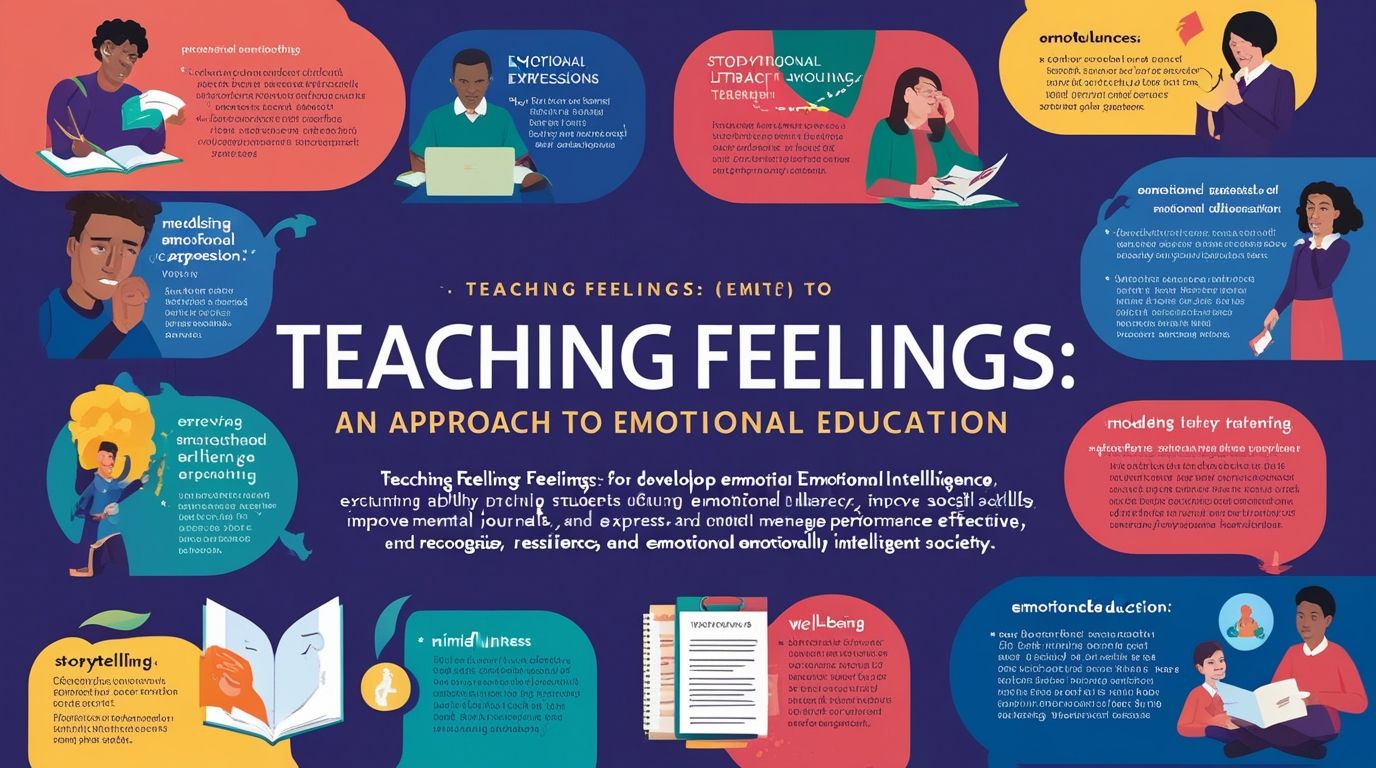
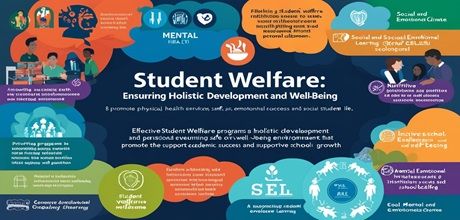
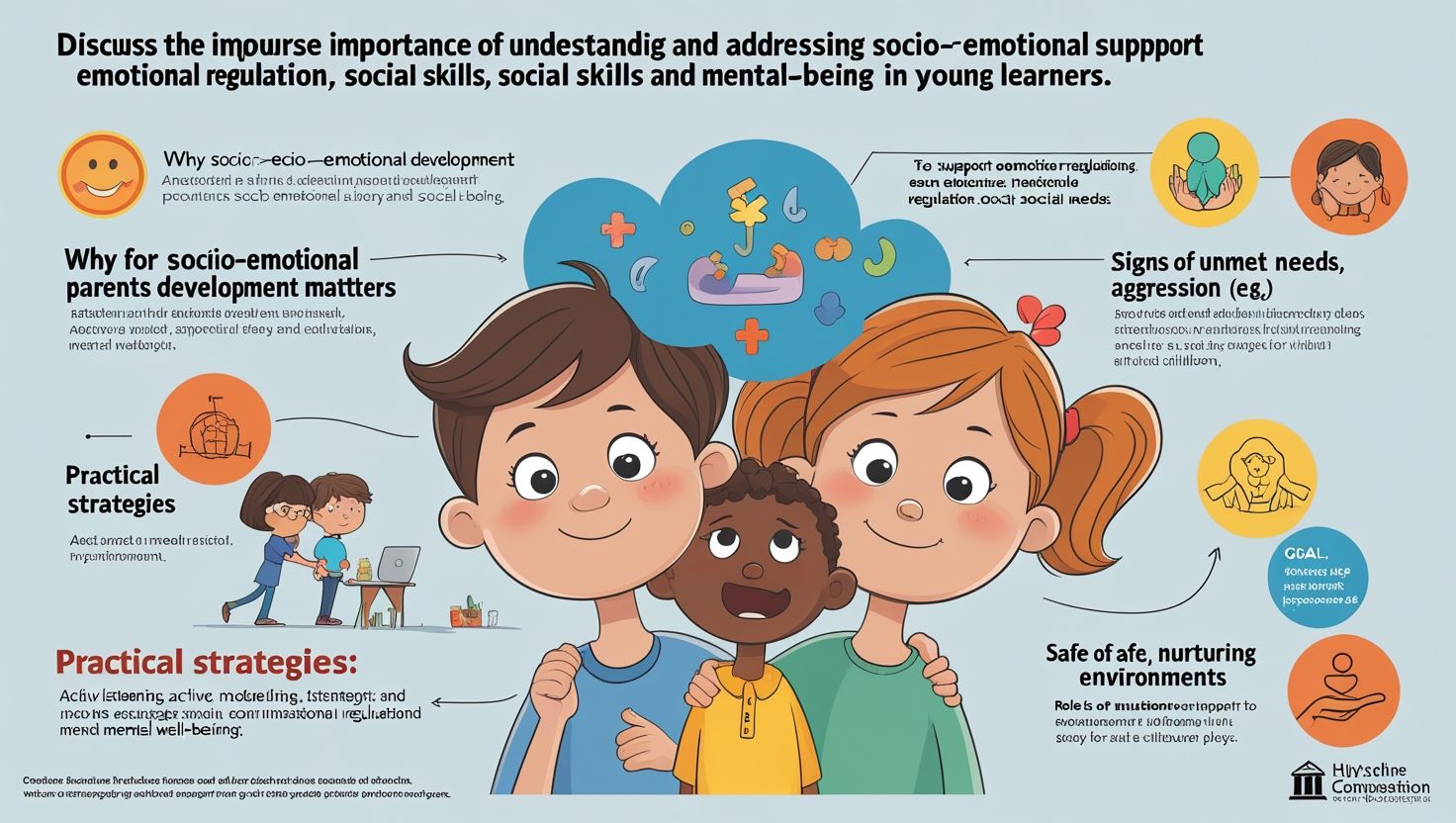
Social and Emotional Learning (SEL)
Many education systems now integrate Social and Emotional Learning into curricula. SEL develops competencies such as:
- Self-awareness
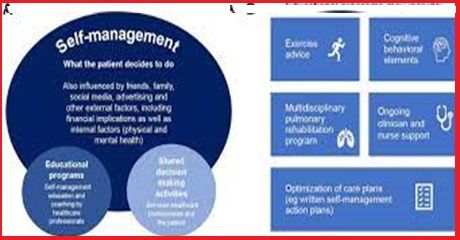
- Self-management
- Social awareness
- Relationship skills
- Responsible decision-making
Students who participate in SEL programs typically demonstrate improved emotional regulation, reduced behavioral problems, stronger academic performance, and enhanced resilience.
Growth Mindset
Educational psychologist Carol Dweck introduced the concept of the growth mindset, which emphasizes that intelligence and abilities develop through effort and learning rather than being fixed traits. Students with growth mindsets:
- View mistakes as learning opportunities.
- Persist despite challenges.
- Seek feedback.
- Embrace continuous improvement.
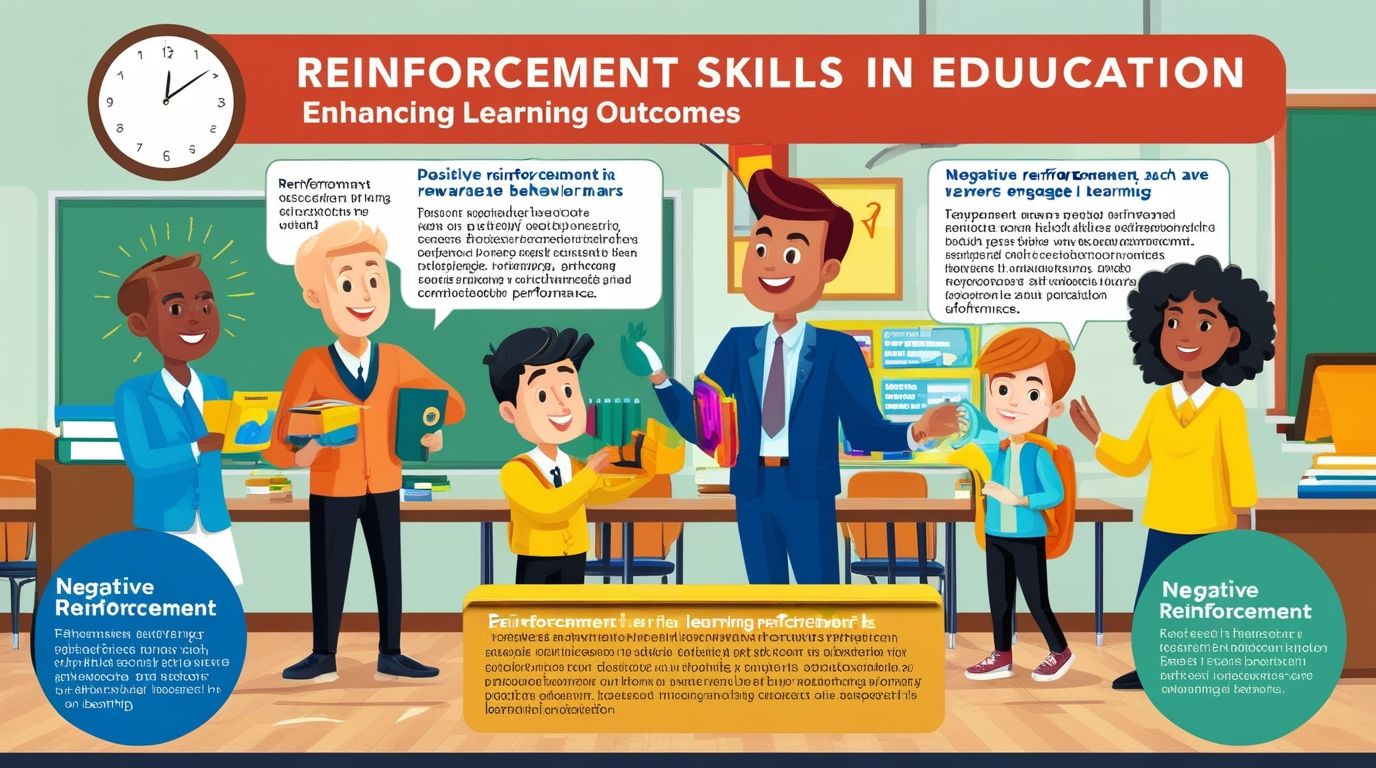
Teachers can cultivate resilience by praising effort, persistence, and learning processes instead of only rewarding outcomes.
Family and Community Support
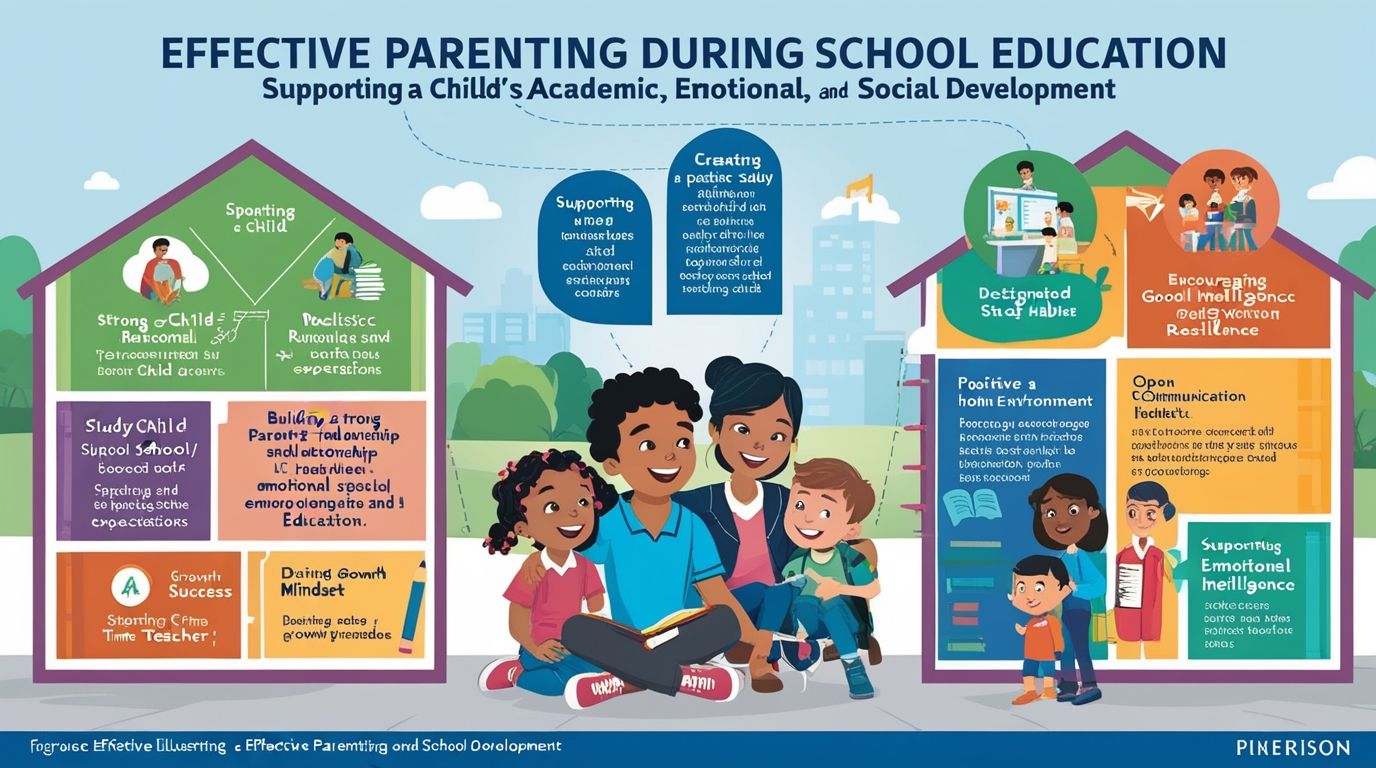
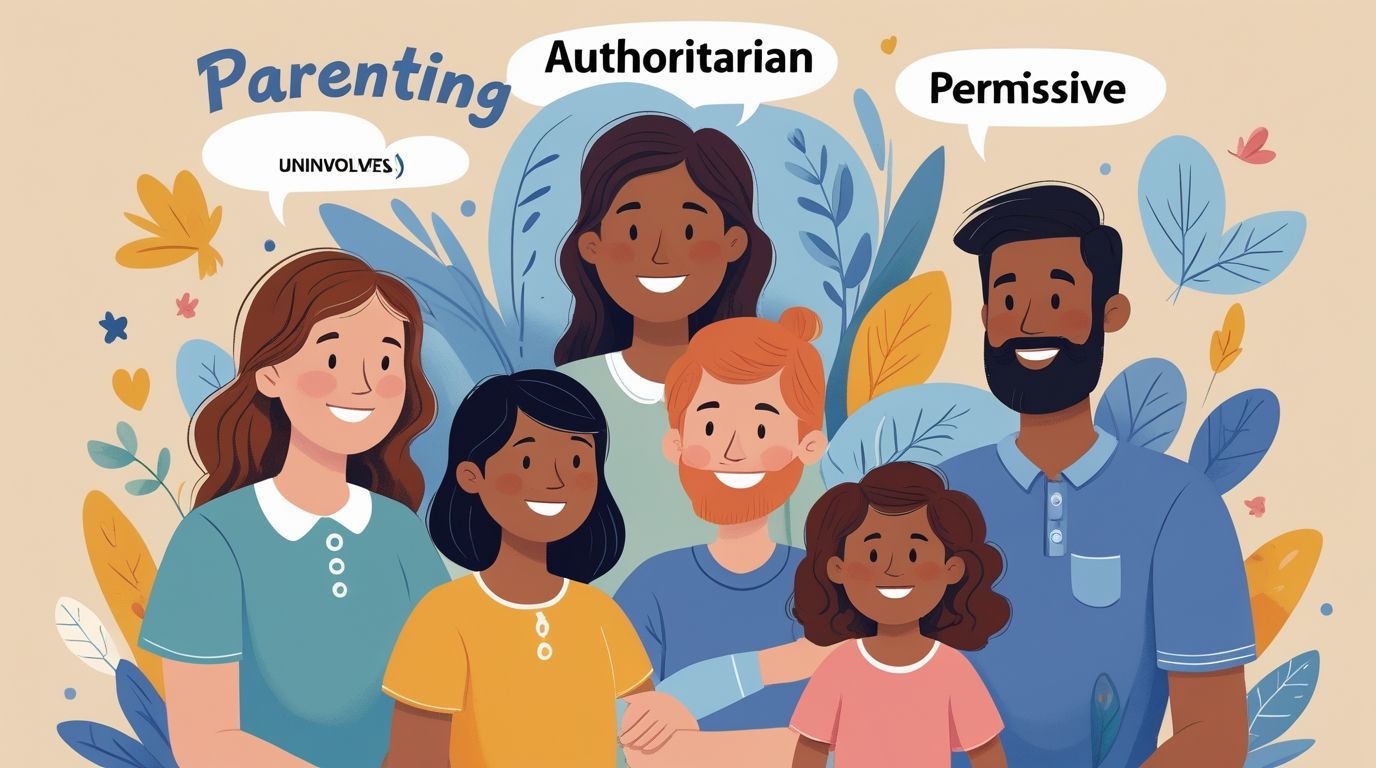
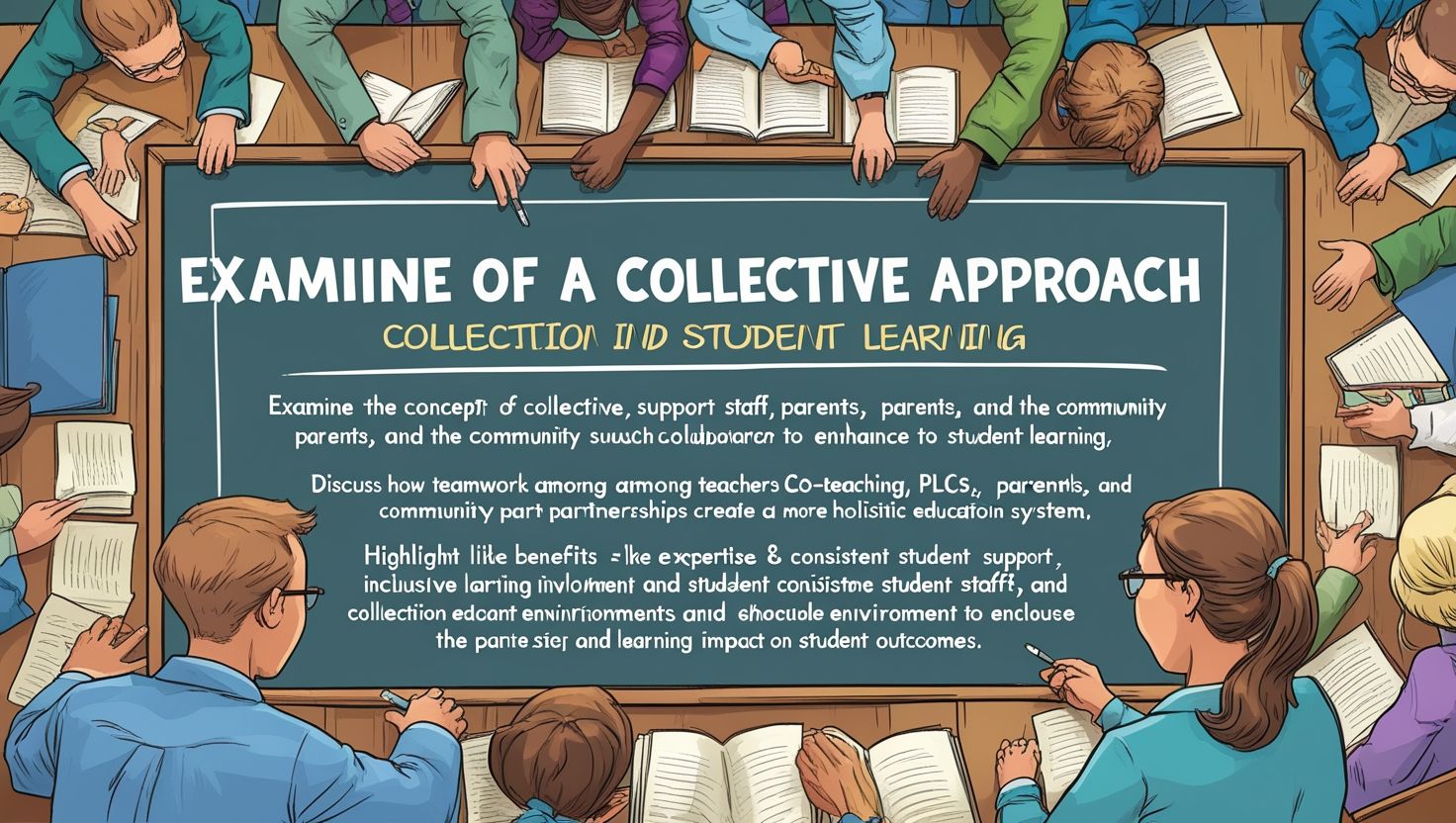
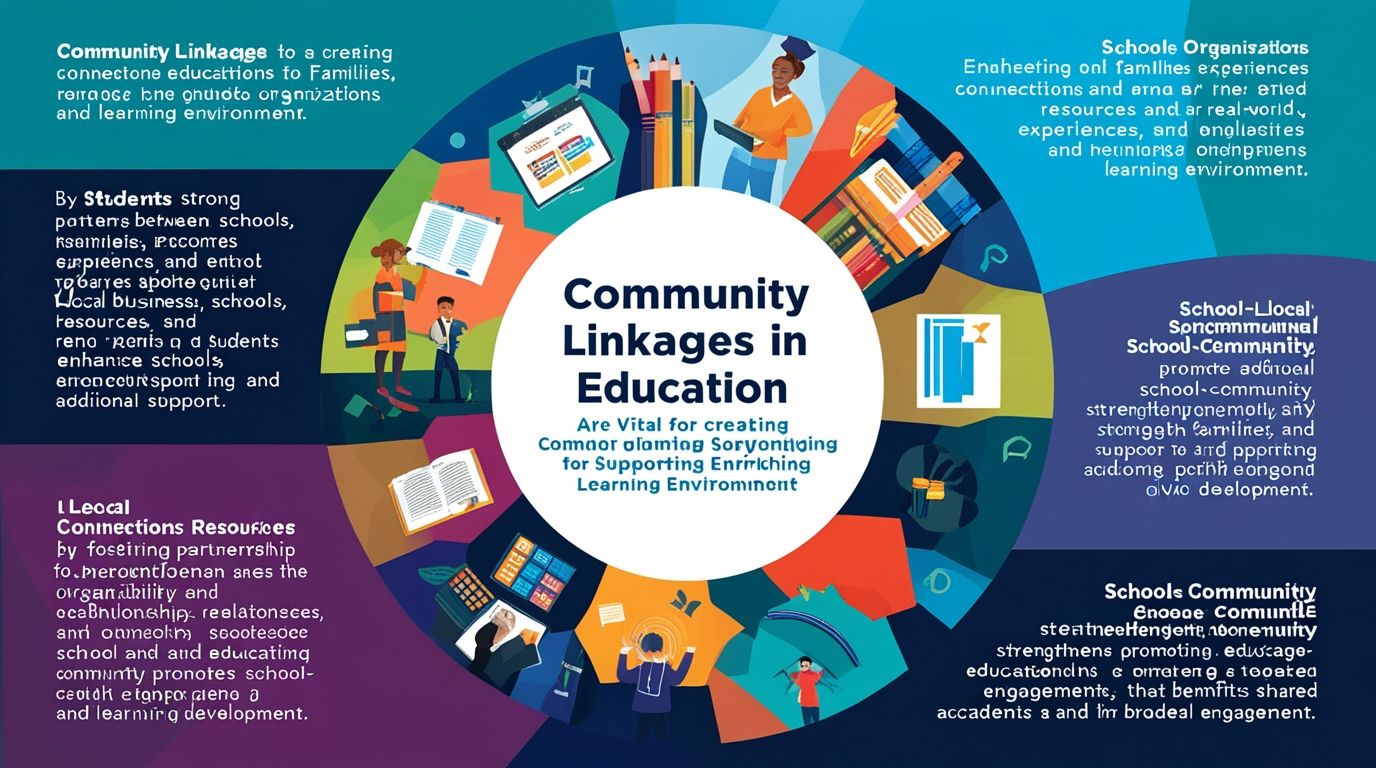
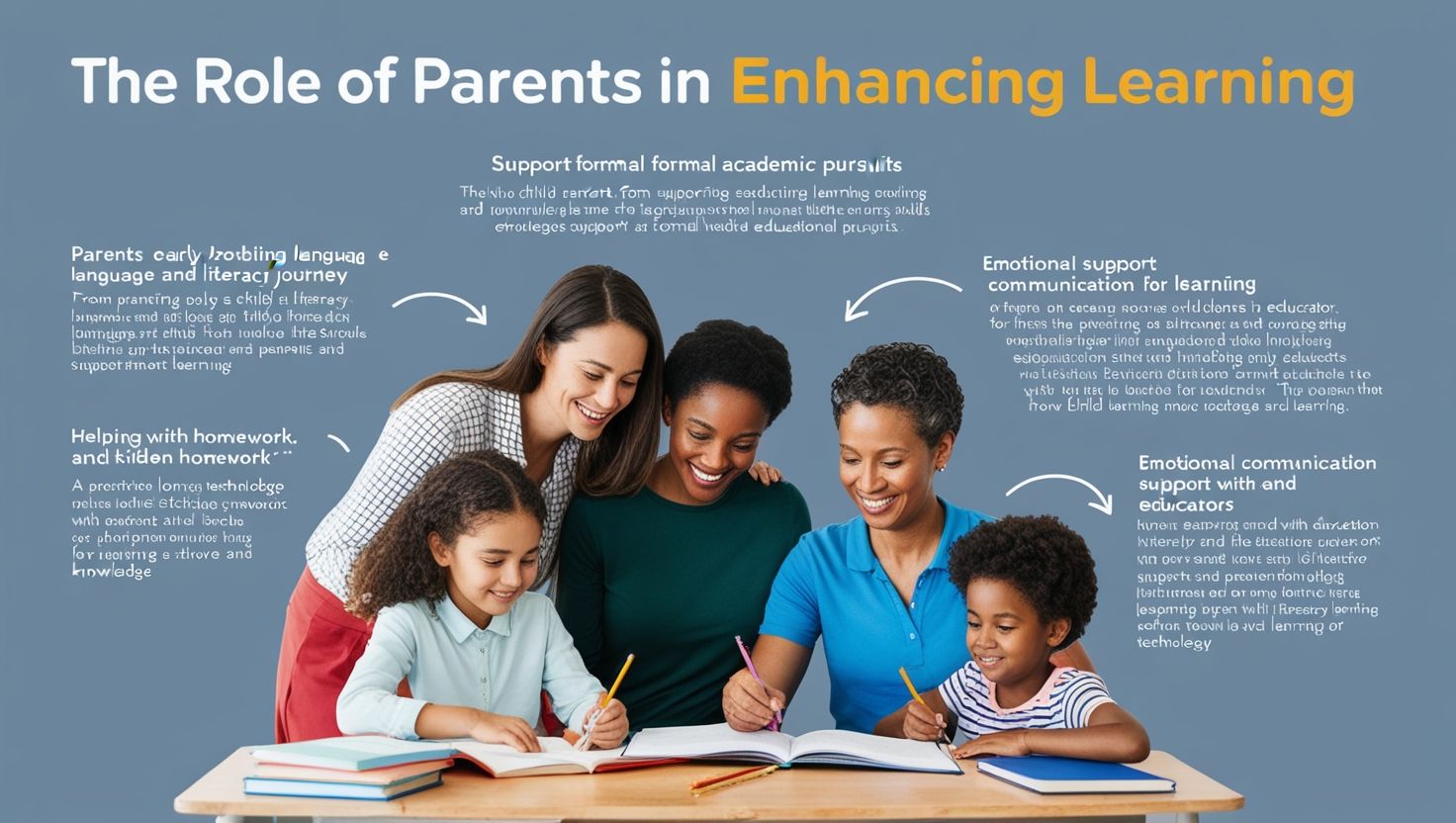
Education for resilience extends beyond classroom walls. Families and communities play essential roles in reinforcing positive learning experiences. Parents who encourage curiosity, independence, responsibility, and emotional expression help children develop resilience. Open communication enables children to discuss fears and challenges while receiving guidance.
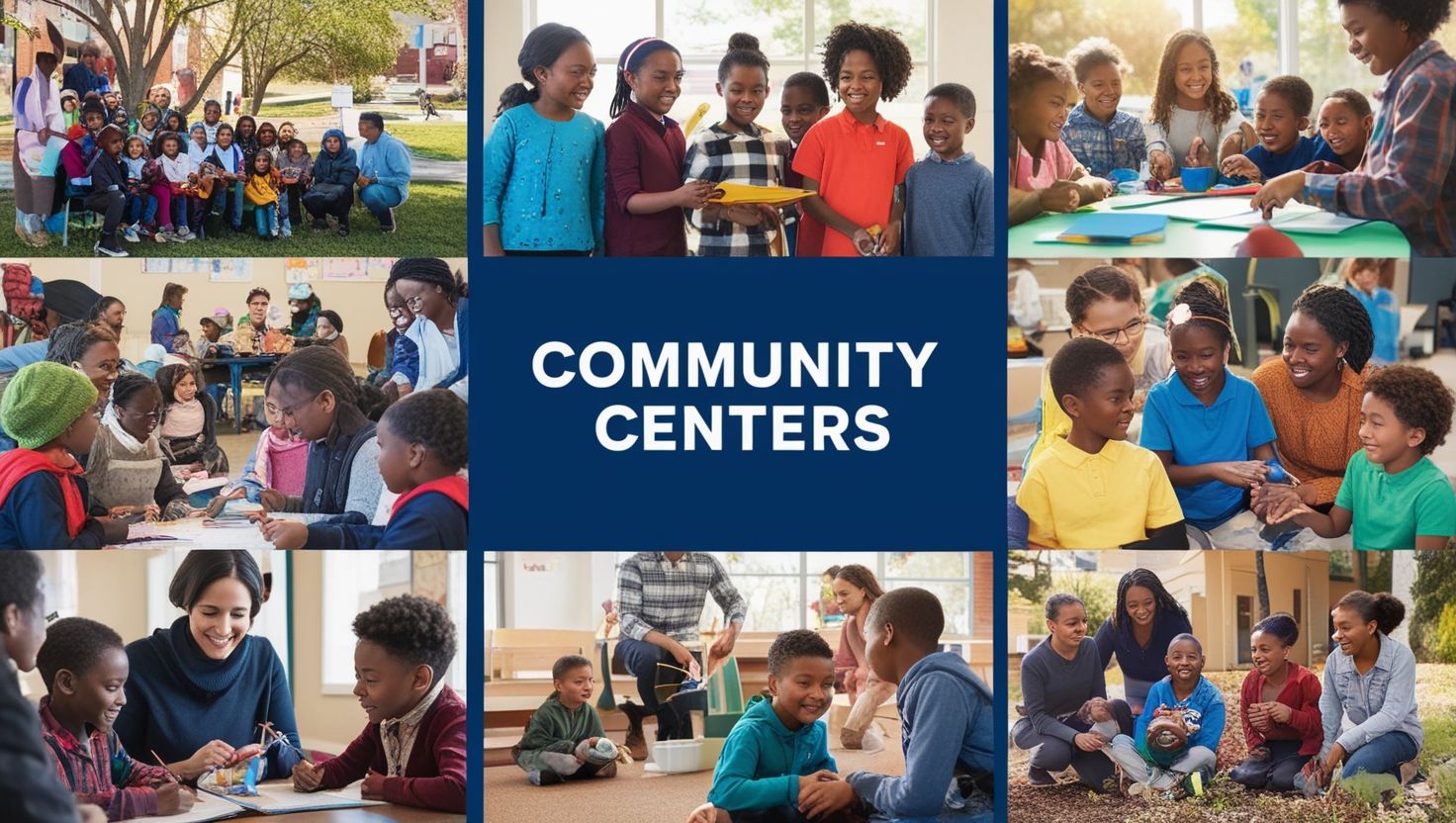
Community organizations, libraries, sports clubs, youth groups, and religious institutions also provide valuable opportunities for mentorship, leadership, teamwork, and service learning. Strong partnerships between schools and families strengthen protective factors and ensure consistent support for learners.
Education During Times of Crisis
Recent global events have highlighted education’s importance in supporting resilience.
The COVID-19 Pandemic
The COVID-19 pandemic disrupted education worldwide. School closures affected billions of learners, creating academic, emotional, and social challenges.
Despite these difficulties, education systems demonstrated resilience through:
- Online learning
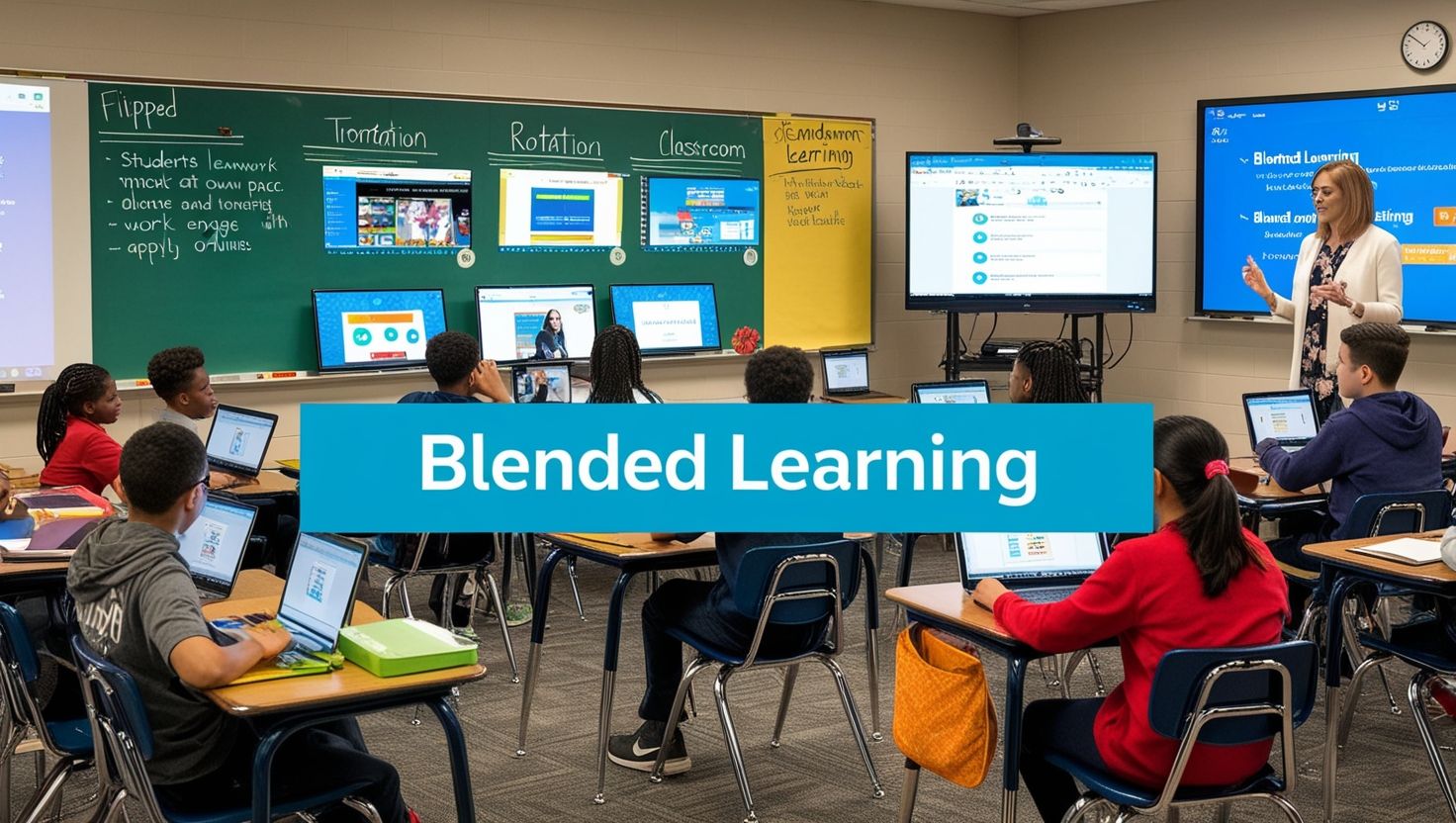
- Blended education
- Digital classrooms
- Virtual counseling
- Flexible assessment methods
- Teacher innovation
The pandemic emphasized that resilience requires adaptability, technological competence, and collaborative problem-solving.
Natural Disasters
Floods, earthquakes, droughts, and other disasters often interrupt schooling. Educational institutions contribute to resilience by:
- Providing emergency education
- Supporting psychosocial recovery
- Maintaining learning continuity
- Teaching disaster preparedness
- Building community awareness
Schools frequently become centers of recovery where children regain routine, stability, and hope.
Conflict and Displacement
Millions of refugee and internally displaced children depend upon education for protection and future opportunities. Education offers normalcy, emotional healing, social integration, and pathways toward rebuilding lives after conflict.
Building Resilience Through Curriculum
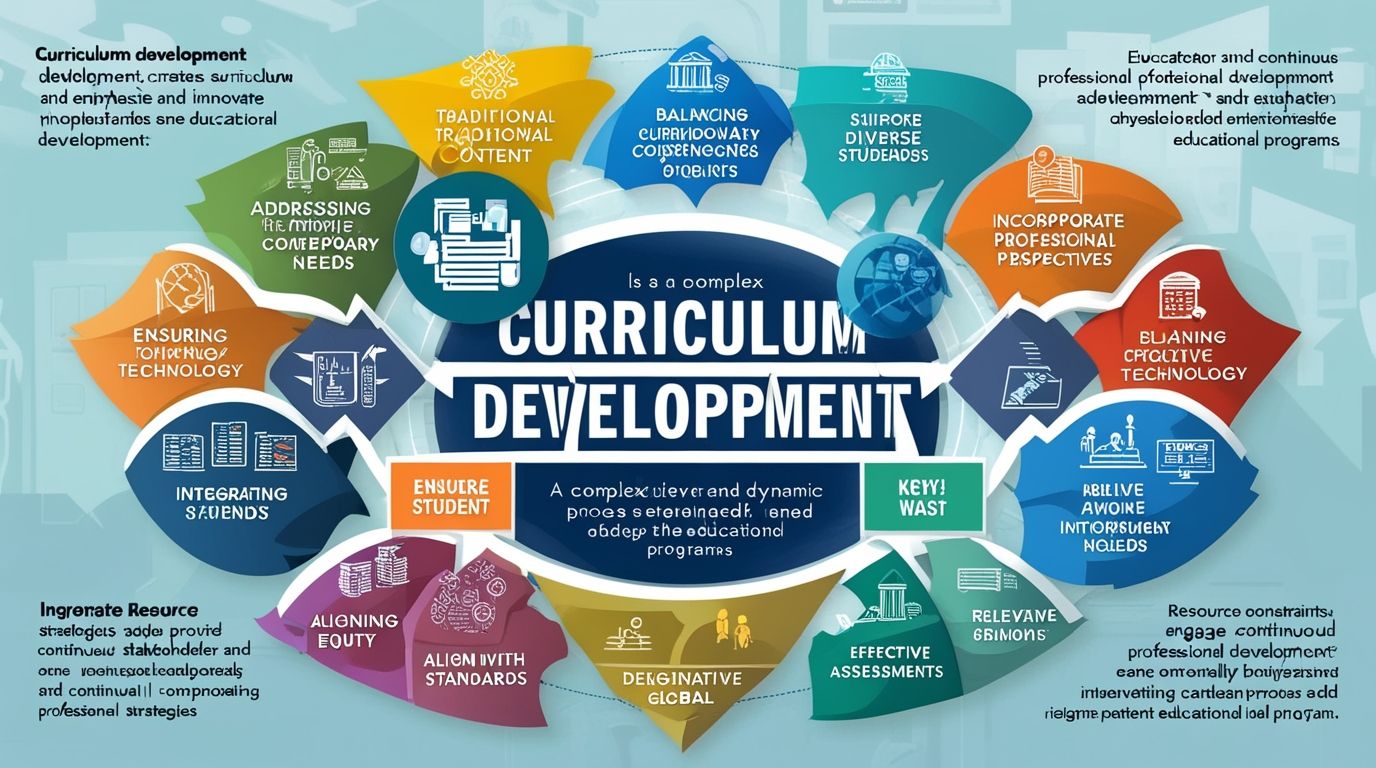
A resilience-supportive curriculum extends beyond traditional academic subjects.
Life Skills Education
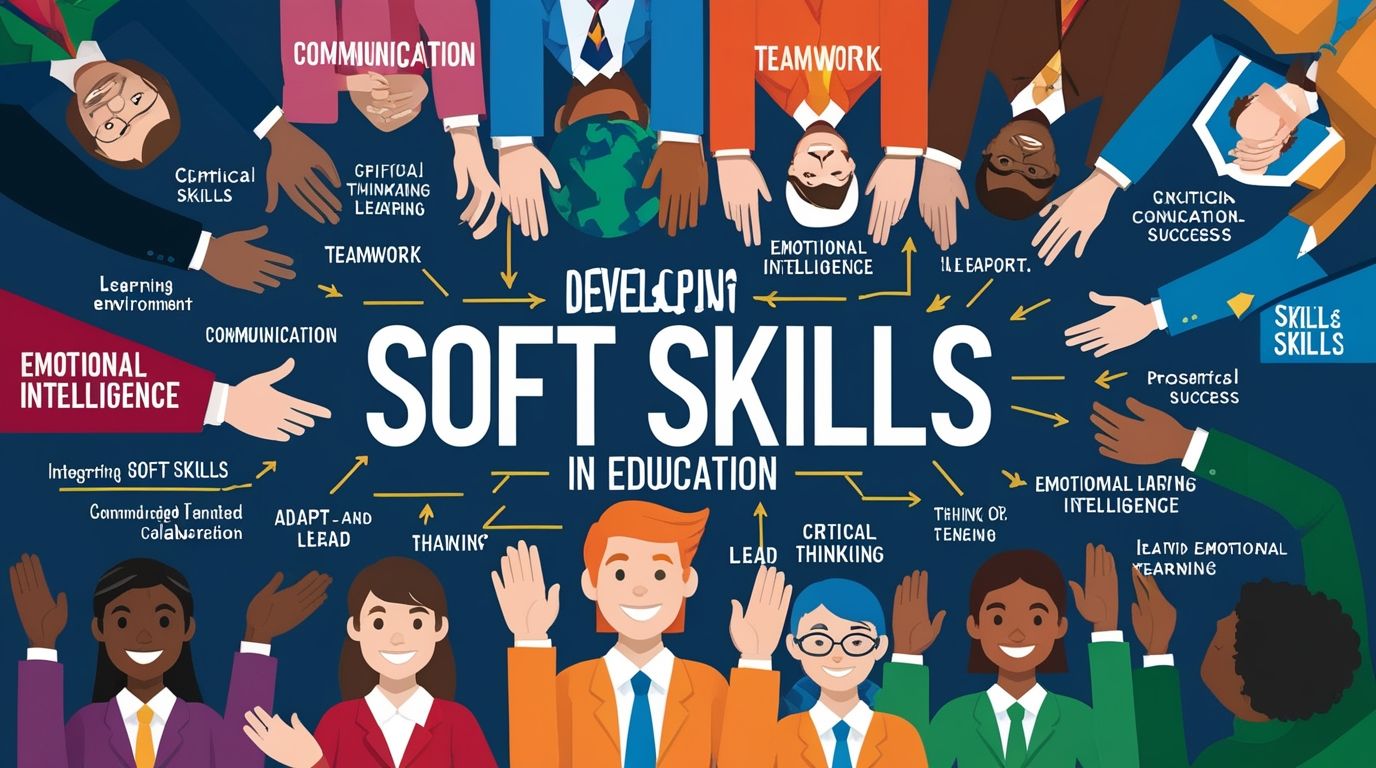
Life skills include:
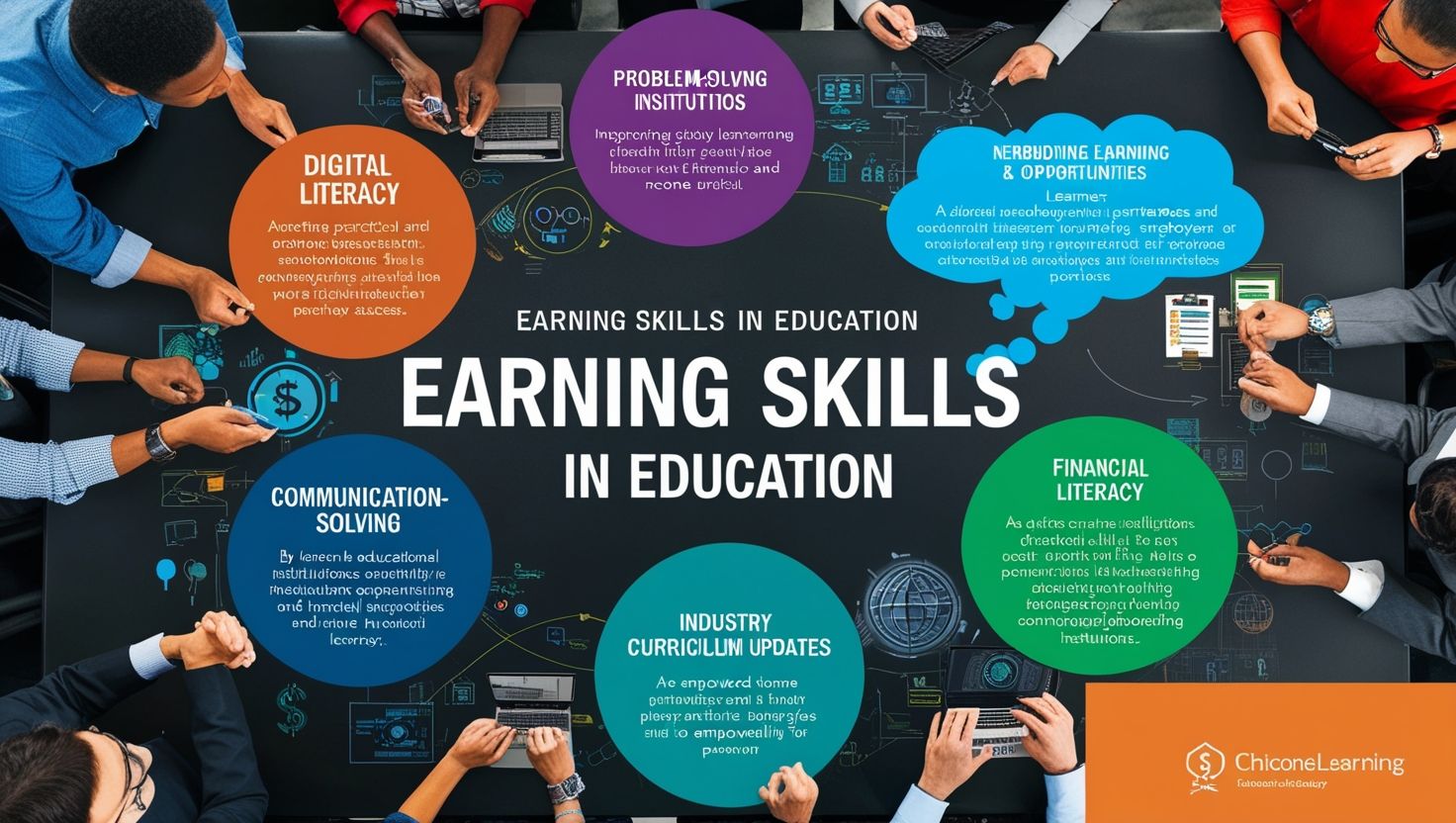
- Communication
- Problem-solving
- Decision-making
- Leadership
- Time management
- Conflict resolution
- Stress management
These competencies prepare students to navigate personal and professional challenges effectively.
Character Education
Character education develops ethical values such as:
- Integrity
- Respect
- Responsibility
- Compassion
- Honesty
- Perseverance
These values guide resilient behavior during adversity.
Health Education
Mental and physical health significantly influence resilience. Health education promotes:
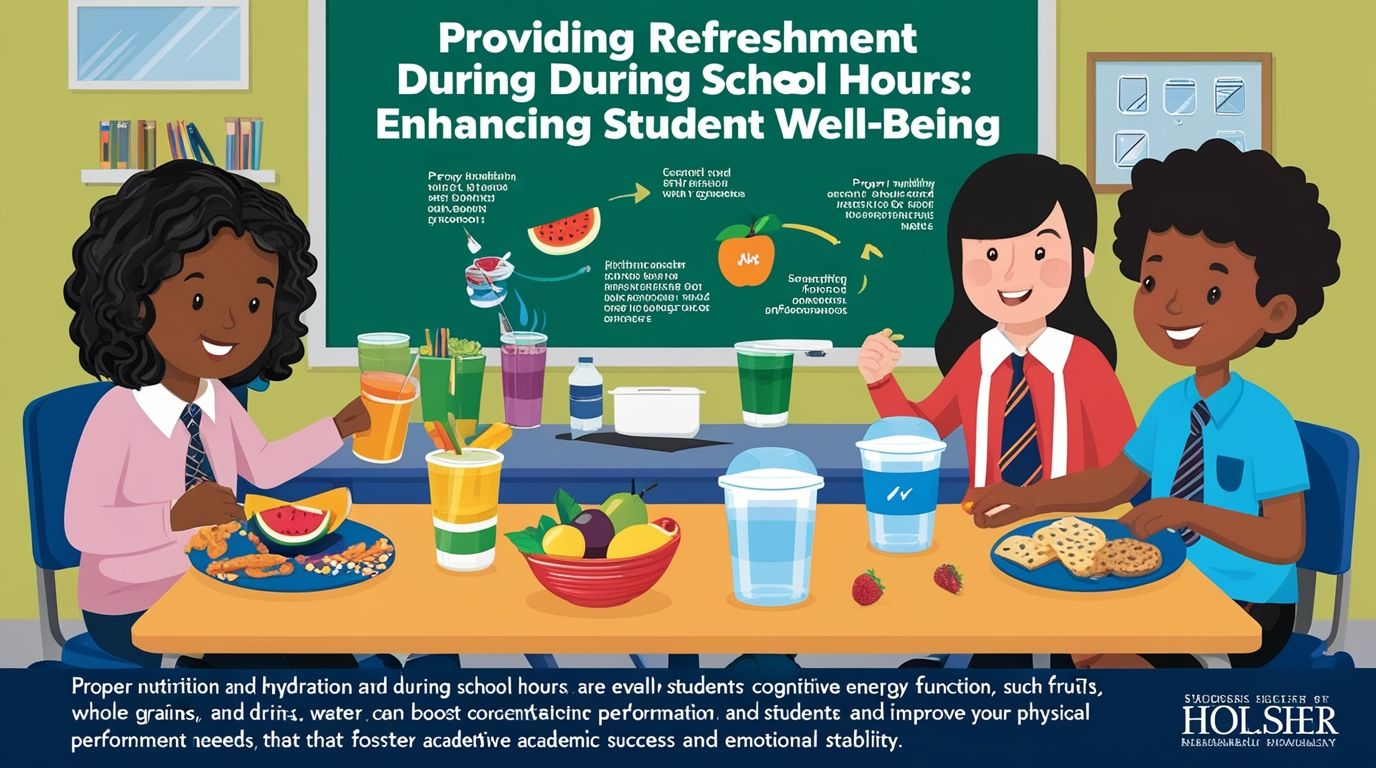
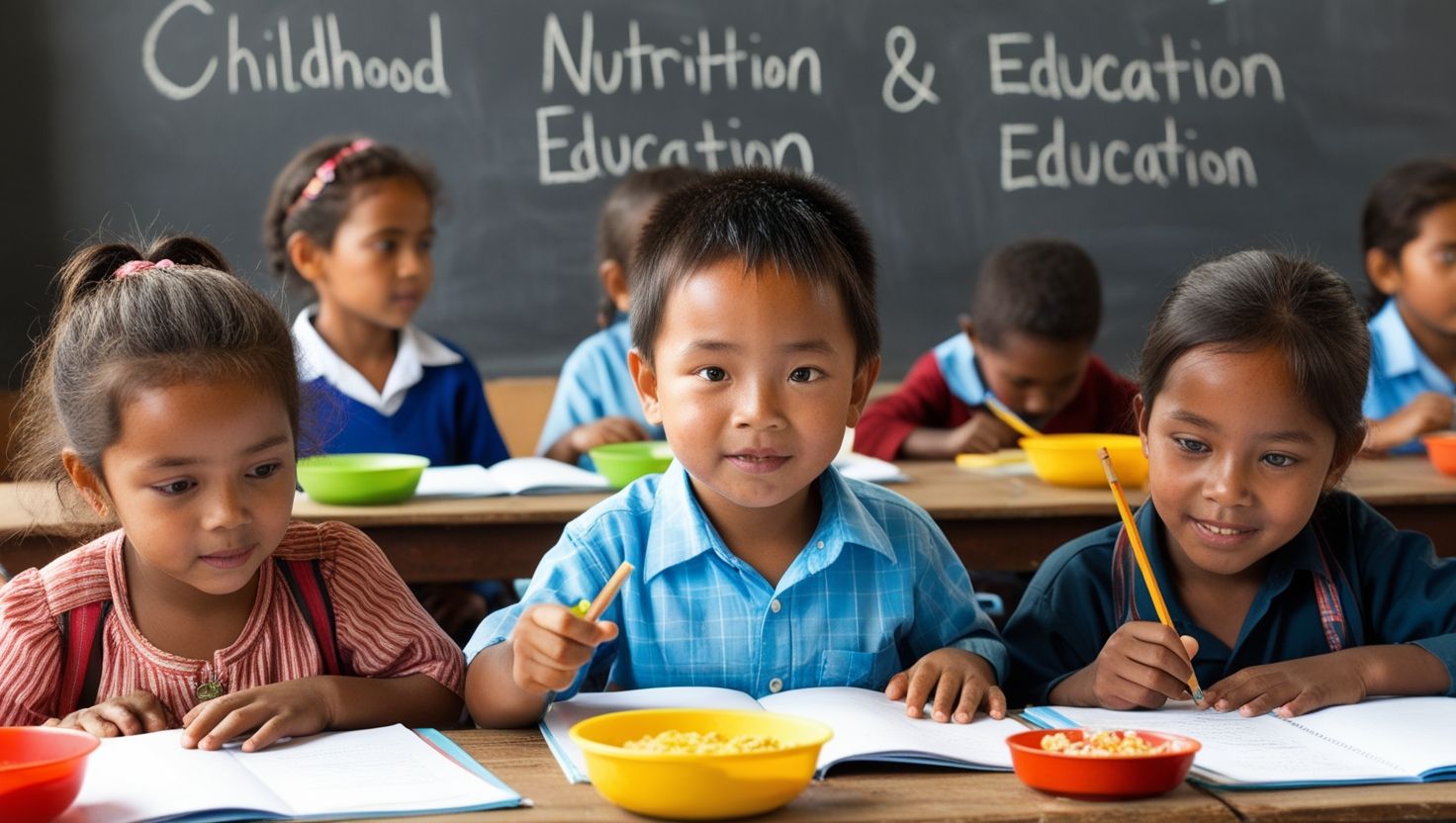
- Nutrition
- Exercise
- Sleep
- Mental wellness
- Substance abuse prevention
- Healthy relationships
Healthy individuals generally demonstrate stronger resilience.
Environmental Education
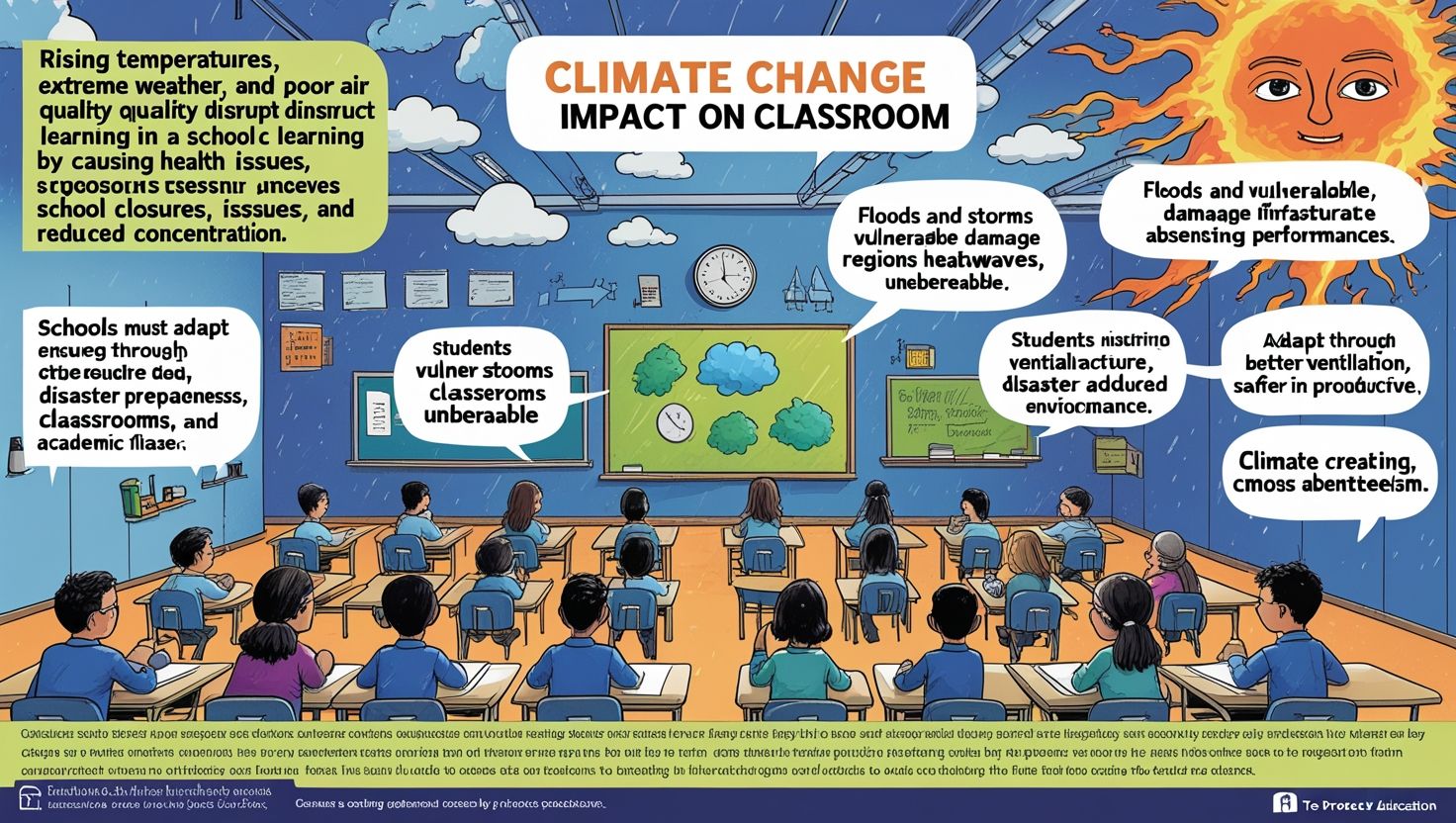
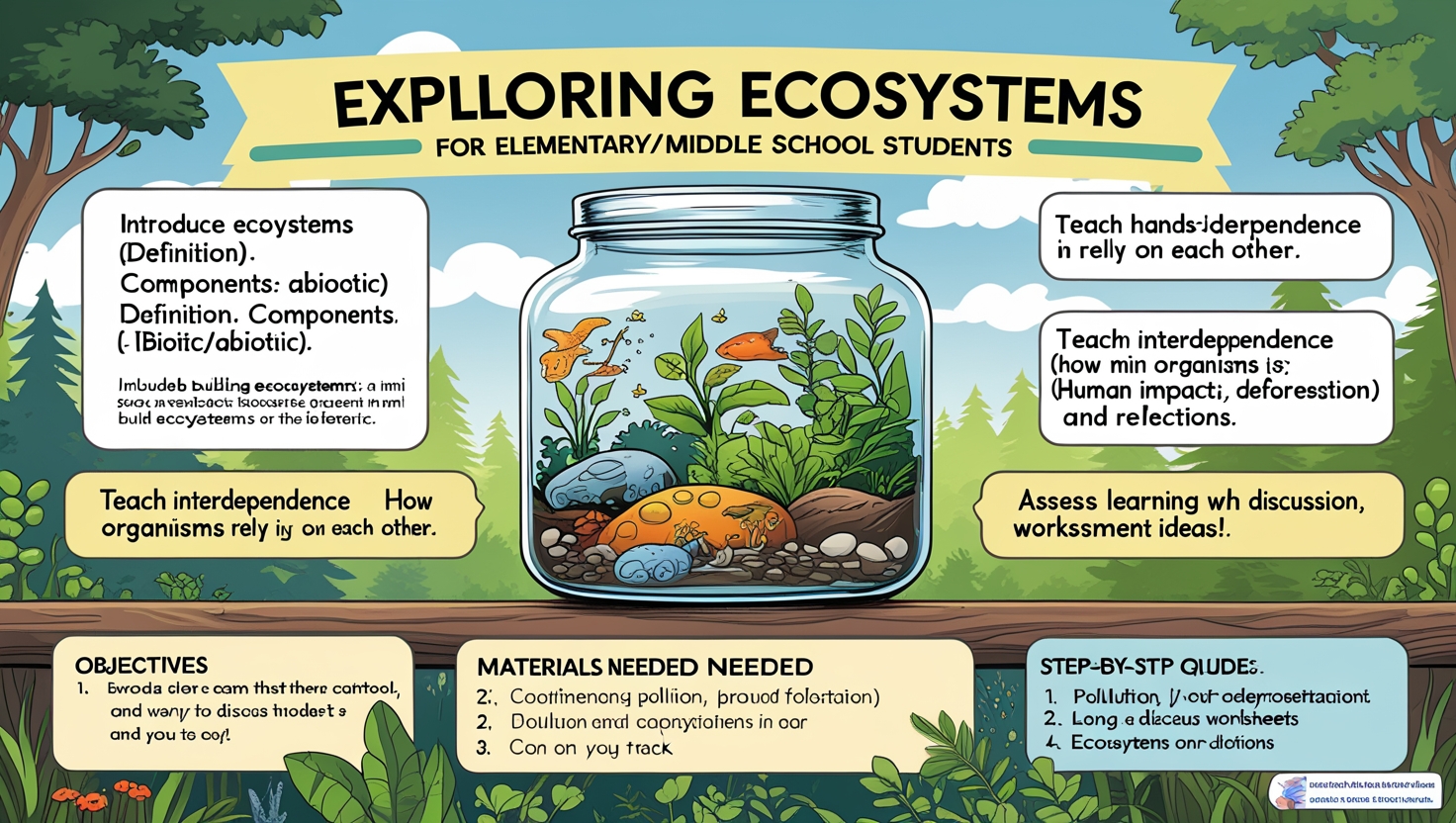
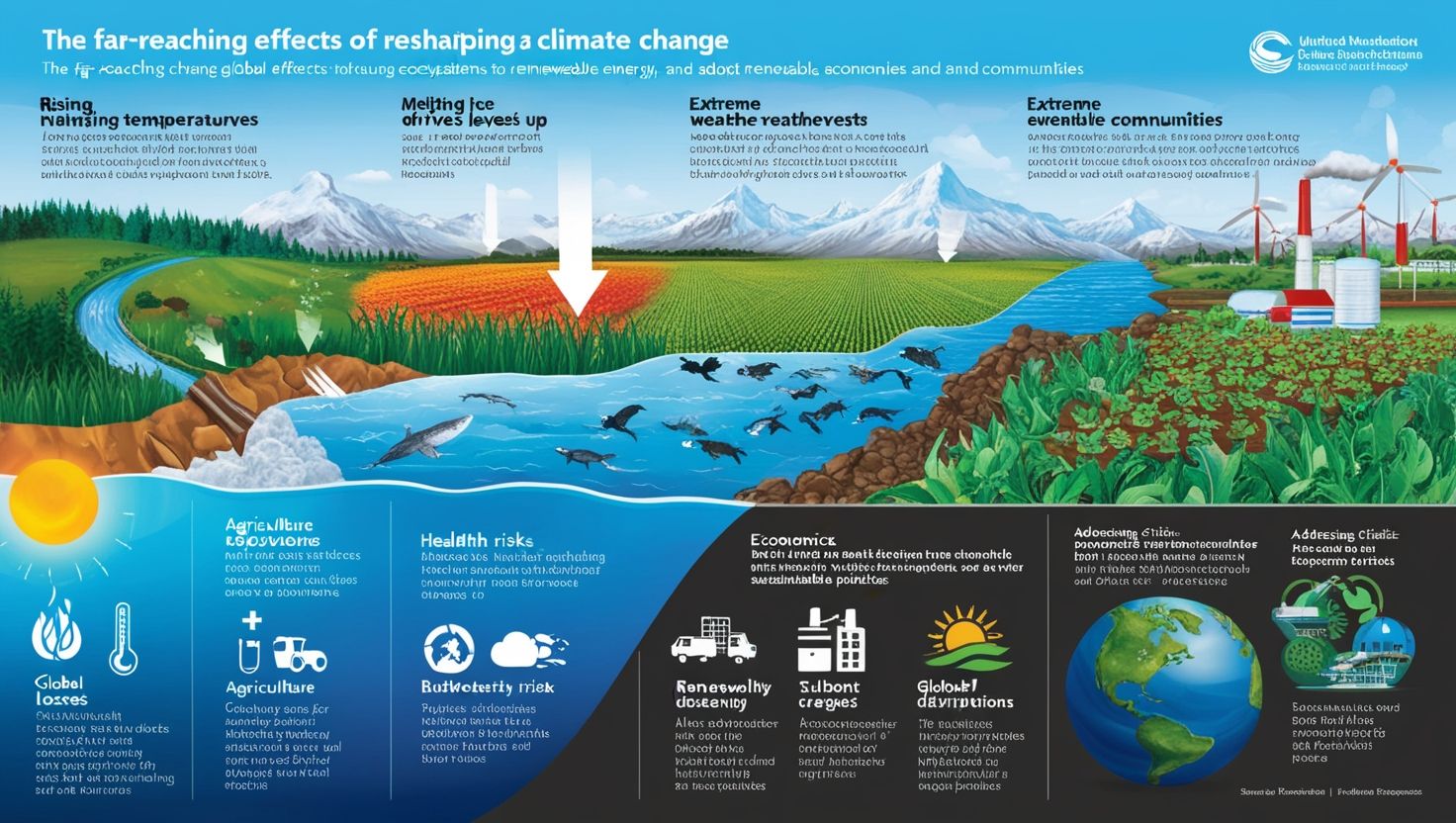
Climate change increasingly affects communities worldwide. Environmental education encourages sustainability, environmental stewardship, disaster preparedness, and community resilience.
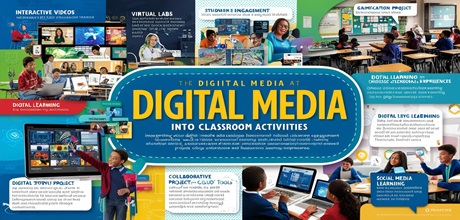
Technology and Digital Resilience
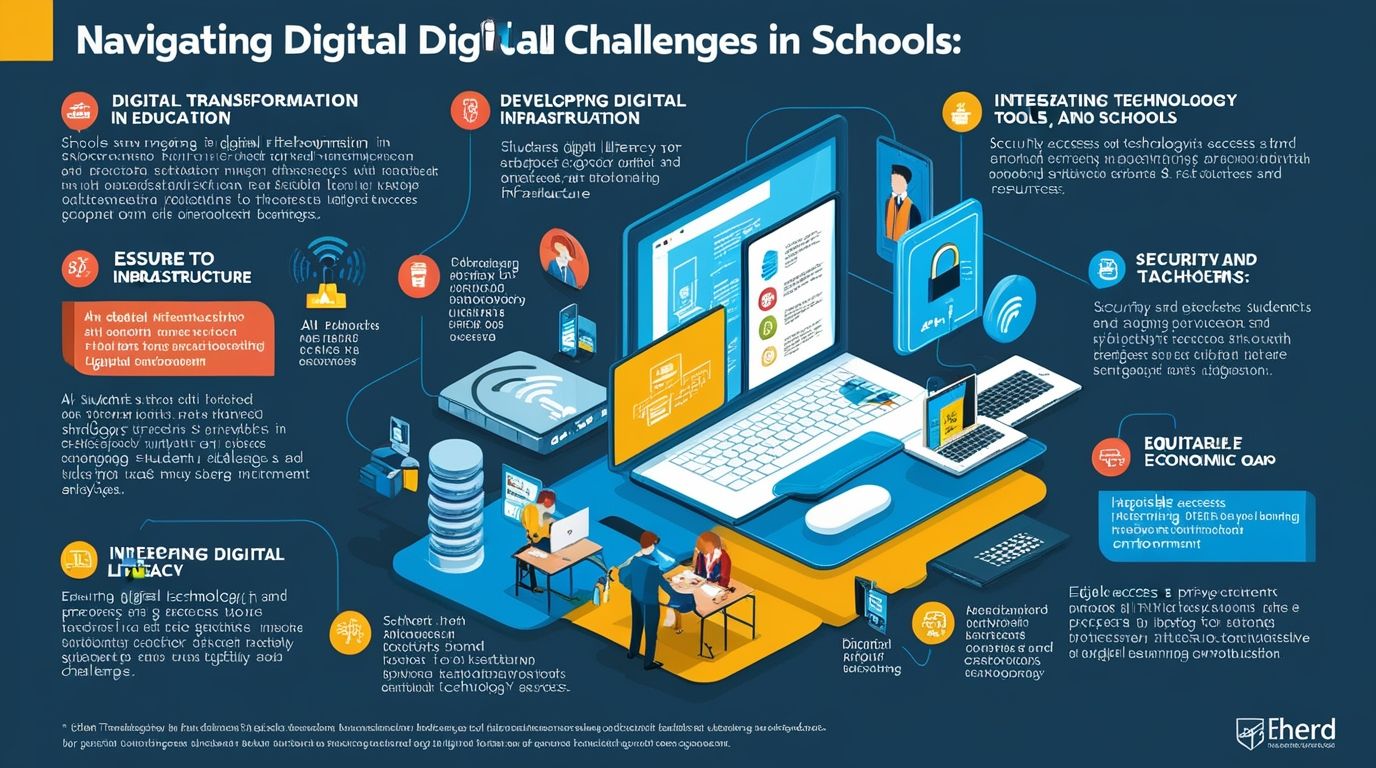
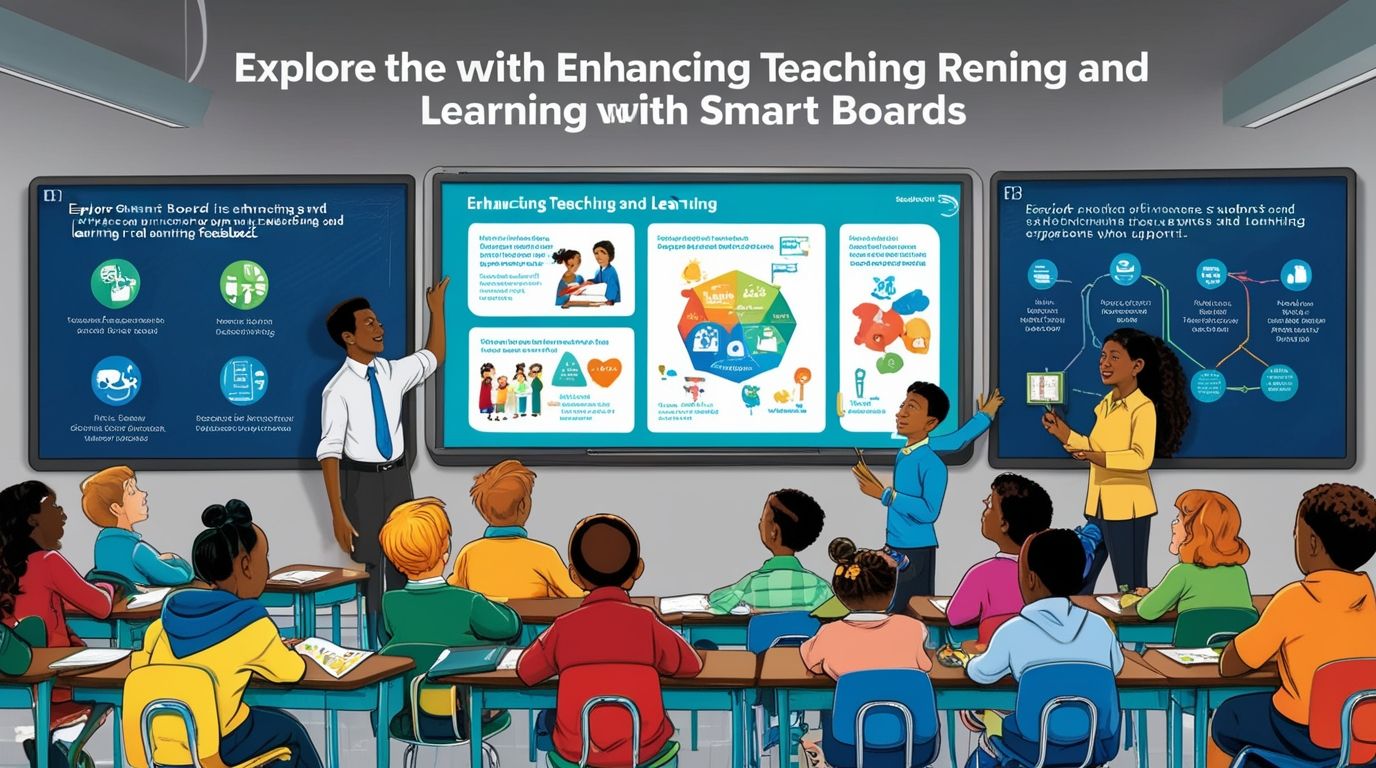
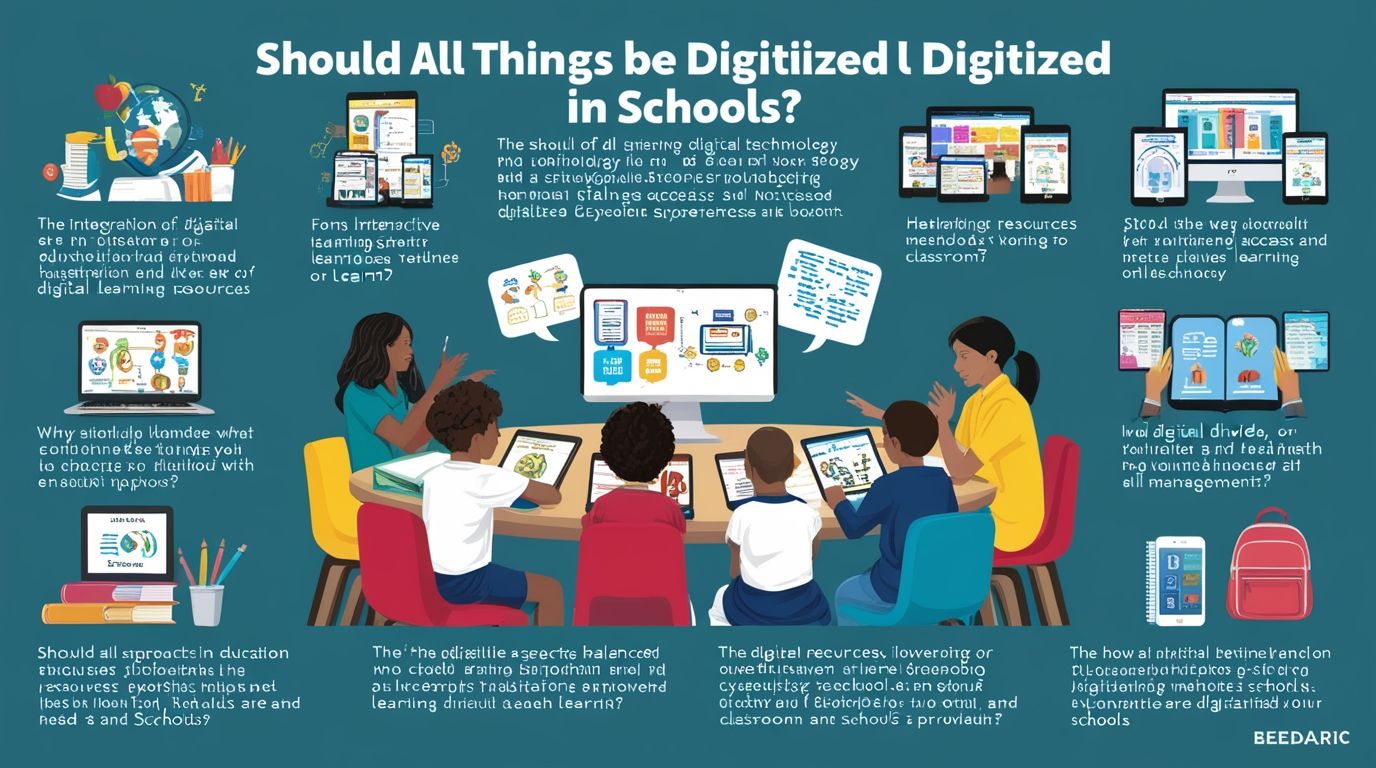
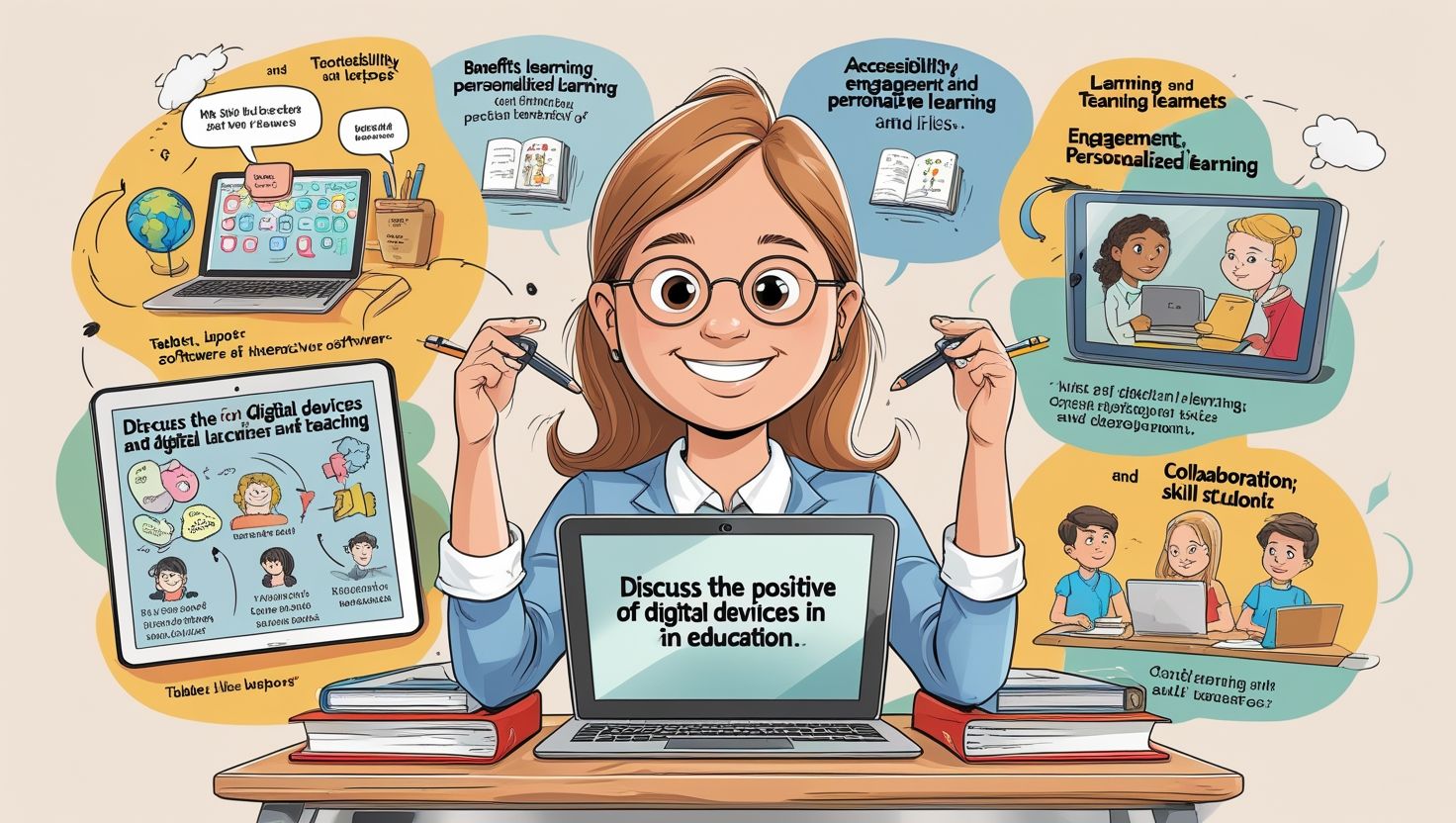
Digital technology has transformed education, offering both opportunities and challenges.
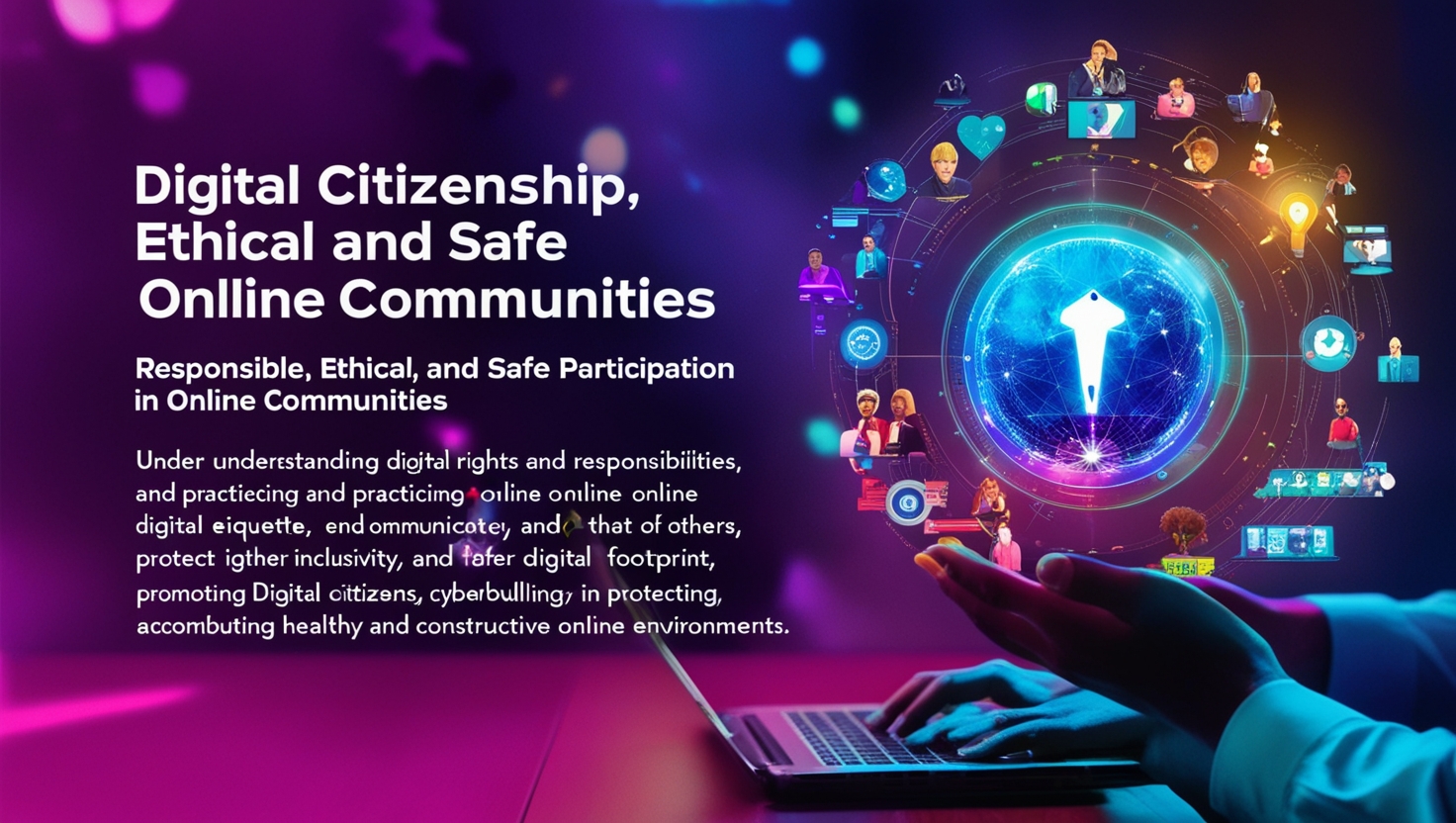
Students require digital resilience, including:
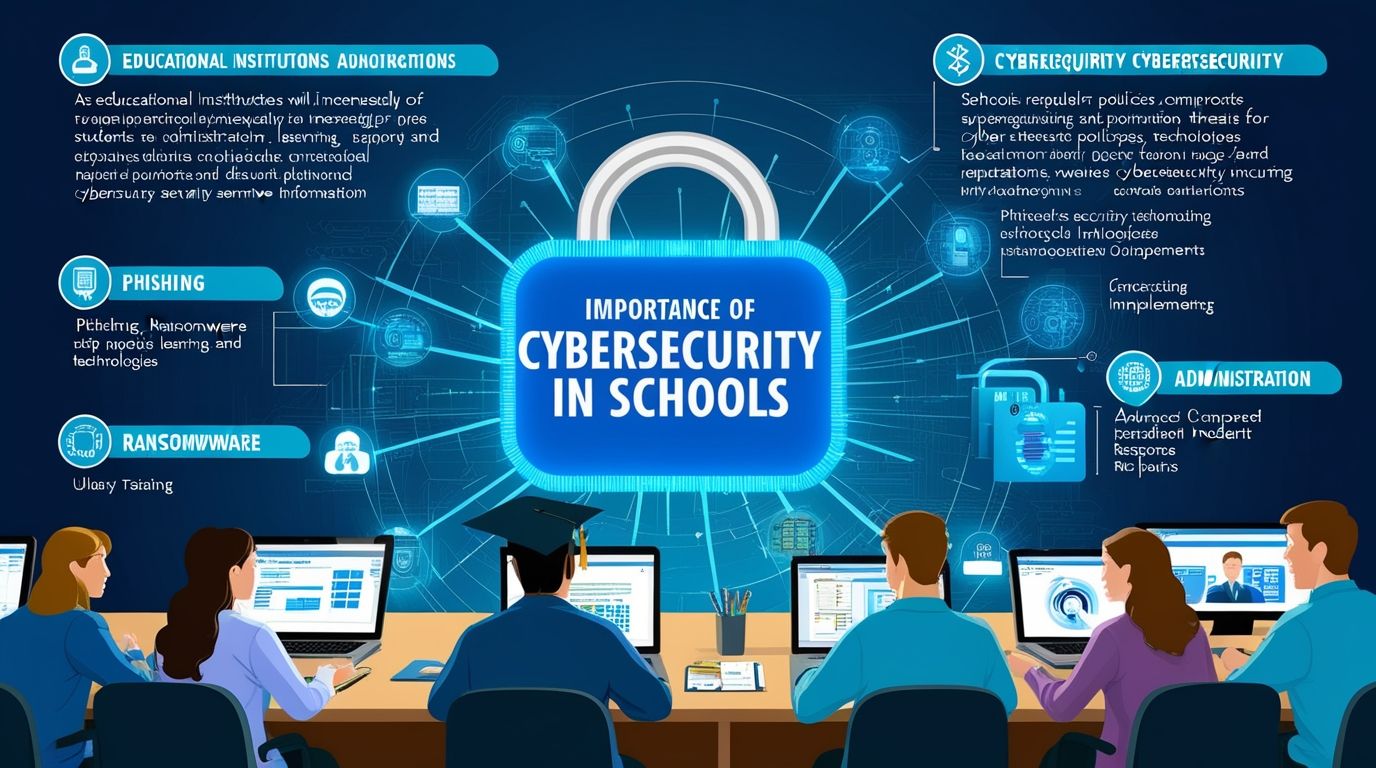
- Safe internet use
- Cybersecurity awareness
- Digital citizenship
- Media literacy
- Responsible social media engagement
- Information evaluation
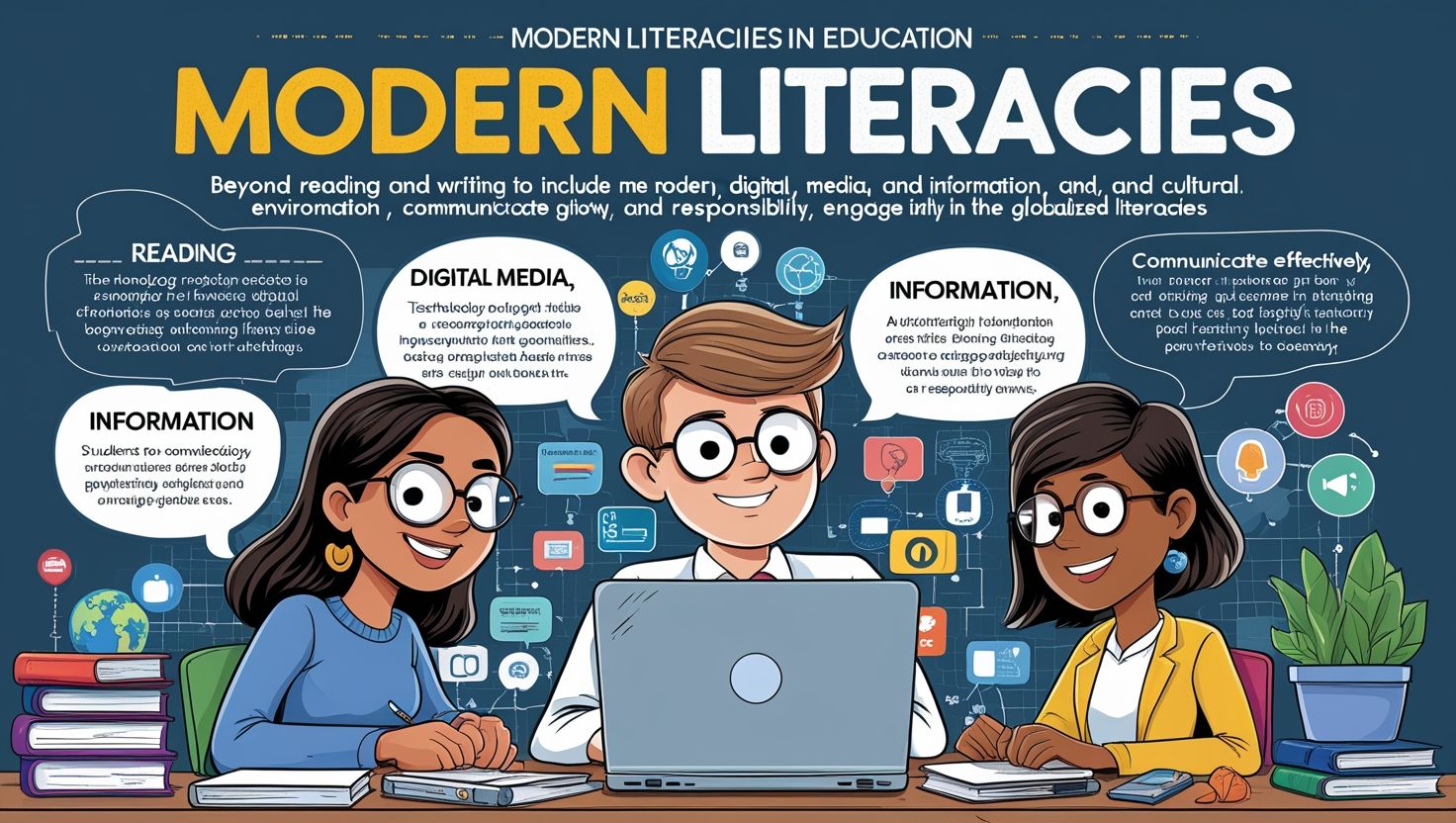
Educational institutions should teach students to identify misinformation, manage online risks, and use technology responsibly.
Digital literacy empowers learners to access information, continue learning during disruptions, and participate effectively in modern society.
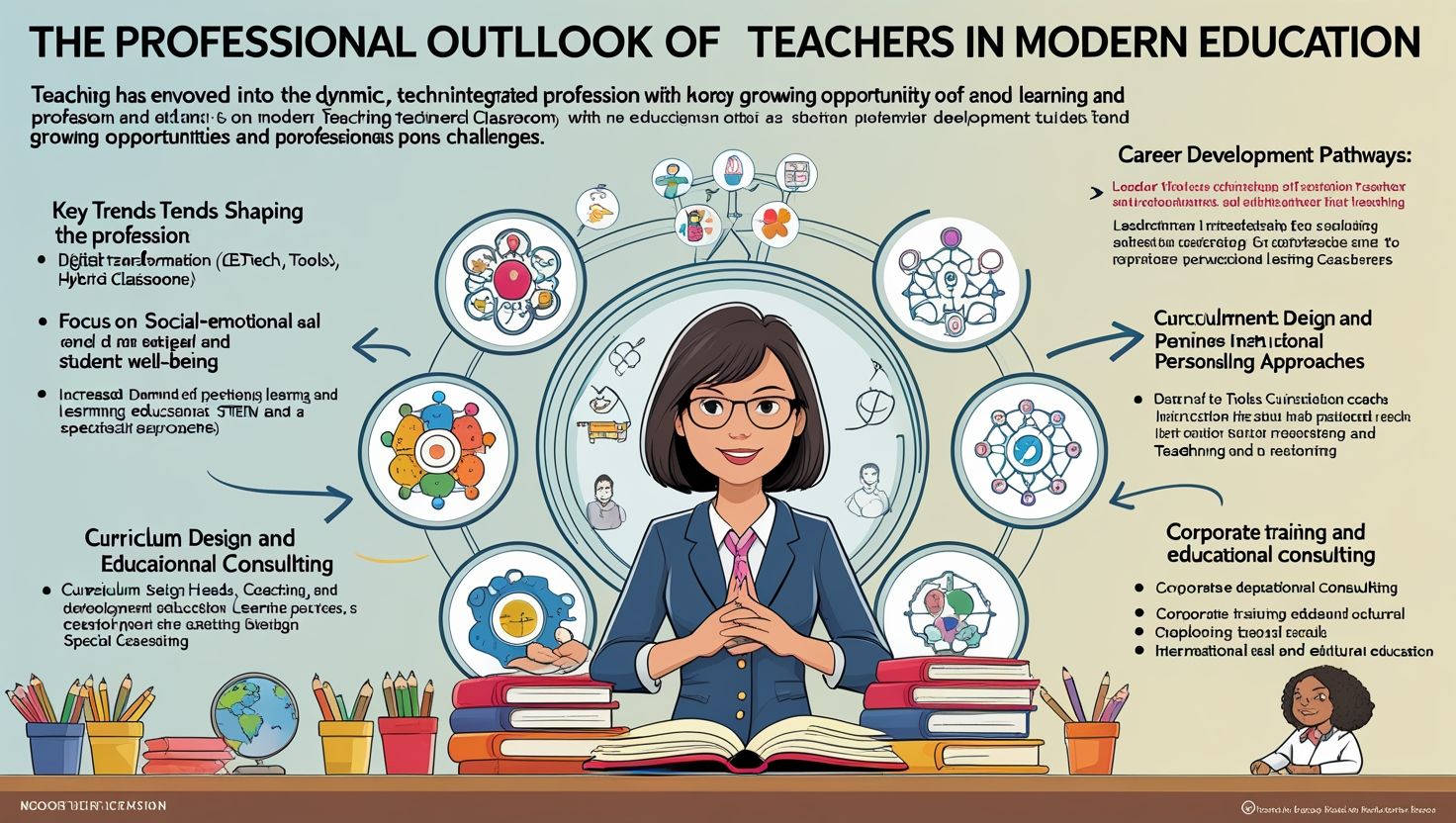
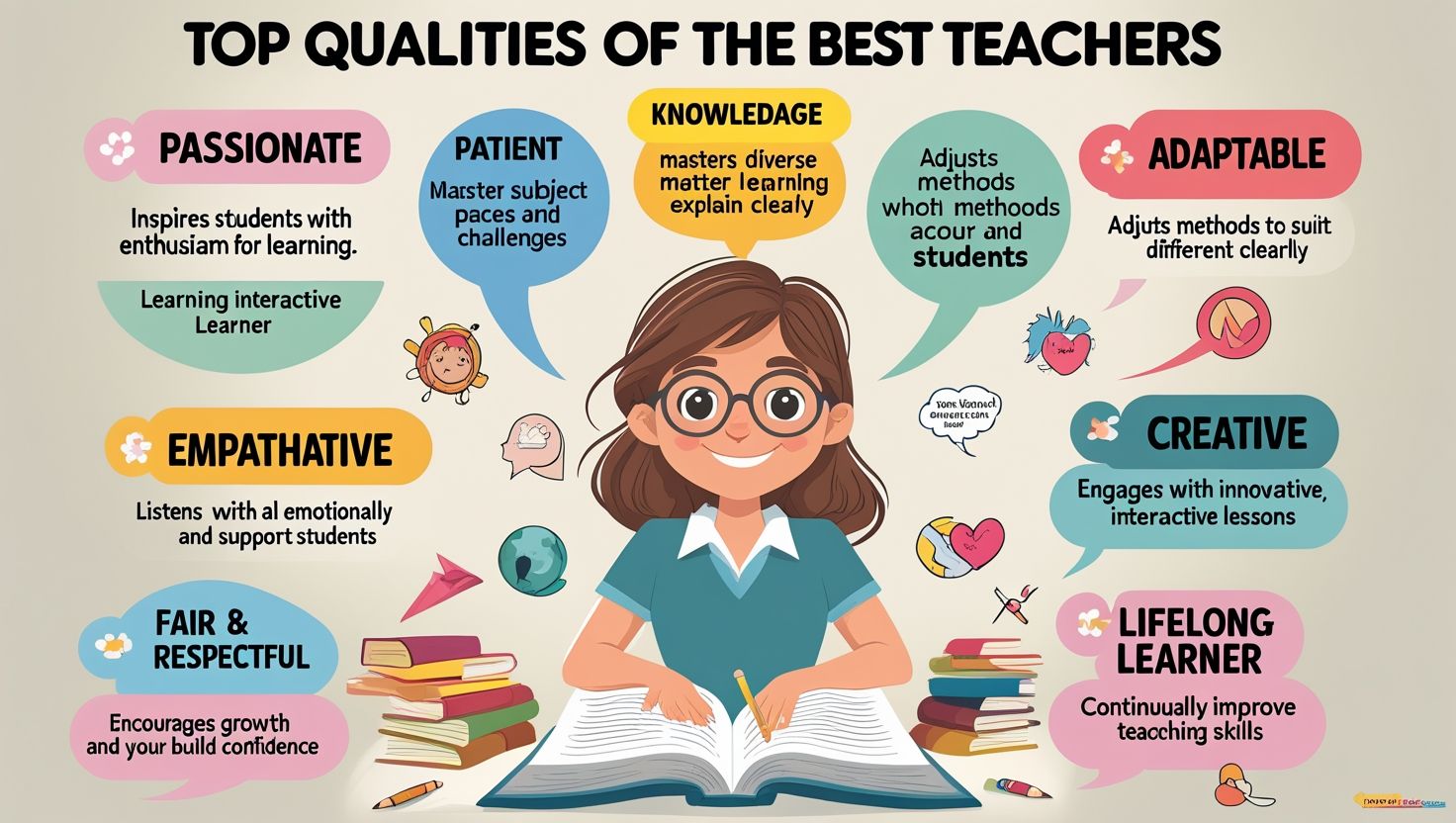
Teachers as Builders of Resilience
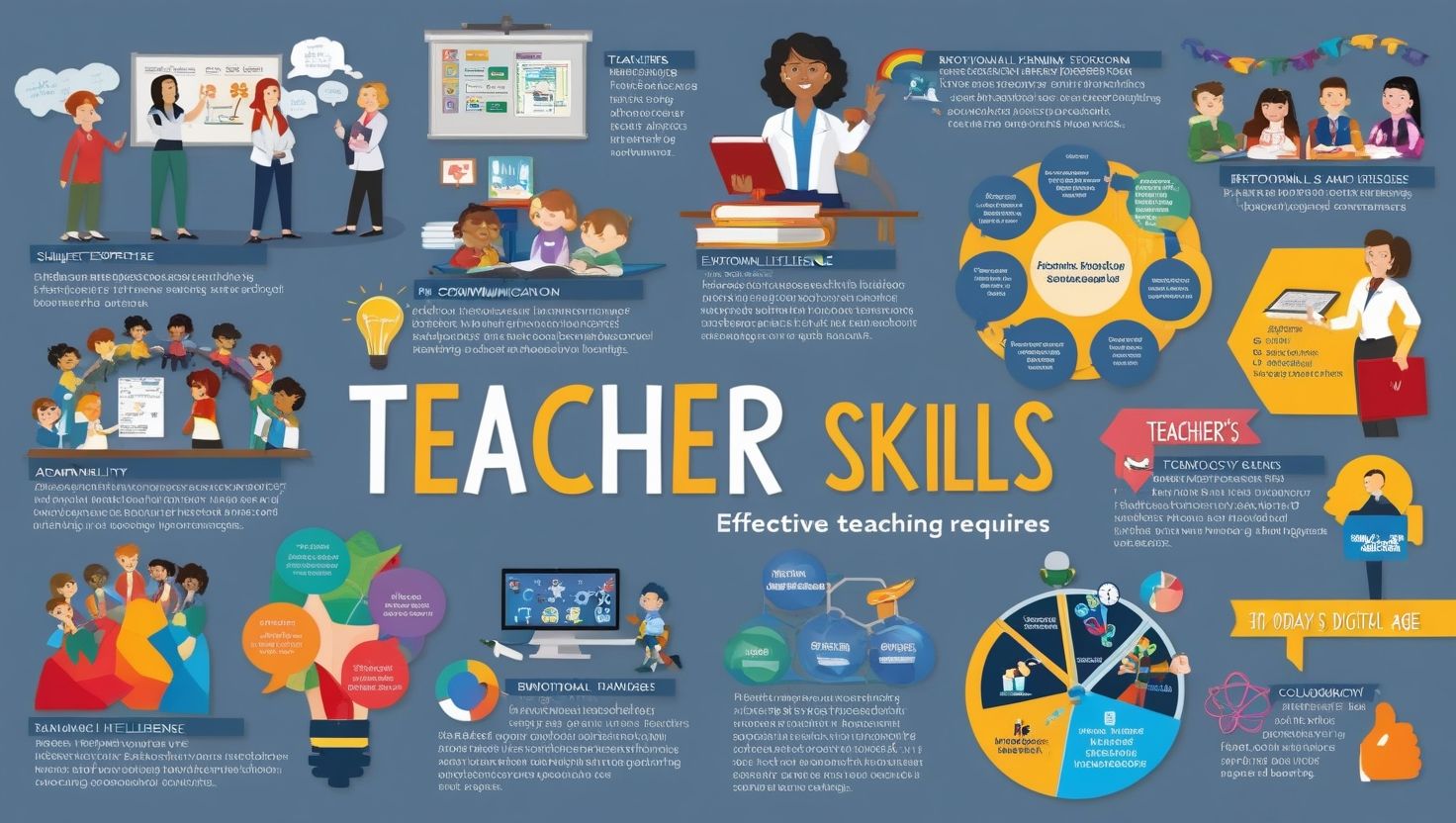
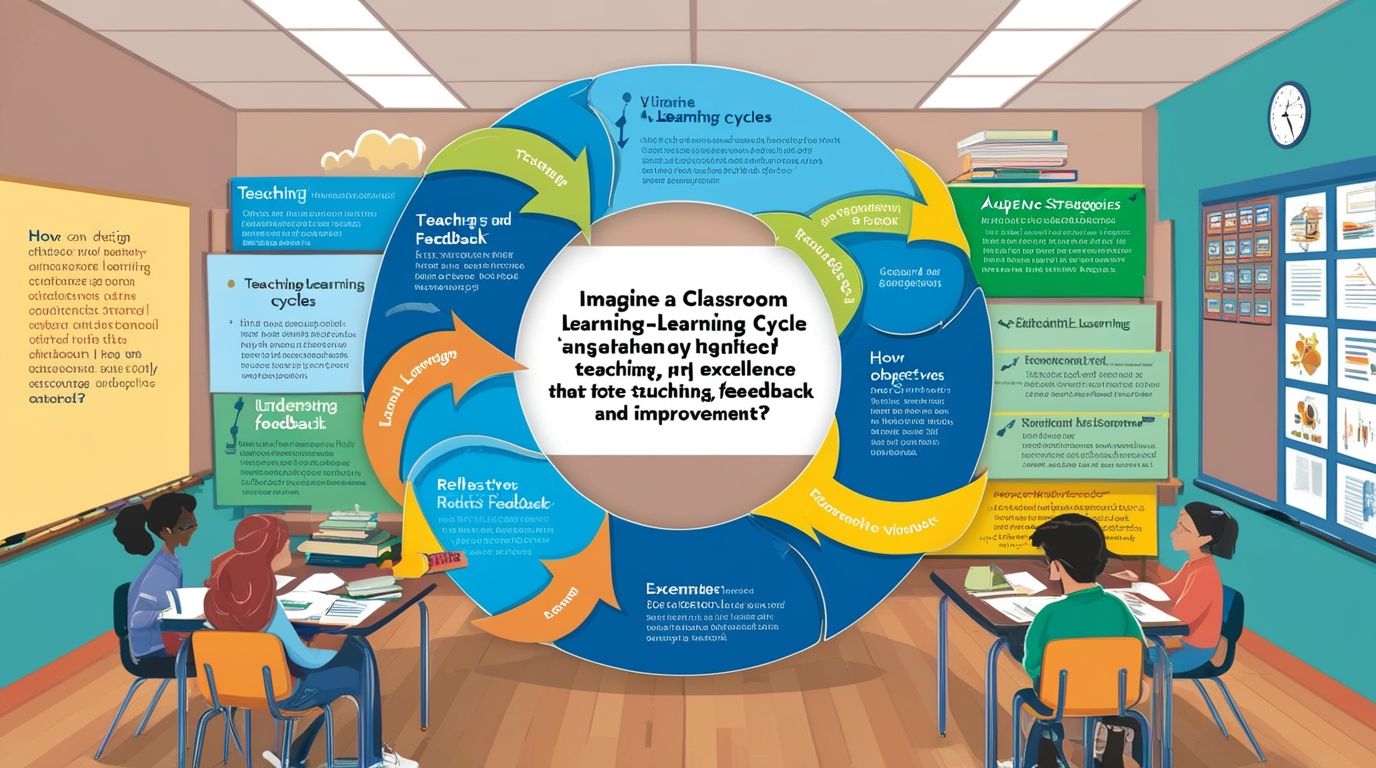
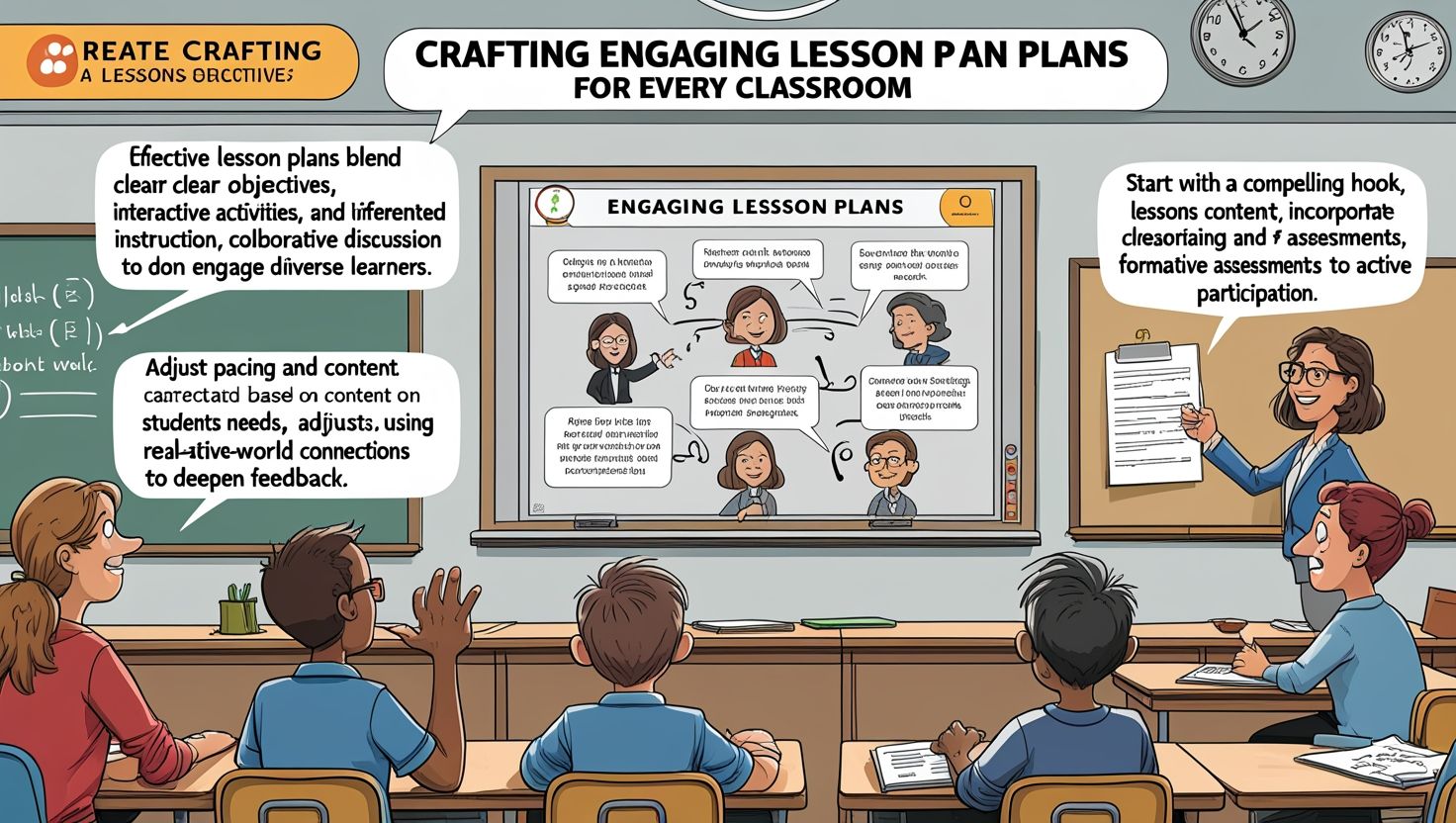
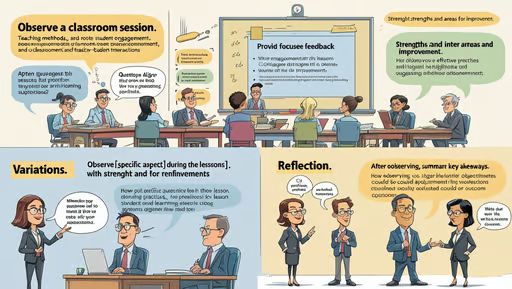
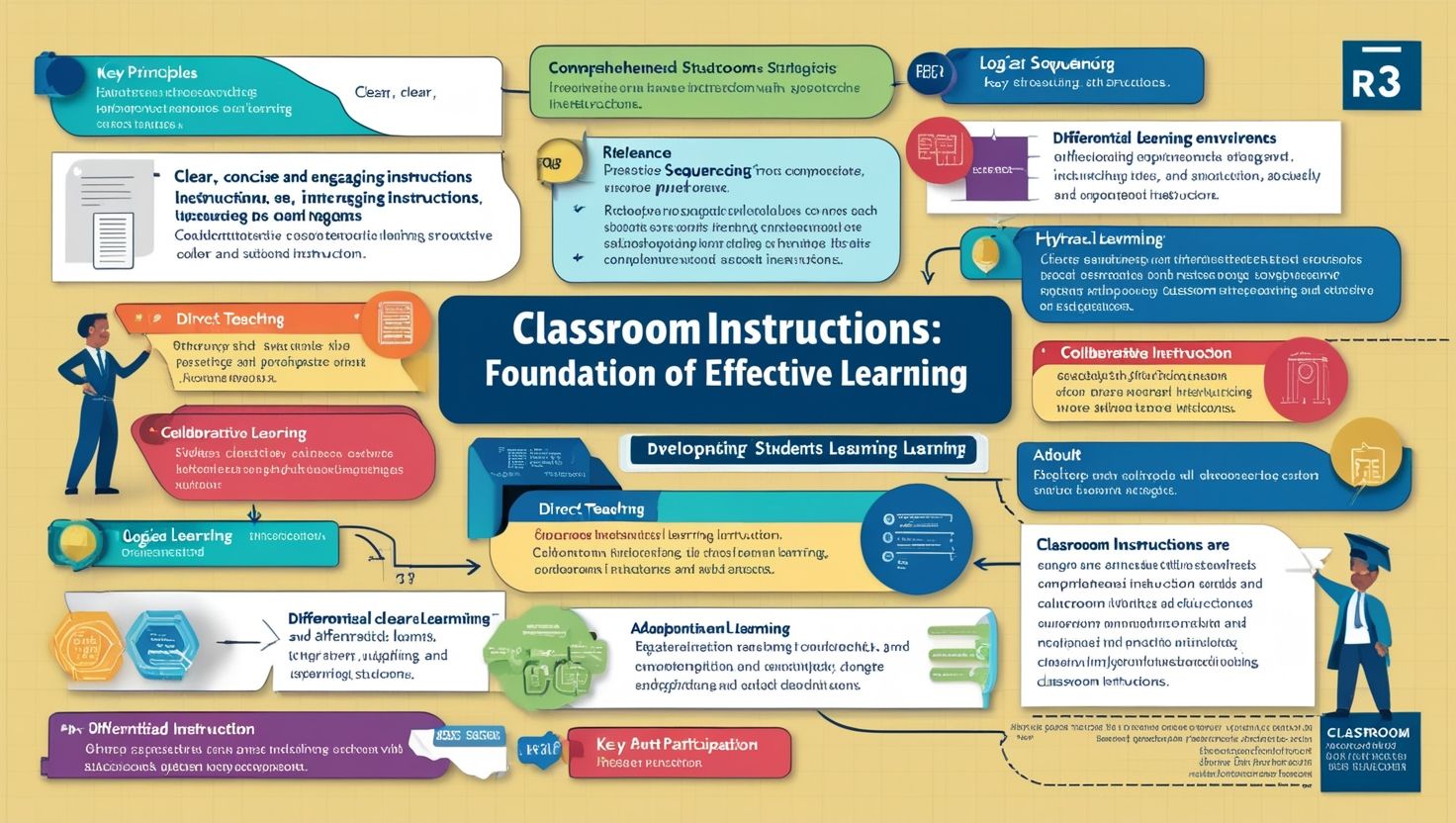
Teachers influence resilience through everyday classroom practices.
Effective teachers:
- Encourage student participation.
- Celebrate improvement.
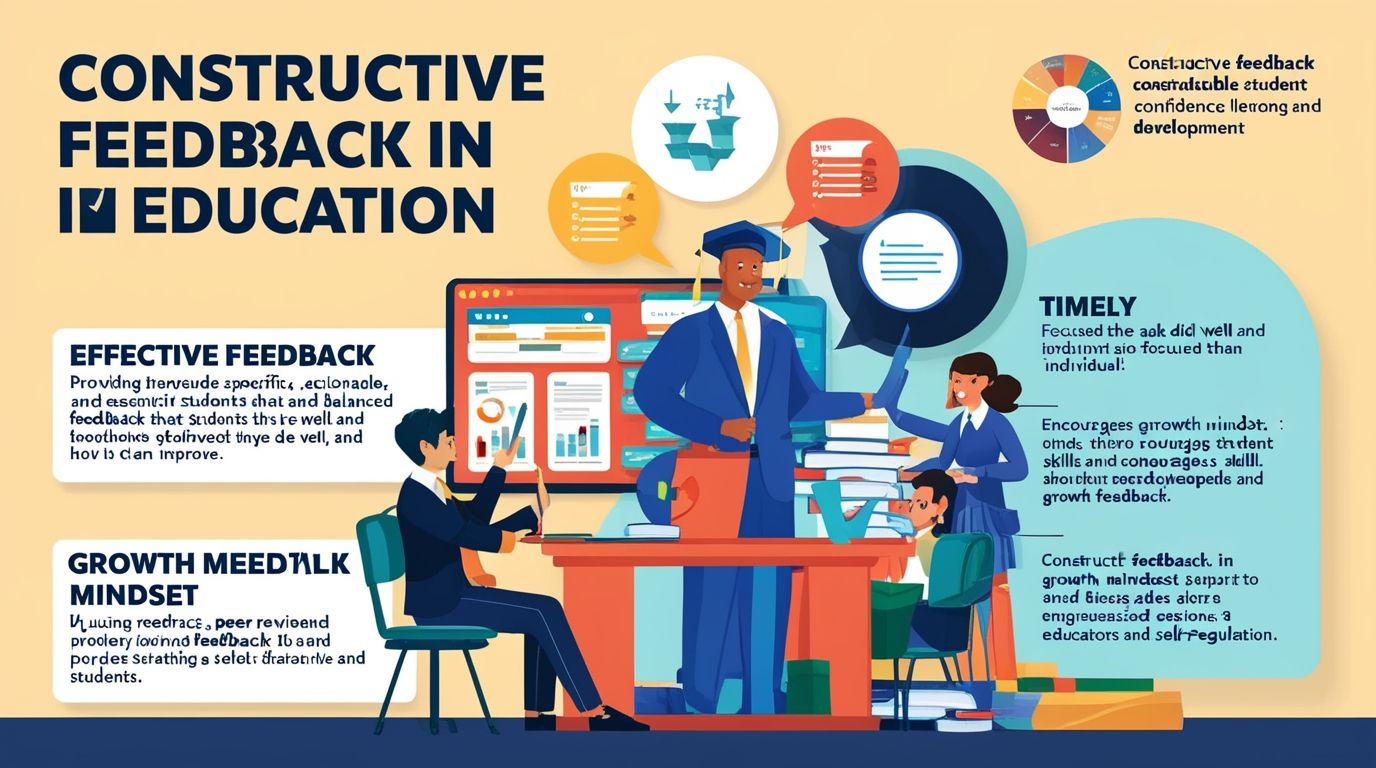
- Provide constructive feedback.
- Model optimism.
- Teach coping strategies.
- Foster collaboration.
- Promote inclusion.
- Respect diversity.
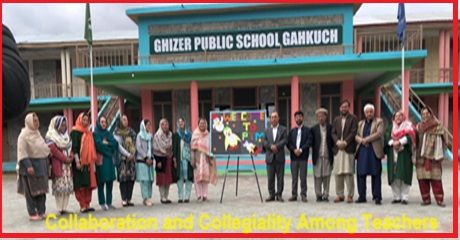
Professional development should prepare educators to recognize trauma, support emotional well-being, and create inclusive learning environments.
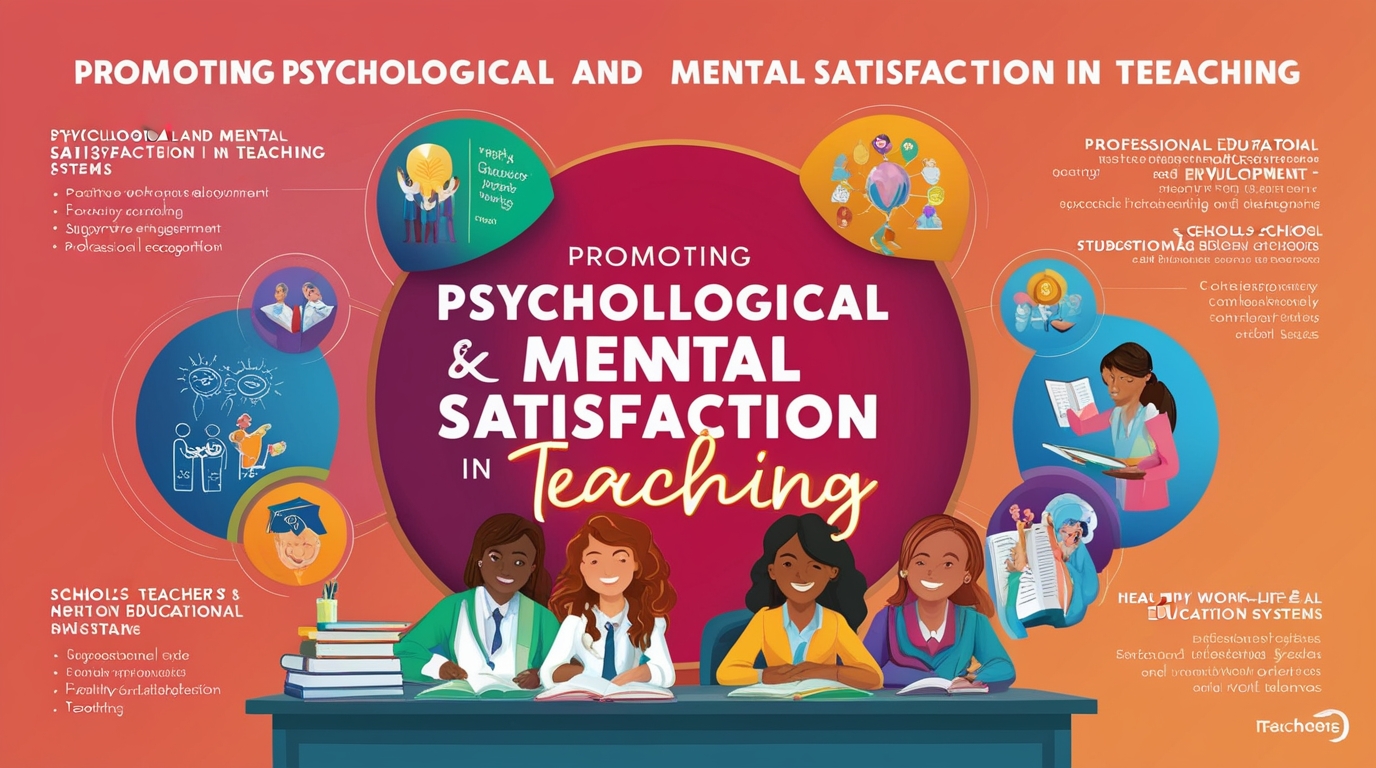
Teacher resilience is equally important. Educators experiencing burnout may struggle to support students effectively. Schools should therefore promote teacher well-being through manageable workloads, professional support, mentoring, and opportunities for continuous learning.
Policy and Educational Leadership
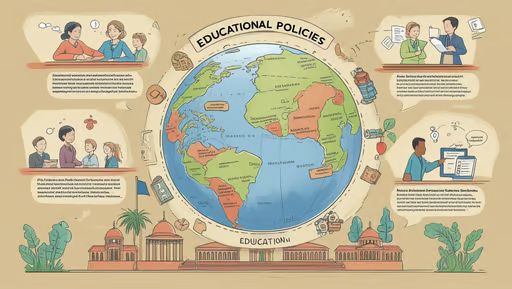
Educational leaders and policymakers play vital roles in creating resilience-supportive systems.
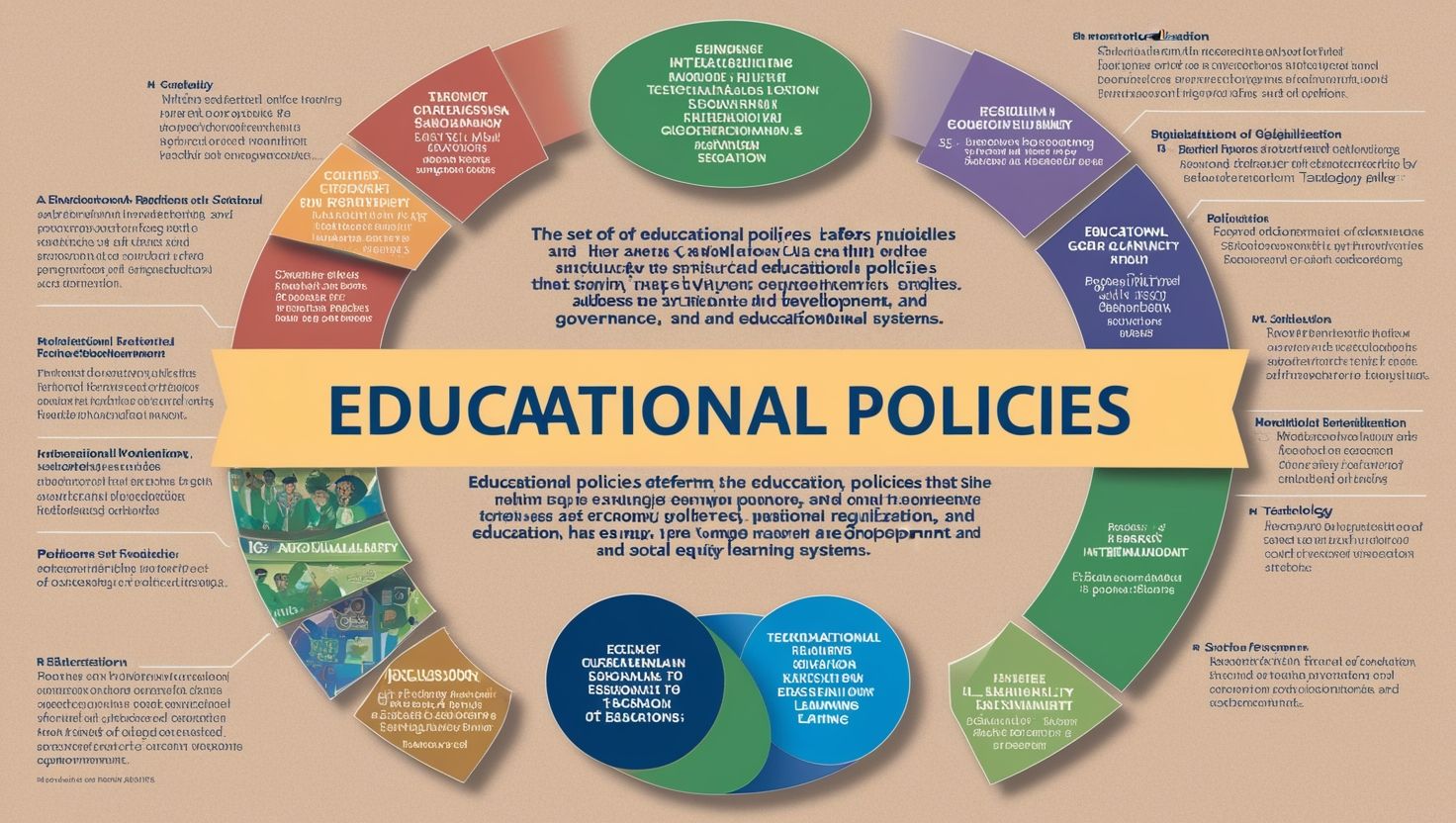
Effective policies include:
- Equitable access to education
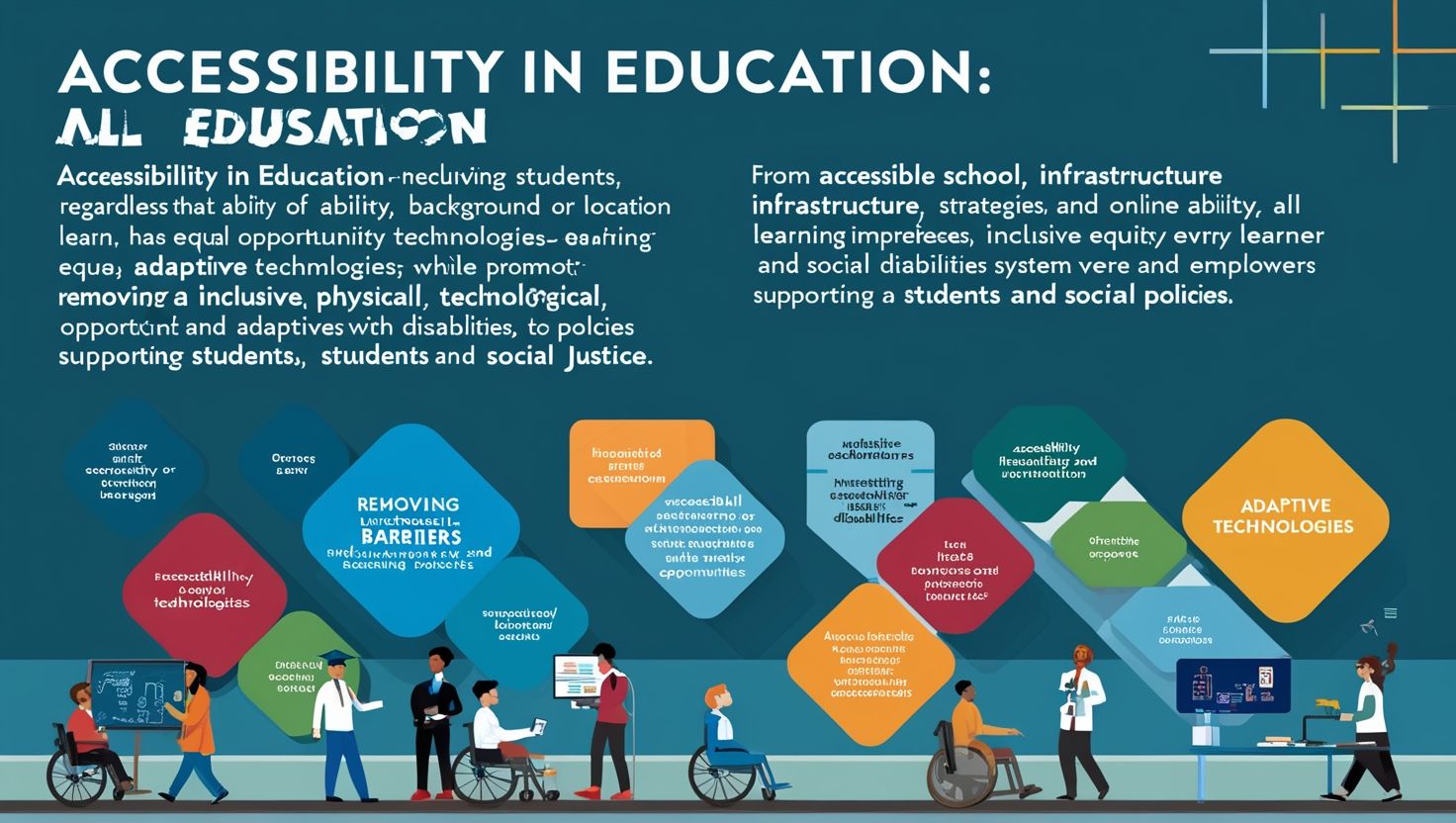
- Inclusive education for learners with disabilities
- Mental health services
- Safe school infrastructure
- Disaster preparedness planning
- Teacher professional development
- Digital inclusion initiatives
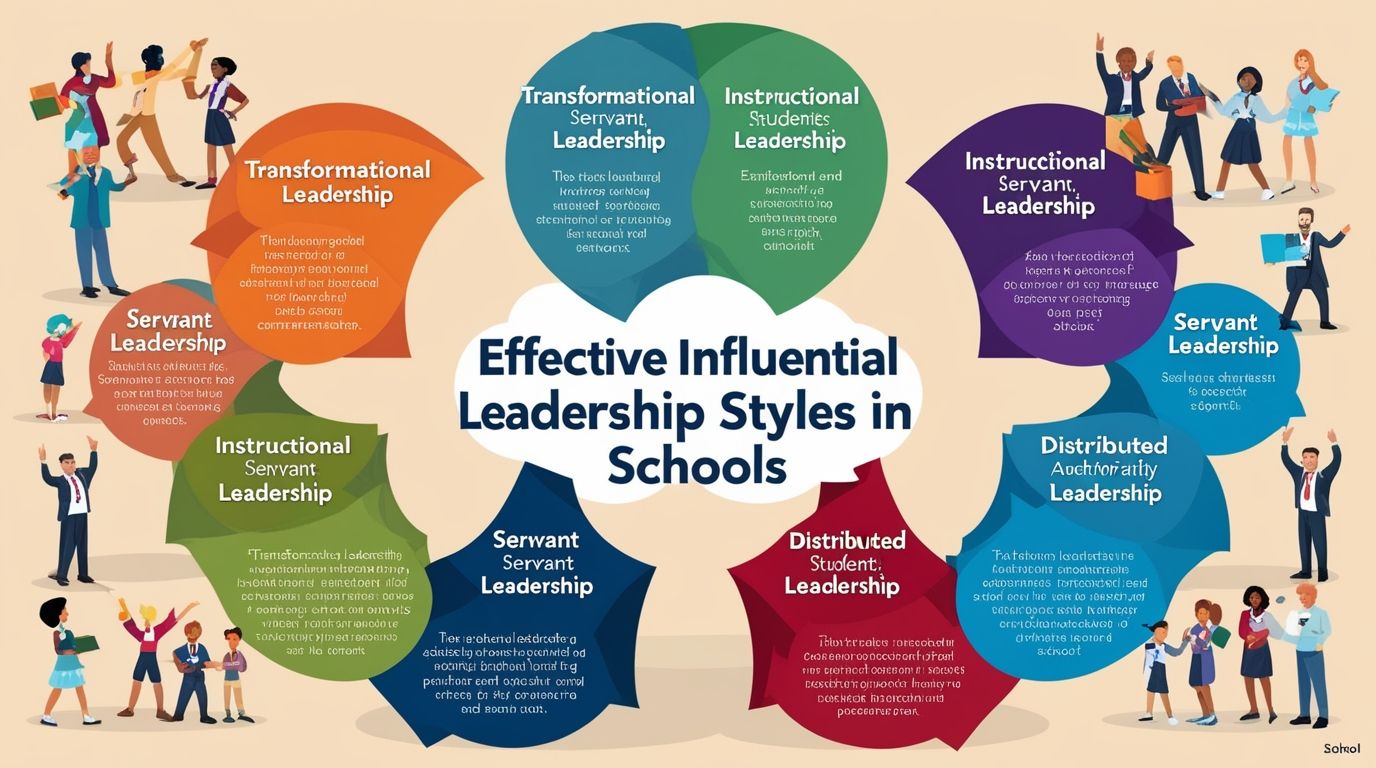
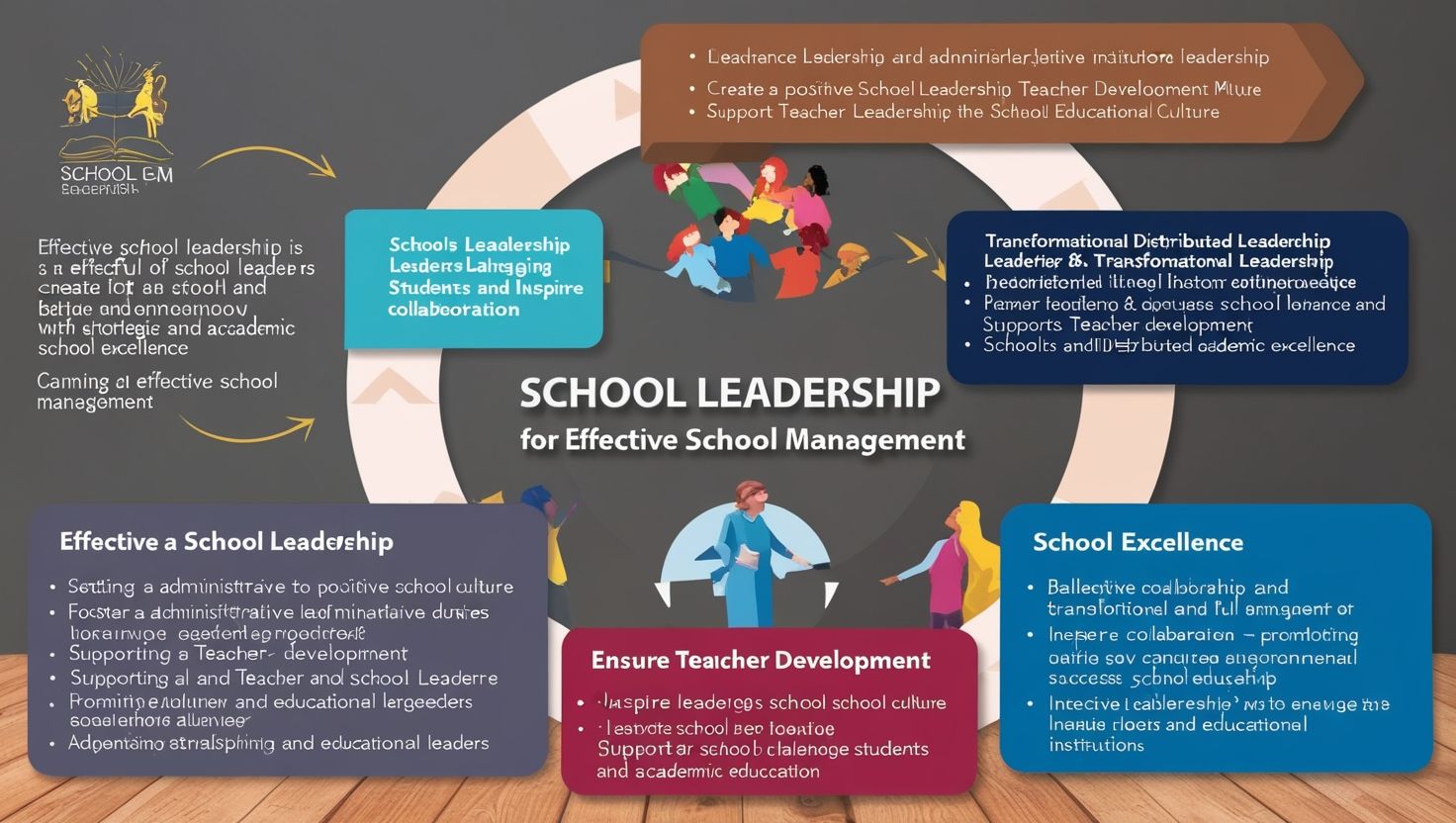
School leaders should establish cultures of trust, collaboration, innovation, and continuous improvement.
Resilient educational systems are flexible, evidence-based, and responsive to changing societal needs.
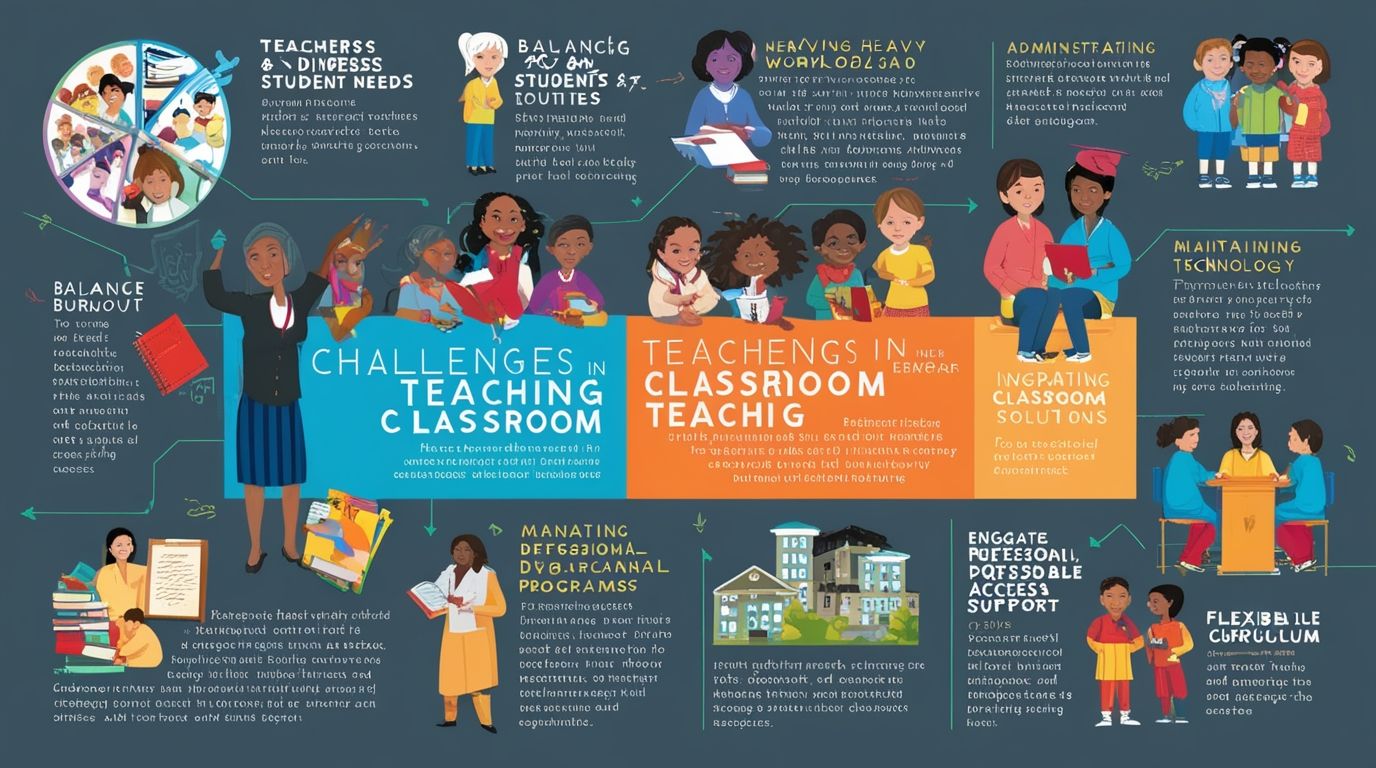
Challenges to Building Resilience
Several barriers limit resilience development:
- Poverty
- Educational inequality
- Limited access to technology
- Teacher shortages
- Large class sizes
- Mental health stigma
- Political instability
- Natural disasters
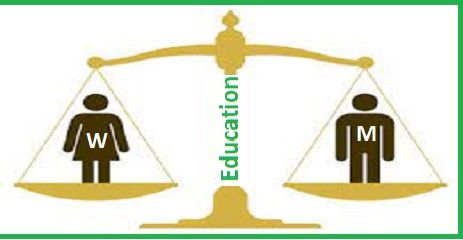
- Gender discrimination
Addressing these challenges requires coordinated efforts among governments, educators, families, civil society organizations, and international agencies.
Investment in quality education remains one of the most effective long-term strategies for strengthening societal resilience.
Recommendations
To strengthen education for resilience, stakeholders should consider the following actions:
- Integrate social and emotional learning into national curricula.
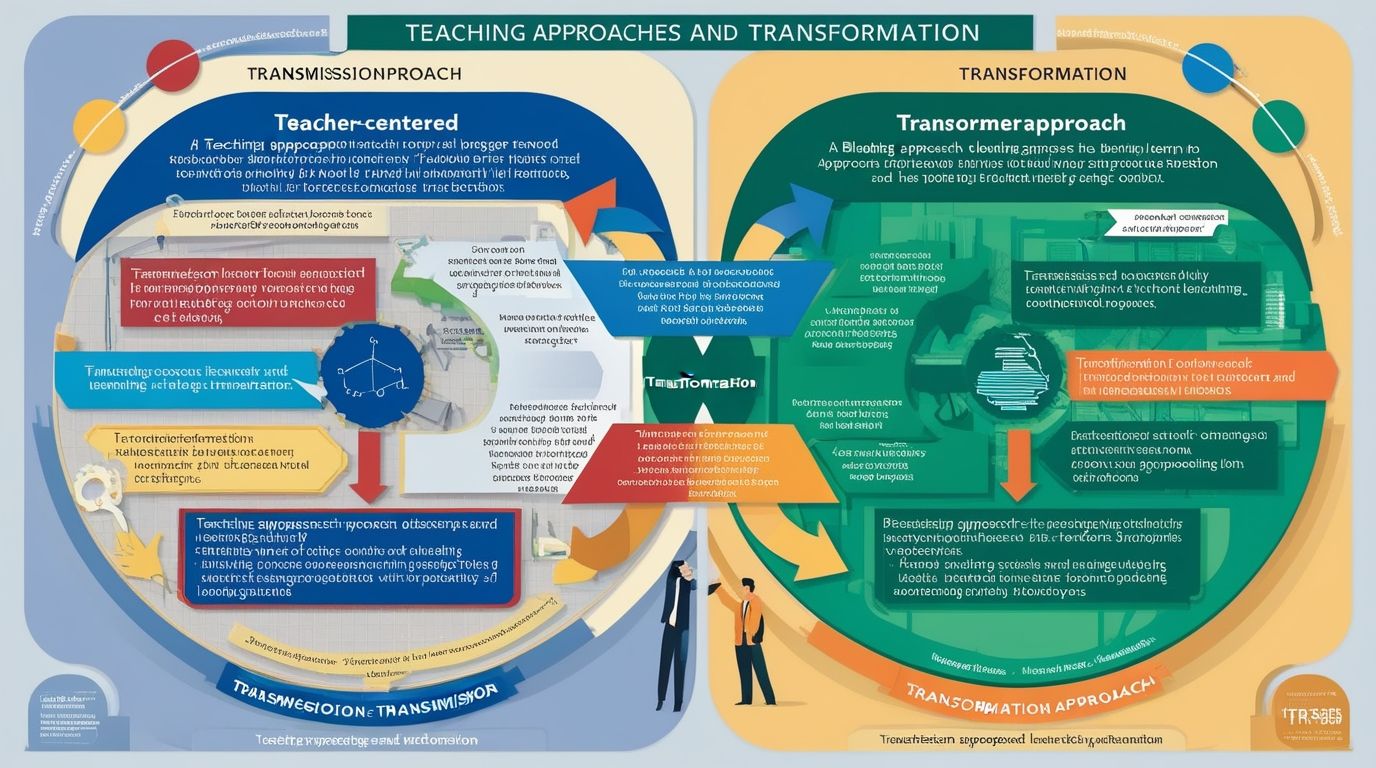
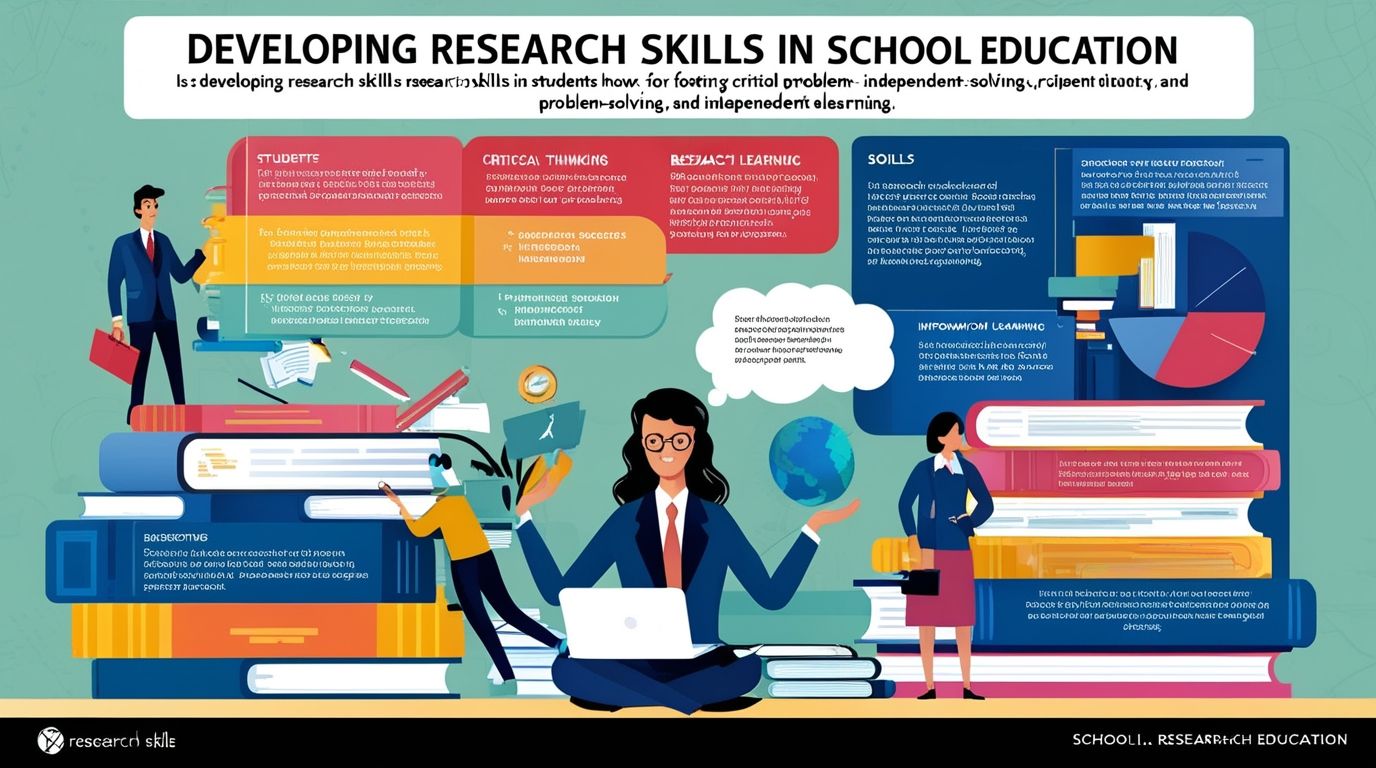
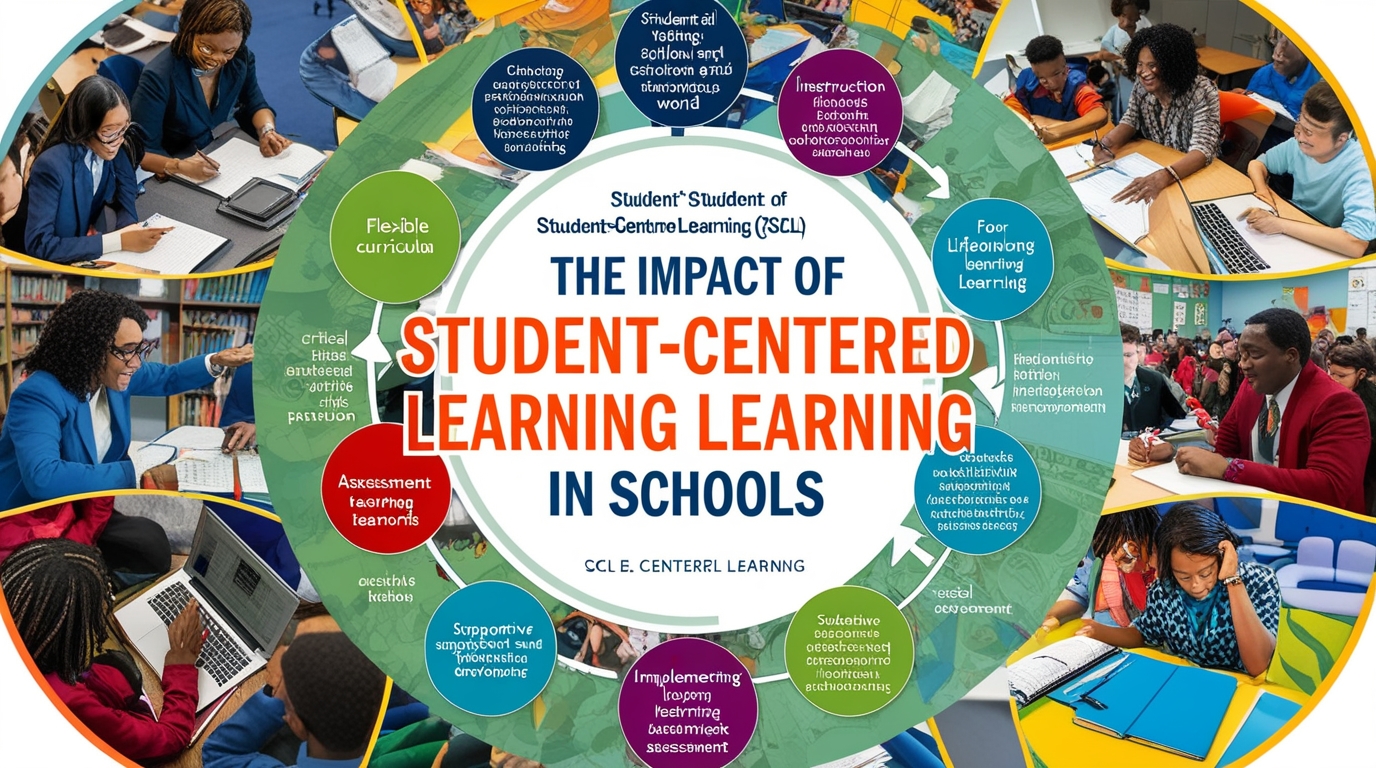
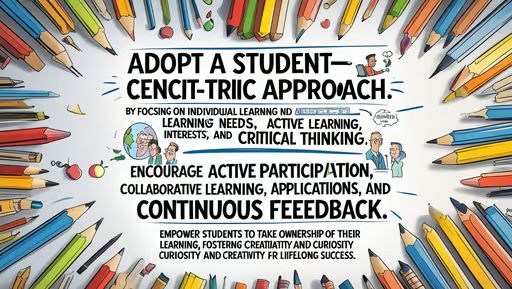
- Promote student-centered and inquiry-based teaching approaches.
- Strengthen teacher training in mental health and trauma-informed education.
- Expand school counseling and psychological support services.
- Encourage family and community engagement in education.
- Improve digital access and technology infrastructure.
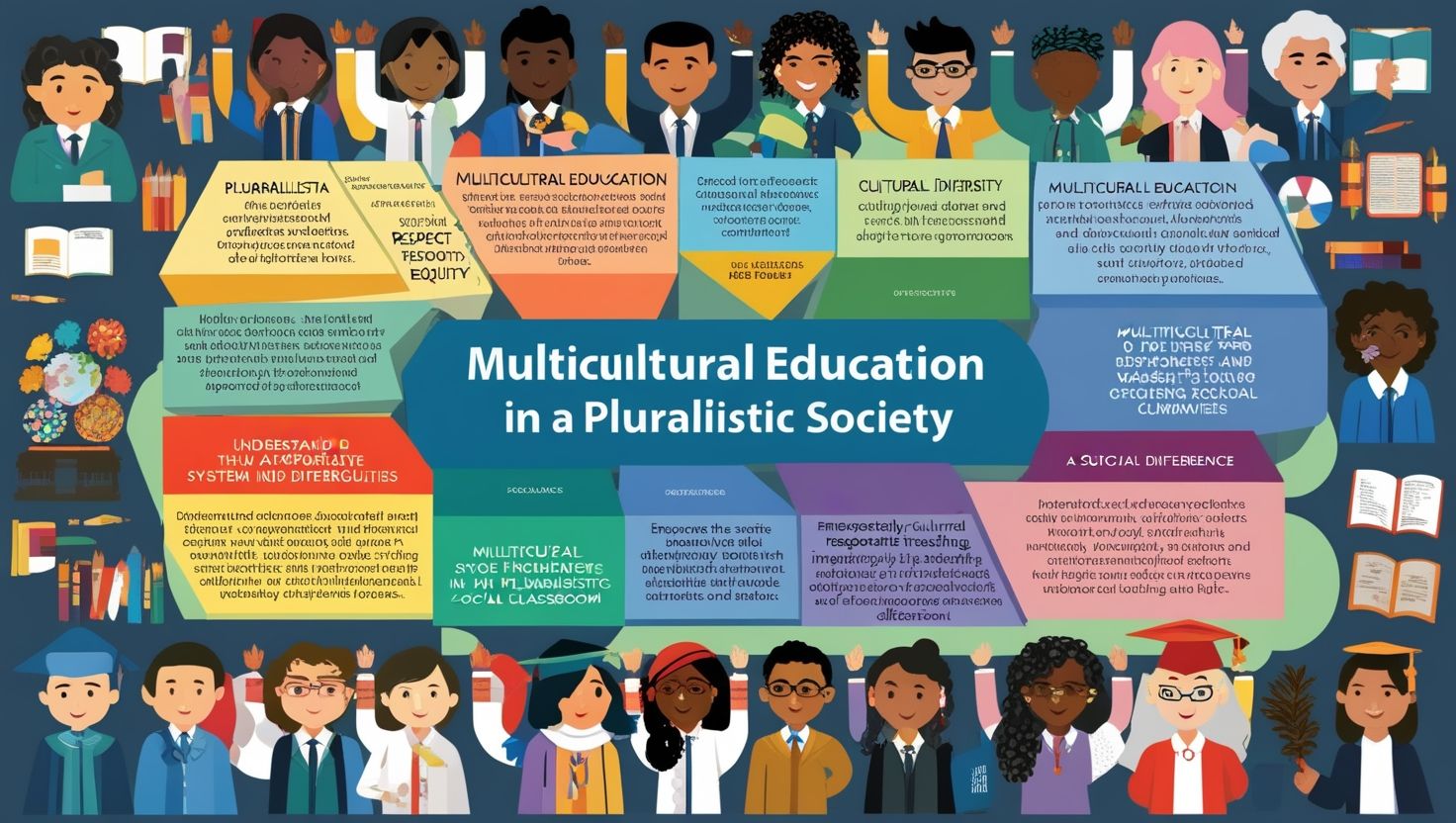
- Foster inclusive education that values diversity and equity.
- Teach life skills alongside academic subjects.
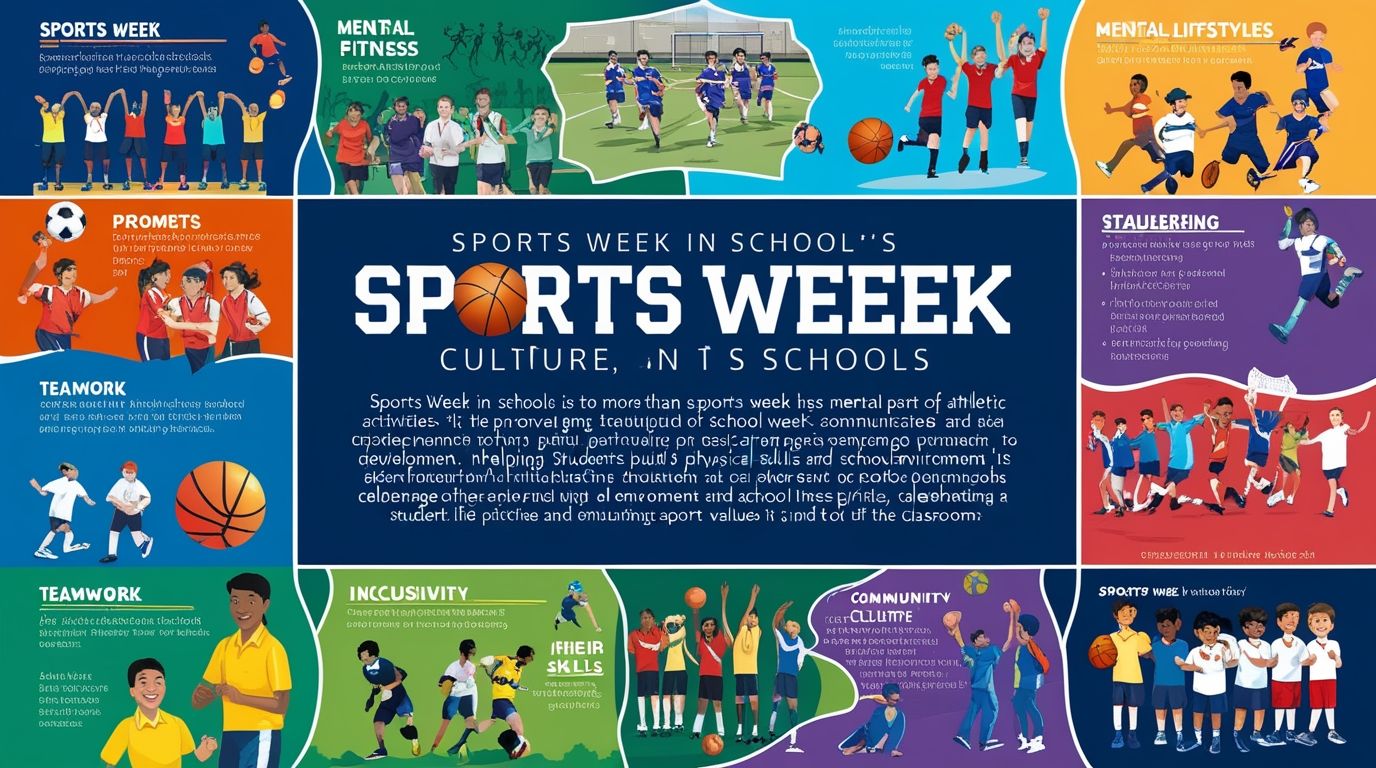
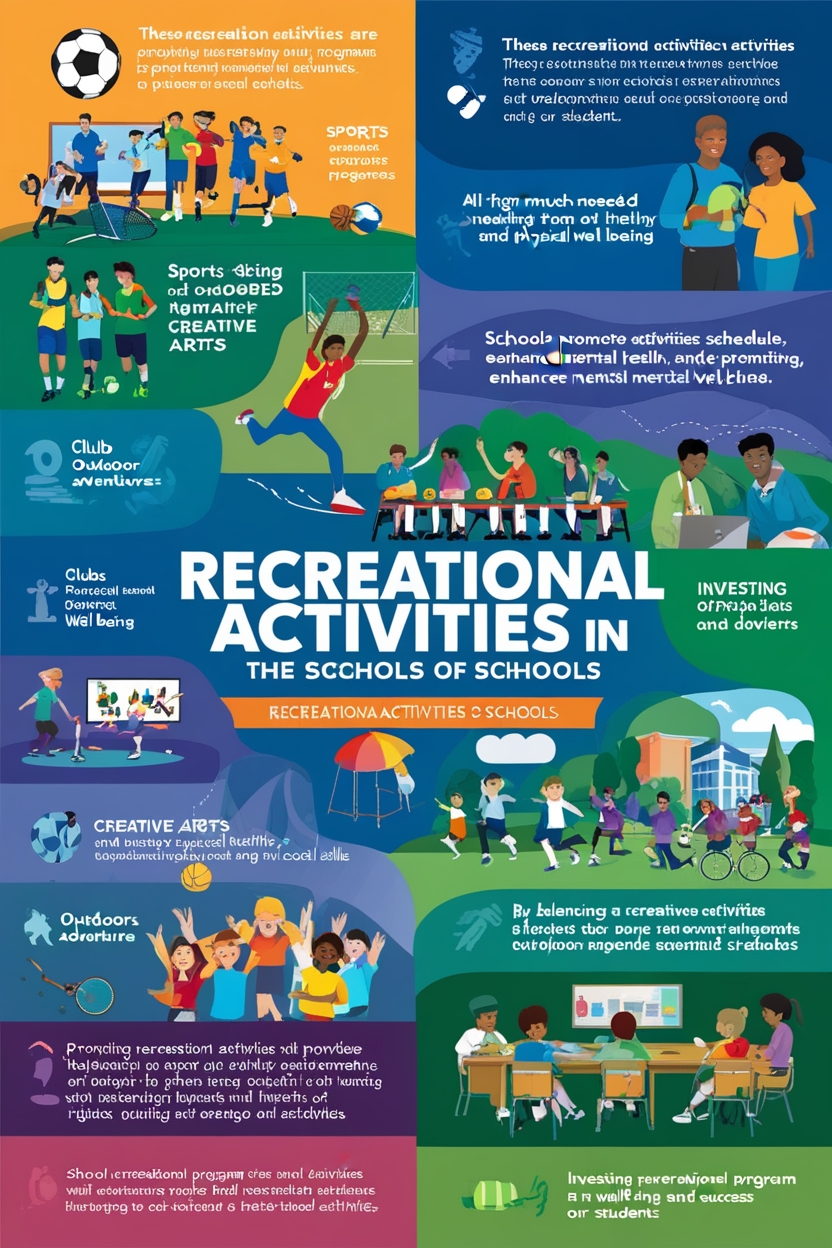
- Promote extracurricular activities that develop leadership, teamwork, and confidence.
- Establish crisis preparedness plans to ensure educational continuity during emergencies.
Conclusion
Education is far more than a means of acquiring academic knowledge; it is a lifelong process of building human capacity, character, and resilience. By nurturing critical thinking, emotional intelligence, adaptability, ethical values, and social responsibility, education empowers individuals to face adversity with confidence and hope. Schools, teachers, families, communities, and policymakers all share responsibility for creating environments where resilience can flourish.
As societies confront increasingly complex global challenges, resilient citizens will be essential for sustainable development, peace, innovation, and social cohesion. Investment in resilient education is therefore an investment in resilient lives. Every learner deserves an education that equips them not only to succeed academically but also to navigate uncertainty, recover from setbacks, and contribute meaningfully to their communities. By embracing holistic, inclusive, and learner-centered educational practices, we can cultivate generations who are prepared not merely to survive adversity but to grow stronger through it.