Introduction
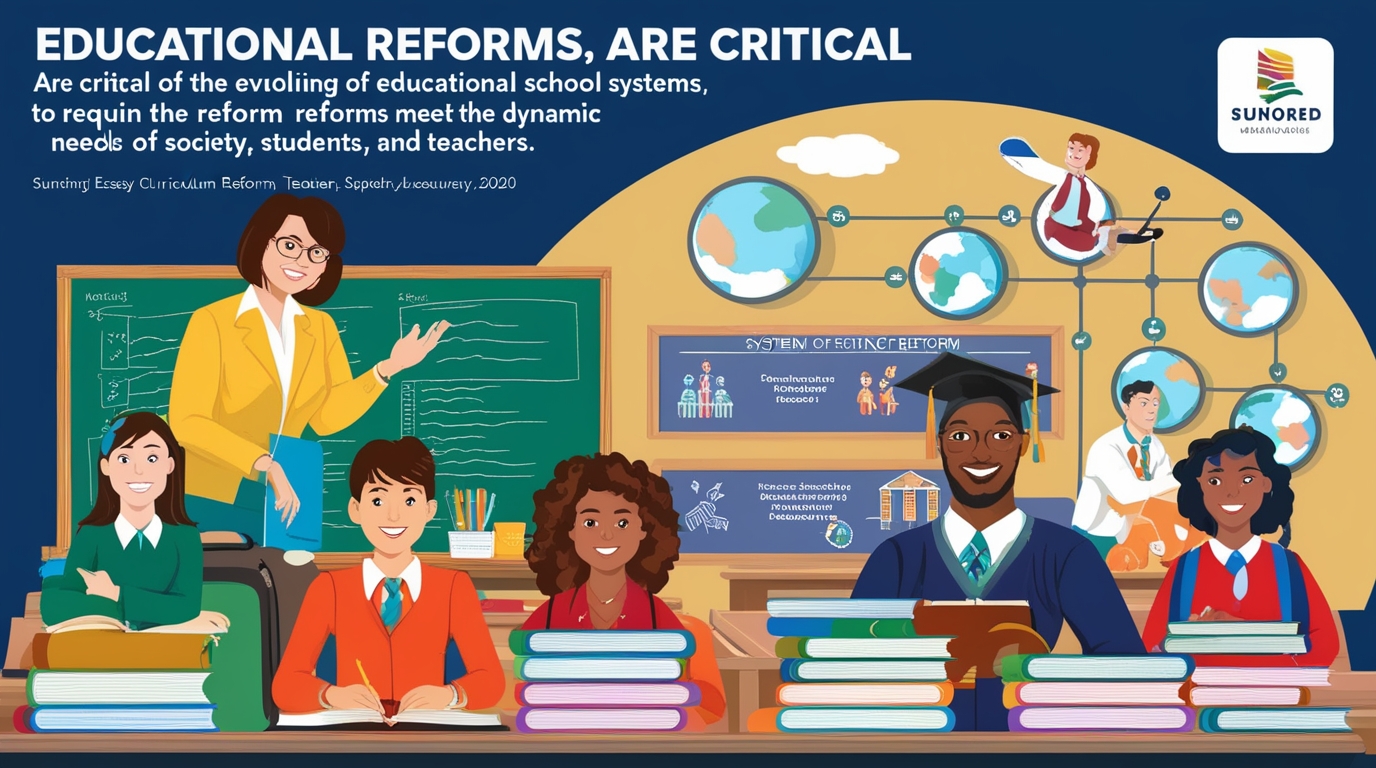
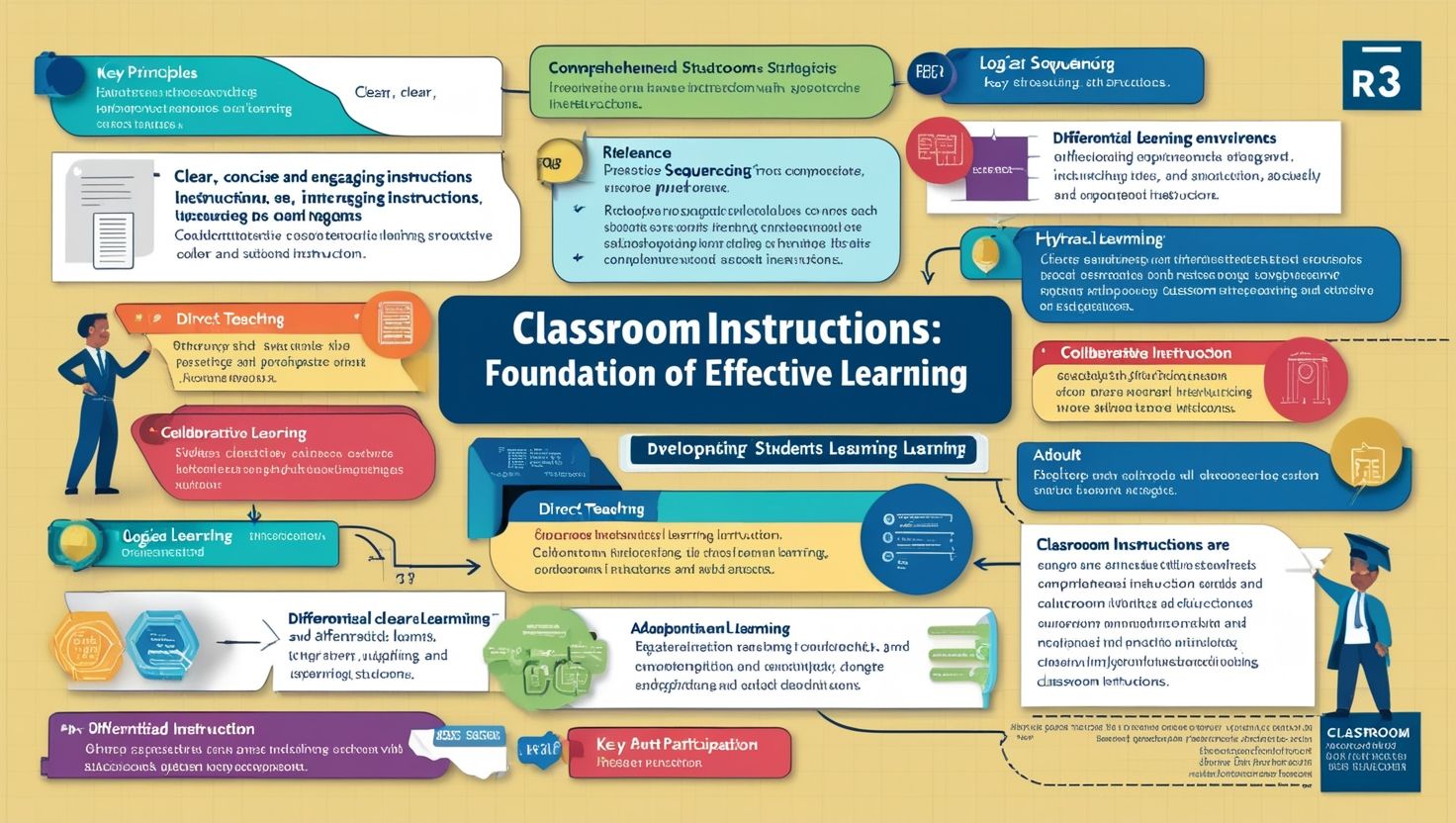
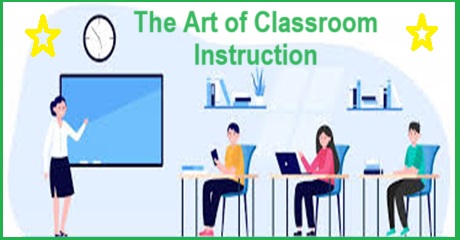
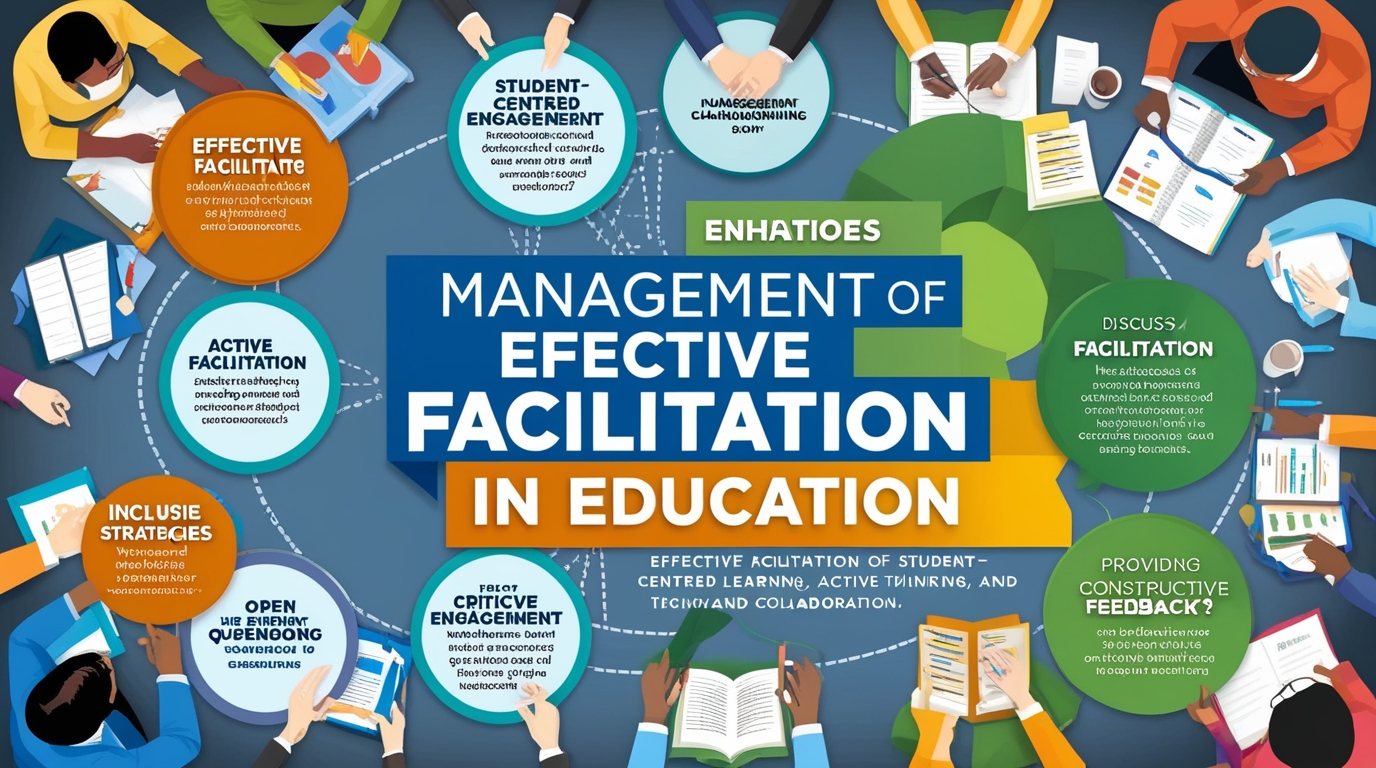
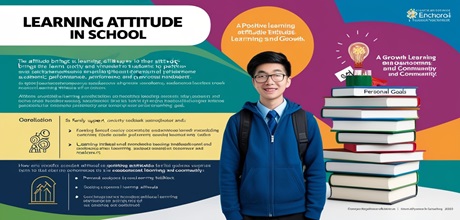
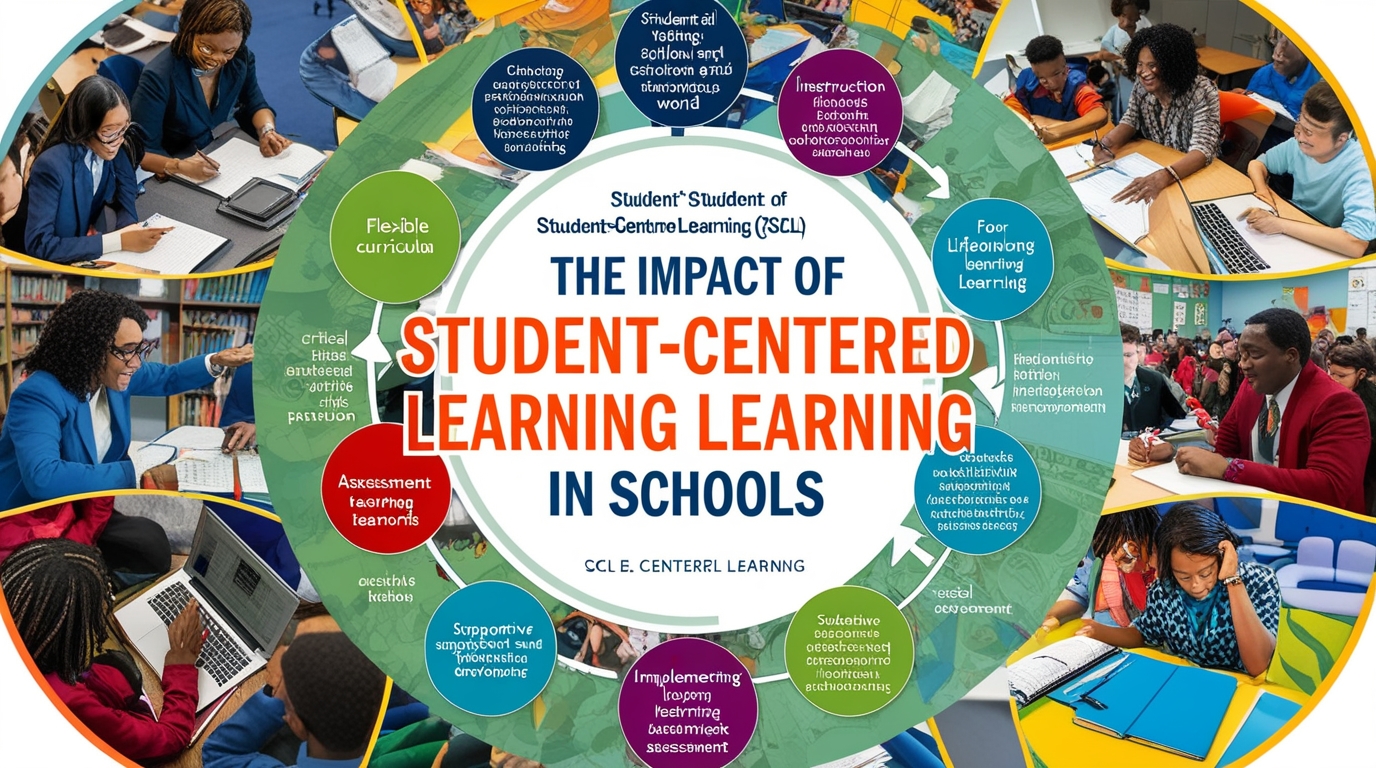
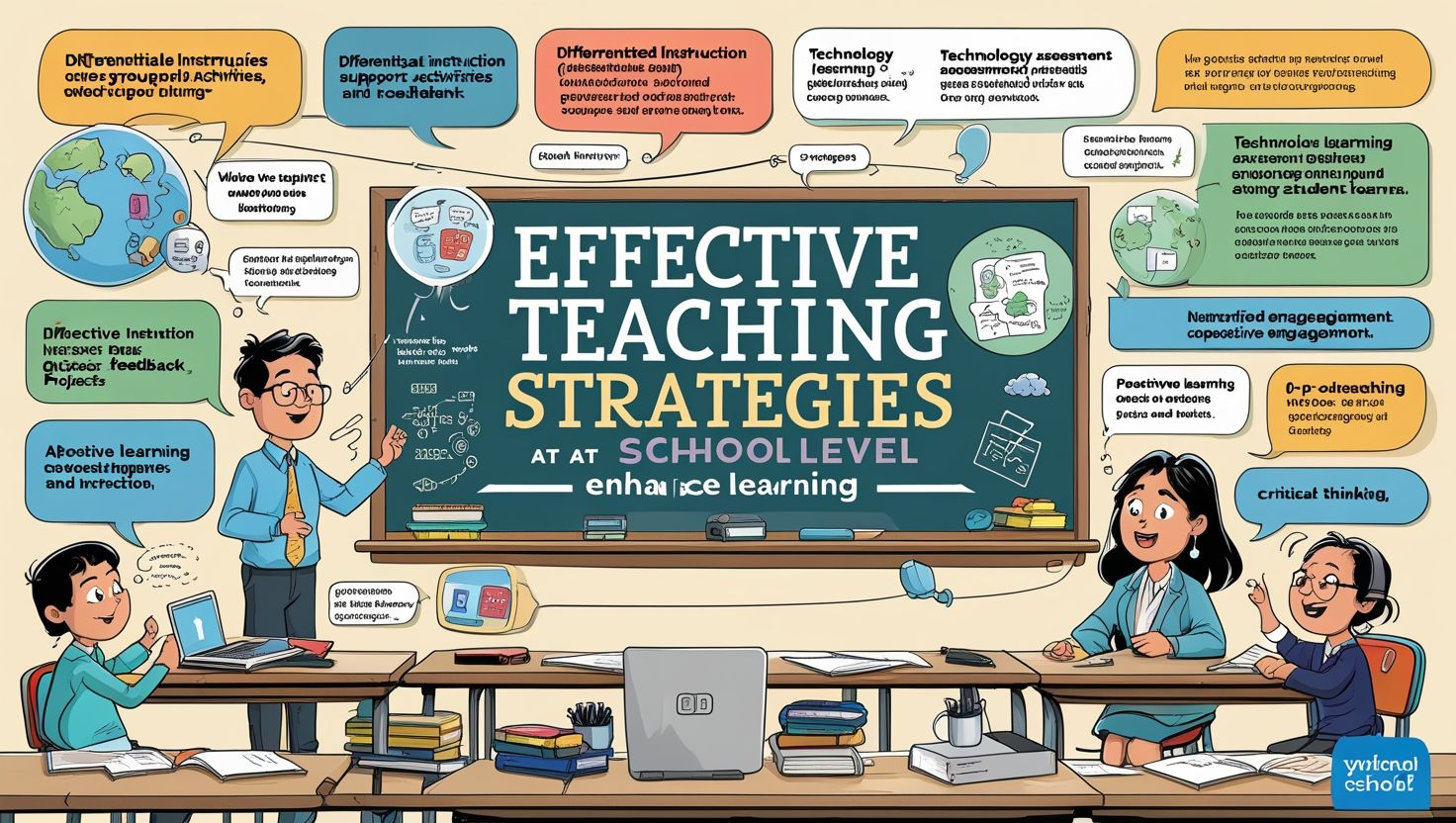
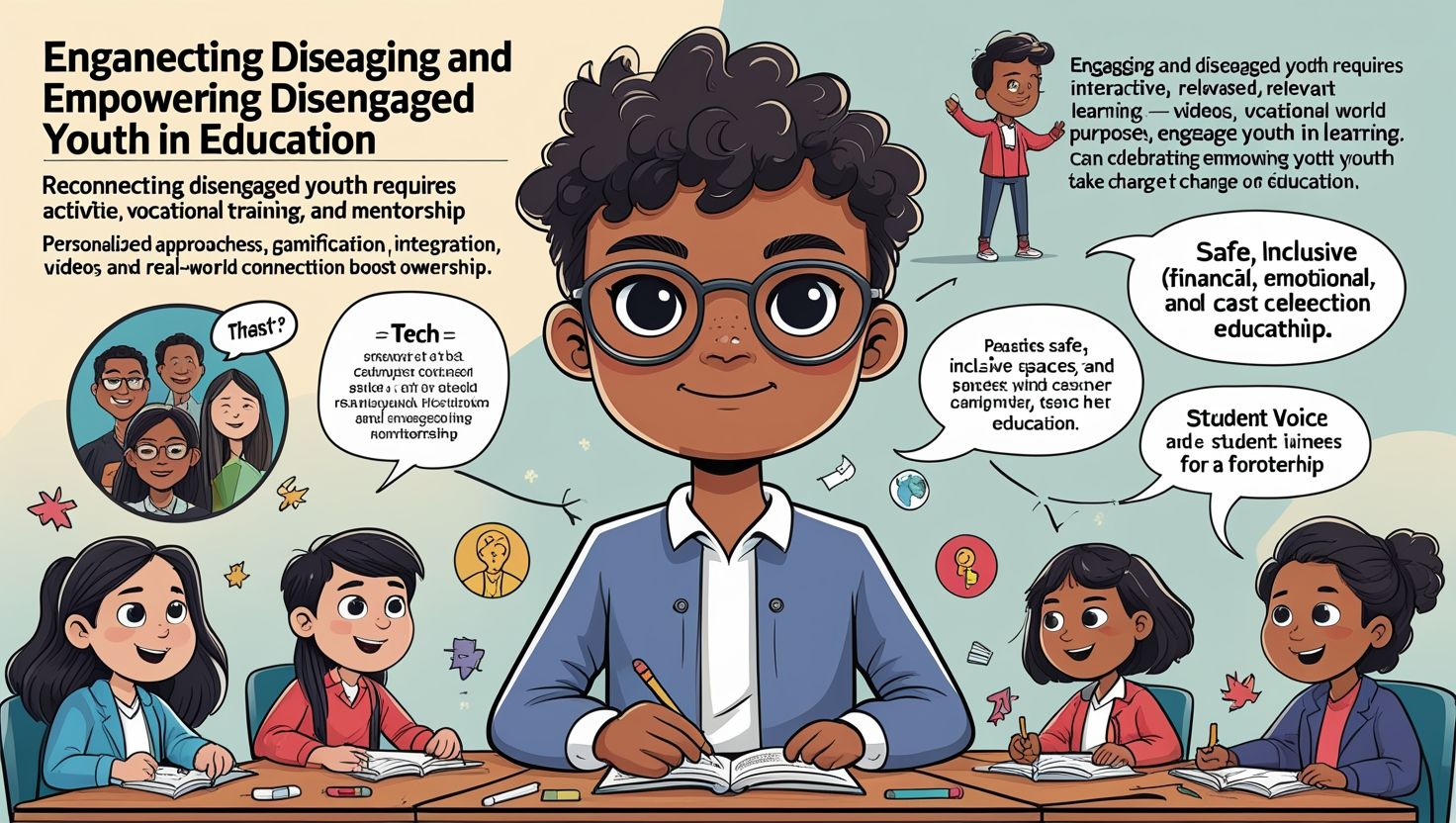
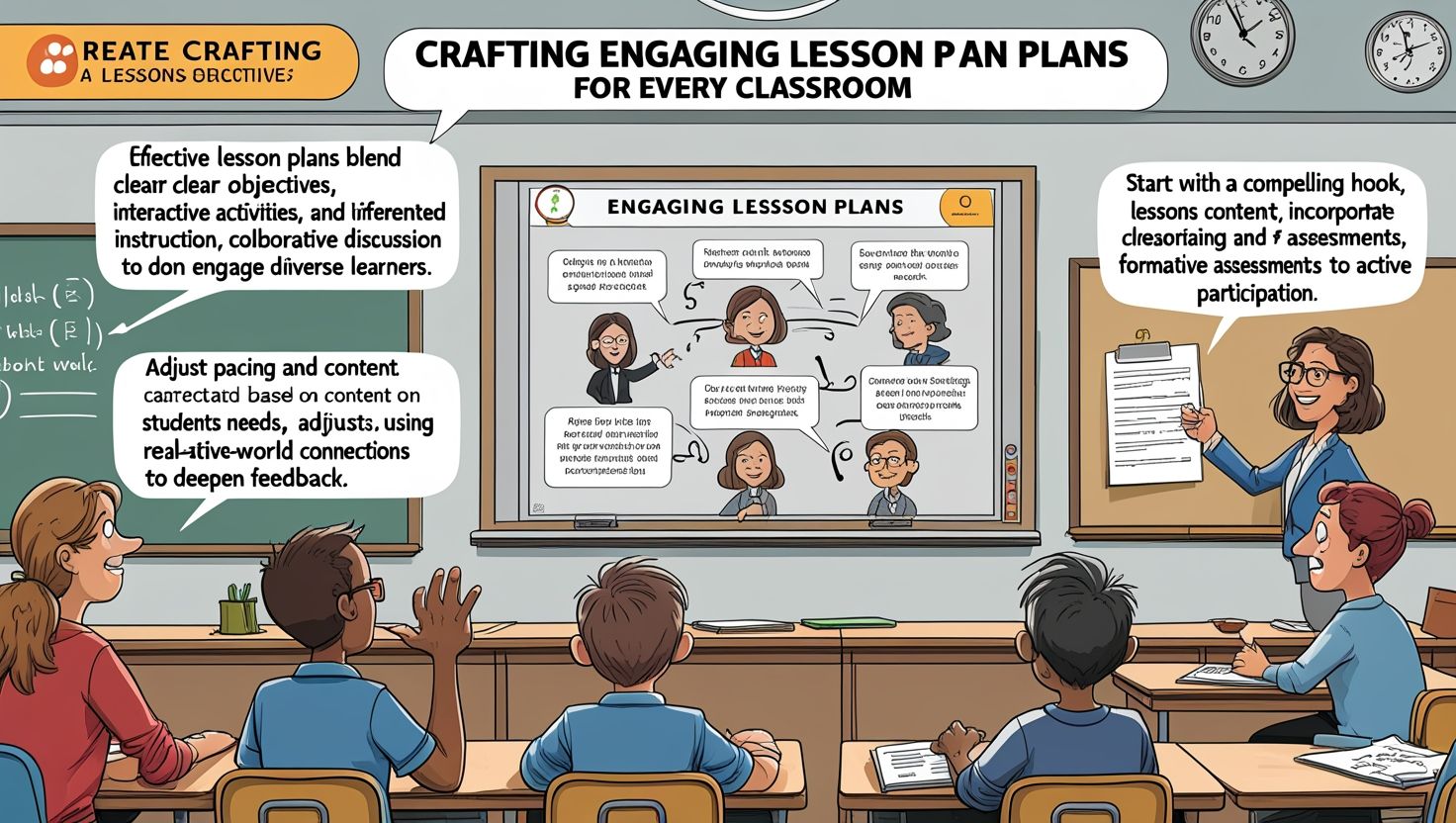
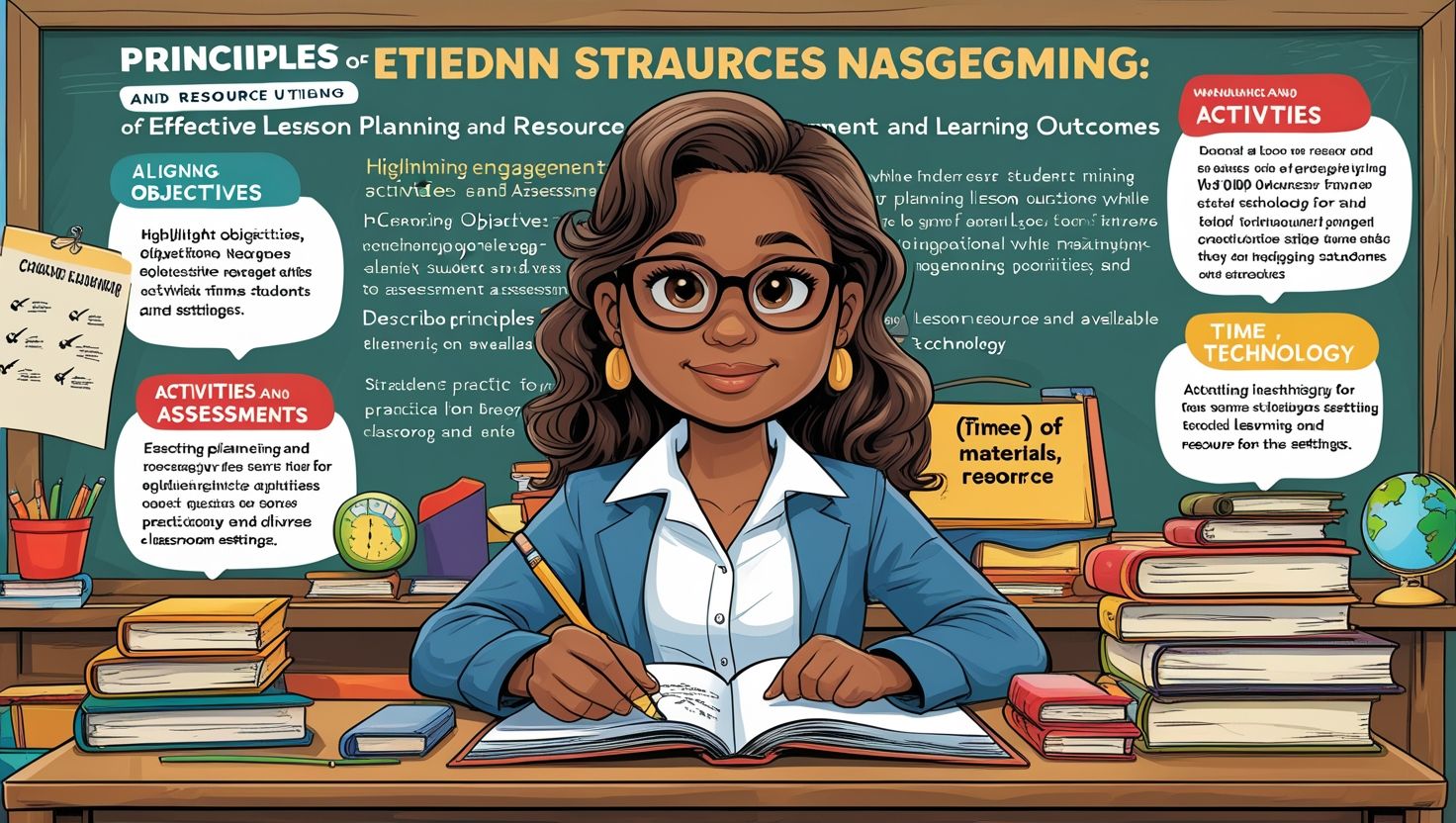
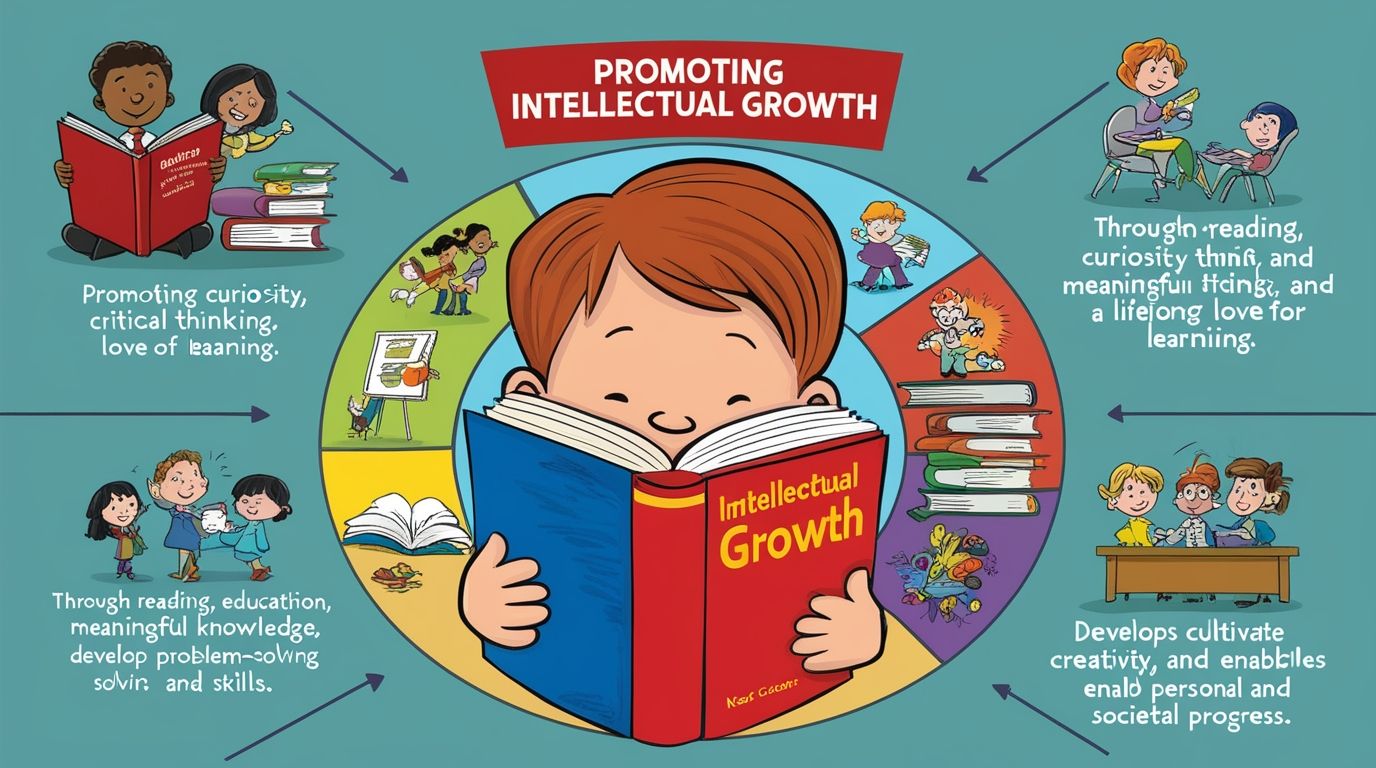
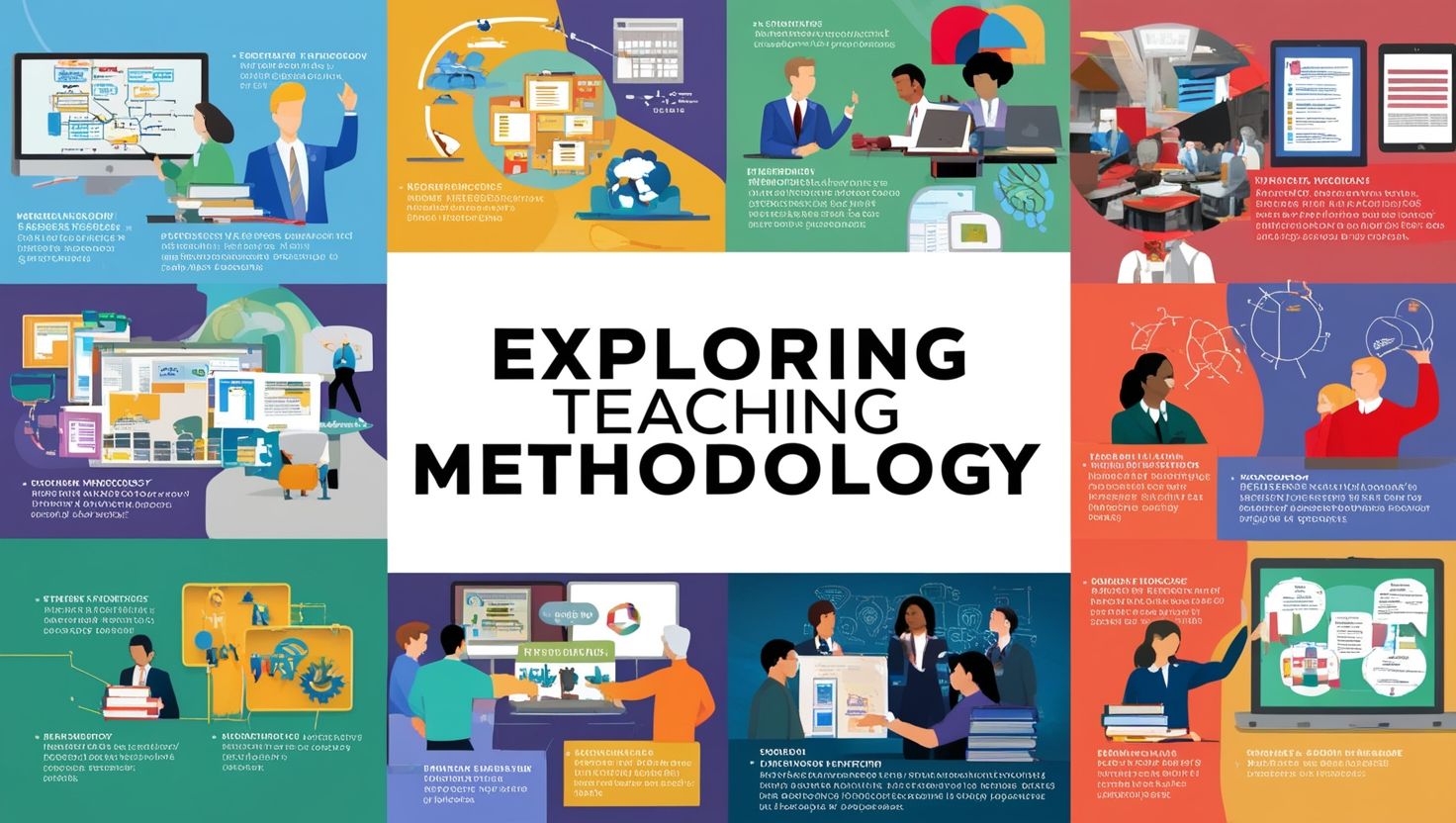
Effective Teaching and Learner-Centered Pedagogy, Education plays a fundamental role in shaping individuals and societies. In the modern world, the purpose of education extends beyond the simple transmission of knowledge; it seeks to develop critical thinking, creativity, communication, collaboration, and lifelong learning skills. As educational philosophies continue to evolve, effective teaching and learner-centered pedagogy have become central concepts in contemporary educational practice. Effective teaching refers to instructional approaches that promote meaningful learning, student achievement, and intellectual growth, while learner-centered pedagogy emphasizes the active involvement of students in the learning process.
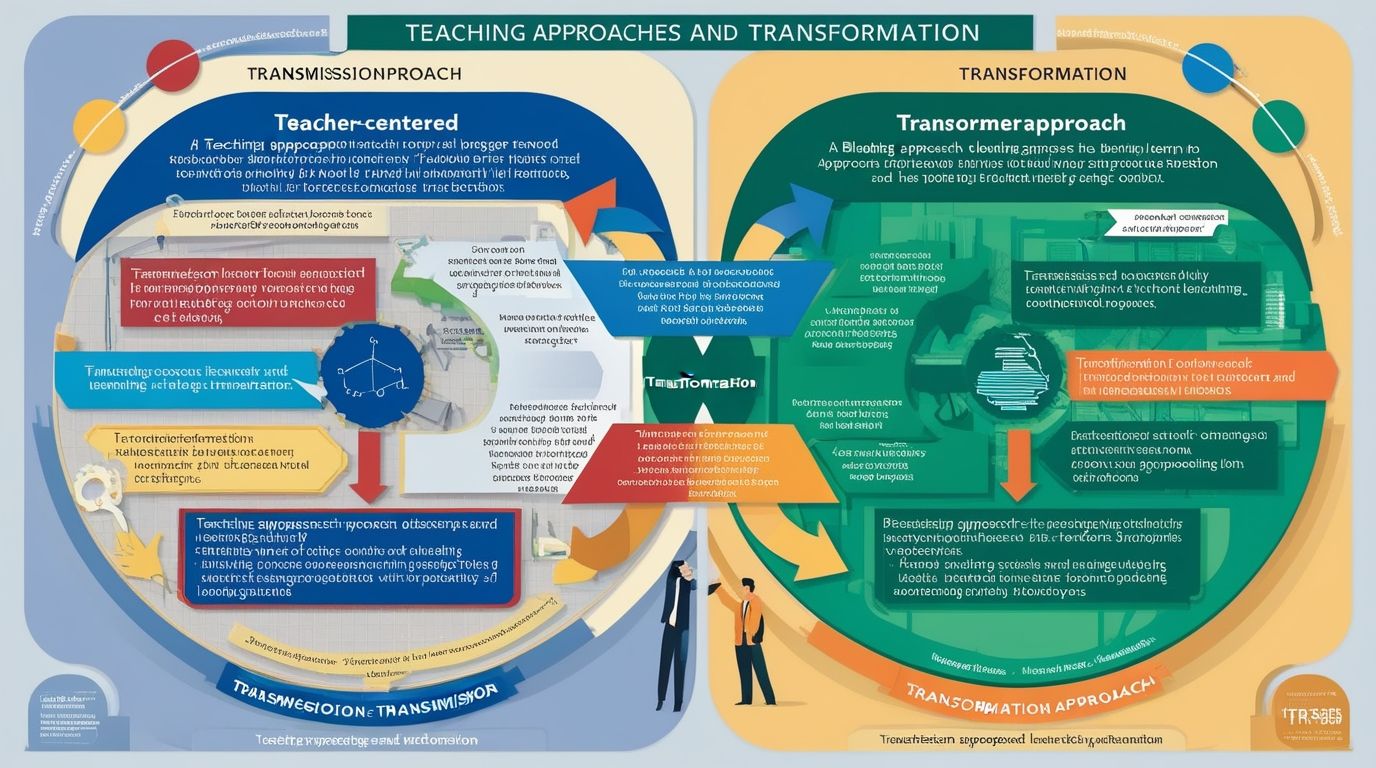
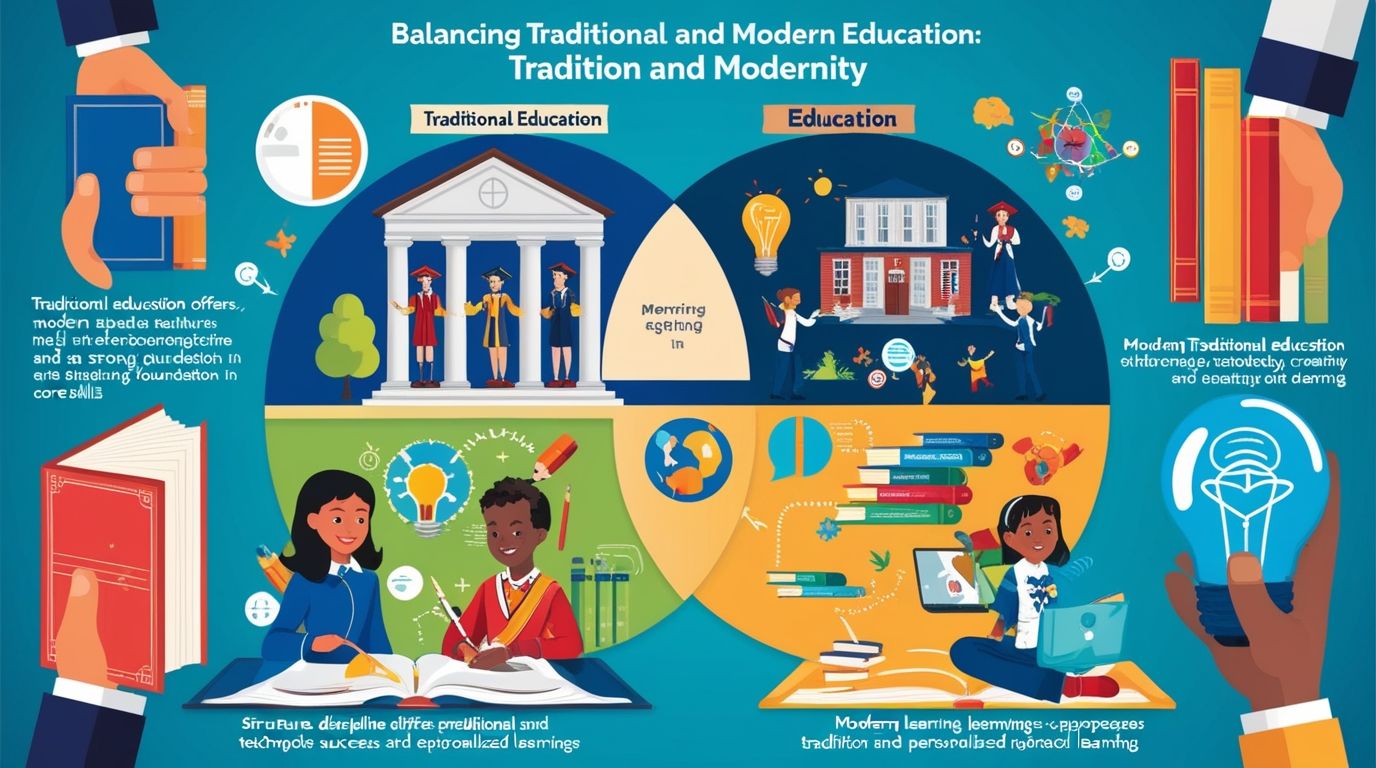
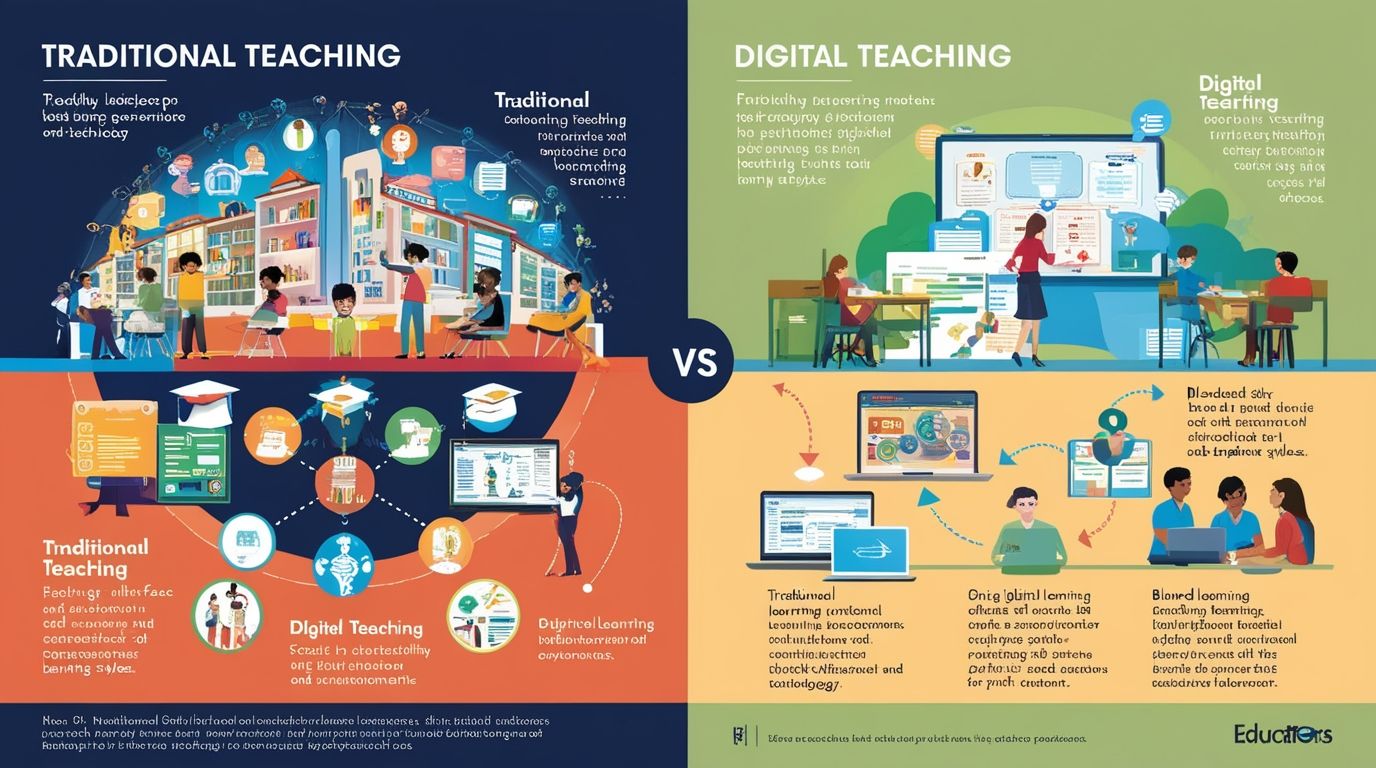
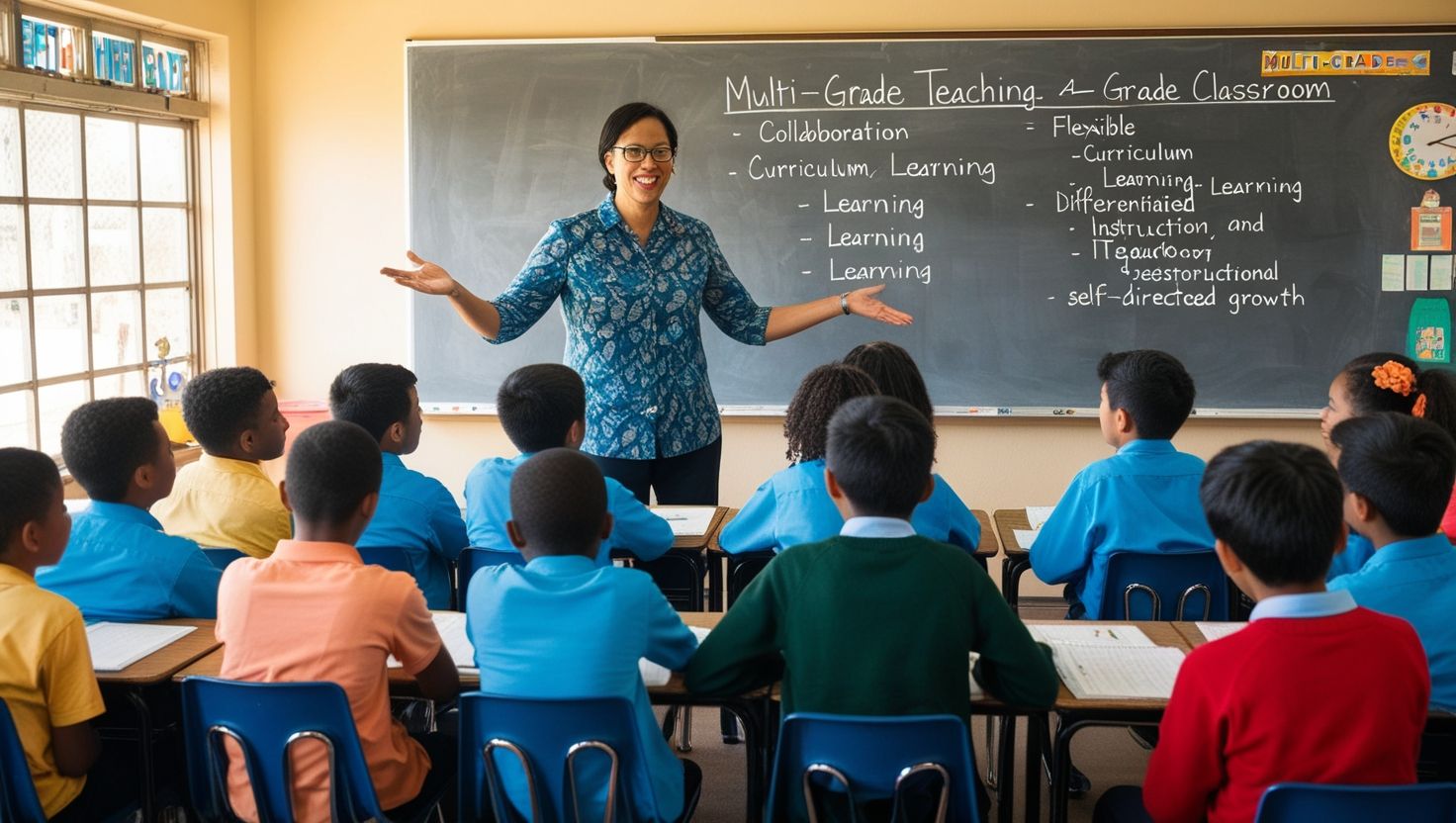
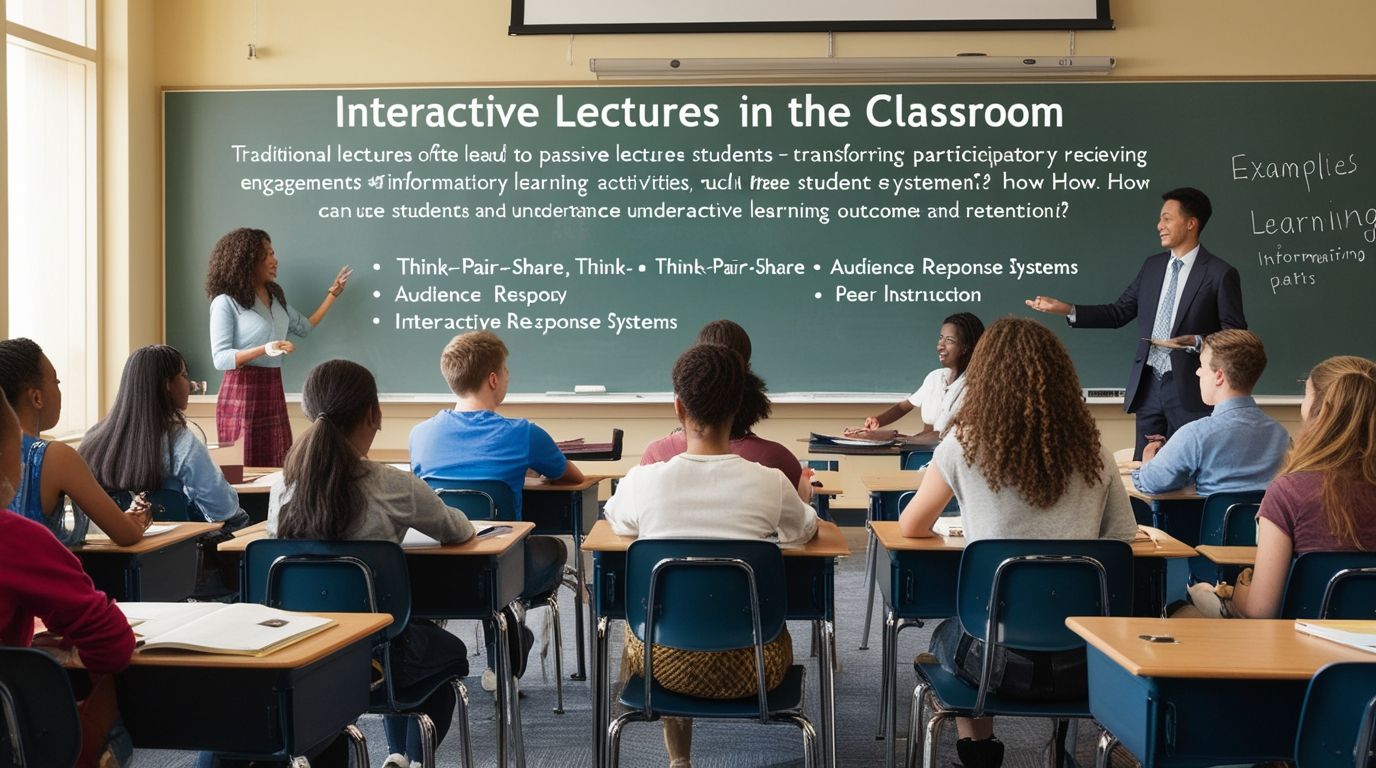
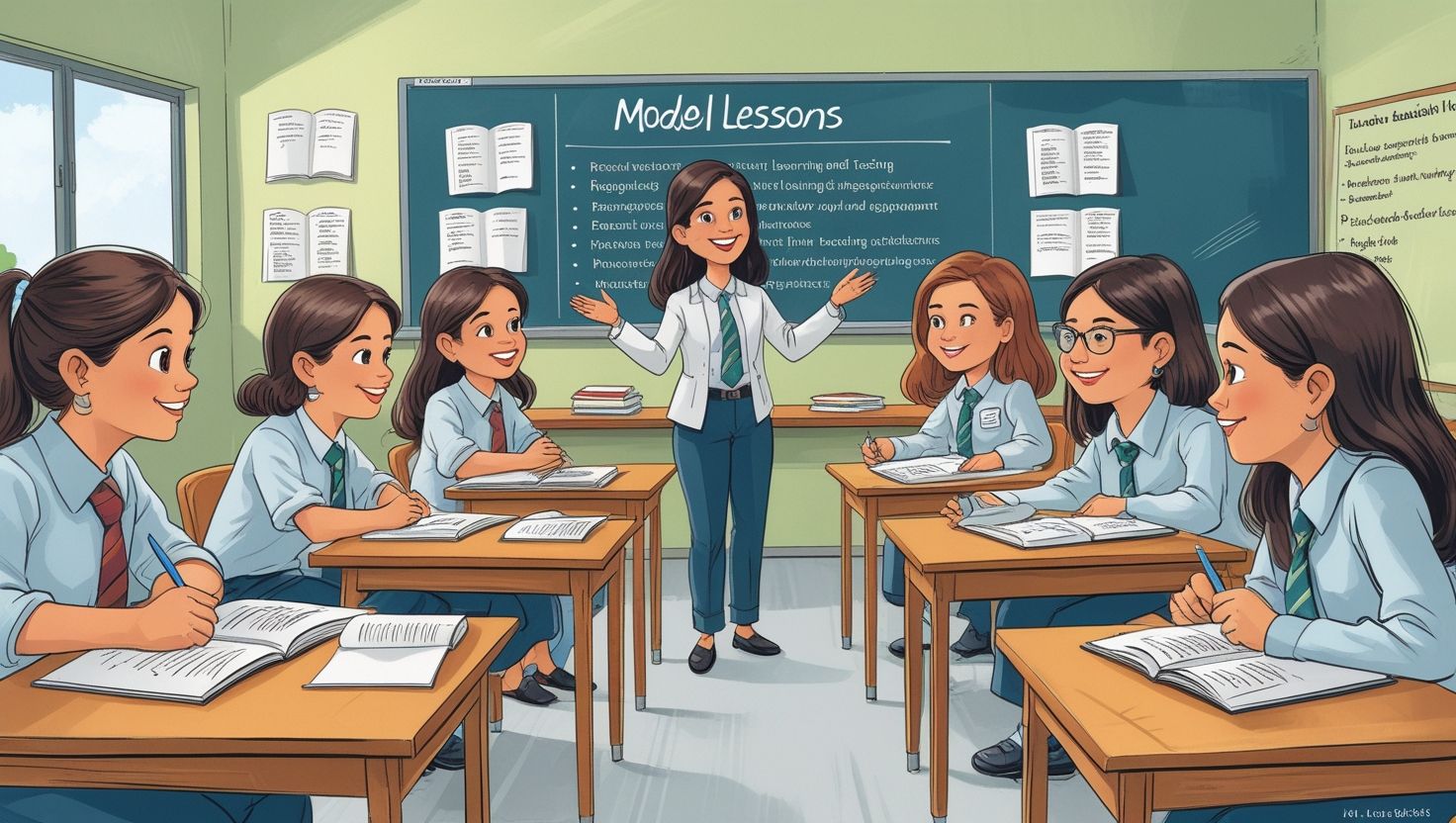
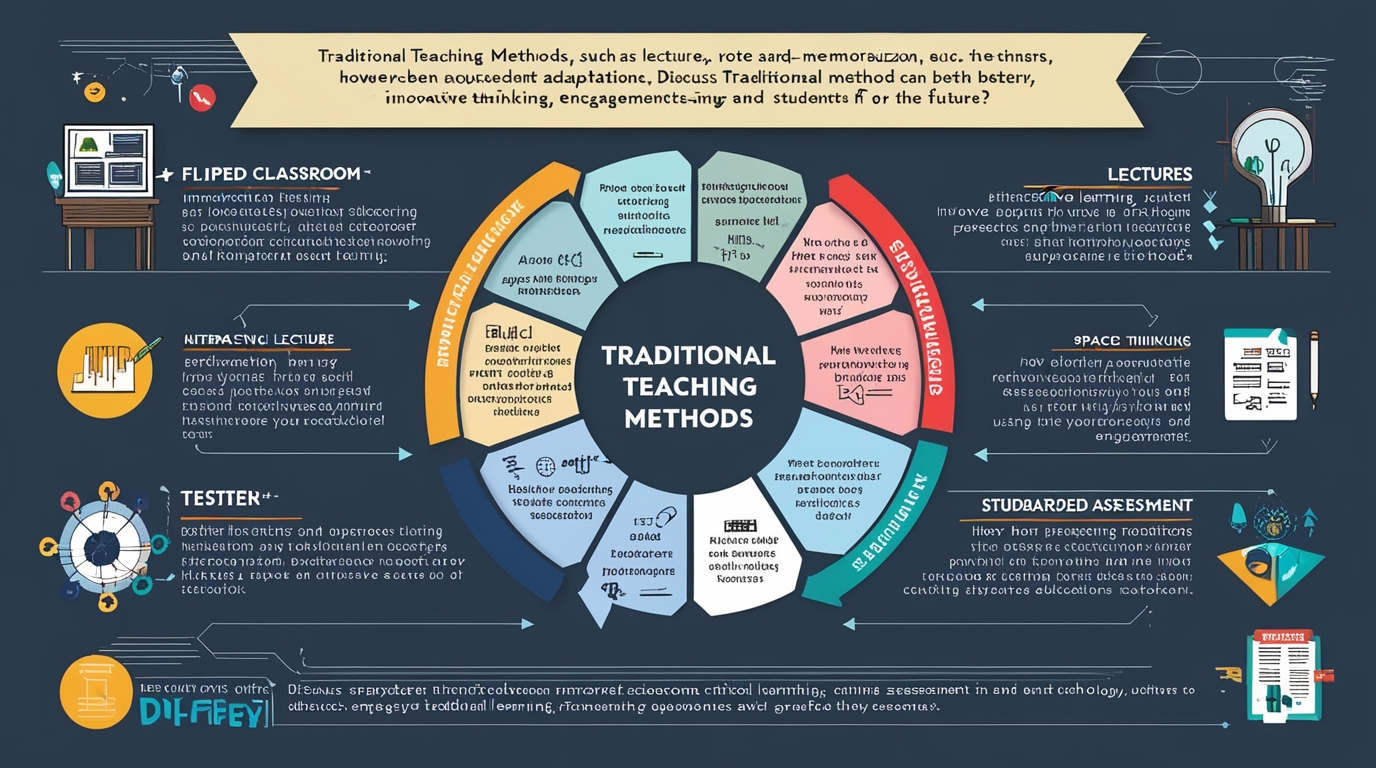
Traditional teacher-centered methods often positioned students as passive recipients of information. However, learner-centered pedagogy transforms classrooms into interactive environments where learners actively participate in constructing knowledge through inquiry, collaboration, reflection, and problem-solving. This approach recognizes that students possess diverse abilities, experiences, interests, and learning styles. Therefore, effective teaching requires flexibility, inclusivity, and responsiveness to learner needs.
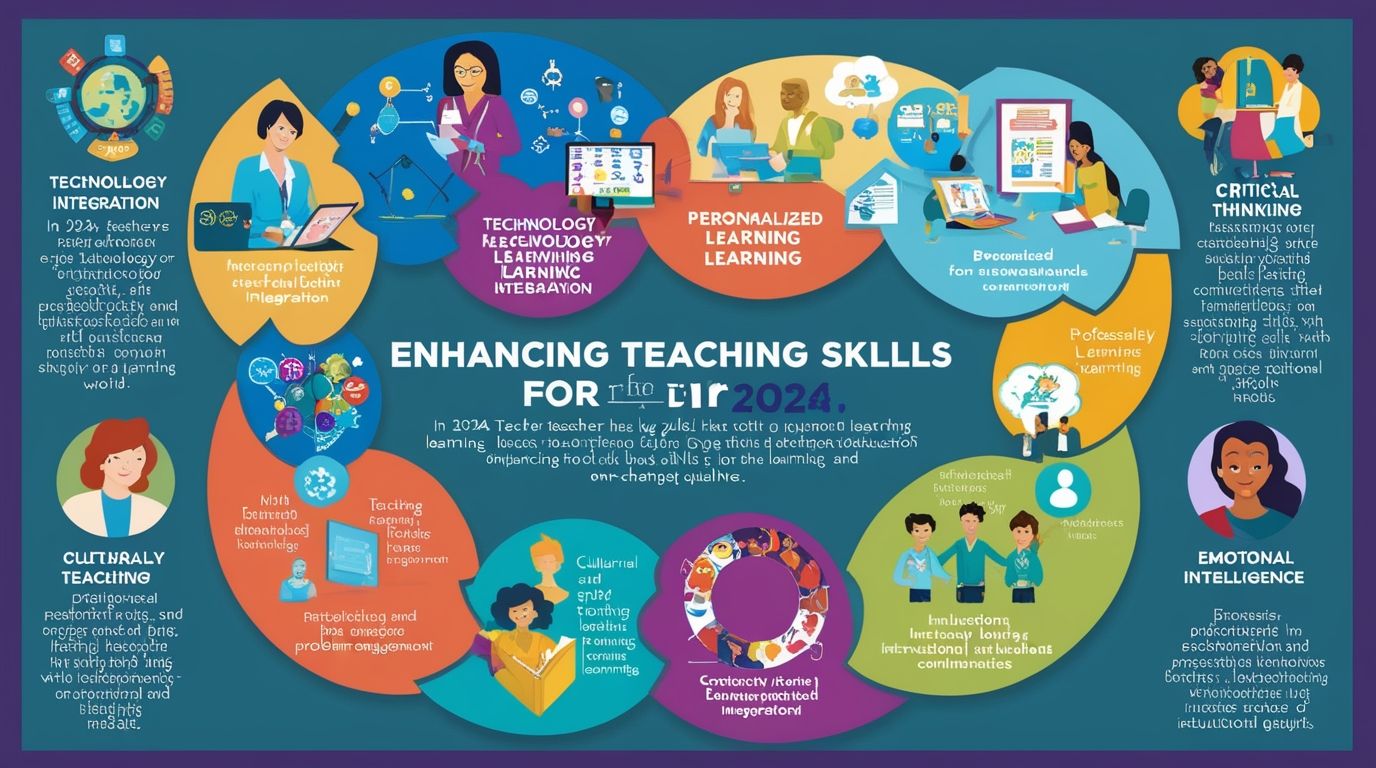
The shift toward learner-centered education has been influenced by advances in psychology, educational research, technology, and globalization. Modern educational systems increasingly emphasize personalized learning, critical thinking, and competency-based education. Teachers are now expected not only to deliver content but also to facilitate learning, motivate students, and create supportive environments that encourage intellectual and personal development.
Meaning and Concept of Effective Teaching
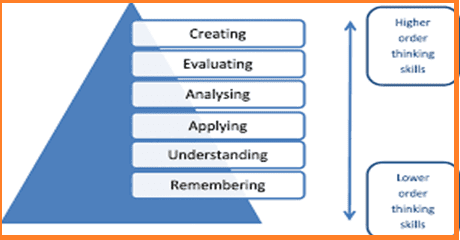
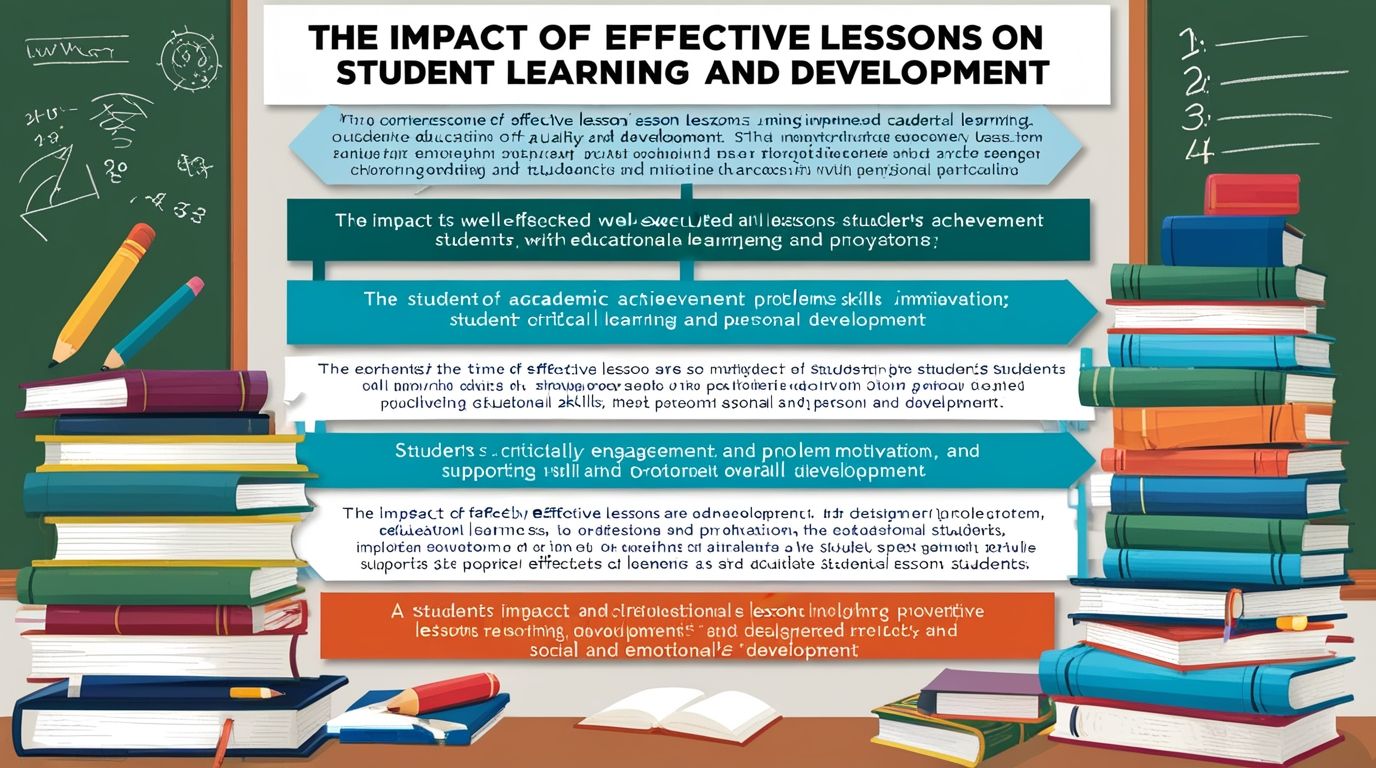
Effective teaching can be defined as the use of instructional strategies, classroom management techniques, assessment methods, and interpersonal skills that promote student learning and achievement. Effective teachers create meaningful learning experiences that help students understand concepts, apply knowledge, and develop higher-order thinking skills.
Unlike traditional approaches that focus mainly on content delivery, effective teaching involves active engagement, communication, feedback, and adaptability. Effective teachers understand the needs of their learners and select instructional methods that support diverse learning preferences. They encourage participation, maintain positive classroom relationships, and foster motivation among students.
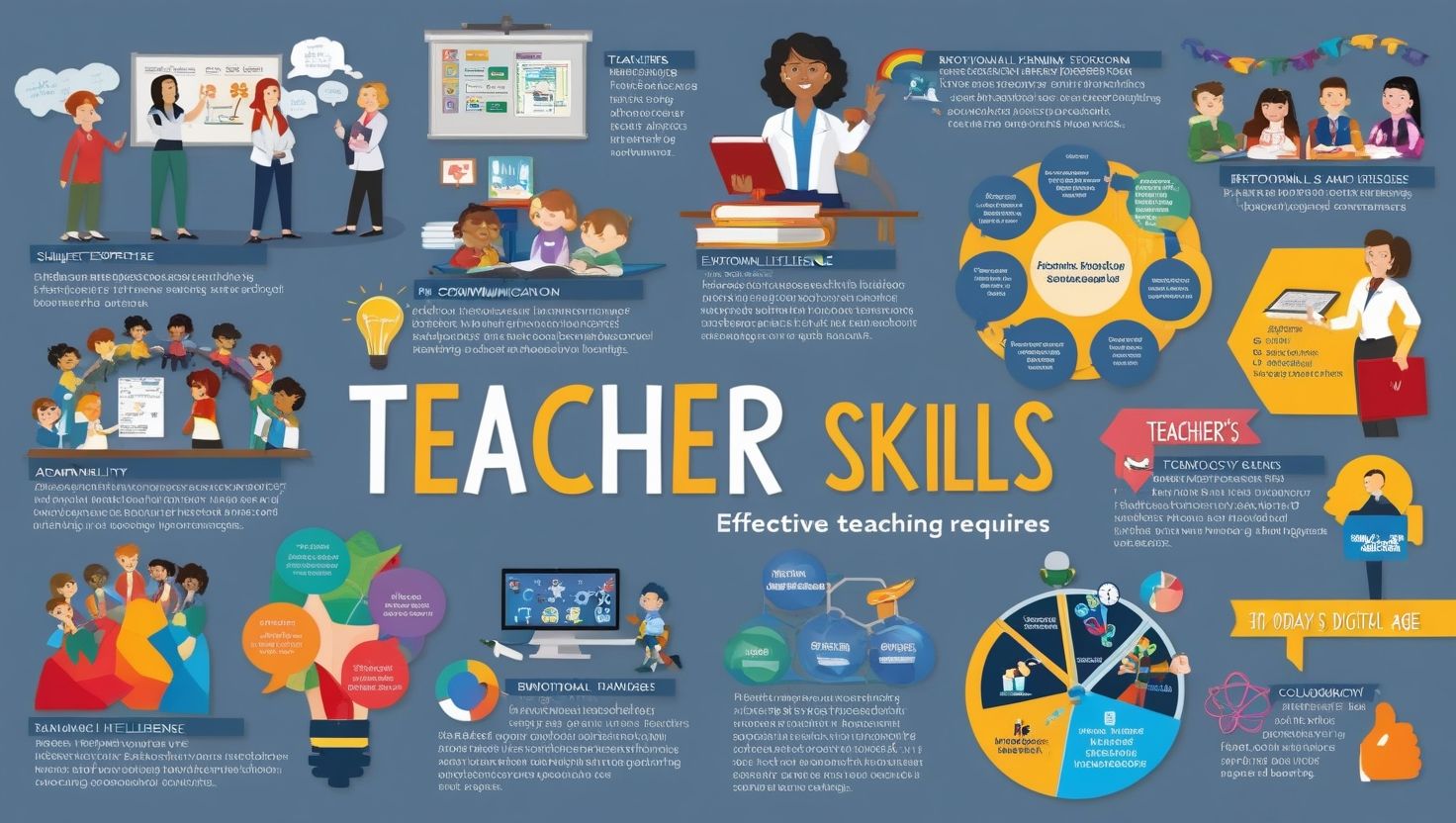
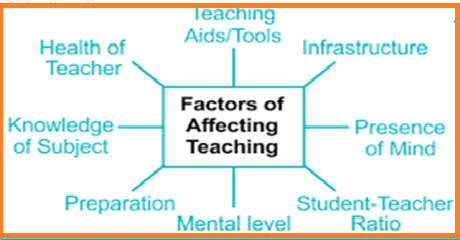
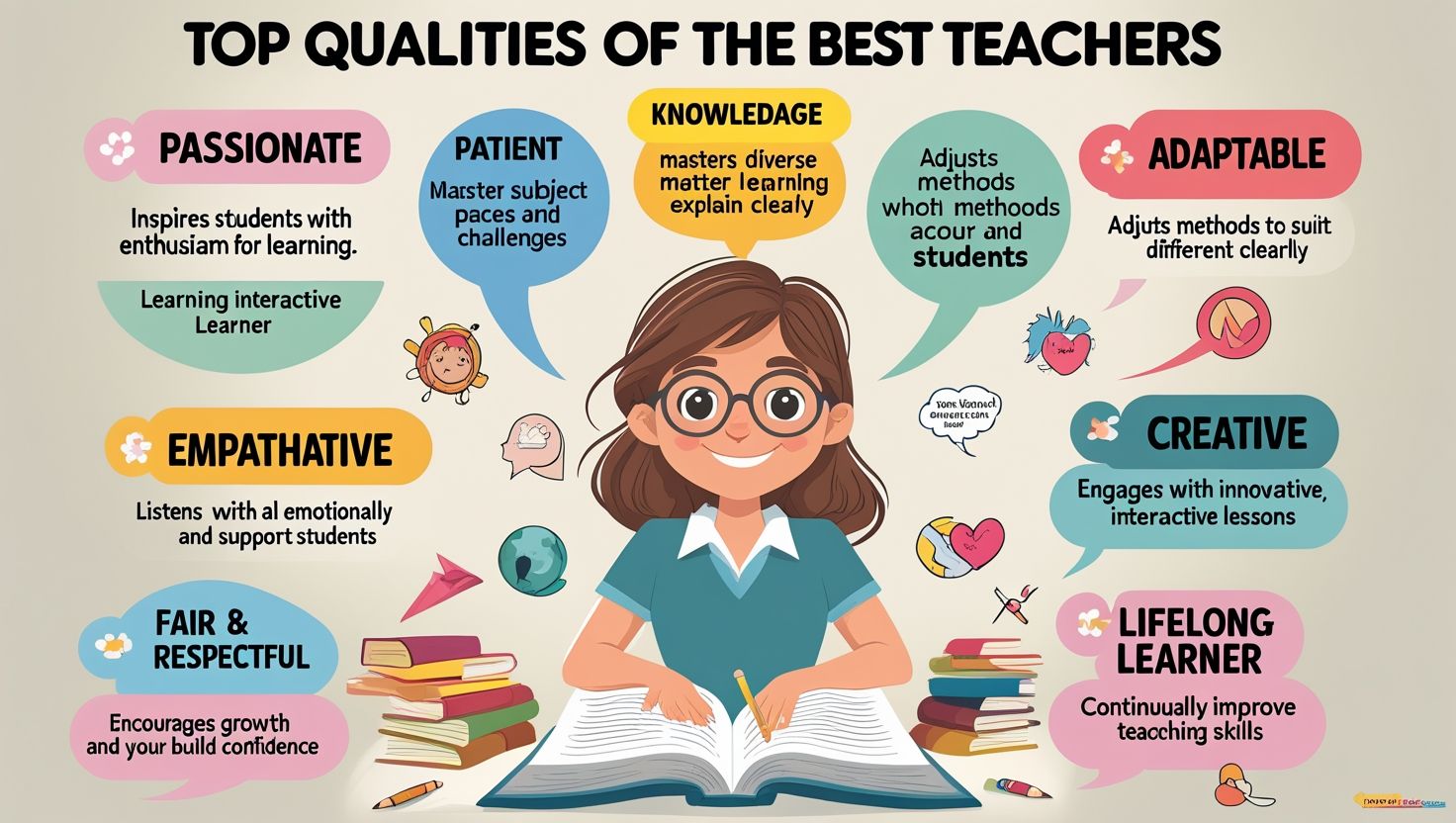
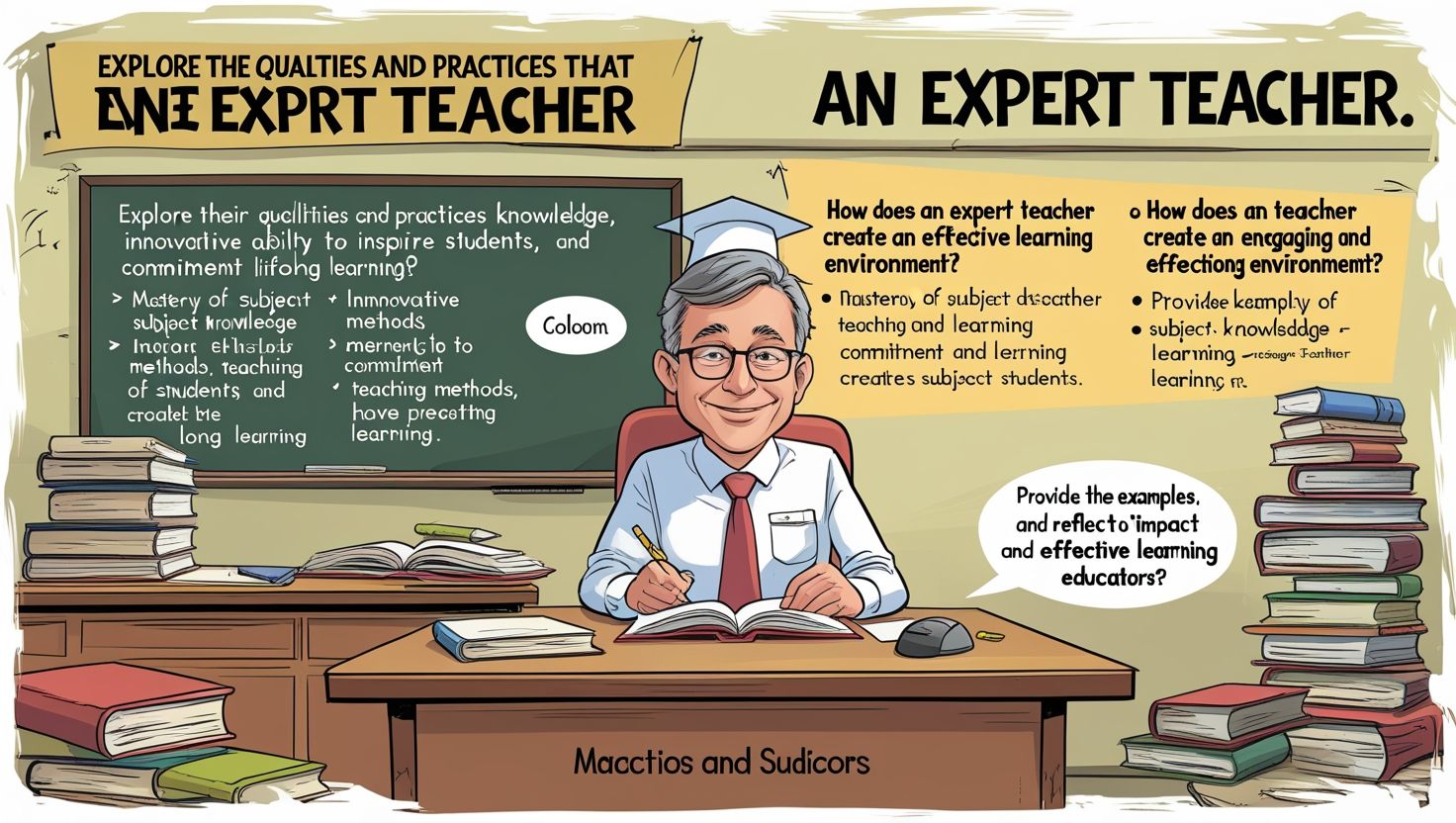
Several characteristics distinguish effective teaching. These include strong subject knowledge, clear communication, careful lesson planning, classroom organization, empathy, reflective practice, and the ability to inspire learners. Effective teaching also requires continuous professional development because educational methods and learner needs change over time.
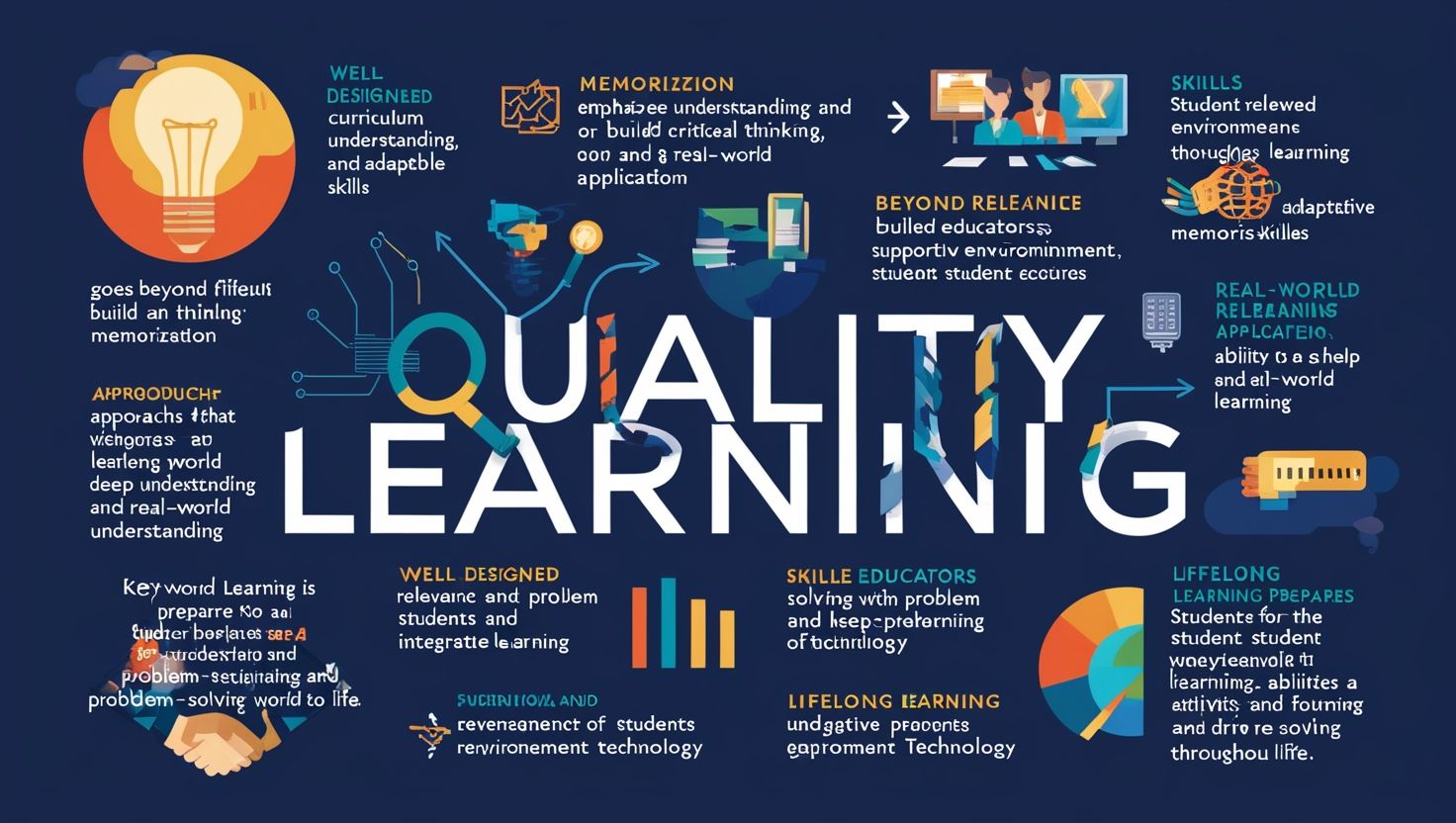
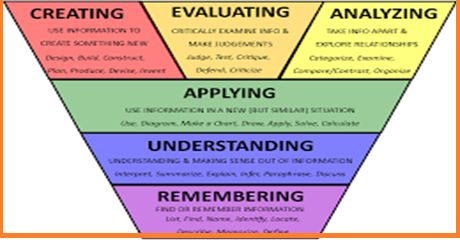
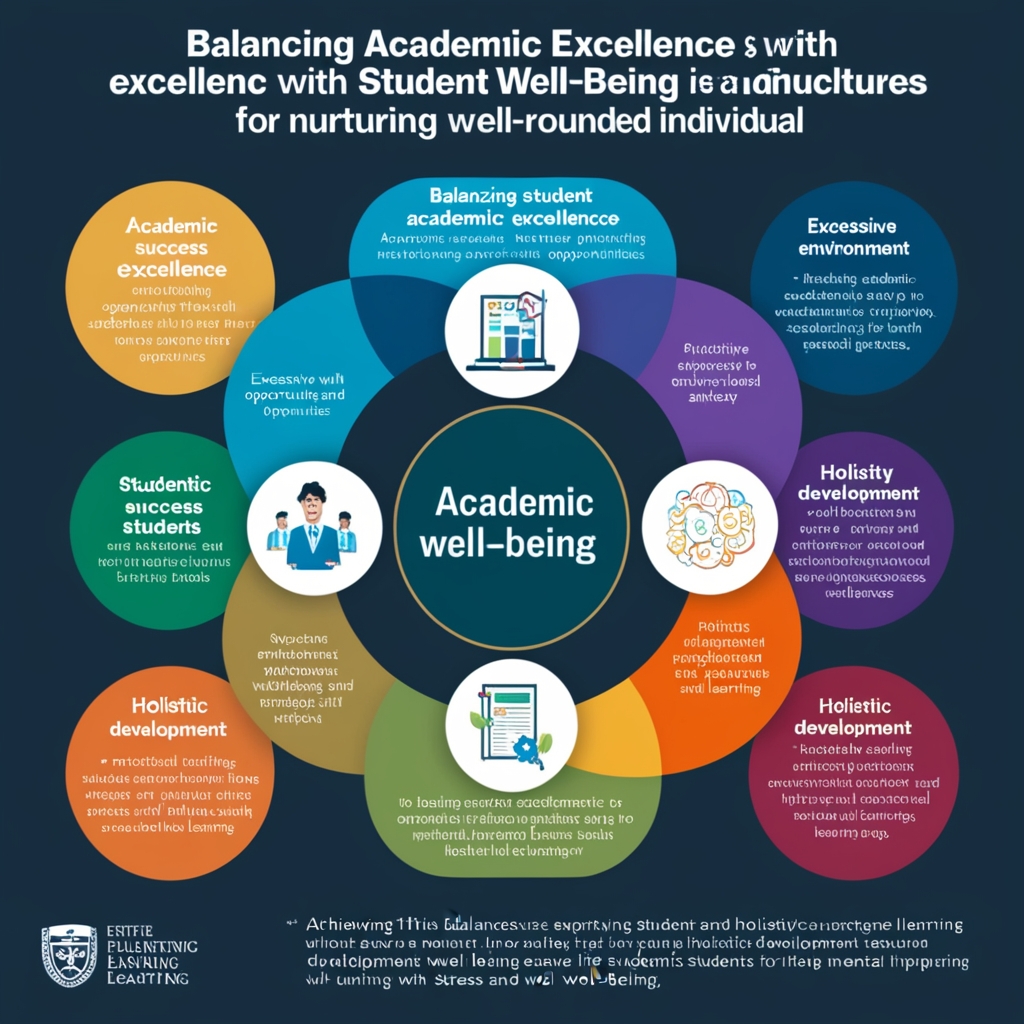
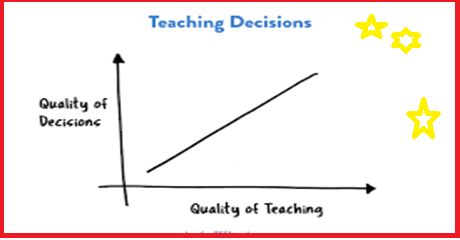
In modern education, effectiveness is often measured not only by examination performance but also by students’ ability to think critically, solve problems, collaborate with others, and apply knowledge in real-life situations. Therefore, teaching effectiveness involves both academic achievement and holistic learner development.
Understanding Learner-Centered Pedagogy
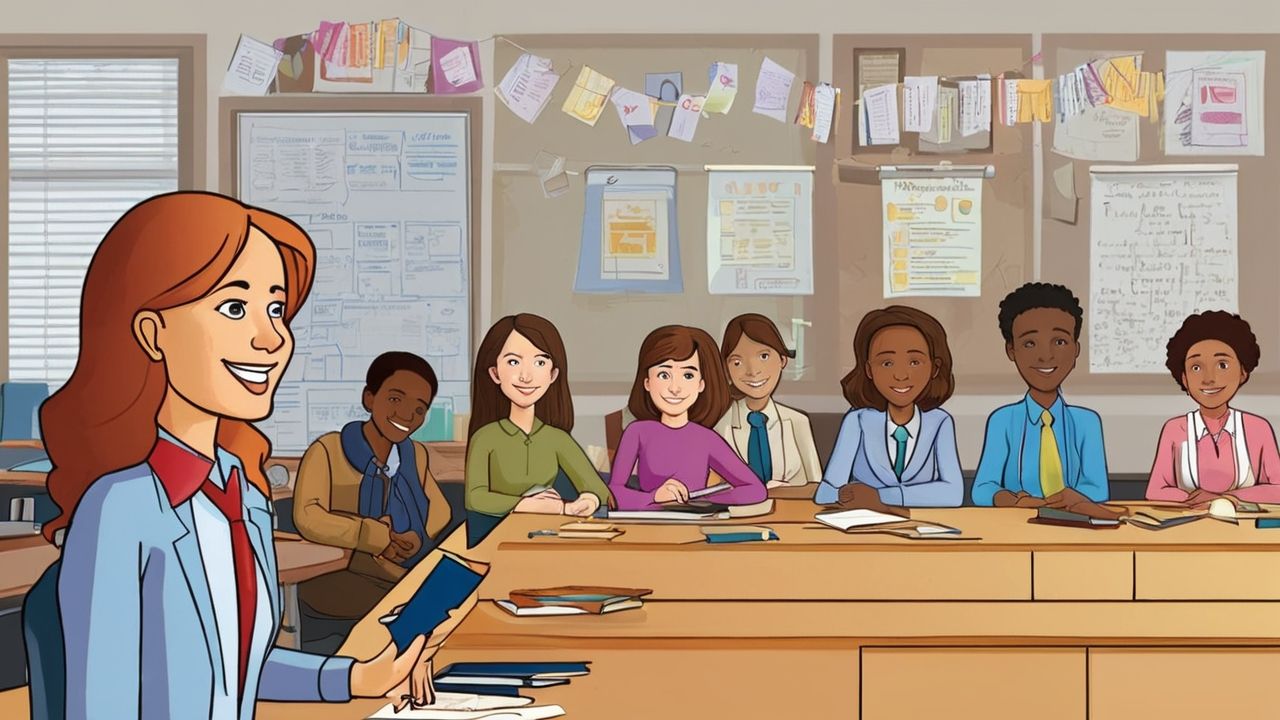
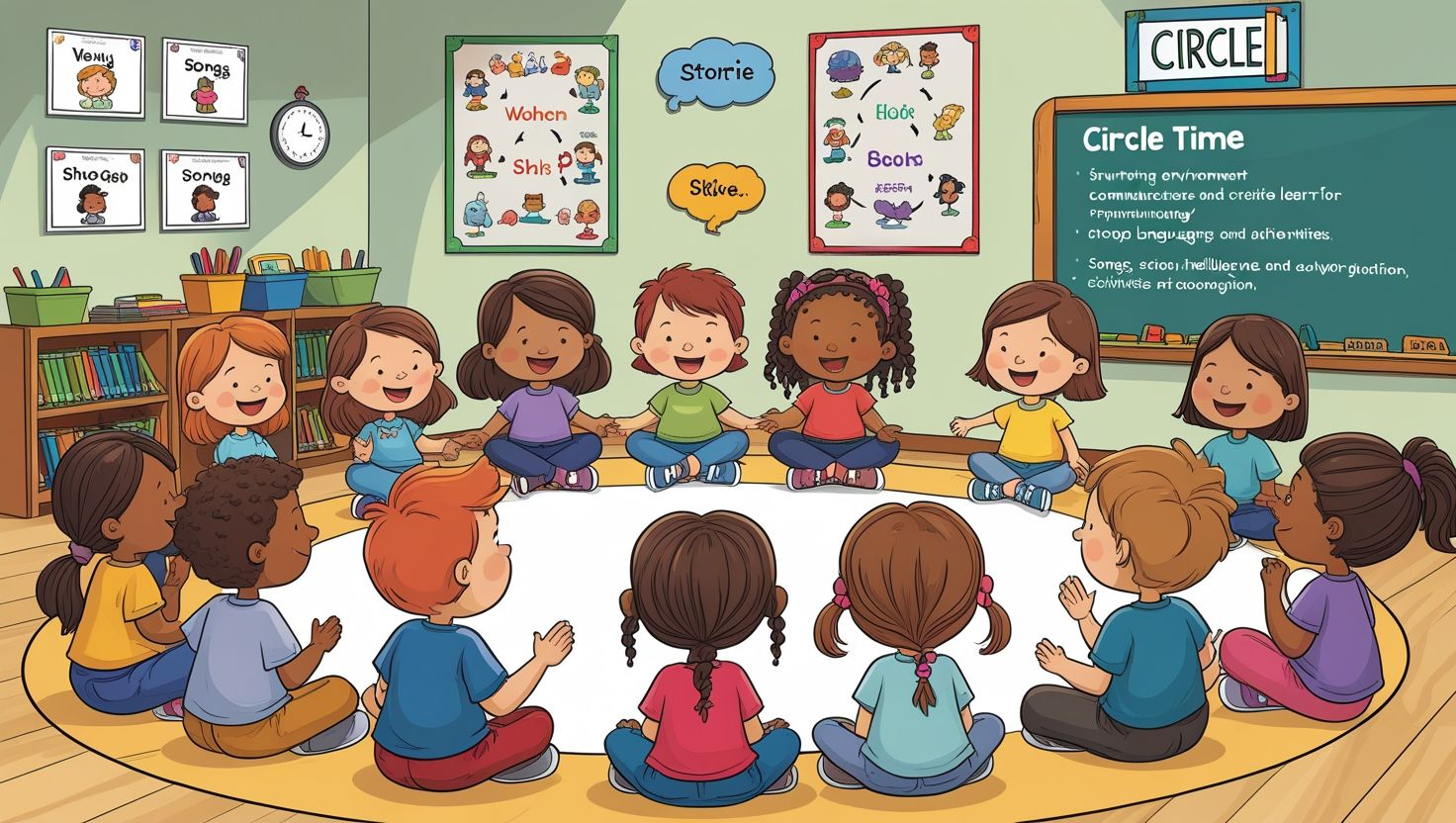
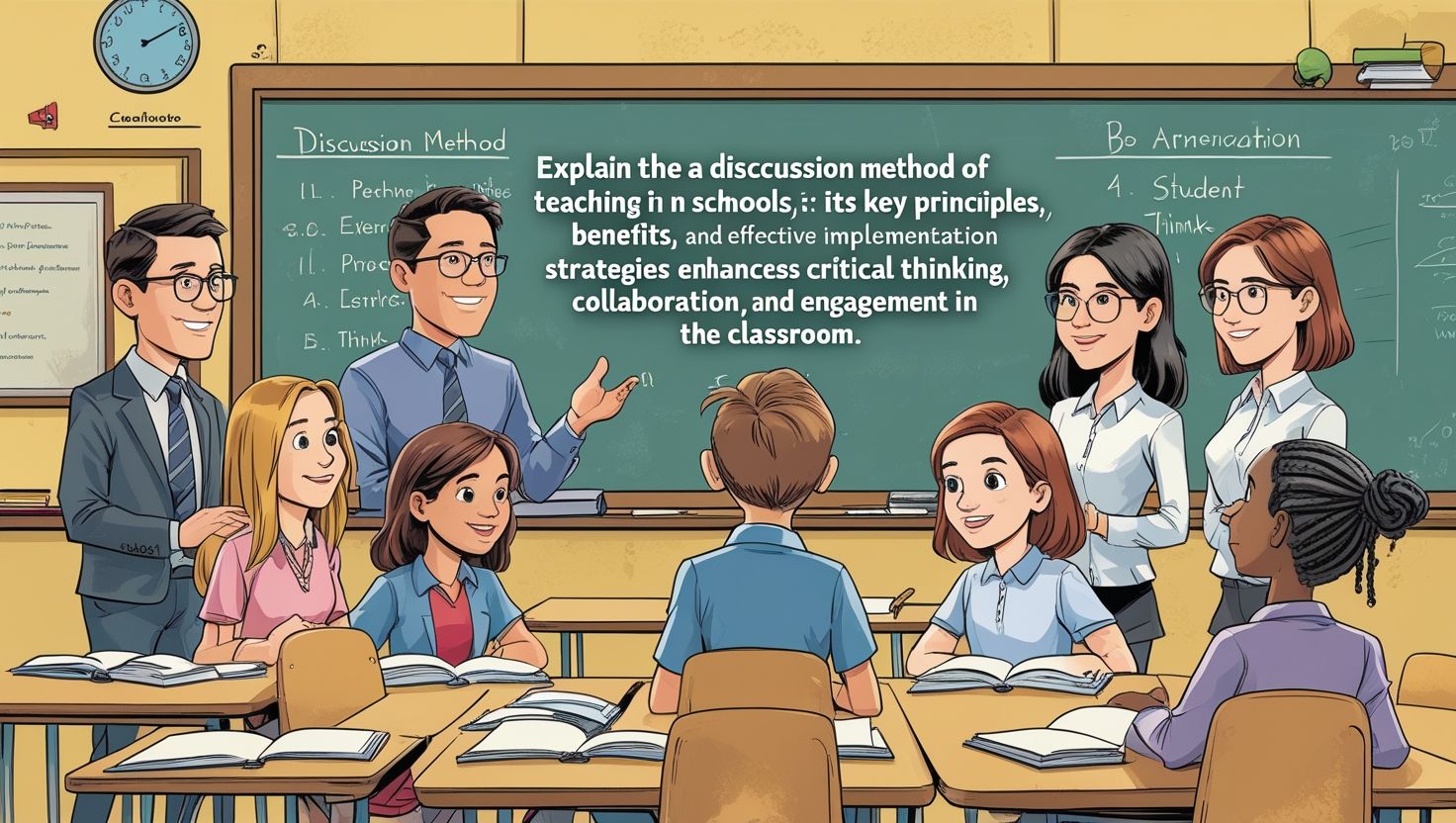
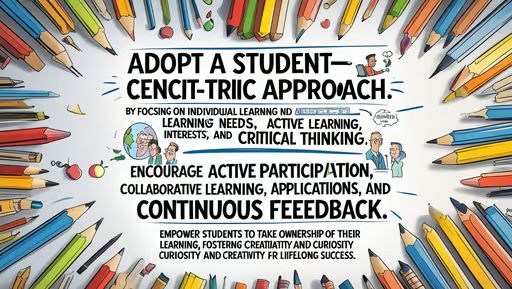
Learner-centered pedagogy is an educational approach that places students at the center of the teaching and learning process. Rather than focusing exclusively on what teachers teach, learner-centered education emphasizes how students learn. In this model, teachers act as facilitators, guides, and mentors who support learners in constructing knowledge actively.
Learner-centered pedagogy recognizes that students are not passive recipients of information but active participants with unique backgrounds, abilities, experiences, and interests. This approach encourages inquiry, collaboration, creativity, and self-directed learning. Students are given opportunities to ask questions, explore ideas, engage in discussions, and reflect on their learning experiences.
Compared with teacher-centered instruction, learner-centered pedagogy promotes greater autonomy and responsibility among learners. Students become more motivated because they are actively involved in meaningful learning activities. The classroom environment becomes interactive, democratic, and supportive of intellectual growth.
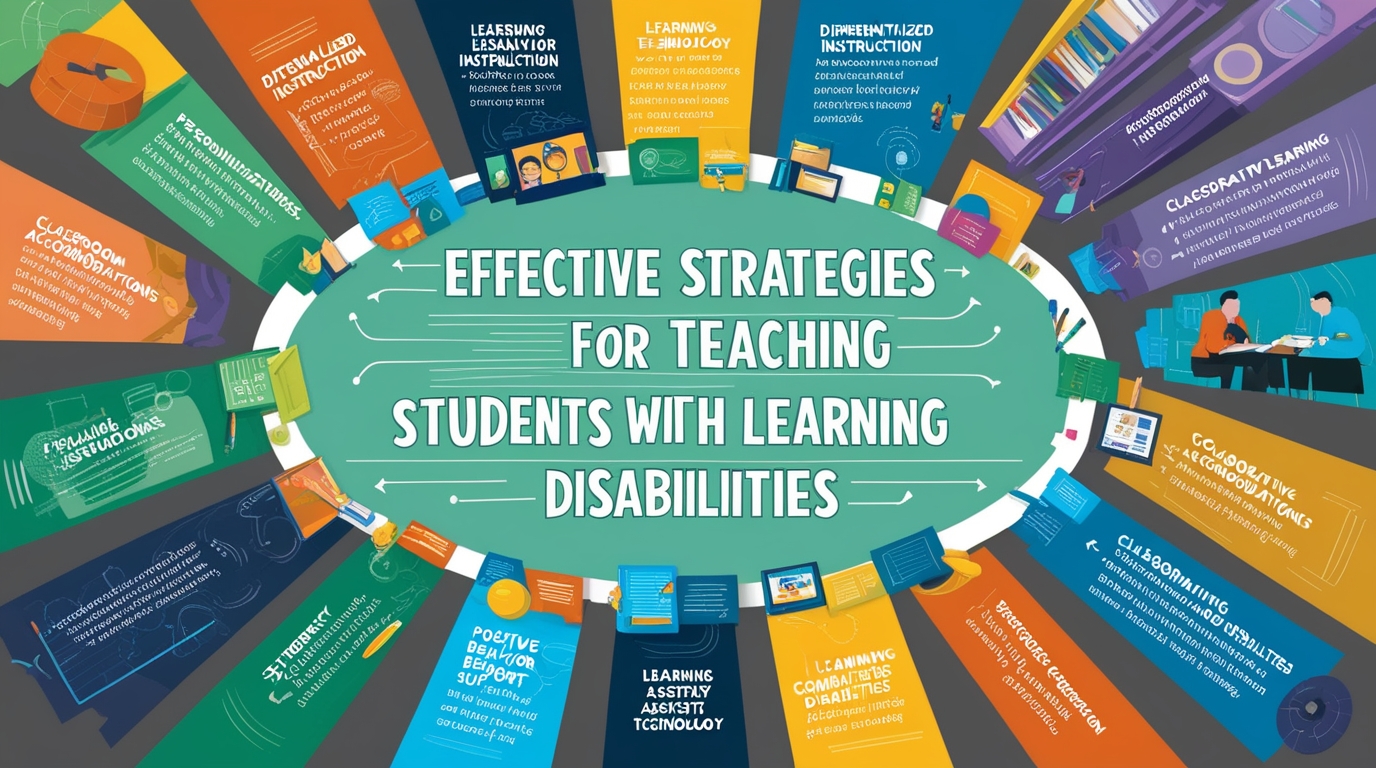
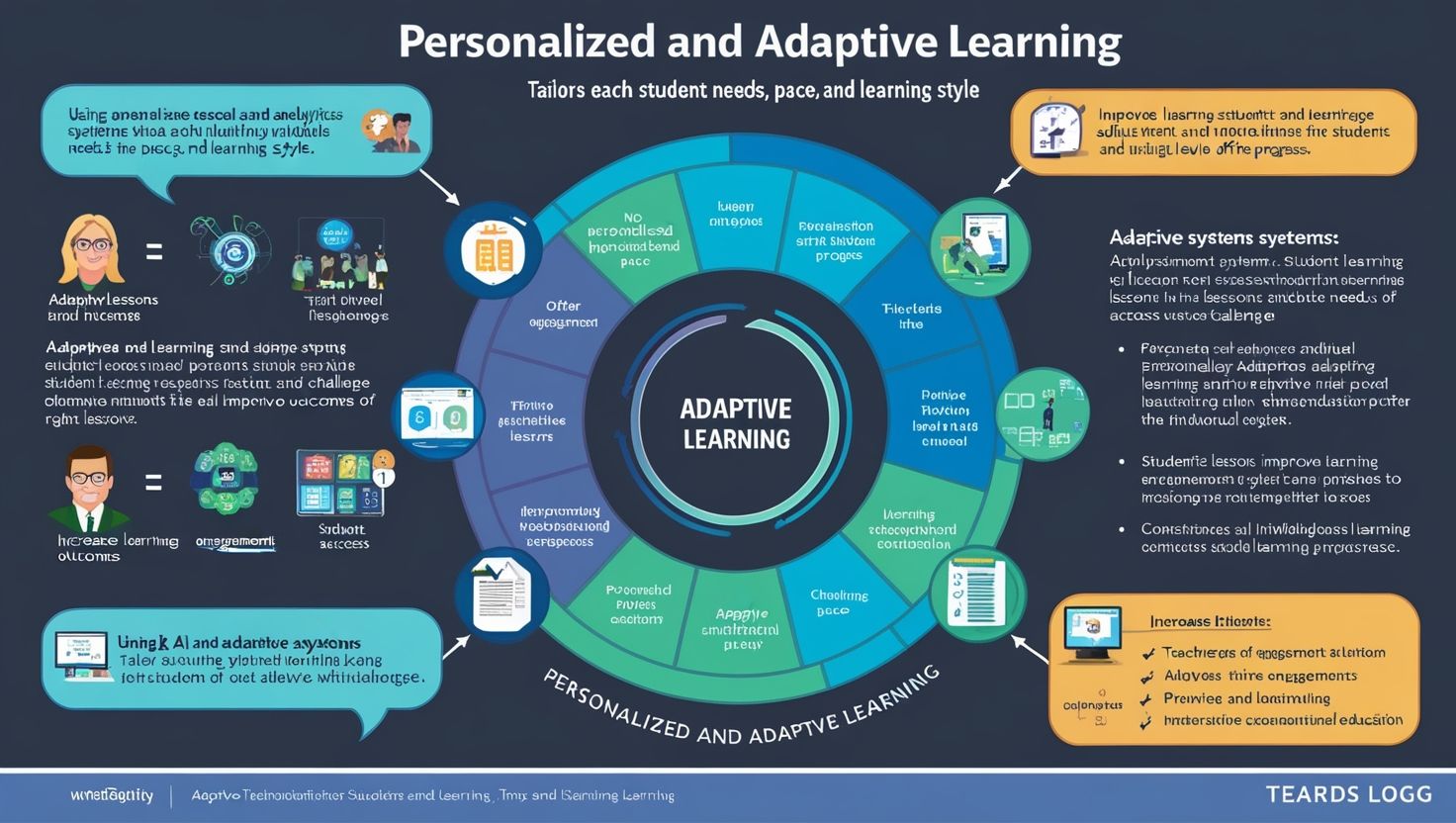
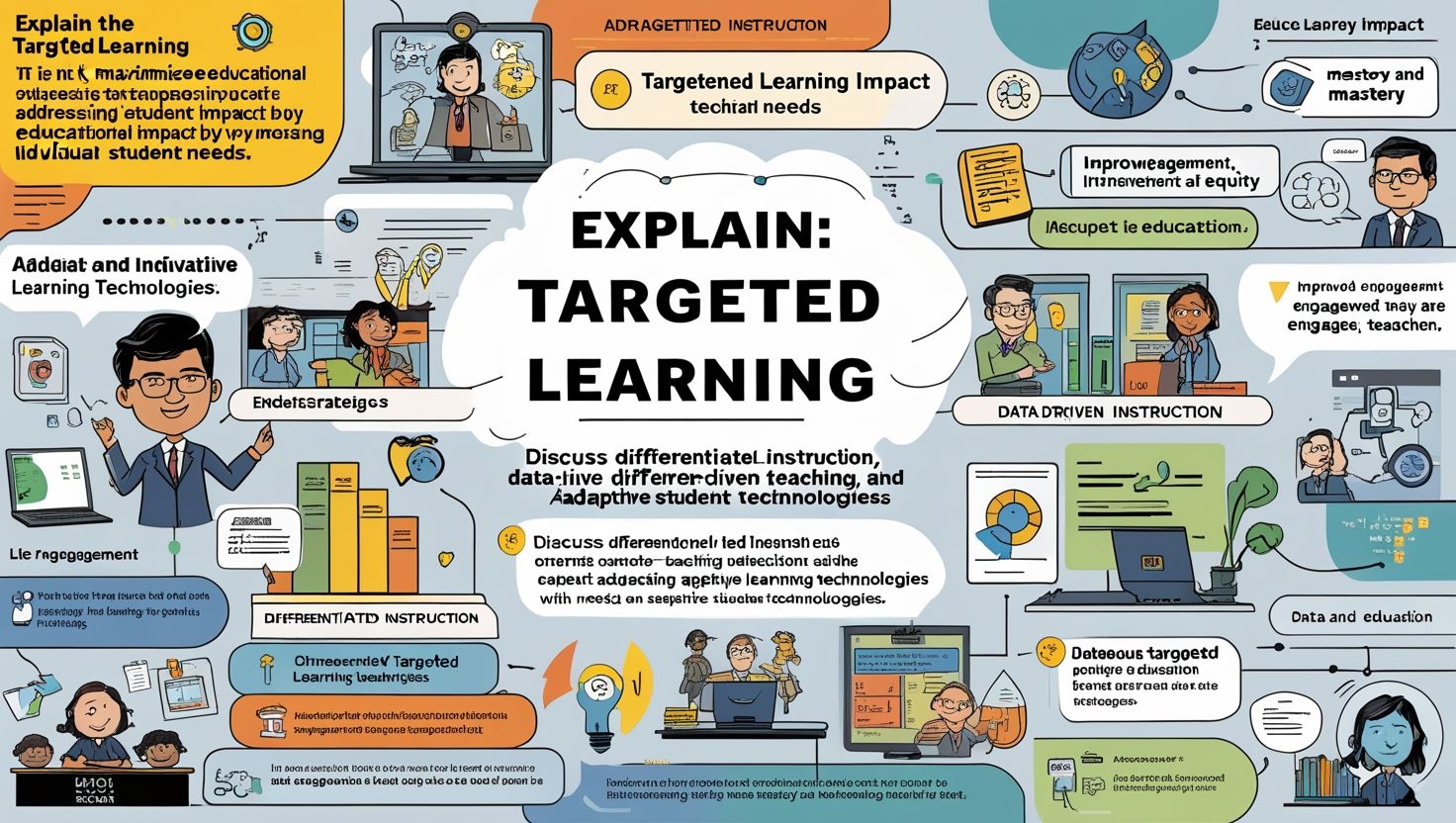
Learner-centered pedagogy also supports individualized instruction. Teachers adapt learning activities, teaching materials, and assessments according to students’ needs and abilities. This flexibility helps accommodate diverse learners, including students with different cultural backgrounds, language abilities, and learning challenges.
Theoretical Foundations of Learner-Centered Pedagogy
Several educational theories support learner-centered pedagogy. Constructivism, developed by theorists such as Jean Piaget and Lev Vygotsky, is one of the most influential foundations. Constructivist theory argues that learners actively construct knowledge through interaction, experience, and reflection rather than passively receiving information.
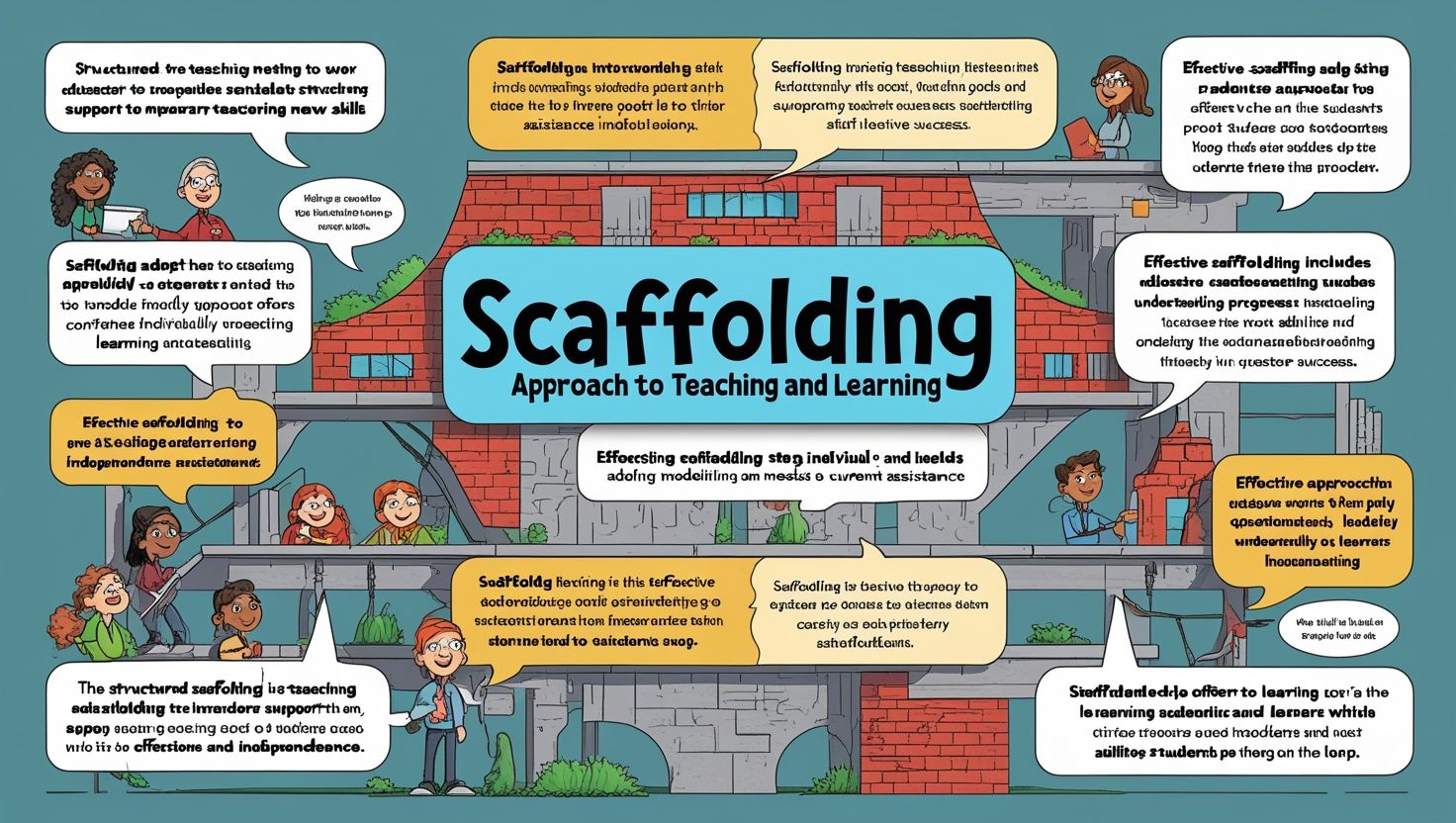
Piaget emphasized cognitive development and the importance of active exploration in learning. According to Piaget, learners develop understanding by interacting with their environment and reorganizing knowledge structures. Vygotsky, on the other hand, emphasized the social dimension of learning. His concept of the “Zone of Proximal Development” explains how learners can achieve higher levels of understanding through guidance and collaboration.
Humanistic educational theories also support learner-centered approaches. Humanistic educators such as Carl Rogers argued that education should focus on the whole person, including emotional, social, and intellectual development. Learners should feel respected, valued, and motivated in supportive educational environments.
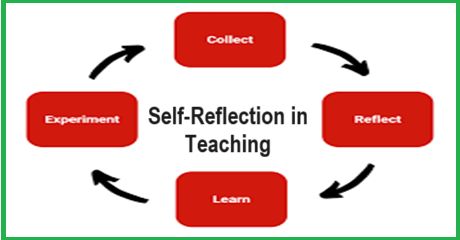
Experiential learning theory developed by David Kolb further reinforces learner-centered pedagogy. Kolb proposed that learning occurs through concrete experiences, reflection, conceptualization, and experimentation. This theory highlights the importance of active participation and real-world learning experiences.
Characteristics of Effective Learner-Centered Teaching
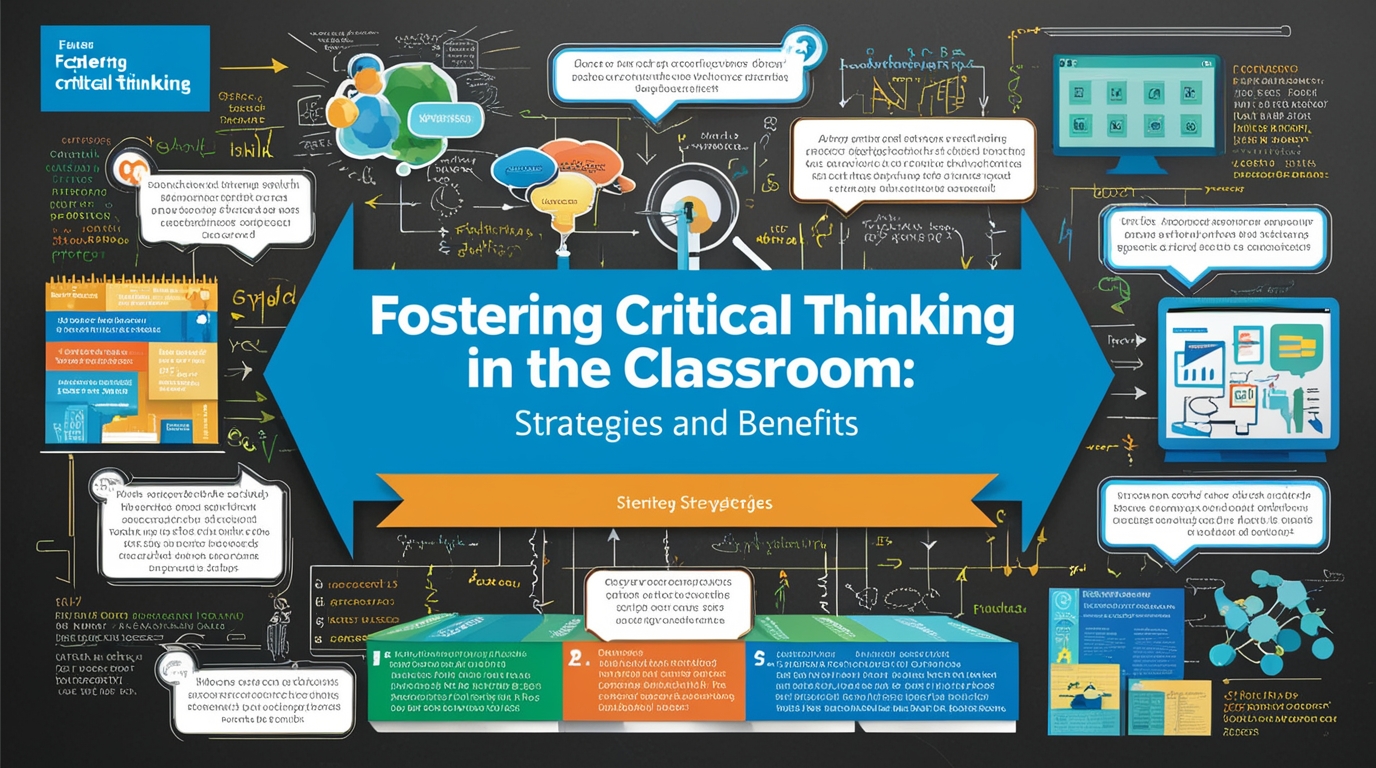
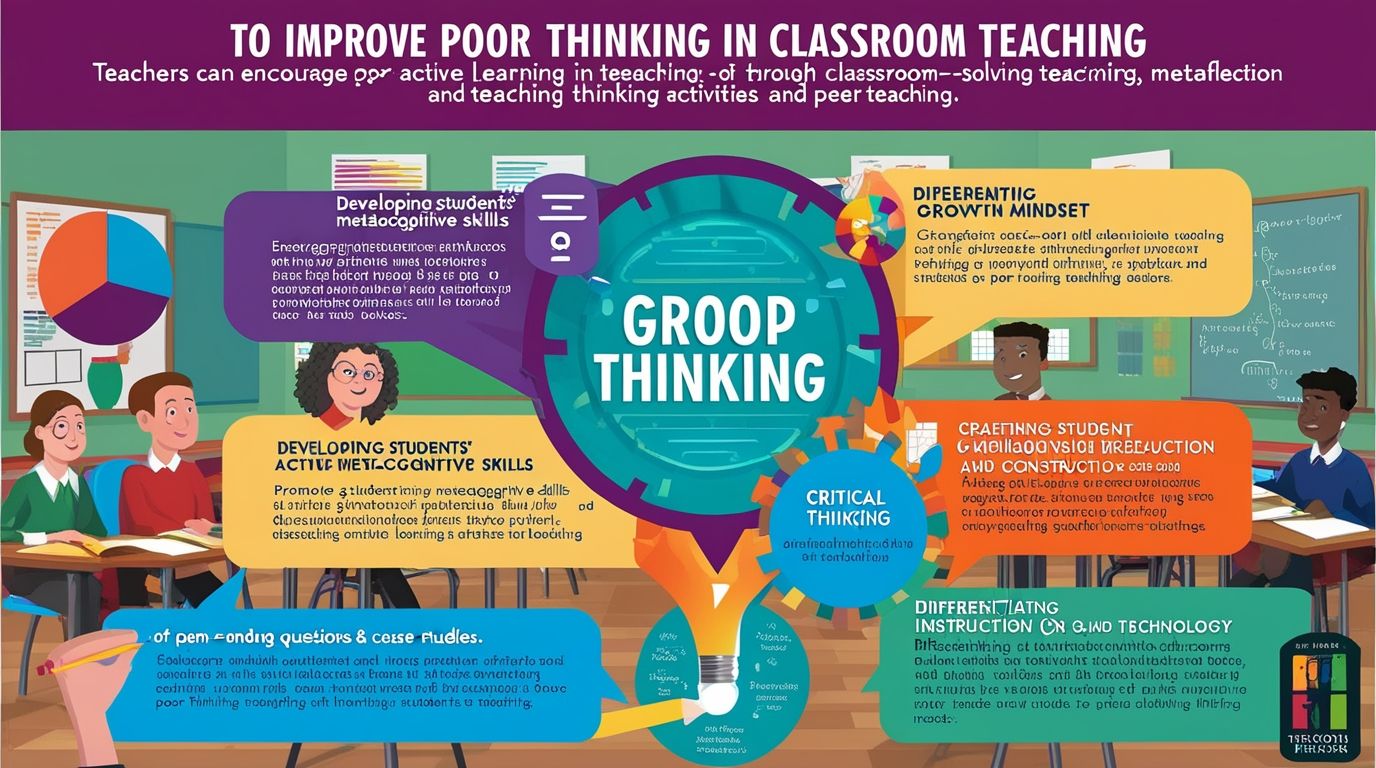
Effective learner-centered teaching involves several essential characteristics. First, it promotes active learning. Students engage in discussions, projects, experiments, and collaborative tasks rather than passively listening to lectures. Active participation improves understanding, retention, and critical thinking.
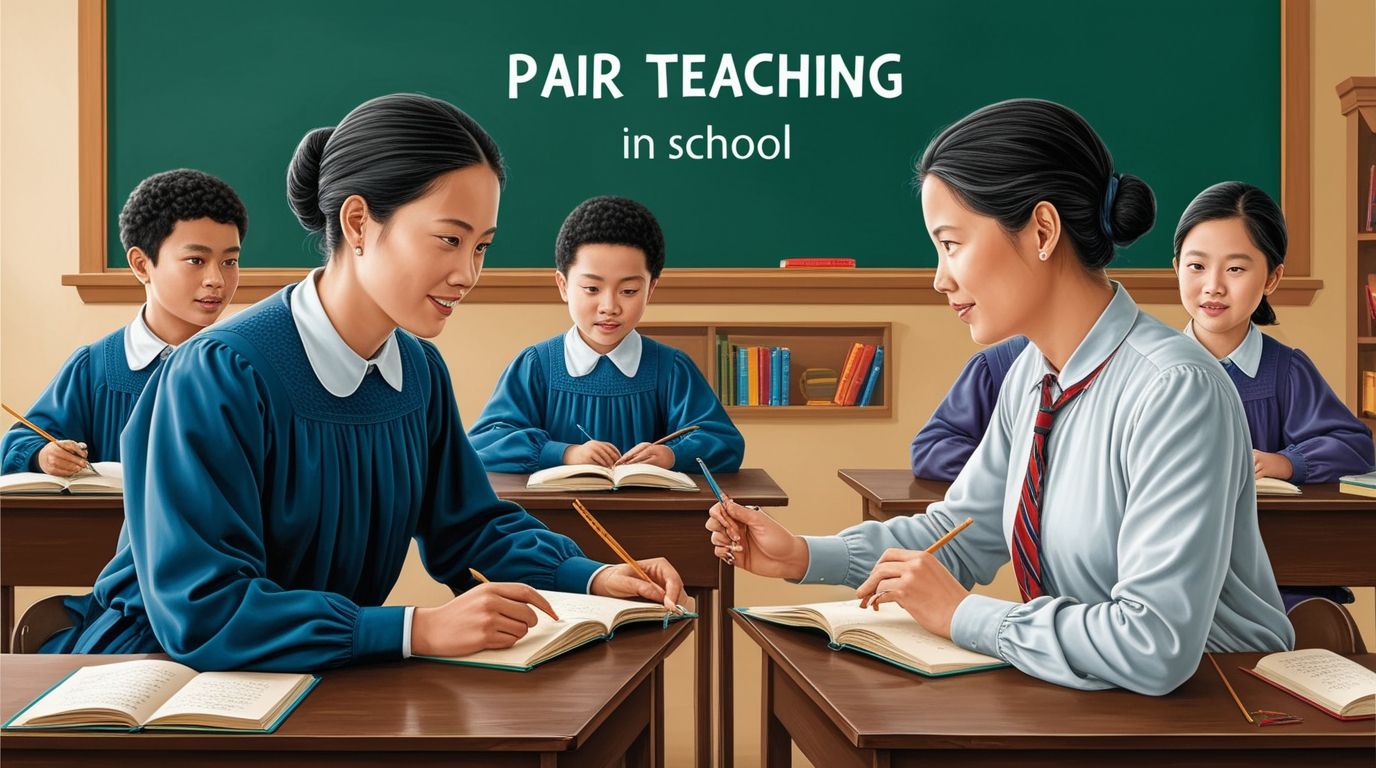
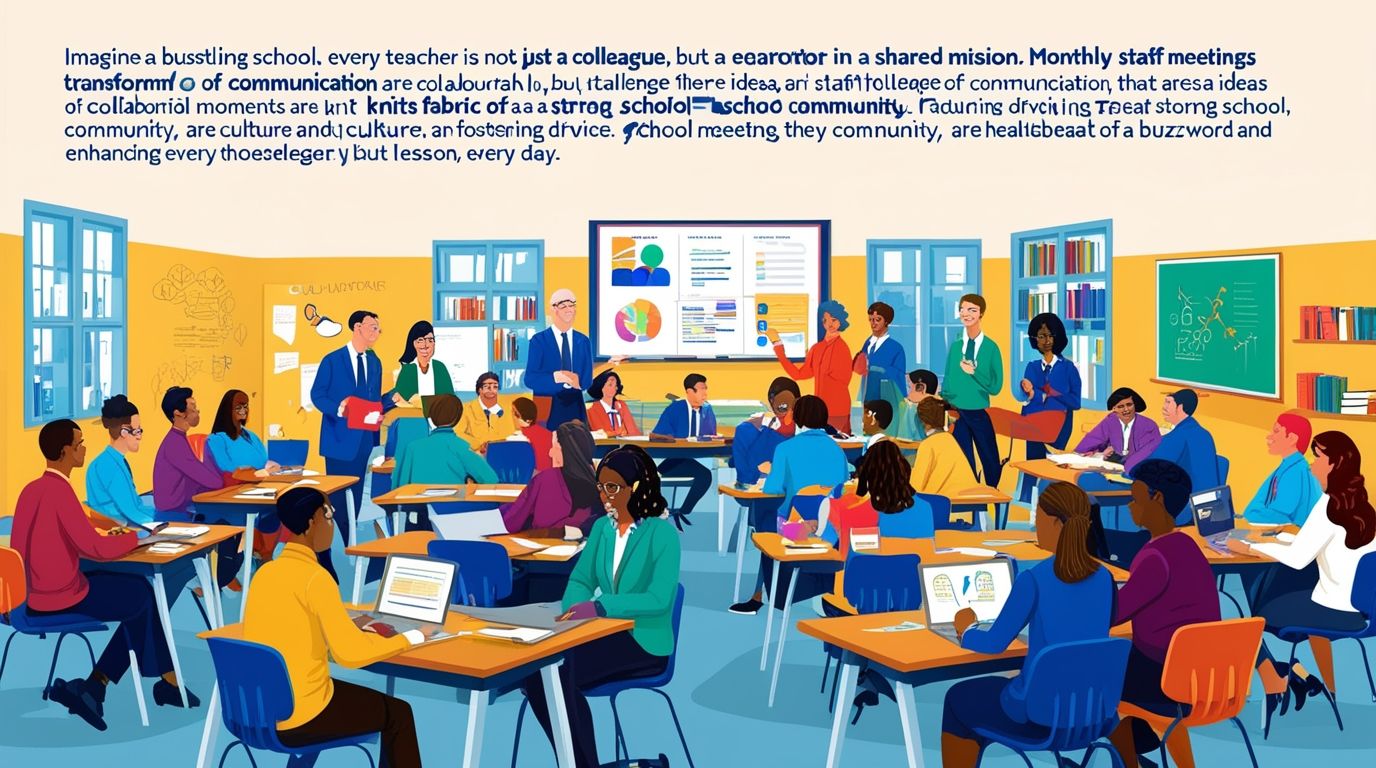
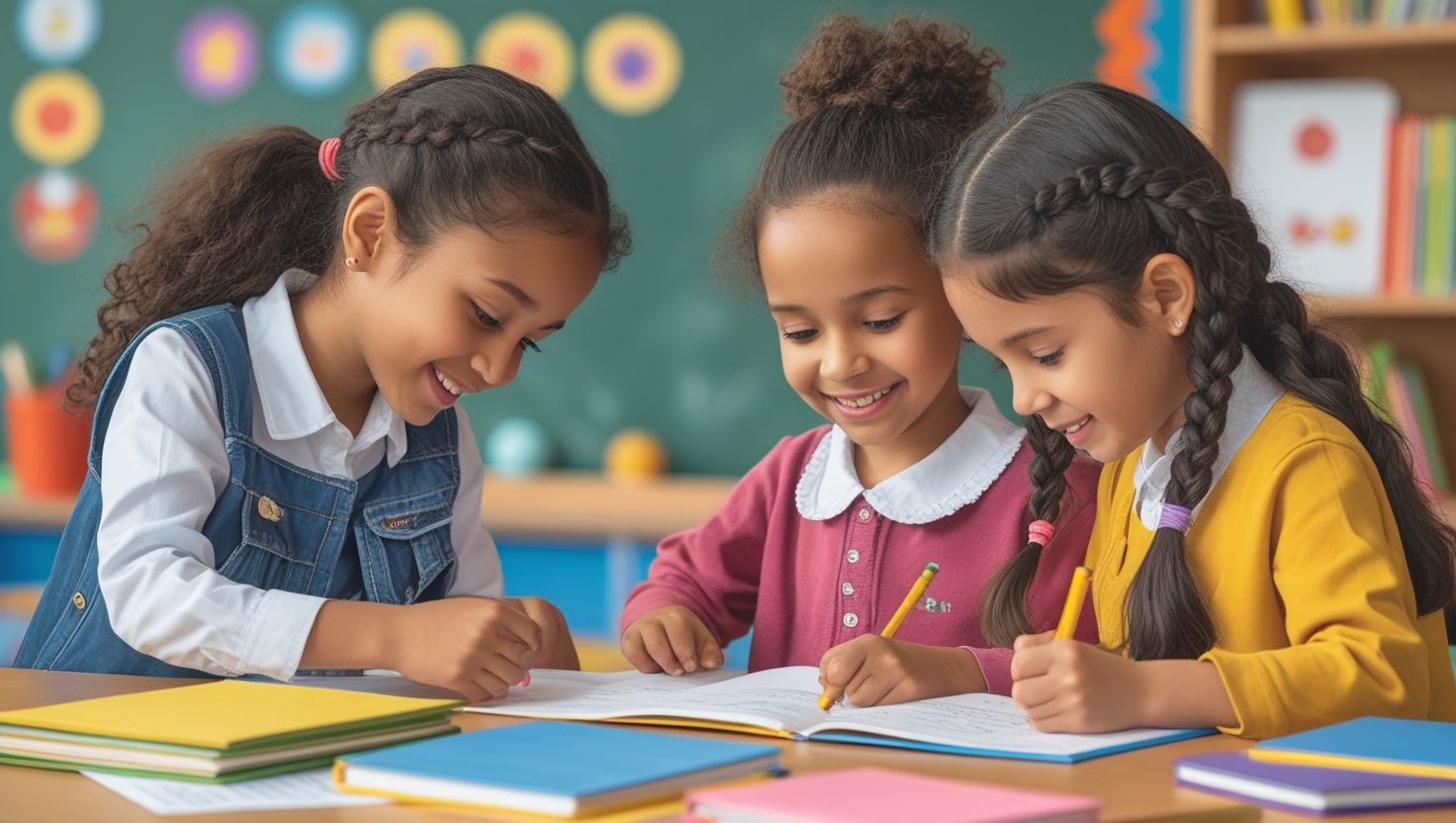
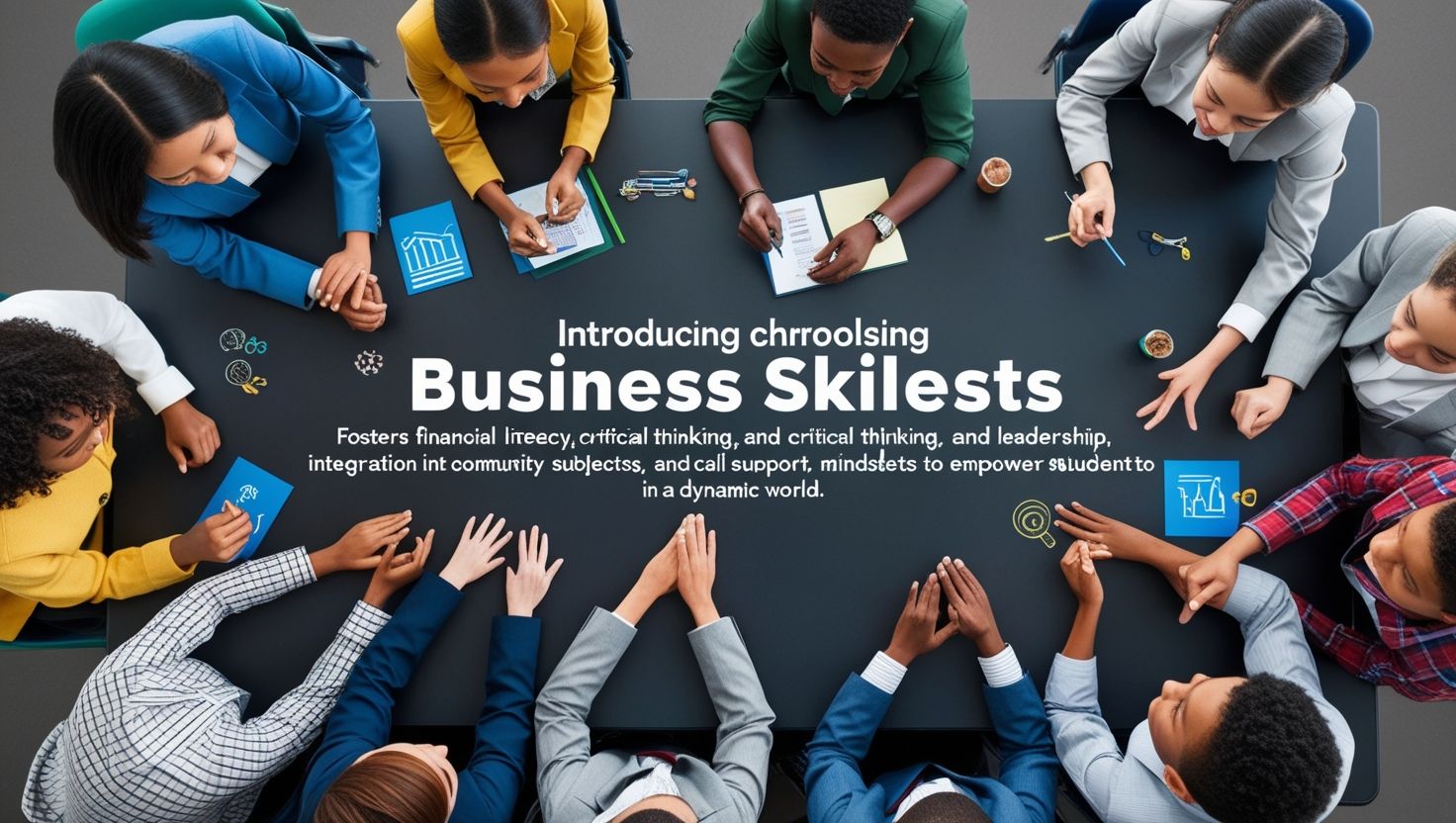
Second, learner-centered teaching encourages collaboration. Group discussions, peer learning, and teamwork help students develop communication and interpersonal skills. Collaborative learning also allows learners to share ideas and perspectives, leading to deeper understanding.
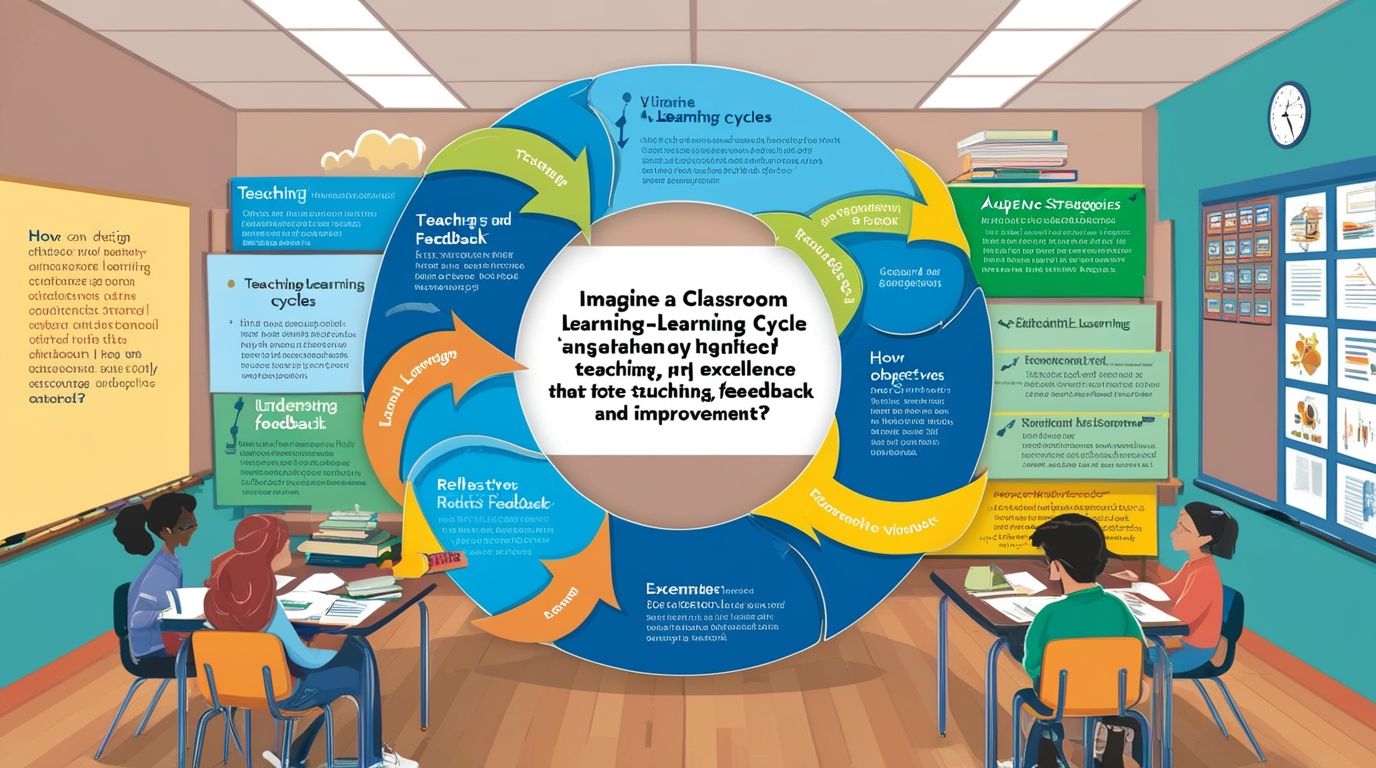
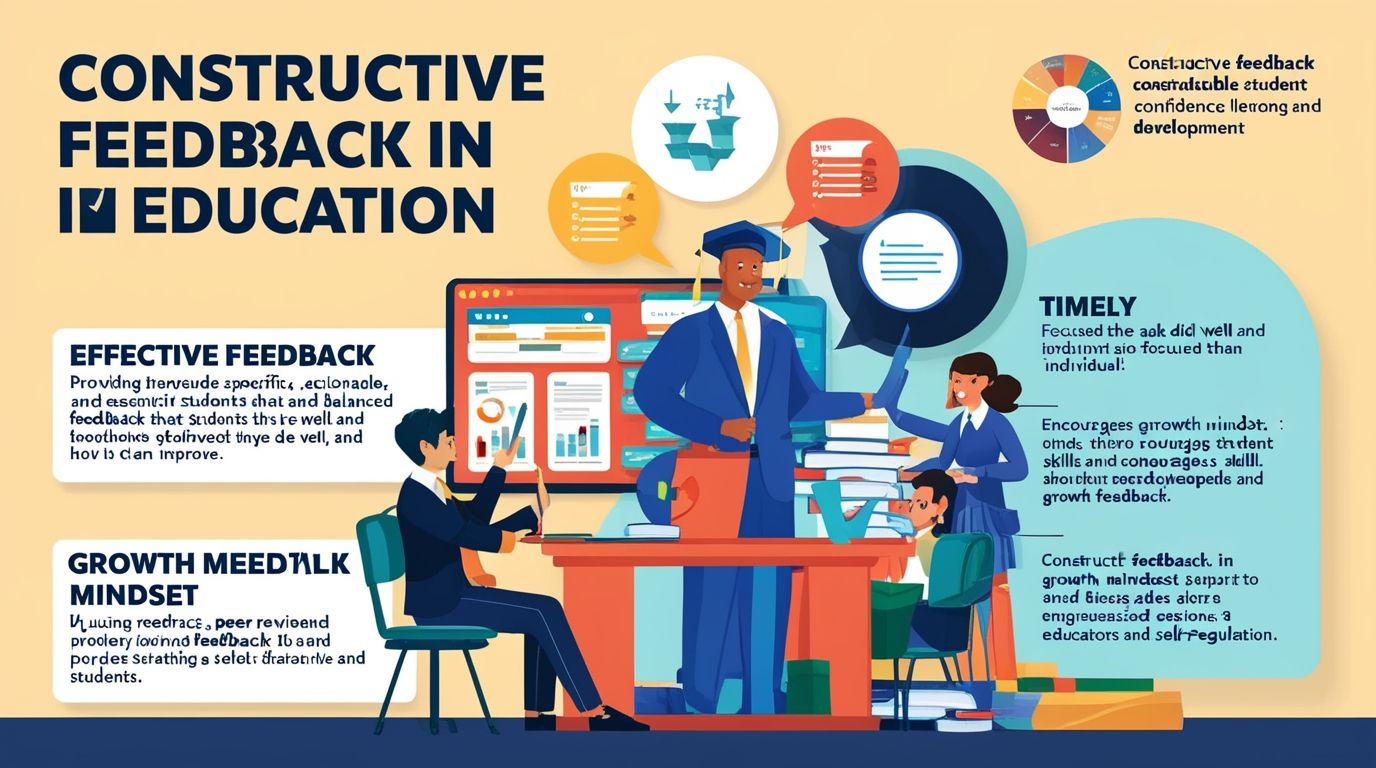
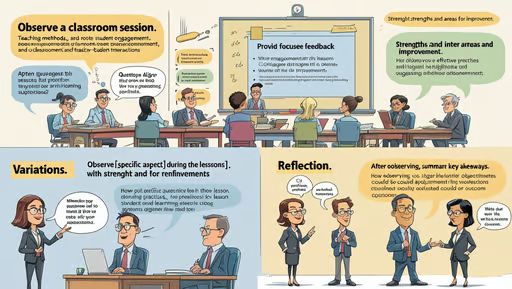
Third, effective learner-centered teachers provide meaningful feedback. Feedback helps students identify strengths, improve weaknesses, and monitor their progress. Constructive feedback encourages motivation and continuous improvement.
Fourth, learner-centered teaching emphasizes inquiry and problem-solving. Students are encouraged to ask questions, investigate issues, analyze information, and develop solutions. These activities strengthen analytical and creative thinking skills.
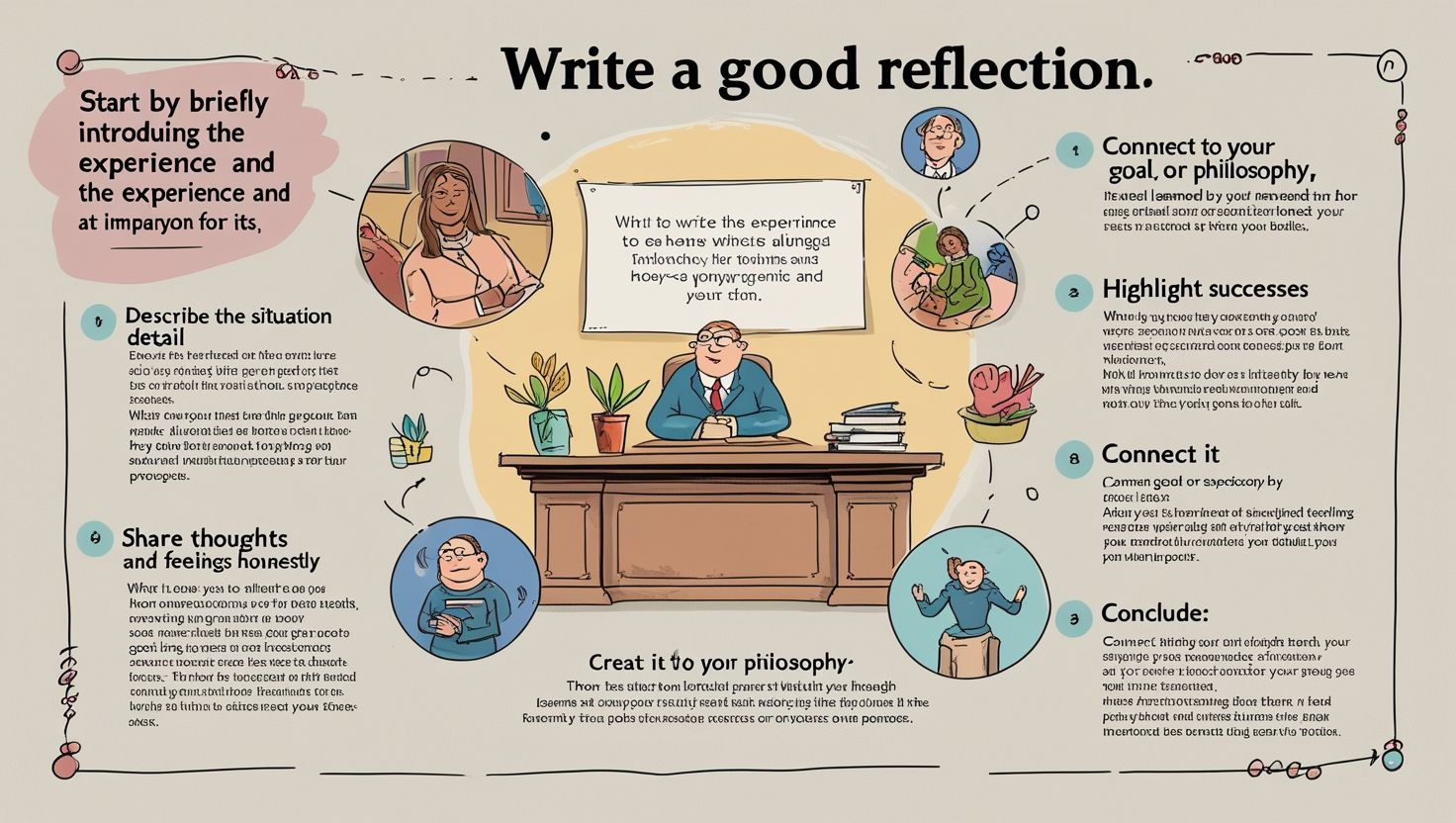
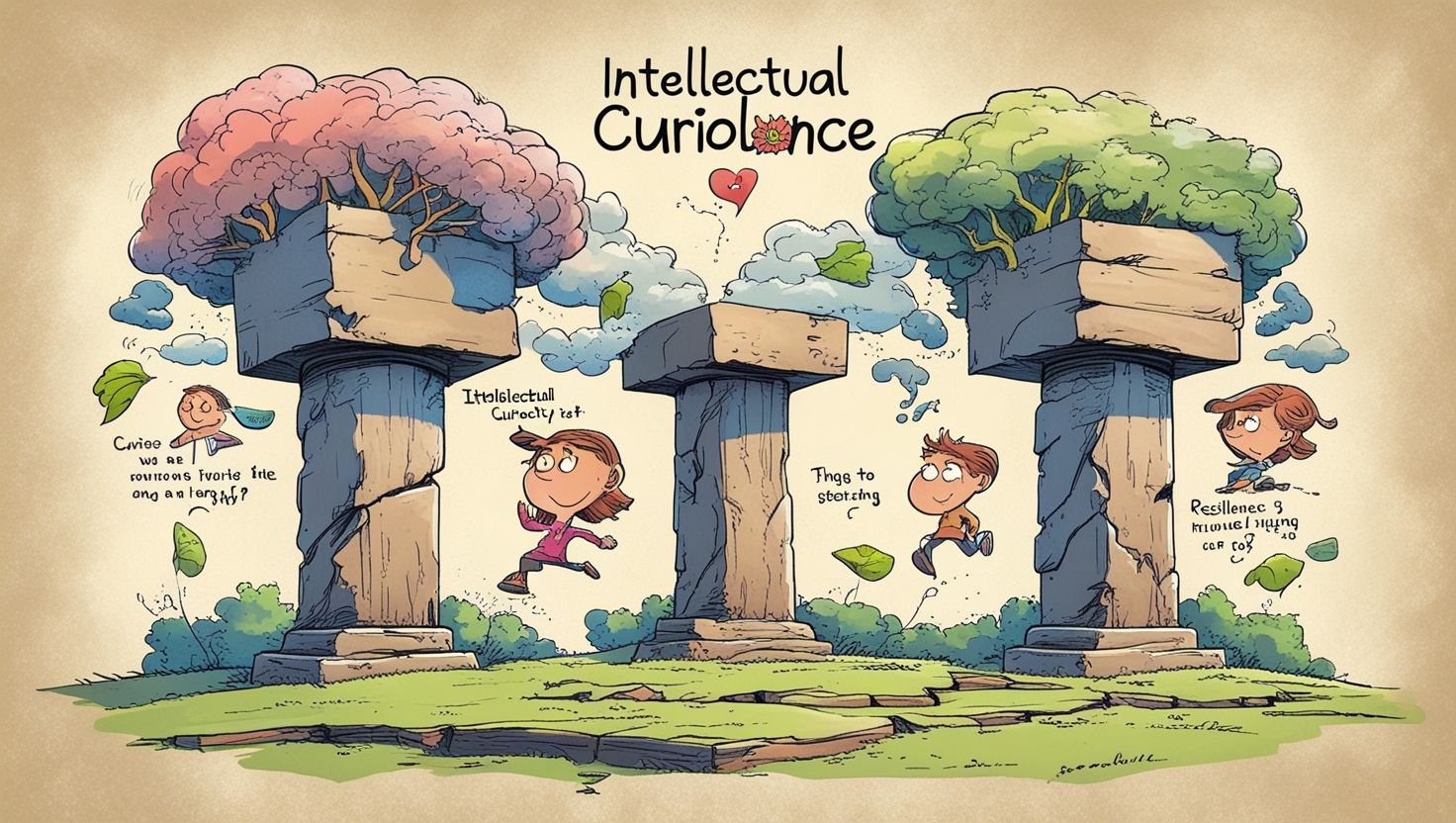
Finally, learner-centered pedagogy values reflection. Reflection enables learners to evaluate their experiences, recognize learning progress, and develop self-awareness. Reflective practices promote independent and lifelong learning.
Classroom Environment and Effective Teaching
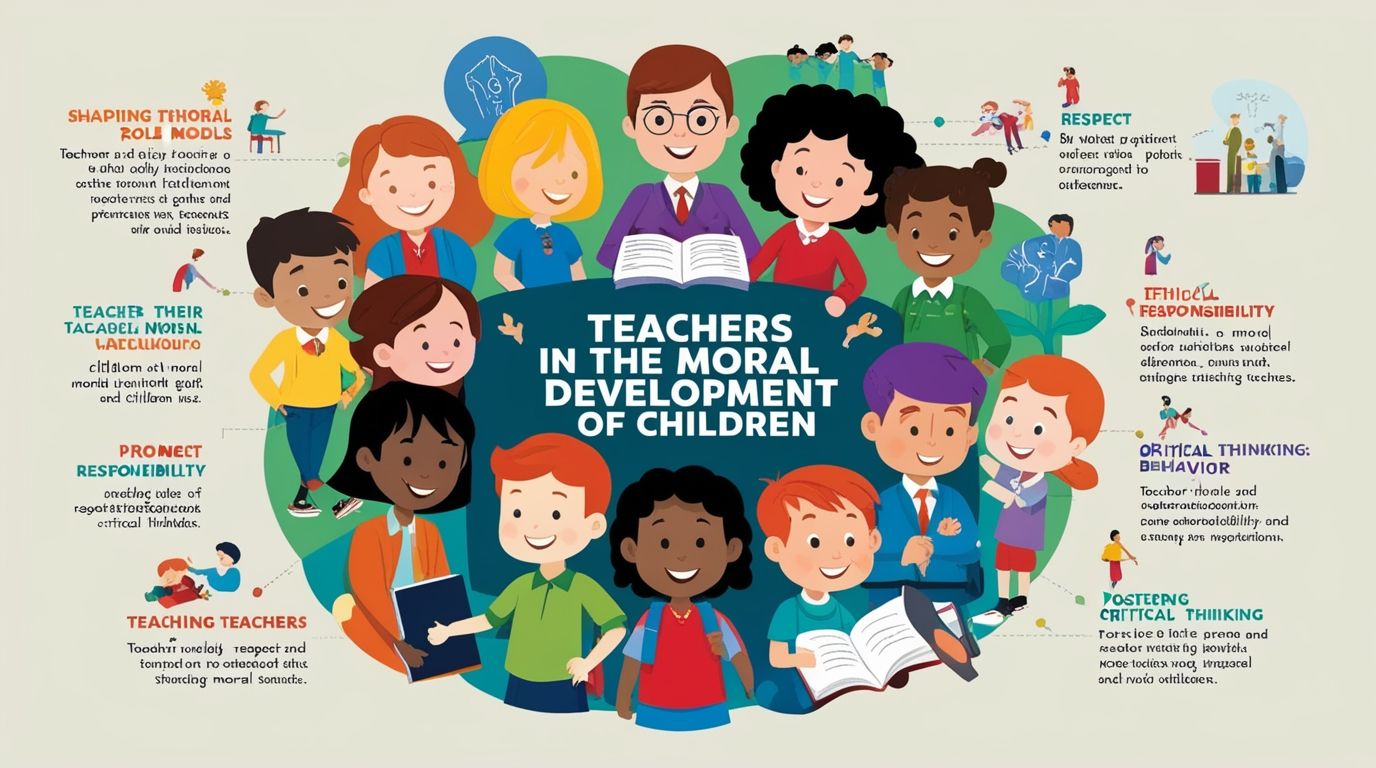
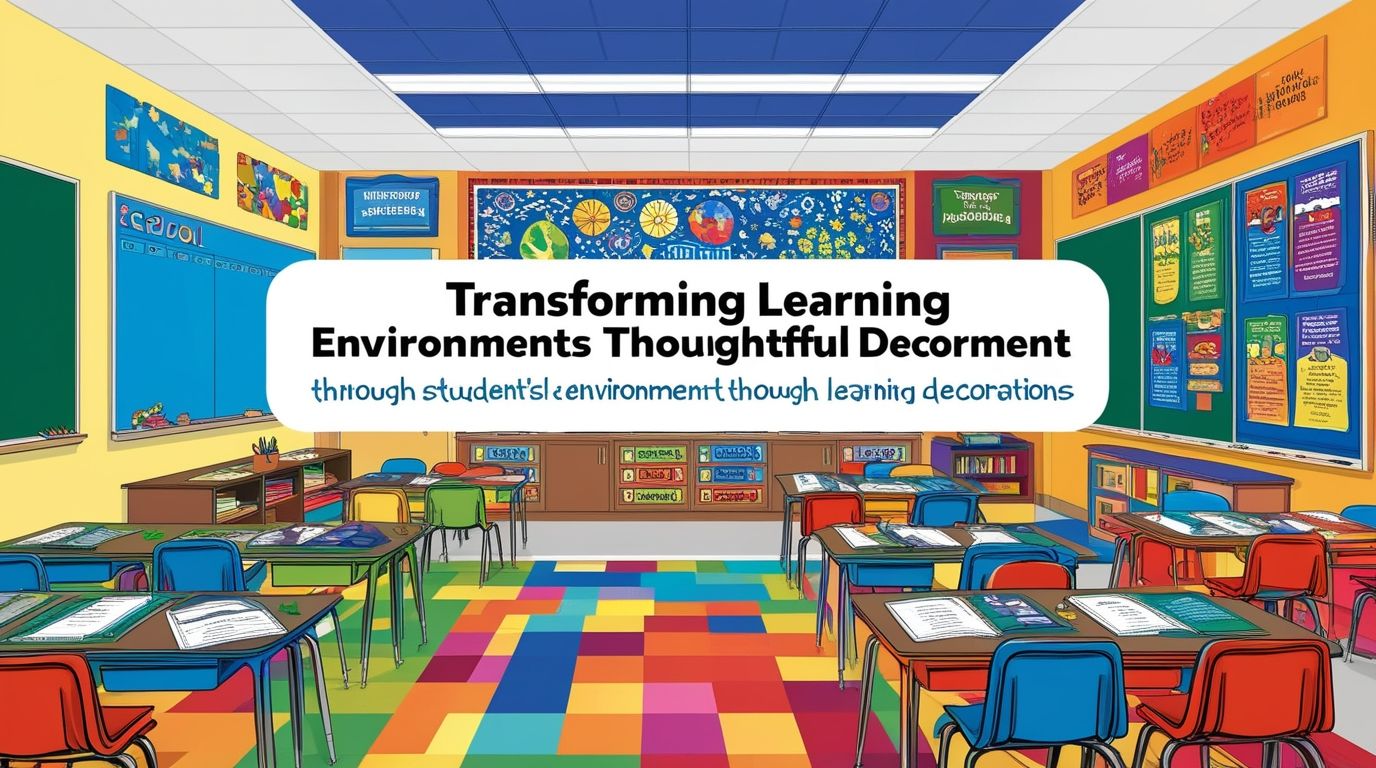
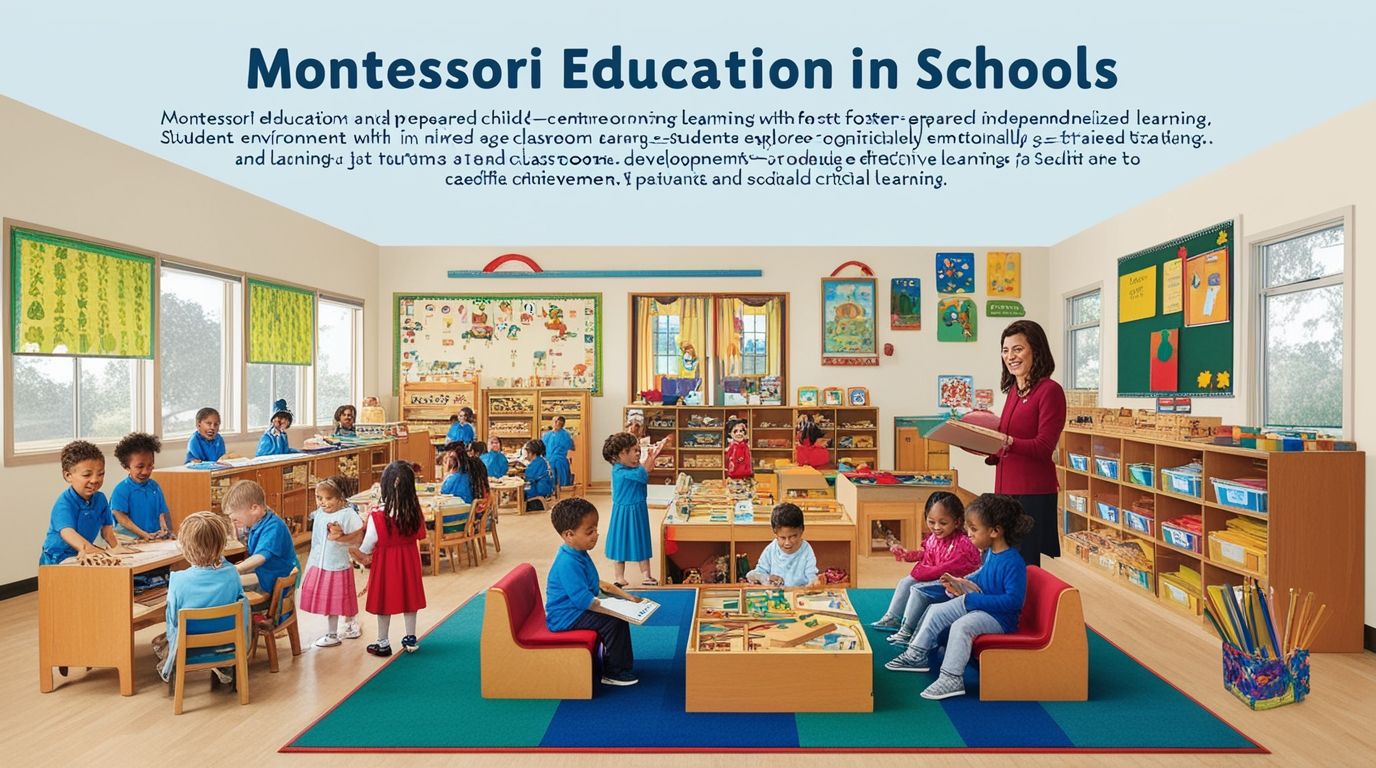
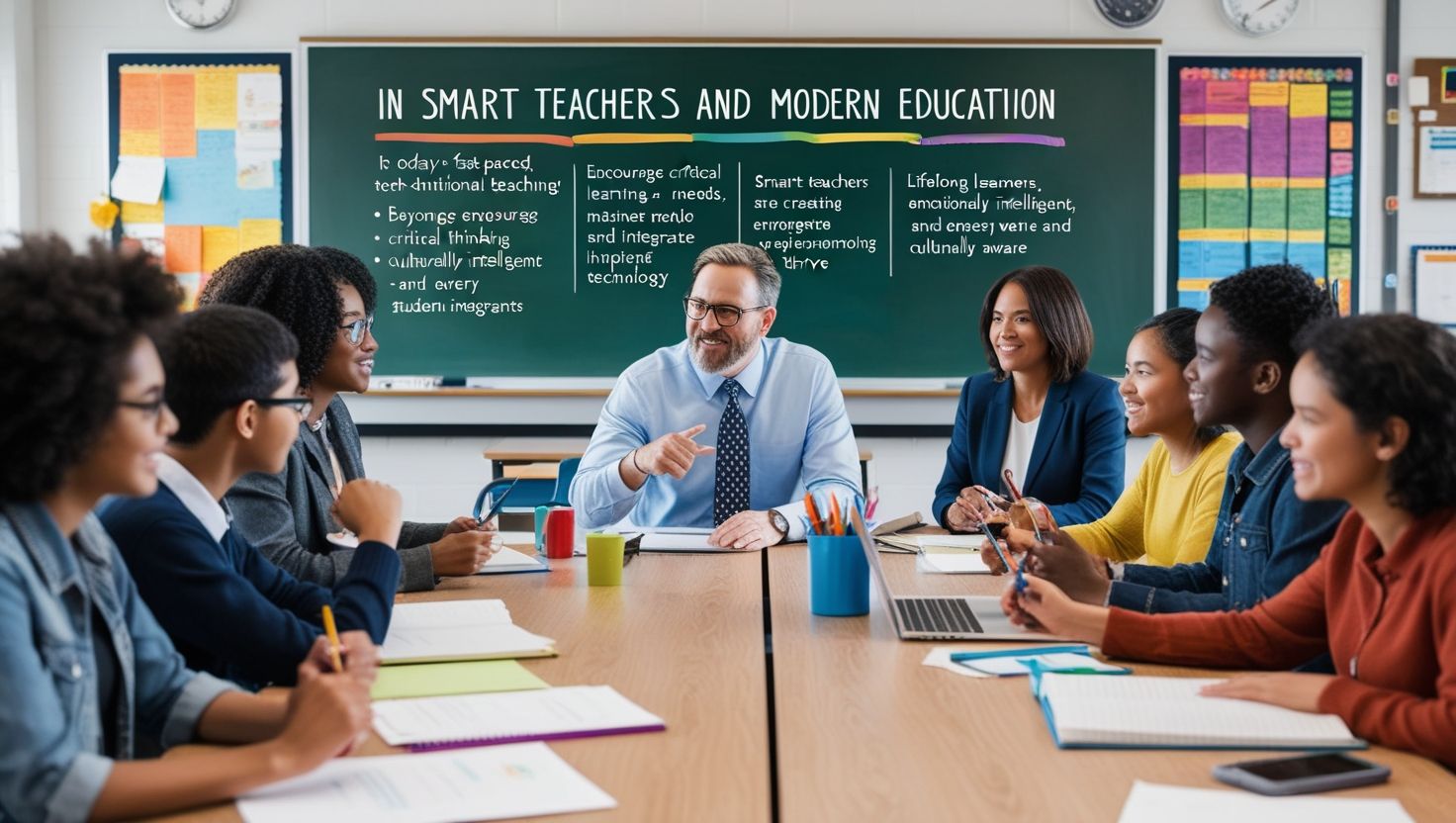
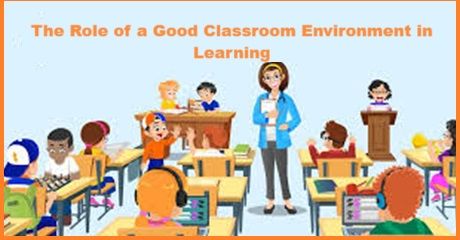
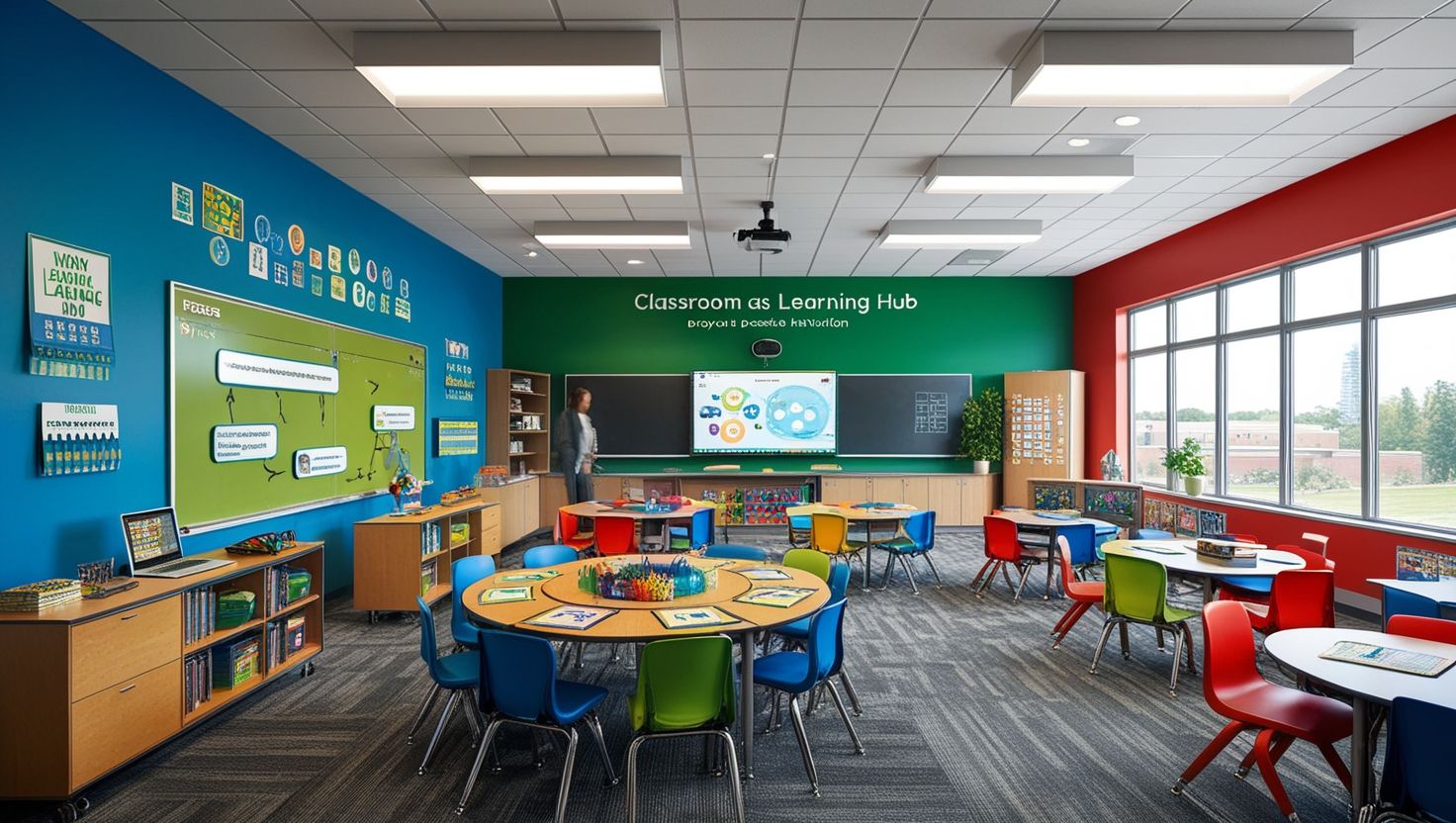
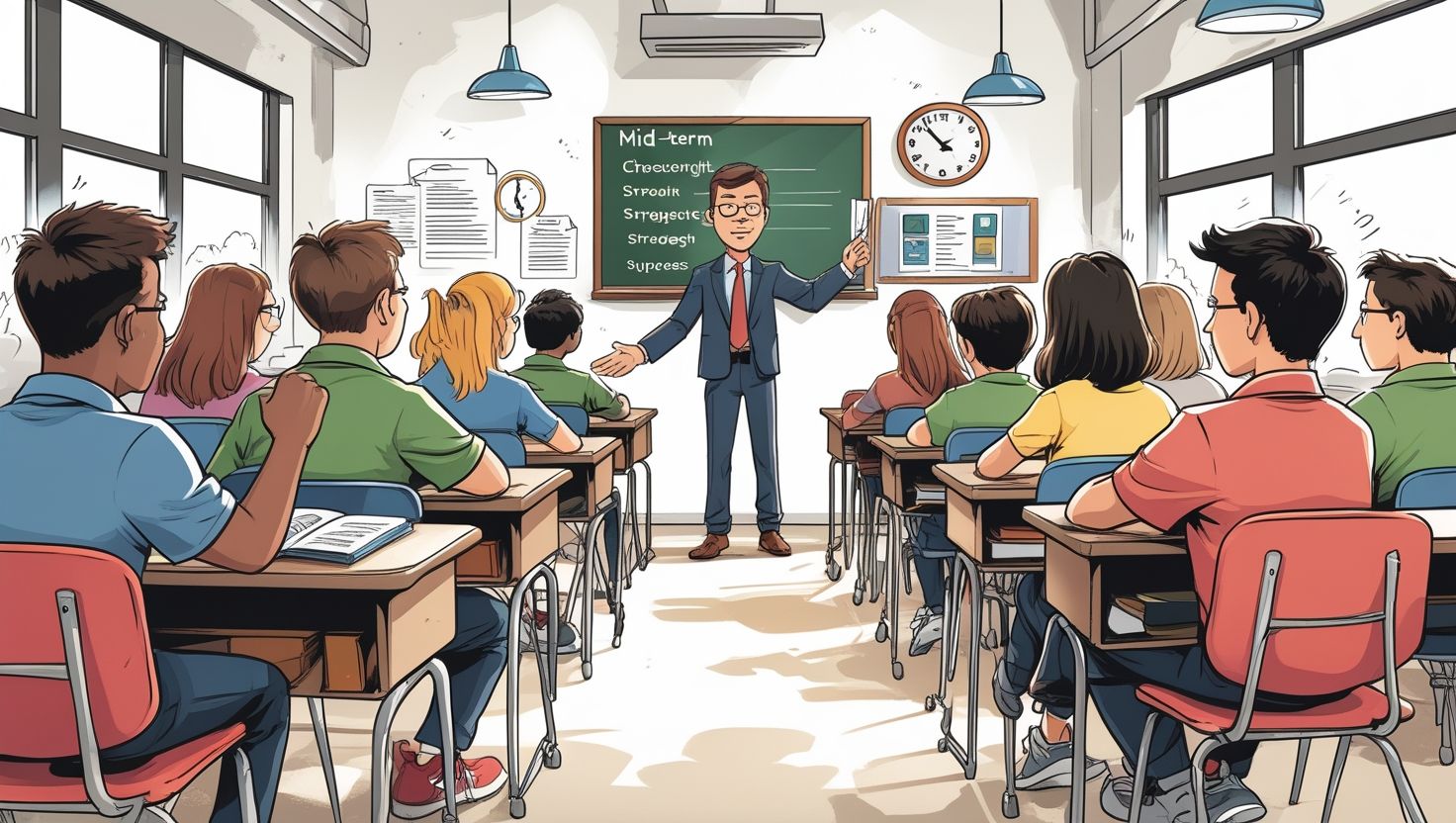
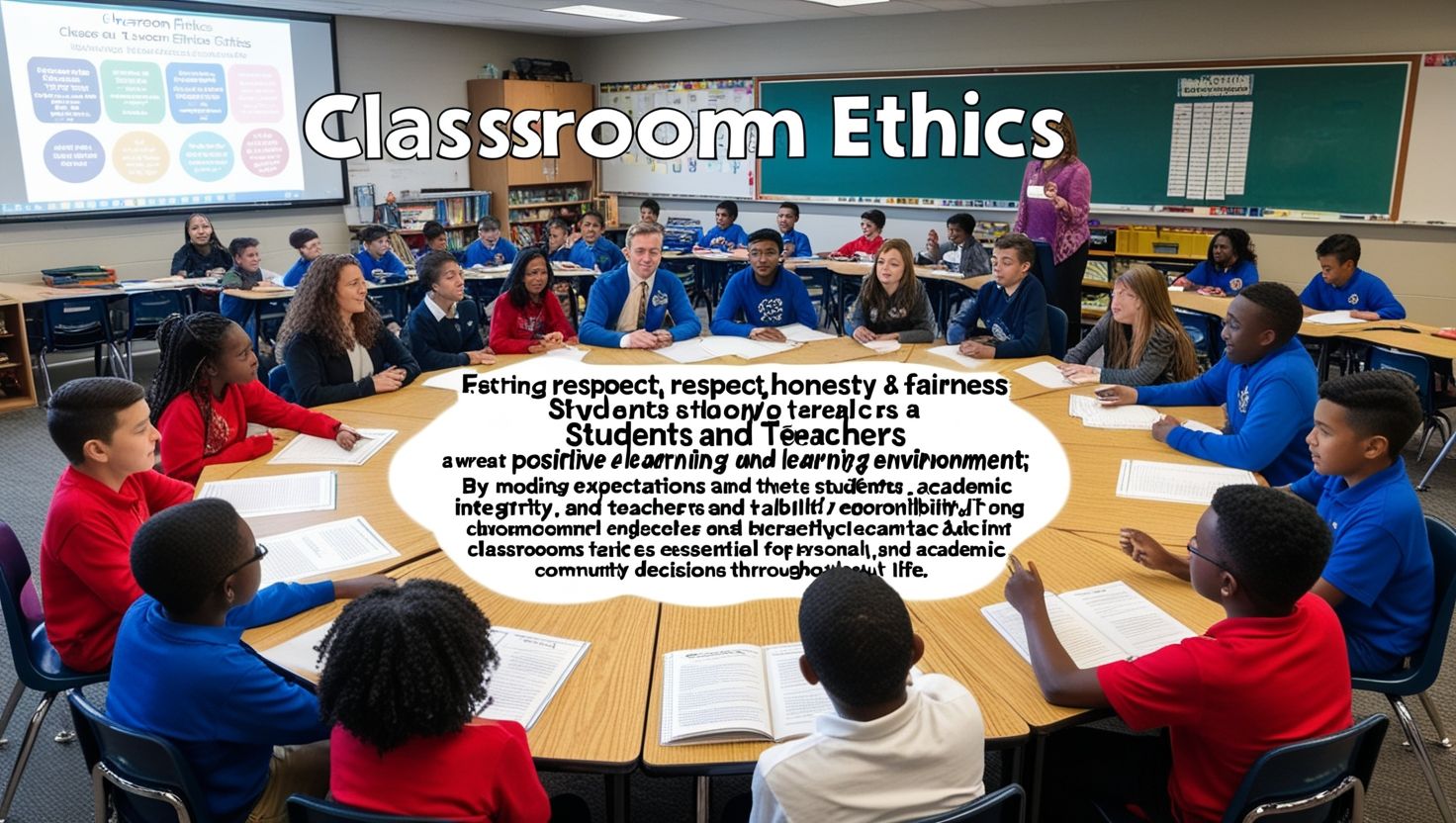
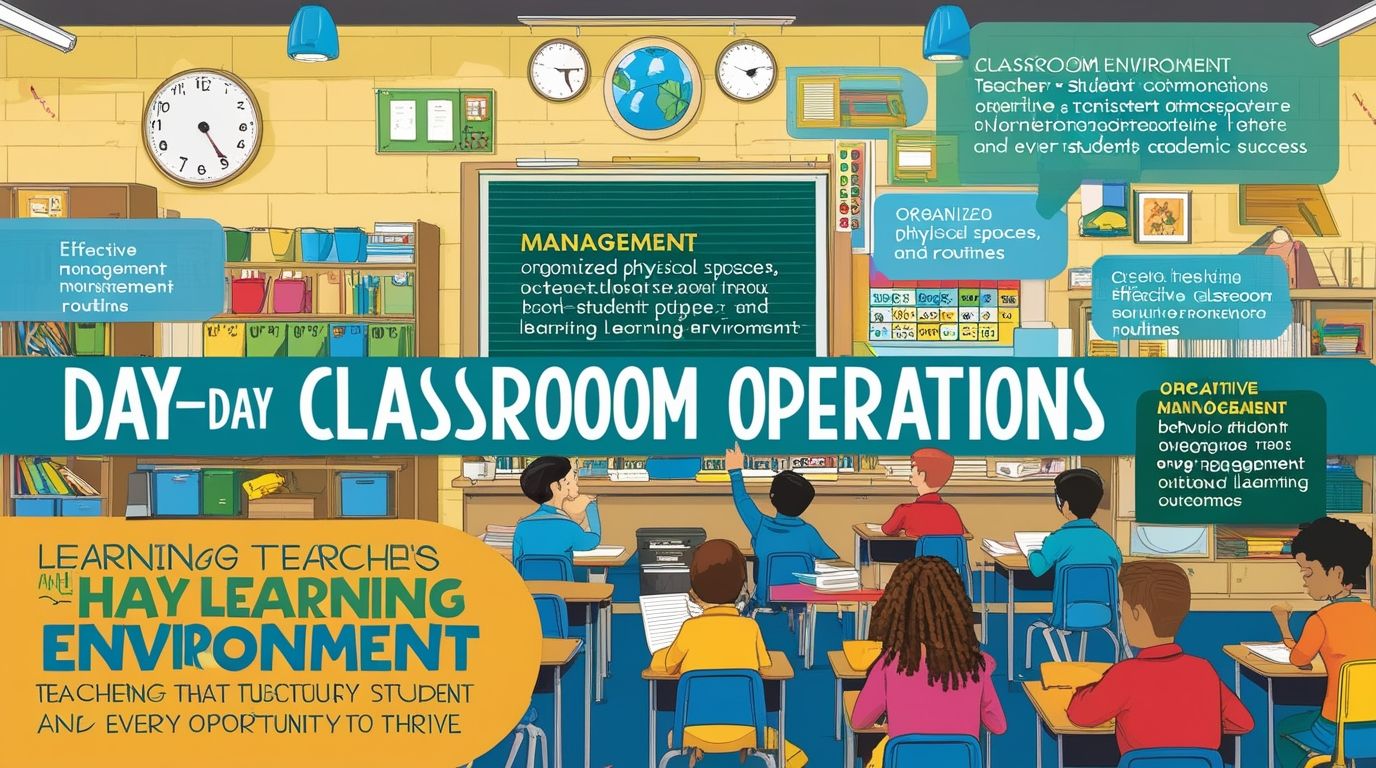
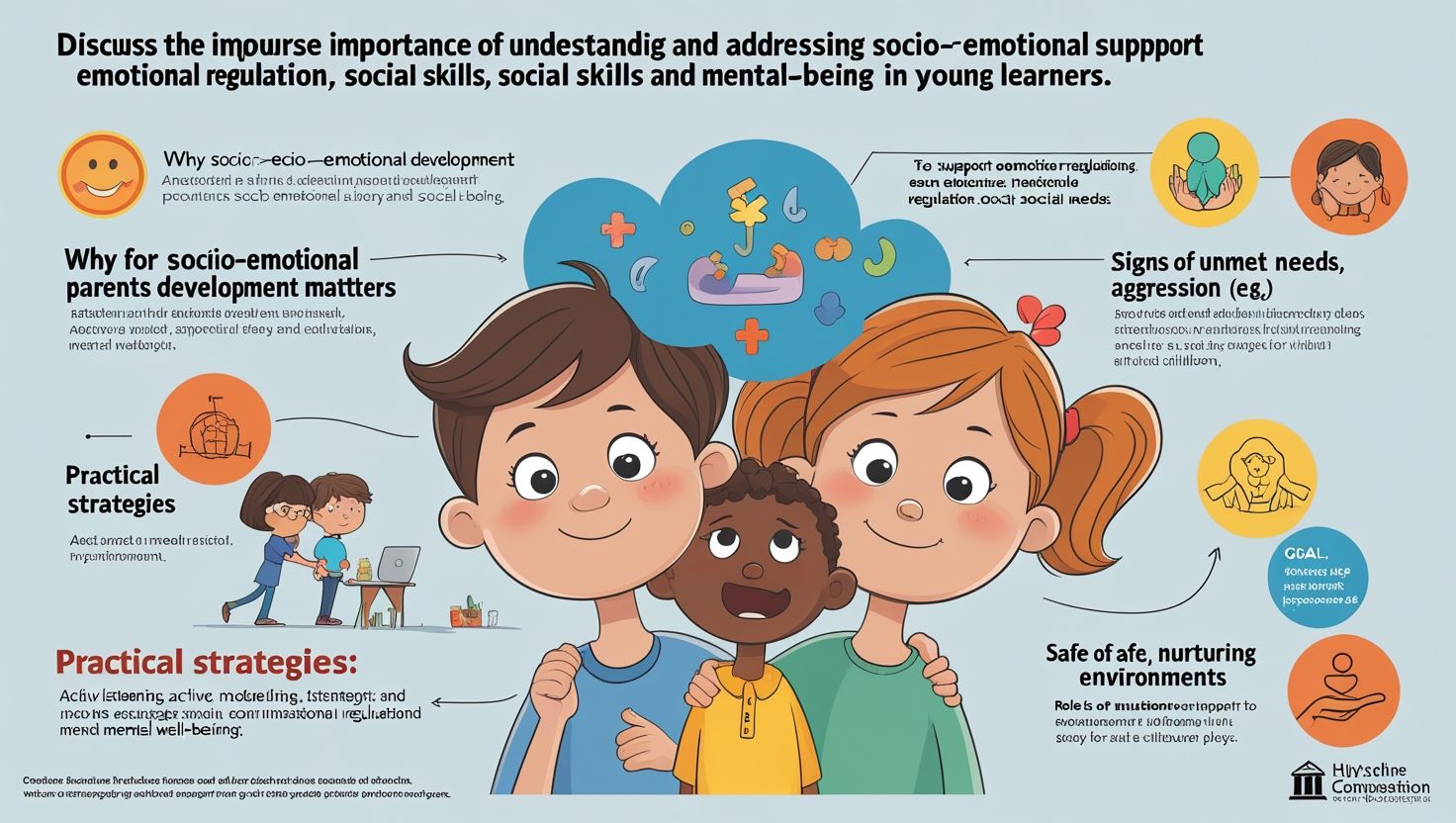
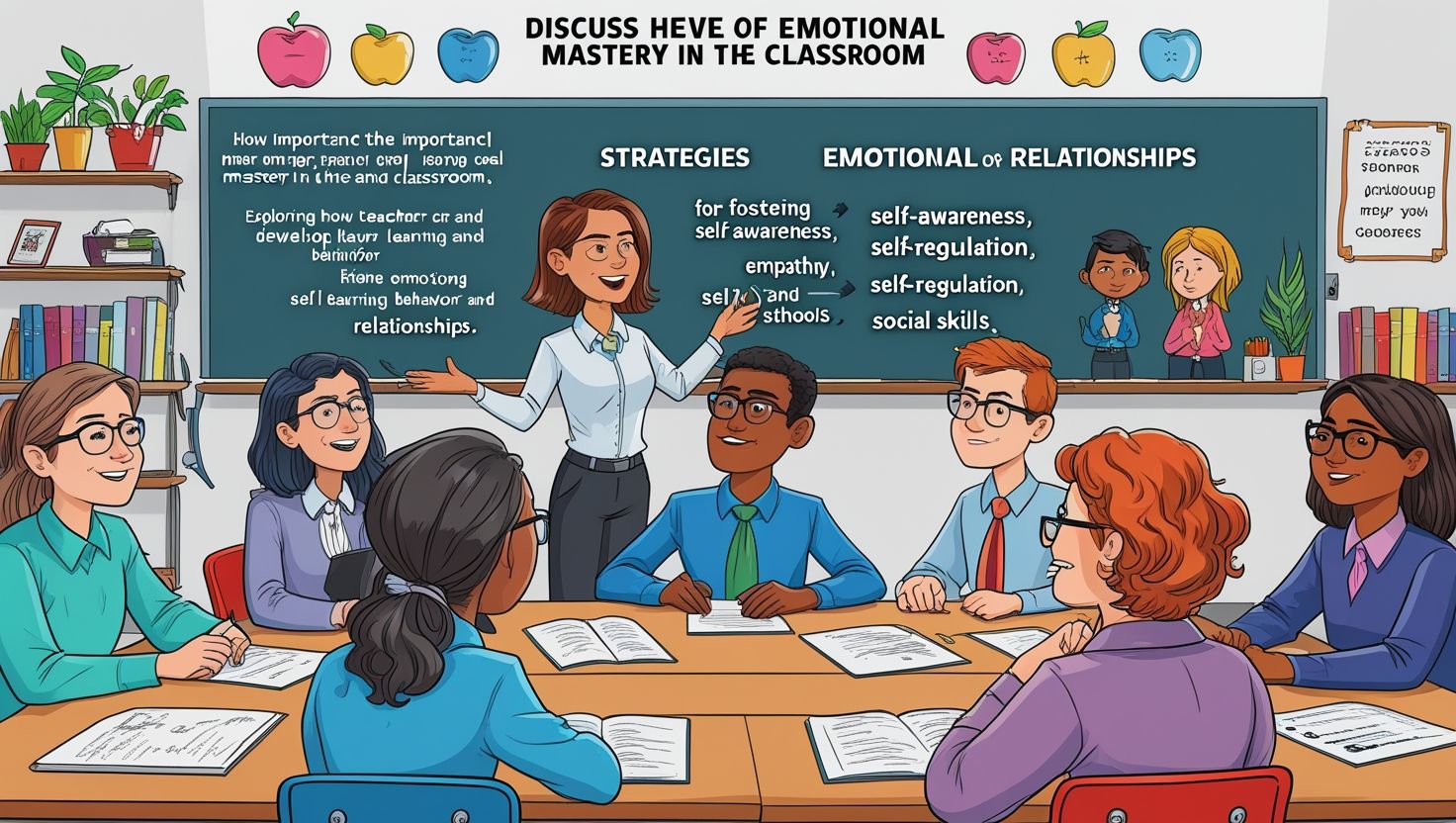
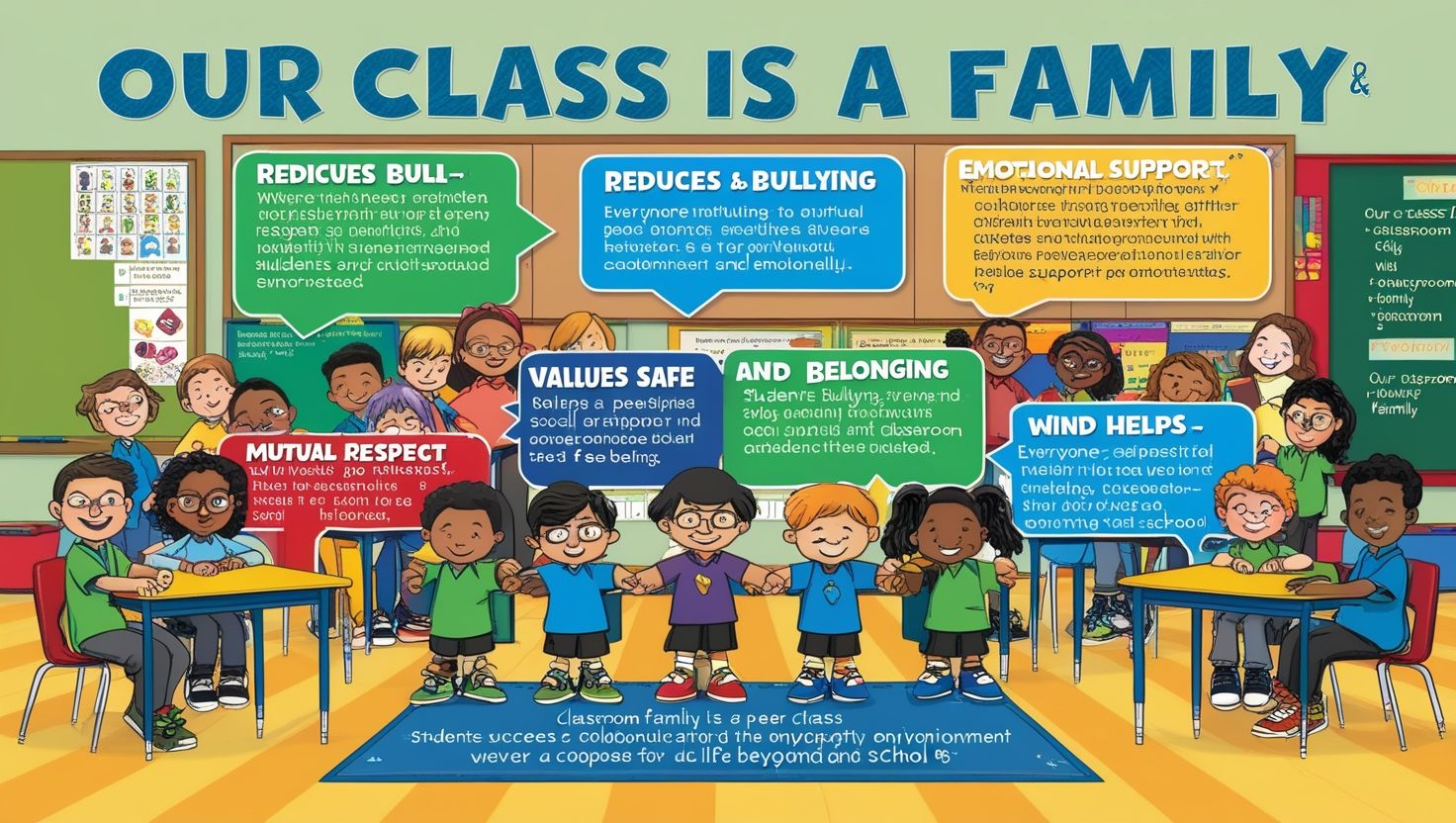
A positive classroom environment is essential for effective teaching and learner-centered education. Teachers play a critical role in creating classrooms that are safe, inclusive, respectful, and supportive. Students learn more effectively when they feel emotionally secure and valued.
Effective classroom management involves maintaining discipline while encouraging participation and creativity. Teachers establish clear expectations, routines, and behavioral guidelines to create organized learning environments. However, learner-centered classrooms differ from authoritarian environments because they encourage student voice and participation in decision-making.
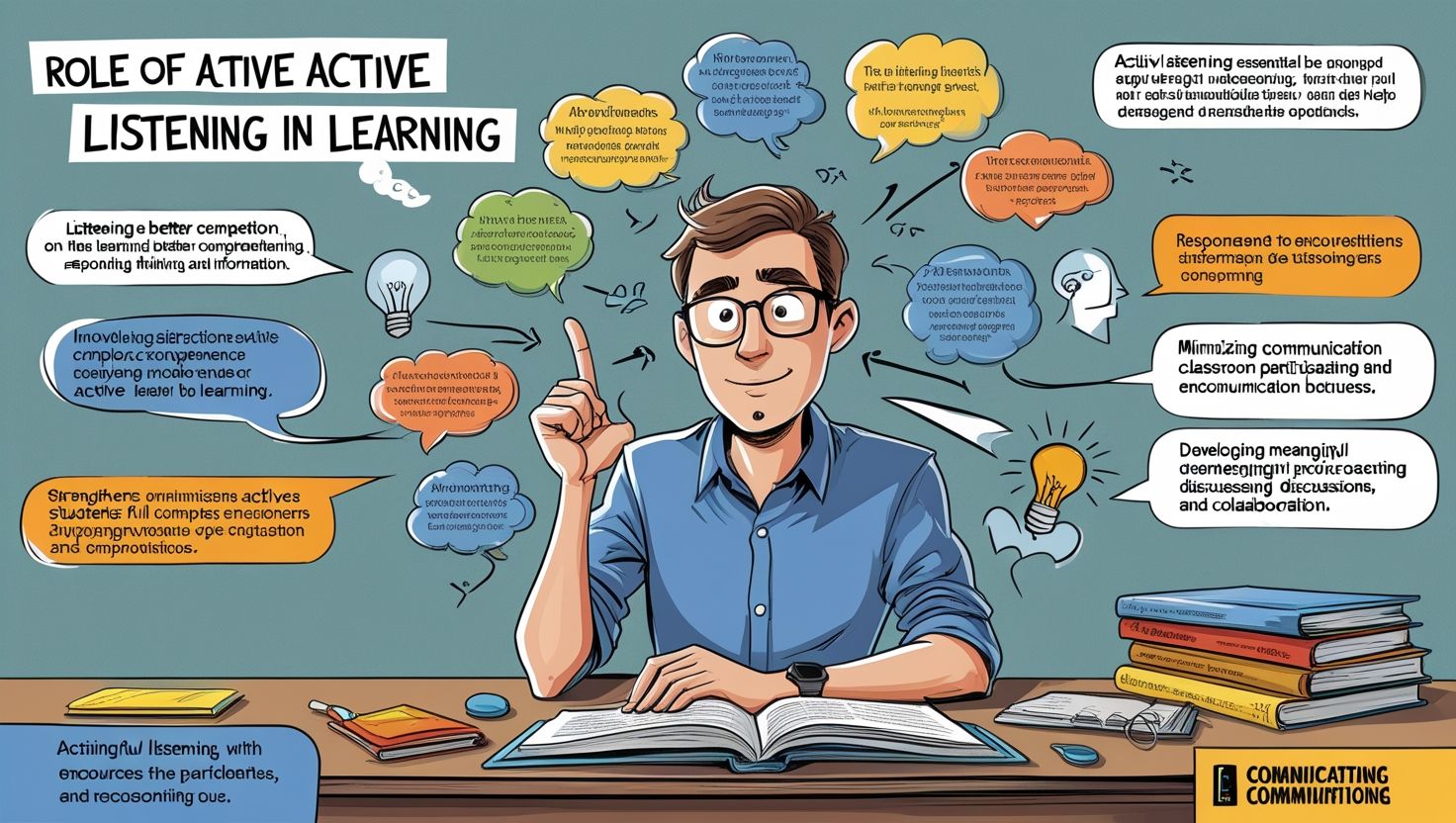
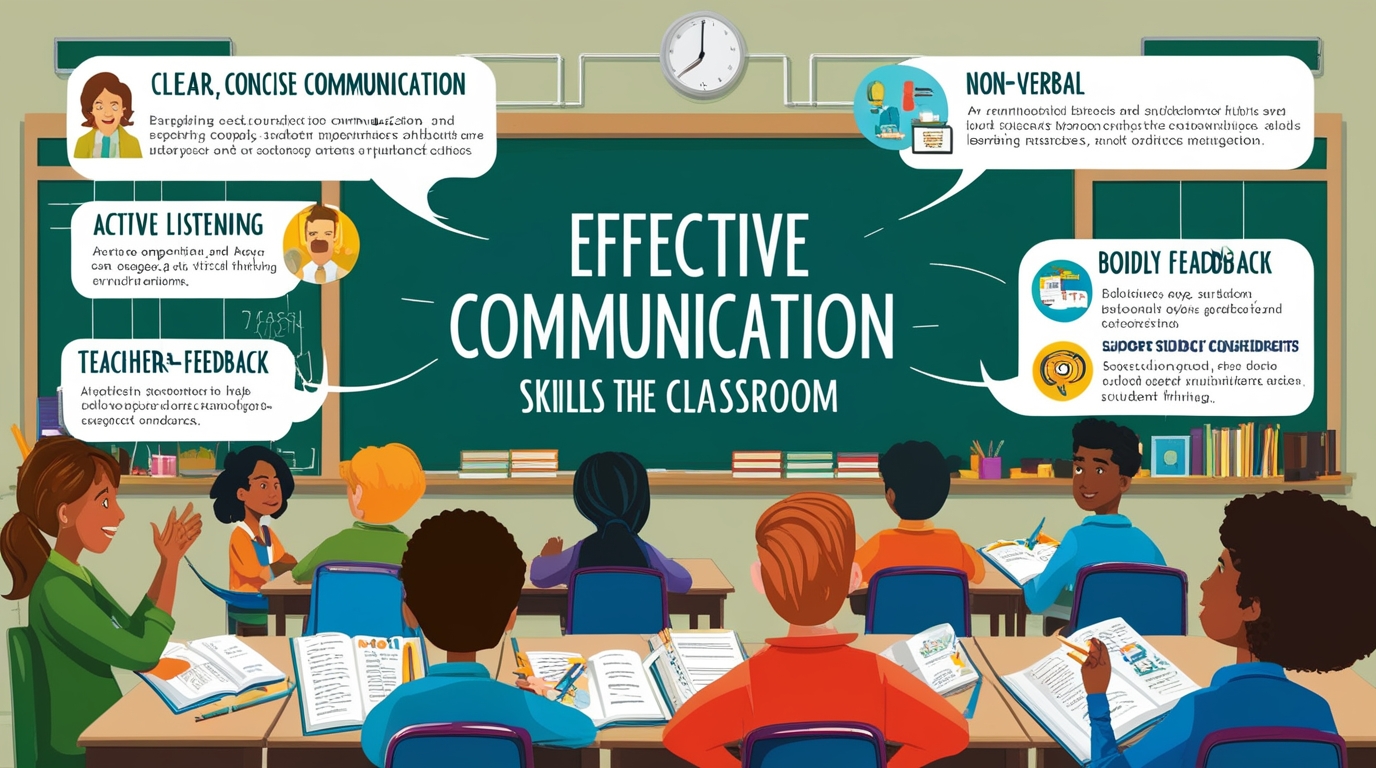
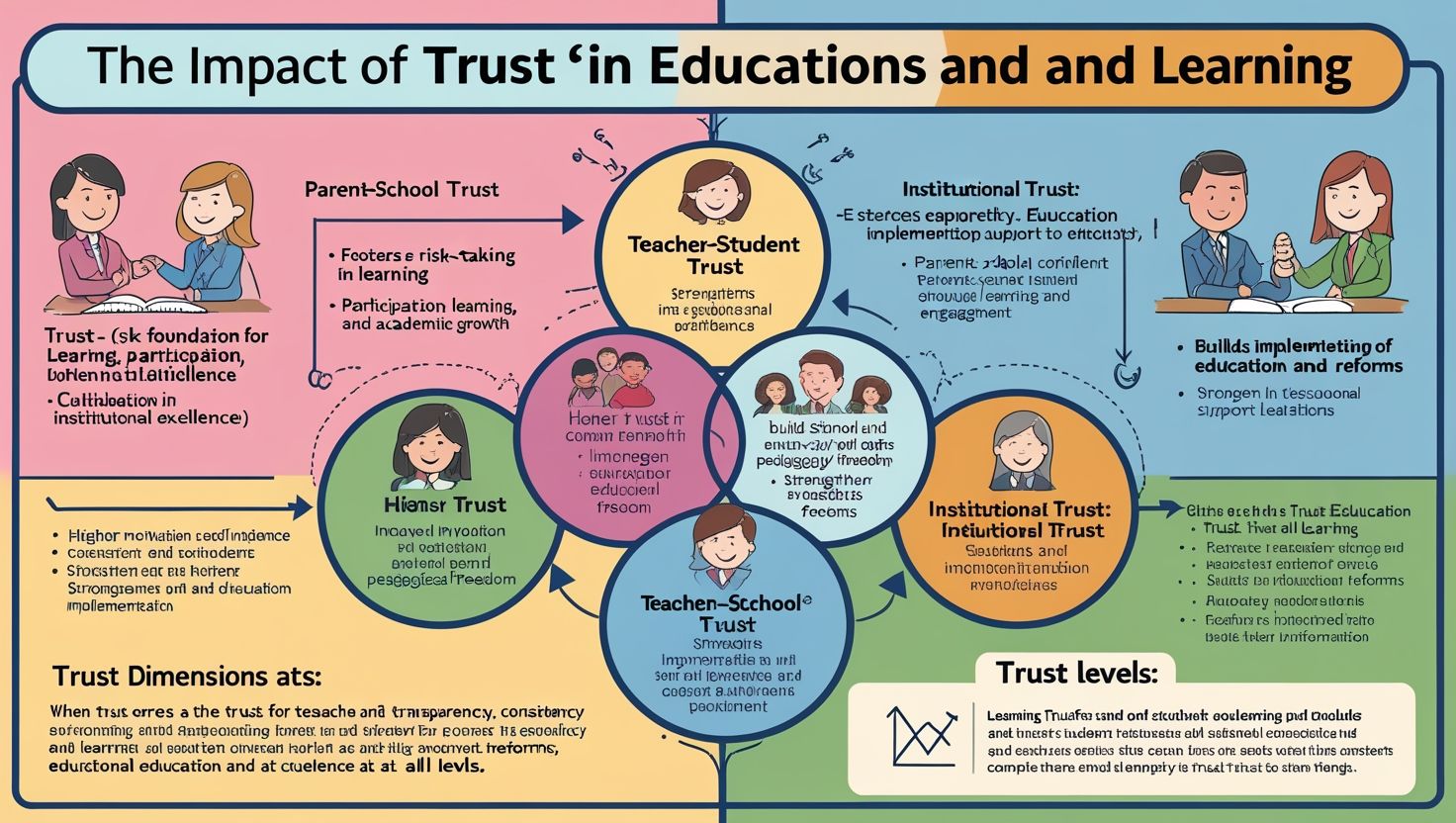
Communication is another important element of effective classroom environments. Open communication between teachers and students promotes trust, engagement, and collaboration. Teachers who listen actively and respond empathetically strengthen positive relationships with learners.
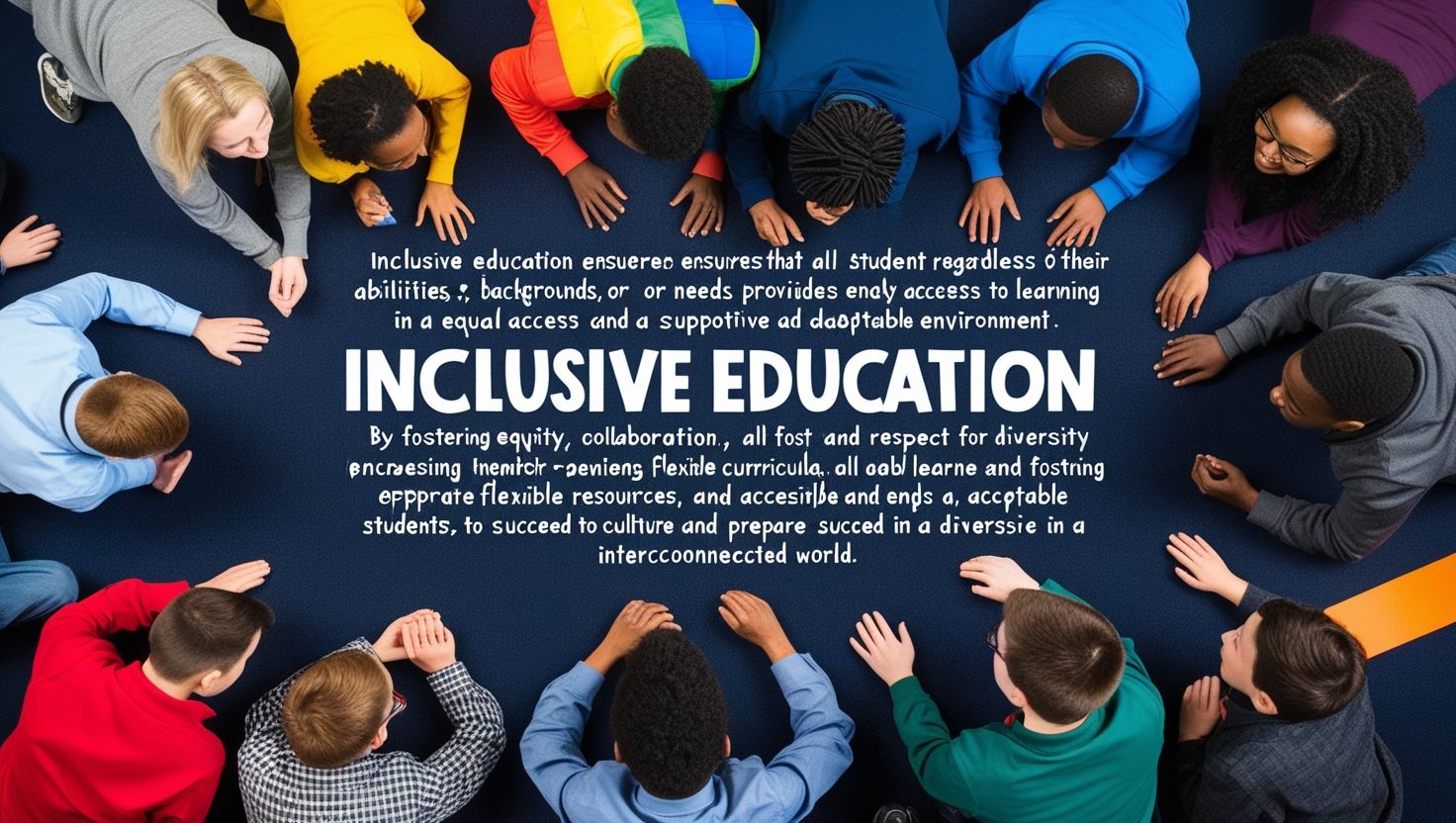
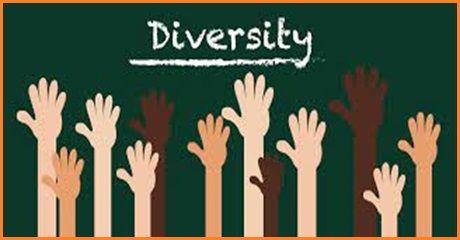
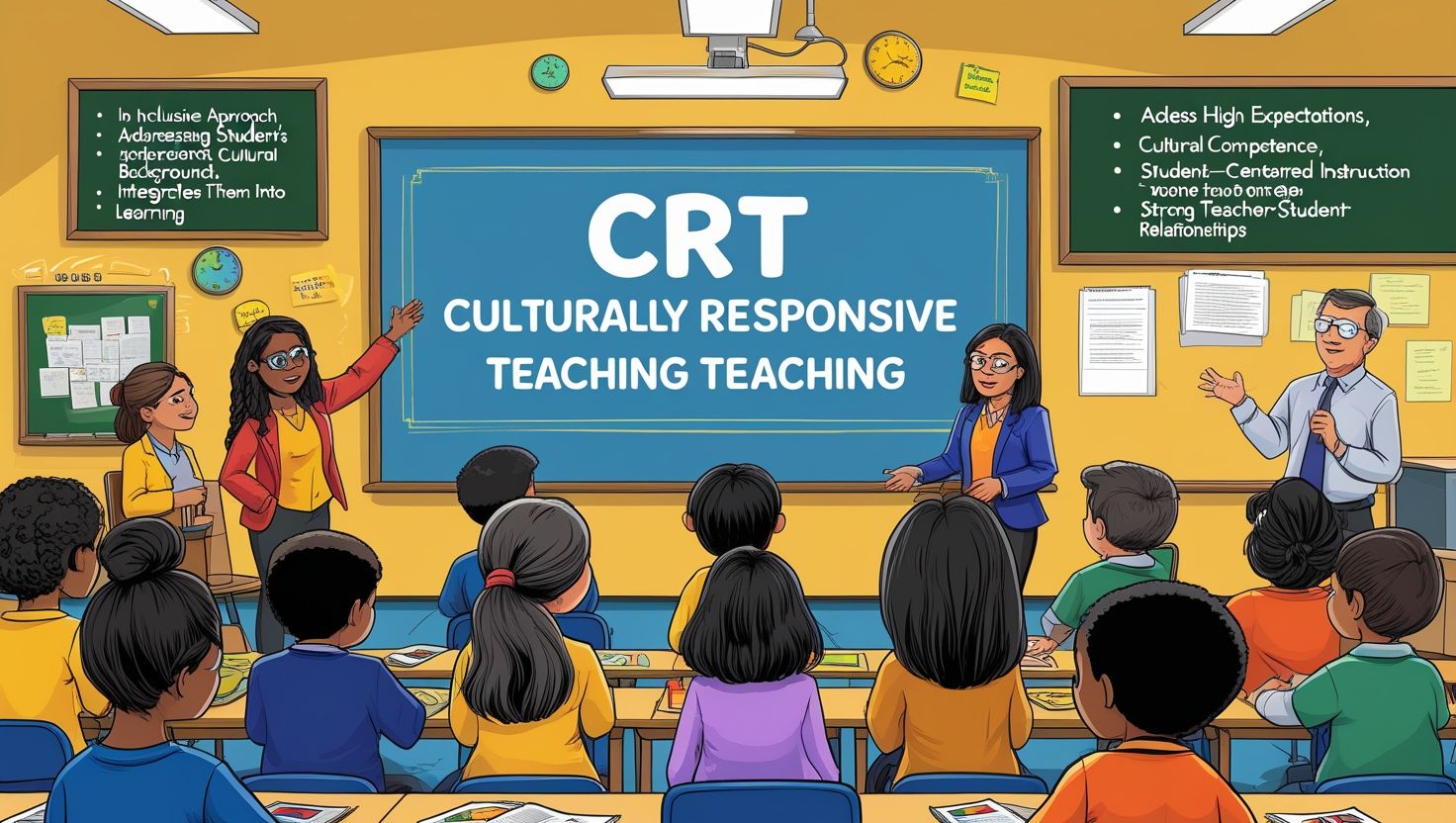
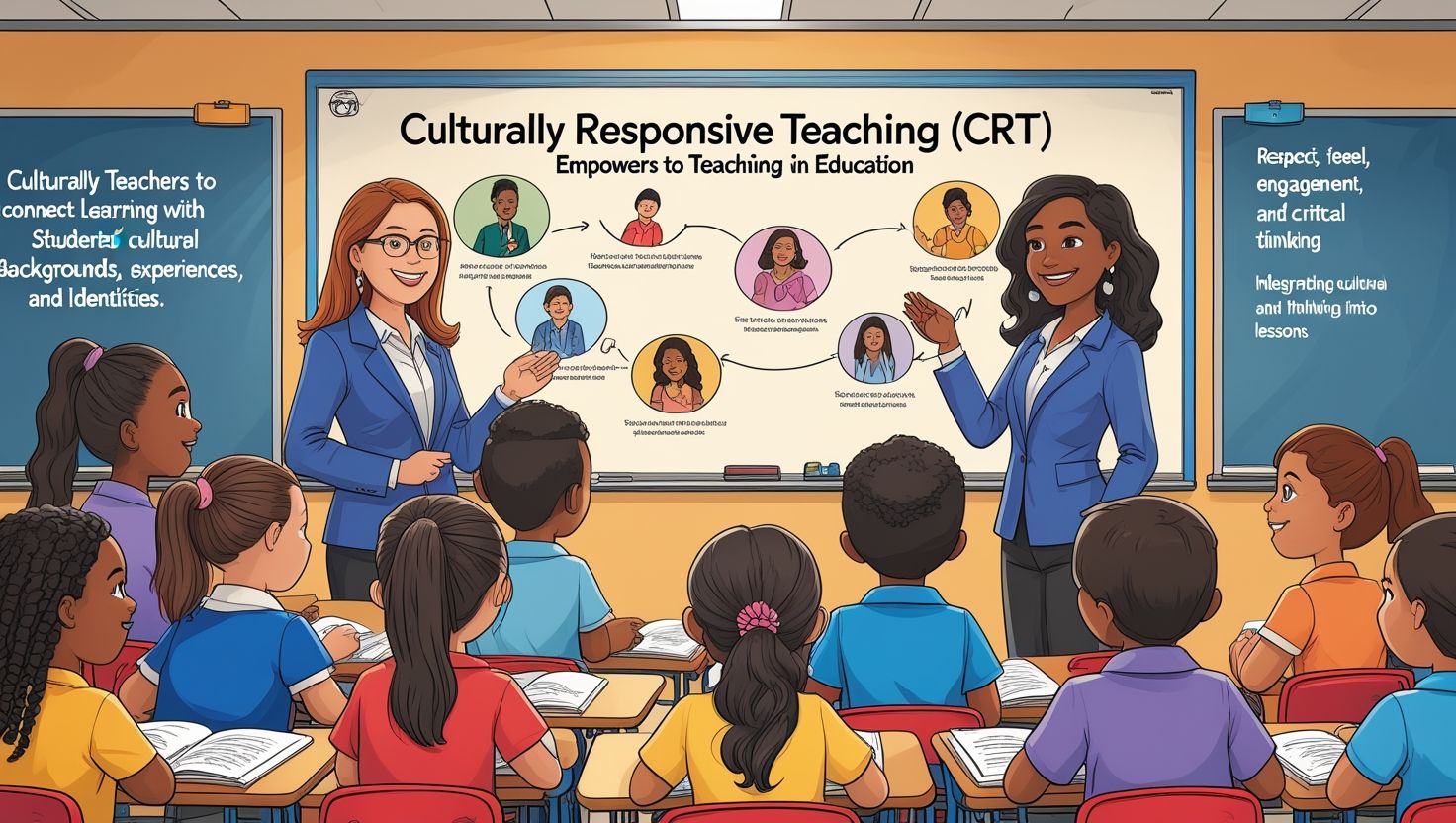
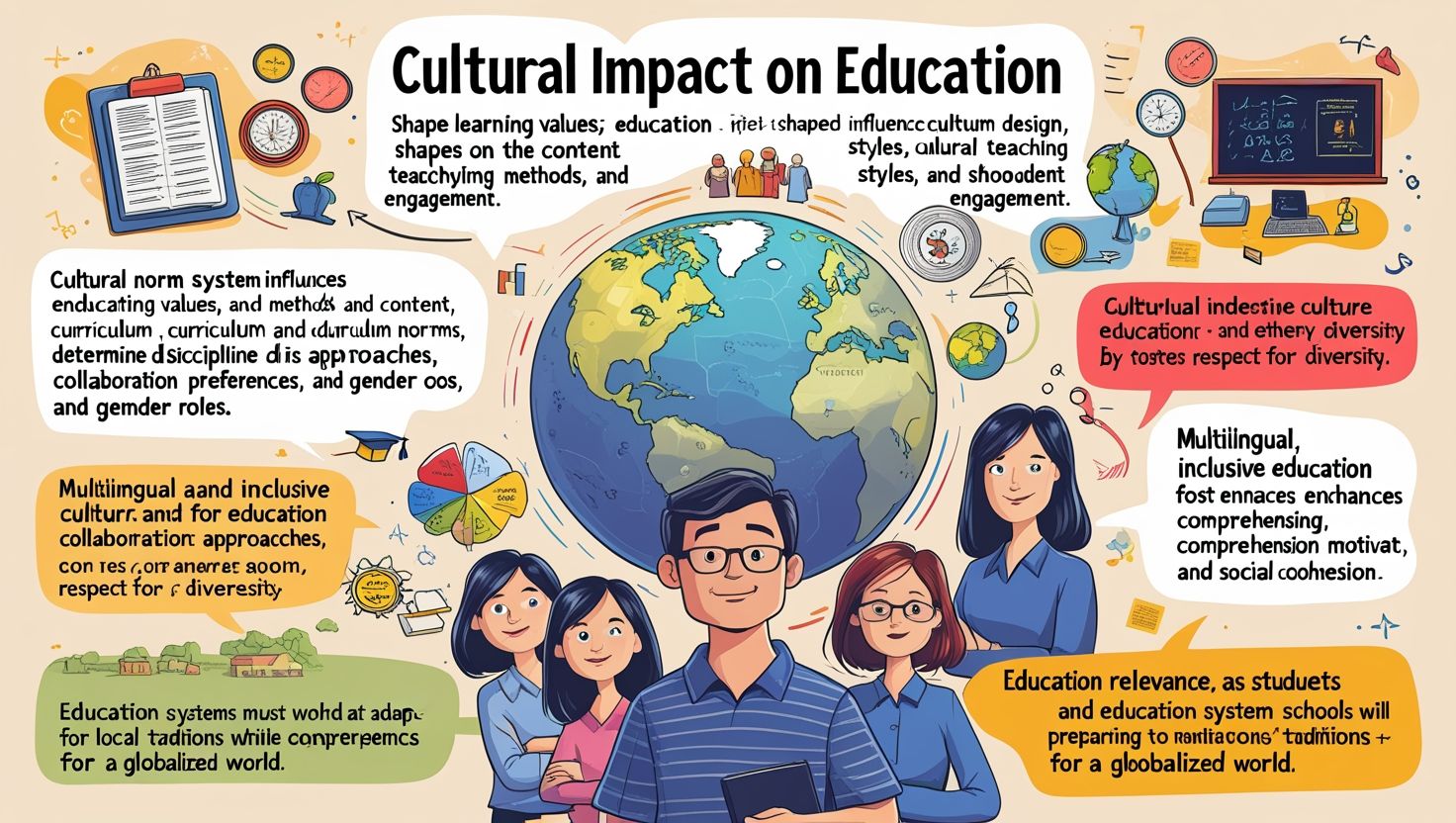
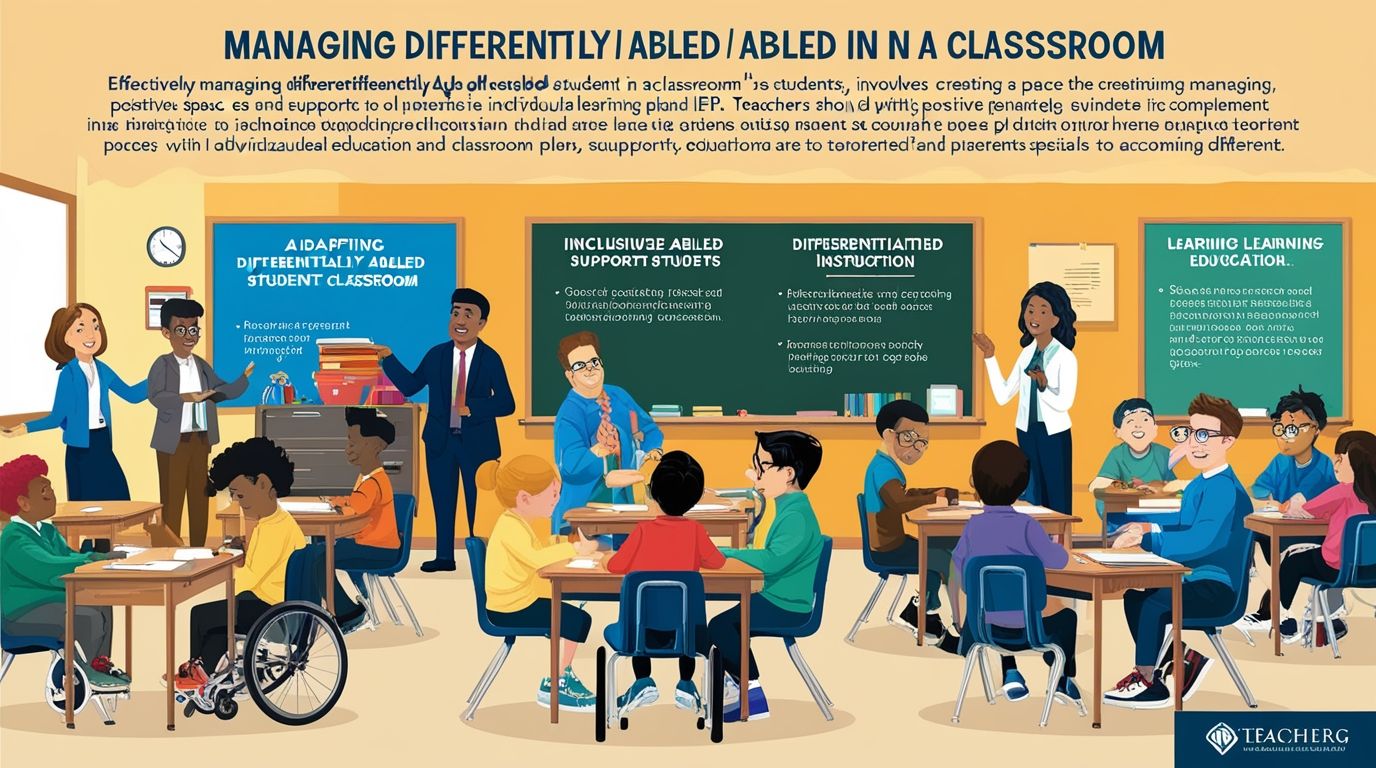
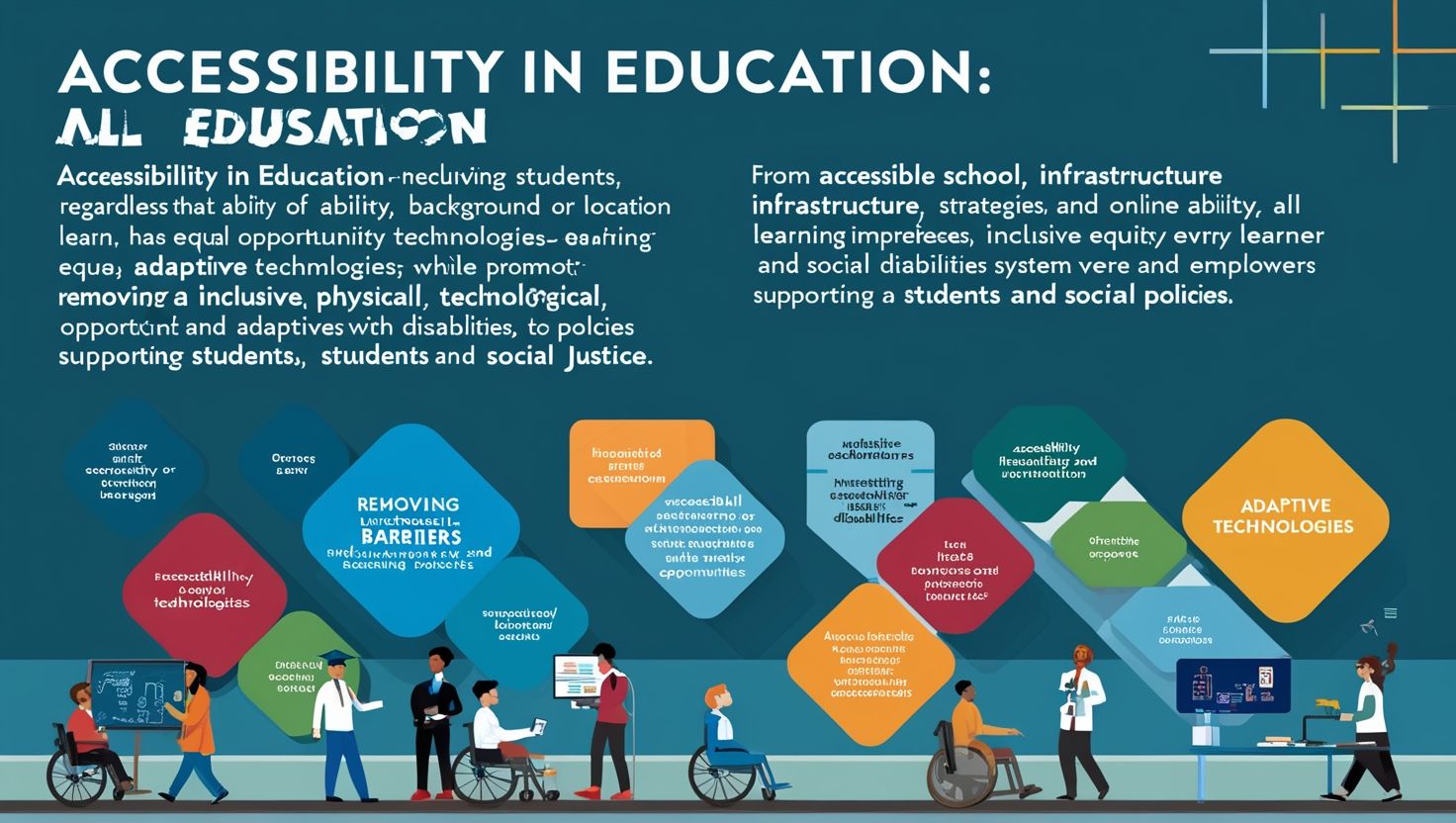
Inclusive classroom practices are also essential. Effective teachers recognize learner diversity and provide equal opportunities for participation and success. They use varied instructional methods and culturally responsive teaching practices to support all students.
Teaching Strategies in Learner-Centered Pedagogy
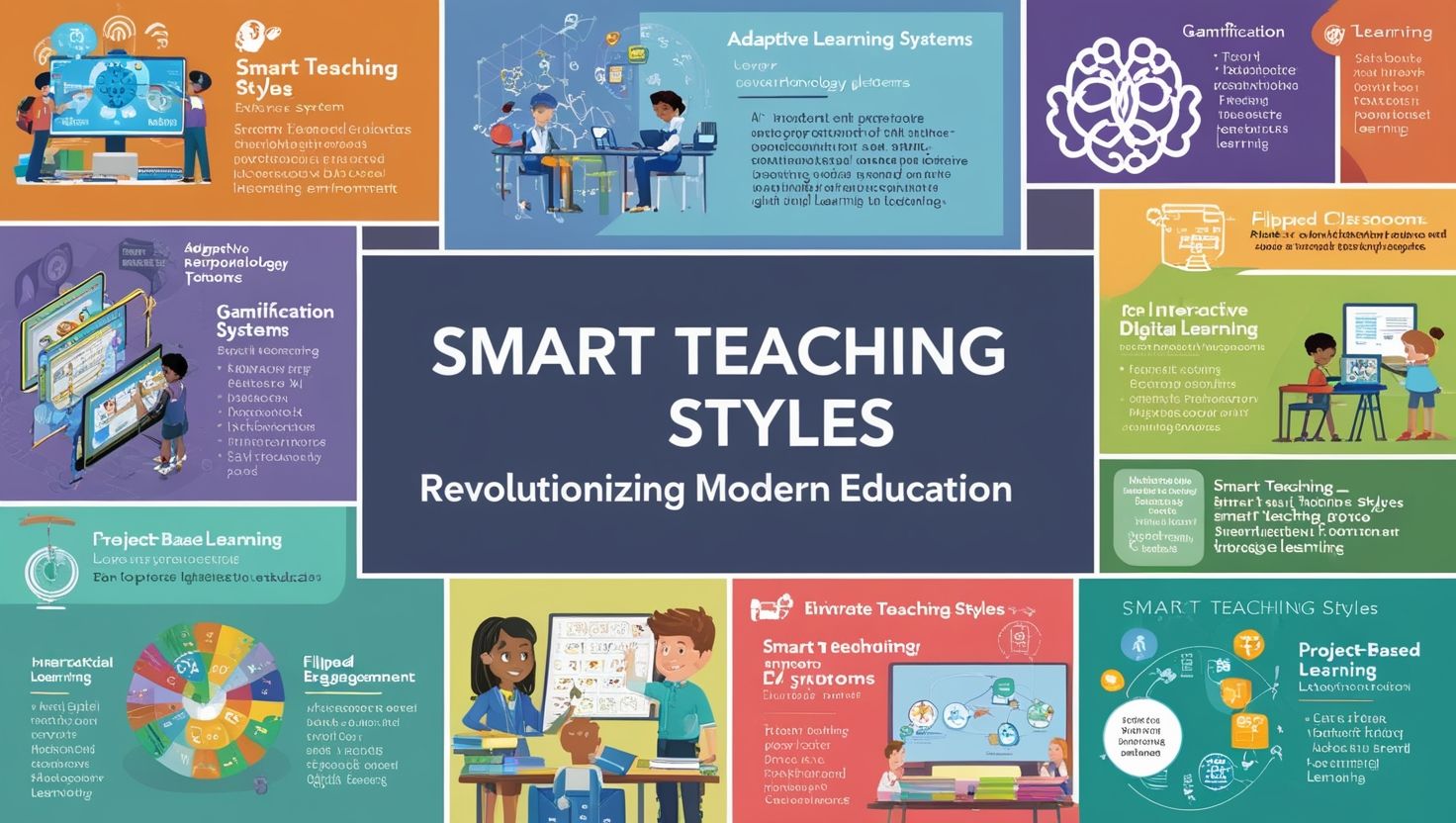
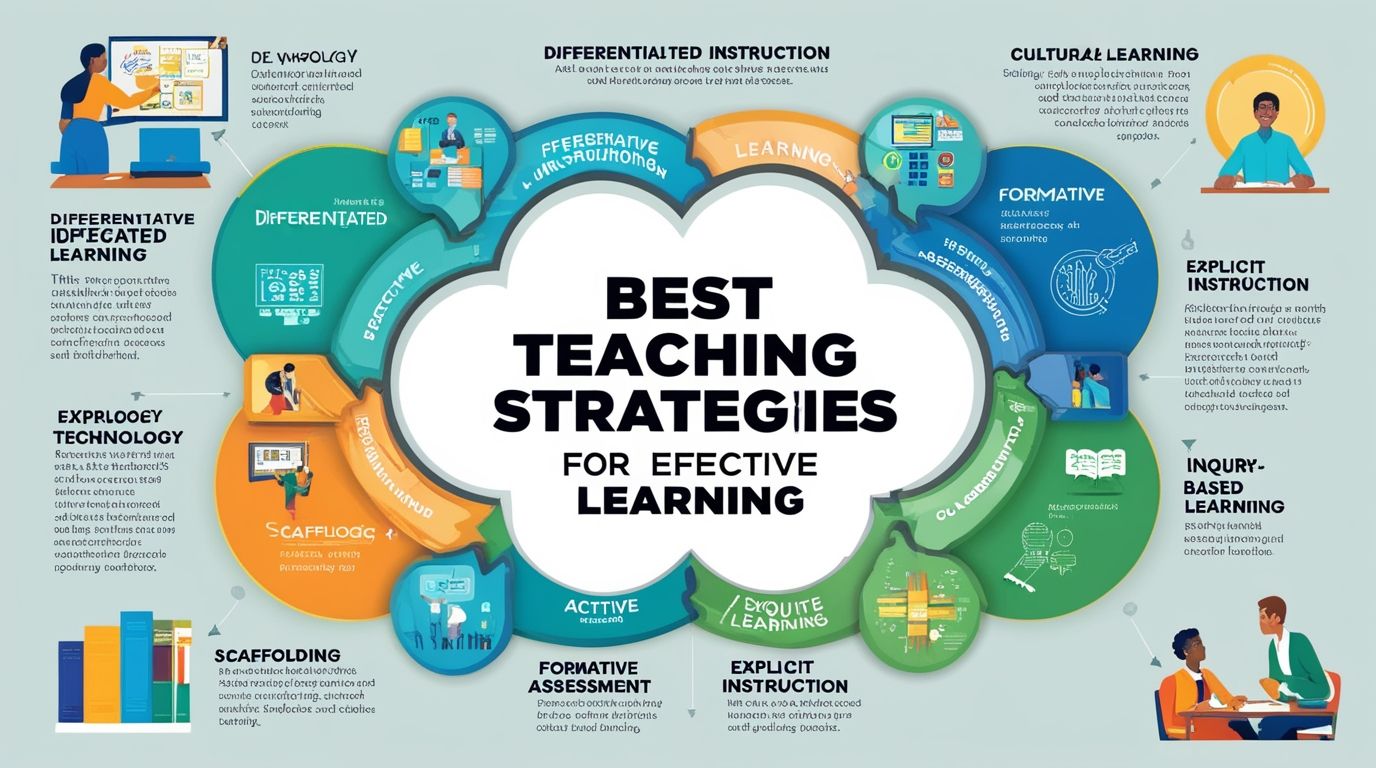
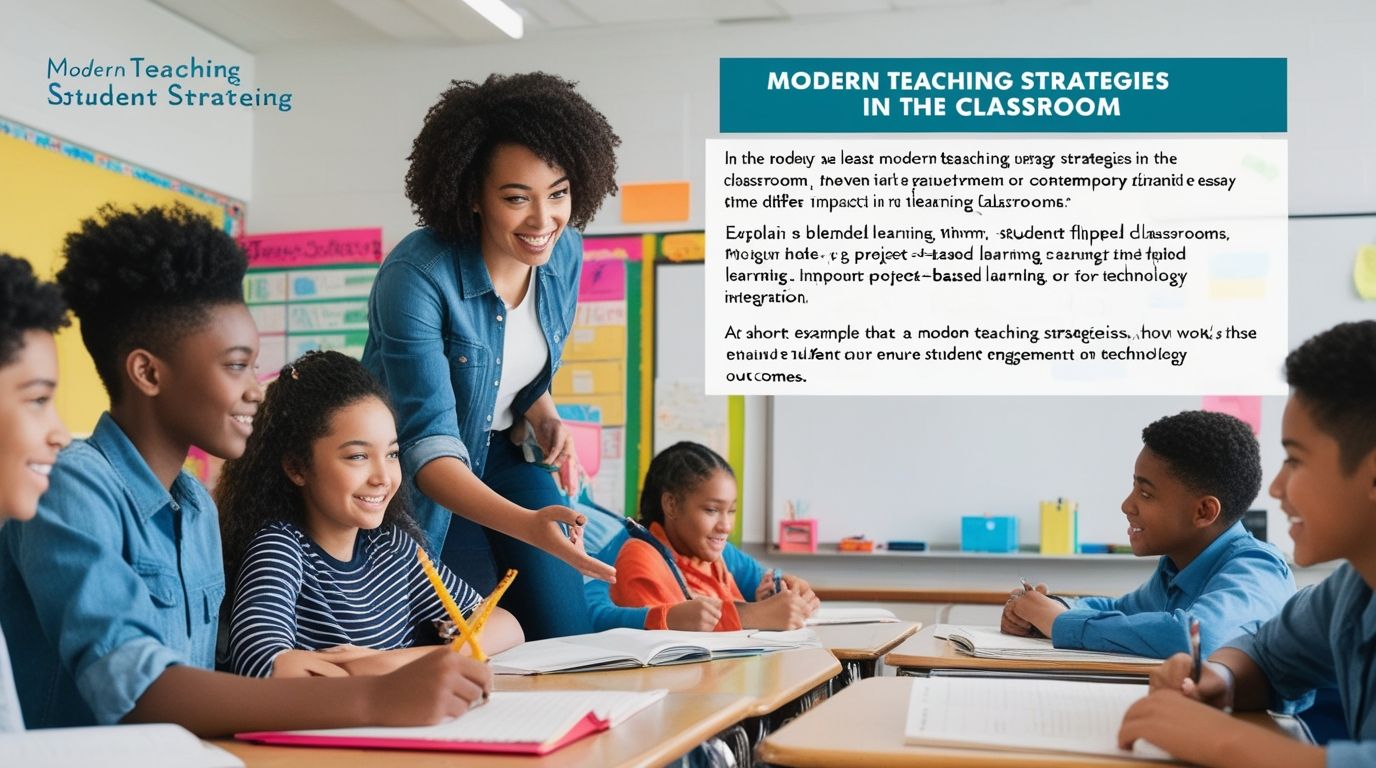
Learner-centered pedagogy incorporates a wide range of teaching strategies designed to engage students actively. One common strategy is cooperative learning, where students work together in small groups to achieve learning goals. Cooperative learning develops teamwork, leadership, and communication skills.
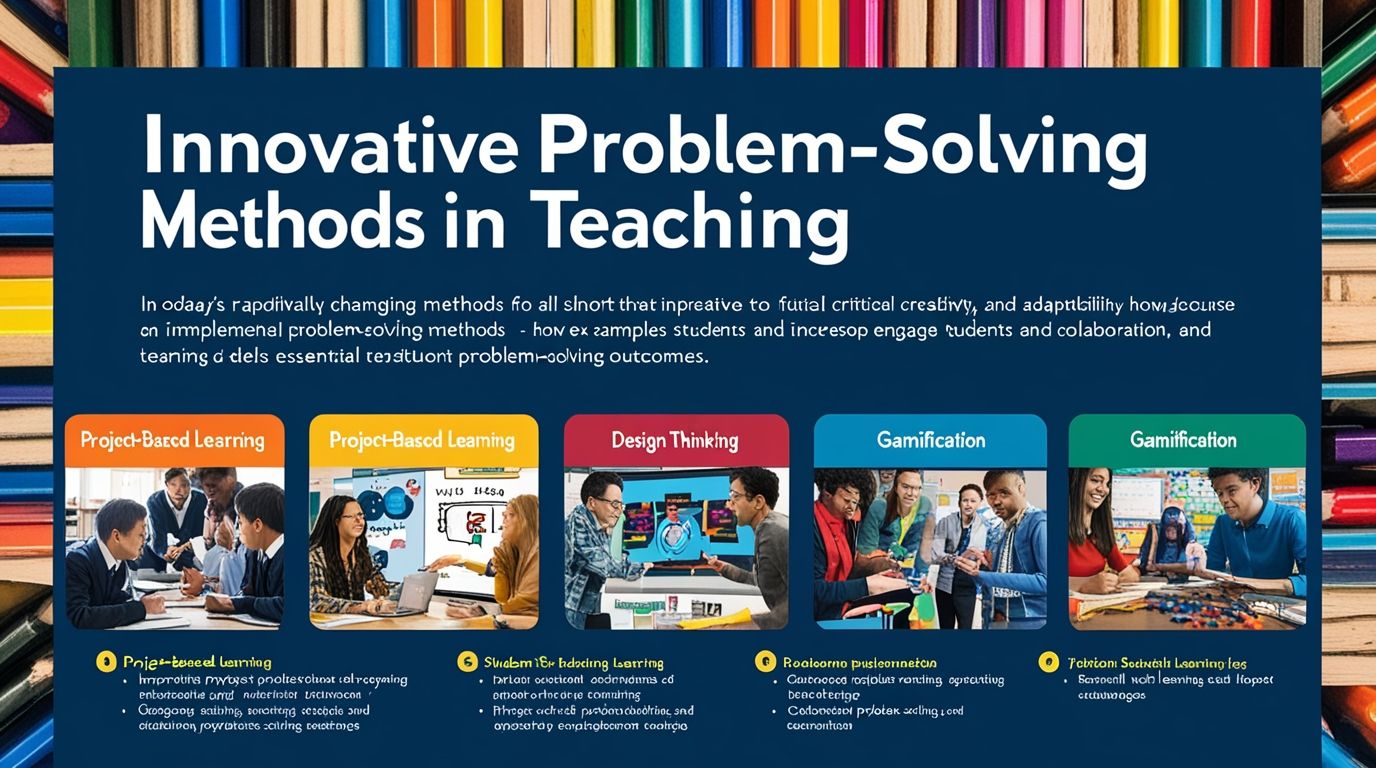
Problem-based learning is another important strategy. In this approach, students solve real-world problems through research, collaboration, and critical thinking. Problem-based learning promotes inquiry, creativity, and practical application of knowledge.
Project-based learning involves students completing extended projects that integrate research, collaboration, and presentation skills. Projects allow learners to connect theoretical knowledge with practical experiences.
Inquiry-based learning encourages students to explore questions and investigate concepts independently. Teachers guide learners in gathering information, analyzing evidence, and drawing conclusions.
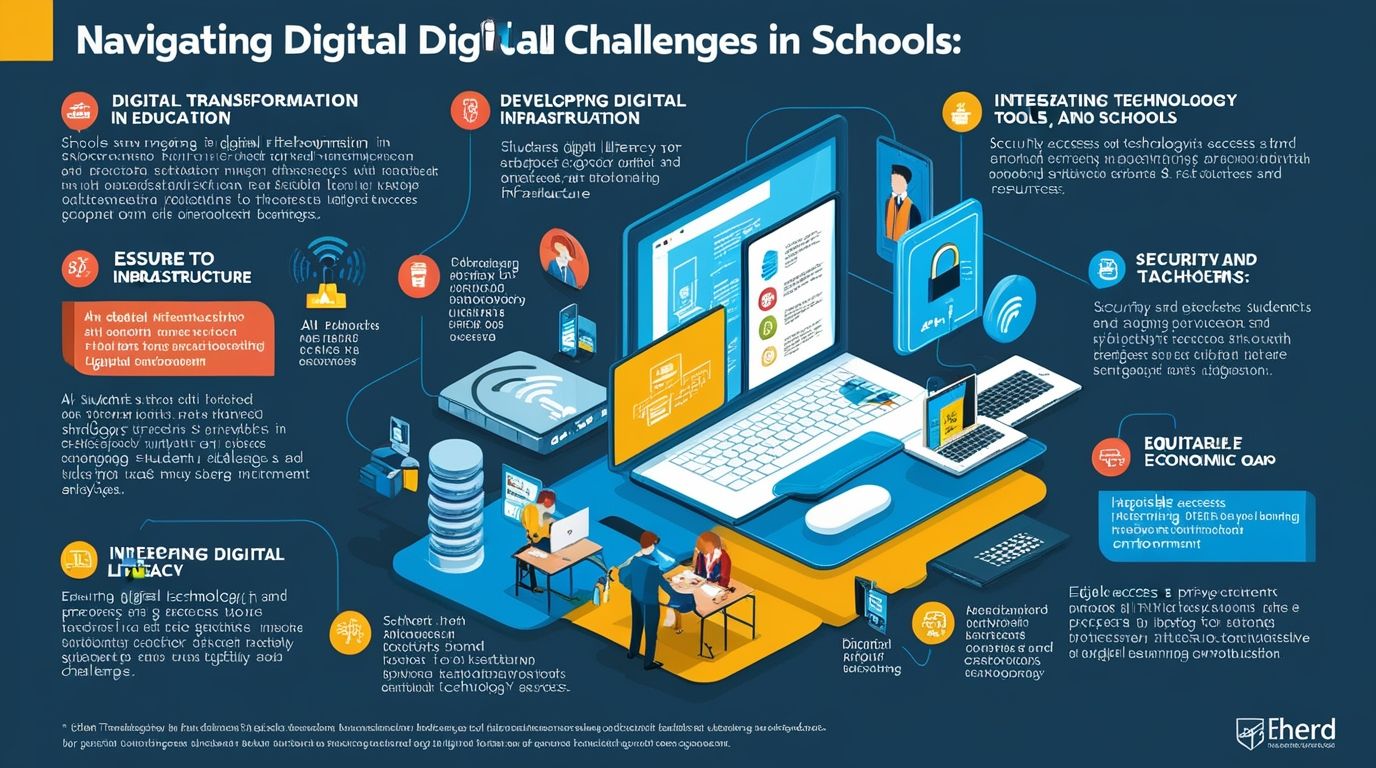
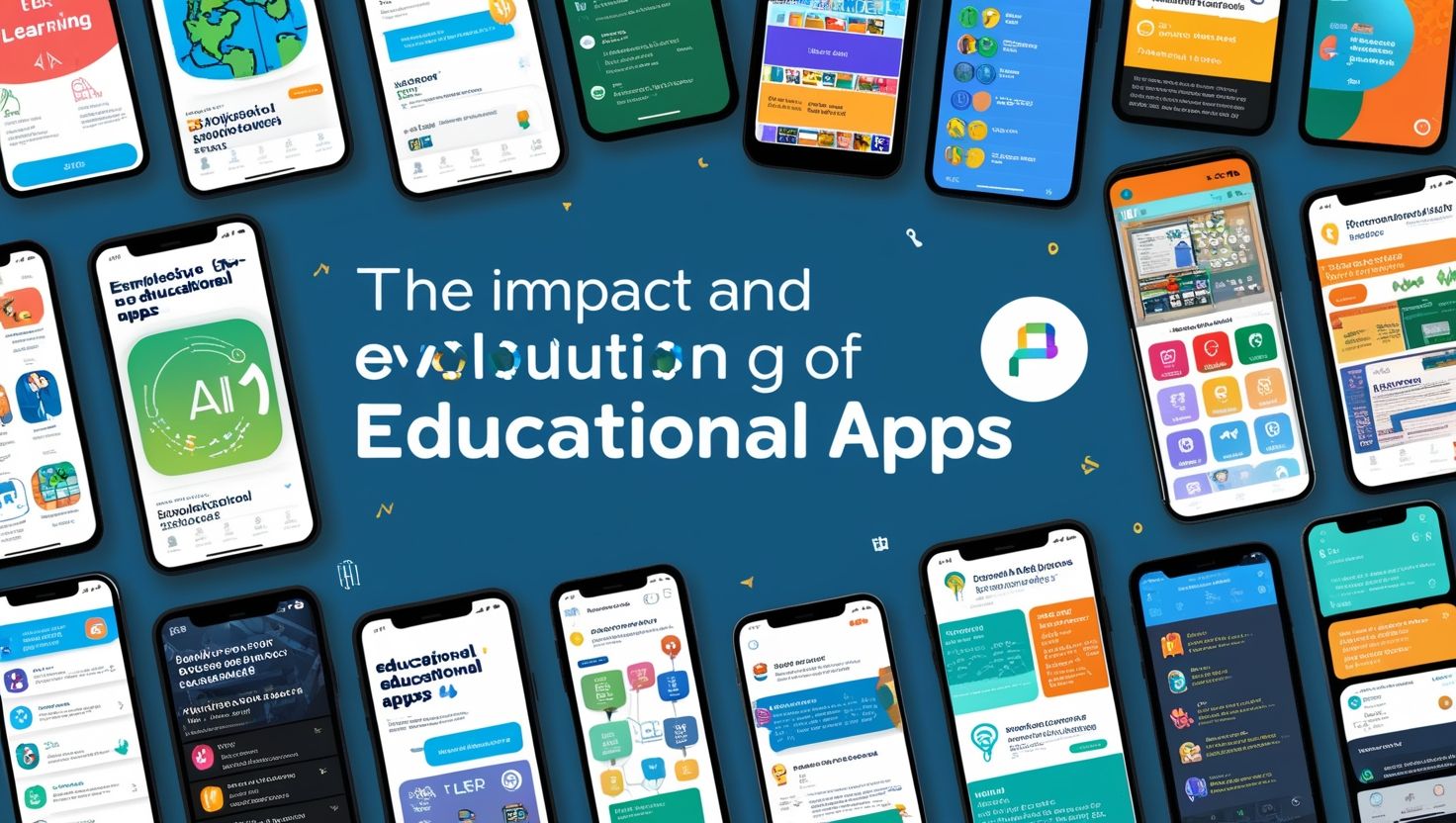
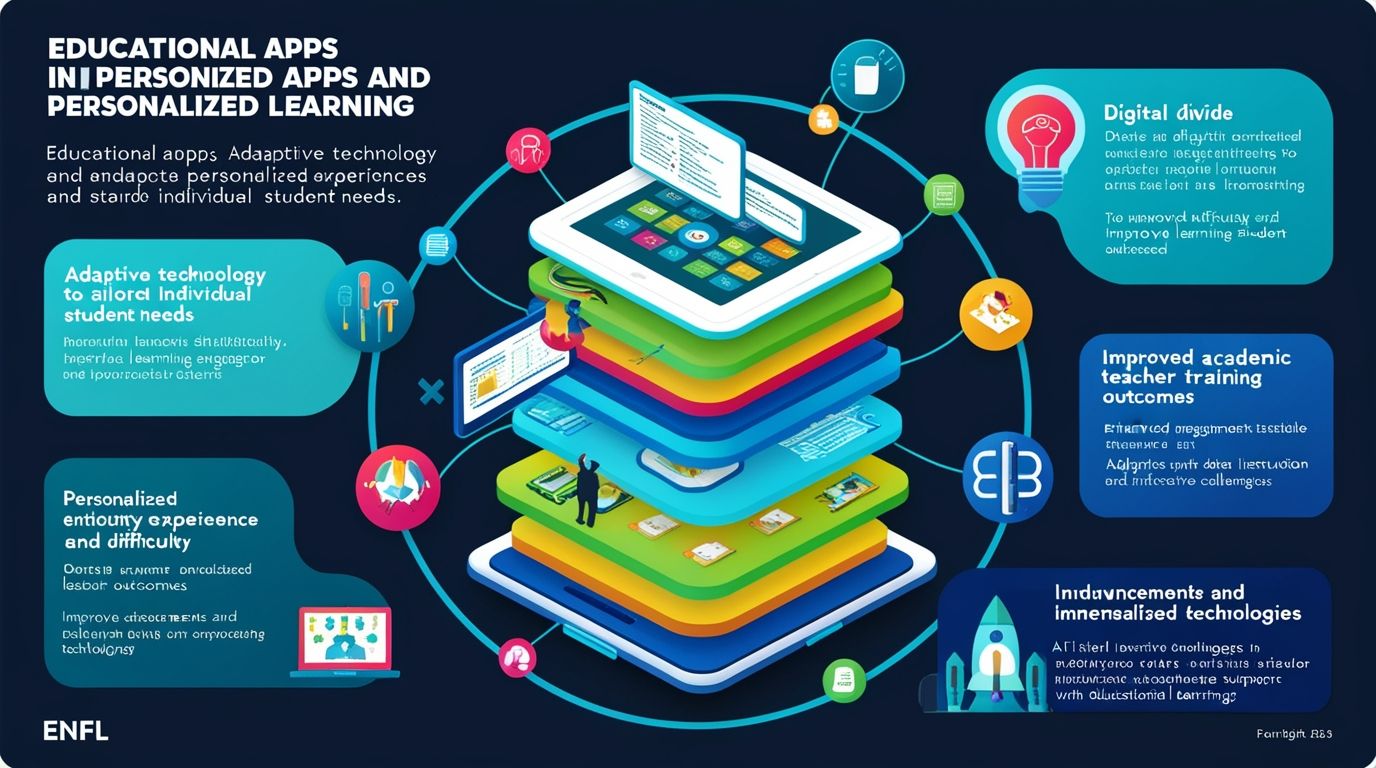
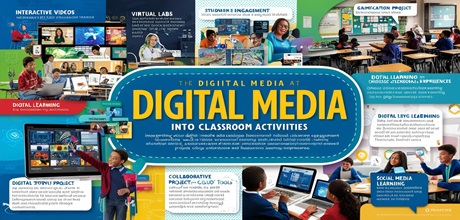
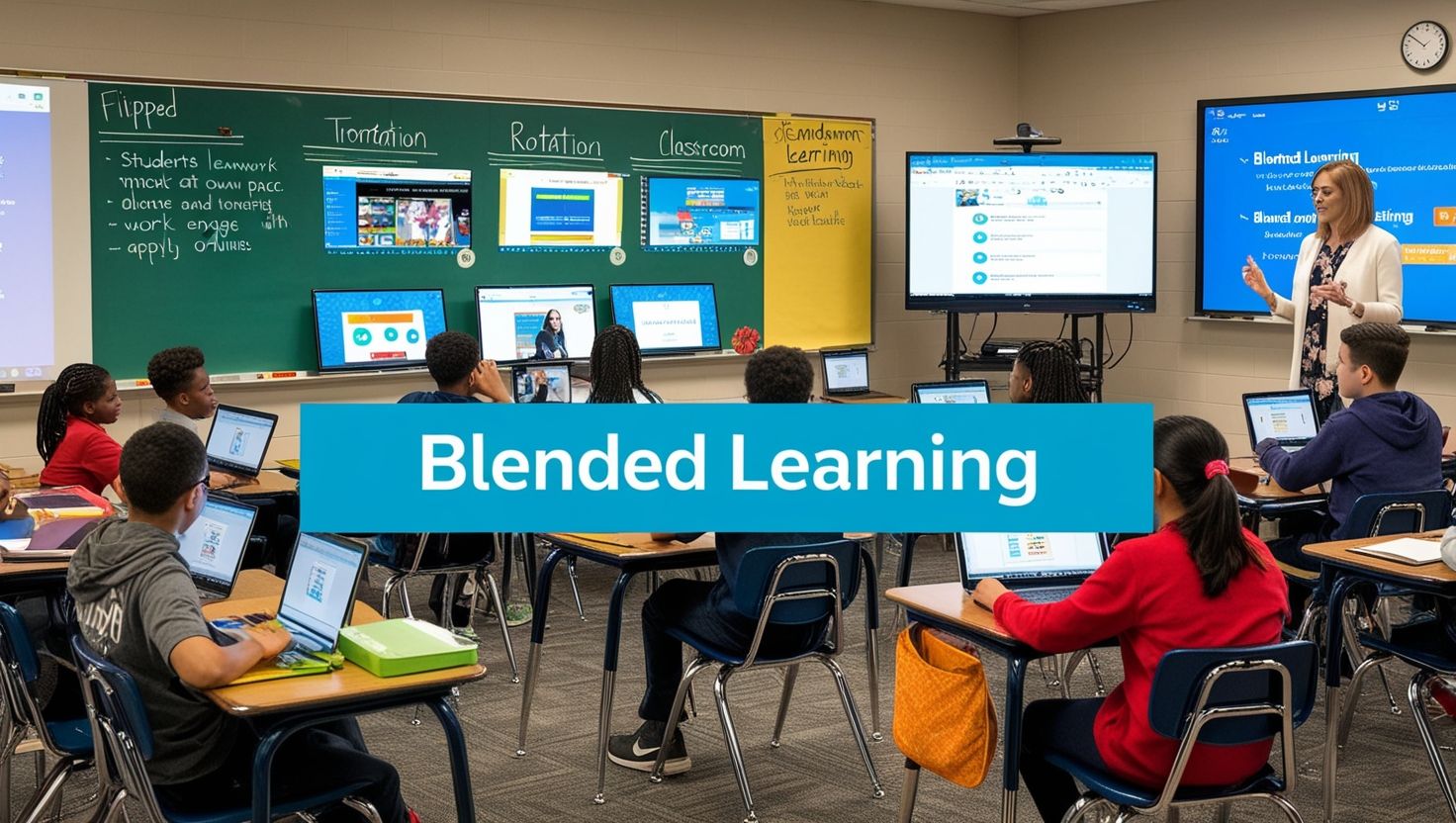
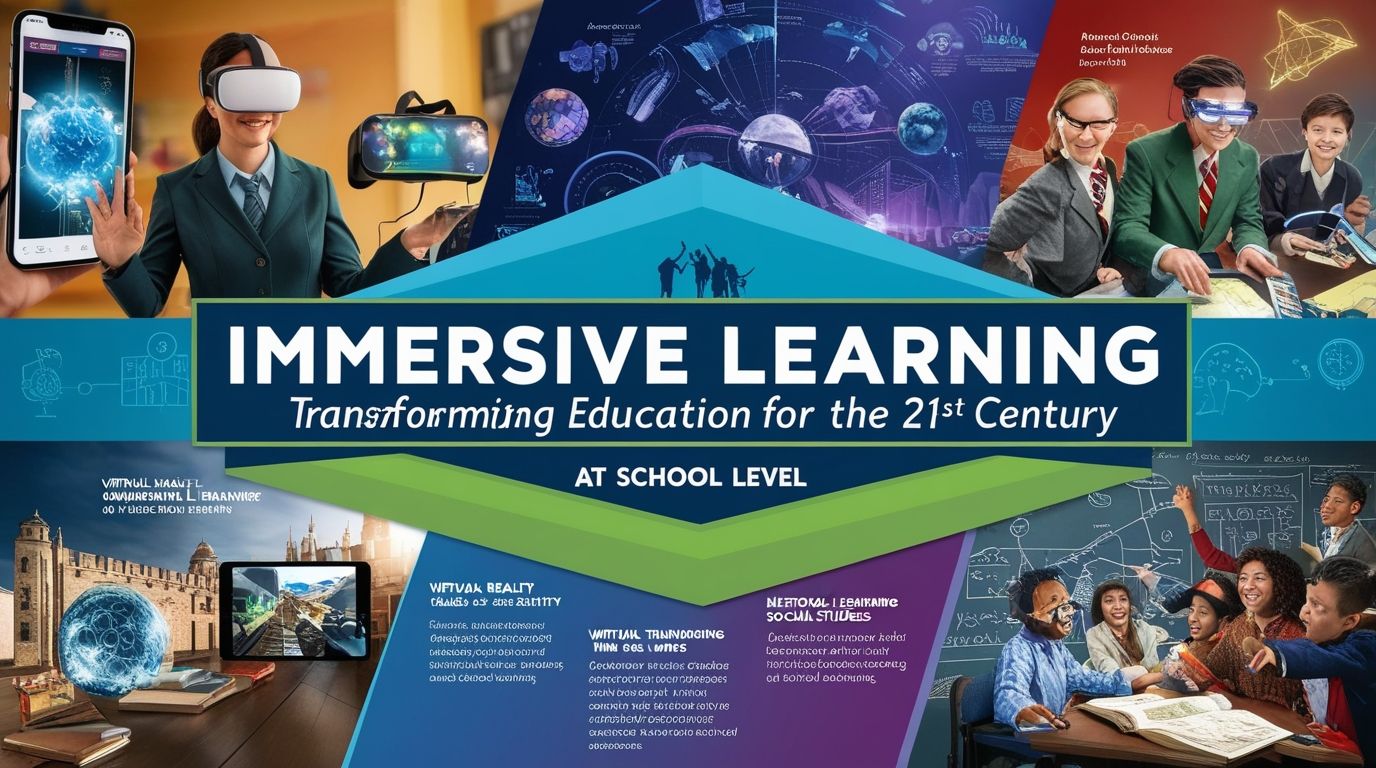
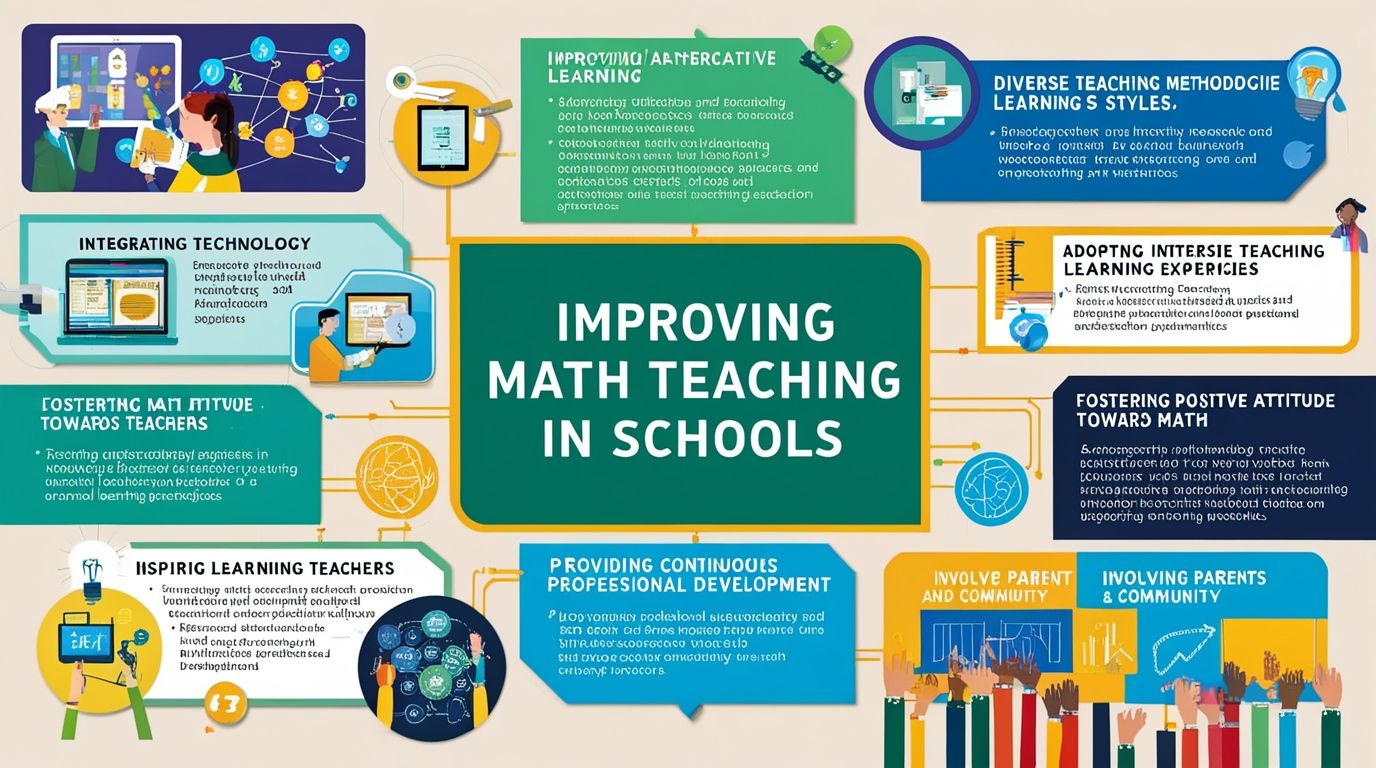
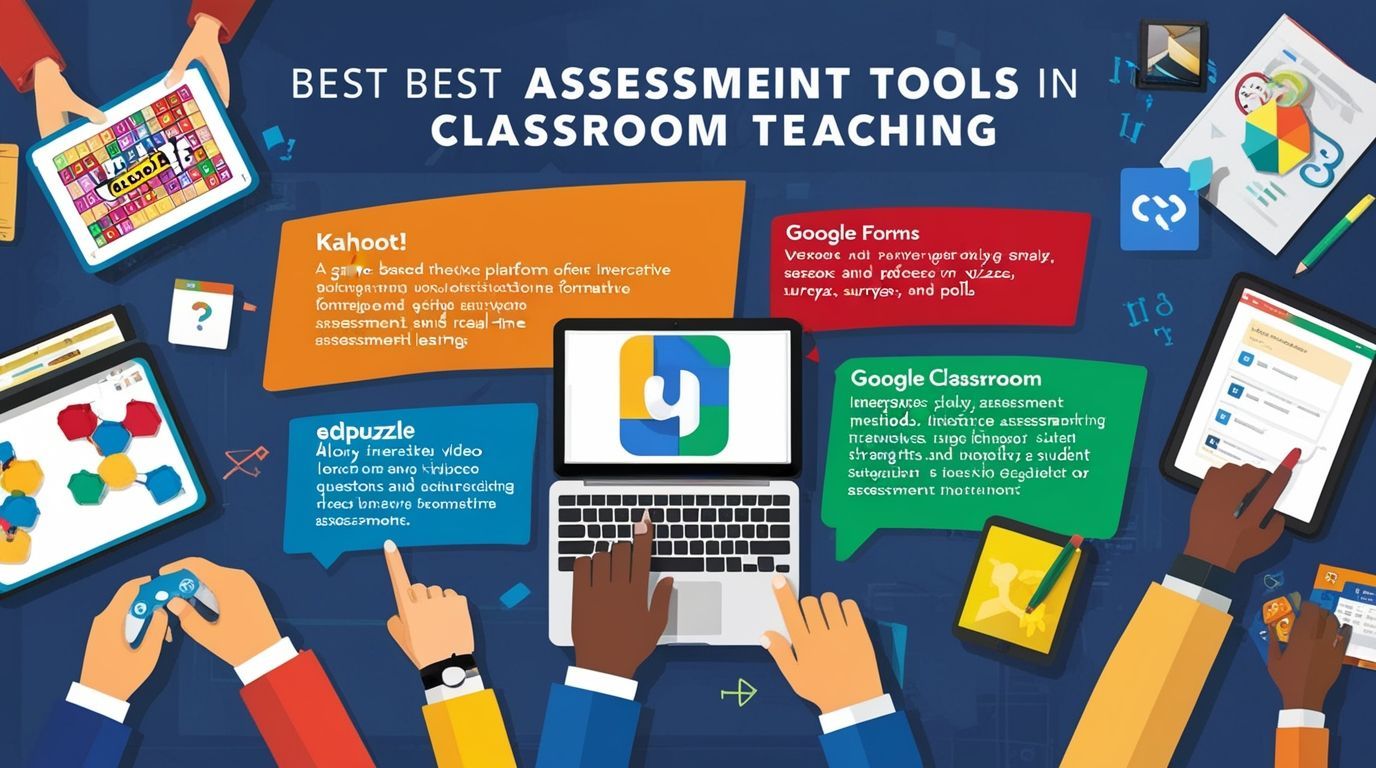
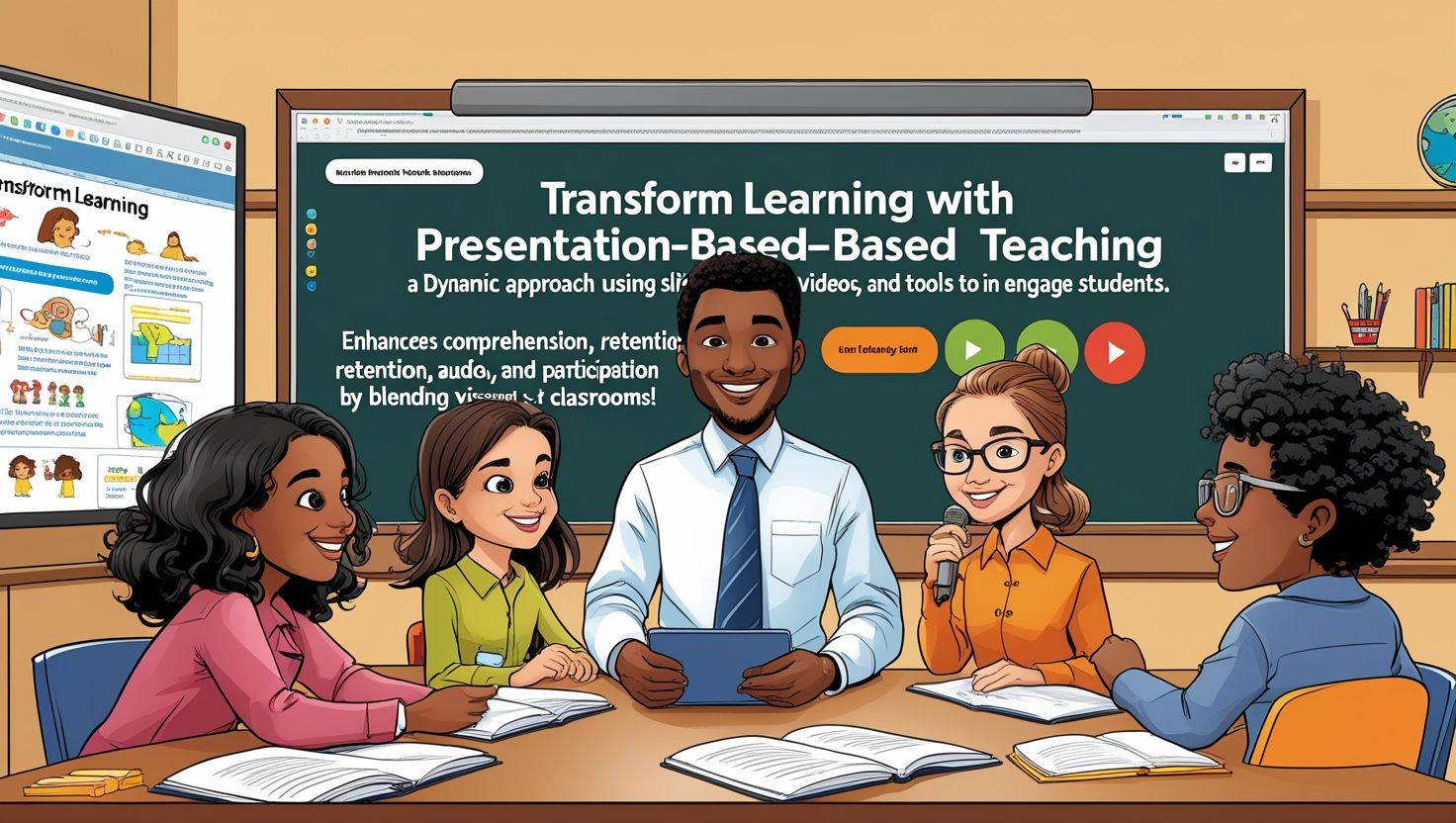
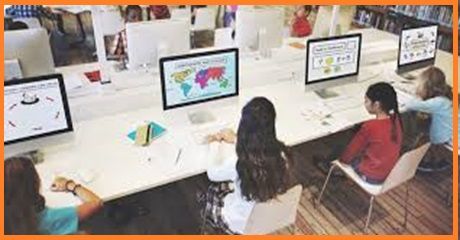
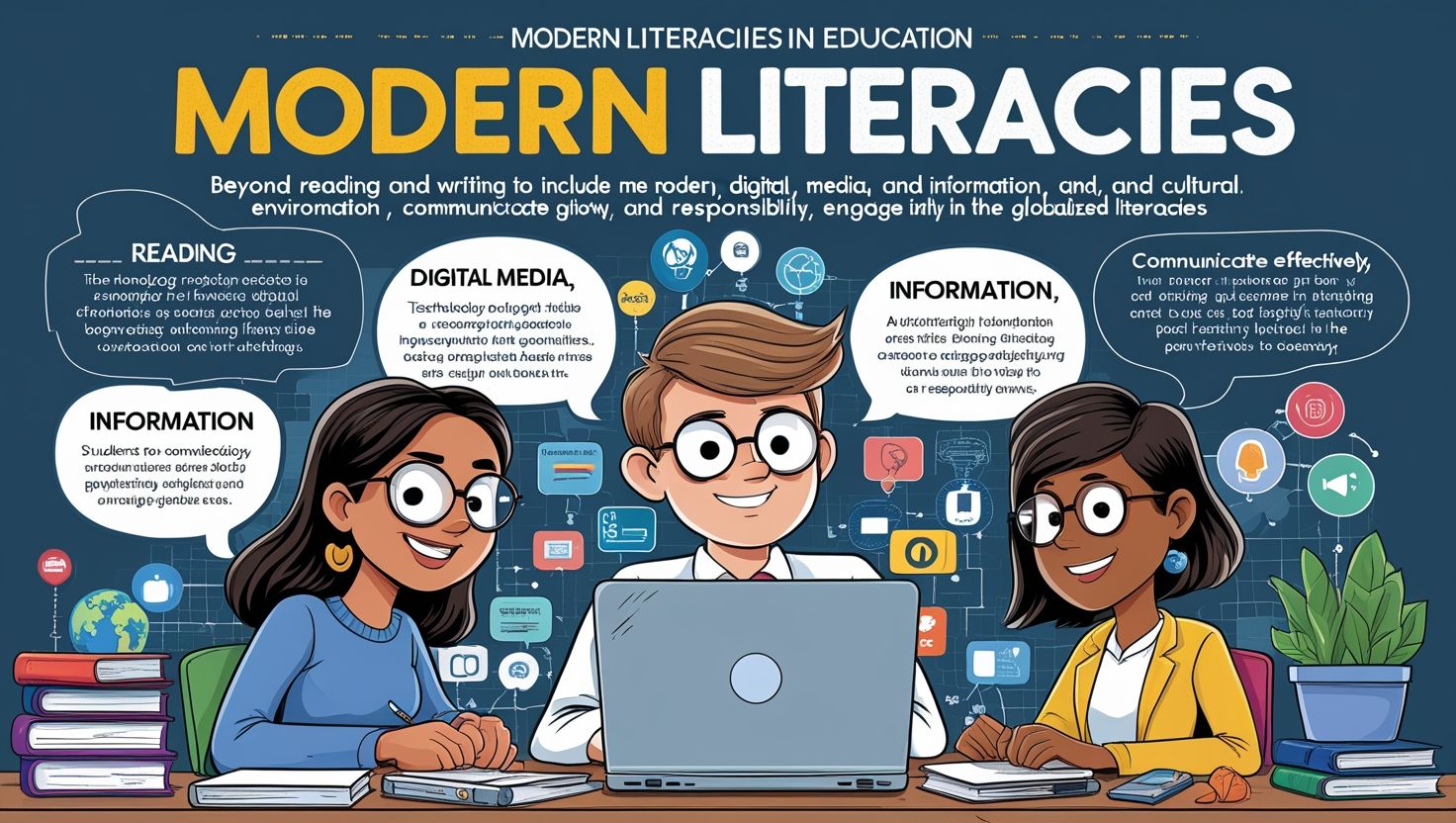
Technology integration also supports learner-centered teaching. Digital tools such as multimedia presentations, virtual simulations, online discussions, and educational applications create interactive and flexible learning experiences.
Assessment in Learner-Centered Education
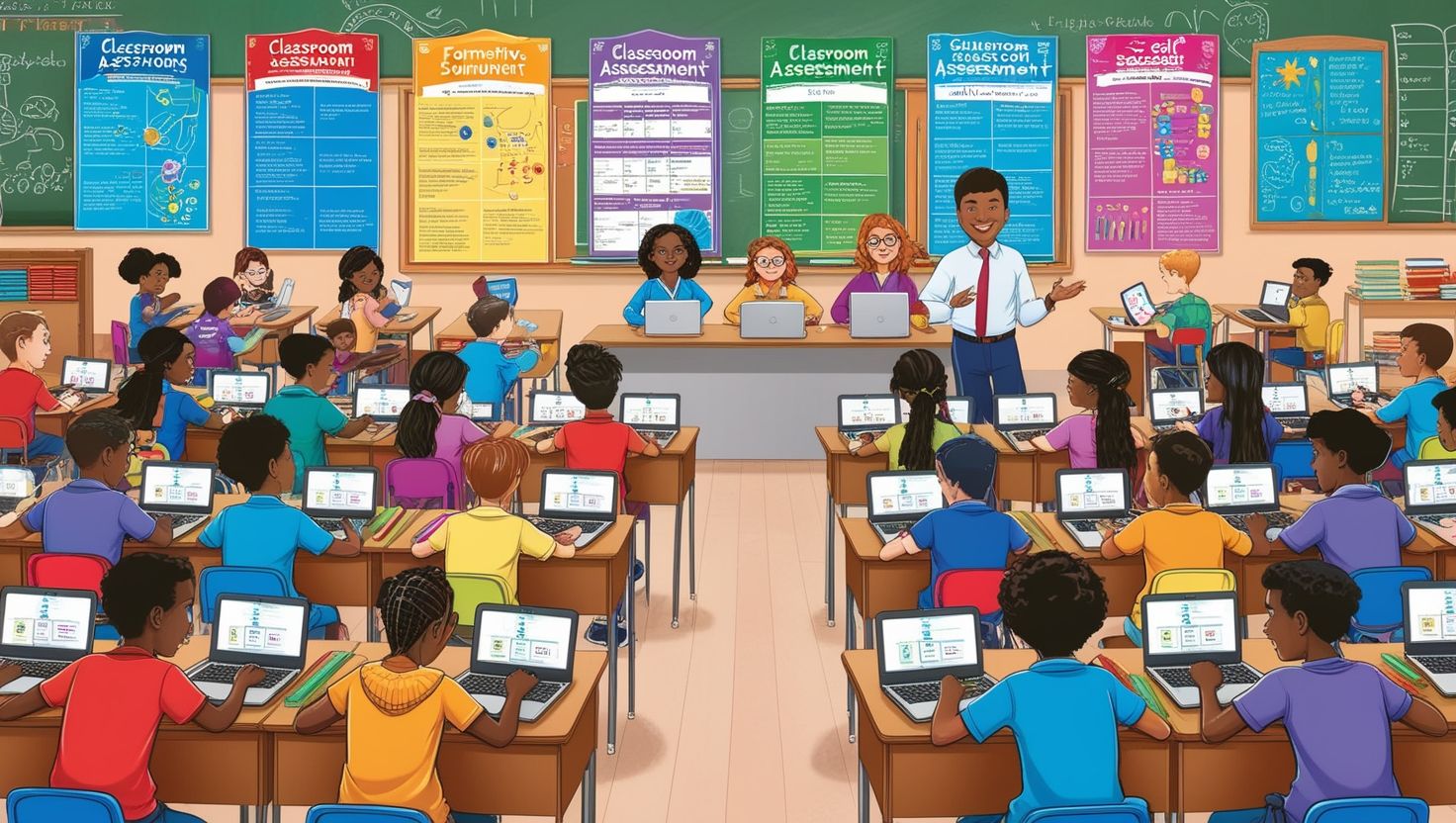
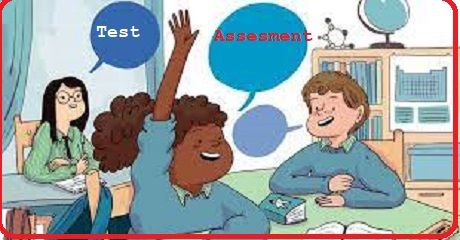
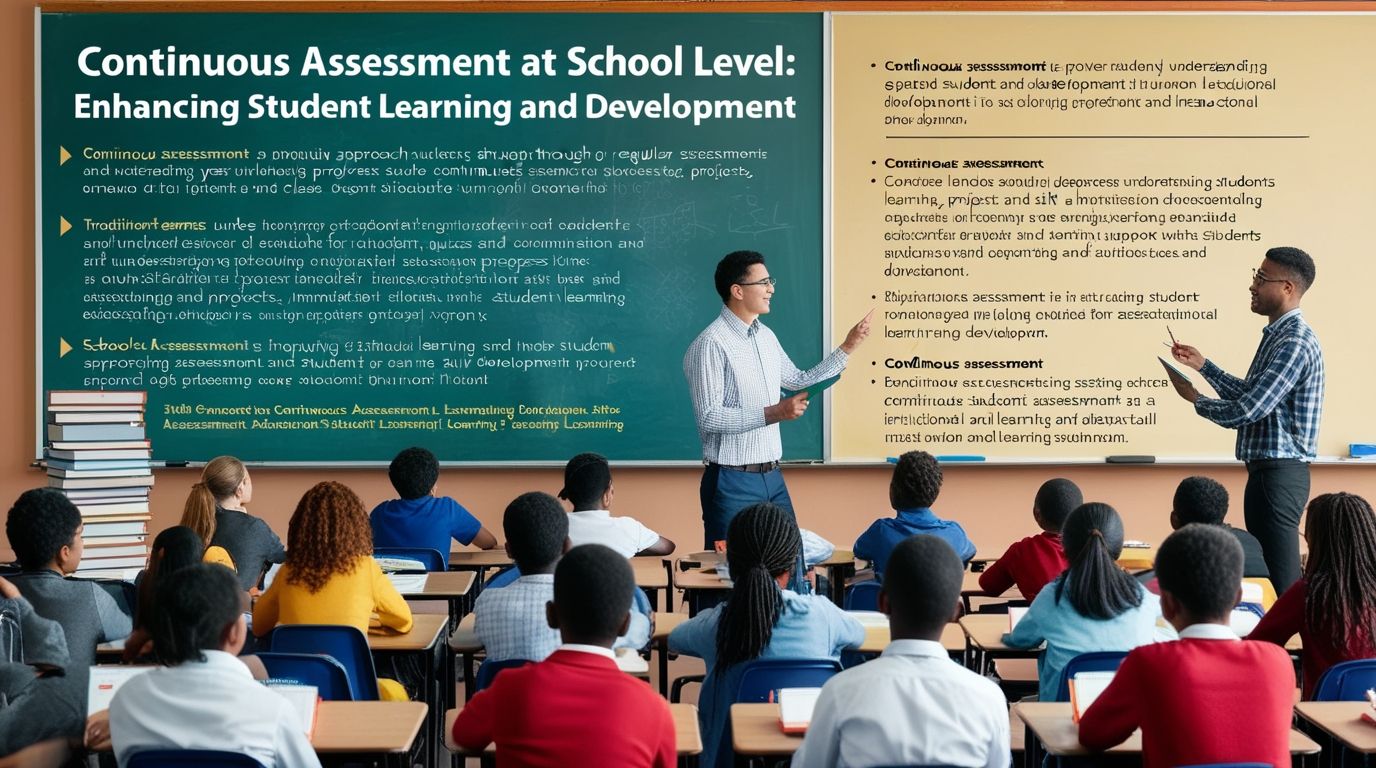
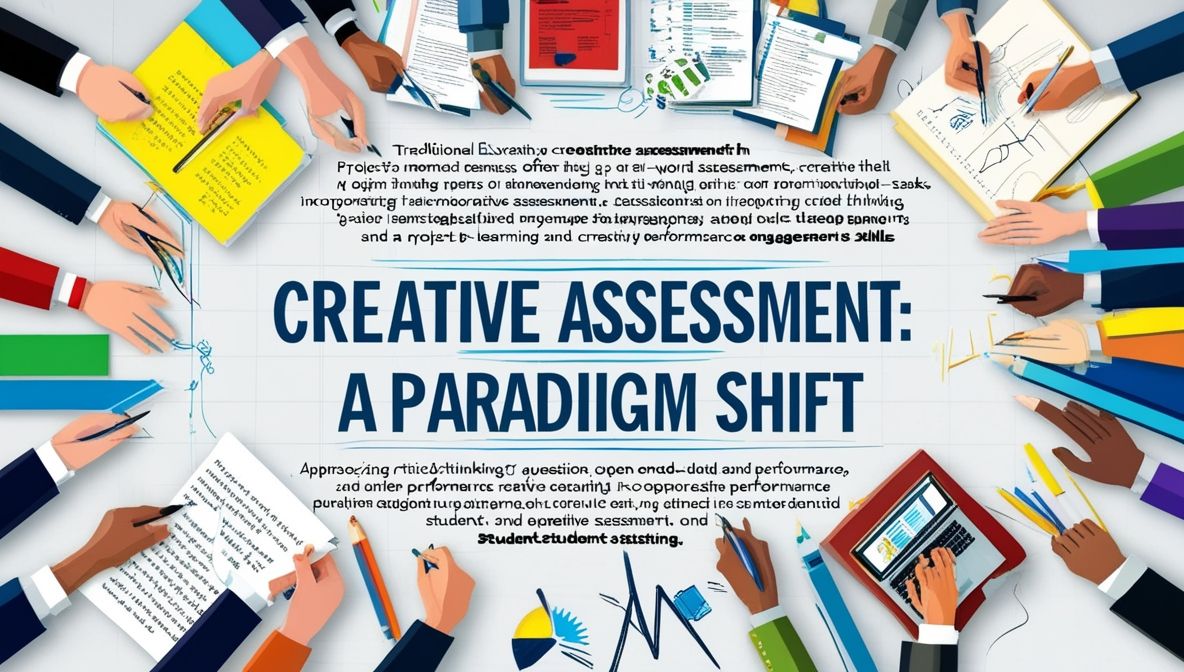
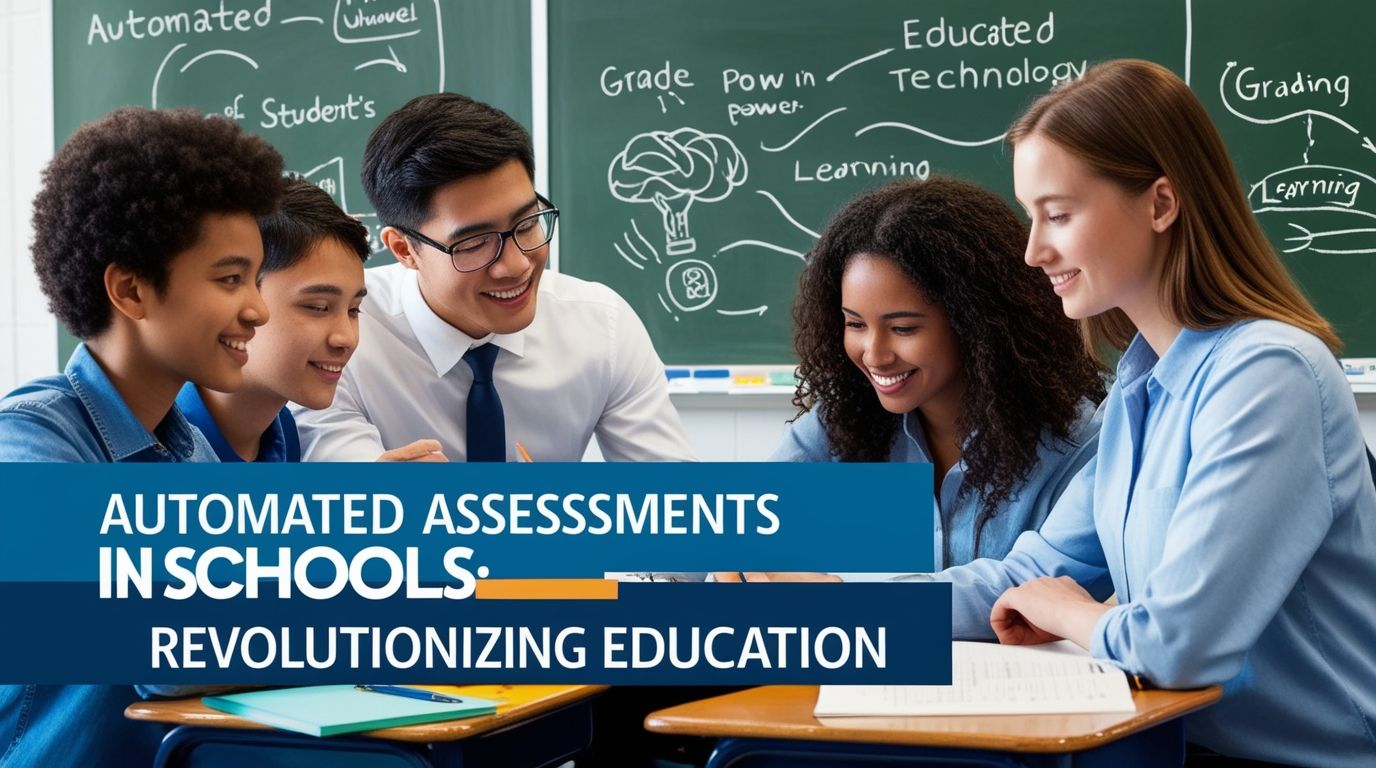
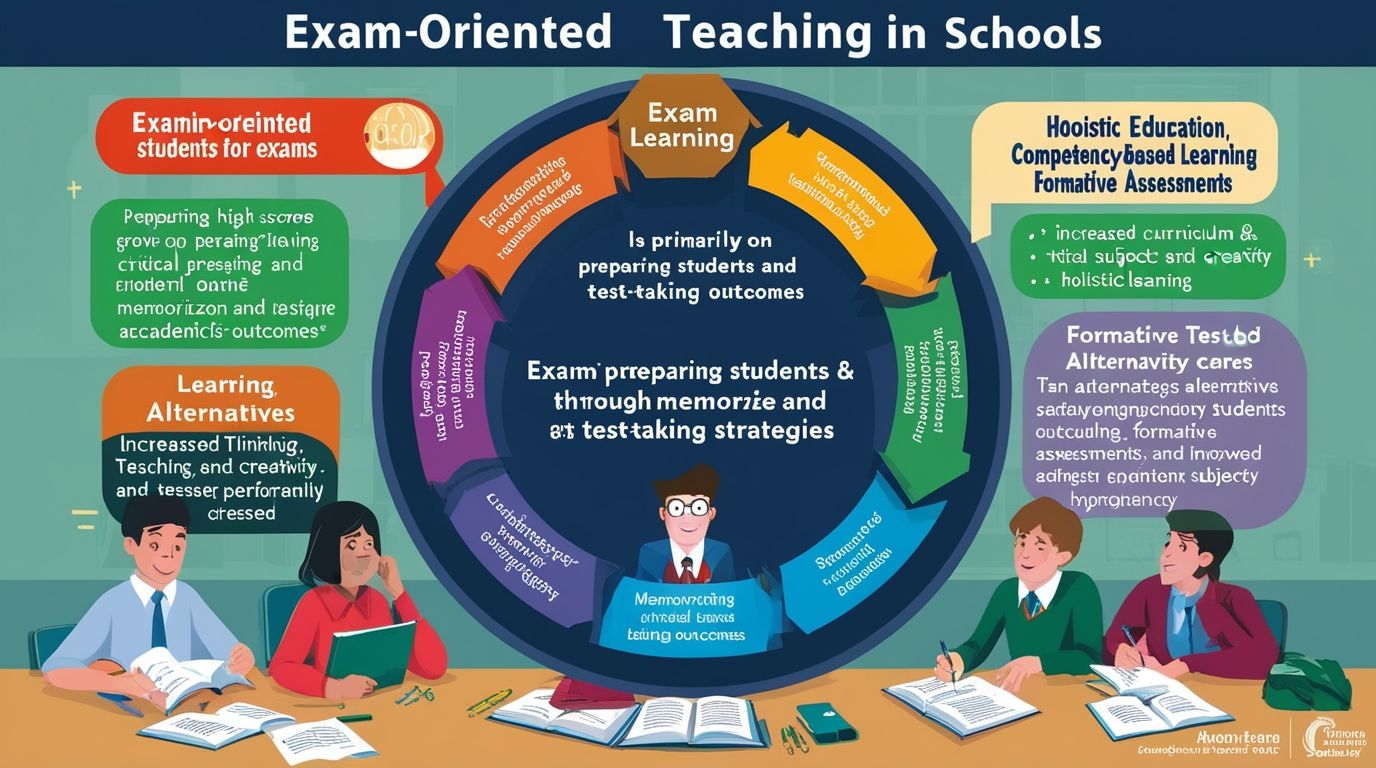
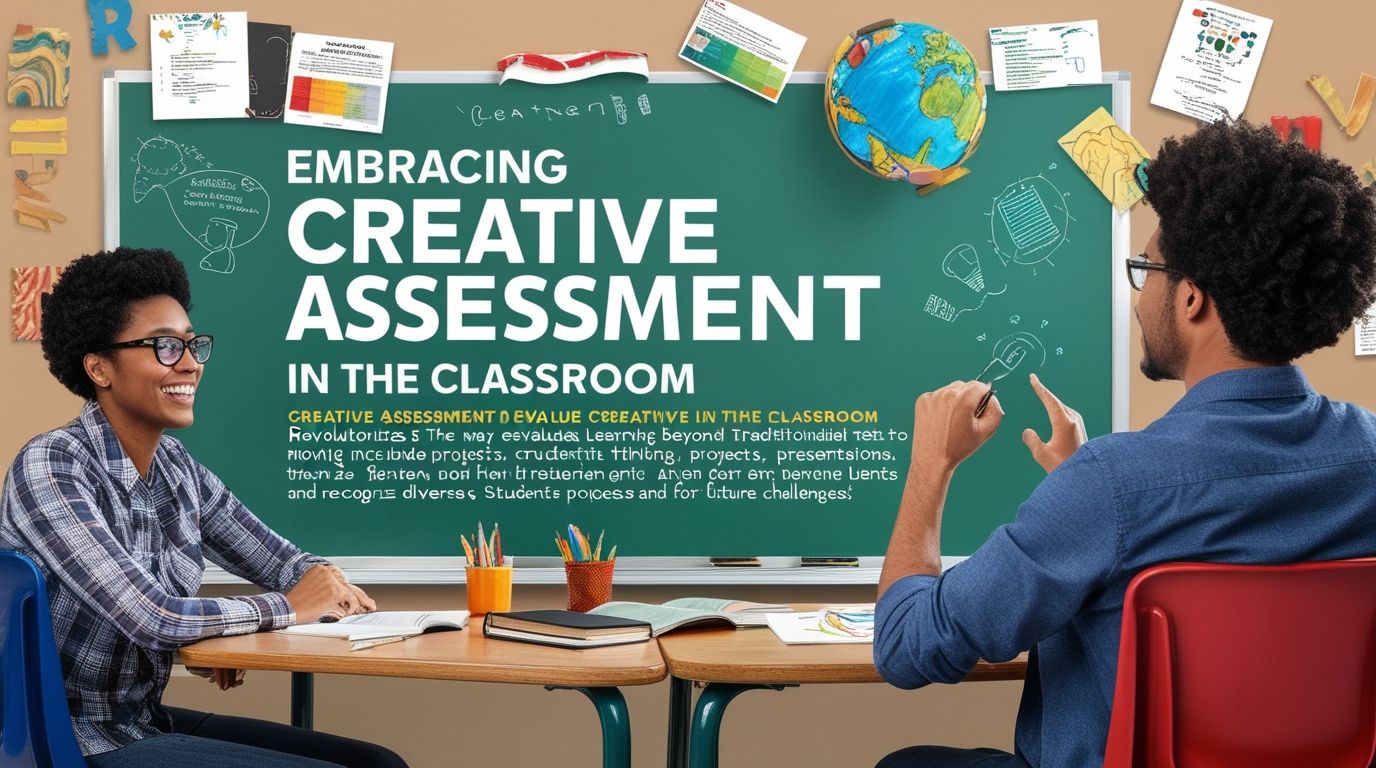
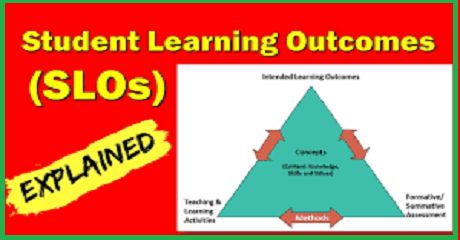
Assessment is a vital component of effective teaching and learner-centered pedagogy. Traditional assessment methods often focus mainly on memorization and standardized testing. However, learner-centered education emphasizes authentic and formative assessment approaches.
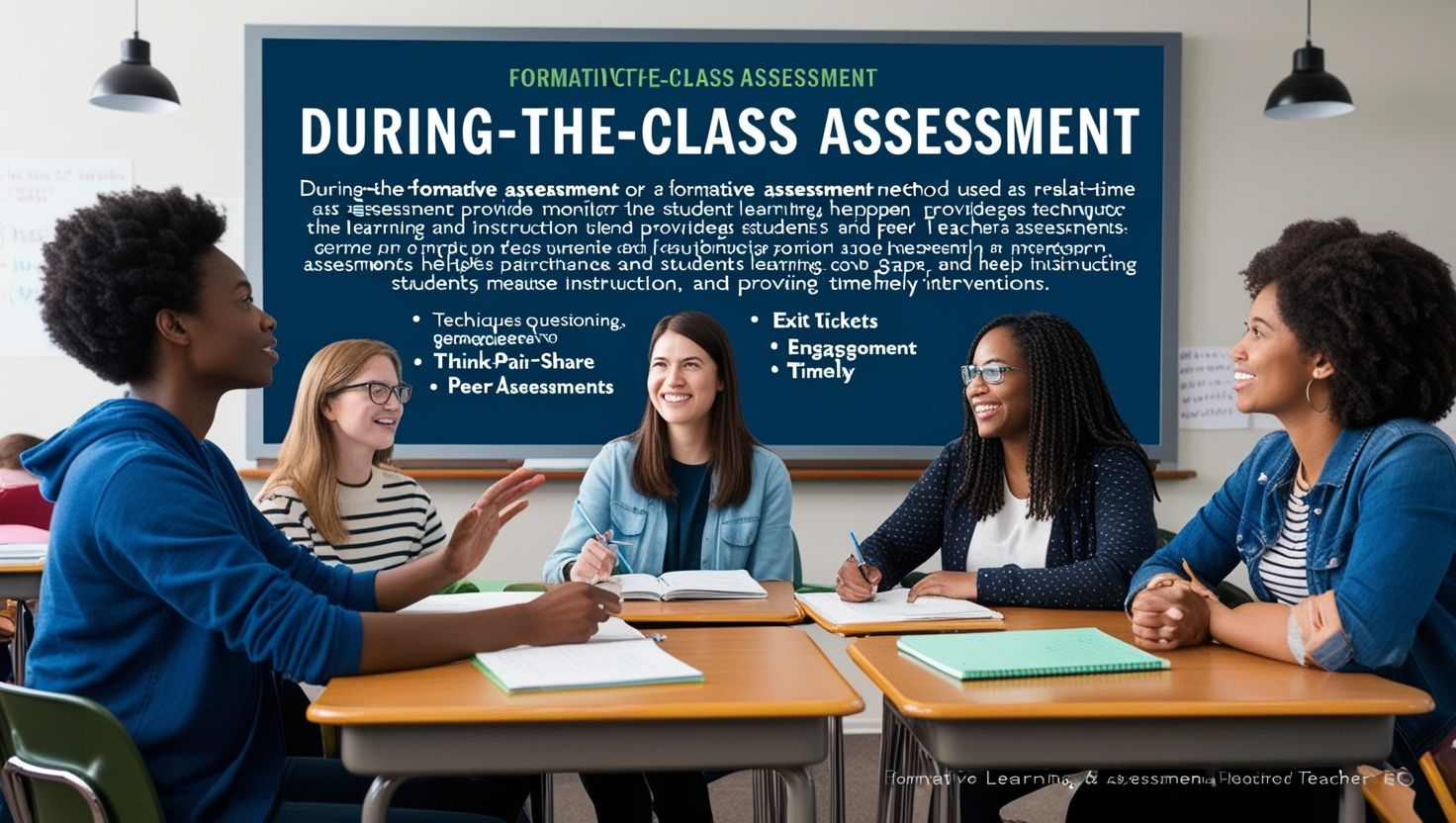
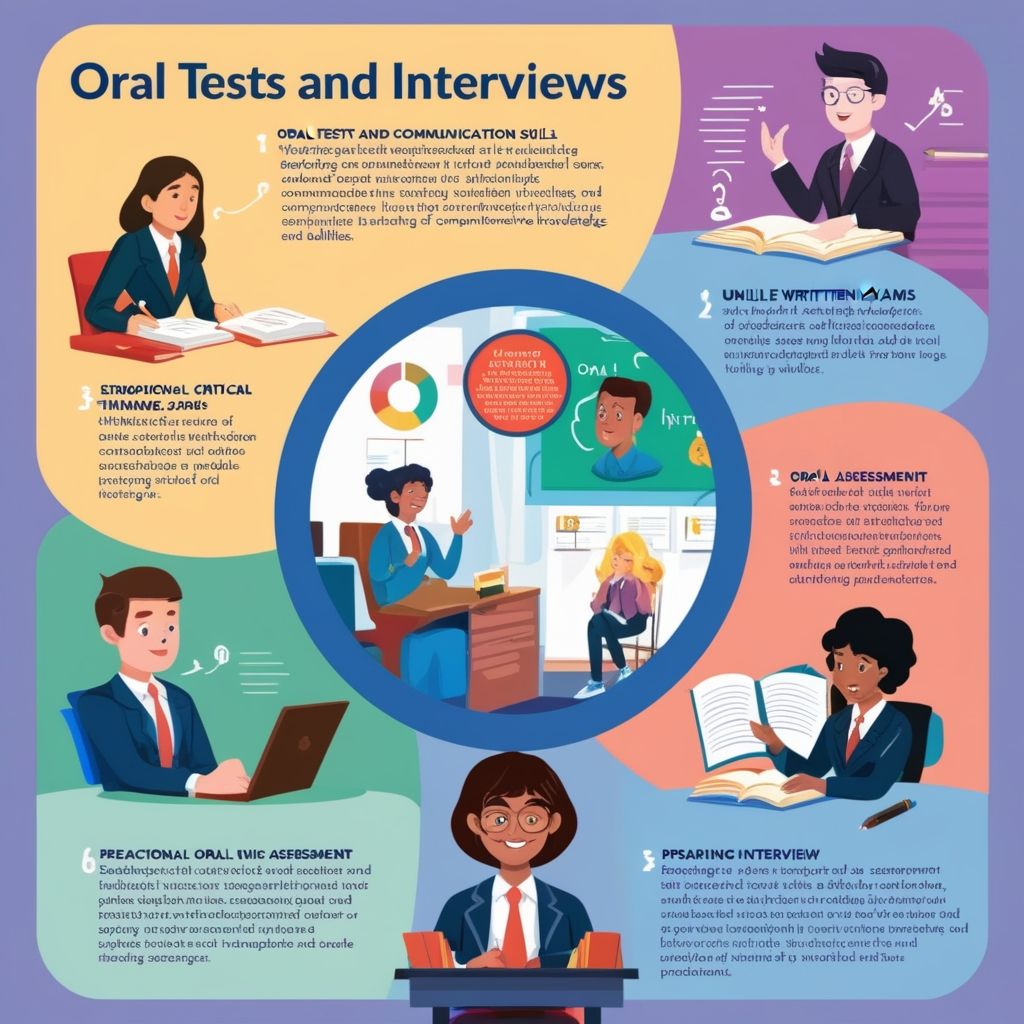
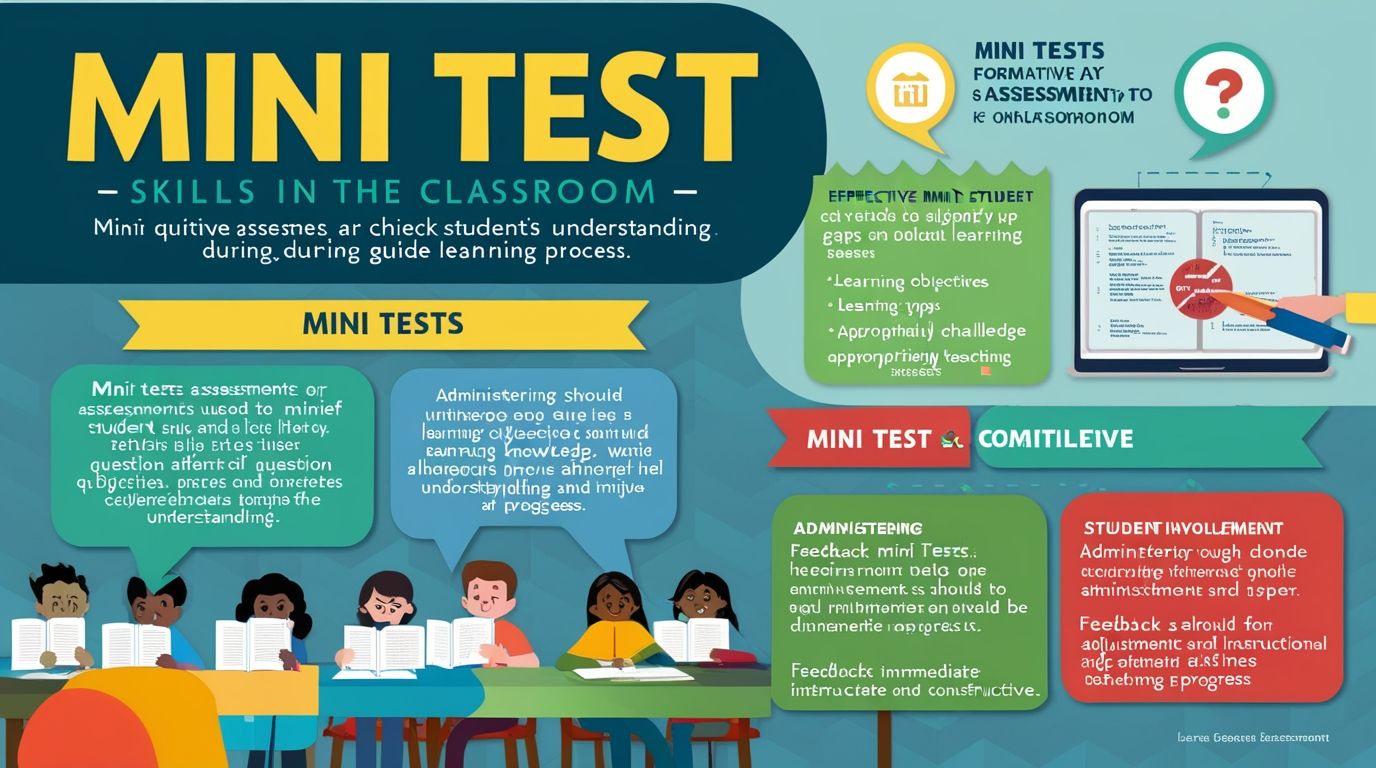
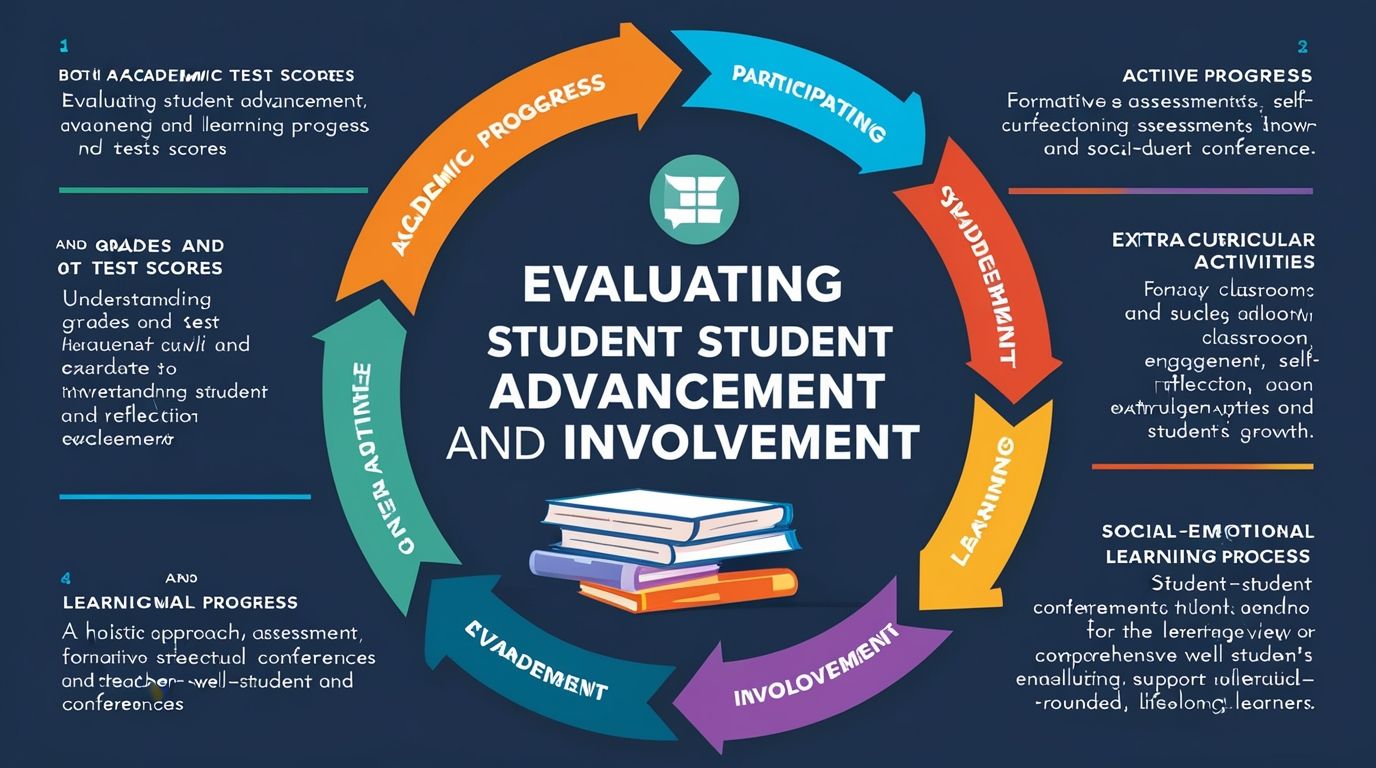
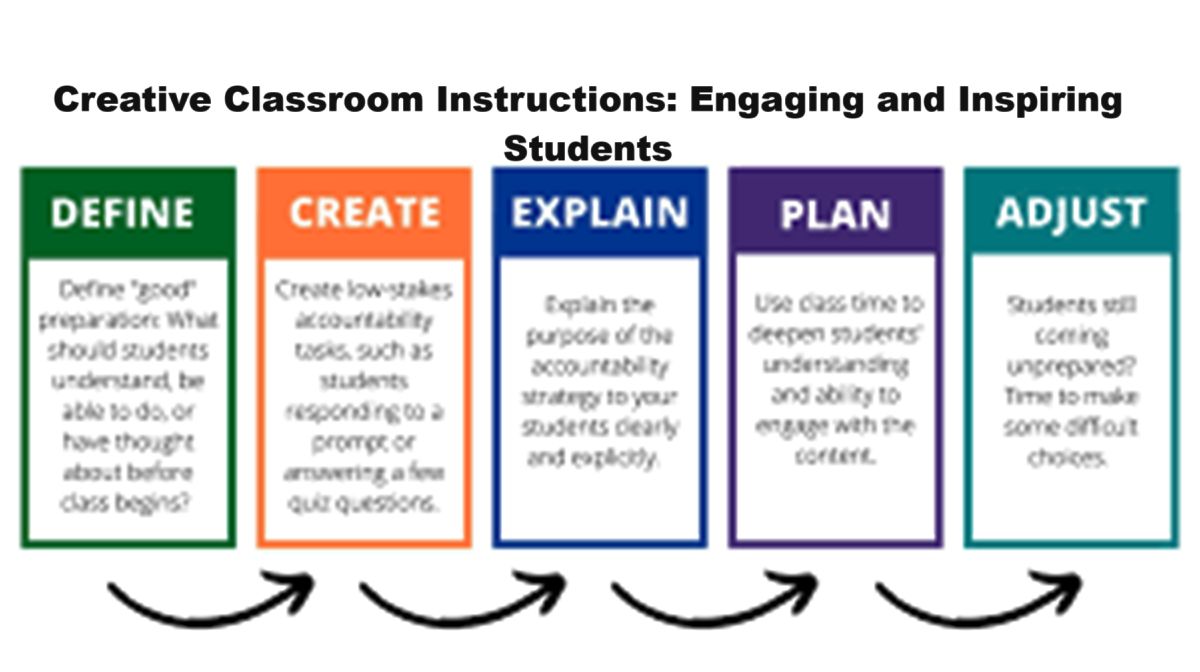
Formative assessment involves continuous monitoring of student learning during the instructional process. Teachers use quizzes, discussions, observations, peer assessments, and feedback activities to identify learning needs and improve instruction.
Authentic assessment evaluates students’ ability to apply knowledge and skills in meaningful contexts. Portfolios, presentations, projects, case studies, and performance tasks are examples of authentic assessment methods.
Self-assessment and peer assessment are also important in learner-centered classrooms. These methods encourage students to reflect on their learning and develop responsibility for improvement.
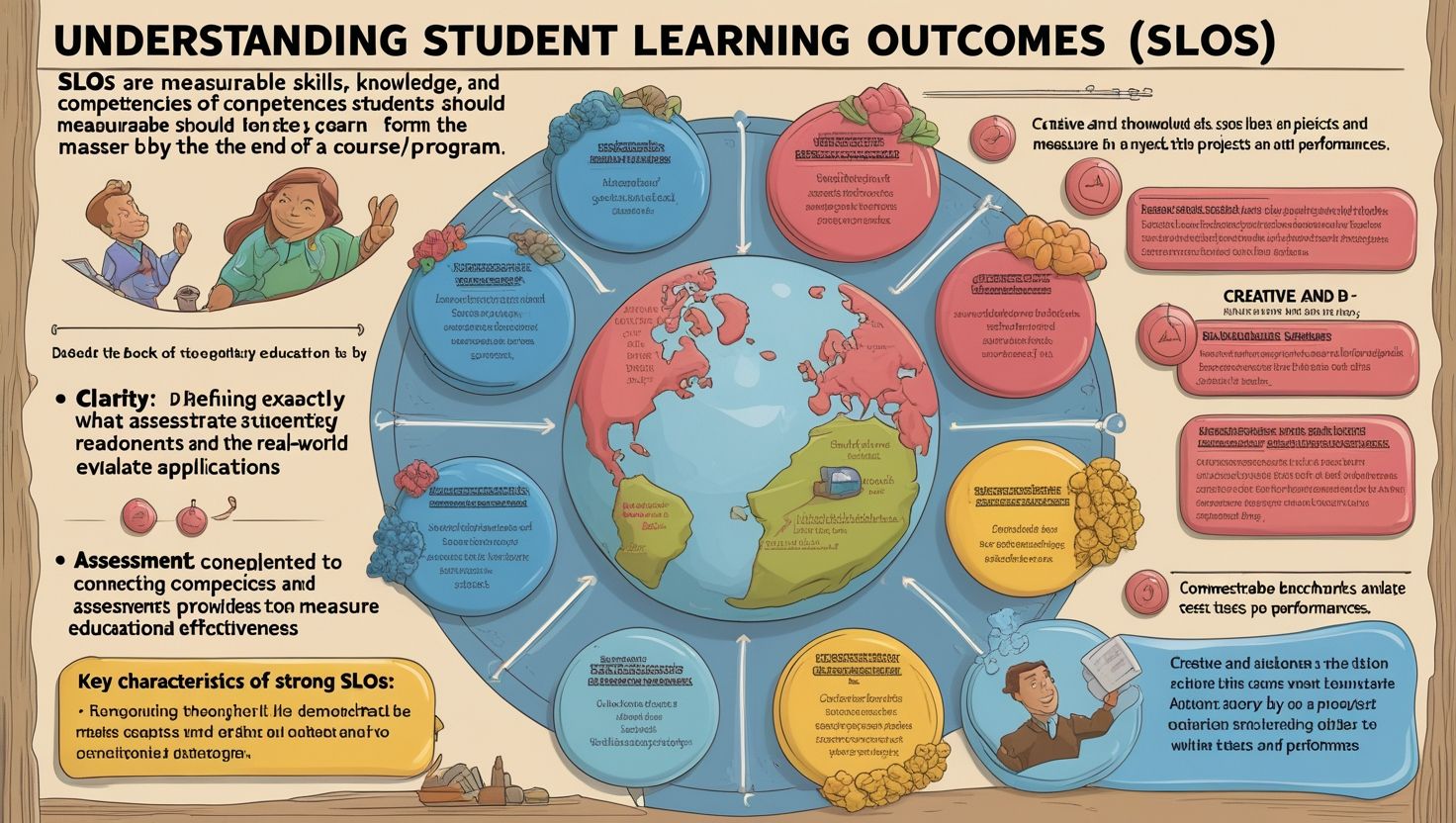
Effective assessment should be fair, inclusive, transparent, and aligned with learning objectives. It should support learning rather than merely measure performance.
Role of Technology in Effective Teaching
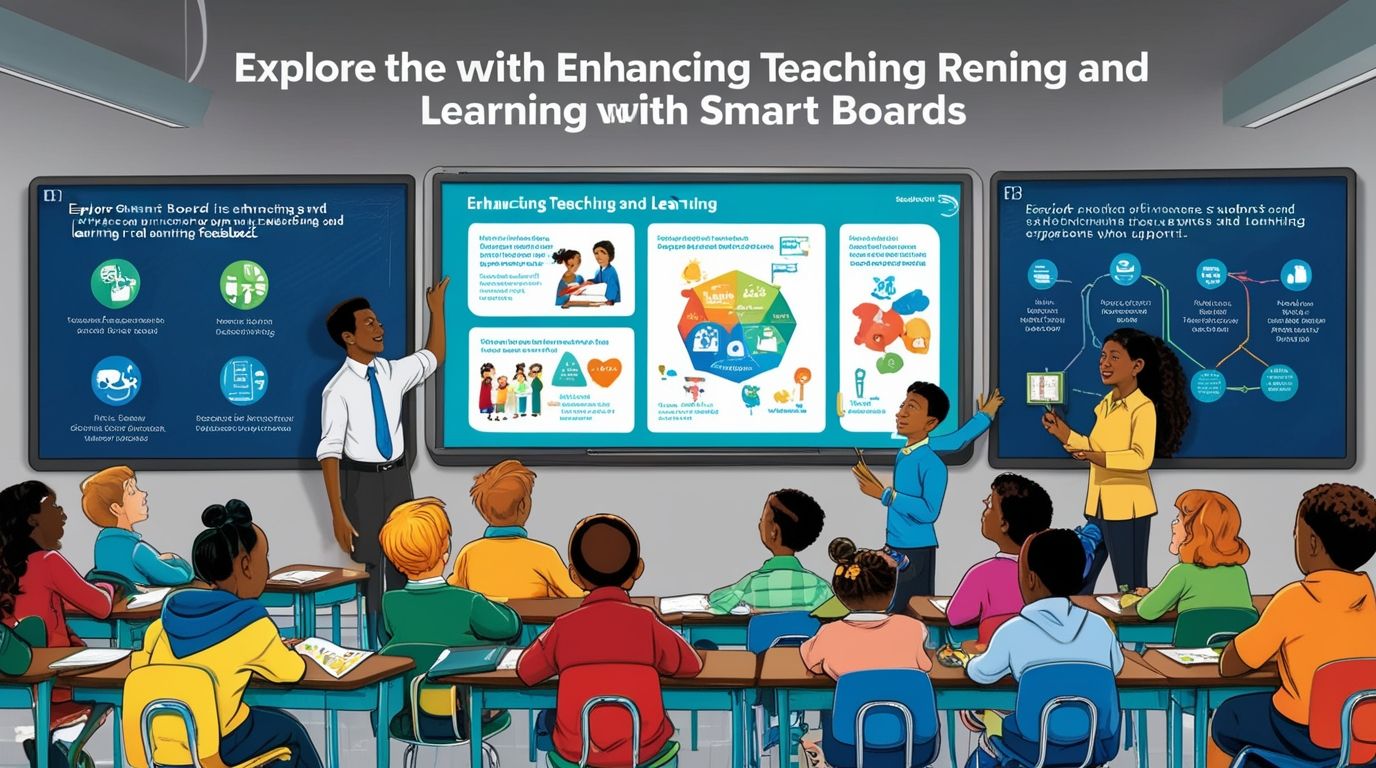
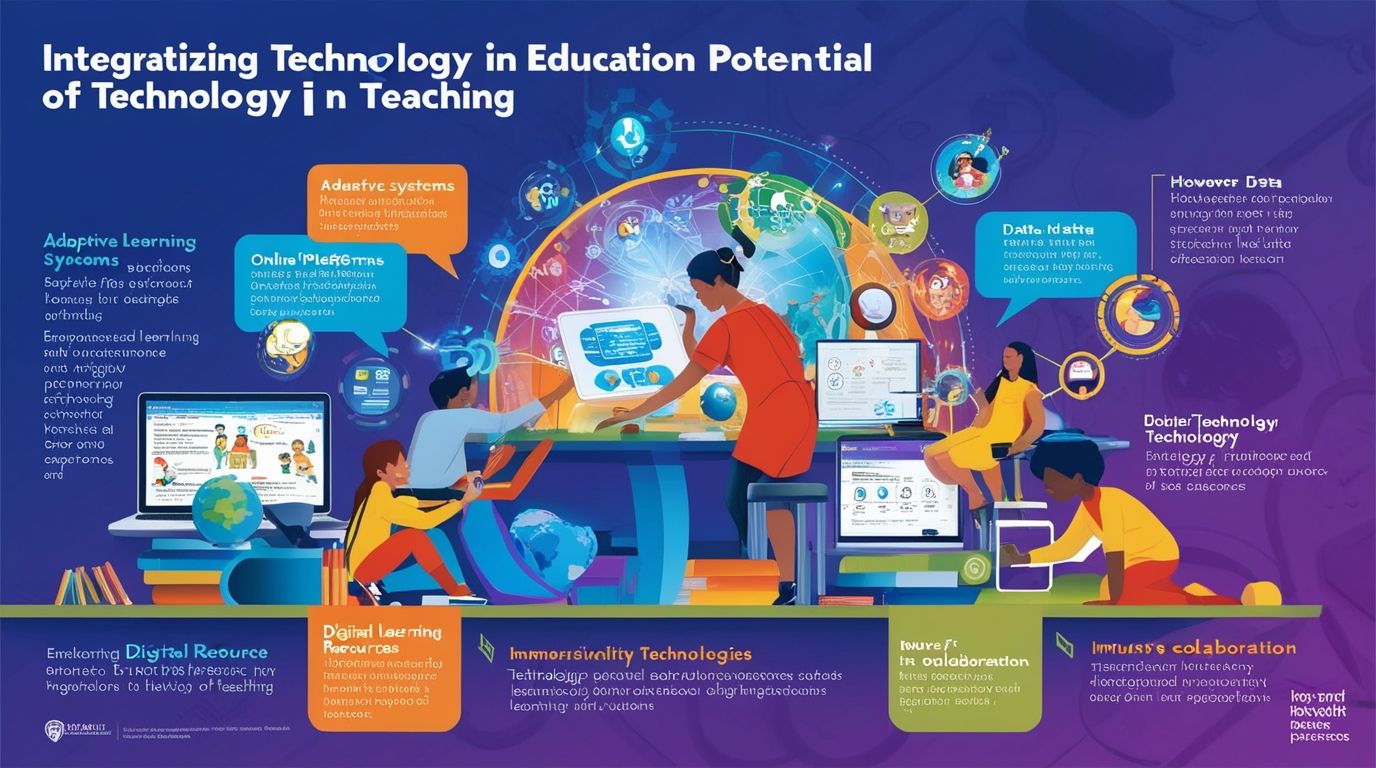
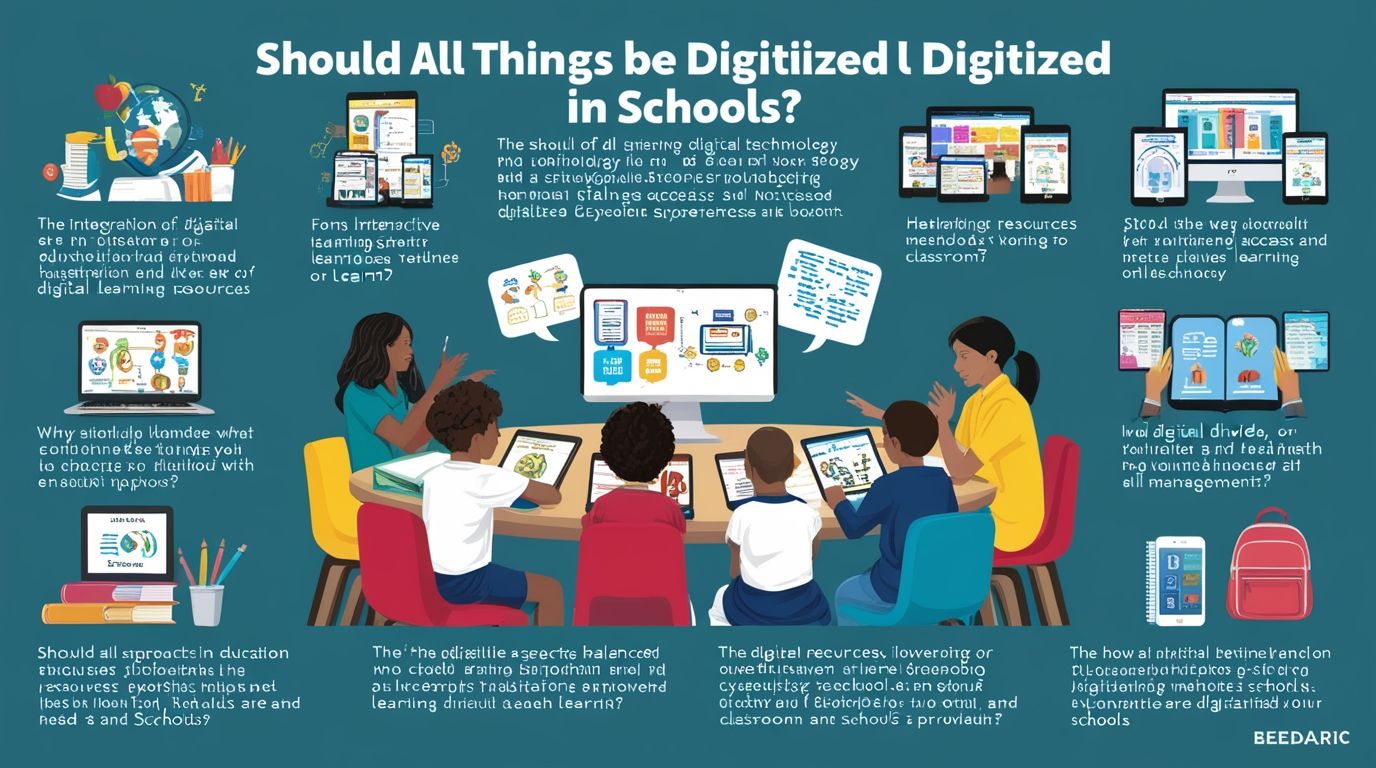
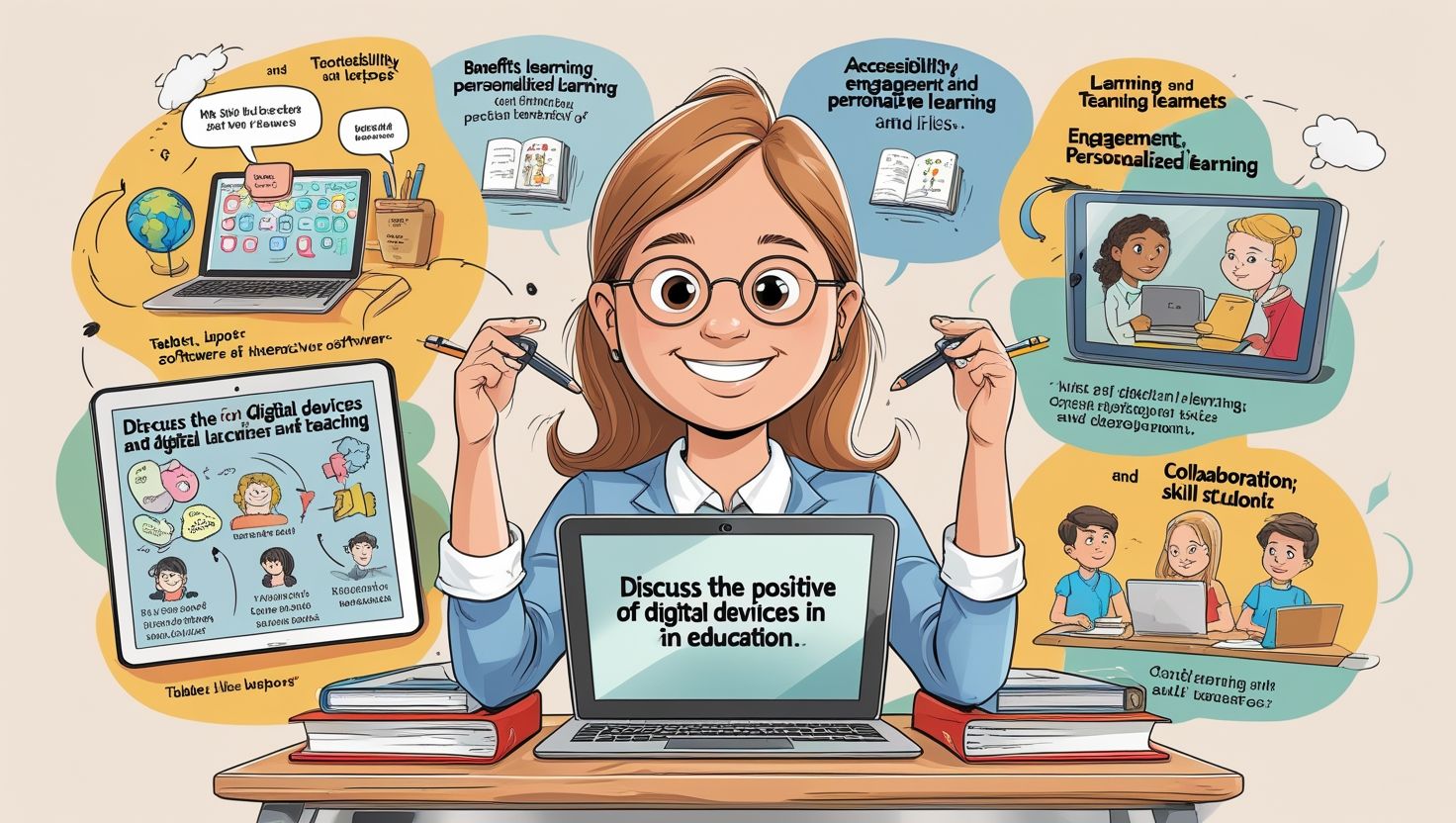
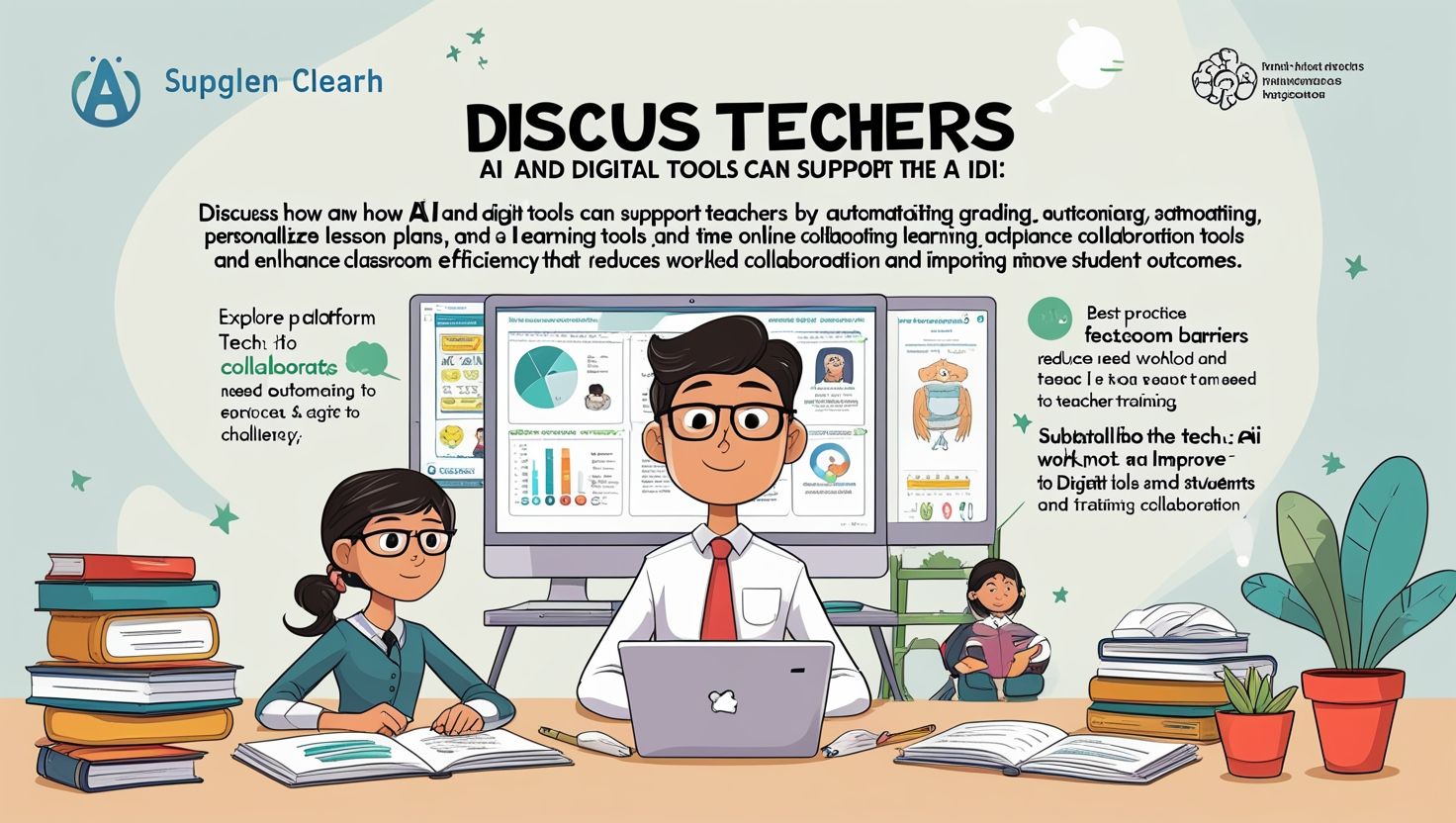
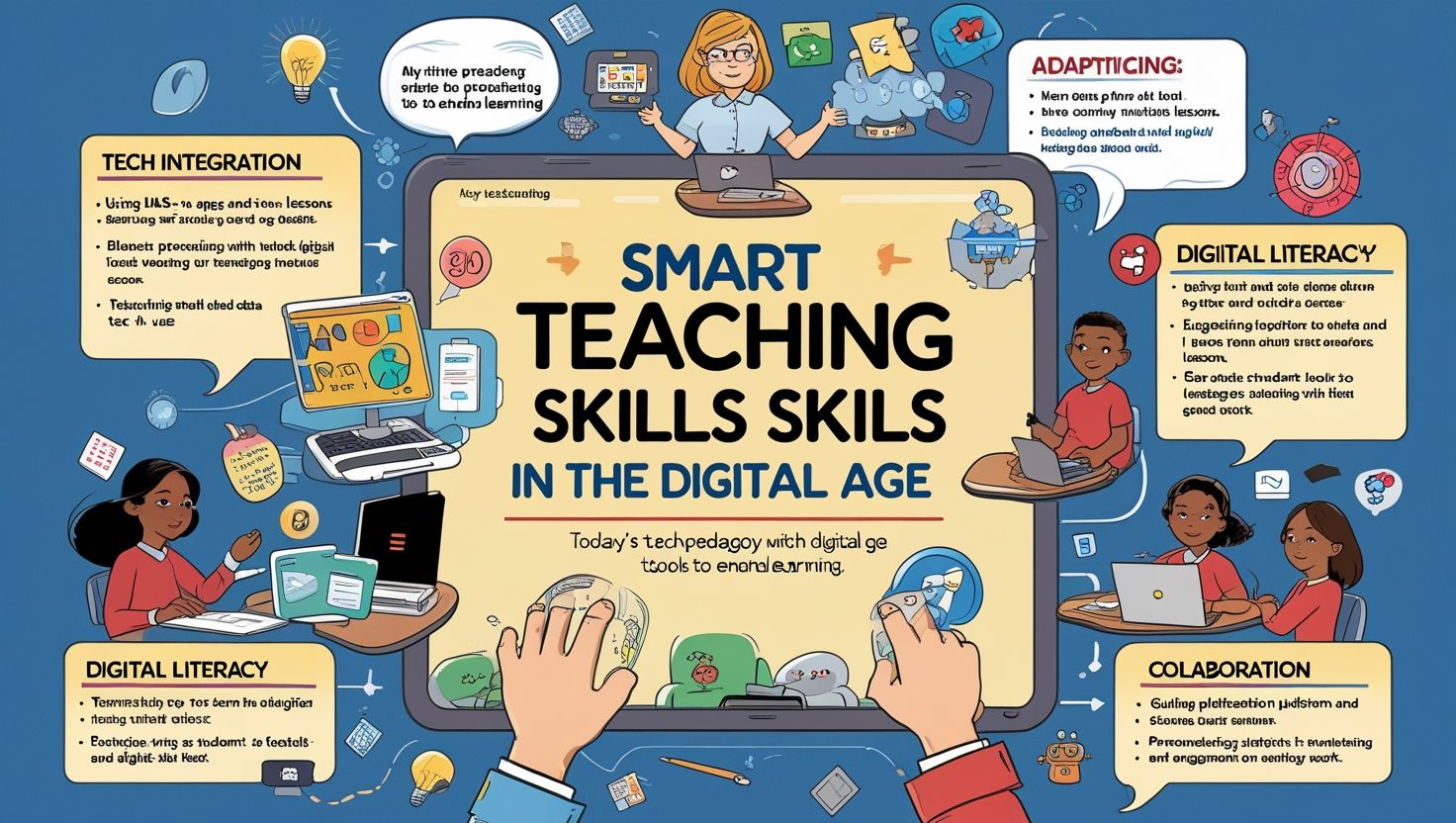
Technology has significantly transformed teaching and learning practices in modern education. Digital tools provide opportunities for interactive, personalized, and collaborative learning experiences.
Educational technology supports learner-centered pedagogy by enabling flexible access to information and resources. Students can learn through videos, simulations, virtual laboratories, online discussions, and interactive multimedia platforms.
Technology also enhances communication between teachers and learners. Online learning management systems allow teachers to provide resources, assignments, and feedback efficiently.
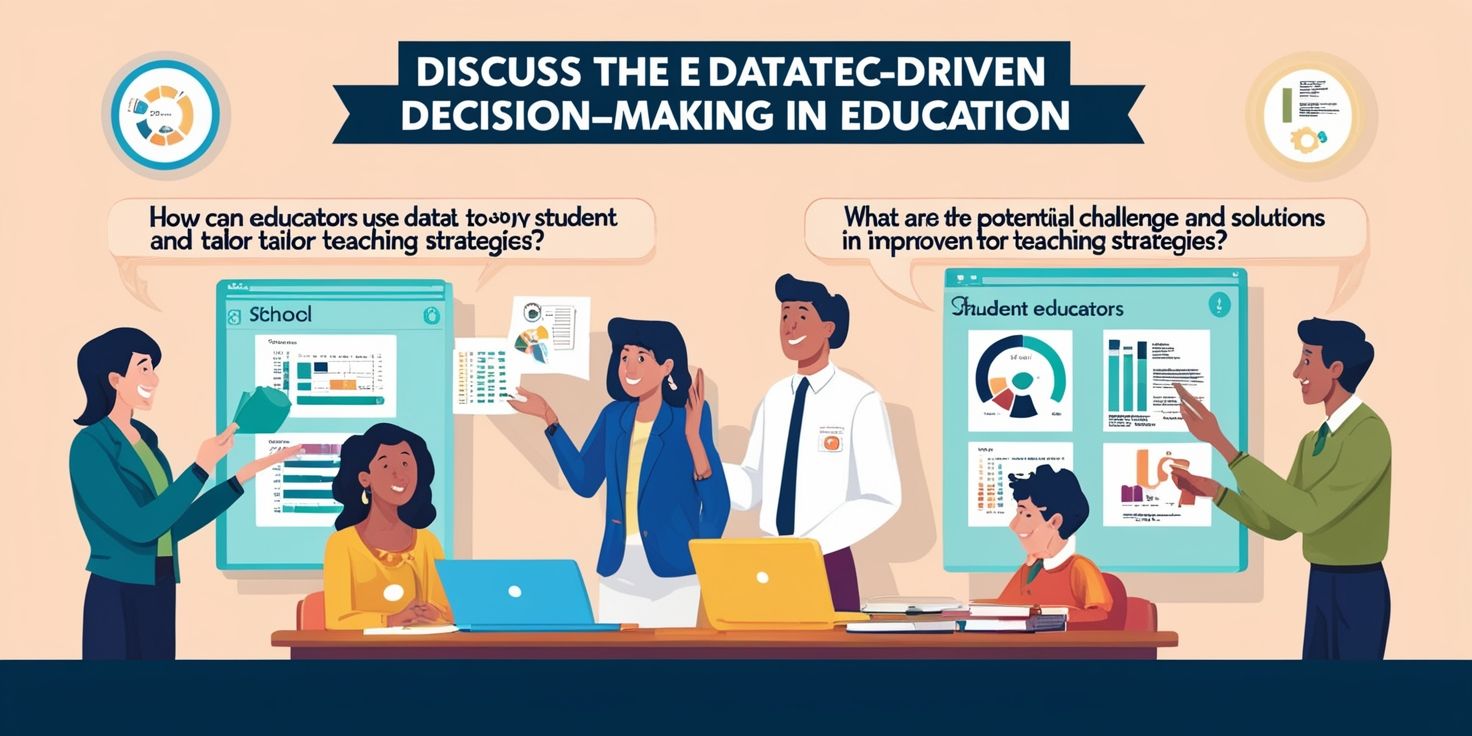
Artificial intelligence and adaptive learning systems are increasingly being used to personalize education. These technologies analyze learner performance and provide customized instructional support according to individual needs.
However, effective technology integration requires careful planning and digital literacy. Teachers must select appropriate tools that enhance learning rather than distract students.
Benefits of Learner-Centered Pedagogy
Learner-centered pedagogy offers numerous educational benefits. One major advantage is increased student engagement and motivation. Active participation and meaningful learning experiences make education more interesting and relevant.
Learner-centered approaches also improve critical thinking and problem-solving skills. Students learn to analyze information, evaluate evidence, and develop independent ideas.
Collaboration and communication skills are strengthened through group activities and discussions. These skills are essential for success in modern workplaces and societies.
Learner-centered pedagogy also promotes lifelong learning. Students develop curiosity, self-confidence, and responsibility for their learning processes.
Furthermore, learner-centered education supports inclusivity by accommodating diverse learning styles, abilities, and cultural backgrounds.
Challenges of Effective Teaching and Learner-Centered Pedagogy
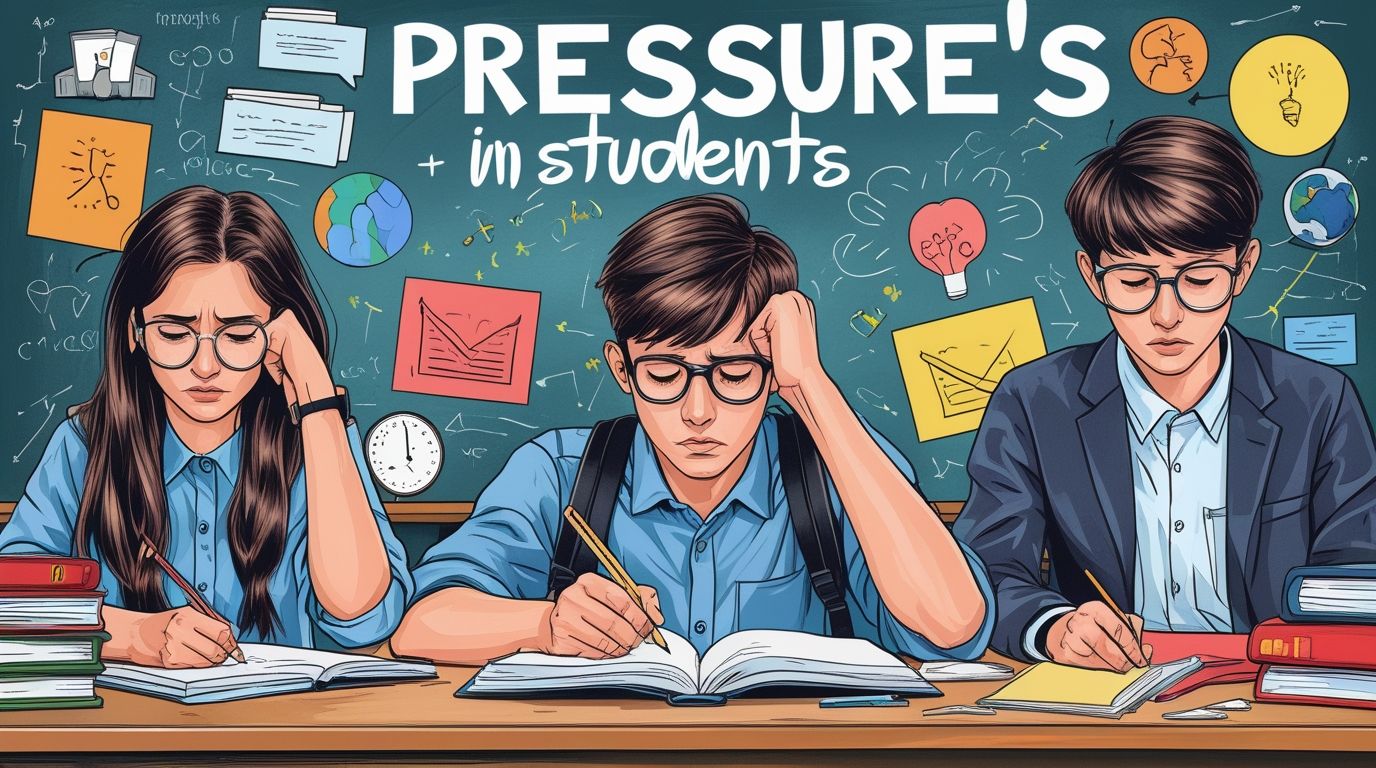
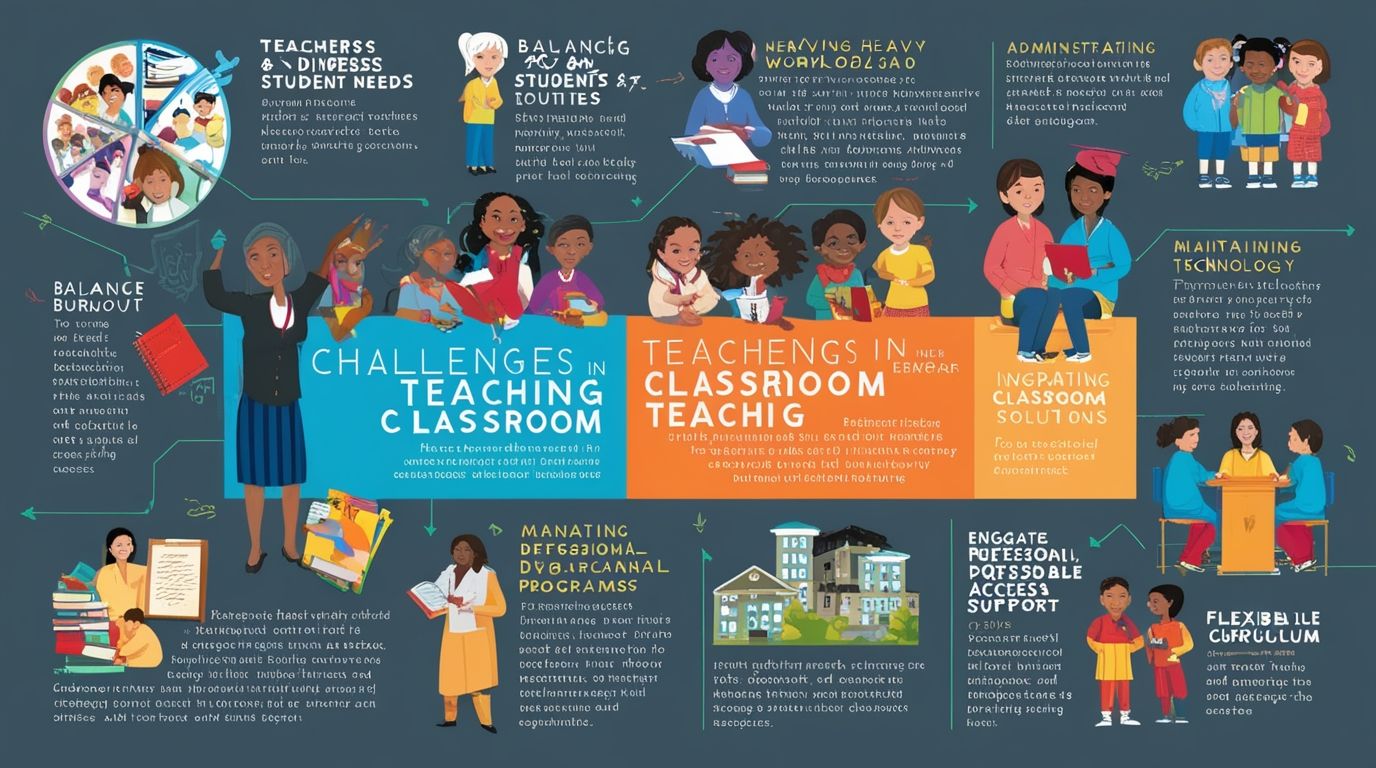
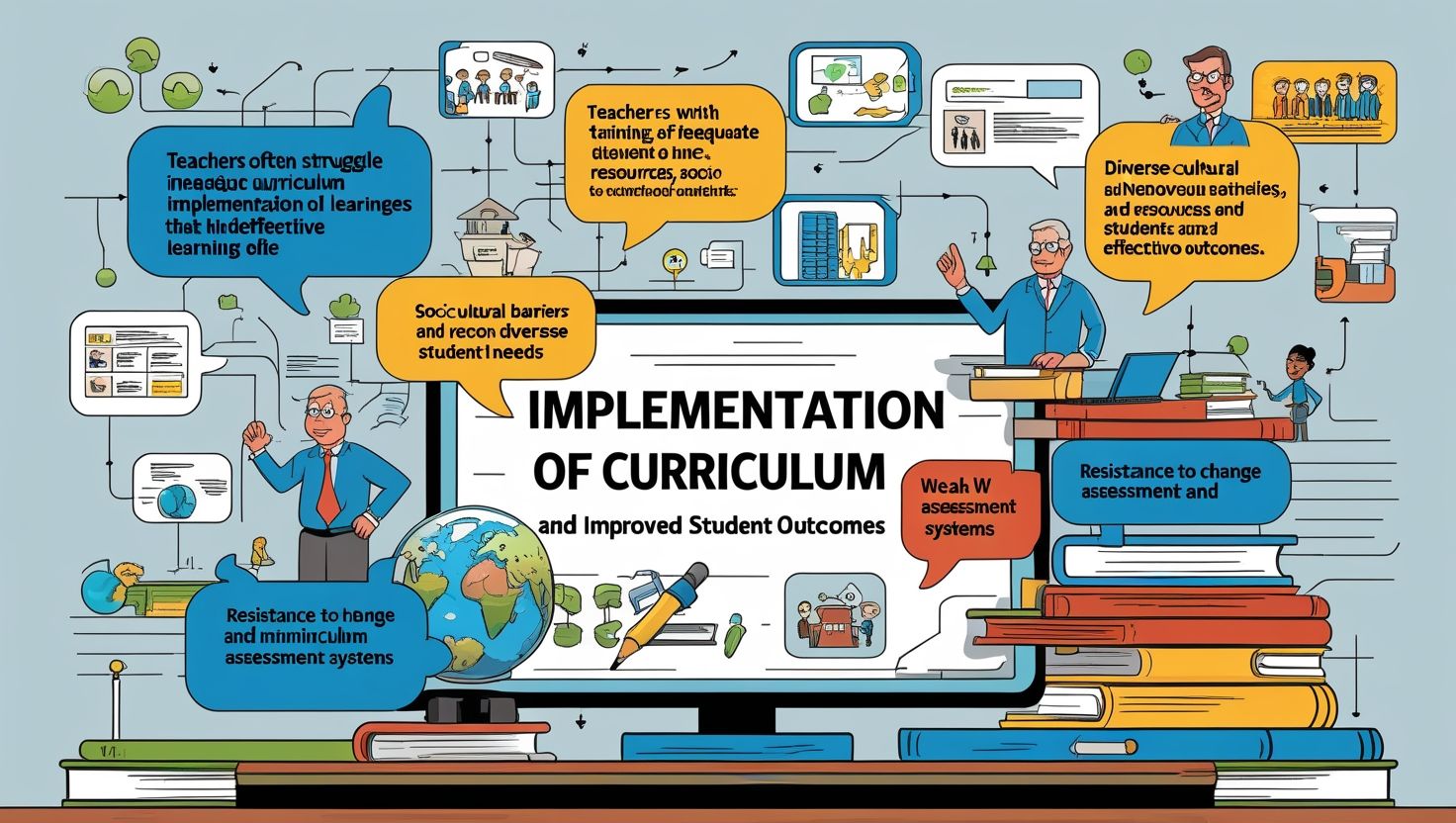
Despite its advantages, learner-centered pedagogy also presents several challenges. One major challenge is classroom management. Active learning environments may become difficult to manage if students are not properly guided.
Large class sizes can also limit the effectiveness of learner-centered instruction because individualized attention becomes difficult. Teachers may struggle to address diverse learner needs in overcrowded classrooms.
Another challenge involves assessment. Authentic and performance-based assessments require more time and effort than traditional examinations.
Limited resources and technological infrastructure may hinder the implementation of innovative teaching strategies, particularly in developing regions.
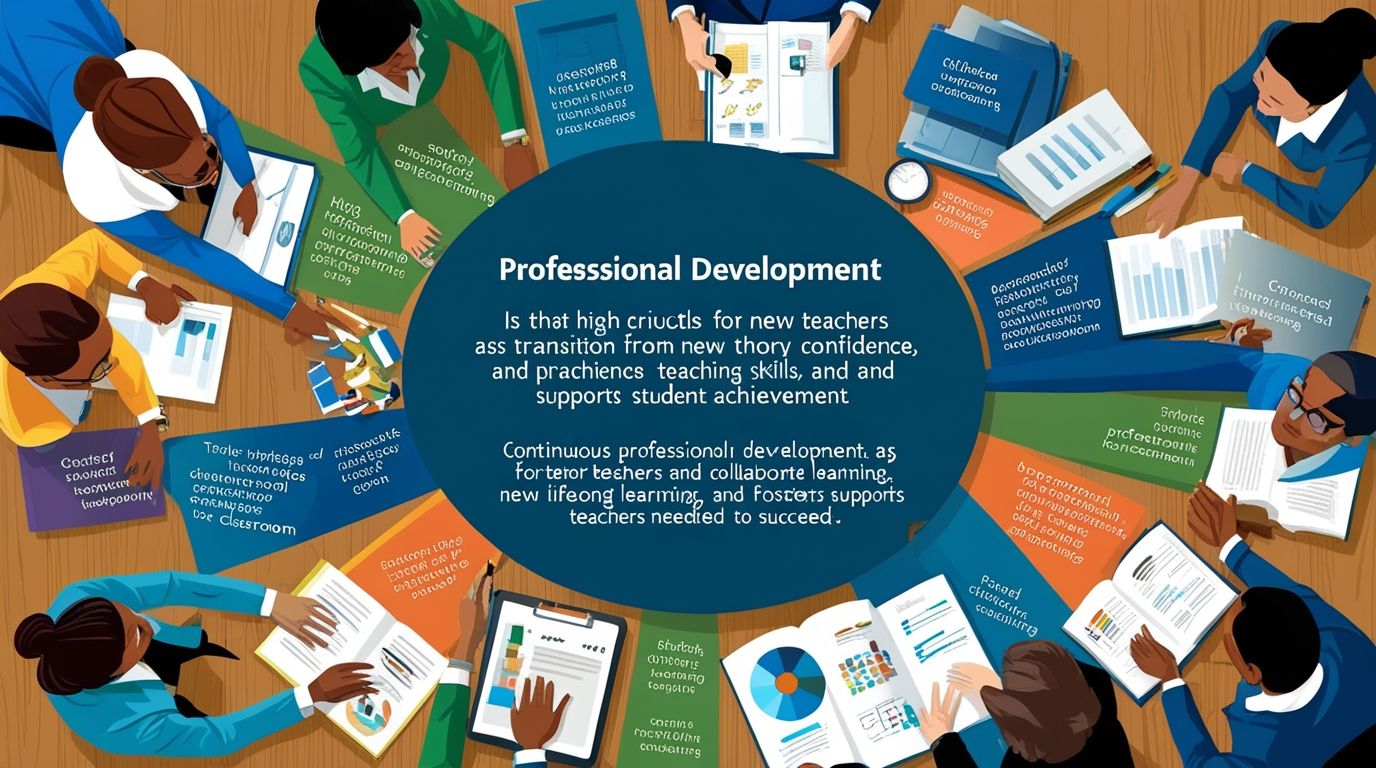
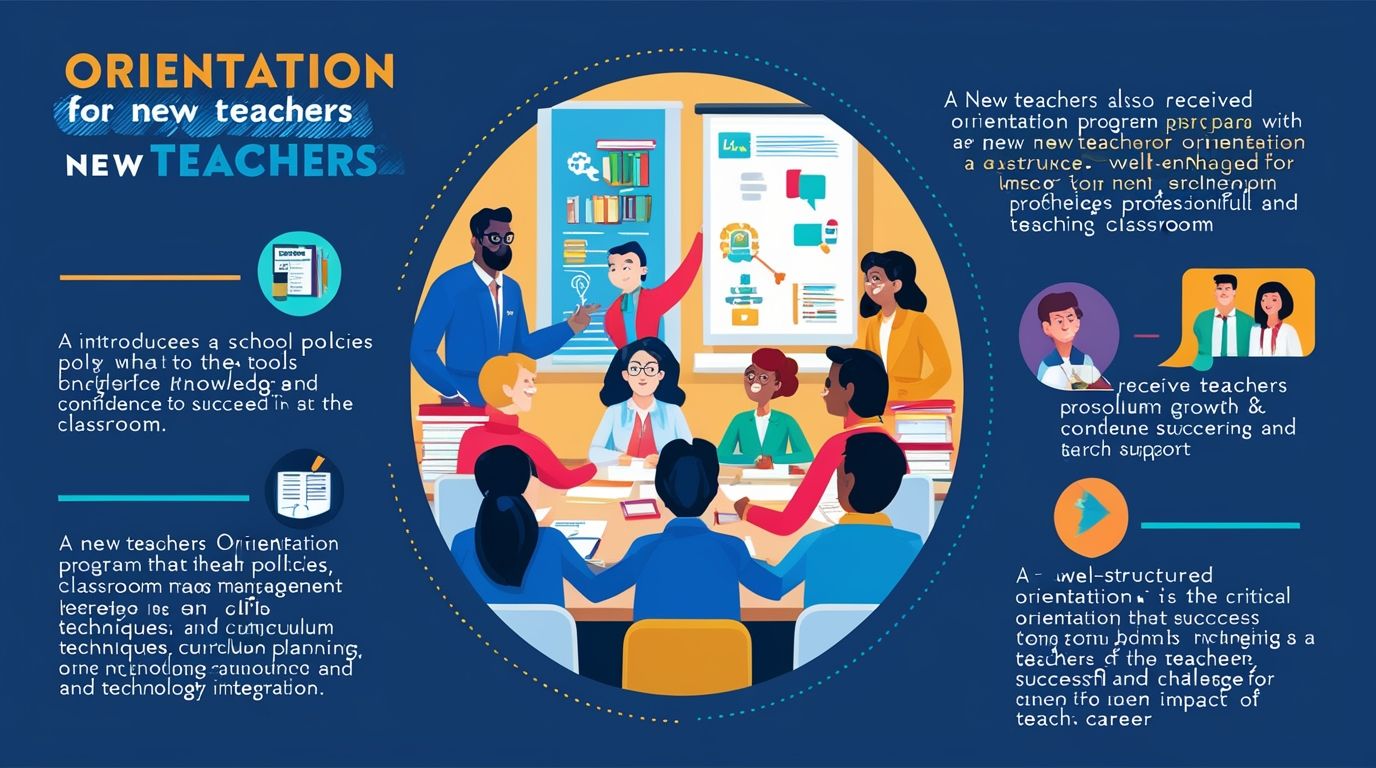
Teacher training is another important issue. Effective learner-centered teaching requires professional competence in instructional design, facilitation, communication, and technology integration. Teachers need continuous professional development to adapt to changing educational demands.
Future Directions in Learner-Centered Education
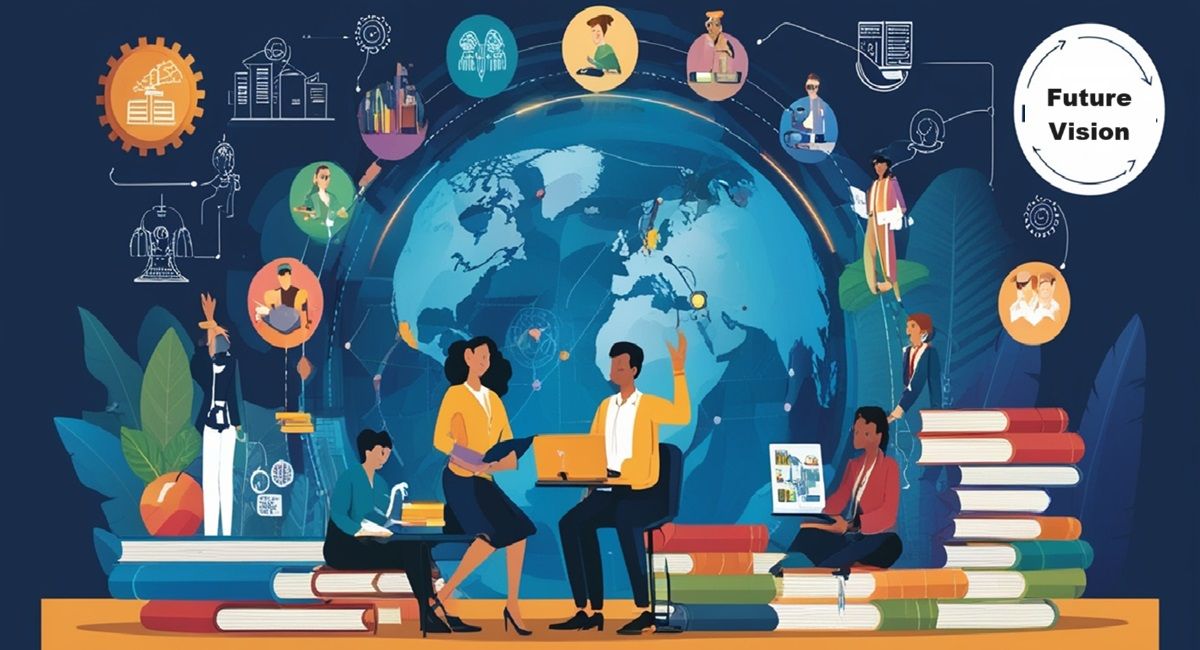
The future of education will likely involve greater emphasis on learner-centered approaches supported by technological innovation. Personalized learning systems, artificial intelligence, virtual reality, and adaptive educational platforms are expected to transform teaching practices further.
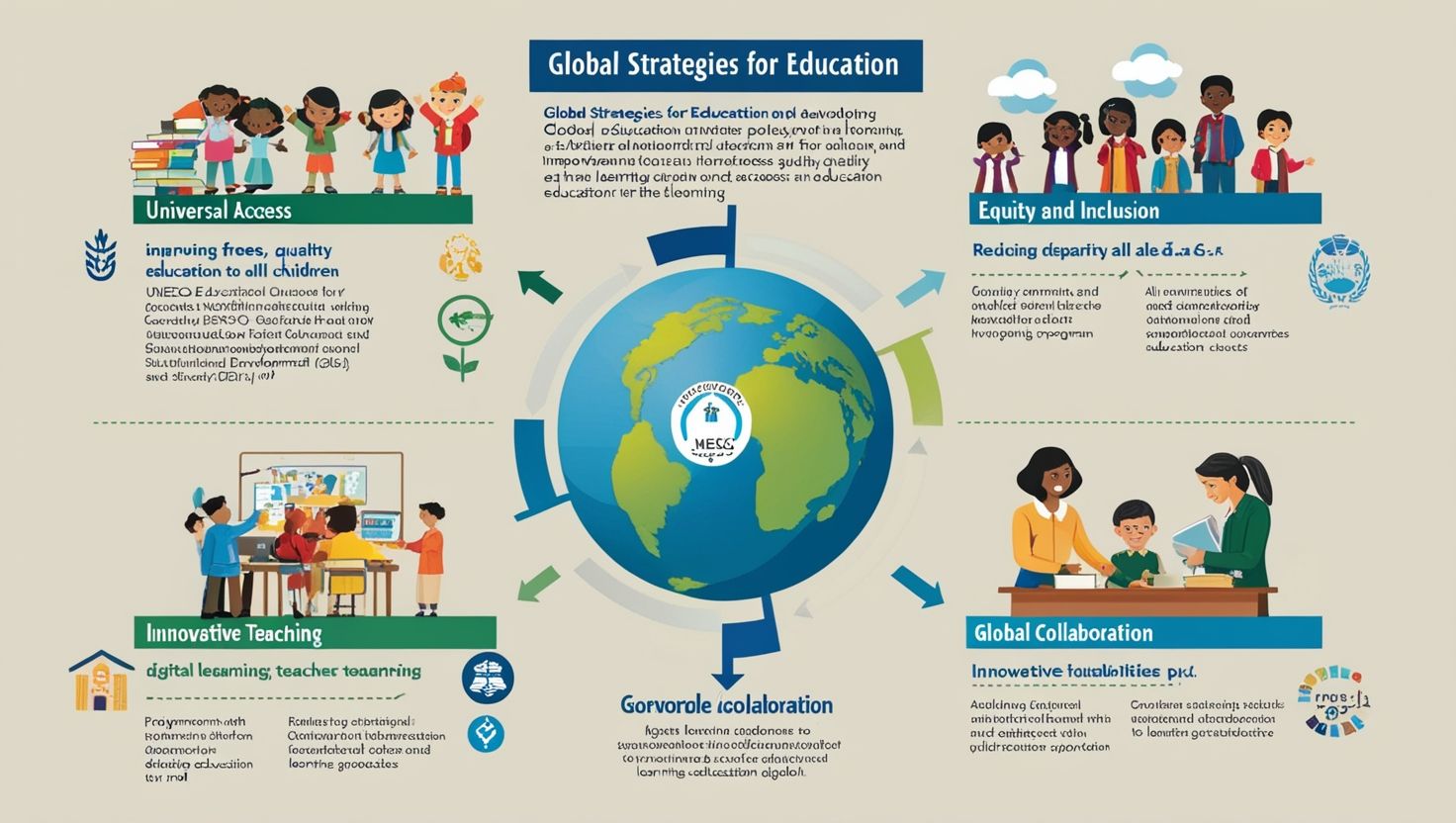
Future classrooms may become more flexible, collaborative, and technology-rich. Students will increasingly engage in interdisciplinary learning, problem-solving, and global collaboration.
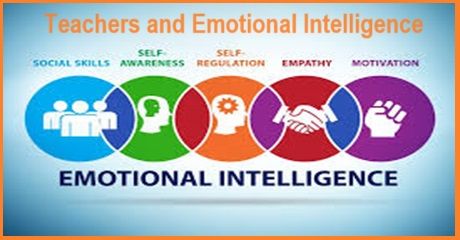
Competency-based education is also gaining importance. Rather than focusing solely on content knowledge, educational systems are emphasizing practical skills, creativity, critical thinking, and emotional intelligence.
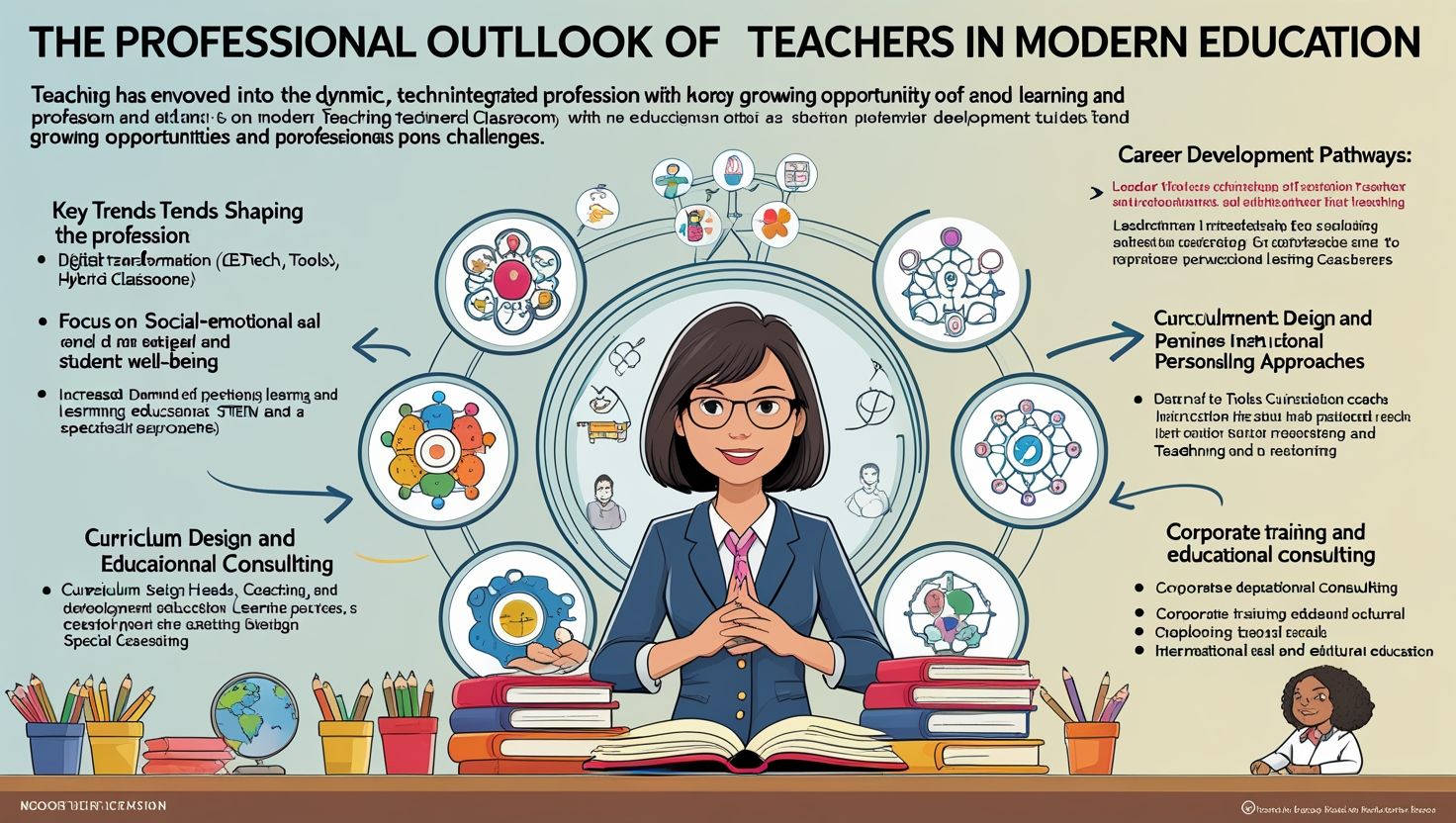
Teachers will continue to play essential roles as facilitators, mentors, and learning designers. Professional development and lifelong learning for educators will remain critical in ensuring teaching effectiveness.
Conclusion
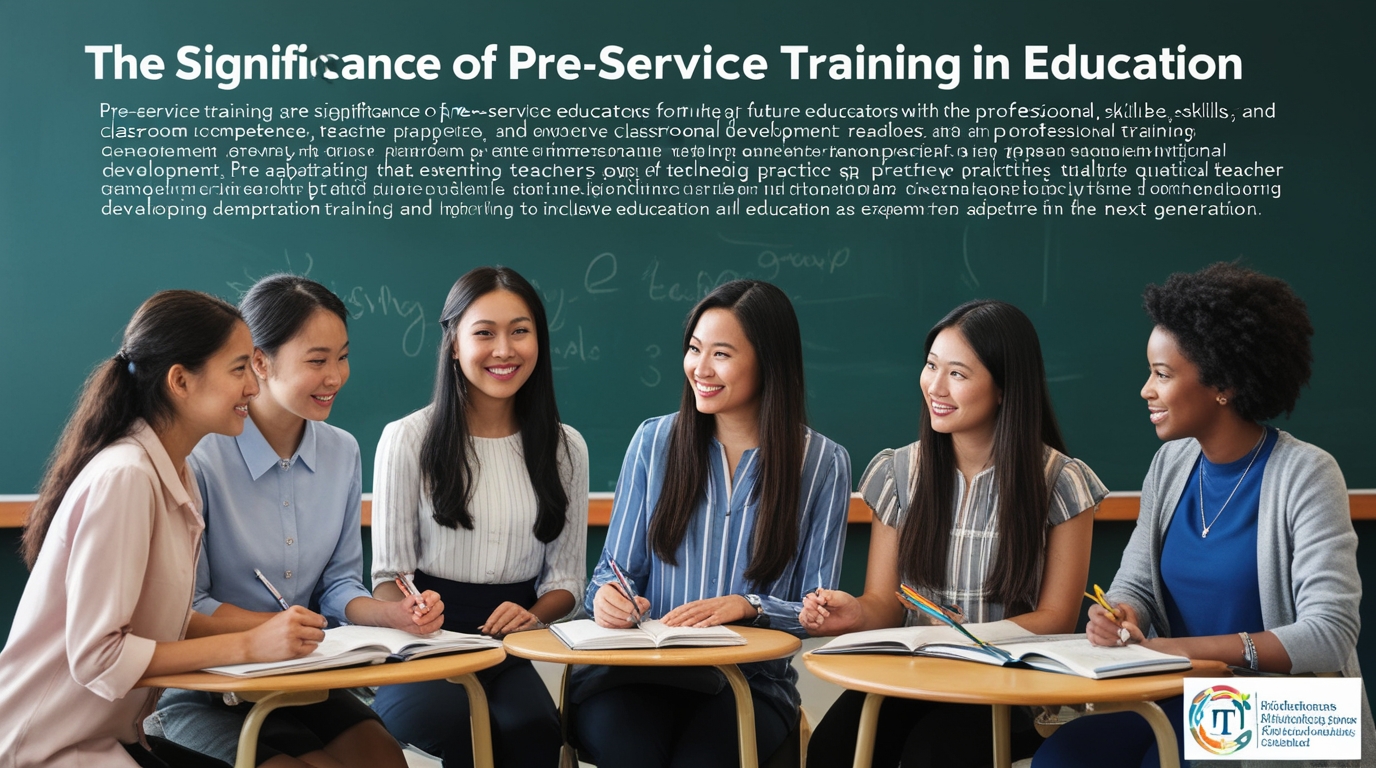
Effective teaching and learner-centered pedagogy are fundamental to modern education. These approaches recognize that learning is an active, dynamic, and individualized process. Unlike traditional teacher-centered methods, learner-centered pedagogy promotes participation, collaboration, inquiry, and reflection.
Effective teaching requires strong subject knowledge, communication skills, empathy, flexibility, and continuous professional growth. Learner-centered classrooms create supportive environments where students actively construct knowledge and develop critical life skills.
Although challenges such as resource limitations, classroom management difficulties, and assessment complexities remain significant, the benefits of learner-centered pedagogy are substantial. It improves motivation, critical thinking, collaboration, inclusivity, and lifelong learning abilities.
As educational systems continue to evolve in response to technological advancements and societal changes, effective teaching and learner-centered pedagogy will remain central to preparing learners for the complexities of the modern world.
References
- Piaget, J. The Psychology of Intelligence. Routledge, 1950.
- Vygotsky, L. S. Mind in Society: The Development of Higher Psychological Processes. Harvard University Press, 1978.
- Rogers, C. Freedom to Learn. Merrill Publishing Company, 1969.
- Kolb, D. A. Experiential Learning: Experience as the Source of Learning and Development. Prentice Hall, 1984.
- Bransford, J., Brown, A., & Cocking, R. How People Learn: Brain, Mind, Experience, and School. National Academy Press, 2000.