Introduction
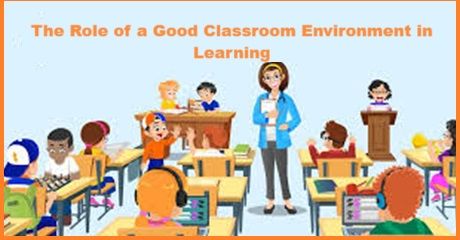
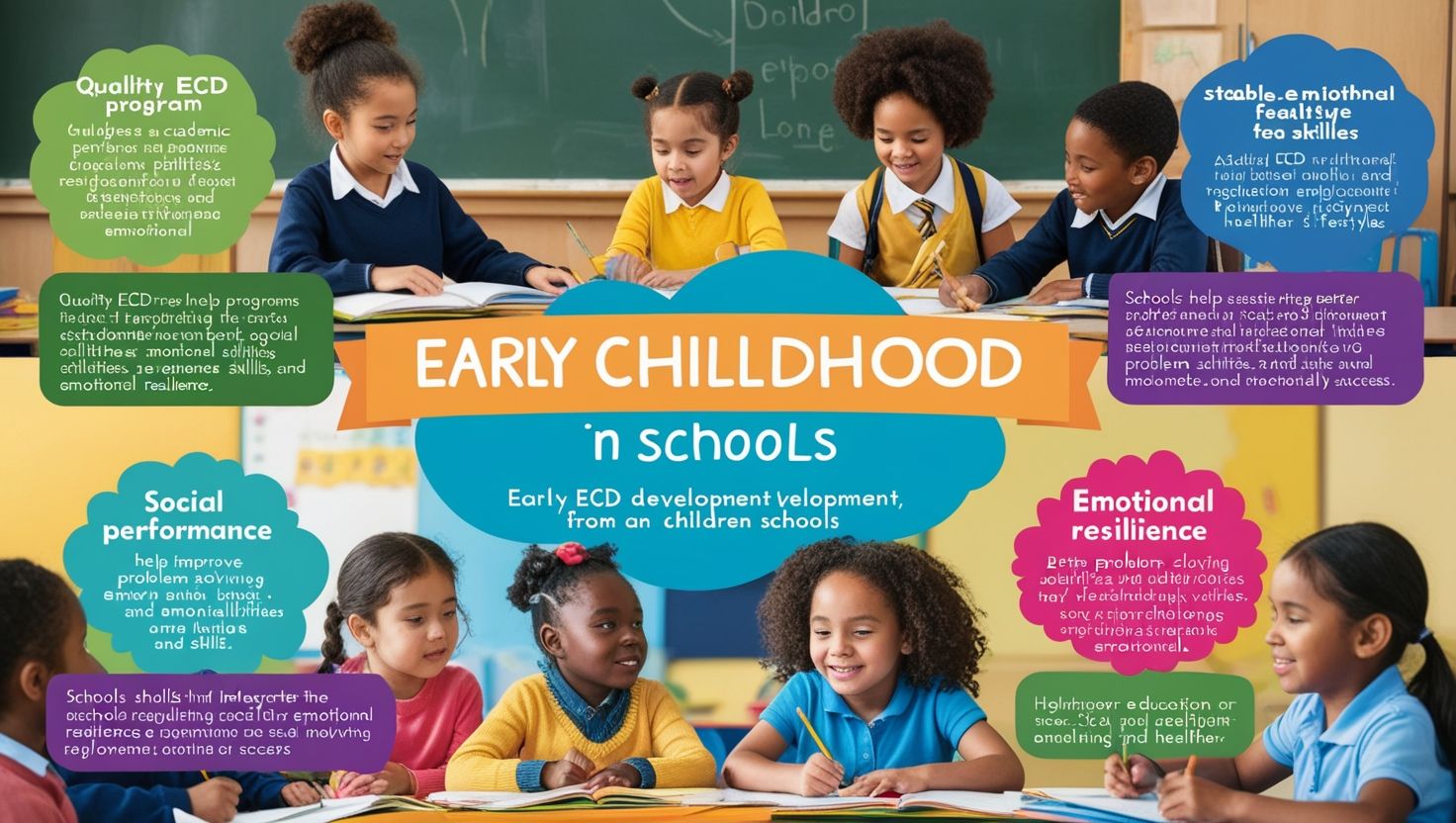
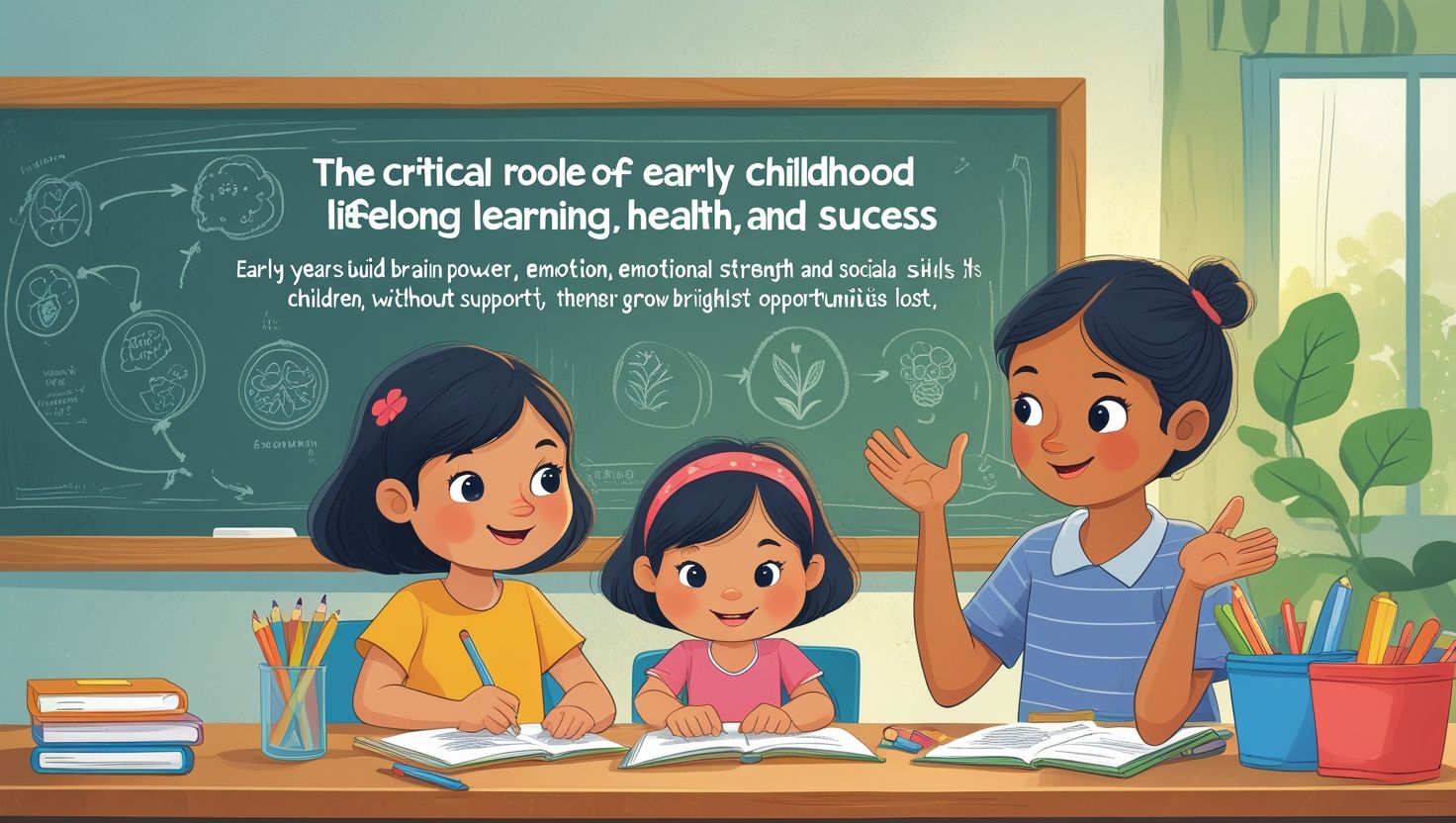
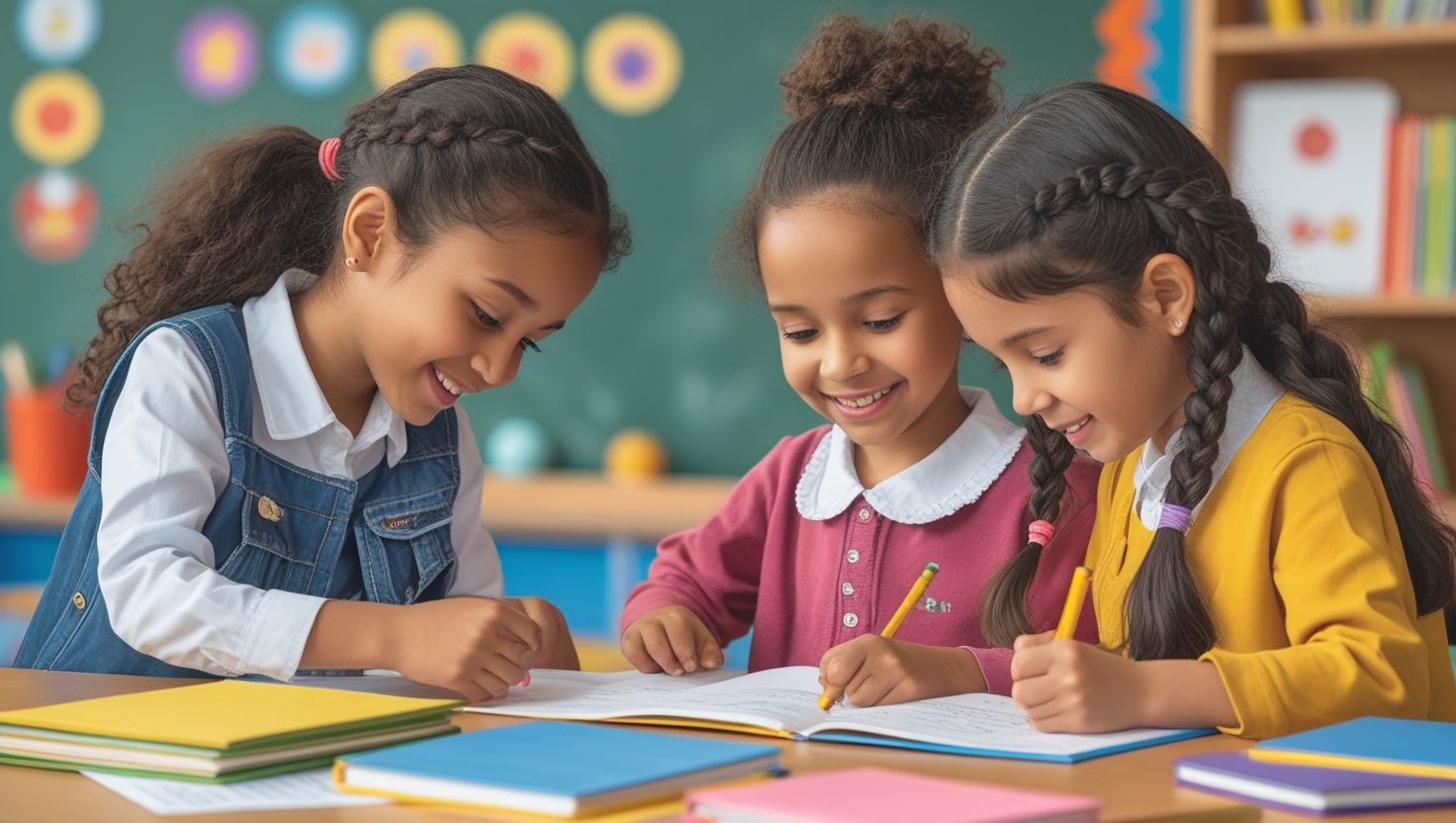
Kindergarten Activities at School for Lifelong Learning, Kindergarten is a crucial stage in a child’s educational journey. It serves as the bridge between home and formal schooling, helping young learners develop essential cognitive, social, emotional, physical, and creative skills. At this age, children learn best through play, exploration, interaction, and hands-on experiences. Therefore, kindergarten activities at school are carefully designed to make learning enjoyable, meaningful, and developmentally appropriate.
Schools today recognize that early childhood education goes beyond teaching letters and numbers. It involves nurturing curiosity, creativity, confidence, communication, and collaboration. Through engaging activities, children acquire foundational skills that prepare them for future academic success while fostering a lifelong love for learning.
This article explores the importance of kindergarten activities, their educational benefits, and various types of activities commonly implemented in schools.
Importance of Kindergarten Activities
Kindergarten Activities at School for Lifelong Learning, Kindergarten activities play a significant role in a child’s overall development. Young children have short attention spans and learn more effectively when they are actively involved in the learning process. Interactive activities stimulate their senses, encourage participation, and promote deeper understanding.
These activities help children:
- Develop language and communication skills.
- Enhance cognitive and problem-solving abilities.
- Build social and emotional competence.
- Improve fine and gross motor skills.
- Foster creativity and imagination.
- Strengthen self-confidence and independence.
- Learn cooperation, sharing, and teamwork.
A well-balanced kindergarten program ensures that learning is enjoyable while supporting all areas of child development.
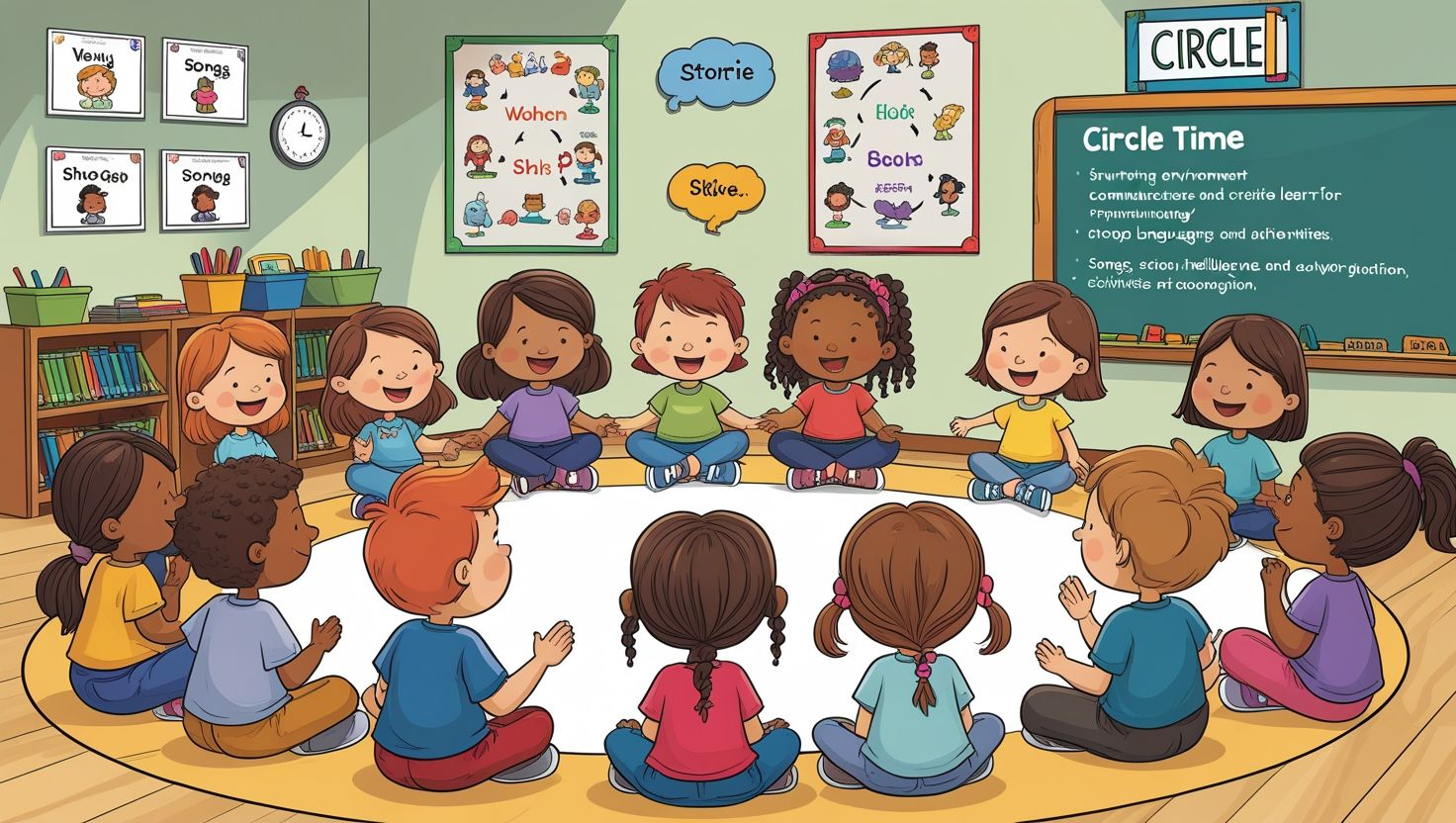
Morning Circle Time Activities
Morning circle time is often the first activity of the school day. It brings children together and creates a sense of community and belonging.
During circle time, teachers may:
- Welcome students and take attendance.
- Discuss the day’s schedule.
- Sing songs and recite rhymes.
- Talk about weather conditions.
- Share daily news and experiences.
- Introduce learning themes and concepts.
Kindergarten Activities at School for Lifelong Learning, Circle time enhances listening skills, verbal communication, social interaction, and classroom participation. It also helps children develop routines and feel emotionally secure.
Language and Literacy Activities
Language development is a major focus in kindergarten. Schools provide numerous opportunities for children to develop speaking, listening, reading, and writing skills.
Storytelling Sessions
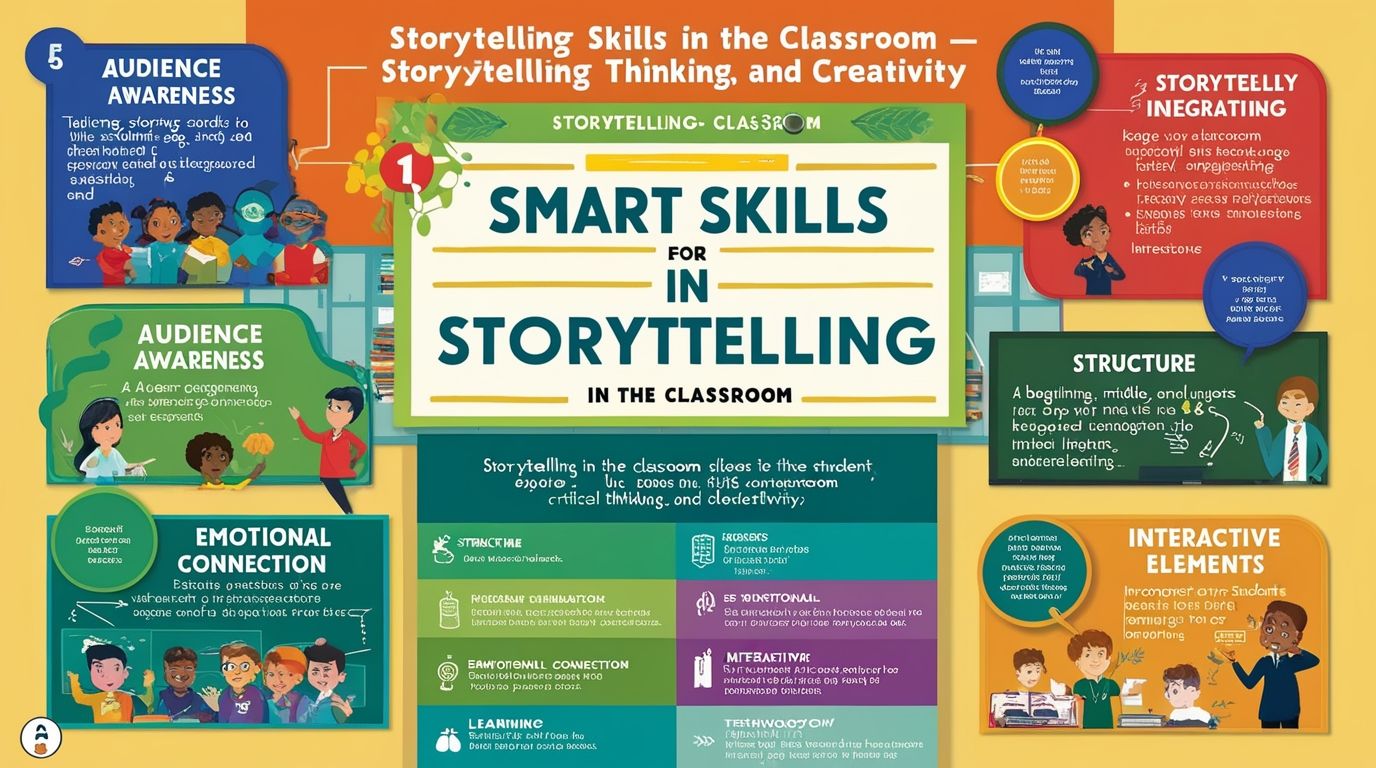
Teachers read colorful and engaging storybooks to children. Storytelling develops vocabulary, imagination, comprehension, and listening skills. Children learn to identify characters, settings, and events while developing a love for books.
Picture Reading
Children observe pictures and describe what they see. This activity encourages language development, observation skills, and creative thinking.
Alphabet Recognition Games
Fun games involving flashcards, letter puzzles, and matching activities help children recognize letters and their sounds.
Rhymes and Songs
Nursery rhymes and educational songs improve pronunciation, memory, rhythm, and language fluency. Singing together also builds confidence and participation.
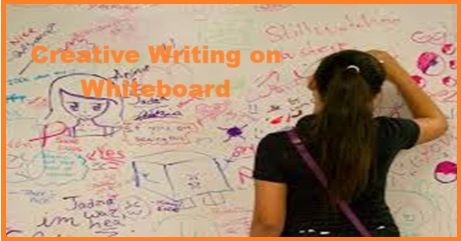
Creative Writing Activities
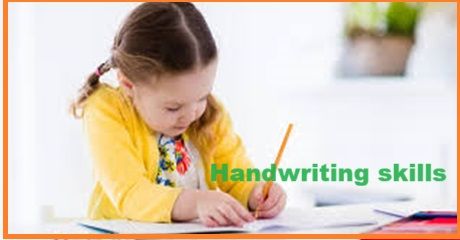
Kindergarten students practice drawing, tracing, and writing simple letters and words. These activities strengthen fine motor skills and prepare children for formal writing.
Mathematics Activities
Mathematics in kindergarten focuses on developing number sense and logical thinking through playful experiences.
Counting Games
Children count objects such as blocks, beads, toys, and classroom materials. Hands-on counting helps them understand numerical concepts.
Number Recognition Activities
Teachers use charts, cards, puzzles, and interactive games to help children identify numbers.
Sorting and Classification
Children sort objects according to color, shape, size, or type. This activity enhances observation and analytical skills.
Pattern Making
Creating patterns using beads, shapes, or colors helps children recognize relationships and develop mathematical reasoning.
Measurement Activities
Simple activities involving comparing lengths, weights, and sizes introduce basic measurement concepts in an enjoyable manner.
Art and Craft Activities
Art and craft activities provide opportunities for creative expression while supporting cognitive and physical development.
Drawing and Coloring
Children enjoy drawing pictures and coloring various objects. These activities enhance creativity, hand-eye coordination, and concentration.
Paper Folding and Origami
Simple paper-folding activities improve fine motor skills and spatial awareness.
Clay Modeling
Working with clay allows children to create shapes, animals, and objects while strengthening finger muscles and imagination.
Collage Making
Children create collages using paper, leaves, fabric pieces, and other materials. This activity encourages creativity and problem-solving.
Seasonal Crafts
Schools often organize craft activities related to seasons, festivals, and special occasions, helping children connect learning with real-life experiences.
Science and Discovery Activities
Kindergarten Activities at School for Lifelong Learning, Young children are naturally curious about the world around them. Science activities encourage observation, questioning, and exploration.
Nature Walks
Children explore school gardens or nearby outdoor areas to observe plants, insects, birds, and natural objects.
Planting Activities
Growing seeds and caring for plants teach responsibility and basic scientific concepts about growth and life cycles.
Water Play
Activities involving pouring, floating, and measuring water help children understand scientific principles while having fun.
Sensory Exploration
Children explore different textures, smells, sounds, and materials, enhancing sensory development and observation skills.
Simple Experiments
Age-appropriate experiments help children discover scientific concepts through hands-on learning and inquiry.
Physical Activities and Outdoor Play
Physical activity is essential for healthy growth and development. Kindergarten schools provide ample opportunities for movement and exercise.
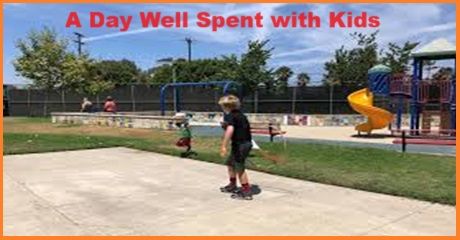
Playground Activities
Swings, slides, climbing frames, and balancing equipment help develop strength, coordination, and confidence.
Running and Relay Games
Simple running games improve stamina, agility, and teamwork.
Ball Activities
Throwing, catching, kicking, and rolling balls enhance motor coordination and physical fitness.
Obstacle Courses
Children navigate simple obstacle courses that challenge balance, coordination, and problem-solving skills.
Dance and Movement
Music and movement activities encourage self-expression, rhythm, flexibility, and physical development.
Social and Emotional Learning Activities
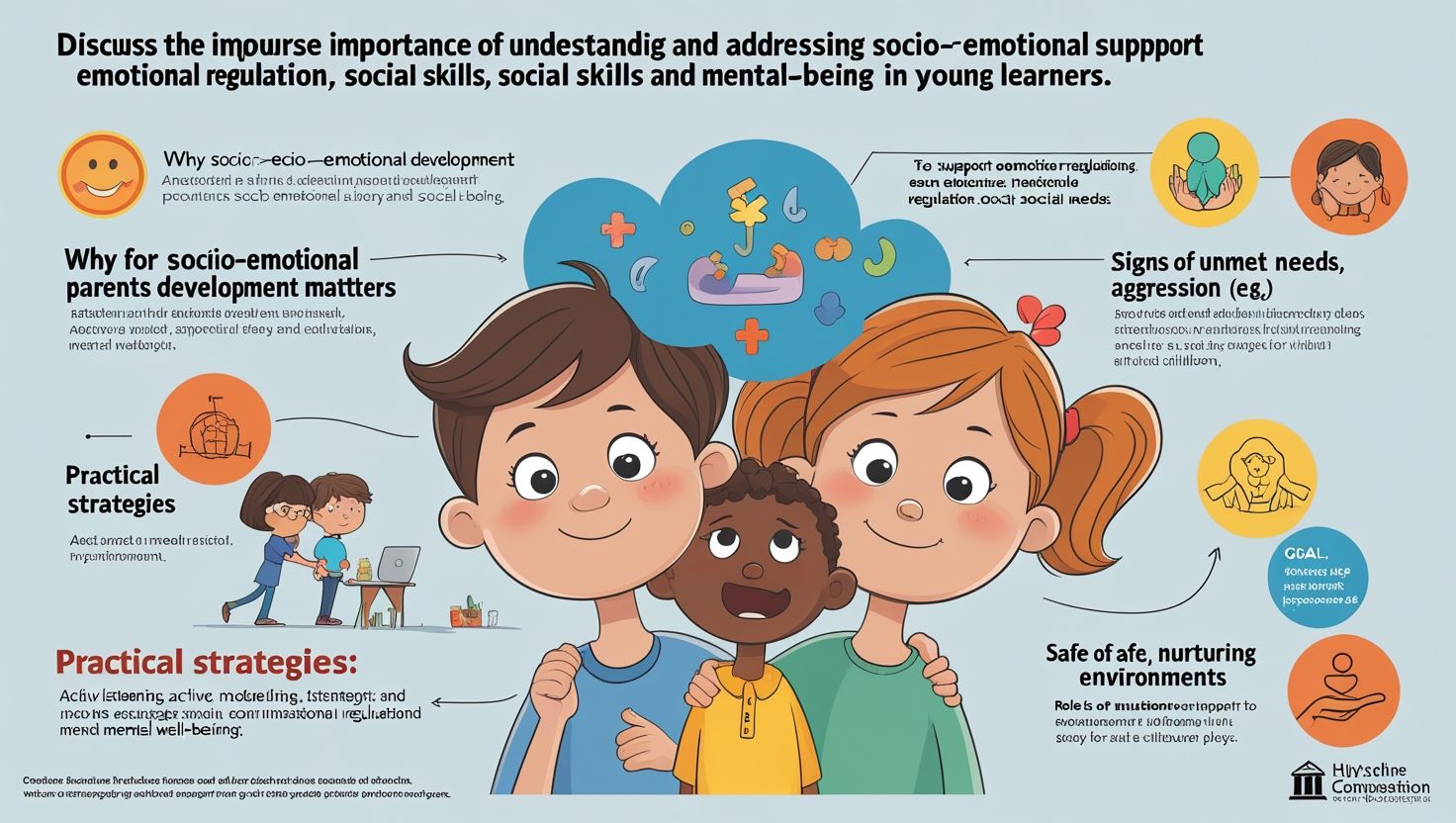
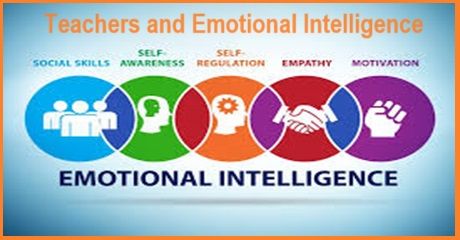
Kindergarten activities play a vital role in developing emotional intelligence and social competence.
Role-Playing
Children pretend to be doctors, teachers, shopkeepers, or community helpers. Role-playing develops empathy, communication, and imagination.
Sharing Activities
Teachers encourage children to share toys, materials, and experiences, promoting kindness and cooperation.
Group Projects
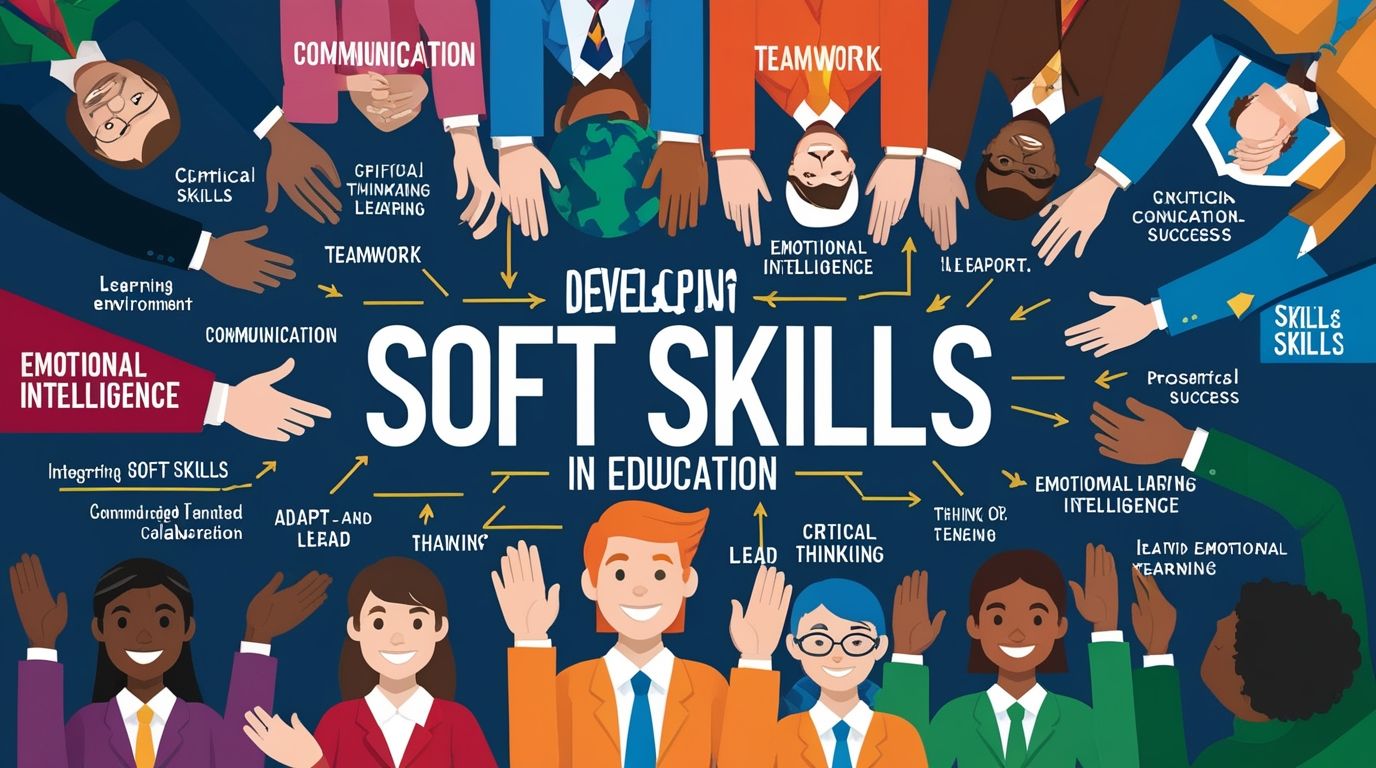
Collaborative activities help children learn teamwork, responsibility, and respect for others.
Feelings Discussions
Teachers guide conversations about emotions, helping children recognize and express their feelings appropriately.
Friendship Activities
Games and activities designed around friendship strengthen social relationships and classroom harmony.
Music and Performing Arts Activities
Music is a powerful tool for learning and development in kindergarten.
Singing
Children learn educational and recreational songs that improve memory, language skills, and confidence.
Musical Instruments
Simple instruments such as tambourines, drums, and bells introduce rhythm and sound exploration.
Action Songs
Songs combined with physical movements promote coordination and engagement.
Drama Activities
Short performances and dramatic play encourage creativity, communication, and self-expression.
Talent Shows
Schools often organize opportunities for children to showcase their abilities, building confidence and self-esteem.
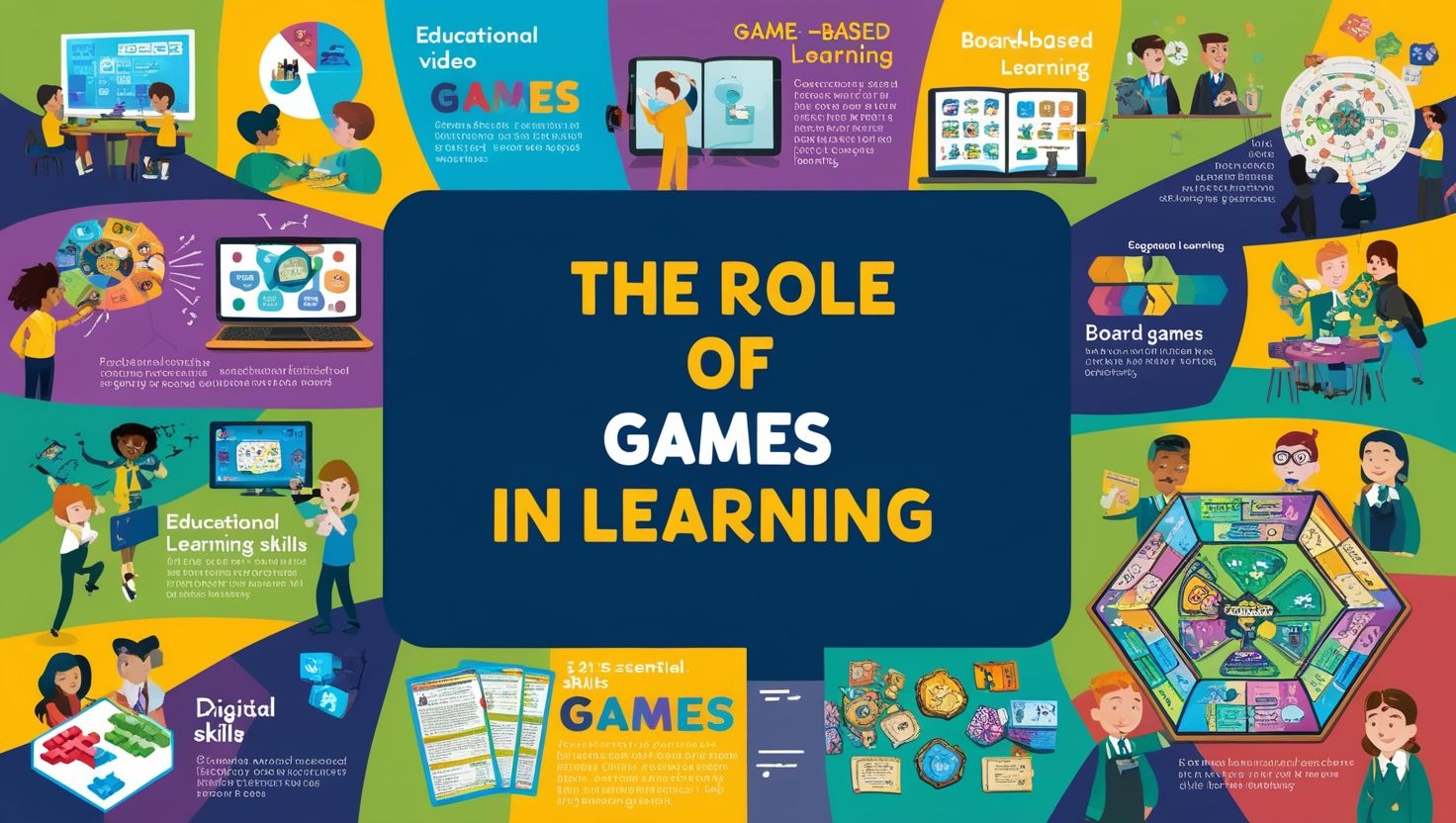
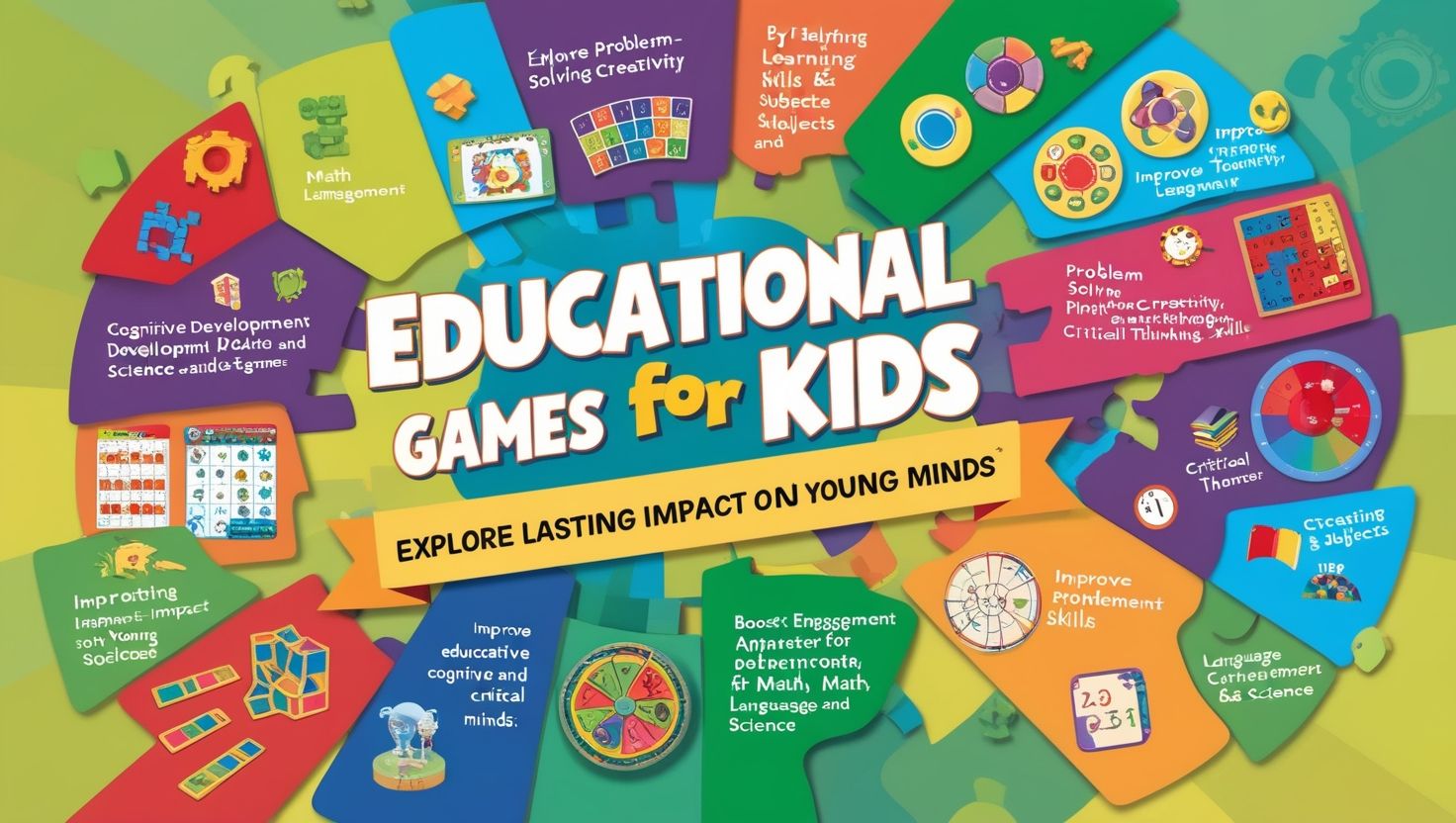
Educational Games and Puzzles
Learning through games makes education enjoyable and effective.
Matching Games
Children match shapes, colors, letters, numbers, and pictures, improving memory and recognition skills.
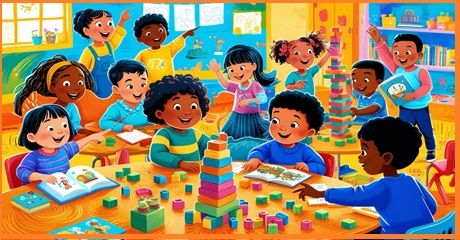
Building Blocks
Constructing structures with blocks develops creativity, spatial reasoning, and problem-solving abilities.
Puzzle Activities
Simple puzzles strengthen concentration, critical thinking, and persistence.
Memory Games
Memory-based activities enhance cognitive development and attention skills.
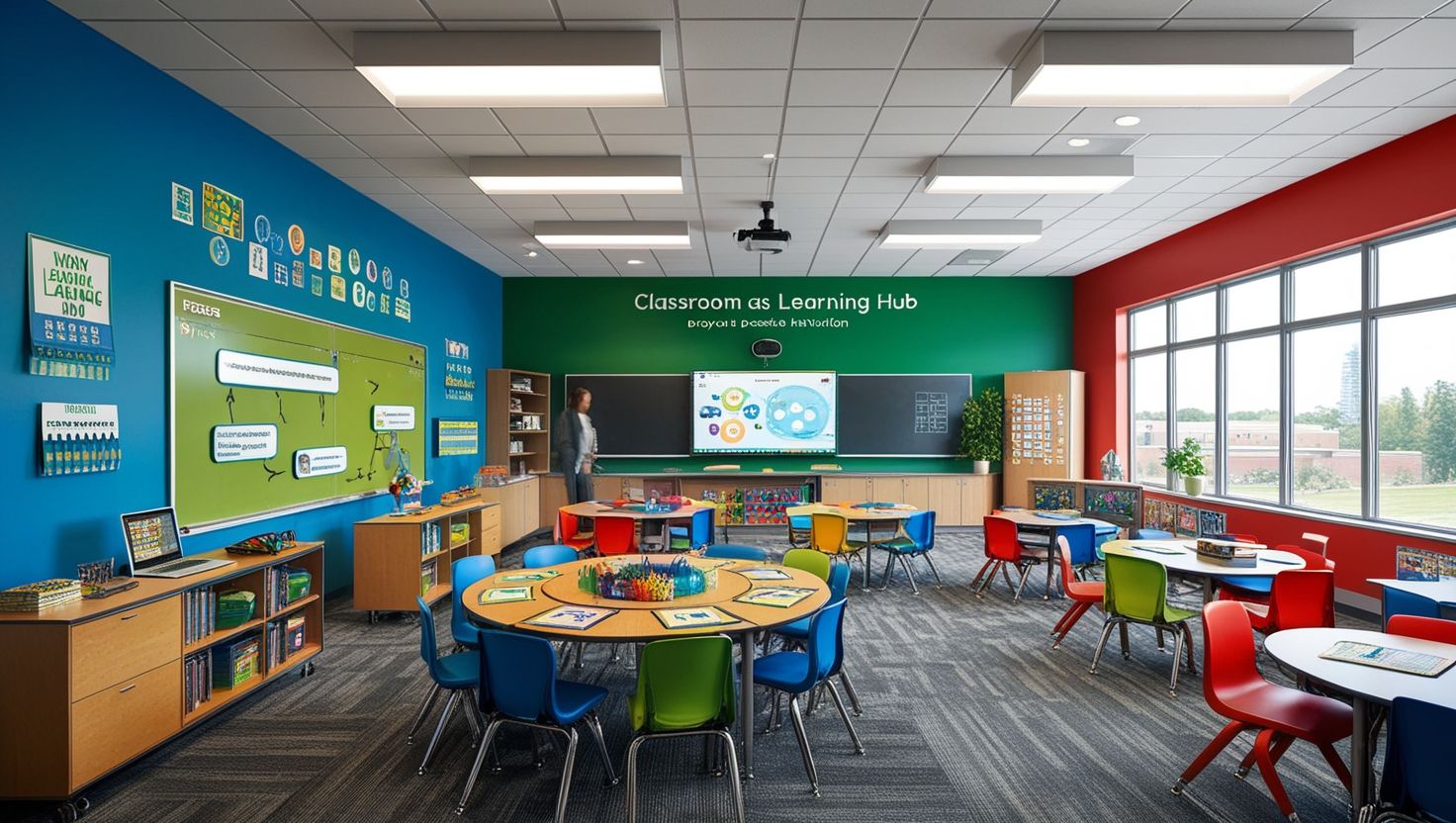
Interactive Learning Stations
Activity centers provide opportunities for independent exploration and learning.
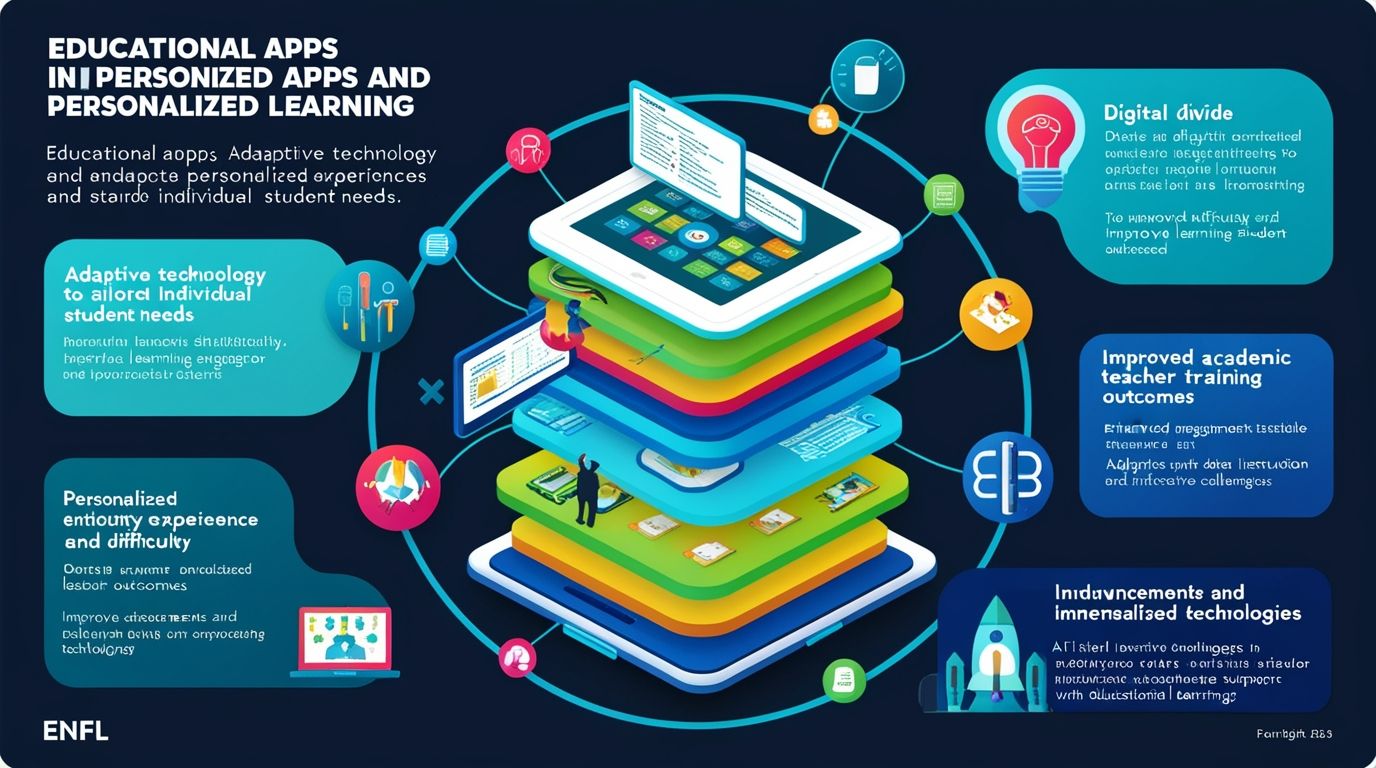
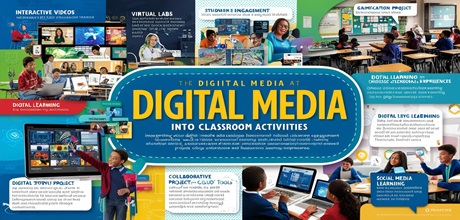
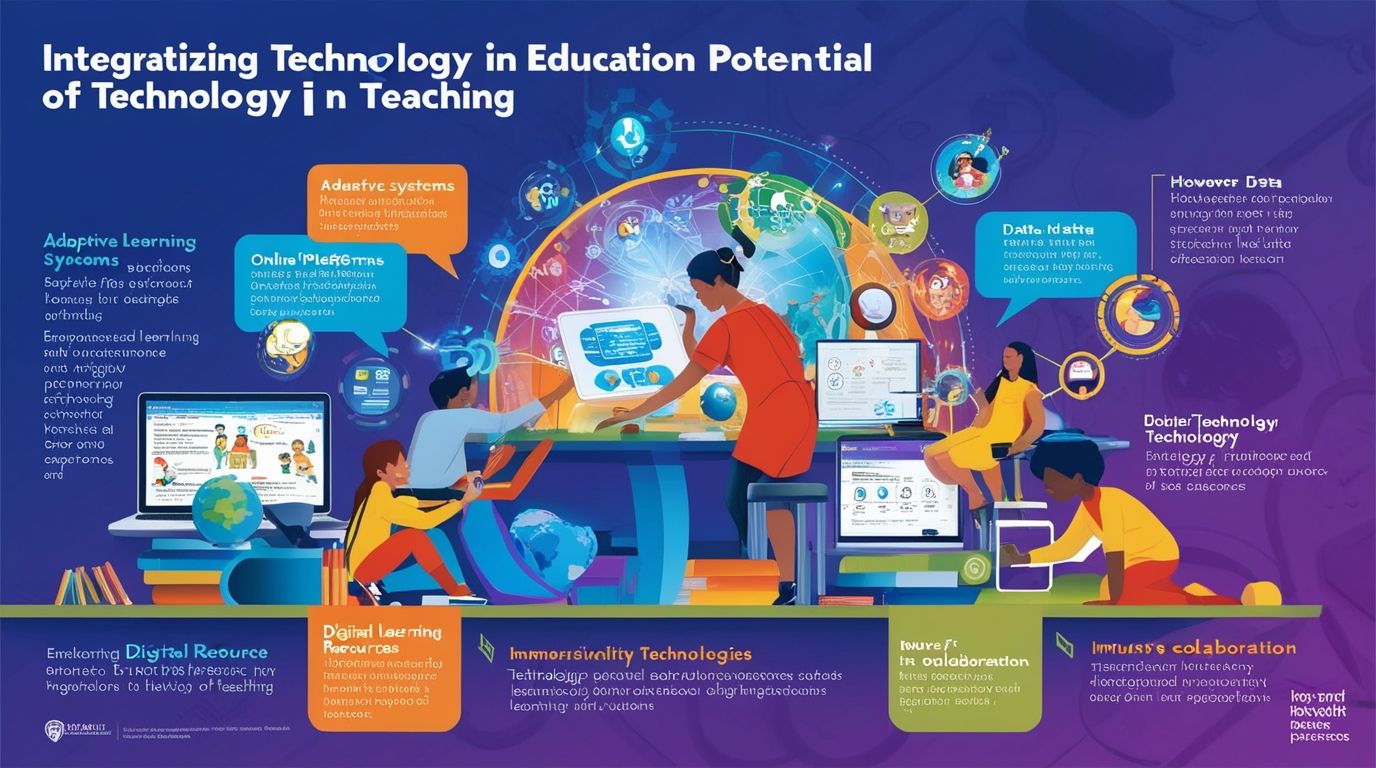
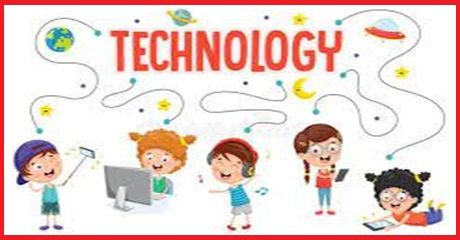
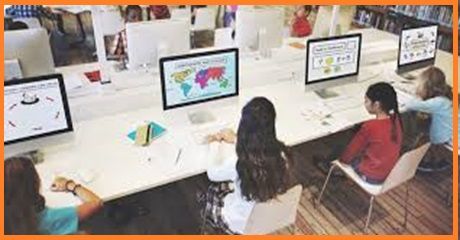
Technology-Based Activities
Many modern schools integrate technology into kindergarten learning in age-appropriate ways.
Educational Videos
Interactive videos introduce concepts through engaging visuals and storytelling.
Learning Applications
Educational apps support literacy, numeracy, and creative development.
Digital Storytelling
Technology-based storytelling enhances listening and comprehension skills.
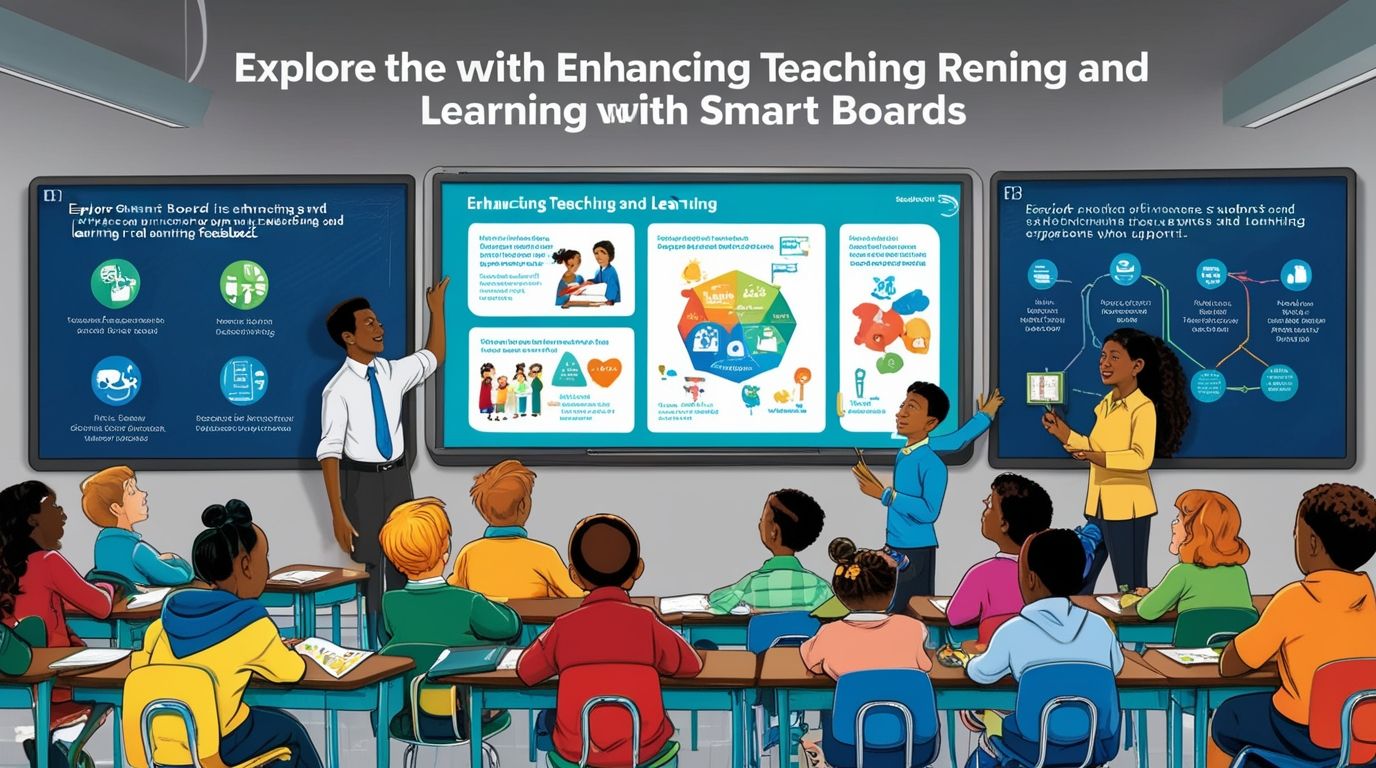
Interactive Whiteboards
Children participate in interactive lessons that combine visual, auditory, and tactile learning experiences.
Technology is most effective when used as a supplement to hands-on and social learning experiences.
Celebrations and Special Events
Special events enrich kindergarten education by creating memorable learning experiences.
Cultural Celebrations
Schools celebrate national, cultural, and religious events to promote diversity and inclusion.
Sports Day
Sports events encourage physical activity, teamwork, and healthy competition.
Book Week
Reading-related activities inspire a love for literature and storytelling.
Science Day
Simple science exhibitions allow children to showcase their discoveries and creativity.
Annual Functions
Performances and exhibitions provide opportunities for children to demonstrate their learning and talents.
Field Trips and Educational Visits
Educational excursions extend learning beyond the classroom.
Children may visit:
- Parks and gardens.
- Museums.
- Farms.
- Zoos.
- Community centers.
- Libraries.
Field trips provide real-world experiences that enhance understanding and curiosity.
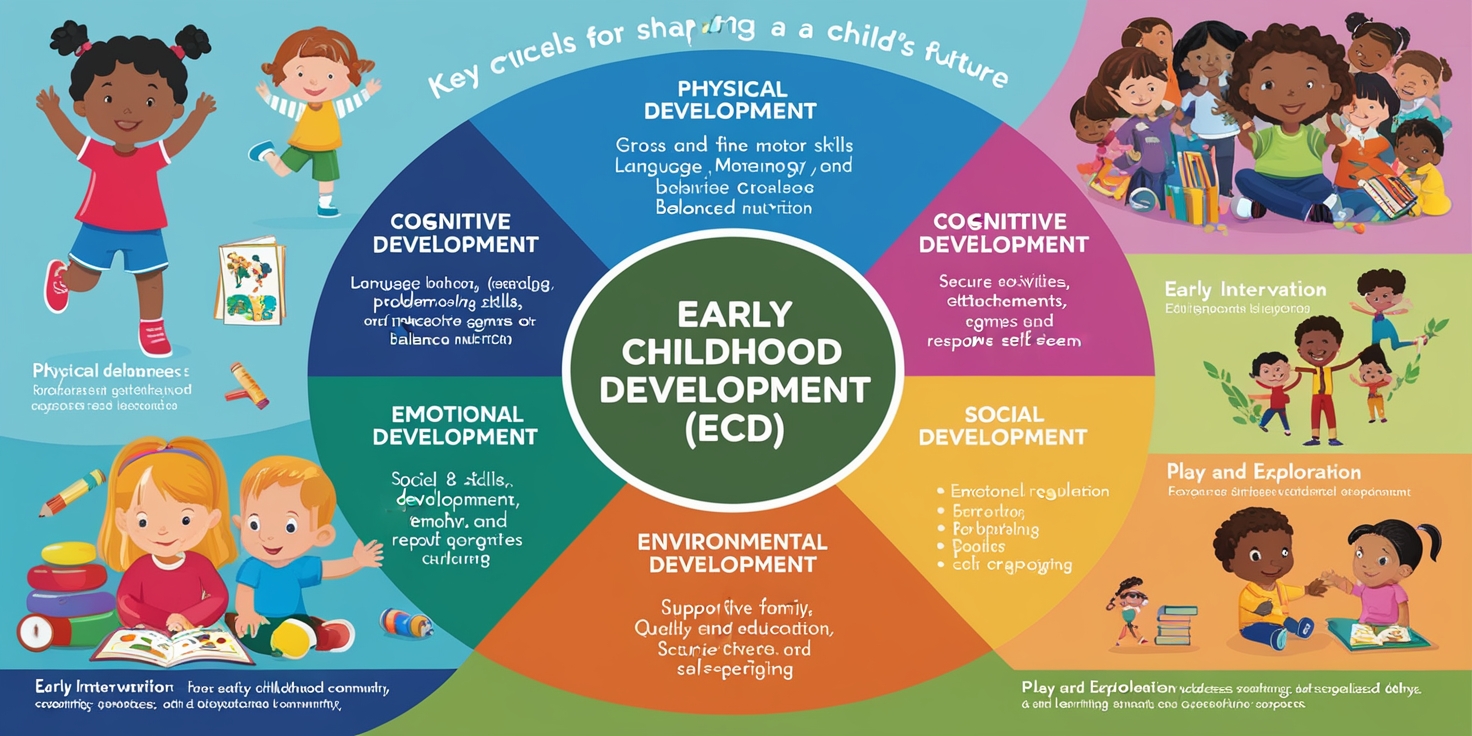
Benefits of Kindergarten Activities
Well-planned kindergarten activities contribute significantly to child development by:
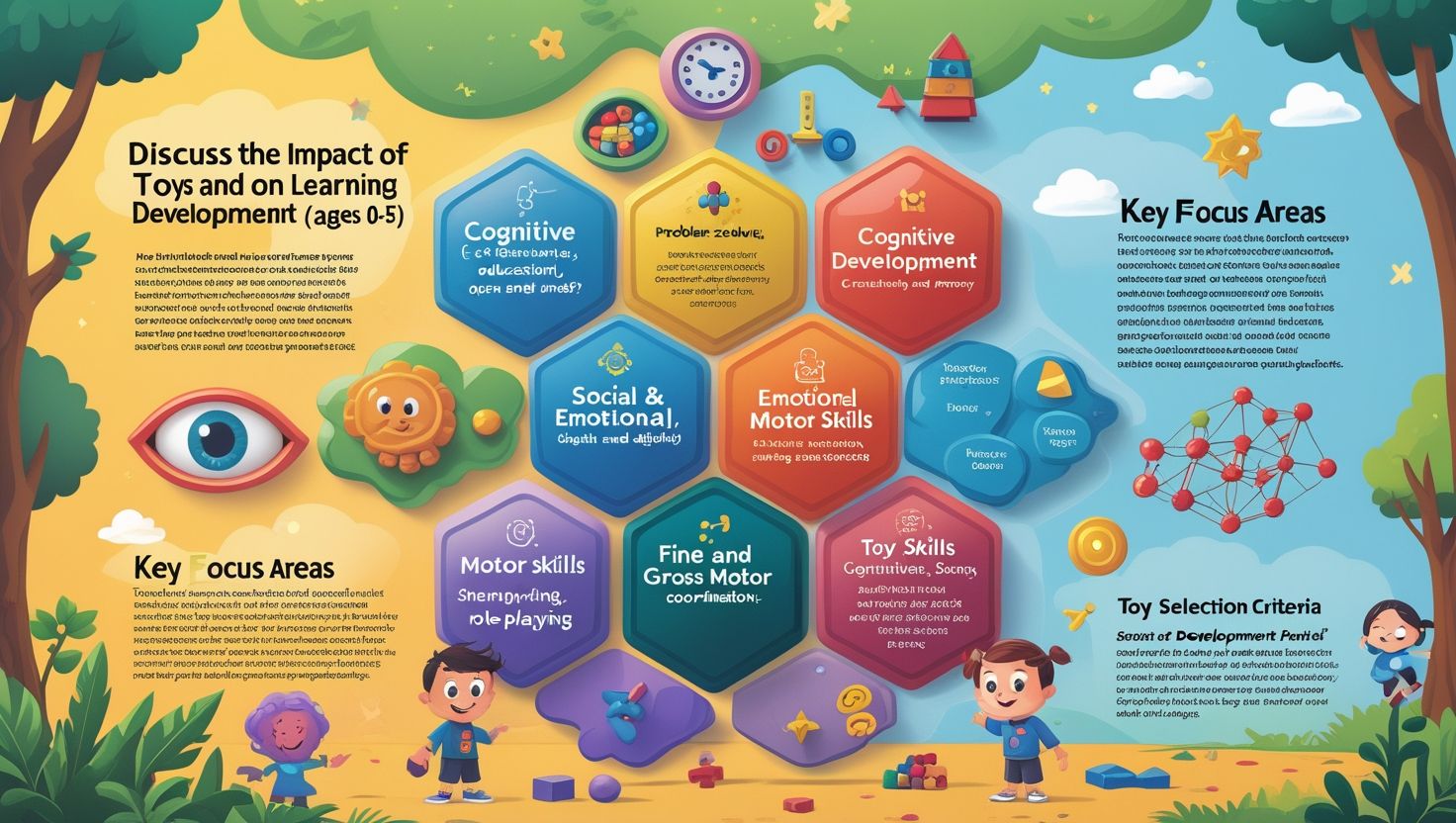
Cognitive Development
Activities strengthen thinking, memory, attention, and problem-solving skills.
Language Development
Children expand vocabulary, improve communication, and develop early literacy skills.
Physical Development
Movement-based activities enhance coordination, strength, and overall health.
Social Development
Group activities teach cooperation, sharing, leadership, and teamwork.
Emotional Development
Children learn self-control, confidence, empathy, and emotional expression.
Creative Development
Art, music, drama, and imaginative play nurture innovation and creativity.
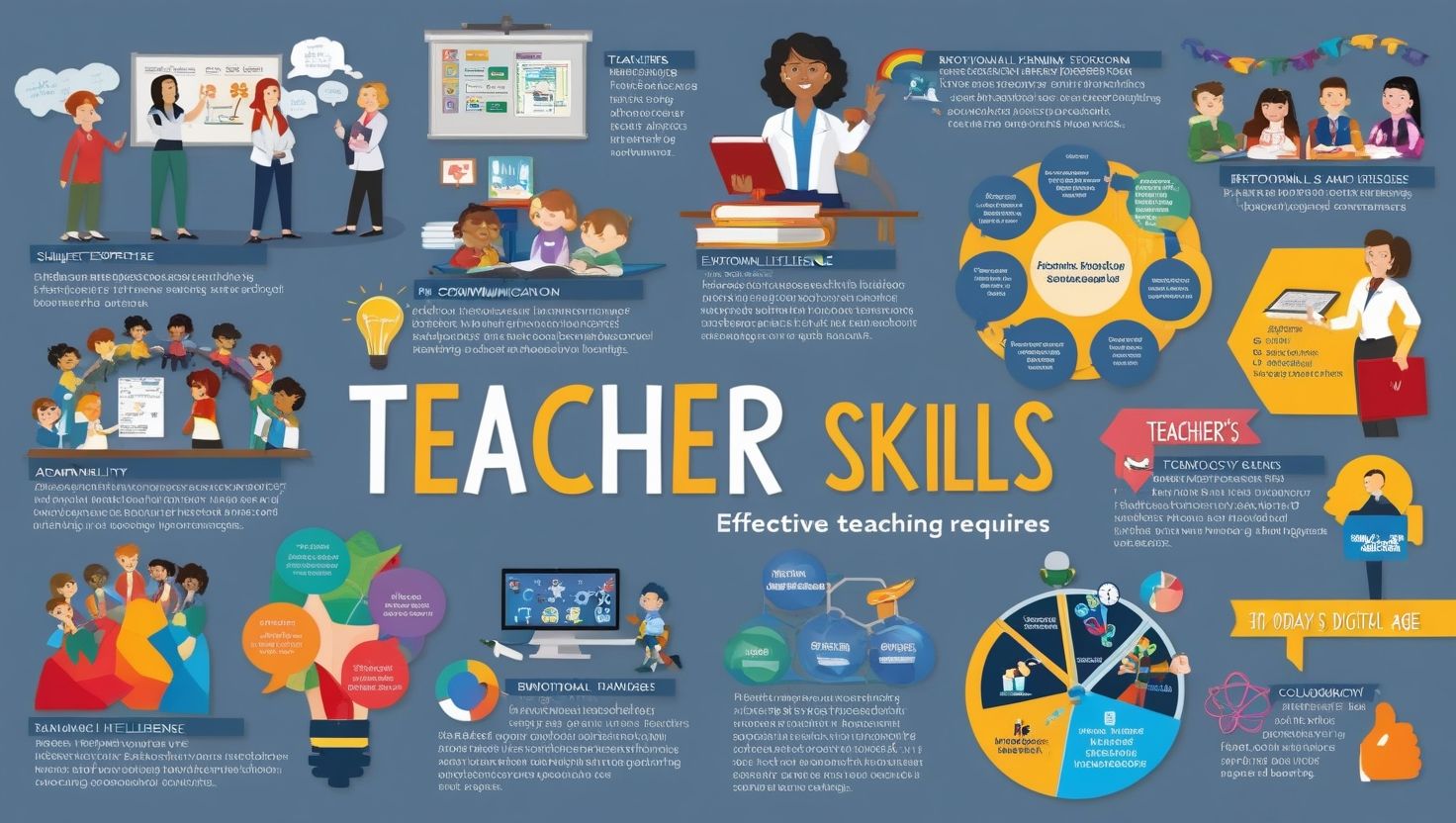
The Role of Teachers
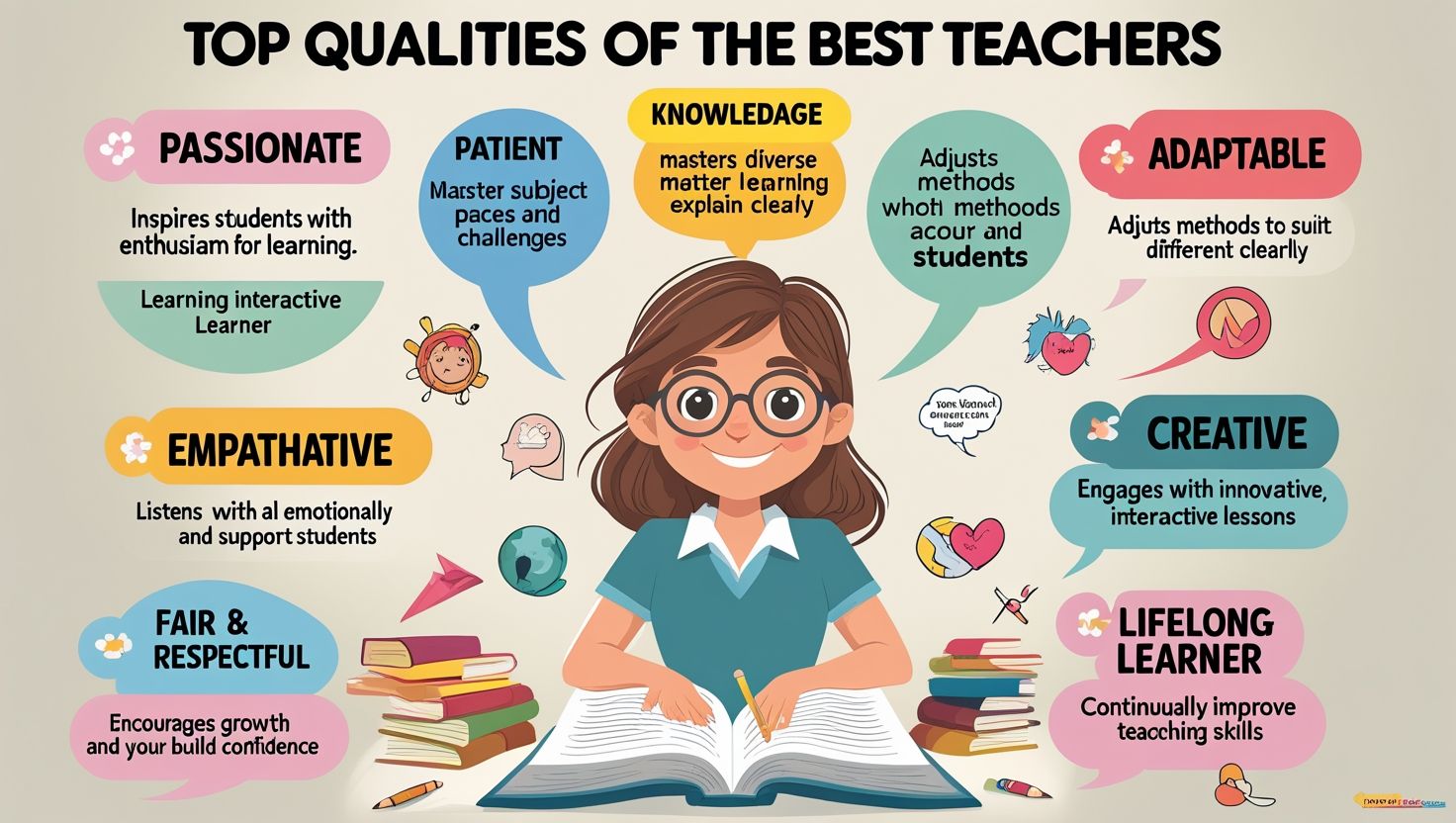
Kindergarten teachers play a central role in designing and facilitating meaningful activities. Effective teachers:
- Create a safe and welcoming environment.
- Encourage active participation.
- Adapt activities to individual needs.
- Promote curiosity and exploration.
- Foster positive relationships.
- Observe and support children’s development.
Through thoughtful guidance, teachers transform everyday experiences into valuable learning opportunities.
Conclusion
Kindergarten activities are far more than simple games and entertainment. They are carefully planned educational experiences that support the holistic development of young learners. Through storytelling, art, music, science exploration, outdoor play, social interaction, and creative activities, children acquire the knowledge, skills, and attitudes needed for future success.
A vibrant kindergarten environment nurtures curiosity, confidence, independence, and a love for learning. By providing engaging and meaningful activities, schools lay a strong foundation for academic achievement and personal growth. Investing in quality kindergarten experiences is ultimately an investment in the future of children, helping them become capable, responsible, and lifelong learners.