Introduction
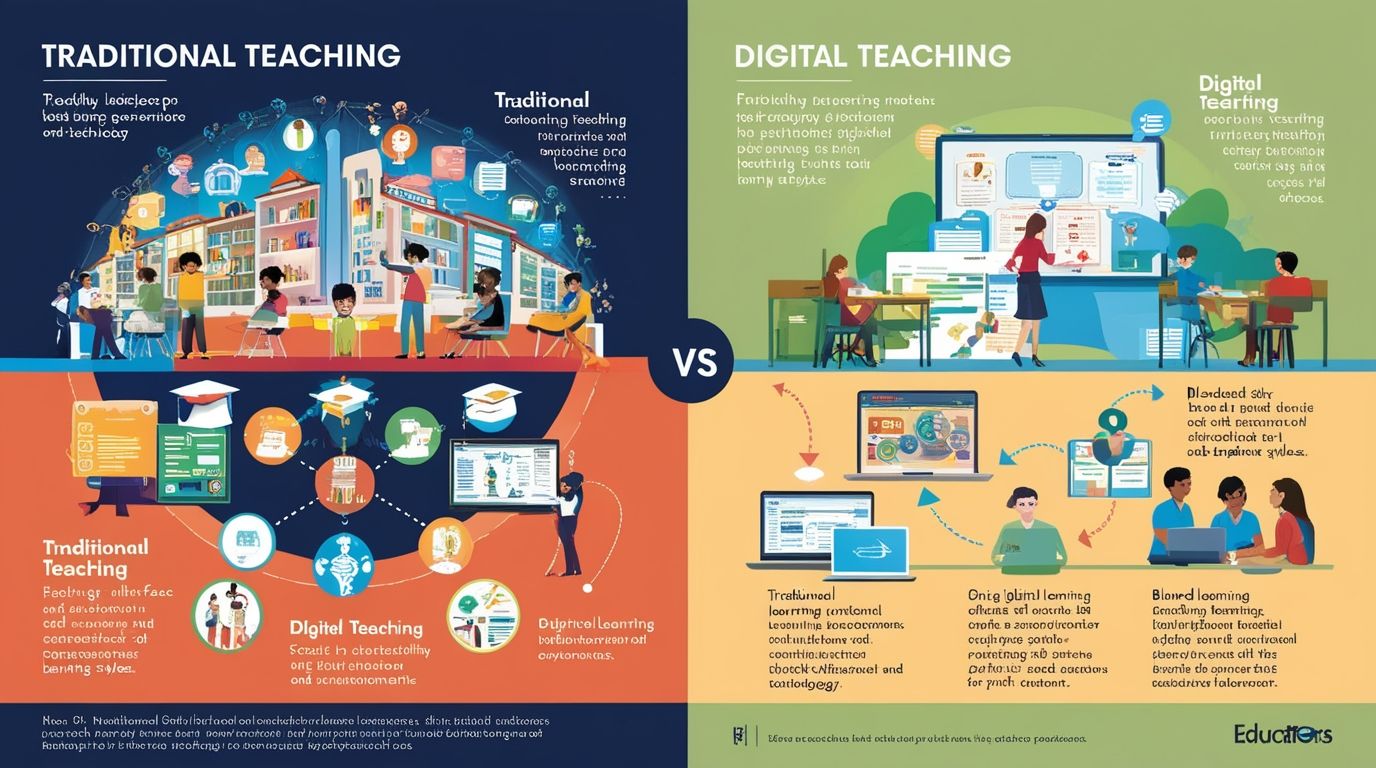
Experiential Learning and Teaching Guide, Education in the twenty-first century demands more than the transmission of information. Learners need opportunities to apply knowledge, solve real-world problems, collaborate with others, and reflect on their experiences. Traditional teaching methods often emphasize memorization and passive learning, whereas modern educational approaches focus on active engagement and meaningful understanding. One of the most effective approaches that supports these goals is experiential learning.
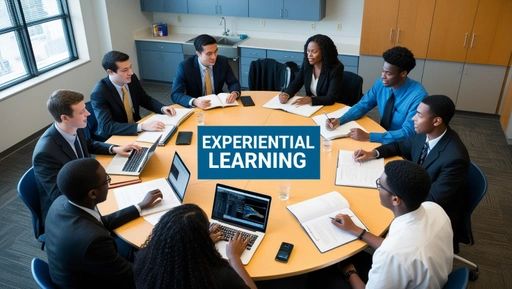
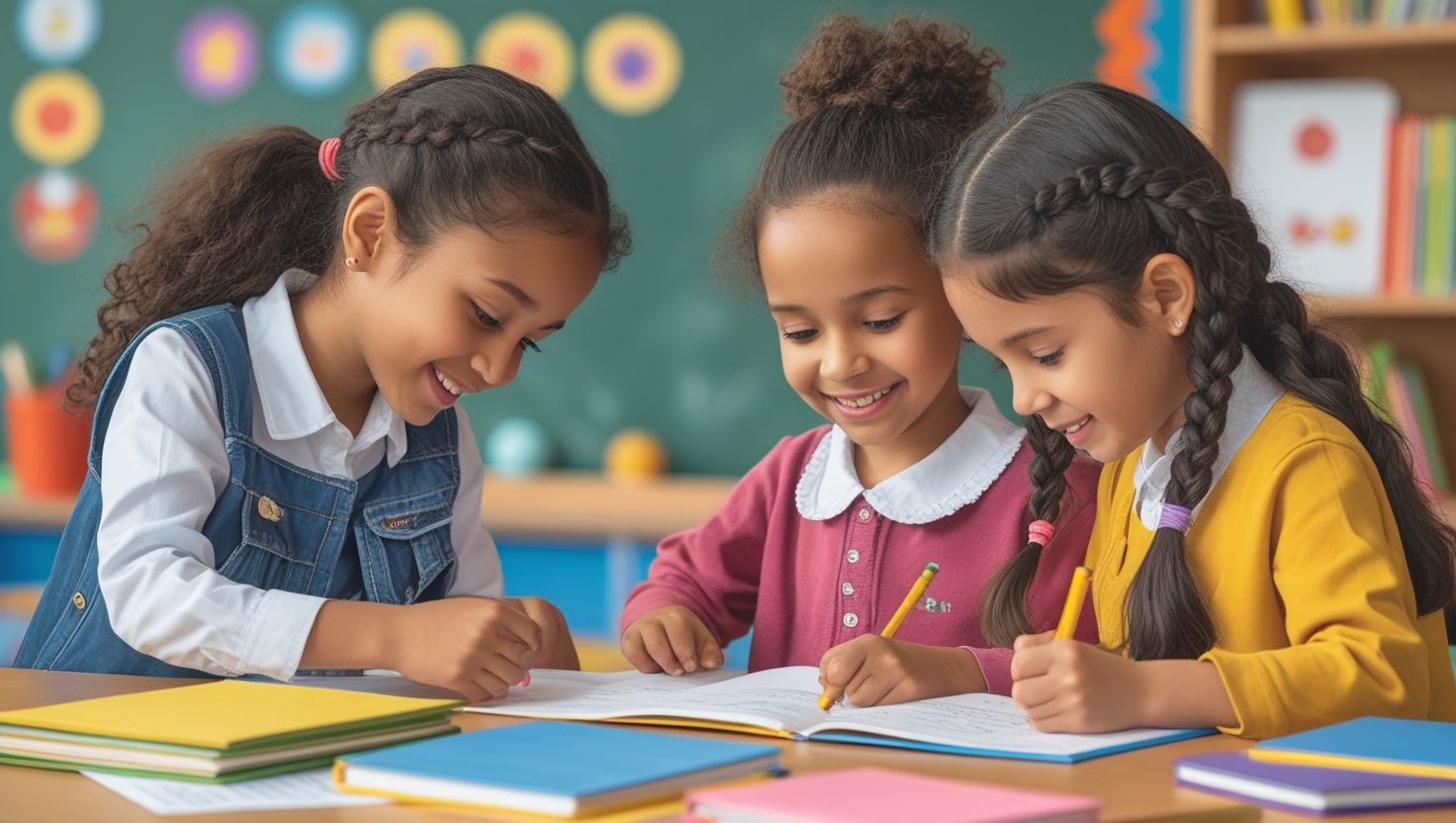
Experiential learning is the process of learning through experience. It involves active participation in meaningful activities, followed by reflection, analysis, and application. Rather than simply receiving information from teachers, students engage directly with concepts, situations, and challenges. Through this process, learners develop deeper understanding, practical skills, critical thinking, creativity, and confidence.
The concept of experiential learning has been influenced by educational thinkers such as John Dewey, Kurt Lewin, Jean Piaget, and David Kolb. These scholars emphasized that learning occurs most effectively when individuals interact with their environment and reflect upon their experiences. Experiential learning is now widely recognized as a powerful educational approach in schools, colleges, universities, vocational institutions, and professional training programs. This guide explores the principles, benefits, methods, implementation strategies, and best practices of experiential learning and teaching.
Understanding Experiential Learning
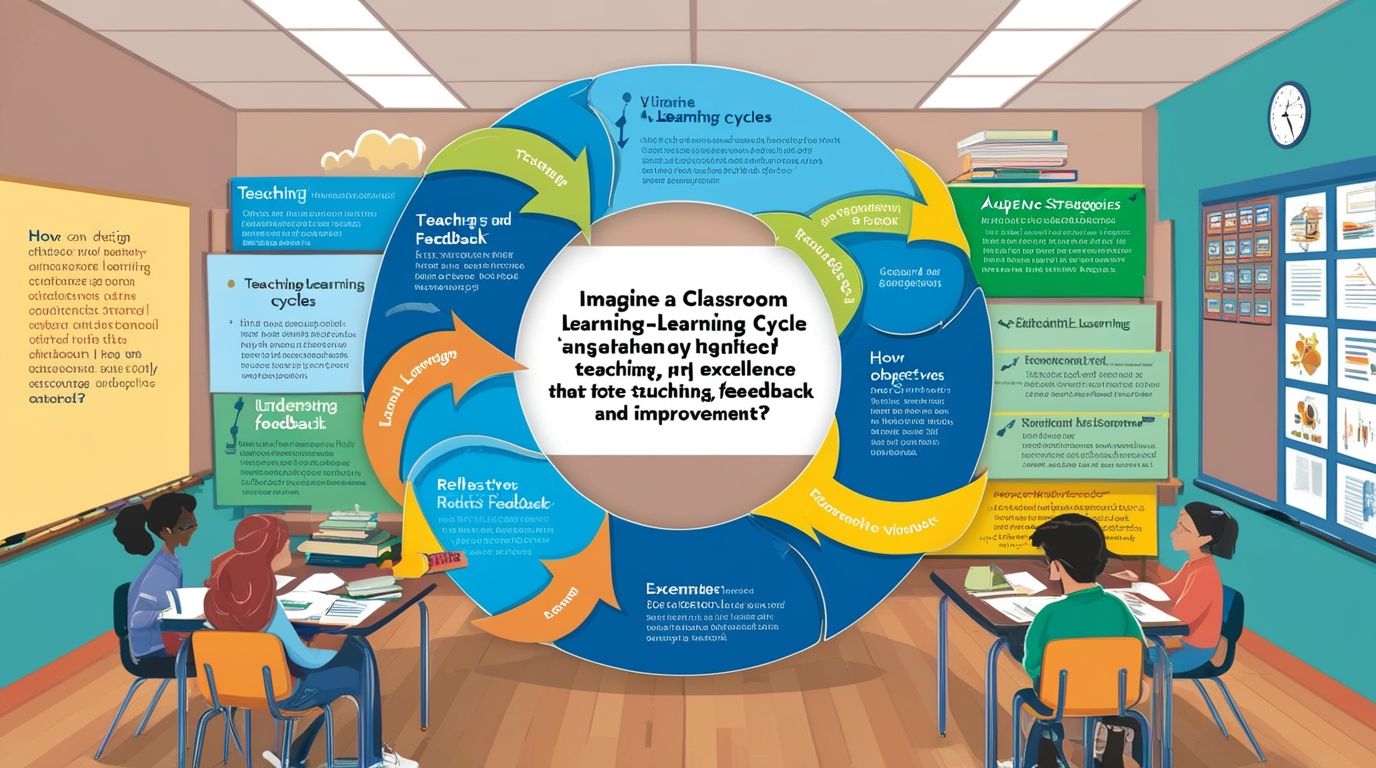
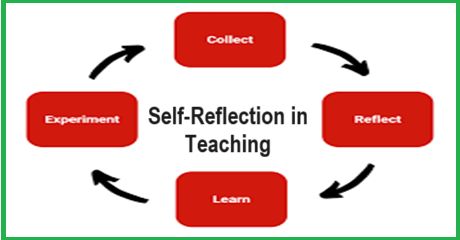
Experiential learning is based on the idea that knowledge is created through the transformation of experience. Students learn by doing, observing, reflecting, and applying what they have learned in new situations. David Kolb’s Experiential Learning Theory provides one of the most influential models. According to Kolb, learning is a continuous cycle involving four stages:
1. Concrete Experience
Learners actively participate in an experience. This may involve conducting an experiment, engaging in a project, participating in a role-play, or solving a practical problem.
2. Reflective Observation
Students think about what happened during the experience. They examine their actions, observations, successes, and challenges.
3. Abstract Conceptualization
Learners connect their experiences with theories, concepts, and existing knowledge. They develop new ideas and understandings.
4. Active Experimentation
Students apply their new knowledge to different situations and test their understanding through further action. This cycle demonstrates that effective learning requires both experience and reflection. Without reflection, experiences may not lead to meaningful learning outcomes.
Principles of Experiential Learning
Several key principles guide experiential learning practices:
Learner-Centered Approach
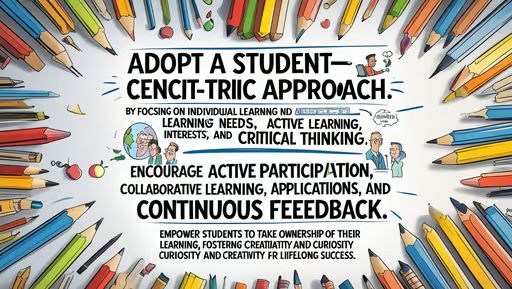
Experiential learning places students at the center of the educational process. Learners actively construct knowledge rather than passively receive information.
Active Participation
Students engage physically, mentally, emotionally, and socially in learning activities.
Reflection and Critical Thinking
Reflection helps learners analyze experiences and develop deeper understanding.
Real-World Relevance
Learning activities are connected to authentic situations, making education meaningful and practical.
Collaboration and Interaction
Students often work with peers, teachers, and community members, promoting teamwork and communication skills.
Continuous Learning
Experiential learning encourages lifelong learning through ongoing inquiry, exploration, and improvement.
Benefits of Experiential Learning
Experiential learning offers numerous advantages for students, teachers, and educational institutions.
Enhanced Understanding
Students gain a deeper understanding of concepts because they experience them directly rather than merely reading about them.
Improved Retention
Research indicates that active participation significantly improves memory and retention of knowledge.
Development of Critical Thinking Skills
Experiential activities require learners to analyze situations, evaluate options, and make informed decisions.
Increased Motivation and Engagement
Students are generally more interested and motivated when learning involves hands-on experiences and real-world applications.
Strengthened Problem-Solving Abilities
Practical experiences encourage learners to identify challenges and develop effective solutions.
Better Communication and Collaboration
Group projects, discussions, and community activities help students develop interpersonal skills.
Growth of Self-Confidence
Successfully completing authentic tasks increases learners’ confidence in their abilities.
Preparation for Future Careers
Experiential learning develops workplace competencies such as leadership, teamwork, adaptability, and innovation.
Role of the Teacher in Experiential Learning
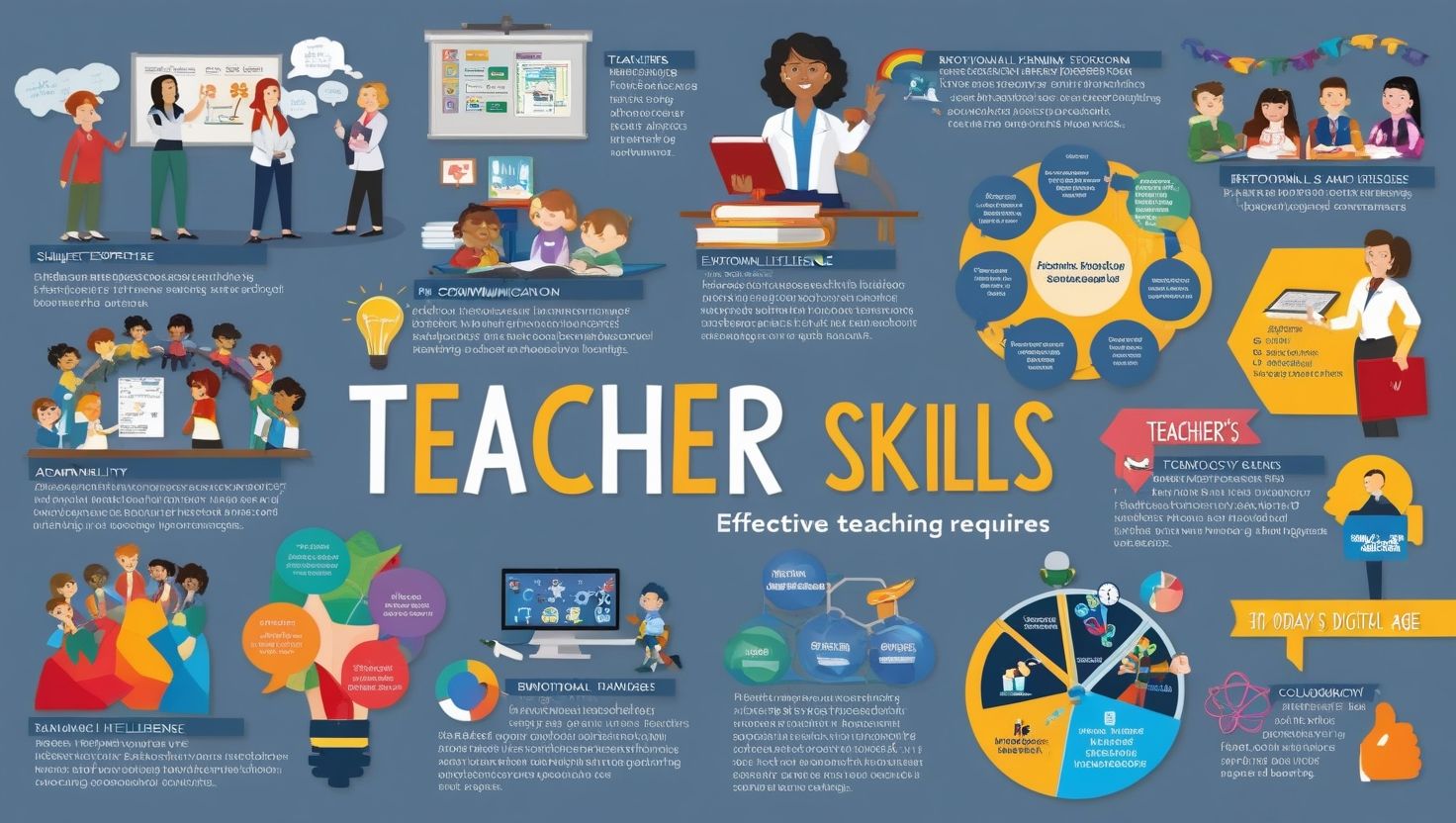
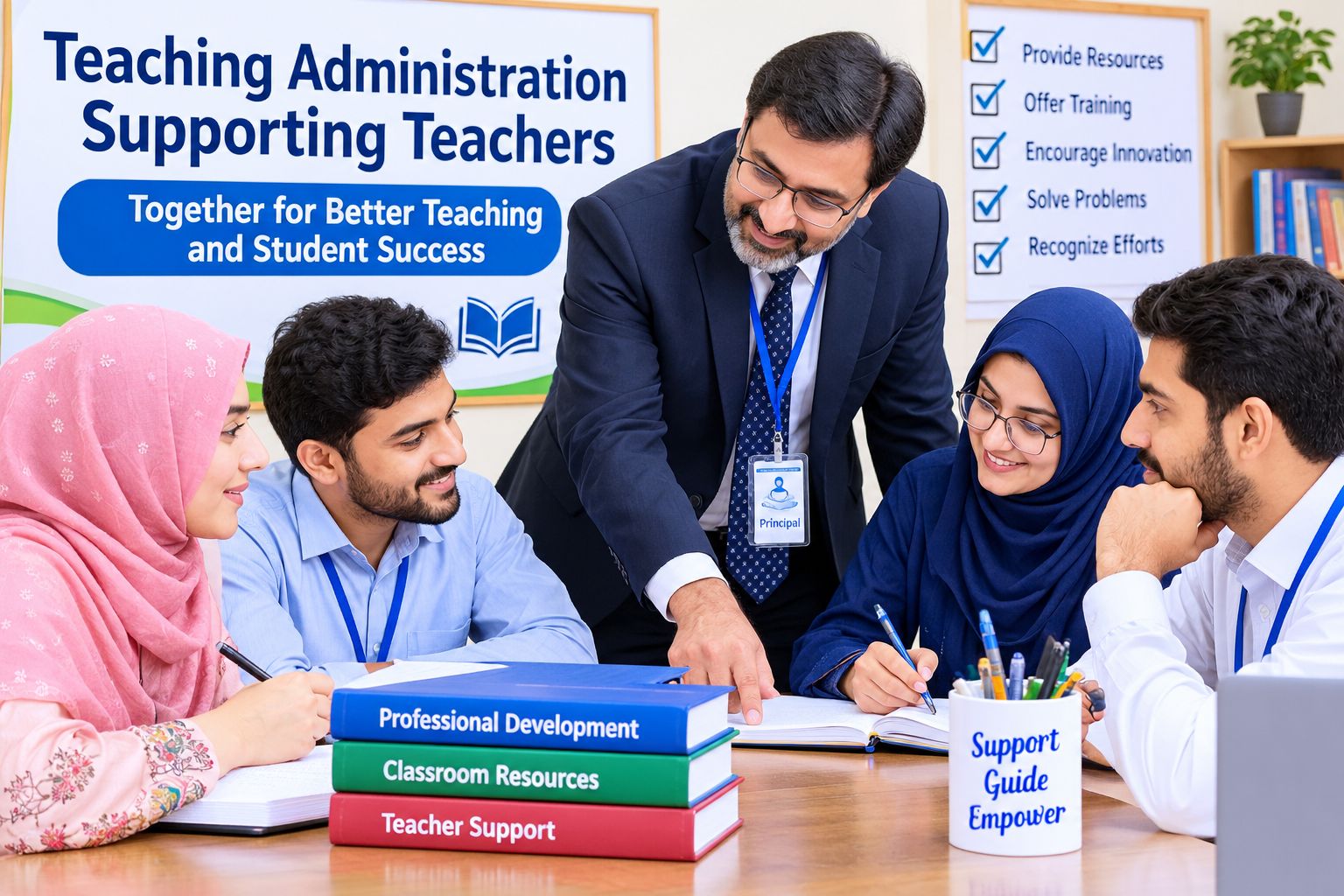
The role of the teacher changes significantly in an experiential learning environment.
Facilitator of Learning
Teachers guide students through experiences rather than simply delivering content.
Designer of Learning Experiences
Educators create meaningful activities that align with learning objectives and student needs.
Mentor and Coach
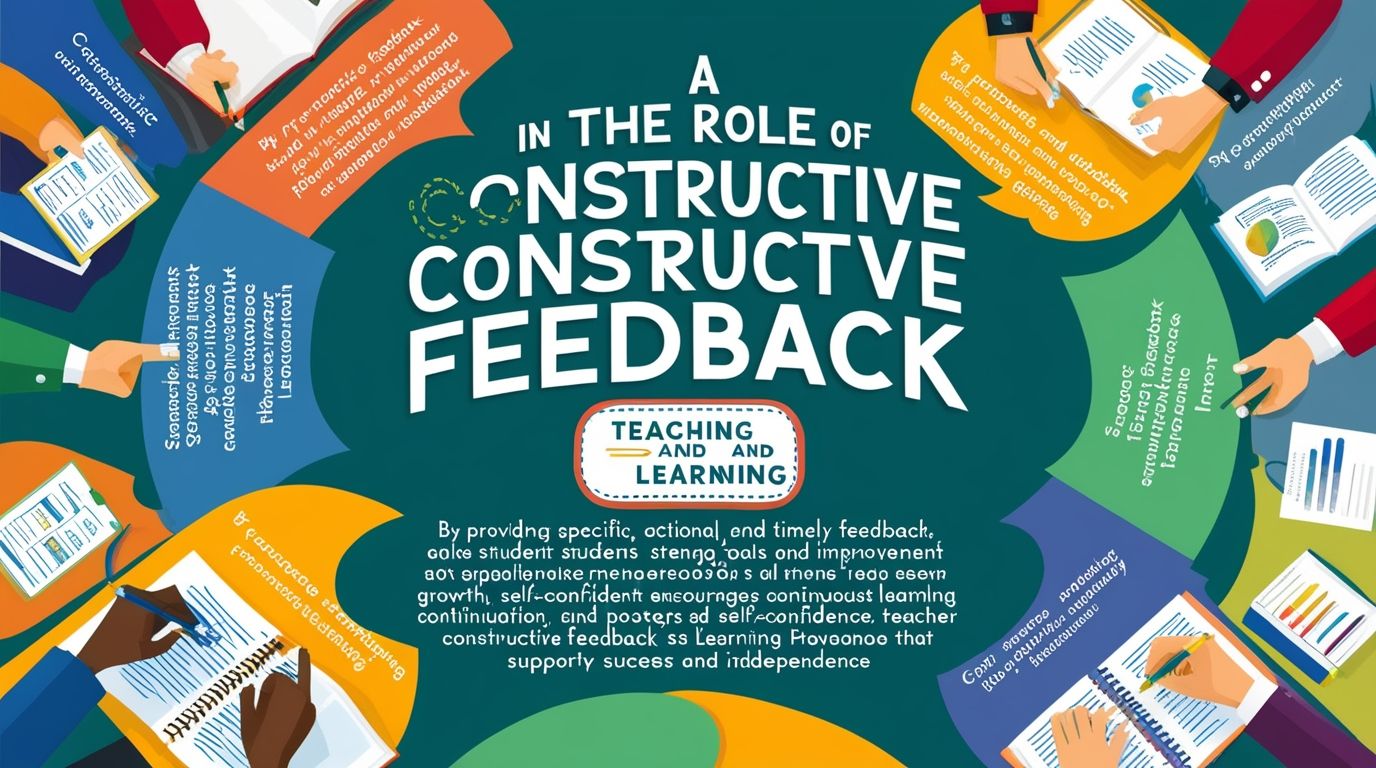
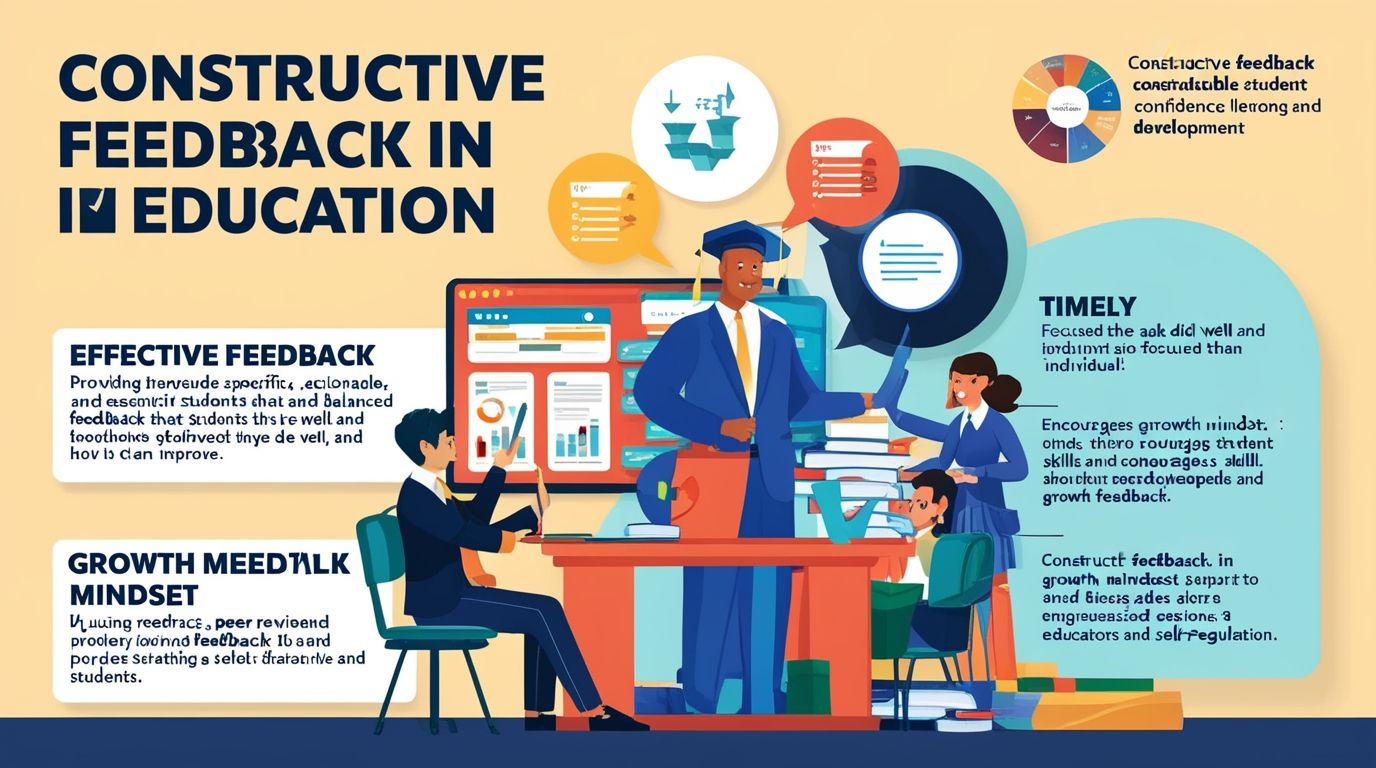
Teachers provide support, encouragement, and constructive feedback throughout the learning process.
Reflective Guide
Educators encourage students to reflect on experiences and draw meaningful conclusions.
Evaluator of Learning
Teachers assess both the learning process and outcomes using diverse assessment methods. The teacher’s responsibility is not diminished but transformed into a more dynamic and supportive role.
Experiential Learning Strategies
Several instructional strategies support experiential learning in educational settings.
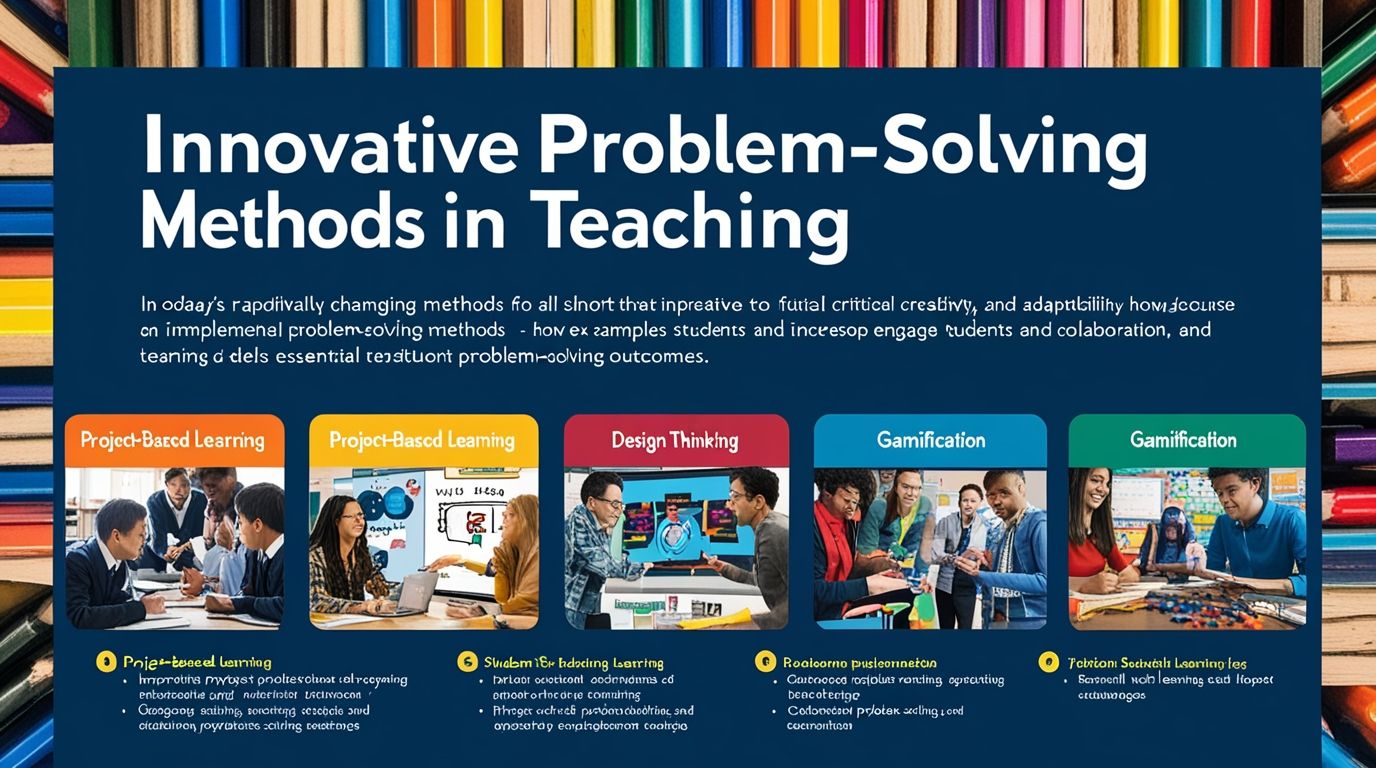
Project-Based Learning
Students investigate and respond to complex questions or problems over an extended period. Projects culminate in presentations, reports, or products.
Example:
Students design a water conservation campaign for their community.
Problem-Based Learning
Learners solve authentic problems using research, collaboration, and critical thinking.
Example:
Students develop solutions to reduce plastic waste in their school.
Service Learning
Students participate in community service activities connected to academic objectives.
Example:
Learners organize literacy programs for younger children while studying language development.
Field Trips and Educational Visits
Visits to museums, industries, farms, historical sites, and scientific centers provide direct learning experiences.
Example:
Students observe ecological systems during a visit to a nature reserve.
Simulations and Role-Plays
Learners assume roles and engage in realistic scenarios.
Example:
Students conduct a mock parliamentary debate to understand democratic processes.
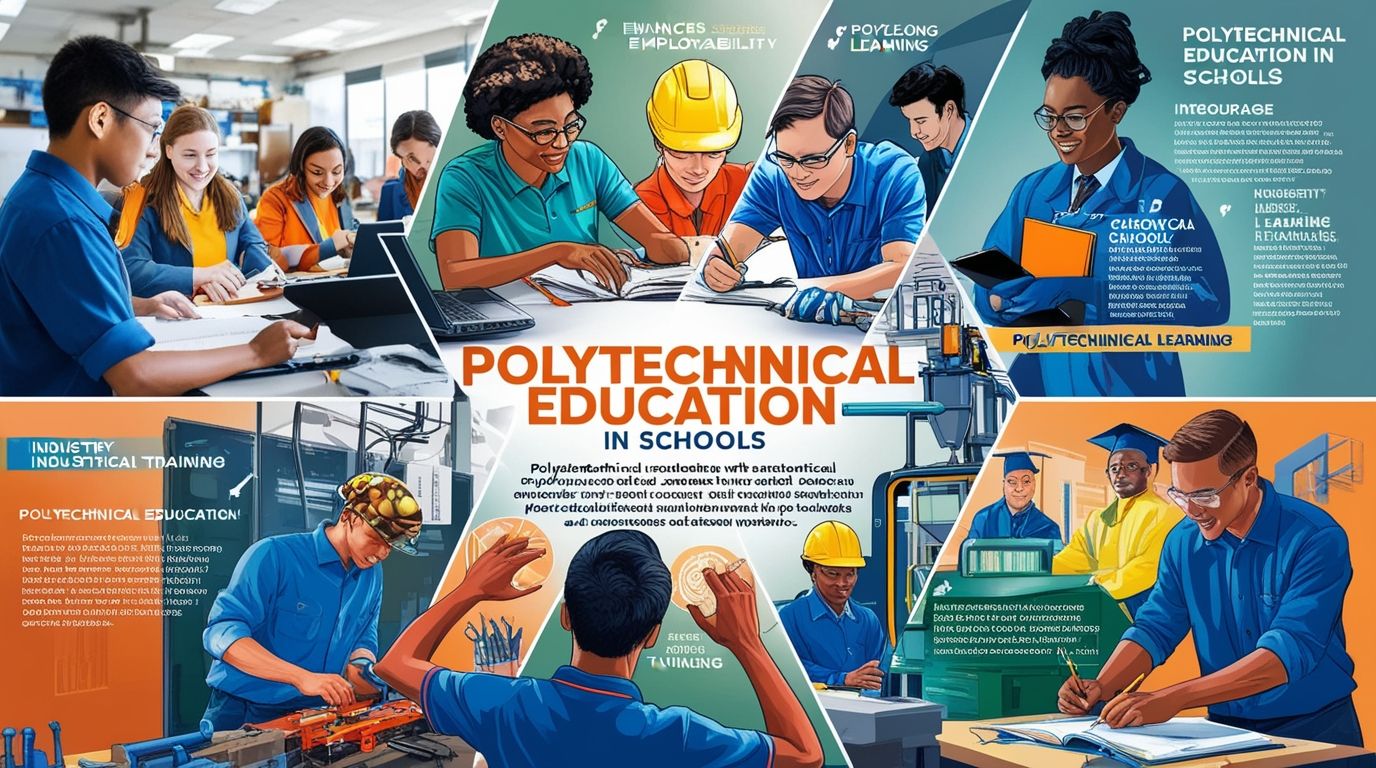
Internships and Apprenticeships
Students gain workplace experience by working alongside professionals.
Example:
Secondary school students spend time observing healthcare professionals in hospitals.
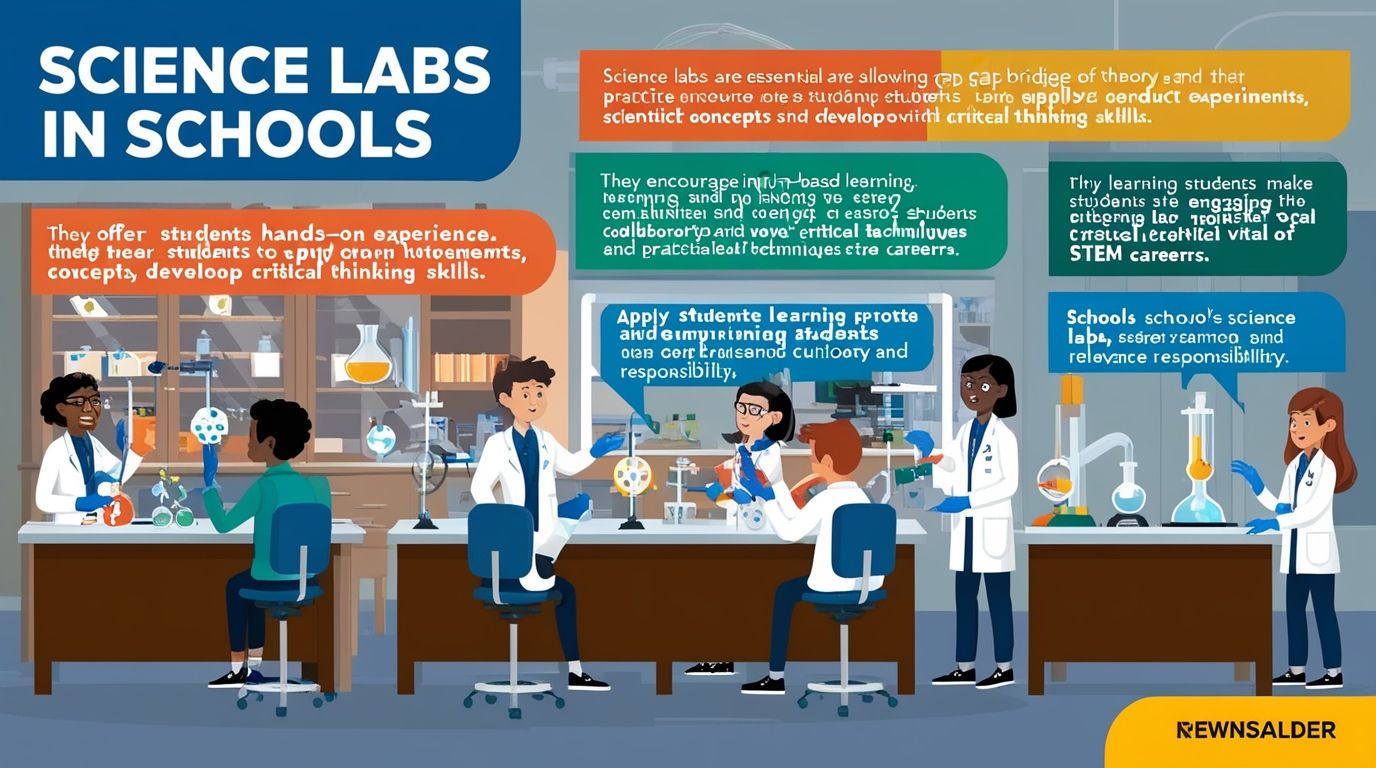
Laboratory and Experimental Activities
Science and technical subjects particularly benefit from practical investigations.
Example:
Students conduct experiments to understand chemical reactions.
Implementing Experiential Learning in the Classroom
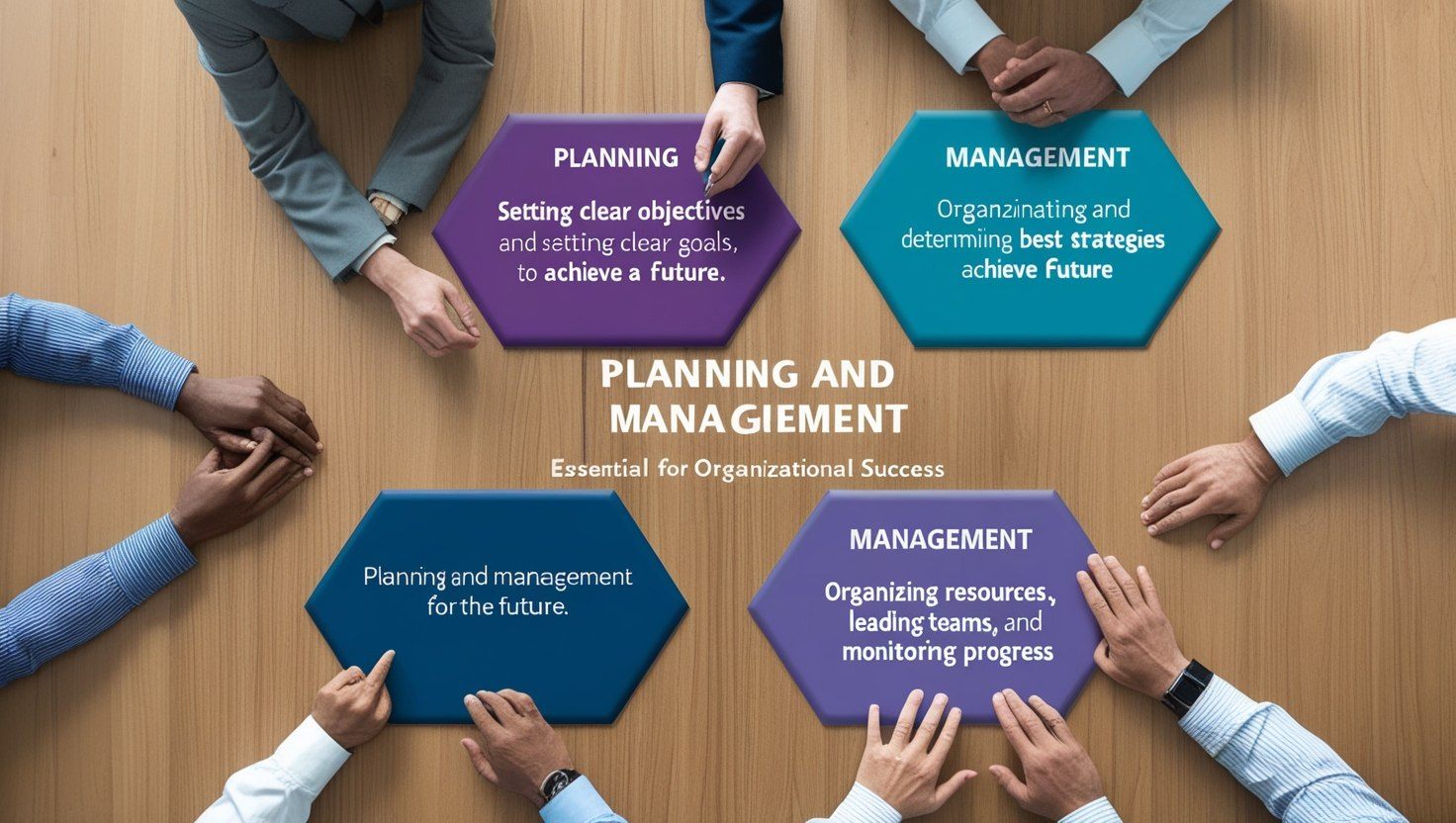
Effective implementation requires careful planning and management.
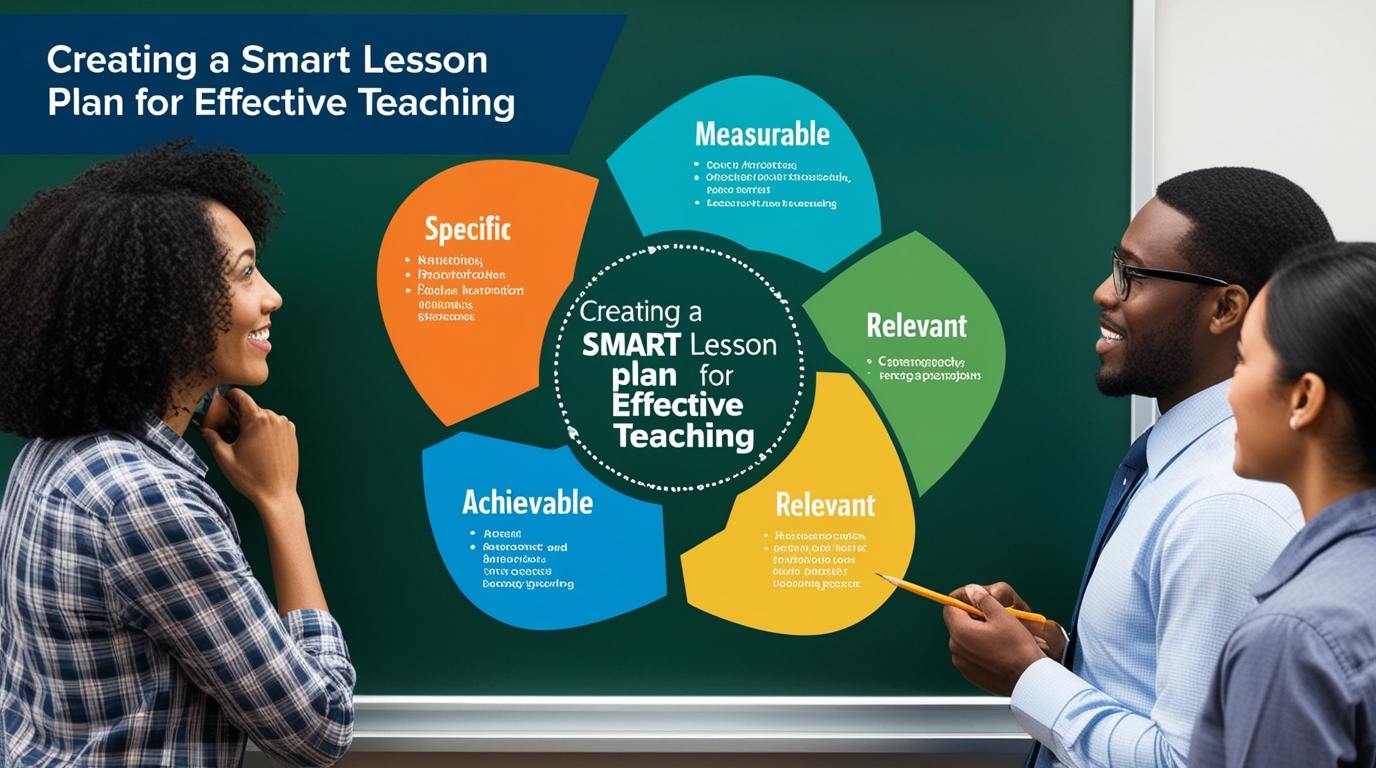
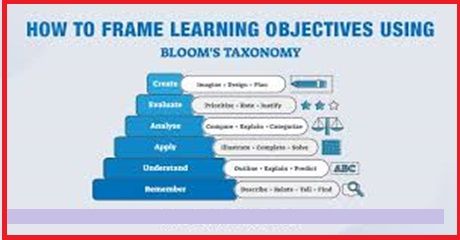
Define Learning Objectives
Teachers should clearly identify what students are expected to learn and achieve.
Design Meaningful Activities
Experiences must align with curriculum goals and student interests.
Prepare Students
Learners should understand the purpose, expectations, and procedures of activities.
Facilitate Active Engagement
Teachers should encourage participation, inquiry, exploration, and collaboration.
Promote Reflection
Structured reflection activities help students connect experiences with learning outcomes. Reflection methods include:
- Learning journals
- Group discussions
- Reflection essays
- Portfolios
- Presentations
Assess Learning Outcomes
Assessment should measure knowledge, skills, attitudes, and application of learning.
Encourage Application
Students should have opportunities to transfer learning to new situations and contexts.
Experiential Learning Across Subject Areas
Experiential learning can be integrated into virtually every subject.
Science
- Laboratory investigations
- Environmental studies
- Scientific research projects
- Field observations
Mathematics
- Real-life budgeting activities
- Data collection and analysis
- Measurement projects
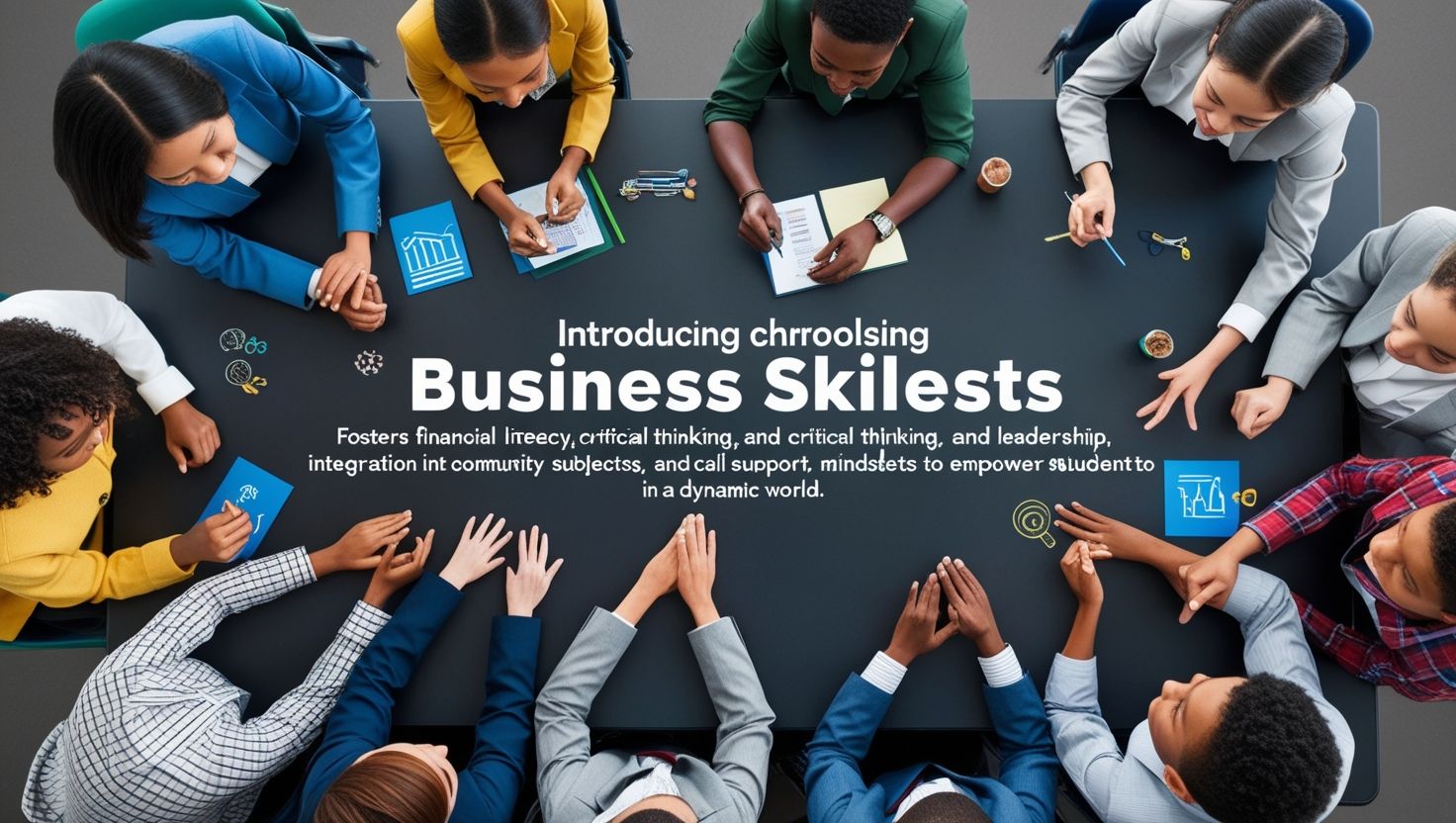
- Business simulations
Language Arts
- Creative writing workshops
- Drama and storytelling
- Interviews and journalism projects
- Community communication initiatives
Social Studies
- Historical reenactments
- Community surveys
- Civic engagement projects
- Cultural exploration activities
Arts Education
- Studio-based learning
- Exhibitions
- Performance projects
- Community art initiatives
Physical Education
- Sports participation
- Outdoor education
- Team-building activities
- Health promotion projects
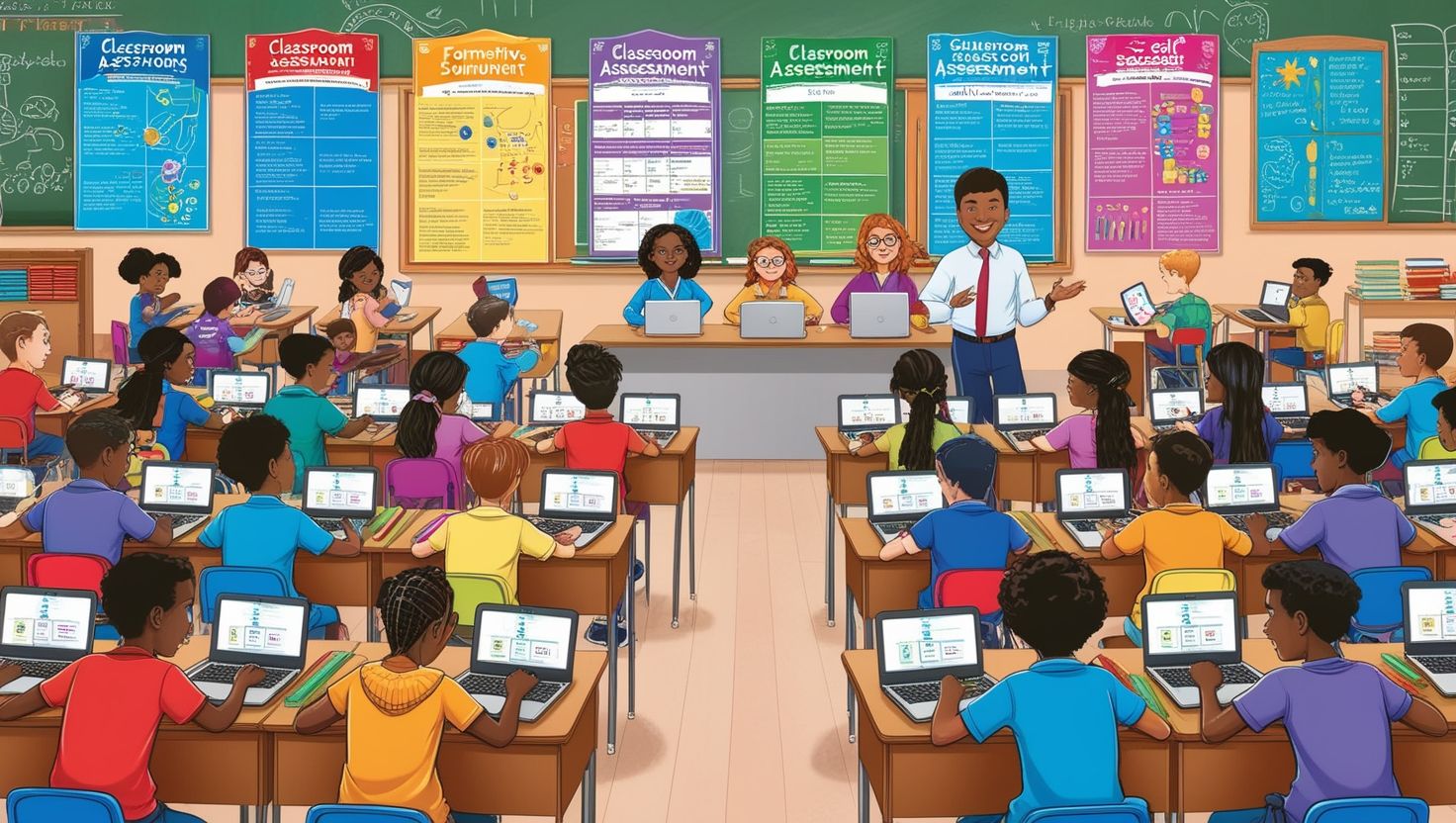
Assessment in Experiential Learning
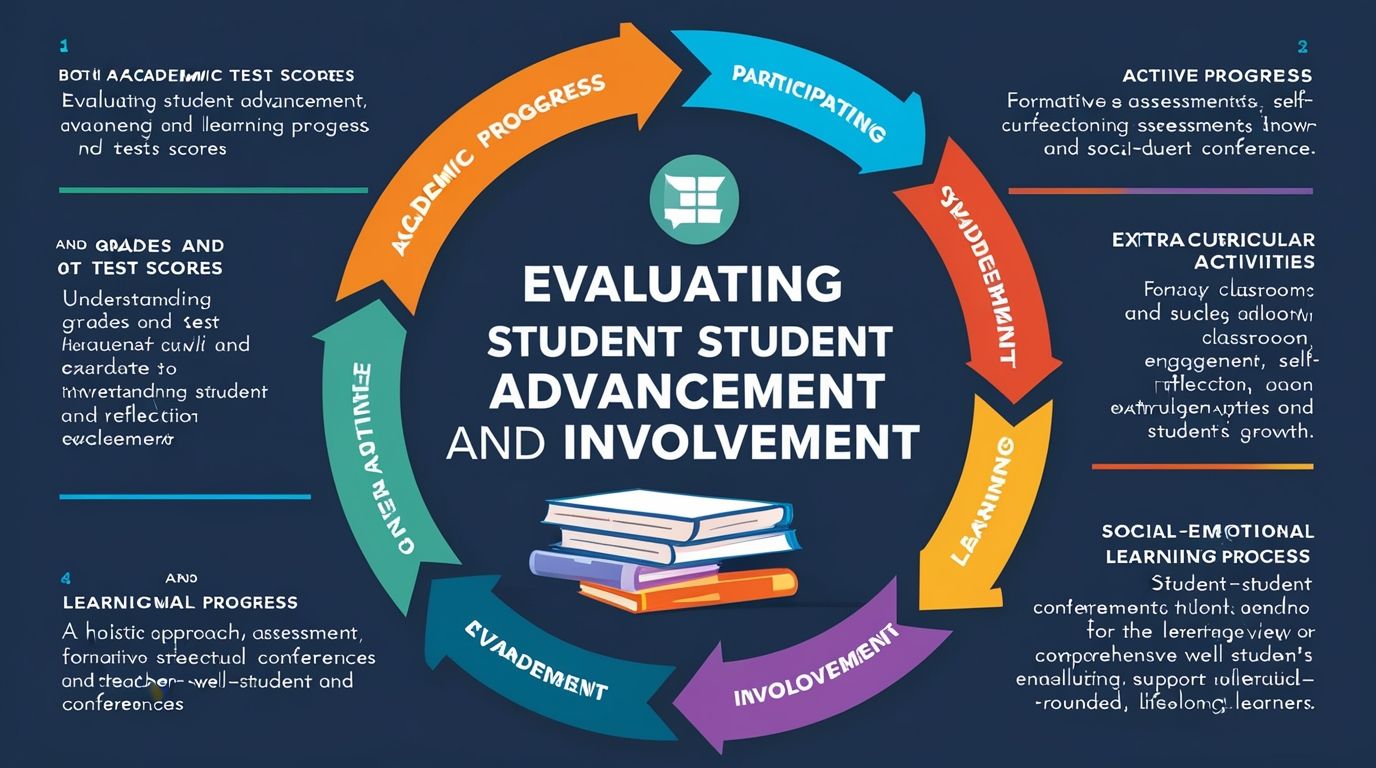
Assessment should capture both the learning process and the final outcomes.
Performance Assessment
Students demonstrate skills through practical tasks and projects.
Portfolios
Collections of student work provide evidence of growth and achievement.
Reflective Journals
Students document experiences, insights, and learning progress.
Peer Assessment
Learners evaluate each other’s contributions and performance.
Self-Assessment
Students reflect on their own strengths, challenges, and accomplishments.
Rubrics
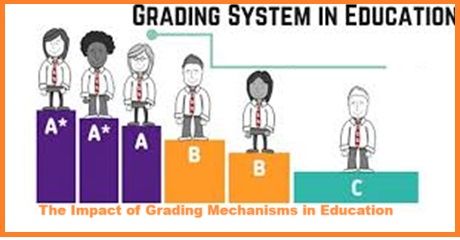
Clear criteria help evaluate complex tasks consistently and fairly. Effective assessment emphasizes learning, improvement, and reflection rather than solely focusing on grades.
Challenges of Experiential Learning
Despite its benefits, experiential learning presents certain challenges.
Time Constraints
Experiential activities often require more time than traditional lectures.
Resource Requirements
Materials, equipment, transportation, and community partnerships may be necessary.
Classroom Management
Active learning environments require careful supervision and organization.
Assessment Complexity
Evaluating experiential learning can be more challenging than assessing traditional tests.
Teacher Preparation
Educators need training and support to design and facilitate effective experiences.
Curriculum Demands
Balancing experiential activities with curriculum requirements may be difficult. However, these challenges can be addressed through proper planning, collaboration, and professional development.
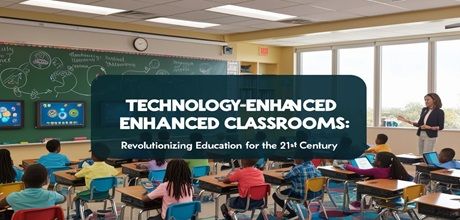
Technology and Experiential Learning
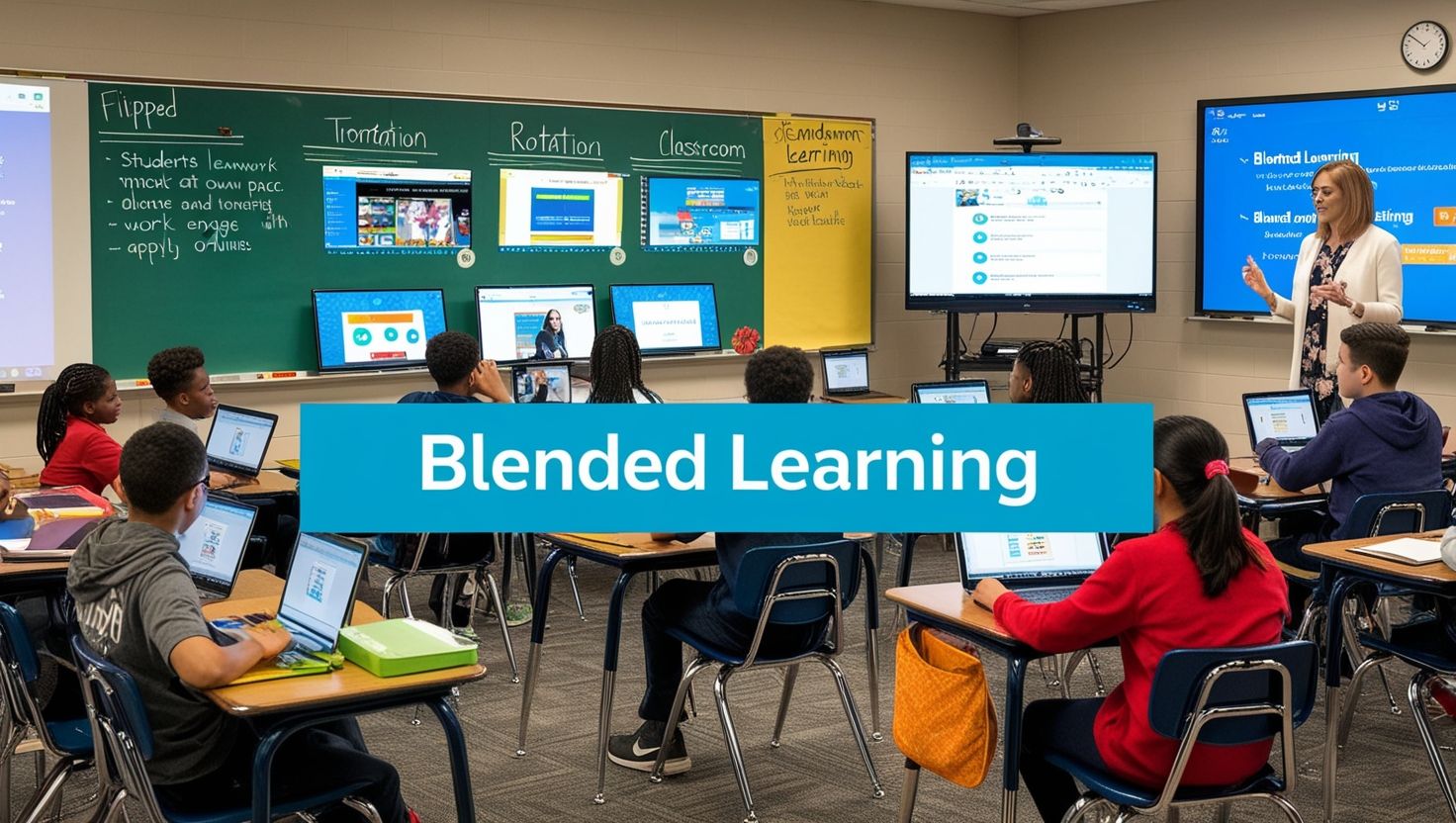
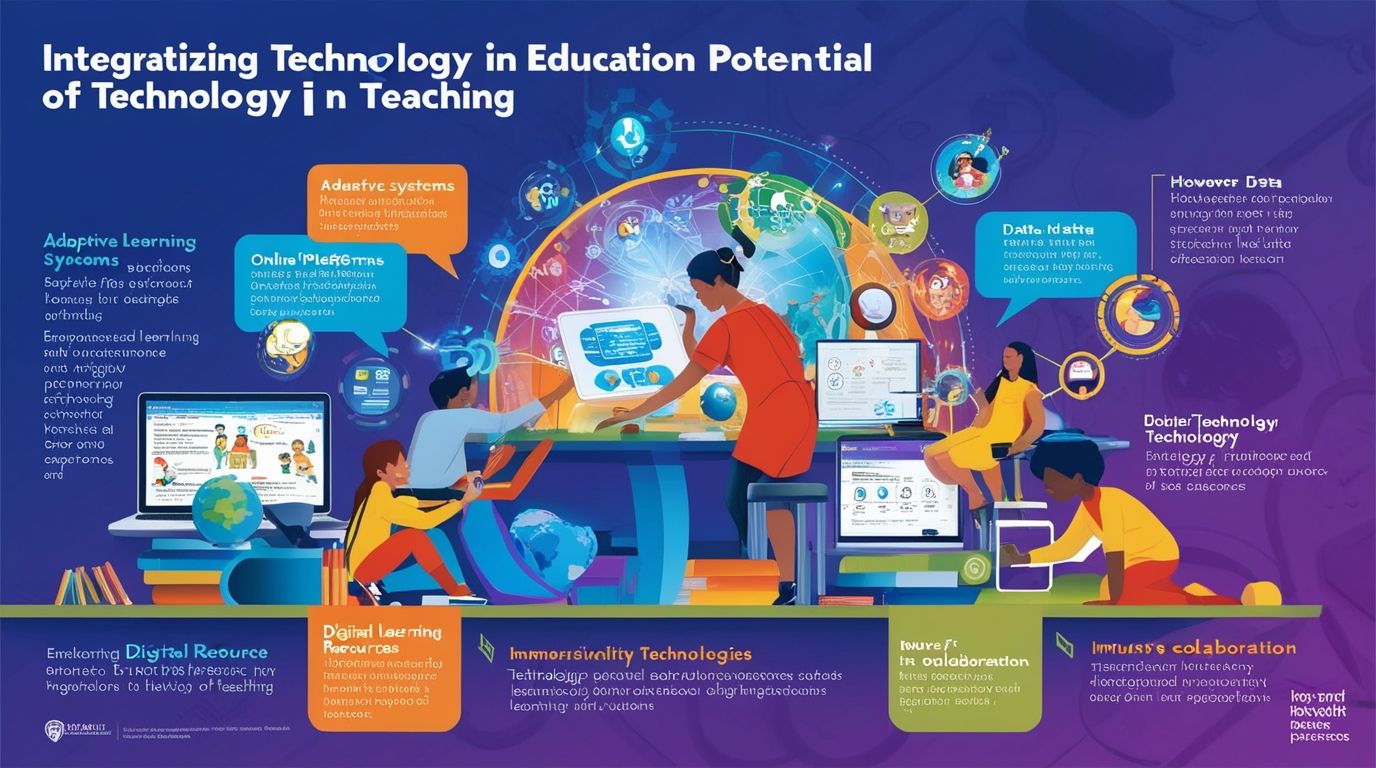
Modern technology has expanded opportunities for experiential learning.
Virtual Simulations
Students can engage in realistic experiences through digital environments.
Augmented and Virtual Reality
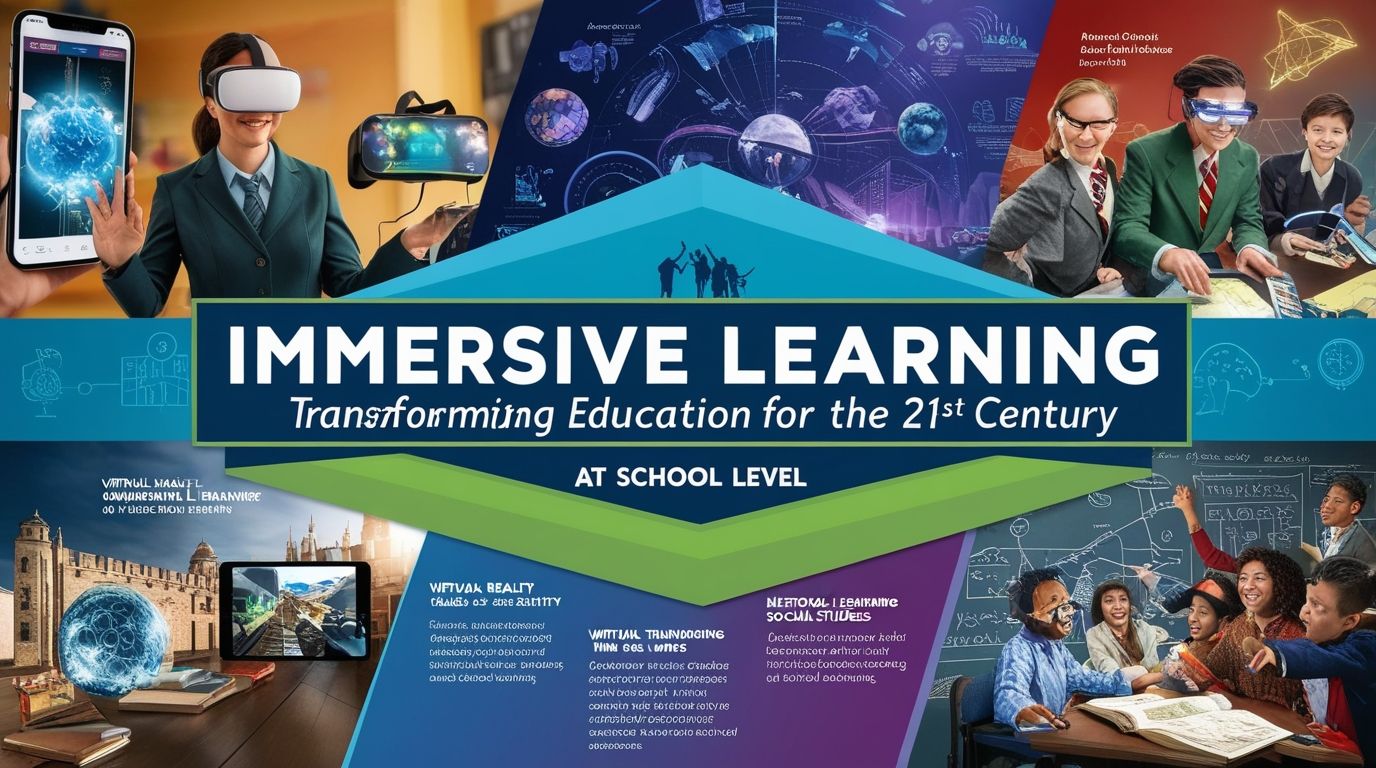
Immersive technologies allow learners to explore places and situations beyond the classroom.
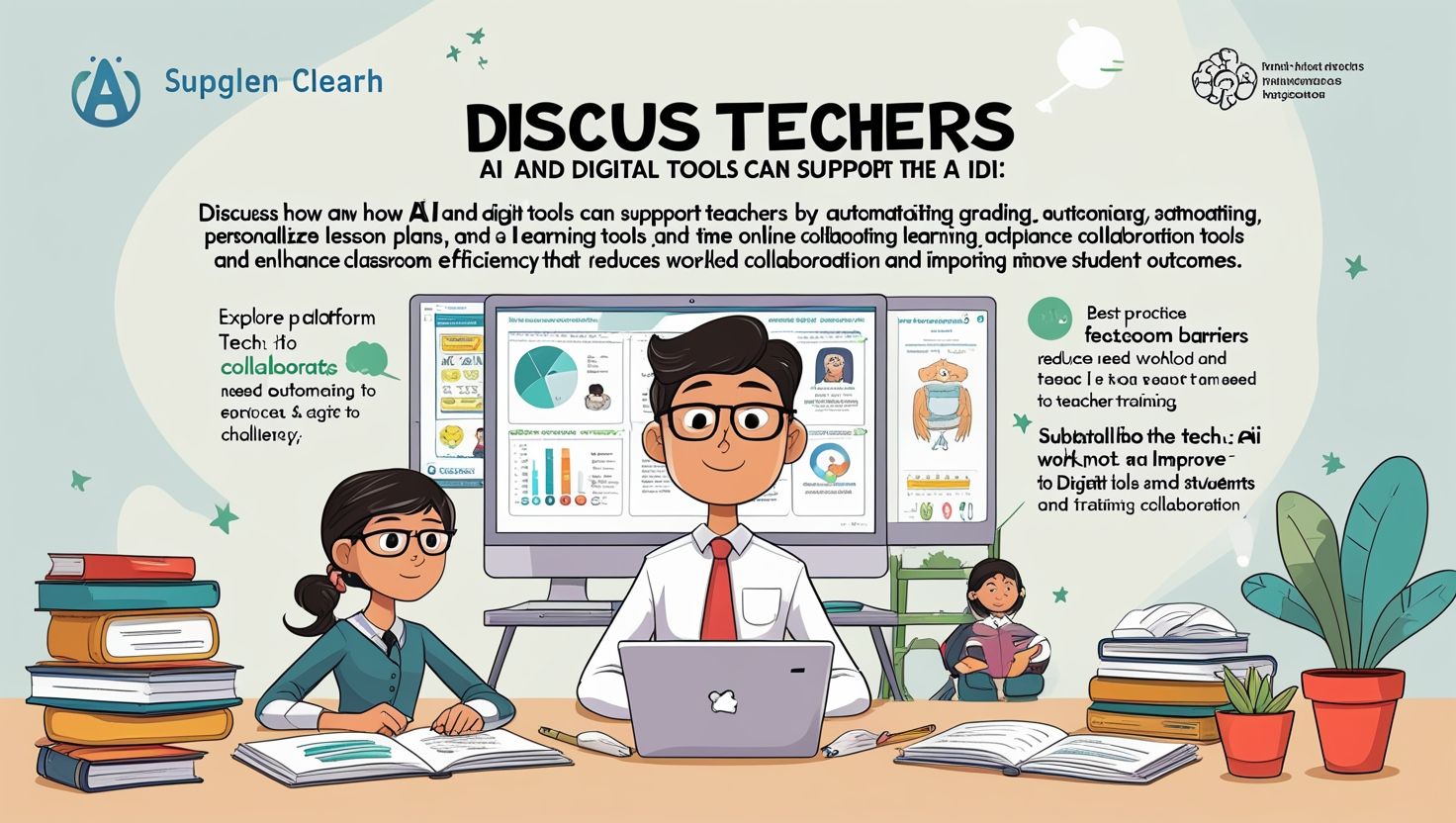
Online Collaboration
Students work together across geographical boundaries.
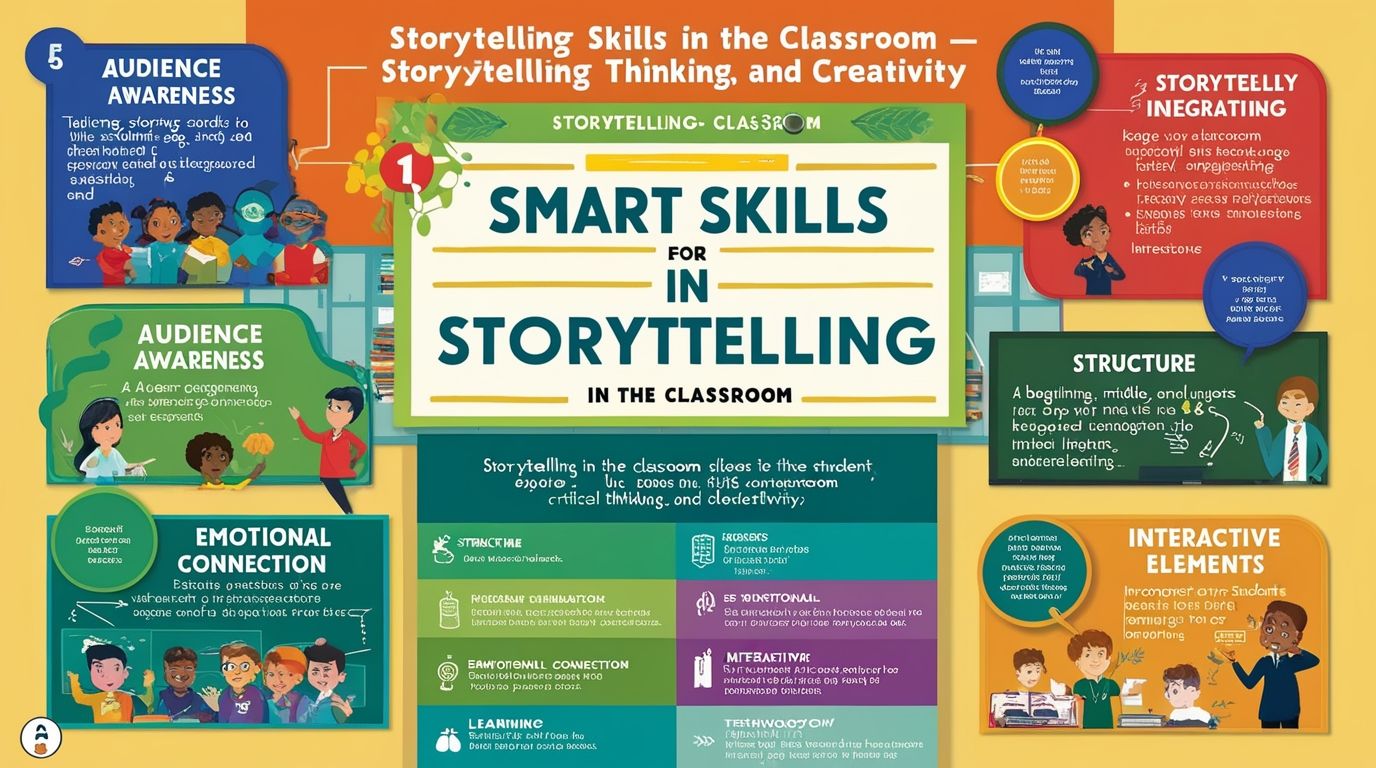
Digital Storytelling
Learners create multimedia presentations to share experiences and insights.
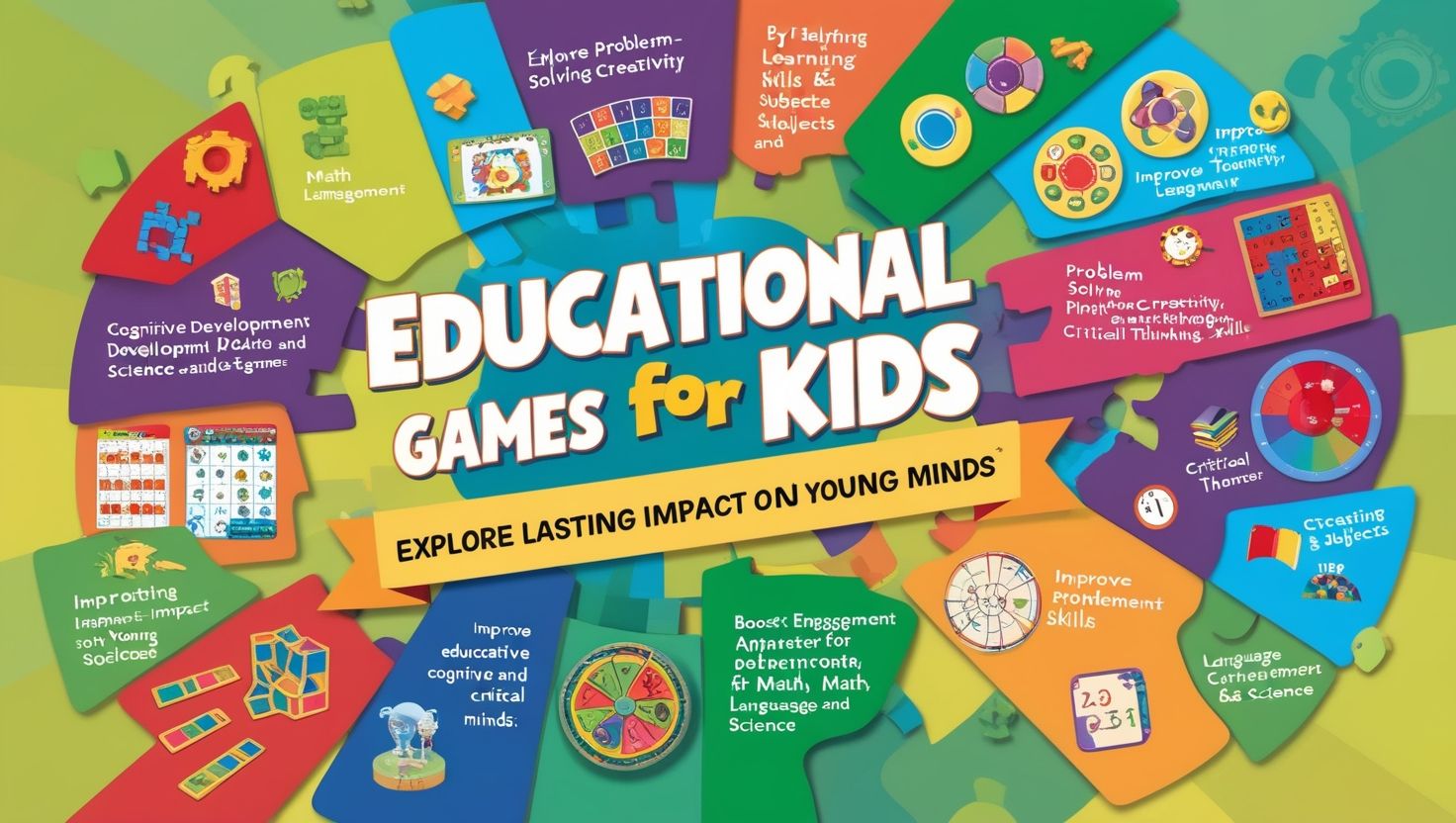
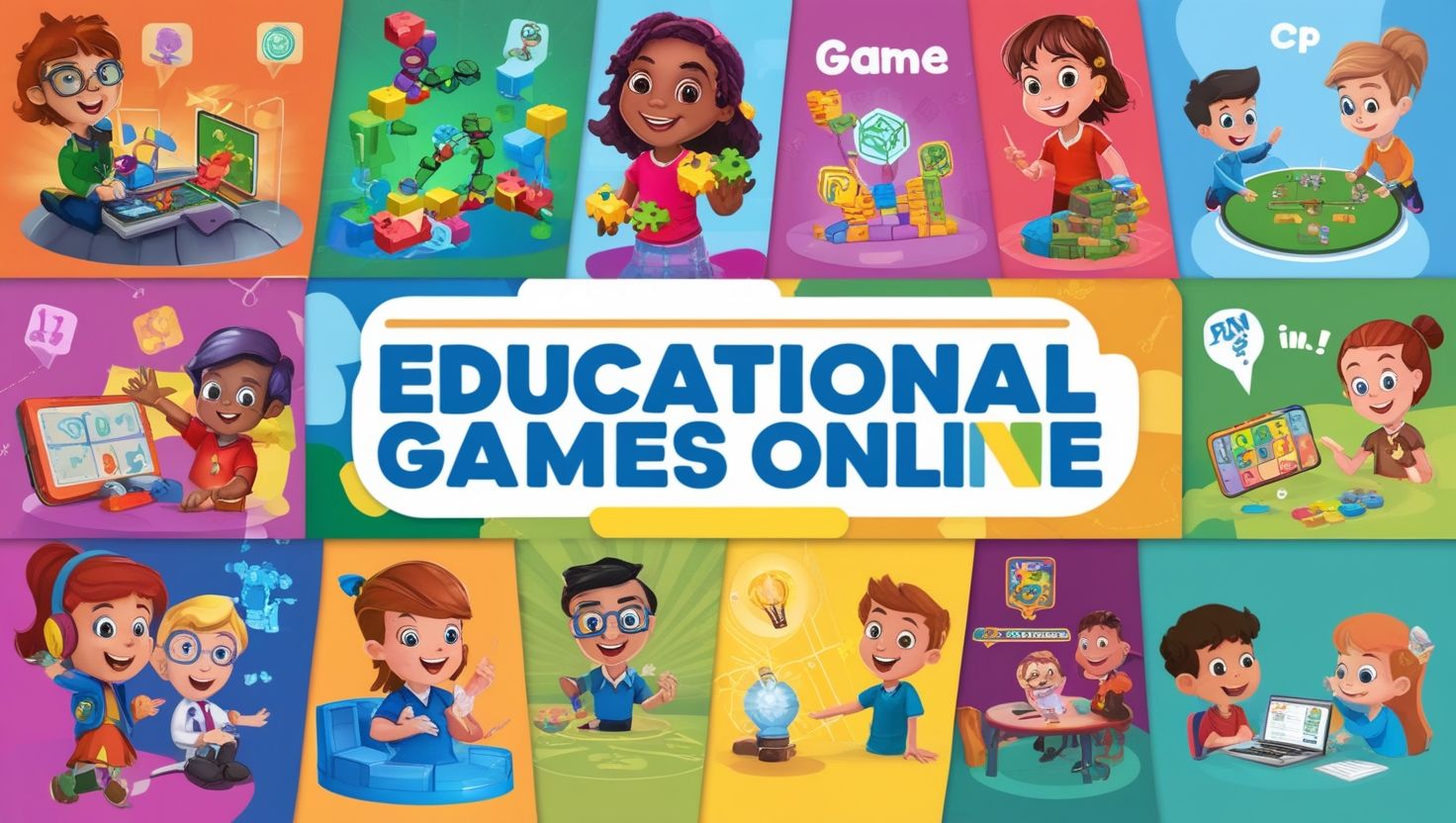
Educational Games
Game-based learning provides interactive and engaging experiences. Technology should complement rather than replace authentic hands-on experiences whenever possible.
Best Practices for Teachers
To maximize the effectiveness of experiential learning, educators should follow several best practices:
- Establish clear learning goals.
- Create safe and supportive learning environments.
- Encourage active participation.
- Foster curiosity and inquiry.
- Connect experiences to curriculum standards.
- Incorporate regular reflection activities.
- Provide constructive feedback.
- Promote collaboration and teamwork.
- Use diverse assessment methods.
- Continuously evaluate and improve learning experiences.
Teachers who adopt these practices can create engaging and meaningful educational environments that support holistic student development.
Future of Experiential Learning
As educational systems evolve, experiential learning is becoming increasingly important. Employers and societies require individuals who can think critically, collaborate effectively, adapt to change, and solve complex problems. Experiential learning develops these competencies by connecting classroom learning with real-world experiences.
Emerging trends such as project-based education, competency-based learning, entrepreneurship education, service learning, and technology-enhanced instruction further support experiential approaches. Schools and universities worldwide are recognizing that meaningful learning occurs when students actively engage with ideas, people, and situations. The future of education is likely to involve greater integration of experiential learning methodologies, enabling students to become capable, responsible, and innovative lifelong learners.
Conclusion
Experiential learning represents a transformative approach to education that emphasizes learning through direct experience, reflection, and application. By engaging students actively in meaningful tasks and real-world situations, this approach promotes deeper understanding, stronger retention, critical thinking, creativity, collaboration, and personal growth.
Teachers play a vital role as facilitators, mentors, and designers of authentic learning experiences. Through strategies such as project-based learning, service learning, simulations, field experiences, and practical investigations, educators can create dynamic environments that prepare learners for academic success and future challenges.
Although experiential learning requires thoughtful planning and resources, its educational benefits far outweigh its challenges. As schools strive to prepare students for an increasingly complex world, experiential learning provides a powerful framework for developing knowledgeable, skilled, reflective, and responsible citizens. By embracing experiential learning, educators can make learning more meaningful, engaging, and impactful for every student.