Introduction to Financial Management in Schools
Financial Management in School for Sustainable Education, Financial management in schools is a crucial process that ensures the effective use of resources to achieve educational goals. It involves planning, organizing, controlling, and monitoring the financial resources of a school to enhance its productivity and sustainability. Through effective financial practices, schools can maintain stability and meet both short-term and long-term objectives. Additionally, well-structured financial management promotes transparency and accountability among administrators and staff. It helps schools allocate budgets appropriately for infrastructure, learning materials, and staff salaries. Moreover, when schools adopt strong financial systems, they can manage emergencies and unexpected expenses efficiently. Therefore, financial management is not just about numbers but about ensuring that every financial decision supports the mission of the school and contributes to better learning outcomes for students.
Importance of Financial Management in Schools
The importance of financial management in schools cannot be overstated, as it directly influences the institution’s ability to deliver quality education. Proper management ensures that funds are used efficiently and that waste or misuse is minimized. Furthermore, it helps school administrators set clear priorities and make data-driven decisions for academic growth. With strategic budgeting, schools can allocate resources toward teacher training, technology integration, and student support programs. Effective financial planning also enables schools to build reserves for future projects. Moreover, transparent financial management fosters trust among parents, staff, and community members. It demonstrates that school leaders are responsible stewards of public or private funds. In summary, when financial management is handled effectively, schools can sustain their operations, enhance teaching quality, and create a conducive learning environment.
Key Components of School Financial Management
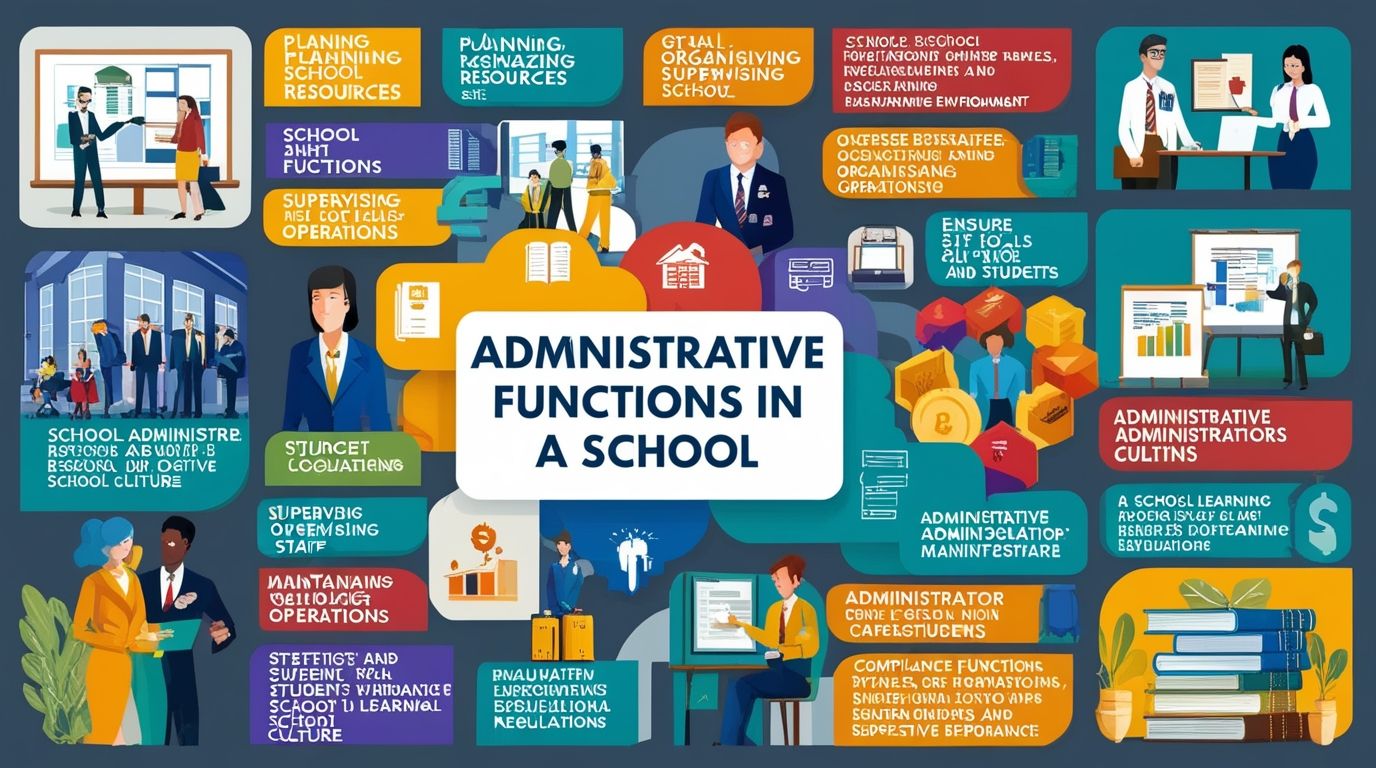
The key components of school financial management include budgeting, accounting, auditing, and reporting. Each of these elements plays a unique role in ensuring that the school’s finances are handled responsibly. Budgeting involves setting financial goals and allocating resources accordingly. Accounting ensures that all transactions are recorded accurately for future reference. Auditing serves as a system of checks and balances, verifying that funds are used appropriately. Financial reporting, on the other hand, communicates the financial health of the school to stakeholders. Moreover, these components help in maintaining compliance with educational and governmental regulations. Schools that emphasize these practices tend to operate more efficiently and avoid financial crises. In essence, when these elements work together harmoniously, they create a foundation for financial stability and transparency.
Budget Planning and Allocation
Budget planning and allocation are central aspects of financial management in schools. A well-prepared budget serves as a roadmap for spending and ensures that resources are distributed according to the institution’s priorities. It allows administrators to forecast expenses, identify potential shortfalls, and plan corrective actions. Additionally, budget planning promotes discipline among staff, as expenditures are approved based on documented needs. Schools must involve various stakeholders in the budgeting process to ensure inclusivity and transparency. Furthermore, regular reviews of the budget help to address any emerging financial challenges. Proper allocation ensures that critical areas such as curriculum development, infrastructure maintenance, and teacher support receive adequate funding. Therefore, by maintaining a balanced and flexible budget, schools can achieve both academic and operational excellence.
Sources of School Funding
Understanding the sources of school funding is vital for effective financial management. Schools typically receive funds from multiple sources, including government grants, tuition fees, community donations, and private sponsorships. Public schools rely heavily on government allocations, while private institutions depend on fees and fundraising efforts. Moreover, schools often organize events or seek partnerships with local businesses to generate additional income. Diversifying funding sources reduces dependency on a single stream and enhances financial stability. Additionally, efficient management of these funds ensures they are spent in alignment with school goals. Transparency in handling these funds also builds credibility among stakeholders. In conclusion, when schools identify and effectively manage their funding sources, they can support long-term educational growth and provide quality learning experiences.
Financial Accountability and Transparency
Financial accountability and transparency are cornerstones of effective financial management in schools. These principles ensure that every financial activity is documented, monitored, and reported clearly. Accountability demands that all school staff involved in financial operations act with integrity and honesty. Transparent financial reporting enables stakeholders such as parents, teachers, and government agencies to understand how funds are used. Moreover, it reduces the risk of corruption, fraud, and mismanagement. Schools can implement financial policies, regular audits, and open reporting systems to promote transparency. In addition, involving parents and school boards in reviewing financial reports encourages collective responsibility. Ultimately, accountability and transparency foster trust and confidence, ensuring that financial decisions are ethical and beneficial for the entire school community.
Role of the School Head in Financial Management
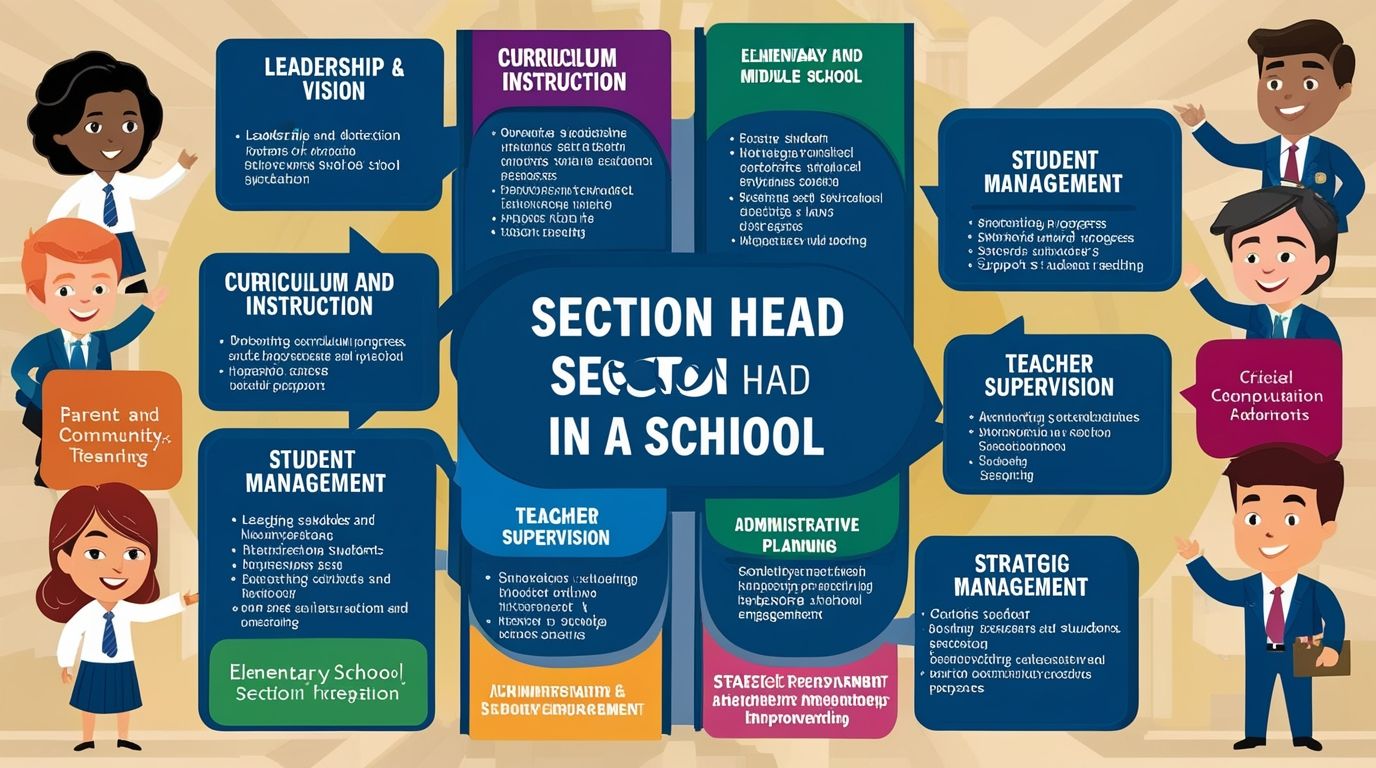
The school head plays a vital role in financial management, serving as both a leader and a decision-maker. As the primary authority, the principal is responsible for developing budgets, overseeing expenditures, and ensuring compliance with financial regulations. Moreover, school heads must coordinate with teachers, accountants, and administrative staff to maintain financial discipline. Leadership in this area requires not only technical knowledge but also integrity and foresight. A proactive school head monitors cash flow, evaluates performance against the budget, and takes corrective actions when necessary. Additionally, involving stakeholders in financial decisions enhances transparency and shared ownership. When school leaders are trained in financial management, they can better align financial strategies with educational goals, thereby improving institutional efficiency and accountability.
The Role of School Finance Committees
The school finance committee plays a significant role in managing and supervising financial matters. This committee usually includes the school head, teachers, parents, and financial officers. Its main responsibility is to prepare and monitor the budget, review expenditures, and ensure adherence to financial policies. Moreover, the committee conducts periodic financial assessments to evaluate performance and recommend improvements. Regular meetings provide a platform to discuss financial challenges and explore potential funding opportunities. Additionally, involving community representatives in the finance committee increases transparency and trust. The committee also ensures that every financial transaction aligns with the school’s strategic goals. In short, a well-functioning finance committee promotes shared responsibility, accountability, and financial efficiency within the school system.
Use of Technology in Financial Management
In modern education, technology in financial management has revolutionized the way schools handle their finances. Digital accounting systems, automated payrolls, and online reporting tools help schools manage resources more efficiently. These tools reduce human error, save time, and enhance accuracy in financial documentation. Moreover, technology allows real-time tracking of expenses and income, enabling quick decision-making. Schools can also use cloud-based platforms to share financial reports securely with stakeholders. Additionally, integrating technology improves compliance with regulations and promotes transparency. Teachers and administrators benefit from data-driven insights that support better financial planning. In summary, embracing financial technology allows schools to streamline operations, increase accountability, and build a culture of innovation and efficiency in financial management.
Challenges in School Financial Management
Despite its importance, school financial management faces several challenges. Limited funding, inadequate training, and weak internal controls often hinder effective management. Many schools struggle to balance their budgets due to rising costs of resources and infrastructure maintenance. Moreover, delays in government funding can disrupt planned activities. A lack of transparency and accountability may also lead to misuse of funds. Additionally, schools without financial management software face difficulties in tracking transactions accurately. Poor financial planning can result in debt or project delays. To overcome these challenges, schools must prioritize capacity building, implement modern financial systems, and enforce strict monitoring procedures. Addressing these challenges ensures that schools can achieve financial sustainability and focus on their primary goal—quality education for all.
Financial Planning for School Improvement
Financial planning for school improvement involves using financial resources strategically to achieve long-term development goals. It includes identifying priorities, forecasting costs, and allocating funds to areas that directly impact student outcomes. Moreover, effective financial planning supports infrastructure upgrades, teacher development, and curriculum enhancement. Schools must align their financial plans with their strategic vision to ensure consistency and progress. Regular evaluations help to measure the impact of financial decisions and make necessary adjustments. Additionally, engaging stakeholders in the planning process builds collective responsibility and transparency. Financial planning not only strengthens a school’s operational capacity but also ensures the sustainability of educational improvements. Therefore, sound financial planning is essential for continuous growth and overall institutional success.
Best Practices in School Financial Management
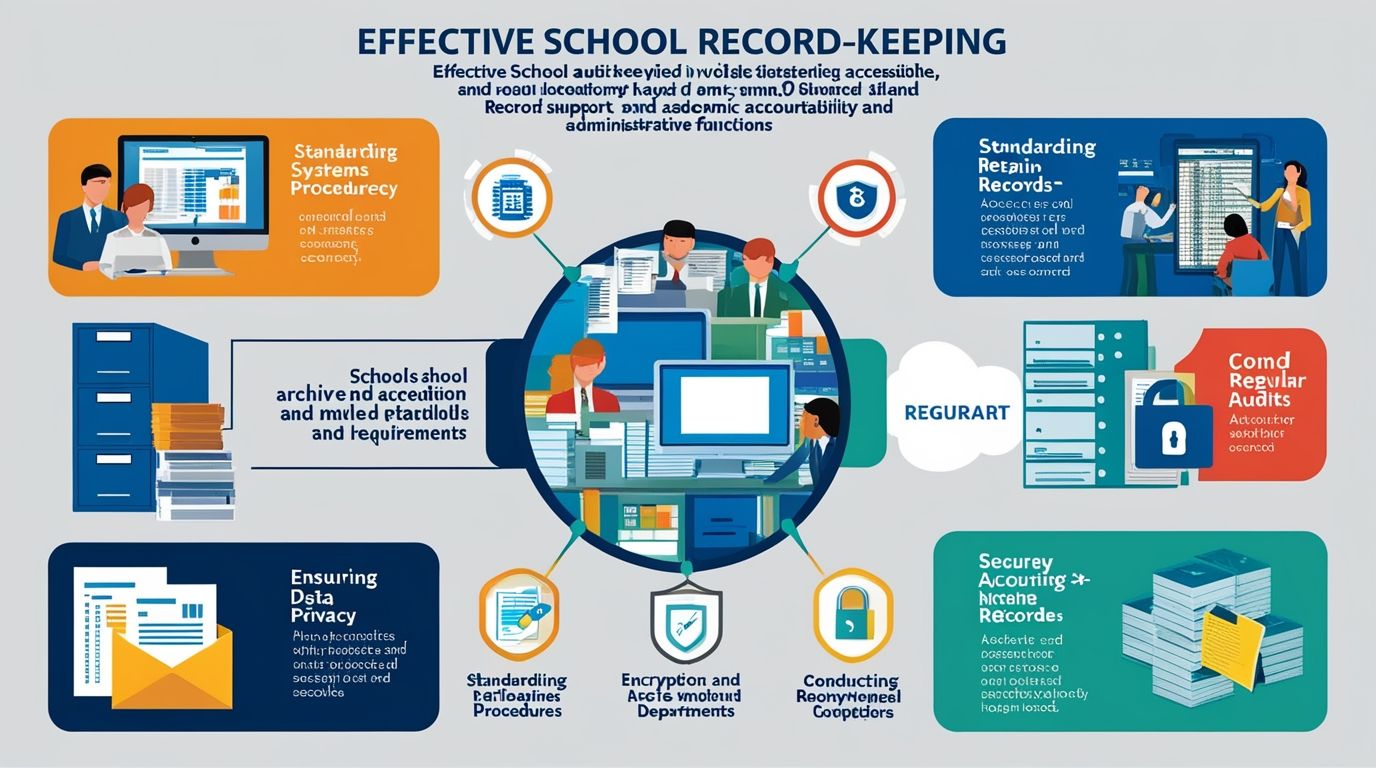
Adopting best practices in school financial management ensures accountability, efficiency, and sustainability. Schools should maintain accurate records, conduct regular audits, and implement transparent reporting systems. Moreover, involving multiple stakeholders in financial decisions enhances fairness and inclusivity. It is crucial to establish clear financial policies and train staff to adhere to them. Periodic financial reviews and data analysis can also help identify inefficiencies and potential risks. Schools must prioritize essential expenditures and maintain reserves for emergencies. Additionally, integrating technology streamlines budgeting, accounting, and reporting processes. Continuous monitoring and open communication further strengthen financial governance. By embracing these best practices, schools can build financial resilience, optimize resources, and support high-quality education for all students.
Impact of Effective Financial Management on Learning Outcomes
The impact of effective financial management on learning outcomes is profound. Schools that manage finances well can provide better facilities, updated learning materials, and well-trained teachers. These improvements lead to enhanced student engagement and performance. Moreover, efficient resource allocation ensures that every program receives adequate funding for success. Financial stability allows schools to introduce innovative teaching methods and extracurricular activities. Transparent financial practices also promote trust among parents, encouraging greater participation in school affairs. Additionally, when funds are used efficiently, teachers feel more supported and motivated. Ultimately, financial management directly affects the quality of education by ensuring that resources are used where they matter most—improving student learning and overall academic success.
Conclusion
In conclusion, financial management in schools is the backbone of sustainable education. It encompasses budgeting, accountability, transparency, and technological innovation. Through effective management, schools can ensure that every financial decision contributes to better educational outcomes. Moreover, involving stakeholders and adopting best practices foster a culture of trust and shared responsibility. Challenges may arise, but with sound planning and leadership, schools can overcome financial hurdles. Ultimately, efficient financial management transforms schools into well-organized, transparent, and goal-driven institutions. By prioritizing financial discipline and continuous improvement, schools can create environments where both students and teachers thrive, ensuring long-term educational excellence and institutional success.
References
- Bush, T. (2018). Educational Leadership and Financial Management in Schools. Routledge.
- Lunenburg, F. C. (2010). The Principal and the School: Financial Planning and Management. National Forum of Educational Administration and Supervision Journal.
- Okumbe, J. A. (2013). Educational Management: Theory and Practice. Nairobi University Press.