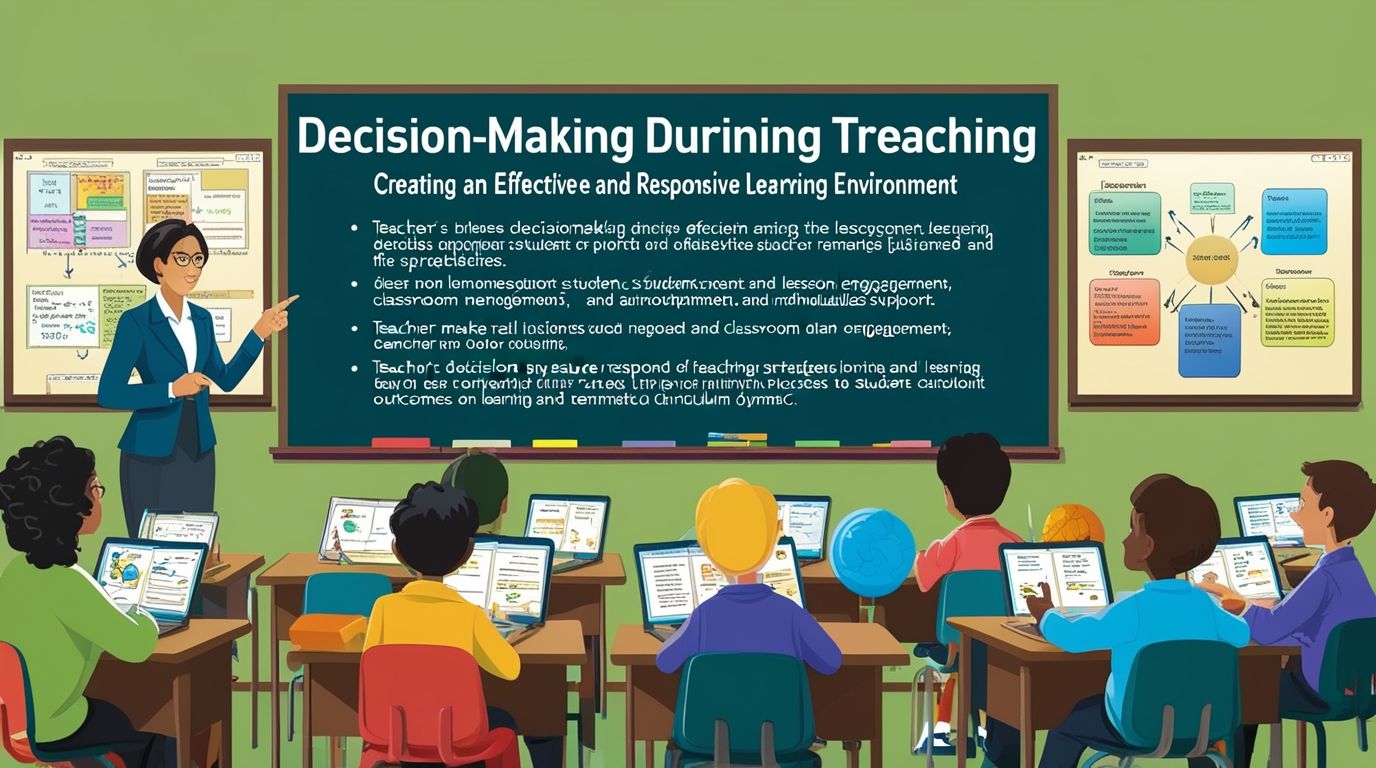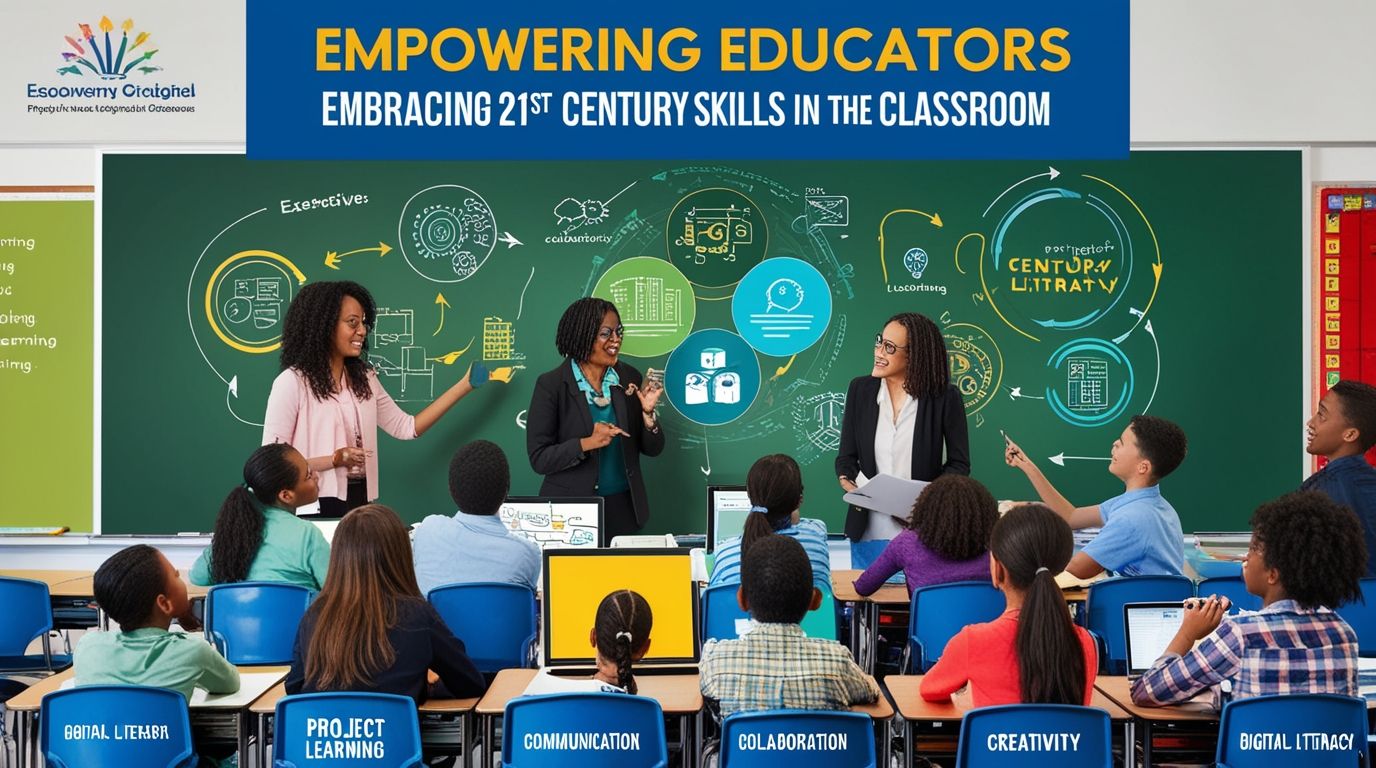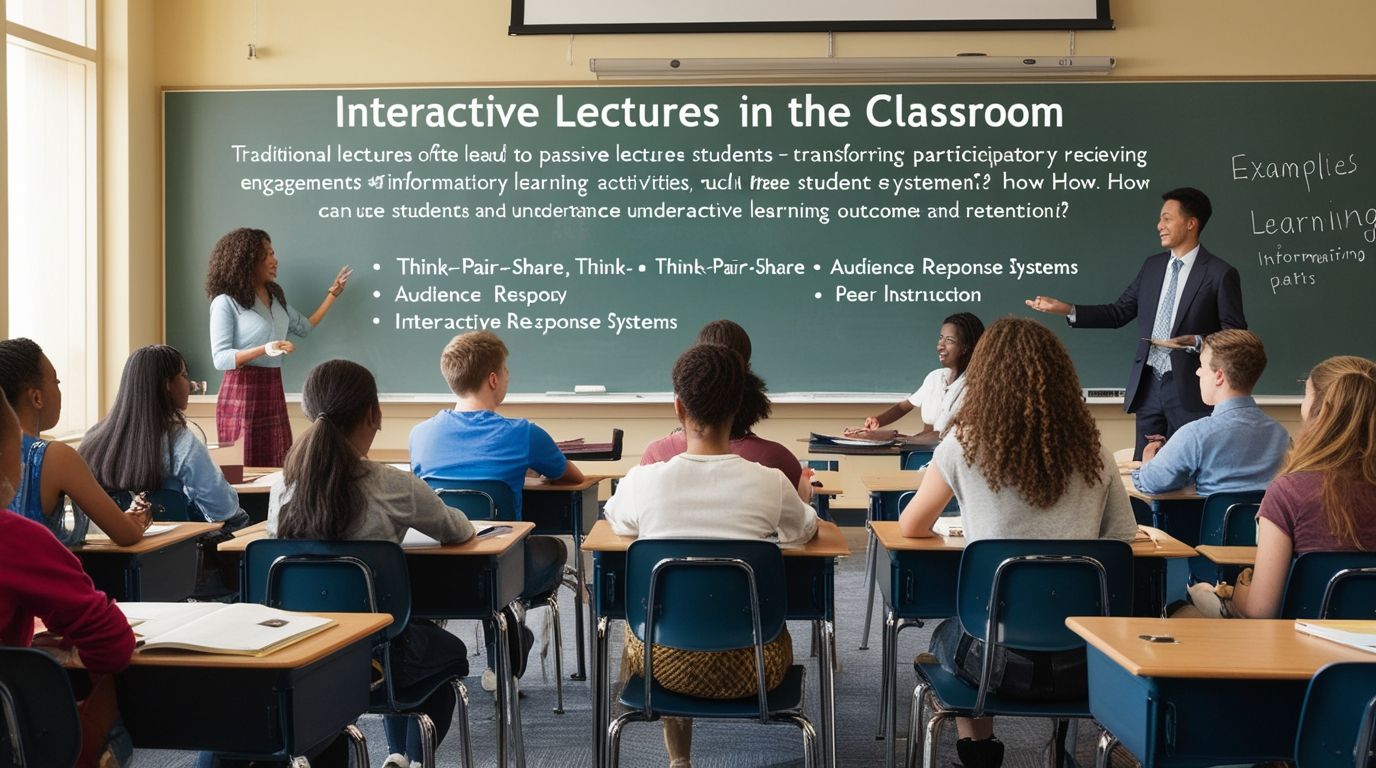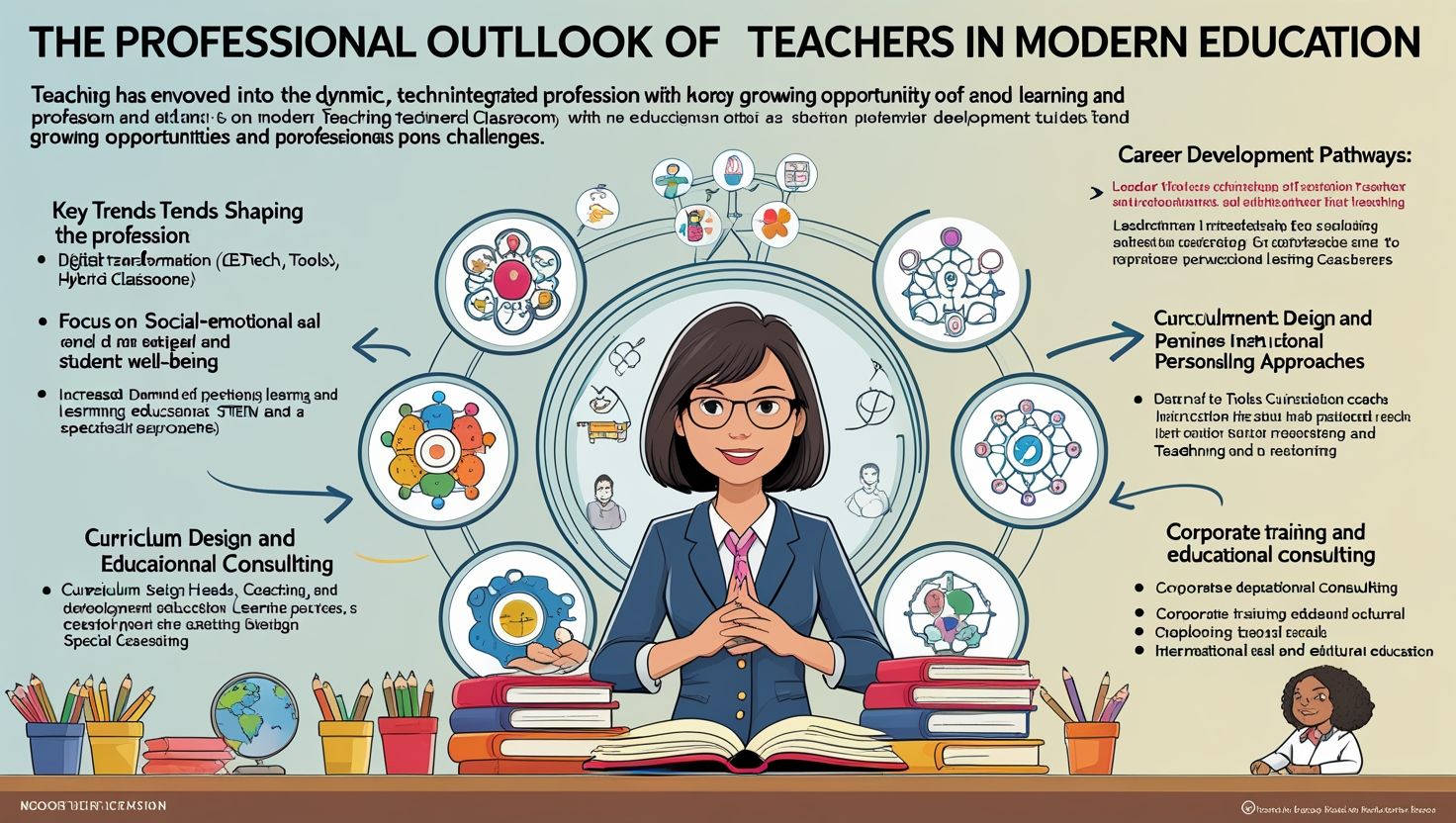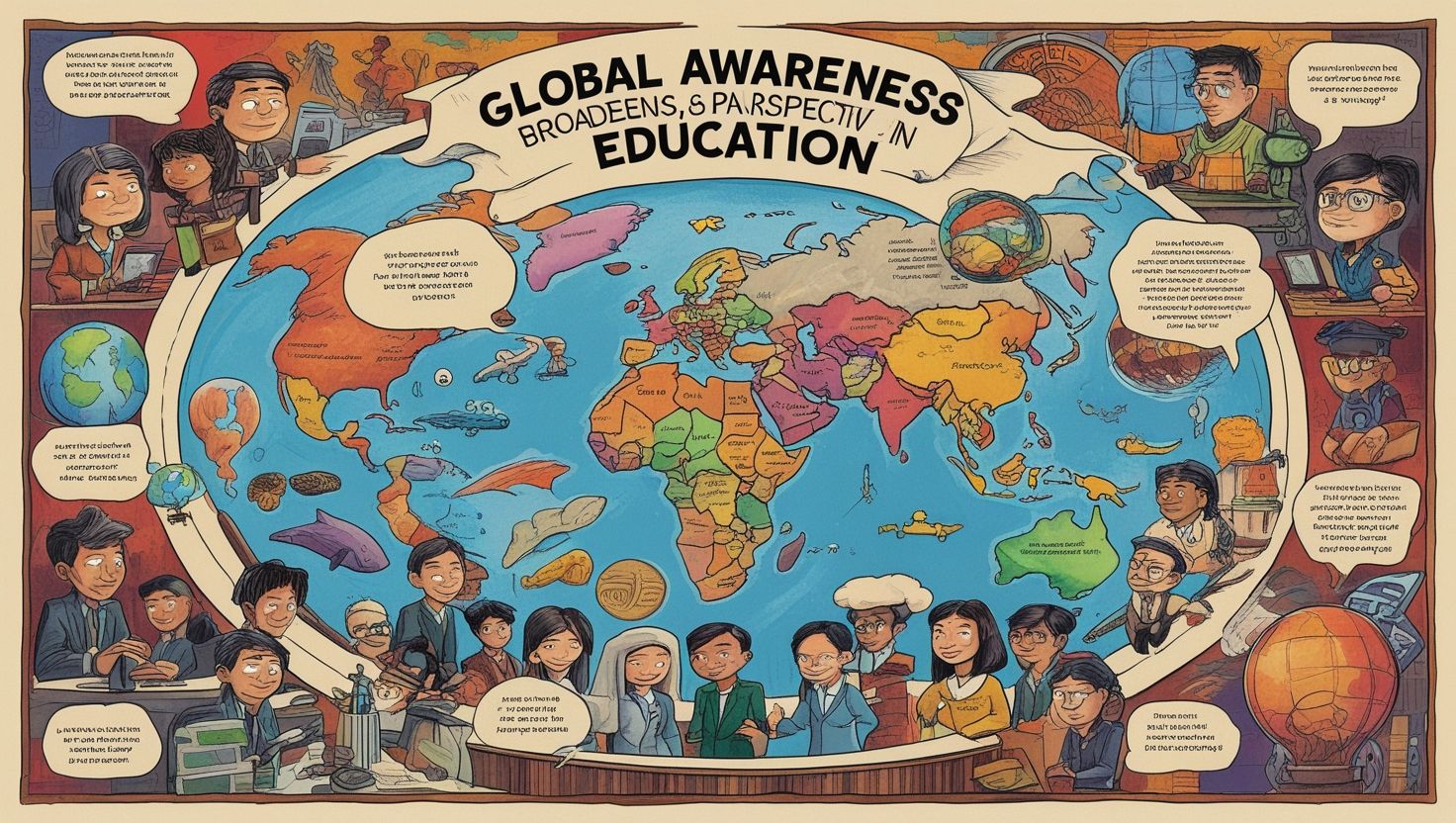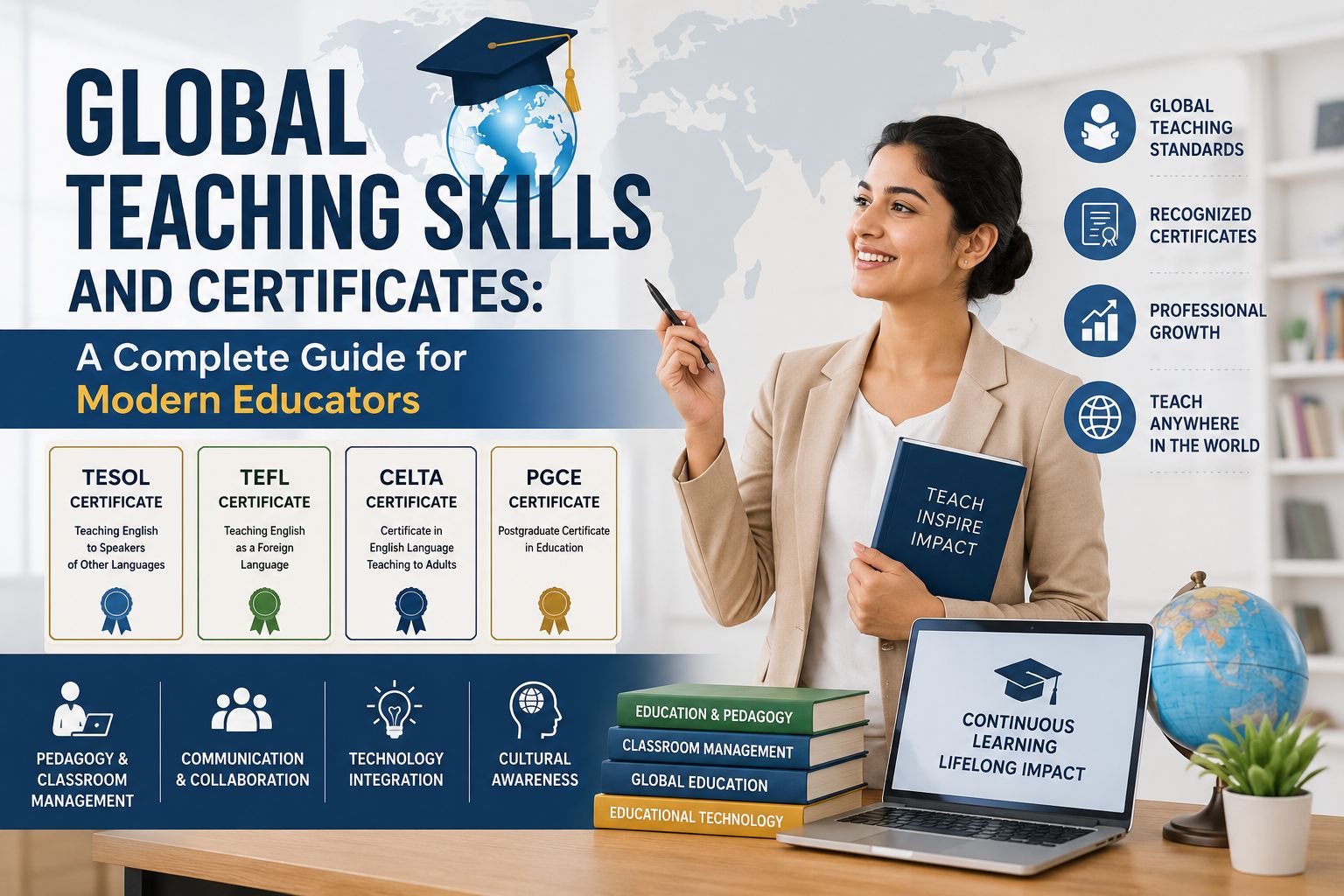
Global Teaching Skills and Certificates: A Complete Guide for Modern Educators, The demand for qualified teachers who hold recognized global teaching skills and certificates continues to grow every year. As schools, language institutes, and online platforms expand across borders, educators need more than a degree; they need practical skills and internationally accepted certificates that prove their competence. Therefore, understanding which teaching skills matter most and which certificates open doors worldwide has become essential for anyone pursuing a career in education. This guide explores the core global teaching skills employers look for, the most valuable teaching certificates available today, and how educators can combine both to build a rewarding international career.
Why Global Teaching Skills and Certificates Matter
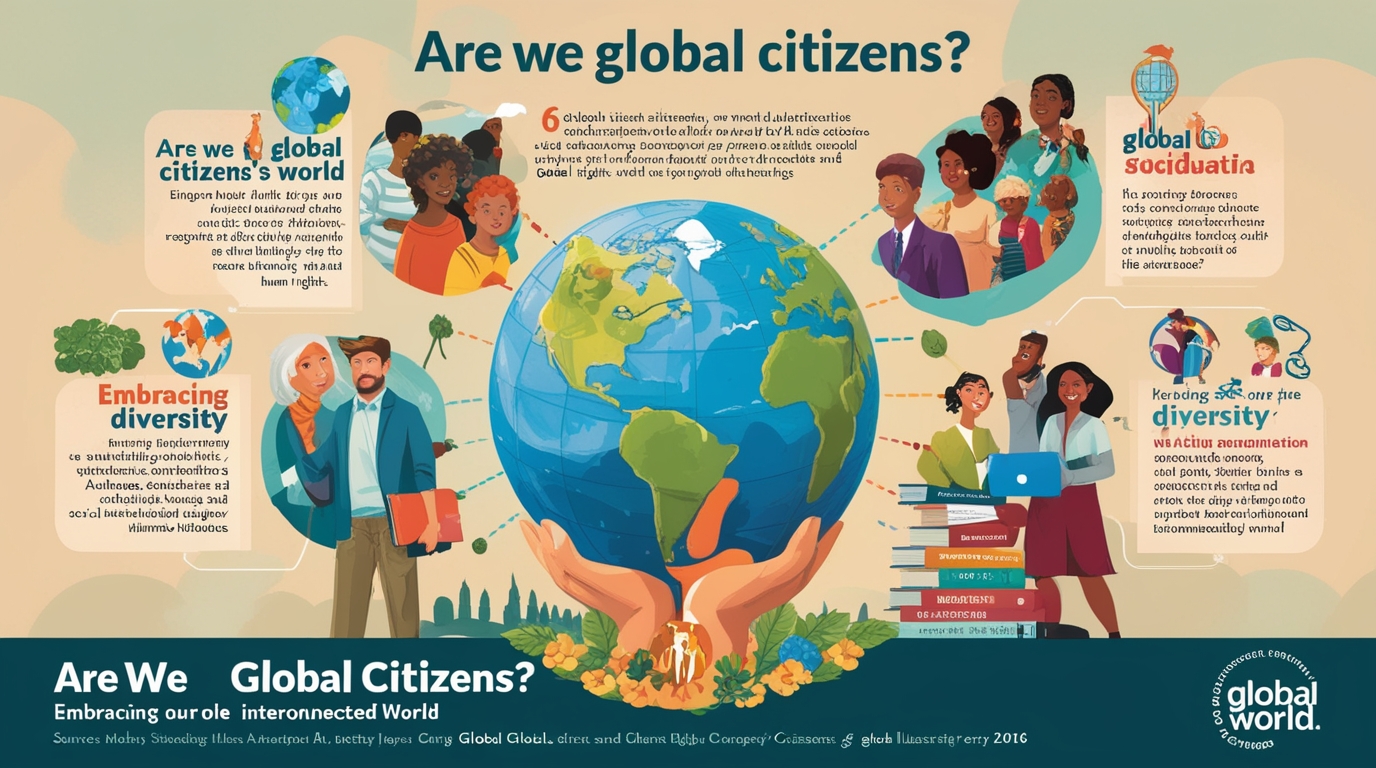
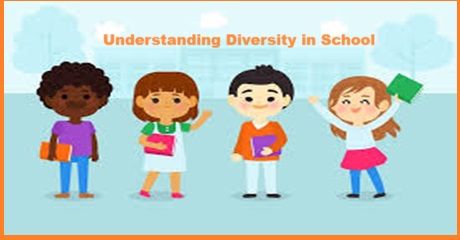
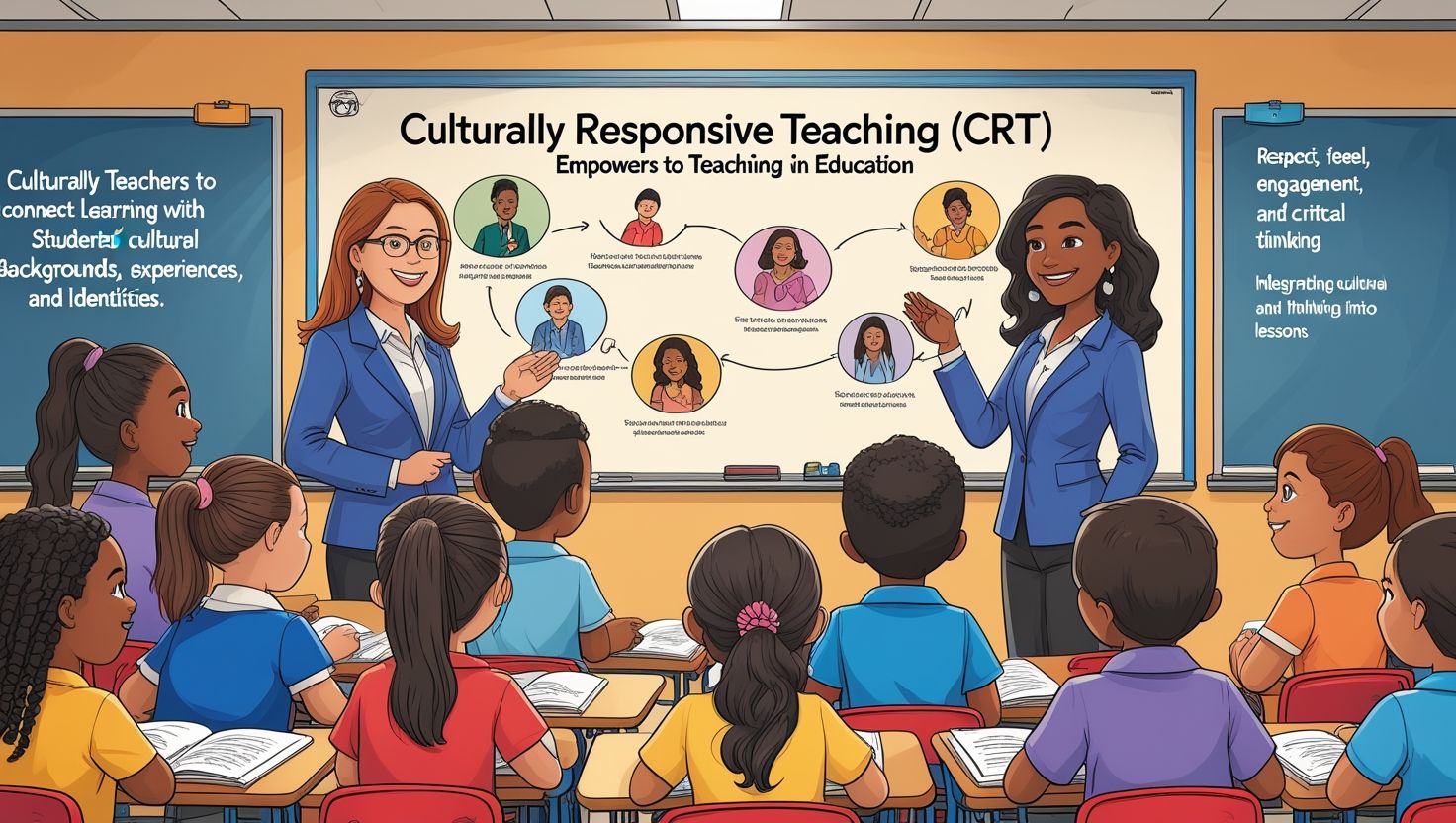
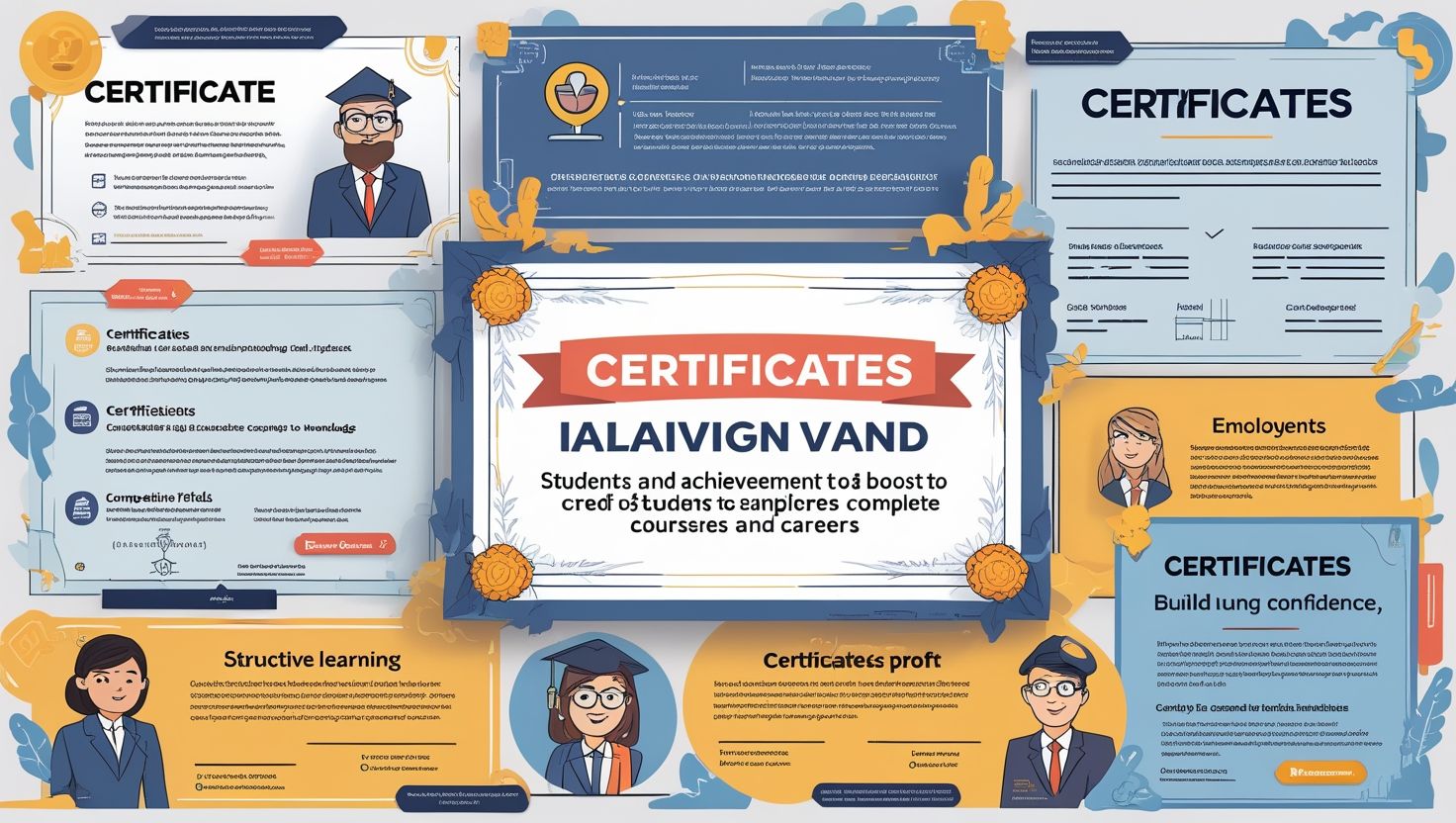
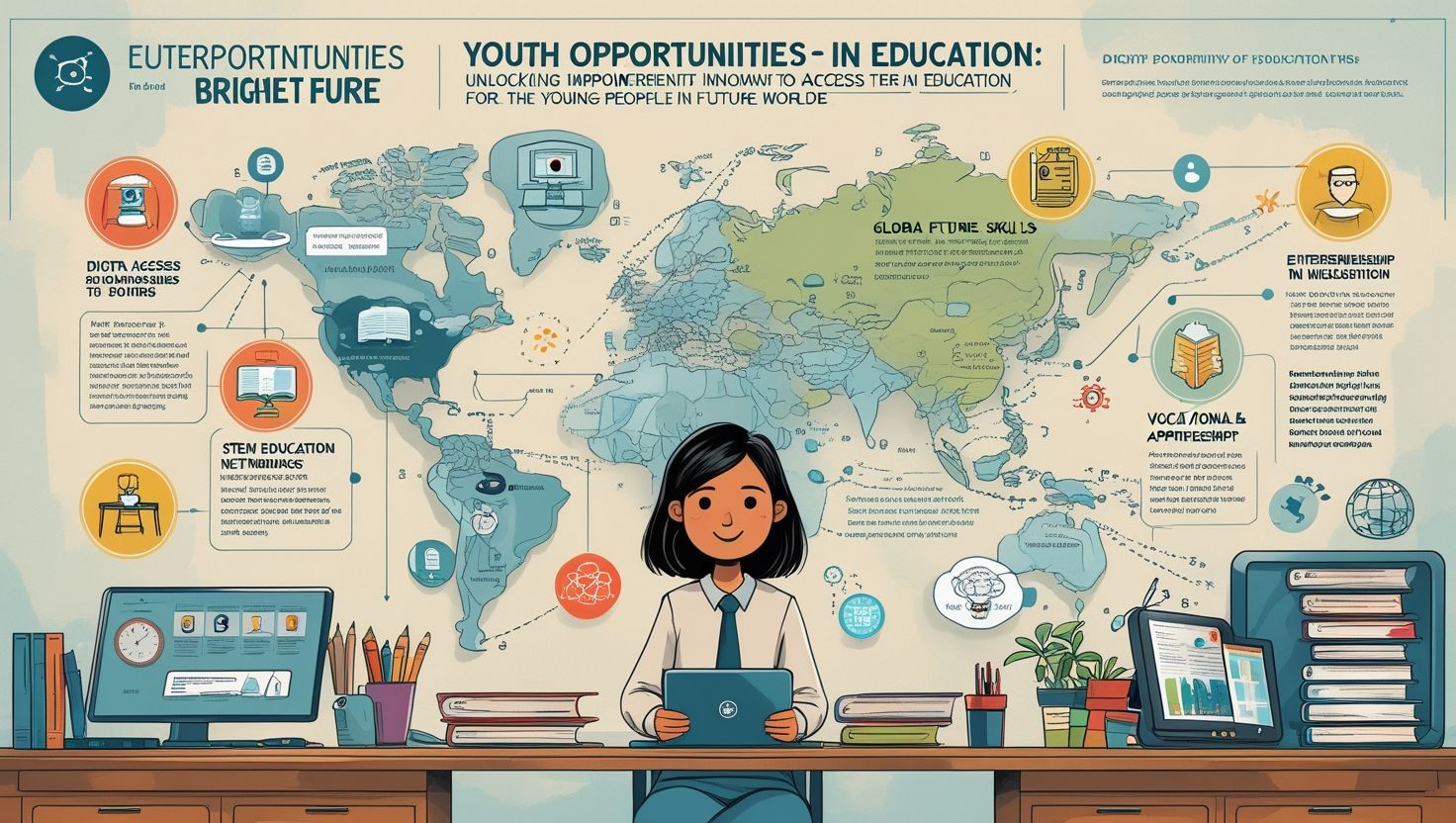
First and foremost, global teaching skills and certificates give educators a competitive edge in a crowded job market. Since classrooms today often include students from diverse cultural, linguistic, and economic backgrounds, teachers must adapt quickly and communicate effectively. Consequently, schools no longer look only at academic qualifications; they also assess whether a candidate holds a certificate that demonstrates practical teaching ability. Furthermore, certificates such as TEFL, TESOL, and CELTA signal to employers that a teacher has received structured training in lesson planning, classroom management, and assessment methods. As a result, certified teachers frequently receive better job offers, higher salaries, and greater opportunities to teach abroad.
In addition, global certificates help teachers meet visa and work permit requirements in many countries. For instance, several nations in Asia, the Middle East, and Europe require proof of a recognized teaching qualification before issuing a work visa. Without such certification, even highly experienced teachers may struggle to secure legal employment overseas. Thus, obtaining a globally recognized certificate is not simply a career booster; it is often a legal necessity.
Core Global Teaching Skills Every Educator Needs
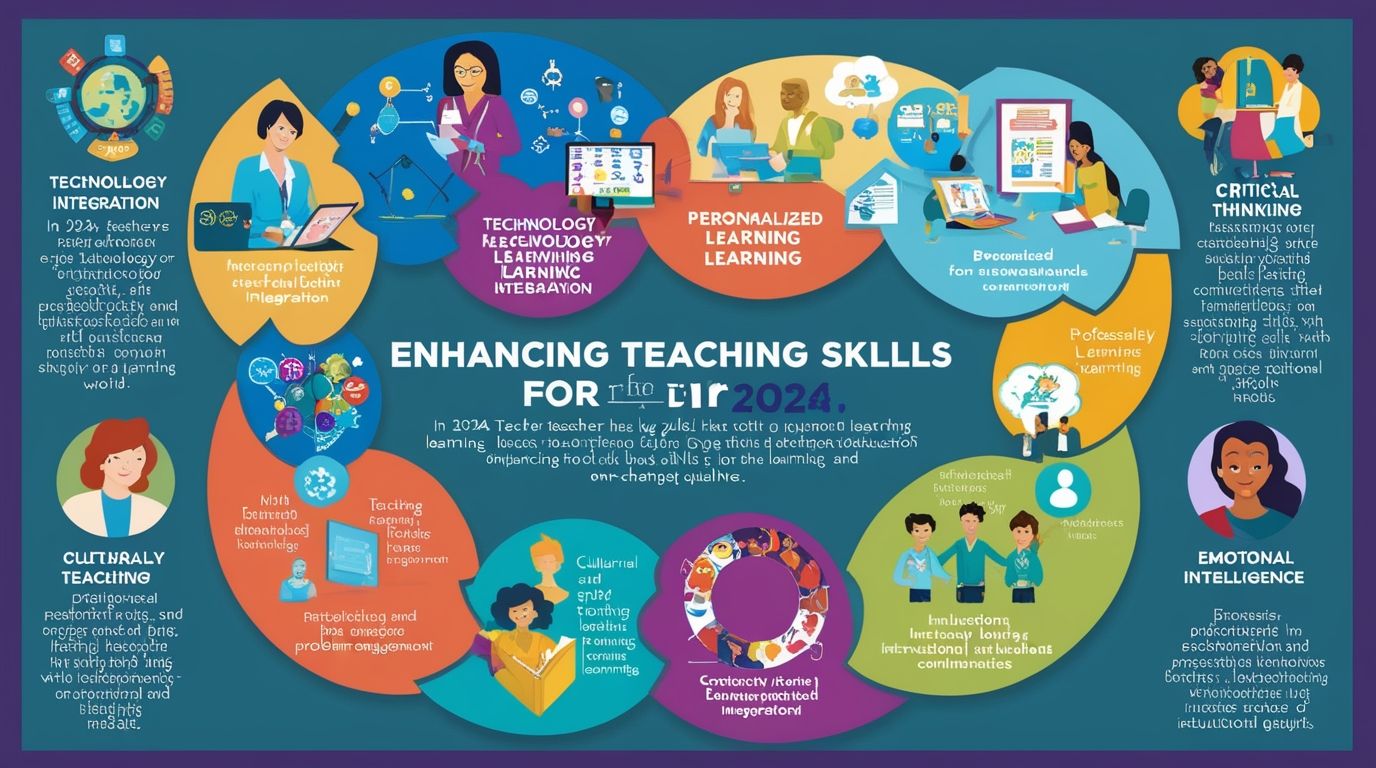
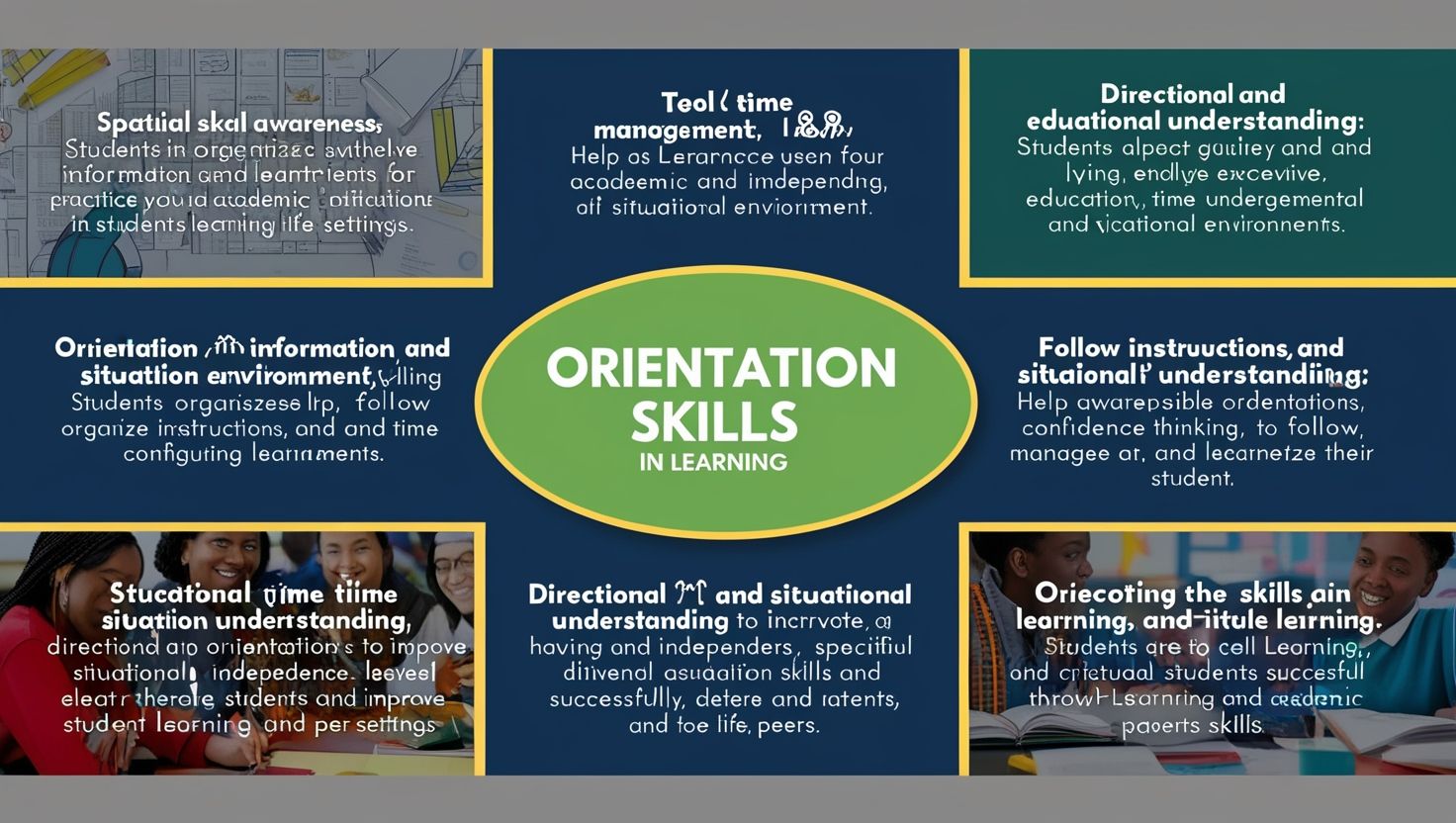
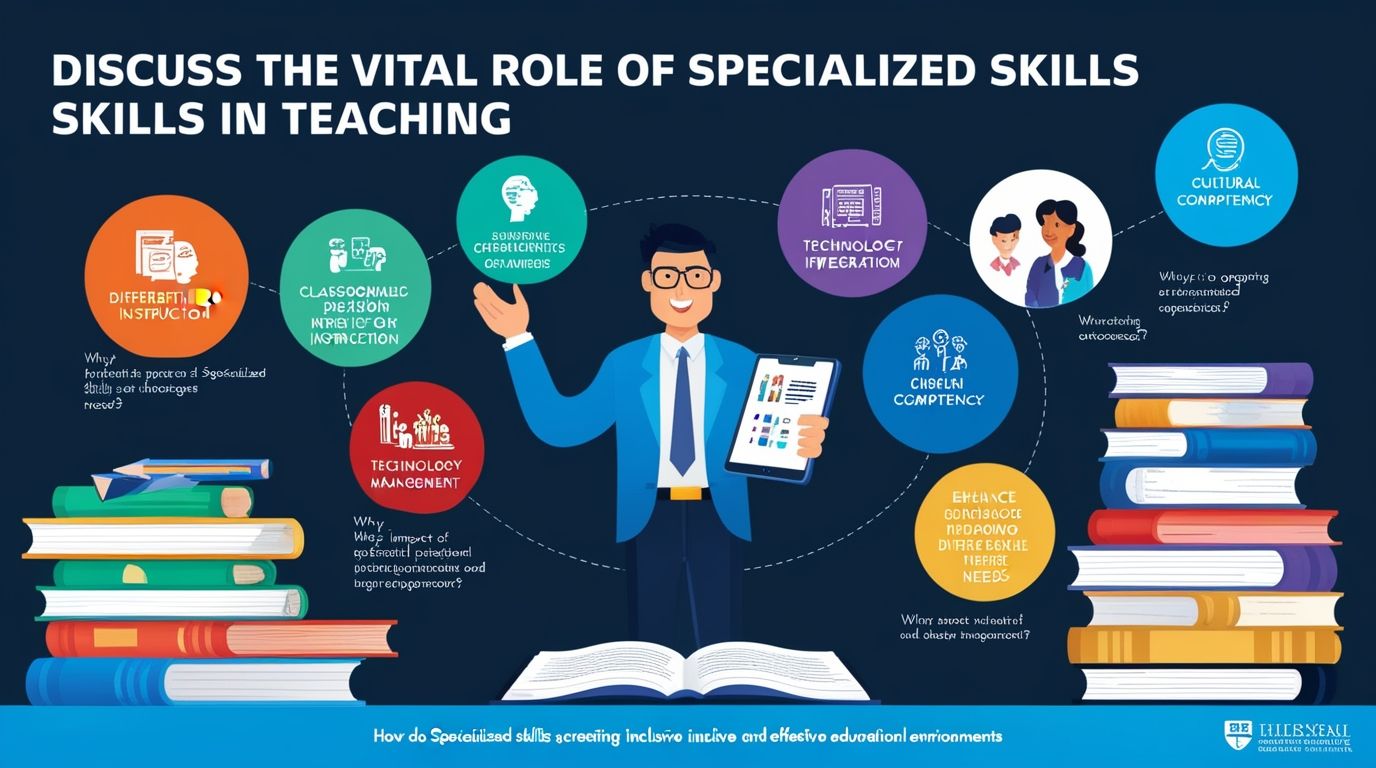
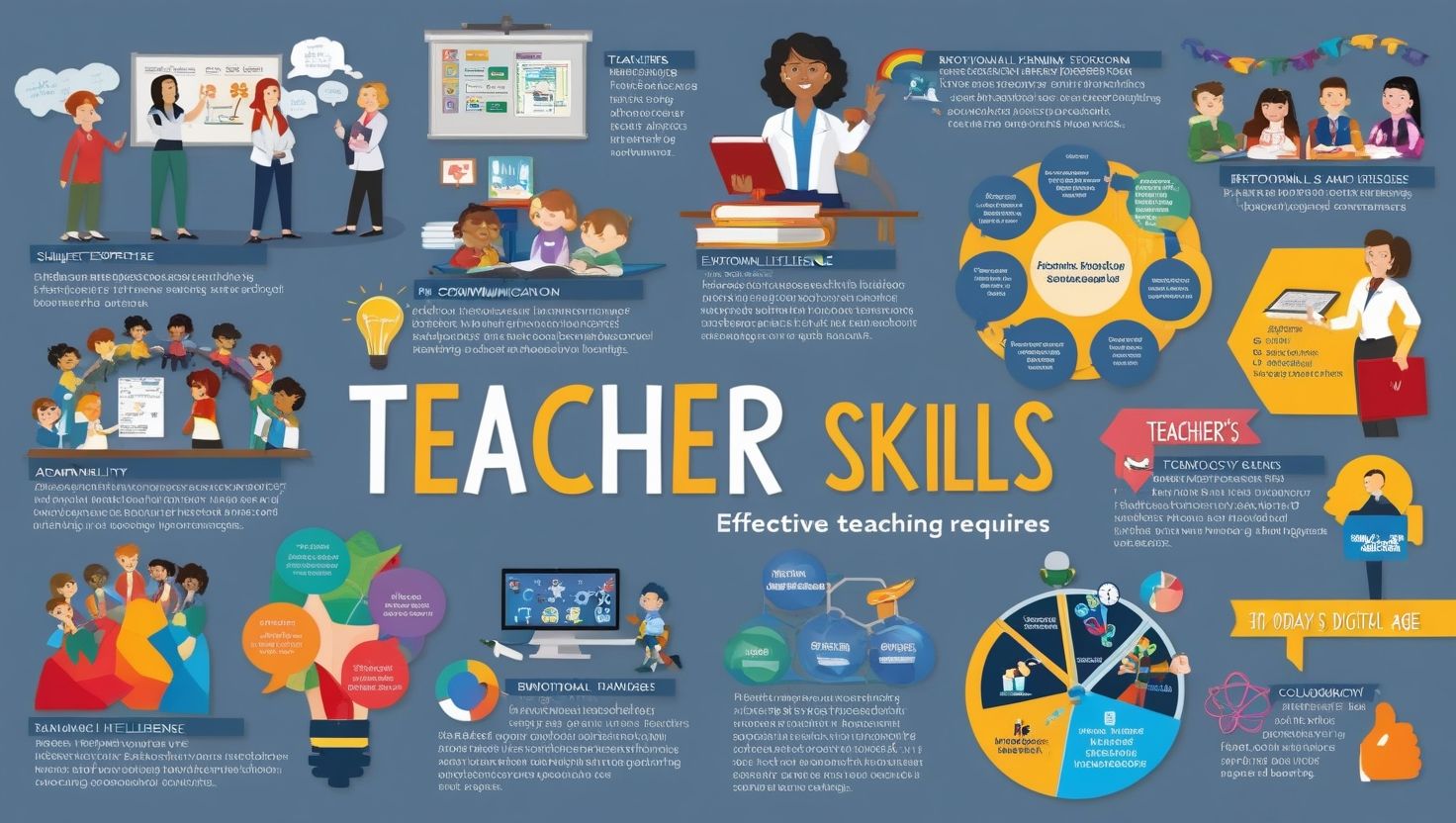
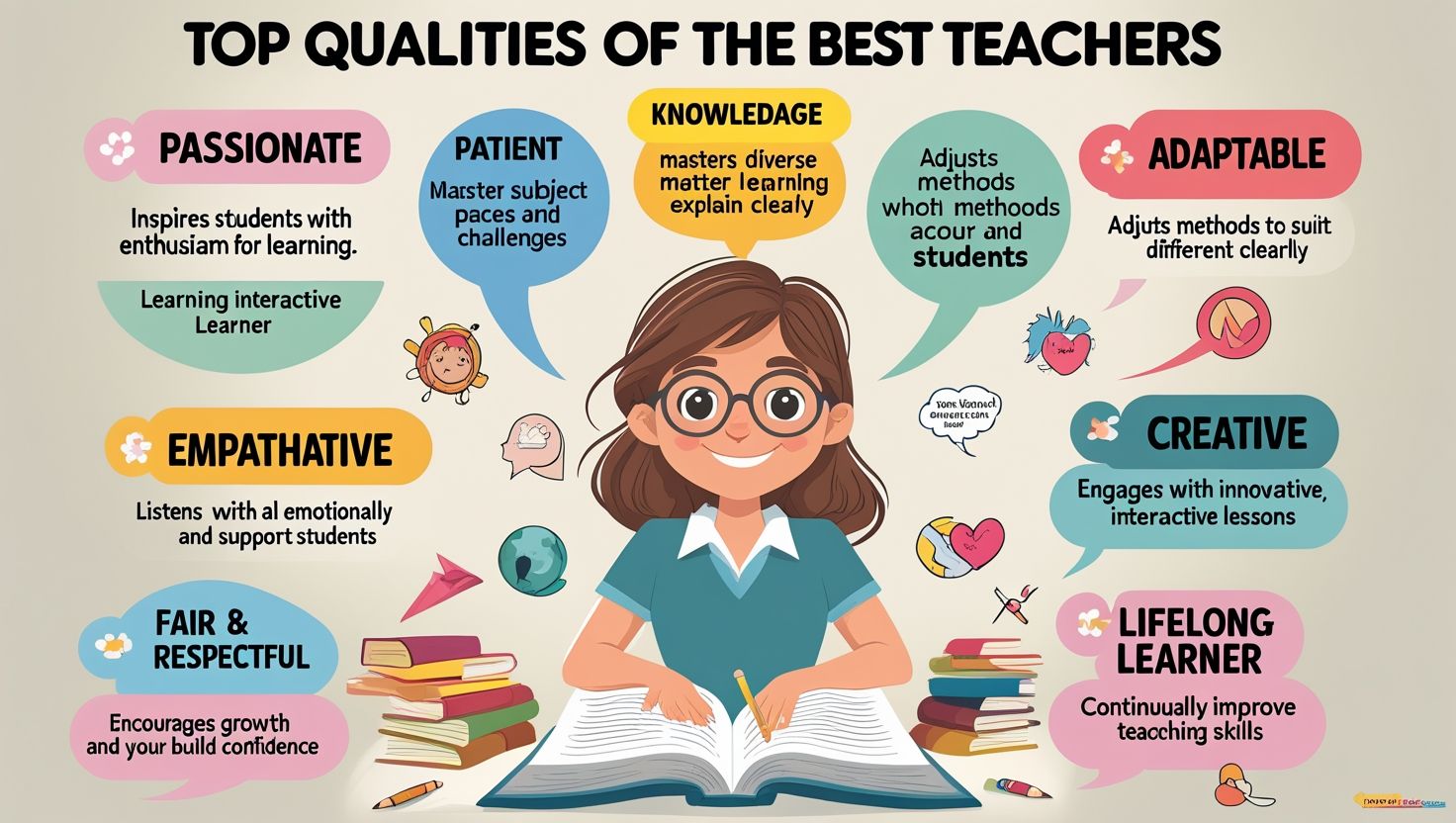
While certificates validate knowledge, skills determine how effectively that knowledge is applied in the classroom. Below are the essential skills that define successful global educators.
1. Cross-Cultural Communication
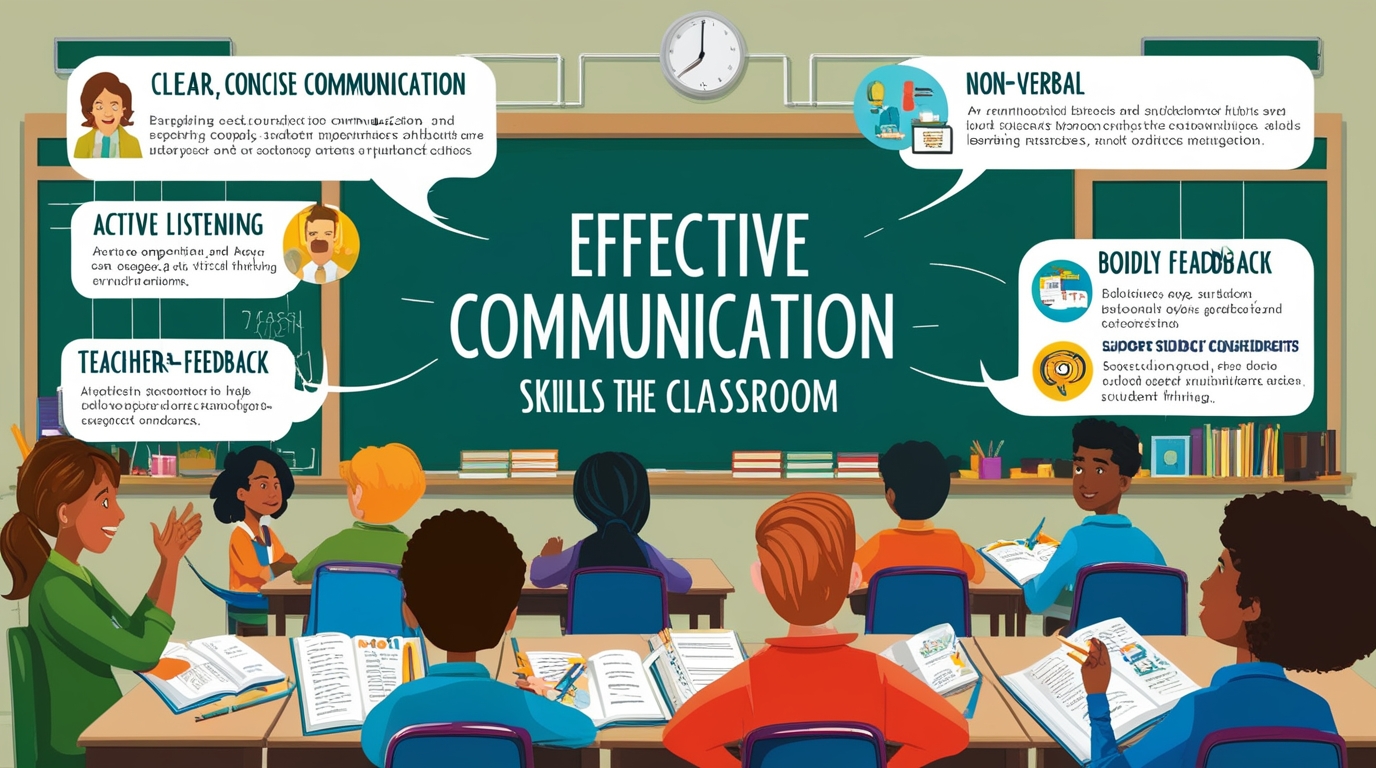
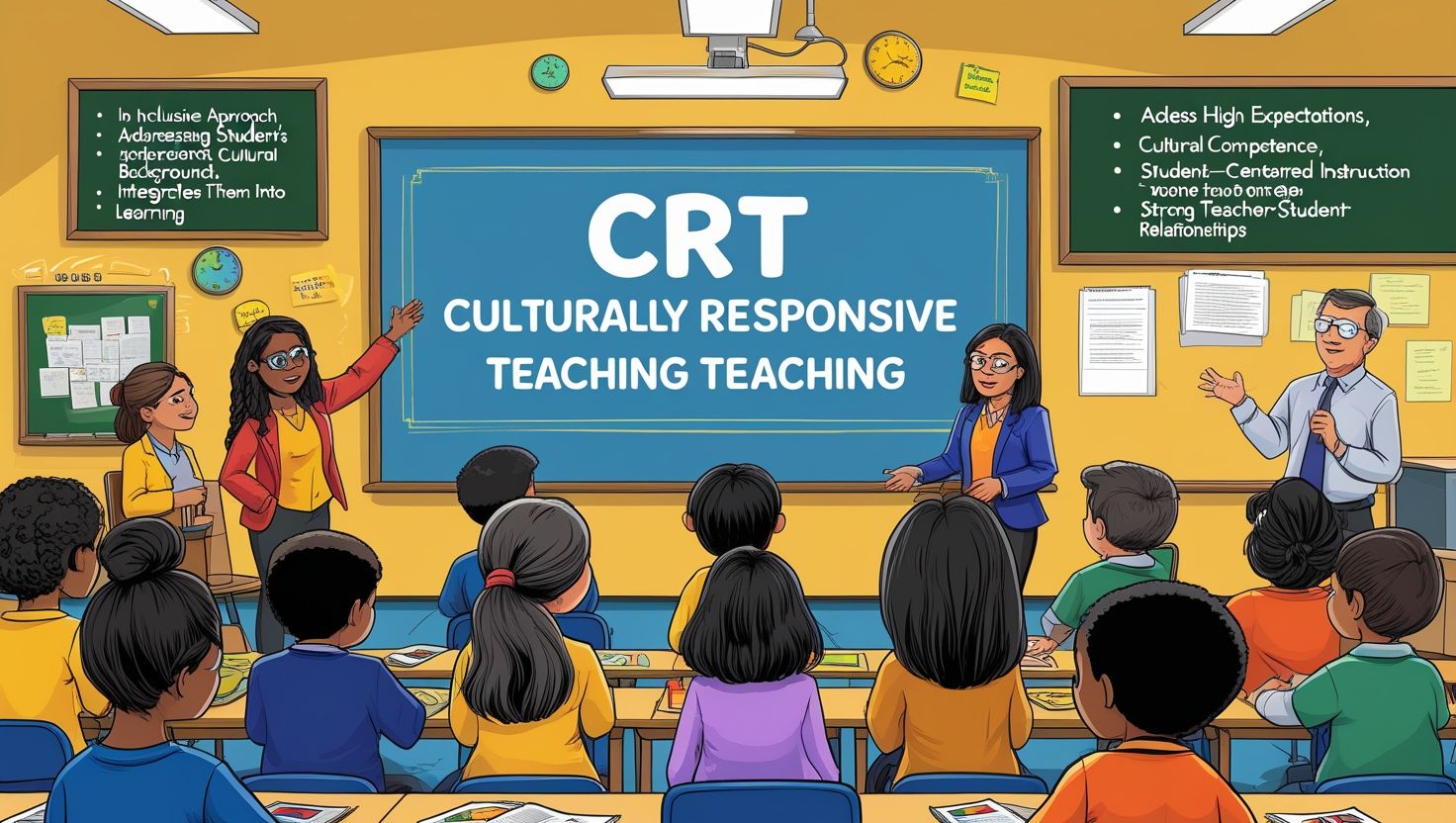
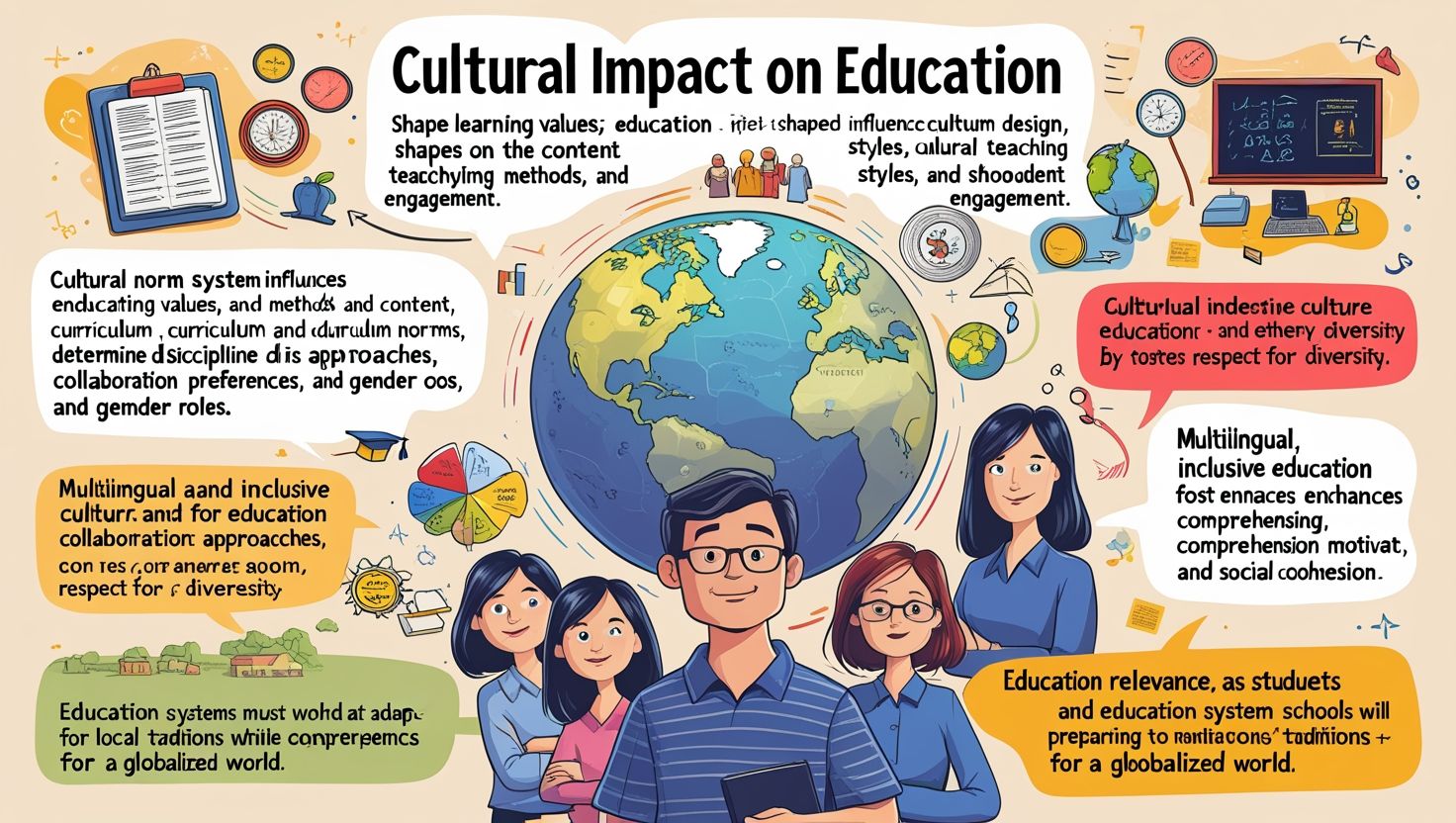
Teachers who work internationally must communicate clearly with students, parents, and colleagues from different cultural backgrounds. Consequently, they need to adjust their tone, vocabulary, and teaching style according to cultural norms. Moreover, awareness of cultural sensitivities helps prevent misunderstandings and builds trust within diverse classrooms.
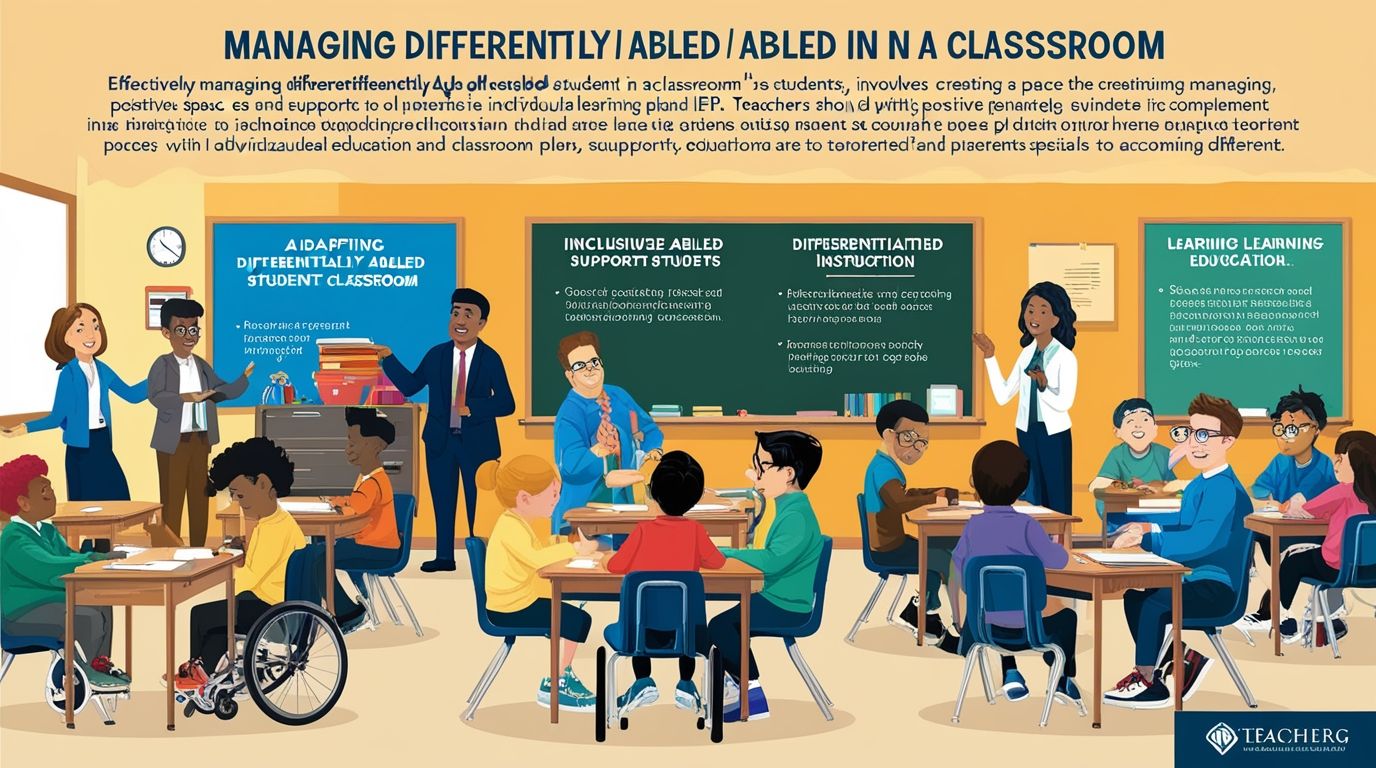
2. Classroom Management
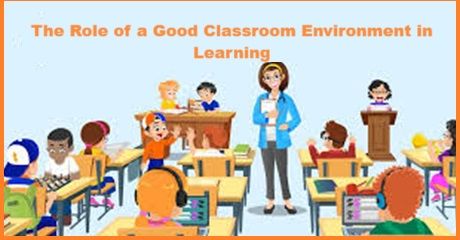
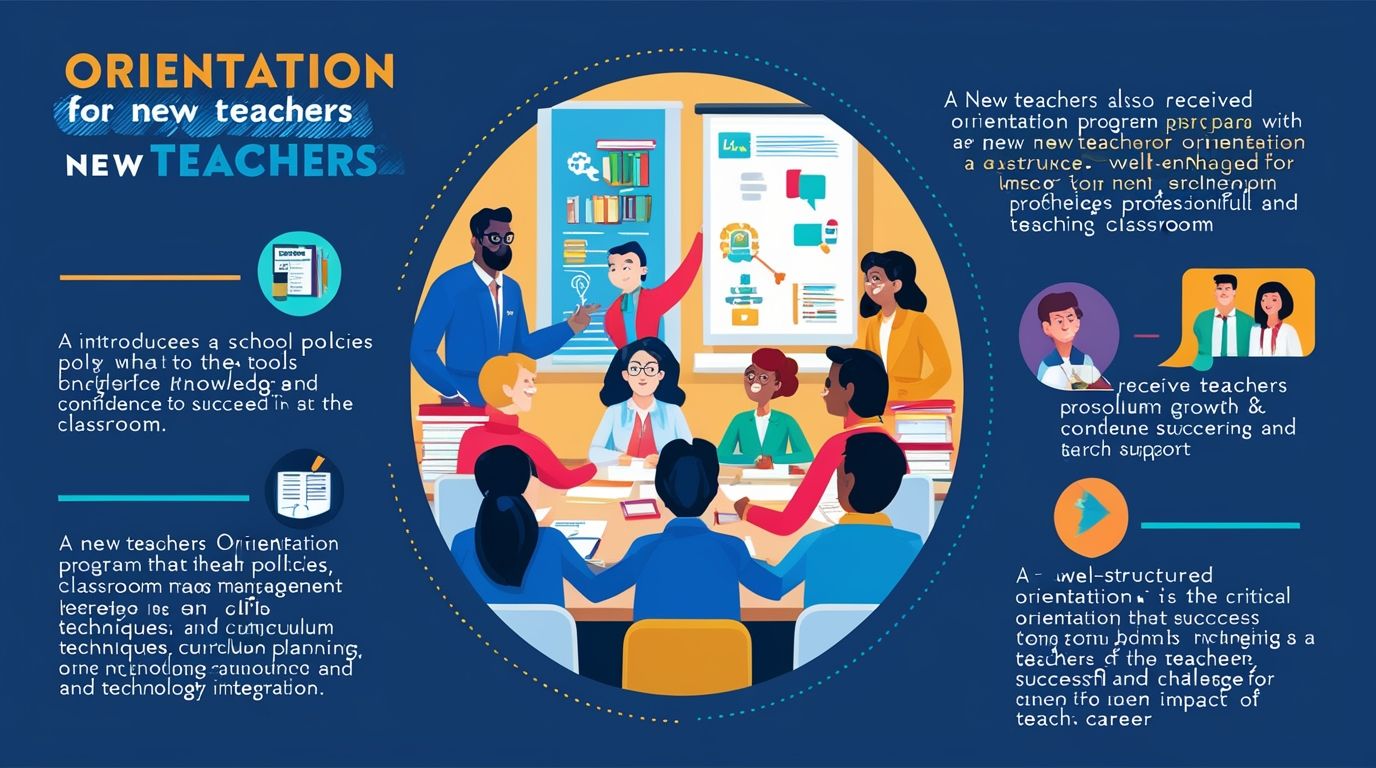
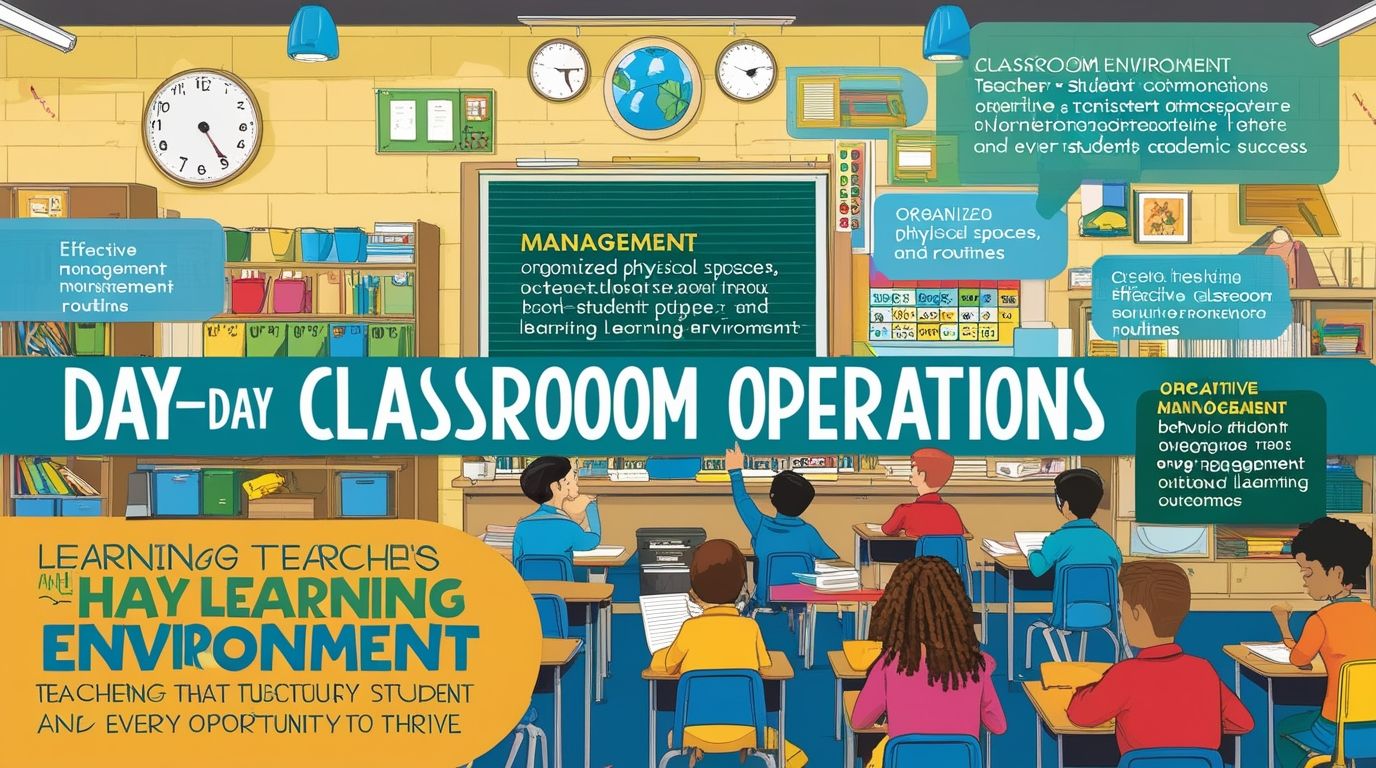
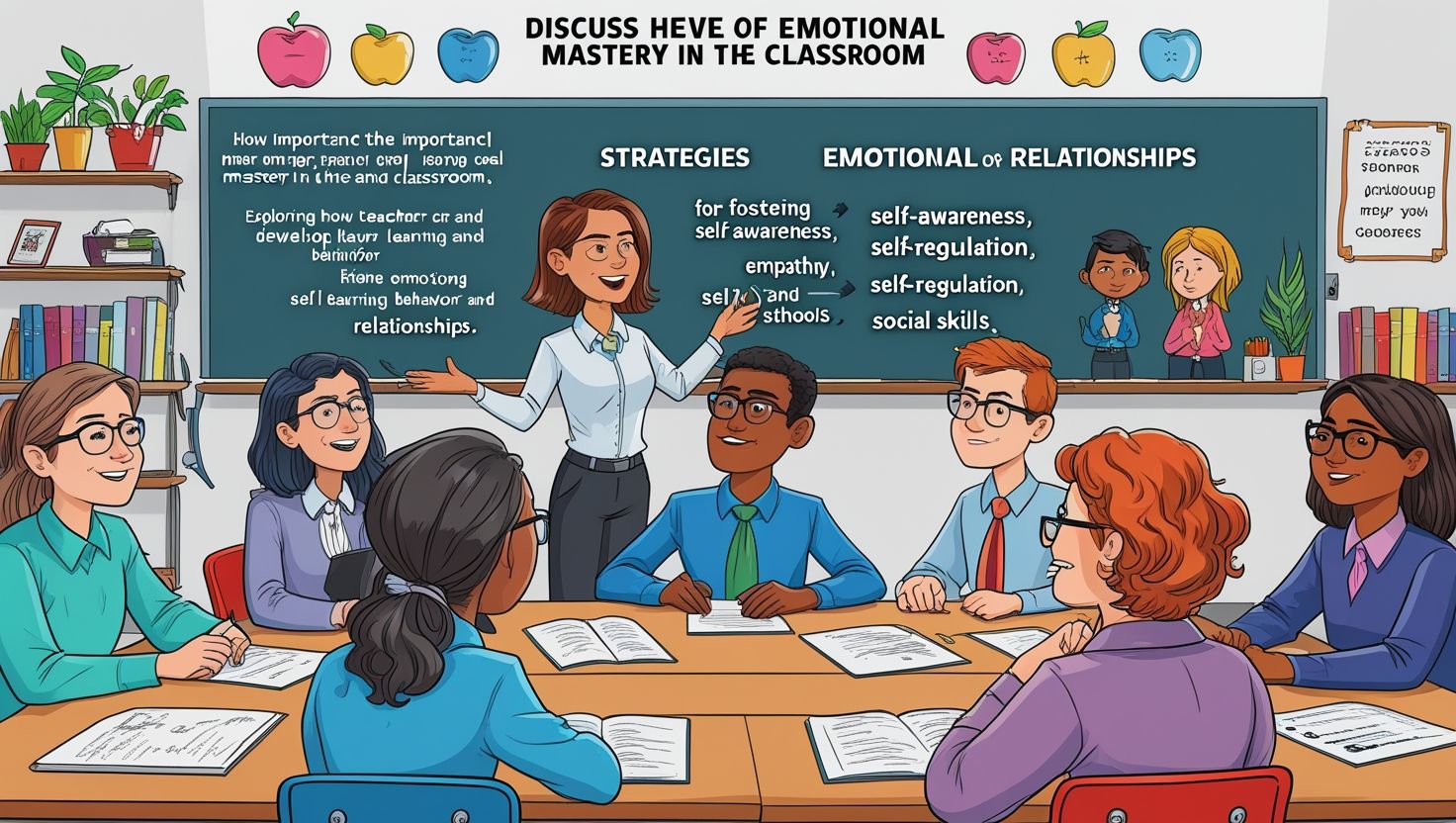
Effective classroom management remains a cornerstone of successful teaching everywhere. However, management strategies that work in one cultural context may not work in another. Therefore, global educators must learn flexible techniques that can be adapted to different educational systems, class sizes, and student expectations.
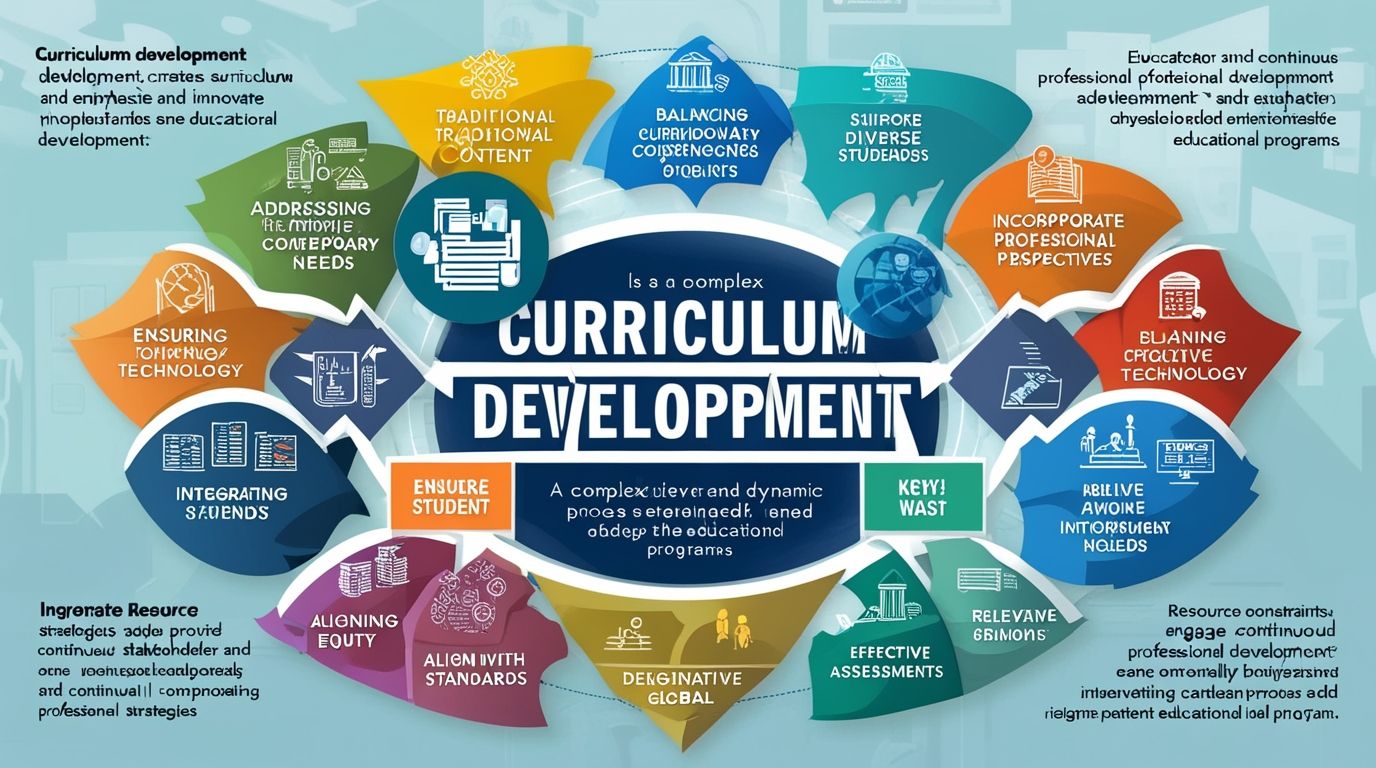
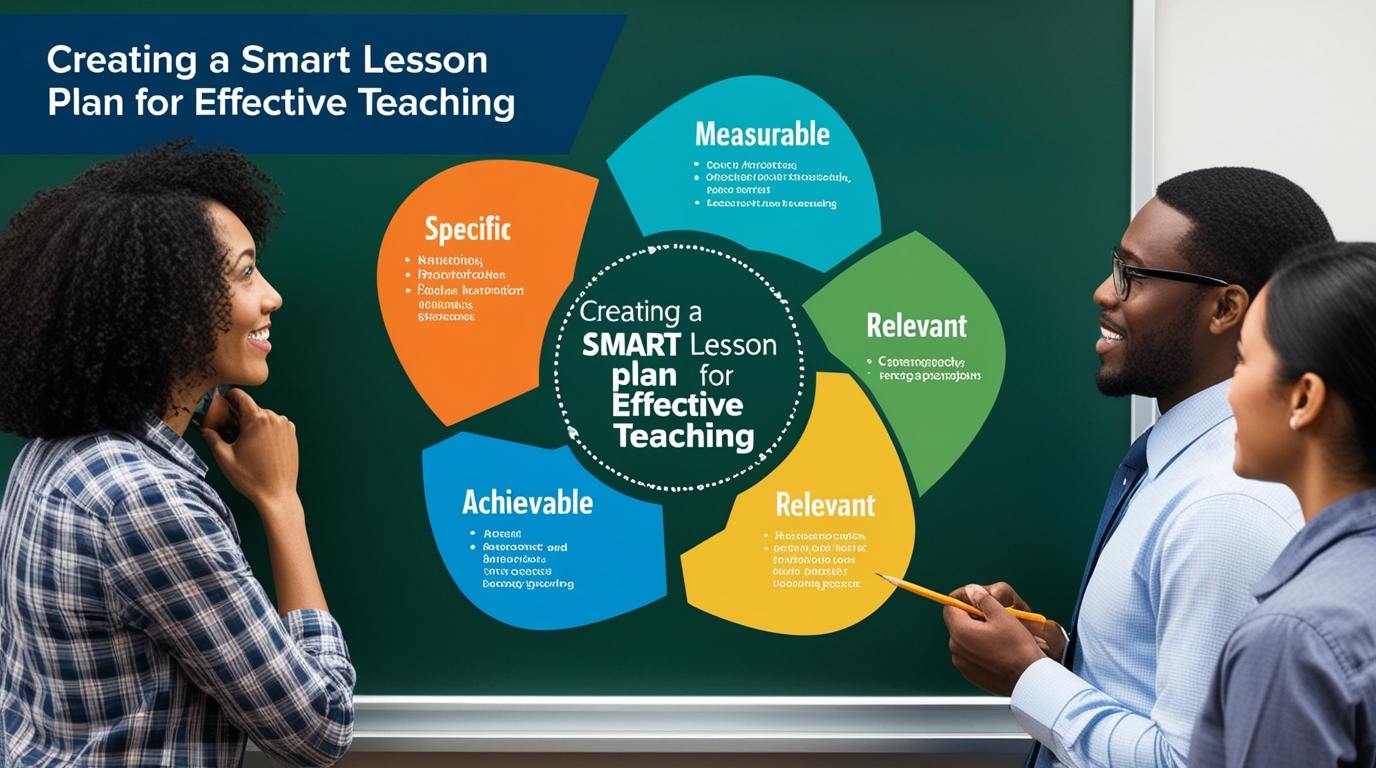
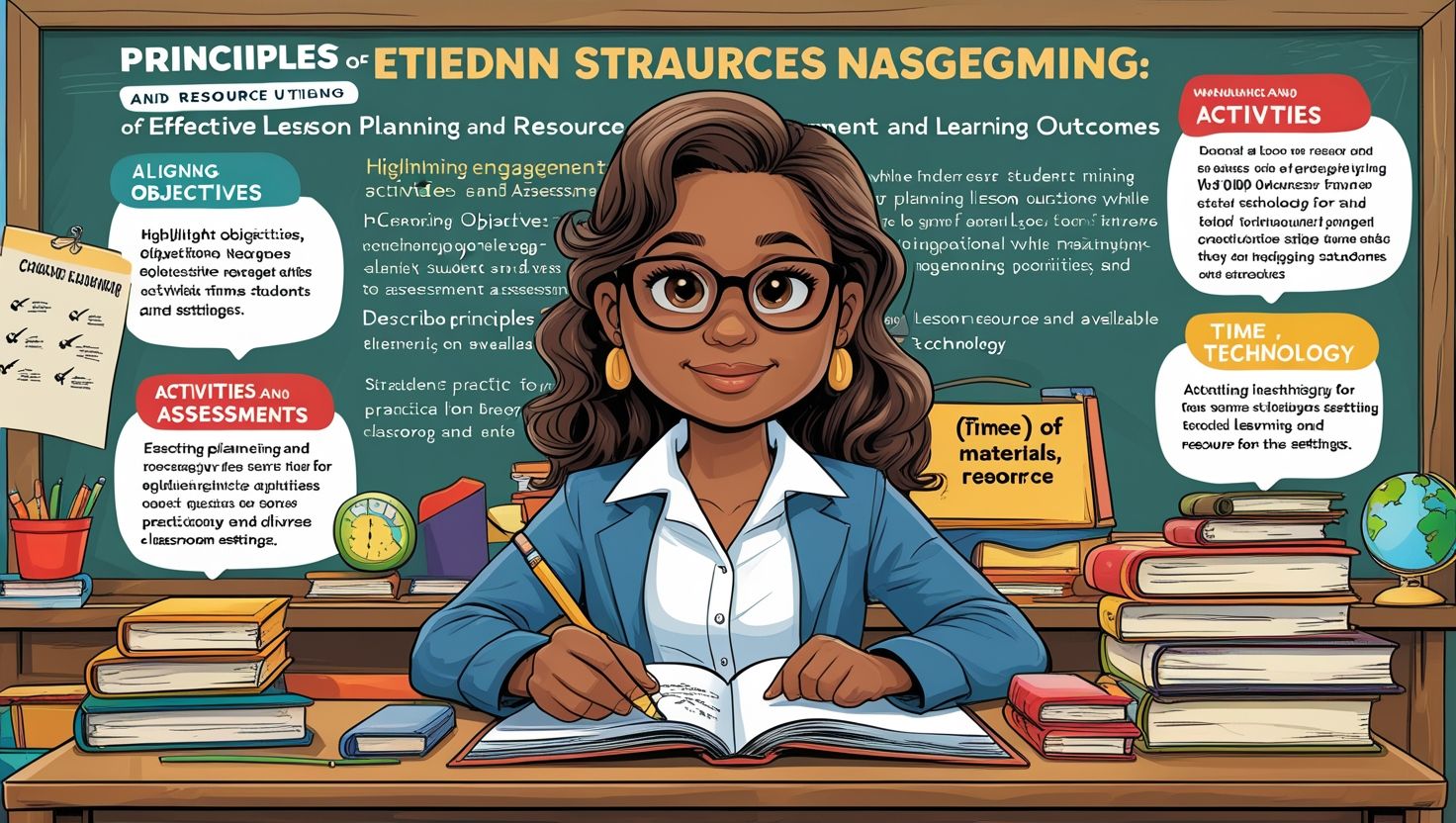
3. Lesson Planning and Curriculum Design
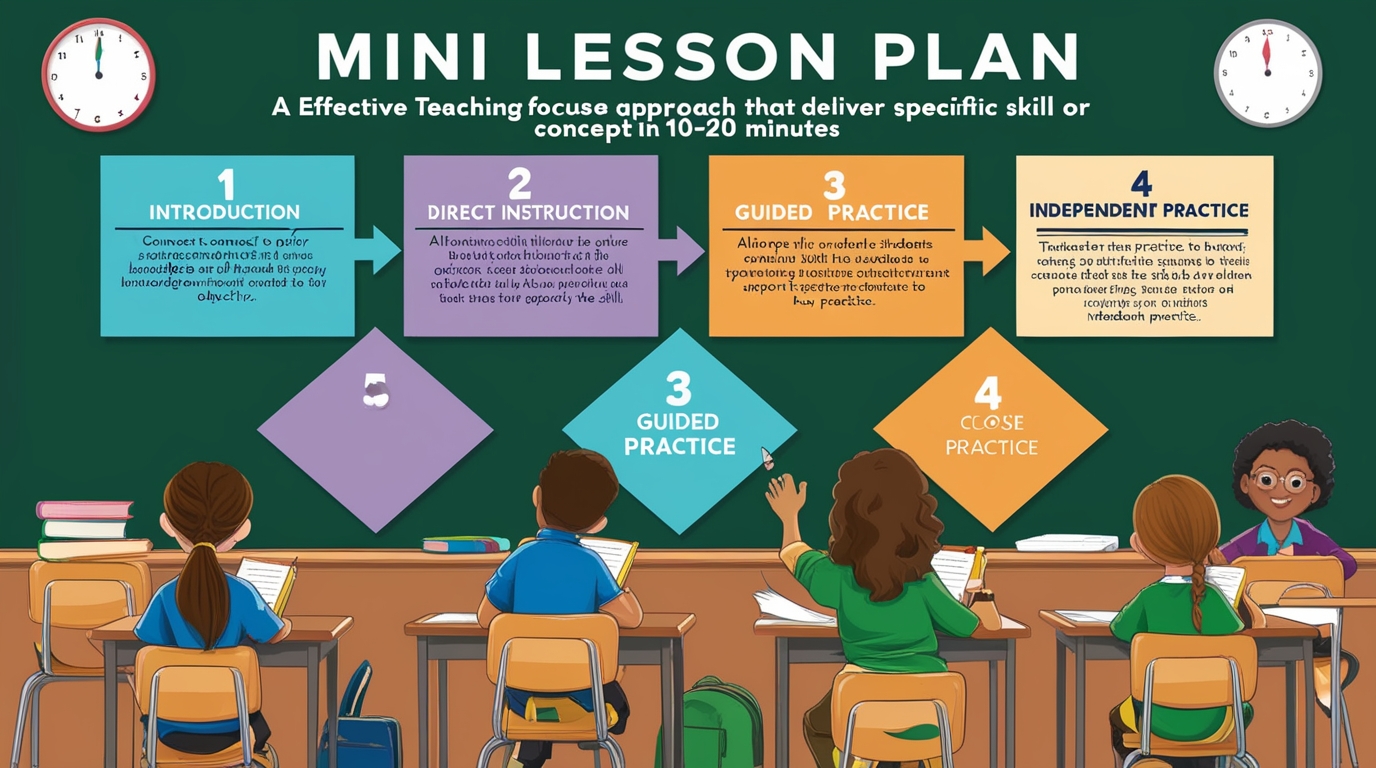
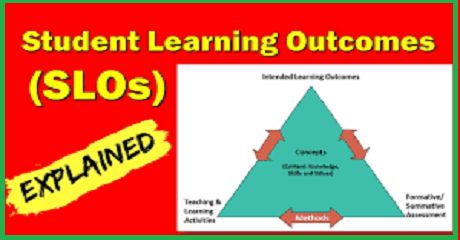
Strong lesson planning ensures that learning objectives are met consistently. In addition, teachers who understand international curriculum frameworks, such as the IB (International Baccalaureate) or Cambridge International, can move between schools and countries with greater ease. As a result, curriculum design skills are highly valued by international schools and language institutes alike.
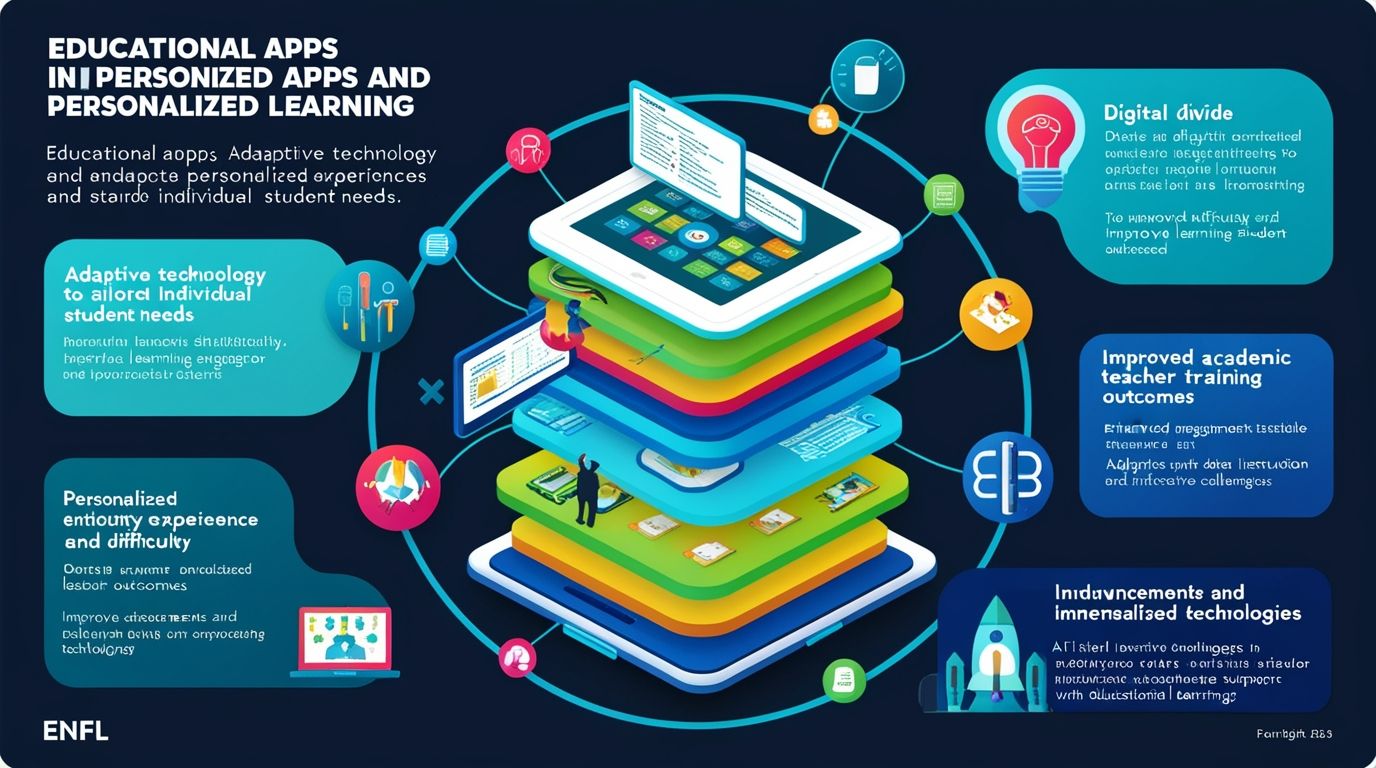
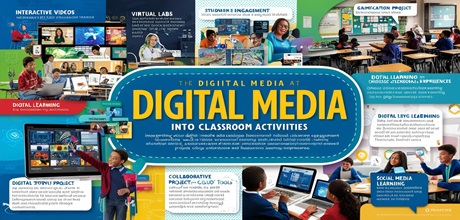
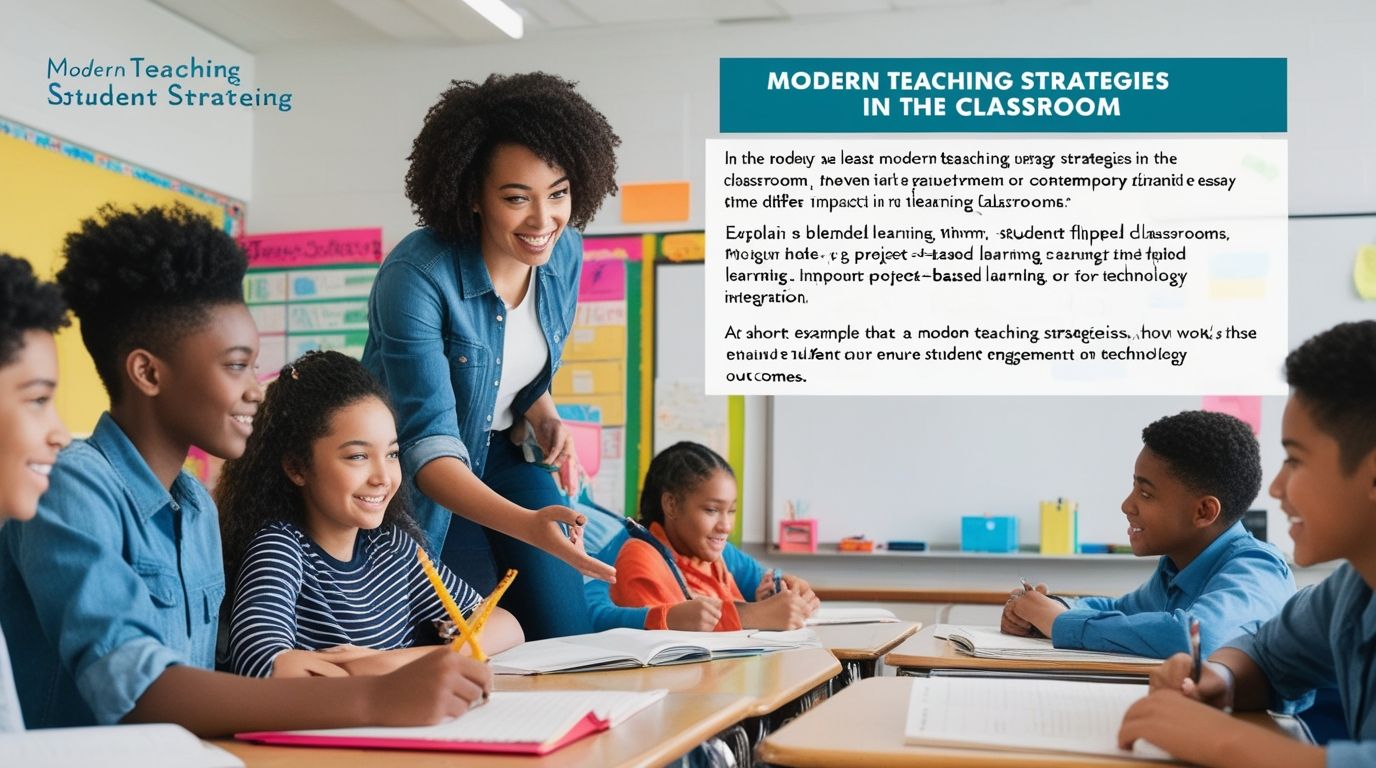
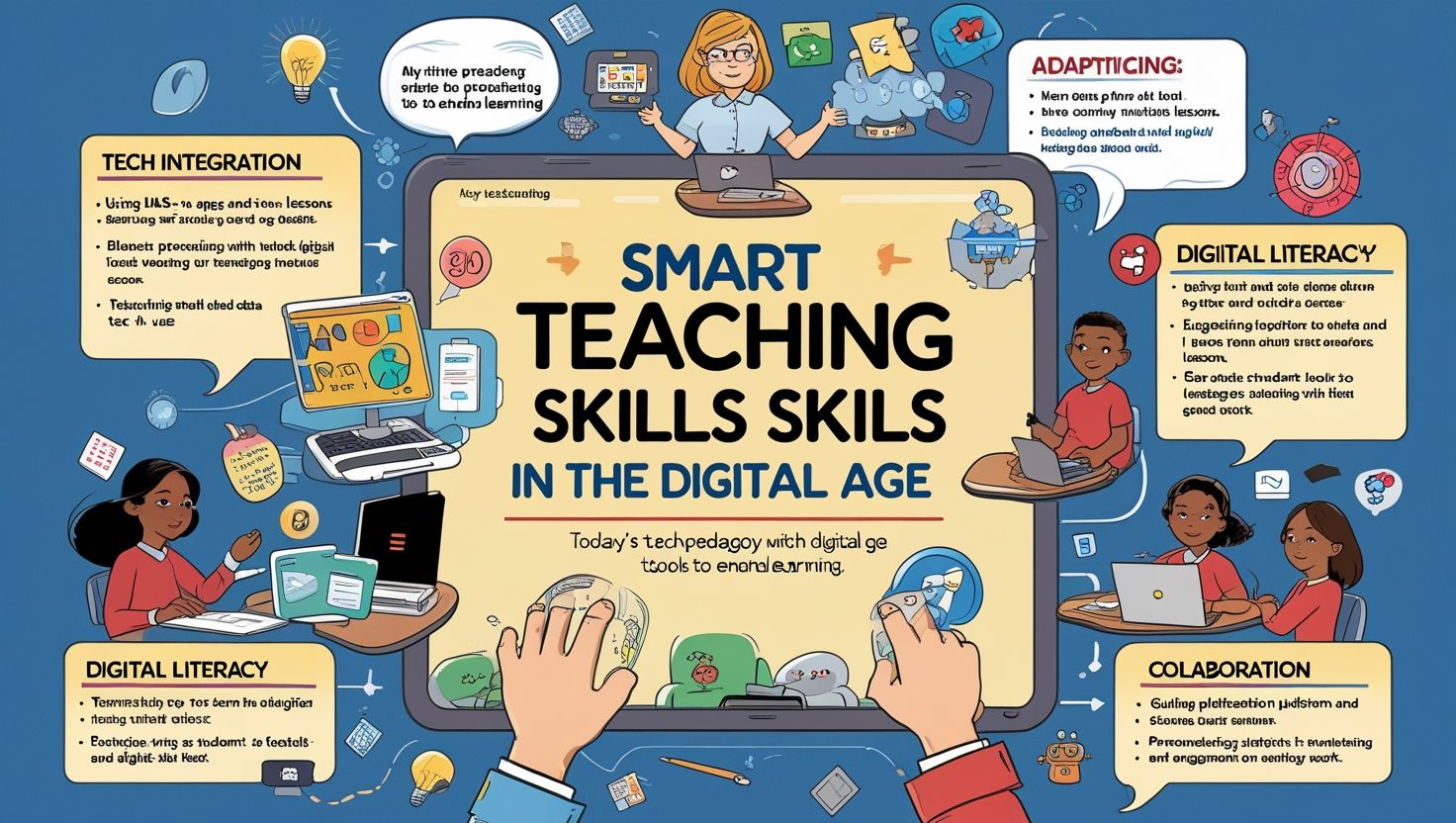
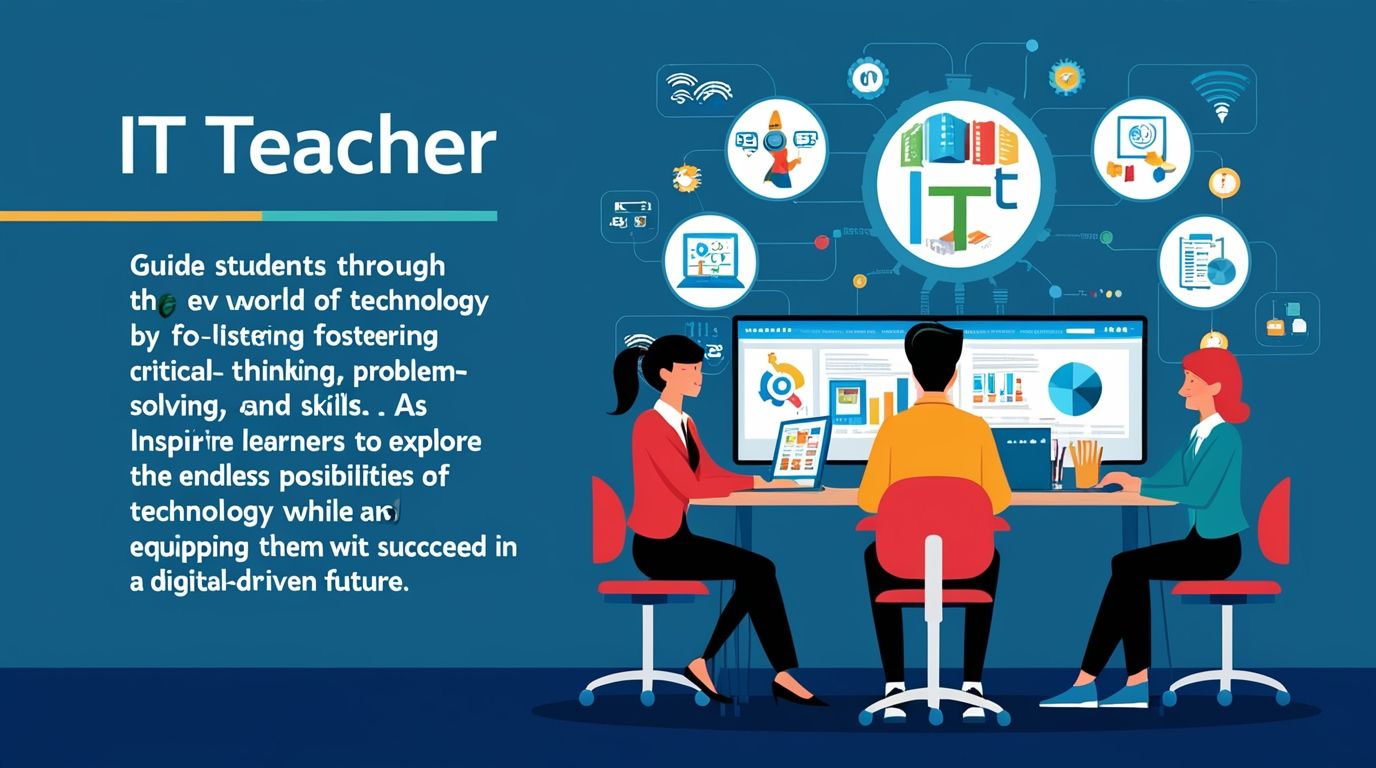
4. Technology Integration
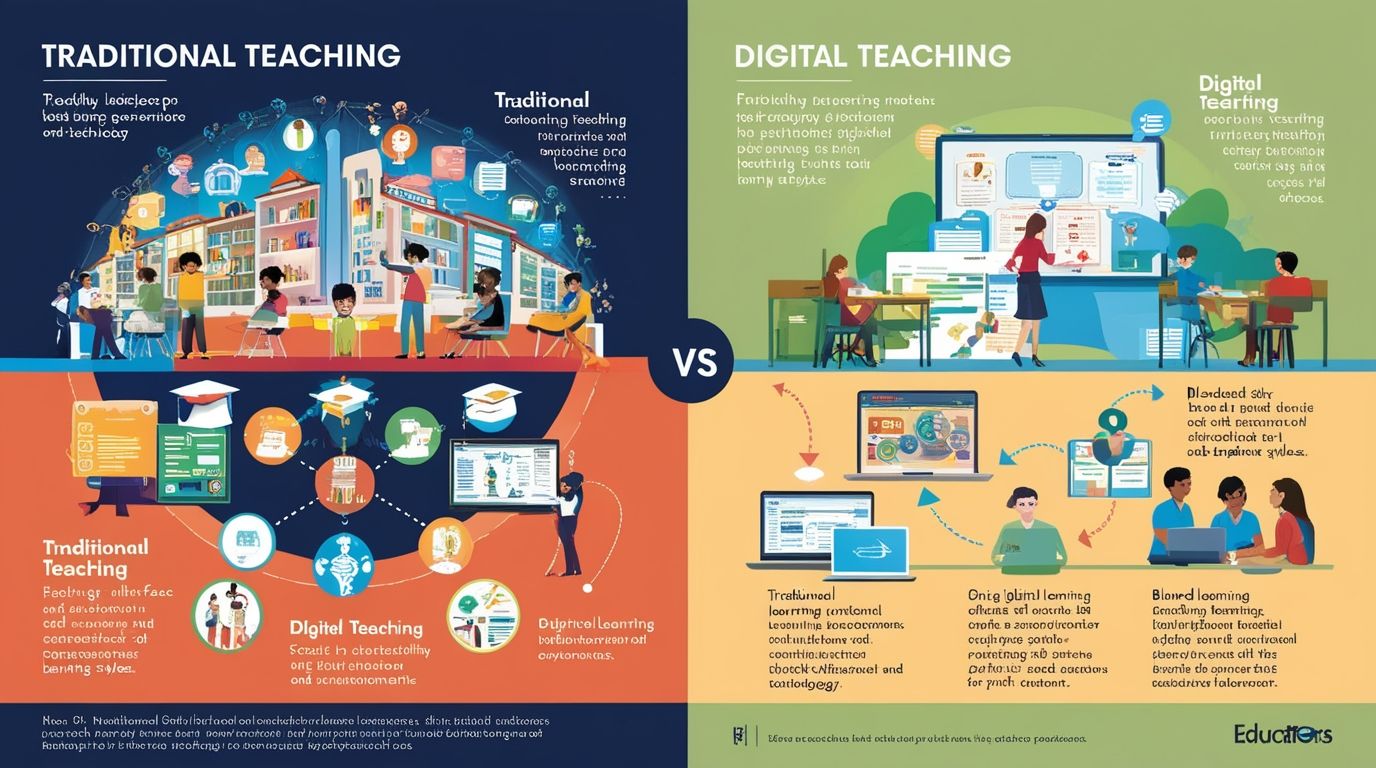
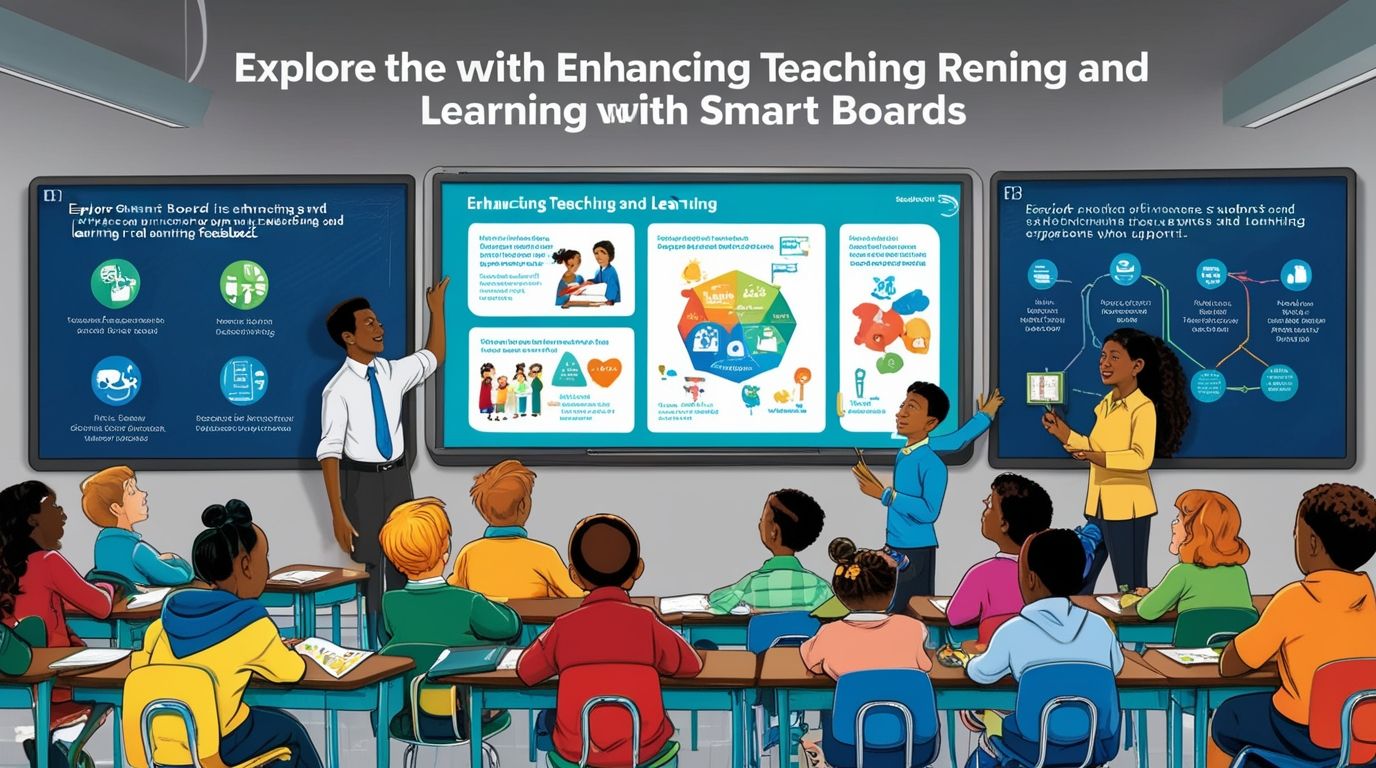
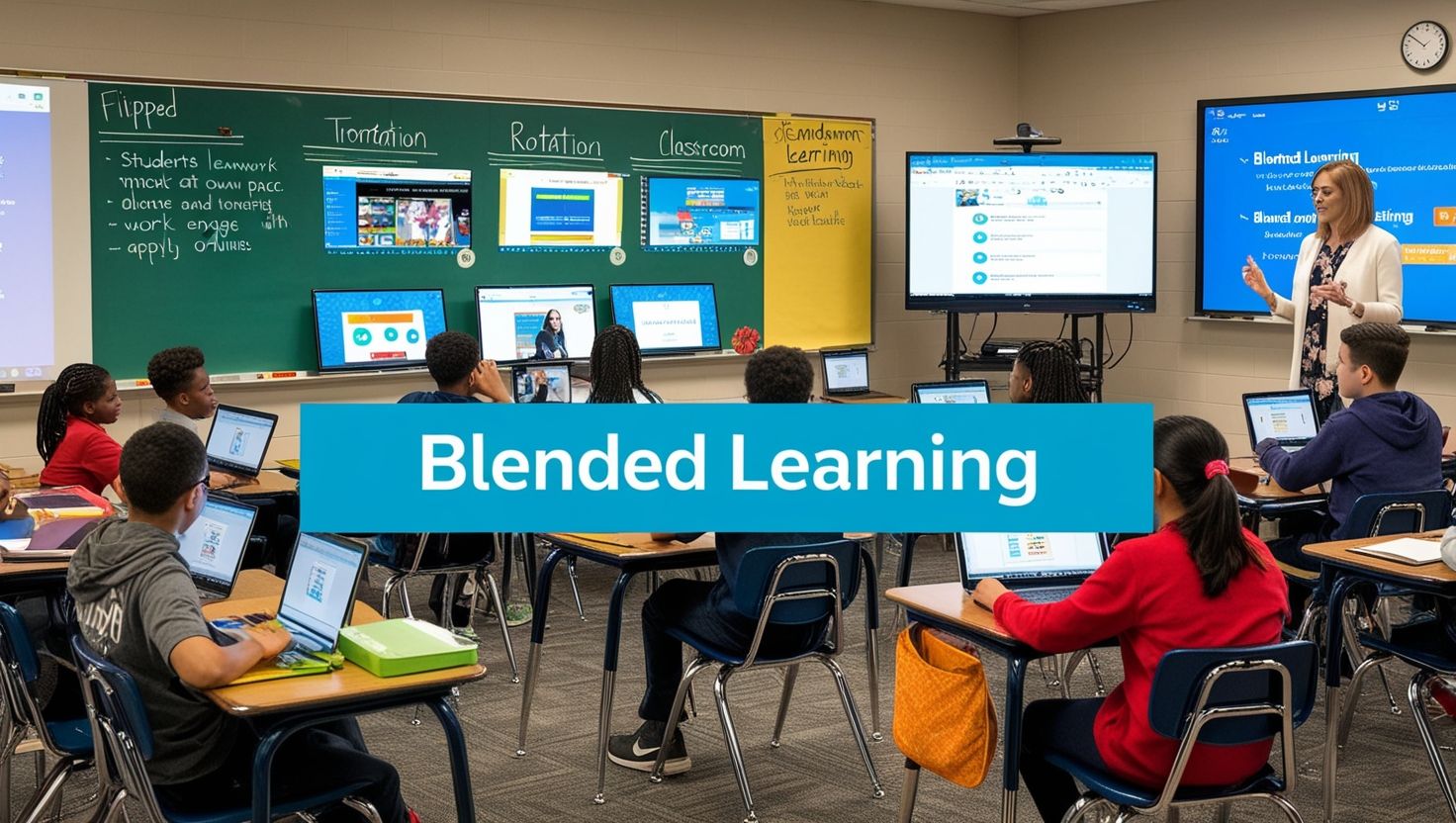
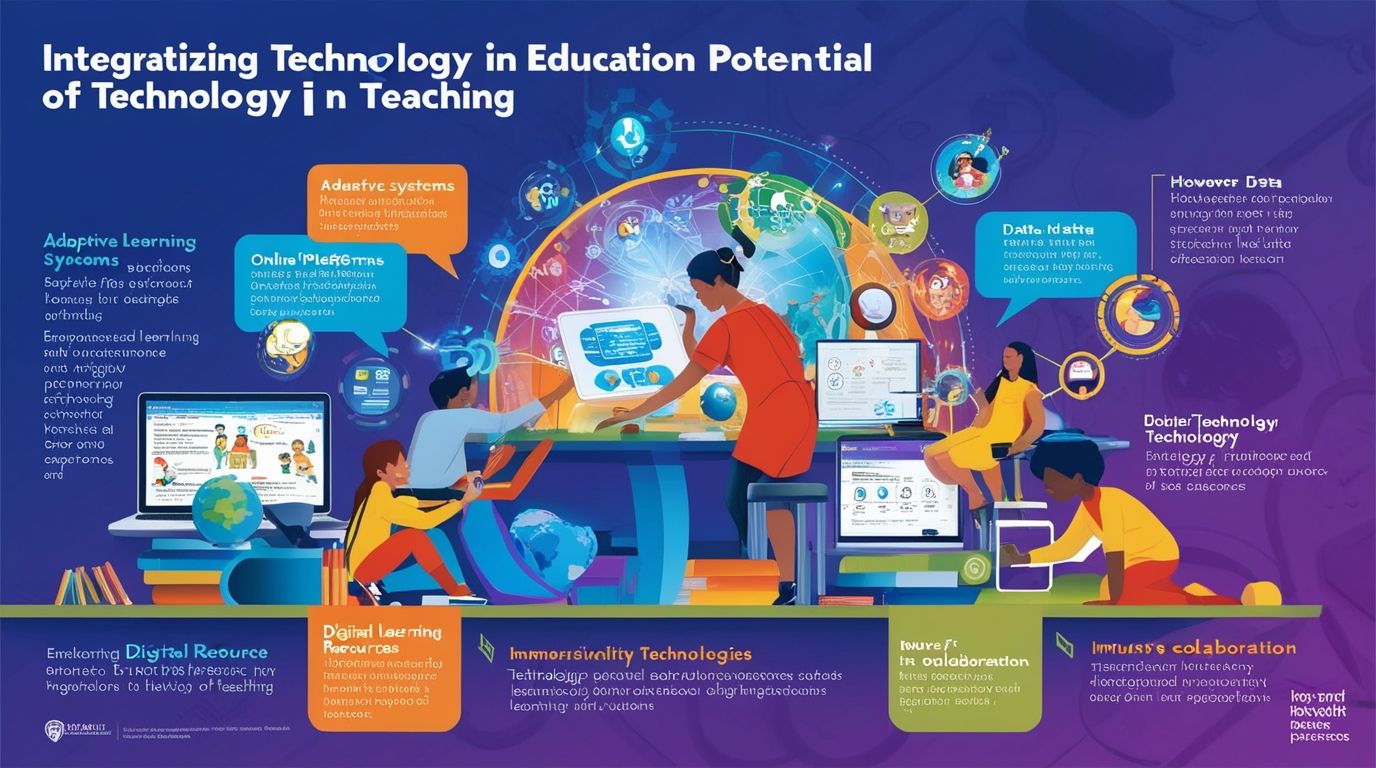
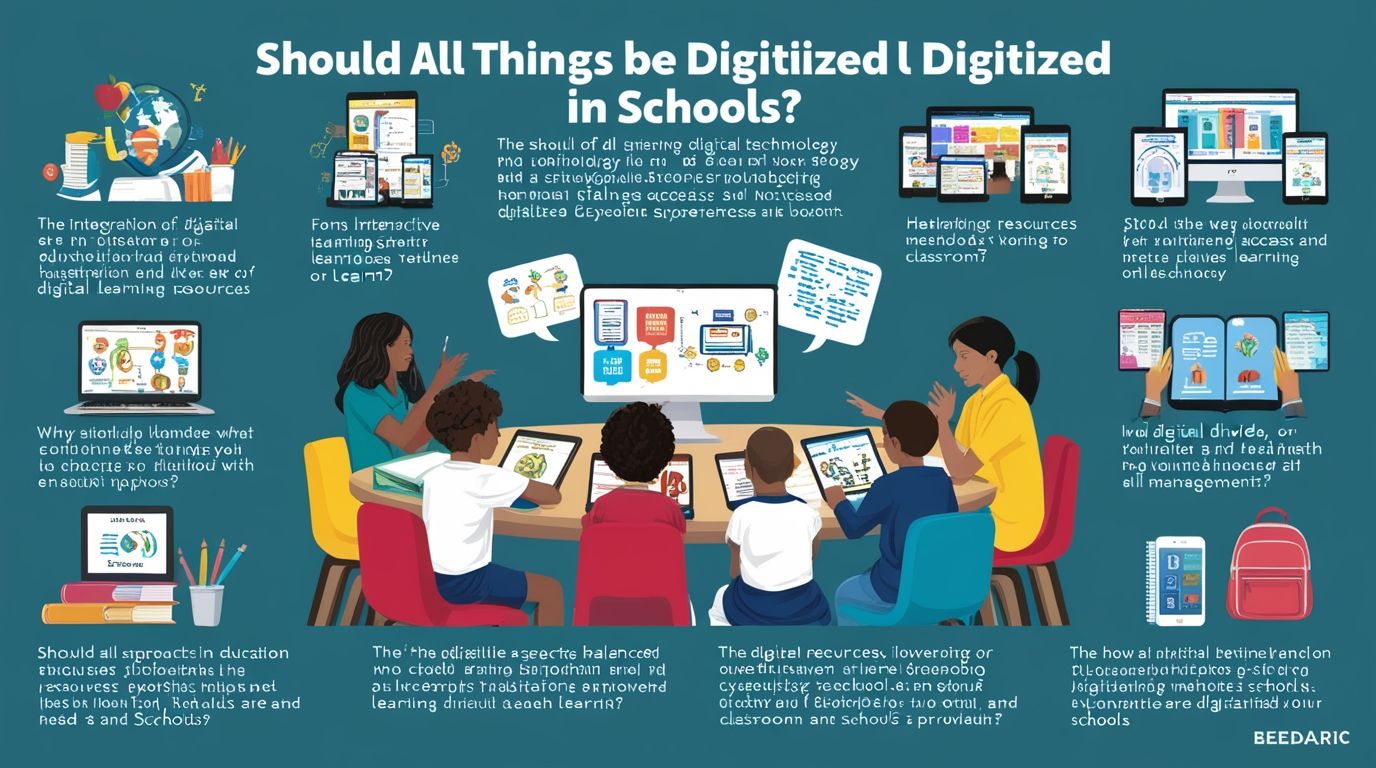
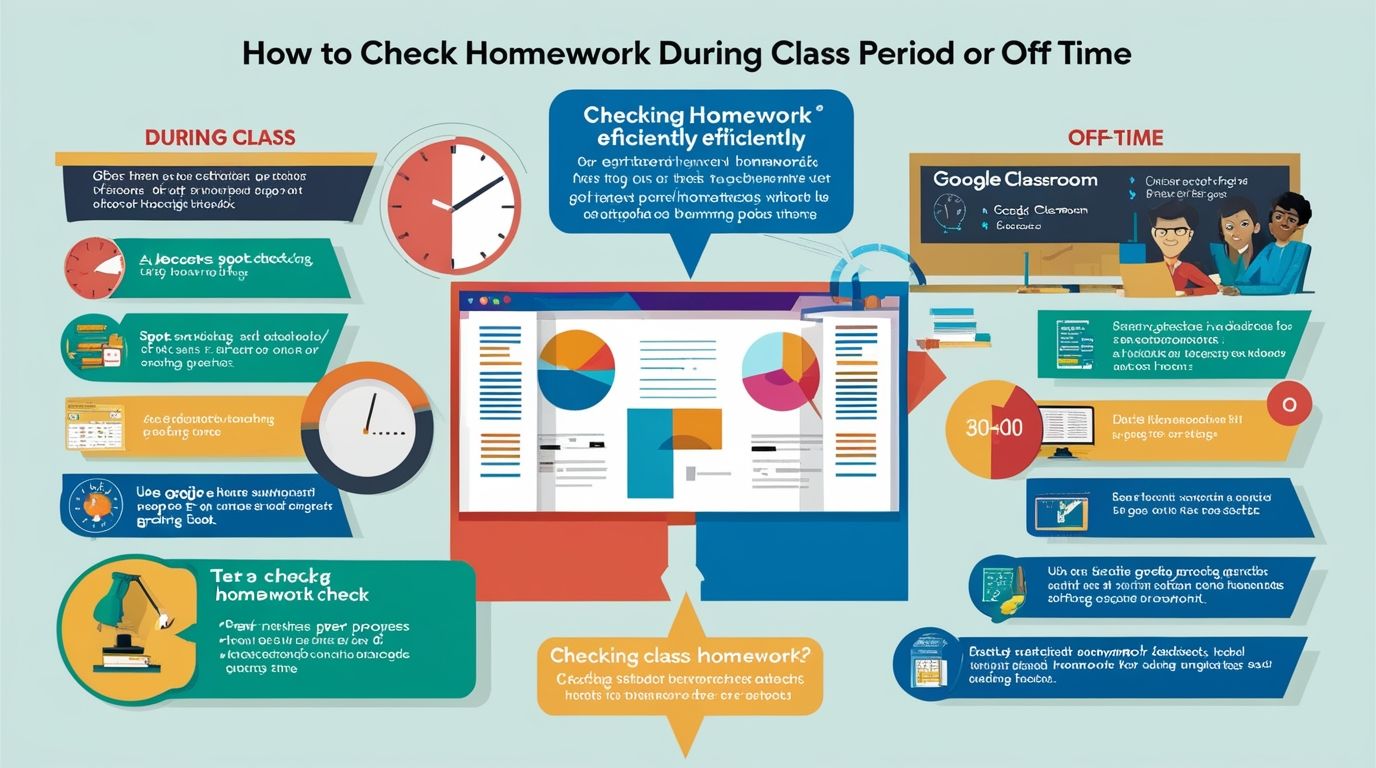
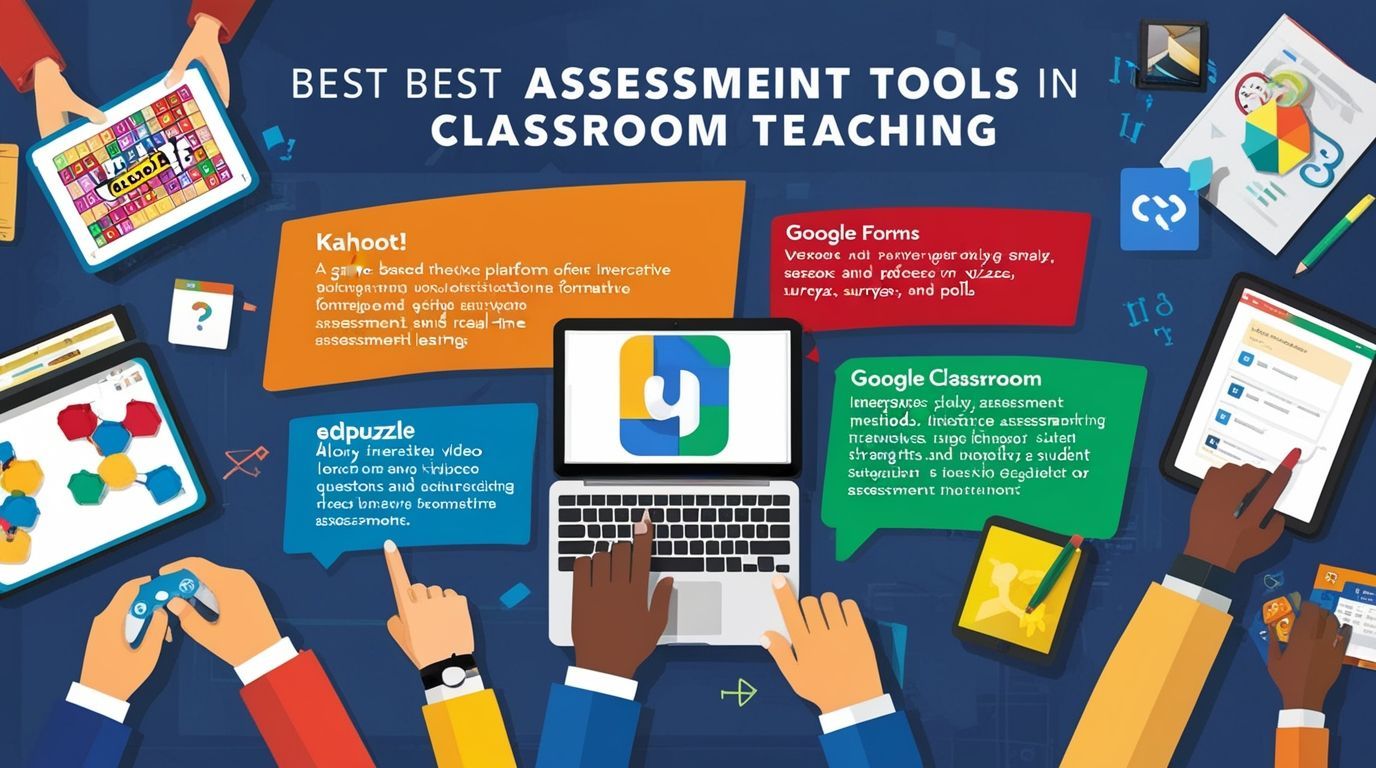
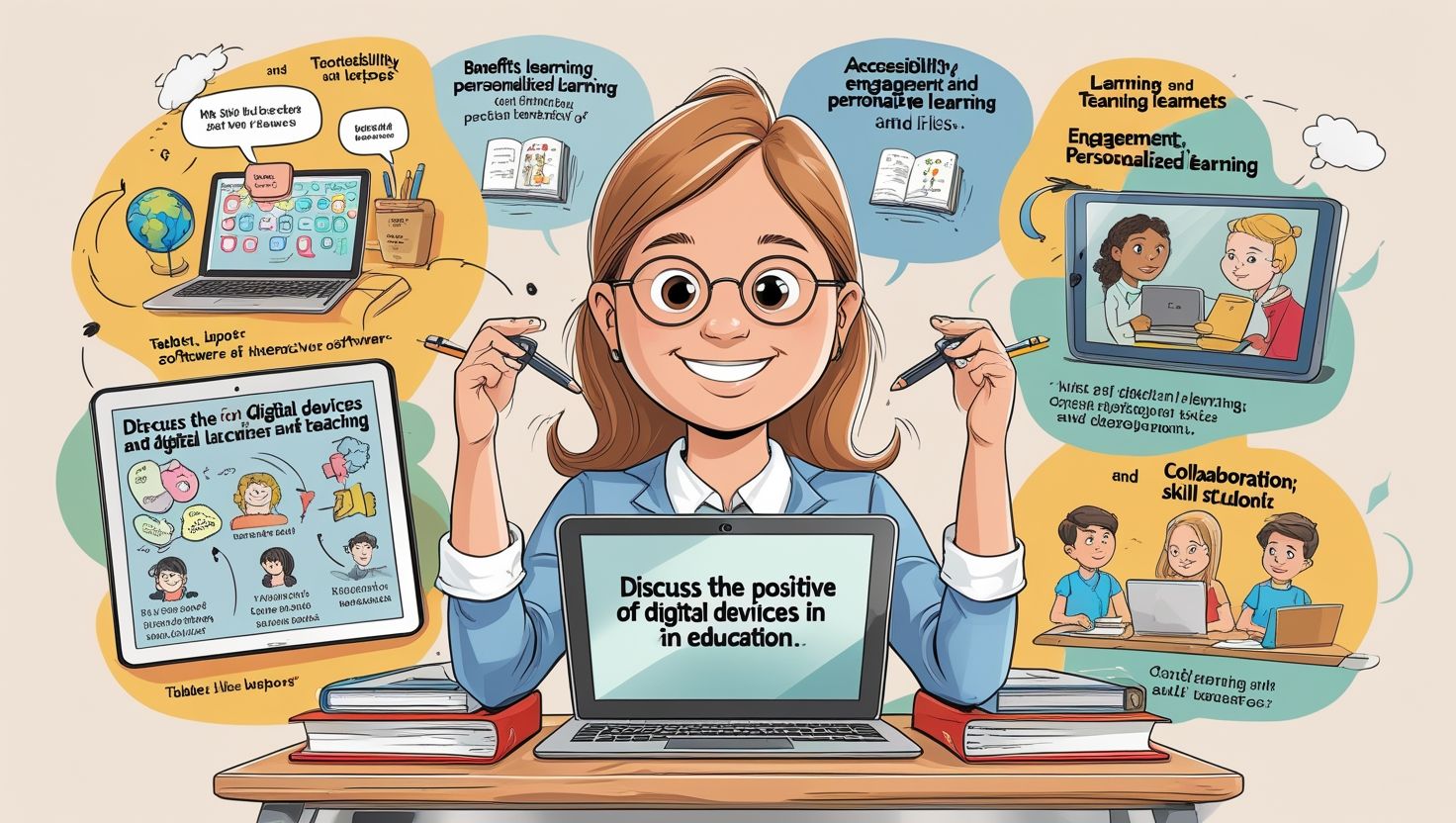
Since digital learning tools have become standard in most classrooms, teachers must know how to integrate technology effectively. For example, platforms like Google Classroom, Zoom, and interactive whiteboards are now common in both physical and virtual classrooms. Consequently, teachers who are comfortable with educational technology are better positioned for global teaching roles, particularly in online education.
5. Language Proficiency
Although English remains the most widely taught language globally, proficiency in additional languages significantly increases a teacher’s marketability. Meanwhile, even native English speakers benefit from learning basic phrases in the local language of their host country, as this improves rapport with students and communities.
6. Adaptability and Problem-Solving
International teaching often comes with unpredictable challenges, from unfamiliar school policies to limited classroom resources. Therefore, adaptability is considered one of the most important soft skills in global education. Teachers who can problem-solve quickly and adjust their approach tend to thrive in unfamiliar environments.
Top Global Teaching Certificates to Consider
Now that the essential skills have been outlined, it is important to explore the certificates that validate these abilities on a global scale.
TEFL (Teaching English as a Foreign Language)
TEFL certification is widely recognized and required by many language schools around the world. Typically, this certificate is completed online or in-person over 120 hours, and it equips teachers with foundational skills in teaching English to non-native speakers. Since TEFL is one of the most accessible certificates, it is often the starting point for those new to global teaching careers.
TESOL (Teaching English to Speakers of Other Languages)
Similarly, TESOL certification focuses on teaching English learners, but it is often considered slightly more academic than TEFL. Many universities offer TESOL programs, and some employers prefer TESOL over TEFL due to its broader theoretical foundation. Nevertheless, both certificates are respected internationally and frequently accepted interchangeably.
CELTA (Certificate in English Language Teaching to Adults)
CELTA, offered by Cambridge Assessment English, is regarded as one of the most rigorous and prestigious teaching certificates available. Unlike shorter online courses, CELTA involves intensive, hands-on training, including supervised teaching practice. Consequently, CELTA holders are often preferred by top language institutes and international schools, particularly in Europe and the Middle East.
IPGCE (International Postgraduate Certificate in Education)
For teachers aiming to work in international schools rather than language centers, the IPGCE is an excellent choice. This certificate is specifically designed for educators who already have teaching experience but want formal recognition to work within international curricula such as the IB or British National Curriculum. As a result, IPGCE holders often qualify for higher-paying, long-term positions abroad.
DELTA (Diploma in English Language Teaching to Adults)
Once a teacher has gained experience, the DELTA offers an advanced qualification that deepens expertise in language teaching methodology. Since DELTA is considered a professional development diploma rather than an entry-level certificate, it typically leads to senior teaching or academic management roles.
Google Certified Educator
In addition to traditional teaching certificates, technology-focused credentials have become increasingly relevant. The Google Certified Educator program, for example, demonstrates a teacher’s ability to integrate Google tools into classroom instruction. Therefore, this certificate is particularly useful for teachers pursuing online or hybrid teaching positions.
How to Choose the Right Certificate
Choosing the right certificate depends largely on career goals. For instance, teachers who want to work at language schools should prioritize TEFL, TESOL, or CELTA. On the other hand, those aiming for international school positions should consider IPGCE or a recognized teaching license combined with IB training. Meanwhile, educators interested in online teaching platforms may benefit most from technology-focused certifications alongside a foundational TEFL or TESOL qualification.
Moreover, budget and time commitment should also be considered. While online TEFL courses can be completed within weeks, CELTA and DELTA require more intensive study and, consequently, a greater financial investment. Nevertheless, the long-term career benefits often outweigh the initial cost, especially for teachers planning to build a long-term international teaching career.
Combining Skills and Certificates for Career Success
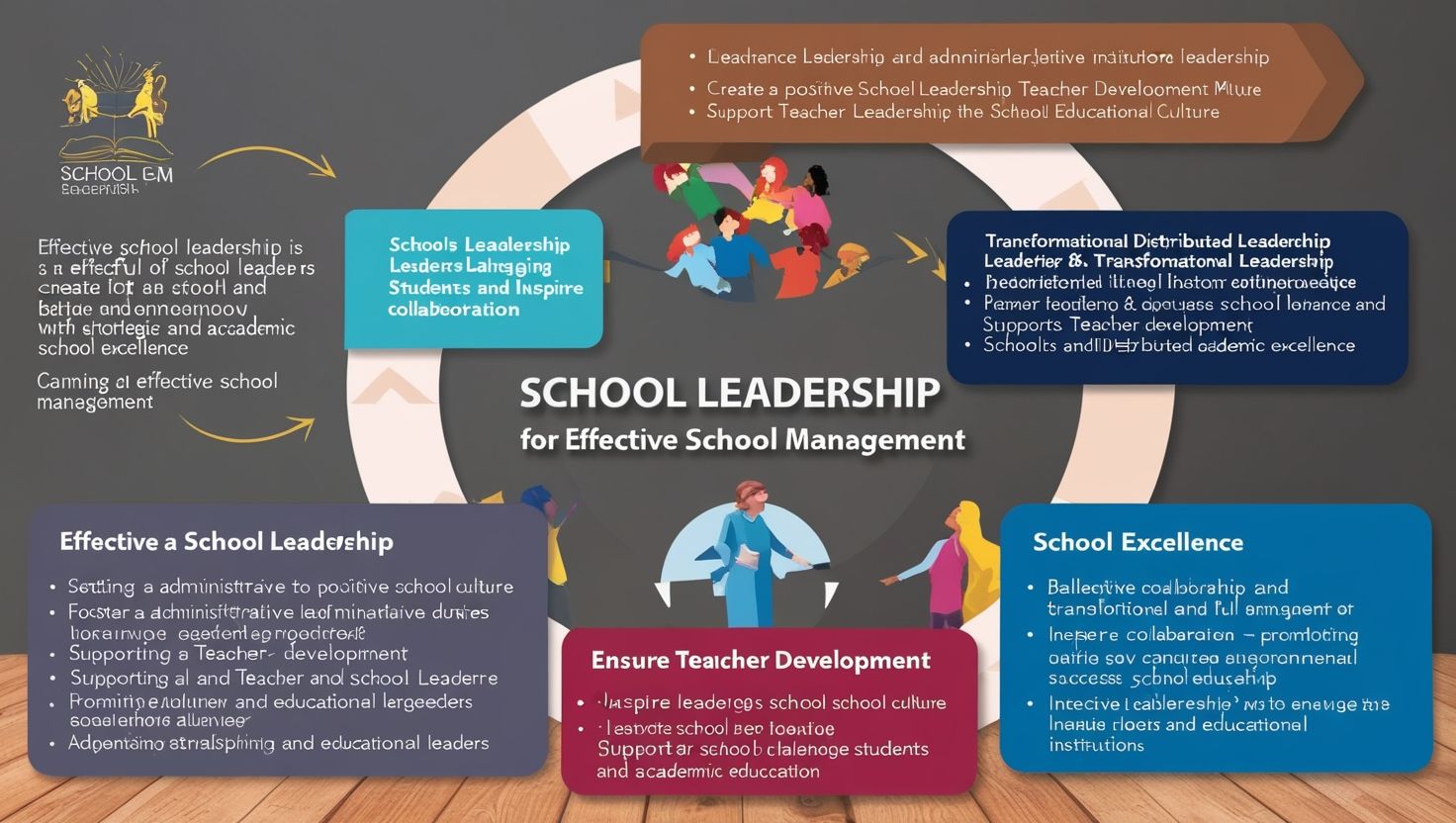
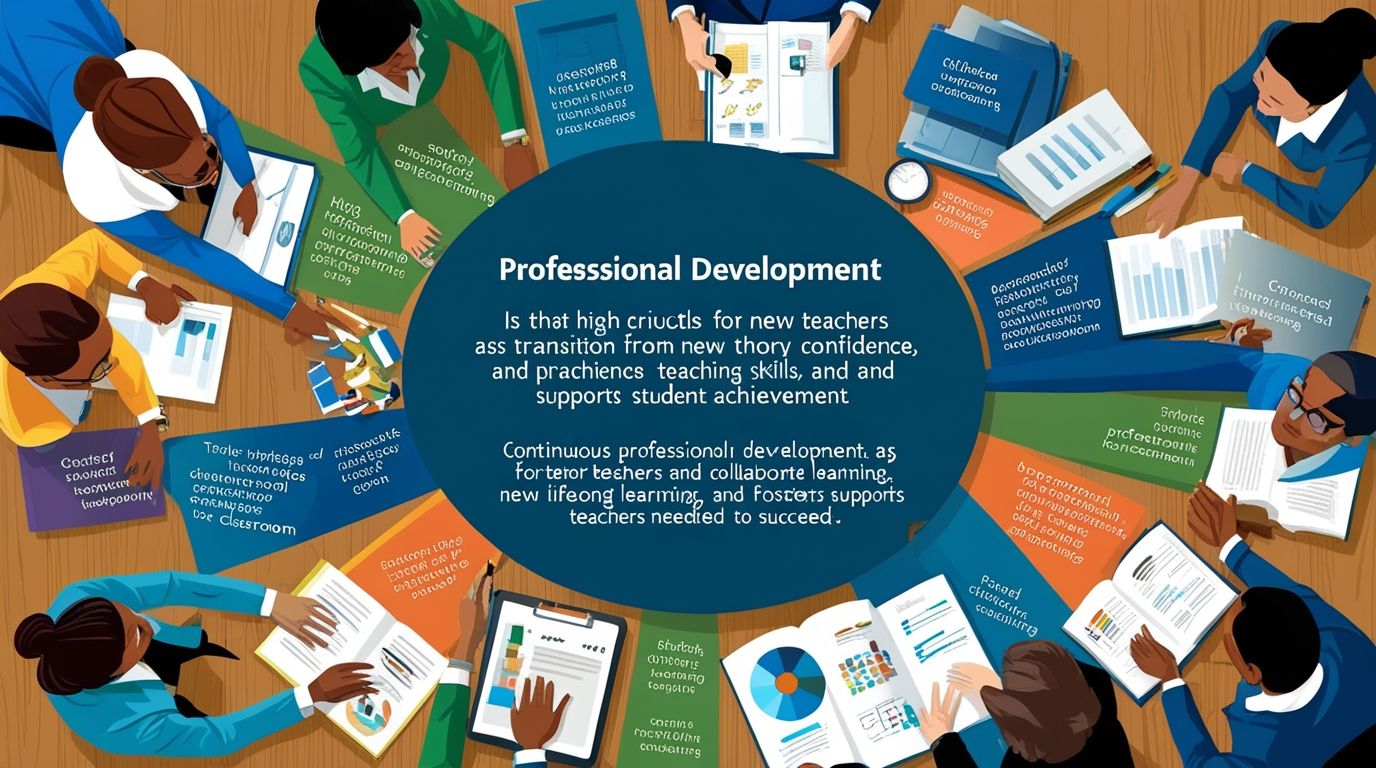
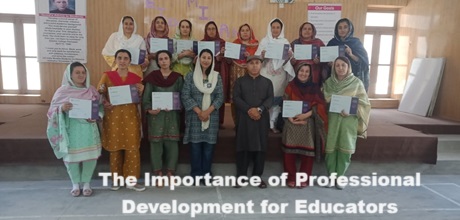
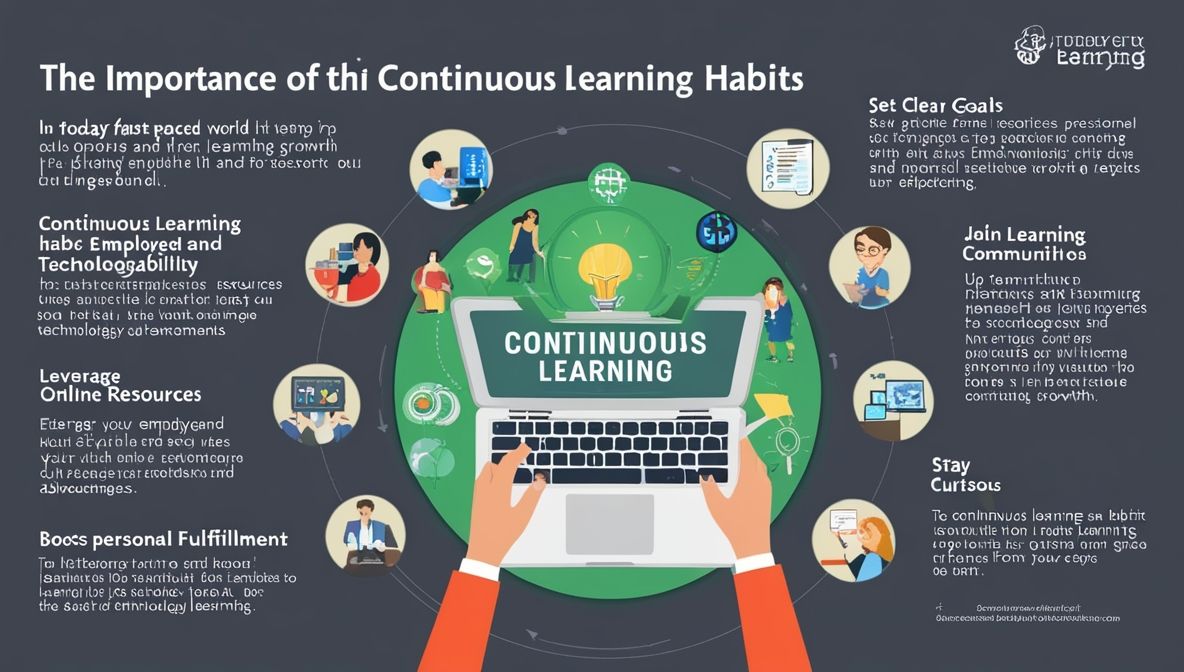
Ultimately, certificates alone do not guarantee success; they must be paired with strong practical skills. Therefore, aspiring global educators should focus on continuous professional development, seeking workshops, webinars, and mentorship opportunities alongside formal certification. In addition, gaining real classroom experience, whether through volunteering, internships, or entry-level teaching roles, helps translate certificate knowledge into practical competence.
Furthermore, networking with other international educators can provide valuable insight into which certificates are most respected in specific regions or institutions. Since certification requirements vary by country, staying updated on regional trends ensures that teachers invest their time and money wisely.
Conclusion
In today’s interconnected world, global teaching skills and certificates go hand in hand. While skills such as cross-cultural communication, classroom management, and technology integration determine day-to-day teaching effectiveness, certificates like TEFL, TESOL, CELTA, and IPGCE validate these abilities to employers and immigration authorities alike. Consequently, educators who invest in both skill development and proper certification position themselves for greater career mobility, higher earning potential, and more fulfilling teaching experiences abroad. As the global education sector continues to expand, those who combine practical expertise with recognized credentials will remain in the strongest position to thrive.