

Introduction
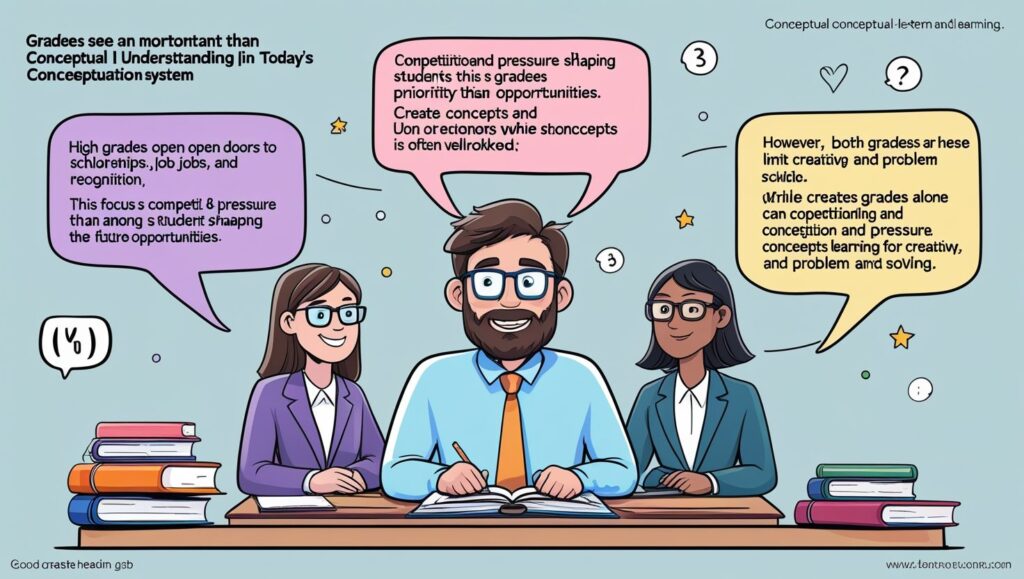
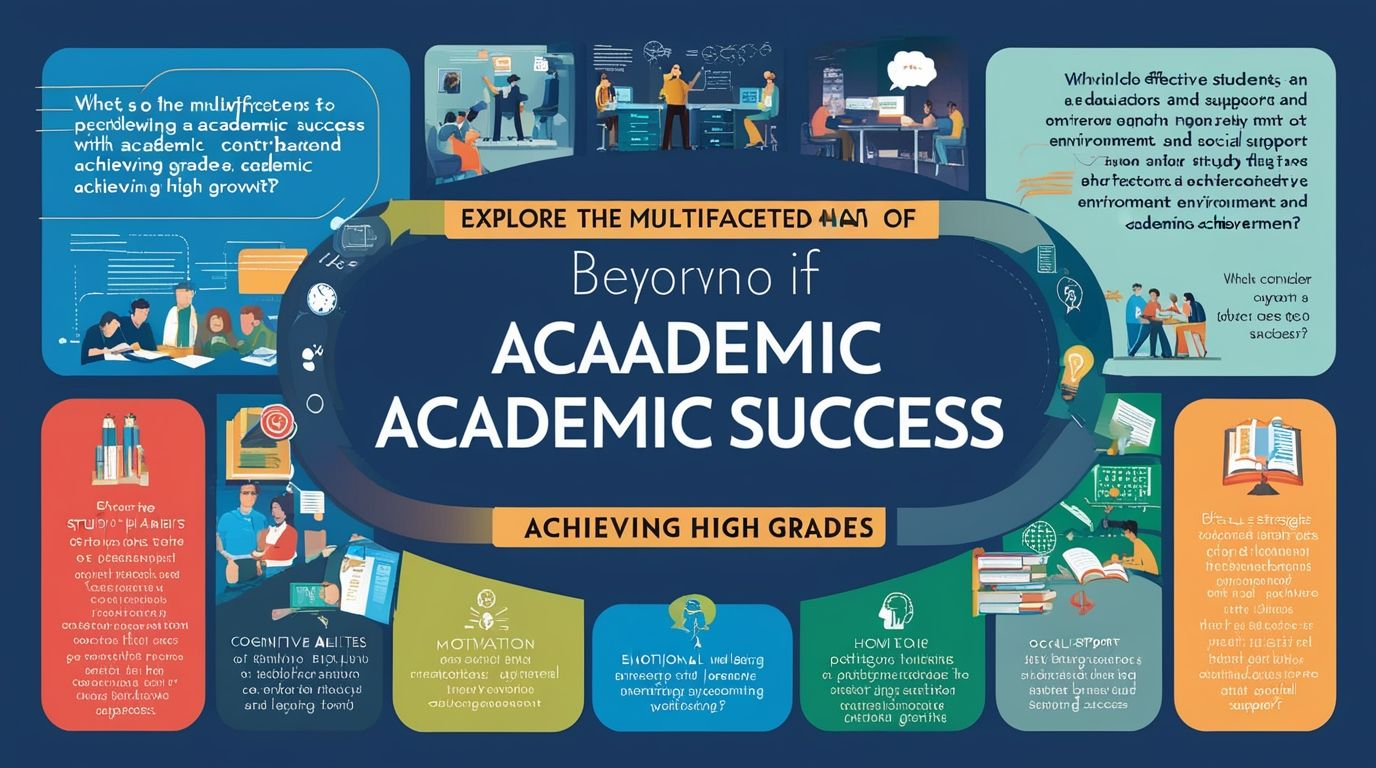
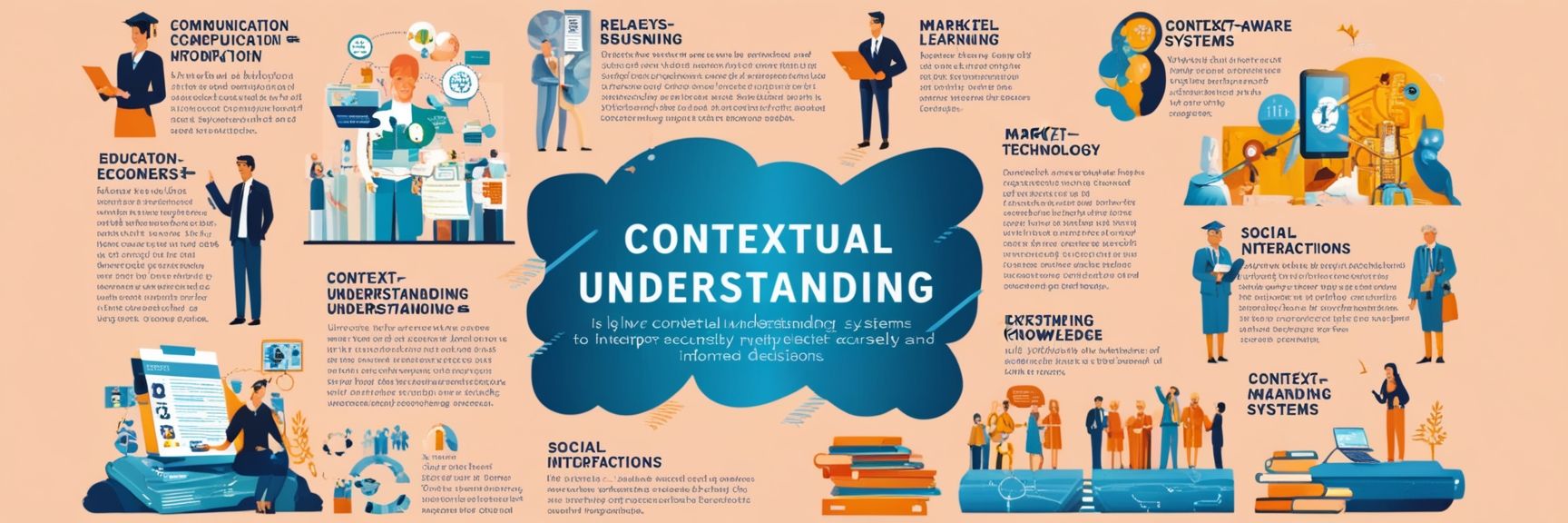
Grades More Important than Conceptual Understanding, Education has always been viewed as a gateway to success. In schools and universities, both grades and conceptual understanding are valued, yet debates continue about which holds greater importance. Many students, parents, and educators prioritize high grades, believing they lead to better opportunities. However, critics argue that true learning lies in conceptual understanding. This article explores the reasons why grades are often considered more important, the benefits and drawbacks of this perspective, and the ongoing struggle between performance and understanding in the educational system. By analyzing the role of grades in career, competition, and self-worth, this discussion aims to provide clarity. At the same time, it also highlights the need to balance academic scores with meaningful knowledge.
The Traditional Value of Grades
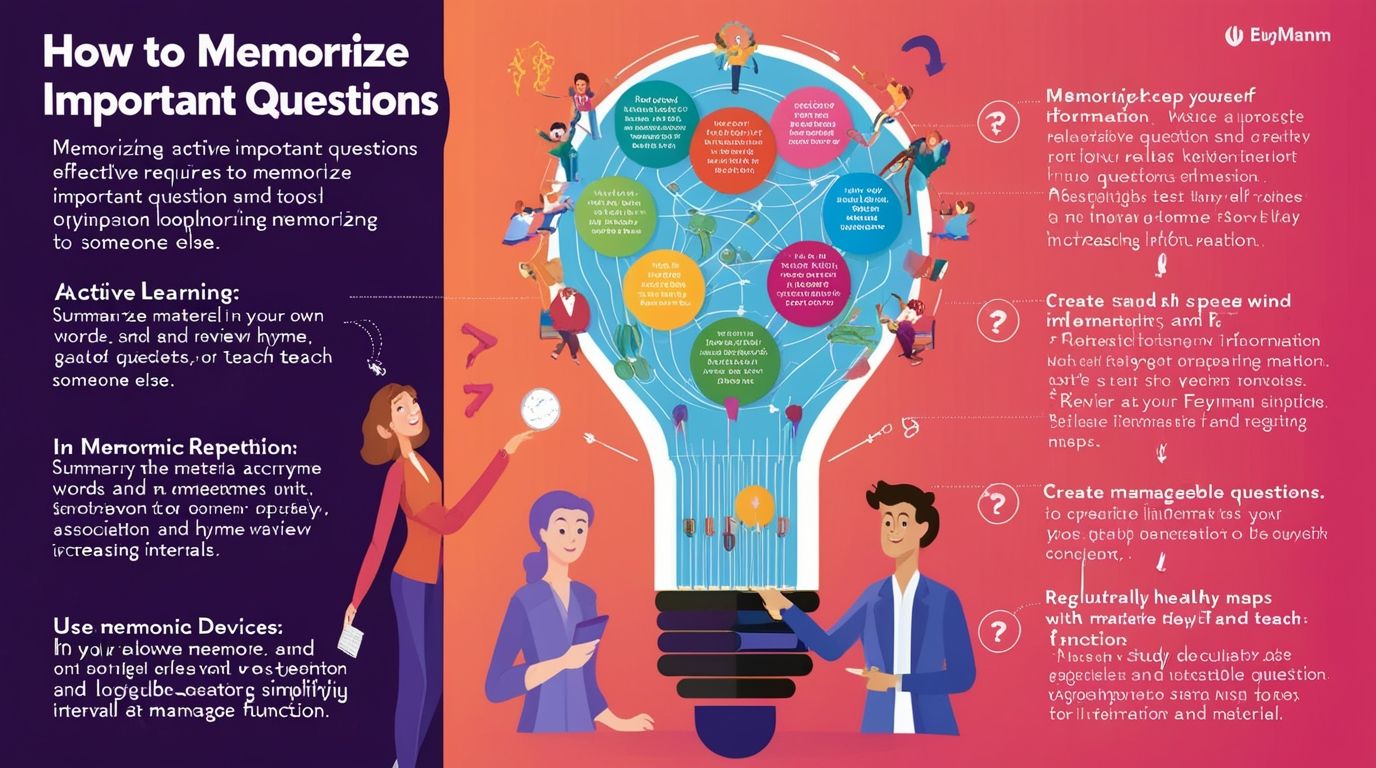
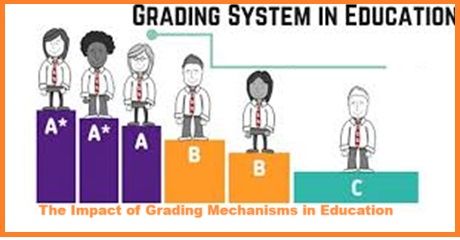
Grades have long been regarded as the most visible measure of student performance. From early schooling, children are assessed with marks, percentages, and GPA systems. Parents and teachers often equate high grades with intelligence and discipline. This cultural emphasis has created an environment where scores overshadow learning depth. Moreover, schools rely on grades to identify achievers, determine scholarships, and reward effort. Such reliance on numbers simplifies evaluation but also narrows the purpose of education. In many societies, grades are linked to social prestige, reinforcing the pressure to achieve them. Because of this, students may develop habits focused solely on memorization rather than understanding. While grades simplify communication of academic progress, they risk reducing education to a race for marks.
Social Pressure and Parental Expectations
Another reason grades are seen as more important than understanding is the influence of society and parental expectations. Parents often compare children’s grades, equating higher scores with success and lower scores with failure. This comparison can push students into a cycle of fear and competition. Additionally, in many cultures, parents see their child’s grades as a reflection of their family’s reputation. The idea of securing admission to prestigious schools or universities further strengthens this pressure. While parents may hope for their children to learn meaningfully, they are more often concerned about visible results. Consequently, students focus on exams rather than on developing strong conceptual foundations. This dynamic demonstrates how deeply societal norms can shape priorities in education.

Employment and Career Opportunities
Grades are not just about school or family expectations; they play a huge role in shaping future careers. Employers often use grades as filters when hiring, especially for entry-level positions. Recruiters see strong academic records as indicators of discipline, consistency, and problem-solving abilities. Universities also rely heavily on grades to grant admissions or scholarships. Because of this, students feel compelled to chase high marks, sometimes at the expense of understanding concepts. Although practical skills and creativity are vital in the workplace, grades still serve as the first benchmark for evaluating potential. Consequently, education systems around the world encourage grade-focused learning. While this approach benefits short-term career opportunities, it can limit long-term professional growth if students lack true understanding.
The Psychological Impact of Grades
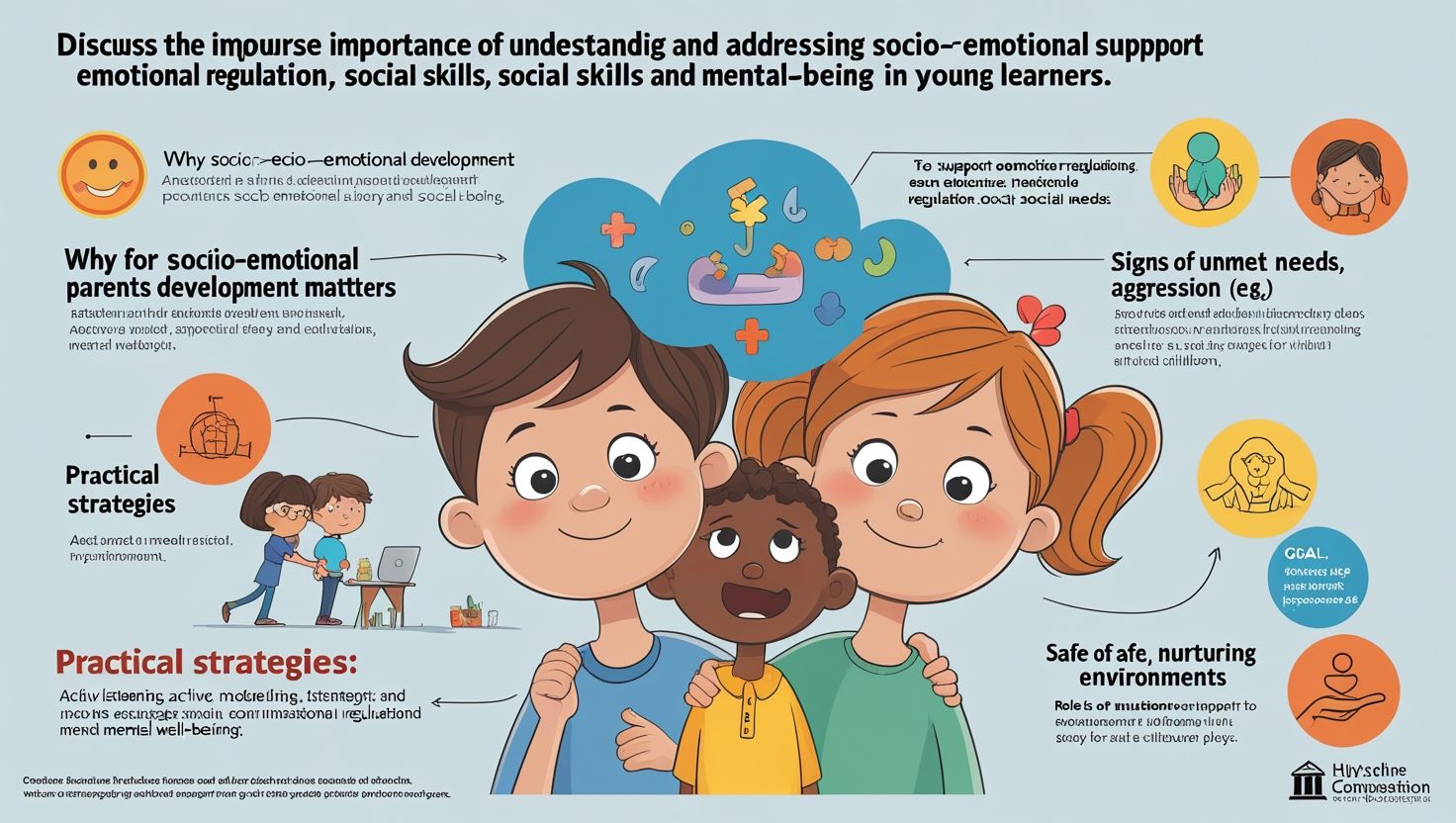
Grades also affect students on an emotional level. Many young learners equate their self-worth with their academic scores. A high grade often brings joy, confidence, and recognition, while a low grade may cause stress, disappointment, or shame. These psychological effects strengthen the belief that grades matter more than understanding. Furthermore, students may develop anxiety, fearing failure in examinations rather than focusing on learning. This stress-driven motivation can create unhealthy study habits such as rote memorization and last-minute cramming. In contrast, conceptual understanding requires patience and curiosity, qualities not easily measured by scores. As a result, students may ignore deep learning in pursuit of emotional validation through grades. This highlights how psychological factors reinforce the dominance of grades.
Educational Institutions and Grading Systems
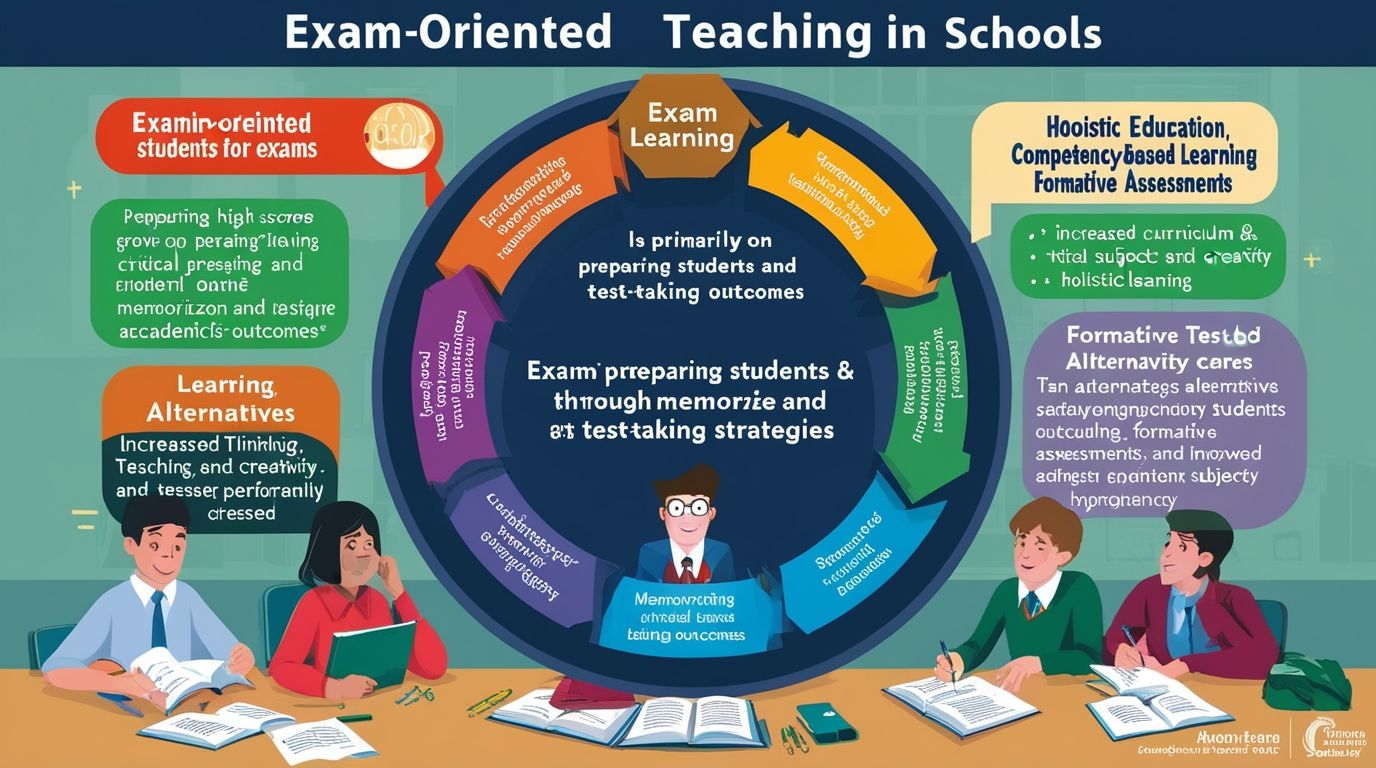
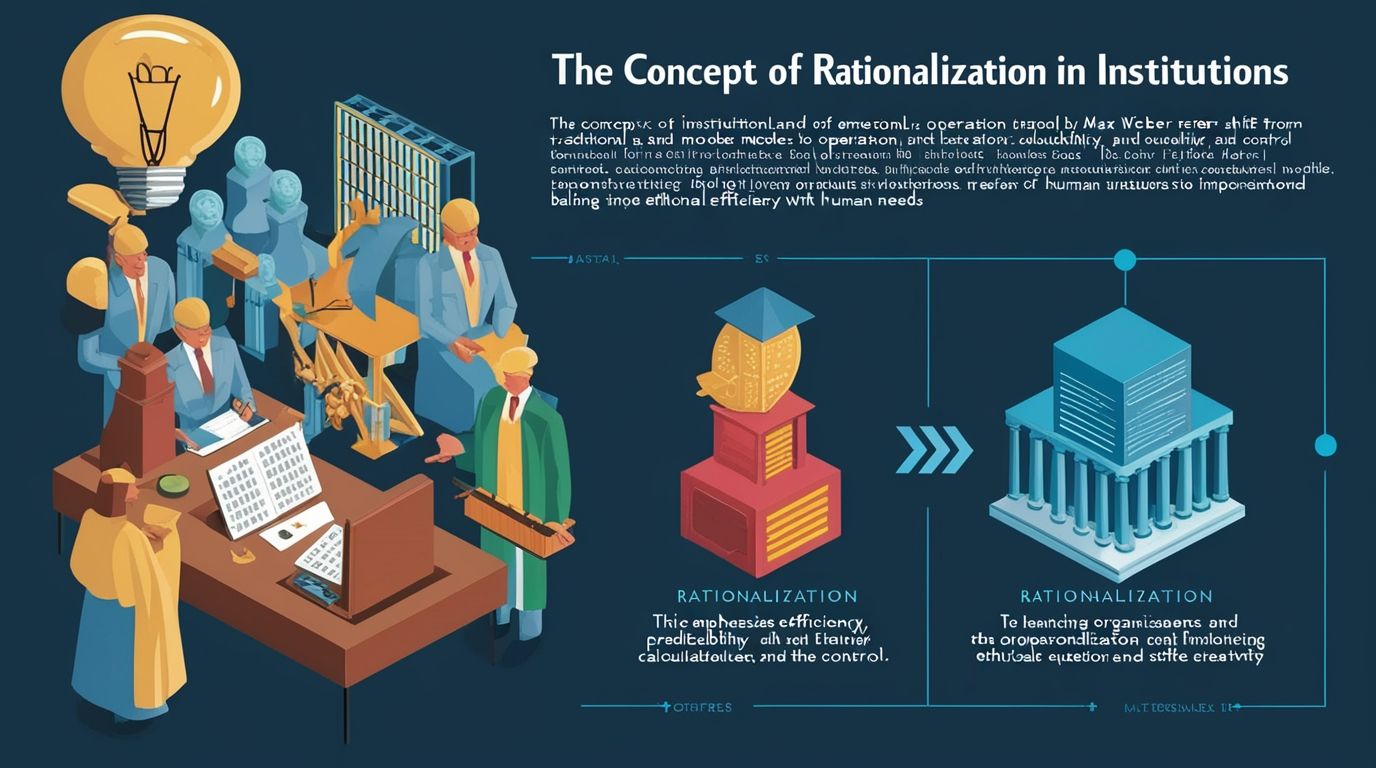
Schools and universities reinforce the importance of grades by designing curricula that emphasize testing and scoring. Standardized exams are structured to evaluate students through marks rather than conceptual application. This system benefits institutions because it allows easy comparison between students, teachers, and even schools. Ranking systems, honor lists, and merit awards further promote the culture of grades. Since funding and reputation often depend on exam results, institutions encourage teaching methods focused on test preparation. Teachers, therefore, feel pressured to teach for scores rather than to build understanding. This structural approach keeps grades at the center of education, despite repeated calls for reform. In many ways, the system itself sustains the perception that grades outweigh conceptual clarity.
Competition Among Students
Competition is another strong factor behind the belief that grades matter more. Students constantly compete for limited spots in prestigious colleges, scholarships, and professional programs. In such a competitive environment, even small differences in grades can determine life-changing opportunities. As a result, learners may prioritize memorizing facts and formulas to maximize exam performance. Unfortunately, this often sidelines the importance of conceptual depth. Moreover, peer comparisons reinforce the mindset that grades define intelligence. Students with higher scores are admired, while those with lower scores may face stigma. Consequently, the competitive culture transforms education into a battlefield of marks rather than a journey of knowledge. The race for better grades continues to overshadow meaningful intellectual growth.
Short-Term Success vs. Long-Term Learning
One key distinction between grades and conceptual understanding lies in their impact over time. Grades usually provide short-term success by opening doors to schools, universities, or jobs. They act as stepping stones to the next stage of life. In contrast, conceptual understanding builds long-term problem-solving skills, creativity, and adaptability. Unfortunately, the immediate rewards of grades often overshadow the distant benefits of understanding. Students may not realize the importance of deep learning until they face practical challenges in professional life. This imbalance highlights why many learners chase grades first and think about understanding later. While grades secure opportunities, they do not guarantee long-term competence. Therefore, focusing only on grades may create gaps in lifelong learning.
The Role of Technology and Modern Learning
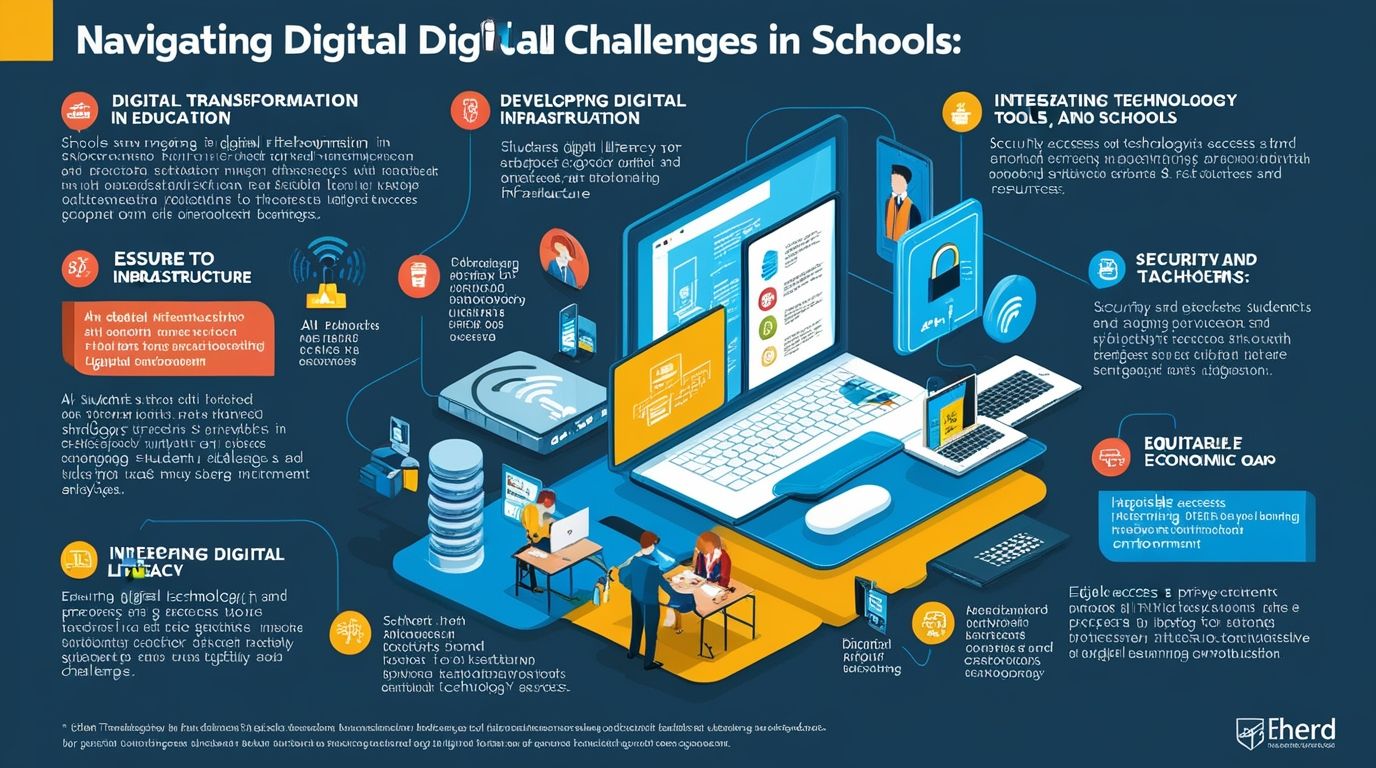
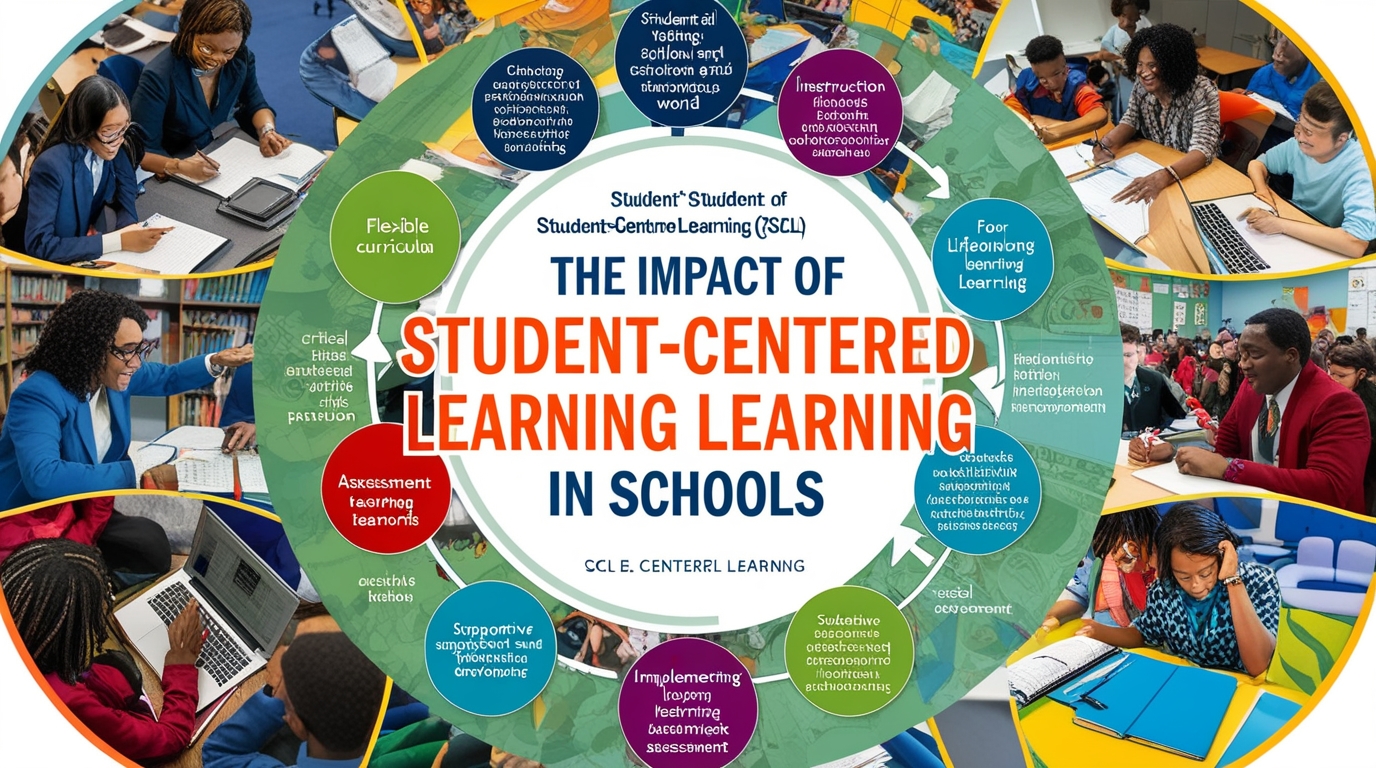
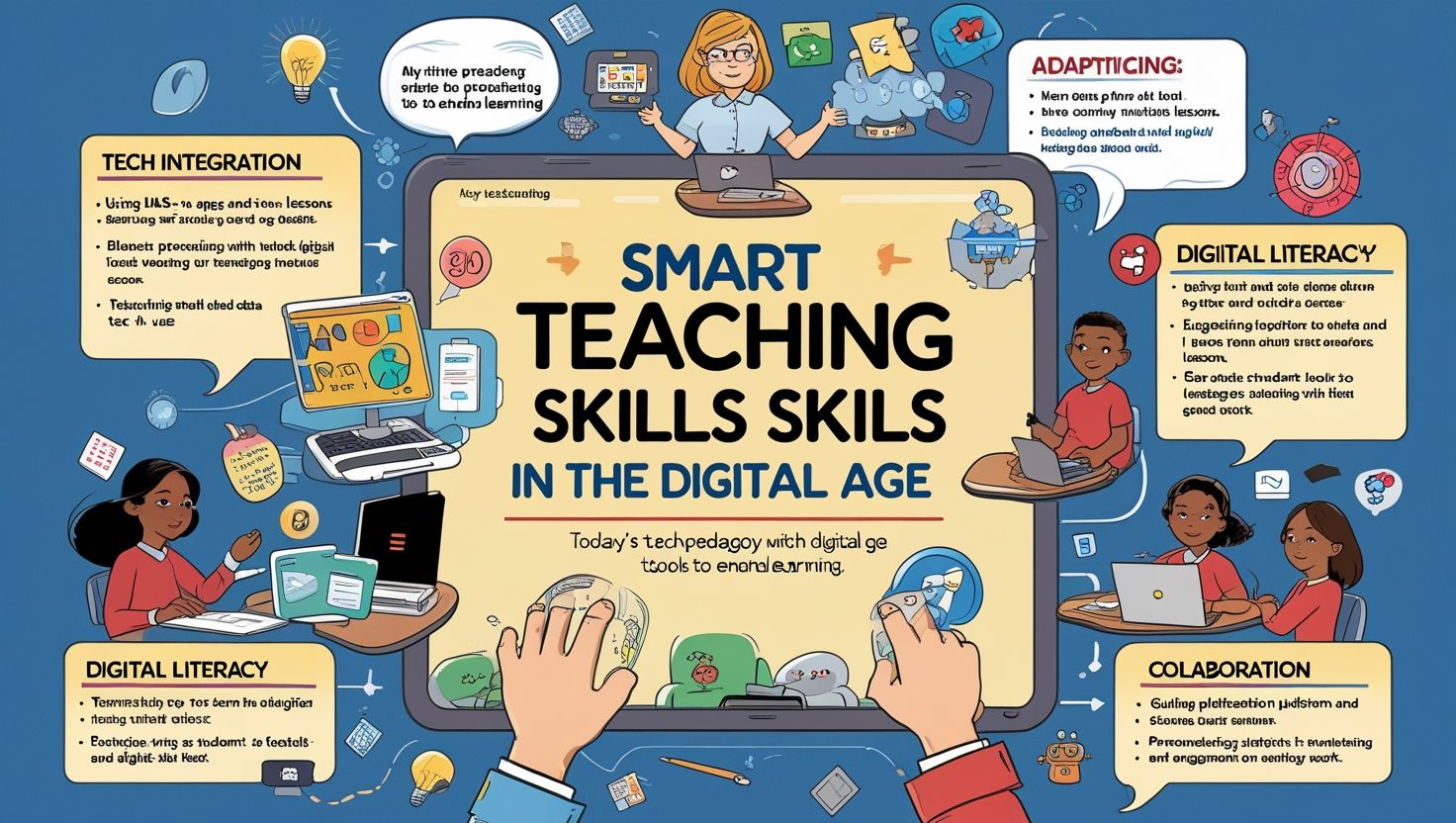
In recent years, technology has highlighted the weaknesses of grade-focused systems. Online learning platforms, digital resources, and skill-based courses emphasize understanding rather than scoring. However, traditional institutions still rely heavily on grade-based evaluation. This contrast has created a dual system where students prepare for exams while also using digital tools to clarify concepts. Despite the growth of modern methods, grades remain the official proof of achievement. Employers and universities continue to ask for transcripts, not online course certificates. Thus, while technology promotes understanding, the practical importance of grades still dominates. This situation illustrates the difficulty of replacing grades as the central measure of learning success.
The Drawbacks of Prioritizing Grades
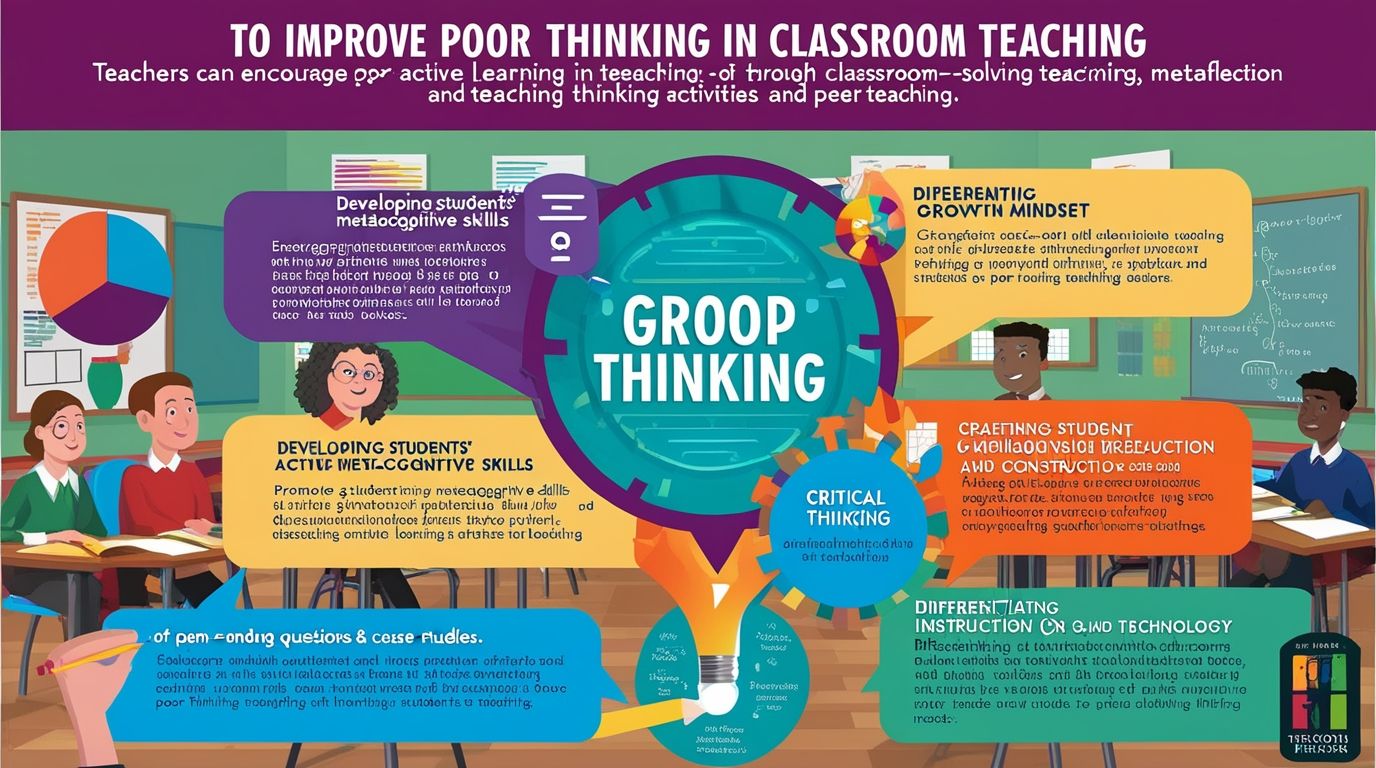
While grades play an important role, prioritizing them over understanding has drawbacks. Students may graduate with high marks but lack critical thinking or creativity. This gap becomes visible in professional environments where problem-solving and adaptability are crucial. Furthermore, grade-focused education discourages curiosity, reducing learning to memorization. Over time, this approach weakens innovation and the ability to connect knowledge across fields. It also contributes to mental health challenges by creating stress, burnout, and fear of failure. Most importantly, it creates inequality by favoring students who excel in exams but not those with unique skills. These disadvantages reveal why balancing grades with conceptual understanding is essential for meaningful education.
Striking a Balance Between Grades and Understanding
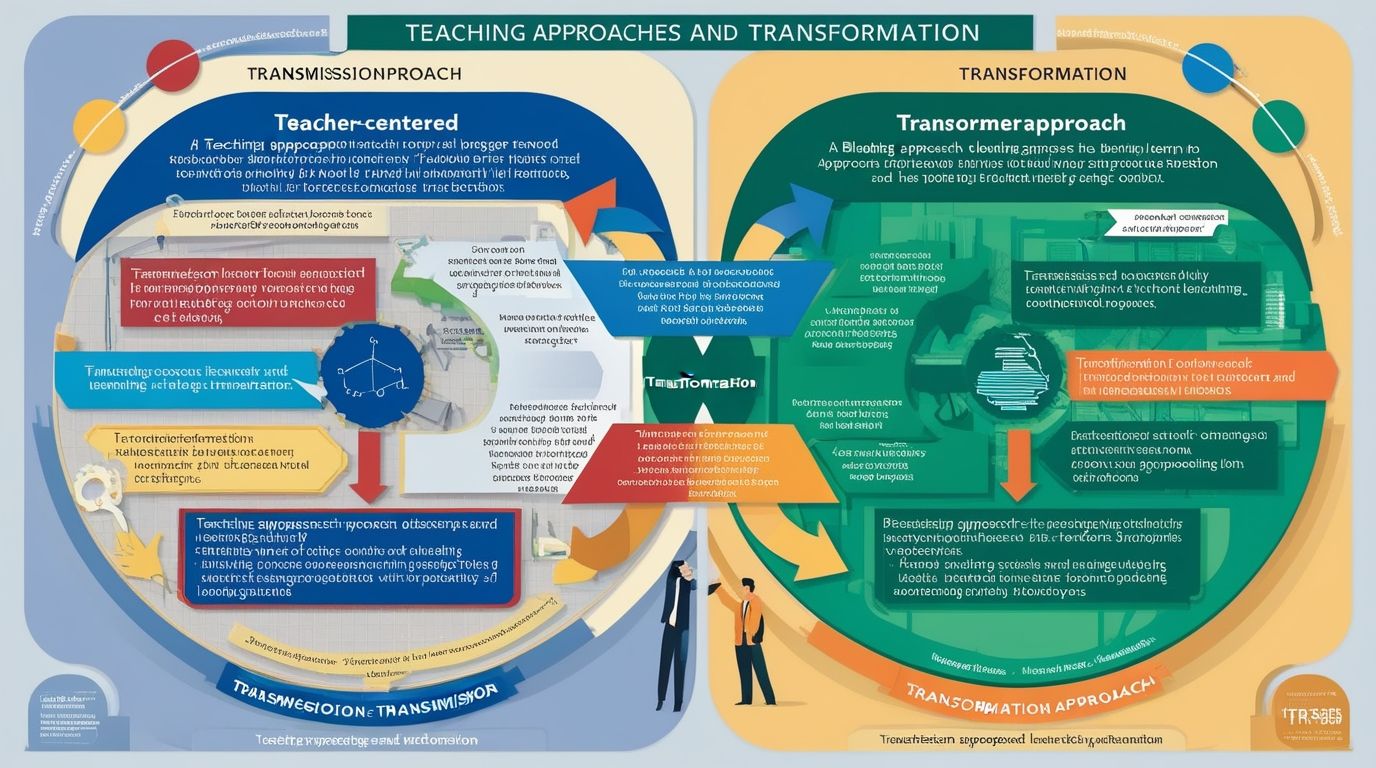
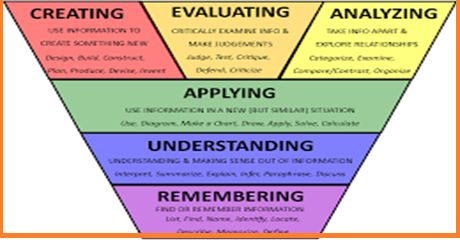
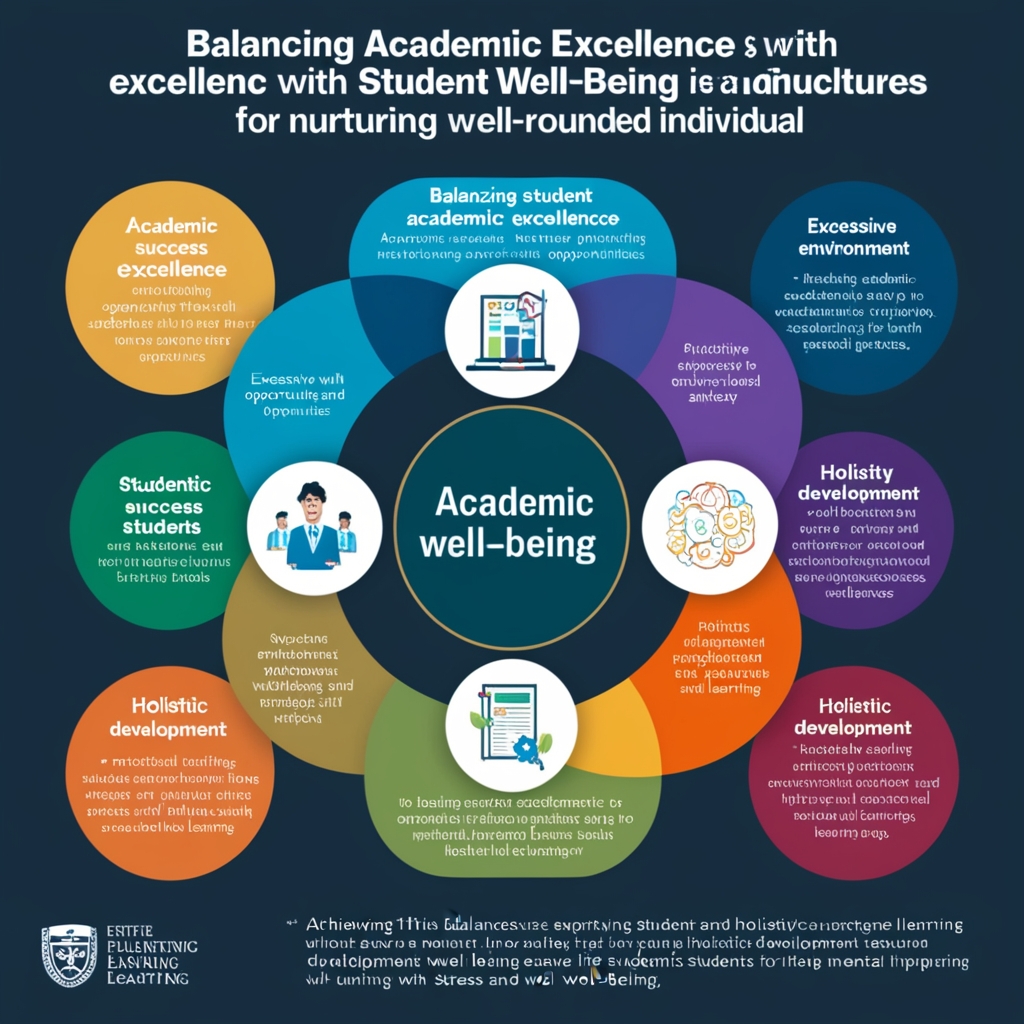
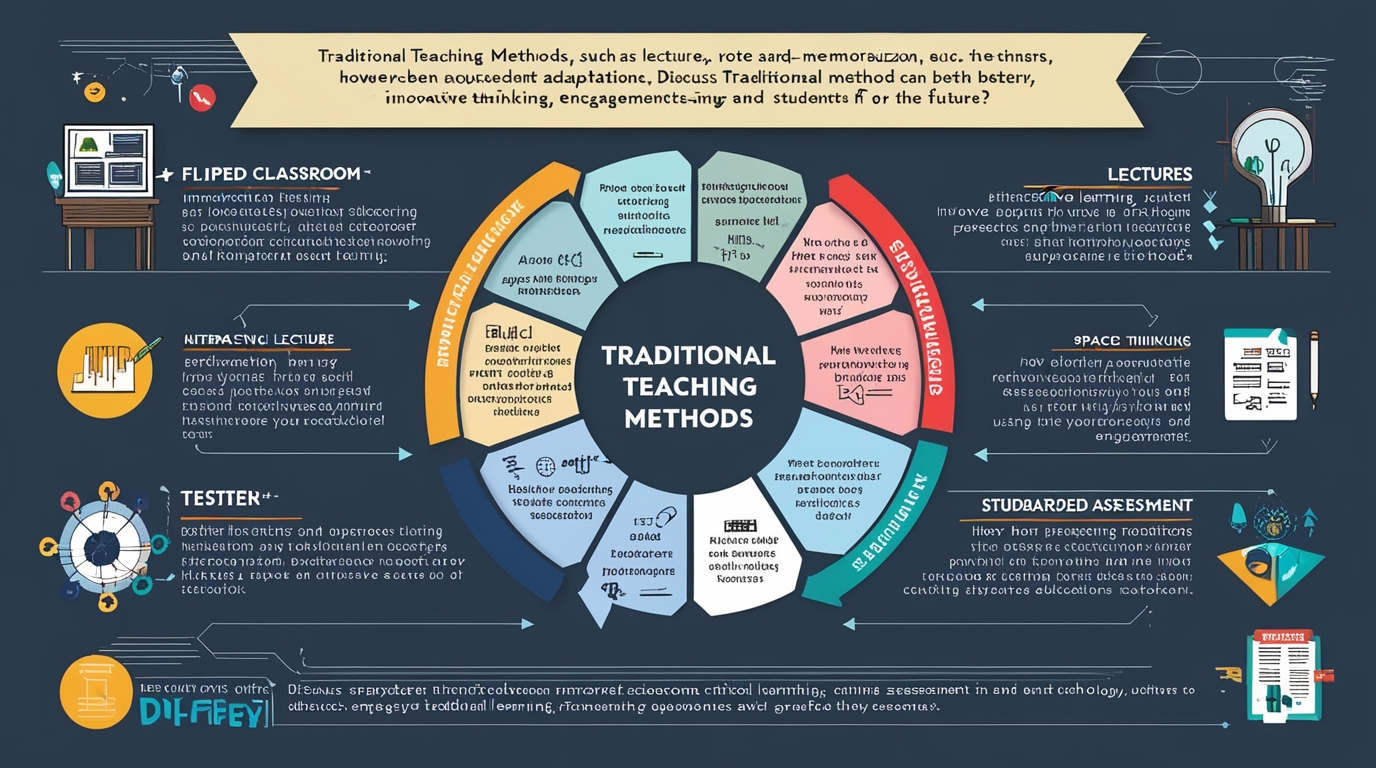
Although grades are important, education should not ignore the value of conceptual learning. A balanced approach is necessary to ensure both immediate opportunities and long-term success. Schools can integrate assessments that reward creativity, problem-solving, and real-world application. Teachers can encourage curiosity by using interactive methods rather than relying solely on lectures. Parents can shift focus from comparing grades to supporting learning growth. At the same time, employers can consider practical skills along with academic scores. Such balanced reforms would reduce the overemphasis on marks while maintaining their role as performance indicators. Ultimately, the true purpose of education should be both achievement and understanding. Only by combining grades and concepts can learners thrive in today’s dynamic world.
Conclusion
The debate over grades versus conceptual understanding is complex and deeply rooted in cultural, institutional, and personal values. Grades continue to dominate because they are visible, measurable, and linked directly to opportunities. However, this dominance comes with significant costs, including stress, shallow learning, and lack of innovation. While grades open doors, conceptual understanding ensures long-term success. Therefore, education systems, parents, and employers must work together to balance these two priorities. Both elements are vital, but neither should overshadow the other completely. The future of education depends on blending measurable achievement with meaningful learning. Striking this balance is the key to nurturing capable, confident, and creative individuals.
References
- Brookhart, S. M. (2013). How to Create and Use Rubrics for Formative Assessment and Grading. ASCD.
- Guskey, T. R. (2015). On Your Mark: Challenging the Conventions of Grading and Reporting. Solution Tree Press.
- Kohn, A. (2011). The Case Against Grades. Educational Leadership, 69(3), 28–33.
- Pink, D. H. (2009). Drive: The Surprising Truth About What Motivates Us. Riverhead Books.































































































































































































































































































































































CKLaser offers a complete range of laser cleaning solutions including handheld laser cleaning
machines, automatic brake pad laser cleaning equipment, and 6-axis robotic mold laser cleaning systems for modern industrial production lines.
Their 1000W pulse laser cleaning machine is widely used for precision cleaning of metal surfaces,
oxidation layers, oil contamination, and industrial coatings without
damaging the base material. Known as a reliable laser cleaning machine manufacturer in China, CKLaser combines advanced laser technology, smart automation systems,
and competitive pricing to serve customers across automotive, electronics, aerospace,
and heavy manufacturing industries.
Your article helped me a lot, is there any more related content? Thanks! https://www.binance.bh/register?ref=QCGZMHR6