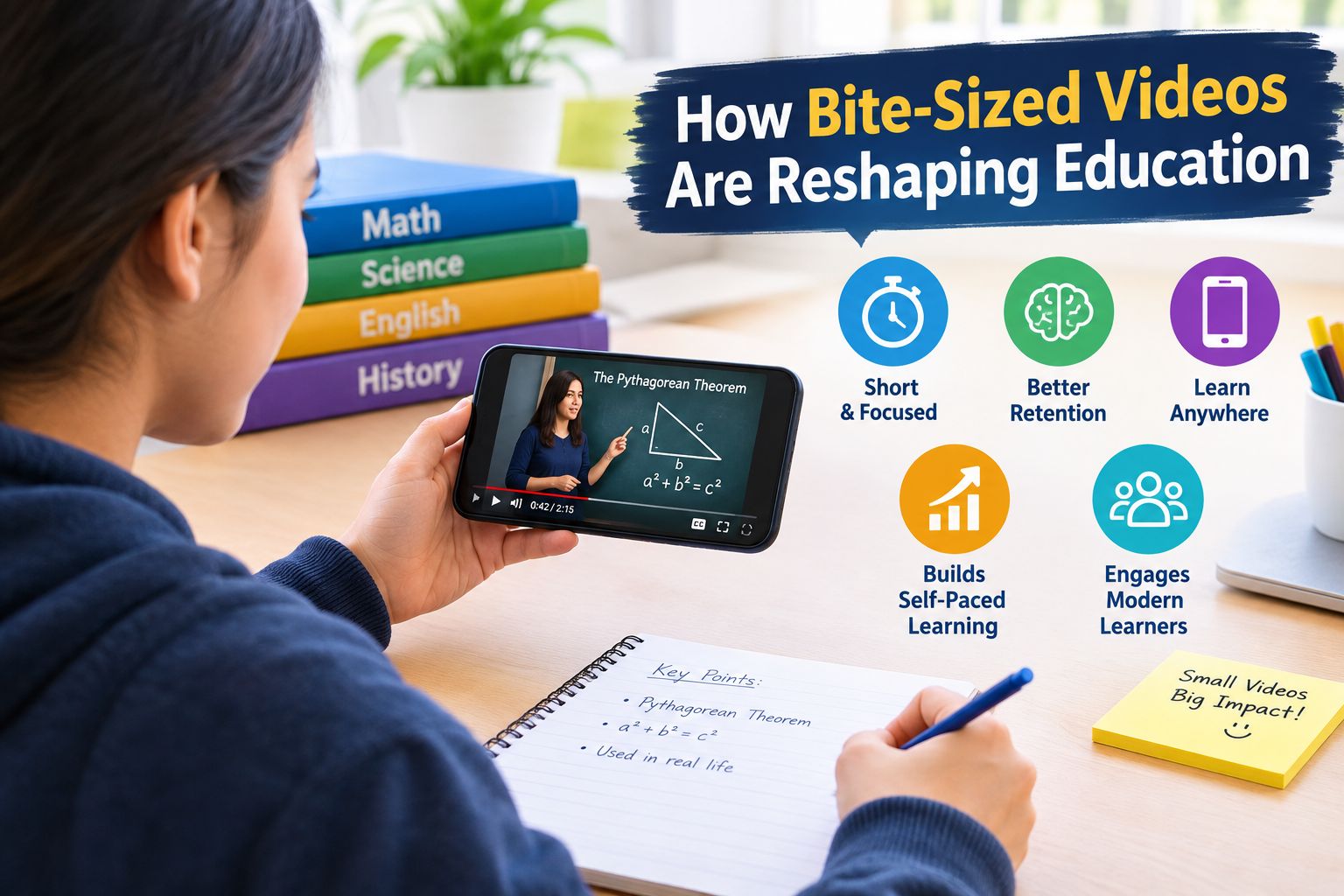
How Bite-Sized Videos Are Reshaping Education, Short videos dominate how people consume information today. Platforms like YouTube Shorts, Instagram Reels, and TikTok have trained millions of viewers to expect answers in under sixty seconds. This shift has moved beyond entertainment and into classrooms, corporate training rooms, and self-paced online courses. Short clips now sit at the center of a broader conversation about how people learn, retain, and apply knowledge in a fast-moving digital world.
This article examines the impact of short clips on learning, exploring the benefits, the drawbacks, and the practical strategies educators and learners can use to make the most of this format.
Why Short Clips Have Become a Learning Staple
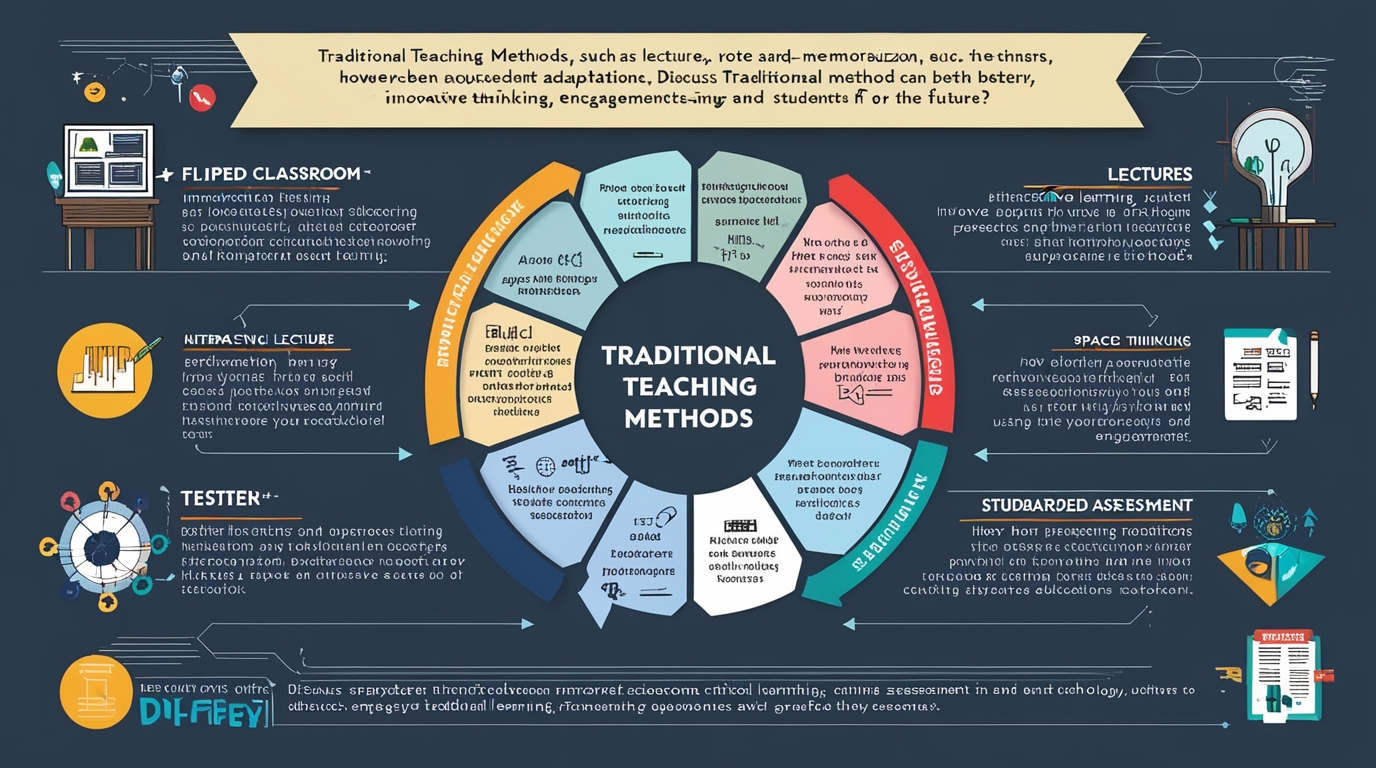
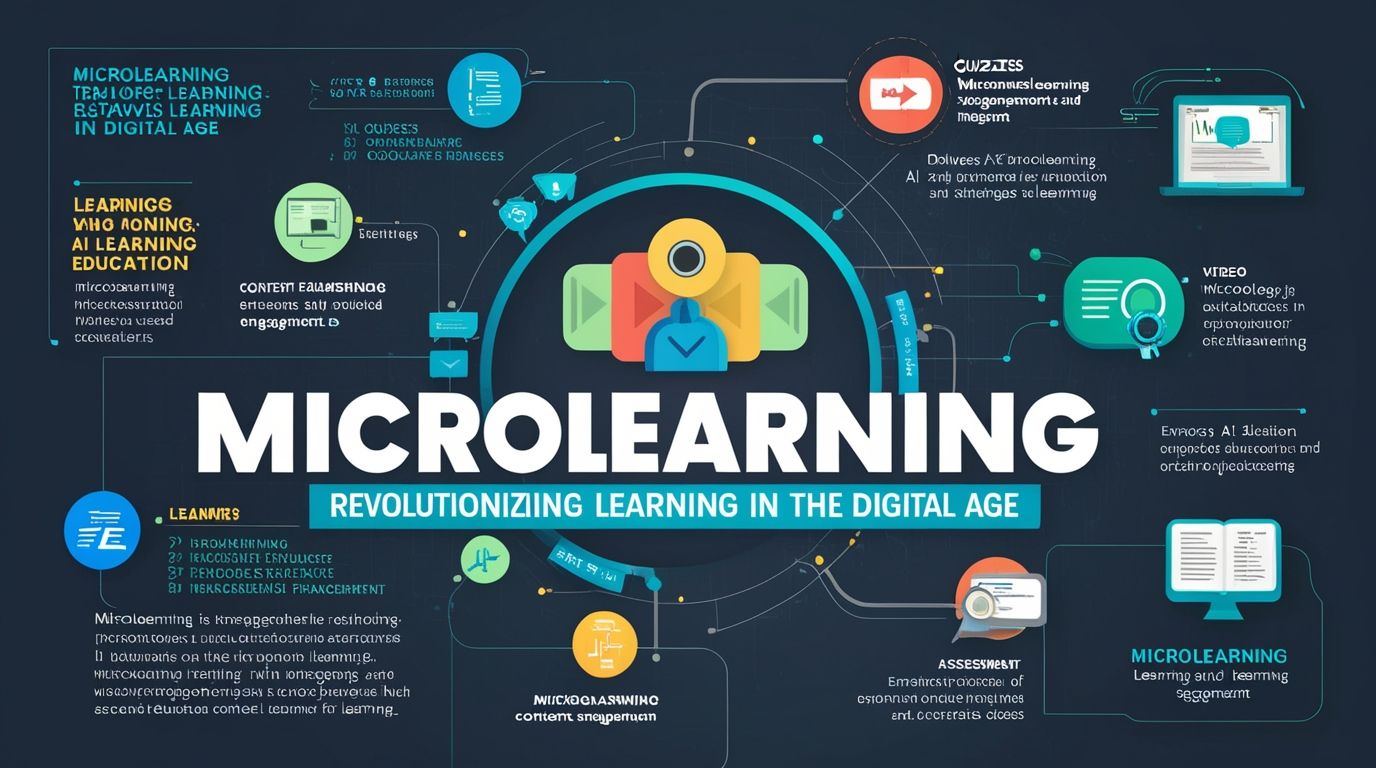
A decade ago, most educational video content followed the lecture-hall model: long, uninterrupted sessions that mirrored a classroom. Today, microlearning — teaching through small, focused units — has taken over. Several forces drive this change.
First, attention spans have genuinely narrowed for screen-based tasks. Researchers who study digital behavior report that many viewers decide within the first few seconds whether a video deserves their continued focus. Second, mobile devices encourage quick, on-the-go consumption rather than sustained sitting. Third, algorithm-driven platforms reward brevity, which pushes creators — including educators — toward compact formats.
Video-based learning has existed for decades, but the compression of that content into two- or three-minute segments marks a real departure from traditional instructional design. Learners now expect a concept, a skill, or a fact delivered quickly, without extended setup or filler.
The Cognitive Case for Short Clips
Working Memory and Chunking
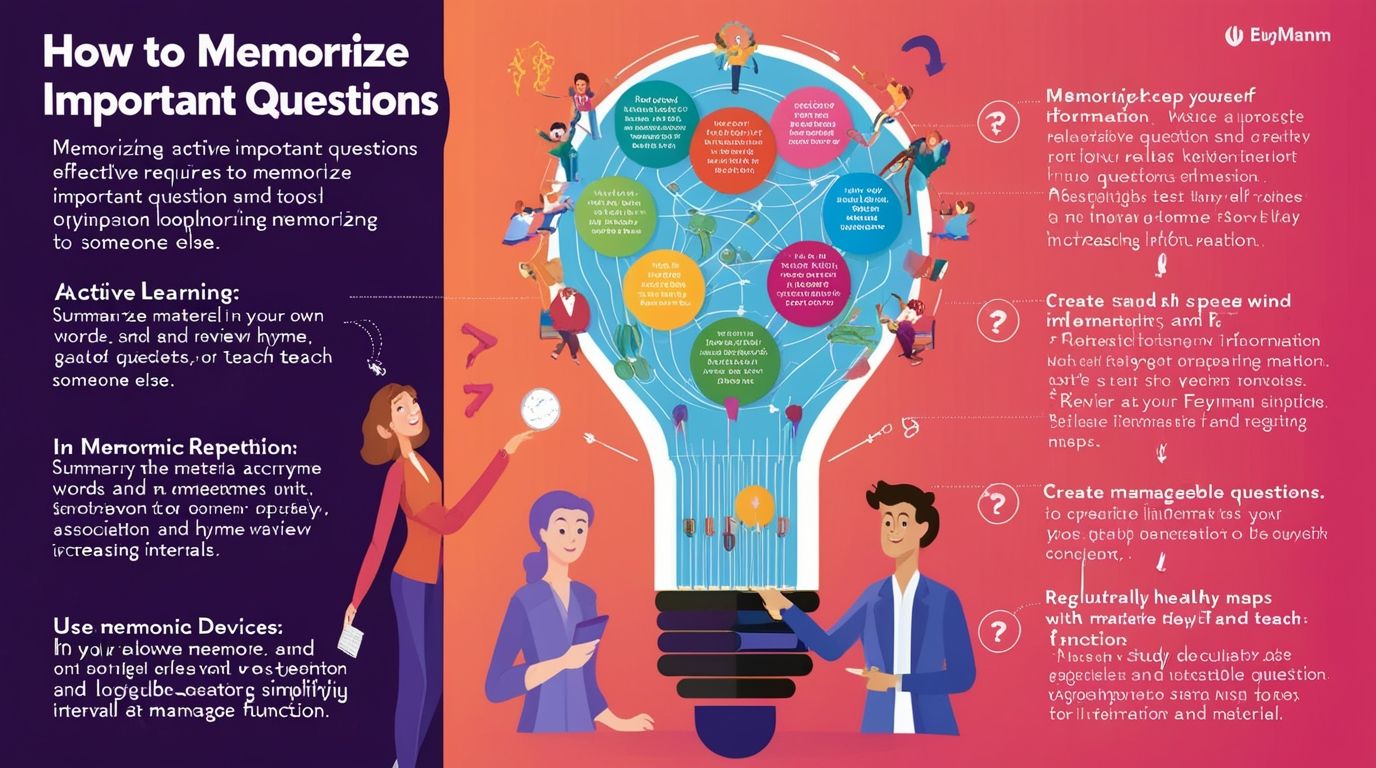
Cognitive science offers a strong argument in favor of short clips. Human working memory holds a limited amount of information at once — often cited as somewhere between four and seven discrete items. When instructional content arrives in small chunks, learners process it without overwhelming this limited capacity. Breaking a complex topic into a series of short segments mirrors the technique known as “chunking,” a strategy that instructional designers have used long before video existed.
A short-form video that isolates a single idea — say, how to conjugate one verb tense, or how to balance one type of chemical equation — lets the viewer focus entirely on that concept. This focus supports deeper encoding into long-term memory compared with a lecture that buries the same idea among many others.
Repetition and Reinforcement
Short clips also make repetition practical. A five-second video can play three times in the span it takes to watch a single pass of a twenty-minute lecture. Learners who struggle with a concept can replay a brief segment instantly, without hunting through a lengthy timeline to find the relevant portion. This ease of repetition strengthens retention, since spaced review remains one of the most reliable tools for moving information into long-term memory.
Reduced Cognitive Load
Long-form videos often bundle several ideas into one continuous stream, which raises what researchers call cognitive load — the mental effort required to process new information. Short clips reduce this load by presenting one idea at a time, with a clear beginning and end. Learners spend less energy tracking where they are within a lengthy argument and more energy absorbing the actual content.
Measurable Benefits in Educational Settings
Higher Engagement Rates
Data from online learning platforms consistently shows that short-form videos achieve higher completion rates than longer content. Learners are more likely to finish a three-minute video than a thirty-minute one, and completed content naturally produces better outcomes than abandoned content. Engagement metrics — watch time, replay rate, and click-through to related material — tend to favor the short format across most subject areas.
Flexibility for Diverse Schedules
Digital learning through short clips fits naturally into fragmented schedules. A commuter can watch a two-minute grammar lesson while waiting for a train. A nurse on a short break can review a three-minute clip on a new medical device. This flexibility expands access to instruction for people who cannot commit to sitting through a full lecture in one sitting.
Support for Diverse Learning Styles
Not every learner absorbs information the same way. Short clips often combine visual, auditory, and textual elements — captions, diagrams, spoken explanation — within a compact package. This multi-modal delivery supports learners who benefit from seeing and hearing a concept simultaneously, rather than reading a dense paragraph alone.
Corporate Training Applications
Businesses have adopted microlearning modules for onboarding, compliance training, and skill development. A short clip explaining a single software feature, safety procedure, or company policy trains employees faster than a lengthy manual or a full-day seminar. Many organizations now report that employees complete required training more consistently when it arrives in five-minute segments rather than hour-long sessions.
The Drawbacks and Limitations
Fragmented Understanding
Despite the benefits, short clips carry real limitations. Complex subjects — advanced mathematics, historical analysis, or scientific theory — often require sustained reasoning that a sixty-second clip cannot deliver. A learner who only consumes fragmented pieces of a topic may struggle to connect those pieces into a coherent whole. Without a structured sequence tying clips together, gaps in understanding can develop.
Shortened Attention Spans
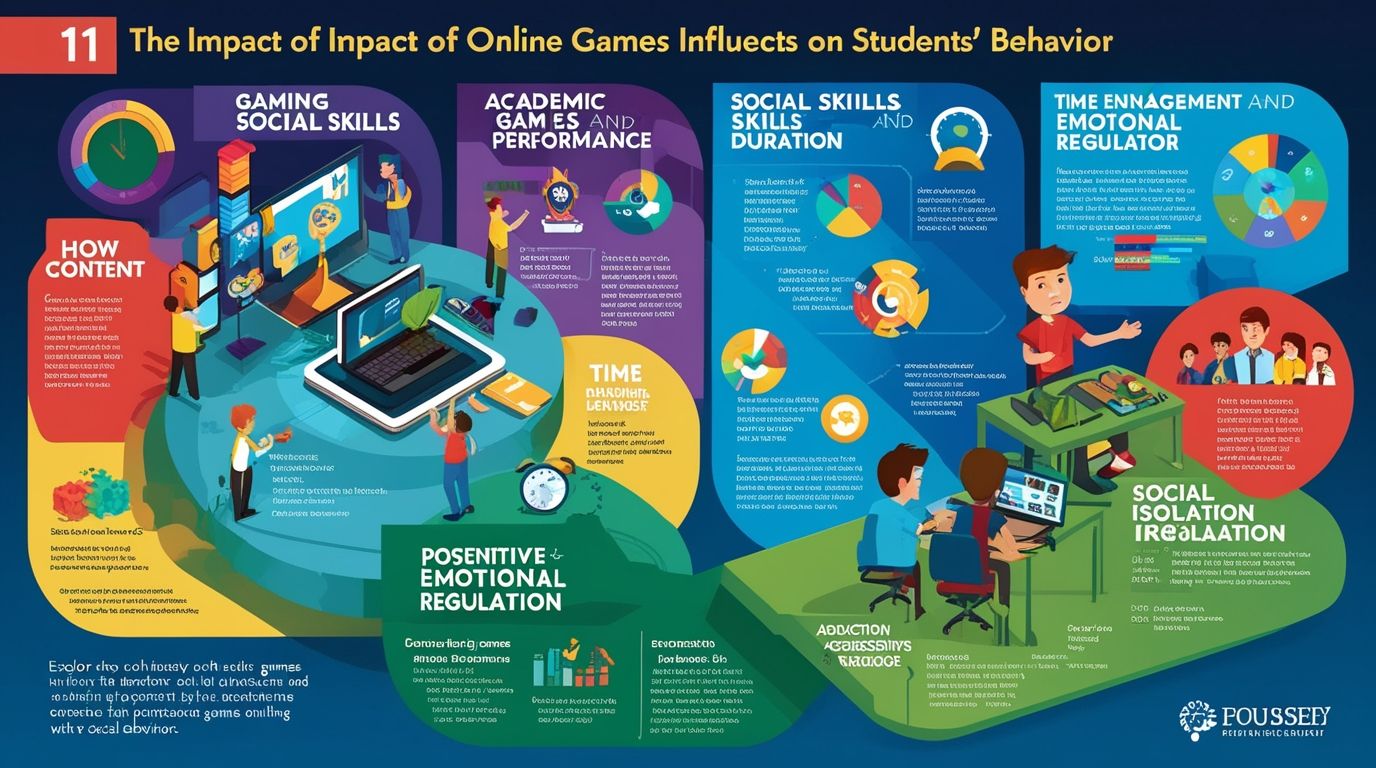
Some researchers argue that habitual consumption of short-form videos trains the brain to expect constant novelty, which can make longer, more demanding learning tasks feel tedious by comparison. A student accustomed to sixty-second explanations may find a forty-minute lecture, or a two-hundred-page textbook chapter, disproportionately difficult to sustain focus through. This concern remains debated among cognitive scientists, but many educators report noticing the pattern in their own classrooms.
Surface-Level Processing
Depth of understanding sometimes suffers when content arrives only in brief bursts. A short clip can explain what a concept is, but it rarely has room to explore why it matters, how it connects to other ideas, or where it breaks down under closer scrutiny. Learning outcomes that depend on critical thinking, synthesis, or argumentation may not develop fully through short-form content alone.
Quality Control Challenges
The ease of producing short clips has flooded platforms with educational content of wildly uneven quality. Anyone with a smartphone can publish a “learning” video, and inaccurate or oversimplified information spreads just as quickly as accurate material. Learners, especially younger ones, often lack the skills to distinguish a well-researched clip from a confidently delivered but inaccurate one.
Best Practices for Using Short Clips Effectively
Sequence Clips Into a Larger Structure
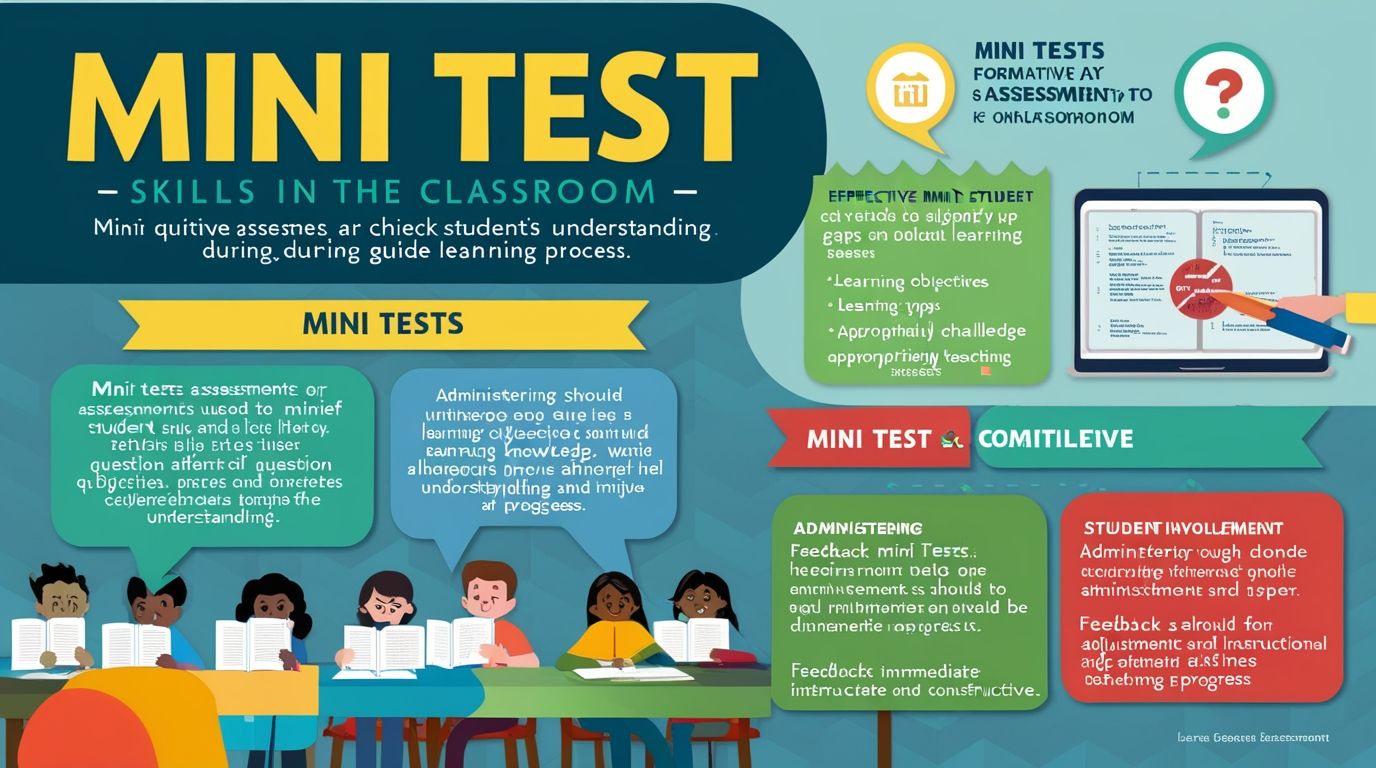
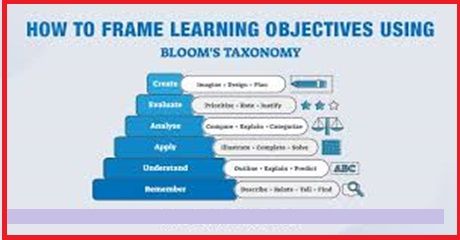
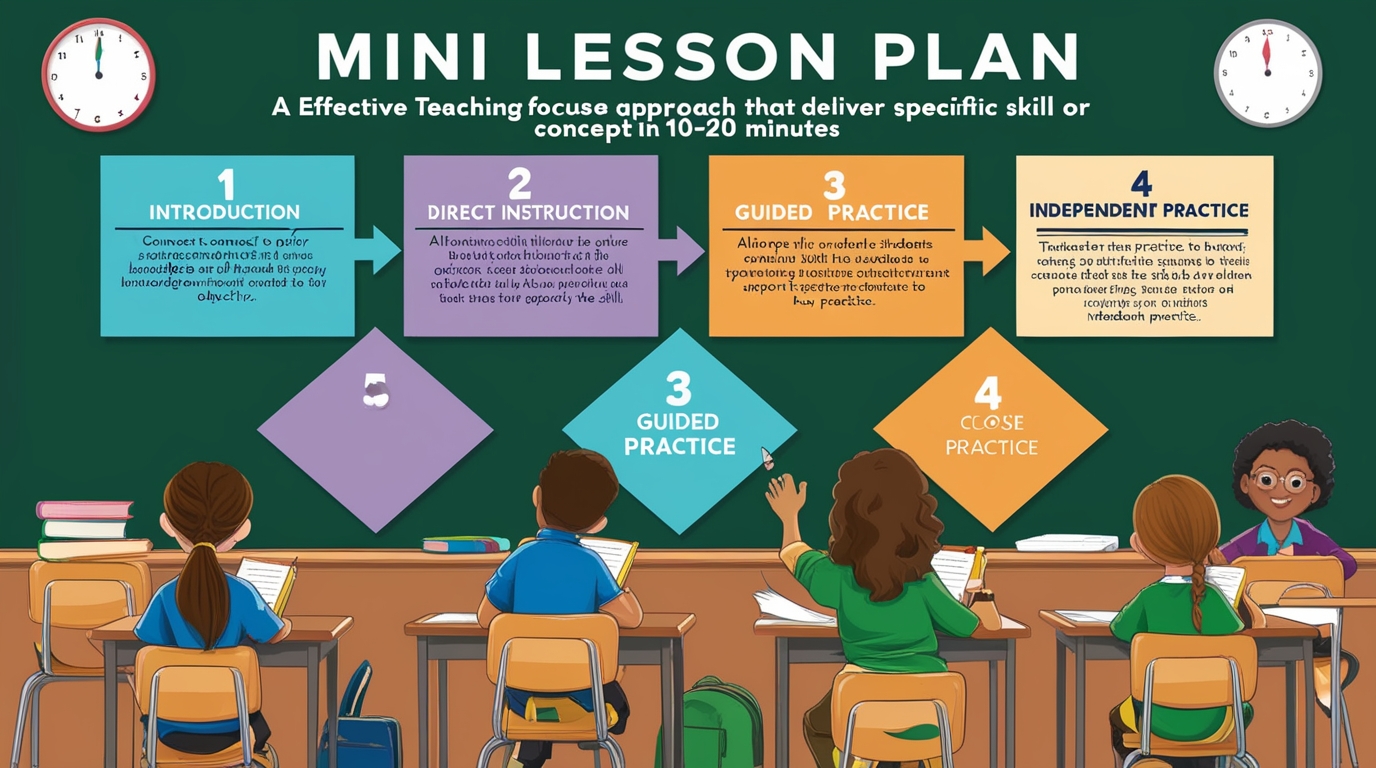
The most effective use of short clips places them within a deliberate sequence rather than as standalone, disconnected pieces. A course built from twenty three-minute videos, arranged in a logical order with clear objectives for each segment, gives learners the benefits of brevity while still building toward a complete understanding of the subject.
Pair Short Clips With Active Recall
Educators get the best results when they combine short-form videos with a quiz, a short writing prompt, or a discussion question immediately after viewing. This pairing turns passive watching into active processing, which strengthens retention far more than watching alone.
Match Format to Content Type
Not every topic suits the short-clip format. Procedural skills, definitions, and single-step demonstrations translate well into brief videos. Topics that require extended argument, multi-step problem solving, or nuanced debate often need longer formats, supplemented by short clips as a review tool rather than a primary teaching method.
Encourage Deliberate Consumption
Learners benefit when instructors set clear expectations: watch the clip once for a general sense of the topic, then a second time while taking notes. This structured approach counters the passive scrolling habit that short-form platforms often encourage, and it turns a casual video into an actual study session.
The Role of Short Clips in the Future of Education
Digital learning will likely continue integrating short-form content, given learner preferences and the practical realities of mobile-first behavior. Institutions that resist the format entirely risk losing engagement with students who have grown up expecting bite-sized information. At the same time, institutions that rely exclusively on short clips risk producing learners with fragmented, shallow knowledge.
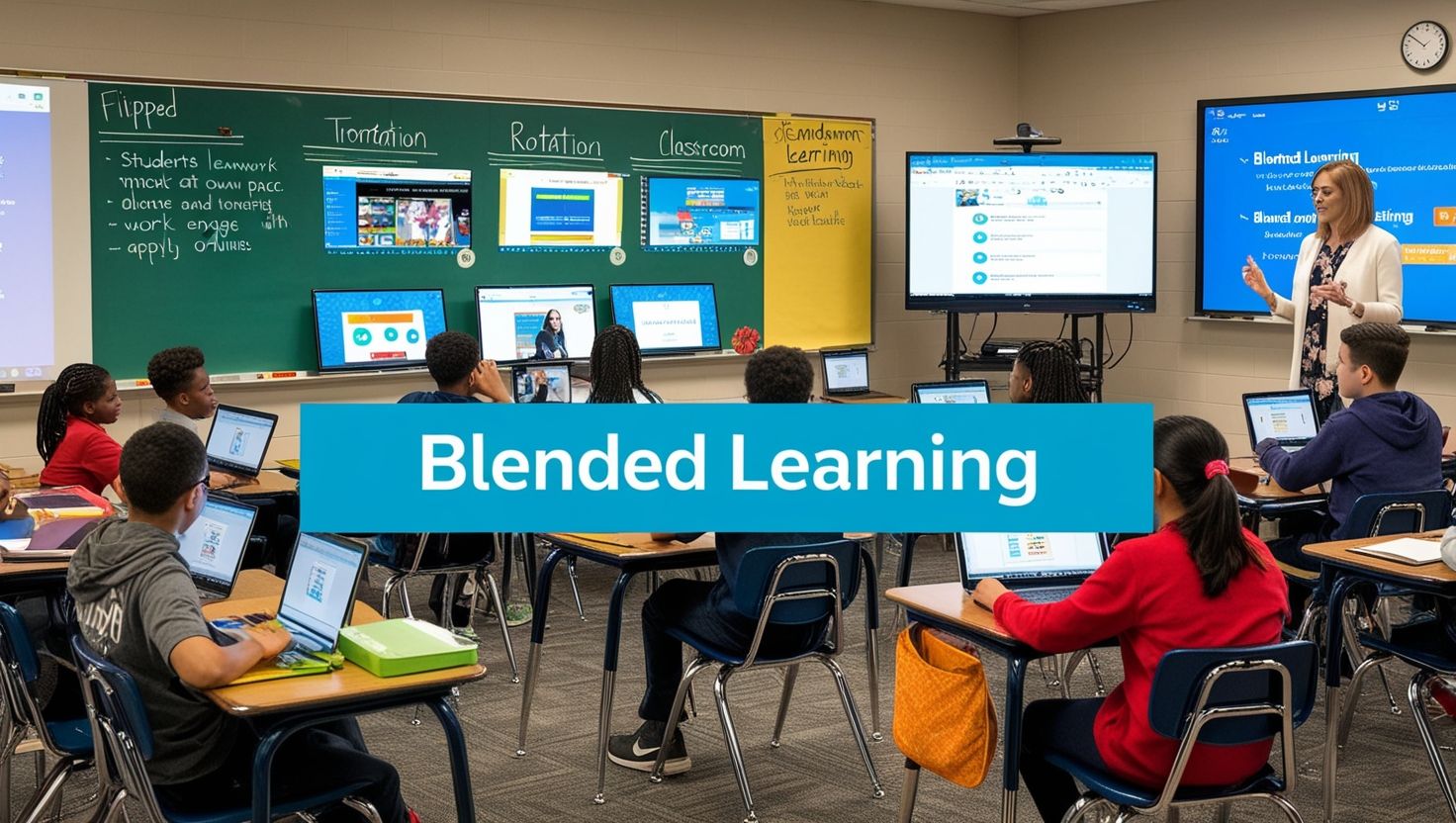
The most promising path forward blends both formats. Short clips serve as entry points, quick reviews, and accessible introductions to a topic, while longer-form content — textbooks, extended lectures, in-depth discussions — builds the deeper reasoning skills that brief videos cannot fully deliver. Instructional designers who understand this balance can design courses that capture attention through brevity while still cultivating genuine mastery.
Learning outcomes ultimately depend less on the length of a video and more on how deliberately that video fits into a broader instructional plan. A well-placed short clip can spark curiosity, reinforce a concept, or provide a quick refresher. A poorly designed one can leave a learner with a false sense of understanding. The format itself is neither inherently good nor bad — its value depends entirely on the intention behind its use.
Conclusion
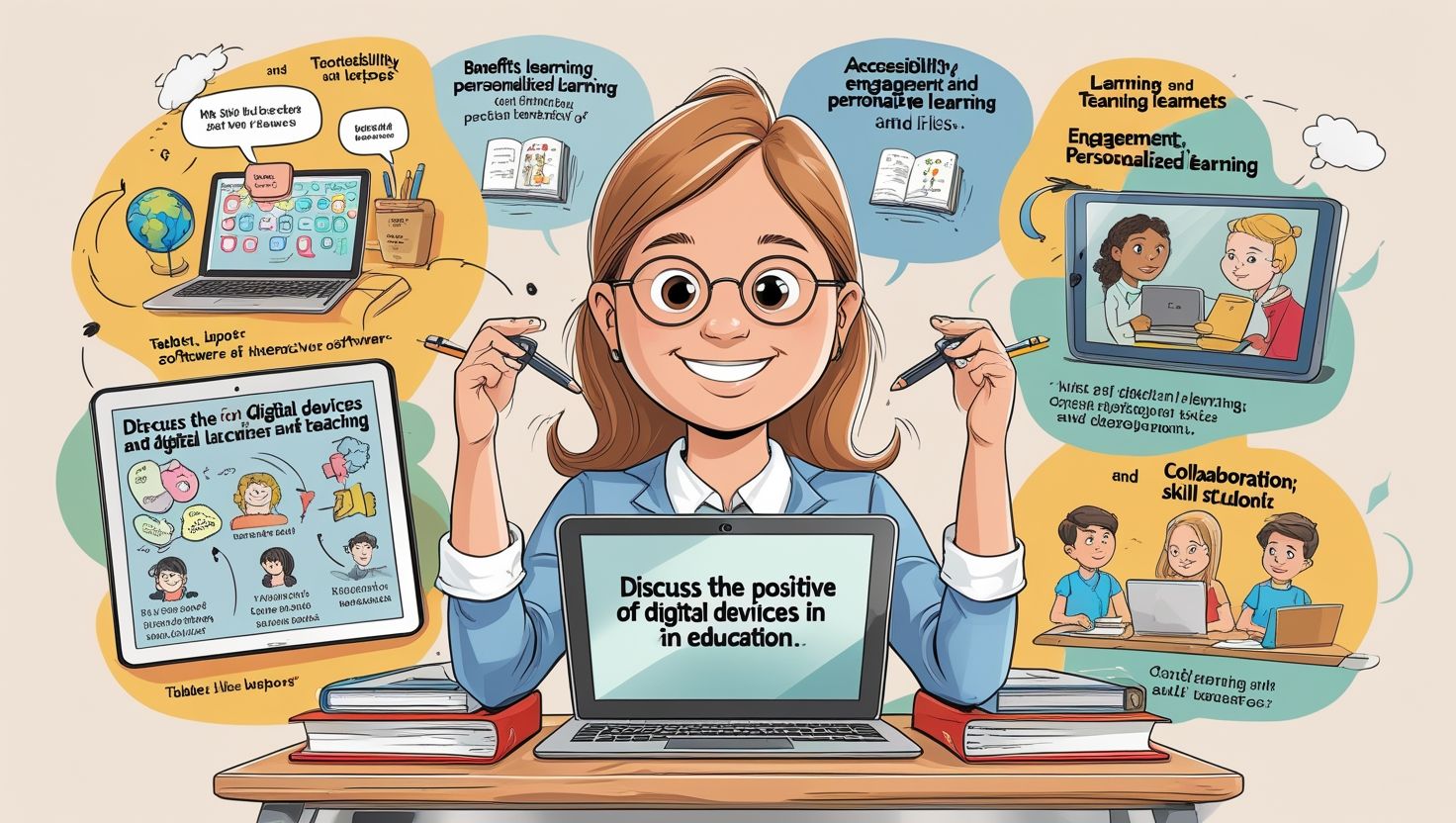
Short clips have transformed how people access and process educational content. They support working memory, encourage repetition, reduce cognitive load, and fit naturally into busy schedules. At the same time, they carry real risks: fragmented understanding, shortened attention spans, and uneven quality across the vast amount of content available online.
Educators and learners who treat short clips as one tool among many — rather than a complete replacement for deeper study — stand to gain the most from this format. As microlearning continues to grow alongside traditional instruction, the schools, companies, and platforms that strike the right balance will shape how the next generation learns, retains, and applies knowledge.
Frequently Asked Questions
1. Do short clips actually improve learning outcomes compared to long videos? Short clips often improve engagement and completion rates, and they support memory retention through repetition and chunking. However, they work best for narrow, well-defined topics. Complex subjects still benefit from longer, more structured instruction alongside short-form review material.
2. How long should an educational short clip be for maximum retention? Most instructional designers recommend somewhere between one and five minutes per clip, depending on the complexity of the topic. The goal is to cover a single concept clearly rather than to hit a specific time target.
3. Can short clips replace traditional classroom teaching entirely? No. Short clips work well as a supplement — for review, quick skill demonstrations, or flexible on-the-go learning — but they rarely replace the depth, discussion, and structured reasoning that traditional teaching methods provide for complex subjects.
4. What is the biggest risk of relying too heavily on short-form educational content? The biggest risk is fragmented, surface-level understanding. Learners who only consume isolated clips may struggle to connect ideas into a coherent framework, which can limit their ability to apply knowledge in unfamiliar situations.