Introduction
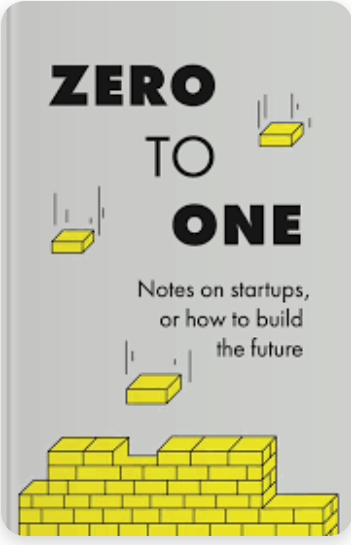
Zero to One: How to Build the Future, Most entrepreneurs focus on competition. They study rivals, copy features and fight for market share. Peter Thiel argues this is a mistake. In his book Zero to One, Thiel presents a contrarian view. True progress does not come from copying what works. It comes from creating something entirely new.
This article breaks down the core ideas of Zero to One. You will learn the difference between horizontal progress and vertical progress. You will discover why competition destroys value. Finally, you will see how to apply these lessons to your own blog or business.
The Core Premise: 0 to 1 versus 1 to n
Thiel begins with a simple distinction. Doing what others already know how to do takes the world from 1 to n. It adds more of something familiar. This is horizontal progress. It is copying. Conversely, creating something new takes the world from 0 to 1. This is vertical progress. It is innovation.
Consider the difference. Opening another coffee shop is a 1-to-n move. You are adding another competitor to a crowded market. However, inventing a new brewing method that changes how people consume coffee is a 0-to-1 move.
Most people instinctively copy. It feels safer. The path is clear. Yet, Thiel warns that copying the successful models of the past will not work today. The next Bill Gates will not build an operating system. The next Mark Zuckerberg will not create a social network.
If you are copying these people, you are not learning from them. You are simply repeating history.
Why Competition Is for Losers
Thiel’s most controversial claim is that competition is destructive. Business schools teach that competition is healthy. It drives efficiency. It lowers prices.
Thiel disagrees. In his view, competition creates a race to the bottom. Companies fight over margins. They obsess over rivals. They lose sight of what actually matters: creating unique value.
The goal of a business is not to beat the competition. The goal is to escape it entirely. This means building a monopoly. However, Thiel does not mean a monopoly in the legal, villainous sense. He means a company so good at what it does that no other firm can offer a close substitute.
Google is a good example. It dominates search does not compete with other search engines on price. It simply offers a product that is fundamentally different in quality and scale.
For bloggers, this lesson is critical. If your blog looks exactly like every other blog in your niche, you are competing. You are a 1-to-n commodity. To win, you must find a unique angle. You must offer an insight that no one else provides. You must go from 0 to 1.
The Importance of Secrets
Thiel asks a powerful interview question. He asks, “What important truth do very few people agree with you on?”
Answering this requires believing in secrets. A secret is something that is true but that most people do not know or believe. The conventional view is that all the good ideas are taken. Thiel rejects this. He argues that there are still uncharted frontiers.
Every great business is built on a secret. Henry Ford believed that the secret to transportation was mass production for the masses. The founders of Airbnb believed that the secret to travel was trusting strangers with your home.
To find your secret, you must think for yourself. This is the most underrated skill. It is easier to follow trends. It is harder to stand alone.
For content creators, this means avoiding the echo chamber. Do not write what everyone else is writing. Find the hidden truth in your niche. Find the question that no one is asking. That is where value is created.
The Role of Technology and Globalization
Thiel divides progress into two categories: technology and globalization. He argues that technology is the source of vertical progress. Globalization is the source of horizontal progress.
Globalization means taking things that work in developed countries and spreading them to the developing world. It is copying. It is 1 to n. Technology means inventing new solutions to problems. It is 0 to 1.
Thiel worries that the world has become complacent. We are distracted by shiny mobile devices. We assume that progress will continue automatically. However, progress is not automatic. It requires deliberate effort. It requires founders who are willing to build the future.
This distinction matters for your blog strategy. Are you just globalizing content? Are you rewriting the same ten articles that already rank on page one? That is horizontal progress. It is a race to the bottom.
Alternatively, are you creating technology? Are you pioneering a new format? Are you offering a unique framework or a proprietary methodology? That is vertical progress. That is how you build a defensible moat.
How to Build a Monopoly (In a Good Way)
Thiel outlines four characteristics of a monopoly business. These characteristics are useful for any creator or entrepreneur.
First, proprietary technology. Your product must be at least ten times better than the closest substitute. A small improvement is not enough. A ten percent improvement is hard to notice. A tenfold improvement is undeniable.
Second, network effects. The product becomes more valuable as more people use it. Social networks are the classic example. However, you can apply this to blogs and communities. If your comment section becomes the best place for discussion in your niche, you have a network effect.
Third, economies of scale. Your fixed costs should be spread over a large volume. This allows you to offer lower prices or higher quality.
Fourth, branding. A strong brand is a monopoly in the mind of the consumer. Apple has a monopoly on the idea of premium, design-focused technology. You do not need to be Apple. However, you do need a brand that stands for something distinct.
The Psychology of the Founder
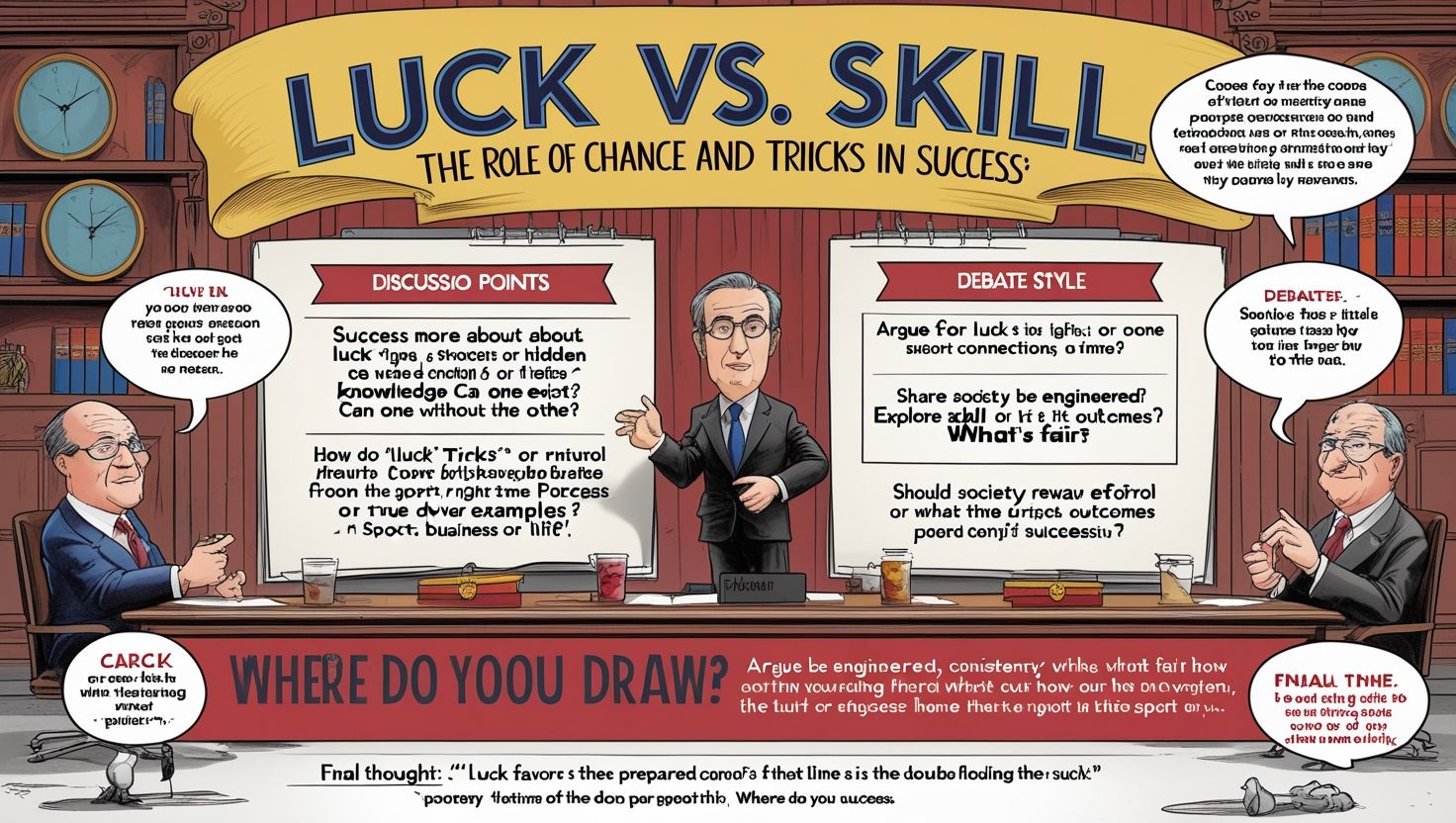
Thiel also explores the psychology of successful founders. He argues against the “lottery ticket” mentality. Many people believe that success is mostly luck. They think that if you work hard and get lucky, you will succeed.
Thiel disagrees. He argues that founders must have a definite view of the future. They must believe that they control their own destiny. They must plan.
The opposite of a definite view is an indefinite view. Indefinite people do not plan. They react. They wait for opportunities to appear. Definite people build the future they want to see.
For your blog, this means having a plan. Do not just publish randomly. Do not wait for inspiration to strike. Define your niche and your audience. Define the transformation you want to deliver. Then, execute with discipline.
Applying Zero to One to Your Blog
How can you use these ideas today?
First, stop copying. Look at the top blogs in your niche. Do not ask, “How can I do what they do?” Ask, “What are they missing?” Find the gap. Find the untapped audience.
Second, seek secrets. Spend time thinking. Write down ten things you believe about your industry that most people would disagree with. One of those beliefs might be the foundation of your unique content strategy.
Third, build a monopoly of thought. You do not need to be the biggest blog. You need to be the only blog that does what you do. Combine ideas in unusual ways. Take a concept from psychology and apply it to gardening. Take a concept from engineering and apply it to cooking.
Fourth, value substance over competition. Stop worrying about what your competitors are doing. Focus on creating the best possible experience for your reader. If you build something truly valuable, competition becomes irrelevant.
Conclusion
Zero to One is not a traditional business book. It does not offer a step-by-step formula. In fact, Thiel argues that such a formula cannot exist. Every innovation is unique. Every moment happens only once.
The core message is simple. Do not copy. Think for yourself. Create new things. Escape competition by being unique.
For bloggers, this is a call to originality. The internet is crowded with noise. It is filled with 1-to-n content. It is filled with people copying the same strategies and the same ideas.
You have a choice. You can add to the noise. Or, you can create a signal. You can take your blog from zero to one. The tools are available. The frontier is open. All you need is the courage to think for yourself.