Introduction
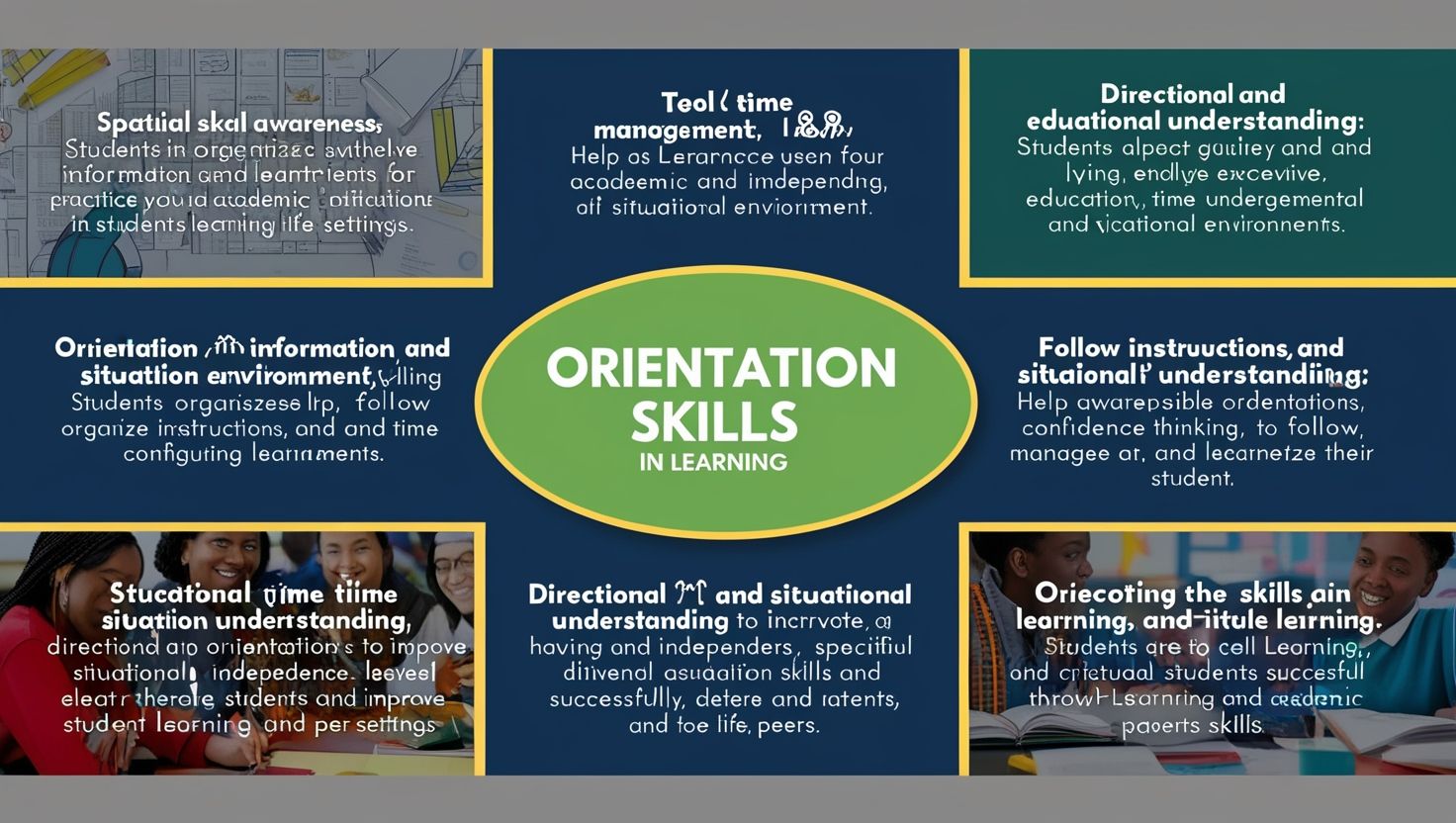
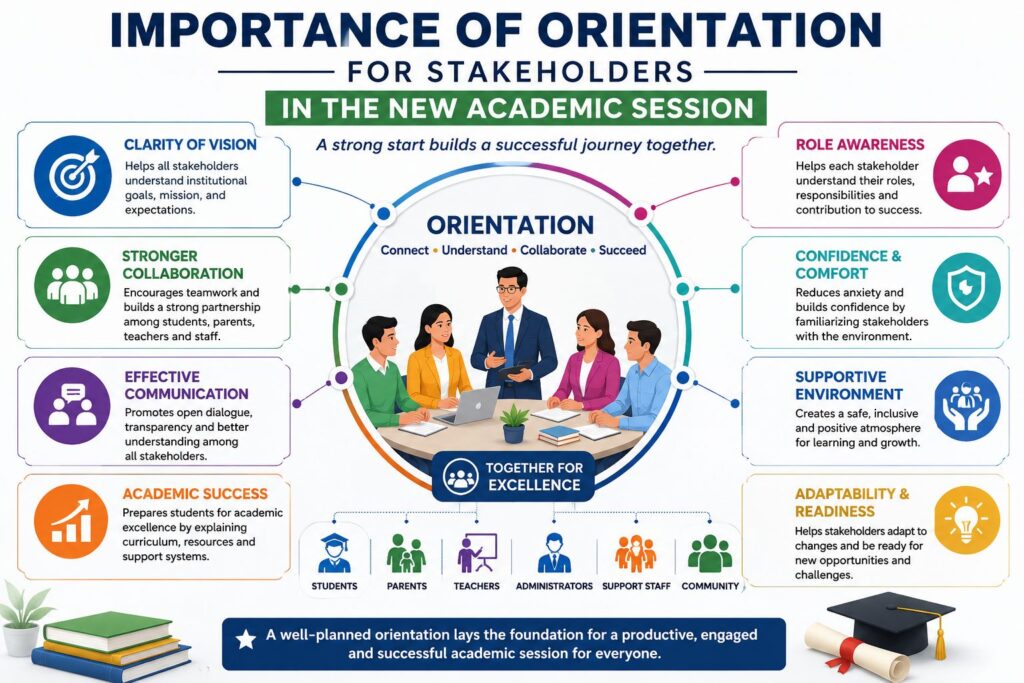
Importance of Orientation for Stakeholders in the New Academic Session, The beginning of a new academic session is a significant milestone for every educational institution. It brings new opportunities, expectations, and responsibilities for all stakeholders, including students, parents, teachers, administrators, and support staff. Therefore, a well-planned orientation program plays a vital role in ensuring a smooth transition into the new session. It helps stakeholders understand institutional goals, policies, academic expectations, and their respective roles. Moreover, orientation promotes effective communication, collaboration, and mutual understanding among all participants. As a result, it creates a positive learning environment, strengthens stakeholder engagement, and lays the foundation for academic success. By fostering confidence, preparedness, and a shared vision, orientation becomes an essential step toward achieving educational excellence throughout the academic year.
1. Opening Doors to a Purposeful Beginning
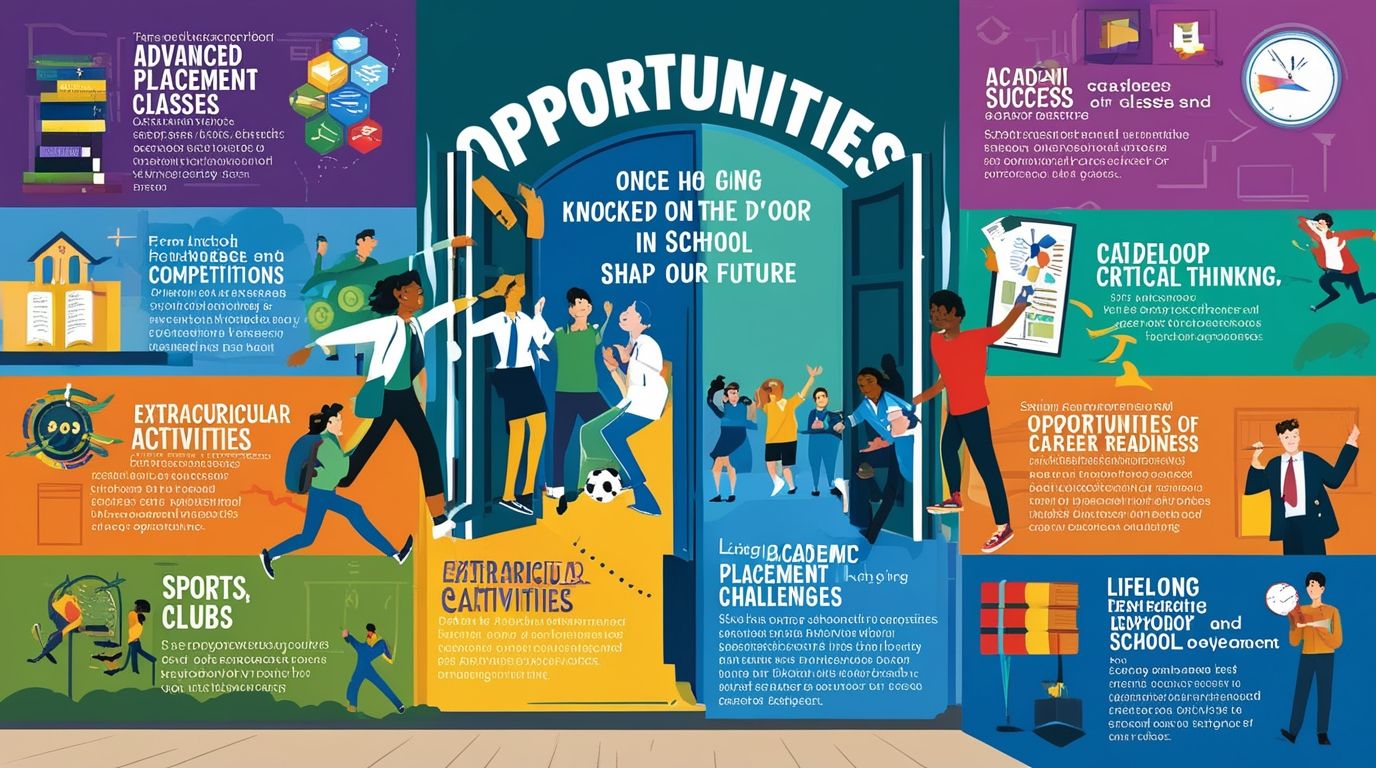
A new academic session marks a fresh start for every educational institution. It brings new expectations, responsibilities, and opportunities. Therefore, an effective orientation program becomes essential for all stakeholders. These stakeholders include students, parents, teachers, administrators, support staff, and community members. Orientation creates clarity from the beginning. It introduces institutional goals and expectations. Moreover, it reduces uncertainty and confusion. Students gain confidence. Parents understand school procedures. Teachers align their practices with institutional priorities. Furthermore, administrators communicate strategic plans effectively. A well-designed orientation also promotes trust and transparency. Consequently, stakeholders develop a shared understanding of their roles. This shared understanding strengthens collaboration. It also supports a positive learning environment. Meanwhile, educational institutions can establish a culture of respect and accountability. Orientation is not merely an event. Instead, it is the foundation for a successful academic year. It prepares everyone for productive engagement and meaningful educational experiences.
2. Building a Shared Vision for Success
Every successful institution operates through a common vision. Therefore, orientation provides an opportunity to communicate that vision clearly. Stakeholders need to understand where the institution is heading. They also need to know how they can contribute. Moreover, orientation aligns individual expectations with institutional objectives. Students learn about academic standards and personal growth opportunities. Parents understand their supportive role. Teachers recognize instructional priorities and performance expectations. Furthermore, administrators present strategic goals and future plans. As a result, everyone begins the session with the same direction. This alignment reduces misunderstandings. It also improves commitment. Meanwhile, a shared vision promotes unity and teamwork. Stakeholders become partners rather than separate groups. Consequently, communication becomes more effective. Decision-making also becomes smoother. When all participants understand institutional goals, they work collectively toward success. Thus, orientation transforms vision into action and creates a strong foundation for continuous improvement throughout the academic session.
3. Empowering Students Through Awareness
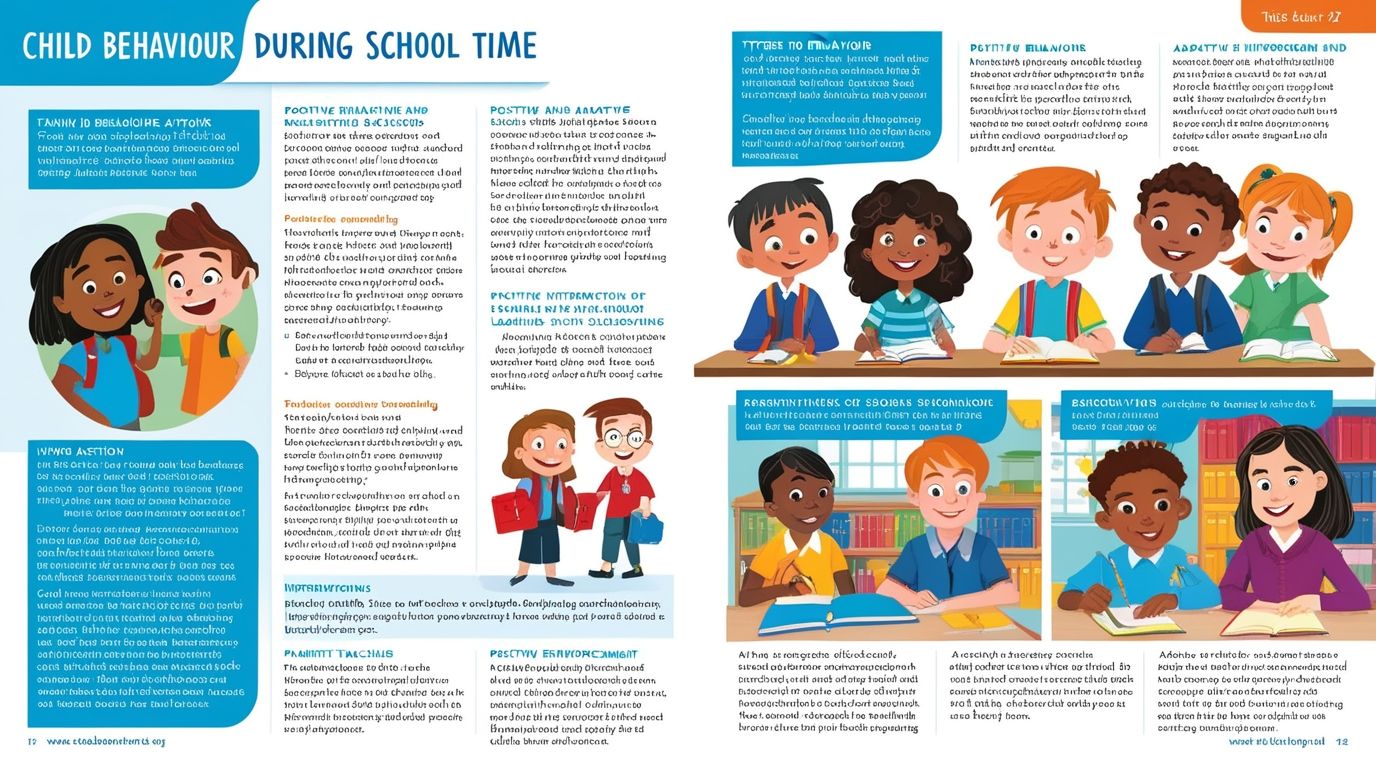
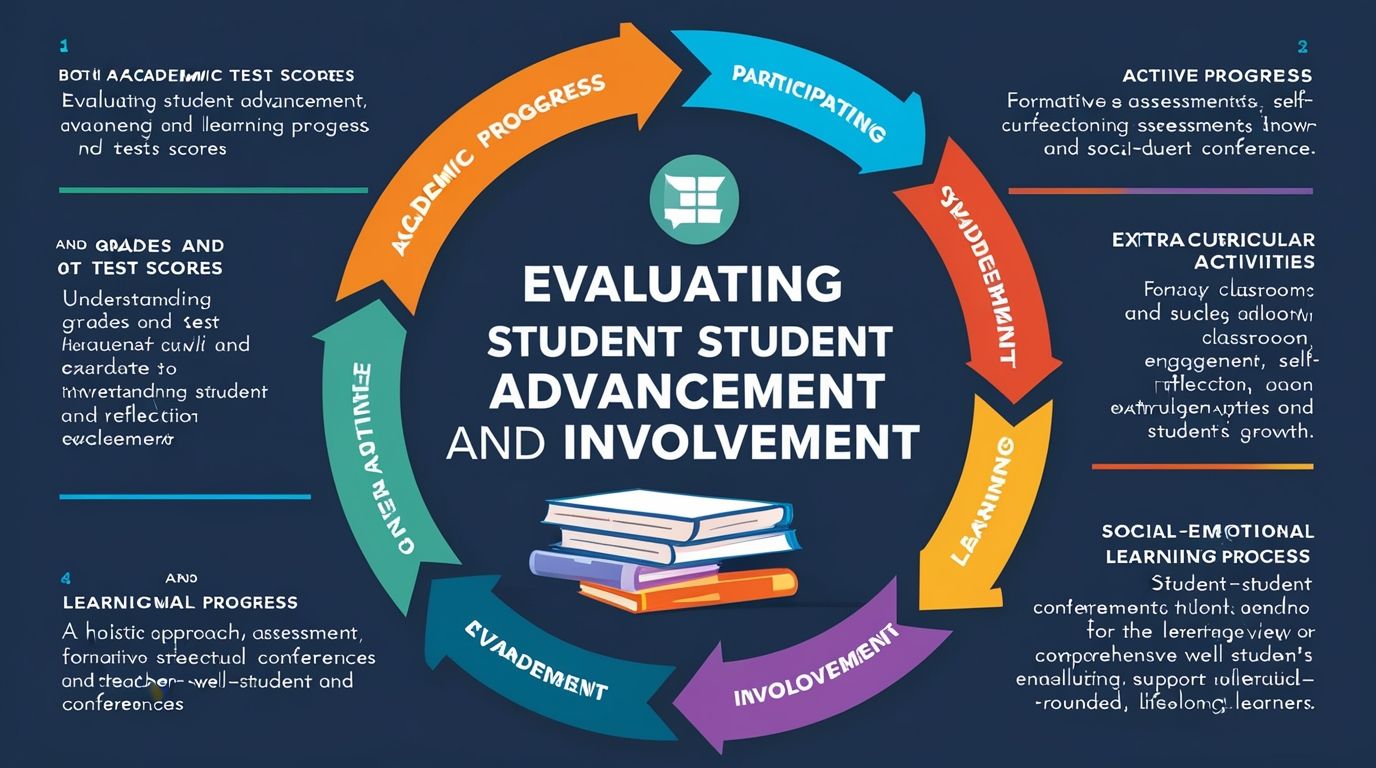
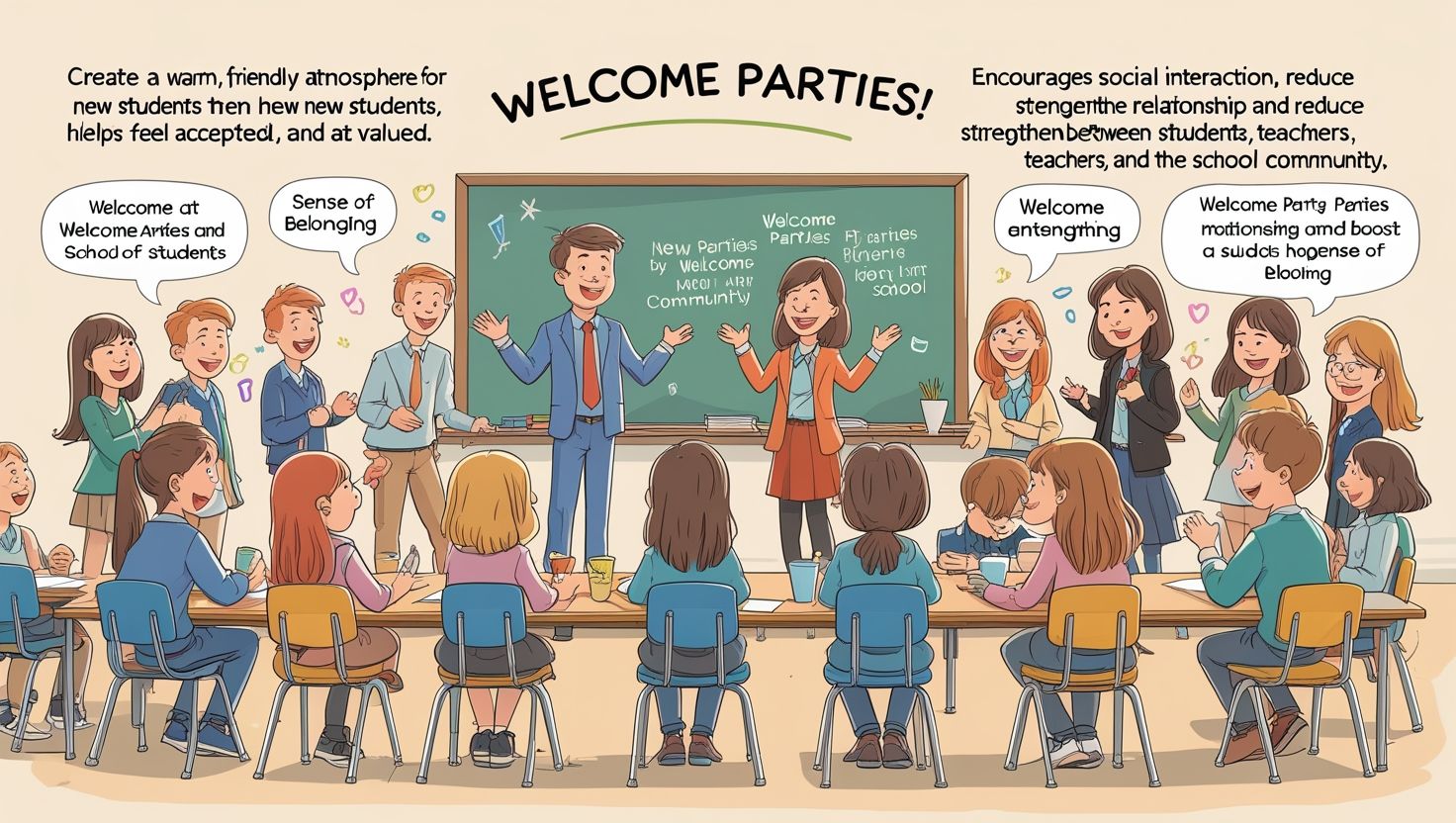
Students are the central focus of every educational institution. Therefore, their orientation deserves special attention. Orientation helps students understand academic requirements, school rules, and available resources. Moreover, it introduces support systems such as counseling services, libraries, laboratories, and extracurricular activities. New students especially benefit from this guidance. They feel welcomed and valued. Furthermore, orientation reduces anxiety associated with unfamiliar environments. Students gain confidence in navigating campus facilities and institutional processes. Consequently, they become more engaged in learning activities. Meanwhile, orientation encourages responsible behavior and self-discipline. Students learn about attendance expectations, assessment procedures, and ethical conduct. This knowledge supports informed decision-making. Additionally, orientation promotes social integration. Students build connections with peers and teachers. These relationships contribute to emotional well-being. Thus, effective student orientation enhances academic readiness, personal development, and active participation. It prepares learners to succeed academically and socially throughout the new session.
4. Strengthening Parent-School Partnerships
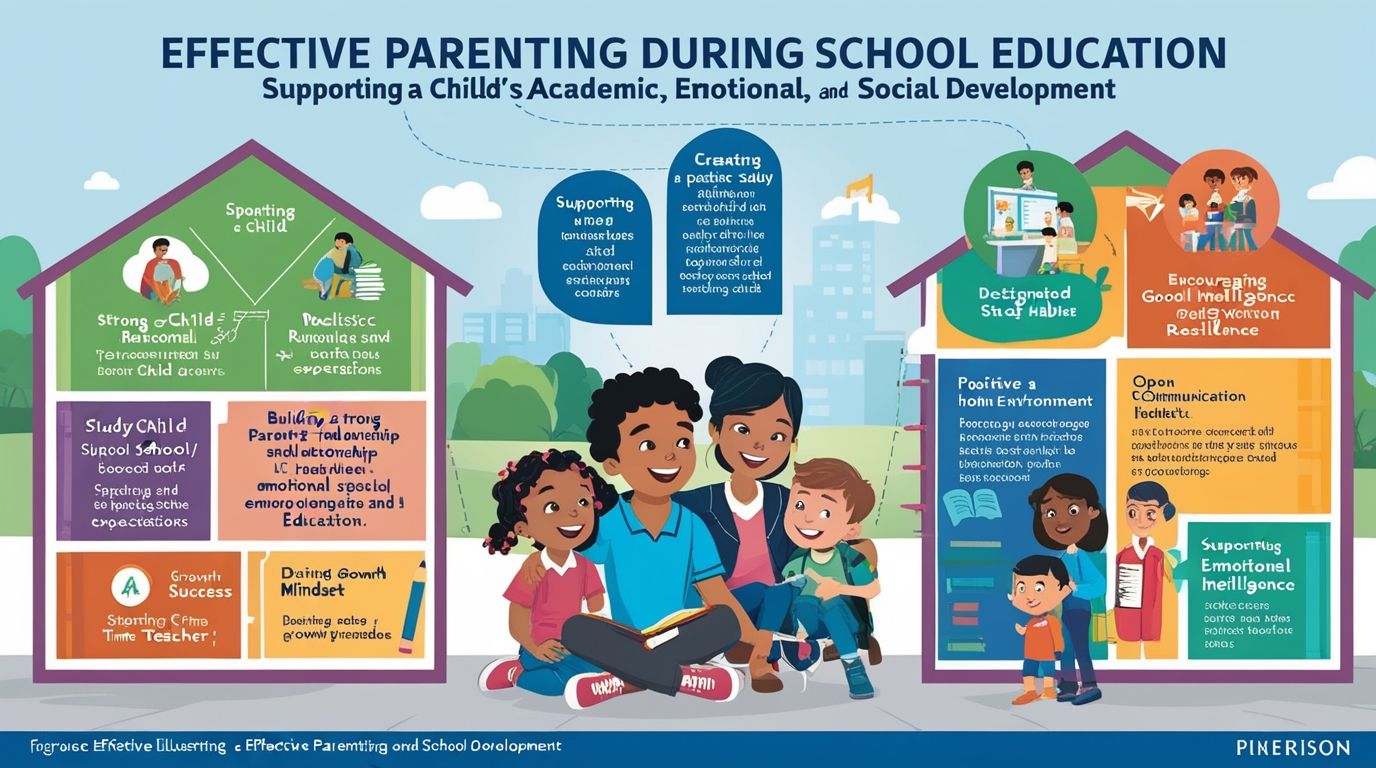
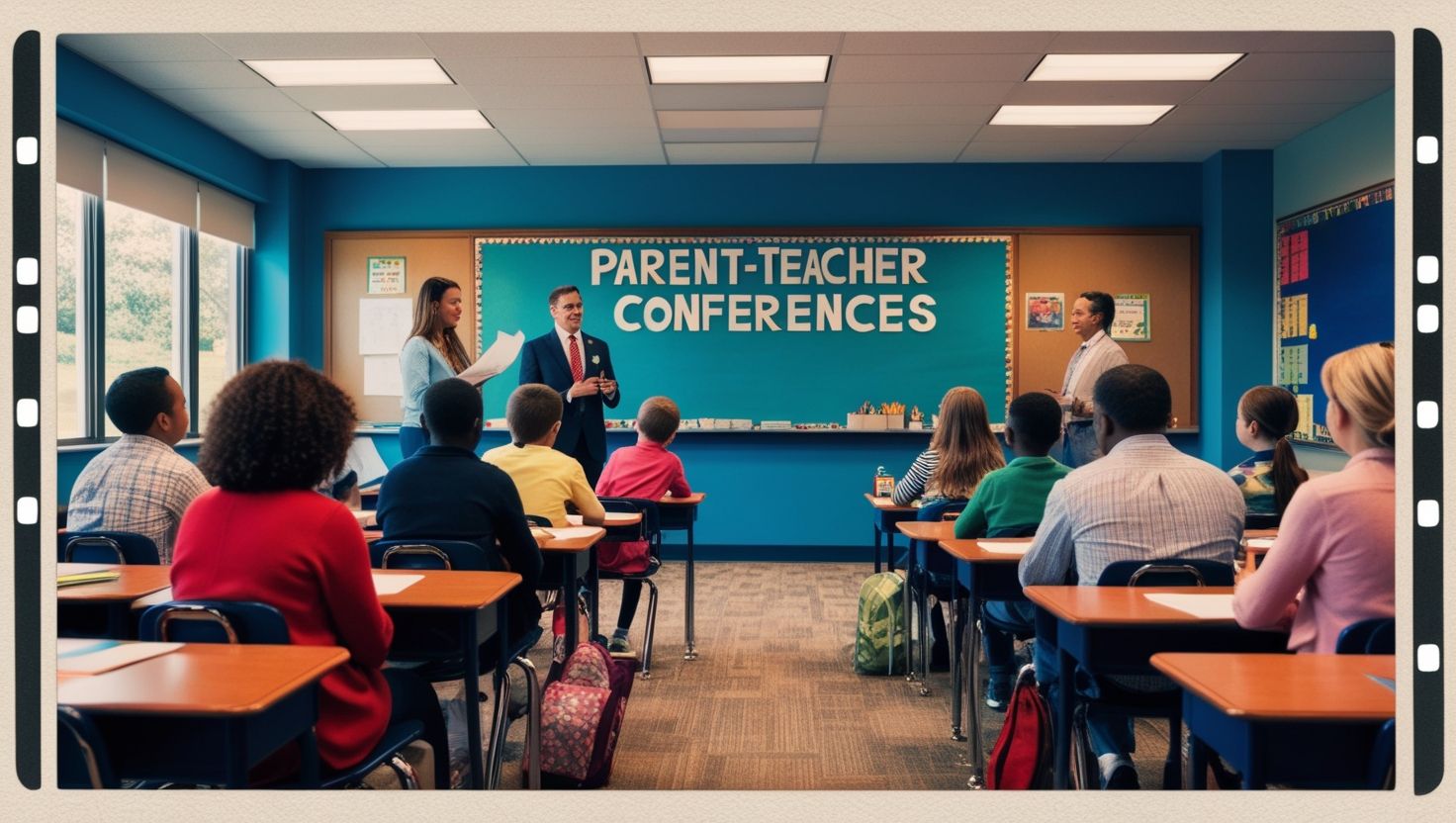
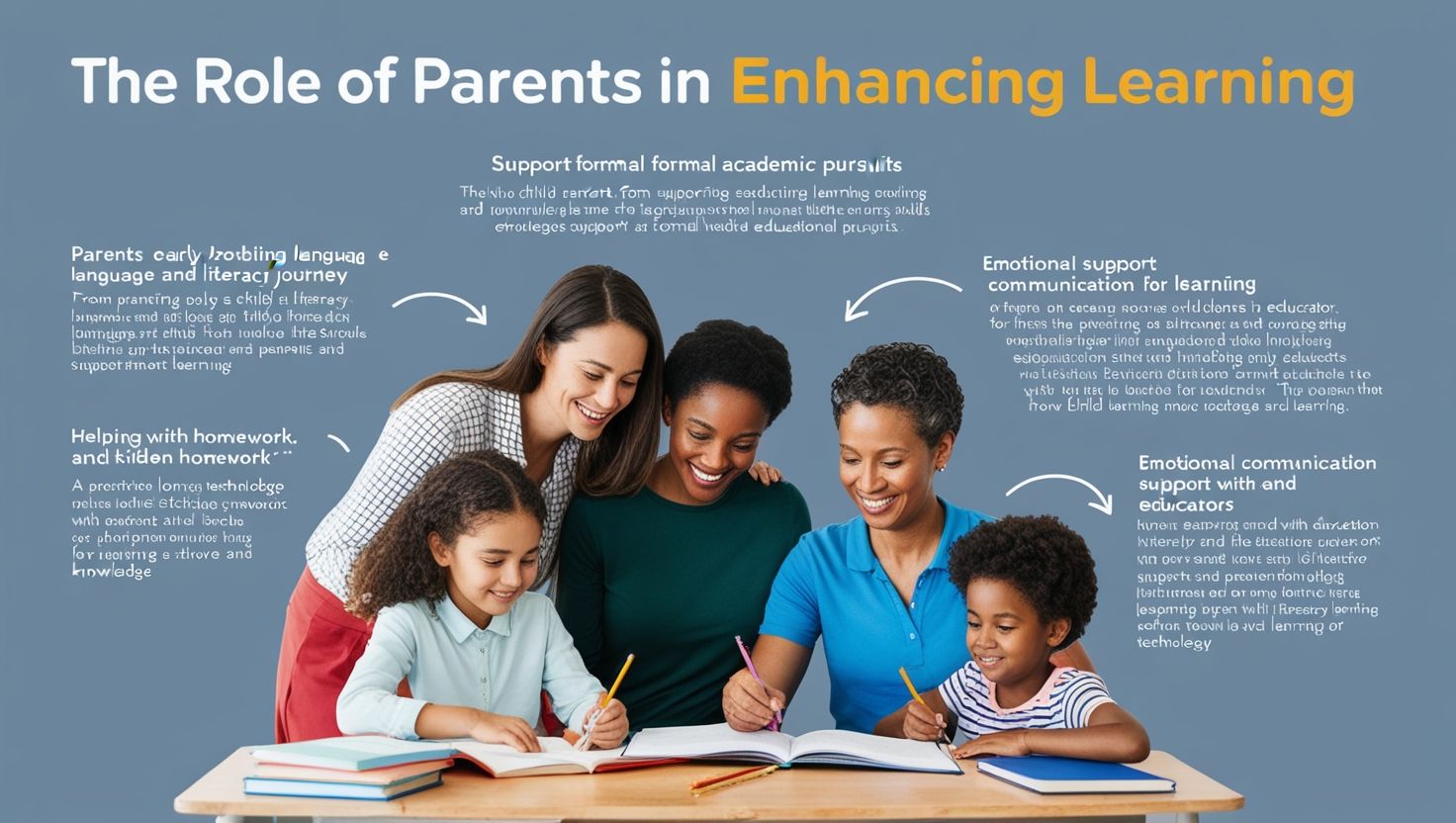
Parents play a crucial role in educational success. Therefore, orientation programs should actively involve them. Parents need accurate information about institutional policies, academic expectations, and communication channels. Moreover, orientation creates opportunities for dialogue between families and school leaders. This interaction builds trust and mutual respect. Furthermore, parents gain insight into curriculum objectives and assessment methods. As a result, they can provide better support at home. Meanwhile, schools can address concerns and answer questions before challenges arise. Consequently, misunderstandings decrease significantly. Strong parent-school partnerships contribute to student achievement and well-being. Additionally, orientation helps parents understand behavioral expectations and safety procedures. This awareness promotes consistency between home and school environments. Therefore, students receive coherent guidance. When parents feel informed and valued, they become active participants in educational processes. Thus, orientation strengthens collaboration, enhances communication, and creates a supportive network that benefits the entire learning community.
5. Equipping Teachers for Professional Excellence
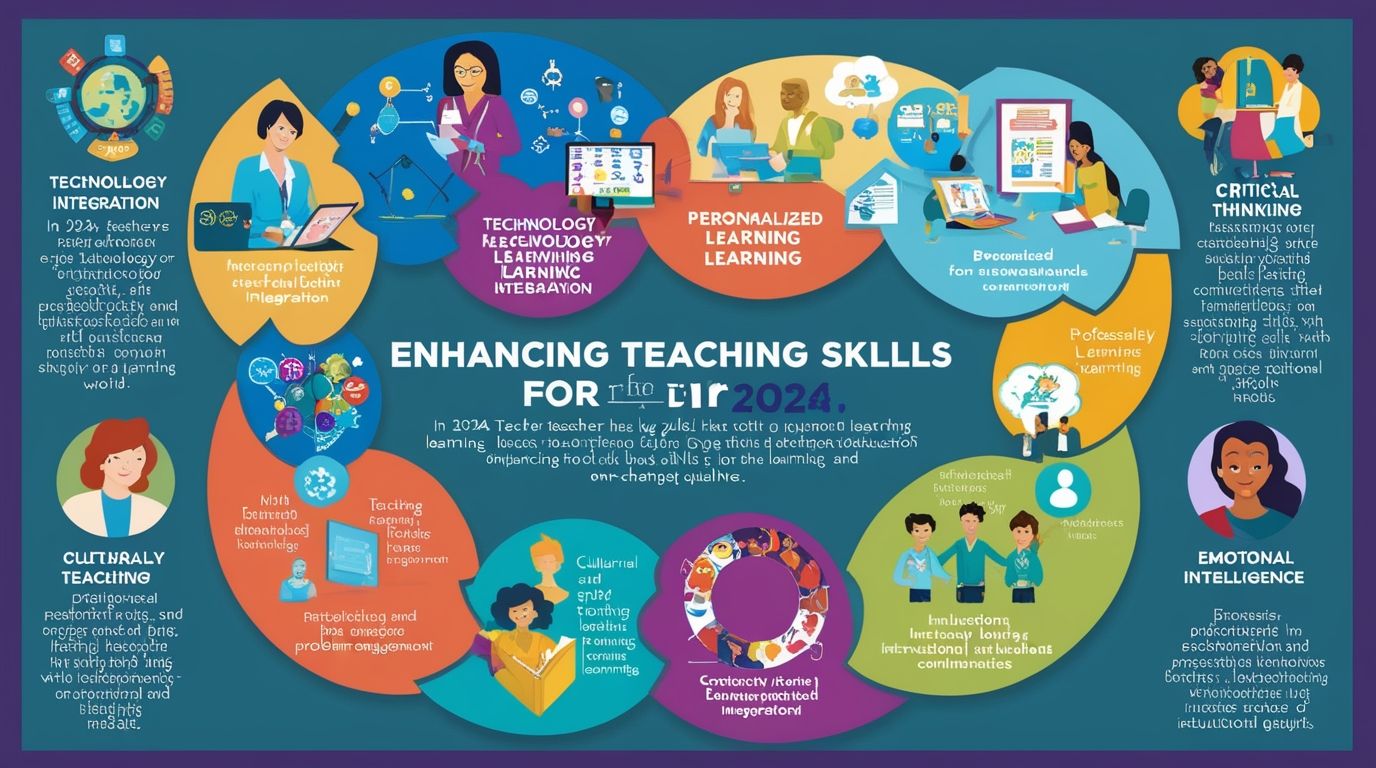
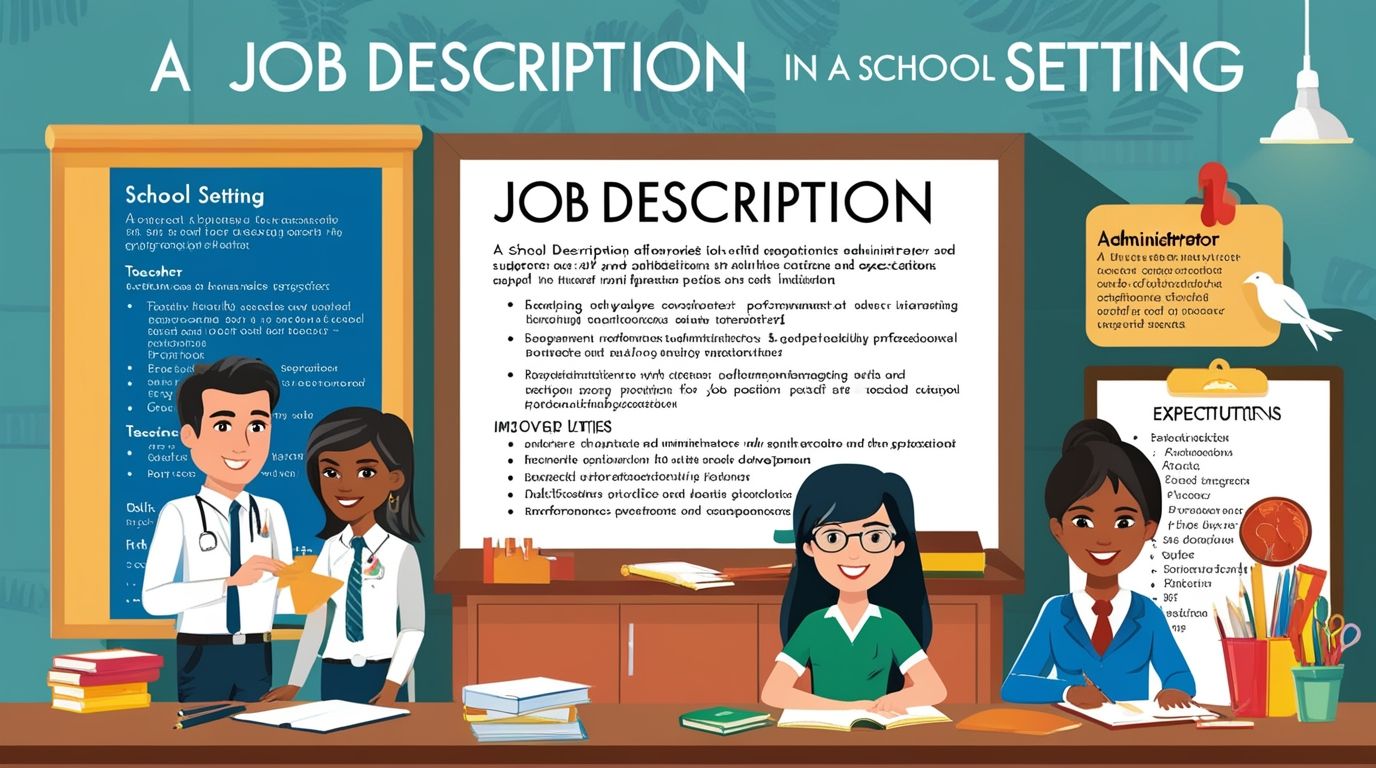
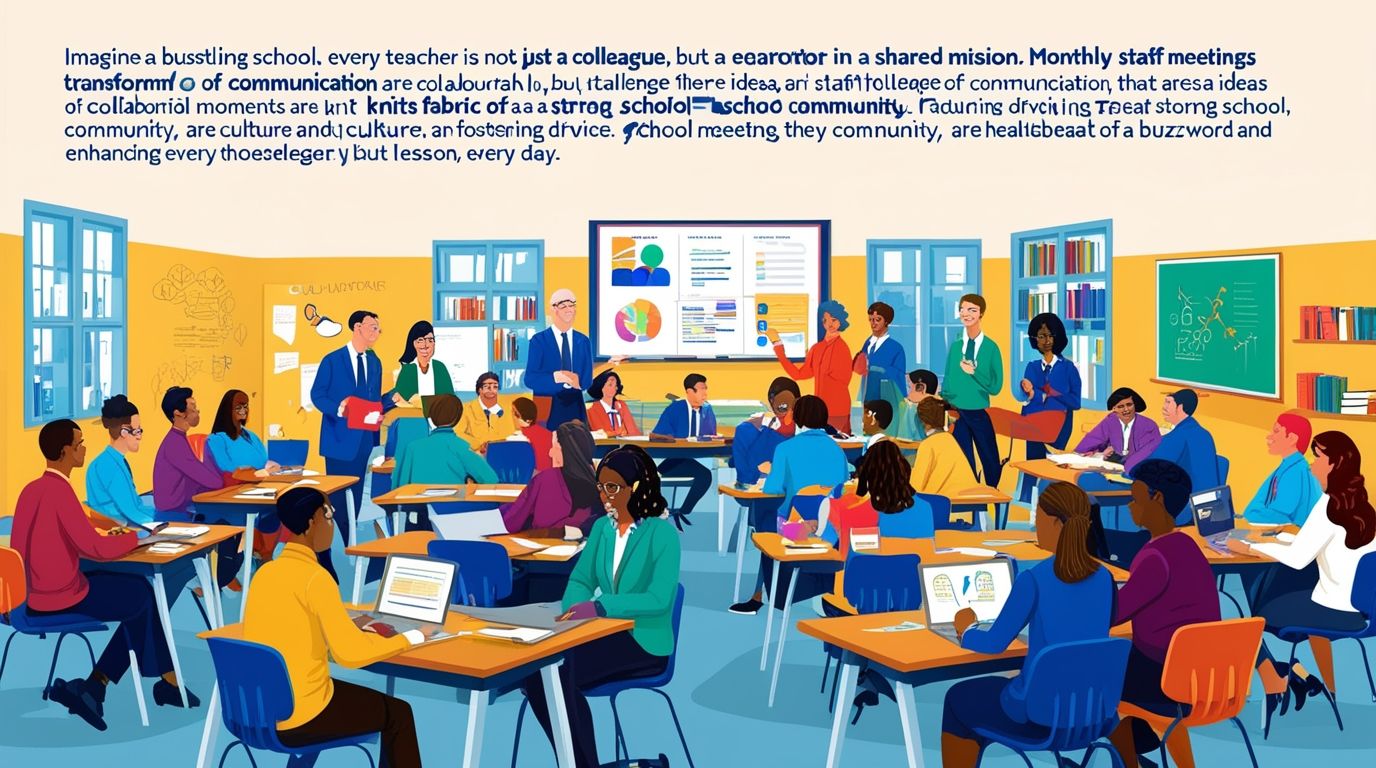
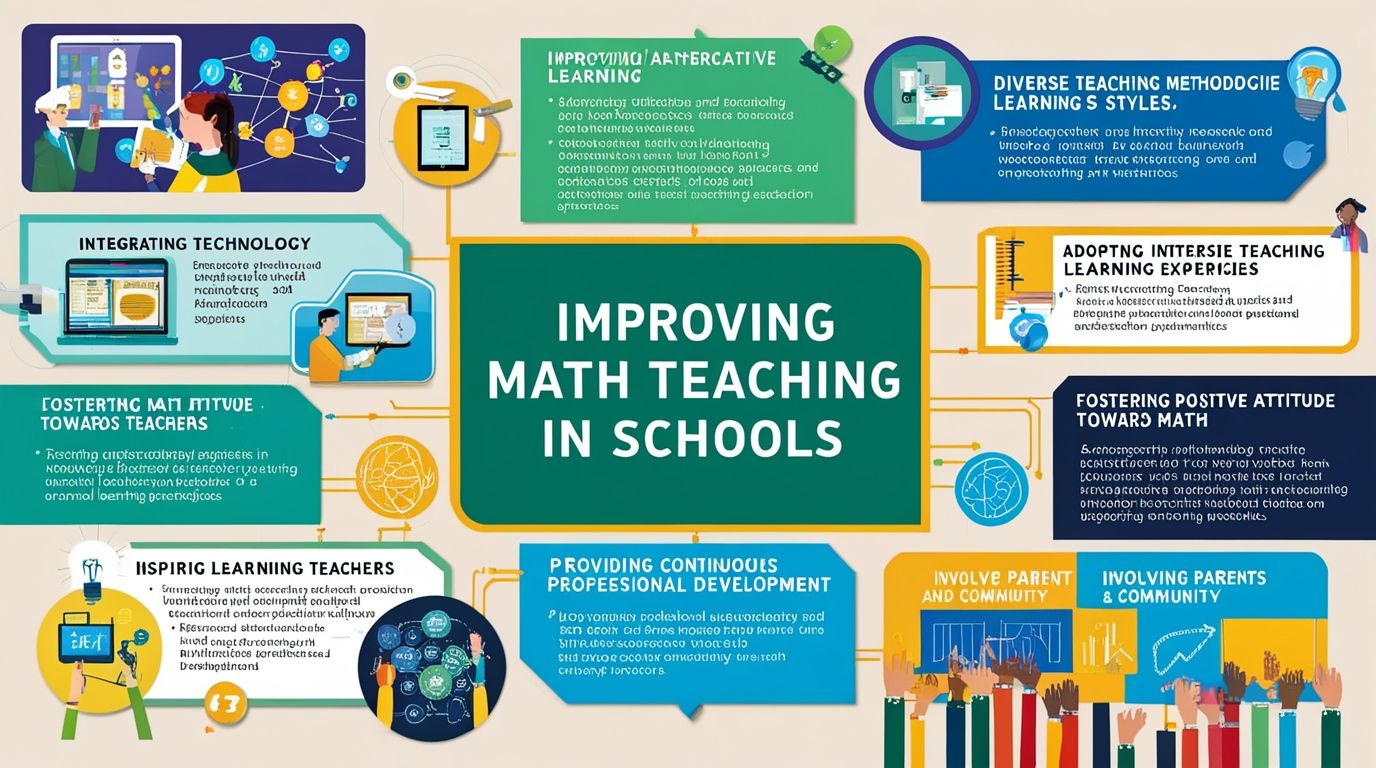
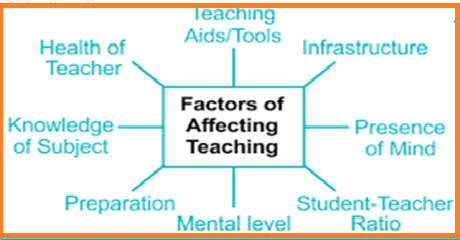
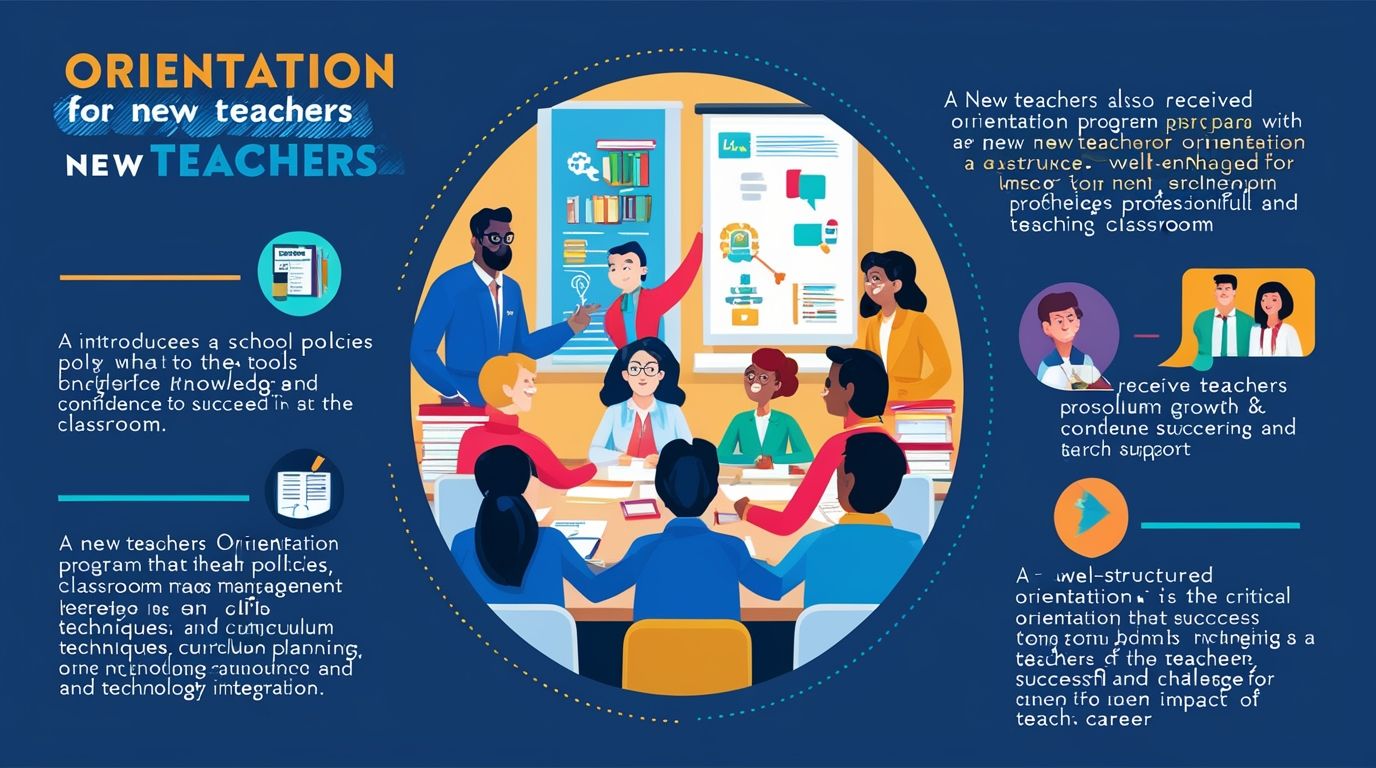
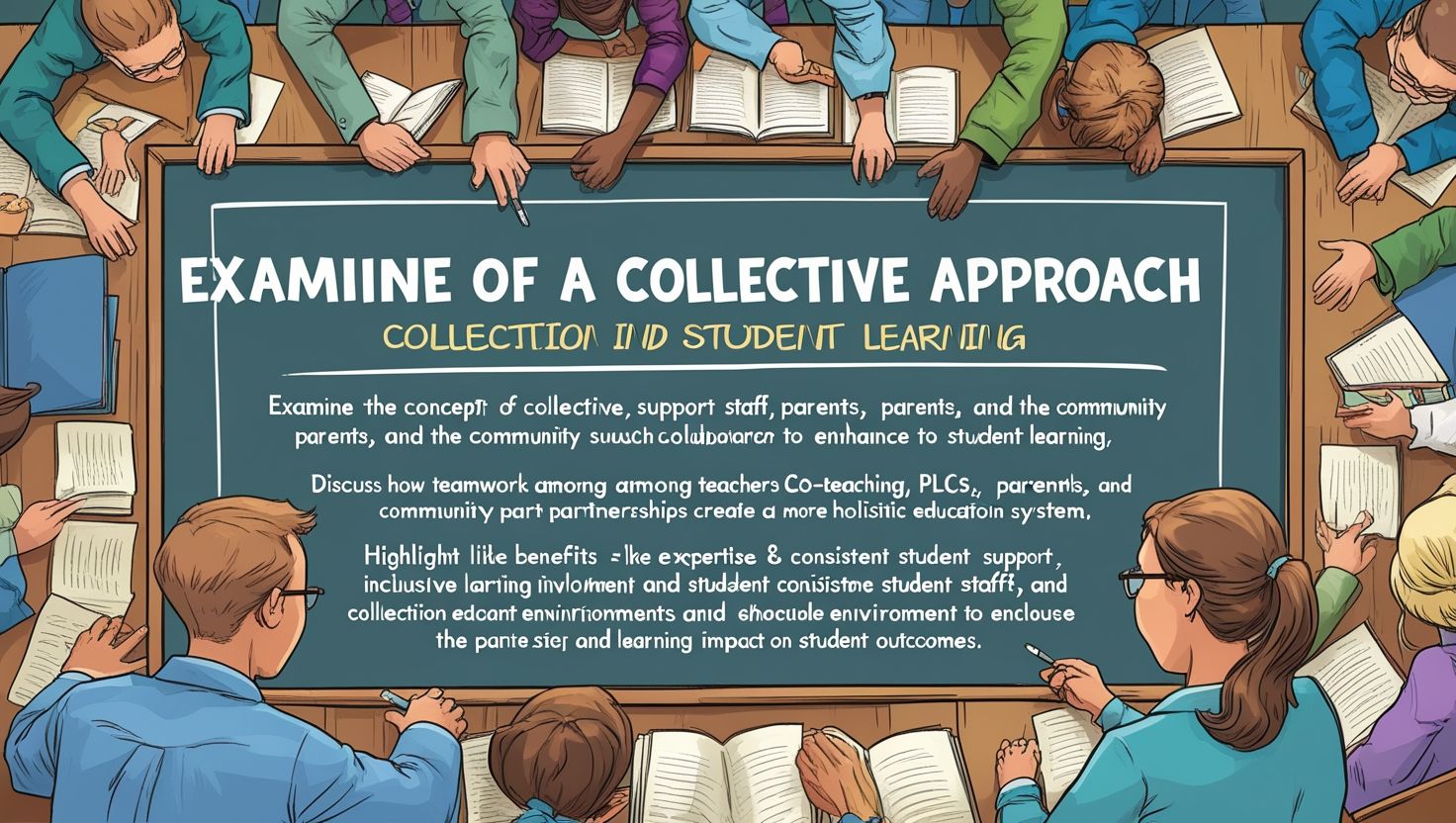
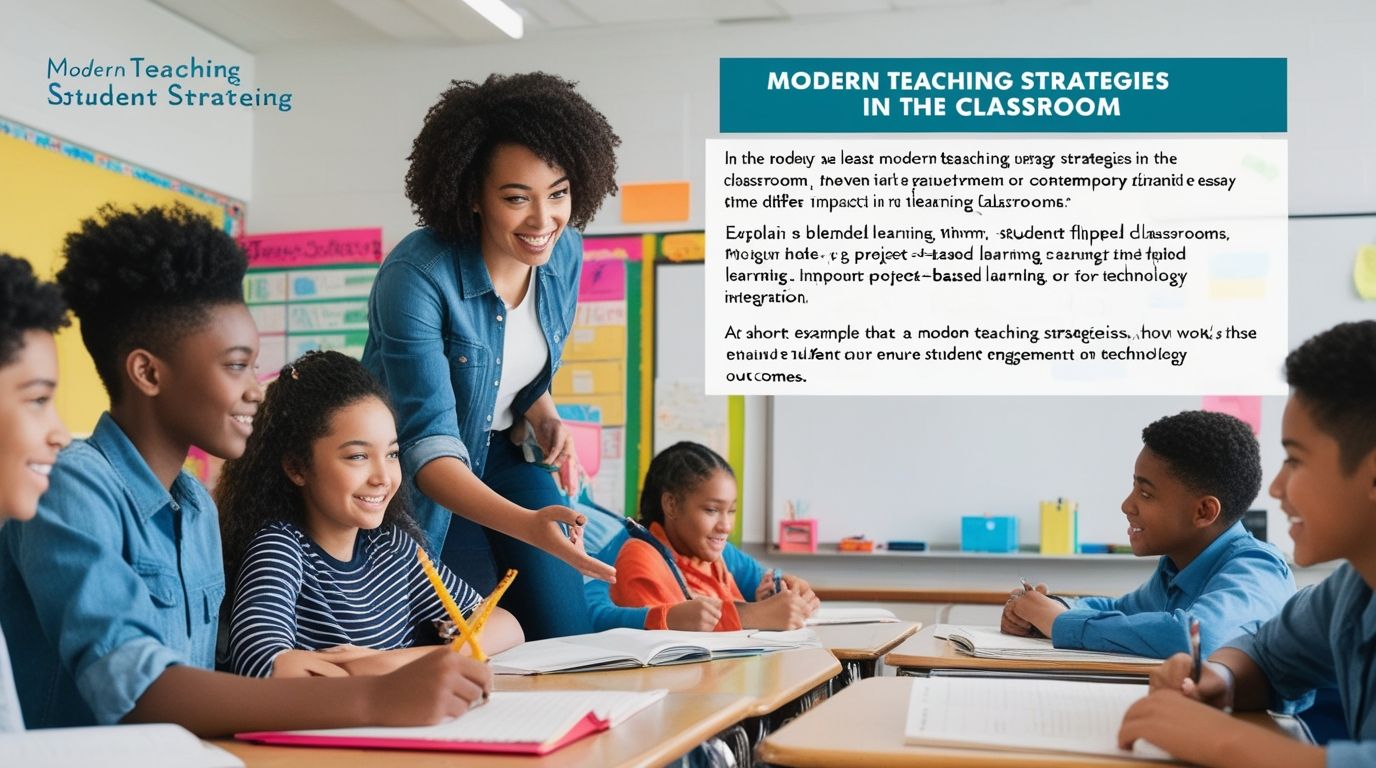
Teachers are key drivers of educational quality. Therefore, orientation serves as a vital platform for professional preparation. It introduces institutional goals, teaching standards, and academic priorities. Moreover, teachers receive information about curriculum updates and instructional expectations. This guidance ensures consistency across classrooms. Furthermore, orientation promotes collaboration among faculty members. Teachers exchange ideas and establish professional relationships. Consequently, teamwork becomes stronger. Meanwhile, discussions about assessment practices, classroom management, and student support systems enhance preparedness. Orientation also reinforces professional ethics and institutional values. Additionally, teachers become familiar with available resources and technological tools. As a result, they can implement effective teaching strategies from the beginning. Therefore, orientation minimizes uncertainty and maximizes instructional readiness. It supports continuous professional growth. When teachers are well-informed and confident, they create positive learning experiences. Thus, effective teacher orientation contributes significantly to educational excellence and student success.
6. Guiding Administrators Toward Strategic Leadership
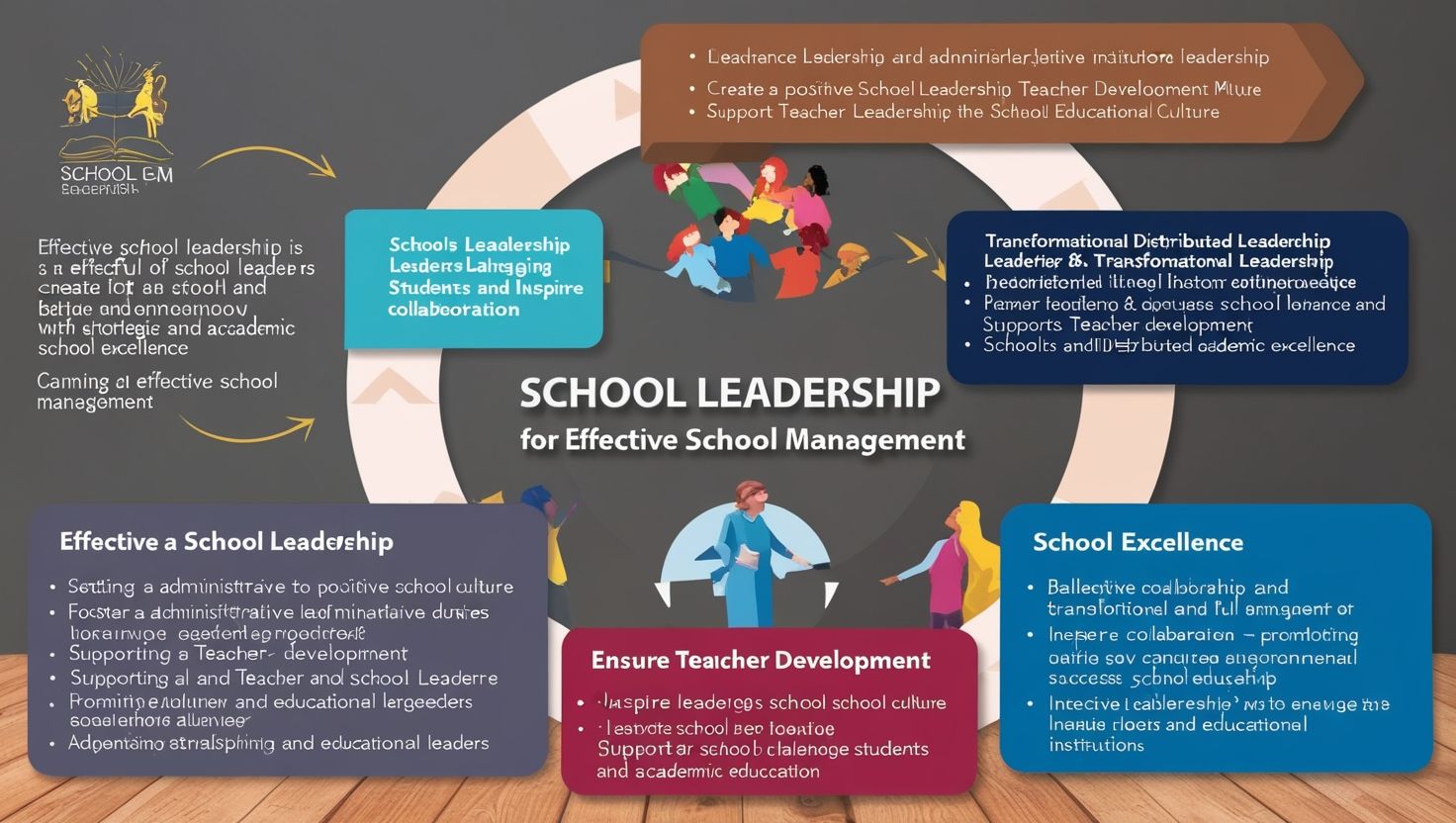
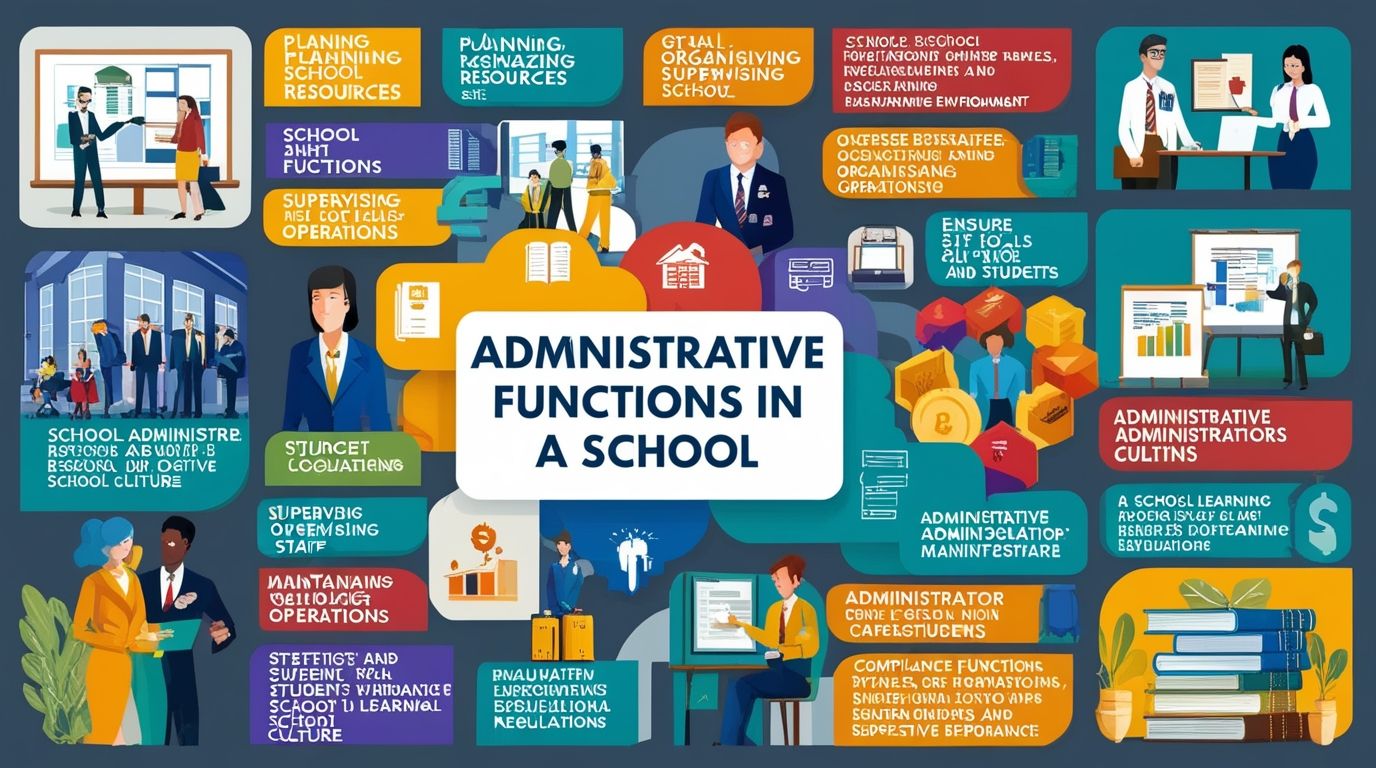
Educational leadership requires clarity, coordination, and vision. Therefore, orientation is equally important for administrators. It provides a platform for reviewing institutional objectives and operational priorities. Moreover, administrators can communicate expectations clearly to all stakeholders. This transparency strengthens accountability. Furthermore, orientation facilitates planning and coordination among leadership teams. Consequently, institutional processes become more efficient. Meanwhile, administrators can discuss policy changes, regulatory requirements, and strategic initiatives. This preparation supports informed decision-making. Orientation also encourages collaboration between departments. As a result, organizational effectiveness improves. Additionally, administrators can identify potential challenges and develop proactive solutions. Therefore, orientation strengthens leadership capacity and institutional resilience. It promotes consistency in communication and implementation. When leaders begin the academic session with a shared understanding of goals and responsibilities, they can guide the institution more effectively. Thus, orientation becomes a valuable tool for achieving sustainable educational improvement.
7. Creating a Culture of Communication and Trust
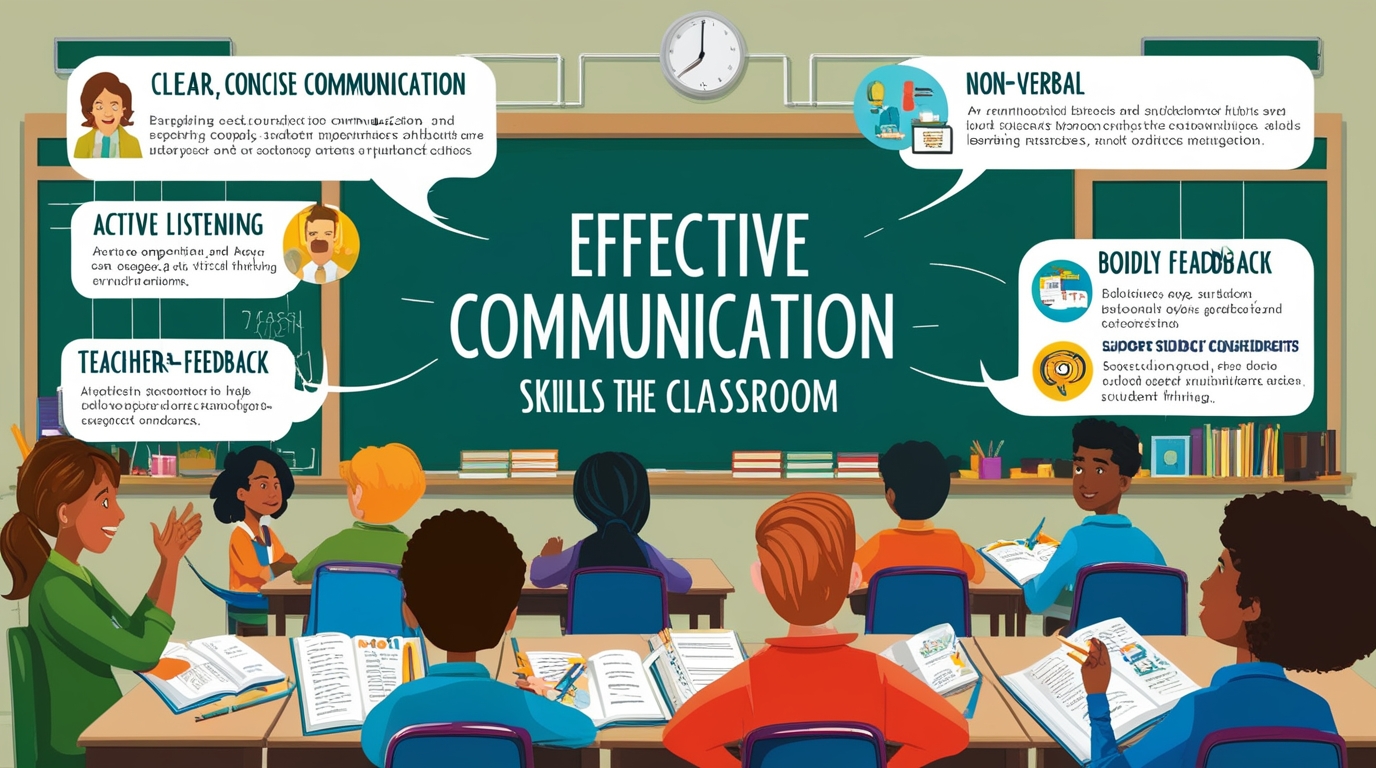
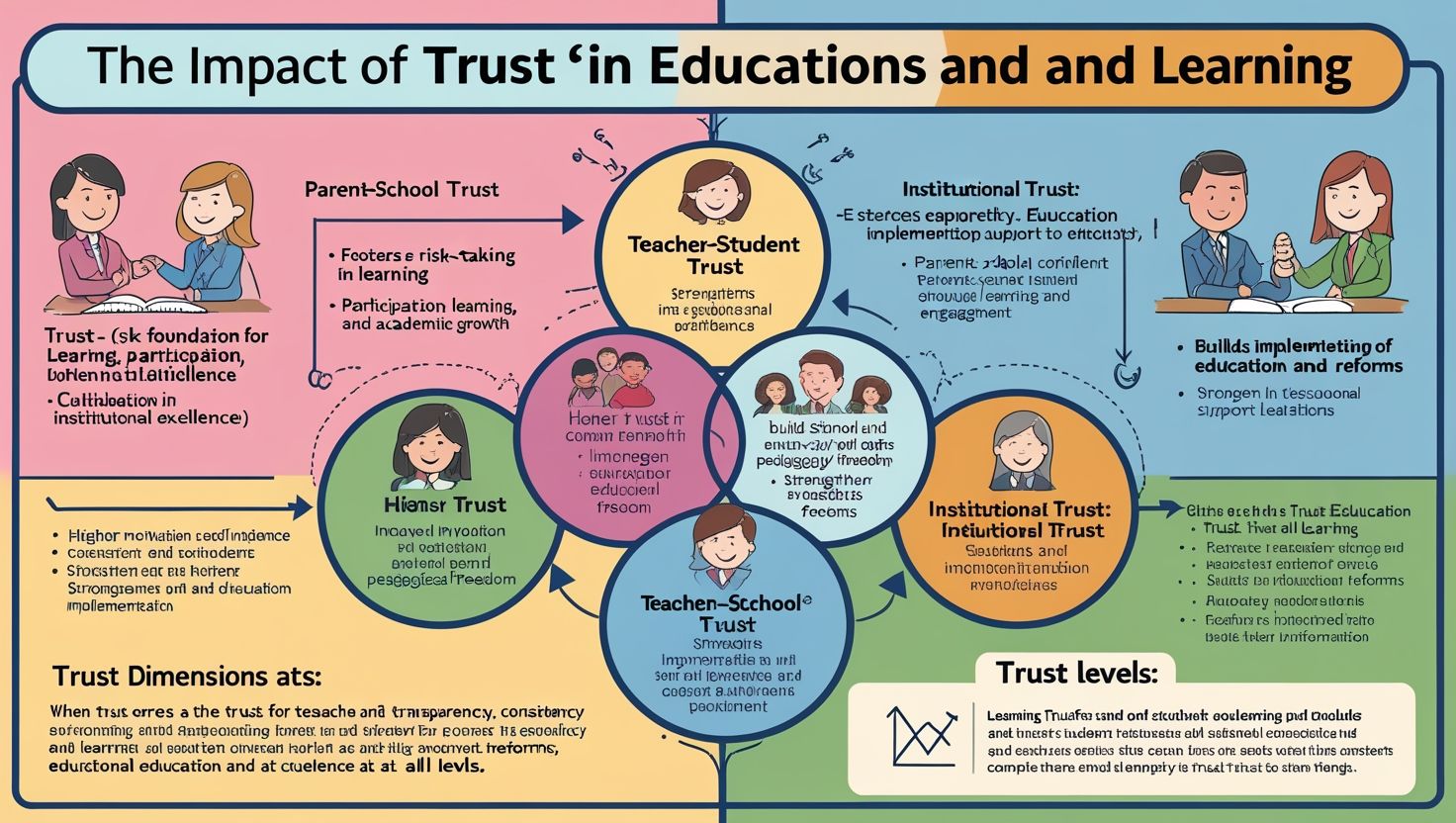
Effective communication is essential for educational success. Therefore, orientation should prioritize open dialogue among stakeholders. It provides opportunities to share information, clarify expectations, and address concerns. Moreover, transparent communication reduces confusion and misinformation. Stakeholders gain confidence in institutional processes. Furthermore, orientation encourages active participation and feedback. Consequently, relationships become stronger and more productive. Meanwhile, trust develops through honest interactions and mutual respect. This trust supports collaboration throughout the academic session. Orientation also establishes clear communication channels. As a result, important information reaches stakeholders efficiently. Additionally, stakeholders understand whom to contact for assistance and guidance. Therefore, challenges can be addressed promptly. When communication is strong, misunderstandings decrease significantly. Educational goals become easier to achieve. Thus, orientation creates a culture where information flows effectively, relationships flourish, and stakeholders work together toward shared objectives with confidence and commitment.
8. Enhancing Academic Preparedness and Performance
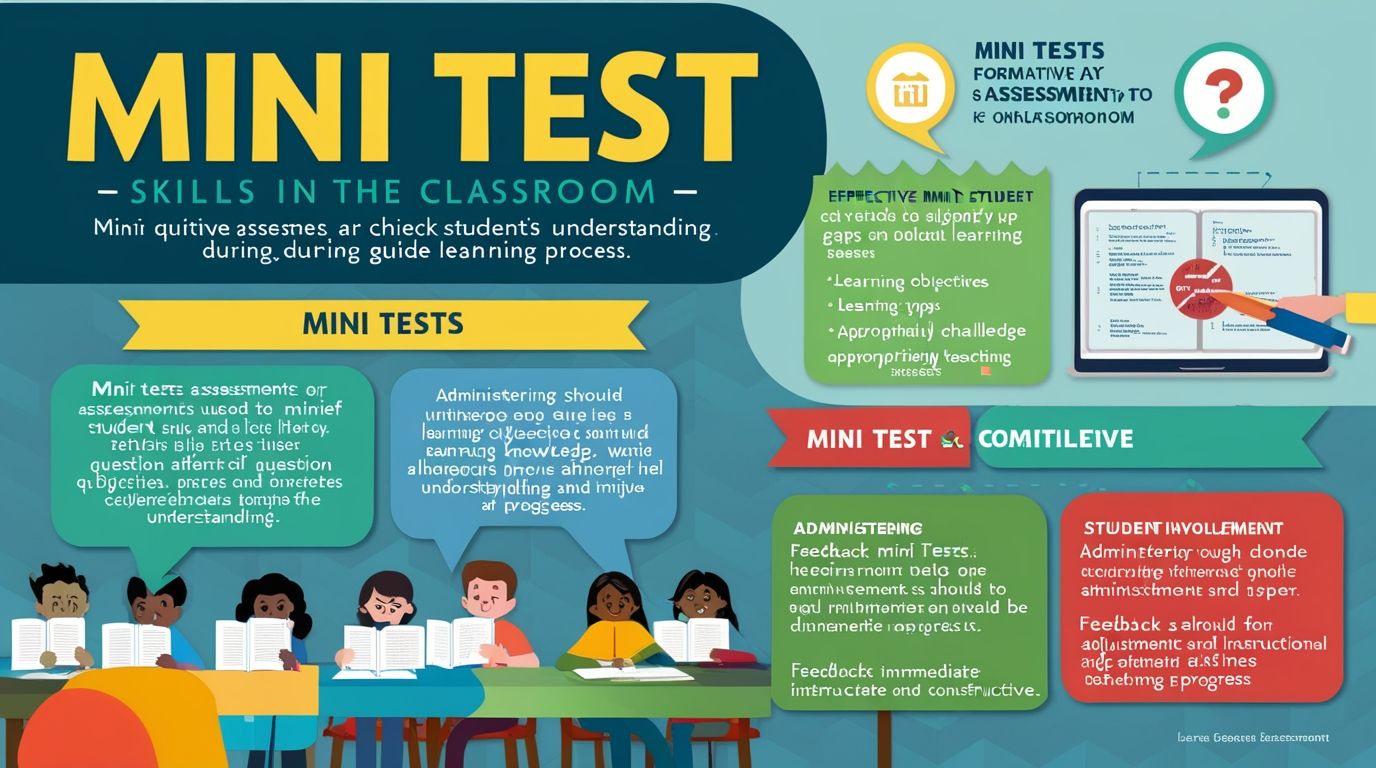
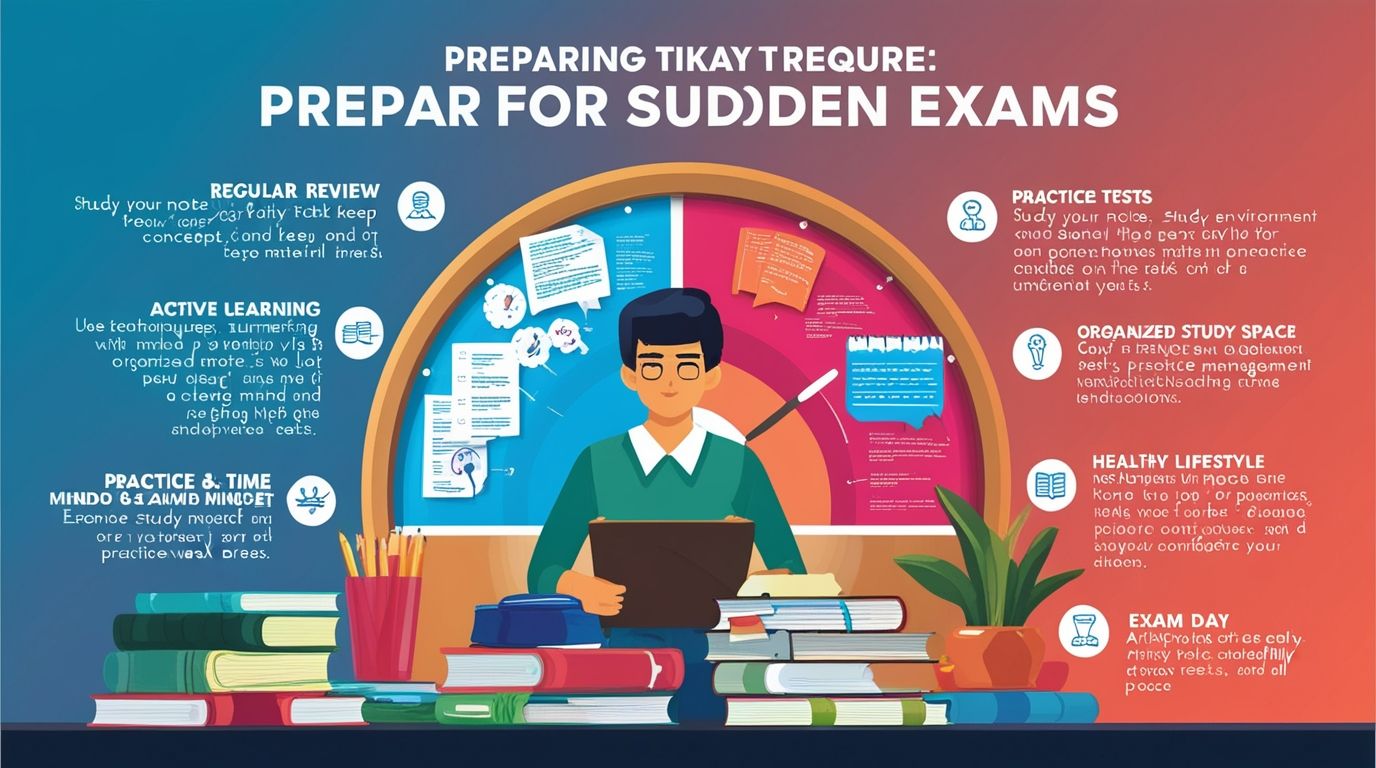
Academic success requires preparation and awareness. Therefore, orientation plays a critical role in improving readiness. Students learn about curriculum requirements and assessment procedures. Teachers understand instructional expectations and academic standards. Moreover, parents gain insight into learning objectives and support strategies. Consequently, all stakeholders become better prepared for the academic journey. Meanwhile, orientation introduces study resources, learning technologies, and support services. This information helps learners access assistance when needed. Furthermore, stakeholders understand performance expectations from the outset. Clear expectations encourage responsibility and commitment. Orientation also highlights the importance of time management, attendance, and continuous improvement. As a result, academic performance often improves. Additionally, stakeholders become more confident in fulfilling their responsibilities. Therefore, orientation serves as a preventive strategy against academic difficulties. It establishes a strong foundation for achievement and motivates stakeholders to pursue excellence throughout the academic session.
9. Promoting Values, Ethics, and Responsibility
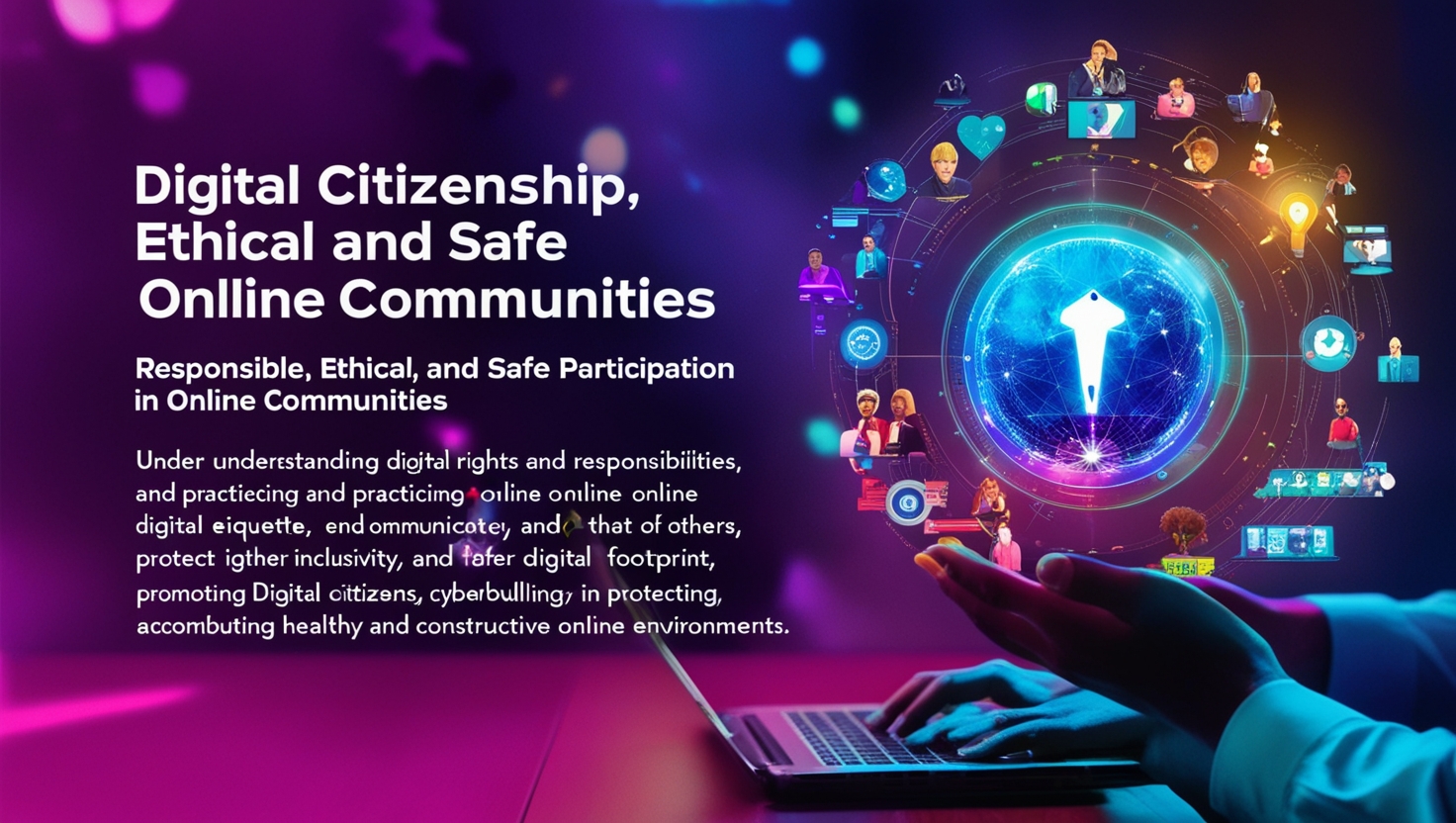
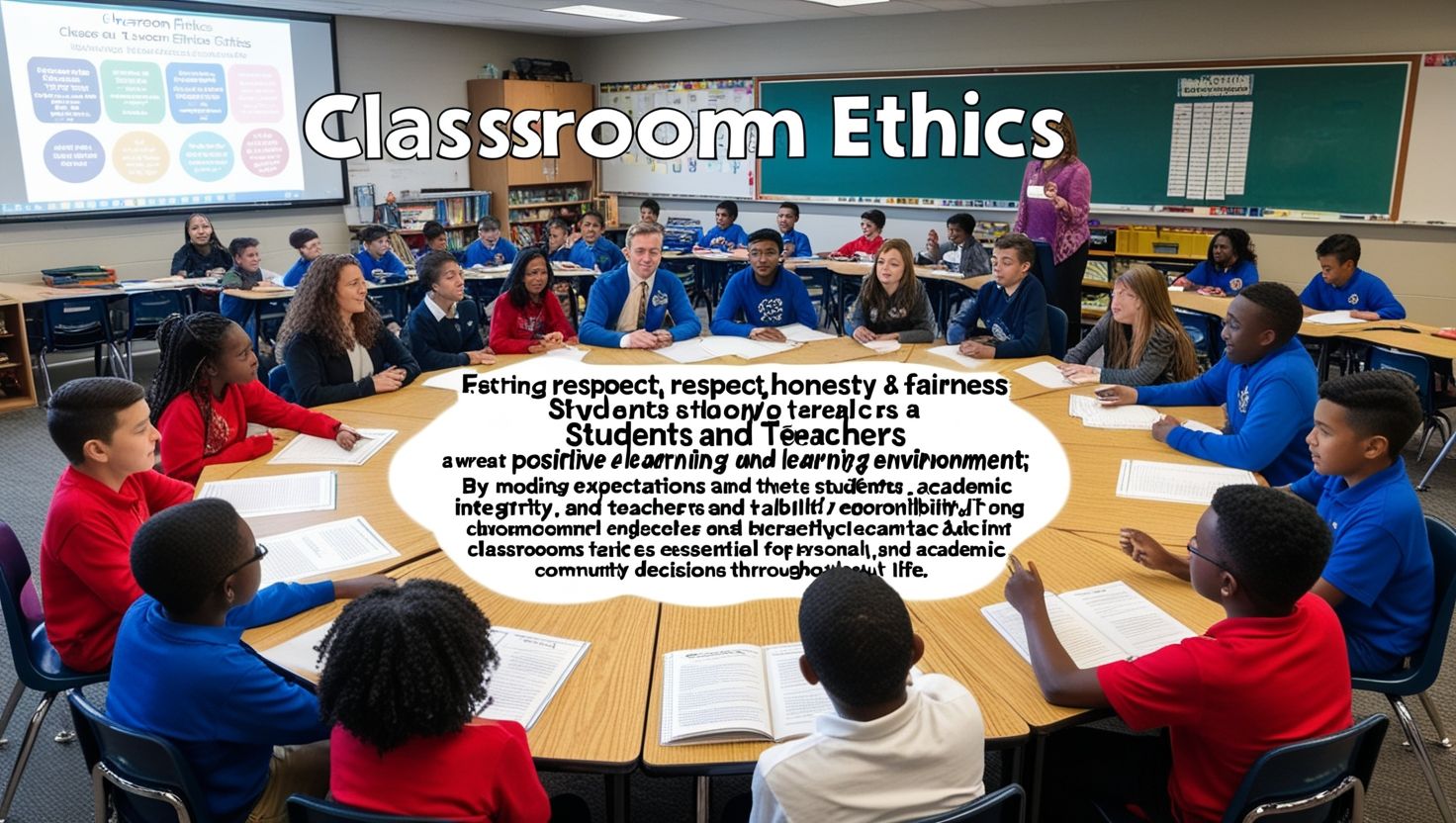
Education is not limited to academic achievement. It also involves character development. Therefore, orientation should emphasize values, ethics, and responsibility. Stakeholders need a clear understanding of institutional principles and expected behaviors. Moreover, orientation promotes integrity, respect, and accountability. These qualities contribute to a positive educational environment. Furthermore, discussions about ethical conduct help prevent conflicts and misunderstandings. Consequently, stakeholders make more responsible decisions. Meanwhile, orientation encourages respect for diversity and inclusion. This approach strengthens social harmony within the institution. Additionally, students learn about digital citizenship, academic honesty, and responsible behavior. Teachers and administrators reinforce these expectations through their actions. Therefore, orientation supports the development of ethical learning communities. It creates a culture where individuals act responsibly and respectfully. Thus, orientation contributes not only to academic success but also to the formation of responsible and compassionate citizens.
10. Encouraging Inclusion and Community Engagement
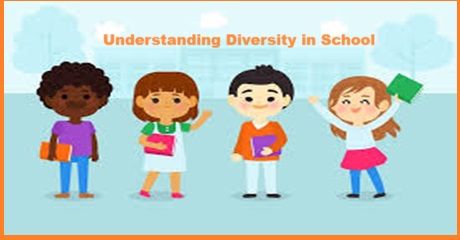
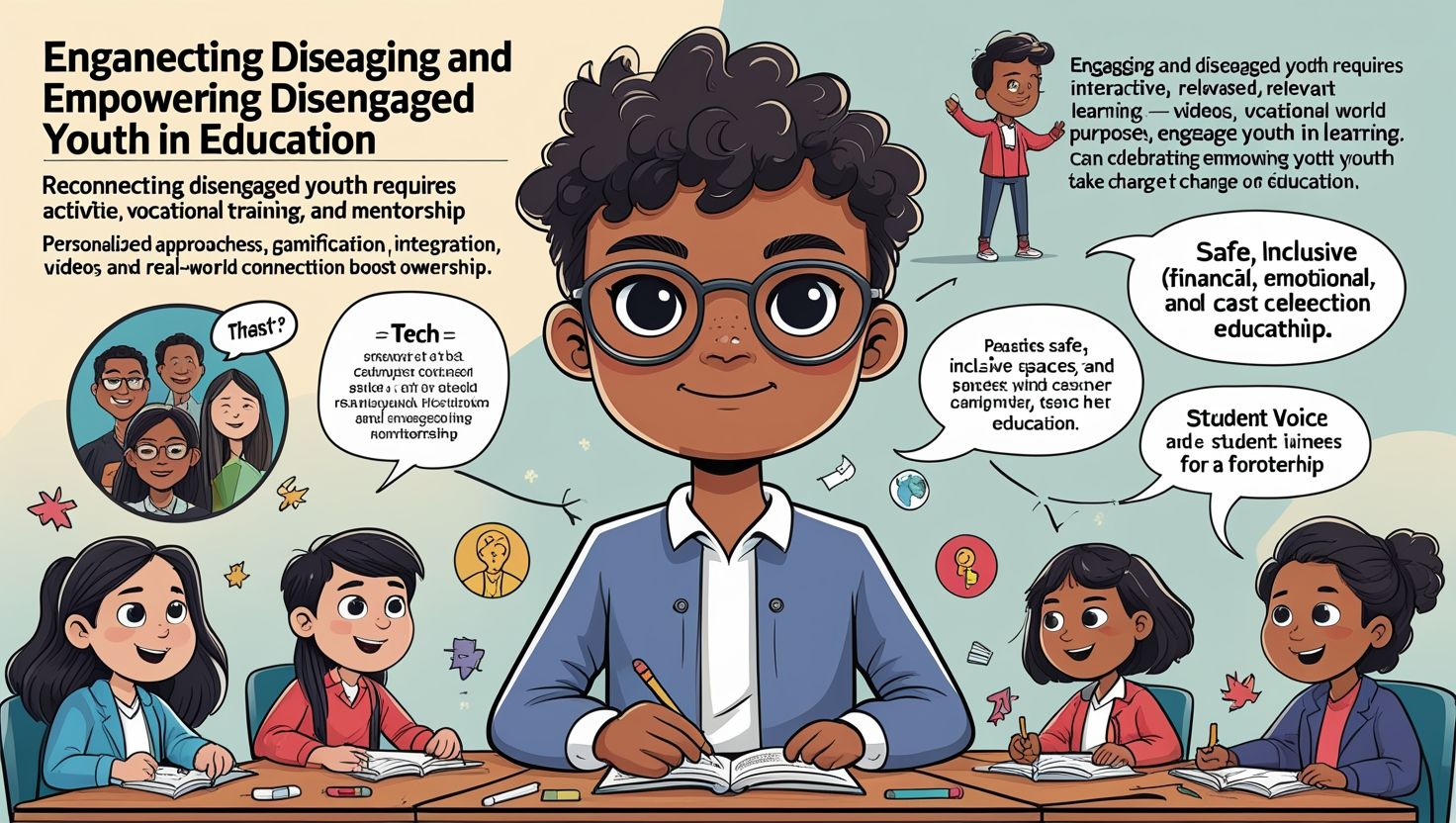
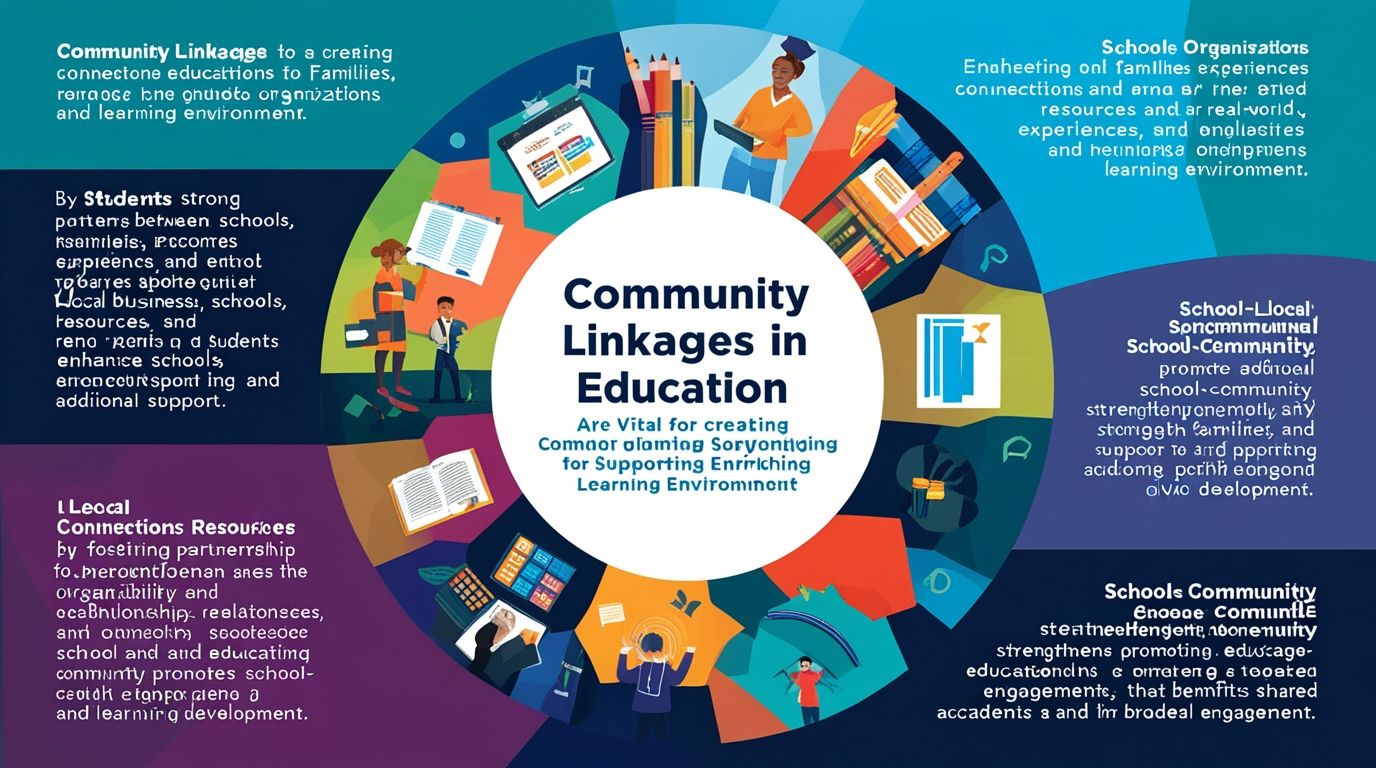
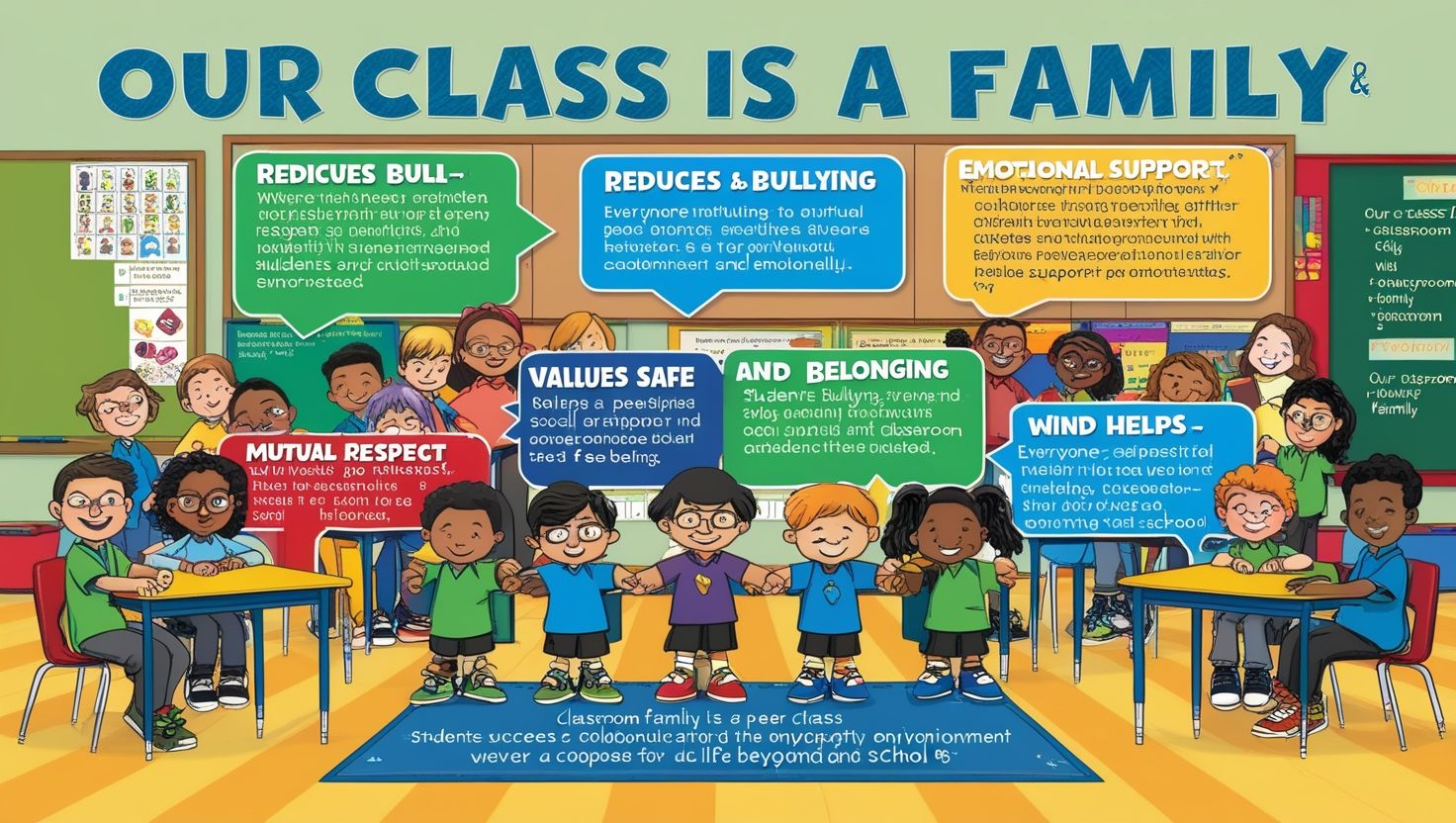
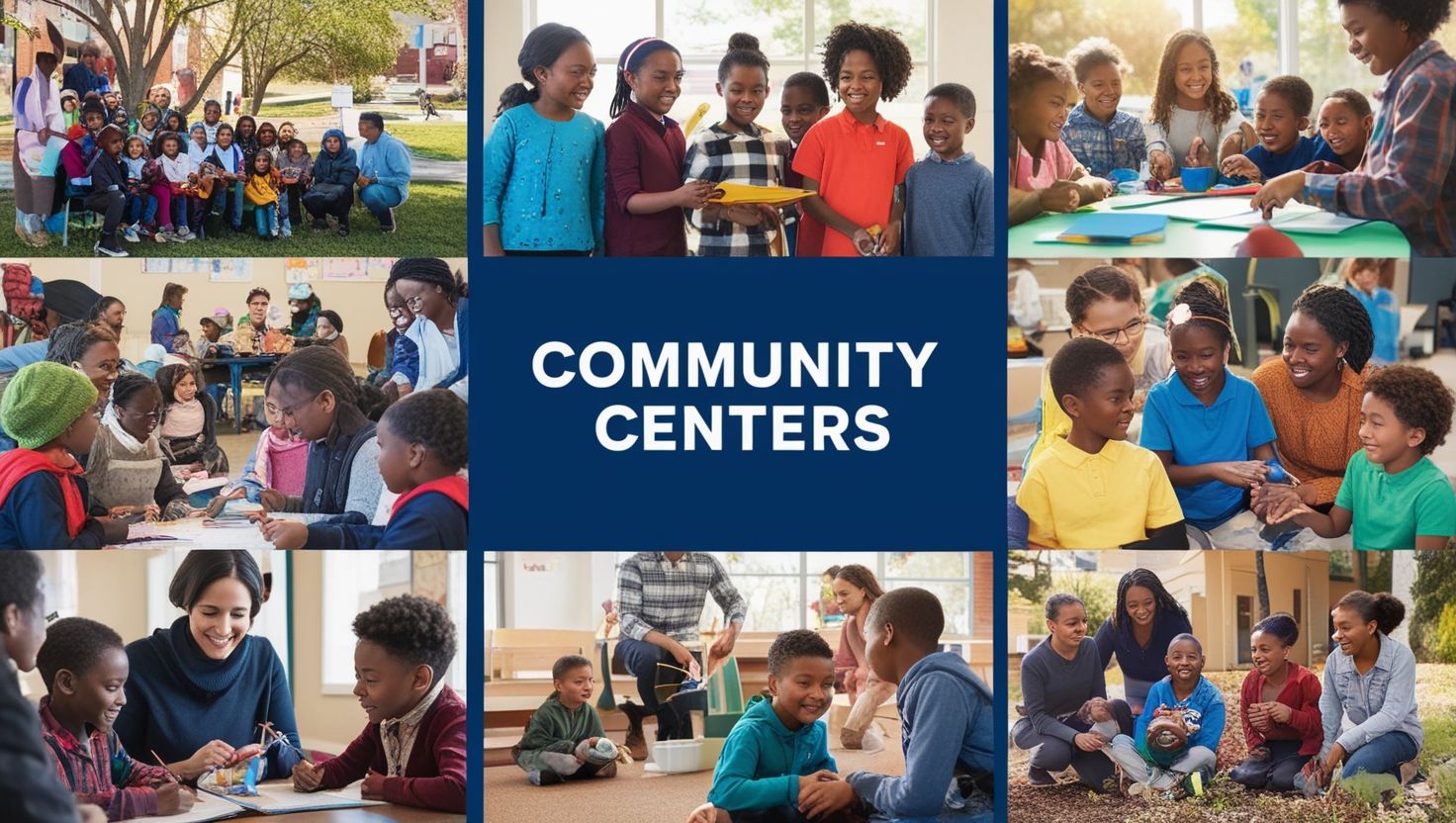
Modern educational institutions serve diverse populations. Therefore, orientation should promote inclusion and belonging. Every stakeholder deserves to feel welcomed and respected. Moreover, orientation introduces institutional commitments to equity and diversity. This message fosters acceptance and understanding. Furthermore, stakeholders learn about opportunities for participation and community involvement. Consequently, engagement increases. Meanwhile, inclusive orientation activities encourage interaction among individuals from different backgrounds. These interactions strengthen relationships and reduce social barriers. Orientation also highlights community partnerships and collaborative initiatives. As a result, stakeholders recognize the broader impact of education. Additionally, students develop a sense of belonging. Parents feel connected to institutional life. Teachers become part of a supportive professional community. Therefore, orientation enhances social cohesion and collective responsibility. It builds an environment where everyone feels valued and empowered. Thus, inclusion becomes a practical reality rather than a theoretical concept.
11. Preparing for Safety and Well-Being
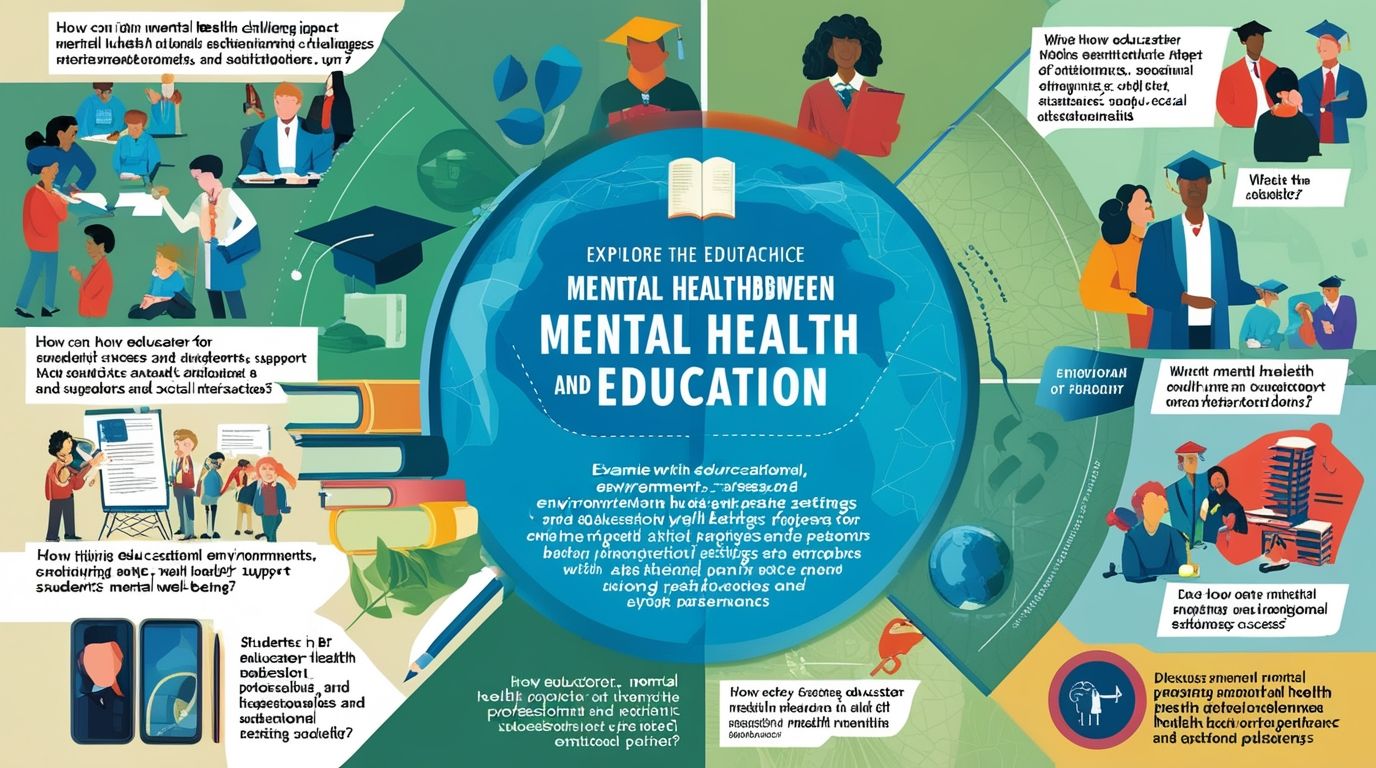
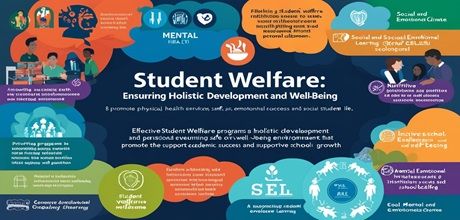
Safety and well-being are essential components of educational success. Therefore, orientation must address these priorities comprehensively. Stakeholders need information about safety procedures, emergency protocols, and health guidelines. Moreover, orientation increases awareness of available support services. Students learn where to seek help when facing academic or personal challenges. Furthermore, teachers and staff understand their responsibilities in maintaining a secure environment. Consequently, preparedness improves across the institution. Meanwhile, discussions about mental health and emotional well-being promote resilience. Orientation also encourages healthy habits and positive relationships. As a result, stakeholders feel supported and protected. Additionally, awareness of safety measures reduces fear and uncertainty. Therefore, individuals can focus more effectively on learning and professional responsibilities. A secure environment promotes confidence and engagement. Thus, orientation contributes significantly to both physical safety and emotional wellness throughout the academic session.
12. Leveraging Technology for Educational Growth
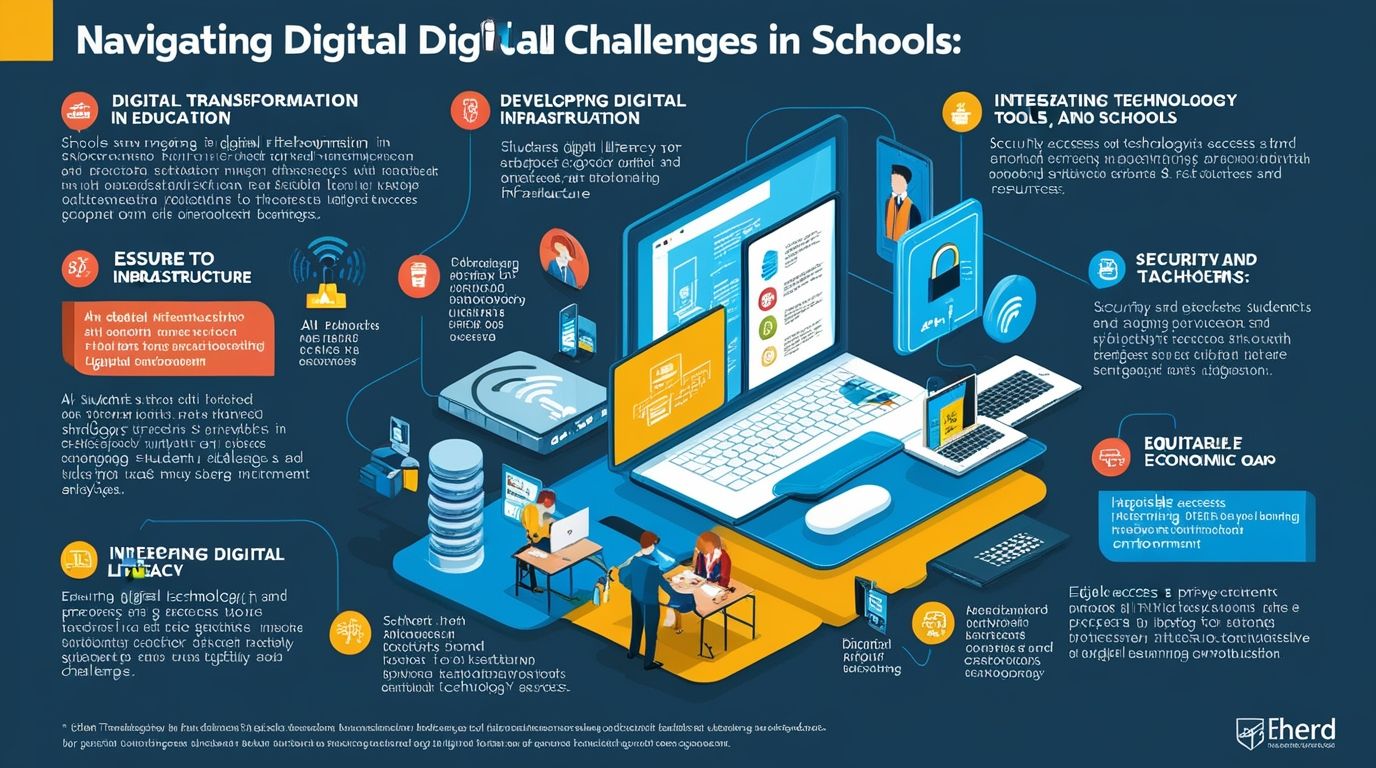
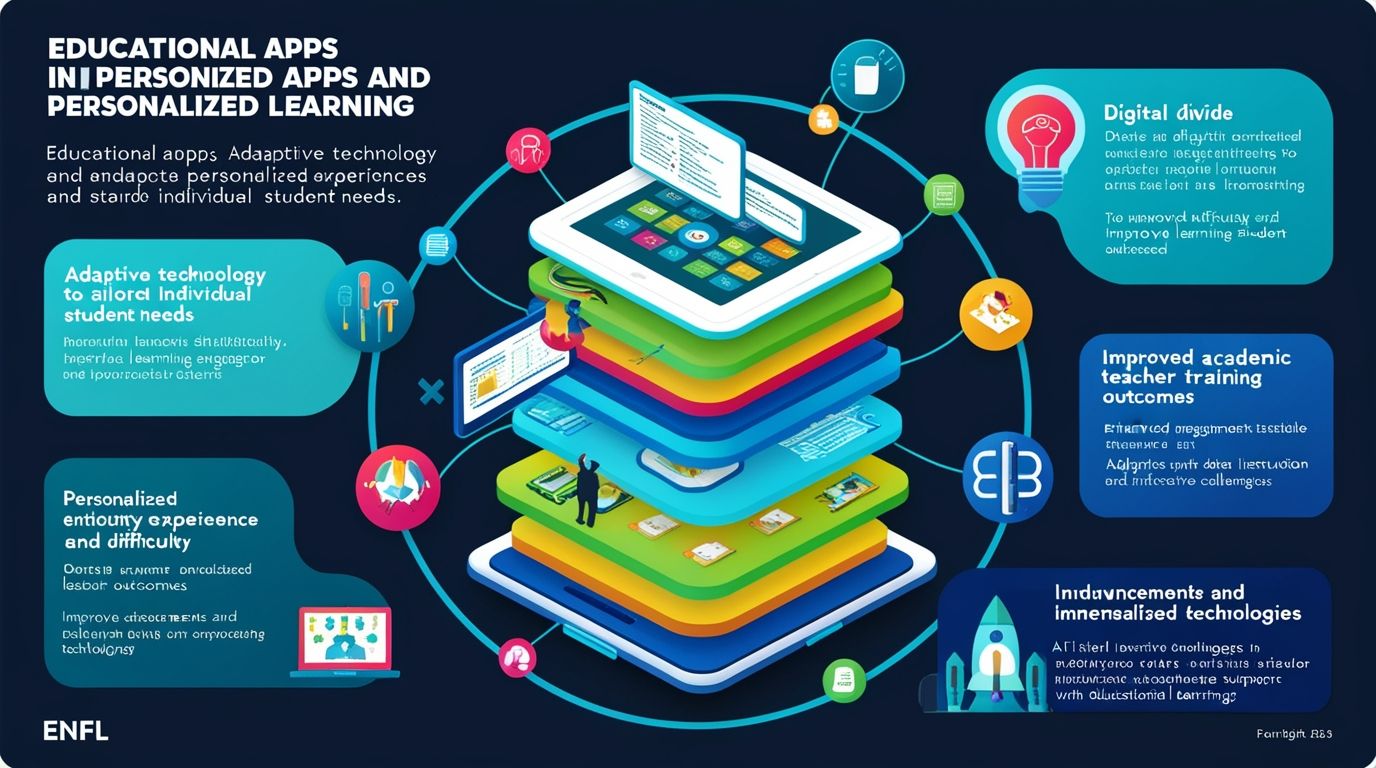
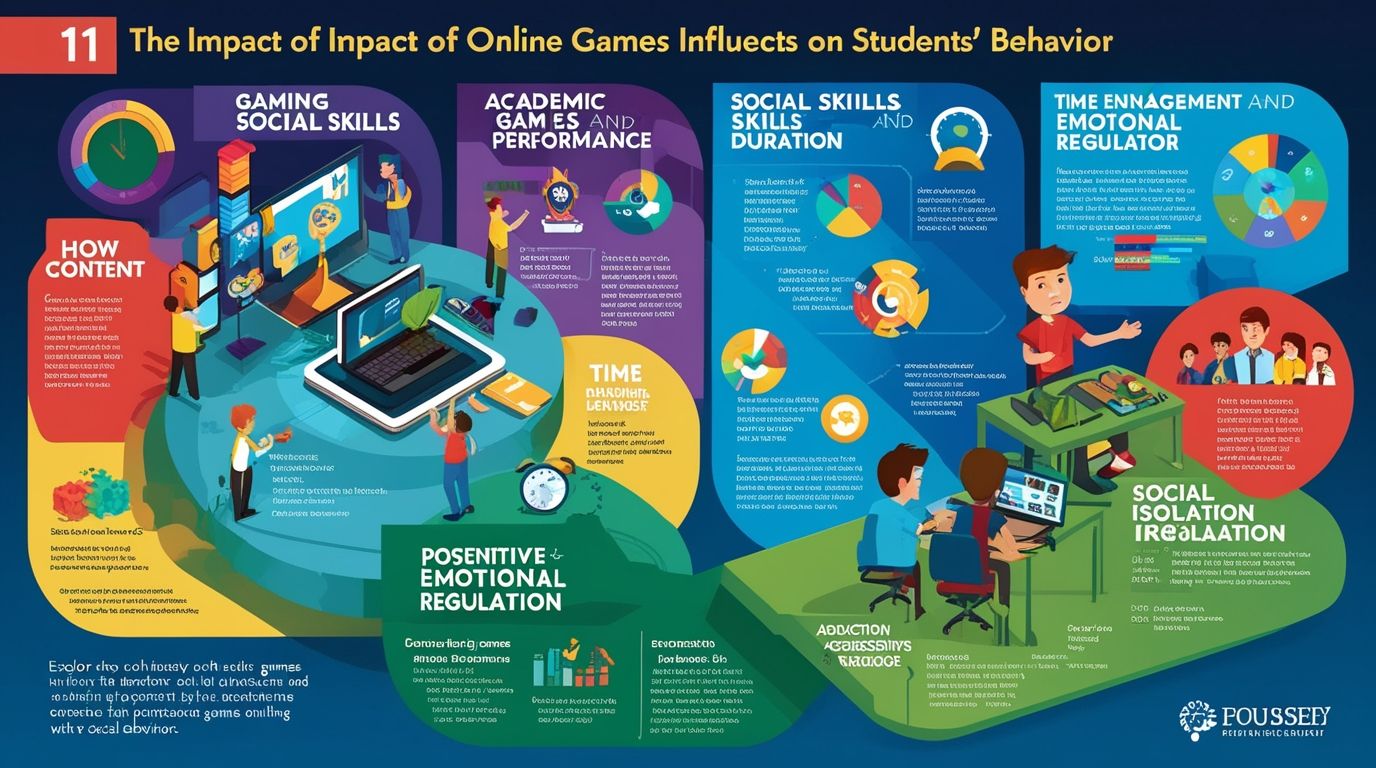
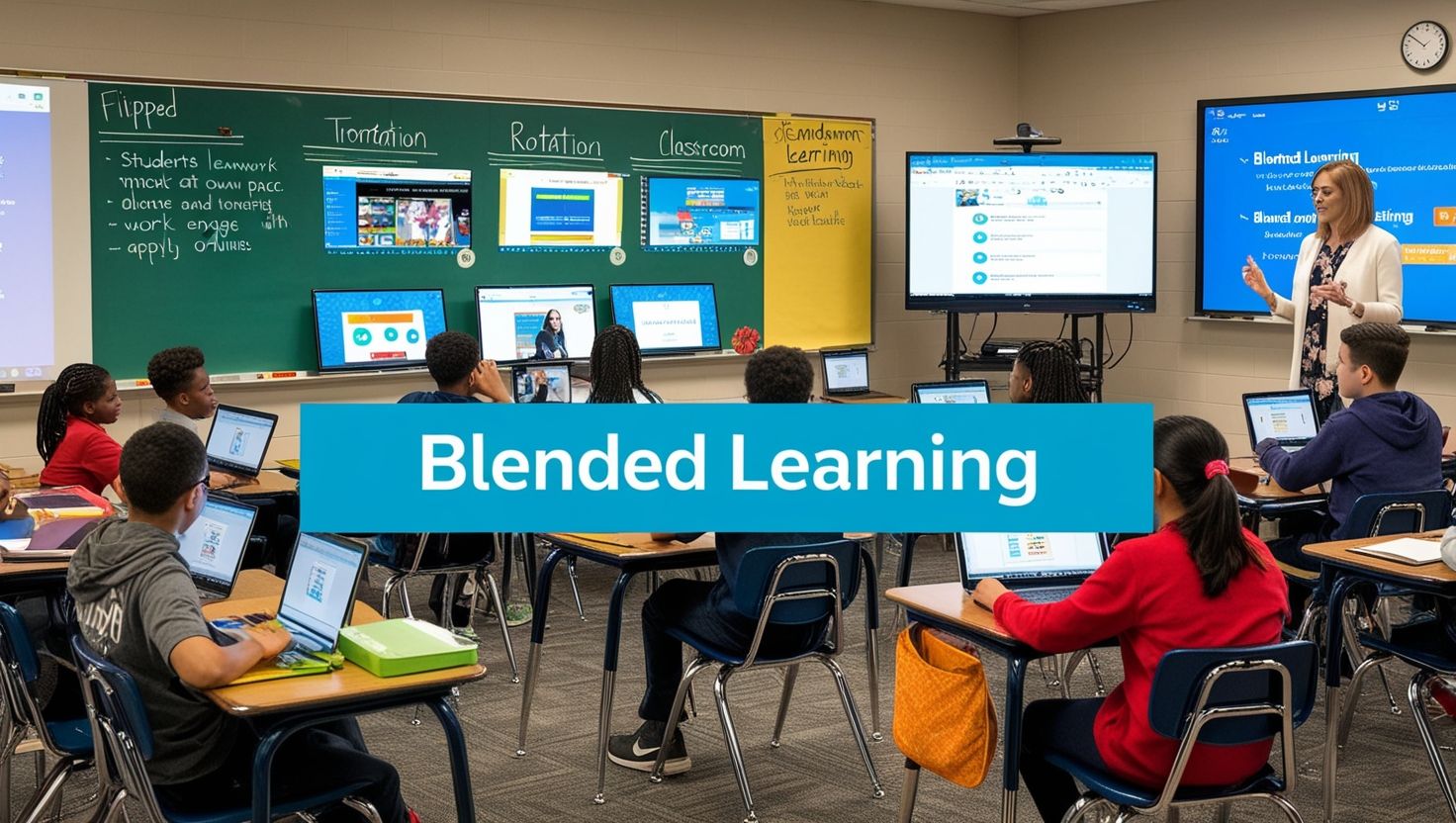
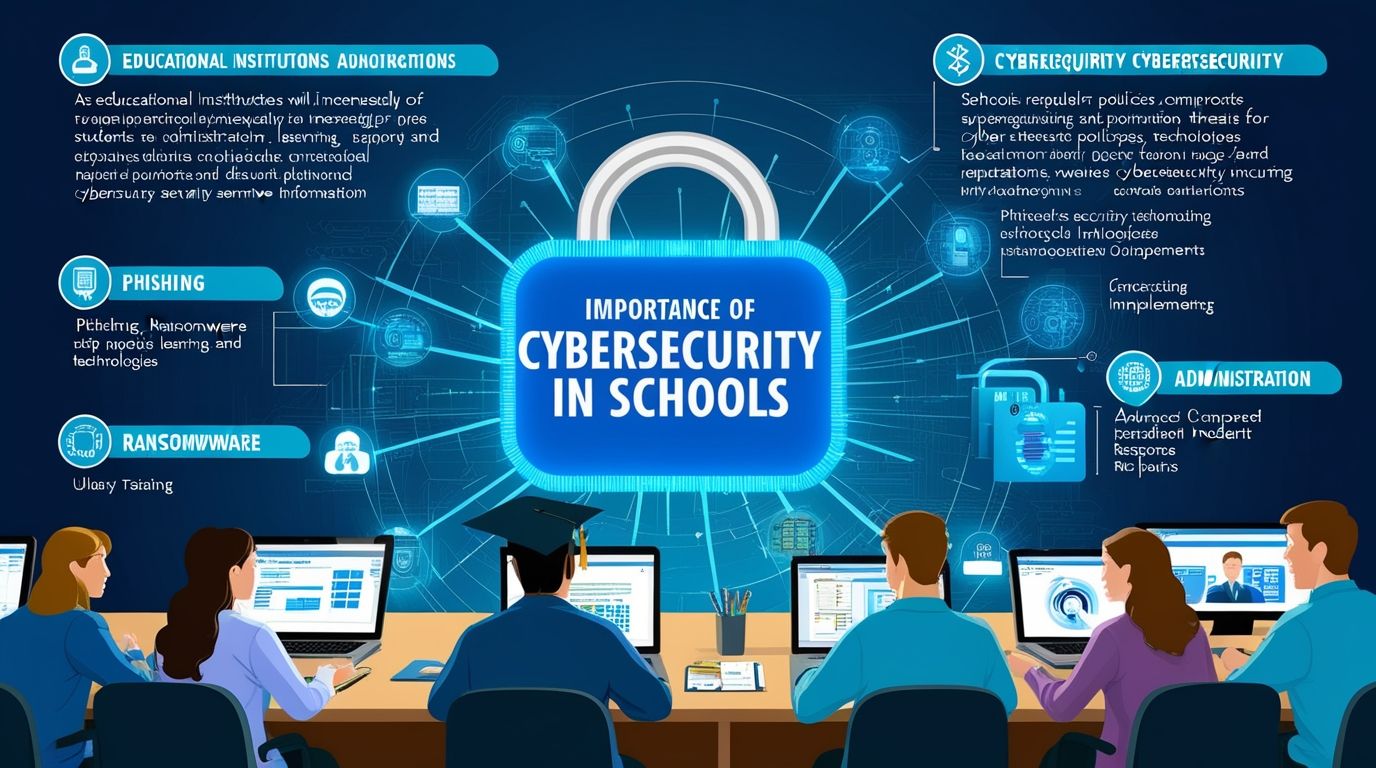
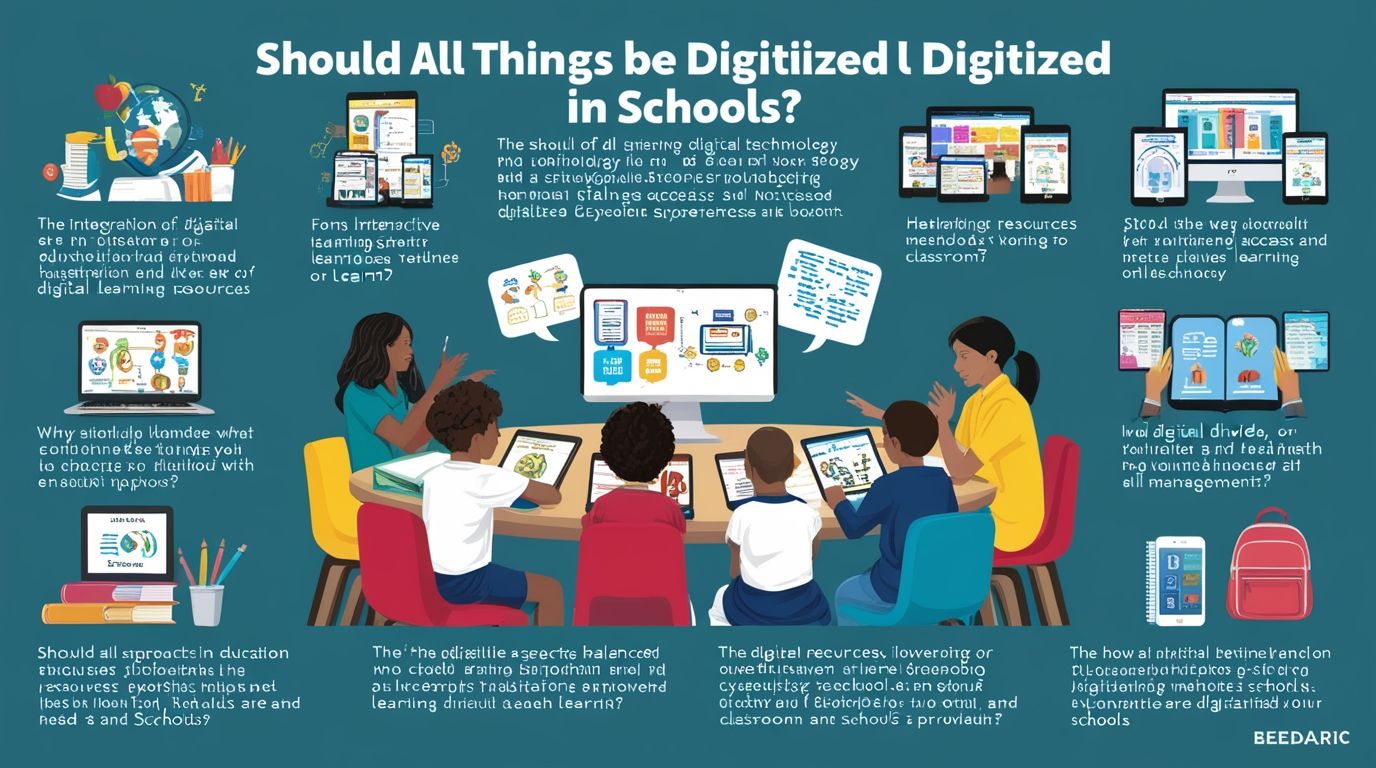
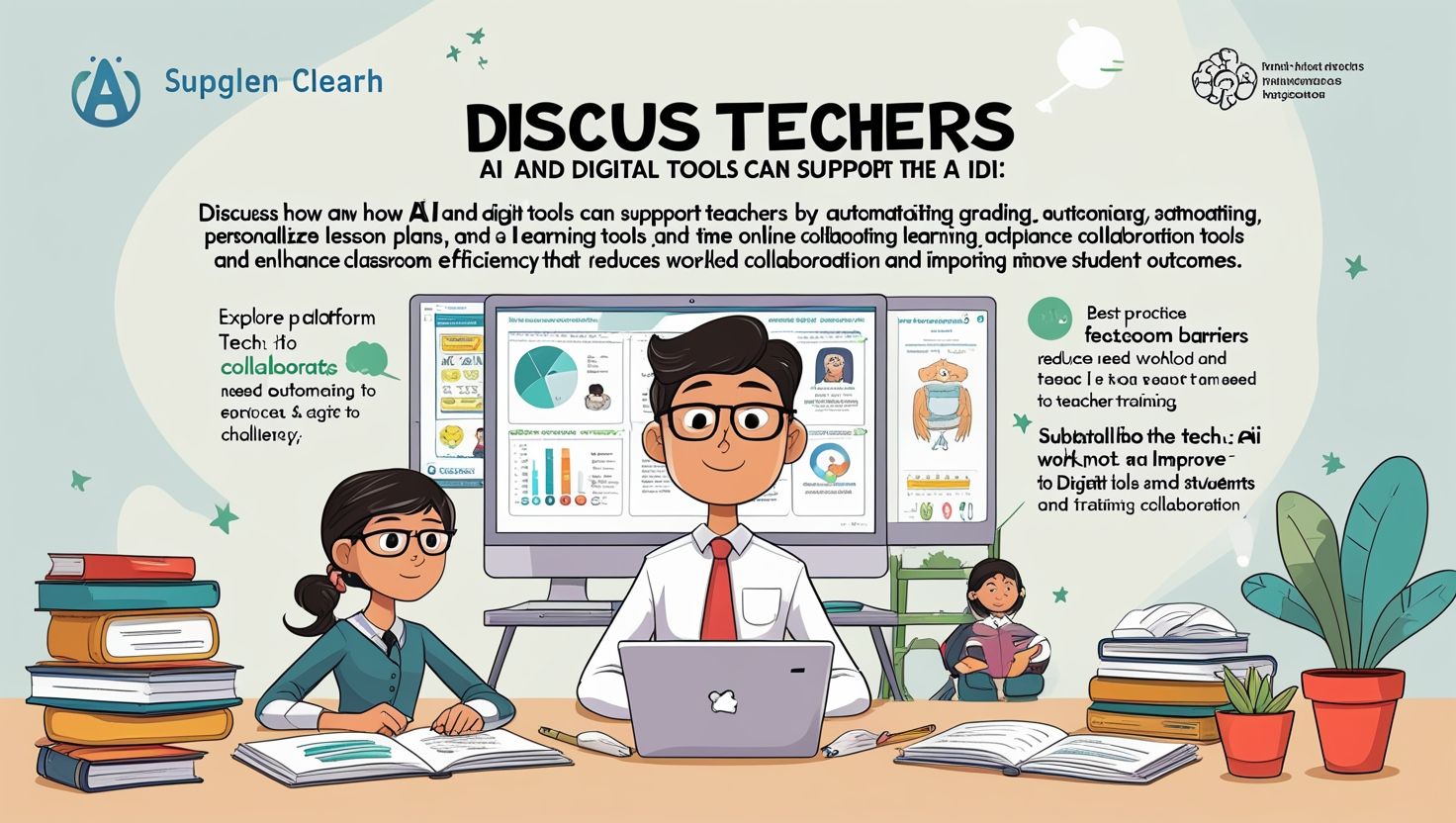
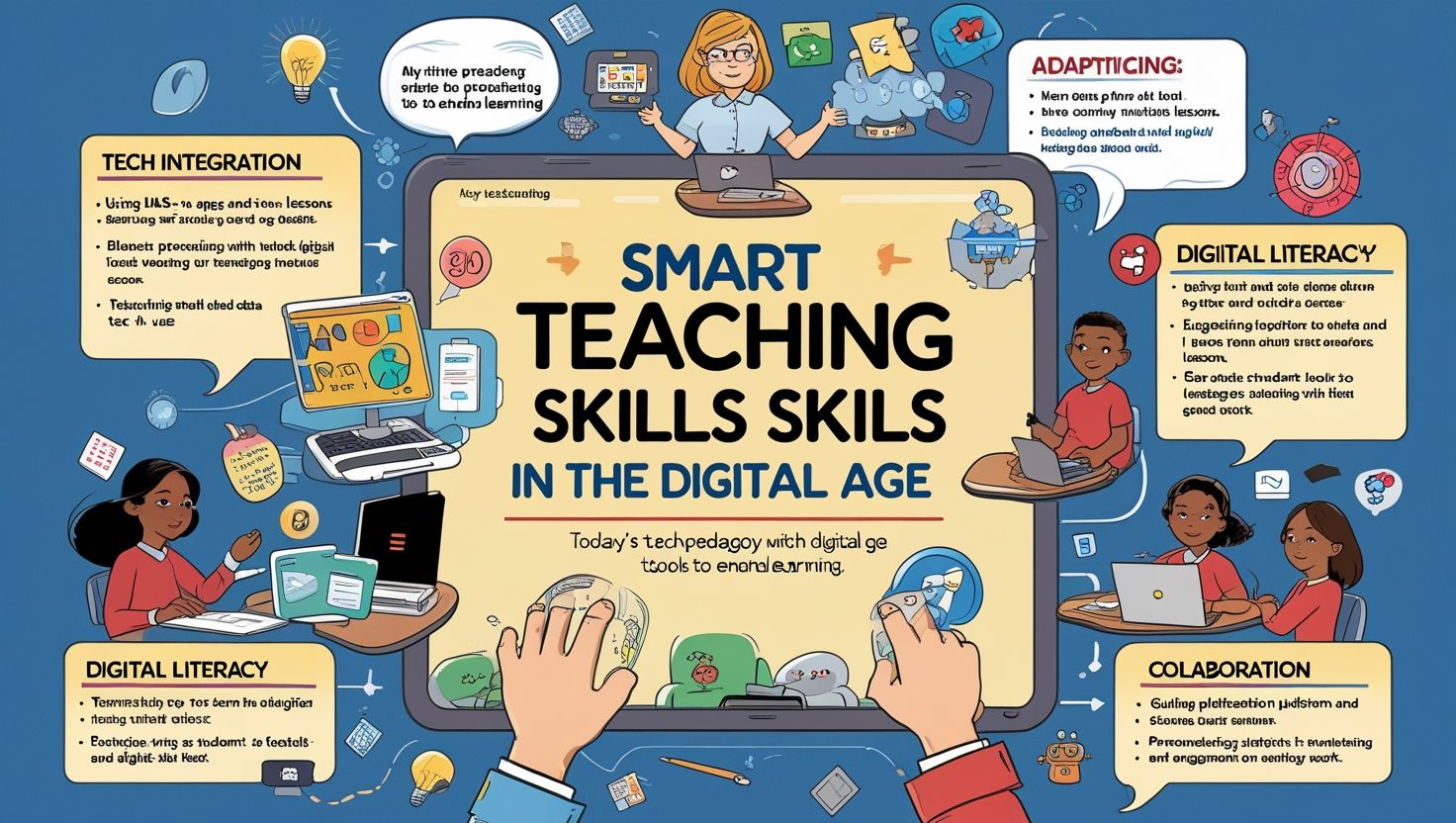
Technology has become an integral part of modern education. Therefore, orientation should familiarize stakeholders with digital tools and platforms. Students need guidance on learning management systems and online resources. Parents require access to communication portals and academic updates. Moreover, teachers benefit from training on educational technologies and digital instruction methods. Consequently, technology integration becomes more effective. Meanwhile, orientation promotes responsible and ethical use of digital resources. Stakeholders learn about cybersecurity, privacy, and digital citizenship. Furthermore, awareness of technological tools enhances efficiency and communication. As a result, learning experiences become more engaging and accessible. Orientation also reduces technical difficulties during the academic session. Therefore, stakeholders can use technology confidently from the beginning. Effective technological orientation supports innovation, collaboration, and continuous learning. Thus, institutions can maximize the benefits of digital transformation while maintaining educational quality and accessibility.
13. Fostering Continuous Improvement and Innovation
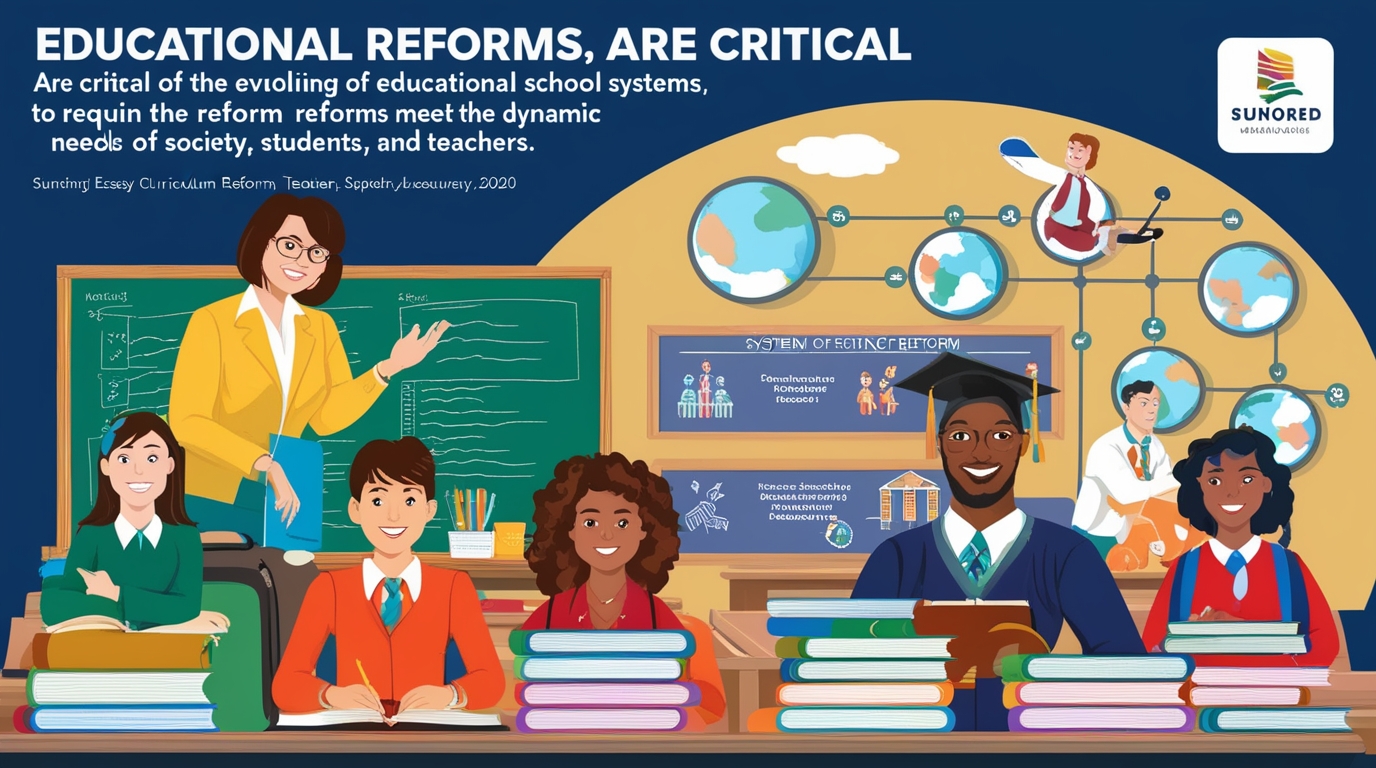
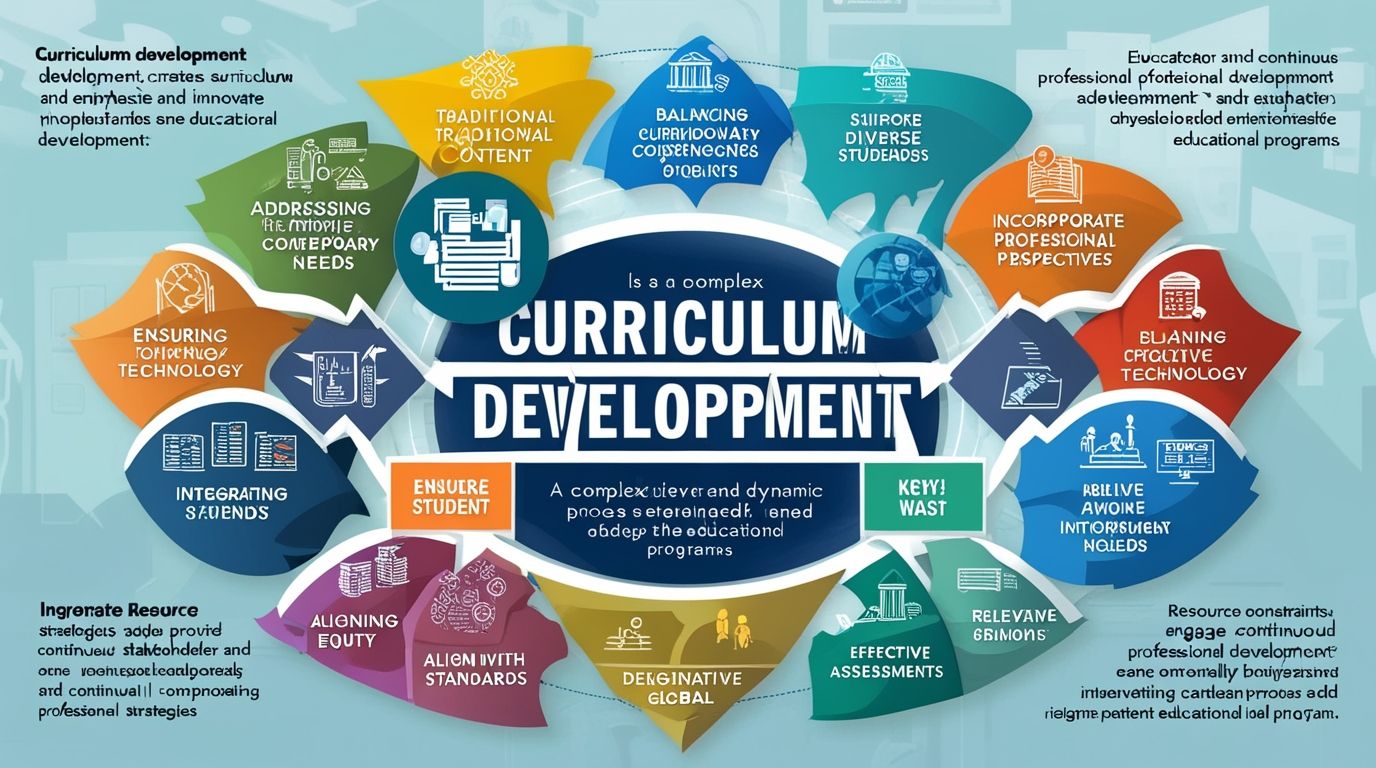
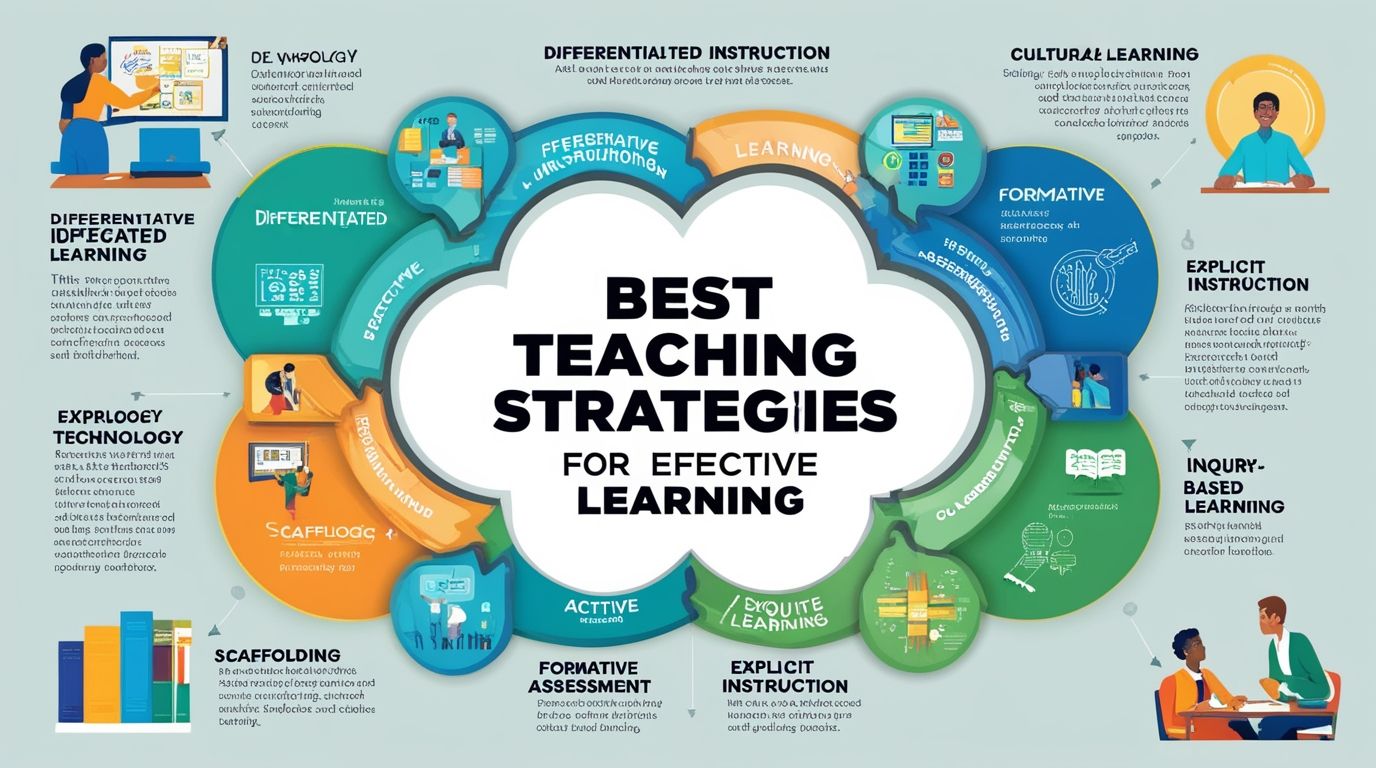
Educational institutions must adapt to changing needs and emerging challenges. Therefore, orientation should encourage a culture of continuous improvement. Stakeholders need to understand that learning and growth are ongoing processes. Moreover, orientation promotes reflection, feedback, and innovation. This mindset supports institutional development. Furthermore, stakeholders learn about improvement initiatives and quality assurance measures. Consequently, they become active contributors to progress. Meanwhile, orientation encourages openness to new ideas and approaches. Teachers explore innovative teaching strategies. Students embrace lifelong learning. Parents support educational advancement. Additionally, administrators communicate plans for future growth and excellence. Therefore, orientation inspires collective commitment to improvement. It motivates stakeholders to seek better outcomes and higher standards. When innovation becomes part of institutional culture, educational quality increases. Thus, orientation serves as a catalyst for transformation, adaptability, and long-term success in an evolving educational landscape.
14. A Strong Beginning for a Successful Future
The beginning of an academic session shapes the experiences that follow. Therefore, orientation should be viewed as a strategic investment rather than a routine activity. It prepares students, parents, teachers, administrators, and community members for meaningful participation. Moreover, orientation strengthens communication, collaboration, and trust. These elements are essential for educational success. Furthermore, it promotes preparedness, responsibility, inclusion, and continuous improvement. Consequently, stakeholders can work together more effectively. Meanwhile, a well-planned orientation establishes a positive institutional culture from the outset. It creates clarity, confidence, and commitment. Additionally, orientation aligns individual efforts with collective goals. Therefore, educational institutions can achieve higher levels of performance and stakeholder satisfaction. Ultimately, the importance of orientation, stakeholder engagement, academic success, collaboration, leadership, and educational excellence cannot be overstated. A strong orientation program creates the foundation for a productive, successful, and inspiring academic year.