Introduction
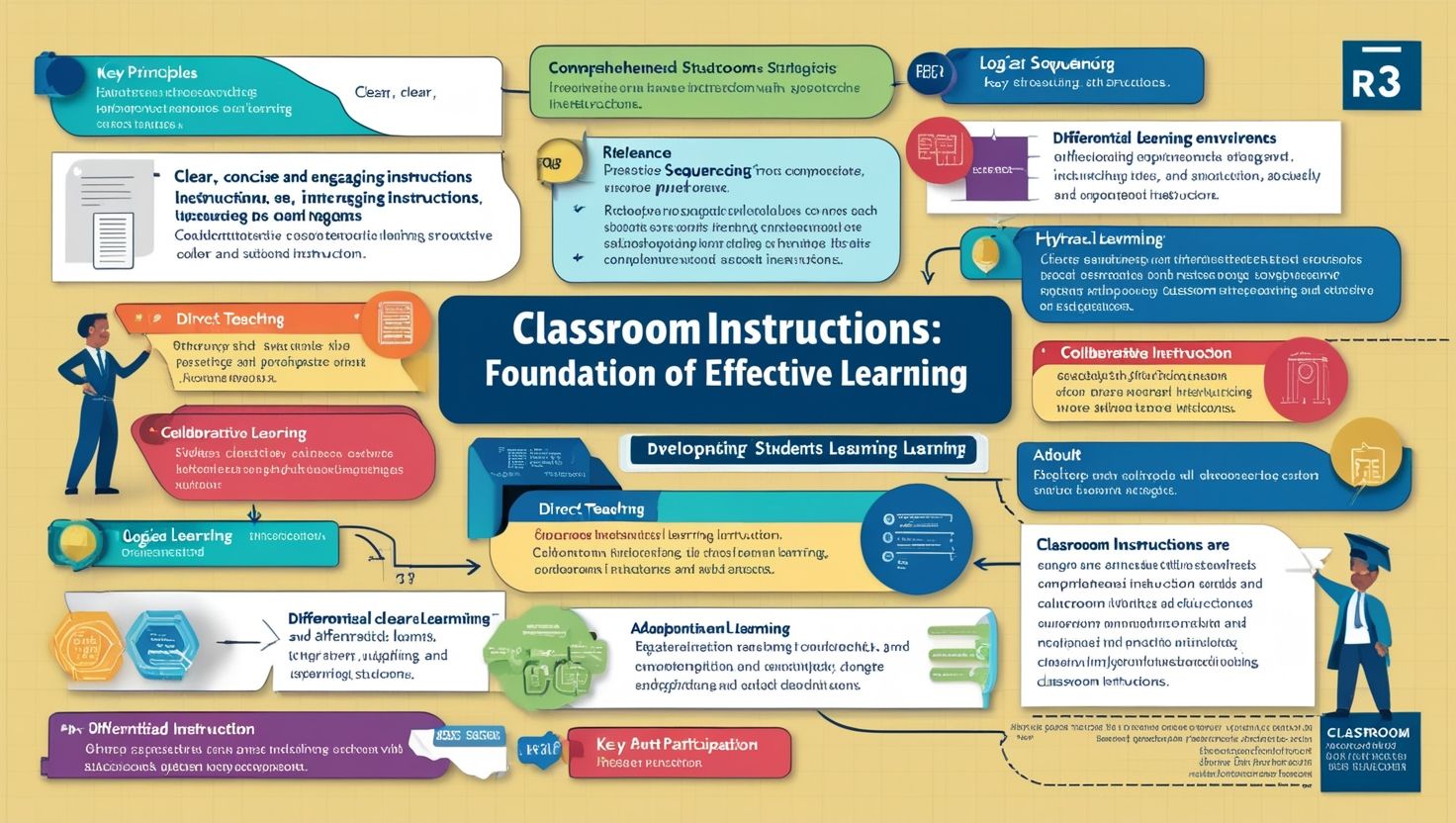
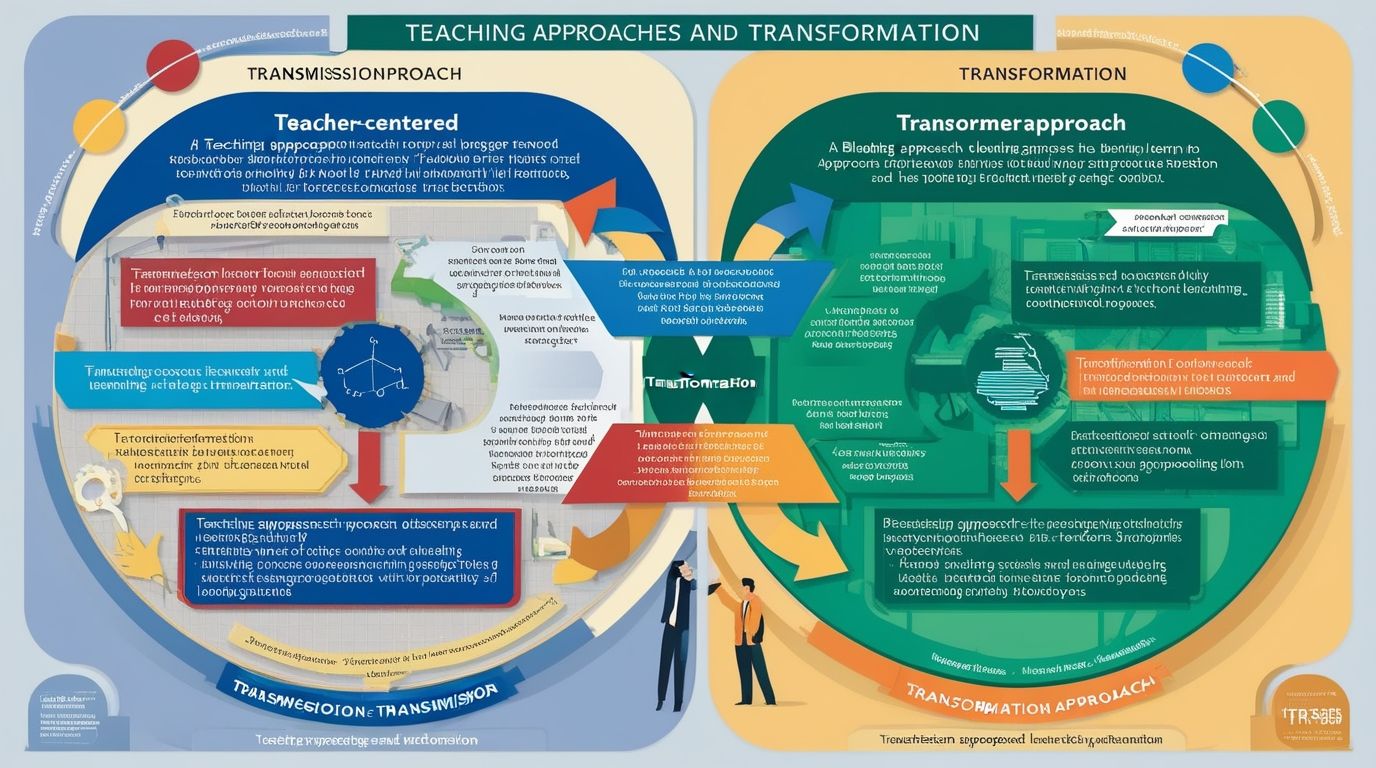
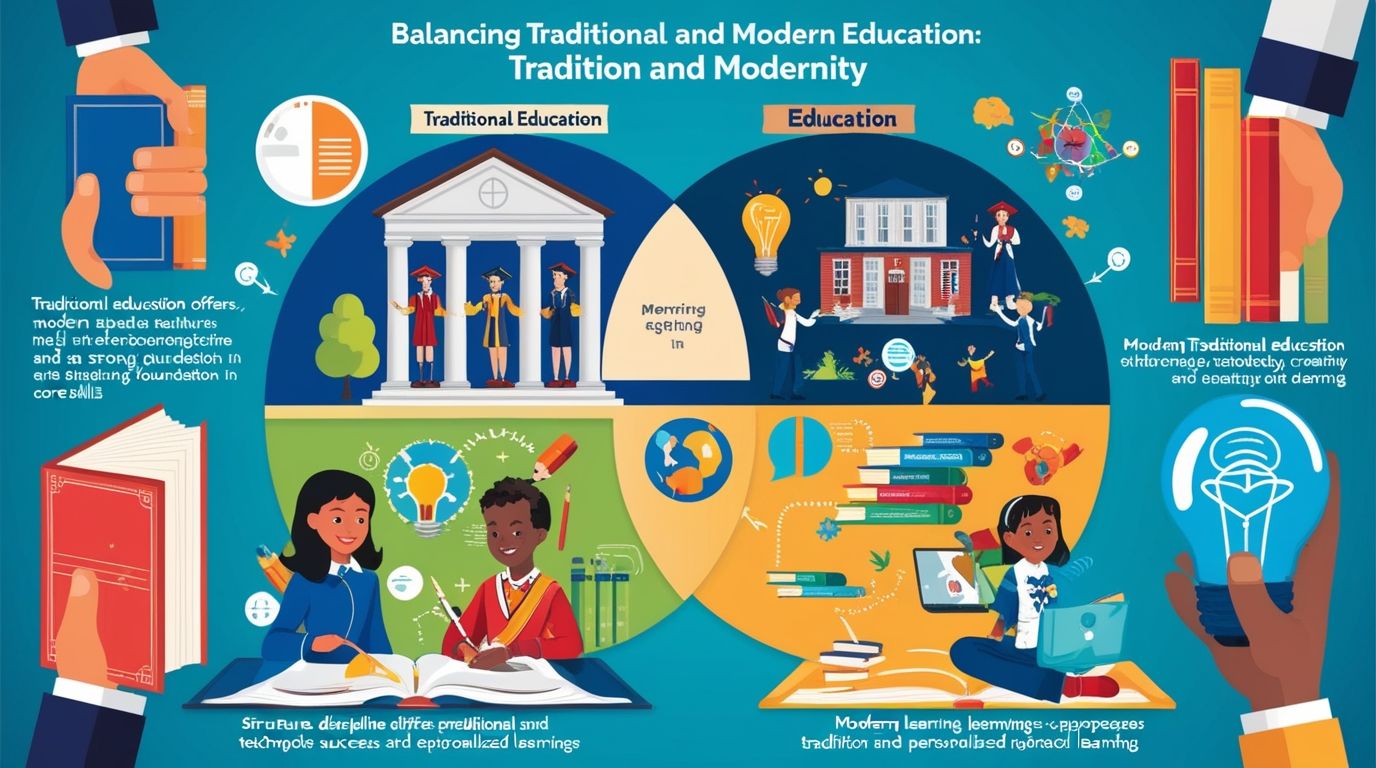
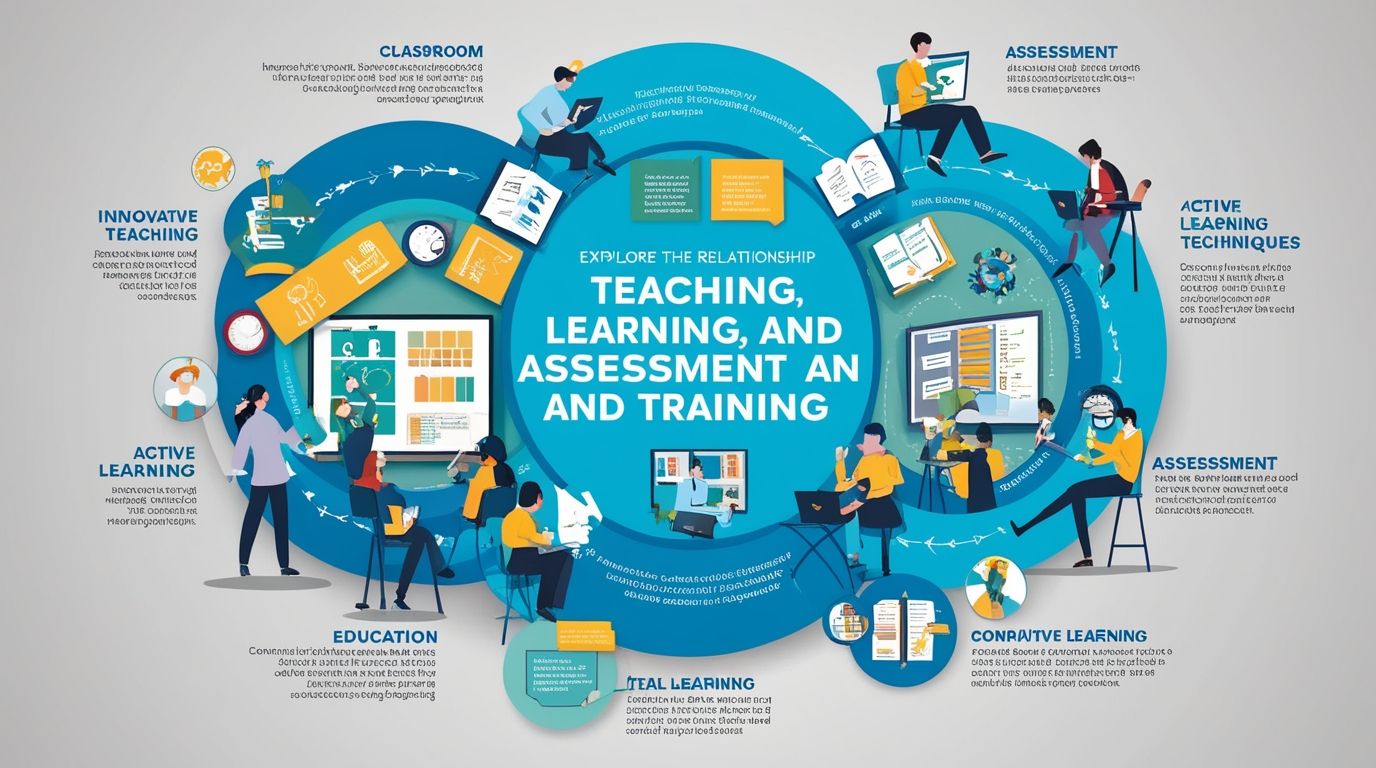
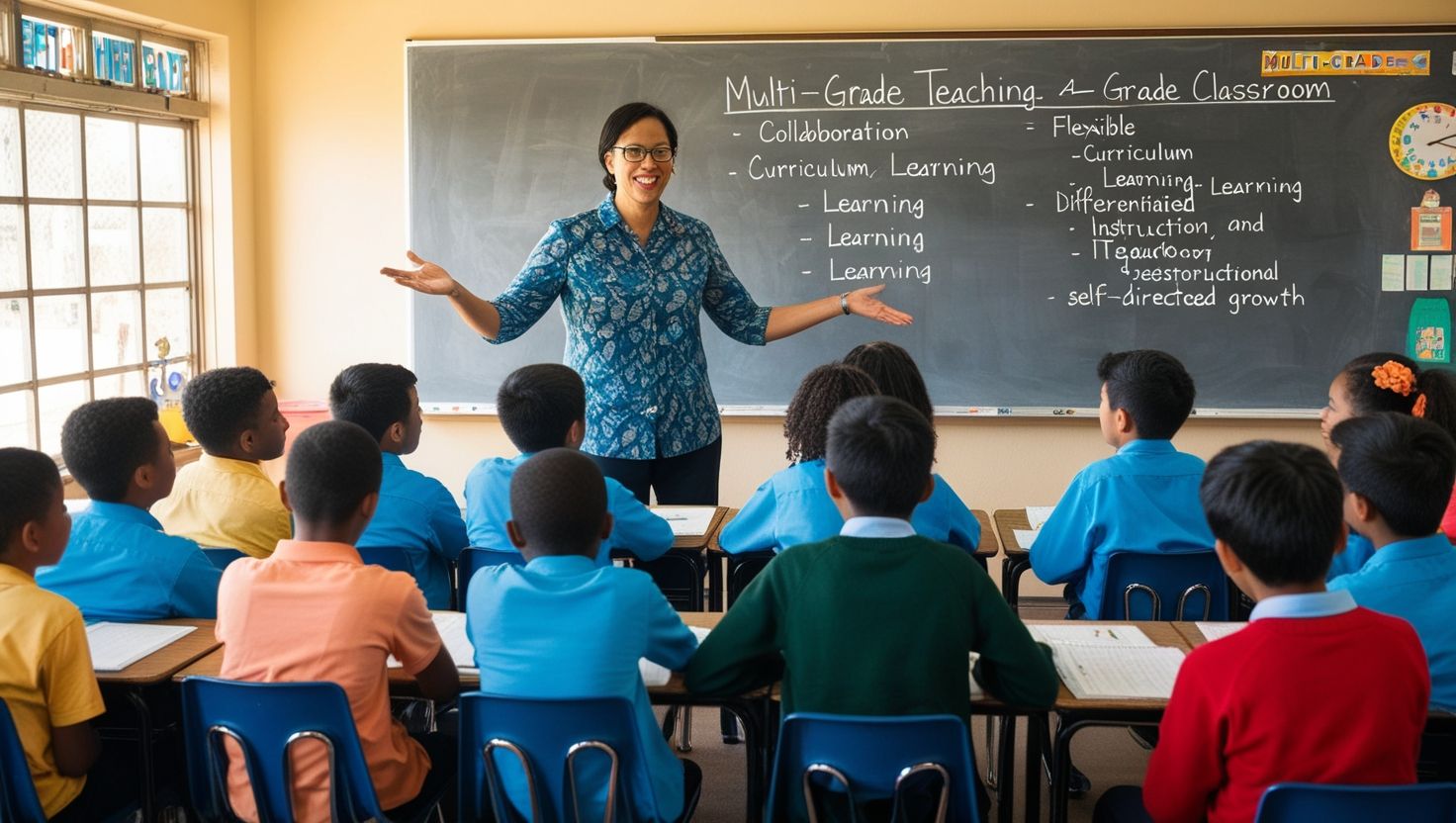
Multimodal Learning Models in Education, Education has transformed significantly from traditional teacher-centered instruction to learner-centered approaches that recognize the diversity of students’ learning needs. One of the most influential developments in modern pedagogy is multimodal learning, which integrates different modes of communication and teaching such as visual, auditory, kinesthetic, textual, and digital methods. Unlike conventional education systems that rely mainly on lectures and textbooks, multimodal learning creates dynamic educational environments where learners interact with information through multiple channels. The comparative importance of these learning models lies in their ability to address different cognitive abilities, motivations, and learning preferences among students.
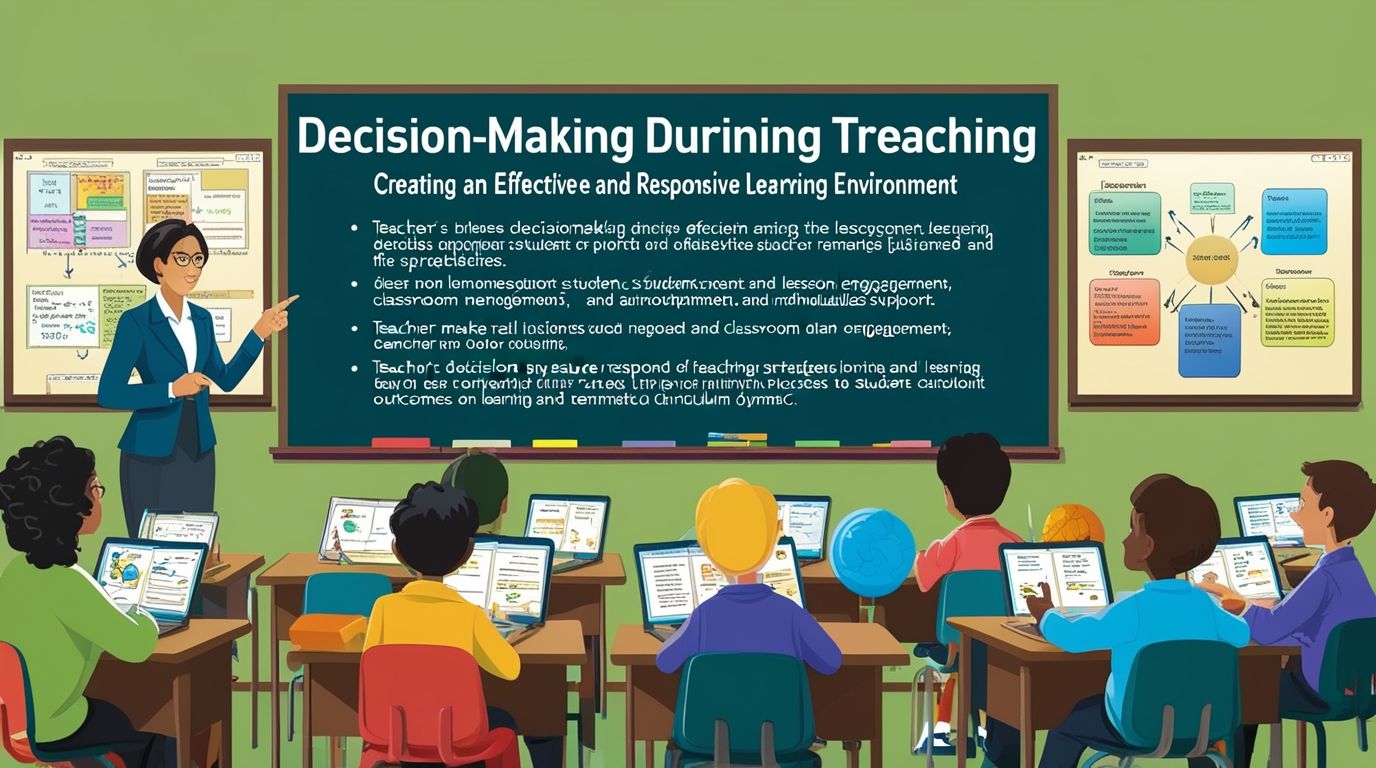
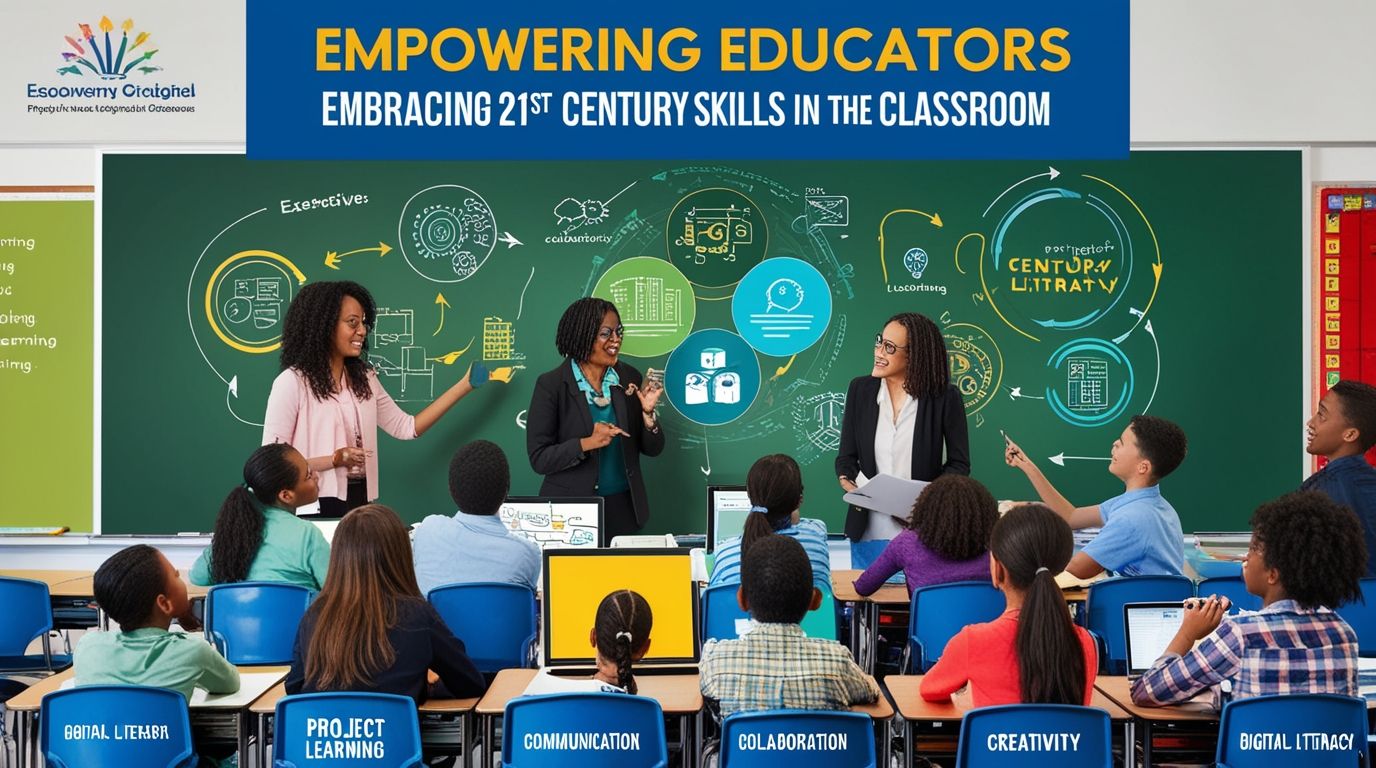
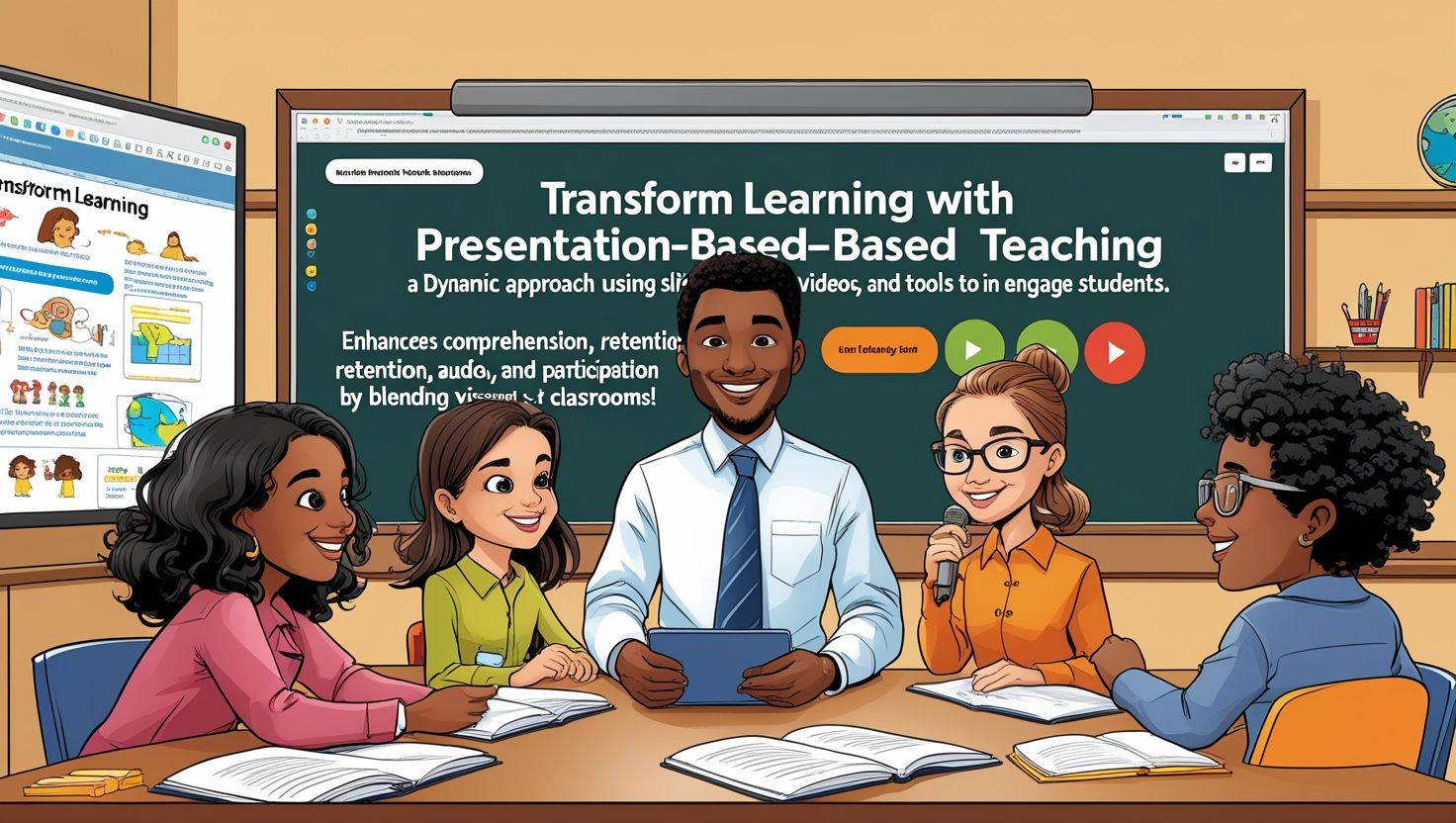
The growing use of technology in classrooms has further strengthened the adoption of multimodal education. Teachers now combine videos, presentations, discussions, practical activities, simulations, and online resources to enhance understanding and participation. While each model contributes differently to the learning process, their combined use often produces more effective educational outcomes than relying on a single instructional method.
Concept and Meaning of Multimodal Learning
Multimodal learning refers to the integration of multiple methods or modes of teaching and learning to improve comprehension and engagement. The term “multimodal” originates from the idea that human communication and understanding occur through various sensory and cognitive channels. In education, these modes include visual representations, spoken language, physical movement, digital interaction, and collaborative engagement.
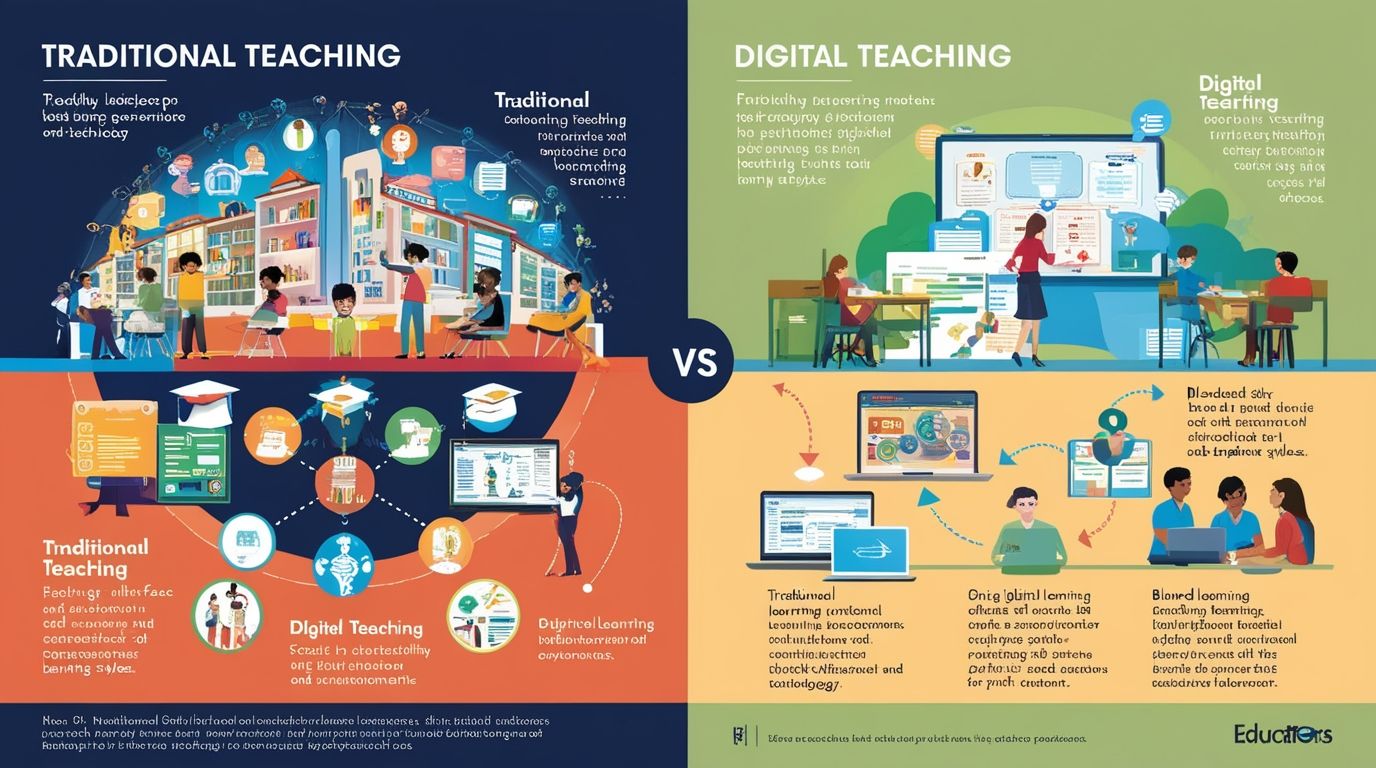
Compared to traditional learning approaches, multimodal education provides greater flexibility and inclusivity. Traditional methods mainly emphasize textual and verbal instruction, whereas multimodal learning acknowledges that learners process information differently. Some students may excel through visual materials such as diagrams and animations, while others understand concepts better through discussion or practical activities. Therefore, multimodal learning creates a more balanced and adaptive educational environment.
Theoretical Foundations of Multimodal Education
Several educational theories support the development of multimodal learning. These theories explain how learners acquire, process, and apply knowledge through different forms of interaction. Behaviorism, cognitivism, constructivism, and social learning theories each contribute unique perspectives on teaching and learning processes.
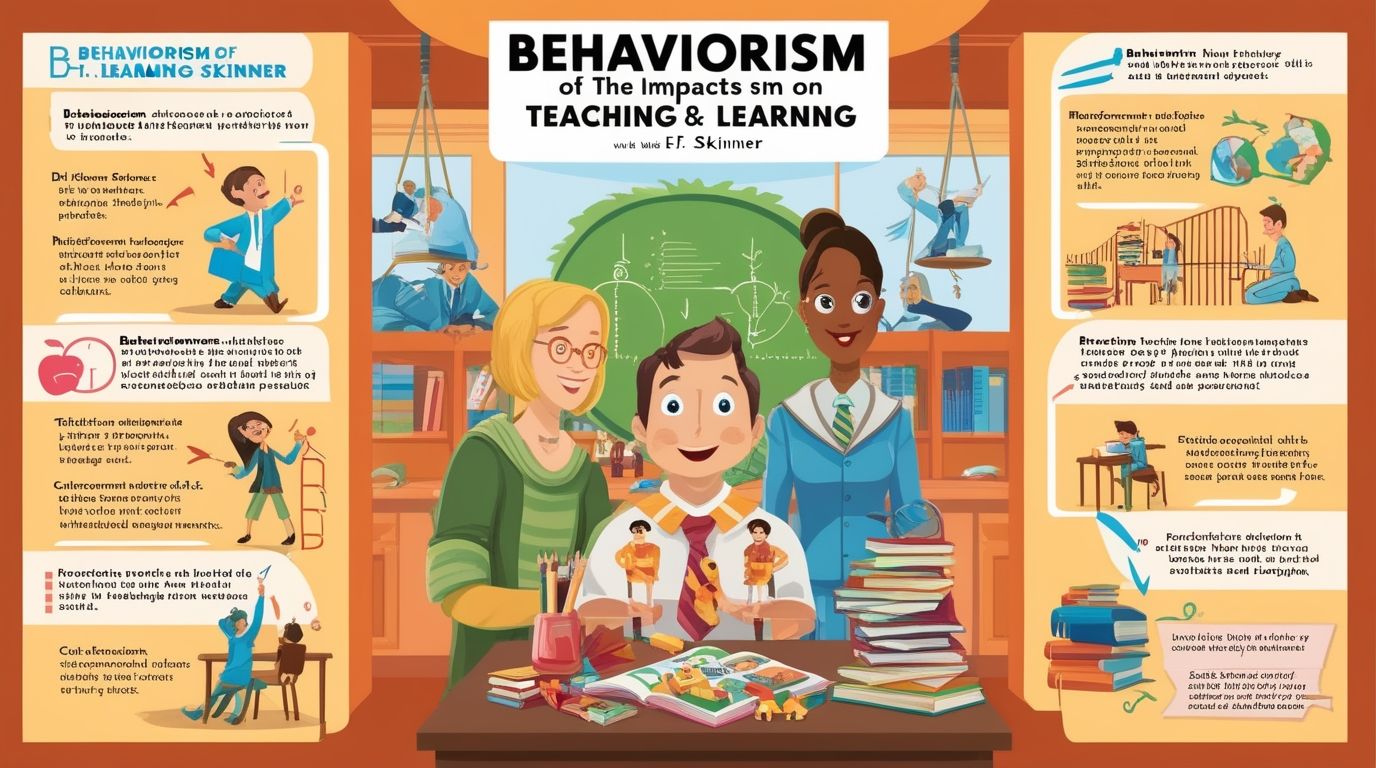
Behaviorist theories emphasize observable learning outcomes and reinforcement, often supporting structured instructional methods. In contrast, cognitivist theories focus on mental processes such as memory, perception, and problem-solving. Constructivist theories argue that learners actively construct knowledge through experiences and social interaction. Social learning theories emphasize collaboration and observation. Comparatively, multimodal education integrates elements from all these theoretical frameworks, making it more comprehensive than single-theory instructional approaches.
Howard Gardner’s Theory of Multiple Intelligences
Howard Gardner’s Theory of Multiple Intelligences significantly influenced multimodal education by challenging traditional views of intelligence. Gardner proposed that intelligence is not limited to linguistic and logical abilities but includes multiple forms such as spatial, musical, bodily-kinesthetic, interpersonal, intrapersonal, and naturalistic intelligence.
Compared with conventional intelligence theories that prioritize academic performance in mathematics and language, Gardner’s theory promotes educational diversity and inclusivity. Multimodal learning directly reflects this theory by incorporating varied instructional methods to support different intelligences. For example, visual learners may benefit from graphics and charts, while kinesthetic learners gain understanding through practical activities. Gardner’s framework therefore supports personalized education more effectively than standardized teaching approaches.
Cognitive Theory of Multimedia Learning
Richard Mayer’s Cognitive Theory of Multimedia Learning explains how individuals process information through visual and auditory channels. According to this theory, learning becomes more effective when words, images, sounds, and animations are presented together in a meaningful way.
Compared with text-only instruction, multimedia learning enhances comprehension and retention by engaging multiple cognitive processes simultaneously. However, Mayer also warned against cognitive overload, which occurs when learners receive excessive information at one time. Therefore, effective multimedia learning requires careful instructional design. Compared to traditional lectures, multimedia learning offers richer educational experiences, but it demands greater planning and technological resources from educators.
Constructivism and Active Learning Approaches
Constructivism views learning as an active process in which learners construct knowledge through interaction, reflection, and experience. Active learning approaches based on constructivism encourage students to participate in discussions, projects, experiments, and collaborative tasks.
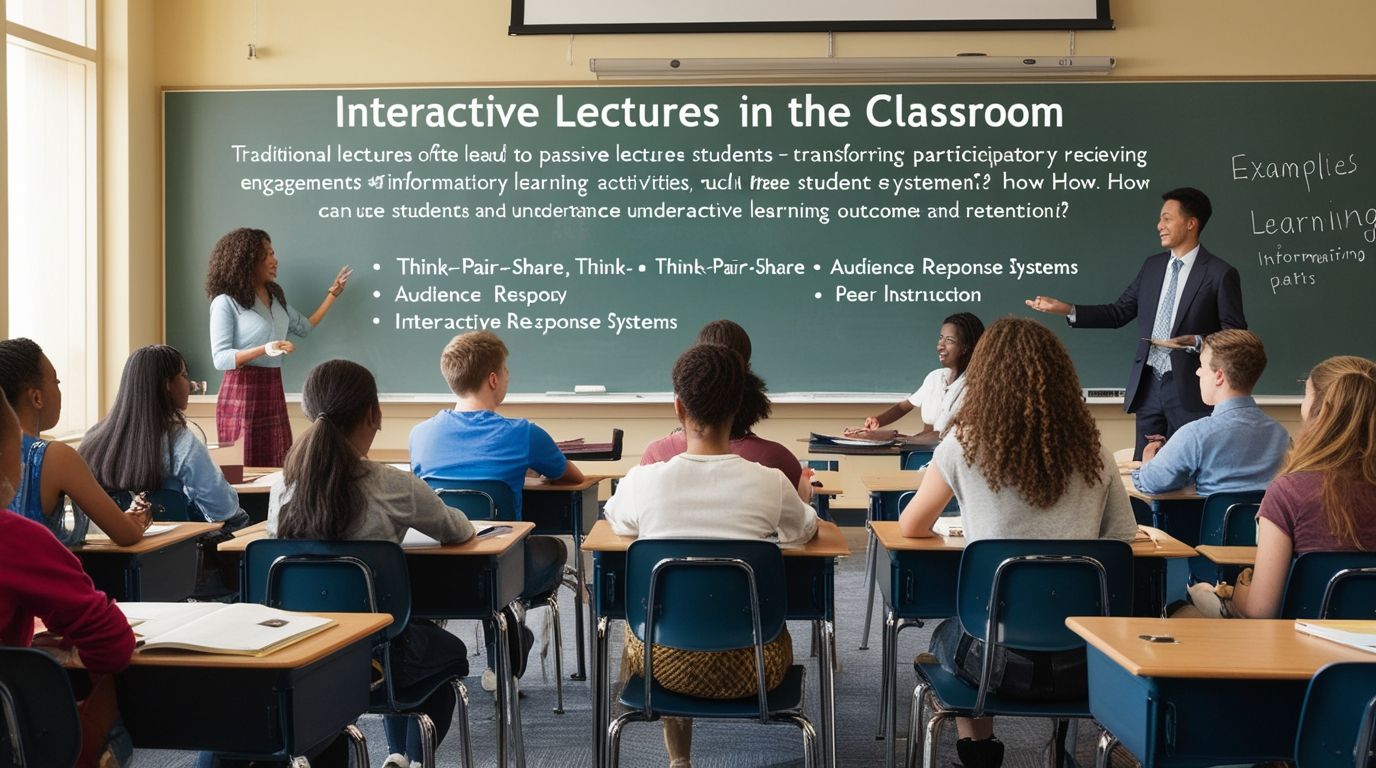
Compared with passive lecture-based instruction, active learning increases critical thinking, creativity, and problem-solving abilities. Traditional methods often position students as passive recipients of knowledge, while constructivist approaches transform them into active participants. Multimodal learning supports constructivism because it combines interaction, exploration, and engagement through multiple learning activities.
Visual Learning as a Teaching Model
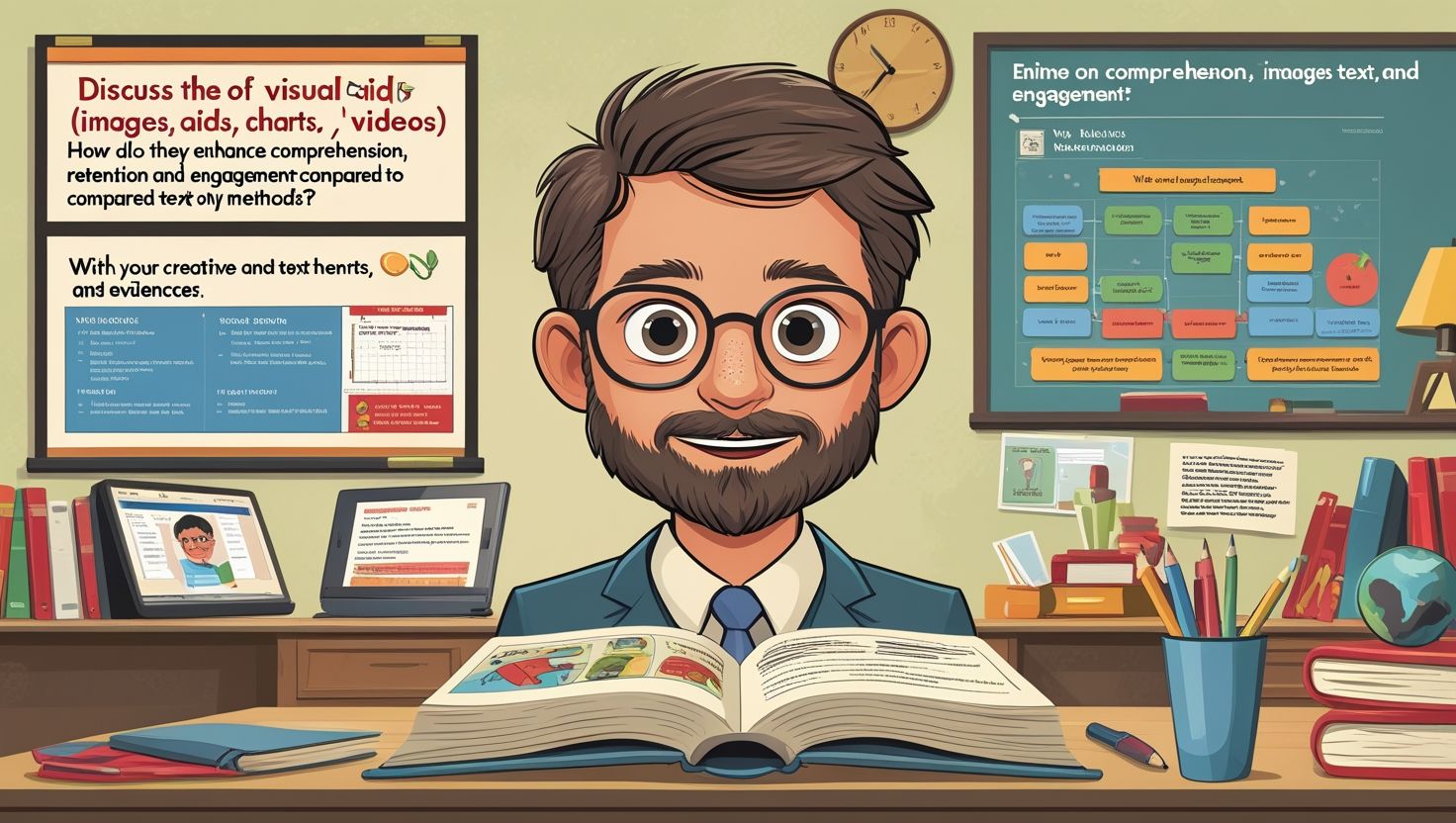
Visual learning involves the use of images, diagrams, videos, charts, graphs, and demonstrations to communicate information. This model is highly effective for subjects involving spatial relationships and conceptual understanding such as science, mathematics, and geography.
Compared with auditory learning, visual learning often improves memory retention because learners can associate concepts with images and patterns. Visual materials simplify complex information and make abstract concepts easier to understand. However, visual learning alone may not fully support learners who prefer discussion, storytelling, or physical interaction. Therefore, it is most effective when integrated with other learning modes.
Auditory Learning and Verbal Communication
Auditory learning emphasizes listening, speaking, discussion, and verbal interaction. Lectures, storytelling, debates, podcasts, and group discussions are common auditory learning strategies.
Compared with visual learning, auditory learning strengthens communication and language skills more effectively. It is particularly important in language education, literature, and social sciences where discussion and interpretation play central roles. However, auditory methods may not sufficiently support learners who require visual representation or practical engagement. Thus, combining auditory and visual strategies often creates more balanced instruction.
Kinesthetic and Experiential Learning
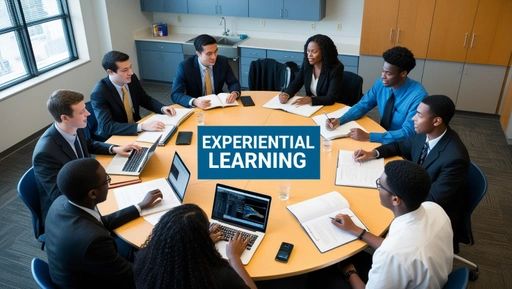
Kinesthetic learning focuses on physical activity, movement, and hands-on experiences. Learners engage directly with materials through experiments, role-play, simulations, fieldwork, and practical demonstrations.
Compared with theoretical classroom instruction, experiential learning promotes deeper understanding and long-term retention because students apply concepts in real-world contexts. Kinesthetic learning is especially valuable in vocational training, science laboratories, engineering, and medical education. However, it may require additional resources, equipment, and time compared with traditional teaching methods.
Digital Learning and Educational Technology
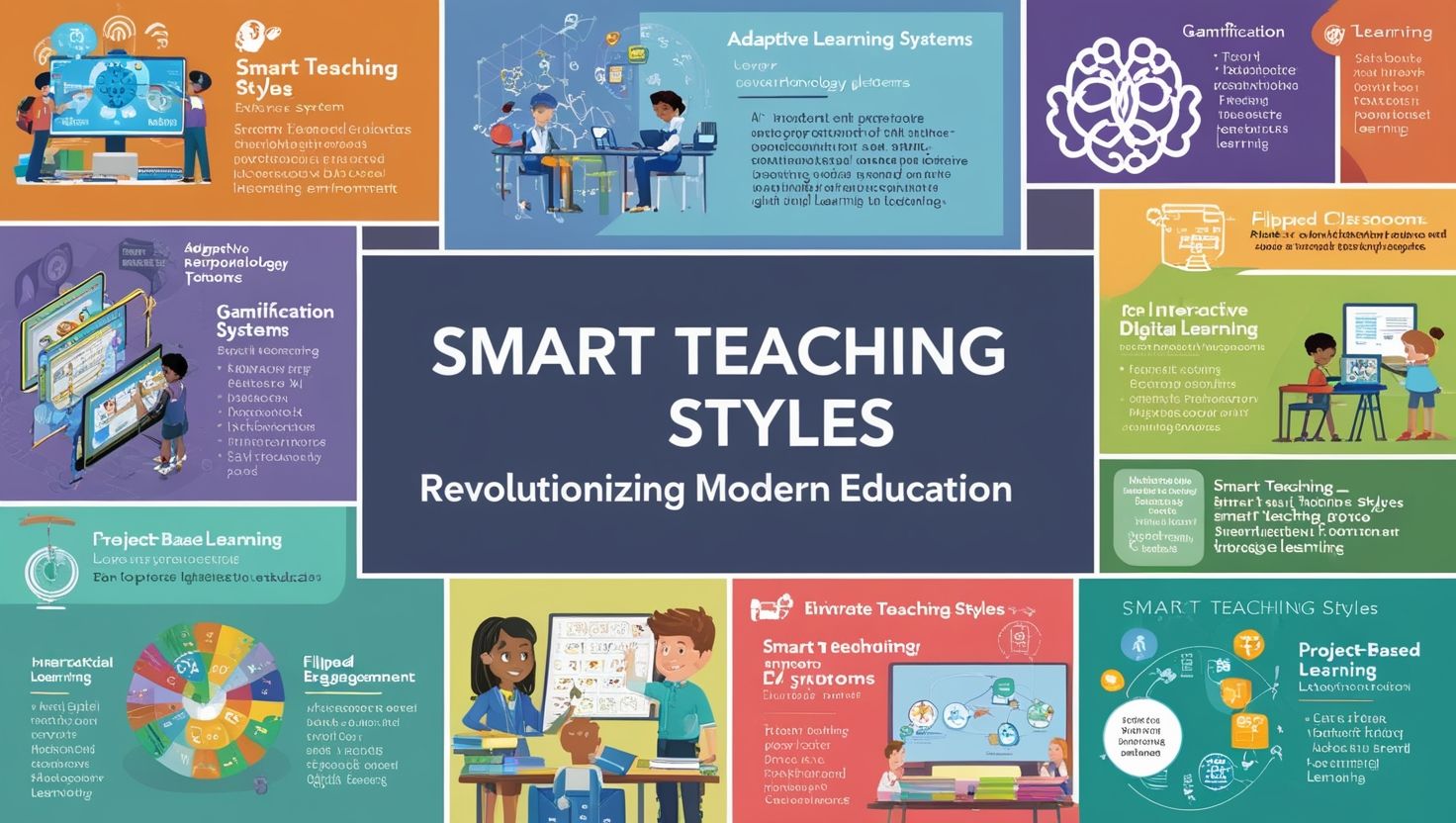
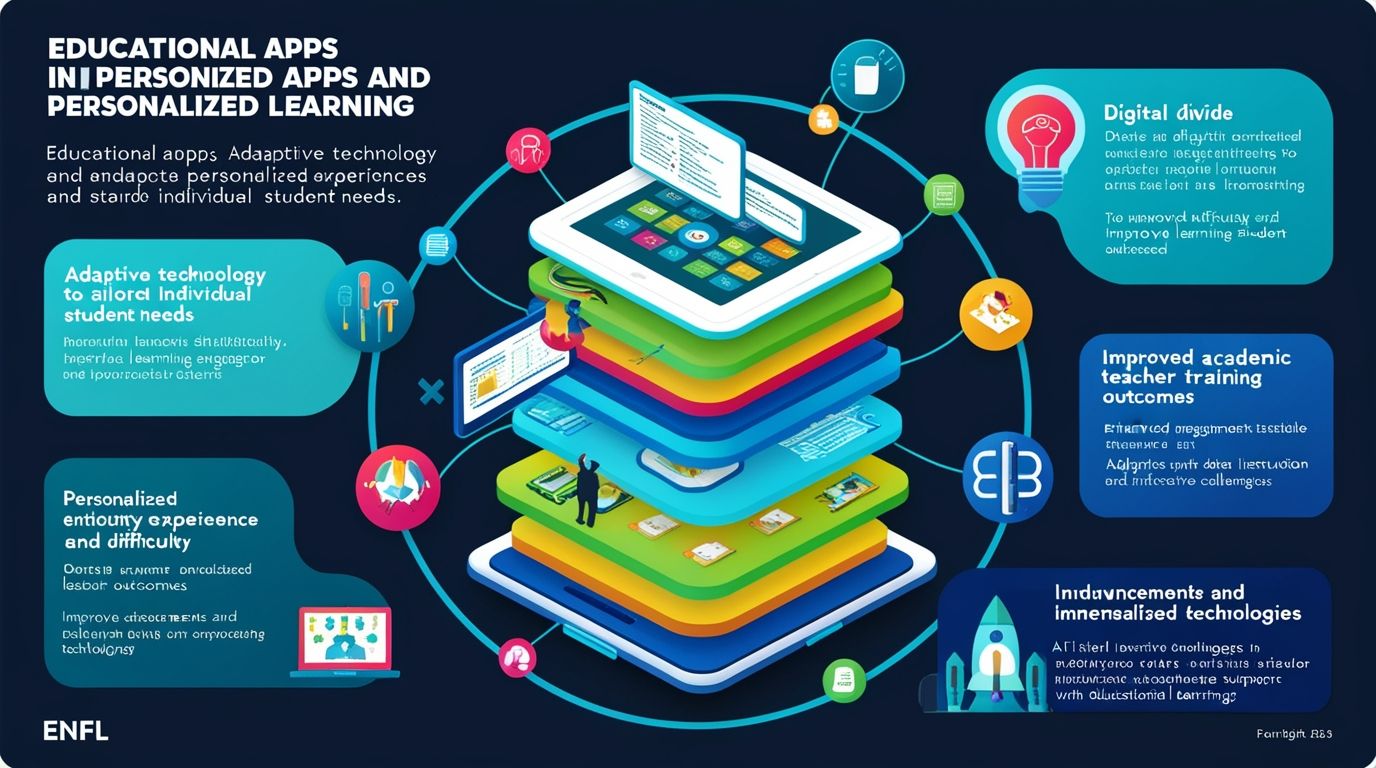
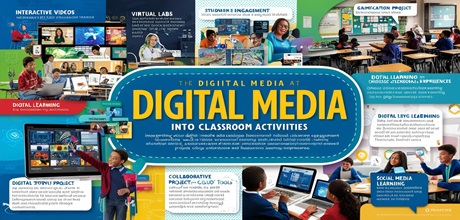
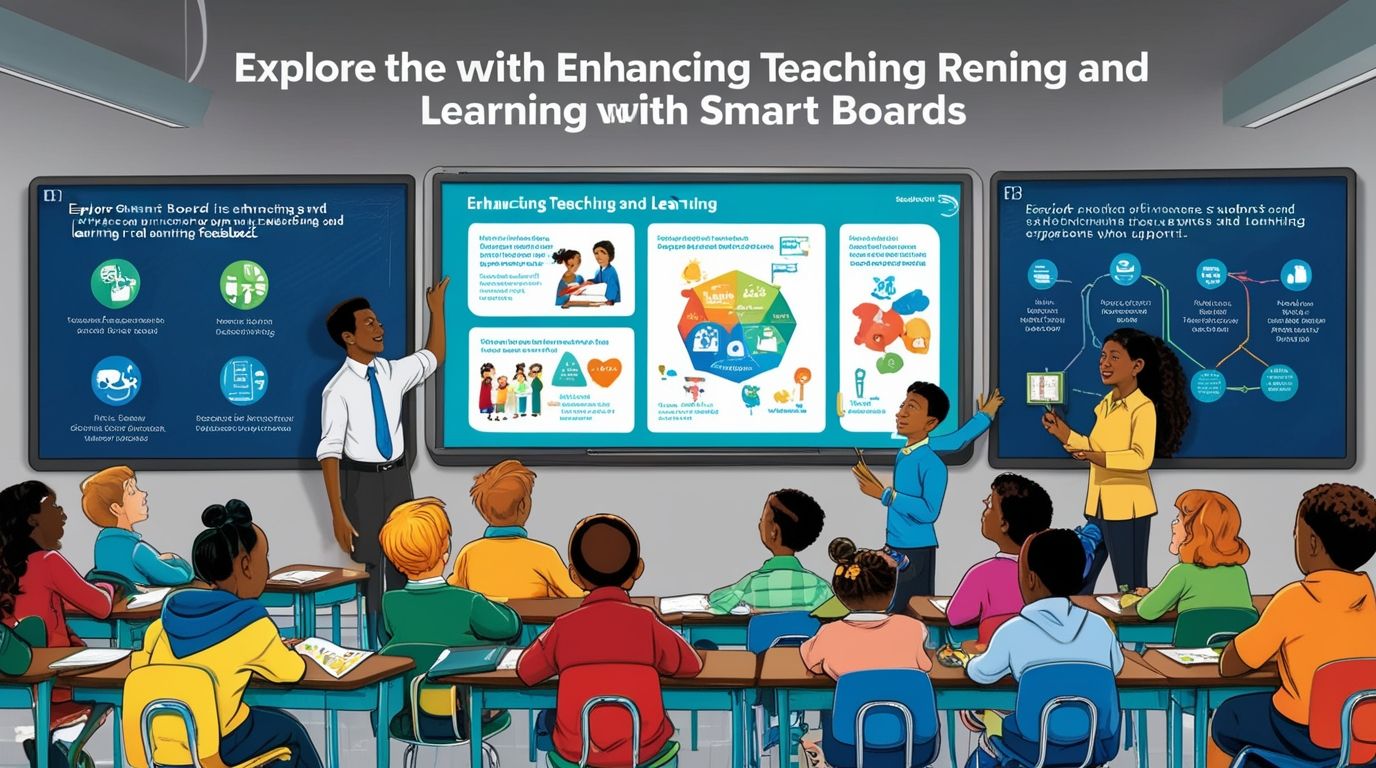
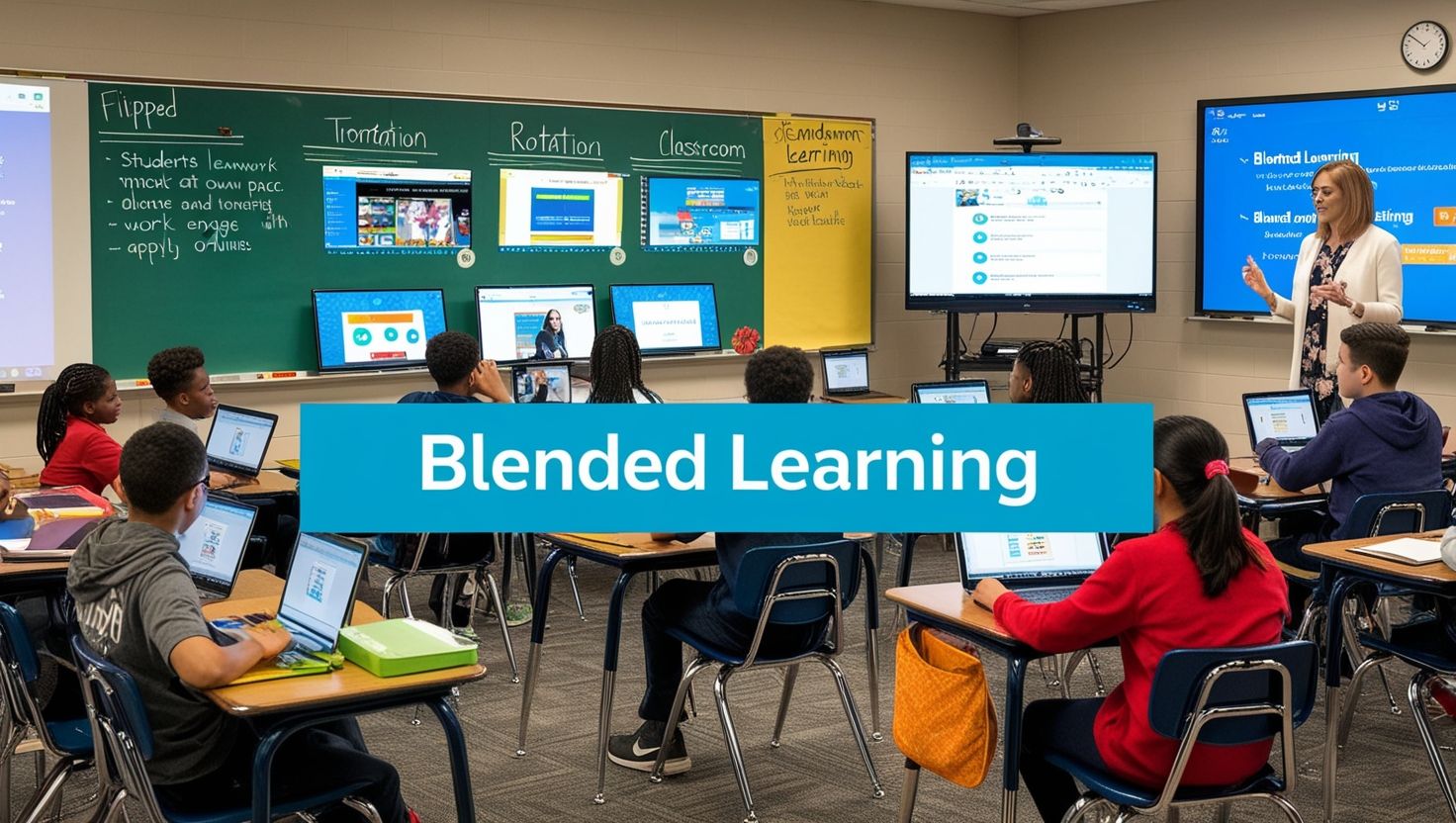
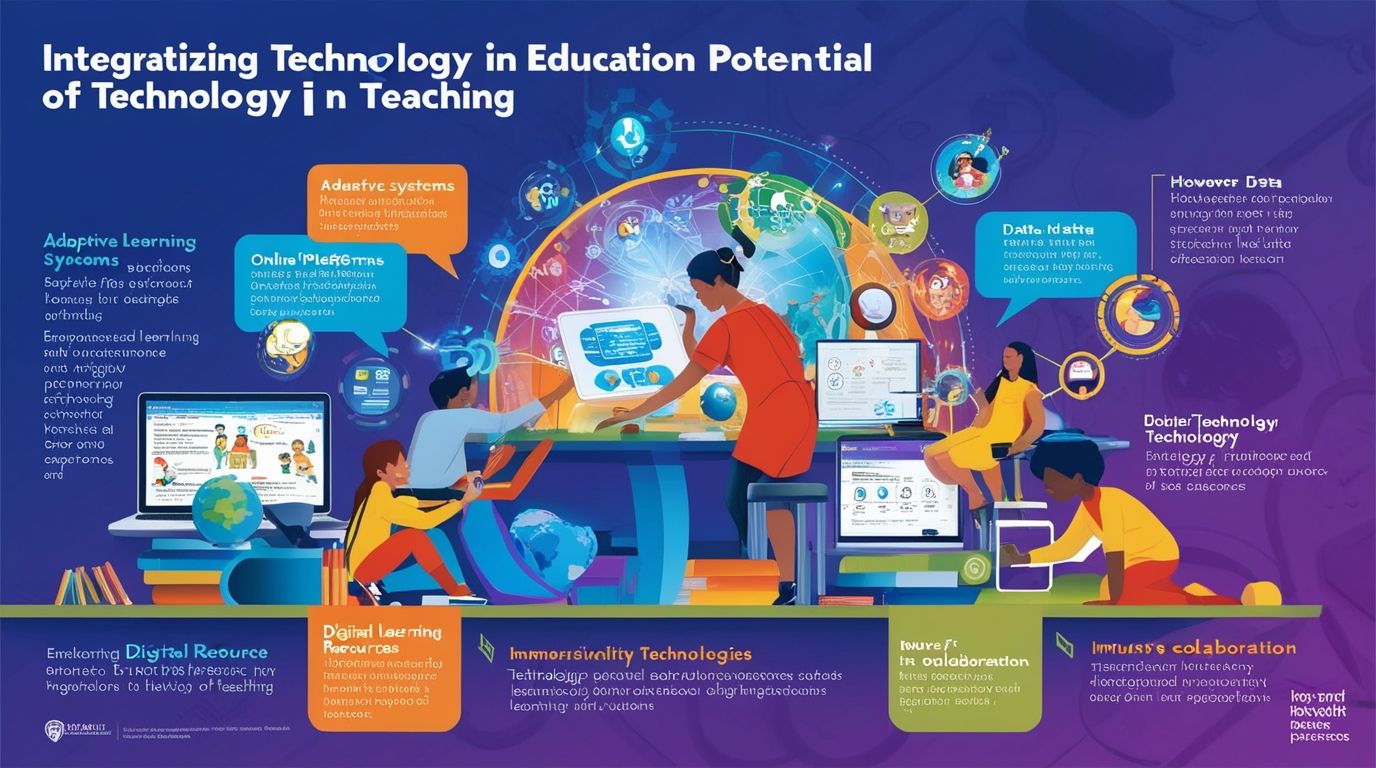
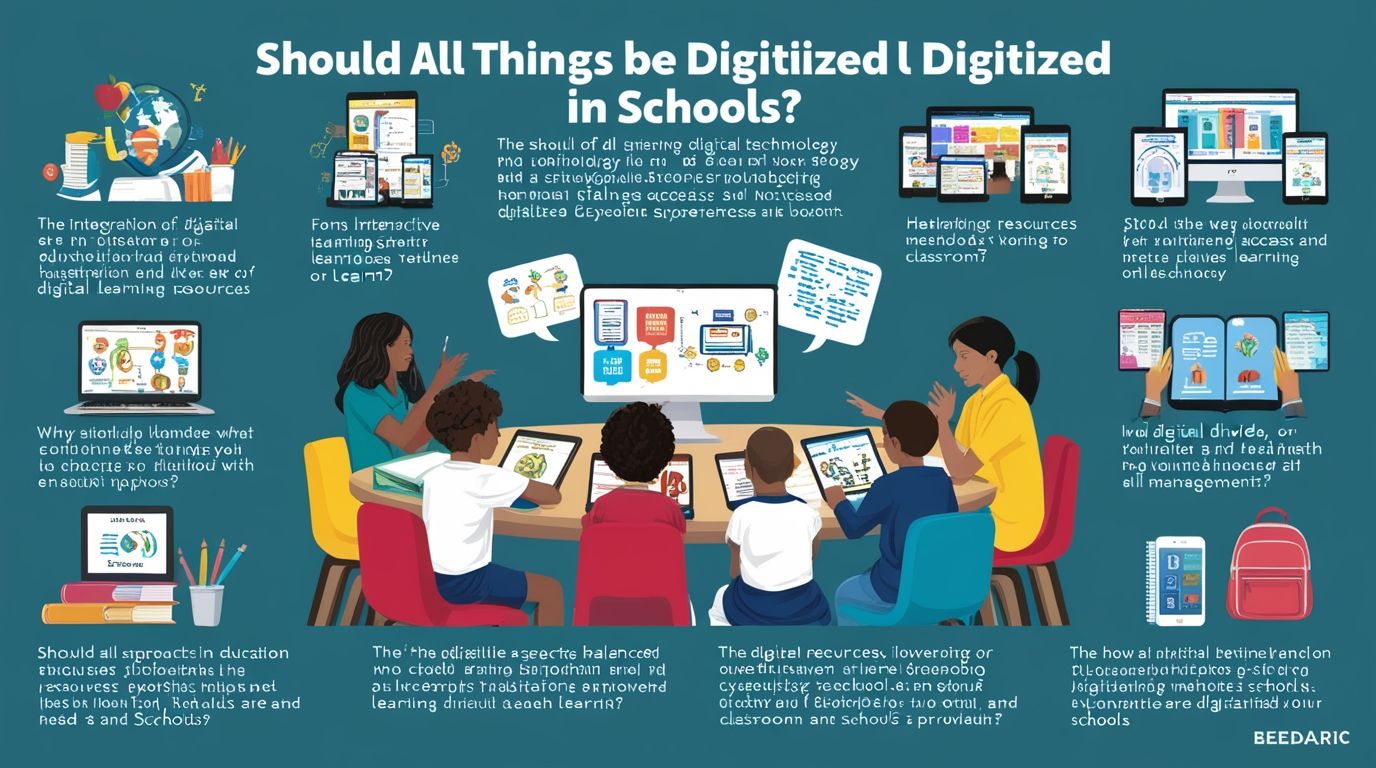
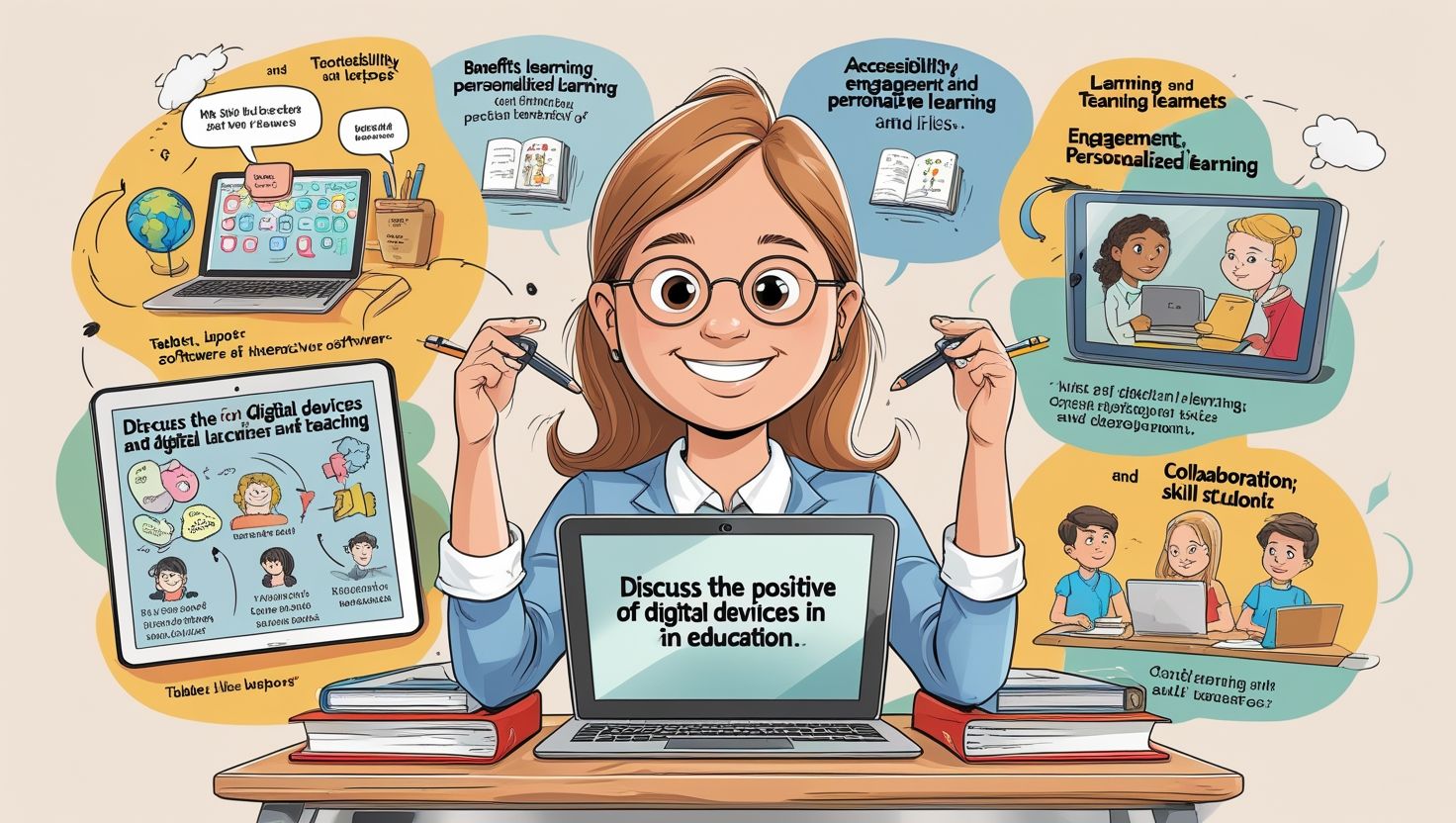
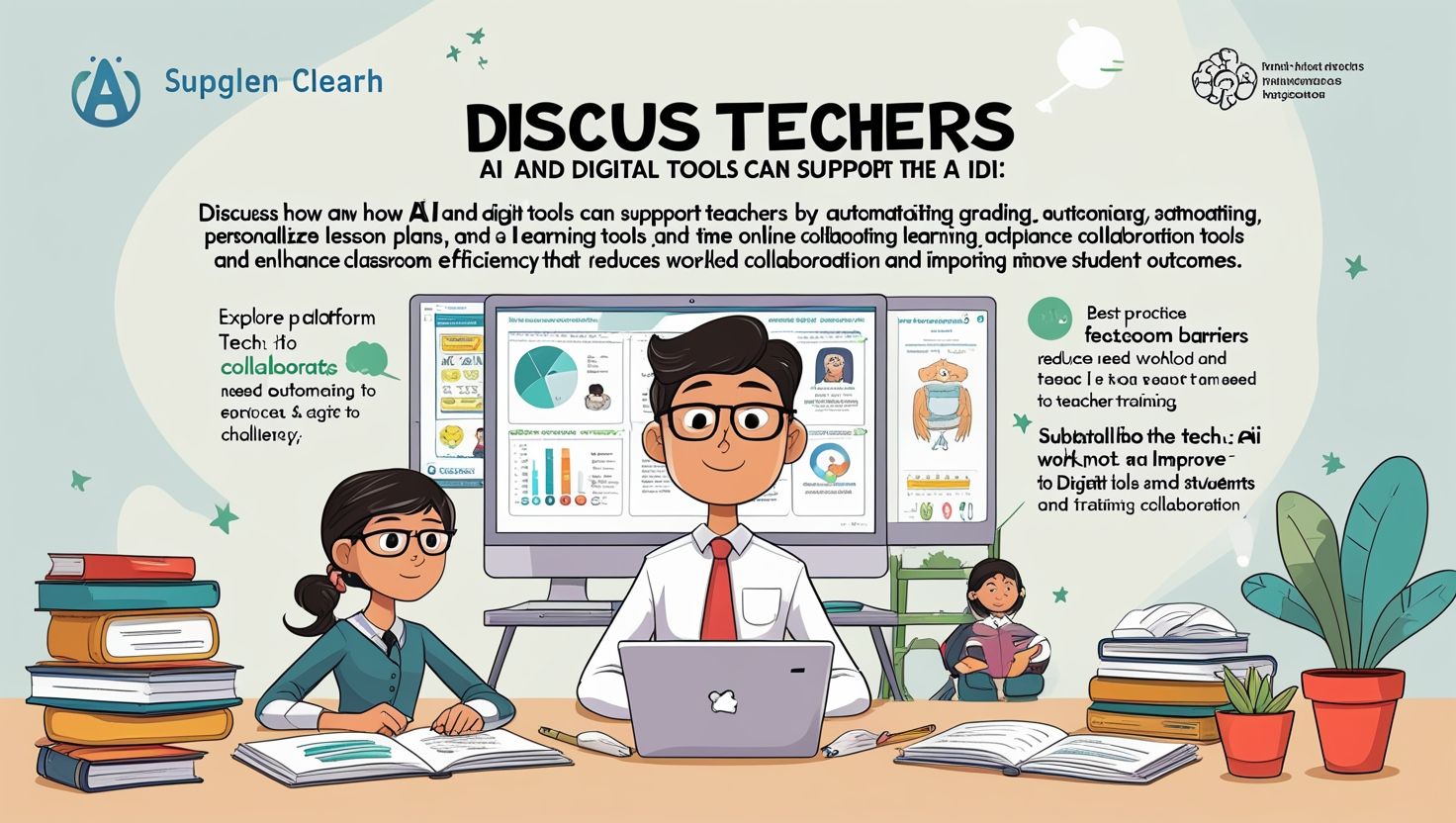
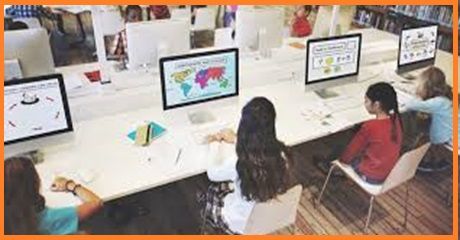
Digital learning integrates technology into educational processes through online platforms, multimedia tools, virtual classrooms, and interactive software. Technological advancements have revolutionized modern education by making learning more accessible and flexible.
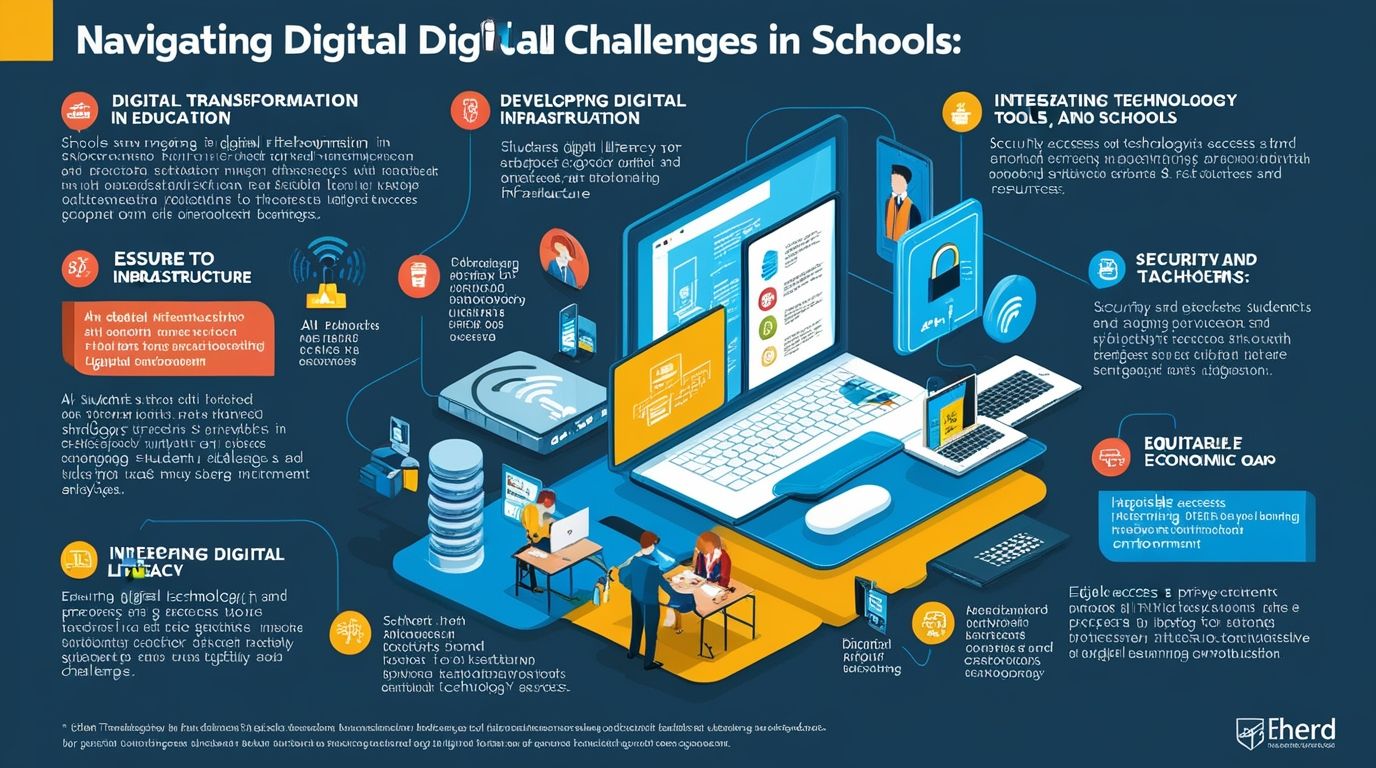
Compared with conventional classroom instruction, digital learning offers personalized and self-paced educational opportunities. Students can access resources anytime and anywhere, increasing educational accessibility. However, digital learning also depends heavily on technological infrastructure and internet access, creating challenges in underdeveloped regions. Despite these limitations, educational technology continues to expand rapidly in schools and universities worldwide.
Collaborative Learning in Modern Classrooms
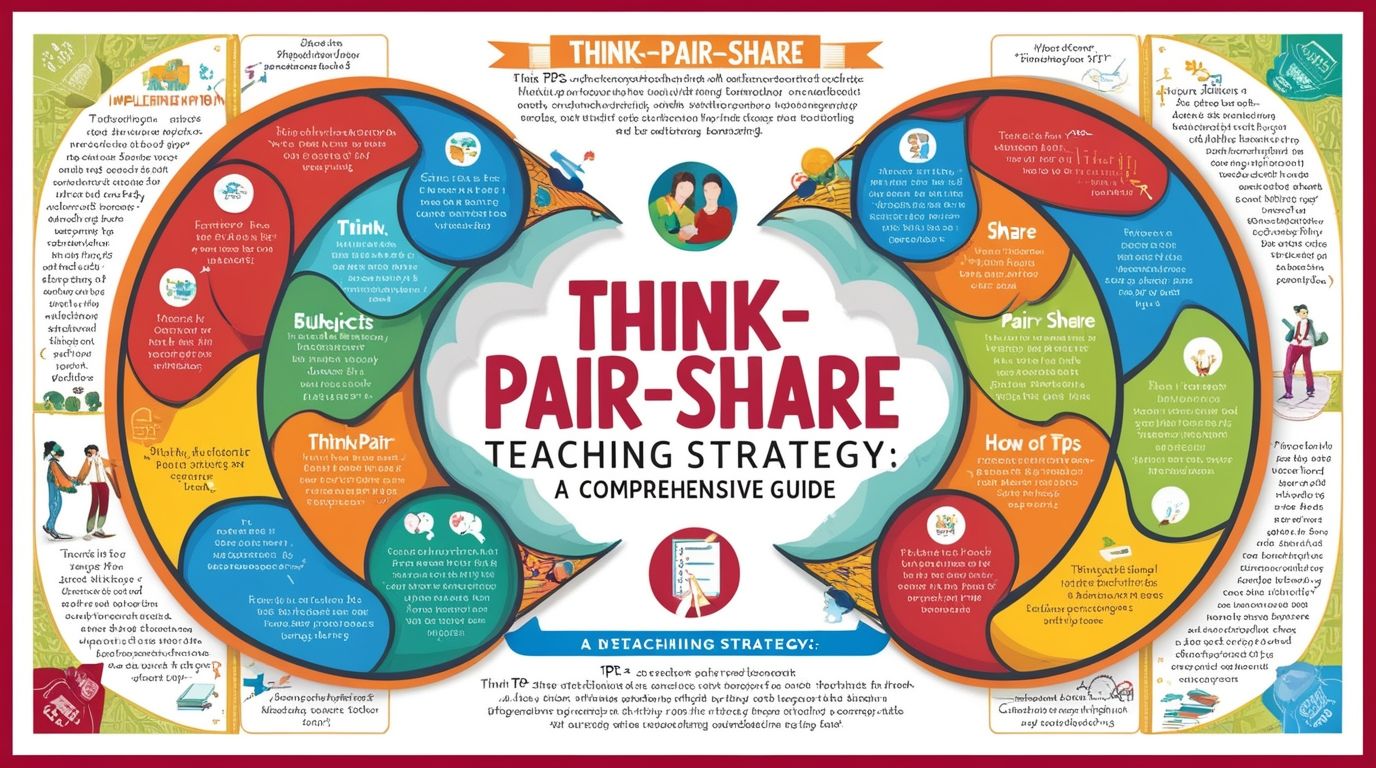
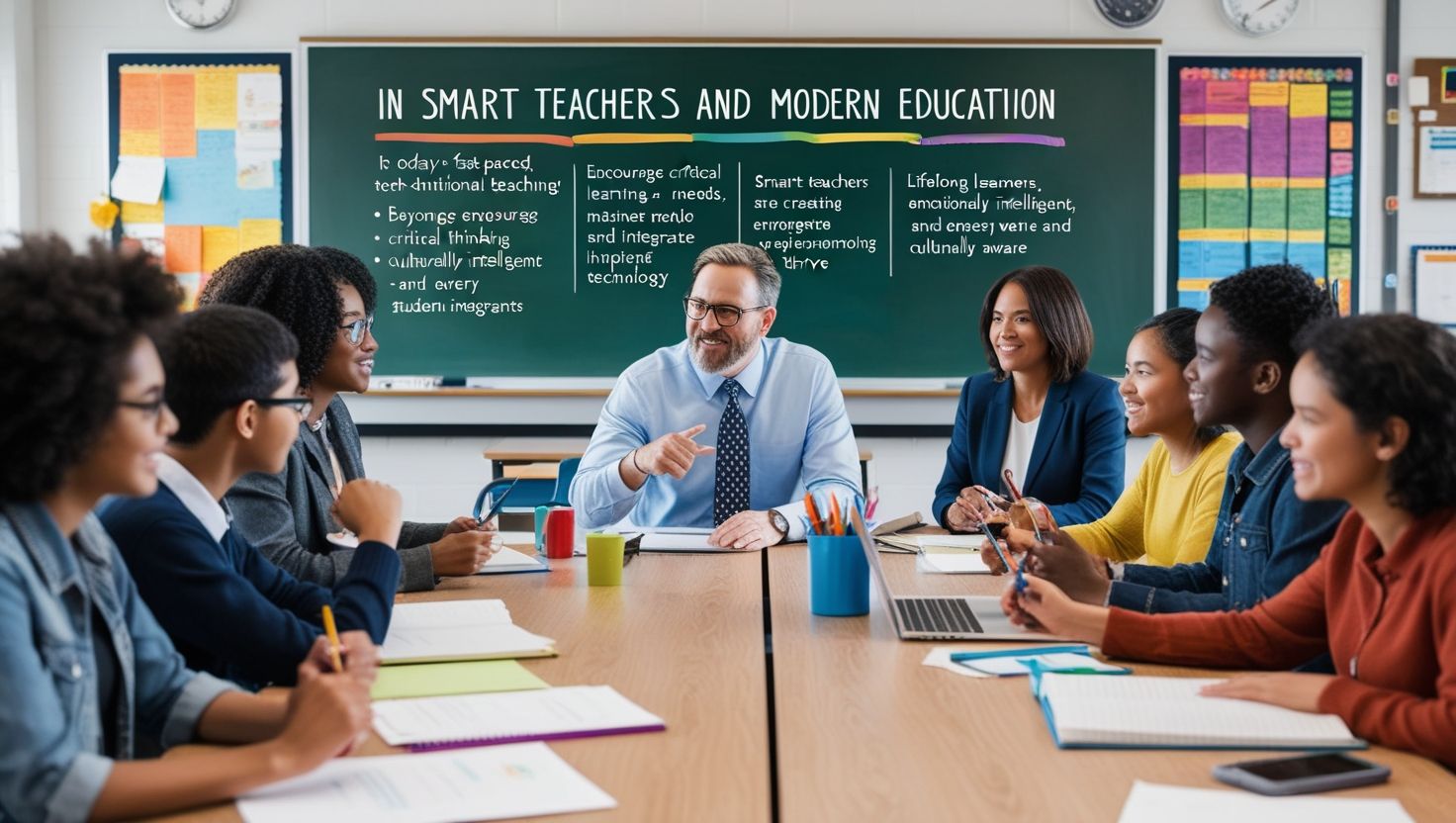
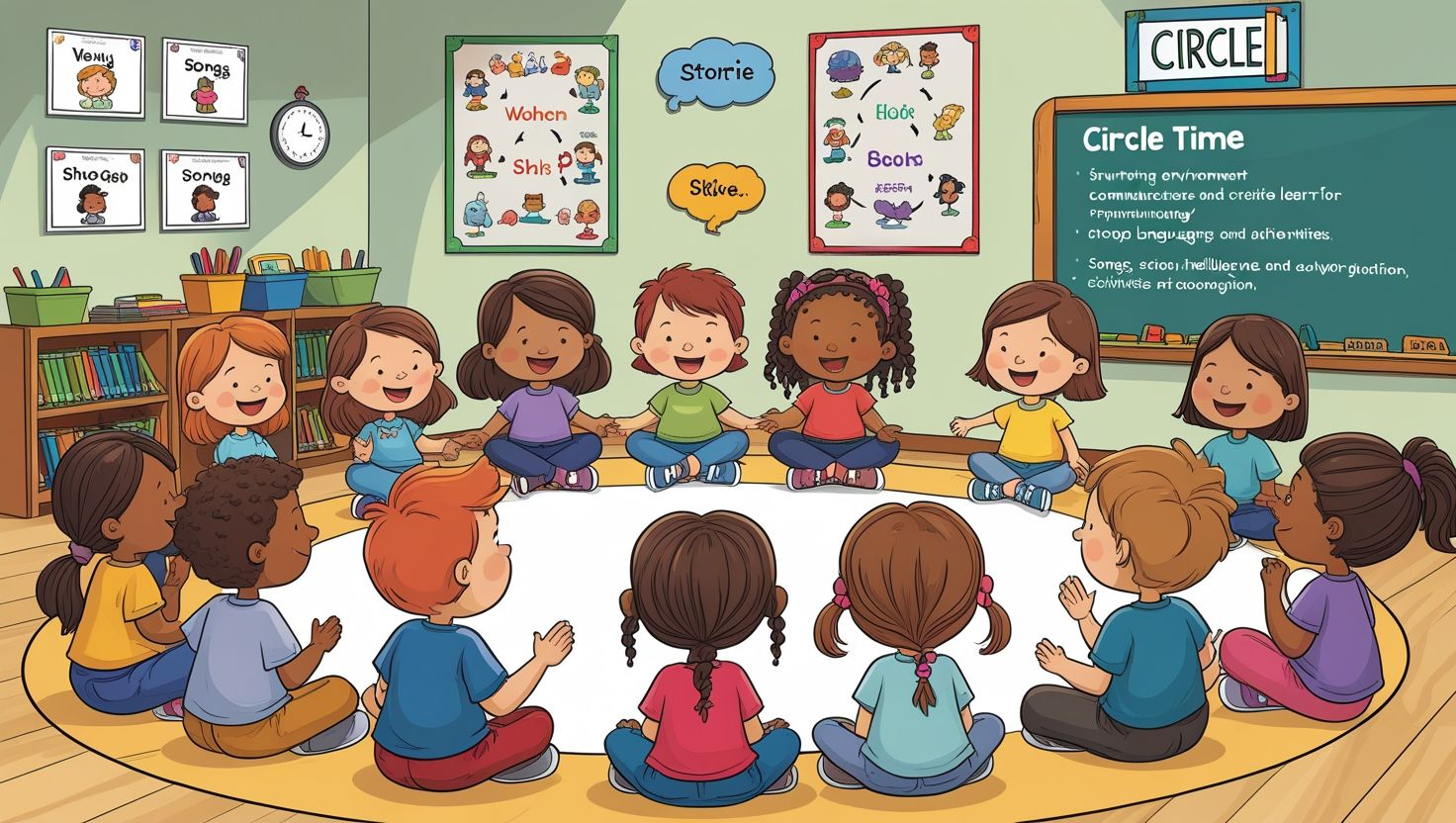
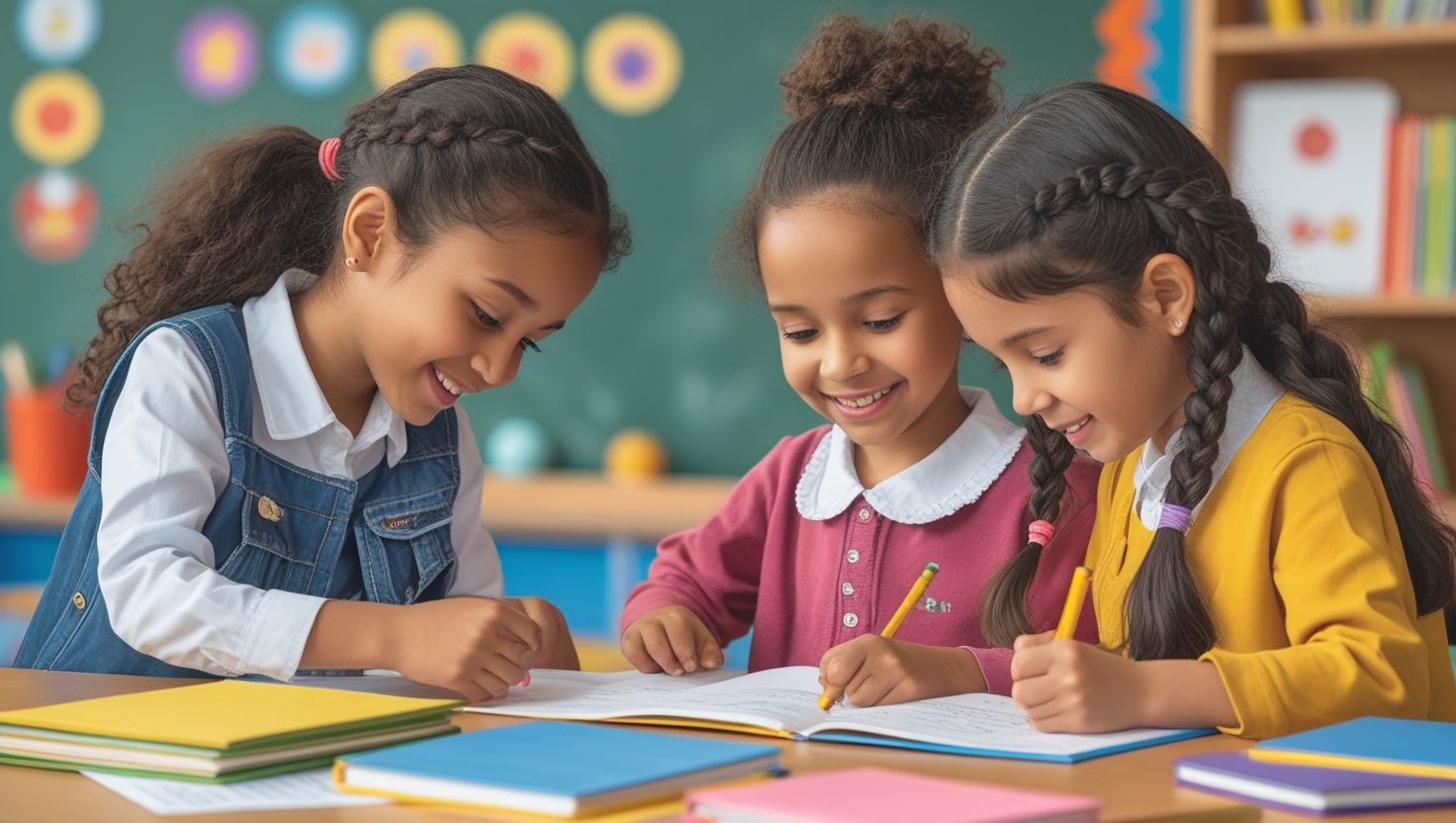
Collaborative learning involves students working together to solve problems, discuss ideas, and complete projects. Group discussions, cooperative projects, peer teaching, and teamwork are central features of collaborative learning.
Compared with individual learning approaches, collaborative learning improves communication, leadership, and interpersonal skills. Students learn from one another through interaction and shared experiences. Collaborative environments also encourage critical thinking and creativity. However, group learning may create unequal participation if some students contribute less than others. Effective classroom management is therefore essential for successful collaboration.
Benefits of Multimodal Learning in Education
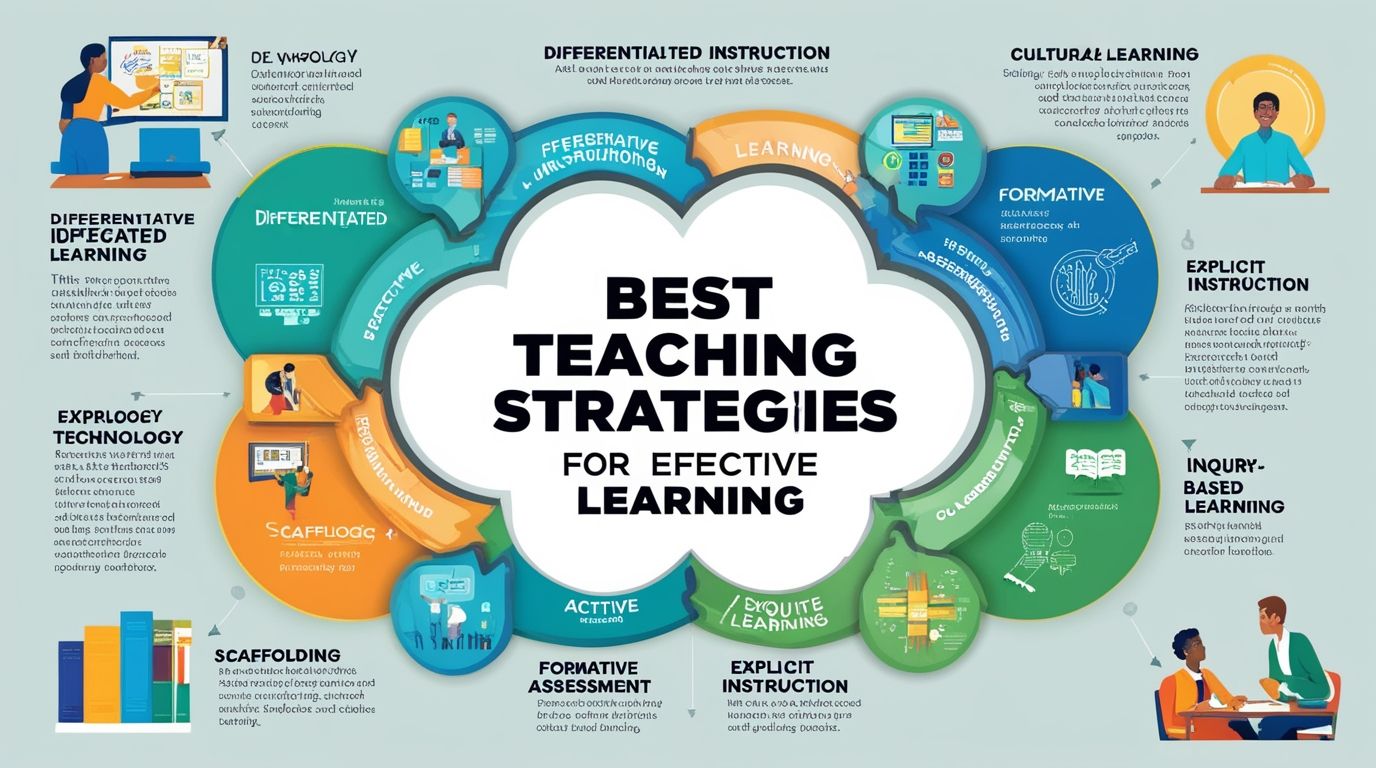
Multimodal learning offers several educational advantages. By integrating multiple instructional methods, teachers can address different learning styles and improve comprehension. Students become more engaged because lessons are interactive and varied.
Compared with single-mode teaching, multimodal instruction increases flexibility, creativity, and participation. It supports deeper understanding by presenting information through several channels simultaneously. Furthermore, multimodal approaches improve problem-solving and communication skills by encouraging active involvement.
Student Engagement and Motivation
Student engagement is one of the strongest advantages of multimodal education. Interactive activities, multimedia resources, and collaborative tasks increase learner interest and motivation.
Compared with traditional lecture-based instruction, multimodal teaching creates more stimulating classroom environments. Students are more likely to participate actively when they interact with videos, simulations, discussions, and practical activities. Motivation also increases because learners can connect educational content with real-life experiences and personal interests.
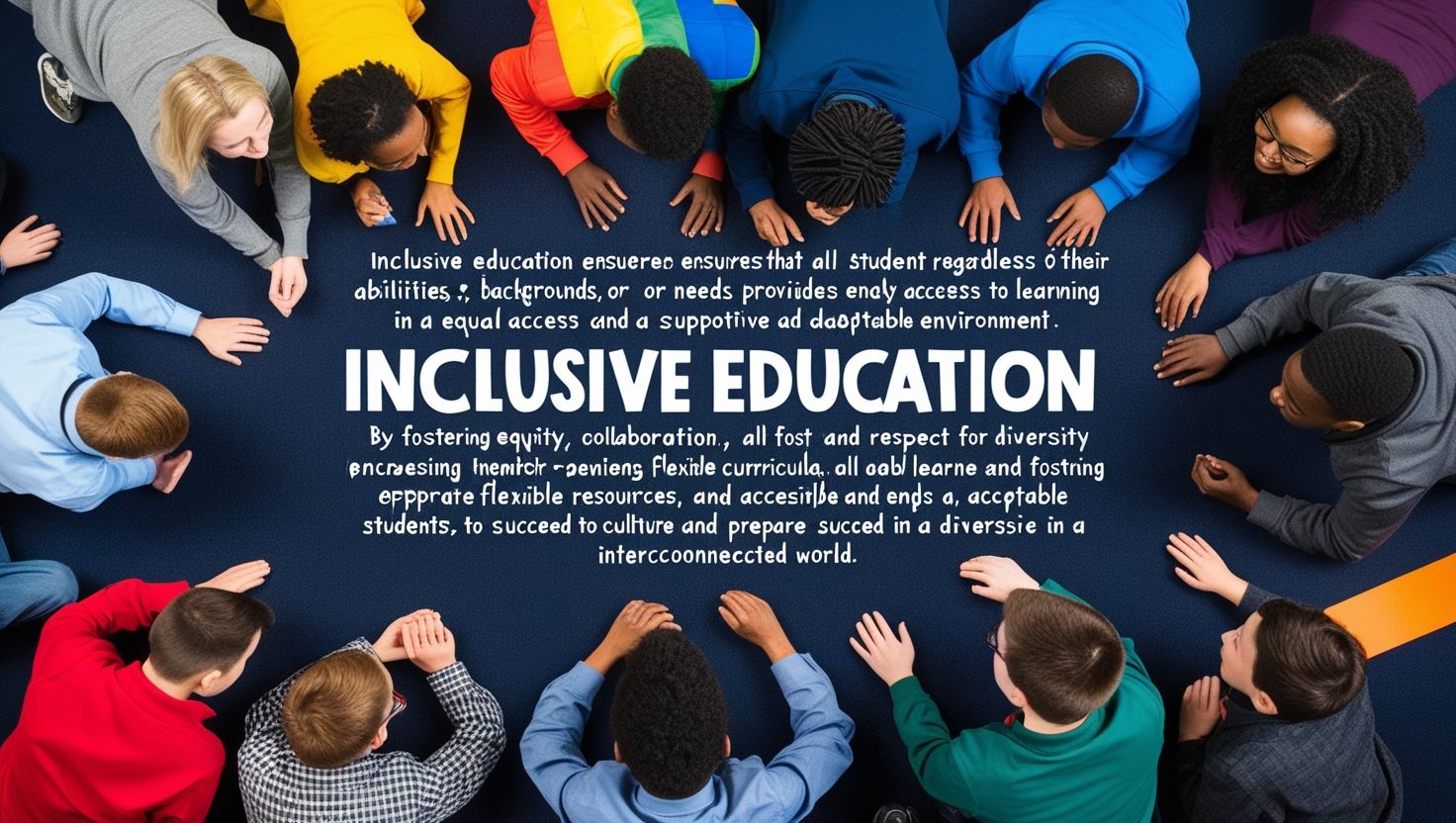
Inclusivity and Learner Diversity
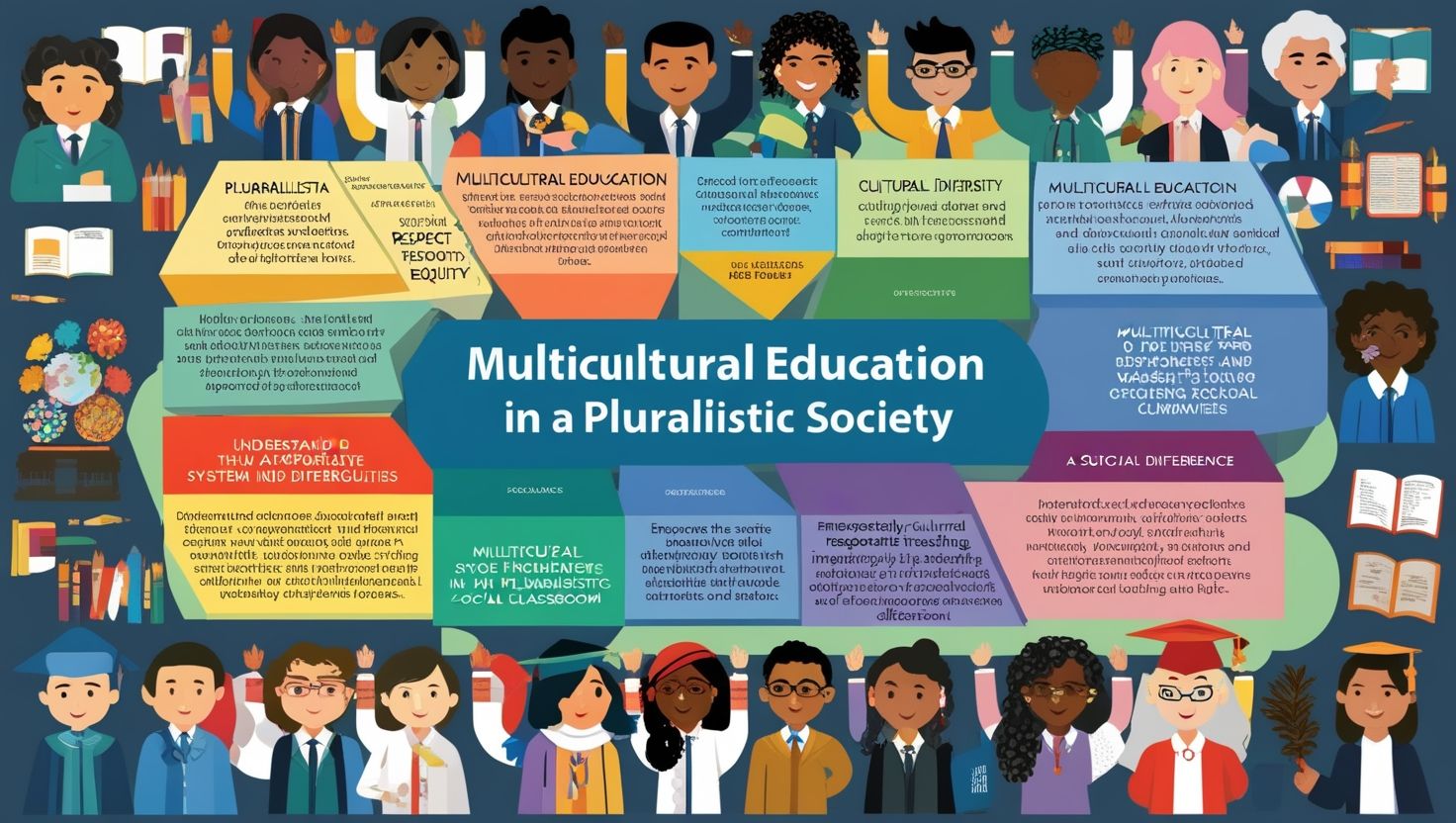
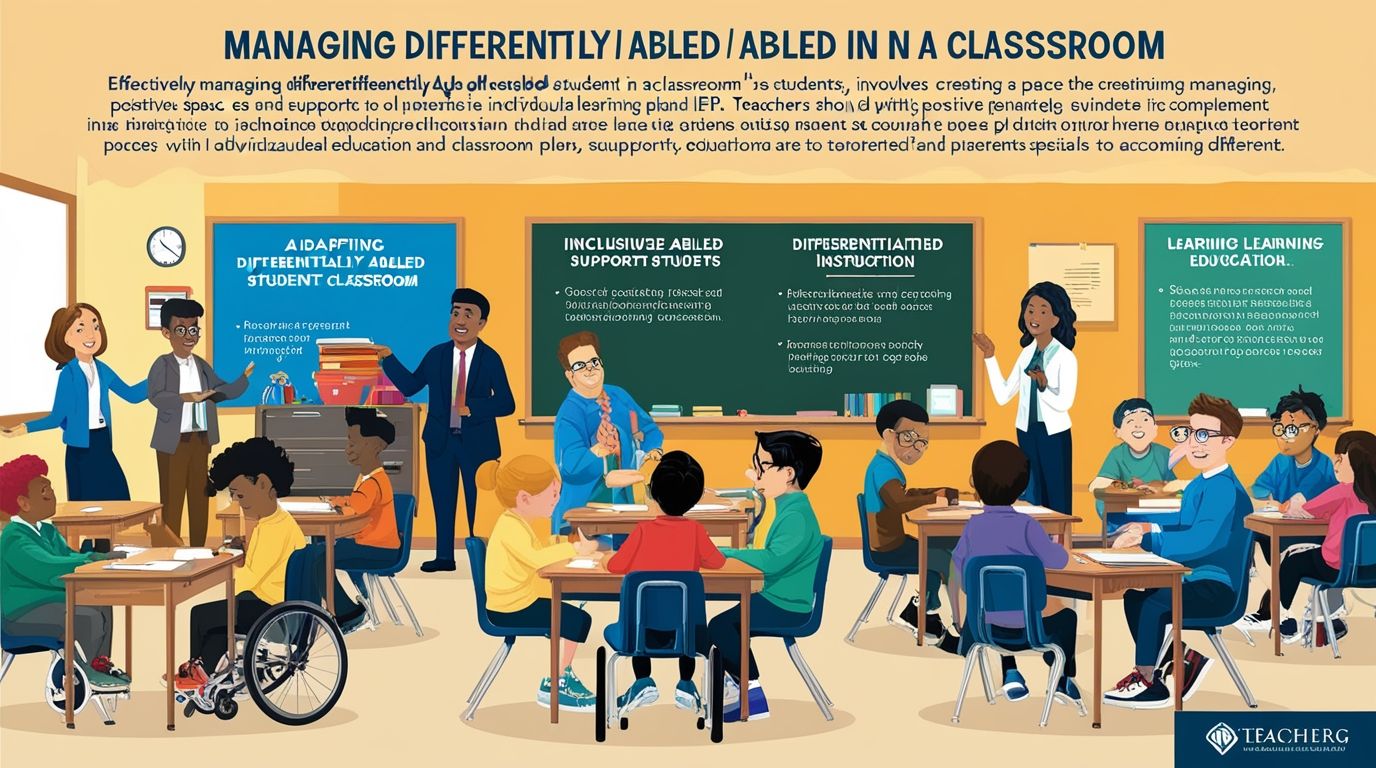
Modern classrooms include students from diverse linguistic, cultural, social, and cognitive backgrounds. Multimodal learning promotes inclusivity by offering multiple ways to access and demonstrate knowledge.
Compared with traditional one-dimensional instruction, multimodal approaches better accommodate students with disabilities and varied learning preferences. Visual supports assist learners with language difficulties, while auditory and kinesthetic activities provide alternative pathways for understanding. This inclusivity makes education more equitable and learner-centered.
Challenges of Multimodal Teaching
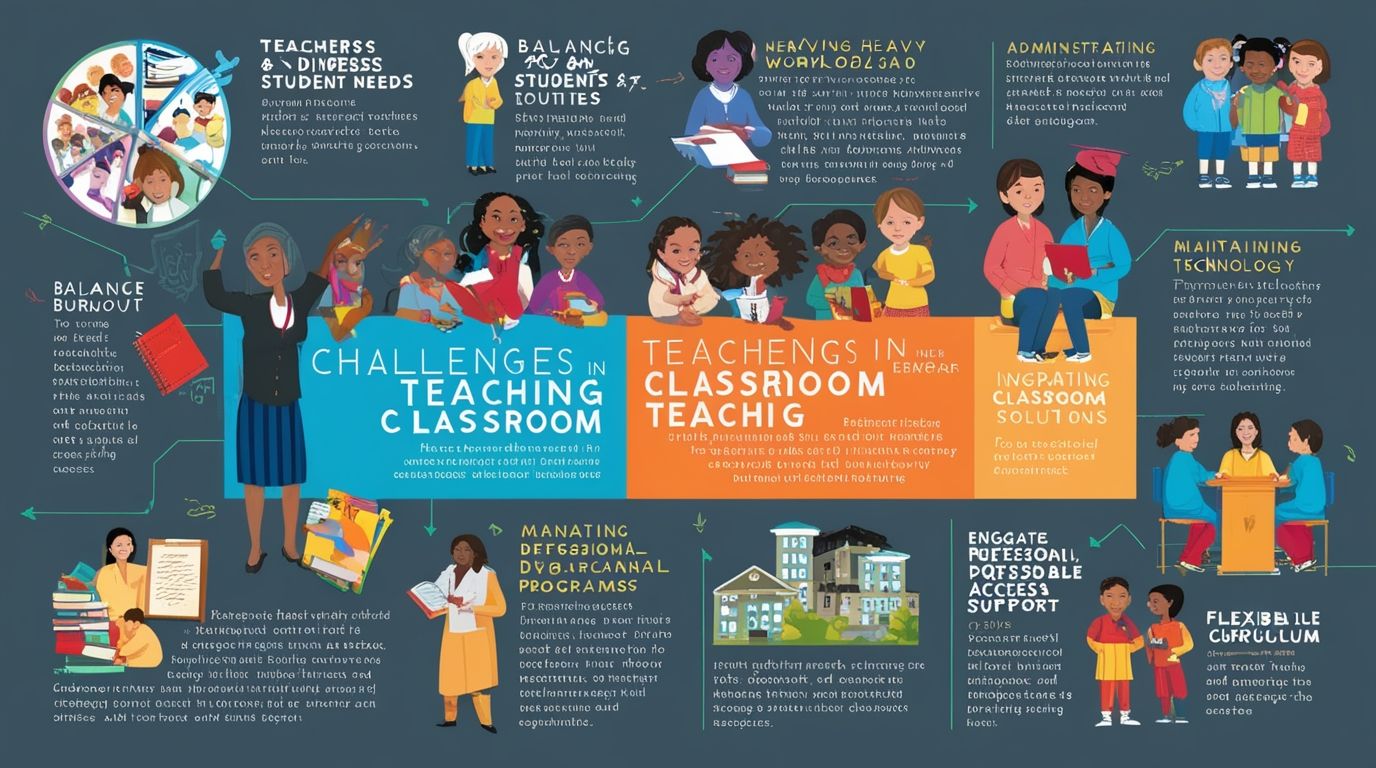
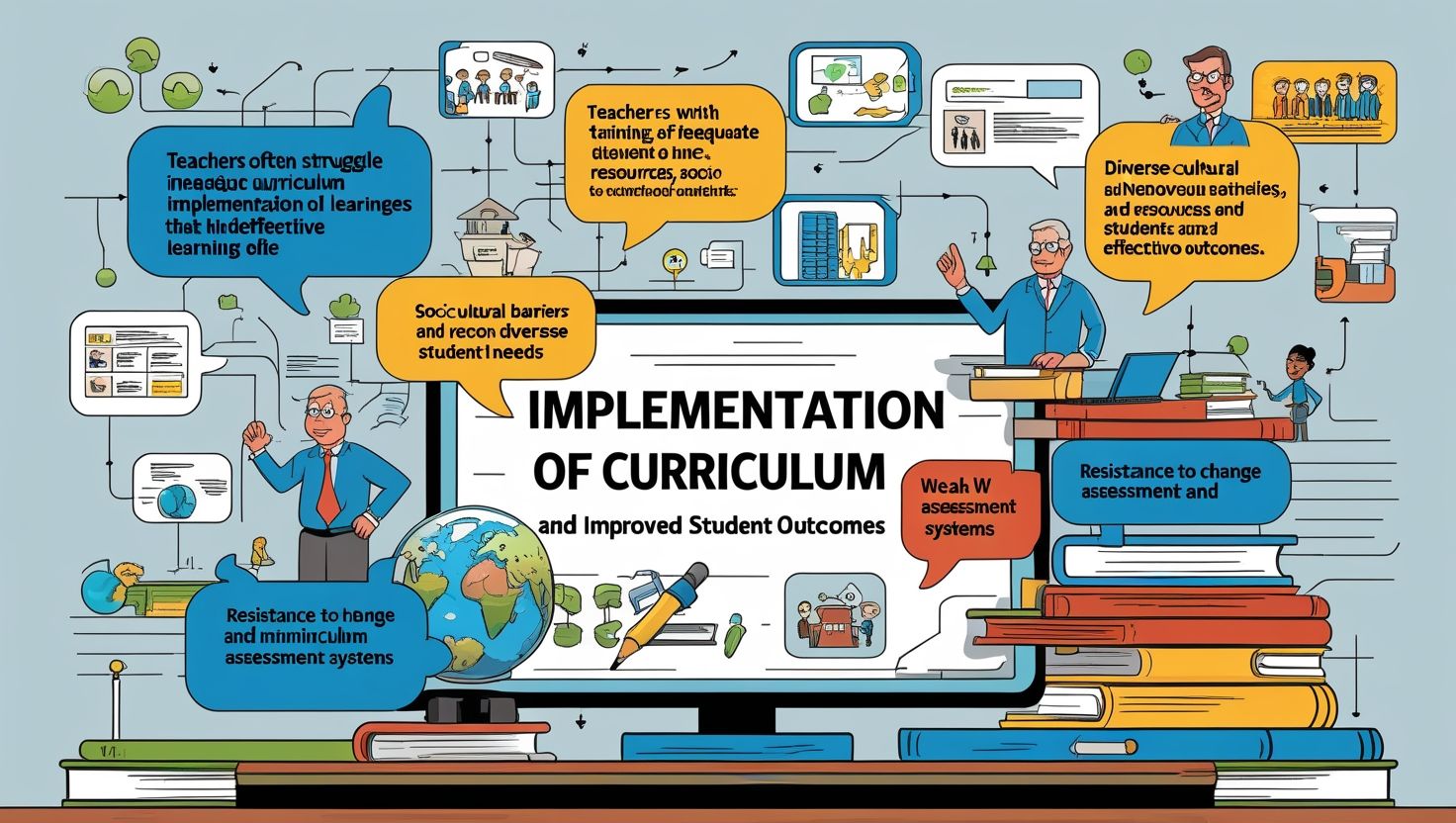
Despite its benefits, multimodal learning also presents challenges. Teachers may struggle with technological limitations, insufficient training, and classroom management difficulties. Designing multimodal lessons requires significant preparation and instructional expertise.
Compared with traditional teaching methods, multimodal education demands more resources and planning. Excessive multimedia content may also cause cognitive overload, reducing learning effectiveness. Furthermore, unequal access to technology can create educational disparities between schools and communities.
Assessment Strategies in Multimodal Education
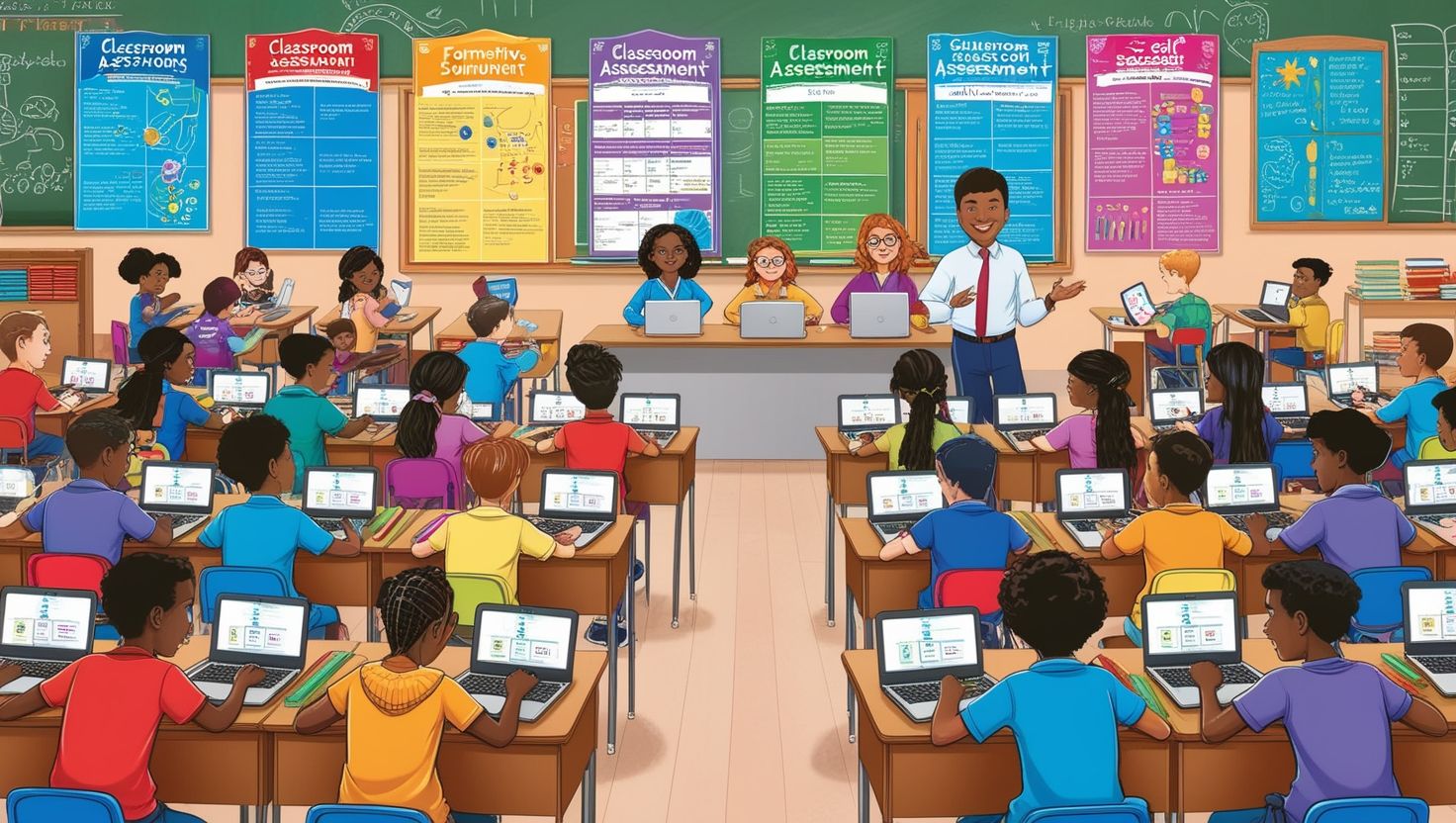
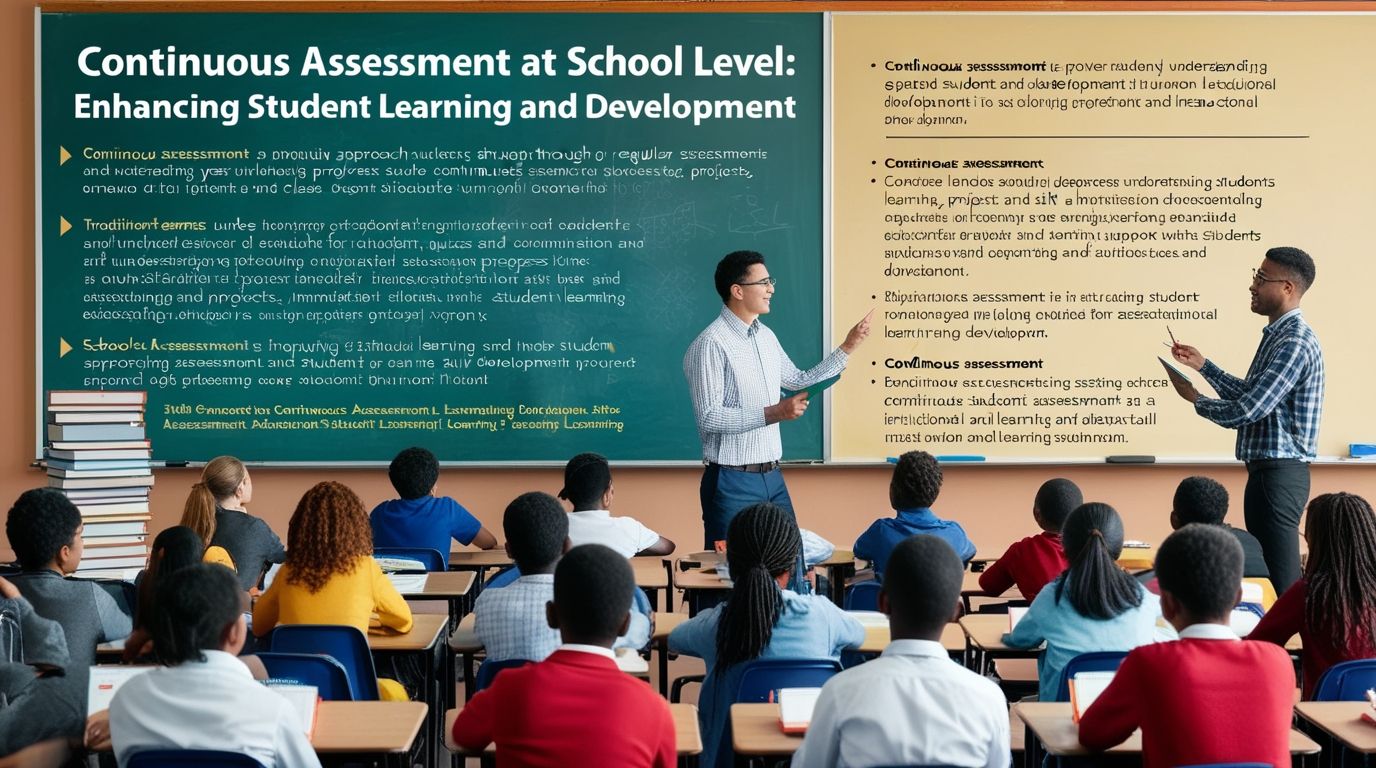
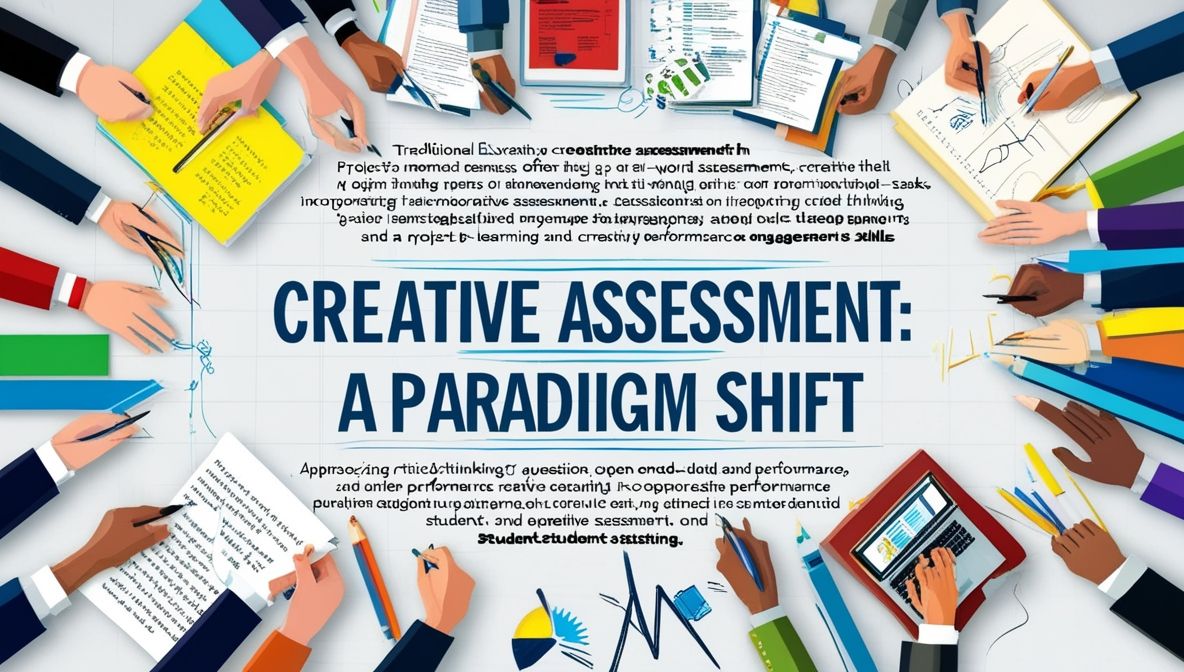
Assessment in multimodal learning environments extends beyond traditional written examinations. Teachers increasingly use portfolios, presentations, projects, peer assessments, and performance-based evaluations.
Compared with standardized testing, multimodal assessment provides a more comprehensive understanding of student abilities and skills. It measures creativity, collaboration, communication, and practical application rather than memorization alone. However, alternative assessments may require more time and subjectivity in evaluation.
Future Trends in Multimodal Learning
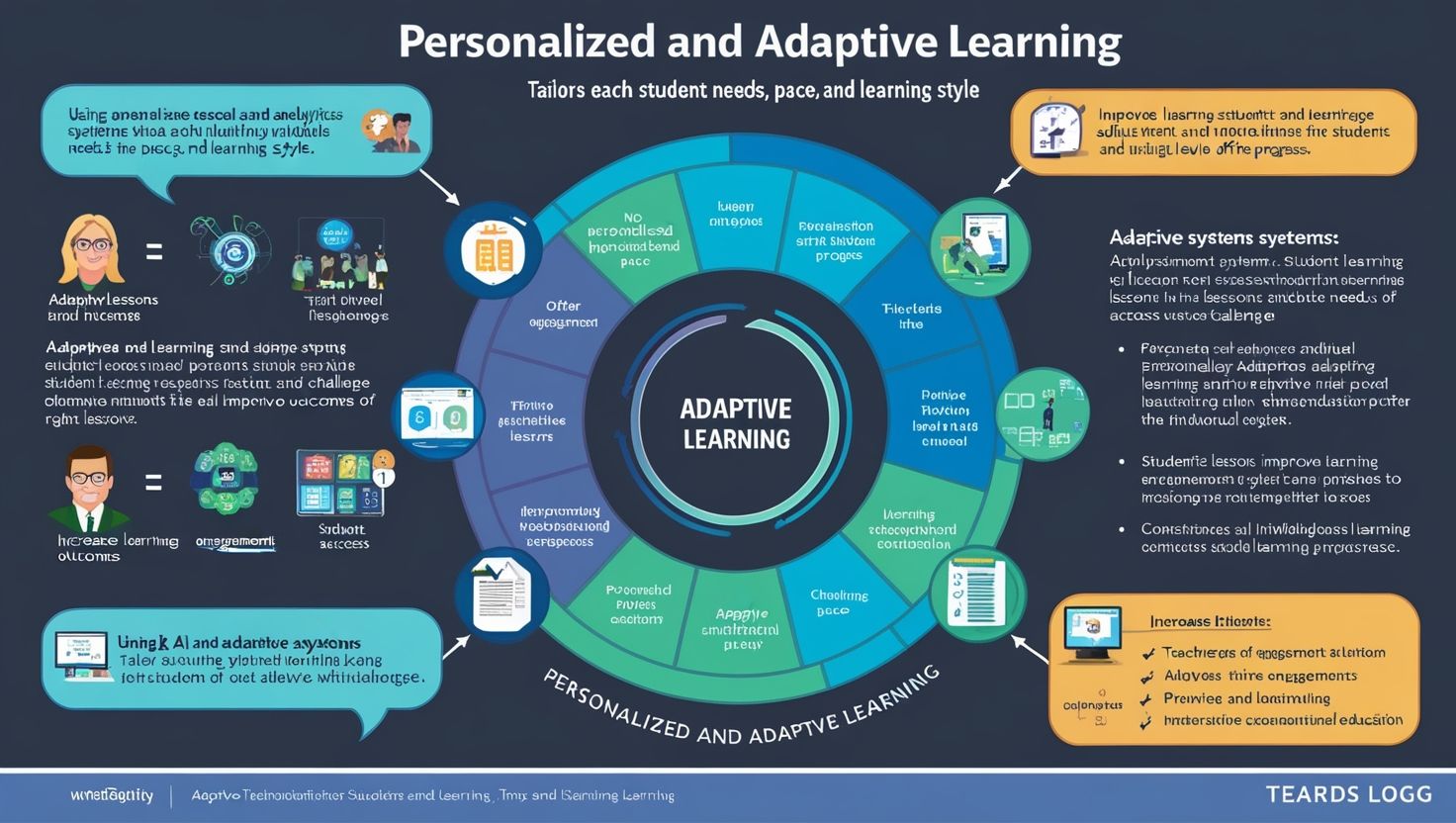
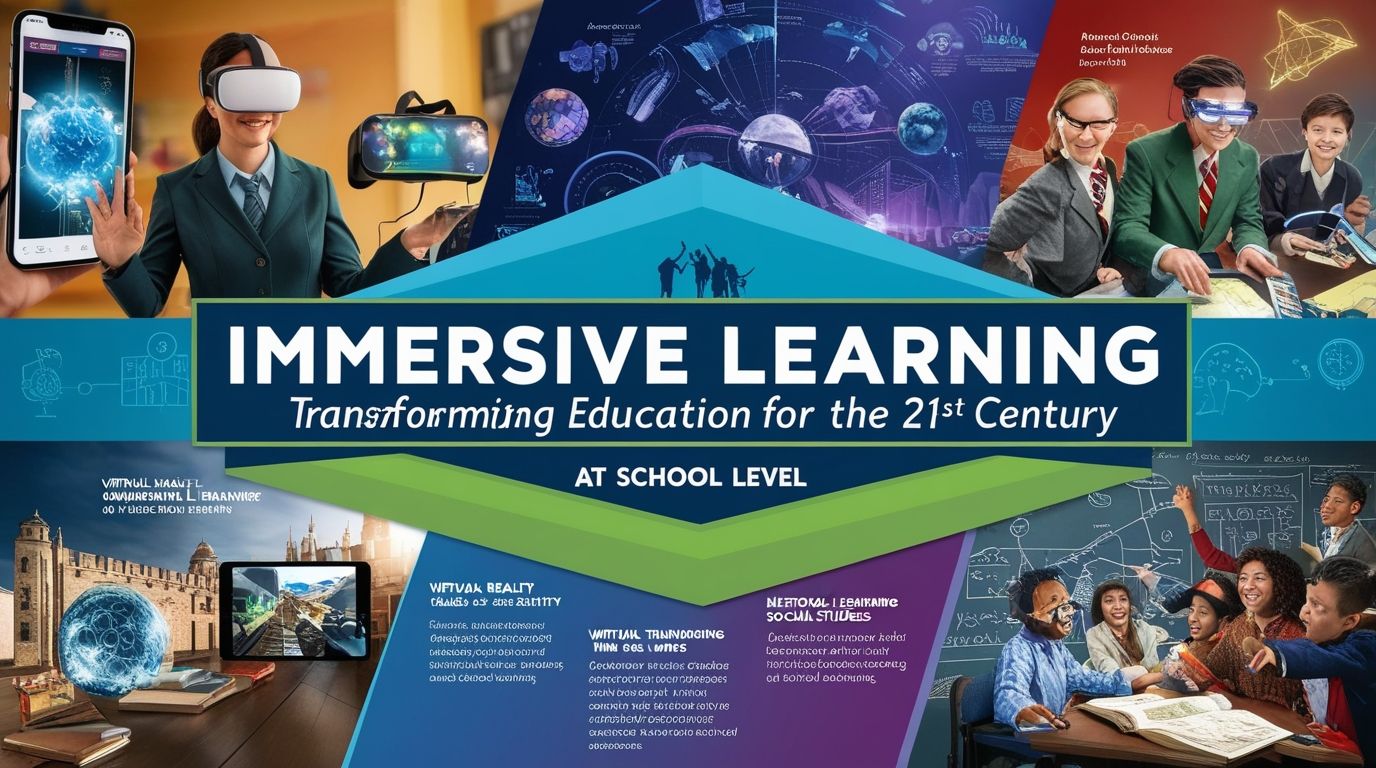
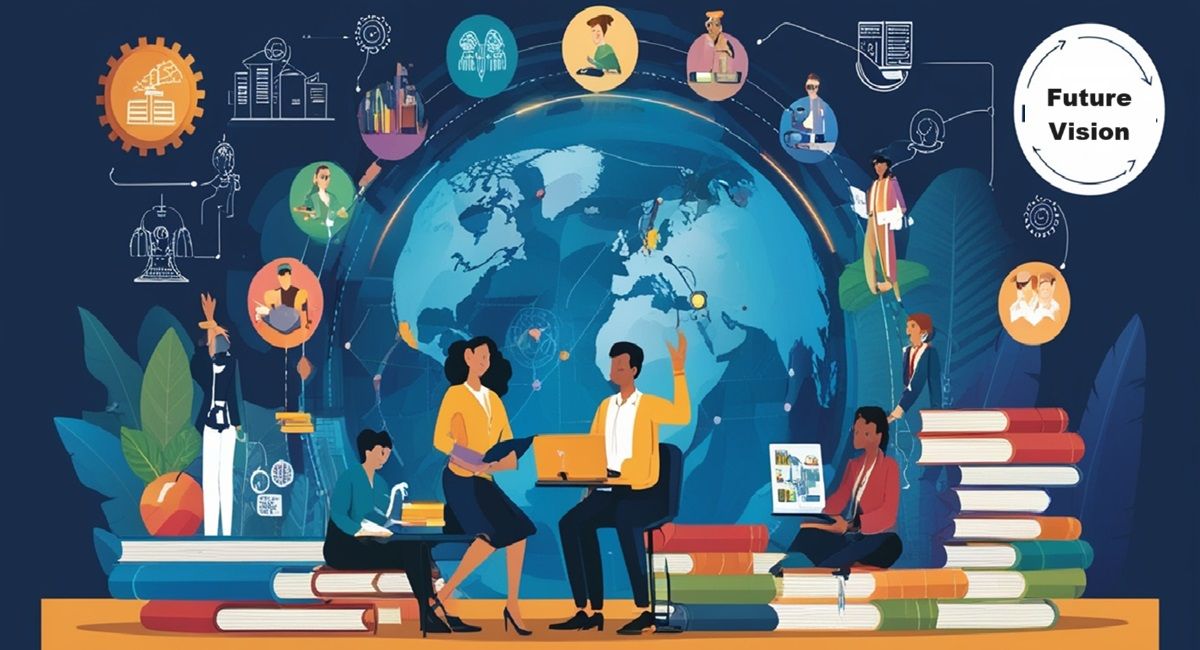
The future of multimodal learning will be strongly influenced by technological innovation. Artificial intelligence, virtual reality, augmented reality, adaptive learning systems, and immersive simulations are transforming educational practices.
Compared with current instructional methods, future multimodal technologies will provide more personalized and interactive learning experiences. Artificial intelligence can adapt lessons according to learner performance, while virtual reality can simulate real-world environments for experiential learning. These developments have the potential to make education more accessible, engaging, and effective globally.
Conclusion
Multimodal learning represents a major advancement in modern education because it recognizes the diversity of learners and integrates multiple teaching methods to improve educational outcomes. Visual, auditory, kinesthetic, collaborative, and digital learning models each contribute unique strengths to the learning process. Compared with traditional teacher-centered instruction, multimodal education promotes active participation, inclusivity, motivation, and deeper understanding.
Although challenges such as technological limitations, cognitive overload, and resource requirements remain significant, the advantages of multimodal learning outweigh its difficulties. As educational systems continue to evolve, multimodal learning will remain central to effective teaching and learner-centered pedagogy in the twenty-first century.
References
- Gardner, H. Frames of Mind: The Theory of Multiple Intelligences. Basic Books, 1983.
- Mayer, R. E. Multimedia Learning. Cambridge University Press, 2009.
- Kolb, D. A. Experiential Learning: Experience as the Source of Learning and Development. Prentice Hall, 1984.
- Vygotsky, L. S. Mind in Society: The Development of Higher Psychological Processes. Harvard University Press, 1978.
- Siemens, G. Connectivism: A Learning Theory for the Digital Age. International Journal of Instructional Technology and Distance Learning, 2005.