
Introduction
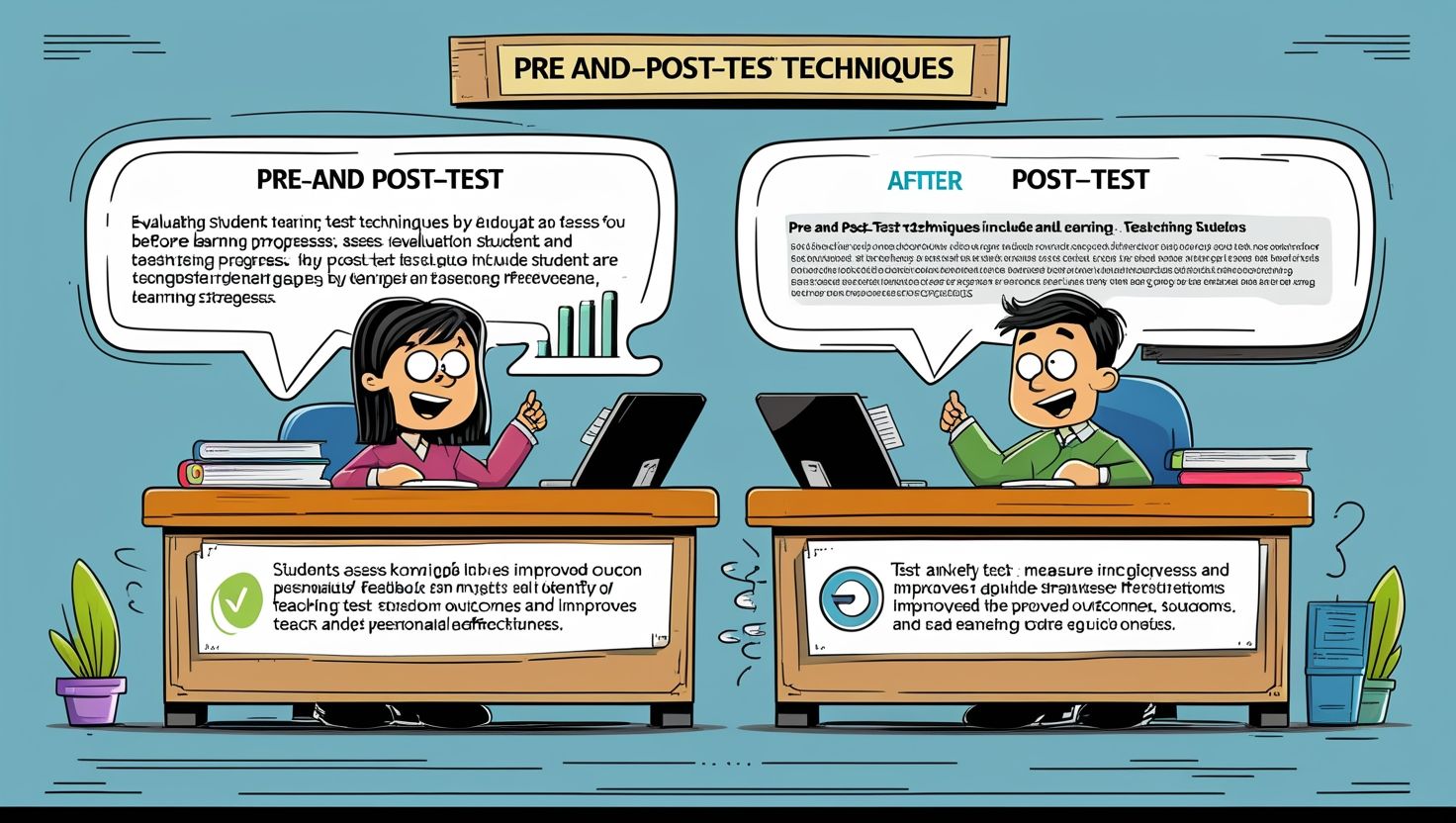
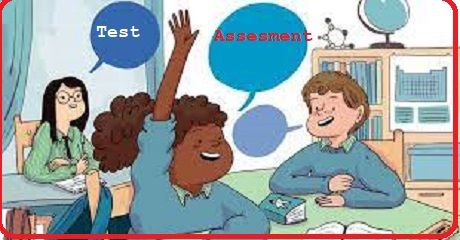
Pre-Test and Post-Test Techniques in Education, Assessment is a cornerstone of the educational process, enabling educators to evaluate student learning, monitor instructional effectiveness, and identify areas requiring improvement. Among the many assessment approaches used in educational settings, pre-test and post-test techniques remain some of the most effective methods for measuring learning progress and determining the impact of instruction.
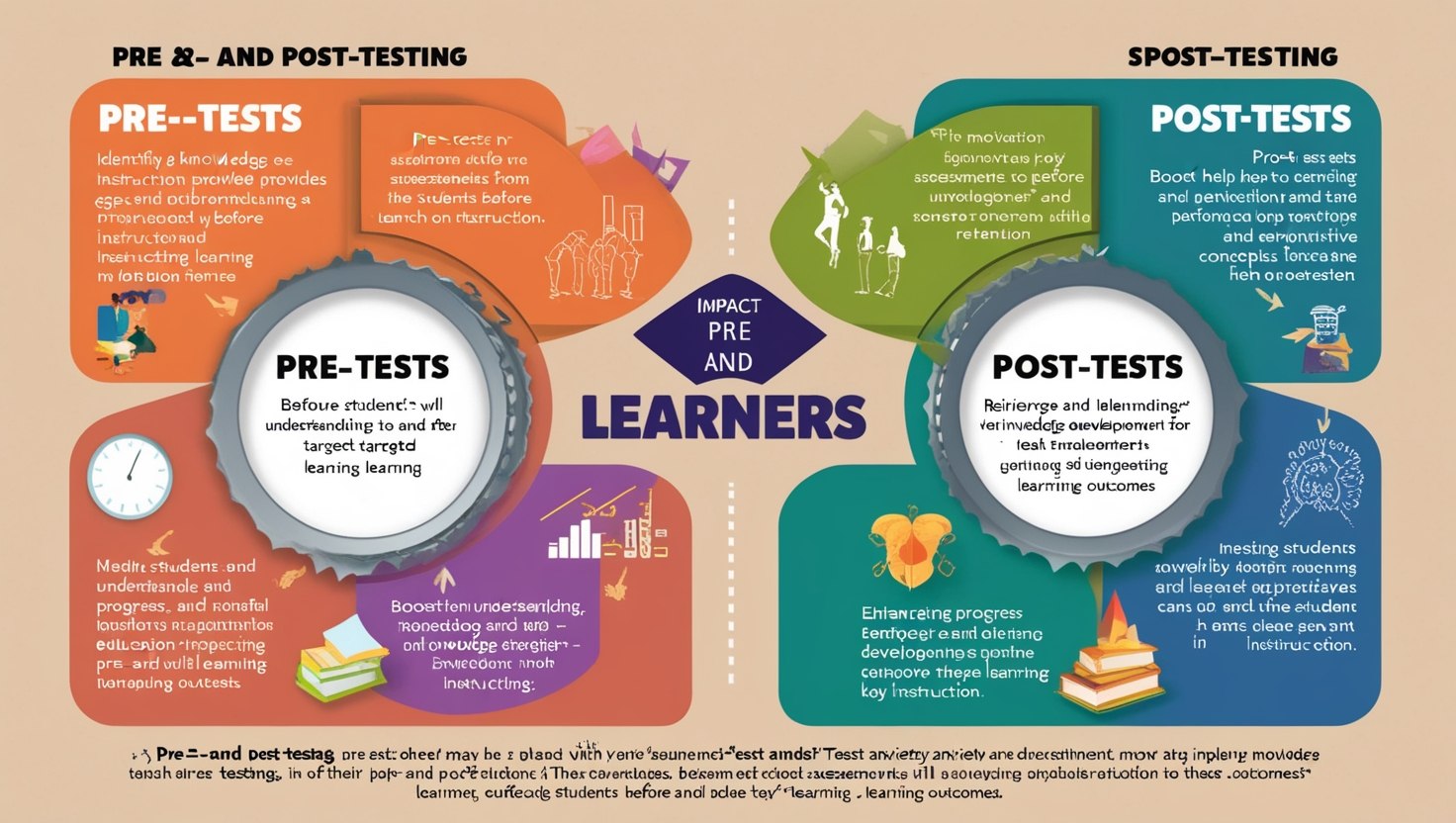
A pre-test is administered before teaching begins to assess students’ existing knowledge, skills, and misconceptions, while a post-test is conducted after instruction to measure learning outcomes and achievement. Together, these assessments provide valuable evidence of student growth, helping educators refine instructional practices, address learning gaps, and evaluate educational interventions. This article examines the concept, significance, types, benefits, challenges, and best practices associated with pre-test and post-test techniques in education, supported by educational research and theory.
Understanding Pre-Tests and Post-Tests
Definition and Purpose
Pre-tests are diagnostic assessments administered before instruction to establish a baseline understanding of students’ knowledge and competencies. They help educators determine students’ readiness for learning and identify misconceptions that may hinder future understanding.
Post-tests, on the other hand, are assessments conducted after instruction to evaluate the extent to which learning objectives have been achieved. These assessments measure student progress and provide evidence of learning gains.
The primary purposes of pre-test and post-test assessments include:
- Measuring student learning and growth.
- Identifying prior knowledge and misconceptions.
- Evaluating the effectiveness of instructional strategies.
- Guiding curriculum development and instructional planning.
- Providing meaningful feedback to both students and educators.
Theoretical Foundations
The use of pre- and post-testing is grounded in several established educational theories:
Constructivist Theory (Piaget and Vygotsky): Learning occurs when new knowledge is built upon existing cognitive structures. Pre-tests help educators identify prior knowledge that serves as the foundation for new learning.
Mastery Learning Theory (Bloom): Students should attain a sufficient level of understanding before progressing to more advanced concepts. Assessment data support targeted interventions that promote mastery.
Formative Assessment Theory (Black and Wiliam): Continuous assessment and feedback contribute significantly to improved learning outcomes. Pre- and post-tests provide essential information for instructional adjustment and student improvement.
Types of Pre-Test and Post-Test Assessments
Educational institutions employ various forms of pre- and post-tests depending on instructional objectives and assessment needs.
Standardized Assessments
Standardized tests are widely used for large-scale educational evaluation, including state examinations and benchmark assessments. They provide reliable data for comparing student performance across schools, districts, or educational systems.
Teacher-Developed Assessments
Teacher-made tests are specifically designed to align with classroom learning objectives. These assessments may include multiple-choice questions, short-answer responses, essays, and problem-solving tasks tailored to students’ needs.
Performance-Based Assessments
Performance assessments evaluate students’ ability to apply knowledge and skills in authentic contexts. Examples include projects, presentations, laboratory experiments, portfolios, and demonstrations. These assessments are particularly valuable in practical and creative disciplines.
Digital and Adaptive Assessments
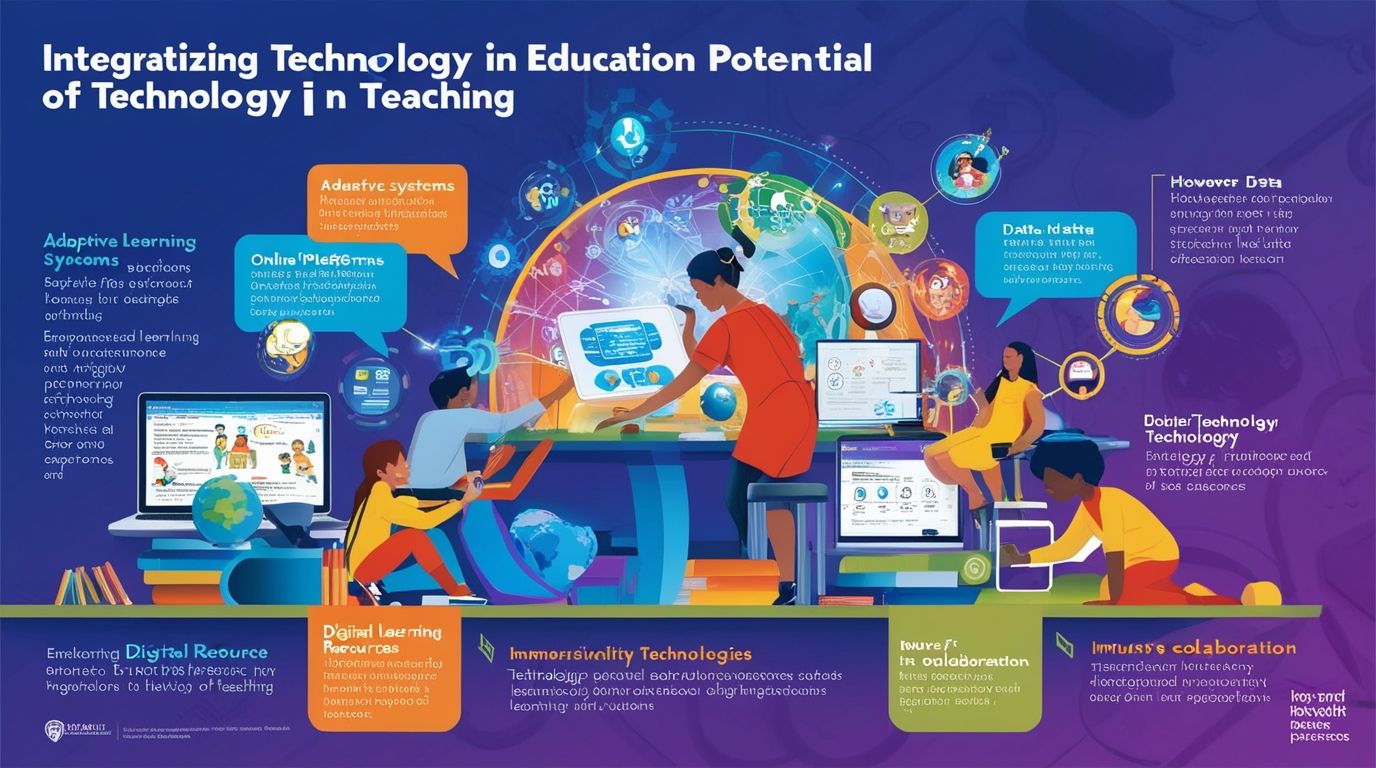
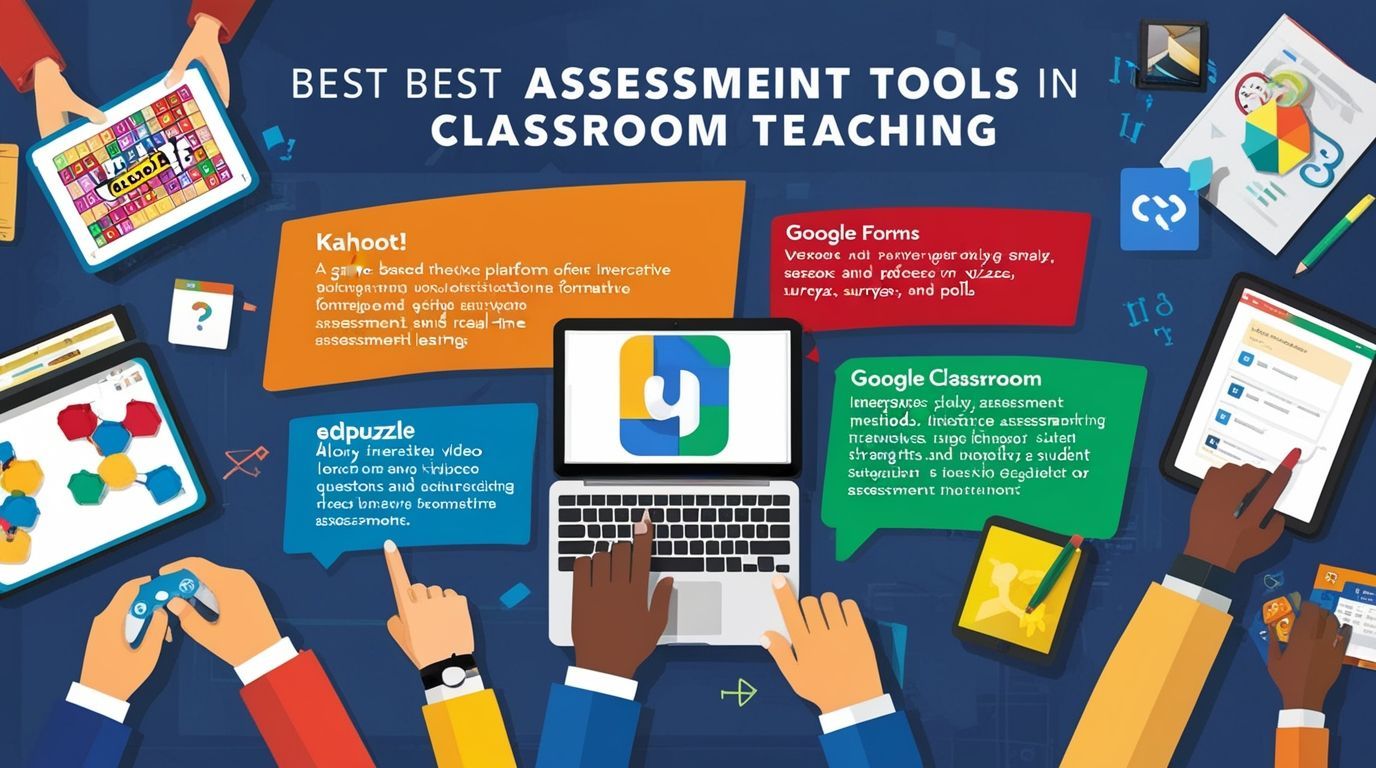
Advances in educational technology have expanded the use of online and adaptive testing tools. Platforms such as learning management systems, Google Forms, Kahoot!, and adaptive assessment software can provide immediate feedback and adjust question difficulty based on student performance.
Benefits of Pre-Test and Post-Test Techniques
Benefits for Students
Enhanced Self-Awareness: Students gain a clearer understanding of their strengths, weaknesses, and learning needs.
Increased Motivation: Visible evidence of academic growth can improve confidence and encourage continued engagement.
Personalized Learning Opportunities: Assessment results enable targeted support and individualized learning experiences.
Benefits for Teachers
Improved Instructional Planning: Assessment data help teachers identify concepts that require additional emphasis or review.
Evidence of Teaching Effectiveness: Learning gains demonstrated through pre- and post-tests provide valuable indicators of instructional impact.
Data-Informed Decision Making: Teachers can use assessment results to differentiate instruction and meet diverse student needs.
Benefits for Educational Institutions
Curriculum Evaluation: Schools can determine whether curriculum objectives and standards are being successfully achieved.
Program Assessment: Educational interventions, support programs, and innovative teaching methods can be evaluated using assessment data.
Accreditation and Accountability: Assessment results provide evidence of educational quality and compliance with institutional and regulatory requirements.
Challenges and Limitations
Despite their numerous advantages, pre-test and post-test techniques present several challenges that educators must consider.
Test Anxiety
Some students experience stress and anxiety during assessments, which may negatively affect performance and lead to inaccurate representations of their true abilities.
Reliability and Validity Concerns
Poorly designed assessments may fail to measure intended learning outcomes accurately. Excessive reliance on objective question formats can also limit the assessment of higher-order thinking skills.
Time and Resource Demands
Developing quality assessments, administering tests, analyzing results, and providing feedback require substantial time and resources.
Ceiling and Floor Effects
When assessments are excessively easy or overly difficult, they may fail to accurately capture student growth. Such limitations can distort the interpretation of learning gains.
Best Practices for Effective Implementation
To maximize the effectiveness of pre-test and post-test assessments, educators should adopt evidence-based practices.
Align Assessments with Learning Objectives
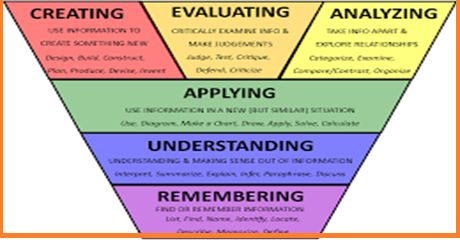
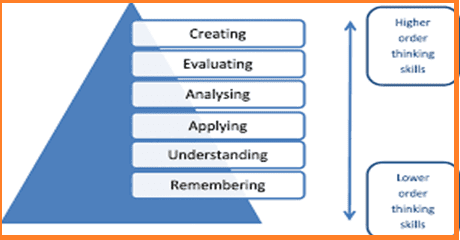
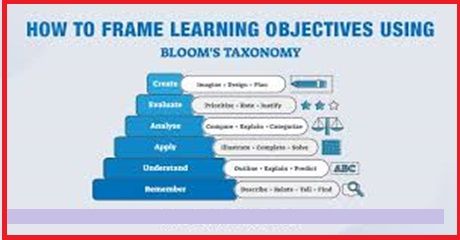
Assessment items should directly reflect intended learning outcomes and instructional goals. Bloom’s Taxonomy can serve as a useful framework for developing balanced assessment tasks.
Incorporate Diverse Assessment Formats
Combining objective questions with short-answer responses, essays, and performance-based tasks provides a more comprehensive picture of student learning.
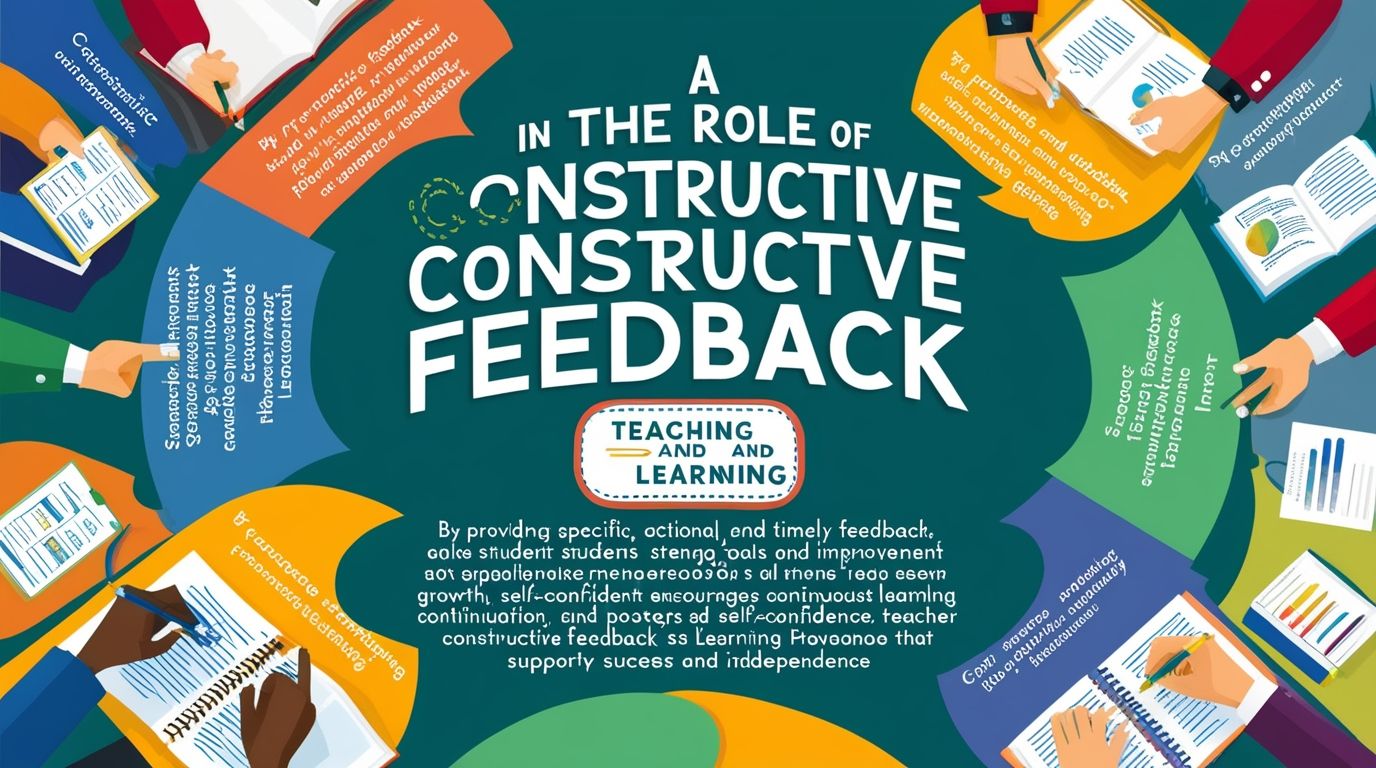
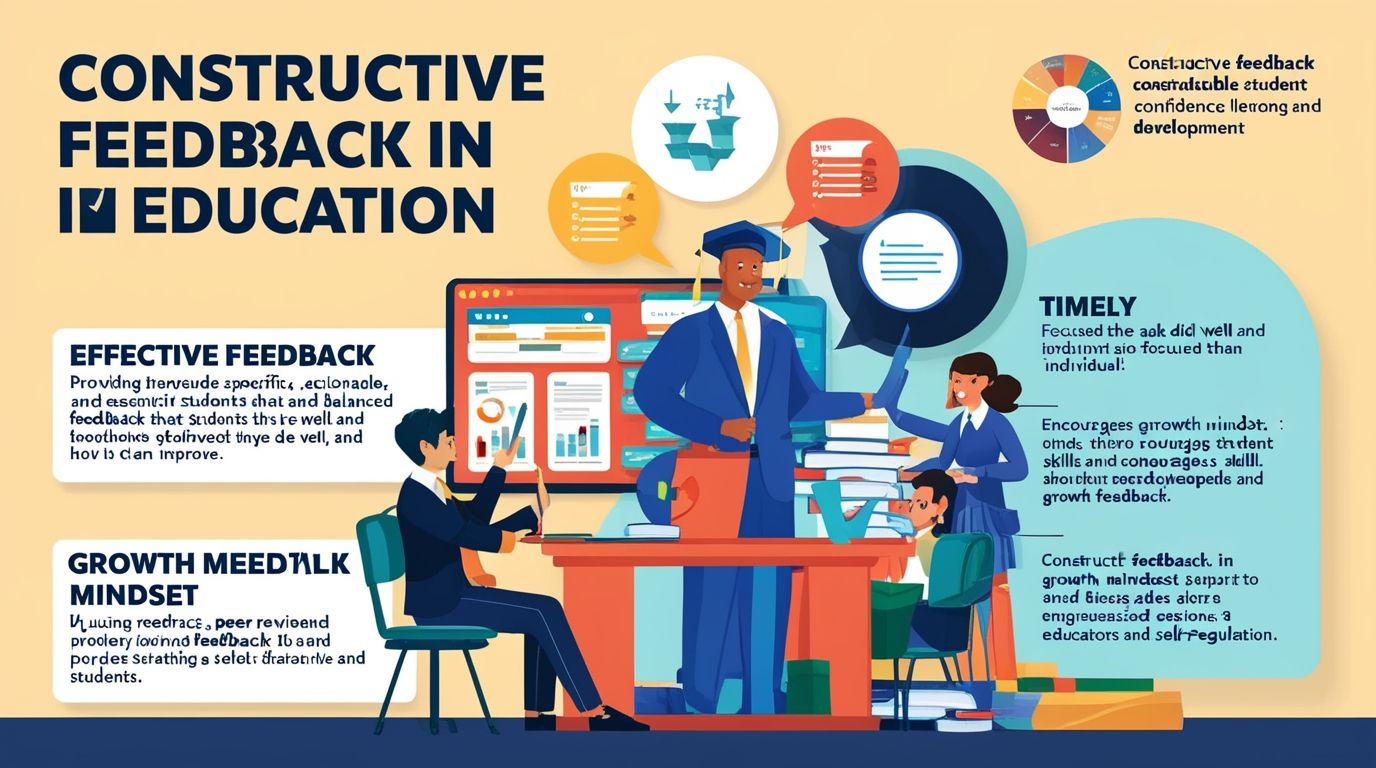
Provide Constructive Feedback
Assessment results should be accompanied by meaningful feedback that helps students understand their strengths and areas for improvement.
Minimize Test Anxiety
Creating low-stakes assessment environments, offering practice opportunities, and emphasizing growth rather than grades can reduce student stress.
Utilize Educational Technology
Digital assessment tools can streamline administration, improve engagement, provide instant feedback, and facilitate data analysis.
Analyze Results for Continuous Improvement
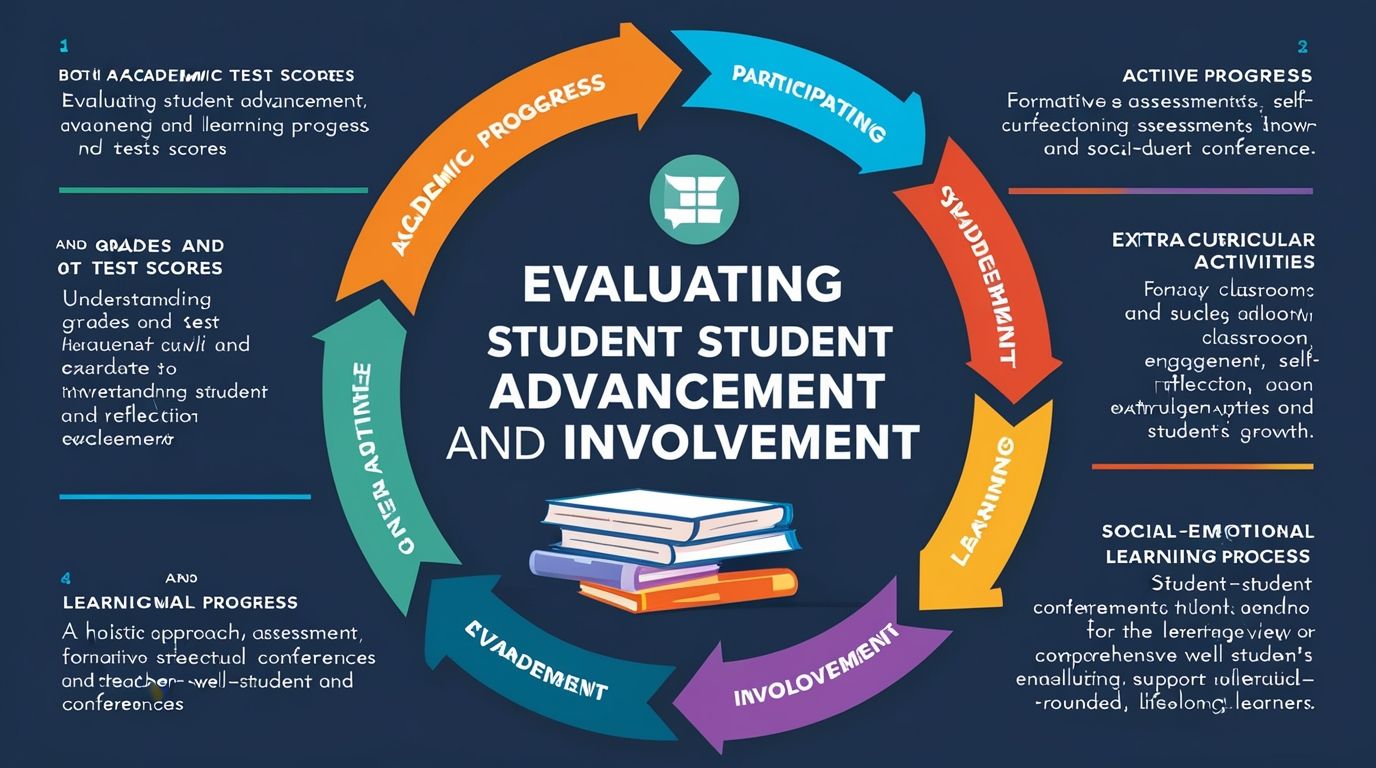
Educators should systematically compare pre-test and post-test data to identify trends, evaluate instructional effectiveness, and inform future teaching practices.
Research Evidence Supporting Pre-Test and Post-Test Assessment
A substantial body of research supports the effectiveness of pre-test and post-test strategies in improving educational outcomes.
Hake (1998) conducted a large-scale study involving more than 6,000 physics students and found that interactive teaching methods measured through pre- and post-testing produced significantly greater learning gains than traditional lecture-based instruction.
Black and Wiliam (1998) demonstrated that formative assessment practices, including the strategic use of pre- and post-tests, significantly enhance student achievement across diverse educational contexts.
Kingston and Nash (2011), through a comprehensive meta-analysis, concluded that formative assessment practices contribute positively to student learning and academic performance across multiple disciplines.
These findings highlight the value of assessment as a tool not only for measuring learning but also for improving teaching and supporting student success.
Conclusion
Pre-test and post-test techniques are essential components of effective educational assessment. They provide meaningful insights into student learning, instructional quality, and curriculum effectiveness. When carefully designed and thoughtfully implemented, these assessments support personalized learning, guide instructional improvement, and promote higher levels of student achievement.
Although challenges such as test anxiety, reliability concerns, and resource demands exist, educators can overcome these limitations through sound assessment design, constructive feedback, diverse evaluation methods, and the integration of educational technology. As education continues to evolve, pre-test and post-test assessments will remain valuable tools for fostering continuous improvement, accountability, and academic excellence.
References
Black, P., & Wiliam, D. (1998). Assessment and Classroom Learning. Assessment in Education, 5(1), 7–74.
Bloom, B. S. (1968). Learning for Mastery. UCLA Evaluation Comment, 1(2).
Hake, R. R. (1998). Interactive-Engagement vs. Traditional Methods: A Six-Thousand-Student Survey of Mechanics Test Data for Introductory Physics Courses. American Journal of Physics, 66(1), 64–74.
Kingston, N., & Nash, B. (2011). Formative Assessment: A Meta-Analysis and a Call for Research. Educational Measurement: Issues and Practice, 30(4), 28–37.
Vygotsky, L. S. (1978). Mind in Society: The Development of Higher Psychological Processes. Harvard University Press.
















































































































































































































































































































































بی سی ای ای یاماموتو، یک مکمل ورزشی پیشرفته حاوی آمینواسیدهای شاخهدار (لوسین، ایزولوسین و والین) با خلوص بسیار بالا است.
گینر یاماموتو، یک مکمل افزایش وزن و حجم عضلانی فوقپیشرفته است که بر پایه کربوهیدراتهای باکیفیت و پروتئینهای زودجذب طراحی شده است.
وی ایزوله یاماموتو، یکی از خالصترین فرمهای پروتئین آب پنیر در جهان است.
بی سی ای ای رول وان، یک مکمل ورزشی باکیفیت است که از سه اسید آمینه شاخهدار ضروری شامل لوسین، ایزولوسین و والین با نسبت علمی و اثباتشده 2:1:1 تشکیل شده است.
وی ایزوله مای پروتئین، با خلوص فوقالعاده بالا، یکی از بهترین انتخابها برای ورزشکاران است.
گینر بد اس، یک مکمل غذایی قدرتمند است که به طور خاص برای ورزشکاران و افرادی که به دنبال افزایش حجم عضلانی و قدرت بدنی هستند، طراحی شده است.
وی ایزوله یو اس ان، مکملی ایدهآل برای ورزشکارانی است که به دنبال بالاترین کیفیت پروتئین هستند.
Không chỉ chú trọng chất lượng dịch vụ, C168 còn tạo dấu ấn với hệ thống giao dịch nhanh chóng, công nghệ bảo mật tiên tiến và đội ngũ hỗ trợ khách hàng hoạt động 24/7.
C168 ứng dụng công nghệ mã hóa dữ liệu hiện đại, đảm bảo an toàn tối đa cho thông tin hội viên khi thực hiện các giao dịch tại nhà cái C168. Việc đầu tư mạnh mẽ vào hạ tầng kỹ thuật và tốc độ truy cập cho thấy cam kết của thương hiệu trong việc kiến tạo một môi trường giải trí ổn định. Cảnh báo: Cá cược trực tuyến mang tính may rủi cao, bạn hãy luôn chủ động quản lý nguồn vốn và tham gia tỉnh táo.
Bên cạnh đó, C168 còn thường xuyên triển khai nhiều chương trình khuyến mãi giá trị, mang đến cơ hội nhận thưởng hấp dẫn cho thành viên.
امگا 3 رول وان، مستقیماً روی توانایی شما برای یادگیری، تمرکز، و حتی مدیریت استرس تأثیر میذاره.
C168 ứng dụng công nghệ mã hóa dữ liệu hiện đại, đảm bảo an toàn tối đa cho thông tin hội viên khi thực hiện các giao dịch tại nhà cái C168. Việc đầu tư mạnh mẽ vào hạ tầng kỹ thuật và tốc độ truy cập cho thấy cam kết của thương hiệu trong việc kiến tạo một môi trường giải trí ổn định. Cảnh báo: Cá cược trực tuyến mang tính may rủi cao, bạn hãy luôn chủ động quản lý nguồn vốn và tham gia tỉnh táo.
C168 ứng dụng công nghệ mã hóa dữ liệu hiện đại, đảm bảo an toàn tối đa cho thông tin hội viên khi thực hiện các giao dịch tại nhà cái C168. Việc đầu tư mạnh mẽ vào hạ tầng kỹ thuật và tốc độ truy cập cho thấy cam kết của thương hiệu trong việc kiến tạo một môi trường giải trí ổn định. Cảnh báo: Cá cược trực tuyến mang tính may rủi cao, bạn hãy luôn chủ động quản lý nguồn vốn và tham gia tỉnh táo.
eu6njf
Ótimo artigo! O VV ULTIMATUM em / tem sido útil em fluxos parecidos. VV ULTIMATUM
Hệ thống link vào C168 luôn ổn định và không bị chặn, giúp trải nghiệm soi kèo bóng đá hay chơi casino của mình không bao giờ bị gián đoạn. Điểm cộng lớn nhất là nền tảng bảo mật thông tin cực tốt, giúp mình hoàn toàn yên tâm tận hưởng kho game đồ sộ mà không lo ngại rủi ro rò rỉ dữ liệu cá nhân.
Hệ thống link vào C168 luôn ổn định và không bị chặn, giúp trải nghiệm soi kèo bóng đá hay chơi casino của mình không bao giờ bị gián đoạn. Điểm cộng lớn nhất là nền tảng bảo mật thông tin cực tốt, giúp mình hoàn toàn yên tâm tận hưởng kho game đồ sộ mà không lo ngại rủi ro rò rỉ dữ liệu cá nhân.
Vừa hoàn tất đăng ký tại C168 là mình nhận ngay được code 68K khởi nghiệp, hỗ trợ khách hàng ở đây trực 24/7 nên giải đáp thắc mắc rất nhanh. Giao diện trang chủ mượt mà, dễ thao tác, cực kỳ phù hợp cho những anh em mới bắt đầu tìm kiếm cơ hội bứt phá thu nhập.
Vừa hoàn tất đăng ký tại C168 là mình nhận ngay được code 68K khởi nghiệp, hỗ trợ khách hàng ở đây trực 24/7 nên giải đáp thắc mắc rất nhanh. Giao diện trang chủ mượt mà, dễ thao tác, cực kỳ phù hợp cho những anh em mới bắt đầu tìm kiếm cơ hội bứt phá thu nhập.
C168 không ngừng nâng cấp chất lượng dịch vụ và tăng cường bảo mật cho người dùng. Bên cạnh đó, nhà cái còn thường xuyên triển khai các chương trình ưu đãi hấp dẫn, góp phần nâng cao trải nghiệm giải trí cho thành viên.
Vừa hoàn tất đăng ký tại C168 là mình nhận ngay được code 68K khởi nghiệp, hỗ trợ khách hàng ở đây trực 24/7 nên giải đáp thắc mắc rất nhanh. Giao diện trang chủ mượt mà, dễ thao tác, cực kỳ phù hợp cho những anh em mới bắt đầu tìm kiếm cơ hội bứt phá thu nhập.
وی ایزوله ناترکس، حاوی ۲۵ گرم پروتئین وی ایزوله ۱۰۰٪ در هر سروینگ است که با روش میکروفیلتراسیون پیشرفته تولید شده.