
Introduction
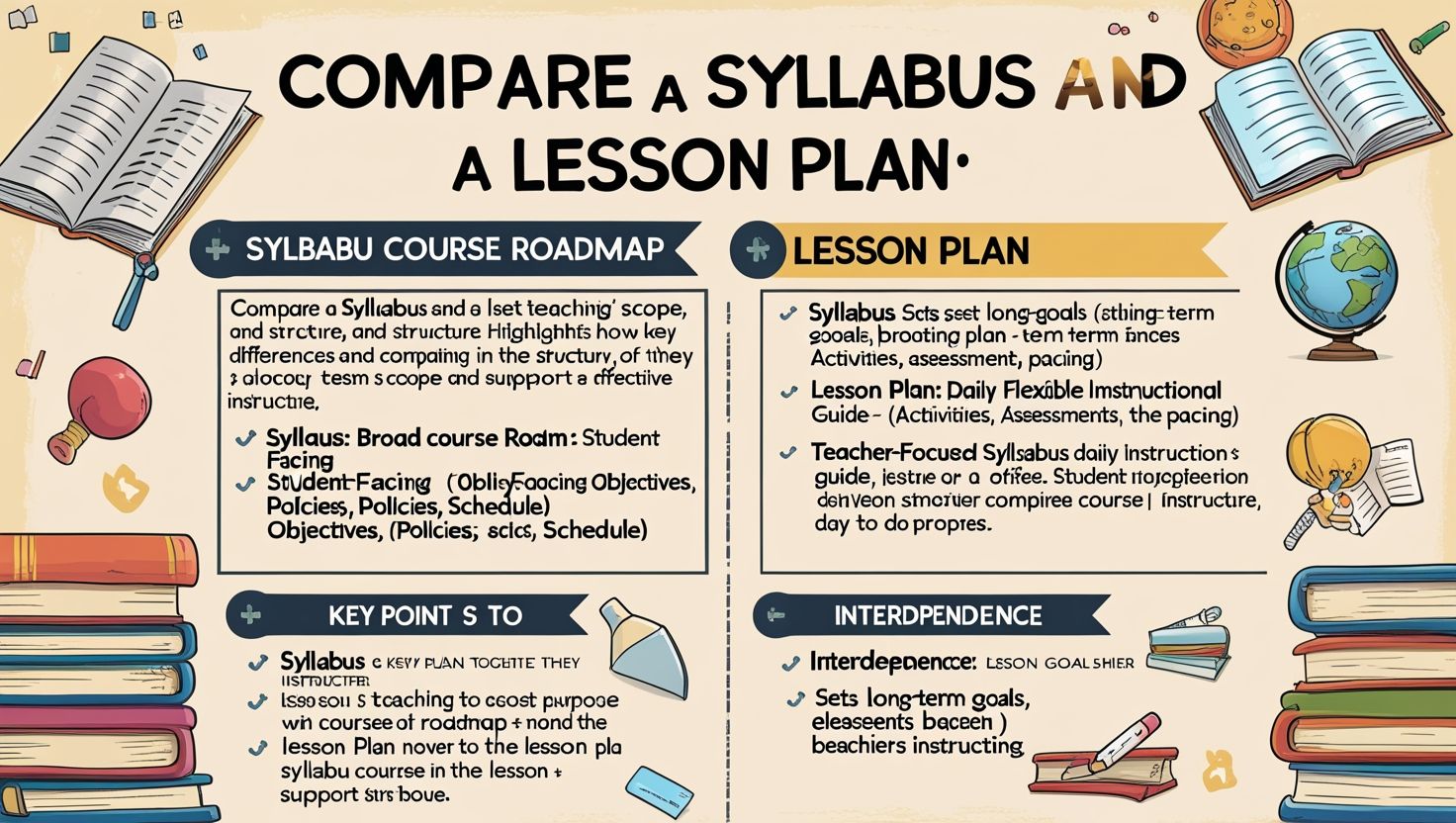
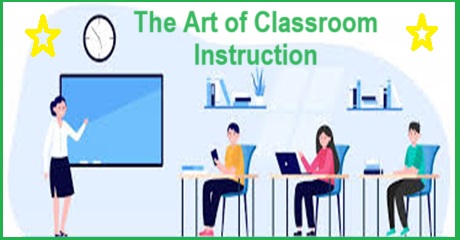
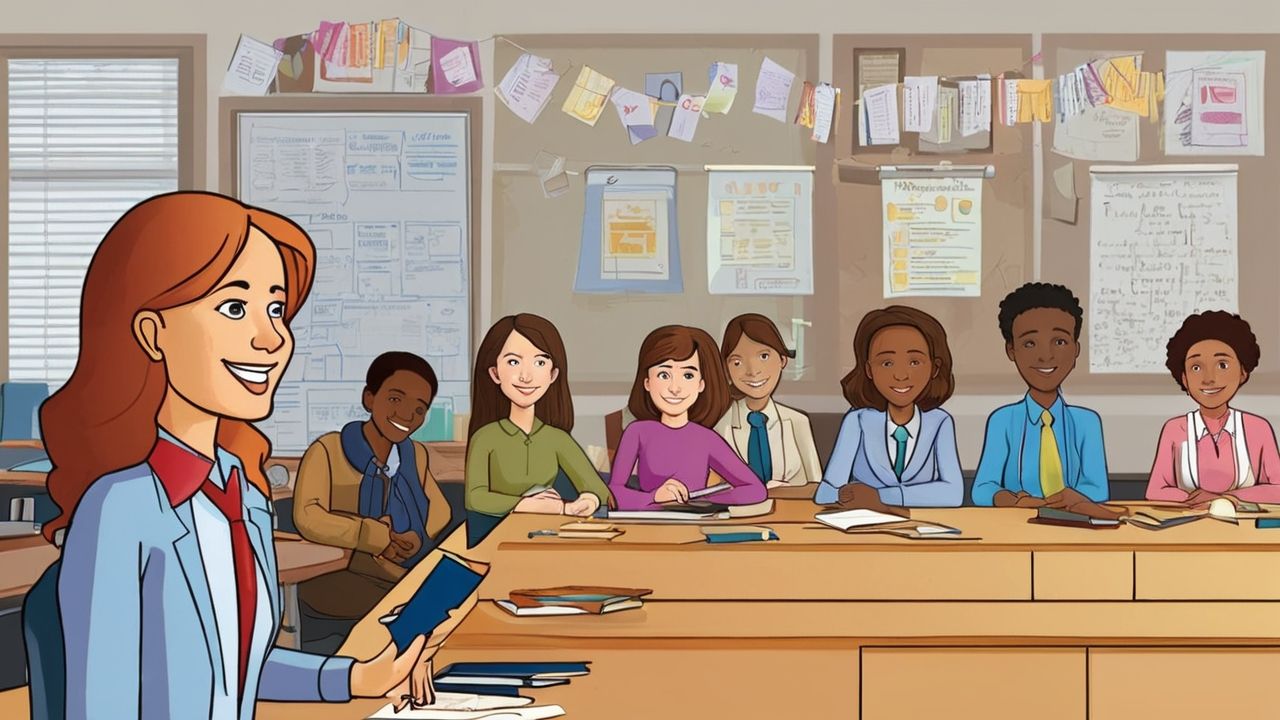
Syllabus vs. Lesson Plan in Teaching, Education in the 21st century has evolved significantly, yet foundational elements like the syllabus and lesson plan remain crucial for structured teaching. While both serve as instructional tools, they differ in scope, purpose, and application. A syllabus provides a broad outline of a course, detailing objectives, topics, assessments, and policies, whereas a lesson plan is a detailed, day-to-day guide for classroom instruction. Understanding their distinctions ensures effective curriculum delivery, aligning long-term goals with immediate teaching strategies.
Definition and Purpose of a Syllabus
A syllabus is a comprehensive document that outlines the framework of an academic course. It serves as a contract between instructors and students, clarifying expectations, learning outcomes, grading criteria, and required materials. In higher education, syllabi often include institutional policies, academic integrity statements, and accessibility resources. The syllabus ensures transparency, helping students track progress while providing instructors with a structured roadmap. Unlike lesson plans, which are dynamic, a syllabus remains relatively fixed throughout a term, offering stability and consistency.
Definition and Purpose of a Lesson Plan
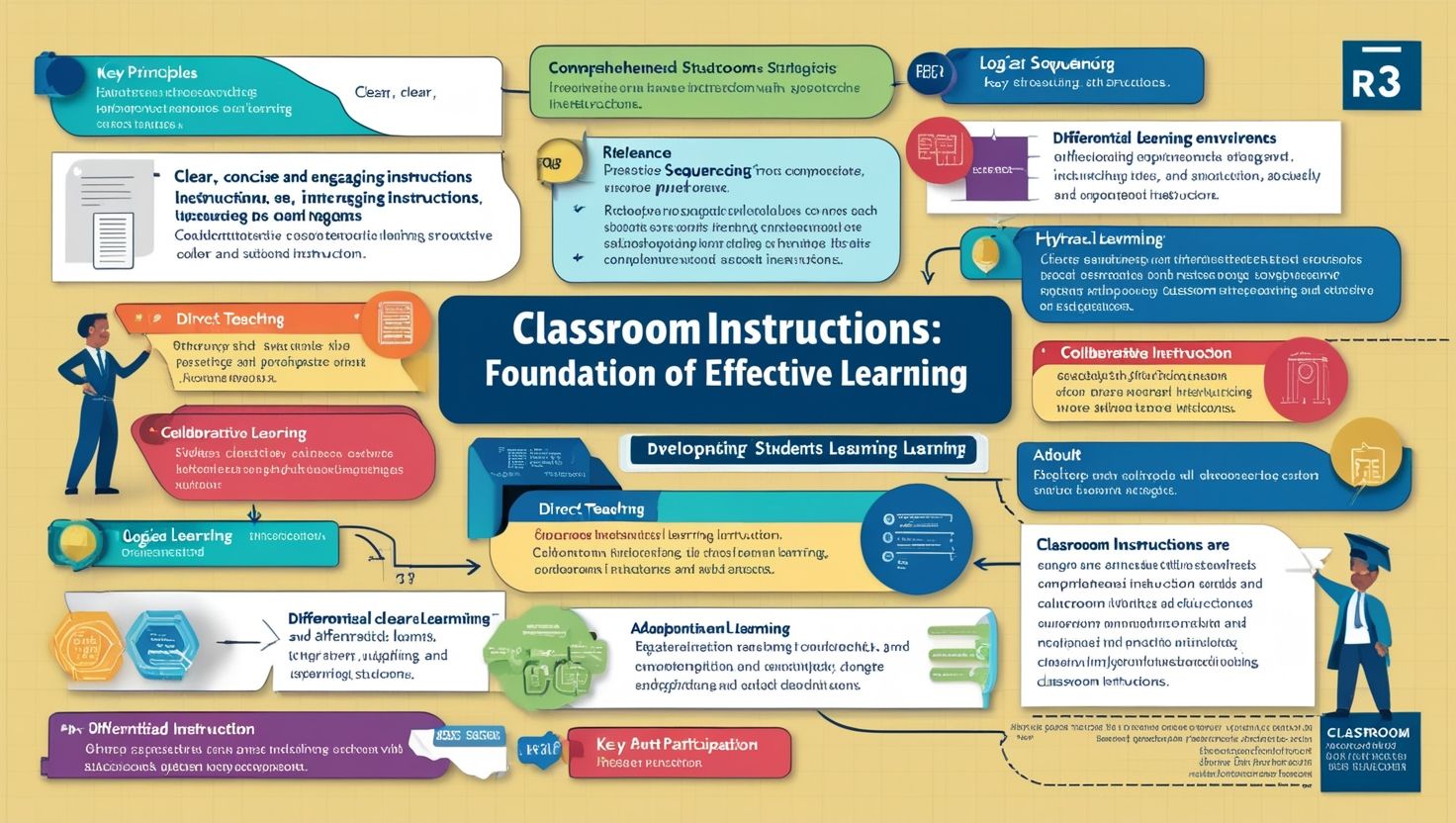
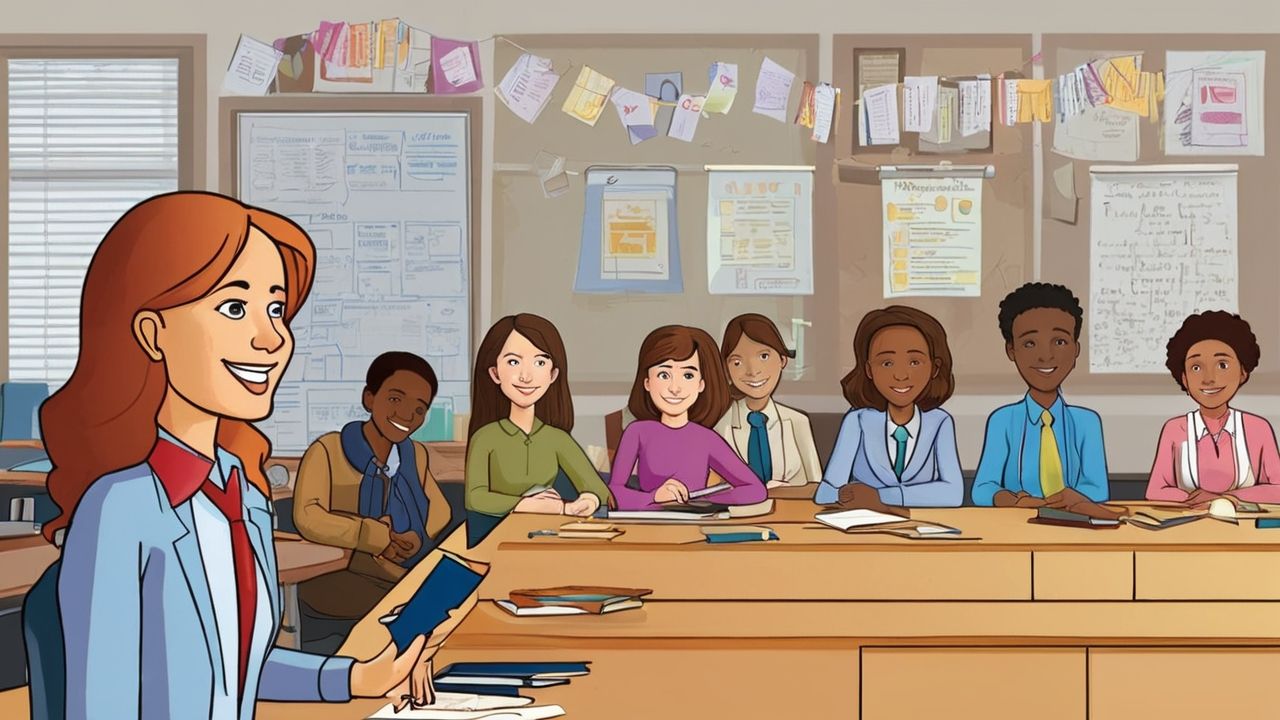
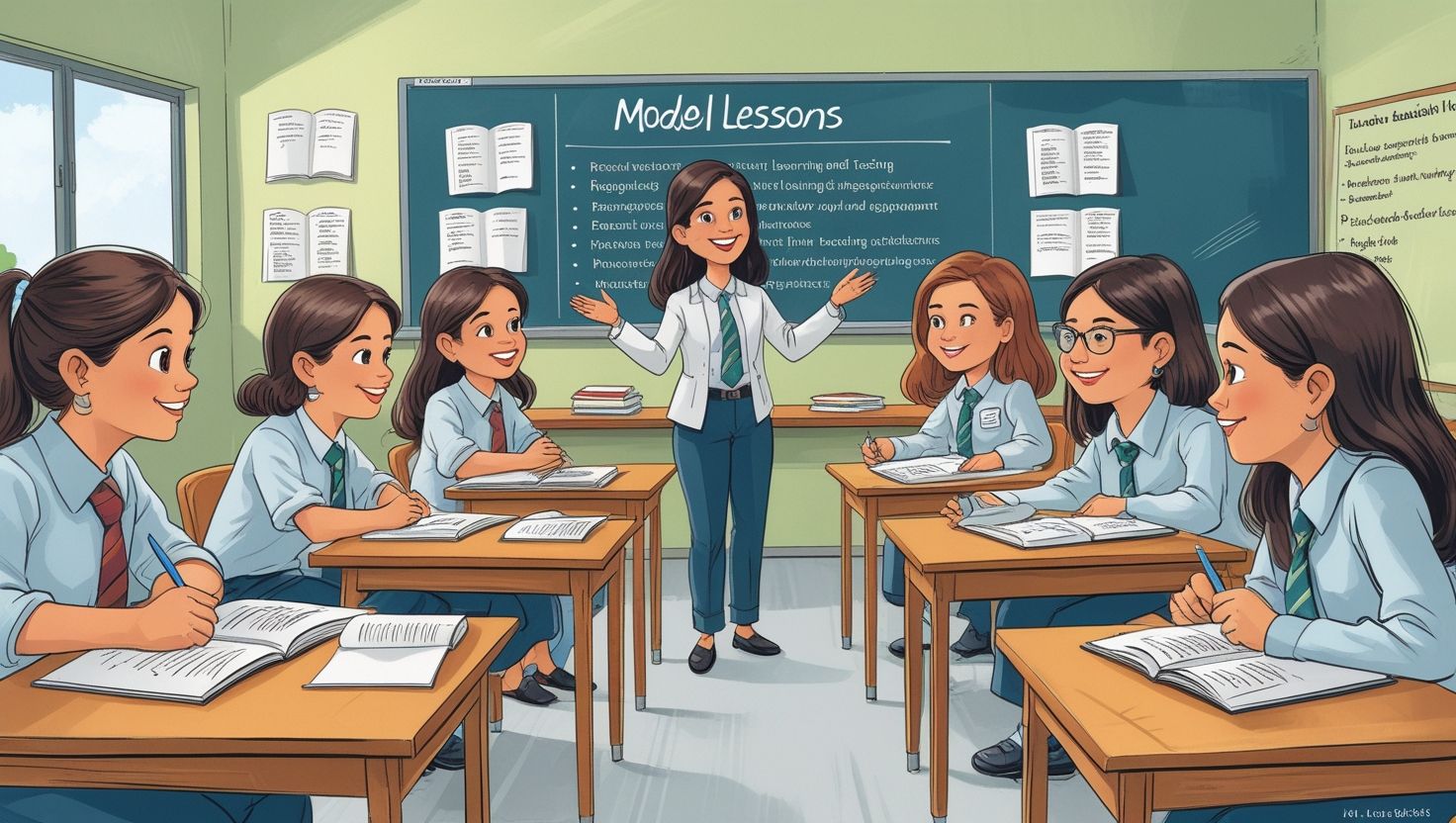
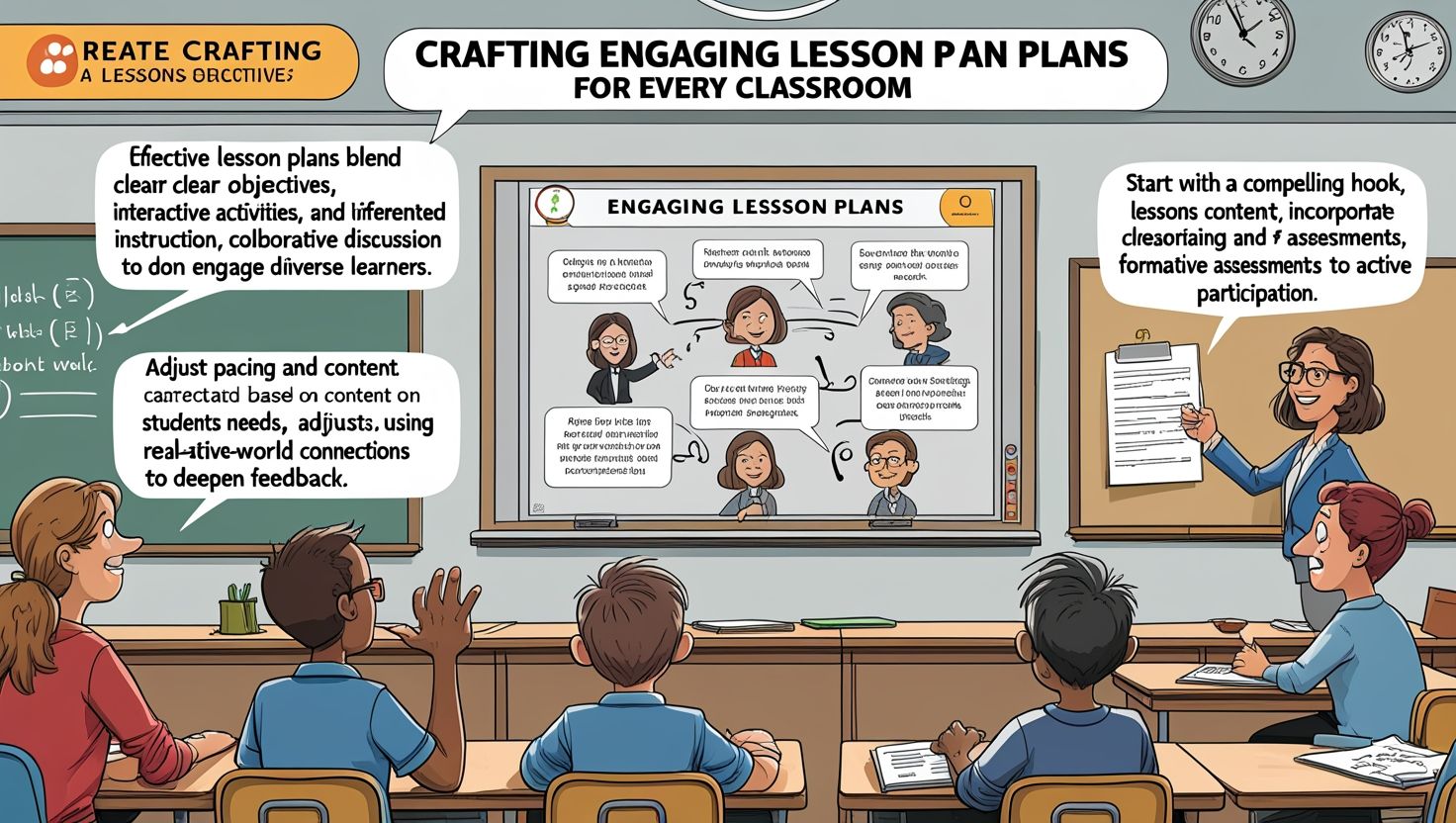
A lesson plan, in contrast, is a detailed, step-by-step guide for a single class session. It breaks down instructional activities, learning objectives, teaching methods, and assessment techniques. Lesson plans are flexible, allowing educators to adapt based on student needs, engagement levels, and unforeseen challenges. They incorporate diverse pedagogical strategies—such as direct instruction, collaborative learning, or inquiry-based approaches—to maximize comprehension. Unlike a syllabus, which is shared with students, lesson plans are primarily for teachers, serving as a tactical tool for daily classroom execution.
Key Differences Between Syllabus and Lesson Plan
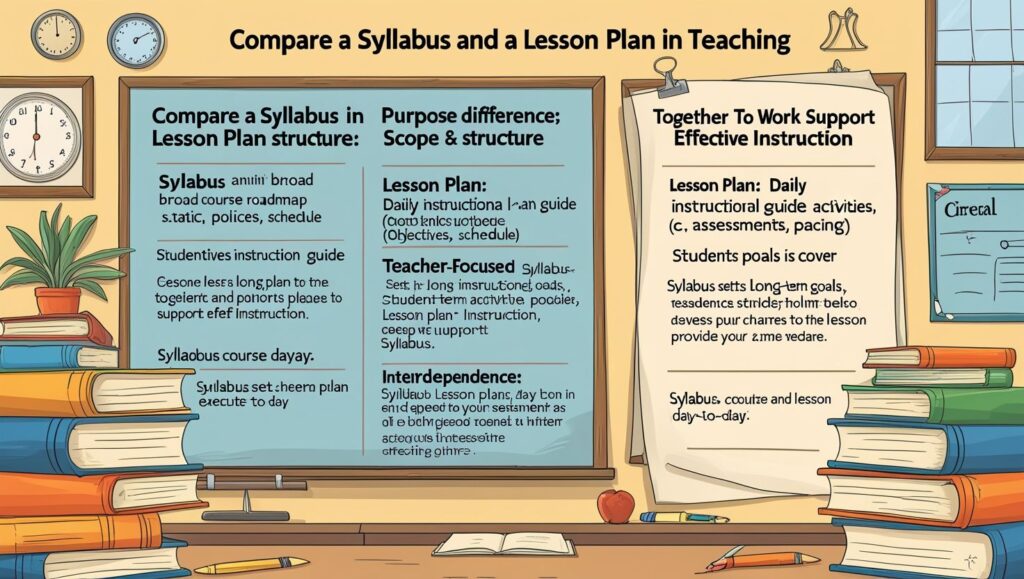
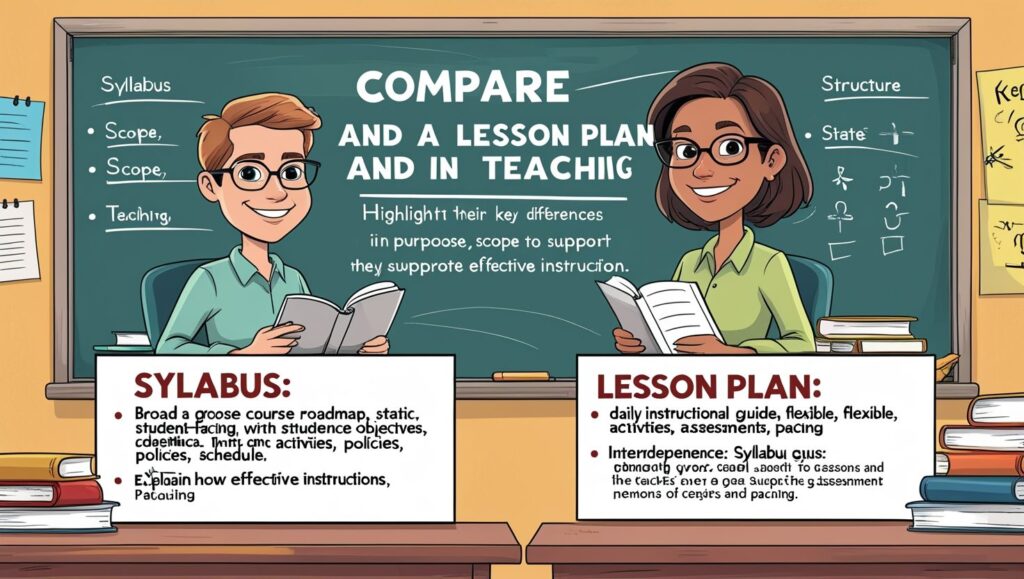
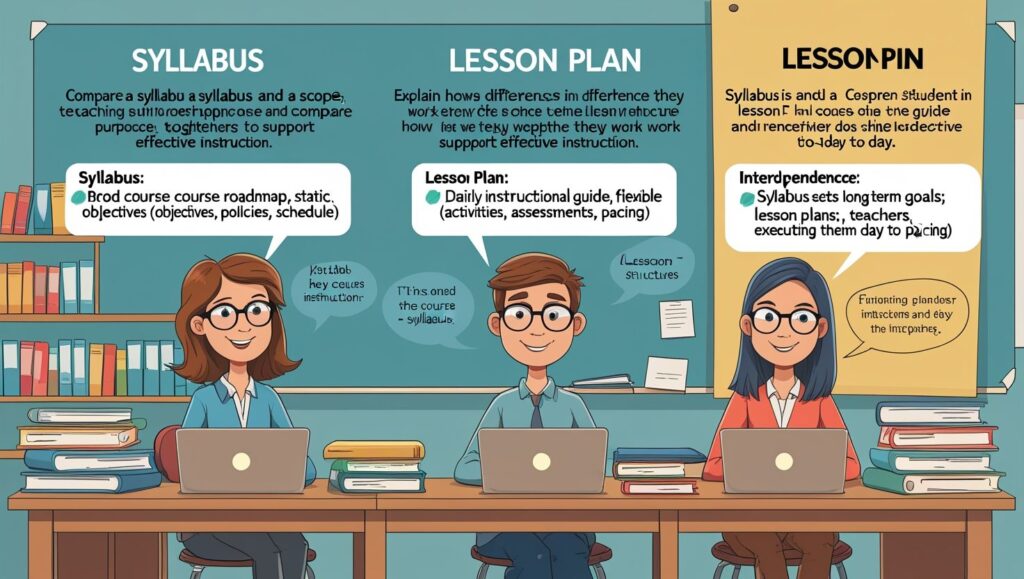
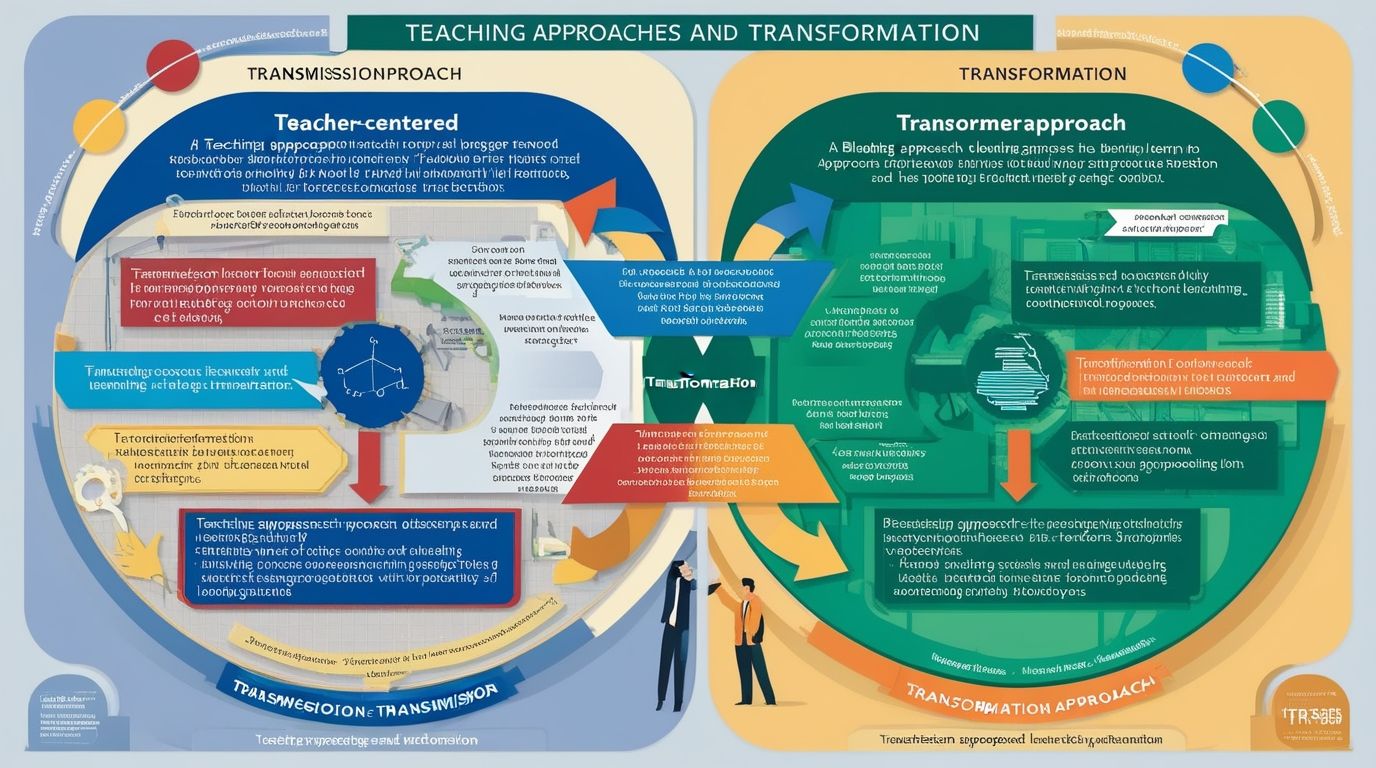
The primary distinction lies in scope and granularity. A syllabus covers an entire course, while a lesson plan focuses on a single session. Syllabi are static, providing a macro-level overview, whereas lesson plans are dynamic, adjusting to real-time classroom dynamics. Additionally, syllabi are student-facing, ensuring clarity on course expectations, while lesson plans are instructor-focused, detailing pedagogical techniques. Both are interdependent—the syllabus sets the course trajectory, and lesson plans operationalize it through structured daily instruction.
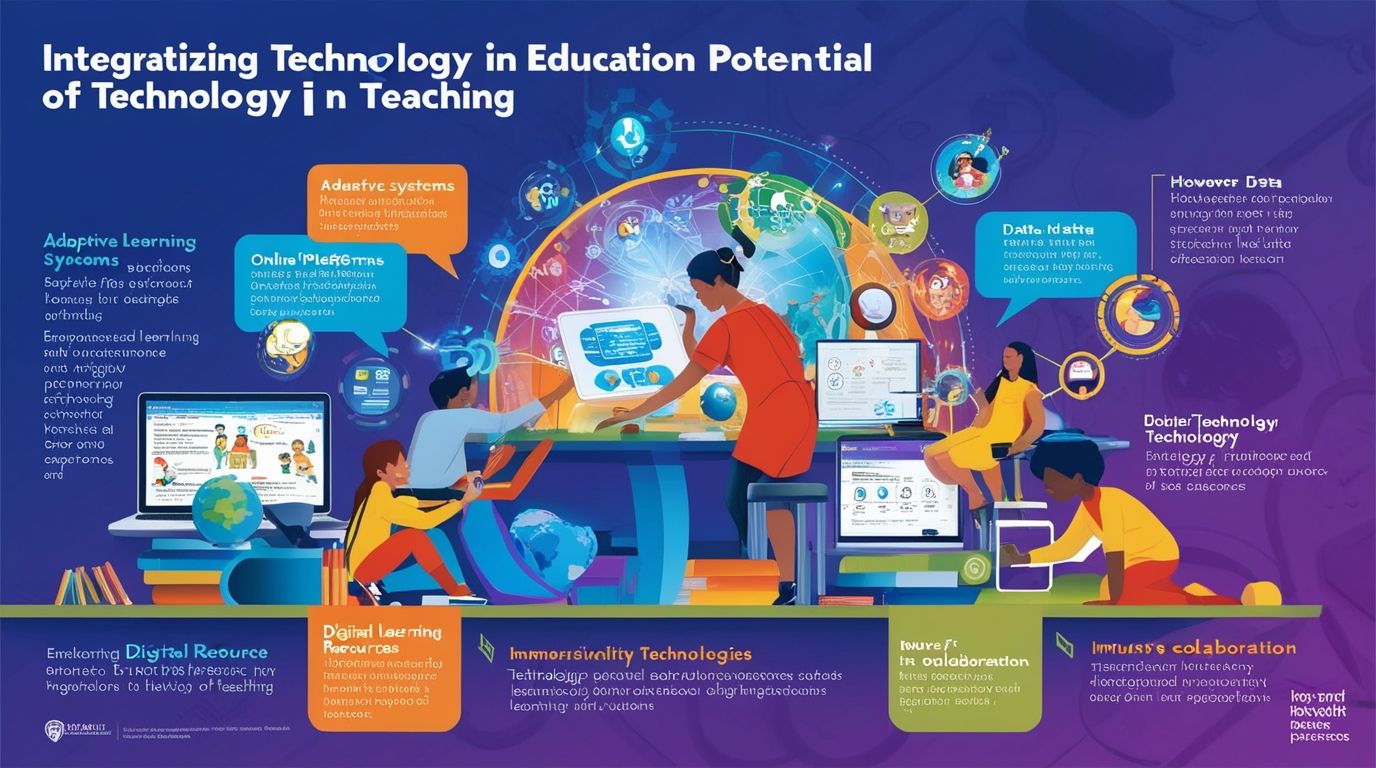
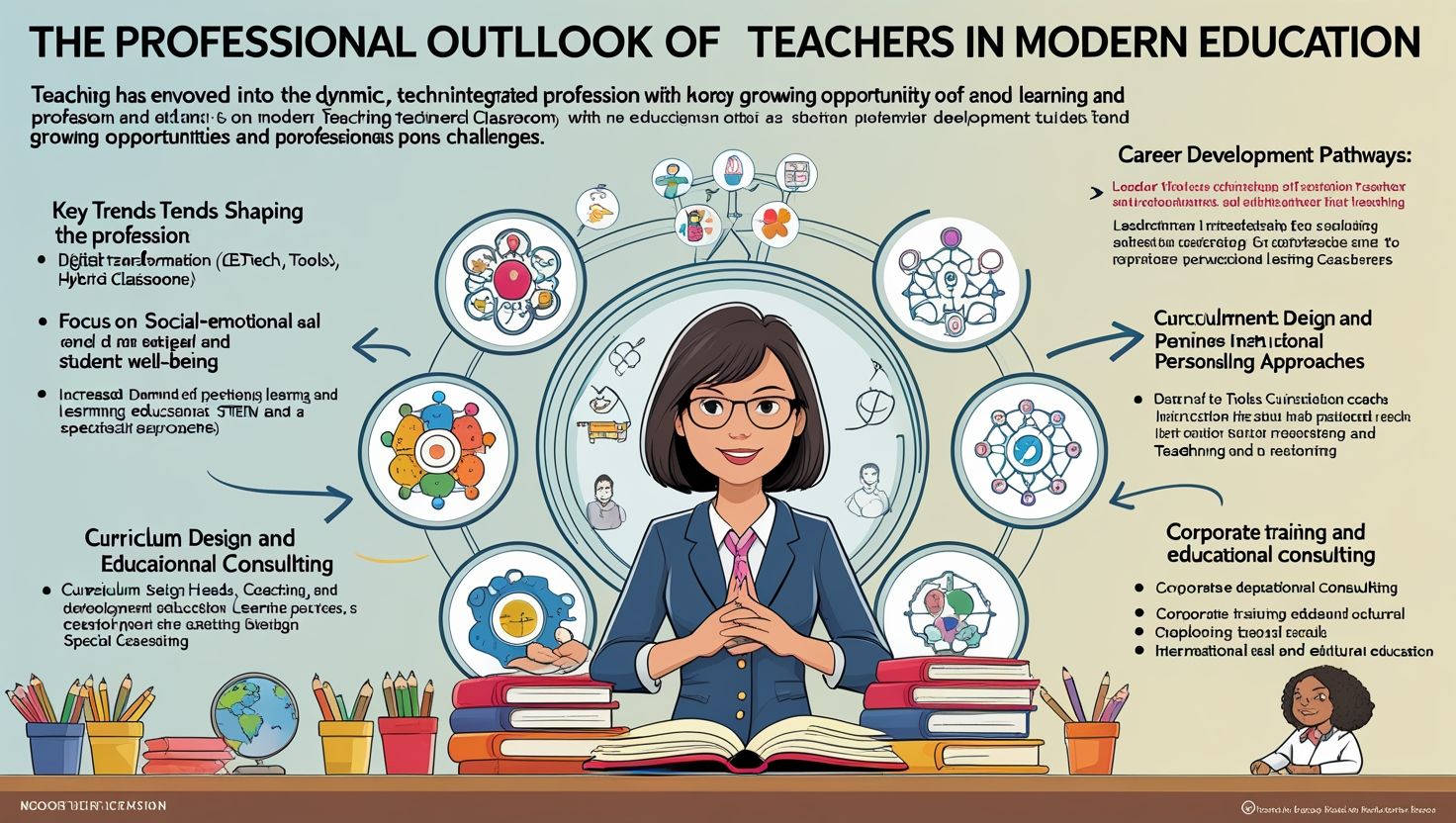
The Role of Technology in Syllabus and Lesson Planning
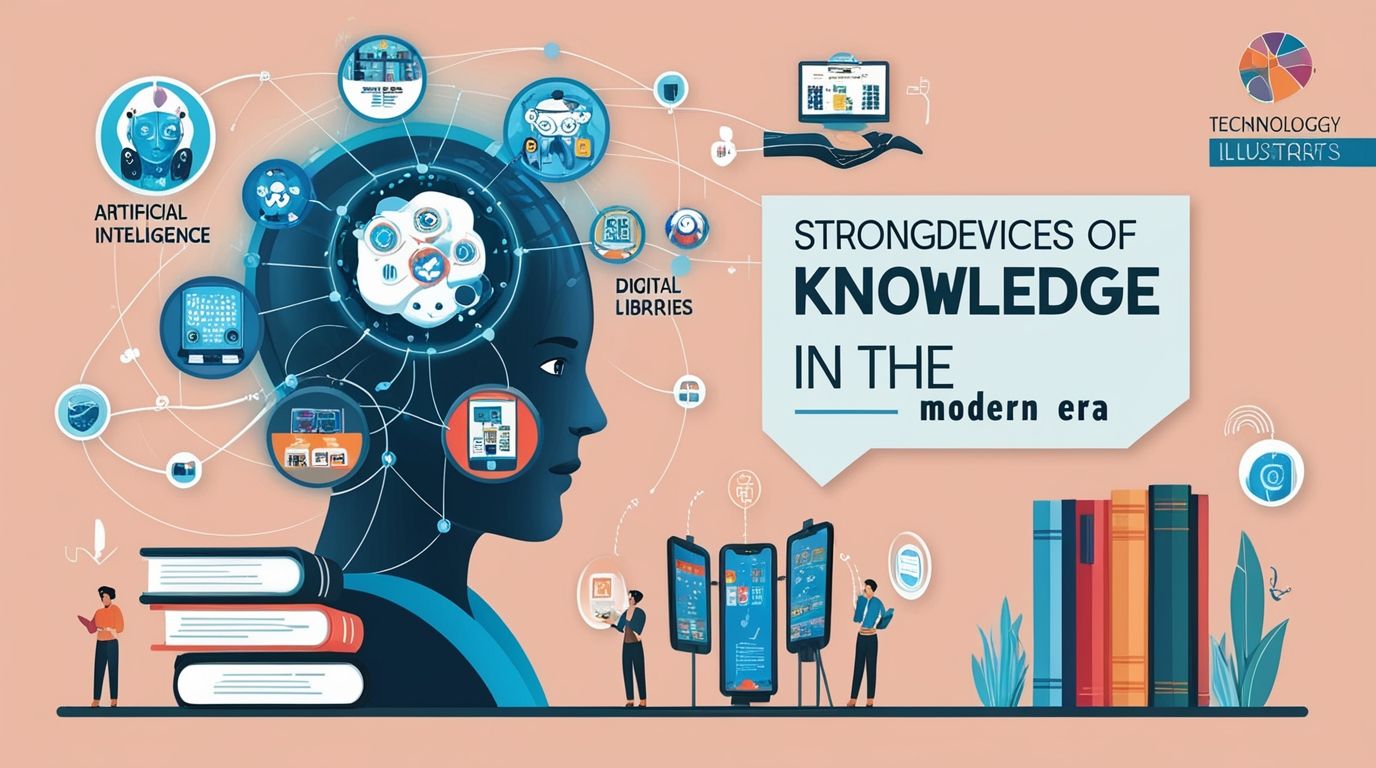
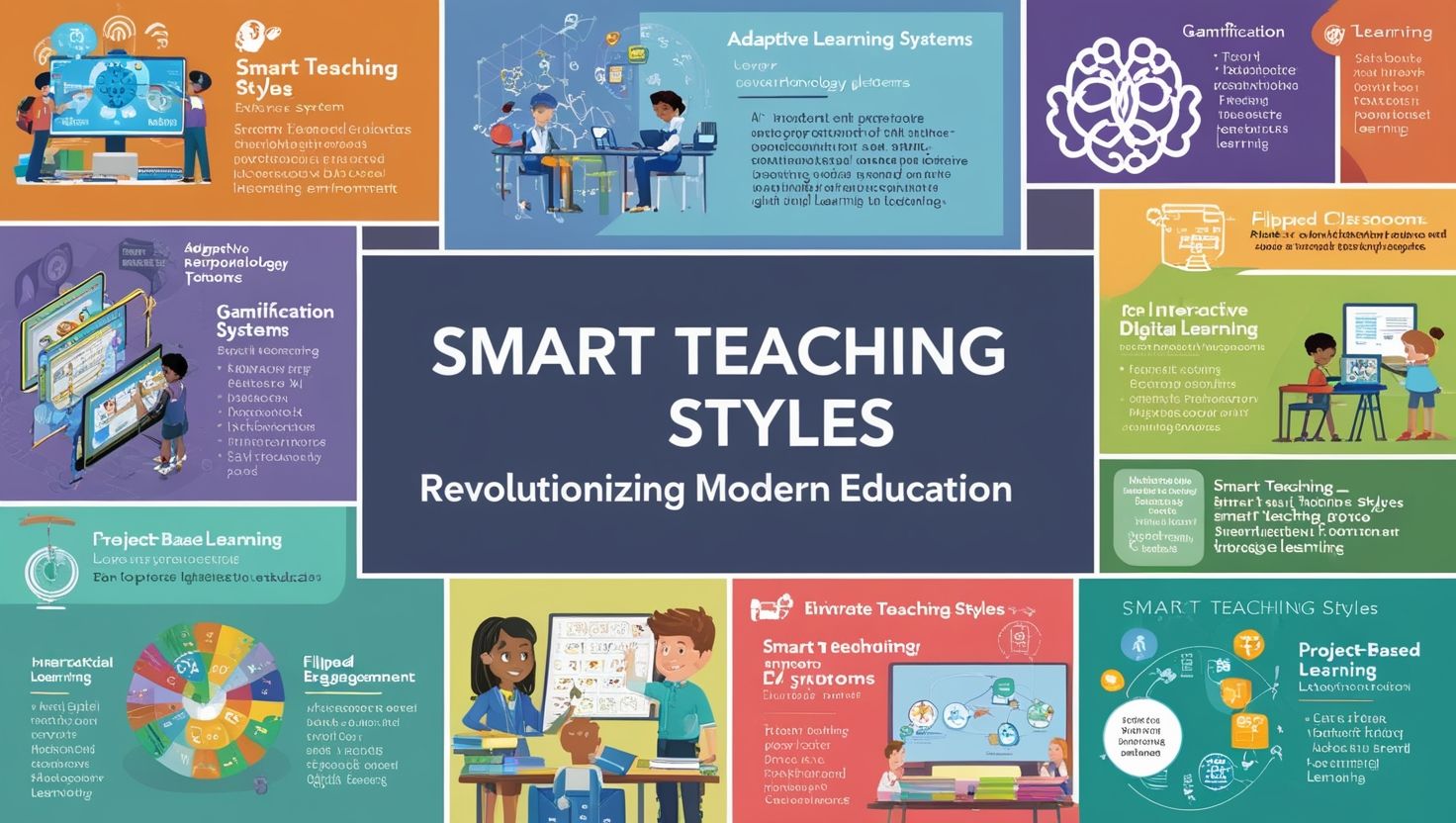
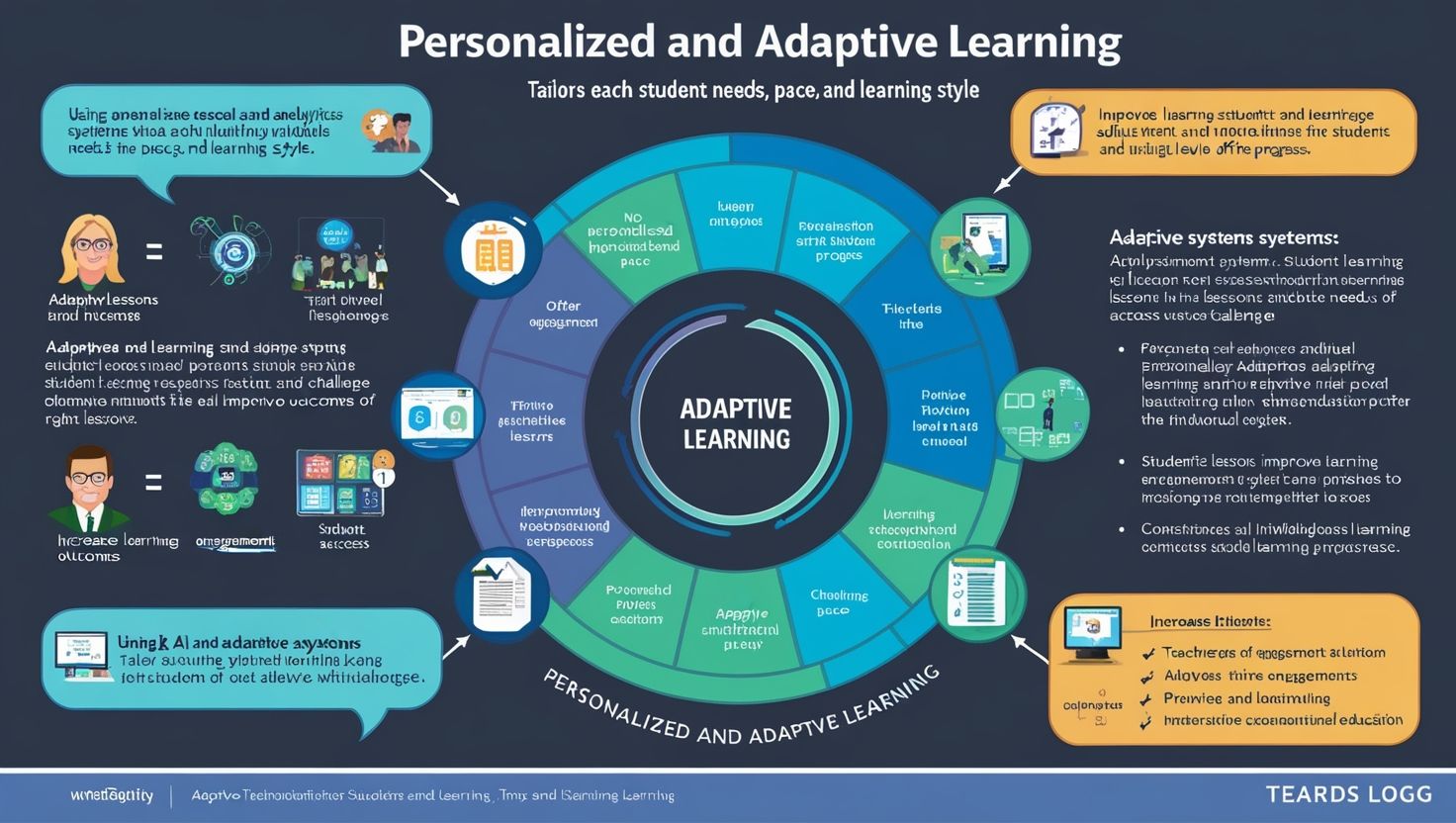
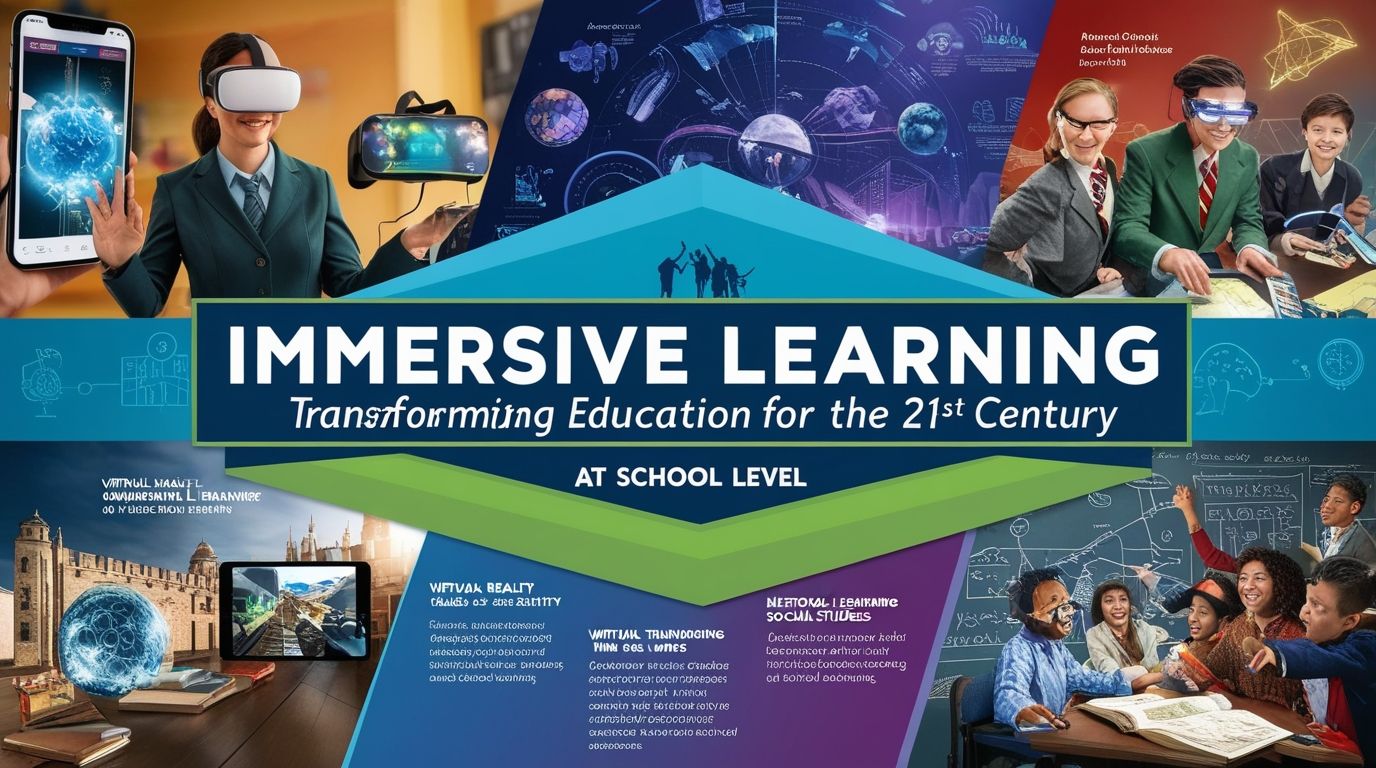
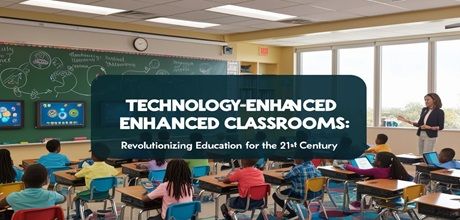
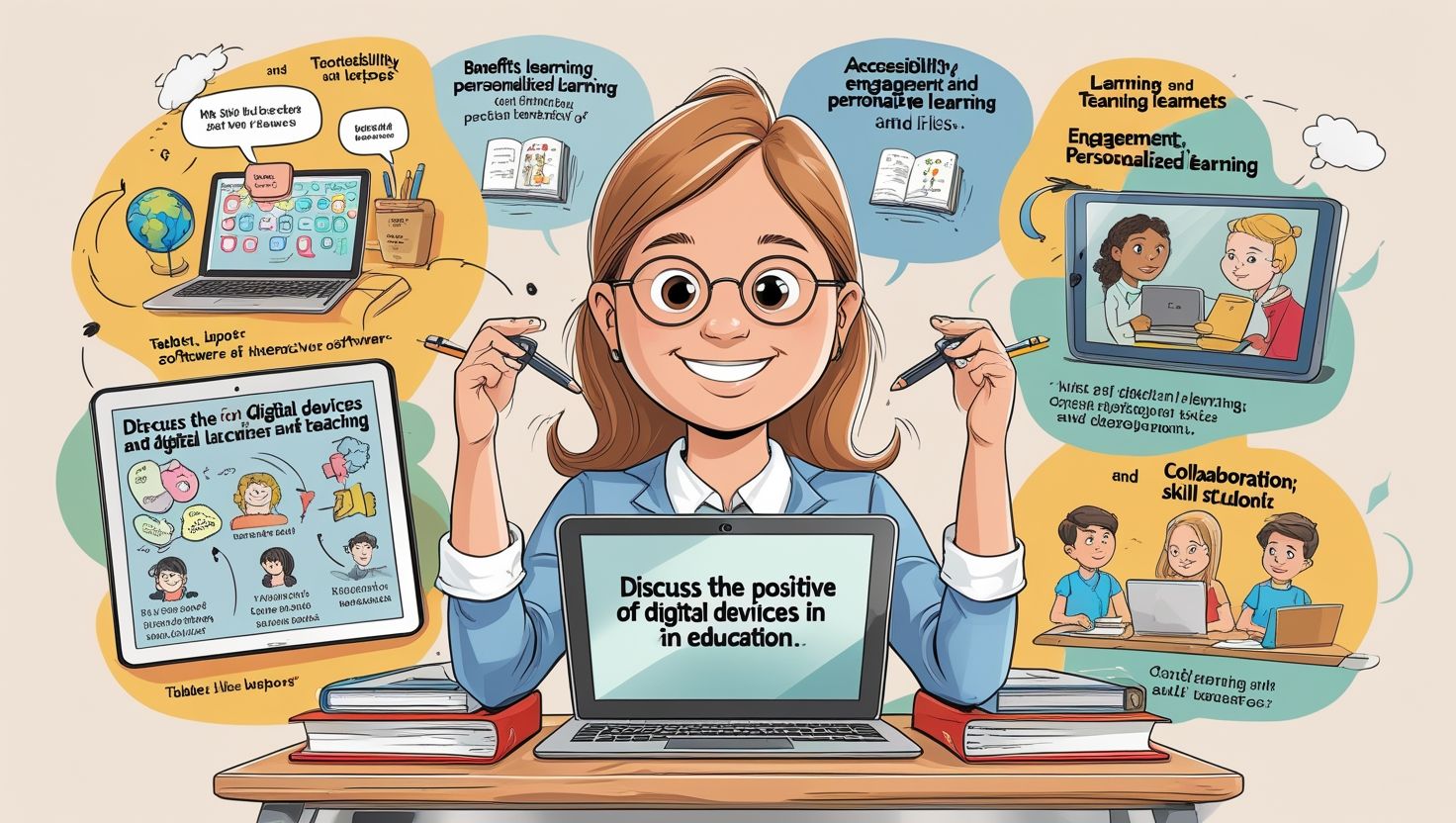
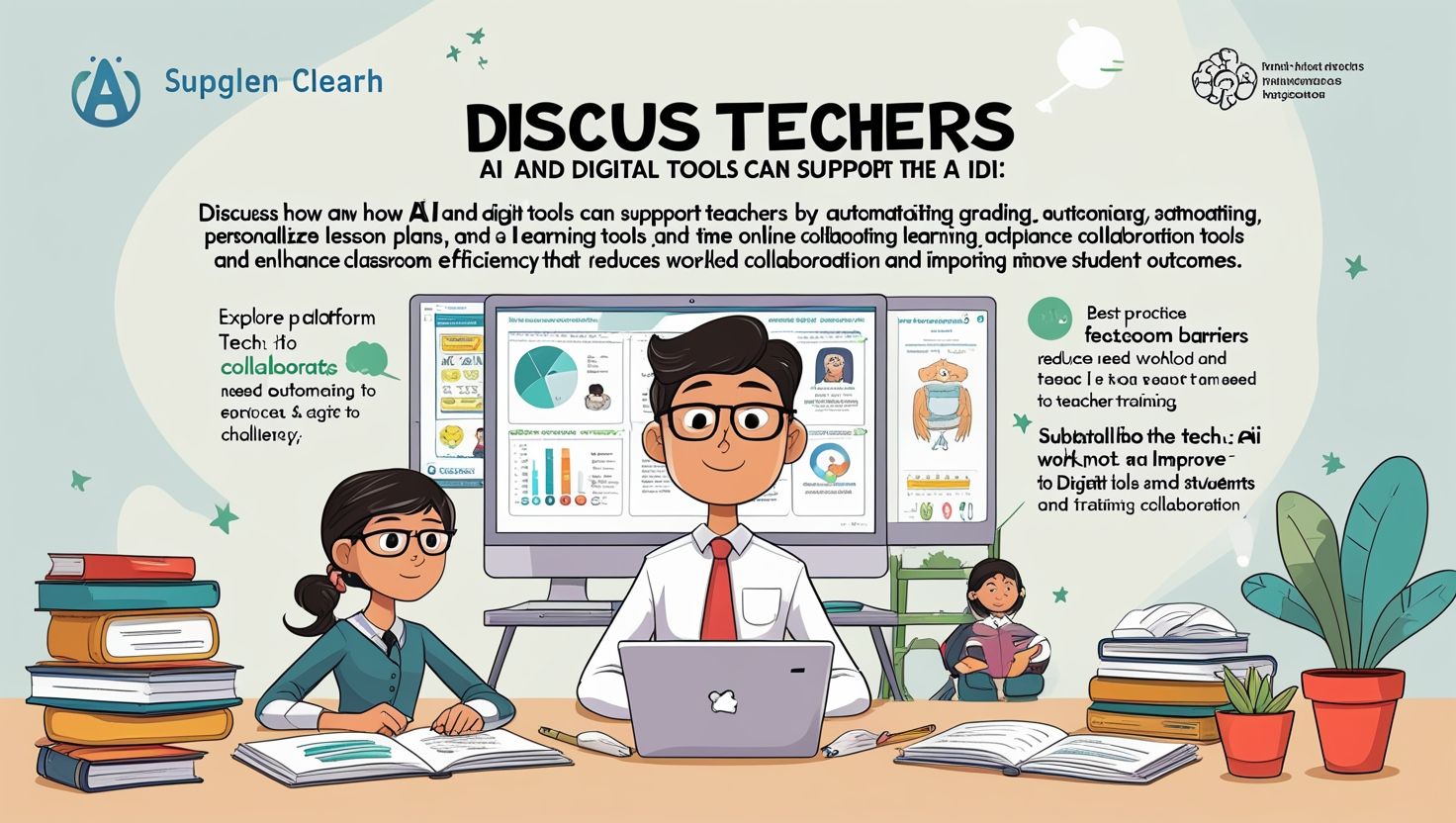
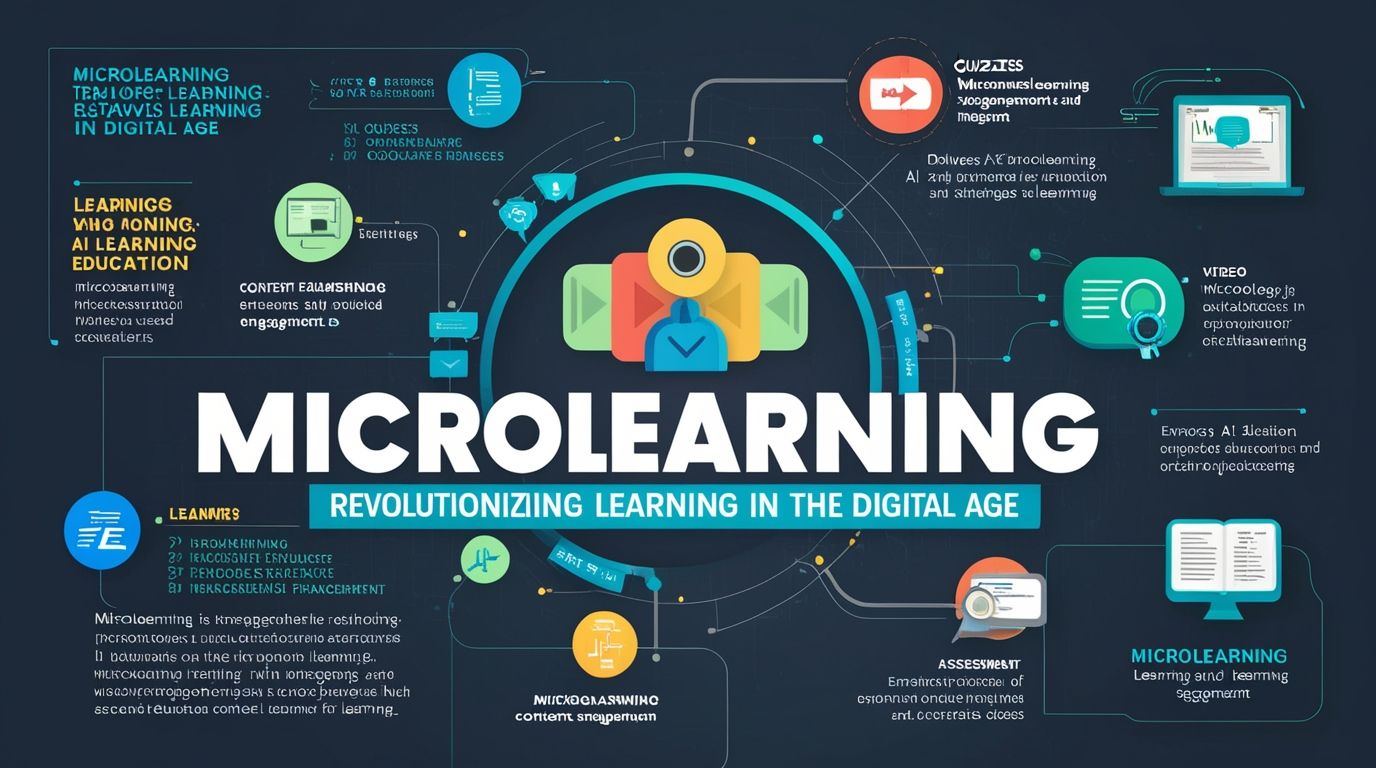
By 2100, advancements in AI and adaptive learning technologies will revolutionize both syllabi and lesson plans. AI-generated syllabi may personalize learning paths based on student data, while real-time analytics could refine lesson plans dynamically. Virtual and augmented reality might integrate into lesson plans for immersive learning experiences. Despite technological integration, the core distinction remains: syllabi will continue to provide course-wide structure, while lesson plans will adapt to immediate instructional needs with enhanced precision.
How to Plan a Syllabus
A well-structured syllabus serves as the backbone of any academic course, providing clarity to students and guiding instructors. Whether for K-12, higher education, or professional training, an effective syllabus ensures alignment with learning objectives, institutional policies, and assessment strategies. Below is a step-by-step guide to planning a comprehensive syllabus.
1. Define Course Objectives and Learning Outcomes
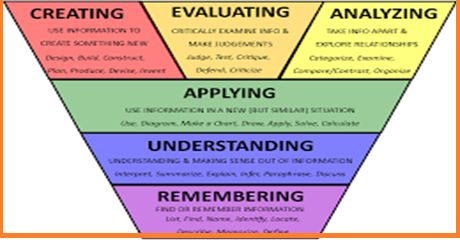
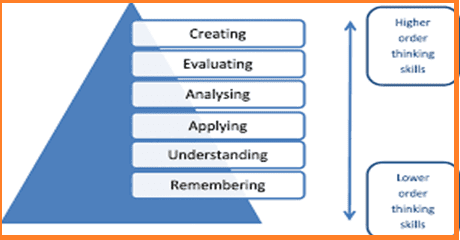
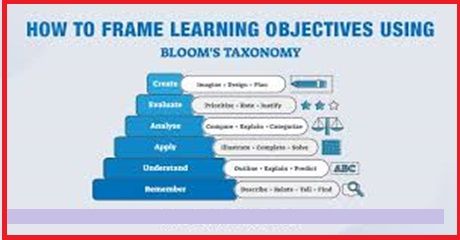
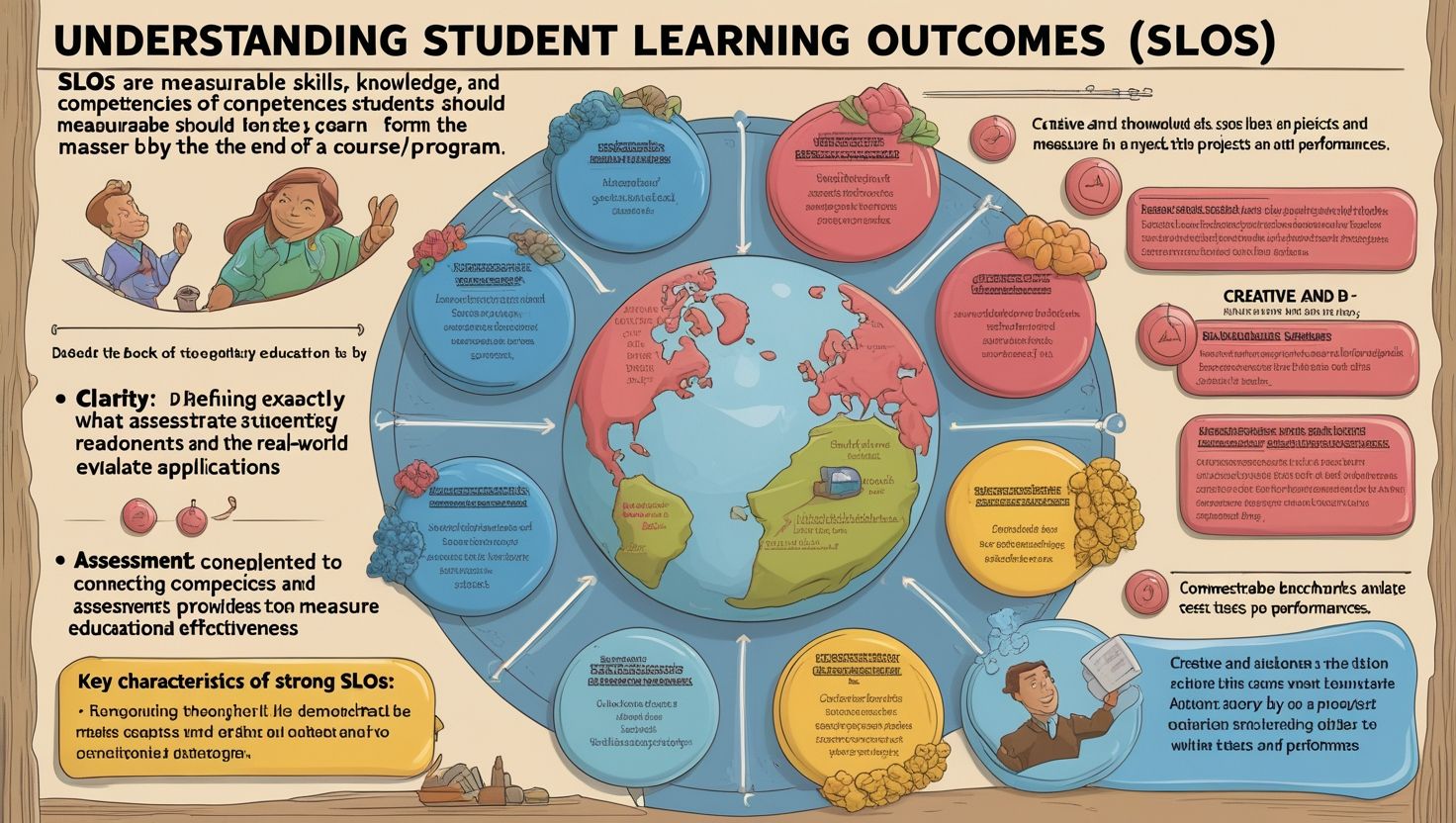
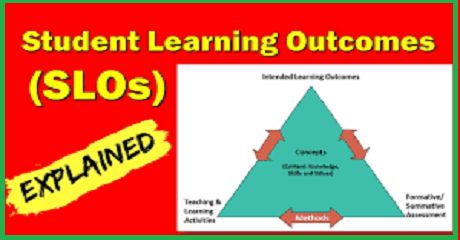
Start by outlining the primary goals of the course. What should students know or be able to do by the end? Use action verbs (e.g., “analyze,” “demonstrate,” “evaluate”) to frame measurable outcomes. Align these with institutional or accreditation standards (e.g., Bloom’s Taxonomy, national curriculum frameworks). Clear learning outcomes help students understand expectations and guide lesson planning.
2. Determine Course Content and Structure
Break the course into modules or units, organizing topics logically (chronologically, thematically, or by difficulty). Allocate time for each segment, considering holidays and assessments. Include:
- Core readings (textbooks, articles, digital resources)
- Supplementary materials (videos, case studies, podcasts)
- Practical components (labs, projects, fieldwork)
3. Choose Instructional Methods and Activities
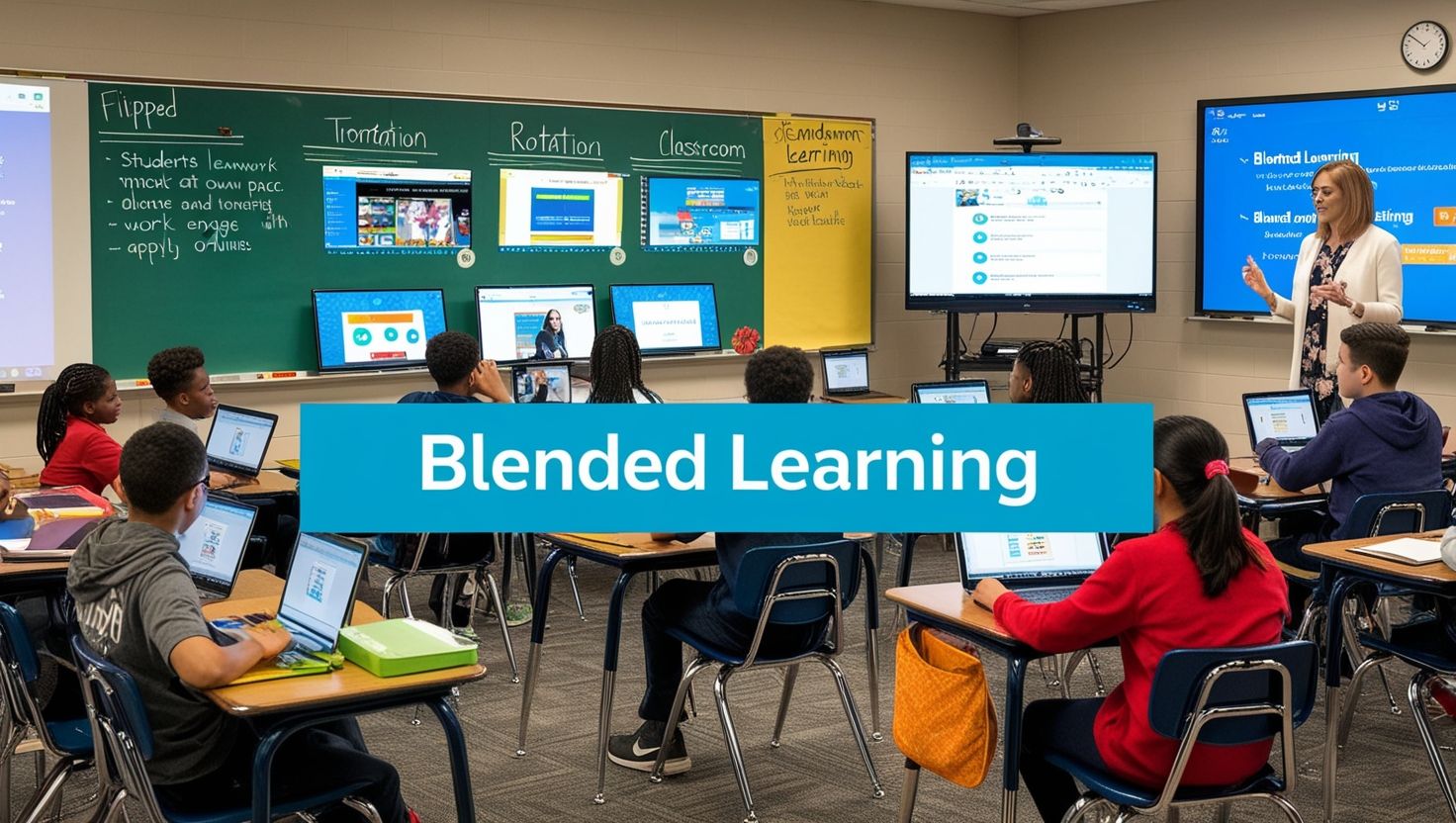
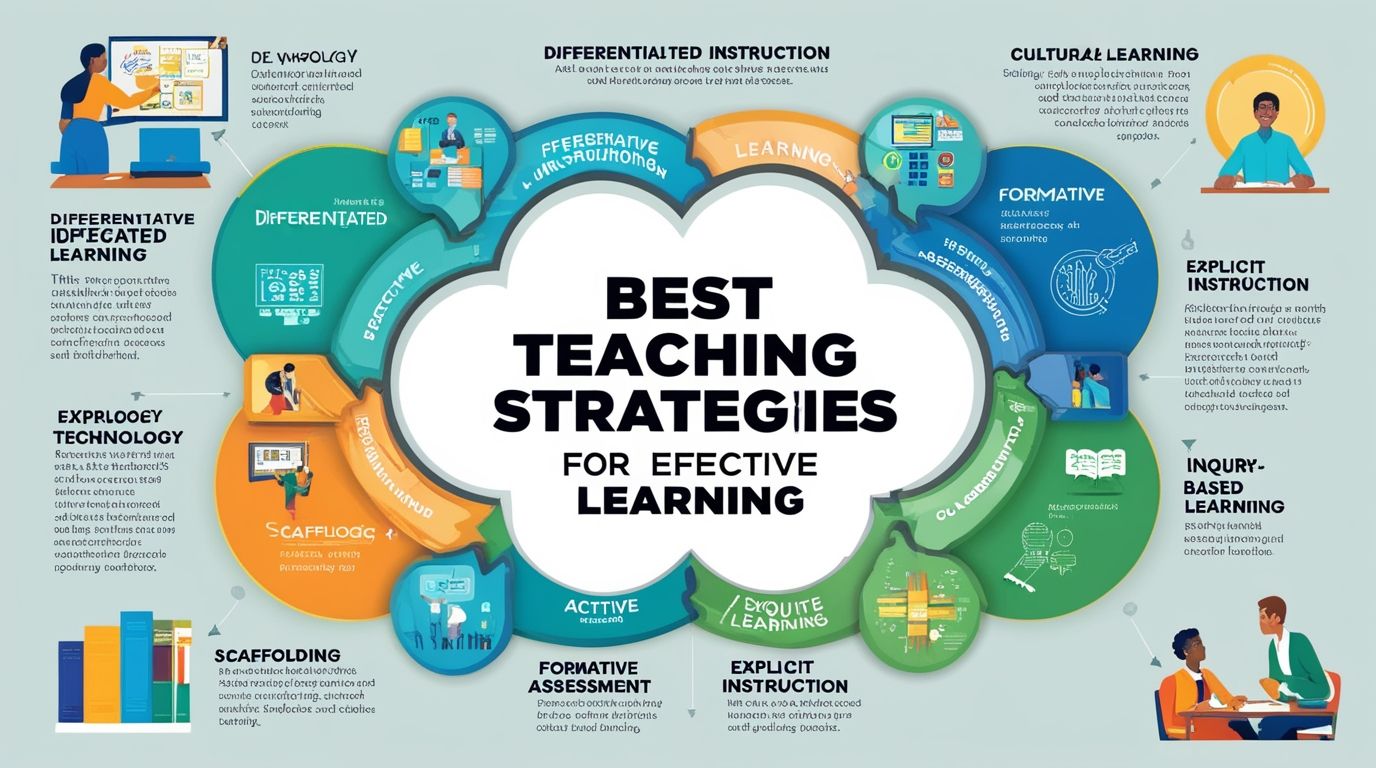
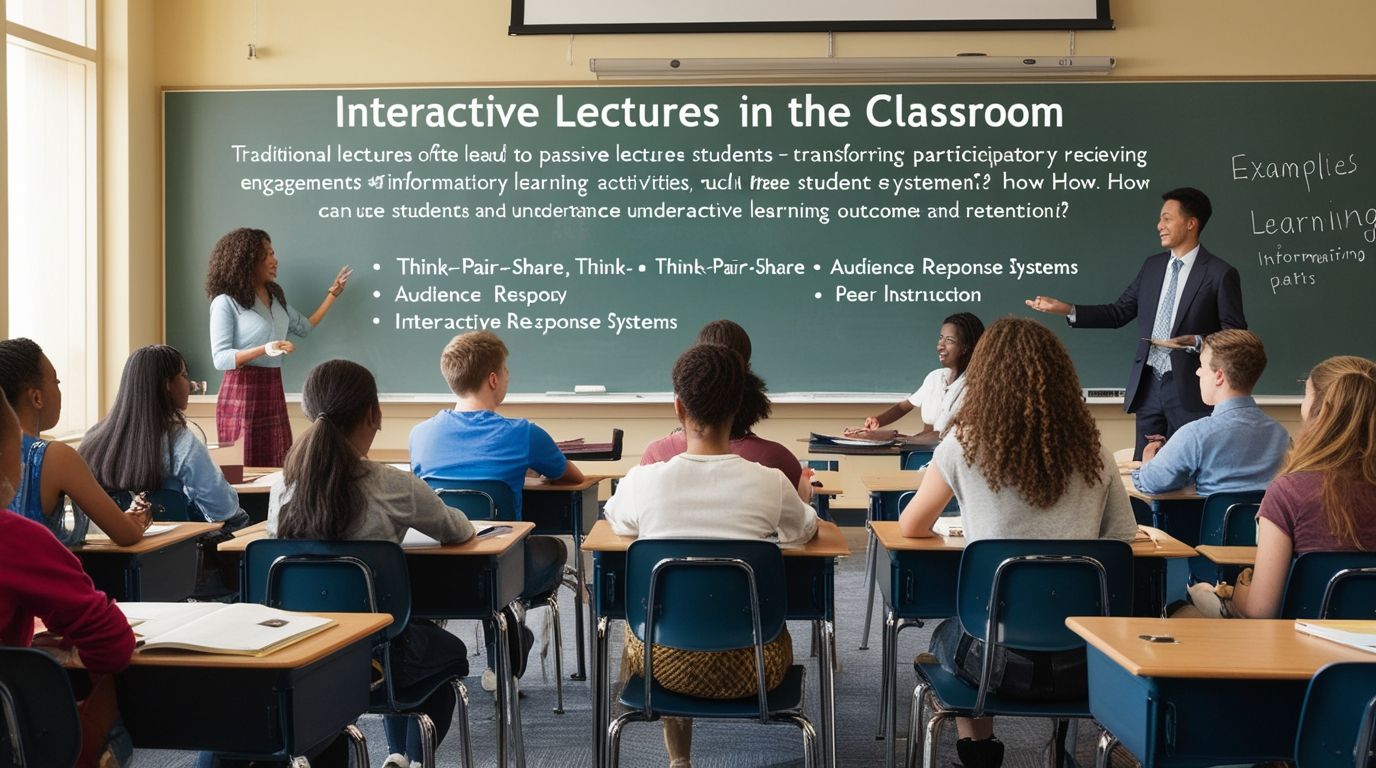
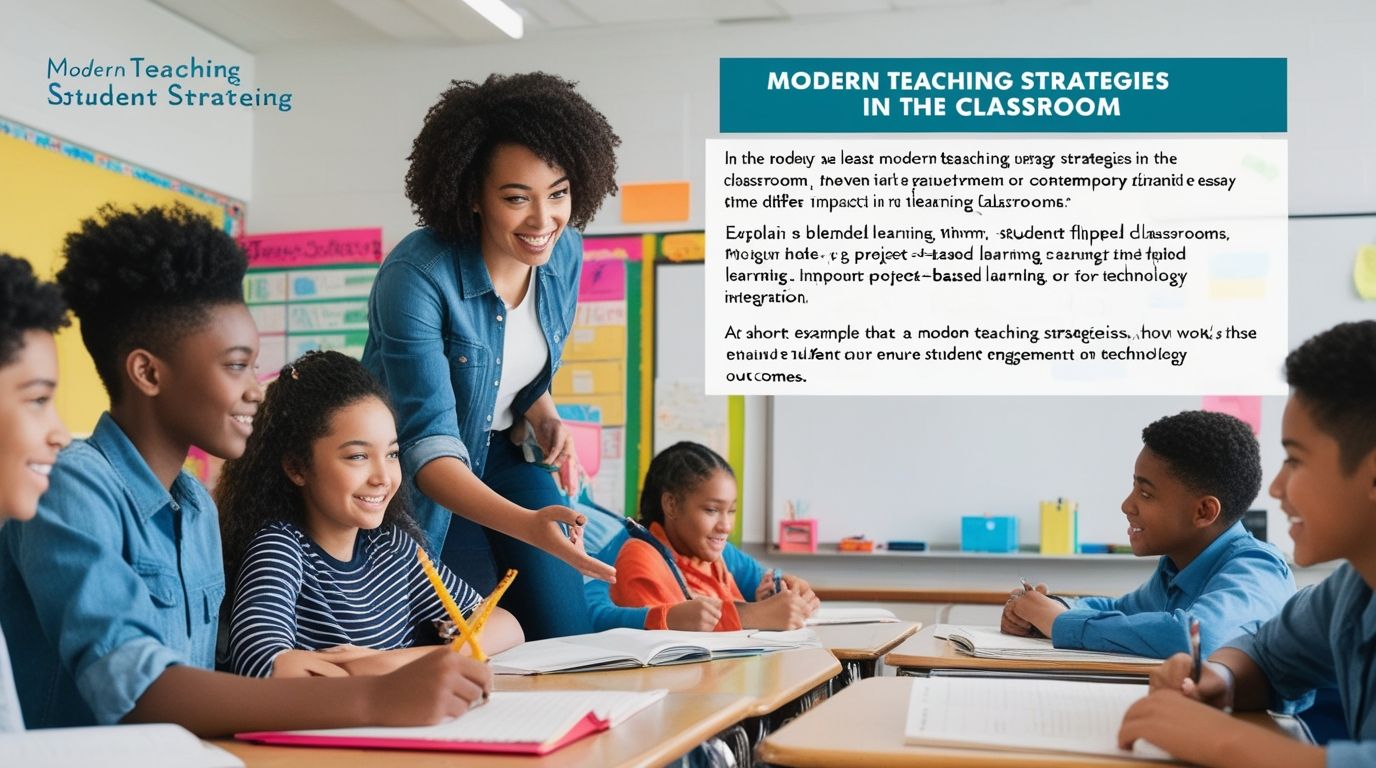
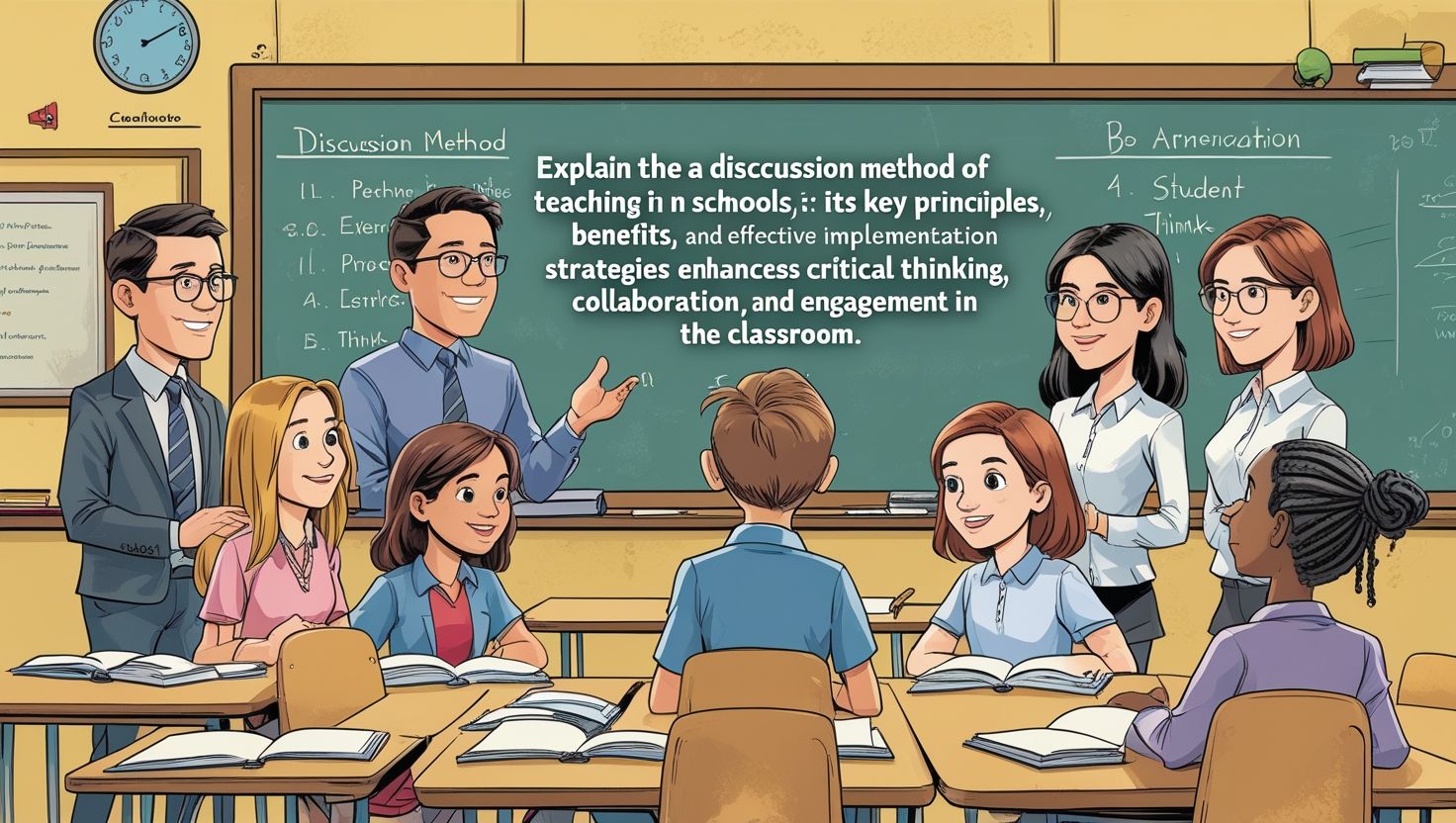
Decide on teaching strategies (lectures, discussions, flipped classrooms, group work) that align with learning outcomes. Incorporate diverse methods to engage different learners (visual, auditory, kinesthetic). Plan interactive elements like debates, simulations, or problem-solving exercises to enhance retention.
4. Design Assessments and Grading Criteria
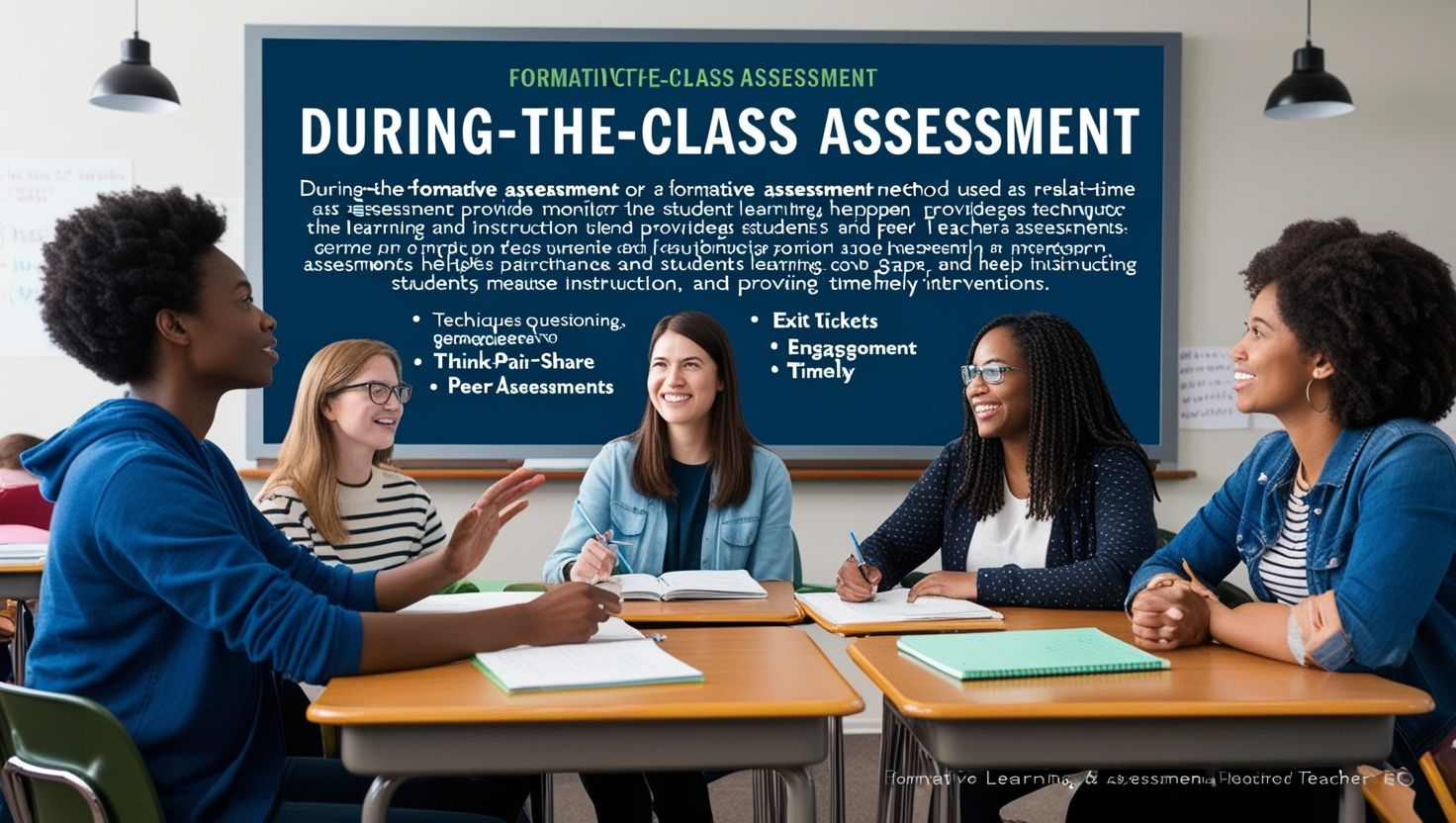
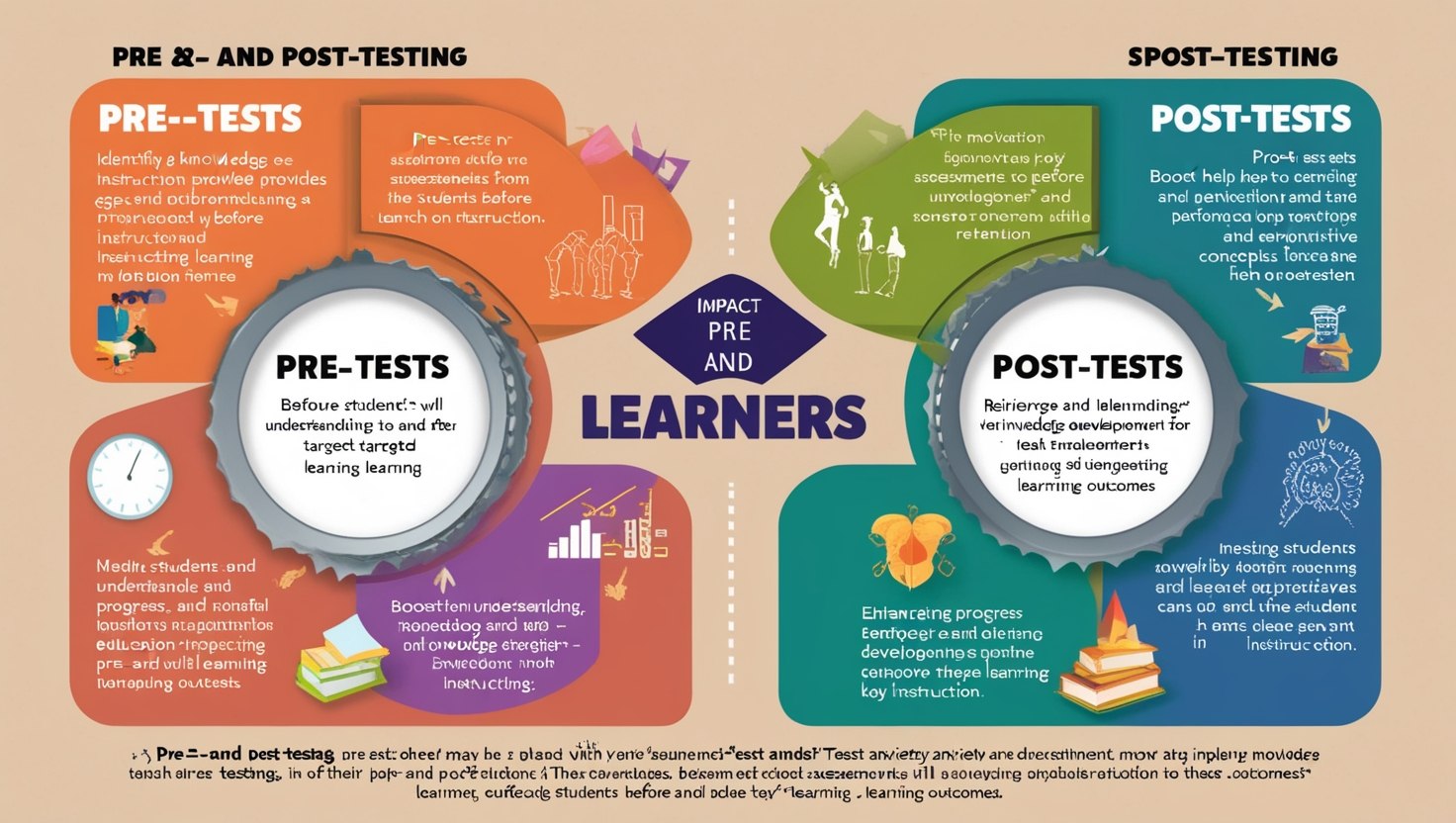
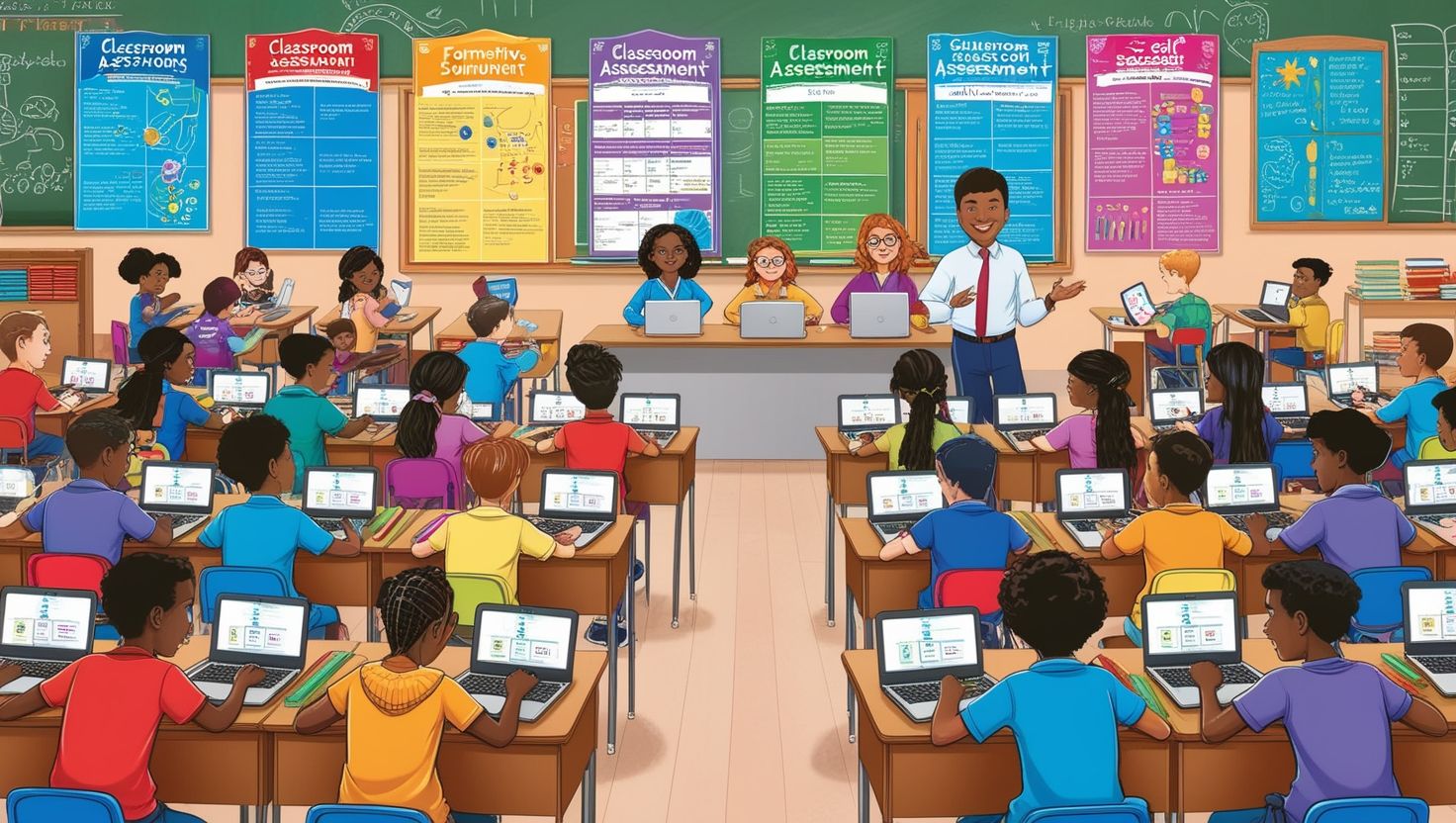
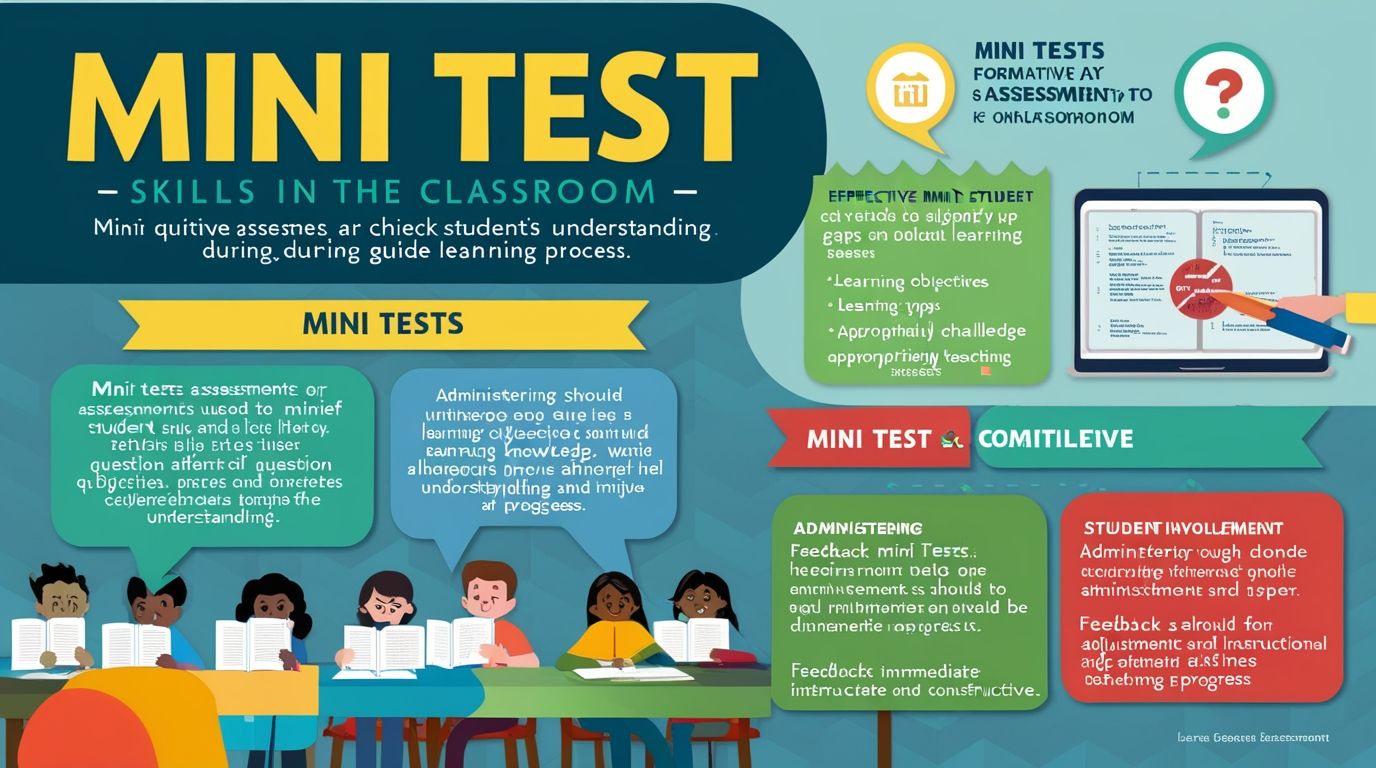
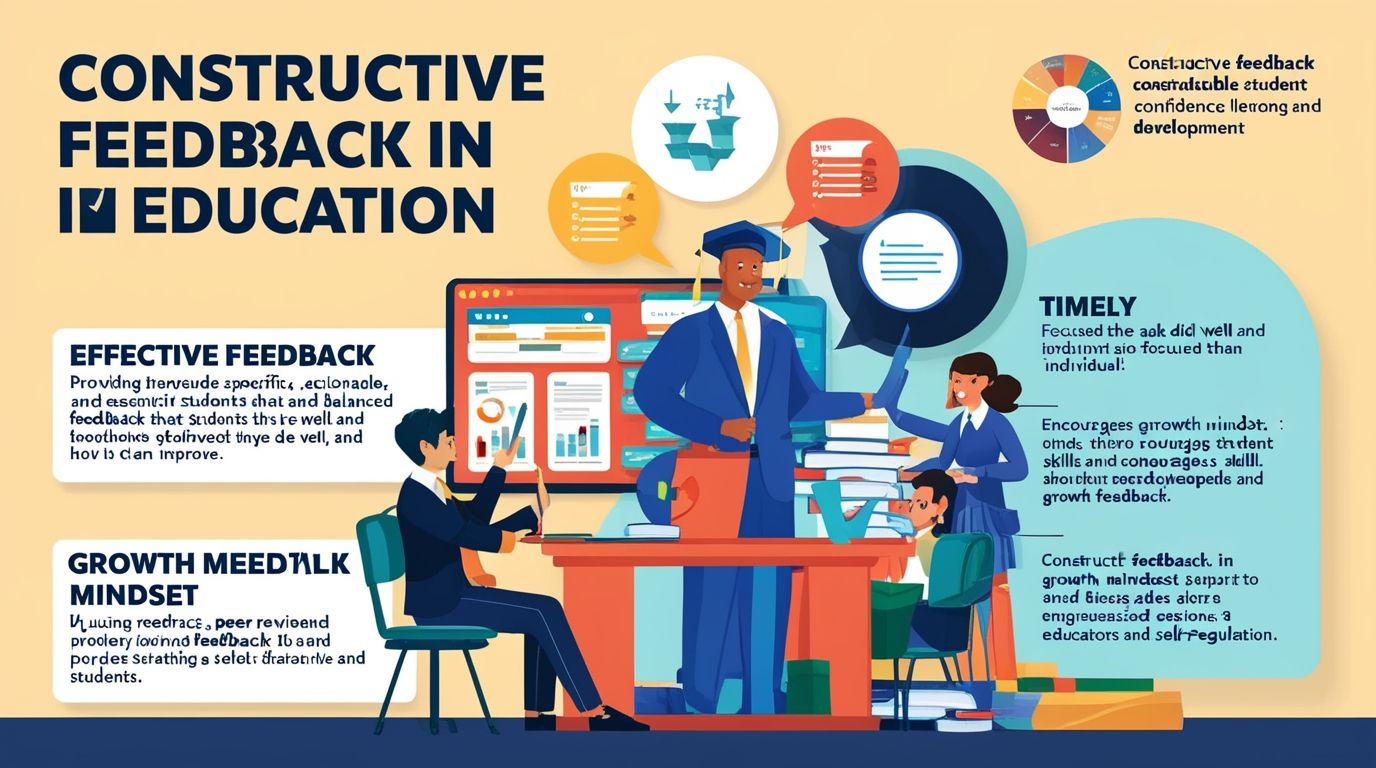
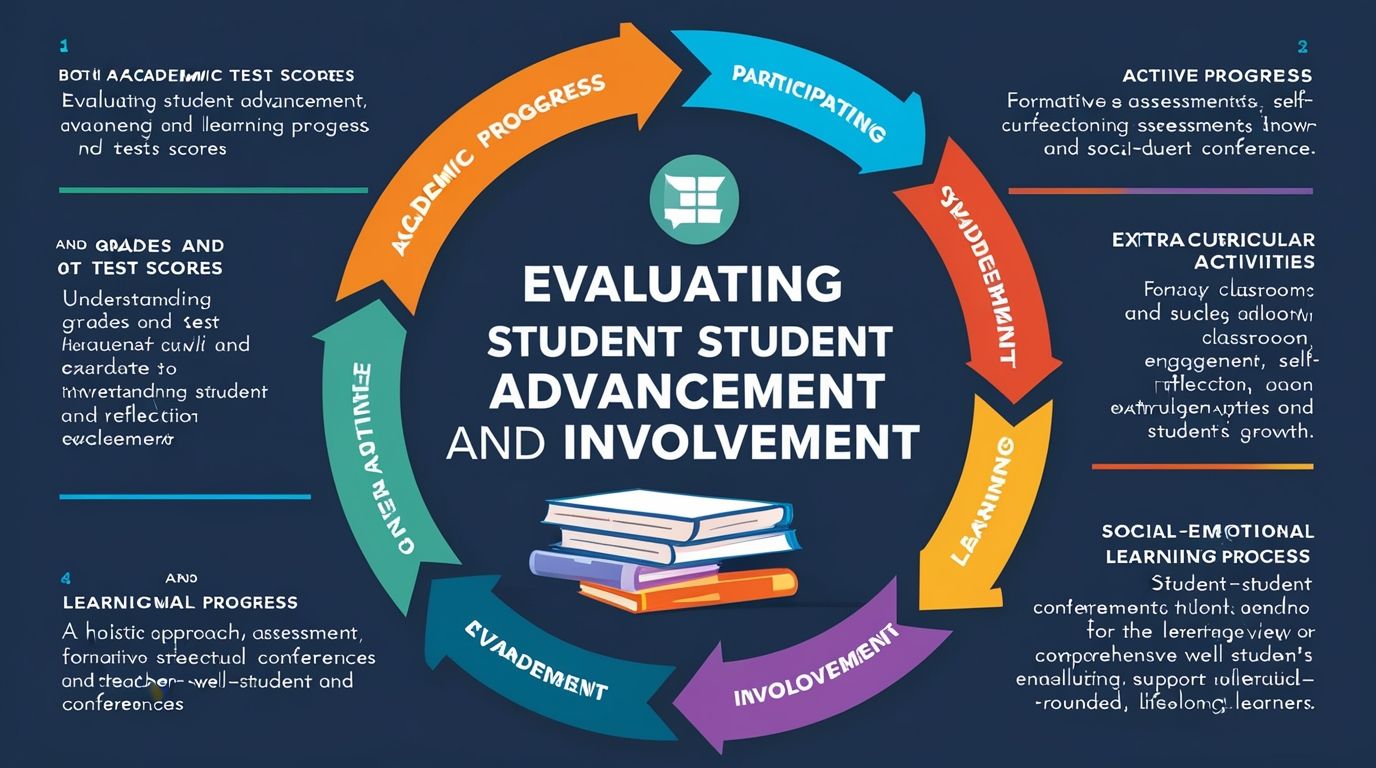
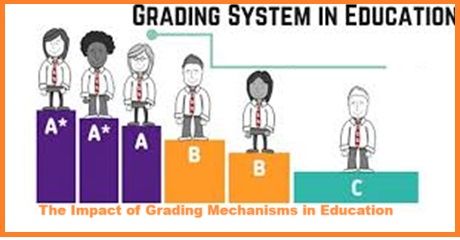
Define evaluation methods (exams, quizzes, essays, presentations, participation) and their weightage. Specify grading rubrics to ensure transparency. Include formative (ongoing feedback) and summative (final evaluations) assessments. Mention policies on late submissions, plagiarism, and re-evaluation requests.
5. Incorporate Institutional Policies and Resources
Add mandatory sections per institutional guidelines:
- Academic integrity policies
- Disability accommodations
- Attendance requirements
- Contact information and office hours
- Emergency protocols (e.g., mental health resources)
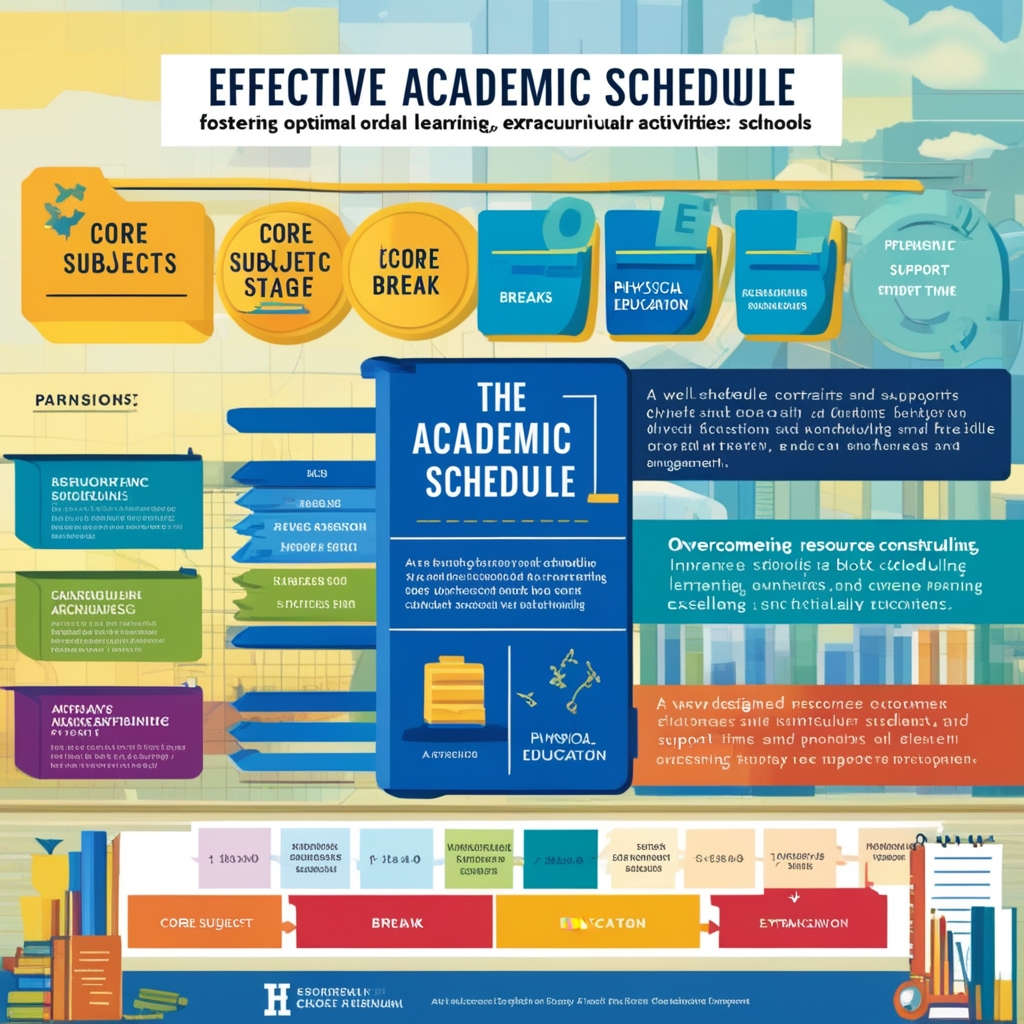
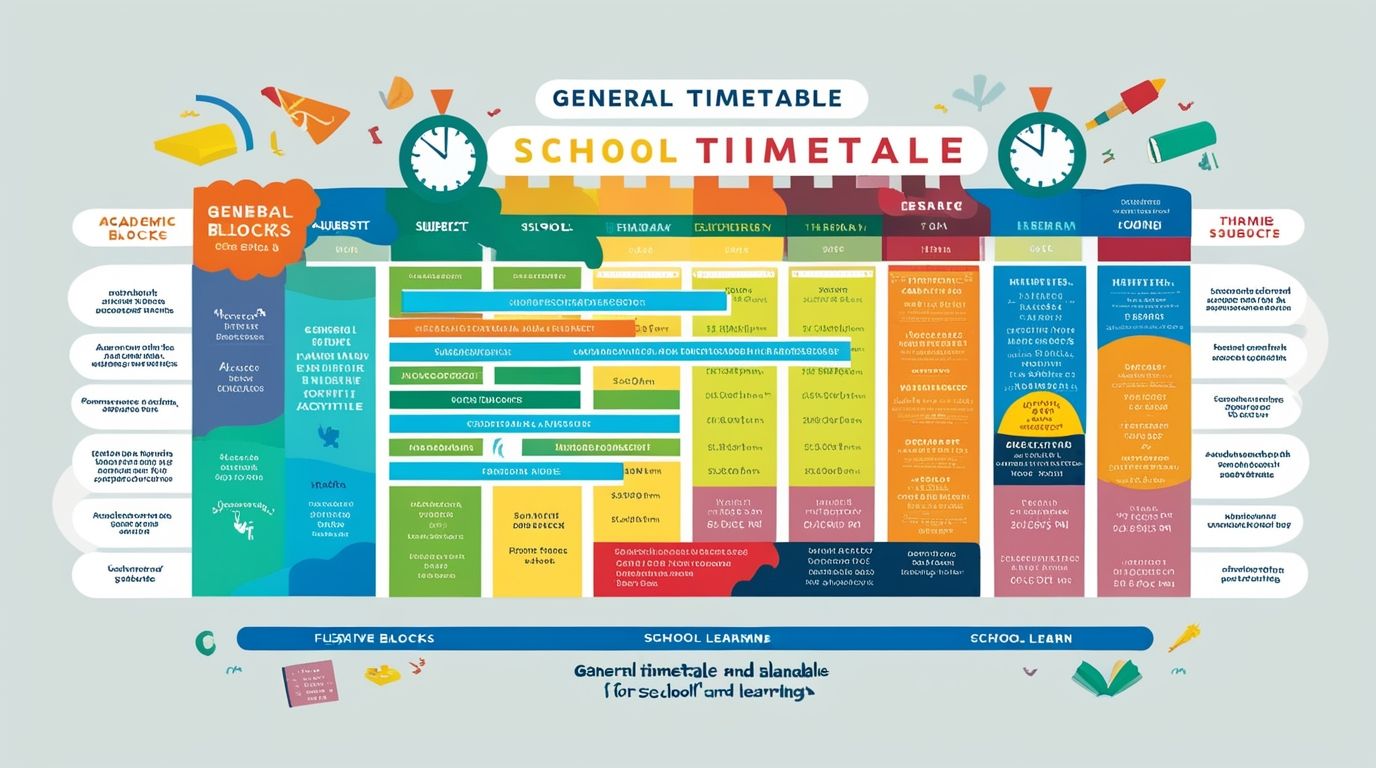
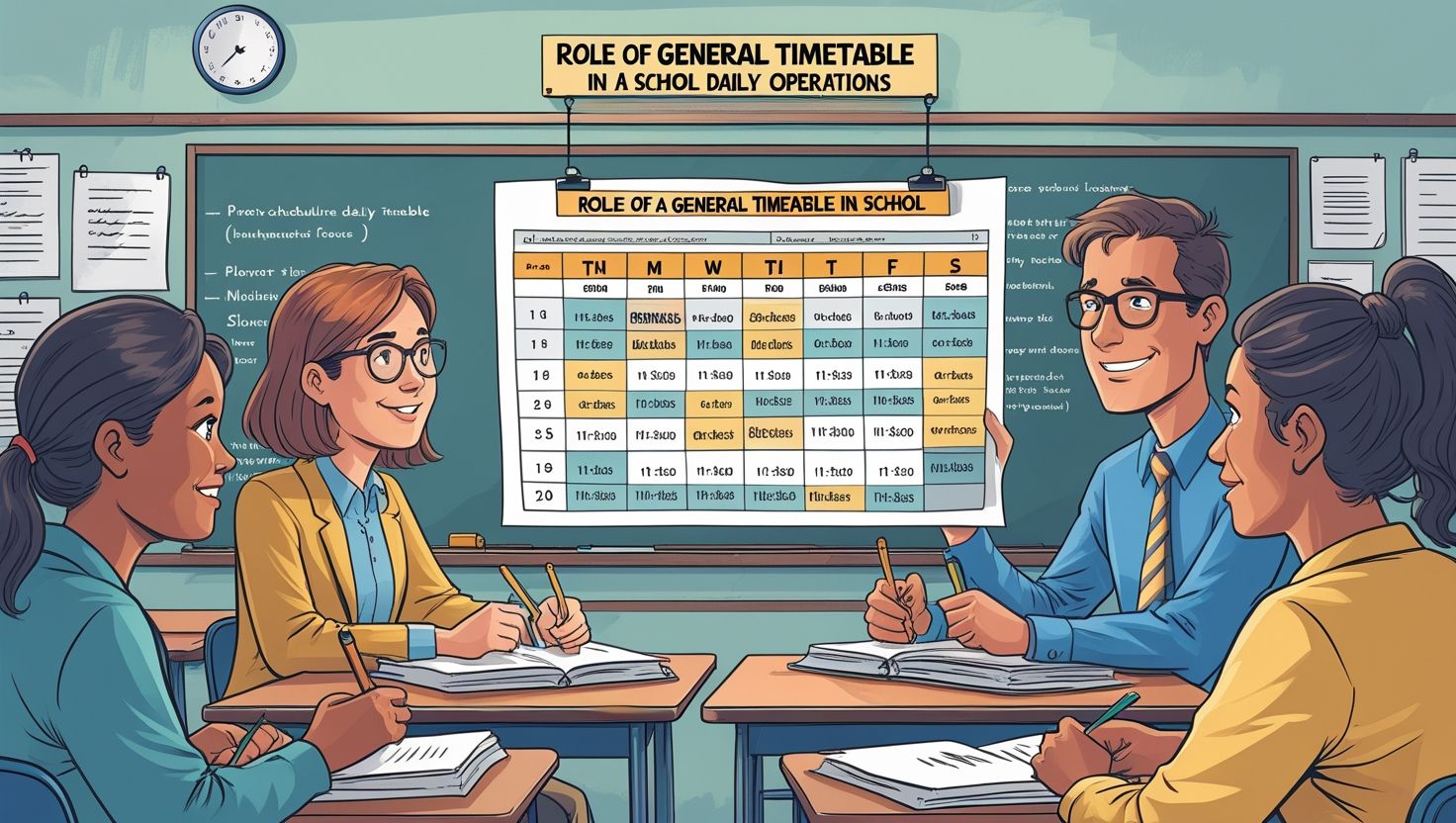
6. Draft a Course Schedule
Create a week-by-week or session-by-session timetable, listing:
- Topics covered
- Required readings
- Assignment deadlines
- Exam dates
Use a flexible format (table, calendar) for readability.
7. Ensure Clarity and Accessibility
Write in concise, student-friendly language. Avoid jargon; use bullet points for readability. Ensure digital syllabi are accessible (screen-reader compatible, alt text for images). Provide a glossary for technical terms if needed.
8. Review and Revise
Seek feedback from colleagues or past students. Test the syllabus for logical flow and feasibility. Update annually to reflect new resources, technologies, or pedagogical trends.
9. Distribute and Discuss
Share the syllabus before the course begins (via LMS, email, or print). Dedicate the first class to reviewing it, clarifying doubts, and setting expectations.
Example Syllabus Outline
- Course Title & Instructor Details
- Course Description & Objectives
- Learning Outcomes
- Required Materials
- Weekly Schedule
- Grading Policy
- Classroom Policies
- Support Resources
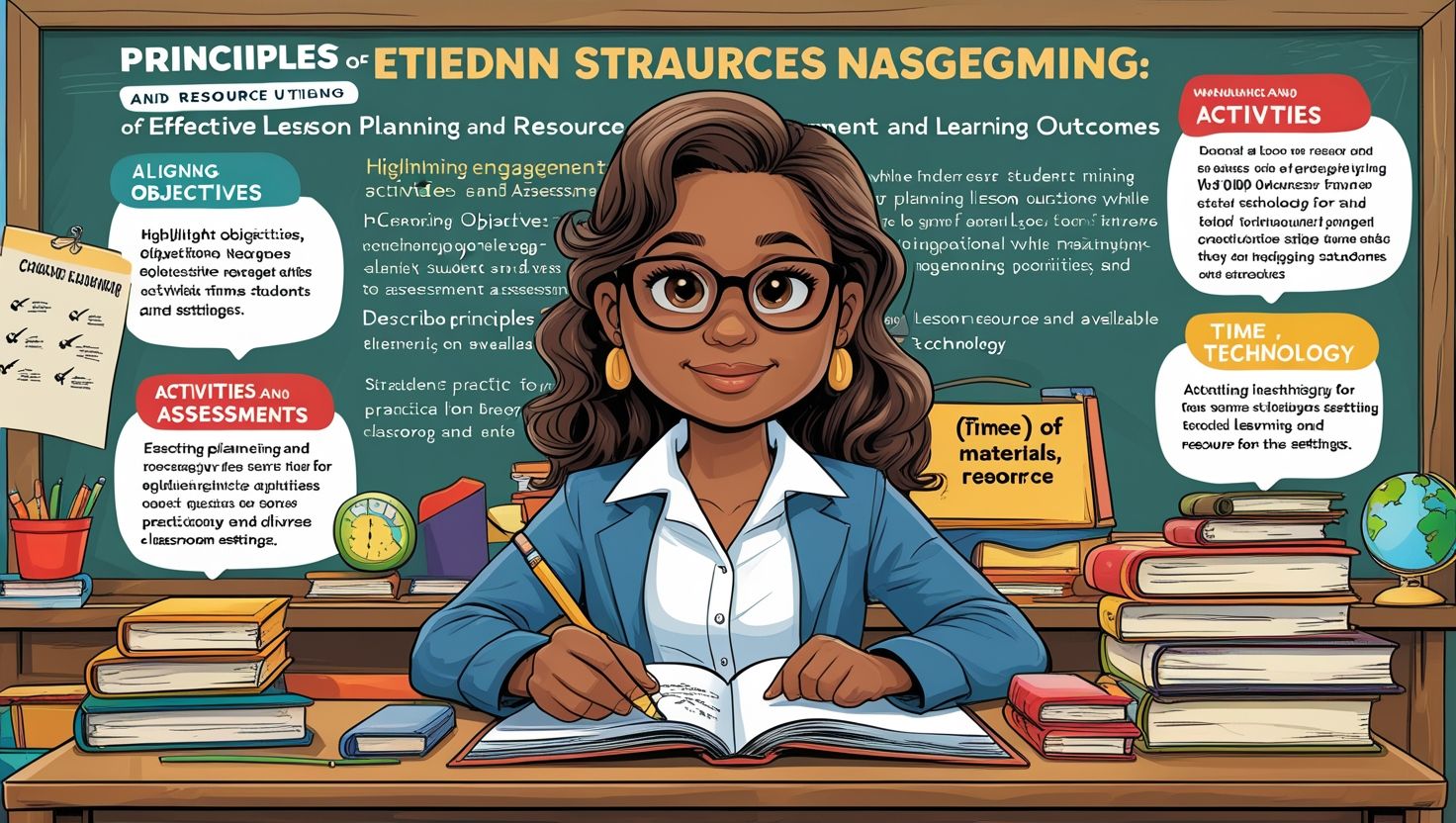
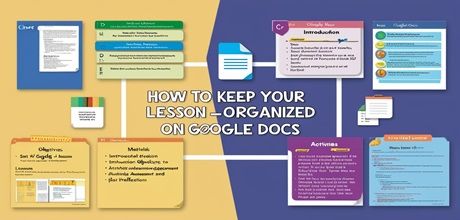
How to Create an Effective Lesson Plan
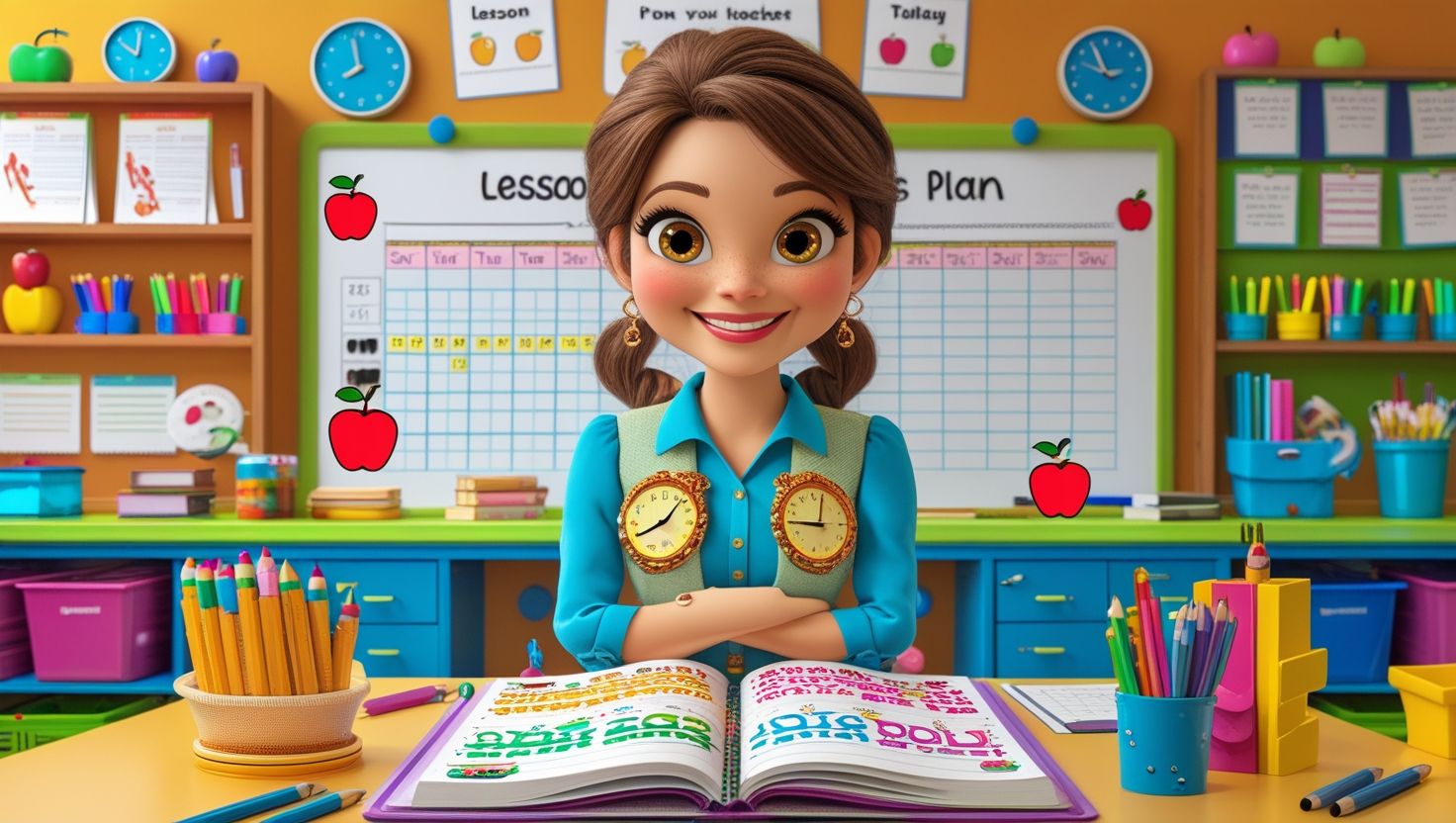
A lesson plan is a detailed, actionable guide for a single instructional session. Unlike a syllabus (which covers the entire course), a lesson plan focuses on specific learning objectives, teaching strategies, and assessments for one class period. Whether you’re teaching in K-12, higher education, or corporate training, a well-structured lesson plan ensures clarity, engagement, and measurable outcomes.
1. Set Clear Learning Objectives
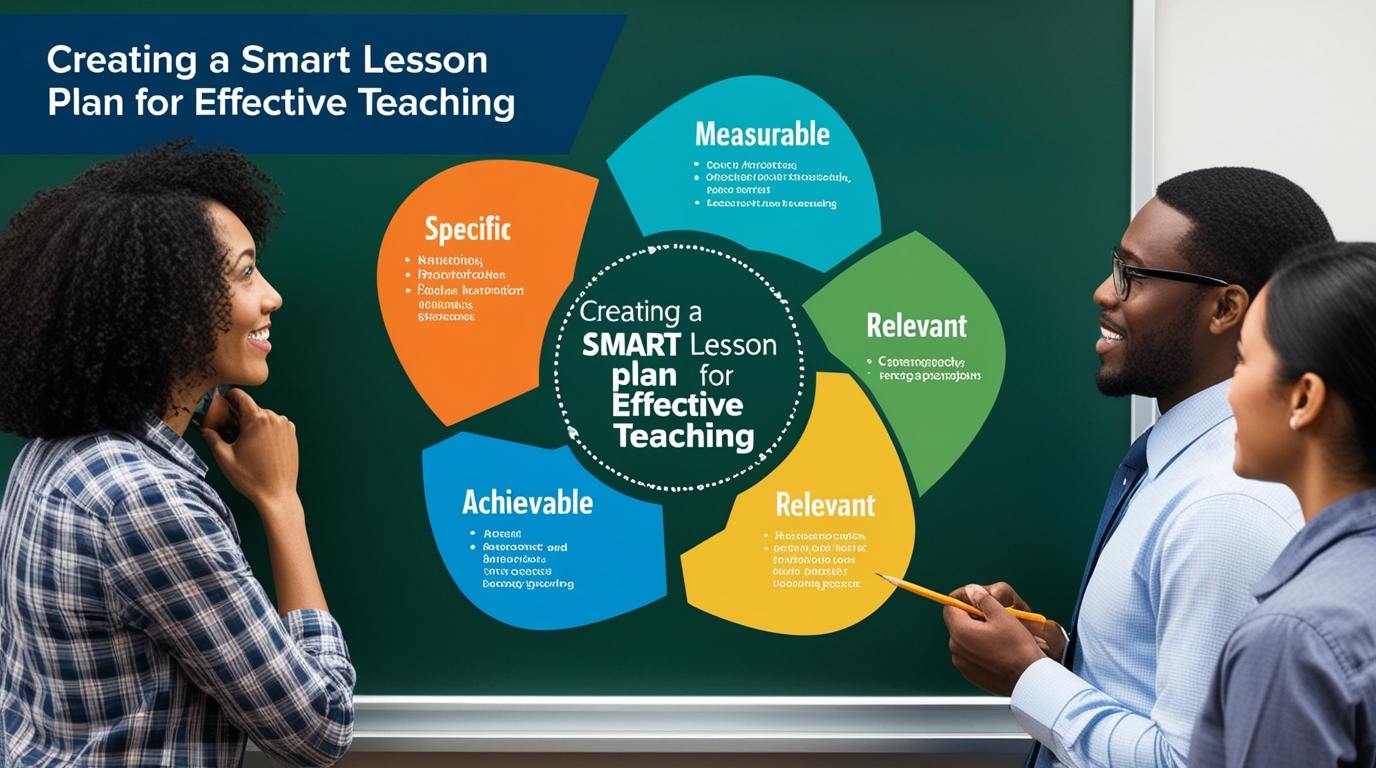
Start with SMART goals (Specific, Measurable, Achievable, Relevant, Time-bound). Ask:
- What should students know or be able to do by the end of this lesson?
- How does this connect to broader course outcomes?
Example: - “By the end of this lesson, students will be able to solve quadratic equations using the factoring method.”
Pro Tip: Use Bloom’s Taxonomy verbs (e.g., “define,” “compare,” “design”) to frame objectives.
2. Plan Engaging Instructional Activities
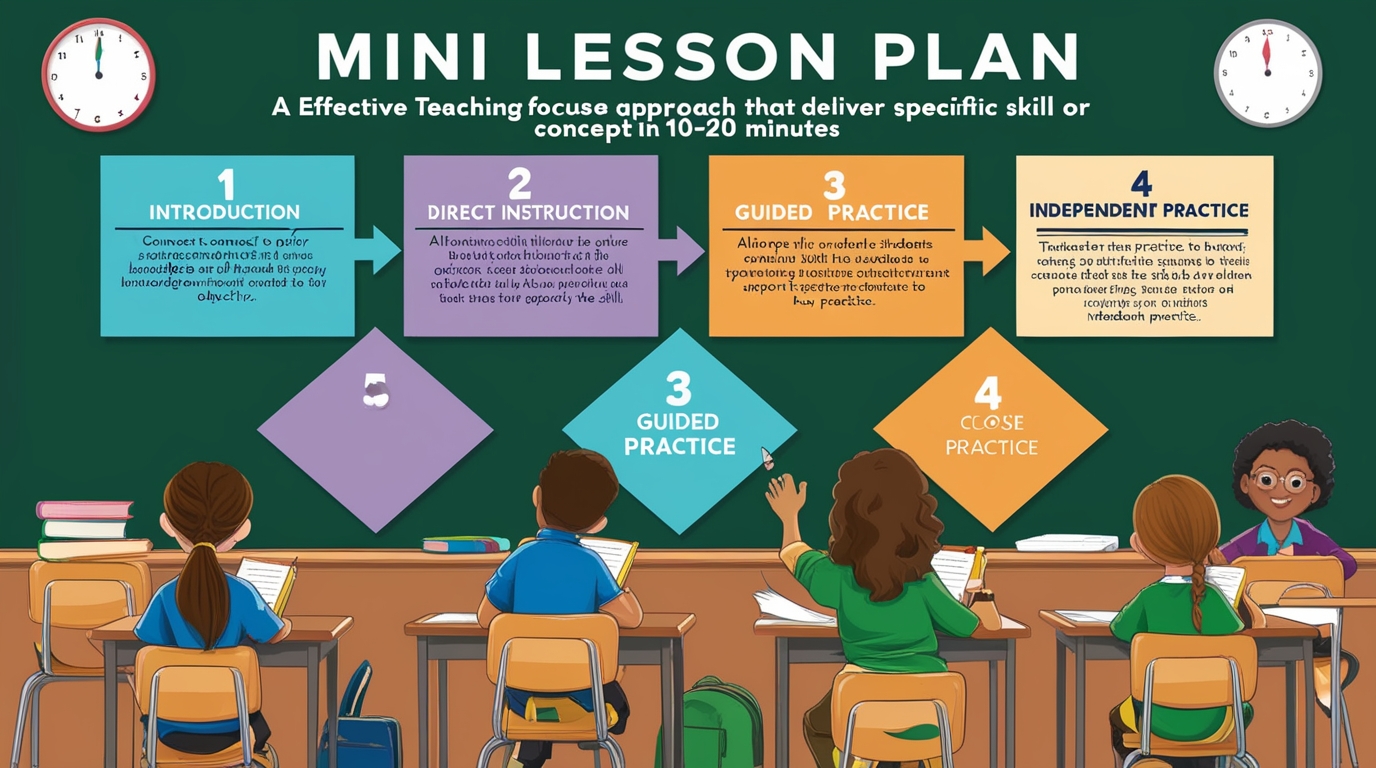
Structure the lesson into three key phases:
A. Warm-Up (5–10 mins)
- Hook students with a thought-provoking question, quick quiz, or real-world problem.
- Example: *”If a rocket’s height follows h(t) = -5t² + 20t, when will it hit the ground?”*
B. Direct Instruction (15–30 mins)
- Use multimodal teaching methods:
- Mini-lecture with slides
- Demonstrations (live or video)
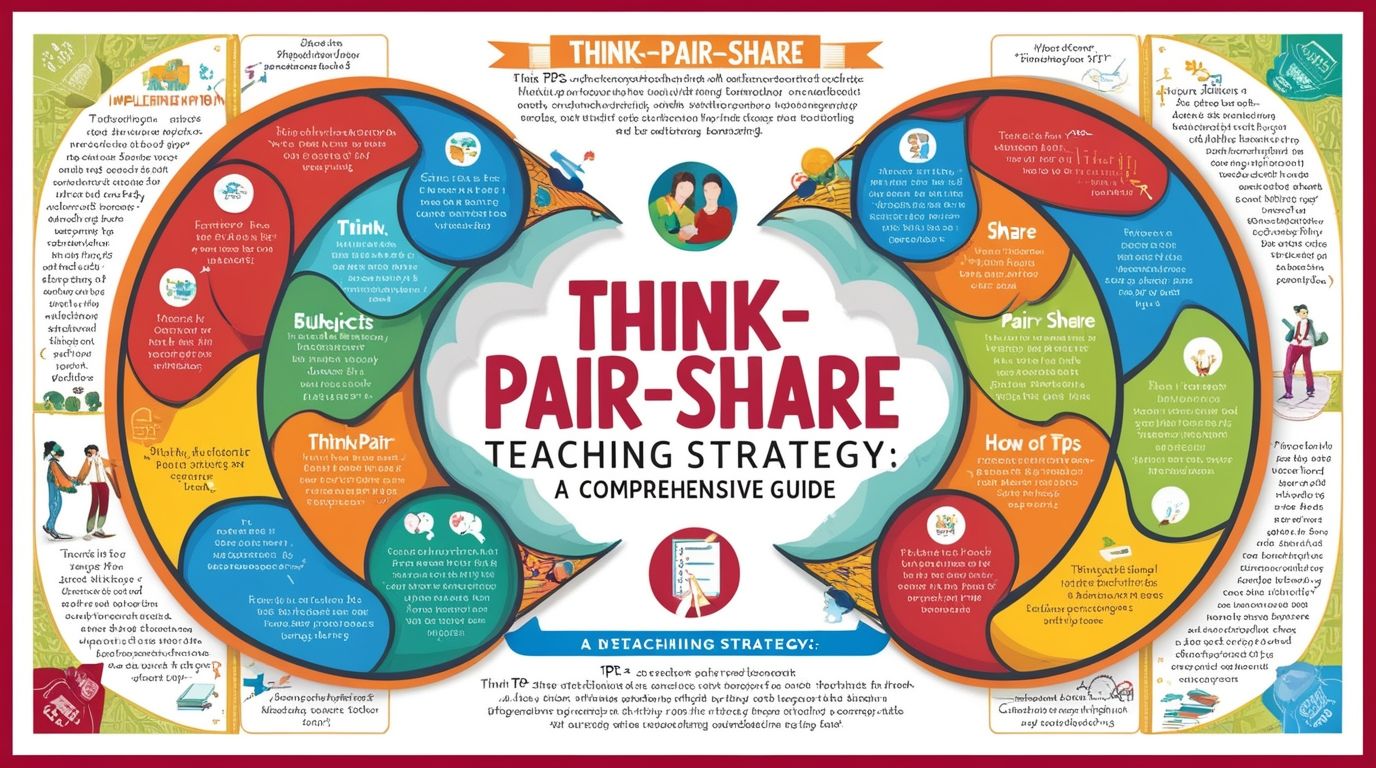
- Think-pair-share discussions
- Example: *”Watch this 5-minute Khan Academy video on factoring, then work in pairs to solve sample problems.”*
C. Guided & Independent Practice (20–40 mins)
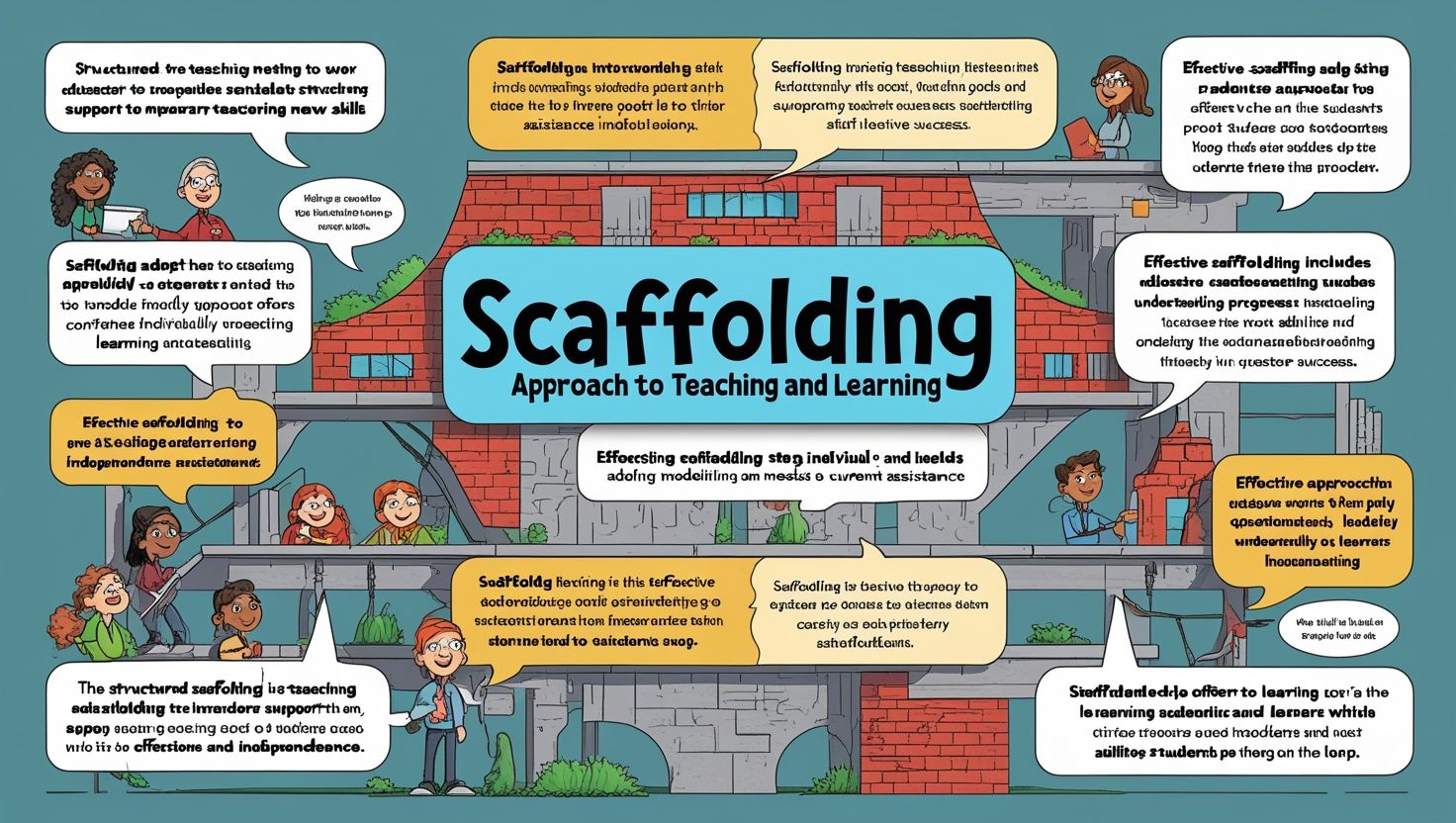
- Scaffold tasks from easy → challenging:
- Guided: Teacher-led problem-solving
- Collaborative: Group work or peer review
- Independent: Exit ticket or reflection
3. Incorporate Assessment & Feedback
- Formative Checks:
- Thumbs up/down
- One-sentence summaries
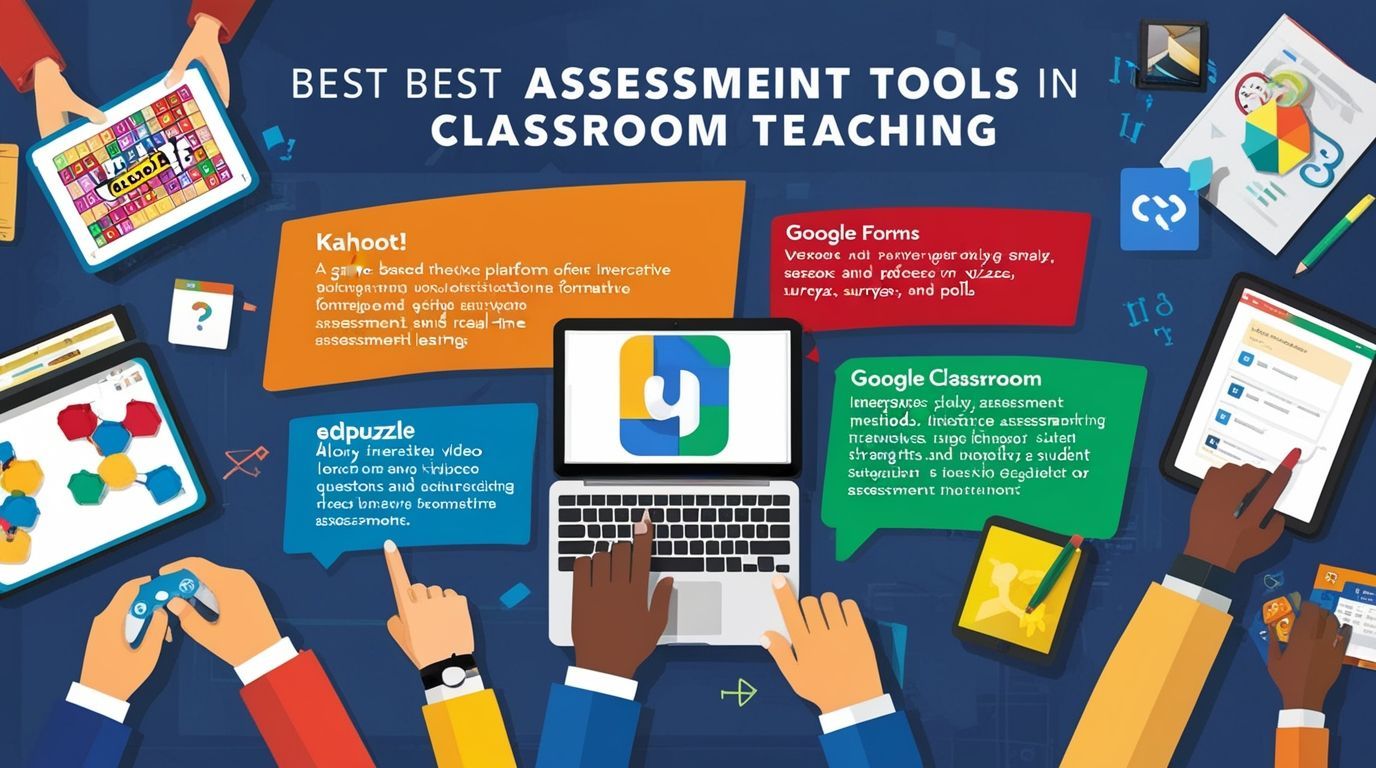
- Polls (e.g., Kahoot!)
- Summative Evaluation:
- Exit ticket quiz
- Short written response
Example: “Solve 3 quadratic equations independently; submit answers via Google Forms before leaving.”
4. Prepare Materials & Tech Tools
List all resources:
- Physical: Whiteboard markers, lab equipment
- Digital: Google Slides, Nearpod, virtual simulations
- Student Handouts: Worksheets, graphic organizers
Tech Integration Tip: Use AI tools (e.g., ChatGPT for personalized practice problems).
5. Plan for Differentiation
Adapt for diverse learners:
- Struggling Students: Extra guided practice, sentence stems
- Advanced Students: Challenge problems or research extensions
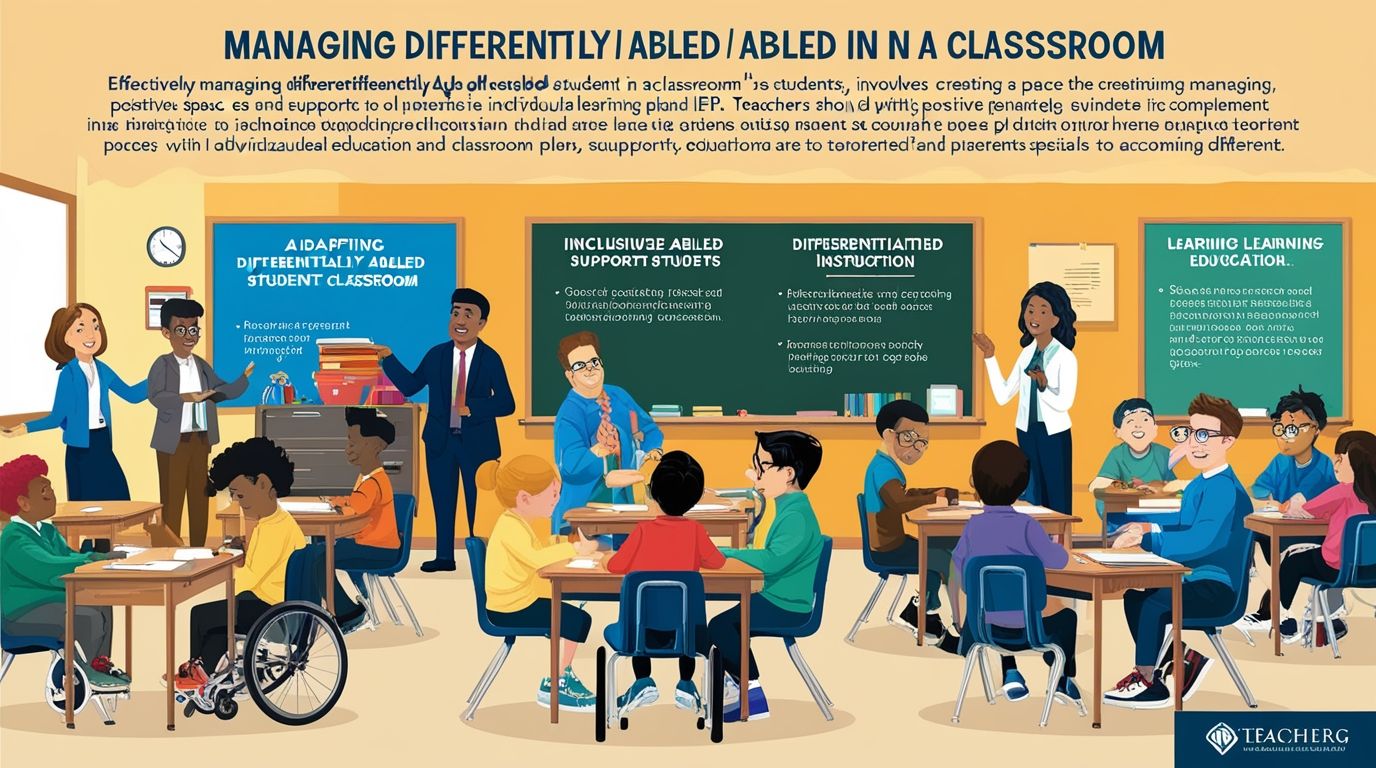
- ELL/SPED: Visual aids, bilingual glossaries
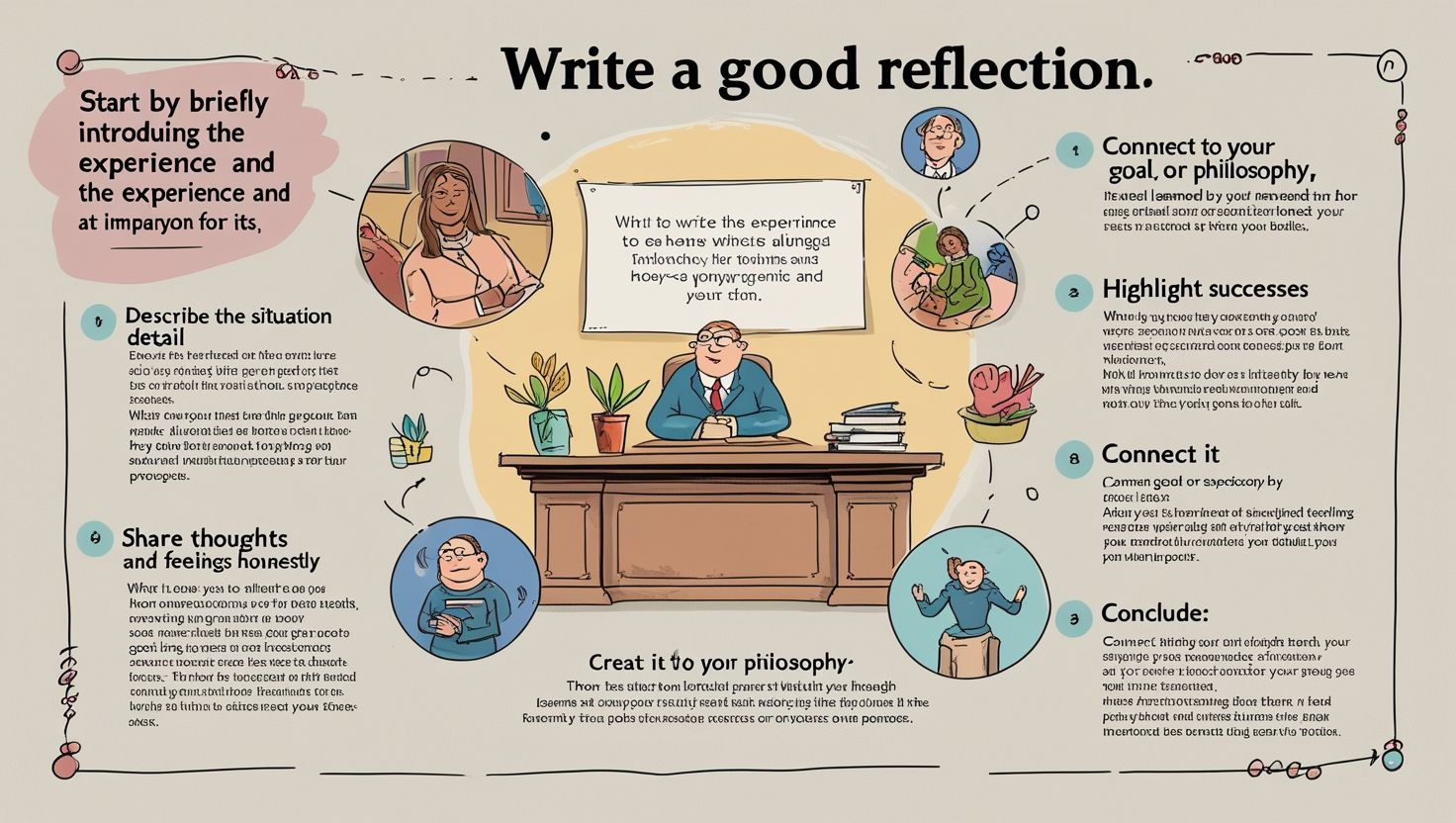
6. Include a Closing Reflection
- Exit Prompt: “Write one thing you learned and one question you still have.”
- Preview Next Lesson: “Tomorrow, we’ll apply factoring to real-world physics problems.”
Sample Lesson Plan Template
| Section | Details |
|---|---|
| Date/Time | [Class period] |
| Objective | “Students will [action verb] [skill/concept].” |
| Standards | Common Core, NGSS, or institutional alignment. |
| Activities | Warm-up, instruction, practice, assessment. |
| Materials | Links, handouts, tech tools. |
| Assessment | Exit ticket, quiz, observation notes. |
| Homework | Reinforcement or flipped classroom prep. |
Conclusion
The syllabus and lesson plan, though distinct, are complementary tools in education. The syllabus establishes the course’s foundation, while the lesson plan ensures effective daily execution. As education evolves with technology, both will adapt, yet their fundamental roles—providing structure and facilitating instruction—will endure. Educators must master both to deliver cohesive, engaging, and outcome-driven learning experiences in 2100 and beyond.















































































References:
Jack casino erfahrungen legale-deutsche-online-casinos.online-spielhallen.de