Understanding the psychological and pedagogical foundations that shape effective teaching practice
Introduction
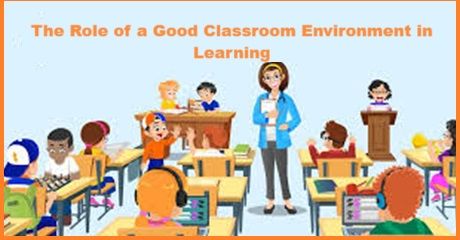
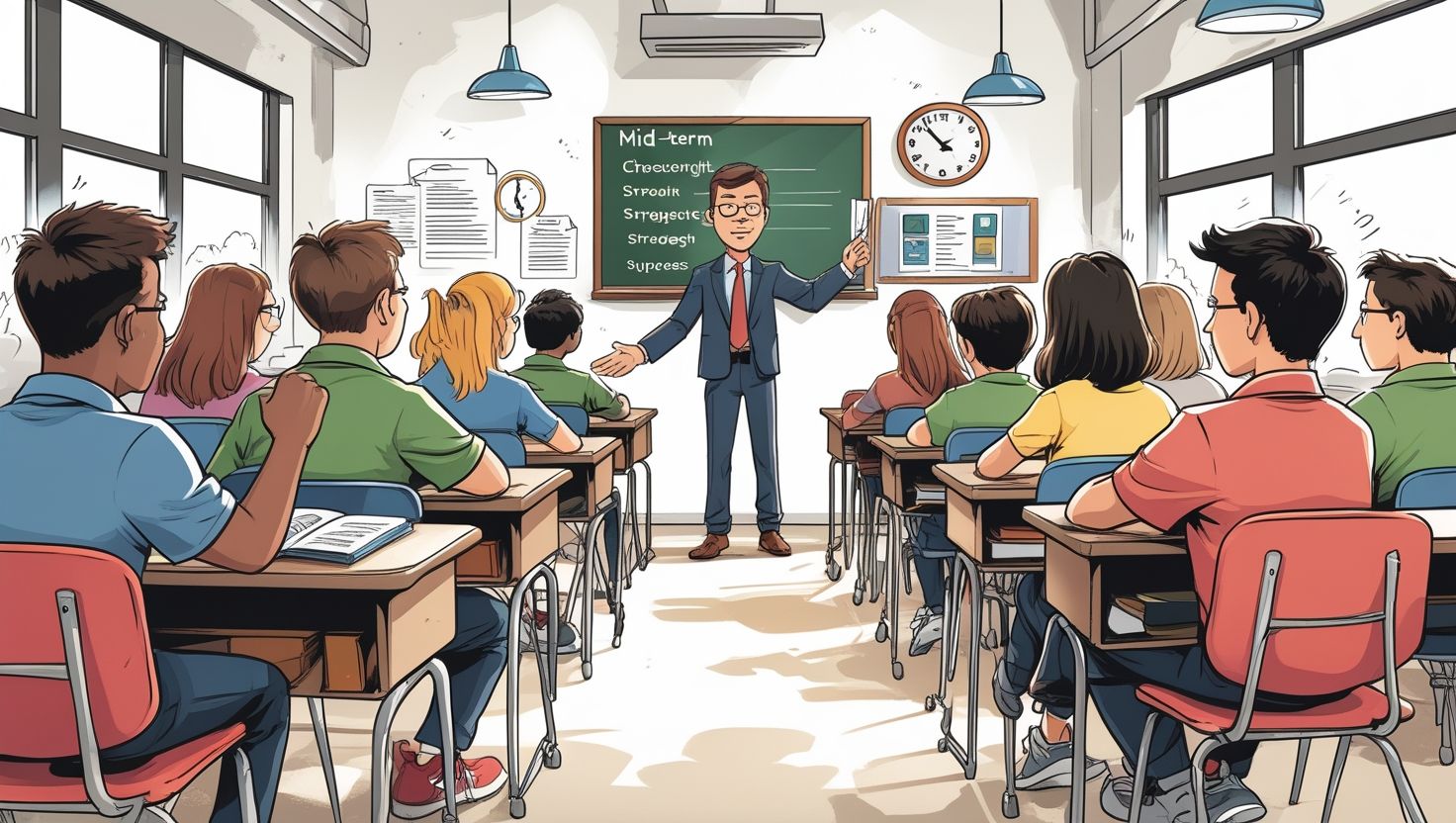
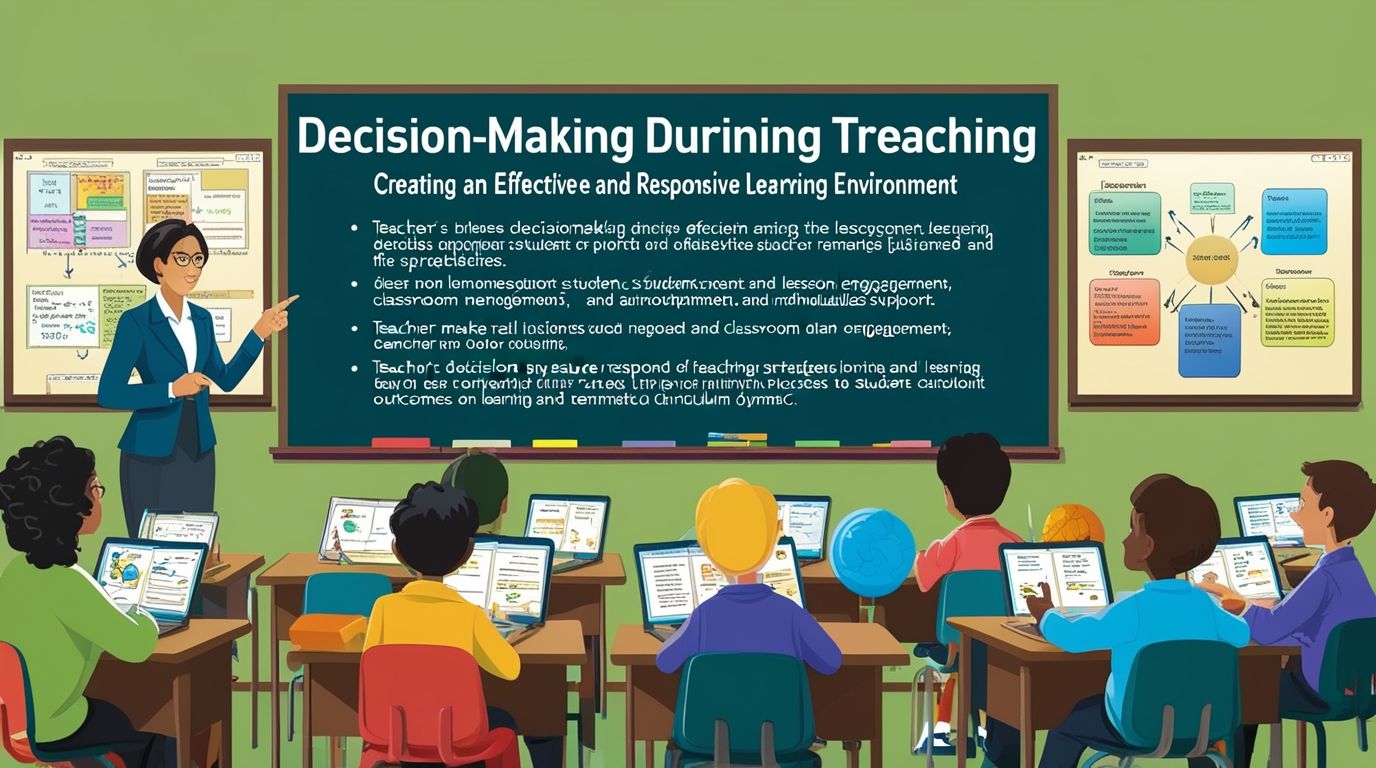
Theories on Classroom Management: A Complete Guide for Educators, Classroom management is one of the most decisive factors in determining whether a lesson succeeds or collapses into chaos. Research consistently shows that effective classroom management is more strongly linked to student achievement than curriculum design or even teacher subject-matter expertise. But classroom management is not a single technique — it is a field built on decades of educational psychology, behavioral science, and humanistic philosophy. Every teacher, whether a first-year novice or a thirty-year veteran, operates from an underlying theory of how students behave and why, even if that theory has never been named.
This article explores the major theories on classroom management, tracing their historical roots, core assumptions, and practical classroom applications. Understanding these frameworks — from strict behaviorism to democratic and humanistic approaches — gives educators, school leaders, and education students the tools to build a management style grounded in evidence rather than guesswork.
Why Classroom Management Theory Matters
Before diving into individual models, it’s worth asking: why do teachers need theory at all, rather than just a toolbox of tricks? The answer lies in consistency and adaptability. A teacher who understands the underlying principles of behavior and motivation can respond flexibly to new situations, rather than relying on a fixed script that breaks down the moment a novel disruption occurs. Theoretical grounding also helps teachers avoid reactive, punitive responses and instead build proactive, relationship-centered classrooms where learning can flourish.
1. Behaviorist Theory
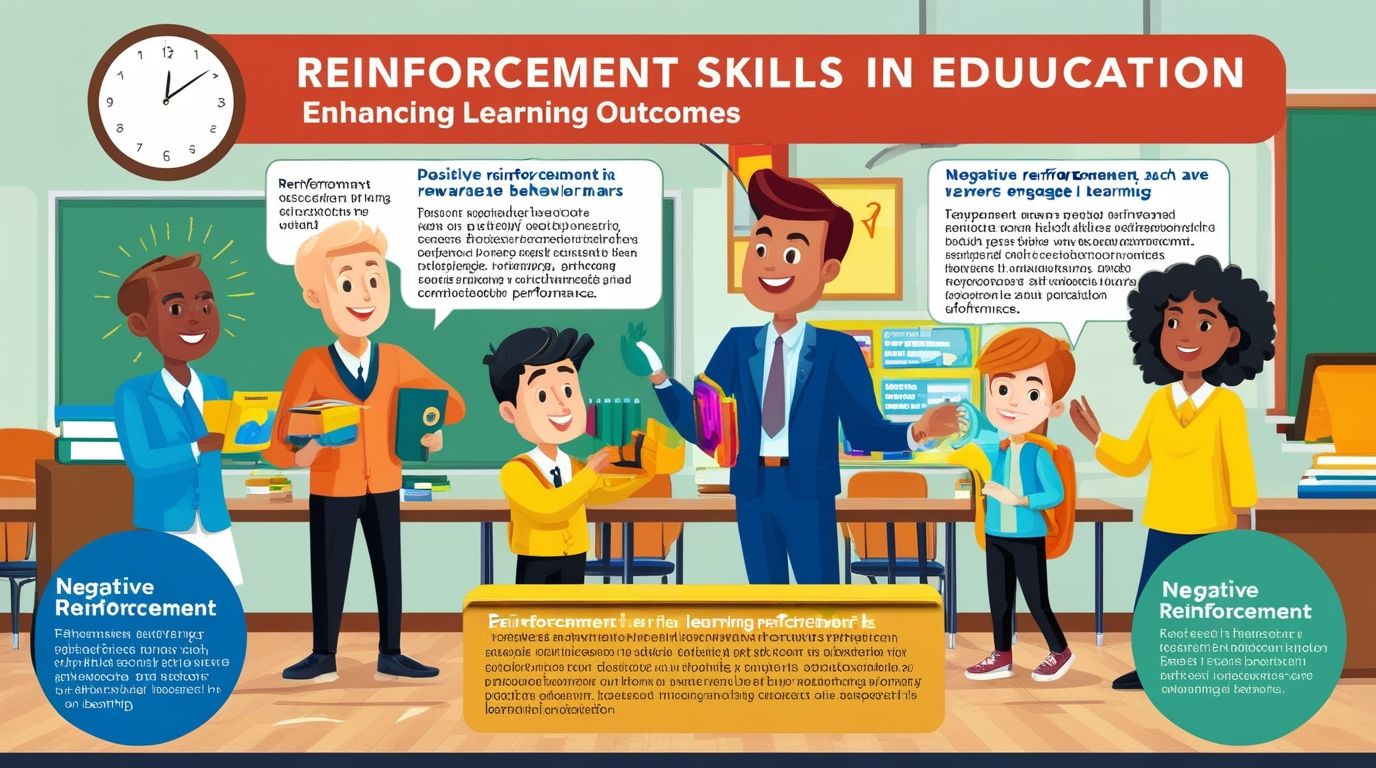
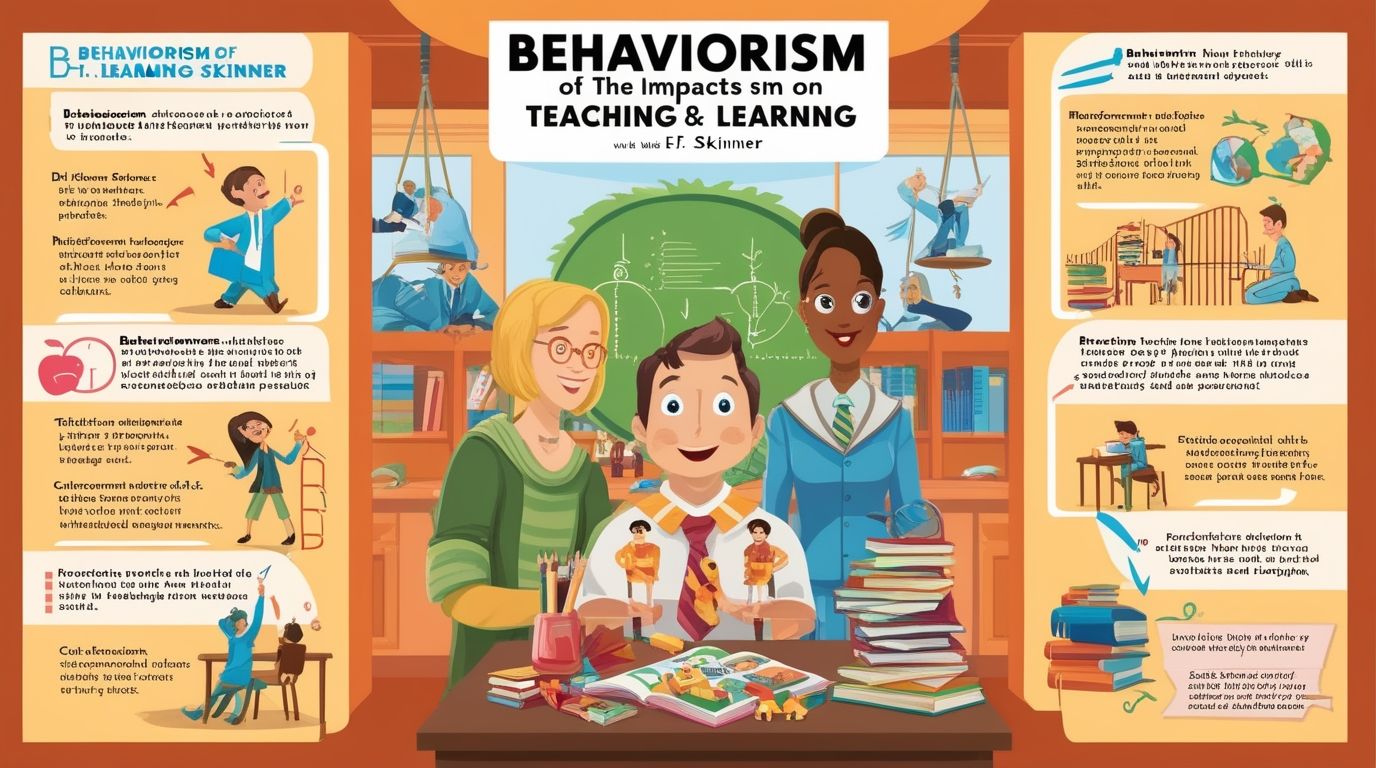
Behaviorism, rooted in the work of B.F. Skinner, remains one of the most influential frameworks in classroom management. Skinner’s concept of operant conditioning proposes that behavior is shaped by its consequences: actions followed by positive reinforcement are more likely to recur, while actions followed by punishment or ignored altogether tend to diminish.
In practice, behaviorist classroom management relies on:
- Reward systems (praise, tokens, privileges) for desired behavior
- Consistent consequences for rule violations
- Clear, observable behavioral expectations
- Immediate feedback to strengthen behavior-consequence associations
Critics argue that an overreliance on external rewards can undermine intrinsic motivation, and that behaviorism treats symptoms rather than root causes. Still, its emphasis on consistency and clarity makes it a foundational lens through which nearly all later theories are understood.

2. Kounin’s Model of Group Management
Jacob Kounin’s research shifted the focus from individual discipline to group dynamics. Rather than asking “how do I punish this student?”, Kounin asked “how do I manage the whole class so misbehavior rarely starts?” His landmark concept, “withitness,” describes a teacher’s ability to be constantly aware of everything happening in the room — sometimes called having “eyes in the back of your head.”
Kounin identified several key skills:
- Withitness — noticing and addressing problems before they escalate
- Overlapping — attending to two events simultaneously without losing instructional flow
- Momentum and smoothness — keeping lessons moving without abrupt interruptions
- Group alerting — keeping the whole class engaged and accountable, not just the student being addressed
Kounin’s model is prized for its preventive approach: well-managed lessons prevent misbehavior before it starts, rather than reacting after the fact.
3. Assertive Discipline (Canter’s Model)
Developed by Lee and Marlene Canter, Assertive Discipline is a structured, teacher-led approach built around clear rules, consistent consequences, and positive recognition. The Canters argued that teachers have the right to teach and students have the right to learn without disruption, and that teachers should assert this right calmly but firmly — neither passively nor aggressively.
Core components include:
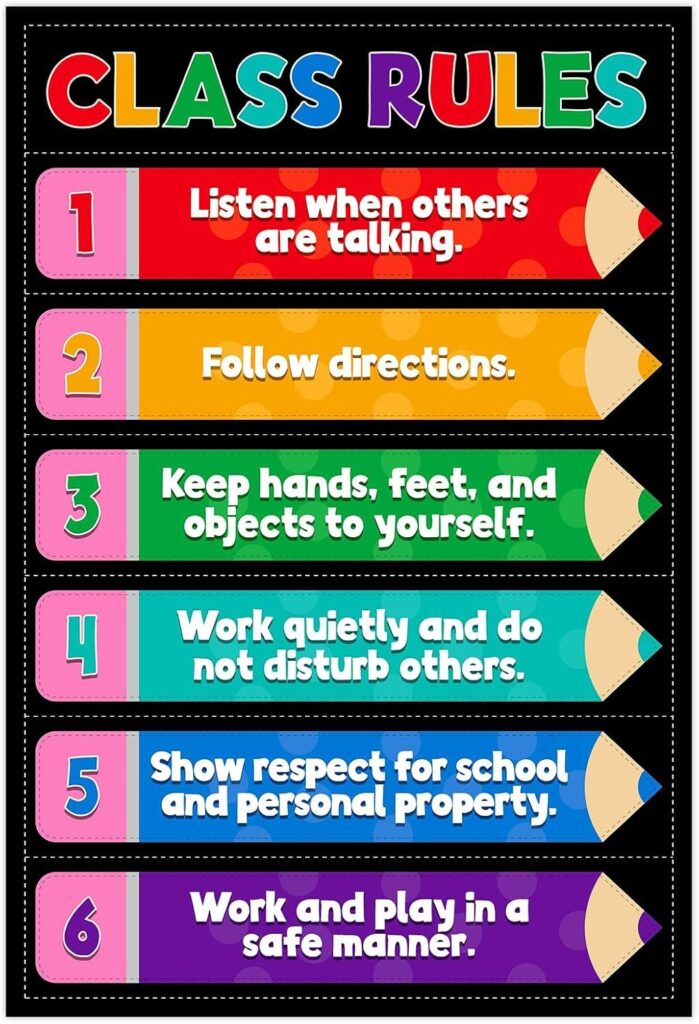
- Explicitly stated classroom rules, posted and reviewed with students
- A clear, escalating consequence system
- Positive reinforcement for rule-following behavior
- A calm, non-emotional response to misbehavior
While praised for its clarity, Assertive Discipline has been critiqued for being overly rigid and for potentially prioritizing compliance over genuine understanding or student voice.
4. Humanistic Theory
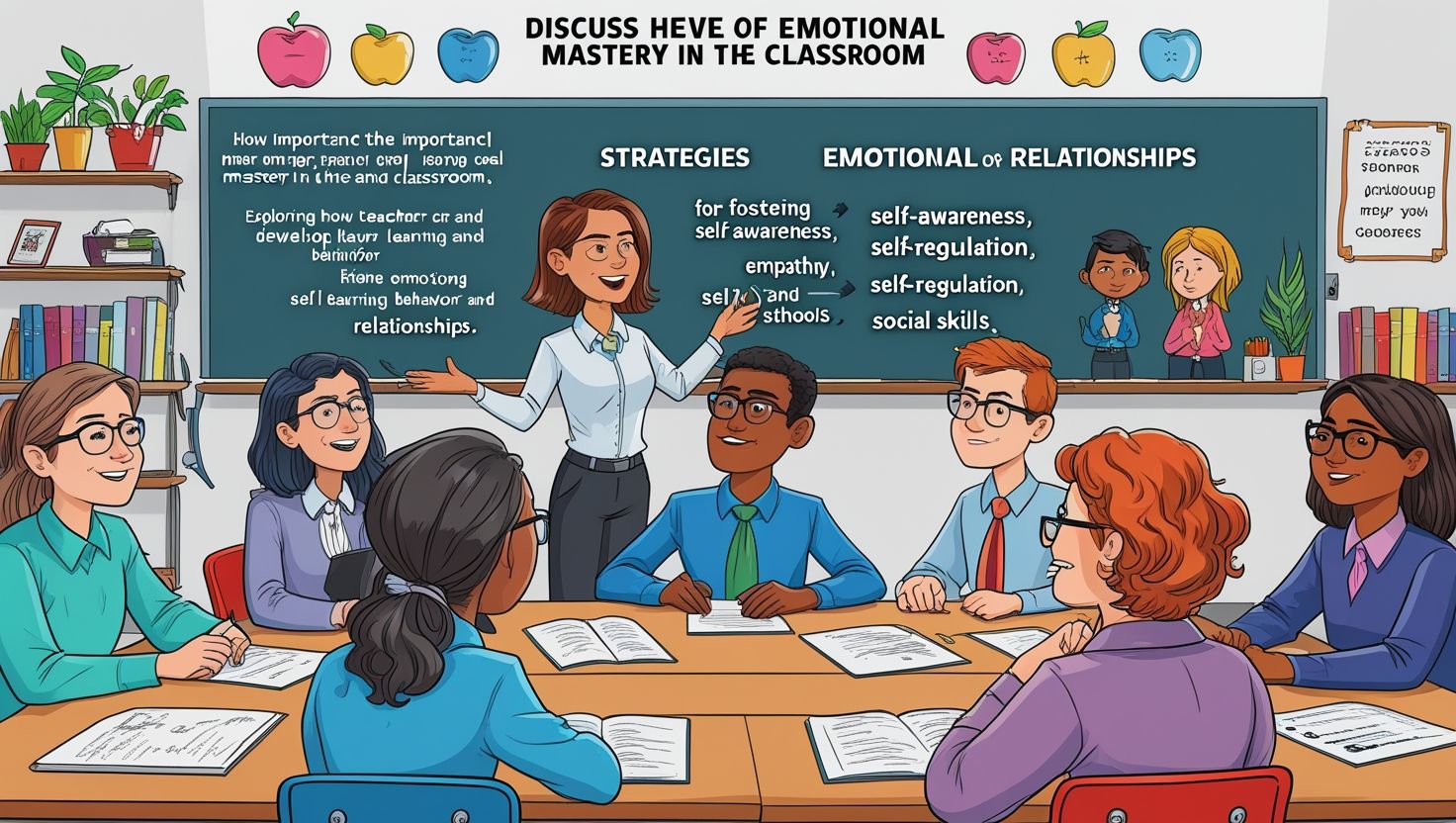
In contrast to behaviorist control-based models, humanistic theories — drawing on the work of Carl Rogers and Haim Ginott — argue that classroom management should center on relationships, empathy, and mutual respect rather than reward and punishment. Ginott’s influential idea that “I am the decisive element in the classroom” emphasizes the teacher’s emotional tone as the single greatest variable shaping student behavior.
Humanistic classroom management emphasizes:
- Empathetic communication and active listening
- Congruent messages — addressing the situation, not the student’s character
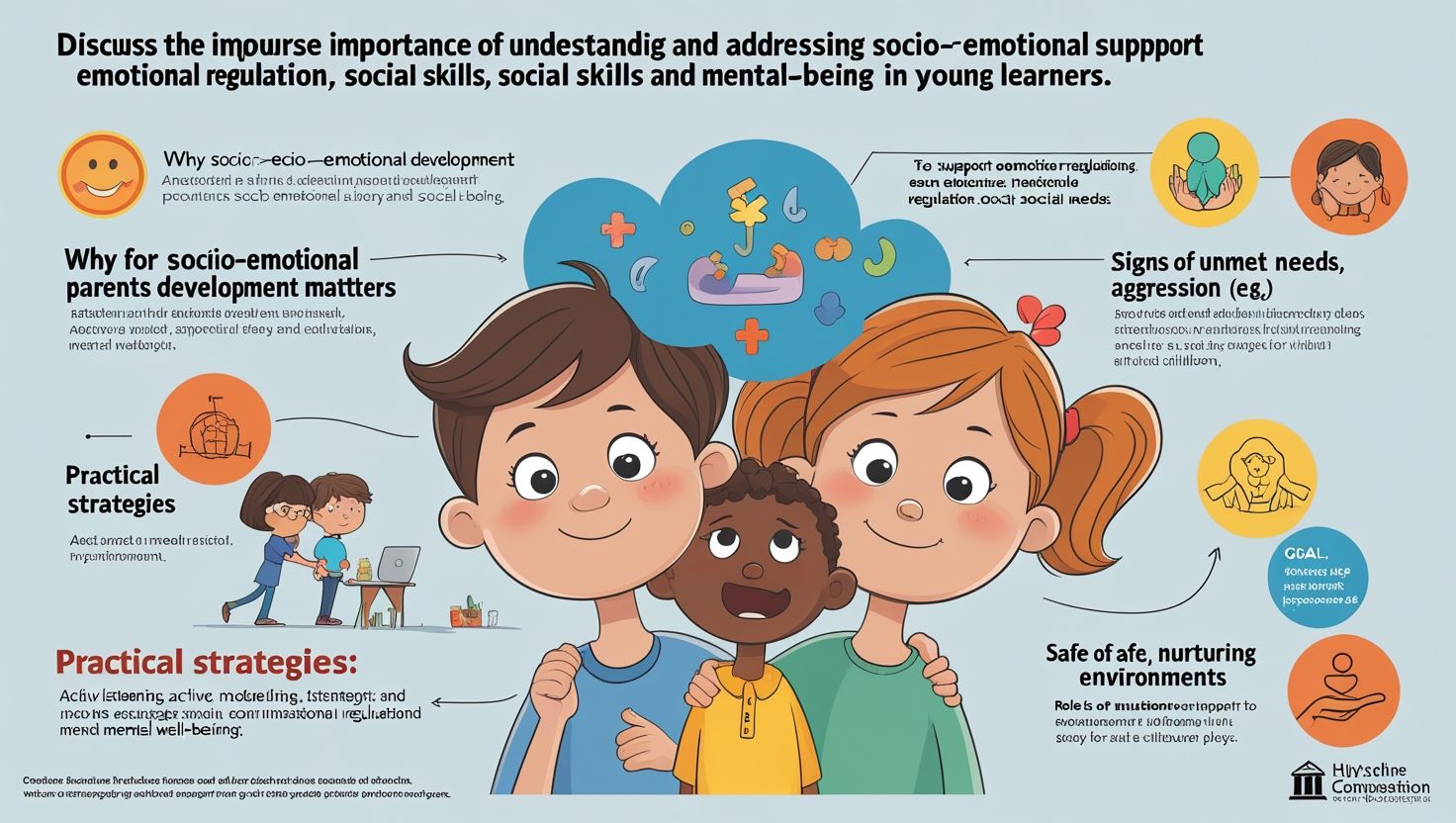
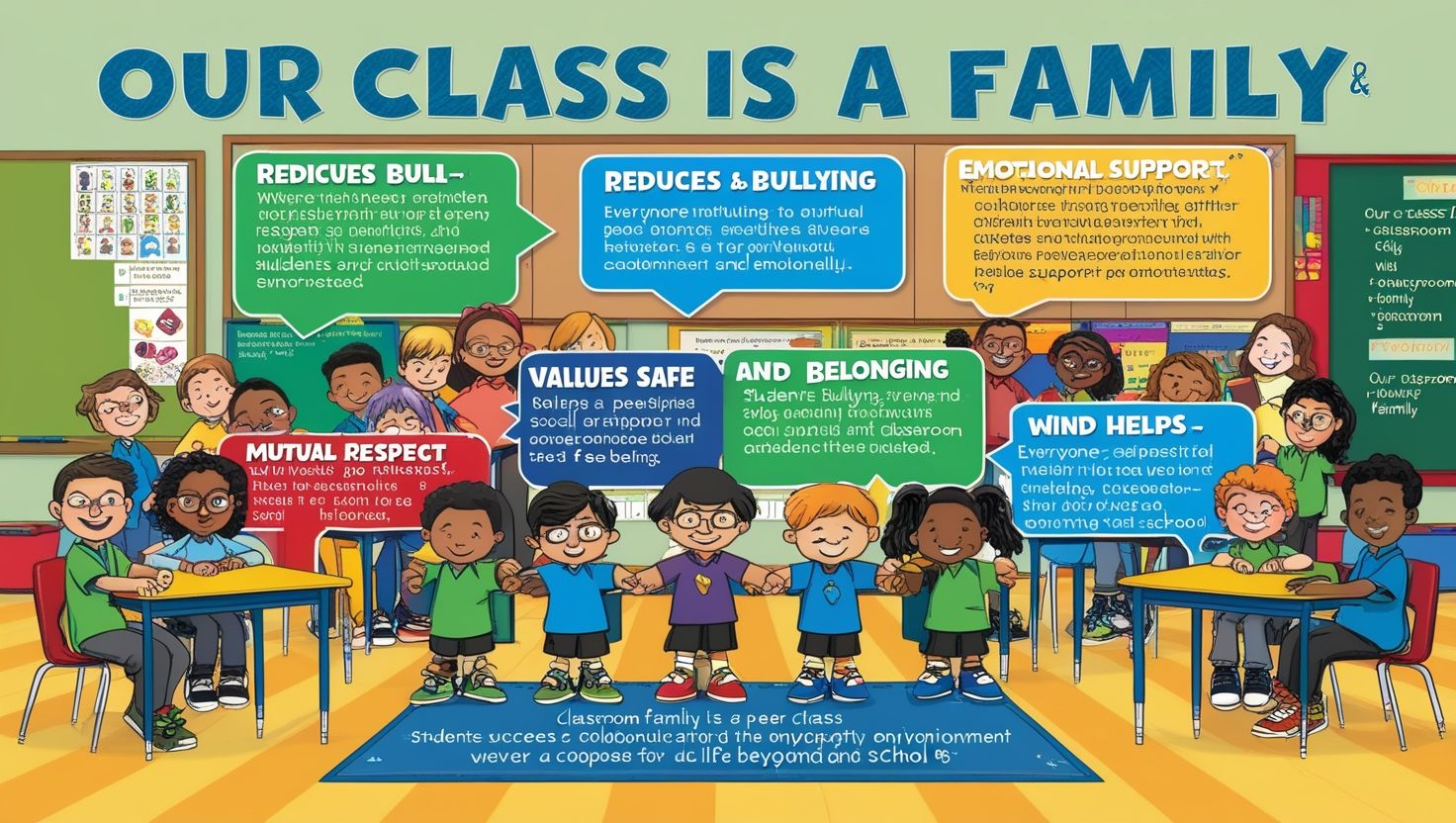
- Building a safe, emotionally supportive environment
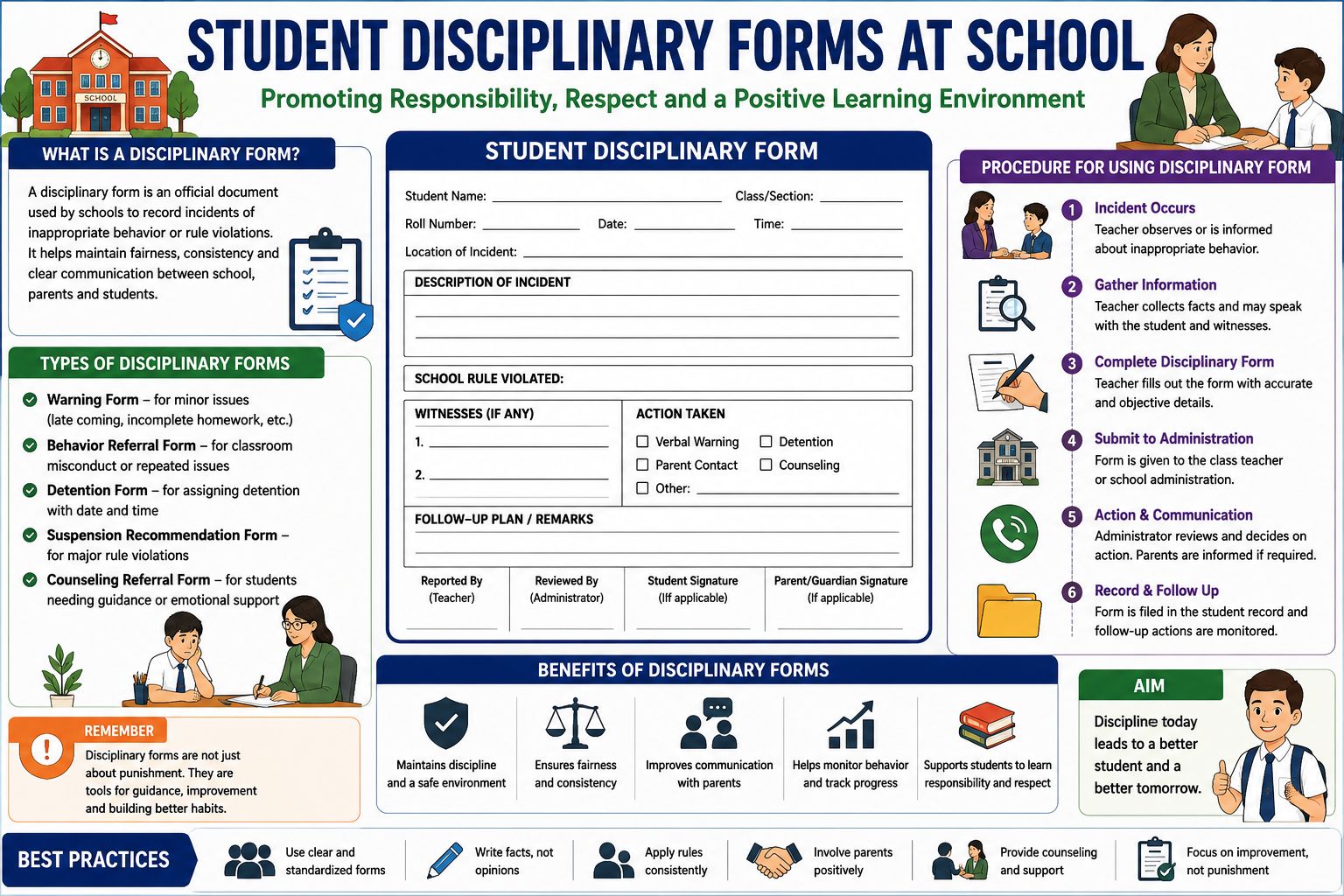
- Treating discipline as teaching, not punishment
This approach aligns closely with modern social-emotional learning (SEL) initiatives, which frame classroom behavior as inseparable from students’ emotional wellbeing.
5. Democratic Discipline Theory (Dreikurs)
Rudolf Dreikurs proposed that misbehavior stems from unmet psychological needs, particularly the need for belonging and significance. According to Dreikurs, students who don’t feel a genuine sense of connection to the classroom community often pursue negative attention, power struggles, revenge, or withdrawal as substitute goals.
Key elements of Democratic Discipline include:
- Identifying the root cause of misbehavior (the “mistaken goal”)
- Using natural and logical consequences rather than arbitrary punishment
- Involving students in rule-setting to build ownership
- Fostering a strong sense of classroom community and belonging
Dreikurs’ work laid important groundwork for restorative practices, which are increasingly used in schools today as alternatives to exclusionary discipline like suspension.
6. Cognitive-Behavioral Theory
Cognitive-behavioral approaches to classroom management merge behaviorist consequence-based strategies with attention to students’ thought patterns and self-regulation skills. Rather than only managing external behavior, this theory teaches students to recognize their own triggers, self-monitor, and apply coping strategies.
Classroom applications include:
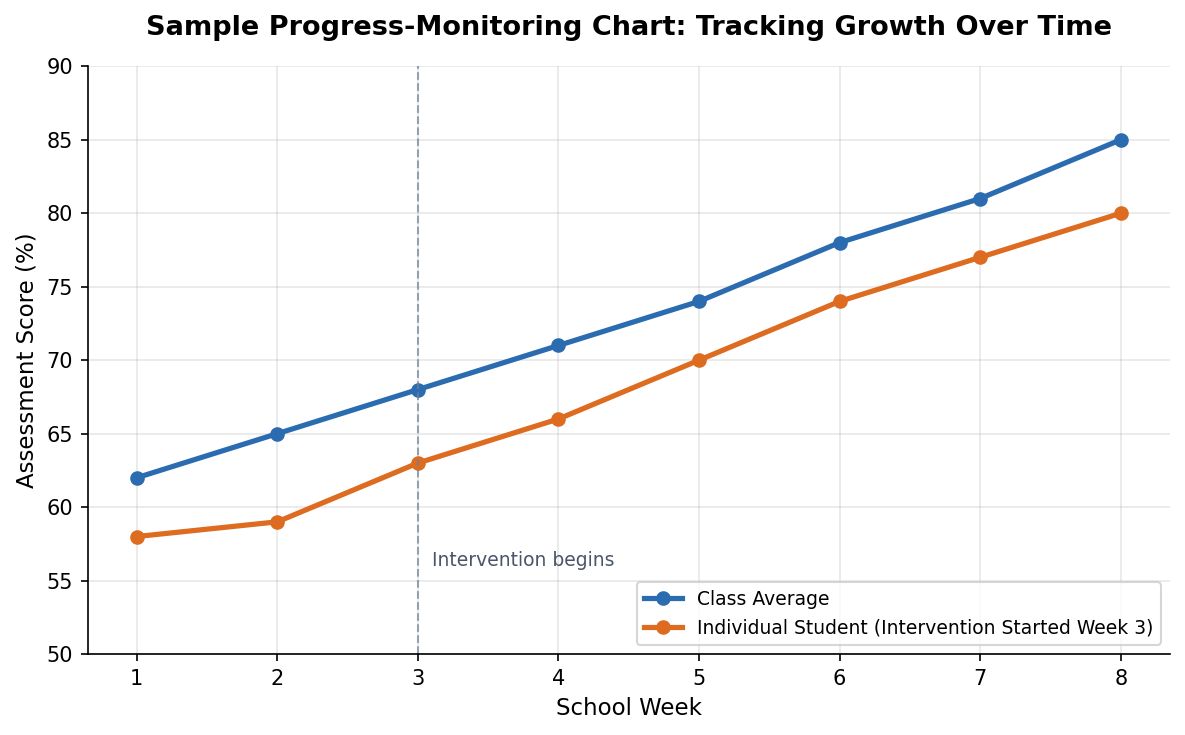
- Self-monitoring charts where students track their own behavior
- Explicit instruction in problem-solving and impulse control
- Cognitive restructuring — helping students reframe negative thought patterns
- Gradual transfer of responsibility from teacher-directed to student-directed regulation
This theory is especially valuable for students with executive functioning challenges, as it builds long-term self-regulation skills rather than dependence on external control.
7. Ecological Systems Theory
Adapted from Urie Bronfenbrenner’s broader developmental theory, the ecological approach to classroom management views student behavior as the product of interacting systems: the classroom itself, the school culture, family dynamics, and the wider community. A student’s behavior cannot be fully understood — or effectively managed — in isolation from these layered contexts.
This perspective encourages teachers to consider:
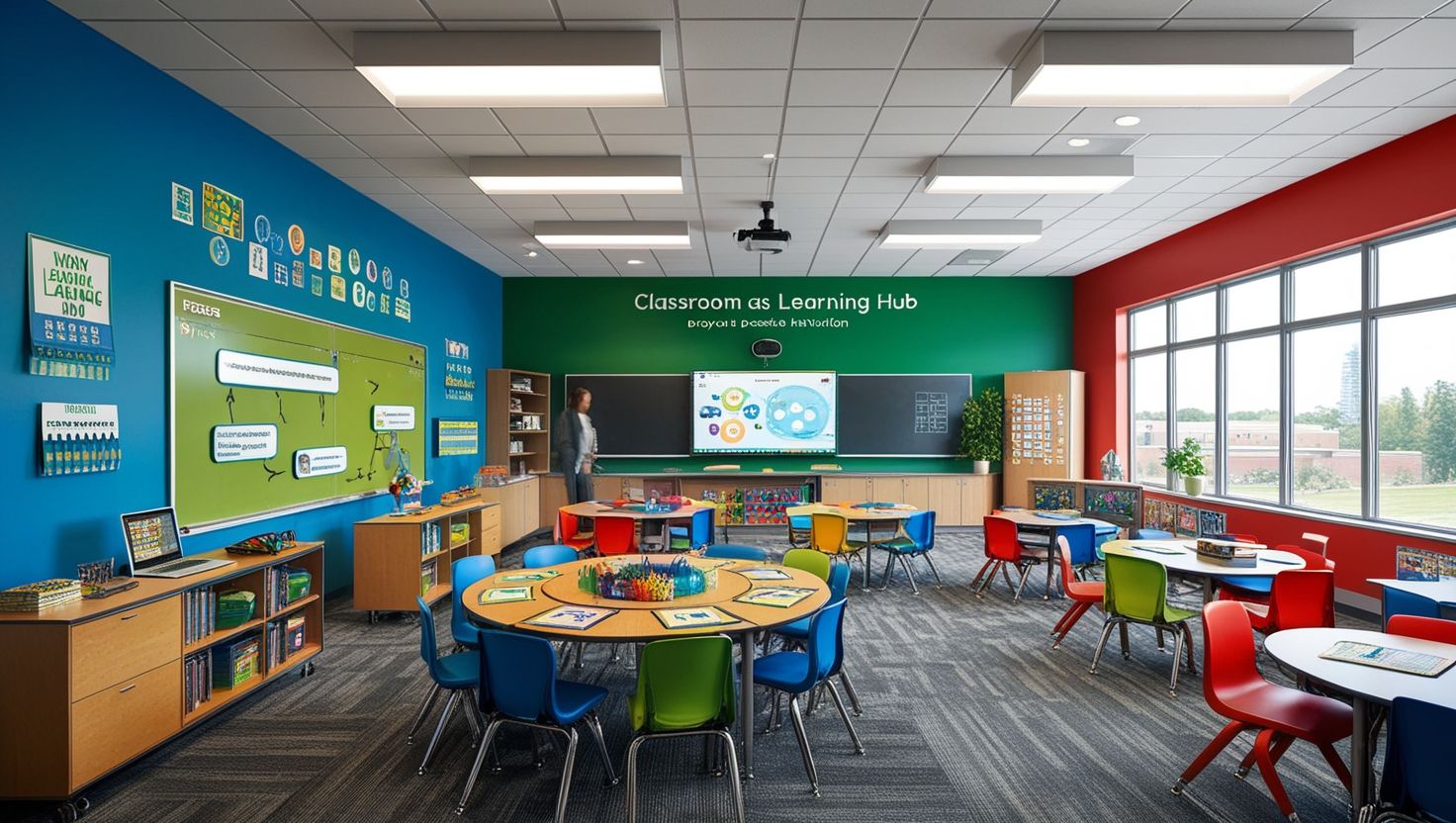
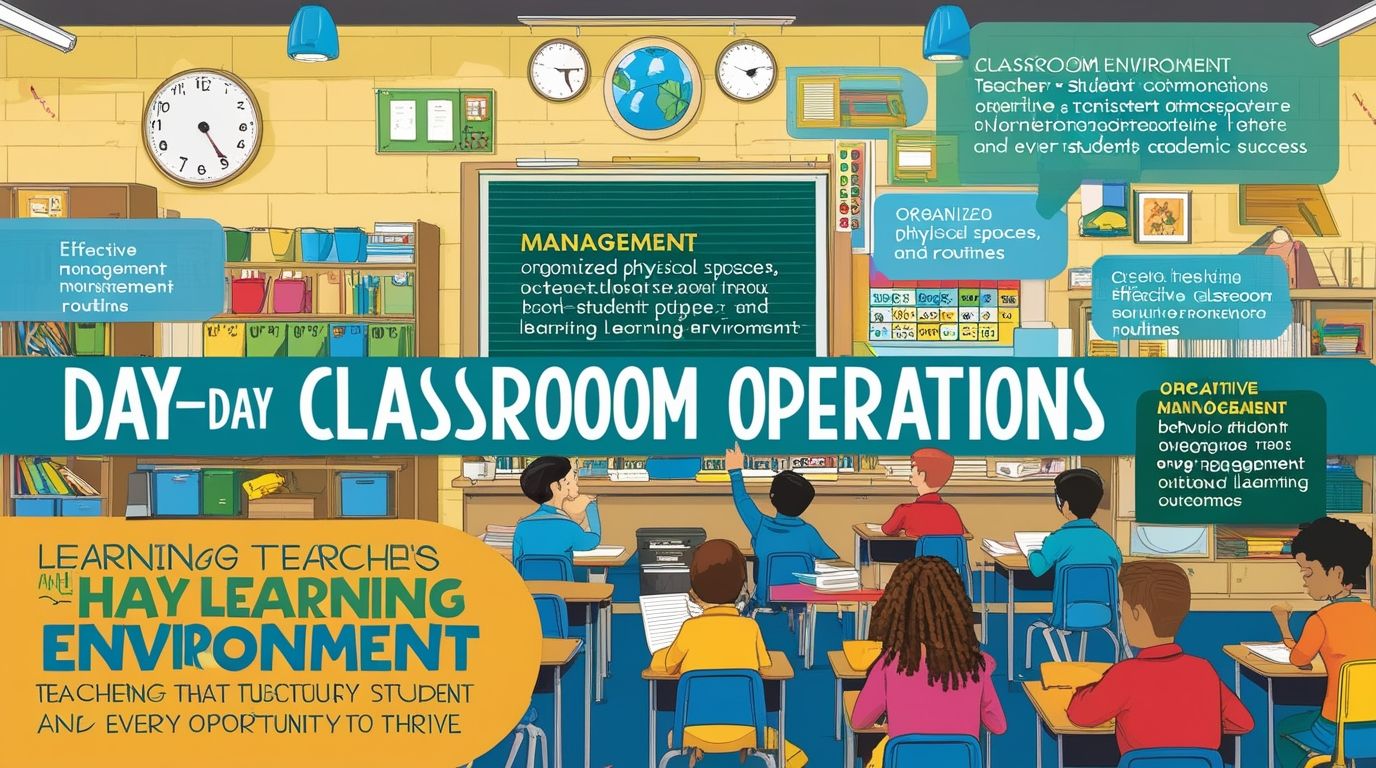
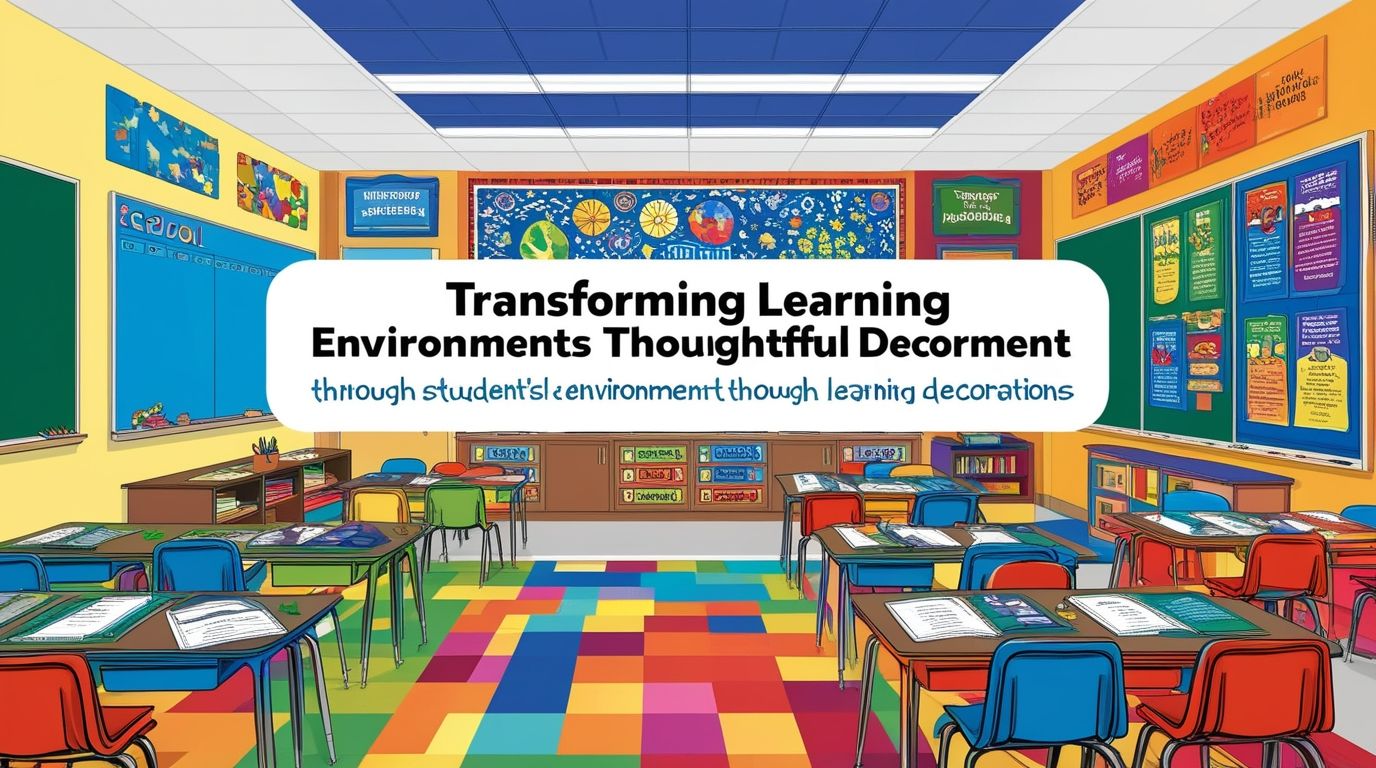
- The physical classroom environment (seating, lighting, noise, flow)
- School-wide systems and culture, not just individual classroom rules
- Family and community factors influencing student behavior
- The interaction between curriculum design and behavioral engagement
Ecological theory reminds educators that effective classroom management often requires systemic, collaborative solutions beyond a single teacher’s control.
8. Positive Behavioral Interventions and Supports (PBIS)
PBIS is a modern, evidence-based framework that integrates many of the theories above into a tiered, school-wide system. Rather than reacting to misbehavior after it occurs, PBIS emphasizes explicit teaching of behavioral expectations, consistent positive reinforcement, and data-driven decision-making to identify students who need additional support.
PBIS operates across three tiers:
- Tier 1: Universal supports for all students (clear expectations, school-wide reinforcement)
- Tier 2: Targeted interventions for students at risk
- Tier 3: Intensive, individualized support for students with significant behavioral needs
Because it combines behaviorist consistency with preventive, relationship-based practices, PBIS is now among the most widely adopted classroom and school management frameworks in the United States and beyond.
Comparing the Theories
| Theory | Core Focus | Key Strength | Common Critique |
|---|---|---|---|
| Behaviorism | Reinforcement & consequence | Consistency, clarity | Can undermine intrinsic motivation |
| Kounin’s Model | Group awareness | Prevention over reaction | Requires high teacher skill |
| Assertive Discipline | Teacher authority | Structure, predictability | Can feel rigid or punitive |
| Humanistic Theory | Relationships & empathy | Emotional safety | Less structured for severe behavior |
| Democratic Discipline | Belonging & logical consequence | Builds intrinsic responsibility | Time-intensive |
| Cognitive-Behavioral | Self-regulation | Long-term skill building | Slower to show results |
| Ecological Systems | Context & environment | Holistic understanding | Harder for one teacher to control |
| PBIS | School-wide systems | Data-driven, scalable | Requires whole-school buy-in |
Choosing the Right Approach: A Blended Model
In practice, few effective teachers rely on a single theory in its pure form. The most successful classroom management strategies tend to be blended, combining the structure and consistency of behaviorism, the preventive awareness of Kounin’s model, the relational warmth of humanistic theory, and the systemic thinking of ecological and PBIS frameworks. This integrated approach acknowledges a simple truth: students are not uniform, and no single theory fully accounts for the diversity of needs, backgrounds, and developmental stages found in any real classroom.
Teacher training programs increasingly emphasize this eclectic, evidence-informed approach, encouraging new educators to build a personal management philosophy grounded in multiple traditions rather than dogmatically following one.
Conclusion
Classroom management theory has evolved dramatically over the past century — from strict behaviorist control to nuanced, relationship-centered, and systems-aware approaches. Understanding these frameworks equips educators not just with techniques, but with the conceptual tools to diagnose why a strategy is or isn’t working, and to adapt intentionally rather than react impulsively.
Ultimately, the goal of every theory discussed here is the same: to create a classroom environment where students feel safe, respected, and motivated to learn — and where teachers can teach with confidence, consistency, and compassion.
Keywords: classroom management, behaviorist theory, Kounin’s model, assertive discipline, humanistic theory, democratic discipline, cognitive-behavioral theory, ecological systems theory, PBIS, teacher effectiveness, student behavior, educational psychology