Introduction
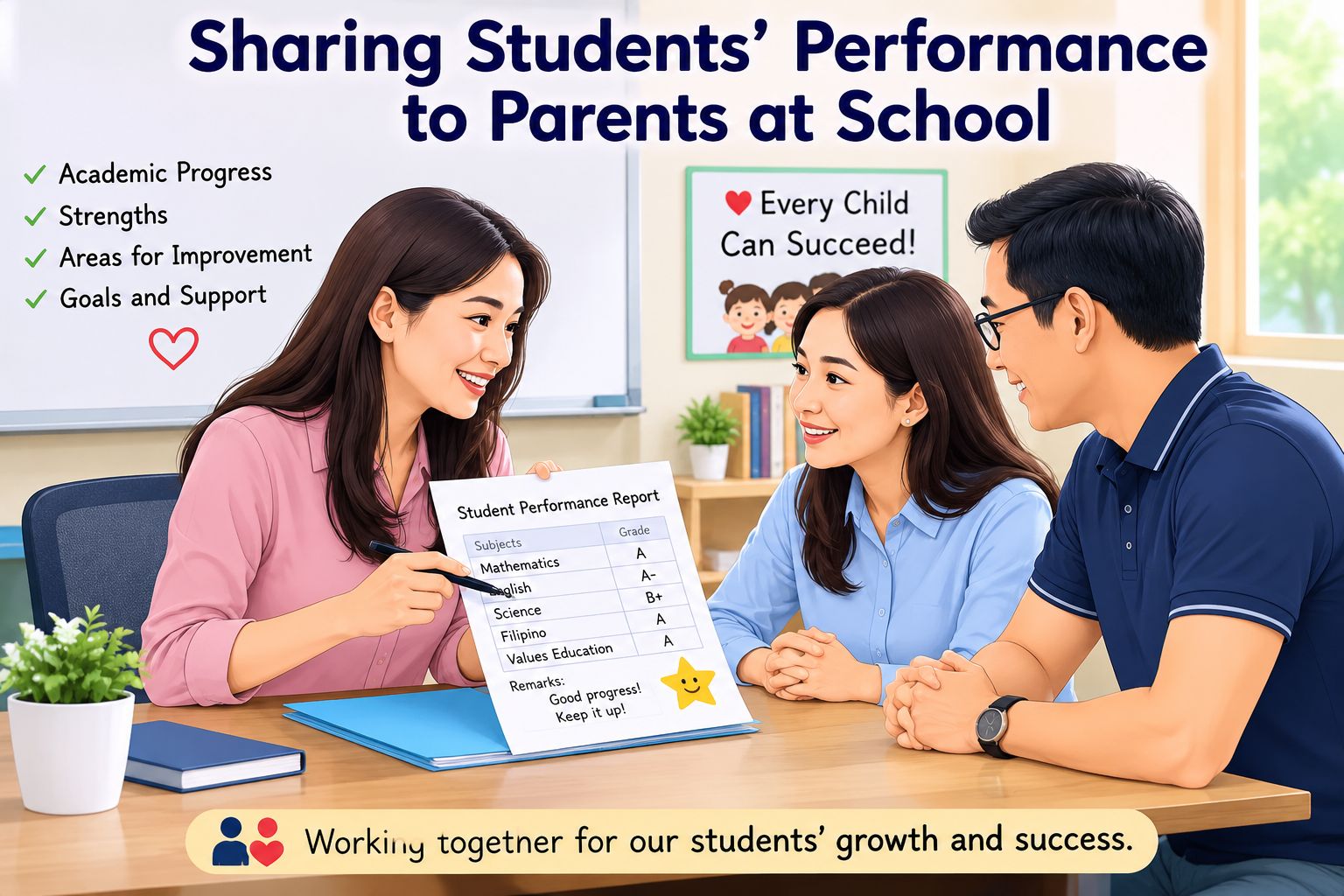
Sharing Students’ Performance to Parents at School, Sharing student performance with families is no longer a once-a-year ritual confined to a folded report card. Today, it is recognized as an ongoing, collaborative process that shapes how children learn, grow, and succeed. Consequently, schools across the world are rethinking how they communicate academic progress, moving away from static, one-directional updates toward dynamic, two-way conversations between teachers and families. This shift matters because parental involvement has consistently been linked to higher achievement, better attendance, and stronger student motivation. In light of this, the present article explores why transparent communication about student performance is essential, how schools can implement effective parent-teacher communication strategies, and what challenges must be overcome along the way.
The Importance of Sharing Academic Performance with Parents
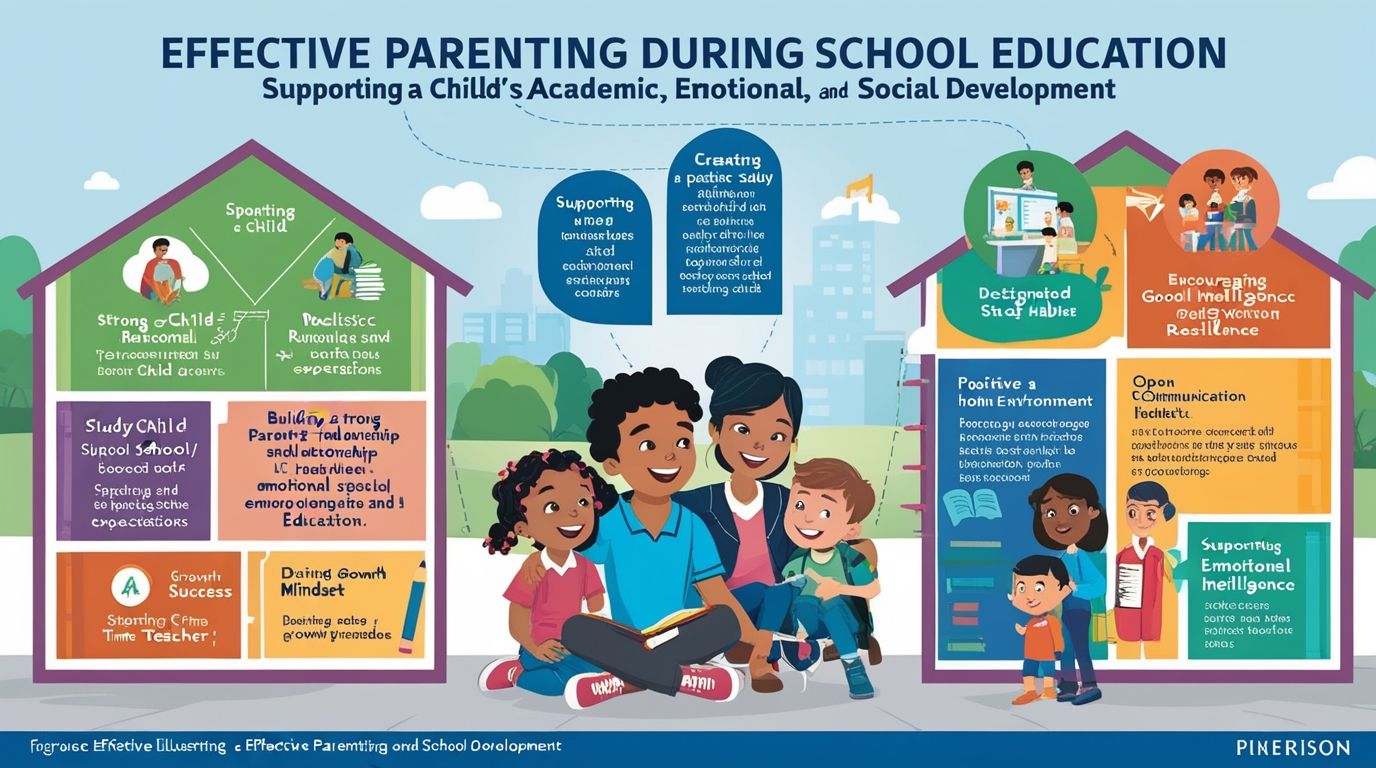
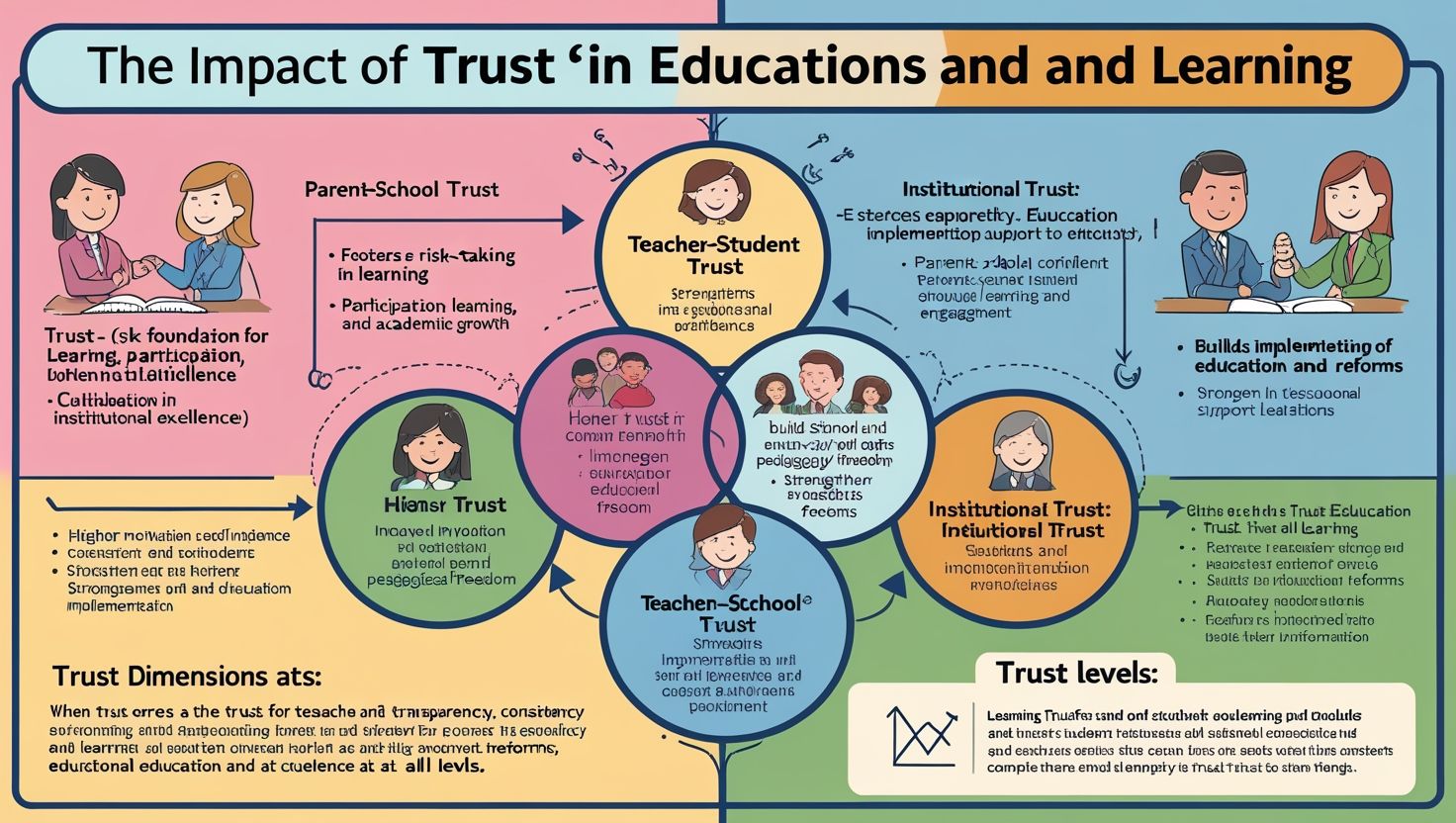
To begin with, student performance sharing serves as the foundation of a trusting relationship between the school and the home. When parents understand exactly how their child is performing, they are better equipped to provide targeted support at home. Furthermore, research consistently shows that children whose parents are actively engaged in their educational journey tend to display improved self-esteem, better classroom behavior, and greater academic resilience.
In addition, sharing performance data early and often allows problems to be identified before they escalate. For instance, if a teacher notices a decline in a student’s reading comprehension, immediate communication with parents allows for early intervention rather than a delayed response at the end of the term. As a result, students benefit from a coordinated support system that spans both the classroom and the household.
Moreover, transparent reporting fosters accountability on multiple levels. Teachers become more mindful of tracking progress consistently, students feel a heightened sense of responsibility knowing their efforts are visible to their families, and parents are empowered to reinforce positive habits. Therefore, this three-way accountability loop strengthens the entire educational ecosystem.
Traditional Methods of Communicating Student Performance
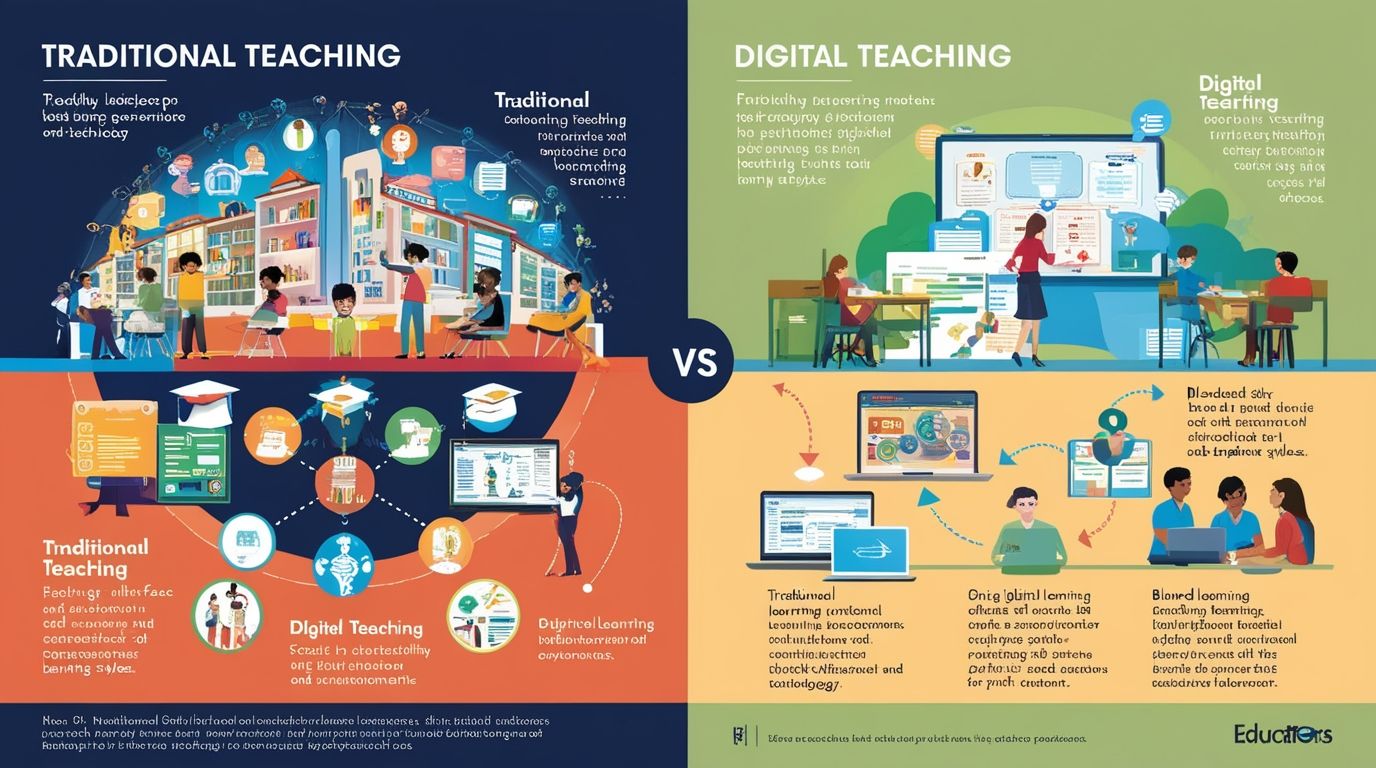
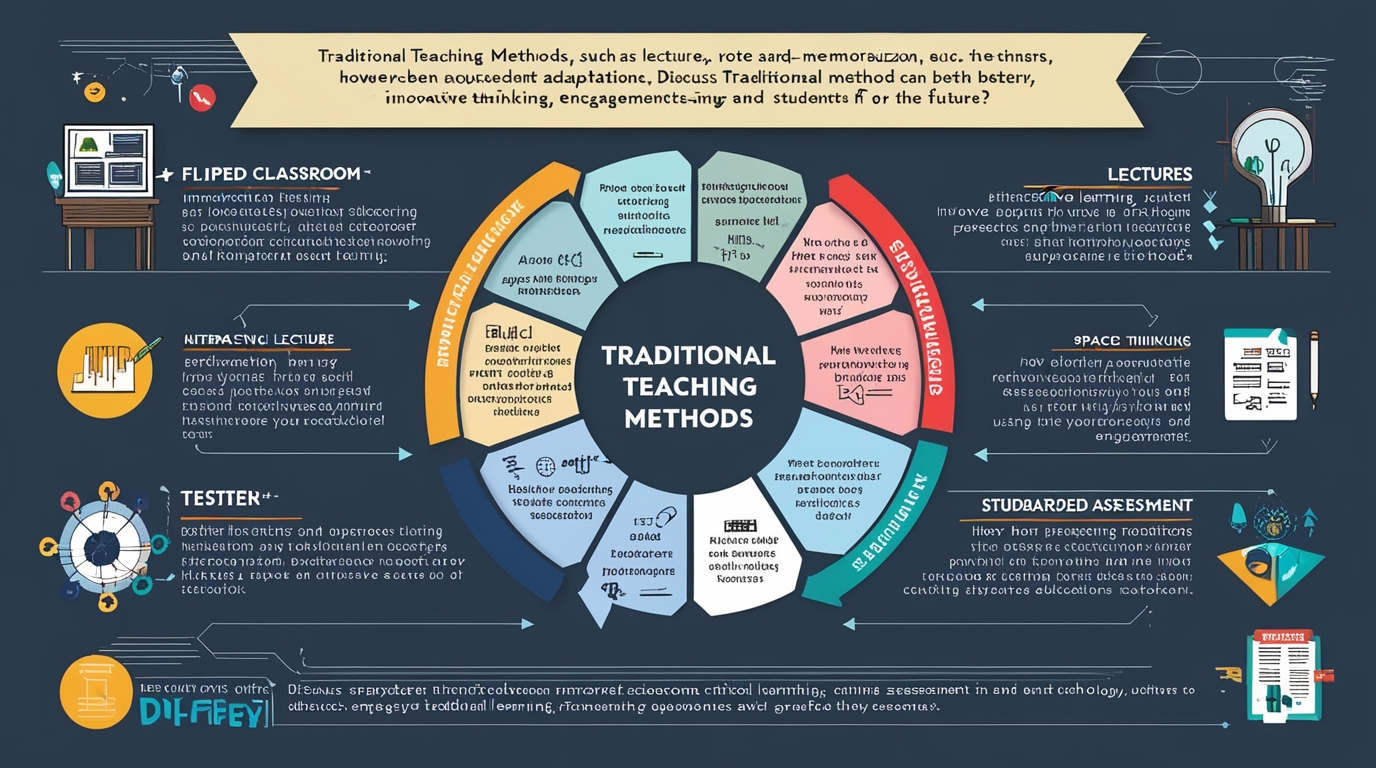
Historically, schools have relied on a handful of conventional tools to convey academic achievement to families. These include:
- Report cards issued at the end of a term or semester
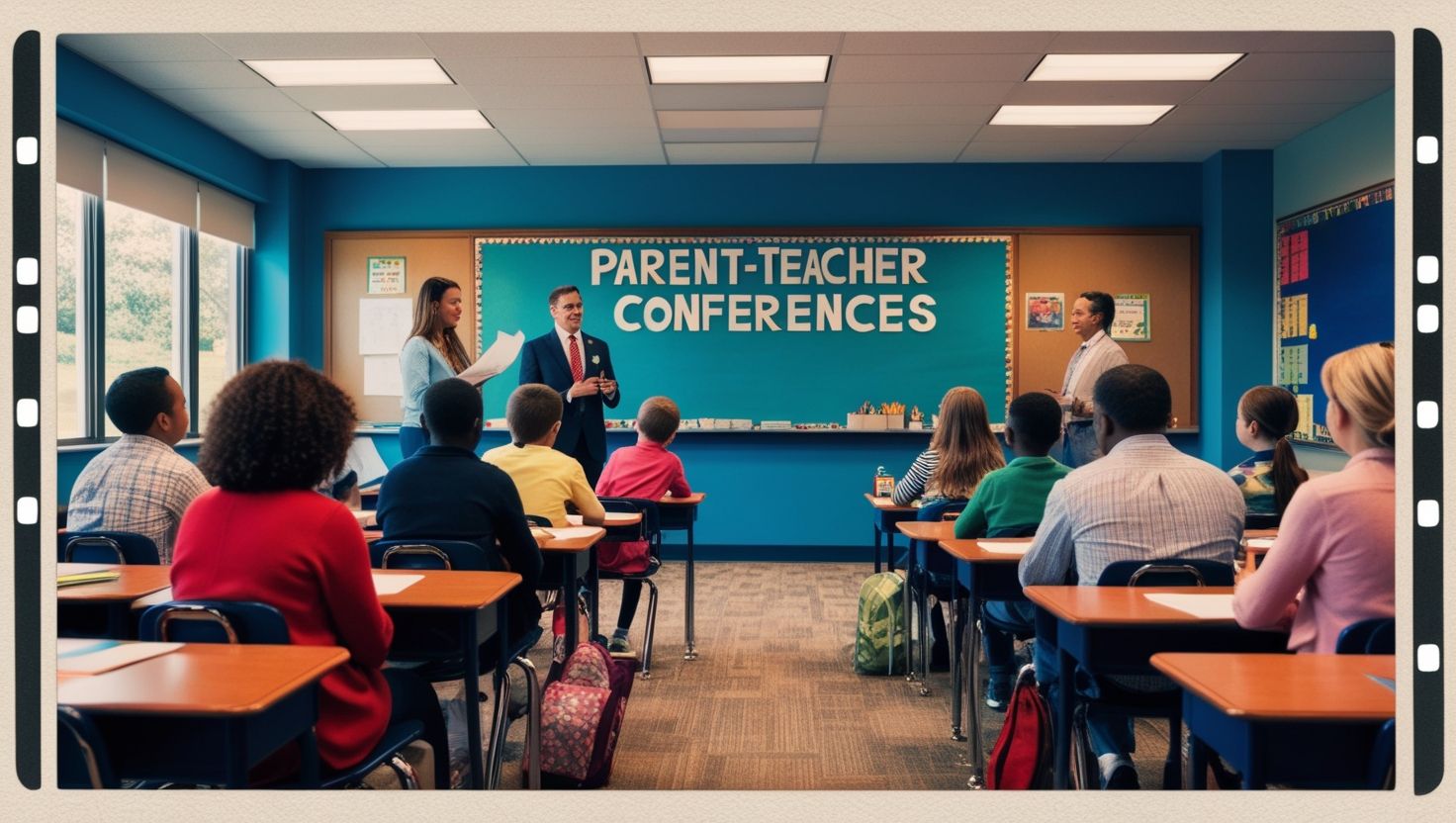
- Parent-teacher conferences held once or twice a year
- Progress notes sent home in a student’s diary or planner
- Phone calls reserved primarily for disciplinary or urgent matters
While these methods have served schools for decades, they are inherently limited. Specifically, they tend to be infrequent, generalized, and reactive rather than proactive. As a result, parents often receive information too late to make meaningful adjustments to their child’s learning environment. Additionally, these traditional formats rarely allow for two-way dialogue, meaning parents have limited opportunity to ask questions or share observations about their child’s behavior at home.
Modern Approaches: Technology-Driven Performance Sharing
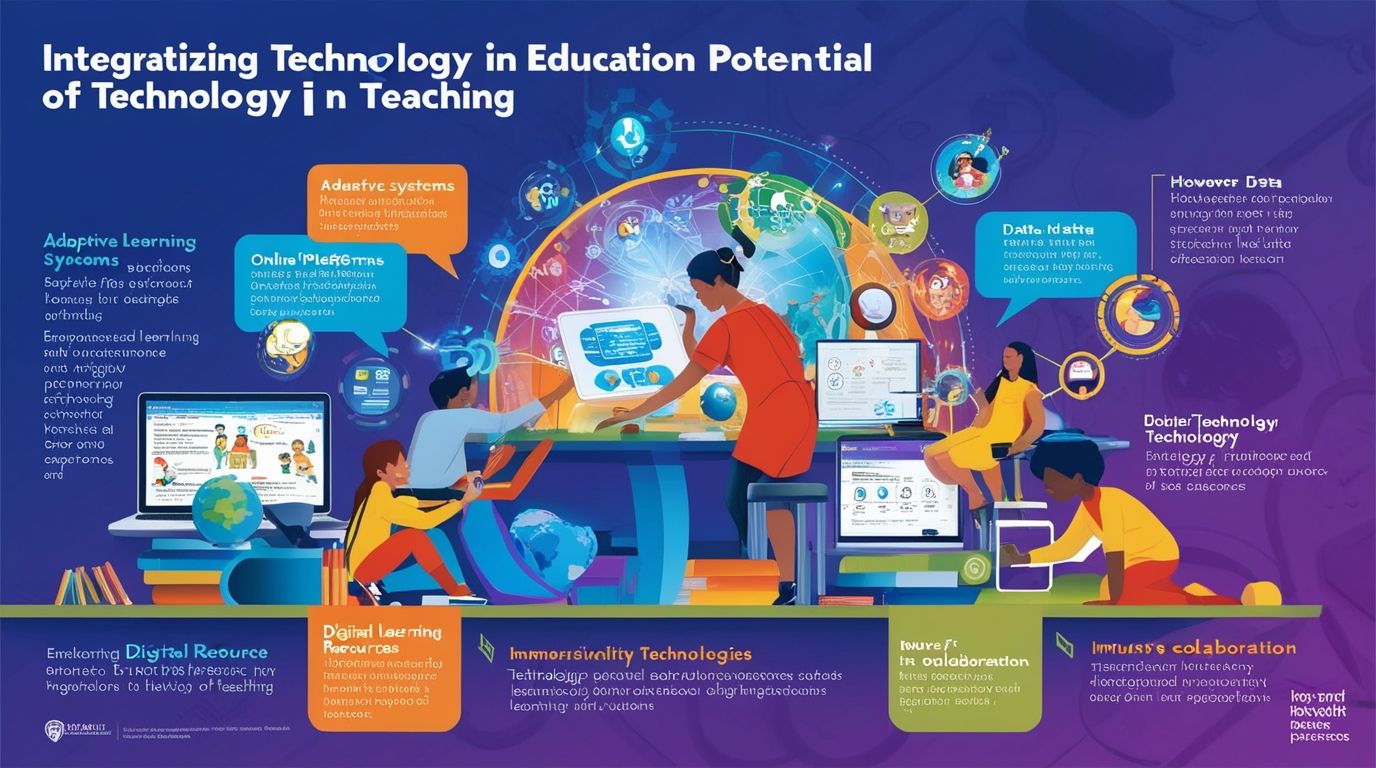
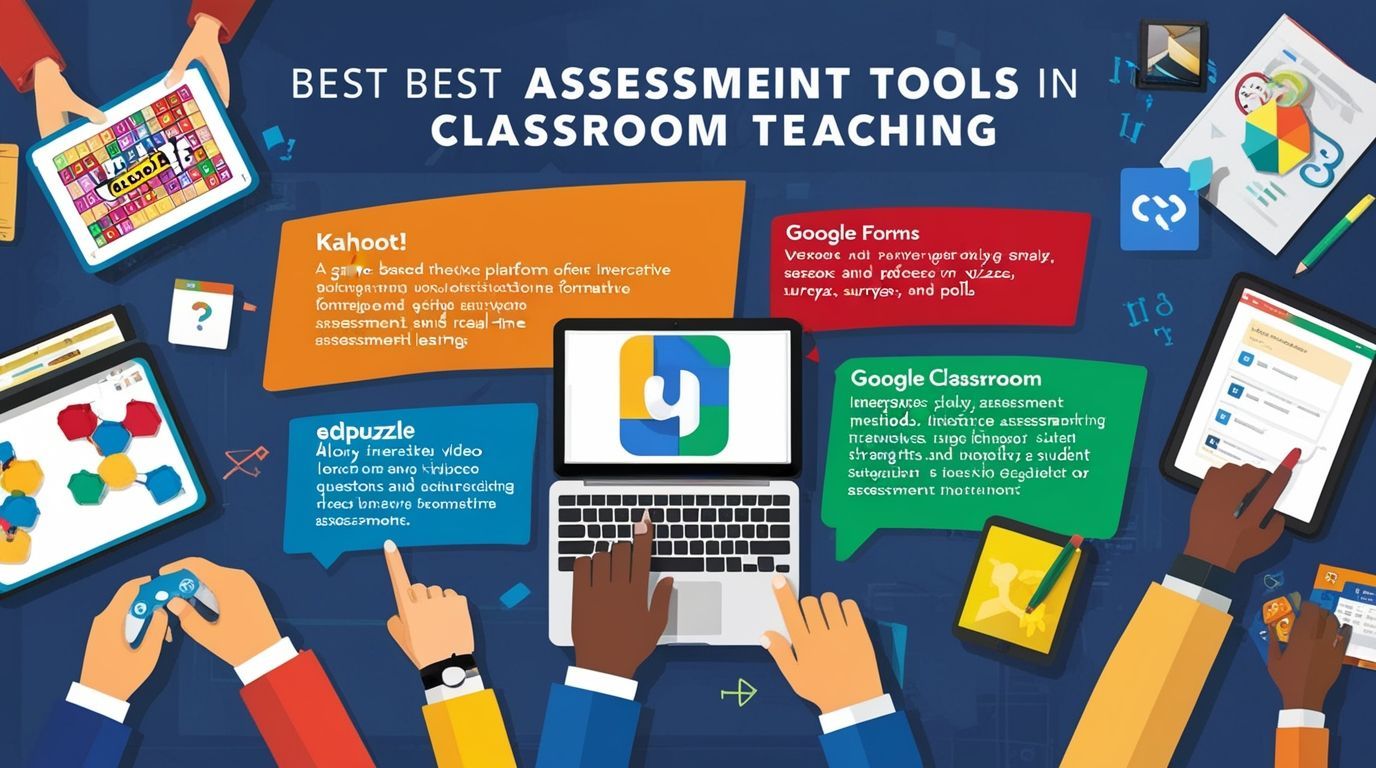
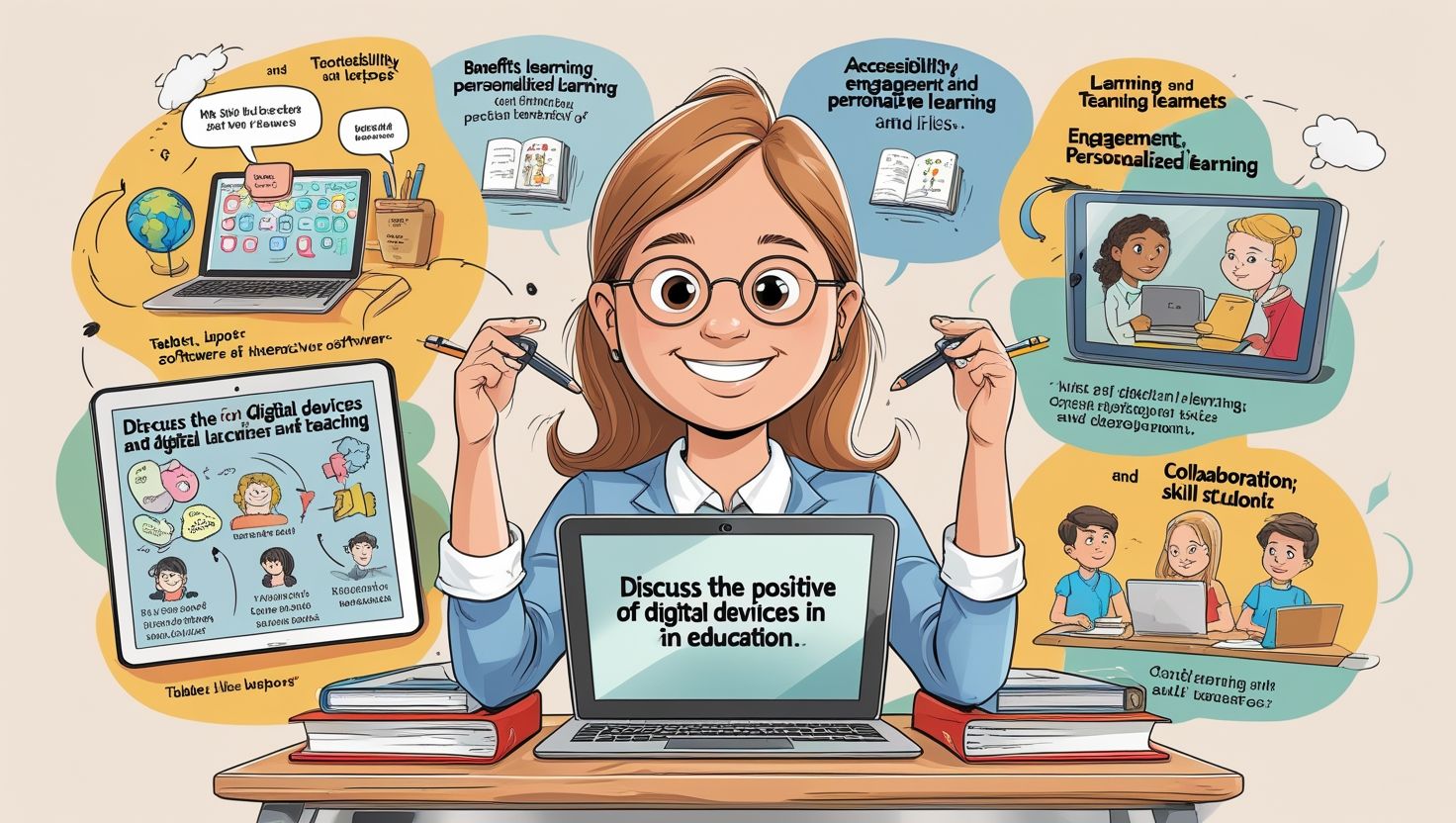
Given these limitations, many schools have transitioned toward technology-enabled solutions that make real-time progress tracking possible. Below are some of the most impactful tools reshaping how performance is communicated.
1. Parent Portals and Mobile Applications
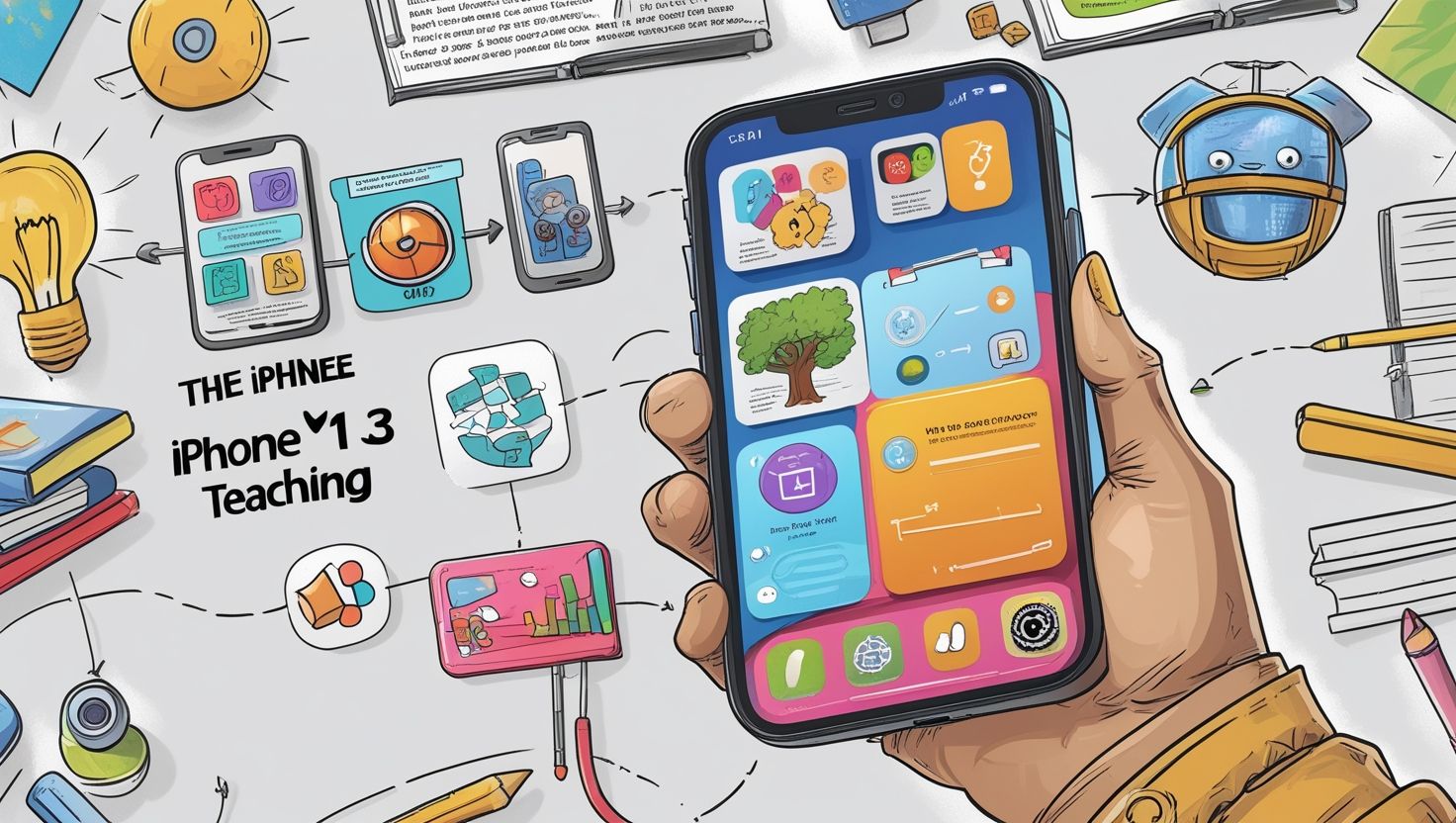
Digital parent portals have transformed the way families access information. Through a simple login, parents can view grades, attendance records, homework submissions, and even behavioral notes in real time. Consequently, parents no longer need to wait for a scheduled meeting to understand how their child is doing; instead, they can check progress whenever it is convenient.
2. Learning Management Systems (LMS)
Platforms such as school-integrated learning management systems allow teachers to upload assignments, provide instant feedback, and record grades that automatically sync with parent accounts. As a result, parents gain a comprehensive view of not just the final grade, but the learning process itself, including drafts, quizzes, and teacher comments.
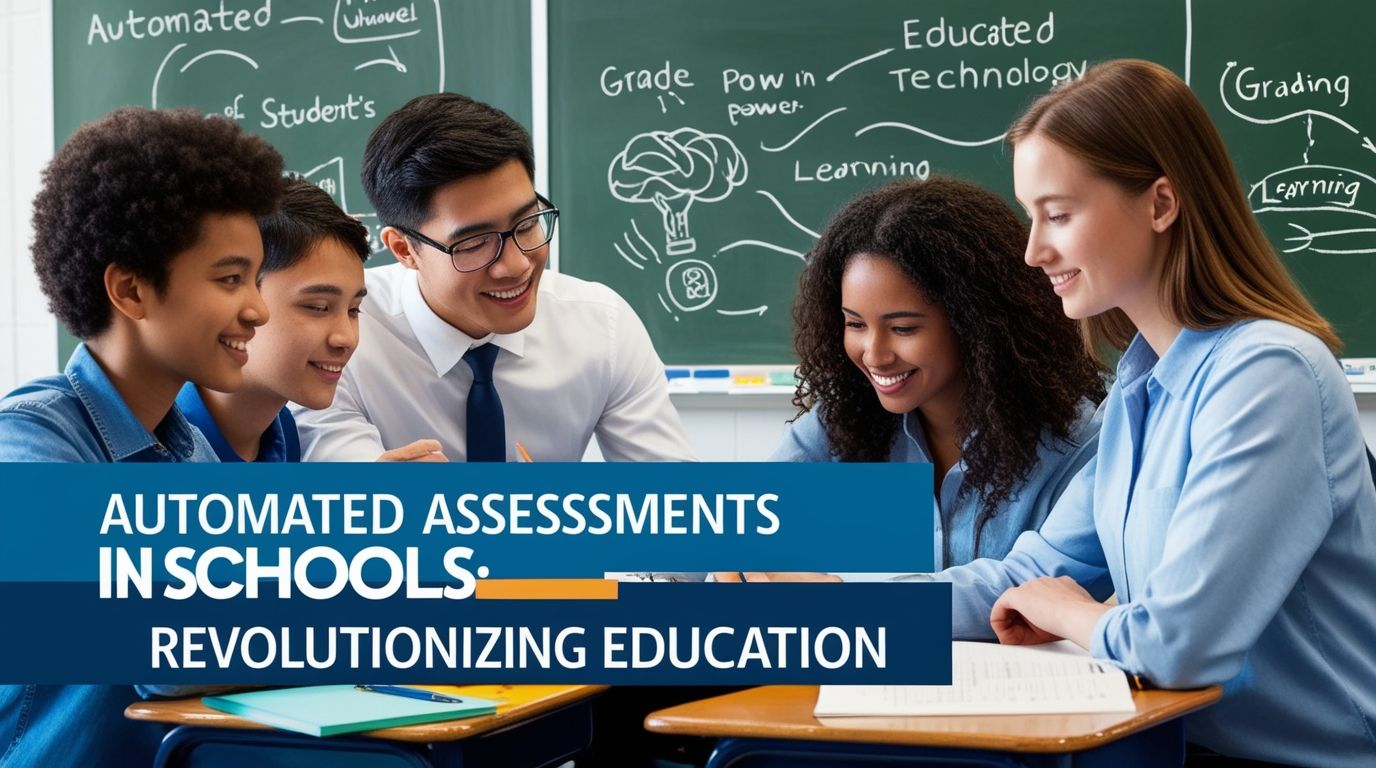
3. Automated Progress Reports and Alerts
Many schools now use automated systems that send instant alerts when a student’s grade drops below a certain threshold or when attendance becomes irregular. This proactive approach ensures that parents are informed immediately, rather than discovering issues weeks later. In turn, this enables timely conversations and support before small challenges become significant setbacks.
4. Video-Based Conferencing
Especially since the rise of remote communication tools, virtual parent-teacher meetings have become a practical alternative to in-person conferences. These meetings accommodate working parents, reduce logistical barriers, and allow for more frequent check-ins throughout the academic year.
Best Practices for Effective Communication
Although technology provides powerful tools, the manner in which performance data is communicated matters just as much as the data itself. The following best practices can help schools maximize the impact of their communication strategies.
Maintain Consistency and Frequency
First and foremost, communication should not be limited to major milestones. Instead, schools should aim for consistent, ongoing updates, whether weekly, biweekly, or monthly, depending on the age group and subject. This consistency helps normalize communication and prevents parents from feeling blindsided by unexpected results.
Personalize the Message
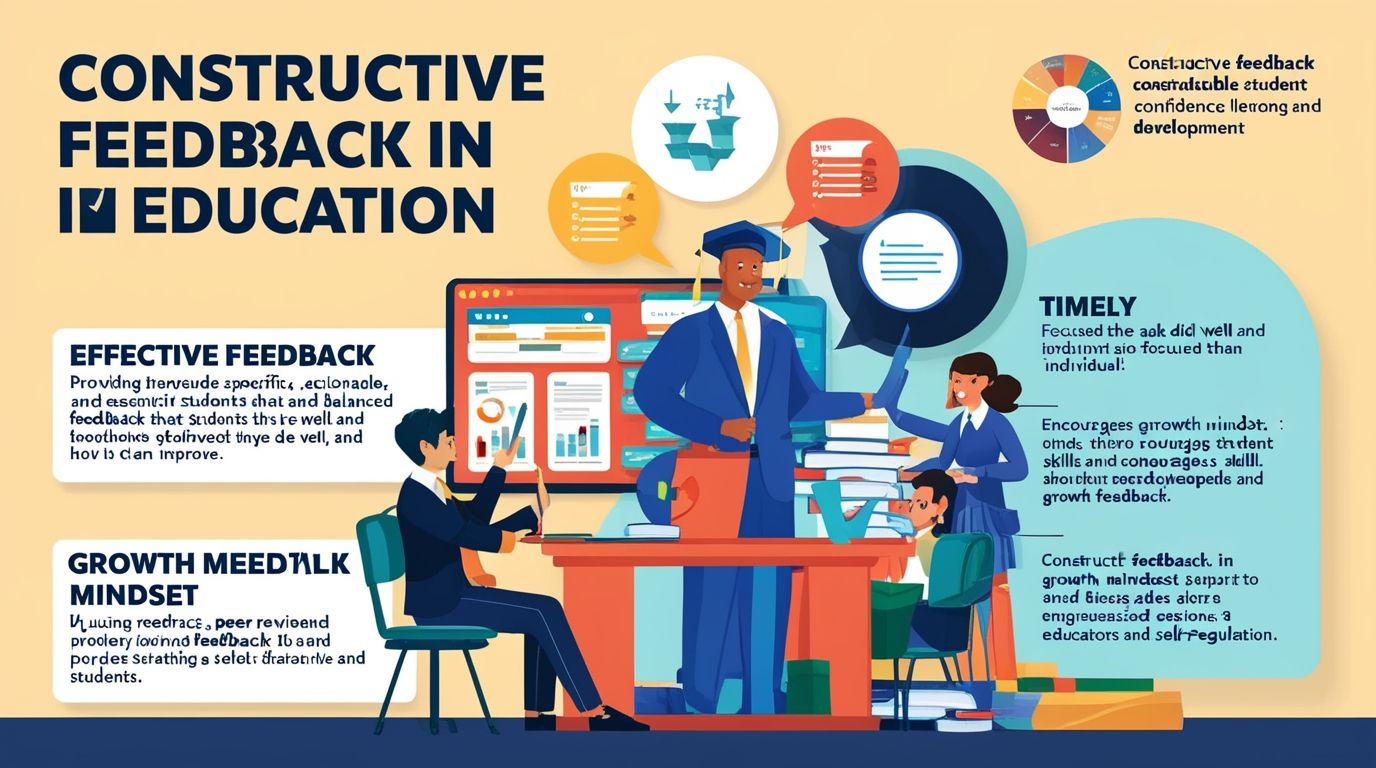
Rather than sending generic, one-size-fits-all updates, teachers should strive to personalize feedback. For example, instead of simply reporting a numerical grade, a brief note explaining specific strengths and areas for growth adds far more value. Thus, personalized feedback transforms raw data into actionable insight.

Use Clear, Jargon-Free Language
Since not all parents are familiar with educational terminology, it is essential to use plain, accessible language. Terms like “formative assessment” or “benchmark rubric” may be meaningless to a parent unfamiliar with pedagogical vocabulary. Therefore, translating technical language into everyday terms ensures that the message is truly understood.
Highlight Strengths Alongside Challenges
Equally important, communication should not focus solely on shortcomings. By highlighting a student’s strengths alongside areas needing improvement, schools can foster a more balanced and encouraging narrative. This balanced approach, in turn, motivates both students and parents to remain engaged rather than discouraged.
Encourage Two-Way Dialogue
Finally, effective communication is never one-directional. Schools should actively invite parents to share their observations, ask questions, and voice concerns. As a result, this collaborative exchange builds a genuine partnership rather than a top-down reporting structure.
Overcoming Common Challenges
Despite the clear benefits, several challenges can hinder effective performance sharing. Understanding these obstacles is the first step toward addressing them.
Language and Cultural Barriers
In diverse communities, language differences can prevent parents from fully understanding academic reports. Consequently, schools should consider offering translated materials or multilingual support staff to bridge this gap.
Limited Digital Access
Not all families have equal access to smartphones, computers, or reliable internet connectivity. Therefore, schools must maintain alternative communication channels, such as printed reports or phone calls, to ensure no family is left uninformed.
Time Constraints for Teachers
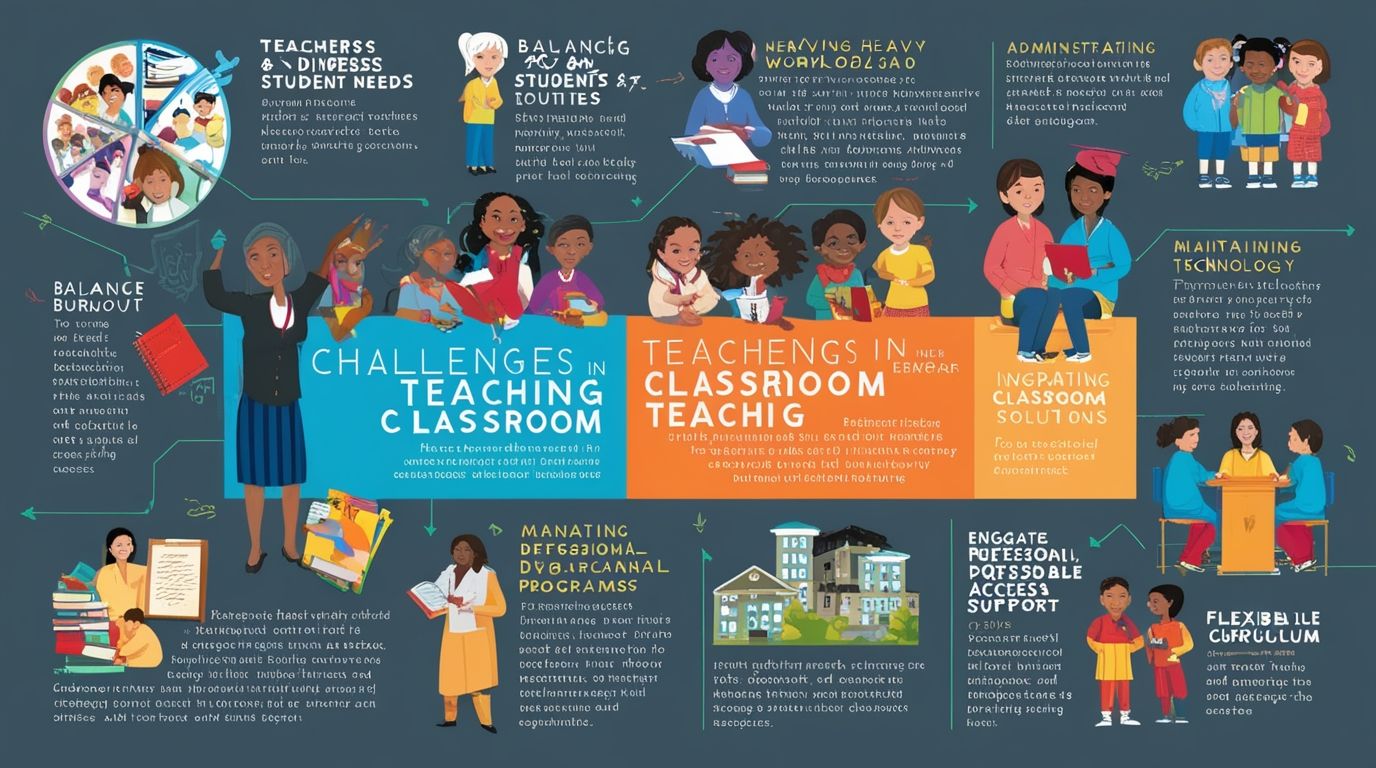
Given the already demanding workload of educators, frequent individualized communication can feel overwhelming. To mitigate this, schools can invest in templates, automated systems, and shared responsibility among staff to streamline the reporting process without sacrificing quality.
Parental Engagement Levels
Even with the best systems in place, some parents remain disengaged due to work schedules, personal circumstances, or unfamiliarity with the education system. In such cases, schools might consider community liaisons or flexible meeting times to accommodate varying needs.
The Role of Teachers, Administrators, and Parents
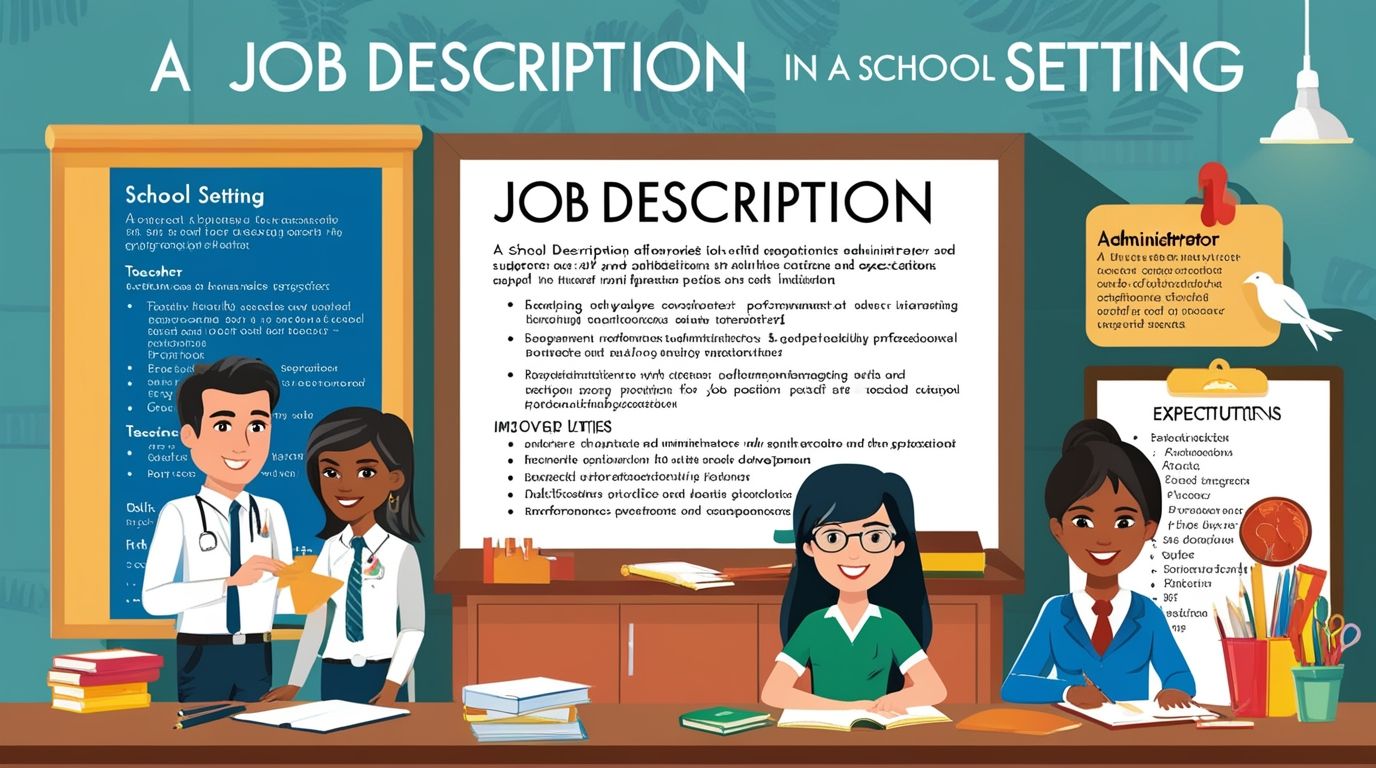
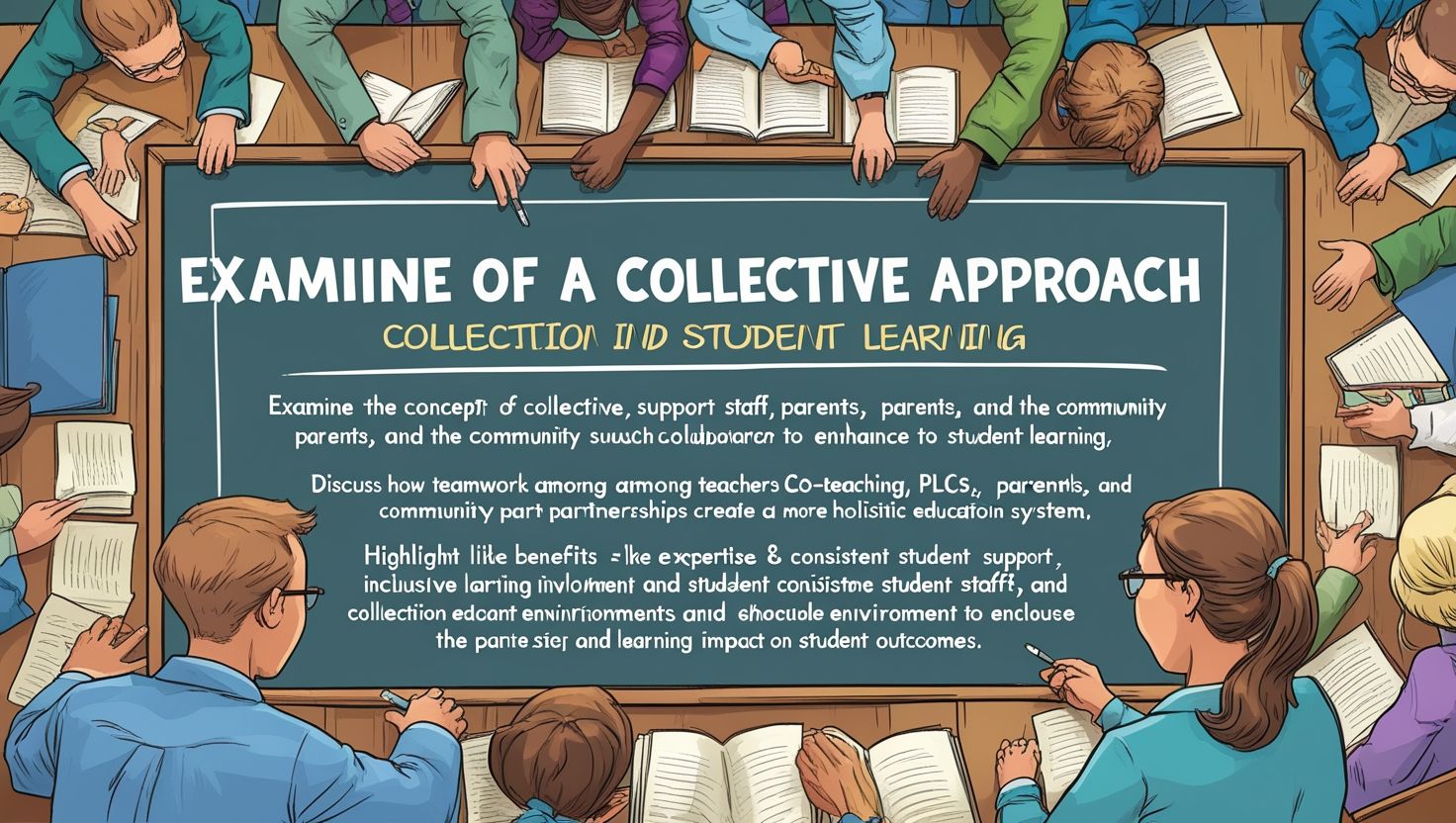
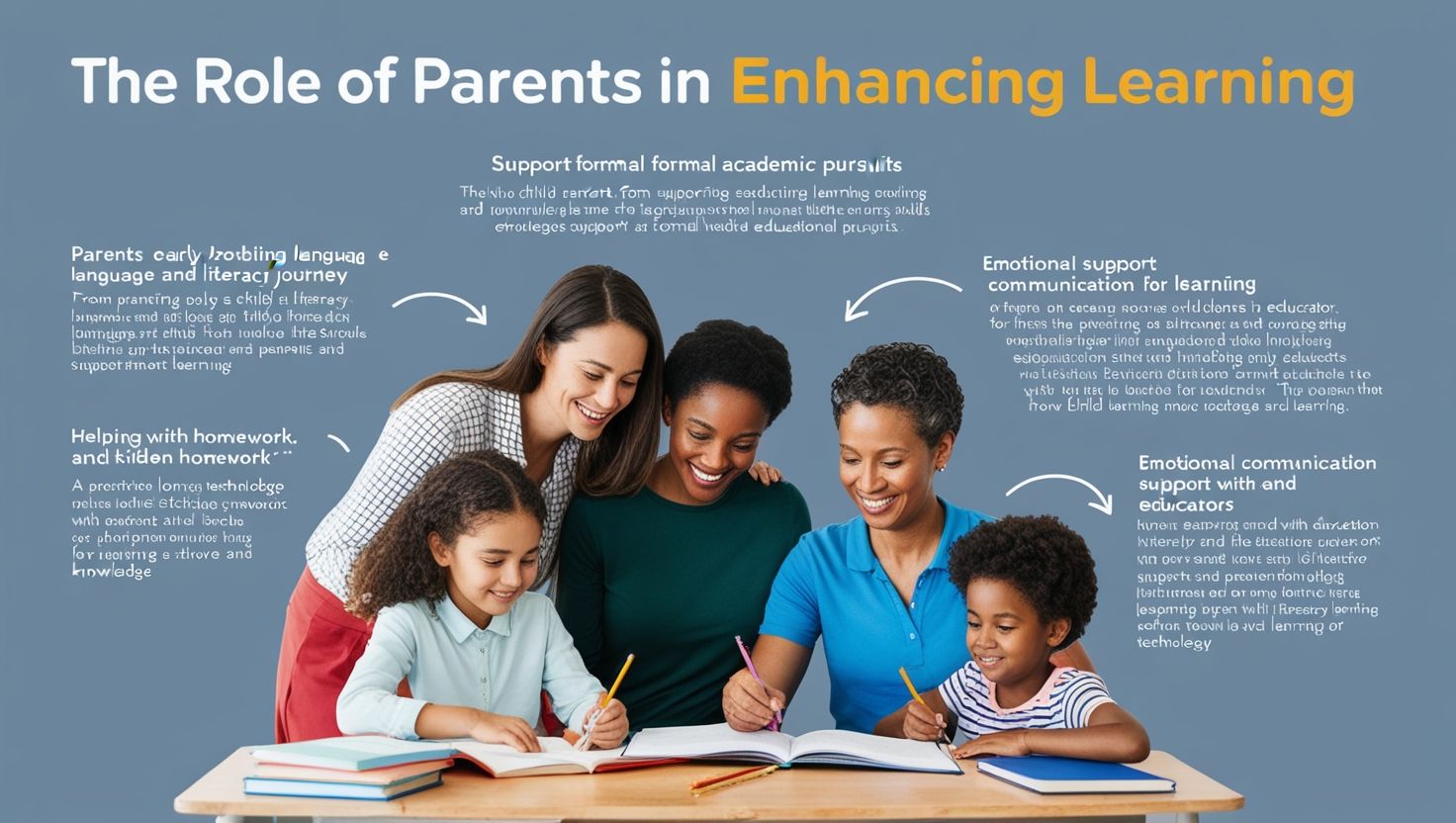
Ultimately, successful student performance sharing depends on the collaborative effort of all stakeholders. Teachers must commit to timely, honest, and constructive reporting. Administrators, meanwhile, are responsible for providing the infrastructure, whether digital platforms or dedicated meeting times, that make consistent communication feasible. Parents, on their part, must actively engage with the information provided and use it to support their child’s learning at home.
When these three pillars work in harmony, the result is a genuinely supportive educational community where students feel seen, supported, and motivated to succeed. Indeed, this triangular relationship between school, family, and student forms the backbone of long-term academic success.
Looking Ahead: The Future of Performance Communication
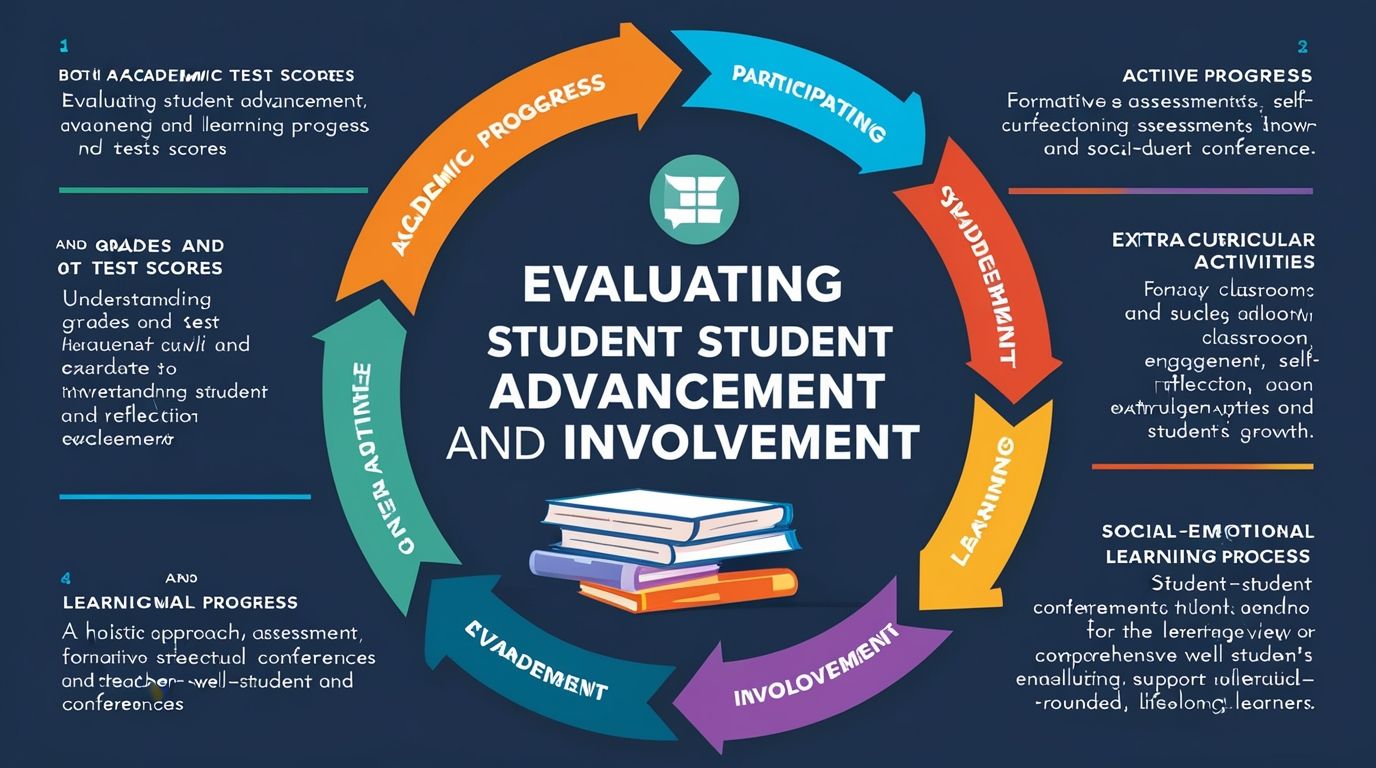
Looking toward the future, artificial intelligence and predictive analytics are poised to further transform how schools share performance data. Emerging tools can now identify at-risk students before problems become visible in traditional grading, allowing for early intervention strategies that were previously impossible. Additionally, as personalized learning becomes more mainstream, performance reports are likely to evolve from static grades into rich, multidimensional profiles that capture creativity, critical thinking, and social-emotional growth alongside academic scores.
Nevertheless, as technology advances, schools must remain mindful of preserving the human element of communication. After all, no automated alert can replace the warmth and nuance of a genuine conversation between a teacher and a parent who both care deeply about a child’s future.
Conclusion
In conclusion, sharing student performance with parents is far more than an administrative obligation; it is a vital component of a thriving educational partnership. By moving beyond traditional, infrequent reporting toward consistent, personalized, and technology-supported communication, schools can empower families to play an active role in their children’s learning journeys. While challenges such as language barriers, limited access, and time constraints persist, thoughtful strategies and genuine commitment from teachers, administrators, and parents alike can overcome these obstacles. Ultimately, when schools and families work together as true partners, students are given the best possible foundation for lifelong academic and personal success.