Introduction
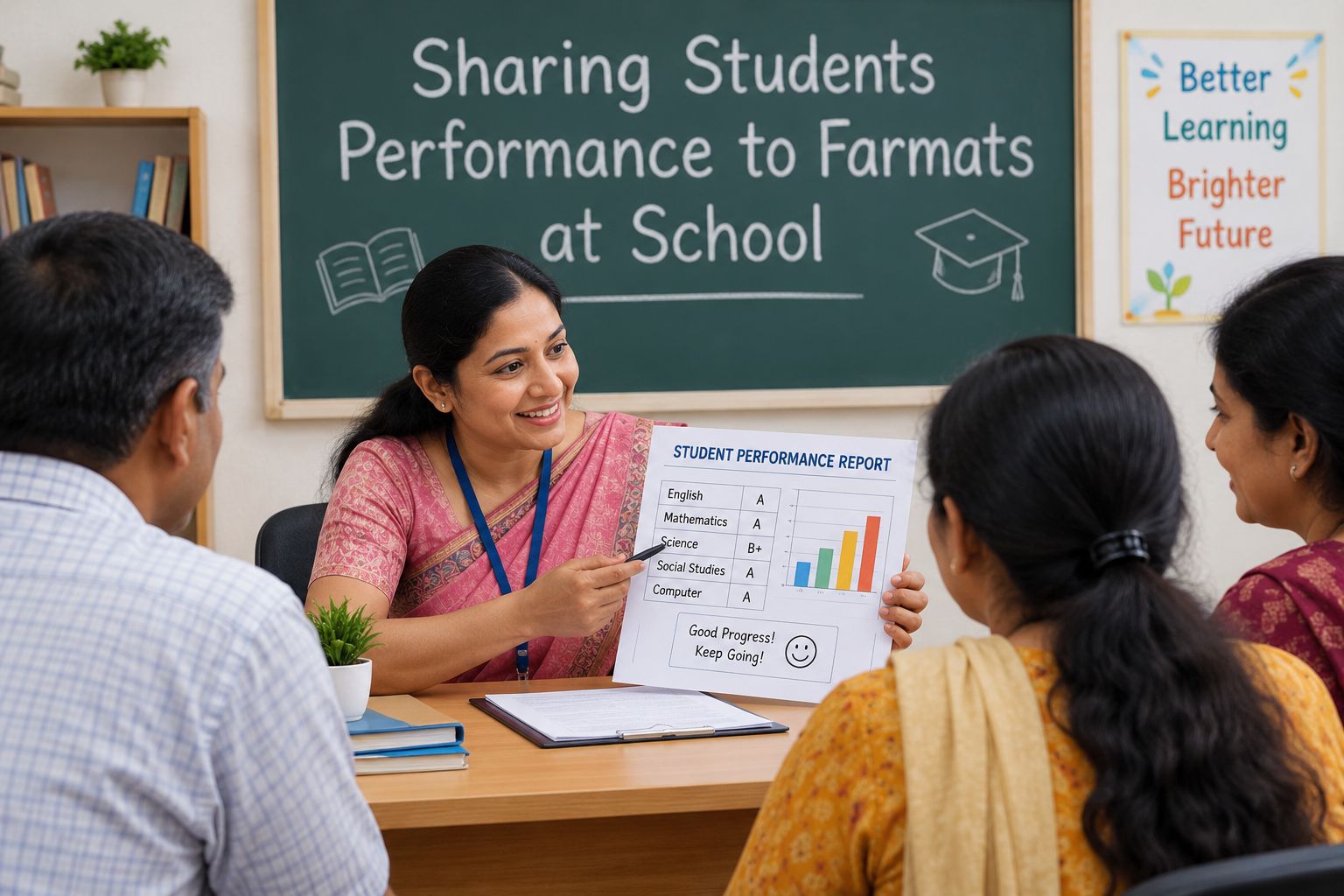
Sharing Student Activities With Parents at School, Student performance tracking has become one of the most discussed topics in modern education. Furthermore, as schools shift toward data-driven decision-making, the question of how best to communicate a child’s academic progress to families has taken center stage. Consequently, parent-teacher communication is no longer viewed as an optional courtesy; instead, it is recognized as a core pillar of student success. In addition, research consistently shows that when parental involvement increases, academic outcomes improve significantly. Therefore, this article explores the methods, benefits, challenges, and best practices associated with sharing student activities with parents at school, while also examining how technology is reshaping this essential process.
As a result, educators, administrators, and policymakers alike are searching for effective communication strategies that bridge the gap between the classroom and the home. Moreover, this guide is structured to walk through the history, current practices, digital tools, and future outlook of school-to-parent reporting systems, so that readers gain a thorough, evidence-based understanding of the subject.
Why Sharing Student Activities With Parents Matters
To begin with, academic transparency builds trust between schools and families. When parents clearly understand how their children are performing, they are better equipped to provide support at home. Additionally, early intervention becomes possible only when performance data is shared promptly; otherwise, learning gaps can widen unnoticed for months.
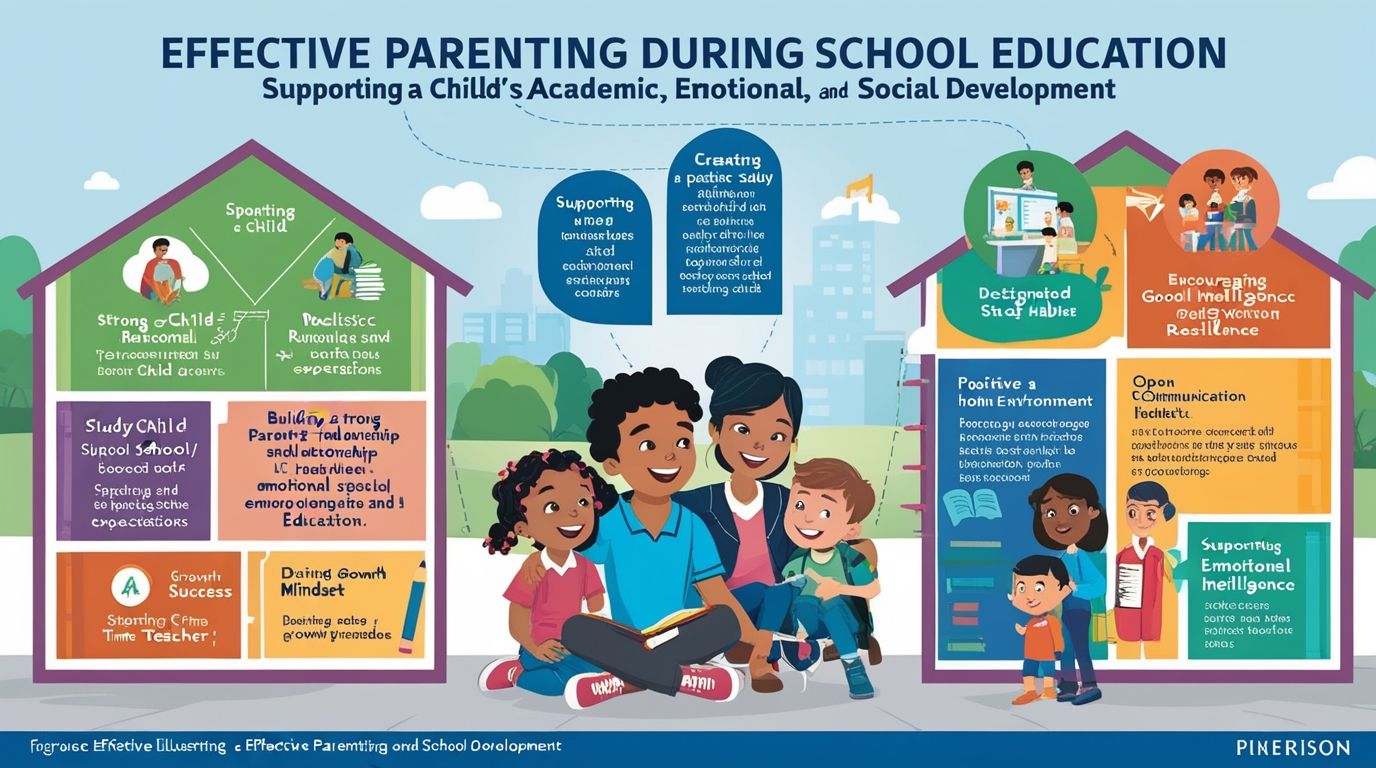
Furthermore, studies in educational psychology suggest that consistent feedback loops between teachers and parents lead to higher levels of student motivation. In other words, when a child knows that both the school and the family are paying attention to their progress, they tend to feel more accountable. Similarly, behavioral outcomes often improve when parents are kept informed, since consistent messaging from both environments reinforces positive habits.
On the other hand, when performance data is withheld or communicated poorly, several problems can arise. For instance, parents may feel disconnected from the educational process, and as a consequence, they may be less likely to support homework routines or attend school events. Hence, effective performance sharing is not just a bureaucratic requirement; it is a relationship-building tool that directly influences a child’s educational journey.
Traditional Methods of Sharing Student Activities
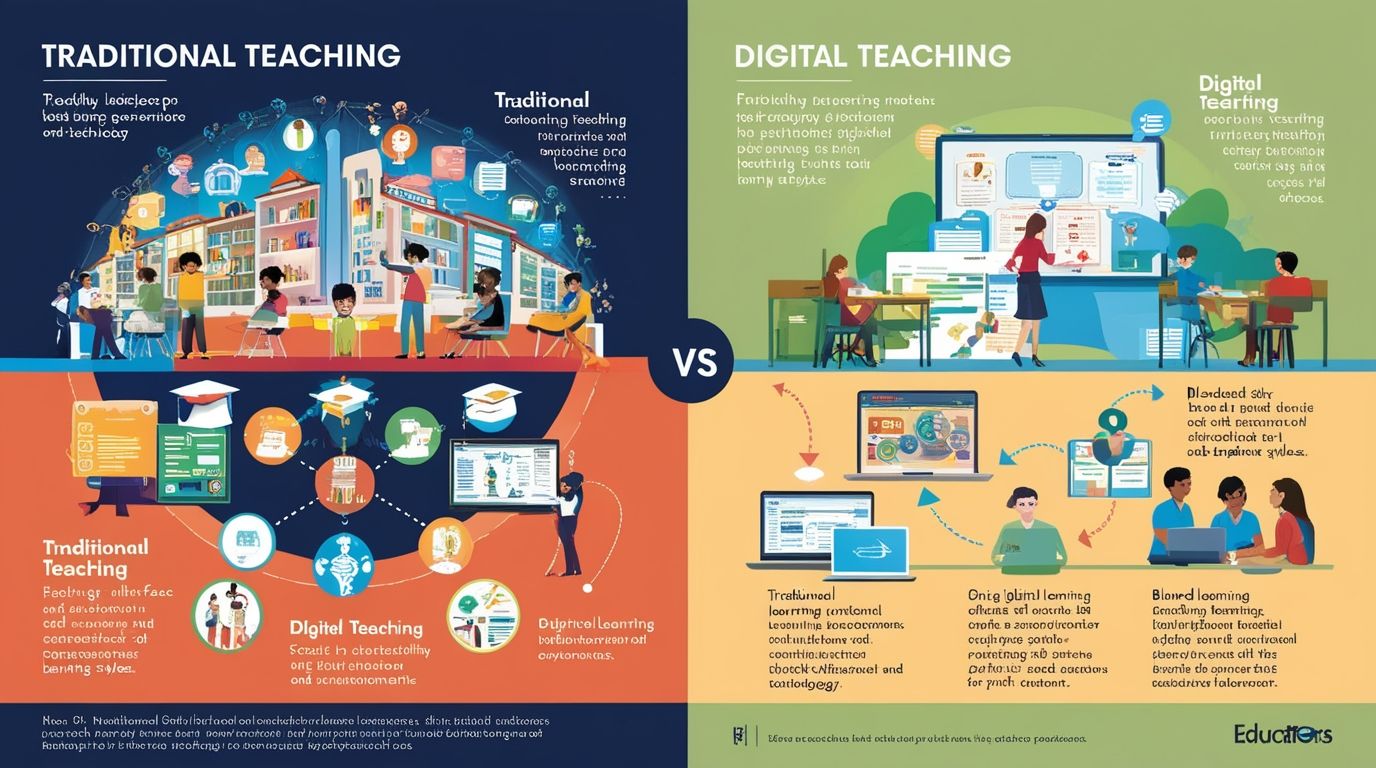
Historically, schools have relied on a handful of traditional approaches to keep parents informed. Below are the most common methods that have been used for decades.
1. Report Cards
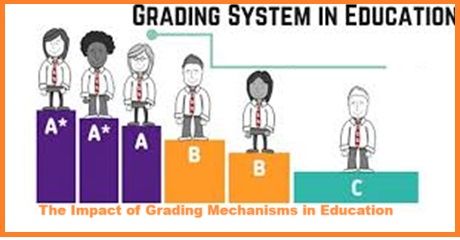
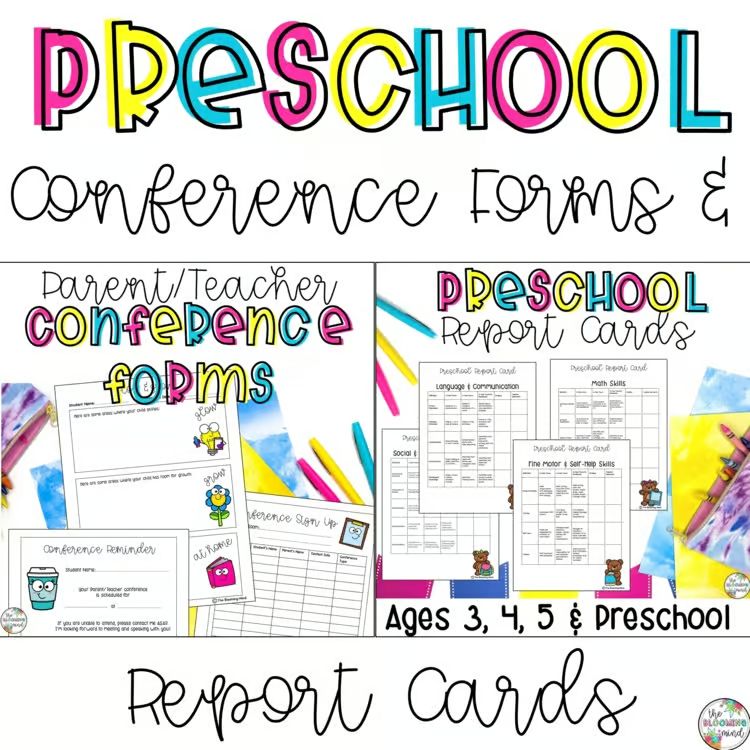
Firstly, the report card remains the most recognizable tool for communicating academic performance. Typically issued quarterly or at the end of a semester, report cards summarize grades across subjects. However, because they are issued infrequently, they often fail to capture real-time progress. As a result, parents may only learn about a struggling subject after significant time has already passed.
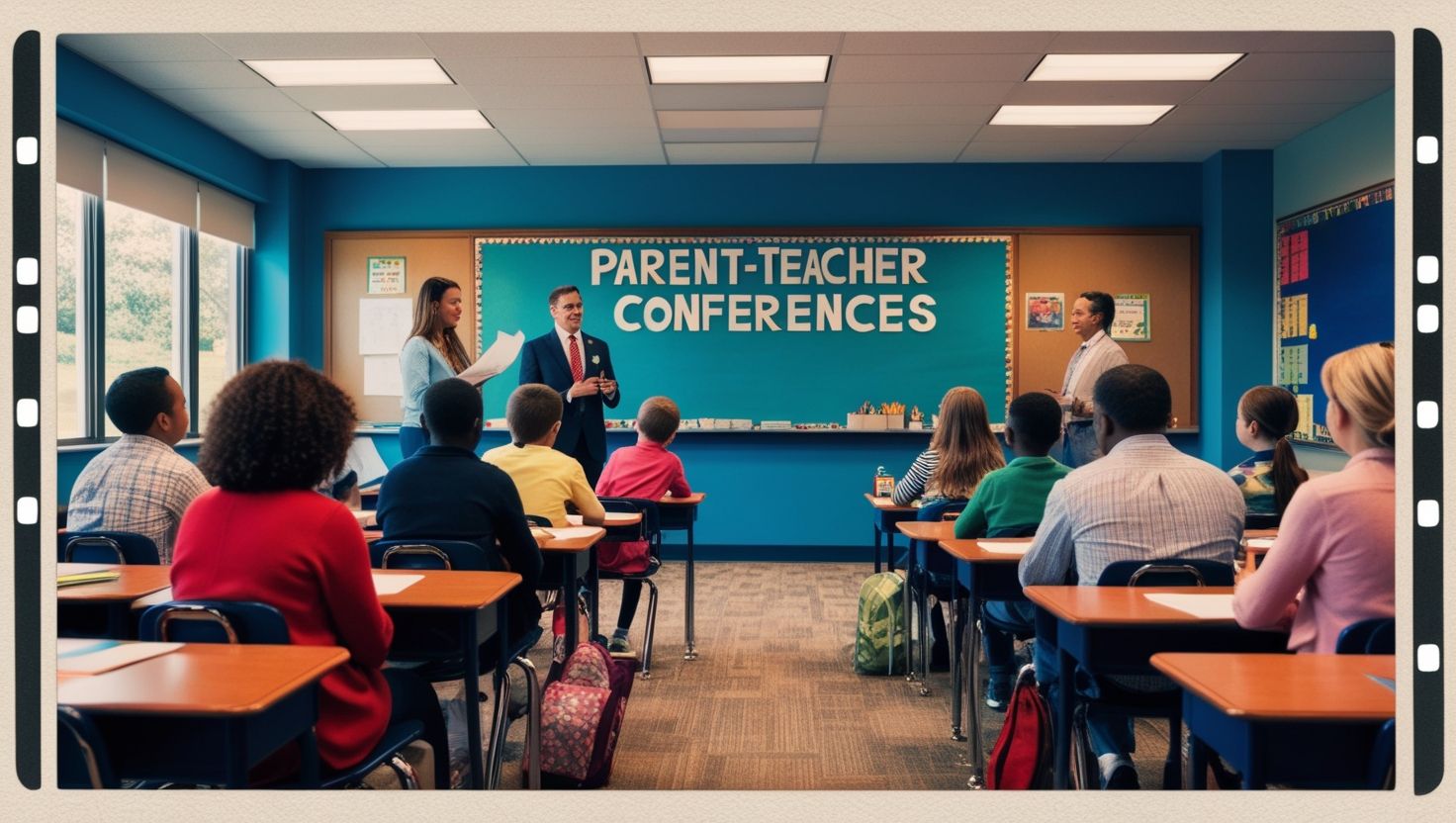
2. Parent-Teacher Conferences
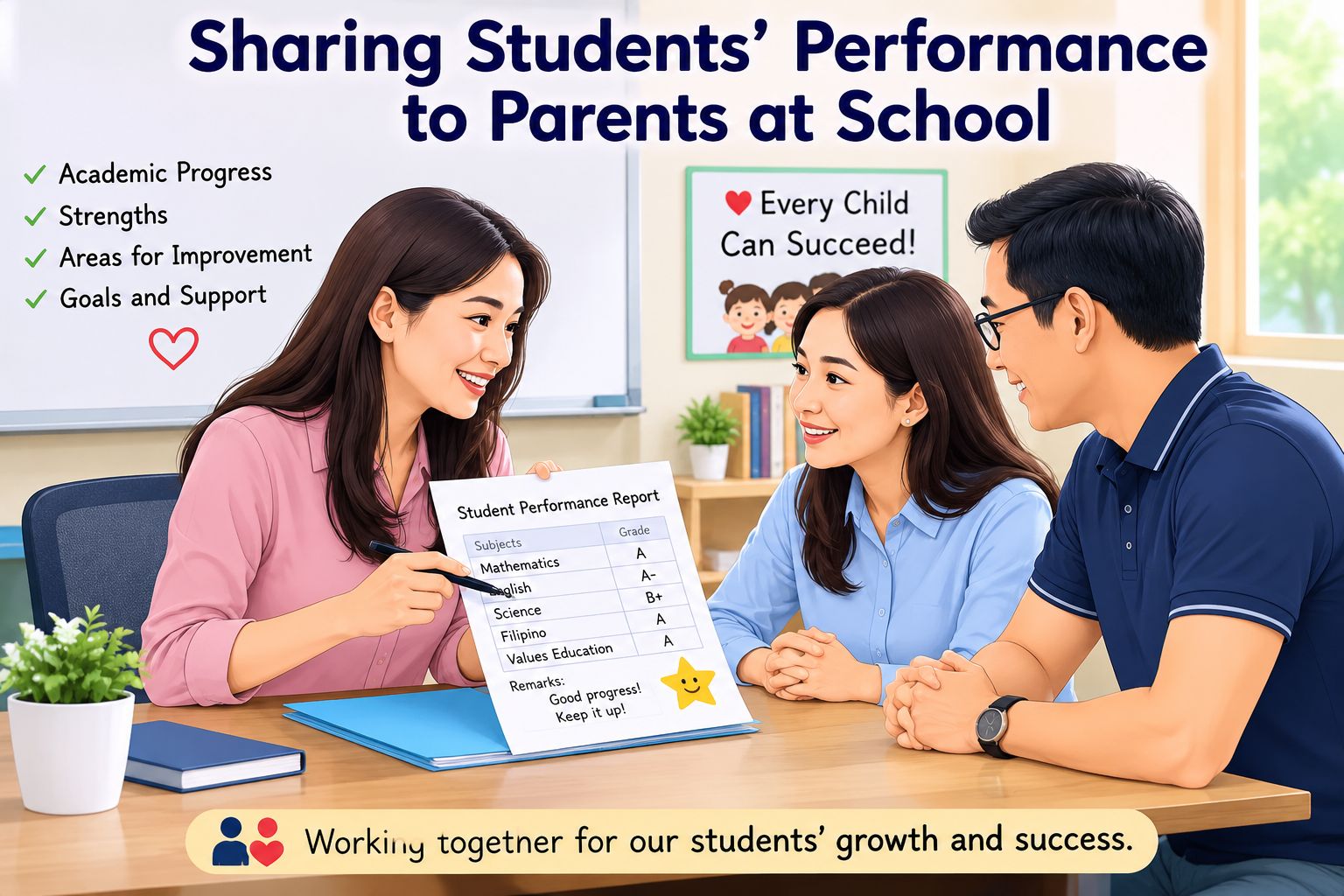
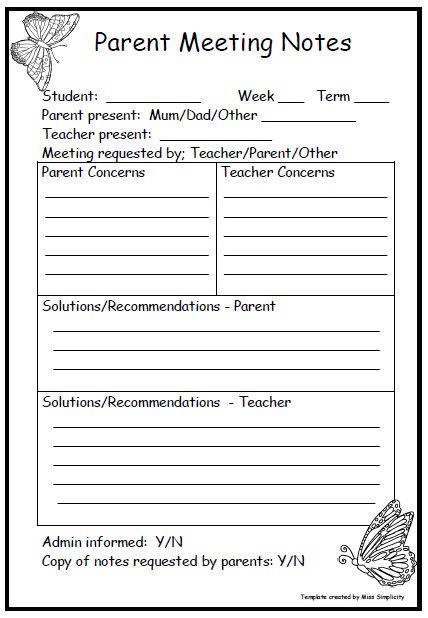
Secondly, parent-teacher meetings provide a face-to-face opportunity for discussion. During these sessions, teachers can explain nuances that a simple grade cannot capture, such as classroom behavior, participation, and social development. Nevertheless, these meetings are usually scheduled only once or twice a year, which limits their effectiveness as an ongoing communication channel.
3. Progress Notes and Letters
Thirdly, many schools send home progress notes, especially when a student is falling behind. Although this method allows for timely intervention, it can sometimes carry a negative connotation, since parents may only receive notes when there is a problem rather than when there is praise-worthy progress.
4. Phone Calls and Emails
Additionally, direct communication through phone calls or emails allows for more personalized updates. Nonetheless, this method can be time-consuming for teachers who manage large class sizes, and consequently, it is not always sustainable as a primary reporting tool.
Modern Digital Approaches to Performance Sharing
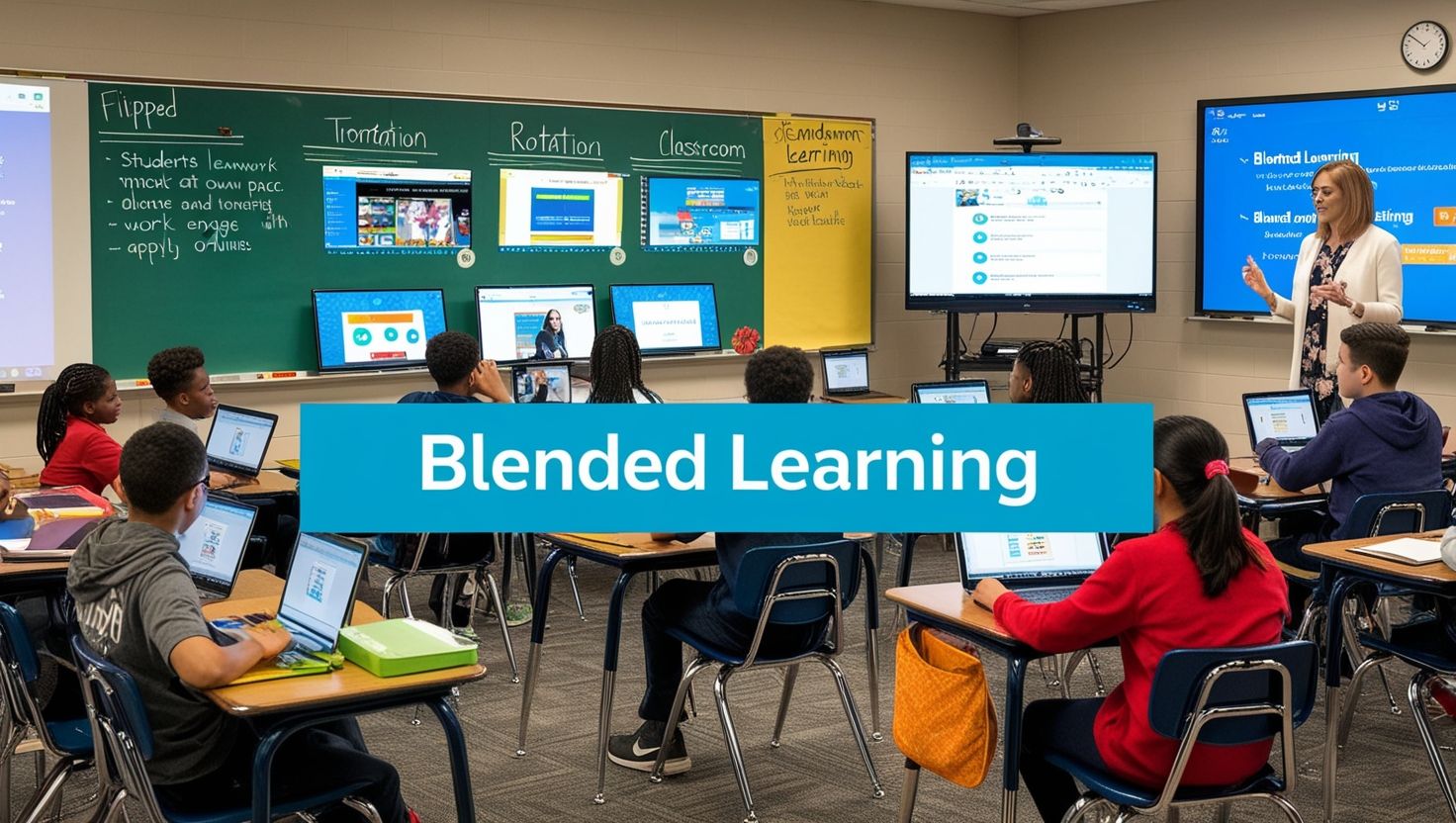
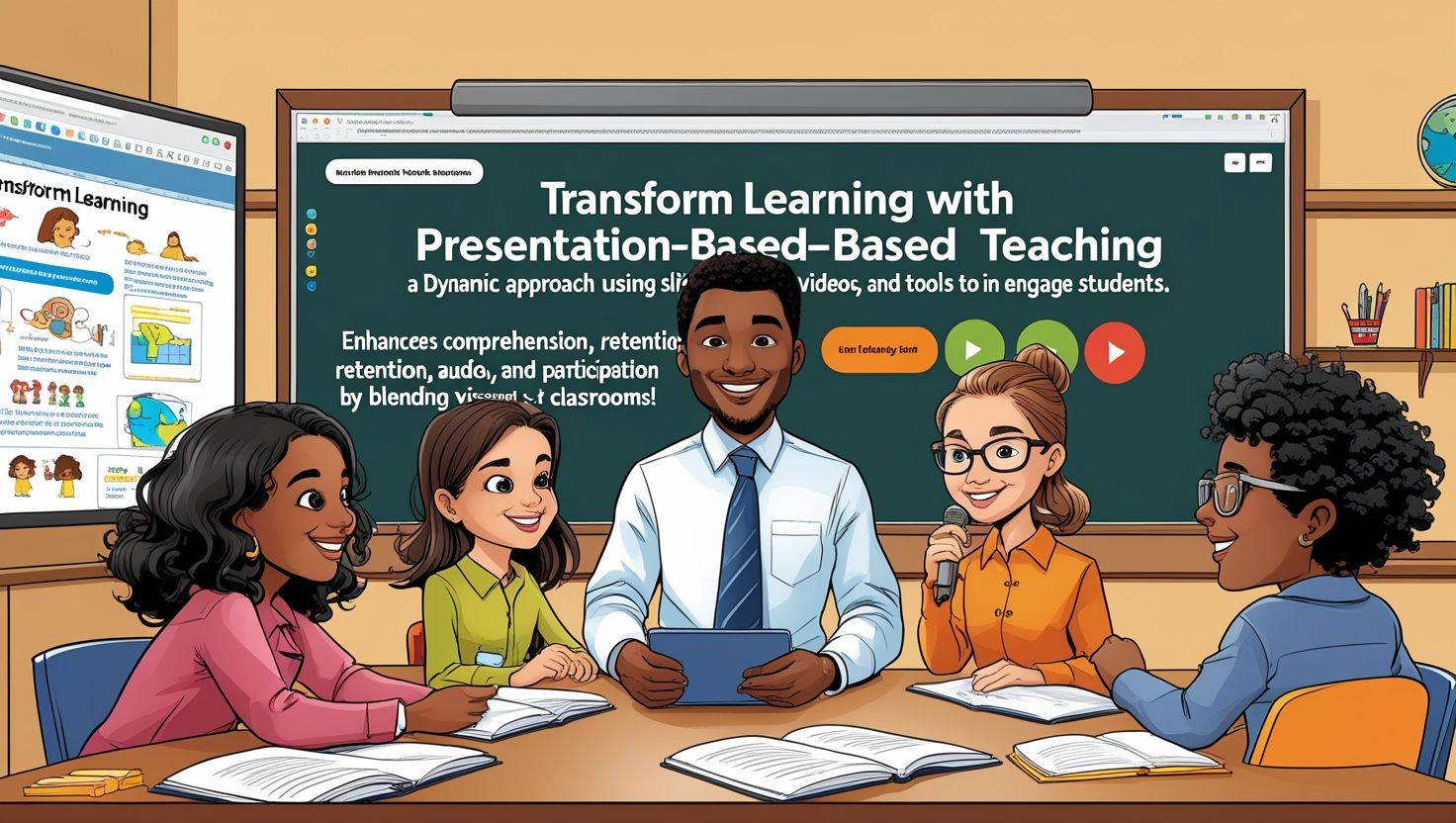
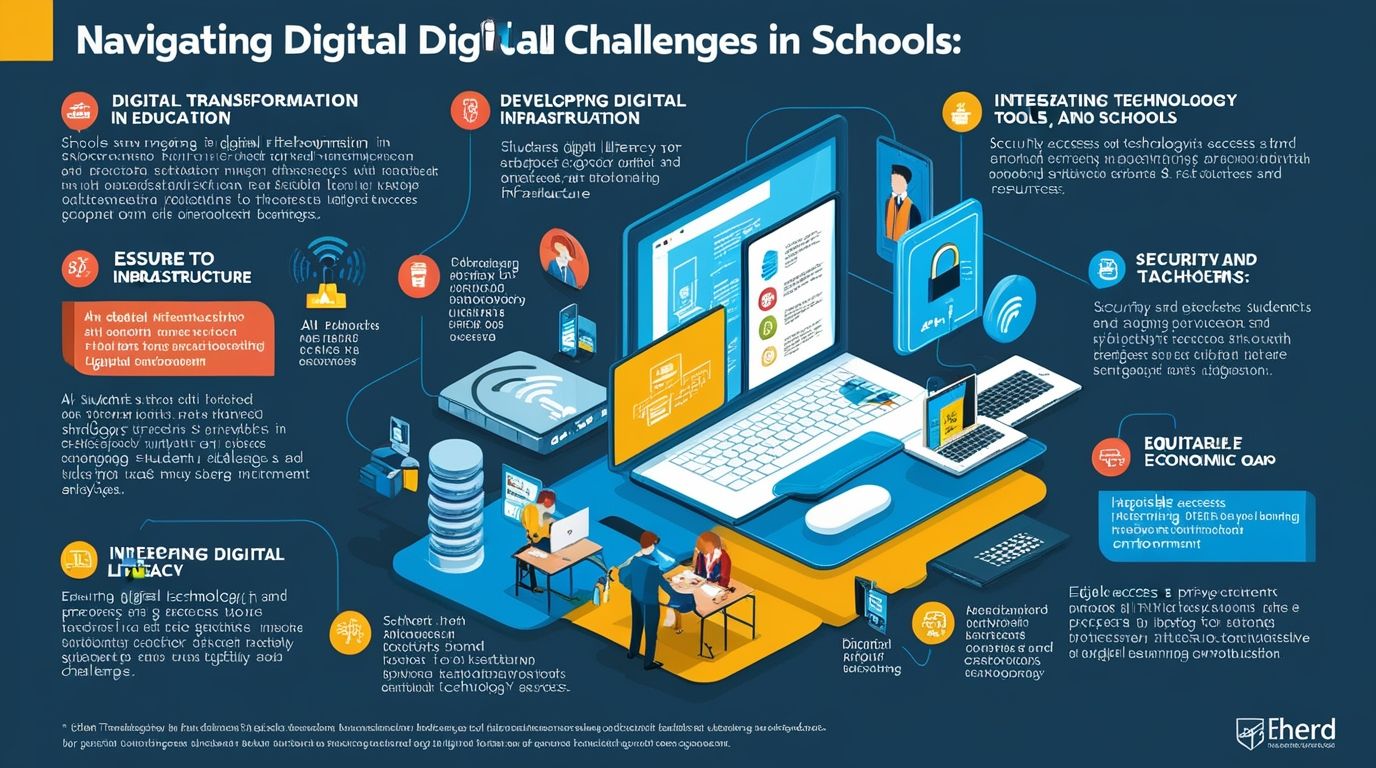
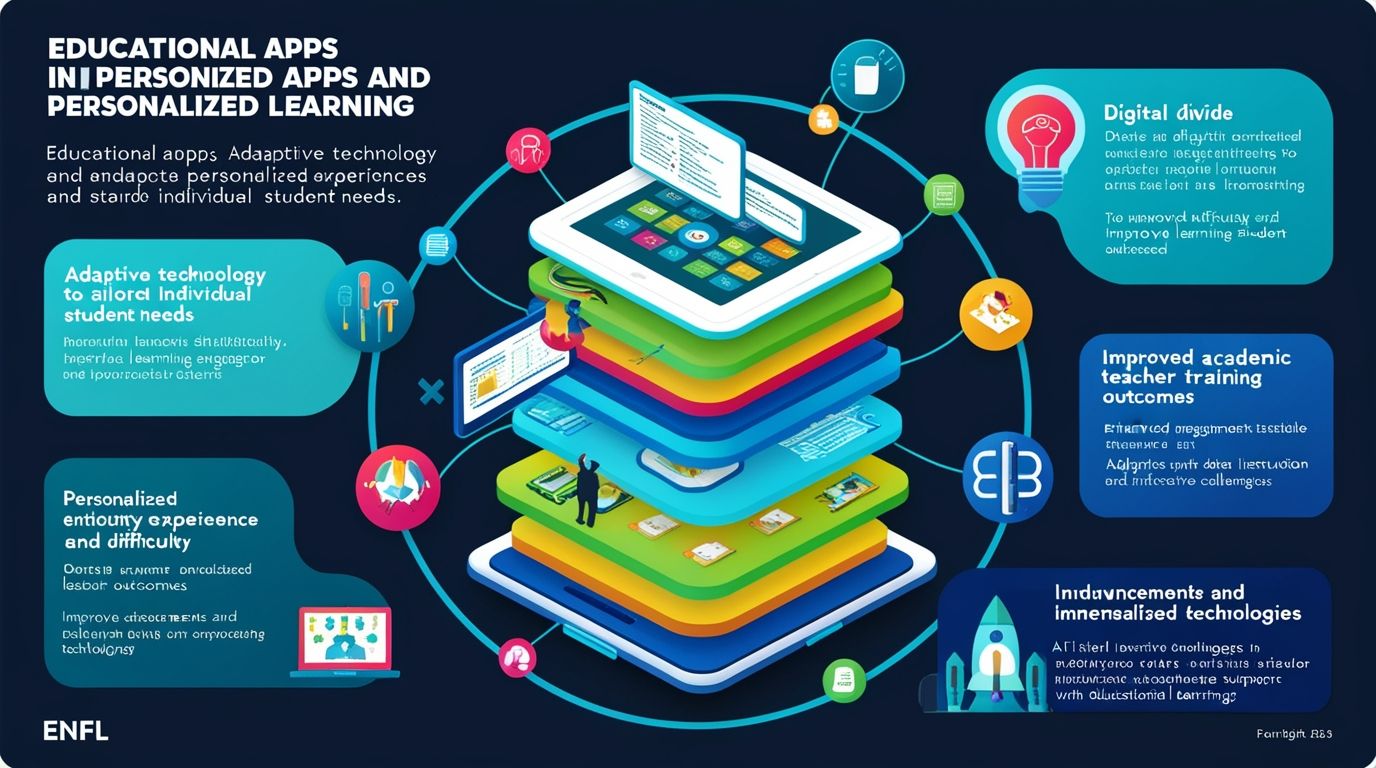
In contrast to traditional methods, digital learning platforms have transformed how schools share student performance with parents. Nowadays, many institutions use dedicated school management systems that offer real-time dashboards, instant grade uploads, and automated notifications.
Learning Management Systems (LMS)
To illustrate, platforms provide centralized portals where parents can log in and view grades, attendance, assignments, and teacher comments at any time. As a result, families no longer have to wait for scheduled meetings to understand how their child is doing. Instead, they gain continuous visibility, which fosters a much stronger sense of involvement.
Mobile Applications
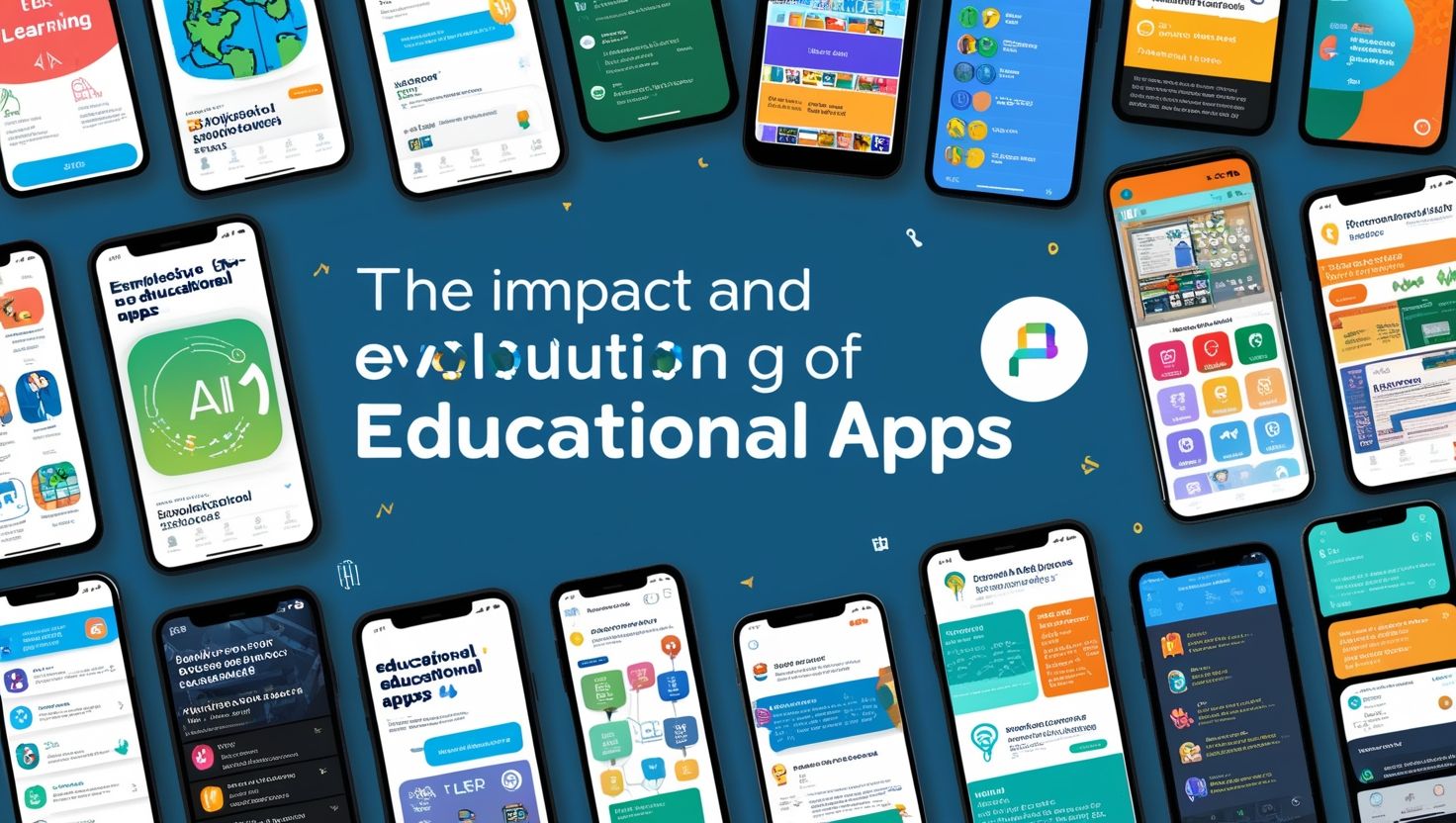
Similarly, mobile apps designed specifically for parent-school communication have surged in popularity. These apps often include push notifications, so that parents are alerted the moment a new grade or comment is posted. Consequently, response times improve, and issues can be addressed almost immediately.
Data Dashboards and Analytics
Moreover, performance dashboards now use visual analytics, such as graphs and trend lines, to show a student’s academic trajectory over time. Because visual data is easier to interpret than raw numbers, parents without an educational background can quickly grasp whether their child is improving, stagnating, or declining in a particular subject.
Automated Messaging Systems
In addition, automated systems can send personalized updates based on specific triggers, such as a missed assignment or a drop in grades. Therefore, teachers save time while still maintaining a high level of communication with families.
Benefits of Effective Performance Sharing
Given the tools available today, it is worth examining the tangible benefits that come from robust student performance sharing systems.
- Improved Academic Outcomes: When parents are consistently informed, they can reinforce learning objectives at home, which often leads to measurable improvements in grades.
- Stronger Parent-School Relationships: Regular communication builds mutual trust and reduces misunderstandings between families and educators.
- Early Problem Detection: Real-time data allows teachers and parents to identify struggling students before issues escalate into larger academic setbacks.
- Increased Accountability: Students often perform better academically when they know their performance is visible to both teachers and parents.
- Enhanced Parental Engagement: Easy access to performance data encourages parents to participate more actively in school events, meetings, and decision-making processes.
Consequently, schools that invest in strong communication infrastructure tend to see higher levels of overall student achievement, as supported by numerous educational studies.
Challenges in Sharing Student Performance With Parents
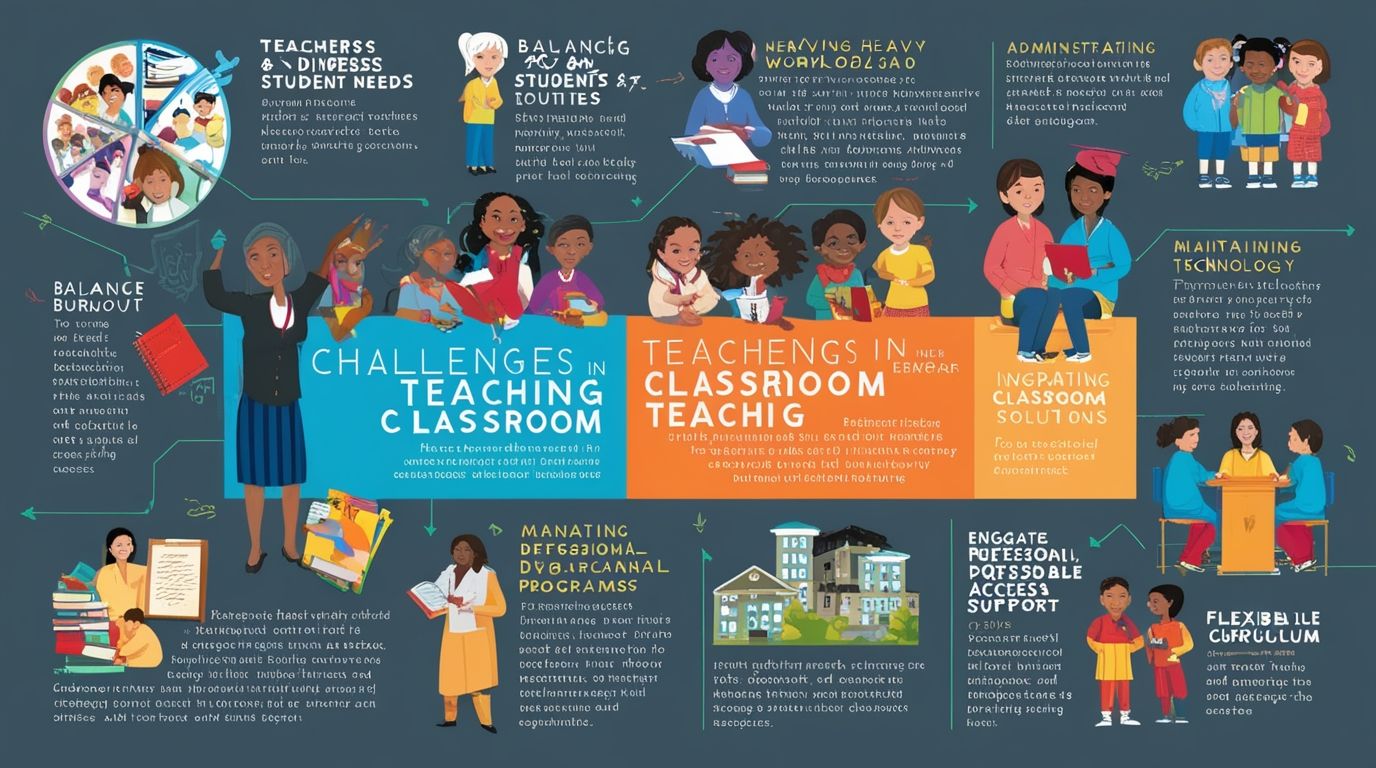
Despite these advantages, several challenges continue to hinder effective performance communication between schools and families.
1. Digital Divide
First and foremost, not all families have equal access to smartphones, computers, or reliable internet connections. As a result, digital reporting tools can inadvertently widen the gap between families who are tech-savvy and those who are not.
2. Language and Cultural Barriers
Furthermore, in diverse communities, language differences can prevent parents from fully understanding performance reports. Therefore, schools must consider offering multilingual communication options to ensure equitable access to information.
3. Data Privacy Concerns
Additionally, as more schools adopt digital platforms, concerns about student data privacy have grown. Parents and educators alike must be assured that sensitive academic information is protected from unauthorized access or misuse.
4. Teacher Workload
Moreover, teachers already manage demanding workloads, and adding consistent performance reporting can feel like an additional burden. Consequently, schools must find a balance between thorough communication and realistic time constraints for educators.
5. Parental Engagement Gaps
Finally, even when performance data is readily available, not all parents actively engage with it. In other words, providing access to information does not automatically guarantee that parents will use it effectively to support their children.
Best Practices for Schools
In light of these challenges, the following best practices can help schools implement effective student performance communication strategies.
- Use Multiple Channels: Since not every family prefers the same communication method, schools should offer a combination of digital platforms, printed reports, and in-person meetings.
- Provide Regular Updates: Instead of waiting for quarterly report cards, schools should aim for continuous, real-time updates whenever possible.
- Simplify the Data: Because not all parents are familiar with academic terminology, performance data should be presented in clear, visual, and easy-to-understand formats.
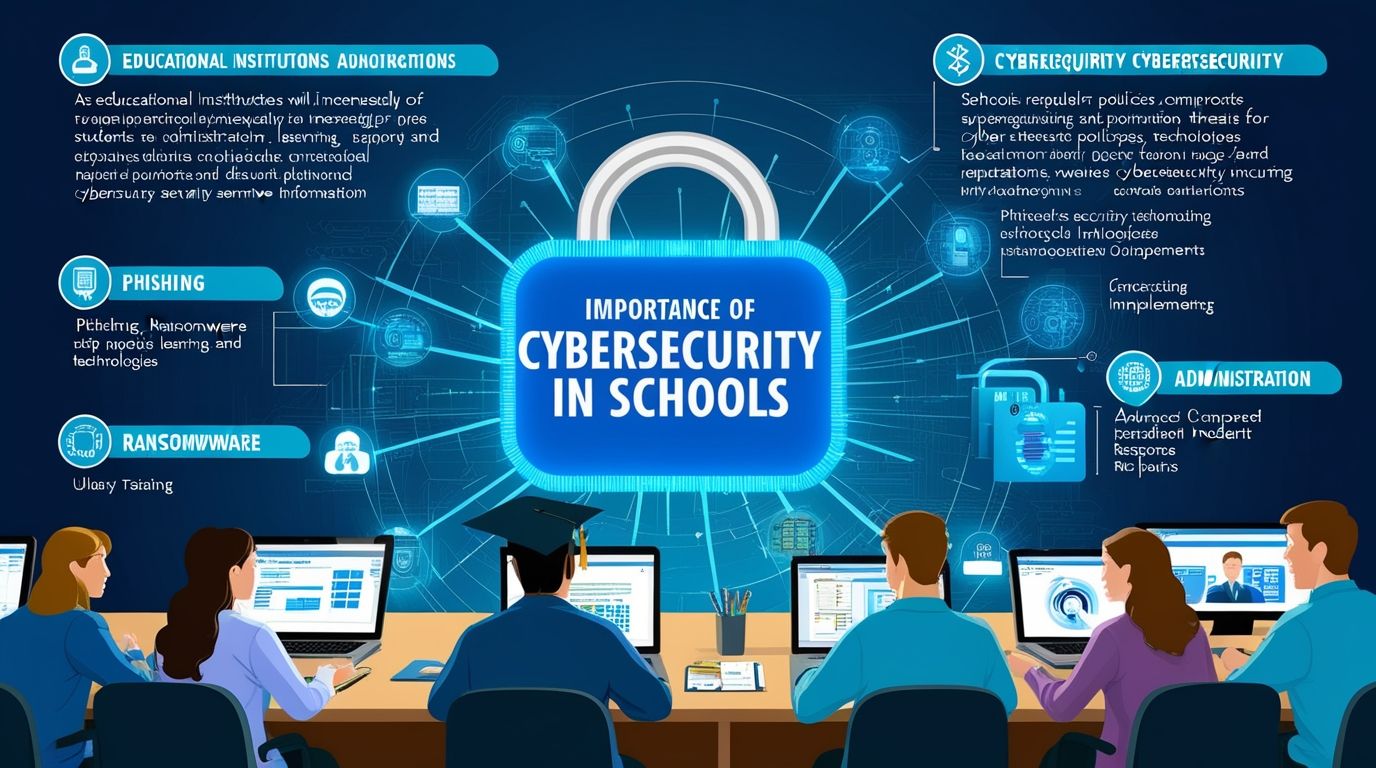
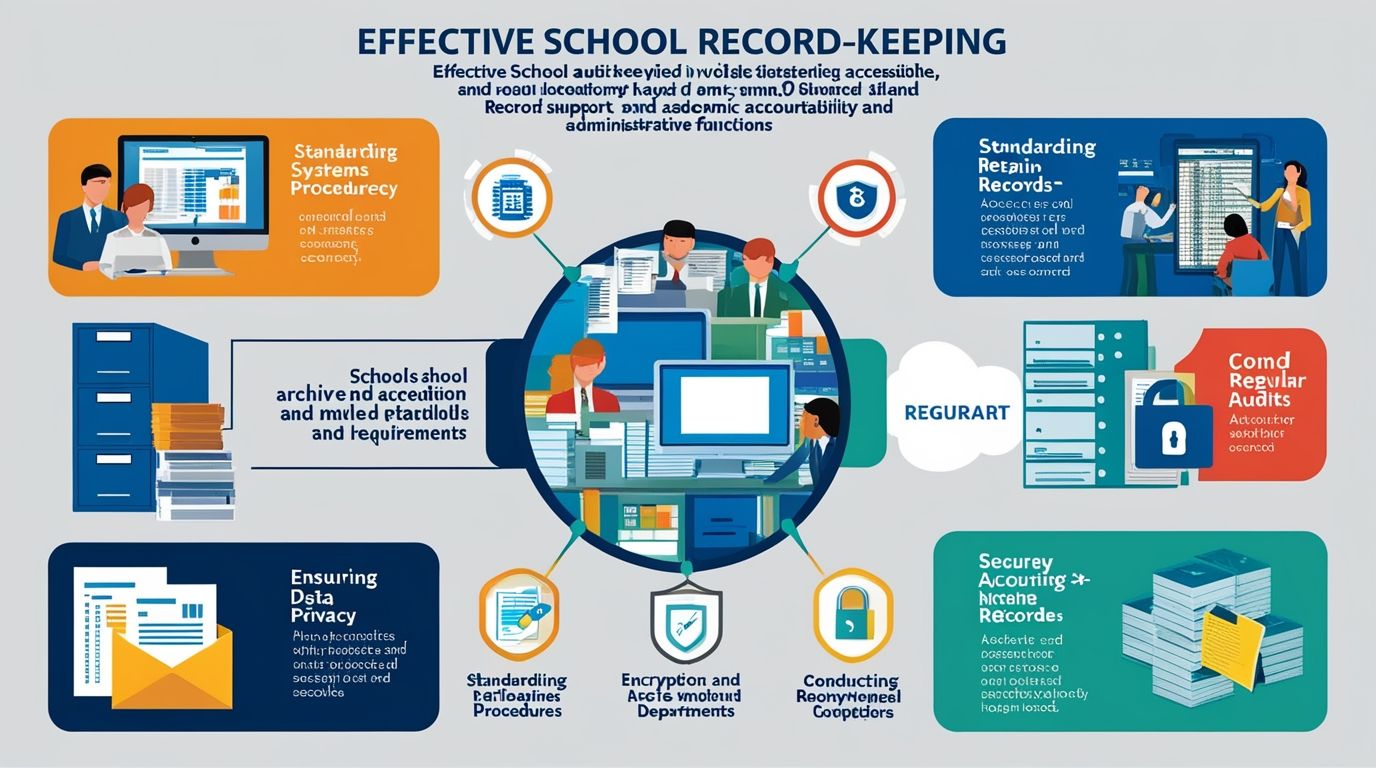
- Ensure Data Security: Schools must prioritize robust cybersecurity measures to protect sensitive student information from breaches.
- Offer Multilingual Support: To accommodate diverse communities, translation options should be built into communication platforms.
- Train Teachers on Communication Tools: Consequently, professional development programs should include training on how to effectively use digital reporting systems.
- Encourage Two-Way Communication: Rather than simply broadcasting information, schools should create channels where parents can respond, ask questions, and provide feedback.
The Role of Technology Going Forward
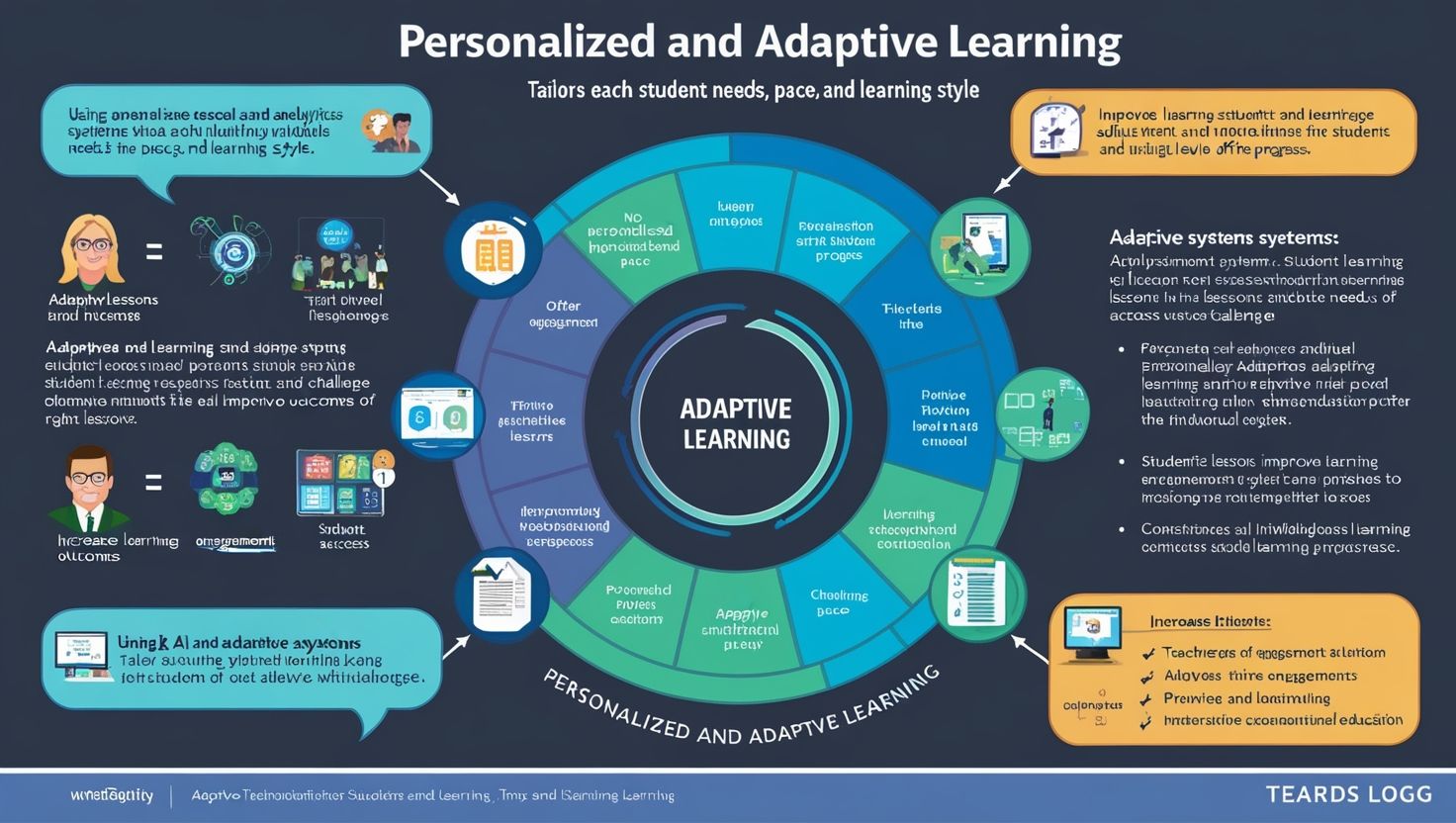
Looking ahead, artificial intelligence and predictive analytics are expected to play an increasingly significant role in how schools share performance data. For example, AI-powered systems can identify patterns in a student’s academic behavior and alert parents before a decline becomes severe. Similarly, personalized learning platforms may soon generate individualized reports that highlight specific strengths and weaknesses, rather than relying solely on generic grade summaries.
Additionally, as cloud-based education systems become more widespread, real-time collaboration between teachers, parents, and even students themselves is likely to become the norm. Therefore, the future of academic performance sharing points toward a more integrated, transparent, and responsive educational ecosystem.
Frequently Asked Questions
How often should schools share student performance with parents? Ideally, schools should aim for continuous updates through digital platforms, supplemented by formal reports each quarter. In this way, parents receive both real-time insight and a comprehensive summary at regular intervals.
What is the most effective communication method for busy parents? Generally, mobile applications with push notifications tend to work best, since they require minimal effort while still delivering timely information directly to a parent’s device.
How can schools protect student data while sharing performance information? Consequently, schools should implement encrypted platforms, restrict access through secure login credentials, and regularly audit their systems to ensure compliance with data protection regulations.
Does sharing performance data improve student behavior? Yes; research indicates that when students are aware that both teachers and parents monitor their progress, they typically demonstrate greater responsibility and improved classroom conduct.
Conclusion
In summary, sharing student performance with parents at school is a critical component of a successful educational system. From traditional report cards to modern digital dashboards, the methods used to communicate academic progress have evolved significantly over time. Nevertheless, the underlying goal remains the same: to keep families informed and engaged in their child’s learning journey.
Ultimately, schools that prioritize clear, consistent, and accessible communication tend to foster stronger relationships between educators and families, which in turn contributes to improved student outcomes. Therefore, as technology continues to advance, it is essential for schools to adopt strategies that are inclusive, secure, and responsive to the diverse needs of their student populations. By doing so, educational institutions can ensure that every family remains a true partner in the pursuit of academic excellence.
Suggested Visual Content
To complement this article for online publication, three illustrative images were curated during research and are recommended for placement as follows:
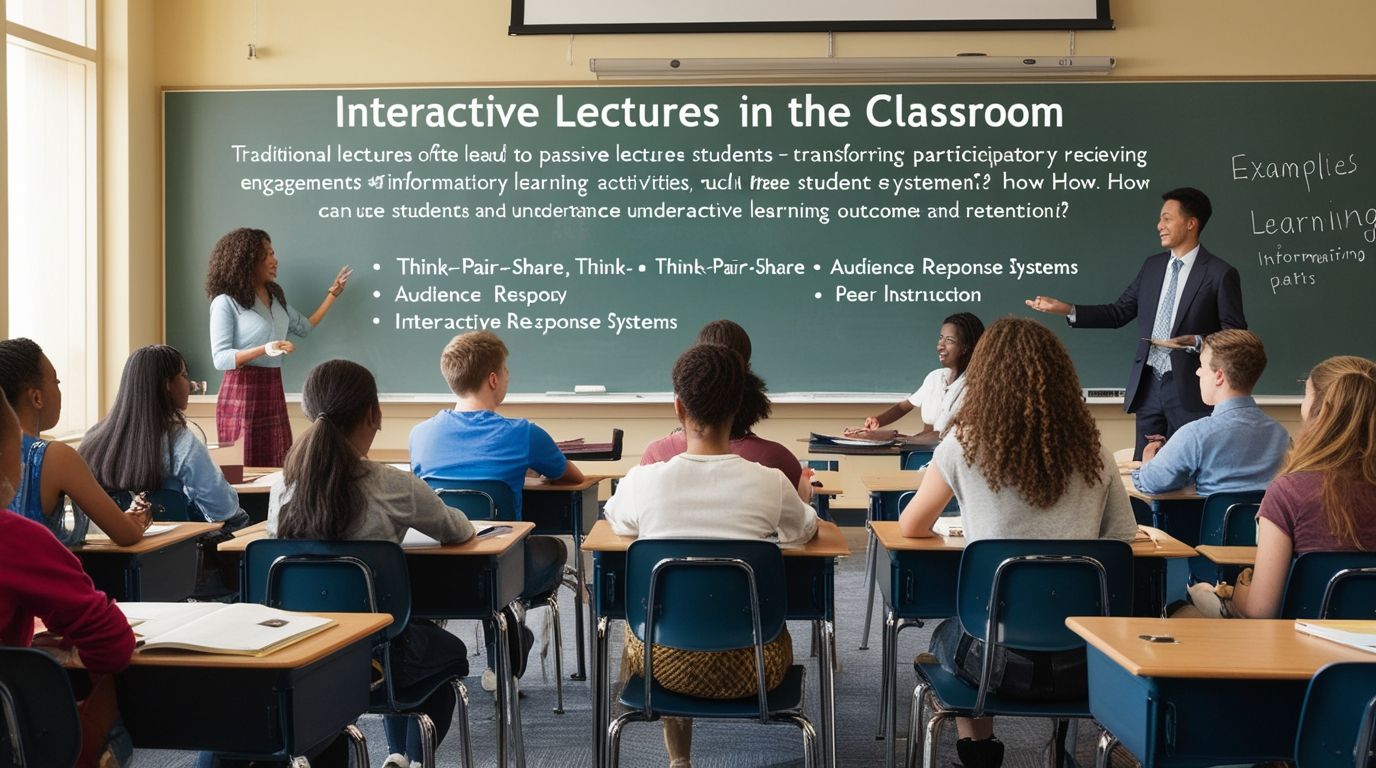
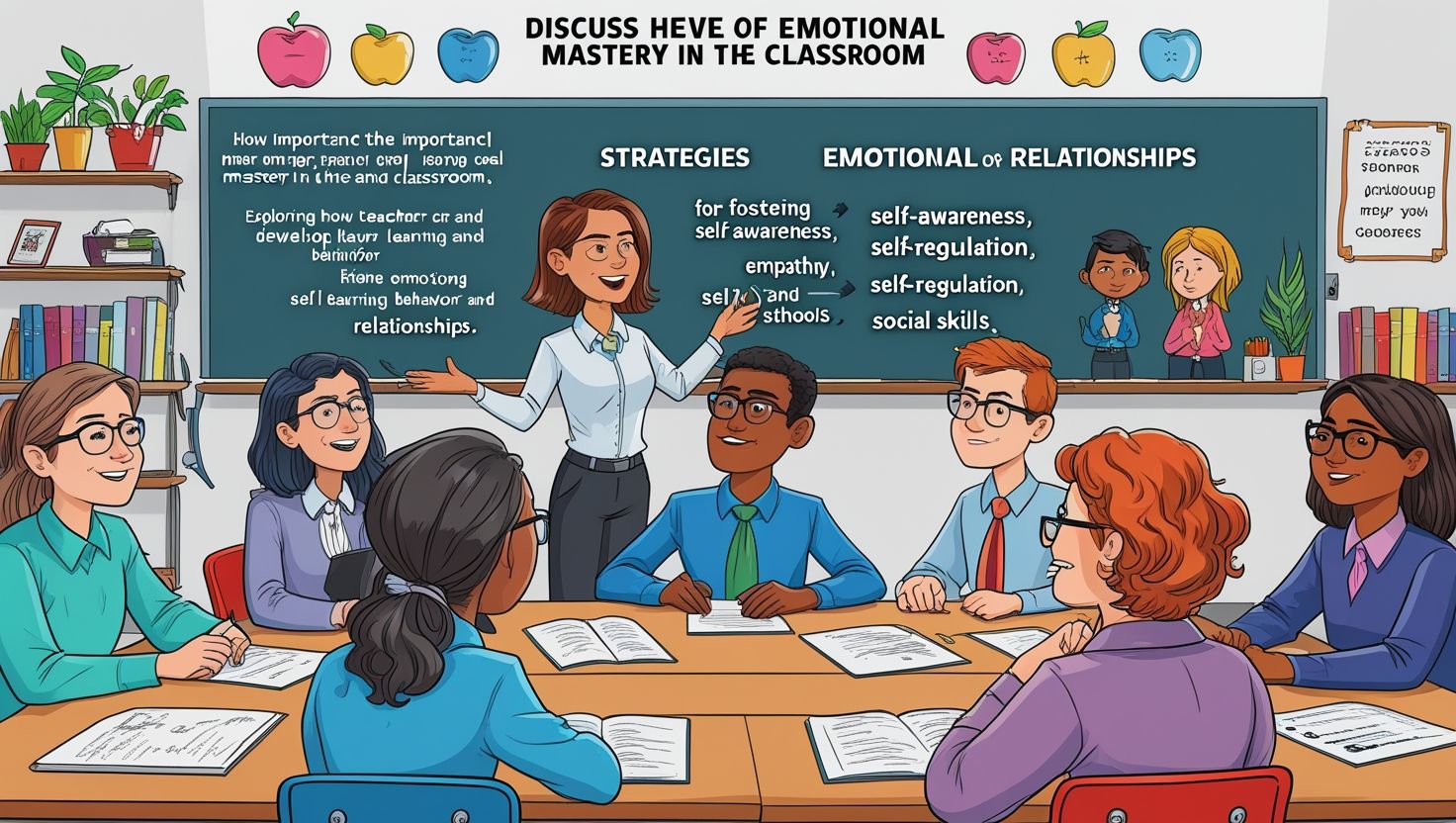
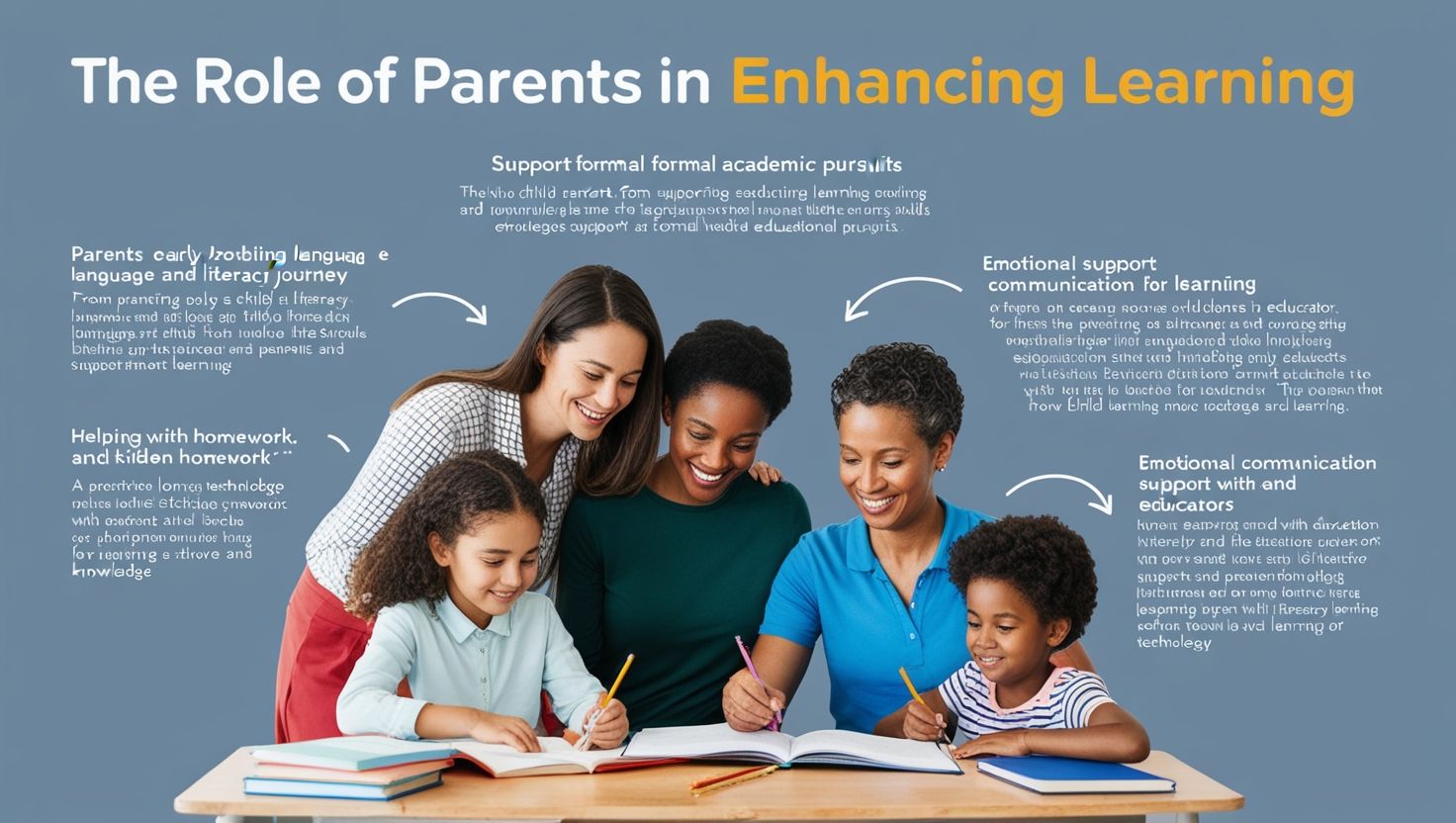
- Parent-Teacher Meeting Scene — placed near the “Traditional Methods” section to visually anchor the concept of face-to-face reporting.
- Digital Student Performance Dashboard — placed near the “Modern Digital Approaches” section to showcase real-time analytics tools.
- Parent and Child Reviewing a Progress Report Together — placed near the “Benefits” section to emphasize the emotional and collaborative aspect of performance sharing.