Introduction
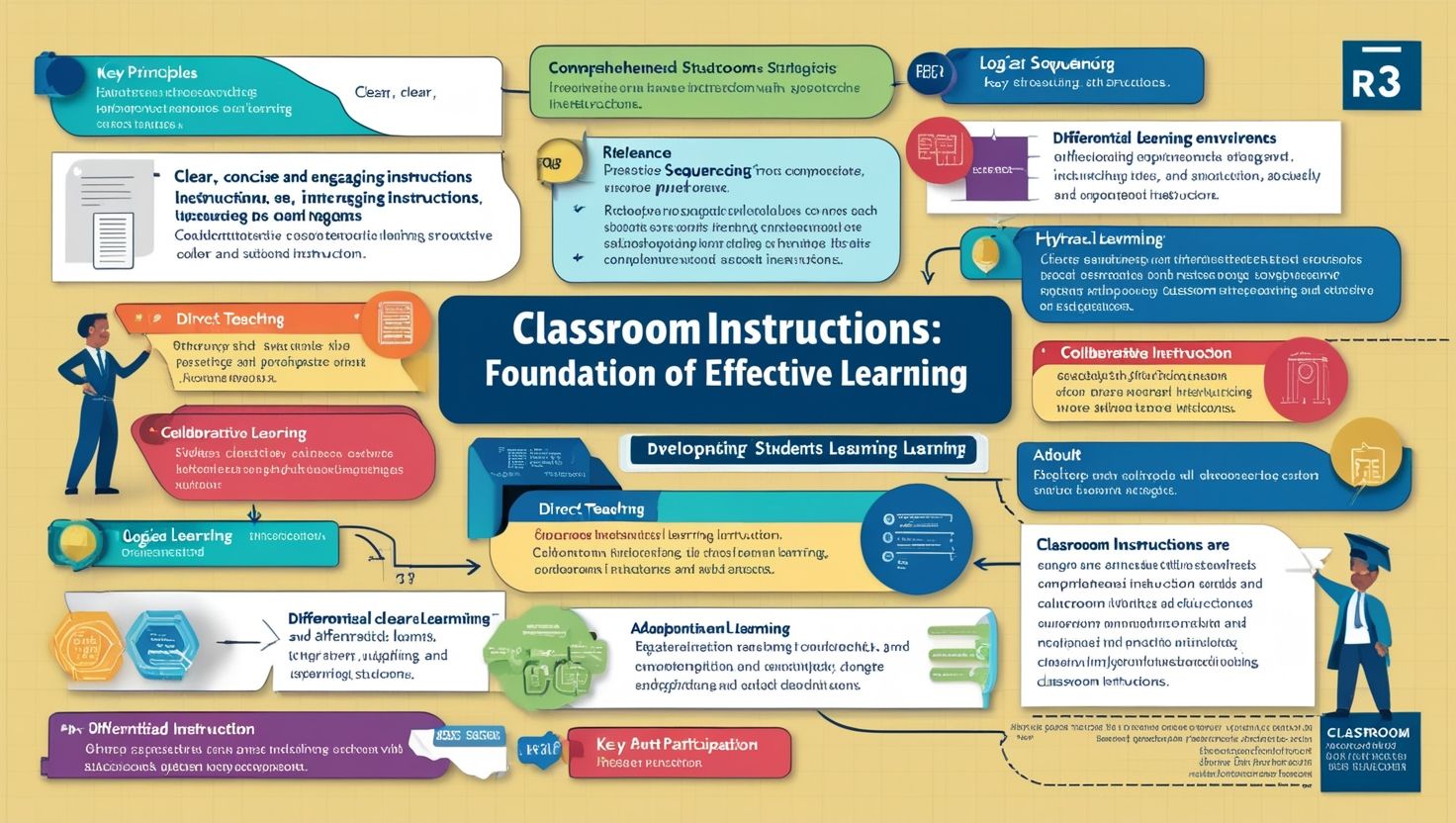
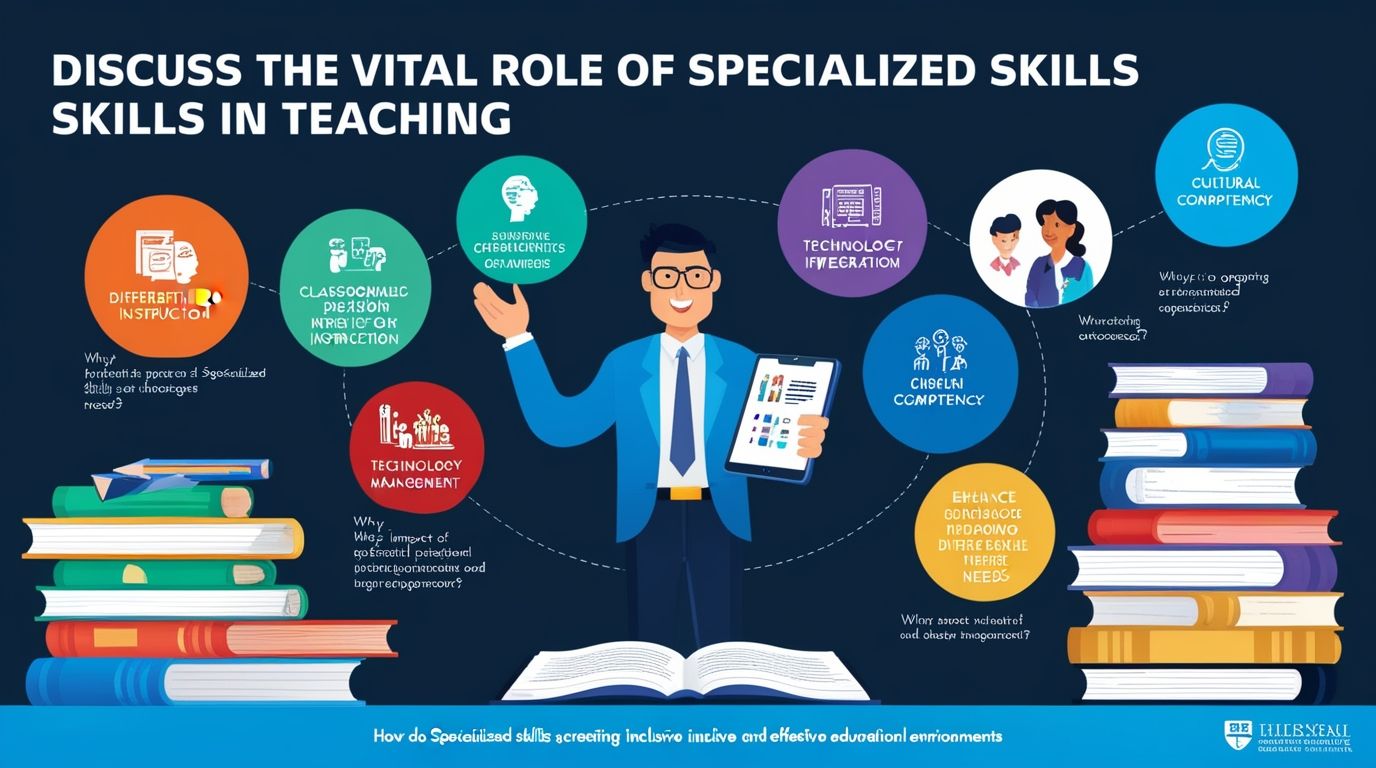
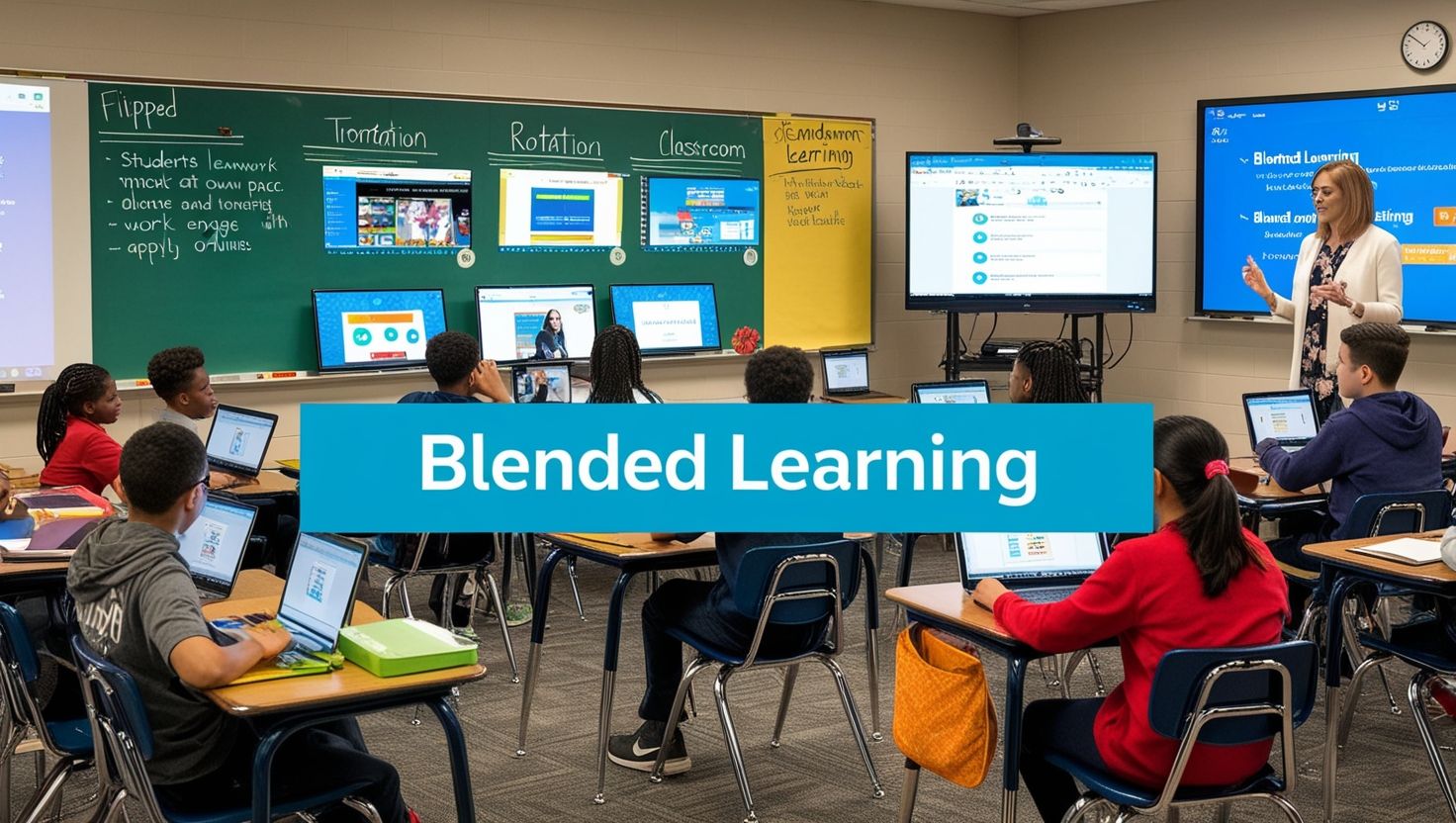
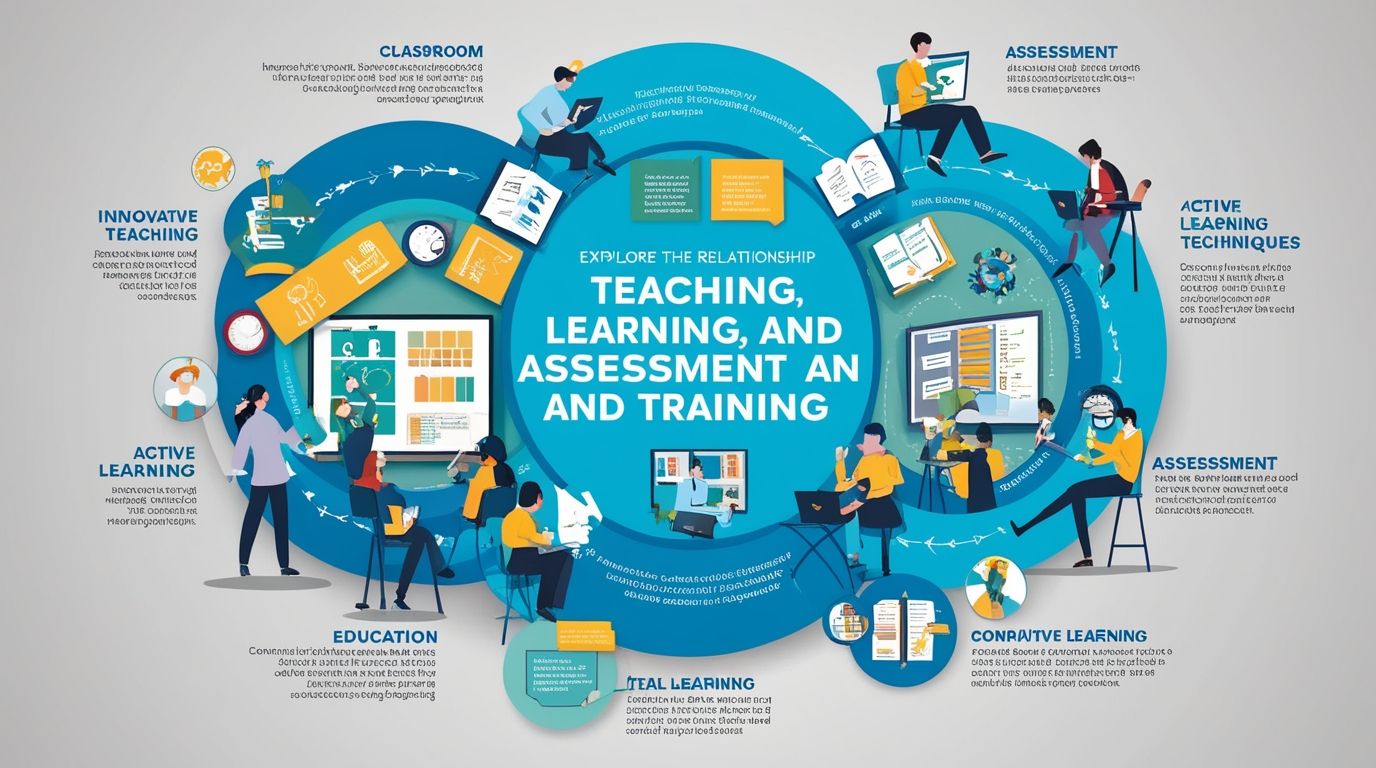
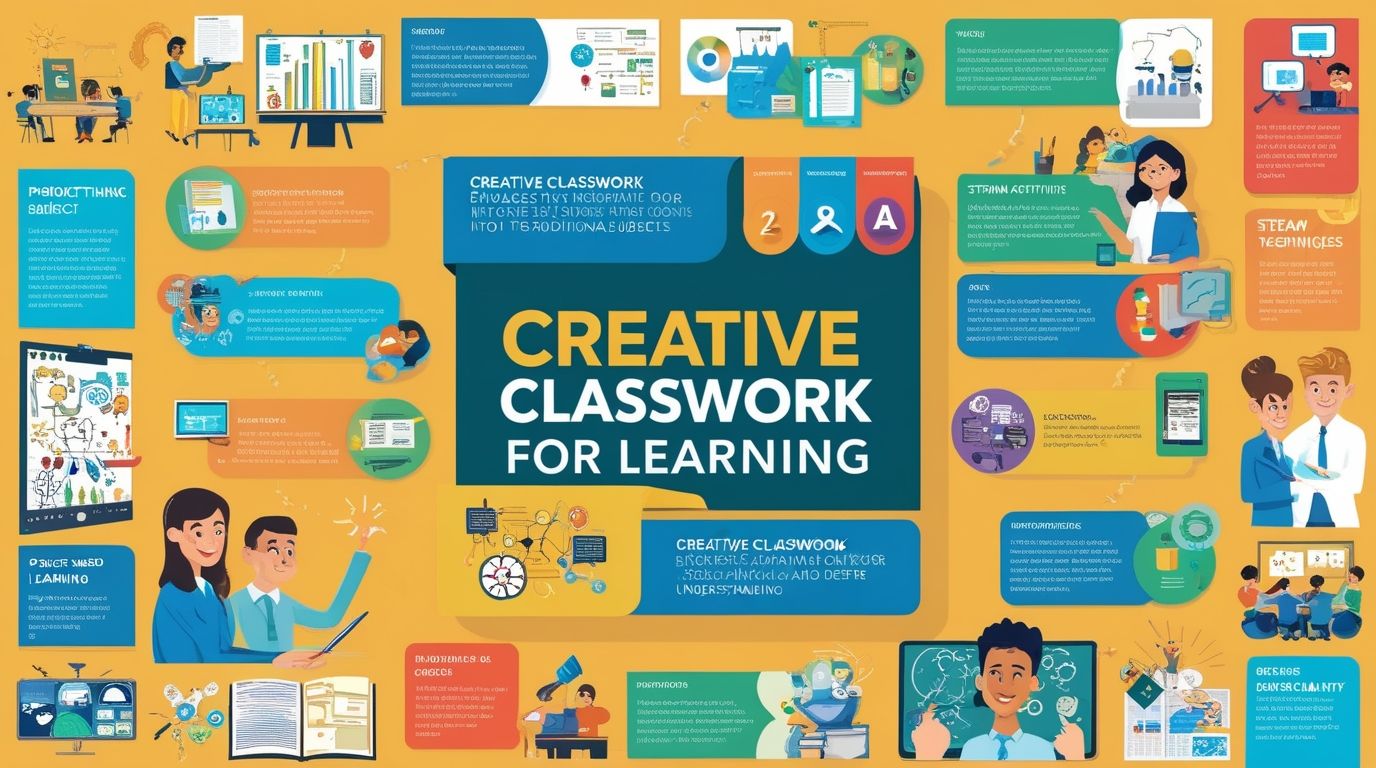
SLOs Focused Contextual Teaching in Classroom, Education in the twenty-first century emphasizes meaningful learning, competency development, and real-life application of knowledge. Traditional teaching methods that focus mainly on rote memorization are no longer sufficient to prepare learners for modern social and professional demands. In this context, Student Learning Outcomes (SLOs) and Contextual Teaching and Learning (CTL) have become essential approaches in classroom instruction. SLOs define what students should know, understand, and be able to perform after instruction, while contextual teaching connects academic content with real-world situations. Together, these approaches promote active learning, critical thinking, collaboration, and practical understanding.
SLO-focused contextual teaching enables teachers to design classroom activities that are directly linked to measurable outcomes and authentic life experiences. Instead of merely delivering information, teachers become facilitators who guide learners toward achieving clearly defined objectives through practical engagement. This approach enhances motivation, creativity, and problem-solving skills among students.
Modern classrooms require instructional strategies that help students connect theoretical knowledge with their daily lives. When students understand the relevance of classroom learning to real situations, they become more interested, engaged, and successful in achieving learning goals. Therefore, integrating SLOs with contextual teaching practices creates an effective learning environment where educational objectives are achieved through meaningful experiences.
Understanding Student Learning Outcomes (SLOs)
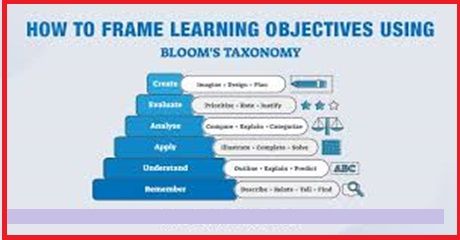
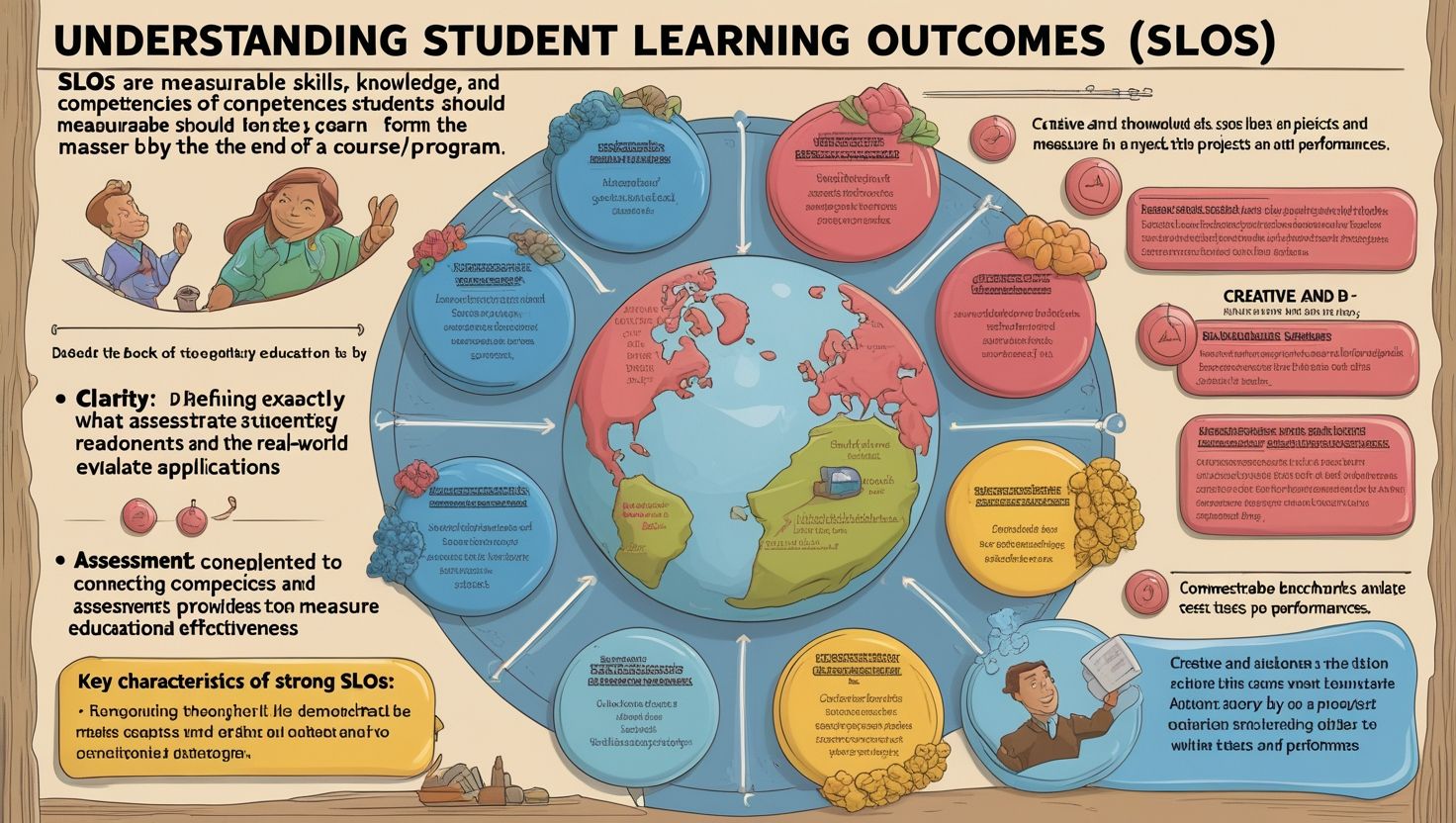
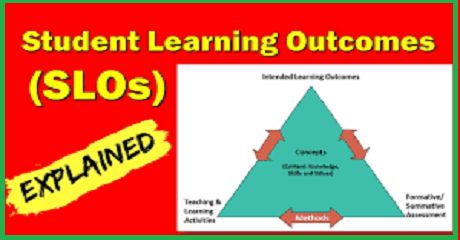
Student Learning Outcomes are clear statements describing the knowledge, skills, attitudes, and competencies students are expected to achieve after completing a lesson, unit, or course. SLOs guide teachers in planning instruction, selecting teaching methods, designing assessments, and evaluating student progress.
Effective SLOs possess the following characteristics:
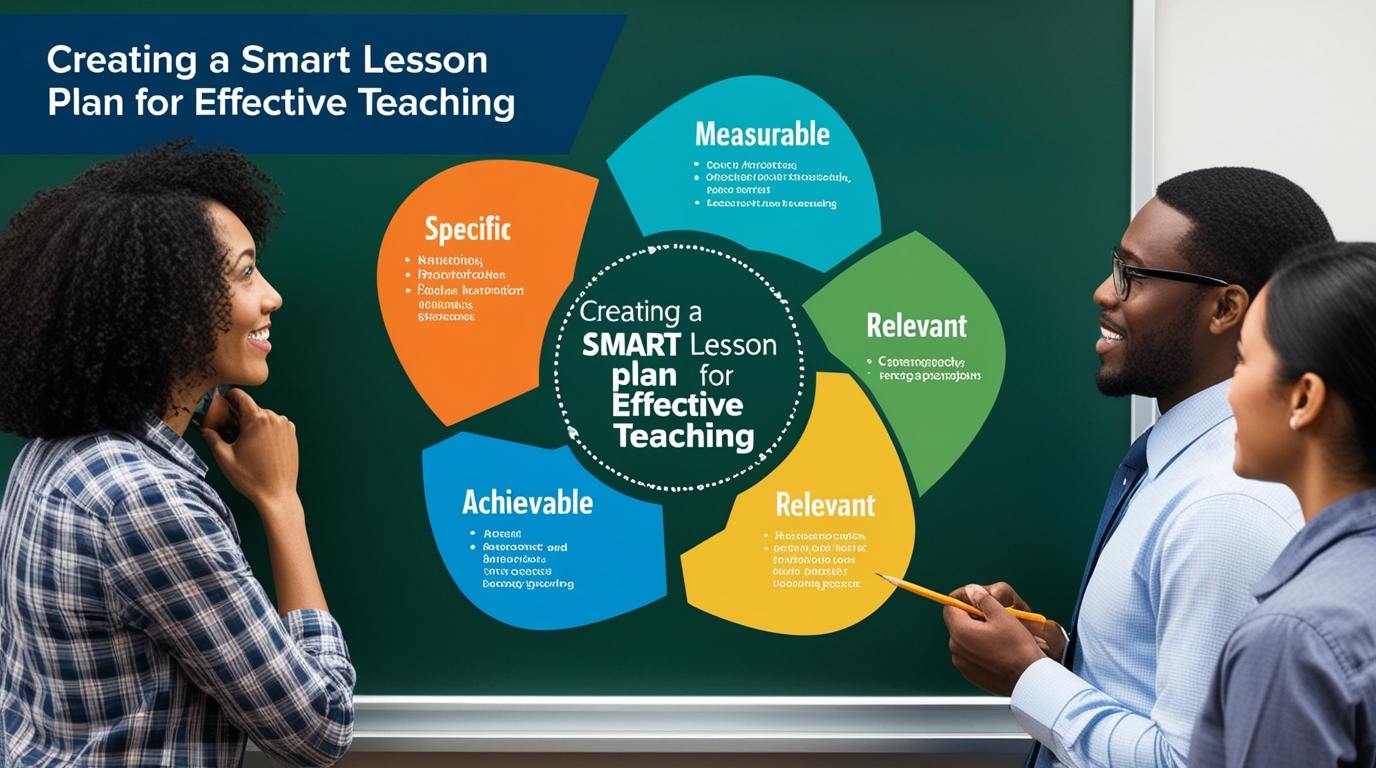
- Specific – Clearly describe expected learning.
- Measurable – Learning can be assessed through tests, activities, or observations.
- Achievable – Outcomes are realistic according to students’ abilities.
- Relevant – Outcomes align with curriculum standards and learners’ needs.
- Time-bound – Expected to be achieved within a specific instructional period.
For example, instead of stating “Students will understand environmental pollution,” an SLO-focused statement would be: “Students will identify causes of environmental pollution and propose practical solutions for reducing pollution in their community.”
This clarity helps both teachers and students focus on desired achievements. SLOs also improve accountability in education because teaching and assessment become aligned with predetermined goals.
Concept of Contextual Teaching and Learning (CTL)
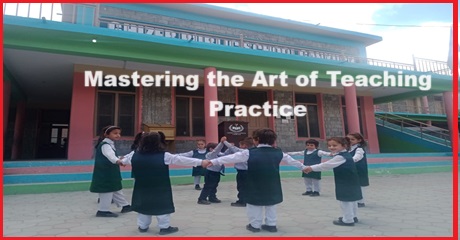
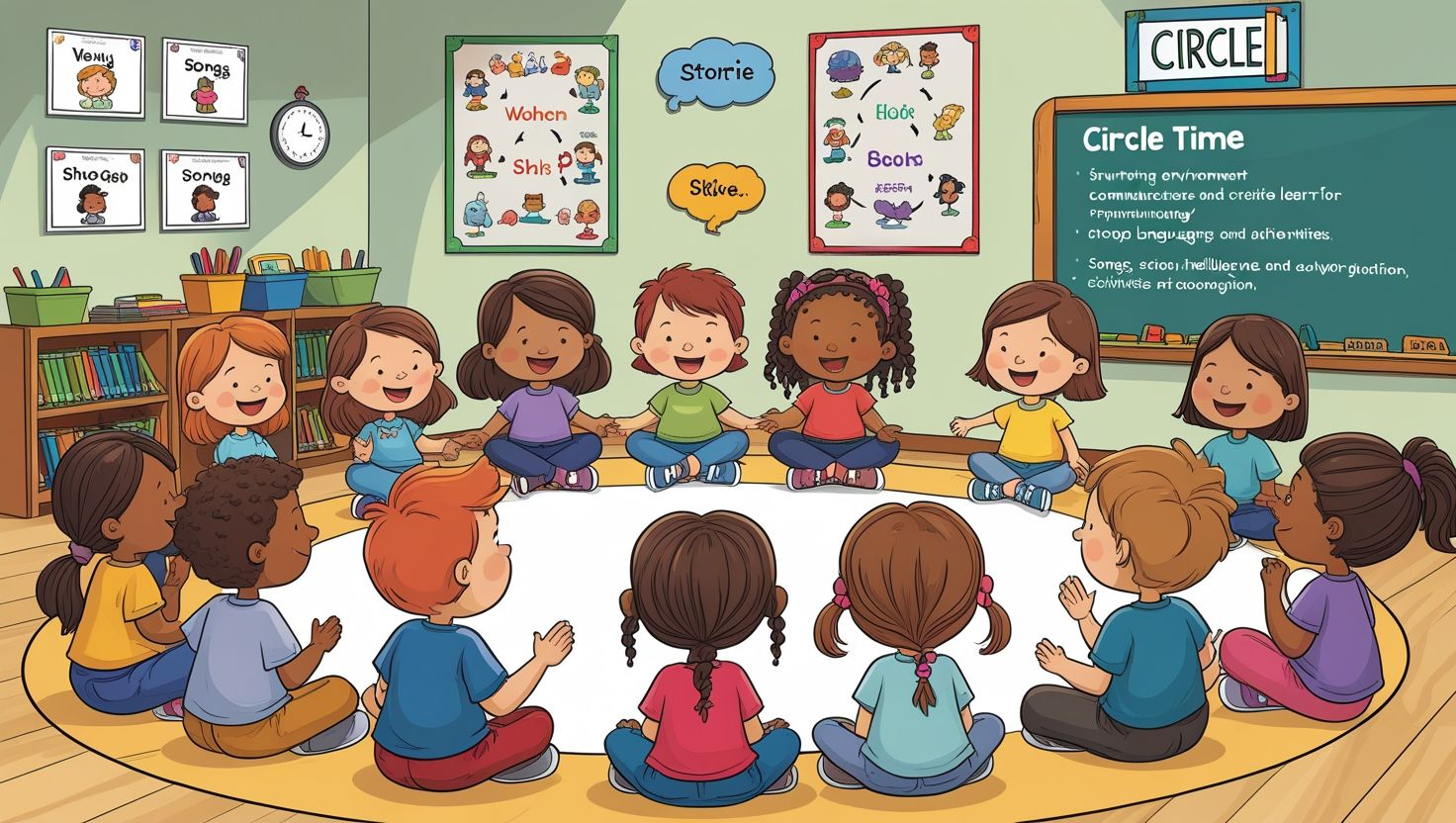
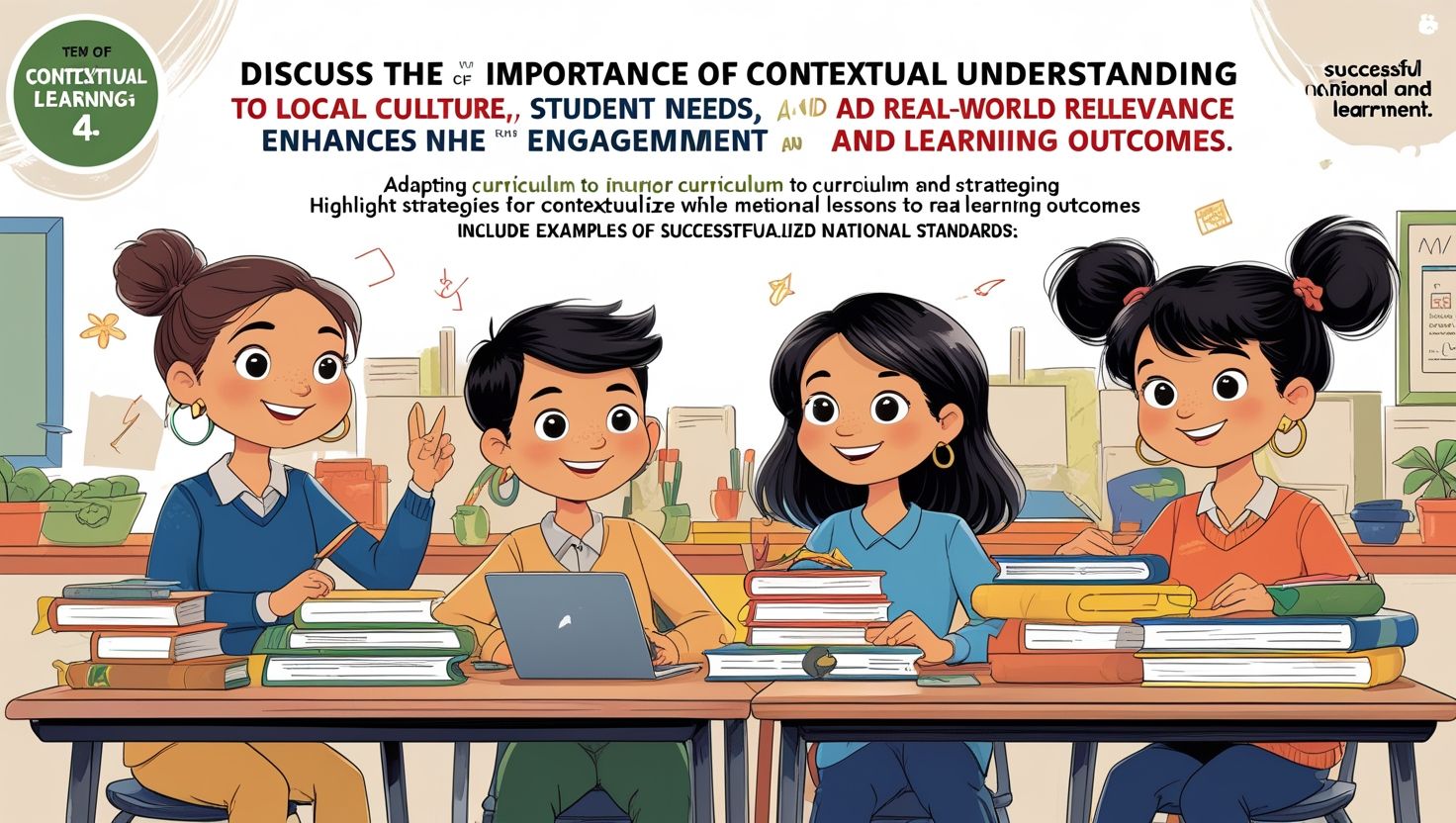
Contextual Teaching and Learning is an instructional approach that helps students connect academic concepts with real-life situations. CTL emphasizes learning by doing, problem-solving, collaboration, inquiry, and reflection. The teacher creates learning experiences that allow students to apply classroom knowledge in practical contexts.
The major principles of CTL include:
- Constructivism
- Inquiry-based learning
- Questioning
- Learning community
- Modeling
- Reflection
- Authentic assessment
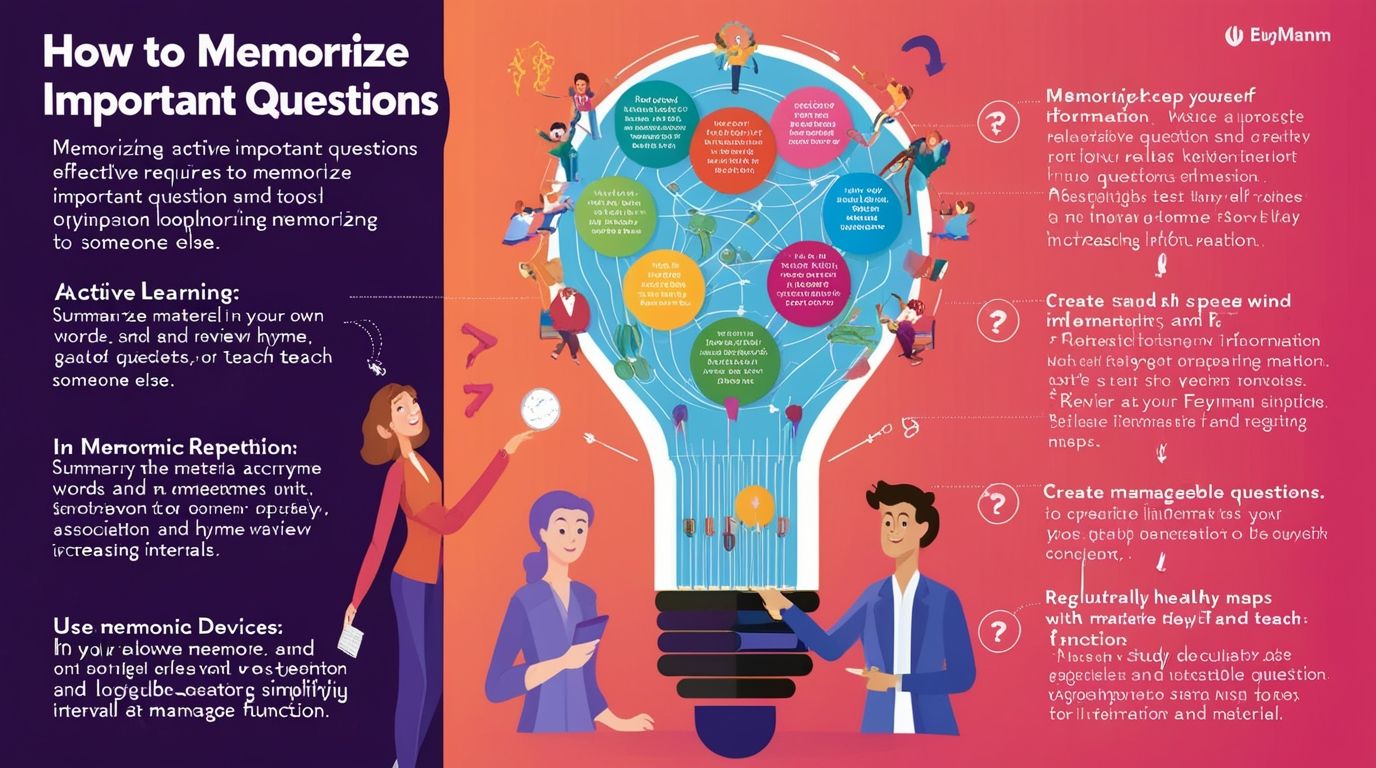
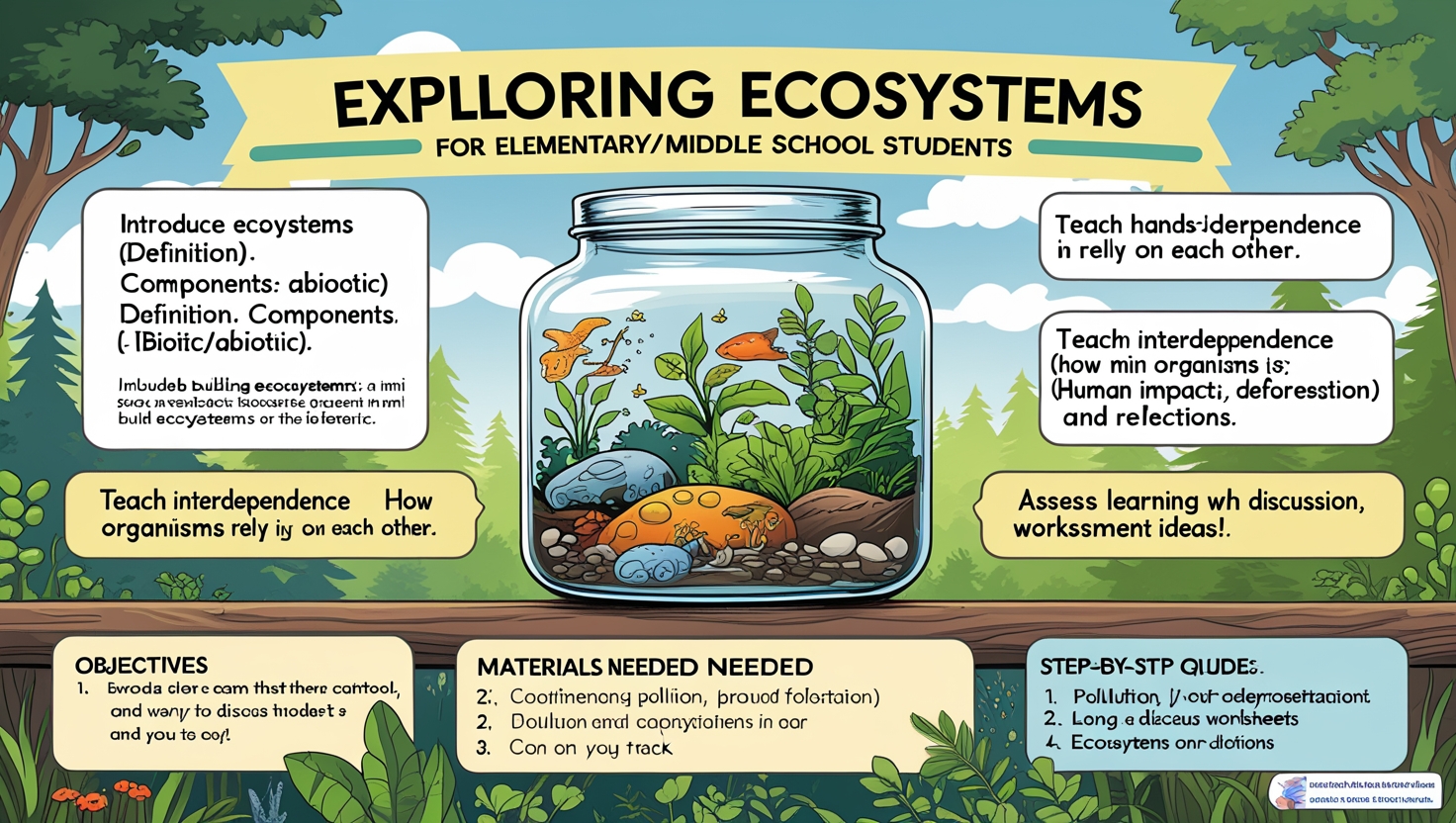
In contextual teaching, students are encouraged to actively participate in discovering knowledge rather than passively receiving information. For instance, instead of memorizing mathematical formulas, students may solve real-life budgeting or shopping problems. Similarly, science students may conduct experiments related to environmental issues in their surroundings.
Research shows that contextual learning increases student motivation, engagement, and achievement because learners perceive education as meaningful and useful in daily life.
Relationship Between SLOs and Contextual Teaching
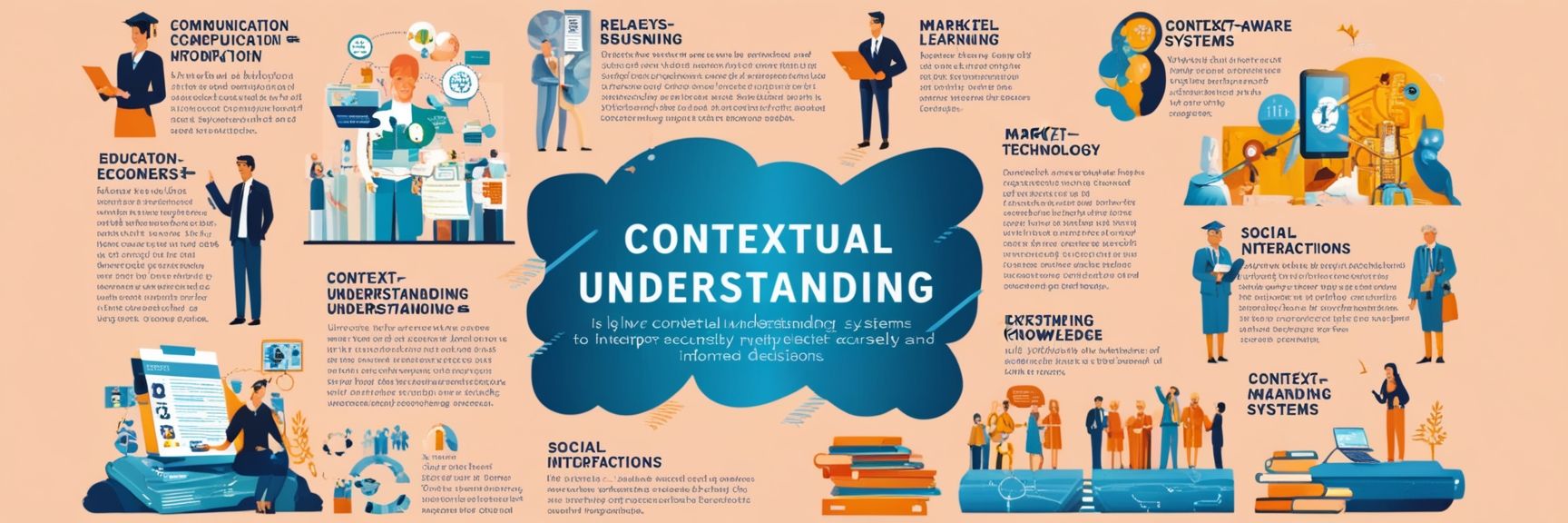
SLOs and contextual teaching complement each other effectively. SLOs provide direction and measurable targets, while contextual teaching offers meaningful methods for achieving those targets. The integration of both approaches ensures that learning is purposeful, practical, and student-centered.
For example, if an SLO states that students should “analyze the impact of climate change on local communities,” the teacher can organize field observations, group discussions, interviews with local residents, and project-based activities. Through these contextual experiences, students not only achieve the learning outcome but also develop analytical and social skills.
This relationship creates several educational benefits:
- Improved conceptual understanding
- Greater student participation
- Better retention of knowledge
- Enhanced critical thinking
- Development of problem-solving abilities
- Increased learner motivation
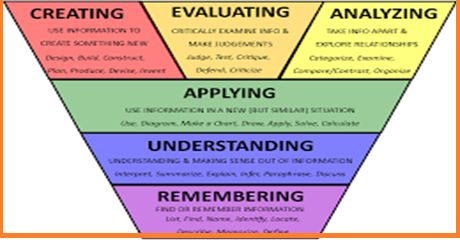
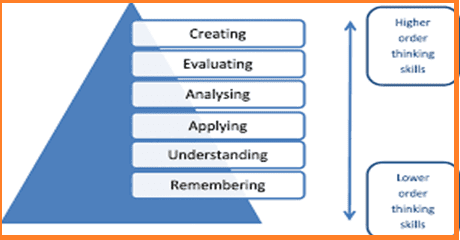
When SLOs are taught contextually, students move beyond memorization toward application and higher-order thinking skills.
Role of Teachers in SLO-Focused Contextual Teaching
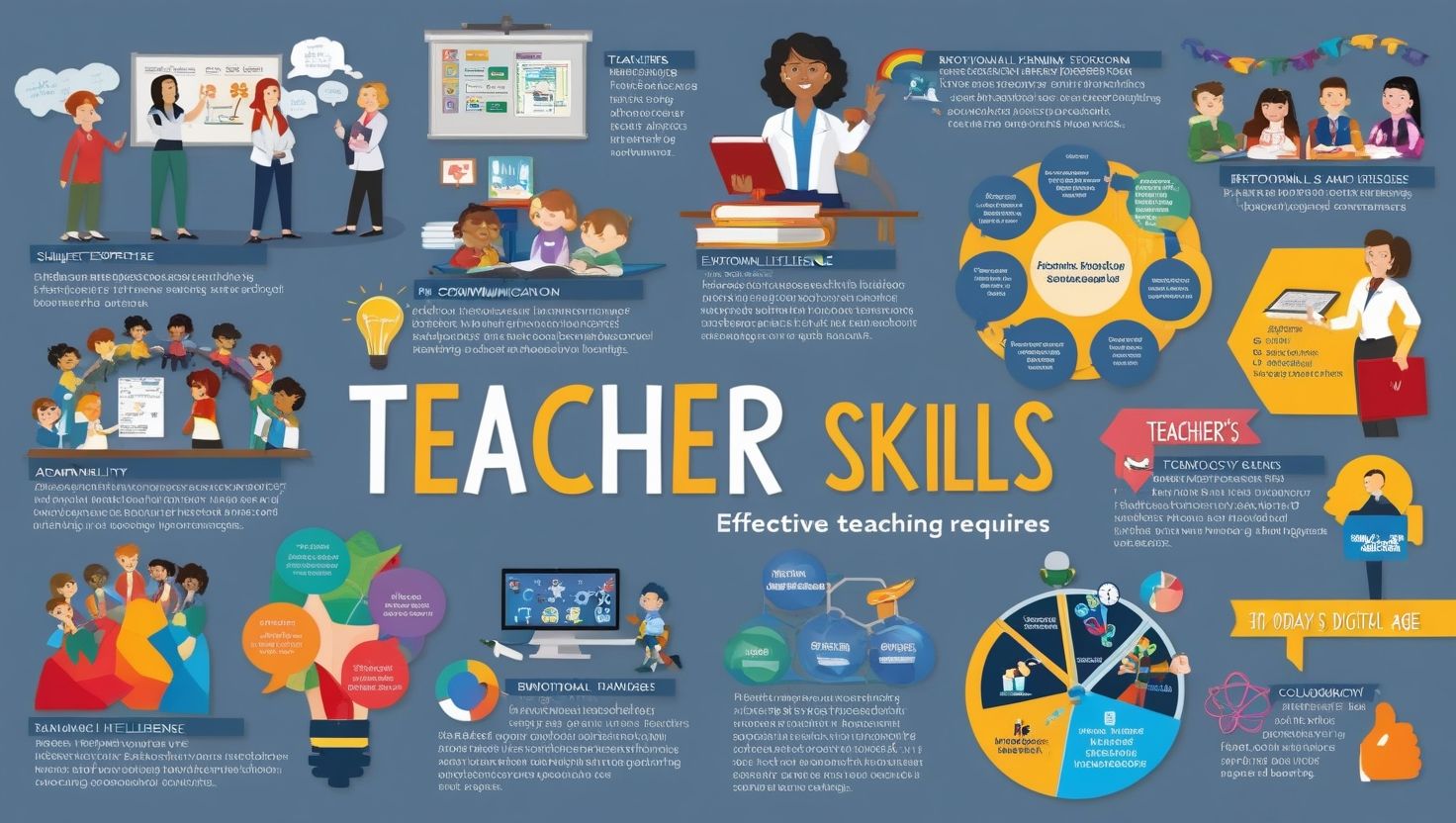
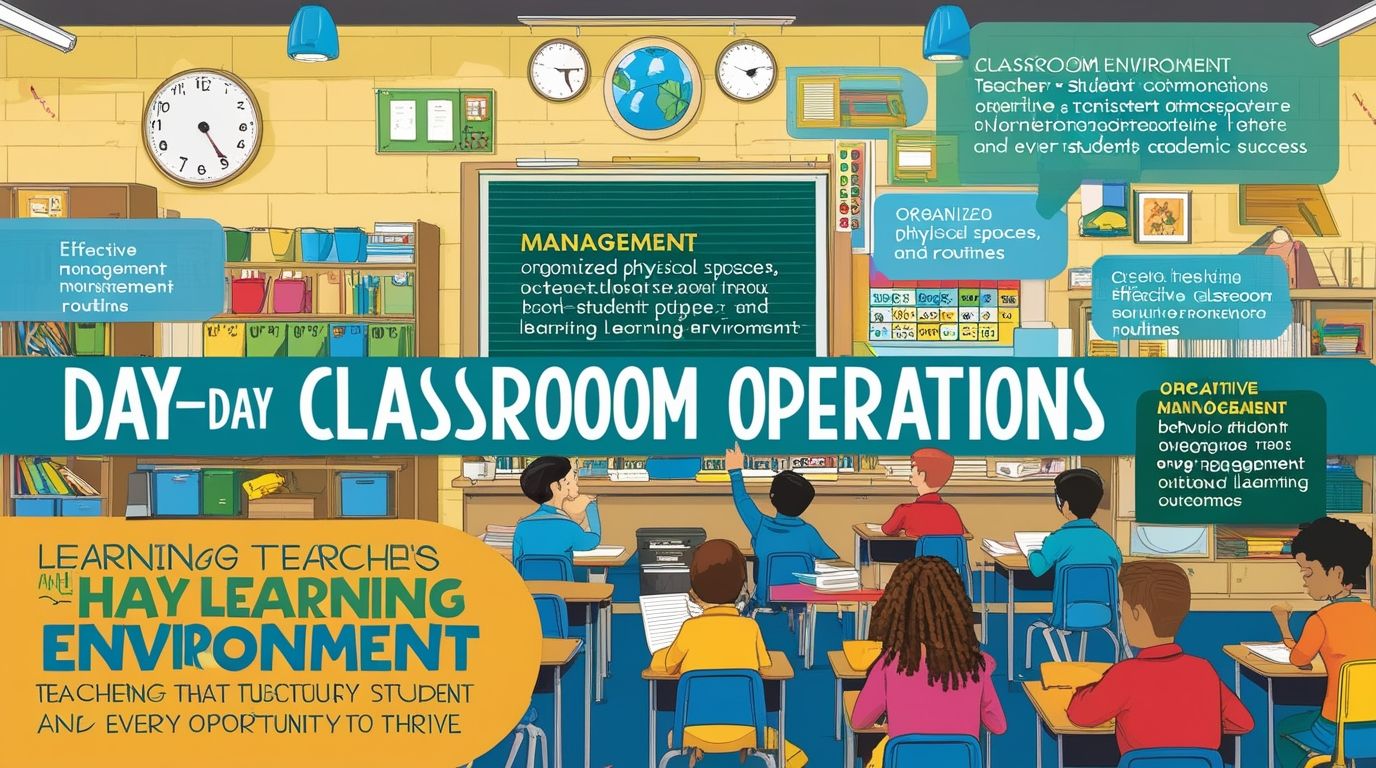
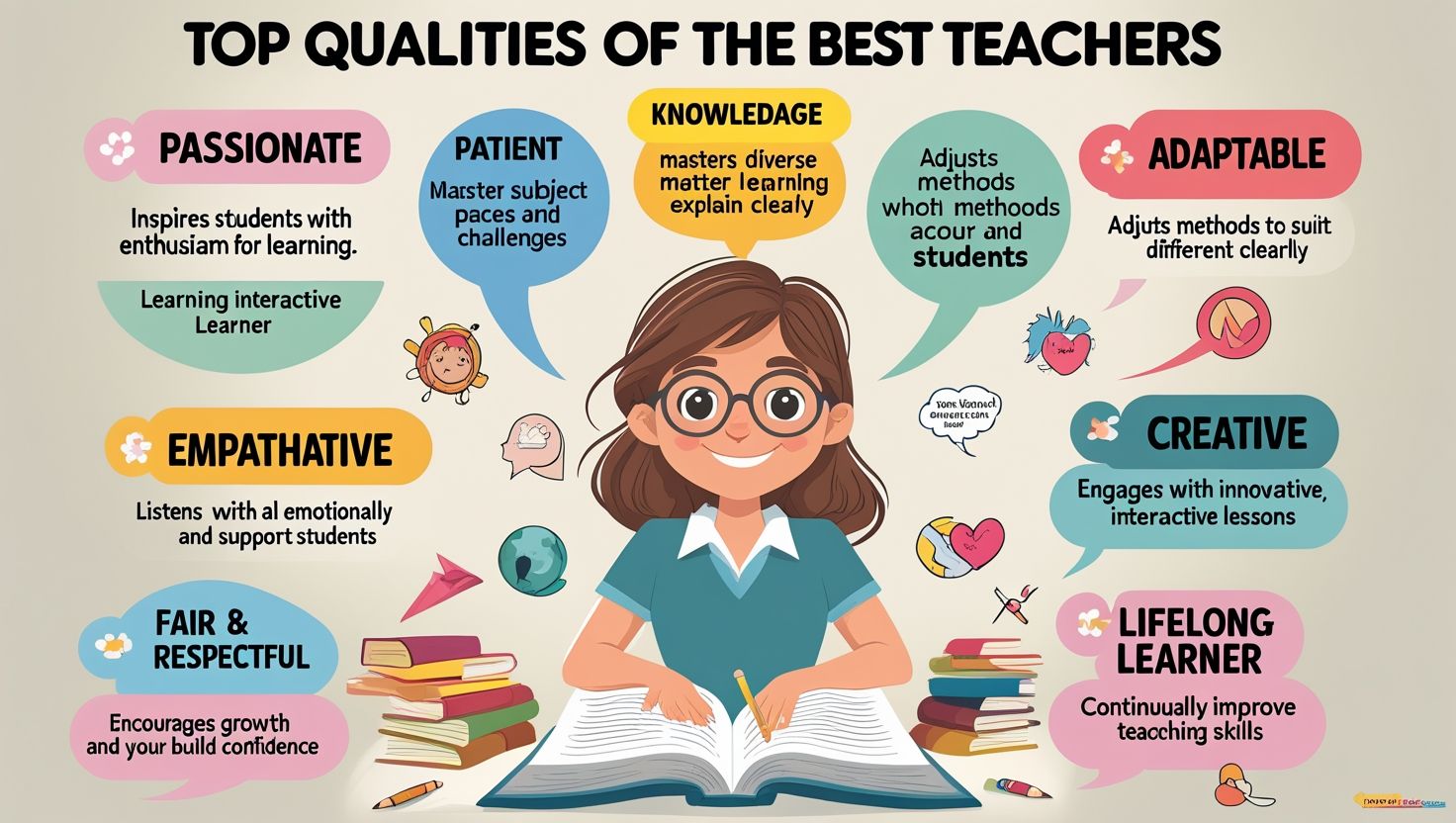
Teachers play a central role in implementing SLO-focused contextual teaching successfully. Their responsibilities include planning, facilitation, classroom management, assessment, and continuous reflection.
1. Planning Learning Experiences
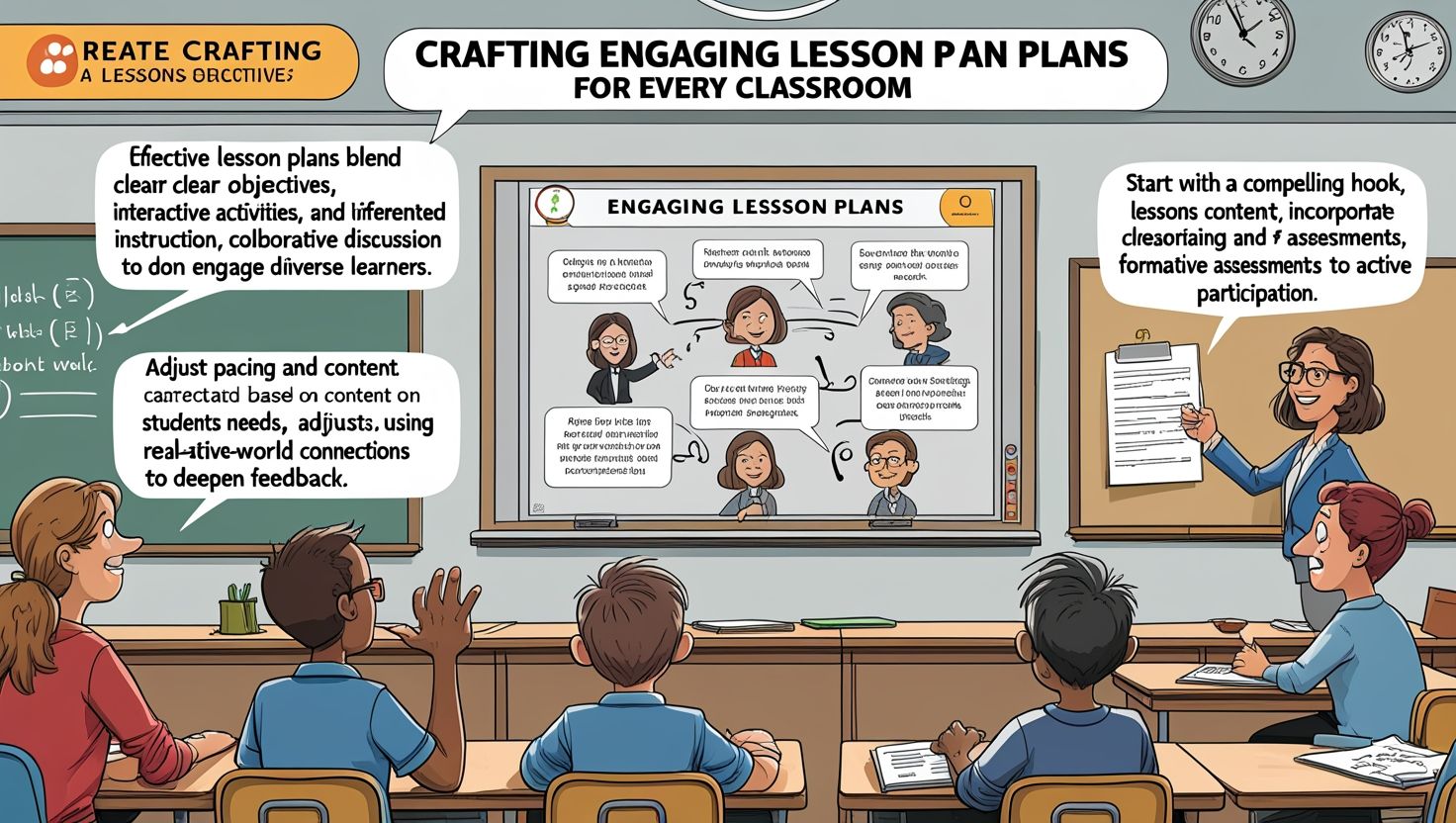
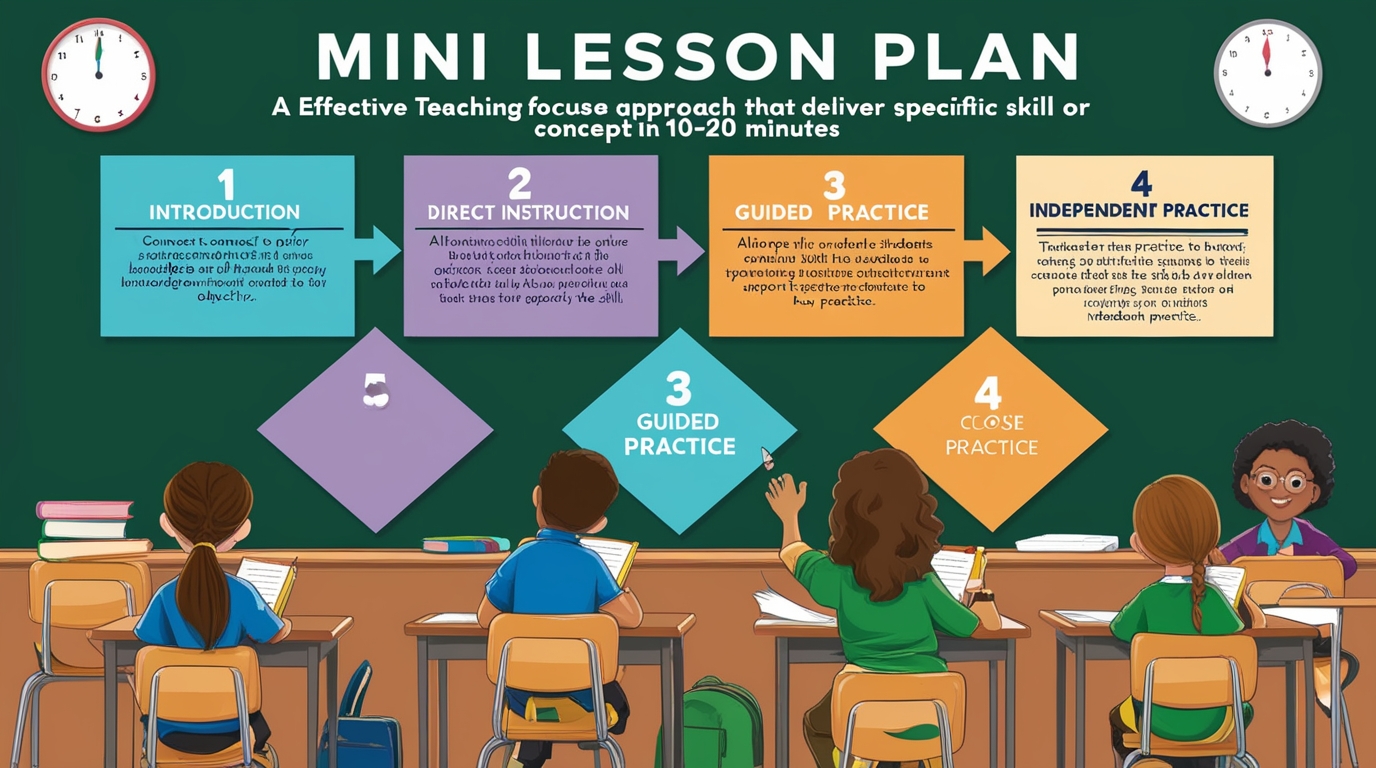
Teachers must design lessons aligned with SLOs and connected to students’ real-life experiences. Lesson plans should include activities, examples, projects, and discussions that make learning relevant.
For instance, while teaching economics, teachers can involve students in preparing household budgets or analyzing local market trends.
2. Facilitating Active Learning
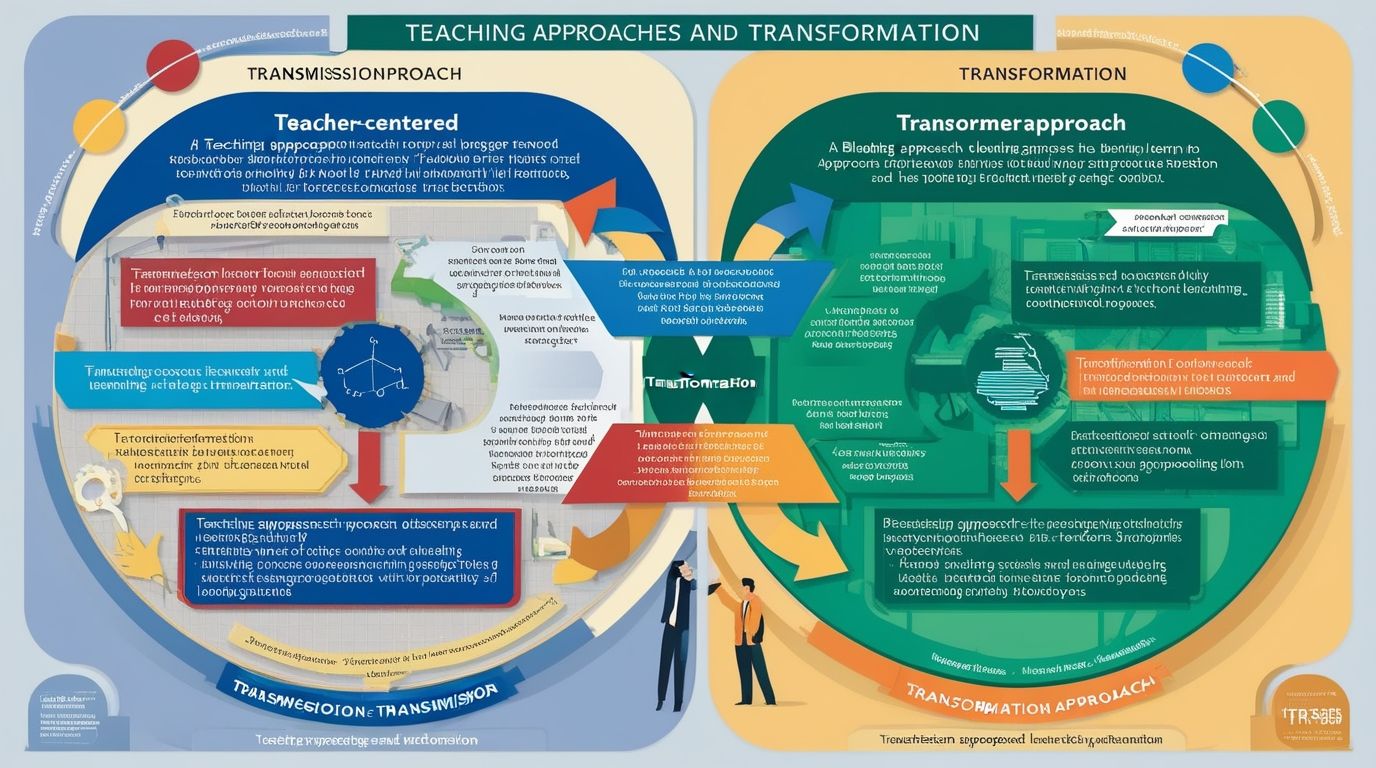
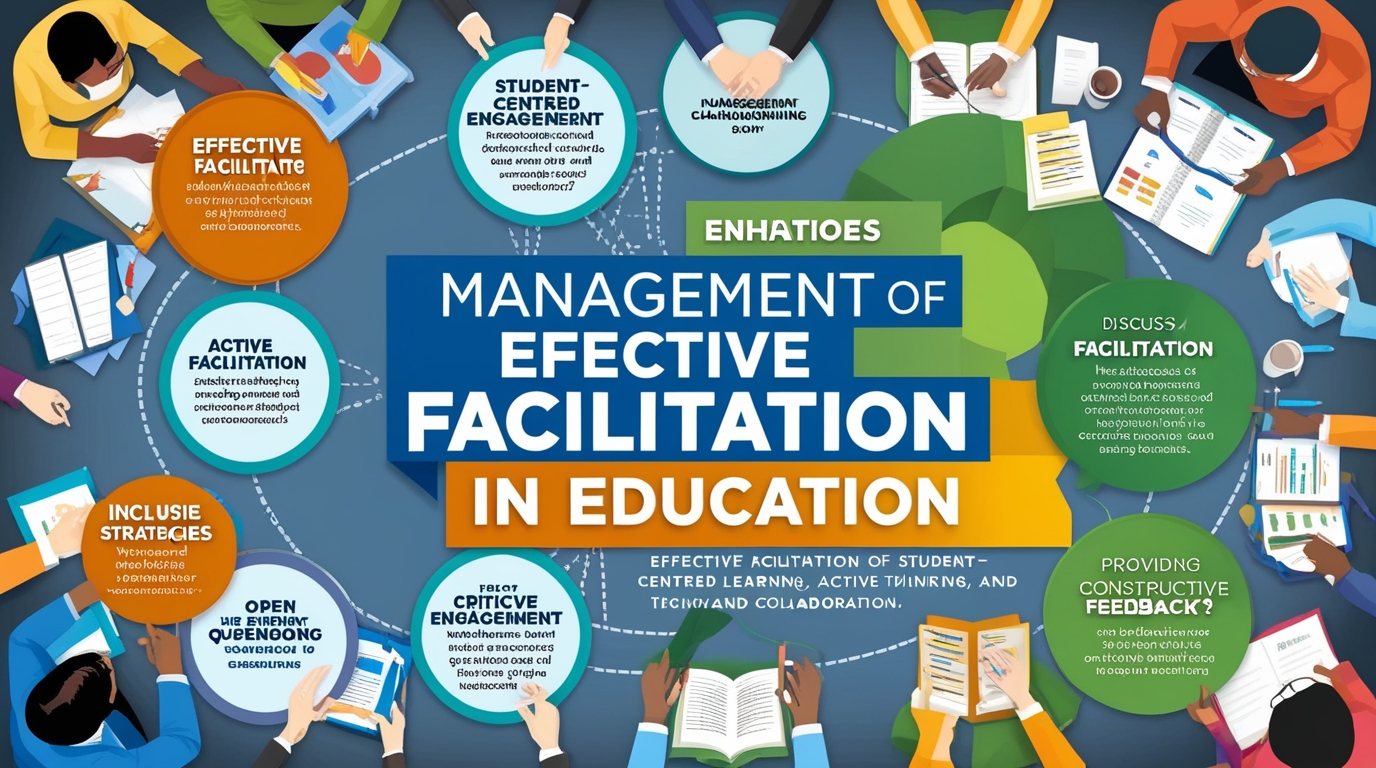
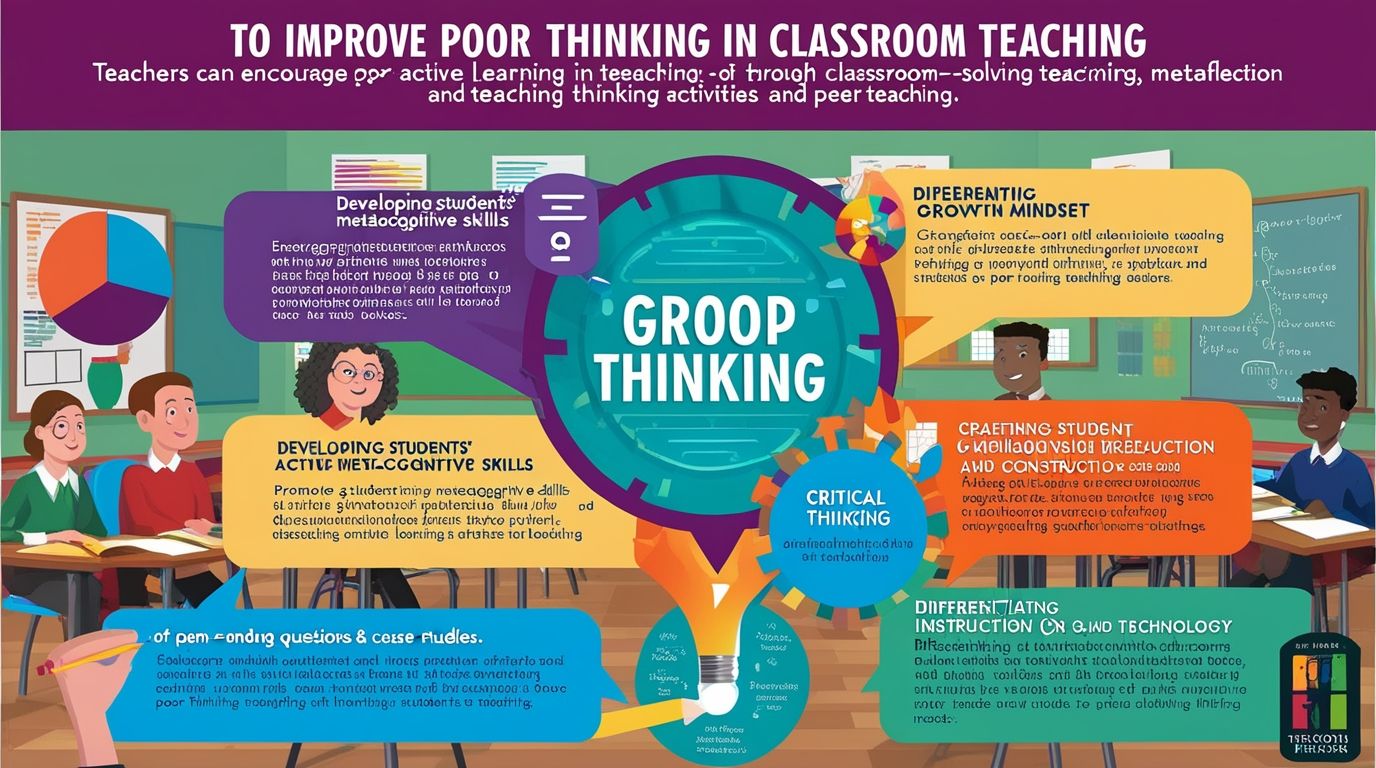
In contextual classrooms, teachers act as facilitators rather than information providers. They encourage inquiry, discussion, experimentation, and teamwork. Students are given opportunities to explore concepts independently.
3. Encouraging Critical Thinking
Teachers should present real-world problems that require analysis and decision-making. This develops students’ reasoning and problem-solving abilities.
4. Using Authentic Assessment
Assessment methods should evaluate practical understanding and skill application rather than memorization alone. Examples include presentations, projects, portfolios, field reports, and group activities.
5. Providing Reflection Opportunities
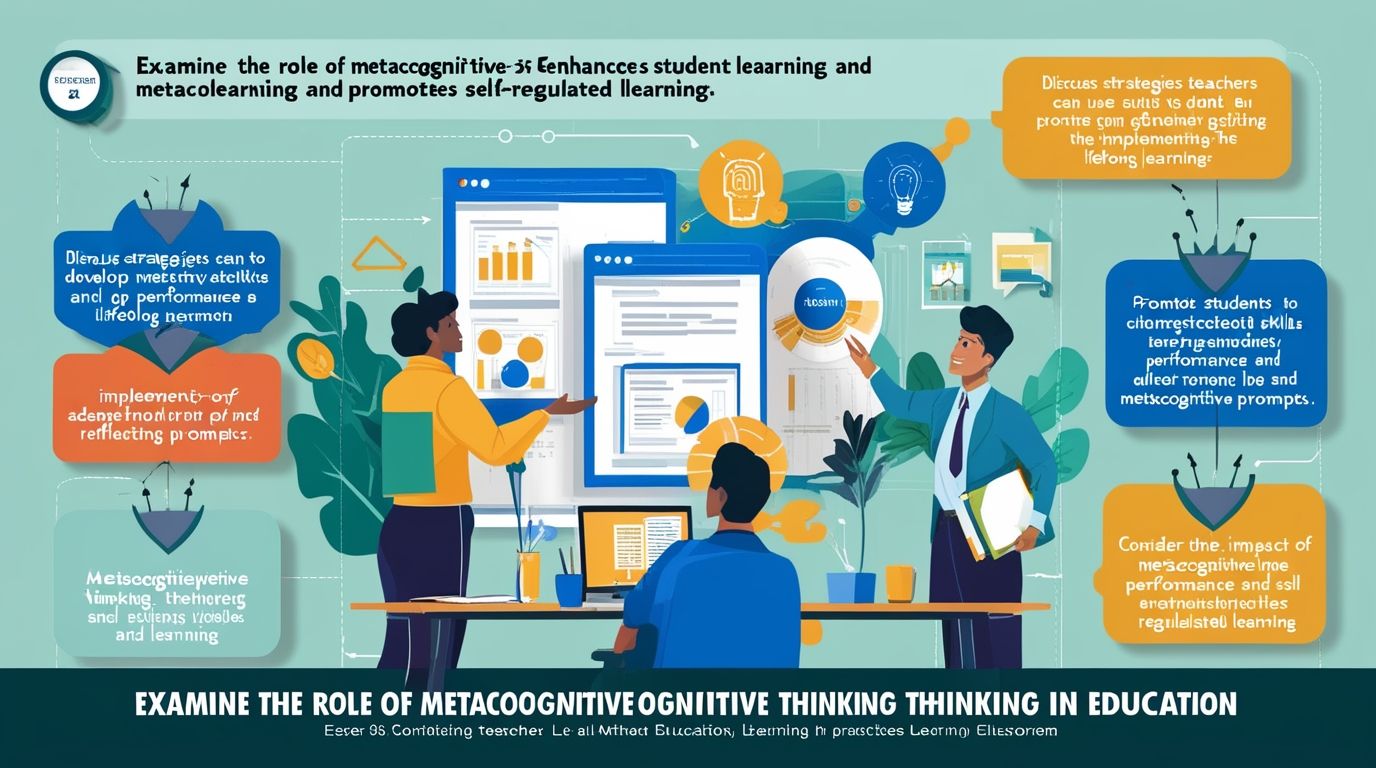
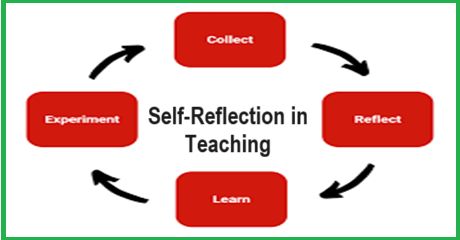
Reflection helps students analyze what they have learned and how it applies to their lives. Teachers can use reflective journals, classroom discussions, or self-assessment activities.
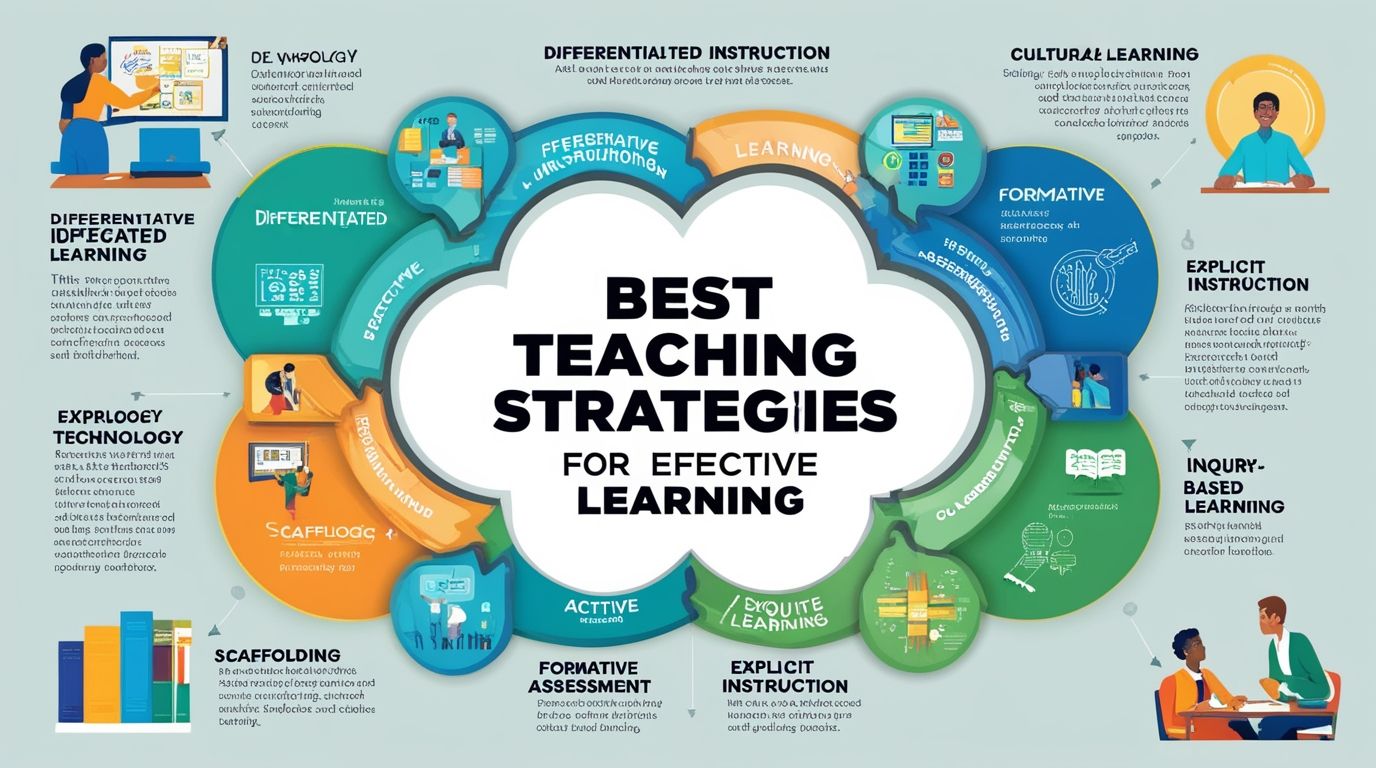
Classroom Strategies for SLO-Focused Contextual Teaching
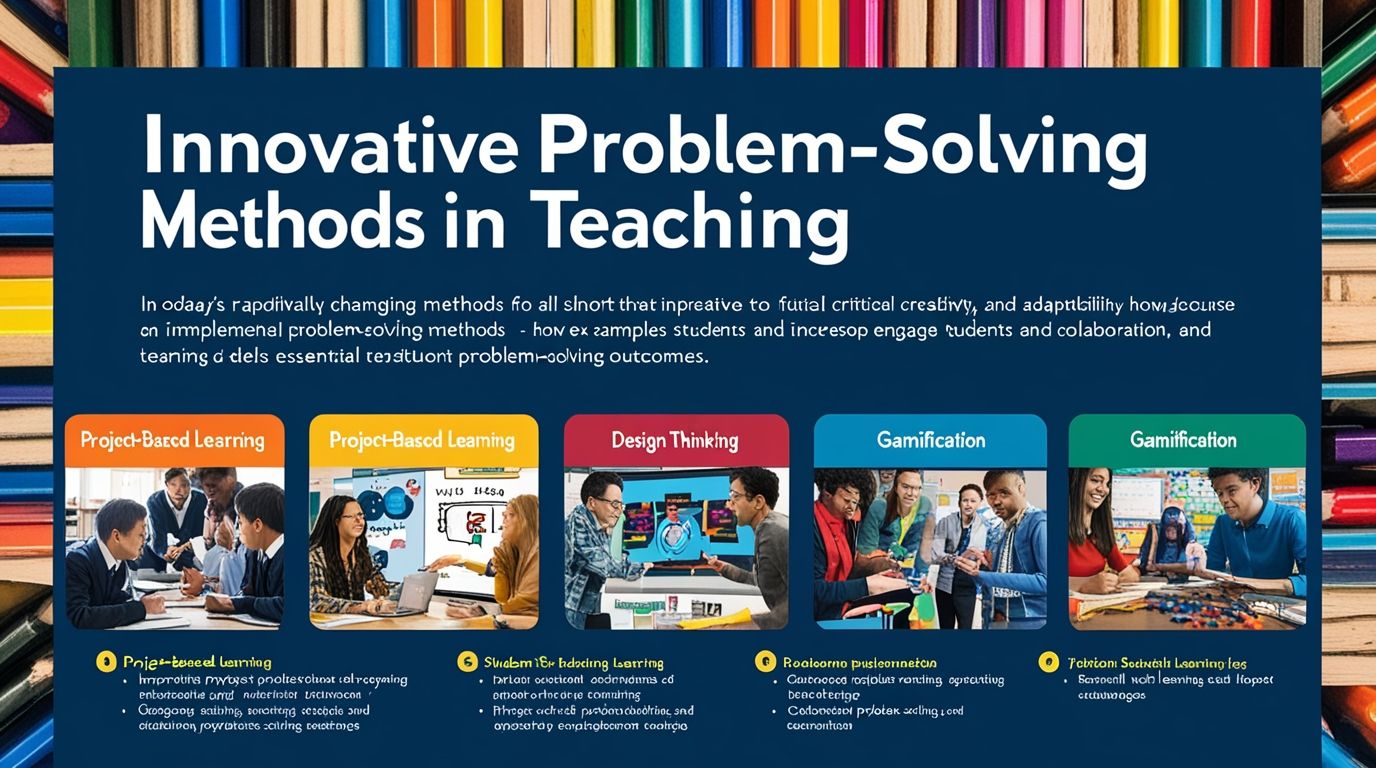
Several instructional strategies support the successful implementation of SLO-focused contextual teaching.
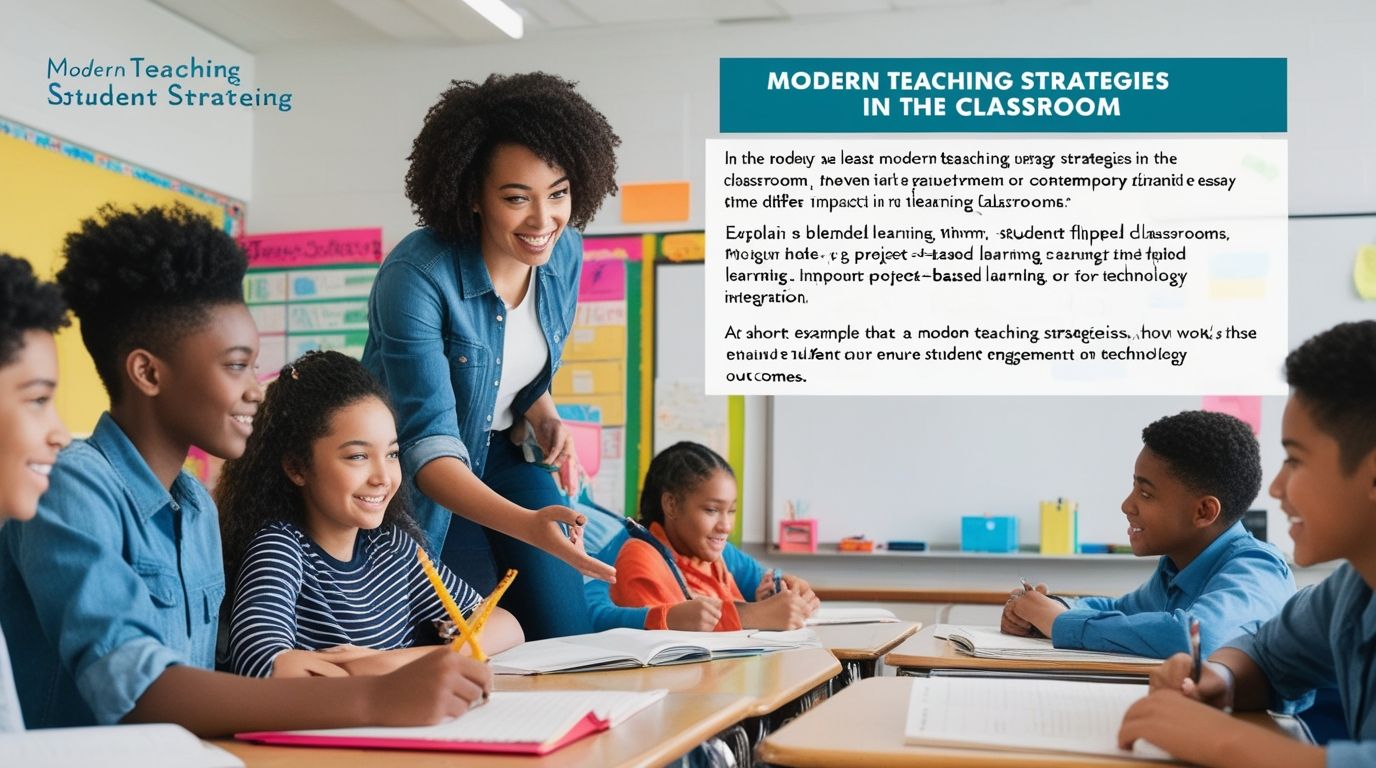
Project-Based Learning
Students work on projects related to real-life issues. For example, learners may develop a recycling campaign to study environmental conservation.
Cooperative Learning
Group activities encourage communication, collaboration, and peer learning. Students learn to solve problems collectively while achieving learning outcomes.
Inquiry-Based Learning
Students investigate questions and problems through research, experimentation, and analysis. This strategy promotes curiosity and independent thinking.
Problem-Based Learning
Teachers present authentic problems that students must solve using classroom knowledge and practical reasoning.
Field Activities and Community Engagement
Educational visits, surveys, interviews, and community projects help students apply academic learning in real contexts.
Technology Integration
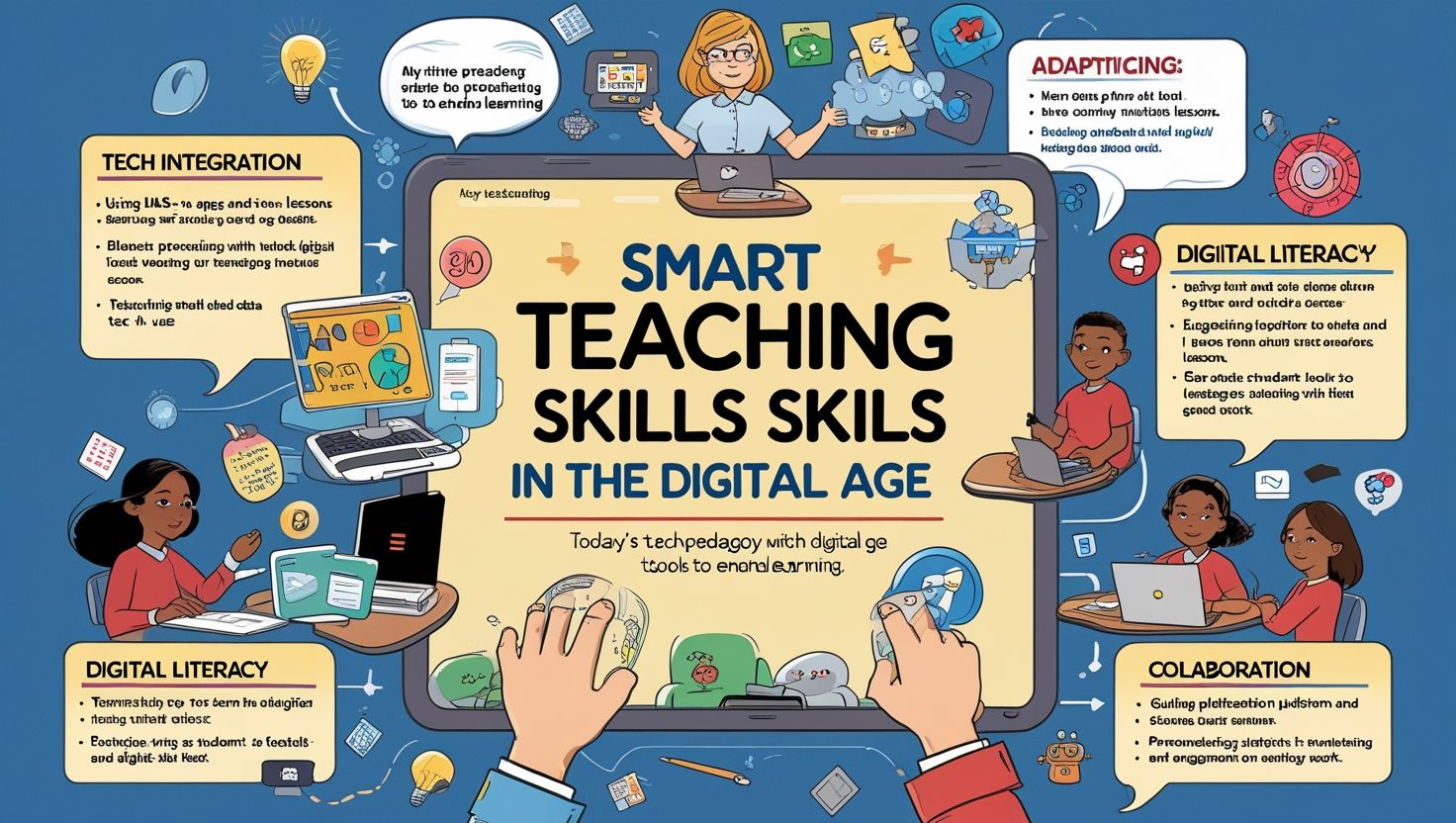
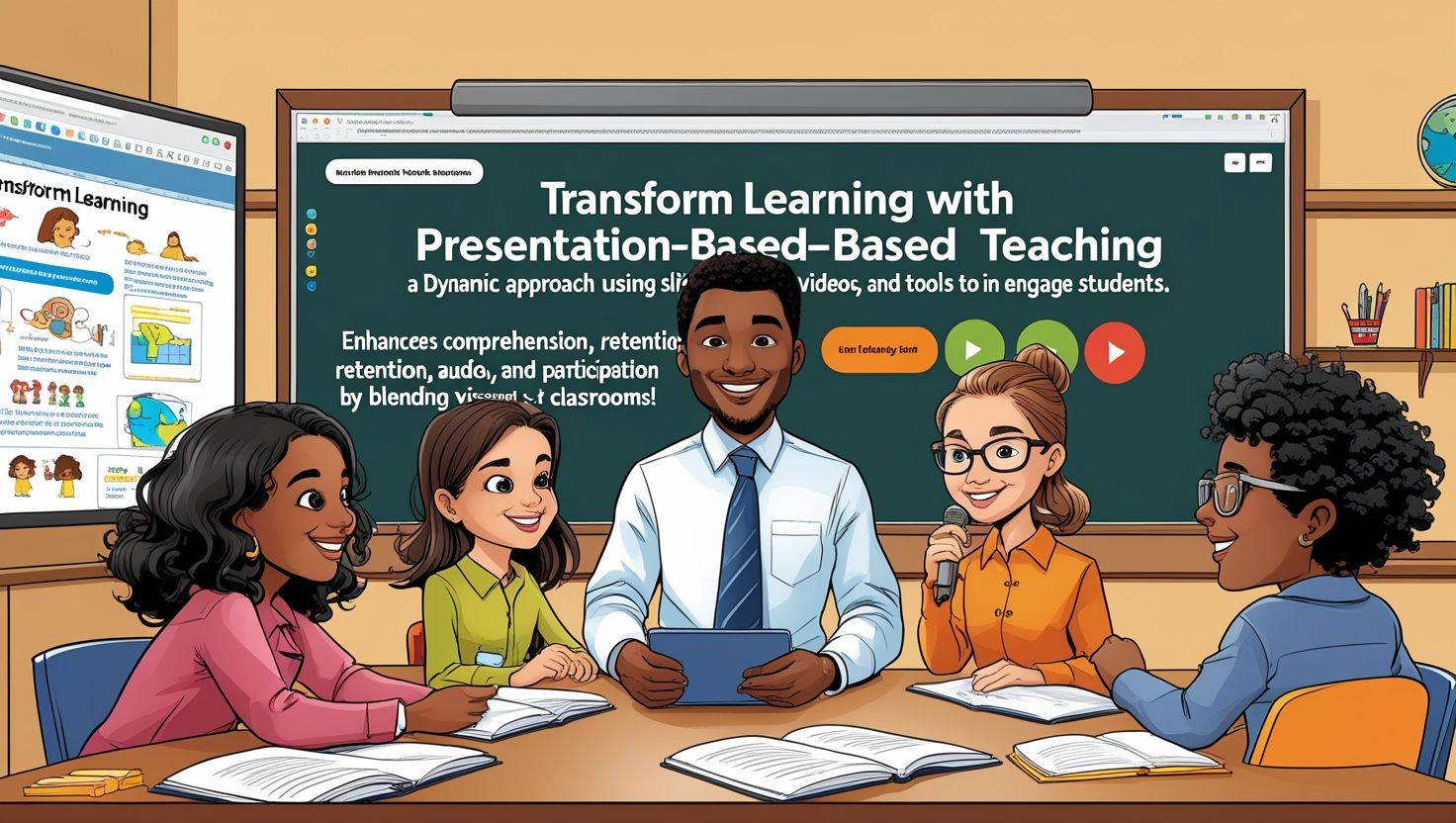
Digital tools, multimedia resources, and online research enhance contextual learning experiences and support diverse learning styles.
Benefits of SLO-Focused Contextual Teaching
Improved Academic Achievement
Students better understand concepts when learning is connected to real situations. Contextual learning enhances comprehension and retention. Studies indicate that CTL positively influences learning outcomes and classroom participation.
Increased Student Motivation
Students become more motivated when they recognize the practical importance of classroom learning. Meaningful learning experiences increase interest and participation.
Development of Life Skills
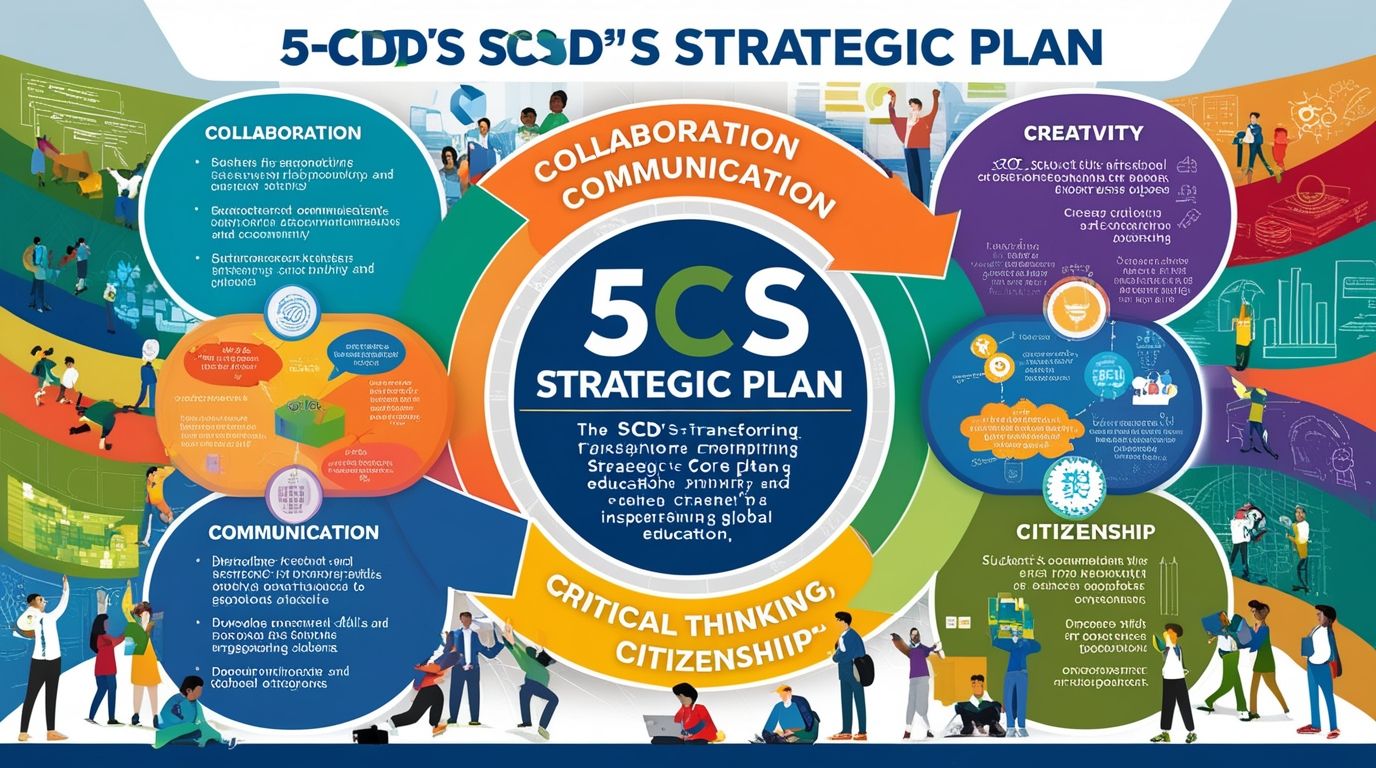
Contextual teaching develops communication, collaboration, creativity, leadership, and critical thinking skills essential for future success.
Better Teacher Effectiveness
SLOs provide clear instructional direction, enabling teachers to focus on measurable learning goals and effective teaching strategies.
Enhanced Classroom Interaction
Students actively participate in discussions, teamwork, and hands-on activities, creating a dynamic learning environment.
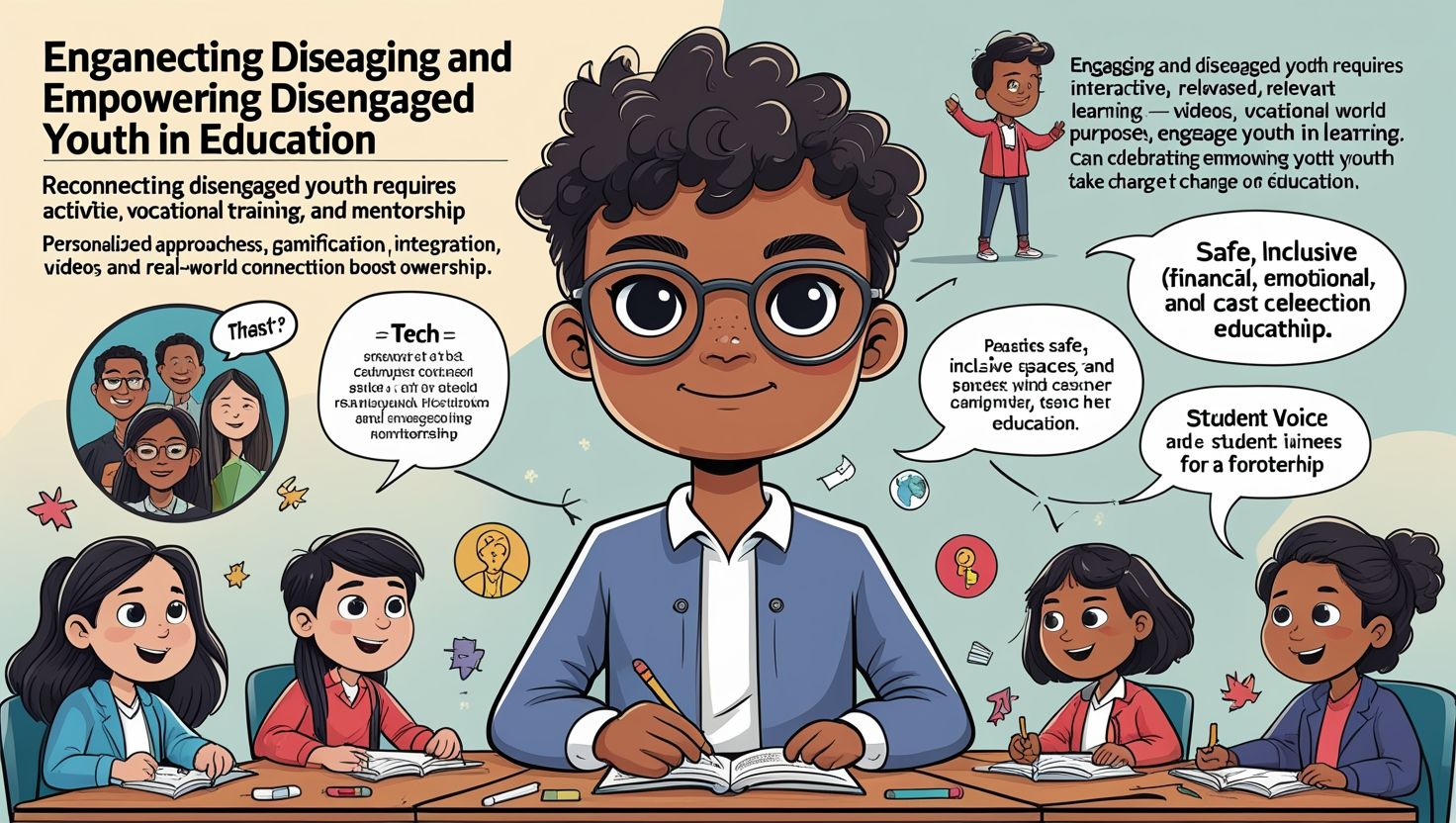
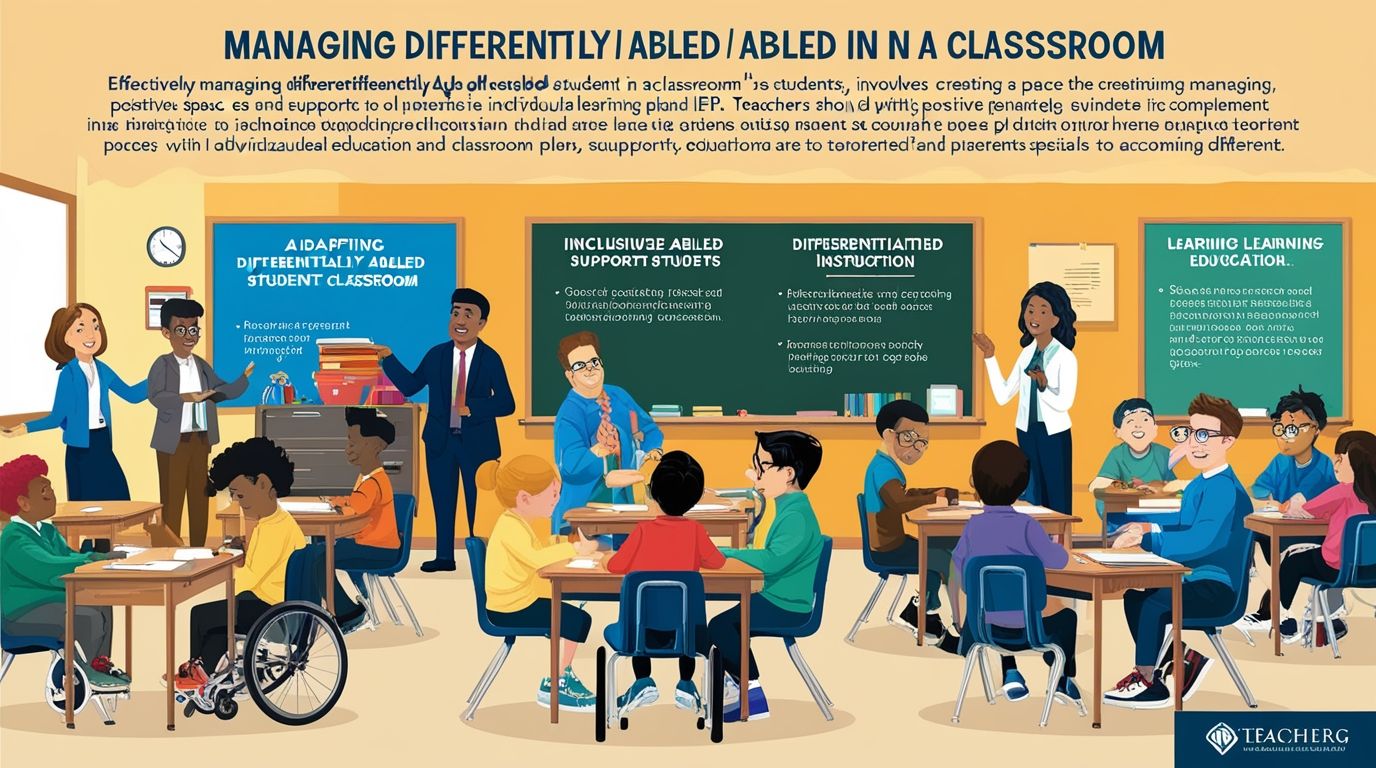
Promotion of Inclusive Education
Contextual learning accommodates different learning styles and backgrounds by connecting instruction to students’ experiences and interests.
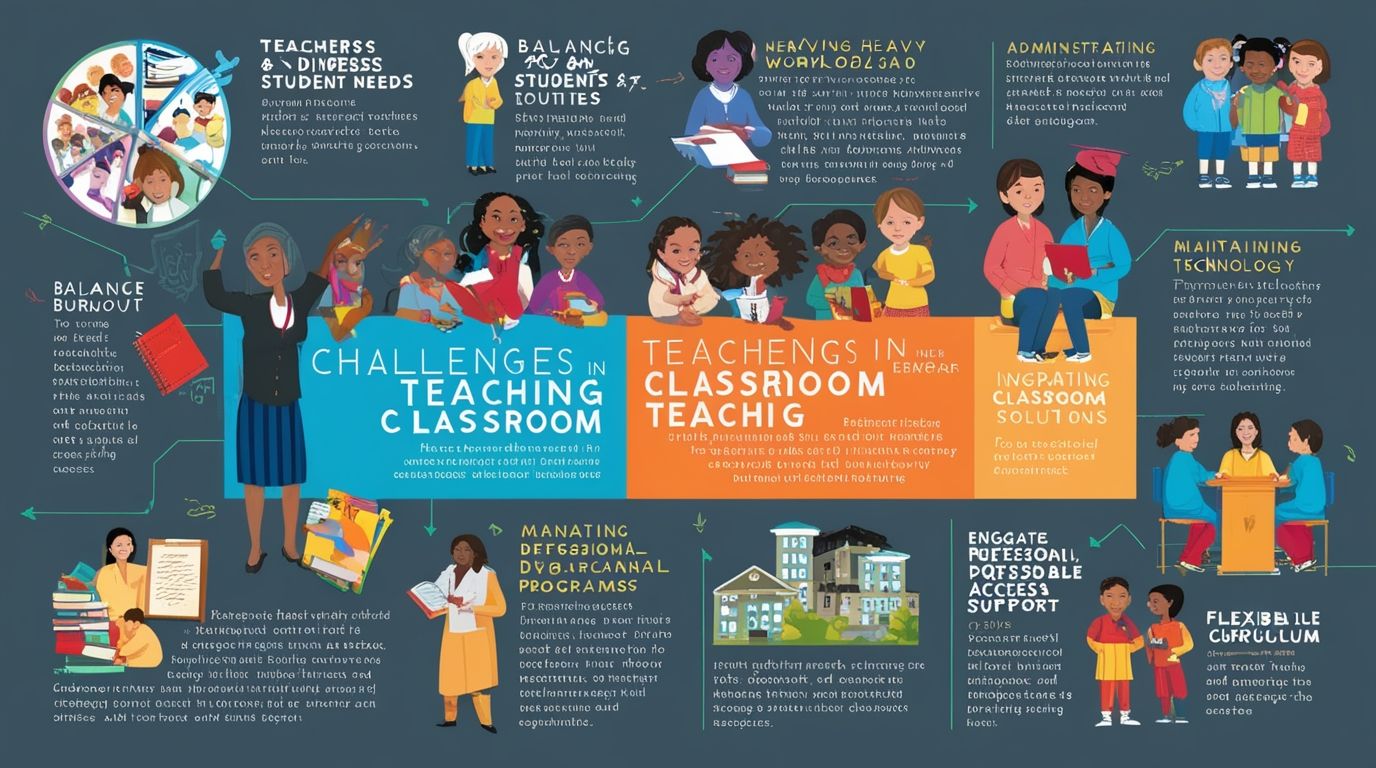
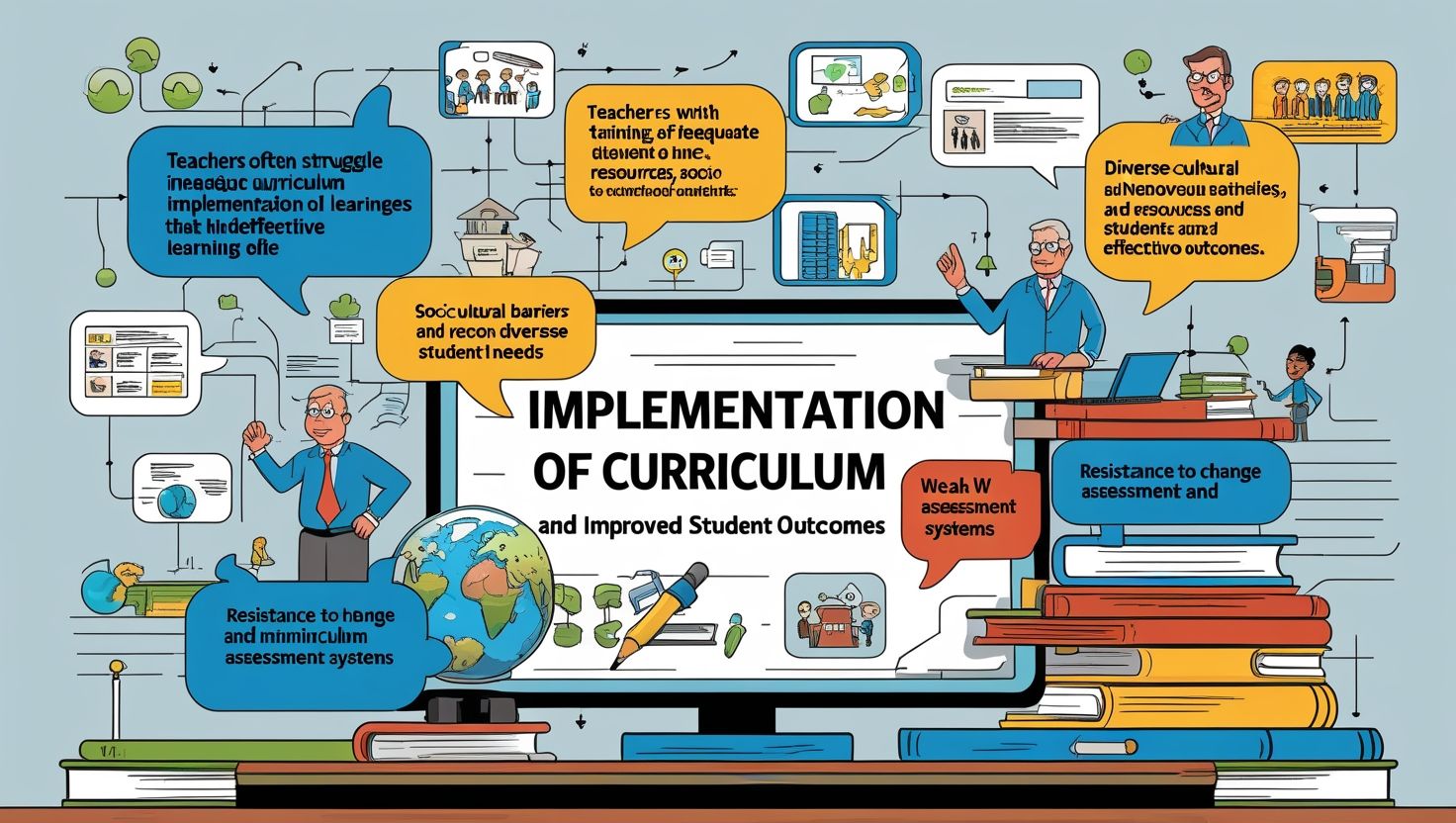
Challenges in Implementing SLO-Focused Contextual Teaching
Despite its advantages, several challenges may affect implementation.
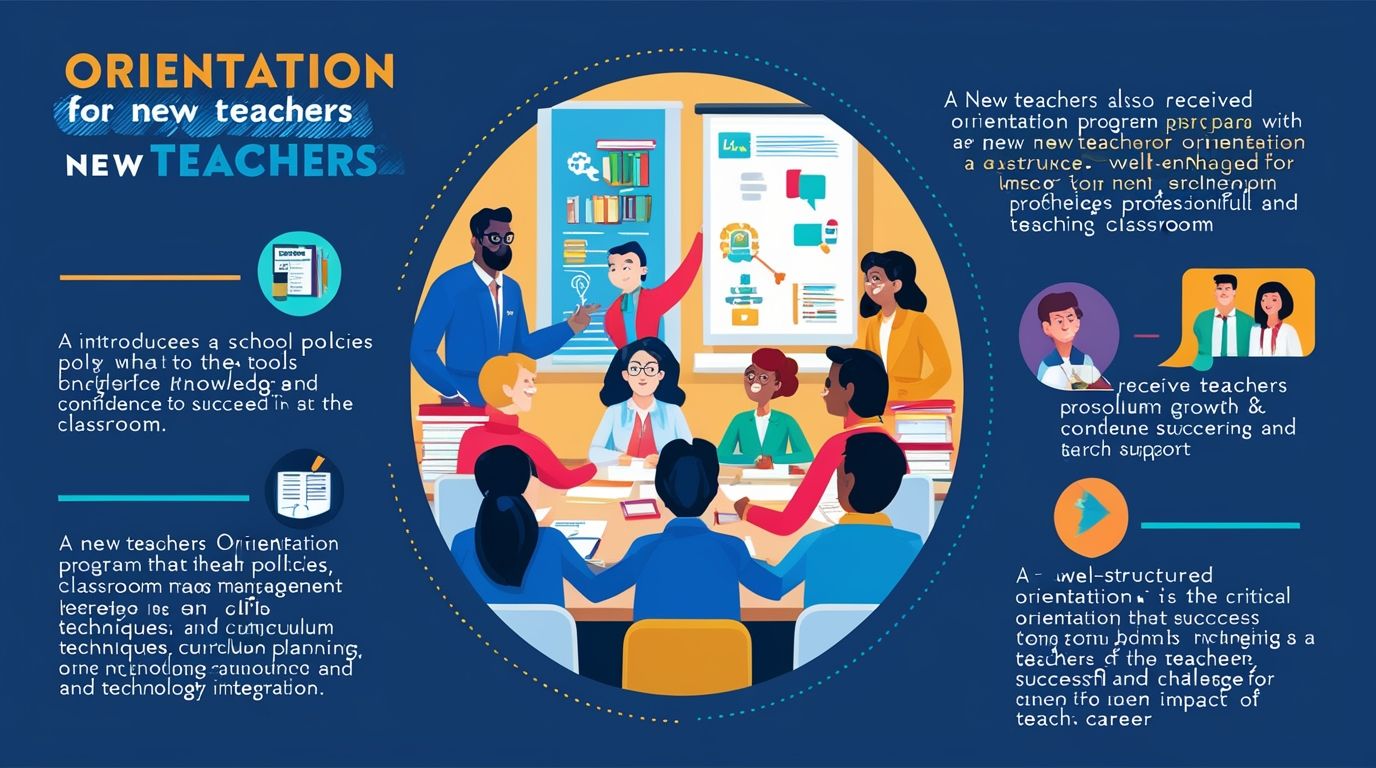
Lack of Teacher Training
Some teachers may not possess sufficient knowledge of SLO-based lesson planning or contextual instructional strategies.
Limited Resources
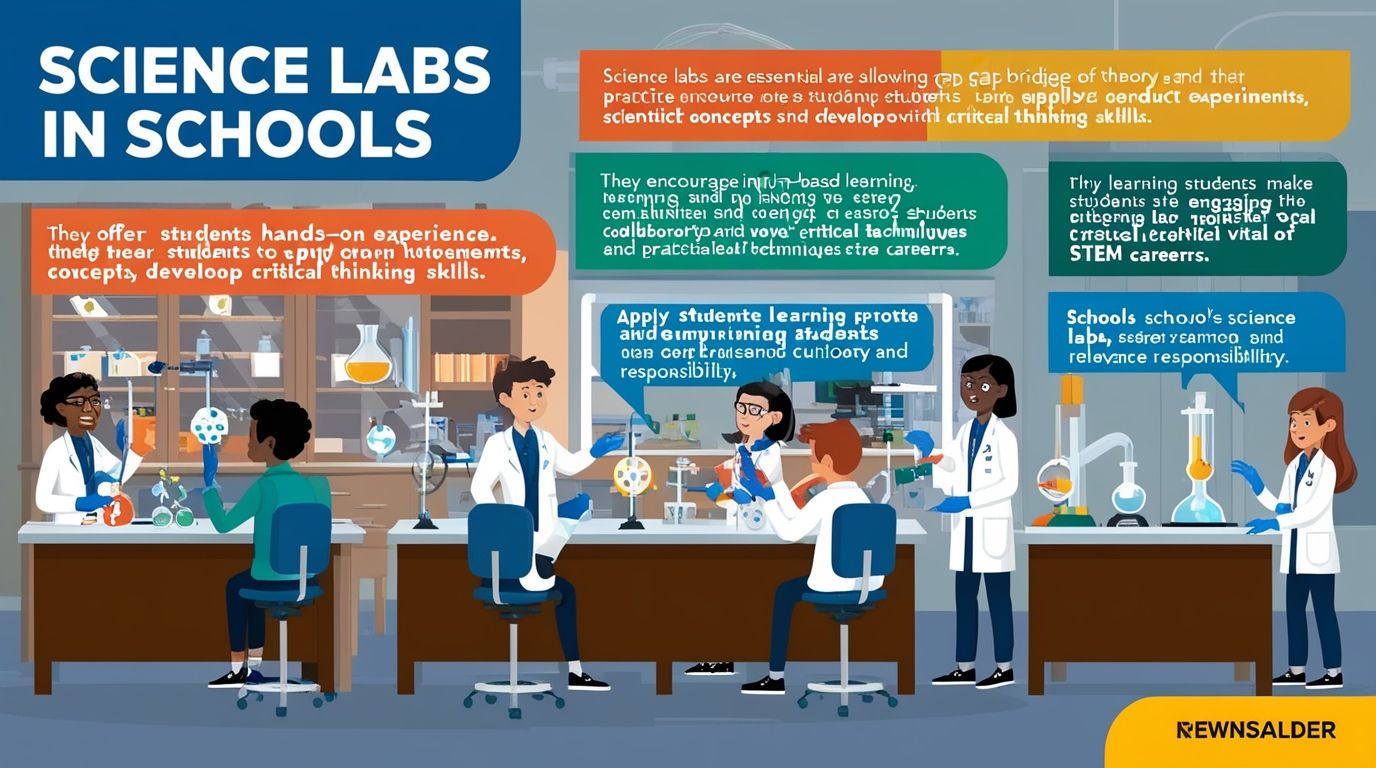
Schools may lack laboratories, technology, teaching materials, or community support necessary for contextual activities.
Large Classroom Size
Managing contextual activities in overcrowded classrooms can be difficult.
Time Constraints
Contextual teaching often requires additional preparation and classroom time compared to traditional lectures.
Assessment Difficulties
Authentic assessments may be more complex and time-consuming than conventional testing methods.
Resistance to Change
Teachers and students accustomed to traditional teaching approaches may initially resist active learning methods.
To overcome these challenges, educational institutions should provide professional development programs, instructional resources, administrative support, and collaborative learning opportunities for teachers.
Importance of Contextual Teaching in Modern Education
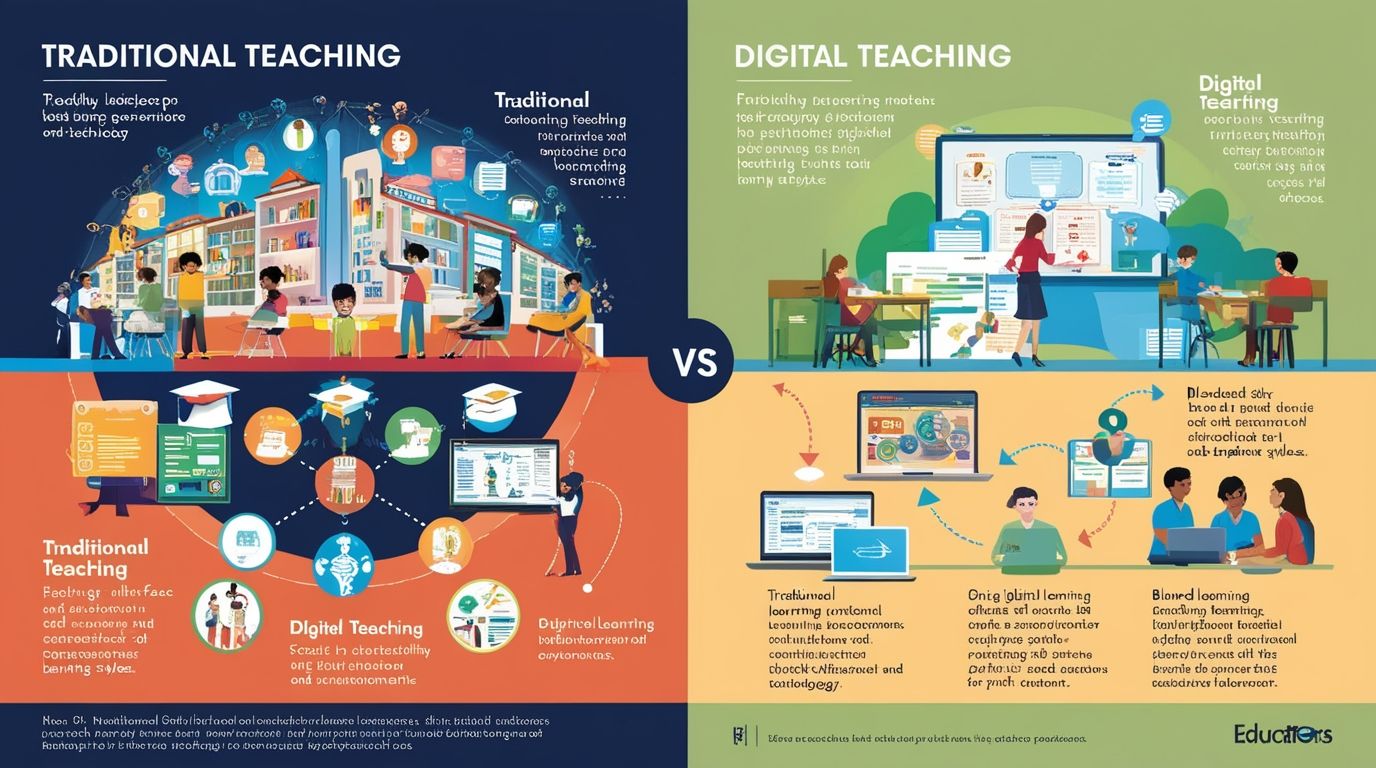
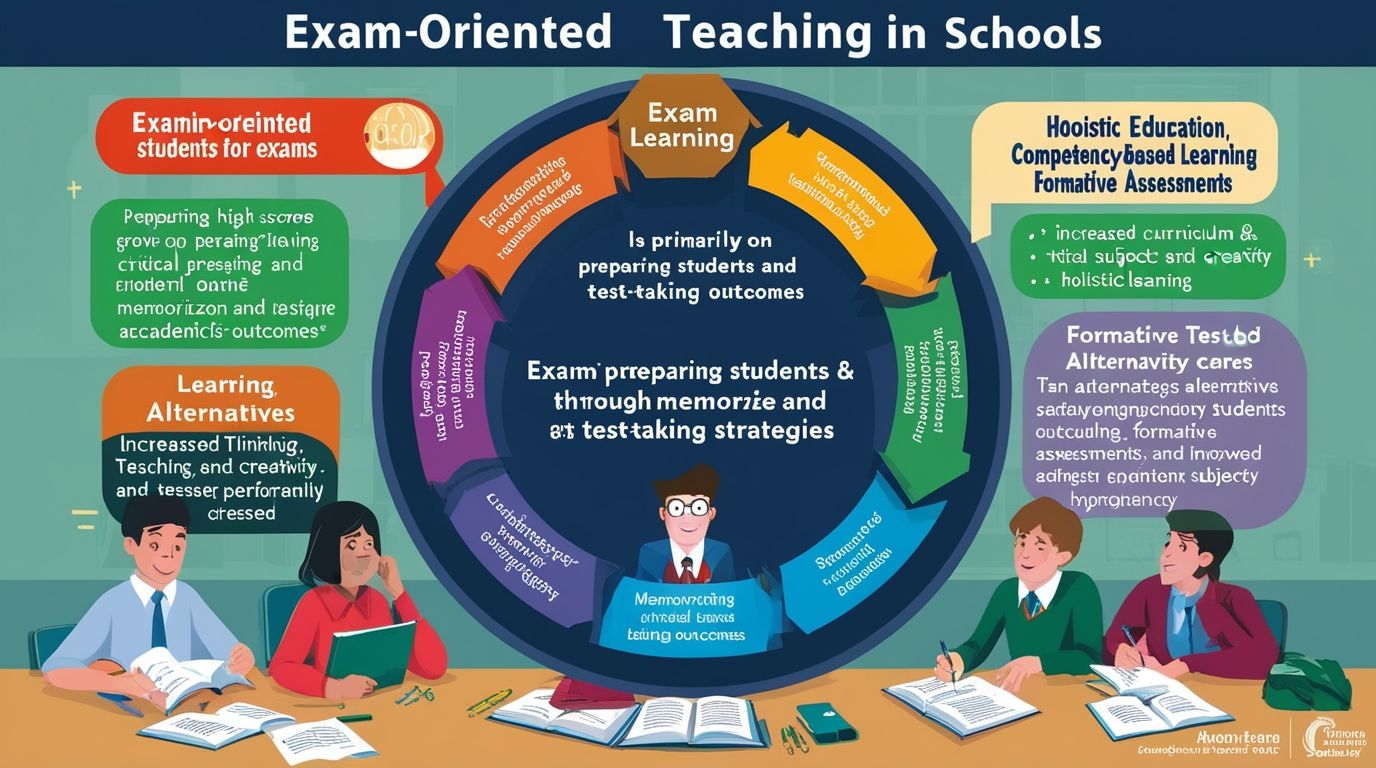
The rapidly changing global environment demands learners who can think critically, solve problems, collaborate effectively, and adapt to new situations. Traditional examination-oriented education does not fully develop these competencies. Contextual teaching addresses this gap by emphasizing meaningful and applied learning.
Modern educational systems increasingly focus on competency-based education where learning outcomes are directly connected to practical abilities. SLO-focused contextual teaching supports this vision by ensuring that classroom learning prepares students for real-world responsibilities.
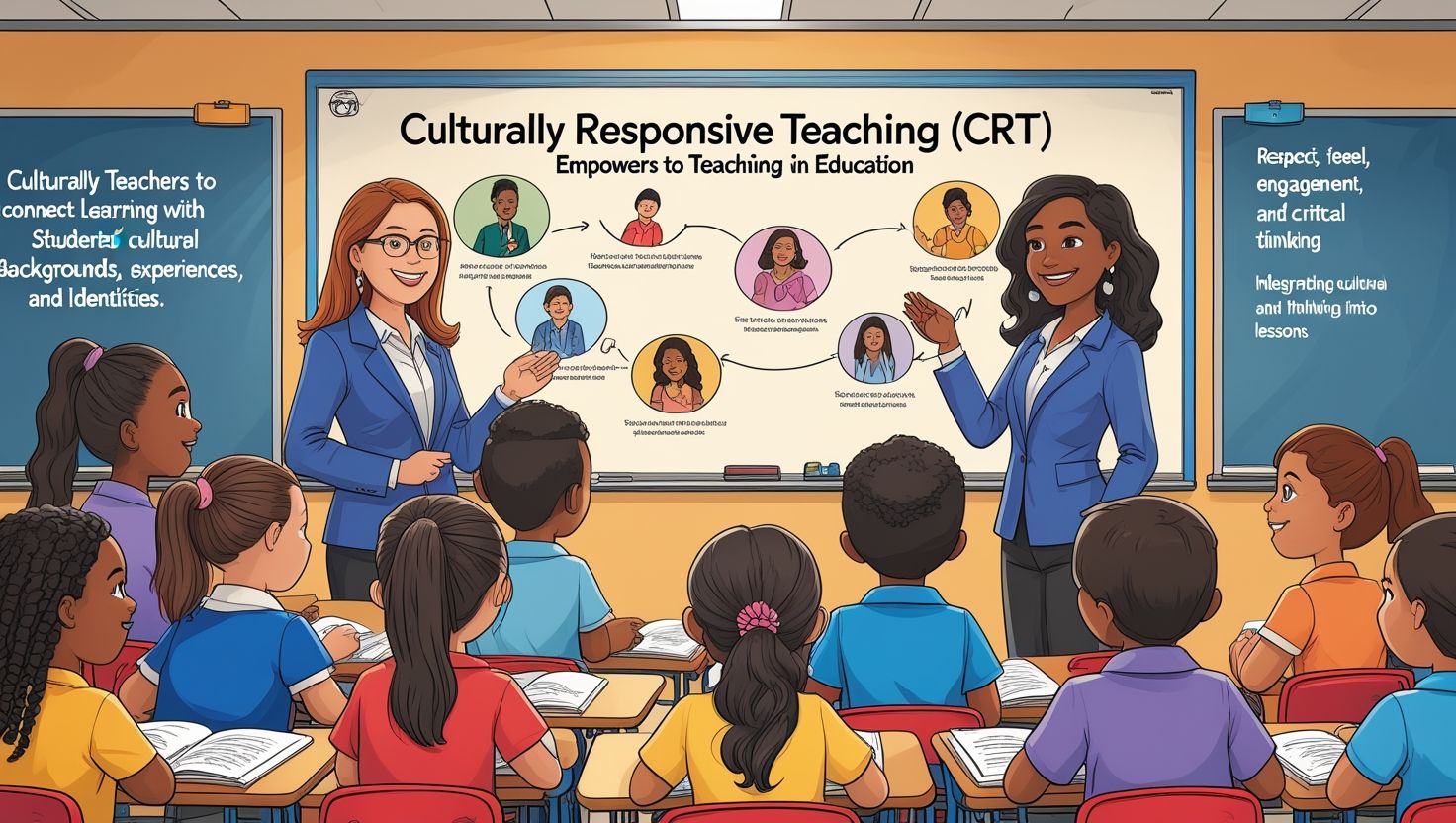
In addition, contextual learning supports inclusive and learner-centered education by recognizing students’ backgrounds, experiences, and interests. It promotes active citizenship and social responsibility by engaging learners with community issues and real-life challenges.
Educational research also highlights the effectiveness of contextual approaches in improving motivation, engagement, and achievement across various subjects.
Recommendations for Effective Implementation
To implement SLO-focused contextual teaching successfully, the following recommendations are important:
- Teachers should receive continuous professional training on SLO development and contextual instructional methods.
- Curriculum designers should integrate contextual activities into textbooks and learning materials.
- Schools should encourage project-based and inquiry-based learning approaches.
- Assessment systems should include authentic and performance-based evaluation methods.
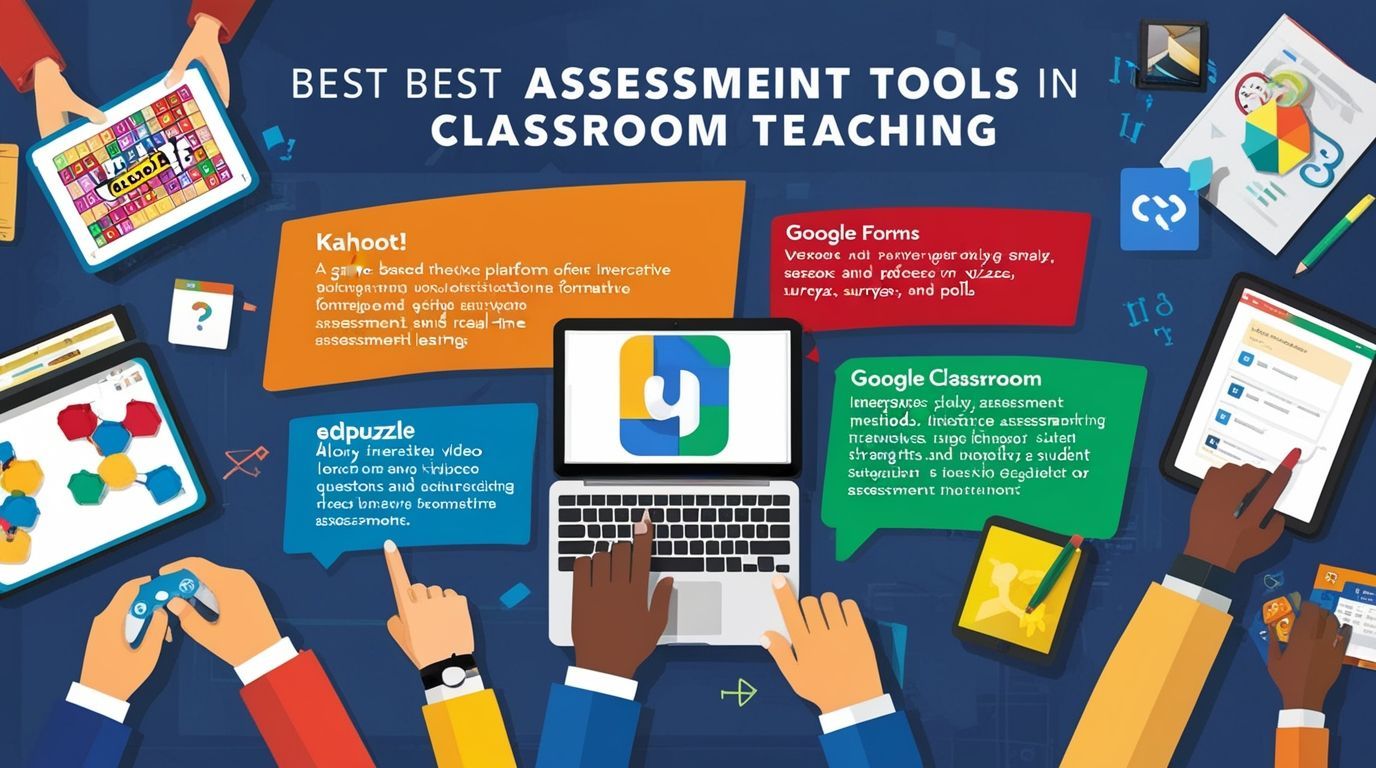
- Technology and digital resources should be integrated into classroom instruction.
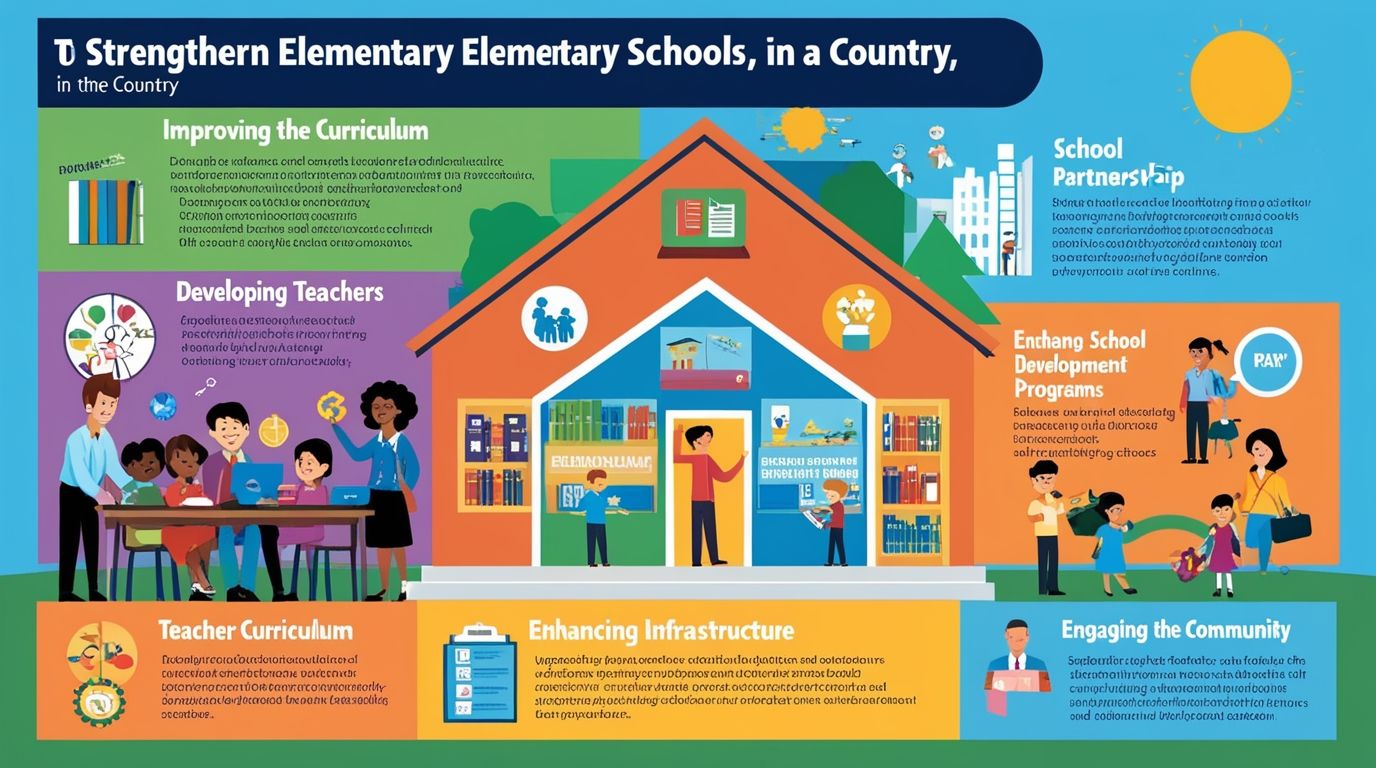
- Collaboration between schools and communities should be strengthened to provide real-life learning opportunities.
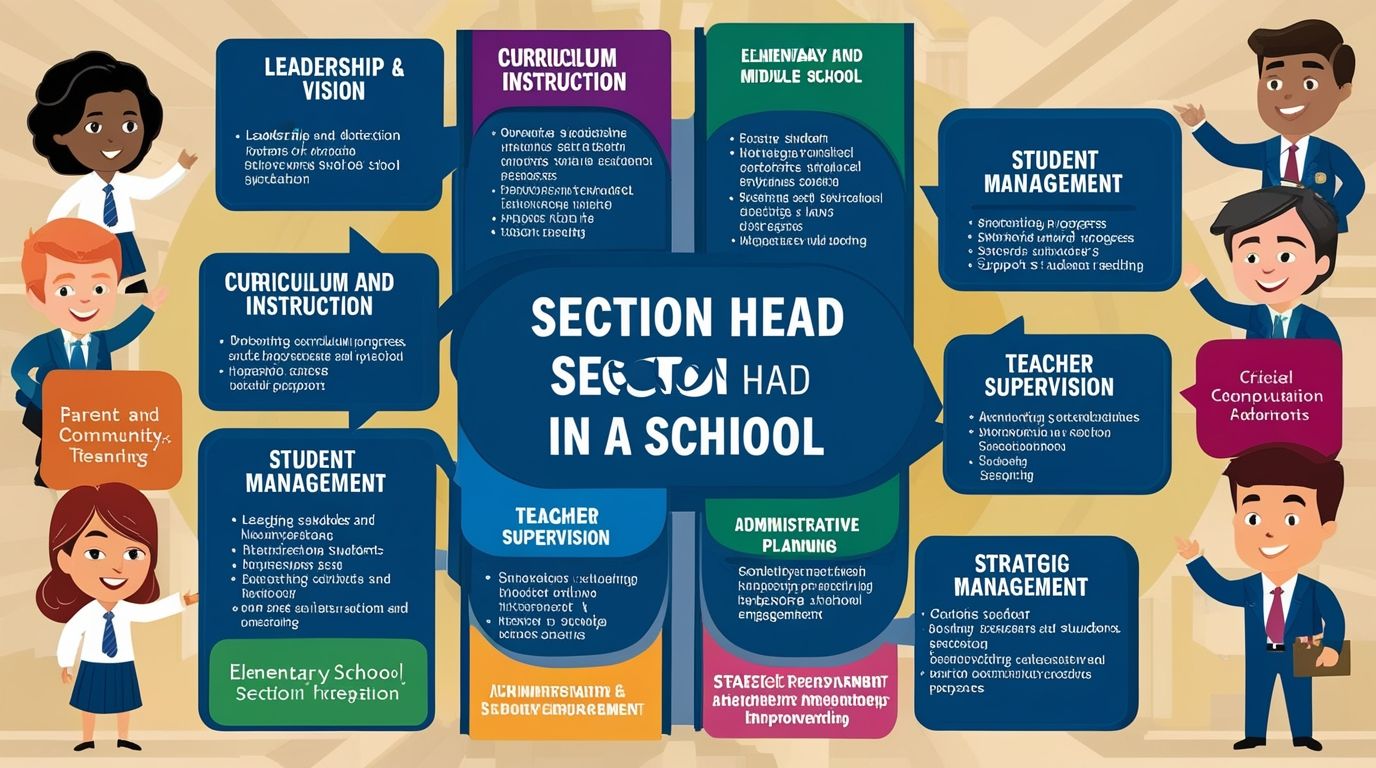
- Educational leaders should support innovative teaching practices through supervision and guidance.
Conclusion
SLO-focused contextual teaching represents a powerful educational approach that combines clear learning objectives with meaningful real-world experiences. This approach shifts education from rote memorization toward active, student-centered, and competency-based learning. By integrating Student Learning Outcomes with contextual teaching strategies, teachers can create classrooms where students develop deep understanding, critical thinking abilities, practical skills, and lifelong learning habits.
Contextual teaching makes learning relevant, engaging, and purposeful. Students become active participants who connect classroom concepts with everyday life, while teachers serve as facilitators guiding learners toward measurable outcomes. Although challenges such as limited resources, lack of training, and large classroom sizes may affect implementation, proper planning and institutional support can overcome these obstacles.
In modern education, where the emphasis is on competency development and practical application of knowledge, SLO-focused contextual teaching provides an effective pathway for improving educational quality and student success. It prepares learners not only for examinations but also for responsible participation in society and future professional life.
References
- Understanding by Design Wiggins, G., & McTighe, J. Understanding by Design. ASCD Publications.
- Contextual Teaching and Learning Johnson, E. B. (2002). Contextual Teaching and Learning: What It Is and Why It’s Here to Stay. Corwin Press.
- Prastuti, A. E., Sarmini, S., & Purnomo, N. H. (2020). “Implementation of Contextual Teaching and Learning Social Sciences Subjects to Increase Motivation and Learning Achievement.” The Indonesian Journal of Social Studies.
- Widodo, U. (2020). “Contextual Teaching and Learning: An Alternative Method to Teach Speaking.” SELL Journal.
- Rindayati, V., Hamdan, H., & Rosalina, E. (2024). “The Effect of Contextual Teaching and Learning on Improving Student Achievement at Madrasah Ibtidaiyah.” Journal of Student-Centered Learning.