Introduction
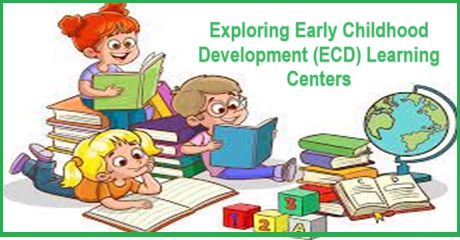
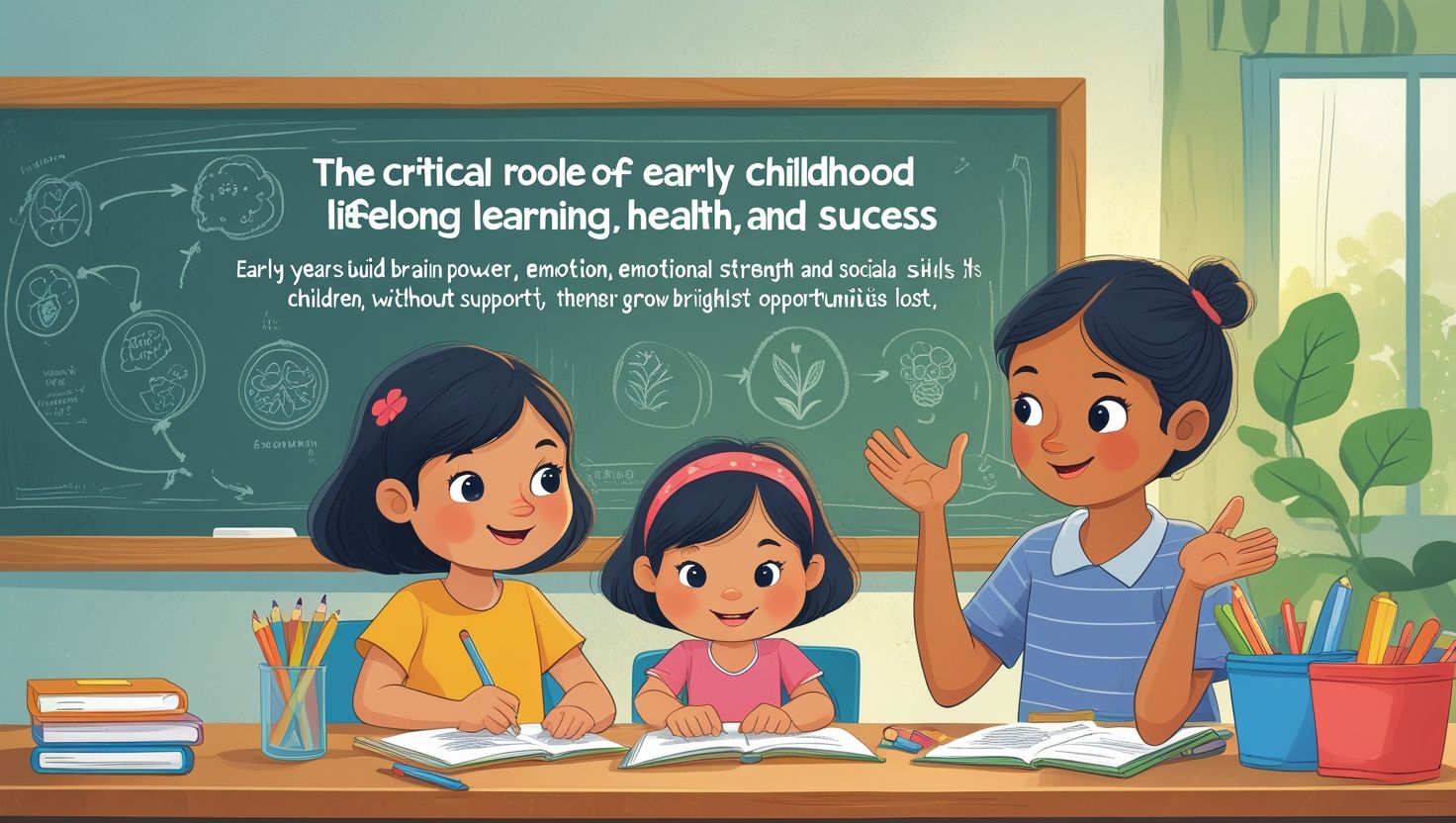
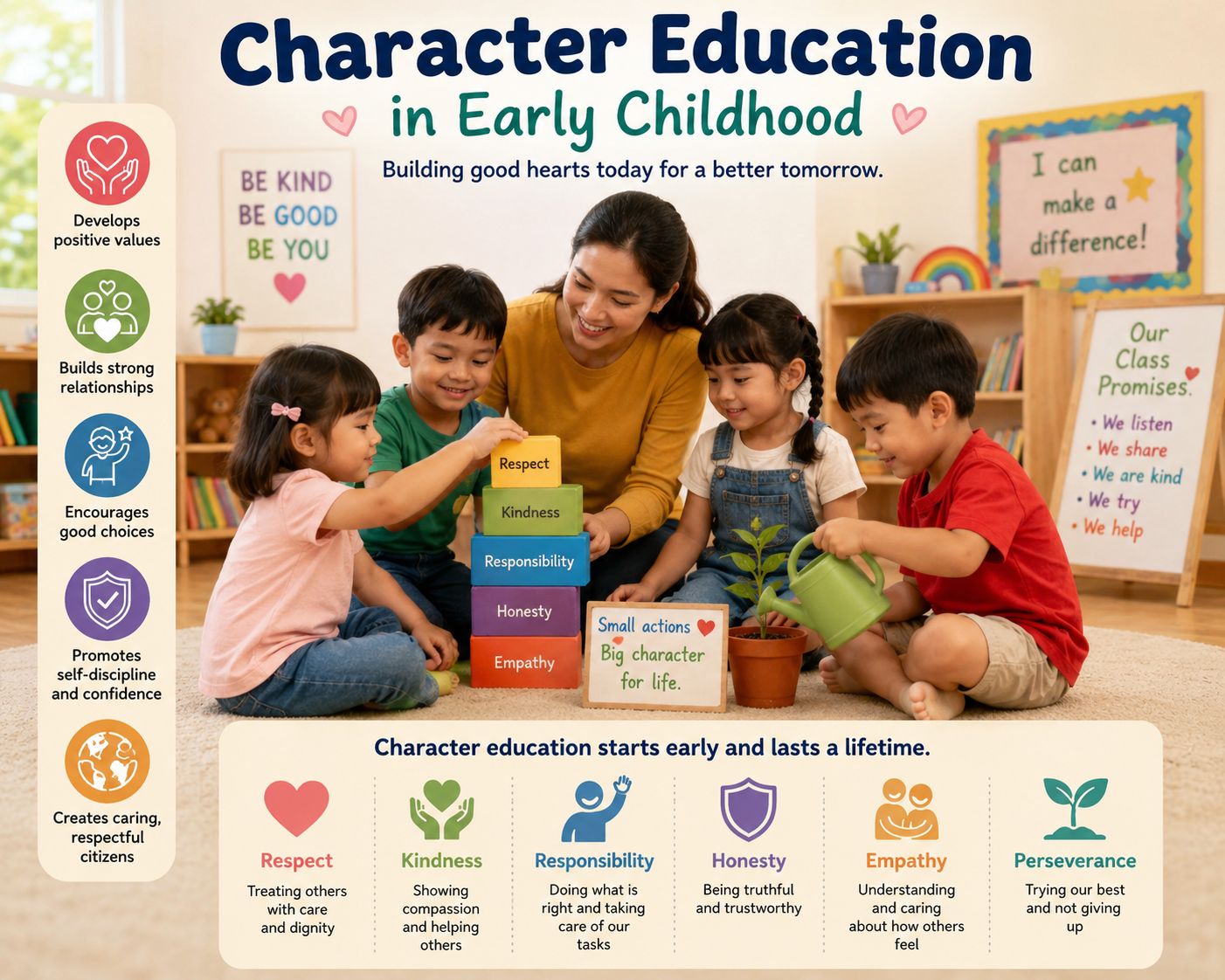
Character Education in Early Childhood, Character education in early childhood is a fundamental aspect of holistic development that nurtures children’s moral, social, emotional, and ethical growth during their formative years. Early childhood represents a critical period when values, attitudes, and behavioral patterns are established through interactions with family members, teachers, peers, and the surrounding environment. Character education extends beyond academic instruction by fostering virtues such as honesty, respect, responsibility, empathy, kindness, fairness, and self-discipline that contribute to lifelong personal and social success. Research indicates that integrating character education into early learning experiences enhances children’s emotional intelligence, prosocial behavior, and decision-making abilities while promoting positive relationships and responsible citizenship. Therefore, collaborative efforts among families, educators, and communities are essential to creating nurturing environments that cultivate ethical values and prepare young children to become compassionate, resilient, and socially responsible individuals.
1. Seeds of Virtue:
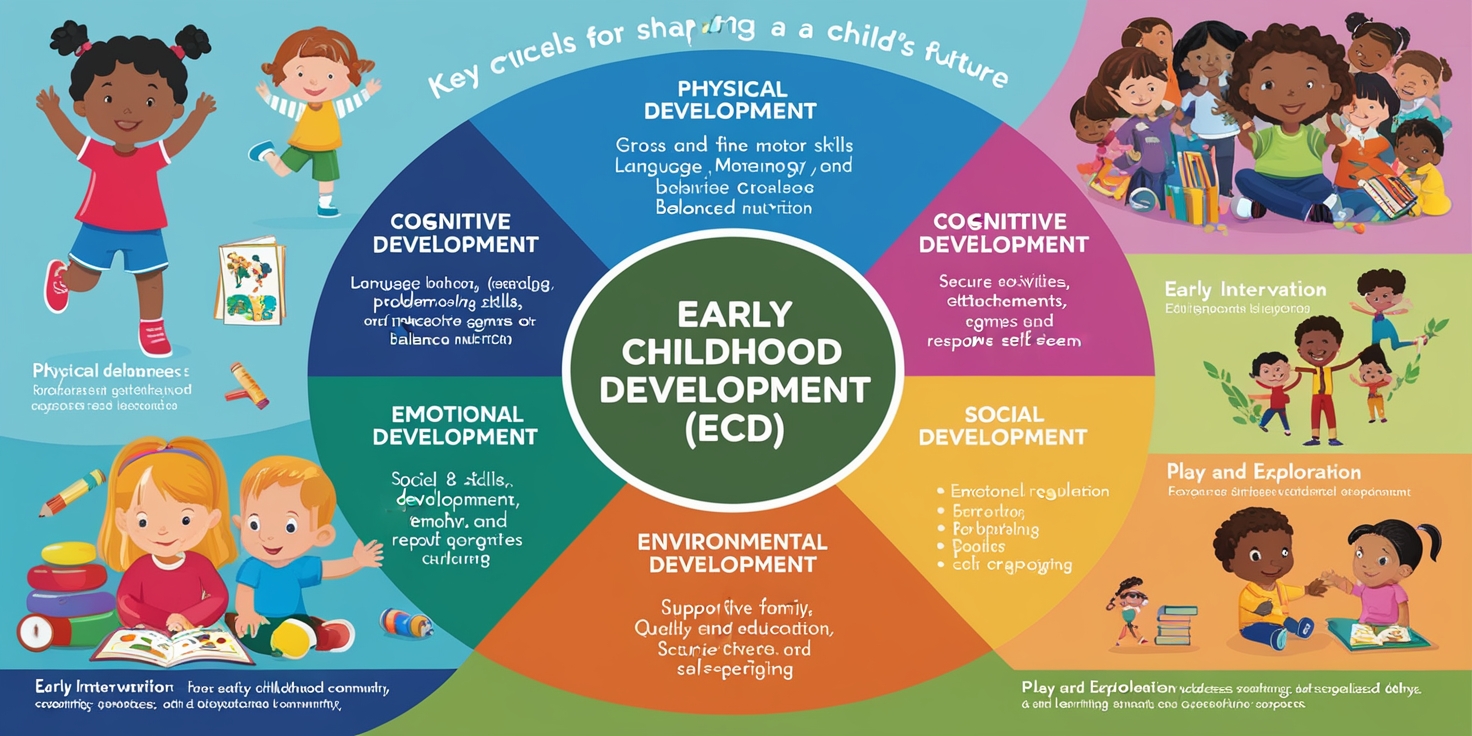
Character education in early childhood refers to the deliberate process of nurturing moral values, ethical behaviors, and positive personal qualities during the formative years of children’s development. Early childhood, generally encompassing birth to eight years of age, represents a critical period in which children’s personalities, habits, attitudes, and social behaviors begin to take shape. At this developmental stage, children learn through observation, imitation, interaction, and guided experiences, making it an ideal time to cultivate virtues such as honesty, respect, empathy, kindness, responsibility, fairness, and self-discipline. Character education extends beyond academic achievement by emphasizing holistic development that integrates cognitive, emotional, social, and moral growth. Educational theorists argue that strong character forms the basis of responsible citizenship, healthy relationships, and lifelong success. Consequently, early childhood educators and families share the responsibility of creating environments where positive values are consistently modeled, reinforced, and practiced through meaningful daily experiences.
2. The Science Behind Early Moral Development
Research in developmental psychology consistently demonstrates that children’s moral understanding begins to emerge long before formal schooling. Influential scholars such as Jean Piaget and Lawrence Kohlberg proposed that moral reasoning develops progressively through interactions with others and exposure to ethical dilemmas. Contemporary neuroscience further reveals that the early years are marked by rapid brain development, during which repeated positive experiences strengthen neural pathways associated with empathy, emotional regulation, cooperation, and decision-making. Children who experience supportive, respectful, and nurturing environments are more likely to internalize prosocial behaviors and develop emotional competence. Early moral development is also influenced by attachment relationships, language acquisition, and opportunities for social interaction. Therefore, character education should not be viewed as an isolated subject but rather as an integrated component of children’s everyday learning experiences, where values are embedded within play, storytelling, classroom routines, and interpersonal relationships.
3. Families as the First Architects of Character
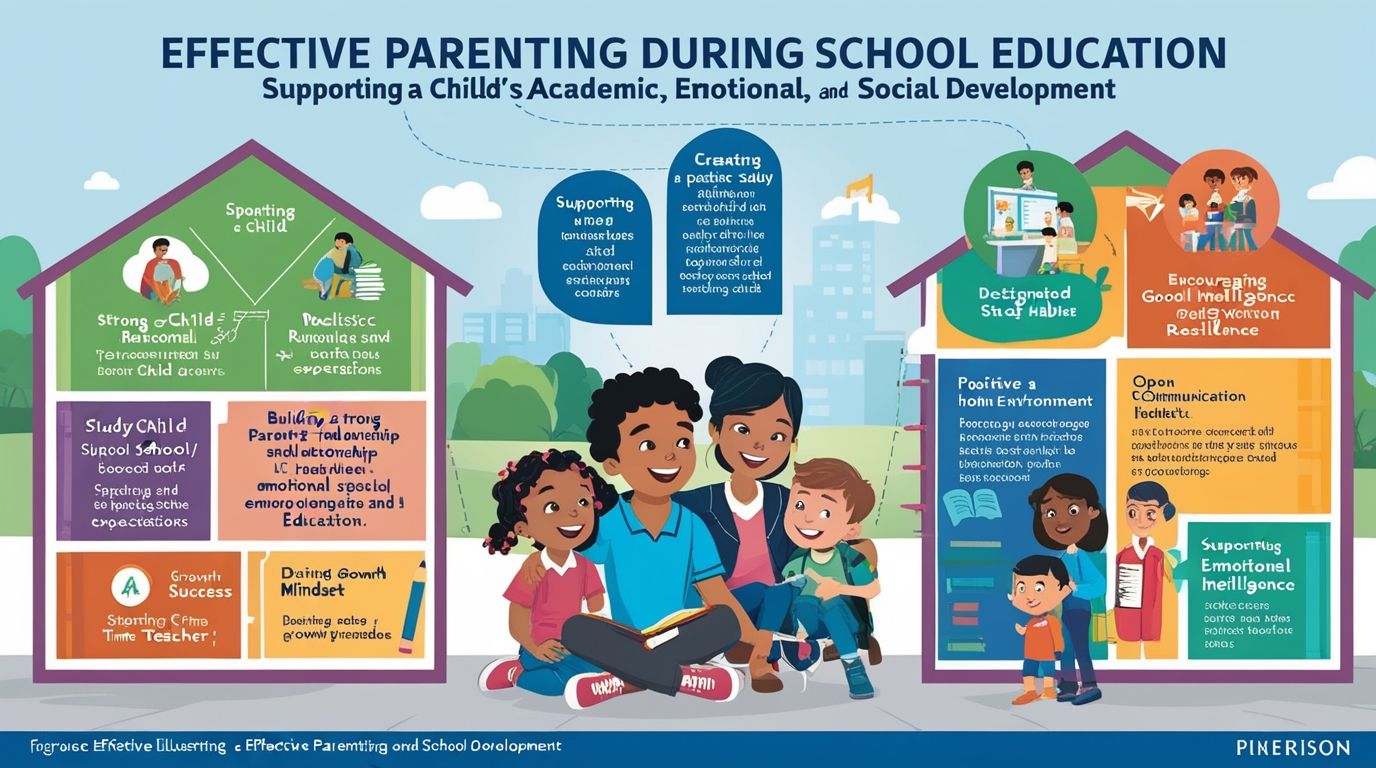
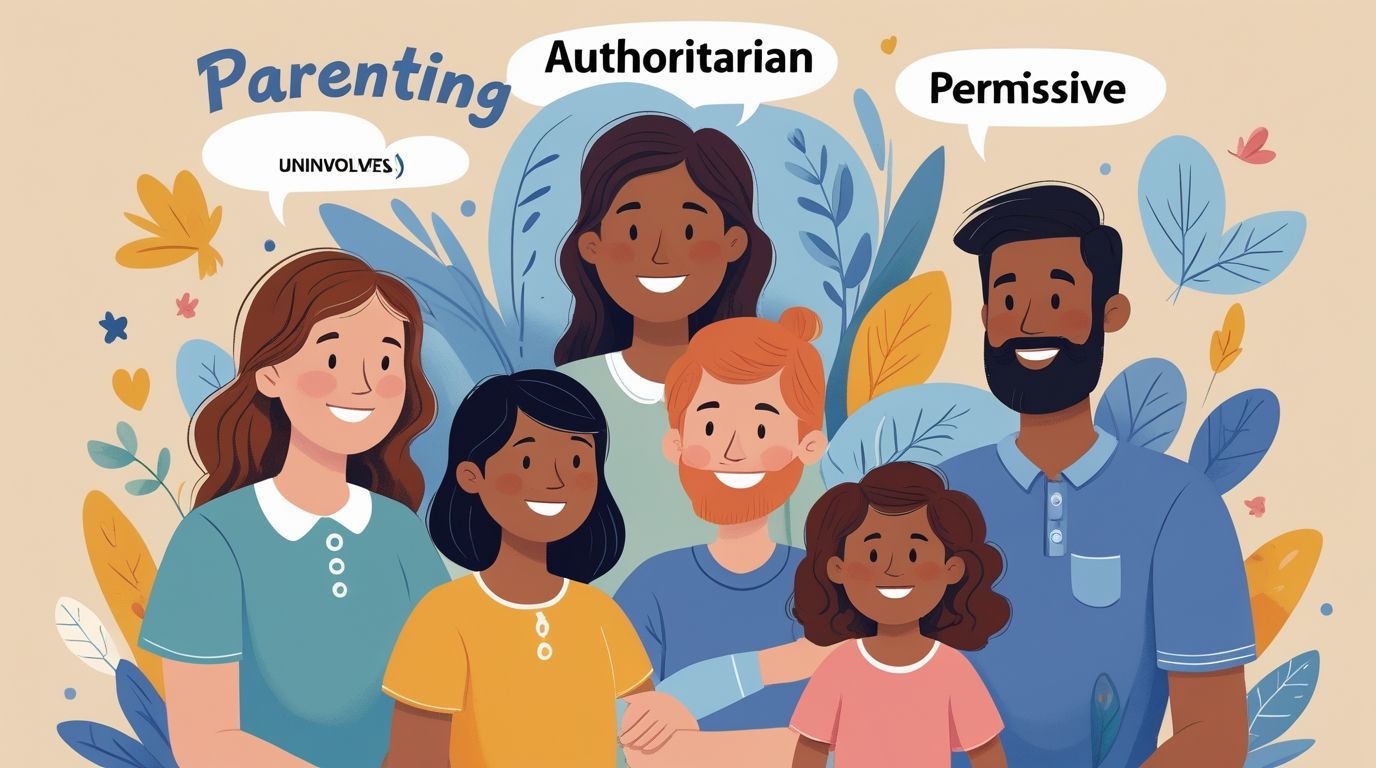
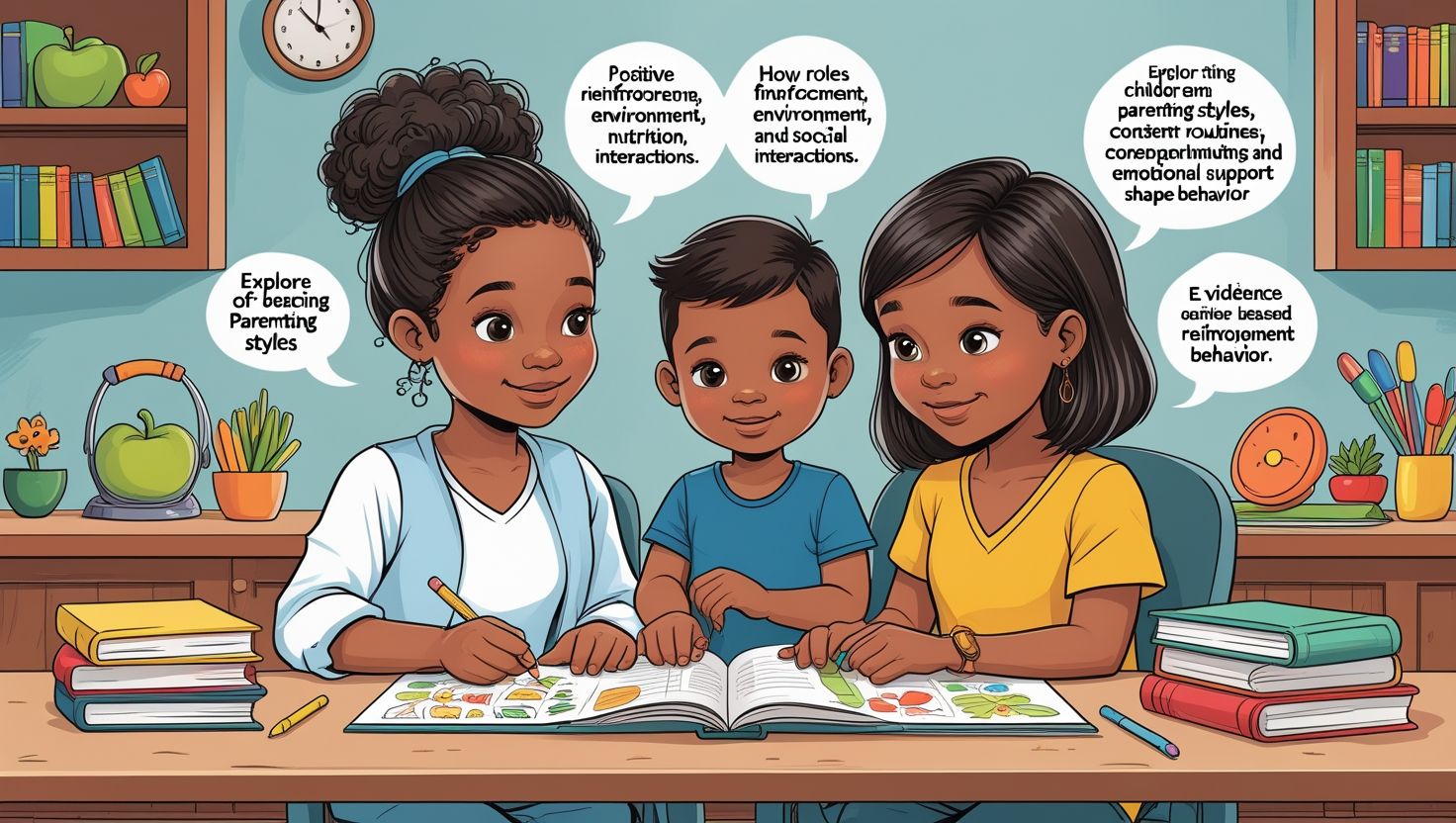
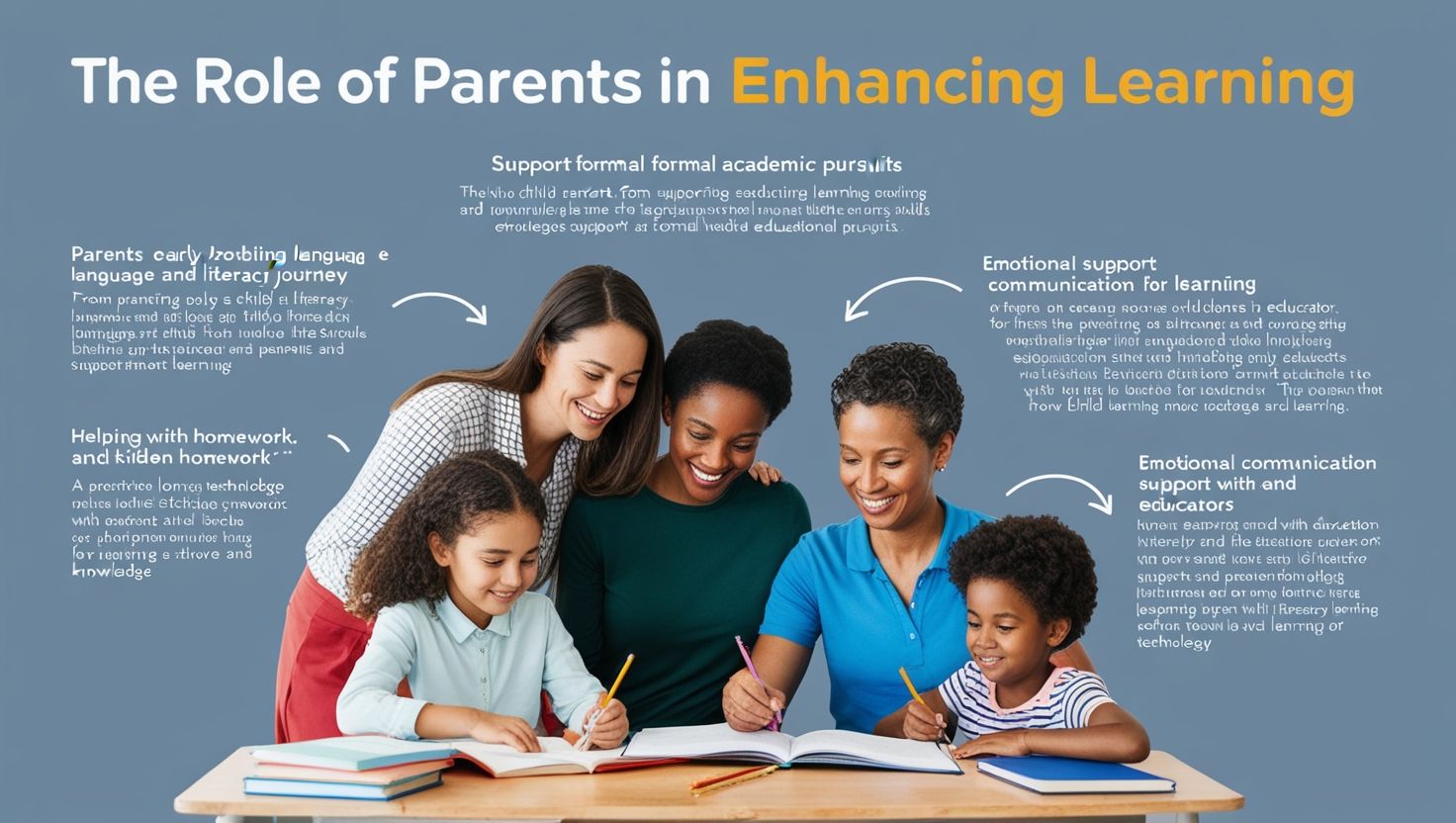
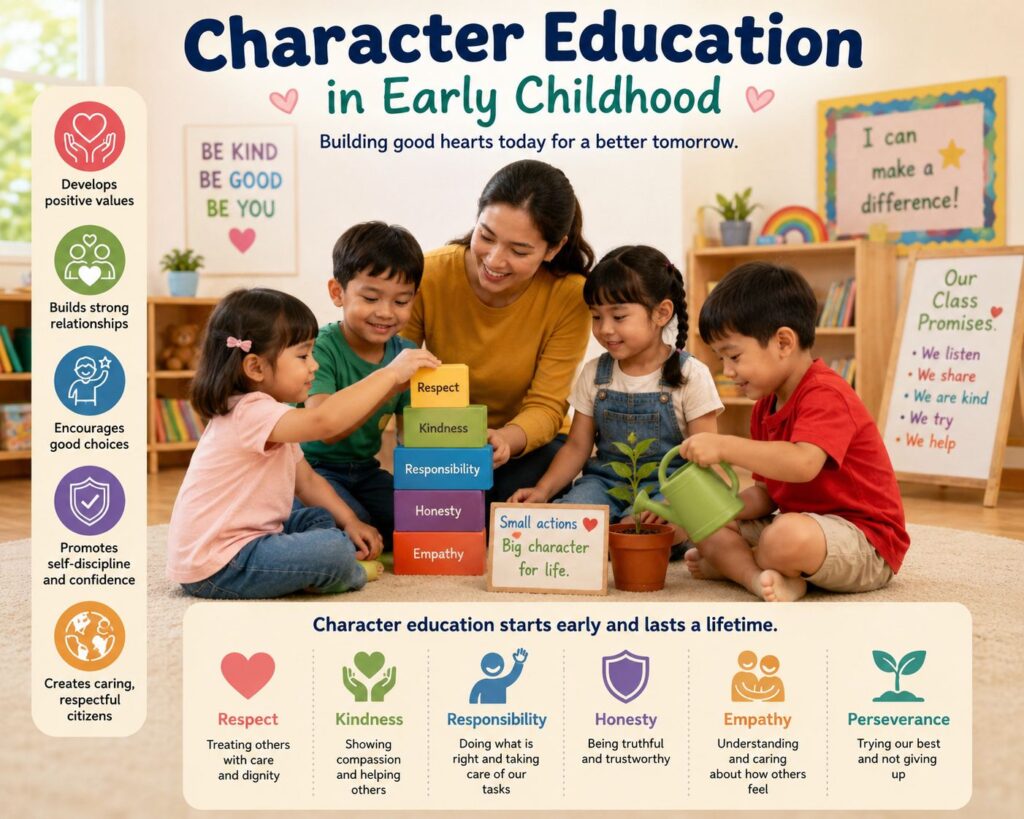
Parents and caregivers serve as children’s earliest and most influential teachers of character. Before entering formal educational settings, children acquire their initial understanding of right and wrong through family interactions, daily routines, and parental modeling. Values such as honesty, compassion, patience, gratitude, and respect are transmitted not merely through verbal instruction but through consistent actions and behaviors observed at home. Positive parenting practices—including warmth, consistency, active listening, and constructive discipline—encourage children to develop self-control, empathy, and moral responsibility. Furthermore, family traditions, cultural practices, and religious beliefs often contribute significantly to character formation by reinforcing ethical principles and social expectations. Effective collaboration between families and educational institutions strengthens character education because children receive consistent messages across home and school environments, promoting the internalization of positive values that guide lifelong behavior.
4. Classrooms that Shape Hearts and Minds
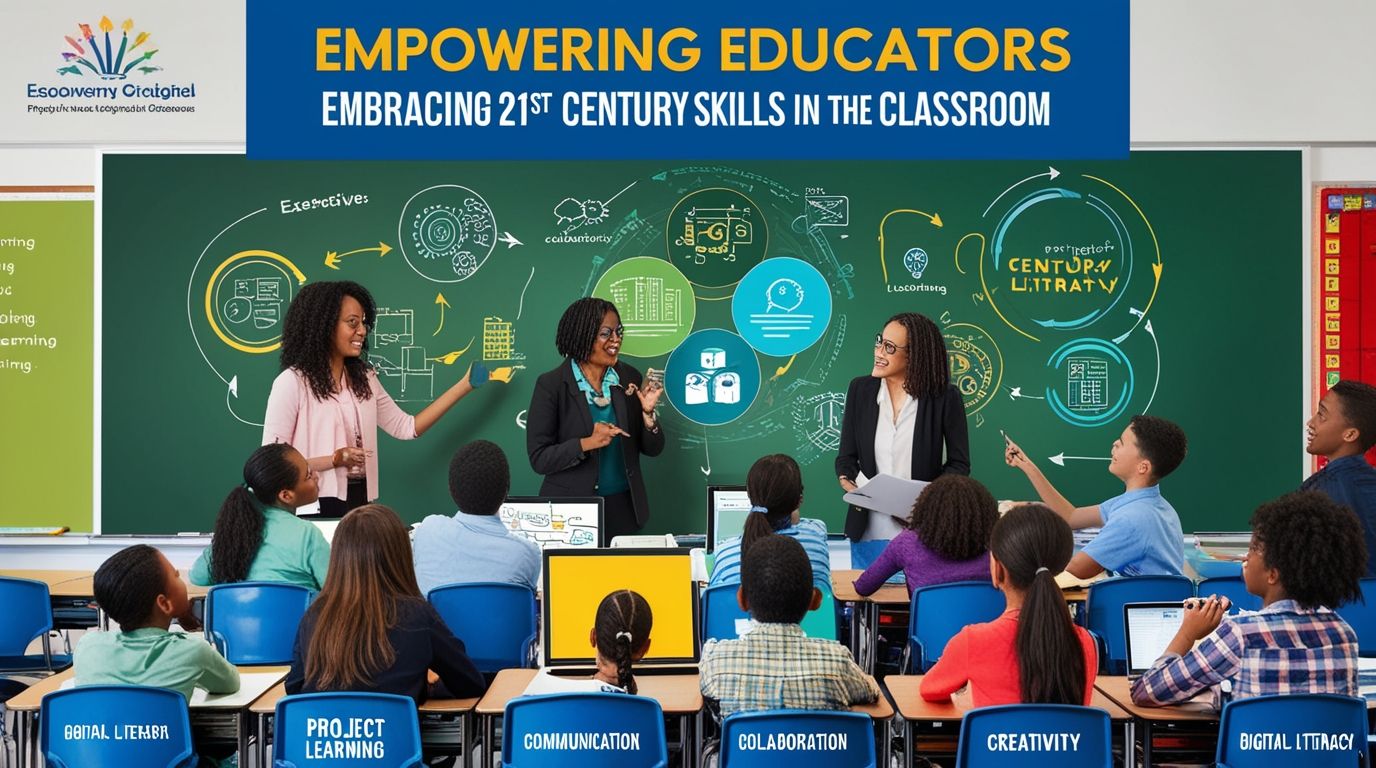
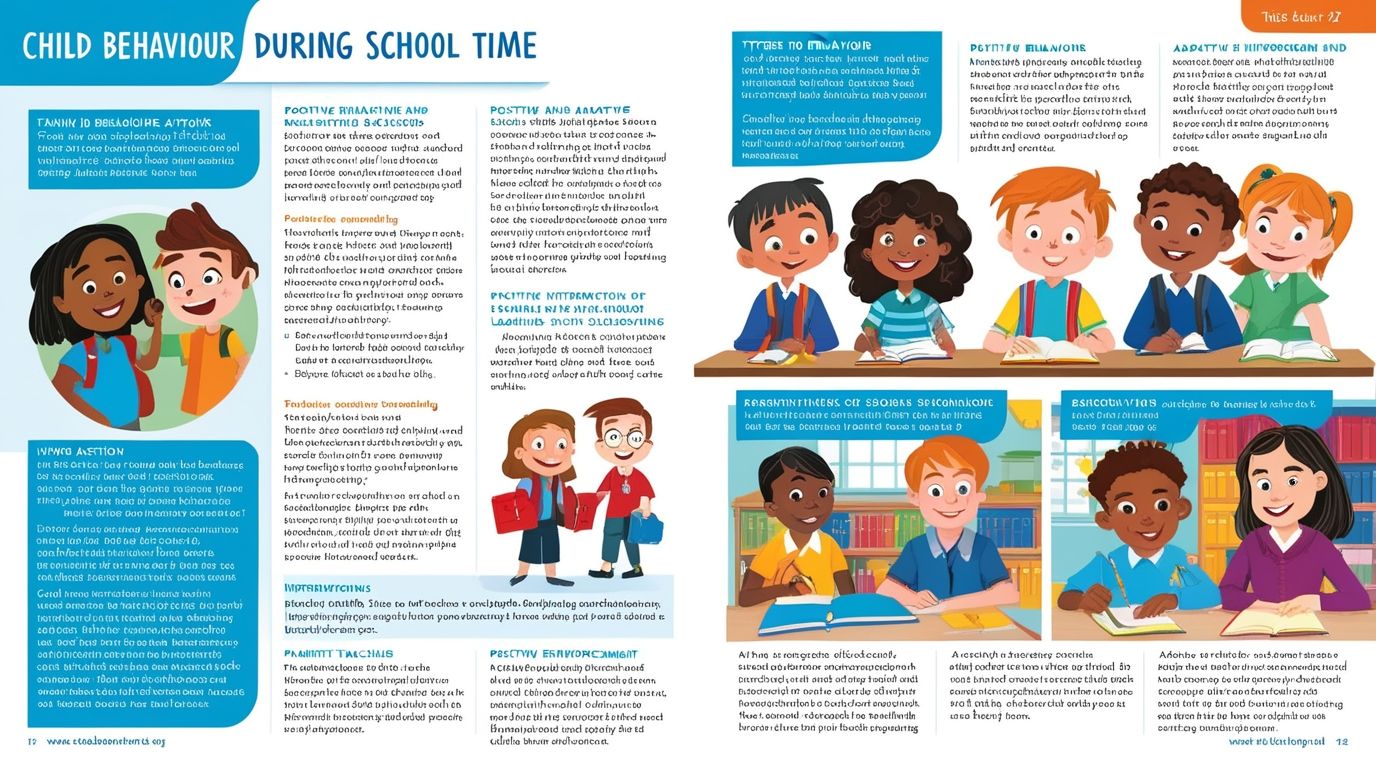
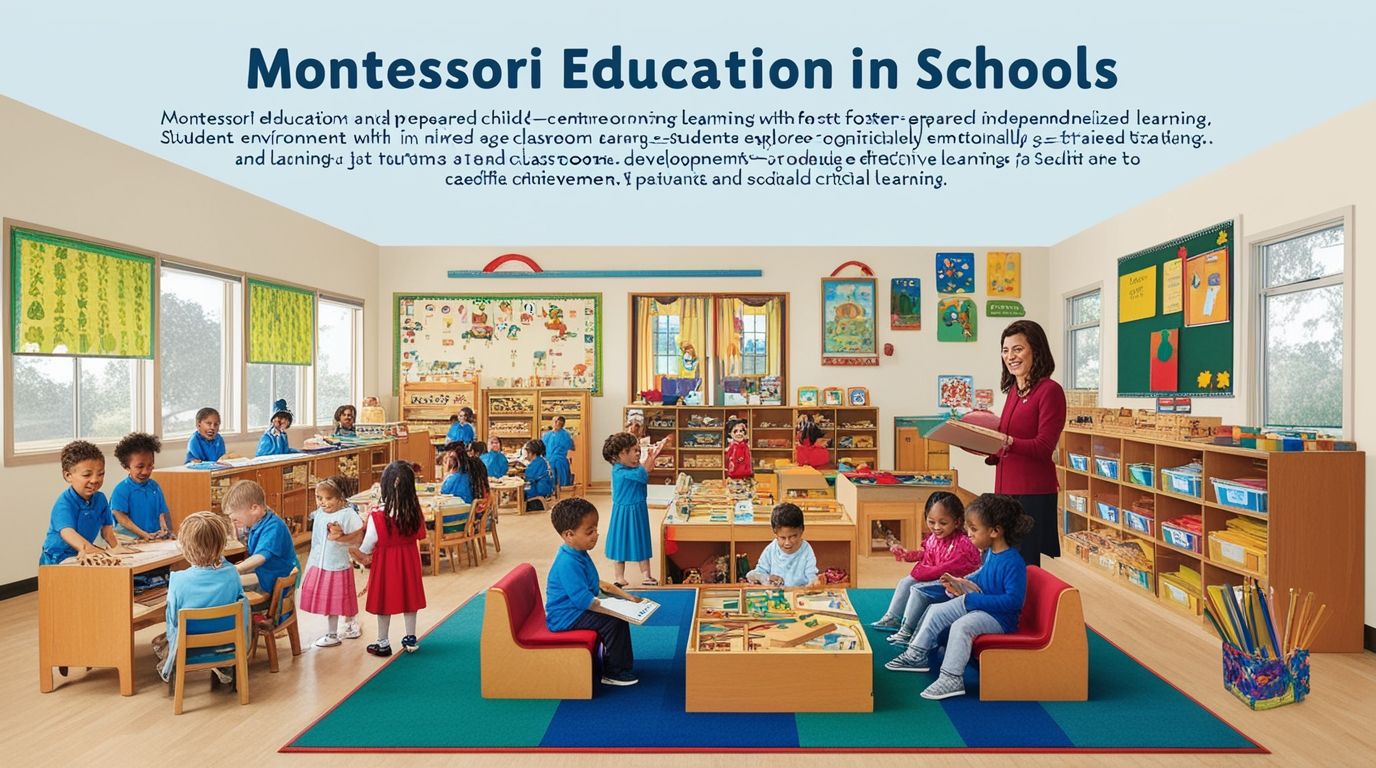
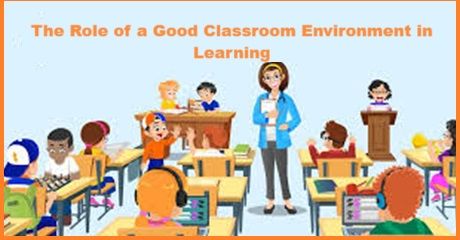
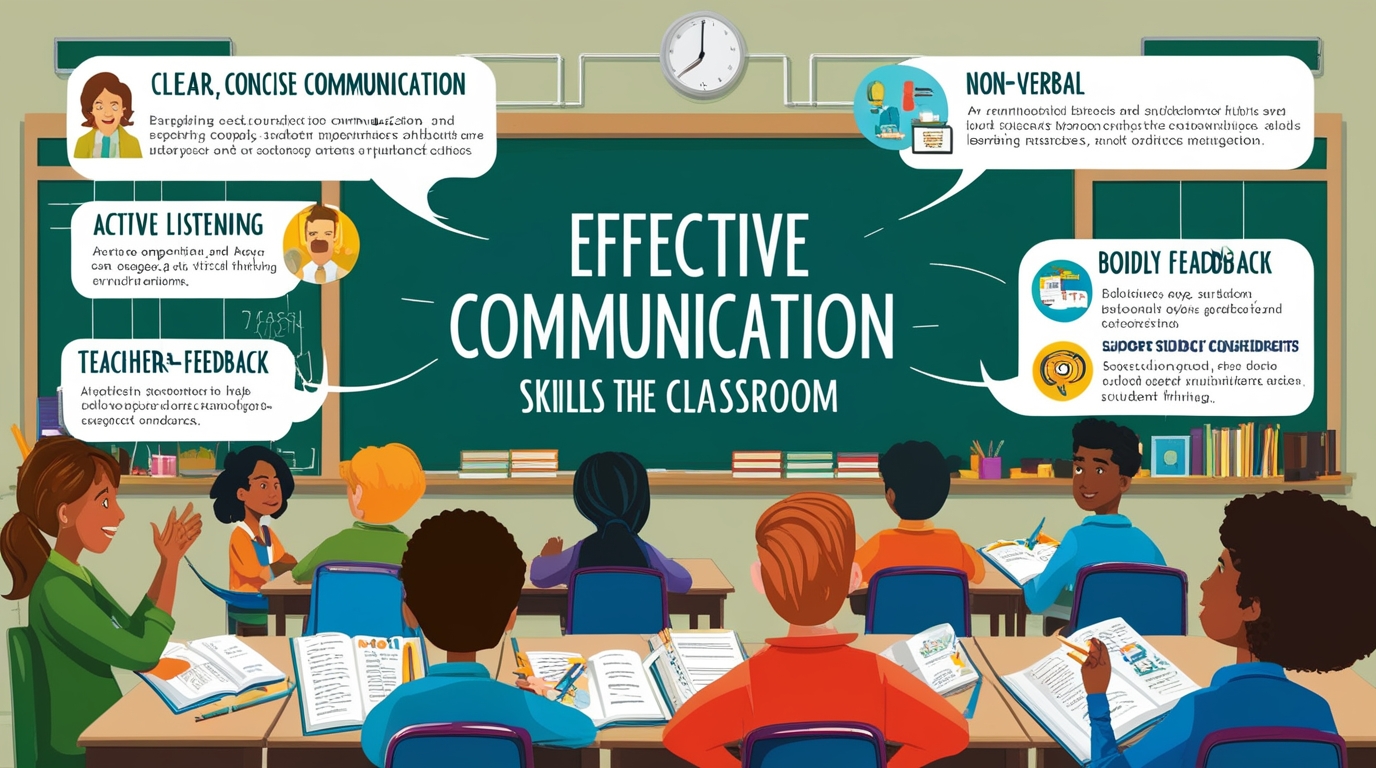
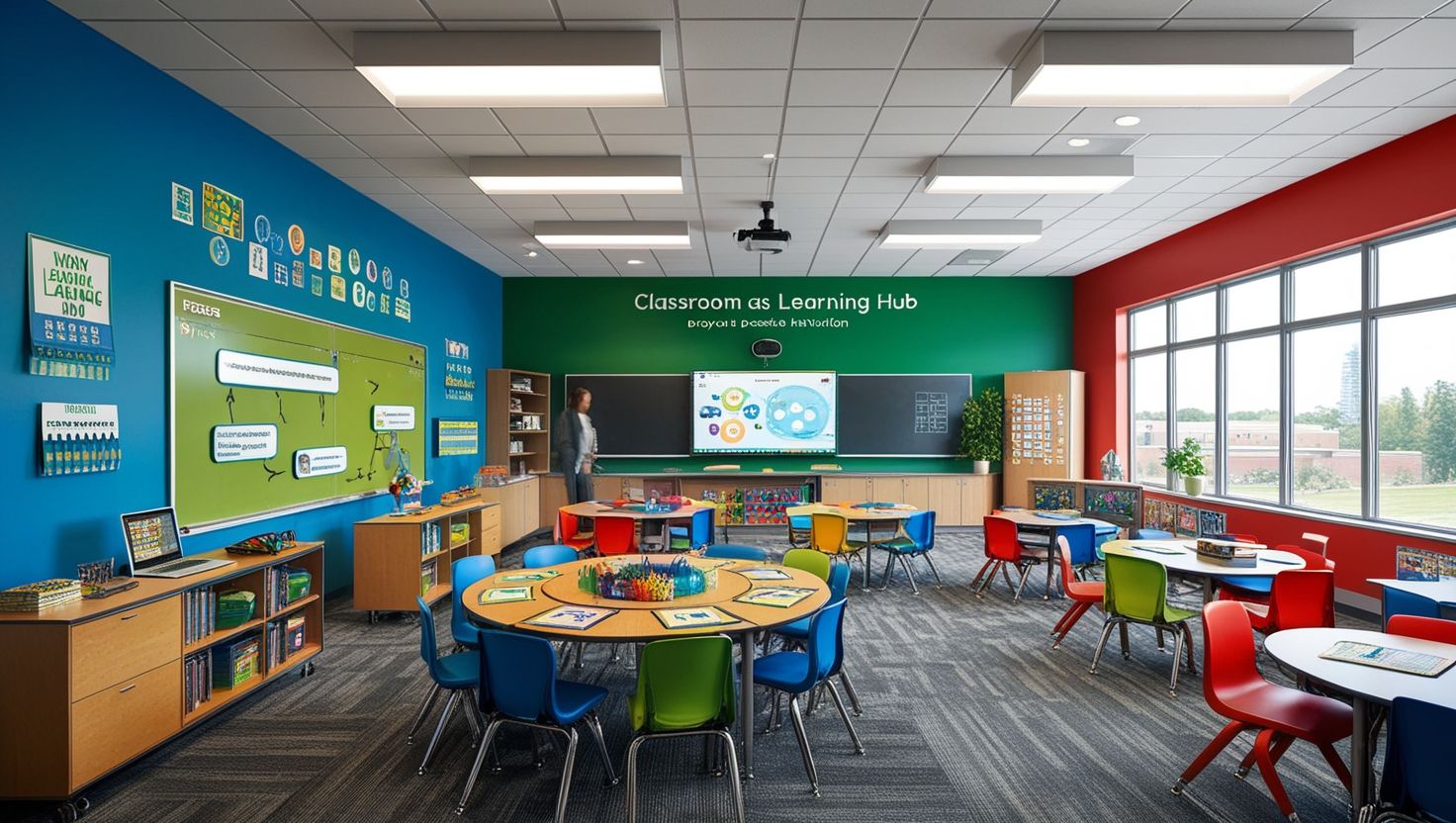
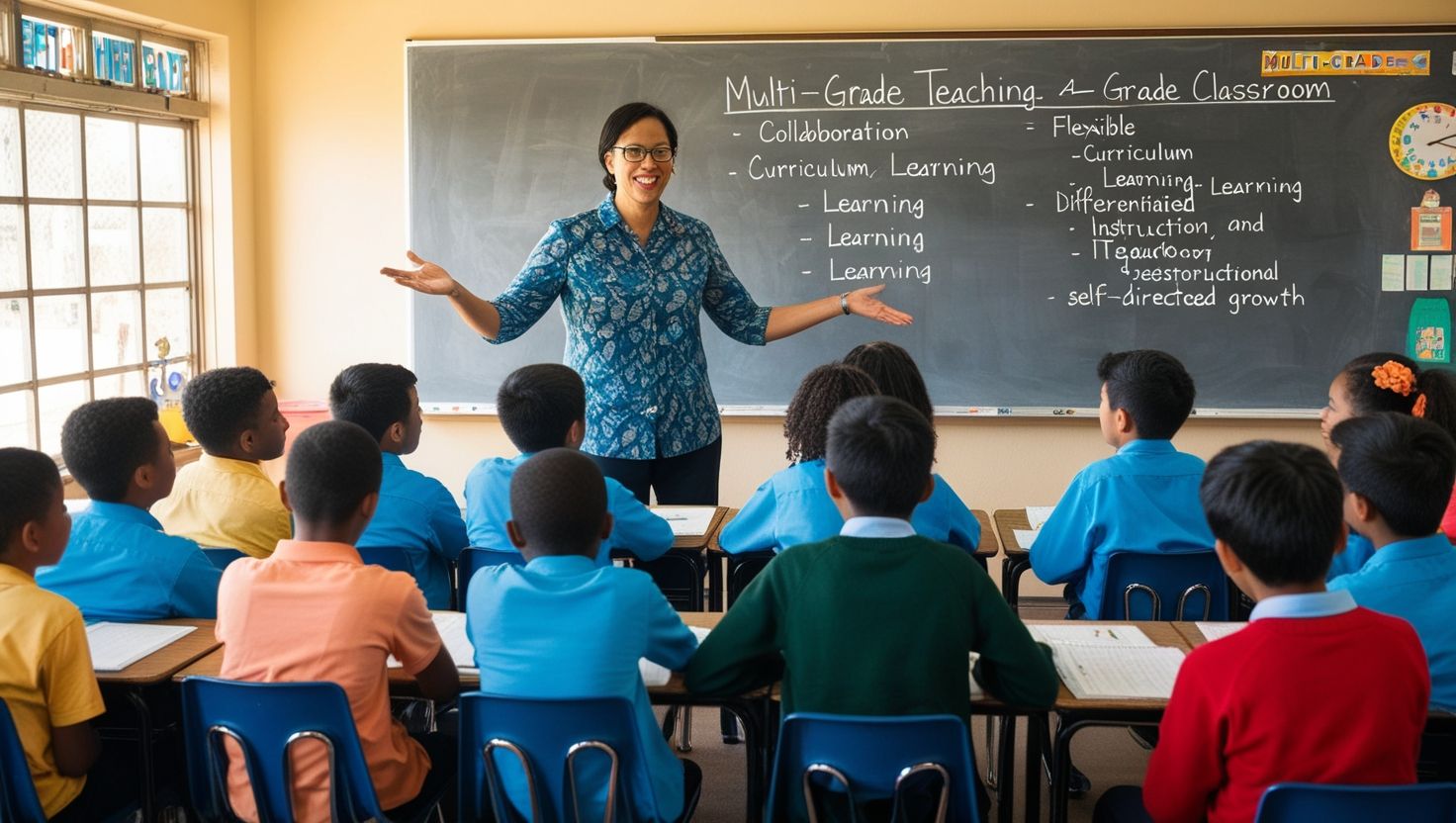
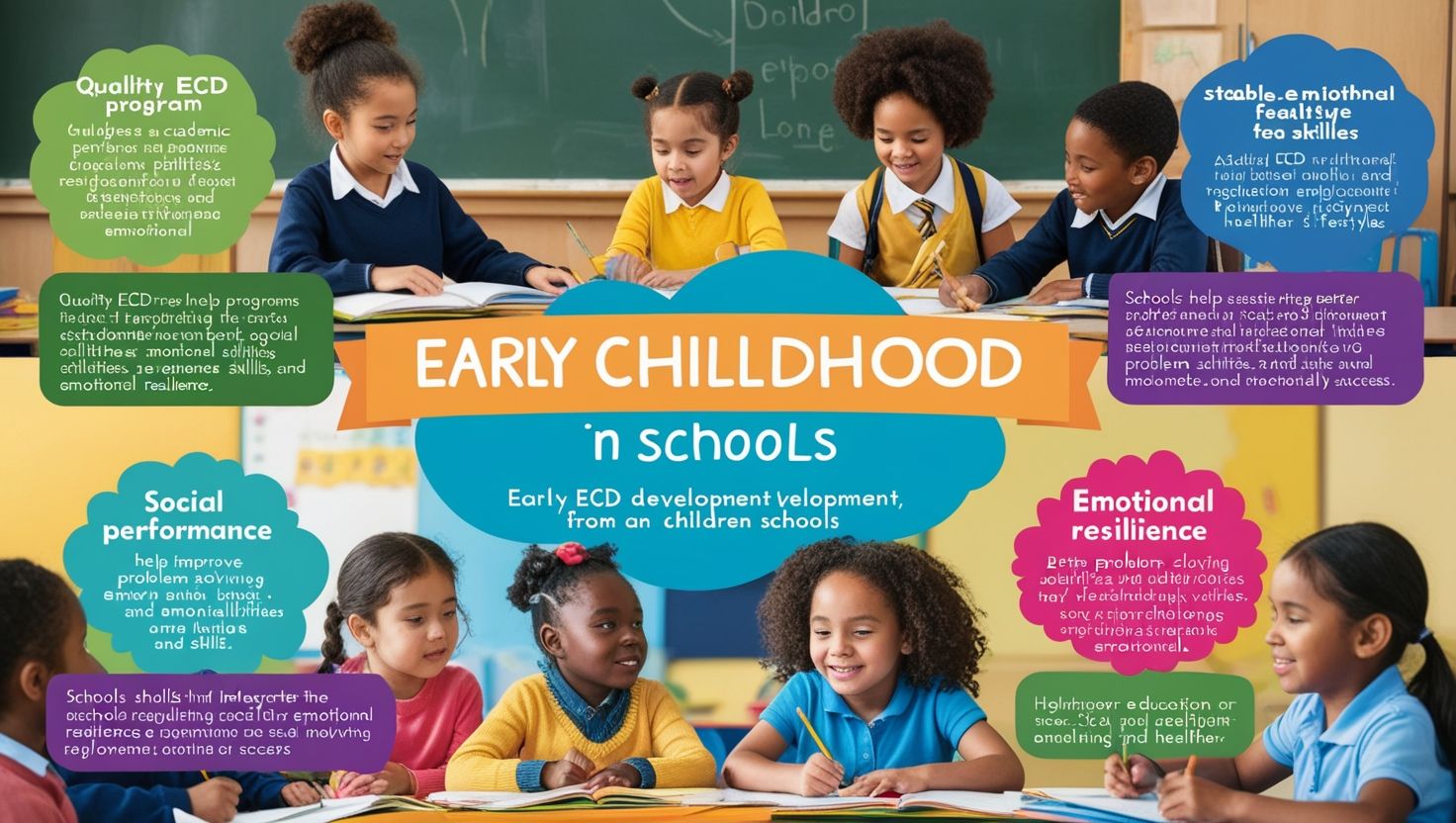
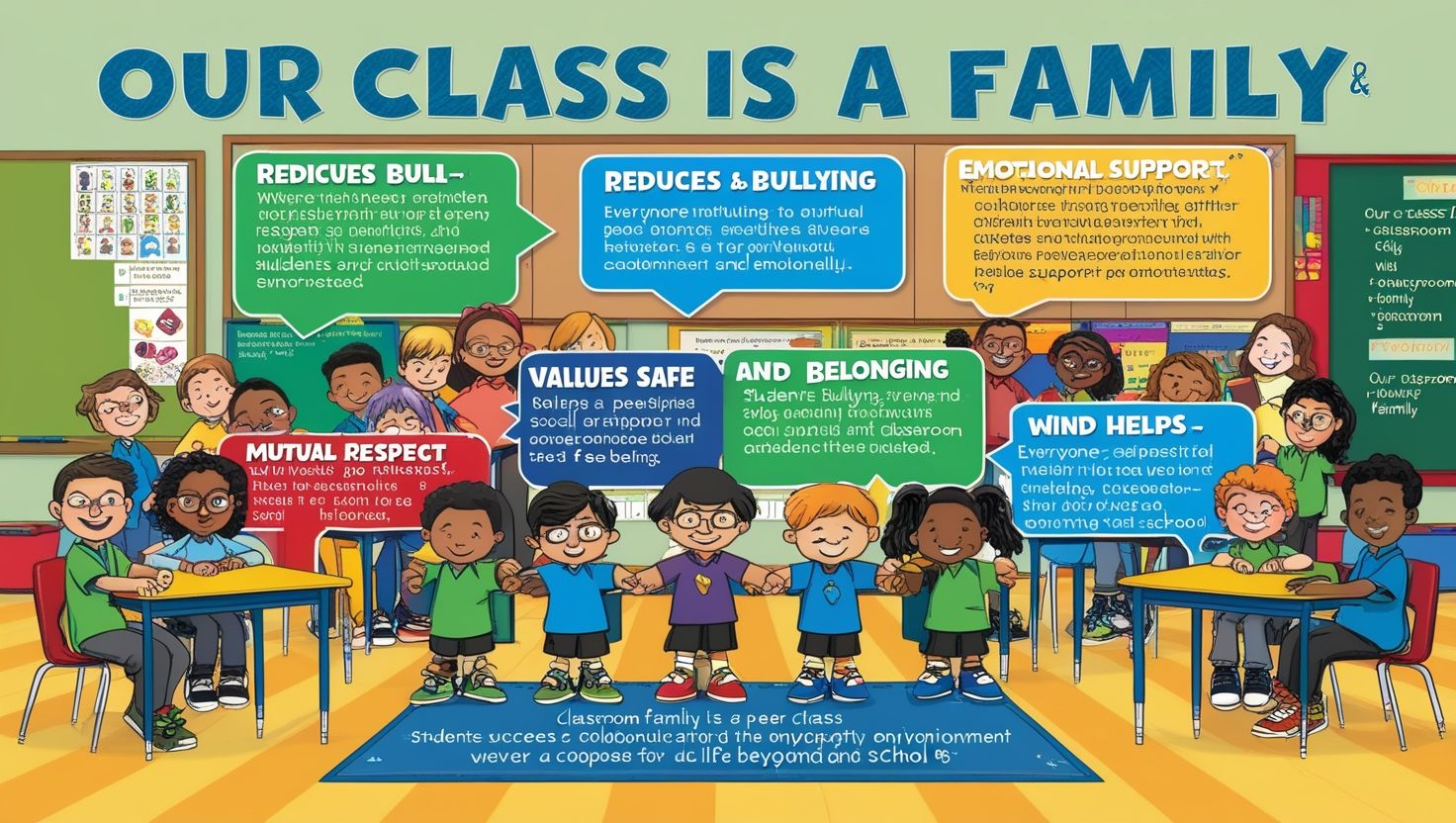
Early childhood classrooms provide powerful environments for fostering character because young children spend substantial time interacting with teachers and peers. Effective educators intentionally create caring, inclusive, and respectful learning communities where every child feels valued and safe. Classroom routines, cooperative learning activities, conflict resolution strategies, and collaborative play provide authentic opportunities for children to practice kindness, responsibility, patience, honesty, and respect. Teachers serve as influential role models by demonstrating fairness, empathy, integrity, and professionalism in their daily interactions. Rather than relying solely on direct instruction, successful character education is embedded throughout the curriculum using storytelling, role-playing, group discussions, cooperative games, and reflective conversations. Such integrated approaches enable children to understand not only the meaning of moral values but also their practical application in everyday social situations and personal decision-making.
5. Learning Through Play: The Natural Pathway to Character Formation
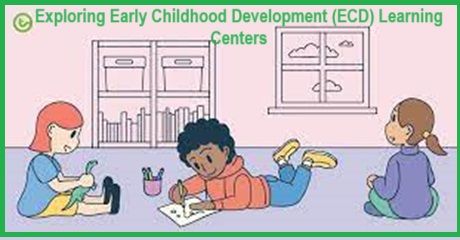
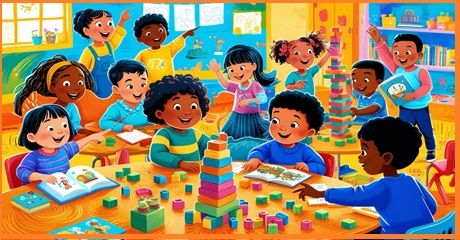
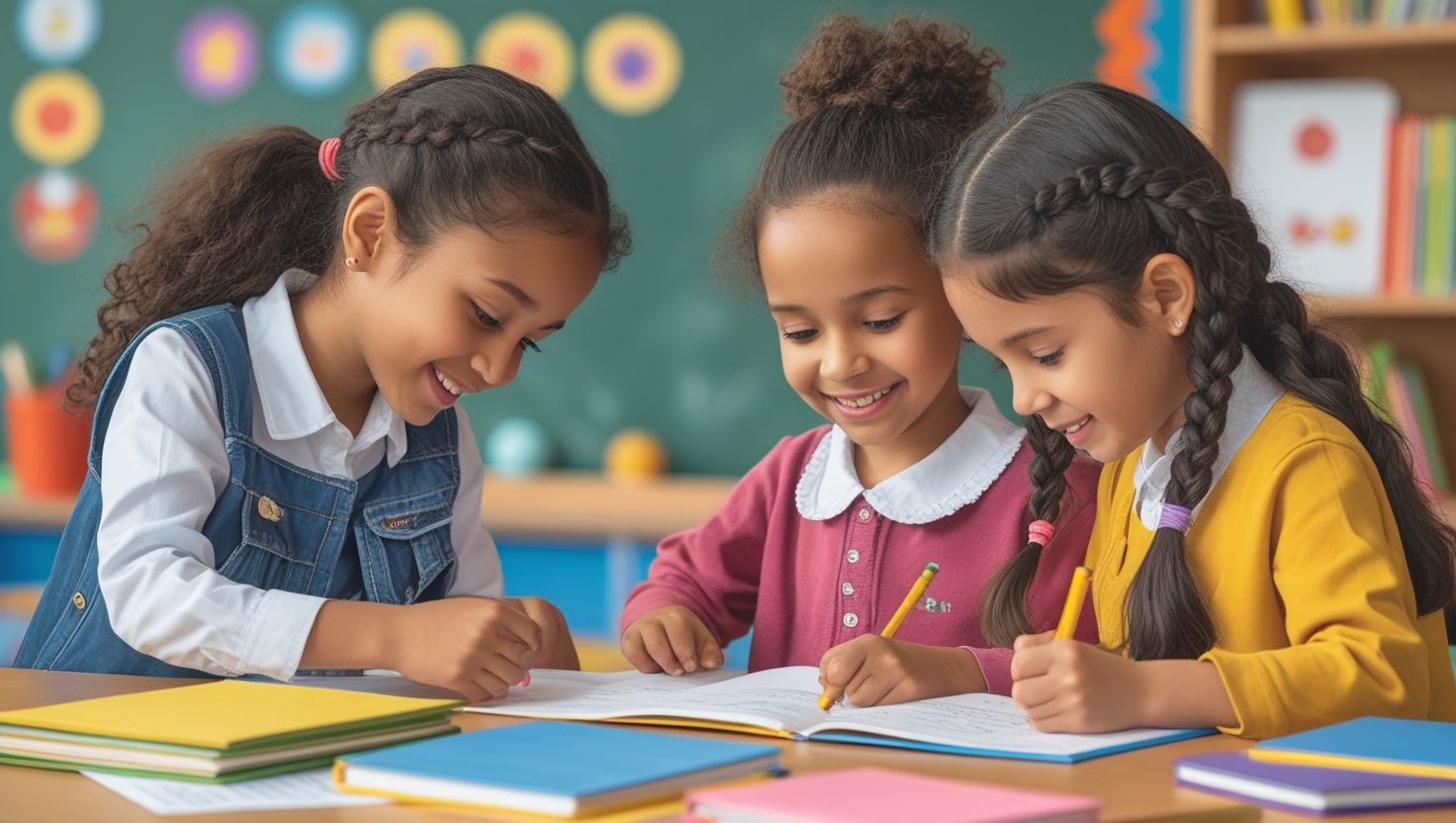
Play represents one of the most effective and developmentally appropriate methods for teaching character in early childhood. During imaginative, cooperative, and structured play, children naturally encounter situations requiring negotiation, sharing, cooperation, leadership, fairness, patience, and empathy. These experiences allow them to practice social problem-solving while learning to regulate emotions and appreciate diverse perspectives. Guided play facilitated by skilled educators further enhances moral development by encouraging reflection on choices, consequences, and interpersonal relationships. Story-based dramatic play enables children to explore ethical dilemmas within safe and engaging contexts, strengthening both emotional intelligence and moral reasoning. Rather than treating play as separate from learning, contemporary early childhood education recognizes play as a dynamic educational strategy that simultaneously promotes cognitive development, language acquisition, creativity, social competence, and the formation of positive character traits essential for lifelong success.
6. Teachers as Living Examples: The Transformative Power of Moral Role Models
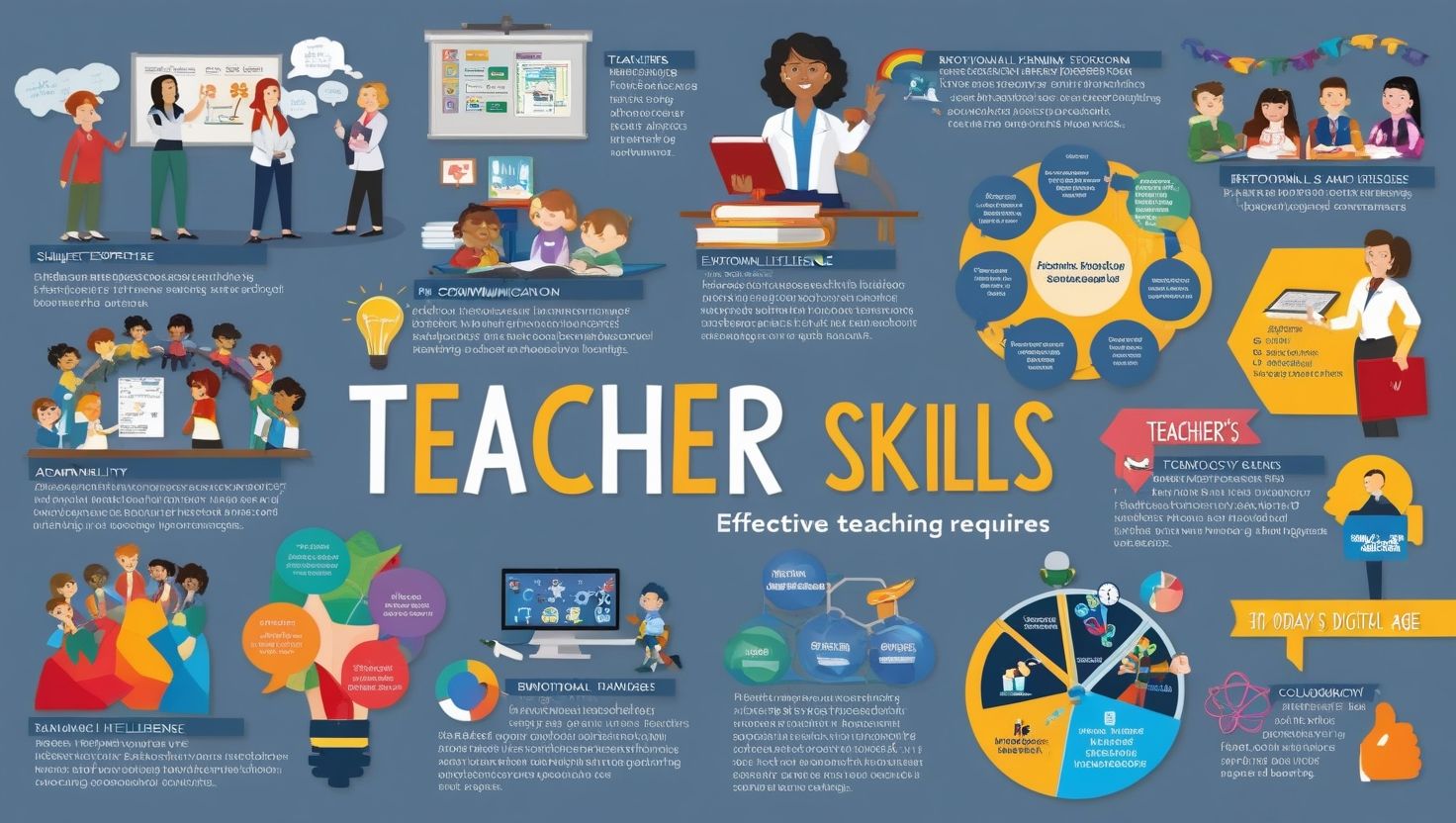
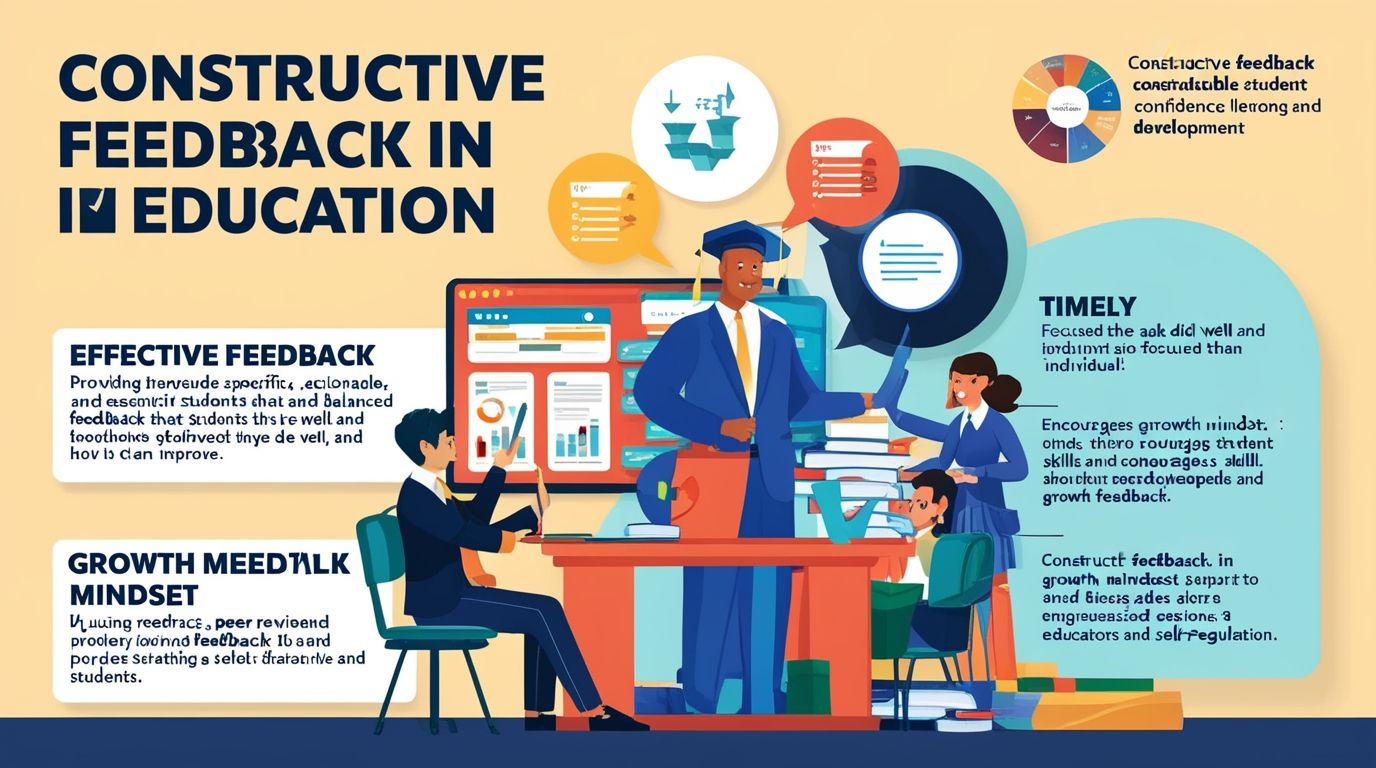
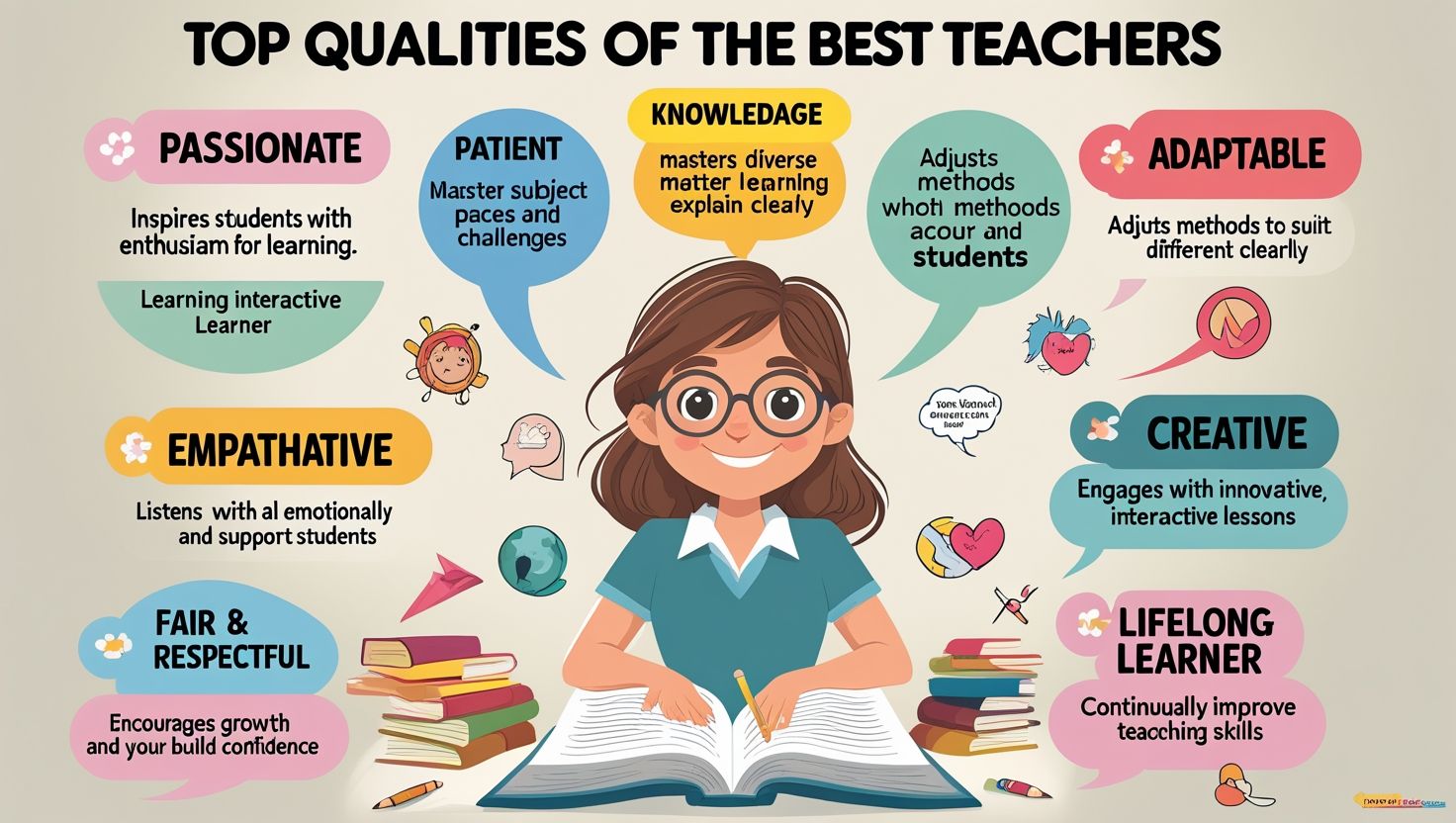
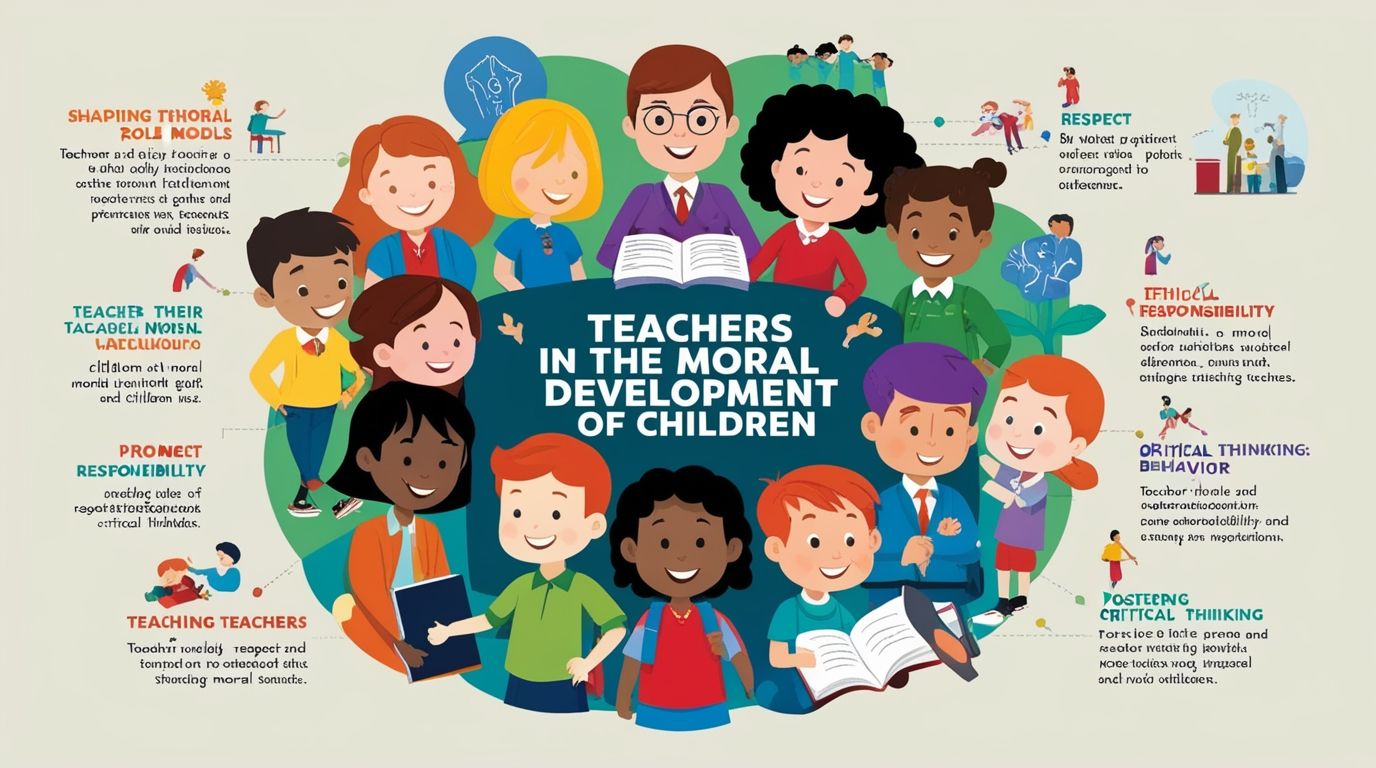
Teachers occupy a unique position in shaping children’s character because young learners often imitate the attitudes, behaviors, and values demonstrated by trusted adults. In early childhood classrooms, educators influence character not only through formal instruction but also through everyday interactions, communication styles, and decision-making processes. A teacher who consistently demonstrates honesty, patience, fairness, respect, and compassion provides children with authentic examples of ethical behavior. Positive reinforcement, constructive feedback, and restorative approaches to discipline help children understand the consequences of their actions while maintaining dignity and self-worth. Moreover, educators who establish warm, trusting relationships encourage children to express emotions, resolve conflicts peacefully, and develop confidence in making ethical decisions. Consequently, professional integrity and reflective teaching practices are essential components of successful character education in early childhood settings.
7. Nurturing Emotional Intelligence: The Heart of Character Development
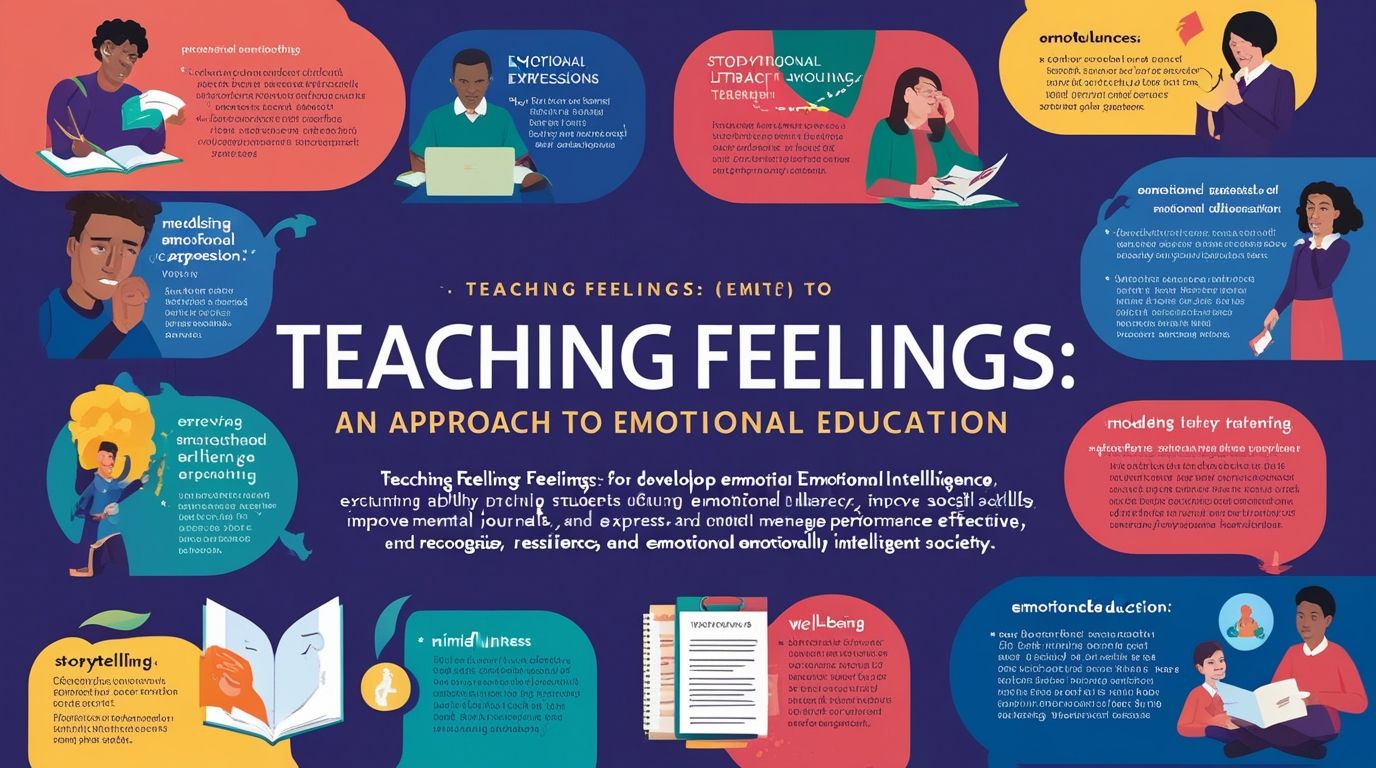
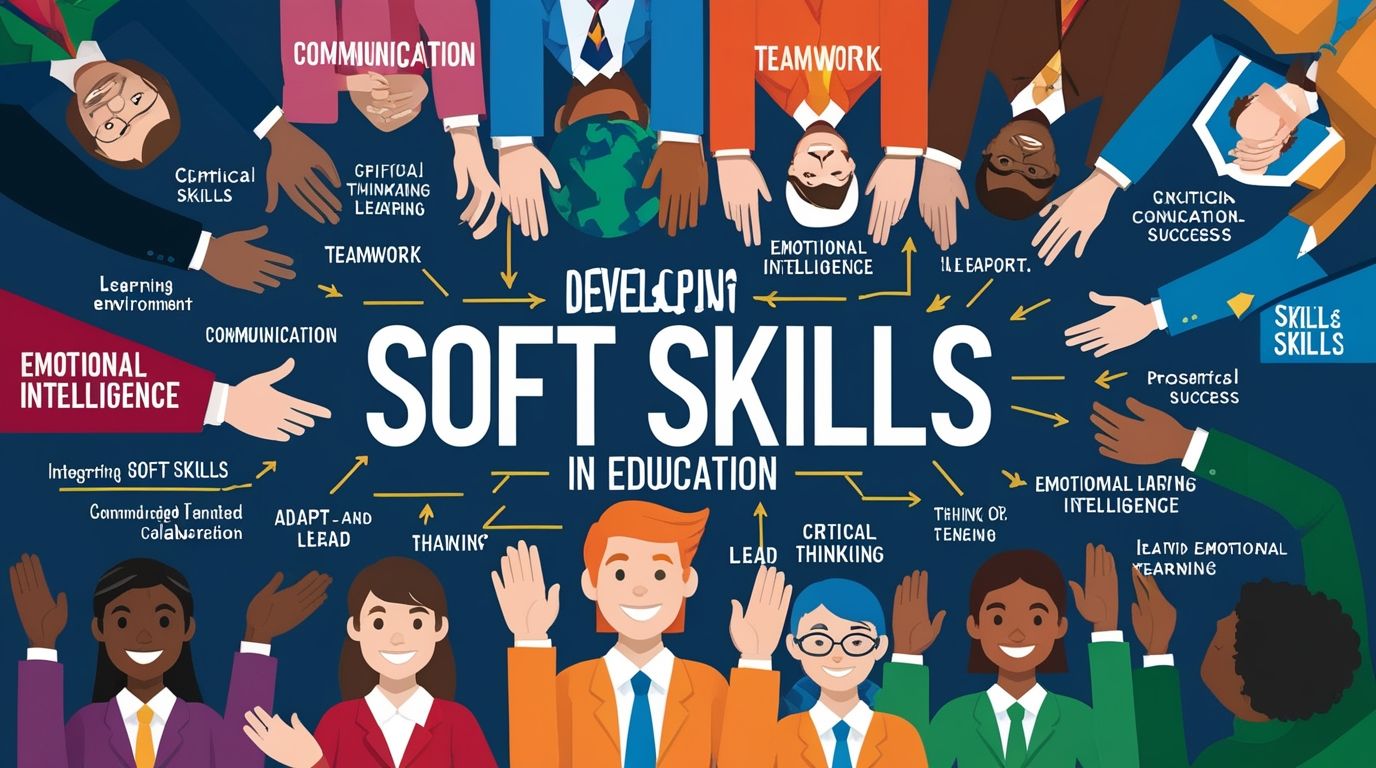
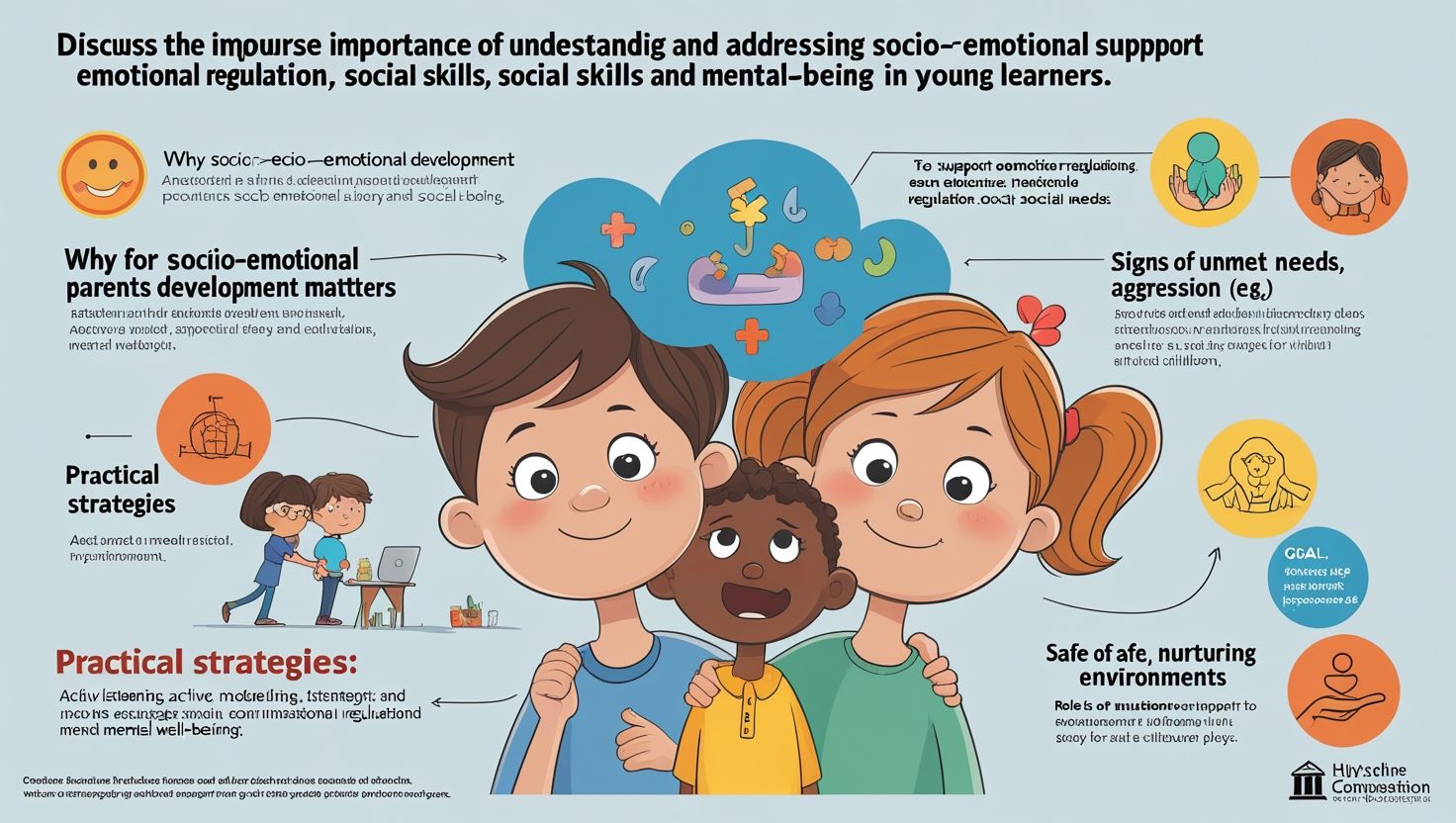
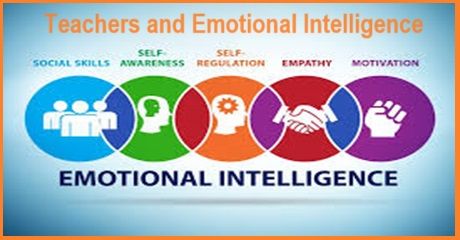
Emotional intelligence forms the foundation upon which strong character is built during early childhood. Children who learn to recognize, understand, and regulate their emotions are better equipped to demonstrate empathy, kindness, patience, and responsible behavior. Educators can cultivate emotional intelligence by creating supportive environments where children feel emotionally secure and respected. Activities such as identifying emotions through stories, discussing feelings during classroom meetings, practicing mindfulness, and engaging in cooperative games enable children to develop self-awareness and interpersonal skills. As emotional competence increases, children become more capable of managing frustration, resolving disagreements peacefully, and considering the feelings of others before acting. Integrating social-emotional learning with character education strengthens children’s resilience, promotes positive peer relationships, and establishes essential life skills that contribute to both academic success and responsible citizenship throughout adulthood.
8. Stories That Shape Souls: Literature as a Moral Compass
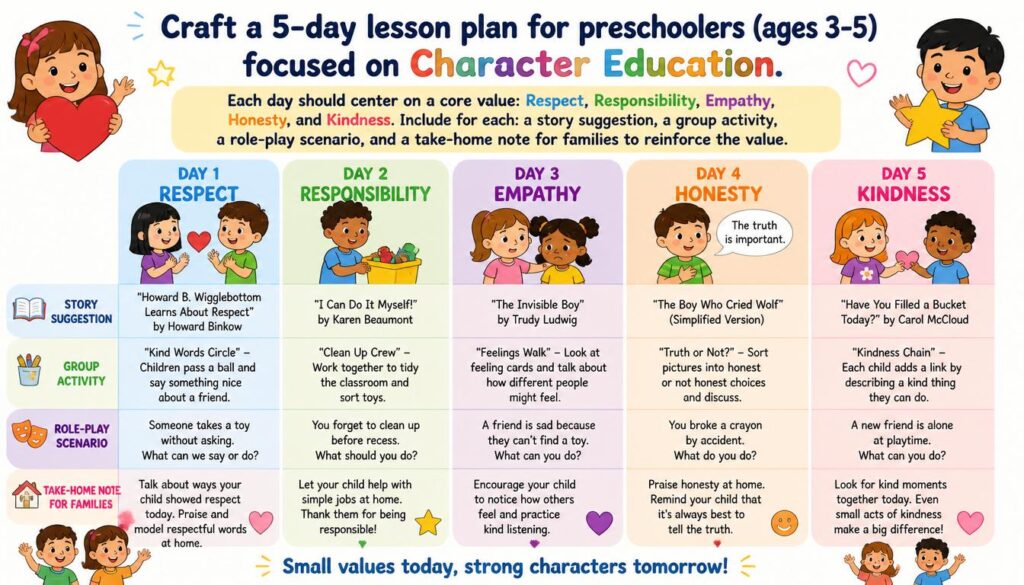
Children’s literature serves as one of the most powerful tools for character education because stories engage imagination while presenting meaningful moral lessons in relatable contexts. Through carefully selected picture books, folktales, fables, biographies, and culturally diverse narratives, children encounter characters who model courage, honesty, generosity, perseverance, forgiveness, and respect. Guided discussions following storytelling encourage learners to reflect on characters’ decisions, identify ethical dilemmas, predict consequences, and connect lessons to their own experiences. Storytelling also promotes empathy by allowing children to appreciate different perspectives and understand the emotions of others. Furthermore, integrating literature across the curriculum enriches language development while simultaneously reinforcing positive values. When teachers encourage questioning, reflection, and dialogue, stories become transformative experiences that strengthen children’s moral reasoning and inspire them to apply virtuous behaviors in everyday life.
9. Creating Communities of Respect: Building Inclusive Learning Environments
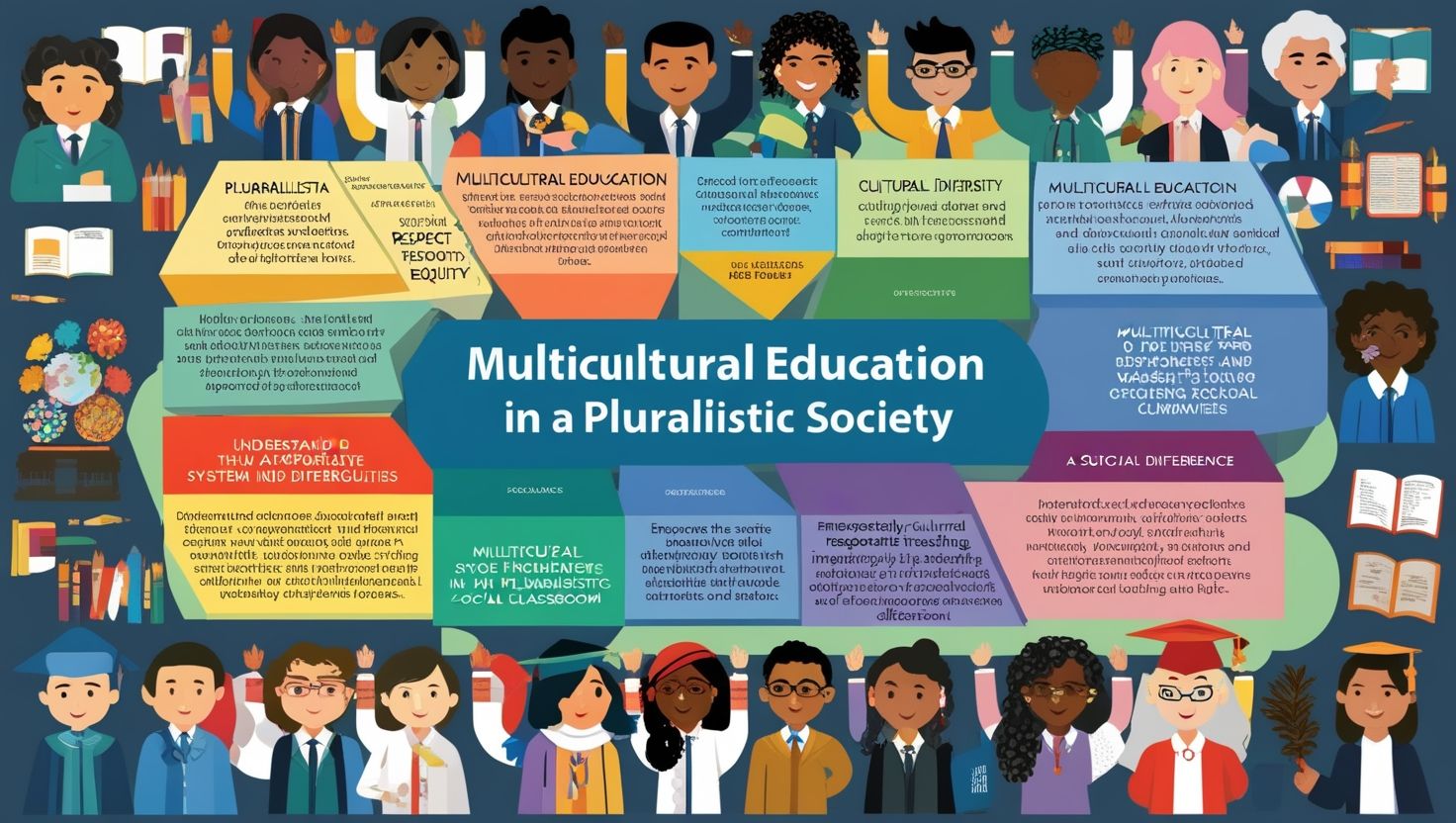
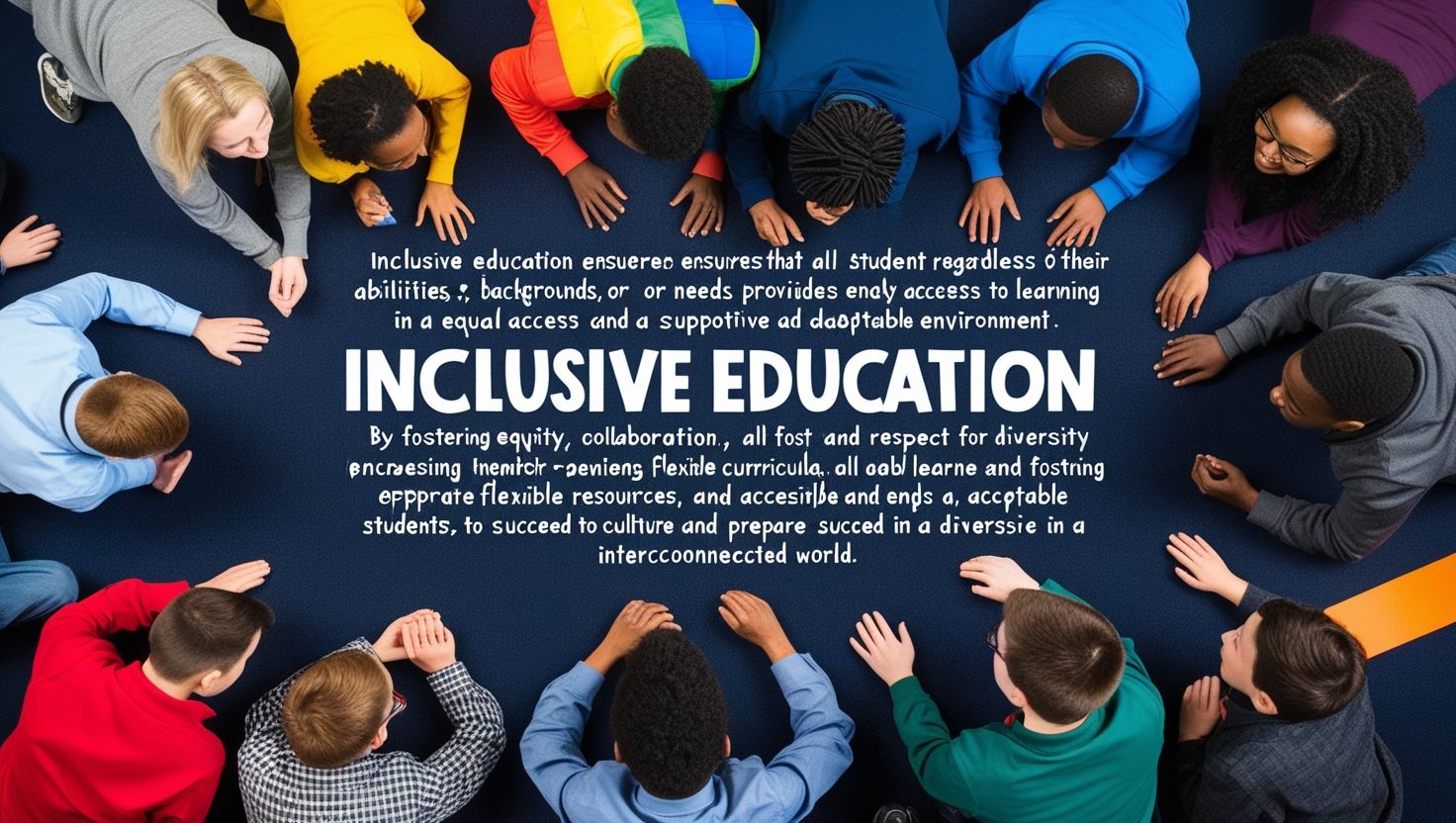
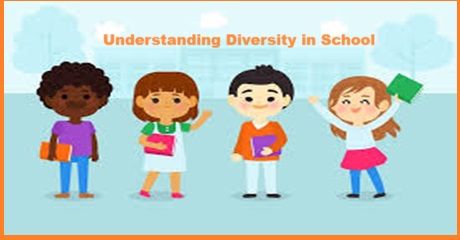
Inclusive classroom communities provide fertile ground for character education because they celebrate diversity while promoting mutual respect, equity, and collaboration. Young children learn to appreciate differences in culture, language, ability, religion, and family background when educators intentionally create environments that value every individual. Classroom practices such as cooperative learning, peer mentoring, shared responsibilities, and democratic decision-making encourage children to develop fairness, tolerance, and social responsibility. Inclusive teaching materials, multicultural literature, and culturally responsive activities further broaden children’s perspectives and reduce prejudice from an early age. By fostering a sense of belonging, educators help children understand that every person deserves dignity, kindness, and equal opportunities. Such learning environments not only strengthen character but also prepare future citizens to contribute positively to increasingly diverse and interconnected global societies.
10. Overcoming Obstacles: Challenges and Opportunities in Character Education
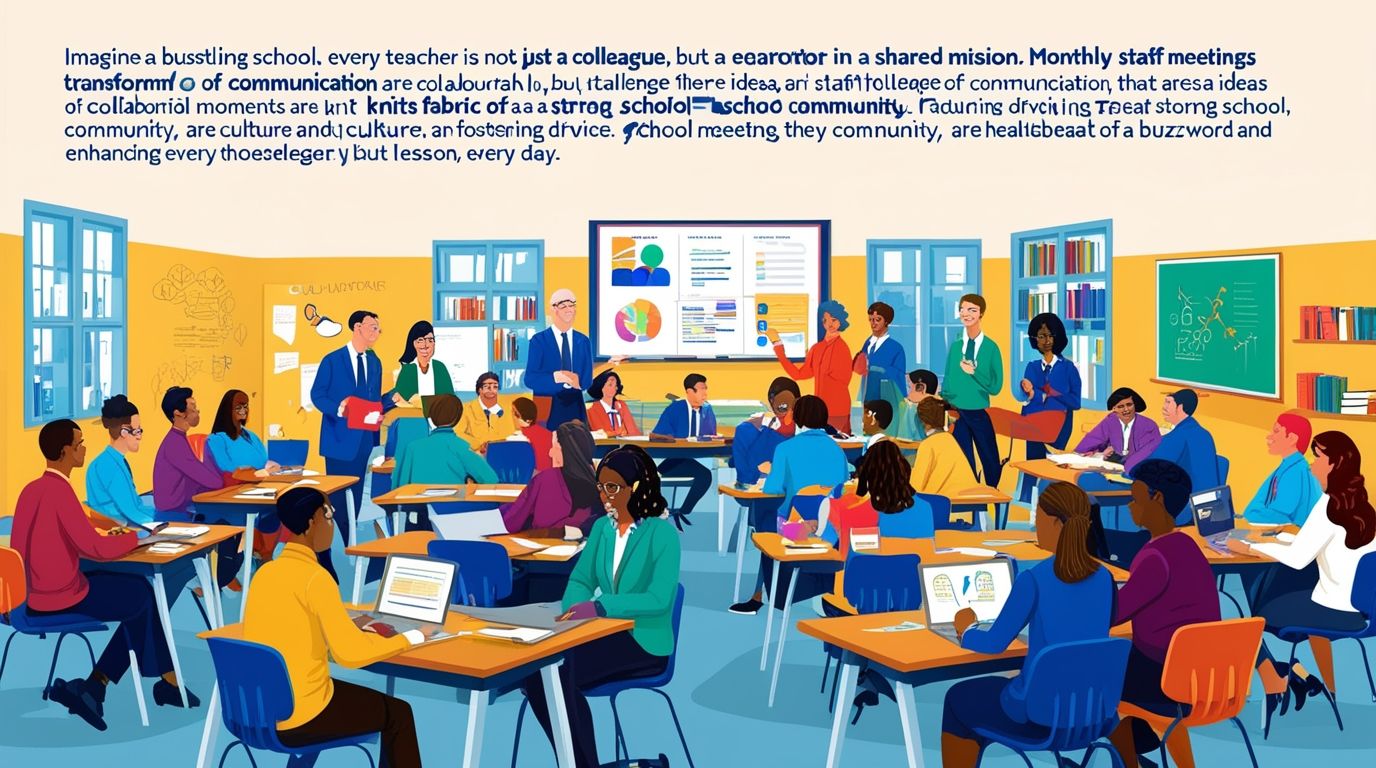
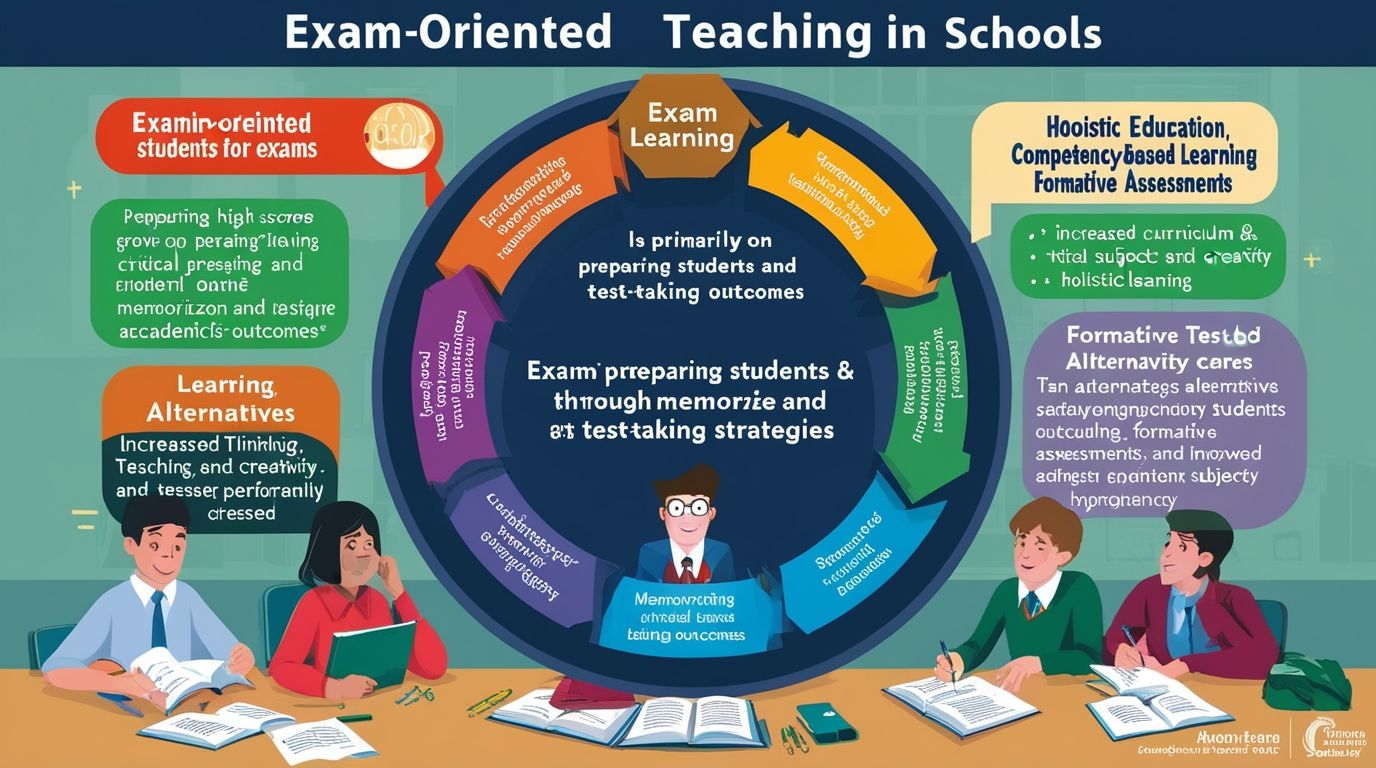
Despite widespread recognition of its importance, implementing effective character education presents several practical challenges. Increasing academic demands, limited instructional time, inadequate teacher preparation, inconsistent family support, and the influence of digital media may reduce opportunities for intentional moral learning. Additionally, differing cultural beliefs and values require educators to approach character education with sensitivity, inclusiveness, and respect for diversity. Nevertheless, these challenges also present valuable opportunities for innovation and collaboration. Professional development programs can equip teachers with evidence-based strategies for integrating character education into daily instruction without compromising academic objectives. Strong partnerships between schools, families, and communities further reinforce shared values and consistent expectations for children’s behavior. By embracing a whole-school approach, educational institutions can successfully cultivate ethical learning environments where academic excellence and character development progress together, preparing children for meaningful and responsible lives.
11. Digital Citizenship Begins Early: Technology and Character Education
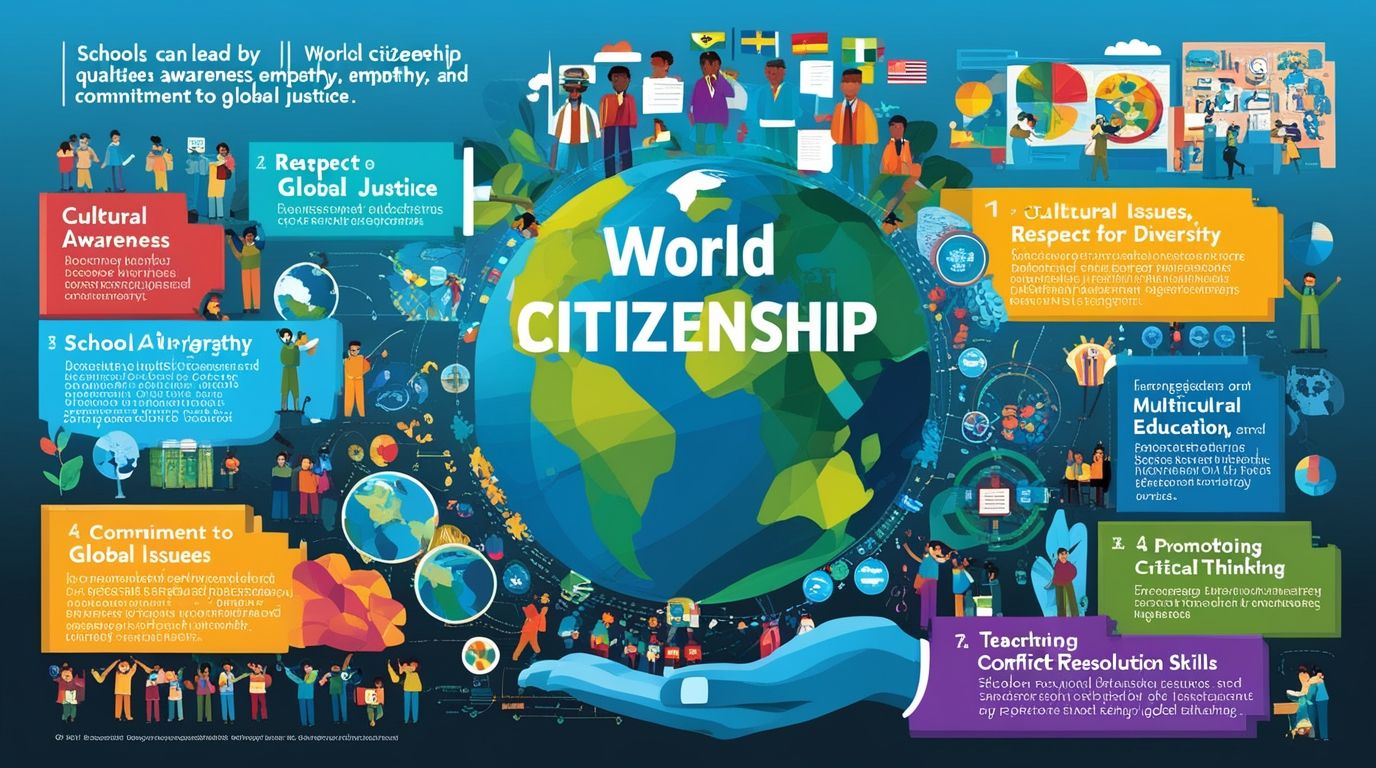
Digital technologies have become an integral part of young children’s lives, creating new opportunities and responsibilities for character education. Although technology can enrich learning through interactive educational resources, it also exposes children to challenges such as inappropriate content, cyberbullying, excessive screen time, and diminished face-to-face social interaction. Therefore, character education in the digital age must include the development of digital citizenship, emphasizing responsible, respectful, and ethical online behavior. Early childhood educators and parents should guide children in understanding the importance of kindness, honesty, privacy, empathy, and respect in both virtual and real-world environments. Age-appropriate discussions, supervised technology use, and collaborative digital activities help children develop healthy online habits while reinforcing moral values. By integrating ethical technology practices into everyday learning, educators prepare children to become thoughtful, responsible, and compassionate participants in an increasingly digital society.
12. Measuring Growth Beyond Grades: Assessing Character Development
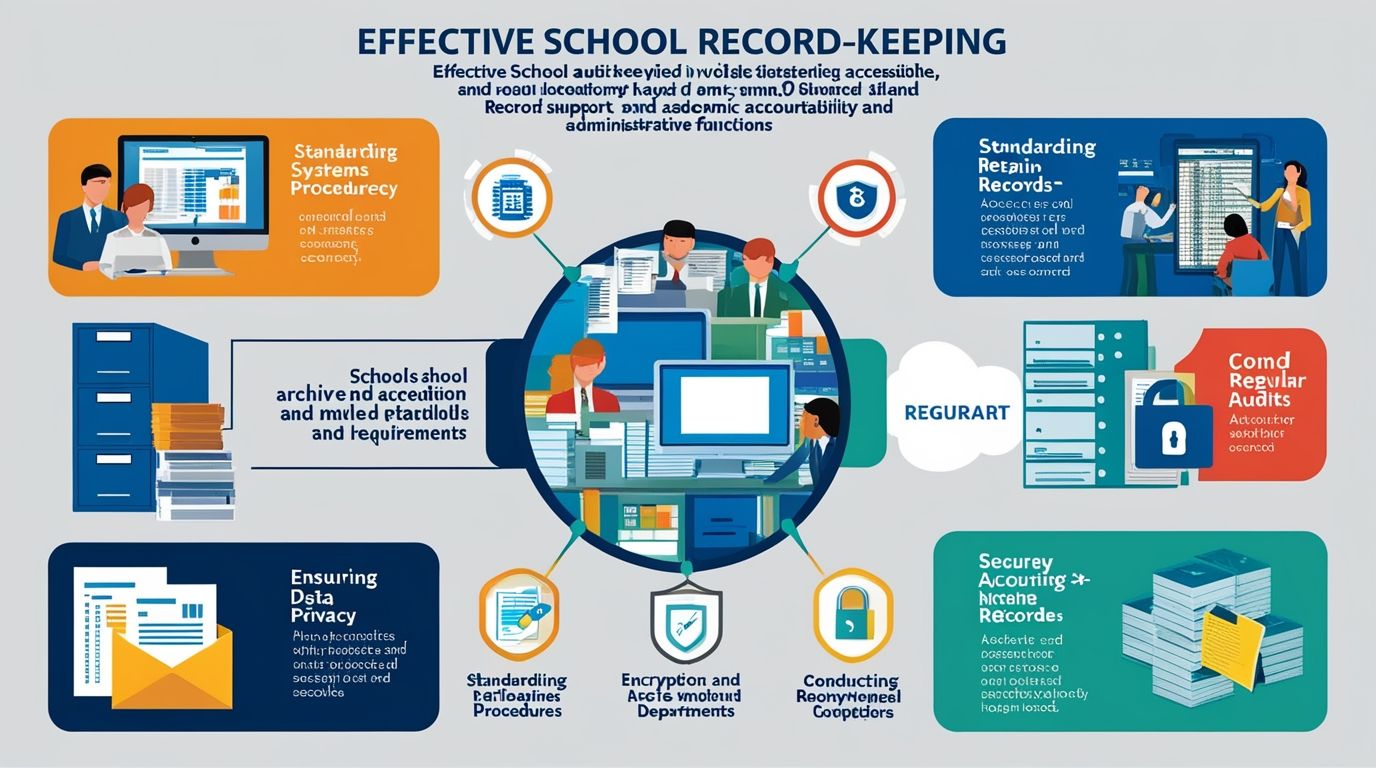
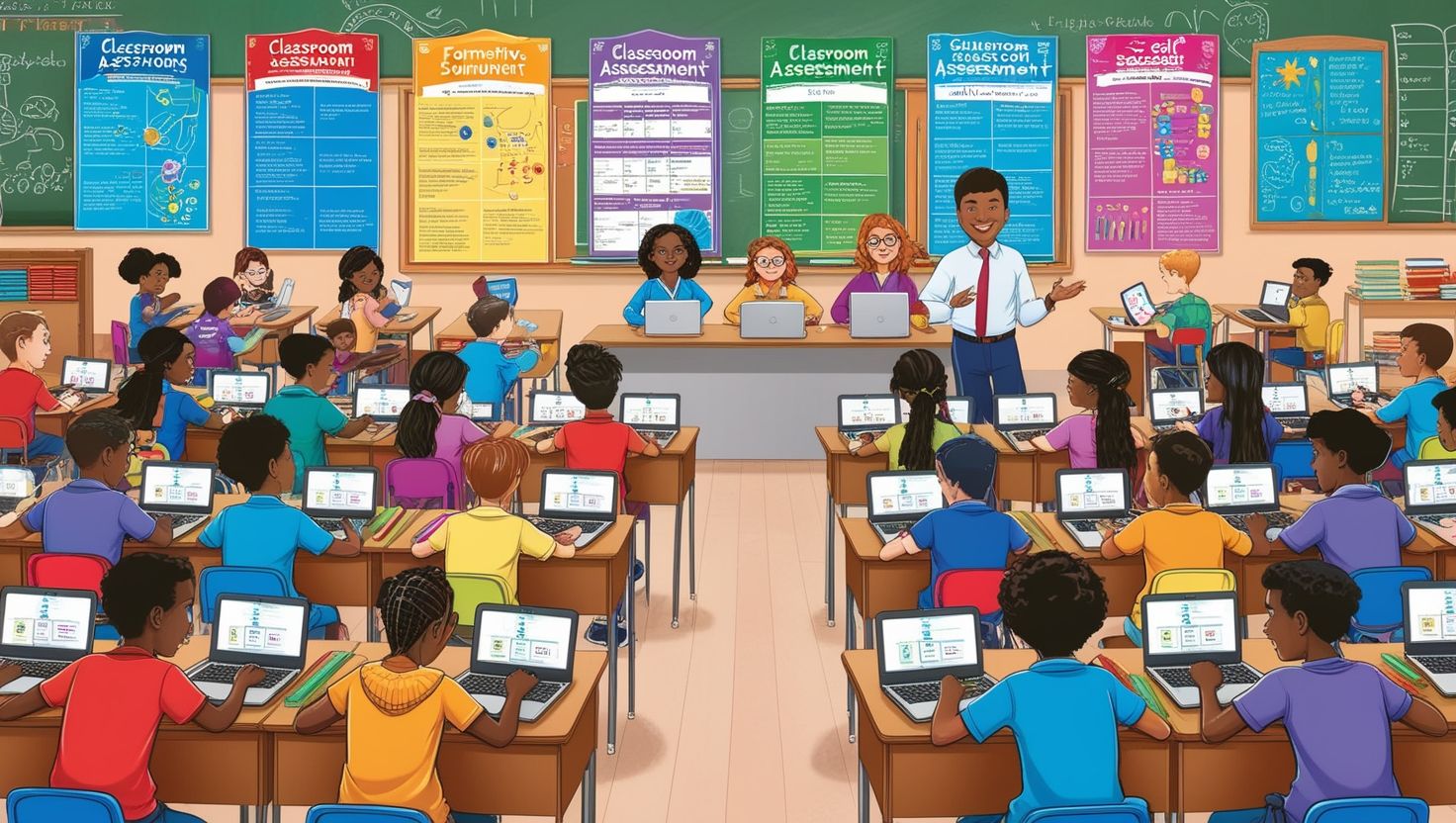
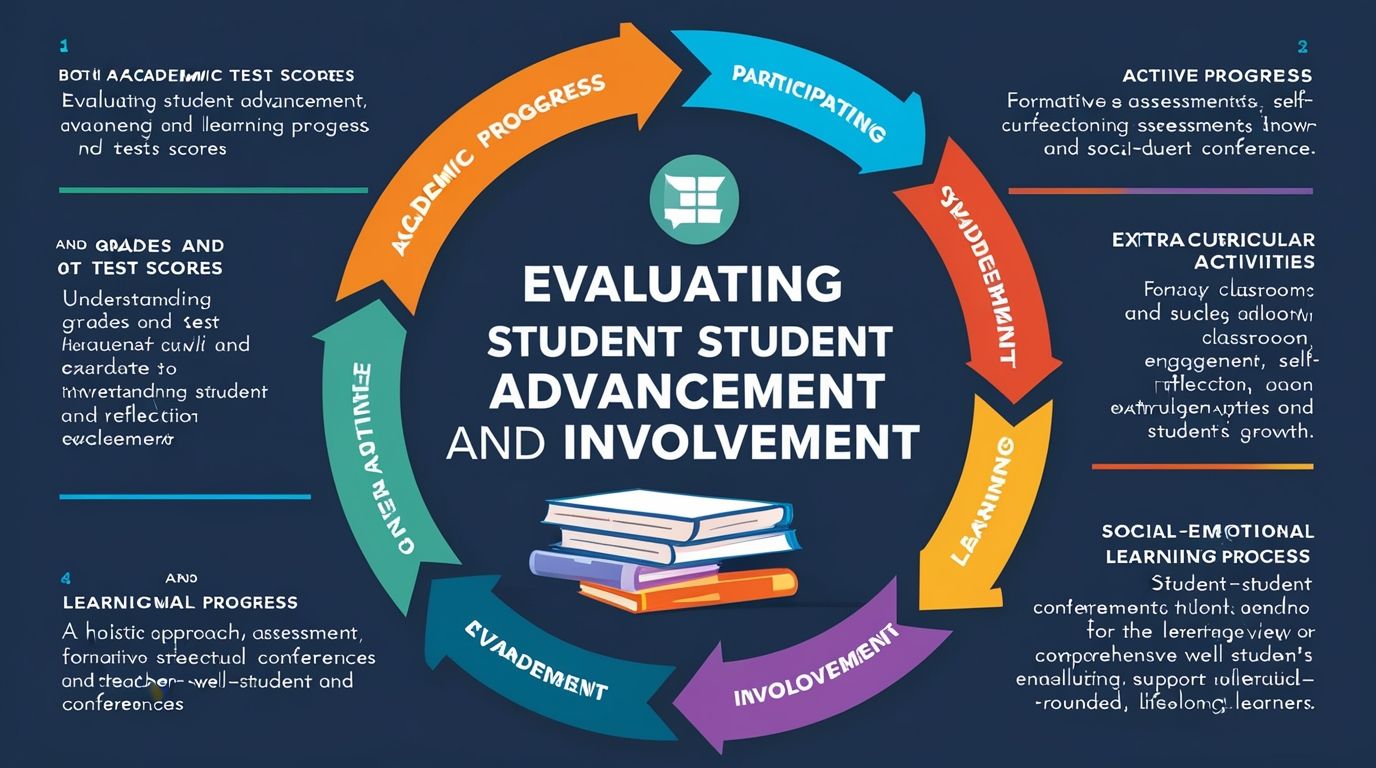
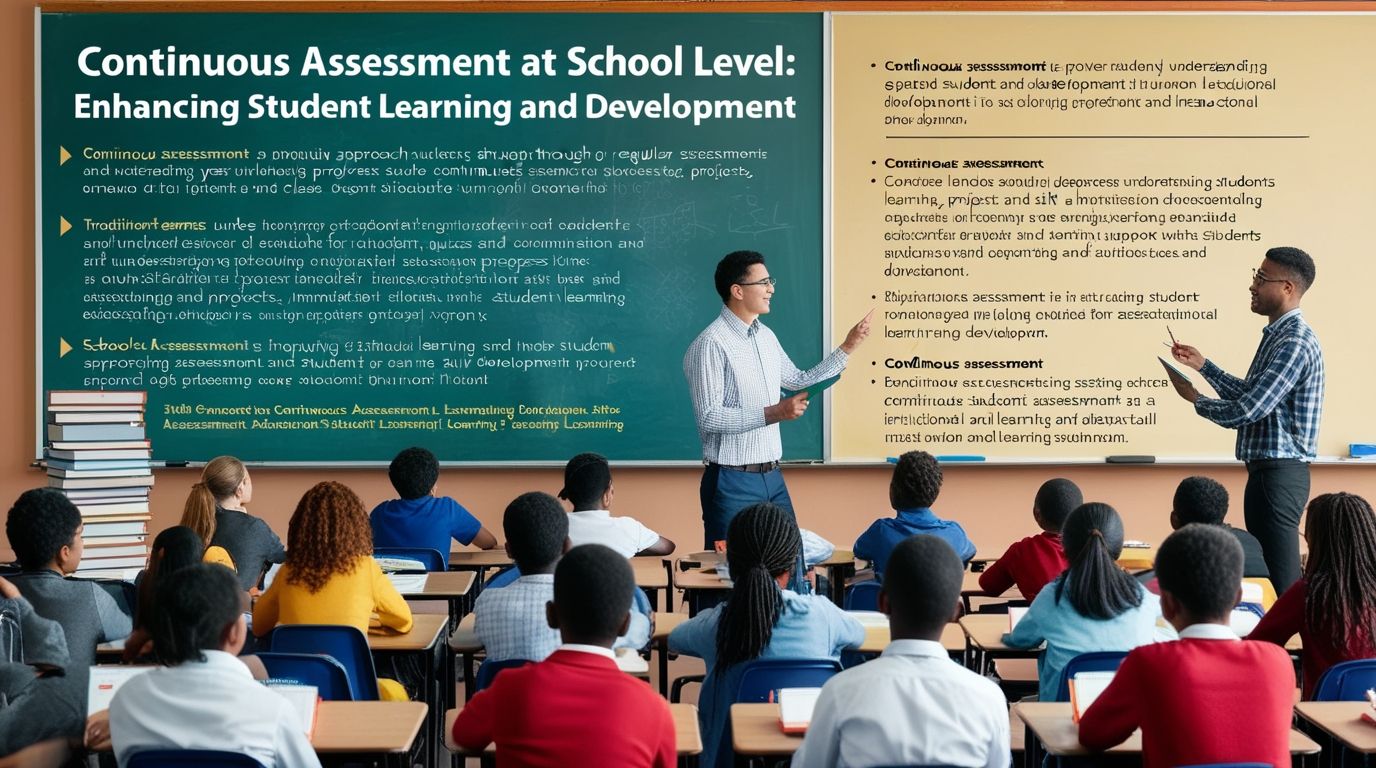
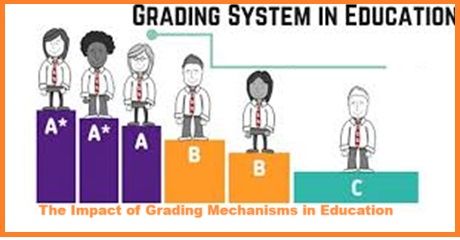
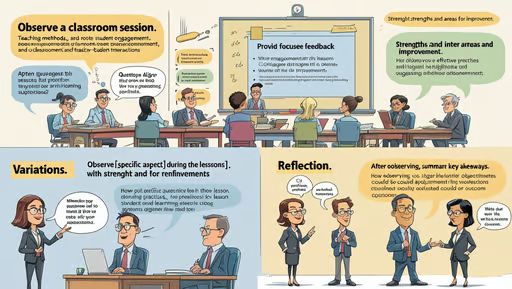
Assessing character development requires approaches that extend beyond conventional academic testing because virtues such as empathy, honesty, perseverance, and responsibility cannot be accurately measured through standardized examinations. Instead, educators should employ authentic assessment methods that capture children’s behaviors and interactions in natural learning contexts. Observational records, anecdotal notes, developmental checklists, learning portfolios, peer interactions, teacher reflections, and family feedback provide valuable evidence of children’s moral and social growth over time. Self-reflection activities, appropriate to children’s developmental levels, also encourage learners to recognize their strengths and identify areas for improvement. Assessment should emphasize continuous progress rather than perfection, acknowledging that character develops gradually through repeated experiences and guidance. When used constructively, assessment informs instructional planning, strengthens school-home partnerships, and supports the holistic development of every child.
13. A Shared Responsibility: Policy, Community, and Global Perspectives
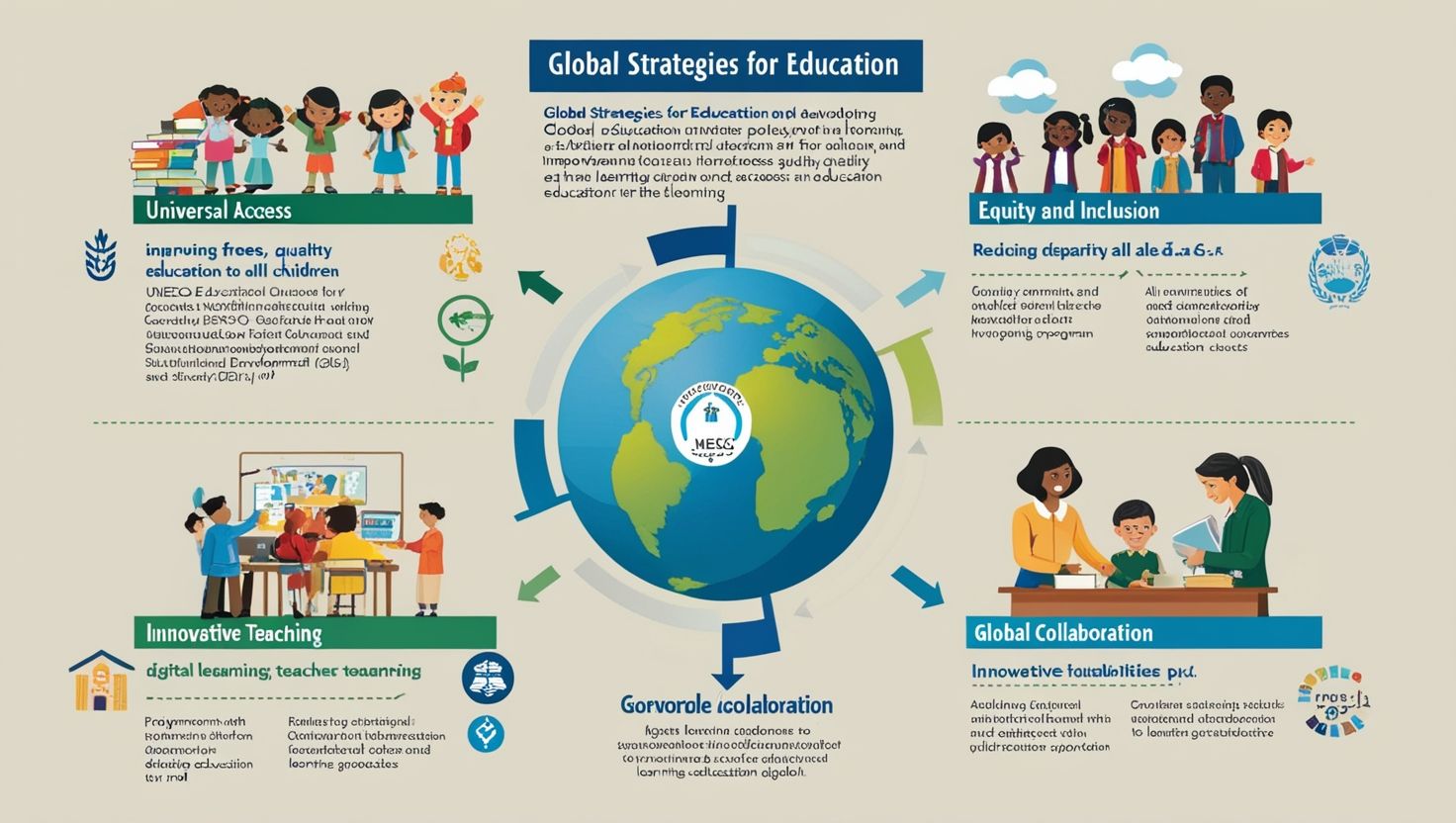
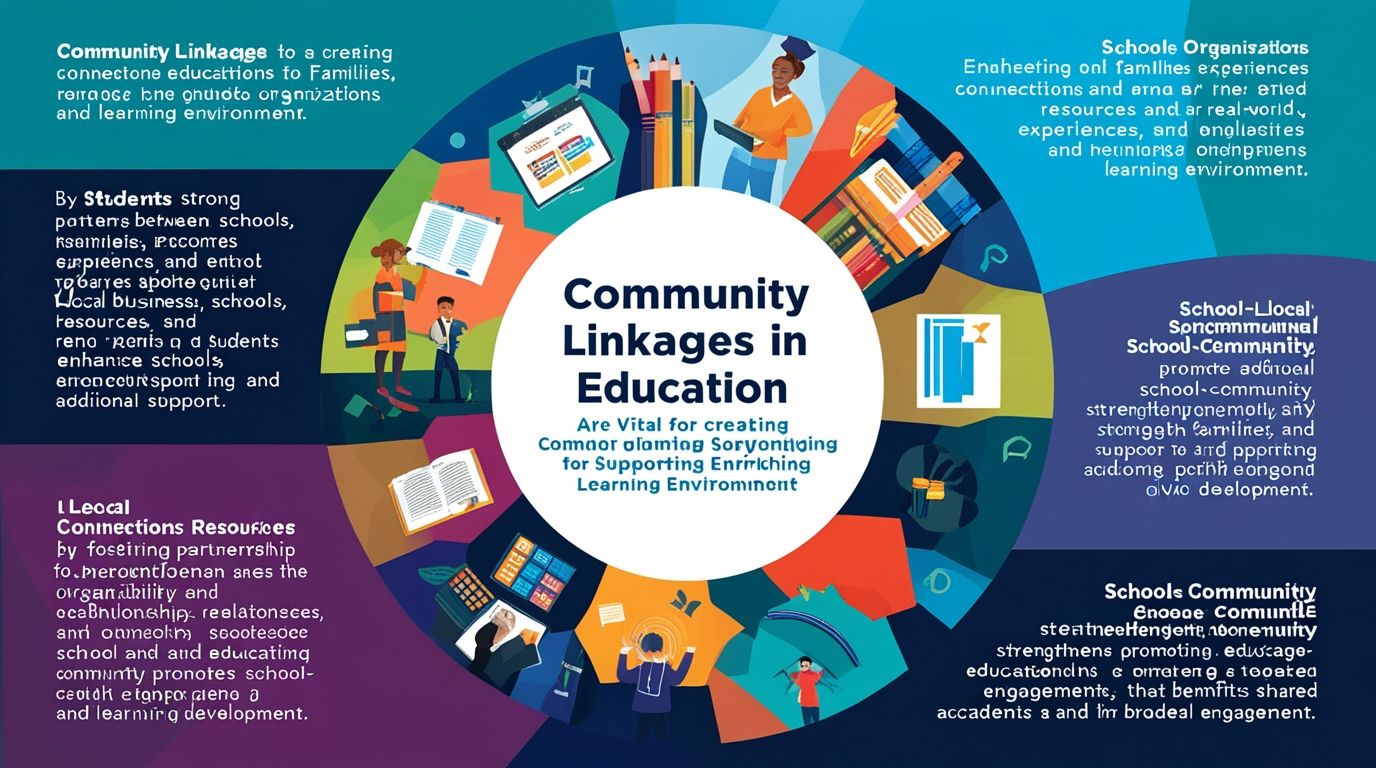
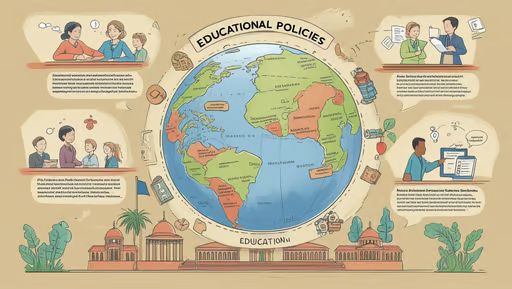
Sustainable character education requires coordinated efforts among schools, families, communities, and policymakers. Educational policies should explicitly recognize character development as a fundamental objective alongside academic achievement, ensuring that curricula, teacher preparation programs, and school leadership practices promote ethical learning environments. Community organizations, cultural institutions, religious groups, and local leaders can further enrich children’s moral development by providing opportunities for service learning, civic engagement, and positive social interaction. At the global level, organizations such as UNESCO emphasize values including peace, human dignity, inclusion, sustainability, and intercultural understanding as essential competencies for twenty-first-century citizenship. These shared principles encourage educational systems to prepare children not only for employment but also for responsible participation in democratic and multicultural societies. Collaborative partnerships among stakeholders therefore create consistent value systems that reinforce children’s character across diverse learning environments.
14. Conclusion
Character education in early childhood is a transformative educational endeavor that shapes children’s moral identity, emotional well-being, and social competence during the most influential years of development. By integrating ethical values into everyday experiences through family involvement, supportive teaching practices, purposeful play, storytelling, emotional learning, inclusive classrooms, responsible technology use, and authentic assessment, educators establish strong foundations for lifelong success. Character education complements rather than competes with academic learning by fostering self-discipline, resilience, empathy, cooperation, and responsible decision-making that enhance educational achievement and personal fulfillment. As societies continue to experience rapid social, technological, and cultural change, the importance of nurturing compassionate, ethical, and resilient individuals becomes increasingly evident. Investing in character education during early childhood ultimately contributes to stronger families, more inclusive schools, responsible citizenship, and peaceful communities, making it one of the most valuable investments in the future of humanity.
References (APA 7th Edition)
Berk, L. E. (2023). Development through the lifespan (8th ed.). Pearson.
Berkowitz, M. W., & Bier, M. C. (2014). Research-based character education. The ANNALS of the American Academy of Political and Social Science, 591(1), 72–85.
Bronfenbrenner, U., & Morris, P. A. (2006). The bioecological model of human development. In W. Damon & R. M. Lerner (Eds.), Handbook of child psychology (6th ed., Vol. 1, pp. 793–828). John Wiley & Sons.
Durlak, J. A., Weissberg, R. P., Dymnicki, A. B., Taylor, R. D., & Schellinger, K. B. (2011). The impact of enhancing students’ social and emotional learning: A meta-analysis of school-based universal interventions. Child Development, 82(1), 405–432.
Lickona, T. (2022). Educating for character: How our schools can teach respect and responsibility (Updated ed.). Bantam Books.
Piaget, J. (1965). The moral judgment of the child. Free Press. (Original work published 1932)
UNESCO. (2023). Reimagining our futures together: A new social contract for education. UNESCO Publishing.
Vygotsky, L. S. (1978). Mind in society: The development of higher psychological processes. Harvard University Press.