Introduction
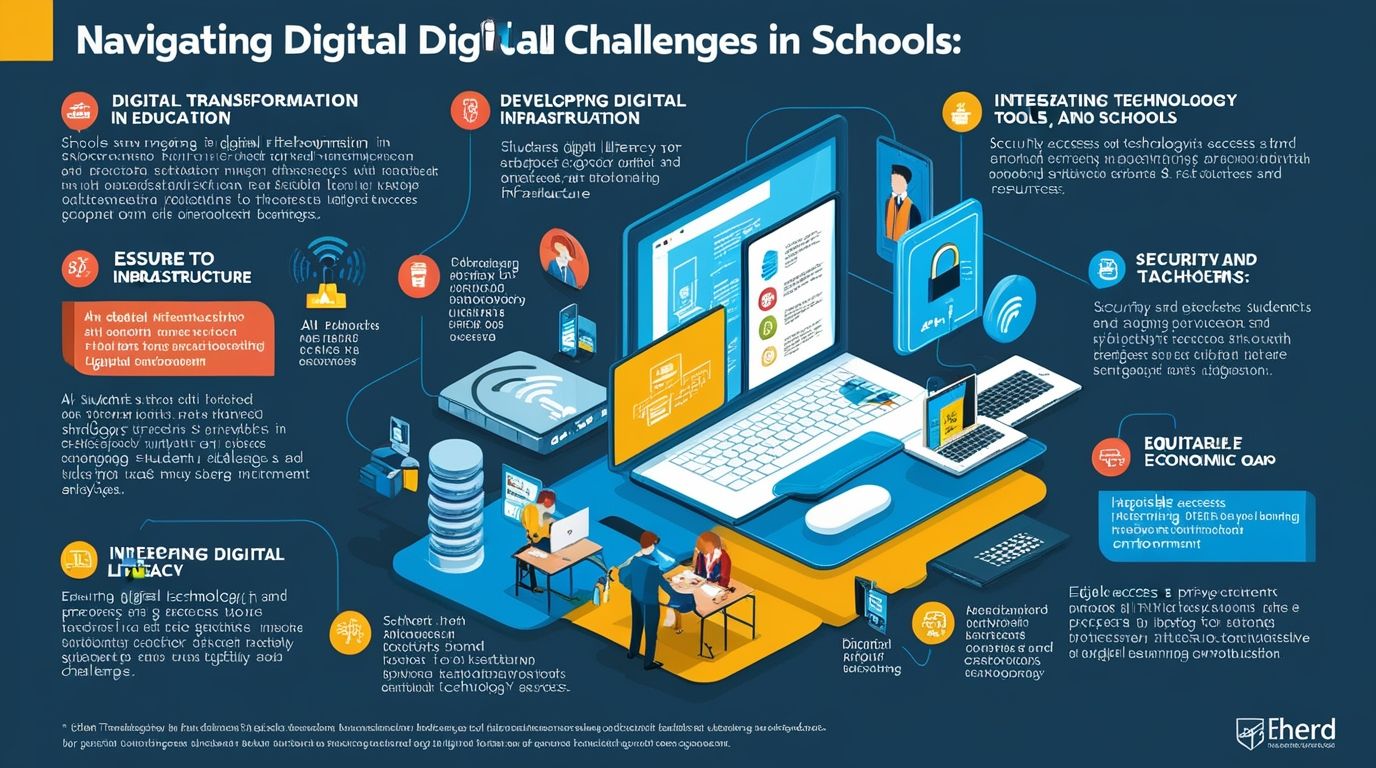
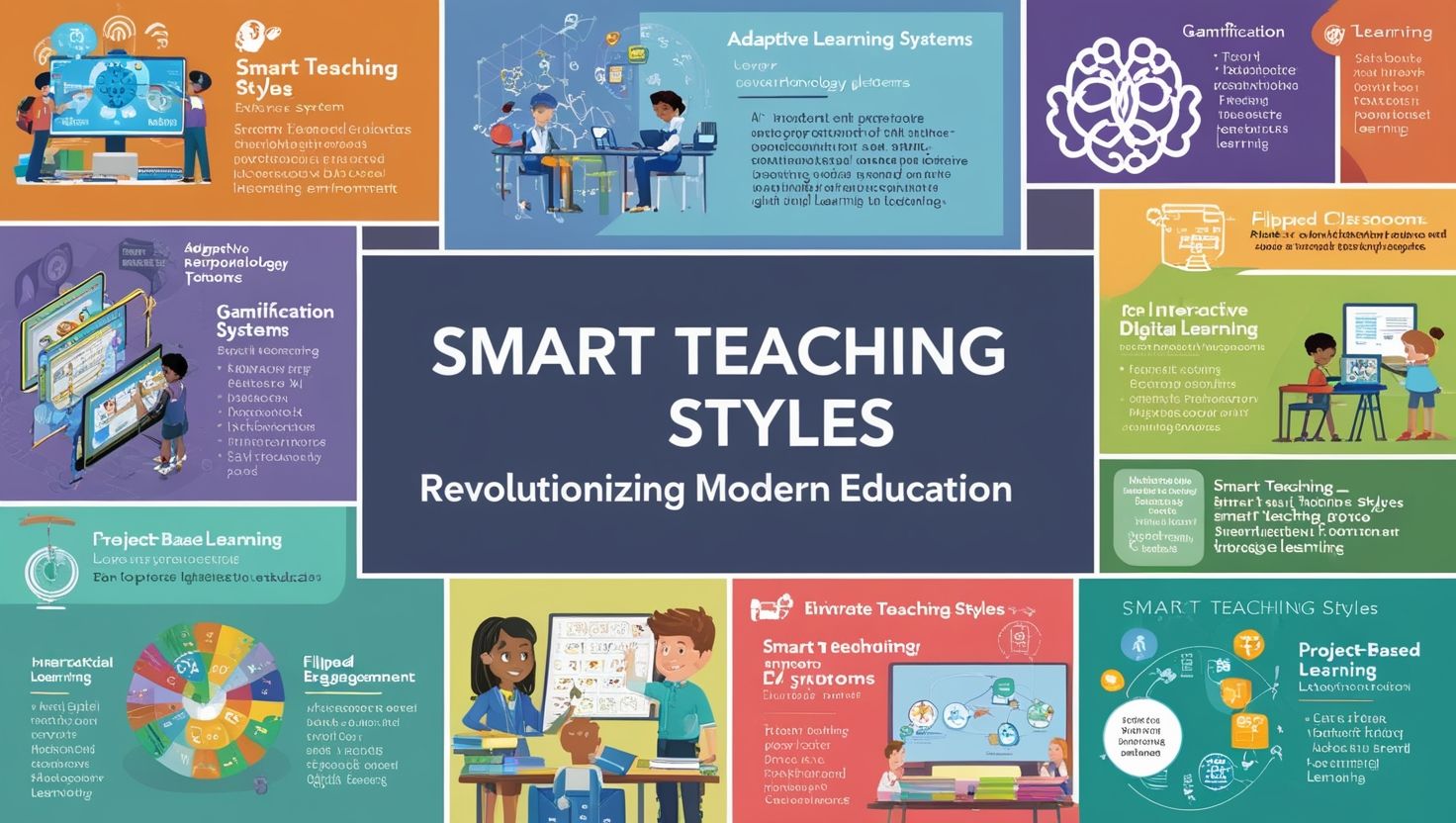
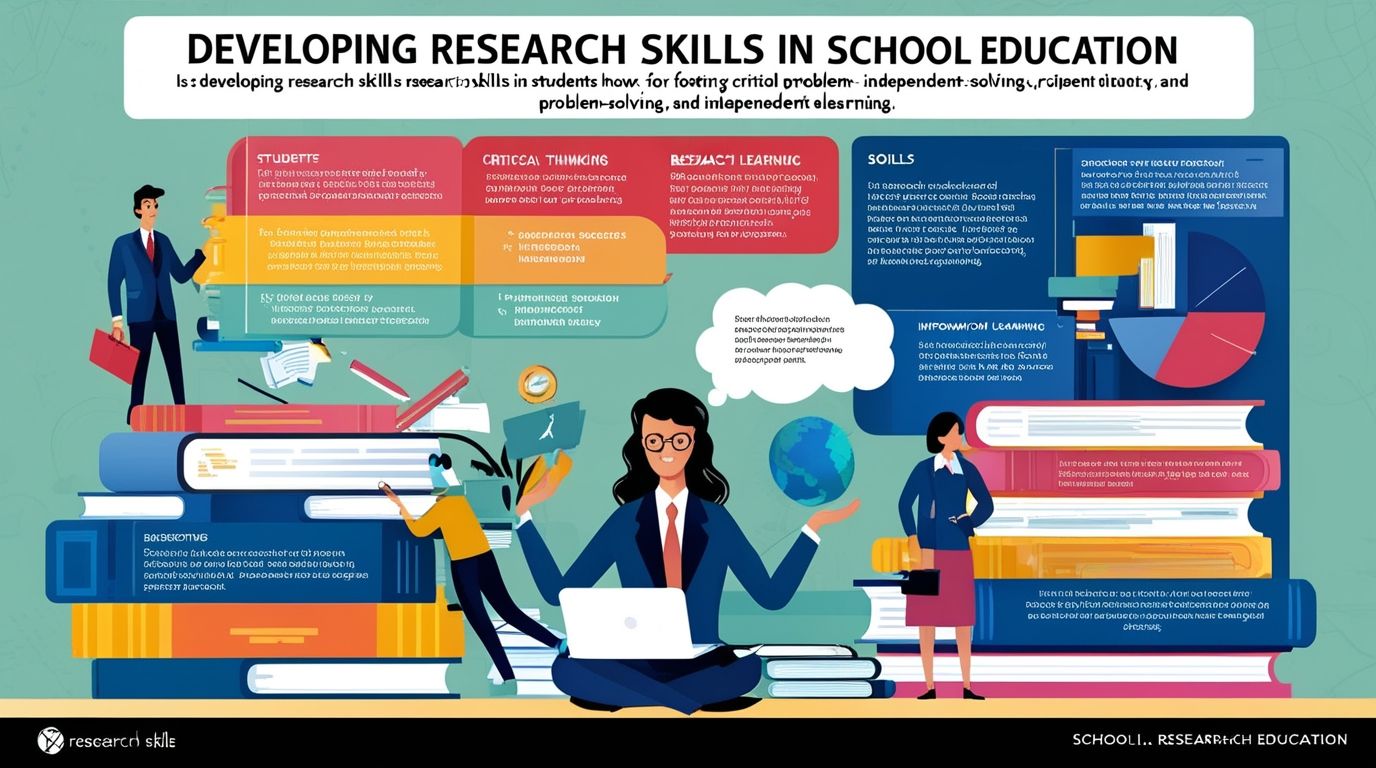
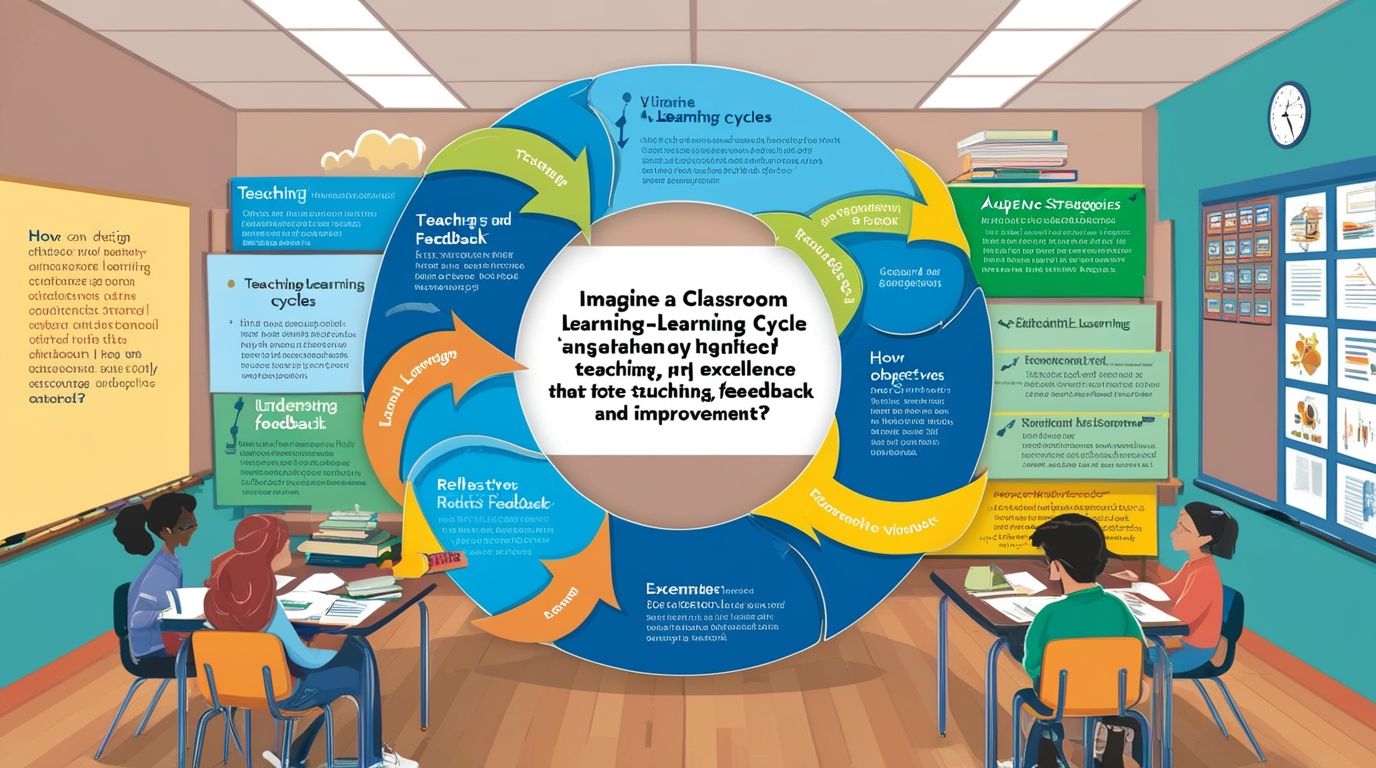
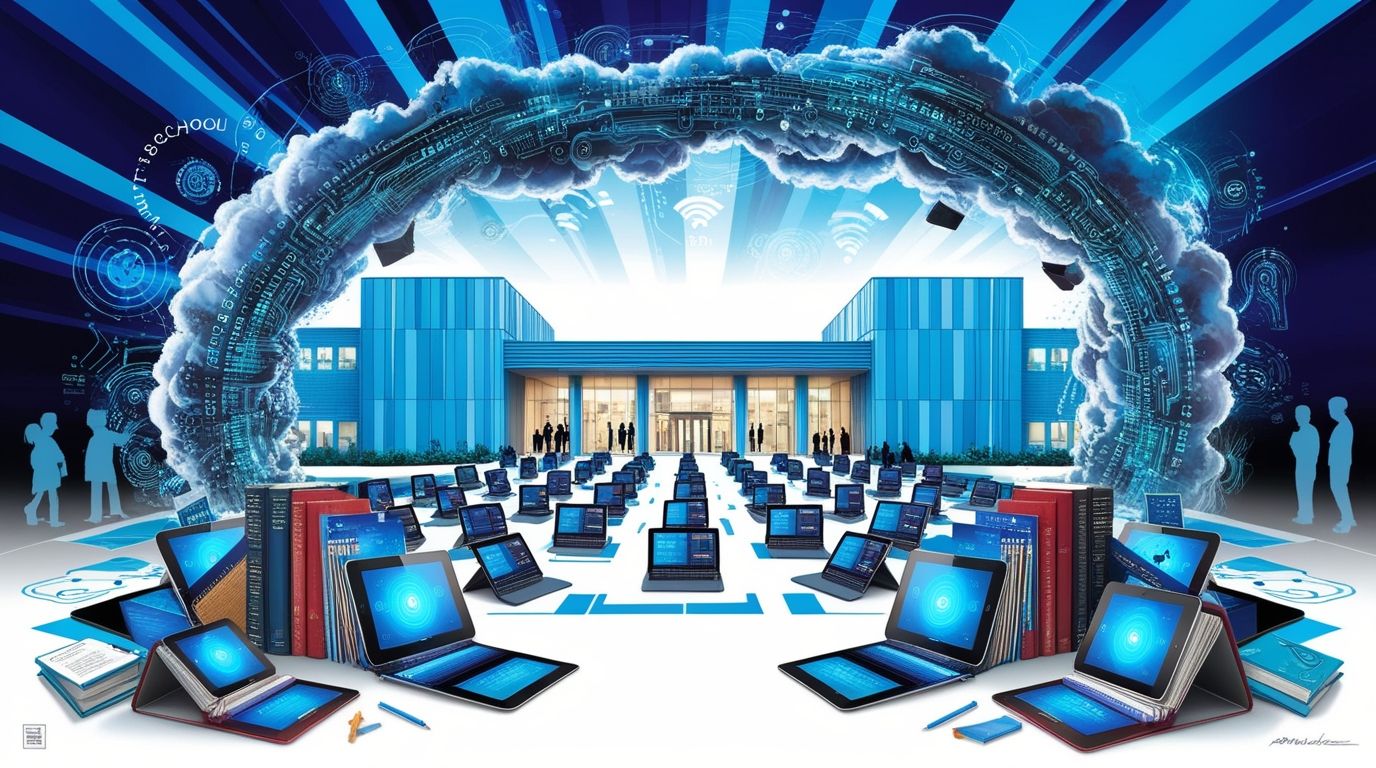
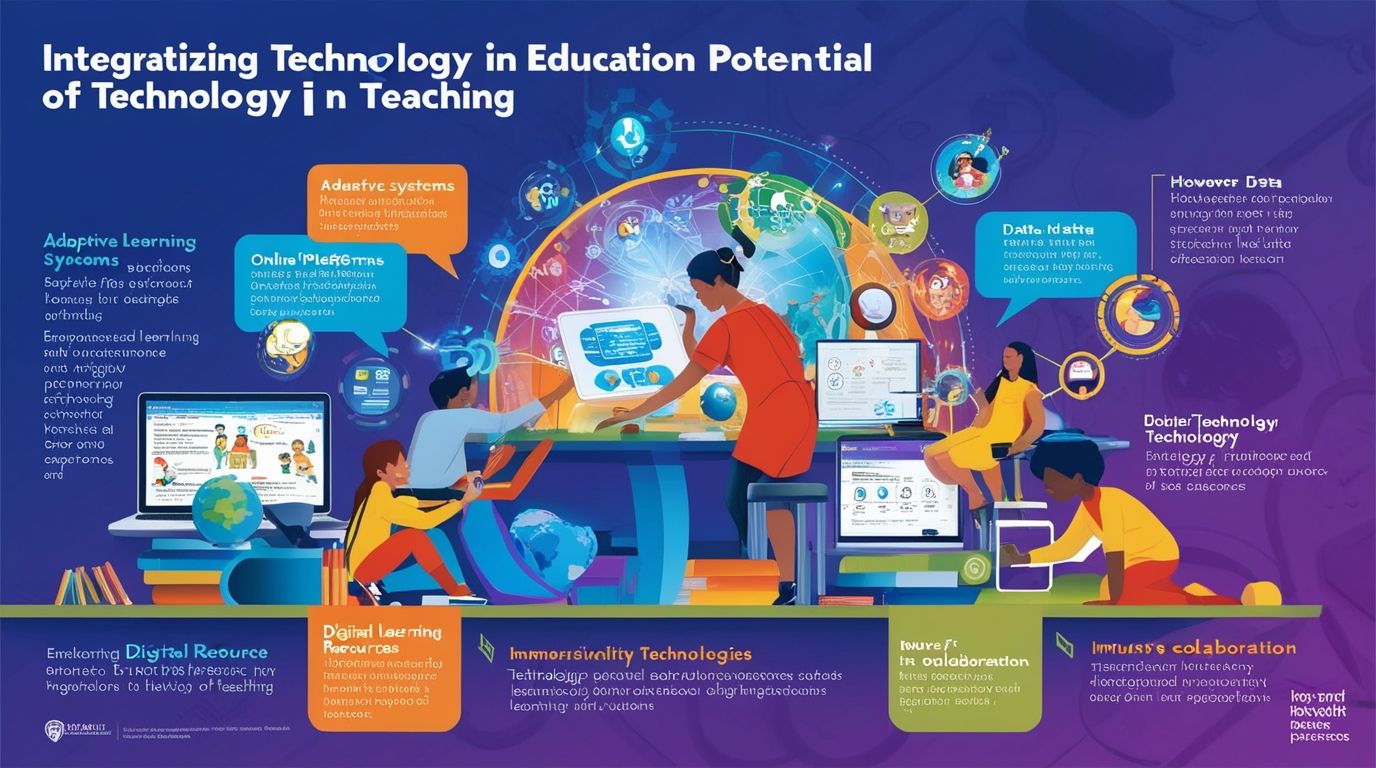
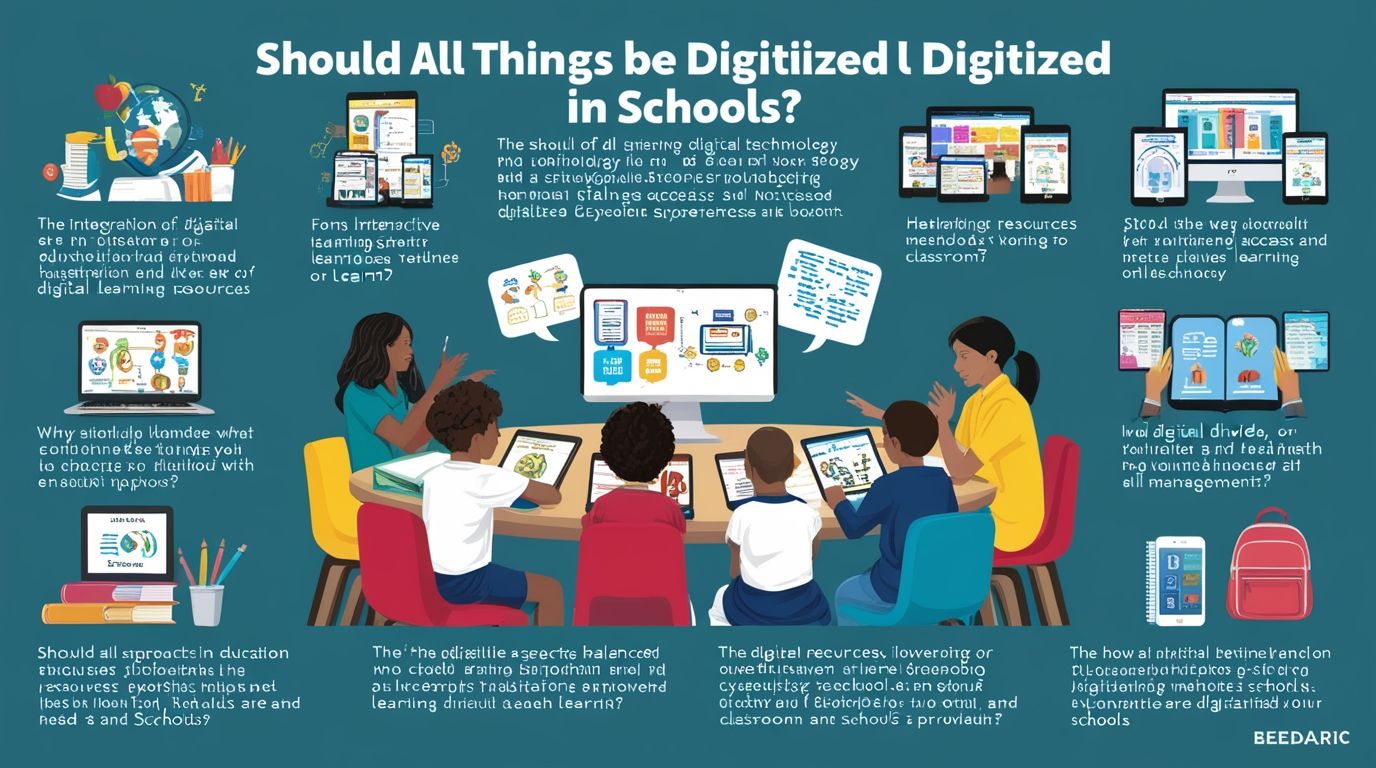
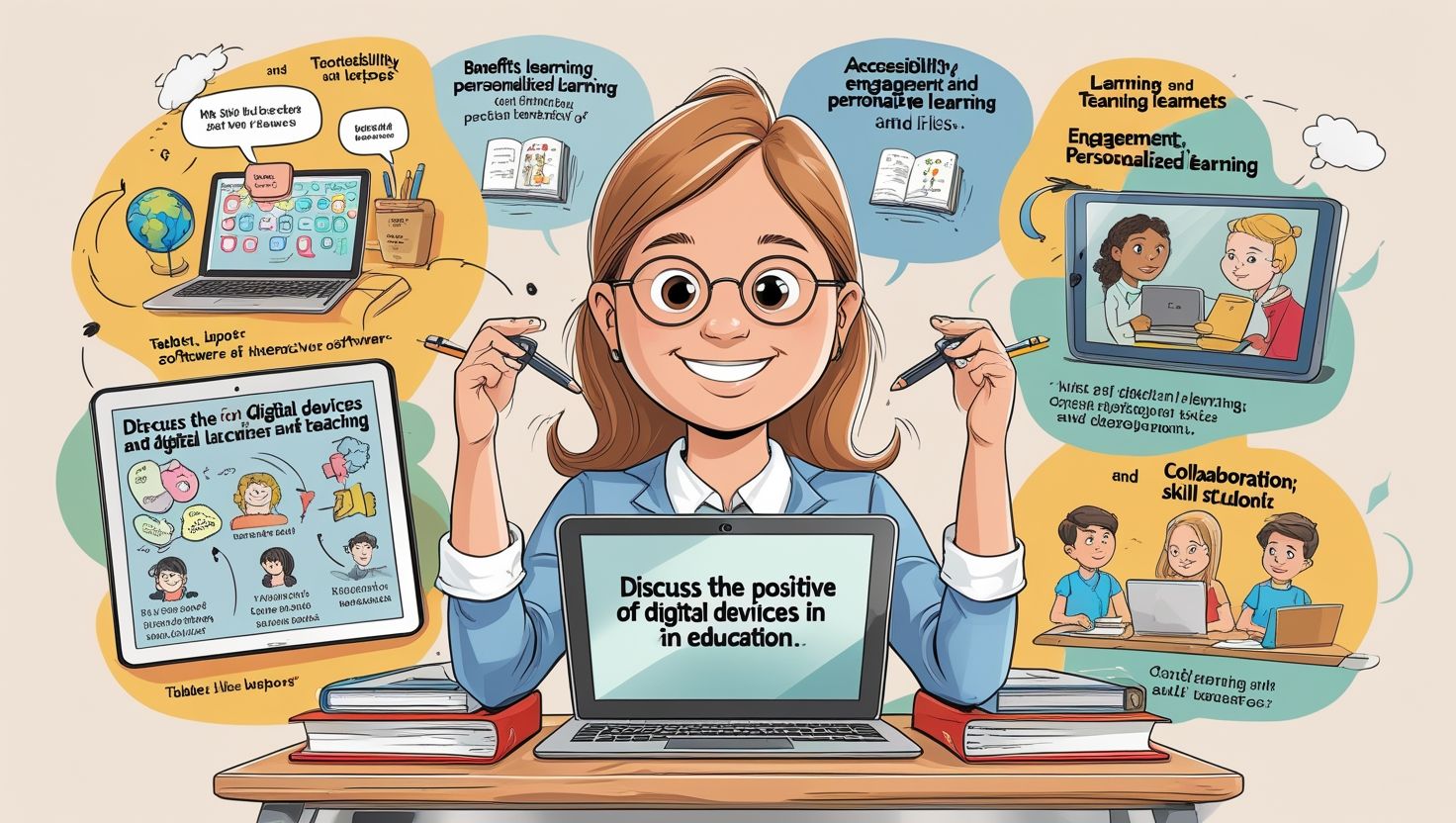
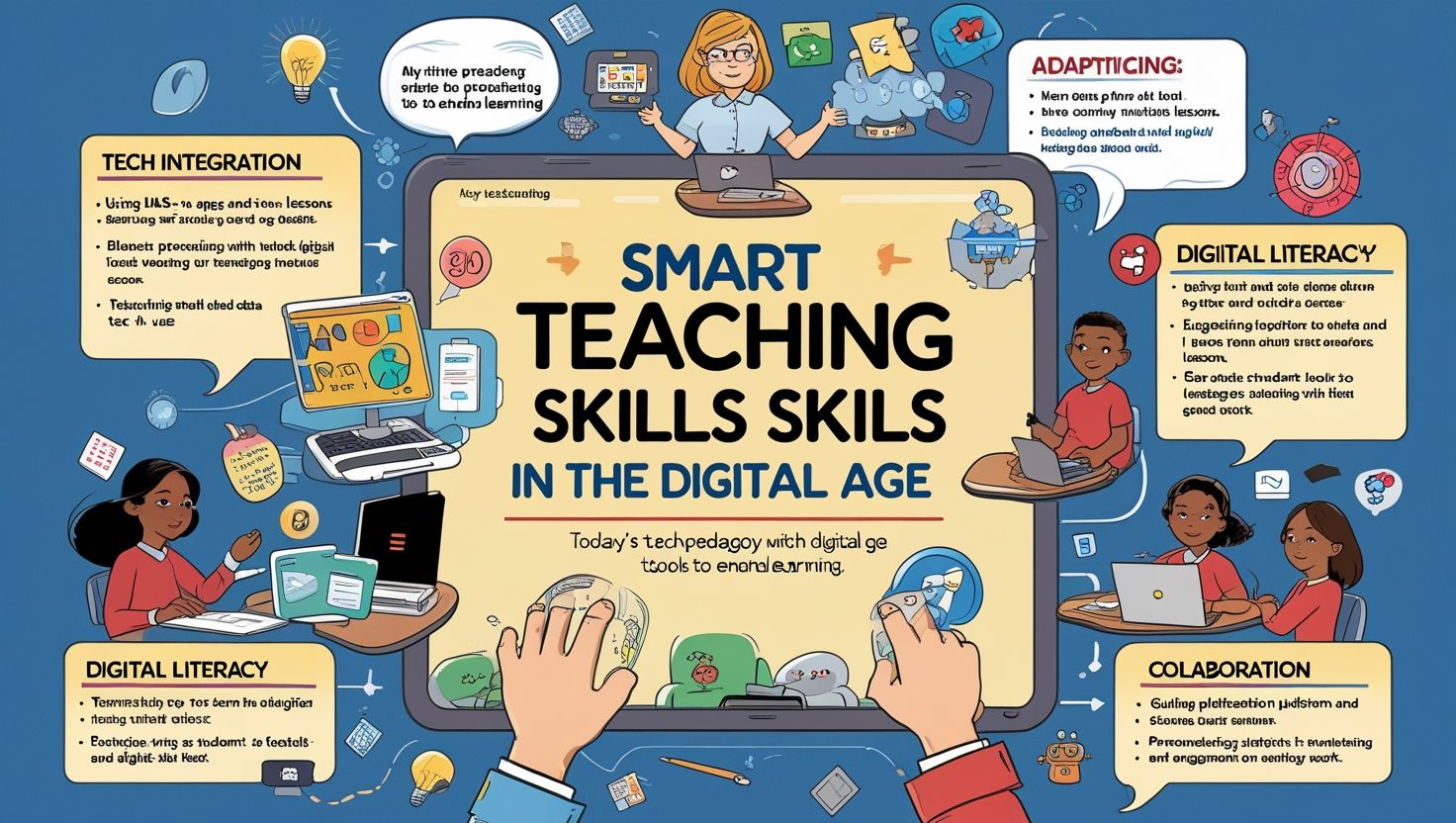
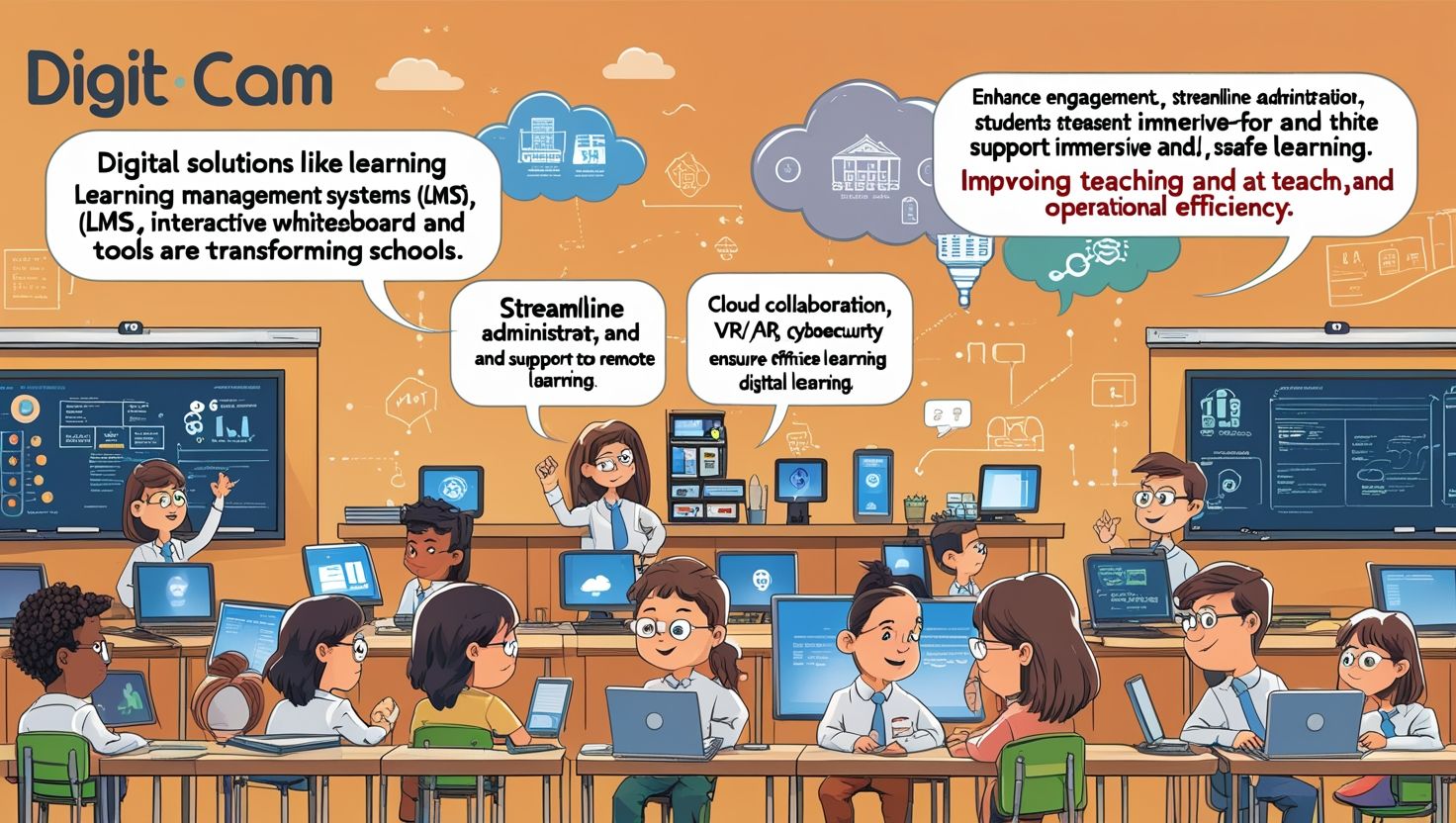
Digital Solutions for the School Environment, In today’s fast-evolving world, digital solutions are transforming the education sector by enhancing learning experiences, streamlining administrative tasks, and fostering collaboration. Schools are increasingly adopting technology to create smarter, more efficient, and engaging environments for students, teachers, and administrators.
Key Digital Solutions for Schools
1. Learning Management Systems (LMS)
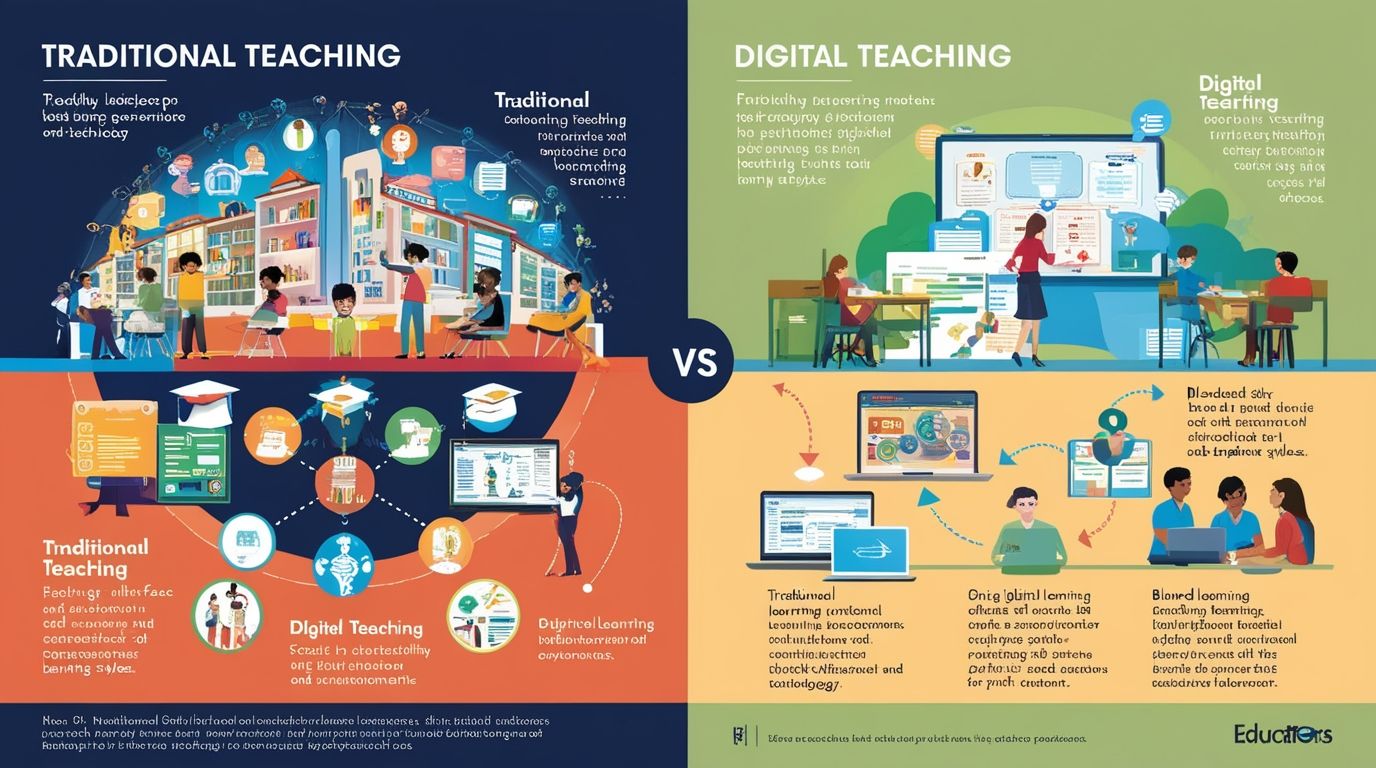
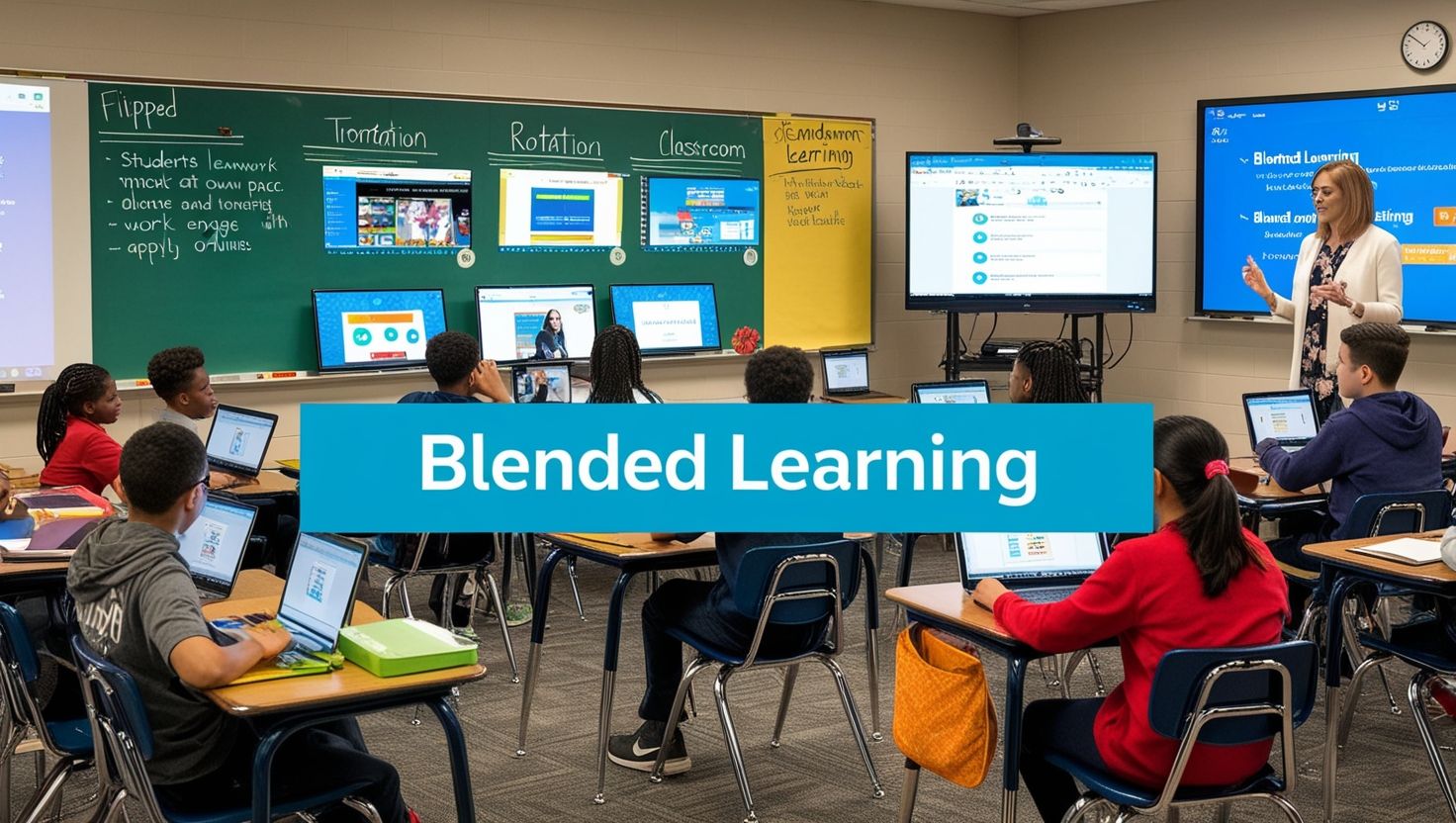
Platforms like Google Classroom, Moodle, and Canvas allow teachers to organize course materials, assign homework, and track student progress digitally. These systems facilitate blended learning and provide students with easy access to resources anytime, anywhere.
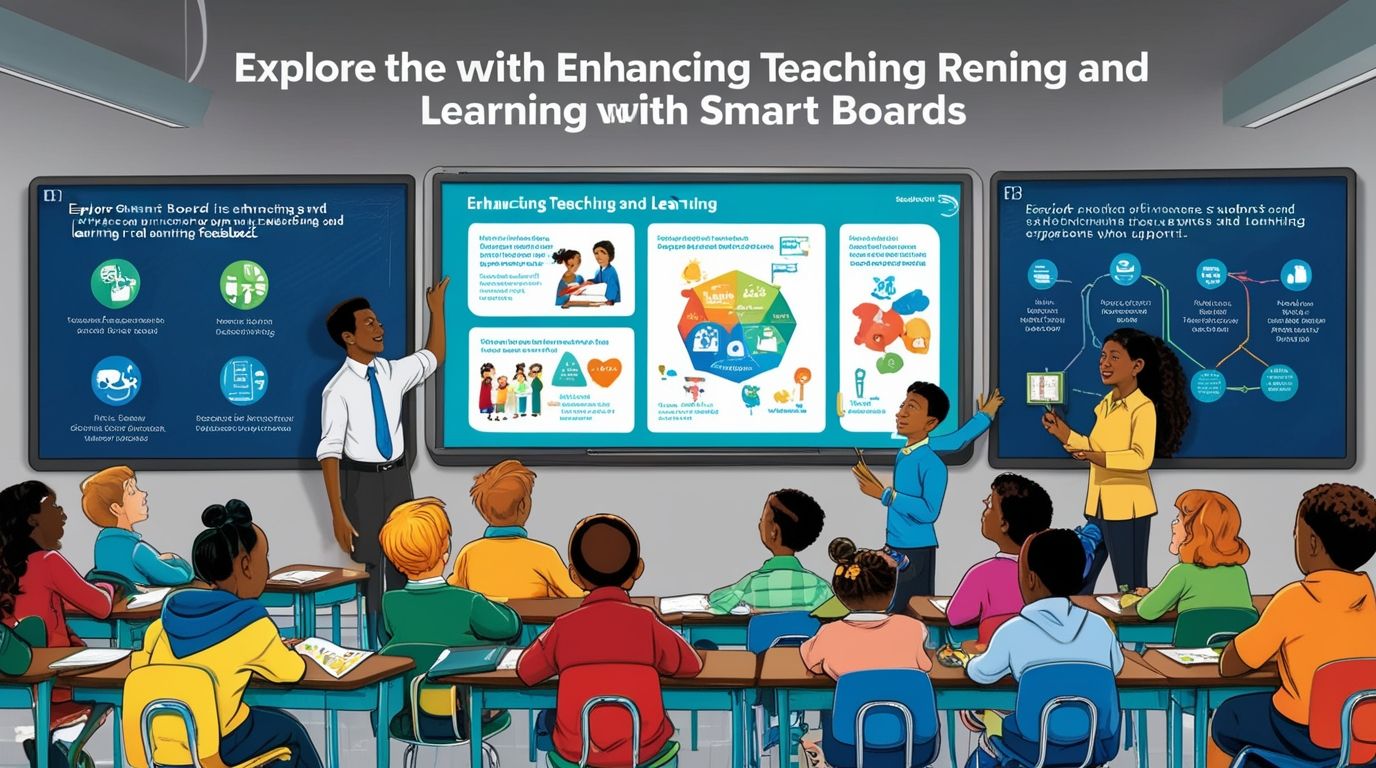
2. Interactive Whiteboards and Smart Classrooms
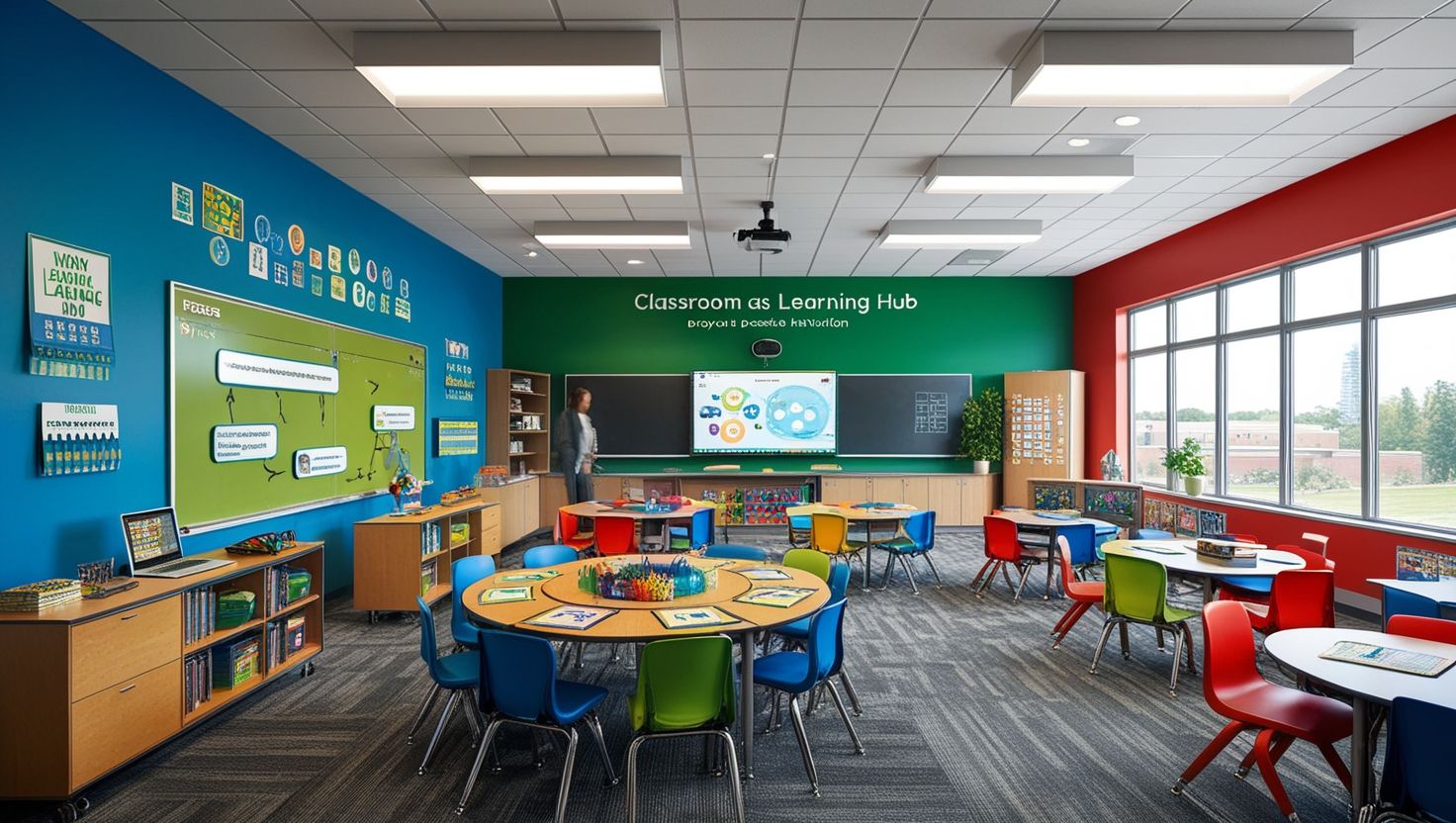
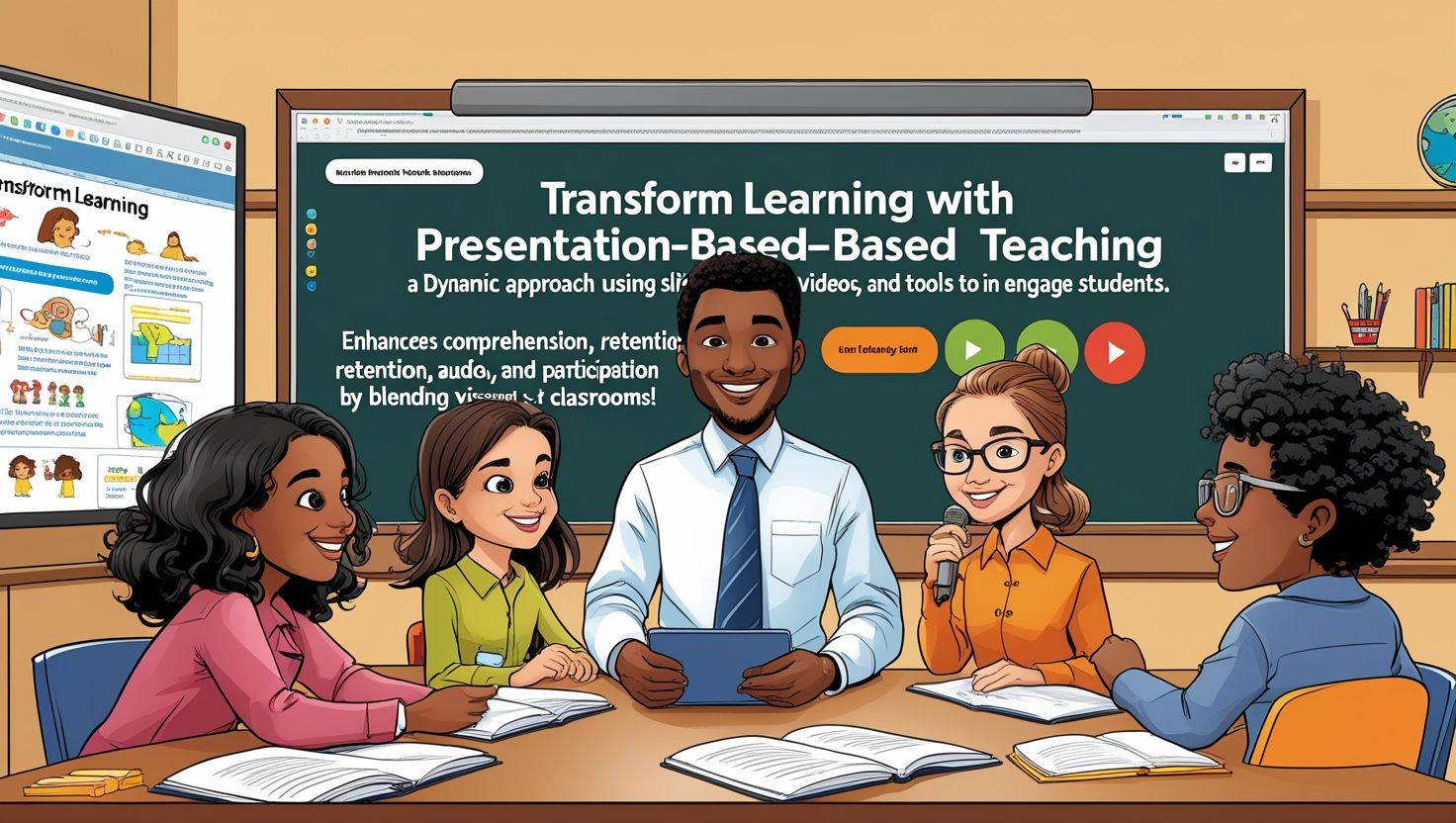
Interactive whiteboards (such as SMART Boards) and digital projectors make lessons more engaging by incorporating multimedia elements like videos, animations, and quizzes. Smart classrooms enhance student participation and comprehension.
3. Online Assessment Tools
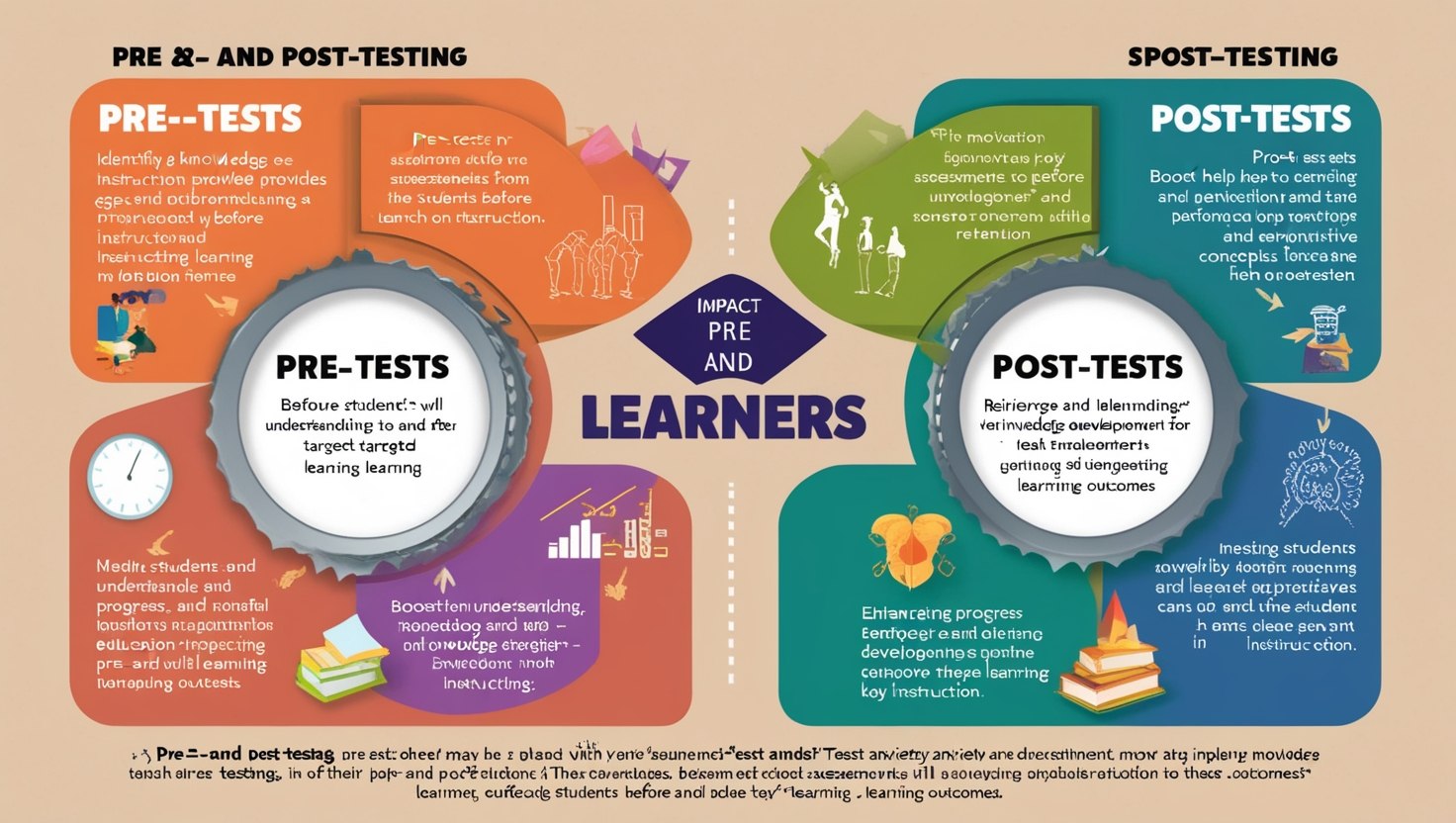
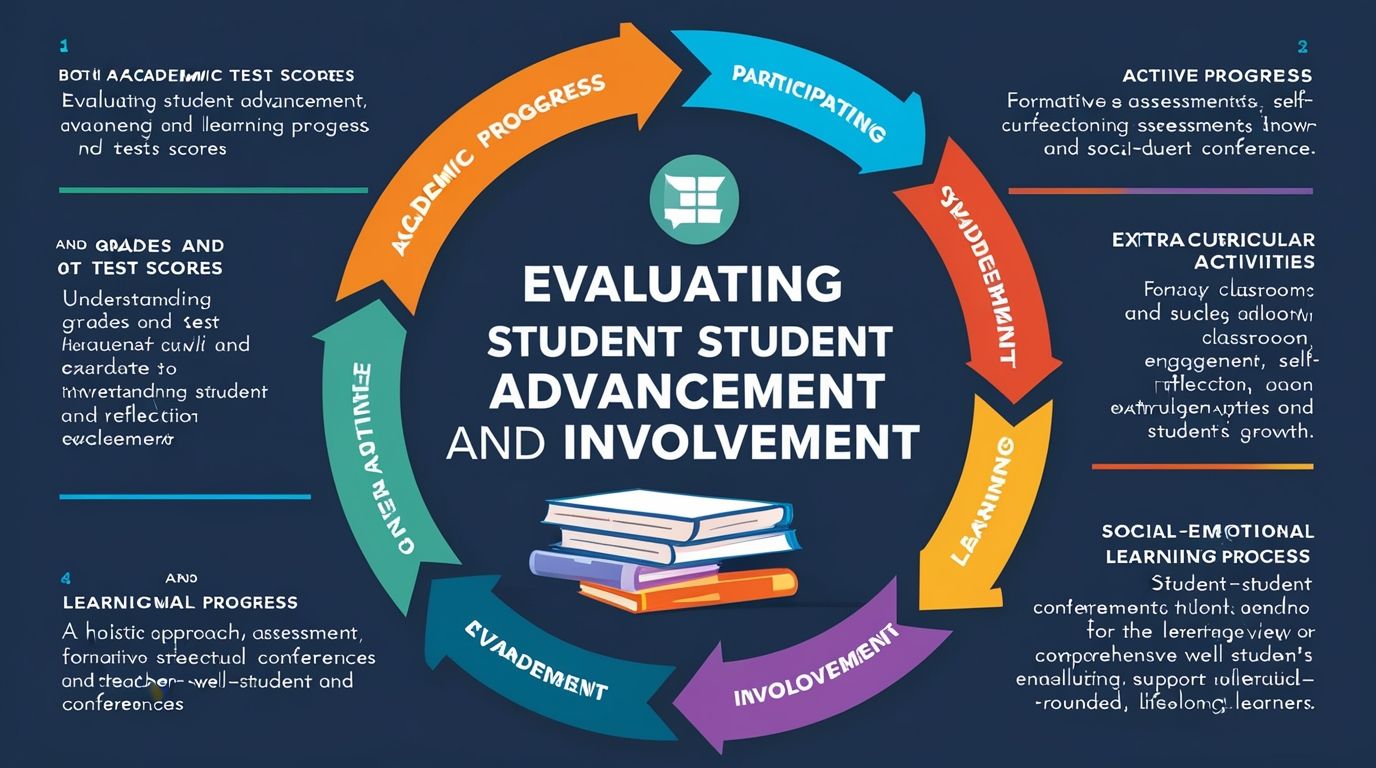
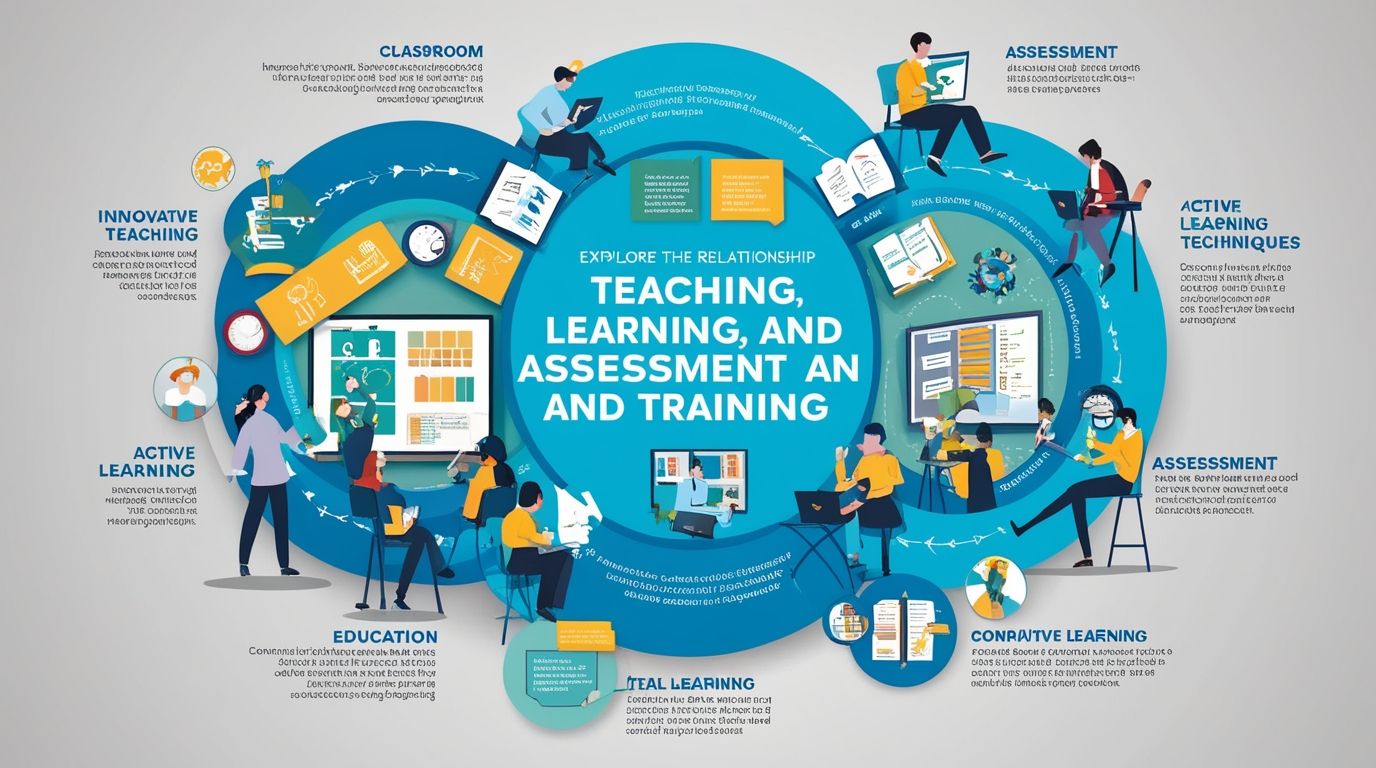
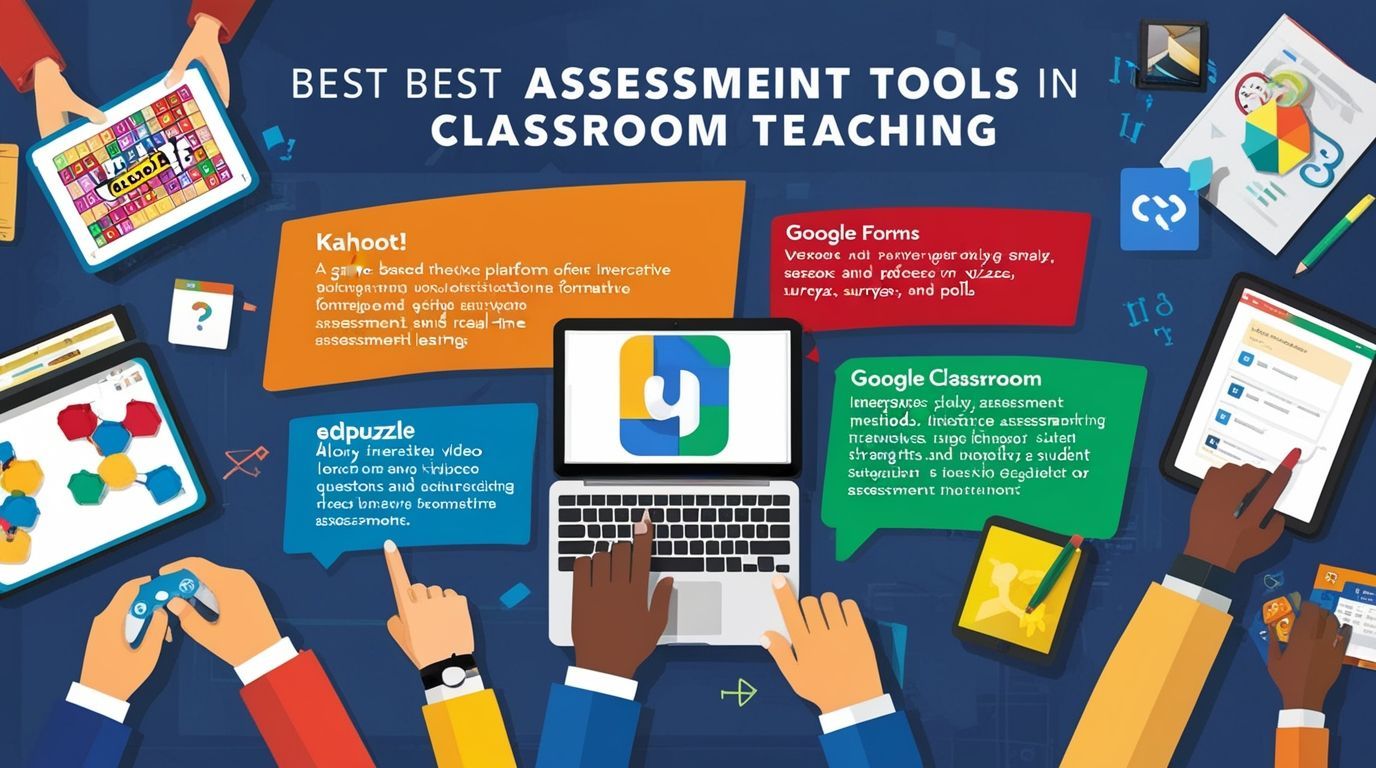
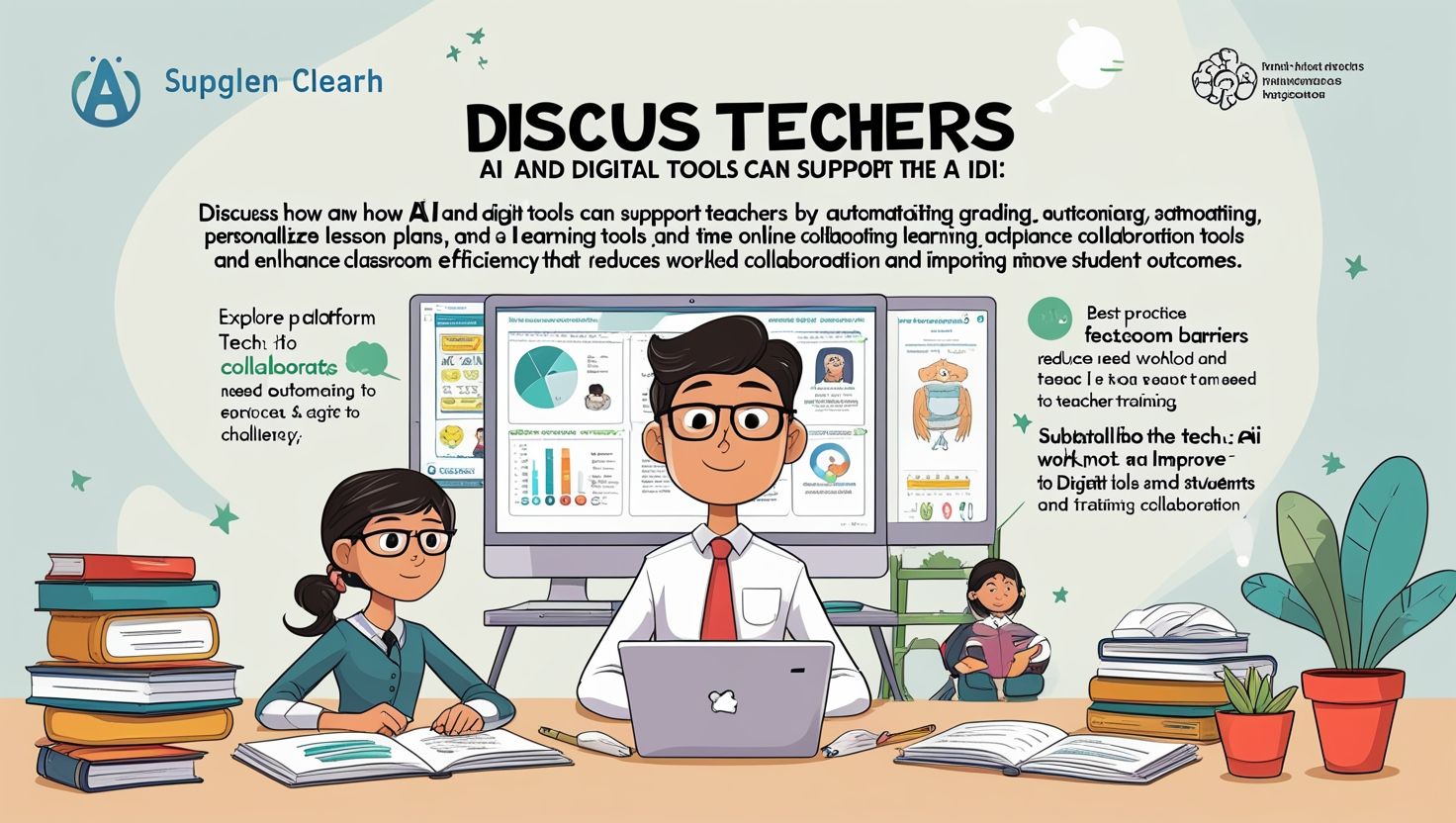
Digital assessment tools (e.g., Kahoot!, Quizlet, and Formative) enable teachers to conduct quizzes and exams efficiently while providing instant feedback. Automated grading reduces workload and helps identify learning gaps.
4. School Management Software
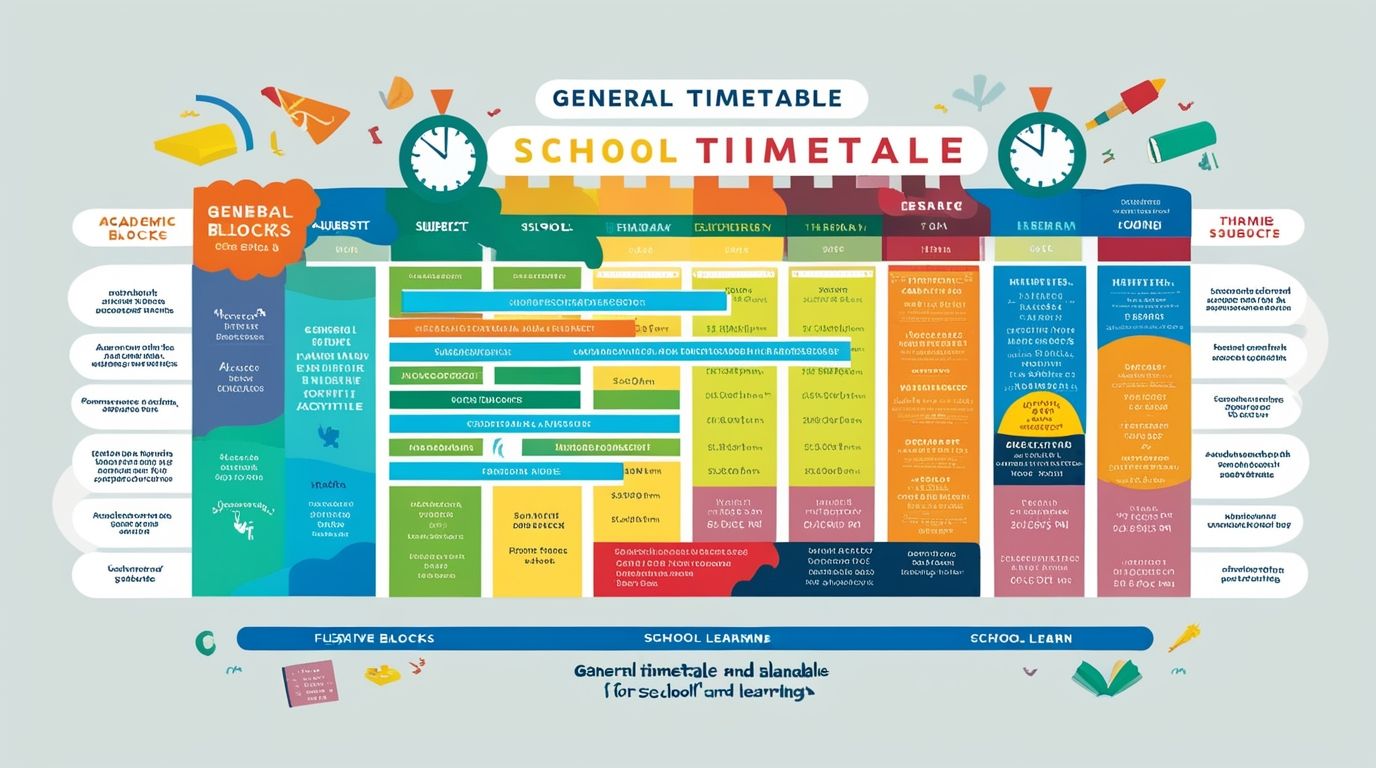
Administrative tasks such as attendance tracking, fee management, and timetable scheduling can be automated using school ERP systems like PowerSchool and Fedena. This improves efficiency and reduces paperwork.

5. Virtual and Augmented Reality (VR/AR)
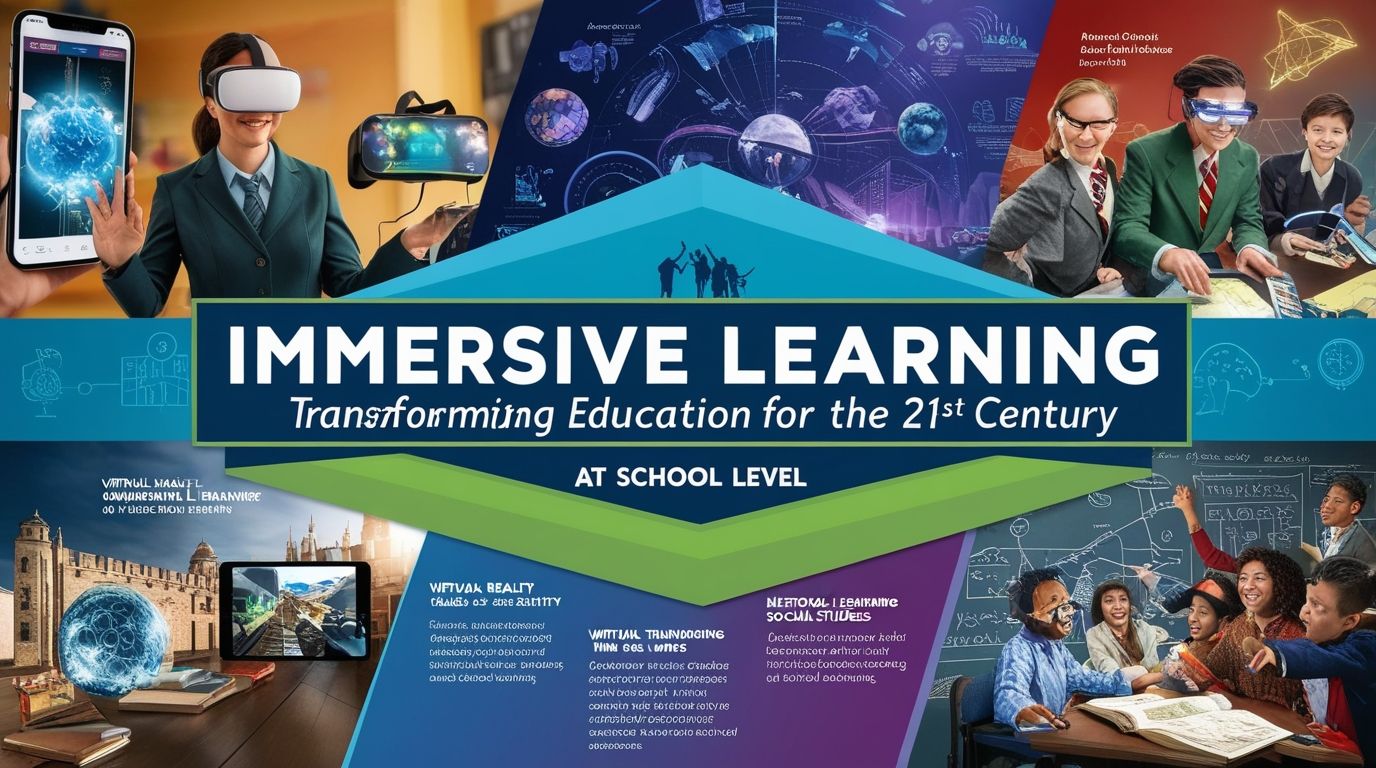
VR and AR technologies offer immersive learning experiences, allowing students to explore historical sites, conduct virtual science experiments, or visualize complex concepts in 3D.
6. Cloud-Based Collaboration Tools
Google Workspace and Microsoft Teams enable real-time collaboration among students and teachers, supporting file sharing, video conferencing, and group projects seamlessly.
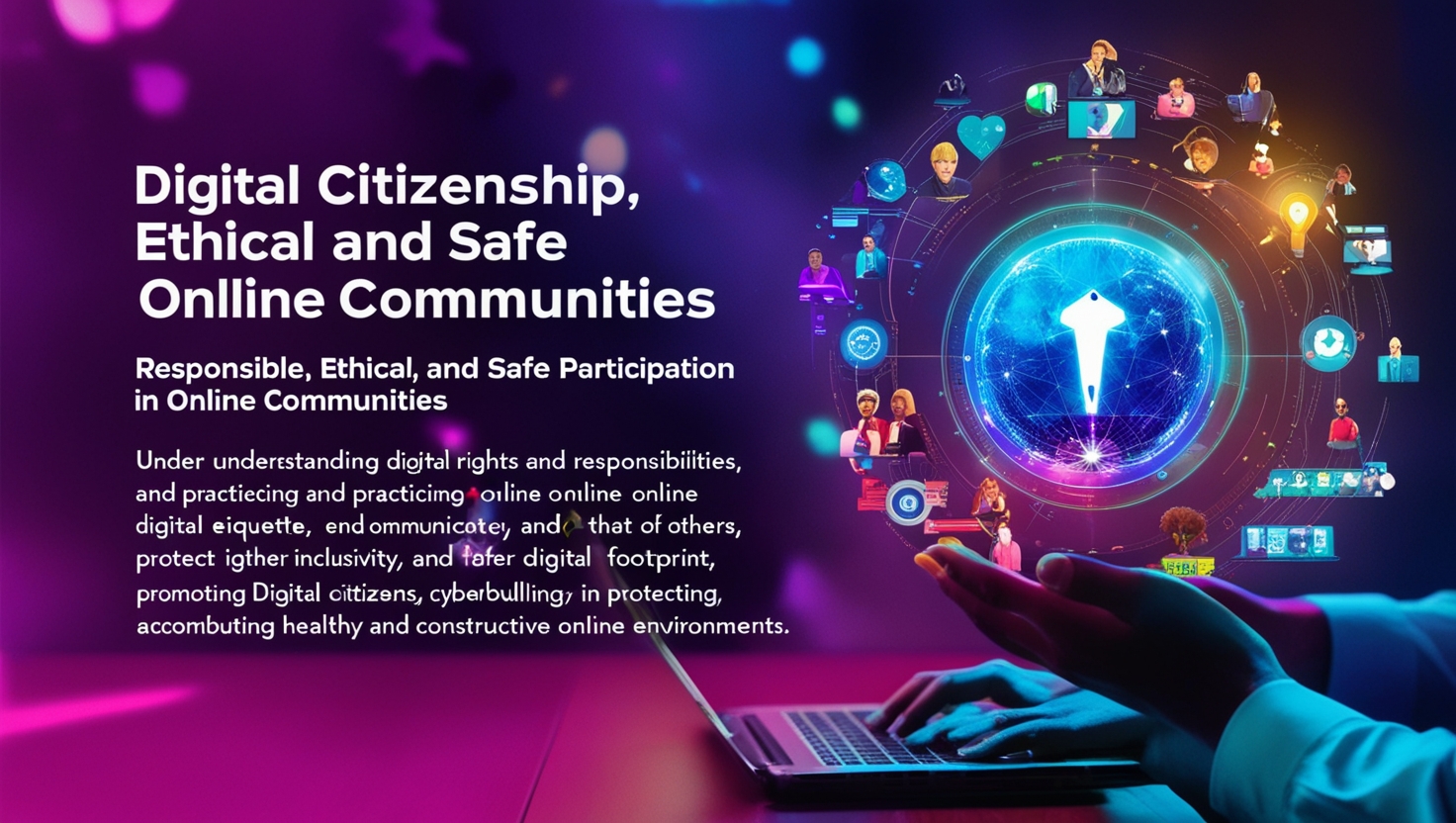
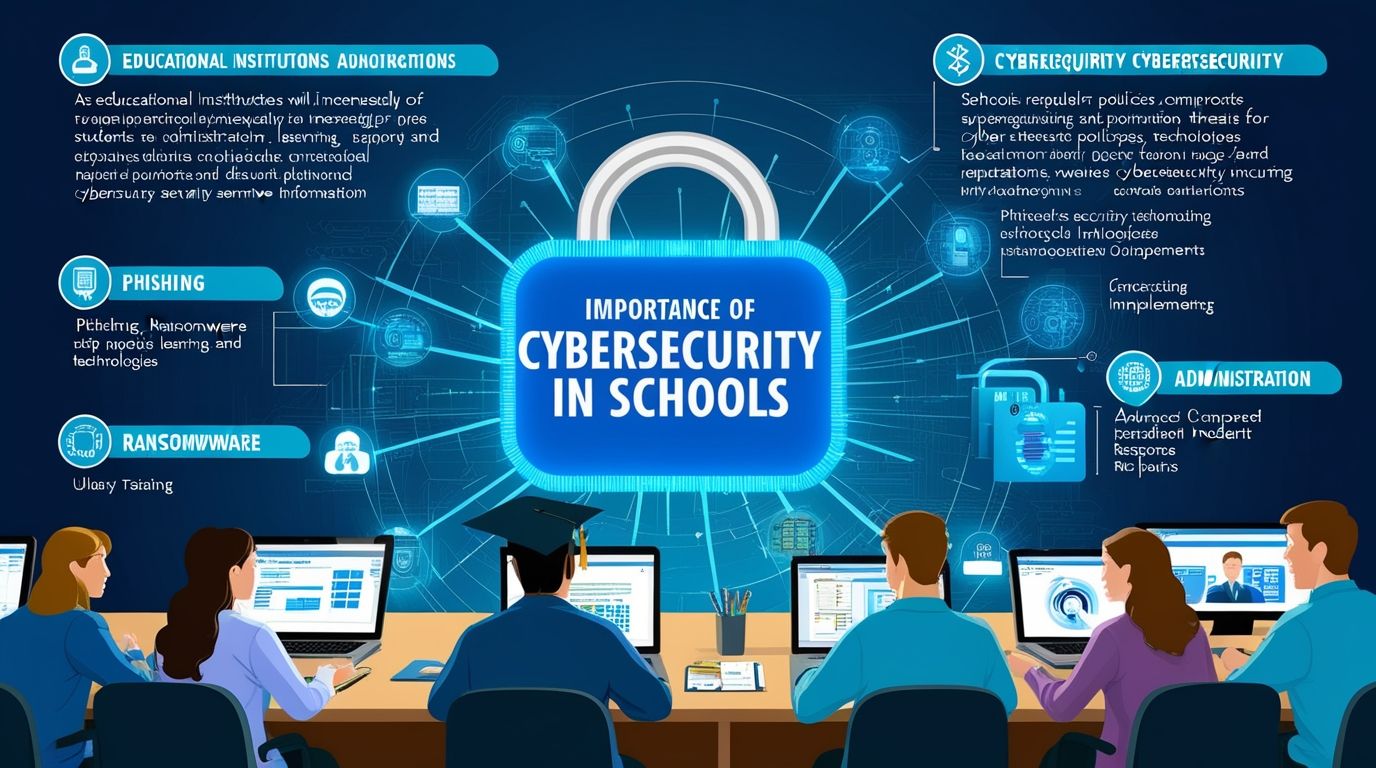
7. Cybersecurity and Digital Safety
With increased digital adoption, schools must implement cybersecurity measures like firewalls, data encryption, and internet filters to protect student information and ensure safe online learning.
Conclusion
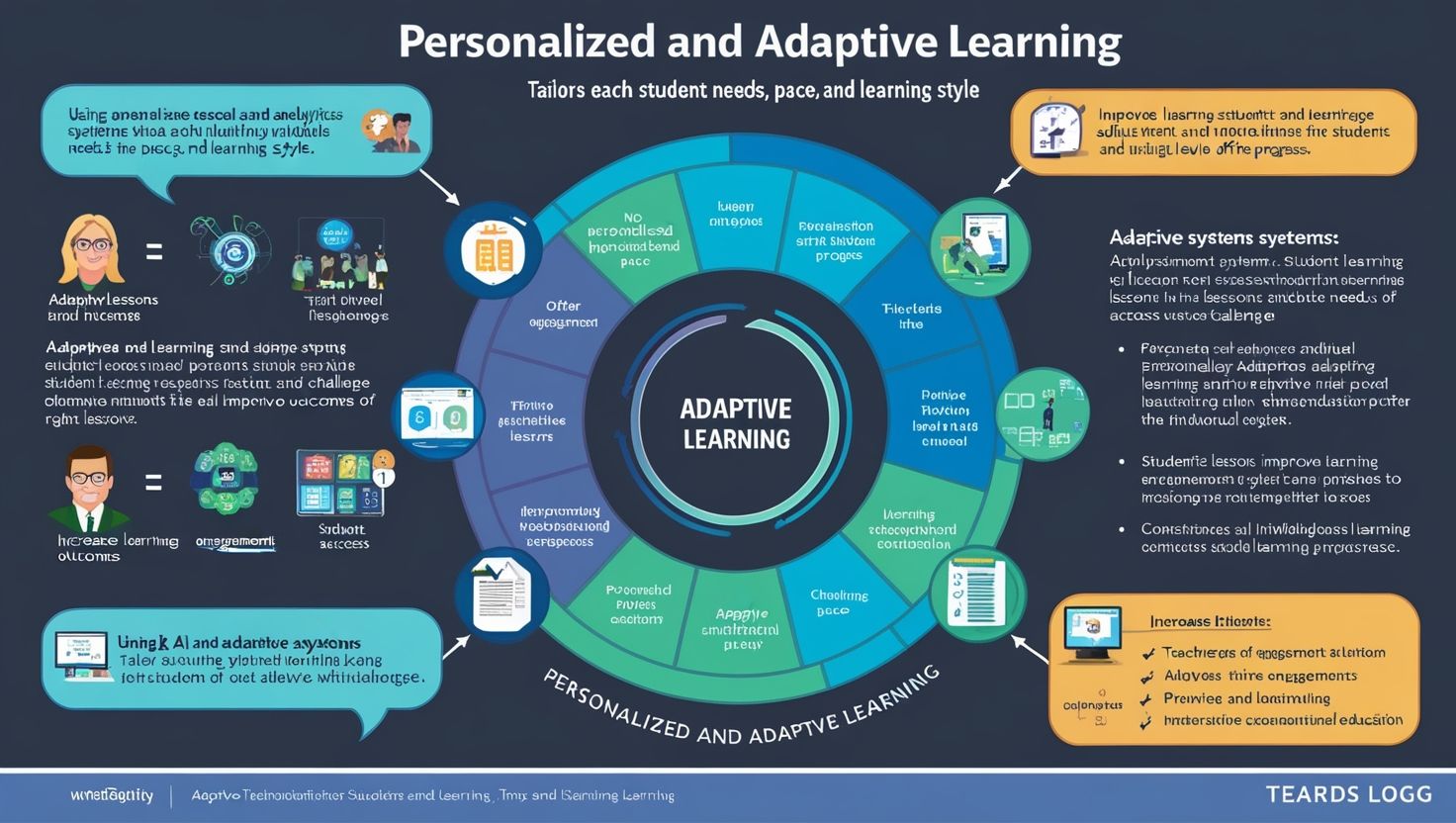
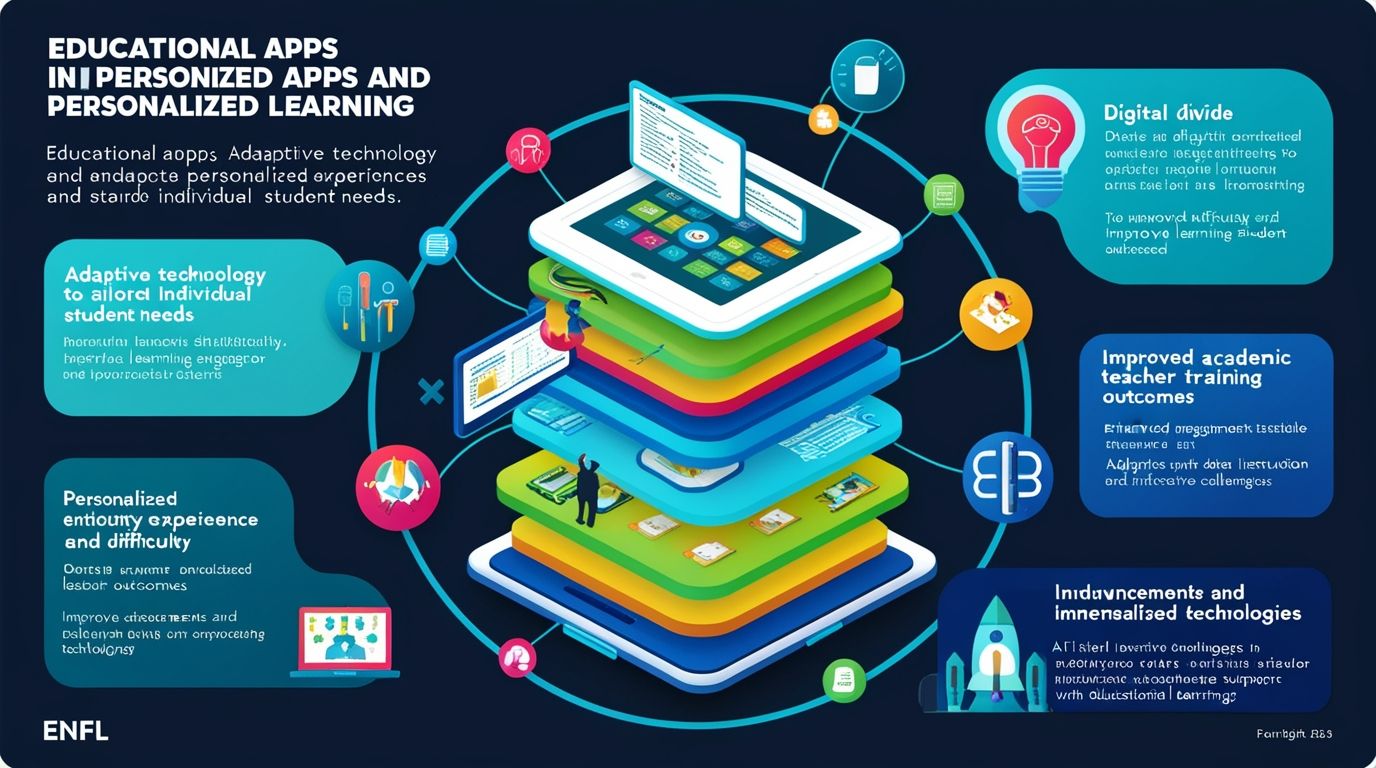
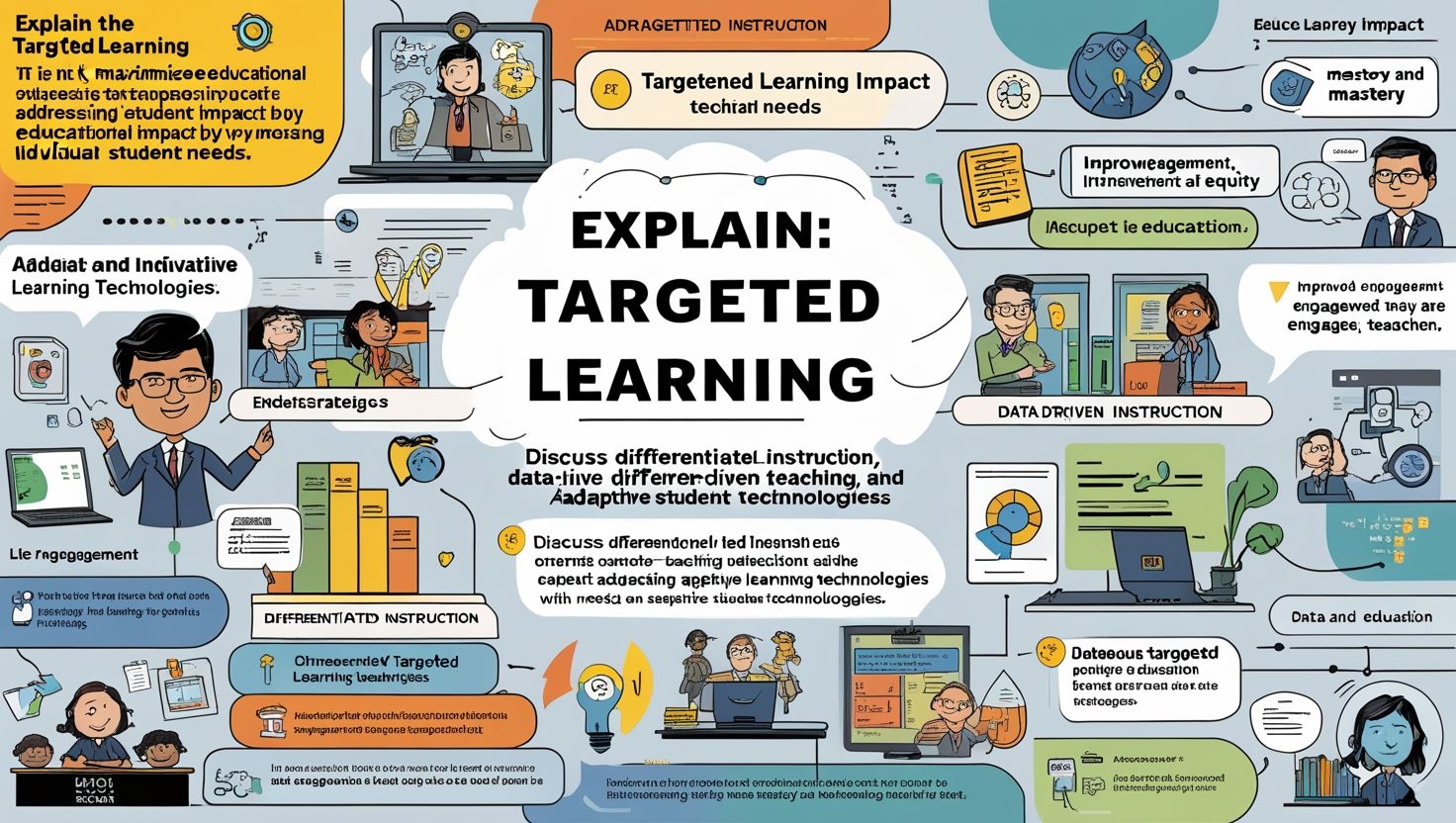
Digital solutions are revolutionizing the school environment by making education more interactive, efficient, and accessible. By embracing these technologies, schools can enhance learning outcomes, streamline operations, and prepare students for a tech-driven future. Digital solutions optimize school operations through LMS platforms, smart classrooms, and AI-driven analytics. Cloud-based collaboration, automated administration, and cybersecurity ensure seamless, safe learning environments. VR/AR and adaptive learning tools foster engagement, while data-driven insights help educators tailor instruction. These innovations create efficient, future-ready educational ecosystems.