
Introduction
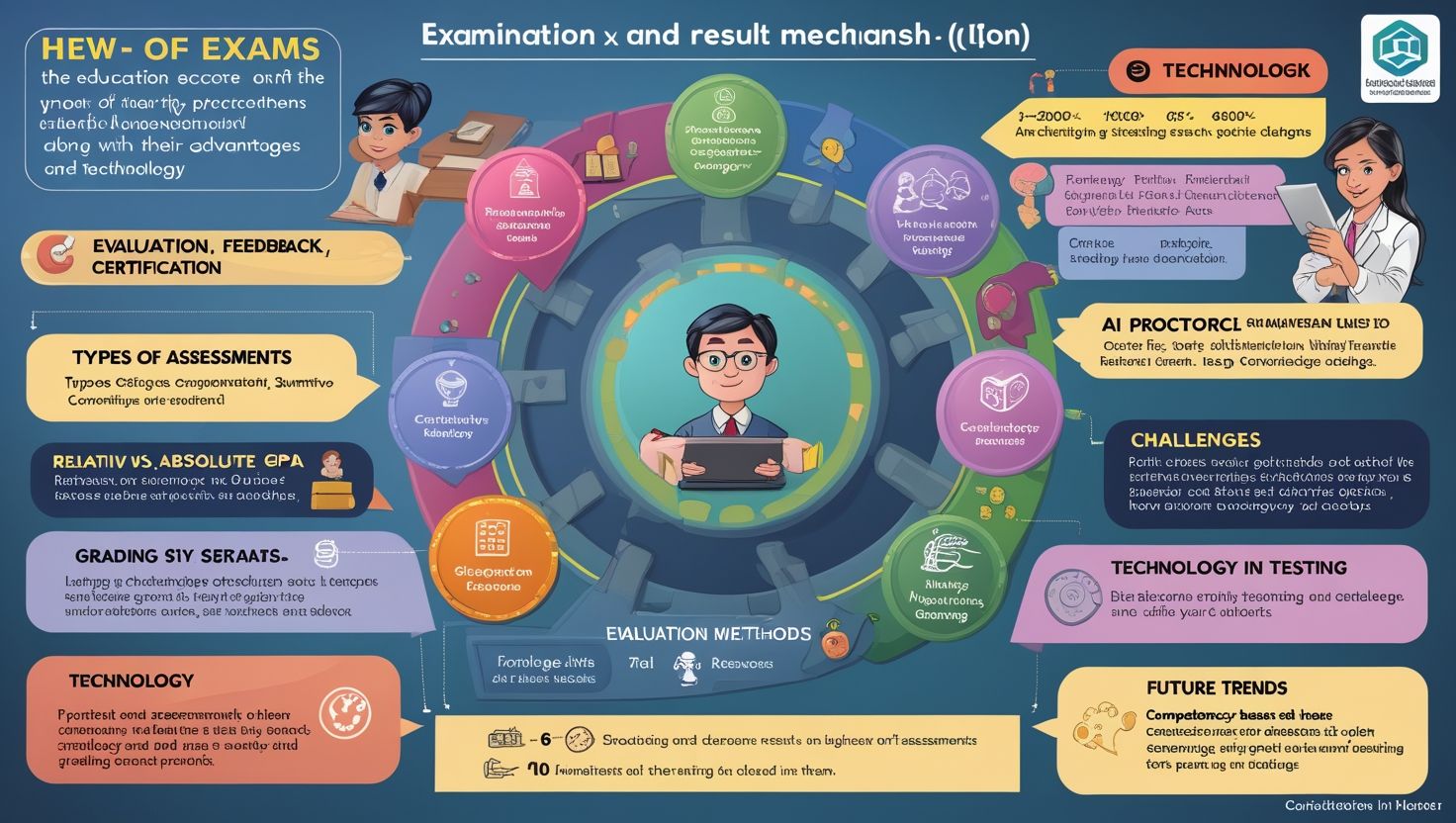
Exams and Result Mechanism in Education, Examinations are a fundamental part of the education system, serving as a tool to assess students’ knowledge, skills, and understanding of academic subjects. They help educators evaluate learning outcomes and ensure that students meet the required academic standards. Results from these exams provide feedback to students, teachers, and institutions, guiding future learning and teaching strategies.
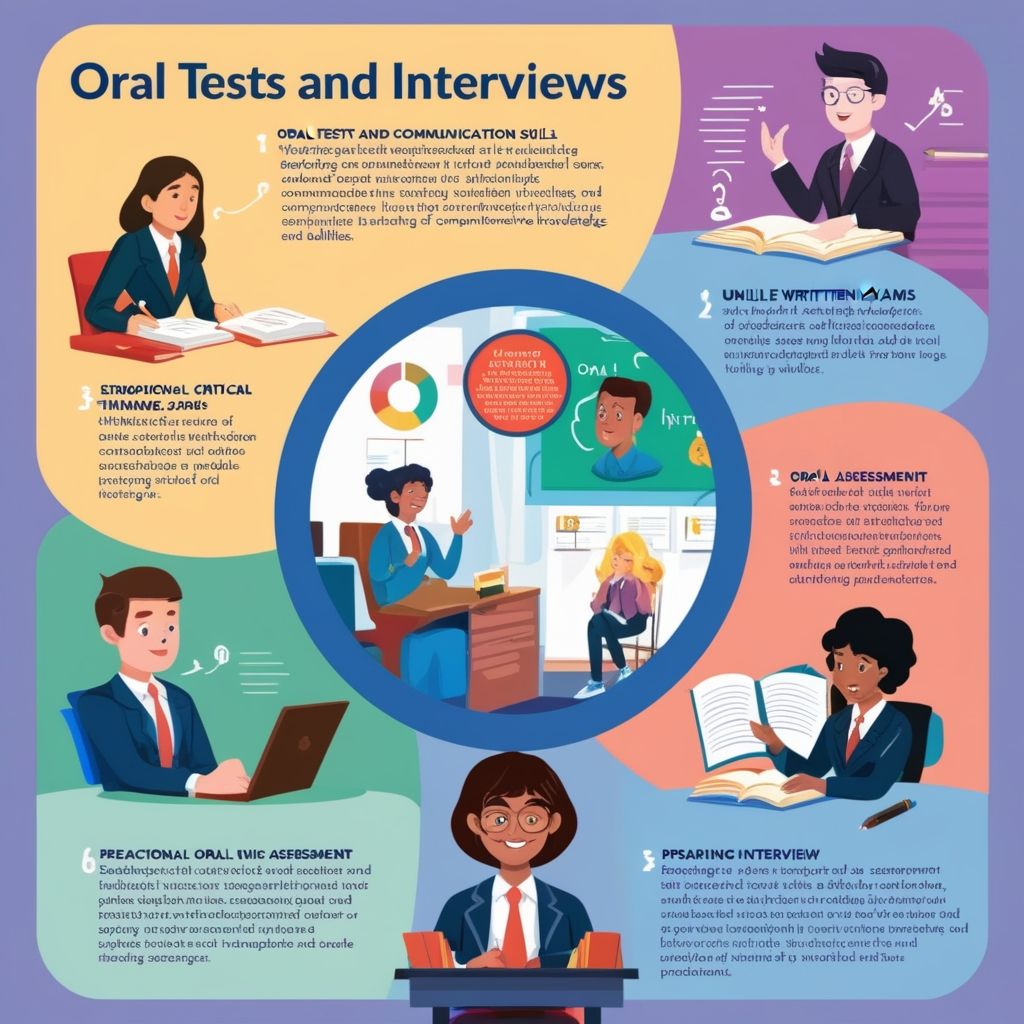
Exams can take various forms, including written tests, oral assessments, practical evaluations, and project submissions. The result mechanism involves grading or scoring students based on their performance, which is then recorded and communicated to stakeholders. This process helps in identifying strengths, weaknesses, and areas needing improvement.
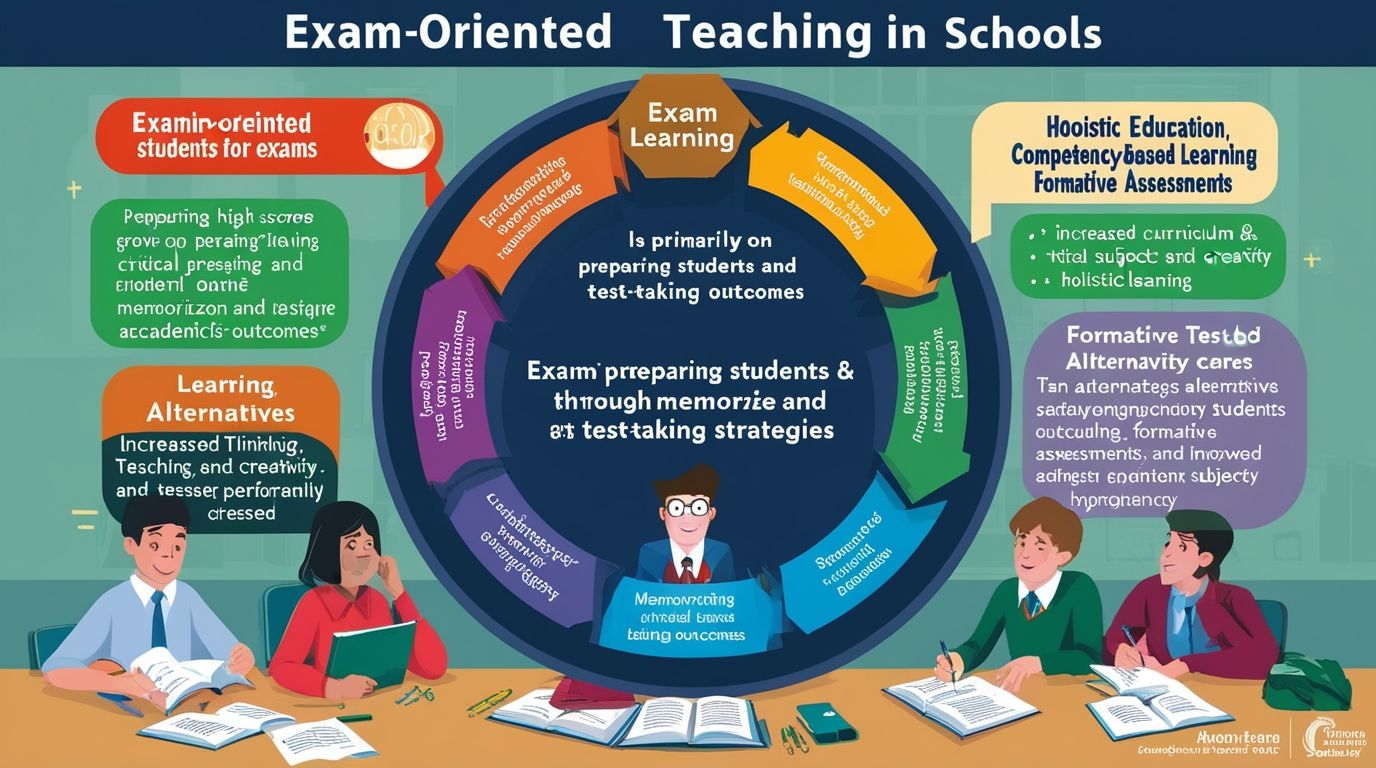
Moreover, exams play a crucial role in certification, college admissions, and career opportunities. They act as a standardized measure to compare students’ academic achievements. However, the system has faced criticism for promoting rote learning over critical thinking. Despite this, exams remain a key component of education worldwide, continuously evolving to incorporate fair and effective assessment methods.
Purpose of Examinations in Education
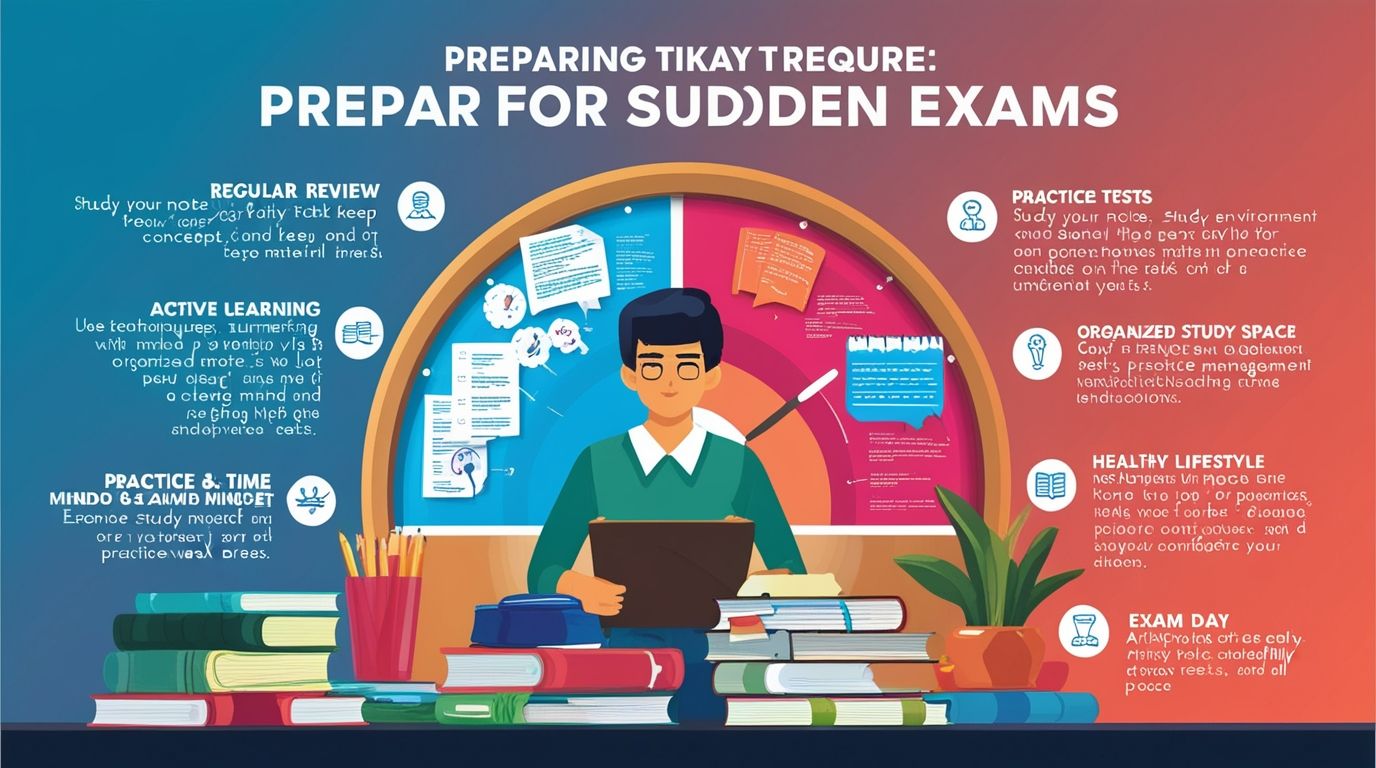
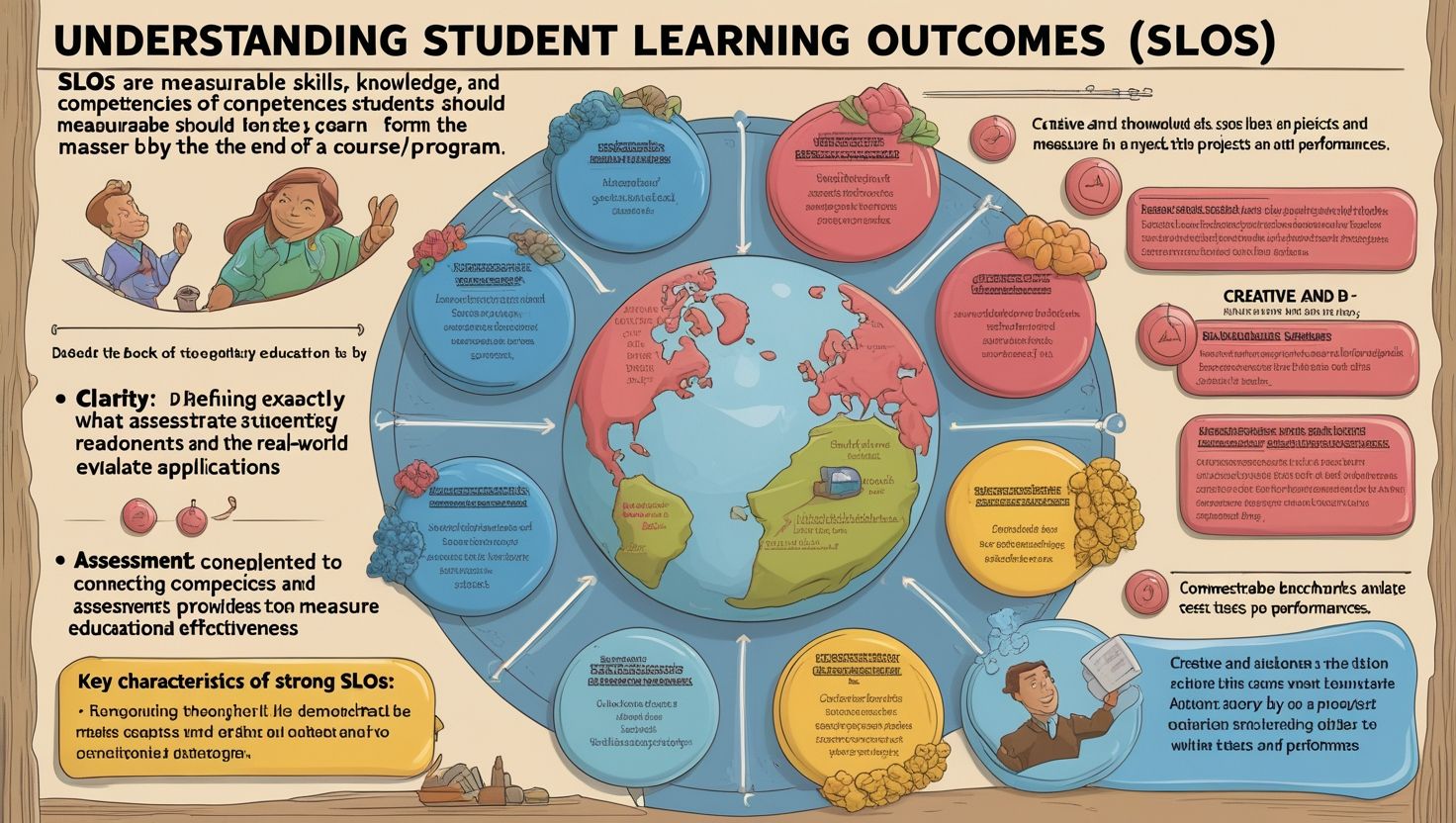
The primary purpose of examinations is to evaluate students’ comprehension and retention of academic material. They serve multiple functions, including measuring learning progress, motivating students to study, and providing accountability for educational institutions.
Exams help in identifying gaps in knowledge, allowing teachers to adjust their teaching methods accordingly. They also encourage discipline and time management among students, as preparing for tests requires consistent effort. Additionally, standardized exams ensure uniformity in assessing students across different schools and regions.
Another key purpose is certification, where exams determine whether a student qualifies for the next academic level or receives a degree. Competitive exams further aid in selecting candidates for higher education and employment.
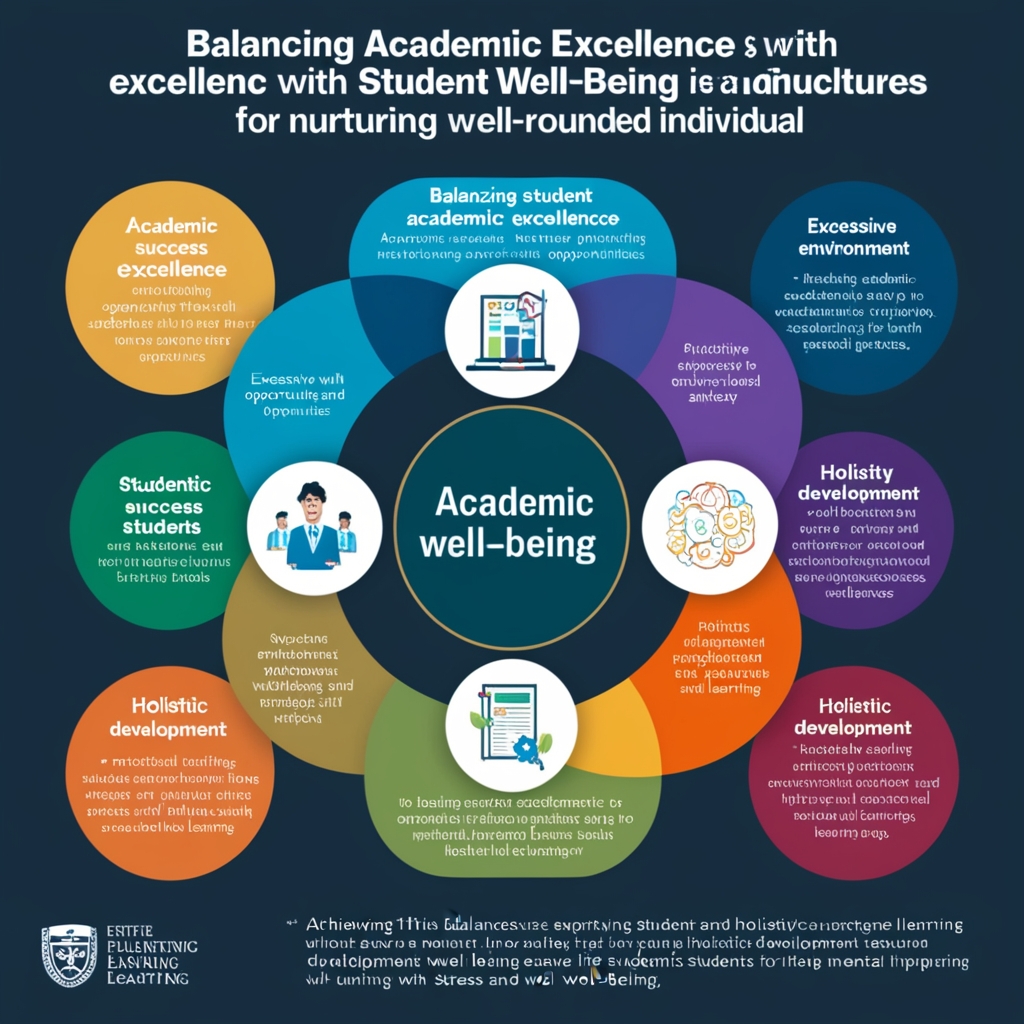
However, excessive focus on exams can lead to stress and anxiety among students. To address this, modern education systems are exploring alternative assessment methods that focus on holistic development rather than just memorization.
Types of Examination Systems
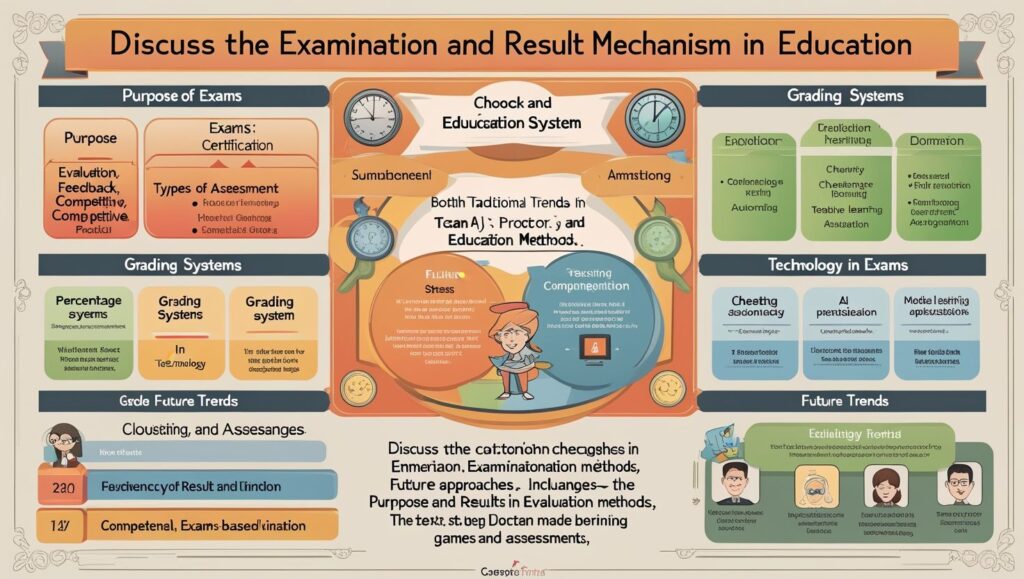
There are several types of examination systems used in education, each serving different purposes. The most common include:
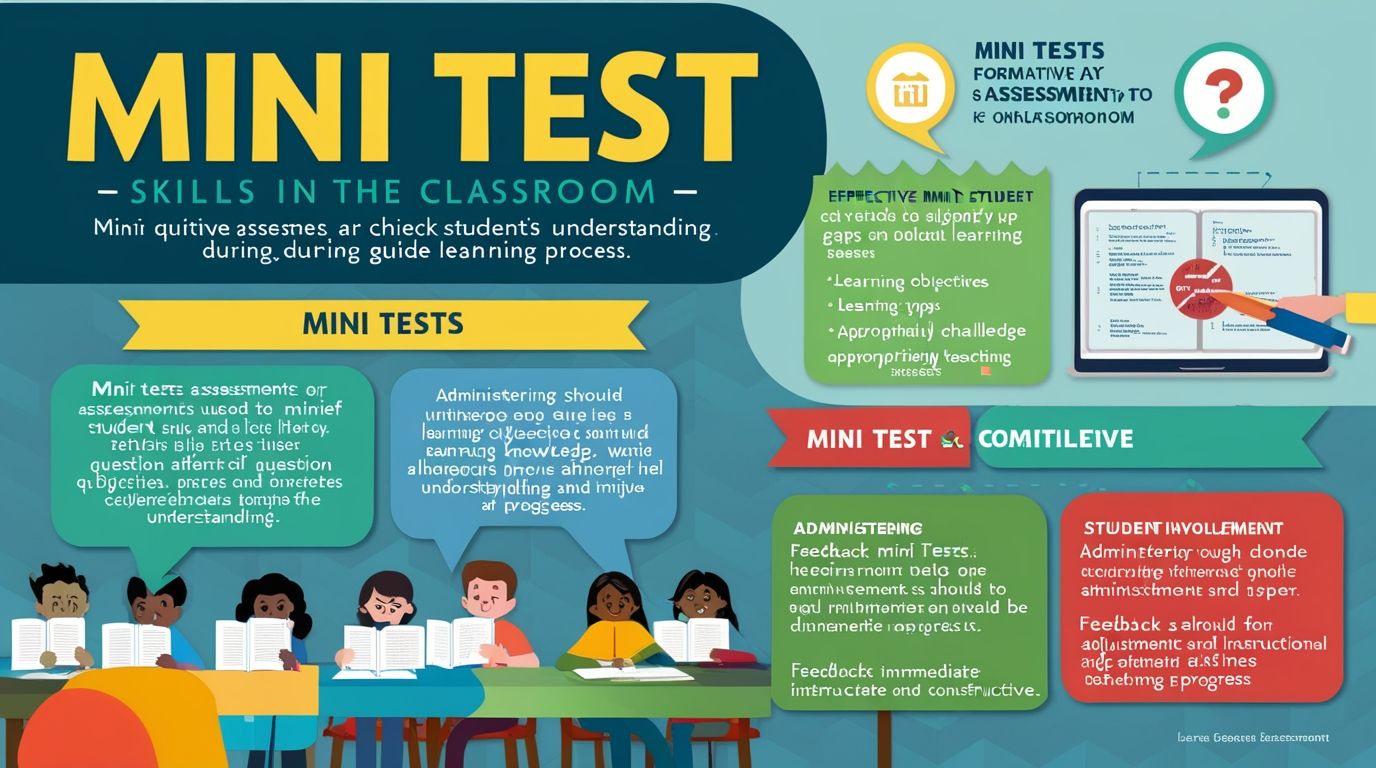
- Formative Assessments – These are ongoing evaluations conducted during the learning process, such as quizzes, class participation, and assignments. They provide immediate feedback to improve learning.
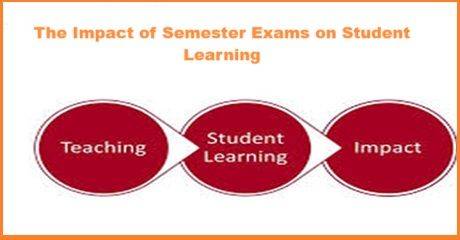
- Summative Assessments – These are end-of-term or final exams that evaluate overall understanding, such as board exams or semester tests.
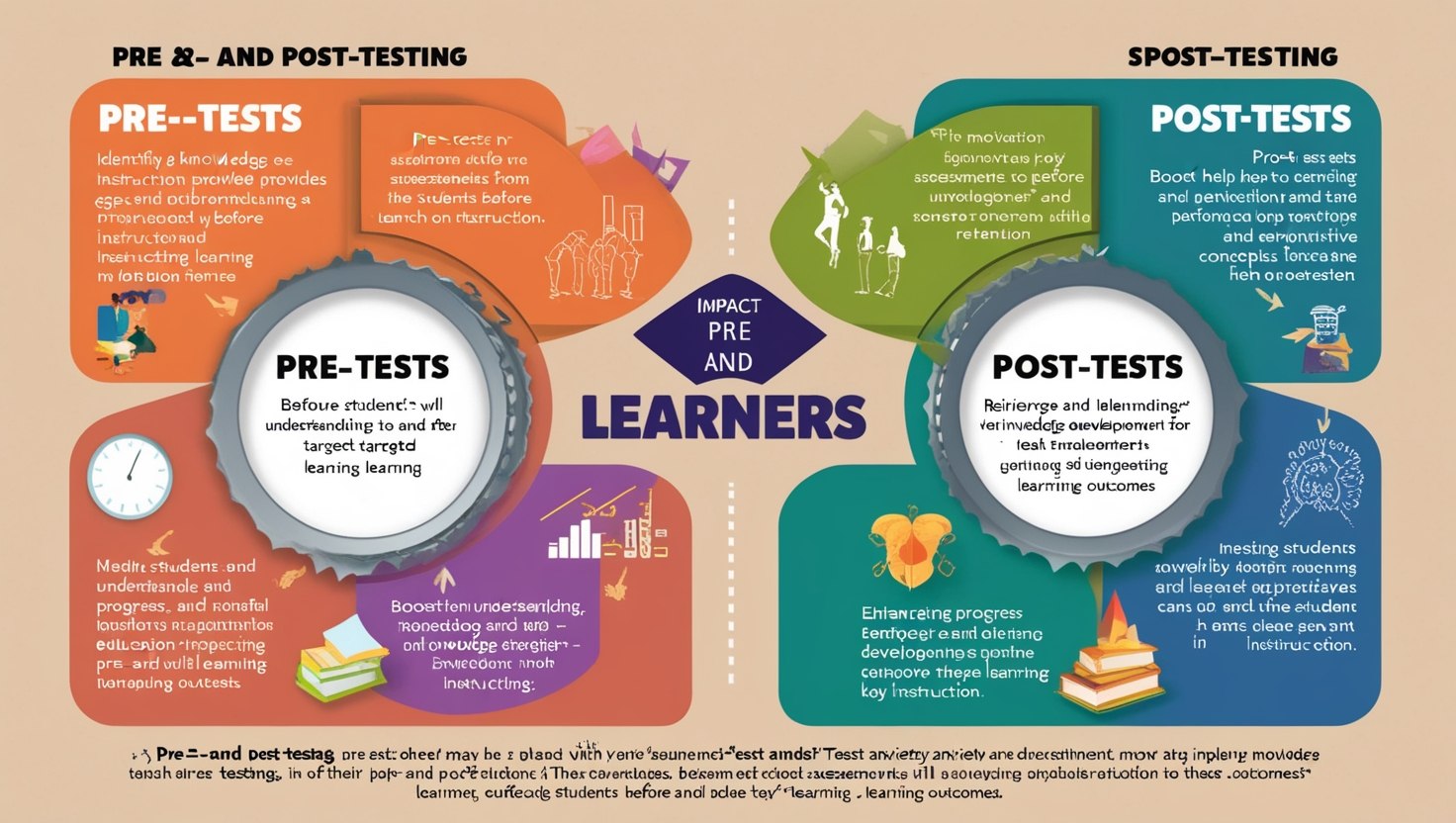
- Diagnostic Tests – Used to identify students’ strengths and weaknesses before instruction begins.
- Competitive Exams – Entrance tests for colleges, universities, or jobs (e.g., SAT, GRE, UPSC).
- Open-Book Exams – Allow students to refer to study materials, testing application skills rather than memorization.
- Practical Exams – Assess hands-on skills in subjects like science, arts, and vocational courses.
Each system has its advantages and limitations, and institutions often use a combination to ensure comprehensive evaluation.
Traditional vs. Modern Examination Methods
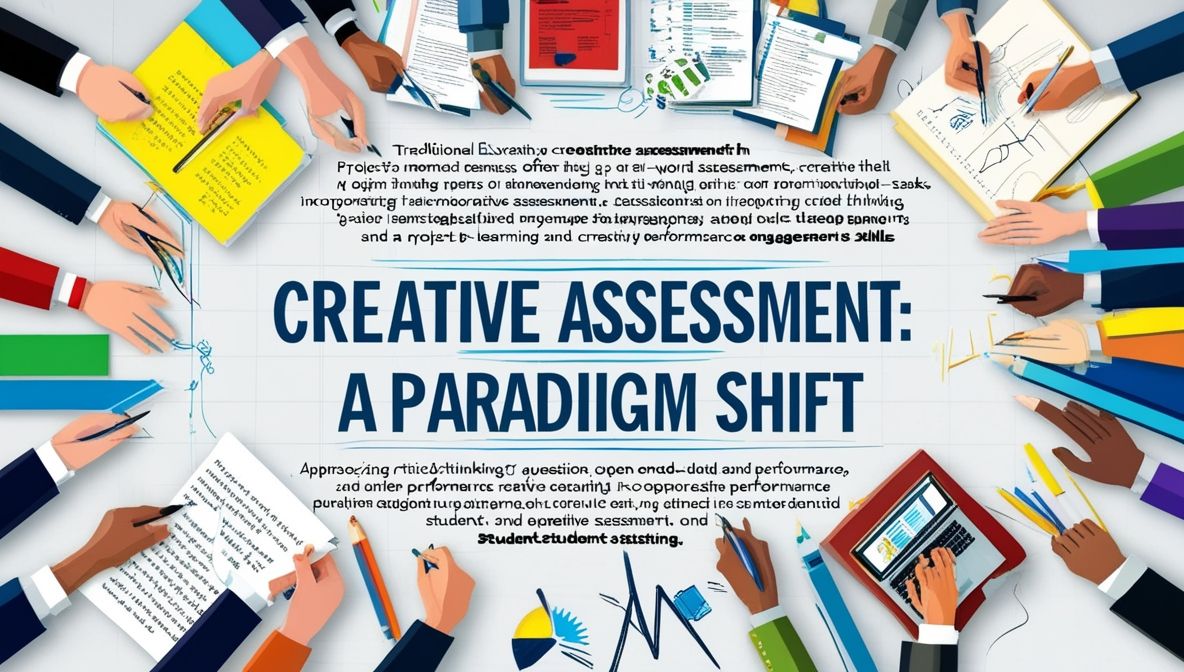
Traditional examination methods primarily involve written tests with fixed question formats like multiple-choice, short answers, and essays. These methods focus on memorization and recall but may not fully assess critical thinking or creativity.
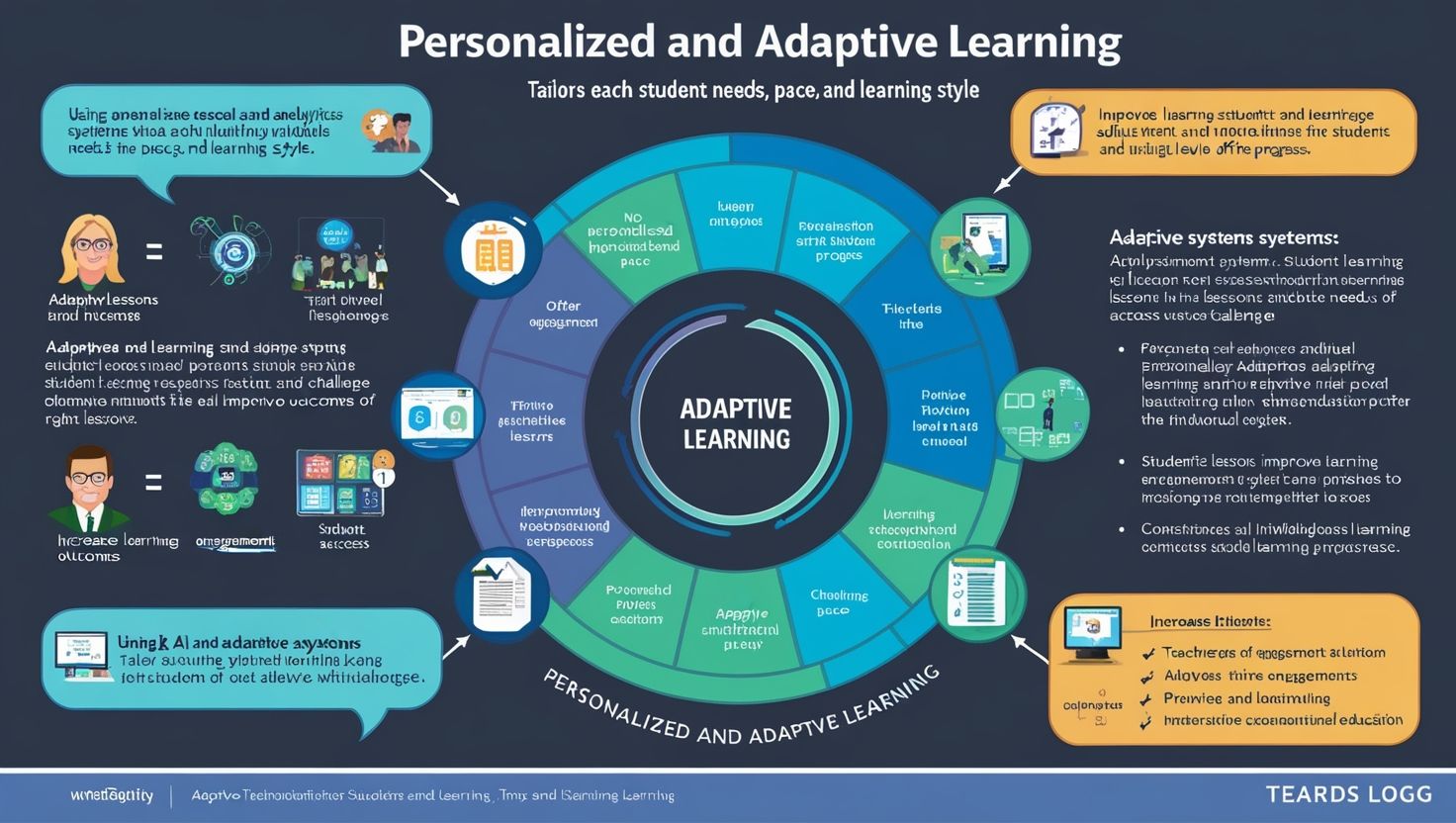
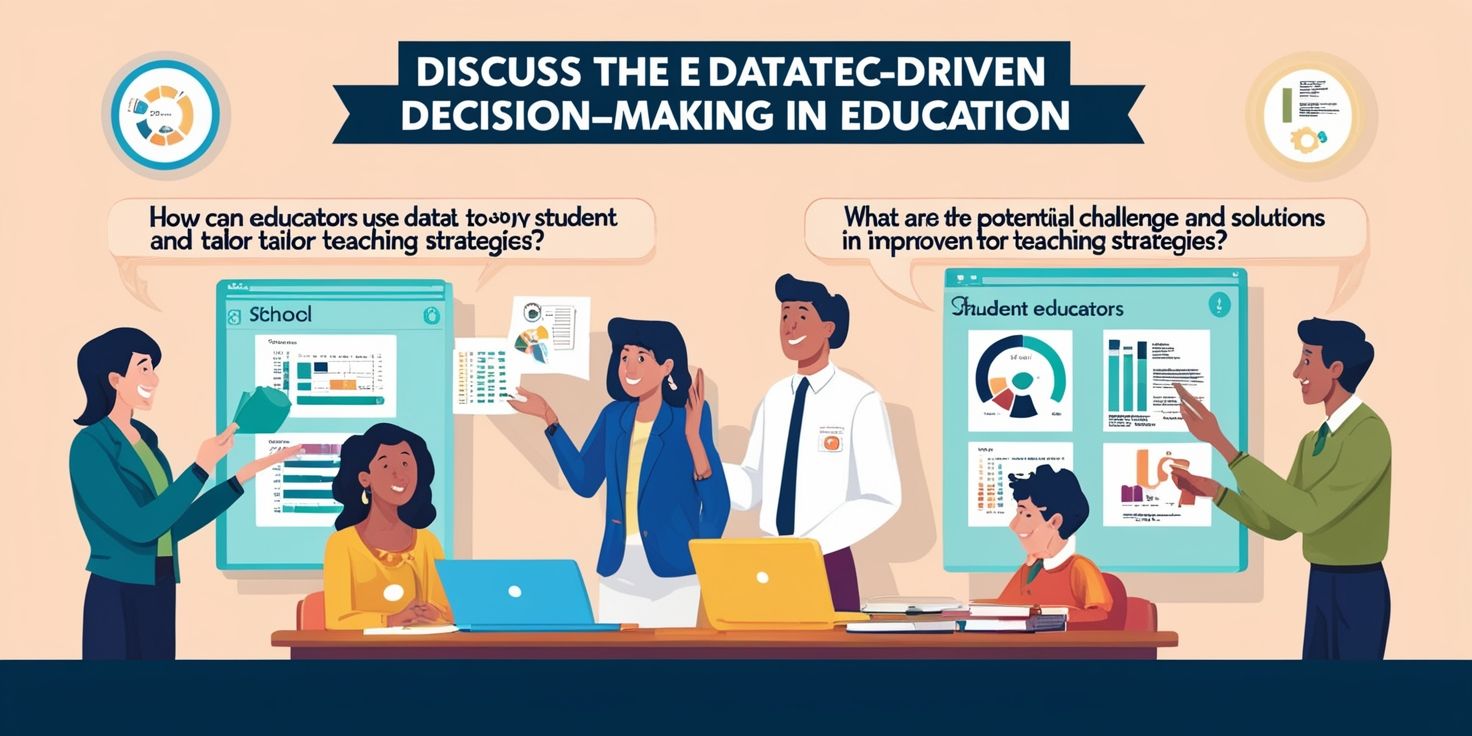
Modern examination techniques, however, emphasize continuous and comprehensive evaluation (CCE), project-based assessments, and online testing. Digital tools like AI-based proctoring, adaptive testing, and e-portfolios are gaining popularity.
While traditional exams provide structured assessment, modern methods offer flexibility and real-world applicability. Blended approaches combining both are becoming the norm to ensure a balanced evaluation system.
Grading and Marking Systems
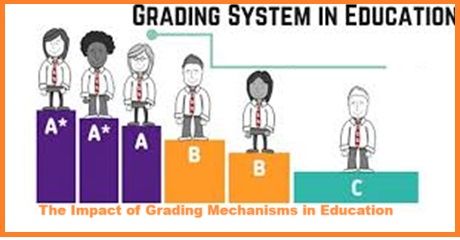
Grading systems vary globally, with some using percentages, letter grades (A-F), or grade point averages (GPA). Marks are calculated based on exam performance, assignments, and class participation.
Relative grading compares students’ performance, while absolute grading follows fixed benchmarks. Some systems use pass/fail criteria, whereas others provide detailed feedback.
Transparency in marking is crucial to maintain fairness. Automated grading systems and double-evaluation processes help reduce biases and errors in result declaration.
Challenges in Examination Systems
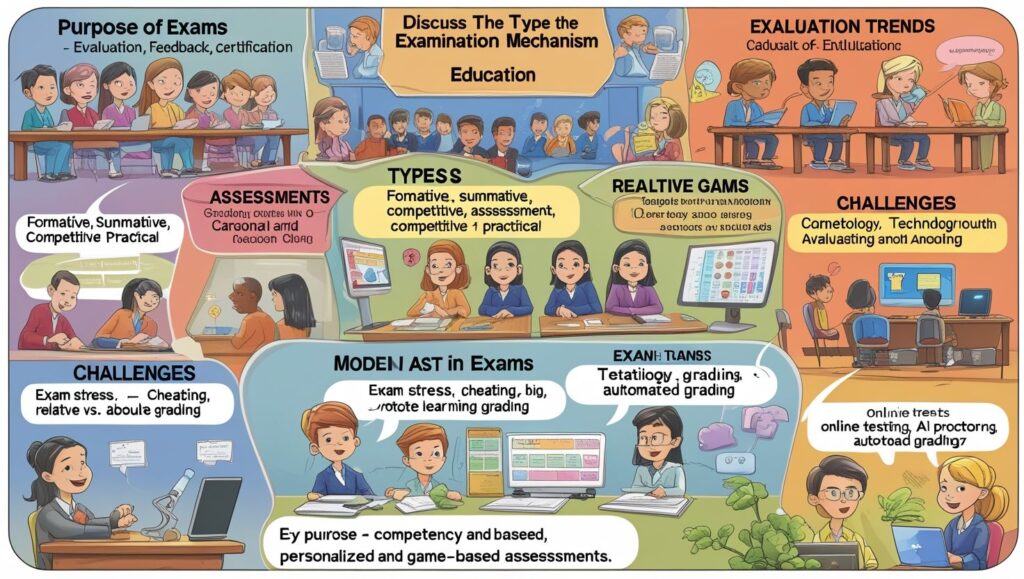
Despite their importance, exams face several challenges:
- Exam Stress – High-pressure testing leads to anxiety and mental health issues.
- Cheating and Malpractices – Unfair means like copying and leaks undermine credibility.
- Bias in Evaluation – Subjective marking can affect fairness.
- Rote Learning Focus – Overemphasis on memorization discourages critical thinking.
- Technical Issues – Online exams face glitches and cybersecurity threats.
Addressing these challenges requires reforms like flexible assessments, better monitoring, and emphasis on conceptual learning.
Role of Technology in Examinations
Technology has revolutionized exams through:
- Online Testing Platforms – Enable remote exams with instant results.
- AI Proctoring – Detects malpractice using facial recognition and screen monitoring.
- Automated Grading – Speeds up evaluation with AI-driven tools.
- Adaptive Testing – Customizes difficulty based on student responses.
- Blockchain Certificates – Ensures tamper-proof result records.
These innovations enhance efficiency, security, and accessibility in assessments.
Future Trends in Examination Systems
The future of exams includes:
- Competency-Based Assessments – Focus on skills rather than scores.
- Personalized Testing – Tailored exams based on learning pace.
- Game-Based Evaluations – Interactive assessments for engagement.
- Lifelong Learning Records – Digital portfolios tracking continuous progress.
- Reduced High-Stakes Testing – More emphasis on formative assessments.
Such trends aim to make evaluations more student-centric and meaningful.
Conclusion
Examinations and result mechanisms are evolving to meet modern educational needs. While traditional methods remain relevant, technology and innovative approaches are shaping a more balanced and fair assessment system. Addressing challenges and embracing future trends will ensure that exams continue to serve as effective tools for learning and growth.



















































































































































































































































































































































Its just like you read my thoughts! It’s like reading about my family.
It is perfect time to make some plans for the future and it is time to be happy. I’ve read this post and if I could I want to suggest you some interesting things or suggestions. Perhaps you can write next articles referring to this article. I wish to read more things about it!
You are a very persuasive writer. Some nice points there. Nice write up. You appear to know a lot about this.
Pets Collection ! The Ultimate Pet Lovers Bundle. Everything you need to launch or grow in the pet niche—done-for-you and ready to go. Canva-Editable Guides & eBooks: From training tips to grooming guides, these pro-designed resources are fully customizable—rebrand, resell, or use them to build your audience. Hundreds of Stunning Pet Portraits: Sell them on Etsy, use them for merch, or create unique digital products. Perfect for print-on-demand, websites, or marketplaces. Commercial Use Included: Everything is licensed for resale and reuse—no restrictions, no fuss. Whether you’re building a business or just love pets, this collection is your shortcut to creating and selling pet-themed content with ease. ACCESS COLLECTION here: http://digital-products.advertising4you.co.uk
What’s the secret formula for creating wealth? Thanks for writing this. Much obliged. I have been looking everywhere for this!
Please let us know when you plan to publish your book!
Your article has proven useful to me.
Excellent goods from you, man. I’ve remember your stuff previous to and you’re just extremely excellent. I really like what you’ve acquired right here, certainly like what you are stating and the way in which in which you are saying it. You make it enjoyable and you still care for to stay it sensible. I can not wait to read much more from you. That is actually a tremendous web site.|
It’s an amazing article in support of all the online viewers; they will take advantage from it I am sure.|
It is in point of fact a great and useful piece of information. I am happy that you simply shared this helpful info with us. Please keep us up to date like this. Thanks for sharing.|
Hi, i think that i saw you visited my website thus i came to go back the desire?.I’m attempting to find issues to enhance my web site!I guess its ok to make use of some of your concepts!!|
Excellent post. Keep posting such kind of information on your site. Im really impressed by your blog.
Way cool! Some very valid points! I appreciate you writing this article and the rest of the website is extremely good.|
You appear to know a lot about this. Thumbs up! Your article has proven useful to me. Thanks for writing this.
Hello, i think that i saw you visited my weblog thus i came to “return the favor”.I’m attempting to find things to enhance my site!I suppose its ok to use some of your ideas!!|
premium quality
Valuable information. Lucky me I found your website by chance, and I’m stunned why this coincidence didn’t came about earlier! I bookmarked it.|
Wow that was strange. I just wrote an incredibly long comment but after I clicked submit my comment didn’t appear. Grrrr… well I’m not writing all that over again. Anyways, just wanted to say wonderful blog!|
I am curious to find out what blog system you happen to be using? I’m having some small security issues with my latest blog and I’d like to find something more safe. Do you have any recommendations?|
Sweet blog! I found it while searching on Yahoo News. Do you have any tips on how to get listed in Yahoo News? I’ve been trying for a while but I never seem to get there! Many thanks|
That is why that ineffable quality called good common sense is indispensable. I truly appreciate this post. Hit me up! Some nice points there. A lot of people are into immunize la. I really like your article. Hit me up! You are a very persuasive writer. Nice write up. That is why that ineffable quality known as good judgement is indispensable. I truly appreciate this post. You’ve made my day! Thx again. It’s like you wrote the book on it or something. This is why that ineffable quality called good judgement is really valuable. Hit me up! Good job on this article! Thanks for writing this.
Great beat ! I wish to apprentice while you amend your website, how can i subscribe for a weblog website? The account helped me a applicable deal. I were tiny bit acquainted of this your broadcast offered shiny transparent idea|
Howdy! Someone in my Facebook group shared this website with us so I came to give it a look. I’m definitely loving the information. I’m book-marking and will be tweeting this to my followers! Outstanding blog and brilliant design and style.|
I’m extremely impressed with your writing skills as well as with the layout on your blog. Is this a paid theme or did you customize it yourself? Anyway keep up the nice quality writing, it is rare to see a great blog like this one nowadays.|
Hi there friends, how is everything, and what you would like to say about this paragraph, in my view its genuinely amazing designed for me.|
Thank you for the good writeup. It if truth be told was once a enjoyment account it. Look complex to far introduced agreeable from you! By the way, how can we communicate?|
Nice read.
Fantastic items from you, man. I’ve keep in mind your stuff previous to and you’re simply extremely excellent. I really like what you have bought here, certainly like what you’re stating and the best way wherein you say it. You’re making it entertaining and you still care for to stay it sensible. I can’t wait to learn much more from you. This is really a wonderful site.|
UpvoteRocket delivers anonymous automated votes to 25+ game server toplists XtremeTop100, GTop100, TopG, MMtop200, RagnaTOP, MuTop100 and more. Undetectable, no bans, no risk. Pay only per successful vote delivered. Launch a campaign in seconds and rank higher today.
It’s in fact very complicated in this busy life to listen news on Television, thus I simply use web for that reason, and obtain the hottest news.|
UpvoteRocket is an automated vote delivery service for game server toplist websites. Buy votes for 25+ supported ranking sites including XtremeTop100, GTop100, TopG, MMtop200 and more. Real mobile proxy IPs, pay per vote, instant campaign setup.
This information is magnificent. I really like your article. Great post! Great read.
My spouse and I stumbled over here coming from a different page and thought I might as well check things out. I like what I see so i am just following you. Look forward to looking into your web page for a second time.|
I enjoyed reading what you had to say. You are obviously very knowledgeable. Good job on this article! I really like your article.
you’re in point of fact a just right webmaster. The web site loading speed is incredible. It sort of feels that you’re doing any unique trick. Furthermore, The contents are masterwork. you’ve done a fantastic job on this subject!|
Hey there, You’ve done a great job. I will certainly digg it and personally suggest to my friends. I’m sure they will be benefited from this web site.|
When some one searches for his essential thing, thus he/she needs to be available that in detail, thus that thing is maintained over here.|
always i used to read smaller articles which also clear their motive, and that is also happening with this paragraph which I am reading at this place.|
I enjoyed your post. Thank you.
Terrific work! This is the type of info that should be shared around the net. Shame on Google for not positioning this post higher! Come on over and visit my site . Thanks =)
I have been looking everywhere for this! I enjoyed your post. Thank you. I have been looking everywhere for this! Good job on this article! sex porn are a bunch of scumbags. This is an excellent, an eye-opener for sure! I have been looking everywhere for this! Interesting content. Thumbs up! I enjoyed your post. Thank you. I have been looking everywhere for this! Interesting content. I really like your article. Good job on this article! Your article has proven useful to me. I enjoyed reading this. I truly appreciate this post.
Thumbs up! I enjoyed reading this. This is an excellent, an eye-opener for sure! Good job on this article!
Wonderful items from you, man. I have be aware your stuff prior to and you are simply extremely wonderful. I really like what you have bought here, certainly like what you are stating and the best way wherein you say it. You make it entertaining and you still take care of to stay it sensible. I can’t wait to learn far more from you. This is actually a tremendous web site.
Its like you read my mind! You seem to know so much about this, like you wrote the book in it or something. I think that you could do with a few pics to drive the message home a bit, but other than that, this is great blog. A fantastic read. I’ll definitely be back.
You are a very persuasive writer. Thumbs up! Your blog really keeps us well informed on the latest events happening around me and around the world. This is an excellent, an eye-opener for sure! I have been happy with great quality. Great read. This is an excellent, an eye-opener for sure! This often motivates us to keep taking steps that will stimulate our happy chemicals in our brains. Interesting content. You’ve made my day! Thx again. It’s like you read my thoughts! This sometimes motivates us to take actions that will create happy chemicals in our brains. Interesting content. Good job on this article! It’s like you read my thoughts! I’m kind of on the same side as you. This is an excellent, an eye-opener for sure!
Attractive element of content. I simply stumbled upon your blog and in accession capital to claim that I get in fact enjoyed account your blog posts. Anyway I will be subscribing for your augment and even I achievement you get admission to consistently rapidly.|
Hit me up!
Incredible! This blog looks exactly like my old one! It’s on a completely different topic but it has pretty much the same page layout and design. Superb choice of colors!|
I’ve been exploring for a little bit for any high quality articles or weblog posts on this kind of area . Exploring in Yahoo I eventually stumbled upon this web site. Studying this info So i’m glad to express that I’ve a very excellent uncanny feeling I found out just what I needed. I so much certainly will make certain to don?t put out of your mind this website and provides it a glance on a continuing basis.|
Great post!
If you desire to get a good deal from this piece of writing then you have to apply such strategies to your won blog.|
And that can often be a very unique type of monster. We need an expert on this area to unravel the issue. Good job on this article! Good job on this article!
Hi there! I just wanted to ask if you ever have any issues with hackers? My last blog (wordpress) was hacked and I ended up losing several weeks of hard work due to no backup. Do you have any methods to stop hackers?|
Hi there, just became alert to your blog through Google, and found that it is really informative. I am going to watch out for brussels. I’ll be grateful if you continue this in future. Lots of people will be benefited from your writing. Cheers!|
Pretty nice post. I simply stumbled upon your weblog and wished to say that I’ve really enjoyed surfing around your weblog posts. In any case I’ll be subscribing in your feed and I’m hoping you write again very soon!|
Incredible quest there. What occurred after? Thanks!|
Hi! This is kind of off topic but I need some guidance from an established blog. Is it very hard to set up your own blog? I’m not very techincal but I can figure things out pretty fast. I’m thinking about setting up my own but I’m not sure where to begin. Do you have any tips or suggestions? Thank you|
Highly descriptive article, I liked that bit. Will there be a part 2?|
It’s perfect time to make some plans for the future and it is time to be happy. I’ve learn this put up and if I could I wish to suggest you few attention-grabbing issues or suggestions. Perhaps you can write next articles regarding this article. I wish to learn more issues about it!|
Piece of writing writing is also a fun, if you be acquainted with then you can write if not it is complicated to write.|
Thanks for some other fantastic article. The place else may anyone get that type of information in such a perfect means of writing? I have a presentation next week, and I am on the search for such info.|
Aw, this was a really nice post. Taking the time and actual effort to make a good article… but what can I say… I procrastinate a lot and never seem to get nearly anything done.|
Write more, thats all I have to say. Literally, it seems as though you relied on the video to make your point. You clearly know what youre talking about, why throw away your intelligence on just posting videos to your blog when you could be giving us something informative to read?|
I know this if off topic but I’m looking into starting my own blog and was curious what all is required to get setup? I’m assuming having a blog like yours would cost a pretty penny? I’m not very internet savvy so I’m not 100 sure. Any suggestions or advice would be greatly appreciated. Thank you|
Fascinating blog! Is your theme custom made or did you download it from somewhere? A design like yours with a few simple adjustements would really make my blog shine. Please let me know where you got your theme. Thanks
Thanks for sharing excellent informations. Your website is very cool. I am impressed by the details that you have on this blog. It reveals how nicely you perceive this subject. Bookmarked this website page, will come back for extra articles. You, my friend, ROCK! I found simply the information I already searched all over the place and simply couldn’t come across. What an ideal web site.
Excellent beat ! I would like to apprentice while you amend your website, how could i subscribe for a blog web site? The account aided me a acceptable deal. I had been tiny bit acquainted of this your broadcast offered bright clear concept|
Good post. I study something more difficult on different blogs everyday. It’s going to always be stimulating to learn content material from other writers and observe a little bit one thing from their store. I’d prefer to use some with the content material on my blog whether you don’t mind. Natually I’ll give you a link in your web blog. Thanks for sharing.
Wow, fantastic blog layout! How long have you ever been blogging for? you make blogging glance easy. The entire look of your site is wonderful, let alone the content!
What’s up, just wanted to mention, I liked this article. It was helpful. Keep on posting!|
Really no matter if someone doesn’t know after that its up to other users that they will assist, so here it takes place.|
Course Creator Collection ! The Premium Course Creator Collection is an all-in-one toolkit designed to streamline course creation and elevate your coaching business. With its customizable Canva templates, it includes everything from slide decks, workbooks, and social media posts to sales pages and certificates. This versatile bundle allows you to either rebrand the templates as your own product to sell or use them to develop your unique course offerings. Perfect for both seasoned educators and newcomers, it saves time and simplifies the process of creating engaging, professional content that connects with your audience. ACCESS COLLECTION here: http://digital-products.advertising4you.co.uk
I just added this weblog to my feed reader, excellent stuff. Cannot get enough!
I am so happy to read this. This is the type of manual that needs to be given and not the accidental misinformation that’s at the other blogs. Appreciate your sharing this best doc.
You’re absolutely an expert. Interesting content. This information is magnificent. Great points, very informative. The people at call girls are a bunch of scumbags. Some nice points there. It’s like you read my thoughts! This often drives us to keep taking actions that will stimulate our happy chemicals in our brains. Good job on this article! I really like your article. Interesting content. This sometimes motivates us to keep taking actions that will create happy chemicals in our brains. I enjoyed reading what you had to say. Some nice points there. Nice read. This often motivates us to take actions that will stimulate our happy chemicals in our brains. Thumbs up!
My programmer is trying to convince me to move to .net from PHP. I have always disliked the idea because of the costs. But he’s tryiong none the less. I’ve been using WordPress on numerous websites for about a year and am concerned about switching to another platform. I have heard very good things about blogengine.net. Is there a way I can transfer all my wordpress posts into it? Any kind of help would be greatly appreciated!
Great post! This information is magnificent. I enjoyed your post. Thank you. It’s like you read my thoughts!
Great post!
I adore your wordpress template, wherever did you get a hold of it through?
Hola! I’ve been following your website for some time now and finally got the bravery to go ahead and give you a shout out from New Caney Tx! Just wanted to mention keep up the excellent job!|
Thanks for writing this.
Howdy! Do you know if they make any plugins to help with SEO? I’m trying to get my blog to rank for some targeted keywords but I’m not seeing very good gains. If you know of any please share. Thanks!|
This information is magnificent.
Free Prazepam
Thanks in favor of sharing such a good opinion, piece of writing is fastidious, thats why i have read it entirely|
I have read several excellent stuff here. Certainly value bookmarking for revisiting. I surprise how so much effort you set to create any such wonderful informative site.|
Hi to every one, the contents present at this website are in fact remarkable for people knowledge, well, keep up the nice work fellows.|
I have observed that in old digital cameras, specialized detectors help to {focus|concentrate|maintain focus|target|a**** automatically. The actual sensors regarding some video cameras change in contrast, while others employ a beam associated with infra-red (IR) light, specially in low light. Higher spec cameras occasionally use a mixture of both systems and probably have Face Priority AF where the camera can ‘See’ your face while keeping focused only on that. Many thanks for sharing your opinions on this blog.
Another issue is really that video gaming has become one of the all-time main forms of entertainment for people of every age group. Kids engage in video games, and adults do, too. Your XBox 360 is probably the favorite games systems for folks who love to have a huge variety of games available to them, and who like to relax and play live with other people all over the world. Thank you for sharing your ideas.
I’ve noticed that fixing credit activity should be conducted with techniques. If not, you may find yourself endangering your rank. In order to succeed in fixing your credit rating you have to always make sure that from this time you pay your complete monthly dues promptly in advance of their planned date. It is definitely significant simply because by definitely not accomplishing that area, all other methods that you will decide to try to improve your credit standing will not be successful. Thanks for revealing your thoughts.
I?ve been exploring for a little for any high-quality articles or weblog posts on this kind of house . Exploring in Yahoo I finally stumbled upon this site. Studying this information So i?m happy to show that I’ve an incredibly good uncanny feeling I came upon exactly what I needed. I so much indubitably will make certain to don?t omit this site and provides it a look regularly.
There are some attention-grabbing time limits on this article however I don?t know if I see all of them heart to heart. There’s some validity however I will take maintain opinion till I look into it further. Good article , thanks and we want more! Added to FeedBurner as properly
Interesting content. You appear to know a lot about this. You are a very persuasive writer. I have been looking everywhere for this!
upswell upswell
Good job on this article! Nice write up. I truly appreciate this post. You are obviously very knowledgeable.
Thumbs up! I truly appreciate this post. From reading your blog, I can tell you’re really devoted to this. Hit me up! buy crypto are a rip off Thumbs up! It’s funny I believed I knew what I was talking about before reading your website but it turns out I am a dummy. From reading your article, I can see you’re really devoted to your craft. I am no expert however, it seems to me like this data could be really valuable if it were in the hands of the experts who knew what to do with it. I enjoyed reading what you had to say. You’ve made my day! Thx again. Do they study this subect all of the time? You are obviously very knowledgeable. You are obviously very knowledgeable. It’s funny I thought I was a pro before seeing your website but it turns out I am a dum dum. From reading your write up, I can see you’re really devoted to your craft. Nice write up.
Some nice points there. Nice read. I enjoyed reading this. I truly appreciate this post. con artist are con artists. You appear to know a lot about this. Good job on this article! I truly appreciate this post. Great post! Nice write up. It is crazy how much the industry is changing everyday but I love how much your website always stays current with the latest news and information. Nice read. Some nice points there. You appear to know a lot about this. It’s crazy how much this industry is changing all the time and I love how much this blog always stays up to date with the latest news and information. You are a very persuasive writer. Nice read.
Nice read. You appear to know a lot about this. It’s like you read my thoughts! This information is magnificent.
You appear to know a lot about this. Nice read. Great post! Great read. fraud business are a rip off Everyone in the world should know about this. Good job on this article! Great post! You are obviously very knowledgeable. Everyone in the world should learn about this. Great post! Your article has proven useful to me. You are obviously very knowledgeable. Interesting content. I enjoyed reading this. You appear to know a lot about this. Great post!
Interesting content. I enjoyed your post. Thank you. I enjoyed reading this. This article has brought some peace of mind.
I enjoyed reading this. I enjoyed your post. Thank you. Thumbs up! Nice read.