
Introduction
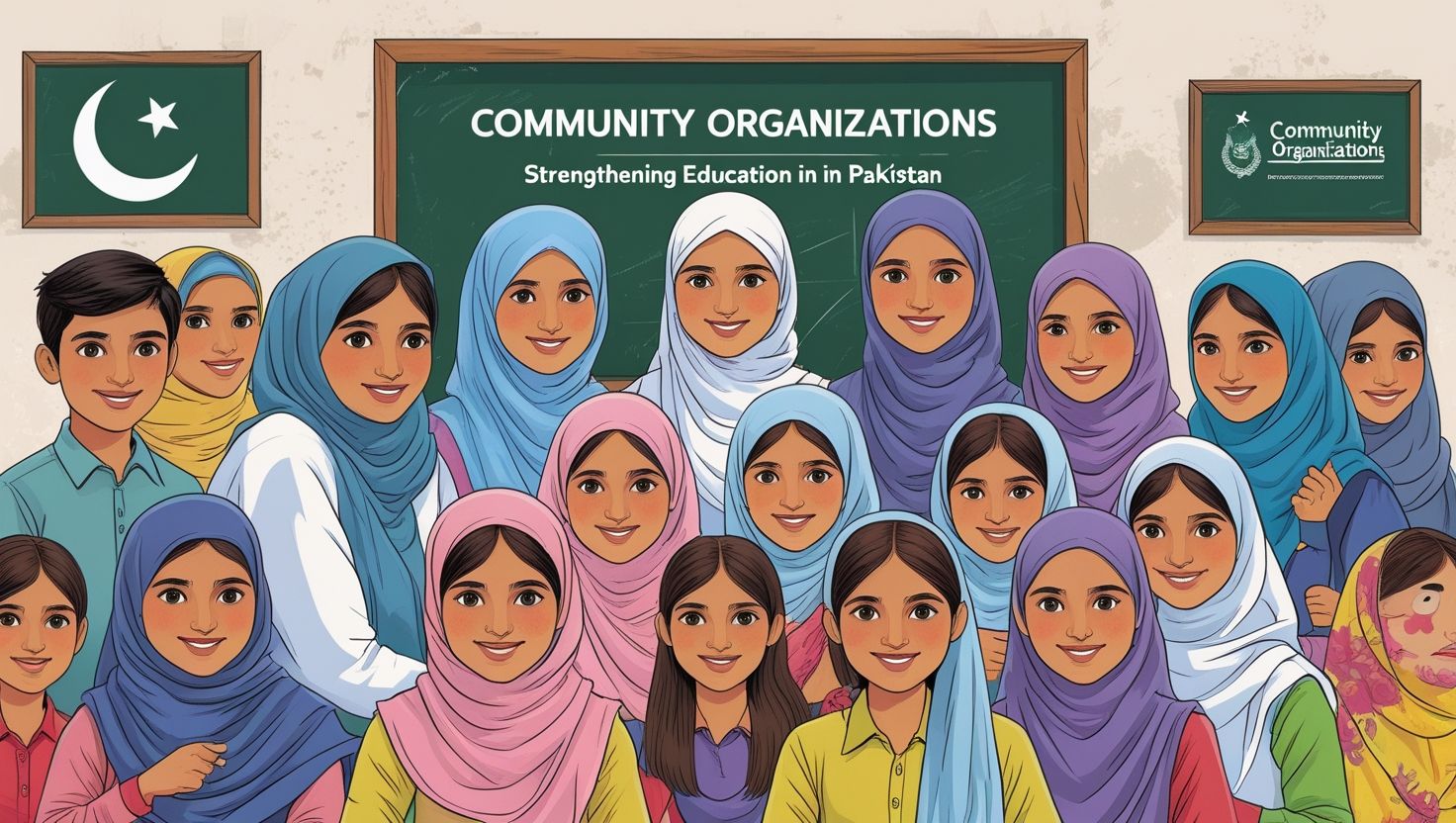
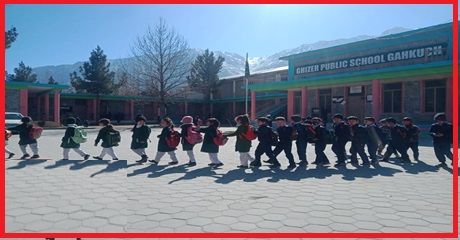
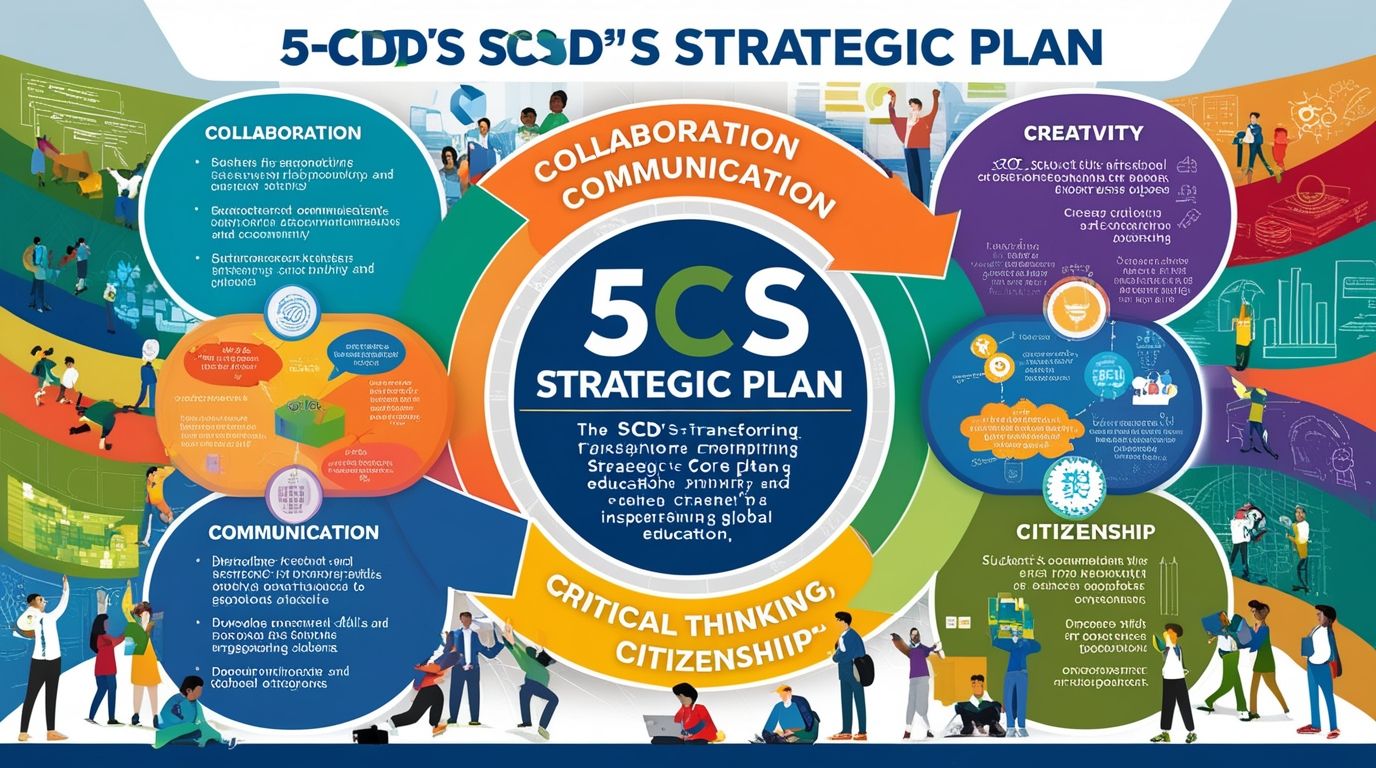
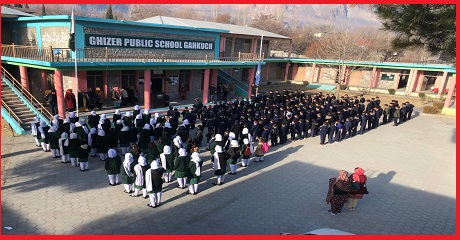
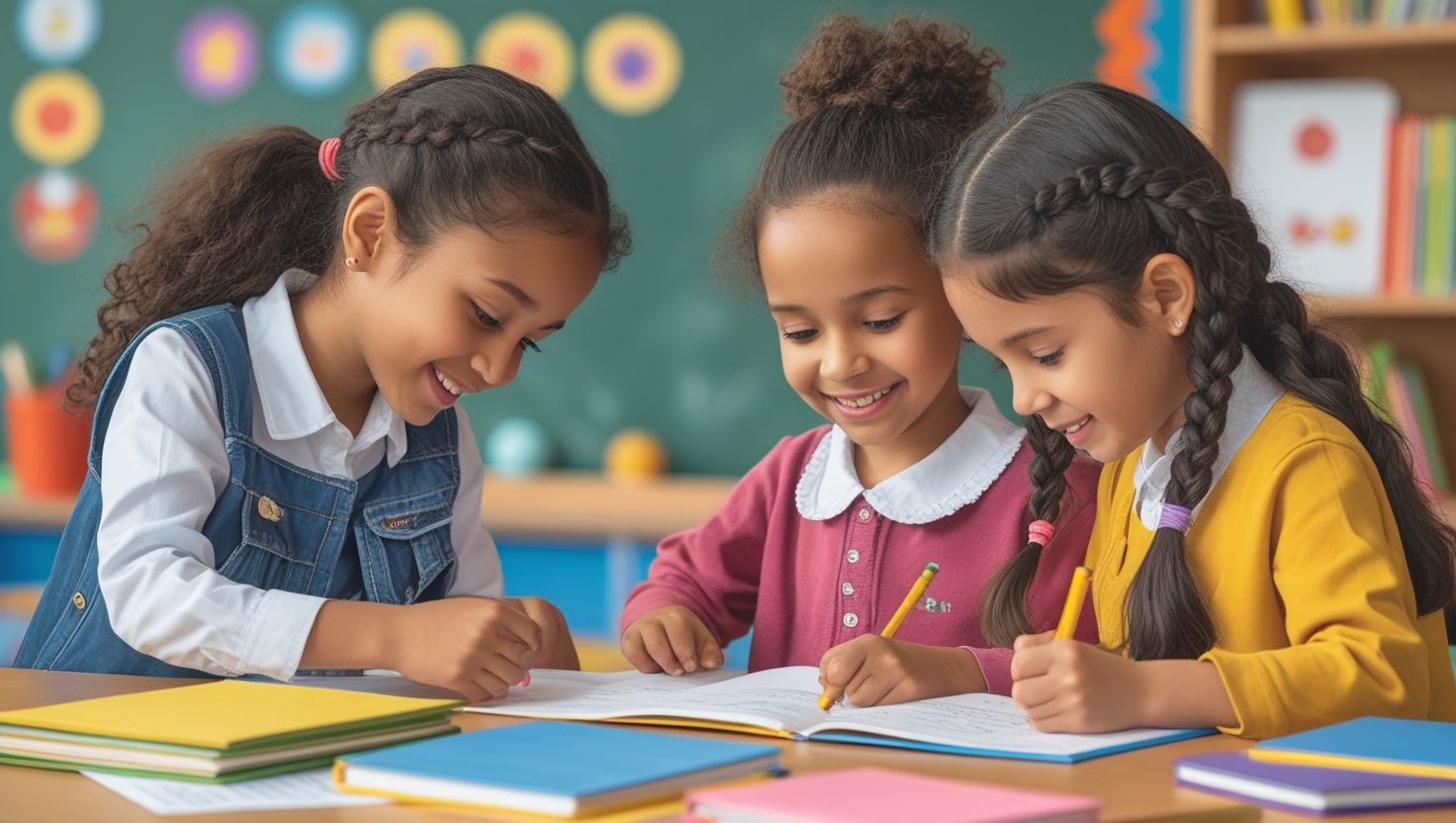
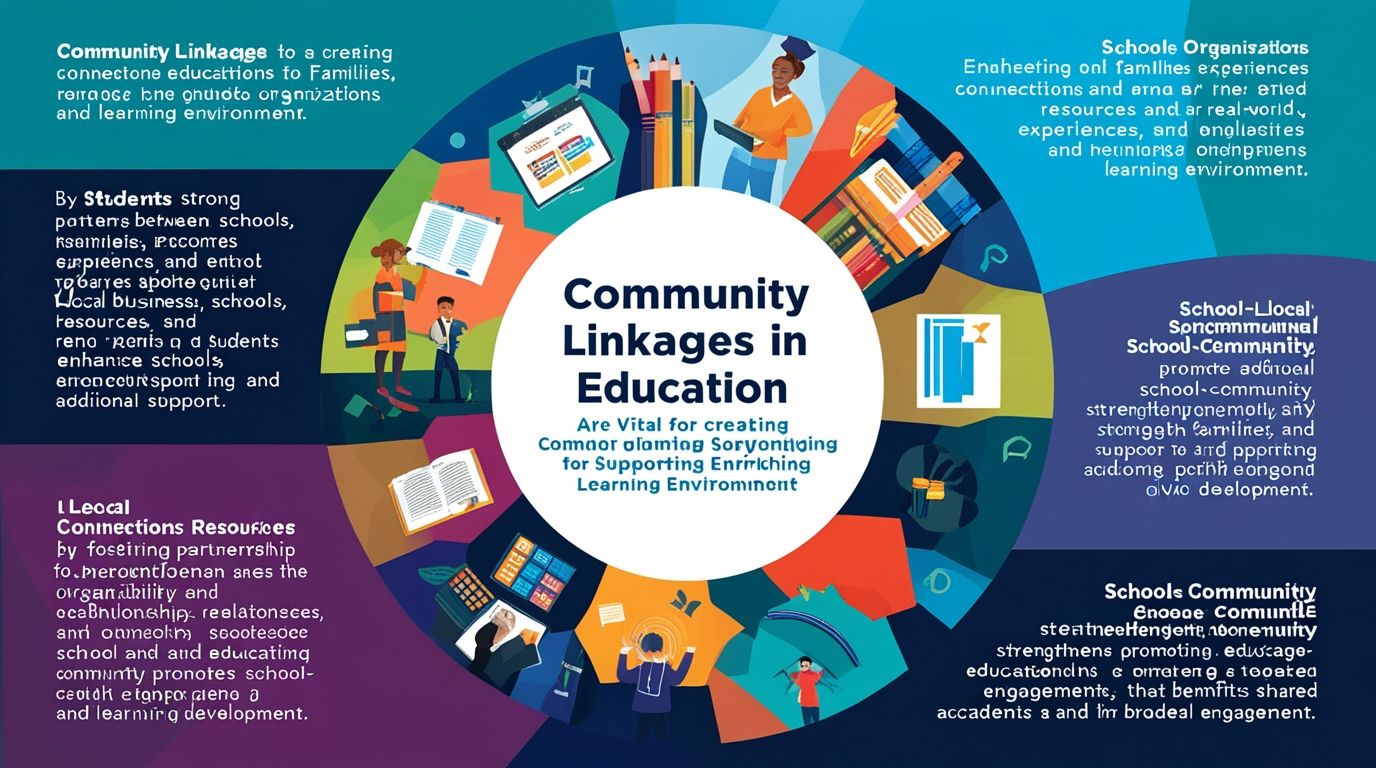
Role of Community Organizations in Education in Pakistan, Education is a vital pillar for the progress of any nation, and in Pakistan, this sector faces numerous challenges. Government efforts alone have not been sufficient to address the increasing needs of students and communities. Therefore, community organizations have emerged as essential partners in strengthening education. They play a pivotal role in supporting schools, motivating parents, and addressing gaps where resources are limited. Additionally, they work to create awareness about the importance of education and encourage collective participation. In both urban and rural areas, community organizations have influenced education through social mobilization, infrastructure development, and advocacy. Their presence ensures inclusivity and sustainability in learning opportunities. Moreover, these organizations often act as bridges between local communities and the education system. Thus, the role of community organizations in education in Pakistan remains both timely and significant.
Understanding Community Organizations in Pakistan
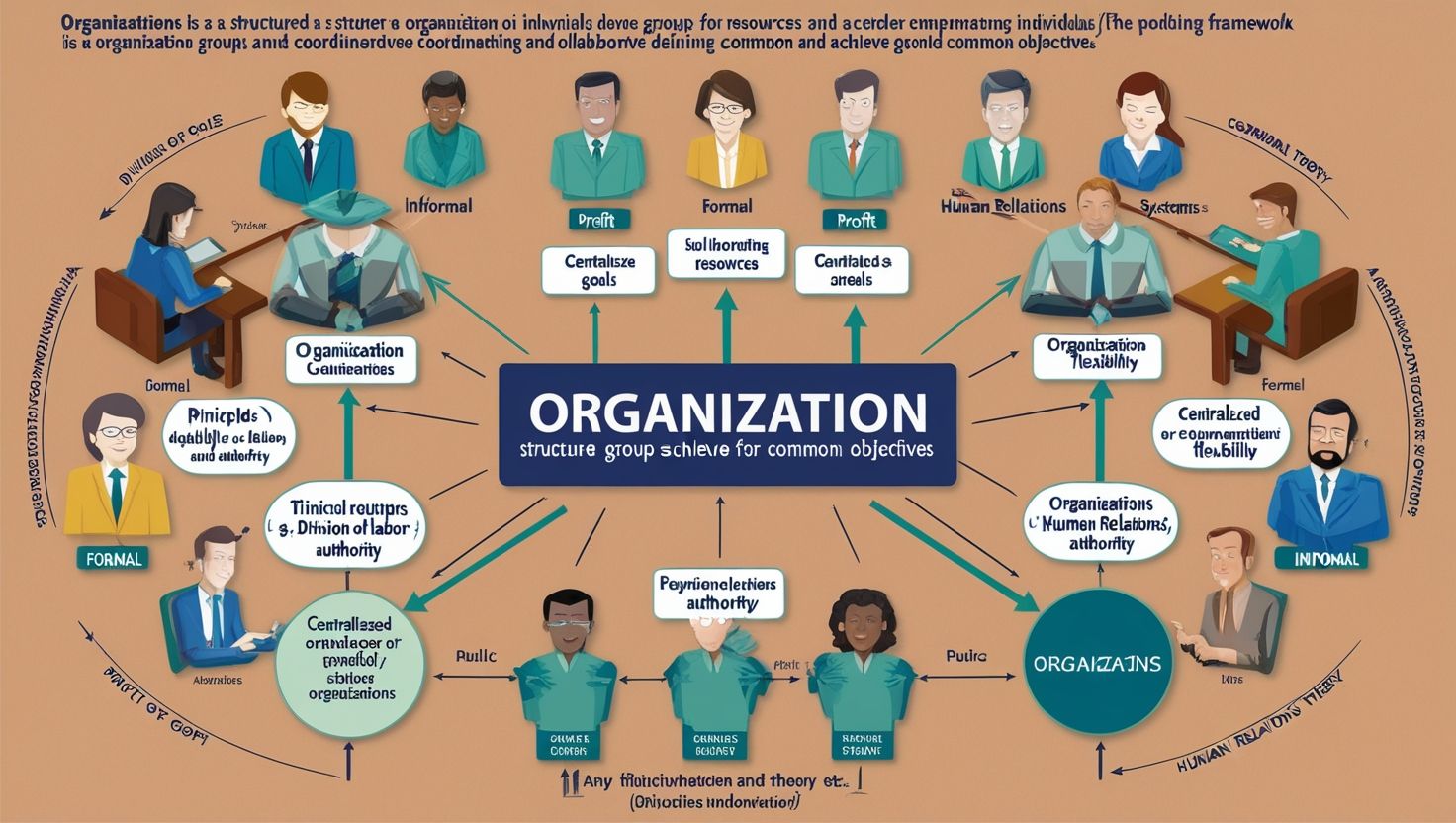
Community organizations in Pakistan are groups formed by local people with shared goals of development, welfare, and empowerment. These organizations are often non-profit in nature and focus on addressing the needs of the community. They work in areas such as education, health, social justice, and women’s empowerment. Importantly, they operate independently or in collaboration with government and private stakeholders. Their work in education includes running literacy campaigns, providing financial support to poor students, and managing community schools. Additionally, they advocate for reforms and highlight barriers that prevent children from attending schools. They also create a sense of ownership among the local population, making them active participants in improving education. Many international donors and NGOs also partner with these organizations to implement education projects. Therefore, understanding their structure and role is crucial to appreciating their contribution.
Historical Development of Community Organizations in Education
The history of community organizations in Pakistan is closely linked with social welfare movements. Soon after independence, voluntary groups and local associations began addressing basic educational needs. Many rural areas had no schools or teachers, so community efforts were vital. In the 1980s and 1990s, the growth of non-governmental organizations (NGOs) further strengthened these initiatives. Organizations such as The Citizens Foundation (TCF) established schools in underserved regions. International agencies also partnered with local groups, creating programs to improve literacy rates. Over time, community organizations expanded their focus beyond school construction. They started working on teacher training, curriculum development, and women’s education. With the rise of globalization, they gained exposure to modern educational models. Today, their role is recognized in policy documents and development plans. Thus, the historical journey of community organizations reflects resilience and adaptability in the face of Pakistan’s educational challenges.
Promoting Literacy Campaigns
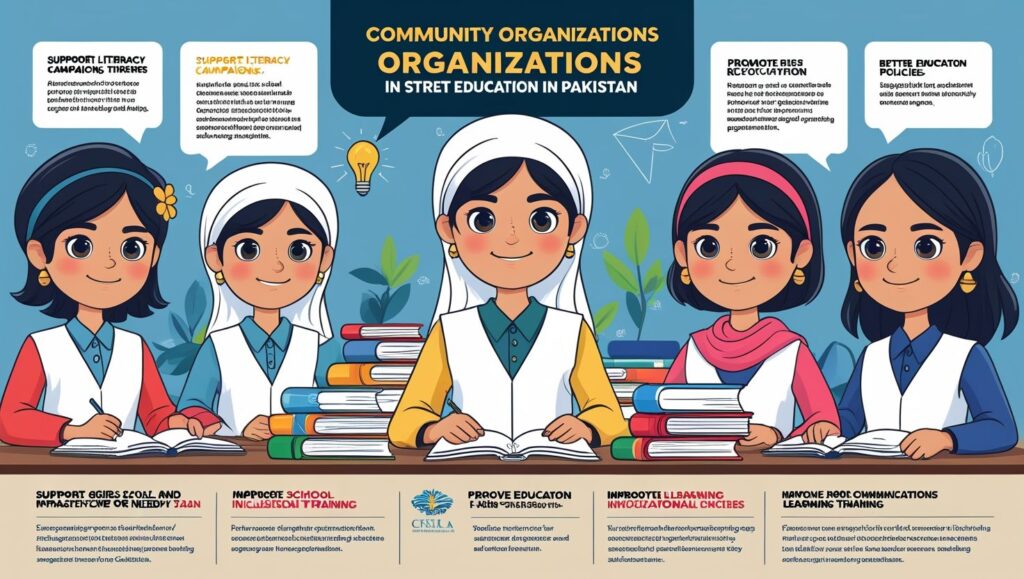
One of the most notable contributions of community organizations in Pakistan has been promoting literacy campaigns. With millions of children still out of school, literacy promotion is critical. Community organizations often organize awareness drives to encourage parents to send children, especially girls, to schools. They also launch adult literacy programs, enabling parents to better support their children’s education. These campaigns usually include door-to-door visits, community meetings, and social events to spread awareness. In addition, organizations distribute learning materials, books, and stationery to reduce barriers. Many of them also use media platforms to reach larger audiences. Moreover, literacy campaigns often emphasize long-term benefits, such as improved job opportunities and poverty reduction. Through partnerships with teachers and local leaders, these campaigns gain credibility and impact. As a result, they not only increase enrollment but also reduce dropout rates. Therefore, community-led literacy efforts are vital in Pakistan’s educational progress.
Infrastructure Development and School Support
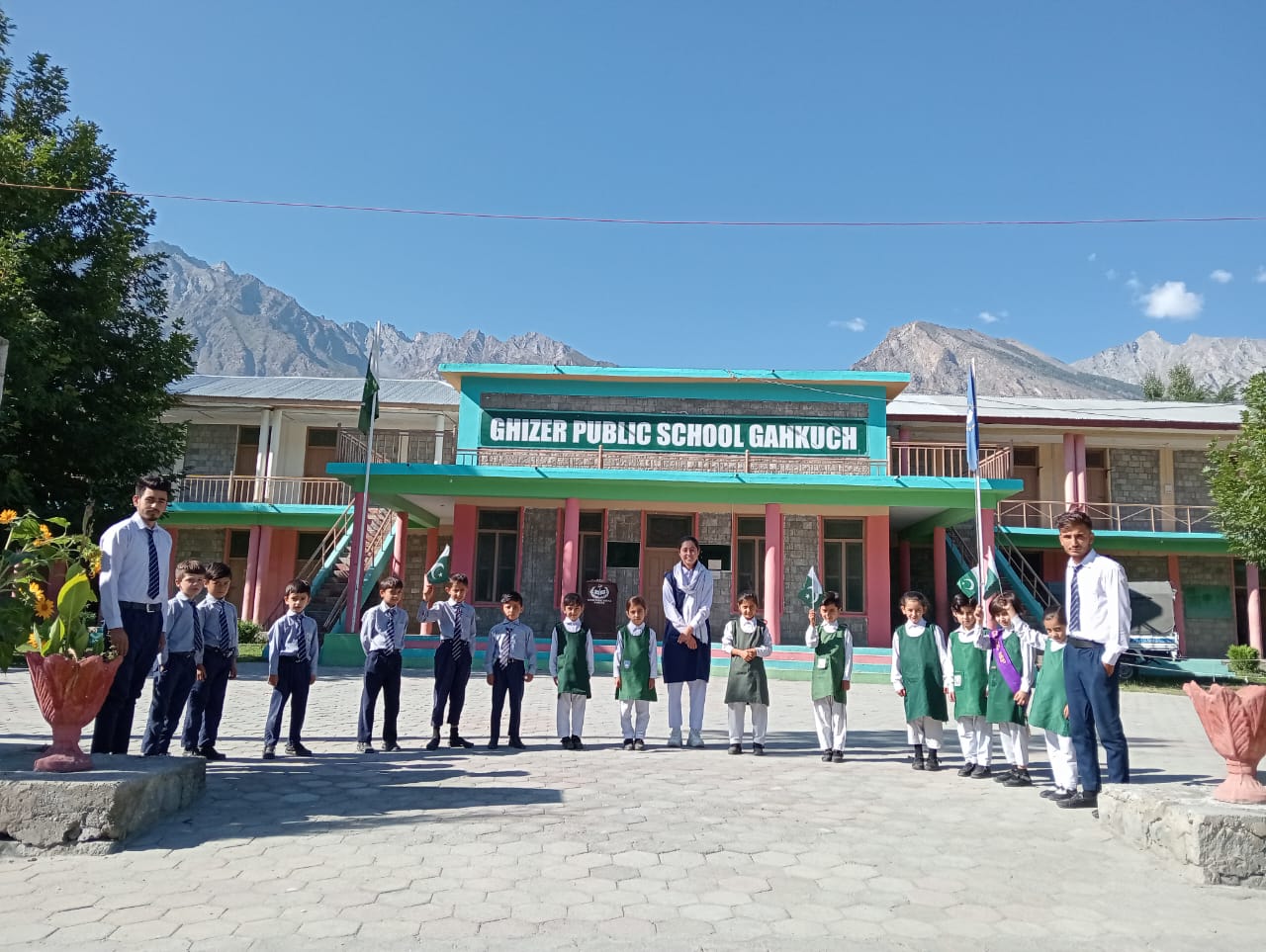
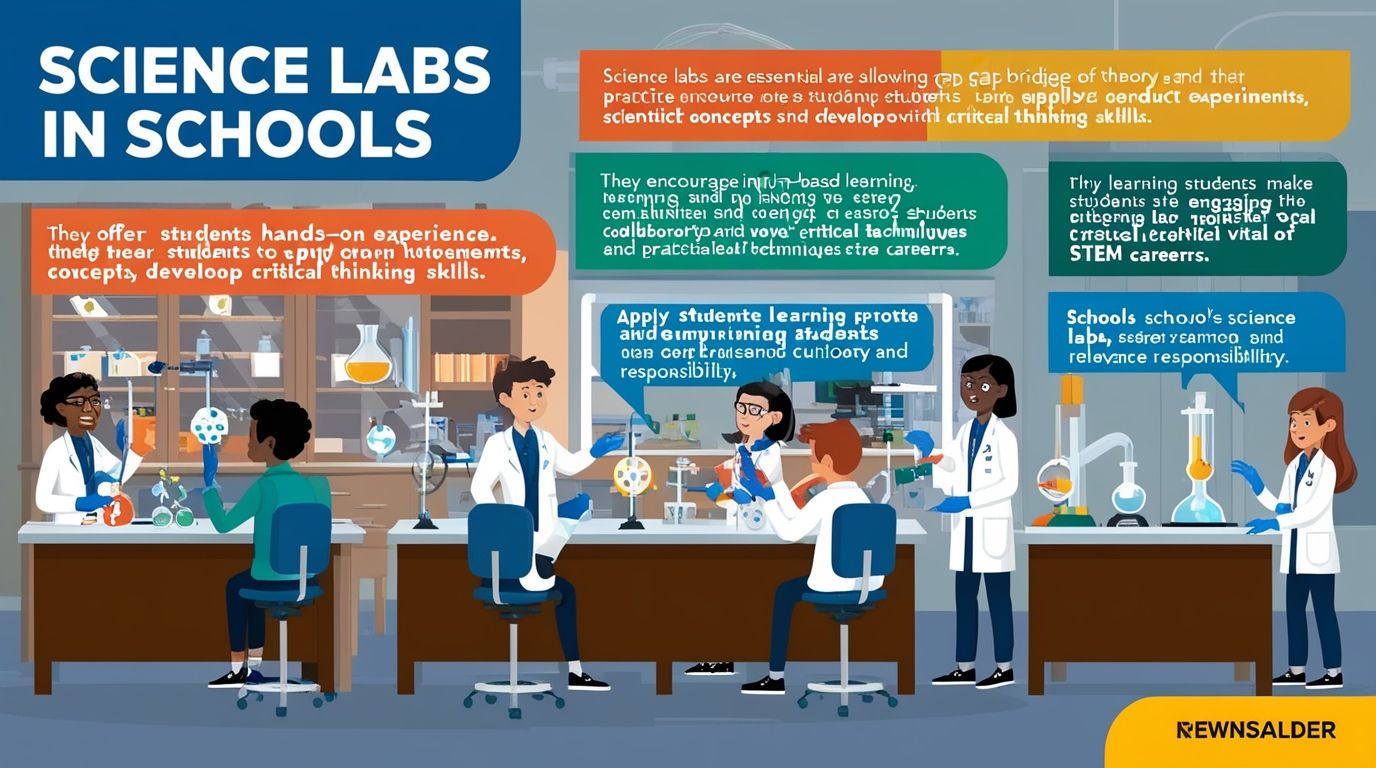
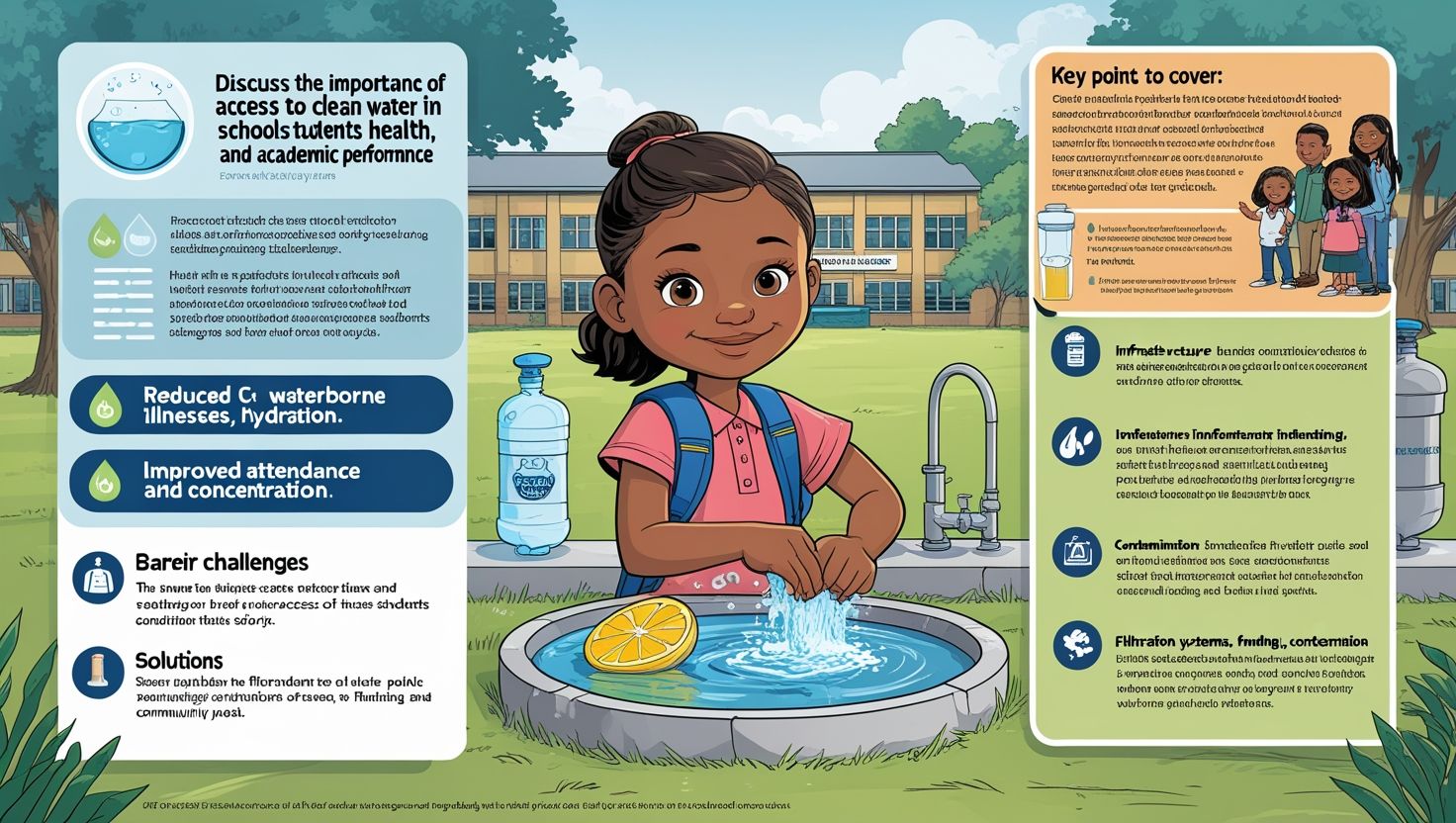
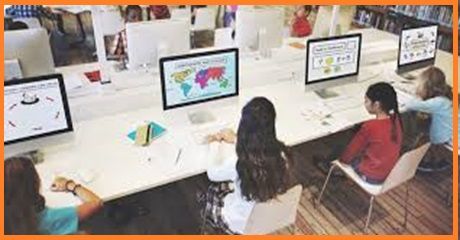
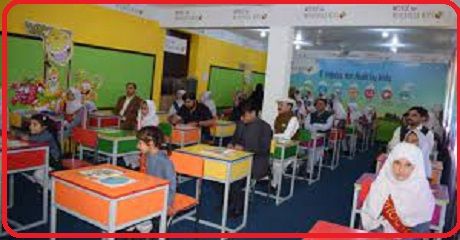
A significant challenge in Pakistan’s education system is inadequate infrastructure. Many schools lack proper classrooms, furniture, toilets, and clean water. Community organizations actively contribute to solving these problems. They mobilize local resources, raise donations, and partner with donors to construct or renovate schools. For instance, some organizations build additional classrooms to reduce overcrowding. Others focus on providing safe drinking water, sanitation, and electricity to schools. By improving infrastructure, they create a conducive learning environment that attracts more students. Furthermore, they often supply educational materials such as blackboards, benches, and computers. Their efforts also extend to setting up libraries and laboratories, which enrich the learning experience. In rural areas, these contributions are especially critical, as government resources are often scarce. Consequently, infrastructure support not only enhances access but also improves the quality of education. Thus, community organizations bridge crucial gaps in school facilities and create sustainable improvements.
Teacher Training and Professional Development
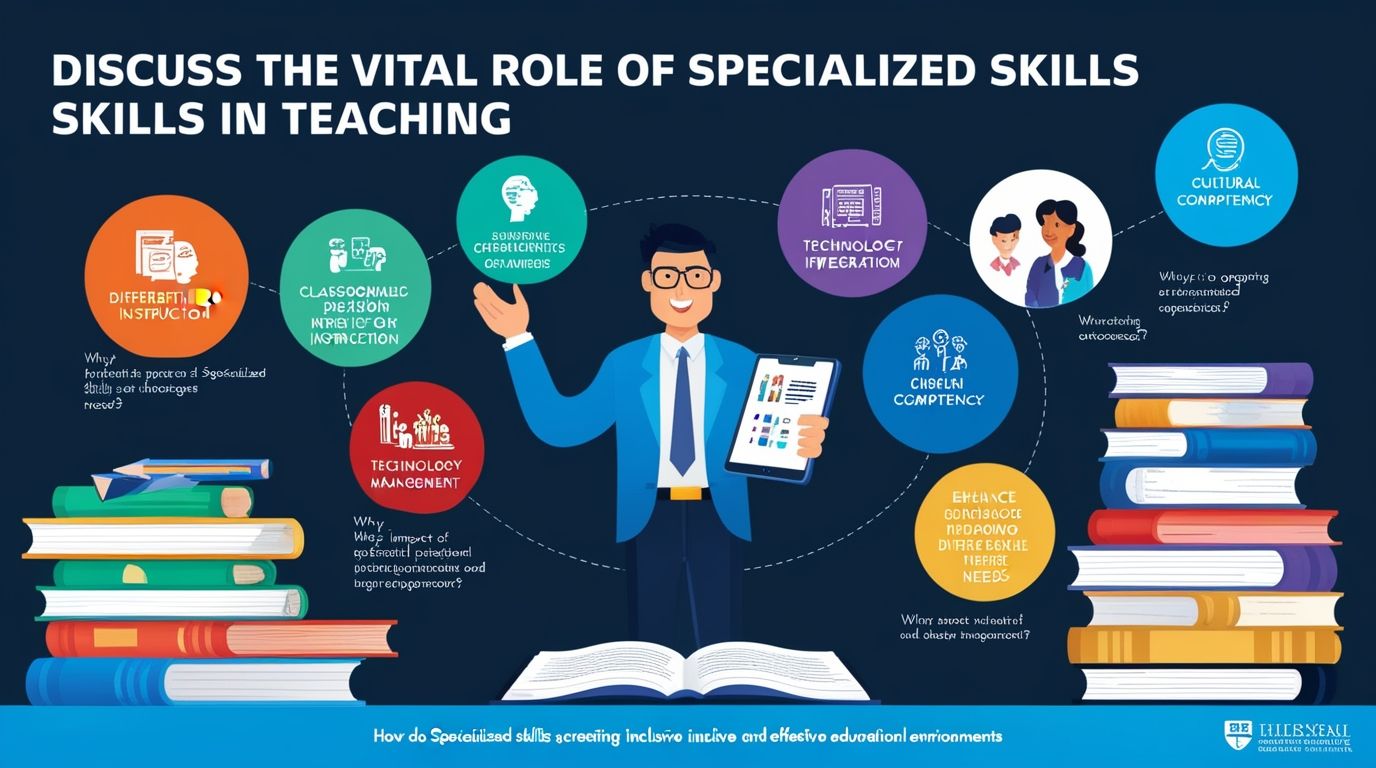
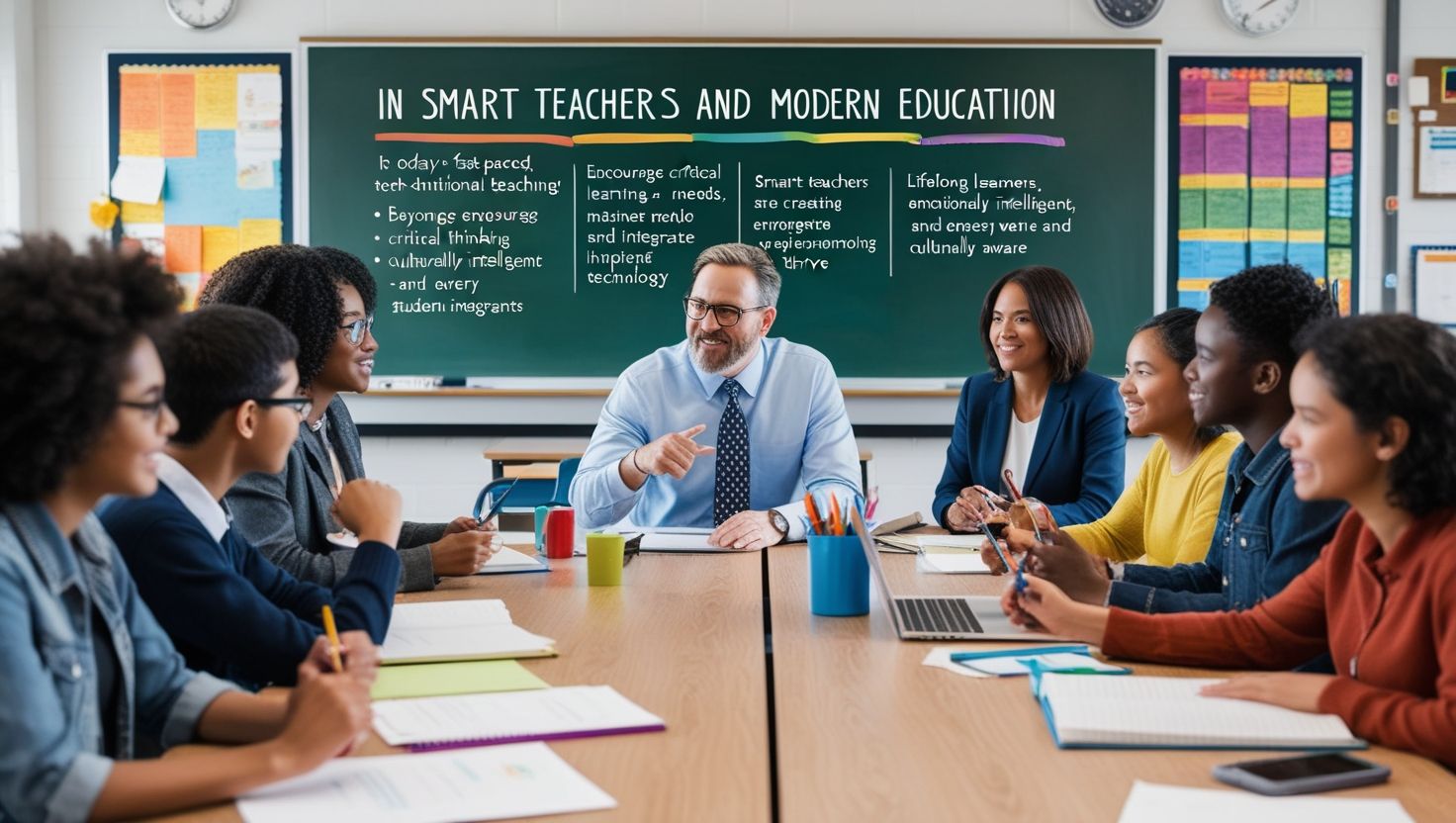
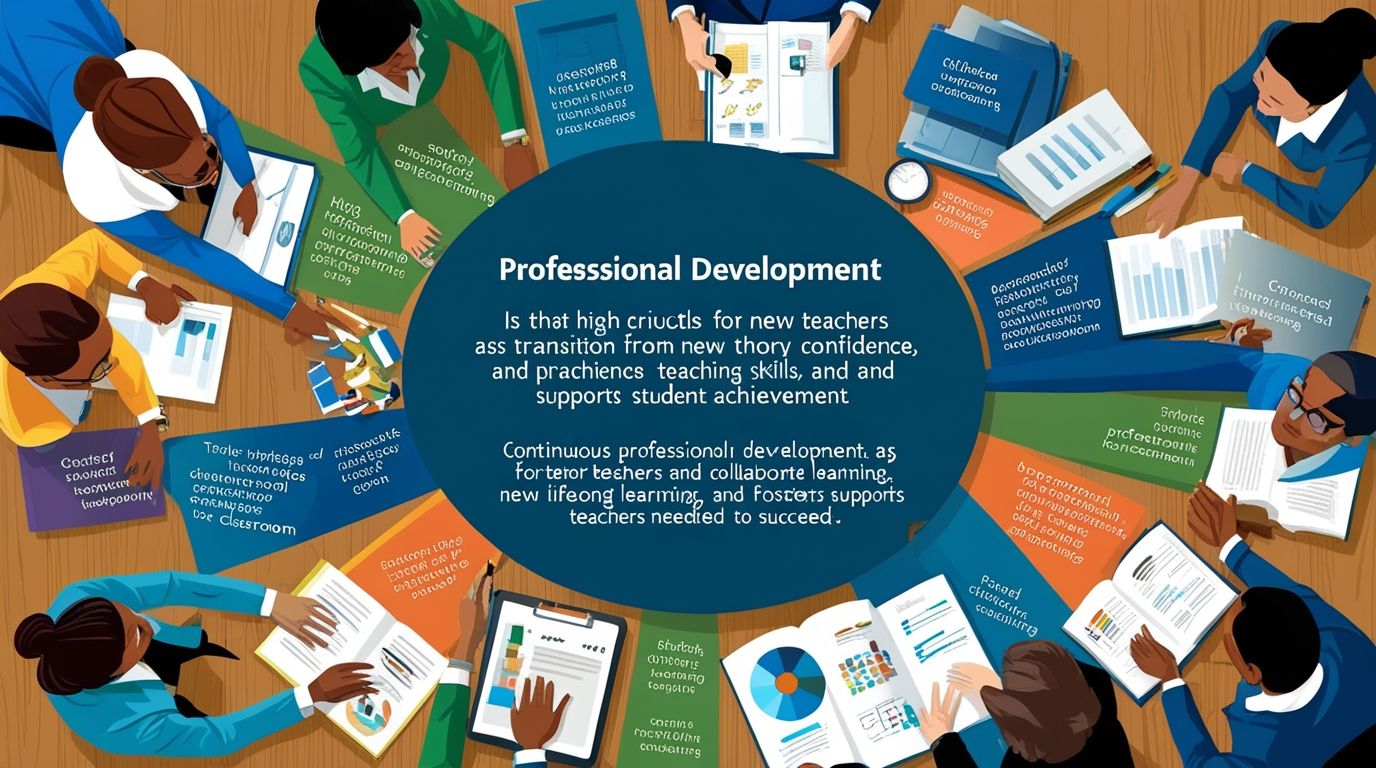
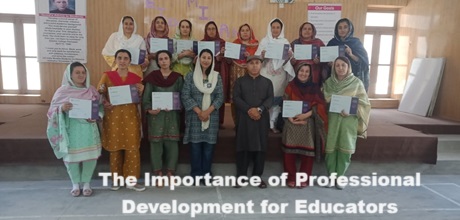
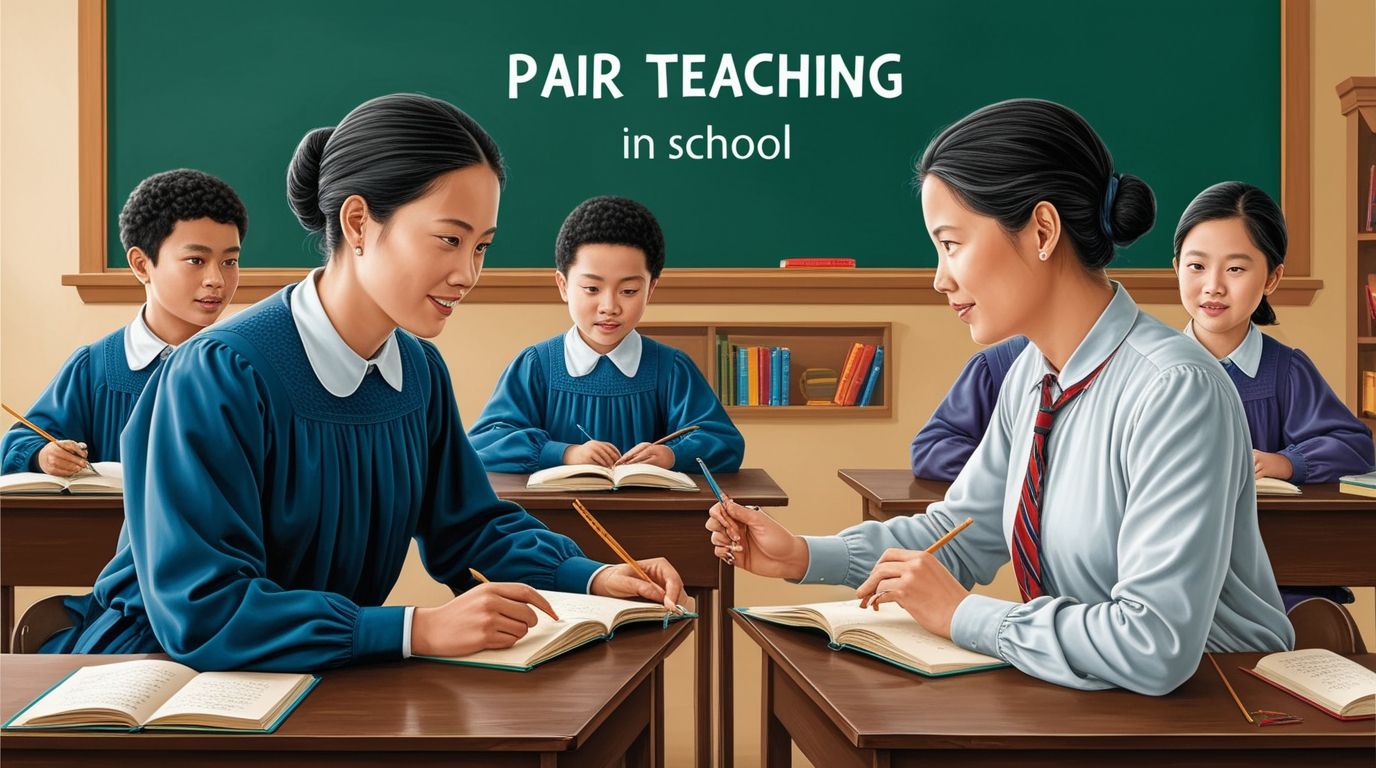
Teachers play a central role in education, yet many in Pakistan face limited training opportunities. Community organizations address this issue by offering teacher training programs. These sessions focus on modern teaching methods, classroom management, and use of technology. Additionally, they introduce child-centered and activity-based learning approaches, which make lessons more engaging. Organizations also provide refresher courses to update teachers on curriculum changes. By organizing workshops and peer-learning circles, they encourage collaboration among educators. Some community groups even offer incentives, such as stipends or recognition awards, to motivate teachers. Importantly, trained teachers not only deliver lessons more effectively but also inspire students to stay in school. In rural areas, where qualified teachers are scarce, such training programs are especially valuable. Moreover, teacher development creates long-term benefits for the education system. Therefore, community organizations play a crucial role in improving teaching standards and ensuring better learning outcomes.
Bridging Gender Gaps in Education
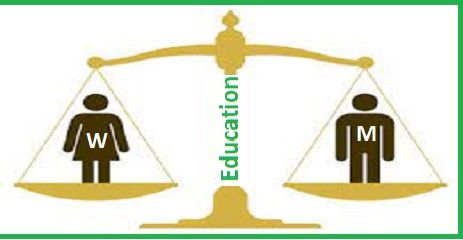
Gender disparity is a major issue in Pakistan’s education system. Millions of girls remain out of school due to cultural norms, safety concerns, and financial constraints. Community organizations play an important role in bridging this gap. They raise awareness about the benefits of girls’ education and challenge stereotypes. Many organizations establish girls-only schools or provide safe transport facilities to encourage enrollment. Additionally, they offer scholarships and free uniforms to reduce financial barriers. By involving female teachers, they also make education more acceptable in conservative communities. Moreover, community organizations engage parents and religious leaders to support girls’ education. Through advocacy, they influence policies that promote gender equality in education. As a result, many areas have seen increased female enrollment and reduced dropout rates. Bridging gender gaps not only improves access but also contributes to broader social development. Therefore, community organizations are key players in promoting gender equality in education.
Inclusive Education and Special Needs Support
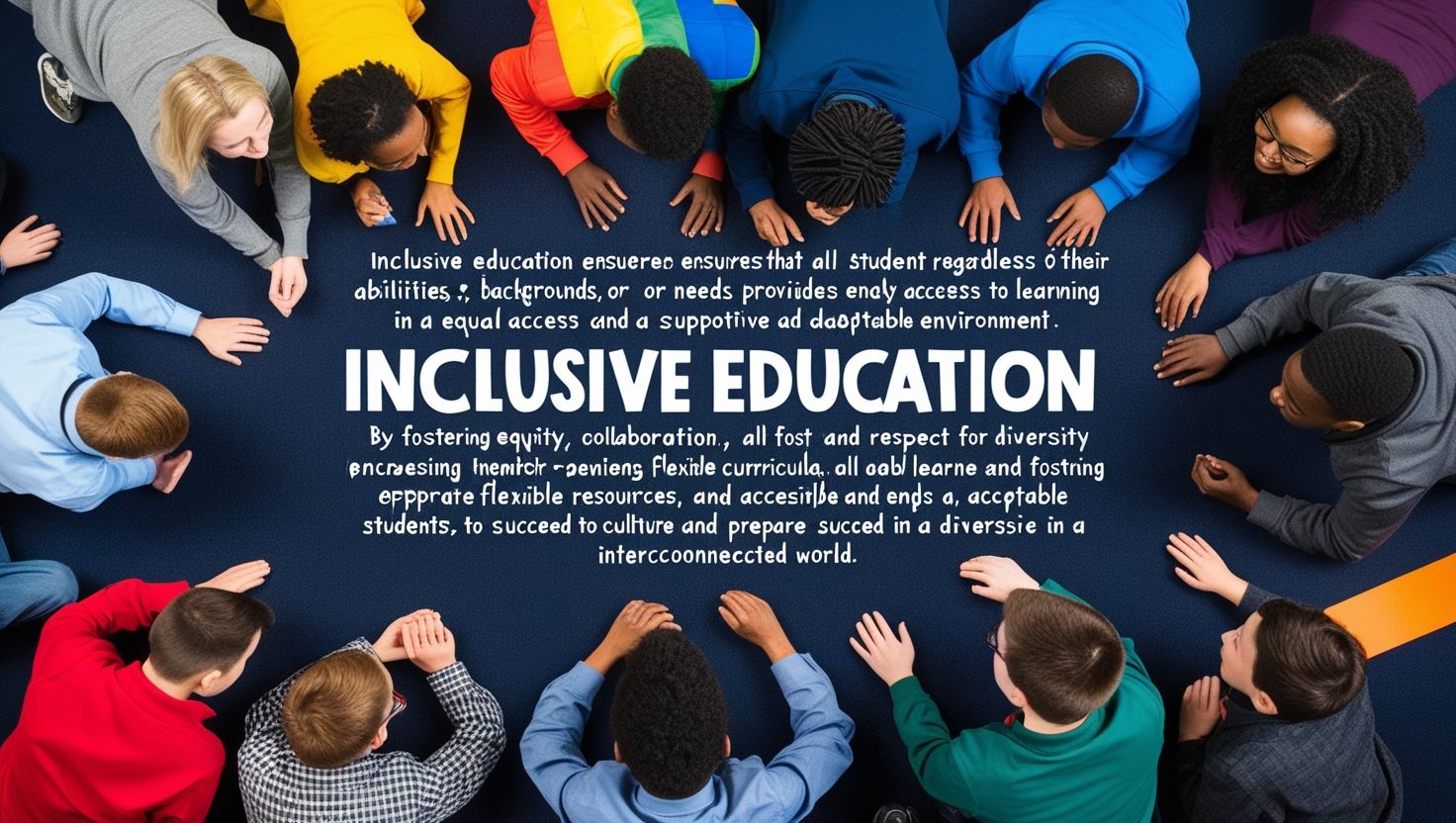
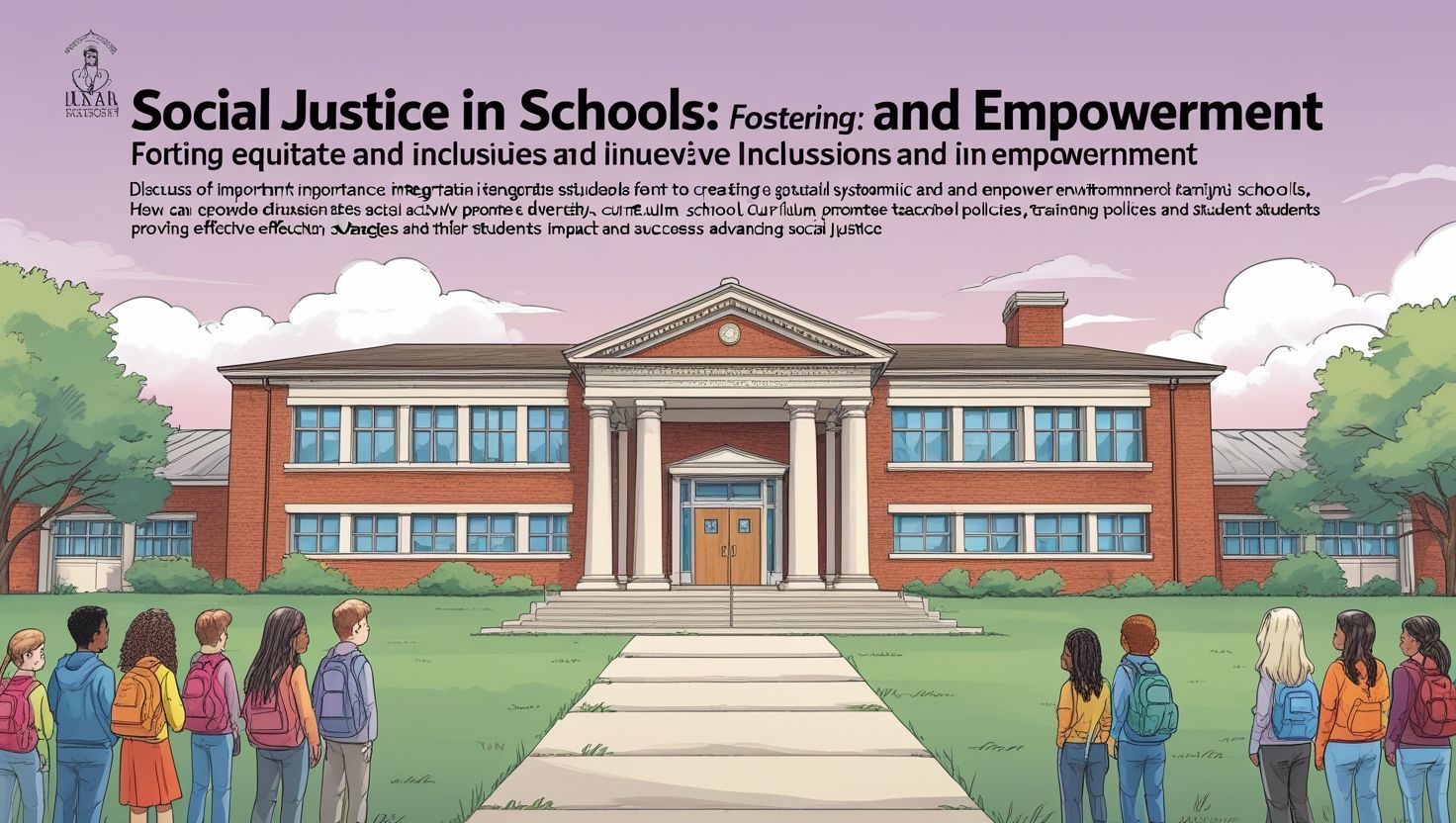
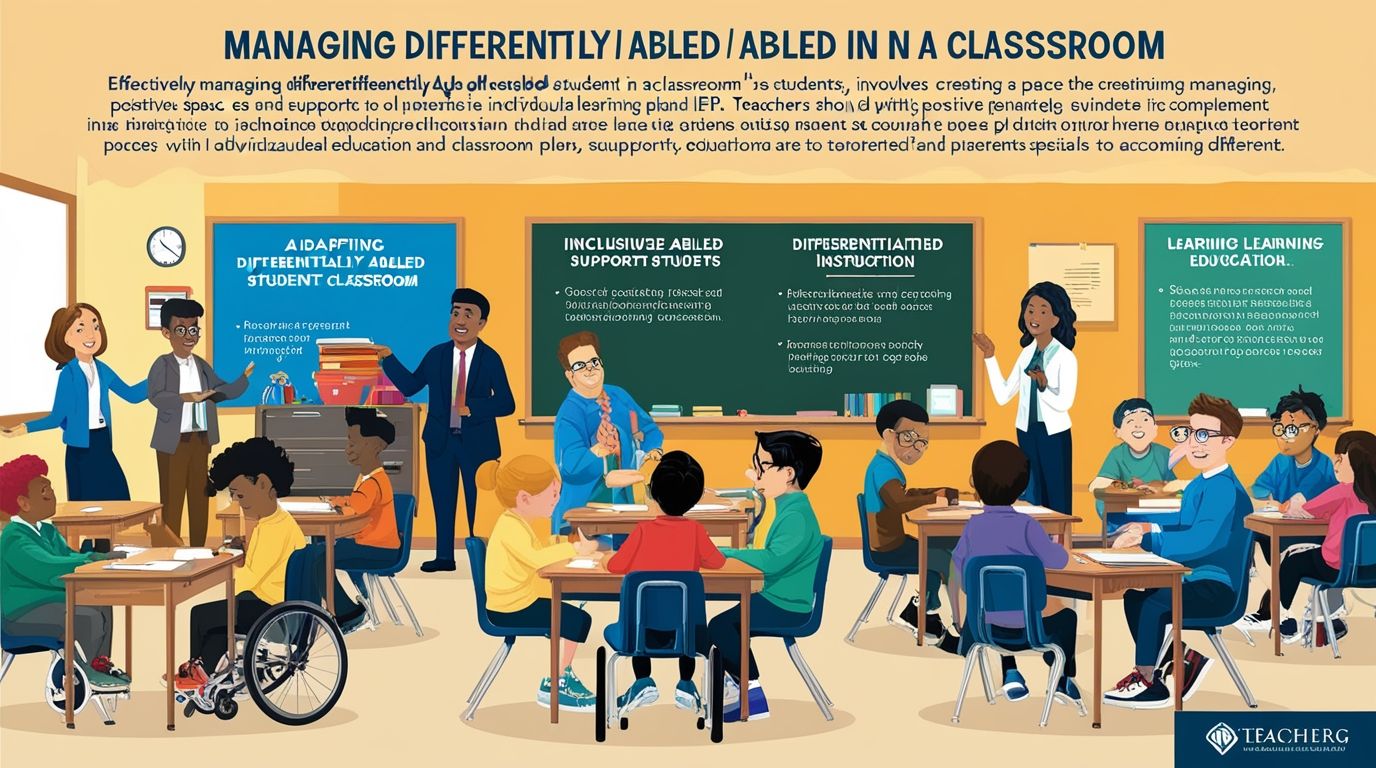
Inclusive education ensures that children with disabilities or learning difficulties also receive opportunities to learn. In Pakistan, this area often receives little attention from mainstream schools. Community organizations have stepped in to address this gap. They create awareness about the rights of children with special needs and establish inclusive learning environments. Some organizations run specialized schools, while others integrate these children into regular classrooms with additional support. They provide assistive devices, such as hearing aids or wheelchairs, and train teachers to handle diverse learning needs. Moreover, they engage parents in the process to reduce stigma and ensure continuity of learning at home. By promoting inclusive education, these organizations foster acceptance and diversity in classrooms. Importantly, this approach prepares society to respect and value differences. Inclusive initiatives also align with international commitments like the Sustainable Development Goals. Thus, community organizations are critical in promoting equal educational opportunities for all children.
Advocacy and Policy Influence
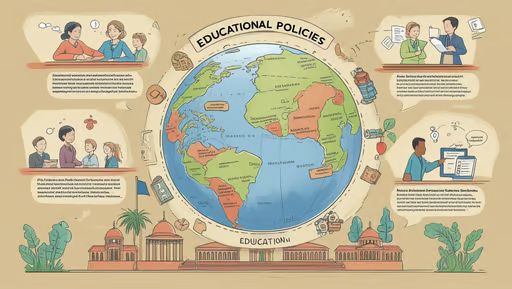
Community organizations in Pakistan not only work at the grassroots level but also influence policies. They raise concerns about educational challenges and advocate for reforms. For example, they highlight issues like low budget allocations, lack of accountability, and poor teacher recruitment. By conducting research and publishing reports, they provide evidence for better policymaking. Additionally, they organize campaigns and engage with media to build public pressure on authorities. Their participation in consultative forums ensures that community voices are heard in policy discussions. Some organizations also lobby for laws that protect the right to education, especially for marginalized groups. By building coalitions and networks, they amplify their influence at national and provincial levels. Importantly, their advocacy leads to tangible outcomes, such as increased funding or curriculum reforms. Therefore, community organizations serve as vital links between citizens and policymakers, ensuring accountability and progress in education.
Partnership with Government and Private Sector
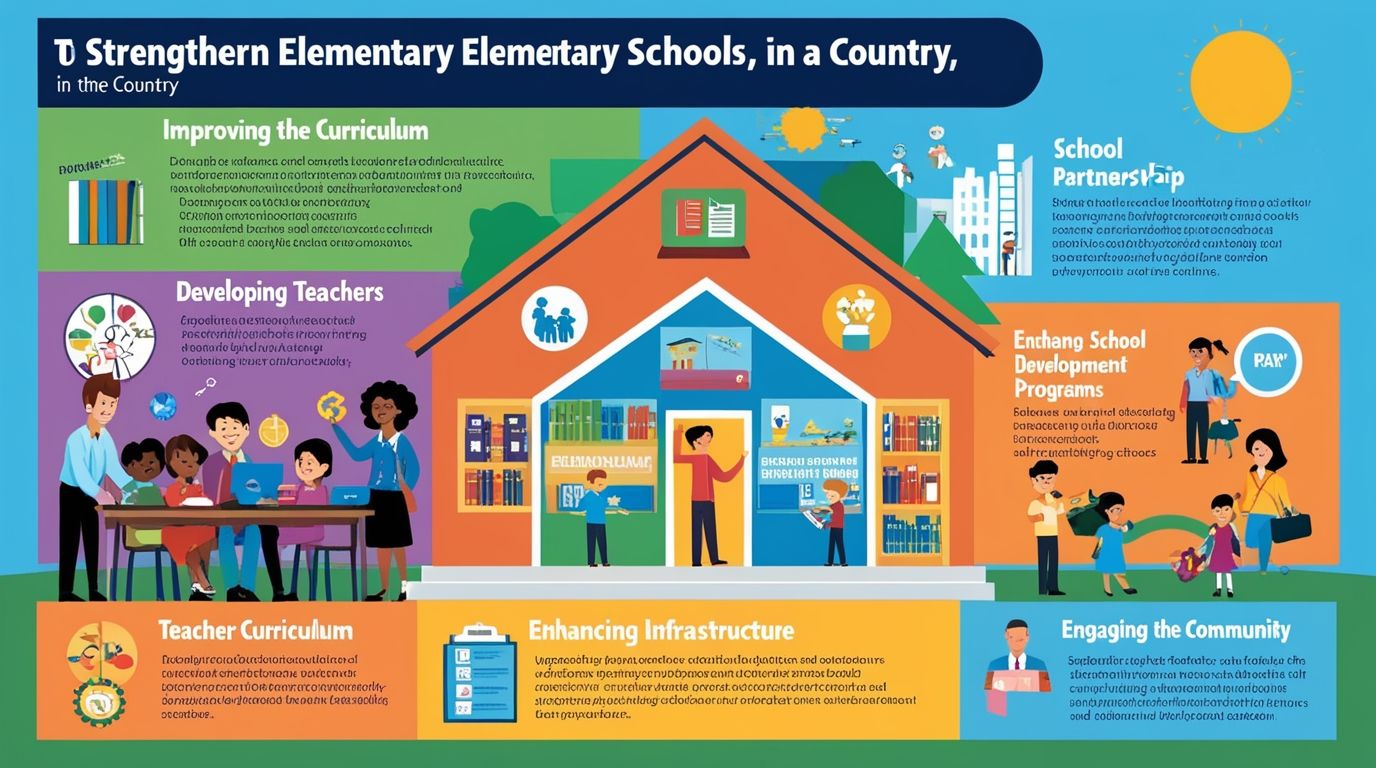
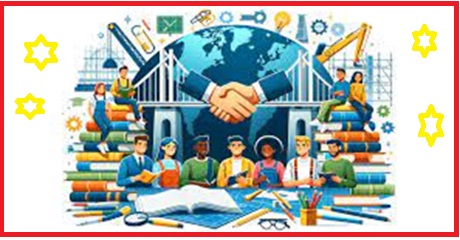
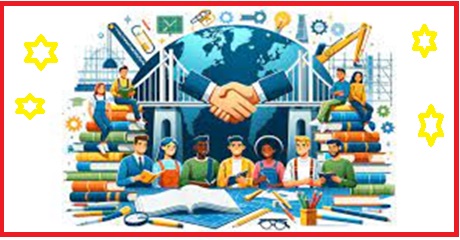
Collaboration is an essential strategy for improving education in Pakistan. Community organizations frequently partner with government departments, private companies, and international donors. These partnerships allow pooling of resources, expertise, and networks. For instance, community groups may run government schools under public-private partnership models. Similarly, they work with private companies under corporate social responsibility (CSR) programs to fund educational projects. These collaborations often result in school renovations, teacher training, and scholarship programs. Additionally, partnerships with international donors bring in technical expertise and global best practices. Importantly, partnerships build trust and ensure long-term sustainability of projects. They also help community organizations scale up their initiatives and reach more beneficiaries. By working together, different stakeholders maximize their impact and reduce duplication of efforts. Therefore, partnerships represent a powerful way to strengthen education in Pakistan.
Addressing Financial Barriers for Students
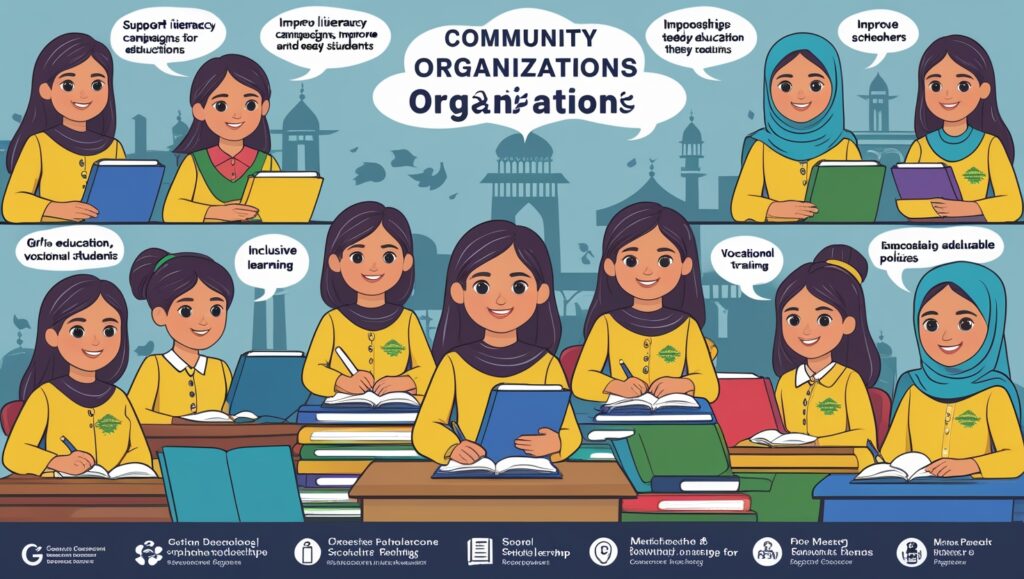
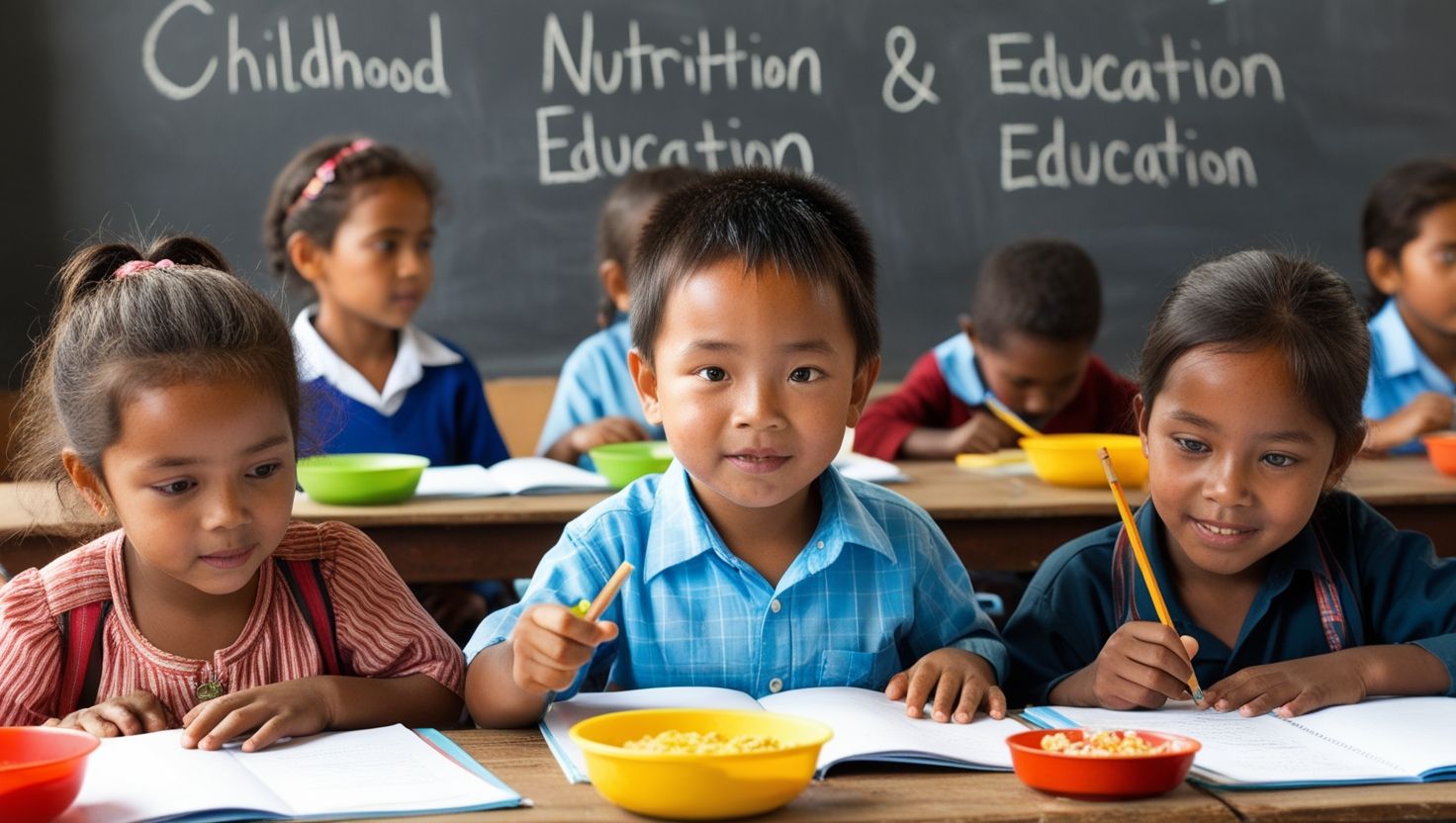
Poverty is one of the leading reasons why children in Pakistan drop out of school. Community organizations actively address this barrier by providing financial support. They offer scholarships, free uniforms, and school supplies to children from low-income families. Some organizations also introduce school feeding programs, ensuring students receive at least one nutritious meal daily. Additionally, they cover examination fees or transport costs to make schooling affordable. Microfinance initiatives are also used to support parents, enabling them to invest in their children’s education. By reducing the economic burden, these organizations ensure that more children complete their education. Moreover, financial support programs often target girls, who are more likely to be pulled out of school due to costs. Importantly, such initiatives reduce dropout rates and create equal opportunities for all. Therefore, addressing financial barriers is one of the most impactful contributions of community organizations.
Role in Promoting Vocational and Technical Education
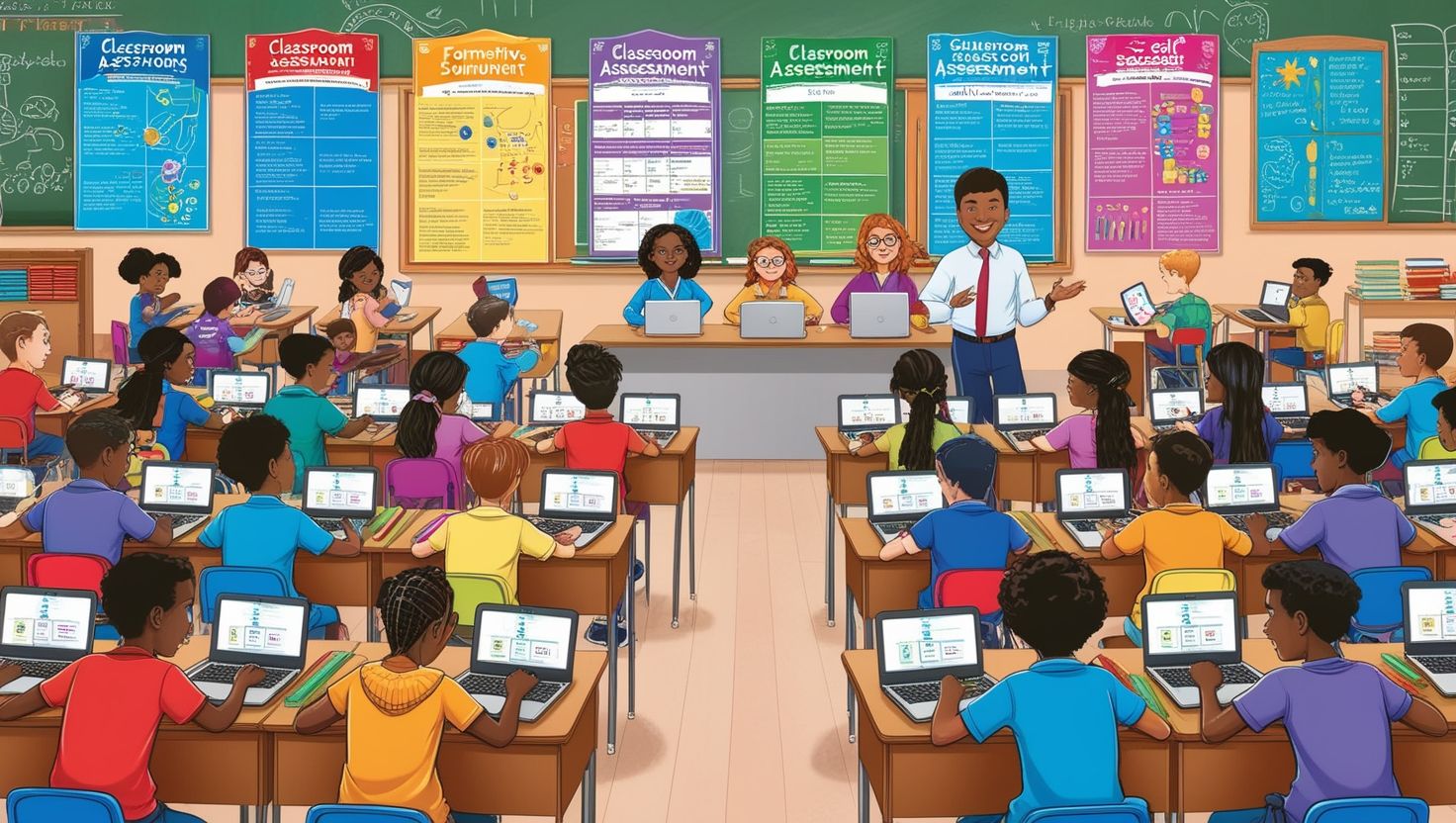
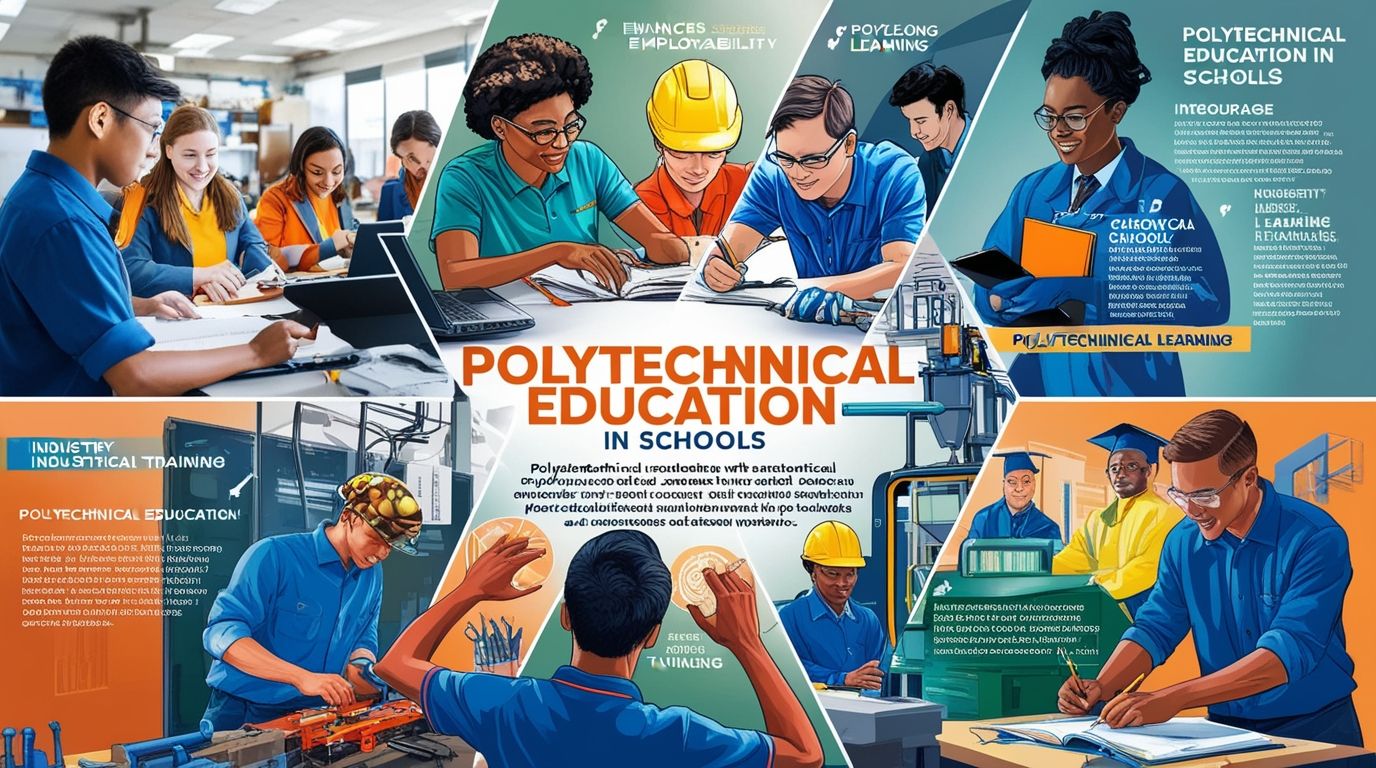
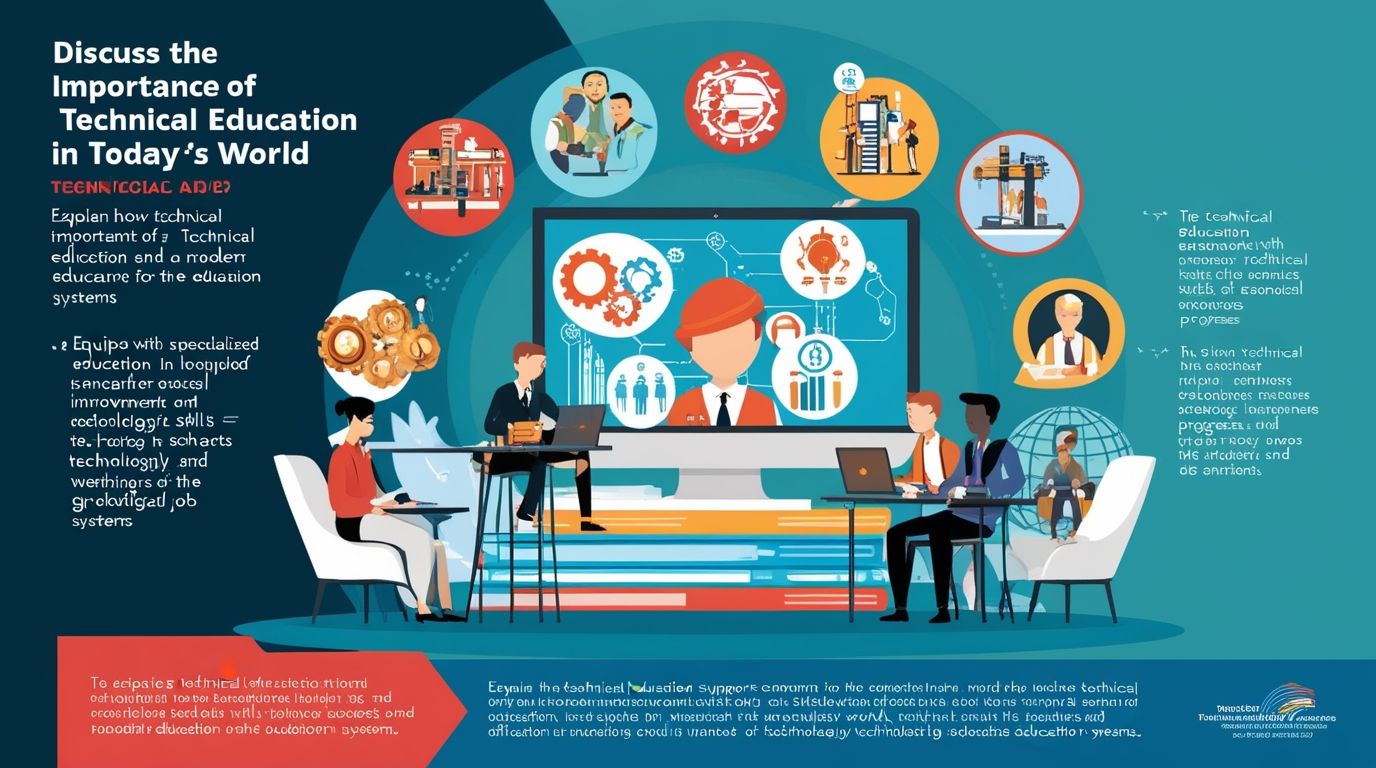
Besides traditional schooling, community organizations also promote vocational and technical education. Many young people in Pakistan face unemployment despite having formal education. Vocational training equips them with practical skills needed in the job market. Community organizations establish training centers where youth learn skills such as tailoring, carpentry, information technology, and mechanics. These programs not only provide employment opportunities but also reduce poverty. Moreover, vocational education is particularly valuable for school dropouts, giving them a second chance to succeed. By linking training programs with local industries, organizations ensure that skills are market relevant. Additionally, they encourage entrepreneurship by providing small grants or mentoring. Importantly, vocational and technical training enhances community resilience and economic development. Therefore, community organizations play a crucial role in bridging the gap between education and employment in Pakistan.
Challenges Faced by Community Organizations
Despite their significant contributions, community organizations in Pakistan face numerous challenges. Limited funding is a major obstacle, as donations and grants are often unpredictable. Political interference and bureaucratic hurdles also create difficulties in project implementation. In some areas, cultural resistance hampers efforts to promote girls’ education or inclusive schooling. Moreover, lack of trained staff and resources affects the quality of programs. Many organizations also struggle to maintain transparency and accountability, which reduces donor confidence. Additionally, overlapping efforts and lack of coordination among different organizations lead to inefficiencies. Security concerns in conflict-affected regions further limit access to communities. Despite these challenges, many organizations continue to work tirelessly to improve education. However, addressing these barriers requires stronger partnerships, sustainable funding, and supportive policies. Therefore, the challenges highlight the need for systemic reforms to enable community organizations to function effectively.
Future Prospects of Community Organizations in Education
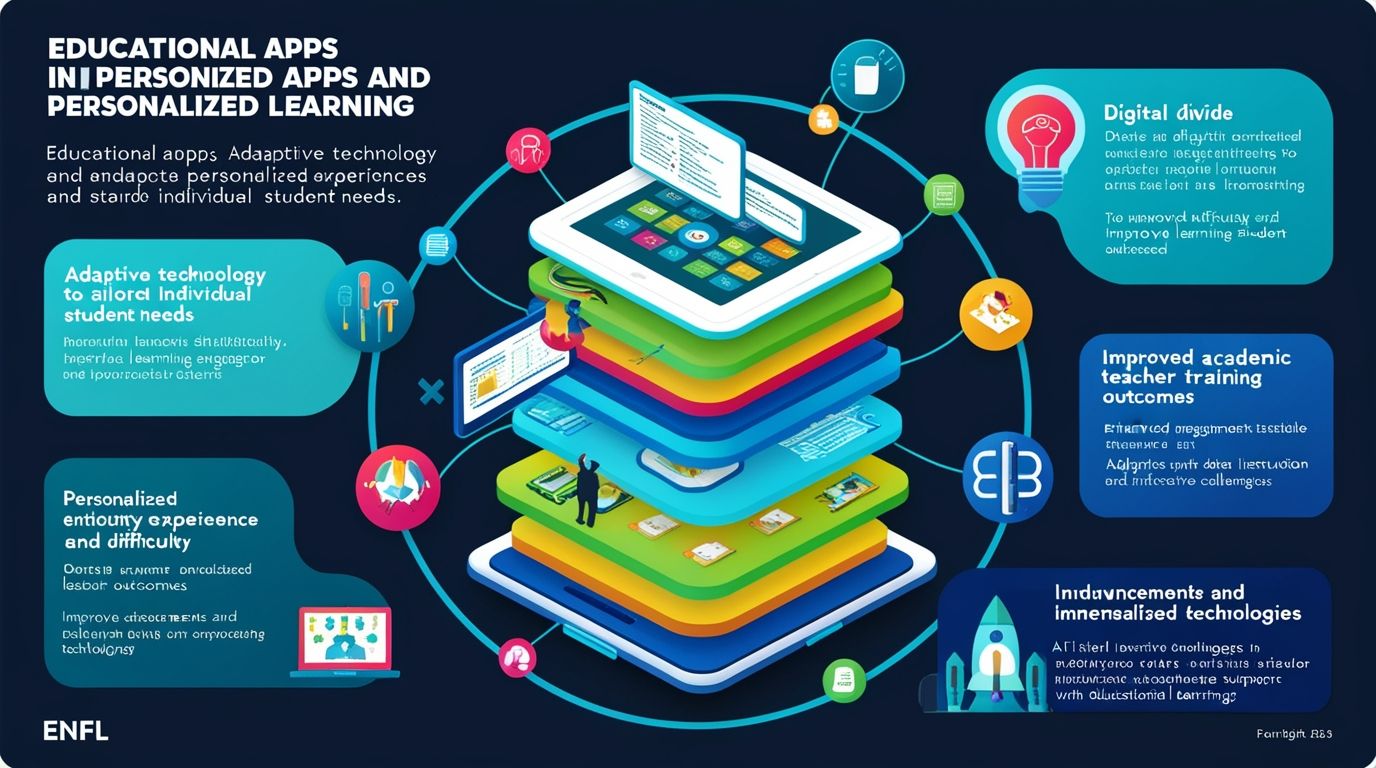
The future of community organizations in Pakistan’s education sector holds great promise. With growing awareness and global support, their role is expected to expand. Increasing use of digital technology will provide new opportunities for learning and outreach. For example, community organizations can use online platforms for teacher training and student learning. Greater collaboration with government and private sectors will enhance resources and sustainability. Moreover, focus on Sustainable Development Goals will drive initiatives toward inclusivity and equality. Community organizations are also likely to emphasize climate education and digital literacy, preparing students for future challenges. Strengthening monitoring and evaluation systems will improve accountability and impact. Importantly, youth participation in community organizations will ensure innovation and continuity. Thus, the future looks bright if systemic support and collaboration are ensured.
Conclusion
Community organizations in Pakistan play a vital role in supporting education and addressing challenges. They promote literacy, improve infrastructure, train teachers, and advocate for reforms. Moreover, they work to bridge gender gaps, support inclusive education, and provide financial assistance to students. By promoting vocational education, they also prepare youth for the job market. Despite challenges such as limited funding and cultural barriers, their contributions remain essential. The future of education in Pakistan requires stronger collaboration between community organizations, government, and private stakeholders. With enhanced support, these organizations can scale their impact and ensure education for all. Ultimately, community organizations embody the spirit of collective responsibility. Their efforts bring hope and progress to communities, making education accessible, equitable, and sustainable.
References
- Andrabi, T., Das, J., & Khwaja, A. I. (2006). A Dime a Day: The Possibilities and Limits of Private Schooling in Pakistan. World Bank Policy Research Working Paper.
- Khan, S. R. (2005). Basic Education in Rural Pakistan: A Comparative Institutional Analysis. Oxford University Press.
- UNESCO. (2015). Education for All 2000–2015: Achievements and Challenges. Paris: UNESCO.
- The Citizens Foundation (TCF). (2023). Annual Report. Retrieved from https://www.tcf.org.pk




























































































بی سی ای ای یاماموتو، یک مکمل ورزشی پیشرفته حاوی آمینواسیدهای شاخهدار (لوسین، ایزولوسین و والین) با خلوص بسیار بالا است.
بی سی ای ای رول وان، یک مکمل ورزشی باکیفیت است که از سه اسید آمینه شاخهدار ضروری شامل لوسین، ایزولوسین و والین با نسبت علمی و اثباتشده 2:1:1 تشکیل شده است.
وی ایزوله مای پروتئین، با خلوص فوقالعاده بالا، یکی از بهترین انتخابها برای ورزشکاران است.
گینر اپلاید، یک فرمولاسیون فوقحرفهای است که فراتر از یک گینر معمولی برای افزایش وزن است.
کراتین اسکال لبز، یعنی کیفیت و خلوص! اسکال لبز یک برند لهستانیه که در تولید مکملهای ورزشی با کیفیت بالا شناخته شده.
امگا 3 رول وان، مستقیماً روی توانایی شما برای یادگیری، تمرکز، و حتی مدیریت استرس تأثیر میذاره.
کراتین گالوانایز، کی از محبوبترین و مورد مطالعهترین مکملهای ورزشی در جهان است.
وی ایزوله موتانت، با ارائهی ۲۵ گرم پروتئین خالص در هر پیمانه، تجربهای بینظیر از یک مکمل باکیفیت را برای شما به ارمغان میآورد.
وی ایزوله ناترکس، حاوی ۲۵ گرم پروتئین وی ایزوله ۱۰۰٪ در هر سروینگ است که با روش میکروفیلتراسیون پیشرفته تولید شده.
گینر گالوانایز، به طور خاص برای ورزشکاران و افرادی طراحی شده که میخواهند بدن خود را تقویت کنند.