

Introduction
A well-designed and comprehensible curriculum forms the backbone of effective education, serving as a roadmap that guides both educators and learners. This essay argues that a deep understanding of the curriculum
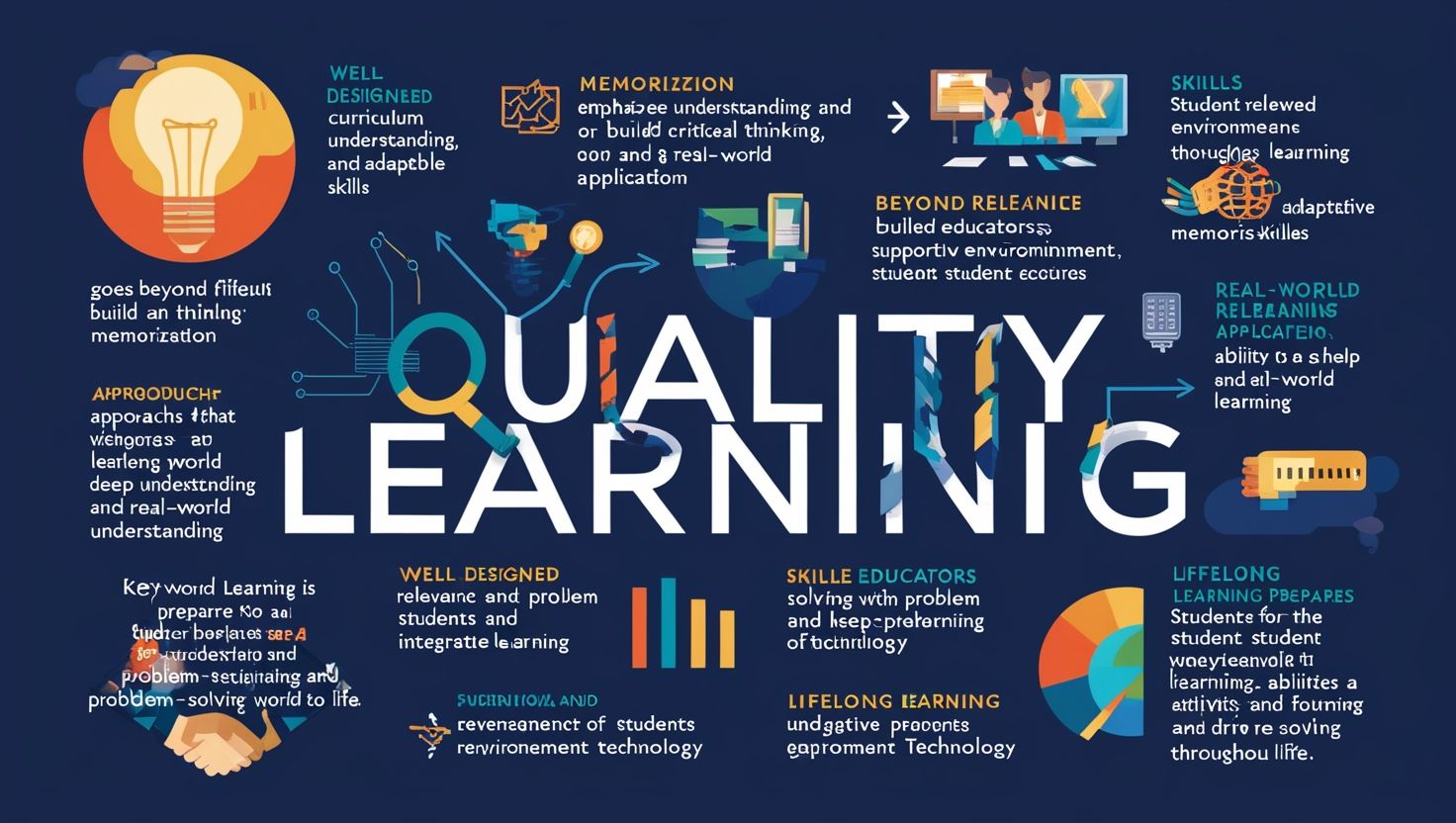
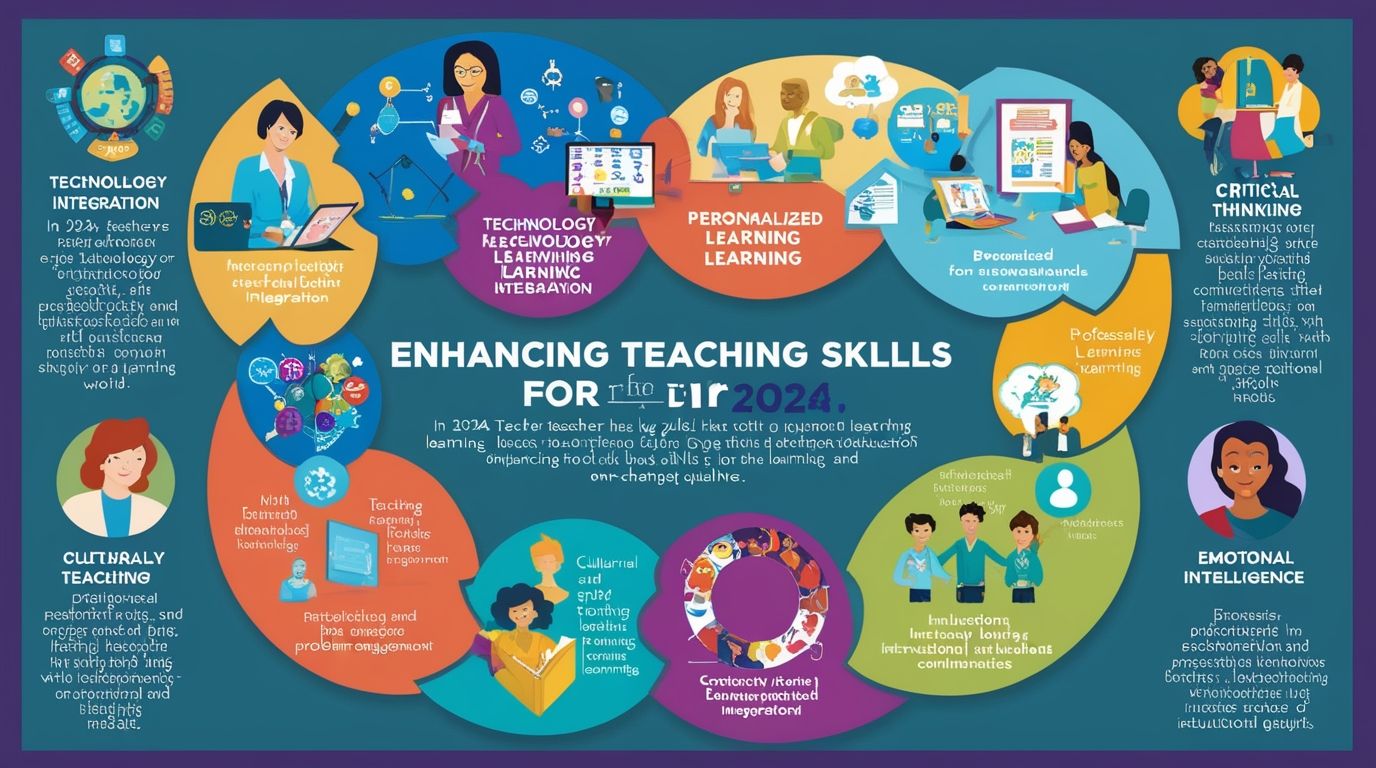
Introduction: A well-designed and comprehensible curriculum forms the backbone of effective education. The Role of Curriculum in Teaching and Learning is very vital. It serving as a roadmap that guides both educators and learners. In this a deep understanding of the curriculum is indispensable for fostering better teaching and learning experiences in schools. From shaping instructional strategies to enhancing student engagement, curriculum understanding is a cornerstone that significantly influences the educational landscape.
Alignment with Educational Objectives: Understanding the curriculum allows educators to align their teaching methods with the overarching educational objectives. Curriculum and instructional practices purposefully designed to meet the learning outcomes specified in the curriculum framework. in addition, this alignment creates a cohesive and purposeful educational journey for students, facilitating a more meaningful and goal-oriented learning experience.
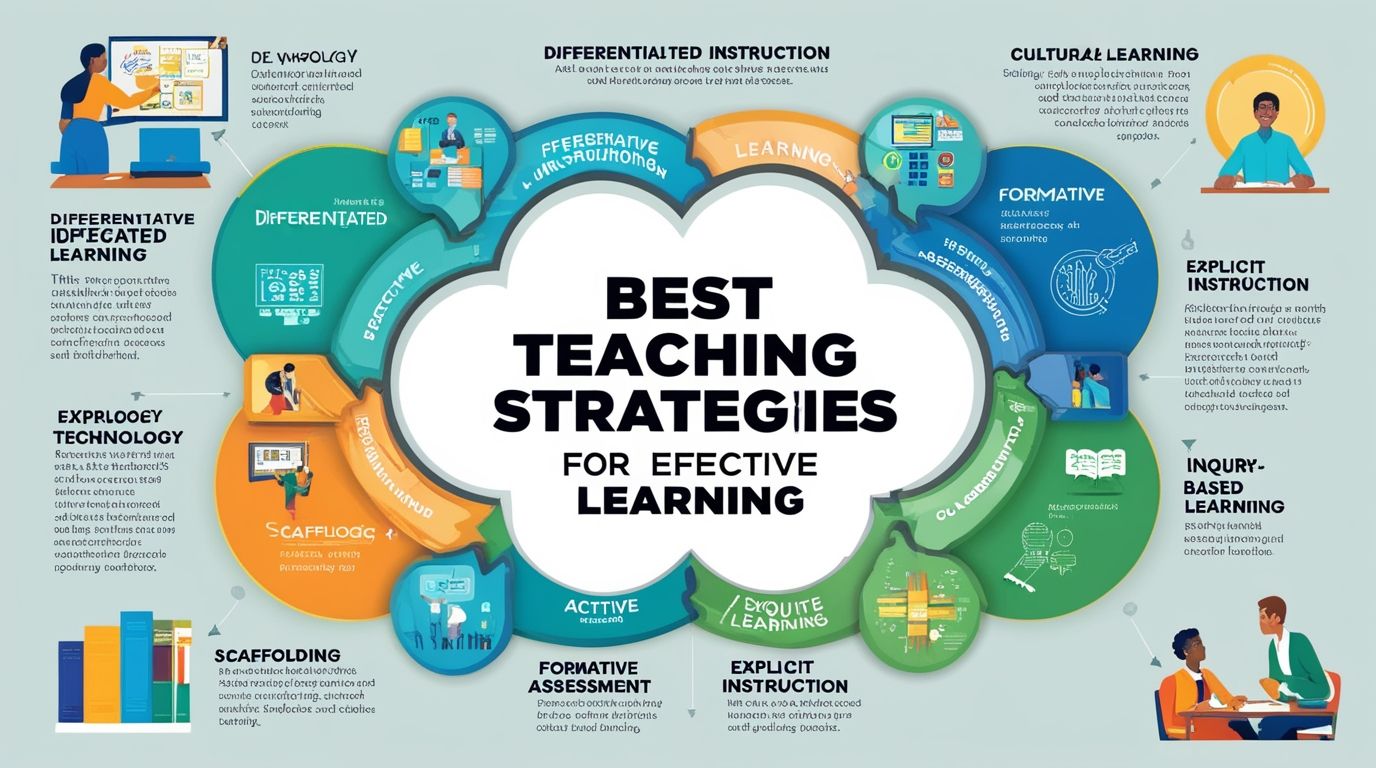
Informed Instructional Strategies: Curriculum understanding empowers educators to make informed decisions regarding instructional strategies. Knowing the intricacies of the curriculum enables teachers to choose appropriate pedagogical approaches, instructional materials, and assessment methods. Furthermore, teaching methods needs and learning styles of students, optimizing the effectiveness of the educational process.
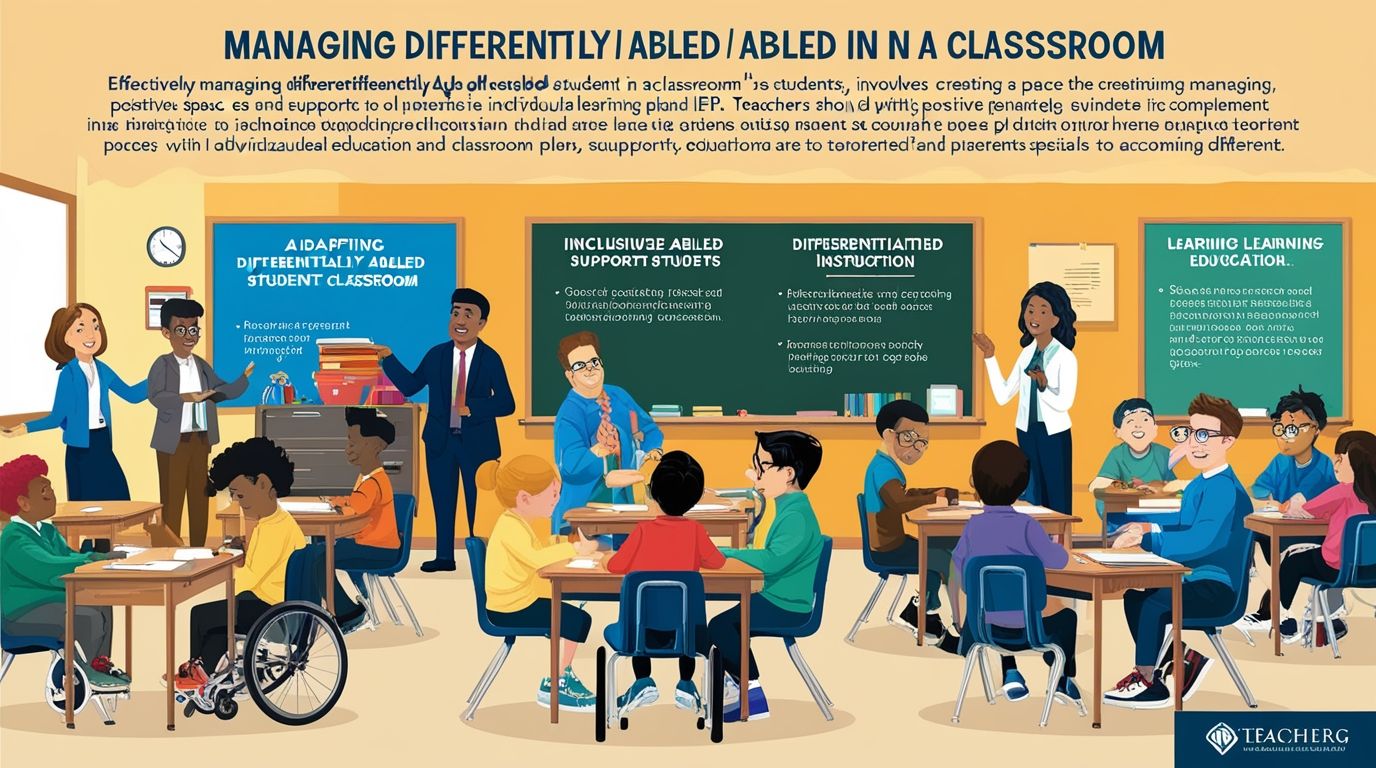
Adaptation to Diverse Learner Needs: A nuanced understanding of the curriculum allows educators to adapt their teaching methods to accommodate diverse learner needs. Recognizing the varied abilities, interests, and learning styles within a classroom. In addition, Teachers can employ differentiated instruction, addressing individual strengths and challenges. This adaptability fosters an inclusive learning environment where every student can thrive.
Enhanced Student Engagement: Curriculum understanding contributes to heightened student engagement by facilitating the creation of relevant and engaging learning experiences. Educators who grasp the intricacies of the curriculum can design lessons. Connect with real-world applications, capture students’ interests, and inspire a genuine passion for learning. After all, Actually, this heightened engagement translates into increased motivation and a more positive attitude toward education.
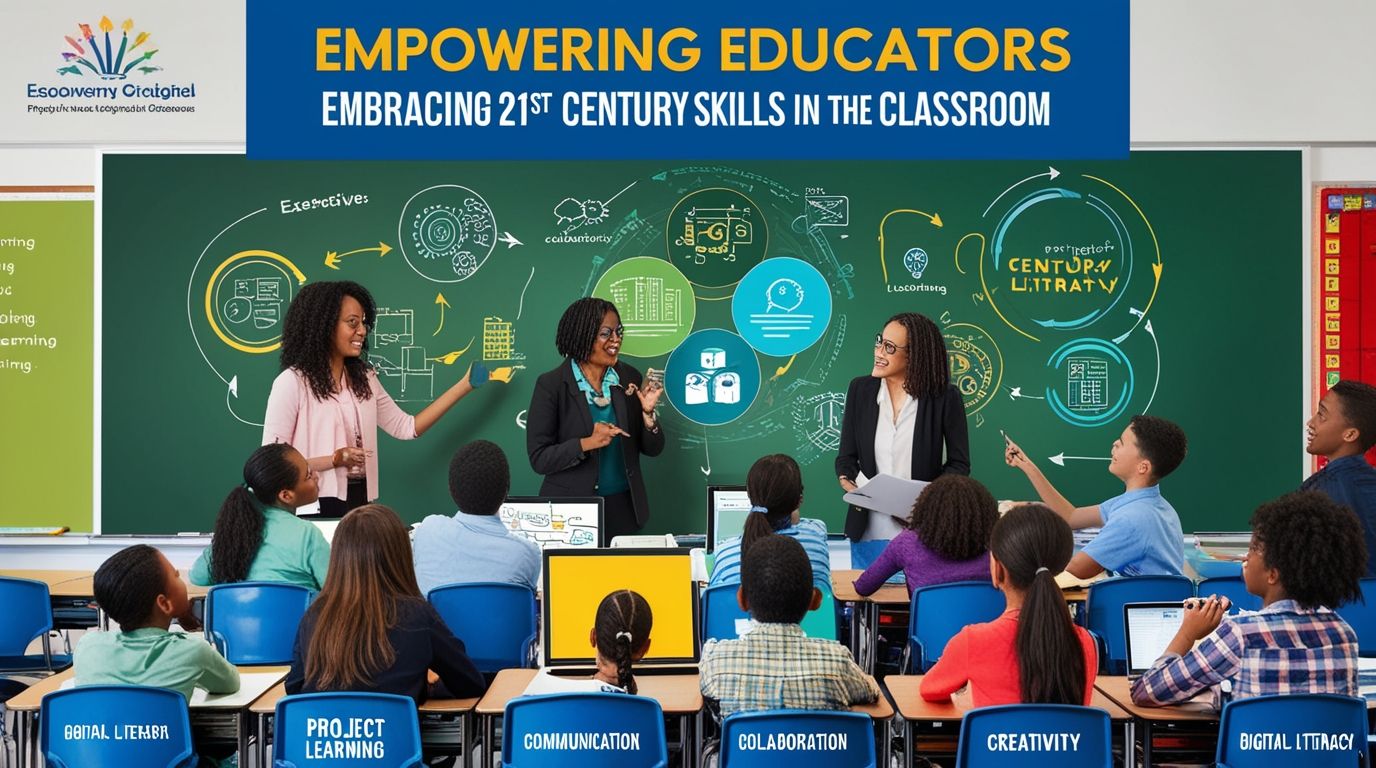
Facilitation of Lifelong Learning Skills: An in-depth understanding of the curriculum allows educators to focus not only on content delivery but also on the development of essential lifelong learning skills. Incorporating critical thinking, problem-solving, communication, and collaboration into the curriculum. Teachers can equip students with the skills necessary for success in an ever-evolving, knowledge-based society.
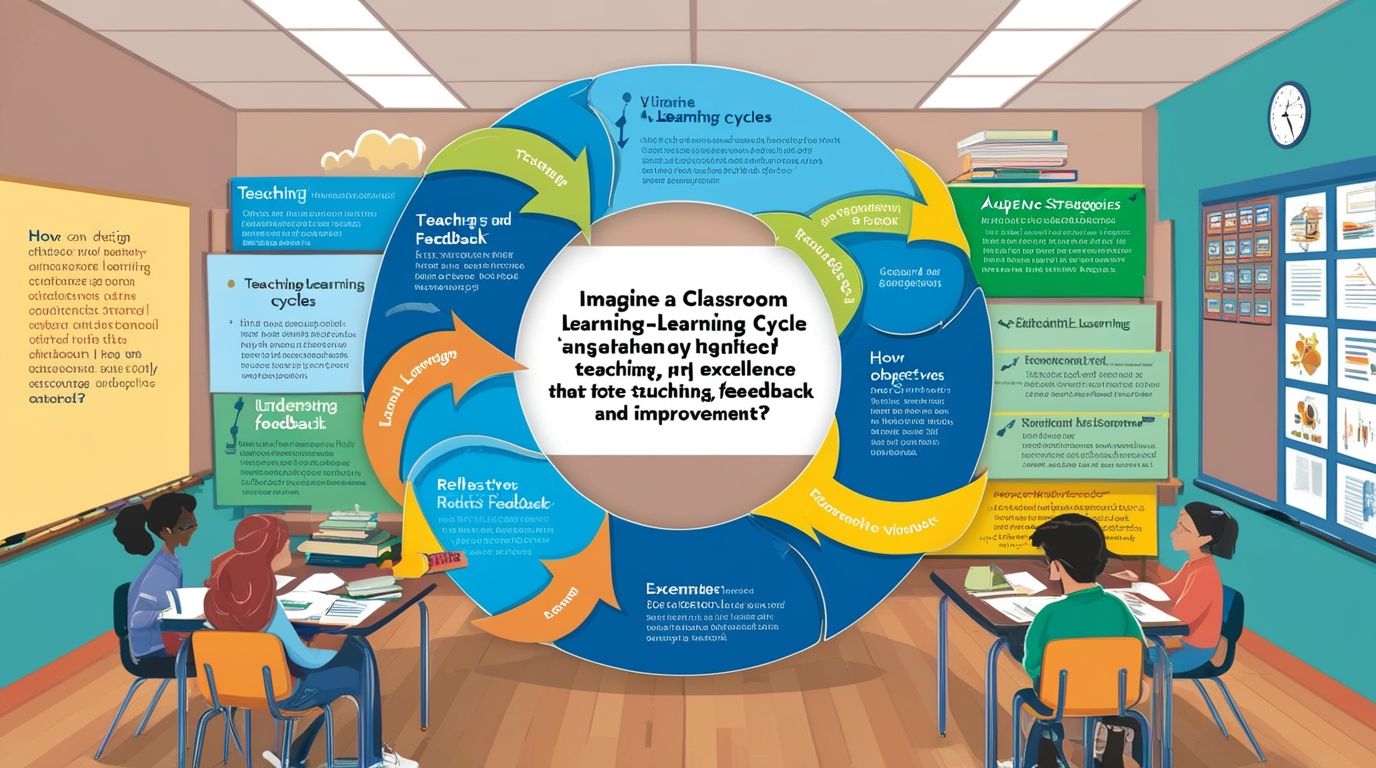
Alignment with Assessment Practices: Curriculum understanding is crucial for designing and implementing effective assessment practices. Educators can create assessments that authentically evaluate students’ mastery of the curriculum objectives. This alignment ensures that assessments provide valuable feedback to both students and teachers, guiding future instructional decisions and promoting continuous improvement.
Professional Development and Collaboration: Teachers who possess a deep understanding of the curriculum equipped for ongoing professional development and collaborative efforts. They can engage in meaningful discussions with colleagues, share best practices, and collectively enhance the overall quality of education. This collaborative approach fosters a culture of continuous improvement and professional growth within the school community.
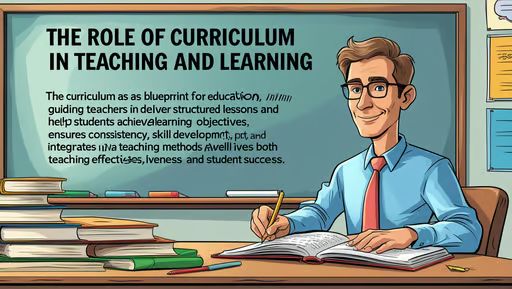
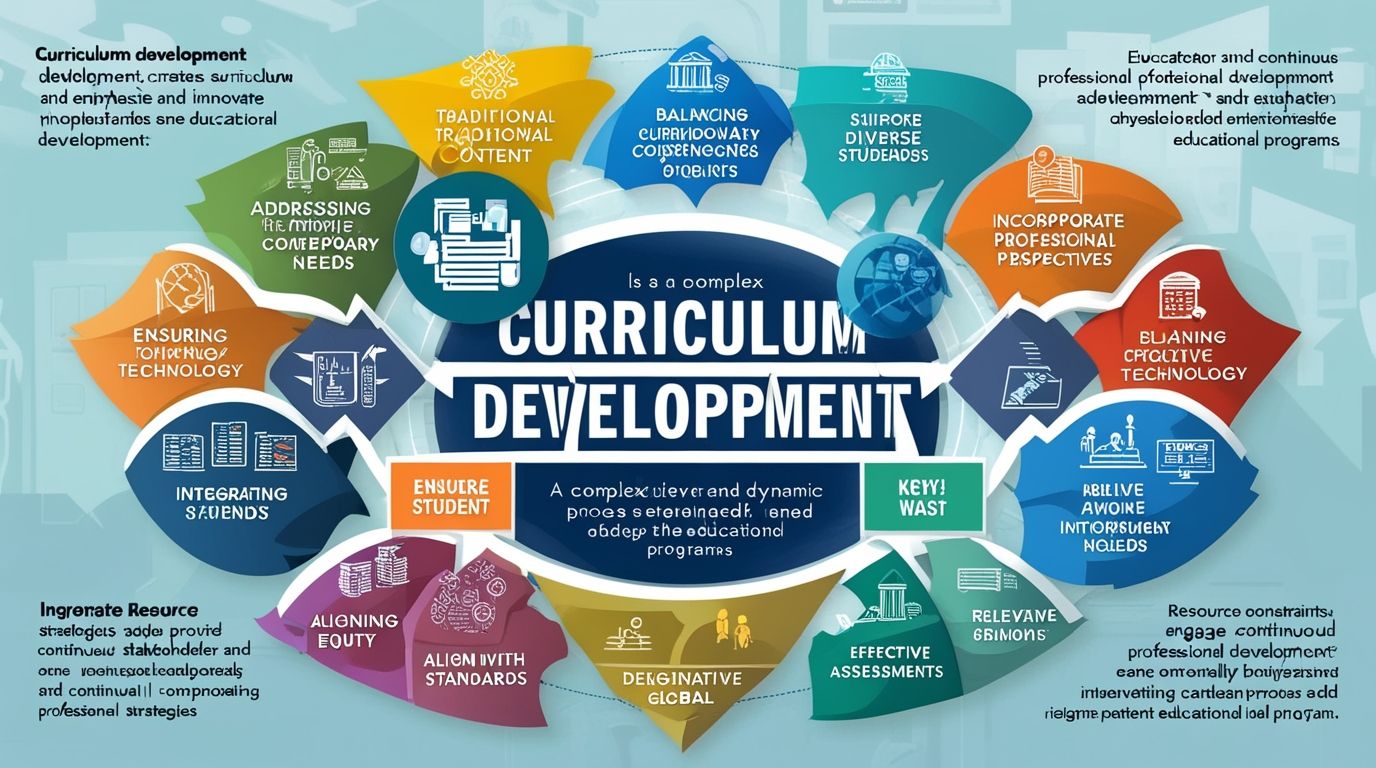
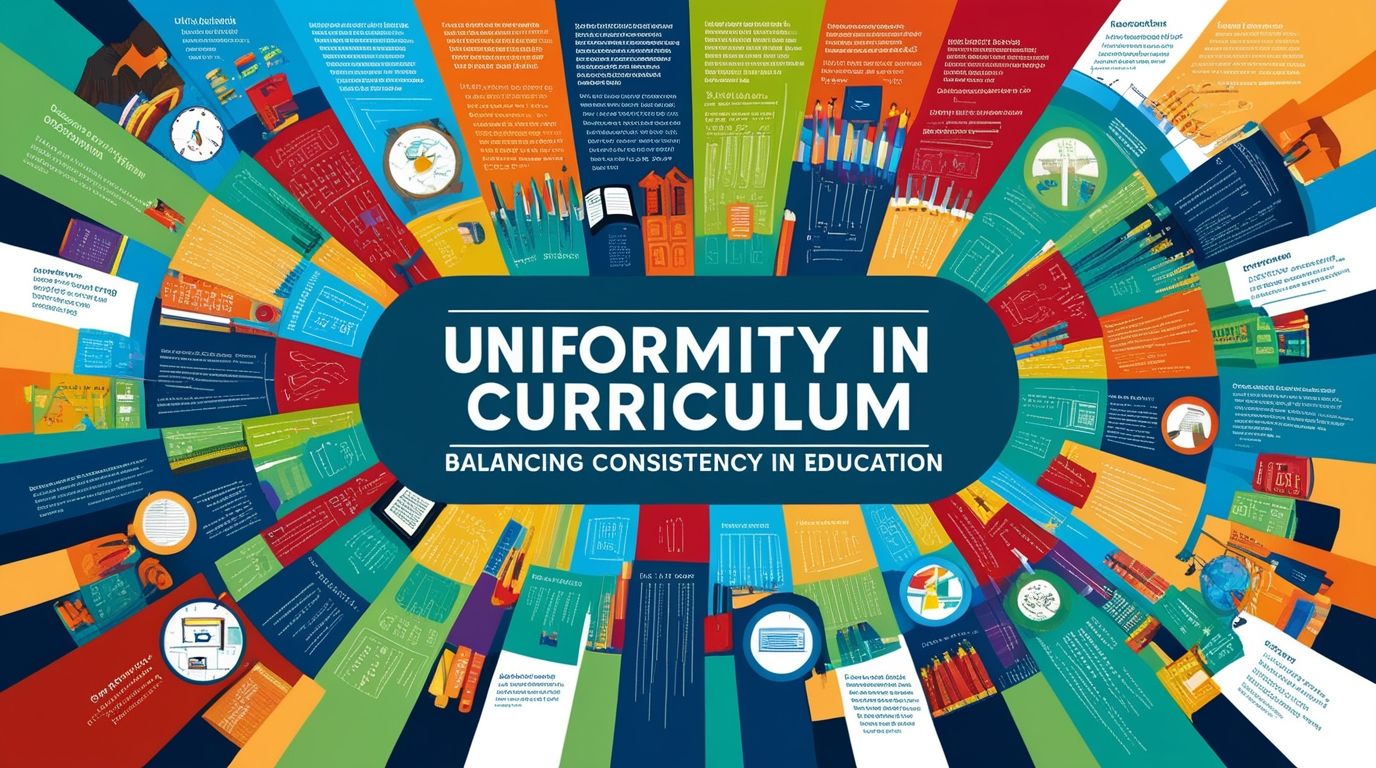
The Role of Curriculum in Teaching and Learning
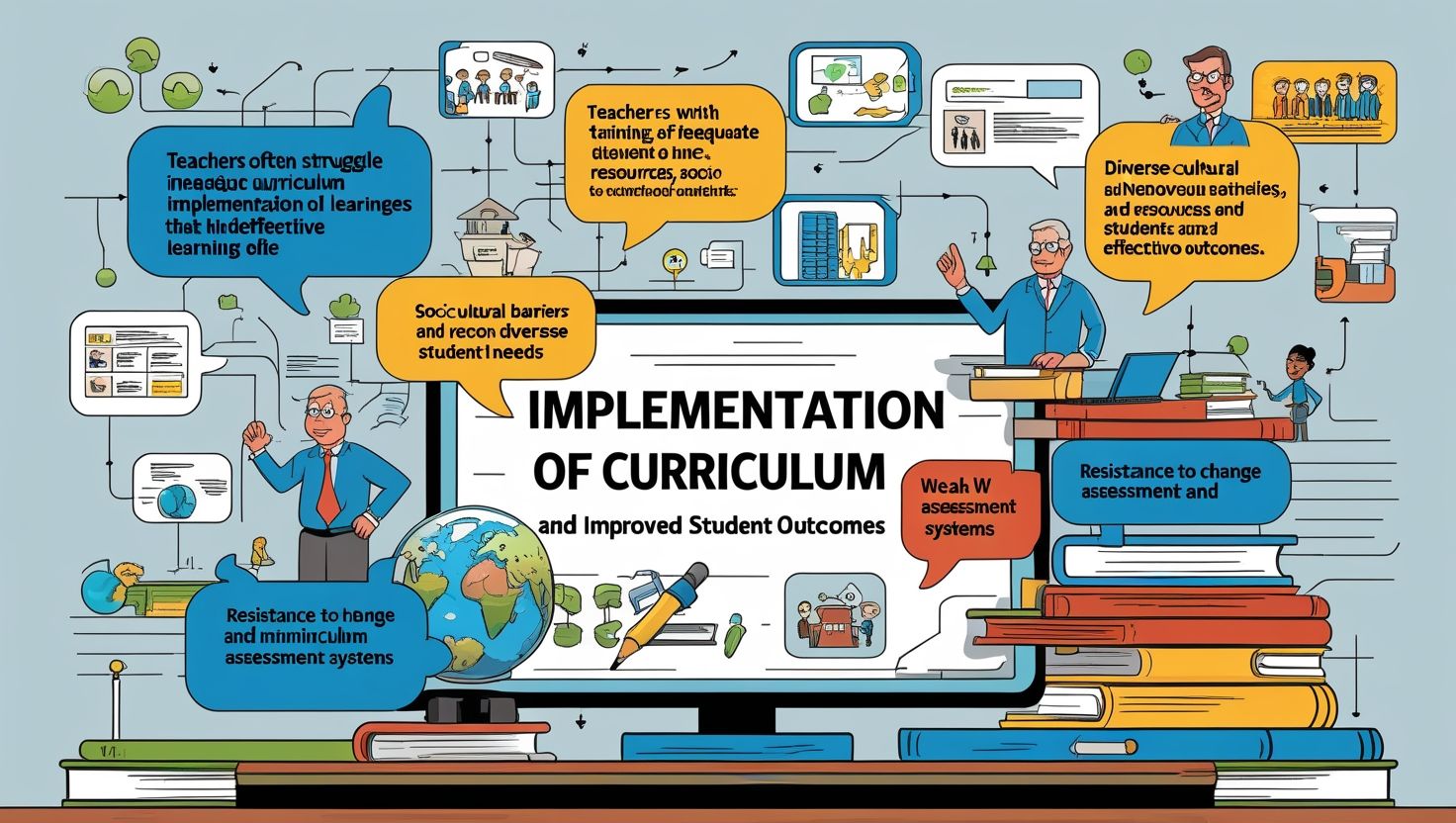
Curriculum plays a fundamental role in shaping teaching and learning by providing a structured framework that guides educators and students. It defines the knowledge, skills, and values that learners must acquire, ensuring consistency and coherence in education.
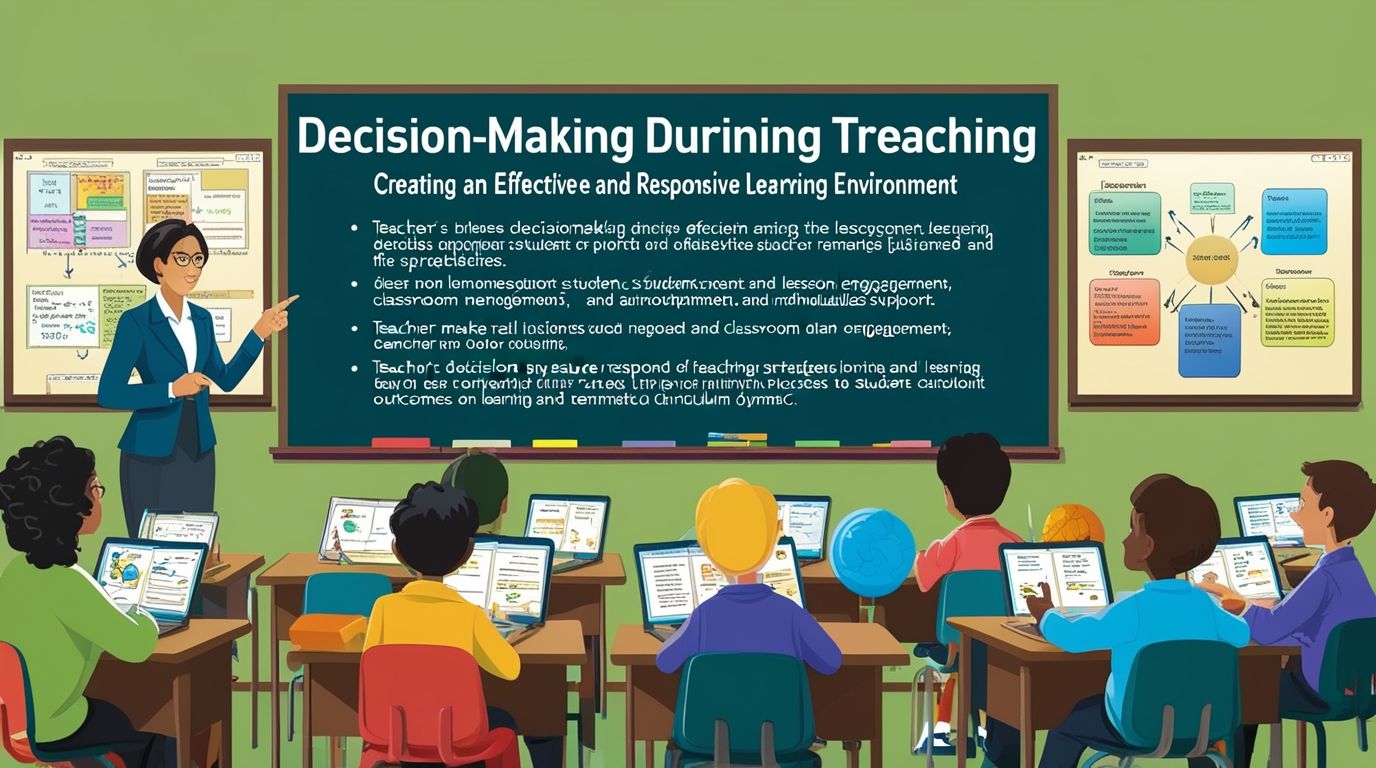
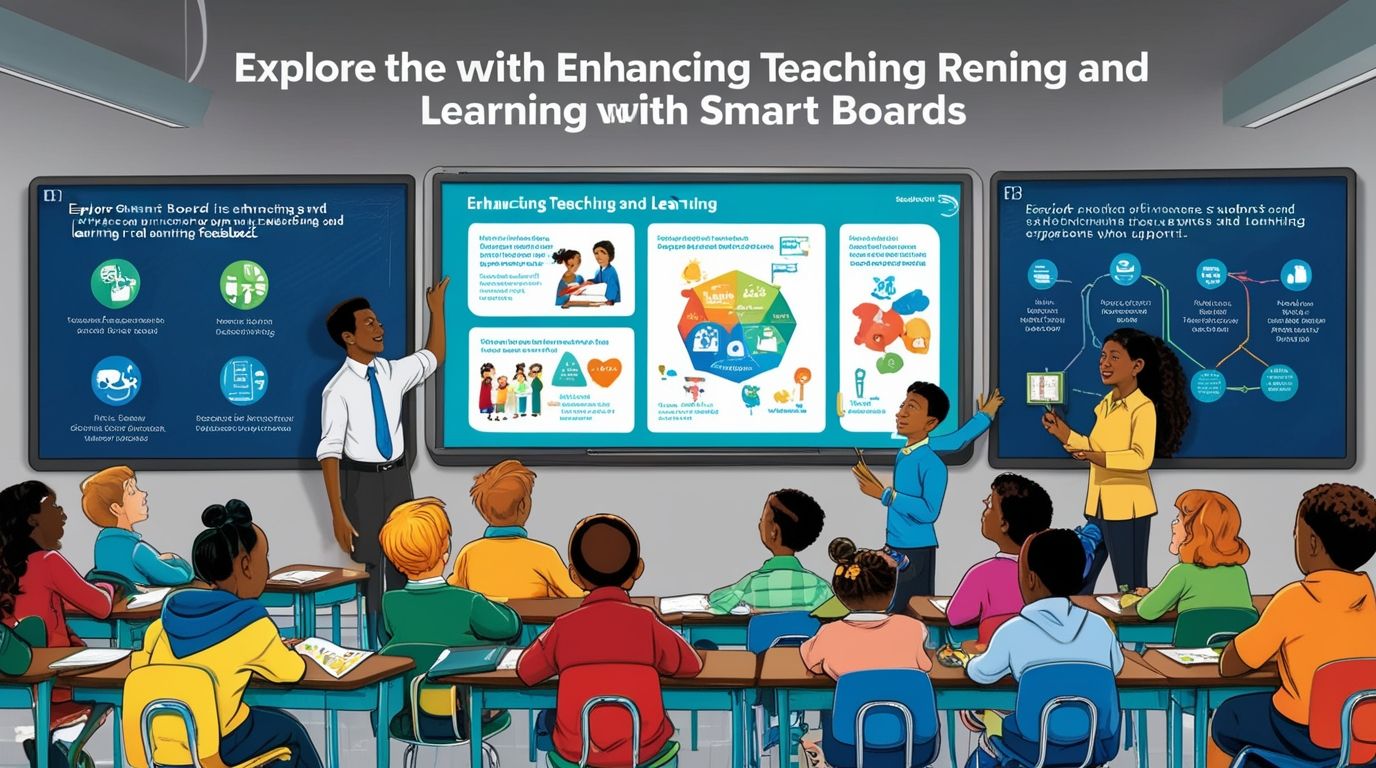
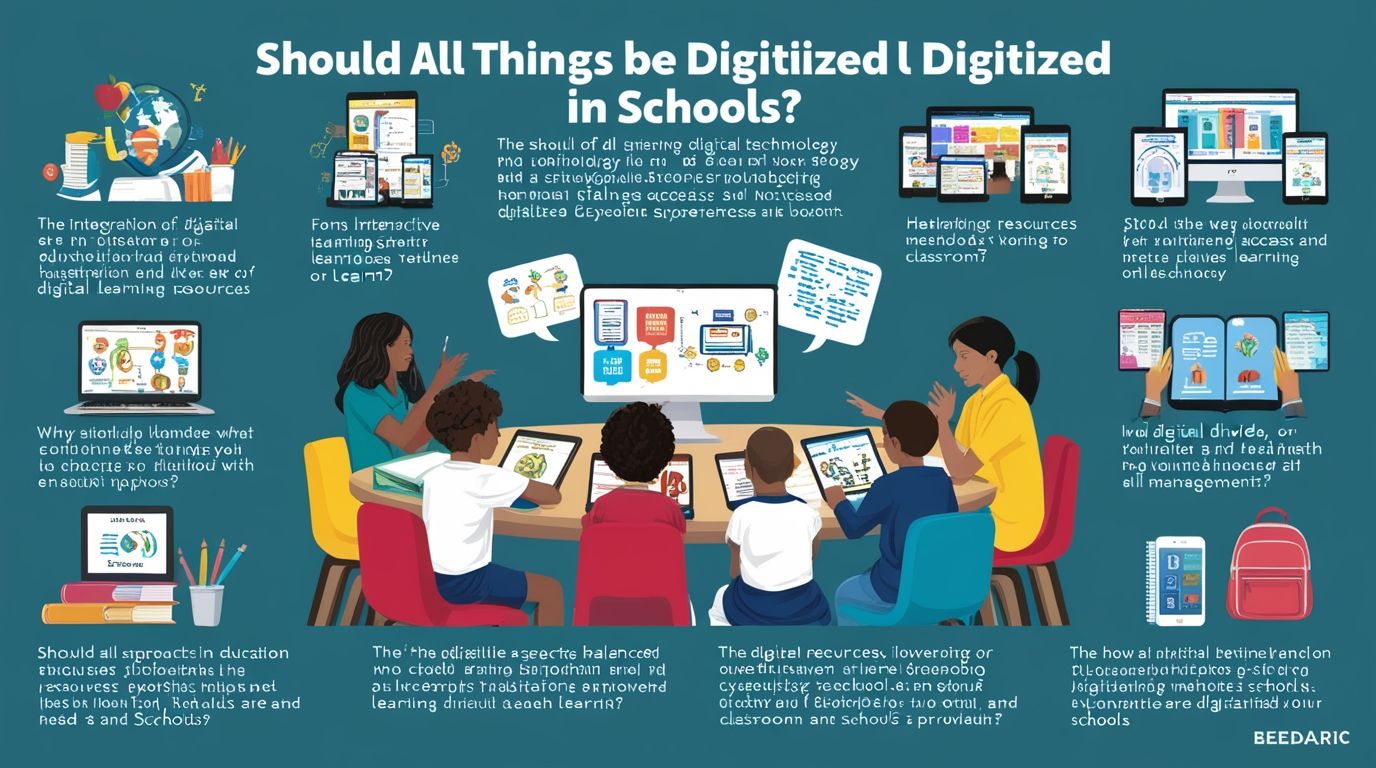
For teachers, the curriculum serves as a roadmap, outlining learning objectives, instructional methods, and assessment strategies. It helps them design lesson plans, select appropriate teaching materials, and evaluate student progress effectively. A well-structured curriculum also promotes innovative teaching approaches, integrating modern technologies and interactive learning experiences.
For students, the curriculum provides a clear learning path, ensuring they gain essential competencies for academic and personal growth. It fosters critical thinking, creativity, and problem-solving skills, preparing them for future challenges. Ultimately, an effective curriculum bridges the gap between educational goals and classroom instruction, enhancing both teaching effectiveness and student achievement.
Conclusion: The pivotal role of curriculum understanding in improving teaching and learning experiences in schools cannot be overstated. Educators who invest time and effort in comprehending the intricacies of the curriculum are better positioned. To align their instructional practices with educational objectives, adapt to diverse learner needs, and engage students in meaningful ways. Curriculum understanding not only enhances the quality of education but also empowers educators to shape a learning environment that prepares students for success in the 21st century. As we navigate the ever-evolving landscape of education, a commitment to deep curriculum understanding remains a cornerstone for transformative teaching and learning.











































































































































































































































































Hi, Neat post. There is an issue together with your website in internet explorer,
could check this? IE nonetheless is the market leader and a
good component to people will pass over your excellent writing due
to this problem.
UpvoteRocket delivers anonymous automated votes to 25+ game server toplists XtremeTop100, GTop100, TopG, MMtop200, RagnaTOP, MuTop100 and more. Undetectable, no bans, no risk. Pay only per successful vote delivered. Launch a campaign in seconds and rank higher today.
Thanks for the auspicious writeup. It in truth was a enjoyment account it. Look complicated to more added agreeable from you! However, how can we keep in touch?
Fala aí, dica sobre gerenciar bankroll. Já joguei muito isso a e o retorno é razoável.
Hello! Do you know if they make any plugins to protect against hackers? I’m kinda paranoid about losing everything I’ve worked hard on. Any recommendations?
I was curious if you ever considered changing the layout of your website? Its very well written; I love what youve got to say. But maybe you could a little more in the way of content so people could connect with it better. Youve got an awful lot of text for only having 1 or two pictures. Maybe you could space it out better?
I am very happy to read this. This is the type of manual that needs to be given and not the random misinformation that’s at the other blogs. Appreciate your sharing this best doc.
Hi, i feel that i saw you visited my blog thus i got here to ?go back the favor?.I’m trying to in finding things to enhance my site!I guess its adequate to make use of some of your concepts!!
I just couldn’t depart your web site prior to suggesting that I really enjoyed the standard information a person provide for your visitors? Is gonna be back often in order to check up on new posts